

In the realm of visual arts, the decision to work in black and white versus colour is one that carries significant creative weight. The absence of colour can be a powerful tool, stripping away the distractions of vibrant hues and allowing the viewer to focus on the subject’s form, texture, and subtleties of light and shadow. This choice can transform the perception of an image, imbuing it with a timeless quality that transcends the ephemeral nature of colour trends.

The Advantages of Black and White
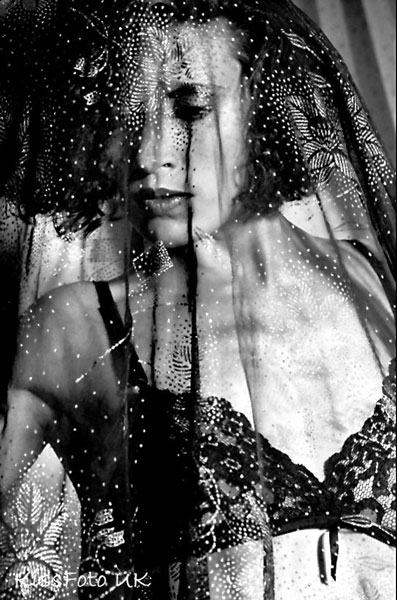
- Character Capture: Black and white photography is renowned for its ability to capture the essence of a subject’s character or soul. The lack of colour forces the observer to engage with the subject on a deeper level, often revealing a more emotional and candid portrayal.
- Simplification of Composition: By removing colour, photographers and artists can create compositions that are clean and focused. Colour can sometimes act as a distraction, drawing the eye away from the intended subject. Black and white imagery eliminates these distractions, directing attention precisely where the artist intends.
- Atmospheric Evocation: Black and white images can evoke a strong sense of atmosphere, often more so than their colour counterparts. They can convey a sense of drama and mood that resonates with the viewer on an instinctual level.
The Disadvantages of Black and White
Despite its advantages, black and white also come with limitations. The absence of colour can sometimes strip away the context necessary for a full understanding of the image. In scenarios where colour plays a critical role in the narrative or emotional impact of a piece—such as in landscape or fashion photography—the use of black and white may not be appropriate.
Choosing Between Black and White and Colour
The decision to work in black and white should not be taken lightly. It requires a thoughtful consideration of the subject matter, the intended message, and the emotional response the artist seeks to evoke. If the subject’s texture, lighting, and contrast are central to the composition, black and white might enhance these elements. Conversely, if the vibrancy and interplay of colours are essential, then colour photography would be the preferred medium.
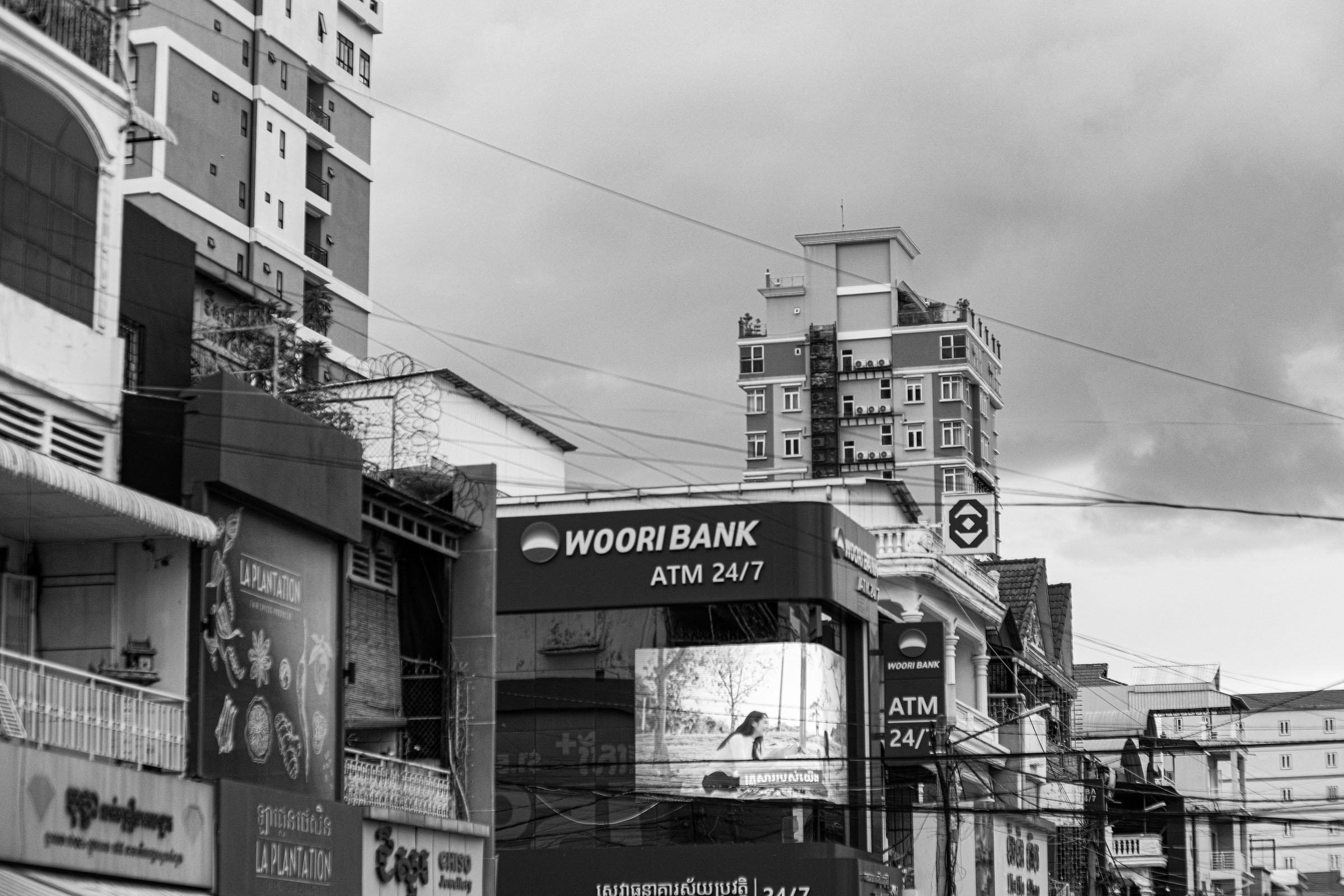


In the digital age, the choice between black and white and colour has become more flexible. Photographers can shoot in color and later convert to black and white, giving them the opportunity to explore both mediums with a single image. However, many purists argue that this after-the-fact decision-making can dilute the intentional focus that comes with committing to one medium from the outset.
Conclusion
Black and white imagery is not merely a relic of the past but a continuing tradition that offers a unique perspective in the visual arts. It encourages viewers to see the world through a different lens, one that emphasizes the foundational elements of composition over the seduction of color. Whether it is a good thing to work in black and white ultimately depends on the artist’s vision and the story they wish to tell. In the hands of a skilled creator, black and white can be a powerful choice that resonates with clarity and depth.










For those interested in exploring this topic further, a wealth of resources and discussions can be found online, offering insights into the strategic use of black and white in various artistic disciplines.


































 a world without pictures is like coffee without cream and sugar, bitter