

In an era dominated by mirrorless systems and ever‑increasing megapixel counts, it’s easy to forget that some older DSLRs still hold their ground with surprising authority. The Canon EOS‑1D Mark IV, released in 2009, is one of those cameras — a machine built for speed, reliability, and professional endurance. Though more than a decade old, it remains a compelling choice for photographers who value ruggedness, responsiveness, and the unmistakable feel of a flagship DSLR.

Pair it with classic Canon primes like the EF 50mm f/1.4 USM and EF 85mm f/1.8 USM, and you have a kit that still delivers beautiful, character‑rich images in 2026.
This is a look at why the 1D Mark IV still matters — and why these two primes complement it so well.
🧱 1. The Canon 1D Mark IV: A Flagship Built to Last
The 1D Mark IV was Canon’s answer to the demands of sports, wildlife, and photojournalism in the late 2000s. It arrived with a clear mission: speed, accuracy, and reliability above all else.
Key Specs
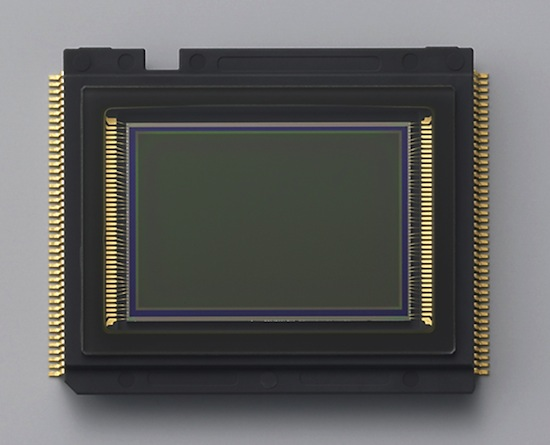
- 16.1 MP APS‑H sensor (1.3x crop)
- 10 frames per second continuous shooting
- 45‑point AF system with 39 cross‑type points
- ISO 100–12,800 (expandable to 102,400)
- Weather‑sealed magnesium alloy body
- 300,000‑shot shutter rating
- Dual DIGIC 4 processors
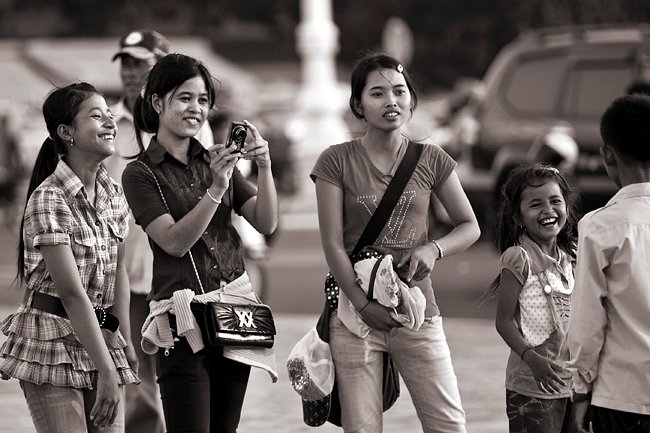
Even today, these specs hold up surprisingly well. The APS‑H sensor — a format Canon no longer uses — offers a unique balance between full‑frame depth and APS‑C reach. The result is a distinctive look: crisp detail, excellent colour, and a slightly tighter field of view that works beautifully with telephoto and portrait lenses.
⚙️ 2. Handling & Build: The Feel of a True Flagship
The 1D Mark IV is unapologetically substantial. It’s heavy, solid, and built like a tool meant for war zones, stadium sidelines, and harsh environments. The integrated grip gives it perfect balance with larger lenses, and the ergonomics are classic Canon: intuitive, tactile, and designed for operation without taking your eye from the viewfinder.
The shutter sound is authoritative — a mechanical confidence that modern mirrorless cameras simply don’t replicate.
This is a camera that feels alive in the hands.






🎯 3. Autofocus & Performance
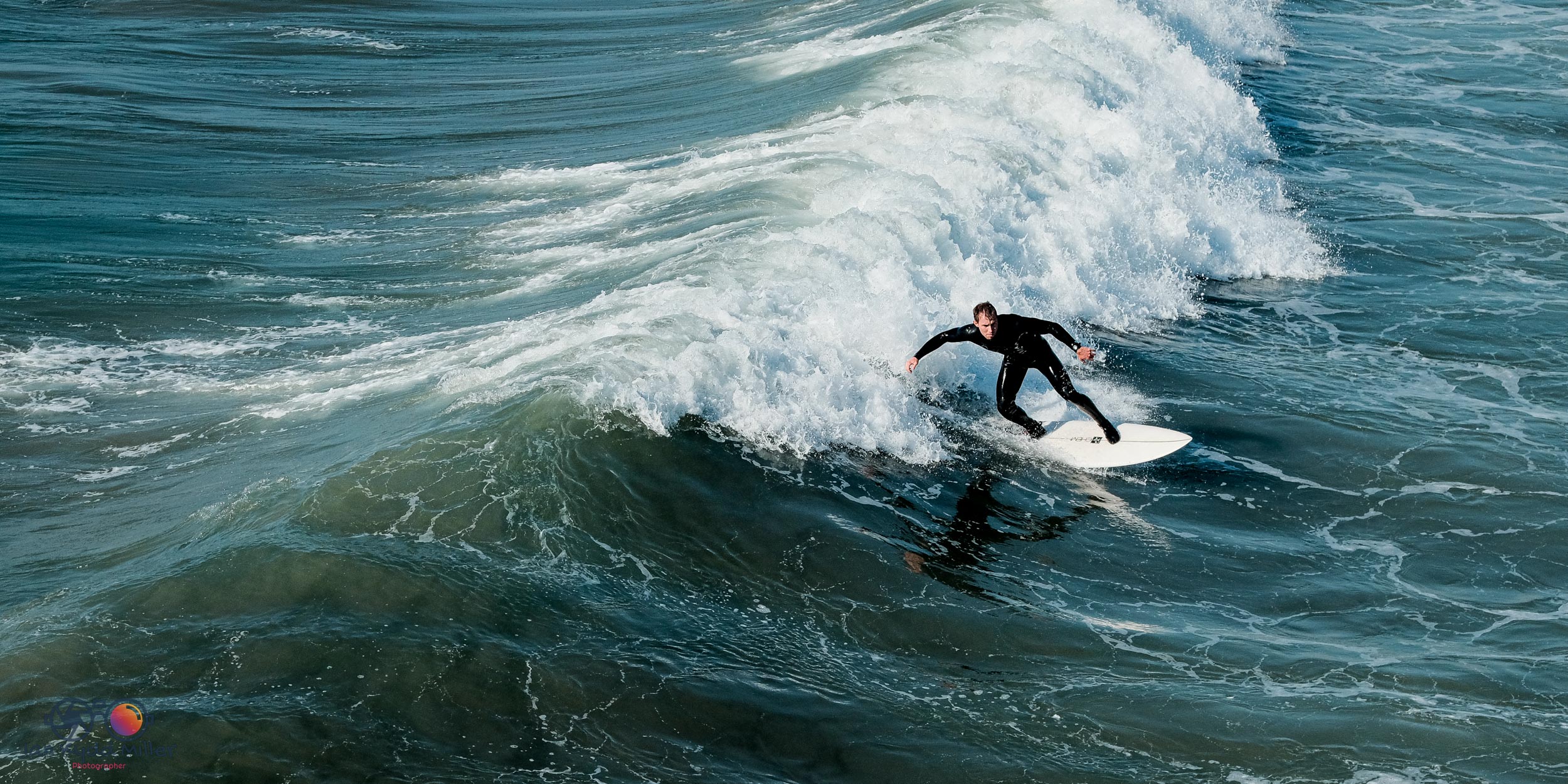
The 45‑point AF system was cutting‑edge at release and remains highly capable today. Tracking is fast, sticky, and reliable, especially with centre‑point and expansion modes. For action, wildlife, and reportage, the 1D Mark IV still performs at a professional level.
The 10 fps burst rate is another reminder of its pedigree. Even by modern standards, it’s fast.
🌙 4. Image Quality: The APS‑H Look
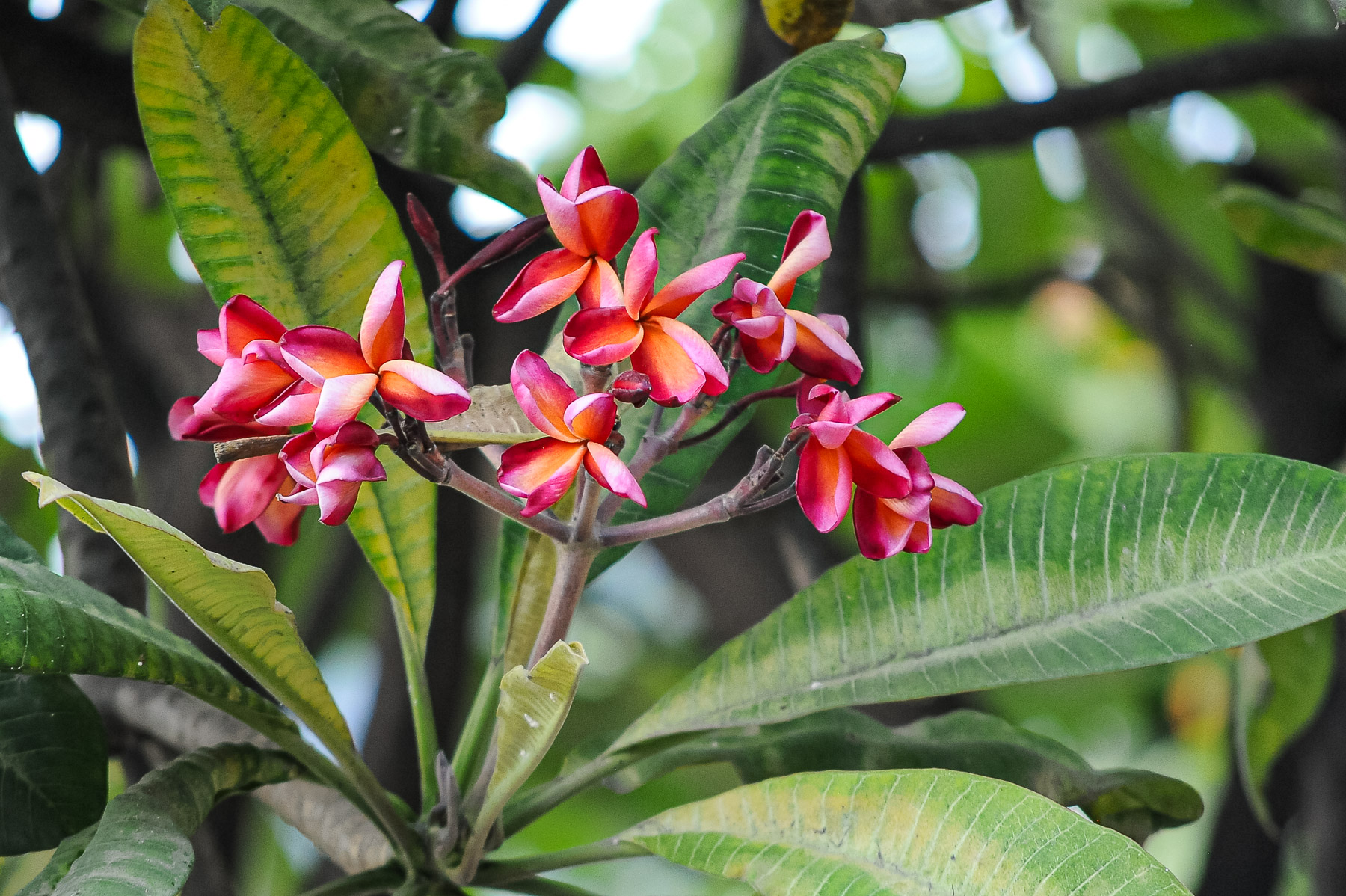
The 16‑megapixel APS‑H sensor produces files with:
- excellent colour reproduction
- strong dynamic range for its era
- pleasing noise characteristics
- a crisp, film‑like rendering
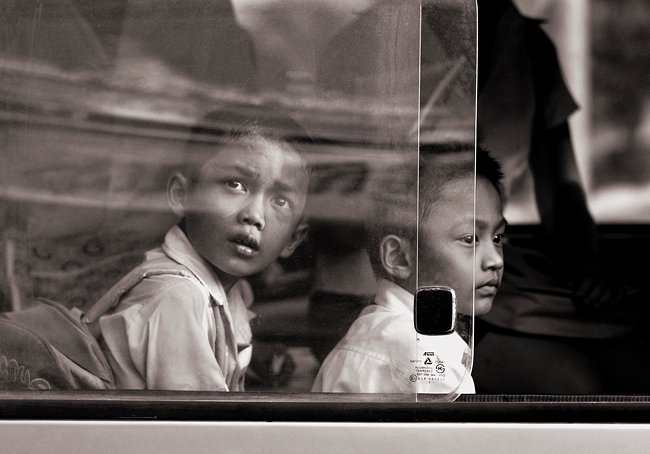
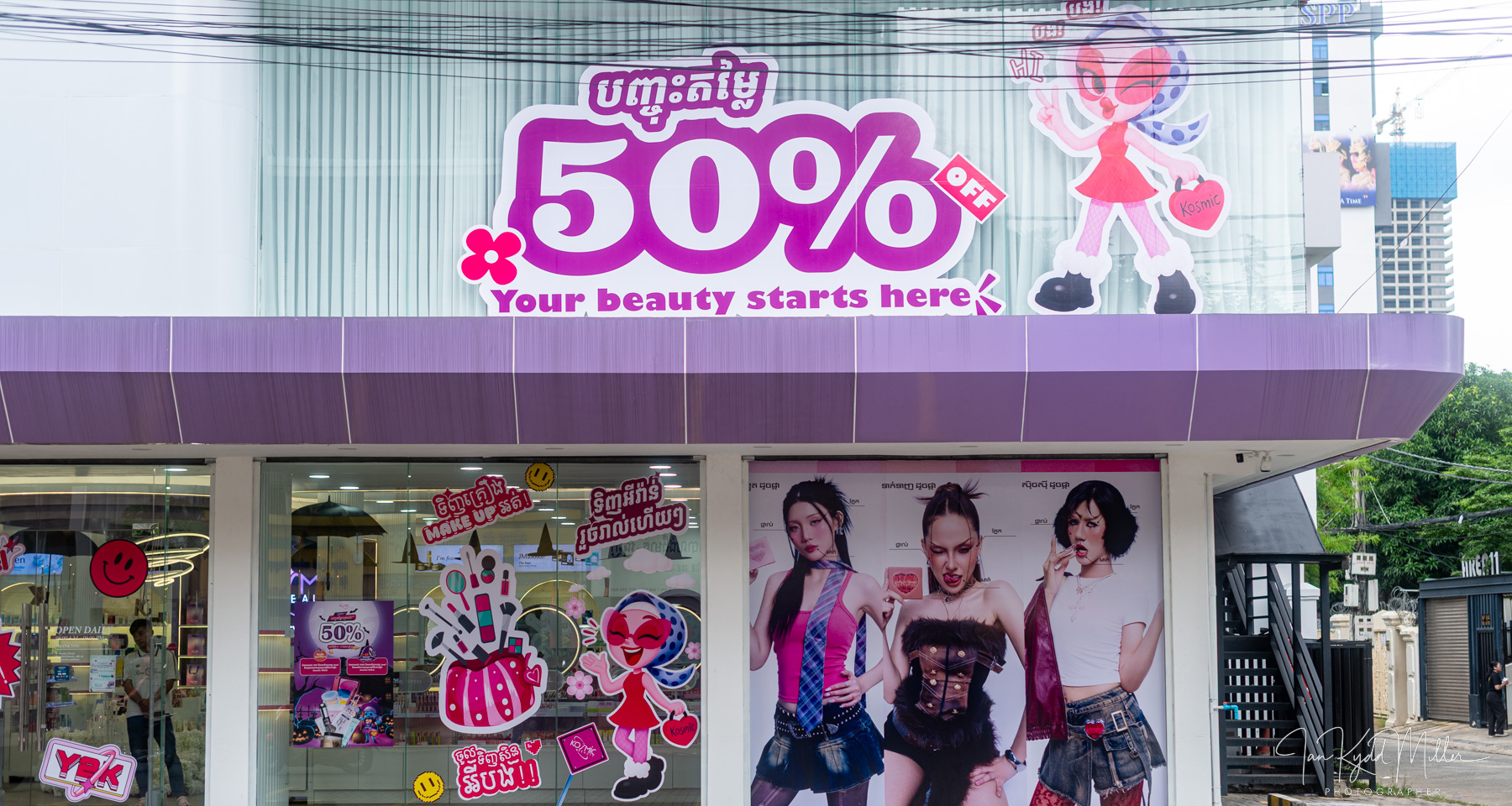
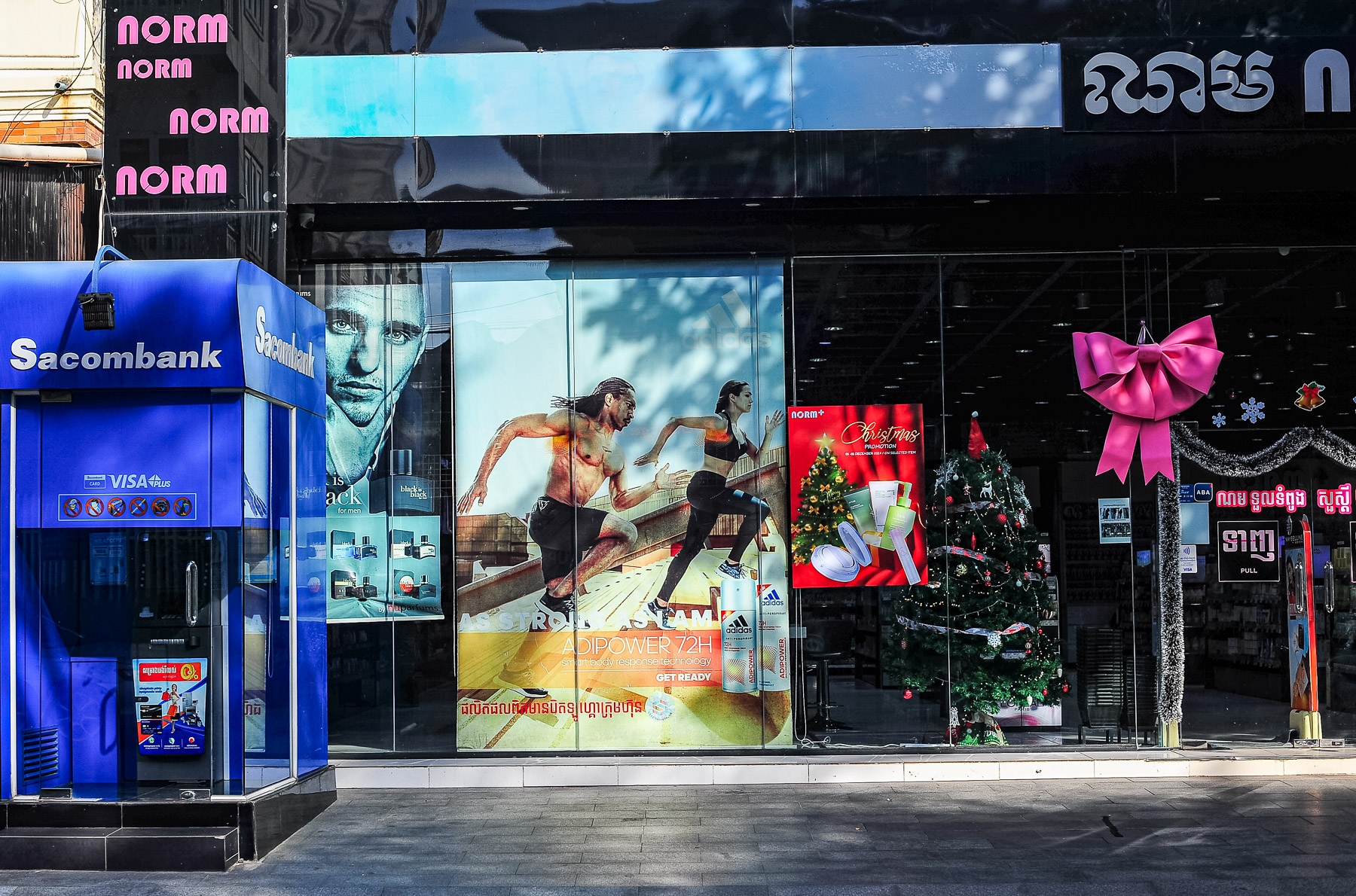
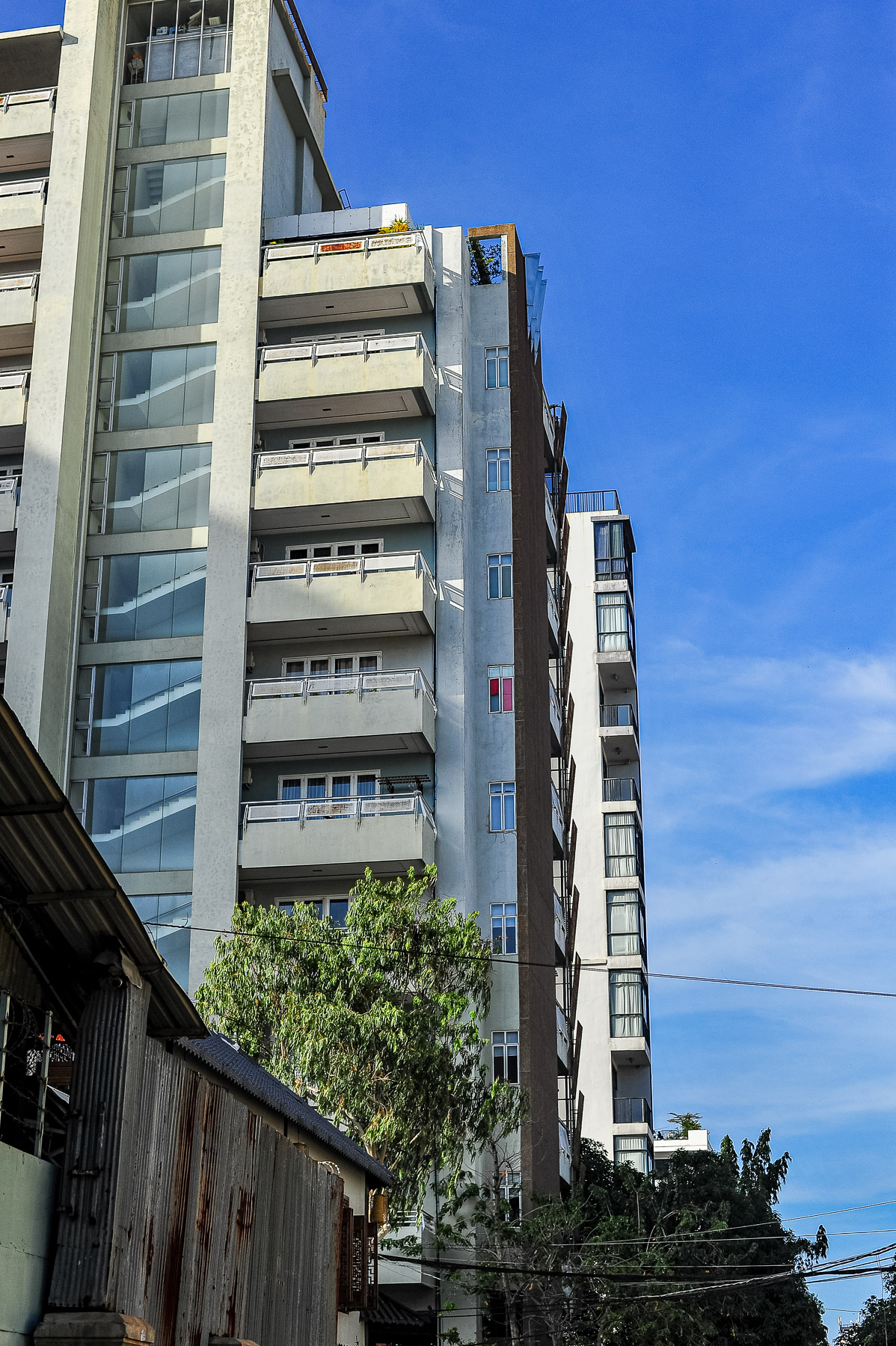
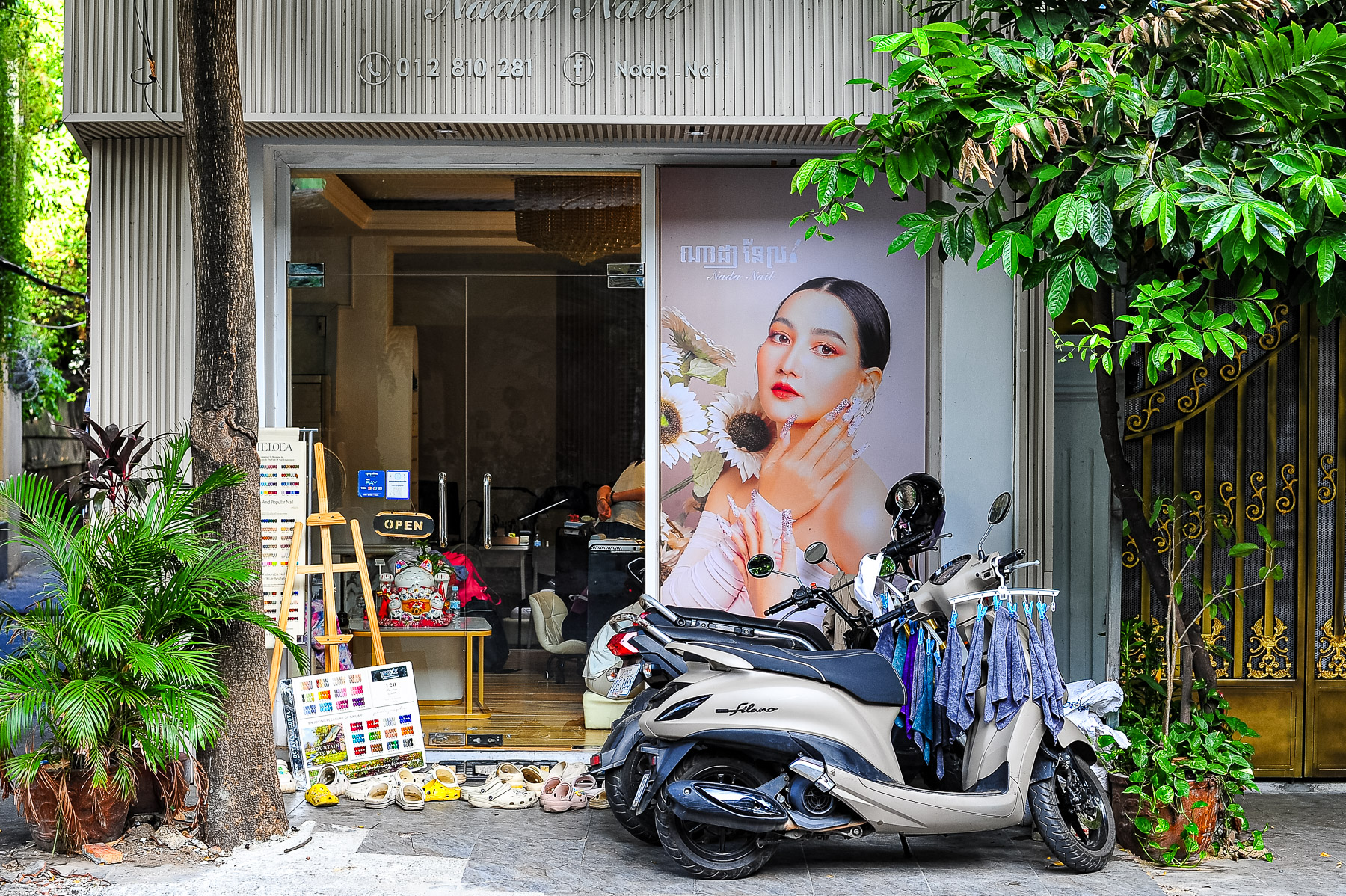
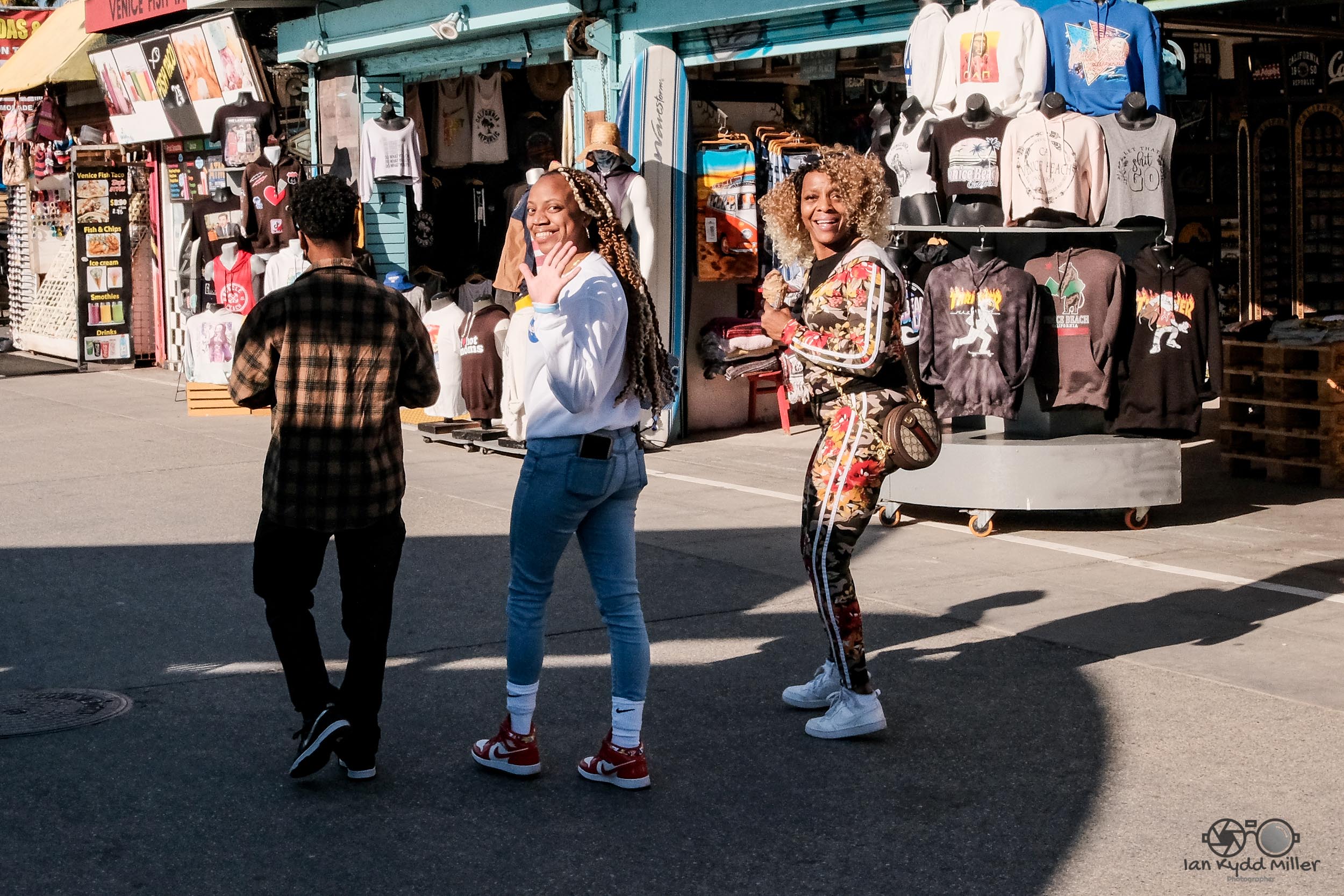
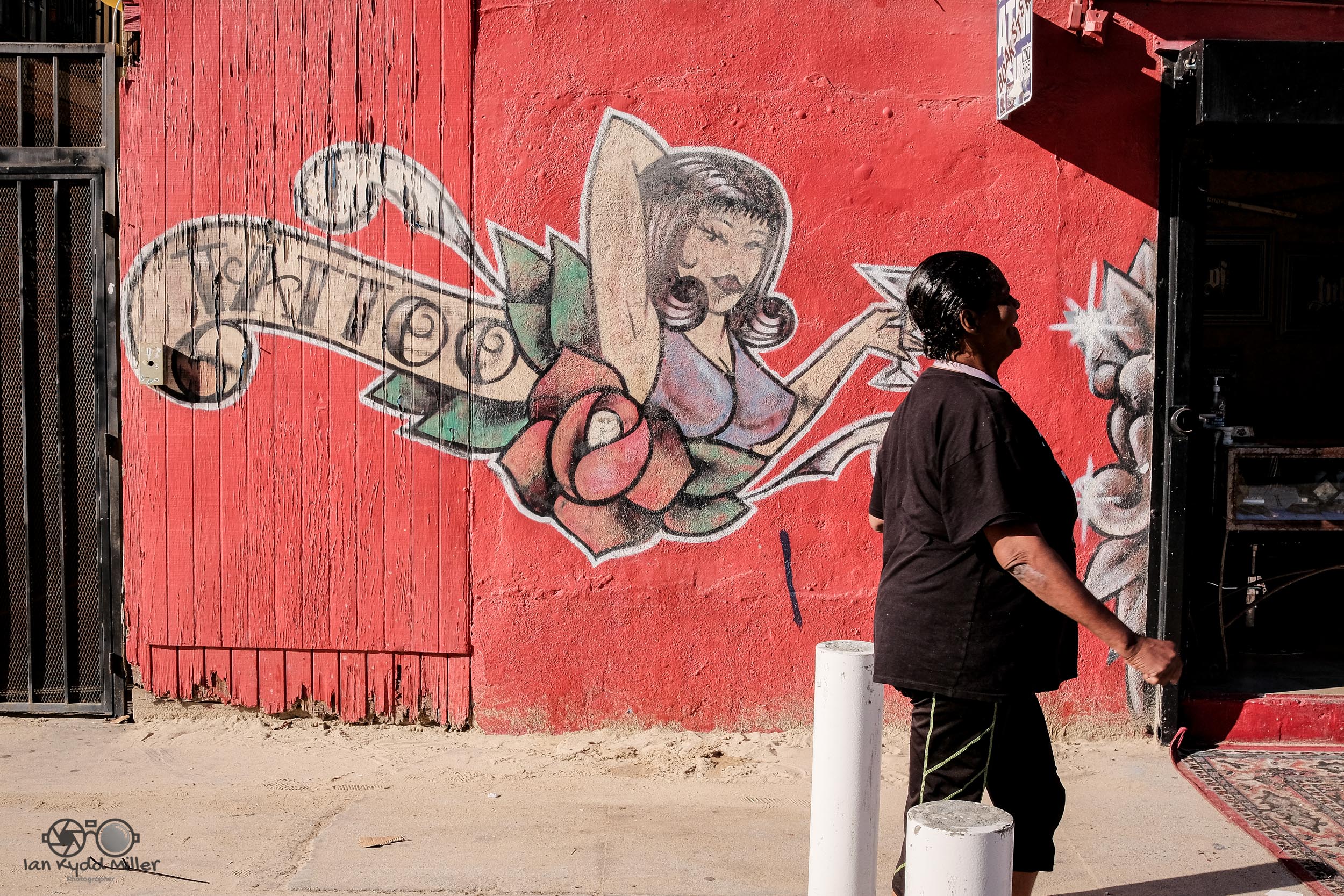
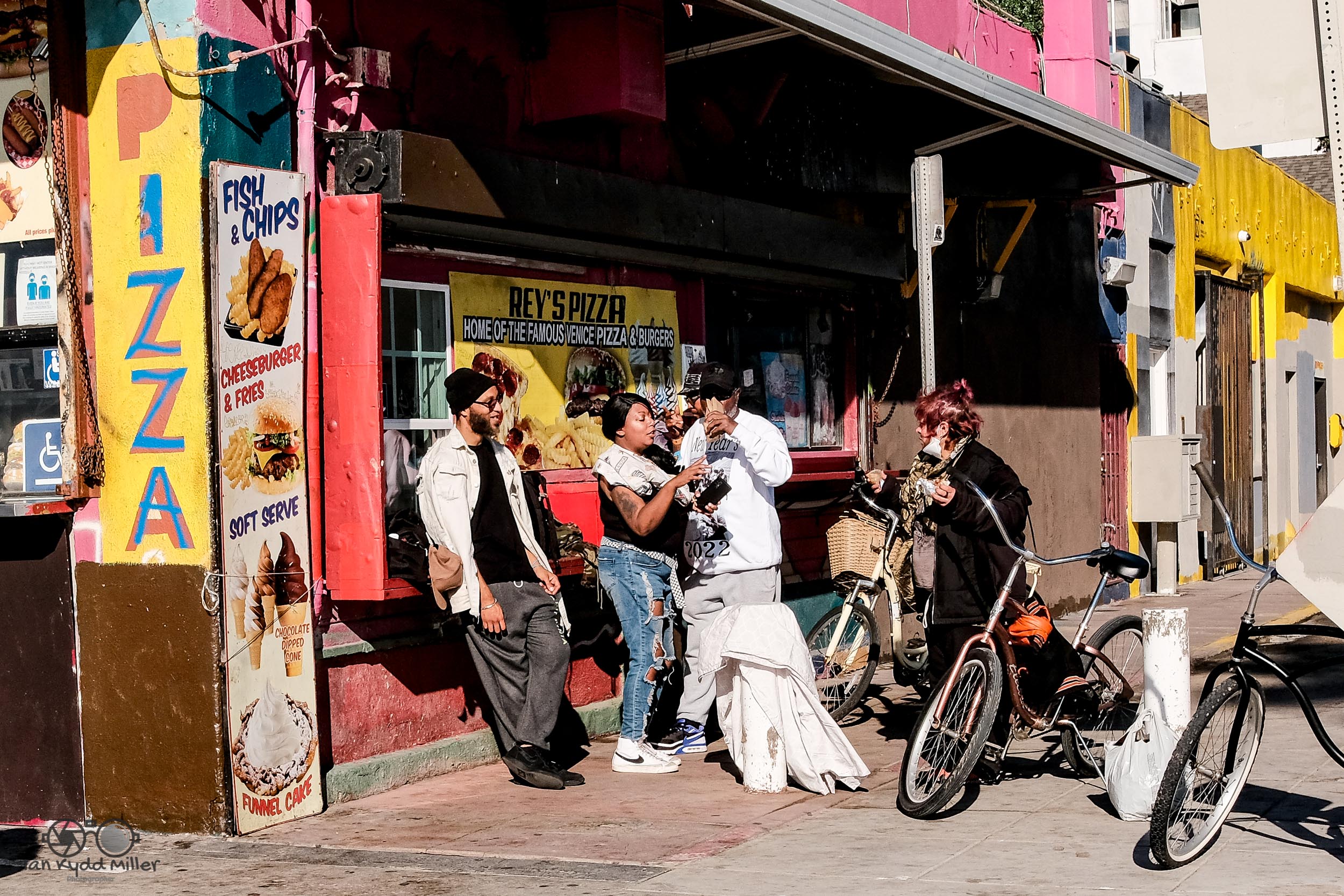
At low ISO, images are clean and detailed. At high ISO, the grain is organic and surprisingly usable. The sensor’s 1.3x crop gives lenses a slightly tighter field of view, which can be an advantage for portraits and street work.

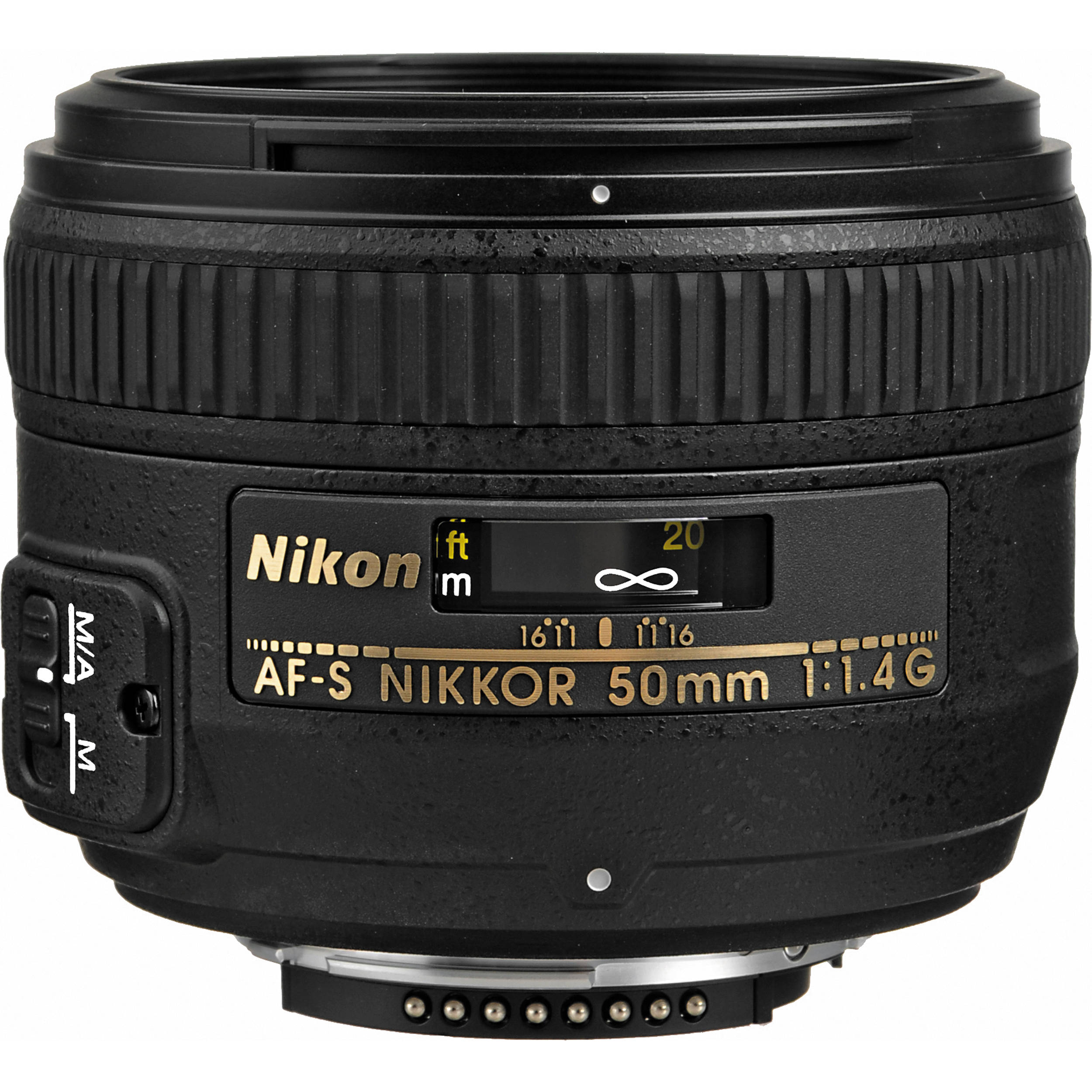
🔍 5. The Canon EF 50mm f/1.4 USM — A Classic Standard Prime
The EF 50mm f/1.4 is one of Canon’s most enduring primes. Lightweight, compact, and optically pleasing, it pairs beautifully with the 1D Mark IV.
Why it works so well on the 1D Mark IV
- On APS‑H, it behaves like a 65mm equivalent — a perfect “normal‑plus” focal length.
- The f/1.4 aperture gives excellent low‑light performance.
- The rendering is classic Canon: warm, smooth, and flattering.
- Bokeh is soft and pleasing, especially for portraits and environmental scenes.
Strengths
- Fast aperture
- Good sharpness from f/2 onward
- Lightweight balance on a heavy body
- Affordable and widely available
Character
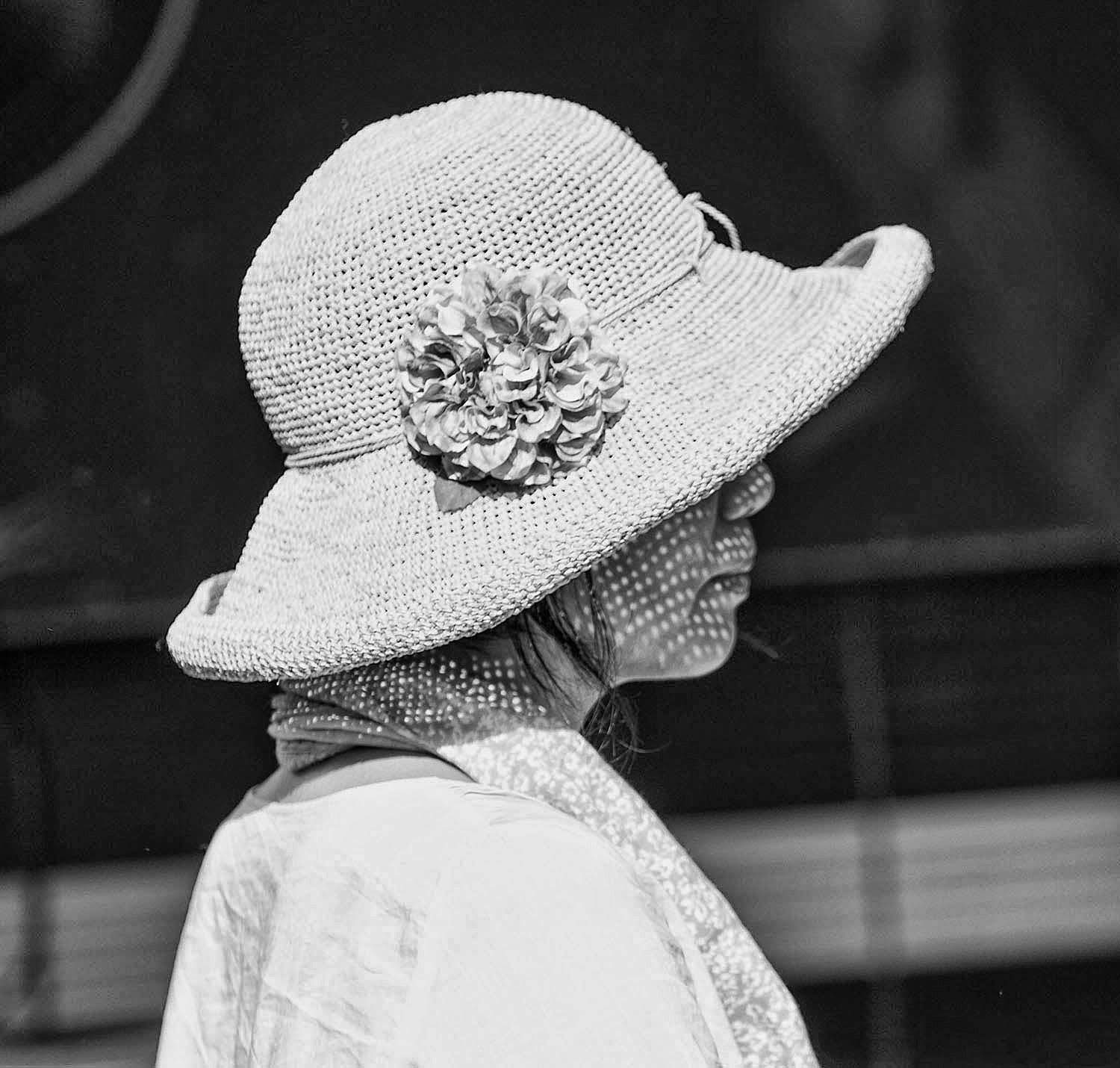
The 50mm f/1.4 has a slightly dreamy wide‑open look that becomes crisp and modern when stopped down. On the 1D Mark IV, it’s a versatile everyday lens — perfect for street, documentary, and general photography.
🔍 6. The Canon EF 85mm f/1.8 USM — The Unsung Portrait Hero
The EF 85mm f/1.8 is one of Canon’s most beloved portrait lenses. Fast, sharp, and beautifully rendered, it’s a lens that consistently punches above its price.
Why it shines on the 1D Mark IV
- On APS‑H, it becomes a 110mm equivalent — ideal for headshots and tight portraits.
- The f/1.8 aperture delivers creamy background separation.
- Autofocus is fast and accurate, perfect for candid portraiture.
- The lens is lightweight, balancing well with the 1D body.
Strengths
- Excellent sharpness
- Smooth, natural bokeh
- Fast AF
- Great for low light
- Professional portrait results without the cost of an L‑series lens
Character
The 85mm f/1.8 has a clean, neutral rendering with just a touch of warmth. It’s flattering for skin tones and produces images with a classic portrait look — crisp subject, soft background, and beautiful falloff.

🎨 7. The 1D Mark IV + 50mm + 85mm: A Timeless Trio
Together, these three pieces form a kit that is:
- fast
- reliable
- optically strong
- professionally capable
- surprisingly affordable today
The 50mm gives you versatility and everyday usability. The 85mm gives you portrait power and compression. The 1D Mark IV gives you speed, durability, and a distinctive rendering.
This combination is ideal for:
- portrait photographers
- street/documentary shooters
- event and wedding photographers
- anyone who appreciates the feel of a flagship DSLR
✨ Conclusion: Old, Not Obsolete
The Canon 1D Mark IV may be from another era, but it remains a formidable camera. Its build quality, autofocus performance, and image rendering still hold up in a world of mirrorless bodies and computational photography.








Paired with the EF 50mm f/1.4 and EF 85mm f/1.8, it becomes a powerful, character‑rich system capable of producing beautiful images with a timeless look.






Some cameras fade into history. The 1D Mark IV endures — not as a relic, but as a reminder of what a true photographic tool feels like.






























































 a world without pictures is like coffee without cream and sugar, bitter