

Photography is not just about capturing moments; it’s an art form that requires passion, patience, and preparation. One of the most crucial aspects of a photographer’s journey is the selection and organization of their gear. It’s a process that reflects the photographer’s style, preference, and readiness for any photographic challenge.

Imagine the scene: three bags, each a repository of a different maker’s vision. One might house the classic robustness of Canon, another the cutting-edge innovation of Fujifilm, and the third might cradle the timeless elegance of Nikon. Each bag is a testament to the diversity and specialisation in the world of photography.
The first bag, let’s call it ‘The Workhorse,’ could be loaded with a Canon 1D Mark IV, known for its reliability and versatility. Paired with a set of L-series lenses, it’s ready for anything from portrait sessions to landscape expeditions. The second bag, ‘The Innovator,’ might be equipped with a Fuji, a marvel of modern technology, complemented by XF lenses that promise unparalleled sharpness and bokeh.

Then there’s ‘The Classic,’ a bag dedicated to Nikon’s storied history in photography. It might feature a Nikon D3s,D4 or 5, a favourite among professionals for its high resolution and dynamic range. Accompanying this could be a selection of Nikkor lenses, each with optical excellence etched into their design.

Choosing which bag to take is like selecting the right brush for a stroke on canvas. It depends on the subject, the light, and the story the photographer wants to tell. It’s a decision that can shape the narrative of the images captured.

For photographers, the camera and lenses are more than tools; they are extensions of their creative vision. Each combination opens up new possibilities and challenges one to see the world through different perspectives. Whether it’s the rugged landscapes that call for the ‘The Workhorse,’ the fast-paced streets that beckon ‘The Innovator,’ or the intimate portraits that demand ‘The Classic,’ the choice reflects the mission of the day.



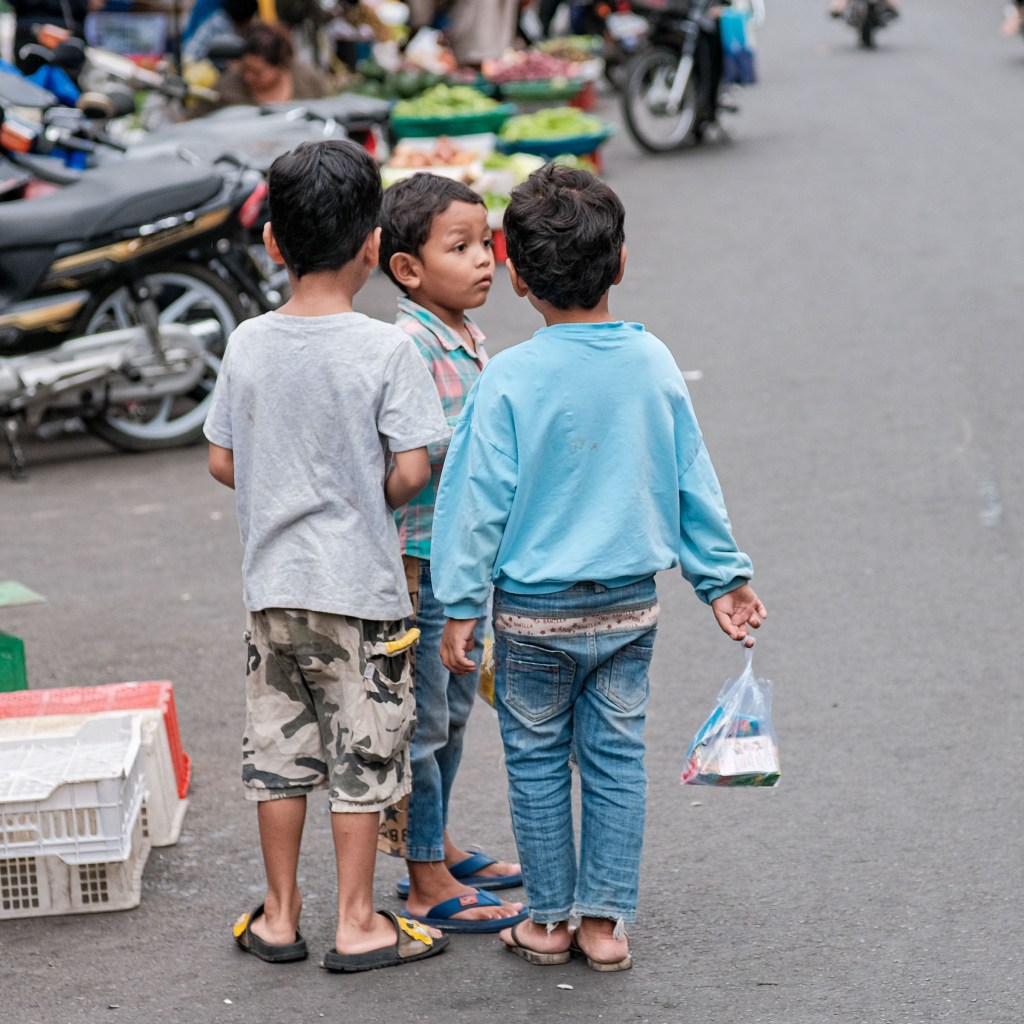
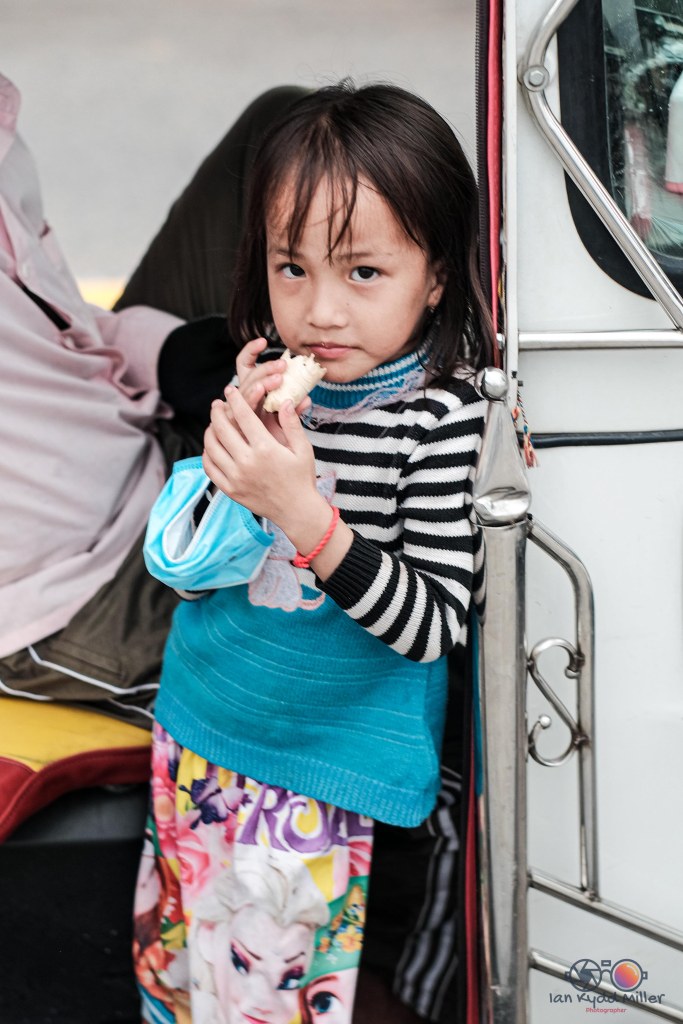
In the end, the bags are not just containers of gear; they are curated collections of artistic potential. They hold the promise of stories yet to be told, memories yet to be cherished, and legacies yet to be created. So, to all the photographers out there, we say: choose wisely, shoot passionately, and create endlessly.
Your camera bag is not just carrying lenses and bodies; it’s carrying dreams, ready to be realised through the lens of your unique perspective. Happy shooting!

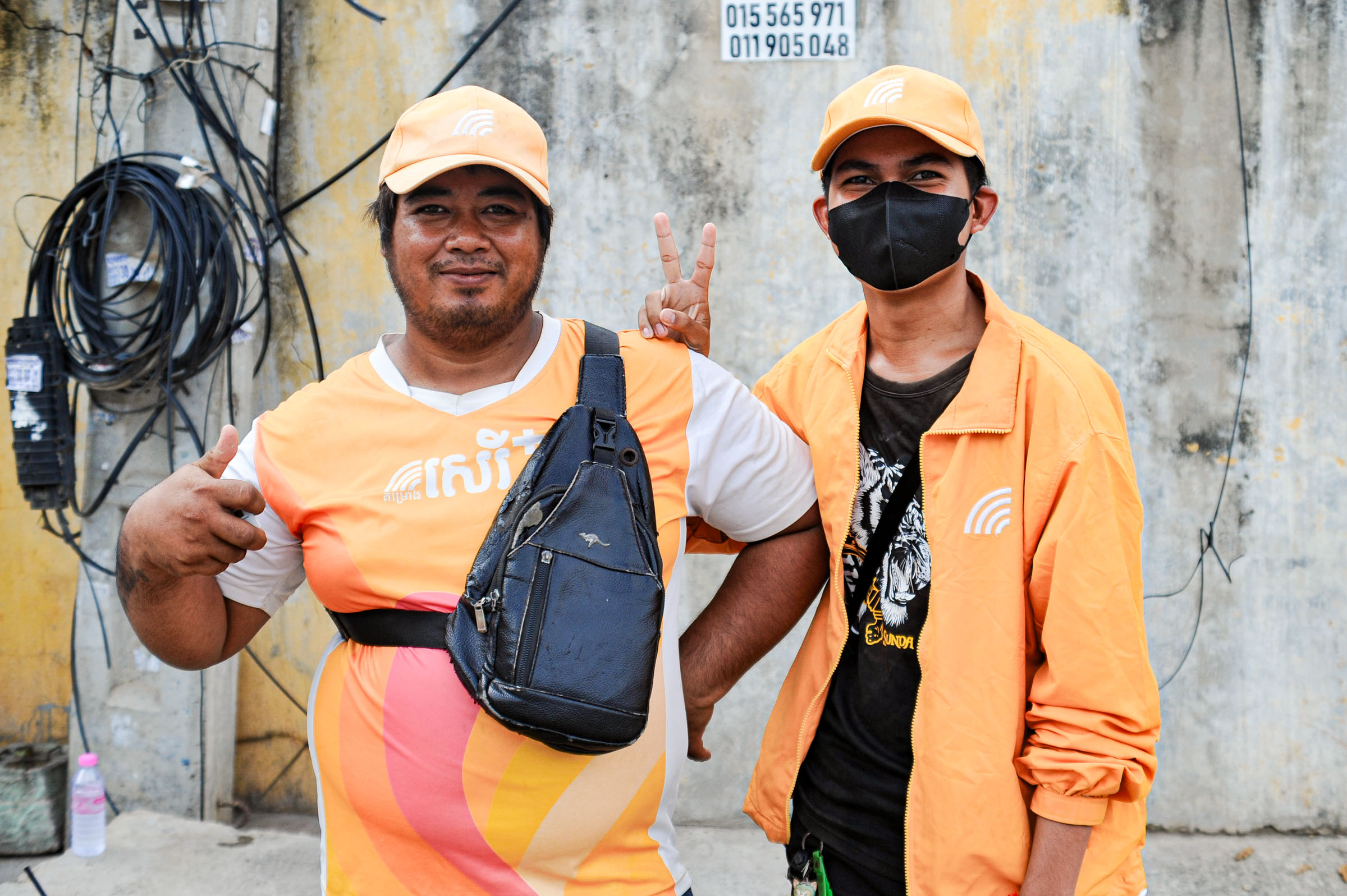



































 a world without pictures is like coffee without cream and sugar, bitter