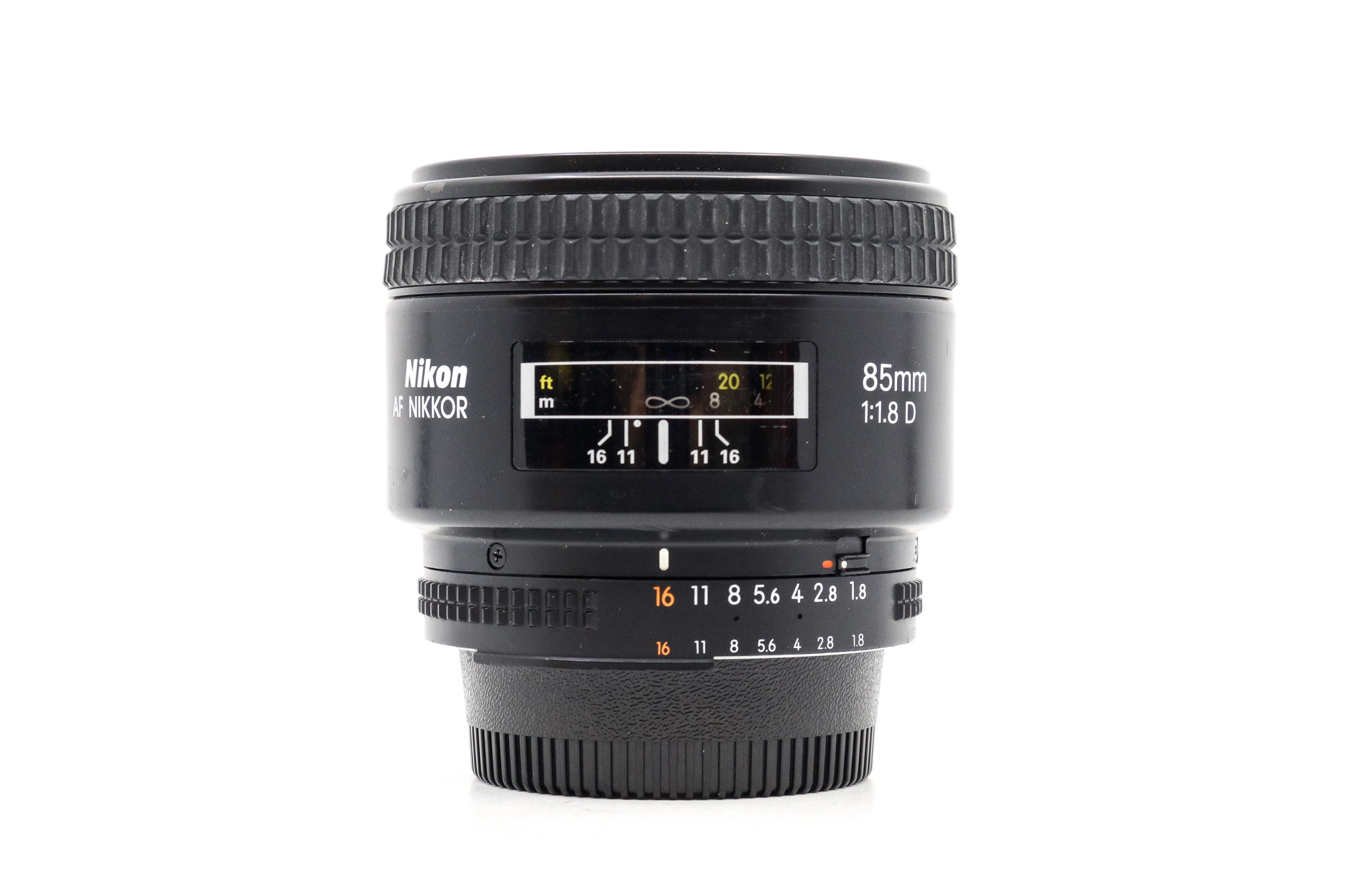
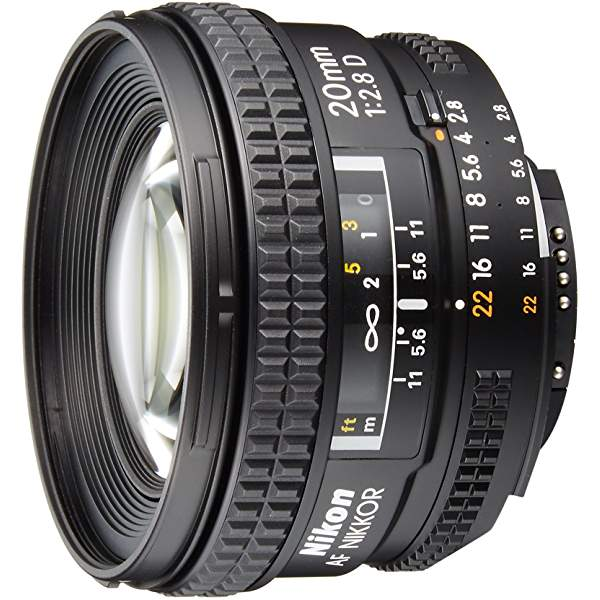
1. **Sharpness:** The lens is highly regarded for its exceptional sharpness, particularly when stopped down to f/2.8 and beyond. Even at its widest aperture of f/1.8, it delivers impressive sharpness.
2. **Bokeh:** Equipped with a 9-blade diaphragm, the lens produces smooth and aesthetically pleasing bokeh, making it an excellent choice for portrait photography.
3. **Color and Contrast:** The lens offers excellent colour reproduction and contrast, resulting in vibrant and true-to-life images.
### Build and Design:
1. **Construction:** Featuring a robust build comprising a mix of metal and high-quality plastic components, the lens exudes durability and longevity.
2. **Size and Weight:** Relatively compact and lightweight at around 380 grams, the lens is easy to carry and handle, making it a practical choice for various shooting scenarios.
3. **Manual Focus:** The lens includes a manual focus ring that offers smooth and precise control, enabling photographers to make fine adjustments easily.
### Autofocus:
1. **Speed and Accuracy:** The lens’s autofocus system is known for being both fast and accurate, owing to its rear focusing design. However, it lacks the silent wave motor (SWM) present in newer lenses, which may result in slightly noisier operation.
2. **Compatibility:** Compatible with a wide range of Nikon cameras, both film and digital, the lens may not autofocus on entry-level Nikon DSLRs lacking an in-body focus motor.
### Performance:
1. **Low Light Capability:** With a wide maximum aperture of f/1.8, the lens excels in low-light conditions, allowing for faster shutter speeds and lower ISO settings.
2. **Portraiture:** The 85mm focal length is ideal for portrait photography, offering a flattering perspective and excellent subject isolation.
### Conclusion:
The Nikkor 85mm f/1.8D is a versatile and high-performing lens that has stood the test of time. Its combination of sharpness, bokeh quality, and robust build make it a favourite among photographers, particularly for portrait work. While lacking some modern features, its optical excellence and reliability continue to make it a valuable addition to any photographer’s gear collection.
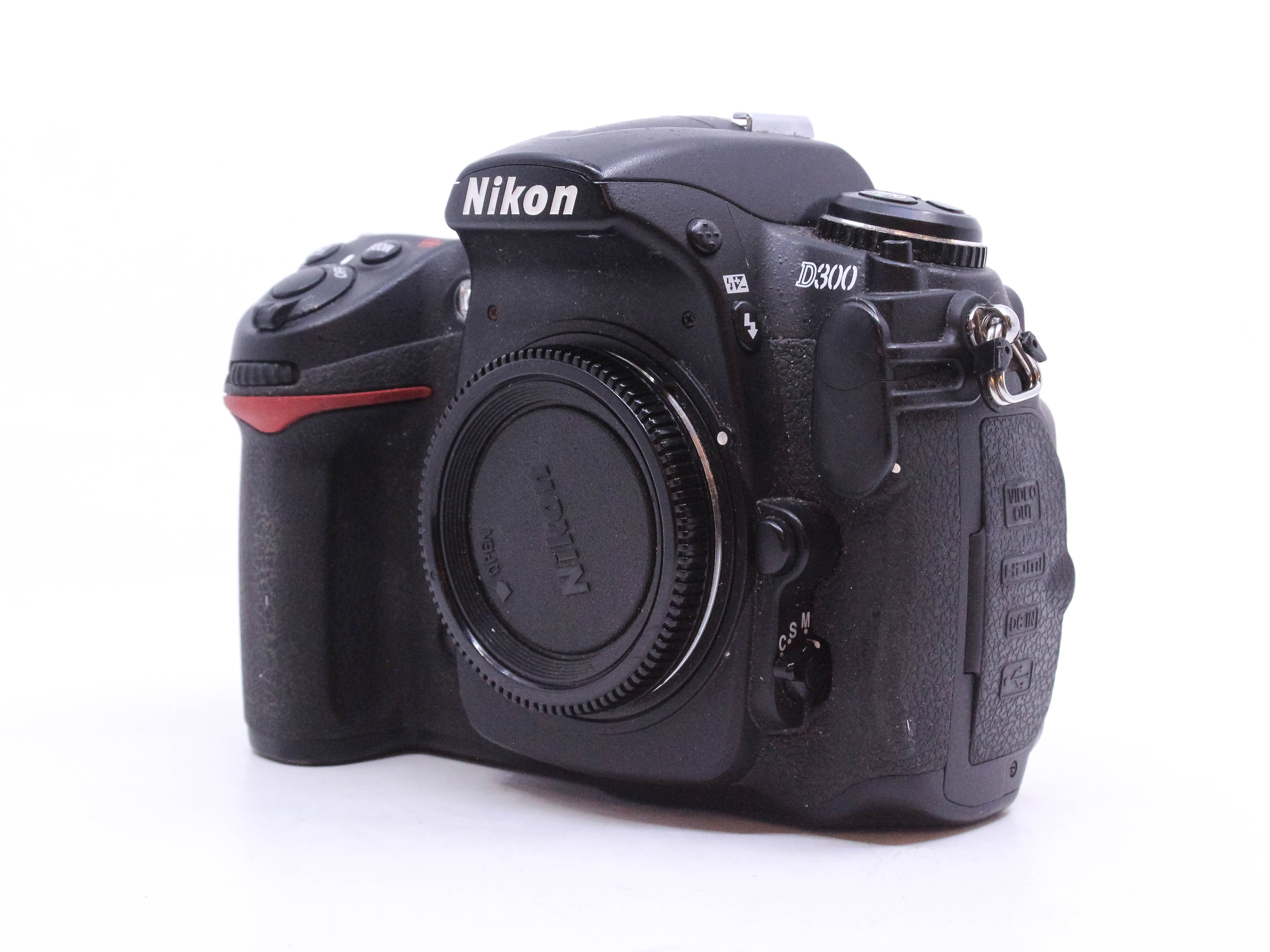
The Nikon D300 is indeed an older DSLR camera, first released in 2007, but it can still be a viable choice for a young photographer depending on their needs and budget. Here is a detailed description of the Nikon D300:
Sensor: The Nikon D300 features a 12.3-megapixel DX-format CMOS sensor, which is capable of producing high-resolution images suitable for various photography needs.
ISO Range: The camera has an ISO range of 200-3200, expandable up to ISO 6400, allowing for decent low-light performance and flexibility in different lighting conditions.
Autofocus System: The D300 is equipped with a 51-point autofocus system, providing fast and accurate focusing, which is particularly useful for capturing moving subjects.
Continuous Shooting: It has a respectable continuous shooting speed of up to 6 frames per second, making it suitable for sports, action, and wildlife photography.
Build Quality: The D300 has a rugged and weather-sealed magnesium alloy body, ensuring durability and reliability in various shooting conditions.
LCD Screen: The camera features a 3-inch LCD screen with a resolution of 922,000 dots, providing a clear and detailed display for reviewing images and navigating menus.
Connectivity: While it lacks built-in Wi-Fi or Bluetooth, the D300 offers standard connectivity options like USB, HDMI, and an accessory port for external flash units.
Video Recording: One of the limitations of the D300 is its lack of video recording capabilities, which may be a downside for photographers looking to shoot video content.
Lens Compatibility: The D300 is compatible with Nikon F-mount lenses, offering a wide range of lens options for photographers to choose from. Overall, the Nikon D300 is a solid camera with robust features, good image quality, and reliable performance, especially for still photography. While it may not have the latest technology found in newer models, it can still be a great option for young photographers looking to learn and develop their skills without breaking the bank. It’s important to consider the specific photography needs and budget of the photographer when determining if the Nikon D300 is the right choice for them.
The sensor in the Nikon D300 is unique to that specific camera model and is not used in any other cameras. However, Nikon has used similar sensors in other DX-format cameras within the same lineup, such as the Nikon D90 and D7000.
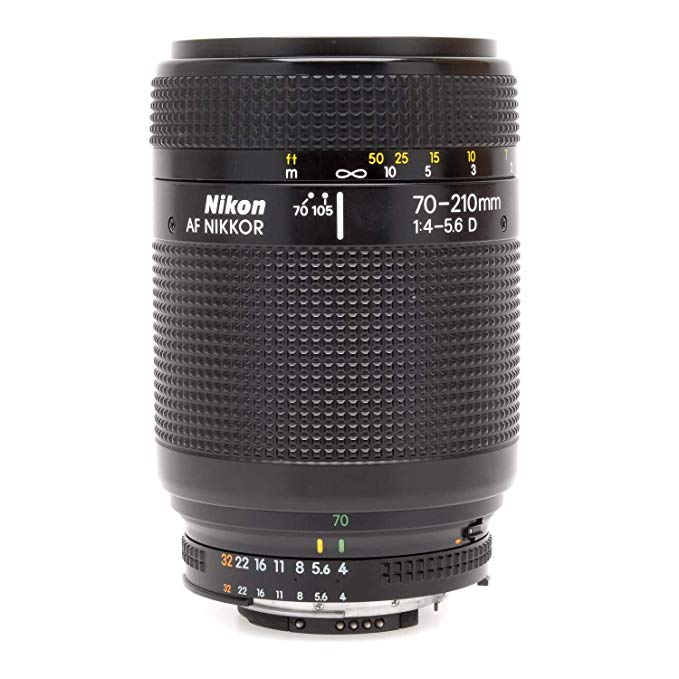
The Nikon 70-210mm f/4-5.6D lens is a versatile telephoto zoom lens that was popular for its compact size and lightweight design. It was known for producing sharp images with good colour rendition.
The Nikon 70-210mm f/4-5.6D is a telephoto zoom lens that was designed for Nikon’s F-mount DSLR cameras. It offers a versatile focal length range, making it suitable for a variety of shooting scenarios such as portraits, sports, wildlife, and more.
Some key features of the Nikon 70-210mm f/4-5.6D lens include:
1. Variable aperture: The lens has a maximum aperture of f/4 at 70mm focal length, which decreases to f/5.6 at 210mm. This variable aperture design allows for flexibility in different lighting conditions.
2. Autofocus: The lens features a built-in autofocus motor for quick and accurate focusing. However, as it is a D-type lens, it may not be fully compatible with some of the newest Nikon DSLR models that lack an autofocus motor.
3. Compact and lightweight: The lens is relatively compact and lightweight, making it easy to carry around for extended periods.
4. Close focusing distance: The lens has a close focusing distance of around 1.5 meters, enabling you to get closer to your subject for detailed shots.
5. Image quality: While not a professional-grade lens, the Nikon 70-210mm f/4-5.6D can still produce sharp images with good colour rendition when used within its optimal settings.
Overall, the Nikon 70-210mm f/4-5.6D is a budget-friendly telephoto zoom lens that can be a great addition to your gear if you are looking for a versatile and lightweight lens for various photographic situations.
Photography is an art form that captures the essence of a moment, telling stories without words and leaving a lasting impression on the viewer. It’s a craft that combines technical skill with creative vision, and at the heart of this craft is the camera—the photographer’s most trusted tool.
Understanding the intricacies of your camera and lenses is akin to a painter knowing their brushes and paints; it’s essential for creating a masterpiece. It’s not merely about owning the latest high-end equipment; it’s about the intimate knowledge of every button, dial, and setting. Mastering these elements allows photographers to manipulate light and composition, to bring their creative vision to life.
Adapting to different lighting conditions is one of the most critical skills in a photographer’s arsenal. Light is the language of photography, and learning to speak this language fluently can transform an ordinary scene into a breathtaking image. Whether it’s the golden hour’s warm glow or the harsh midday sun, understanding how to work with light ensures that it always works in your favour.
Anticipating how your gear will respond in various scenarios is what separates good photographers from great ones. It’s about predicting the play of shadows in a dimly lit room or the way a lens will render the bokeh in a busy street scene. This foresight is crucial for capturing those fleeting, once-in-a-lifetime moments with precision and clarity.
The journey of a photographer is one of constant learning and exploration. It’s about pushing the boundaries of creativity, experimenting with new techniques, and not being afraid to fail. Because in those failures lie the seeds of growth and innovation.
For the seasoned professional, this deep knowledge results in a signature style, a unique way of seeing the world that sets their work apart. For the enthusiastic amateur, it’s the thrill of discovery, the joy of capturing a moment exactly as they envisioned.
In a world where everyone has a camera in their pocket, standing out requires more than just a good eye. It demands dedication to the craft, an unyielding curiosity, and a willingness to invest time in understanding the tools of the trade.
So, whether you’re capturing the delicate details of a flower or the grandeur of a mountain landscape, remember that your camera is more than just a piece of technology. It’s an extension of your creative self, and mastering it is a journey worth taking.
Invest in that journey, embrace the learning curve, and watch as your photography transcends from mere pictures to compelling stories frozen in time. Because in the end, the quality of your work is not defined by the gear you own, but by the knowledge you hold and the creativity you unleash. Happy shooting!
Photography in Cambodia offers a unique and accessible experience, often perceived as more relaxed compared to the stringent regulations one might encounter in many Western countries. The rich tapestry of Cambodia’s landscapes, from the ancient ruins of Angkor Wat to the bustling streets of Phnom Penh, provides a plethora of opportunities for both amateur and professional photographers alike. Workshops and tours, such as those offered by Nathan Horton Photography, emphasize the importance of engaging with local people, which is a testament to the openness towards photographers in the country. This approach not only aids in capturing the essence of Cambodian life but also contributes to a deeper understanding and appreciation of its culture. In contrast, photographers in Western countries may need to navigate a complex web of laws that govern public and private spaces, copyright, and privacy, which can sometimes inhibit the spontaneity and candidness that street photography thrives on. The freedom to explore and document Cambodia’s vibrant culture without the fear of legal repercussions encourages a creative exploration that is both enriching and liberating. This ease of access is further supported by the burgeoning community of Cambodian photographers who are telling their nation’s story through their lenses, contributing to a rich visual history that spans from the days of the French protectorate to the modern era. Their work is a celebration of Cambodia’s identity, capturing moments of daily life, cultural events, and the natural beauty that surrounds them. It’s a dynamic environment where the art of photography is not just tolerated but embraced, making Cambodia a haven for photographers.
Cambodia is a photographer’s paradise, brimming with awe-inspiring locations that are perfect for capturing stunning images. The ancient temples of Angkor Wat in Siem Reap, with their intricate carvings and grandeur, offer a timeless backdrop for photography. The temple complex is vast, and the play of light and shadow through the stone corridors provides endless opportunities for dynamic shots. For those seeking a blend of history and nature, the ruins of Ta Prohm, enveloped by the roots of giant banyan trees, create a mystical setting. The Bayon Temple, with its serene stone faces, and the reflective pools at Angkor Thom are also iconic spots that photographers flock to for their unique blend of architecture and natural beauty.
Phnom Penh, the capital city, is rich in history and culture, offering vibrant street scenes and colonial architecture. The Royal Palace, with its golden spires, and the National Museum’s traditional design are popular for their photogenic facades. The Independence Monument stands as a proud symbol of Cambodia’s heritage and is especially beautiful when lit up at night. The bustling markets, such as the Russian Market and Central Market, are full of life and colour, ideal for capturing the essence of Cambodian daily life.
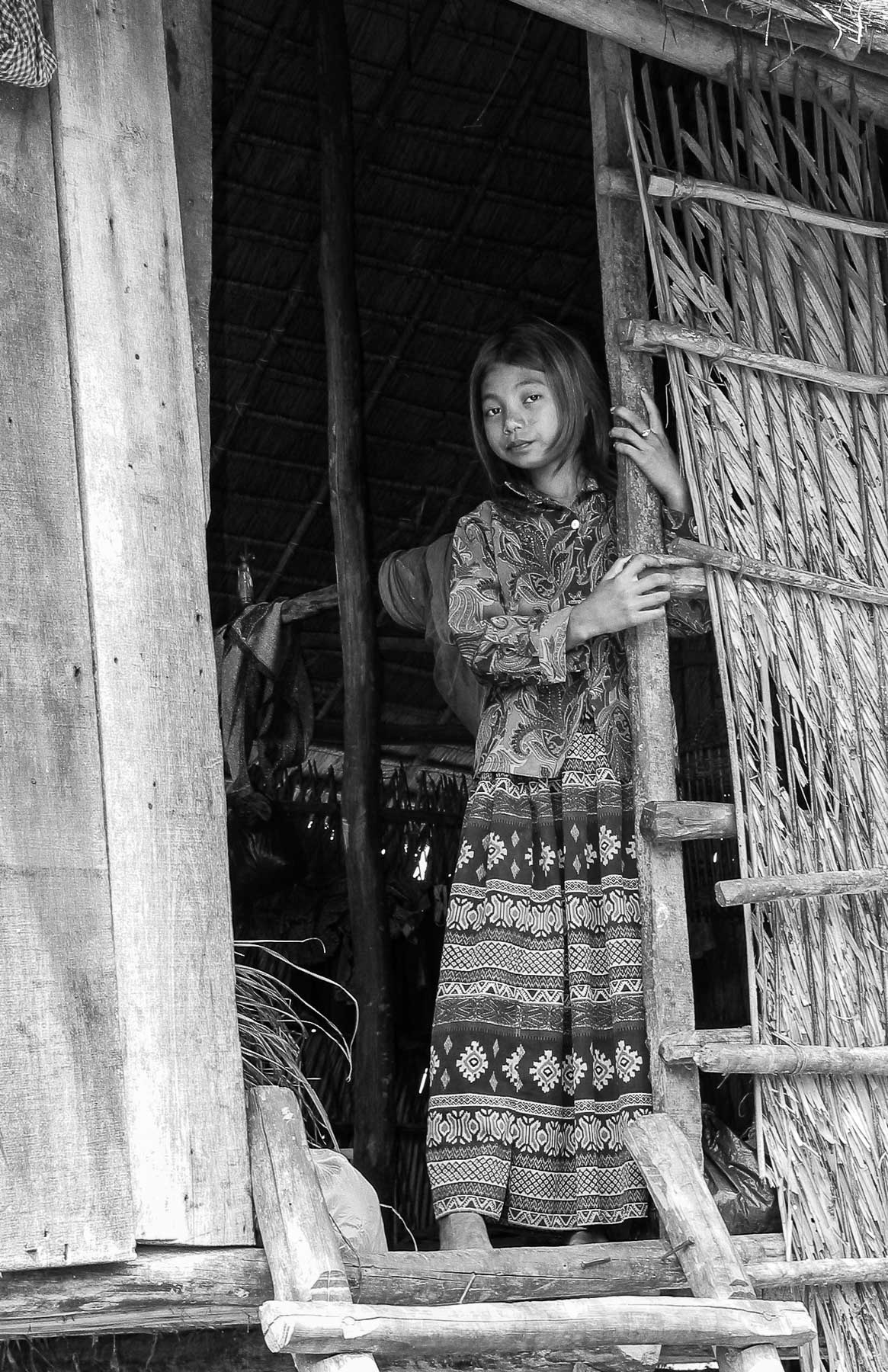
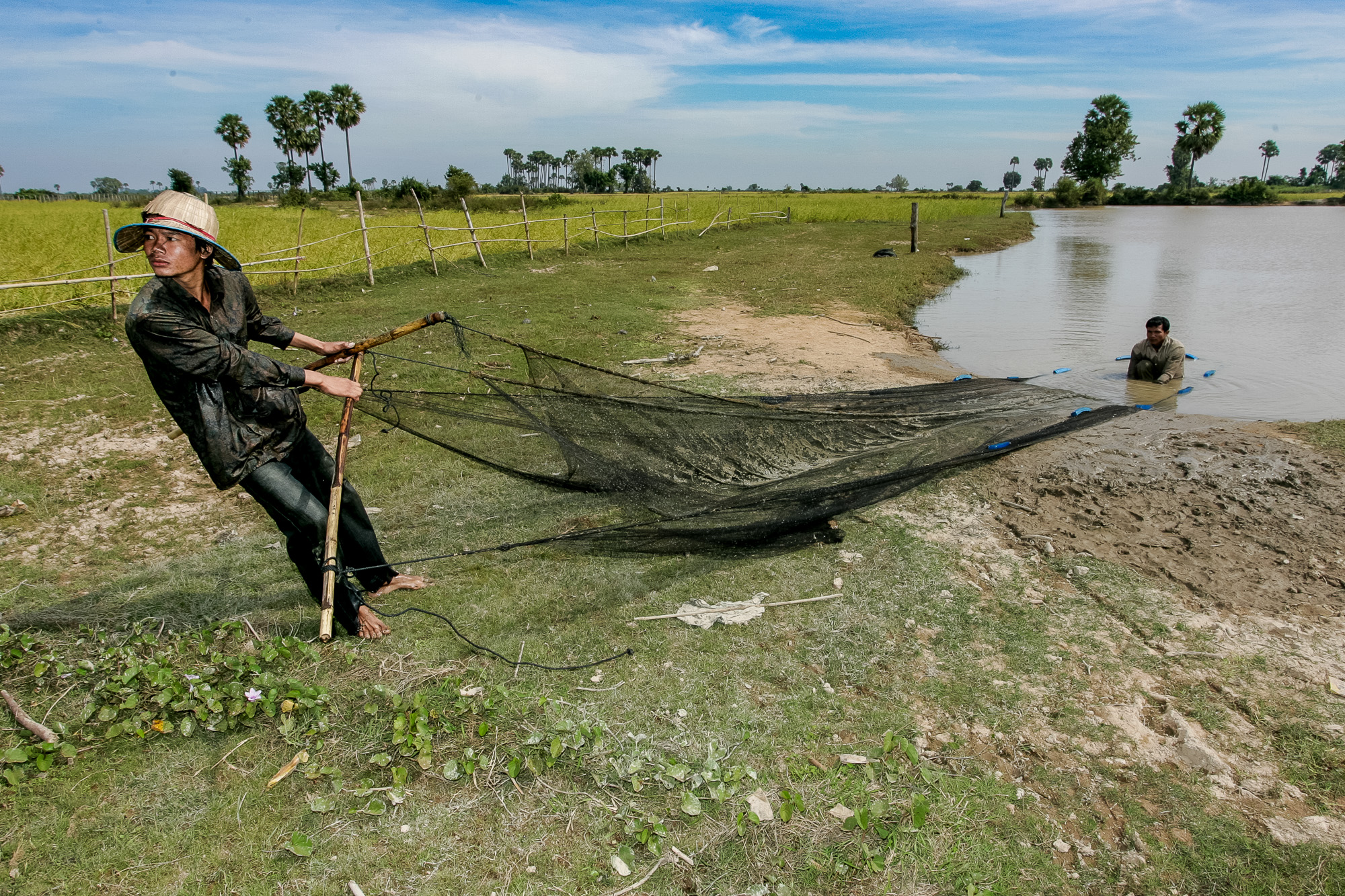
The floating villages on Tonle Sap Lake present a unique way of life, with communities built on stilts above the water. Photographers can capture the daily activities of the locals, the lively markets, and the serene sunsets over the lake. In the countryside, the rice paddies and sugar palm trees create a picturesque rural landscape, especially during the golden hours of sunrise and sunset.
For a touch of the coast, Kep Province offers tranquil beaches and the famous Crab Market, while the pine forests of Kirirom are a refreshing change from Cambodia’s typical scenery. Mondulkiri Province provides a stark contrast with its rolling hills and elephant sanctuaries, offering a glimpse into the diverse ecosystems of Cambodia.
Each of these locations not only provides stunning visuals but also tells a story of Cambodia’s past and present, making them not just photography spots but gateways to understanding and appreciating this fascinating country. Whether you’re a seasoned photographer or just starting, Cambodia’s rich landscapes and cultural tapestry will surely inspire and captivate.
Embarking on a photography trip to Cambodia is an exciting venture that requires thoughtful preparation to ensure you capture the country’s beauty and essence. Firstly, it’s crucial to ensure your passport is valid for at least six months beyond your planned return date, as entry into Cambodia requires this. Next, consult with a travel health clinic to arrange any recommended inoculations well in advance of your trip. It’s also wise to purchase travel insurance with comprehensive health coverage to protect against any unforeseen circumstances.
When it comes to gear, a versatile camera setup is key. Consider a range of lenses to capture the diverse landscapes and architectural wonders, from wide-angle lenses for the grandeur of Angkor Wat to a telephoto lens for candid street portraits. A lightweight tripod can be invaluable for early morning and late evening shoots, especially for those breathtaking sunrises and sunsets. Don’t forget extra batteries and memory cards, as you’ll likely be taking more photos than you anticipate.
Research is your ally; familiarize yourself with the locations you wish to visit. Understanding the cultural significance and the best times for lighting will help in planning your itinerary. For instance, Angkor Wat is renowned for its stunning sunrise, so you’ll want to be in position well before dawn breaks. Similarly, the floating villages on Tonle Sap Lake are most lively in the early hours, offering a glimpse into the daily lives of the locals.
Cultural sensitivity is paramount. Engaging with local people respectfully and seeking permission before taking photos is not only courteous but often leads to more meaningful interactions and photographs. Learning a few phrases in Khmer, such as greetings and how to ask for permission, can go a long way in building rapport with your subjects.
Packing for the climate is also essential. Cambodia can be hot and humid, so breathable, lightweight clothing is advisable. Rain gear is a must during the rainy season, and sturdy, comfortable footwear will serve you well on the uneven terrain of temple ruins and rural areas.
Lastly, consider your storage and backup solutions. Portable hard drives or cloud storage can safeguard your precious photos. And remember, while capturing the sights through your lens, take time to immerse yourself in the moment and enjoy the rich experiences that Cambodia offers. With these preparations in place, you’re set for a photographic journey that will yield not just images but memories to last a lifetime.
Travelling in Cambodia is an enriching experience, and staying safe is paramount to ensure a memorable journey. It’s widely regarded as a friendly destination, but like any travel adventure, it’s wise to take precautions. General health should be a priority; consult with healthcare providers for necessary vaccinations and consider carrying a basic medical kit for minor ailments. The availability of medical facilities varies, with limited options in rural areas, so it’s best to be prepared.
When it comes to personal safety, common sense is your best defence. Stay in well-lit, populated areas, especially at night, and be cautious when venturing into less familiar territories. Trust your instincts — if an area feels unsafe, it’s advisable to leave. Petty crimes like pickpocketing can occur, particularly in tourist areas, so keep your belongings secure and maintain awareness of your surroundings.
Using hotel safes for valuables and carrying only what you need for the day can minimize risks. When exploring, it’s recommended to dress inconspicuously to blend in and avoid drawing attention. If you’re out at night, consider having a companion, and always keep a clear head — avoiding excessive alcohol consumption can help you stay alert and make sound decisions.
Transportation safety is also crucial. Stick to reputable taxi companies or arrange transportation through your accommodation. When using tuk-tuks or motorbike taxis, agree on the fare beforehand to avoid misunderstandings. For longer journeys, opt for well-known bus companies that prioritize safety.
In terms of belongings, it’s advisable to carry bags on the side furthest from the road to deter snatch-and-grab thefts, and never leave items unattended. A personal alarm can be a useful tool for drawing attention in uncomfortable situations. Additionally, using an unlocked mobile phone with a local SIM card can keep you connected without incurring high roaming charges.
Understanding local customs and laws is essential. Respect cultural norms, dress appropriately when visiting temples, and always ask for permission before taking photos of people. Being culturally sensitive not only ensures a respectful interaction but can also enhance your travel experience.
Lastly, staying informed about the current political and social climate is important. Check travel advisories from your government before and during your trip for any updates on safety concerns. With these tips in mind, you can navigate Cambodia’s stunning landscapes and rich culture with confidence and peace of mind. Enjoy the journey and the many photographic opportunities that await you in this captivating country.
In a world where the latest and greatest tech gadgets can often come with a hefty price tag, savvy shoppers are turning to the pre-owned market to find their next great buy. Buying used gear from reputable dealers is not only a budget-friendly option but also an environmentally conscious choice. It’s a win-win situation that more and more consumers are embracing enthusiastically.
Why Buy Used?
Cost-Effective: The most apparent benefit of buying used gear is the cost savings. You can often find high-quality products at a fraction of the original retail price.
Depreciation: Tech items depreciate quickly. By buying used, you avoid the steep depreciation that occurs the moment new gear leaves the store.
Quality Assurance: Reputable dealers often offer some form of warranty or guarantee, providing peace of mind that the item has been checked and certified for resale.
Eco-Friendly: Purchasing used gear reduces waste and the demand for new products, which in turn minimizes your carbon footprint.
Finding the Right Dealer
Research: Look for dealers with positive reviews and a good track record. Word of mouth and online forums can be great resources for finding trusted sellers.
Certification: Some dealers are certified to sell pre-owned gear, meaning they have met specific standards set by manufacturers.
Warranty: A reputable dealer should offer a warranty or return policy. This is a sign that they stand behind the quality of their products.
Customer Service: Good customer service is crucial. Ensure the dealer is responsive, knowledgeable, and helpful.
Tips for Buying Used Gear
Know What You Want: Have a clear idea of the gear you need and its market value.
Inspect Thoroughly: If possible, inspect the item in person. Check for any signs of damage or wear and ensure it functions correctly.
Ask Questions: Don’t hesitate to ask the dealer about the item’s history, any previous repairs, and the reason for resale.
Negotiate: There’s often room for negotiation when buying used. Don’t be afraid to haggle to get the best deal.
The Bottom Line
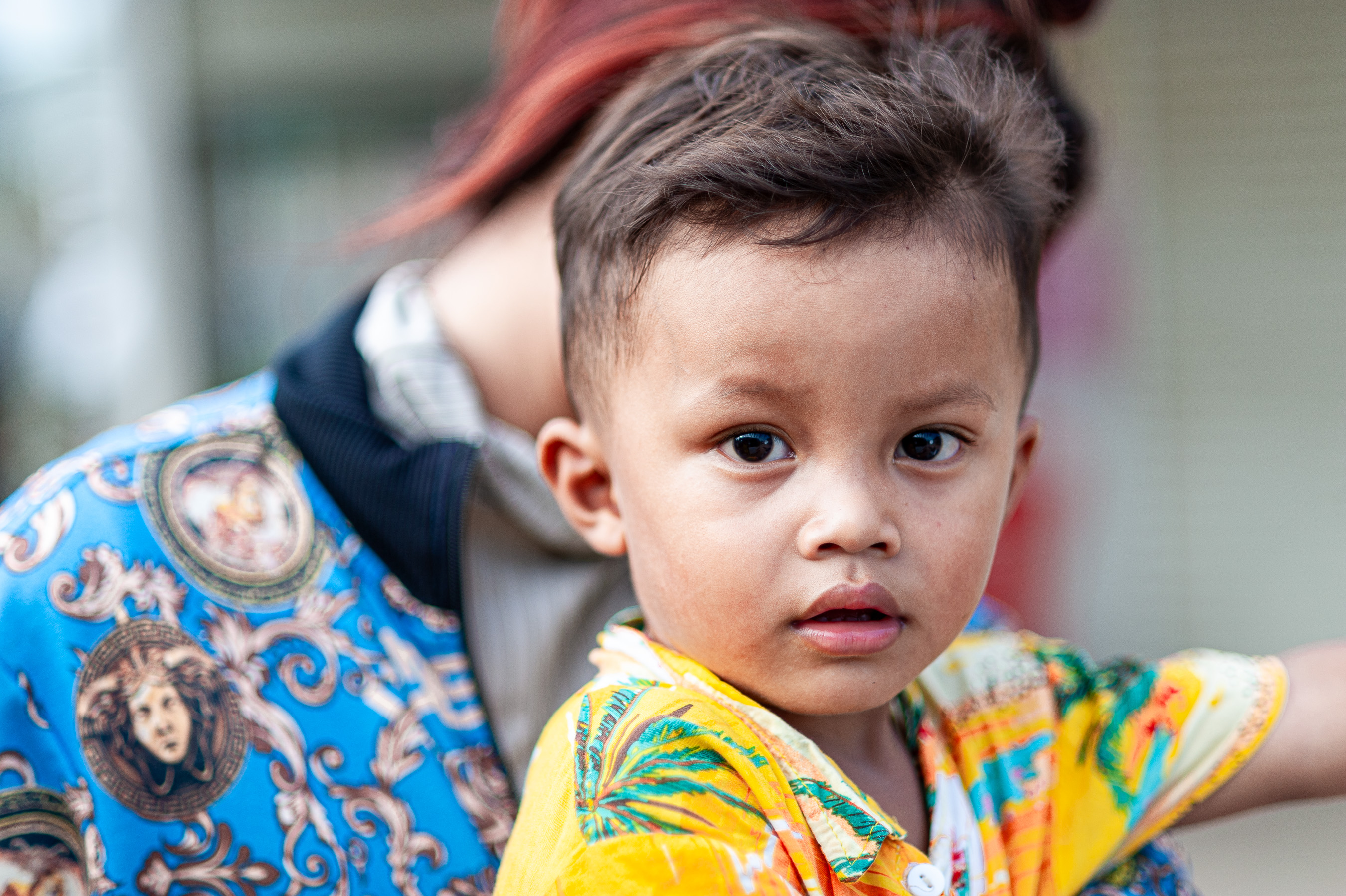
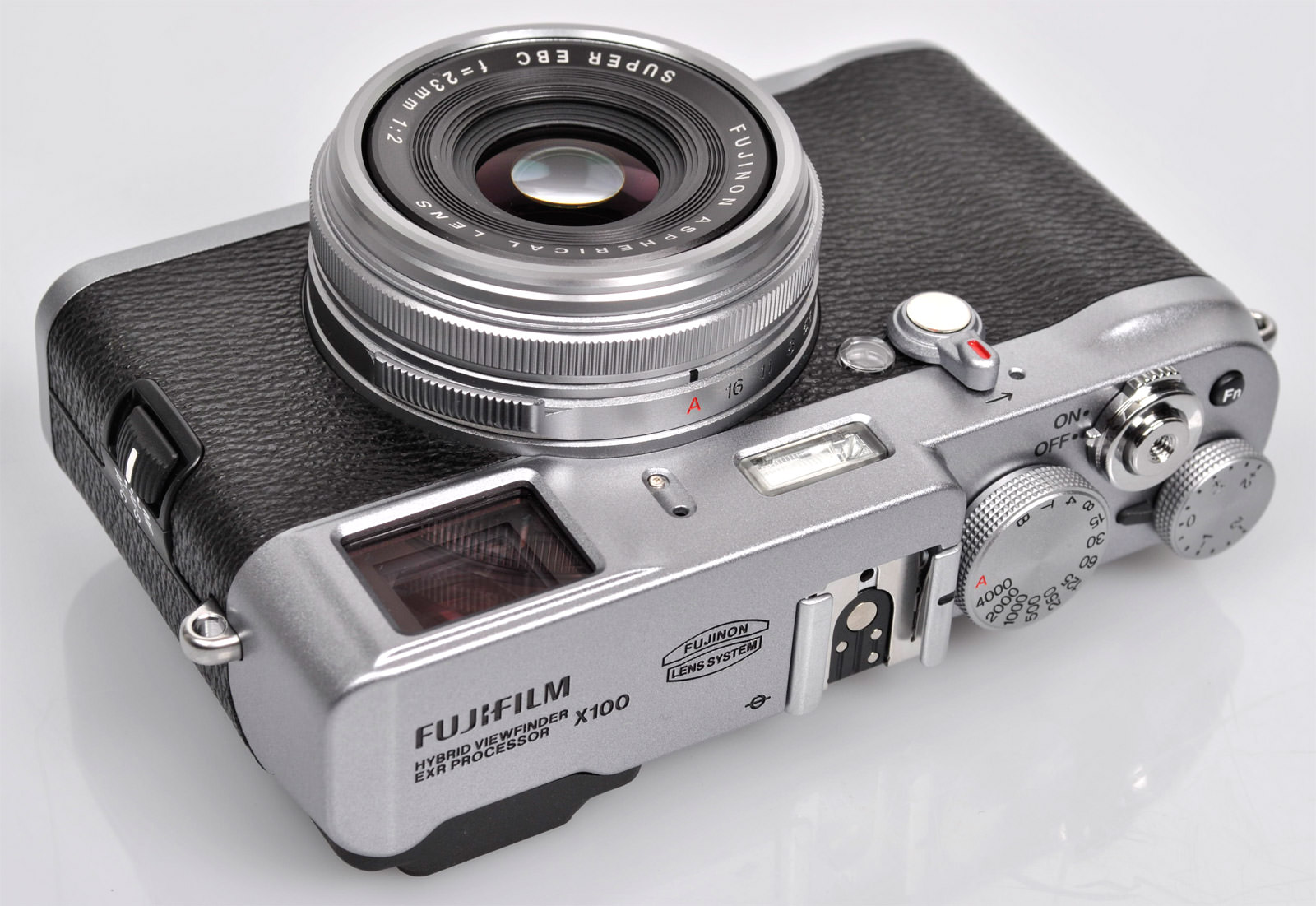
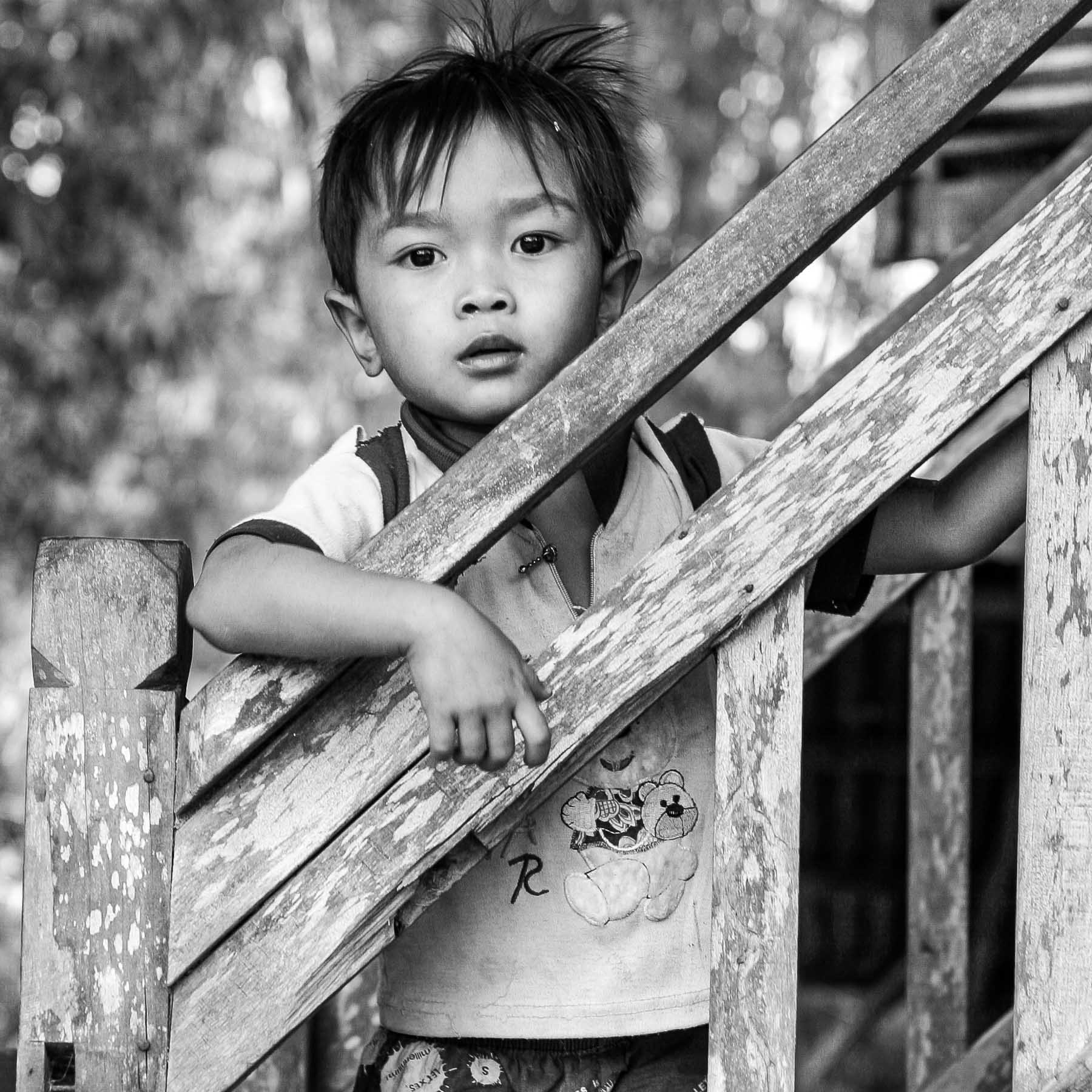
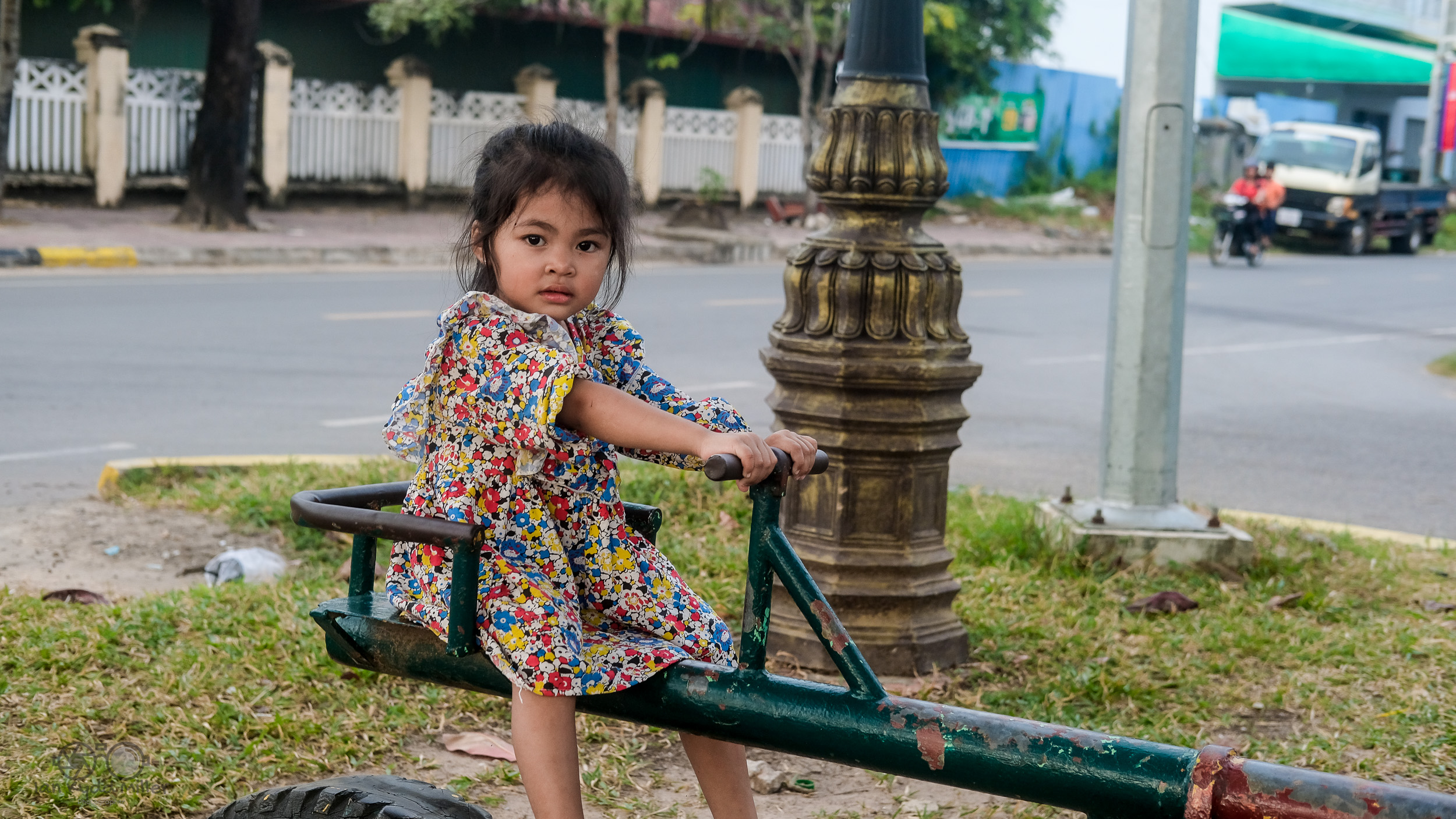
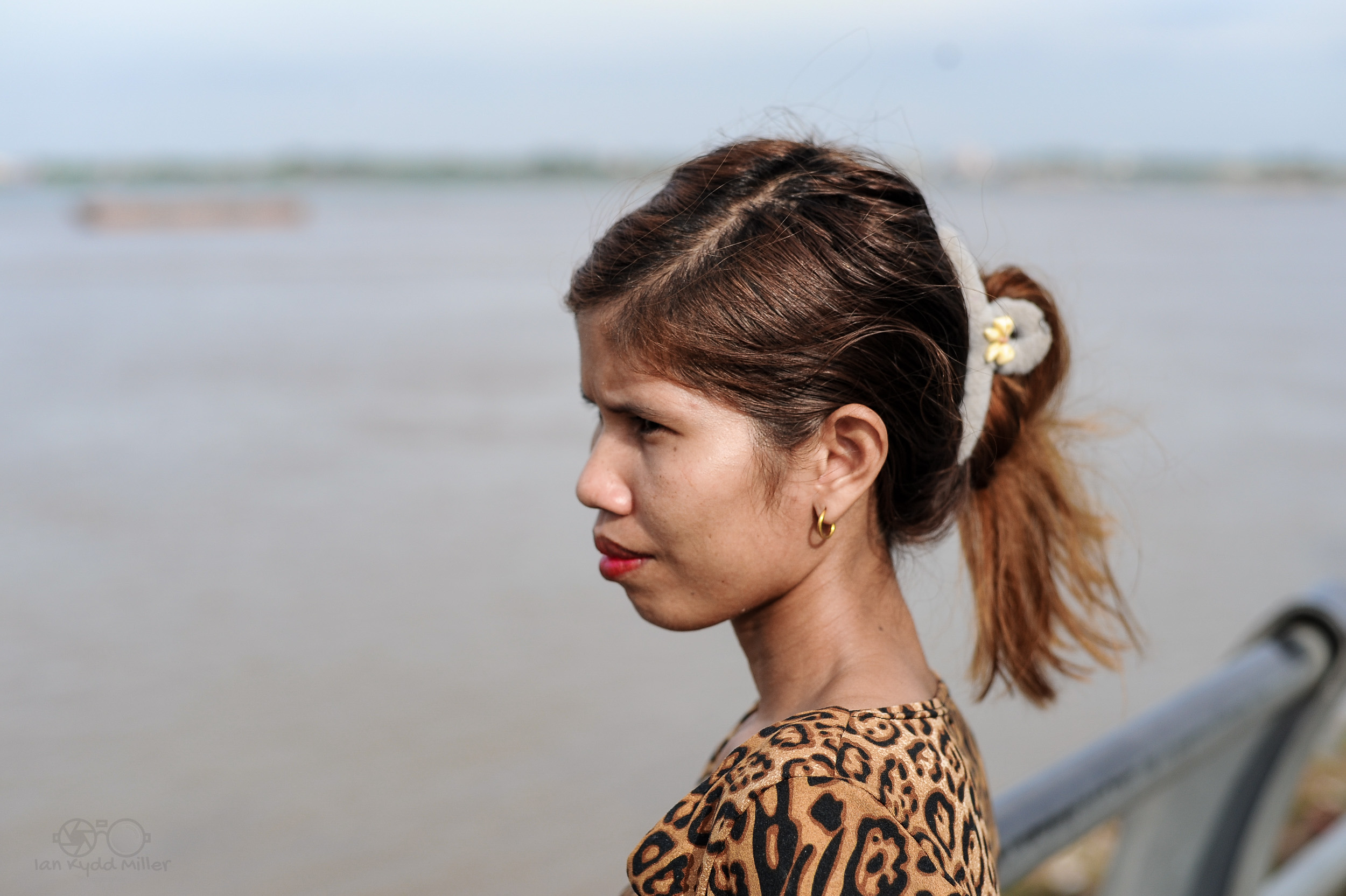
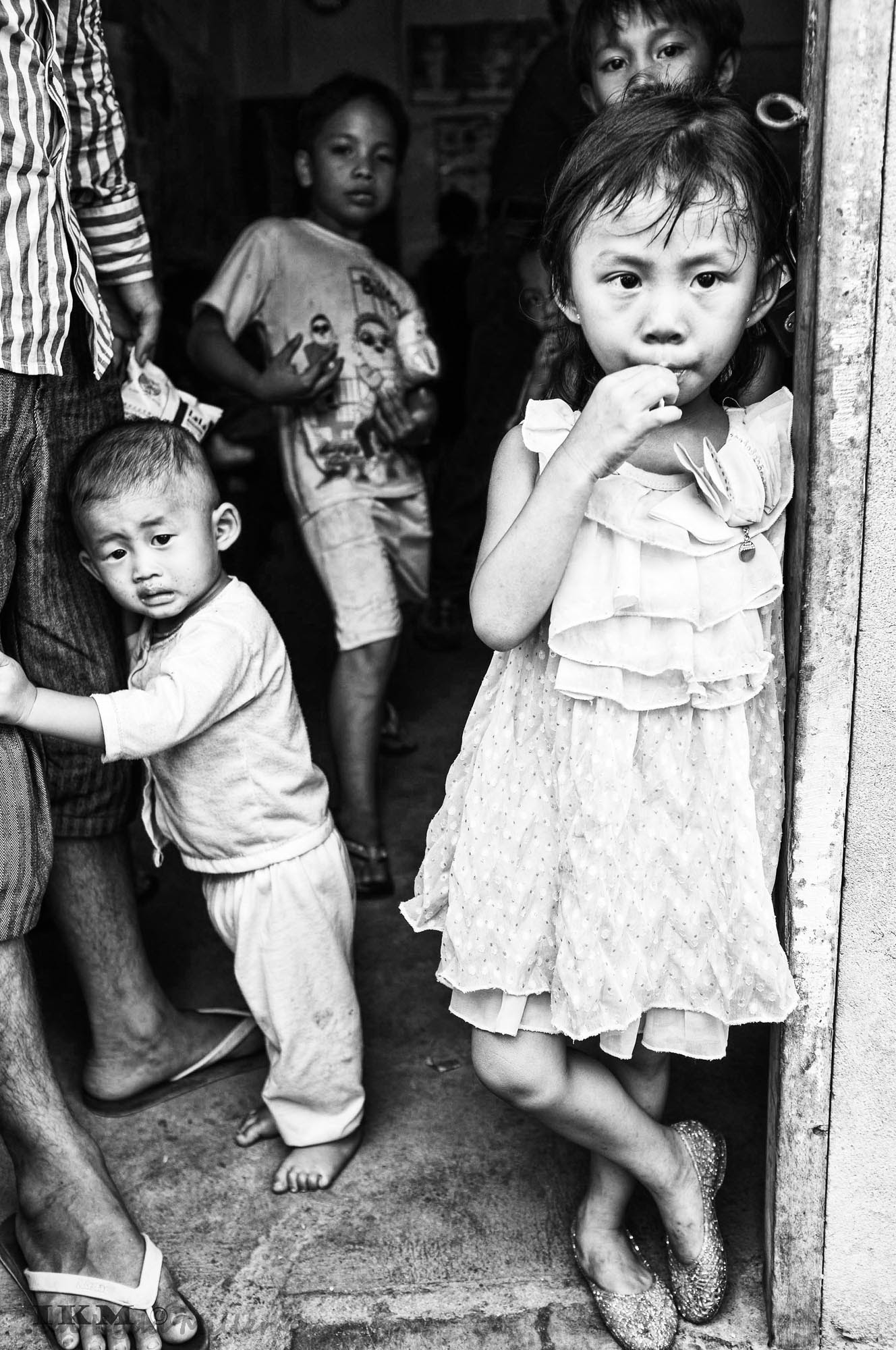
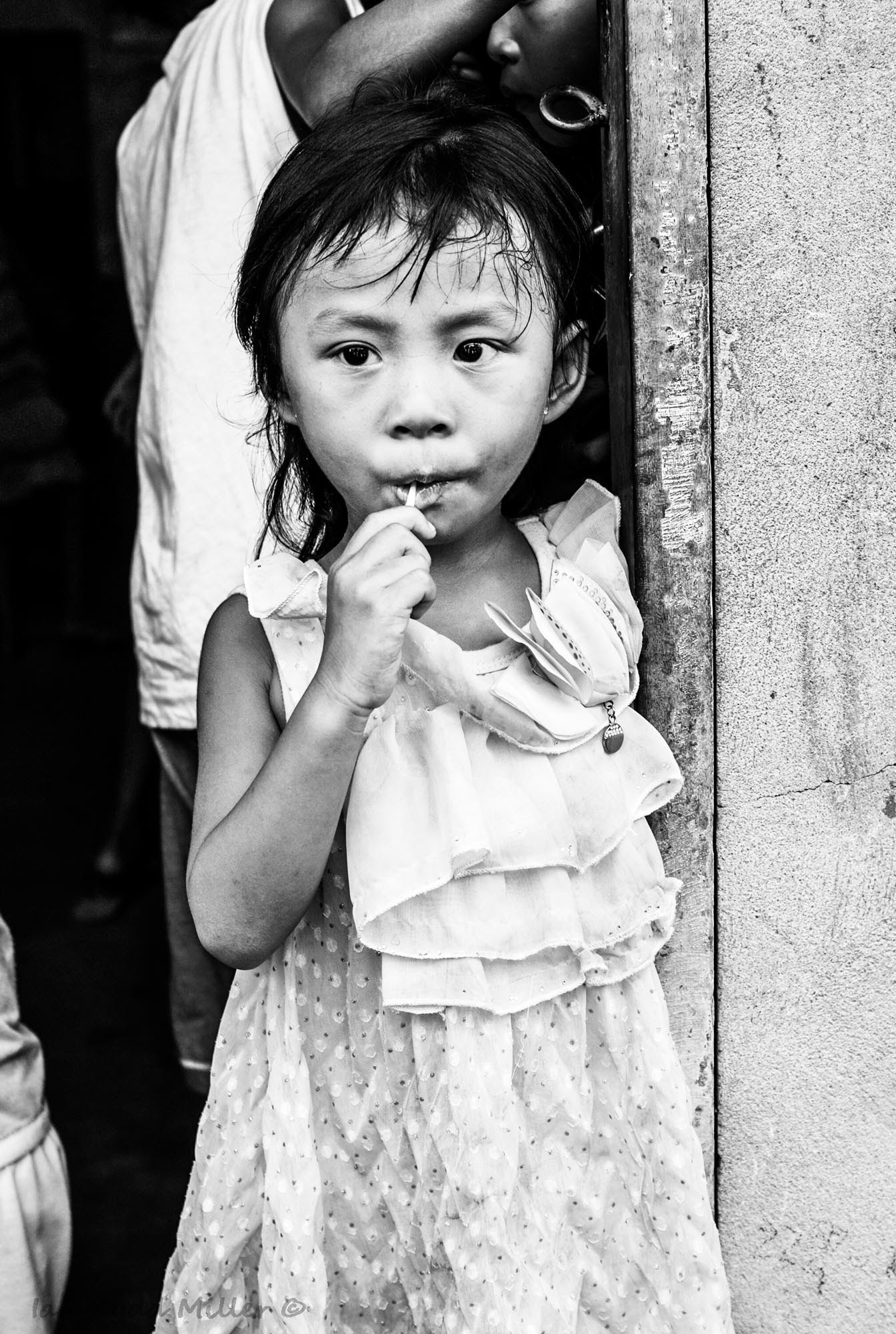
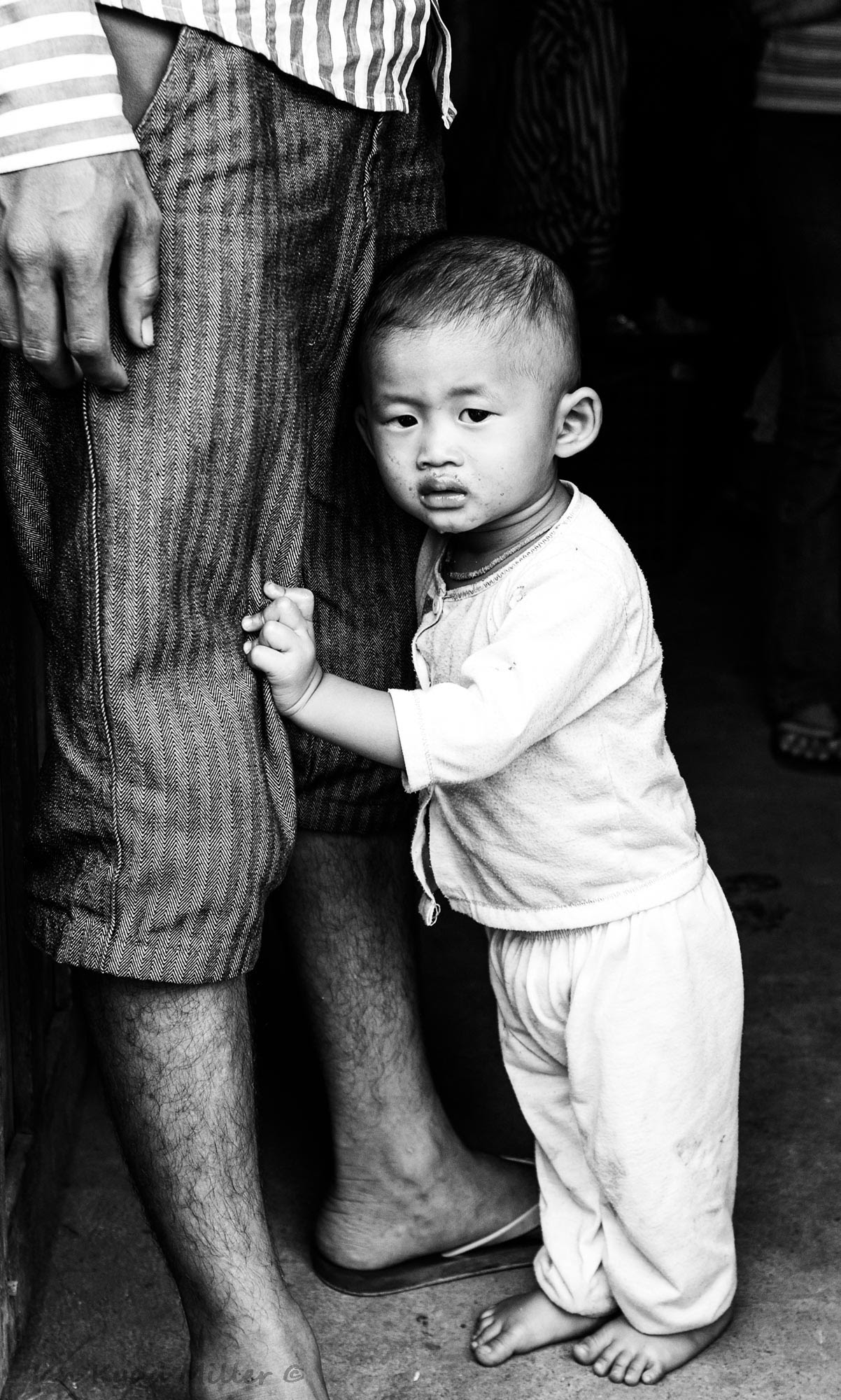
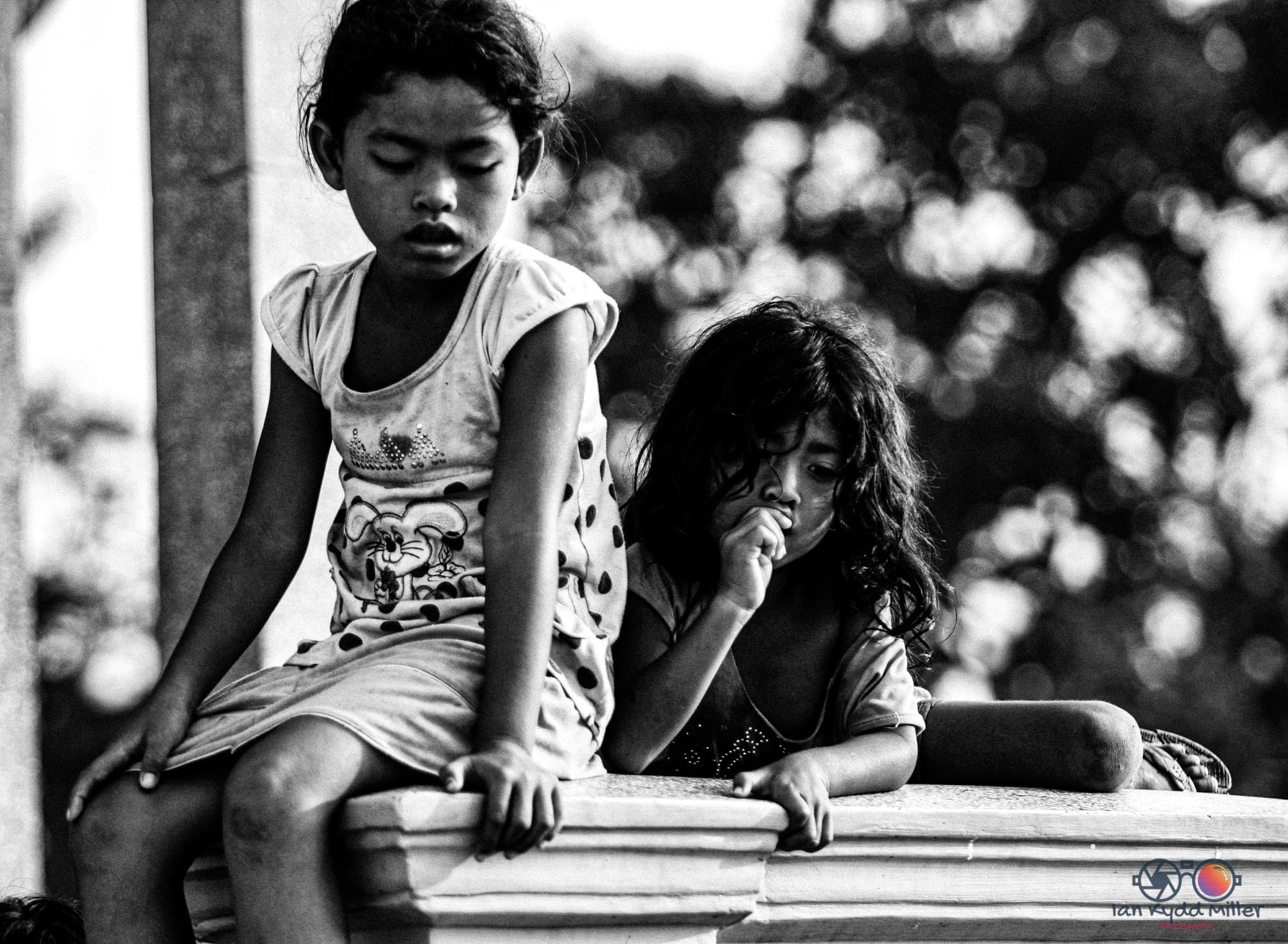
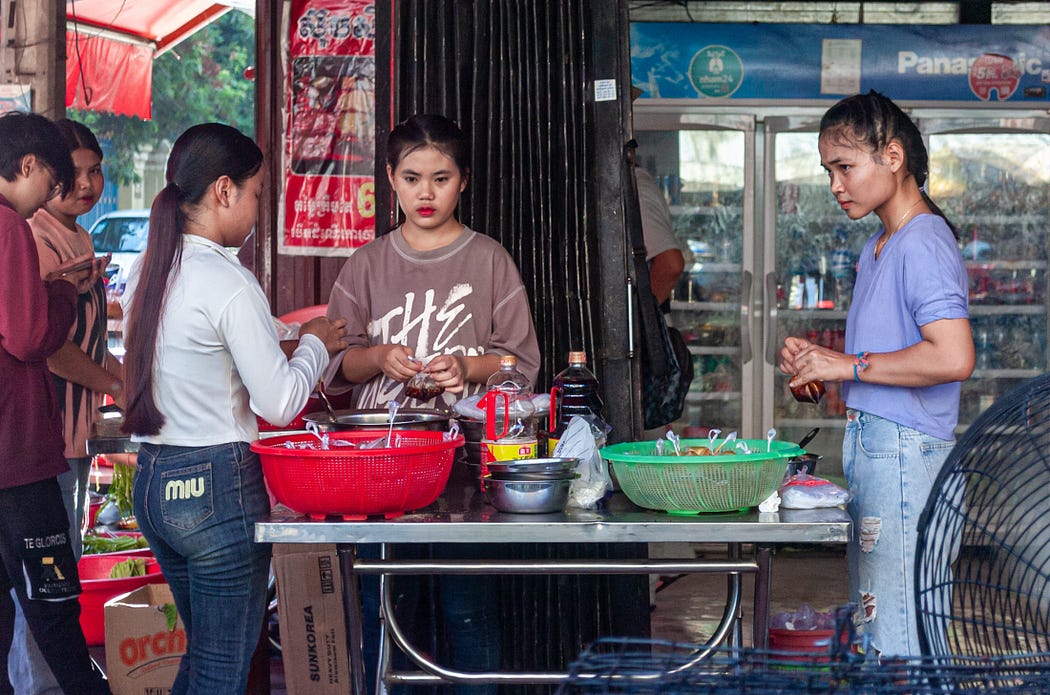
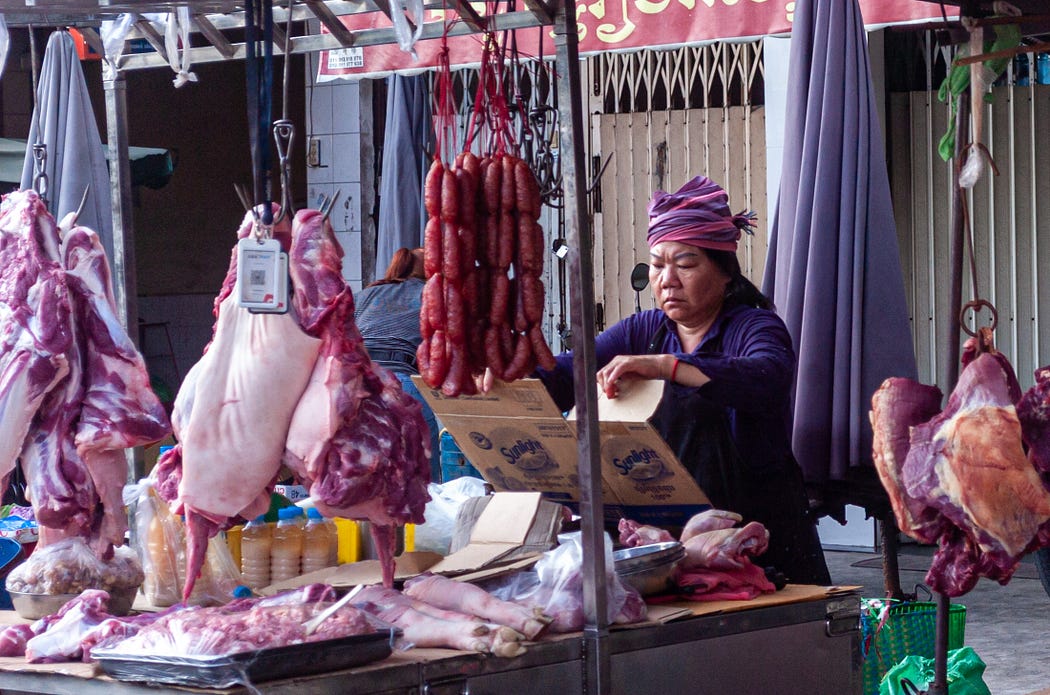
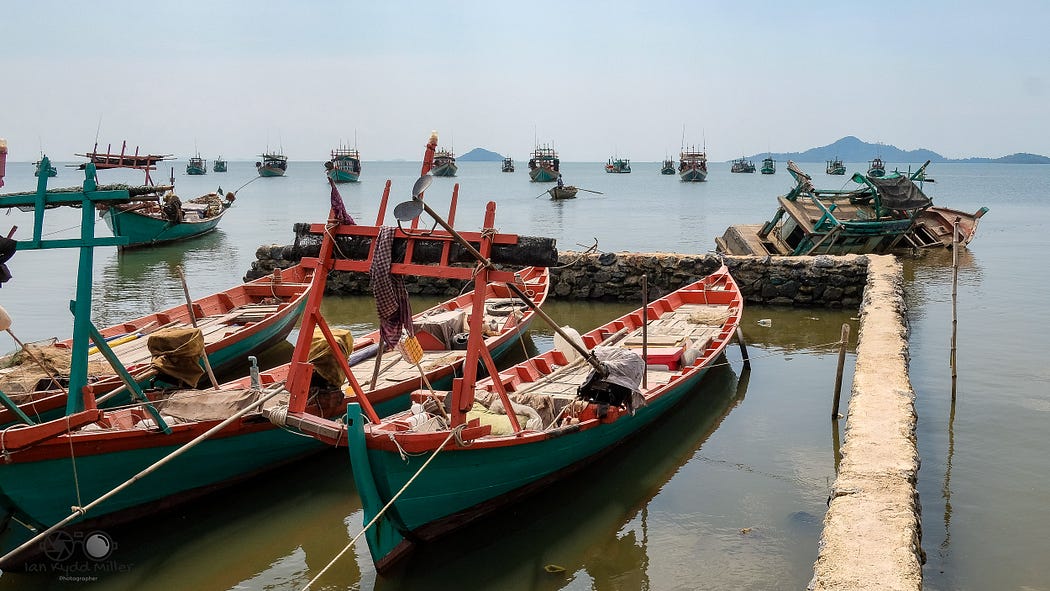
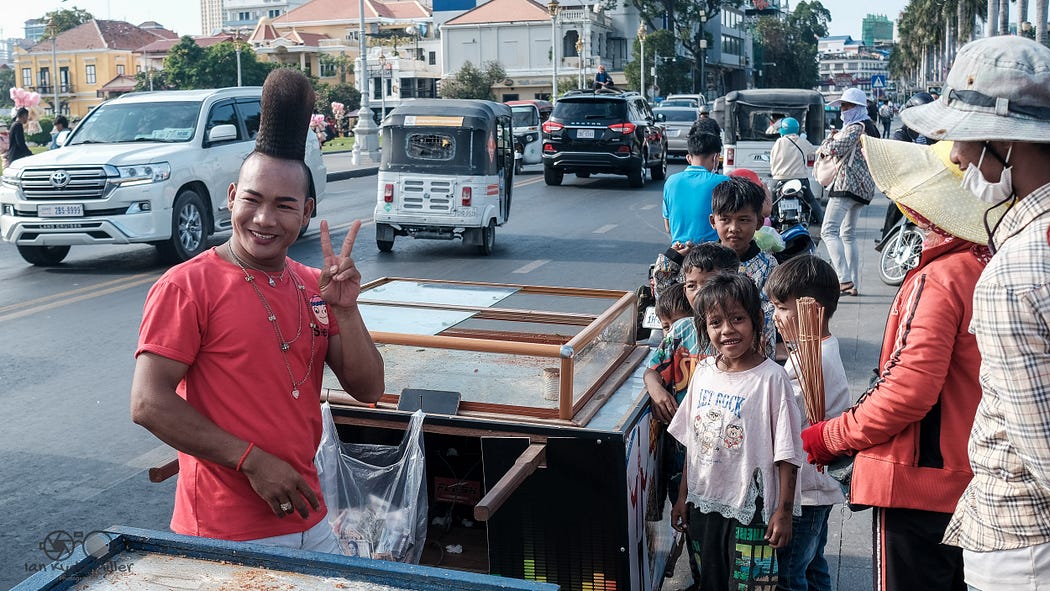
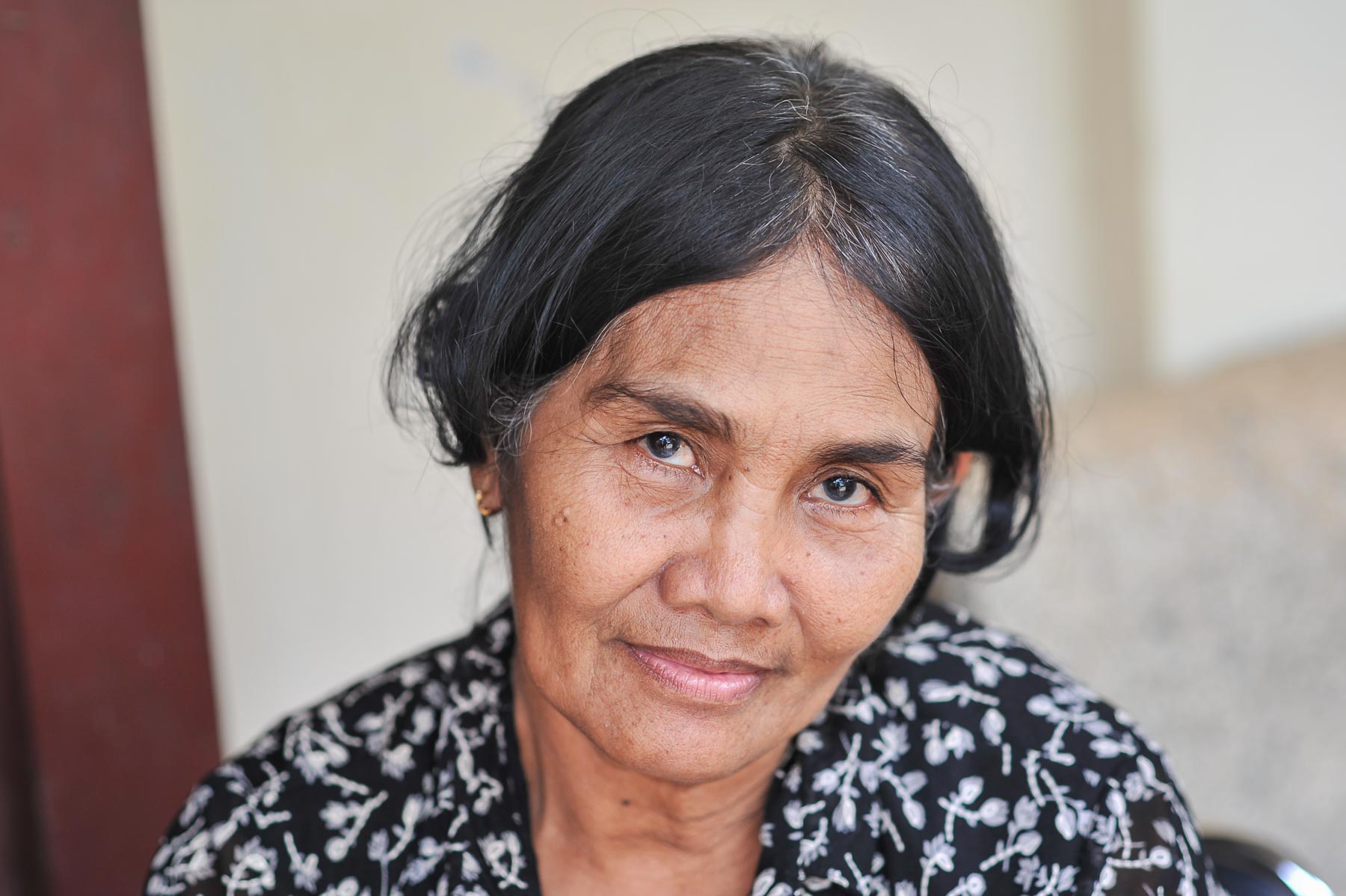
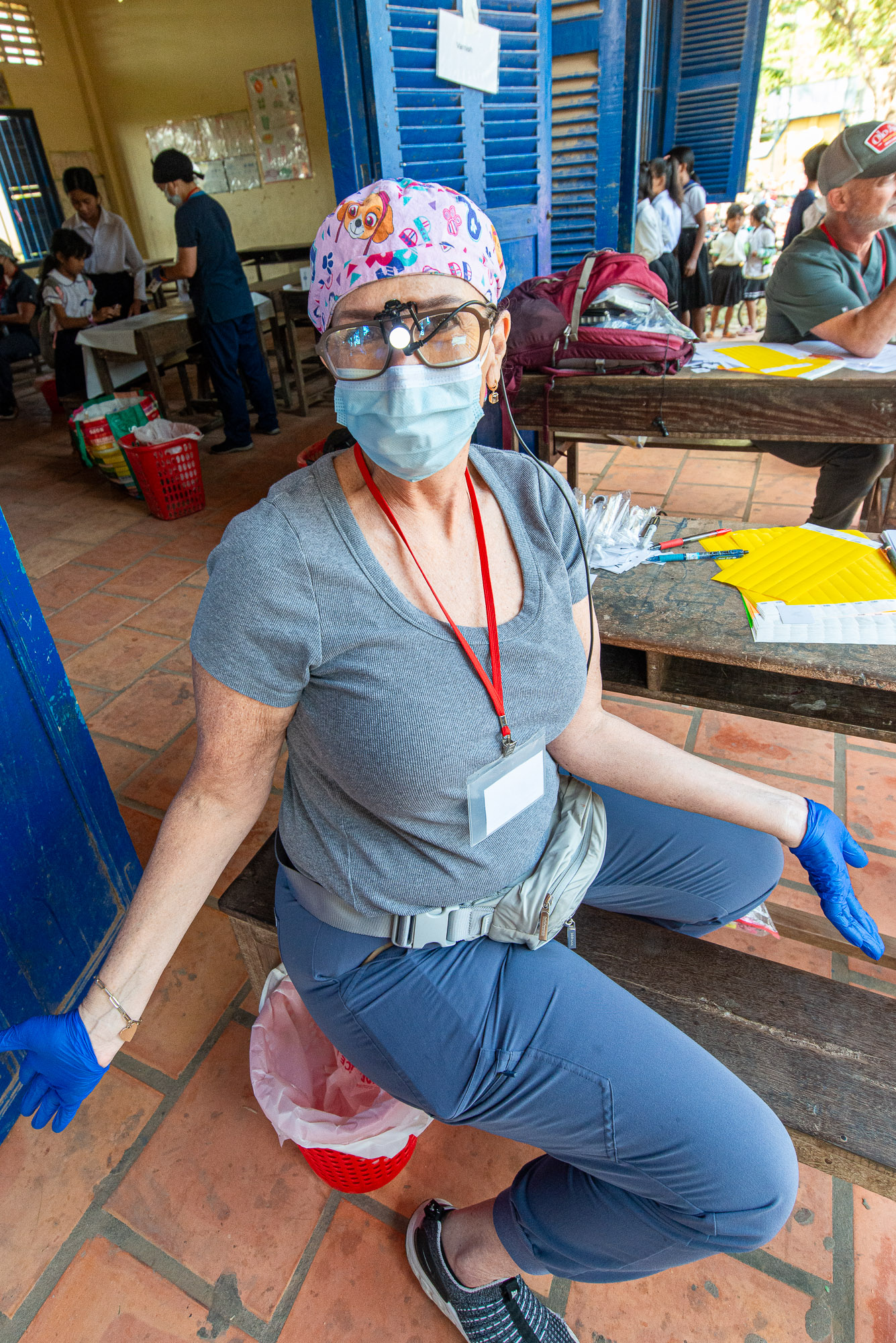
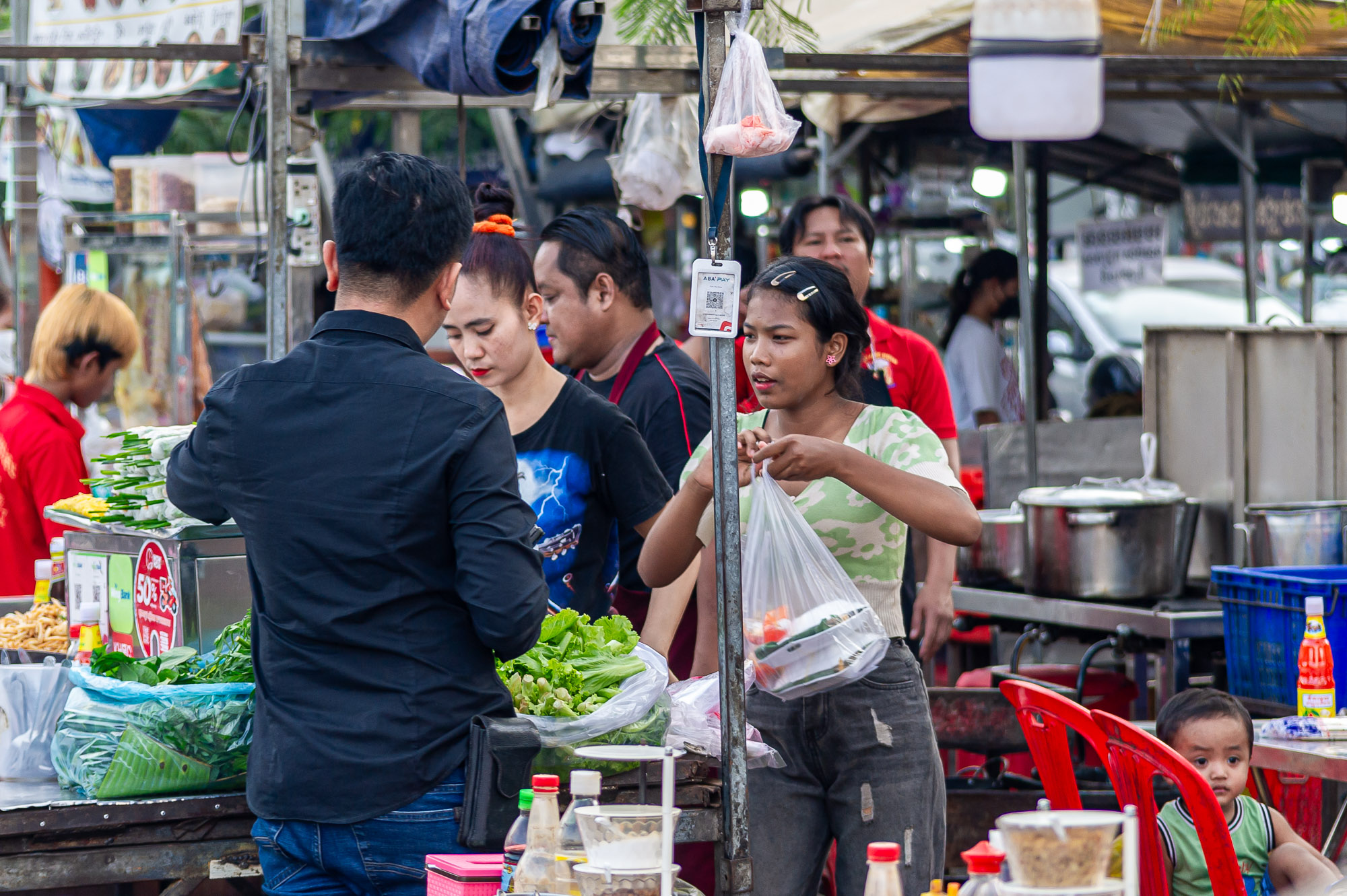
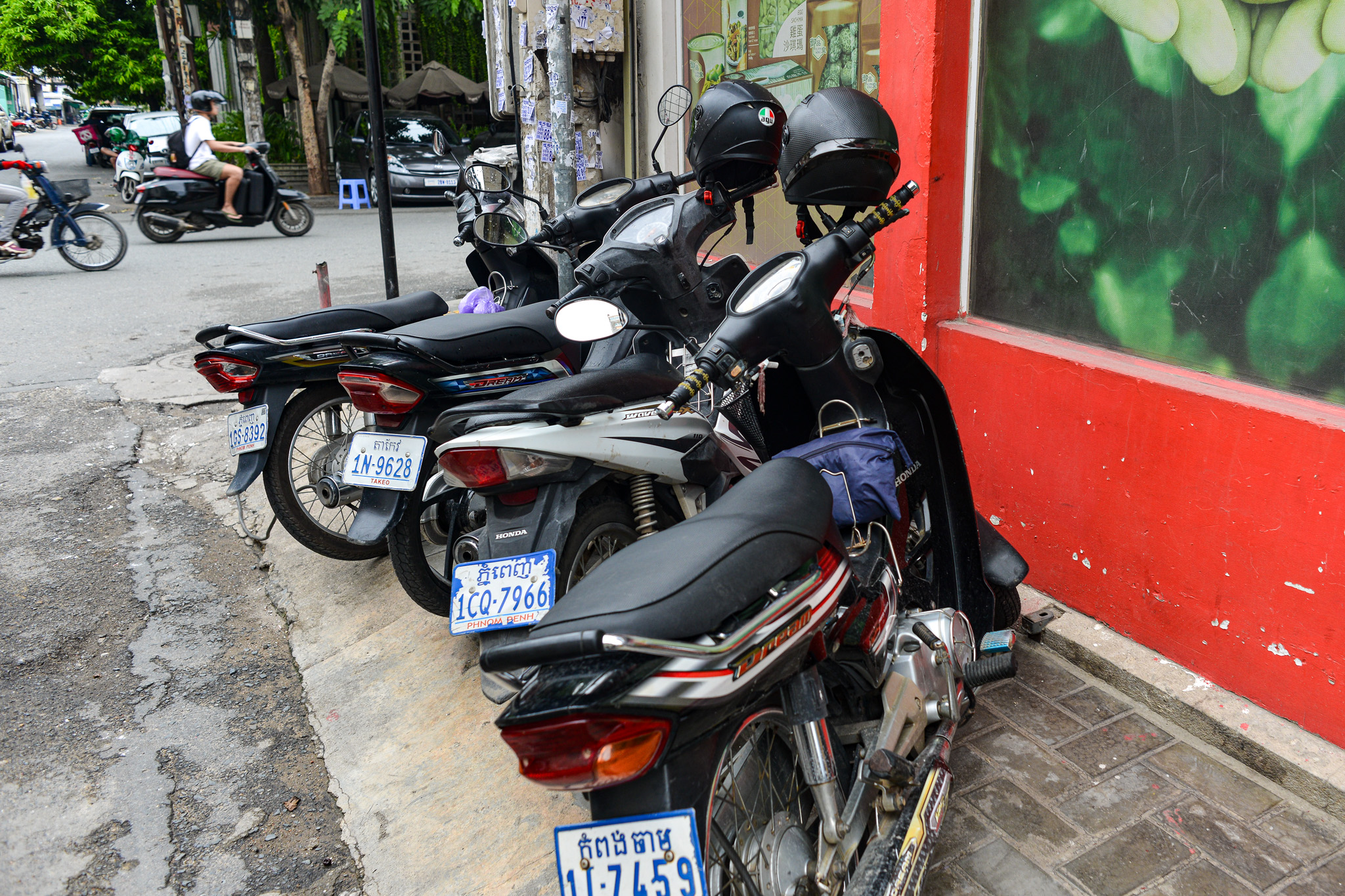
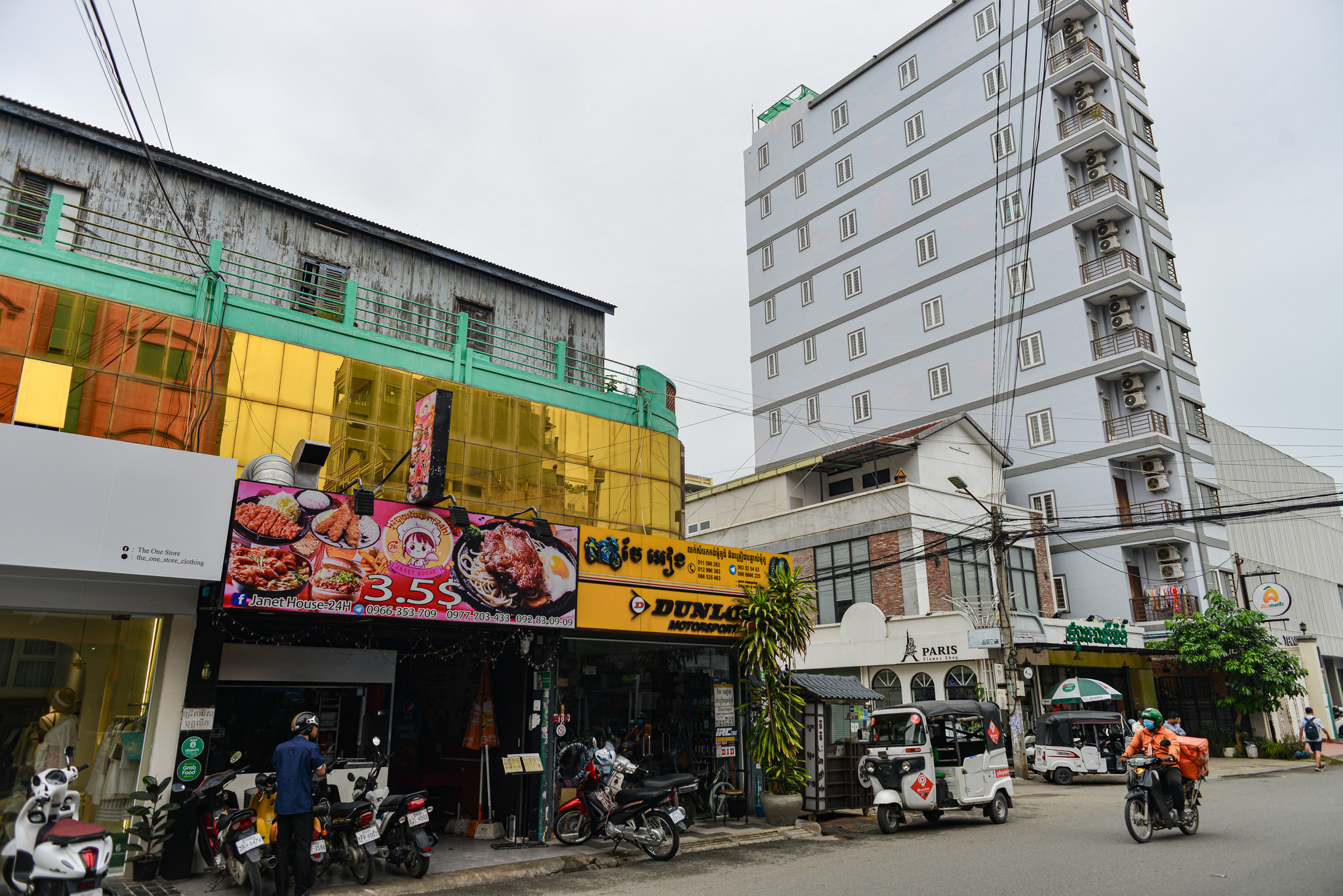
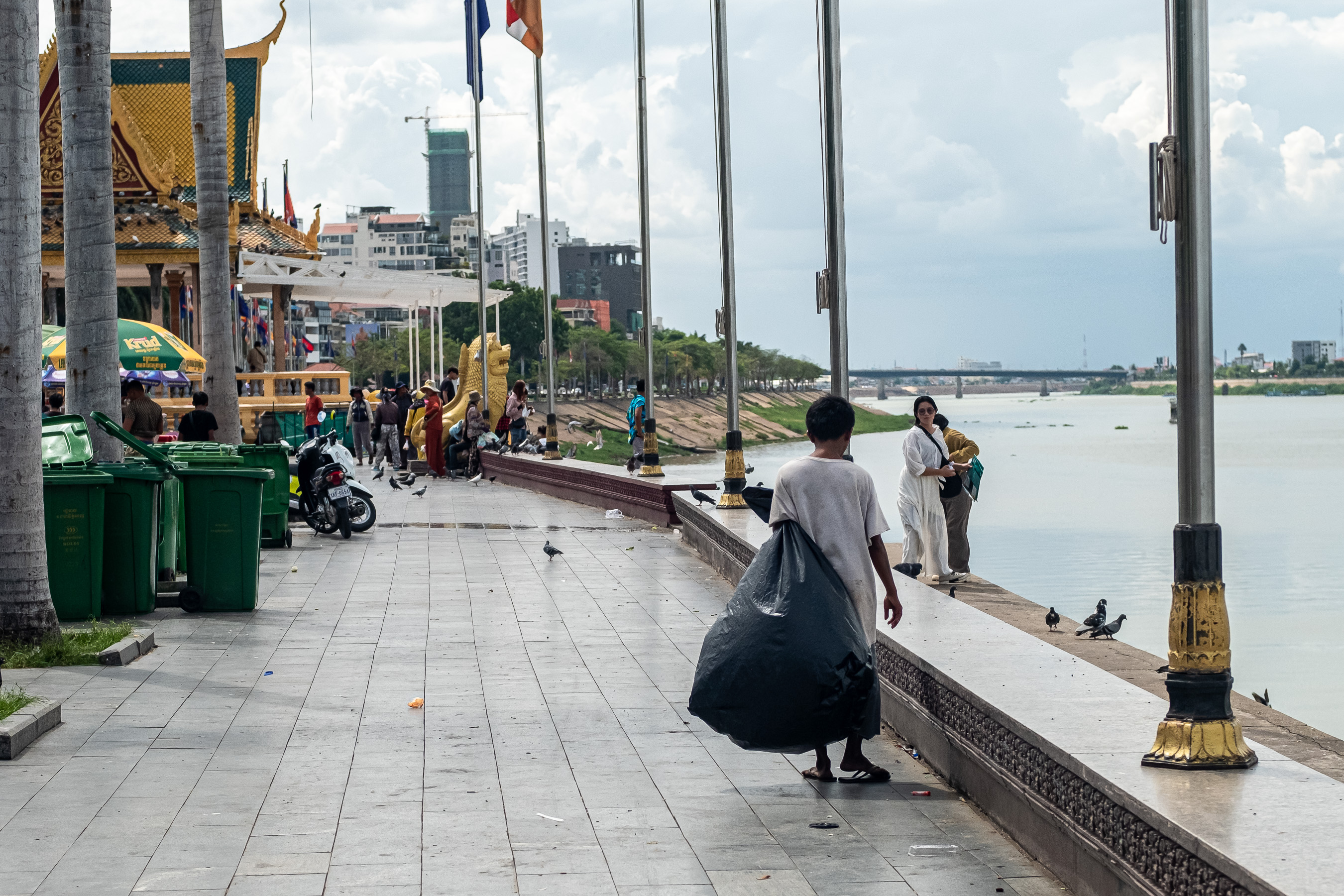
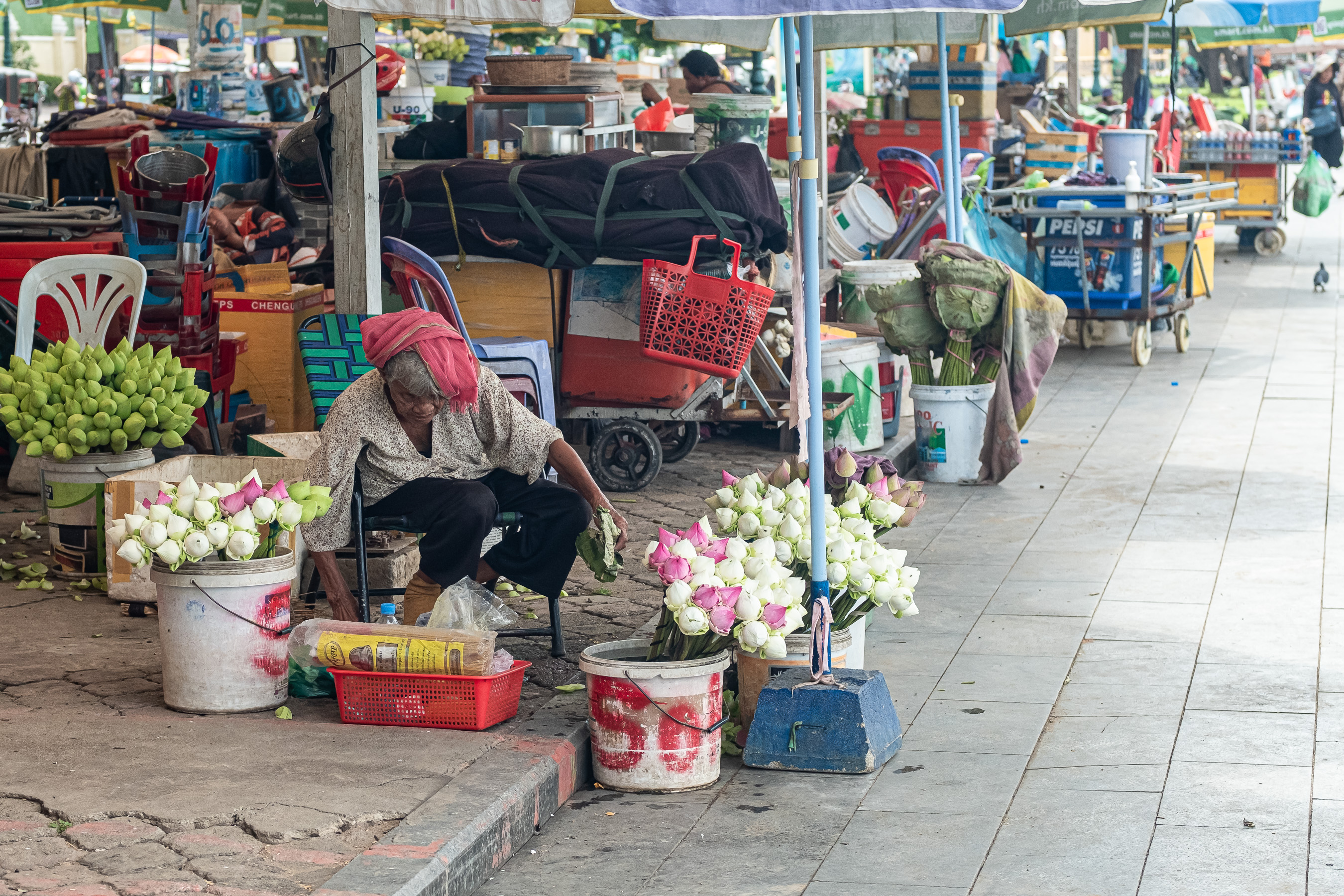
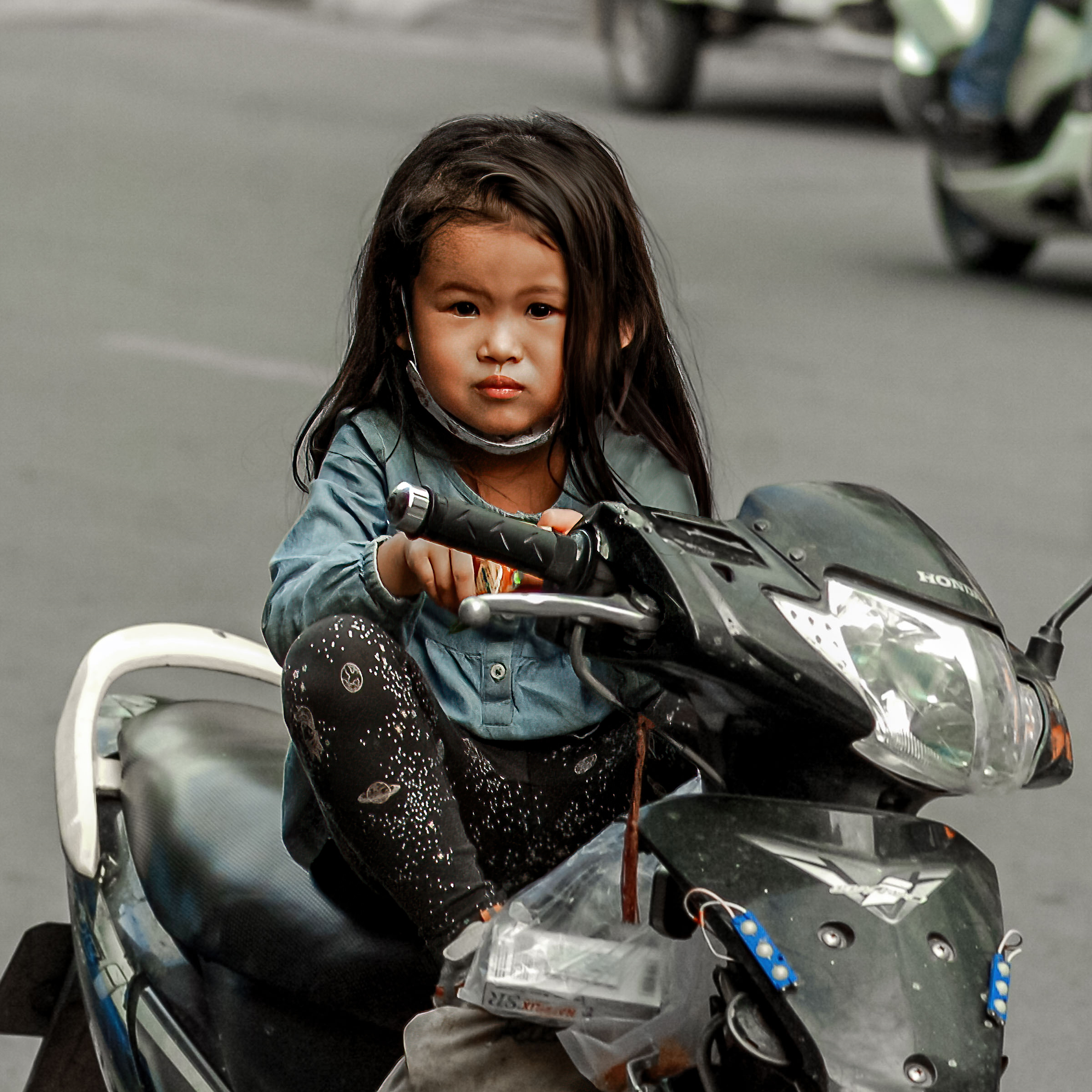
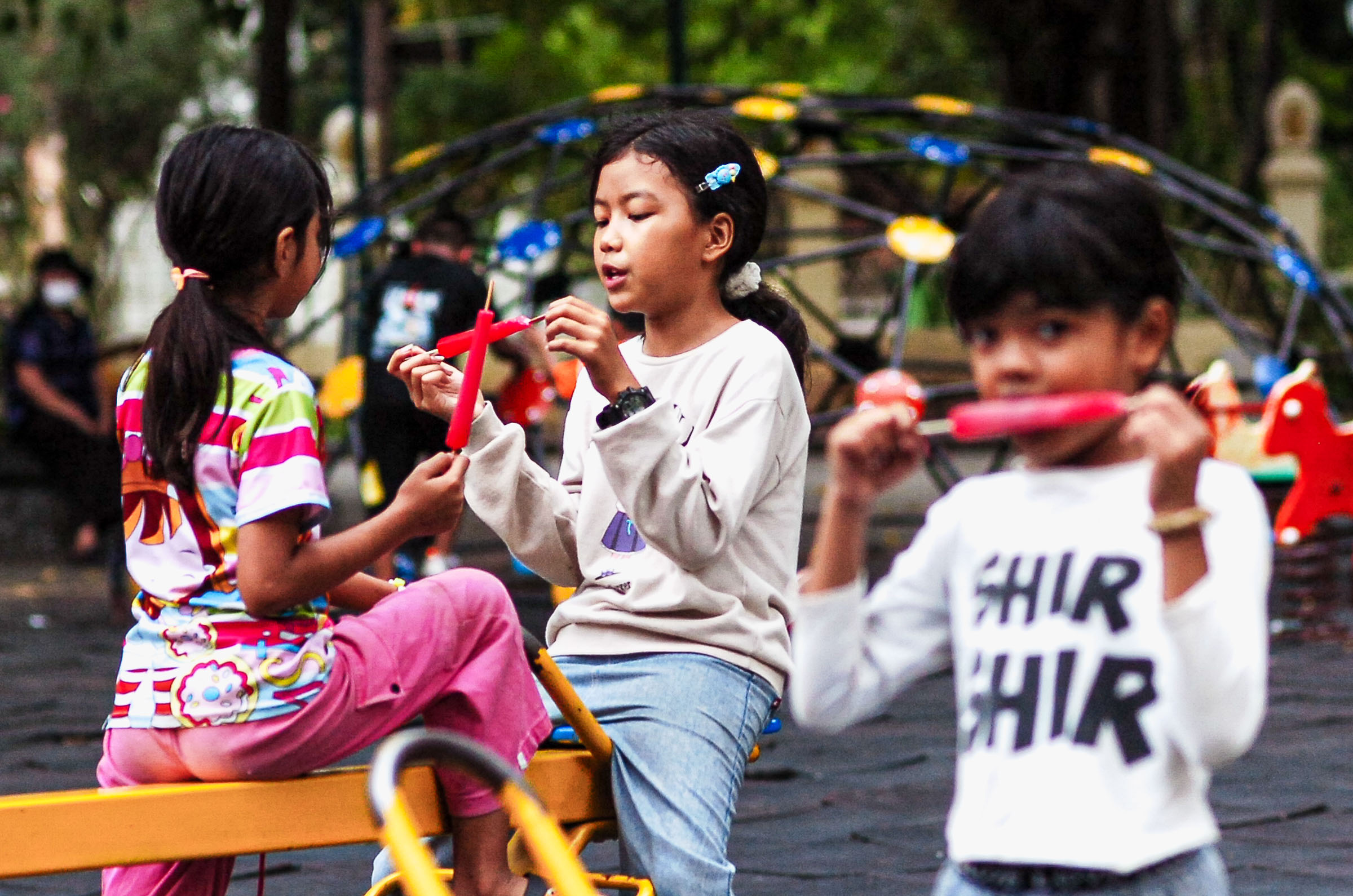
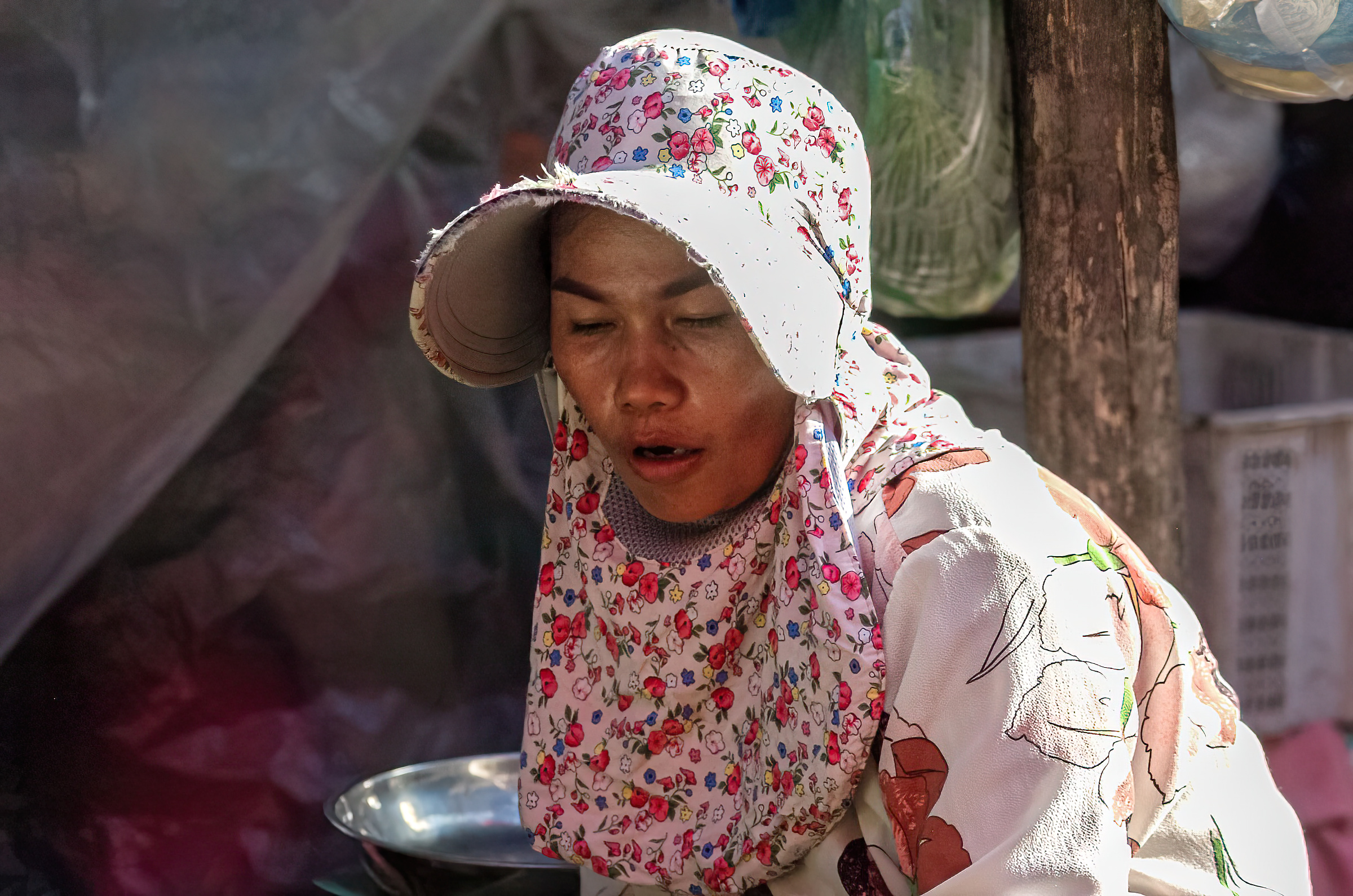
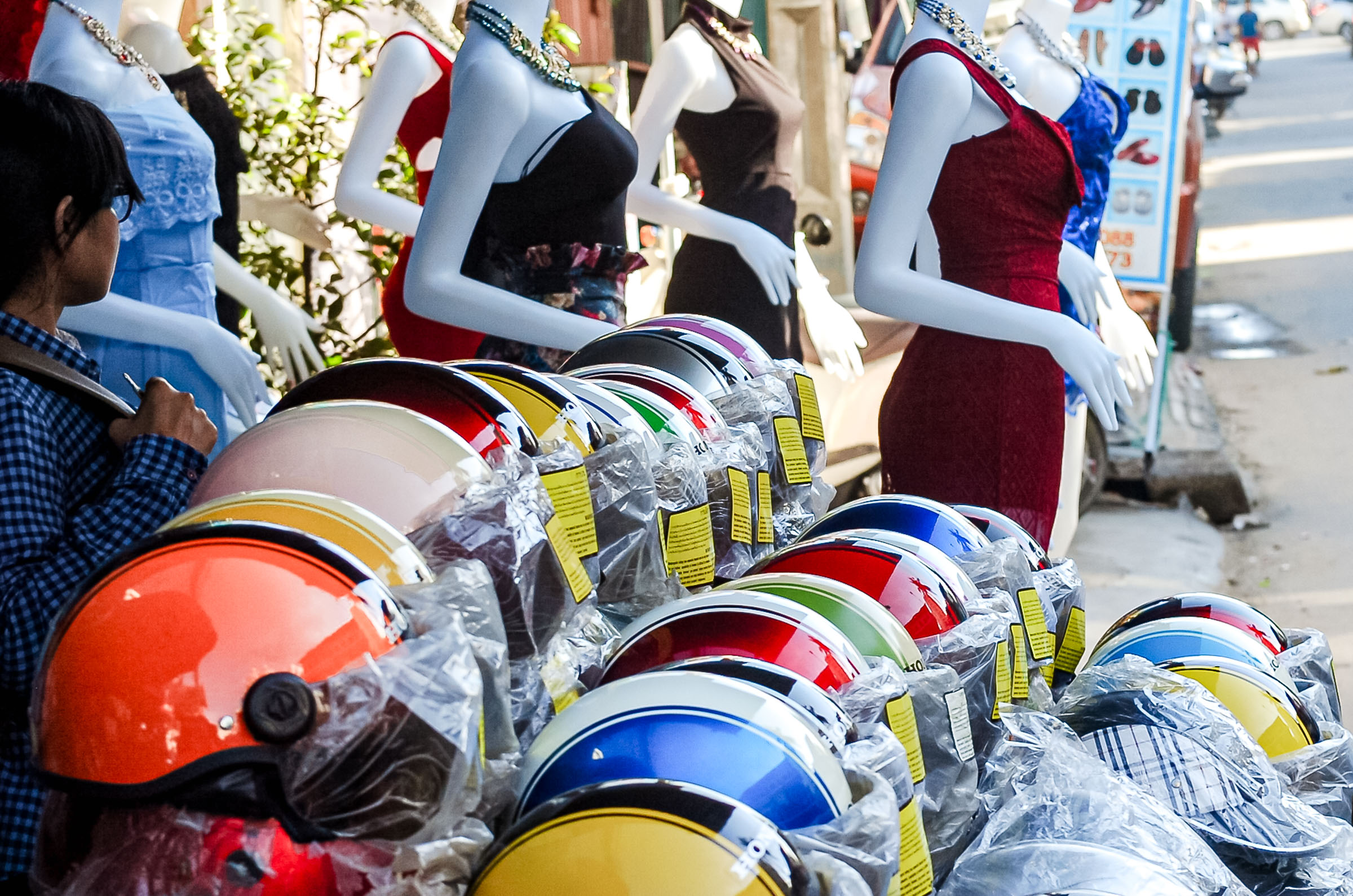
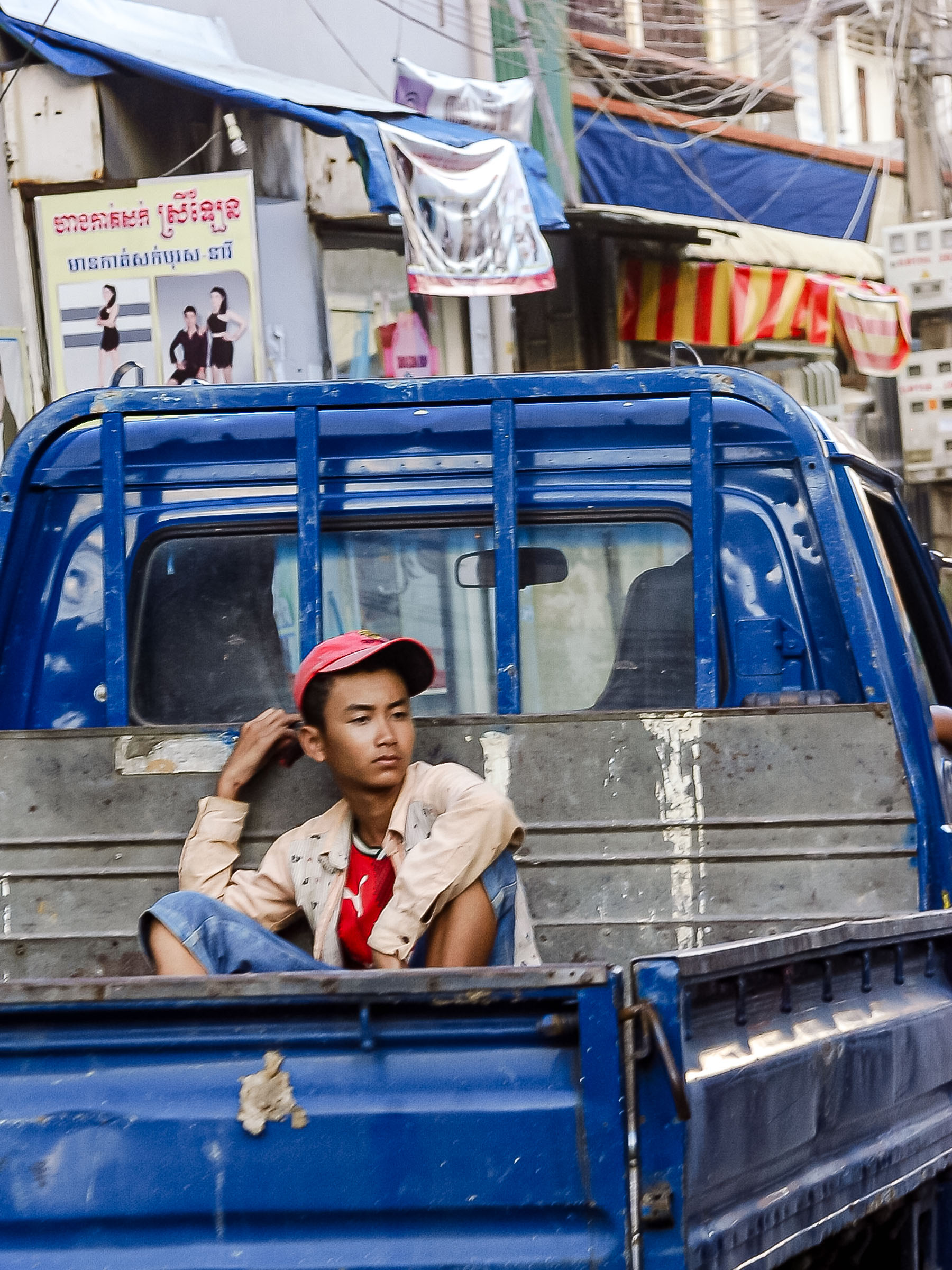
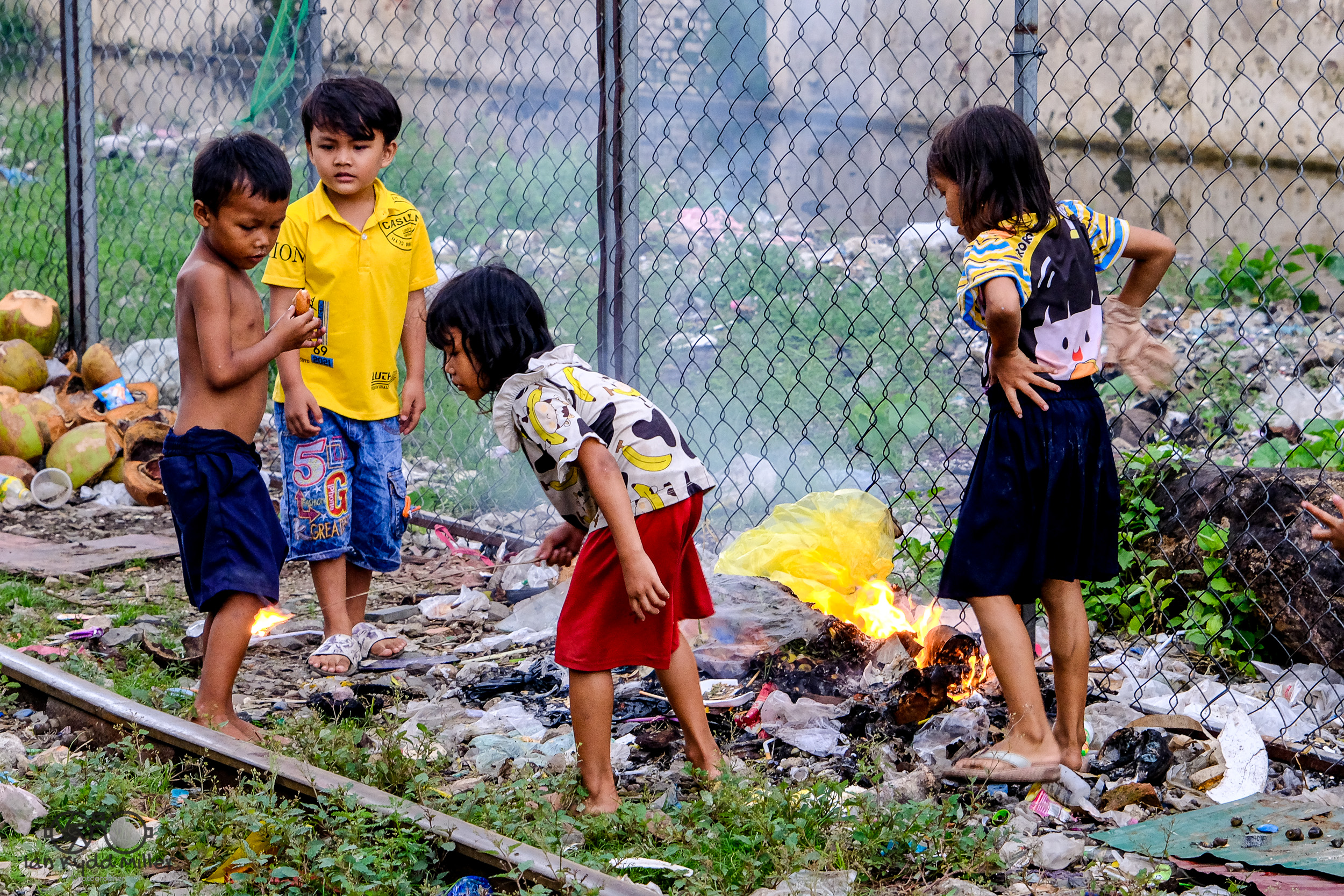
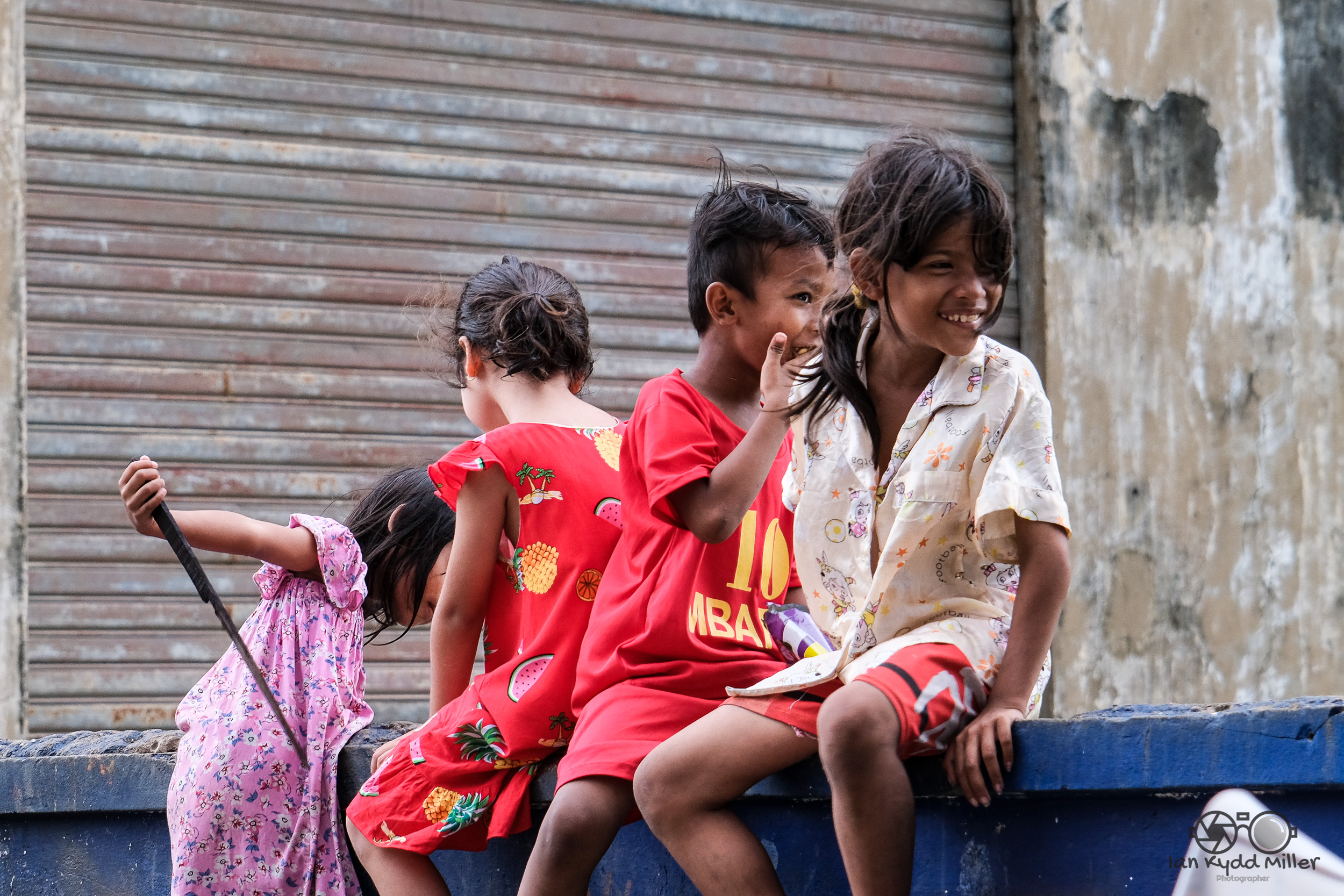
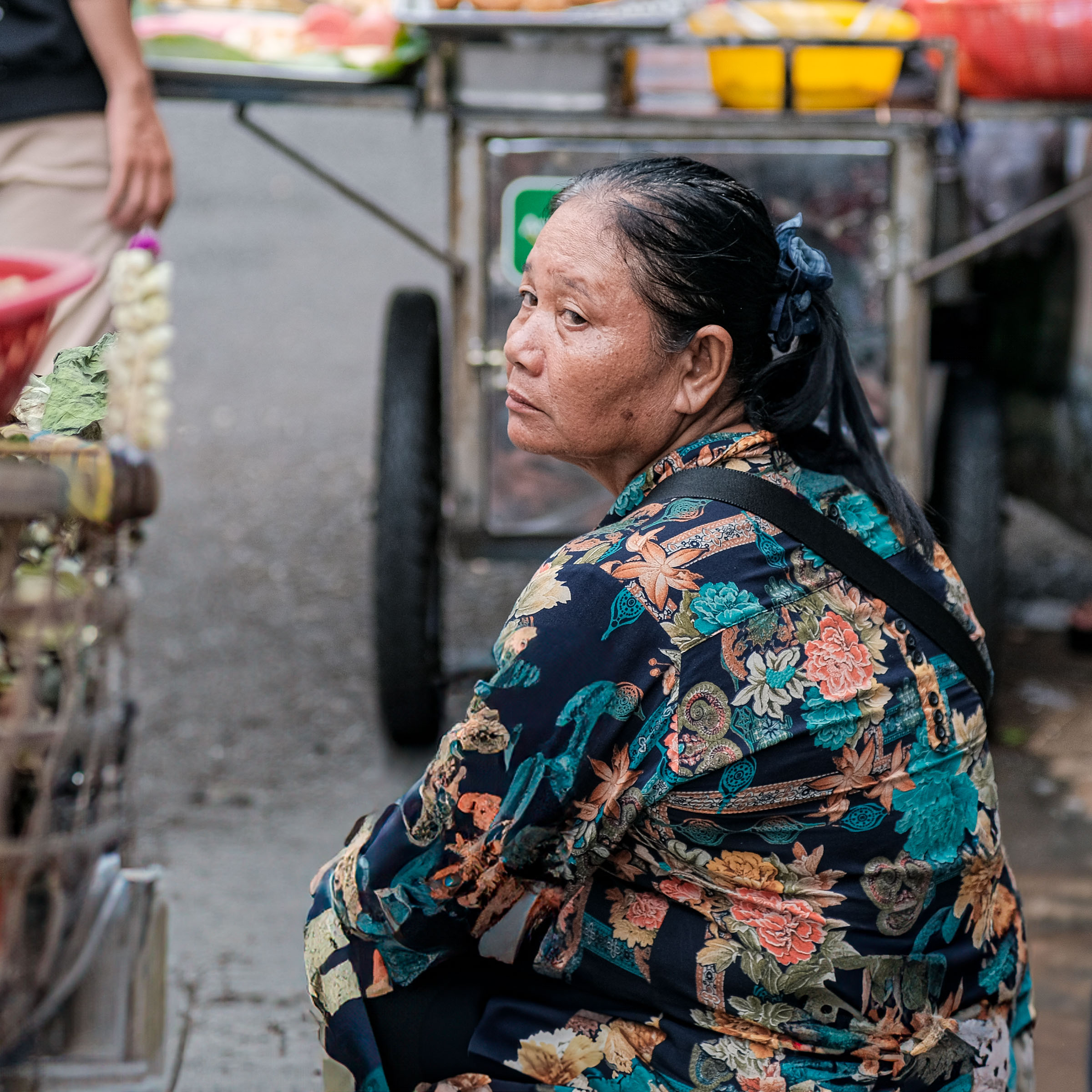
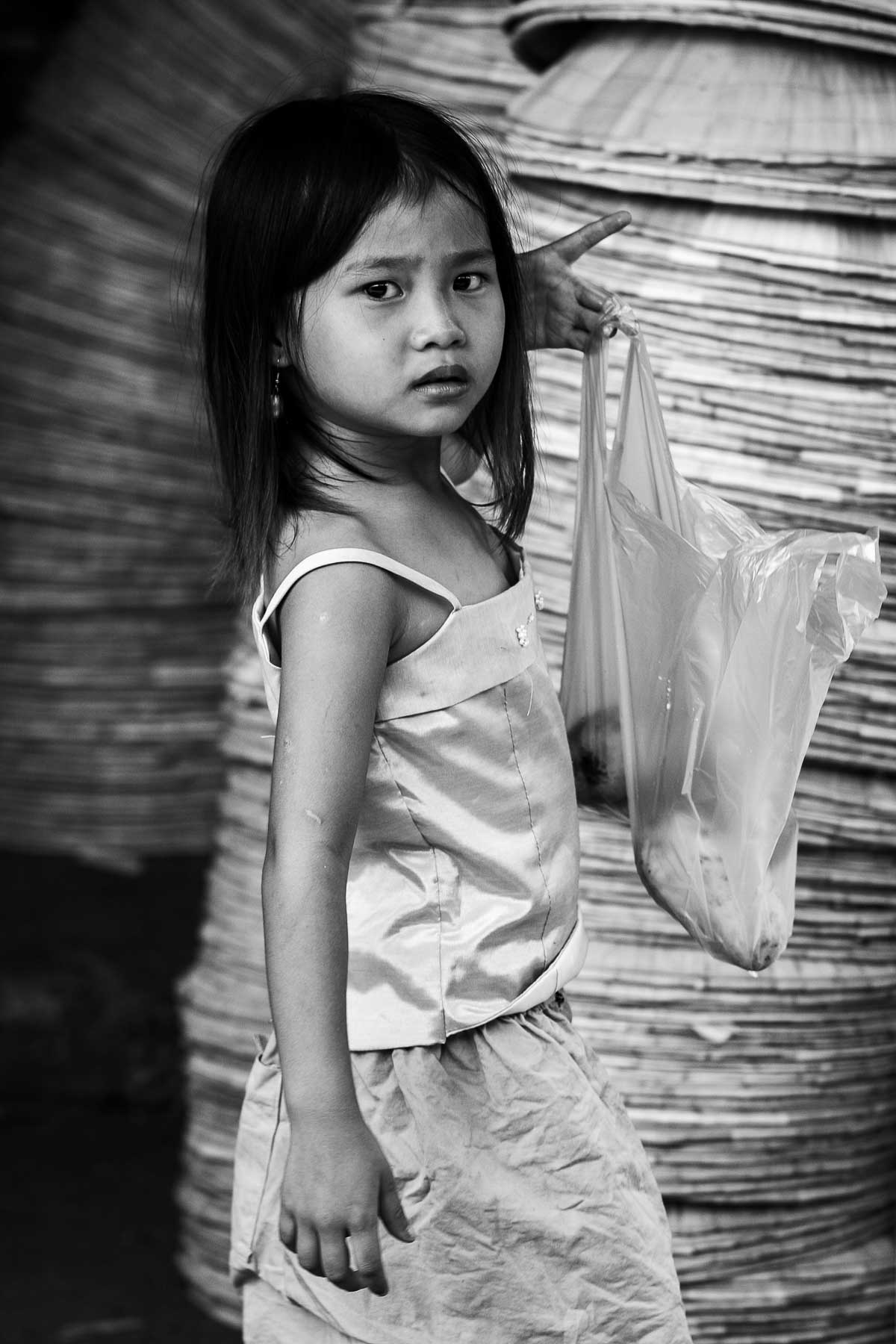
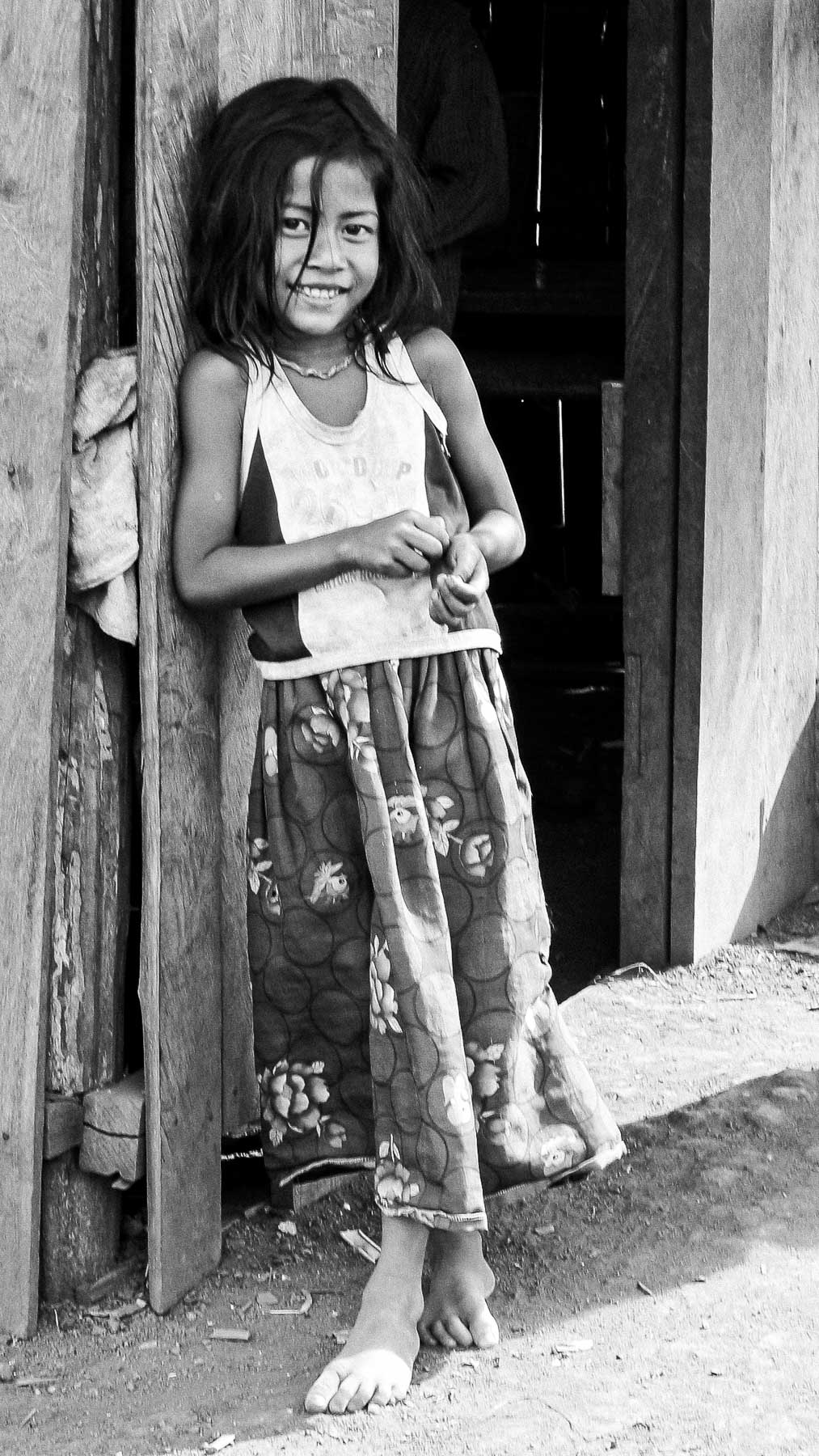
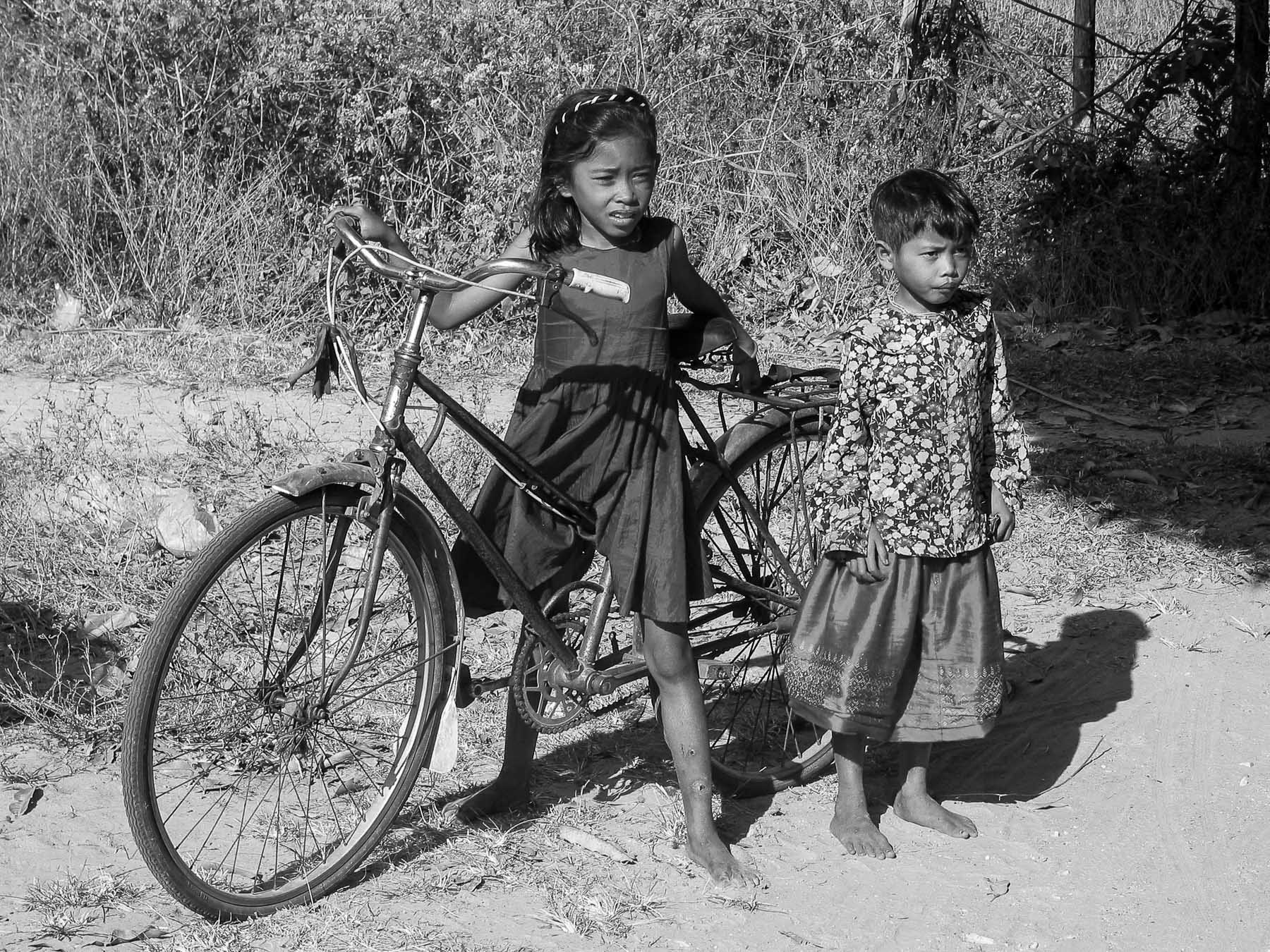
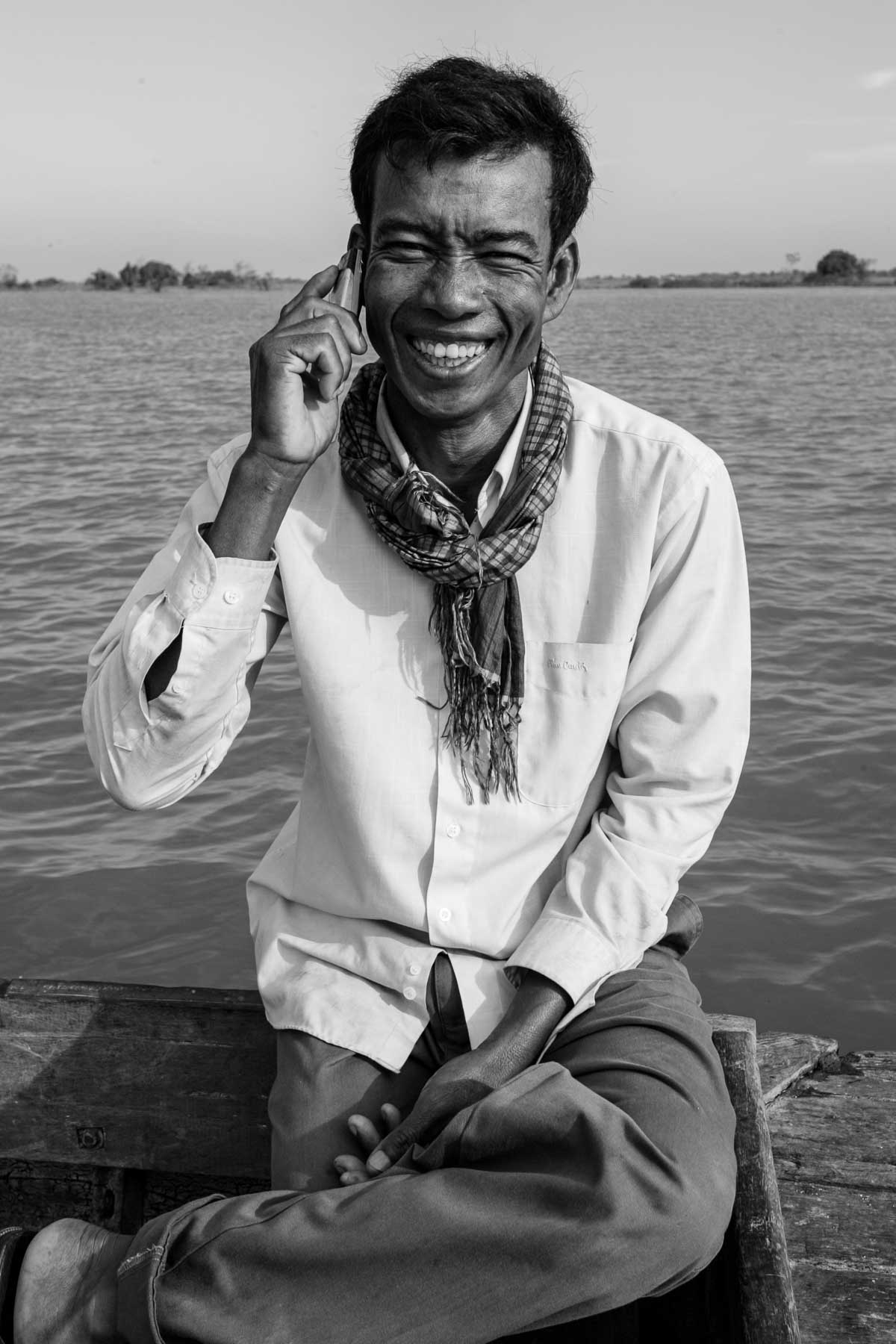
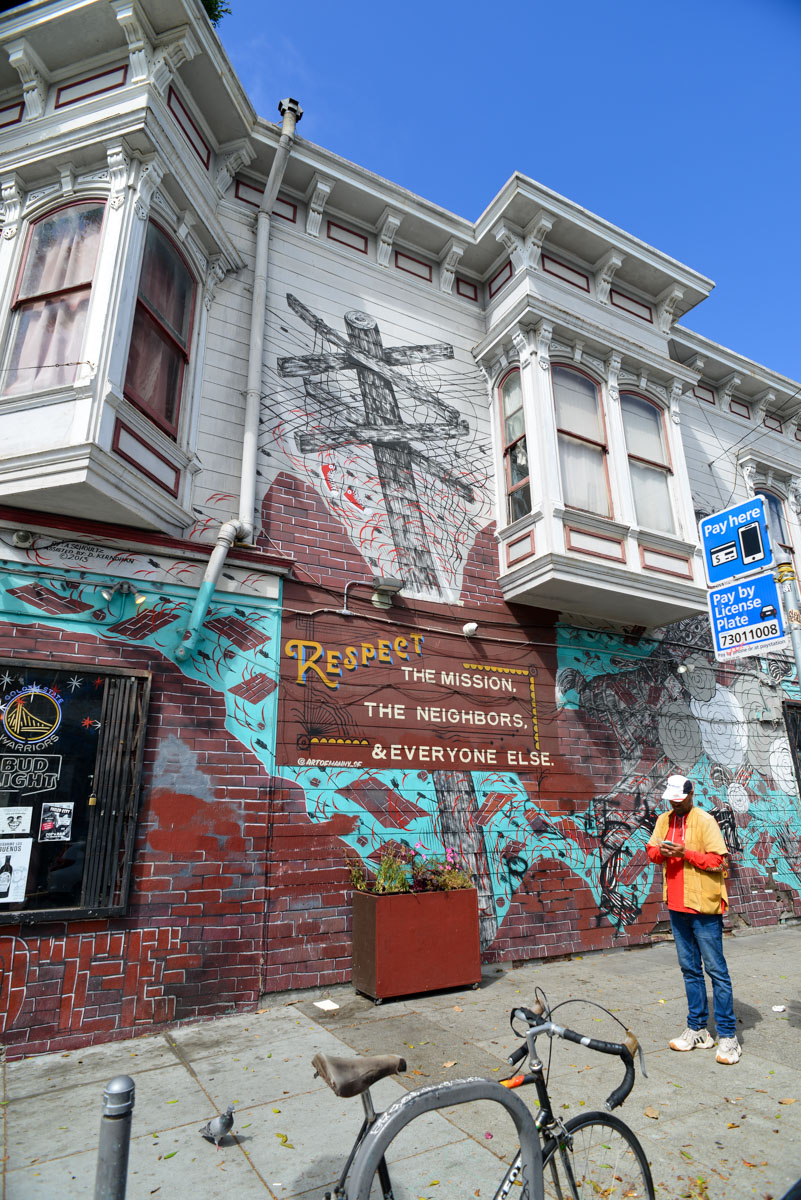
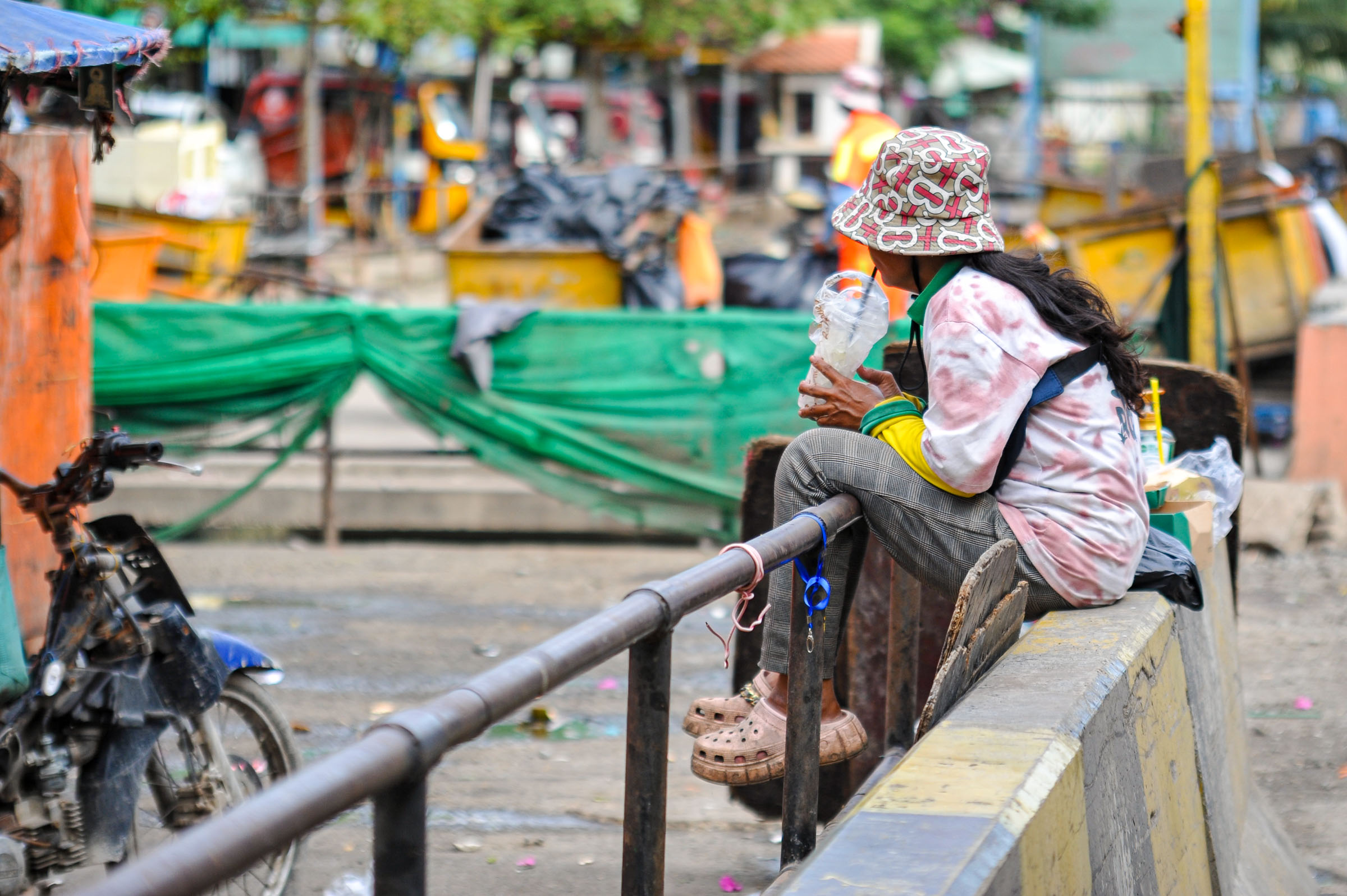
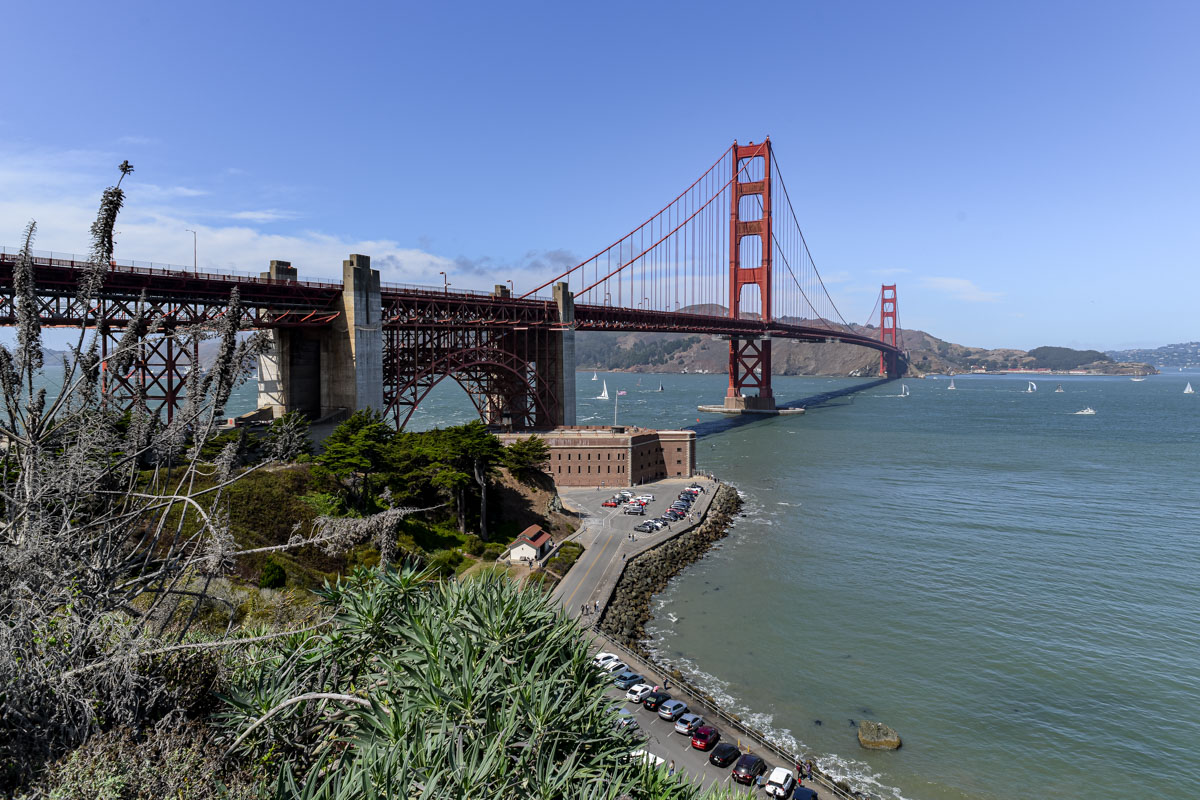
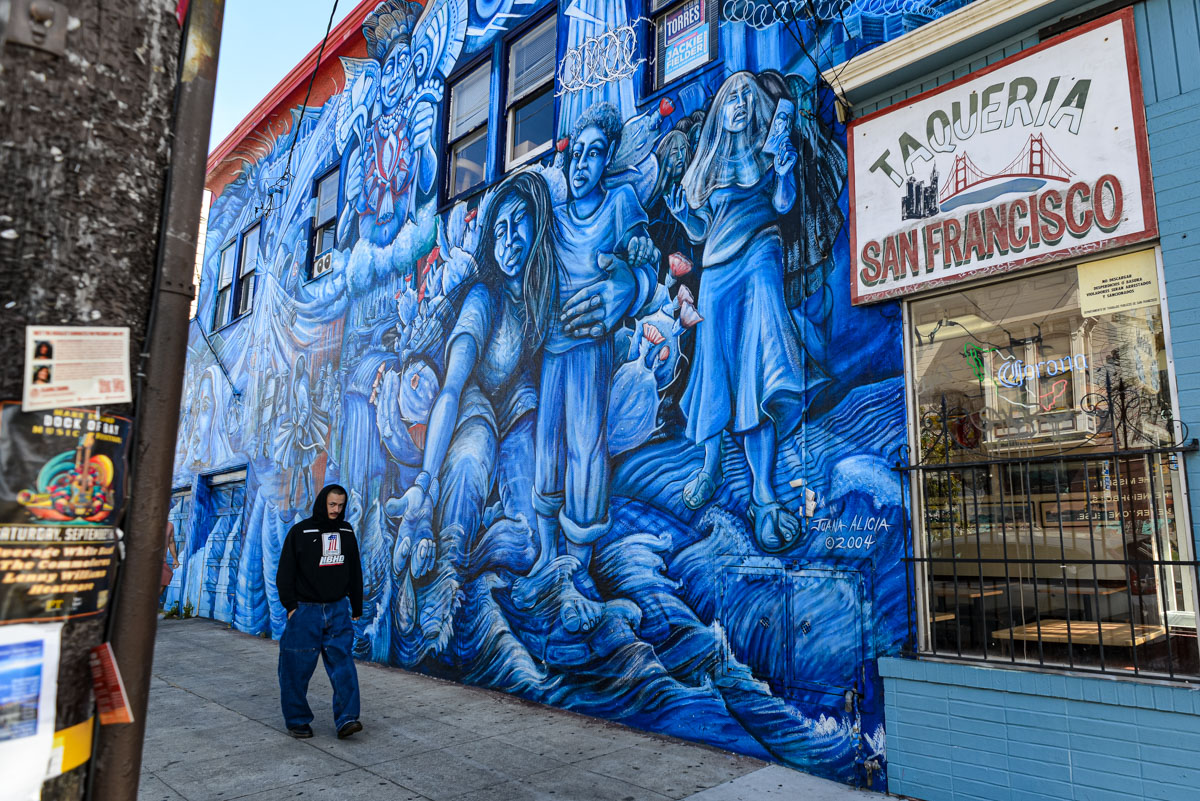
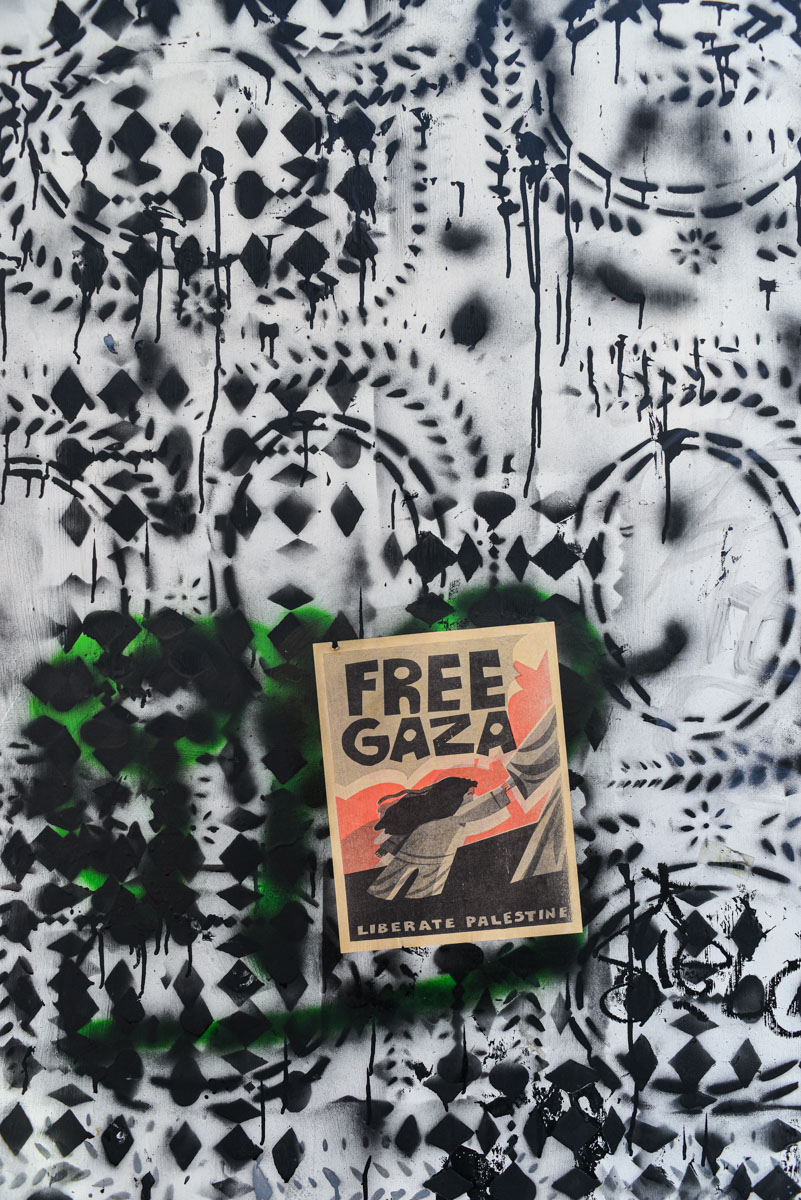
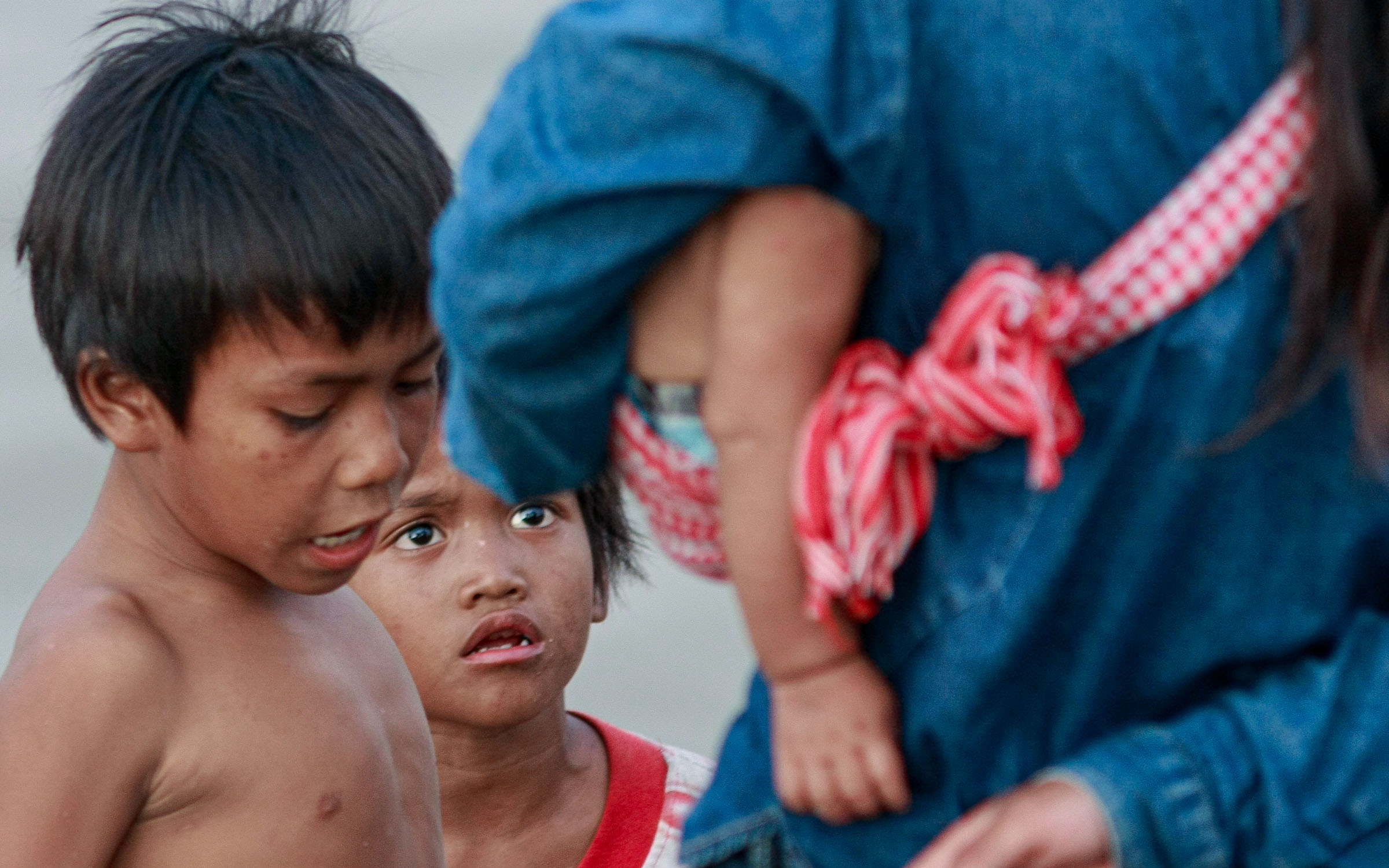
All images below were taken with second hand used gear that gives great results
Buying used gear from reputable dealers is a fantastic way to save money, reduce environmental impact, and still get your hands on some amazing tech. With a little research and due diligence, you can make purchases that are smart for your wallet and the planet. So next time you’re in the market for some new equipment, consider going the pre-owned route—you might just be pleasantly surprised by what you find. Happy shopping!
The Art of Street Photography in Asia: Capturing the Essence of Everyday Life
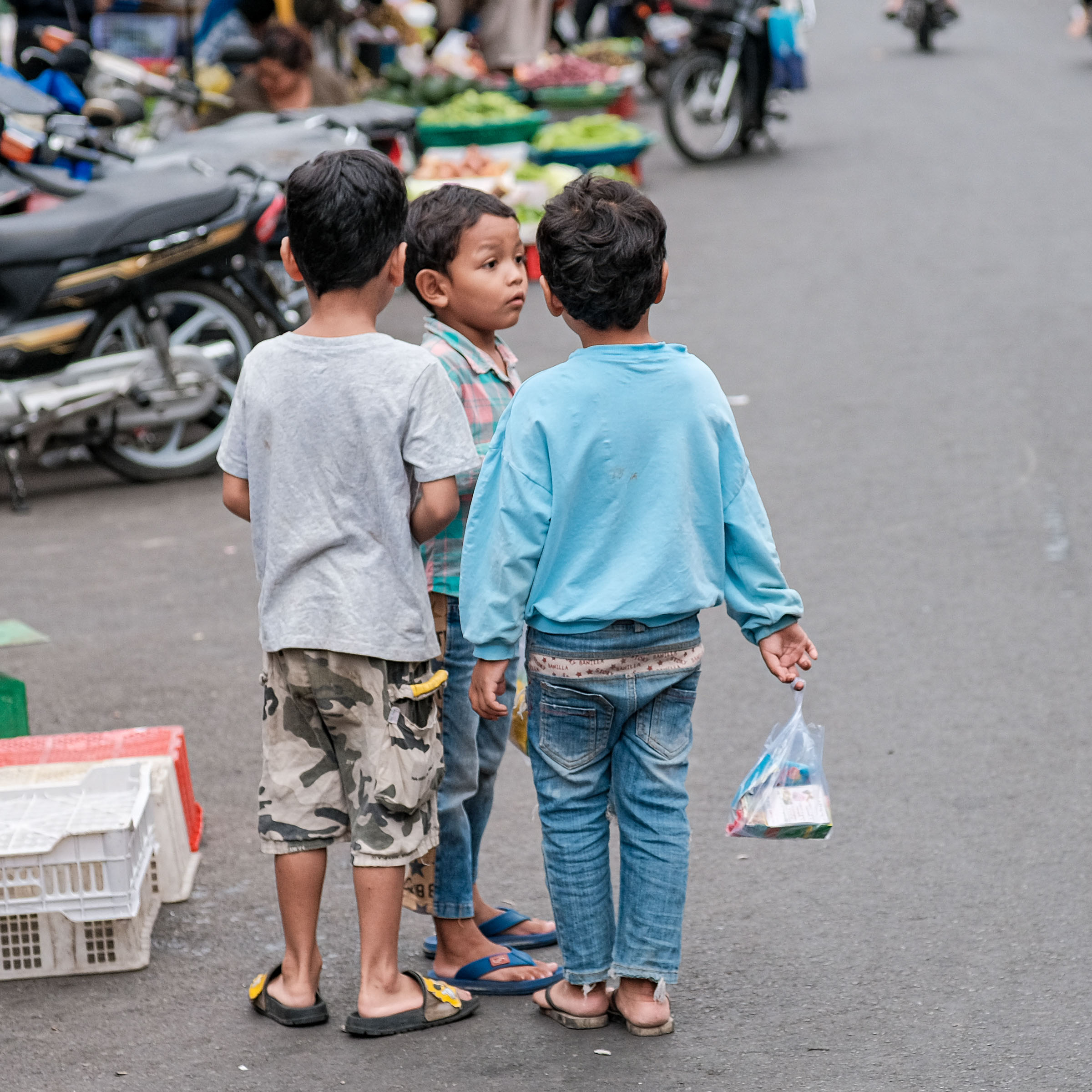
Street photography in Asia is an exhilarating and challenging endeavour that attracts photographers from all over the world. The continent’s diverse cultures, bustling metropolises, serene landscapes, and vibrant street life provide an endless array of subjects for photographers to capture. From the neon-lit streets of Tokyo to the historic alleys of Hanoi, every corner offers a new perspective, a unique story.
Understanding the Cultural Tapestry
Asia is a tapestry of traditions, religions, and languages. This diversity is reflected in the daily life of its people, which is a central subject of street photography. Photographers must approach their craft with respect and sensitivity towards local customs and norms. Capturing images in Thailand, for instance, is not just about aesthetics but also about understanding and respecting the rich culture and traditions.
The Evolution of Street Photography in Asia
Street photography in Asia has evolved significantly over the years. In Thailand, for example, it has grown alongside urbanization and social change, with Bangkok becoming a dynamic focal point for this photographic style. The advent of digital photography and social media has also transformed the scene, making it more accessible and allowing a new generation of photographers to define a unique visual style that reflects Asian culture, urban narratives, and political undercurrents.
Technical Mastery Meets Artistic Vision
Mastering street photography in Asia involves a combination of technical prowess and artistic vision. It’s about being in the right place at the right time and having the patience to wait for that decisive moment. It’s also about choosing the right gear and settings to capture the scene as authentically as possible. Whether it’s the hustle of the markets or the tranquillity of a temple, photographers must be ready to capture the essence of the moment.
The Impact of Renowned Photographers
Photographers like Maciej Dakowicz have spent years documenting the streets of Asia, offering profound insights into the lives and environments they capture. Dakowicz’s work, which spans two decades, showcases his ability to seize unfiltered moments and discover profound meaning in simplicity.
A Visual Journey Through Asia’s Streets
For those interested in exploring street photography in Asia, there are countless resources available, from online galleries to books that delve into the experiences of seasoned photographers. These collections not only display the beauty of everyday life but also serve as inspiration for aspiring photographers looking to embark on their own visual journeys across Asia’s diverse landscapes.
In Conclusion
Street photography in Asia is more than just a genre; it’s a way to connect with humanity and the world around us. It requires an open heart, a keen eye, and a deep appreciation for the fleeting moments that make up our lives. For anyone ready to take on the challenge, the streets of Asia await, ready to reveal their stories to those willing to look.
References: : Capturing Life: A Guide to Thai Street Photography – Better Living Asia : Where The Sun Rises: 20 Years of Street Photography in Asia by Maciej Dakowicz – Eyeshot
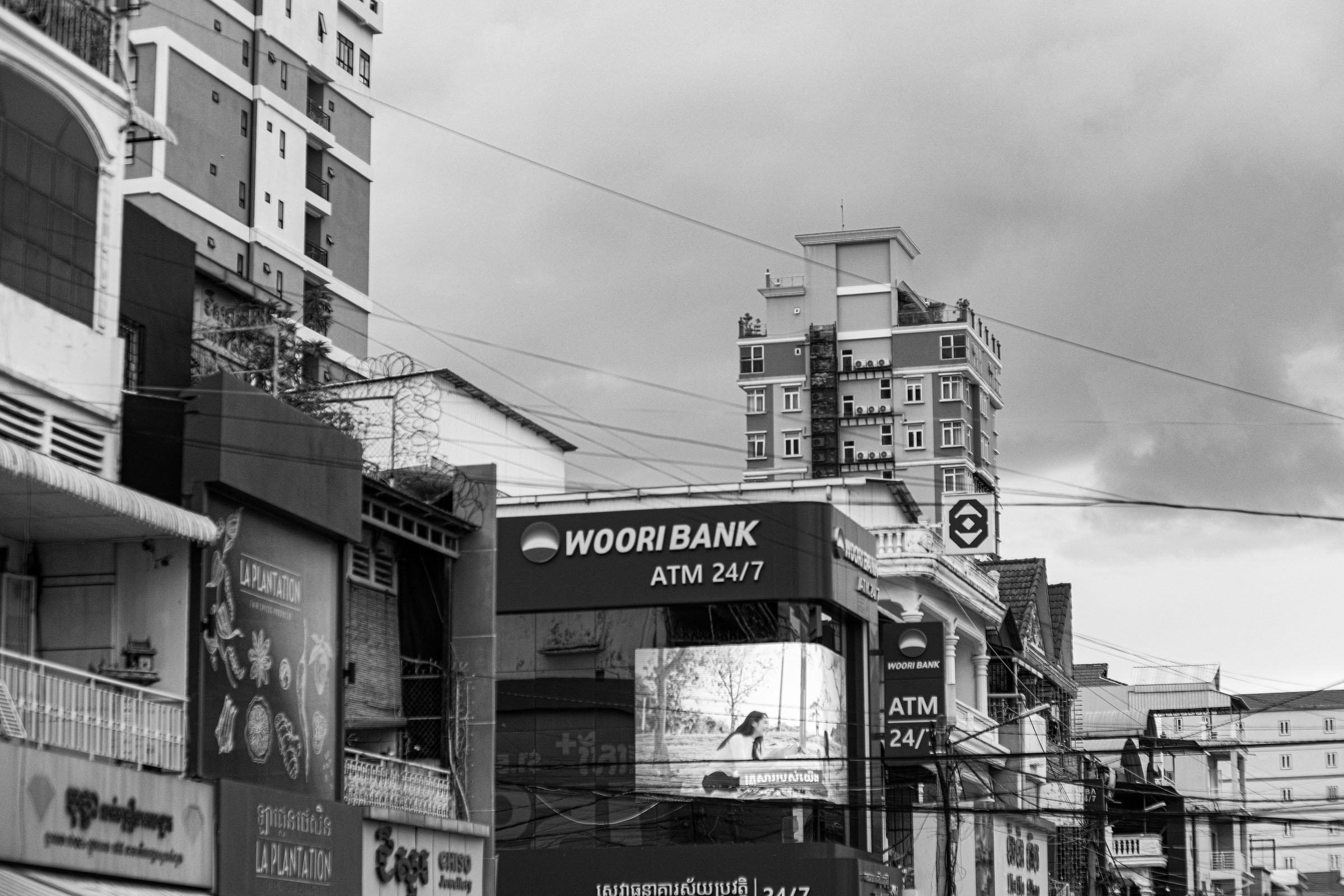
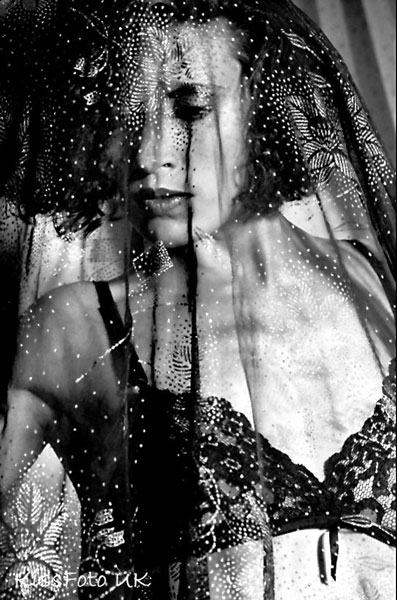
In the realm of visual arts, the decision to work in black and white versus colour is one that carries significant creative weight. The absence of colour can be a powerful tool, stripping away the distractions of vibrant hues and allowing the viewer to focus on the subject’s form, texture, and subtleties of light and shadow. This choice can transform the perception of an image, imbuing it with a timeless quality that transcends the ephemeral nature of colour trends.
The Advantages of Black and White
Character Capture: Black and white photography is renowned for its ability to capture the essence of a subject’s character or soul. The lack of colour forces the observer to engage with the subject on a deeper level, often revealing a more emotional and candid portrayal.
Simplification of Composition: By removing colour, photographers and artists can create compositions that are clean and focused. Colour can sometimes act as a distraction, drawing the eye away from the intended subject. Black and white imagery eliminates these distractions, directing attention precisely where the artist intends.
Atmospheric Evocation: Black and white images can evoke a strong sense of atmosphere, often more so than their colour counterparts. They can convey a sense of drama and mood that resonates with the viewer on an instinctual level.
The Disadvantages of Black and White
Despite its advantages, black and white also come with limitations. The absence of colour can sometimes strip away the context necessary for a full understanding of the image. In scenarios where colour plays a critical role in the narrative or emotional impact of a piece—such as in landscape or fashion photography—the use of black and white may not be appropriate.
Choosing Between Black and White and Colour
The decision to work in black and white should not be taken lightly. It requires a thoughtful consideration of the subject matter, the intended message, and the emotional response the artist seeks to evoke. If the subject’s texture, lighting, and contrast are central to the composition, black and white might enhance these elements. Conversely, if the vibrancy and interplay of colours are essential, then colour photography would be the preferred medium.
In the digital age, the choice between black and white and colour has become more flexible. Photographers can shoot in color and later convert to black and white, giving them the opportunity to explore both mediums with a single image. However, many purists argue that this after-the-fact decision-making can dilute the intentional focus that comes with committing to one medium from the outset.
Conclusion
Black and white imagery is not merely a relic of the past but a continuing tradition that offers a unique perspective in the visual arts. It encourages viewers to see the world through a different lens, one that emphasizes the foundational elements of composition over the seduction of color. Whether it is a good thing to work in black and white ultimately depends on the artist’s vision and the story they wish to tell. In the hands of a skilled creator, black and white can be a powerful choice that resonates with clarity and depth.
For those interested in exploring this topic further, a wealth of resources and discussions can be found online, offering insights into the strategic use of black and white in various artistic disciplines.
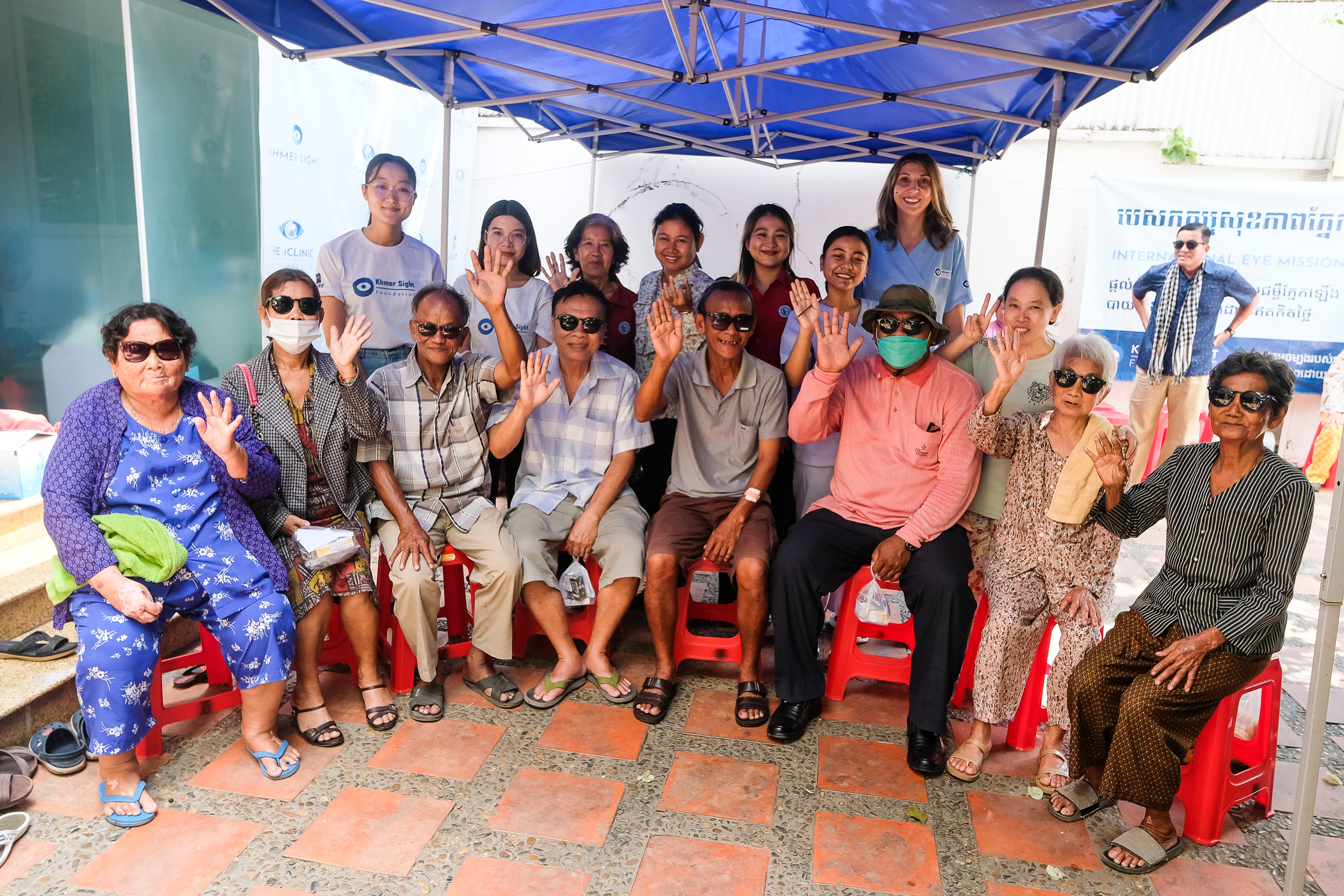
Photography is not just about capturing moments; it’s about telling stories that can change lives. When a photographer decides to work pro bono with an organization like the Khmer Sight Foundation, they’re not just taking pictures; they’re becoming a part of a noble cause that seeks to eradicate avoidable blindness in Cambodia.
The Khmer Sight Foundation, founded in 2015, has been a beacon of hope for many in Cambodia, where access to quality eye care is not a given. By training local doctors and health workers, building new facilities, and introducing the latest technology and equipment, the foundation is creating a sustainable model for eye care in the country. Their work is not just about immediate aid but about empowering the local community to take care of its own, ensuring a brighter future for generations to come.
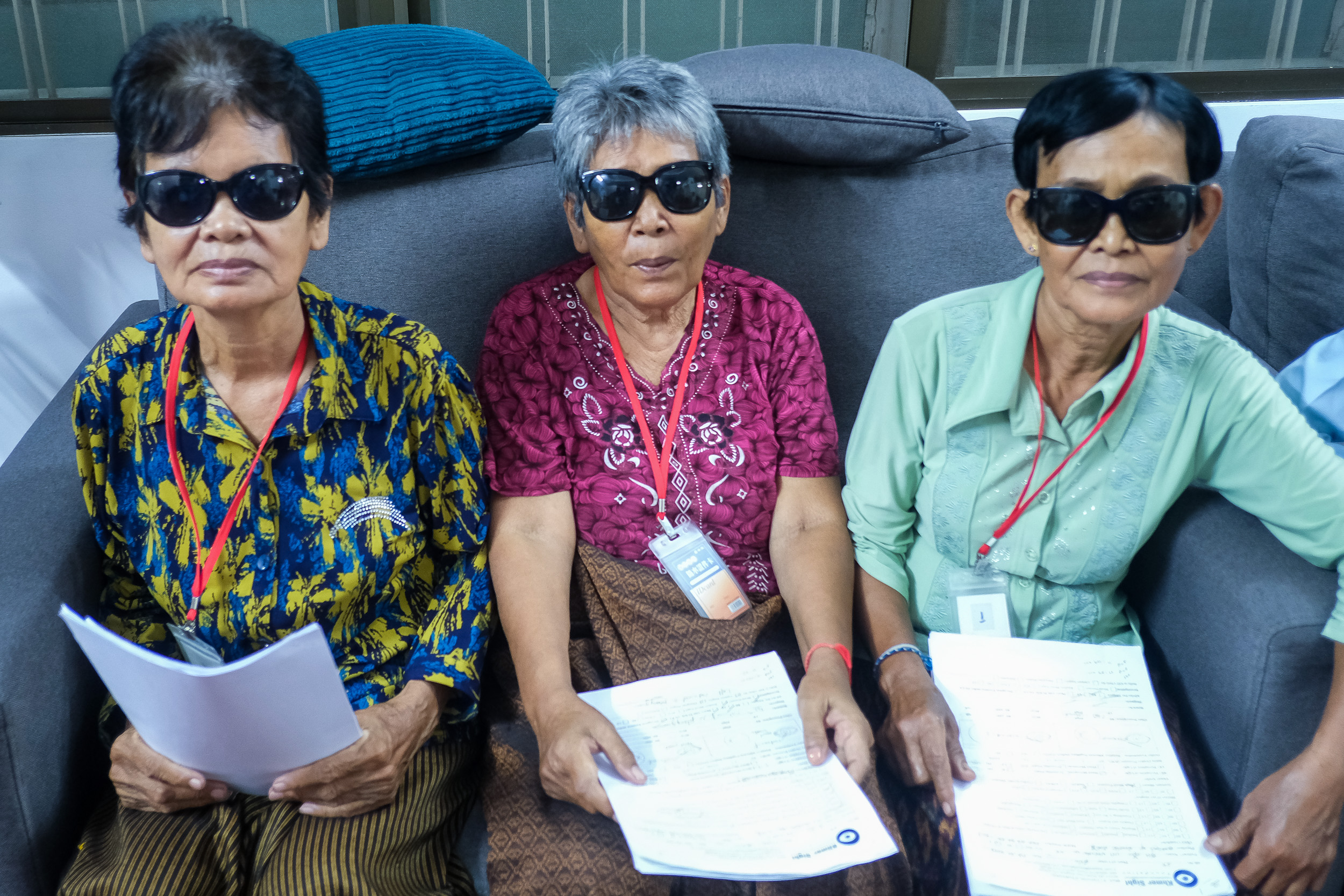
As a pro bono photographer, the opportunity to document this incredible journey is both an honour and a responsibility. Through the lens, one can capture the transformative moments when a cataract surgery gives someone back their sight, or when a child sees their mother clearly for the first time. These images are powerful; they speak of resilience, hope, and the human spirit’s capacity to overcome adversity.
The work done by the Khmer Sight Foundation is life-changing. International specialists volunteer to provide training and conduct free surgeries for the poorest people in Cambodia, offering them a chance to see the world anew. And it’s not just about the medical procedures; it’s about the connections made, the stories shared, and the community that’s built around the shared goal of better vision for all.
For a photographer, this is the kind of project that transcends the profession. It’s a chance to make a tangible difference, to use one’s skills to shine a light on issues that matter and to help tell the stories that might otherwise go unheard. It’s a testament to the power of visual storytelling and its ability to inspire action and drive change.
So, to those photographers considering volunteering their time and talent: know that your work can be a catalyst for change. Your photographs can raise awareness, generate support, and most importantly, they can remind us all of the impact a single act of kindness can have on the lives of many.
Are you ready to be part of this extraordinary journey? To use your art to not just witness, but to participate in the act of giving? The Khmer Sight Foundation and the people of Cambodia await your vision and your dedication to a cause that’s truly worth every shot.
In the digital age, where billions of photographs are taken annually, the art of printing photographs holds a special place in the hearts of photography enthusiasts and professionals alike. While it’s true that we live in a world where images are predominantly consumed on screens, the significance of a printed photograph cannot be overstated.
Printing photographs is an essential aspect of the photographic process that has stood the test of time. Despite the convenience of digital storage, printed photos offer a tangible connection to our memories, an enduring legacy that can be passed down through generations. A digital file might be forgotten on an old hard drive, but a printed photograph becomes part of our physical world, often gracing the walls of our homes or the pages of a cherished album.
Printing also encourages photographers to engage with their work on a deeper level. It’s a process that invites a more critical eye, demanding carefully considering composition, colour, and detail that might otherwise be overlooked on a digital display. This scrutiny often leads to a better understanding of one’s photographic style and can inspire a greater level of creativity.
Moreover, printing your photos can have a profound impact on your skills as a photographer. It allows you to see the fruits of your labour in a new light, and to appreciate the nuances of texture and colour that are sometimes lost on screen. It can also inspire you to revisit old photos, to see them with fresh eyes and perhaps discover something new about your own artistic journey.
But perhaps the most compelling reason to print your photographs is the emotional response they evoke. A printed photo is not just an image; it’s a physical object that can be touched, felt, and experienced in a way that digital images cannot. They carry with them the weight of the moments they capture, becoming priceless heirlooms that tell stories long after the moment has passed.
In conclusion, printing your photographs is more than just a nod to tradition; it’s a celebration of photography as an art form. It’s a way to honour the moments you’ve captured, to share them with the world, and to ensure they endure. So, the next time you capture a moment that moves you, consider giving it the space it deserves in the physical world. Print it, frame it, and let it inspire you and others for years to come.










































































 a world without pictures is like coffee without cream and sugar, bitter