The Nikon D2HS is a camera that stands out in the realm of sports photography. Launched as an upgrade to the Nikon D2H, the D2HS brought with it a suite of improvements that catered to the needs of action and sports photographers. With its ability to shoot at 8 frames per second, this camera was designed to capture the peak moments of fast-paced action, ensuring that photographers never miss the critical shot.
The D2HS is equipped with a 4.1-megapixel JFET-LBCAST sensor, optimized for high frame rates rather than high resolution, which is a trade-off that sports photographers are often willing to make for the sake of capturing action without blur or delay. The camera’s high-speed performance is complemented by its robust build quality, making it a durable choice for photographers who work in challenging environments.
One of the key features that set the D2HS apart from its predecessors was the improved battery life, capable of thousands of shots on a single charge. This is a significant advantage for professionals who need to shoot for extended periods without the opportunity to recharge. Additionally, the camera’s incident light sensor aids in achieving accurate auto white balance, a crucial factor in maintaining color consistency across a series of fast shots.
The D2HS also supports the sYCC color profile, which allows for a wider range of colors to be reproduced when printing JPEG data, compared to the conventional sRGB color profile. This feature is particularly beneficial for photographers who need their prints to match the vibrancy and detail of their digital images closely.
Despite being succeeded by newer models like the Nikon D300 and D3, the D2HS remains a valued tool for many photographers, especially considering its affordability in the used market. It represents a balance between professional-level performance and budget-conscious accessibility, making it a noteworthy option for those entering the field of sports photography or for seasoned professionals seeking a reliable backup camera.
In conclusion, the Nikon D2HS may not boast the highest resolution or the latest technology compared to modern cameras, but its focus on speed and reliability continues to make it a relevant choice for capturing sports and action. Its legacy in the Nikon lineup is a testament to its design philosophy, prioritizing the needs of photographers who require fast, consistent, and dependable performance in the heat of the moment. Whether it’s for the thrill of the game or the pursuit of the perfect action shot, the Nikon D2HS has proven to be a solid performer in the world of sports photography.
Photography is an art form that captures moments, tells stories, and expresses emotions through images. It’s a powerful medium that has evolved significantly with technological advancements. The question of whether anyone can learn to take good photographs surfaces frequently in the world of photography. The answer is a resounding yes, with a caveat: learning photography, like any skill, requires patience, practice, and a willingness to learn.
Understanding the Basics The journey to taking good photographs begins with understanding the basic principles of photography. This includes learning about exposure, composition, lighting, and the rule of thirds. Exposure is the amount of light that reaches the camera sensor, and it is controlled by the aperture, shutter speed, and ISO settings. Composition involves arranging elements within the frame in a pleasing manner. Lighting is crucial as it can dramatically alter the mood and feel of a photograph. The rule of thirds is a compositional guideline that suggests dividing the frame into nine equal segments for a balanced composition.
Embracing Technology In today’s digital age, cameras have become more accessible and user-friendly. From smartphones with advanced camera features to professional DSLRs and mirrorless cameras, there’s a wide range of tools available for budding photographers. Understanding your equipment and its capabilities is essential. Many cameras offer automatic modes that handle the technical aspects, allowing you to focus on framing your shot. However, to truly excel in photography, learning to use manual settings will give you greater control over the final image.
Practice Makes Perfect Practice is key to improving your photography skills. Regularly taking photos and experimenting with different techniques will help you understand what works and what doesn’t. Analyzing your photos critically and seeking feedback from others can provide valuable insights into areas of improvement. Additionally, studying the work of renowned photographers can serve as inspiration and a learning tool.
The Creative Process Photography is not just about technical proficiency; it’s also about creativity and personal expression. Developing a unique style and perspective is part of the learning process. This involves experimenting with different subjects, perspectives, and editing techniques. Post-processing software like Adobe Lightroom and Photoshop can enhance your photos and bring your creative vision to life.
Learning Resources There are numerous resources available for those interested in learning photography. Online tutorials, workshops, books, and photography courses can provide structured learning and hands-on experience. Joining photography communities and participating in photo challenges can also be beneficial for growth and motivation.
In conclusion, photography is a skill that anyone can learn. It combines both technical knowledge and creative expression. With the right mindset, tools, and resources, you can embark on a journey to capture the world through your lens. Whether you aspire to be a professional photographer or simply want to improve your hobby, the path to taking good photographs is open to all who are willing to explore it. Remember, every great photographer starts as a beginner, so pick up your camera and start shooting!
A photo essay is a series of photographs that are intended to tell a story or evoke a series of emotions in the viewer. It is a powerful way to convey messages and narratives through visual storytelling. Crafting a compelling photo essay involves more than just selecting a series of images; it requires careful thought and planning. Here are some essential elements that contribute to the effectiveness of a photo essay:.
Theme or Narrative: The backbone of any photo essay is its theme or narrative. This is the central idea or story that you want to communicate to your audience. Whether it’s the daily life of a community, the impact of an environmental issue, or a personal journey, the theme should be clear and consistent throughout the essay.
Variety of Images: To maintain the viewer’s interest, include a variety of shots, such as wide, medium, and close-ups. This variety can help to provide context, focus on details, and develop the story. Different angles, compositions, and perspectives can add depth and richness to the narrative.
Emotional Impact: One of the most powerful aspects of a photo essay is its ability to evoke emotions. Whether itโs joy, sadness, surprise, or anger, the images chosen should have an emotional pull that resonates with viewers, prompting them to think and feel deeply about the subject matter.
Consistency: Maintaining a consistent style and tone throughout the essay helps reinforce the narrative. This could be achieved through a consistent colour scheme, subject matter, or point of view. Consistency aids in creating a cohesive story that flows smoothly from one image to the next.
Informative and Educational Value: Each photograph in the essay should offer something valuable to the viewer. This could be in the form of information about the subject, insights into a particular lifestyle, or educational content that provides a deeper understanding of the topic.
Captioning: While the images themselves are the main focus, captions can provide context and further information that may not be immediately evident in the photographs. Good captions are concise but informative, adding to the story without distracting from the images.
Opening and Closing Images: The first and last images of a photo essay are crucial. The opening image should grab the viewer’s attention and introduce the theme, while the closing image should leave a lasting impression, providing closure and reflecting on the overall narrative.
Pacing and Structure: Just like in written essays, the pacing and structure of a photo essay are important. The arrangement of images should be intentional, guiding the viewer through the story in a logical and emotionally impactful way.
Accessibility: The subject matter of the photo essay should be accessible to the photographer. This means choosing a topic that is within reach, both literally and figuratively, allowing for a more intimate and genuine portrayal of the subject.
In conclusion, a good photo essay is not just about the photographs, but also about how they are put together to tell a story. It’s about the thought process behind the selection of images, the arrangement, and the way they are presented to evoke a response from the viewer. With these elements in mind, anyone can create a photo essay that is both visually stunning and narratively powerful.
Photography is an art form that captures the essence of a moment and preserves it for eternity. It’s a craft combining technology, creativity, and vision to create images that evoke emotions, tell stories, and record history. The true magic of photography lies in its ability to freeze time, allowing us to revisit and relive memories long after they have passed.
The Power of a Single Image A single photograph can communicate complex narratives and evoke a spectrum of emotions. It can transport us to distant lands, introduce us to new cultures, or remind us of the past. Photography is a universal language, understood and appreciated by people regardless of their language or background.
The Artistic Process The process of creating a photograph is both technical and artistic. Photographers must understand the mechanics of their camera, the properties of light, and the principles of composition. However, it’s their artistic vision that transforms a simple snapshot into a powerful image. It’s about seeing the potential in a scene and capturing it in such a way that it becomes a work of art.
The Emotional Connection Photographs have the unique ability to connect with us on an emotional level. They can bring joy, provoke thought, inspire change, or provide comfort. Whether it’s a candid shot of a loved one or a breathtaking landscape, photographs can touch our hearts and stir our souls.
The Role of Photography in Society Photography plays a crucial role in society. It documents our world, from everyday life to historic events. Photojournalists, for example, provide visual accounts of news stories, helping to inform and shape public opinion. Photography also plays a vital role in science and education, providing visual evidence and aiding in research and discovery.
The Evolution of Photography The field of photography has evolved significantly since its inception. From the early days of film and darkrooms to the modern era of digital cameras and smartphones, the tools and techniques have changed, but the essence remains the same. Today, photography is more accessible than ever, allowing more people to participate in capturing and sharing their view of the world.
The Future of Photography As technology advances, so too will the possibilities in photography. New techniques, such as drone photography and virtual reality, are opening up new perspectives and ways of storytelling. The future of photography is bright, with endless potential for innovation and creativity.
In conclusion, the true magic of photography is its ability to capture the fleeting moments of life, to tell stories without words, and to connect us across time and space. It’s a powerful medium that continues to evolve, inspire, and enchant us with every captured frame. Photography is not just about taking pictures; it’s about discovering the extraordinary in the ordinary and sharing that vision with the world. Let’s continue to celebrate and explore the magical world of photography together.
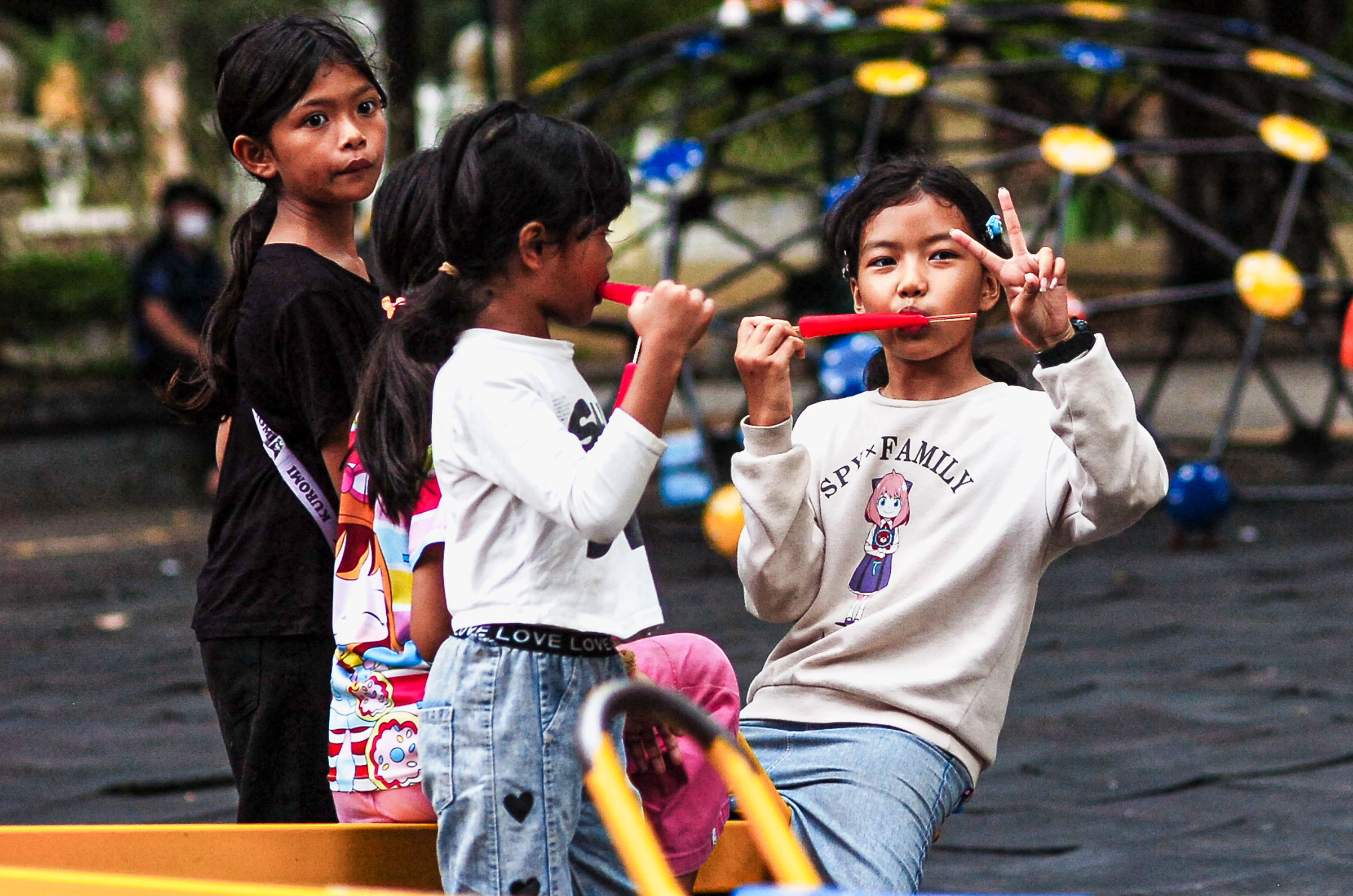
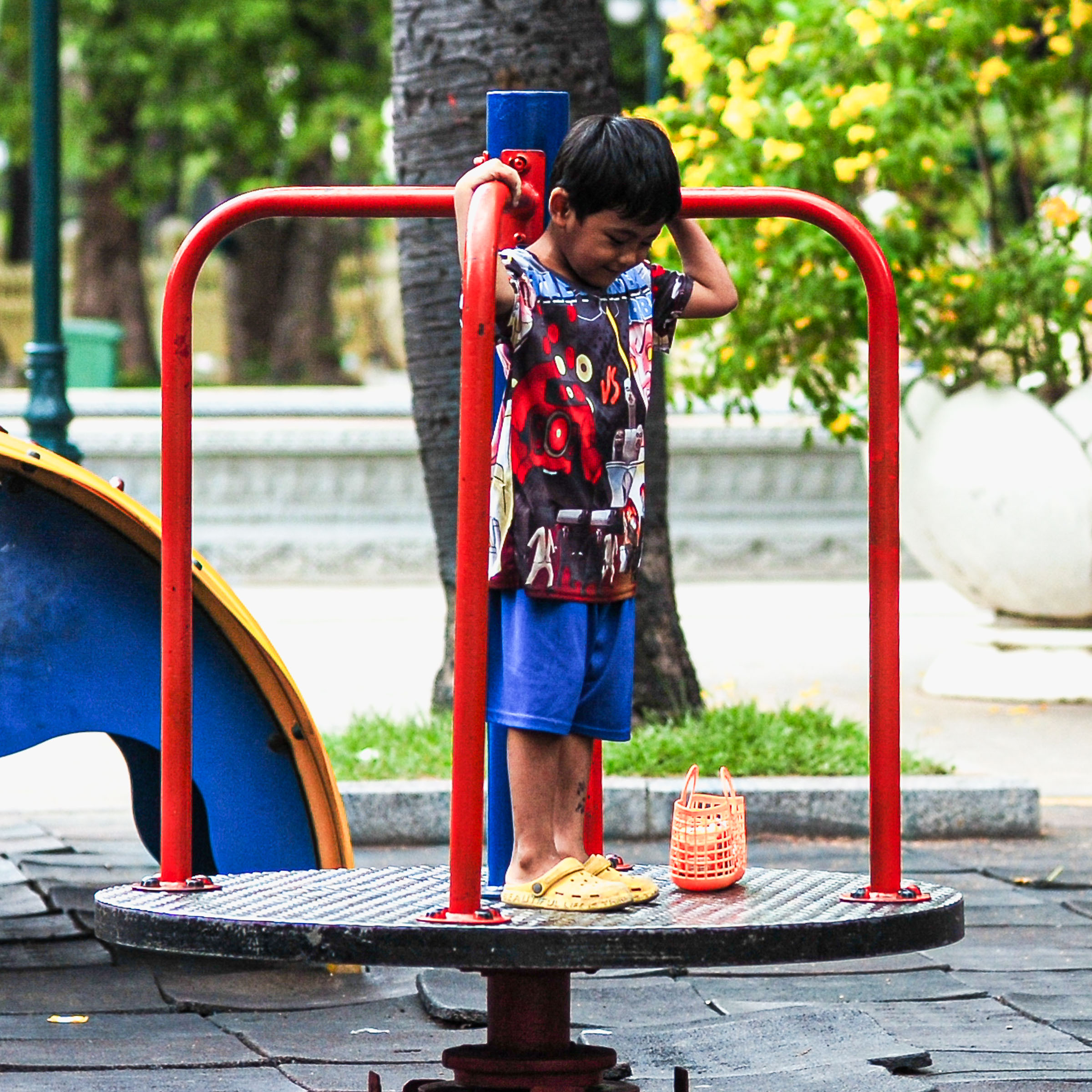
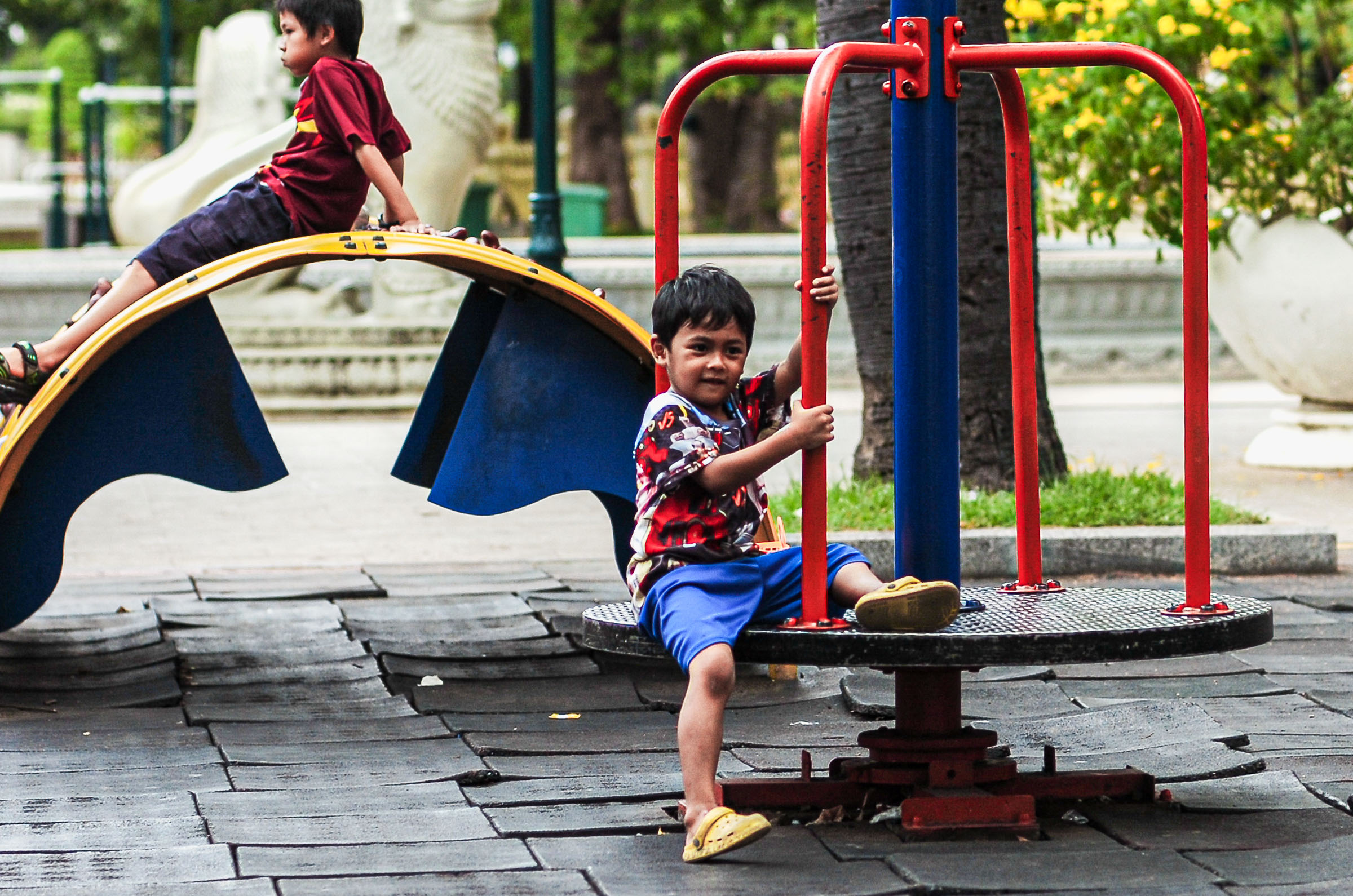
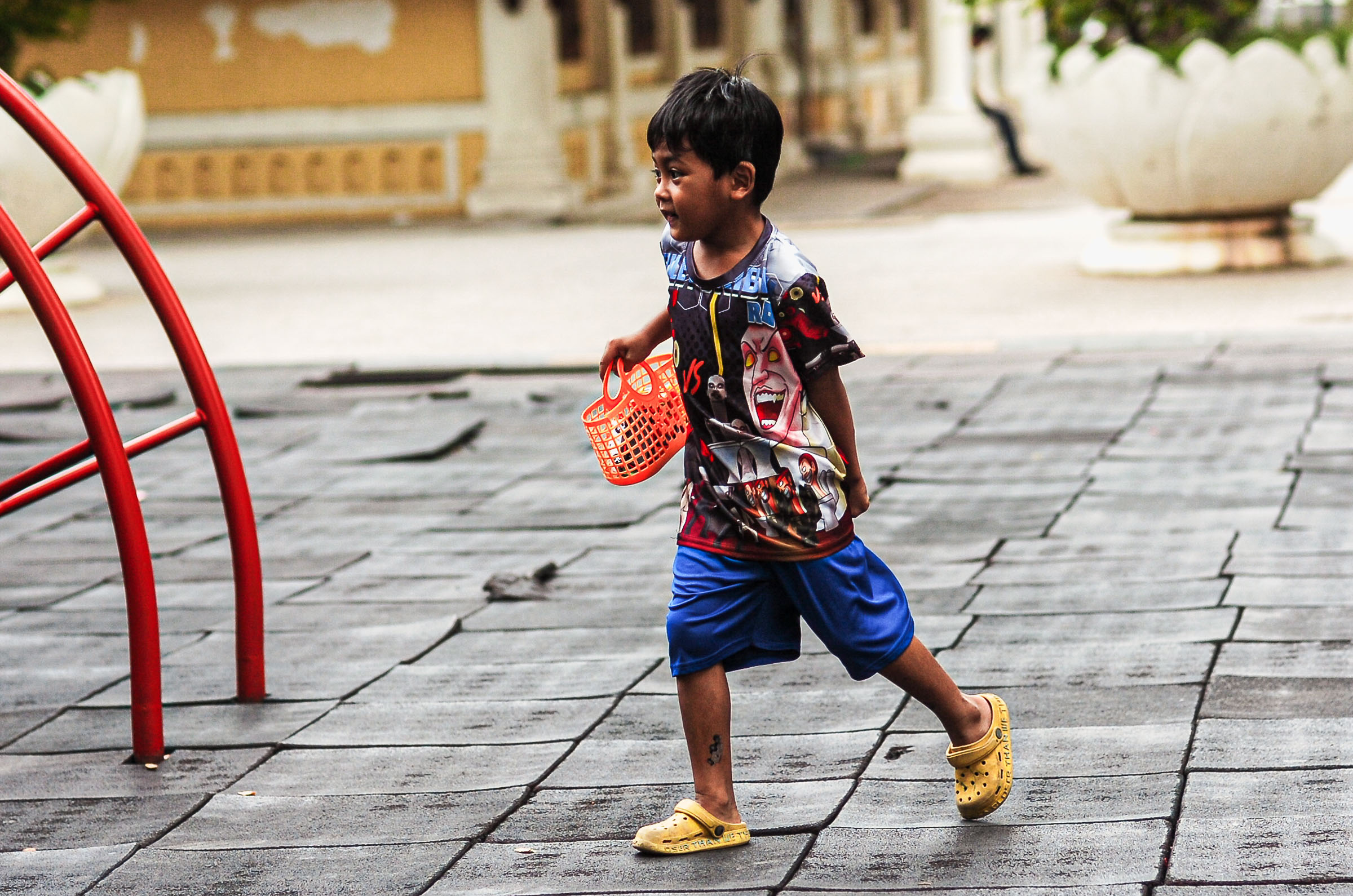
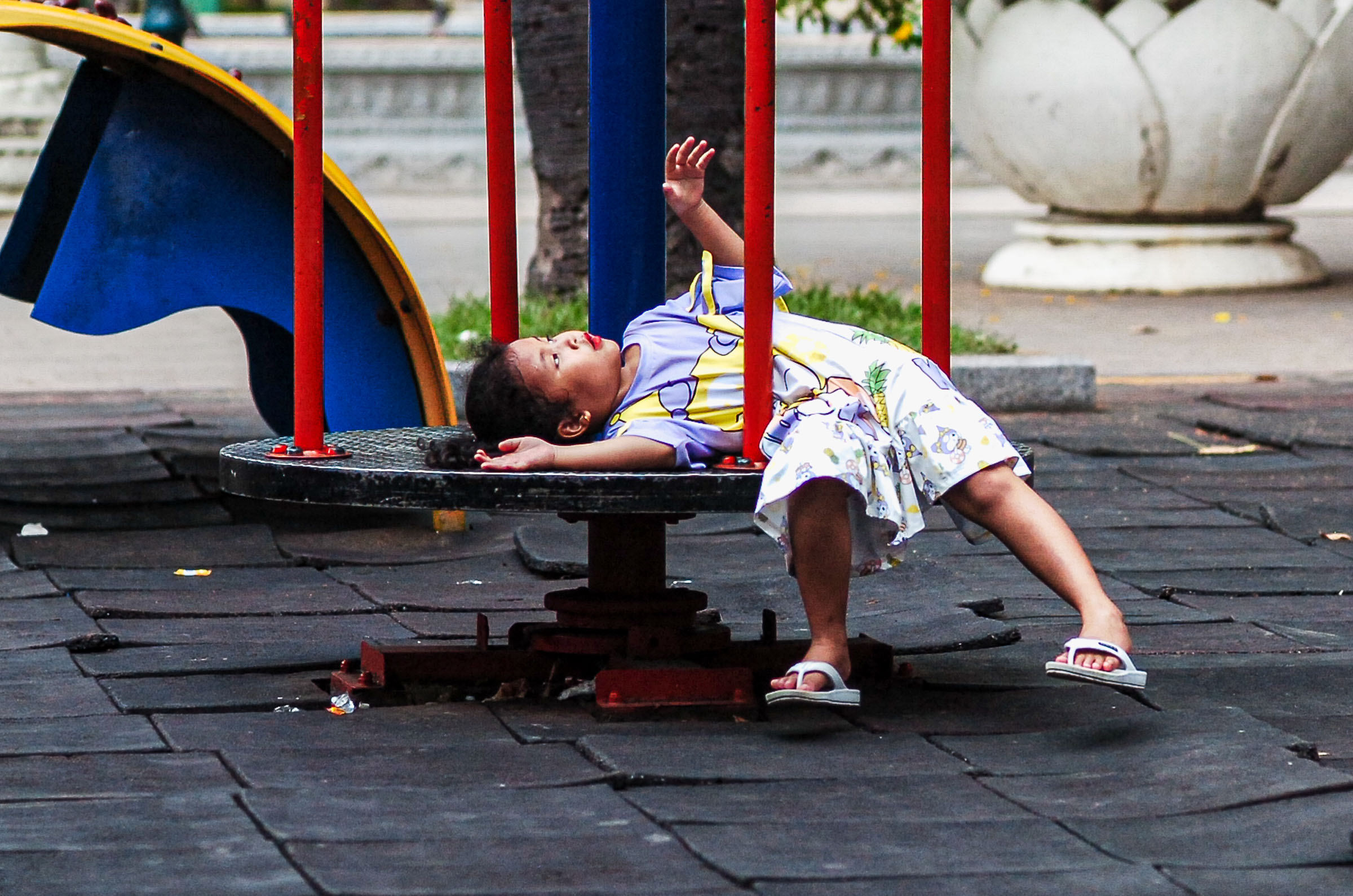
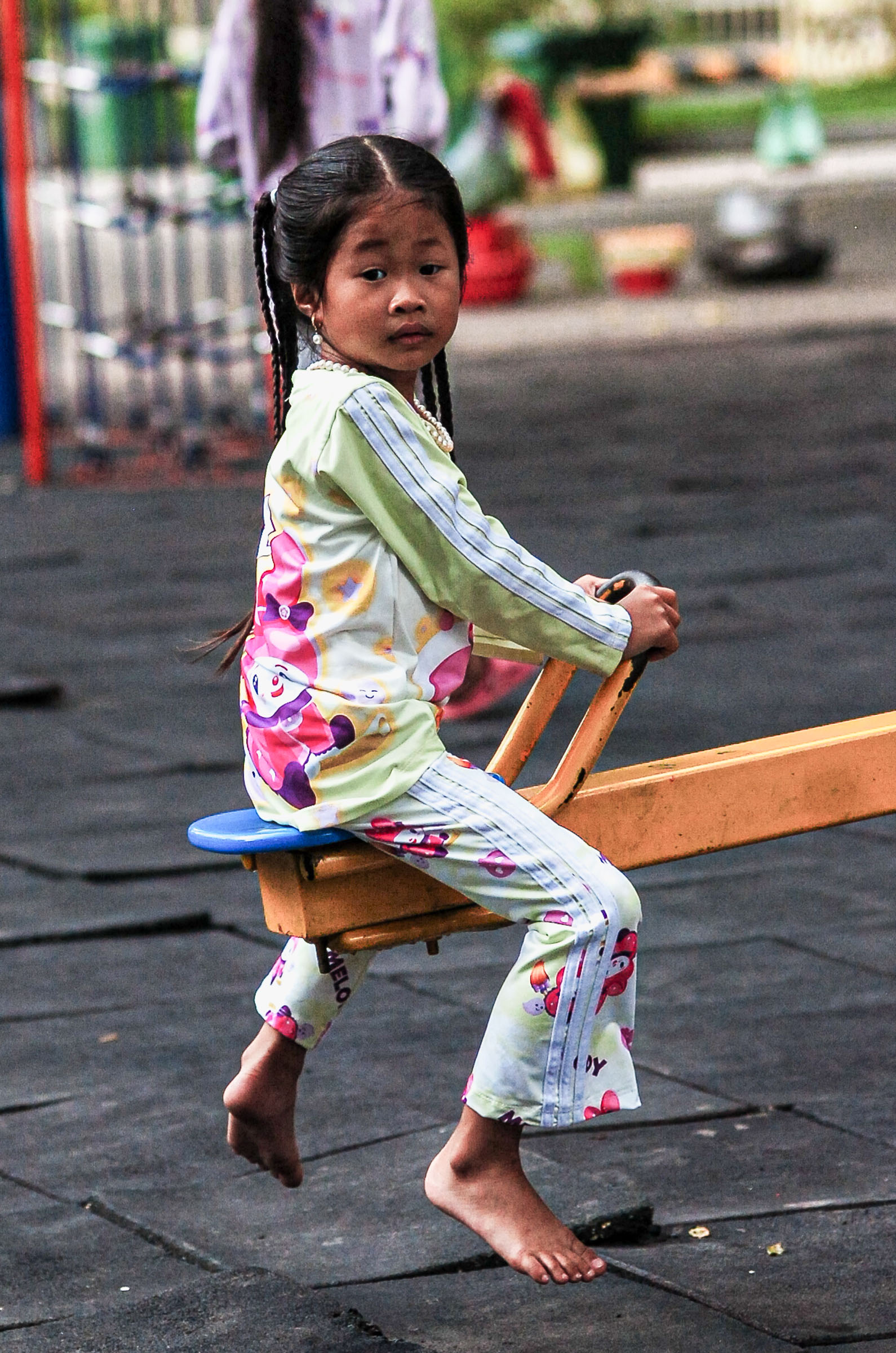
There’s something truly magical about watching kids play outside. The laughter, the energy, and the sheer joy of exploration are infectious. In a world where screens often dominate our lives, the importance of outdoor play for children cannot be overstated.
Outdoor play is not just about having fun; it’s a vital part of childhood development. It encourages physical activity, crucial for building strong bones and muscles, improving cardiovascular health, and enhancing coordination and balance. But the benefits don’t stop there. When kids play outside, they’re also developing essential life skills.
Social skills blossom as children learn to cooperate, negotiate, and play fairly with others. Problem-solving abilities are honed as they navigate new challenges and obstacles. Creativity and imagination run wild as the great outdoors becomes a canvas for adventure. And let’s not forget the mental health benefits; fresh air and natural light are excellent mood boosters, helping to reduce stress and anxiety.
Moreover, outdoor play is an excellent opportunity for kids to connect with nature. They learn about the environment, the seasons, and the diverse life forms that share our planet. This connection can foster a sense of responsibility and care for the world around them, which is more important now than ever.
So, let’s encourage our kids to put down their gadgets, step outside, and embrace the wonders of outdoor play. It’s not just a way to pass the time; it’s an investment in their future. Let’s give them the gift of nature, adventure, and the freedom to explore. After all, the memories created during these outdoor escapades are the ones that often last a lifetime.
In a world that often emphasizes the importance of exchange and reciprocity, the concept of giving without taking stands out as a beacon of selfless generosity. It’s a principle that transcends cultural boundaries and speaks to the very core of human kindness. The act of giving without expecting anything in return is not just an altruistic endeavor; it’s a profound expression of pure benevolence that enriches both the giver and the receiver.
The philosophy of giving without taking is beautifully encapsulated in the ancient Greek concept of ‘agape,’ which signifies a love that is unconditional and selfless. It’s a love that doesn’t look for rewards or returns but is given freely and wholeheartedly. This kind of giving is not a transaction but a heartfelt contribution to the well-being of others, whether it be through time, resources, or emotional support.
Why is giving so important, and what does it truly mean to give without taking? Here are some insights that shed light on this noble practice:
Giving Cultivates Compassion: When we give without expecting anything in return, we cultivate a sense of compassion and empathy within ourselves. It allows us to step into the shoes of others and understand their struggles and needs. This empathy drives us to act, to offer a helping hand, and to make a positive difference in the lives of others.
Giving Inspires More Giving: A single act of generosity can set off a chain reaction of kindness. As noted by Guided Mind, giving inspires others to pay it forward, creating a ripple effect that can transform communities and, ultimately, the world.
Giving Enhances Our Sense of Responsibility: By giving, we learn the value of sacrifice and the importance of prioritizing the needs of others. It teaches us that we are part of a larger community and that our actions have the power to uplift those around us.
Giving Boosts Happiness: Numerous studies have shown that giving makes us happier. The joy we see on the faces of those we help provides a deep sense of satisfaction that often surpasses the pleasure derived from receiving.
Giving Without Expectation Is Truly Selfless: The Bible and other spiritual texts highlight the virtue of giving selflessly. Matthew 5:42, for example, encourages us to give to those who ask without turning them away, emphasizing the spiritual benefits and inner satisfaction that come from helping others.
In conclusion, giving without taking is more than just an act of kindness; it’s a lifestyle, a mindset that can bring about profound changes in our lives and the lives of others. It’s about making the world a better place, one selfless act at a time. So let’s embrace this art of giving and spread joy and love unconditionally. Let’s be the change we wish to see in the world and prove that in giving, we receive the truest form of happiness and fulfillment.
Robert Capa, born Endre Ernล Friedmann, was a man who turned the chaos of war into a form of art that both horrified and moved an entire generation. His journey from a politically turbulent Hungary to becoming the most renowned war photographer in history is a tale of courage, innovation, and an unyielding commitment to documenting the truth.
Capa’s early life was marked by political strife. Born on October 22, 1913, in Budapest, Austria-Hungary, he was forced to flee his homeland at the age of 18 due to alleged communist sympathies. His path led him to Berlin, where he witnessed the rise of Hitler, and later to Paris, where he would meet his professional partner and companion, Gerda Taro. Together, they invented the persona of Robert Capa, the “famous” American photographer, a ruse that allowed them to sell their work in a market that favored American names.
Capa’s lens captured the brutal realities of the Spanish Civil War, the Second Sino-Japanese War, World War II, the 1948 ArabโIsraeli War, and the First Indochina War. His work was not just a job; it was a mission to show the world the faces of those who suffered and fought. His iconic photograph, “The Falling Soldier,” taken during the Spanish Civil War, remains one of the most powerful images of combat ever captured, embodying the very essence of Capa’s ability to encapsulate the decisive moment.
The horrors of war were not Capa’s only companions. He formed friendships with literary and cinematic giants such as Ernest Hemingway, John Steinbeck, and John Huston. These relationships not only enriched his life but also helped him navigate the dangerous terrains he photographed. In 1947, Capa co-founded Magnum Photos, the first cooperative agency for worldwide freelance photographers, which revolutionized the field of photojournalism.
Tragically, Capa’s relentless pursuit of truth led to his untimely death on May 25, 1954, when he stepped on a landmine in Thรกi Bรฌnh Province, French Indochina. He was only 40 years old. His legacy, however, lives on through his breathtaking photographs, his co-founding of Magnum Photos, and the numerous accolades he received, including the Medal of Freedom awarded by U.S. General Dwight D. Eisenhower.
Robert Capa’s story is a testament to the power of photography as a means of storytelling and historical documentation. His images serve as a stark reminder of the realities of war, the resilience of the human spirit, and the profound impact one individual can have on the world. Capa once said, “If your photographs aren’t good enough, you’re not close enough.” He lived by those words, and in doing so, he brought the world closer to the truths that many would rather turn away from. His work continues to inspire photographers and journalists alike, reminding us all of the importance of looking closely and never forgetting.
Robert Capa’s Cameras: The Tools of a Photography Legend
Robert Capa, a name synonymous with war photography, captured some of the most poignant moments of the 20th century. His images from the Spanish Civil War and World War II have become iconic, but what about the tools of his trade? What cameras did this legendary photographer use to document the world at war?
Capa’s early work was closely associated with the compact and efficient Leica 35mm rangefinder. This camera was a game-changer in photojournalism, allowing photographers to move quickly and capture life as it unfolded. The Leica II, with its screw-mount rangefinder, was particularly significant in Capa’s early career. It was this type of camera that he used during his assignment to photograph Leon Trotsky in Copenhagen.
As his career progressed, Capa’s choice in cameras evolved. During World War II, he was known to use a Contax brand camera. This camera, along with the Leica, was small enough to be held in one hand, lightweight, and used 35mm film, which was easy to load and shoot in rapid succession. This allowed Capa to immerse himself in the action, capturing the raw and real moments of conflict.
On the tragic day of his death while covering the First Indochina War, Capa had with him a Contax and a Nikon S with a 50mm lens. These cameras were his companions on the battlefield, and one of them, the Nikon S, is sometimes displayed at exhibits of his work, complete with the bloodstains from that fateful day.
Capa’s approach to photography was not just about the camera but also about being close to the action. He famously said, “If your pictures aren’t good enough, you’re not close enough.” This philosophy drove him to the front lines, where he could capture the essence of the human experience during wartime.
The cameras Robert Capa used were more than just tools; they were extensions of his vision. They allowed him to tell the stories of war in a way that was intimate, immediate, and impactful. Through his lenses, we see not just the events of war but the emotions and humanity of those who lived it.
Capa’s legacy is not only in the images he left behind but also in the way he used his cameras. He demonstrated the power of photojournalism and set a standard for future photographers. His work reminds us that the camera is a witness to history, and the photographer behind it is the storyteller.
For those interested in the technical aspects of photography and the history of photojournalism, Capa’s choice of cameras offers a fascinating glimpse into the evolution of the craft. From the Leica II to the Contax and Nikon S, these cameras were at the forefront of technology at the time and enabled Capa to capture history as it happened.
Robert Capa’s cameras were his tools to convey the truth of war. They were the instruments through which he showed the world the realities of conflict, the faces of the soldiers, and the plight of the civilians. They were the means by which he told the stories that needed to be told, and they continue to inspire photographers and storytellers today.
Embarking on a journey of creative discovery, photographers often find themselves seeking inspiration to fuel their artistic expression. The act of observing the world through the lens of another photographer can be a profound experience, offering new perspectives and techniques that may have remained unexplored. Galleries, with their curated collections, serve as sanctuaries of visual storytelling, where each piece invites the viewer to interpret and absorb the essence of a moment captured in time. Photography books, too, are treasure troves of inspiration, each page a gateway to different cultures, landscapes, and narratives. They allow one to traverse the globe from the comfort of their own space, igniting the imagination and sparking new ideas. This process of seeking and finding inspiration is not just about emulating the work of others; it’s about expanding one’s visual vocabulary and understanding the boundless possibilities of light, shadow, composition, and color. It’s about learning the rules of art and the joy of breaking them, discovering one’s unique voice in a chorus of shutter clicks and flashes. For the photographer, inspiration is the whisper of the muse that turns an ordinary scene into an extraordinary photograph, transforming the mundane into the sublime. It’s the force that compels them to wake before dawn, chasing the perfect light, or to wait patiently for that decisive moment when everything aligns. Inspiration is the fuel for the creative soul, and in its pursuit, every image viewed, every gallery visited, and every page turned is a step closer to capturing the next great shot that speaks not only to the eyes but to the heart as well. So, seek out inspiration, for it is the key to unlocking the boundless potential within every photographer’s grasp.
When it comes to creative work like photography, feedback can be incredibly valuable. It offers fresh perspectives and can highlight aspects of your work you might not have noticed. However, it’s also important to remember that art is subjective, and not all criticism will be useful or constructive. It’s beneficial to consider the source of the feedback; a professional photographer’s critique may hold more weight than a casual observer’s opinion. Look for recurring themes in the feedback you receiveโif multiple people point out the same issue, it might be worth taking a closer look. Ultimately, the amount of notice you take should align with your artistic vision and goals. If the criticism resonates with you and helps you grow, it’s worth considering. But if it doesn’t serve your purpose or seems unfounded, it’s okay to trust your instincts and choose which advice to follow and which to let go. Remember, the most important critic of your work is you.
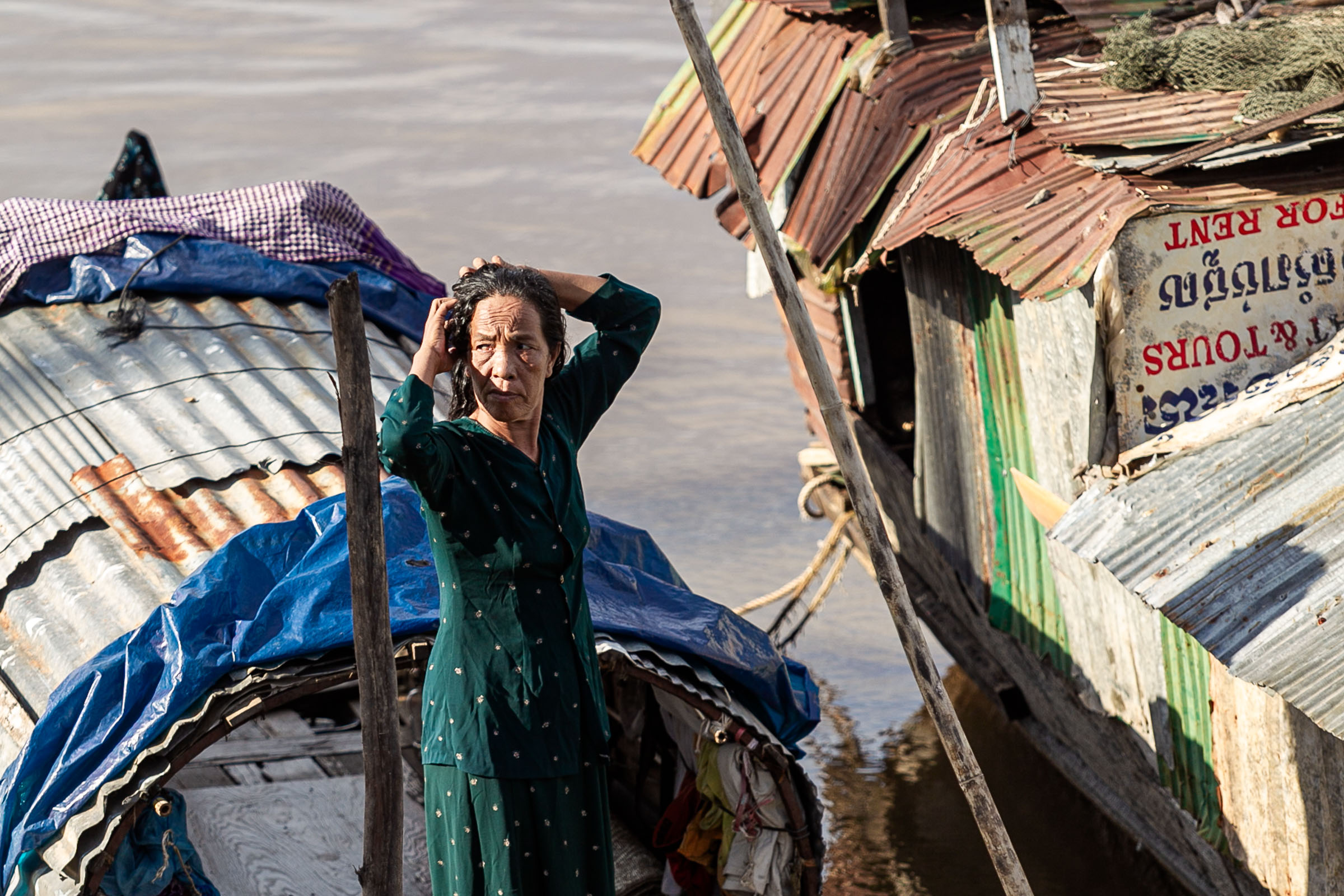
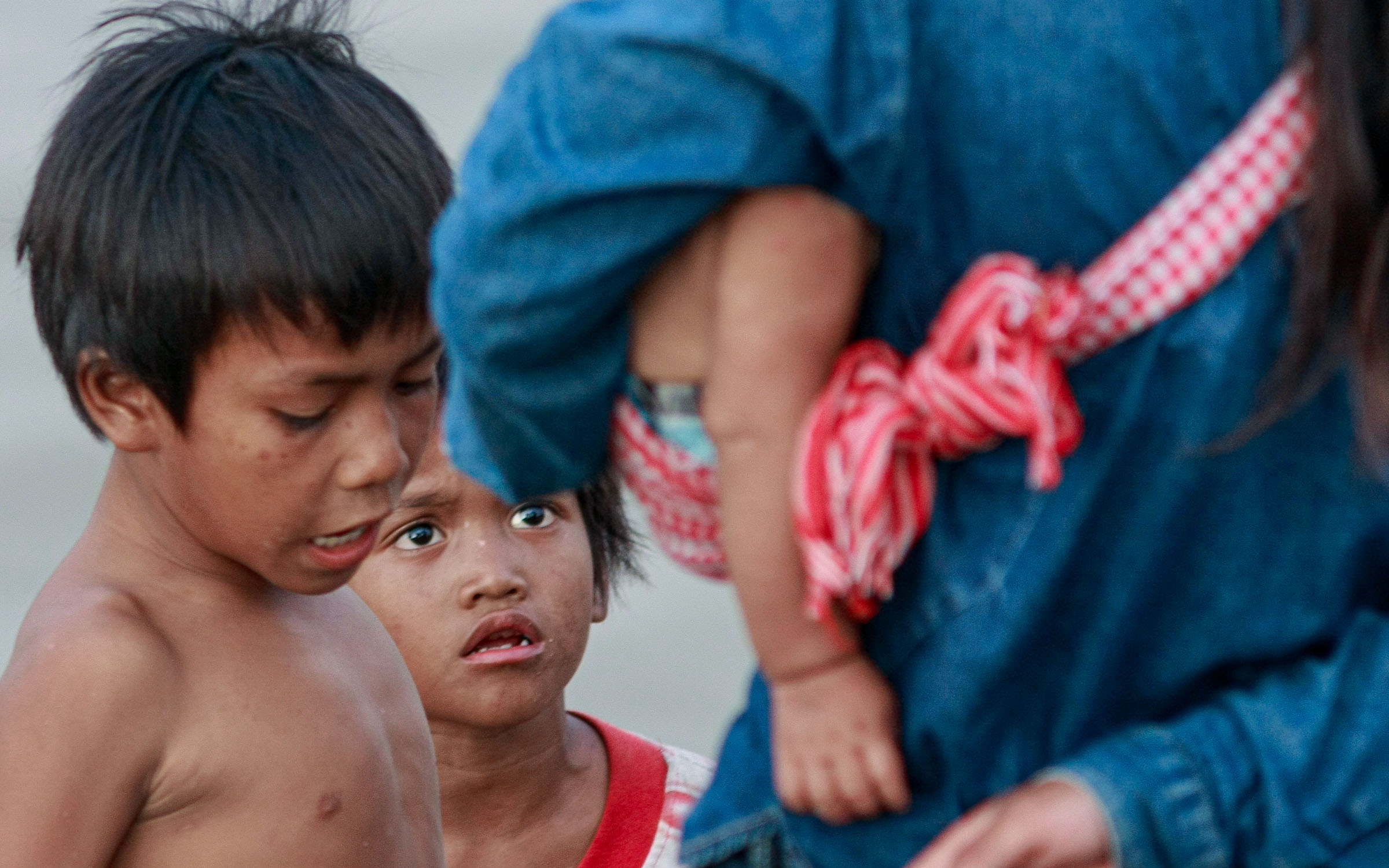
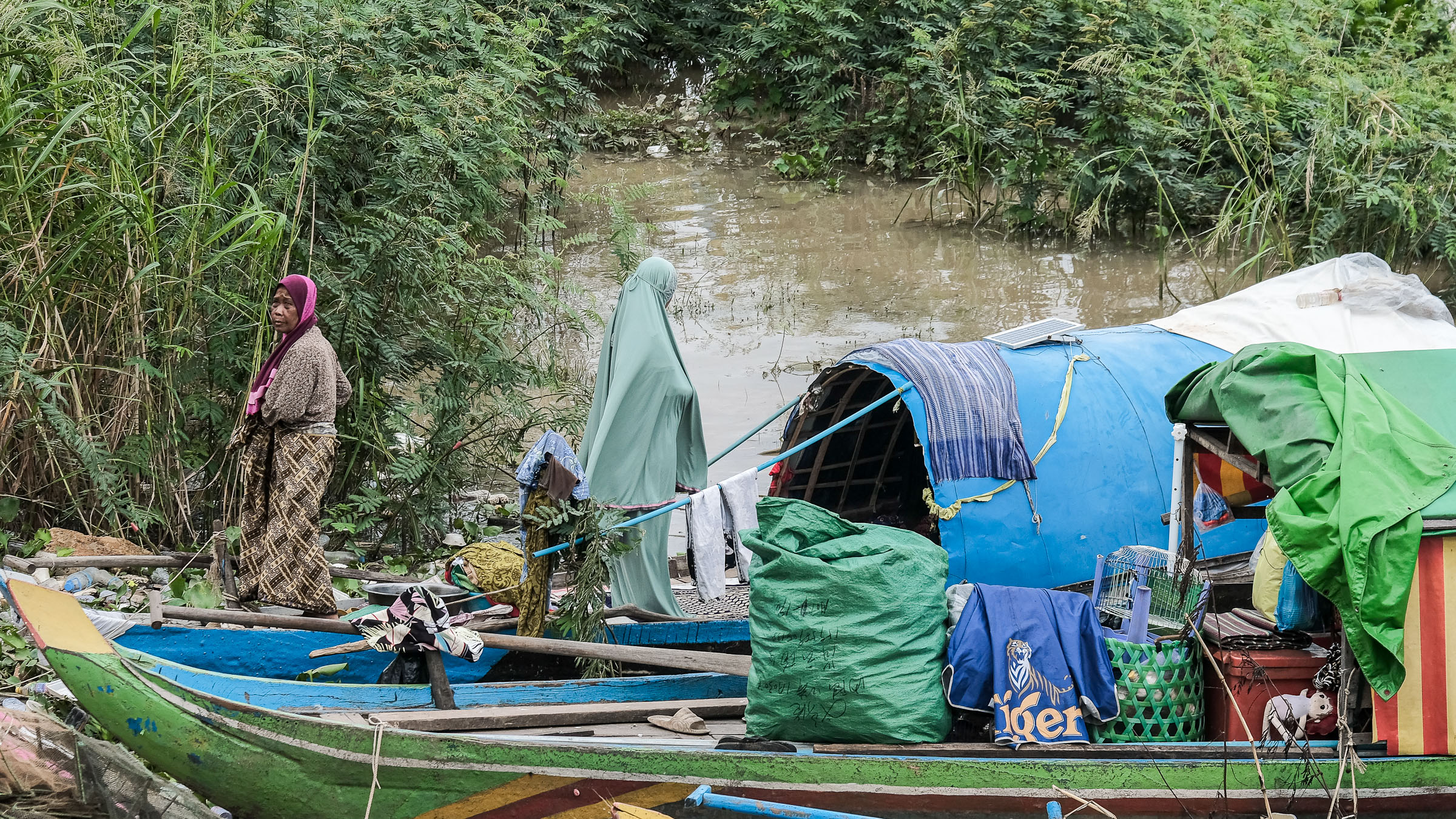
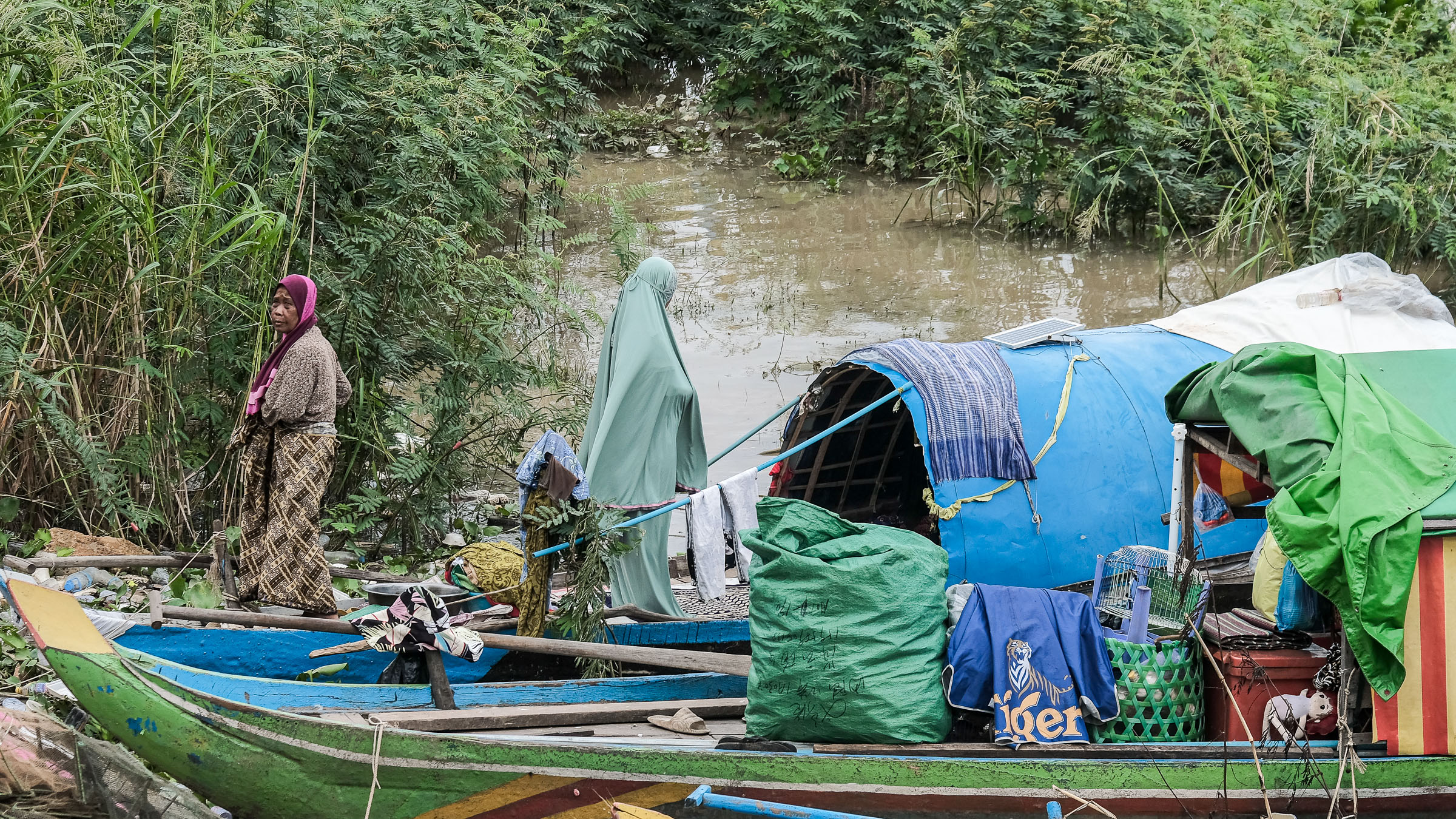
Fishing is a vital part of daily life for many people in Cambodia. Along the Mekong River and Tonle Sap Lake, you’ll find families and individuals casting their nets and lines, working hard to catch fish that provide both food and income. This traditional way of life is not only a means of survival but also a reflection of the region’s rich cultural heritage. The serene landscapes and the dedication of these fishermen and women offer a glimpse into the resilience and resourcefulness of the Cambodian people.
The Mekong River is one of the most significant rivers in Southeast Asia, stretching about 4,350 kilometers (2,703 miles) from its source in the Tibetan Plateau to the South China Sea. It flows through six countries: China, Myanmar, Laos, Thailand, Cambodia, and Vietnam. The river is crucial for the livelihoods of millions of people, providing water for agriculture, fishing, and transportation. The Mekong Delta, in particular, is known for its rich biodiversity and is a vital area for rice production. The river also faces environmental challenges, including pollution and the impact of dam construction, which affect its natural flow and ecosystems.
TheTonle Sap. This lake is a vital resource for many Cambodians, providing food and livelihoods. The scenes capture daily life’s essence, with fishermen casting their nets and boats gently floating on the water. It’s a beautiful reminder of the resilience and hard work of the people who depend on this incredible ecosystem.