The Great Camera Debate: DSLR vs. Mirrorless

cambodia, cameras, fujifilm, Lenses, opinons, thoughts, photography, street, viltrox

In the world of photography, the debate between DSLR and mirrorless cameras is a tale as old as time—or at least as old as digital photography. As we stand in 2024, the discussion is more relevant than ever, with technological advancements pushing the boundaries of what’s possible in image capturing. So, let’s dive into the great camera debate: should we move away from mirrorless cameras and go back to DSLRs?

DSLRs, or Digital Single-Lens Reflex cameras, have been the go-to choice for professional photographers for decades. They are known for their robust build, exceptional battery life, and an extensive range of lenses developed over the years. The optical viewfinder in DSLRs gives a true-to-life preview of the image, which many photographers swear by. There’s a certain charm and immediacy to looking through the lens, seeing exactly what the camera sees without any digital translation.

On the flip side, mirrorless cameras have risen in popularity due to their compact size, lighter weight, and cutting-edge features. They boast advanced video capabilities, faster shooting speeds, and a digital viewfinder that can display more information than the traditional optical counterpart. Manufacturers have been heavily investing in mirrorless technology, leading to a surge in the variety and quality of lenses available for these cameras.

But why consider moving back to DSLRs? For starters, DSLRs offer a tactile experience that many photographers find satisfying. The heft and grip of a DSLR can feel more stable and reassuring in the hands. Additionally, the battery life of DSLRs is generally superior because they don’t rely on electronic viewfinders, which can be quite power-hungry. Moreover, the market for DSLRs has become incredibly competitive, making them more affordable than ever.
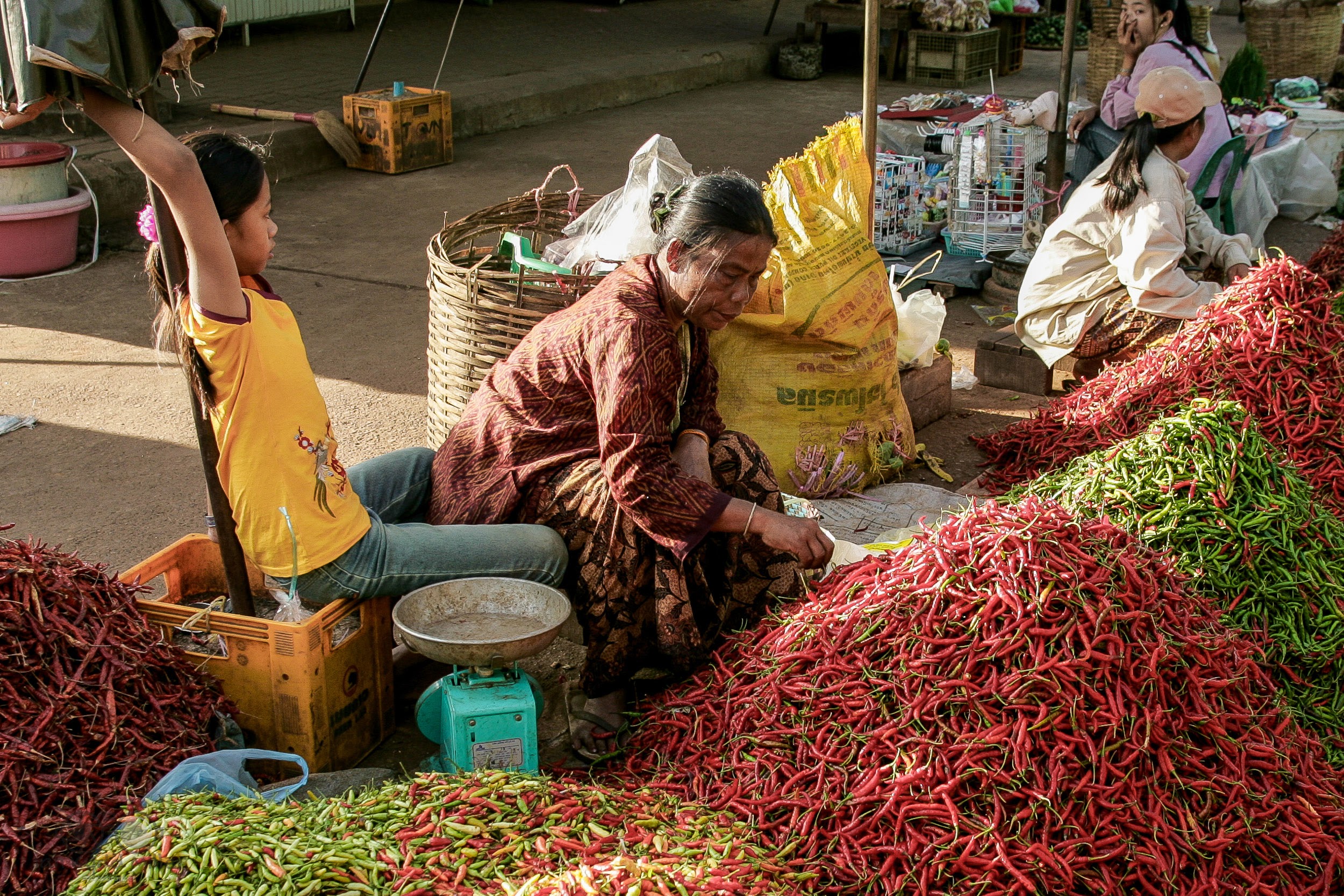
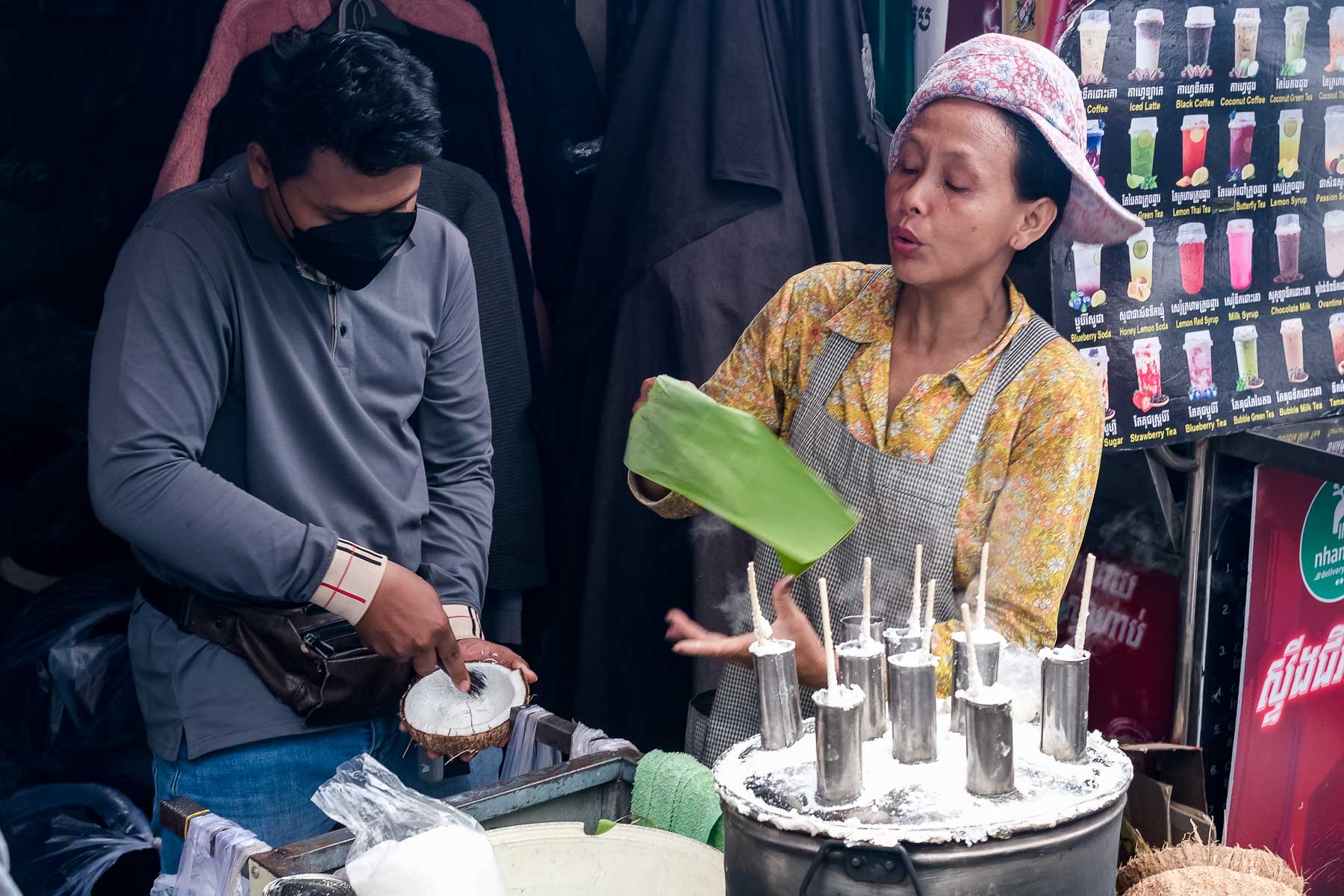
Canon 1D MkIV with 24-105 lens.

However, it’s not just about nostalgia or the feel of the camera. DSLRs still have a few technical advantages. The phase-detection autofocus system of a DSLR is incredibly fast and reliable, especially in low light conditions. Plus, the absence of a mirror mechanism in mirrorless cameras can sometimes lead to shutter lag, which can be a deal-breaker for action and sports photographers.

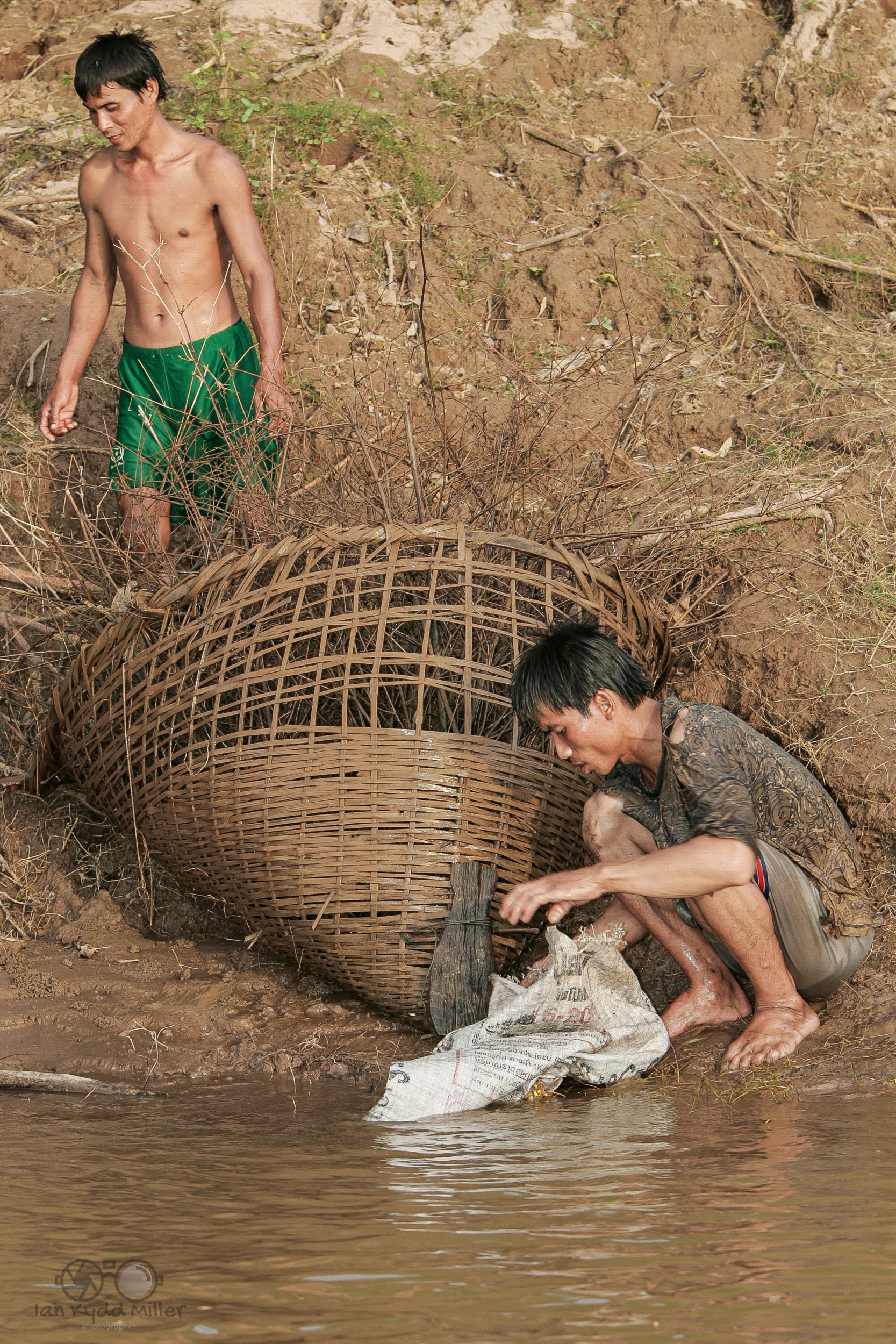
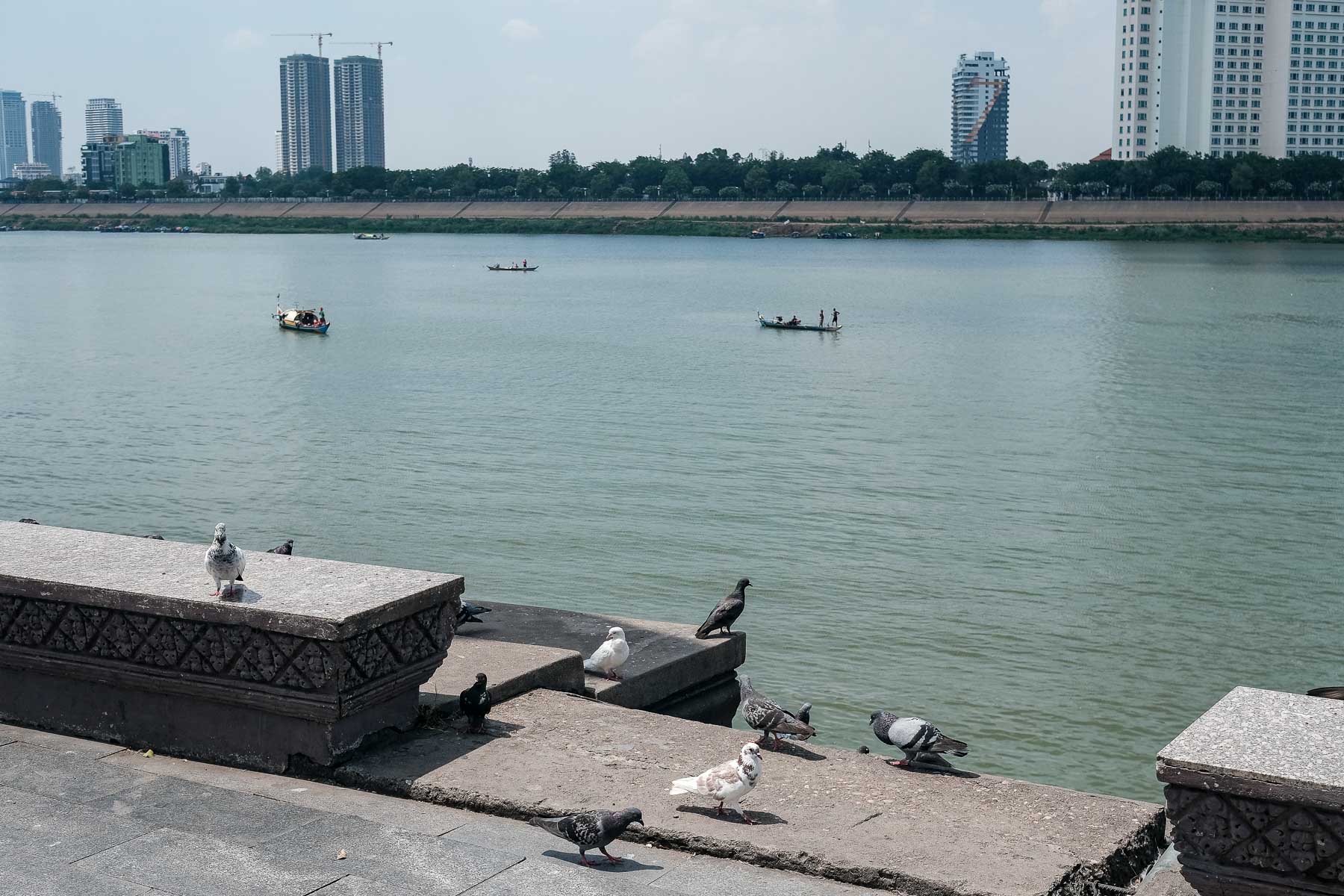
Fuji X Pro3 plus Viltox 23mm f1.4

It’s important to note that while the industry seems to be pivoting towards mirrorless systems, DSLRs are not obsolete. They continue to be produced, sold, and loved by many. The choice between DSLR and mirrorless ultimately comes down to personal preference and the specific needs of the photographer. Whether it’s the traditional feel of a DSLR or the modern conveniences of a mirrorless camera, both have their place in the photographer’s bag.
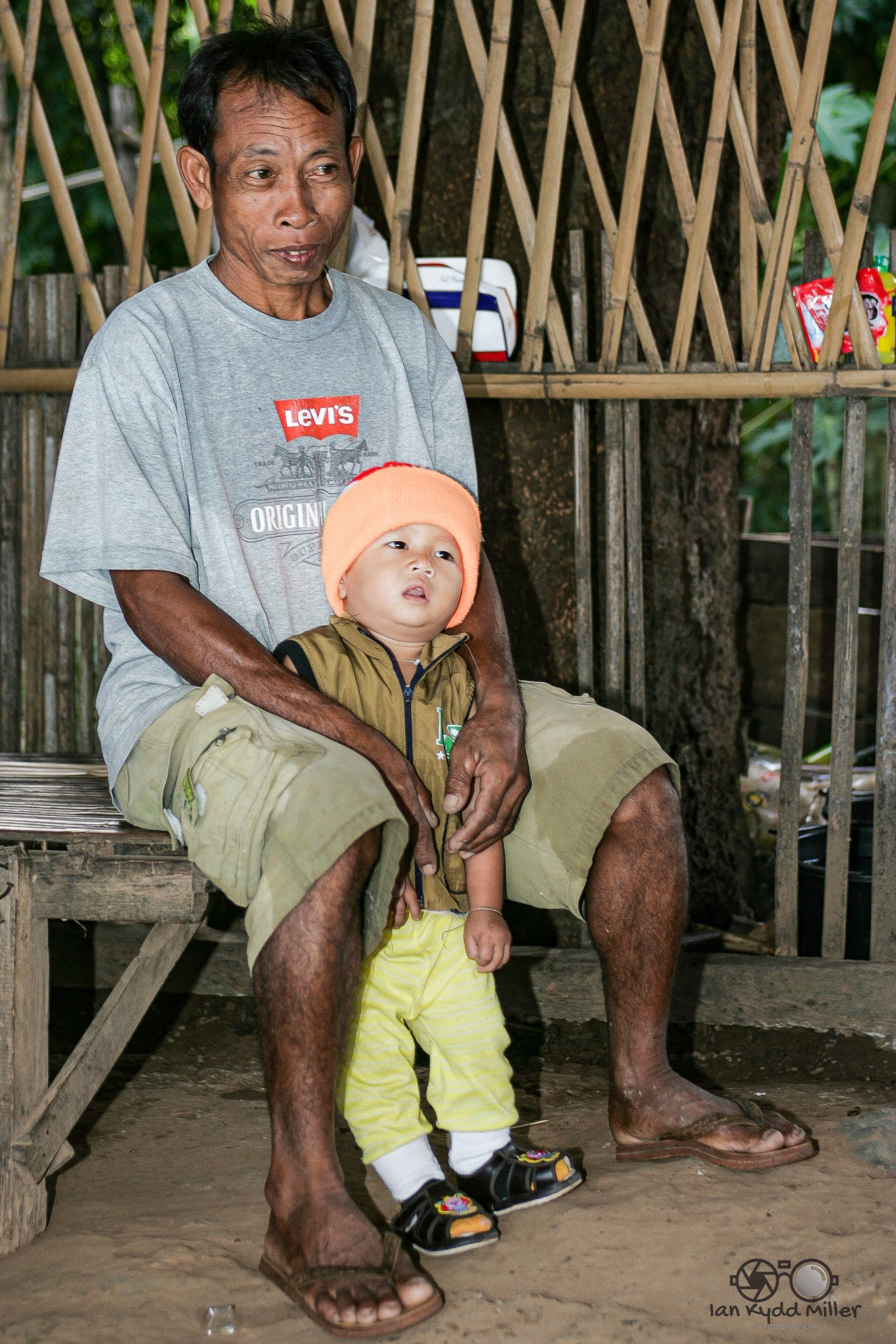
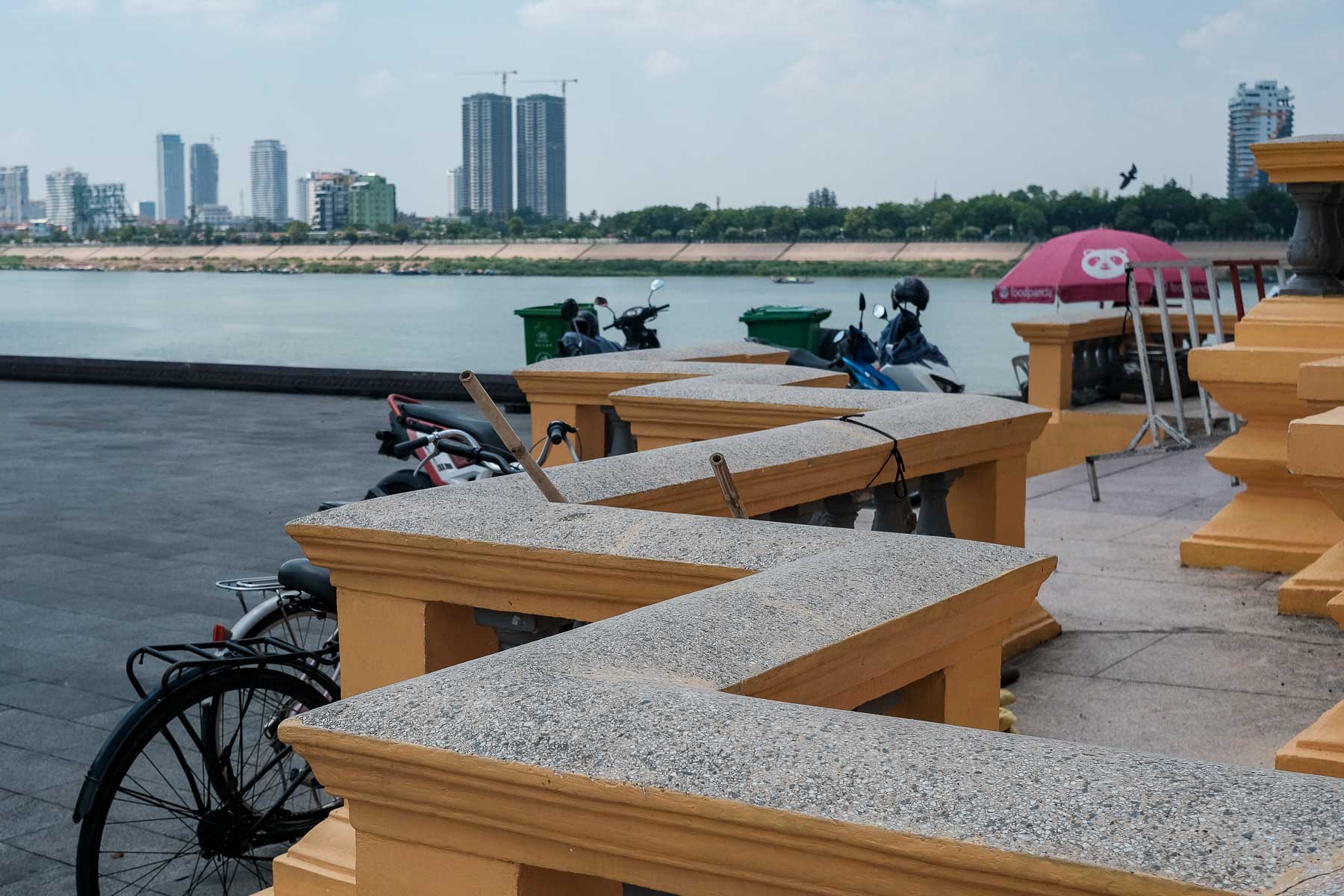
Nikon D800 + 28-85mm f3.5/4.5

As we ponder the future of photography, it’s clear that both DSLRs and mirrorless cameras have their merits. Perhaps the question isn’t about moving away from one to return to the other, but rather understanding which tool best serves your creative vision. In the end, the best camera is the one that allows you to capture the moments that matter most to you, in the way that you envision them.

So, what’s your take on this debate? Are you team DSLR or team mirrorless? Share your thoughts and experiences with us, and let’s continue to explore the ever-evolving landscape of photography together!

A sad day

cambodia, opinons, thoughts, Travel

The end of life is a profound moment, and it’s natural to reflect on the connections we’ve made along the way. The thought of passing away without friends or relatives nearby can indeed evoke a deep sense of sadness. It reminds us of the importance of relationships and the warmth they bring to our lives. Throughout history, many cultures have emphasized the significance of community and companionship, not just in life but also in the transition at life’s end. This sentiment underscores the value we place on not being alone during significant life events. It’s a universal human experience to seek connection, to find solace in shared moments, and to draw comfort from the presence of loved ones. The idea of dying alone might also inspire us to reach out, to forge new bonds, and to be there for others, knowing how much it would mean to us.

It’s a poignant reminder of our shared humanity and the compassion that binds us together. While it is a somber thought, it also highlights the beauty of human connection and the impact each person has on another’s life. In recognizing this, we can find a renewed appreciation for the relationships we have and a motivation to nurture them. Sleep well Srey Pol.

Restricted again by FB

cambodia, conflict, FB, opinons, thoughts, photography, pictures, Travel

Content moderation on social media platforms like Facebook can sometimes result in unexpected restrictions, especially when it comes to images. Facebook’s Community Standards are designed to create a safe environment for all users, so they say, which includes strict rules against sharing content that could be considered sexually explicit or inappropriate. However, these systems are not definitely not perfect and may flag content that does not actually violate these standards.

If you believe your picture was mistakenly restricted, you can appeal the decision through Facebook’s review process. This process allows for human review of the automated system’s decisions, which can sometimes lead to a reversal of the restriction if the content is deemed appropriate. (waste of time)

For more information on Facebook’s Community Standards and the appeal process, you can visit their official community resources. It’s important to understand these guidelines to ensure that your content aligns with the platform’s policies and to avoid future restrictions. ( a waste of time)

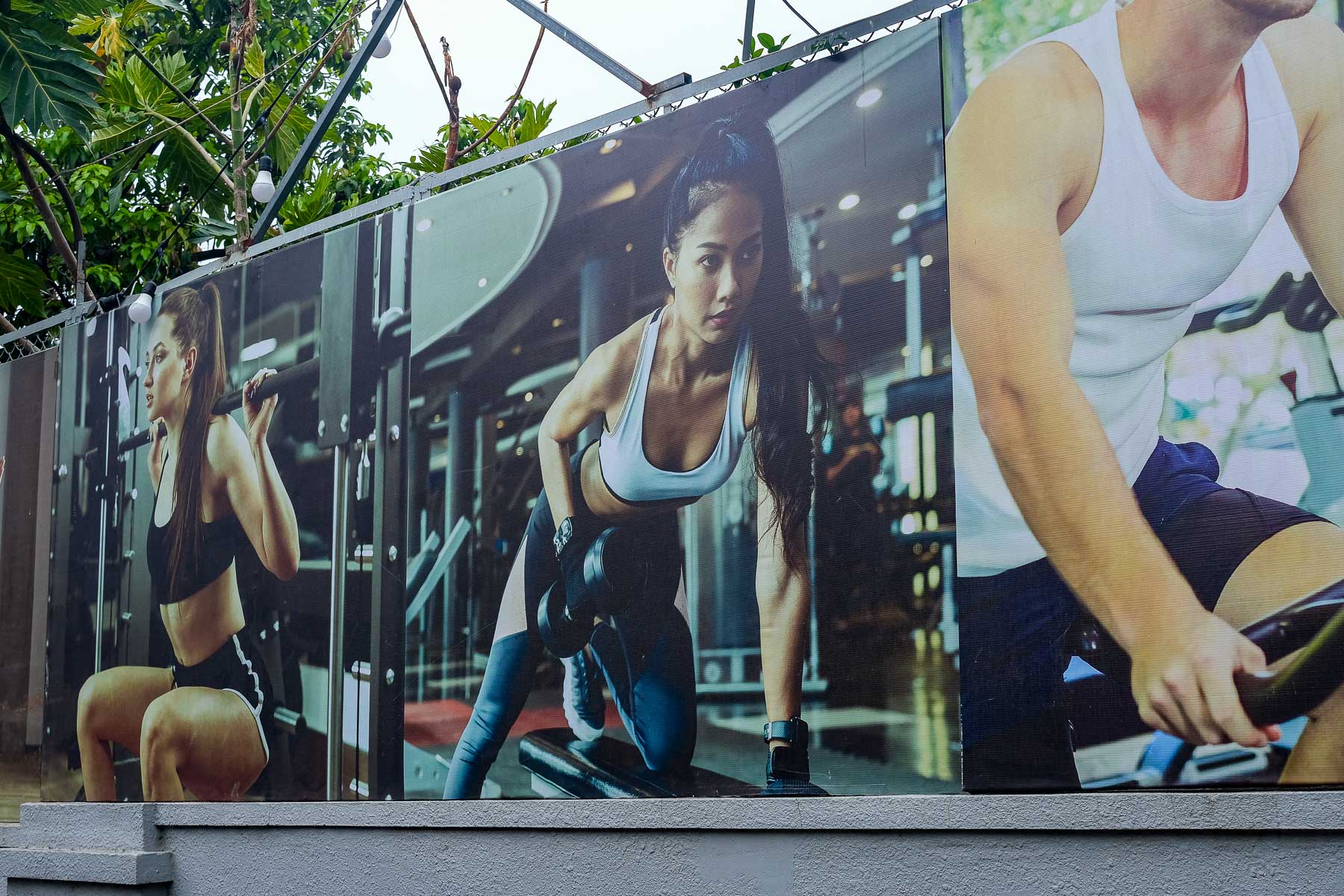
If anyone can explain to me just how the above picture could be considered sexually inappropriate please comment below.

Kids International Dental Services

cambodia, opinons, thoughts, photography, voluntary

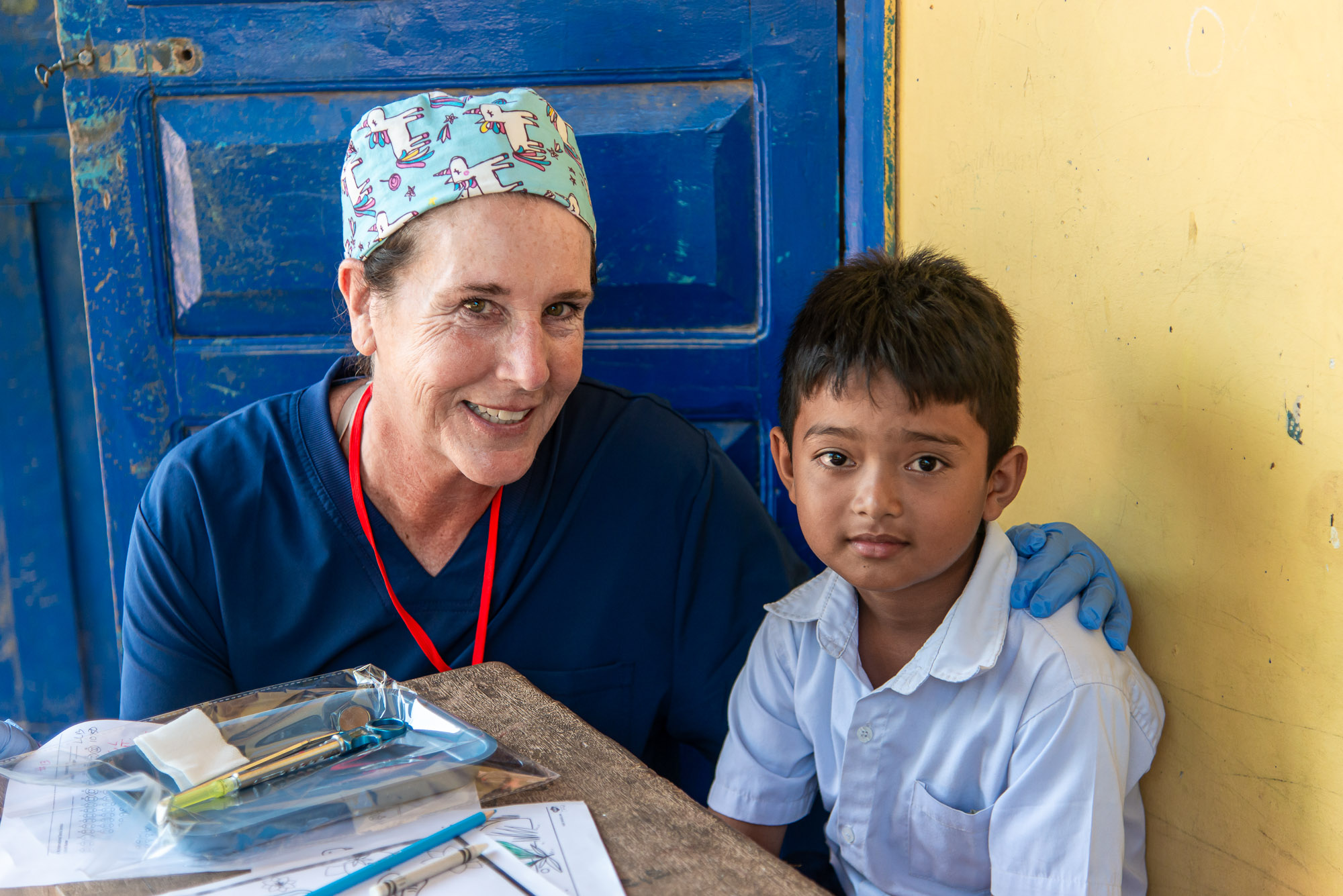
Kids International Dental Services (KIDS) is a remarkable nonprofit organization dedicated to providing pro-bono dental care to children in need across various developing countries.

Established in 2009, KIDS has been on a mission to not only offer essential dental services but also to inspire young dental professionals to embrace volunteerism as a core part of their careers. With a focus on education, empowerment, and inspiration, KIDS operates with the belief that every child deserves access to dental care, which is crucial for their overall health, academic performance, and future opportunities.

The organization has served thousands of children in countries like Cape Verde, The Philippines, Cambodia, Haiti, South Africa, Mongolia, Guatemala, and Morocco, emphasizing the importance of dental health and hygiene in community development. By collaborating with local communities, KIDS also works to create sustainable practices that can continue to benefit children long after the volunteers have left.

Moreover, KIDS fosters a cycle of giving by mentoring volunteers and establishing lasting relationships with the communities they serve, ensuring a continuous impact. For those interested in contributing to this noble cause, KIDS welcomes volunteers and supporters from all walks of life, offering a platform for individuals to make a significant difference in the lives of children who need it the most.

Fanboys and Fujifilm

cambodia, cameras, film, Fujichrome, fujifilm, opinons, thoughts, photography, pictures, street, Travel

Hello, fellow photography enthusiasts! Today, I want to talk about a phenomenon that has been sweeping the photography world for the last few years: the Fujifilm craze and fanboys.
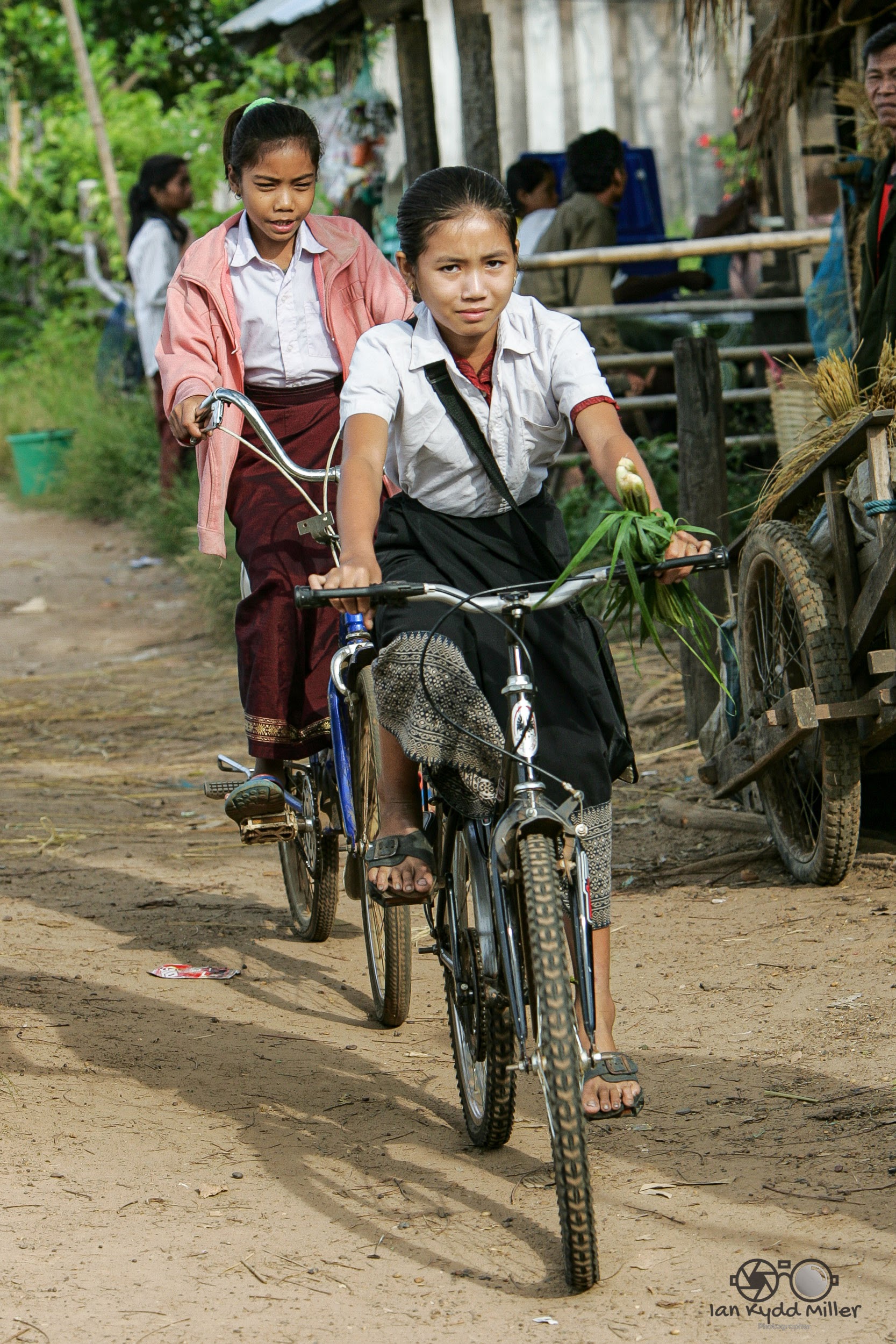
You know what I’m talking about. Those people who swear by their Fujifilm cameras and lenses, who rave about the colours, the ergonomics, the film simulations, the retro design, and the overall experience of shooting with Fuji. They are everywhere: on social media, on forums, on YouTube, on blogs, and even in real life. They are passionate, loyal, and sometimes a bit defensive. They are the Fuji FanBoys (and girls).

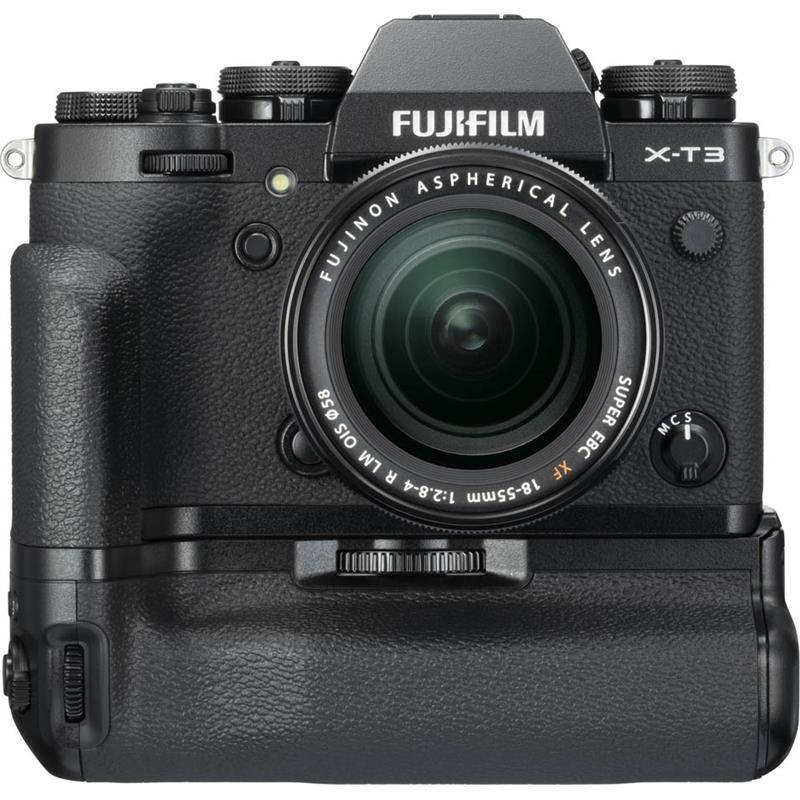
Now, before you accuse me of being a hater or a troll, let me make one thing clear: I have nothing against Fujifilm or its users. In fact, I own a Fujifilm X-T3 myself and a few other Fuji cameras and lenses, and I love them. It’s a great camera that delivers excellent image quality, performance, and usability. It’s fun to use and it inspires me to be creative. I also appreciate Fujifilm’s dedication to innovation and customer service. They are constantly updating their firmware, adding new features and improving existing ones. They also listen to feedback and suggestions from their users and implement them in their products.

So why am I writing this blog post? Well, because I think there is a difference between being a fan and being a fanboy/girl. A fan is someone who likes something and enjoys it. A fanboy/girl is someone who likes something and thinks it’s the best thing ever. A fan is open-minded and respectful of other opinions. A fanboy/girl is closed-minded and dismissive of other perspectives. A fan is willing to admit flaws and limitations. A fanboy is blind to faults and exaggerations.

Don’t get me wrong: there is nothing wrong with being enthusiastic about something you love. But when that enthusiasm turns into obsession, bias, or arrogance, then it becomes a problem. And that’s what I see happening with some of the Fuji FanBoys out there. They are so obsessed with their Fujifilm gear that they can’t see anything else. They are so biased that they ignore or downplay the advantages of other brands or systems. They are so arrogant that they mock or insult anyone who dares to disagree with them or choose something different.

This kind of behaviour is not only annoying but also harmful. It creates unnecessary division and hostility among photographers who should be united by their passion for the art and craft of photography. It also limits one’s own growth and learning as a photographer by shutting out other possibilities and perspectives. And it ultimately undermines one’s credibility and reputation as a photographer by making one look like a fanatic or a shill.

So what can we do about this? Well, first of all, we can be more aware of our own biases and preferences. We can acknowledge that we like Fujifilm for certain reasons, but that doesn’t mean that Fujifilm is perfect or superior to everything else. We can recognize that other brands and systems have their own strengths and weaknesses and that they may suit different needs and tastes better than Fujifilm. We can respect other people’s choices and opinions, even if they differ from ours.

Secondly, we can be more curious and open-minded about other options and opportunities. We can try out different cameras and lenses from different brands and systems, either by renting them, borrowing them from friends, or visiting a store. We can learn from other photographers who use different gear than us, either by reading their reviews, watching their videos, or following their work. We can experiment with different styles and genres of photography that may challenge us or inspire us.

Thirdly, we can be more humble and honest about our own skills and abilities. We can admit that we are not experts or masters of photography just because we use Fujifilm gear. We can acknowledge that we still have a lot to learn and improve as photographers, regardless of what camera or lens we use. We can focus more on our vision and creativity than on our gear and specs.

In conclusion, I want to say that I’m not trying to bash or offend anyone who loves Fujifilm gear. I’m just trying to share my perspective on how we can be better photographers and better people by being more balanced and reasonable in our fandom. I hope you enjoyed reading this blog post and found it useful or interesting. If you agree or disagree with me, feel free to leave a comment below or send me an email. I’d love to hear your thoughts on this topic.

Until next time.

Back button AF

cambodia, cameras, fujifilm, Lenses, opinons, thoughts, photography, pictures, public, street, Travel

Using the back button AF is a technique that allows you to focus on your subject without having to press the shutter button halfway. It involves assigning a different button on the back of your camera to activate the autofocus system, instead of using the shutter button. Normally, when you press the shutter button halfway, you activate the autofocus system and lock the focus on your subject. When you press it fully, you take the picture. However, if you move your camera after locking the focus, or if your subject moves, you may lose focus and end up with a blurry image. By using a separate button for focusing, you can avoid this problem and have more control over when and where to focus. This way, you can lock the focus on your subject and recompose the frame without losing focus. Using back button AF can be useful for situations where you want to have more control over the focus point, or when you are shooting moving subjects and want to track them continuously. Some of the benefits of using back button AF are:

  • You can avoid accidental refocusing when you press the shutter button fully.
  • You can switch between single and continuous autofocus modes without changing the settings on your camera.
  • You can prevent focus hunting when shooting in low light or low contrast scenes.
  • You can use manual focus and autofocus interchangeably without switching modes.

To use the back button AF, you need to assign a button on the back of your camera to activate the autofocus system. The exact procedure may vary depending on your camera model, but generally, you can find it in the custom functions menu. Once you have assigned the button, you need to disable the autofocus function from the shutter button. This way, the shutter button will only be used to take the picture, and the back button will be used to focus. To use the back button AF, you simply press and hold the back button to focus on your subject, and then release it when you have achieved focus. You can then recompose the frame and press the shutter button to take the picture.

Is being able to shoot manually a real requirement

cambodia, cameras, Lenses, opinons, thoughts, photography, pictures, street, Travel

Do I have to learn to shoot manually before I can consider myself a photographer? That’s like asking if I have to learn how to drive a stick before I can consider myself a driver. Sure, it might make you feel more in control and impress some people, but it’s not a requirement. There are plenty of amazing photographers who use auto mode and still capture stunning images. Manual mode is just a tool, not a badge of honour. It can help you in some situations, but it can also hinder you in others. The most important thing is to know your camera, your subject, and your vision. And to have fun, of course. Photography is supposed to be fun, not stressful. So don’t worry about what other people think or what mode you use. Just go out there and shoot!

One of the best ways to capture stunning portraits is to use the aperture priority mode on your camera. This mode allows you to adjust the depth of field, which is how much of the scene is in focus. By using a large aperture (a small f-number), you can create a shallow depth of field that blurs the background and makes the person stand out. This way, you can emphasize their facial features, expressions, and emotions. Aperture priority mode is great for people’s pictures because it lets you focus on the person without worrying about other settings. You can simply point and shoot, and let the camera do the rest. Aperture priority mode gives you more creative control and flexibility than auto mode and helps you achieve professional-looking results with ease. Whatever mode you use its is just a tool to help you get the picture you see.

The Fuji 27mm f2.8 (first version)

cambodia, cameras, Fujichrome, fujifilm, Lenses, opinons, thoughts, photography, pictures, street, Travel

If you are looking for a versatile and compact lens to pair with your X Pro3, you can’t go wrong with the Fujifilm 27mm f2.8. This lens is a gem for general and street photography, as it offers a fast aperture, sharp image quality, and a lightweight design. The 27mm focal length is equivalent to 41mm on a full-frame sensor, which is close to the classic 35mm field of view many photographers love. It allows you to capture many scenes, from landscapes to portraits, without distortion or cropping. The f2.8 aperture lets you shoot in low-light conditions and create beautiful bokeh effects. The lens also has a quick and silent autofocus system that works well with the X Pro3’s hybrid viewfinder. The best part is that the lens is so tiny and light that you can easily carry it around in your pocket or bag. It barely adds any bulk to the X Pro3’s sleek and retro body. The Fujifilm 27mm f2.8 is a great lens for anyone who wants to enjoy the simplicity and creativity of photography with the X Pro3.

I have owned it for quite a while but never really used the Fujifilm 27mm f2.8 lens until recently, and I have to say I’m blown away by its performance! It’s so compact and lightweight, yet it delivers sharp and crisp images with beautiful colours and contrast. It’s perfect for street photography, landscapes, and portraits. It has a fast autofocus and a smooth aperture ring that lets me control the depth of field easily. I love how it makes my camera look sleek and discreet, and how it fits in my pocket when I’m on the go. This lens is a gem and I’m so glad I finally gave it a chance!

Restricted on face book

cambodia, opinons, thoughts, photography, pictures, public, street

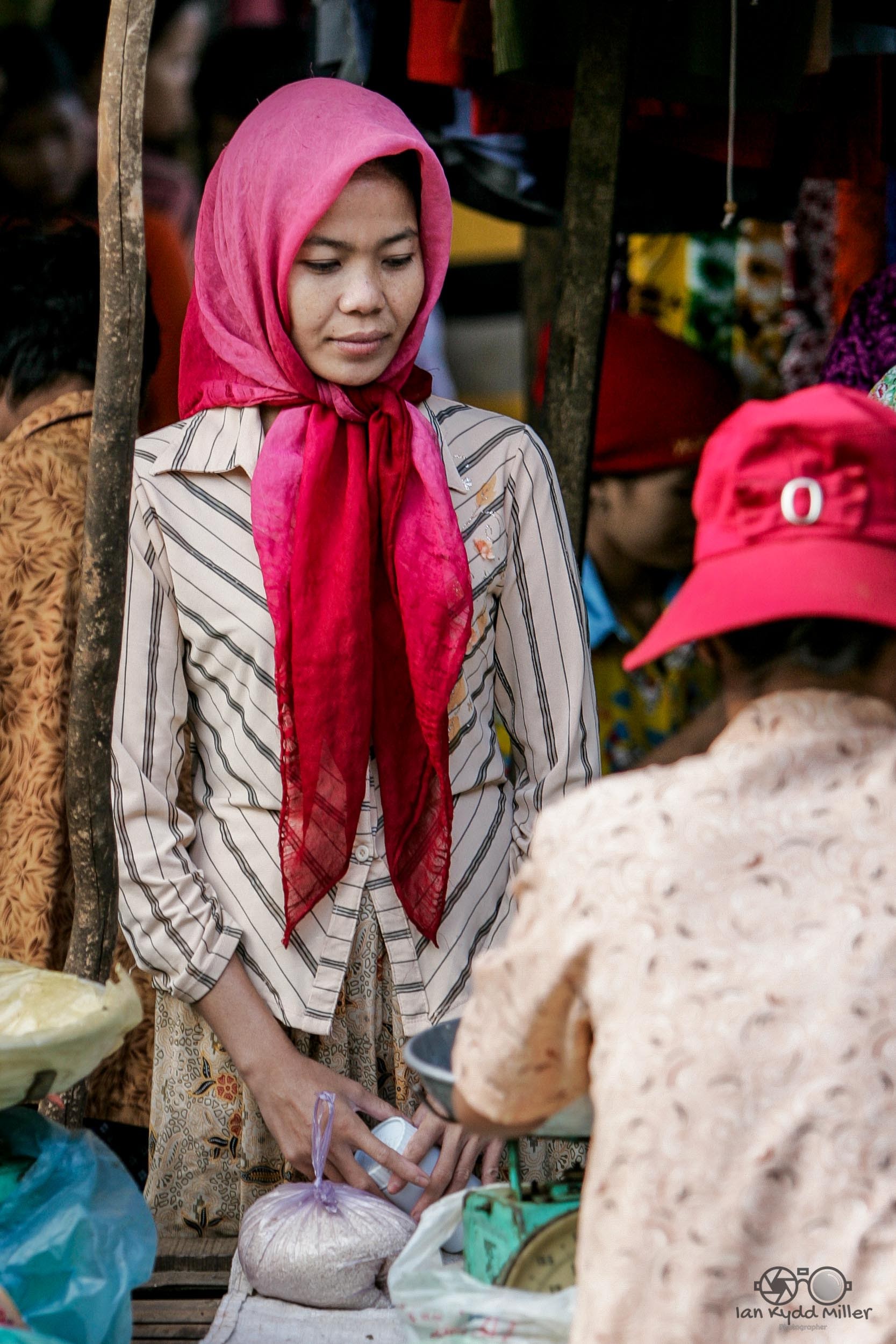
My account has been restricted on FB for 2 days for displaying this picture which they say goes against FB rules

How anyone could find this image to be offensive or sexual in any way is certainly beyond me.

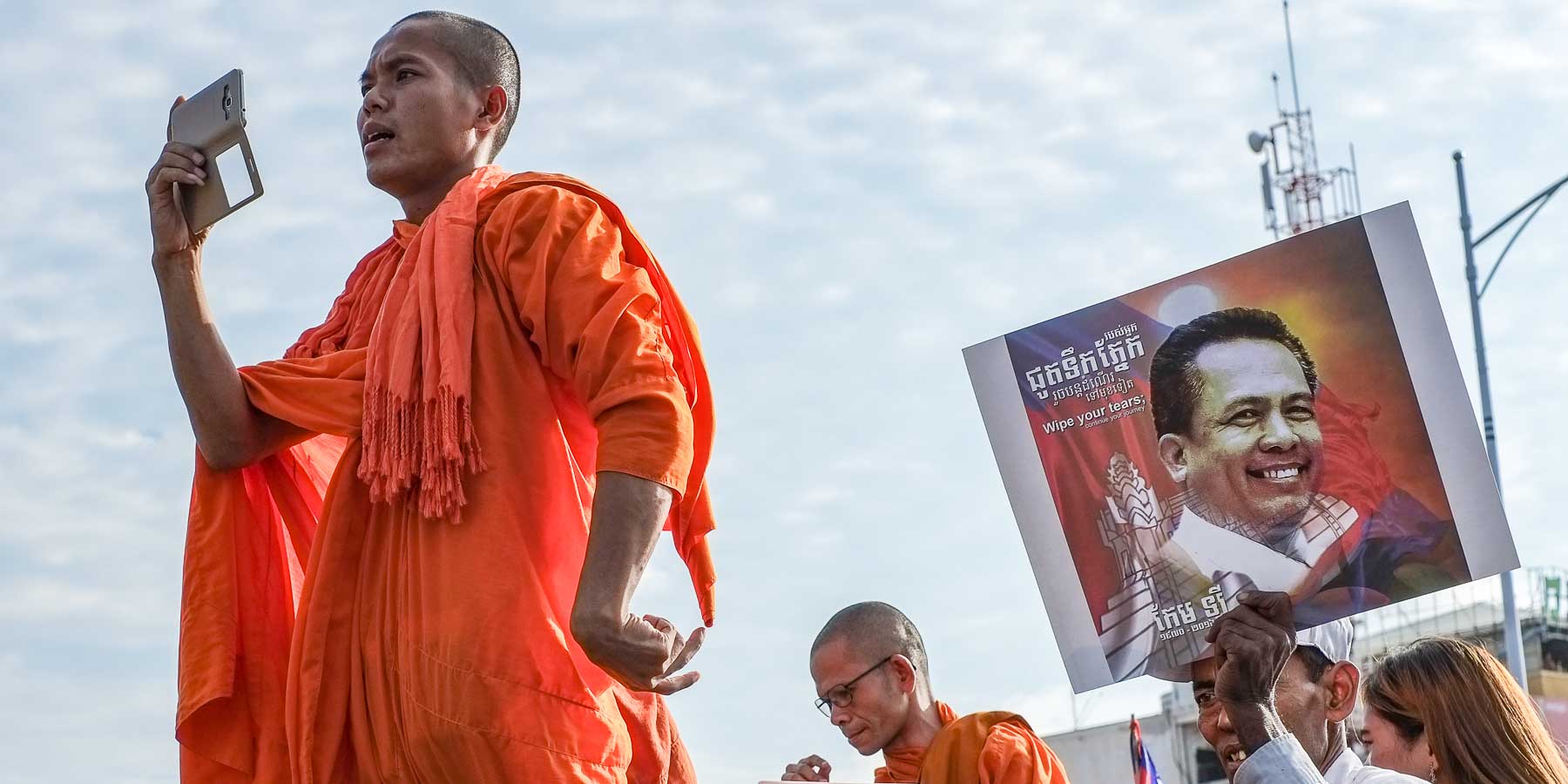
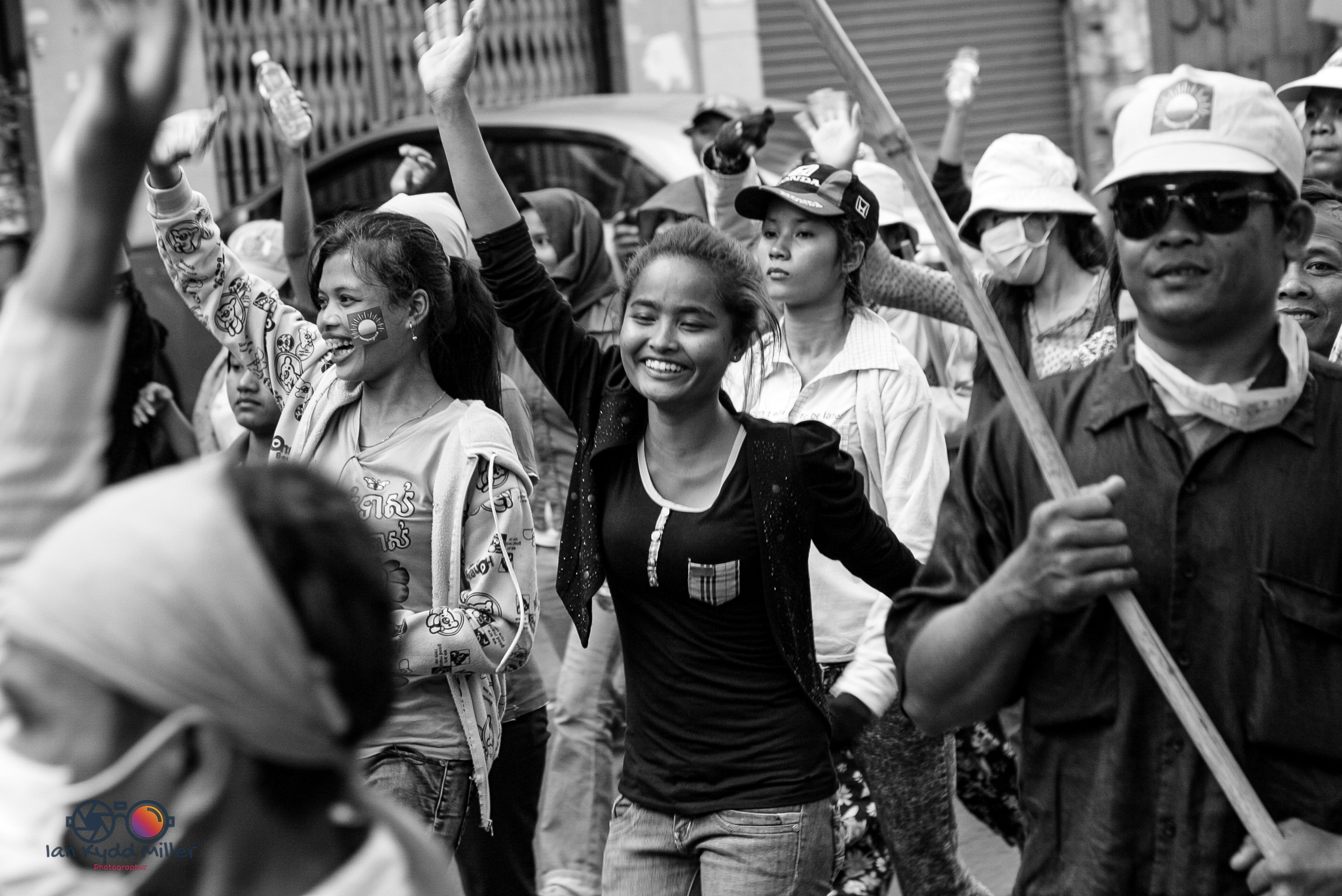
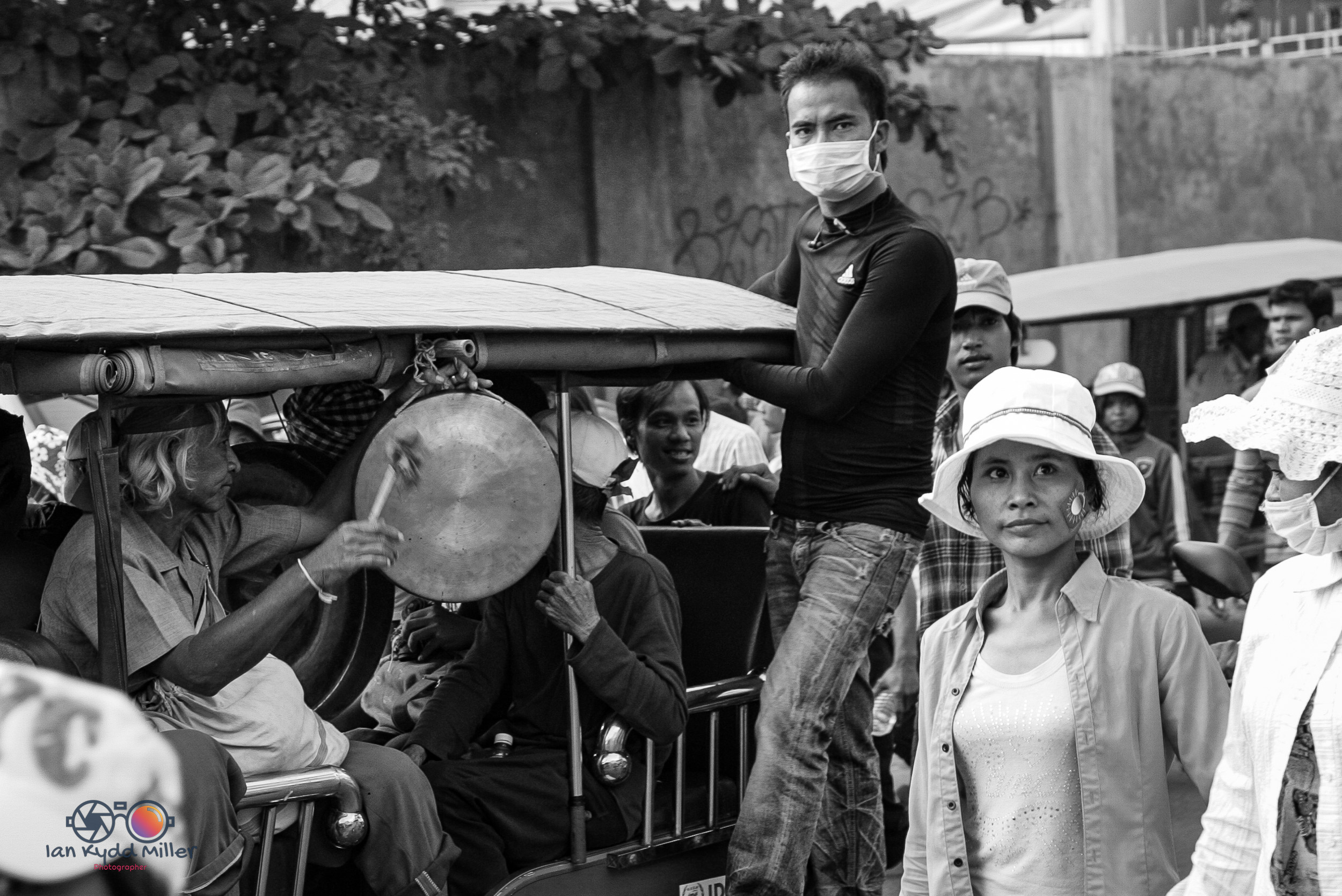
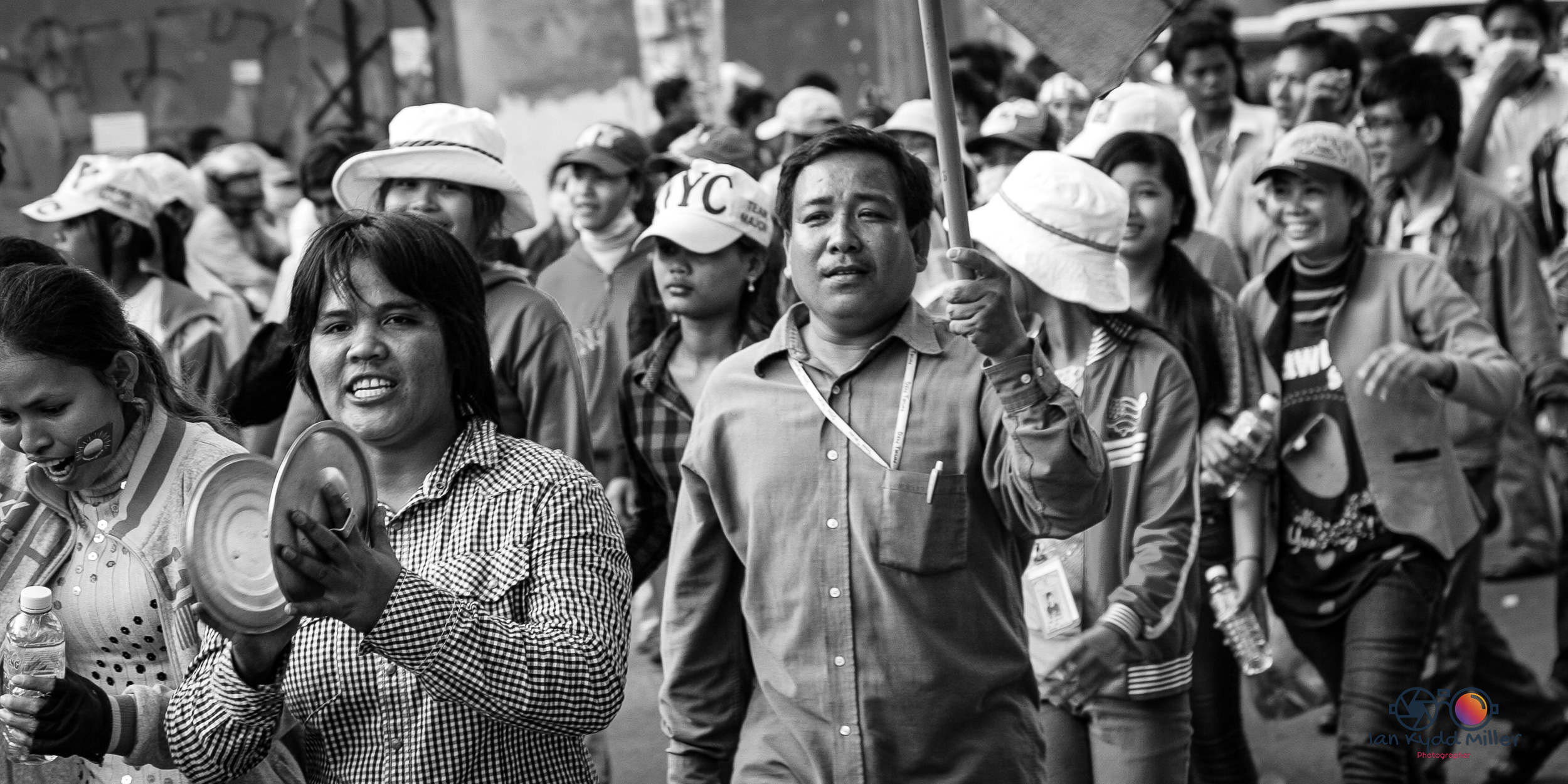
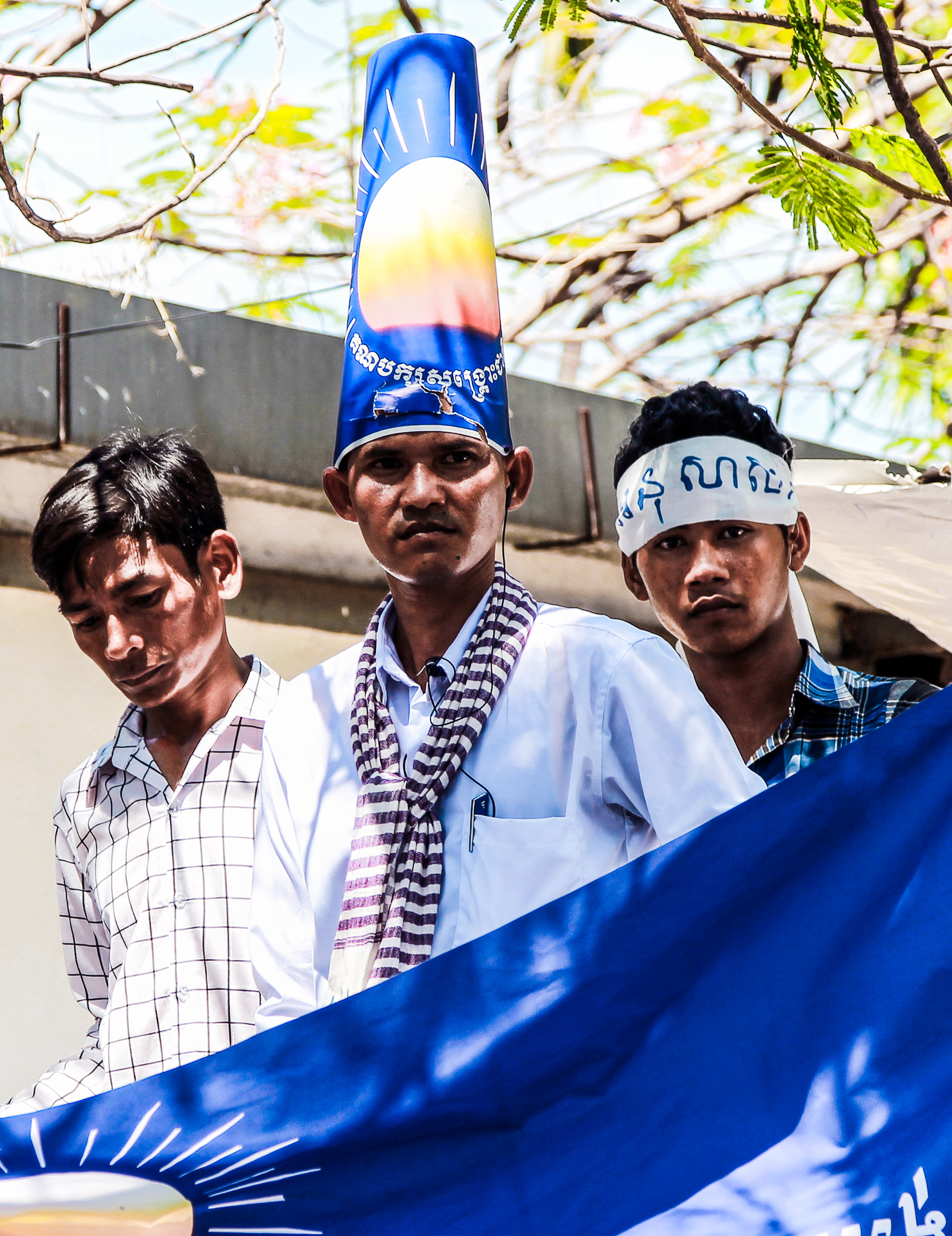
Covering Local Political Events in Cambodia

cambodia, conflict, opinons, thoughts, photography, pictures, street, Travel, voluntary