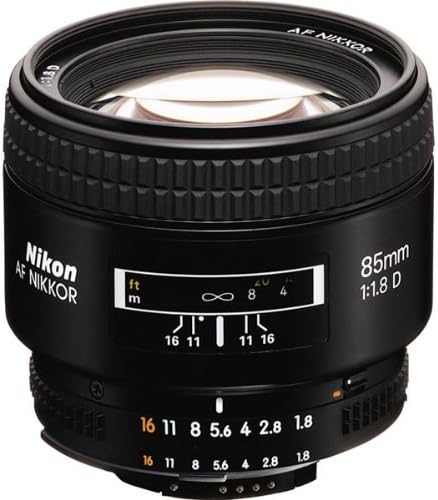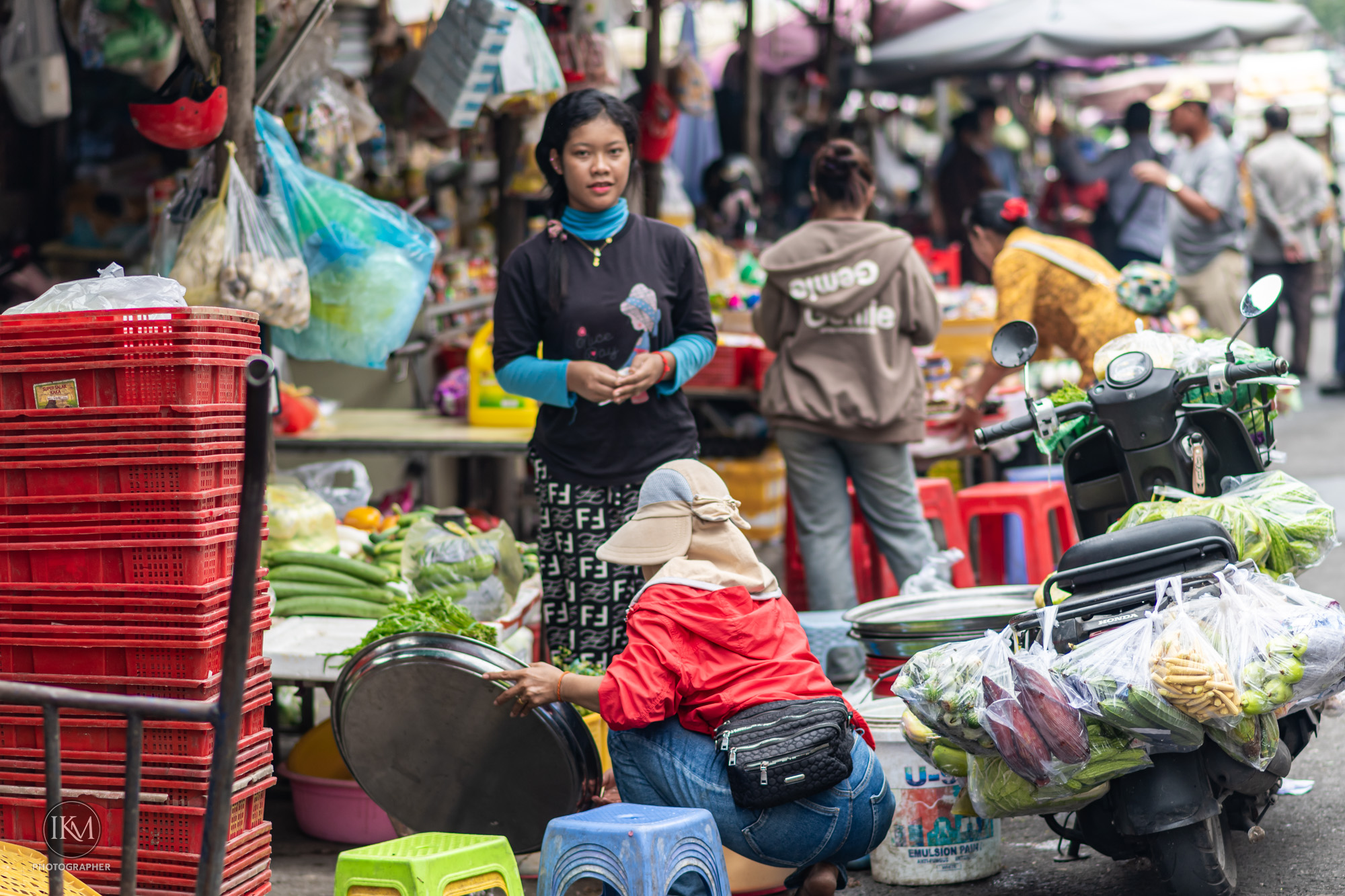
The Nikkor 50mm f/1.4D + Nikon D800

cameras, Lenses, photography, opinons, thoughts, street, nikon

The Nikkor 50mm f/1.4D is a very good match for the Nikon D800 when you value classic rendering and character; it autofocuses on the D800 (screwโ€‘drive), gives pleasing bokeh and microโ€‘contrast, and performs best when stopped to f/2f/2โ€“f/4f/4for critical work.

Quick guide

  • Key considerations: Autofocus type (AFโ€‘D screwโ€‘drive), wideโ€‘open rendering vs stoppedโ€‘down sharpness, chromatic aberration and vignetting on a highโ€‘resolution sensor.
  • Clarifying questions to answer for yourself: Do you need silent/fast AF (AFโ€‘S) or are you keeping the Dโ€‘series look? Will you prioritise center sharpness or the lensโ€™s organic character?
  • Decision points: Keep the 50/1.4D for its look and price, or upgrade to an AFโ€‘S 50/1.4G if you need faster/quieter AF.

Compatibility and performance

Autofocus compatibility: The 50mm f/1.4D is an AFโ€‘D lens that uses the cameraโ€™s screwโ€‘drive motor; the D800 supports this, so the lens will autofocus on your body. Optical character: on a highโ€‘resolution body like the D800 the lensโ€™s filmโ€‘era rendering becomes more apparent โ€” softness and aberrations at f/1.4f/1.4 are common, but sharpness improves markedly by f/2f/2and is strong by f/2.8f/2.8, especially in the center. Realโ€‘world user reports praise its look but note focus quirks and the need for careful technique on highโ€‘MP bodies.

Practical tips and workflow

  • Focus technique: Use singleโ€‘point AF or backโ€‘button AF and place the point on the subjectโ€™s eye; at f/1.4f/1.4 depth of field is very thin, so precise focus is essential.

  • Aperture strategy: Use f/1.4โ€“f/2 for subject isolation and low light; f/2.8โ€“f/4 for portraits and editorial crops where edge performance matters.

  • AF fineโ€‘tune: Run an AF fineโ€‘tune calibration on the D800 if you notice consistent front/back focus; many D800 users report improved results after calibration.
  • RAW workflow: Shoot RAW, apply targeted chromatic aberration correction and mild sharpening; accept or embrace some vignetting as part of the lensโ€™s character.
  • Support and technique: For critical highโ€‘resolution output, use a steady hand, higher shutter speeds, or a tripod to match the D800โ€™s resolving power.

Risks tradeโ€‘offs and actionable steps

  • Tradeโ€‘offs: You trade AF speed and silence for character and cost; the AFโ€‘Dโ€™s screwโ€‘drive is noisier/slower than AFโ€‘S alternatives. The D800 magnifies lens flaws (CA, corner softness, vignetting).
  • Actionable steps:
    1. Calibrate AF on the D800 and test at multiple apertures to find the sweet spot.
    2. Stop down to f/2.8f/2.8โ€“f/4f/4 for edgeโ€‘toโ€‘edge sharpness when needed.
    3. Shoot RAW and apply selective CA correction and denoise in post.
    4. Consider AFโ€‘S 50/1.4G only if you need faster, quieter AF and slightly improved optical control.

Closing

If you value classic rendering, microโ€‘contrast, and costโ€‘toโ€‘performance, the Nikkor 50mm f/1.4D is an excellent, characterful lens on the D800 โ€” provided you use careful focus technique, stop down when necessary, and apply a disciplined RAW workflow. For lab tests and longโ€‘term user impressions, see community discussions and reviews that document both the lensโ€™s charm and its practical limits.

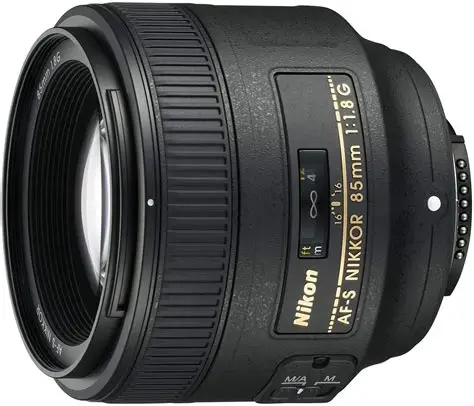
Nikon D800 + Nikkor 85mm f/1.8G: Why this pairing works

cameras, Lenses, nikon, opinons, thoughts, photography, street

Sensor and lens synergy

The D800โ€™s highโ€‘resolution fullโ€‘frame sensor magnifies the optical character of whatever glass you mount on it. A wellโ€‘resolved prime like the 85mm f/1.8G shows its strengths here: fine detail, strong microโ€‘contrast, and smooth outโ€‘ofโ€‘focus rendering. The lens is sharp wide open, and the D800 gives you the headroom to crop or print large without losing detail.

What the 85mm brings to street work

  • Compression and subject separation โ€” the 85mm compresses background elements, making subjects pop while keeping context readable.
  • Fast aperture โ€” at f/1.8 you get shallow depth of field for portraits and lowโ€‘light capability for evening street scenes.
  • Compact and light โ€” easier to carry than heavier 85mm f/1.4 options, so it fits a street kit without weighing you down.
  • Affordable performance โ€” excellent value for the image quality it delivers on a highโ€‘resolution body.

Practical setups and use cases

Daytime street portrait kit

  • Body: D800
  • Lens: Nikkor 85mm f/1.8G
  • Settings: Aperture priority around f/2f/2โ€“f/2.8f/2.8; shutter speed โ‰ฅ1/250\geq 1/250 for handheld; ISO as low as practical for clean files.
  • Why: Fast enough for subject isolation while keeping enough depth for expressive environmental portraits.

Lowโ€‘light and night scenes

  • Body: D3S or D800 (D3S if extreme ISO needed)
  • Lens: 85mm f/1.8G wide open
  • Settings: Manual or aperture priority at f/1.8f/1.8; shutter speed โ‰ฅ1/125\geq 1/125 for single subjects; raise ISO as needed and embrace grain on older bodies.
  • Why: The 85mmโ€™s aperture plus the D800โ€™s resolution lets you retain detail even when pushing ISO; on the D3S you gain cleaner highโ€‘ISO files.

Editorial and highโ€‘detail work

  • Body: D800 or D810
  • Lens: 85mm f/1.8G stopped to f/4f/4โ€“f/5.6f/5.6 for maximum sharpness across the frame
  • Why: Use the D800/D810โ€™s resolution to capture textures and expressions for prints or tight crops; stop down slightly for edgeโ€‘toโ€‘edge clarity.

Shooting tips to get the most from the combo

  • Nail focus technique โ€” at f/1.8f/1.8 depth of field is thin; place your focus point on the subjectโ€™s eye and use singleโ€‘point AF or backโ€‘button AF for control.
  • Mind your distance โ€” 85mm requires stepping back compared with 35/50mm; use that distance to create natural, unposed expressions.
  • Use the compression โ€” position background elements deliberately; the 85mm will compress them into pleasing layers behind your subject.
  • Stop down when needed โ€” for groups or environmental portraits, move to f/4f/4โ€“f/5.6f/5.6 to keep more in focus while retaining the lensโ€™s character.
  • Leverage the D800โ€™s files โ€” shoot RAW, apply careful sharpening and selective noise reduction, and preserve the lensโ€™s microโ€‘contrast in post.

How this pairing fits your Nikon lineup

  • Compared with D300S/D700/D3S: The D800 + 85mm is the highโ€‘detail, editorial option in your kit. Use it when you want large prints, tight crops, or a different look from your 35/50/85 primes on smaller bodies.
  • Compared with D800 + other primes: The 85mm is more portraitโ€‘centric than a 35mm or 50mm; itโ€™s less versatile for wide environmental street shots but excels at intimate portraits and compressed street scenes.
  • Workflow note: The D800โ€™s files are largeโ€”keep a disciplined RAW workflow and back up originals; consistent editing preserves the lensโ€‘andโ€‘body character across a series.

Final thought

If you prize subject isolation, flattering compression, and highโ€‘resolution detail, the D800 + Nikkor 85mm f/1.8G is a superb pairing. It asks you to compose with intention, focus precisely, and use distance as a creative toolโ€”exactly the kind of discipline that older, characterful Nikon bodies reward.

Rediscovering the Nikon D300S: A Street Photographerโ€™s Companion

cambodia, cameras, Lenses, nikon, opinons, thoughts, photography, street

In an age of mirrorless marvels and AI-enhanced sensors, the Nikon D300S might seem like a relic. Released in 2009, itโ€™s a camera that many would now label “obsolete.” But for those who know how to see, this DSLR still deliversโ€”especially in the realm of street photography.

๐Ÿ“ธ Why the D300S Still Matters

  • Build Quality: Magnesium alloy body, weather-sealed, and rugged enough to handle the unpredictability of the street.
  • Ergonomics: Comfortable grip, intuitive button layout, and a responsive shutterโ€”everything you need for fast, instinctive shooting.
  • Image Quality: The 12.3MP DX-format sensor may not win spec wars, but it produces files with character, especially when paired with classic Nikon glass.
  • Dual Card Slots: CF and SDโ€”perfect for redundancy or separating RAW and JPEG workflows.

๐Ÿ™๏ธ Street Photography with the D300S

Using the D300S on the street is a tactile experience. It forces you to slow down, observe, and anticipate. Autofocus is reliable, though not lightning-fast, which encourages deliberate framing. The cameraโ€™s weight adds stability, and its shutter soundโ€”distinct but not intrusiveโ€”feels like a handshake with the moment.

โš™๏ธ Limitations That Shape Style

  • Low-Light Performance: ISO 1600 is usable, but beyond that, noise creeps in. This limitation nudges you toward natural light and shadow play.
  • No Wi-Fi or Live View: Youโ€™re not chimping or sharing instantly. Youโ€™re shooting for the edit, not the algorithm.
  • Fixed Screen: No tilting or flippingโ€”just commit to the angle and shoot.

โœจ The Joy of the “Obsolete”

Thereโ€™s a quiet rebellion in using older gear. Itโ€™s a rejection of the upgrade treadmill and a return to intentional photography. The D300S doesnโ€™t flatterโ€”it reveals. It doesnโ€™t automateโ€”it asks you to engage.

In a world chasing megapixels and mirrorless speed, the Nikon D300S reminds us that good results come from good seeing. And sometimes, the best camera is the one that makes you feel like a photographer again.

๐Ÿ“ธ Nikon AFโ€‘S NIKKOR 85mm f/1.8G โ€” Portrait Precision in a Compact Package

cambodia, cameras, Lenses, nikon, opinons, thoughts, photography, street

๐ŸŒ Introduction

Among Nikonโ€™s portrait primes, the AFโ€‘S NIKKOR 85mm f/1.8G stands out as a lens that balances affordability, optical quality, and portability. Released in 2012, it replaced the older 85mm f/1.8D, bringing a modern optical design and Silent Wave Motor (SWM) autofocus. For photographers seeking expressive portraits without the weight or cost of f/1.4 glass, this lens is a compelling choice. It delivers sharp images, smooth bokeh, and quiet autofocus, but lacks vibration reduction and weather sealing..

๐Ÿ”‘ Characteristics

  • Focal Length: 85mm โ€” a classic medium telephoto, flattering for portraits.
  • Maximum Aperture: f/1.8 โ€” bright, fast, and capable of shallow depth of field.
  • Optical Design: 9 elements in 9 groups, optimised for digital sensors.
  • Silent Wave Motor (SWM): Fast, quiet autofocus with manual override.
  • Minimum Focus Distance: 0.8 m (2.62 ft).
  • Diaphragm: 7 rounded blades for smooth background blur.
  • Weight: ~350 g โ€” compact and easy to carry.
  • Filter Size: 67 mm.

โœ… Advantages

  • Sharpness: Excellent centre sharpness even wide open; improves further when stopped down.
  • Bokeh: Smooth, natural background blur that isolates subjects beautifully.
  • Low Light Performance: Wide aperture allows shooting in dim conditions without flash.
  • Autofocus: Quiet and reliable thanks to SWM, suitable for both stills and video.
  • Value: More affordable than Nikonโ€™s f/1.4 primes, yet delivers professionalโ€‘level results.
  • Portability: Lightweight design makes it ideal for travel and street portraiture.

โš ๏ธ Disadvantages

  • No Vibration Reduction (VR): Requires steady hands or faster shutter speeds.
  • Build Quality: Durable plastic but lacks weather sealing; less rugged than proโ€‘grade lenses.
  • Bokeh Quality: While smooth, itโ€™s not as creamy or complex as higherโ€‘end f/1.4 or f/1.2 lenses.
  • Edge Sharpness: Slightly softer at the frame edges wide open, though acceptable for portraits.

๐ŸŽฏ Ideal Use Cases

  • Portraits: Headshots, candid street portraits, and environmental portraiture.
  • Events: Weddings or gatherings where subject isolation is key.
  • Video: Quiet AF makes it useful for DSLR video work.
  • Travel: Compact size and weight make it easy to carry without sacrificing quality.
  • Street.

โœจ Conclusion

The Nikon AFโ€‘S NIKKOR 85mm f/1.8G is a portrait specialist: sharp, fast, and affordable. It may lack the prestige of Nikonโ€™s f/1.4 primes, but its combination of optical quality, portability, and price makes it one of the most practical lenses in Nikonโ€™s lineup. For photographers who want sharp focus amid soft ambiguity, this lens delivers exactly that balance.

Tokina ATโ€‘X 24โ€‘70mm f/2.8 PRO FX: A Lens Built for the Demands of Real Work

cameras, Lenses, opinons, thoughts, street, Travel

๐ŸŒ Why This Lens Matters

Every photographer knows the 24โ€‘70mm f/2.8 zoom is the backbone of a professional kit. Itโ€™s the lens you reach for when you need versatility without compromise โ€” wide enough for landscapes, tight enough for portraits, fast enough for events. Tokinaโ€™s ATโ€‘X 24โ€‘70mm f/2.8 PRO FX steps into this arena with confidence, offering a blend of durability, optical quality, and thoughtful design.

๐Ÿ”‘ Standout Features

  • Focal Range: Covers everything from sweeping 24mm vistas to intimate 70mm portraits.
  • Constant f/2.8 Aperture: Reliable exposure and shallow depth of field across the zoom range, perfect for lowโ€‘light and subject isolation.
  • Optical Quality:
    • Crisp centre sharpness at f/2.8.
    • Edge performance improves when stopped down.
    • Natural colour and contrast that hold up in demanding conditions.
  • Autofocus: Ultrasonic Silent Drive (USD) delivers fast, quiet, and accurate focusing.
  • Manual Focus Clutch: Tokinaโ€™s signature system lets you switch instantly between AF and MF by sliding the focus ring.
  • Build: Solid, weatherโ€‘resistant construction with a reassuringly professional feel.

๐ŸŽฏ In the Field

  • Portraits: Smooth bokeh and sharp rendering make subjects stand out.
  • Events: The focal range and AF speed handle dynamic environments with ease.
  • Landscapes: At f/8โ€“f/11, detail across the frame is crisp and reliable.
  • Low Light: The constant f/2.8 aperture keeps you shooting confidently indoors or at dusk.

โš ๏ธ Considerations

  • Weight: At roughly 1 kg, itโ€™s not the lightest option.
  • Competition: Goes headโ€‘toโ€‘head with Canon, Nikon, Sigma, and Tamron equivalents.
  • Flare Resistance: Respectable, but not classโ€‘leading โ€” careful composition helps.

๐Ÿ“Š Comparison Table: Tokina vs Canon vs Nikon 24โ€‘70mm f/2.8 Lenses

FeatureTokina ATโ€‘X 24โ€‘70mm f/2.8 PRO FXCanon EF 24โ€‘70mm f/2.8L II USMNikon AFโ€‘S 24โ€‘70mm f/2.8E ED VR
Focal Range24โ€“70mm24โ€“70mm24โ€“70mm
ApertureConstant f/2.8Constant f/2.8Constant f/2.8
Autofocus SystemUltrasonic Silent Drive (USD)Ringโ€‘type USM (fast, silent)Silent Wave Motor (SWM) + VR
Special FeaturesManual Focus ClutchWeatherโ€‘sealed, proโ€‘gradeVibration Reduction (VR)
Build QualitySolid, metal barrel, pro feelPremium Lโ€‘series constructionRugged, weatherโ€‘sealed
Weight~1,000 g~805 g~1,070 g
Release Year201520122015

โœจ Final Word

The Tokina ATโ€‘X 24โ€‘70mm f/2.8 PRO FX is a true workhorse lens. It doesnโ€™t just mimic the big brands โ€” it carves out its own space with robust build quality, a clever focus clutch, and reliable optics. For photographers who demand versatility and durability without paying topโ€‘tier prices, this lens earns its place in the bag.

Phnom Penh Wanderings: Friendship Beyond Fear

cambodia, cameras, homelessness, Lenses, nikon, opinons, thoughts, photography, street, Travel

๐ŸŒ Off the Tourist Trail

Phnom Penh is often imagined through its riverside promenades, temples, and expat cafรฉs. Yet the cityโ€™s essence lies in the places foreigners rarely visit โ€” the narrow lanes, bustling wet markets, and everyday neighbourhoods where life unfolds unfiltered. Many outsiders avoid these areas, guided by fear or unfamiliarity, but for me, wandering them has become a favorite pastime.

๐Ÿค Encounters of Humanity

Each walk brings moments of connection: vendors offering smiles, children waving with delight, neighbours curious yet welcoming. Far from the imagined hostility, I find warmth and joy. The people are happy to see me, not because I am foreign, but because I am present โ€” willing to share space in their daily rhythm.

๐Ÿ•Š๏ธ Reframing Fear

The absence of foreigners in these areas is telling. Fear shapes perception, but reality often contradicts it. By stepping into overlooked corners, I discover not danger but dignity, not hostility but hospitality. The narrative of fear dissolves into lived experience of trust.

โœจ Lessons in Wandering

  • Authenticity: The richest encounters happen away from curated tourist zones.
  • Humanity: Warmth and friendliness are constants, even in places outsiders avoid.
  • Perspective: Fear blinds us to beauty; presence reveals it.

๐Ÿ“ธ Closing Reflection

Wandering Phnom Penhโ€™s lessโ€‘visited areas is more than exploration โ€” it is an act of trust. It reminds me that ambiguity and absence are not voids to fear, but spaces where meaning emerges. In the overlooked corners of the city, I find friendship, resilience, and the quiet joy of human connection.

In Cambodia, the simple act of offering a Khmer greeting โ€” the sampeah โ€” carries deep cultural weight. Whether you meet a child, an elder, or someone in between, pressing your palms together and bowing slightly is seen not just as politeness, but as a gesture of respect and friendship.

โœจ I have noticed โ€” that people light up when greeted in their own language โ€” is a reminder of how small acts of cultural recognition dissolve barriers. Itโ€™s not about being fluent; itโ€™s about showing you care enough to step into their world.

The Nikon D810 is a legendary DSLR

cameras, Lenses, nikon, opinons, thoughts, photography, street, Travel

The Nikon D810 is widely regarded as an extraordinary fullโ€‘frame DSLR, thanks to its 36.3โ€‘megapixel sensor, superb dynamic range, and professionalโ€‘grade build. Even in 2025, it remains a strong choice for photographers who value highโ€‘resolution stills, robust ergonomics, and versatility across genres.

๐Ÿ“ธ Key Features

  • Sensor: 36.3 MP fullโ€‘frame CMOS sensor (no optical lowโ€‘pass filter), delivering exceptional detail.
  • ISO range: Native ISO 64โ€“12,800 (expandable to 32โ€“51,200), offering clean files even in low light.
  • Autofocus: 51โ€‘point AF system with 15 crossโ€‘type sensors, reliable for portraits, landscapes, and moderate action.
  • Speed: 5 fps continuous shooting (7 fps in DX crop mode with battery grip).
  • Video: Full HD 1080p at 60 fps, with flat picture profiles for grading.
  • Build: Magnesium alloy body, weatherโ€‘sealed, designed for professional durability.

๐ŸŒ Performance in Practice

  • Landscape & studio: Extraordinary sharpness and dynamic range make it ideal for fineโ€‘art and commercial work.
  • Portraits & weddings: Skin tones are rendered beautifully, with excellent colour depth.
  • Astrophotography: Low ISO 64 base and wide dynamic range give clean star fields and nightscapes.
  • Wildlife & sports: While capable, its 5 fps burst rate and slower AF compared to newer DSLRs/mirrorless bodies make it less suited for fast action.

โš ๏ธ Tradeโ€‘offs

  • Weight: At ~880 g (body only), itโ€™s heavier than modern mirrorless cameras.
  • Speed: Burst shooting and AF tracking lag behind newer models like the Nikon D850 or Z series.
  • Video limitations: No 4K recording, which is now standard in newer cameras.
  • Age: Released in 2014, so while still excellent, it lacks some modern conveniences (touchscreen, Wiโ€‘Fi integration).

โœจ Why Itโ€™s Still Extraordinary

  • Image quality: Among the best fullโ€‘frame DSLRs ever made, with files that rival medium format.
  • Value: In 2025, itโ€™s significantly cheaper on the used market, making it a bargain for highโ€‘resolution stills.
  • Legacy: The D810 remains a โ€œdream cameraโ€ for many photographers, especially those focused on landscapes, portraits, and studio work.

Key takeaway: The Nikon D810 is a legendary DSLR โ€” extraordinary for detail, dynamic range, and reliability. While newer cameras surpass it in speed and video, it remains a superb tool for still photography and a worthy investment even today.

Yongnuo 100mm f/2 (Nikon F mount version) with the Nikon D300S.

cambodia, cameras, Lenses, opinons, thoughts, photography, street, Travel

The Yongnuo 100mm f/2 (Nikon F mount version) will mount and function on the Nikon D300S, giving you an effective 150mm f/2 equivalent field of view due to the APSโ€‘C crop factor. Itโ€™s a budget telephoto prime mainly suited for portraits and shallowโ€‘depthโ€‘ofโ€‘field work, though autofocus performance and build quality are not on par with Nikonโ€™s native lenses.

๐Ÿ“ธ Compatibility & Setup

  • Mount: The lens is made for Nikon F mount, so it fits directly on the D300S without adapters.
  • Crop factor: On the D300S (DX sensor), the 100mm focal length behaves like ~150mm, giving a tighter telephoto look.
  • Aperture: f/2 maximum aperture allows strong subject isolation and lowโ€‘light shooting.
  • Autofocus: Uses a DC motor โ€” serviceable but slower and noisier than Nikonโ€™s AFโ€‘S lenses.

๐ŸŒŸ Strengths

  • Portraits: Flattering compression and shallow depth of field.
  • Price: Considerably cheaper than Nikonโ€™s 105mm f/2 DC or 85mm f/1.8 options.
  • Optics: Multiโ€‘coated glass reduces flare and ghosting.
  • Manual control: AF/MF switch and focus distance indicator included.

โš ๏ธ Limitations & Tradeโ€‘offs

  • Autofocus speed: Not ideal for fast action; better for posed or slower subjects.
  • Build quality: Plastic construction feels less robust than Nikonโ€™s pro primes.
  • Sharpness: Acceptable in centre, but edges soften wide open โ€” stopping down improves results.
  • Firmware quirks: Some users report occasional compatibility issues; firmware updates may help.

๐ŸŽฏ Practical Use on D300S

  • Portraiture: Excellent budget option for headshots and upperโ€‘body framing.
  • Street/urban detail: The 150mm equivalent reach isolates architectural or candid details.
  • Lowโ€‘light: f/2 aperture helps, though ISO performance of the D300S is limited compared to modern bodies.

Bottom line: On the Nikon D300S, the Yongnuo 100mm f/2 is a budget telephoto portrait lens that delivers shallow depth of field and decent optical quality, but with compromises in autofocus speed and build. If you value affordability and donโ€™t mind working around its quirks, itโ€™s a useful addition; if reliability and speed are critical, Nikonโ€™s native primes are stronger choices.

Had the lens a couple of day and am finding the AF and Exposure both a little inconsistent, I think maybe it is in need of a firmware update but need to find the correct cable to attach to my computer.

Fujifilm X-Pro2 Review: A Classic Rangefinder for Serious Photographers

cambodia, cameras, fujifilm, Lenses, opinons, thoughts, photography, street, Travel

The Fujifilm Xโ€‘Pro2 is a highโ€‘end, rangefinderโ€‘style mirrorless that refined the original Xโ€‘series concept with a 24MP Xโ€‘Trans III sensor, faster autofocus, and its signature hybrid optical/electronic viewfinder. Launched in 2016, it remains a compelling tool for photographers who value tactile controls, filmโ€‘like rendering, and the discipline of viewfinderโ€‘first shooting.

Core image quality and performance

  • Sensor: 24.3MP APSโ€‘C Xโ€‘Trans CMOS III delivers excellent detail, colour, and dynamic rangeโ€”an appreciable step up from the Xโ€‘Pro1, and still competitive for editorial and documentary work.
  • Autofocus: 273 AF points (169 phaseโ€‘detect) provide notably faster acquisition and more reliable tracking than earlier bodies, making the camera viable for moderate action and street shooting.
  • Speed: Up to 1/8000s shutter, responsive operation, and improved buffer; the systemโ€™s readout and AF are designed for decisive moments rather than pure sports performance.

The Xโ€‘Pro2โ€™s files are renowned for Fujifilmโ€™s colour science and film simulations, which remain a core appeal to photographers prioritising inโ€‘camera rendering.

Build, handling, and the hybrid viewfinder

  • Construction: Robust, weatherโ€‘sealed body with classic dials for shutter and ISO; it feels purposeโ€‘built for daily professional use and travel reportage.
  • Hybrid OVF/EVF: Switchable optical and OLED electronic viewfinder with a pictureโ€‘inโ€‘picture tab for focus confirmationโ€”ideal for those who enjoy the rangefinder experience yet want EVF precision on demand.
  • Ergonomics: The control layout and tactile feedback suit deliberate shooting; the camera rewards thoughtful composition over menuโ€‘driven operation.

Reviewers consistently highlight the hybrid finder as the defining feature that sets the Xโ€‘Pro line apart from conventional mirrorless bodies.

Video and connectivity

  • Video: 1080p (Full HD) with solid quality for casual use; the camera is stillsโ€‘first and lacks the advanced 4K codecs and profiles found in later Fujifilm bodies like the Xโ€‘T3.
  • Workflow: Dual SD card slots, robust RAW support, and Fujiโ€™s firmware refinement culture (โ€œKaizenโ€) extended the cameraโ€™s lifespan with meaningful updates.

Ongoing problems and common criticisms

  • No inโ€‘body stabilisation (IBIS): Limits lowโ€‘light flexibility with slower shutter speeds compared to later IBISโ€‘equipped models in the ecosystem.
  • AF tracking limits: While much improved, continuous AF and subject tracking are not as strong as newer Xโ€‘Trans IV bodies, making the Xโ€‘Pro2 less ideal for demanding sports work.
  • OVF constraints: Parallax and framelines can be limiting with wider lenses or closeโ€‘focus compositions; the EVF mitigates this but removes the pure optical experience.
  • Video feature set: Restricted to 1080p with fewer professional options; hybrid shooters generally prefer the Xโ€‘T line for motion projects.

Despite these constraints, the Xโ€‘Pro2โ€™s reliability and build quality are praised; reviewers frame its limits as design choices rather than defects, with the camera aimed squarely at stillsโ€‘focused, viewfinderโ€‘led photography.

Best use cases

  • Street and documentary: Discreet styling, fast response, and the OVFโ€™s natural view of the world align with candid, presenceโ€‘driven shooting.
  • Travel and editorial: Lightweight system with excellent primes, dual slots for redundancy, and files that grade beautifully for print.
  • Portraits and environmental work: Colour science and film simulations excel for skin tones and narrative context.

Verdict

The Xโ€‘Pro2 remains a modern classic: a disciplined, tactile camera for photographers who prefer the rhythm of viewfinderโ€‘first shooting and the look of Fujifilmโ€™s colour science. If you prioritise stills, craft, and reliable, weatherโ€‘sealed handling, itโ€™s a joy. If you need cuttingโ€‘edge video, IBIS, or the fastest AF tracking, newer bodies will serve you better. The Xโ€‘Pro2 is less about chasing specs and more about making photographs that feel intentionalโ€”today as much as in 2016

Fujifilm Xโ€‘E2

cambodia, cameras, Fujichrome, fujifilm, Lenses, photography, pictures, street, Travel, viltrox

๐Ÿ“ธ Core Specifications

  • Sensor: 16.3MP APSโ€‘C Xโ€‘Trans CMOS II sensor (same as the Xโ€‘T1).
  • Processor: EXR Processor II, enabling faster autofocus and improved image processing compared to the original Xโ€‘E1.
  • ISO Range: 200โ€“6400 (expandable to 100โ€“25,600).
  • Autofocus: Hybrid AF system with contrast and phase detection, offering focus speeds as fast as 0.08 seconds.
  • Continuous Shooting: Up to 7fps.
  • Video: Full HD 1080p at 60fps, with manual exposure control.
  • Viewfinder: 2.36Mโ€‘dot electronic viewfinder (EVF) with 100% coverage.
  • LCD: 3โ€‘inch, 1.04Mโ€‘dot fixed screen.
  • Build: Magnesium alloy body with retro rangefinder styling.
  • Connectivity: Builtโ€‘in Wiโ€‘Fi for image transfer and remote shooting.

โœจ Strengths

  • Image Quality: The Xโ€‘Trans sensor produces sharp, detailed images with Fujifilmโ€™s signature colour science and film simulations.
  • Handling: Classic rangefinder design with tactile dials for shutter speed and exposure compensation. Compact and lightweight, making it ideal for travel and street photography.
  • EVF: Crisp and responsive, offering a clear preview of exposure and colour.
  • Lens Ecosystem: Full compatibility with Fujifilmโ€™s XF lens lineup, including compact primes and professional zooms.
  • Firmware Updates: Fujifilmโ€™s โ€œKaizenโ€ philosophy meant the Xโ€‘E2 received significant firmware upgrades, improving autofocus, adding new features, and extending its lifespan.

โš ๏ธ Limitations

  • Fixed Screen: No articulation or touchscreen functionality, limiting flexibility for vlogging or creative angles.
  • Video: Decent for casual use, but lacks 4K and advanced video features found in later models.
  • Autofocus: While improved over the Xโ€‘E1, AF tracking is not as strong as newer Fujifilm bodies.
  • No Weather Sealing: Less rugged than higherโ€‘end models like the Xโ€‘T series.
  • Battery Life: Average, requiring spares for longer shoots.

โœ… Best Use Cases

  • Street Photography: Compact size, discreet styling, and fast AF make it excellent for candid shooting.
  • Travel: Lightweight body paired with small primes is perfect for portability.
  • Editorial & Documentary: Film simulations and colour rendering suit storytelling and reportage.
  • Entry into Fujifilm System: Affordable on the used market, offering access to the XF lens ecosystem without a large investment.

โœจ Summary

The Fujifilm Xโ€‘E2 remains a wellโ€‘balanced mirrorless camera that combines vintage charm with capable modern features. Its sensor, EVF, and tactile controls make it a joy for photographers who prioritise image quality and creative handling over cuttingโ€‘edge specs. While limited in video and lacking weather sealing, itโ€™s still a worthy companion for street, travel, and editorial shootersโ€”especially as an affordable entry point into Fujifilmโ€™s X system.