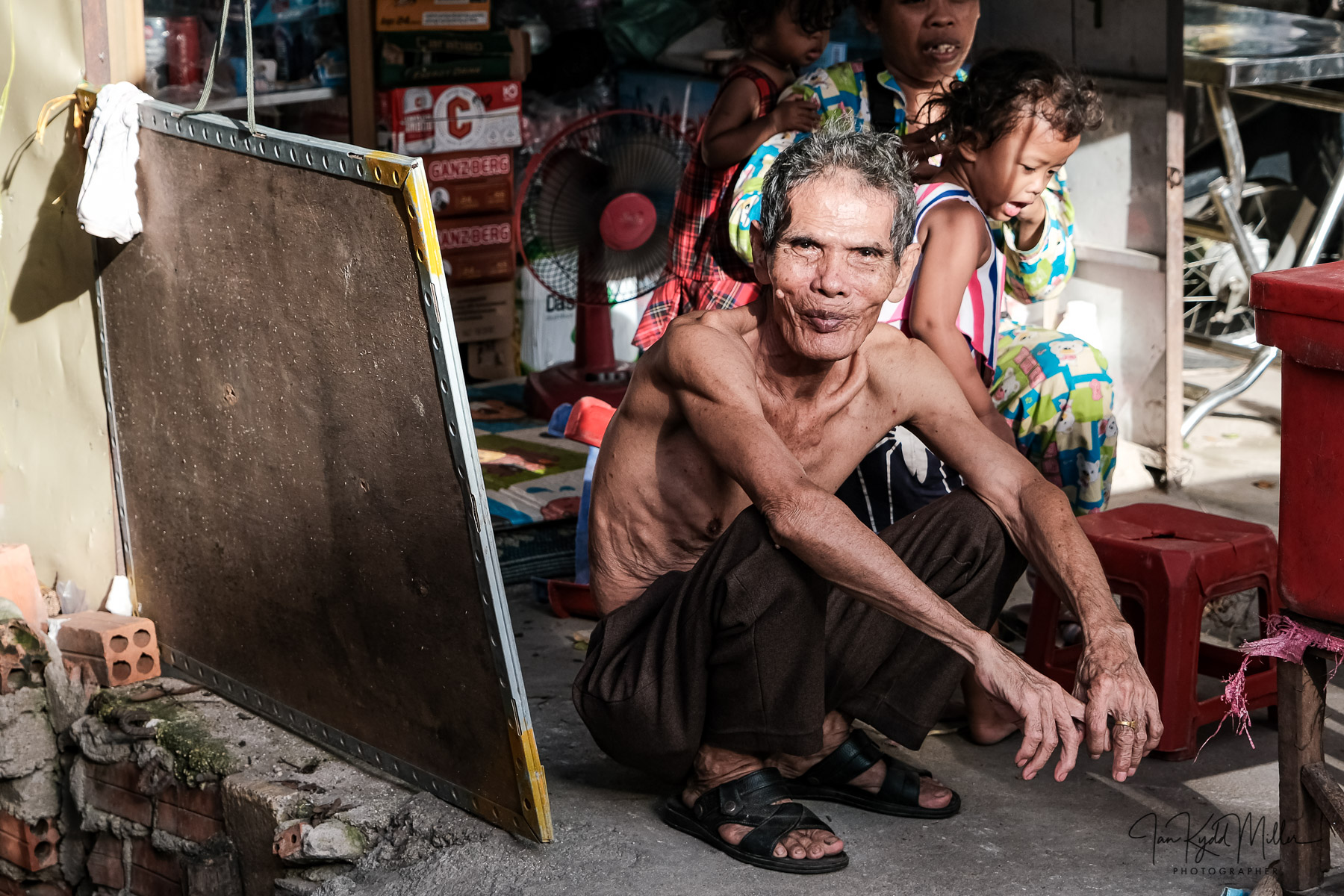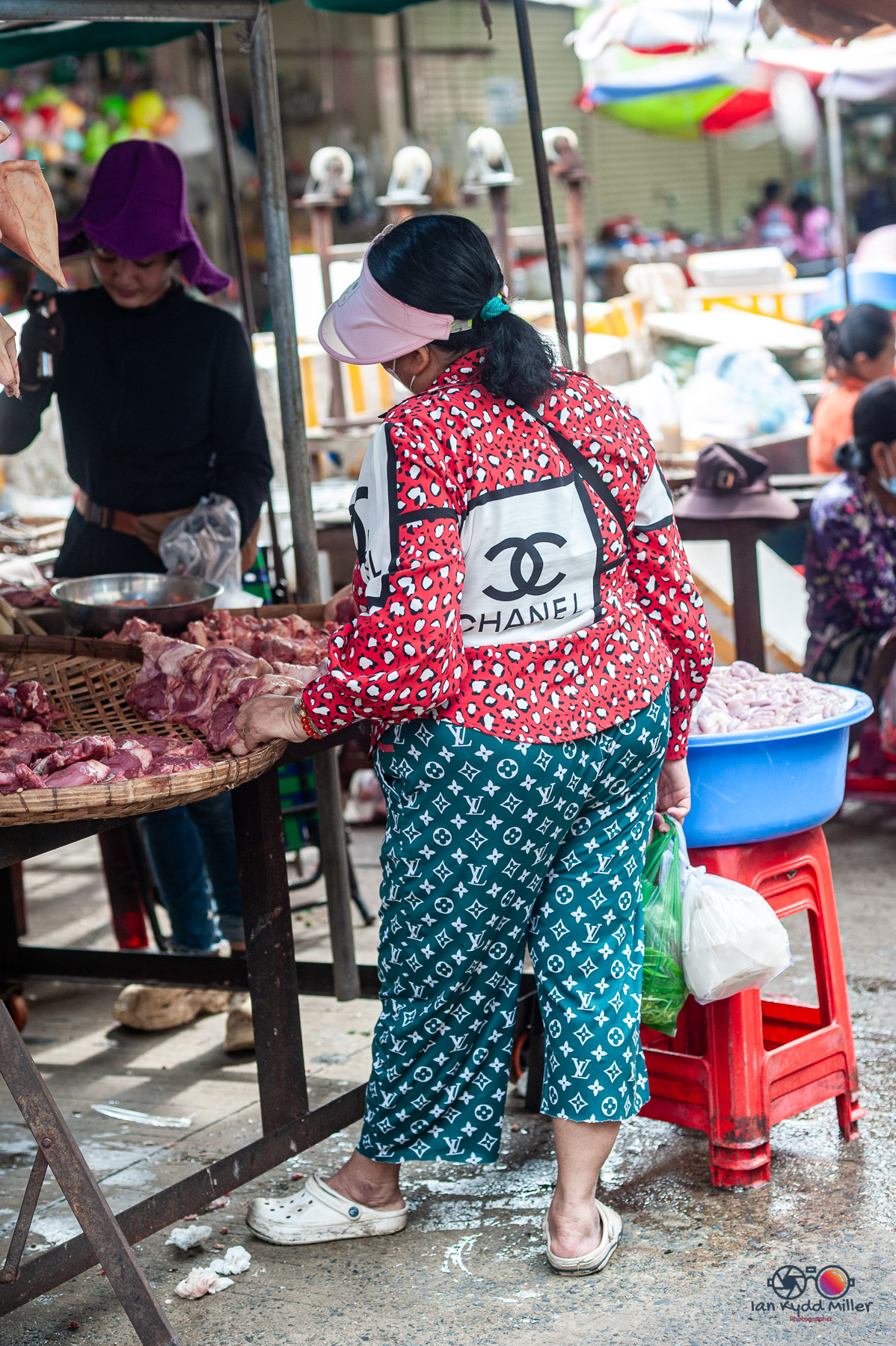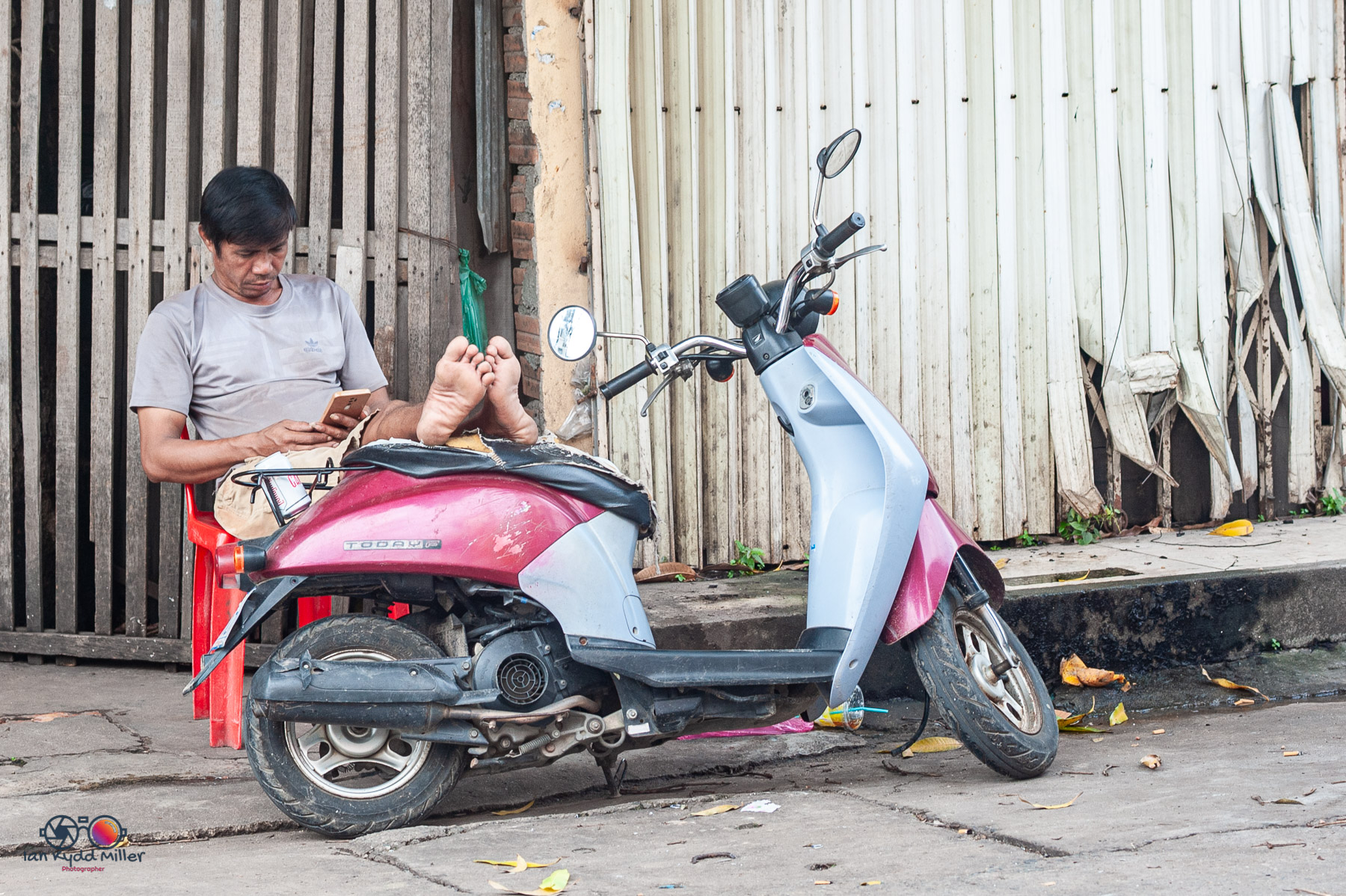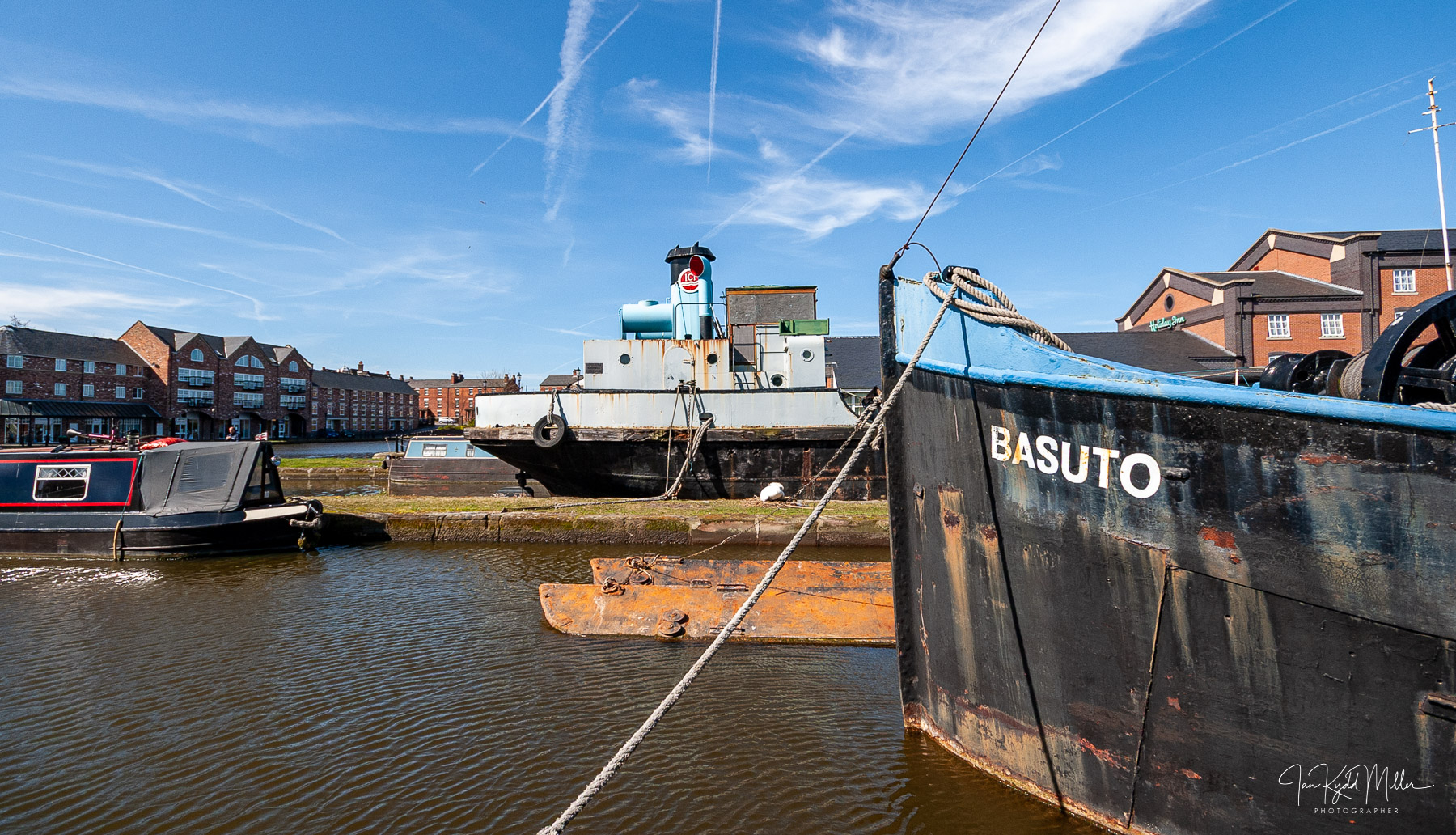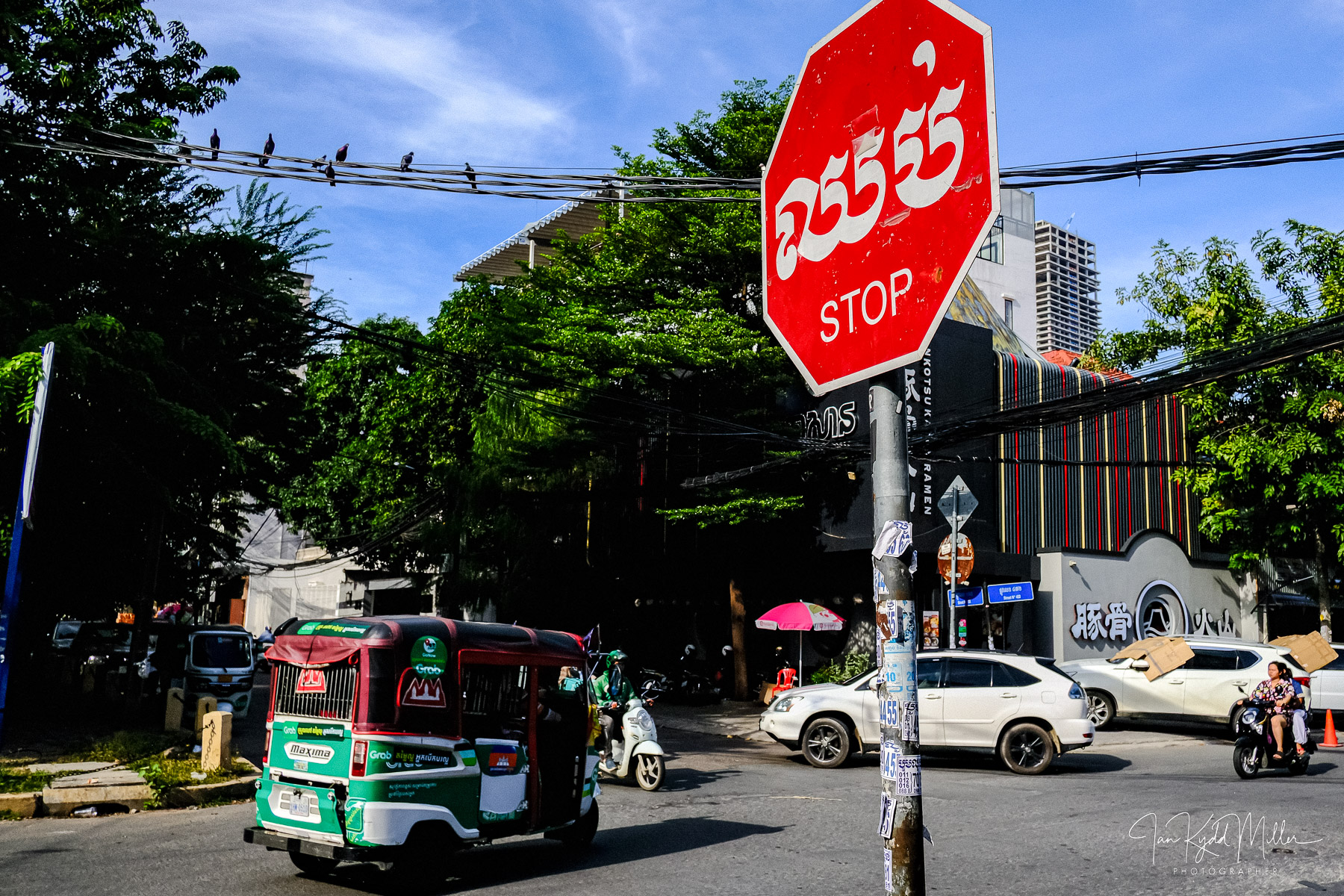
📷 Nikon D800 vs D800E: Head-to-Head Breakdown

cameras, Lenses, opinons, thoughts, photography, pictures, street, Travel

Which full-frame DSLR suits your style best?

Both cameras were released in 2012 and share the same body, sensor, and core features. The difference lies in how they handle fine detail—and that can make all the difference depending on your subject matter.
🧠 Shared Features

  • 36.3MP full-frame CMOS sensor
  • ISO 100–6400 (expandable to 25,600)
  • 51-point autofocus system
  • 5 fps continuous shooting
  • Weather-sealed magnesium alloy body
  • Dual card slots (CF + SD)
  • Excellent dynamic range and color depth

These are serious tools for landscape, portrait, and studio photographers who value tonal richness and high-resolution output.

🔍 Key Difference: The Low-Pass Filter

FeatureNikon D800Nikon D800E
Optical Low-Pass Filter (OLPF)Present (reduces moiré)Cancelled (maximizes sharpness)
SharpnessSlightly softenedSharper, more microcontrast
Risk of MoiréMinimalHigher in fabrics, architecture
Best ForGeneral use, events, mixed subjectsLandscapes, studio, controlled scenes

The D800E cancels the anti-aliasing filter, allowing more detail to reach the sensor. This results in crisper images, especially in textures and edges—but it also increases the chance of moiré when shooting repetitive patterns like textiles or brickwork.

🧪 Real-World Use

  • D800: Safer for weddings, street, and documentary work where moiré could ruin a shot and post-processing time is limited.
  • D800E: Ideal for landscape, product, and fine art photographers who want maximum sharpness and can control their shooting environment.

🧭 Final Verdict

  • Choose the D800 if you want a versatile, forgiving camera with excellent image quality and fewer post-processing headaches.
  • Choose the D800E if you shoot in controlled settings and want every ounce of sharpness your lens can deliver.

Both are still relevant in 2025 for photographers who value full-frame depth, robust build, and the Nikon DSLR experience.


📷 The Nikon D700: A Street Photographer’s Workhorse

cameras, Lenses, opinons, thoughts, photography, pictures, street, Travel

A love letter to a camera that refuses to die

In an age of mirrorless marvels and megapixel madness, the Nikon D700 stands as a quiet rebel. Released in 2008, it was Nikon’s first affordable full-frame DSLR—a camera that brought the legendary sensor of the D3 into a smaller, more accessible body. Today, nearly two decades later, it still earns its place in the bags of photographers who value reliability, character, and restraint.

I carry two of them on the street. Not out of nostalgia, but because they still deliver.

🛠️ Build and Ergonomics: Made to Be Held

  • Magnesium alloy body with weather sealing: tough enough for rain, dust, and the occasional knock.
  • Deep grip and intuitive button layout: everything falls under the fingers, even with gloves.
  • Weighty but balanced: at 995g, it’s substantial, but never unwieldy. It feels like a tool, not a toy.

The D700 doesn’t try to disappear—it asks to be used with intention. On the street, that matters.

🧠 Sensor and Image Quality: The Soul of the D3

  • 12.1MP full-frame CMOS sensor: modest by today’s standards, but rich in tonal depth and dynamic range.
  • ISO 200–6400 (expandable to 100–25600): clean files up to ISO 3200, with film-like grain beyond.
  • Color rendering: natural, neutral, and forgiving—especially in skin tones and shadow transitions.

This sensor doesn’t shout. It whispers. It lets light speak without overprocessing. For street work, where mood and gesture matter more than resolution, it’s ideal.

⚡ Autofocus and Speed: Decisive Enough

  • Multi-CAM 3500FX AF system: 51 points, fast and accurate in good light.
  • 5 fps continuous shooting (8 fps with battery grip): enough for fleeting moments, not built for sports.
  • AF tracking: reliable for walking subjects, less so for erratic motion.

On the street, I don’t need blistering speed—I need confidence. The D700 gives me that.

🧳 Practical Street Use: Why It Still Works

  • Quiet enough: not silent, but the shutter has a satisfying thump that doesn’t startle.
  • Dual-body setup: I carry two—one with a wide (often 35mm), one with a short tele (85mm). No lens swapping, no hesitation.
  • Battery life: excellent. I shoot all day without worry.
  • Menu simplicity: no touchscreen, no fluff. Just settings that matter.

It’s a camera that gets out of the way. That’s rare.

🧭 Why I Still Use It

  • Creative restraint: 12MP forces me to compose with care. No cropping my way out of bad framing.
  • Emotional rendering: the files feel lived-in. They print beautifully.
  • Reliability: both bodies have high shutter counts. They just keep going.
  • Legacy: it connects me to a lineage of photographers who valued presence over perfection.

⚠️ Trade-Offs

  • No video. No Wi-Fi. No live view worth using.
  • LCD is dated.
  • AF can hunt in low light.
  • No dual card slots.

But none of these matter if your priority is seeing, not spec-chasing.

🖼 Final Thought

The Nikon D700 is not a relic—it’s a reminder. That photography is about being there, about choosing your moment, about trusting your eye. On the street, where everything changes in an instant, I want a camera that’s ready, grounded, and honest.

That’s why I still carry two.

Is Photography All About Emotion?

cambodia, cameras, homelessness, Lenses, opinons, thoughts, photography, pictures, street, Travel, war

A short blog exploring what emotion does — and doesn’t — do for a photograph

Photography is often defined by the feelings it evokes. A single frame can make us ache, laugh, recoil, or remember; emotion is the shorthand that turns an image into an experience. Yet reducing photography to one thing — emotion alone — flattens a far richer practice that mixes craft, context, ethics, and intention.

Emotion as the engine of meaning

Emotion is frequently the element that makes a photograph memorable. Photographs that carry strong feeling connect quickly with viewers, triggering empathy and narrative inference in ways words sometimes cannot. Skilled photographers use light, expression, and timing to amplify mood and create images that resonate long after they’re seen.

Why emotion is necessary but not sufficient

Emotion does not operate in isolation. Composition, exposure, focus, and gesture are the levers photographers use to produce emotional impact. Technical choices shape how feeling reads on the page; poor technique can obscure intent, while strong craft can fail to move if the image lacks purpose or honesty. Emotional resonance without craft risks sentimentality; craft without feeling risks sterility.

The role of context, story, and ethics

Context changes everything. The same image can feel intimate, exploitative, or manipulative depending on how and why it is shown. Ethical witnessing, informed consent, and narrative framing determine whether an emotionally charged photograph honours its subjects or reduces them to spectacle. Responsible photographers treat emotion as a consequence, not as the entire aim.

Where vision and tool meet

Emotion guides choices about tooling and process, but doesn’t erase them. Lenses, shutter speed, and color palette are servants of intention: a long lens for compression, a fast shutter for decisive action, soft light for quiet intimacy. The best photographers let emotion inform technique and let technique refine emotion, arriving at images that are both felt and well made.

Practical takeaway for makers

  • Practice: make sets of images that pursue a single mood using only one lens; compare what changes in composition, depth, and narrative.
  • Critique: assess images first for honesty of feeling, then for craft—ask what you would change technically to better support the emotion.
  • Ethics: name the subject’s agency and the story you’re telling before pressing the shutter.

📷 When the Picture Is Good, Does Gear Matter?

cameras, film, Fujichrome, fujifilm, Lenses, opinons, thoughts, photography, pictures, street, Travel, viltrox

A Deeper Exploration of Vision, Tools, and the Weight of Story

In essence: If a picture is truly good—if it resonates emotionally, tells a story, or lingers in memory—most viewers don’t care what camera or lens was used. But the conversation is richer than that: gear doesn’t determine meaning, yet it shapes possibility. The real artistry lies in how vision and tools meet.

The phrase “If the picture is good, nobody cares what camera it was taken with” has become a kind of mantra in photography circles. It’s both liberating and provocative. On one hand, it frees us from the consumerist treadmill of chasing specs. On the other, it risks oversimplifying the relationship between vision and tools. Let’s expand the discussion.

🧠 Why the Statement Rings True

  • Emotional impact trumps technical trivia. A photograph that moves people—whether it’s a war image, a street portrait, or a tender family moment—doesn’t invite questions about megapixels. It invites reflection.
  • History proves it. Iconic images were made with cameras that, by today’s standards, are technically limited. Yet Robert Capa’s blurred D-Day frames or Dorothea Lange’s Migrant Mother remain unforgettable.
  • Viewers don’t see metadata. In galleries, books, or newsprint, the story and composition dominate. The EXIF data is invisible.

⚙️ Where Gear Still Matters

  • Technical limits shape style. A slow lens forces you into bright light; a wide prime teaches you to step closer; a noisy sensor nudges you toward grainy aesthetics. Gear doesn’t dictate vision, but it channels it.
  • Reliability is invisible until it fails. A weather-sealed body or dependable autofocus can mean the difference between capturing a fleeting moment and missing it.
  • Certain genres demand certain tools. Sports, wildlife, and astrophotography often require specialised lenses and sensors. Without them, the image simply isn’t possible.

As Roger Clark notes in his analysis of gear’s role, “A skilled photographer can achieve great results with any camera, but not just any kind of photo”. The right tool expands what’s possible, even if it doesn’t define the artistry.

🪞 The Deeper Lesson

The real wisdom in the phrase is about prioritisation:

  • Vision first. What do you want to say? What story are you telling?
  • Process second. How do you approach light, timing, and presence?
  • Tools last. Which camera or lens best supports that vision and process?

Gear is the brush, not the painting. The stethoscope, not the diagnosis. The pen, not the poem. It matters, but it’s not the heart.

🖼 In Practice

For educators and documentarians, this principle is liberating:

  • It encourages people to trust their eyes rather than chase gear.
  • It models creative restraint—using one lens, one body, and learning its rhythm.
  • It re-frames gear as a partner in process, not a shortcut to artistry.

🧭 Final Thought

Yes, if a picture is good, nobody cares what lens or camera it was taken with. But the paradox is this: the right gear, chosen with intention, can help you get to that “good” picture more reliably. The danger lies in mistaking the tool for the vision.

In the end, the photographs that endure are remembered not for the equipment behind them, but for the humanity within them.

Fujinon XF 56mm f/1.2 R WR — Detailed Assessment

cameras, Fujichrome, fujifilm, Lenses, opinons, thoughts, photography, street, Travel

Overview

The Fujinon XF 56mm f/1.2 R WR is Fuji’s short-tele flagship for the X system, offering roughly an 85mm full-frame equivalent perspective on APS-C bodies. It’s engineered for portraiture, intimate documentary work, and any situation that benefits from strong subject isolation, shallow depth of field, and reliable weather resistance.

Key specifications

  • Focal length: 56mm (≈85mm equivalent)
  • Maximum aperture: f/1.2
  • Mount: Fujifilm X
  • Weather resistance: WR (dust and moisture sealed)
  • Optical construction: Multi-element design optimised for sharpness and bokeh control
  • Size/weight: Substantial; built for hand-held stability rather than absolute compactness

Optical character and performance

  • Center sharpness: Exceptional wide open; microcontrast and detail render skin and fabrics with natural dimensionality.
  • Edge performance: Edges and corners improve noticeably when stopped to f/2–f/2.8; wide-open edges are softer but not problematic for the lens’s primary use.
  • Bokeh: One of the lens’s defining strengths; extremely smooth, creamy out-of-focus transition with pleasing highlight shaping and minimal nervousness.
  • Rendering: Filmic and painterly rather than clinical; midtones and highlights roll off in a way that flatters faces and small textures.
  • Aberrations and flare: Well controlled in typical lighting; some care required with strong backlight but coatings and design limit intrusive flare and colour fringing.

Build, ergonomics, and handling

  • Construction: Solid metal build with weather sealing; a premium, reassuring feel.
  • Aperture and focus feel: Smooth aperture ring with well-defined stops; manual focus throw is precise and useful for deliberate focus work.
  • Balance: Heavier than compact primes; balances well on X-T and X-Pro bodies but feels deliberate in the hand.
  • Practicality: Not a grab-and-go lens for every outing; it’s a tool chosen for intent rather than convenience.

Autofocus, low-light, and hybrid use

  • AF performance: Fast and reliable on modern Fuji bodies, particularly with face and eye-detection enabled; suitable for portrait sessions, events, and run-and-gun documentary work when paired with capable bodies.
  • Low-light capability: f/1.2 provides real advantage for handheld shooting in dim environments, allowing lower ISOs or faster shutters while maintaining subject isolation.
  • Video: Minimal focus breathing and smooth transitions make it usable for interviews and cinematic shallow-depth-of-field work, though it’s optimised for stills.

Strengths

  • Outstanding subject isolation and bokeh that flatters faces and creates emotional separation.
  • Robust weather-resistant construction for outdoor sessions in variable conditions.
  • Strong centre sharpness wide open that supports large prints and editorial work.
  • Emotional, film-like rendering that excels in portraiture and intimate documentary imagery.

Trade-offs and caveats

  • Size, weight, and cost: Premium price and substantial heft make it a considered purchase.
  • Narrower framing on APS-C: ≈85mm eq. is ideal for head-and-shoulders but less versatile for environmental storytelling.
  • Very thin depth of field at f/1.2: Technique and reliable AF are essential; missed focus is more obvious.
  • Edge sharpness wide open: If you need edge-to-edge perfection at f/1.2, stopping down is necessary.

Recommended use cases and technique

  • Ideal for: Portraits, engagement and wedding work, editorial headshots, intimate documentary sequences, and low-light portraiture.
  • Shooting tips: Use f/1.2–f/1.8 for dramatic subject separation; stop to f/2.8–f/4 for small groups or increased sharpness. Rely on eye-detection AF for higher keeper rates. Maintain careful focus technique when shooting wide open and favour single-subject compositions where background compression enhances narrative.

Final verdict

The Fujinon XF 56mm f/1.2 R WR is a signature portrait lens that delivers on its promise: creamy bokeh, strong center sharpness, and reliable weather-resistant performance. It’s a lens for photographers who prioritise mood, presence, and tactile control over ultimate compactness or focal flexibility. For anyone focused on portraiture and intimate storytelling on the Fuji X system, it’s a high-impact, expressive tool that earns its place in the bag.

Elements of making a great photograph.

cameras, Lenses, opinons, thoughts, photography, pictures, street, Travel

A great photograph is built on intentional composition—where visual elements work together to guide the viewer’s eye, evoke emotion, and tell a story. Key components include light, lines, balance, and subject placement.

Here’s a detailed breakdown of the most important compositional elements that elevate a photograph from good to unforgettable:

📐 1. Lines

  • Leading lines (roads, fences, shadows) guide the viewer’s eye toward the subject.
  • Curved lines add rhythm and softness.
  • Diagonal lines create tension and movement.
  • Lines can also divide space, suggest depth, or frame emotion.

🎯 2. Subject Placement

  • Use the Rule of Thirds to place your subject off-center for dynamic balance.
  • Consider central framing for symmetry or emotional weight.
  • Ask: Where does the subject feel most honest in the frame?

⚖️ 3. Balance

  • Balance can be symmetrical (mirrored elements) or asymmetrical (visual weight distributed unevenly but harmoniously).
  • Think of how light, color, and shape interact across the frame.

🌗 4. Light and Shadow

  • Light defines mood, texture, and depth.
  • Shadows add mystery, contrast, and emotional pacing.
  • Directional light (side, back, top) sculpts the subject and reveals form.

🖼️ 5. Framing

  • Use natural or architectural elements to frame your subject—doorways, windows, foliage.
  • Framing adds context and draws attention inward.

🧠 6. Point of View

  • High angles suggest detachment or observation.
  • Low angles evoke power or intimacy.
  • Eye-level shots feel neutral and honest.

🎨 7. Color and Tone

  • Color can evoke emotion, contrast, or harmony.
  • Monochrome emphasizes form and light.
  • Tonal transitions (especially in black-and-white) guide emotional pacing.

🧩 8. Texture and Detail

  • Texture adds tactile presence—skin, fabric, rust, stone.
  • Detail invites the viewer to linger and explore.

🌀 9. Space

  • Positive space holds the subject.
  • Negative space gives breathing room, tension, or isolation.
  • Space shapes rhythm and emotional clarity.

🧭 10. Timing and Gesture

  • The “decisive moment” isn’t just action—it’s emotion unfolding.
  • A glance, a hand movement, a shadow stretching—these are the moments that feel.

🏞️ Khan Chbar Ampov Through a Legacy Lens

cambodia, cameras, Lenses, opinons, thoughts, photography, street, Travel

A Nikon D700 and 85mm f/1.8D Portrait of Phnom Penh’s Eastern Frontier

There’s a quiet dignity to Khan Chbar Ampov. Located on the eastern bank of the Bassac River, it’s a district that bridges Phnom Penh’s urban pulse with its agrarian past. And when photographed with the Nikon D700 and the Nikkor 85mm f/1.8D, that dignity is rendered with emotional clarity and technical grace.

📍 Chbar Ampov: Sugarcane Garden Turned Urban Artery

The name Chbar Ampov translates to “Sugarcane Garden,” a nod to its agricultural roots. Once part of Kandal Province, the area was absorbed into Phnom Penh in 1998 and officially became its own district in 2013.

Historically, Chbar Ampov was known for:

  • Lush farmland and fresh produce—corn, Logan, banana, and of course, sugarcane
  • River trade and ferry crossings, connecting communities across the Bassac
  • Spiritual and cultural sites, including pagodas and local markets that still hum with daily life

Today, it’s a district in transition—still green in parts, but increasingly urbanised. It’s considered Phnom Penh’s “last green frontier,” where development meets memory.

📷 The Gear: Nikon D700 + Nikkor 85mm f/1.8D

To photograph Chbar Ampov with this combo is to honour both place and process.

Nikon D700

  • Released in 2008, the D700 was Nikon’s first affordable full-frame DSLR.
  • 12.1MP FX sensor with exceptional dynamic range and low-light performance.
  • Built like a tank, with weather sealing and a magnesium alloy body.
  • Still beloved for its film-like rendering and tonal subtlety.

Nikkor 85mm f/1.8D

  • A classic portrait lens with fast autofocus and creamy bokeh.
  • On the D700, it delivers intimate framing with respectful distance—ideal for street portraits and environmental detail.
  • Known for its central sharpness and character-rich rendering, especially wide open.

Together, they form a combo that’s responsive, grounded, and emotionally honest. Perfect for documenting a district like Chbar Ampov, where every corner holds a story.

🖼 What the Image Holds

A single frame from this setup might show:

  • A vendor’s silhouette against the morning light
  • A child’s gesture near the riverbank
  • The texture of a weathered wall, half in shadow

The D700’s sensor captures the tonal nuance. The 85mm isolates the moment. And Chbar Ampov provides the rhythm.

🧭 Final Thought: Legacy Meets Landscape

Photographing Khan Chbar Ampov with the Nikon D700 and 85mm f/1.8D isn’t just documentation—it’s dialogue. Between old gear and evolving place. Between restraint and curiosity. Between what was and what’s becoming.

Because sometimes, the best way to honour change is to see it through something that remembers.

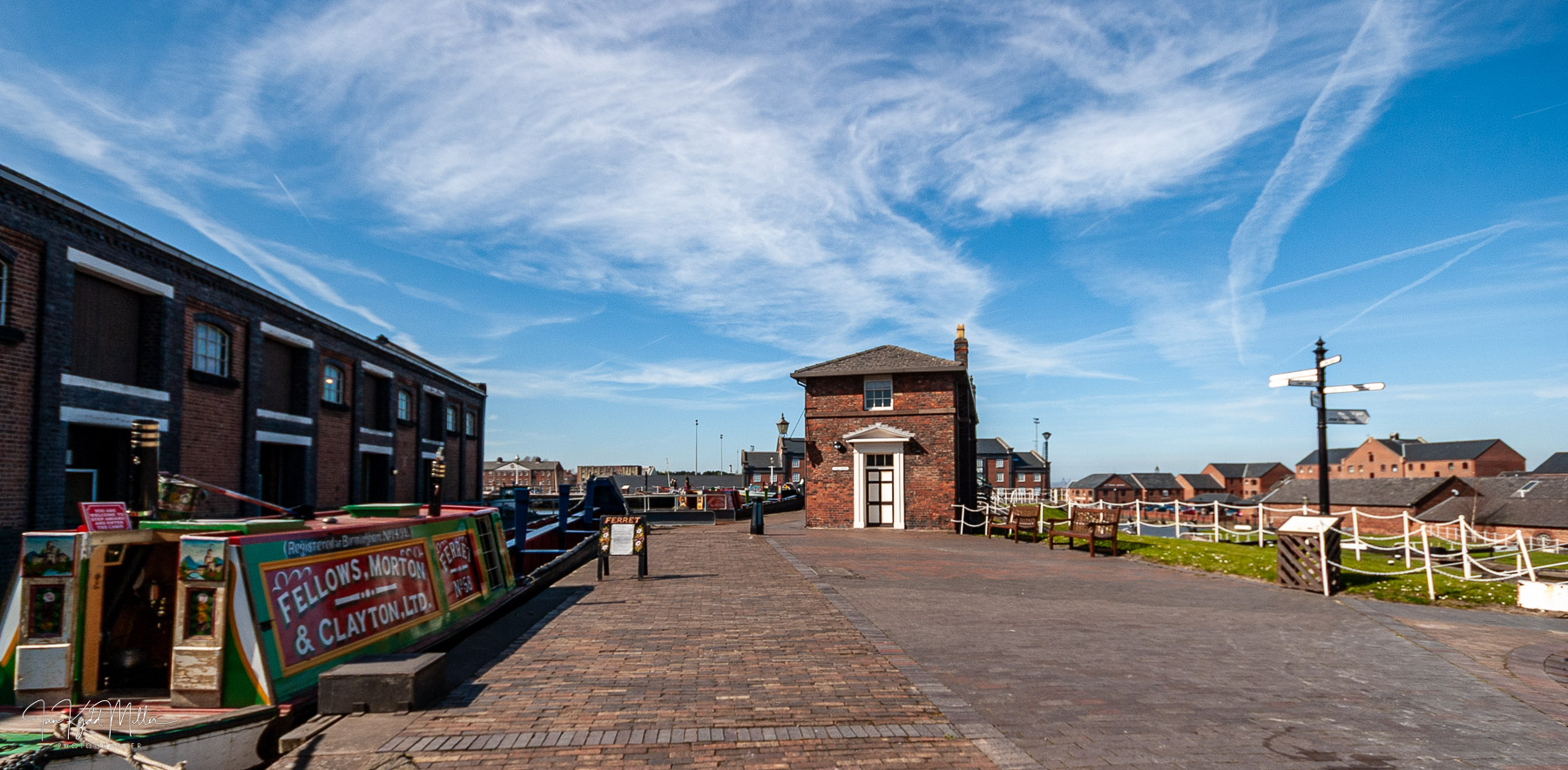
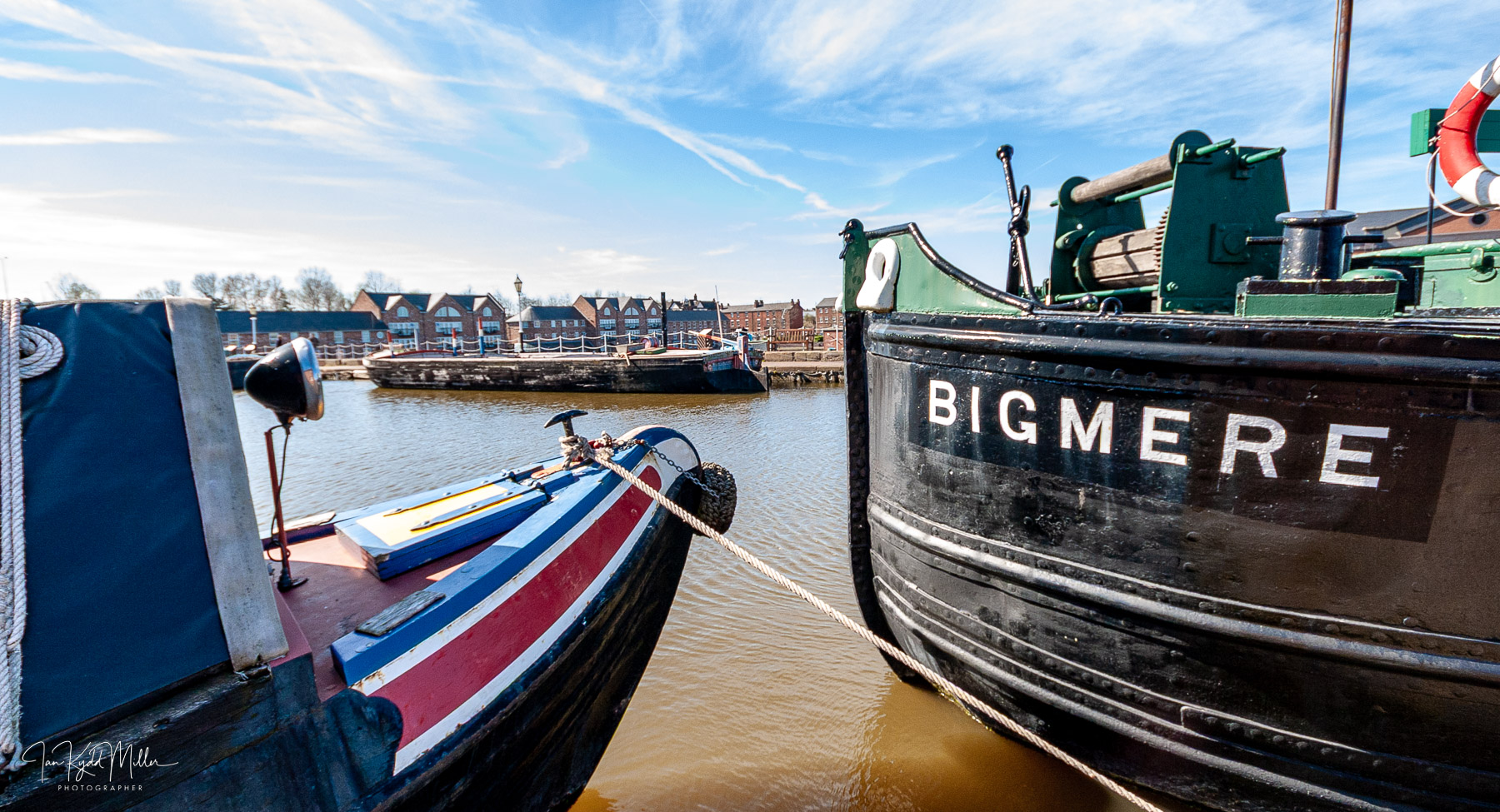
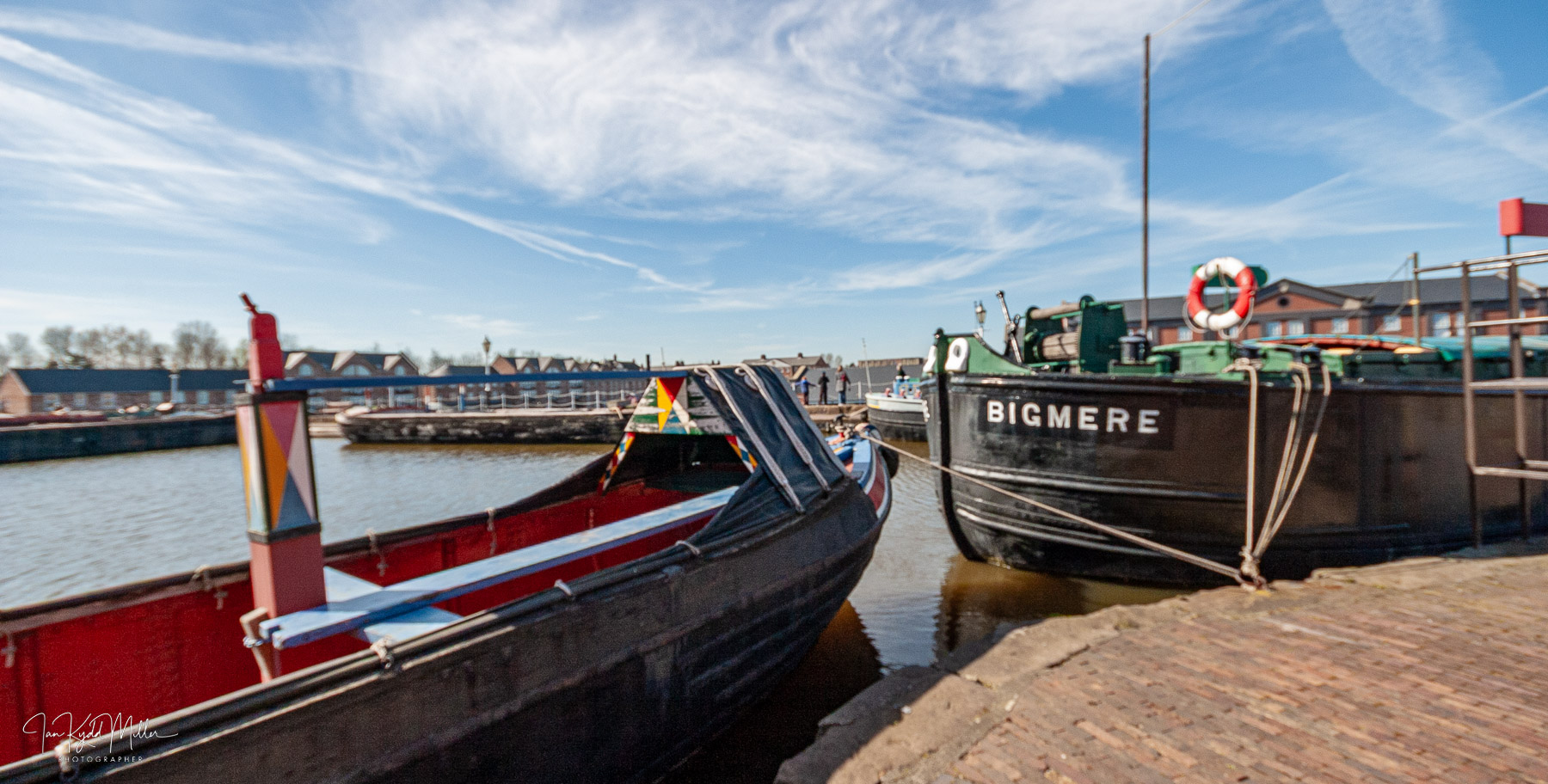
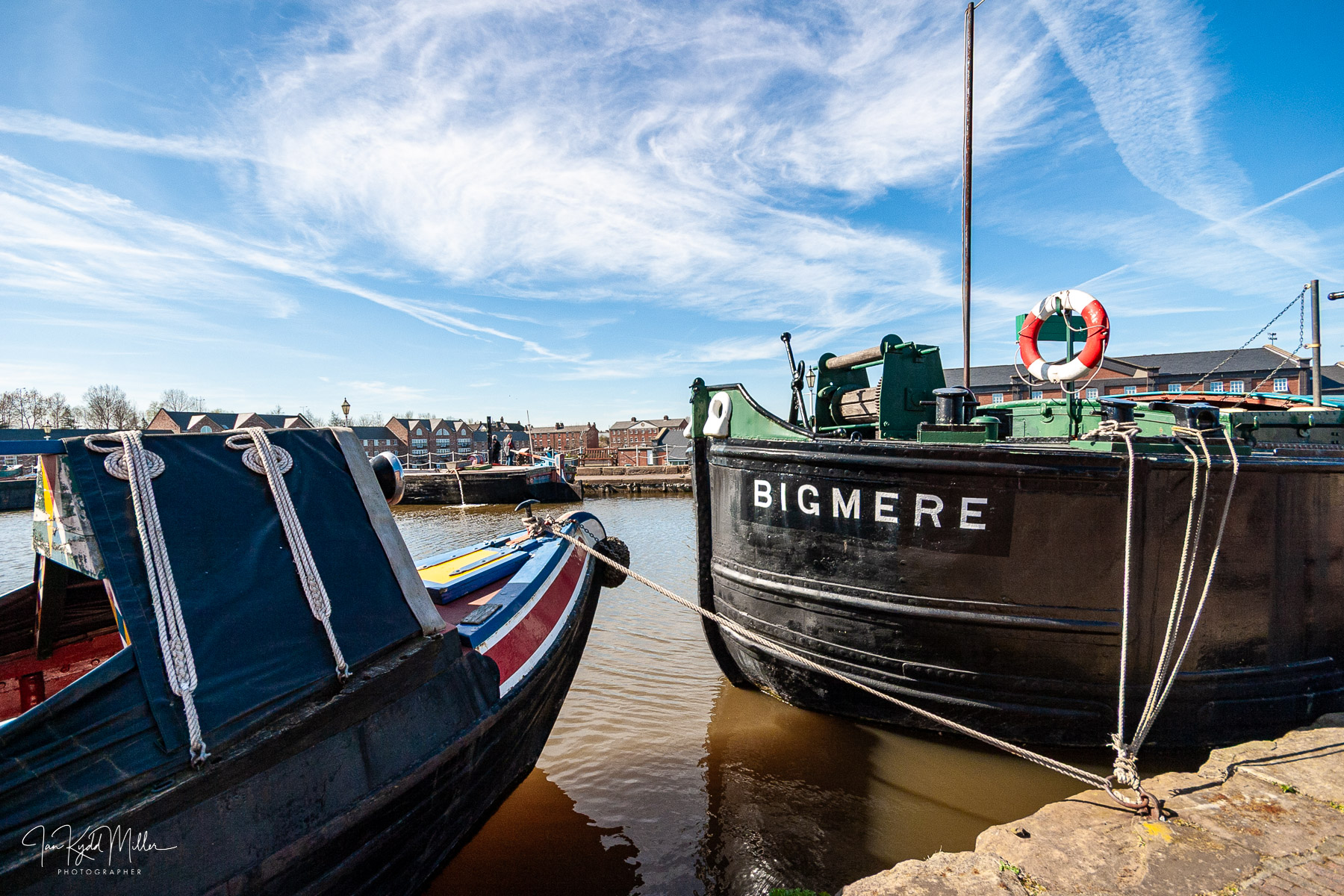
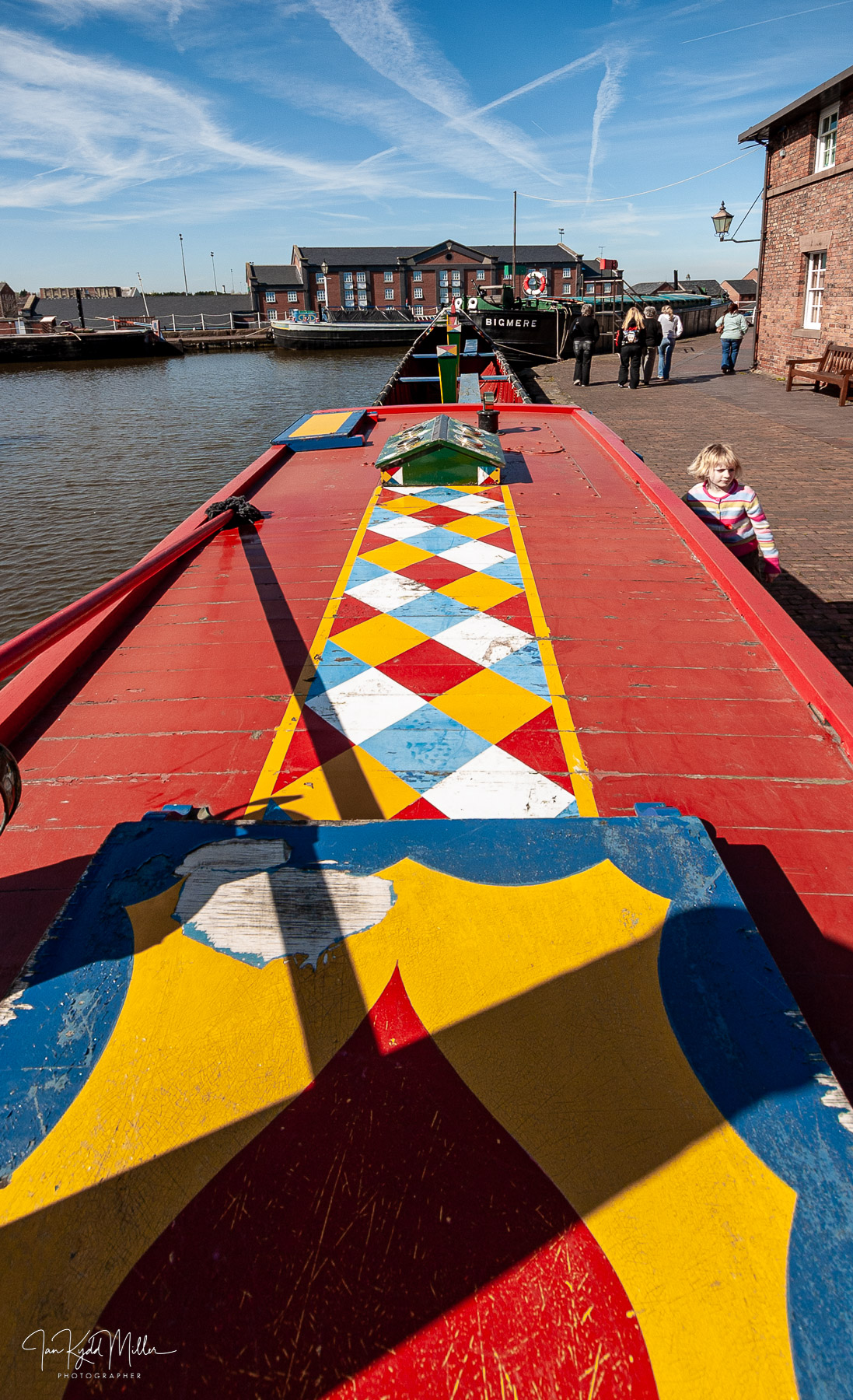
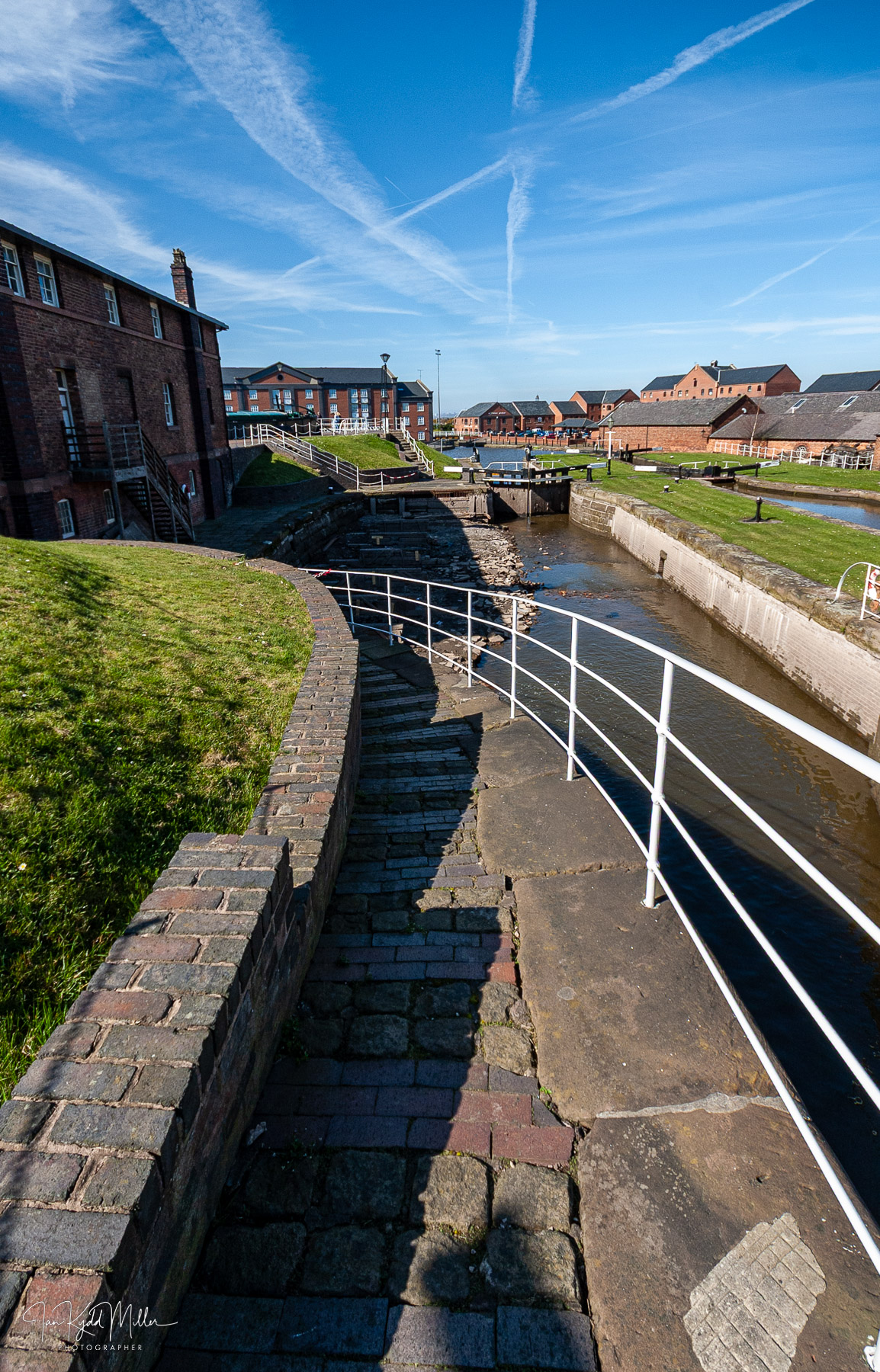
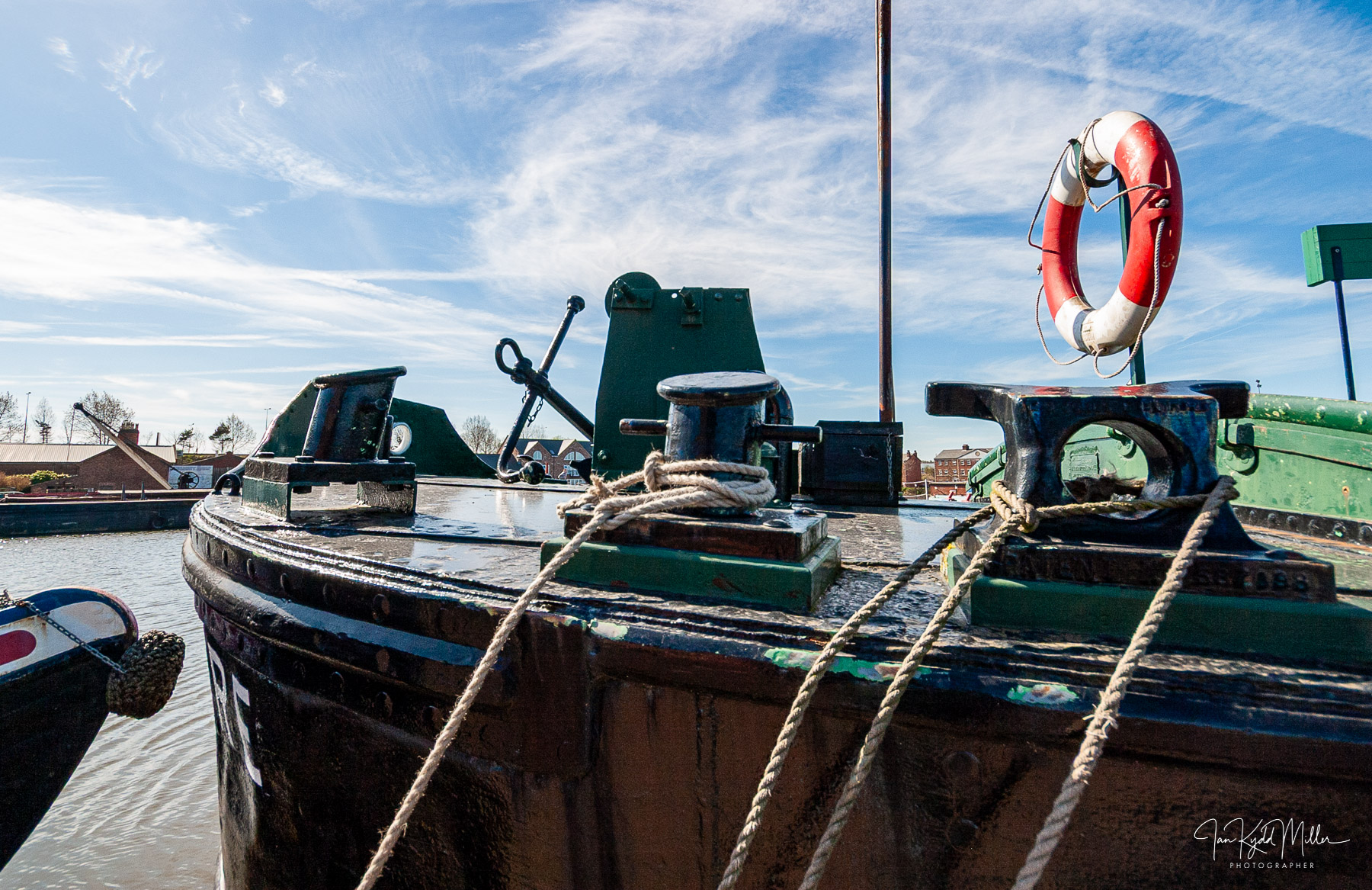
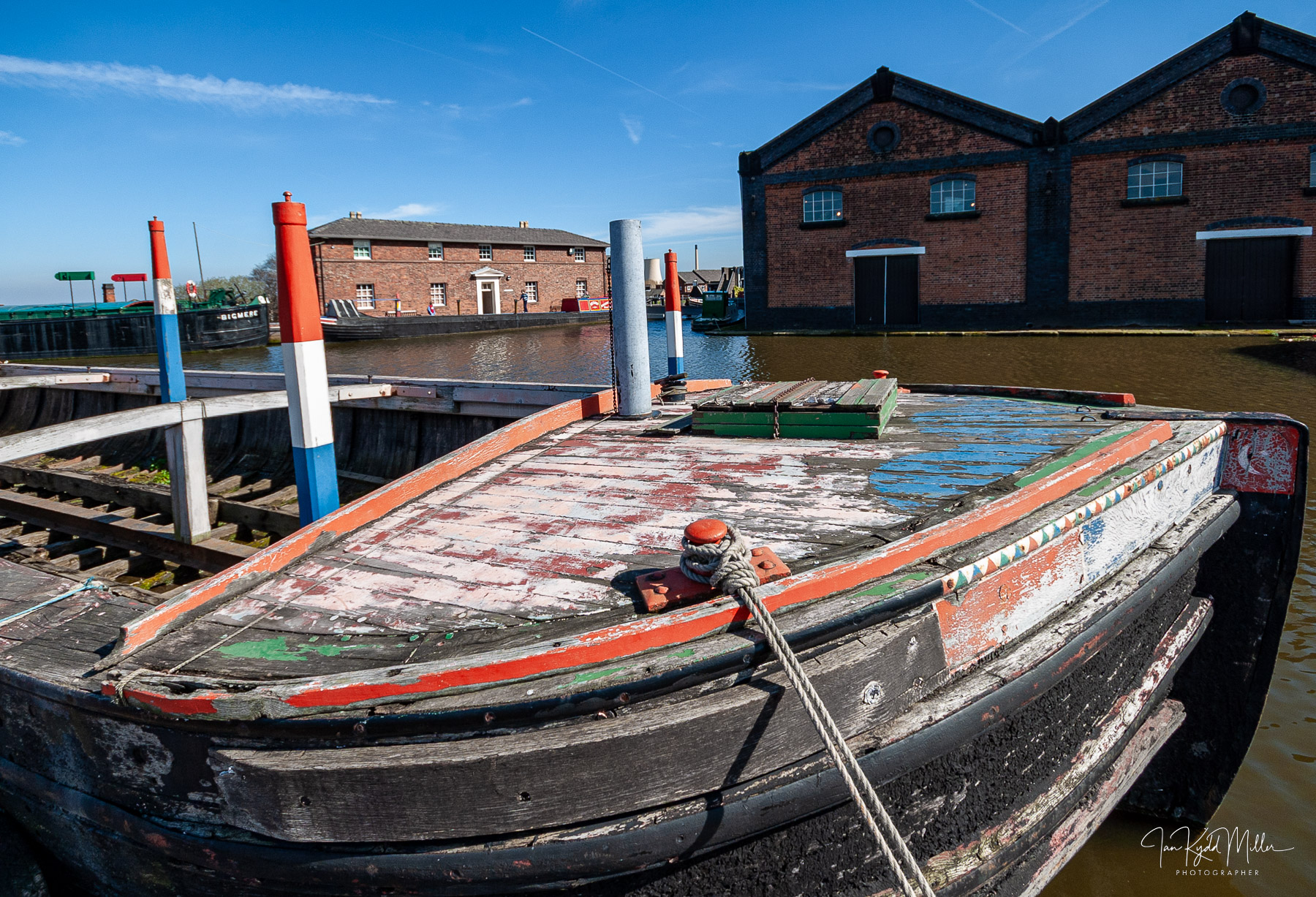
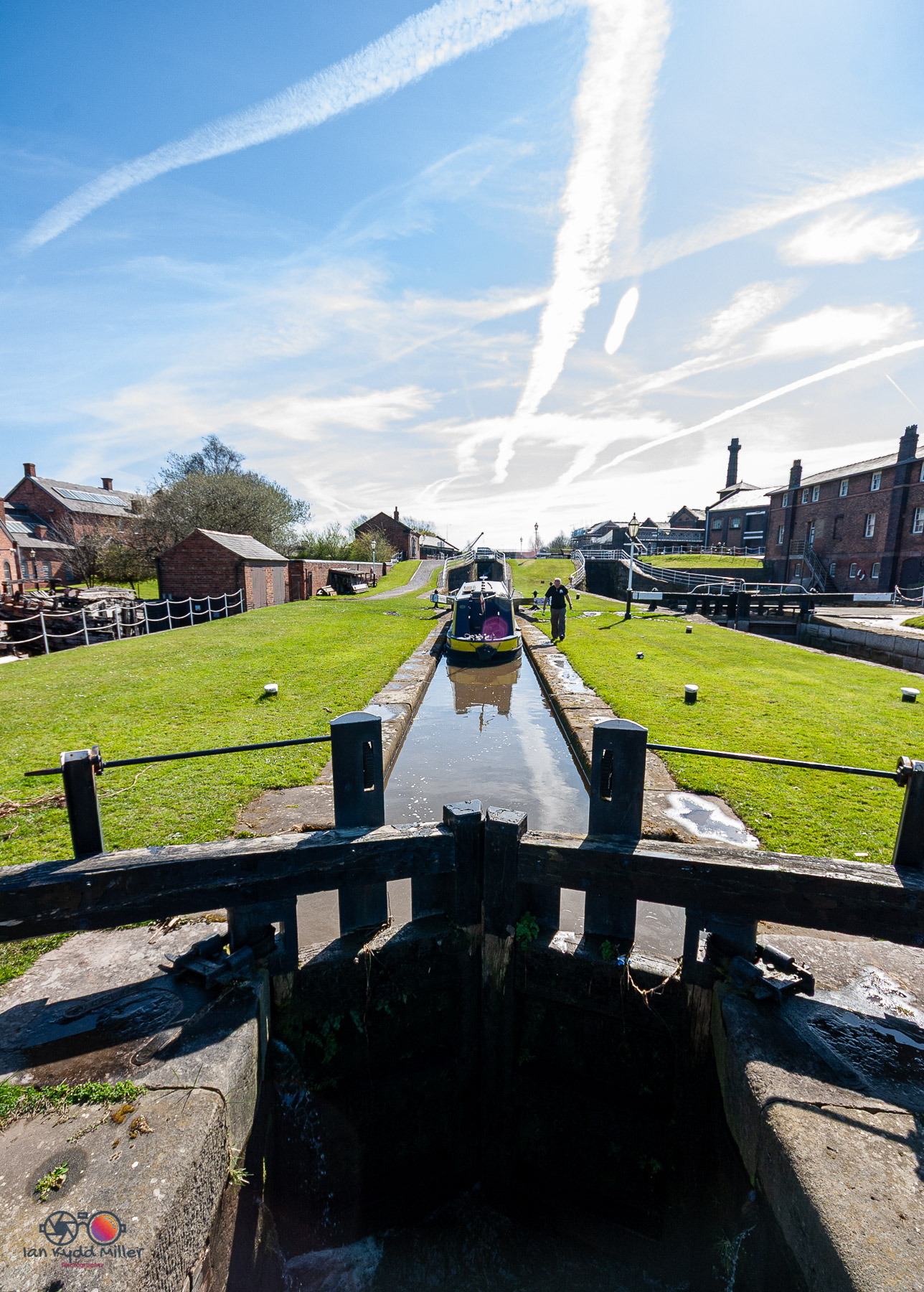
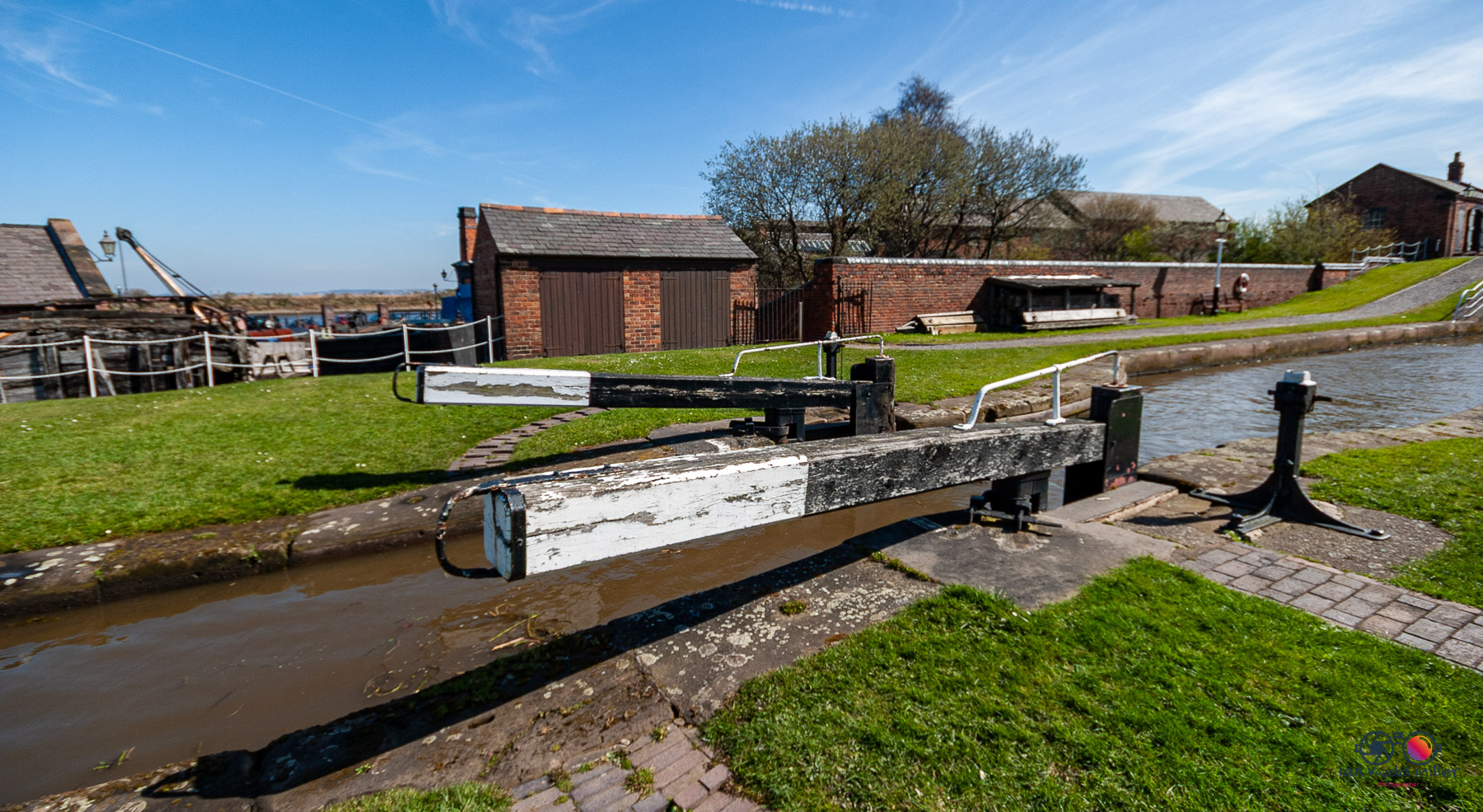
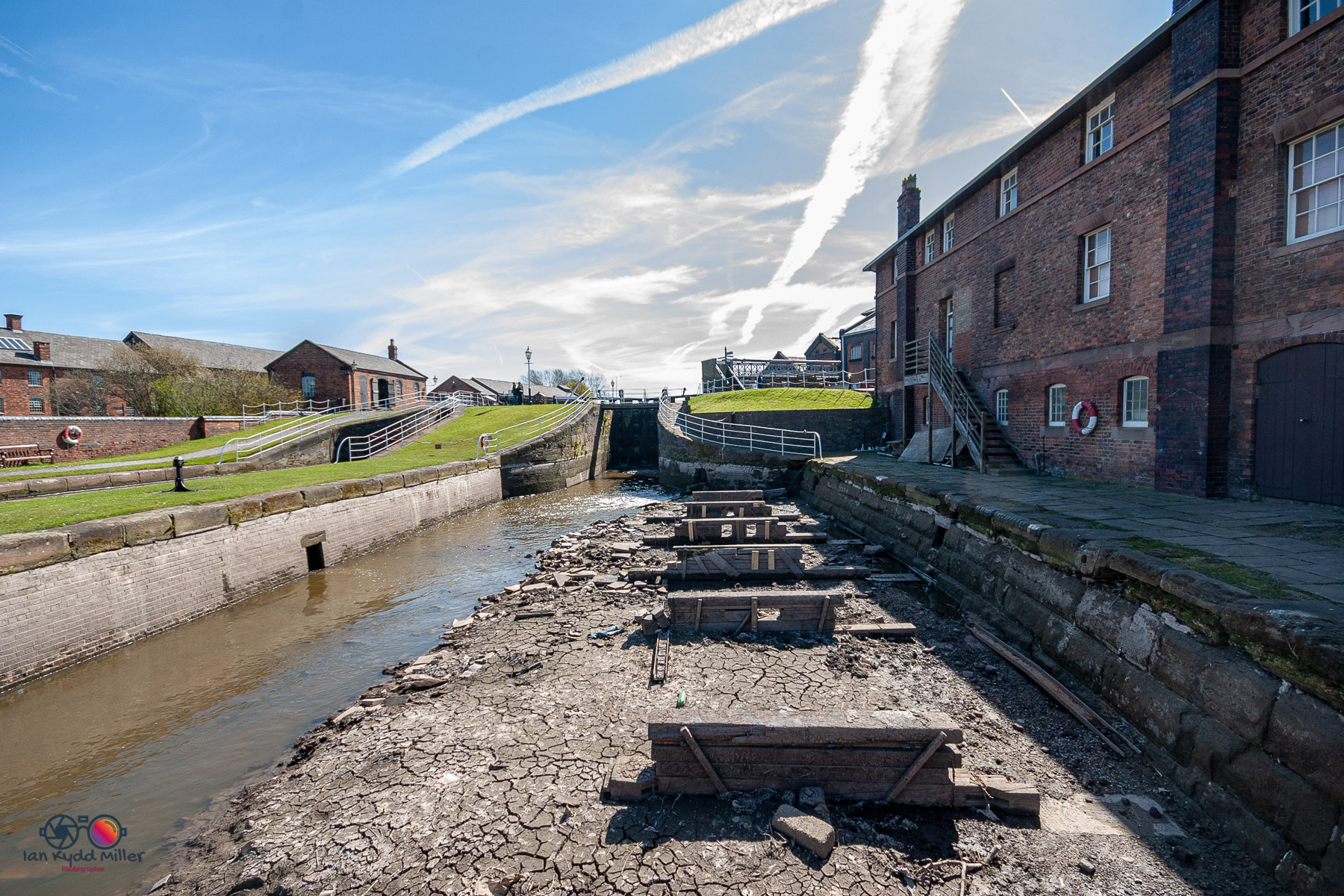
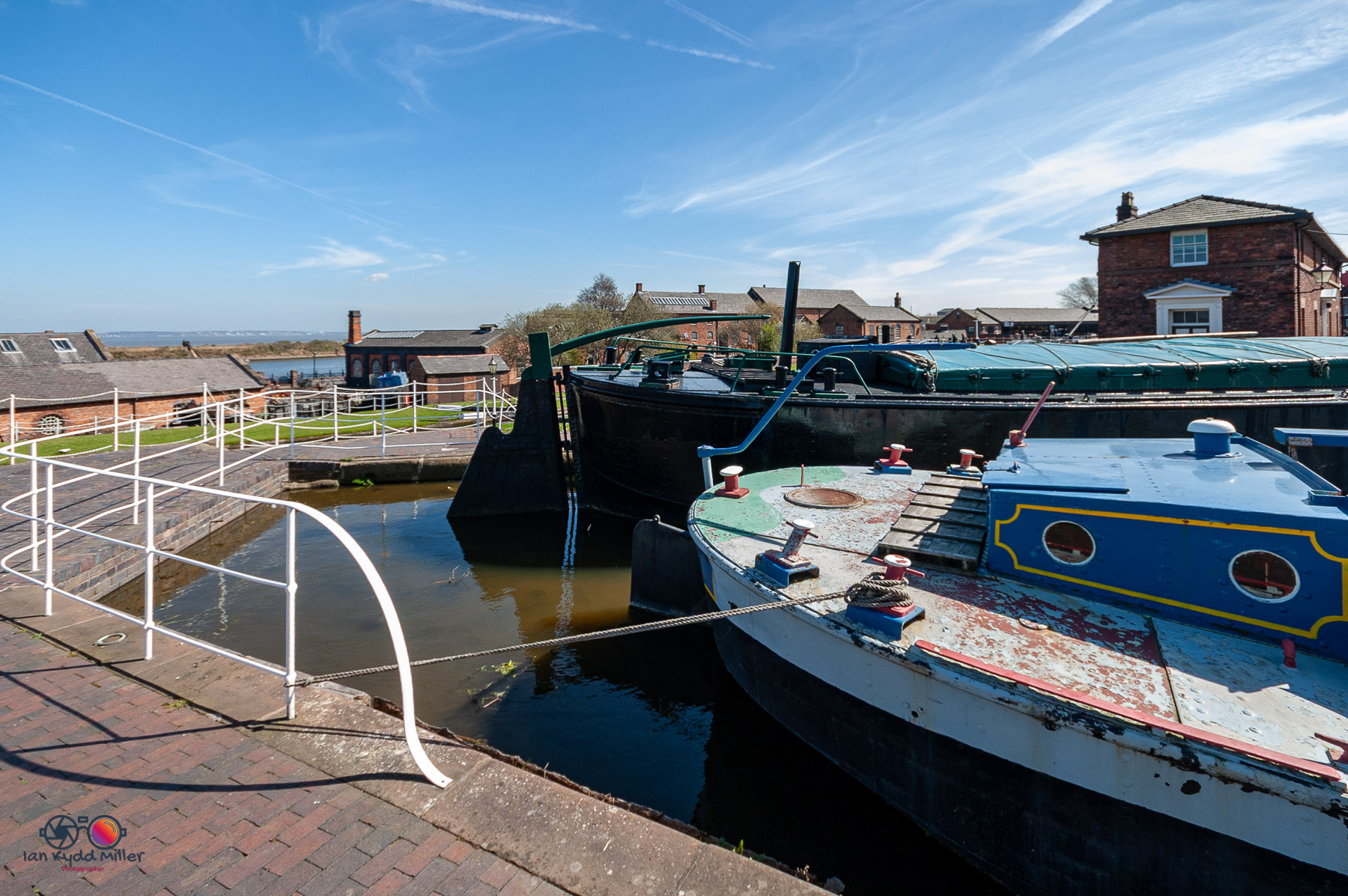
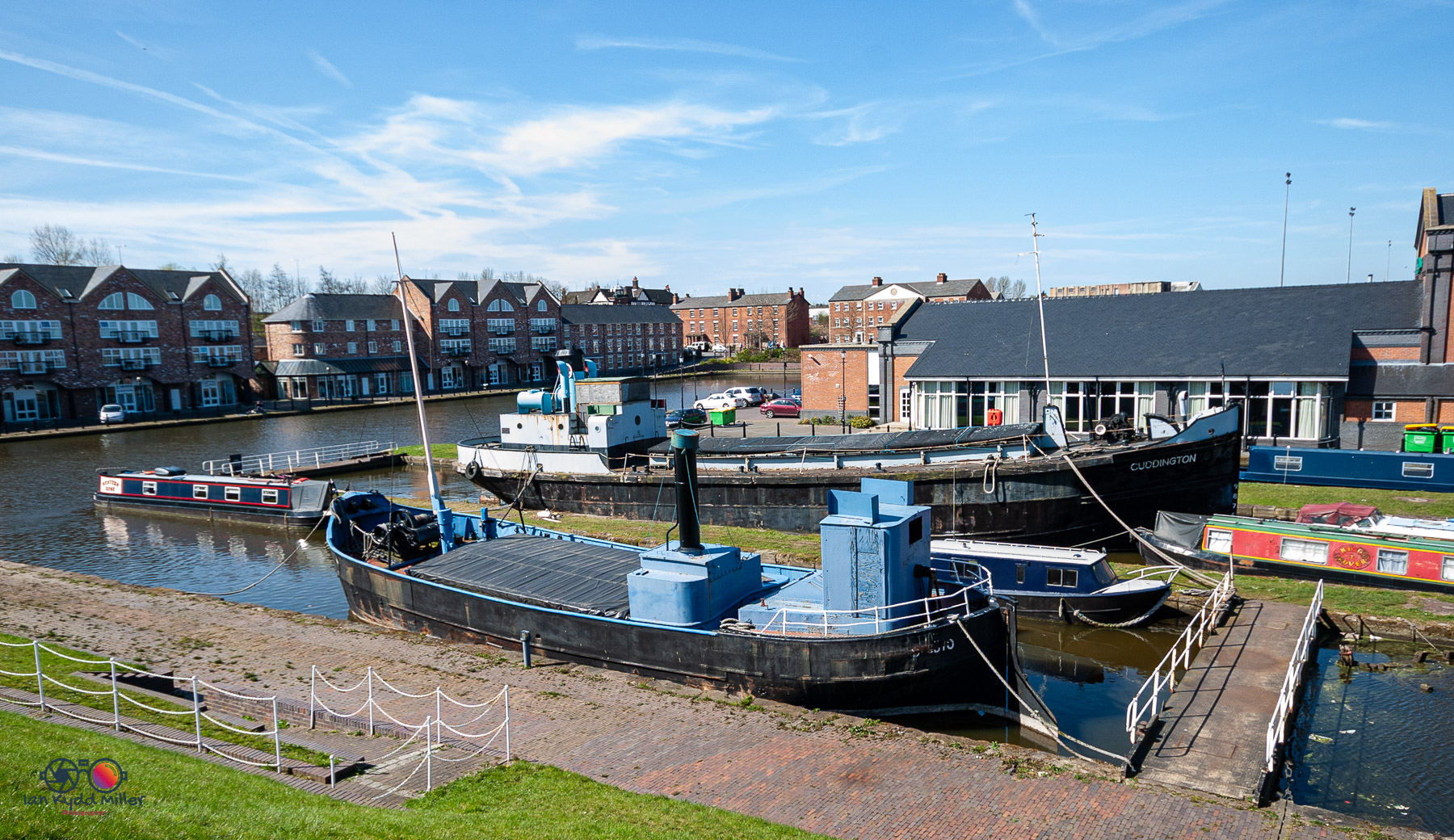
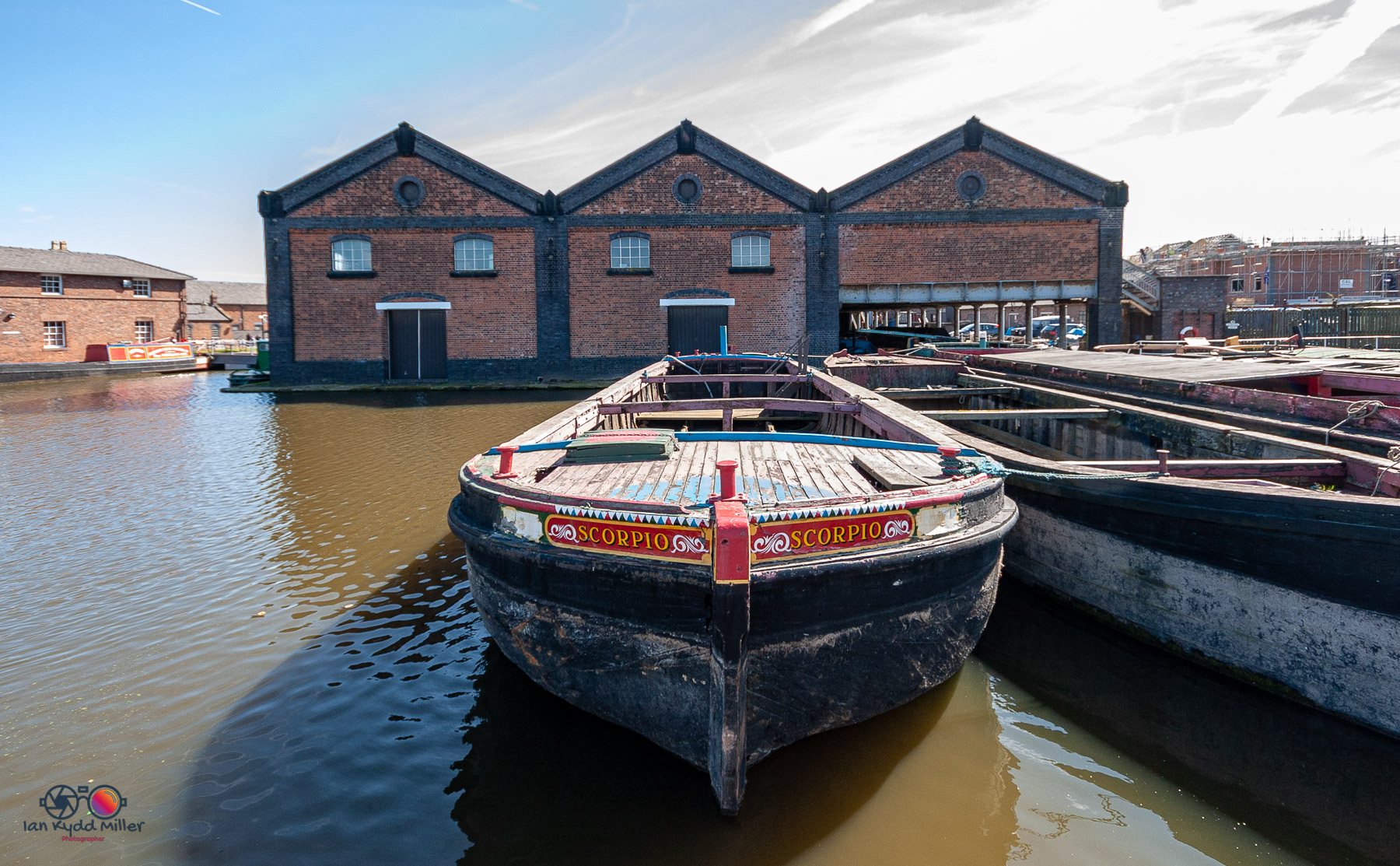
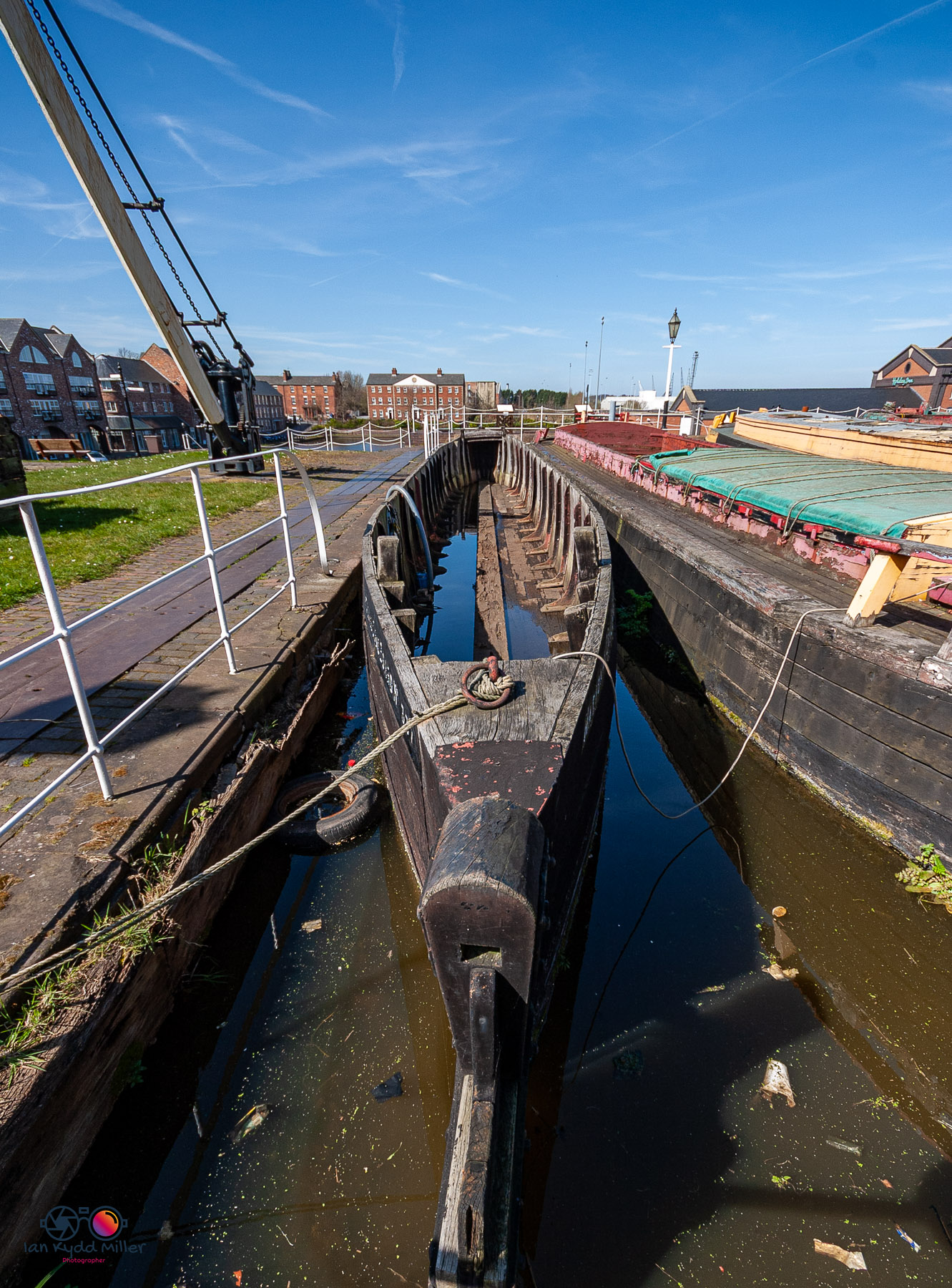
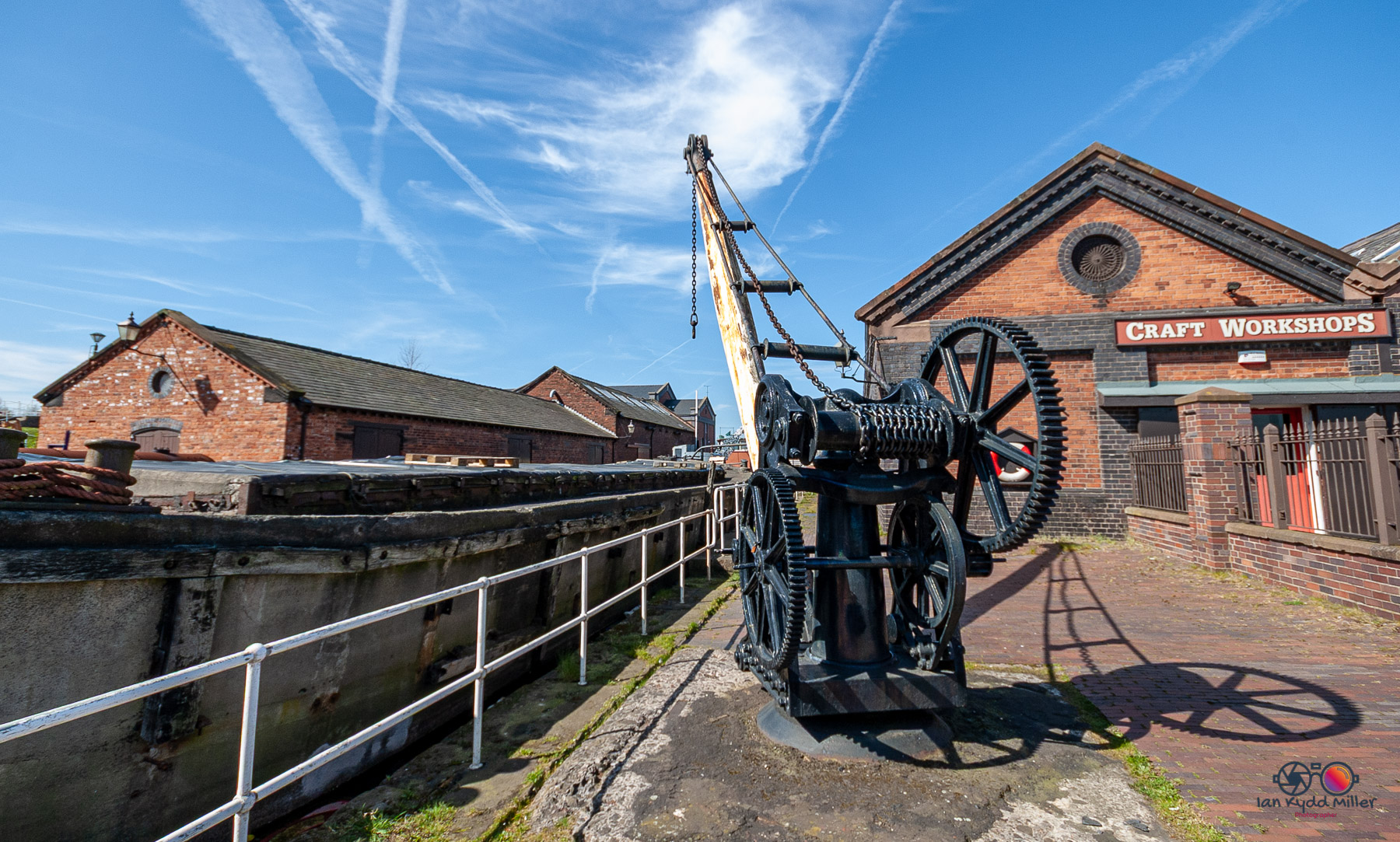
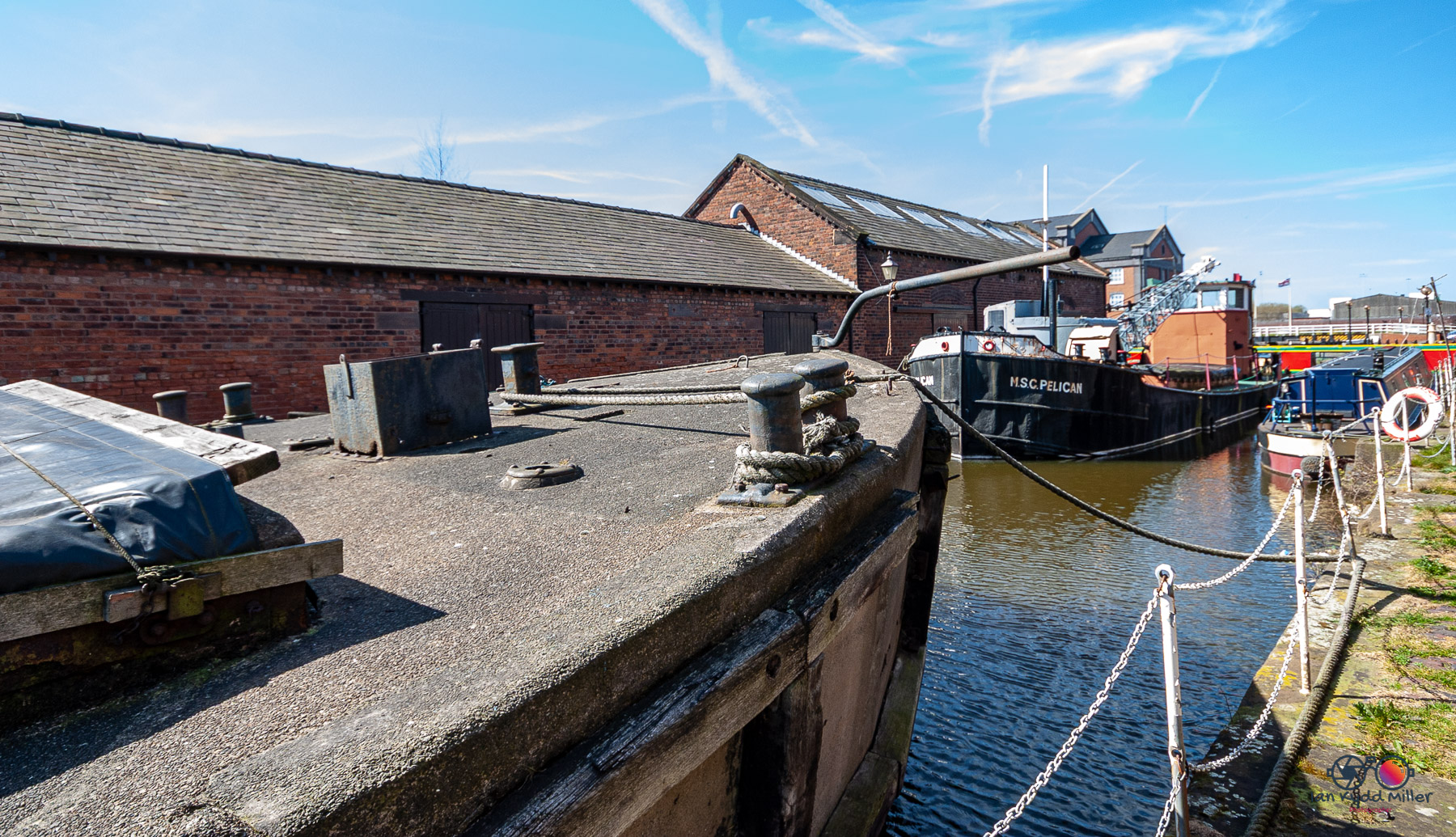
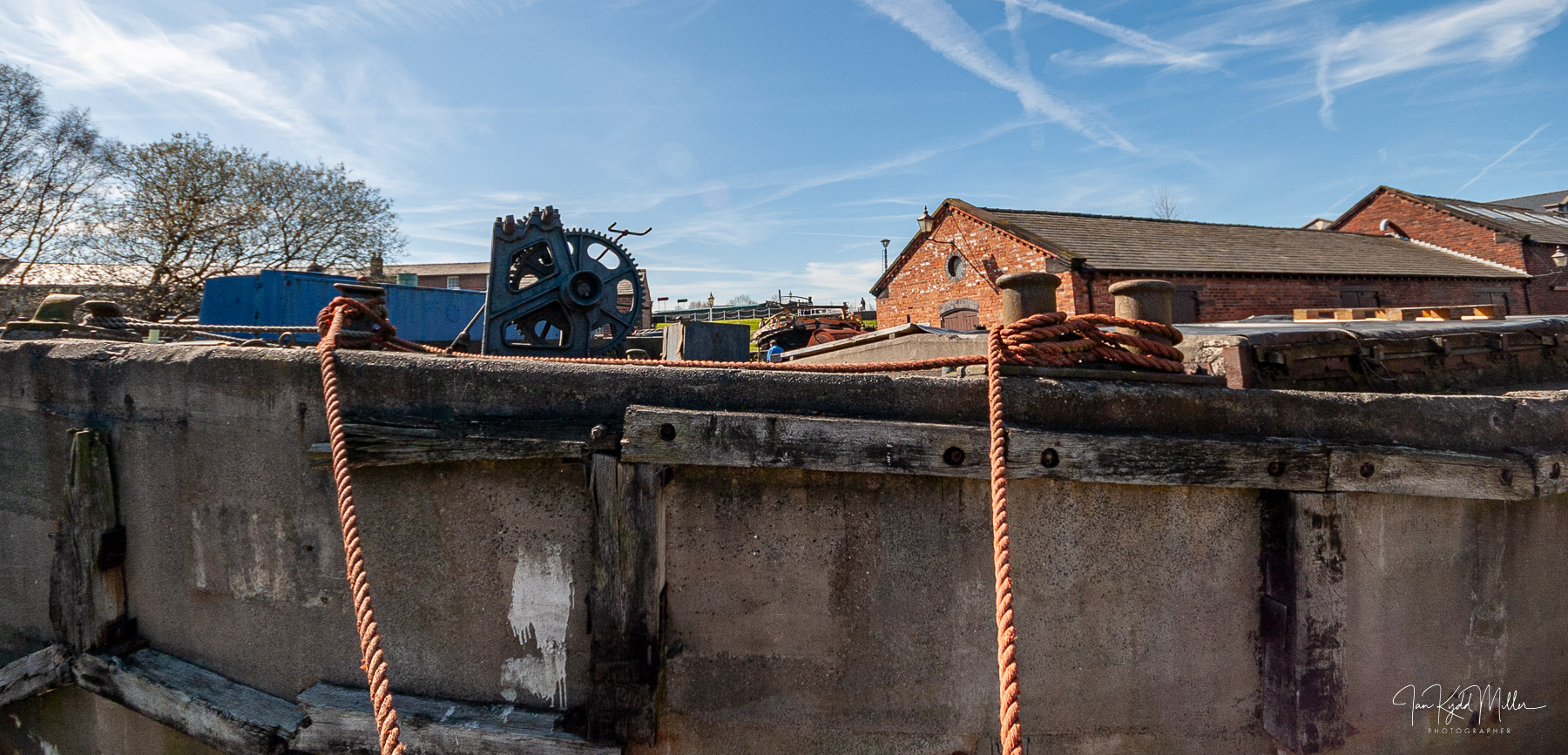
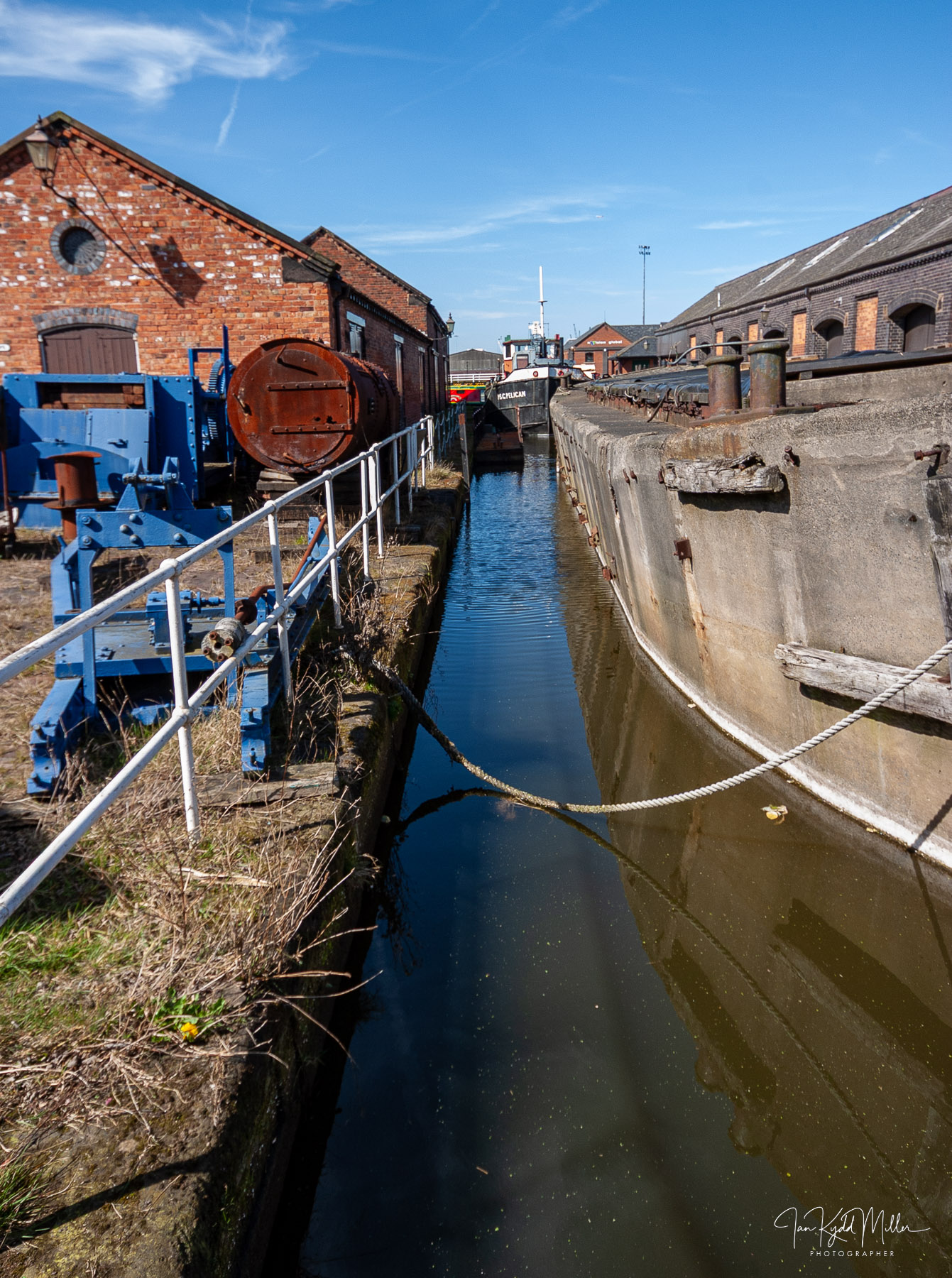
🚢 Steel, Stories, and Shutter Clicks: A Day at the National Waterways Museum

cameras, Lenses, opinons, thoughts, photography, Travel

Shot on the Canon EOS 10D

🏛️ The Museum: Where Britain’s Canal Life Comes Alive

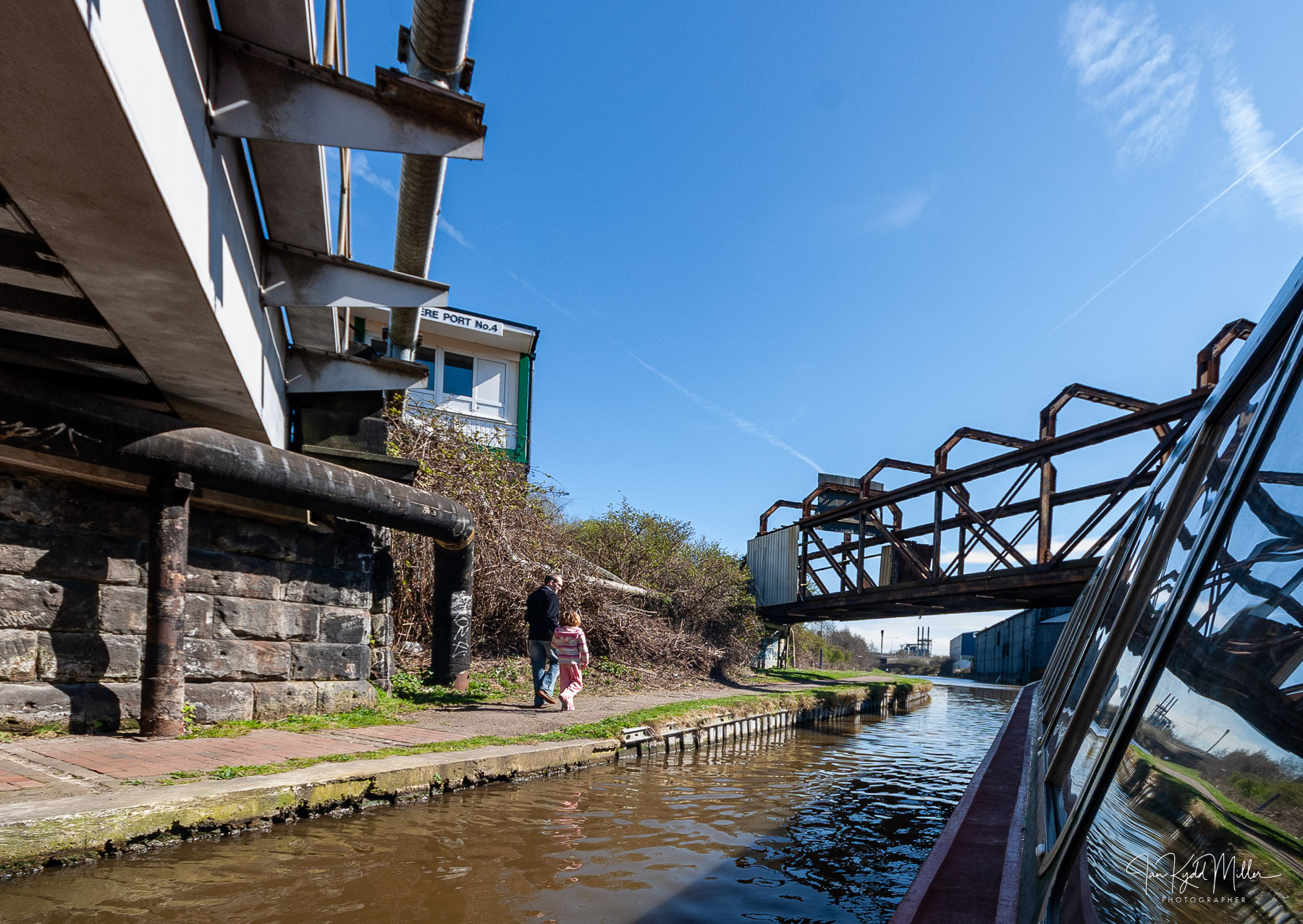
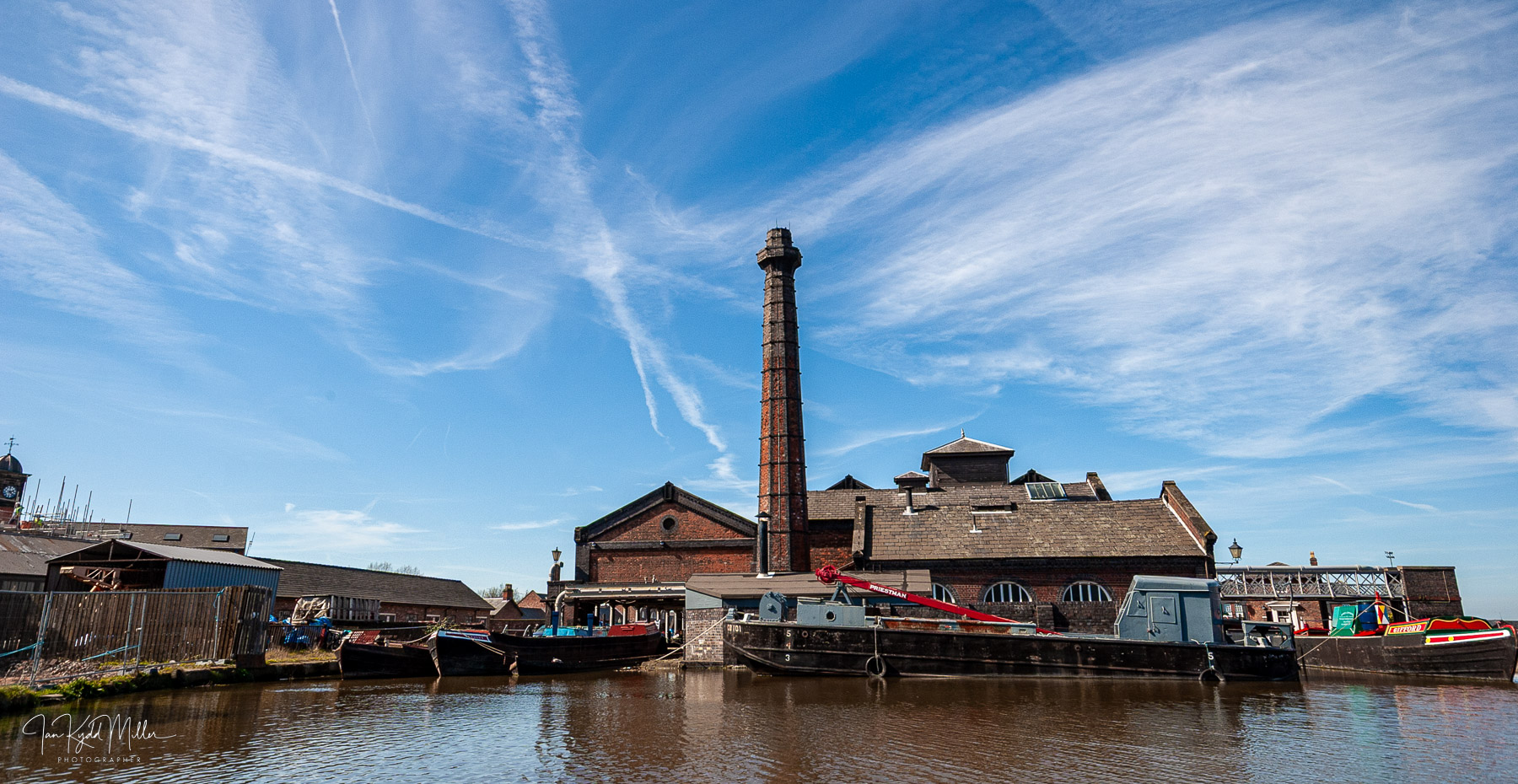
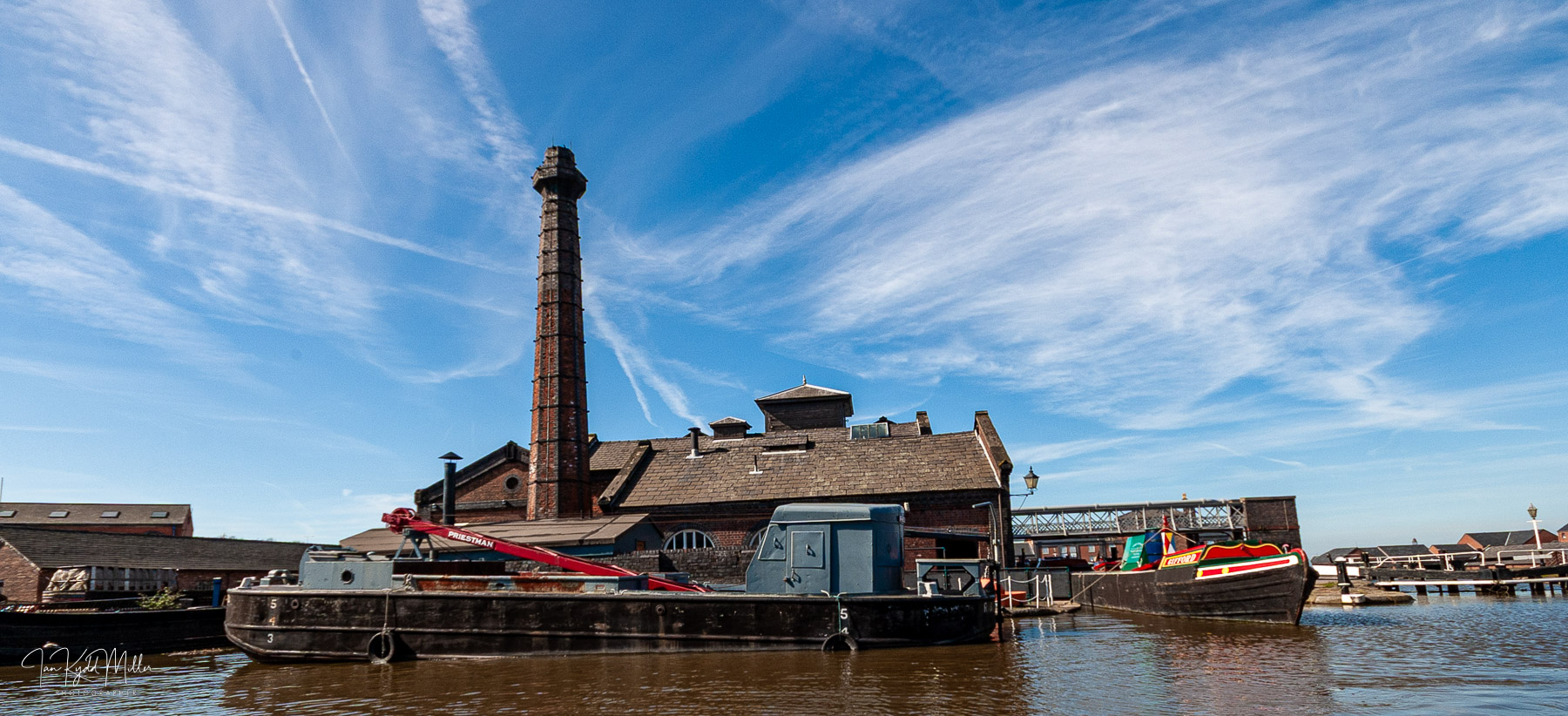
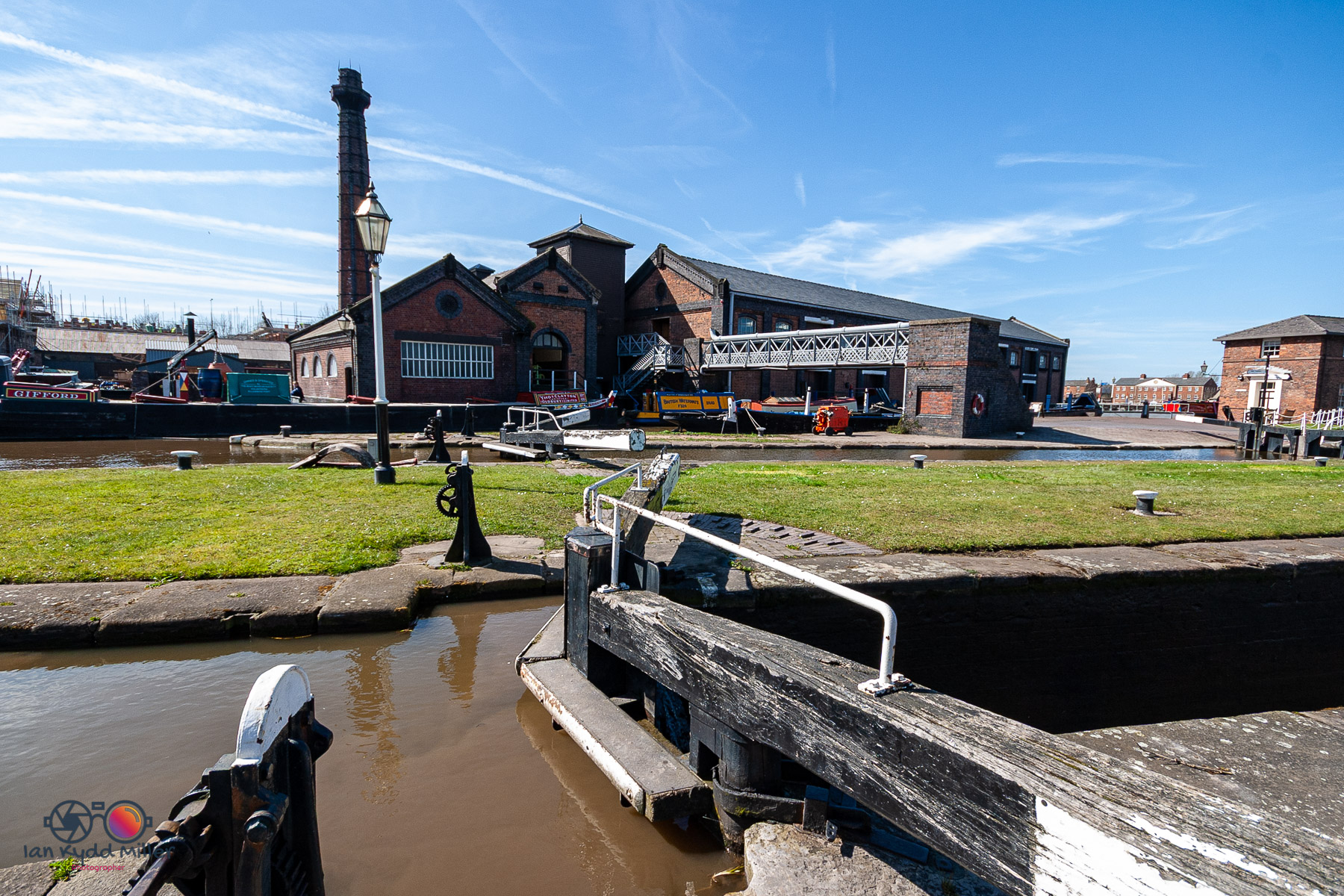
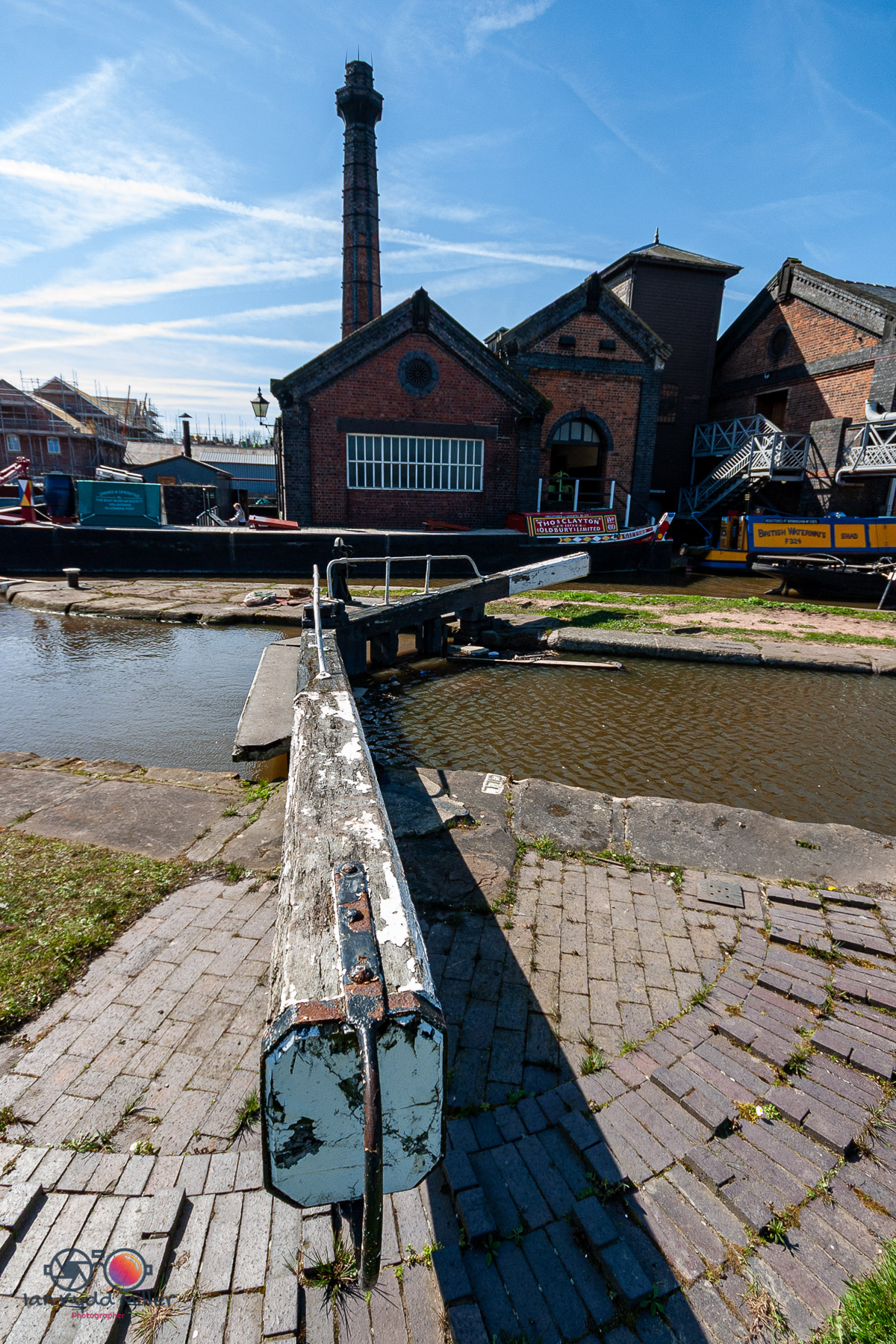
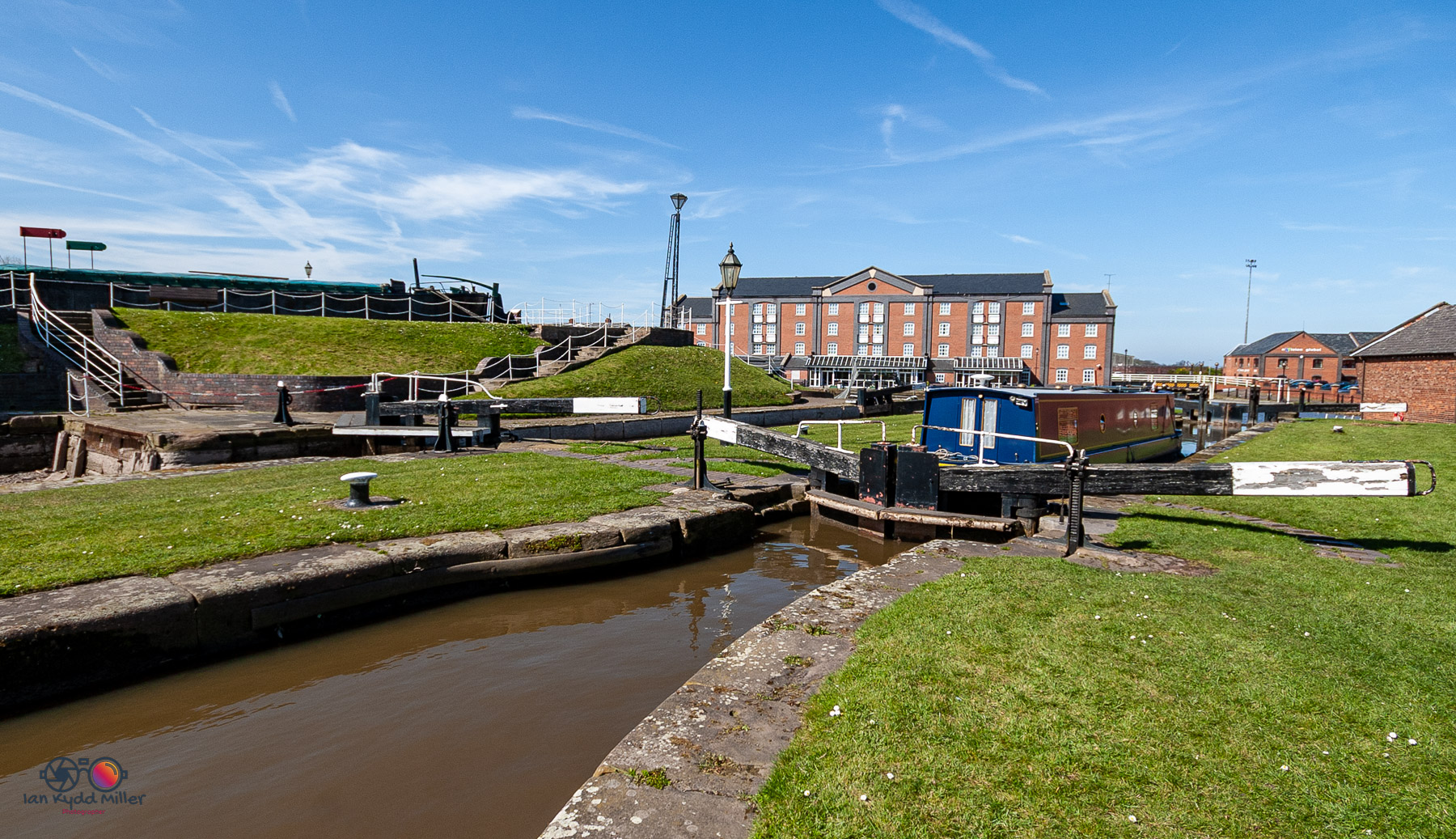
Nestled at the northern end of the Shropshire Union Canal, the National Waterways Museum is a living archive of Britain’s inland navigation history. The site itself is a story—designed by civil engineer Thomas Telford, the docks were active well into the 1950s.

Walking through the museum feels like stepping into a working time capsule:

  • Grade II listed Victorian buildings house exhibits on canal life, engineering, and trade.
  • Historic locks and docks stretch across the site, still echoing with the rhythm of industrial labour.
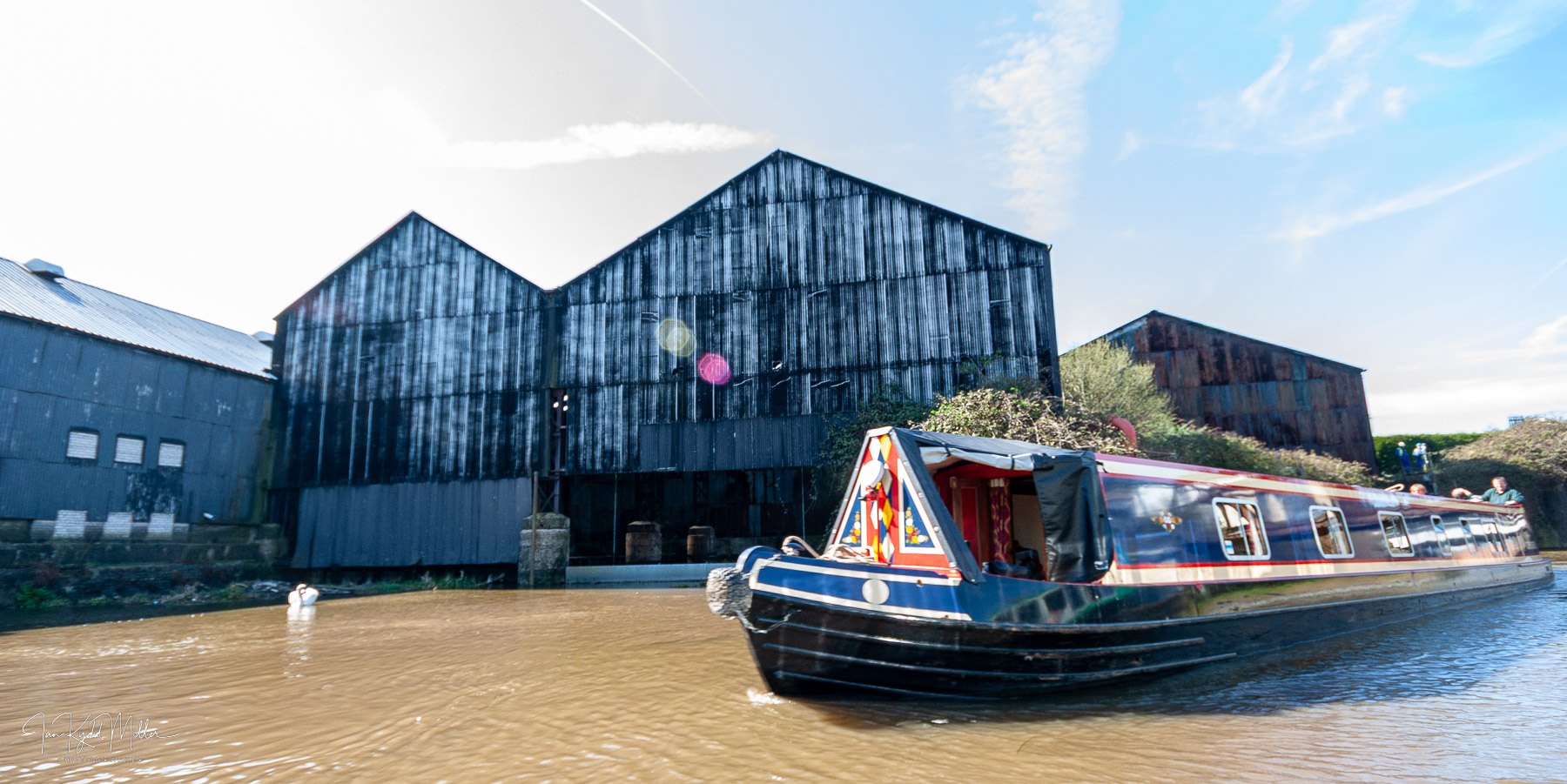
  • Restored narrowboats and barges sit moored, their hulls weathered but proud.
  • The Waterside Café offers a quiet view of the canal, perfect for reflecting on the day’s images.

It’s a place where rust meets reverence, and where every bolt and beam tells a story.

📷 The Camera: Canon EOS 10D—Digital’s Early Workhorse

Released in 2003, the Canon EOS 10D was a landmark in DSLR evolution. It offered:

  • 6.3 megapixel APS-C CMOS sensor—modest by today’s standards, but rich in tonal character
  • ISO range of 100–1600 (expandable to 3200)—surprisingly capable in low light
  • 7-point autofocus system—responsive enough for dockside detail and candid moments
  • CompactFlash storage—a reminder of digital’s early days

The 10D doesn’t rush. It invites you to compose. To wait. To feel the frame before you click. And paired with a prime lens or a classic zoom, it renders scenes with a softness and sincerity that suits the museum’s mood.

🖼 What I Saw, What I Felt

I photographed:

  • The curve of a tiller against brickwork
  • A rusted chain coiled like memory
  • Reflections of narrowboats in still water
  • A volunteer’s hands restoring a wooden rudder

The files weren’t perfect. But they were honest. And when printed, they carried the weight of both the subject and the tool.

🧭 Final Thought: Documenting History with a Camera That Has Its Own

A day at the National Waterways Museum is a reminder of what endures—craft, care, and the quiet dignity of labor. Shooting it with the Canon EOS 10D added another layer: the joy of using a camera that, like the museum, still has stories to tell.

Because sometimes, the best way to honour history is to slow down and see it through something that remembers.

📷 The Fujinon XF 18mm f/2 R: A Lens That Listens

cambodia, cameras, Fujichrome, fujifilm, Lenses, opinons, thoughts, photography

A Rundown of the Good and the Quirky

The Fujifilm XF 18mm f/2 isn’t perfect. But it’s present. It’s compact, fast, and quietly capable. It doesn’t demand attention—it invites it. And for street photographers, documentarians, and those who value rhythm over resolution, it’s a lens worth knowing.

I’ve used it in clinics, on the street, and in quiet corners of care. It’s not a showstopper. It’s a companion. And that’s what makes it special.

✅ The Good: Why It Still Matters

🧠 1. Classic Focal Length

  • 18mm on Fuji’s APS-C sensor gives you a 27mm equivalent—ideal for street photography, environmental portraits, and storytelling in context.
  • Wide enough to breathe, tight enough to feel.

🪶 2. Compact and Featherlight

  • This lens disappears in your hand. It makes the camera feel invisible.
  • Perfect for moving quietly, staying present, and photographing without spectacle.

⚡ 3. Fast f/2 Aperture

  • Responsive in low light. Lets you isolate gestures and moments without losing the scene.
  • Great for dusk, clinics, and shadow play.

🎞️ 4. Film-Like Rendering

  • Slight softness at the edges. Gentle contrast. A character that feels felt, not forced.
  • Prints beautifully—especially in black-and-white.

🧭 5. Teaches Restraint

  • No zoom. No overcorrection. Just you, the scene, and the moment.
  • Ideal for students learning to compose with care.

❗ The Quirks: What to Know

🧊 1. Not the Sharpest Tool

  • Wide open, it’s soft at the edges. Corner sharpness improves by f/4–f/5.6.
  • If you’re chasing clinical perfection, this isn’t your lens.

🔊 2. Noisy Autofocus

  • The AF motor isn’t silent. In quiet settings, you’ll hear it.
  • Not a dealbreaker, but worth noting for documentary work.

🧱 3. Older Design

  • No weather sealing. No linear motor. No aperture lock.
  • It’s part of Fuji’s original lens lineup—quirky, charming, and a little dated.

🧪 4. Chromatic Aberration

  • You may see some fringing in high-contrast scenes. Easily corrected in post, but present.

🖼 How It Prints

This lens isn’t about technical brilliance. It’s about emotional clarity. The files print with softness, nuance, and tonal depth. Especially in monochrome, the 18mm f/2 feels like a whisper—gentle, grounded, and true.

🕊 Final Thought: Character Over Perfection

The Fujinon XF 18mm f/2 isn’t for everyone. But for those who value presence over pixels, it’s a quiet gem. It teaches you to move slowly, see clearly, and photograph with care.

Because sometimes, the best lens isn’t the sharpest. It’s the one that listens.

🖤 The Nikon D3S: Why It’s Still Relevant

cameras, Lenses, opinons, thoughts, photography, pictures, street, Travel

In a world chasing megapixels, mirrorless speed, and AI-driven autofocus, the Nikon D3S stands quietly in the corner—unbothered, unbroken, and still deeply capable. Released in 2009, it was Nikon’s first full-frame DSLR to truly master low-light performance. Today, it’s more than a relic. It’s a reminder: that restraint, reliability, and character still matter.

I’ve used the D3S in clinics, on the street, and in moments of care. It’s never asked for attention. It’s just done the work.

🧠 What Made the D3S Special

  • 12.1MP Full-Frame Sensor Not flashy by today’s standards, but beautifully tuned. Files are clean, balanced, and emotionally honest. The lower resolution encourages intentional framing and thoughtful printing.
  • ISO Performance That Changed the Game At the time, ISO 12,800 was revolutionary. Even today, the D3S holds its own in low light—especially in documentary work where grain isn’t a flaw, but a feeling.
  • Tank-Like Build Magnesium alloy body. Weather sealing. Shutter rated to 300,000 actuations. This camera was built for war zones, operating rooms, and long nights in the rain.
  • Dual CF Slots Redundancy and reliability. For those who print, archive, and teach, this matters more than speed.
  • No-Nonsense Ergonomics Everything falls to hand. No touchscreens. No distractions. Just tactile control and muscle memory.

🪞 Why It Still Matters

1. It Slows You Down—in a Good Way

The D3S isn’t about rapid-fire bursts or eye-detection AF. It’s about presence. You compose with care. You anticipate. You listen to the scene.

2. It Honors the Print

The files from the D3S print beautifully. Tonal transitions are smooth. Highlights roll off gently. Blacks hold depth. For those who see printing as completion, the D3S delivers.

3. It’s a Teaching Tool

For students learning restraint, the D3S is ideal. It forces intentionality. It rewards patience. It teaches that gear doesn’t make the image—vision does.

4. It Carries Legacy

This camera has seen things. It’s been in the hands of photojournalists, volunteers, and quiet documentarians. Using it feels like joining a lineage—not chasing a trend.

🧭 Who Is It For Today?

  • Documentarians who value reliability over novelty
  • Educators who want to teach presence, not presets
  • Street photographers who prefer quiet strength to flashy specs
  • Archivists and printers who care about tonal integrity
  • Anyone who believes that interesting pictures come from how you see, not what you shoot with

🕊 Final Thought: Enoughness in a Shutter Click

The Nikon D3S isn’t just relevant—it’s resonant. It reminds us that photography isn’t about chasing perfection. It’s about showing up. Seeing clearly. Printing with care.

In a time of constant upgrades, the D3S whispers: You already have enough. Now go make something that matters.