Hybrid Viewfinder: Unique among digital cameras, lets you switch between optical and electronic modes — appealing to rangefinder enthusiasts.
Image Quality: The X‑Trans III sensor delivers sharp, film‑like rendering with excellent color reproduction.
Build Quality: Rugged, weather‑sealed body suitable for street and documentary work.
Controls: Dedicated dials for shutter speed, ISO, and exposure compensation — tactile and intuitive.
Character: Many photographers describe it as a “camera with a soul,” offering a distinctive shooting experience.
❌ Weaknesses
Fixed LCD: No tilting or articulating screen, limiting flexibility for low/high angles.
Video Limitations: No 4K recording, only Full HD — not ideal for hybrid shooters.
AF Performance: Improved over the X‑Pro1 but still slower compared to newer mirrorless rivals.
Price: At launch, it was expensive relative to competitors with more features.
📊 Comparison Snapshot
Feature
X‑Pro2
X‑Pro3 (Successor)
Sensor
24.3MP APS‑C X‑Trans III
26.1MP APS‑C X‑Trans IV
Viewfinder
Hybrid OVF/EVF
Hybrid OVF/EVF
LCD
Fixed
Hidden tilt LCD
Video
1080p
4K
Build
Weather‑sealed
Weather‑sealed, titanium option
✨ In Summary
The Fujifilm X‑Pro2 is best understood as a photographer’s camera: tactile, characterful, and designed for those who value the shooting experience as much as the technical output. It excels in street, documentary, and travel photography, but is less suited for video or fast‑paced sports. Its successor, the X‑Pro3, refined the concept but introduced its own quirks (like the hidden LCD).
✅ Where It Still Excels even in 2026
Street Photography:
Discreet, rangefinder‑style body with the hybrid OVF/EVF makes it perfect for candid shooting.
Classic Fujifilm film simulations (Acros, Classic Chrome) give images a timeless look straight out of camera.
Core Idea: Photography is the process of recording images by capturing light on a light‑sensitive surface (film, plate, or digital sensor).
Dual Nature: It is both a scientific technique (optics, chemistry, digital sensors) and an art form (composition, storytelling, aesthetics).
Earliest Example: The first surviving camera photograph, View from the Window at Le Gras (1826), by Nicéphore Niépce.
🕰️ How Its Importance Has Changed Over Time
19th Century – Scientific Breakthrough
Invention of the daguerreotype (1839) revolutionized visual documentation.
Photography became a tool for science, exploration, and portraiture, replacing painted likenesses.
Early 20th Century – Artistic & Social Medium
Figures like Alfred Stieglitz elevated photography into fine art.
Used for journalism and propaganda, shaping public opinion during wars and social movements.
Mid‑20th Century – Mass Communication
Introduction of film cameras and color photography made images accessible to everyday families.
Photography became central to advertising, fashion, and mass media.
Late 20th Century – Global Documentation
Portable cameras allowed photojournalists to capture civil rights protests, wars, and cultural shifts.
Photography became a powerful witness to history, influencing politics and humanitarian causes.
21st Century – Digital & Social Revolution
Digital cameras and smartphones made photography universal.
Platforms like Instagram and TikTok turned images into social currency.
Photography now drives identity, activism, marketing, and memory preservation.
📊 Summary Table
Era
Importance
19th Century
Scientific discovery, portraiture, exploration
Early 20th
Fine art, journalism, propaganda
Mid‑20th
Mass communication, advertising, family memory
Late 20th
Historical witness, political influence
21st Century
Digital ubiquity, social media, activism
✨ In Summary
Photography began as a scientific experiment and evolved into a universal language. Today, it is not only about recording reality but also about shaping perception, identity, and culture. Its importance has grown from documenting the world to actively influencing how we see and understand it.
Skin Tones: The D700’s sensor renders warm, natural skin tones, paired with the lens’s crisp yet gentle character.
⚙️ Practical Notes
Weight/Balance: D700 (995g) + 85mm f/1.8G (350g) = a solid but balanced rig.
Autofocus: Reliable, though not as fast as pro f/1.4 primes.
Field Use: Excellent for portraits, weddings, and candid work where subject isolation matters.
✨ Best Use Cases
Studio portraits with controlled lighting.
Environmental portraits in natural light.
Weddings and events — discreet yet flattering.
Artistic projects where sharpness and bokeh interplay matter.
👉 In short: the D700 + 85mm f/1.8G is a portrait classic — combining the D700’s tonal warmth and rugged build with the lens’s sharpness and bokeh to deliver images that feel timeless and characterful.
Skin Tones: The D810’s sensor and the lens’s rendering combine to produce natural, nuanced skin tones.
⚙️ Practical Considerations
Weight/Balance: The D810 is a robust body (880g), and the 85mm f/1.8 is relatively light (350g), so the combo balances well in hand.
Autofocus: Fast and reliable, though not as snappy as Nikon’s pro f/1.4 primes.
Field Use: Excellent for portraits, events, street candids, and even compressed landscapes.
✨ Best Use Cases
Studio and environmental portraits.
Weddings and events where subject isolation matters.
Low‑light documentary work.
Artistic projects where sharpness and bokeh interplay are key.
👉 In short: the D810 + 85mm f/1.8 is a portrait powerhouse — sharp, flattering, and versatile, with enough speed for low‑light and enough resolution for large prints.
The Tokina AT‑X 24–70mm f/2.8 PRO FX is a lens built for real work: fast aperture, pro‑grade construction, and optical performance designed to compete with Nikon’s own 24–70mm f/2.8 offerings. Reviews describe it as a “top performer” with solid build quality, ultrasonic autofocus, and a design aimed squarely at professional photographers.
Pairing this modern, heavy‑duty zoom with the Nikon D2Hs — a rugged 2004 flagship with a 4.1‑megapixel APS‑H sensor — creates a fascinating hybrid: old‑school speed and ergonomics combined with contemporary optical muscle.
This article explores how the two work together, what to expect, and why this pairing still makes sense today.
🔍 1. The Lens: Tokina AT‑X 24–70mm f/2.8 PRO FX
A Pro‑Grade Workhorse
Tokina designed this lens to compete directly with Nikon’s 24–70mm f/2.8. According to DXOMARK, it offers:
Fast f/2.8 constant aperture
Ultrasonic autofocus motor
Solid, pro‑level build quality
A versatile focal range ideal for weddings, events, portraits, and press work
This is not a budget lens pretending to be pro. It’s a serious optic built for demanding shooters.
Optical Performance
Reviews highlight:
Excellent sharpness across the zoom range
Strong contrast
Good control of chromatic aberration
A rendering style similar to older Nikon pro zooms
The Tokina has a slightly punchy, high‑contrast look that pairs well with Nikon’s colour science.
🔍 2. The Camera: Nikon D2Hs
The D2Hs is a camera built for speed and reliability:
4.1 MP APS‑H (1.5× crop) sensor
8 fps continuous shooting
Pro‑grade AF module
Legendary Nikon ergonomics
Tank‑like build
While the resolution is low by modern standards, the files are clean, fast, and have a distinctive “Nikon pro DSLR” look — crisp, film‑like, and extremely responsive.
The D2Hs was designed for photojournalists who needed speed and accuracy above all else.
🔍 3. How the Tokina 24–70mm Performs on the D2Hs
Field of View
Because the D2Hs uses a 1.5× crop sensor:
24mm → ~36mm
70mm → ~105mm
This turns the Tokina into a 36–105mm equivalent, which is a superb range for:
Street
Portraits
Events
Documentary work
You lose some width, but gain a tighter, more intimate mid‑telephoto end.
Autofocus
The Tokina’s ultrasonic motor pairs well with the D2Hs’s pro AF module:
Fast acquisition
Confident tracking
Good low‑light performance
The D2Hs was built for speed, and the Tokina keeps up.
Sharpness & Rendering
The Tokina’s modern optics help the D2Hs punch above its resolution:
Images look crisp and clean
Strong contrast complements the D2Hs’s colour output
The f/2.8 aperture helps isolate subjects even on a 4MP sensor
The combination produces files with a classic, photojournalistic feel — sharp where it counts, with smooth tonal transitions.
Low‑Light Performance
The D2Hs is not a high‑ISO monster, but the Tokina’s f/2.8 aperture helps keep ISO down. Expect:
ISO 800: clean
ISO 1600: usable
ISO 3200: gritty but atmospheric
The lens helps the camera stay in its comfort zone.
🔍 4. Practical Use Cases
Street Photography
The 36–105mm equivalent range is perfect for:
Candid portraits
Environmental scenes
Urban details
The D2Hs’s fast AF and responsive shutter make it ideal for decisive‑moment shooting.
Portraits
At the long end, the Tokina behaves like a 105mm lens:
Flattering compression
Smooth background blur
Strong subject separation
The D2Hs’s colour and tonal rendering give portraits a timeless look.
Events & Documentary
This is where the combo shines:
Fast AF
Rugged build
Reliable exposure
Clean files at low ISO
The Tokina’s versatility matches the D2Hs’s speed.
🔍 5. Strengths & Limitations of the Combo
Strengths
Pro‑grade build on both lens and body
Fast, reliable autofocus
Excellent contrast and sharpness from the Tokina
Classic Nikon colour from the D2Hs
Great handling balance
Affordable used prices
Limitations
D2Hs resolution limits cropping
High‑ISO performance is dated
Tokina is heavy — the combo is substantial
No VR (but the D2Hs shutter is very stable)
📝 Conclusion: Old‑School Speed Meets Modern Optics
The Tokina 24–70mm f/2.8 PRO FX on the Nikon D2Hs is a pairing that defies expectations. On paper, it’s a modern pro zoom mounted to a 2004 flagship with a 4MP sensor. In practice, it’s a fast, responsive, character‑rich setup that feels built for real‑world photography.
The Tokina brings:
modern sharpness
strong contrast
fast AF
pro‑grade construction
The D2Hs brings:
unmatched handling
a beautiful, film‑like sensor
speed and reliability
a shooting experience that feels alive
Together, they create images with a look that’s both classic and contemporary — crisp, clean, and full of presence.
If you enjoy the tactile, intentional feel of older Nikon pro bodies but want the optical performance of a modern f/2.8 zoom, this combination is not just usable — it’s inspiring.
It’s a combination that rewards intentional shooting. You can’t rely on cropping or high‑ISO rescue; you have to frame carefully, expose thoughtfully, and embrace the distinctive look that results. That’s why it demands thought — and why it can be so satisfying.
In an era dominated by mirrorless systems and ever‑increasing megapixel counts, it’s easy to forget that some older DSLRs still hold their ground with surprising authority. The Canon EOS‑1D Mark IV, released in 2009, is one of those cameras — a machine built for speed, reliability, and professional endurance. Though more than a decade old, it remains a compelling choice for photographers who value ruggedness, responsiveness, and the unmistakable feel of a flagship DSLR.
Pair it with classic Canon primes like the EF 50mm f/1.4 USM and EF 85mm f/1.8 USM, and you have a kit that still delivers beautiful, character‑rich images in 2026.
This is a look at why the 1D Mark IV still matters — and why these two primes complement it so well.
🧱 1. The Canon 1D Mark IV: A Flagship Built to Last
The 1D Mark IV was Canon’s answer to the demands of sports, wildlife, and photojournalism in the late 2000s. It arrived with a clear mission: speed, accuracy, and reliability above all else.
Key Specs
16.1 MP APS‑H sensor (1.3x crop)
10 frames per second continuous shooting
45‑point AF system with 39 cross‑type points
ISO 100–12,800 (expandable to 102,400)
Weather‑sealed magnesium alloy body
300,000‑shot shutter rating
Dual DIGIC 4 processors
Even today, these specs hold up surprisingly well. The APS‑H sensor — a format Canon no longer uses — offers a unique balance between full‑frame depth and APS‑C reach. The result is a distinctive look: crisp detail, excellent colour, and a slightly tighter field of view that works beautifully with telephoto and portrait lenses.
⚙️ 2. Handling & Build: The Feel of a True Flagship
The 1D Mark IV is unapologetically substantial. It’s heavy, solid, and built like a tool meant for war zones, stadium sidelines, and harsh environments. The integrated grip gives it perfect balance with larger lenses, and the ergonomics are classic Canon: intuitive, tactile, and designed for operation without taking your eye from the viewfinder.
The shutter sound is authoritative — a mechanical confidence that modern mirrorless cameras simply don’t replicate.
This is a camera that feels alive in the hands.
🎯 3. Autofocus & Performance
The 45‑point AF system was cutting‑edge at release and remains highly capable today. Tracking is fast, sticky, and reliable, especially with centre‑point and expansion modes. For action, wildlife, and reportage, the 1D Mark IV still performs at a professional level.
The 10 fps burst rate is another reminder of its pedigree. Even by modern standards, it’s fast.
🌙 4. Image Quality: The APS‑H Look
The 16‑megapixel APS‑H sensor produces files with:
excellent colour reproduction
strong dynamic range for its era
pleasing noise characteristics
a crisp, film‑like rendering
At low ISO, images are clean and detailed. At high ISO, the grain is organic and surprisingly usable. The sensor’s 1.3x crop gives lenses a slightly tighter field of view, which can be an advantage for portraits and street work.
🔍 5. The Canon EF 50mm f/1.4 USM — A Classic Standard Prime
The EF 50mm f/1.4 is one of Canon’s most enduring primes. Lightweight, compact, and optically pleasing, it pairs beautifully with the 1D Mark IV.
Why it works so well on the 1D Mark IV
On APS‑H, it behaves like a 65mm equivalent — a perfect “normal‑plus” focal length.
The f/1.4 aperture gives excellent low‑light performance.
The rendering is classic Canon: warm, smooth, and flattering.
Bokeh is soft and pleasing, especially for portraits and environmental scenes.
Strengths
Fast aperture
Good sharpness from f/2 onward
Lightweight balance on a heavy body
Affordable and widely available
Character
The 50mm f/1.4 has a slightly dreamy wide‑open look that becomes crisp and modern when stopped down. On the 1D Mark IV, it’s a versatile everyday lens — perfect for street, documentary, and general photography.
🔍 6. The Canon EF 85mm f/1.8 USM — The Unsung Portrait Hero
The EF 85mm f/1.8 is one of Canon’s most beloved portrait lenses. Fast, sharp, and beautifully rendered, it’s a lens that consistently punches above its price.
Why it shines on the 1D Mark IV
On APS‑H, it becomes a 110mm equivalent — ideal for headshots and tight portraits.
The f/1.8 aperture delivers creamy background separation.
Autofocus is fast and accurate, perfect for candid portraiture.
The lens is lightweight, balancing well with the 1D body.
Strengths
Excellent sharpness
Smooth, natural bokeh
Fast AF
Great for low light
Professional portrait results without the cost of an L‑series lens
Character
The 85mm f/1.8 has a clean, neutral rendering with just a touch of warmth. It’s flattering for skin tones and produces images with a classic portrait look — crisp subject, soft background, and beautiful falloff.
🎨 7. The 1D Mark IV + 50mm + 85mm: A Timeless Trio
Together, these three pieces form a kit that is:
fast
reliable
optically strong
professionally capable
surprisingly affordable today
The 50mm gives you versatility and everyday usability. The 85mm gives you portrait power and compression. The 1D Mark IV gives you speed, durability, and a distinctive rendering.
This combination is ideal for:
portrait photographers
street/documentary shooters
event and wedding photographers
anyone who appreciates the feel of a flagship DSLR
✨ Conclusion: Old, Not Obsolete
The Canon 1D Mark IV may be from another era, but it remains a formidable camera. Its build quality, autofocus performance, and image rendering still hold up in a world of mirrorless bodies and computational photography.
Paired with the EF 50mm f/1.4 and EF 85mm f/1.8, it becomes a powerful, character‑rich system capable of producing beautiful images with a timeless look.
Some cameras fade into history. The 1D Mark IV endures — not as a relic, but as a reminder of what a true photographic tool feels like.
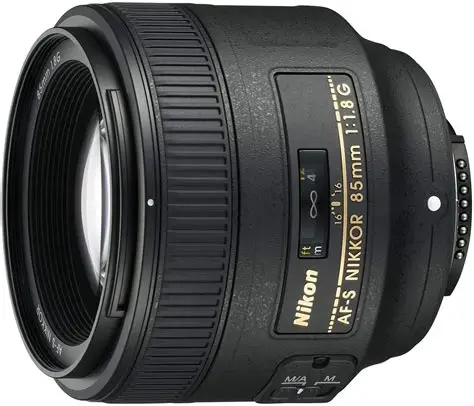
The Nikkor 85mm f/1.8G is one of those rare lenses that punches far above its weight. Lightweight, sharp, affordable, and optically refined, it has become a favourite among portrait photographers, wedding shooters, and anyone who appreciates the clean, modern rendering of Nikon’s G‑series primes.
Despite being overshadowed by the more expensive f/1.4G, the 85mm f/1.8G has quietly built a reputation as one of Nikon’s smartest buys — a lens that delivers professional‑grade results without the professional‑grade price tag.
Let’s break down what makes it so compelling.
🔍 1. Build & Handling
The 85mm f/1.8G follows Nikon’s modern G‑series design philosophy:
Lightweight polycarbonate body
Metal mount
Weather sealing gasket
Large, smooth focus ring
Compact profile
At just 350g, it’s significantly lighter than the 85mm f/1.4G, making it ideal for long portrait sessions or travel. Mounted on a DSLR like the D750, D610, or D850, it feels balanced and nimble.
This is a lens you can carry all day without fatigue.
🔍 2. Autofocus Performance
The Silent Wave Motor (SWM) delivers:
Fast focusing
Quiet operation
Accurate subject acquisition
It’s not as blisteringly fast as Nikon’s pro telephotos, but for portraits, events, and general shooting, it’s more than capable. On bodies with strong AF modules (D750, D810, D500), it locks on confidently even in low light.
For video shooters, the AF is smooth and unobtrusive.
🔍 3. Optical Performance
This is where the 85mm f/1.8G truly shines.
Sharpness
Wide open at f/1.8: impressively sharp in the centre
Stopped down to f/2.8–f/4: razor‑sharp across the frame
On high‑resolution bodies (D810, D850): holds up extremely well
Many photographers note that it rivals — and sometimes surpasses — the f/1.4G in real‑world sharpness.
Bokeh
The 85mm focal length is naturally flattering for portraits, and the f/1.8G delivers:
Smooth, creamy background blur
Soft transitions
Minimal nervousness
While the f/1.4G has slightly creamier bokeh, the difference is subtle unless you’re pixel‑peeping.
Colour & Contrast
The lens produces:
Clean, neutral colour
Strong micro‑contrast
Excellent clarity
It has that modern Nikon “pop” that works beautifully for skin tones.
Chromatic Aberration
Wide open, you may see some longitudinal CA (green/purple fringing), especially in high‑contrast scenes. Stopped down slightly, it improves dramatically.
Distortion & Vignetting
Distortion: negligible
Vignetting: visible at f/1.8, mostly gone by f/2.8
Both are easily corrected in‑camera or in post.
🔍 4. Real‑World Use Cases
Portraits
This is the lens’s natural habitat. It excels at:
Headshots
Half‑body portraits
Environmental portraits
Candid moments
The compression and bokeh create flattering, dimensional images.
Events & Weddings
Lightweight, fast, and sharp — perfect for:
Speeches
Reactions
Low‑light ceremony shots
Candid guest portraits
Street & Documentary
Though 85mm is long for street, it’s excellent for:
Isolating subjects
Capturing moments from a respectful distance
Creating cinematic, layered compositions
Video
The smooth focus ring and clean rendering make it a solid choice for interviews and controlled setups.
🔍 5. 85mm f/1.8G vs 85mm f/1.4G
The f/1.4G is:
Heavier
More expensive
Slightly creamier bokeh
Better built
But the f/1.8G is:
Sharper in many situations
Faster to focus
Much lighter
Far more affordable
Better value for most photographers
Unless you specifically need the f/1.4 look, the f/1.8G is the smarter buy.
🔍 6. Who Is This Lens For?
Ideal for:
Portrait photographers
Wedding shooters
DSLR users wanting a lightweight telephoto prime
Anyone building a prime‑based kit
Photographers who value sharpness and clean rendering
Less ideal for:
Sports/action (AF is good, but not pro‑telephoto fast)
Tight indoor spaces (85mm can feel long)
✨ Conclusion: A Modern Nikon Classic
The Nikkor 85mm f/1.8G is one of Nikon’s most capable and best‑value primes. It offers:
Professional‑grade sharpness
Beautiful bokeh
Lightweight handling
Reliable autofocus
Excellent performance on both FX and DX bodies
It’s the kind of lens that quietly becomes a favourite — not because it’s flashy, but because it delivers consistently beautiful images with minimal fuss.
Verdict: A must‑have prime for Nikon DSLR shooters who want portrait‑grade performance without the portrait‑grade price.
In an age where nearly every pocket holds a camera, the question feels inevitable: Is everyone a photographer now? Billions of images are made every day, documenting everything from morning coffee to monumental life events. The act of taking pictures has become as natural as breathing. But does this ubiquity make everyone a photographer?
The short answer is no — and the long answer is far more interesting.
Everyone Takes Photos, But Not Everyone Practices Photography
The modern camera is frictionless. It requires no technical knowledge, no preparation, no intention. A swipe, a tap, and the moment is captured. But photography is more than the mechanical act of recording. It is a way of seeing, a deliberate engagement with the world.
A photographer doesn’t just point a camera. A photographer notices.
The Difference Is Intent
Intent is the quiet force that separates casual image‑making from photography. One person photographs to remember. Another photographs to understand. One uses the camera as a diary. Another uses it as a language.
Photography begins when the camera becomes a tool for expression rather than documentation.
Craft Still Matters
Despite the accessibility of cameras, the craft of photography remains as demanding as ever. It asks for sensitivity to light, awareness of timing, an understanding of composition, and the discipline to edit and refine. These skills are learned, practiced, and internalized. They cannot be downloaded or automated.
The camera may be universal, but vision is not.
Democratisation Is Not Dilution
The explosion of image‑making has not diluted photography. If anything, it has expanded its possibilities. More voices, more perspectives, more interpretations of the world. But the presence of more images does not erase the distinction between casual snapshots and intentional photographic work.
Photography remains a craft defined by attention, not by access.
The Final Thought
Everyone is a picture‑maker. Not everyone is a photographer.
A photographer is someone who uses the camera not just to record life, but to interpret it — someone who sees the world not only as it is, but as it could be framed, shaped, and understood through the lens.
In a world full of cameras, the rare thing isn’t the ability to take a picture. The rare thing is the ability to see.
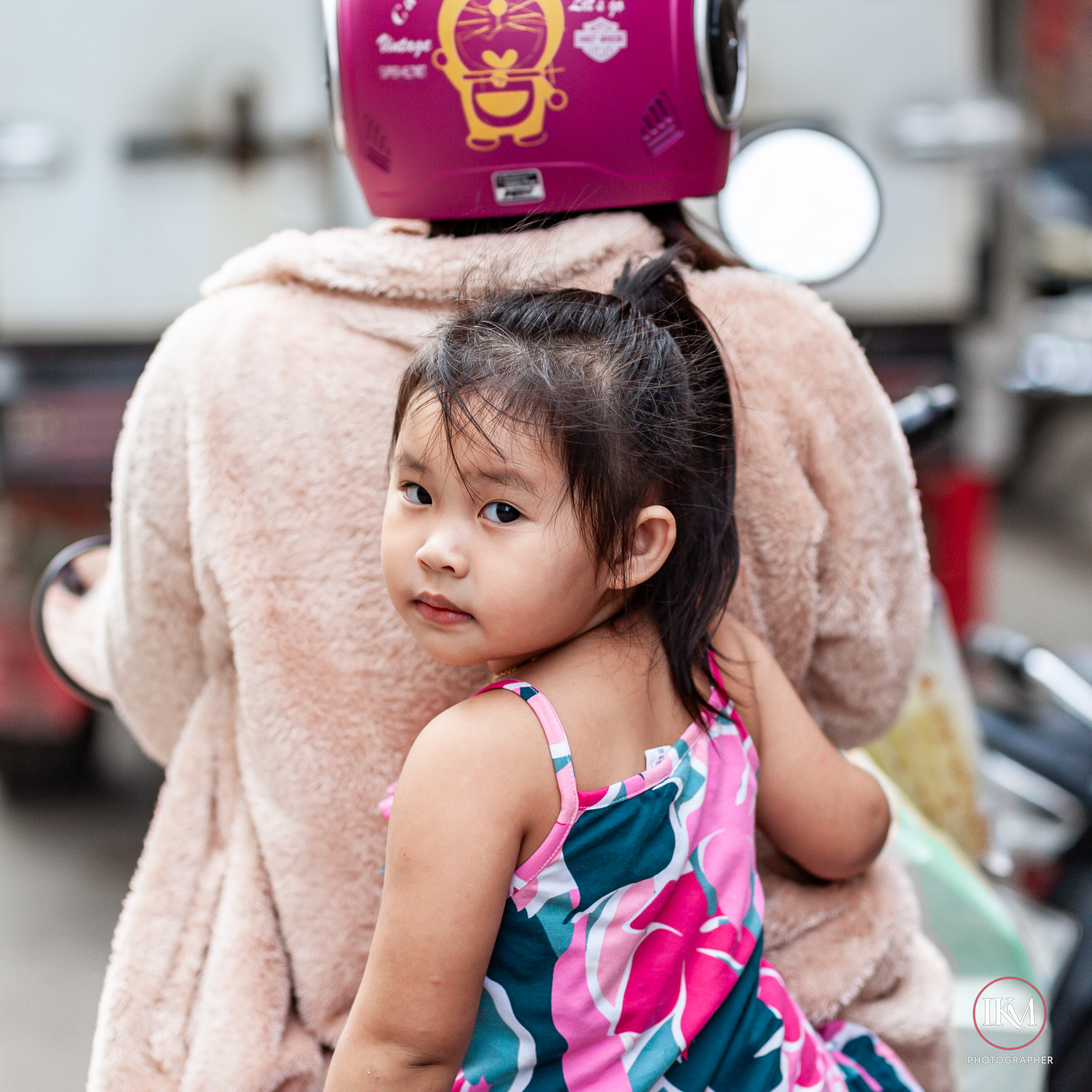
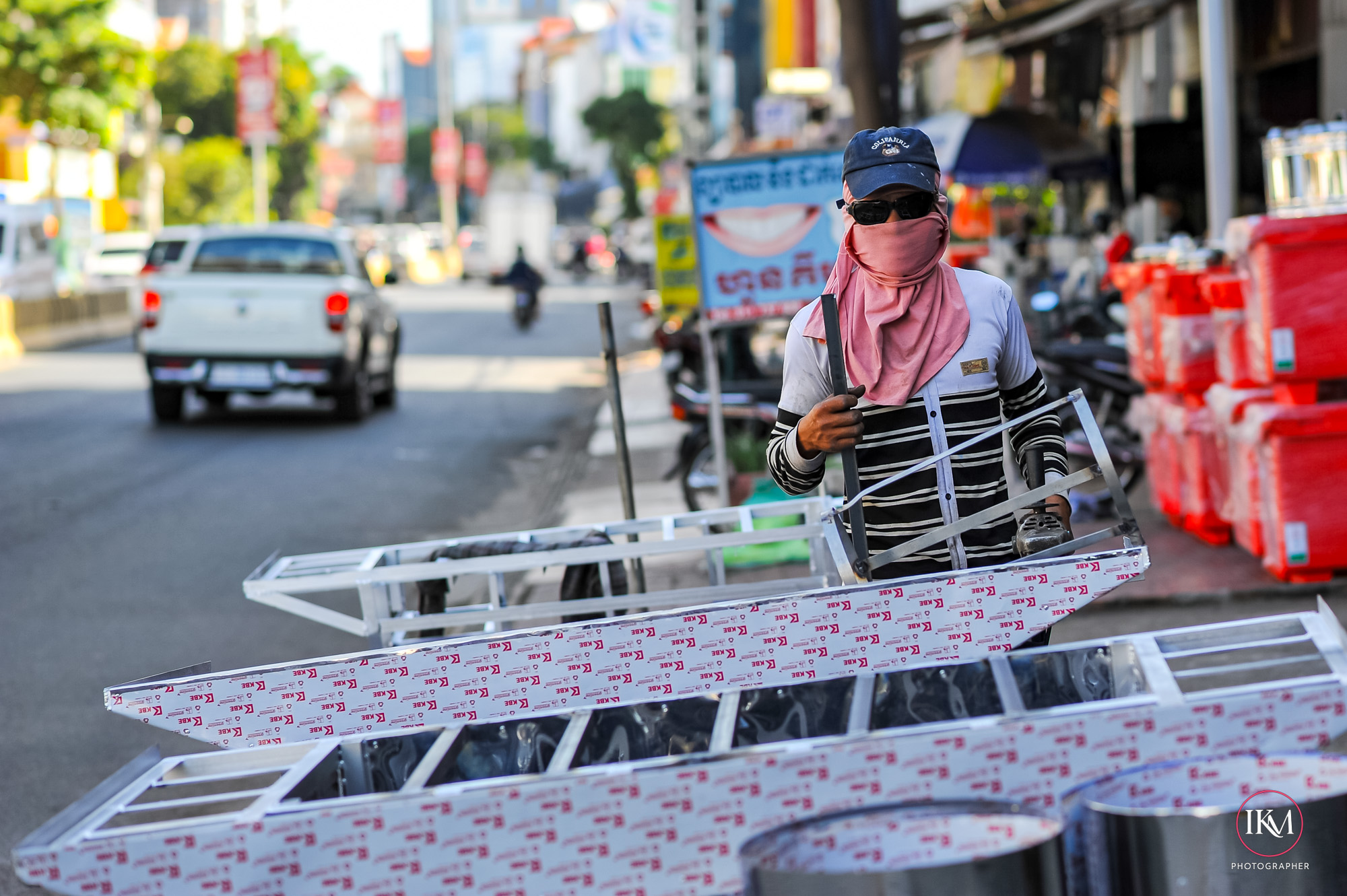
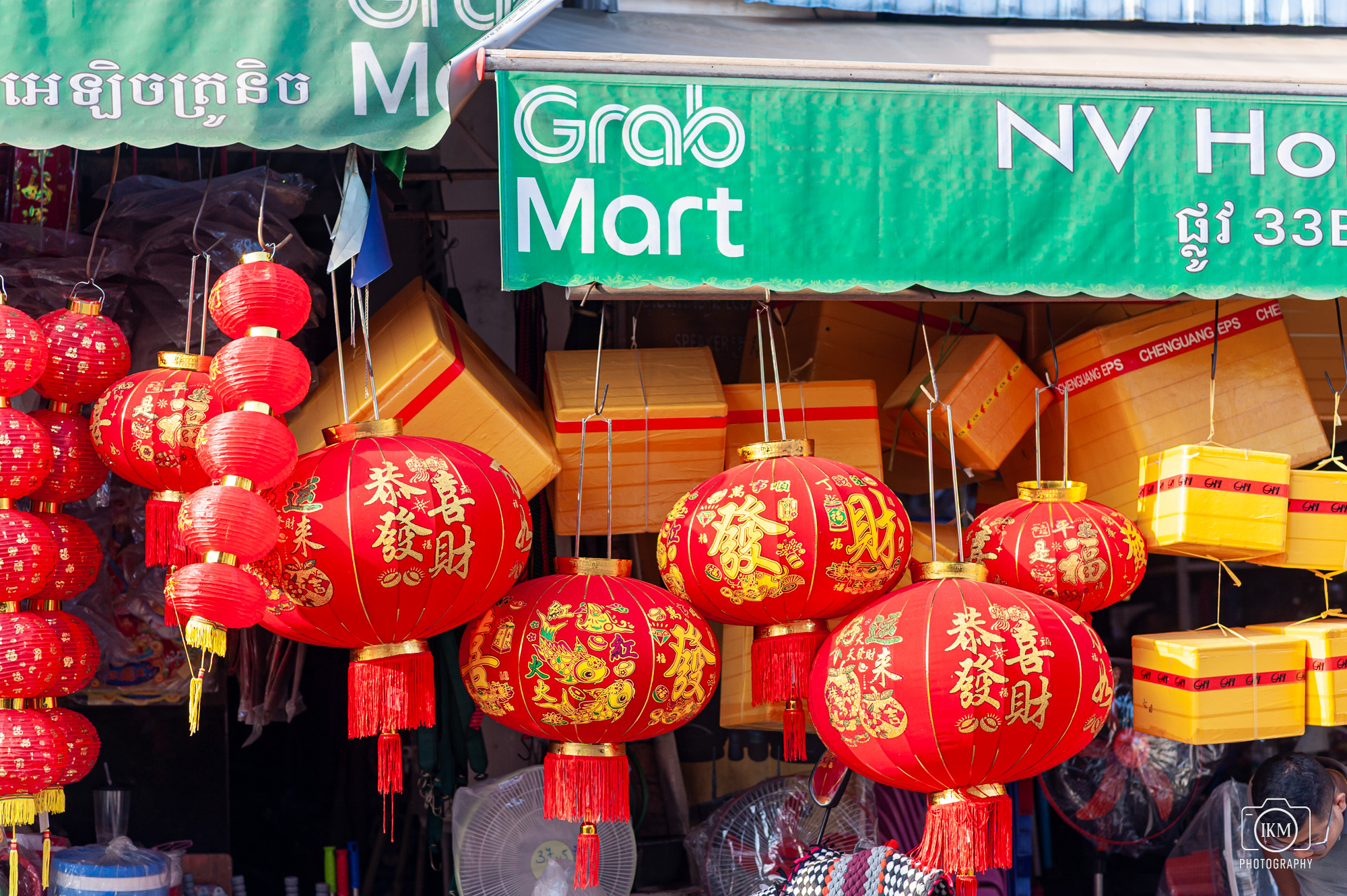
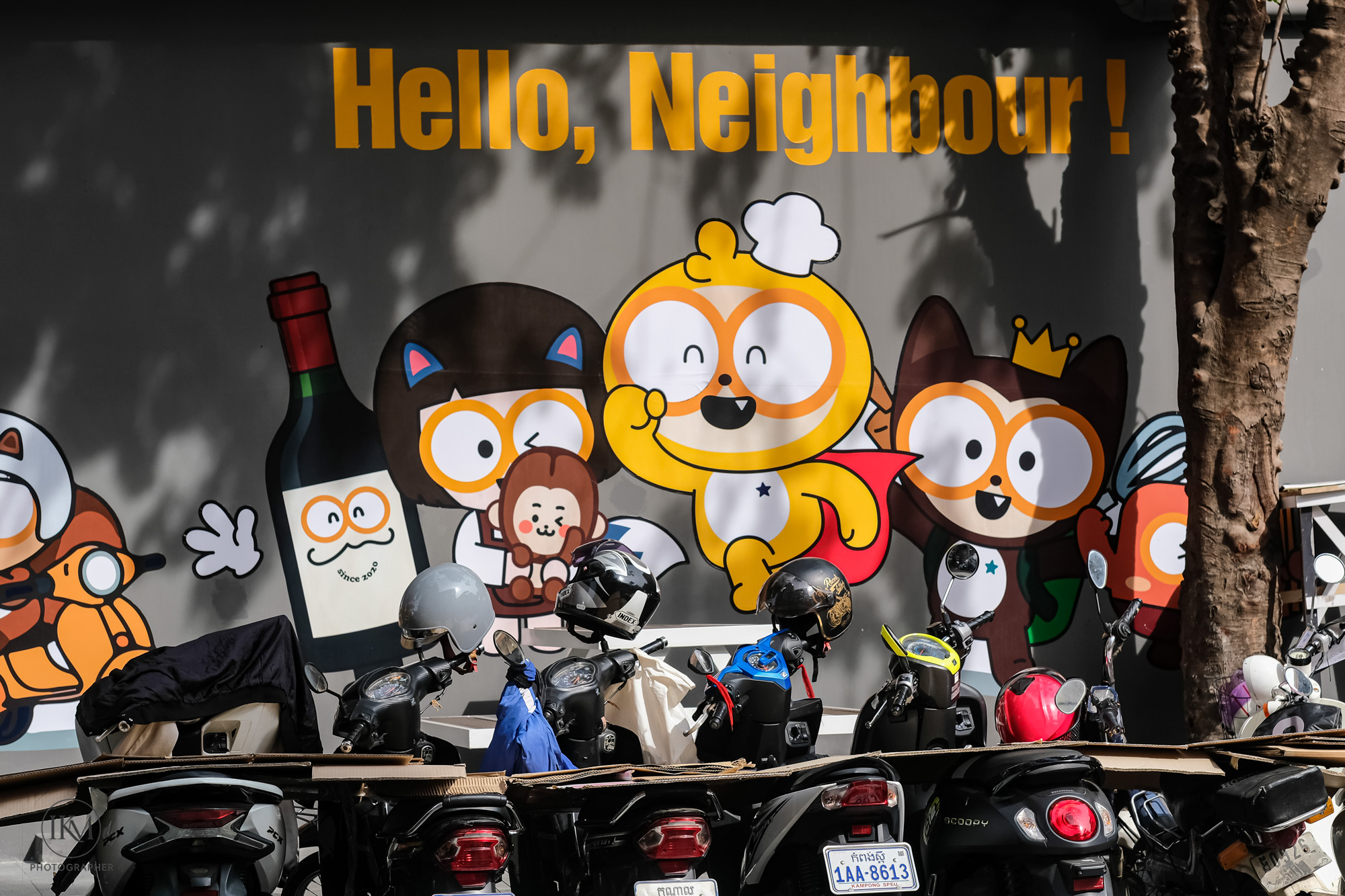
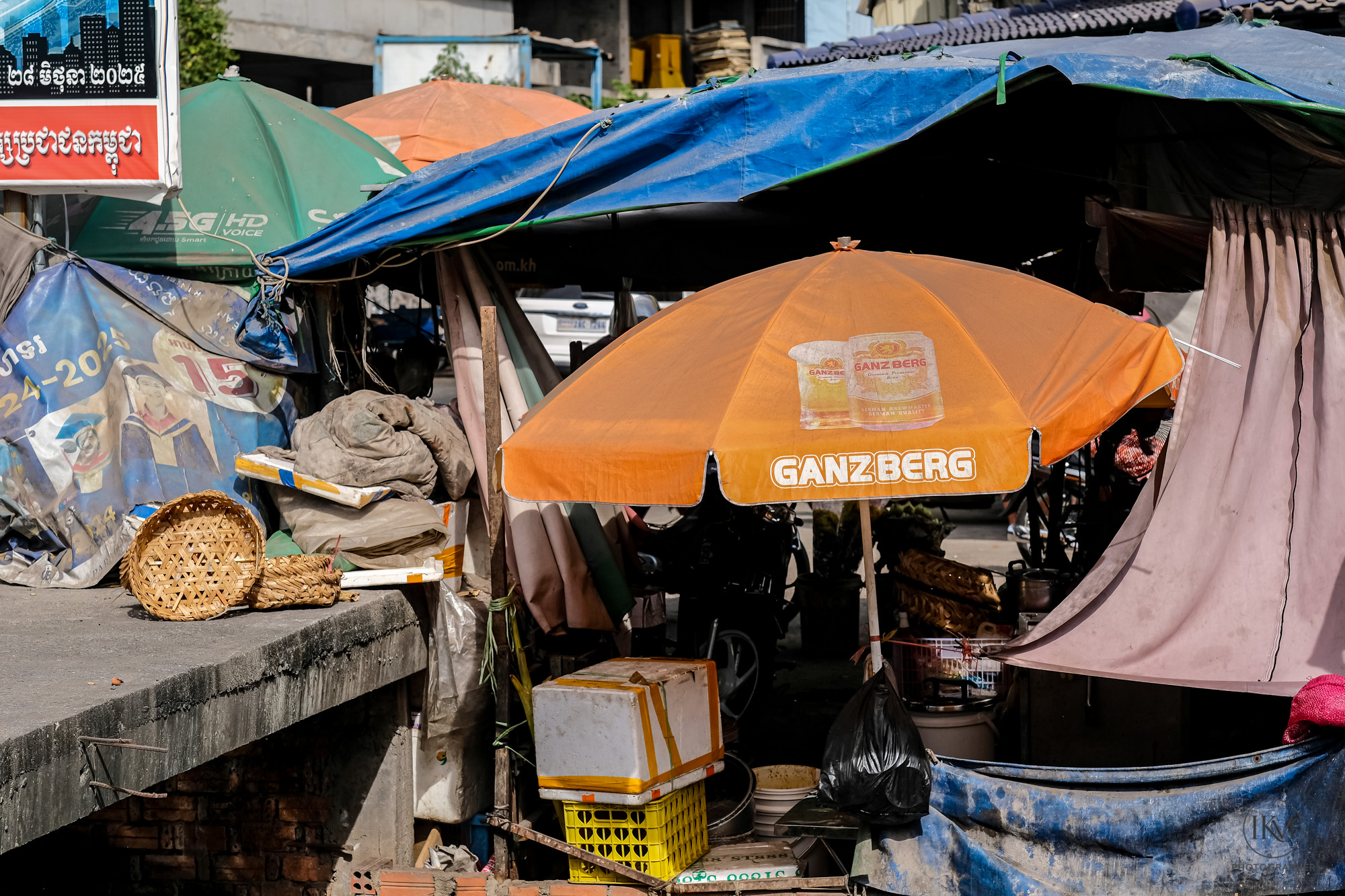
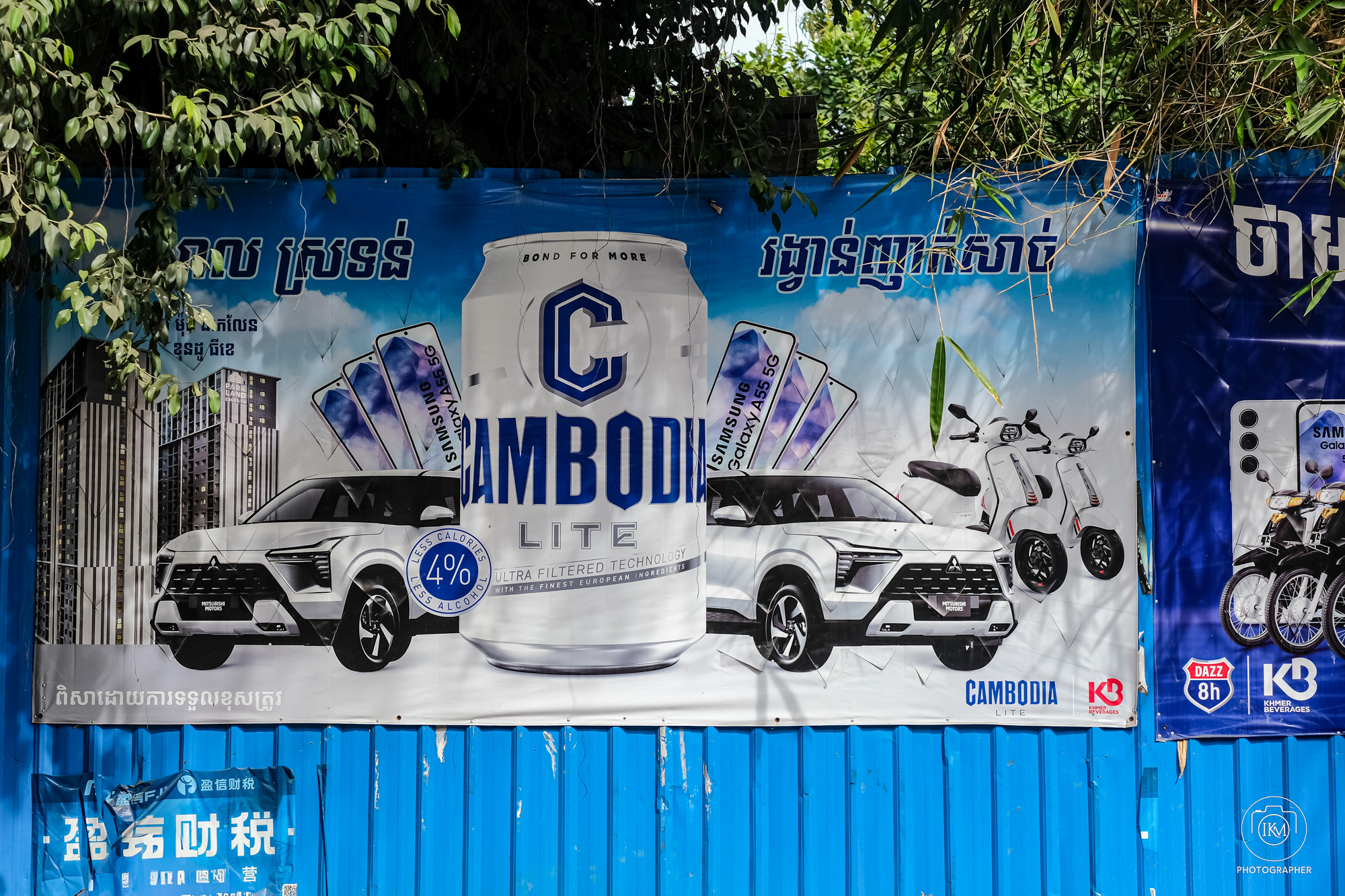
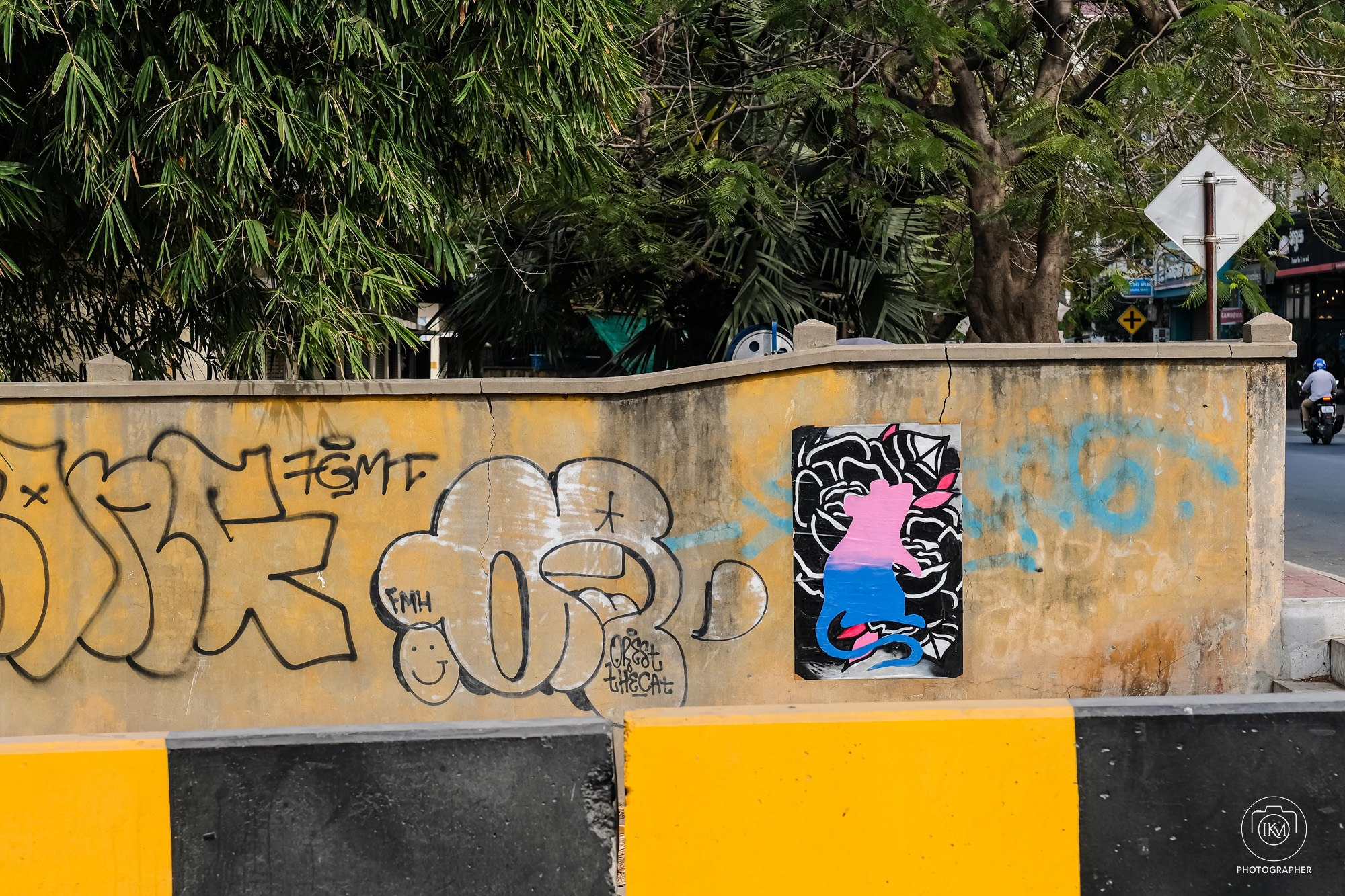
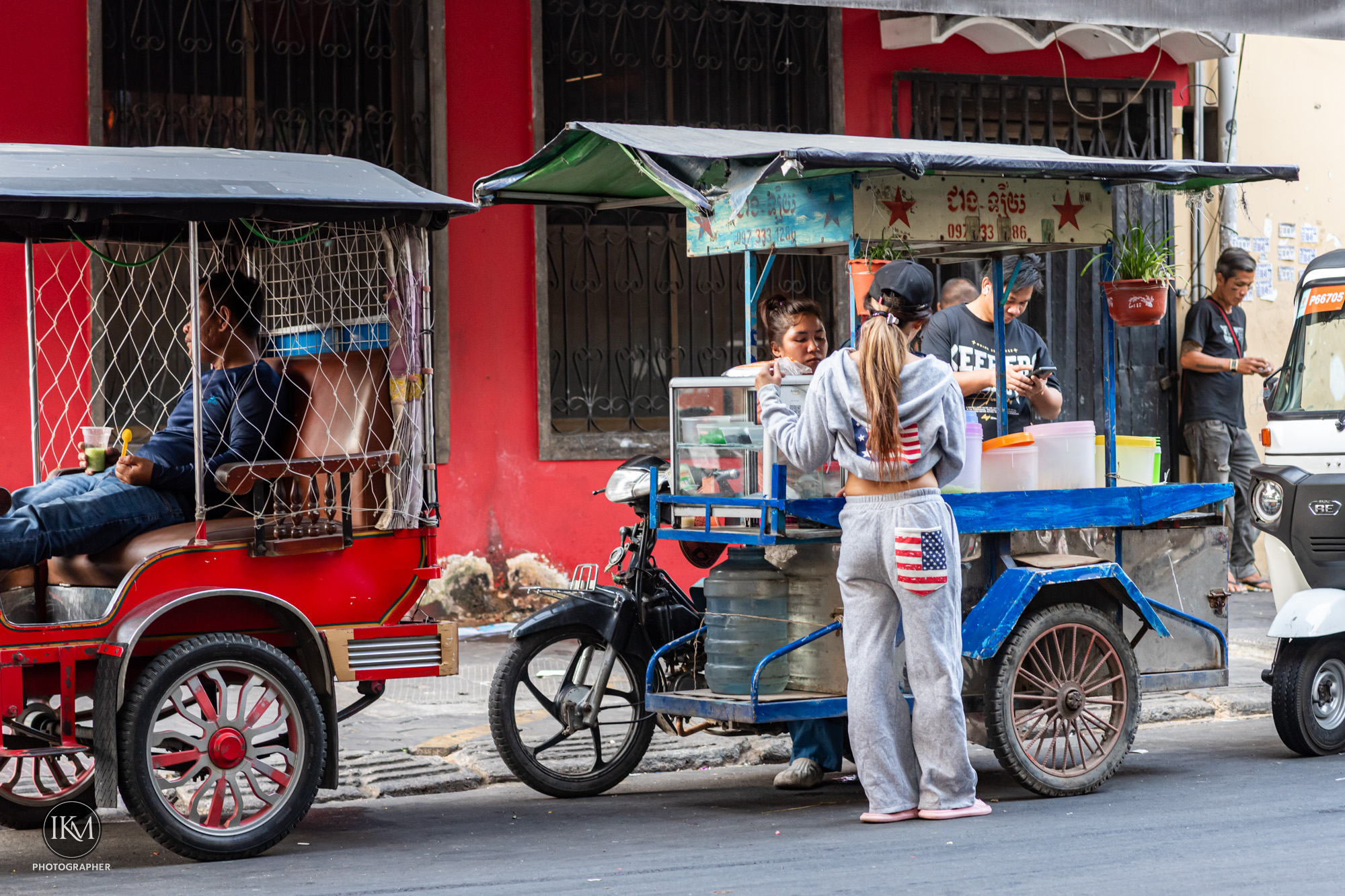
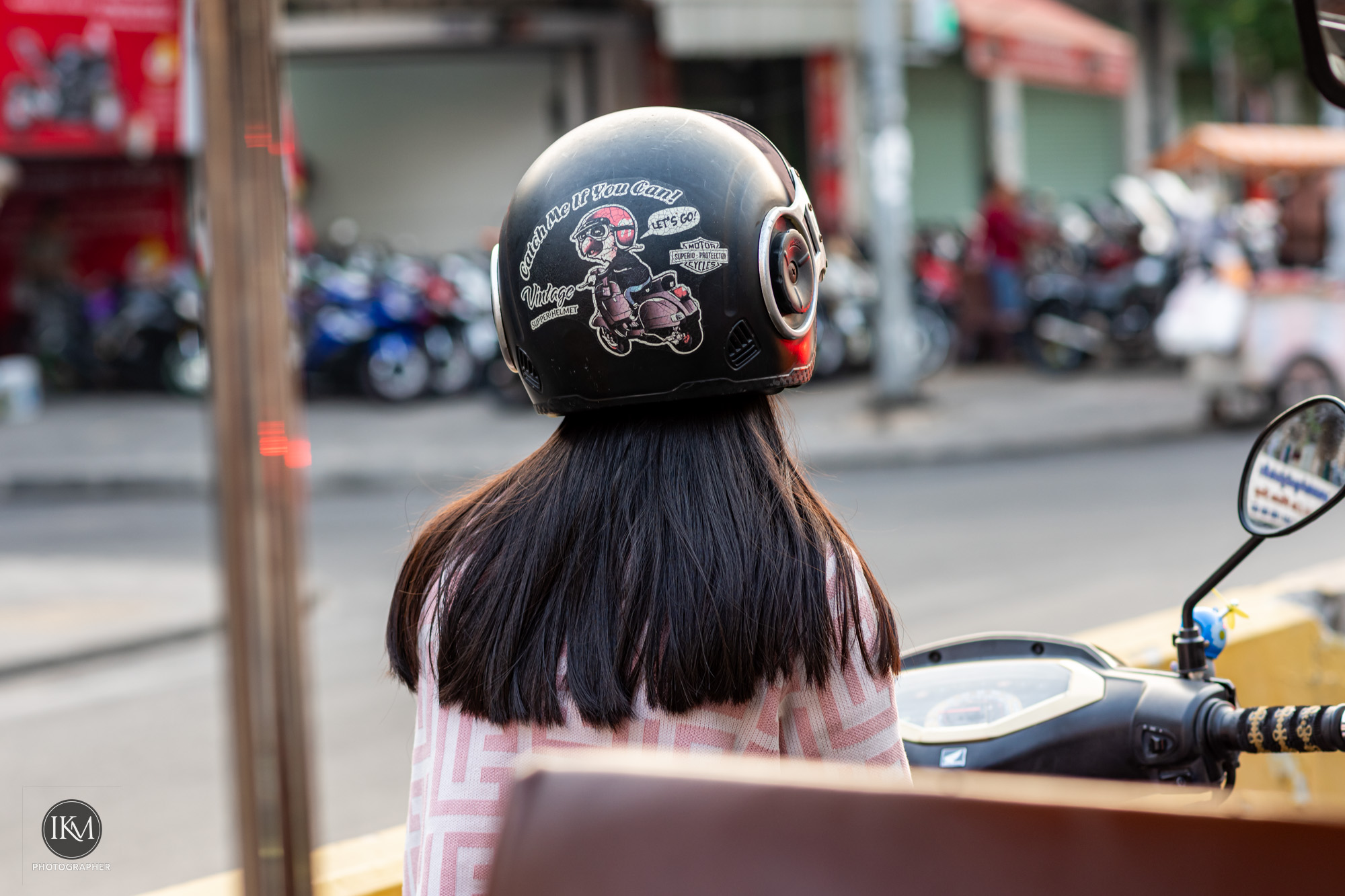
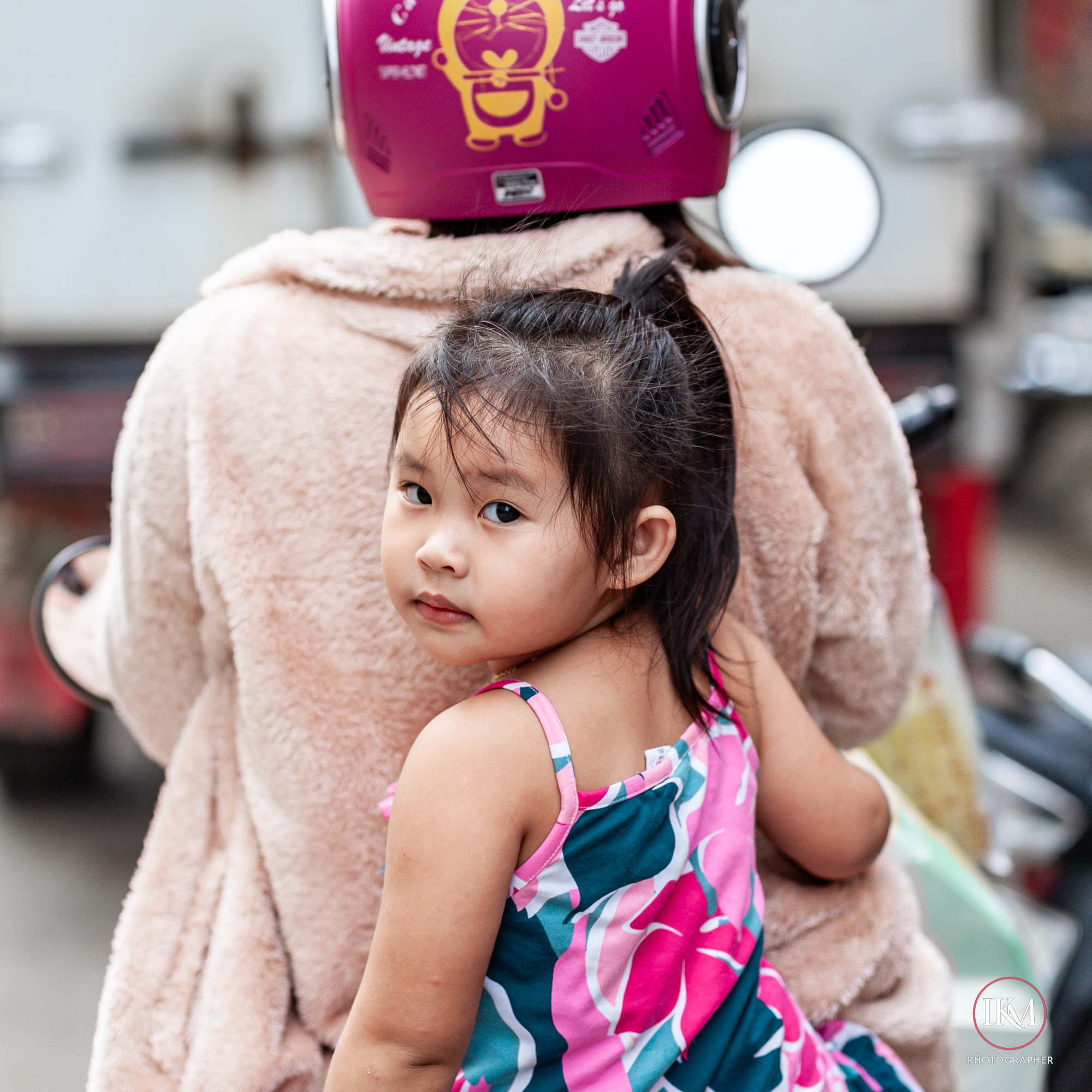
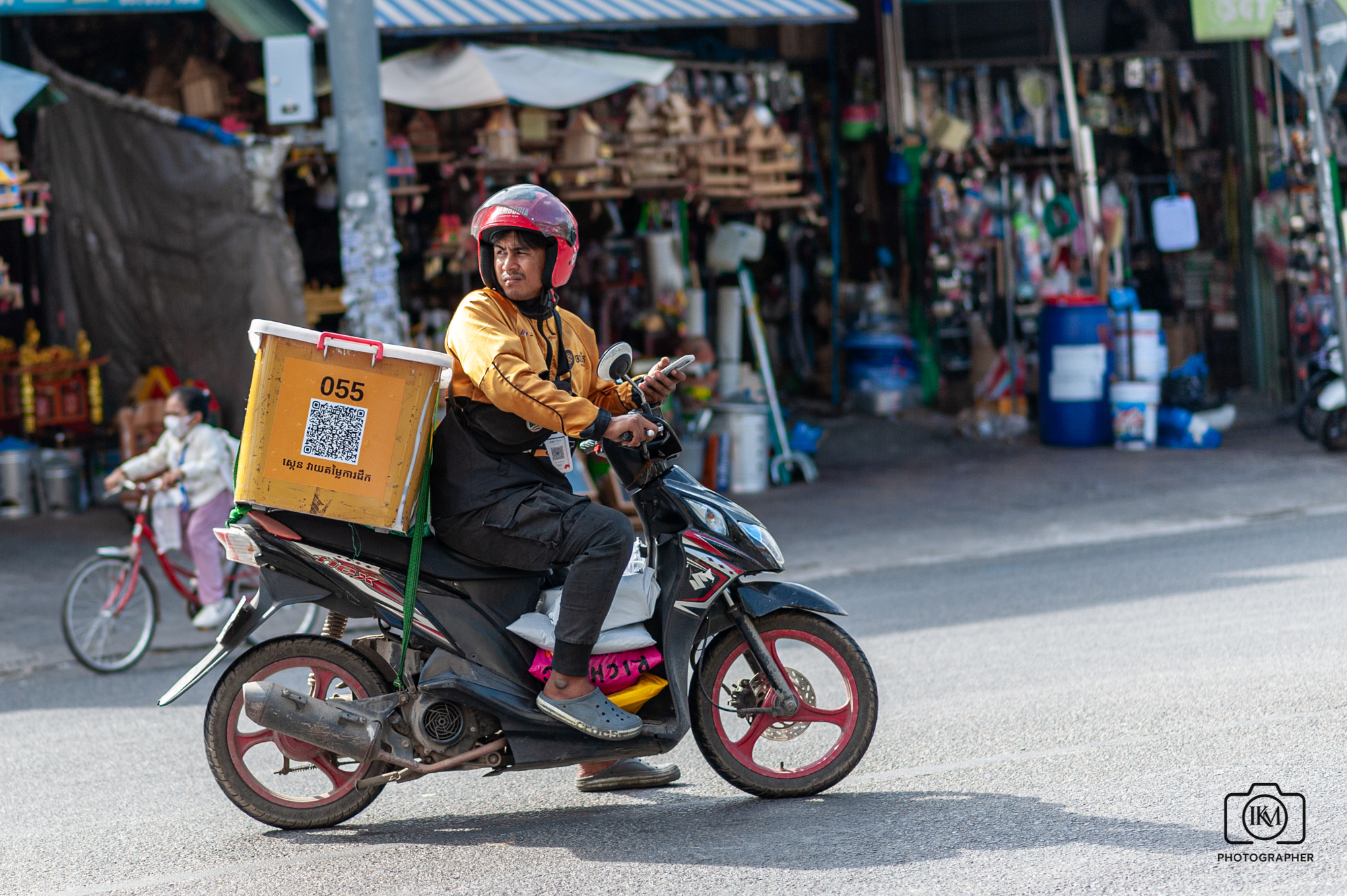
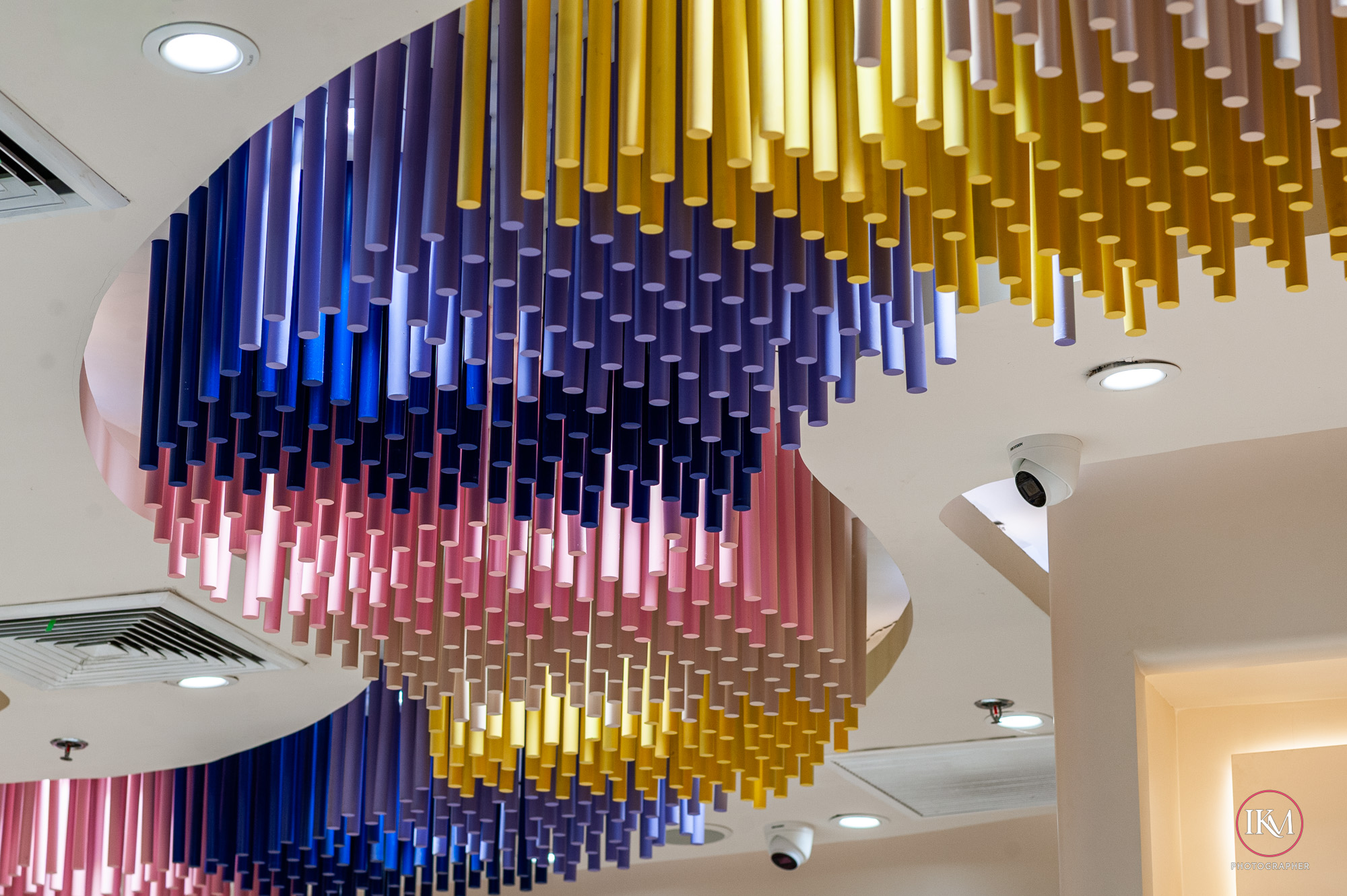
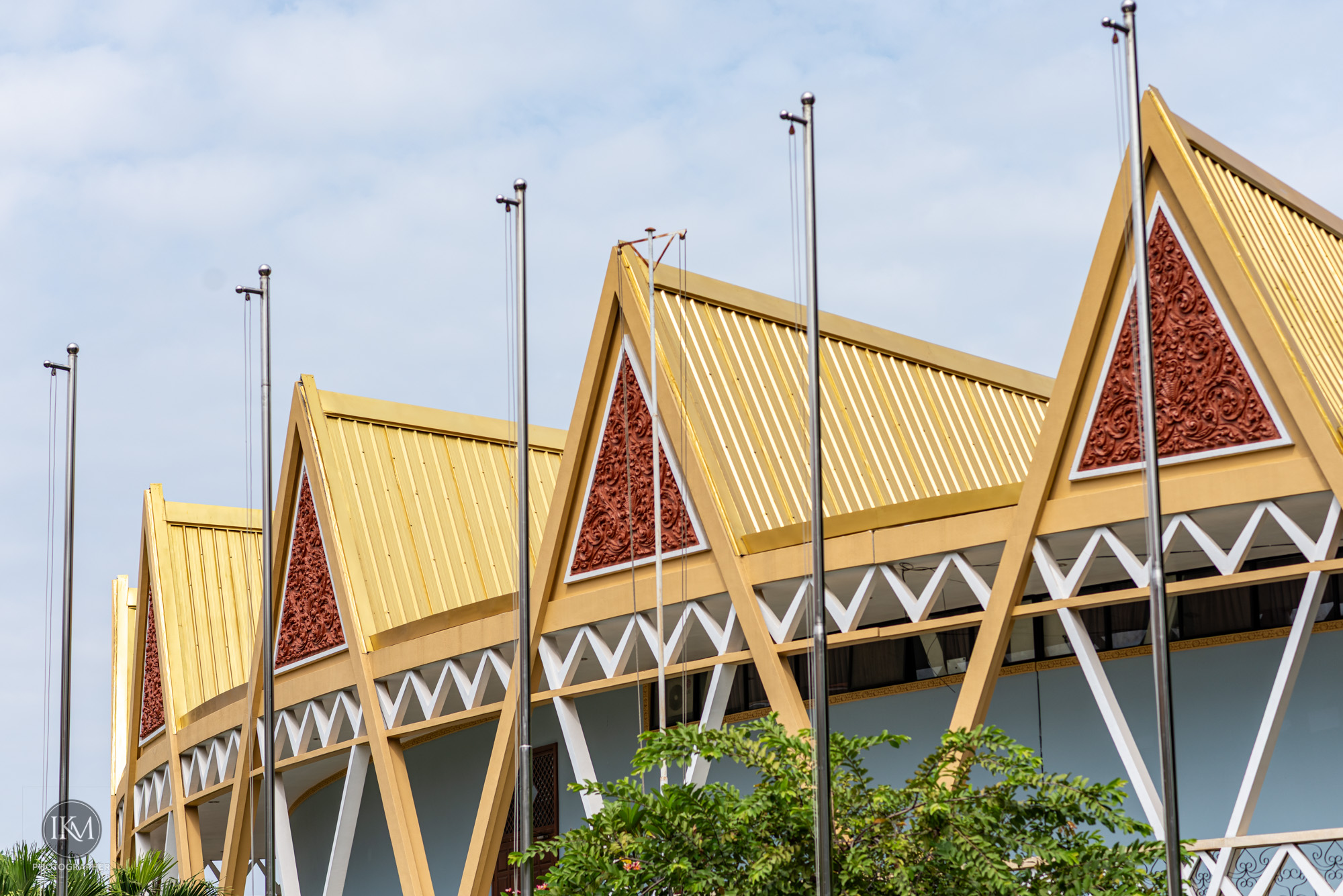
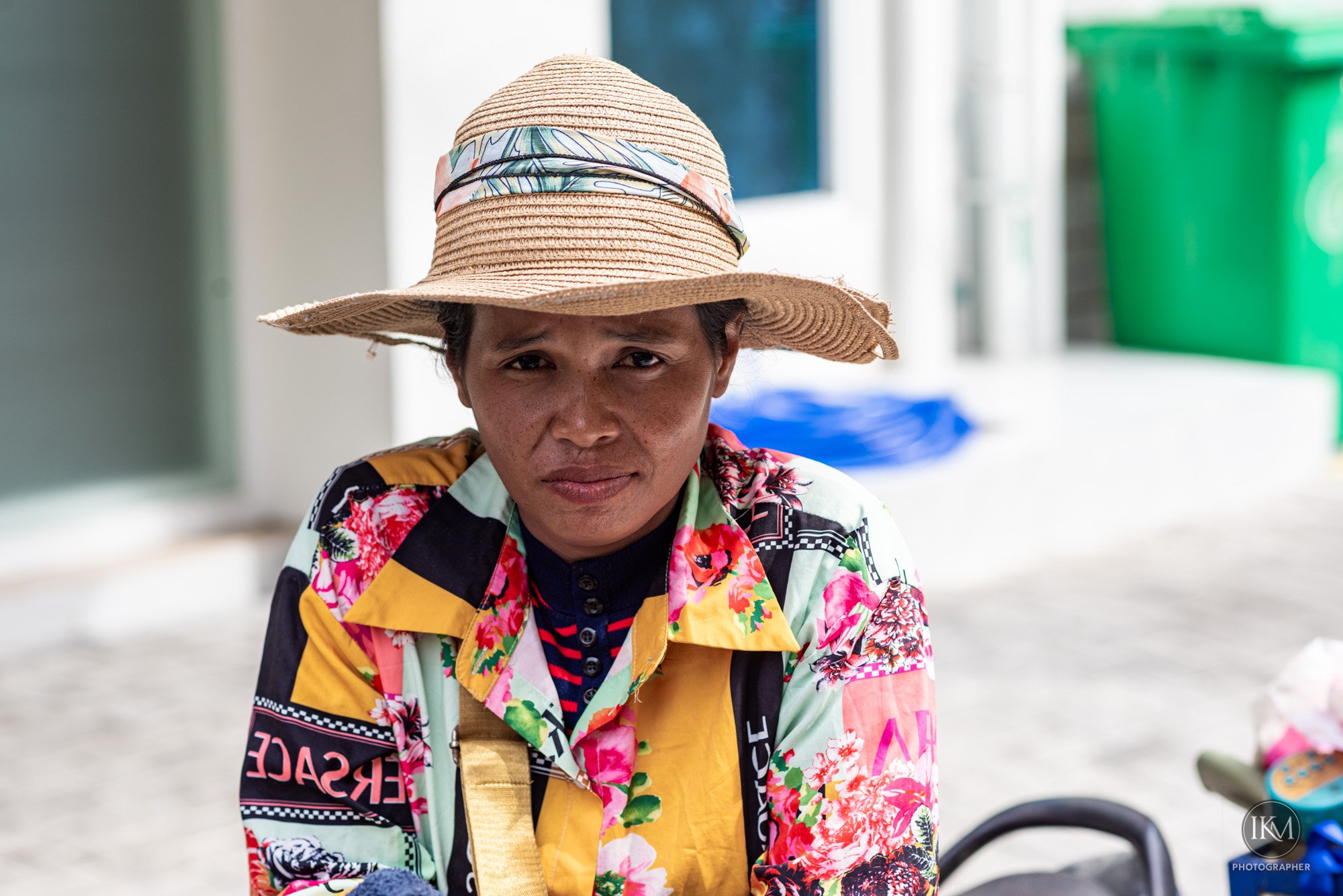
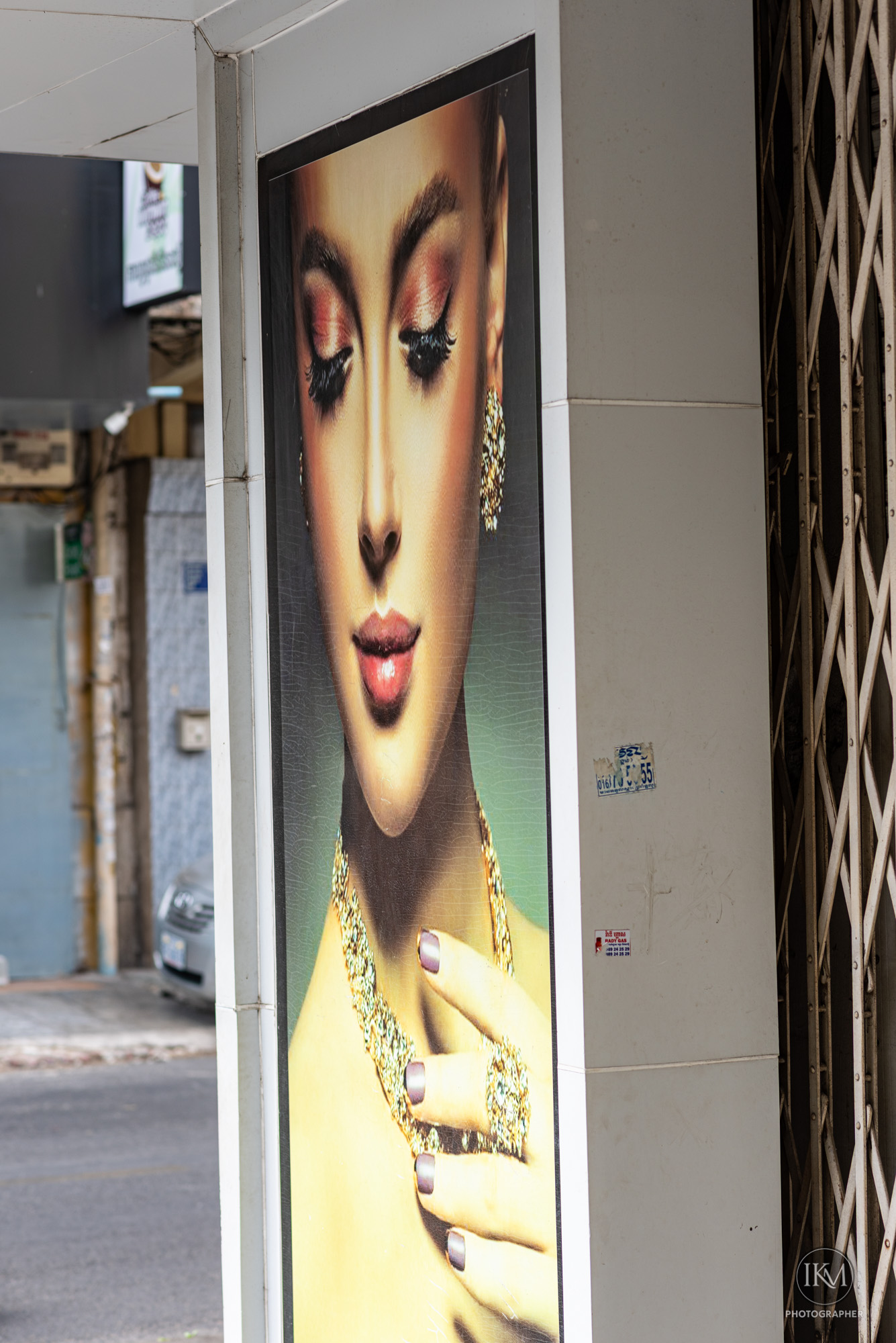
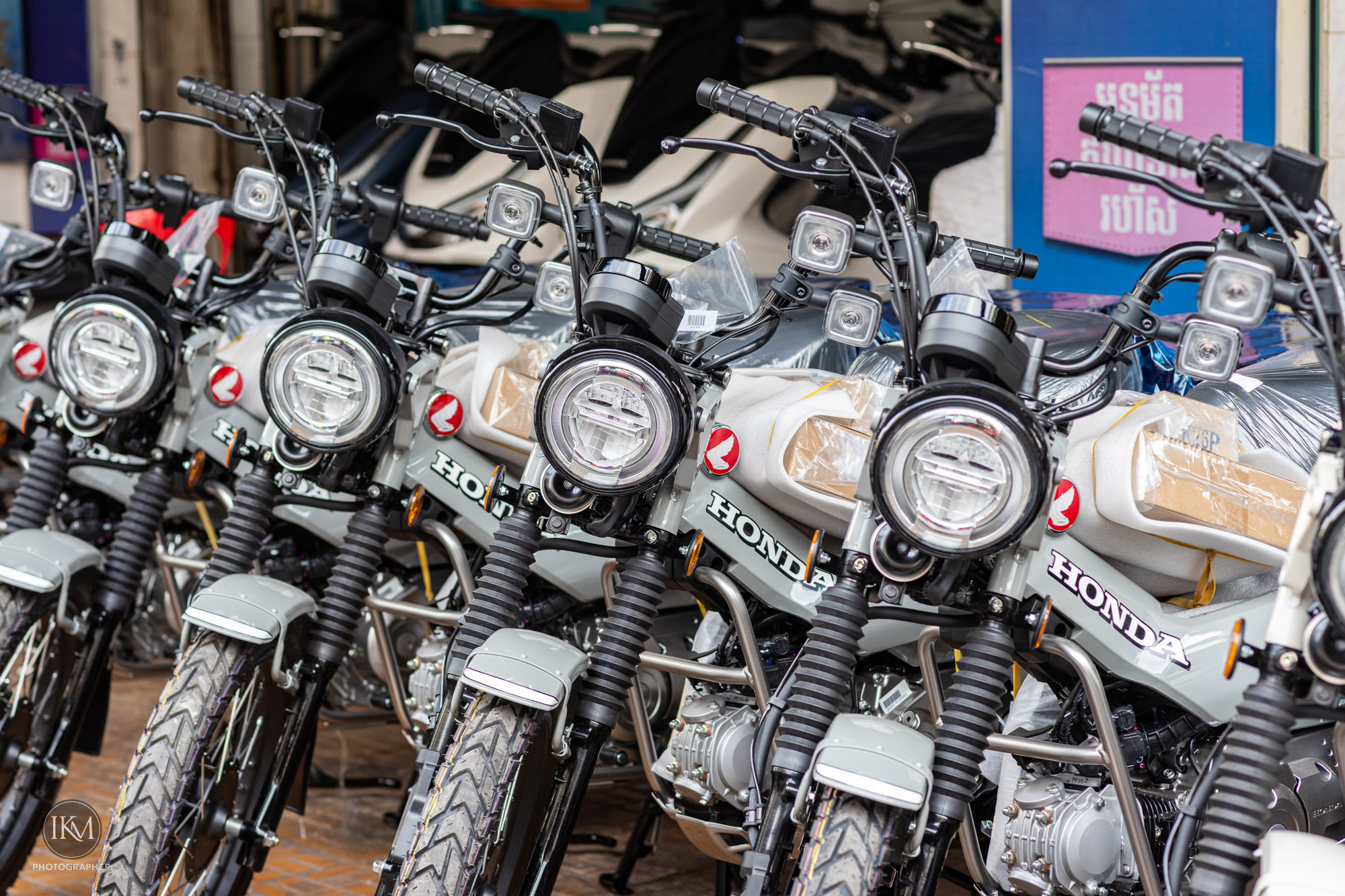
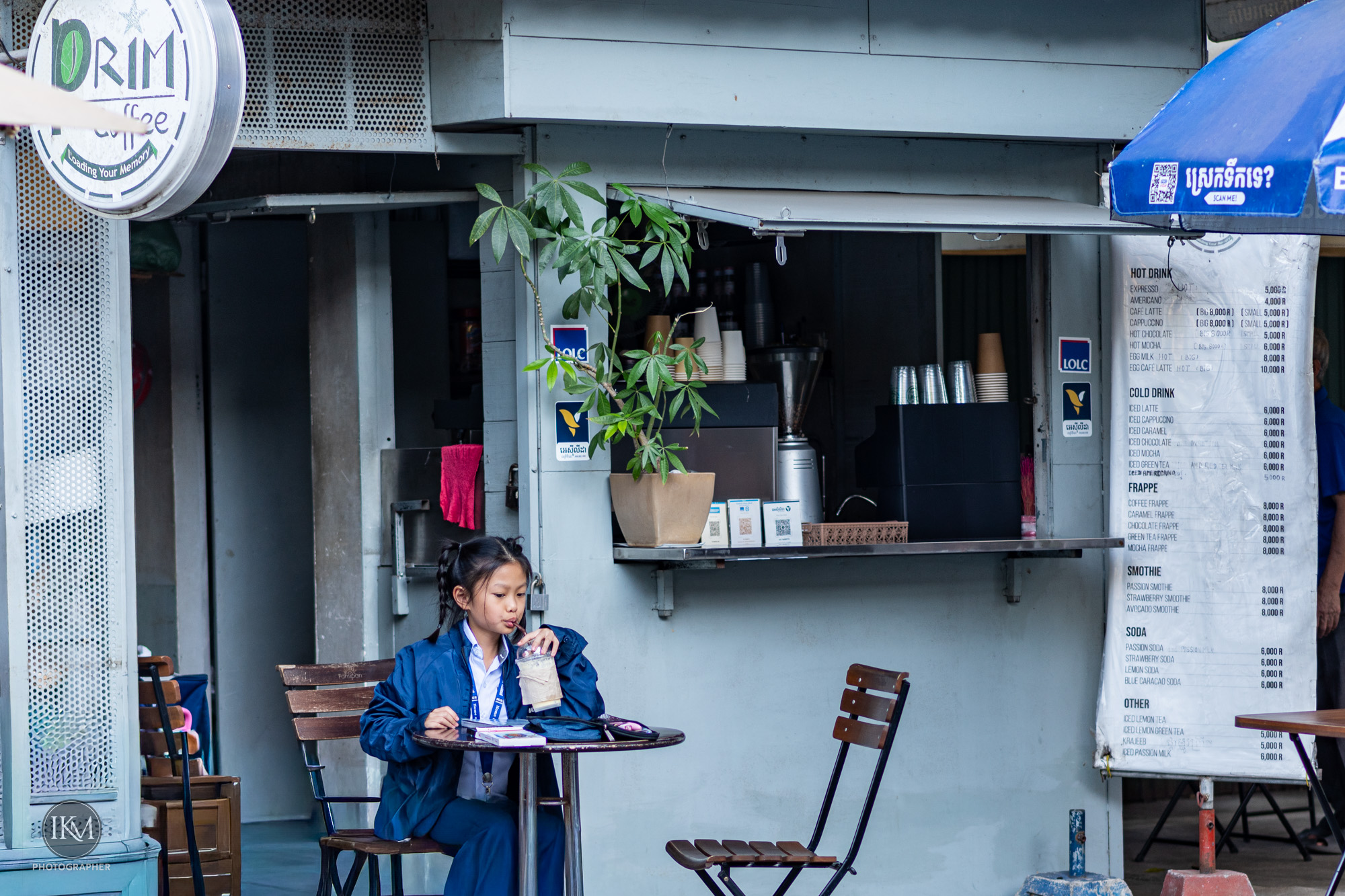
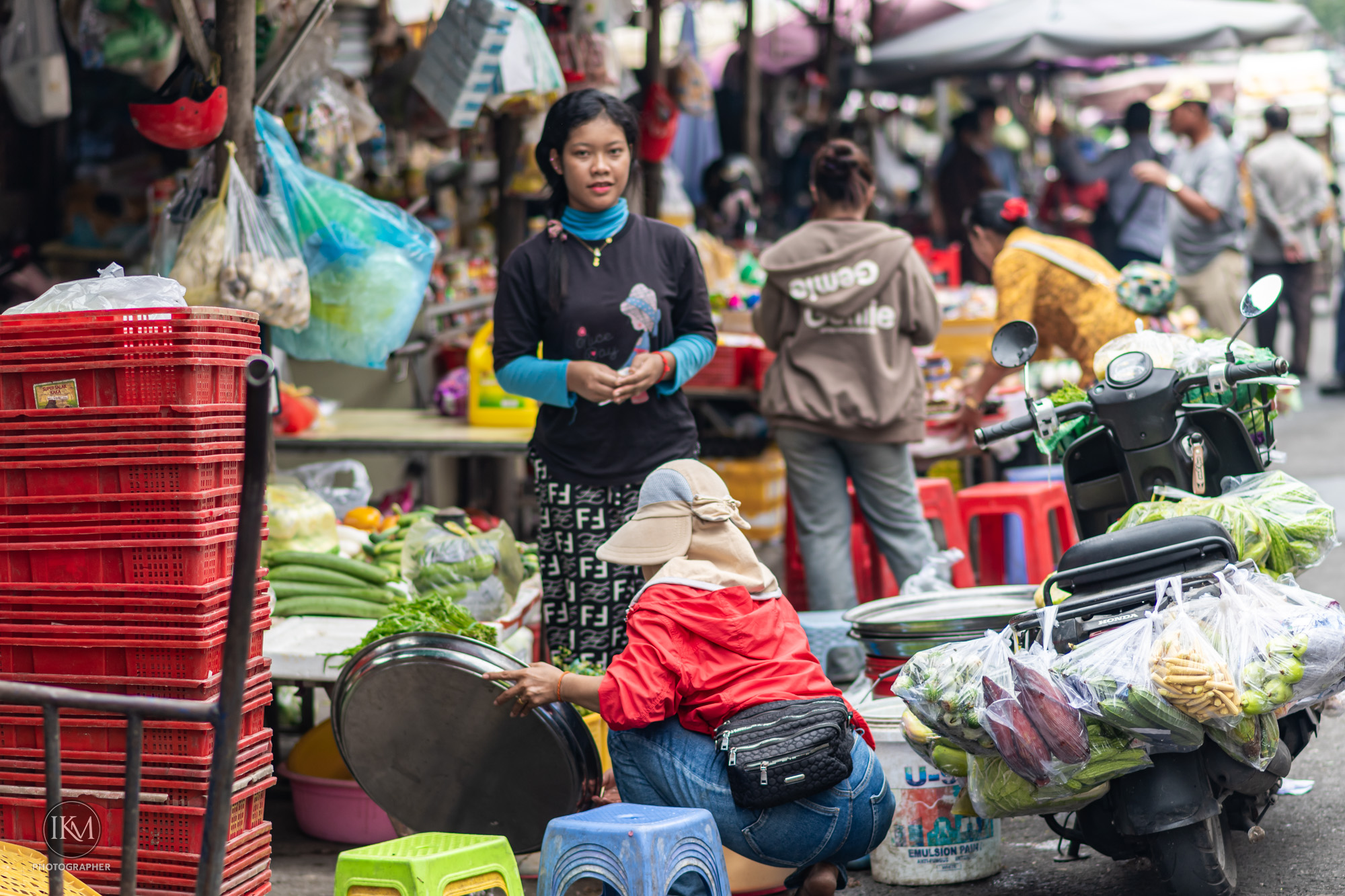
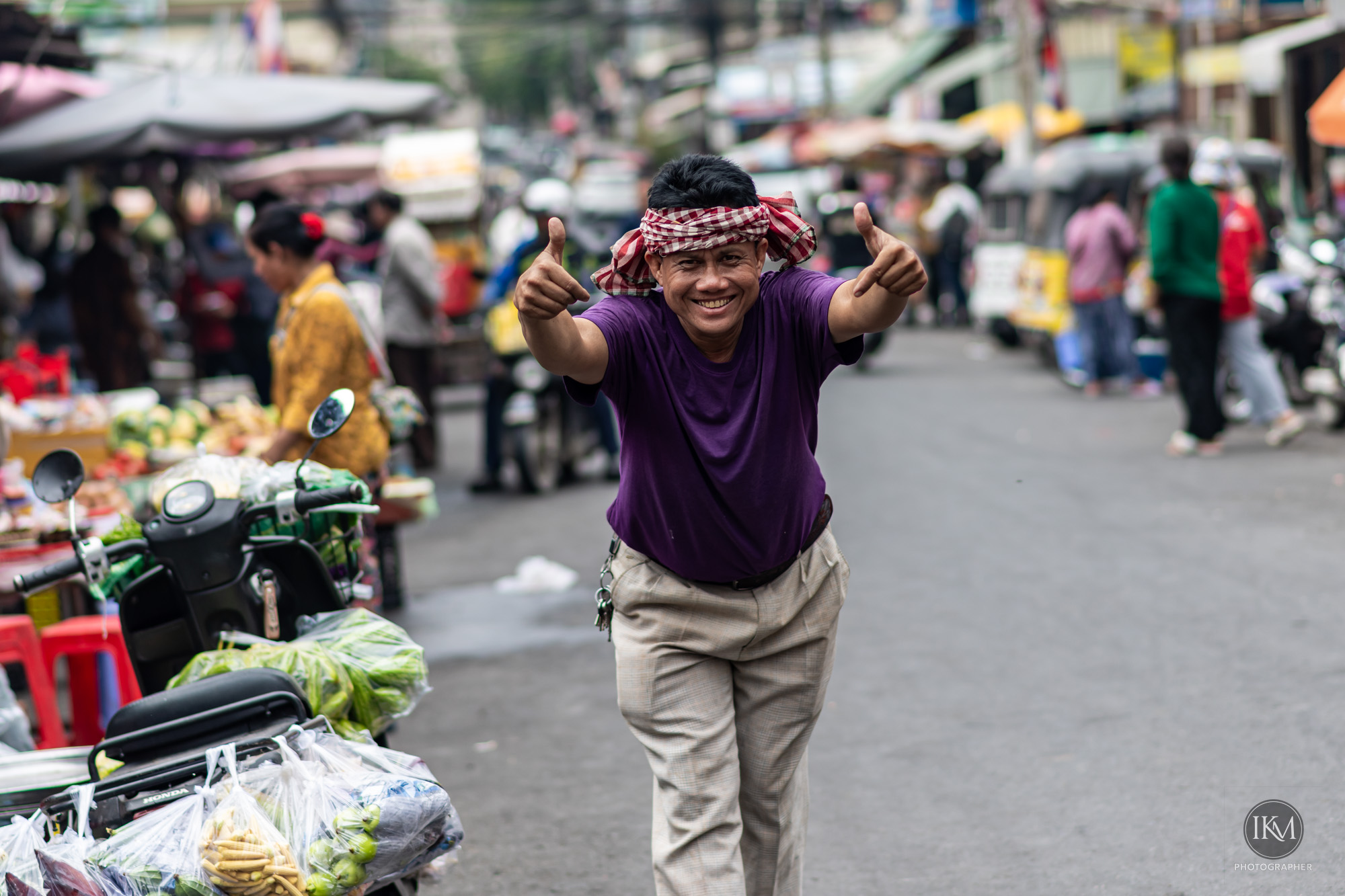
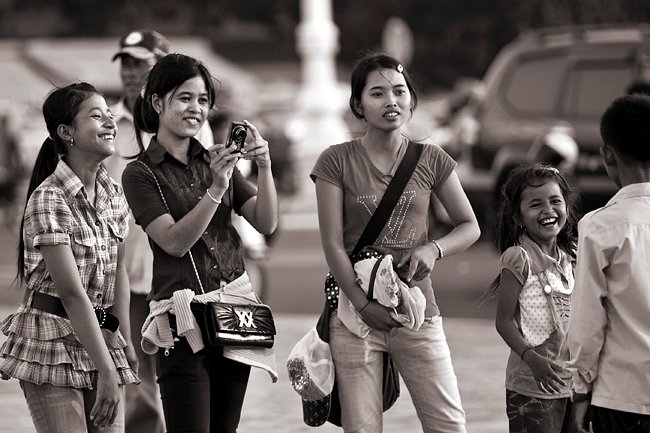
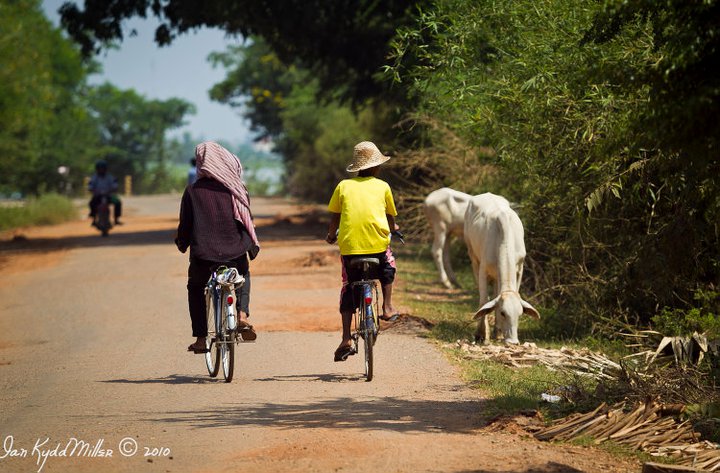
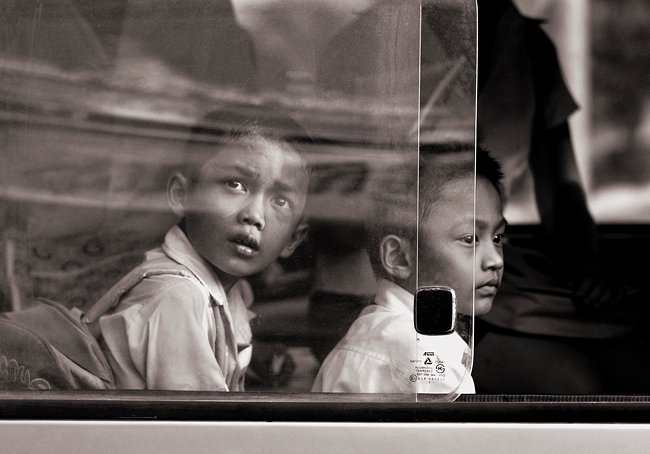
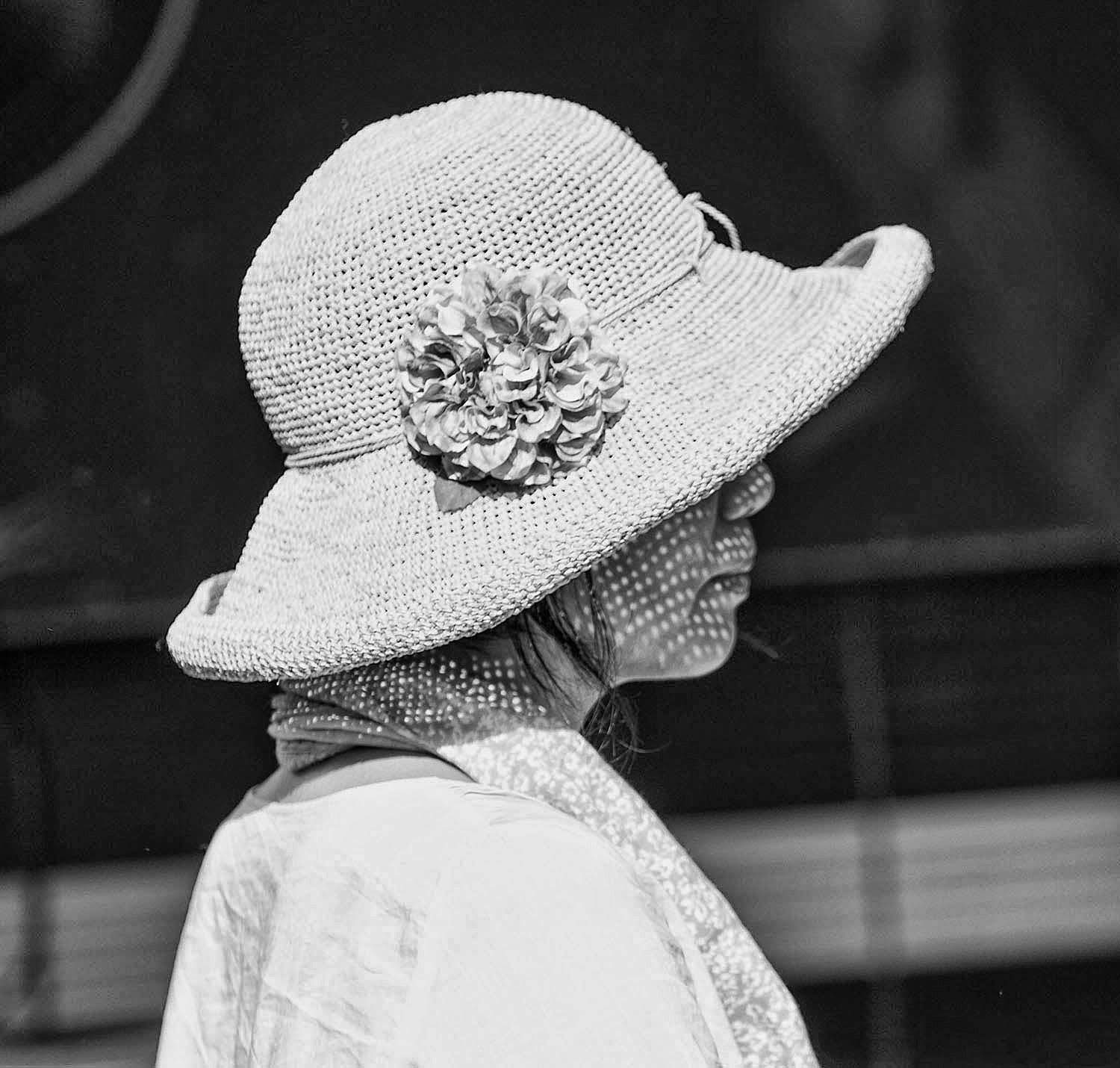
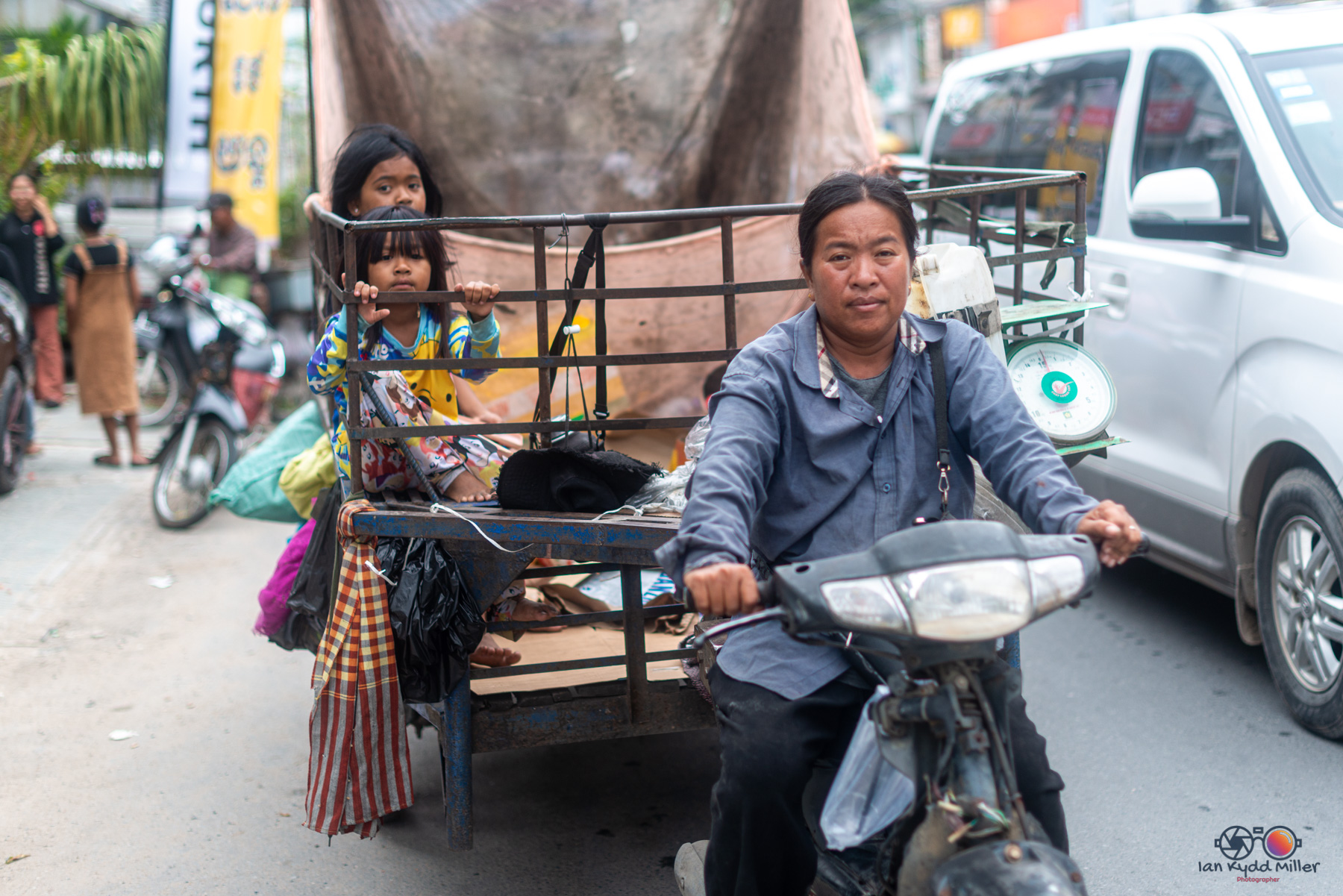
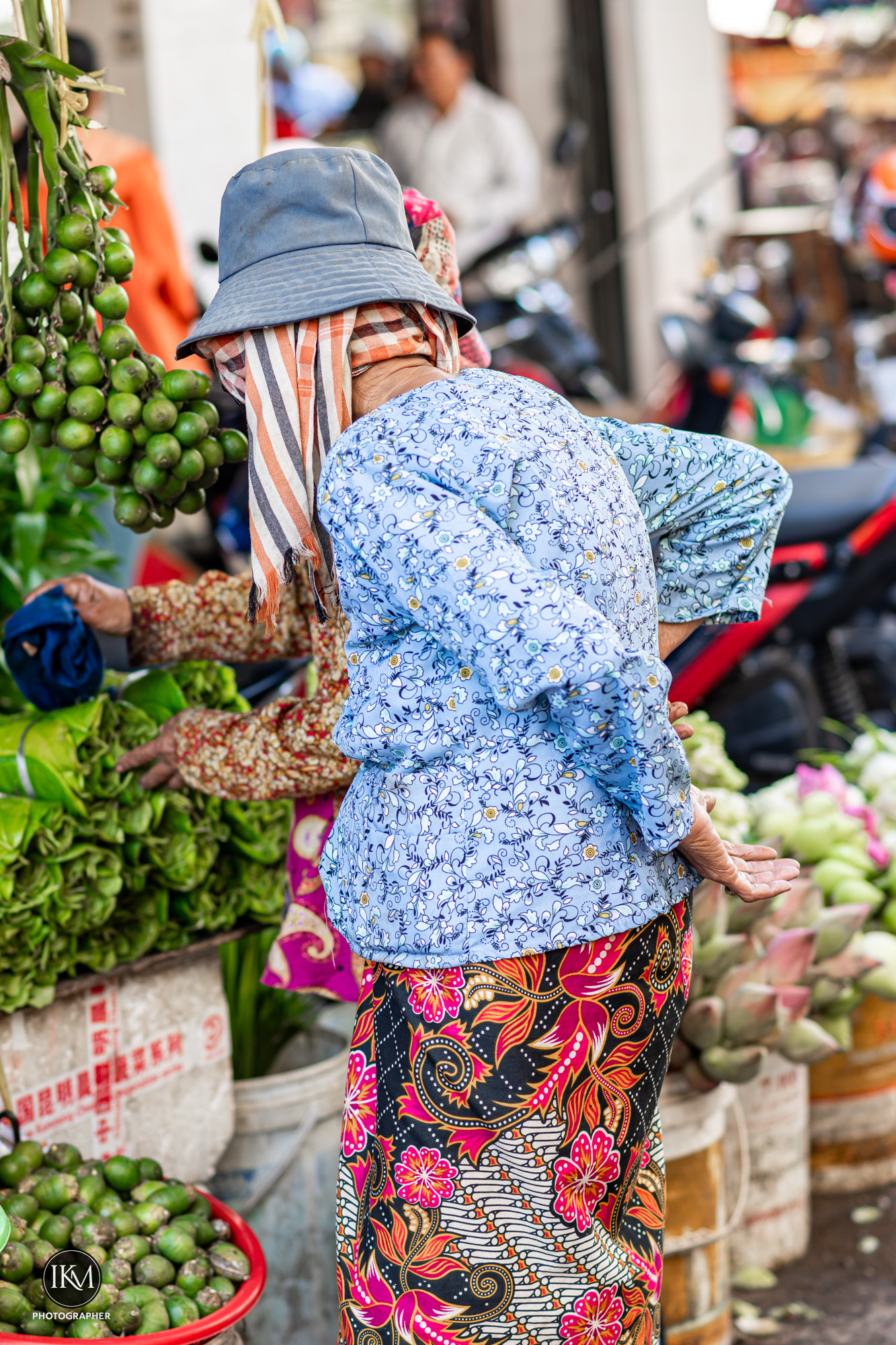
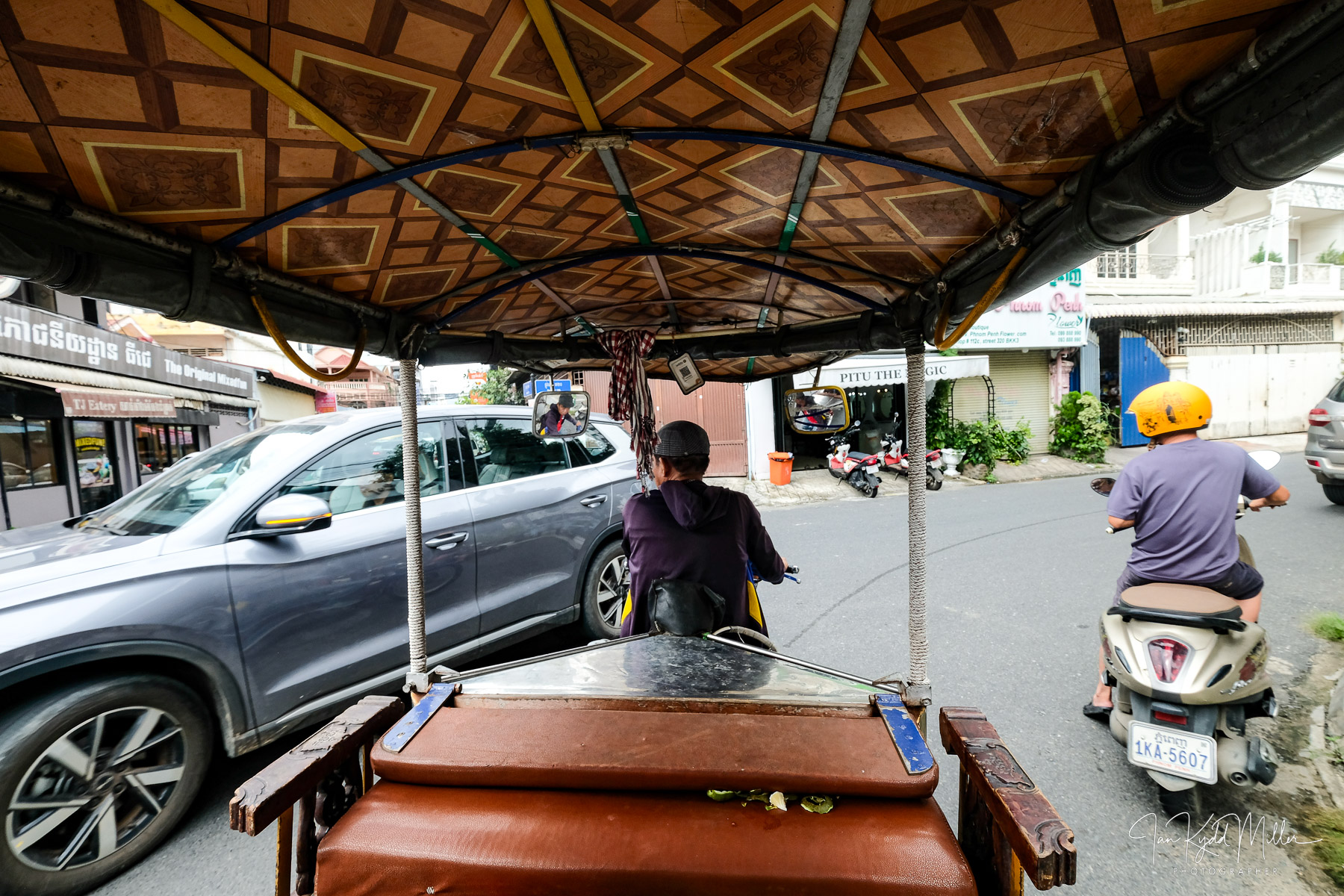
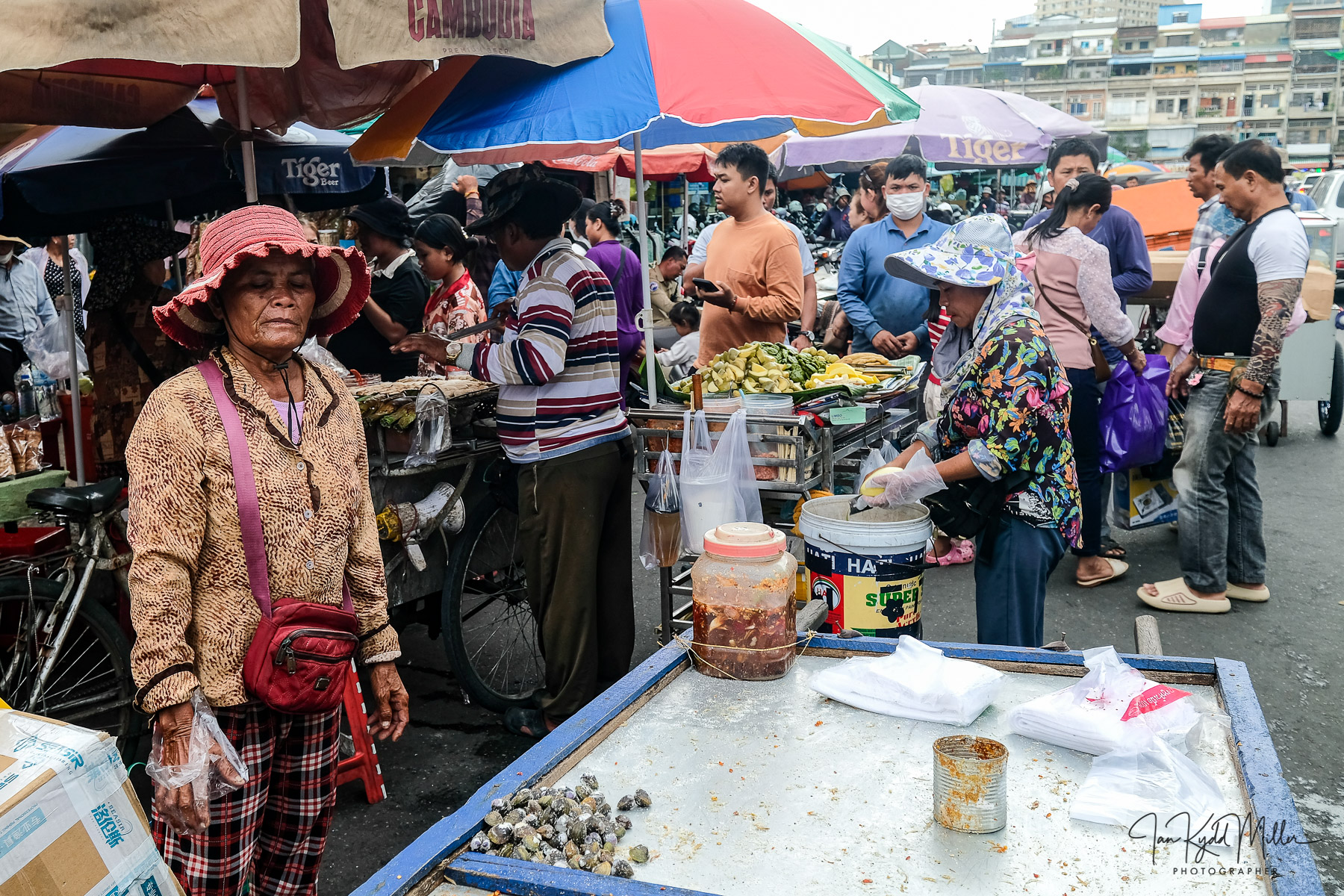
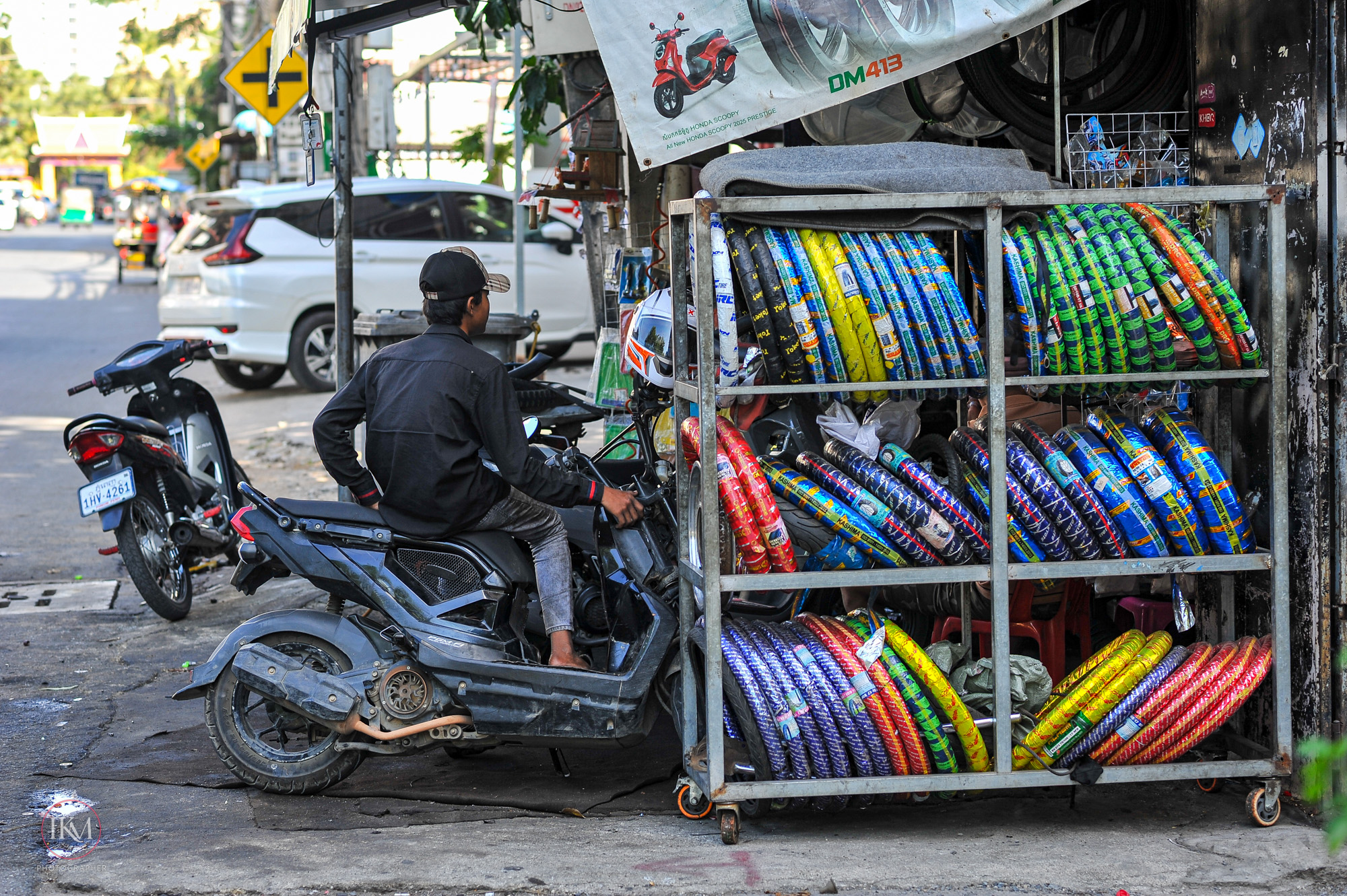
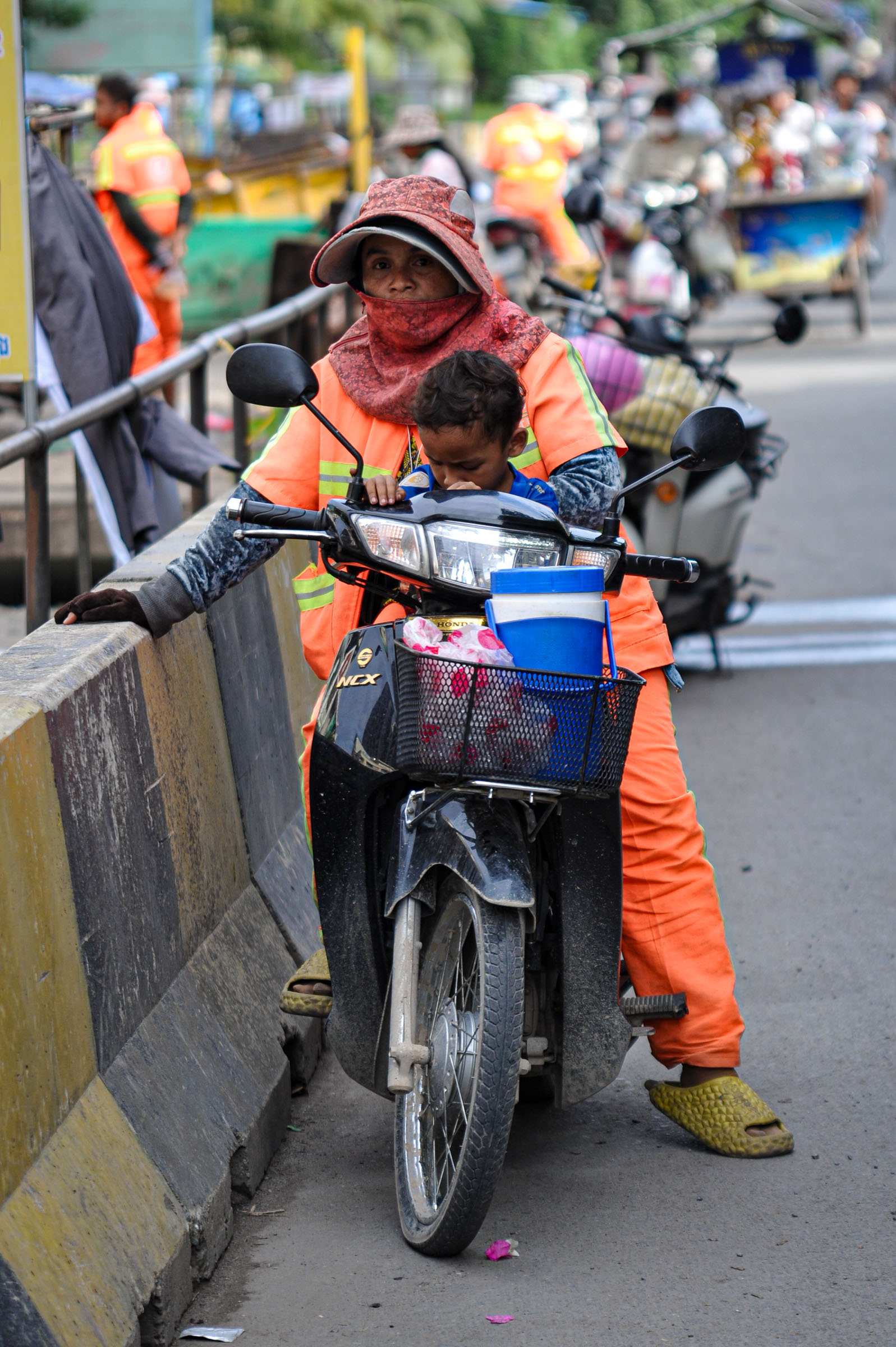
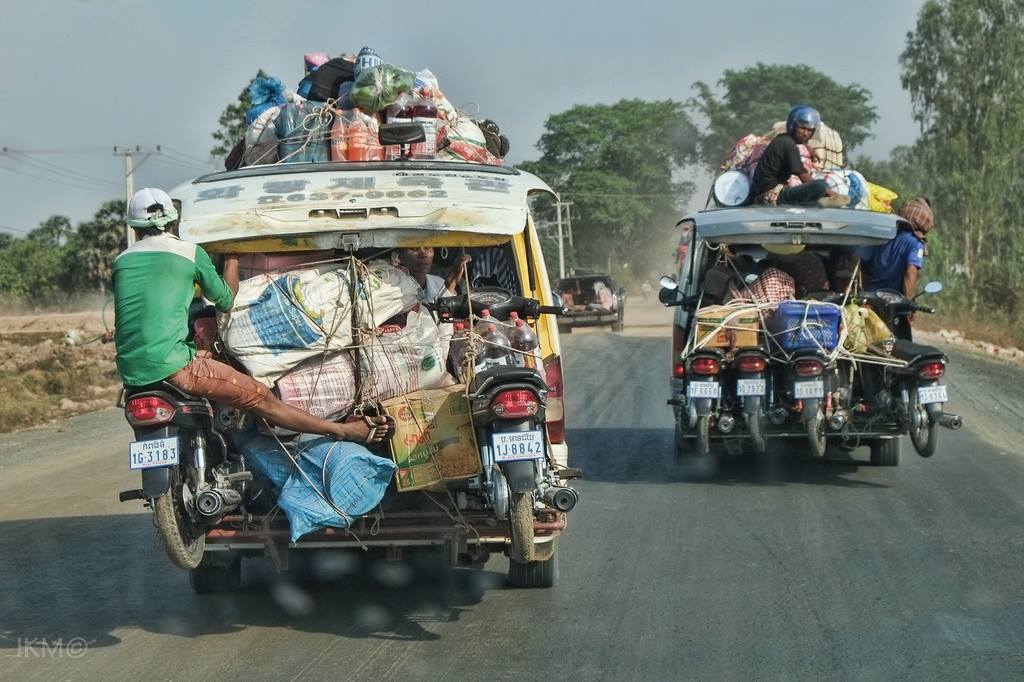
Street photography is a documentary‑driven, observational form of photography that focuses on capturing unposed, unscripted moments in public spaces. At its core, it is about human presence, urban atmosphere, and the poetry of everyday life — even when no people appear in the frame.
It is not defined by streets. It is not defined by cities. It is defined by the act of noticing.
Street photography is the art of paying attention.
🧱 Core Characteristics
1. Unposed, unstaged moments
Street photography is rooted in authenticity. The photographer does not arrange subjects or direct scenes. Instead, they respond to what unfolds naturally.
2. Public or semi‑public spaces
This includes:
streets
markets
parks
cafés
public transport
communal spaces
Anywhere life happens without orchestration.
3. The decisive moment
Coined by Henri Cartier‑Bresson, this refers to the instant when composition, gesture, light, and meaning align. Street photography is built on this instinctive timing.
4. Human presence — literal or implied
A person may be in the frame, or their presence may be suggested through:
objects
shadows
traces
atmosphere
architecture
Street photography often reveals the relationship between people and their environment.
5. Observation over perfection
It values:
spontaneity
imperfection
ambiguity
mood
timing
It is not about technical perfection. It is about emotional truth.
🧠 The Philosophy Behind Street Photography
1. Seeing the extraordinary in the ordinary
Street photographers elevate everyday moments — a gesture, a glance, a shadow — into something meaningful.
2. Bearing witness
It is a form of visual anthropology. A way of documenting culture, behaviour, and the rhythms of life.
3. Presence and awareness
Street photography is as much about how you move through the world as it is about the images you make. It trains perception, patience, and sensitivity.
4. Respect for the unscripted
The photographer does not impose meaning. They discover it.
🎨 Styles Within Street Photography
1. Humanistic street photography
Warm, empathetic, focused on people and gestures. (Think: Cartier‑Bresson, Helen Levitt)
2. Gritty, urban realism
Raw, unfiltered depictions of city life. (Think: Daido Moriyama)
3. Graphic and geometric
Strong lines, shadows, and architectural forms. (Think: Fan Ho)
4. Colour‑driven street photography
Using colour as the primary expressive element. (Think: Saul Leiter)
Though it overlaps, street photography is more intuitive and less project‑driven.
Not staged or directed
If you ask someone to pose, it becomes portraiture or fashion.
Not dependent on crowds
A single object in a quiet alley can be street photography if it reflects human presence or urban atmosphere.
⚖️ Why Street Photography Matters
It preserves the texture of everyday life.
It reveals cultural patterns and social behaviour.
It trains the photographer to see deeply.
It creates visual poetry from the mundane.
It democratizes photography — anyone can do it, anywhere.
Street photography is one of the few genres where your way of seeing matters more than your gear.
✨ Final Definition
Street photography is the art of capturing unposed, unscripted moments in public spaces, revealing the relationship between people and their environment through observation, timing, and sensitivity. It transforms ordinary life into visual storytelling.