Core Idea: Photography is the process of recording images by capturing light on a light‑sensitive surface (film, plate, or digital sensor).
Dual Nature: It is both a scientific technique (optics, chemistry, digital sensors) and an art form (composition, storytelling, aesthetics).
Earliest Example: The first surviving camera photograph, View from the Window at Le Gras (1826), by Nicéphore Niépce.
🕰️ How Its Importance Has Changed Over Time
19th Century – Scientific Breakthrough
Invention of the daguerreotype (1839) revolutionized visual documentation.
Photography became a tool for science, exploration, and portraiture, replacing painted likenesses.
Early 20th Century – Artistic & Social Medium
Figures like Alfred Stieglitz elevated photography into fine art.
Used for journalism and propaganda, shaping public opinion during wars and social movements.
Mid‑20th Century – Mass Communication
Introduction of film cameras and color photography made images accessible to everyday families.
Photography became central to advertising, fashion, and mass media.
Late 20th Century – Global Documentation
Portable cameras allowed photojournalists to capture civil rights protests, wars, and cultural shifts.
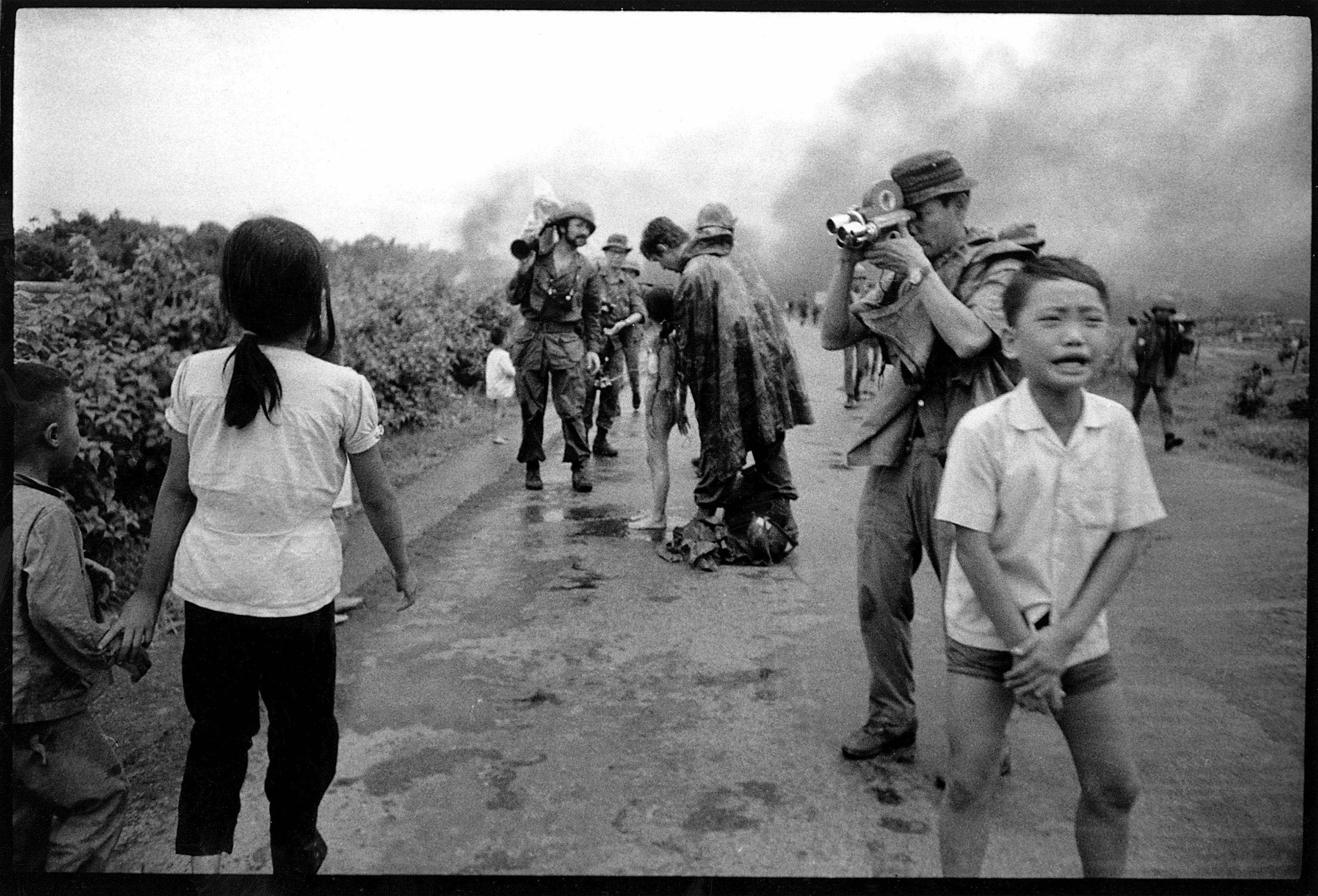
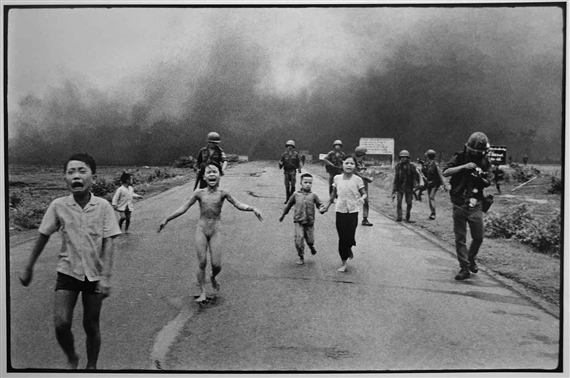
Photography became a powerful witness to history, influencing politics and humanitarian causes.
21st Century – Digital & Social Revolution
Digital cameras and smartphones made photography universal.
Platforms like Instagram and TikTok turned images into social currency.
Photography now drives identity, activism, marketing, and memory preservation.
📊 Summary Table
Era
Importance
19th Century
Scientific discovery, portraiture, exploration
Early 20th
Fine art, journalism, propaganda
Mid‑20th
Mass communication, advertising, family memory
Late 20th
Historical witness, political influence
21st Century
Digital ubiquity, social media, activism
✨ In Summary
Photography began as a scientific experiment and evolved into a universal language. Today, it is not only about recording reality but also about shaping perception, identity, and culture. Its importance has grown from documenting the world to actively influencing how we see and understand it.
Freelance photojournalism is rewarding but inherently risky: photographers face physical danger, legal exposure, digital threats, and long‑term psychological harm; mitigation requires training, insurance, local networks, and disciplined safety protocols.
Key considerations:personal safety, legal status, digital security, mental health, and financial protection.
Clarifying questions to answer for planning: Will you work alone or with a fixer; do you have hostile‑environment training and insurance; can you secure rapid evacuation and medical support?
Decision points: Choose assignments that match your training; invest in HEFAT (hostile environment and first aid), digital security, and reliable local contacts; decide acceptable risk vs reward before deployment.
Common dangers and what they mean
Physical harm and death. Photojournalists are exposed to gunfire, explosions, and crowd violence; historically, dozens of photographers have been killed while working in the field.
Kidnapping and detention. Freelancers lack institutional backing and can be targeted for ransom or political leverage; arrests may lead to long detentions without consular access.
Legal and bureaucratic risk. Working without correct visas, permits, or press accreditation can result in fines, equipment seizure, or deportation.
Equipment theft and loss. Cameras and lenses are high‑value and make you visible; losing gear can end a trip and create financial strain.
Digital threats. Unsecured devices and communications expose sources and material to surveillance, hacking, or evidence seizure.
Psychological trauma. Repeated exposure to violence and suffering increases risk of PTSD, depression, and burnout; trauma‑informed practices are essential.
Practical mitigation (what to do)
Training: Complete HEFAT and trauma‑informed safety courses; these teach risk assessment, emergency first aid, and psychological resilience.
Insurance and legal prep: Buy kidnap & ransom, medical evacuation, and equipment insurance; register with your embassy and carry legal documents.
Local networks: Hire vetted fixers and translators, coordinate with local journalists and NGOs, and establish check‑in protocols.
Digital hygiene: Use encrypted comms, full‑disk encryption, strong passwords, and secure backups; compartmentalise sensitive files.
Operational discipline: Wear low‑profile clothing, limit time in hotspots, plan exit routes, and avoid predictable patterns.
Aftercare: Build access to counselling and peer support; rotate out of high‑stress assignments to recover.
Risks, trade‑offs, and actionable steps
Risk: Training and insurance cost time and money; trade‑off: they dramatically reduce life‑threatening exposure and financial ruin. Action: budget safety into every assignment and refuse work beyond your training.
Risk: Working with fixers increases dependence and cost; trade‑off: they provide local knowledge and protection. Action: vet fixers through trusted networks and pay fairly.
Risk: Digital security can slow workflows; trade‑off: it protects sources and your material. Action: adopt simple, repeatable encryption and backup routines before deployment.
Bottom line: Freelance photojournalism demands more than courage—it requires preparation, training, and systems to protect your body, your sources, and your mind. Invest in safety before you chase the story.
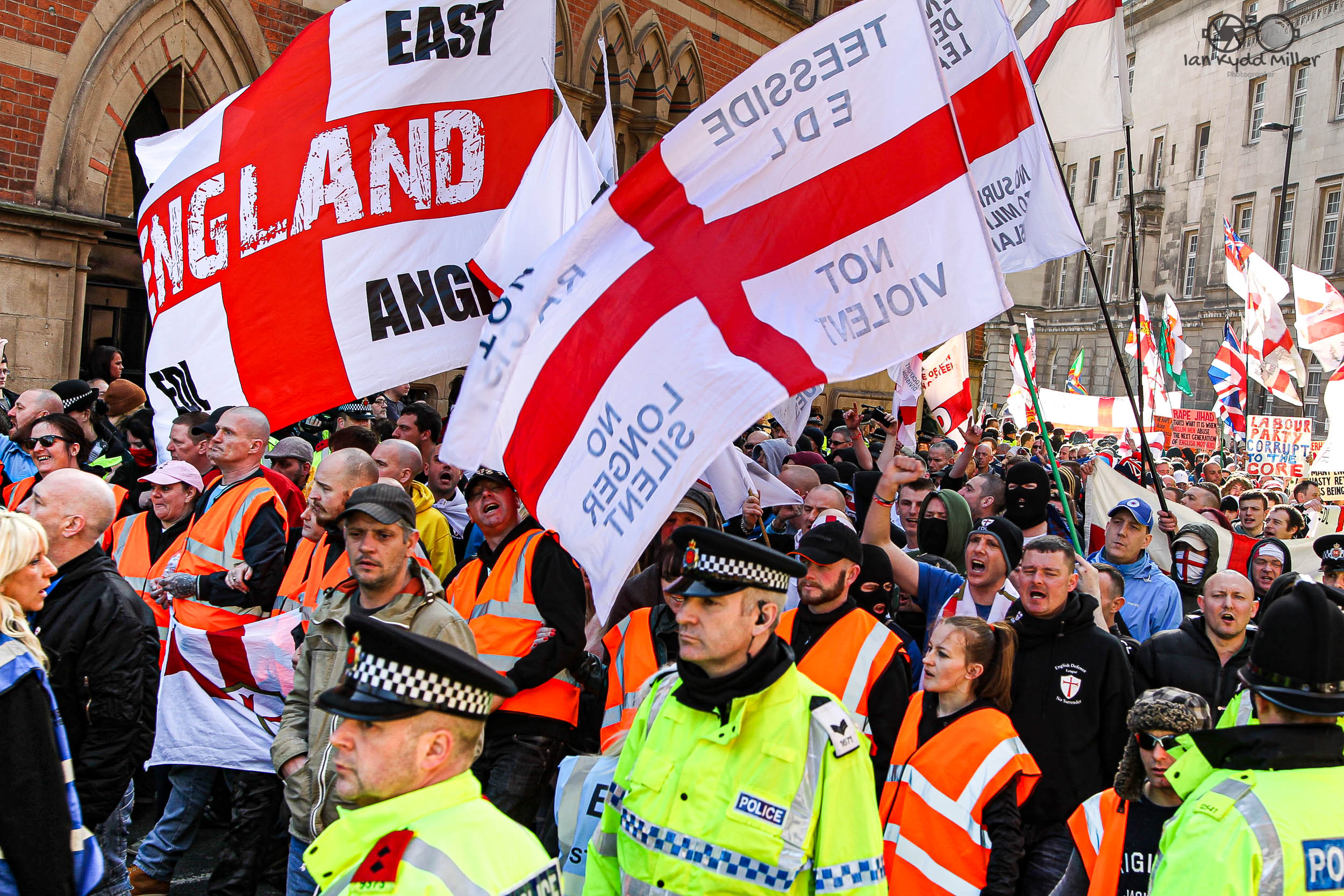
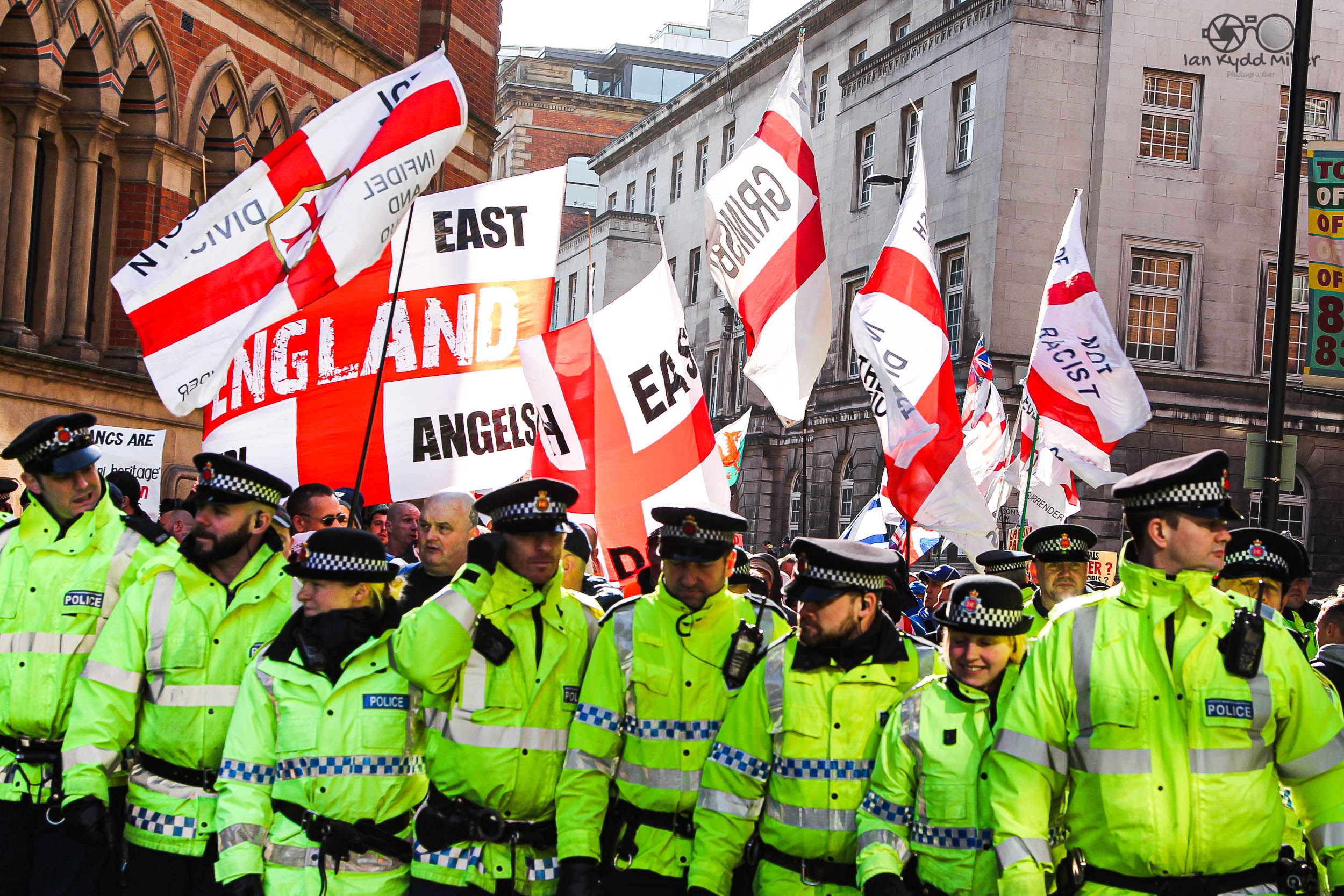
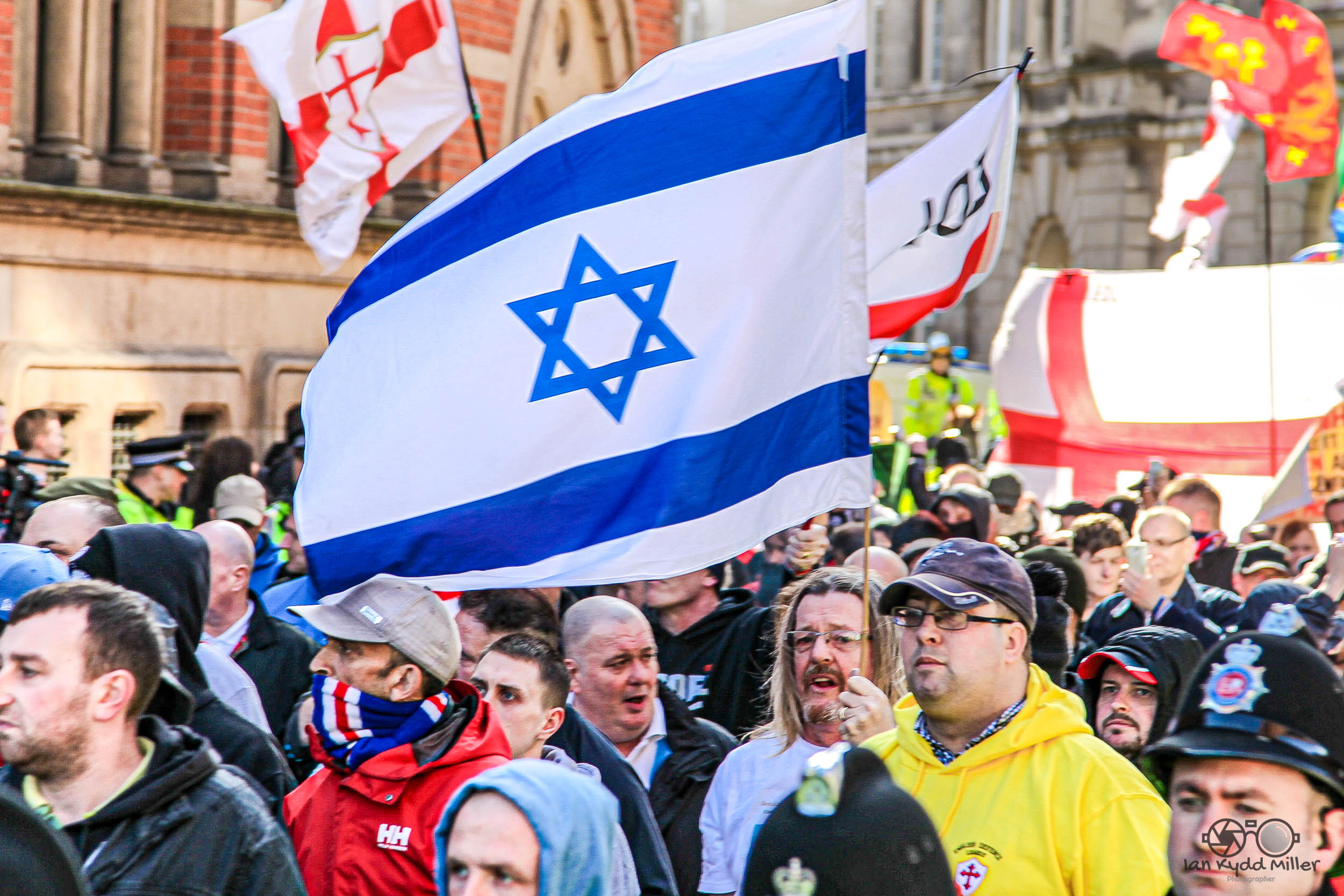
Photojournalism is often seen as passive documentation—a mirror held up to the world. But the most powerful photojournalism doesn’t just reflect; it provokes. It challenges assumptions, confronts injustice, and forces viewers to reckon with realities they might otherwise ignore. In this sense, photojournalism becomes an agent provocateur—a catalyst for dialogue, discomfort, and transformation.
🔥 Provocation with Purpose
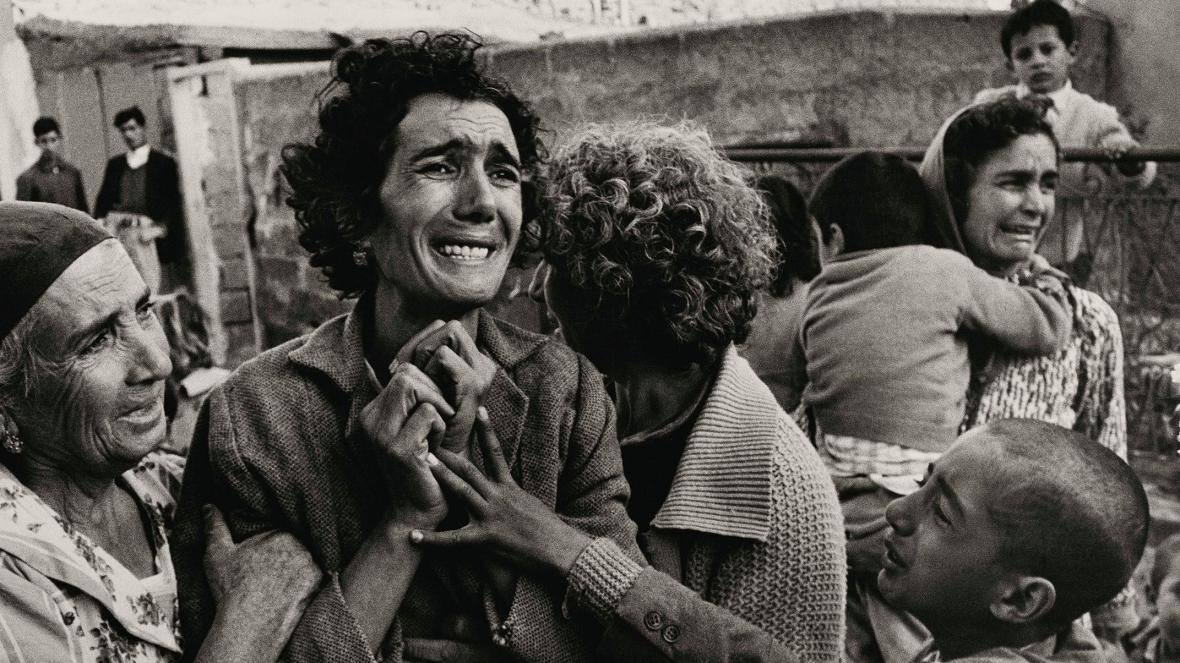
Truth is not neutral: A photograph of a protest, a refugee camp, or a grieving parent is not just a record—it’s a statement. It demands attention, empathy, and often, action.
Disruption is ethical when intentional: Provocative images must be rooted in truth, not sensationalism. The goal is not to shock for clicks, but to awaken conscience.
Emotional resonance drives change: Images that evoke anger, sorrow, or solidarity can mobilize public opinion, influence policy, and reshape cultural narratives.
⚖️ Ethical Boundaries of Provocative Imagery
Avoid manipulation: Cropping, staging, or misleading captions erode trust.
Respect subject dignity: Even when exposing injustice, subjects must be portrayed with humanity.
Context is critical: A provocative image without background risks misinterpretation or harm.
🛠️ How to Use Provocation Responsibly
Pair images with clear intent: What do you want the viewer to feel, question, or do?
Use restraint: Sometimes the most powerful image is the one that suggests rather than shows.
Engage in aftercare: Follow up with subjects, offer access, and monitor impact post-publication.
🧠 Final Thought
Photojournalism as agent provocateur is not reckless—it’s radical in its clarity. It dares to disturb, but never to distort. It holds power to account, amplifies the unheard, and reshapes public imagination. When guided by ethics and purpose, provocation becomes not just a tool—but a responsibility.
Photojournalism sits at the intersection of truth-telling and human consequence. Every frame carries the power to inform, persuade, and move audiences — and every decision a photographer makes shapes who is seen, how they are seen, and what the world believes. This post explores the core ethical tensions photojournalists face, practical principles for navigating them, and concrete strategies to minimise harm while preserving journalistic integrity.
Truth and Representation
Truth in photojournalism is not a single objective stamp but a practice: choices about framing, timing, captioning, and editing all influence how reality is represented.
Framing and context matter. Where you stand, what you include, and what you exclude create a narrative. A photograph isolated from context can mislead, even if the image itself is accurate.
Manipulation undermines trust. Cropping to change meaning, compositing, staged scenes presented as documentary, or selective captioning that distorts facts breaks the contract between photographer and viewer.
Captioning is part of the image. Clear, factual captions that name who, what, when, where, and how protect accuracy and reduce misinterpretation.
Ethical practice: favor minimal, transparent edits; always document what you changed; and pair images with honest captions that situate the photo within its broader factual context.
Sensitivity and Dignity
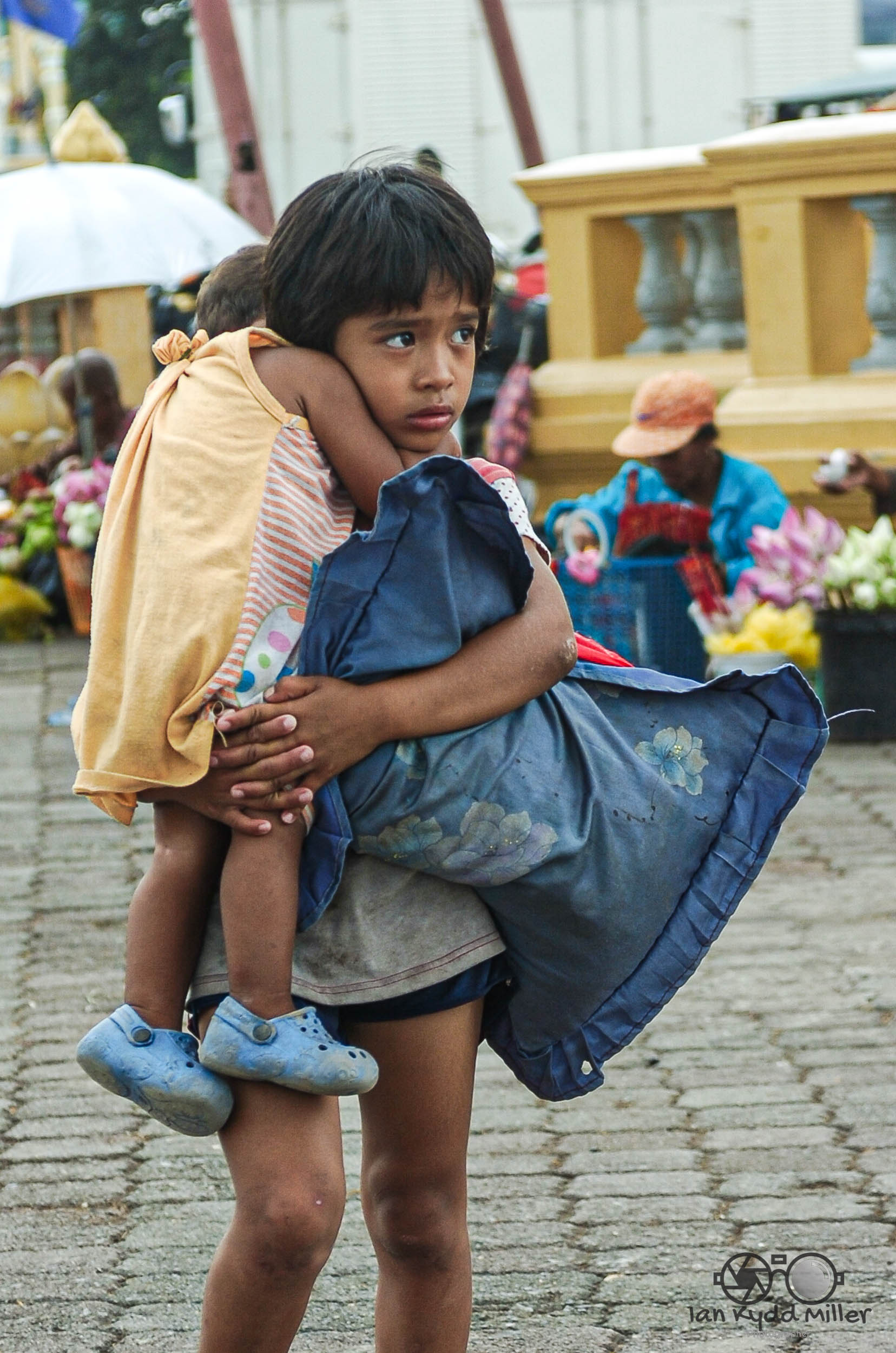
Photographing human suffering, grief, or vulnerability raises acute ethical questions about dignity, consent, and exploitation.
Consent is context-dependent. In public spaces, consent may not be legally required, but ethical consent is often still appropriate — especially when photographing children, the injured, or traumatized people.
Dignity-first framing avoids sensationalism. Prioritise images that preserve a subject’s humanity rather than exploiting pain for shock value or virality.
Power dynamics shape the encounter. Consider your role: are you a witness, a rescuer, an intruder? That role should guide how you engage, whether you ask for permission, and how you present the resulting images.
Practical rule: when in doubt, err on the side of protecting the subject. Blur faces, withhold identifying metadata, or delay publication when harm is possible.
Impact and Consequence
Images change things. They can catalyse aid, influence policy, or, conversely, endanger individuals and communities.
Assess downstream risks. Could publication expose someone to retaliation, stigma, or legal jeopardy? Could it retraumatize survivors or their families?
Consider community outcomes. Photojournalism about marginalised groups should aim to amplify voice and context, not reduce people to symptoms of a problem.
Balance immediacy and care. The pressure to publish quickly must be weighed against the potential for irreversible harm.
Decision checklist: identify likely harms, consult peers or local stakeholders when possible, and include mitigation steps (anonymisation, delayed release, contextual reporting).
Conflicts of Interest and Independence
Maintaining editorial independence from subjects, funders, and platforms preserves credibility.
Avoid advocacy masquerading as reportage unless clearly labelled. If your work has an advocacy purpose, make that explicit.
Be transparent about funding and collaboration, especially in crisis reporting where NGOs, governments, or activists may influence access or narrative.
Resist platform pressures that reward sensational imagery; prioritise ethical criteria over clicks.
Policy habit: disclose relevant relationships in captions or credits and keep editorial decisions separate from commercial or advocacy impulses.
Practical Tools and Protocols
Ethics scale best when embedded in routine practices. Adopt simple, clear protocols that make ethical choices automatic.
Consent templates. Carry a brief, translated consent card or app-ready text explaining use, distribution, and rights.
Harm-assessment rubric. For every sensitive shoot ask: Could this image expose or endanger? Is consent informed? Is context adequate?
Metadata policy. Decide whether to strip geolocation for vulnerable subjects and standardise how you store consent forms and release notes.
Editorial peer review. For sensitive images, run a quick internal review with an editor or trusted colleague before publication.
These tools reduce ad-hoc decisions and create consistency across projects and platforms.
Ethics as Creative Constraint
Ethical limits refine creativity rather than stifle it. Constraints push photographers to find new visual languages that honour subjects and strengthen storytelling.
Seek dignity-rich compositions that communicate powerfully without exploitative detail.
Use silence and restraint. Sometimes withholding an image, or choosing an image that hints rather than shows, tells a stronger, more ethical story.
Invest in relationships. Long-form engagement with communities yields deeper, less extractive imagery and greater mutual benefit.
A reputation for ethical stewardship becomes a creative and strategic advantage: it builds trust, access, and long-term story opportunities.
Closing Thought
Photojournalism’s ethical challenge is ongoing and situational. There are no perfect rules that fit every moment, but a consistent ethic — grounded in truth, sensitivity, and accountability — gives photographers the tools to make defensible choices. Ethical practice protects subjects, preserves public trust, and ultimately strengthens the impact of images in service of public understanding.
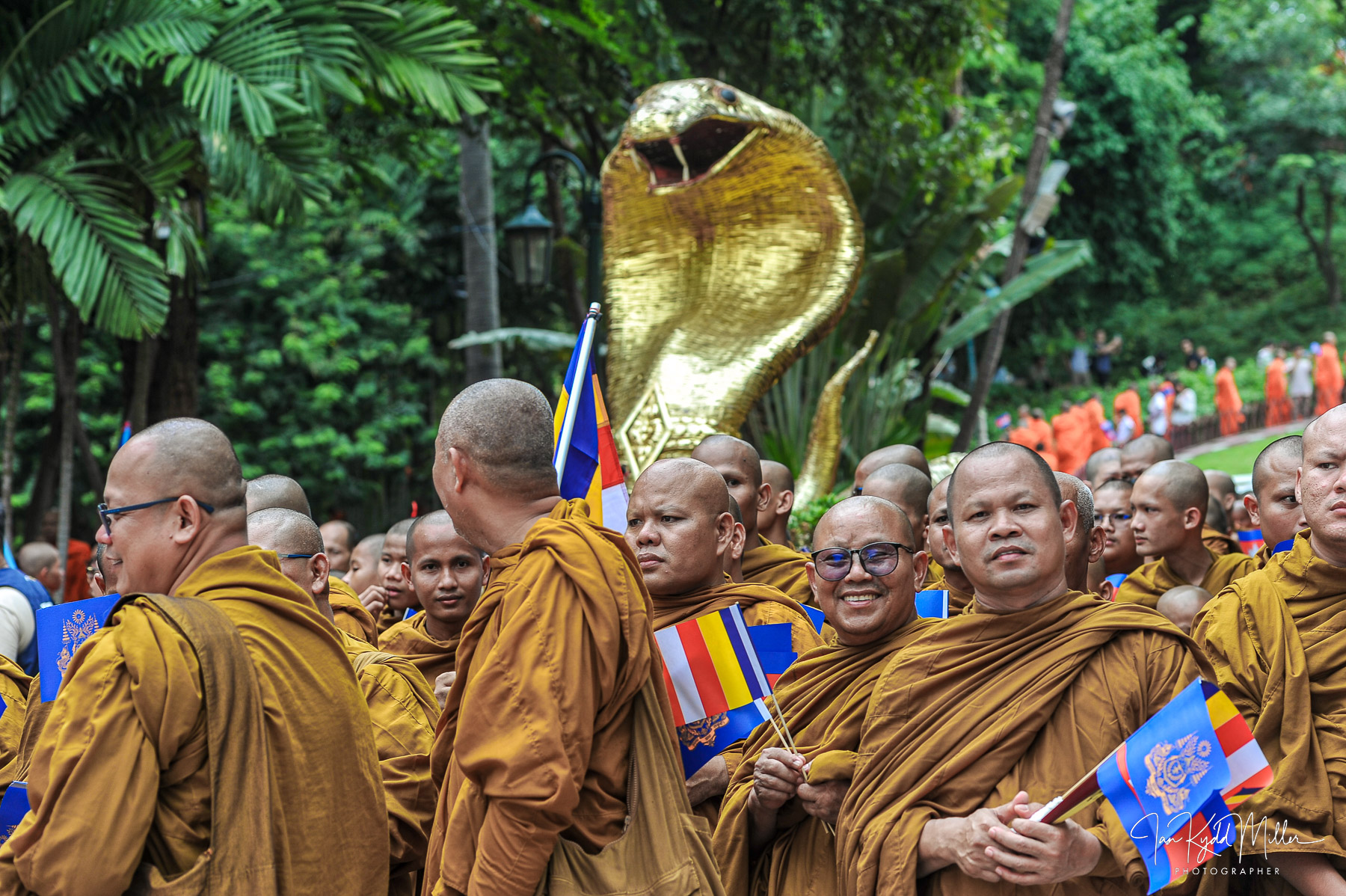
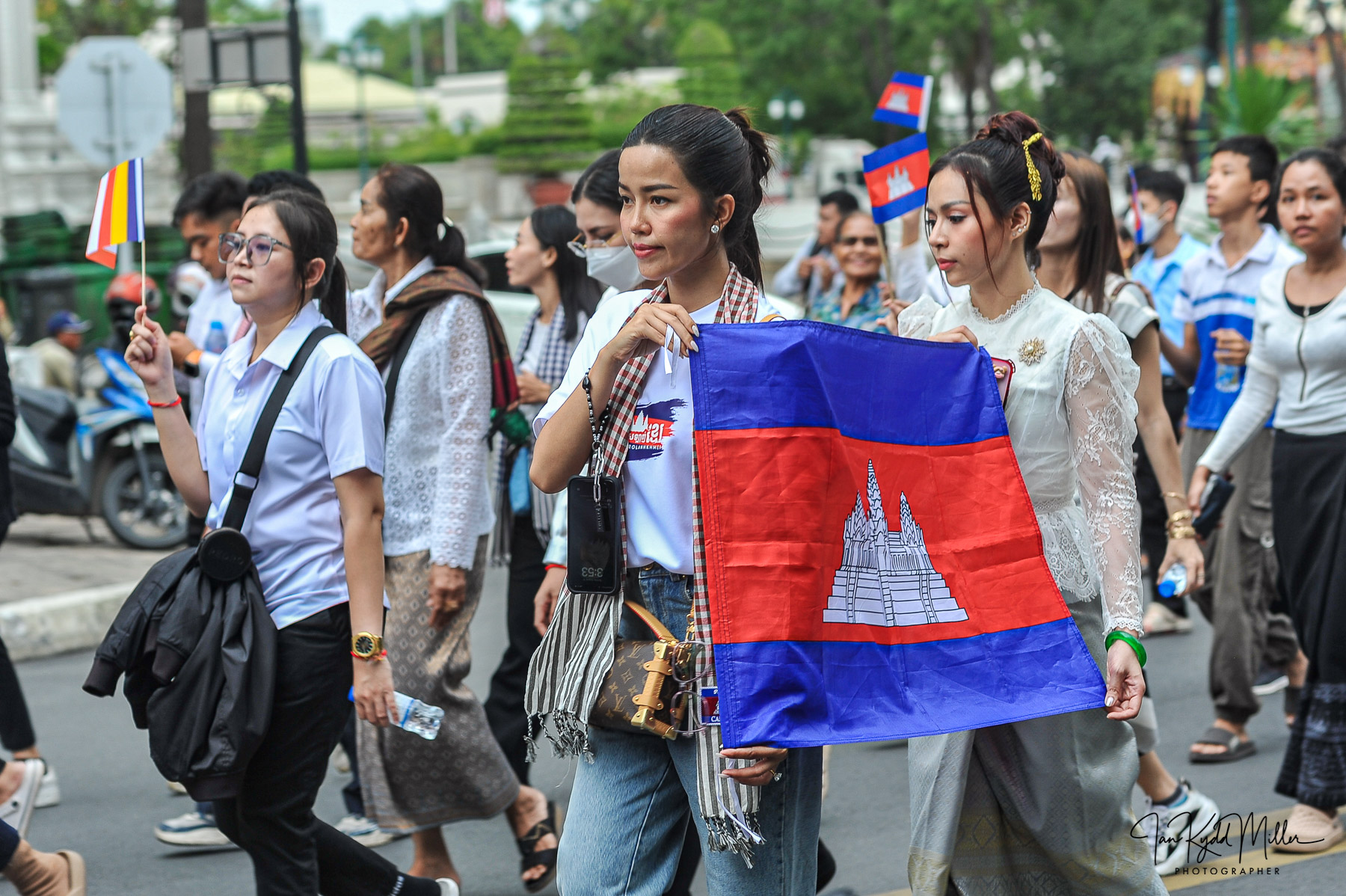
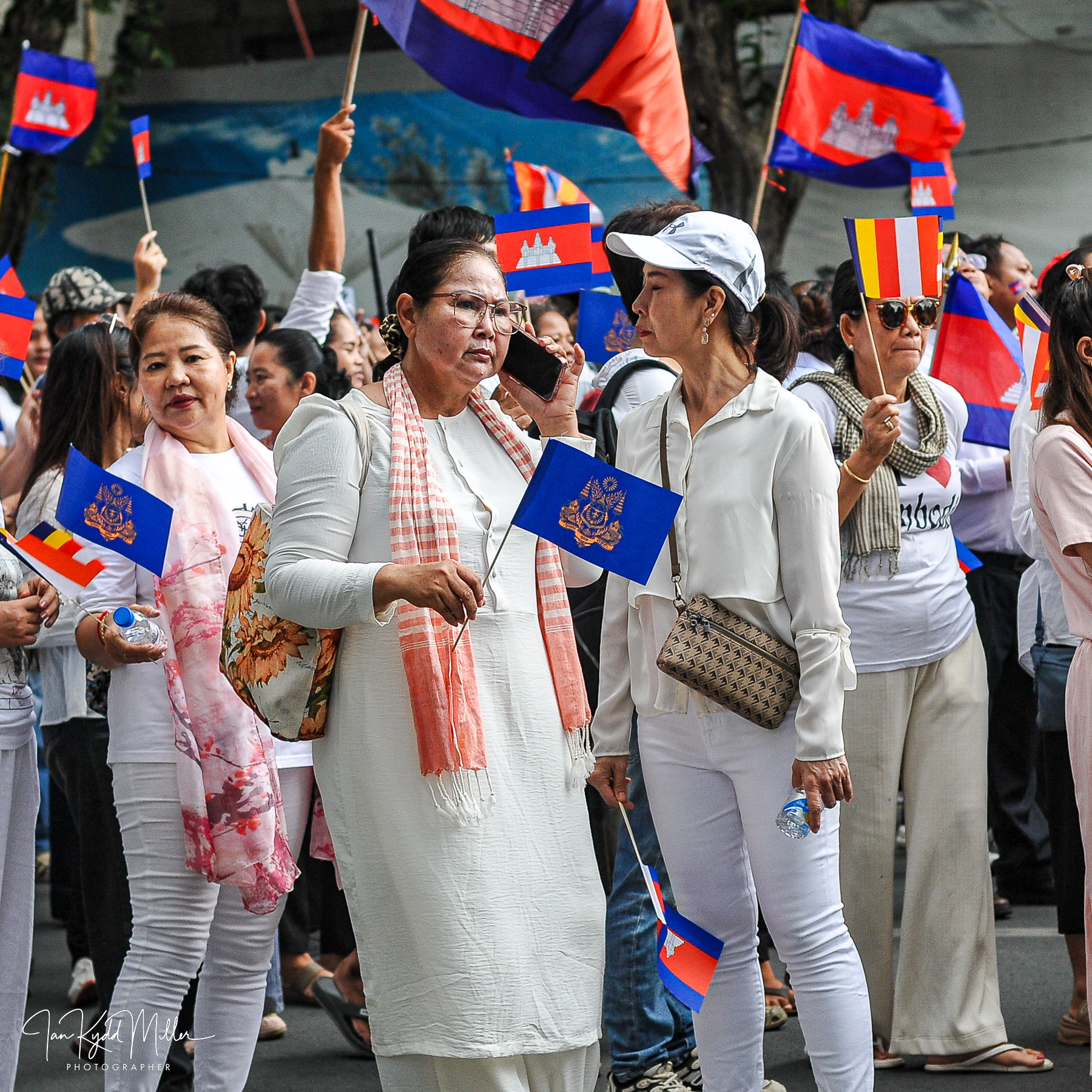
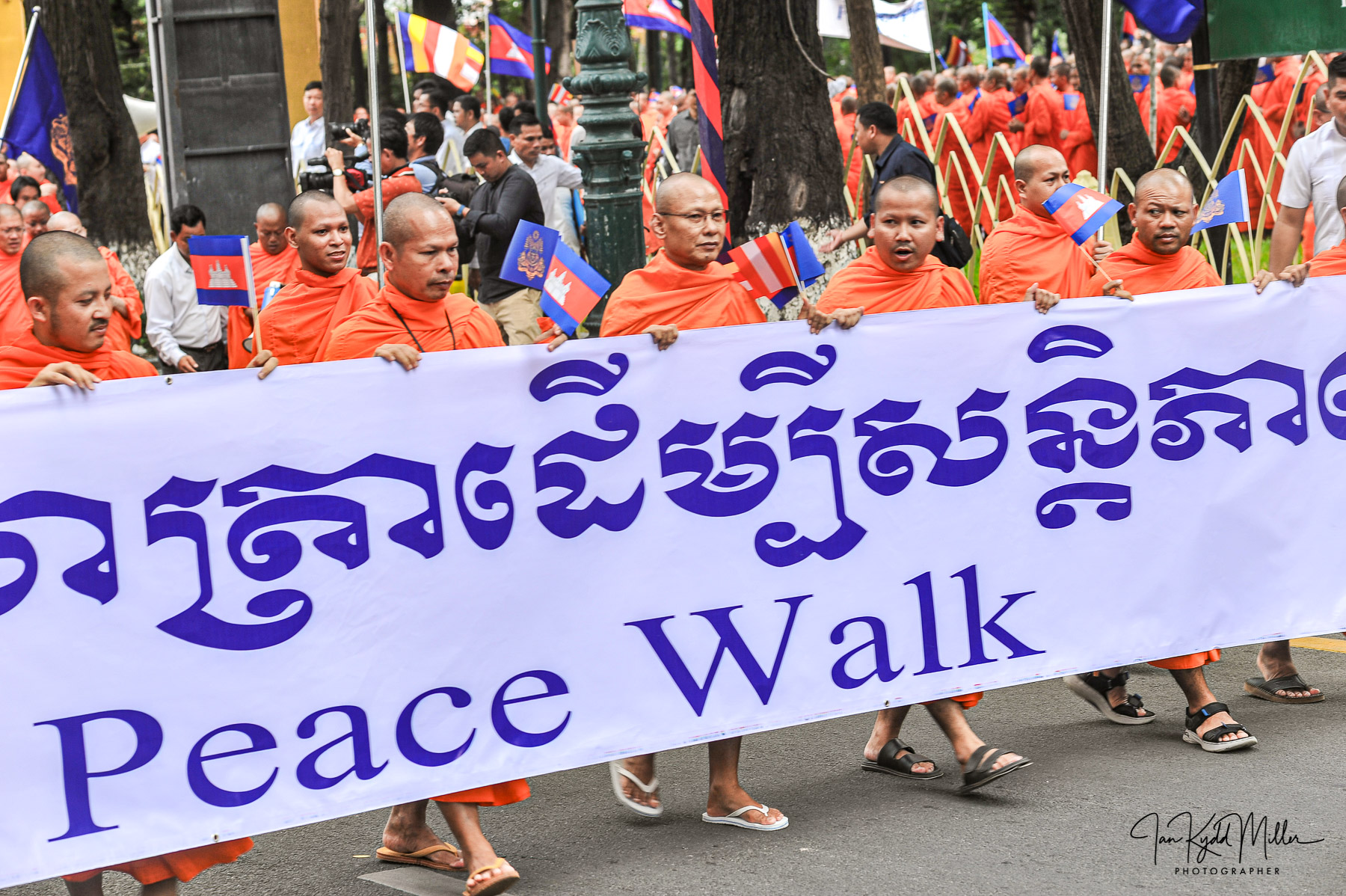
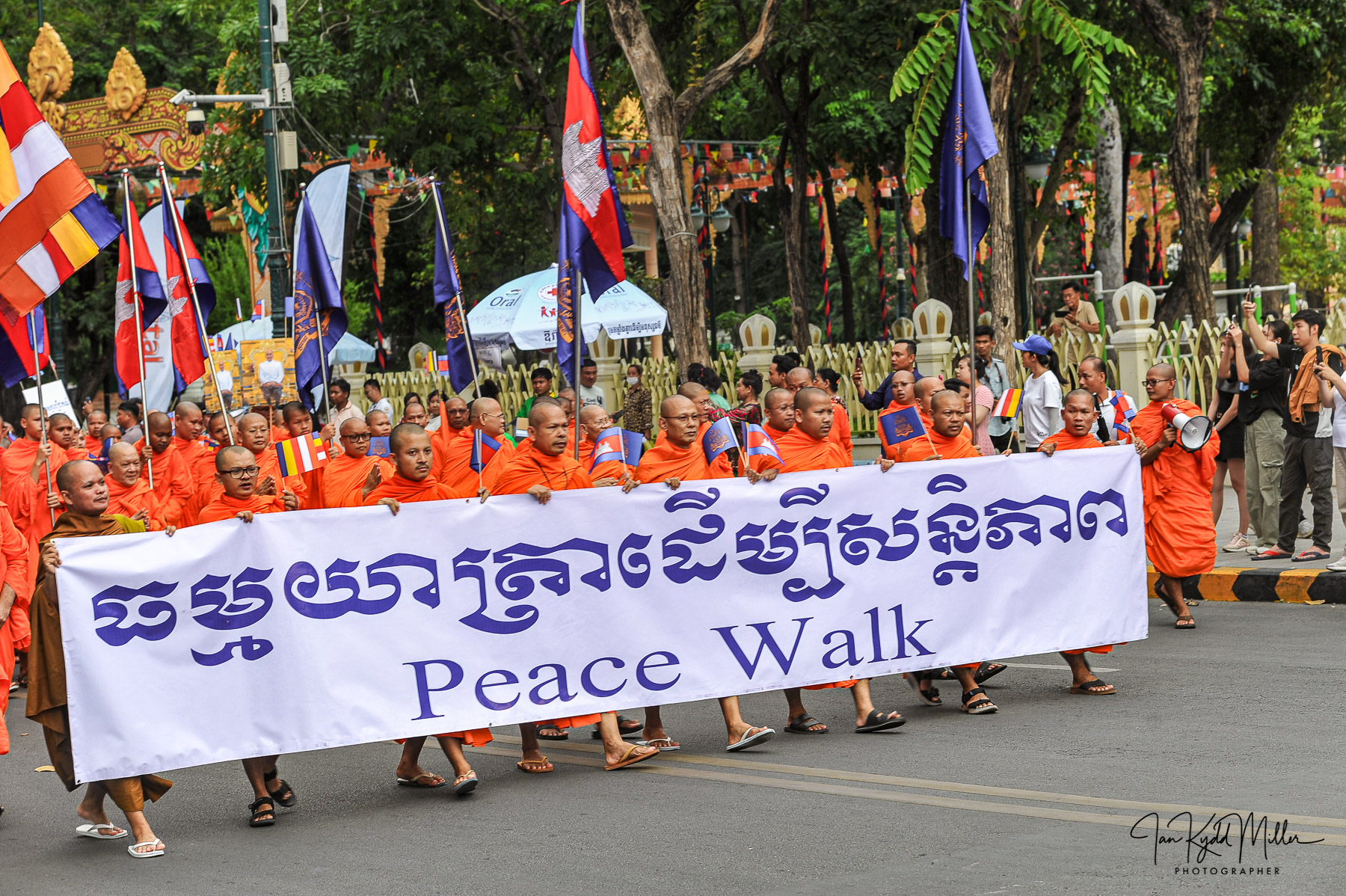
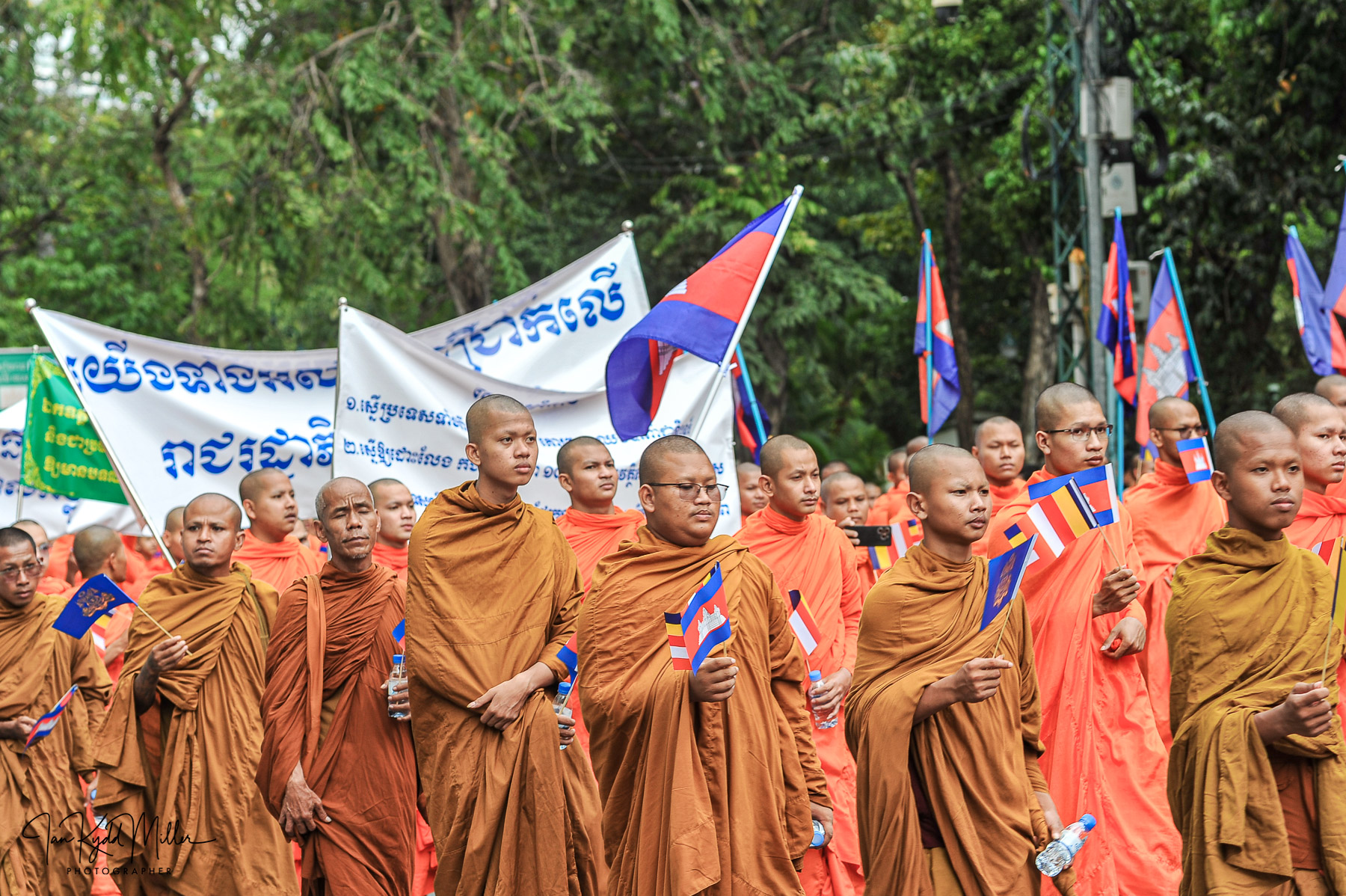
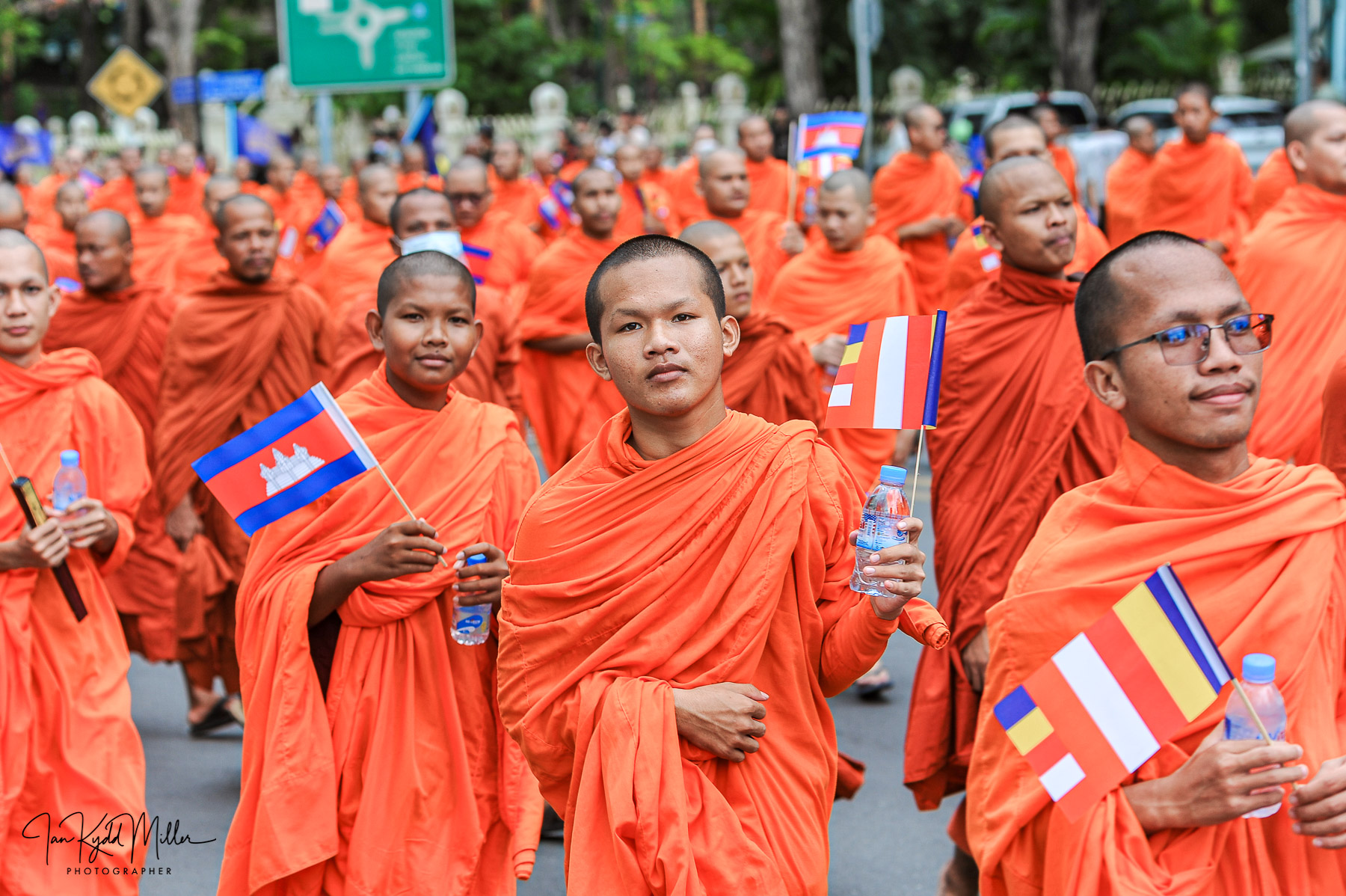
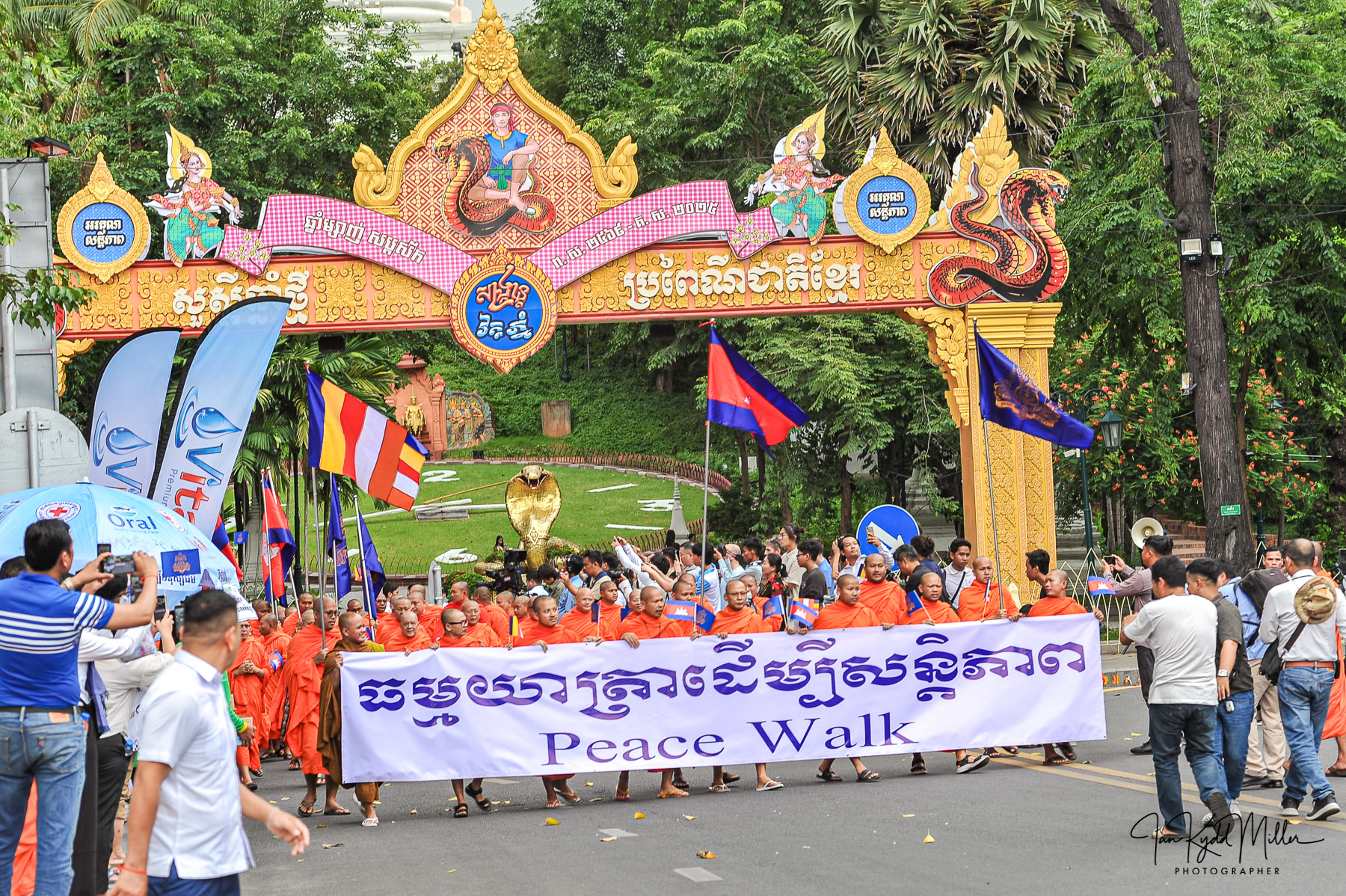
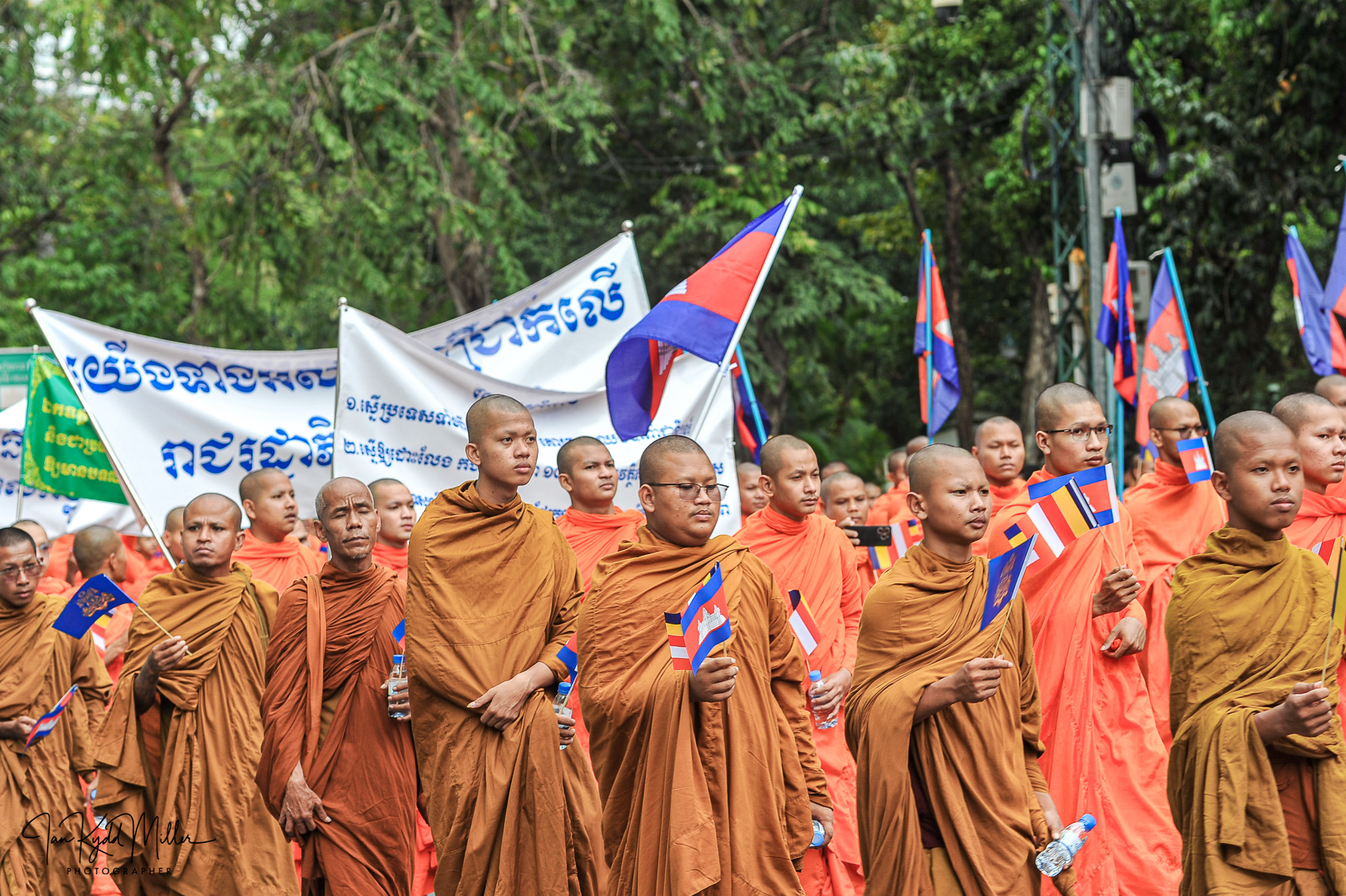
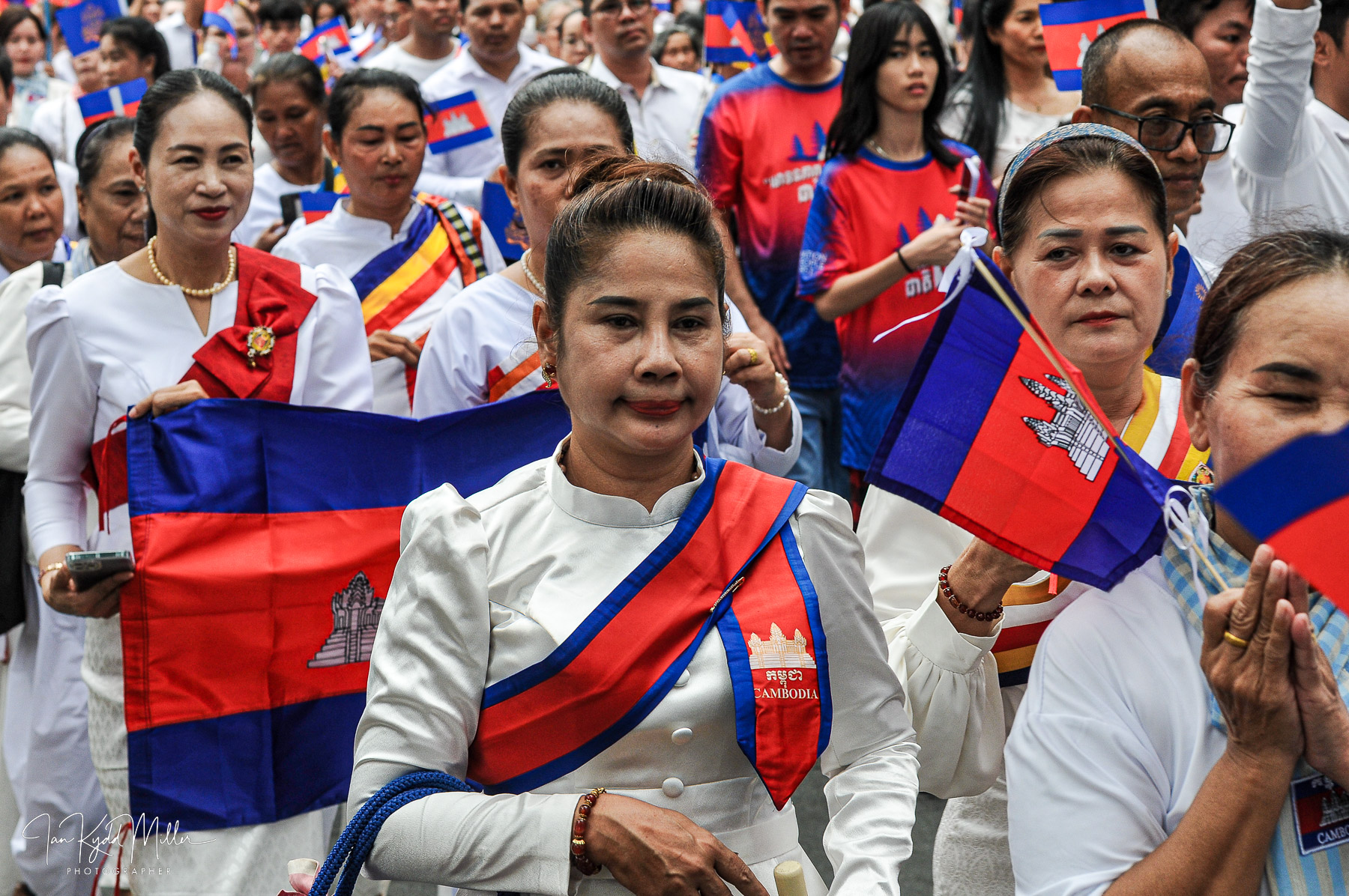
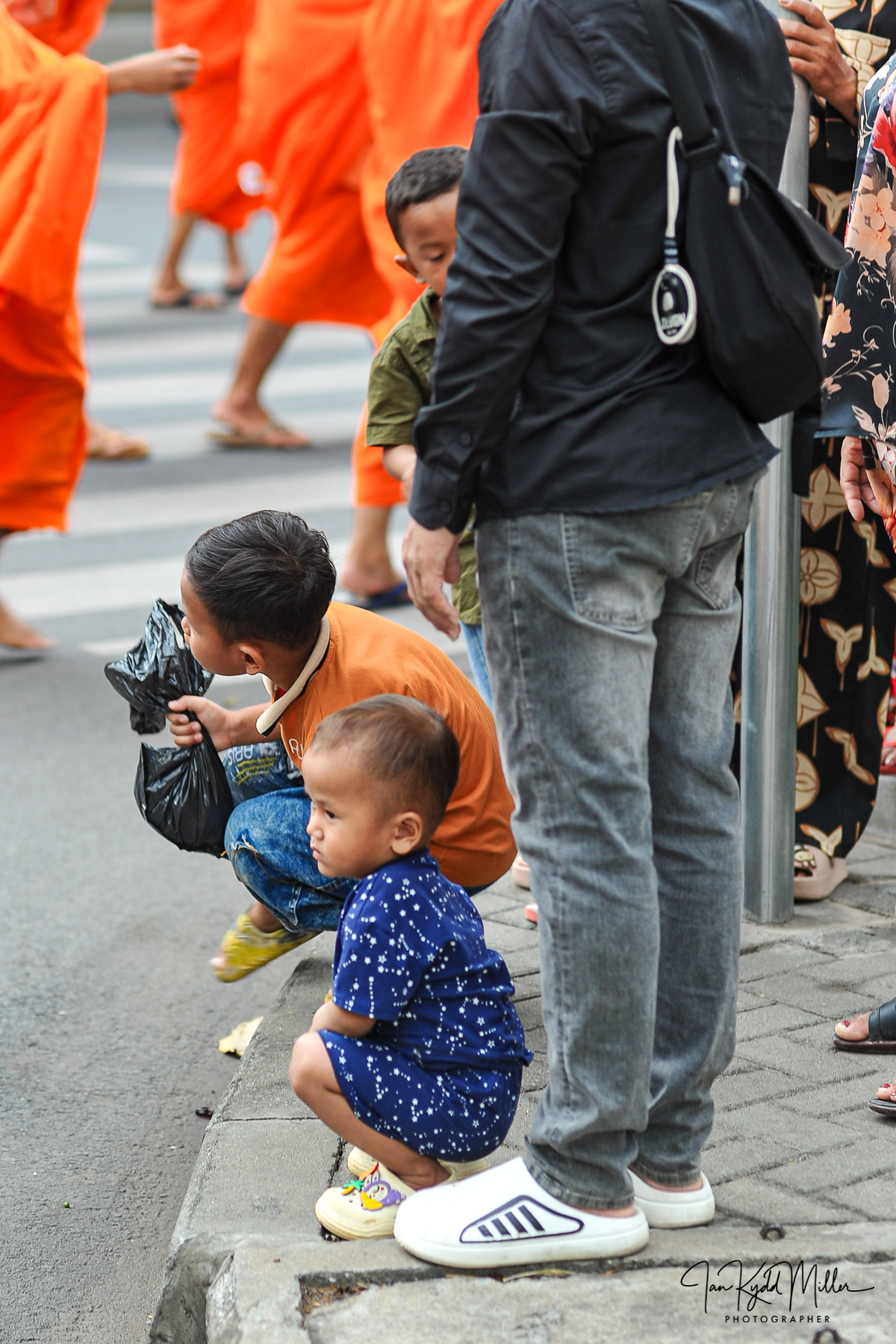
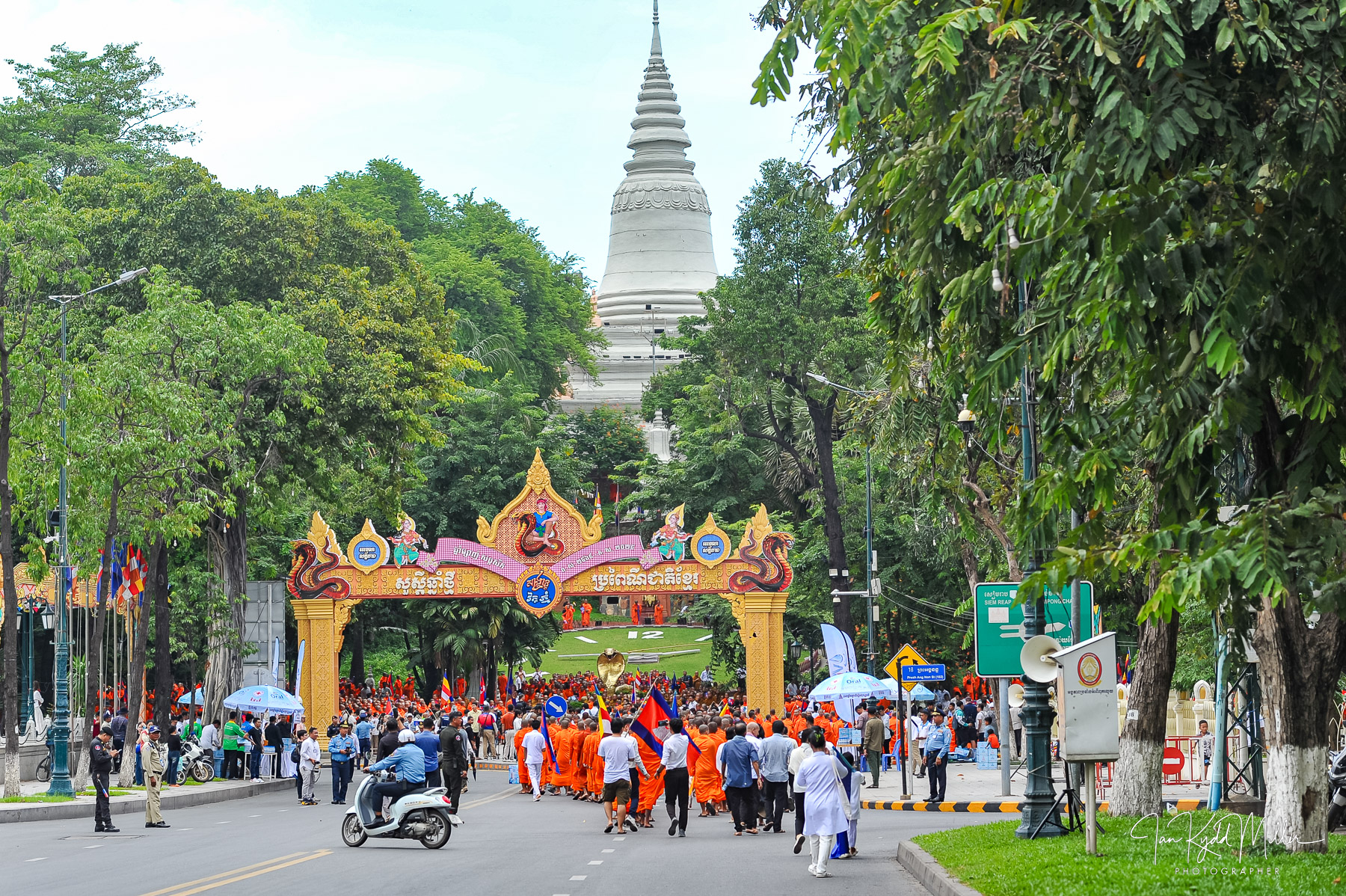
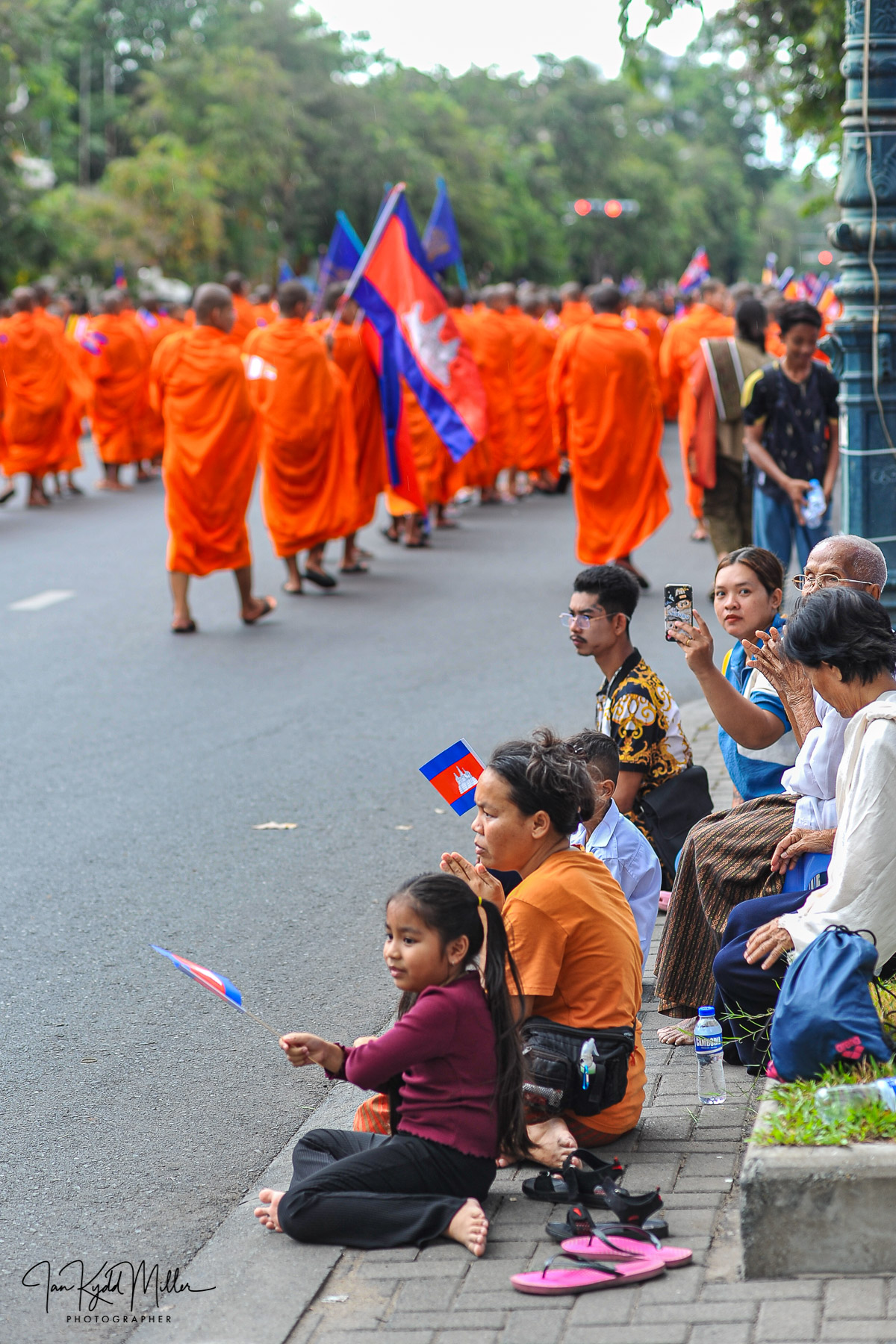
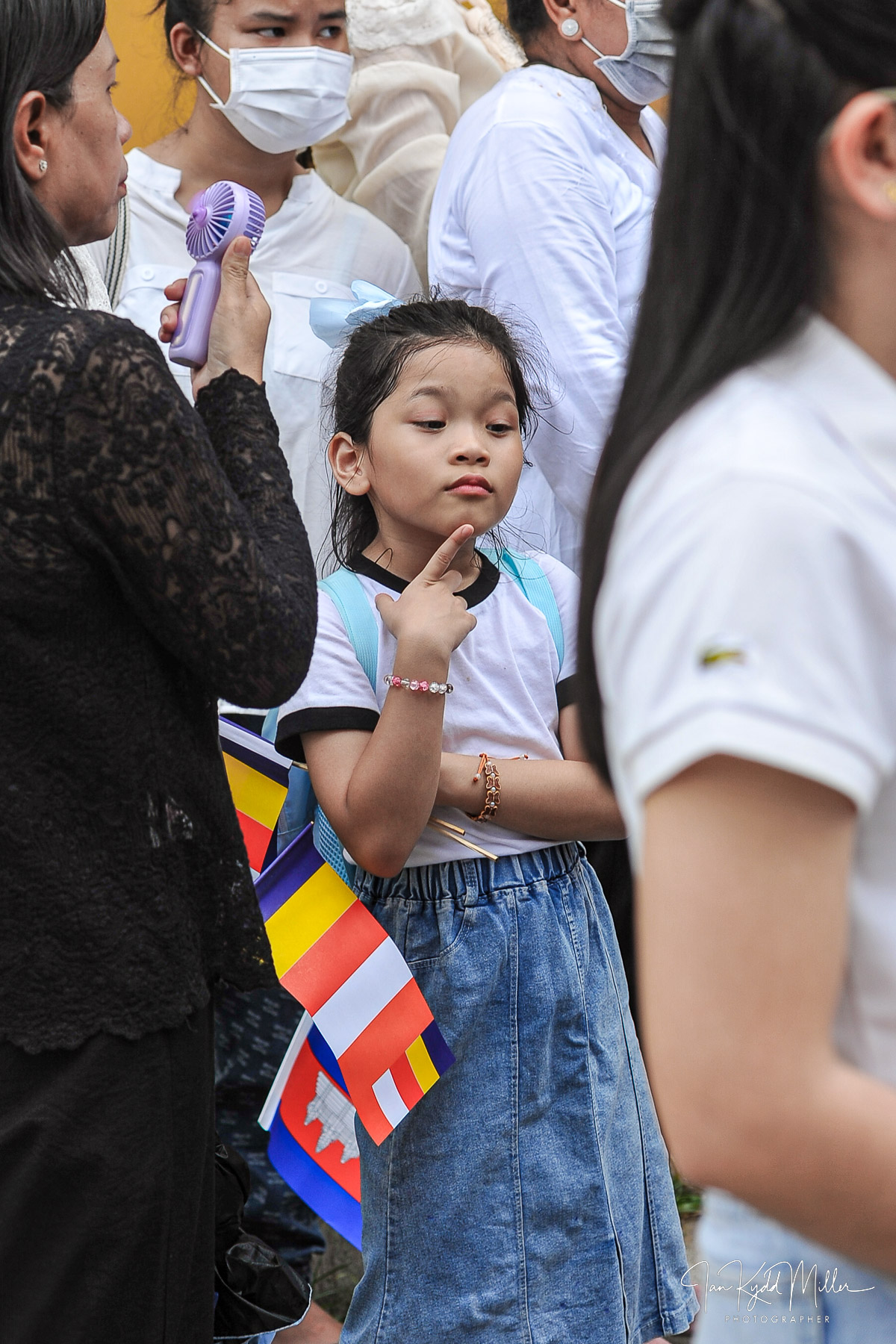
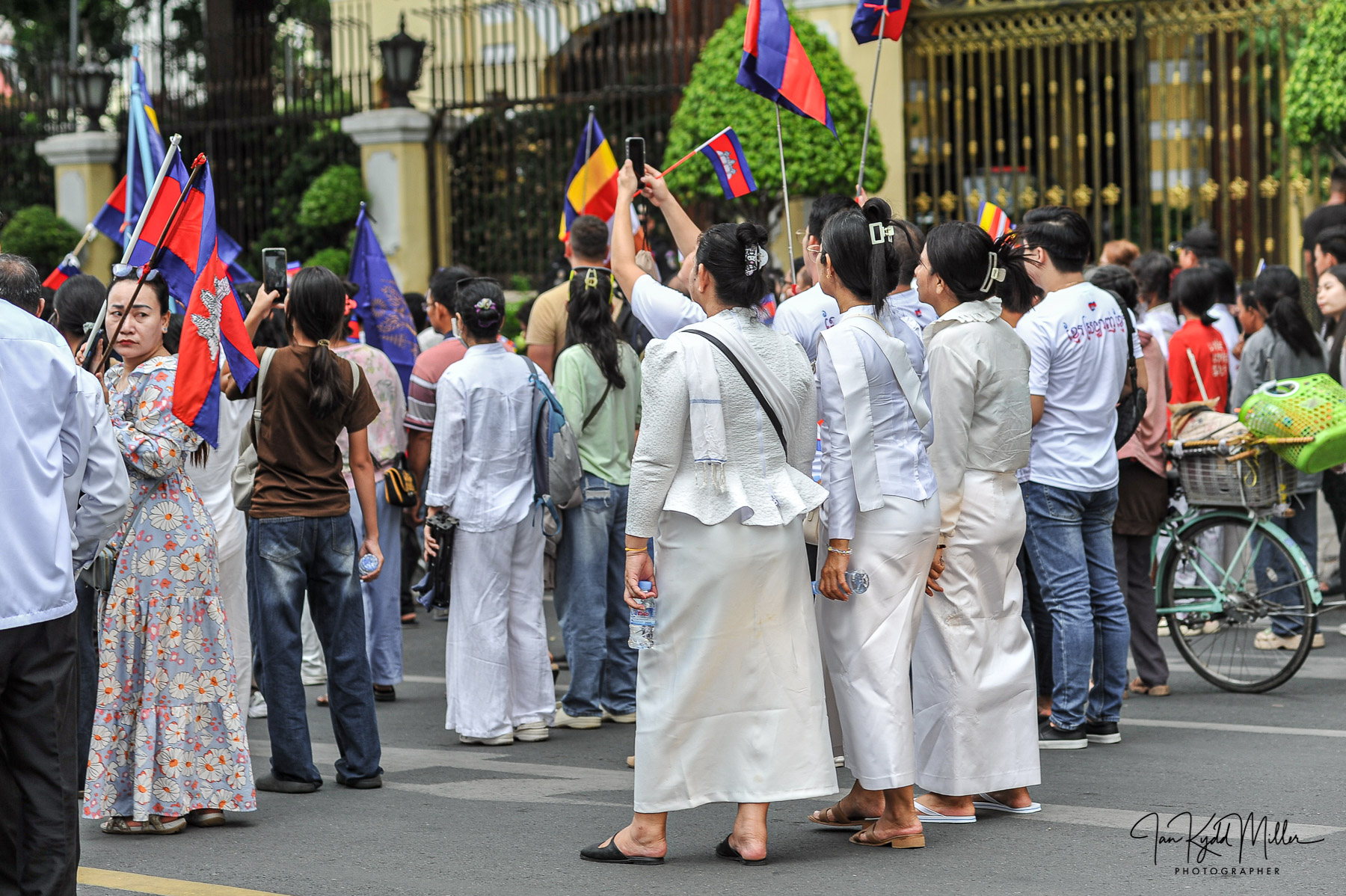
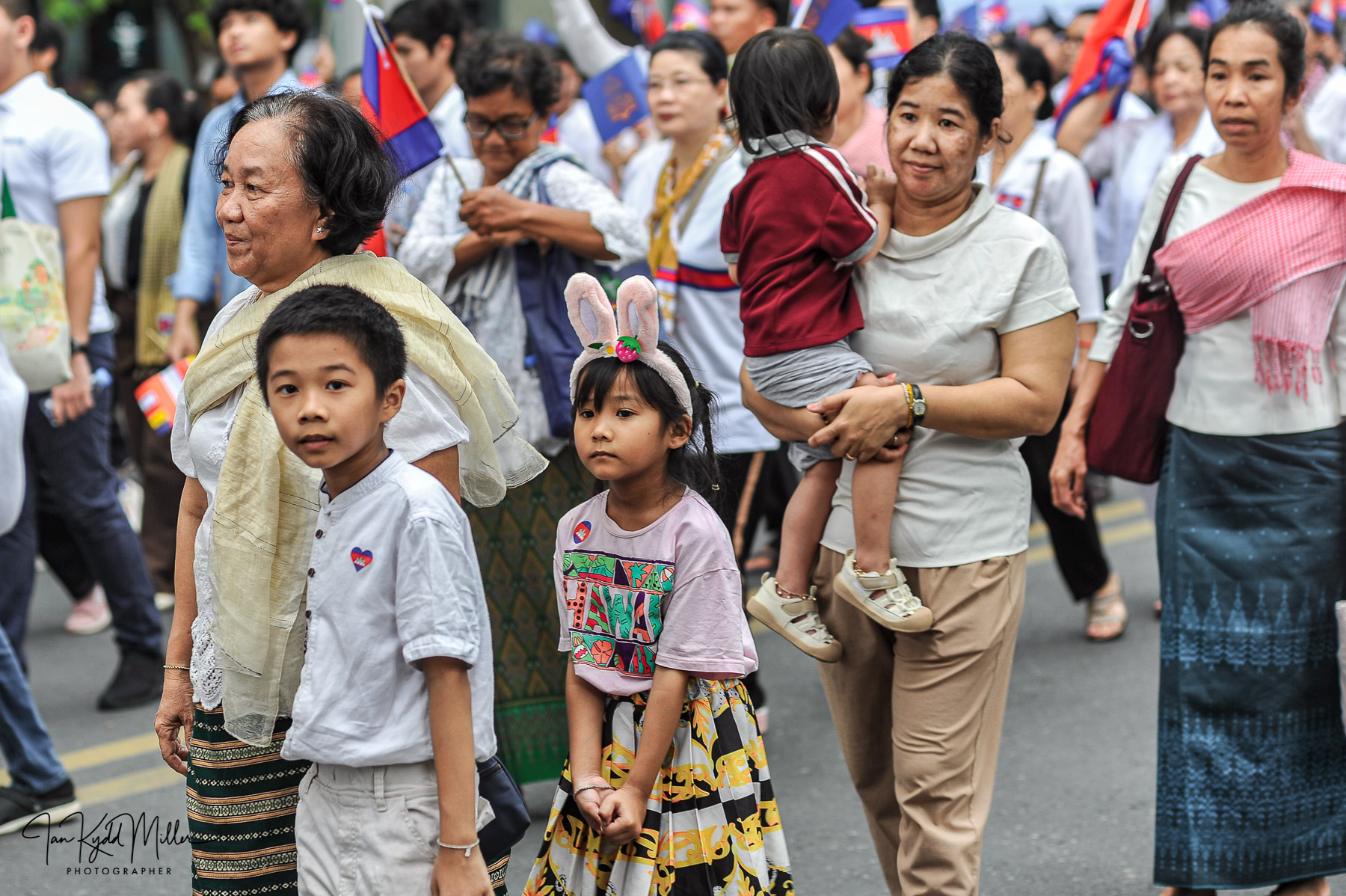
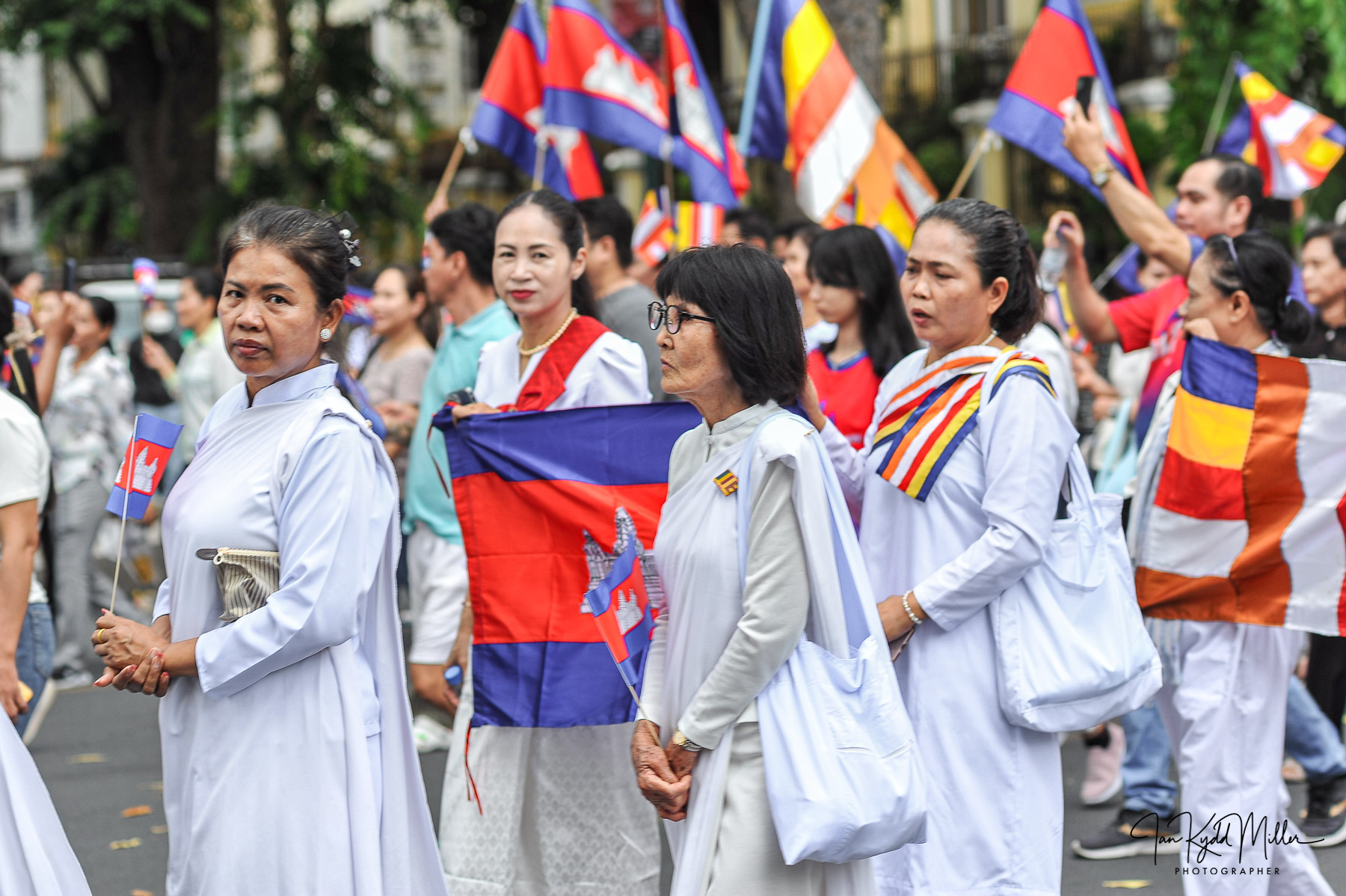
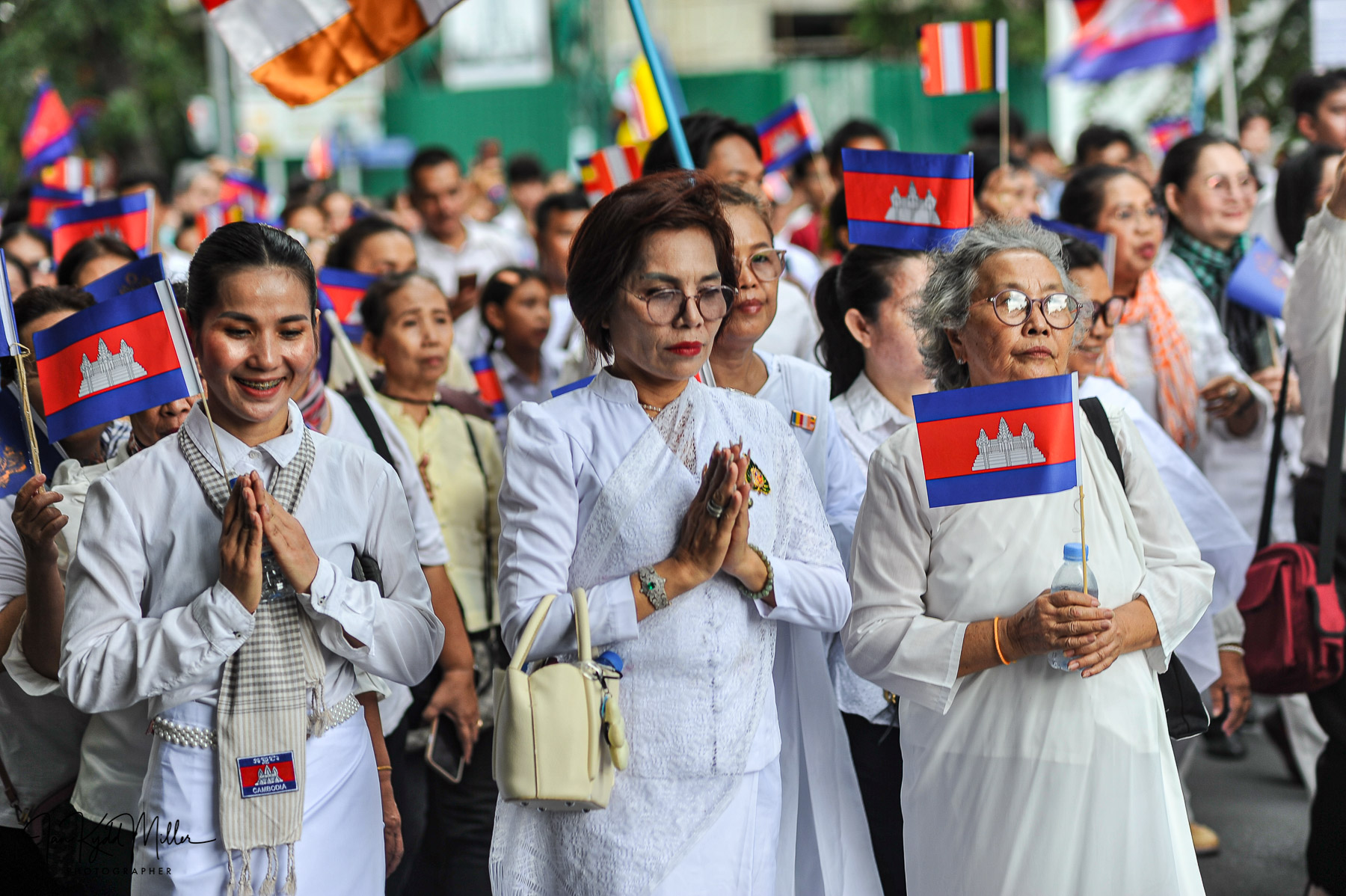
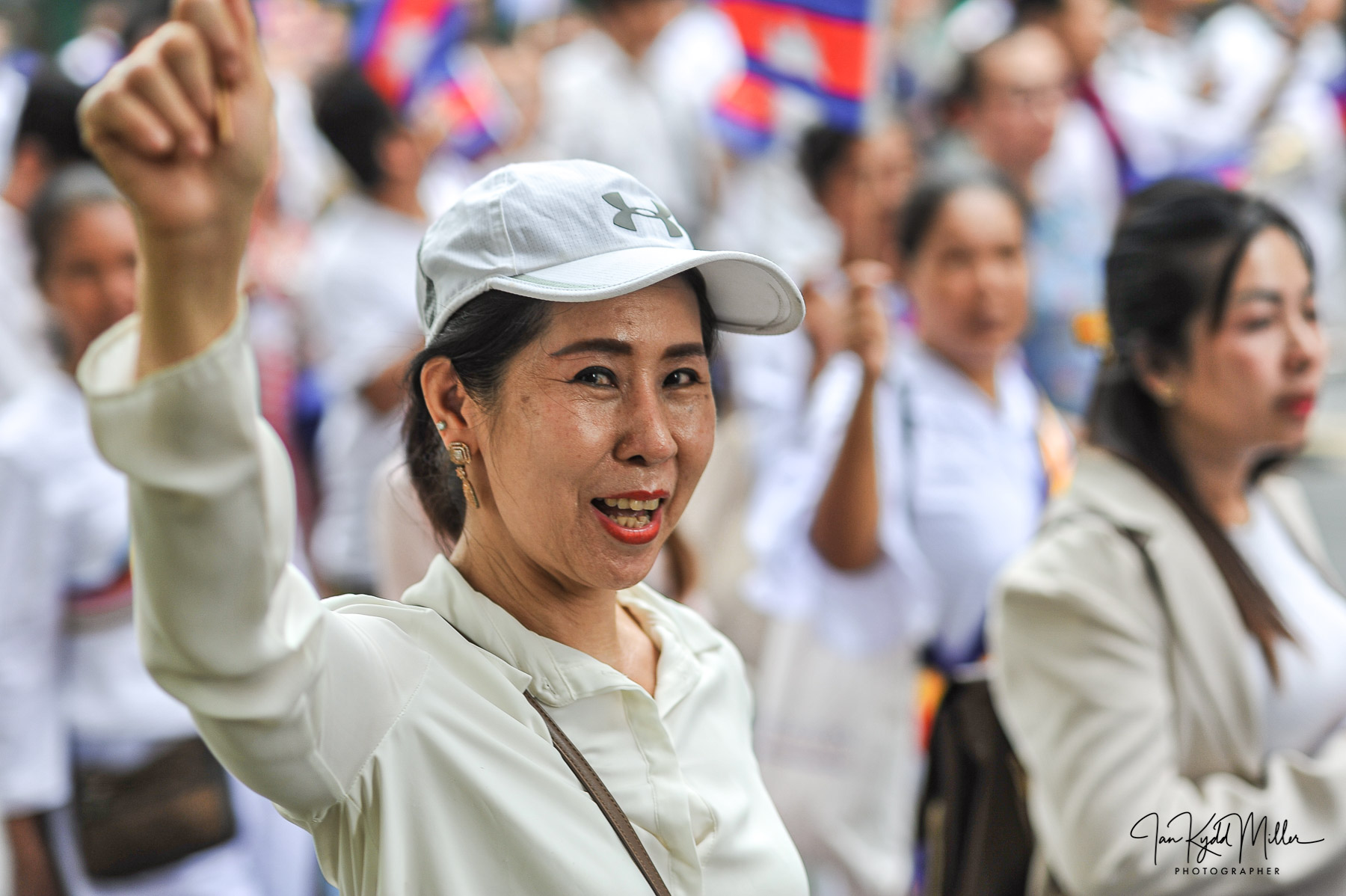
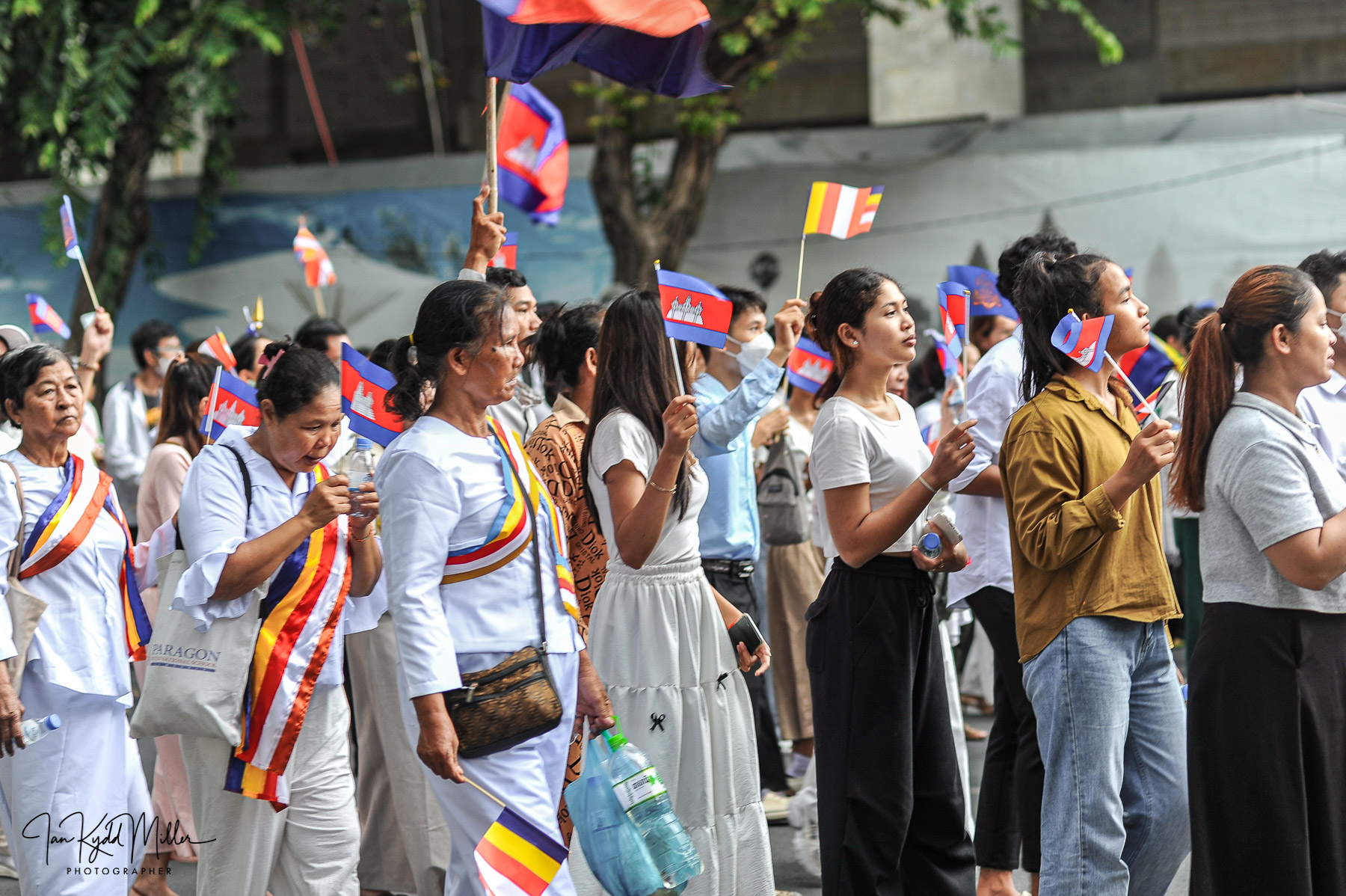
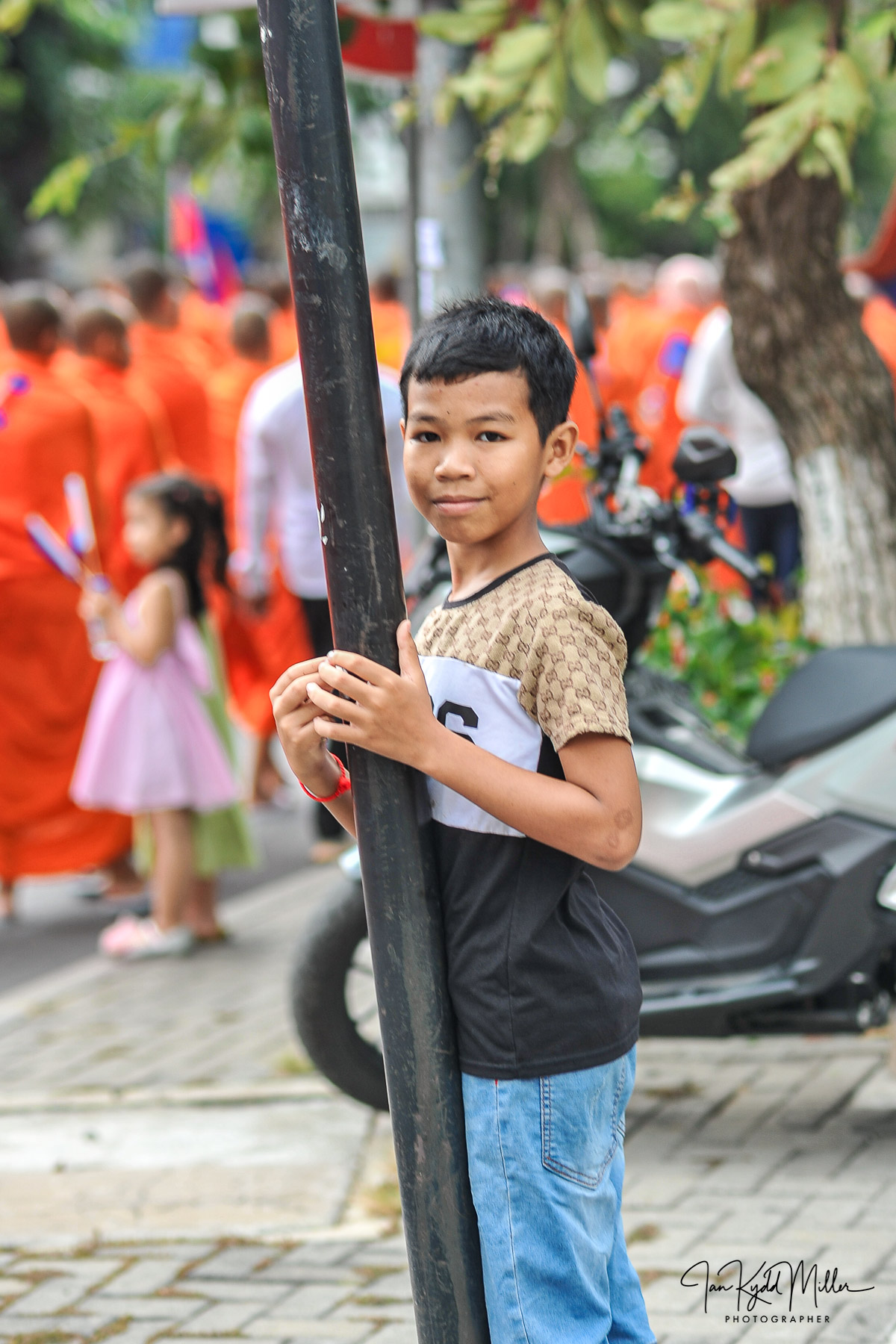
In a powerful display of unity and spiritual resolve, 2,569 Buddhist monks from across Cambodia took to the streets of Phnom Penh on Sunday afternoon, leading a solemn Walk for Peace that stretched from Wat Phnom to the Independence Monument. Clad in saffron robes and carrying banners that read “Cambodia does not need war” and “Peace brings development,” the monks were joined by nuns, laypeople, and curious onlookers who lined the route in quiet reverence.
The march, organized in response to recent border clashes between Cambodian and Thai forces, aimed to reinforce the fragile ceasefire agreement signed on July 28 and to call for the release of 18 detained Cambodian soldiers still held by Thai authorities. The monks’ message was clear: peace is not merely a political negotiation—it is a moral imperative rooted in shared faith and humanity.
“The peace-loving hearts of Cambodian leaders and people, as well as those of the international community, are a strong foundation for sustaining the effective implementation of the Ceasefire Agreement,” said H.E. Pen Bona, Head of the Royal Government Spokesperson Unit.
The procession paused briefly at the U.S. Embassy, where monks offered prayers of gratitude to President Donald Trump, whose diplomatic efforts were credited with initiating the ceasefire. The gesture underscored Cambodia’s appeal to global powers to act not as arbiters of conflict, but as stewards of peace.
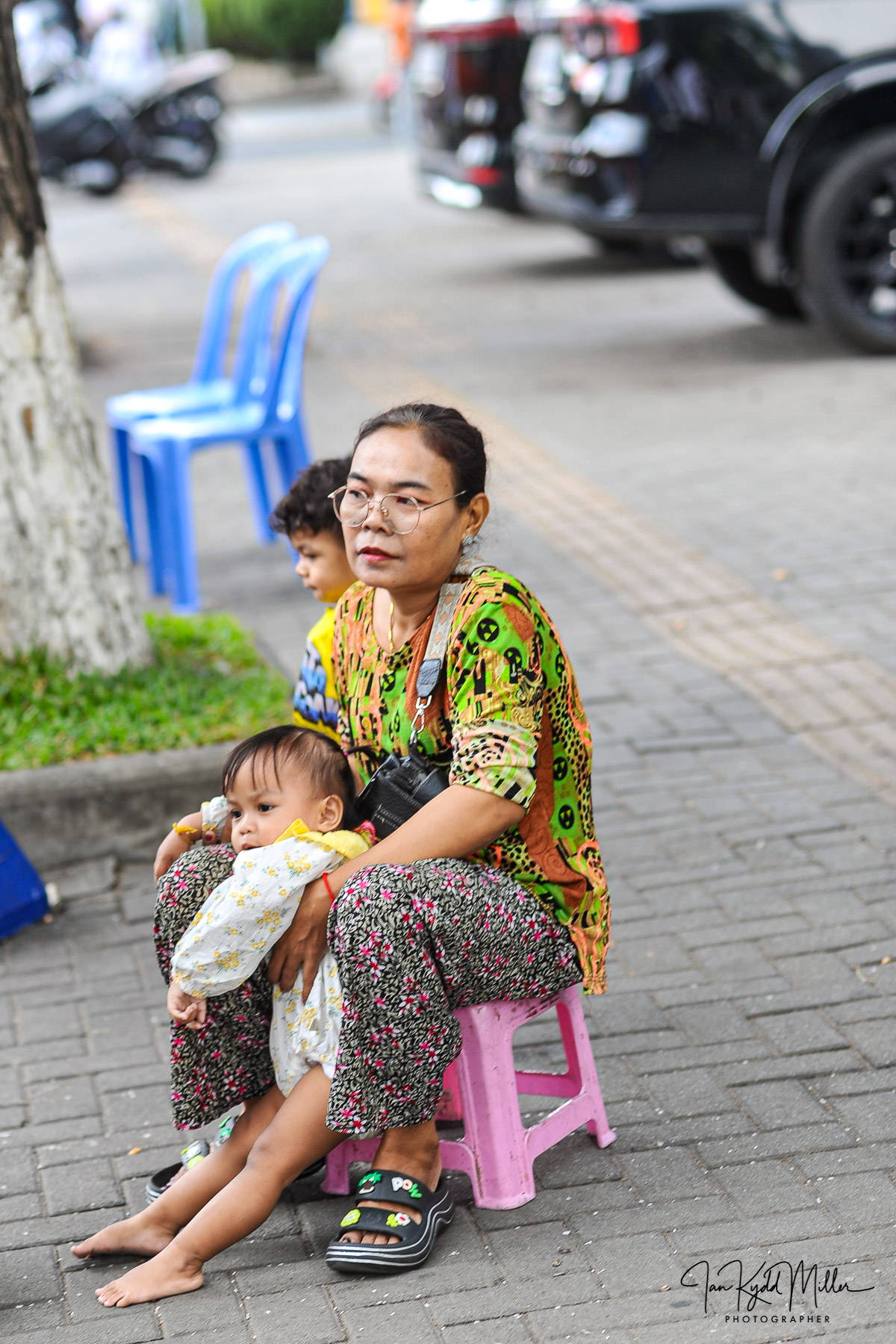
Among the crowd were young novices, elderly monks from both the Maha Nikaya and Dhammayuttika Nikaya sects, and residents displaced by the recent fighting. Some prostrated as the monks passed, others offered alms or simply stood in silent solidarity. The atmosphere was one of solemn hope—a collective yearning for stability, dignity, and healing.
Inside nearby temples, photographs of fallen soldiers were displayed as monks chanted prayers for their souls. The walk was not only a call for peace, but a ritual of mourning and remembrance.
As Cambodia continues to navigate the aftermath of conflict, the Walk for Peace stands as a reminder that the path forward must be walked together—with compassion, conviction, and the courage to choose reconciliation over retaliation.
Street photography can be a fascinating way to capture candid moments of everyday life, but it’s important to be aware of the legal considerations involved. Here are some key points to keep in mind:
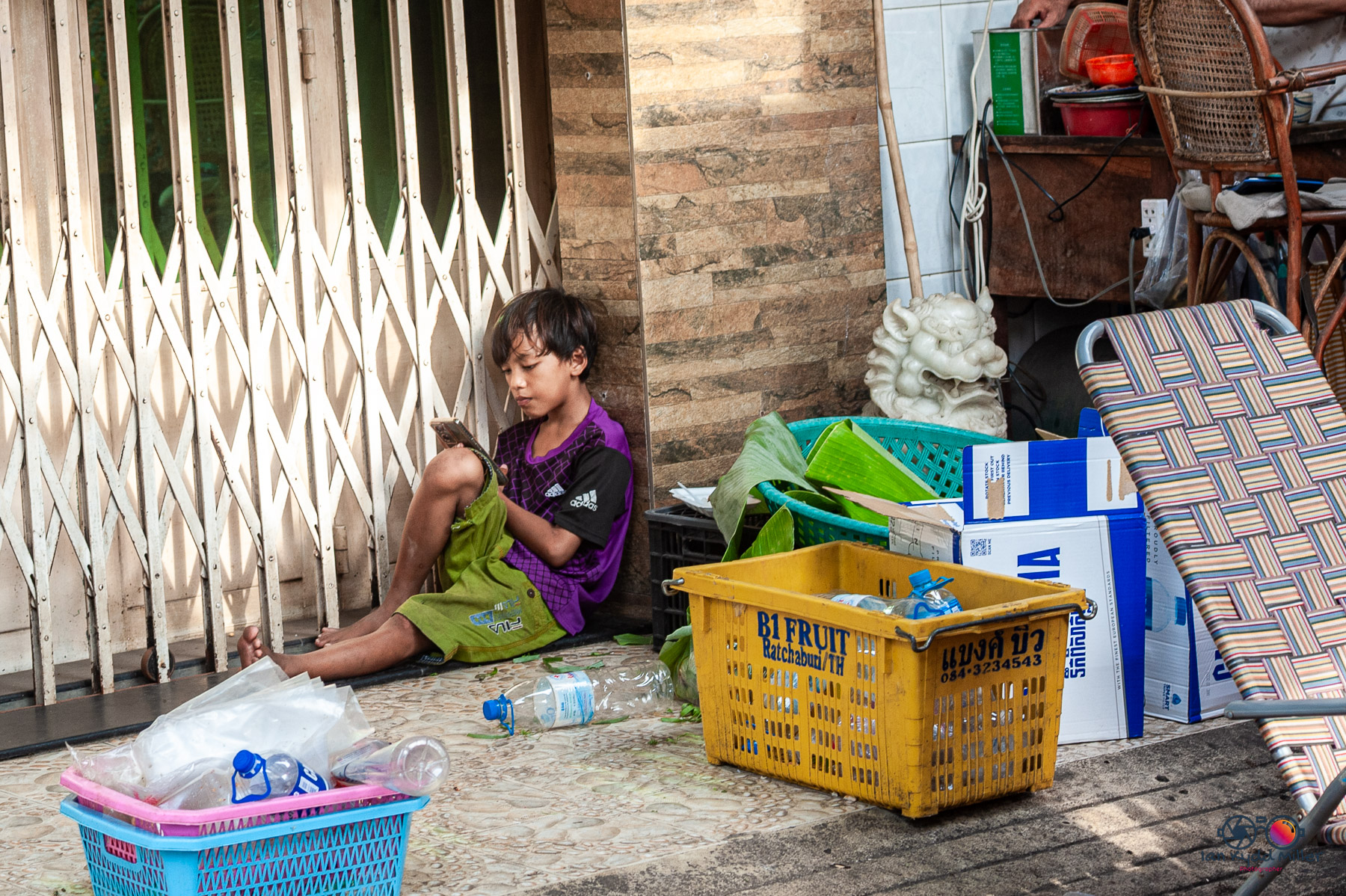
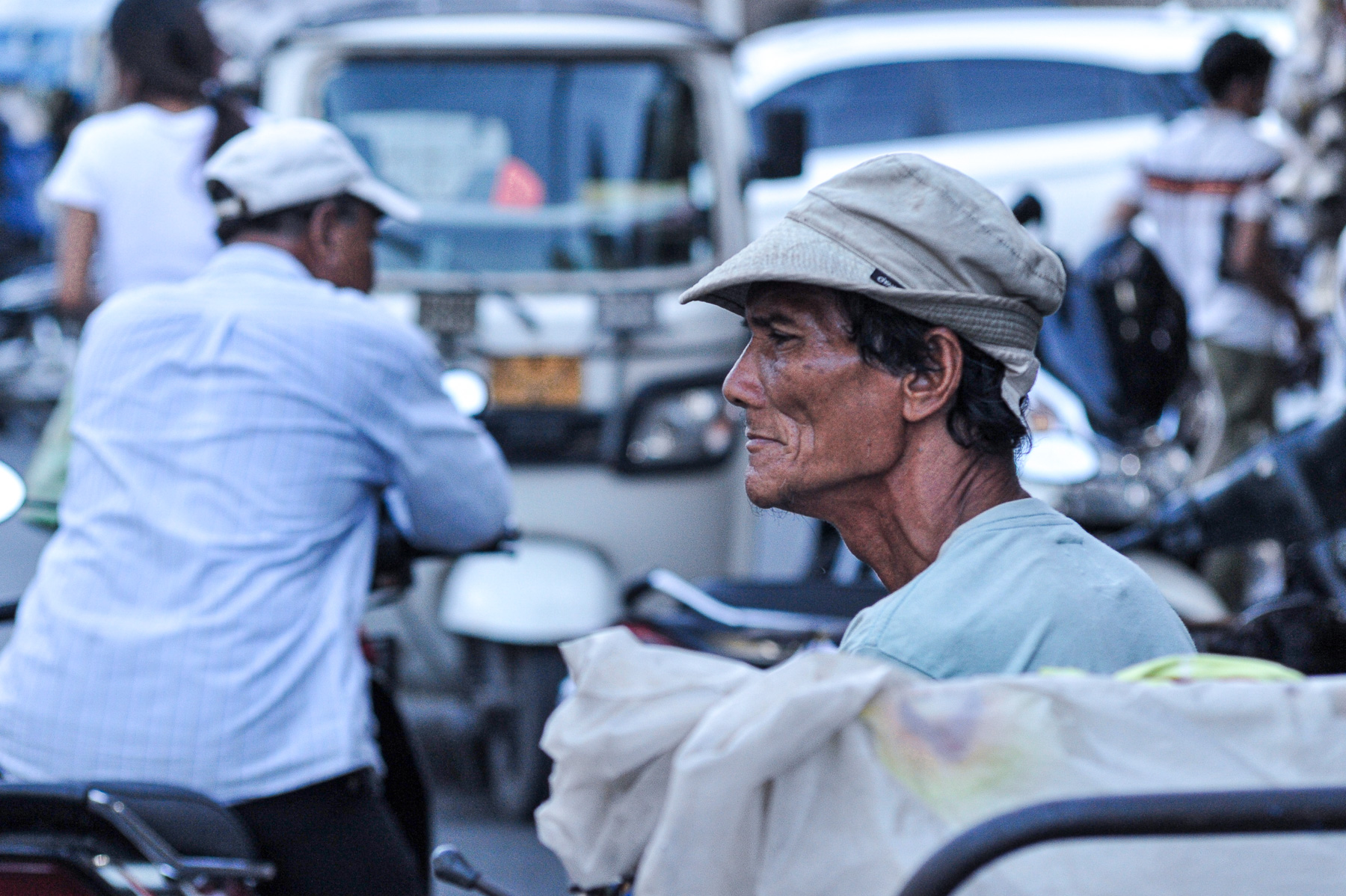
Public Spaces: Generally, you can take photos in public spaces without needing permission. This includes streets, parks, and other public areas where people do not have a reasonable expectation of privacy.
Privacy Concerns: While you can photograph people in public, you should avoid taking photos in situations where individuals have a reasonable expectation of privacy, such as inside their homes or in private spaces visible from public areas.
Commercial Use: If you plan to use your photos commercially, you may need to obtain a model release from the individuals in your photos. This is especially important if the images will be used in advertising or sold as stock photos.
Respect and Ethics: Always be respectful and considerate. If someone asks you not to photograph them, it’s best to honour their request to avoid potential conflicts.
Country-Specific Laws: Laws can vary significantly from one country to another. For example, some countries have stricter privacy laws that may require consent for street photography, while others are more lenient.
In the UK, street photography is generally allowed in public spaces, but it’s always good practice to be mindful of people’s privacy and to use common sense when photographing strangers.
Magnum Photos is a renowned international photographic cooperative founded in 1947 by legendary photographers, including Robert Capa, Henri Cartier-Bresson, David “Chim” Seymour, and George Rodger. The cooperative aims to give photographers the freedom to document the world as they see it without being constrained by the agendas of magazines and newspapers.
Key Highlights of Magnum Photos:
Historical Significance: Magnum Photos has documented many of the world’s major events and personalities since its inception, covering a wide range of subjects including society, politics, conflict, and culture.
Global Presence: The cooperative has offices in major cities like New York, Paris, London, and Tokyo, and its photographers work worldwide.
Photographer-Owned: Magnum is unique in that it is owned and run by its member photographers, who retain all copyrights to their work. This model allows for a high degree of creative freedom and independence.
Iconic Images: Magnum photographers have produced some of the most iconic images in the history of photography, capturing moments that have defined eras and movements.
Educational Initiatives: Magnum also offers workshops, on-demand courses, and other educational resources to help aspiring photographers learn from some of the best in the field.
Magnum Photos continues to be a significant force in the world of photography, known for its commitment to authentic visual storytelling and its ability to capture the human condition in all its complexity.
If you have any specific questions about Magnum Photos or its photographers, feel free to ask!
In the world of photography, the transition from DSLR to mirrorless cameras has been a topic of hot debate. One of the most discussed aspects is battery life. Many photographers, like you, have noticed that the battery life of mirrorless cameras doesn’t seem to match up to that of DSLRs. But why is this the case, and what can you do about it?
Firstly, it’s important to understand the key differences between these two types of cameras. DSLRs use an optical viewfinder which doesn’t require power, contributing to their longer battery life. Mirrorless cameras, on the other hand, have electronic viewfinders or LCD screens that are always on, which consumes more power.
However, the gap in battery performance is narrowing. Advances in technology mean that some newer mirrorless models are beginning to boast battery lives that rival, and sometimes even surpass, their DSLR counterparts. This is a significant step forward, considering that mirrorless cameras offer advantages such as being generally lighter, more compact, and often better for video recording.
So, what can you do to extend the battery life of your mirrorless camera? Here are a few tips:
Use Power Saving Modes: Most mirrorless cameras come with power-saving options that can significantly extend battery life. These modes may turn off the LCD screen or put the camera into a low-power state when not in use.
Carry Extra Batteries: This is a simple solution but an effective one. Having spare batteries on hand means you can keep shooting for longer without worrying about finding a place to recharge.
Turn Off Unnecessary Features: Features like Wi-Fi and Bluetooth can drain your battery quickly. If you’re not using them, it’s best to keep them turned off.
Manage Screen Brightness: Lowering the brightness of your screen can save a lot of power, especially when shooting in low-light conditions where you don’t need the extra brightness.
Invest in Battery Grips: Some mirrorless cameras have compatible battery grips that can hold additional batteries, effectively doubling your shooting time.
While it’s true that DSLRs have set a high standard for battery life, mirrorless cameras are catching up. With a few adjustments and the right practices, you can get the most out of your mirrorless camera’s battery, ensuring that you never miss that perfect shot because of a dead battery.
Remember, the choice between DSLR and mirrorless cameras goes beyond just battery life. It’s about finding the right tool that fits your photography style and needs. Whether you’re capturing landscapes, portraits, or action shots, both types of cameras have their place in the photographer’s bag. So, embrace the strengths of each and enjoy the creative process.
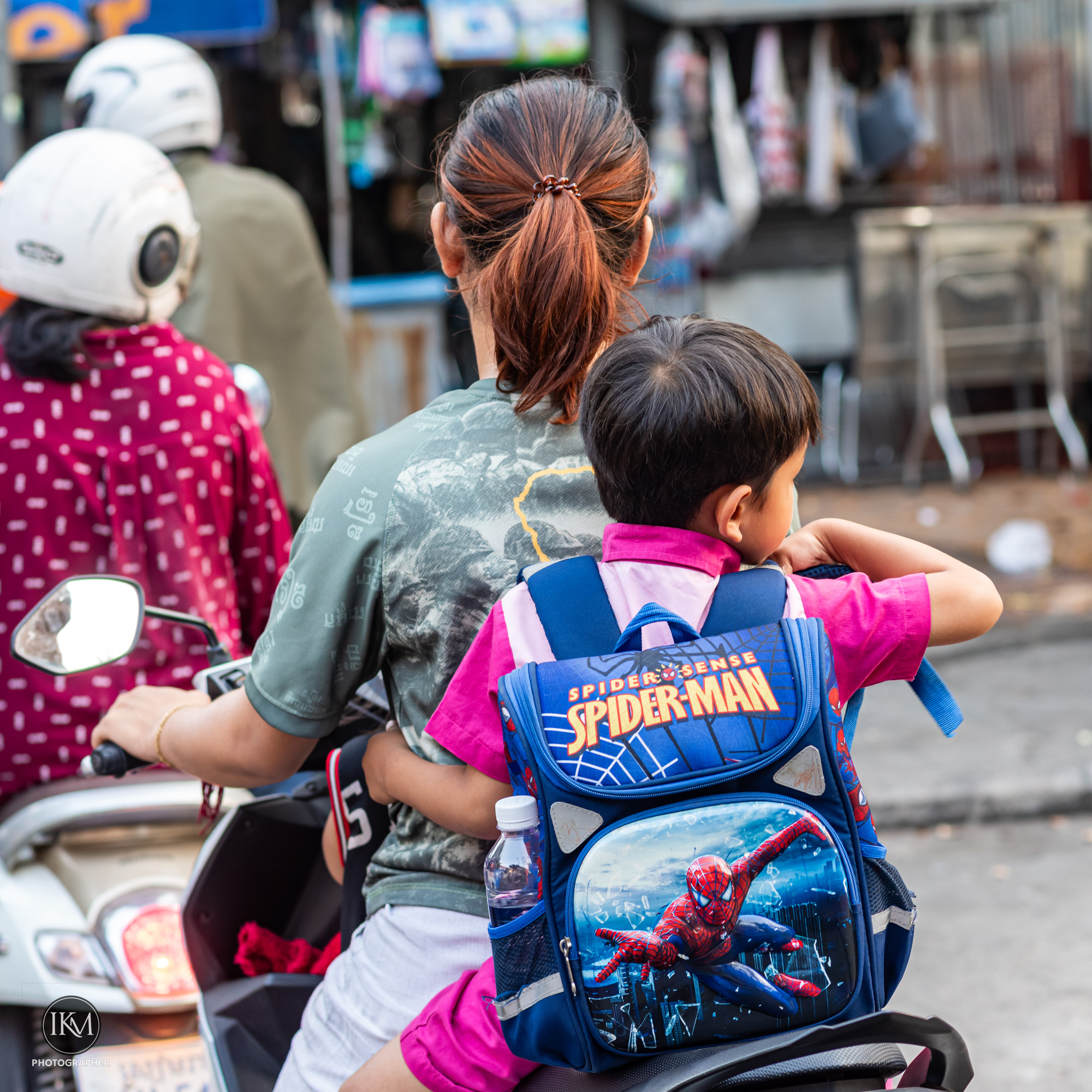
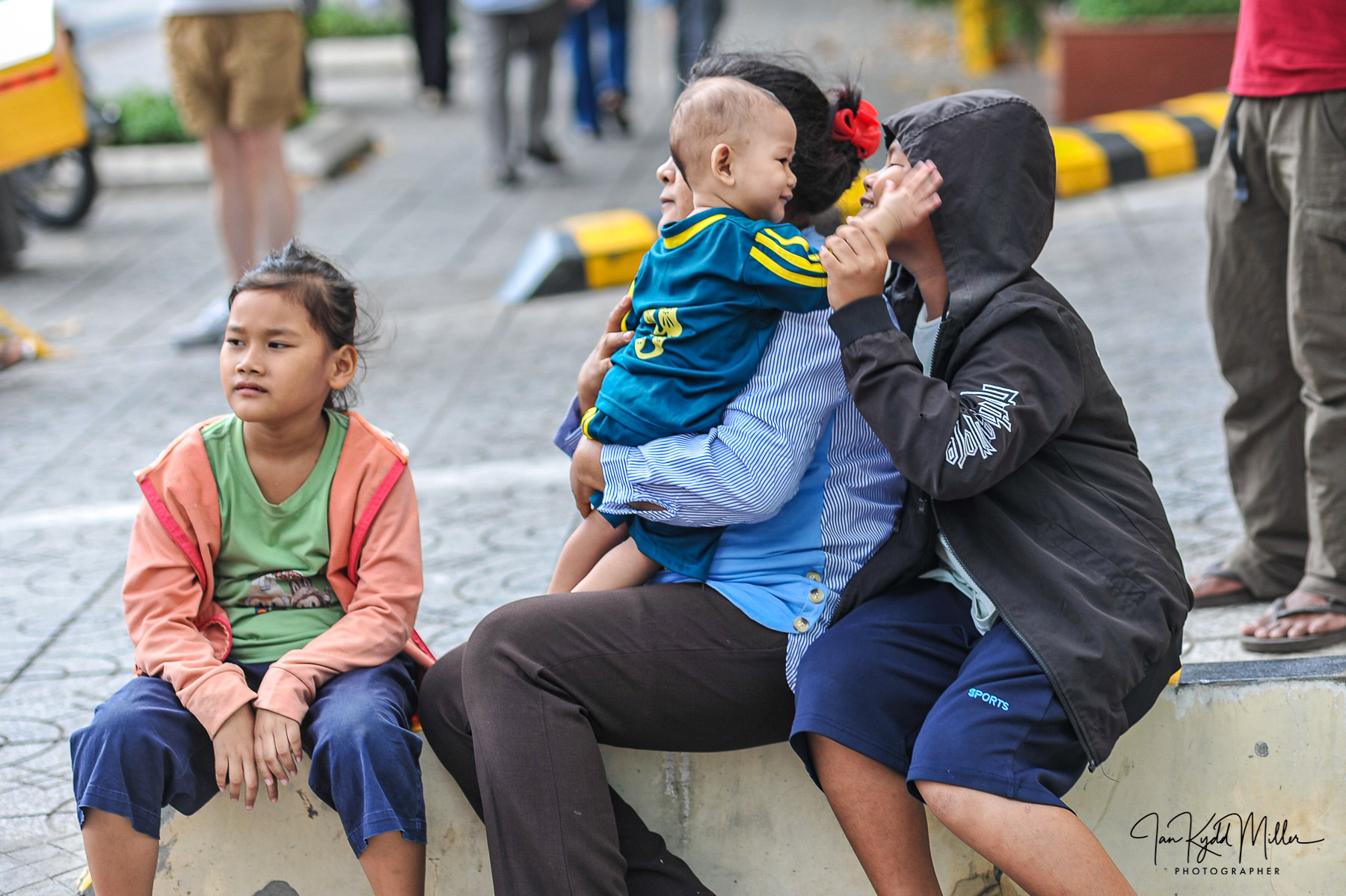
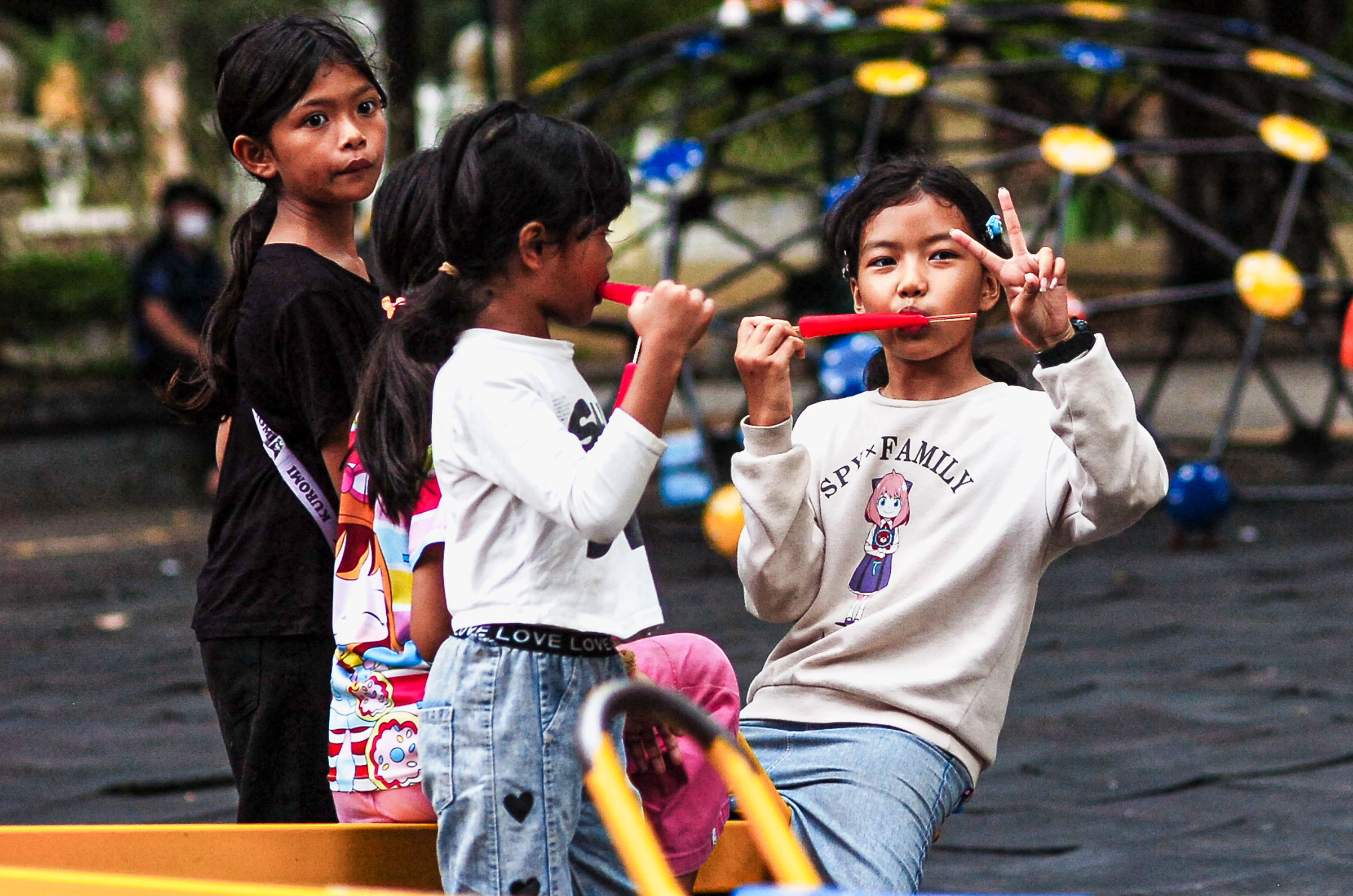
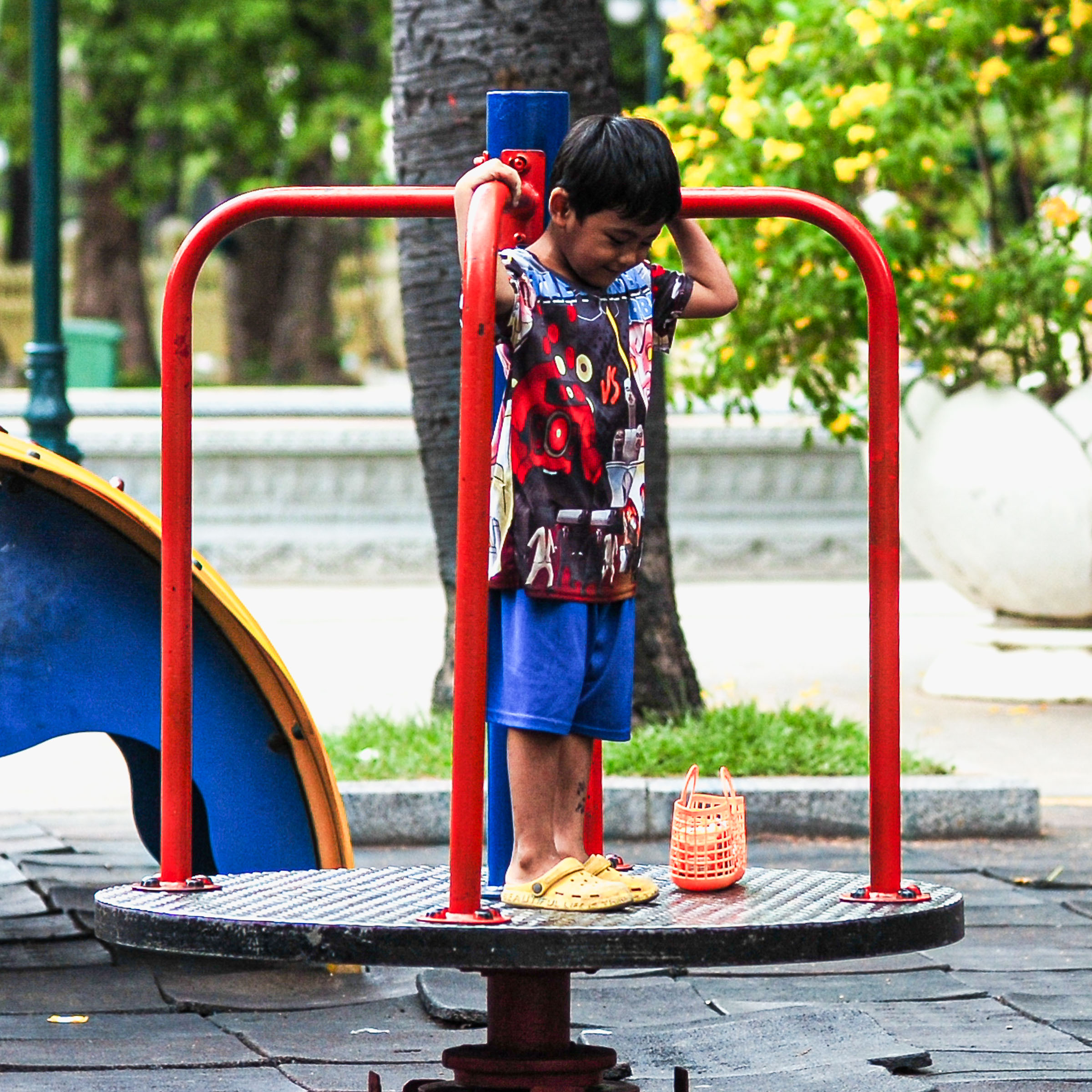
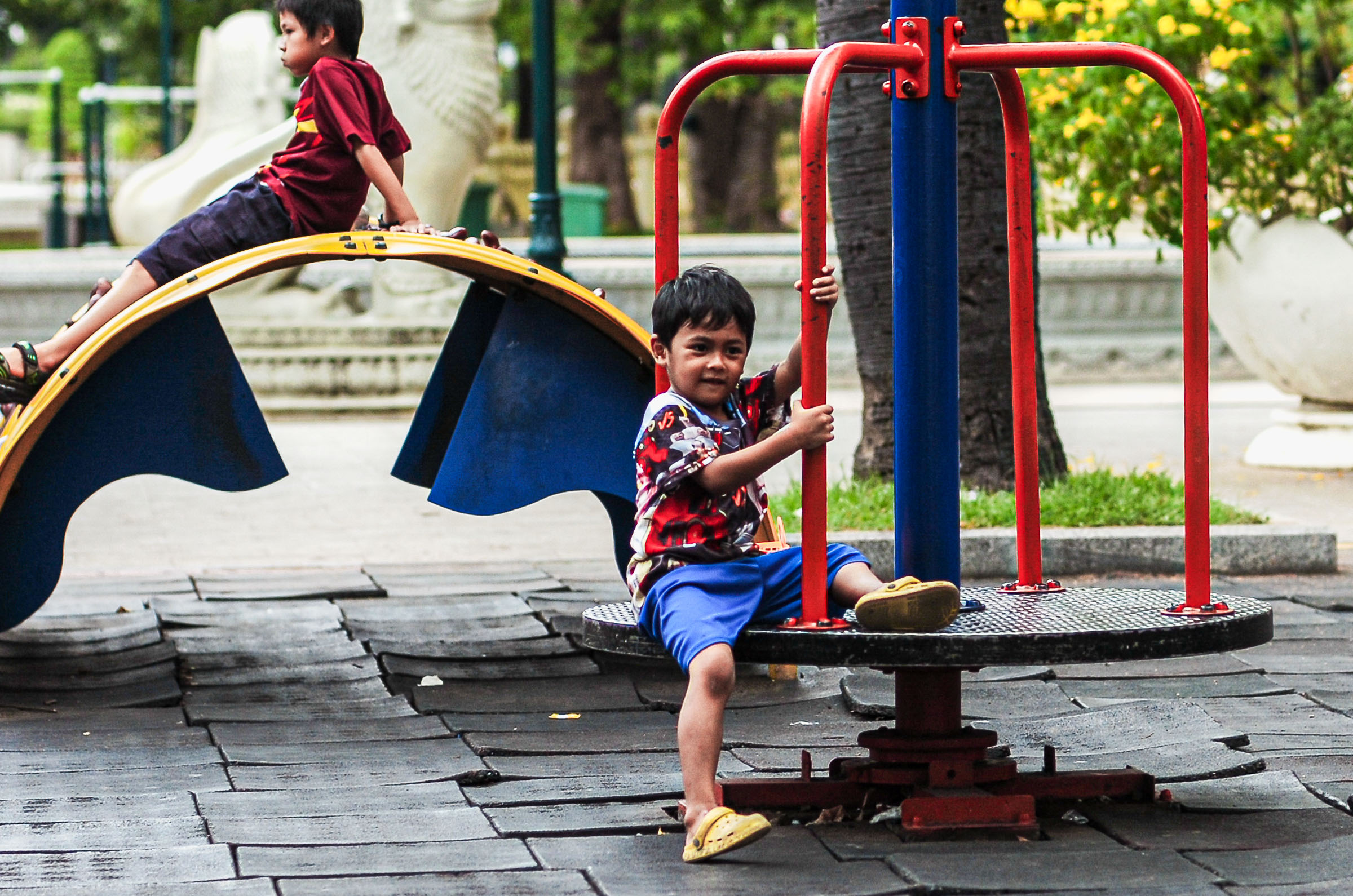
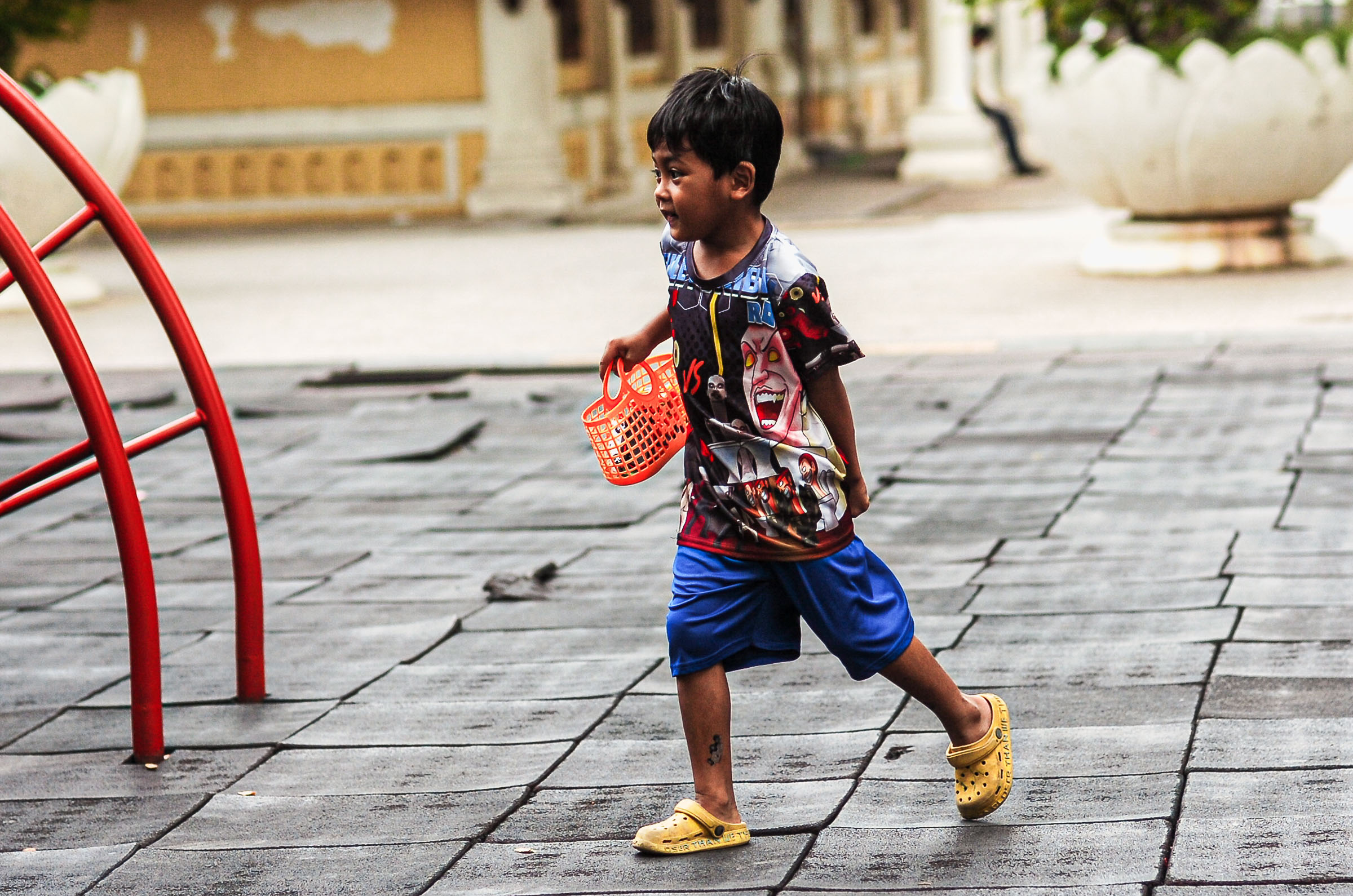
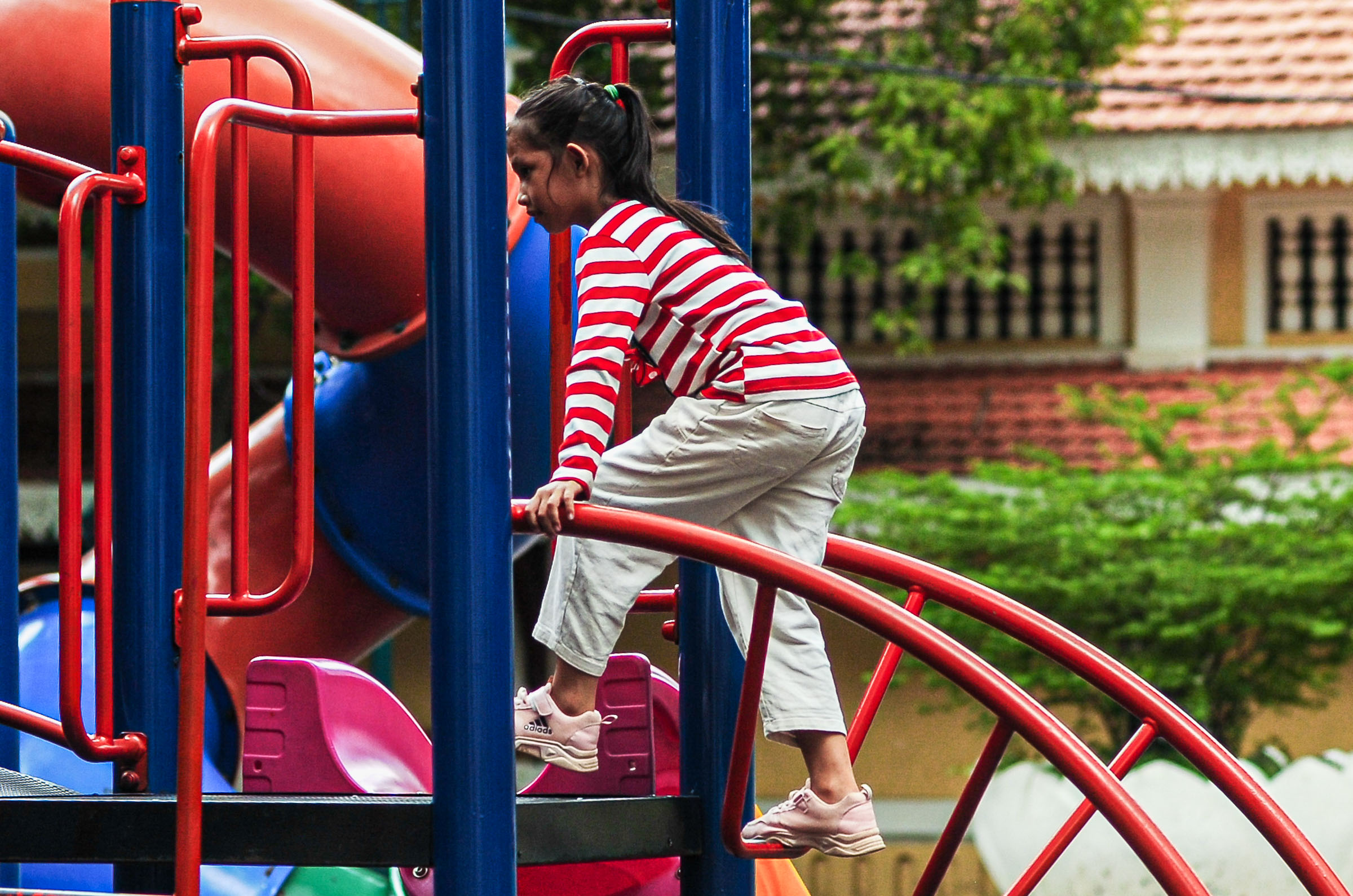
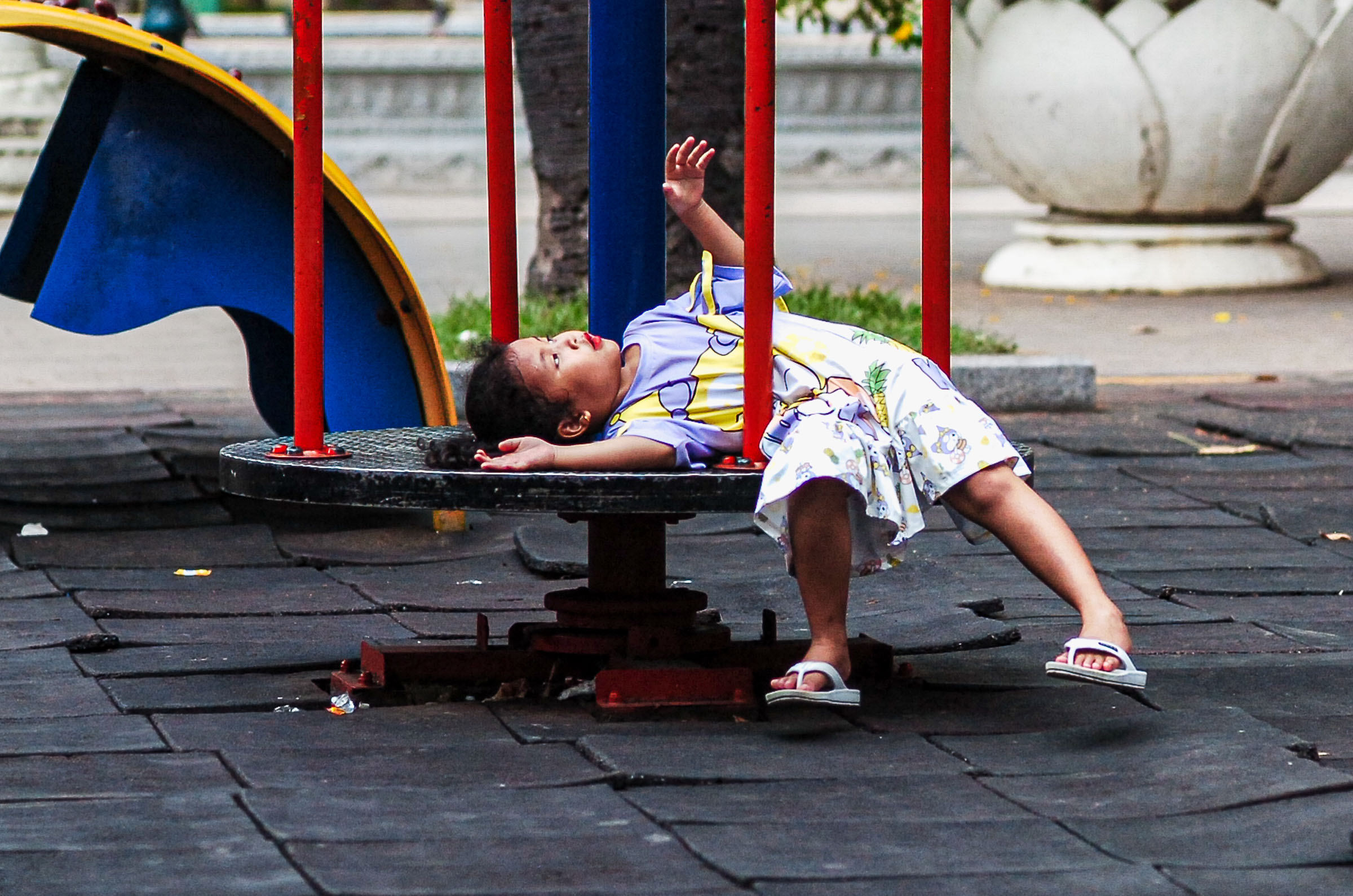
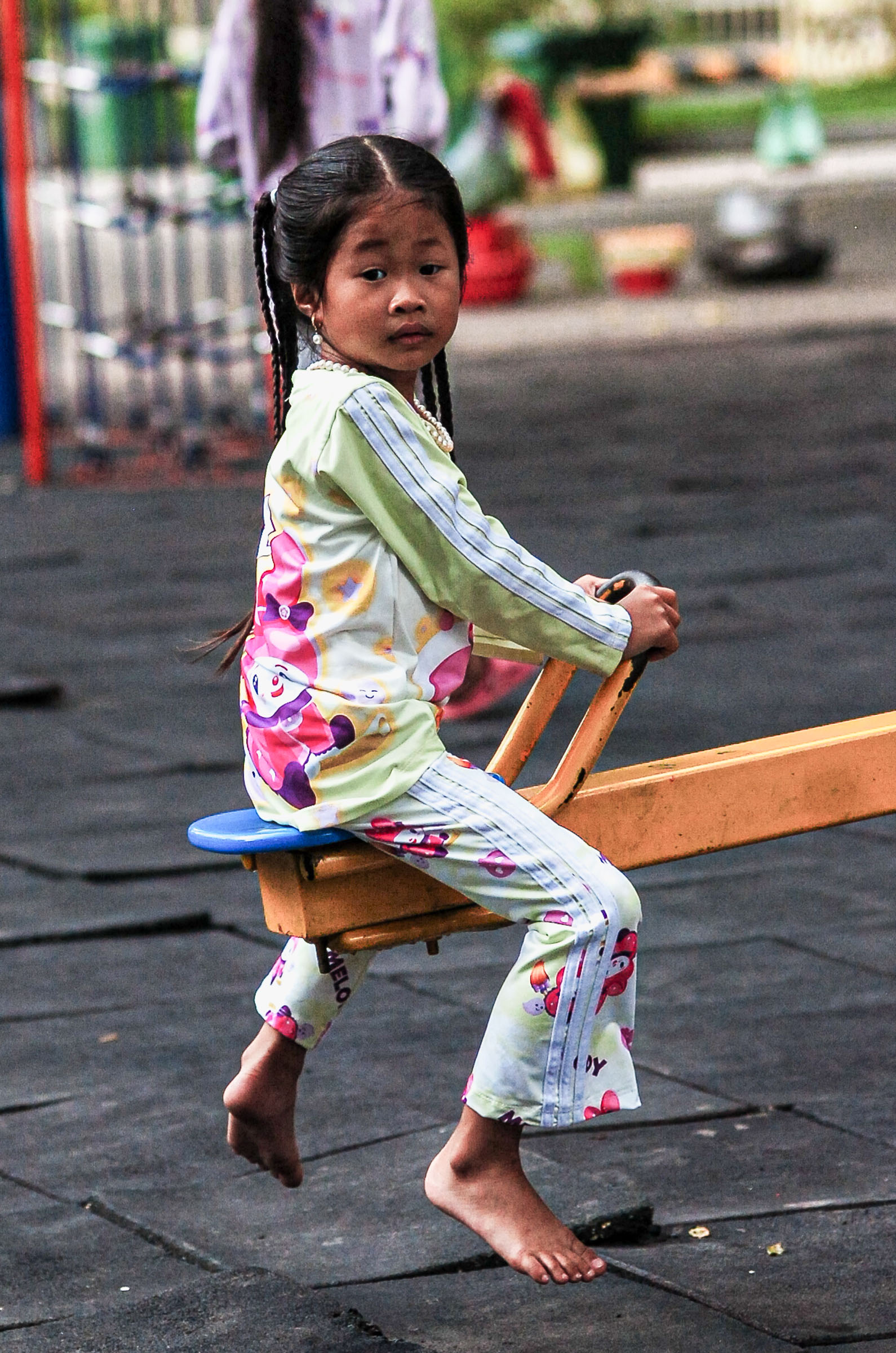
In the age of smartphones and social media, the act of taking photographs in public spaces has become a common occurrence. However, when it comes to photographing children, the situation becomes more complex due to legal and ethical considerations. This blog post explores the legality and the ethical implications of taking pictures of children in public parks.
Legal Perspective
Legally, the right to take photographs in public places is generally protected under the First Amendment in the United States, which includes public parks. There is no expectation of privacy in these public spaces, and photography is usually permitted. However, this right comes with limitations. For instance, photographing in a manner that constitutes harassment or violates local laws is not allowed. Moreover, specific laws may vary by country and even by state or region within a country.
In the UK, for example, there is no specific law that prohibits taking photos of children in public places. However, it is essential to consider the context and manner in which the photographs are taken. If the images are used inappropriately or for commercial purposes without consent, legal issues may arise.
Ethical Considerations
While the act of taking photos of children in public may be legal, it raises several ethical questions. It is crucial to respect individuals’ privacy and dignity, even in public spaces. Photographers should be culturally sensitive and aware of the potential discomfort their actions may cause to children and their guardians.
Parents and guardians have legitimate concerns about the safety and privacy of their children. Therefore, photographers should exercise discretion and, if possible, seek consent from the child’s guardian before taking or publishing photographs, especially if the child is the main subject of the image.
Practical Advice
For photographers, here are some practical tips to consider when taking pictures in public parks:
Assess the situation: Understand the context in which you are taking photos. If the area is crowded and the child is just part of the general scene, it is less likely to be an issue compared to singling out a specific child.
Be transparent: If approached, explain your intentions and how the photographs will be used.
Seek consent: Whenever possible, obtain permission from a child’s guardian, especially if the child is the primary focus of the image.
Respect wishes: If a guardian asks you not to take or use a photo of their child, comply with their request.
Conclusion
Photography is a form of expression protected by law, but it is governed by both legal and ethical standards, Sure, here is the revised text: “Especially.” when it involves children. While it is generally legal to take photos of children in public parks, photographers must navigate the ethical landscape with sensitivity and respect for the subjects of their art. By understanding the legal rights and responsibilities and considering the ethical implications, photographers can enjoy their craft while respecting the privacy and dignity of their subjects.
A photo essay is a series of photographs that are intended to tell a story or evoke a series of emotions in the viewer. It is a powerful way to convey messages and narratives through visual storytelling. Crafting a compelling photo essay involves more than just selecting a series of images; it requires careful thought and planning. Here are some essential elements that contribute to the effectiveness of a photo essay:.
Theme or Narrative: The backbone of any photo essay is its theme or narrative. This is the central idea or story that you want to communicate to your audience. Whether it’s the daily life of a community, the impact of an environmental issue, or a personal journey, the theme should be clear and consistent throughout the essay.
Variety of Images: To maintain the viewer’s interest, include a variety of shots, such as wide, medium, and close-ups. This variety can help to provide context, focus on details, and develop the story. Different angles, compositions, and perspectives can add depth and richness to the narrative.
Emotional Impact: One of the most powerful aspects of a photo essay is its ability to evoke emotions. Whether it’s joy, sadness, surprise, or anger, the images chosen should have an emotional pull that resonates with viewers, prompting them to think and feel deeply about the subject matter.
Consistency: Maintaining a consistent style and tone throughout the essay helps reinforce the narrative. This could be achieved through a consistent colour scheme, subject matter, or point of view. Consistency aids in creating a cohesive story that flows smoothly from one image to the next.
Informative and Educational Value: Each photograph in the essay should offer something valuable to the viewer. This could be in the form of information about the subject, insights into a particular lifestyle, or educational content that provides a deeper understanding of the topic.
Captioning: While the images themselves are the main focus, captions can provide context and further information that may not be immediately evident in the photographs. Good captions are concise but informative, adding to the story without distracting from the images.
Opening and Closing Images: The first and last images of a photo essay are crucial. The opening image should grab the viewer’s attention and introduce the theme, while the closing image should leave a lasting impression, providing closure and reflecting on the overall narrative.
Pacing and Structure: Just like in written essays, the pacing and structure of a photo essay are important. The arrangement of images should be intentional, guiding the viewer through the story in a logical and emotionally impactful way.
Accessibility: The subject matter of the photo essay should be accessible to the photographer. This means choosing a topic that is within reach, both literally and figuratively, allowing for a more intimate and genuine portrayal of the subject.
In conclusion, a good photo essay is not just about the photographs, but also about how they are put together to tell a story. It’s about the thought process behind the selection of images, the arrangement, and the way they are presented to evoke a response from the viewer. With these elements in mind, anyone can create a photo essay that is both visually stunning and narratively powerful.















































 a world without pictures is like coffee without cream and sugar, bitter