Photography is an art form that captures the essence of a moment, tells a story without words and leaves a lasting impression on the viewer. But what is it that makes a photograph stand out? What transforms a simple snapshot into a potential masterpiece? Let’s dive into the elements that contribute to creating a good picture.
Composition: The Visual Symphony Composition is the backbone of a photograph. It’s the arrangement of elements within the frame that guides the viewer’s eye and evokes emotions. Good composition can turn an ordinary scene into a visual symphony. The Rule of Thirds, leading lines, symmetry, and framing are just a few techniques that photographers use to create a balanced and engaging composition.
Exposure: Painting with Light Exposure is the amount of light that reaches the camera’s sensor, and it’s crucial for setting the mood of the image. A well-exposed photo can highlight textures, contrast, and details that might otherwise be lost. Whether it’s the soft glow of dawn or the harsh shadows of midday, the interplay of light and shadow is what gives a photograph its depth and drama.
Focus: Clarity of Vision Focus determines which part of the image is sharp and clear. It can be used creatively to draw attention to the subject or to create a dreamy background with a shallow depth of field. A good photograph has intention behind its focus, whether it’s the crisp detail of a portrait or the delicate blur of a moving stream.
Subject: The Heart of the Story The subject of a photograph is its beating heart. It’s what captures the viewer’s attention and holds it. A good photograph has a clear subject that resonates with the viewer, whether it’s the raw emotion on a person’s face or the grandeur of a landscape.
Light: The Essence of Photography Light is the essence of photography. It shapes the image, defines the mood, and creates atmosphere. The quality of light can make or break a photograph. Soft, diffused light often yields beautiful, even exposures, while dramatic, directional light can create a powerful impact.
Purpose: The Intention Behind the Lens Every good photograph has a purpose. It’s the intention behind the lens, the reason why the photographer chose to capture that particular scene. It could be to tell a story, to preserve a memory, or to evoke a certain emotion. The purpose is what gives a photograph meaning and makes it memorable.
In conclusion, a good photograph is a blend of technical skill and artistic vision. It’s a moment captured with intention, composed with care, and illuminated with the perfect light. It’s an image that tells a story, touches the heart, and stands the test of time. So, the next time you pick up your camera, remember these elements and let them guide you in creating your own photographic masterpieces. Happy shooting! 📸✨
Robert Capa, born Endre Ernő Friedmann, was a man who turned the chaos of war into a form of art that both horrified and moved an entire generation. His journey from a politically turbulent Hungary to becoming the most renowned war photographer in history is a tale of courage, innovation, and an unyielding commitment to documenting the truth.
Capa’s early life was marked by political strife. Born on October 22, 1913, in Budapest, Austria-Hungary, he was forced to flee his homeland at the age of 18 due to alleged communist sympathies. His path led him to Berlin, where he witnessed the rise of Hitler, and later to Paris, where he would meet his professional partner and companion, Gerda Taro. Together, they invented the persona of Robert Capa, the “famous” American photographer, a ruse that allowed them to sell their work in a market that favored American names.
Capa’s lens captured the brutal realities of the Spanish Civil War, the Second Sino-Japanese War, World War II, the 1948 Arab–Israeli War, and the First Indochina War. His work was not just a job; it was a mission to show the world the faces of those who suffered and fought. His iconic photograph, “The Falling Soldier,” taken during the Spanish Civil War, remains one of the most powerful images of combat ever captured, embodying the very essence of Capa’s ability to encapsulate the decisive moment.
The horrors of war were not Capa’s only companions. He formed friendships with literary and cinematic giants such as Ernest Hemingway, John Steinbeck, and John Huston. These relationships not only enriched his life but also helped him navigate the dangerous terrains he photographed. In 1947, Capa co-founded Magnum Photos, the first cooperative agency for worldwide freelance photographers, which revolutionized the field of photojournalism.
Tragically, Capa’s relentless pursuit of truth led to his untimely death on May 25, 1954, when he stepped on a landmine in Thái Bình Province, French Indochina. He was only 40 years old. His legacy, however, lives on through his breathtaking photographs, his co-founding of Magnum Photos, and the numerous accolades he received, including the Medal of Freedom awarded by U.S. General Dwight D. Eisenhower.
Robert Capa’s story is a testament to the power of photography as a means of storytelling and historical documentation. His images serve as a stark reminder of the realities of war, the resilience of the human spirit, and the profound impact one individual can have on the world. Capa once said, “If your photographs aren’t good enough, you’re not close enough.” He lived by those words, and in doing so, he brought the world closer to the truths that many would rather turn away from. His work continues to inspire photographers and journalists alike, reminding us all of the importance of looking closely and never forgetting.
Robert Capa’s Cameras: The Tools of a Photography Legend
Robert Capa, a name synonymous with war photography, captured some of the most poignant moments of the 20th century. His images from the Spanish Civil War and World War II have become iconic, but what about the tools of his trade? What cameras did this legendary photographer use to document the world at war?
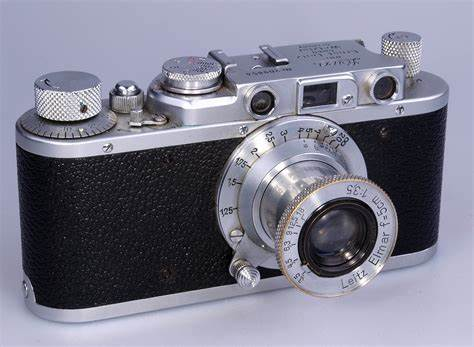
Capa’s early work was closely associated with the compact and efficient Leica 35mm rangefinder. This camera was a game-changer in photojournalism, allowing photographers to move quickly and capture life as it unfolded. The Leica II, with its screw-mount rangefinder, was particularly significant in Capa’s early career. It was this type of camera that he used during his assignment to photograph Leon Trotsky in Copenhagen.
As his career progressed, Capa’s choice in cameras evolved. During World War II, he was known to use a Contax brand camera. This camera, along with the Leica, was small enough to be held in one hand, lightweight, and used 35mm film, which was easy to load and shoot in rapid succession. This allowed Capa to immerse himself in the action, capturing the raw and real moments of conflict.
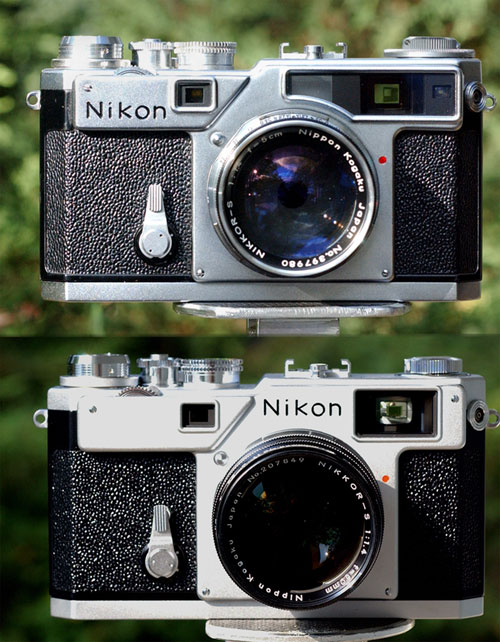
On the tragic day of his death while covering the First Indochina War, Capa had with him a Contax and a Nikon S with a 50mm lens. These cameras were his companions on the battlefield, and one of them, the Nikon S, is sometimes displayed at exhibits of his work, complete with the bloodstains from that fateful day.
Capa’s approach to photography was not just about the camera but also about being close to the action. He famously said, “If your pictures aren’t good enough, you’re not close enough.” This philosophy drove him to the front lines, where he could capture the essence of the human experience during wartime.
The cameras Robert Capa used were more than just tools; they were extensions of his vision. They allowed him to tell the stories of war in a way that was intimate, immediate, and impactful. Through his lenses, we see not just the events of war but the emotions and humanity of those who lived it.
Capa’s legacy is not only in the images he left behind but also in the way he used his cameras. He demonstrated the power of photojournalism and set a standard for future photographers. His work reminds us that the camera is a witness to history, and the photographer behind it is the storyteller.
For those interested in the technical aspects of photography and the history of photojournalism, Capa’s choice of cameras offers a fascinating glimpse into the evolution of the craft. From the Leica II to the Contax and Nikon S, these cameras were at the forefront of technology at the time and enabled Capa to capture history as it happened.
Robert Capa’s cameras were his tools to convey the truth of war. They were the instruments through which he showed the world the realities of conflict, the faces of the soldiers, and the plight of the civilians. They were the means by which he told the stories that needed to be told, and they continue to inspire photographers and storytellers today.
Embarking on a journey of creative discovery, photographers often find themselves seeking inspiration to fuel their artistic expression. The act of observing the world through the lens of another photographer can be a profound experience, offering new perspectives and techniques that may have remained unexplored. Galleries, with their curated collections, serve as sanctuaries of visual storytelling, where each piece invites the viewer to interpret and absorb the essence of a moment captured in time. Photography books, too, are treasure troves of inspiration, each page a gateway to different cultures, landscapes, and narratives. They allow one to traverse the globe from the comfort of their own space, igniting the imagination and sparking new ideas. This process of seeking and finding inspiration is not just about emulating the work of others; it’s about expanding one’s visual vocabulary and understanding the boundless possibilities of light, shadow, composition, and color. It’s about learning the rules of art and the joy of breaking them, discovering one’s unique voice in a chorus of shutter clicks and flashes. For the photographer, inspiration is the whisper of the muse that turns an ordinary scene into an extraordinary photograph, transforming the mundane into the sublime. It’s the force that compels them to wake before dawn, chasing the perfect light, or to wait patiently for that decisive moment when everything aligns. Inspiration is the fuel for the creative soul, and in its pursuit, every image viewed, every gallery visited, and every page turned is a step closer to capturing the next great shot that speaks not only to the eyes but to the heart as well. So, seek out inspiration, for it is the key to unlocking the boundless potential within every photographer’s grasp.
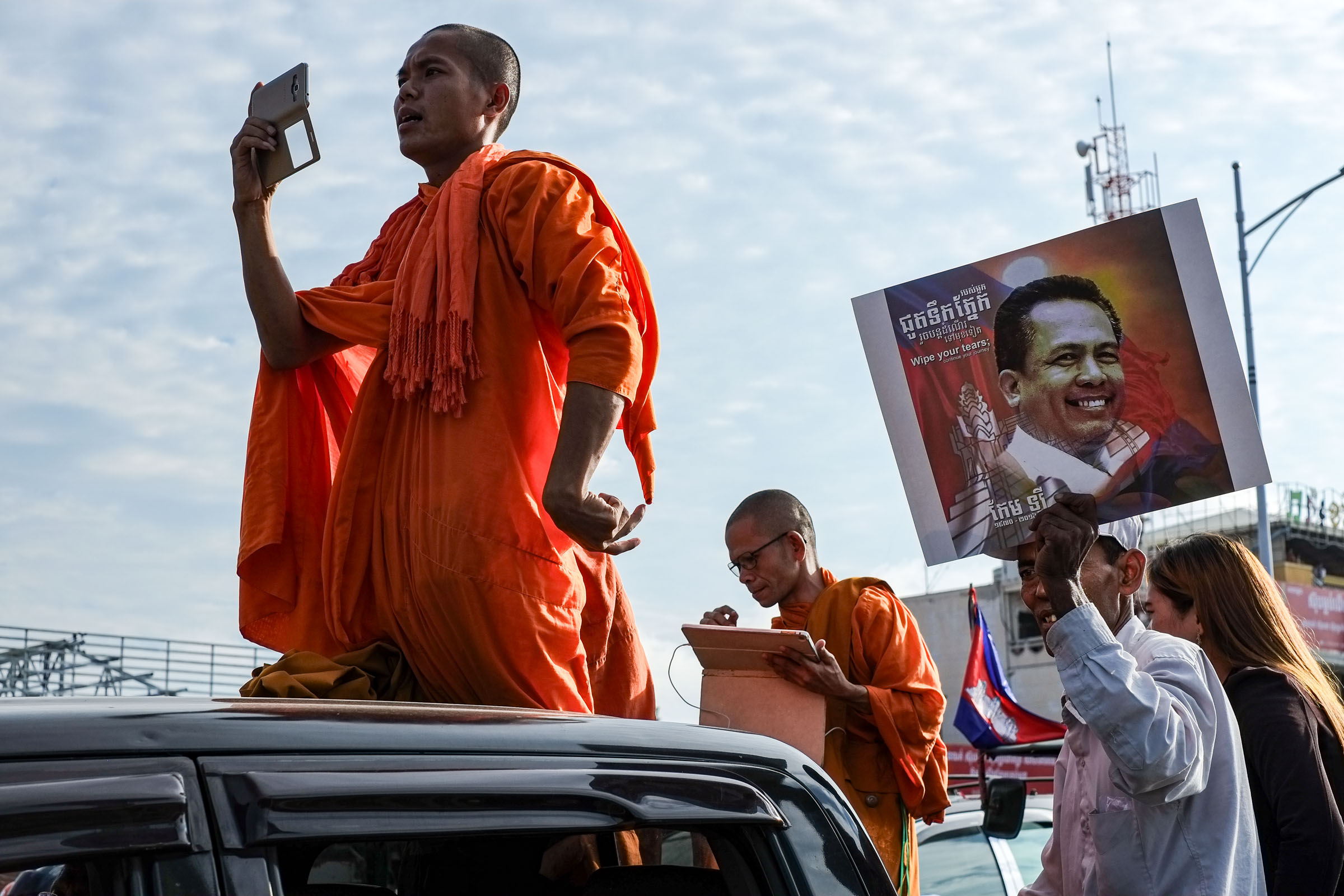
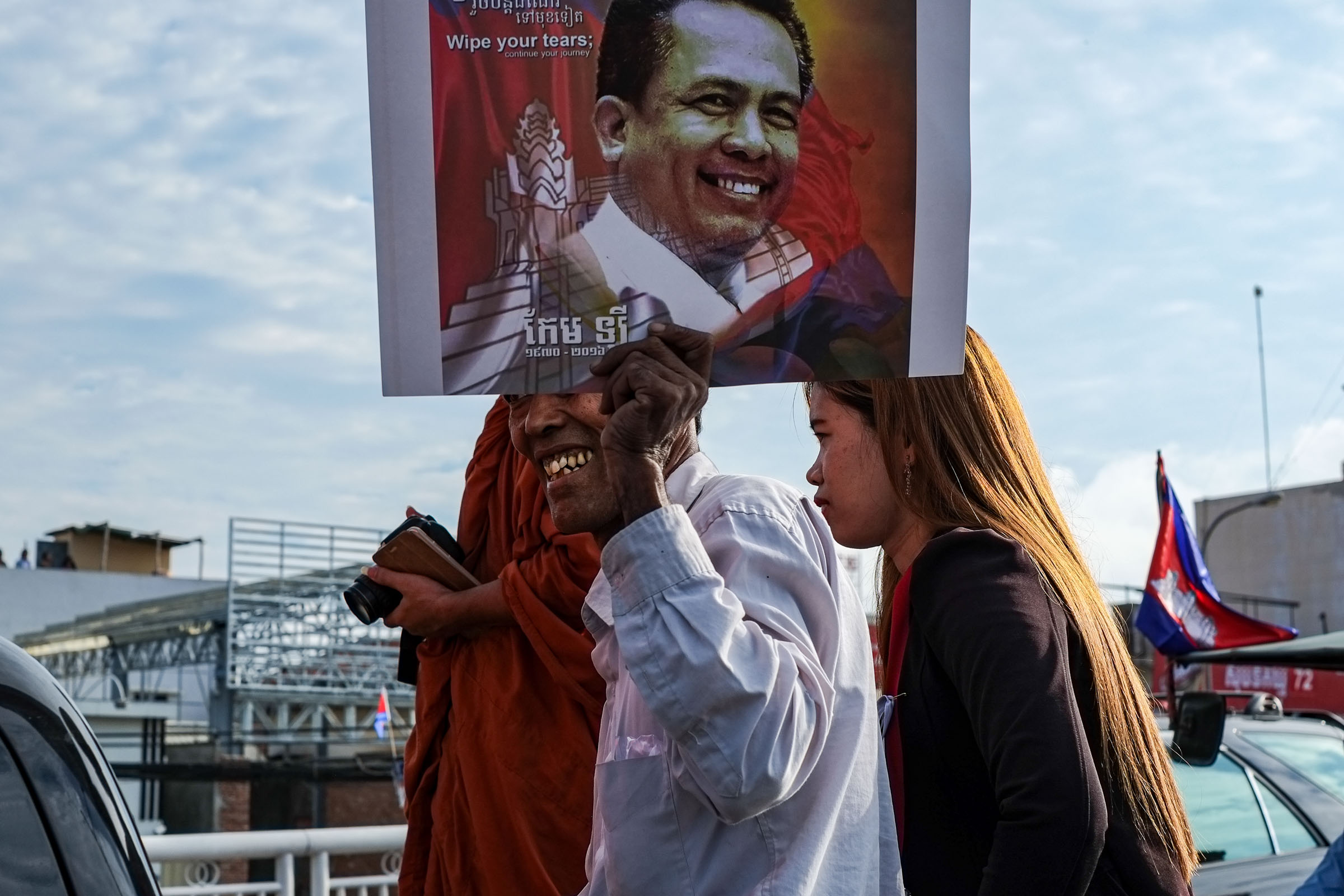
Background of Kem Ley: Kem Ley was a political commentator, physician, and activist from Cambodia who was well-known for criticising the country’s government.
Assassination: It is generally accepted that he was the victim of a politically motivated assassination on July 10, 2016, in Phnom Penh.
Political Engagement: He was active in a number of campaigns and research projects in addition to founding the Grassroots Democracy Party in 2015.
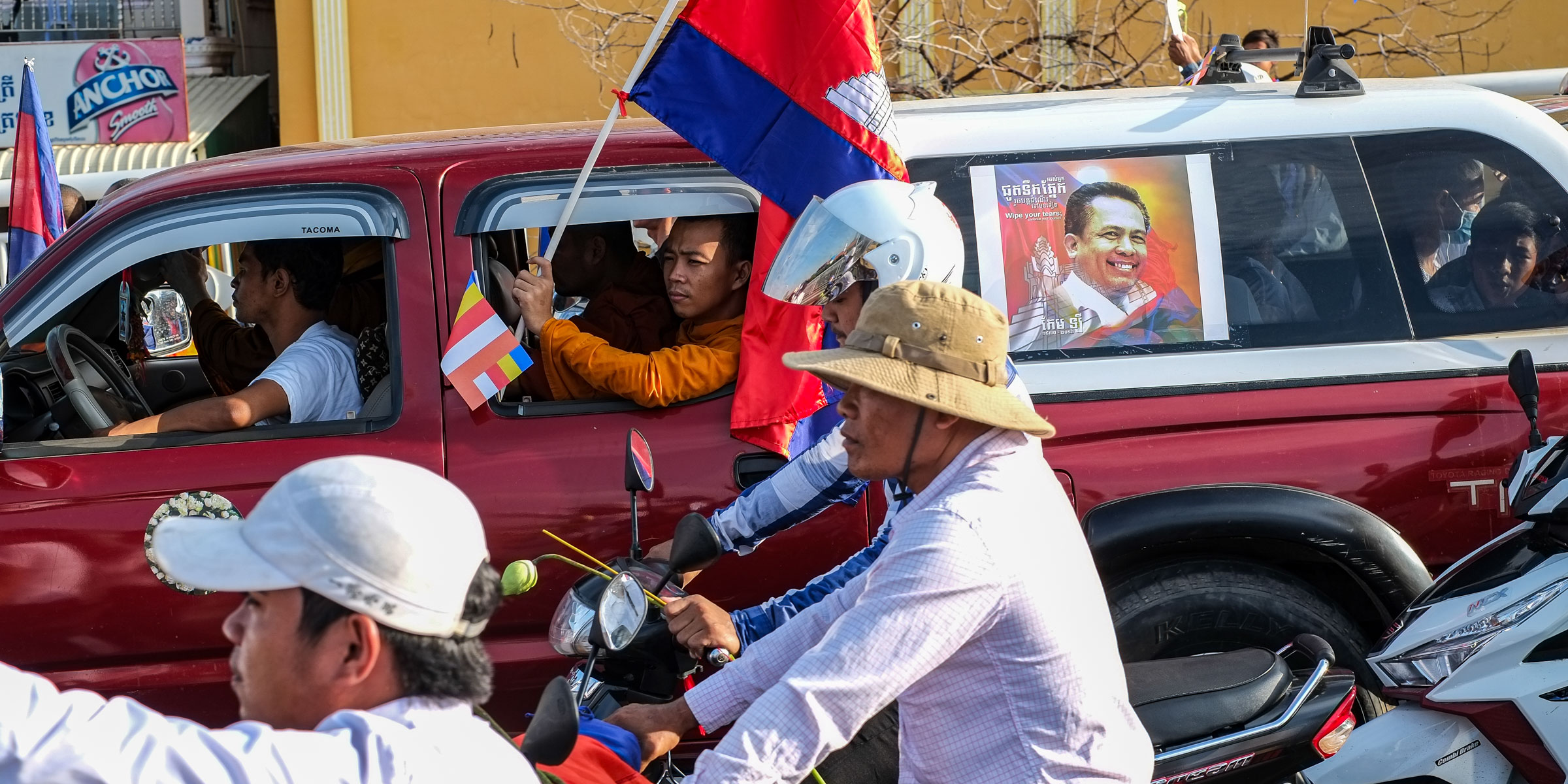
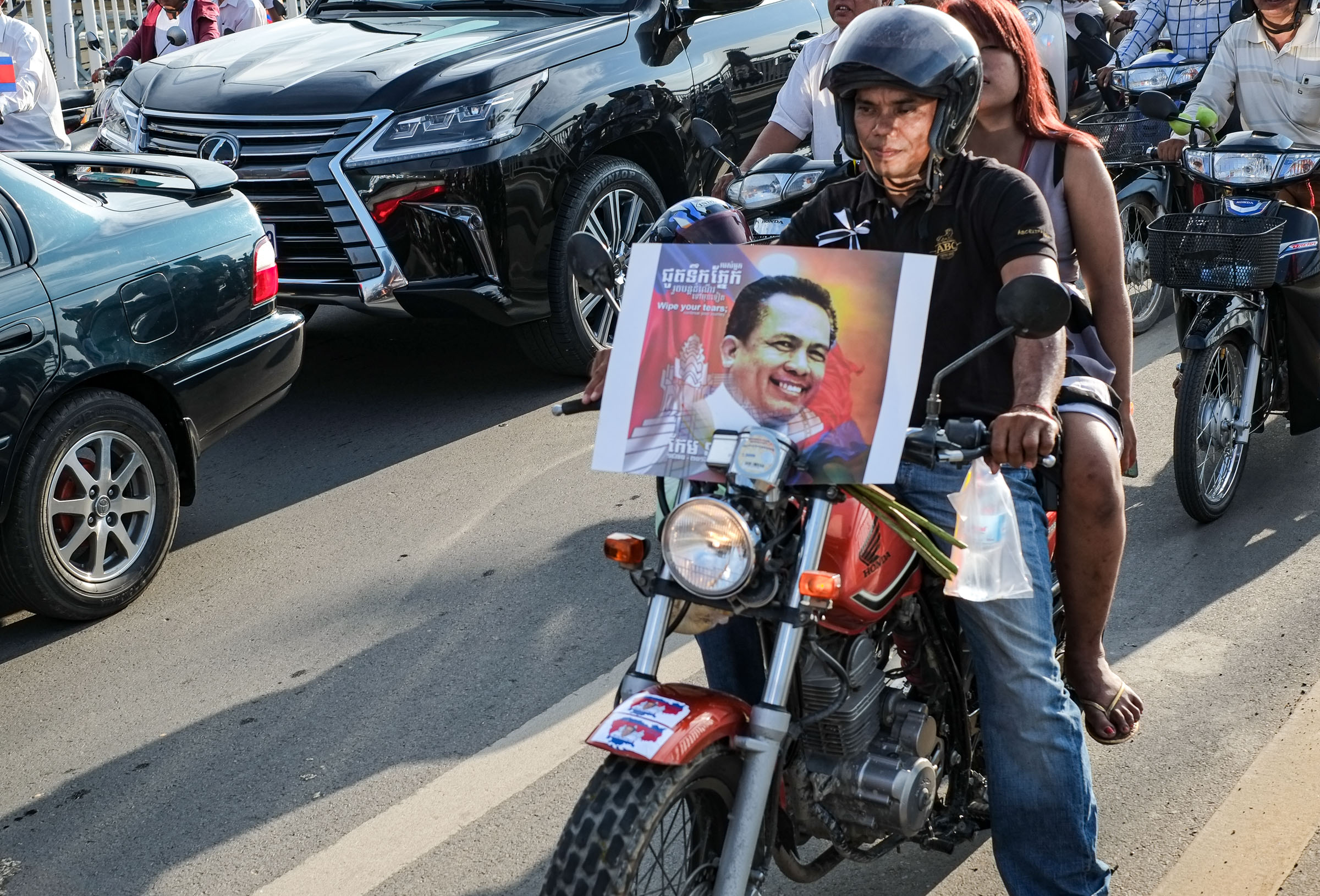
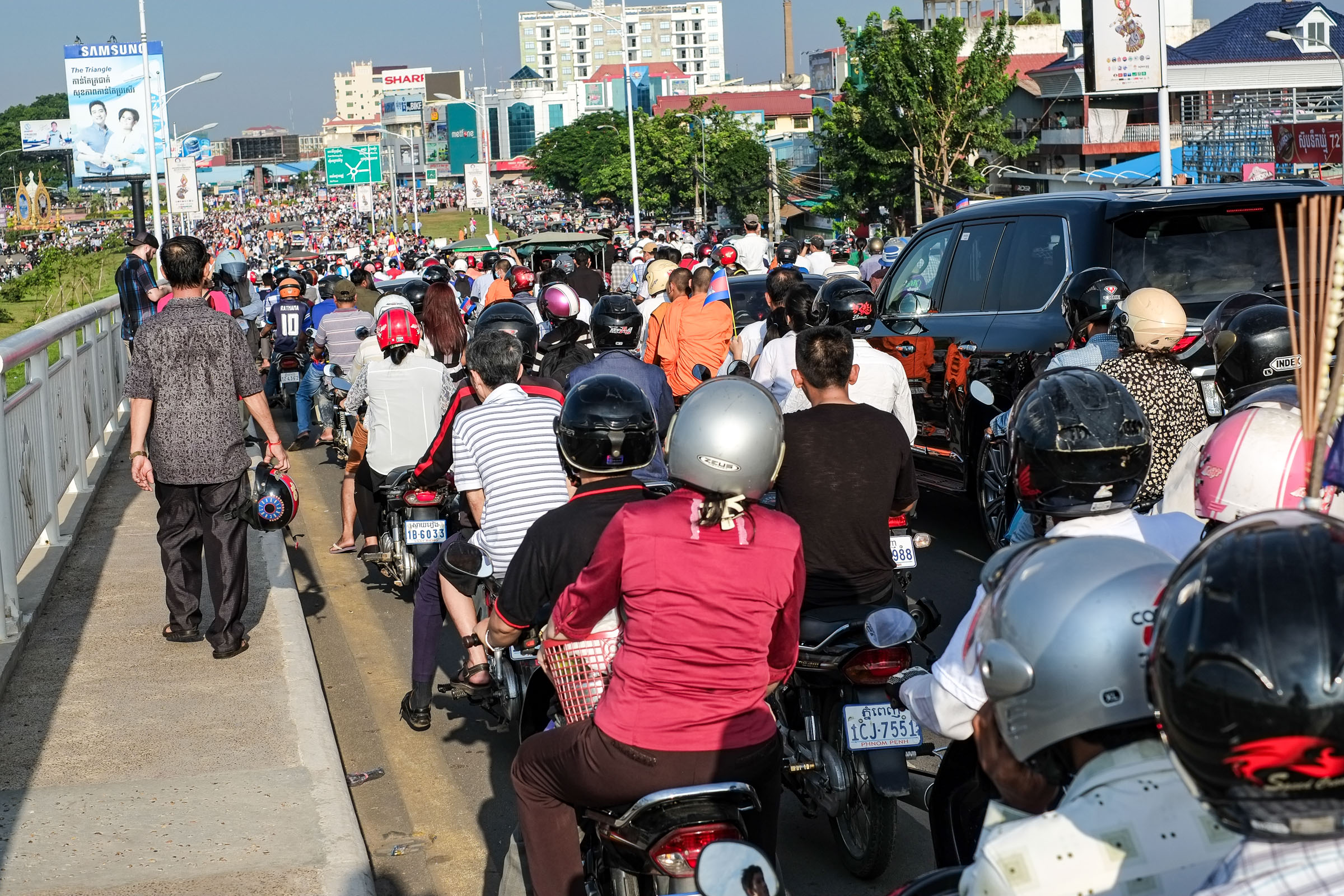
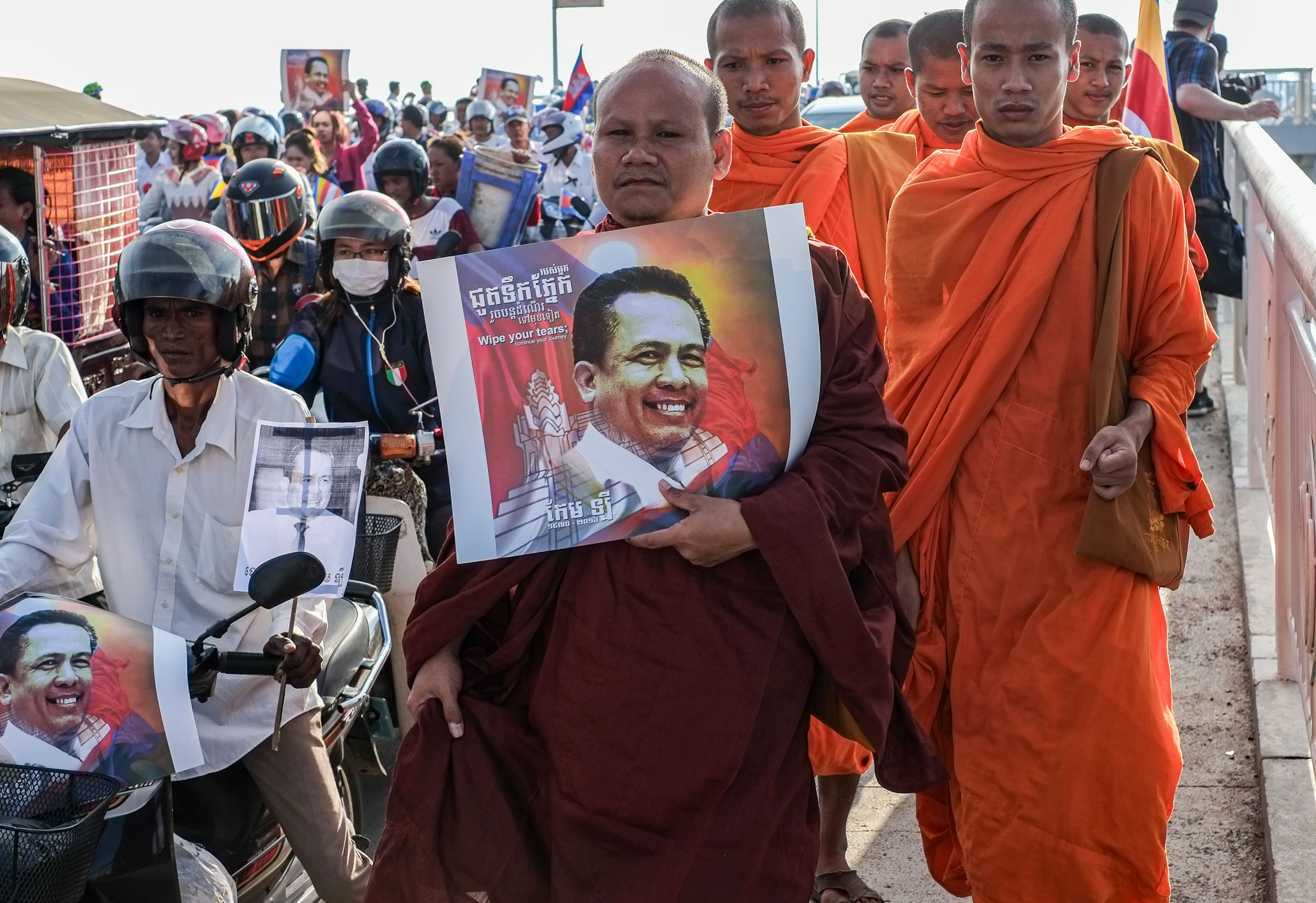
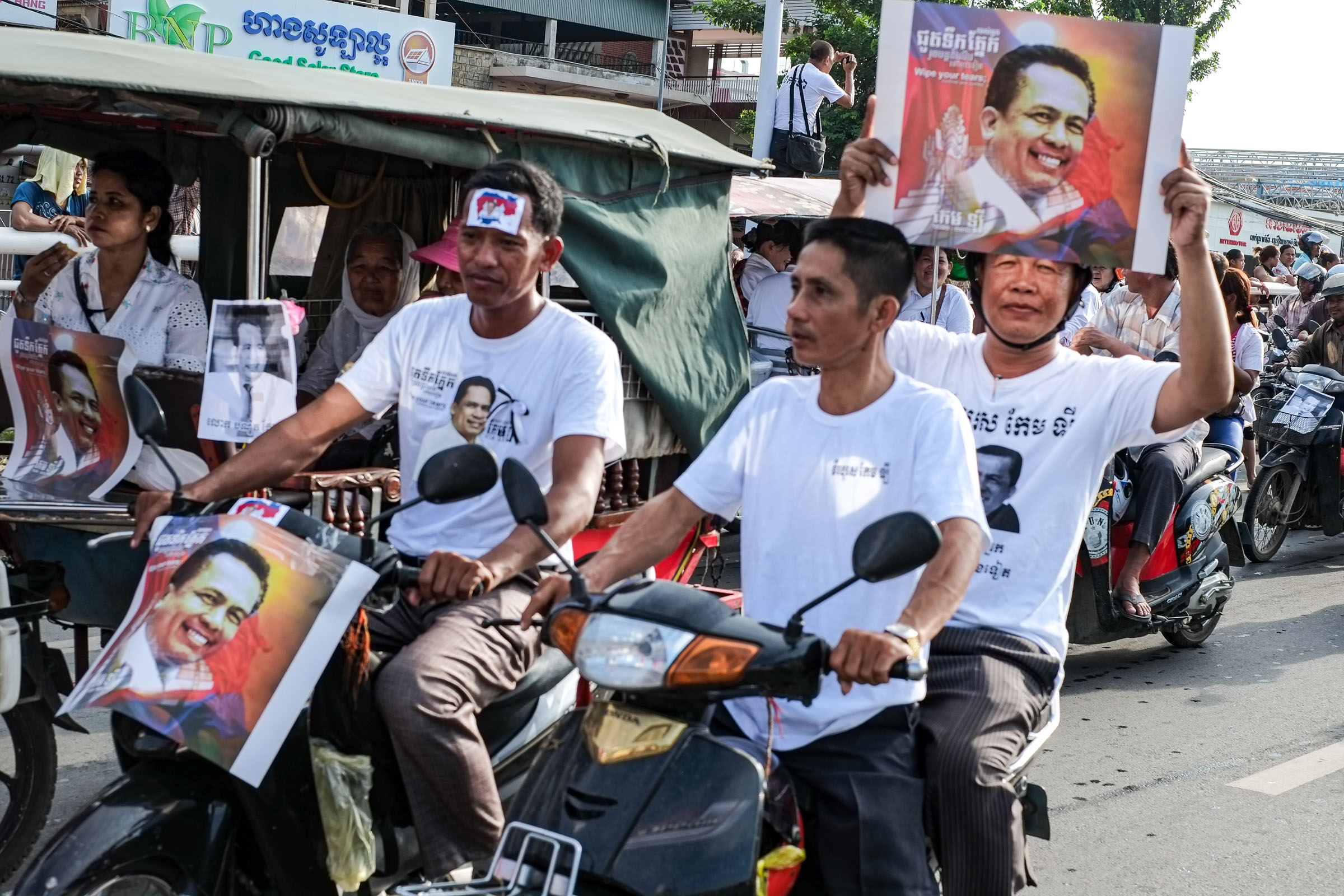
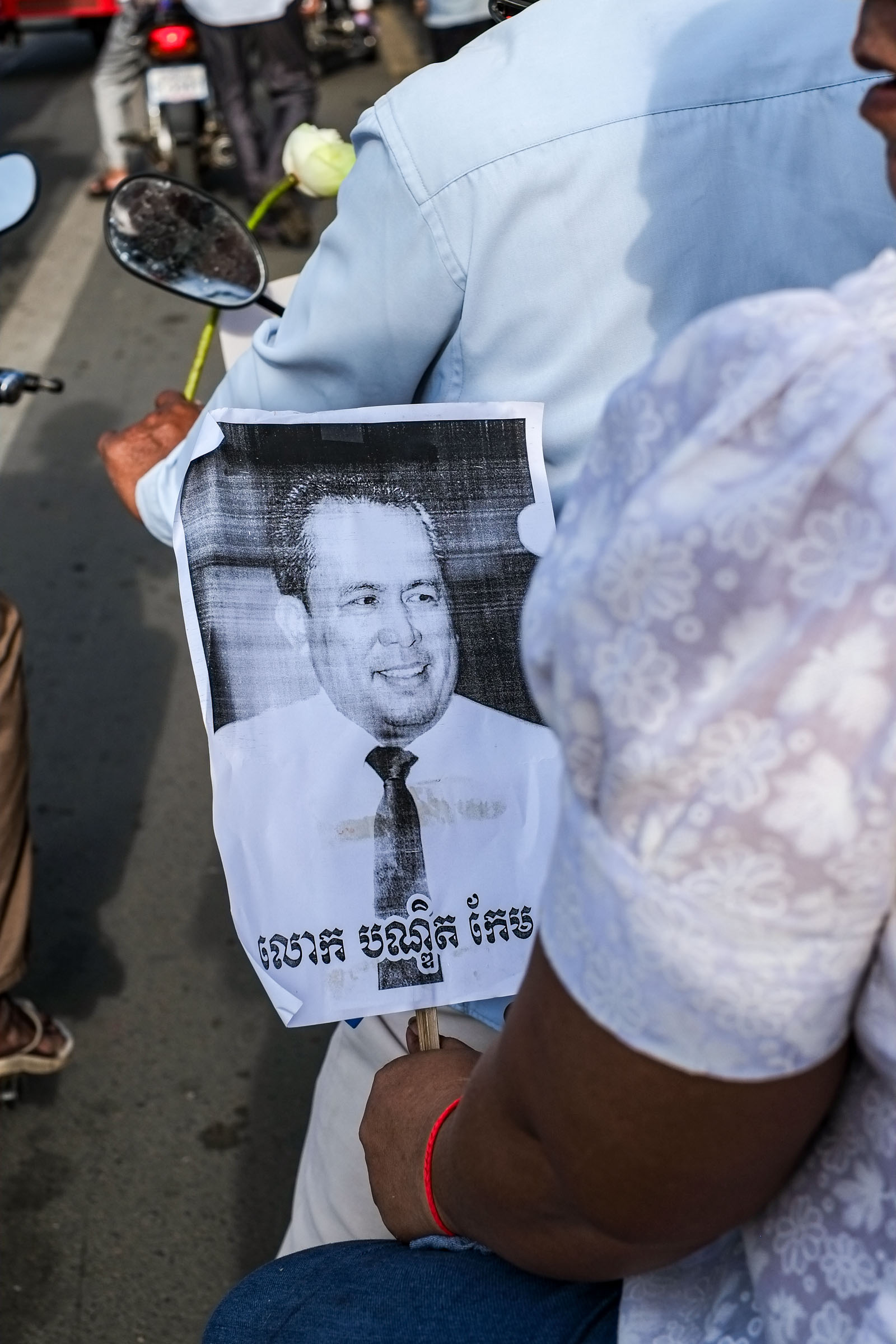
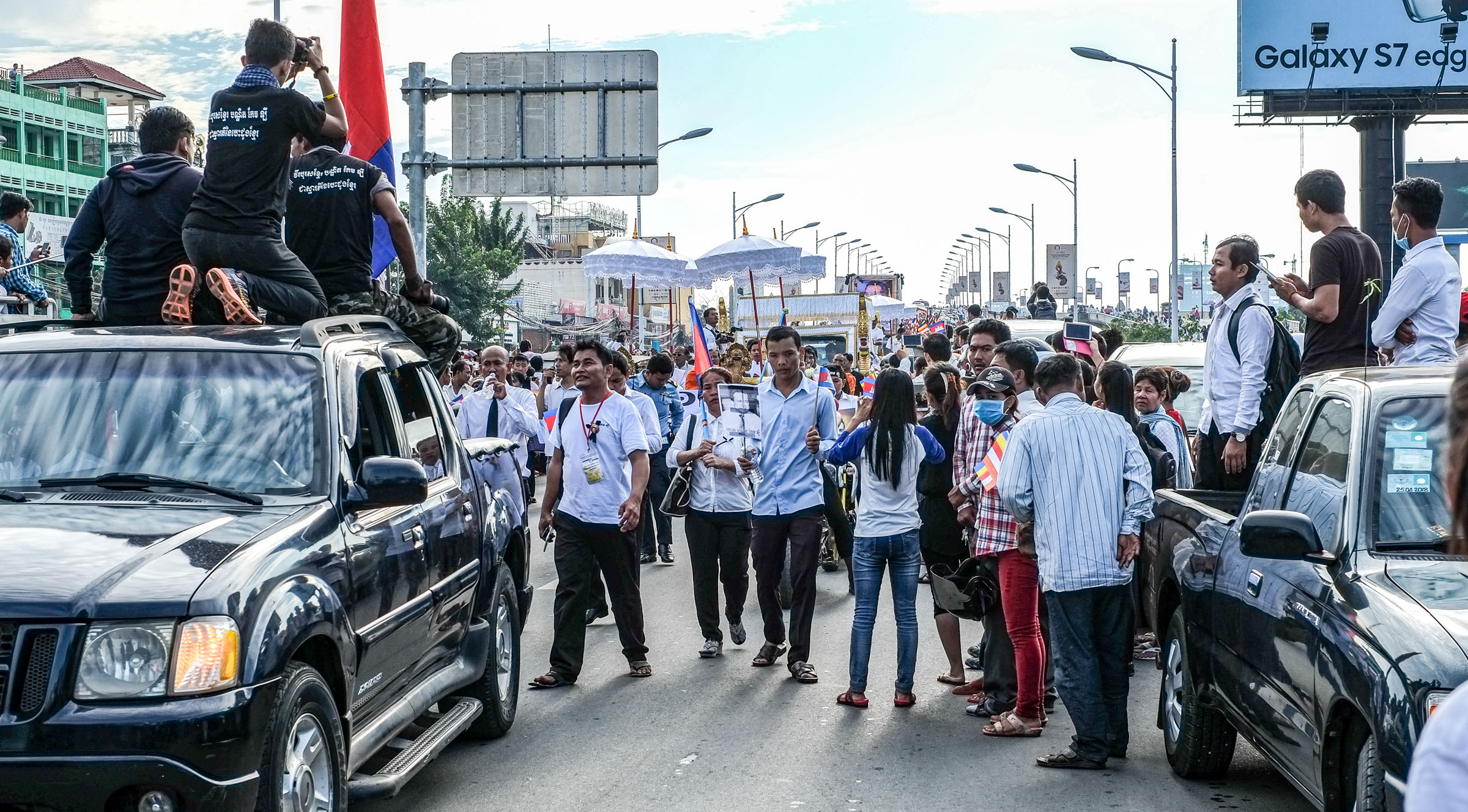
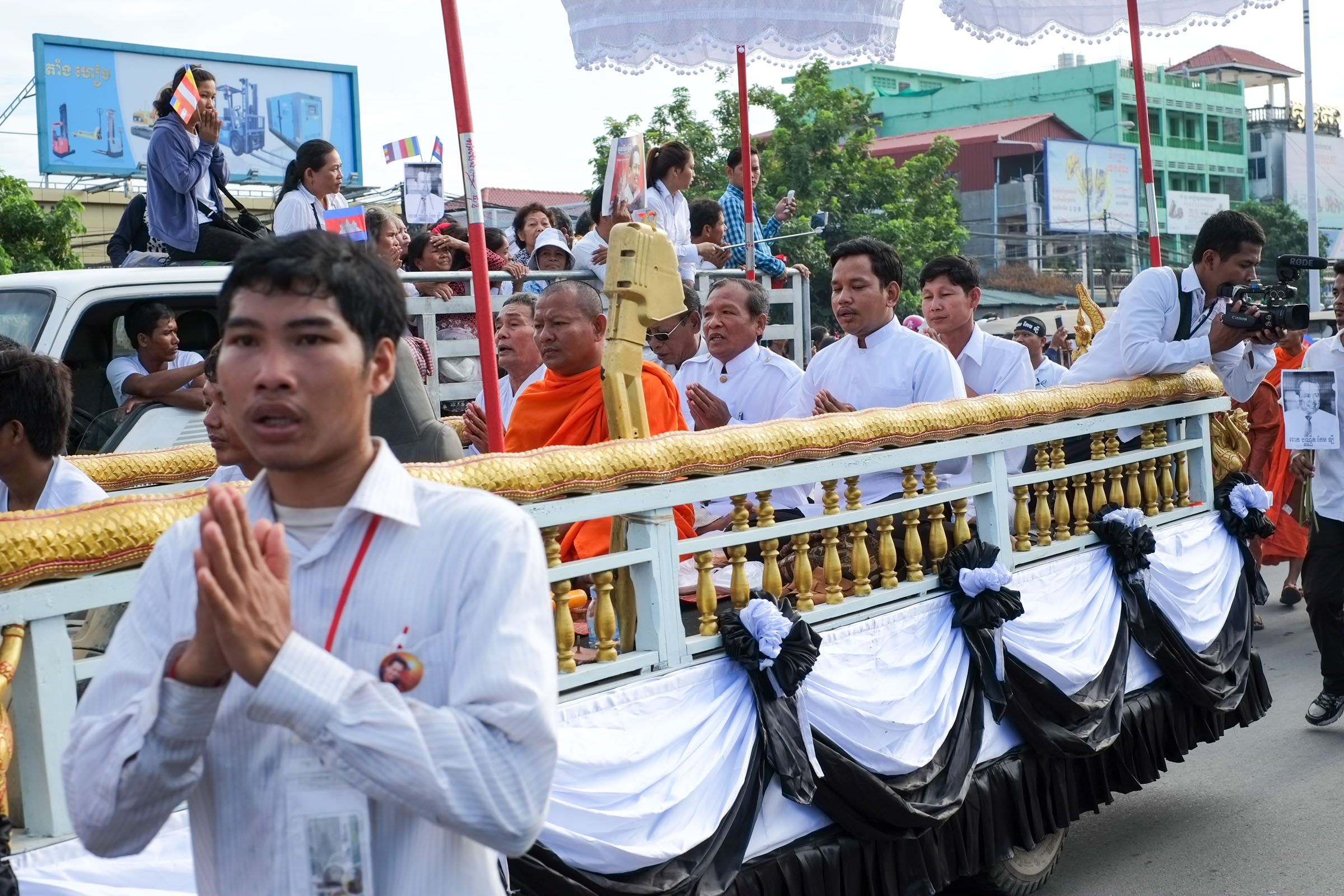
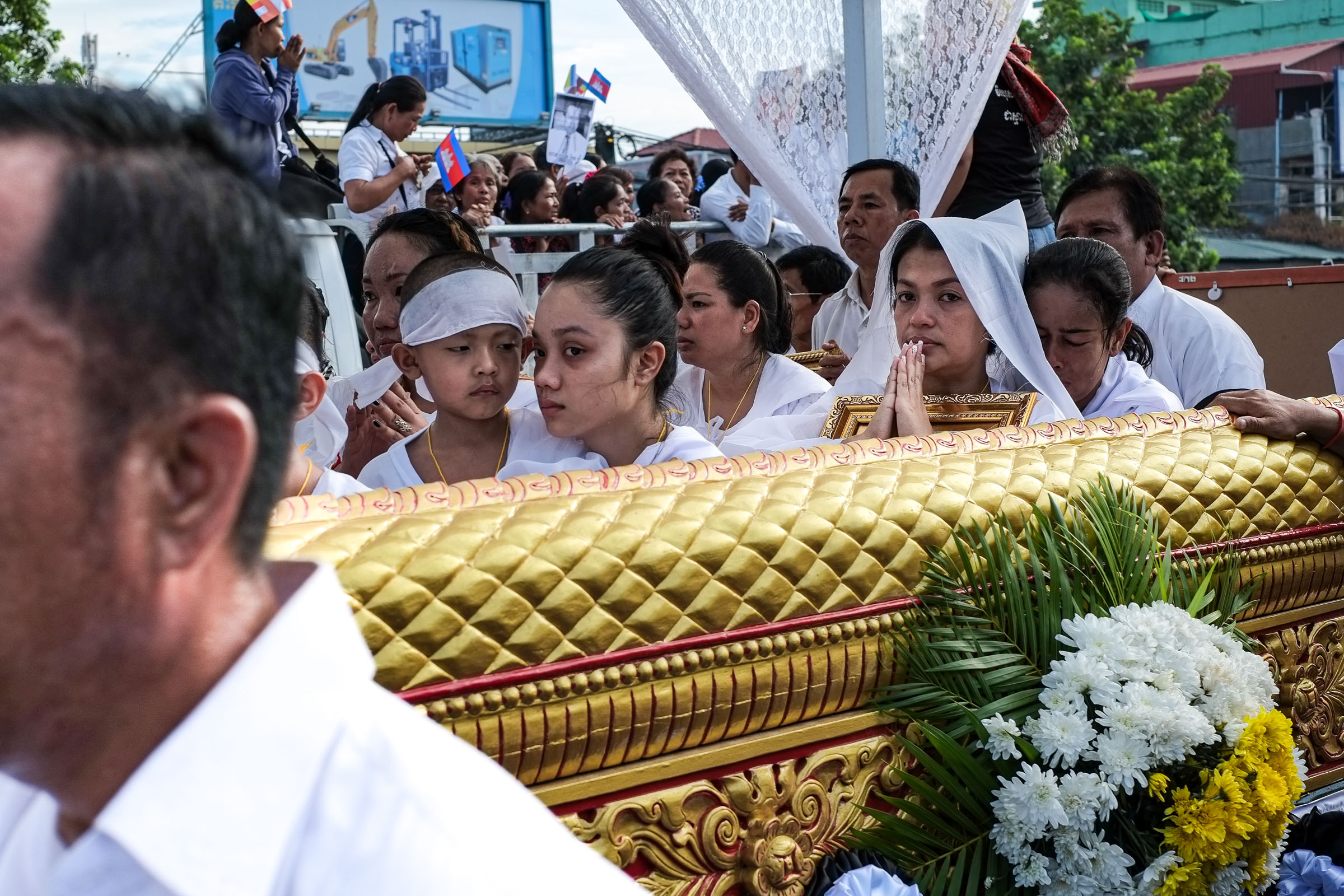
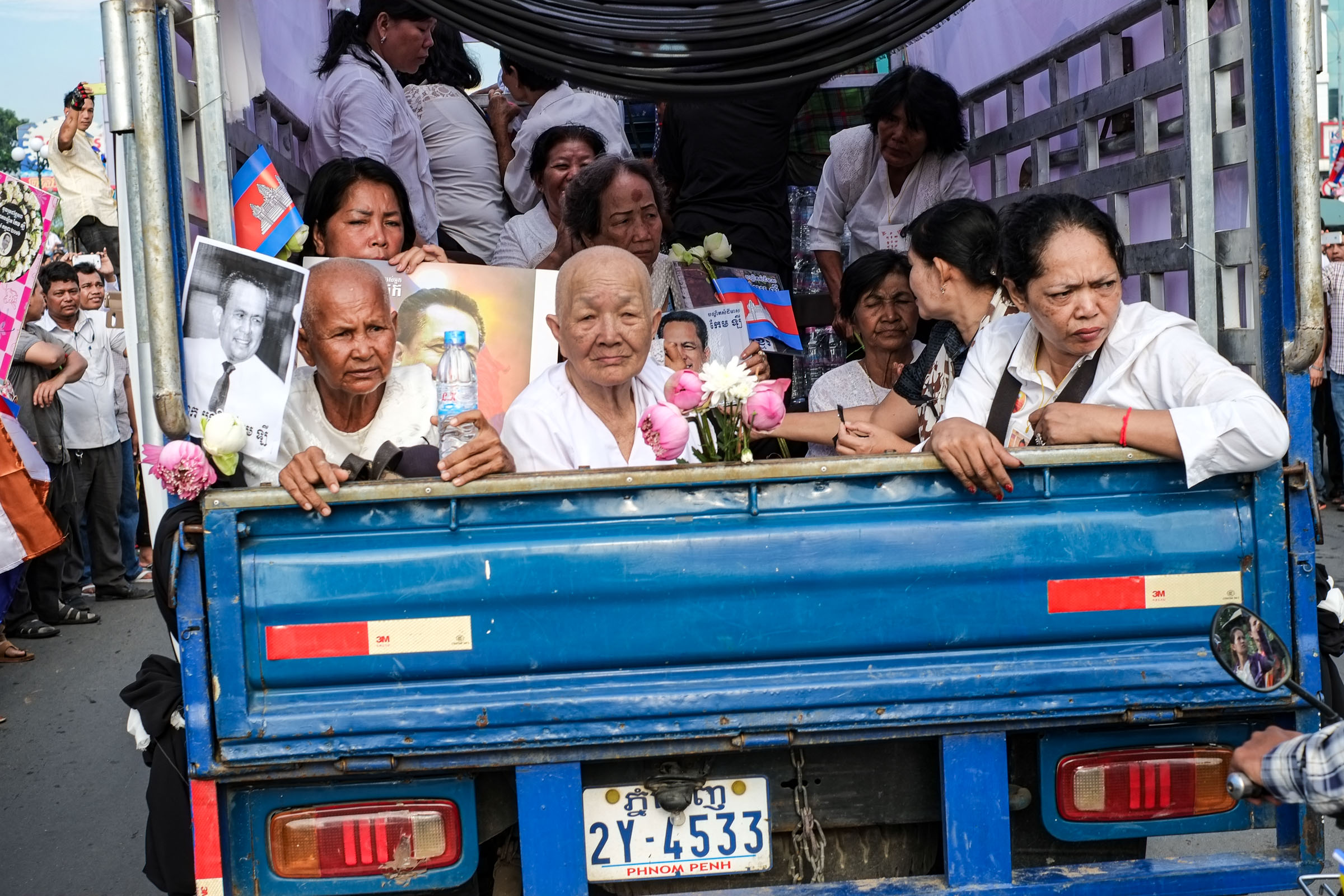
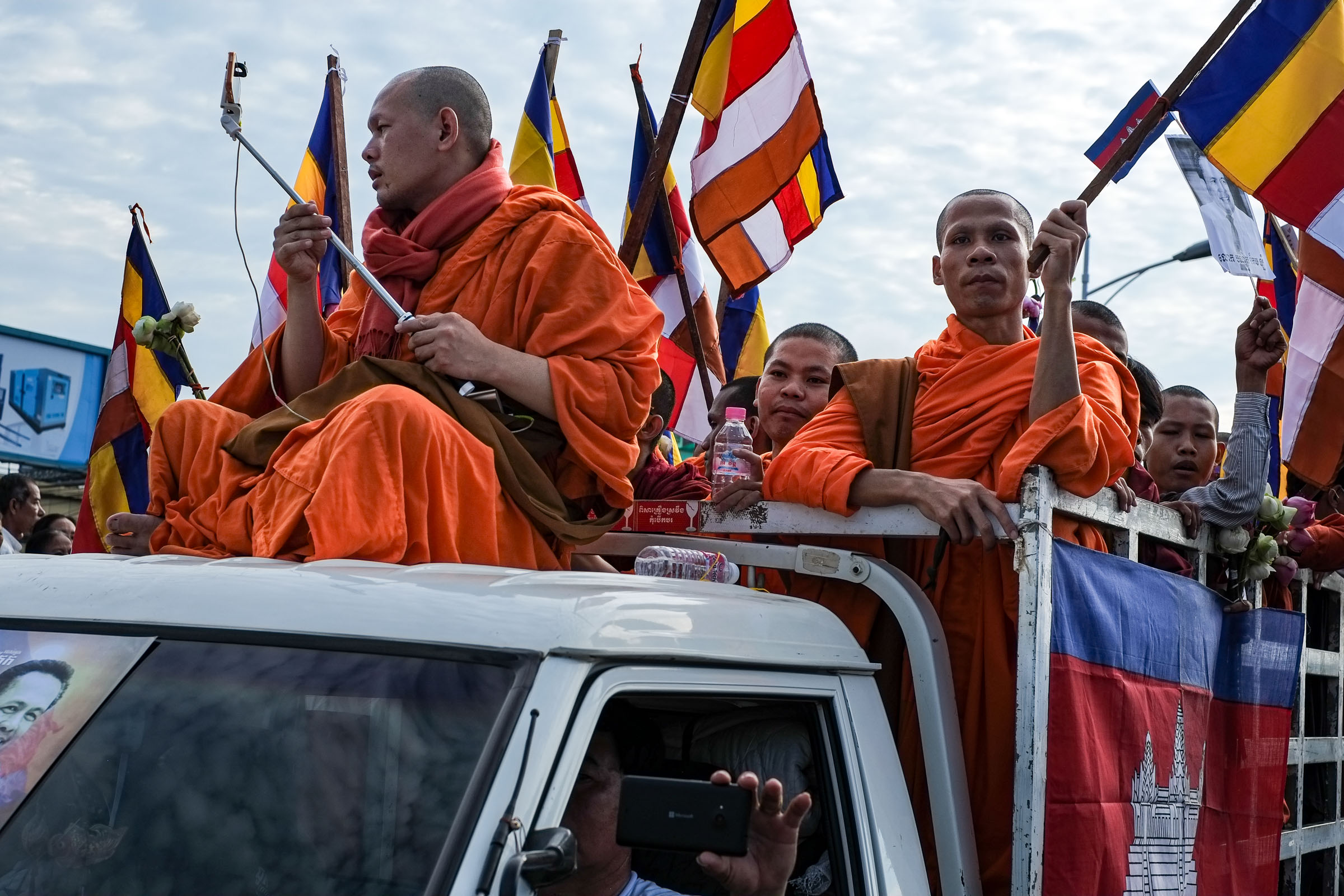
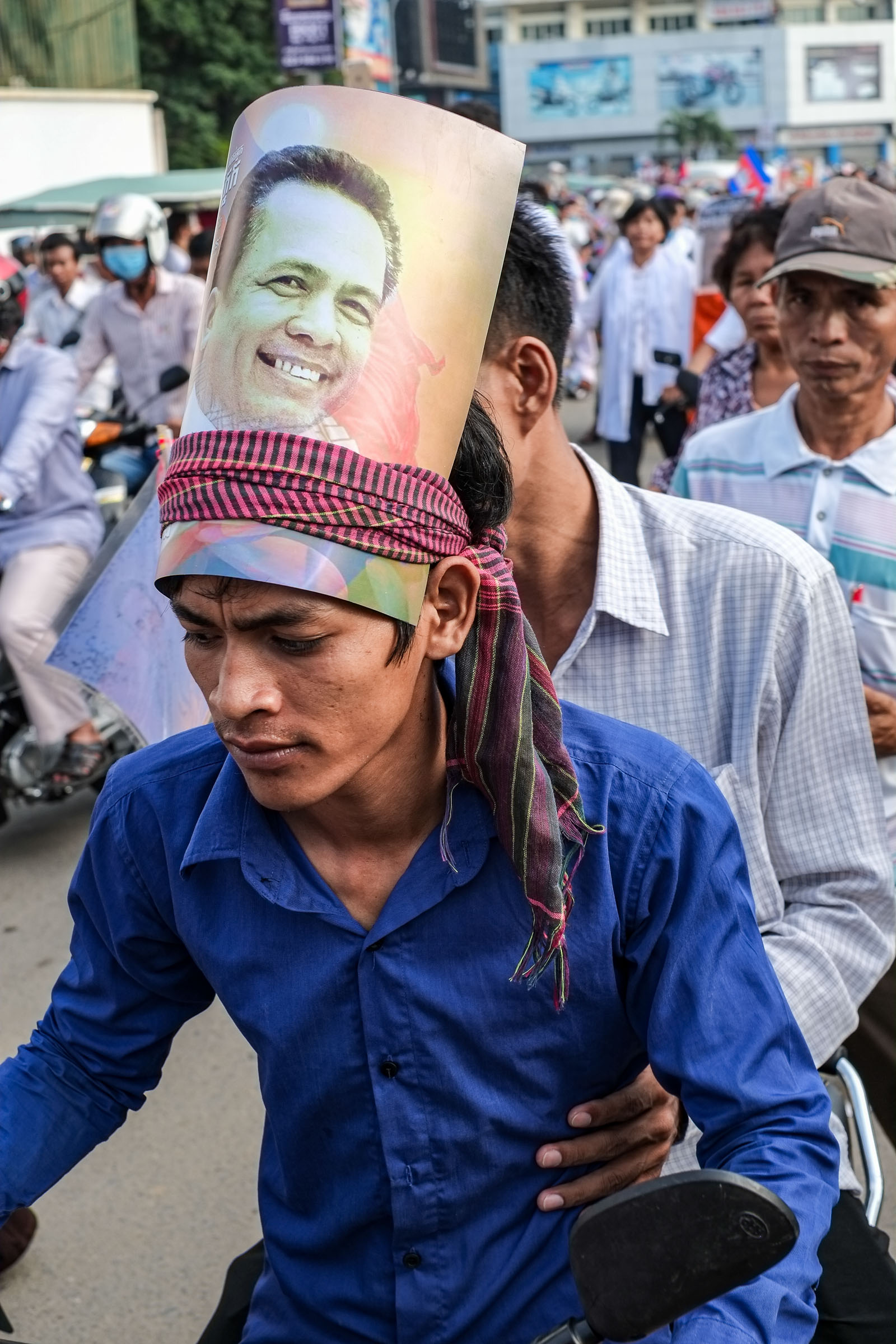
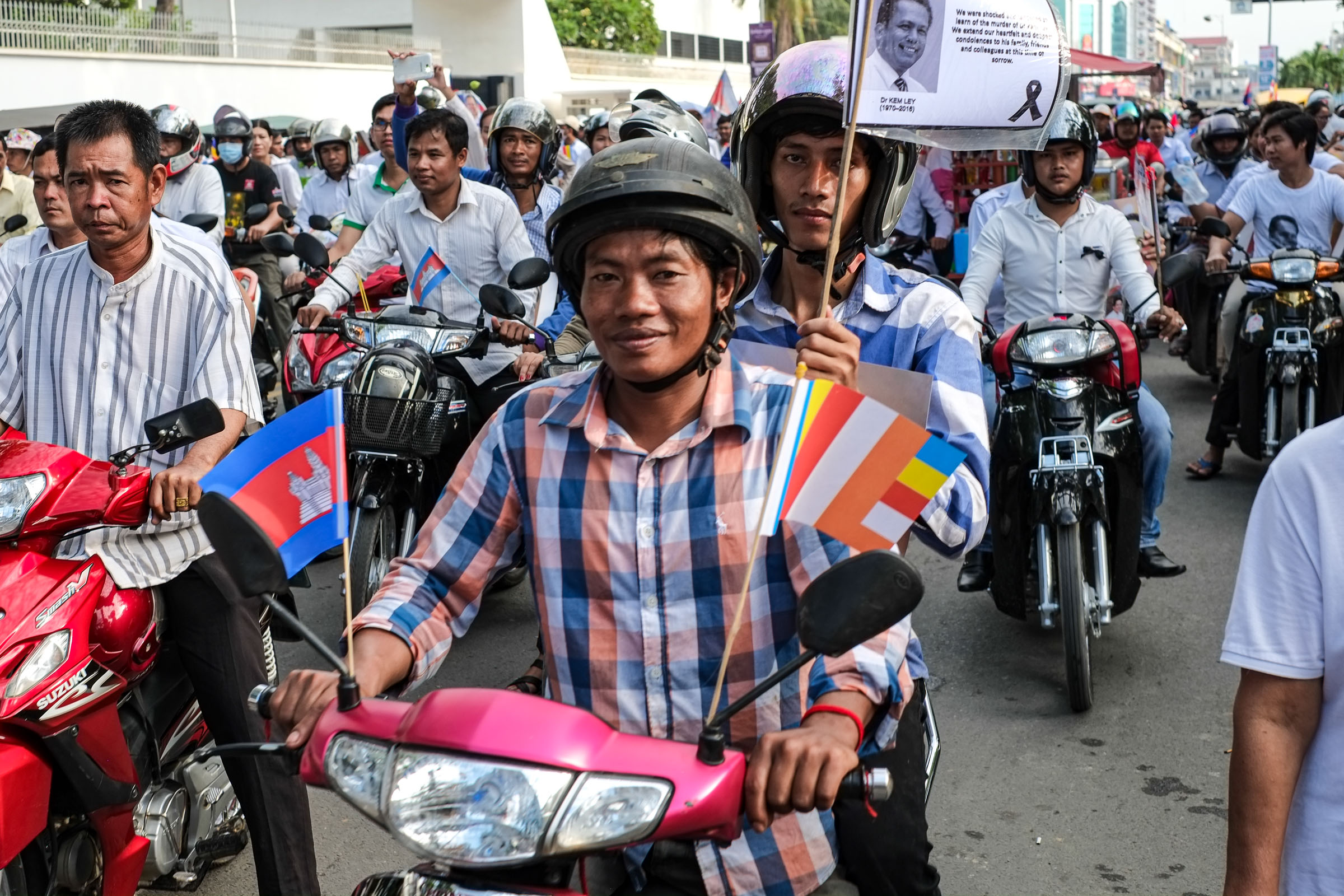
Legacy: Much domestic and international criticism followed his death, and he received the largest attendance at his funeral for a non-royal person in Cambodia.
Kem Ley was a prominent Cambodian political commentator, activist, and physician known for his outspoken criticism of the Cambodian government, particularly the ruling Cambodian People’s Party (CPP) led by the then Prime Minister Hun Sen.
Born on October 19, 1970, in Takeo province, Kem Ley was deeply involved in political and social issues, often addressing corruption, illegal logging, and border disputes.
On July 10, 2016, Kem Ley was tragically assassinated while having coffee at a petrol station in Phnom Penh. His murder sent shockwaves through Cambodia, with many suspecting political motives behind the killing. The gunman, who claimed to have killed Kem Ley over an unpaid debt, was quickly apprehended, but few believed his story.
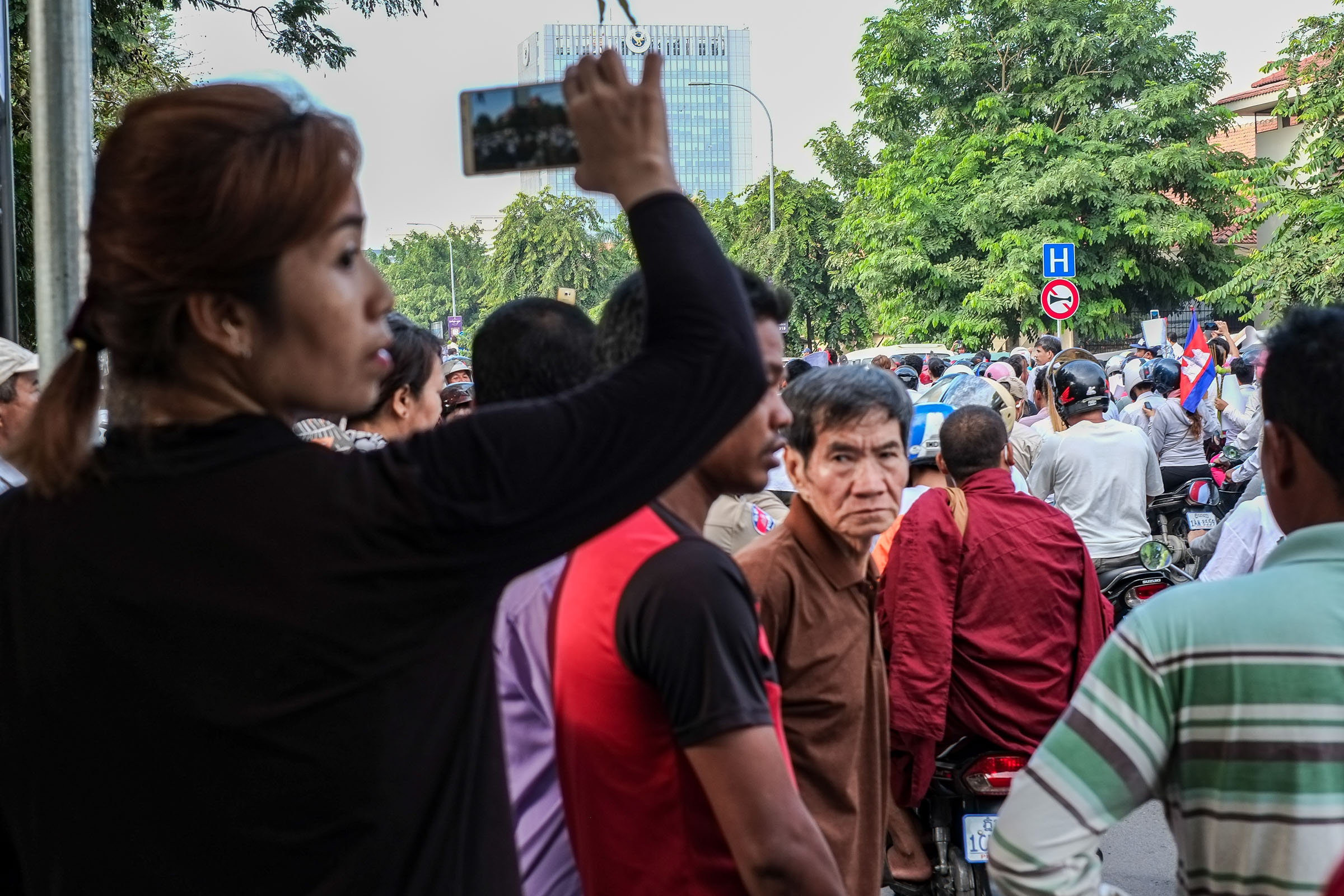
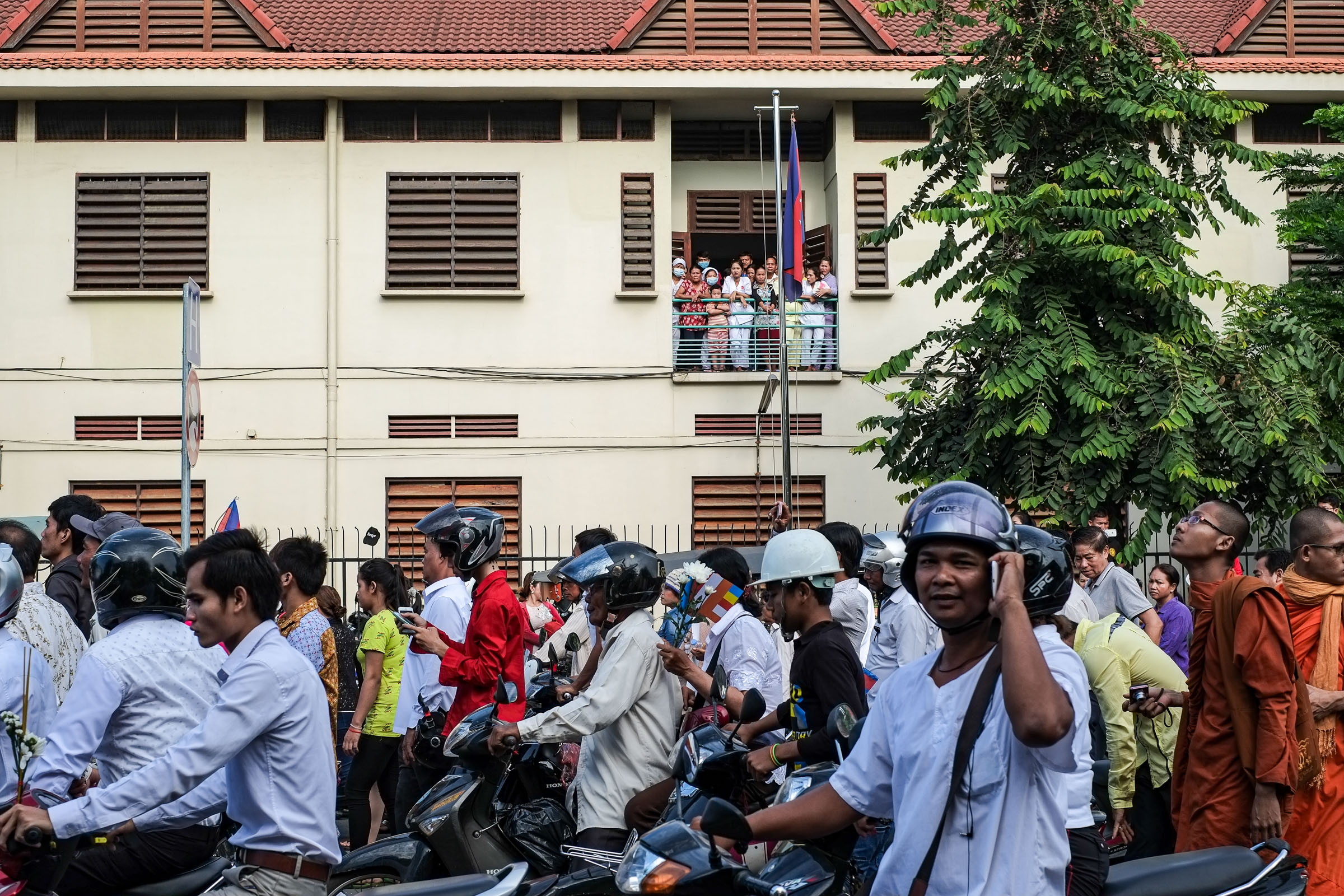
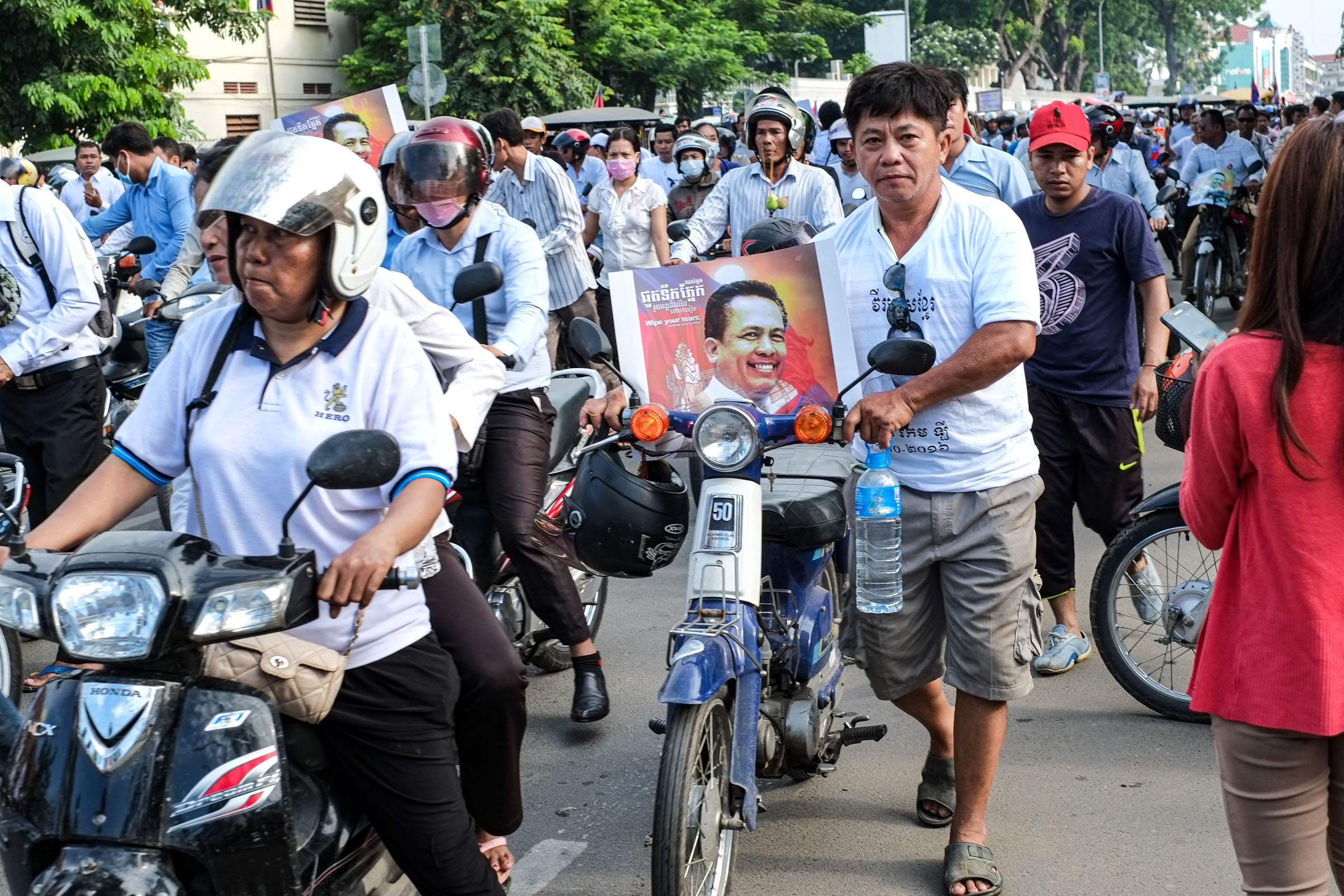
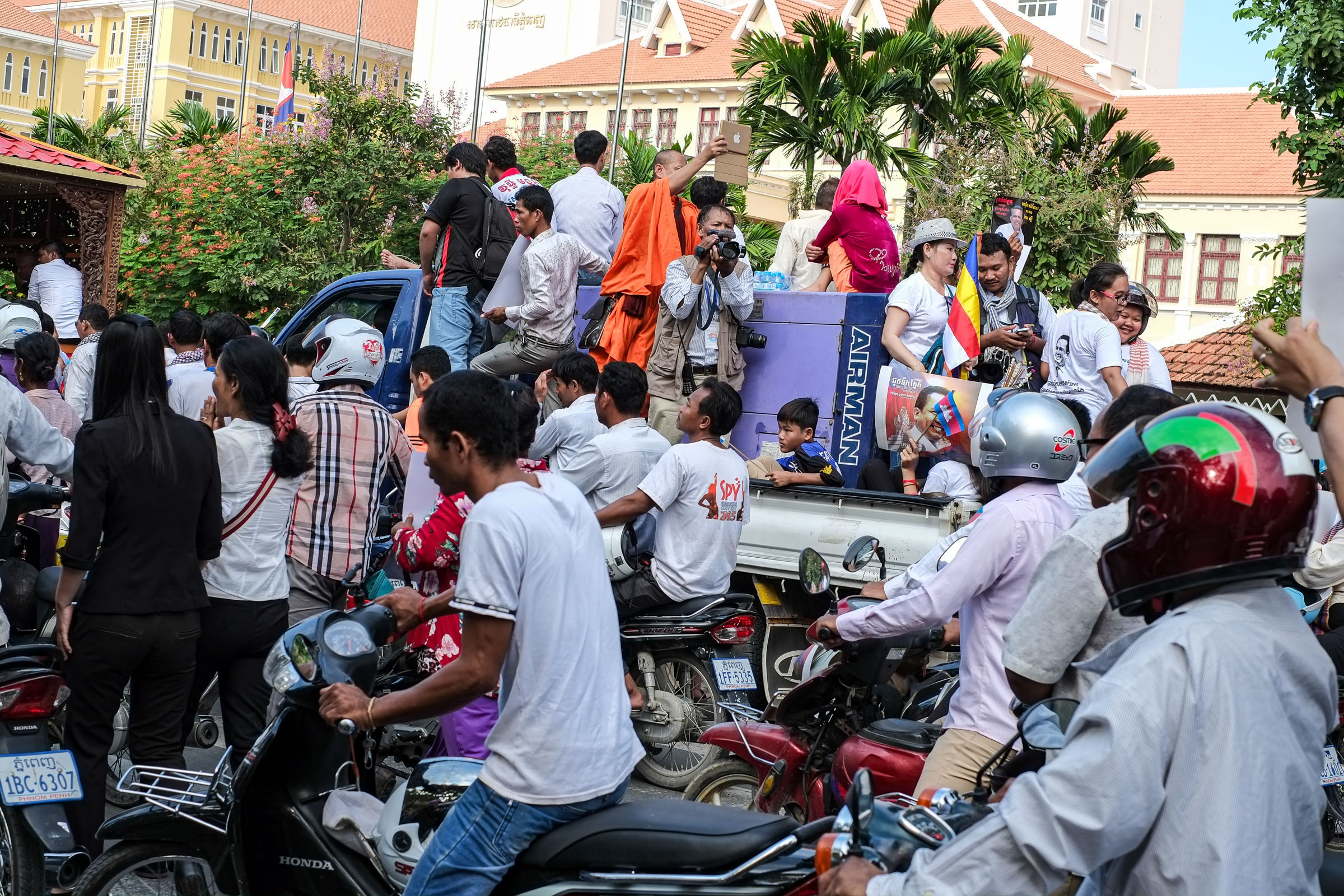
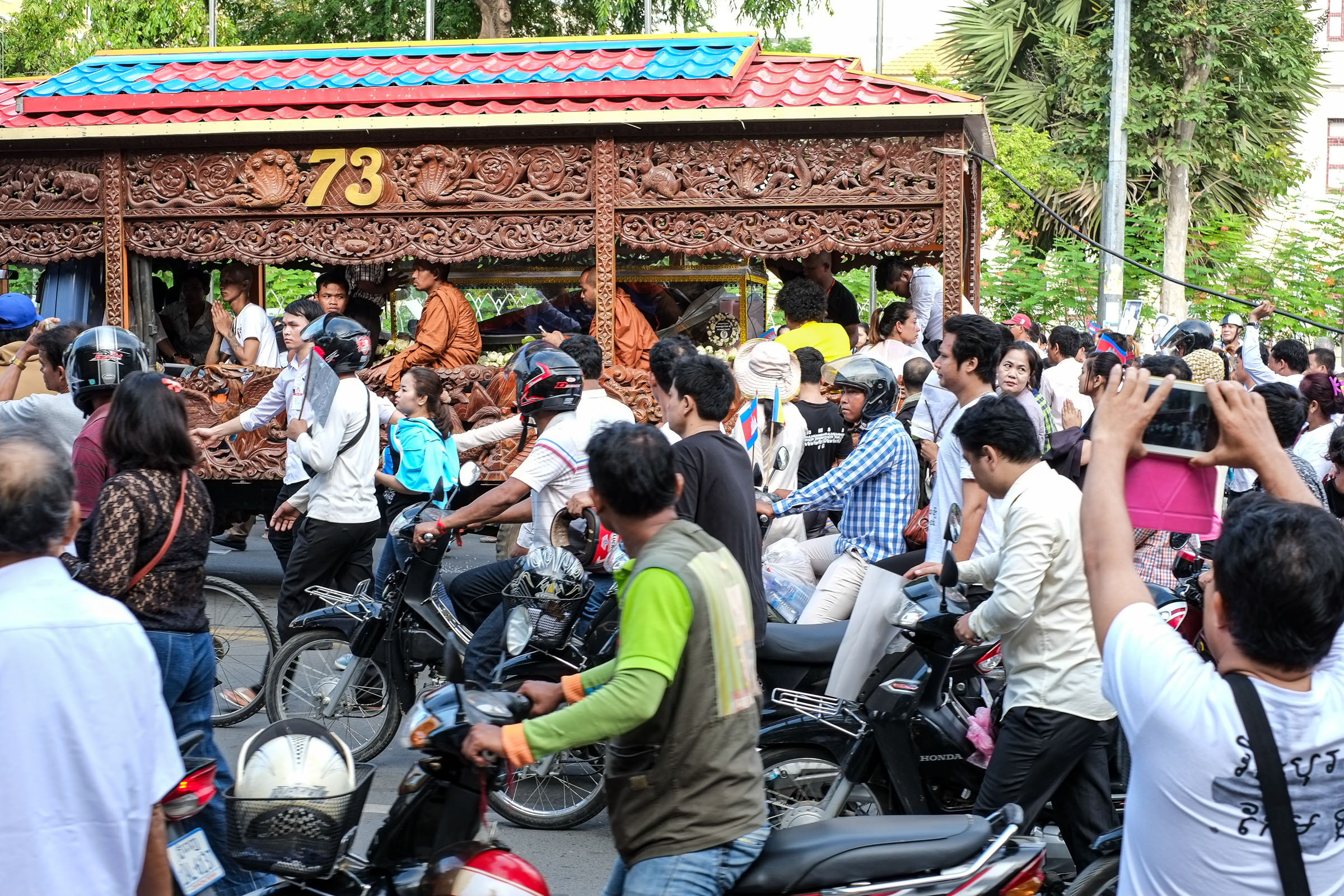
Kem Ley’s death was a significant loss for Cambodia, as he was a voice for many ordinary citizens and a critic of both the government and opposition. His funeral procession drew tens of thousands of mourners, highlighting the impact he had on the nation.
Kem Ley was known for his clear and impactful messages that resonated with many Cambodians. Some of his key messages included:
Anti-Corruption: Kem Ley was a vocal critic of corruption within the Cambodian government. He often highlighted the need for transparency and accountability, particularly criticizing the ruling Cambodian People’s Party (CPP) and Prime Minister Hun Sen.
Social Justice: He advocated for social justice and equality, emphasizing the importance of addressing the needs and rights of ordinary citizens. He believed in empowering people to speak out against injustices and to demand better governance.
Nationalism and Sovereignty: Kem Ley often spoke about the importance of Cambodian nationalism and sovereignty. He was critical of foreign influence, particularly from Vietnam, and urged Cambodians to protect their national interests.
Grassroots Engagement: Through his “100 Nights Campaign,” Kem Ley spent time in rural areas, listening to the concerns of local communities. He believed in understanding the root causes of issues by engaging directly with the people affected.
Balanced Critique: Unlike many commentators, Kem Ley provided balanced critiques of both the government and the opposition. He aimed to present a fair and comprehensive analysis of the political landscape, making his insights accessible to ordinary people.
Kem Ley’s messages continue to inspire many in Cambodia, reflecting his commitment to a more just and transparent society.
Public gatherings, demonstrations, and large events are a hallmark of a vibrant society, where people come together to celebrate, protest, or participate in communal activities. However, these gatherings can also present significant safety challenges, particularly when they involve large crowds, loud noises, and the potential for danger.
The science of crowd dynamics is a fascinating field that delves into the behavior of people in large groups. It draws from various disciplines, including psychology, sociology, and physics, to understand how individuals act within a crowd and how a crowd behaves as a collective entity. This knowledge is crucial for event organizers, law enforcement, and public safety officials to ensure the well-being of participants in crowded settings.
One of the key aspects of crowd dynamics is the concept of ‘social force,’ which describes how individuals in a crowd maintain a certain distance from each other, much like particles that repel one another. This invisible force helps prevent collisions and allows for the orderly movement of people. However, in high-density situations, such as a packed concert or a busy festival, this social force can break down, leading to dangerous scenarios where individuals are unable to move freely and may even be crushed by the pressure of the crowd around them.
The tragic events that have occurred in the past, such as the human pile-up in Seoul’s Itaewon district in 2022, highlight the devastating consequences that can arise when crowd safety is not adequately managed. These incidents underscore the need for comprehensive planning, crowd control measures, and emergency response strategies to prevent similar tragedies.
In addition to physical safety, the presence of loud noises, such as those from demonstrations or concerts, can also pose risks. Prolonged exposure to high decibel levels can lead to hearing damage, and the cacophony of a crowd can create confusion and panic during emergencies. Organizers need to consider noise control and communication methods to ensure messages can be clearly conveyed to attendees, even amidst the din of a bustling crowd.
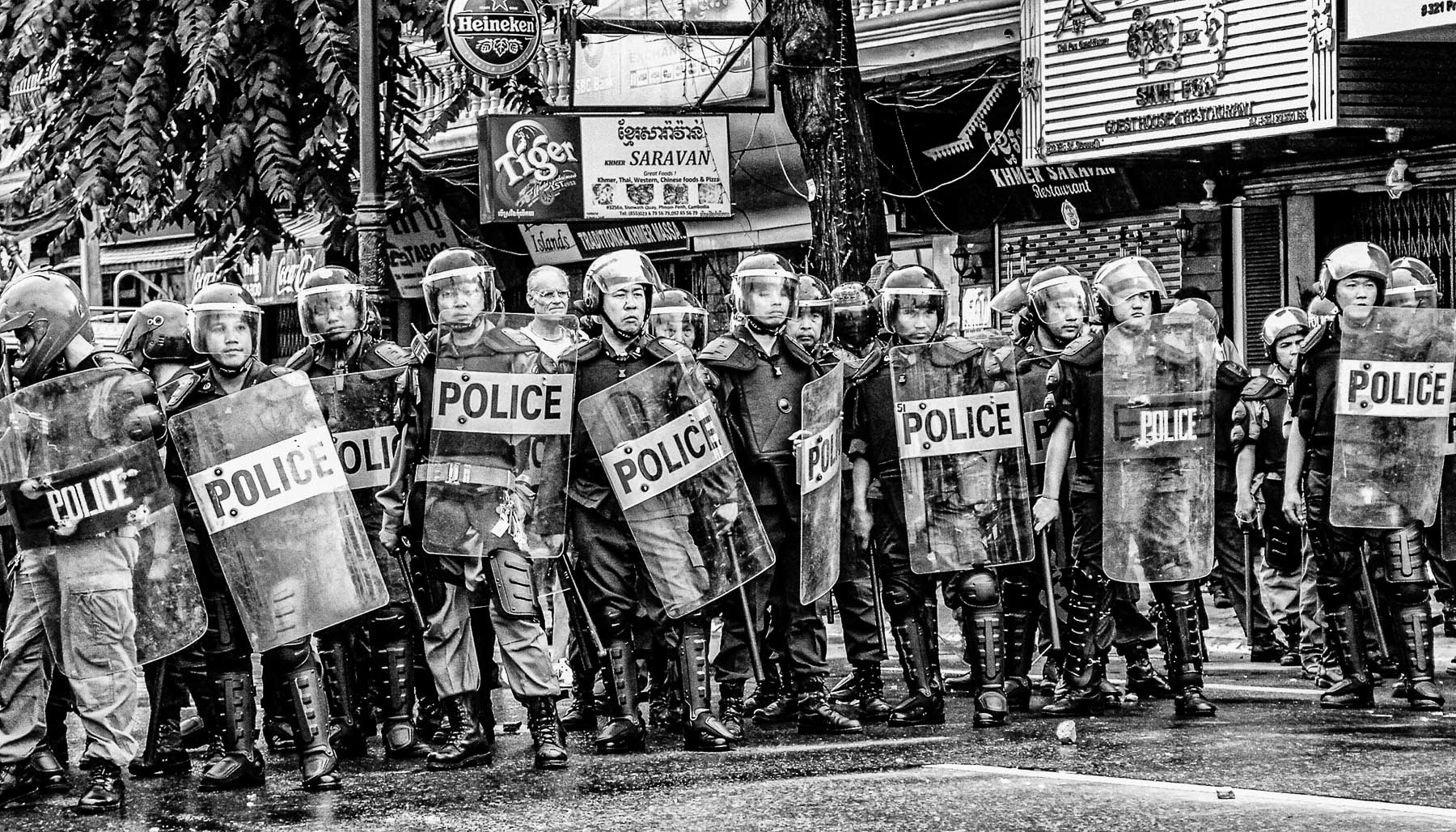
Moreover, the potential for violence or dangerous situations, such as shootings, adds another layer of complexity to crowd management. Law enforcement and security personnel must be trained to respond effectively to such threats, balancing the need to neutralize danger with the imperative to avoid harming innocent bystanders. This delicate task requires not only tactical skill but also an understanding of crowd psychology and behaviour.
Ultimately, the study of crowd dynamics serves as a reminder of our shared responsibility to prioritize safety in public spaces. Whether attending a peaceful protest, a lively parade, or a dynamic concert, each individual plays a role in contributing to a safe and enjoyable experience for all. By staying informed, being aware of our surroundings, and respecting the space of others, we can help ensure that public gatherings remain a positive aspect of our communal life.
As we continue to gather in numbers, let us remember the lessons learned from past events and strive to create environments where safety and enjoyment go hand in hand. Together, we can celebrate the power of community while safeguarding the well-being of every participant. Let’s make every public gathering a testament to our ability to come together safely and harmoniously.
When a demonstration becomes angry, it’s crucial to prioritize safety and de-escalation. Here are some steps you can take:
Assess the Situation: Quickly determine if the demonstration’s shift in mood is widespread or localized. Look for safe exits or areas where tensions are lower.
Stay Calm: Your own calm demeanour can have a calming effect on others. Avoid any actions that could be perceived as provocative or disrespectful.
Cease Provocative Actions: If you’re taking pictures, stop and assess whether your actions could inflame the situation. If there’s any chance they might be, it’s best to put the camera away.
Follow Safety Protocols: If you’re part of an organized group, follow any pre-established safety protocols. If not, consider leaving the area if you feel unsafe.
Listen and Observe: Try to understand the cause of the anger. Sometimes, acknowledging grievances can help de-escalate emotions.
Seek Help if Necessary: If the situation feels beyond your control, look for law enforcement or demonstration organizers who can intervene and restore peace.
Remember, while documenting events is important, nothing is more valuable than your safety and those around you. If a demonstration turns angry, the best action is to prioritize de-escalation and safety.
Oppression, a multifaceted and pervasive issue, manifests in various forms, impacting individuals and communities across the globe. It can occur through systemic inequality, such as distributive injustice where there is unequal access to resources, or through procedural injustice where there is unfair treatment by authorities. Cultural imperialism, where the dominance of one culture suppresses others, and moral exclusion, where certain groups are denied moral consideration, are also significant forms of oppression. These modes of injustice are not exhaustive but highlight the complex nature of oppression that can affect people in numerous aspects of their lives, from personal freedoms to social and economic opportunities. Understanding these forms is crucial in addressing and combating oppression, and fostering a more equitable and just society for all.
Freedom of expression is a cornerstone of democratic rights and freedoms. It is enshrined in Article 19 of the Universal Declaration of Human Rights, which highlights the right to hold opinions without interference and to seek, receive, and impart information and ideas through any media regardless of frontiers. This fundamental human right is essential for the protection of other rights, allowing for open discourse and the exchange of ideas which are vital for innovation and progress. However, it is not absolute and can be subject to certain restrictions, such as laws on hate speech, national security, or public order. As the digital age advances, the scope of freedom of expression continues to evolve, raising new questions and challenges related to internet censorship, the spread of misinformation, and the role of social media platforms in moderating content.
In the realm of journalism, impartiality is often hailed as a cornerstone of ethical reporting. It is the practice of providing a balanced view, free from personal bias, allowing the audience to form their own opinions based on a fair presentation of the facts. But how can journalists maintain impartiality, and is true impartiality even attainable?
The concept of impartiality in journalism is rooted in the idea that reporters should not favour any particular point of view, person, or group. Instead, they should present the news in an unbiased and even-handed manner. This means that journalists must rise above their personal perspectives to deliver comprehensive and authoritative coverage of news and current affairs.
To achieve impartiality, journalists are encouraged to reflect a wide range of opinions and explore conflicting views without letting their personal preferences influence the subject matter or choice of interviewees. They must be honest about personal interests or history that could affect their reporting and discuss potential conflicts of interest with senior editorial teams.
In the digital age, where information is abundant and media outlets are numerous, the challenge of maintaining impartiality has intensified. Audiences now have access to a wider range of views than ever before, and this has led some to question traditional approaches to impartiality that attempt to represent all points of view within a single broadcast or publication.
Despite these challenges, research indicates that engaged audiences still value impartiality and consider it a defining characteristic of news. They expect journalists to focus on facts, objectivity, and fairness, and to avoid opinions and bias in reporting. Impartiality remains a foundational value of news that underpins audiences’ trust and is essential for robust news coverage.
Journalistic objectivity, another term often associated with impartiality, suggests that stories should be reported neutrally, with journalists siding with none of the parties involved. This approach aims to provide all sides with relevant facts and information, allowing the audience to draw their own conclusions.
The ideal of impartiality consists of several elements, including accuracy, fairness, balance, disinterestedness, open-mindedness, and fidelity to news values. Breaking down the concept into these constituent elements makes it possible to assess coverage for impartiality and strive towards it, even if it remains a challenging ideal.
In conclusion, while absolute impartiality may be an impossible ideal, it is still a goal worth pursuing for journalists committed to ethical reporting. By adhering to the principles of impartiality and objectivity, journalists can provide their audience with the information necessary to make informed decisions, thereby upholding the integrity of the news industry and the trust of the public.
References: : Media Helping Media – Impartiality in Journalism : Reuters Institute for the Study of Journalism – Rethinking Impartiality for the Digital Age : Wikipedia – Journalistic Objectivity : SpringerLink – Impartiality: Attainable and Assessable
Exploring the Depths of Truth: The Legacy of John Godolphin Bennett
In the realm of philosophical thought and spiritual exploration, few have delved as deeply into the nature of truth and the human duty to it as John Godolphin Bennett. His profound statement, “I believe that an essential part of man’s duty upon this earth is to bear witness to the truth as it has been revealed to him,” encapsulates a core principle of his life’s work and teachings.
John Godolphin Bennett, a British mathematician, scientist, technologist, and author, was a man of diverse interests and profound insights. His journey through life was marked by a relentless pursuit of knowledge and understanding, not just in the scientific domain but also in the spiritual. Bennett’s association with G. I. Gurdjieff, a mystic and spiritual teacher, further enriched his explorations into the human condition and the pursuit of truth.
Bennett’s quote speaks to the innate impulse in humans to understand their experiences and the world around them. This impulse, he believed, was not merely about acquiring knowledge or taking action, but about striving for a deeper understanding that transcends the subjective and objective realms. His thoughts echo the sentiment that truth is not a static entity to be passively observed but a dynamic revelation that requires active participation and witness.
The duty to bear witness to the truth, as Bennett saw it, is not a light one. It calls for integrity, courage, and a willingness to confront the complexities of life. It is about being open to the revelations that come through personal experience, introspection, and the shared wisdom of humanity’s collective journey. Bennett’s own life was a testament to this duty, as he navigated the challenges of his era with a commitment to uncovering and sharing the truths he encountered.
Bennett’s contributions to the fields of psychology and spirituality are significant. His works delve into the teachings of various spiritual traditions, offering insights that remain relevant to those on a quest for understanding. His explorations into the nature of consciousness, the structure of reality, and the potential for human transformation continue to inspire seekers of truth across the globe.
As we reflect on Bennett’s legacy, we are reminded of the enduring importance of seeking truth in our lives. His words encourage us to look beyond the surface, to question, to learn, and to bear witness to the truths that shape our existence. In a world where truth can often be obscured by myriad distractions and distortions, Bennett’s call to duty is as relevant as ever.
Let us honour John Godolphin Bennett’s memory by embracing our own duty to truth. May we have the strength to witness it, the wisdom to understand it, and the compassion to share it. In doing so, we contribute to the tapestry of human knowledge and experience, enriching not only our own lives but also the lives of those around us.
To explore more about John Godolphin Bennett and his impactful work, visit the dedicated resources that delve into his life and teachings. His legacy is a beacon for all who seek to understand the deeper realities of our existence and the profound duty we have to the truth that is revealed to us.
The field of photojournalism is a critical component of our media landscape, providing visual narratives that shape our understanding of the world. However, it is not without its ethical challenges. Photojournalists often navigate complex situations where the need to capture compelling images must be balanced against ethical considerations. Here, we delve into some ethical dilemmas that photojournalists face and the principles that can guide them.
Invasion of Privacy vs. Public Interest One of the most significant ethical issues in photojournalism is the tension between the public’s right to information and an individual’s right to privacy. Photojournalists must decide whether capturing a moment is in the public interest or if it unjustly invades the subjects’ privacy. This decision becomes even more critical when dealing with sensitive situations or vulnerable individuals.
Sensationalism vs. Authenticity The pressure to capture attention-grabbing images can lead to sensationalism, where the scene’s authenticity is compromised for the sake of a dramatic narrative. Photojournalists must resist the urge to stage or manipulate images, as this can mislead the audience and damage the credibility of the profession.
Cultural Sensitivity Working across diverse cultures requires photojournalists to approach their subjects with respect and sensitivity. Misrepresentation or cultural insensitivity can not only offend but also perpetuate stereotypes. Photojournalists need to engage with local communities and understand the context in which they are working.
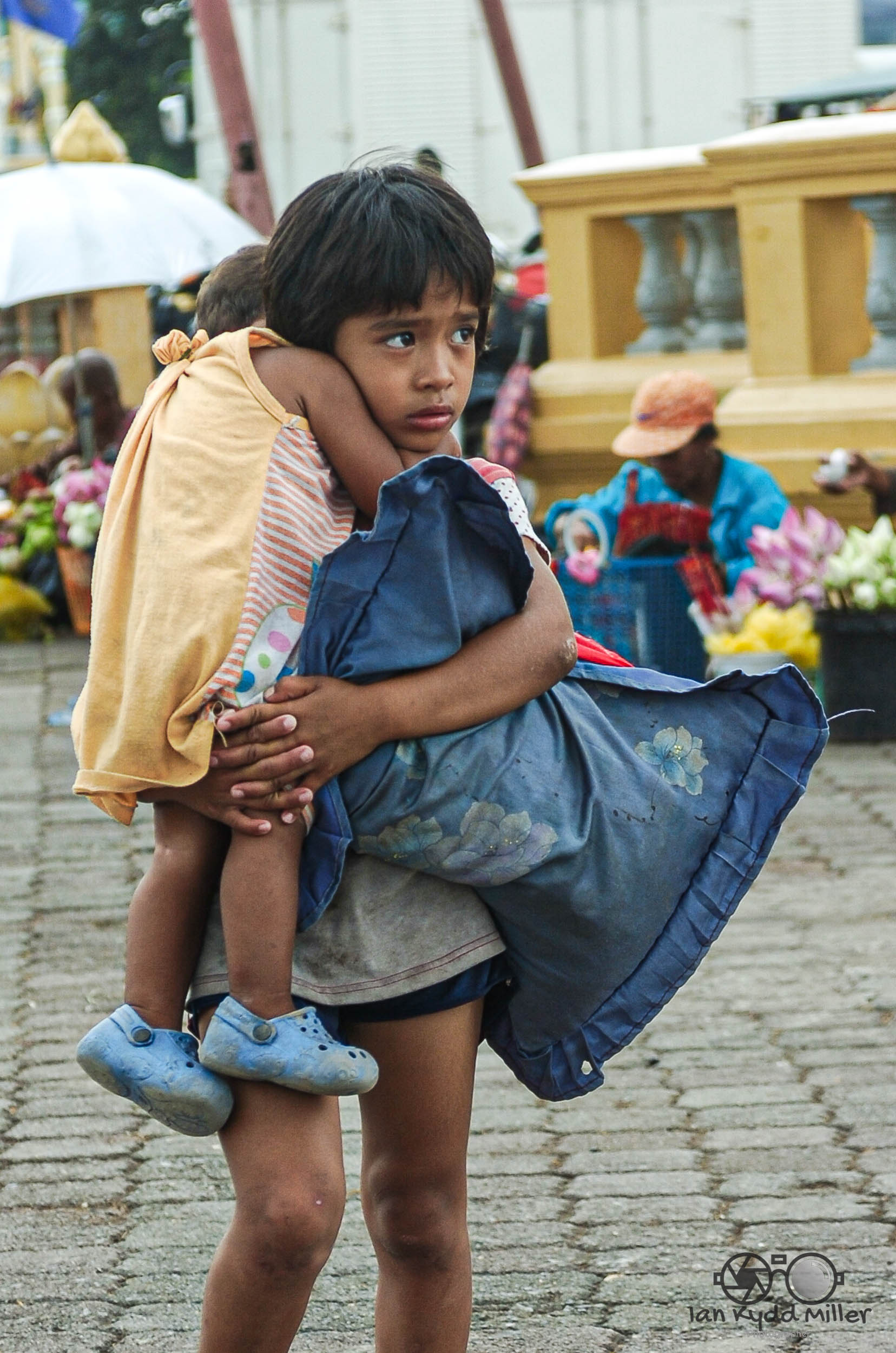
Exploitation of Vulnerable Subjects When documenting crises or conflicts, photojournalists often encounter vulnerable populations. It is imperative to avoid exploitation and ensure that the dignity and rights of these subjects are upheld. Consent, where possible, should be obtained, and identities protected when necessary to avoid further harm.
Balancing Safety with Duty Photojournalists frequently find themselves in hazardous situations. While there is a professional duty to document events, personal safety cannot be overlooked. The ethical dilemma here is to assess the risk and make informed decisions about how to proceed without compromising one’s well-being.
Conclusion The ethical landscape of photojournalism is complex and requires a delicate balance of competing interests. Photojournalists must adhere to a code of ethics that prioritizes accuracy, respect, and integrity. By doing so, they can continue to tell powerful stories while maintaining the trust of their audience and the dignity of their subjects. For those interested in exploring this topic further, comprehensive discussions and guidelines are available in various resources, including industry publications and educational platforms.
In the ever-evolving landscape of art and technology, the year 2024 has brought us to a fascinating intersection where the boundaries between human creativity and machine capability are increasingly blurred. The question of whether everyone can achieve professional results consistently with the machines available now, or if artistic ability plays a more significant role than equipment, is more relevant than ever.
The advancements in technology have indeed democratized the tools necessary for creating art. High-quality cameras, sophisticated software, and even AI-driven platforms have become more accessible, allowing more people to produce work that meets professional standards. However, the essence of art, which is inherently tied to human experience, emotion, and creativity, cannot be replicated by machines alone.
Artistic ability, or the skill and talent an individual possesses, remains a crucial element in creating art that resonates on a deeper level. The artist’s unique perspective and creative vision infuse a piece with meaning and connect with an audience. While machines can replicate techniques and assist in the production process, they cannot originate the spark of creativity that is the hallmark of great art.
Research suggests that artistic significance and innovation stem from a blend of practice, imagination, and subjective experience, rather than from equipment alone. Professional development in the visual arts also emphasizes the importance of domain-specific activities and social interactions, which are integral to an artist’s growth. These findings highlight that while equipment can enhance the technical quality of art, the artist’s dedication to their craft and ability to convey emotion and narrative truly define professional results.
Moreover, the debate around art as a talent or skill reveals that innate ability and learned skills contribute to an artist’s ability to produce compelling work. Talent may provide a natural inclination towards artistic expression, but it is through education, practice, and continuous learning that an artist hones their craft.
In conclusion, while the machines of 2024 offer incredible support and opportunities for artists to achieve high-quality results, they are tools that complement, not replace, the irreplaceable human touch. Artistic ability, encompassing talent and skill, remains at the core of creating art that moves, challenges, and delights us. It is the artist’s hand, guided by their vision and skill, that ultimately shapes the final picture. So, while everyone has the potential to create with the help of technology, it is the artist’s unique ability that elevates a piece from mere production to professional artistry.










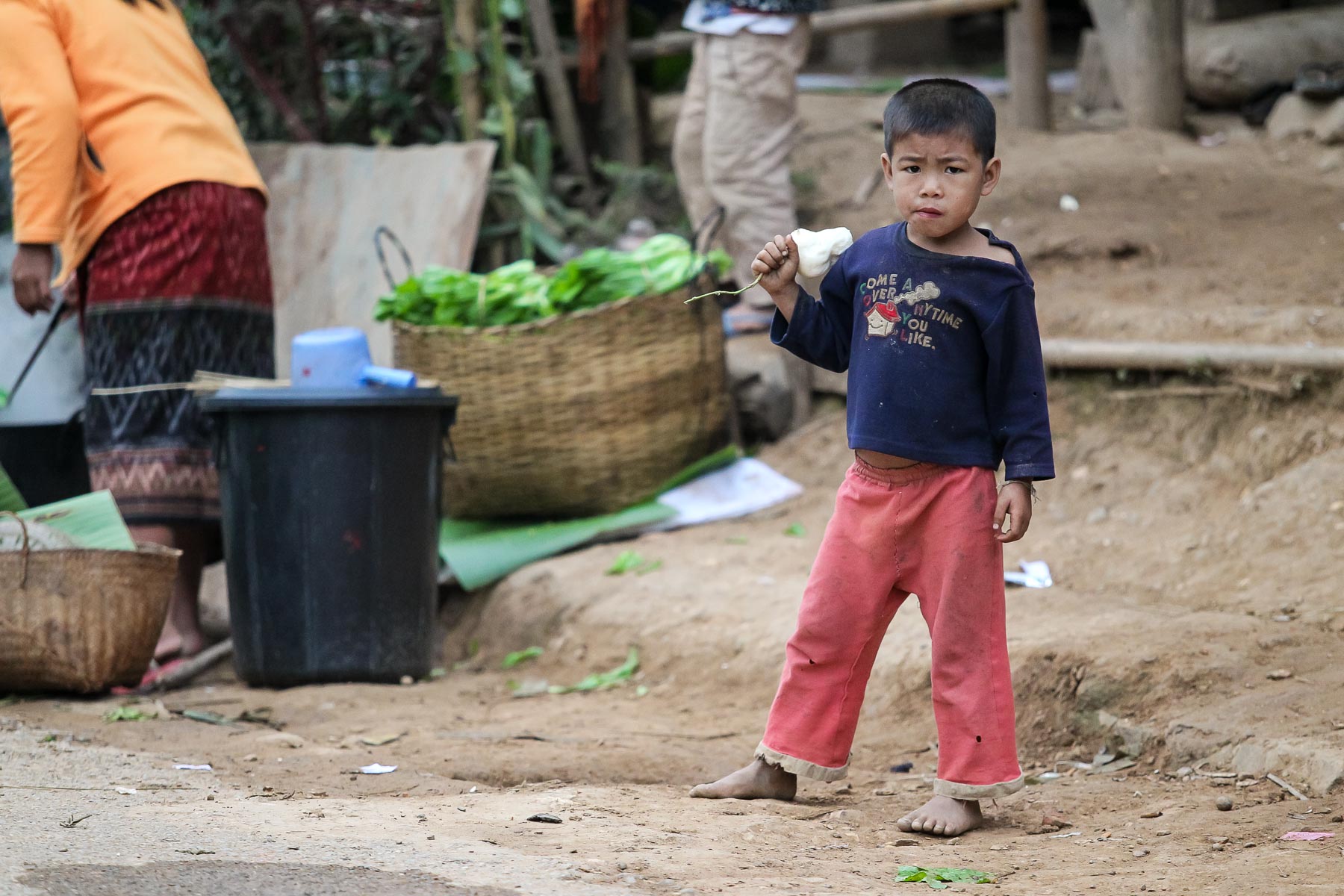
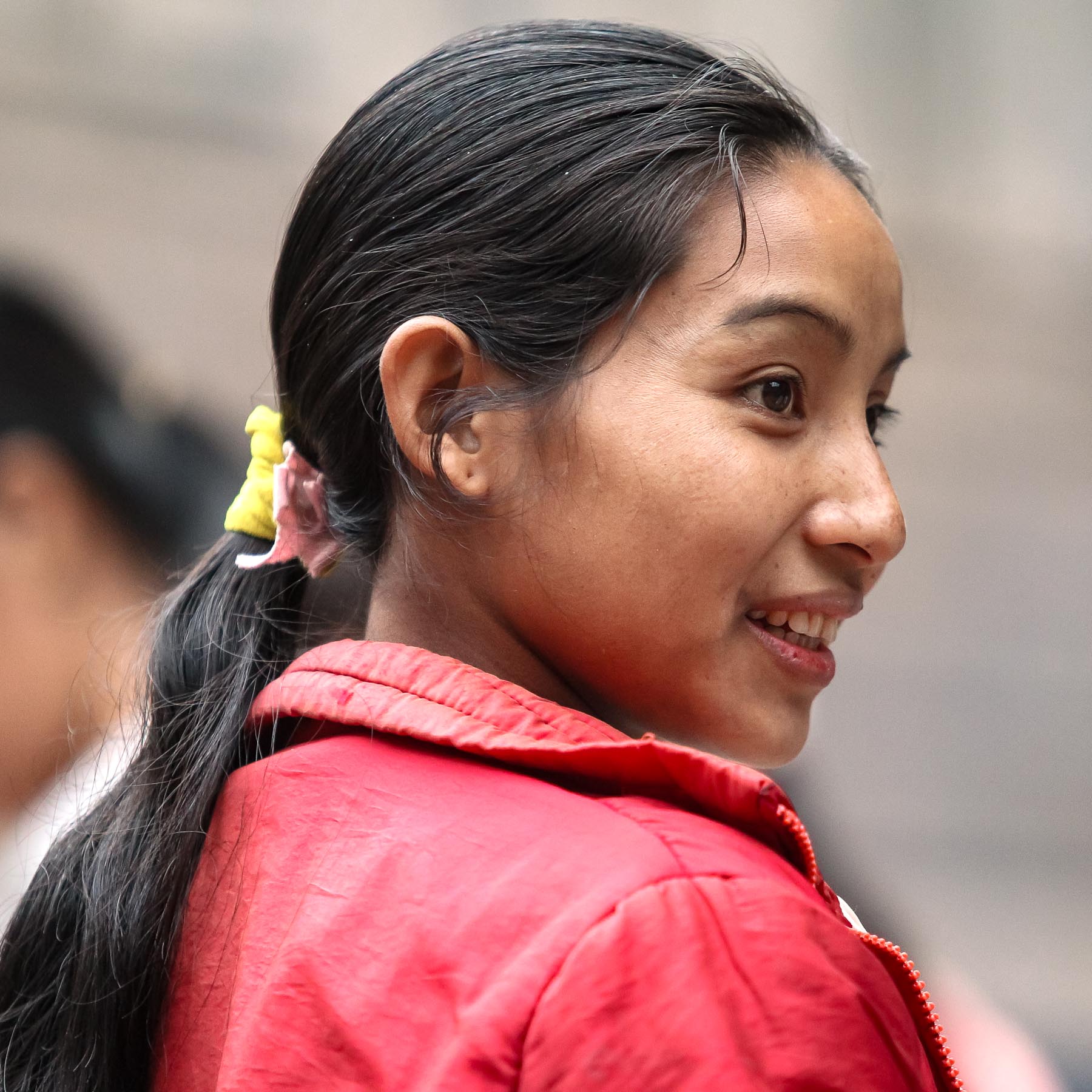


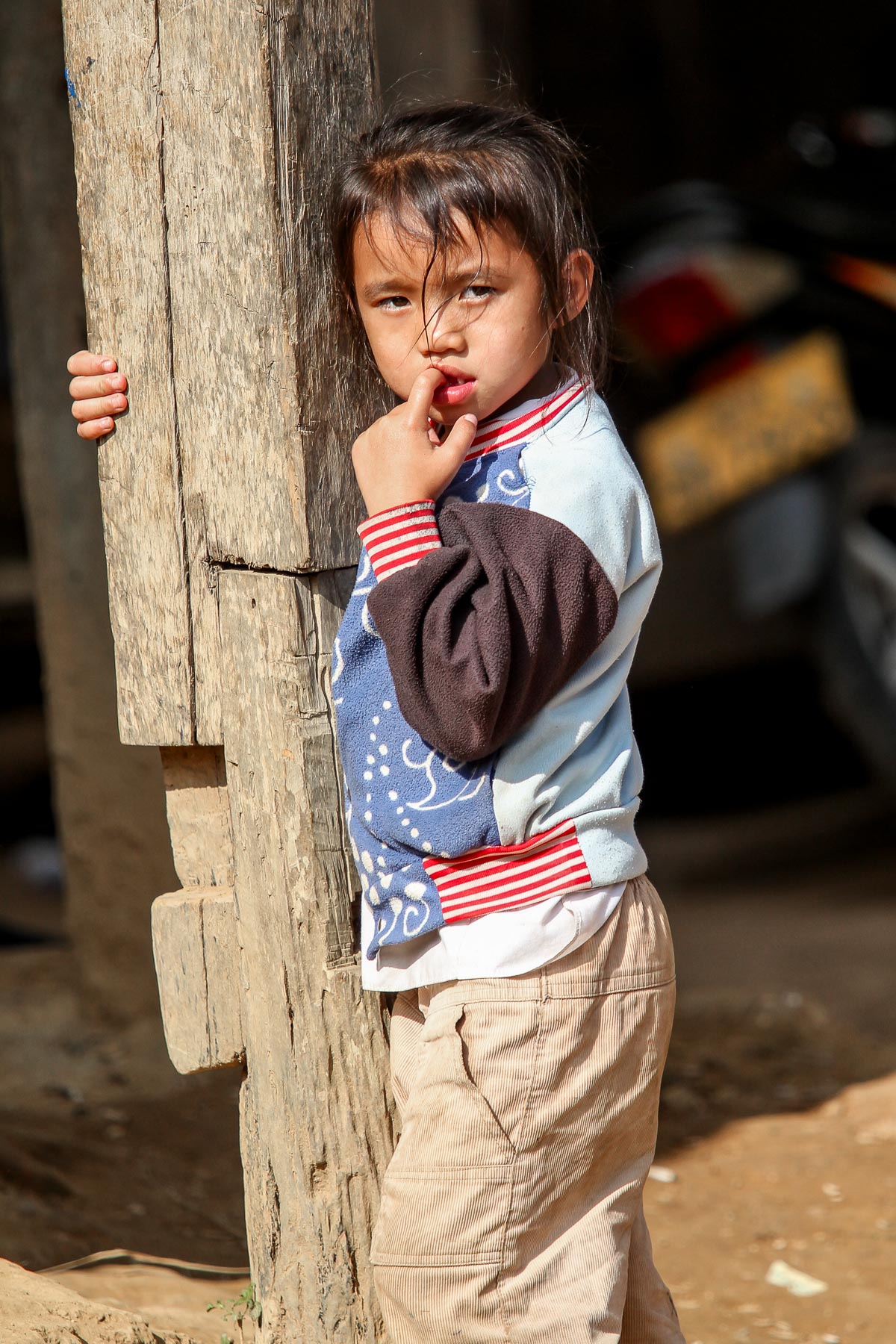
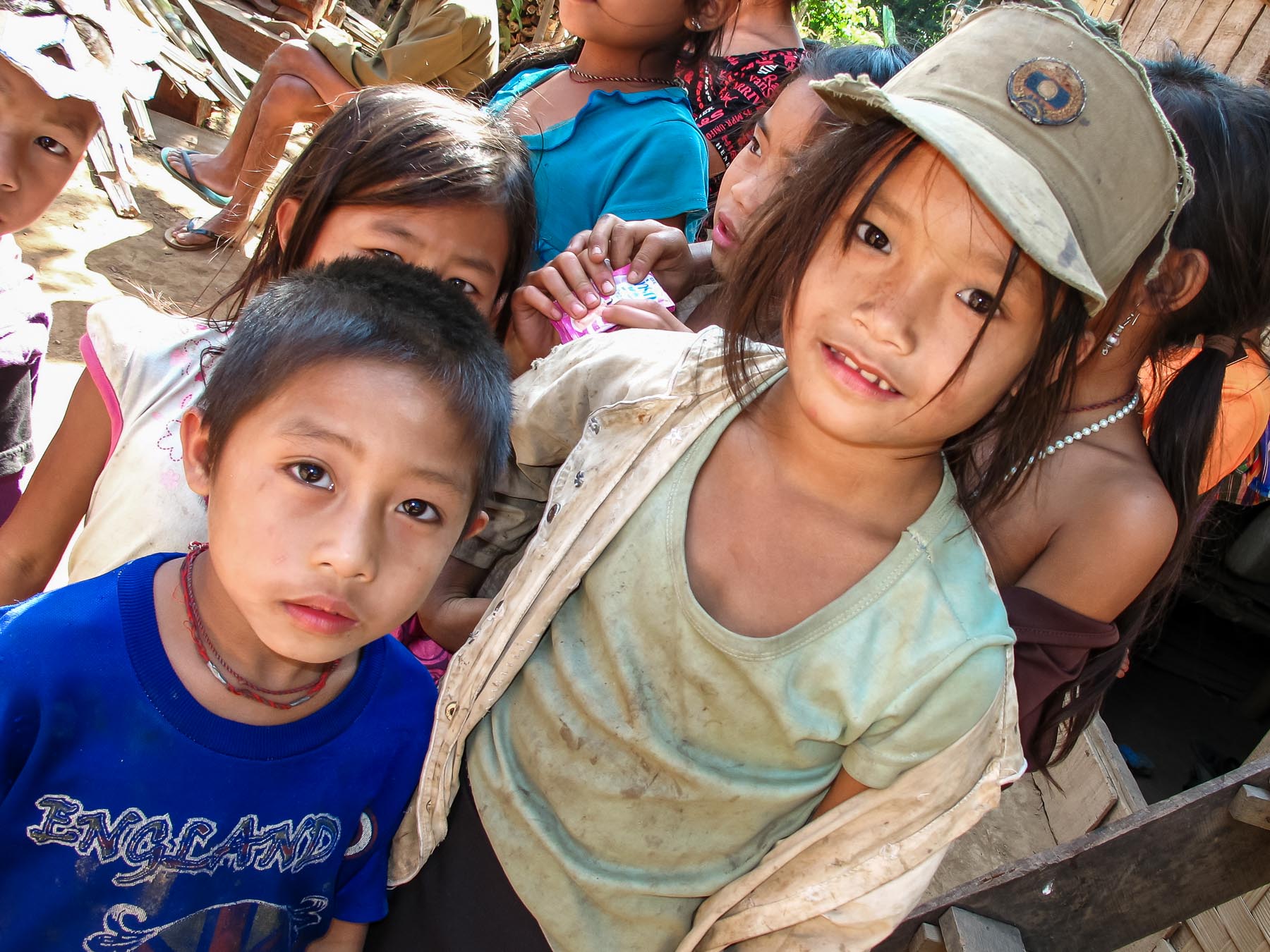

















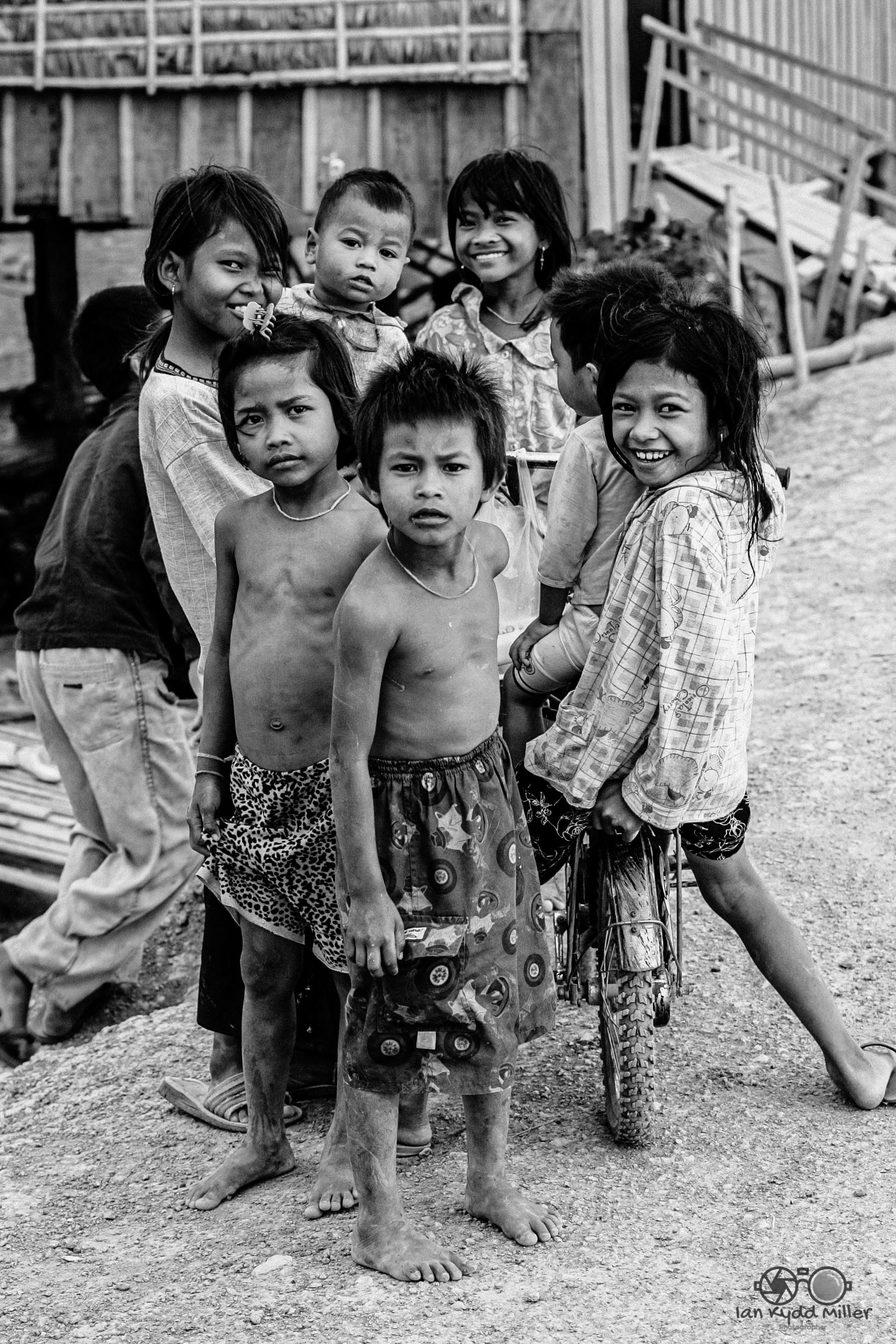
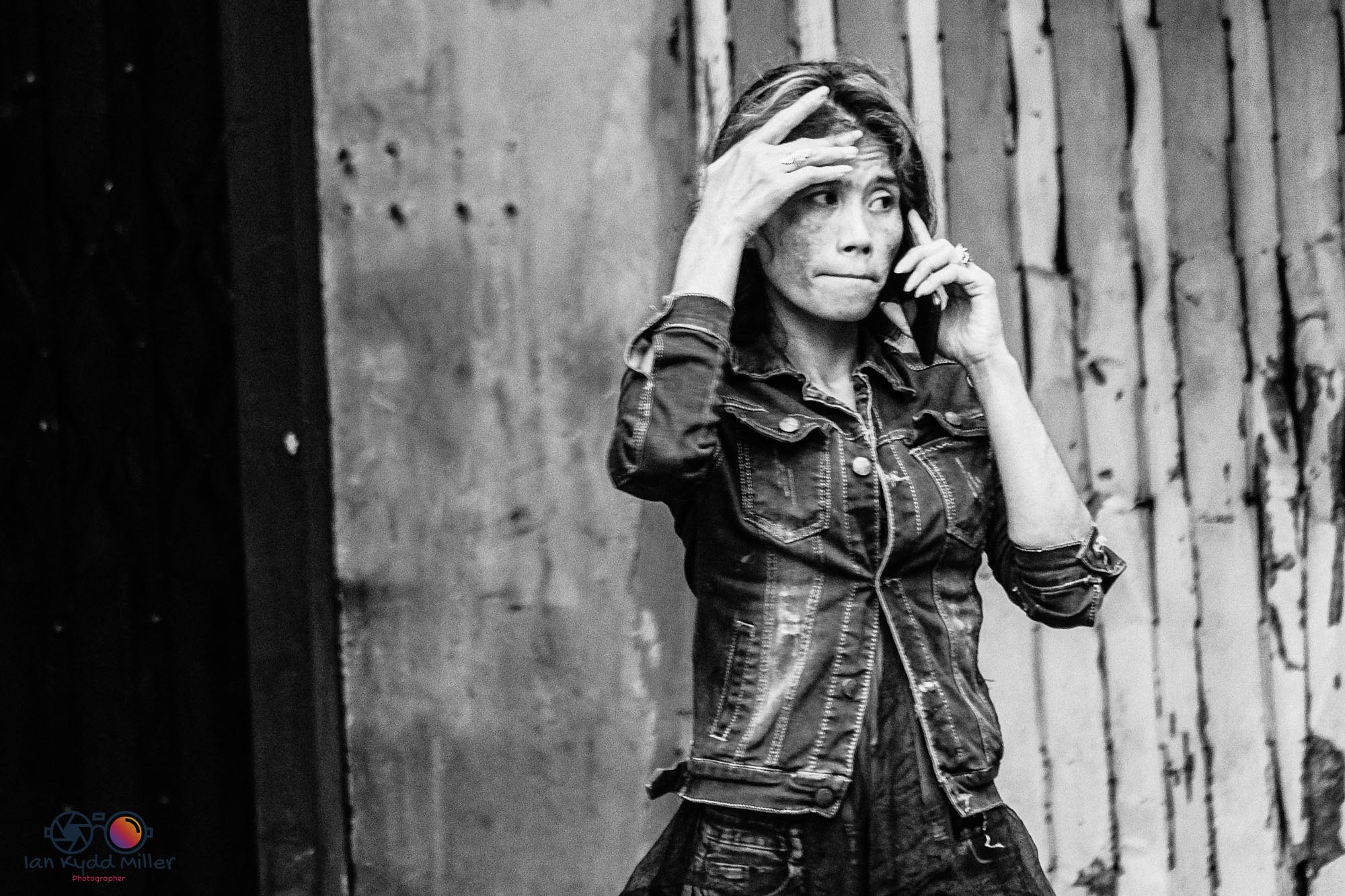


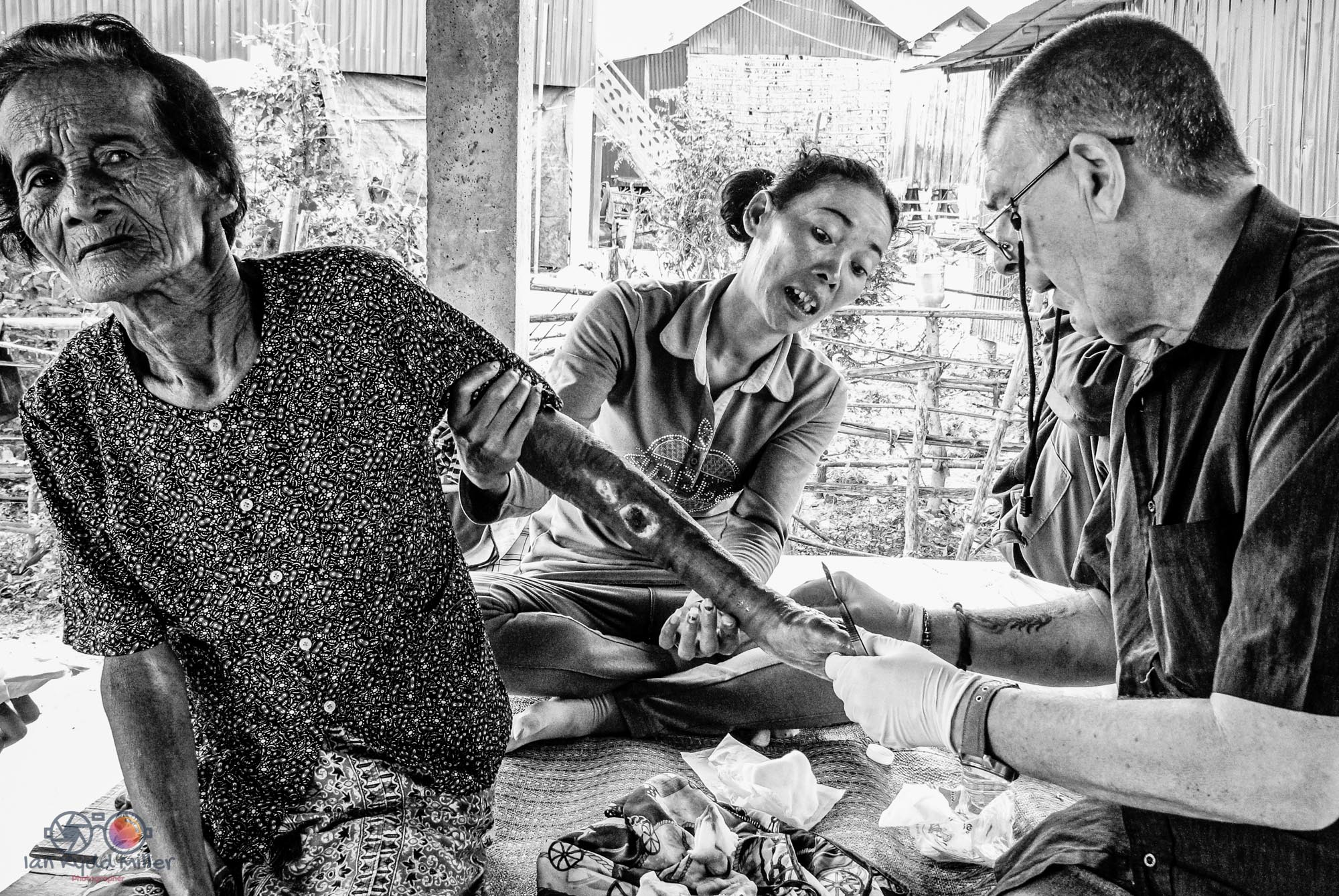


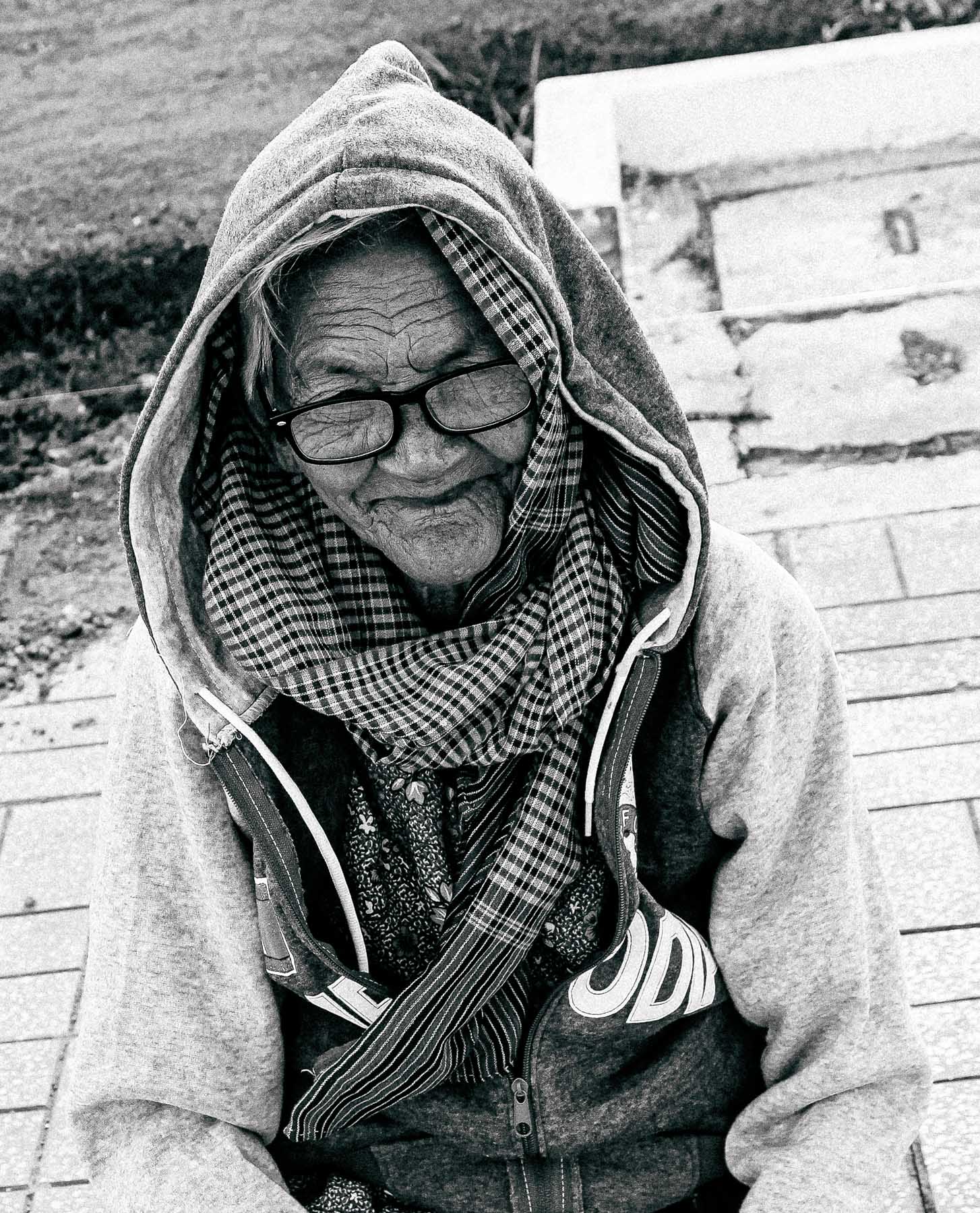


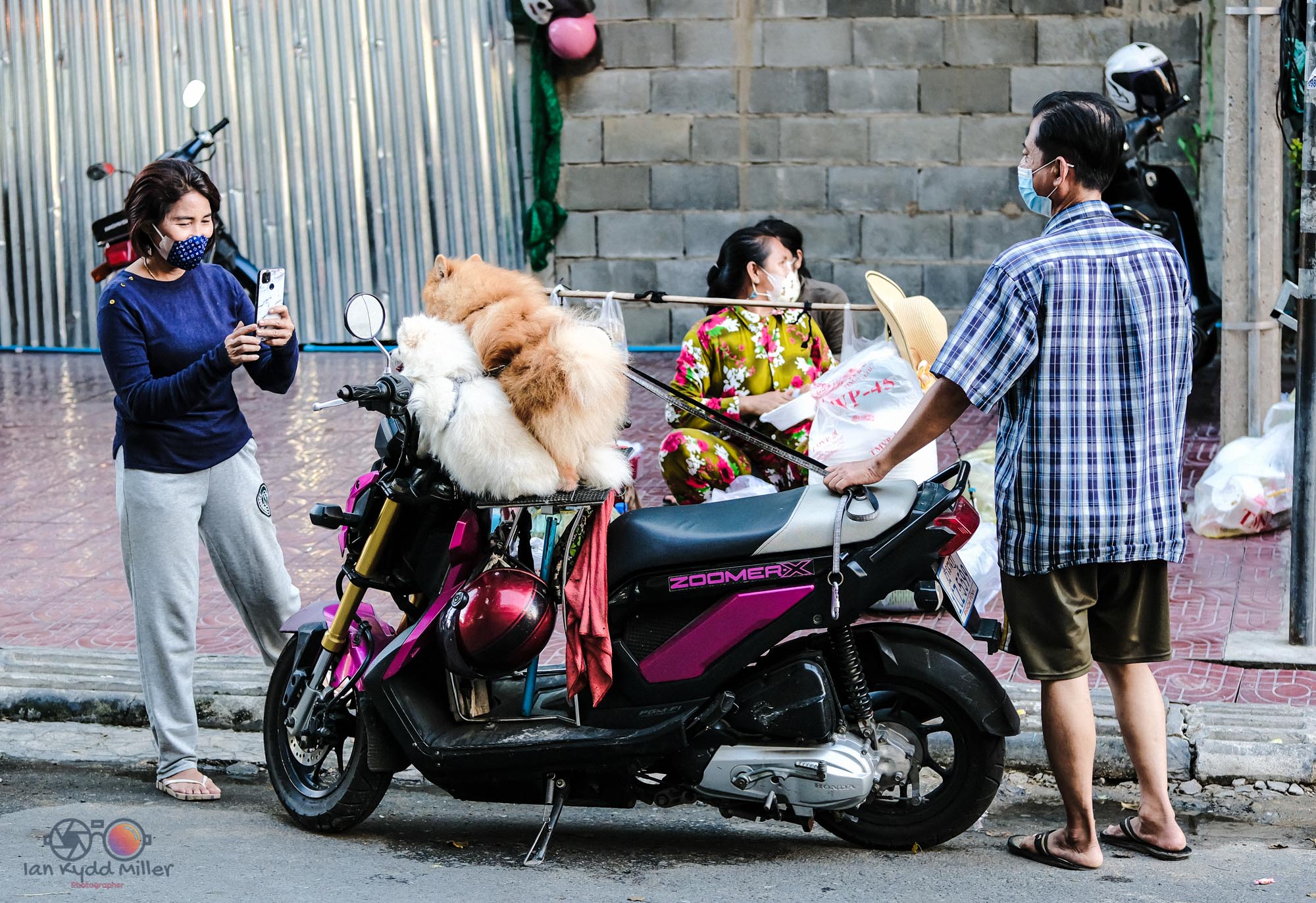


 a world without pictures is like coffee without cream and sugar, bitter