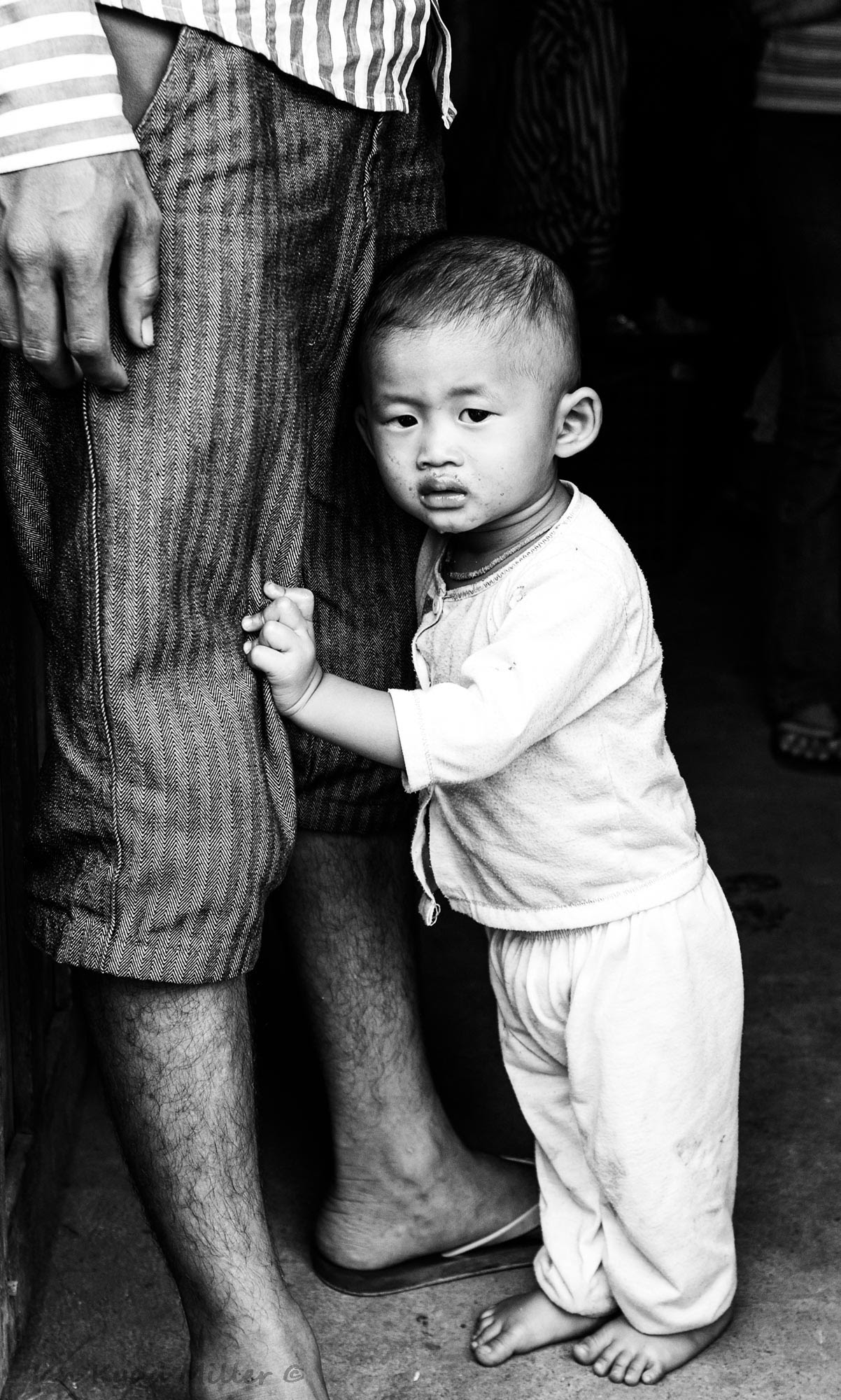
Street photography is a genre of photography that captures everyday life and human activity in public places. It often focuses on candid moments, spontaneous interactions, and the essence of urban environments. Here are some key aspects of street photography:
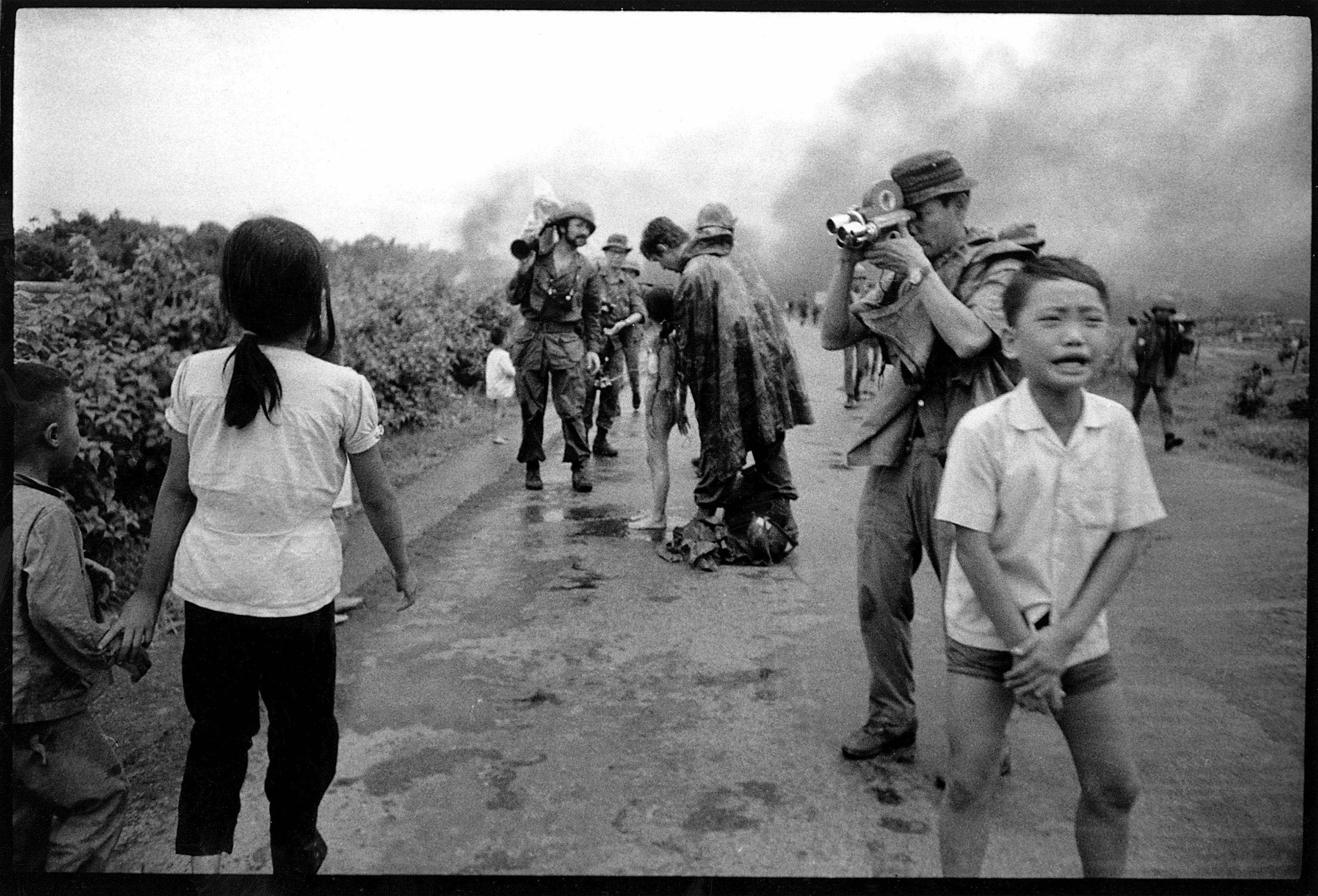
Candid Moments: Street photographers aim to capture unposed, natural moments that reflect the true essence of life in public spaces.
Urban Environments: This genre typically takes place in cities and towns, highlighting the architecture, streets, and the hustle and bustle of urban life.
Human Element: People are often the main subjects in street photography, showcasing their emotions, interactions, and daily routines.
Storytelling: Street photography tells stories through images, offering a glimpse into the lives of strangers and the dynamics of public spaces.
Spontaneity: The best street photographs are often those that capture unexpected or fleeting moments, requiring the photographer to be quick and observant.
Street photography can be a powerful way to document the world around us and share unique perspectives on everyday life. If you’re interested in exploring this genre, it’s all about being observant, patient, and respectful of your subjects.
Magnum Photos is a renowned international photographic cooperative founded in 1947 by legendary photographers, including Robert Capa, Henri Cartier-Bresson, David “Chim” Seymour, and George Rodger. The cooperative aims to give photographers the freedom to document the world as they see it without being constrained by the agendas of magazines and newspapers.
Key Highlights of Magnum Photos:
Historical Significance: Magnum Photos has documented many of the world’s major events and personalities since its inception, covering a wide range of subjects including society, politics, conflict, and culture.
Global Presence: The cooperative has offices in major cities like New York, Paris, London, and Tokyo, and its photographers work worldwide.
Photographer-Owned: Magnum is unique in that it is owned and run by its member photographers, who retain all copyrights to their work. This model allows for a high degree of creative freedom and independence.
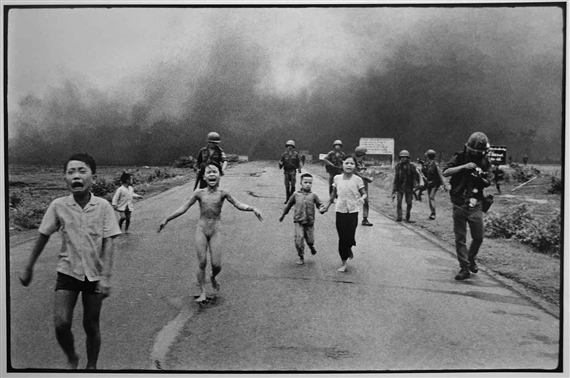
Iconic Images: Magnum photographers have produced some of the most iconic images in the history of photography, capturing moments that have defined eras and movements.
Educational Initiatives: Magnum also offers workshops, on-demand courses, and other educational resources to help aspiring photographers learn from some of the best in the field.
Magnum Photos continues to be a significant force in the world of photography, known for its commitment to authentic visual storytelling and its ability to capture the human condition in all its complexity.
If you have any specific questions about Magnum Photos or its photographers, feel free to ask!
To make your photos pop, consider the following ideas:
Lighting: Good lighting can make a huge difference in the quality of your photos. Natural light is often the best choice.
Composition: Pay attention to the composition of your photos. Consider the rule of thirds, leading lines, and framing to create visually interesting images.
Editing: Use photo editing software or apps to enhance your photos. Adjusting the brightness, contrast, saturation, and sharpness can make a big difference.
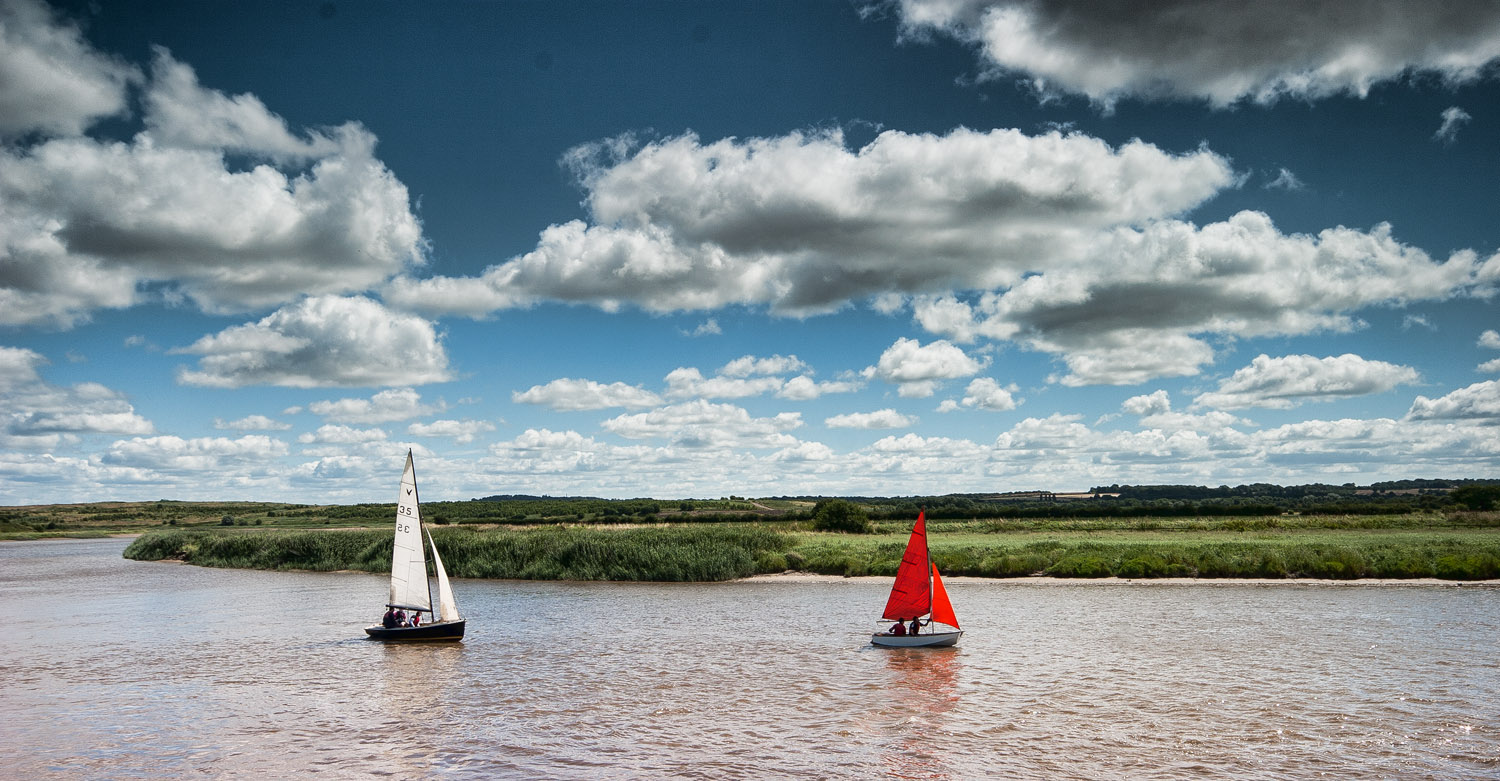
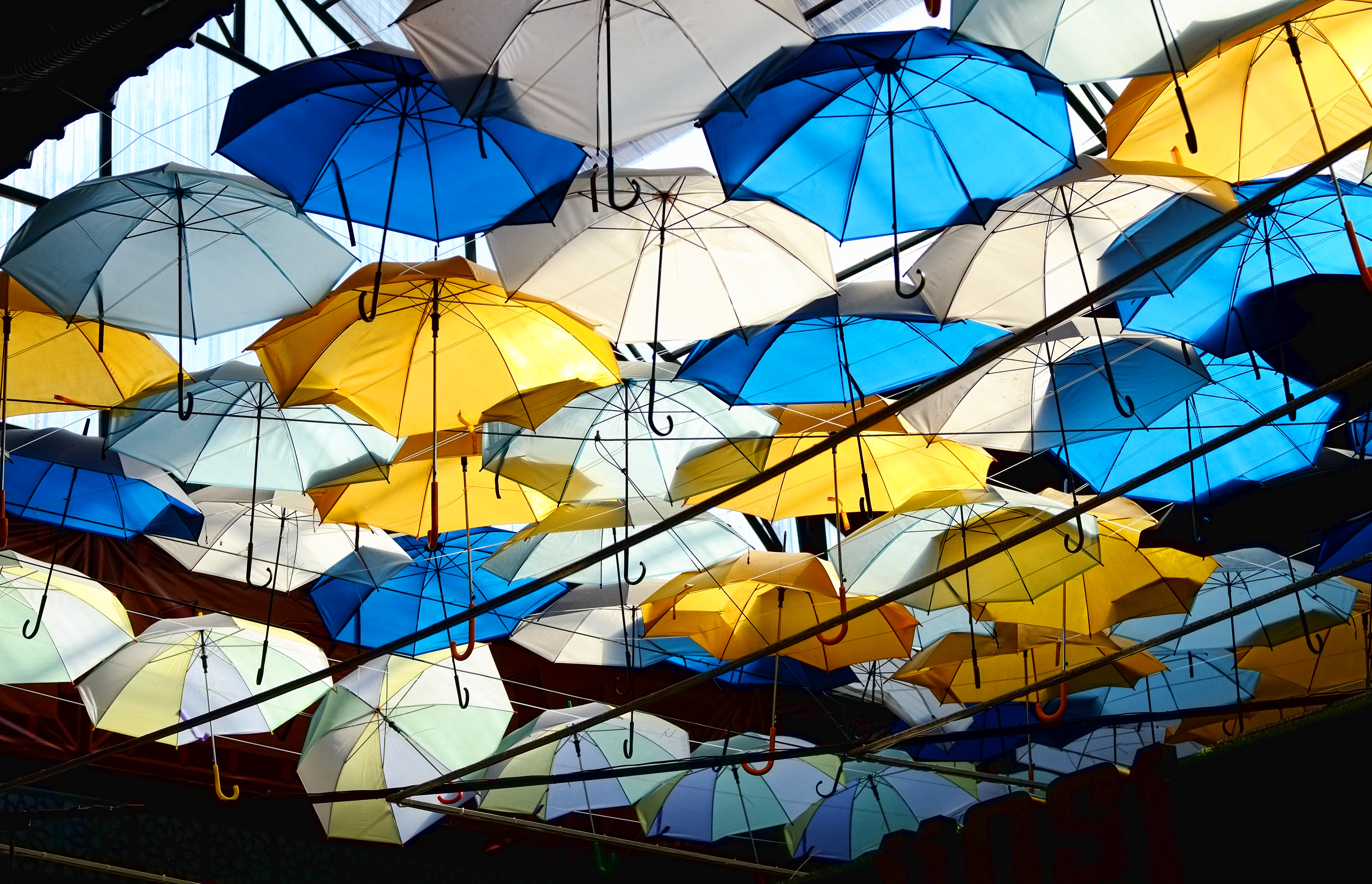
Colours: Bold, vibrant colours can make your photos stand out. Look for colourful backgrounds or subjects to make your photos pop.
Contrast: Contrast can add depth and visual interest to your photos. Experiment with high contrast or black-and-white photography for a striking effect. Pay attention to these elements and experiment with different techniques to make your photos pop and stand out.
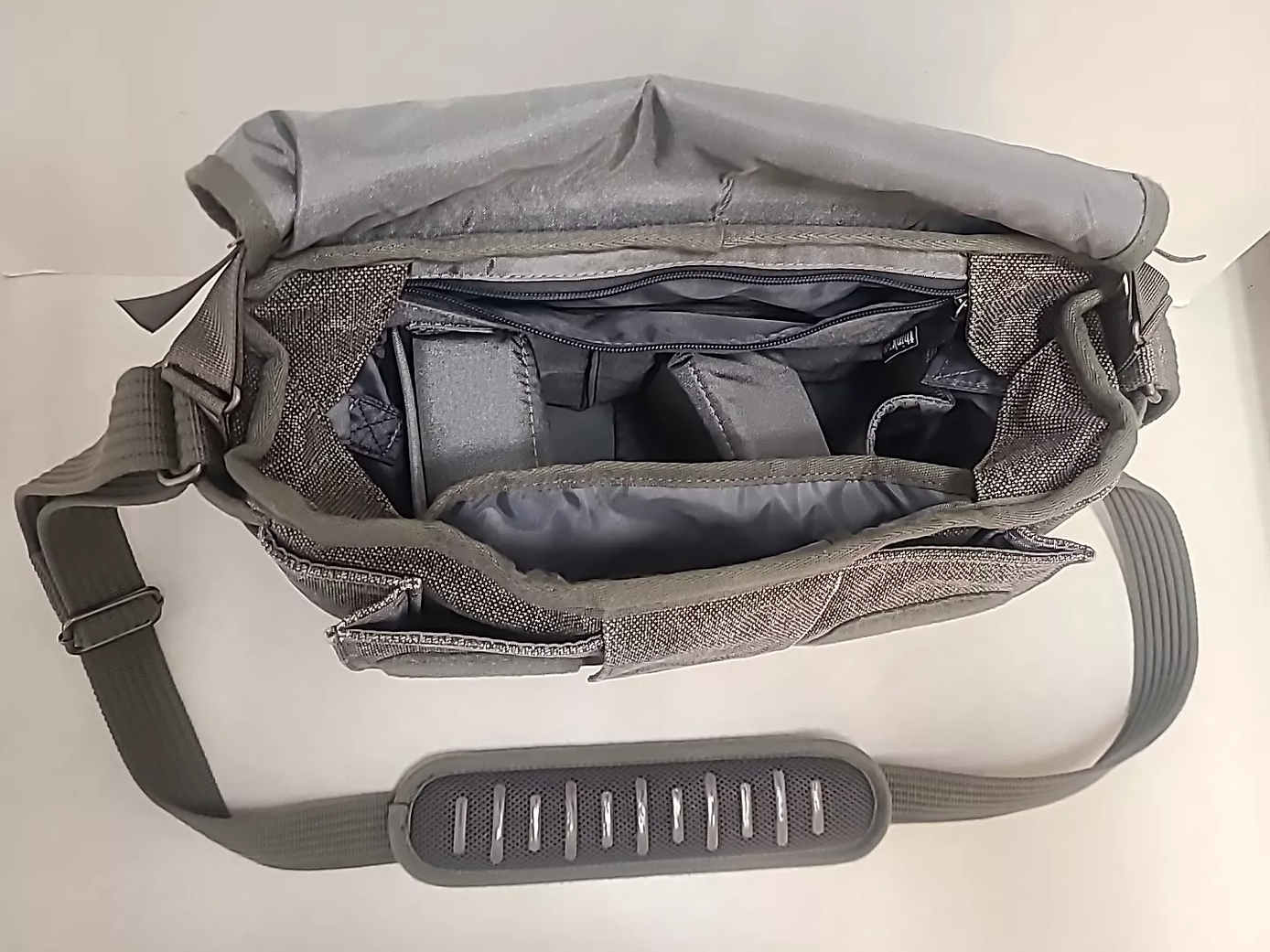
The Think Tank Retrospective 7 is a popular camera bag that is well-loved by many photographers. It is known for its stylish design, high-quality materials, and versatile features that cater to a variety of gear. However, whether it is the perfect camera bag for you depends on your specific needs and preferences.
Some factors to consider when determining if the Think Tank Retrospective 7 is the right choice for you include:
– Size and capacity: Check if the bag is large enough to hold all your gear comfortably.
– Comfort and convenience: Consider if the padding, straps, and carrying options suit your preferences.
– Organization: Assess if the bag’s compartments, pockets, and dividers meet your organizational needs.
– Durability and protection: Evaluate the bag’s build quality and level of protection it offers for your camera equipment.
Ultimately, the perfect camera bag aligns with your personal requirements and makes carrying and accessing your gear a seamless experience. I recommend researching more about the Think Tank Retrospective 7, reading reviews, and possibly trying it out in person to help you make an informed decision.
The Think Tank Retro 7 bag has several great features that photographers often appreciate:
1. Quality Construction: Think Tank is known for using high-quality materials and thoughtful design in their bags, ensuring durability and protection for your gear.
2. Classic Styling: The Retro 7 has a vintage-inspired design that many photographers find appealing. It doesn’t necessarily look like a traditional camera bag, which can be a plus for some users.
3. Customizable Interior: The bag typically comes with adjustable dividers, allowing you to customize the interior layout to fit your specific gear needs. This flexibility is helpful for different types of equipment.
4. Quick Access: The front flap of the bag usually features a quick-access pocket for items like memory cards, batteries, or a smartphone, making it convenient to grab essential items on the go.
5. Comfortable to Carry: The Retro 7 often includes a comfortable shoulder strap for easy carrying, even when the bag is loaded with gear. This is essential for photographers who are on the move.
Overall, the Think Tank Retro 7 is a well-regarded camera bag that offers a good balance of style, functionality, and protection for your photography gear.
I just picked up a used copy of this bag for the great price of $40 US. Have not used it yet but packed it with all I would usually carry for a walkabout and it holds it comfortably and looks good too.
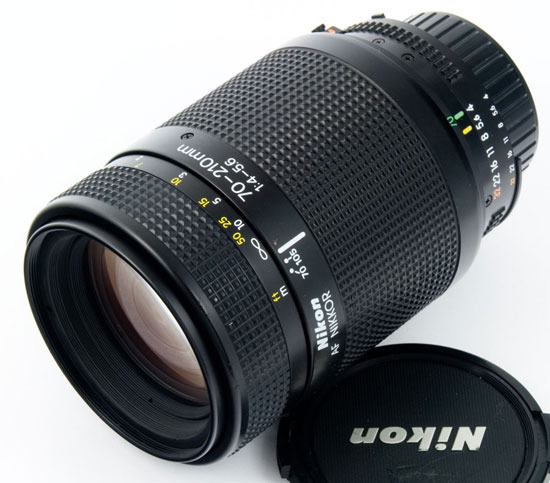
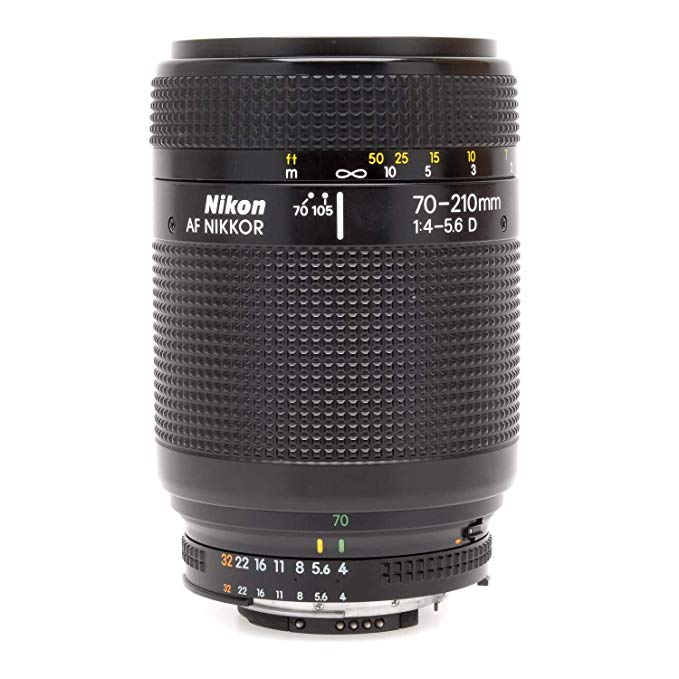
The Nikkor 70-210mm f/4-5.6 lens is a classic telephoto zoom lens produced by Nikon. It is known for its versatility and relatively compact size, making it a popular choice for photographers looking for a budget-friendly telephoto option.
Here are some key points about the Nikkor 70-210mm f/4-5.6 lens:
1. **Zoom Range**: The lens offers a versatile focal length range of 70-210mm, making it suitable for a variety of shooting situations, including portraits, sports, wildlife, and more.
2. **Variable Aperture**: With a maximum aperture of f/4 at 70mm and f/5.6 at 210mm, the lens is not exceptionally fast but can still produce good results in well-lit conditions.
3. **Build Quality**: The lens features a relatively compact and lightweight design, making it easy to carry around for extended periods. However, it may not be as robust as some higher-end Nikon lenses.
4. **Image Quality**: While not as sharp or fast as more modern lenses, the Nikkor 70-210mm f/4-5.6 can still produce good image quality when used properly.
5. **Compatibility**: The lens is compatible with Nikon F-mount DSLR cameras, both film and digital, although autofocus may not be supported on some entry-level DSLR models.
Overall, the Nikkor 70-210mm f/4-5.6 lens can be a great addition to your camera bag, especially if you are looking for an affordable telephoto zoom lens with decent performance. Just be aware of its limitations compared to more modern lenses and adjust your shooting technique accordingly.
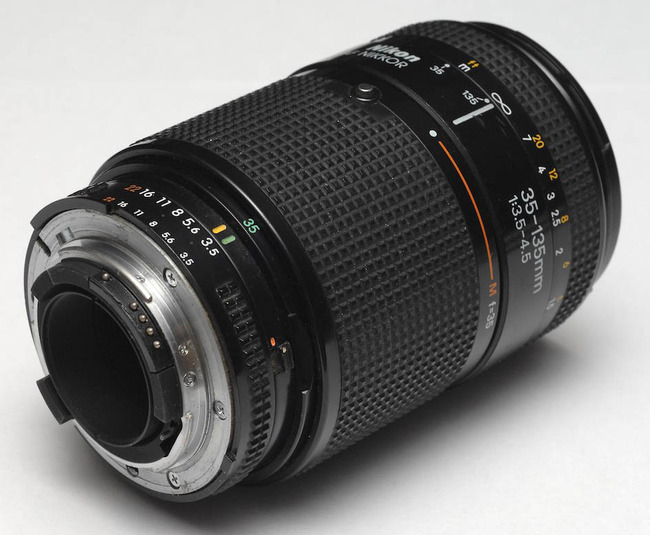
The Nikkor 35-135mm f/3.5-4.5 is a versatile zoom lens produced by Nikon for their film SLR cameras. It was first introduced in the late 1980s and was known for its solid build quality and good optical performance.
This lens offers a wide focal length range from 35mm, which is great for capturing landscapes and group shots, to 135mm, suitable for portraits and close-ups. The variable aperture of f/3.5-4.5 provides decent low-light performance and depth of field control.
The lens features multi-coated optics to reduce flare and ghosting, resulting in sharp images with good contrast. It also has a close minimum focusing distance, allowing you to get close-up shots of your subjects.
The Nikkor 35-135mm f/3.5-4.5 is a reliable and versatile lens used for a wide range of photography styles, but it is heavy. Its compatibility with my Nikon D3 camera makes it a great choice for capturing various subjects with a single lens.
The Nikon 35-135mm f/4-5.6 is an older lens, first introduced in the late 1980s. While it may not have all the modern features and technology of newer lenses, it can still be a good option for certain photography needs.
In terms of image quality, it can produce decent results, especially when stopped down a bit from its widest apertures. However, it may not be as sharp or have the same level of optical performance as newer lenses, especially at the extreme ends of its zoom range.
One of the main advantages of this lens is its versatility in offering a wide focal length range, which can be useful for various types of photography such as portraits, landscapes, and even some wildlife or sports photography.
Overall, if you’re looking for a budget-friendly lens with a decent focal length range and can accept some compromises in image quality compared to more modern lenses, the Nikon 35-135mm f/4-5.6 could still be a viable option.
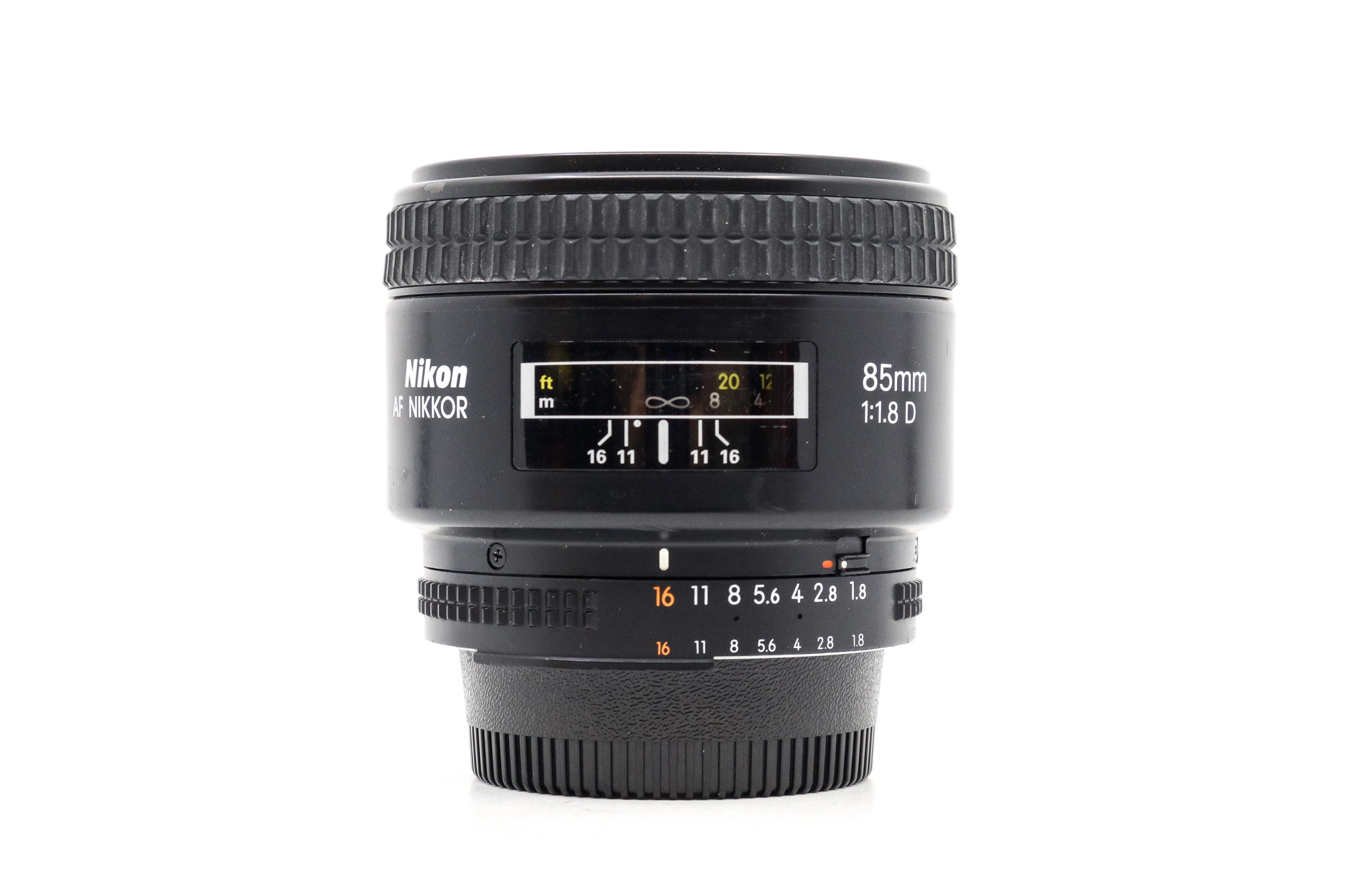
1. **Sharpness:** The lens is highly regarded for its exceptional sharpness, particularly when stopped down to f/2.8 and beyond. Even at its widest aperture of f/1.8, it delivers impressive sharpness.
2. **Bokeh:** Equipped with a 9-blade diaphragm, the lens produces smooth and aesthetically pleasing bokeh, making it an excellent choice for portrait photography.
3. **Color and Contrast:** The lens offers excellent colour reproduction and contrast, resulting in vibrant and true-to-life images.
### Build and Design:
1. **Construction:** Featuring a robust build comprising a mix of metal and high-quality plastic components, the lens exudes durability and longevity.
2. **Size and Weight:** Relatively compact and lightweight at around 380 grams, the lens is easy to carry and handle, making it a practical choice for various shooting scenarios.
3. **Manual Focus:** The lens includes a manual focus ring that offers smooth and precise control, enabling photographers to make fine adjustments easily.
### Autofocus:
1. **Speed and Accuracy:** The lens’s autofocus system is known for being both fast and accurate, owing to its rear focusing design. However, it lacks the silent wave motor (SWM) present in newer lenses, which may result in slightly noisier operation.
2. **Compatibility:** Compatible with a wide range of Nikon cameras, both film and digital, the lens may not autofocus on entry-level Nikon DSLRs lacking an in-body focus motor.
### Performance:
1. **Low Light Capability:** With a wide maximum aperture of f/1.8, the lens excels in low-light conditions, allowing for faster shutter speeds and lower ISO settings.
2. **Portraiture:** The 85mm focal length is ideal for portrait photography, offering a flattering perspective and excellent subject isolation.
### Conclusion:
The Nikkor 85mm f/1.8D is a versatile and high-performing lens that has stood the test of time. Its combination of sharpness, bokeh quality, and robust build make it a favourite among photographers, particularly for portrait work. While lacking some modern features, its optical excellence and reliability continue to make it a valuable addition to any photographer’s gear collection.
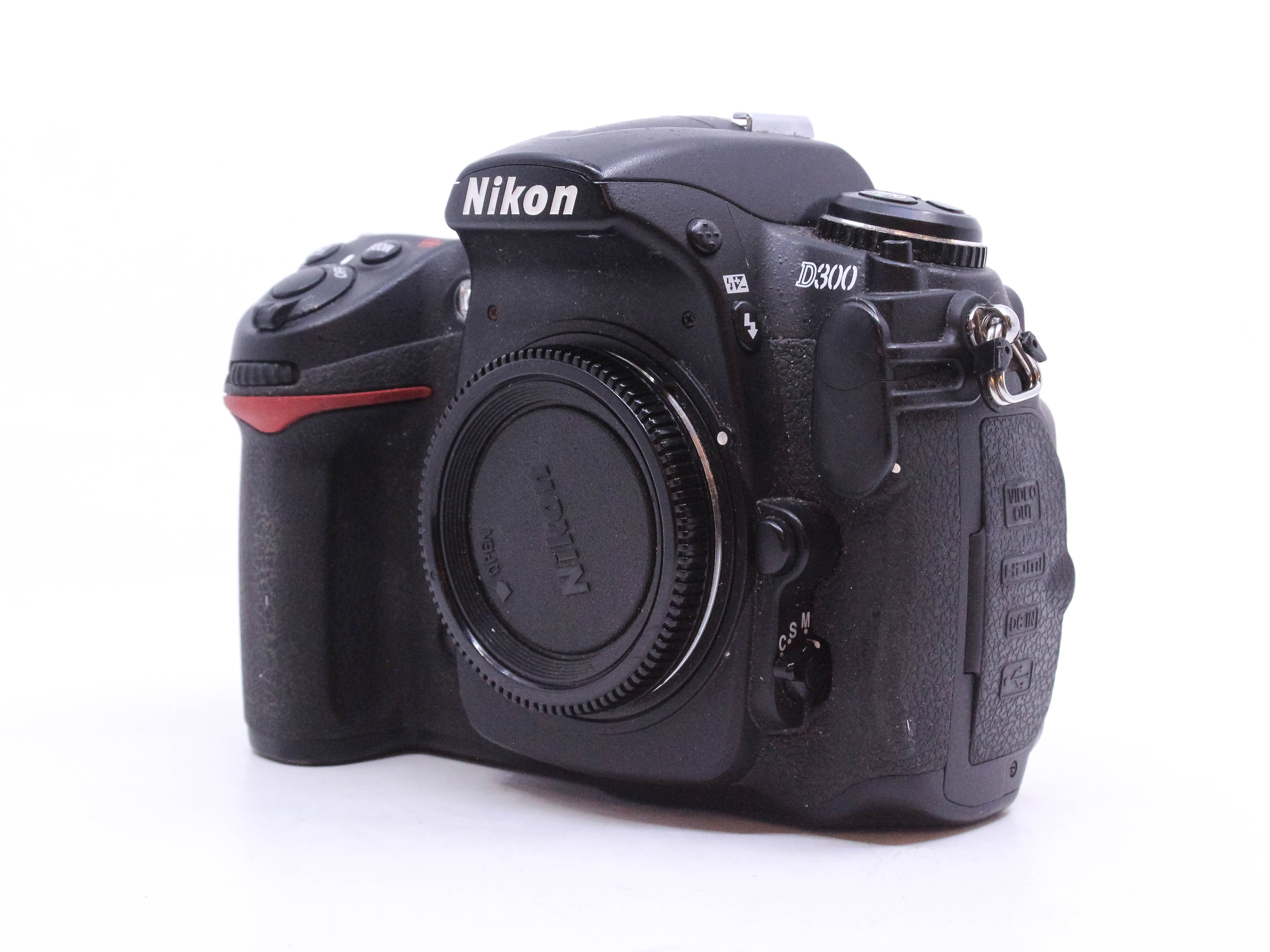
The Nikon D300 is indeed an older DSLR camera, first released in 2007, but it can still be a viable choice for a young photographer depending on their needs and budget. Here is a detailed description of the Nikon D300:
Sensor: The Nikon D300 features a 12.3-megapixel DX-format CMOS sensor, which is capable of producing high-resolution images suitable for various photography needs.
ISO Range: The camera has an ISO range of 200-3200, expandable up to ISO 6400, allowing for decent low-light performance and flexibility in different lighting conditions.
Autofocus System: The D300 is equipped with a 51-point autofocus system, providing fast and accurate focusing, which is particularly useful for capturing moving subjects.
Continuous Shooting: It has a respectable continuous shooting speed of up to 6 frames per second, making it suitable for sports, action, and wildlife photography.
Build Quality: The D300 has a rugged and weather-sealed magnesium alloy body, ensuring durability and reliability in various shooting conditions.
LCD Screen: The camera features a 3-inch LCD screen with a resolution of 922,000 dots, providing a clear and detailed display for reviewing images and navigating menus.
Connectivity: While it lacks built-in Wi-Fi or Bluetooth, the D300 offers standard connectivity options like USB, HDMI, and an accessory port for external flash units.
Video Recording: One of the limitations of the D300 is its lack of video recording capabilities, which may be a downside for photographers looking to shoot video content.
Lens Compatibility: The D300 is compatible with Nikon F-mount lenses, offering a wide range of lens options for photographers to choose from. Overall, the Nikon D300 is a solid camera with robust features, good image quality, and reliable performance, especially for still photography. While it may not have the latest technology found in newer models, it can still be a great option for young photographers looking to learn and develop their skills without breaking the bank. It’s important to consider the specific photography needs and budget of the photographer when determining if the Nikon D300 is the right choice for them.
The sensor in the Nikon D300 is unique to that specific camera model and is not used in any other cameras. However, Nikon has used similar sensors in other DX-format cameras within the same lineup, such as the Nikon D90 and D7000.
The Nikon 70-210mm f/4-5.6D lens is a versatile telephoto zoom lens that was popular for its compact size and lightweight design. It was known for producing sharp images with good colour rendition.
The Nikon 70-210mm f/4-5.6D is a telephoto zoom lens that was designed for Nikon’s F-mount DSLR cameras. It offers a versatile focal length range, making it suitable for a variety of shooting scenarios such as portraits, sports, wildlife, and more.
Some key features of the Nikon 70-210mm f/4-5.6D lens include:
1. Variable aperture: The lens has a maximum aperture of f/4 at 70mm focal length, which decreases to f/5.6 at 210mm. This variable aperture design allows for flexibility in different lighting conditions.
2. Autofocus: The lens features a built-in autofocus motor for quick and accurate focusing. However, as it is a D-type lens, it may not be fully compatible with some of the newest Nikon DSLR models that lack an autofocus motor.
3. Compact and lightweight: The lens is relatively compact and lightweight, making it easy to carry around for extended periods.
4. Close focusing distance: The lens has a close focusing distance of around 1.5 meters, enabling you to get closer to your subject for detailed shots.
5. Image quality: While not a professional-grade lens, the Nikon 70-210mm f/4-5.6D can still produce sharp images with good colour rendition when used within its optimal settings.
Overall, the Nikon 70-210mm f/4-5.6D is a budget-friendly telephoto zoom lens that can be a great addition to your gear if you are looking for a versatile and lightweight lens for various photographic situations.
Photography is an art form that captures the essence of a moment, telling stories without words and leaving a lasting impression on the viewer. It’s a craft that combines technical skill with creative vision, and at the heart of this craft is the camera—the photographer’s most trusted tool.
Understanding the intricacies of your camera and lenses is akin to a painter knowing their brushes and paints; it’s essential for creating a masterpiece. It’s not merely about owning the latest high-end equipment; it’s about the intimate knowledge of every button, dial, and setting. Mastering these elements allows photographers to manipulate light and composition, to bring their creative vision to life.
Adapting to different lighting conditions is one of the most critical skills in a photographer’s arsenal. Light is the language of photography, and learning to speak this language fluently can transform an ordinary scene into a breathtaking image. Whether it’s the golden hour’s warm glow or the harsh midday sun, understanding how to work with light ensures that it always works in your favour.
Anticipating how your gear will respond in various scenarios is what separates good photographers from great ones. It’s about predicting the play of shadows in a dimly lit room or the way a lens will render the bokeh in a busy street scene. This foresight is crucial for capturing those fleeting, once-in-a-lifetime moments with precision and clarity.
The journey of a photographer is one of constant learning and exploration. It’s about pushing the boundaries of creativity, experimenting with new techniques, and not being afraid to fail. Because in those failures lie the seeds of growth and innovation.
For the seasoned professional, this deep knowledge results in a signature style, a unique way of seeing the world that sets their work apart. For the enthusiastic amateur, it’s the thrill of discovery, the joy of capturing a moment exactly as they envisioned.
In a world where everyone has a camera in their pocket, standing out requires more than just a good eye. It demands dedication to the craft, an unyielding curiosity, and a willingness to invest time in understanding the tools of the trade.
So, whether you’re capturing the delicate details of a flower or the grandeur of a mountain landscape, remember that your camera is more than just a piece of technology. It’s an extension of your creative self, and mastering it is a journey worth taking.
Invest in that journey, embrace the learning curve, and watch as your photography transcends from mere pictures to compelling stories frozen in time. Because in the end, the quality of your work is not defined by the gear you own, but by the knowledge you hold and the creativity you unleash. Happy shooting!



























































 a world without pictures is like coffee without cream and sugar, bitter