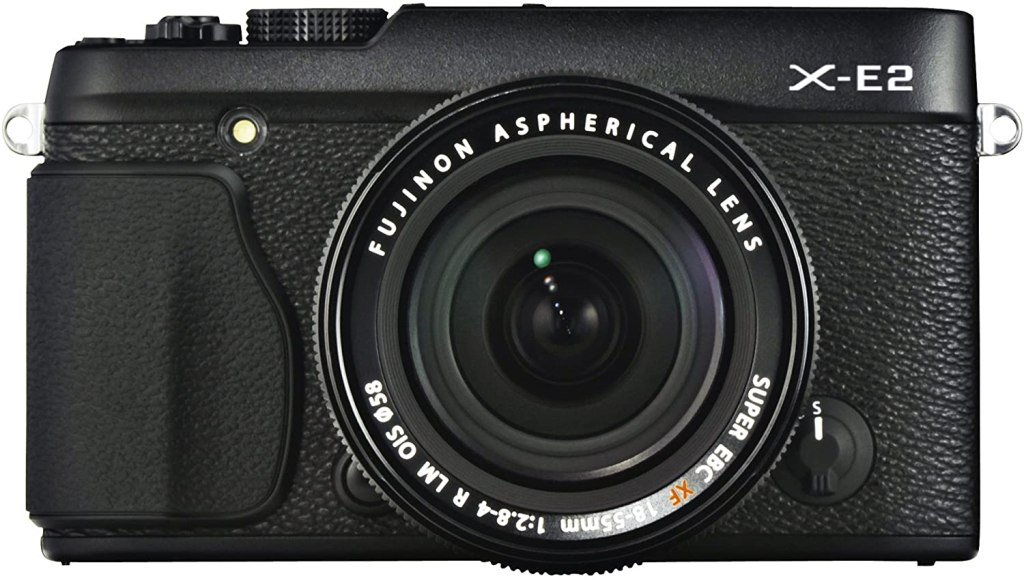
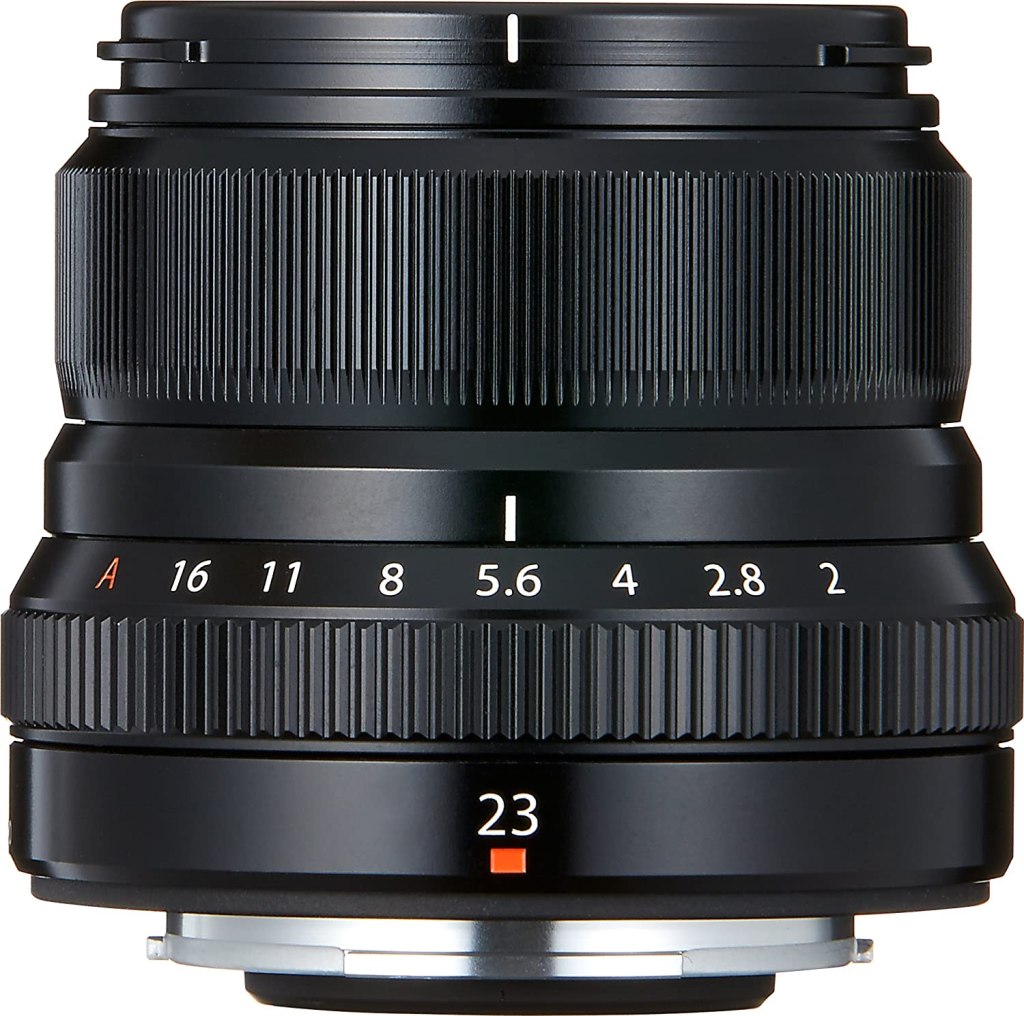
The lens is very well crafted. Its all metal ,feels better in the hand than the native Fuji primes. It actually feels better built than most lenses.
The auto focus is fast with the latest firmware, on par with many native lenses.
The image quality on this lens is surprisingly good and it’s an all around solid performer , this lens offers excellent center and edge to edge sharpness and superb resolving power.
Right out of camera, the neutral quality of this lens gives skin a subtle sheen, making it and excellent choice for portraiture as well as black and white photography.
The textured metal focus ring provides an exceptionally smooth experience and the 145.9° throw allows for precise focusing, even at closer distances where subtle nuances would be more noticeable.
Working Wide Without Losing the Subject Old Photographer Series
The name is Fujinon rather than Fujicron, although the mistake is understandable. “Fujicron” is an affectionate nickname usually given to Fujifilm’s smaller f/2 lenses because of their resemblance in spirit to Leica Summicrons. The XF 14mm f/2.8 R belongs to an earlier generation of Fujinon primes and has rather more character of its own.
On the original X-Pro1, the 14mm produces the angle of view of approximately a 21mm lens on a full-frame camera. That is properly wide. Not mildly wider than normal and not simply a lens for fitting more into the photograph. It changes how the photographer must work.
A 21mm-equivalent lens sees almost everything.
That can be its strength and its undoing.
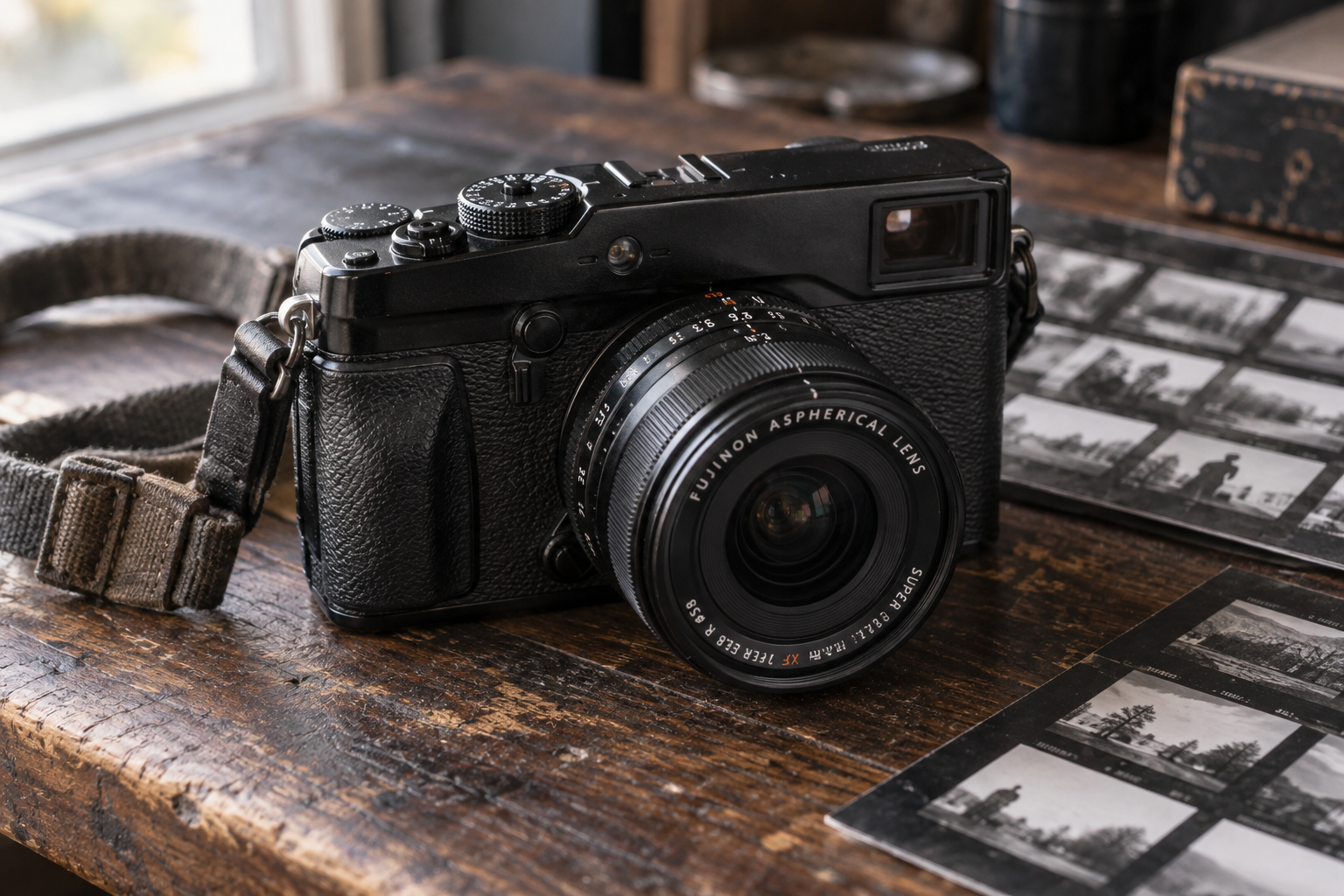
The X-Pro1 and 14mm make an attractive combination. The camera’s rangefinder-style body encourages deliberate observation, while the lens is compact enough not to destroy the balance. It weighs 235 grams and measures just under 59mm long. The complete outfit remains light enough to carry through a long day without becoming a burden.
The X-Pro1 is no longer a fast camera by modern standards. Its autofocus is hesitant in poor light, the electronic viewfinder can feel slow and writing files occasionally requires patience. Its 16-megapixel first-generation X-Trans sensor is also modest by current numerical expectations.
None of this makes it incapable of producing a serious photograph.
Indeed, the original X-Trans sensor has a quality many photographers still enjoy. The files are not aggressively sharp or clinically polished. Colour is rich without being vulgar, and black-and-white conversions have a pleasant tonal solidity. Sixteen megapixels are sufficient unless the photographer intends to crop away most of the frame—which rather defeats the purpose of learning to use a wide lens properly.
The XF 14mm is exceptionally well corrected for such a wide lens. Straight lines generally remain straight, and the corners hold together remarkably well when the lens is stopped down. Its optical construction uses ten elements in seven groups, including two aspherical and three extra-low-dispersion elements. The angle of view is a substantial 90.8 degrees.
Those figures explain its capabilities but not its discipline.
With a 14mm lens, weak framing becomes immediately obvious. Empty pavement spreads across the bottom of the photograph. Buildings appear to lean when the camera is tilted. Arms and faces stretch unpleasantly when placed too close to the edges. Background objects grow out of people’s heads because the photographer was concentrating only upon the central subject.
This is not distortion in the usual sense. Much of it is perspective, caused by where the photographer stands and how the camera is held.
The answer is not to keep people safely in the middle of every frame. It is to look carefully around the entire viewfinder before releasing the shutter. A wide lens requires attention from corner to corner. Every sign, hand, wheel, doorway and patch of light becomes part of the photograph.
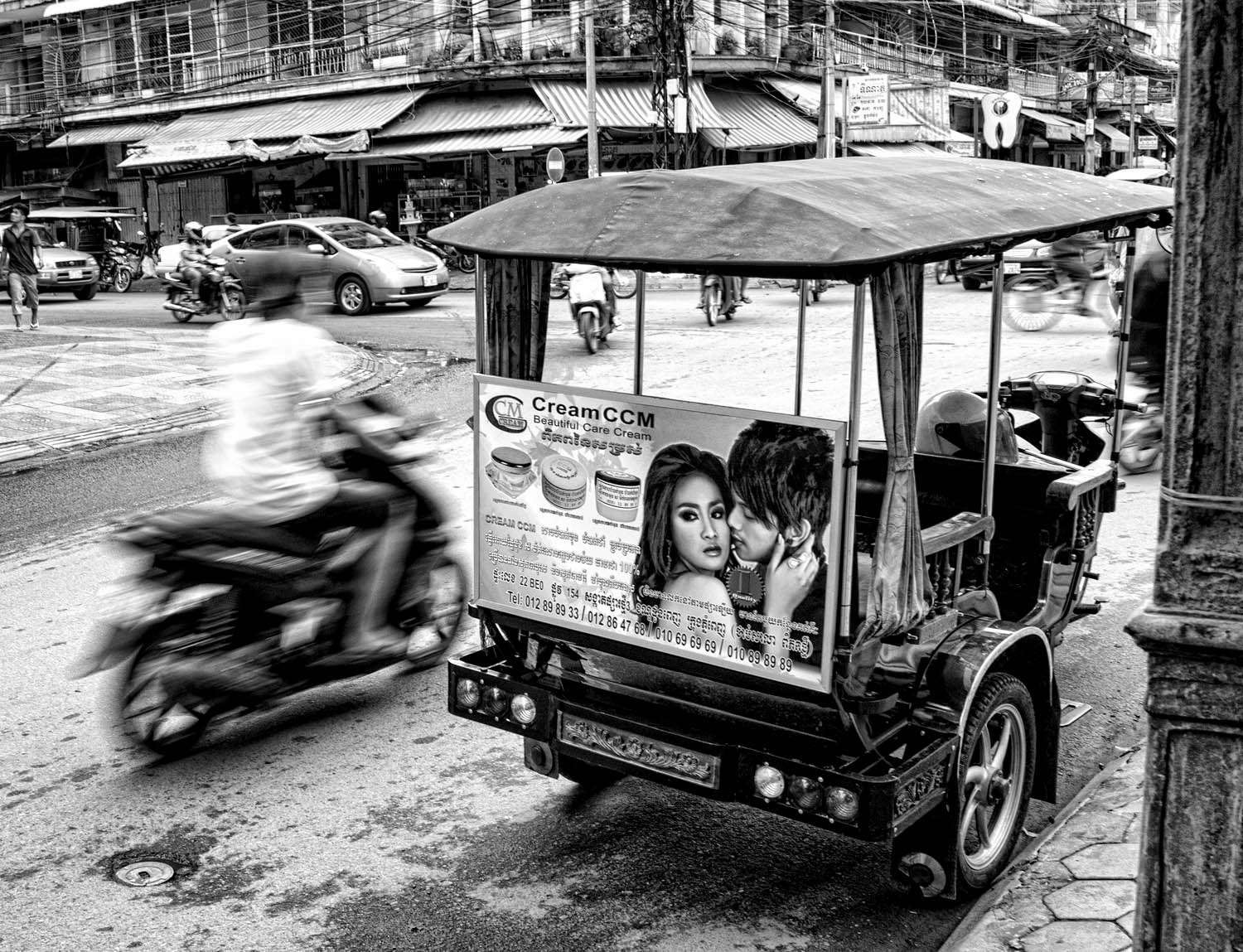
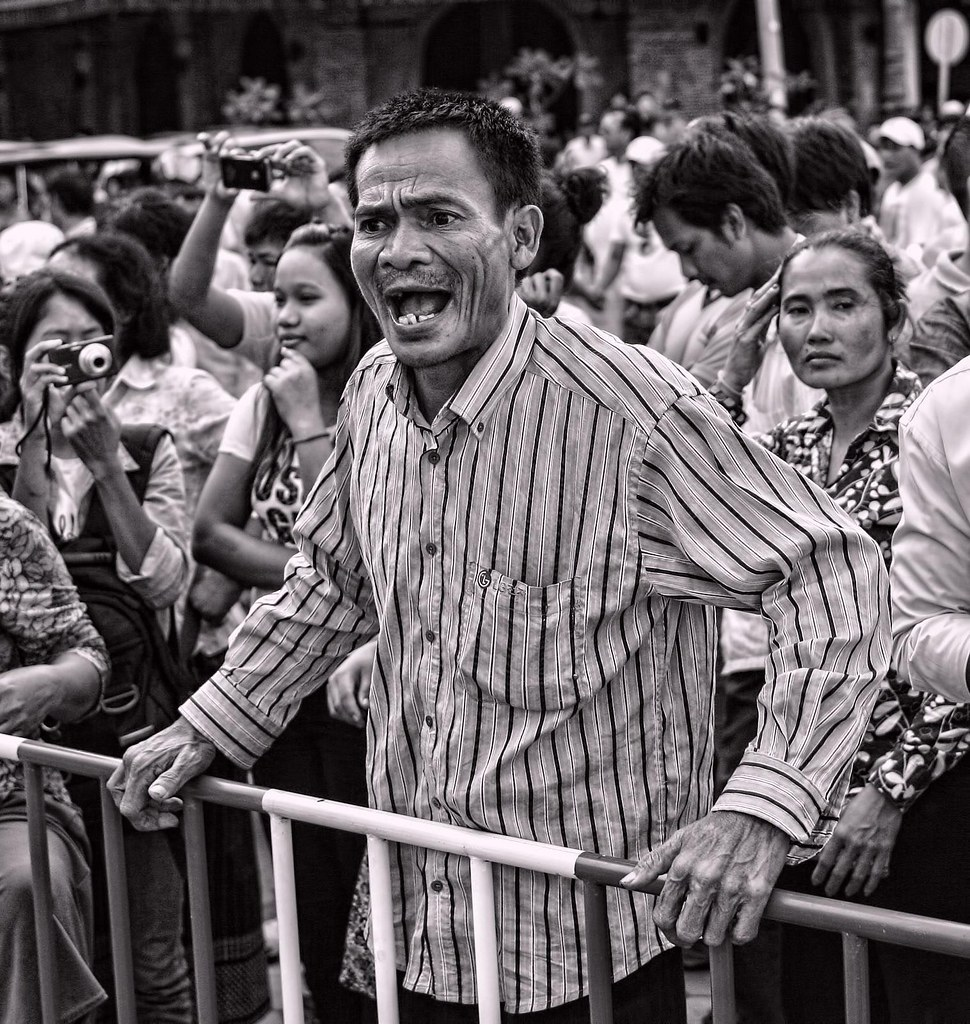
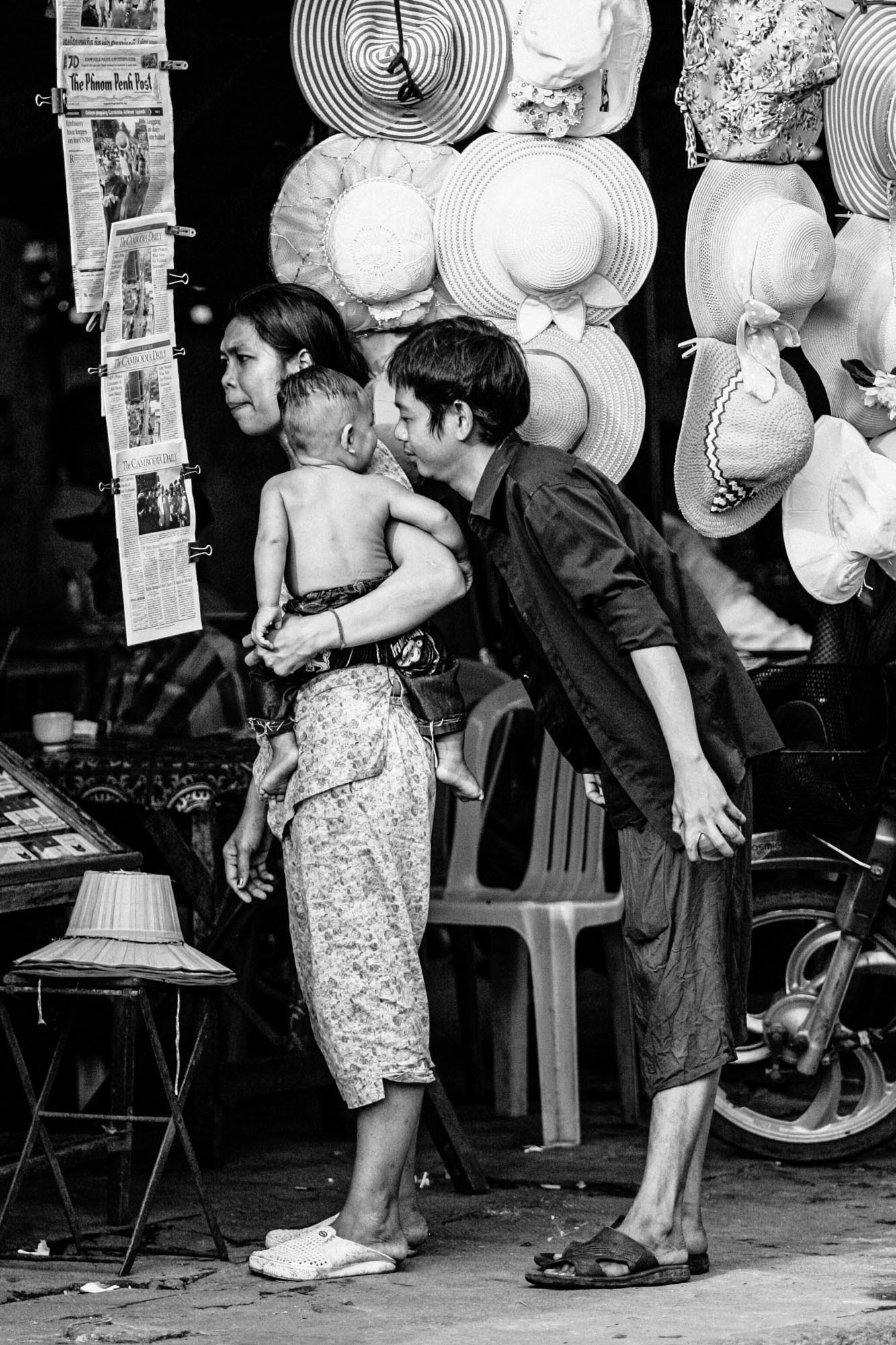
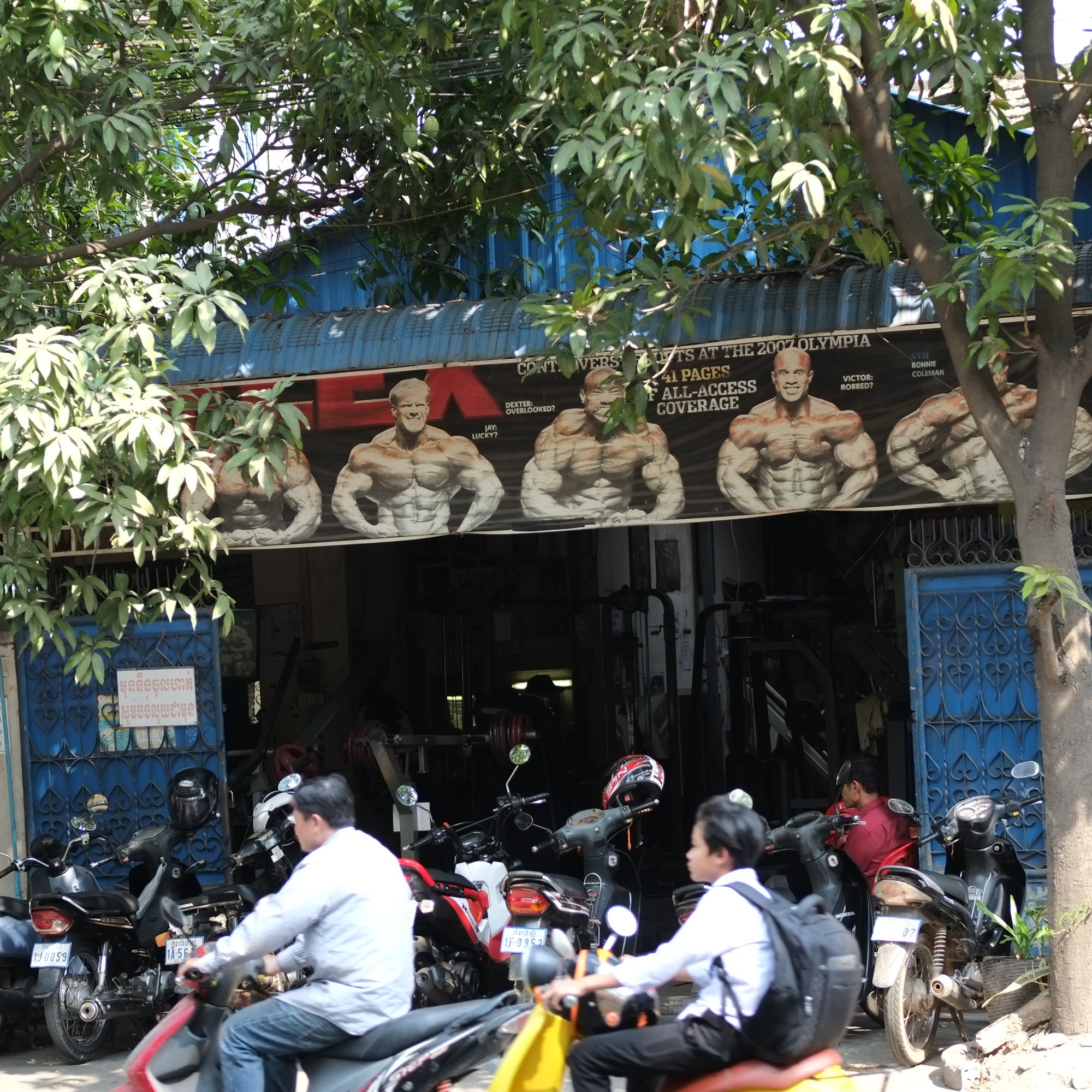
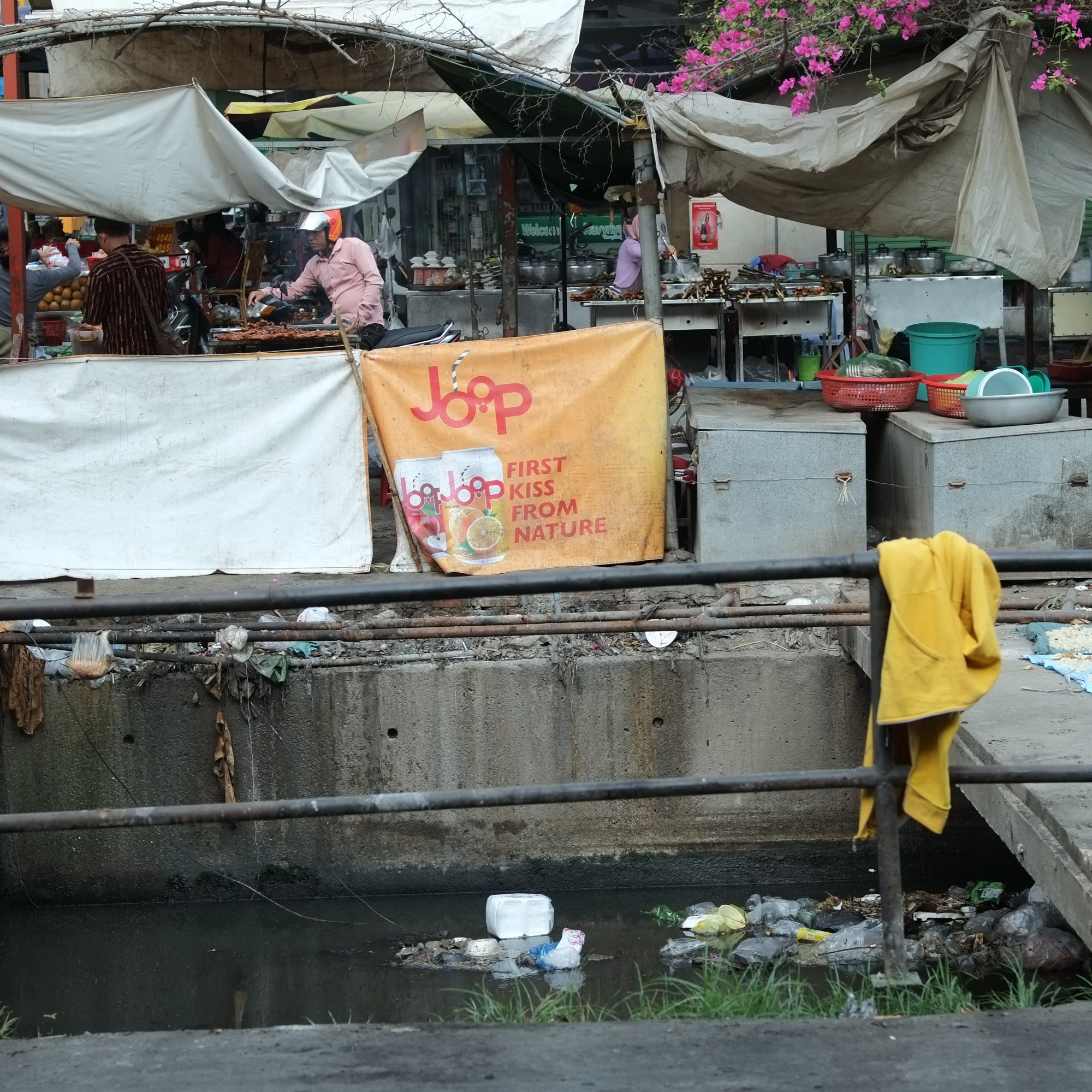
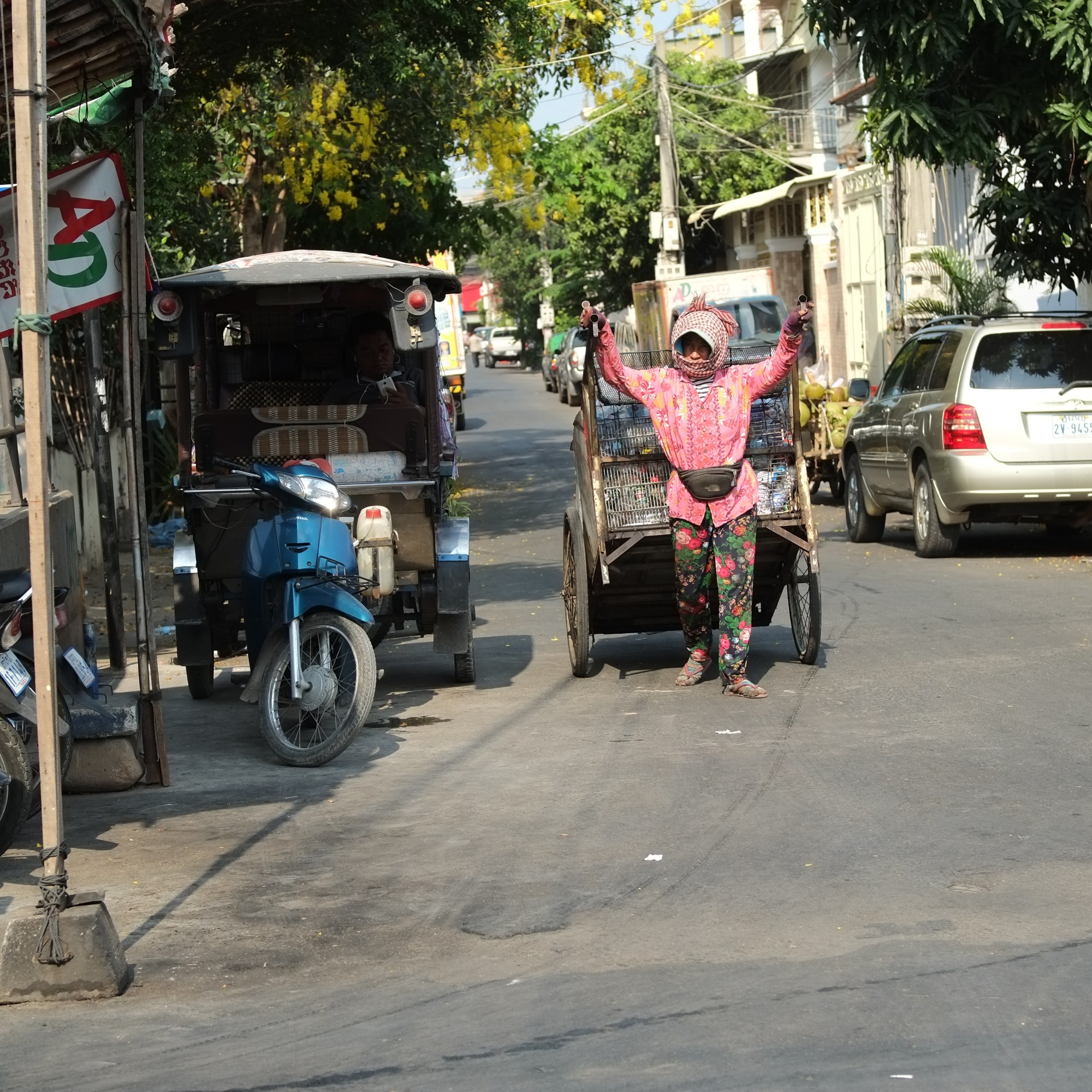
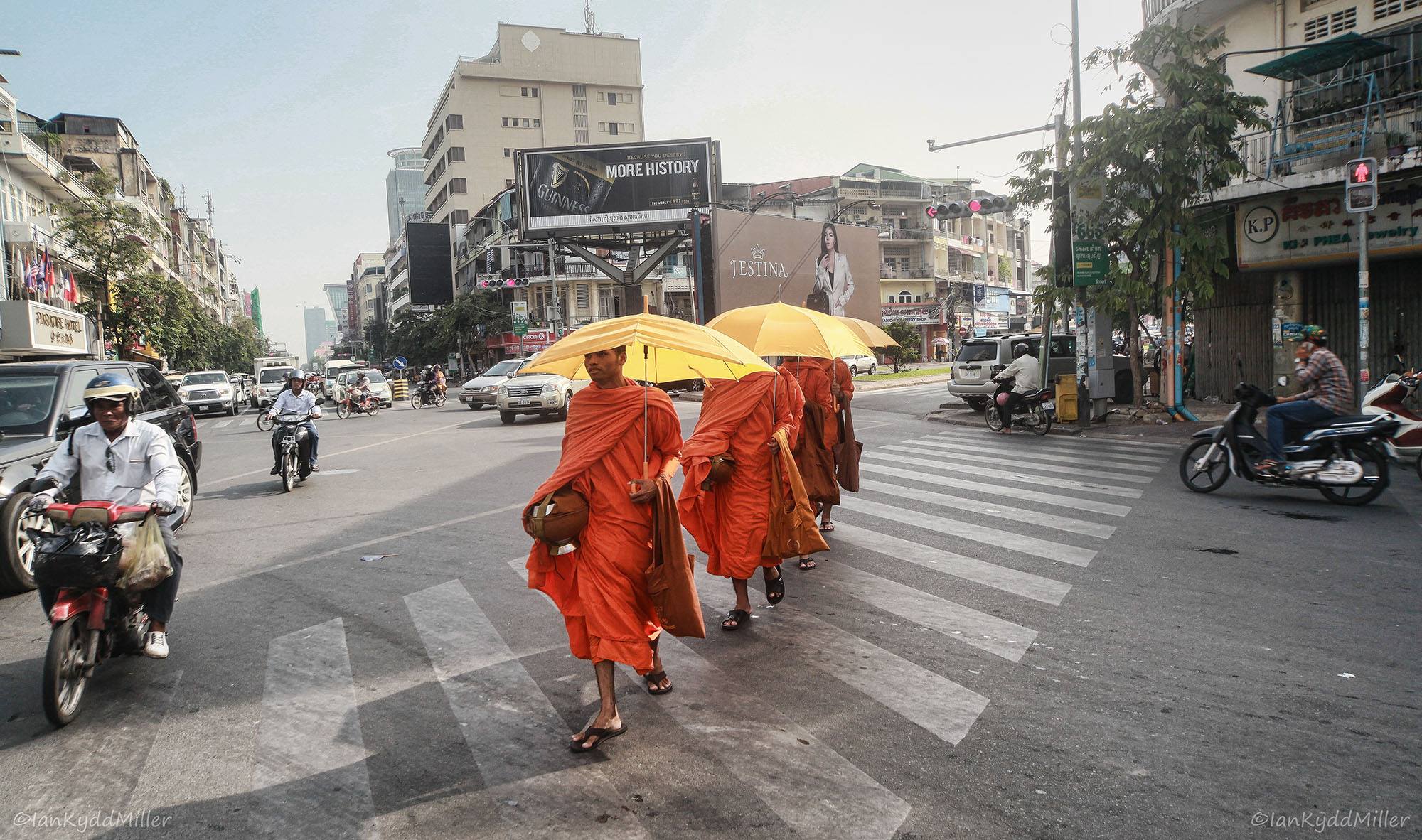
Used close, the lens places the viewer inside the scene. At a market stall, it can show the person, their hands, the goods they are selling and the cramped space in which they work. During a demonstration or public gathering, it can hold the central action and the reaction around it. On a narrow Phnom Penh street, it can include the traffic, buildings and human congestion without forcing the photographer against the opposite wall.
But closeness matters. Stand too far back and people become insignificant figures floating in a large amount of scenery. The photograph may contain everything while saying almost nothing.
The 14mm focuses down to 18 centimetres in its close-focus setting, although its maximum reproduction ratio is only 0.12×. More useful is its traditional focus clutch. Pulling the focusing ring backwards reveals a proper distance scale and changes the lens to manual focus. This is especially valuable for street work.
Set the lens to f/8, choose a suitable distance and allow depth of field to do the work. With such a short focal length, a large part of the scene can remain acceptably sharp. The X-Pro1’s uncertain autofocus then becomes largely irrelevant. The photographer watches the subject rather than waiting for a green confirmation box.
The optical viewfinder is part of the X-Pro1’s charm, but the electronic viewfinder is usually more practical with the 14mm. It shows the actual coverage and makes it easier to judge the frame edges. With a lens this wide, a small change in camera position can substantially alter the relationship between foreground and background.
There is no optical stabilisation and neither the camera nor lens is weather-sealed. The aperture ring is also lighter than I would prefer and should be checked occasionally. It can move while the camera is being carried. These are working limitations rather than reasons to dismiss the combination.
At f/2.8 the lens is useful in subdued light, although this is not primarily a lens for shallow depth of field. Even wide open, much of the scene remains recognisable. Its purpose is not to isolate a face against a wash of blur. It is to connect the face to a place.
That makes the X-Pro1 and 14mm a demanding but honest pairing. It does not make composition easy, and it does not hide untidy thinking. The camera slows the photographer down; the lens insists that everything within the frame be considered.
When it works, the resulting photograph does more than show a person. It shows where they are, what surrounds them and how they occupy that small part of the world.
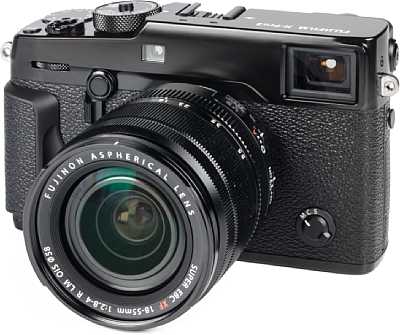
The Fuji X Pro 1 is the first of the generation of X Pro’s to be introduced in 2011/12 following the X100. It was considered at the time as a beefed-up version of the X100 but with interchangeable lenses. The X-Pro1 is overall very much like the X100 but with some welcome tweaks and refinements. The essence of the control layout is unchanged, with top-plate shutter speed and exposure compensation dials, a front-mounted lever for viewfinder mode selection, and a shutter button threaded for a traditional cable release.
It did have a few initial problems, slow focusing being the major one (pretty much fixed in following firmware updates) but it will never be a speed demon. I have been using it for several years now and have never found this to be a problem that I cannot workaround. Not a camera to be used for sport or fast-moving subjects. The camera does make you think a little.
Is it capable of getting the images that I want, and in high quality, that is mainly what I am concerned with, and the answer is resoundingly yes (with a little brainpower from the photographer. The sensor is astounding and gives wonderful, film-like, quality. I like the retro design of the camera with its external controls, but it is still configurable to my way of working. This is what I like most about this little box.
My camera is used to make images of things that I find of interest and should be able to produce ”still” images that meet my standards and with care be usable straight from the camera. I rarely find the need with this camera to use RAW images as it gives very satisfying results with its in-camera JPEGS and film simulations. Used with the high-quality FUJICRON lenses the results can be phenomenal.
I originally come from a town in the United Kingdom, called Warrington in Cheshire between Liverpool and Manchester. Warrington Museum & Art Gallery displays artefacts from around the world, plus archaeological finds and paintings. Gulliver’s World theme park offers children’s rides. Nearby, a canal runs through leafy Sankey Valley Park, with wildlife, paths and sculpture. South, imposing Walton Hall has parkland, formal gardens and a children’s zoo.
I have used Canon and Nikon cameras and lenses for many years and love there reliability and sturdiness. I have recently (over the last 2 years) become a real fan of Fujifilm cameras along with their superb range of lenses.
I have taken a real fancy to the X Pro range (1 and 2) and also have an AE2 which is cheaper but just as effective. The lenses are what make the cameras so good, the retro design of the cameras, the lightweight is complimented by some superbly sharp and contrasty glass and great prices.
X Pro 2 with 23mm f2 lens
I am not a technical photographer, I make pictures that I enjoy and the Fuji’s have helped me do this in a number of ways. They have a number of in built feates that I appreciate and are not available in other cameras. The cameras have their on set of fujifilm like camera profiles that I find most useful, enabling me to change from Fuji Vevia, Provia and others, in camera. You can ebven shoot three different profile at the same time, plus monochrome if you like (which I do often).
This ability to do the processing (of JPEGS) in the camera has saved me much time in post processing and I have all but stopped using RAW as I can tune the cameras to give me the images I want in JPEG.
(PROVIA/STANDARD)Standard color reproduction. Suited to a wide range of subjects, from portraits to landscapes
(Velvia/VIVID)A high-contrast palette of saturated colors, suited to nature photos
(ASTIA/SOFT)Enhances the range of hues available for skin tones in portraits while preserving the bright blues of daylight skies. Recommended for outdoor portrait photography
(CLASSIC CHROME)Soft color and enhanced shadow contrast for a calm look
(PRO Neg. Hi)Offers slightly more contrast than
(PRO Neg. Std). Recommended for outdoor portrait photography
(PRO Neg. Std)A soft-toned palette. The range of hues available for skin tones is enhanced, making this a good choice for studio portrait photography
(ACROS) *Take black-and-white photos with rich gradation and outstanding sharpness. Available with yellow (Ye), red (R), and green (G) filters
(MONOCHROME) *Take pictures in standard black and white. Available with yellow (Ye), red (R), and green (G) filters
(SEPIA)Take pictures in sepia.
*** Filters deepen shades of gray corresponding to hues complementary to the selected color. The yellow (Ye) filter deepens purples and blues and the red (R) filter blues and greens. The green (G) filter deepens reds and browns, including skin tones, making it a good choice for portraits.
Probably my favourite Fuji camera would be the X Pro 2. As seen in the main picture above. I like the simple design and functionality. It looks like an old rangefindger camera but function and punches above it weight.
Newly-developed 24.3MP X-Trans CMOS III APS-C sensor reduces moiré and false colors to dramatically improve image quality and X-Processor Pro engine increases response times, achieves faster AF, lower noise and better color reproduction
Advanced Hybrid Multi Viewfinder featuring a Multi-Magnification function that automatically switches view-finder magnification according to the lens and simultaneous EVF over OVF display
Electronic shutter maximum speed of 1/32000 sec and a focal plane shutter with a top speed of 1/8000 sec. with flash synchronization of up to 1/250 sec.
Intelligent Hybrid Phase detection AF with 273 selectable AF points, Dual SD Slots. Operating temperature is minus 10 degree Celsius to plus 40 degree Celsius
16 Film simulation modes including the new ACROS monochrome mode and Grainy effect
Using the knowledge gained from accurately reproducing color in film manufacturing, Film Simulation allows the user to change color and tone settings to match the subject, scene and creative intent, just as if shooting with a roll of film. There are a total of 15 modes including PROVIA / Standard, Velvia / Vivid and ASTIA / Soft.
The Fujifilm X-Pro2 features the new ACROS Film Simulation mode. Its features include smoother gradation, deep blacks and beautiful textures. Ultra high-quality monochrome images are possible, adding extra creativity to the general monochrome mode.
Dual SD Card Slots
The Fujifilm X-Pro2 is the first mirrorless camera to offer dual SD card slots for highly reliable data storage. Slot 1 is compatible with UHS-II standards for excellent write speeds. One of three recording methods can be selected: sequential, backup and Raw / JPEG sorting.
Images can be copied between SD cards within the camera, making image data backup possible without a PC.
This camera is tiny but it reminds me of a mini X Pro 1. It lacks a few of the features of the X Pro cameras but it is capable of damned fine images.16MP APS-C X-Trans II CMOS sensor
16MP APS-C X-Trans II CMOS sensor
7 frames per second continuous shooting
Phase detect AF
ISO200 – 6400 (expandable ISO 100, 12800, 25600)
1080/60p, 30p HD video
3 inch LCD with 1,040,000 dots
Electronic viewfinder with 2,360,000 dots and digital split image focus aid
Raw and Raw + JPEG shooting
Pop-up flash with hot shoe
SD/SDHC/SDXC
Built-in Wi-Fi
X-Trans CMOS II sensor incorporates an original color filter array with a highly random pattern, eliminating the need for an optical low-pass filter (OLPF). These filters are used in conventional systems to inhibit moiré at the expense of resolution. The X-Trans CMOS II sensor array lets the sensor capture unfiltered light from the lens, achieving an unprecedented level of resolution.
And cheap as chips now as it is ”obsolete” by whoevers standards. I have two. LOL
The ‘FUJINON XF 35mmF2 R WR’ offers a focal length equivalent to 53 millimeter* with the angle of view similar to that of the human eye and a maximum aperture of F2.0. It delivers sharp images with rich bokeh. The optical construction of 9 elements in 6 groups (including two aspherical elements) achieves the perfect balance of high image quality and compact size. The lens features the smallest diameter of the line-up and thanks to the inner focus system and stepping motor, it achieves an autofocus time of just 0.08 sec**.
The exterior of the lens is weather and dust-resistant and can work in temperatures as low as -10 degree Celsius.
This probably my most used lens of the bunch that I own, and a great price.
The lens exterior uses all metal parts to ensure it is durable enough for a wide variety of shooting situations. The fine texture of the metal parts further enhance the shooting experience and ensure it can be operated easily and accurately with wet or gloved hands. The lens features a weather- and dust-resistant structure with eight seals on the lens barrel keeping the lens protected from rain, dust and splashes of water when shooting outdoors.
An inner focus system, which moves the small and lightweight lens elements, is combined with a stepping motor to produce quiet, accurate and fast autofocus – a must for all snap shooters that need to capture a spontaneous moment.
Fujinon XF23mmF2 R WR
My second favorite lens.
Advanced image quality – ten elements in six groups, including two aspherical elements for edge-to-edge sharpness
Angle of view: 63.4°.At just 180g, the XF23mmF2 R WR is compact, lightweight, and stylish for great operability
Weather and dust resistant, capable of operating at temperatures as low as -10 Degree. Maximum magnification: 0.13x
Fast and silent autofocus: when combined with the phase detection AF system of FUJIFILM X-Pro2 or X-T2, the lens can focus in an astonishing .005 seconds
The XF23mmF2 R WR is a wide-angle lens with advanced image resolution, capable of drawing out the full performance of Fujifilm’s proprietary X-Trans CMOS sensor. It has a similar size and design flair of the existing XF35mmF2 R WR, to make up a stylish collection of compact lenses. The inner-focus AF system uses a stepping motor* to drive the focusing group of lens elements for silent and fast autofocus.
The metal exterior gives a sense of premium quality and robustness, and the aperture ring and focus ring have been designed for optimum operability. The lens is also weather and dust resistant and operates at temperatures as low as -10°C, making it an ideal choice for outdoor photography.
The XF50mmF2 R WR is a mid-telephoto lens with a focal length equivalent to 76mm*1 that delivers the very best results from Fujifilm’s unique X-Trans CMOS sensor. Its compact and lightweight design features 9 elements in 7 groups, including one aspherical ED lens, and has an inner focusing system*2, driven by a stepping motor*3 for fast and silent autofocusing. Metal parts are used extensively on the exterior for a stylish, robust design with a premium feel, while the aperture and focusing rings have been designed to be comfortable and easy to use. The lens is also weather and dust resistant, and operates in temperatures as low as -10°C, making it ideal for shooting in a variety of conditions.
The XF50mmF2 R WR will add to Fujifilm’s lineup of compact, lightweight and stylish lenses.





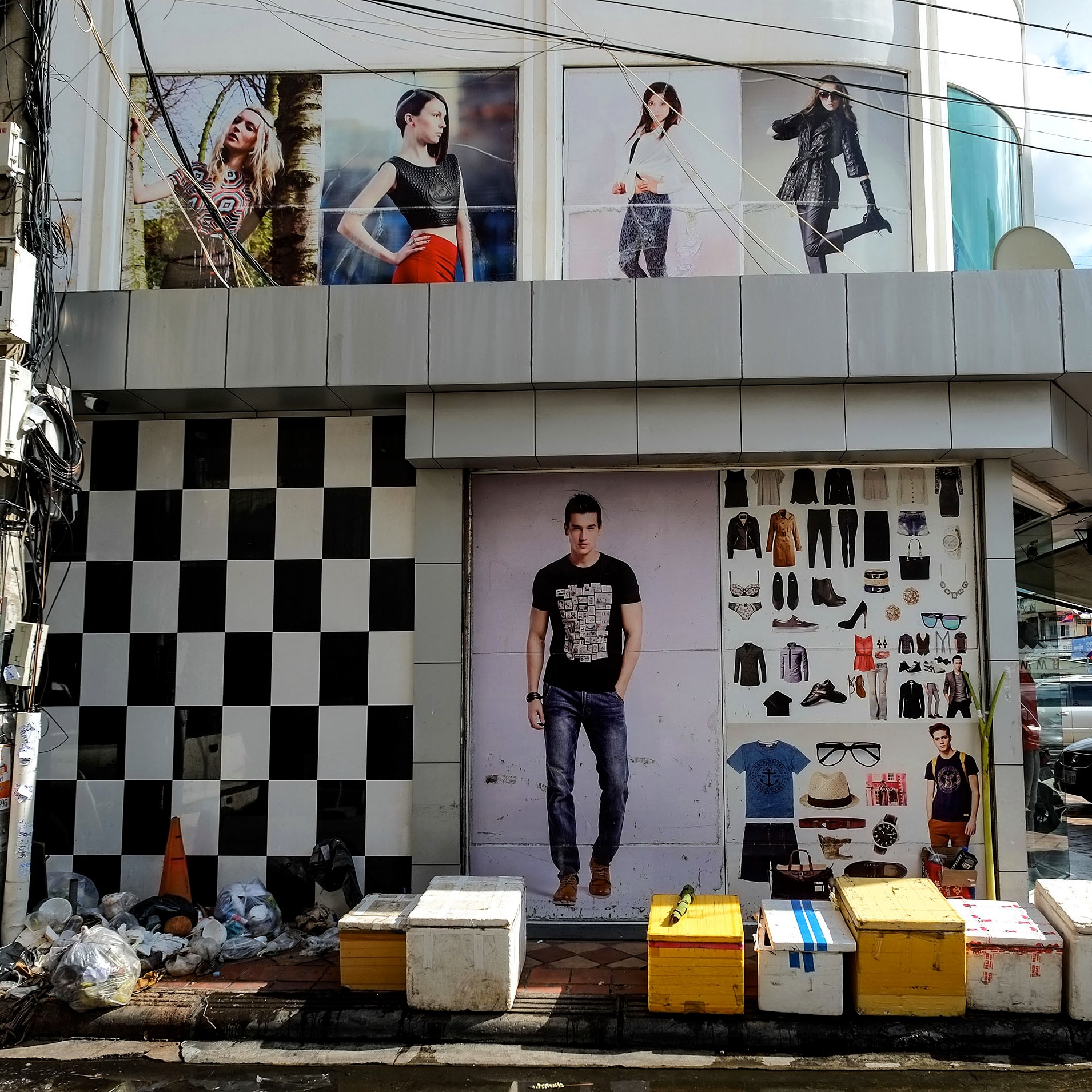
























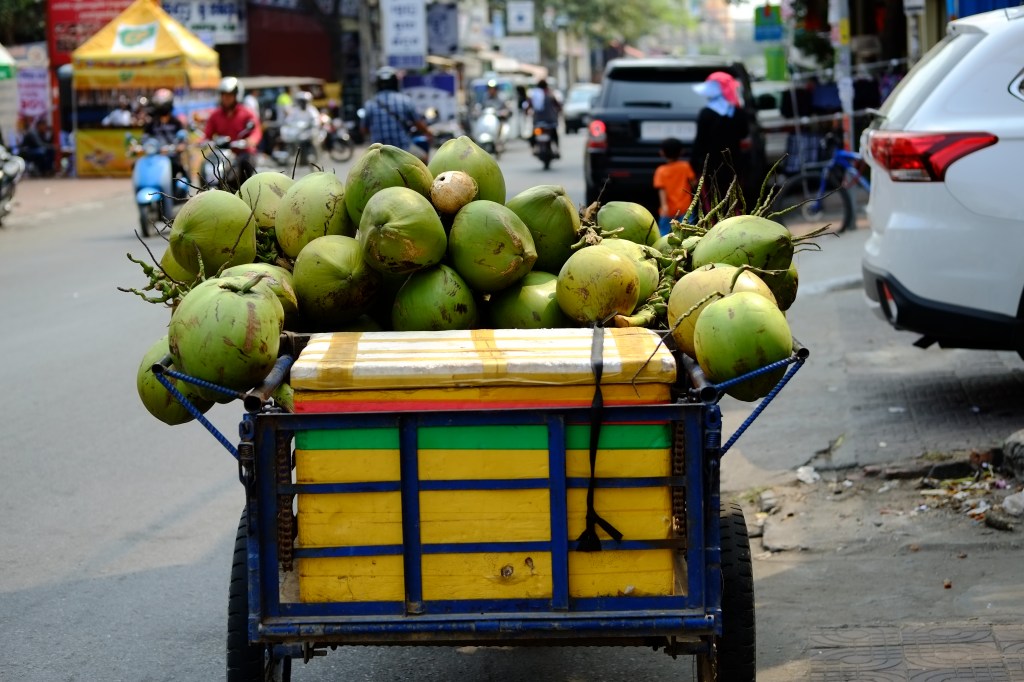


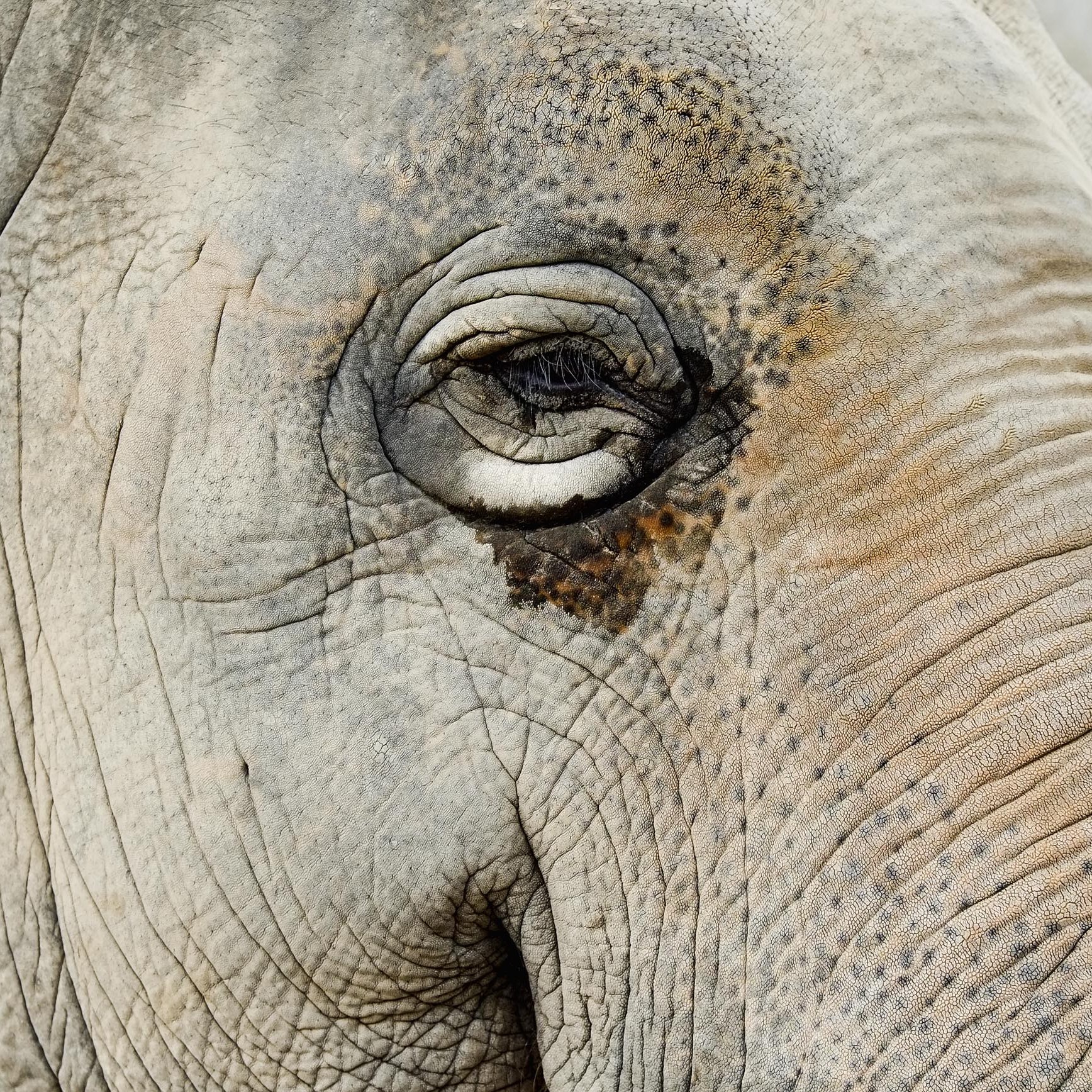







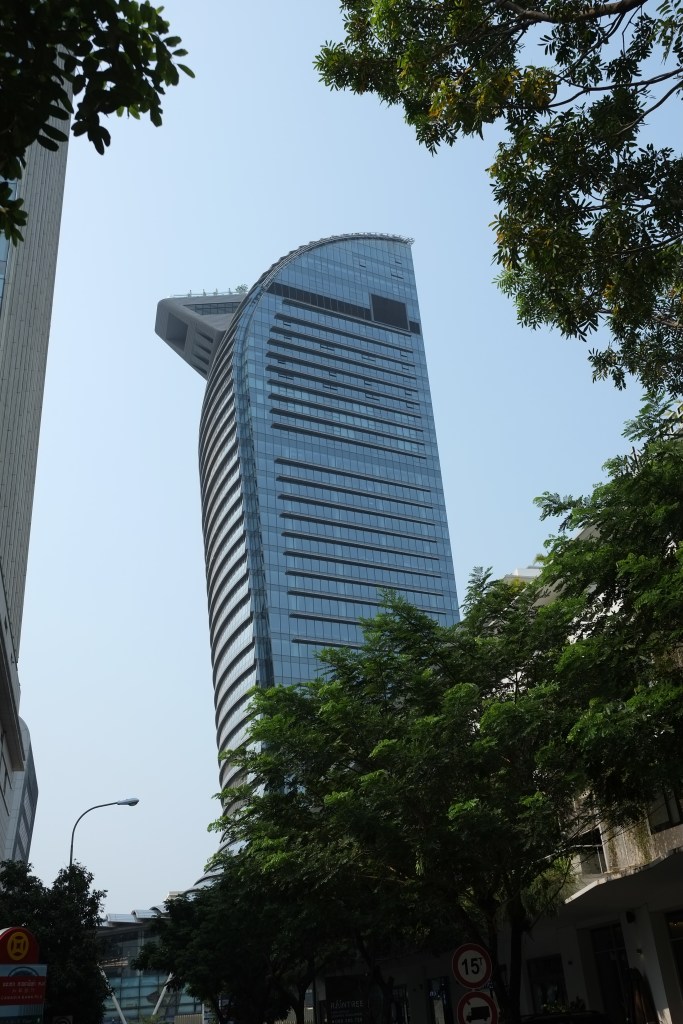

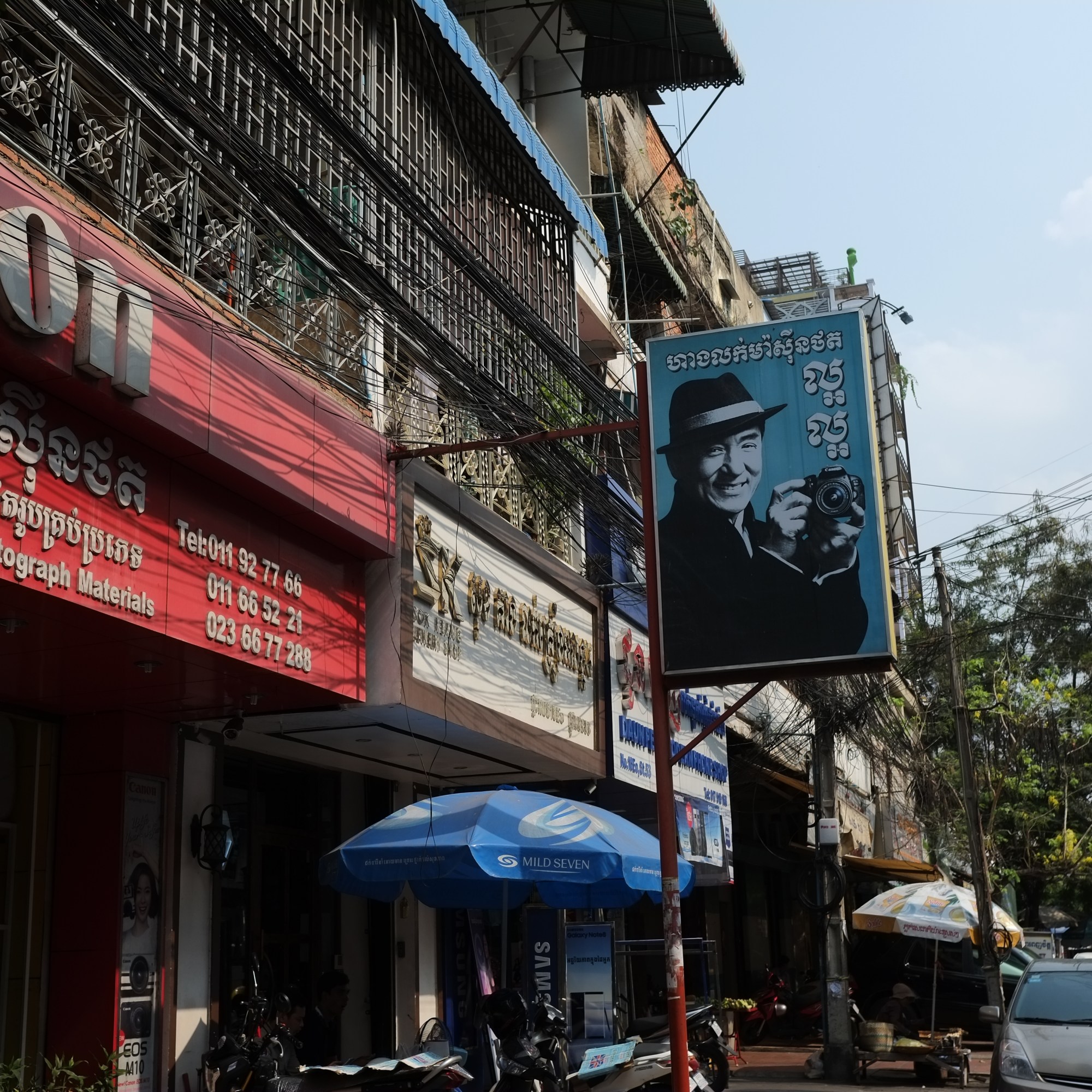


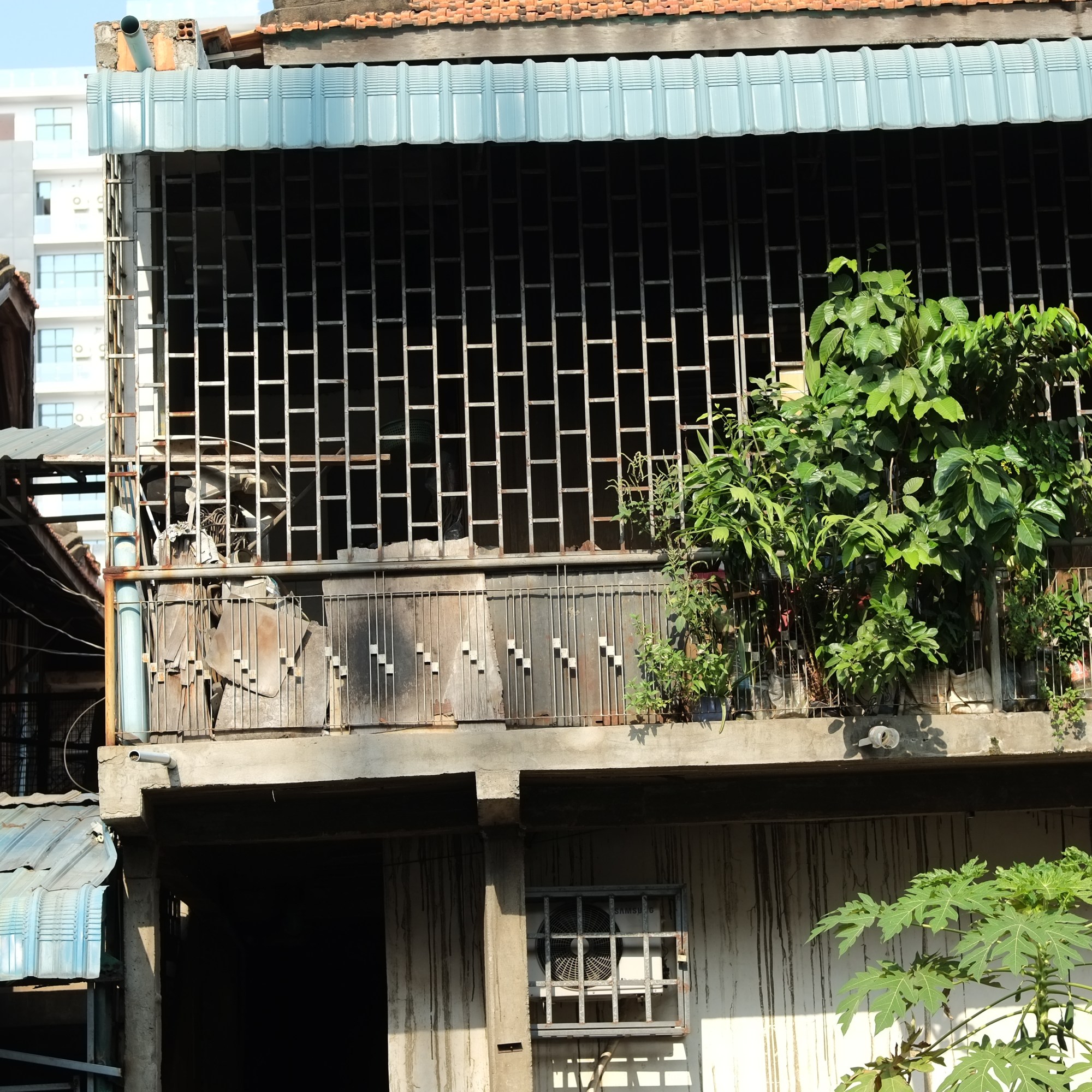













 (PROVIA/STANDARD)Standard color reproduction. Suited to a wide range of subjects, from portraits to landscapes
 (Velvia/VIVID)A high-contrast palette of saturated colors, suited to nature photos
 (ASTIA/SOFT)Enhances the range of hues available for skin tones in portraits while preserving the bright blues of daylight skies. Recommended for outdoor portrait photography
 (CLASSIC CHROME)Soft color and enhanced shadow contrast for a calm look
 (PRO Neg. Hi)Offers slightly more contrast than
 (PRO Neg. Std). Recommended for outdoor portrait photography
 (ACROS) *Take black-and-white photos with rich gradation and outstanding sharpness. Available with yellow (Ye), red (R), and green (G) filters
 (MONOCHROME) *Take pictures in standard black and white. Available with yellow (Ye), red (R), and green (G) filters
 (SEPIA)Take pictures in sepia.