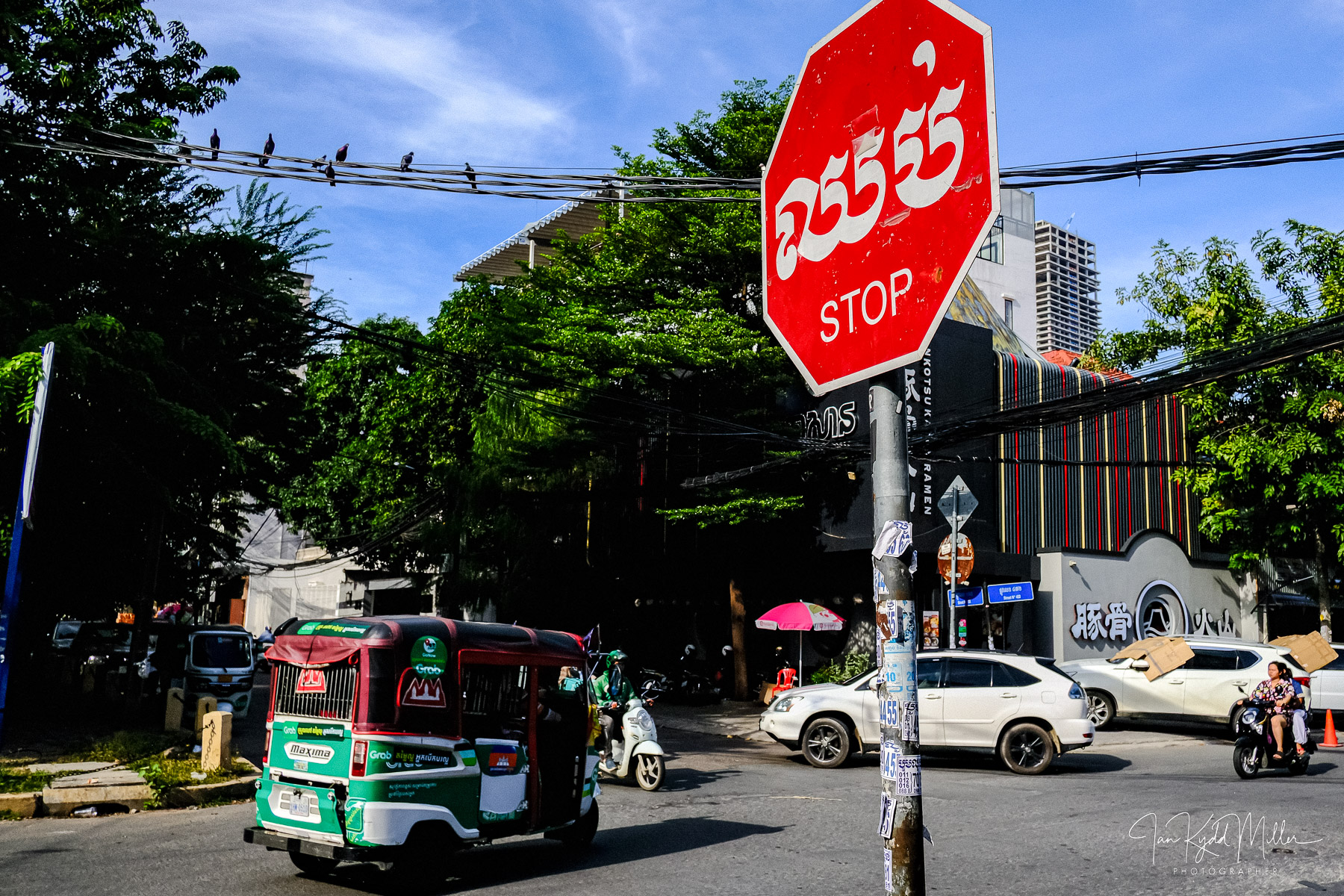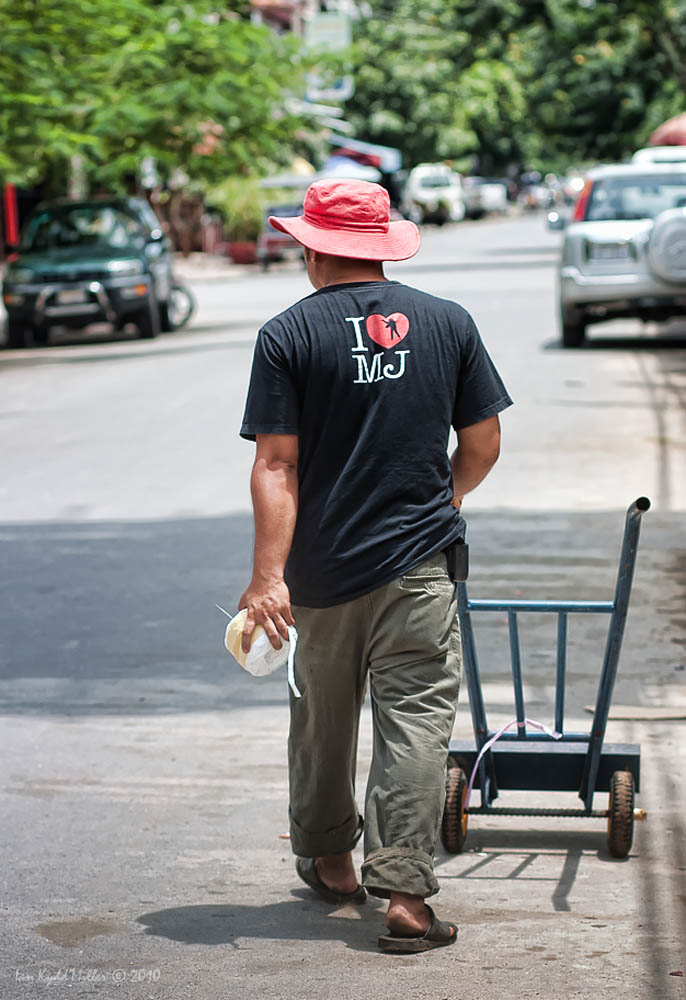
๐ŸŒŒ Viltrox 13mm f/1.4 Review: Wide, Fast, and Surprisingly Refined

fujifilm, Lenses, opinons, thoughts, photography, viltrox

A Critical Look at Viltroxโ€™s Ultra-Wide Prime for APS-C

In the world of ultra-wide primes, the Viltrox 13mm f/1.4 stands outโ€”not just for its specs, but for what it represents: a third-party lens that competes confidently with first-party glass. Designed for APS-C mirrorless systems (Fujifilm X, Sony E, Nikon Z), it offers a 20mm full-frame equivalent field of view with a bright f/1.4 aperture. Thatโ€™s a rare combination, especially at this price point.

But does it live up to the hype?

๐Ÿ” Optical Performance

Sharpness is excellent in the centre, even wide open, with only minor softness at the edges that improves by f/2.8. This makes it a strong performer for:

  • Astrophotography: minimal coma and good corner control
  • Architecture and interiors: straight lines stay straight, thanks to well-controlled distortion
  • Street and environmental portraiture: surprisingly usable for creative compositions

Chromatic aberration is minimal, and flare resistance is decent, though not flawless when shooting into strong light sources.

โš™๏ธ Build and Handling

The lens feels premium:

  • All-metal construction with weather sealing
  • Smooth manual focus ring and a clicked aperture ringโ€”a welcome tactile feature for photographers who prefer physical feedback
  • Compact and lightweight for an f/1.4 ultra-wideโ€”ideal for travel and vlogging setups

Autofocus is fast and quiet, with support for eye detection AF and EXIF data transmission. Firmware updates are possible via a USB-C port on the lens mount, a thoughtful touch for long-term usability.

๐ŸŽฏ Real-World Use

This lens shines in:

  • Low-light urban scenes: f/1.4 lets you shoot handheld at night
  • Vlogging and video: wide field of view with minimal focus breathing
  • Creative portraiture: unconventional but effective for environmental storytelling

However, itโ€™s not without trade-offs:

  • No image stabilisationโ€”rely on in-body IS or careful technique
  • Some edge softness wide open, especially on high-resolution sensors
  • No weather sealing on the front element, so use a filter in harsh conditions

๐Ÿงญ Final Verdict

The Viltrox 13mm f/1.4 is a bold, well-executed lens that punches above its weight. Itโ€™s not perfectโ€”but it doesnโ€™t need to be. For photographers and filmmakers who value wide perspectives, fast glass, and creative flexibility, itโ€™s a compelling choice.

Best for: astrophotographers, vloggers, street shooters, and anyone who wants to explore the world at 20mm equivalent. Not ideal for: those needing edge-to-edge perfection or built-in stabilisation
Elements of making a great photograph.

cameras, Lenses, opinons, thoughts, photography, pictures, street, Travel

A great photograph is built on intentional compositionโ€”where visual elements work together to guide the viewerโ€™s eye, evoke emotion, and tell a story. Key components include light, lines, balance, and subject placement.
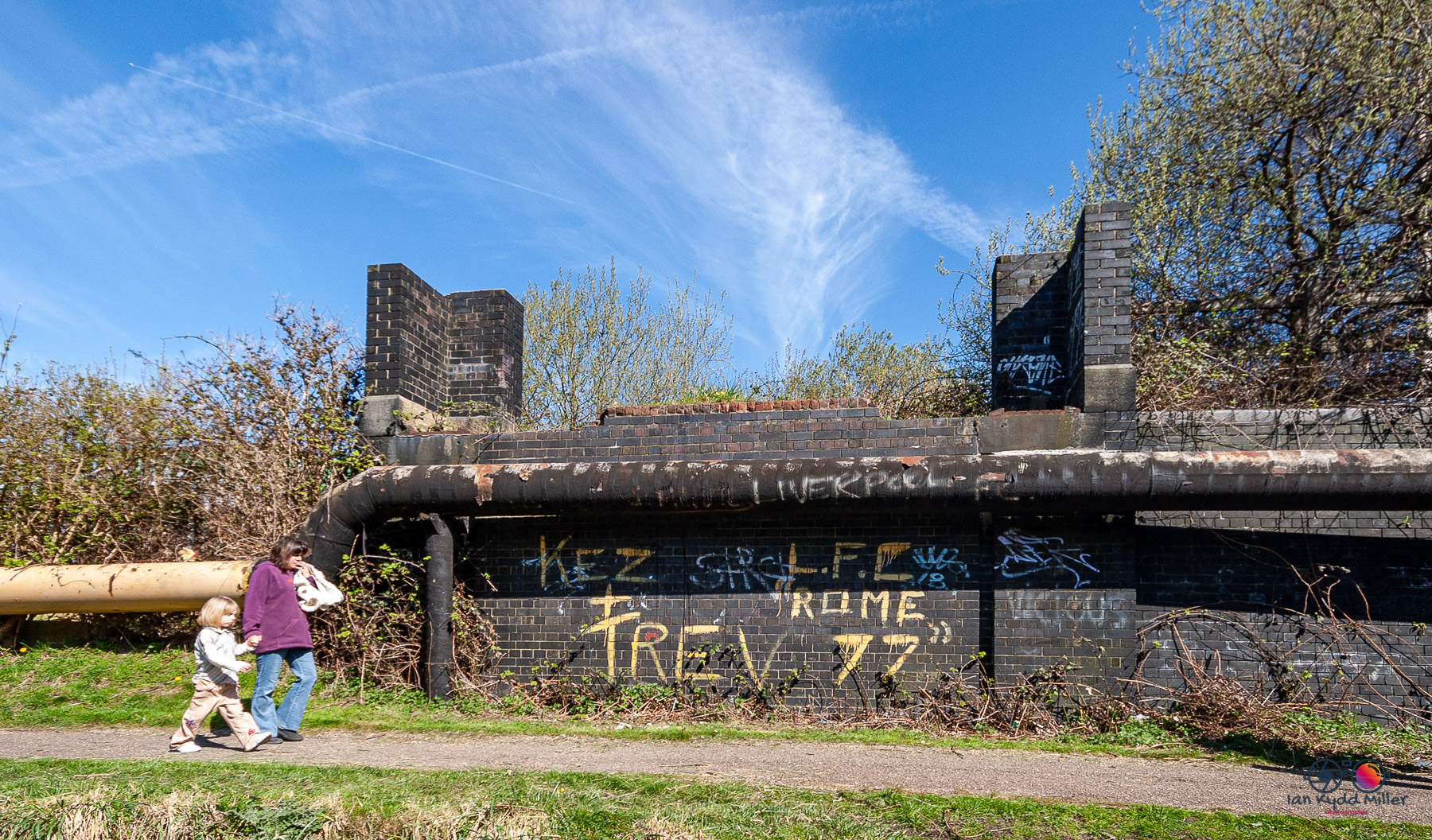
Hereโ€™s a detailed breakdown of the most important compositional elements that elevate a photograph from good to unforgettable:

๐Ÿ“ 1. Lines
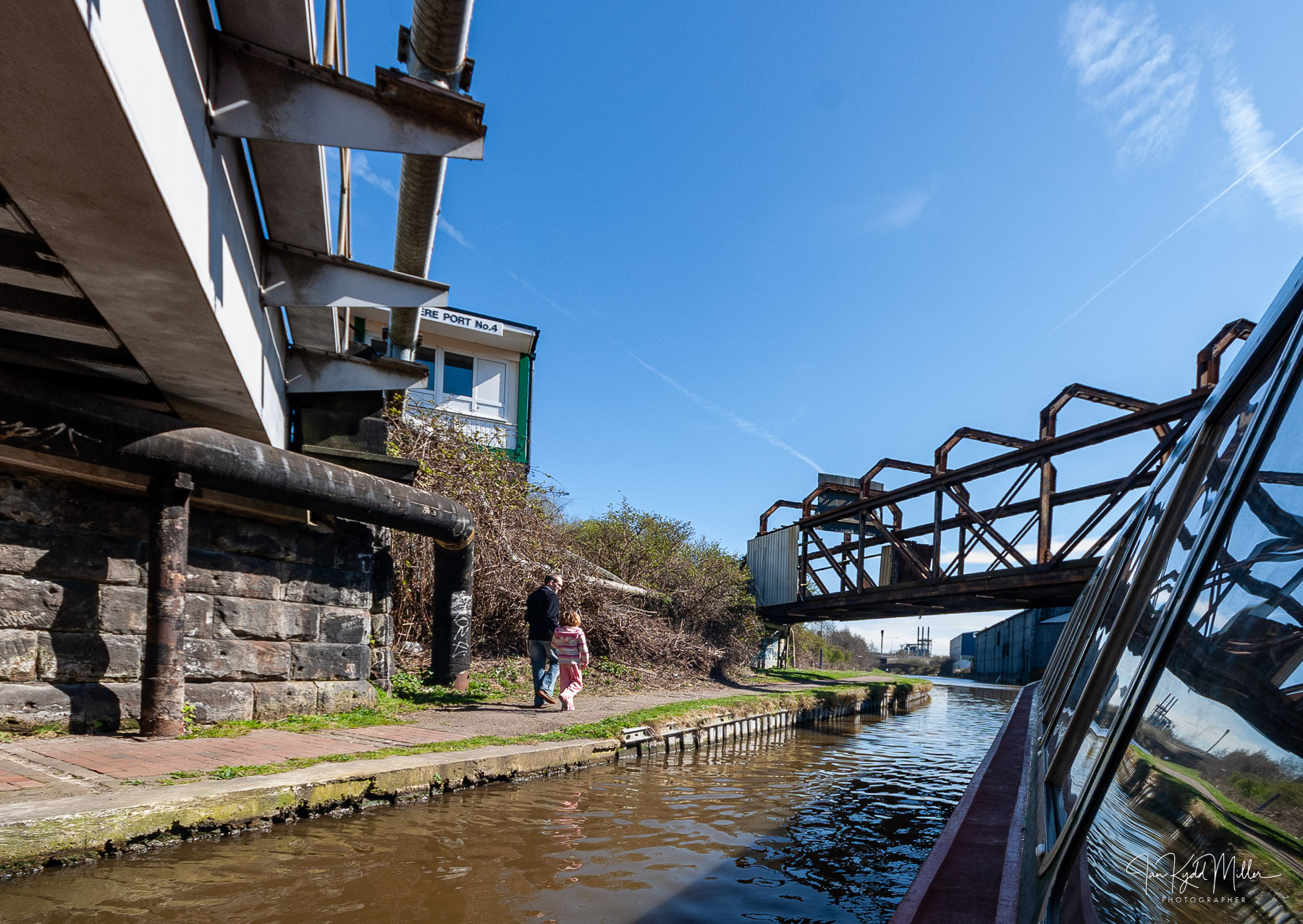
  • Leading lines (roads, fences, shadows) guide the viewerโ€™s eye toward the subject.
  • Curved lines add rhythm and softness.
  • Diagonal lines create tension and movement.
  • Lines can also divide space, suggest depth, or frame emotion.

๐ŸŽฏ 2. Subject Placement

  • Use the Rule of Thirds to place your subject off-center for dynamic balance.
  • Consider central framing for symmetry or emotional weight.
  • Ask: Where does the subject feel most honest in the frame?

โš–๏ธ 3. Balance

  • Balance can be symmetrical (mirrored elements) or asymmetrical (visual weight distributed unevenly but harmoniously).
  • Think of how light, color, and shape interact across the frame.

๐ŸŒ— 4. Light and Shadow

  • Light defines mood, texture, and depth.
  • Shadows add mystery, contrast, and emotional pacing.
  • Directional light (side, back, top) sculpts the subject and reveals form.

๐Ÿ–ผ๏ธ 5. Framing

  • Use natural or architectural elements to frame your subjectโ€”doorways, windows, foliage.
  • Framing adds context and draws attention inward.

๐Ÿง  6. Point of View

  • High angles suggest detachment or observation.
  • Low angles evoke power or intimacy.
  • Eye-level shots feel neutral and honest.

๐ŸŽจ 7. Color and Tone

  • Color can evoke emotion, contrast, or harmony.
  • Monochrome emphasizes form and light.
  • Tonal transitions (especially in black-and-white) guide emotional pacing.

๐Ÿงฉ 8. Texture and Detail

  • Texture adds tactile presenceโ€”skin, fabric, rust, stone.
  • Detail invites the viewer to linger and explore.

๐ŸŒ€ 9. Space

  • Positive space holds the subject.
  • Negative space gives breathing room, tension, or isolation.
  • Space shapes rhythm and emotional clarity.

๐Ÿงญ 10. Timing and Gesture

  • The โ€œdecisive momentโ€ isnโ€™t just actionโ€”itโ€™s emotion unfolding.
  • A glance, a hand movement, a shadow stretchingโ€”these are the moments that feel.

๐Ÿž๏ธ Khan Chbar Ampov Through a Legacy Lens

cambodia, cameras, Lenses, opinons, thoughts, photography, street, Travel

A Nikon D700 and 85mm f/1.8D Portrait of Phnom Penhโ€™s Eastern Frontier

Thereโ€™s a quiet dignity to Khan Chbar Ampov. Located on the eastern bank of the Bassac River, itโ€™s a district that bridges Phnom Penhโ€™s urban pulse with its agrarian past. And when photographed with the Nikon D700 and the Nikkor 85mm f/1.8D, that dignity is rendered with emotional clarity and technical grace.

๐Ÿ“ Chbar Ampov: Sugarcane Garden Turned Urban Artery

The name Chbar Ampov translates to โ€œSugarcane Garden,โ€ a nod to its agricultural roots. Once part of Kandal Province, the area was absorbed into Phnom Penh in 1998 and officially became its own district in 2013.

Historically, Chbar Ampov was known for:

  • Lush farmland and fresh produceโ€”corn, Logan, banana, and of course, sugarcane
  • River trade and ferry crossings, connecting communities across the Bassac
  • Spiritual and cultural sites, including pagodas and local markets that still hum with daily life

Today, itโ€™s a district in transitionโ€”still green in parts, but increasingly urbanised. Itโ€™s considered Phnom Penhโ€™s โ€œlast green frontier,โ€ where development meets memory.

๐Ÿ“ท The Gear: Nikon D700 + Nikkor 85mm f/1.8D

To photograph Chbar Ampov with this combo is to honour both place and process.

Nikon D700

  • Released in 2008, the D700 was Nikonโ€™s first affordable full-frame DSLR.
  • 12.1MP FX sensor with exceptional dynamic range and low-light performance.
  • Built like a tank, with weather sealing and a magnesium alloy body.
  • Still beloved for its film-like rendering and tonal subtlety.

Nikkor 85mm f/1.8D

  • A classic portrait lens with fast autofocus and creamy bokeh.
  • On the D700, it delivers intimate framing with respectful distanceโ€”ideal for street portraits and environmental detail.
  • Known for its central sharpness and character-rich rendering, especially wide open.

Together, they form a combo thatโ€™s responsive, grounded, and emotionally honest. Perfect for documenting a district like Chbar Ampov, where every corner holds a story.

๐Ÿ–ผ What the Image Holds

A single frame from this setup might show:

  • A vendorโ€™s silhouette against the morning light
  • A childโ€™s gesture near the riverbank
  • The texture of a weathered wall, half in shadow

The D700โ€™s sensor captures the tonal nuance. The 85mm isolates the moment. And Chbar Ampov provides the rhythm.

๐Ÿงญ Final Thought: Legacy Meets Landscape

Photographing Khan Chbar Ampov with the Nikon D700 and 85mm f/1.8D isnโ€™t just documentationโ€”itโ€™s dialogue. Between old gear and evolving place. Between restraint and curiosity. Between what was and whatโ€™s becoming.

Because sometimes, the best way to honour change is to see it through something that remembers.

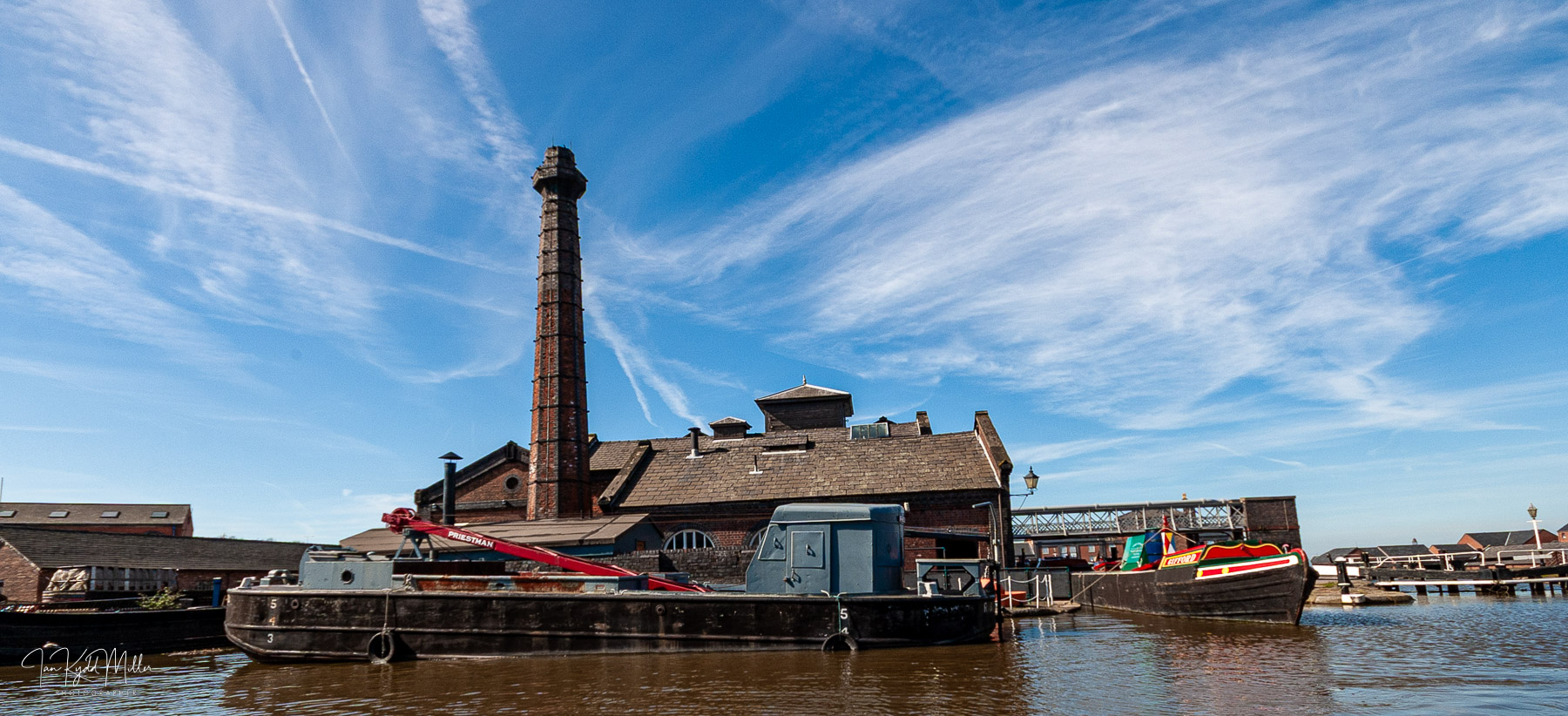
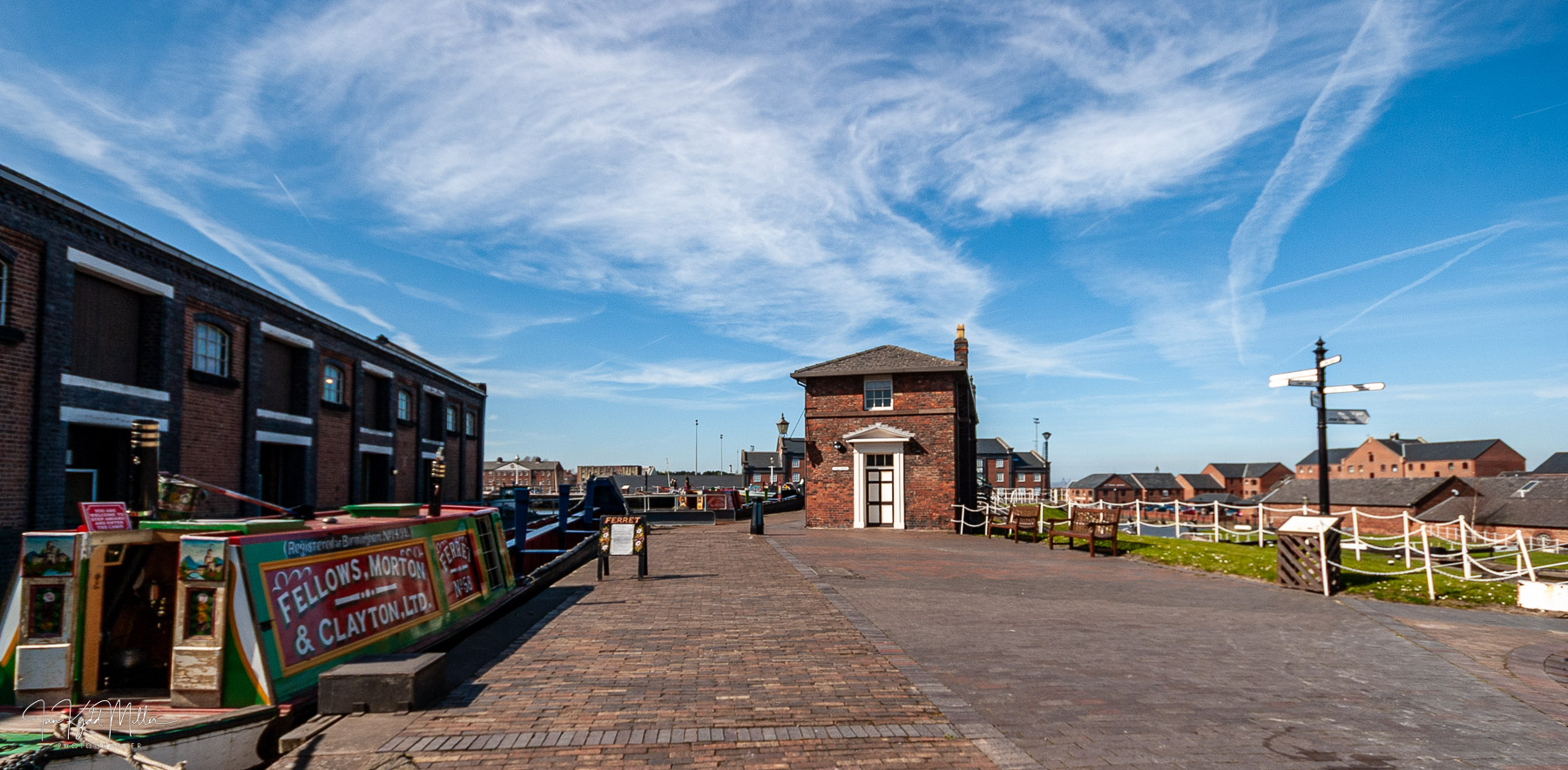
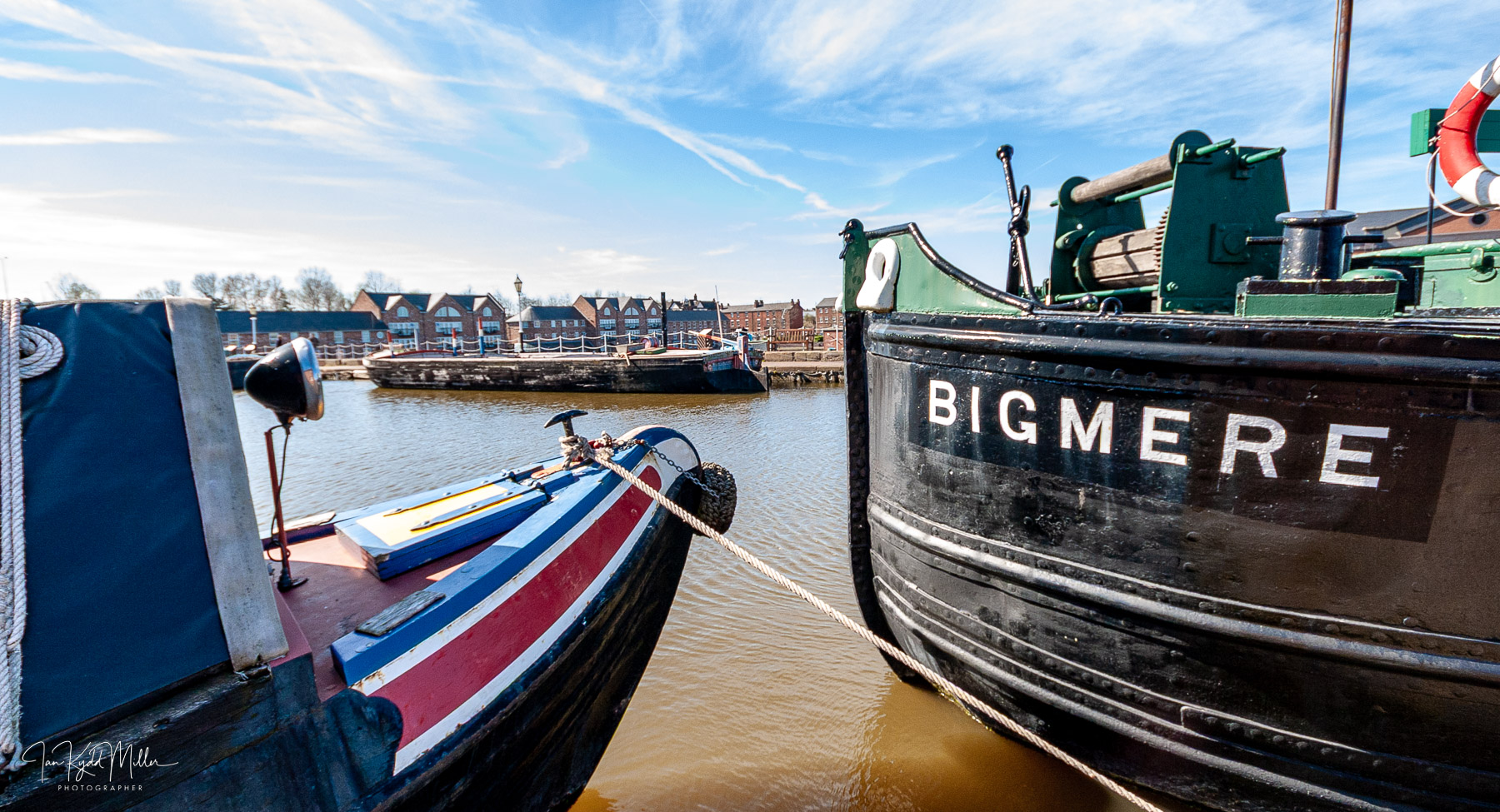
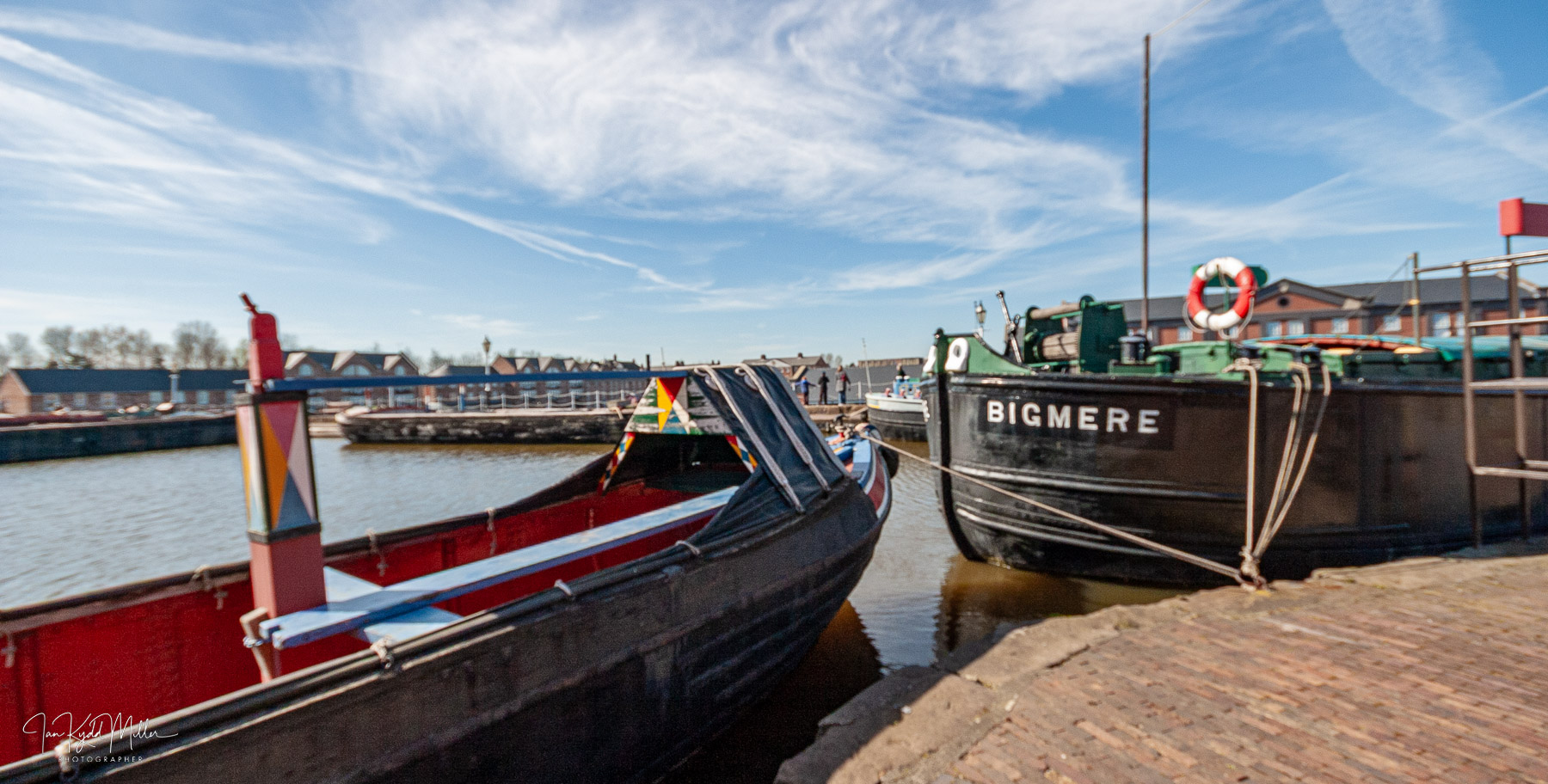
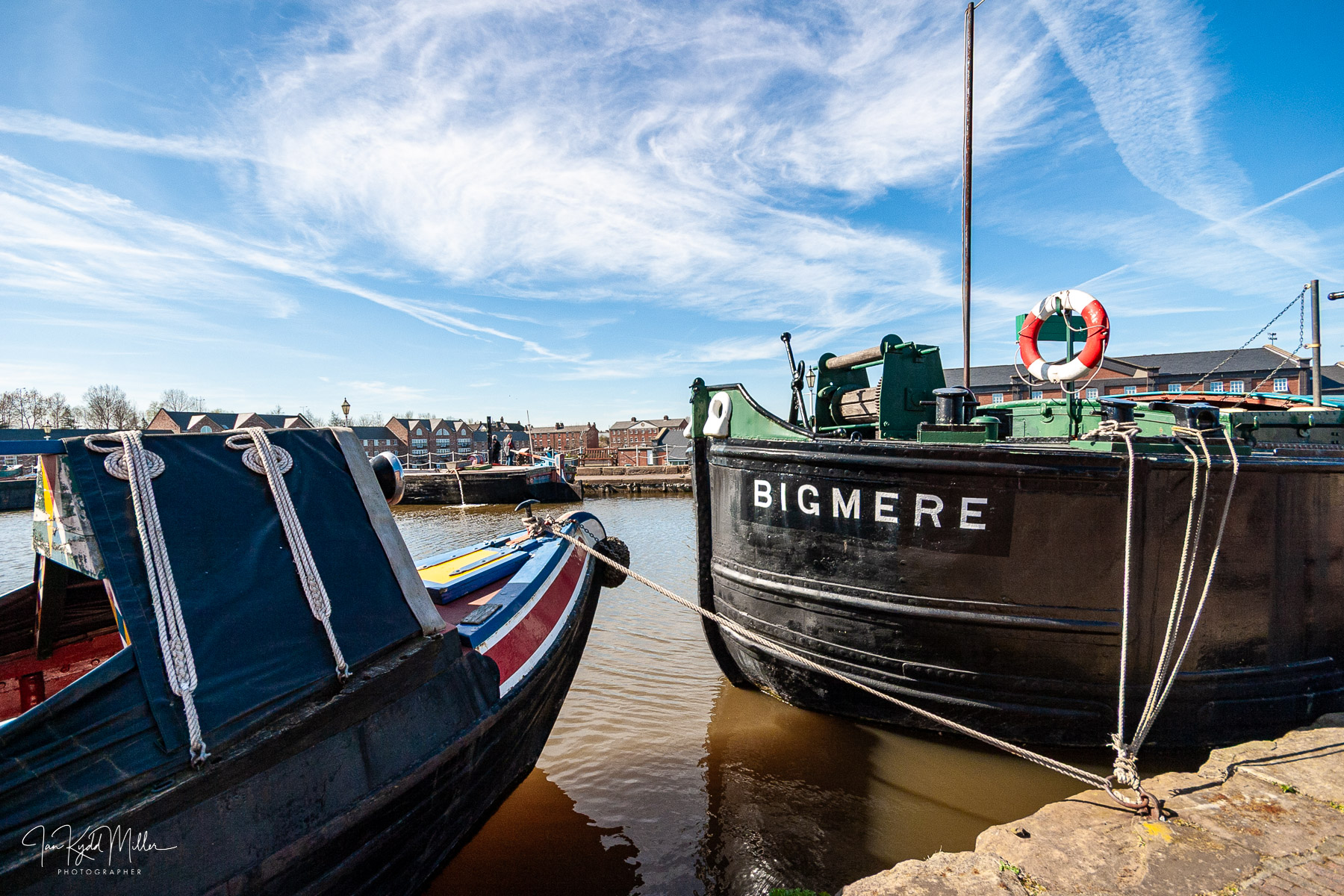
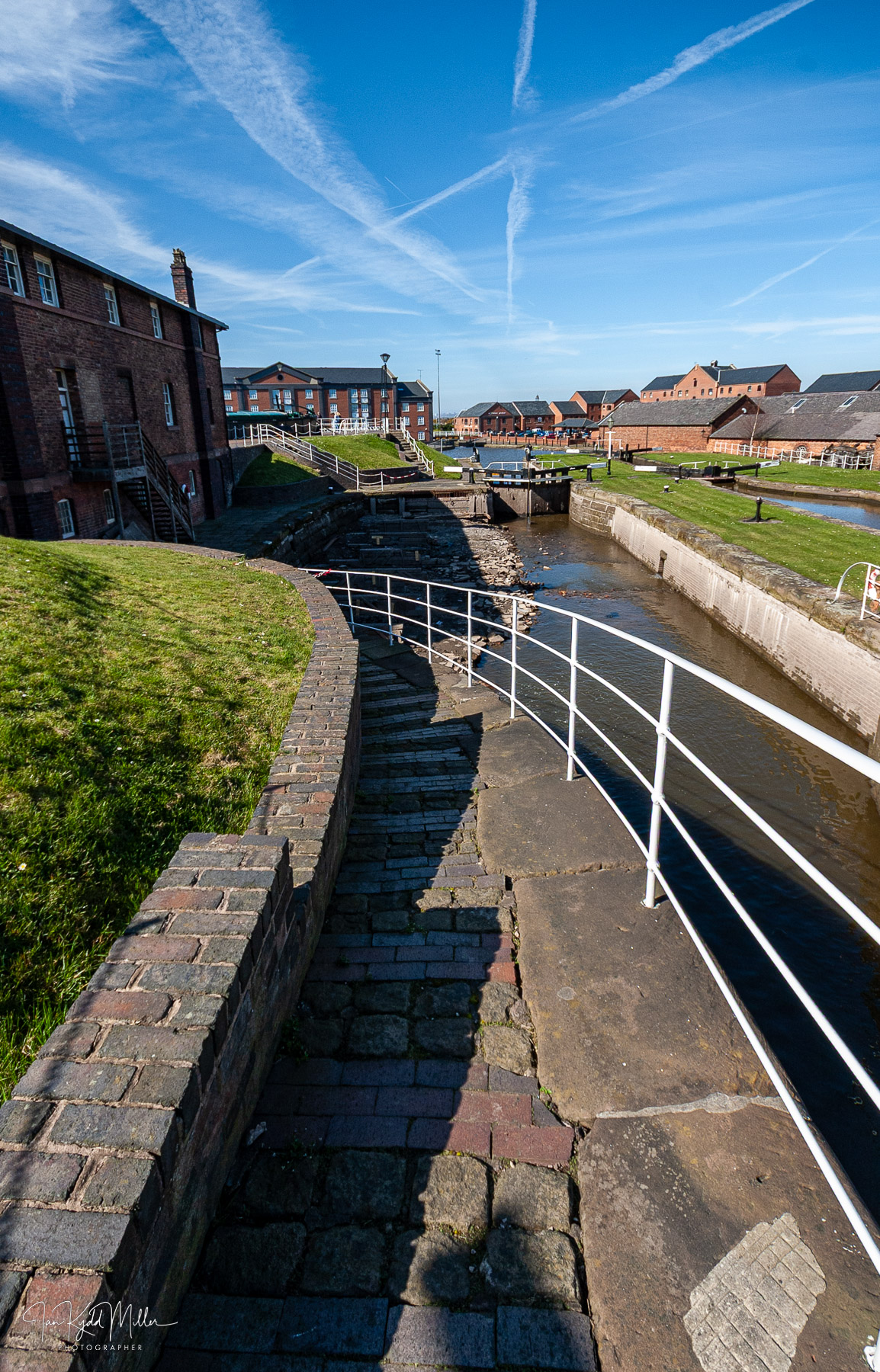
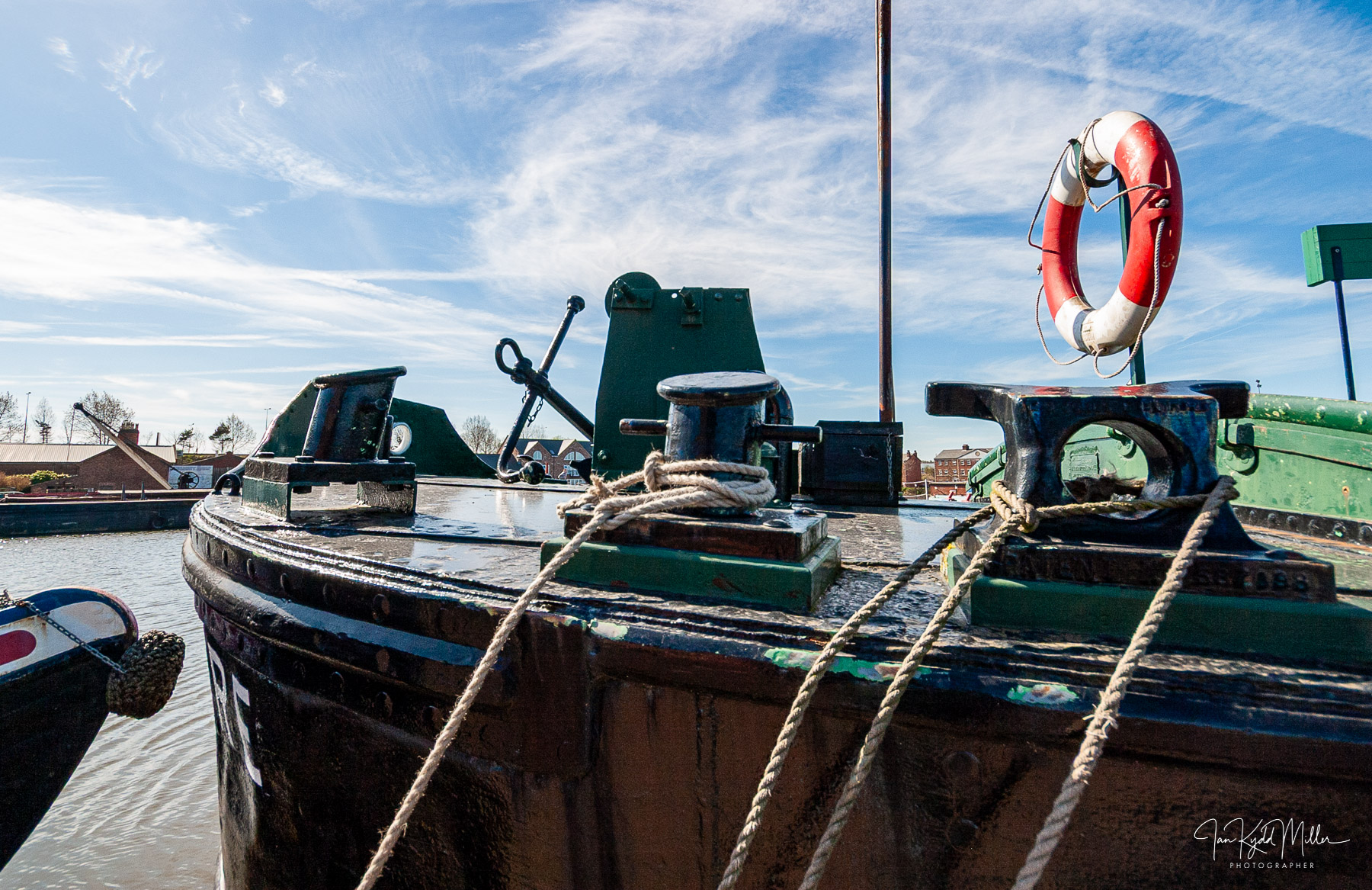
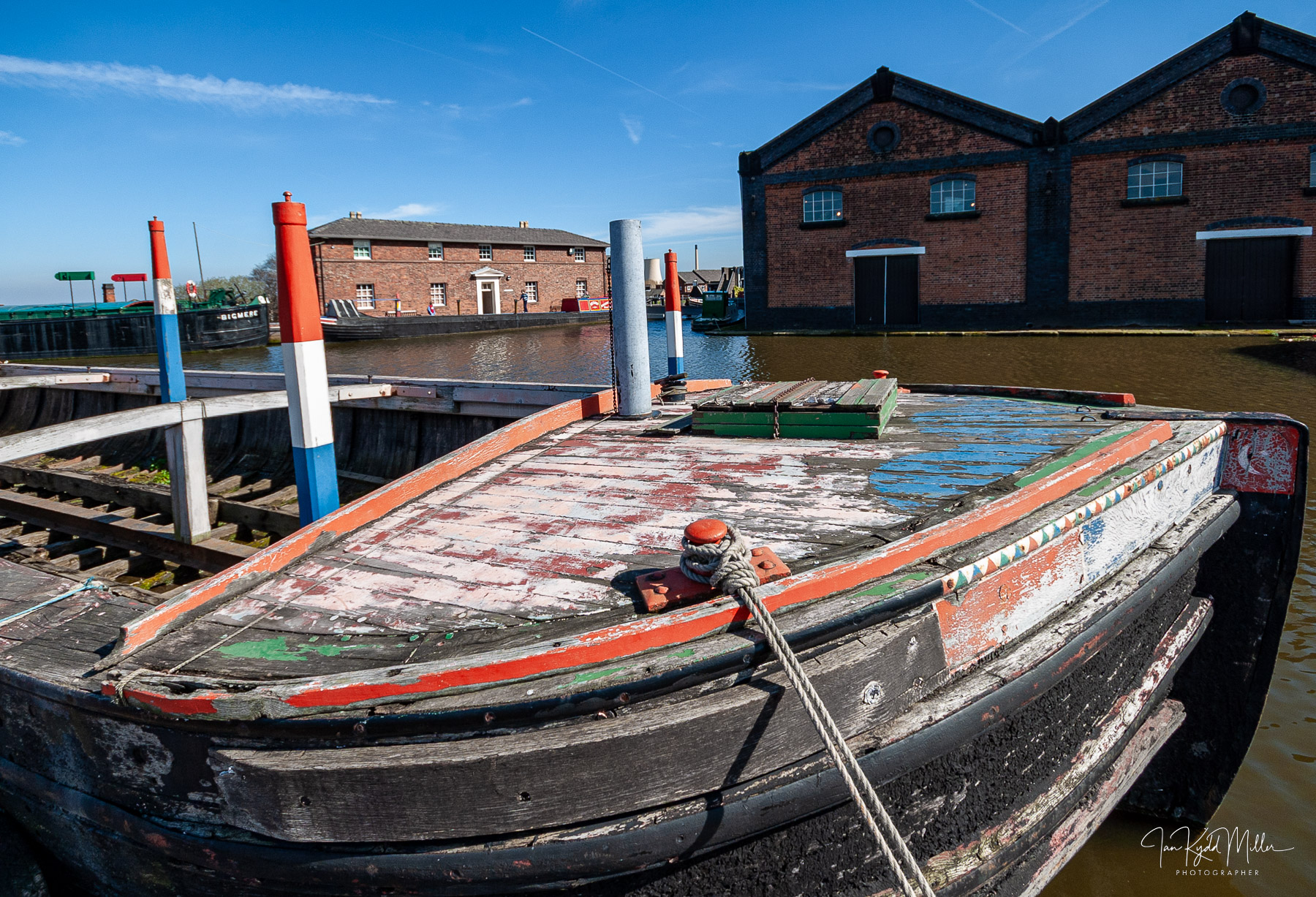
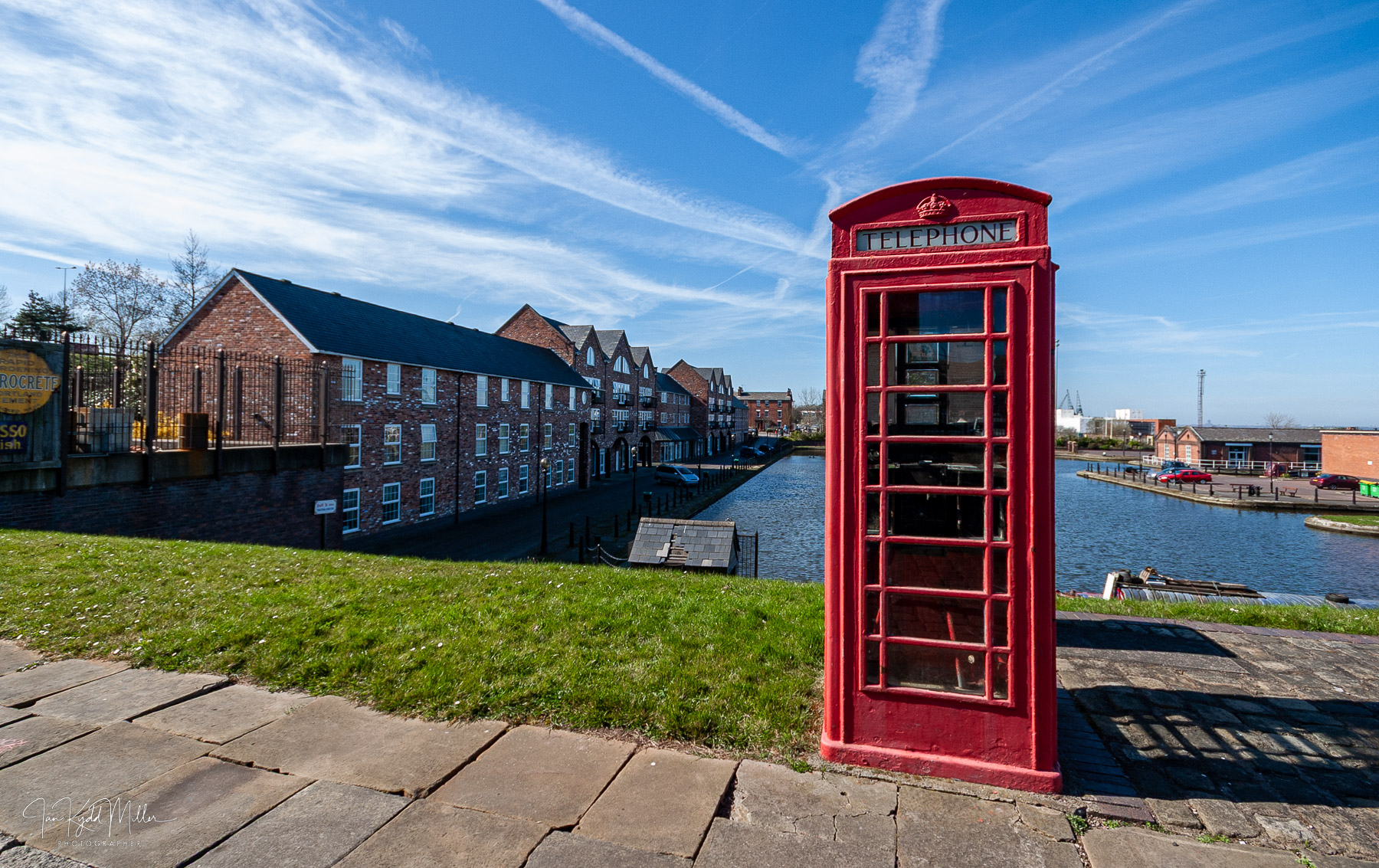
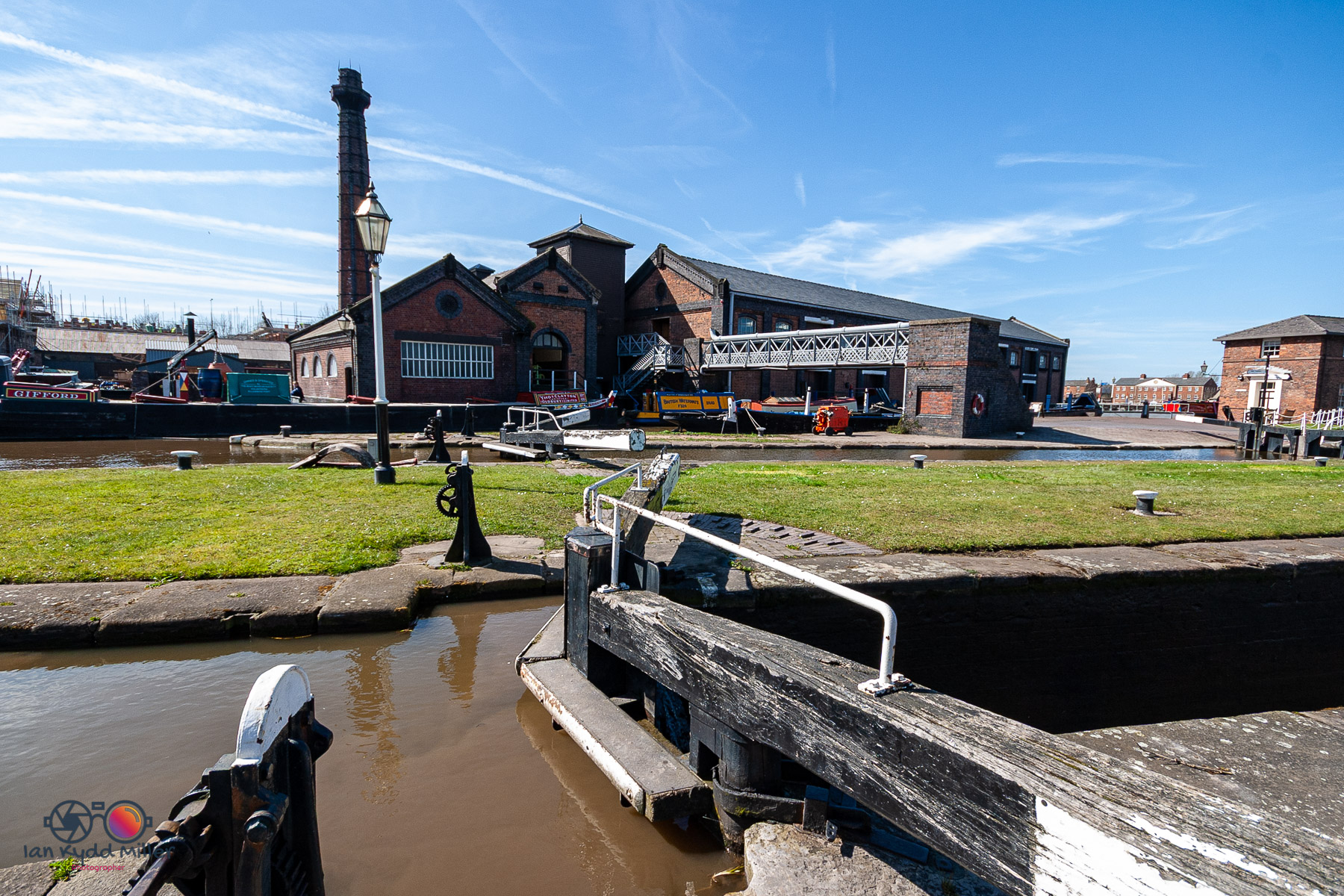
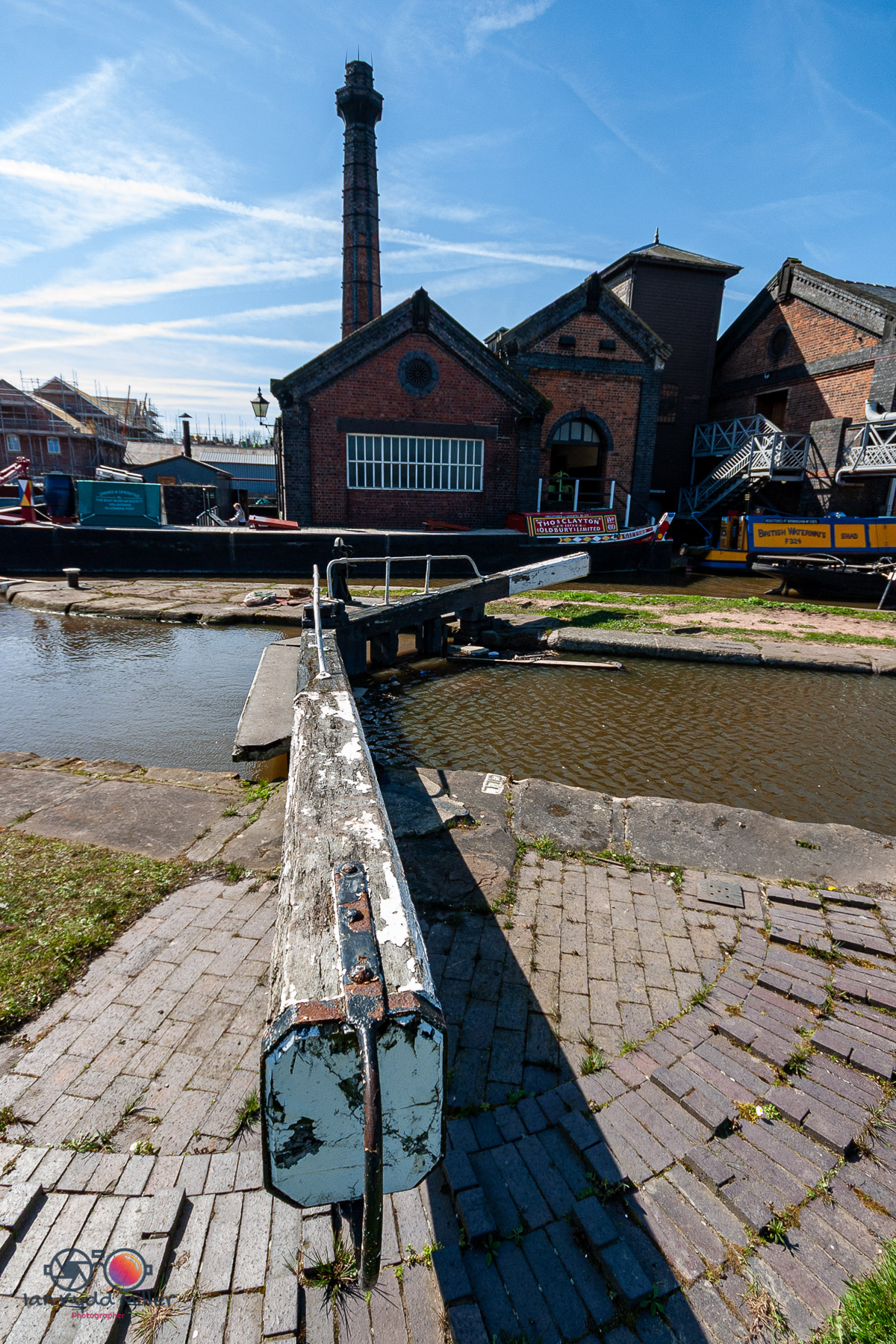
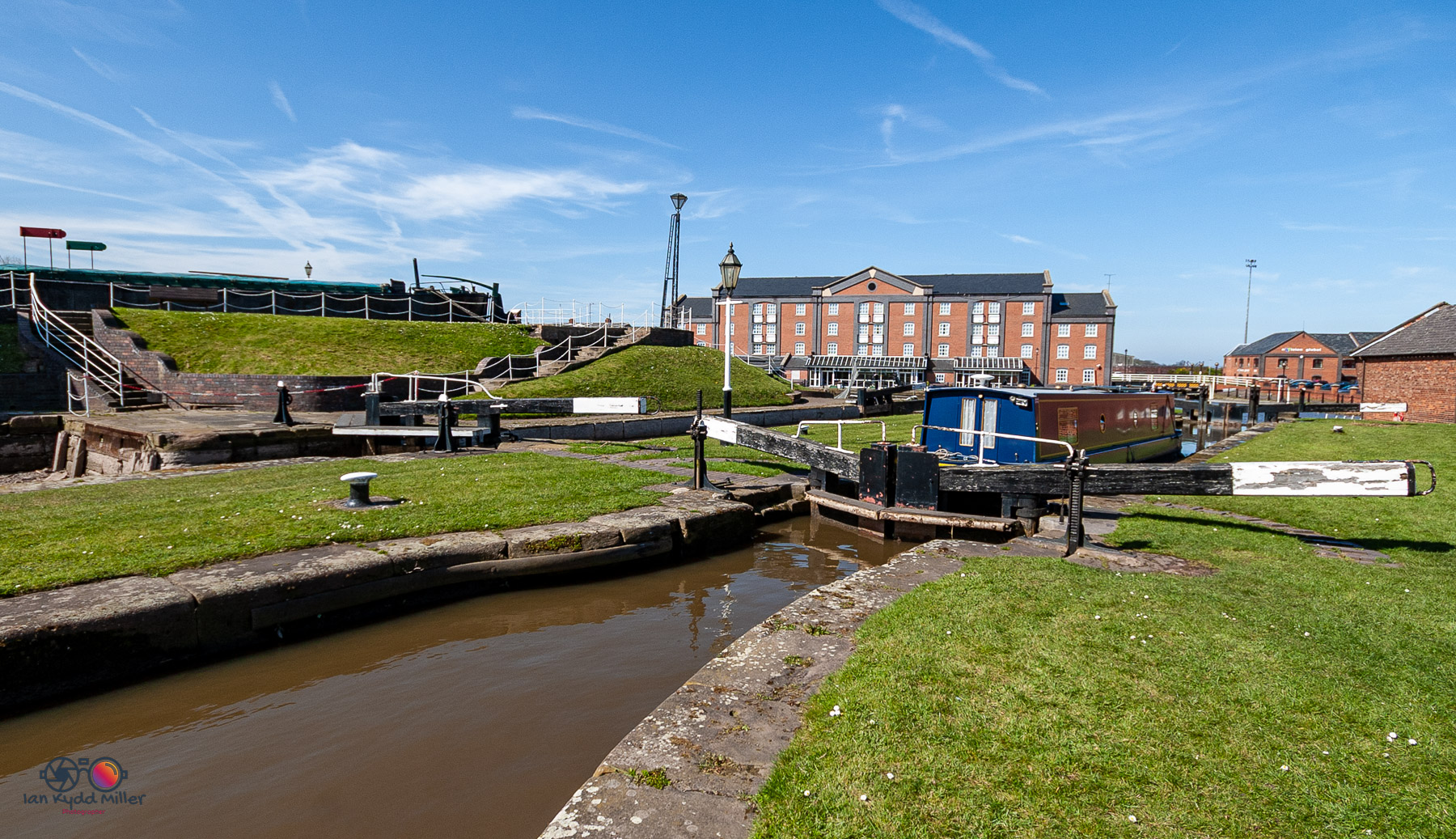
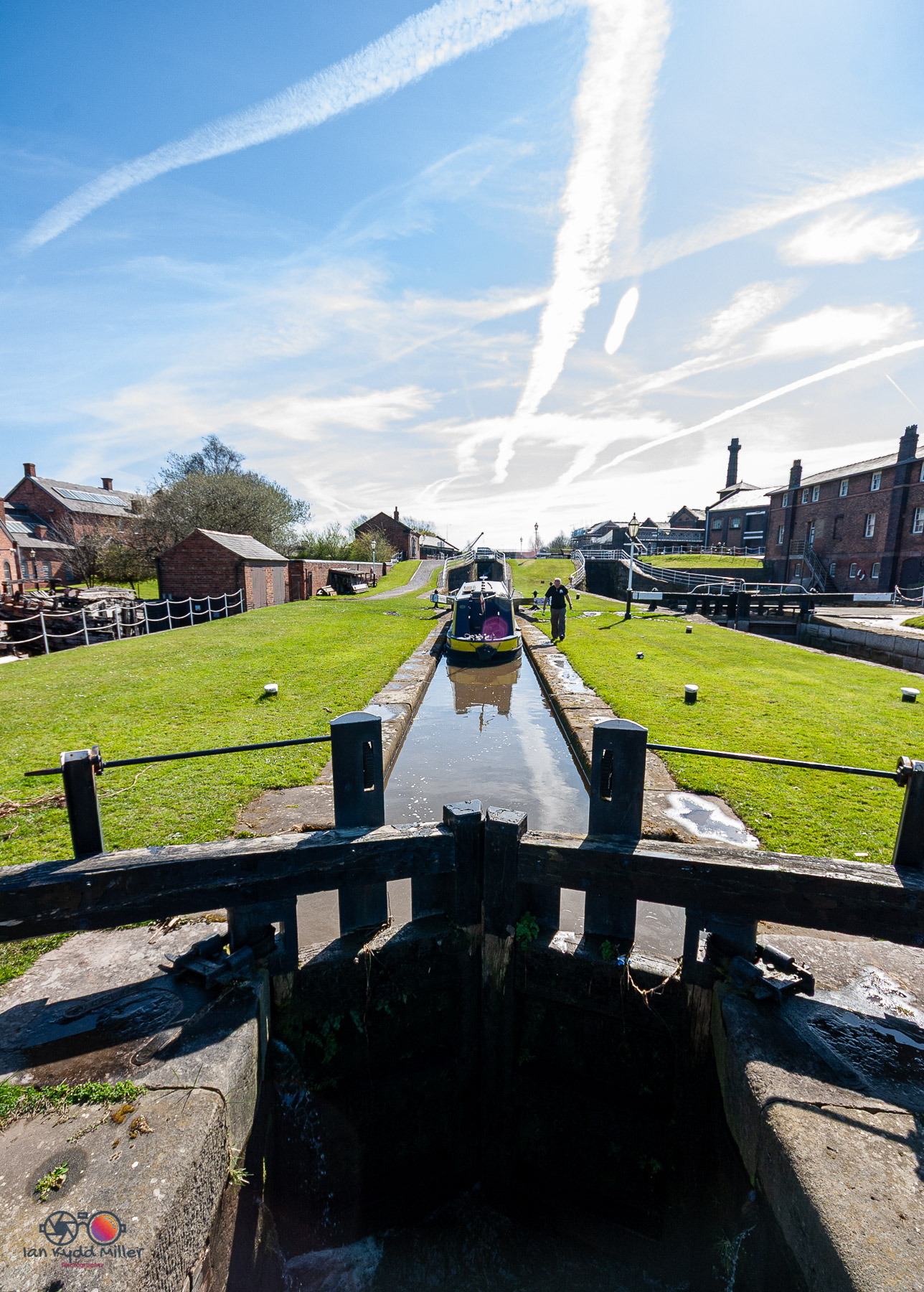
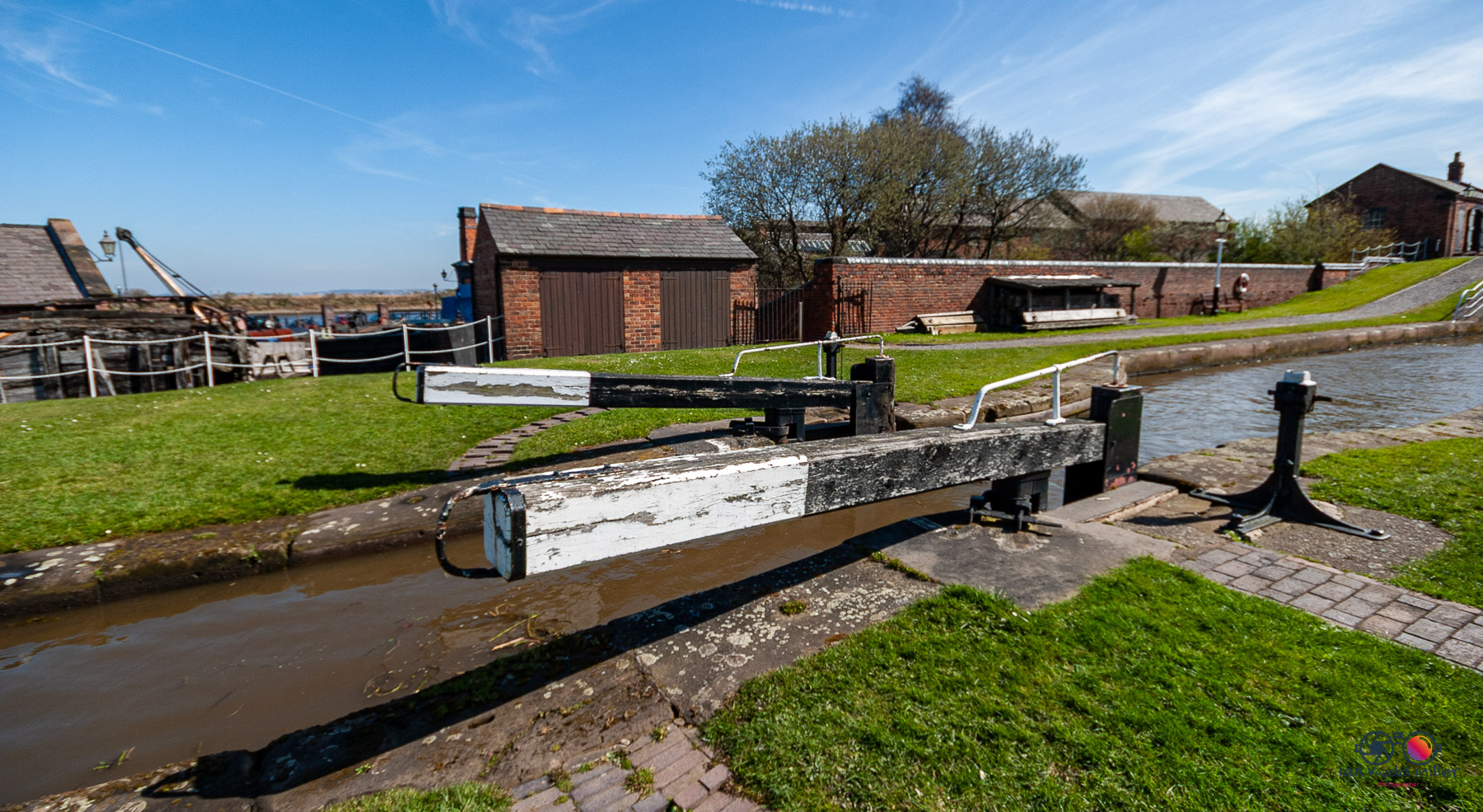
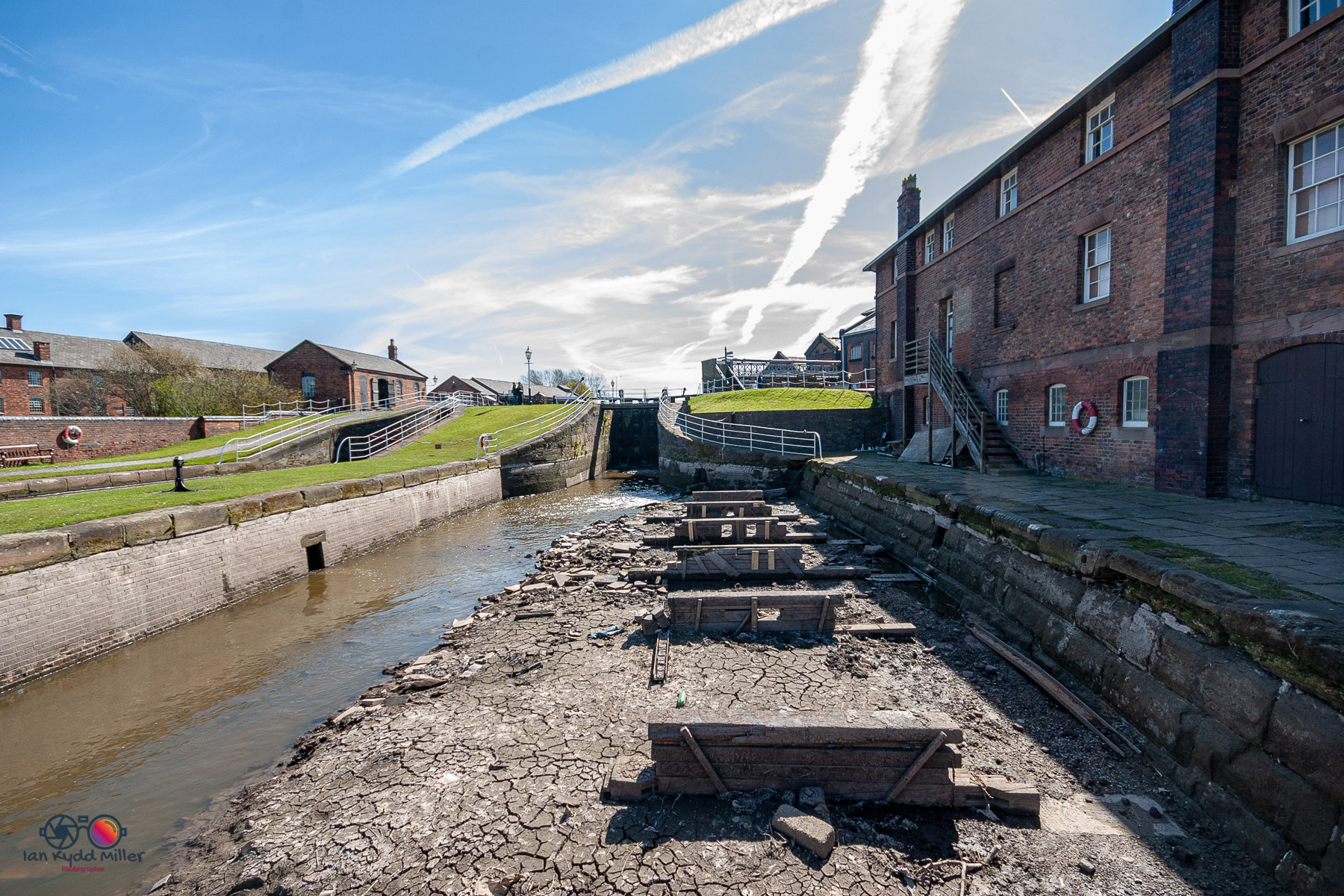
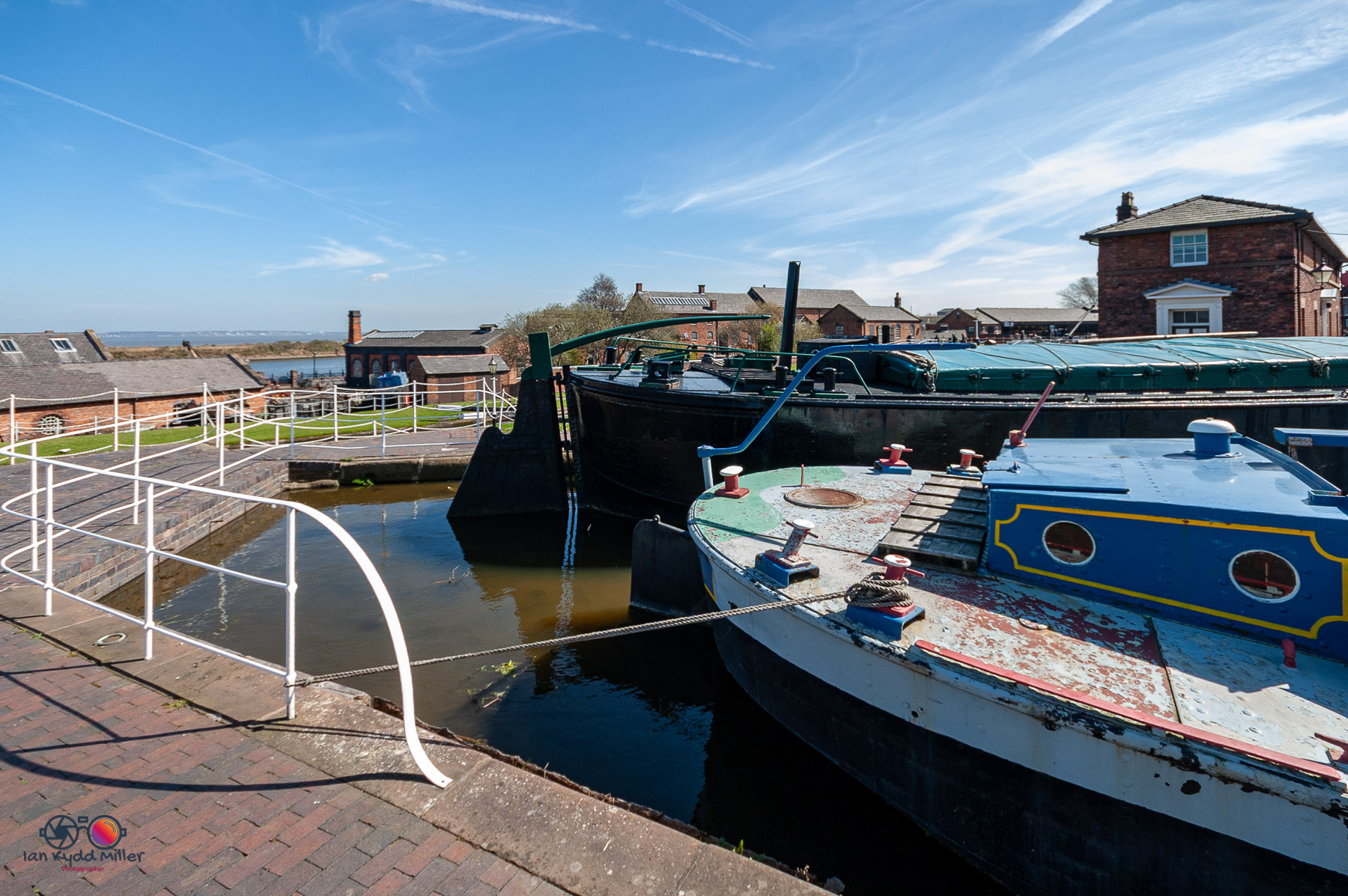
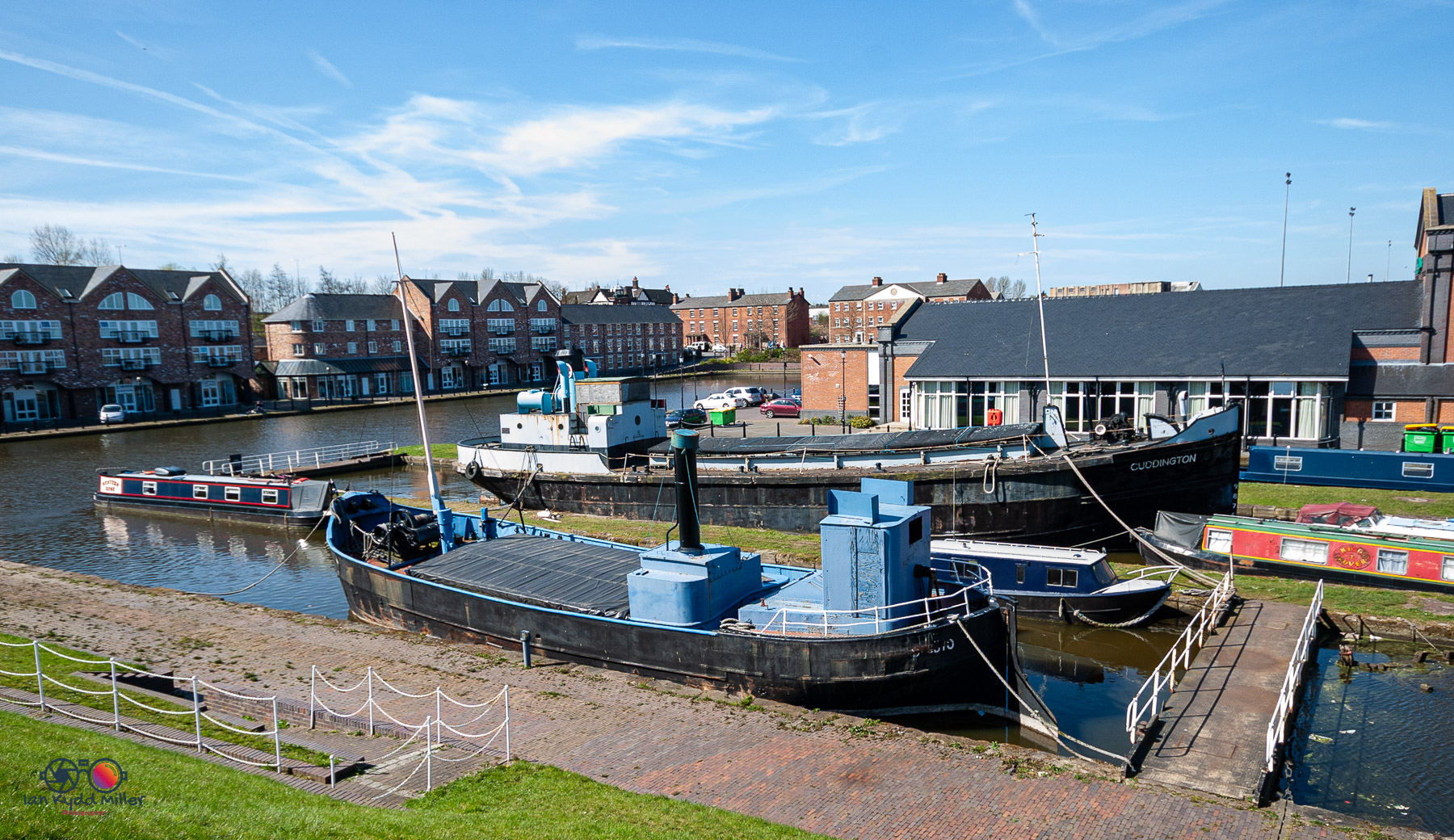
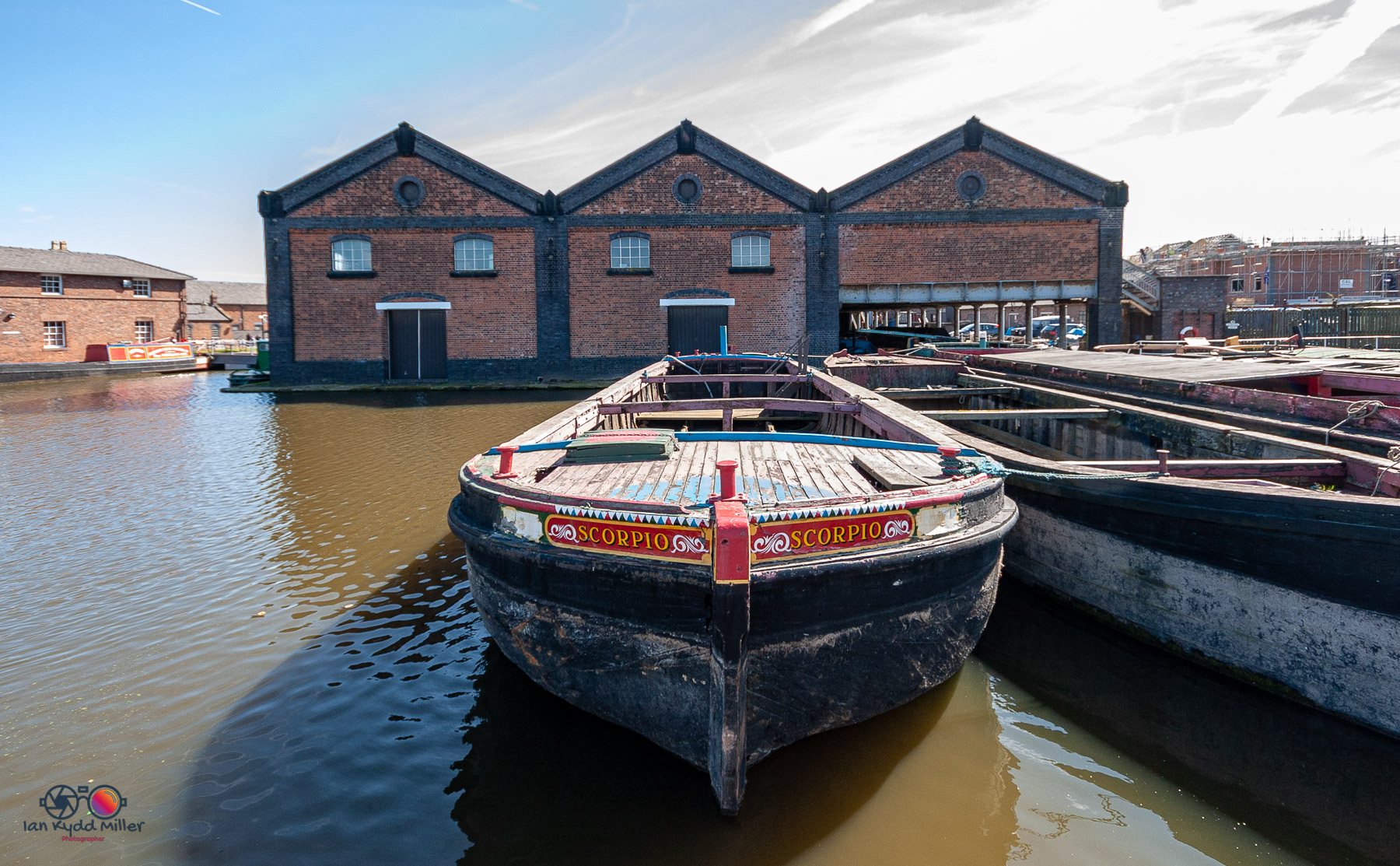
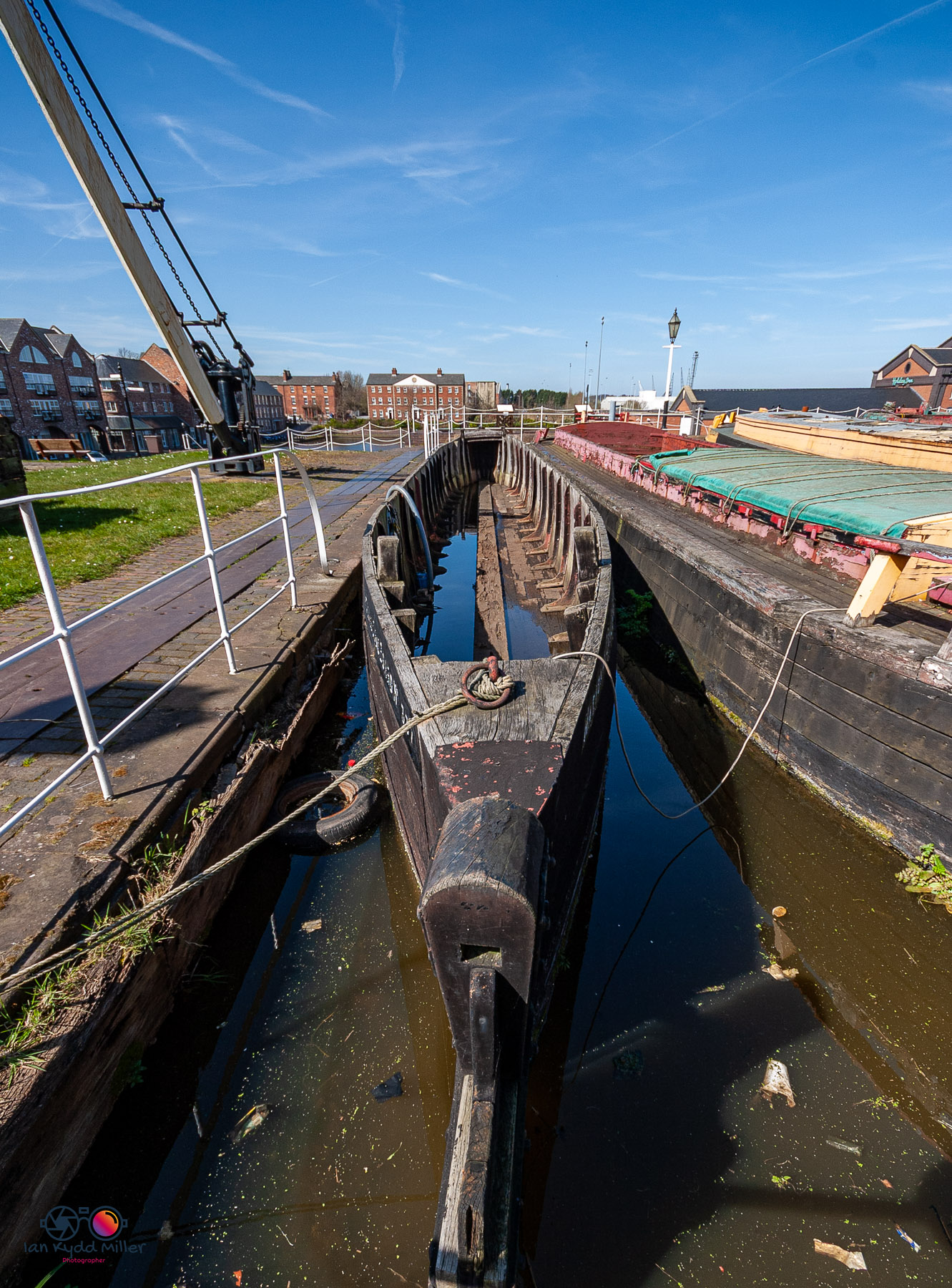
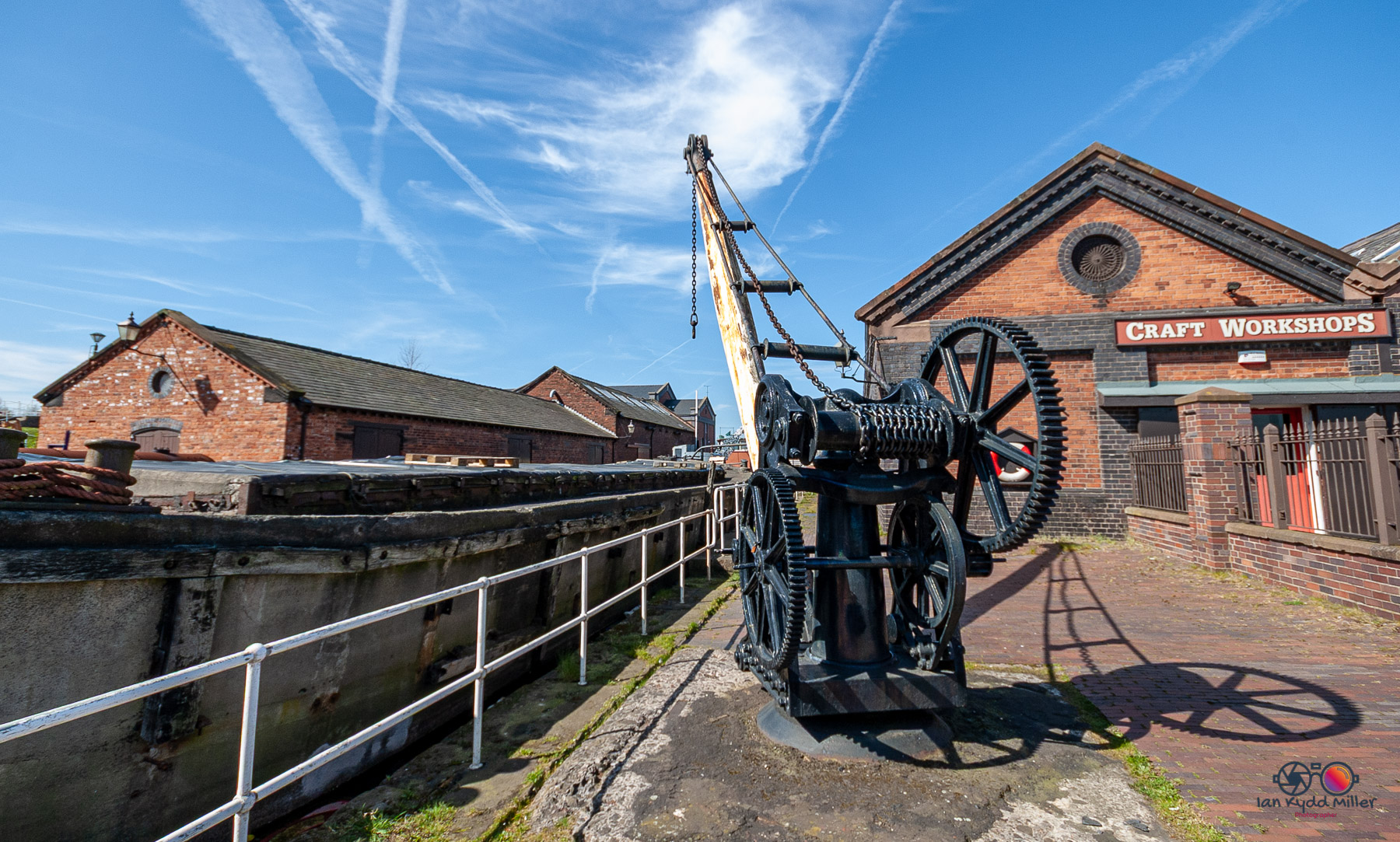
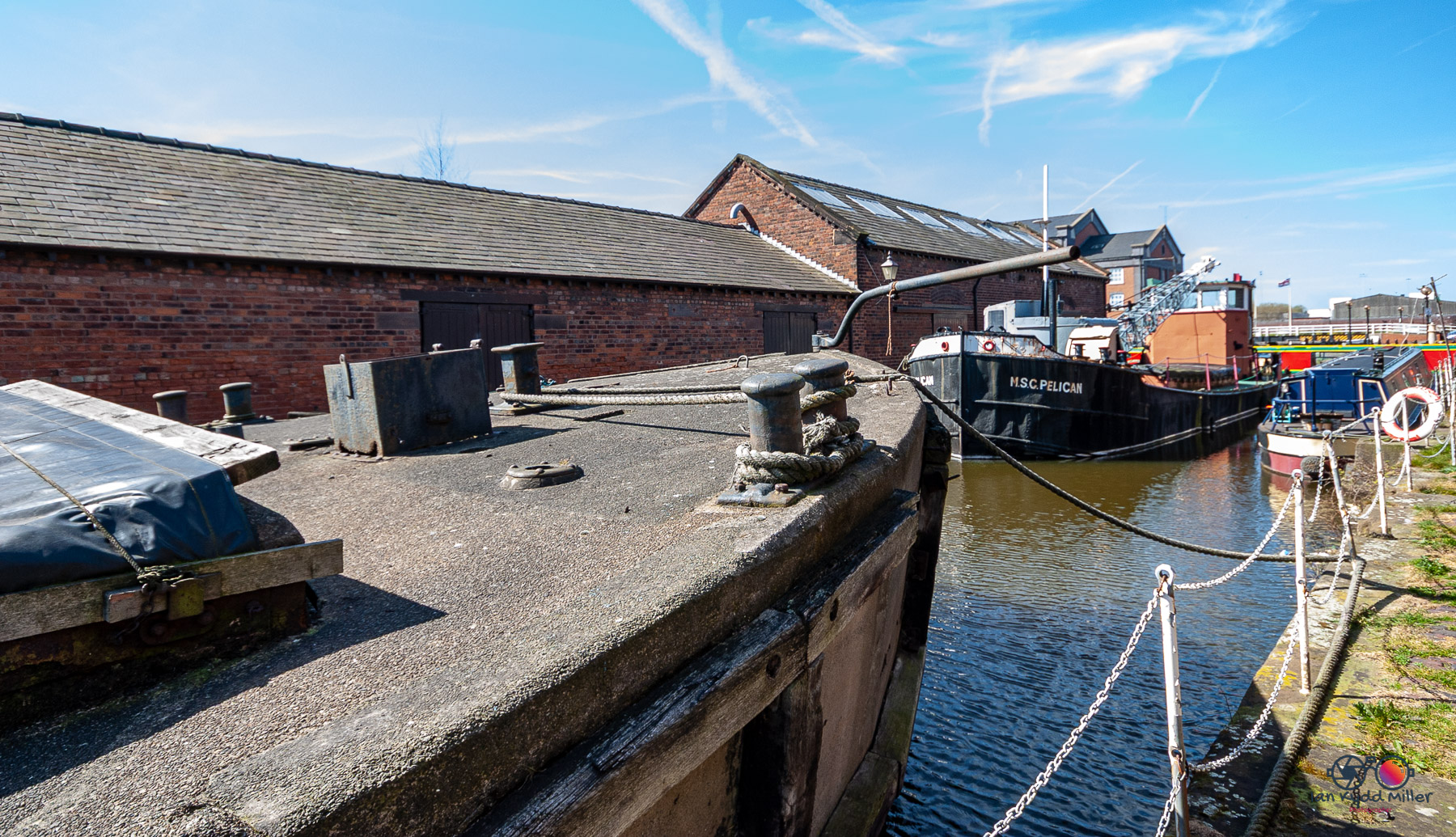
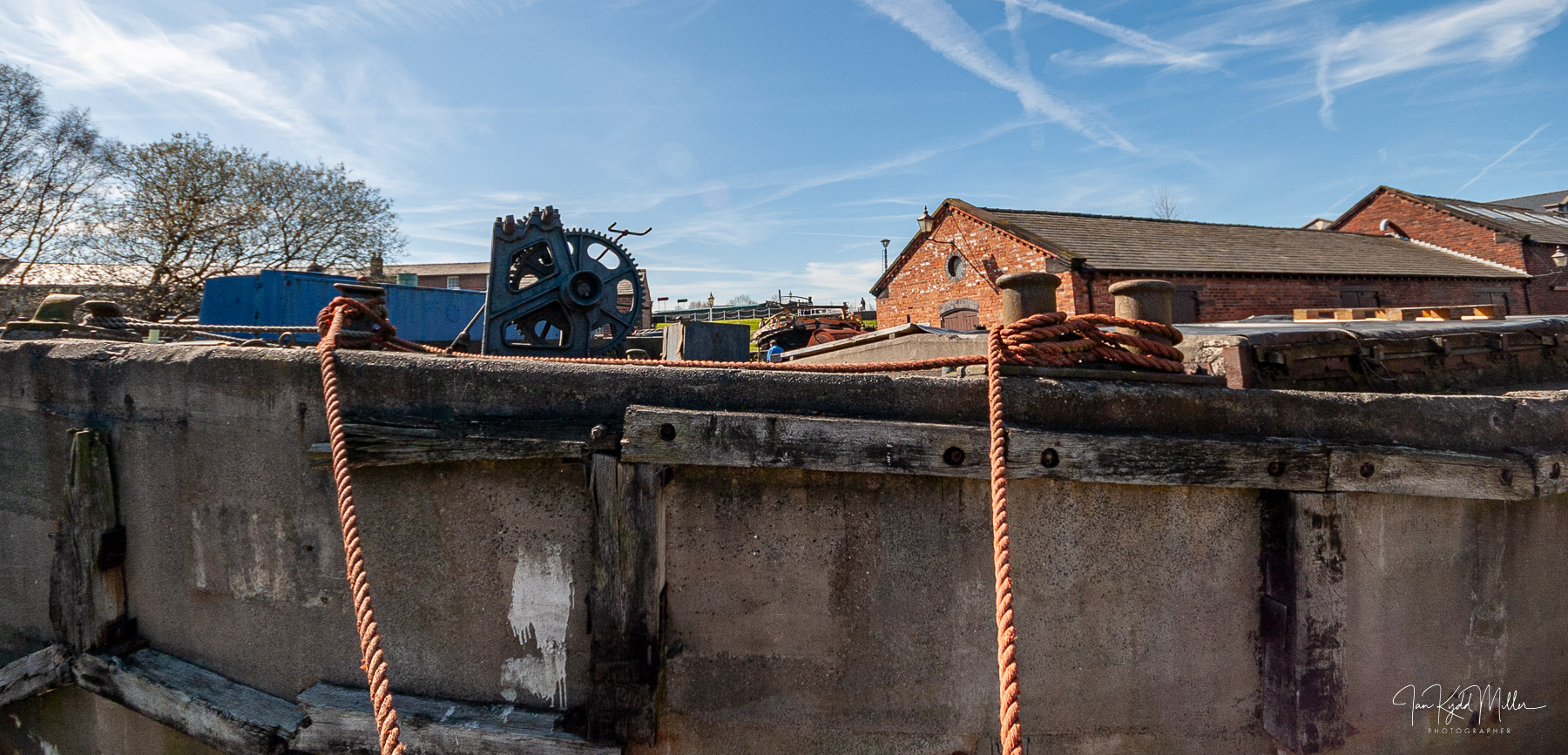
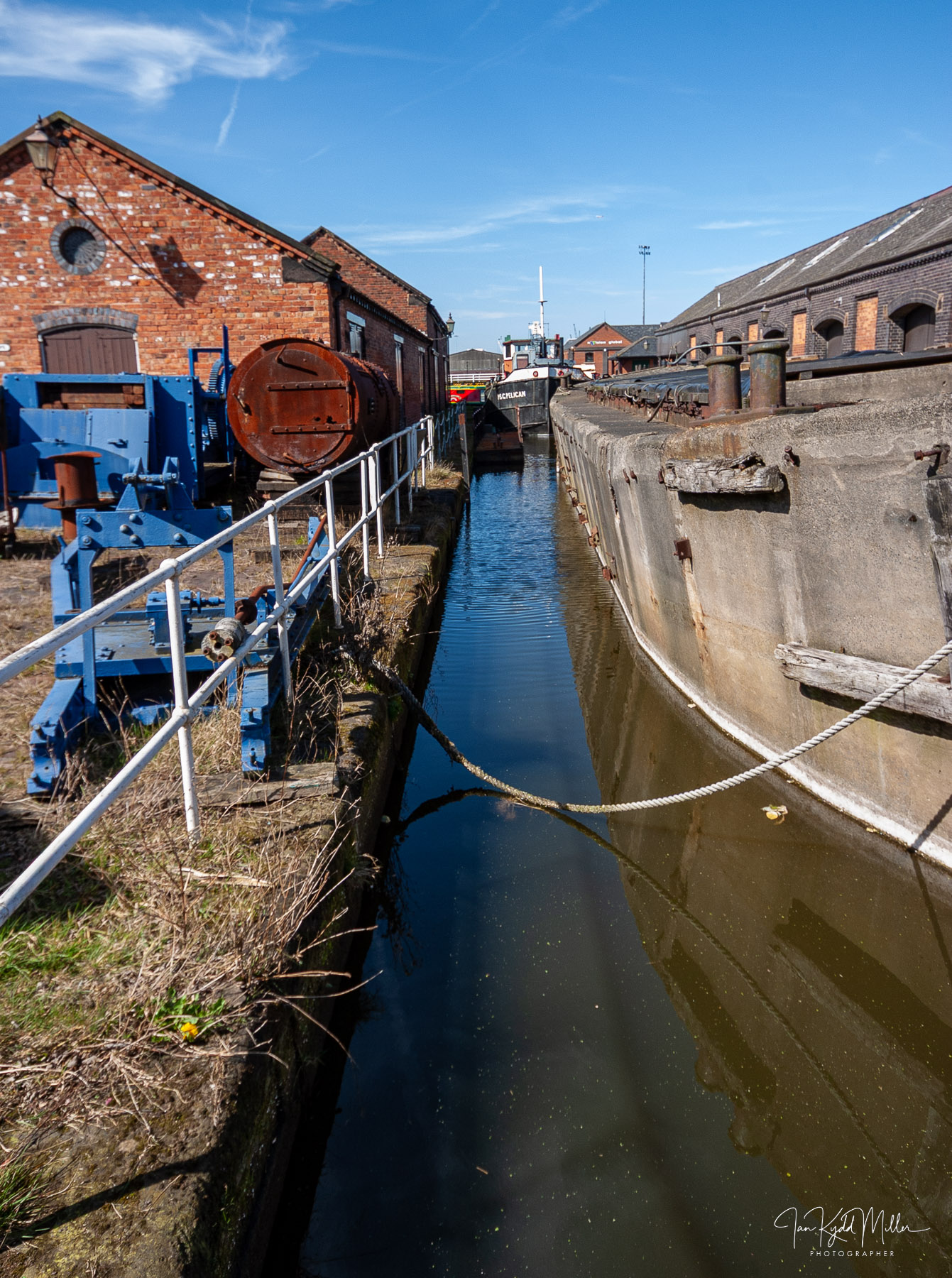
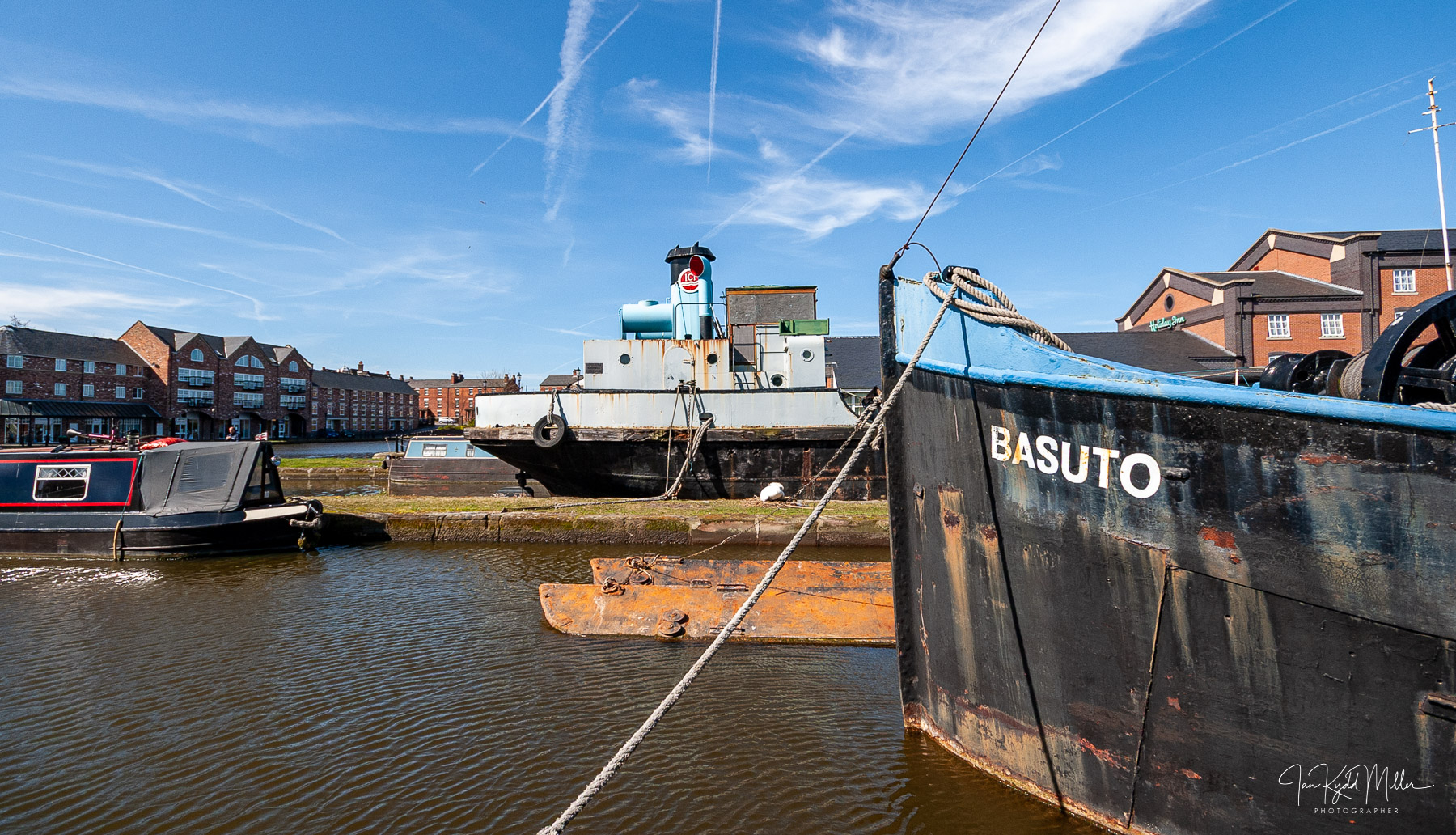
๐Ÿšข Steel, Stories, and Shutter Clicks: A Day at the National Waterways Museum

cameras, Lenses, opinons, thoughts, photography, Travel

Shot on the Canon EOS 10D

๐Ÿ›๏ธ The Museum: Where Britainโ€™s Canal Life Comes Alive

Nestled at the northern end of the Shropshire Union Canal, the National Waterways Museum is a living archive of Britainโ€™s inland navigation history. The site itself is a storyโ€”designed by civil engineer Thomas Telford, the docks were active well into the 1950s.

Walking through the museum feels like stepping into a working time capsule:

  • Grade II listed Victorian buildings house exhibits on canal life, engineering, and trade.
  • Historic locks and docks stretch across the site, still echoing with the rhythm of industrial labour.
  • Restored narrowboats and barges sit moored, their hulls weathered but proud.
  • The Waterside Cafรฉ offers a quiet view of the canal, perfect for reflecting on the dayโ€™s images.

Itโ€™s a place where rust meets reverence, and where every bolt and beam tells a story.

๐Ÿ“ท The Camera: Canon EOS 10Dโ€”Digitalโ€™s Early Workhorse

Released in 2003, the Canon EOS 10D was a landmark in DSLR evolution. It offered:

  • 6.3 megapixel APS-C CMOS sensorโ€”modest by todayโ€™s standards, but rich in tonal character
  • ISO range of 100โ€“1600 (expandable to 3200)โ€”surprisingly capable in low light
  • 7-point autofocus systemโ€”responsive enough for dockside detail and candid moments
  • CompactFlash storageโ€”a reminder of digitalโ€™s early days

The 10D doesnโ€™t rush. It invites you to compose. To wait. To feel the frame before you click. And paired with a prime lens or a classic zoom, it renders scenes with a softness and sincerity that suits the museumโ€™s mood.

๐Ÿ–ผ What I Saw, What I Felt

I photographed:

  • The curve of a tiller against brickwork
  • A rusted chain coiled like memory
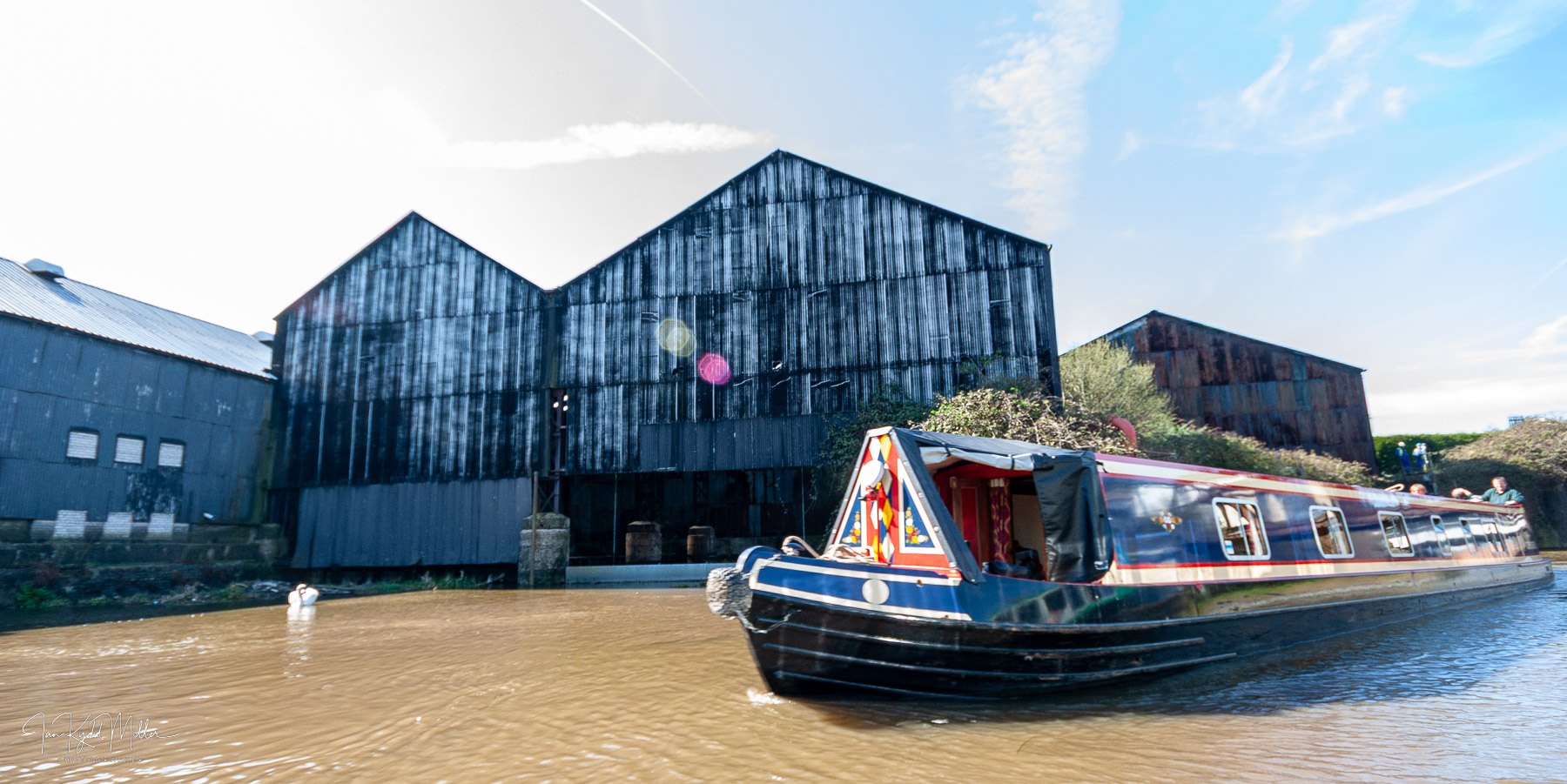
  • Reflections of narrowboats in still water
  • A volunteerโ€™s hands restoring a wooden rudder

The files werenโ€™t perfect. But they were honest. And when printed, they carried the weight of both the subject and the tool.

๐Ÿงญ Final Thought: Documenting History with a Camera That Has Its Own

A day at the National Waterways Museum is a reminder of what enduresโ€”craft, care, and the quiet dignity of labor. Shooting it with the Canon EOS 10D added another layer: the joy of using a camera that, like the museum, still has stories to tell.

Because sometimes, the best way to honour history is to slow down and see it through something that remembers.

๐Ÿ“ท The Fujinon XF 18mm f/2 R: A Lens That Listens

cambodia, cameras, Fujichrome, fujifilm, Lenses, opinons, thoughts, photography

A Rundown of the Good and the Quirky

The Fujifilm XF 18mm f/2 isnโ€™t perfect. But itโ€™s present. Itโ€™s compact, fast, and quietly capable. It doesnโ€™t demand attentionโ€”it invites it. And for street photographers, documentarians, and those who value rhythm over resolution, itโ€™s a lens worth knowing.

Iโ€™ve used it in clinics, on the street, and in quiet corners of care. Itโ€™s not a showstopper. Itโ€™s a companion. And thatโ€™s what makes it special.

โœ… The Good: Why It Still Matters

๐Ÿง  1. Classic Focal Length

  • 18mm on Fujiโ€™s APS-C sensor gives you a 27mm equivalentโ€”ideal for street photography, environmental portraits, and storytelling in context.
  • Wide enough to breathe, tight enough to feel.

๐Ÿชถ 2. Compact and Featherlight

  • This lens disappears in your hand. It makes the camera feel invisible.
  • Perfect for moving quietly, staying present, and photographing without spectacle.

โšก 3. Fast f/2 Aperture

  • Responsive in low light. Lets you isolate gestures and moments without losing the scene.
  • Great for dusk, clinics, and shadow play.

๐ŸŽž๏ธ 4. Film-Like Rendering

  • Slight softness at the edges. Gentle contrast. A character that feels felt, not forced.
  • Prints beautifullyโ€”especially in black-and-white.

๐Ÿงญ 5. Teaches Restraint

  • No zoom. No overcorrection. Just you, the scene, and the moment.
  • Ideal for students learning to compose with care.

โ— The Quirks: What to Know

๐ŸงŠ 1. Not the Sharpest Tool

  • Wide open, itโ€™s soft at the edges. Corner sharpness improves by f/4โ€“f/5.6.
  • If youโ€™re chasing clinical perfection, this isnโ€™t your lens.

๐Ÿ”Š 2. Noisy Autofocus

  • The AF motor isnโ€™t silent. In quiet settings, youโ€™ll hear it.
  • Not a dealbreaker, but worth noting for documentary work.

๐Ÿงฑ 3. Older Design

  • No weather sealing. No linear motor. No aperture lock.
  • Itโ€™s part of Fujiโ€™s original lens lineupโ€”quirky, charming, and a little dated.

๐Ÿงช 4. Chromatic Aberration

  • You may see some fringing in high-contrast scenes. Easily corrected in post, but present.

๐Ÿ–ผ How It Prints

This lens isnโ€™t about technical brilliance. Itโ€™s about emotional clarity. The files print with softness, nuance, and tonal depth. Especially in monochrome, the 18mm f/2 feels like a whisperโ€”gentle, grounded, and true.

๐Ÿ•Š Final Thought: Character Over Perfection

The Fujinon XF 18mm f/2 isnโ€™t for everyone. But for those who value presence over pixels, itโ€™s a quiet gem. It teaches you to move slowly, see clearly, and photograph with care.

Because sometimes, the best lens isnโ€™t the sharpest. Itโ€™s the one that listens.

๐Ÿ–ค The Nikon D3S: Why Itโ€™s Still Relevant

cameras, Lenses, opinons, thoughts, photography, pictures, street, Travel

In a world chasing megapixels, mirrorless speed, and AI-driven autofocus, the Nikon D3S stands quietly in the cornerโ€”unbothered, unbroken, and still deeply capable. Released in 2009, it was Nikonโ€™s first full-frame DSLR to truly master low-light performance. Today, itโ€™s more than a relic. Itโ€™s a reminder: that restraint, reliability, and character still matter.

Iโ€™ve used the D3S in clinics, on the street, and in moments of care. Itโ€™s never asked for attention. Itโ€™s just done the work.

๐Ÿง  What Made the D3S Special

  • 12.1MP Full-Frame Sensor Not flashy by todayโ€™s standards, but beautifully tuned. Files are clean, balanced, and emotionally honest. The lower resolution encourages intentional framing and thoughtful printing.
  • ISO Performance That Changed the Game At the time, ISO 12,800 was revolutionary. Even today, the D3S holds its own in low lightโ€”especially in documentary work where grain isnโ€™t a flaw, but a feeling.
  • Tank-Like Build Magnesium alloy body. Weather sealing. Shutter rated to 300,000 actuations. This camera was built for war zones, operating rooms, and long nights in the rain.
  • Dual CF Slots Redundancy and reliability. For those who print, archive, and teach, this matters more than speed.
  • No-Nonsense Ergonomics Everything falls to hand. No touchscreens. No distractions. Just tactile control and muscle memory.

๐Ÿชž Why It Still Matters

1. It Slows You Downโ€”in a Good Way

The D3S isnโ€™t about rapid-fire bursts or eye-detection AF. Itโ€™s about presence. You compose with care. You anticipate. You listen to the scene.

2. It Honors the Print

The files from the D3S print beautifully. Tonal transitions are smooth. Highlights roll off gently. Blacks hold depth. For those who see printing as completion, the D3S delivers.

3. Itโ€™s a Teaching Tool

For students learning restraint, the D3S is ideal. It forces intentionality. It rewards patience. It teaches that gear doesnโ€™t make the imageโ€”vision does.

4. It Carries Legacy

This camera has seen things. Itโ€™s been in the hands of photojournalists, volunteers, and quiet documentarians. Using it feels like joining a lineageโ€”not chasing a trend.

๐Ÿงญ Who Is It For Today?

  • Documentarians who value reliability over novelty
  • Educators who want to teach presence, not presets
  • Street photographers who prefer quiet strength to flashy specs
  • Archivists and printers who care about tonal integrity
  • Anyone who believes that interesting pictures come from how you see, not what you shoot with

๐Ÿ•Š Final Thought: Enoughness in a Shutter Click

The Nikon D3S isnโ€™t just relevantโ€”itโ€™s resonant. It reminds us that photography isnโ€™t about chasing perfection. Itโ€™s about showing up. Seeing clearly. Printing with care.

In a time of constant upgrades, the D3S whispers: You already have enough. Now go make something that matters.

D700 vs D810 โ€” Resolution in Practice

cameras, Lenses, Lowepro, opinons, thoughts, photography, pictures, street

As someone who carries both the Nikon D700 (12MP) and D810 (36MP) in the same bag, Iโ€™ve had the rare privilege of comparing resolution not in theory, but in lived experience. Hereโ€™s how they differโ€”and where they converge.

๐Ÿง  Resolution vs Resilience

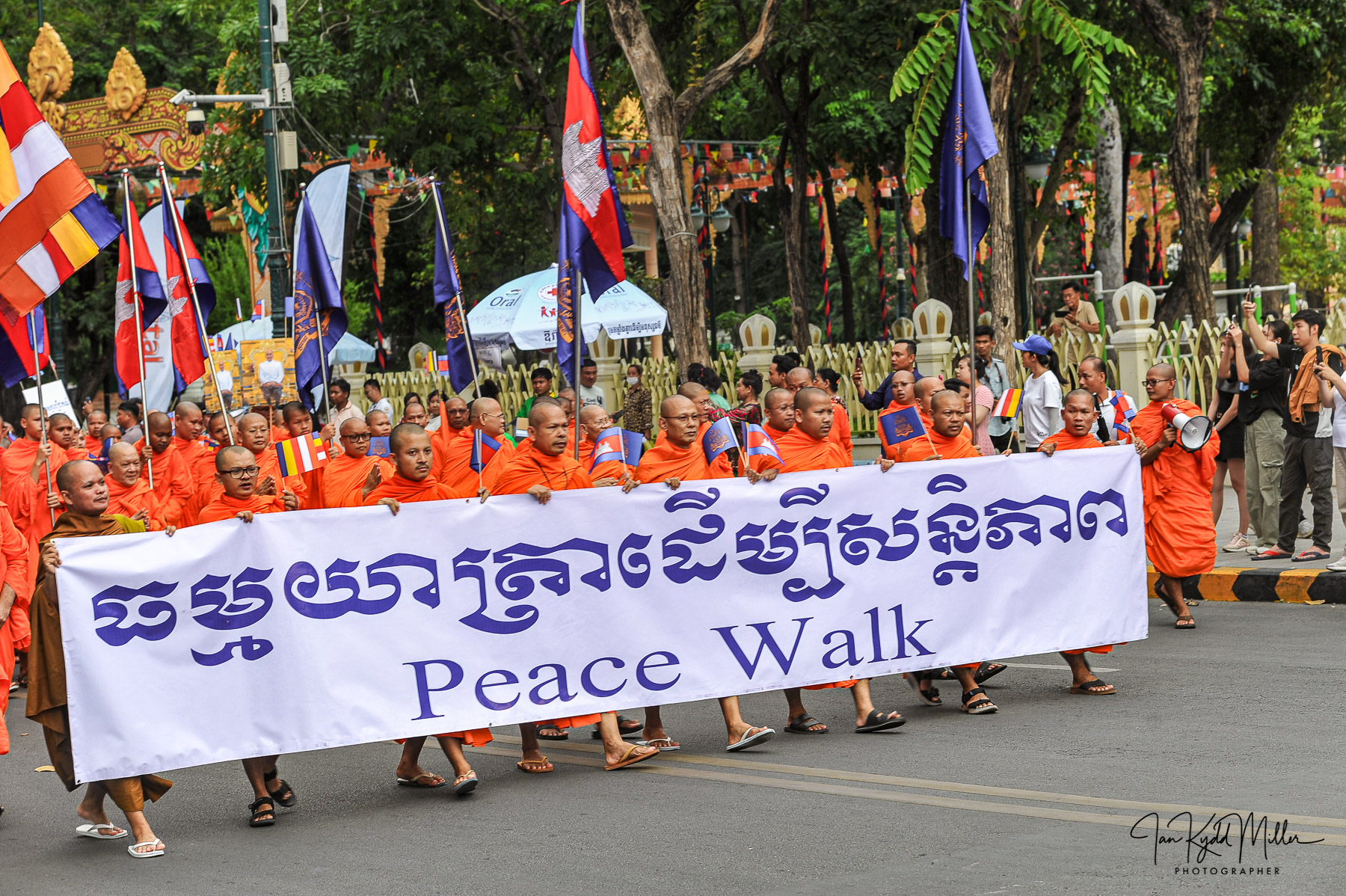
Peace in Motion: Monks Lead a Nation Toward Healing

angkor, cambodia, conflict, opinons, thoughts, photography, street, war

Ten Years with the Canon 1D Mark IV

cambodia, cameras, Lenses, Lowepro, opinons, thoughts, photography, street, Travel

GAS Management for the Ethically Curious Photographer

cameras, Lenses, Lowepro, opinons, thoughts, photography, street, Travel