

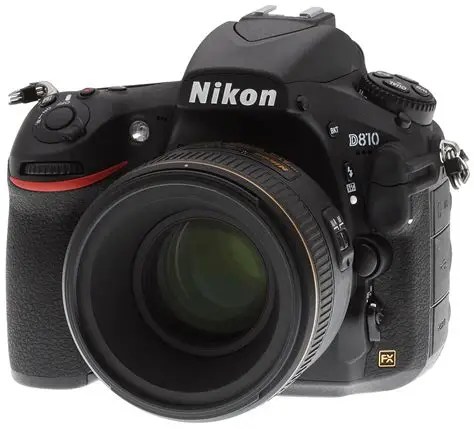
🏗️ Build and Ergonomics
- Body: Magnesium alloy, fully weather-sealed, designed for professional use in demanding environments.
- Handling: Classic Nikon DSLR ergonomics—deep grip, tactile dials, and intuitive button layout.
- Weight: ~980g (body only), substantial but balanced with pro lenses.
- Shutter: Redesigned for quieter operation and reduced vibration, enhancing sharpness in long exposures.
📷 Sensor and Image Quality
- Resolution: 36.3MP FX-format CMOS sensor, no optical low-pass filter for maximum detail.
- Dynamic Range: Among the best of its generation—excellent highlight recovery and shadow depth, ideal for landscapes and studio work.
- ISO Performance: Native ISO 64–12,800 (expandable to 32–51,200). At ISO 64, it produces exceptionally clean, detailed files.
- Color and Tonality: Natural, nuanced rendering with wide latitude for post-processing.
Character: The D810 is known for its “medium-format feel” in a DSLR body—files are rich, detailed, and flexible, rewarding careful technique.

⚡ Performance and Autofocus
- AF System: 51-point Multi-CAM 3500FX, reliable and accurate, though not as advanced as later Nikon AF modules (e.g., D5/D850).
- Continuous Shooting: 5 fps (7 fps in DX crop with grip)—adequate for portraits, weddings, and landscapes, but not a sports machine.
- Buffer: Limited compared to modern bodies; RAW bursts can fill quickly.
Character: The D810 is deliberate rather than fast—best for photographers who value precision over speed.
🎥 Video Capabilities
- Resolution: 1080p Full HD at up to 60 fps.
- Features: Flat picture profile, uncompressed HDMI output, headphone/mic jacks.
- Limitations: No 4K, and video AF is slow compared to mirrorless systems.
🔋 Battery and Storage
- Battery Life: ~1,200 shots per charge (EN-EL15 battery).
- Storage: Dual card slots (CF + SD), offering flexibility and redundancy.
✅ Strengths
- Exceptional image quality with 36MP detail and wide dynamic range.
- ISO 64 base sensitivity for ultra-clean files.
- Rugged, professional build with weather sealing.
- Quiet shutter and refined vibration control for long exposures.
- Dual card slots for pro workflows.
❌ Weaknesses
- Slower burst rate and buffer limit action/sports use.
- AF system is reliable but dated compared to newer Nikon DSLRs and mirrorless.
- No 4K video, making it less appealing for hybrid shooters.
- Heavy files (36MP RAWs) demand strong storage and processing power.
🎯 Best Use Cases
- Landscape photography: Dynamic range and ISO 64 base make it a landscape legend.
- Studio and portrait work: High resolution and tonal depth excel in controlled lighting.
- Weddings and events: Excellent image quality, though buffer and AF may limit fast action.
- Fine art and commercial photography: Files rival medium format in flexibility and detail.









✨ Verdict
The Nikon D810 is a camera with soul and discipline. It rewards careful shooting with files of extraordinary richness and depth. While it lacks the speed and modern conveniences of newer bodies, its character lies in precision, tonal subtlety, and reliability. For photographers who value image quality above all else, the D810 remains one of Nikon’s most iconic DSLRs.
The Nikon D850 is the natural evolution of the D810—it keeps the D810’s legendary image quality ethos but adds higher resolution (45.7MP vs 36.3MP), faster burst rates, vastly improved autofocus, and 4K video. The D810 remains a superb stills camera with a more deliberate, slower character, while the D850 is the more versatile all‑rounder.
📊 Nikon D810 vs Nikon D850: Side‑by‑Side Breakdown
| Feature | Nikon D810 (2014) | Nikon D850 (2017) |
|---|---|---|
| Sensor | 36.3MP FX CMOS, no OLPF | 45.7MP FX BSI CMOS, no OLPF |
| Base ISO | 64 (expandable 32–51,200) | 64 (expandable 32–102,400) |
| Dynamic Range | Excellent, especially at ISO 64 | Even better, with deeper shadow recovery |
| Autofocus | 51‑point Multi‑CAM 3500FX | 153‑point Multi‑CAM 20K (same as D5) |
| Continuous Shooting | 5 fps (7 fps with grip in DX mode) | 7 fps (9 fps with grip + EN‑EL18 battery) |
| Buffer | Limited for RAW bursts | Larger buffer, better for action |
| Video | 1080p Full HD (60 fps) | 4K UHD (full sensor readout) |
| LCD | 3.2″ fixed, 1.23M dots | 3.2″ tilting touchscreen, 2.36M dots |
| Viewfinder | 100% coverage, 0.7x mag | 100% coverage, 0.75x mag |
| Battery Life | ~1,200 shots | ~1,840 shots |
| Weight | 980 g | 1,005 g |
| Release Price | ~$3,300 | ~$3,300 |
🔎 Key Differences in Character
- Resolution & Detail: The D850’s 45.7MP BSI sensor delivers more detail and better low‑light efficiency than the D810’s 36.3MP sensor. Both are superb, but the D850 files have more cropping flexibility.
- Speed & AF: The D810 is deliberate—great for landscapes, portraits, and studio work. The D850 adds speed (7–9 fps) and a pro‑level AF system, making it viable for action and wildlife.
- Video: The D810 is stills‑only focused, while the D850 is a true hybrid with 4K video.
- Handling: Both share Nikon’s rugged build, but the D850’s tilting touchscreen and improved viewfinder make it more modern and versatile.
- Battery Life: The D850 lasts longer per charge, despite its higher resolution.
✅ Verdict
- Choose the D810 if you want a pure stills camera with extraordinary tonal depth, a slower, more contemplative shooting style, and you don’t need 4K or cutting‑edge AF. It’s also a bargain on the used market.
- Choose the D850 if you want the ultimate all‑round DSLR—high resolution, speed, advanced AF, and 4K video. It’s the more versatile tool for professionals who need one body to do it all.













































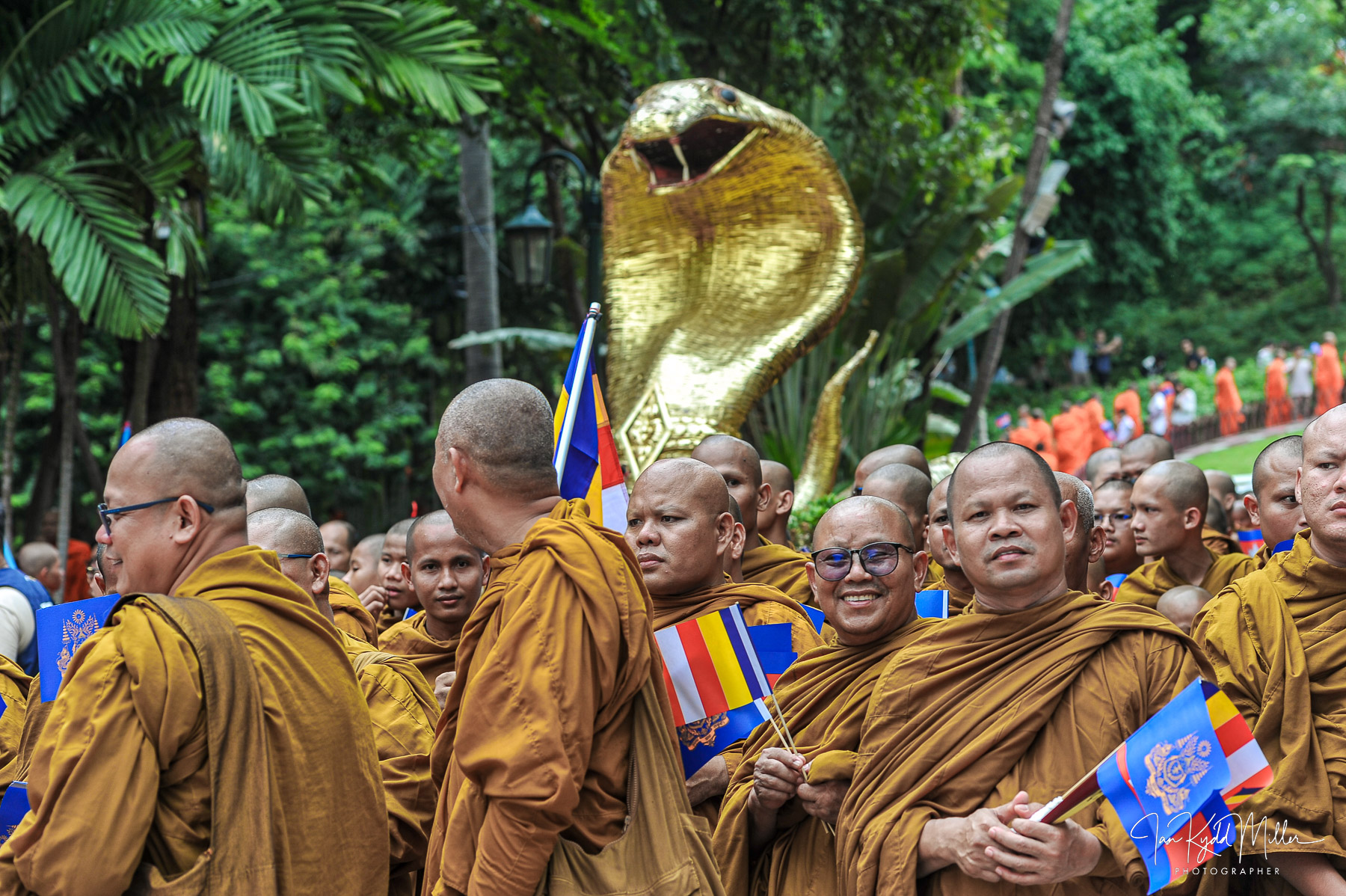






























 a world without pictures is like coffee without cream and sugar, bitter