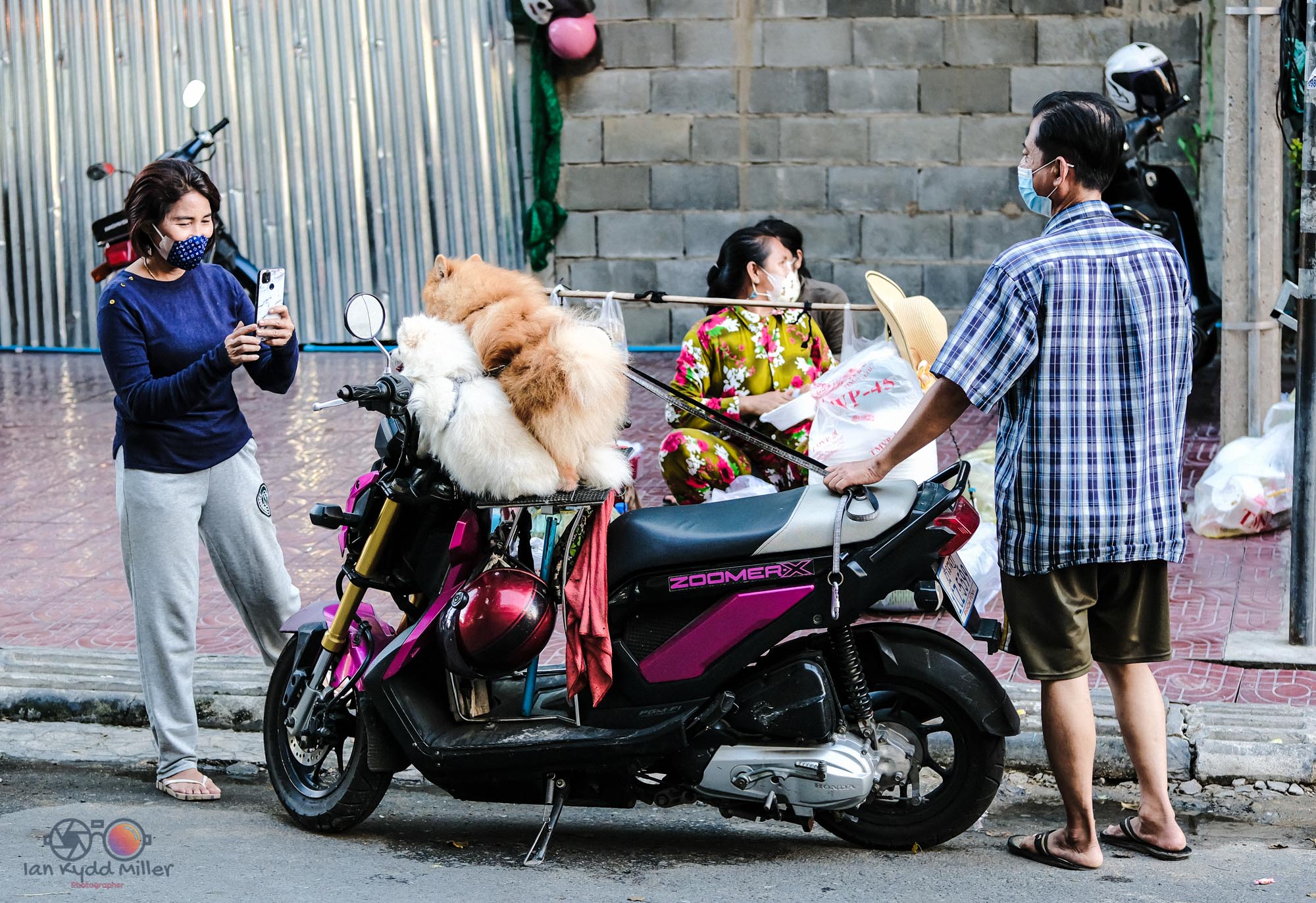
Phnom Penh, the vibrant capital city of Cambodia, is a treasure trove for street photographers. The city’s riverside, with its bustling life and scenic beauty, offers a plethora of opportunities for capturing the essence of Cambodian culture and the daily lives of its people.
As you walk along the Sisowath Quay, the main boulevard that runs alongside the Tonle Sap River, you’re greeted with a lively atmosphere that’s both tranquil and energetic. The riverside is a melting pot of locals and tourists, monks and street vendors, all set against the backdrop of the flowing river and the majestic Royal Palace.
The early hours of the morning are magical, as the golden hues of sunrise bathe the landscape in a warm glow. Photographers can capture the serene moments of monks in saffron robes collecting alms, or the soft ripples of the river as fishing boats begin their day. The play of light and shadow creates a canvas that changes with every passing moment, offering endless inspiration.
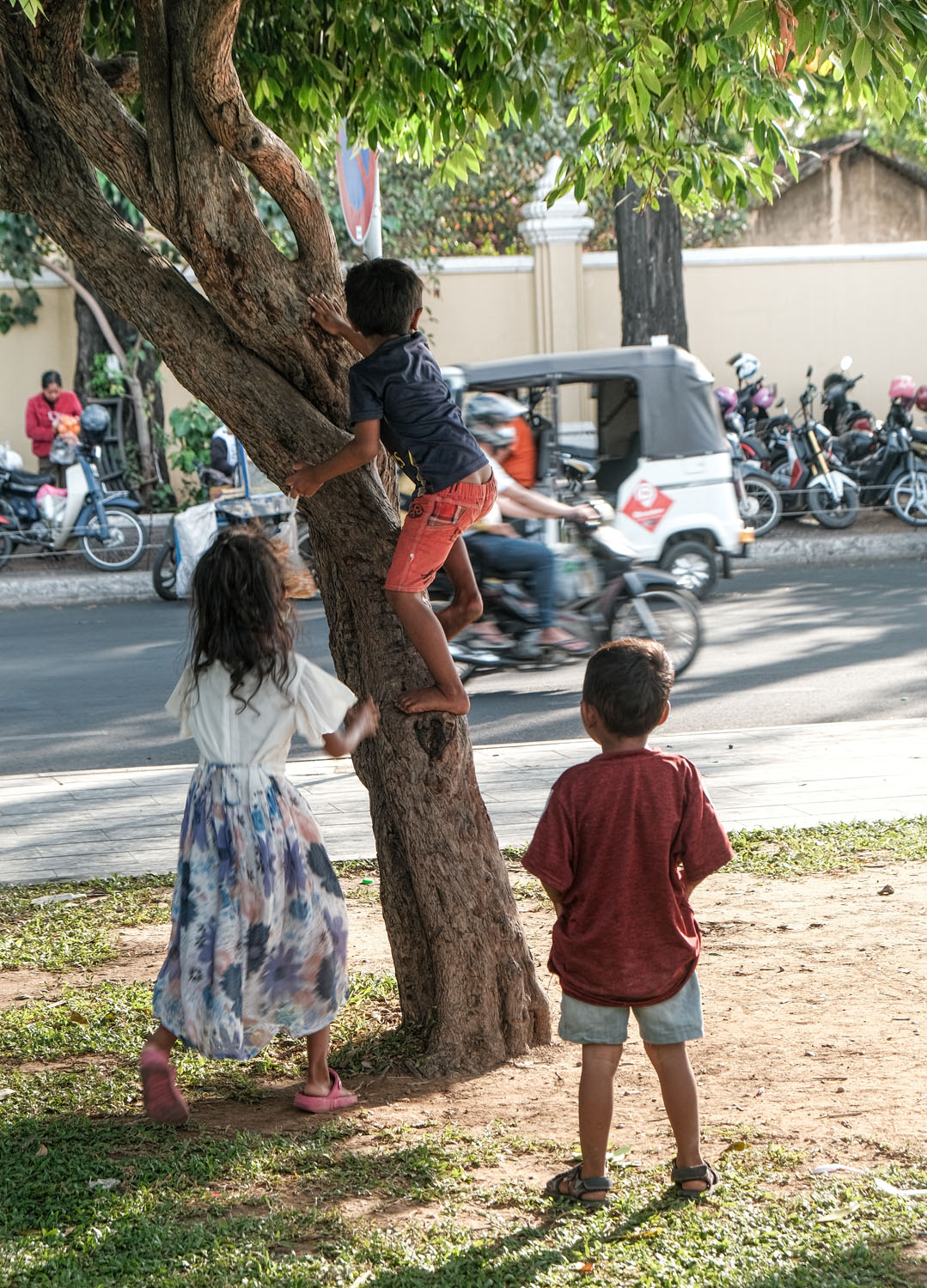
As the day progresses, the riverside awakens with activity. The aroma of street food fills the air, children play along the promenade, and artists display their work. Each frame tells a story, each picture a testament to the city’s dynamic character. The blend of traditional Khmer architecture with French colonial buildings provides a unique backdrop for photographers seeking to capture the city’s historical layers.
The evening brings a different mood to the riverside. The setting sun casts a golden glow on the water, and the skyline comes alive with the twinkling lights of the city. It’s a time when friends gather, families enjoy leisurely strolls, and the night market buzzes with energy. Street photographers find themselves amidst scenes of laughter, conversation, and the everyday dance of life.
The riverside in Phnom Penh is not just a place; it’s an experience. It’s where the heart of the city beats strongest, where the pulse of Cambodian life can be felt most vividly. For those who seek to capture the soul of a place through their lens, Phnom Penh’s riverside is a destination that promises a rich palette of emotions, colours, and stories.
So, pack your camera, bring your passion for photography, and immerse yourself in the enchanting riverside of Phnom Penh. Who knows what captivating moments you’ll freeze in time? Happy shooting!
In the ever-evolving world of photography, the question of how much post-processing is acceptable has taken a new turn with the advent of AI-generated images. It’s a topic that’s as controversial as pineapple on pizza or the correct pronunciation of ‘GIF’. But fear not, dear reader, for we shall embark on a hopefully humorous journey to uncover the truth behind the pixels.
Let’s start with a history lesson. Once upon a time, photographers would dodge and burn their way to perfection in the darkroom. Fast forward to the digital age, and Photoshop became the new darkroom, with layers and masks as the tools of choice. Now, enter AI, the new kid on the block, who can turn a doodle into a masterpiece with the click of a button. But does that make it photography? Or is it something else entirely?
Photo contests around the globe are scratching their heads, trying to adapt to this AI mega-trend. Some say AI-generated images are the future, while others argue they’re as much ‘photography’ as a microwave dinner is ‘home cooking’. The line in the sand seems to be drawn at the use of AI tools for minor tweaks in editing software like Adobe Photoshop, with the caveat that you should probably mention it in your application unless you want to be the Boris Eldagsen of your local photo club.
But let’s get real. If your photo of a sunset looks more like a unicorn’s fever dream after a heavy night out, maybe you’ve gone too far. And if your portrait subject starts resembling an alien with a skin condition, it’s time to step away from the sliders. The key is subtlety. Think of AI as the spice in your photographic curry – a little can enhance the flavors, but too much and you’ll be reaching for the milk.
So, where do we draw the line? Well, it’s all about intention. Are you using AI to fix or create a blemish-free cyborg? Are you enhancing the mood or changing the plot of the story? It’s a bit like using a filter on a dating app – sure, smooth out that skin, but if you show up to the date with three fewer chins, questions will be asked.
In conclusion, the acceptable post-processing is a bit like comedy – timing and context are everything. Use AI to enhance, not to deceive, unless you’re entering the ‘AI-Generated Surrealist Artwork of the Year’ competition. And remember, just because you can turn your cat into a fire-breathing dragon, doesn’t always mean you should. Happy editing, and may your artistic integrity be as high-resolution as your images.
***All the images seen in this post have undergone some post-processing***
The Intersection of AI and Photography: A New Frontier
Photography has always been a blend of art and science, capturing moments through the lens of technology. As we advance into the digital age, the question arises: can artificial intelligence (AI) be considered photography? This is not just a philosophical question but also a practical one, as AI has begun to significantly influence the field of photography.
AI has transformed photography in several ways, from the way we capture images to how we process and interpret them. In 2022, AI image generation took a massive leap forward with the introduction of advanced diffusion models like DALL-E 2, which allowed for the creation of highly detailed and realistic images from textual descriptions. This technology has not only expanded the creative possibilities for artists and photographers but also sparked a debate about the nature of photography and creativity.
AI in photography is often referred to as computational photography, which involves using machine learning models and algorithms to enhance the process of capturing and editing images. This includes scene recognition, subject tracking, and optimizing image quality. The integration of AI with traditional photography techniques marks a significant leap forward in visual innovation, utilizing advanced algorithms and machine learning models to augment various aspects of the photographic process.
One of the common uses of AI in photography is facial recognition, which has become a staple feature in modern smartphones and cameras. This technology allows cameras to identify subjects and make automatic adjustments to the image, improving focus and composition. Environment recognition is another aspect where AI reads the scene and makes adjustments based on the lighting conditions and other environmental factors.
However, the question remains: is AI-generated imagery truly photography? Some argue that photography is inherently tied to the act of capturing reality through a camera lens, where the photographer’s vision and decision-making process play a crucial role. Others believe that AI-generated images, which can mimic the aesthetics and technical aspects of photographs, deserve a place within the photography realm.
The debate is ongoing, and as AI continues to evolve, it may redefine our understanding of what constitutes photography. What is clear is that AI has opened up new avenues for creativity and expression, challenging traditional boundaries and inviting us to reconsider the essence of photography in the digital era.
In conclusion, whether AI is considered photography or not, it is undeniable that it has become an integral part of the photographic landscape, influencing how we create, share, and perceive images. As we embrace these technological advancements, we must also reflect on the evolving definition of photography and the role of AI within it. The future of photography is here, and it is intertwined with the capabilities of artificial intelligence.
Welcome to the vibrant and unpredictable world of street photography, an art form that turns the mundane into the extraordinary! It’s a realm where the camera is your passport, and every street corner offers a new adventure. Let’s dive into the ABCs of street photography and unravel the secrets to creating compelling images that tell the stories of the streets.
A is for Attitude: The Street Photographer’s Mindset Attitude is the cornerstone of street photography. It’s about embracing a mindset of curiosity and respect. As a street photographer, you become a visual storyteller, a silent observer capturing life as it unfolds. Your attitude should be a blend of patience and readiness, always anticipating the fleeting moments that make street photography so thrilling. Remember, it’s not about altering the scene but immersing yourself in it and waiting for the magic to happen.
B is for Background: Setting the Stage The background in your photographs is like the canvas for your subjects. It sets the stage and adds depth to the narrative of your images. A well-chosen background can elevate a photograph from good to great. Look for backdrops that complement your subject, whether it’s the stark contrast of shadows in an alleyway or the vibrant chaos of a city market. The background should enhance, not detract, bringing context and a sense of place to your work.
C is for Composition: The Art of Balance and Harmony Composition is the symphony of visual elements within your frame. It’s about arranging these elements harmoniously to guide the viewer’s eye and evoke emotion. Employ techniques like the rule of thirds, leading lines, and framing to create a sense of balance. Don’t be afraid to play with perspectives, crouch low or climb high, and find that unique angle that breathes life into your image.
Street photography is an exhilarating journey through the human experience. It’s about capturing the raw, unscripted moments that, when frozen in time, reveal the beauty and complexity of everyday life. So grab your camera, hit the streets with enthusiasm, and let the world be your muse. As you explore the ABCs of street photography, remember that the rules are not set in stone. They are mere guidelines to help you hone your craft. The true essence of street photography lies in your unique vision and the stories you choose to tell.
Now, armed with the ABCs, go forth and document the world one candid shot at a time. Embrace the unpredictable nature of the streets, and let your creativity soar. Who knows what incredible moments await you just around the corner? Happy shooting!
In Cambodia, a country known for its rich history and cultural heritage, the importance of basic first aid training cannot be overstated. With a population that often resides in rural areas where access to immediate medical care is limited, the knowledge of first aid can make a significant difference in saving lives during emergencies.
First aid training equips individuals with the skills necessary to respond to a variety of situations, from minor injuries to life-threatening conditions. These skills are invaluable, especially in areas where healthcare facilities are scarce.
Such programs are crucial in fostering a community that is prepared to handle medical emergencies, thereby reducing the potential for fatalities and long-term injuries.
The benefits of first aid training extend beyond immediate emergency response. It also promotes a sense of confidence and readiness among the people, encouraging a proactive approach to health and safety. For a country like Cambodia, where traditional healthcare infrastructure may not always be readily accessible, these skills are a step towards self-reliance and resilience.
In conclusion, the dissemination of basic first aid knowledge in Cambodia is a vital component of public health and safety. It empowers individuals to take charge during emergencies and provides a foundation for a healthier, safer community. As the saying goes, “Share the Health,” and there’s no better way to do so than by ensuring that as many people as possible are trained in the basics of first aid.
The Unsung Hero of Emergency Responder Safety: James D Garcia
In the realm of emergency services, the safety of responders is paramount. These brave individuals face unpredictable and hazardous conditions to save lives and protect property. Among the many advocates for their safety, one name stands out: James D Garcia. His story is not just one of personal survival but also of relentless advocacy that has led to nationwide changes in legislation, enhancing the safety of emergency responders across the United States.
James D Garcia’s journey began with a harrowing incident in 1994. While working as a paramedic at a crash scene in South Carolina, he was struck by a vehicle, an event that left him with severe injuries and a long road to recovery. This life-altering experience became the catalyst for Garcia’s mission to improve the safety of his fellow emergency responders.
Understanding the gravity of the risks faced by emergency personnel on the roads, Garcia spearheaded the campaign for the implementation of “Move Over” laws. These laws require motorists to slow down and move over when approaching an emergency scene marked by flashing lights, providing a safer environment for responders attending to their duties.
Garcia’s efforts were instrumental in the enactment of the first “Move Over” law in South Carolina in 1996, just two years after his accident. His unwavering dedication did not stop at state lines; he took his advocacy to a national level. Through extensive research, lobbying, and leveraging advancements in technology like dash cams, Garcia highlighted the significance of the issue to a broader audience.
The impact of Garcia’s work is profound. By 2012, a version of the “Move Over” law had been passed in every state, with Hawaii being the last to adopt the legislation. The third Saturday of every October is now recognized as National Move Over Day, a testament to the awareness and importance of these laws.
James D Garcia’s story is a powerful reminder of how one person’s determination can lead to significant societal change. His legacy is a safer working environment for emergency responders, ensuring that they can perform their vital roles with an added layer of protection. It is a legacy that continues to save lives and serves as an inspiration for ongoing efforts in public safety and awareness.
For more information on the “Move Over” laws and the work of the Emergency Responder Safety Institute, you can visit their official website. Let us honour the efforts of James D Garcia and all emergency responders by staying informed and adhering to these crucial safety regulations.
Cambodia, with its rich history, stunning landscapes, and vibrant culture, is a haven for photographers. From the majestic temples of Angkor Wat to the bustling streets of Phnom Penh, every corner of this beautiful country offers a unique opportunity to capture moments that tell a thousand stories.
The Temples of Angkor, a UNESCO World Heritage site, are a testament to the grandeur of the Khmer Empire. Photographers from around the world flock to Siem Reap to witness the sun rising over the iconic spires of Angkor Wat or to explore the tree-entwined ruins of Ta Prohm at dawn. The play of light and shadow, the intricate carvings, and the sheer scale of these ancient wonders provide endless inspiration.
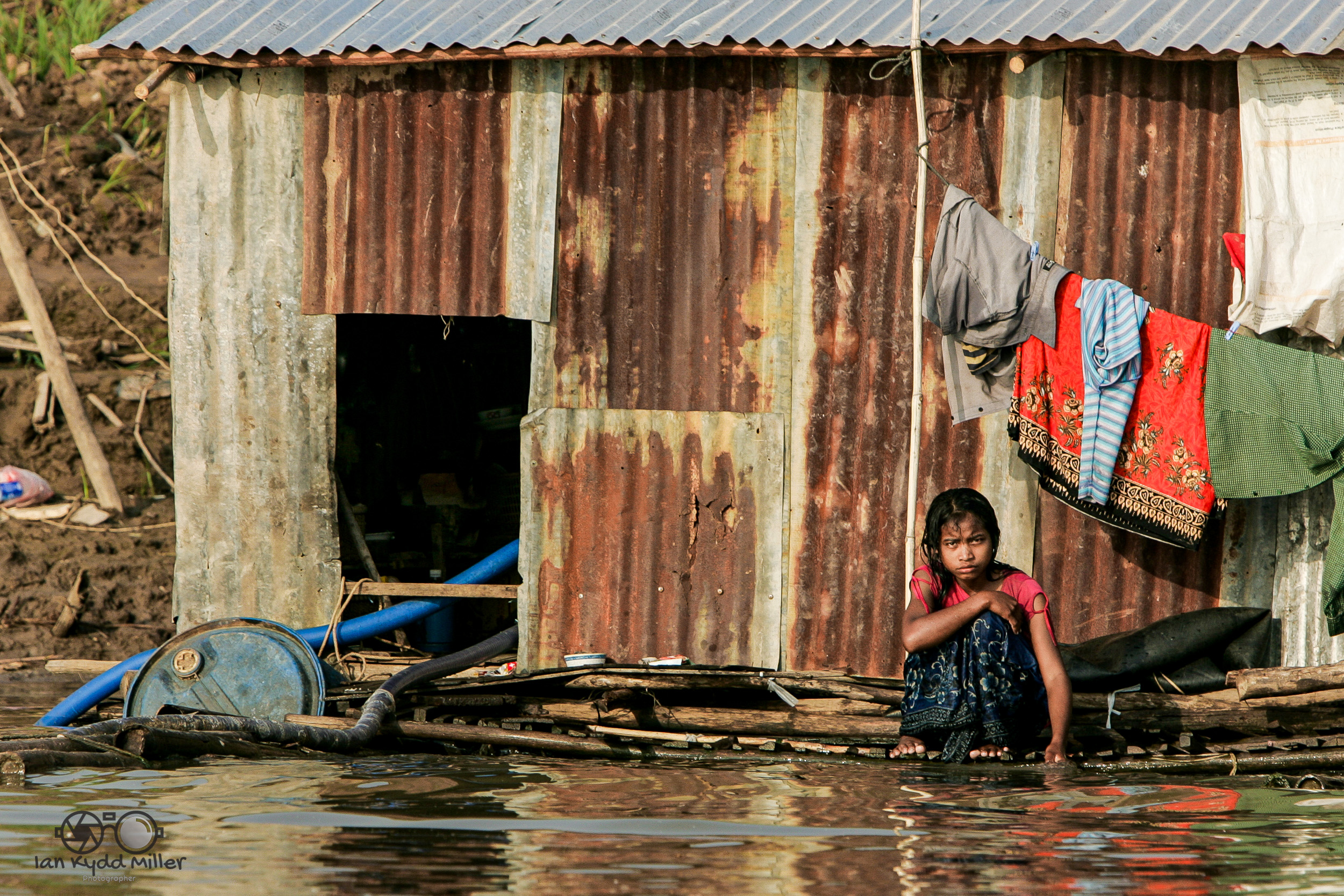
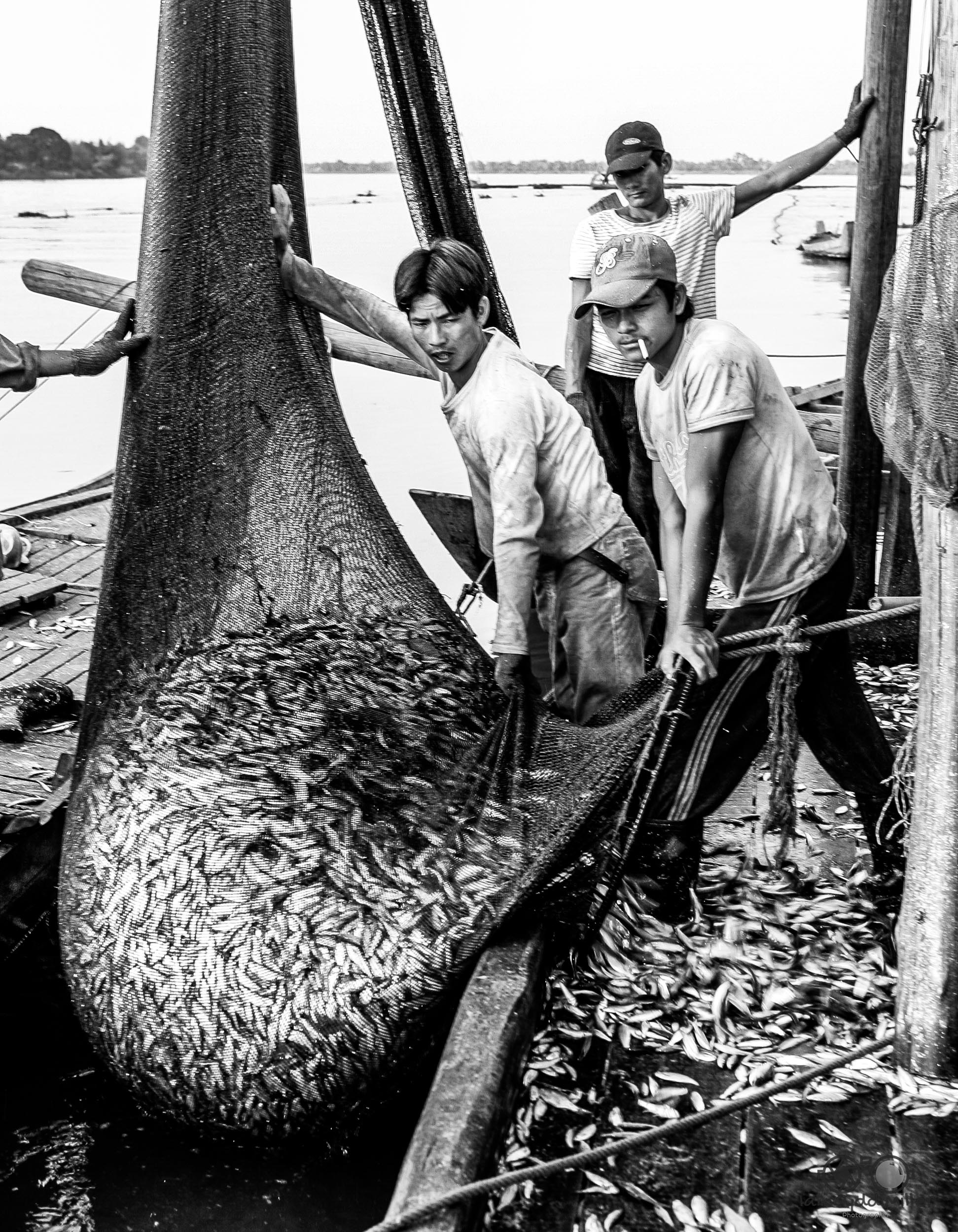
Beyond the temples, the floating villages of Tonle Sap Lake present a glimpse into the lives of the Cambodian people, with their houses perched on stilts above the water. Here, you can capture the daily routines of fishermen, the vibrant colors of the floating markets, and the serene sunsets that cast a golden glow over the lake.
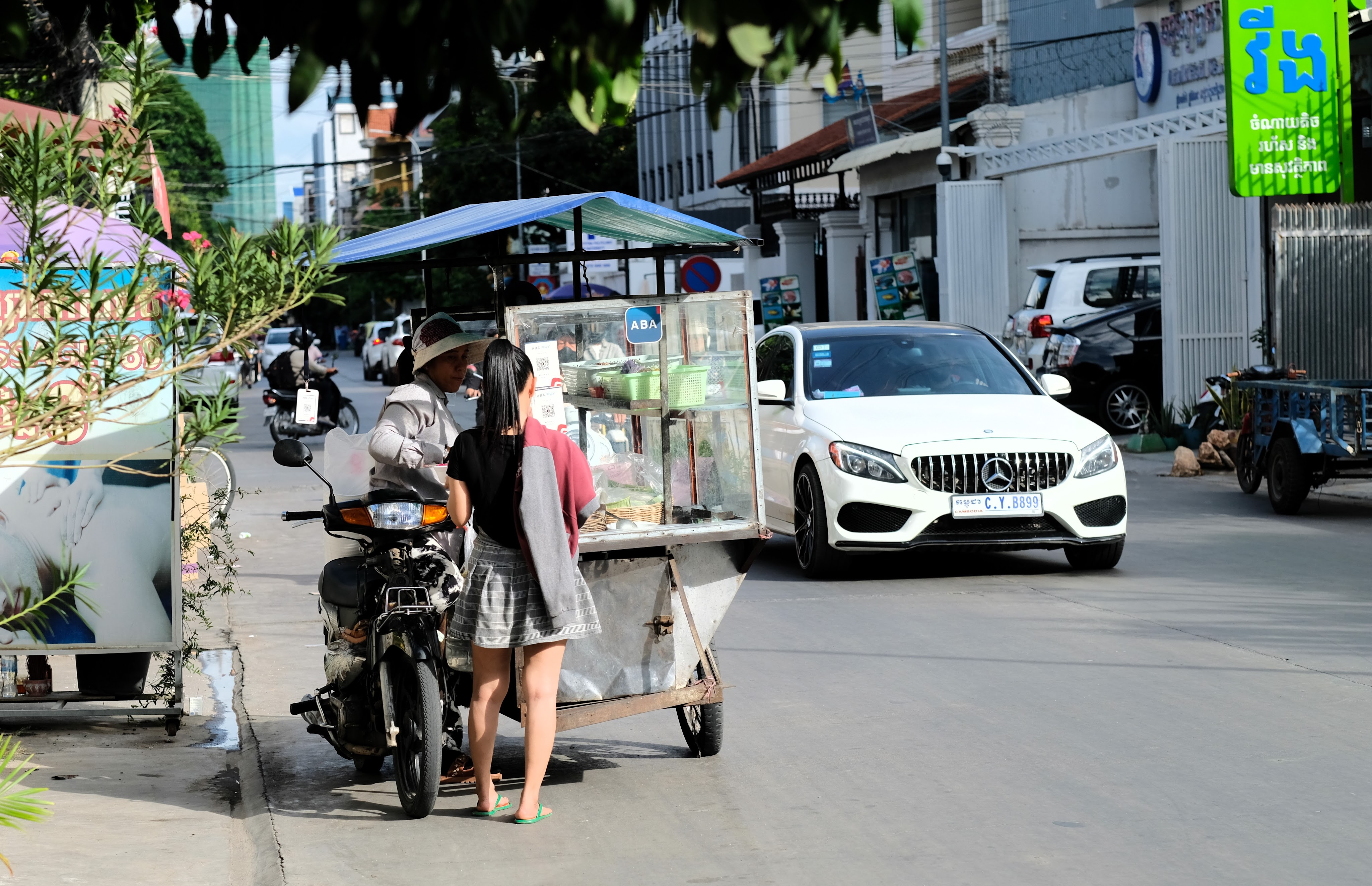
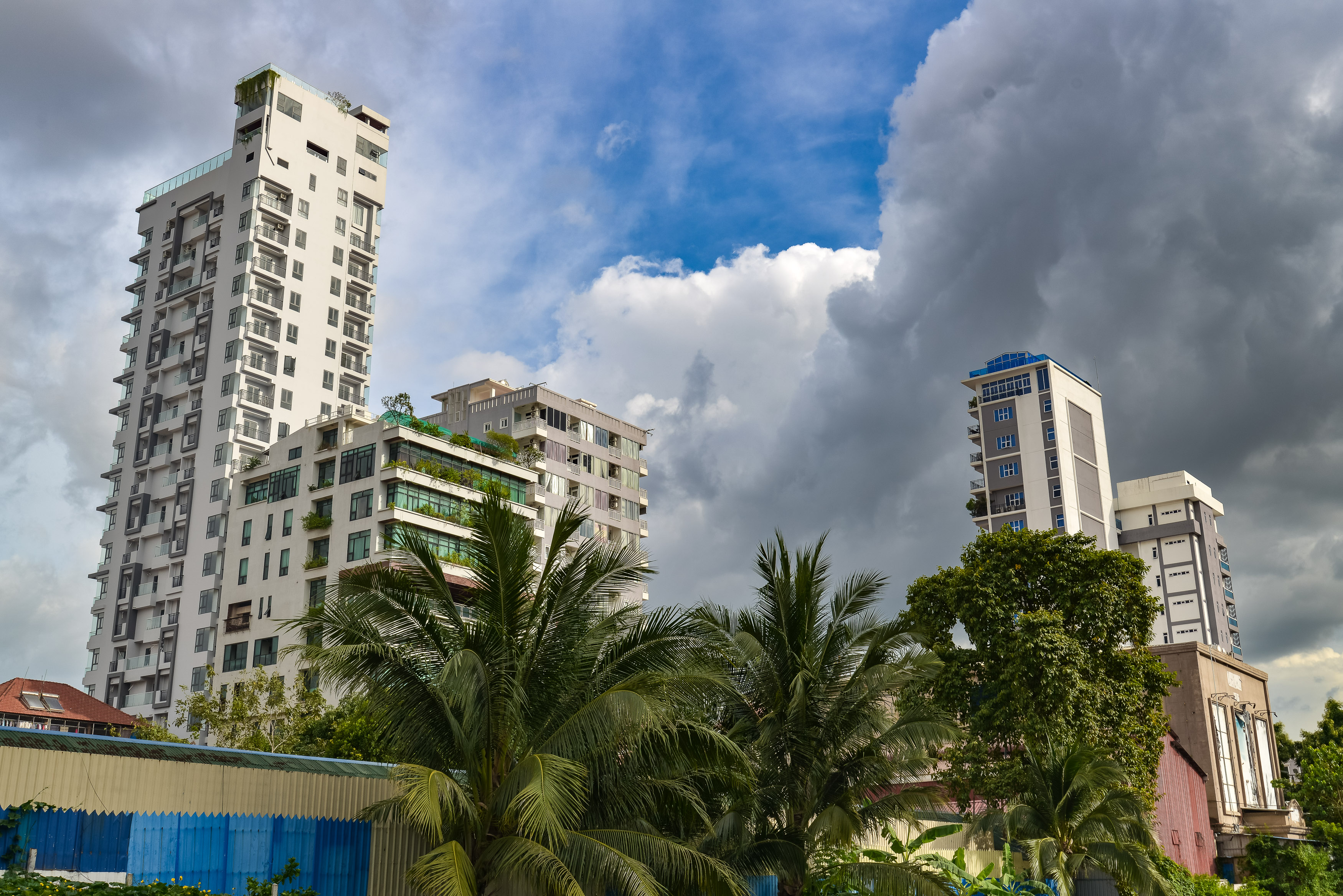
Phnom Penh, the capital city, is a juxtaposition of traditional and modern Cambodia. The Royal Palace, with its classic Khmer roofs and gleaming spires, stands in contrast to the city’s rapidly growing skyline. Street photography enthusiasts will find a wealth of subjects in the city’s lively markets and cafes, where the energy of Cambodia’s urban life is palpable.
For those interested in wildlife and nature photography, the Cardamom Mountains offer untouched landscapes and a chance to photograph rare species in their natural habitat. The lush jungles, cascading waterfalls, and remote villages are a reminder of the country’s diverse ecosystems.
Photography workshops and tours are available for those looking to hone their skills while exploring the country. These guided experiences not only provide practical photography advice but also offer deeper insights into Cambodia’s culture and history.
As a photographer in Cambodia, you are not just a visitor but a storyteller. Each photograph you take contributes to the narrative of this enchanting country, preserving moments of beauty, hardship, joy, and resilience. Whether you are a professional photographer or an enthusiast, Cambodia’s rich tapestry of life will leave you with images and memories that last a lifetime.
In the world of photography, the lens is often regarded as the soul of the camera. It’s the critical component that captures light and shapes images, and for many photographers, the pursuit of the perfect lens is a never-ending journey. With a plethora of options available, ranging from budget-friendly to high-end luxury, one question frequently arises: are high-end, high-priced camera lenses truly superior?
The answer is nuanced and depends largely on the photographer’s needs, expertise, and the specific circumstances of use. High-end lenses typically offer better construction, superior glass quality, and advanced features that can significantly enhance image quality. They are designed to provide sharper images, more accurate colour reproduction, and better performance in low-light conditions. These lenses often come with wider apertures, allowing for a shallower depth of field and that much-desired bokeh effect that adds an artistic touch to photographs.
Moreover, high-end lenses tend to have better build quality, which not only contributes to durability but also to the overall experience of using the lens. The focus rings are smoother, the image stabilization more effective, and the weather-sealing more reliable, making them suitable for professional use in various environments.
However, it’s important to note that a more expensive lens does not automatically equate to better photos. The skill of the photographer and their understanding of photography principles play a significant role in the outcome of an image. Additionally, the type of photography one engages in will influence the choice of lens. For instance, landscape photographers might prioritize wide-angle lenses for their ability to capture expansive scenes, while sports or wildlife photographers might lean towards telephoto lenses for their zoom capabilities and ability to compress perspective.
Another consideration is the camera body itself. While a high-quality lens can certainly elevate the performance of a camera, it’s also true that pairing an expensive lens with an entry-level camera body won’t magically transform the results. The camera’s sensor, image processor, and other features must be capable of harnessing the lens’s potential. Conversely, a great lens on a modest camera body can often produce better results than a mediocre lens on a high-end body.
For those on a budget, it’s reassuring to know that investing in a less expensive camera body and higher-quality lenses is a strategy recommended by many photography experts. Lenses retain their value longer and can be used across different camera bodies as one upgrades over time.
In conclusion, while high-end camera lenses do offer tangible benefits in terms of construction, image quality, and features, they are not a one-size-fits-all solution. Photographers must consider their specific needs, the type of photography they practice, and their budget when deciding whether to invest in a high-priced lens. Ultimately, the best lens is the one that allows you to capture the vision you see through your viewfinder with clarity and creativity. Whether that means splurging on a top-tier lens or finding a hidden gem among the more affordable options is a decision that lies in the hands of the beholder.
In the world of photography, the lens is the eye through which we capture moments, frame our perspectives, and express our creative visions. With the vast array of camera lenses available in 2024, it’s essential to understand how to maximize their potential to enhance your photographic endeavours. Whether you’re a seasoned professional or a budding enthusiast, this guide will help you navigate the complexities of camera lenses and extract the best performance from them.
Understanding Your Subject
The first step in getting the most out of your camera lenses is to identify what you like to shoot. Your subject matter significantly influences the type of lens you’ll need. For instance, travel and landscape photography often benefit from wide-angle lenses that can capture expansive scenes, while sports and wildlife photography demand the reach of telephoto lenses for distant subjects.
Lens Types and Their Functions
Once you’ve pinpointed your interests, familiarizing yourself with the different types of lenses and their functions is crucial. Standard lenses offer a natural perspective similar to the human eye, ideal for a variety of situations. Telephoto lenses bring distant subjects closer, perfect for capturing detail or compressing perspective in landscapes. Wide-angle lenses allow for broader scenes, making them great for architecture and interiors.
Prime vs. Zoom Lenses
The choice between prime and zoom lenses is another consideration. Prime lenses have a fixed focal length and usually offer superior sharpness and wider apertures, which is excellent for low light conditions and depth of field control. Zoom lenses provide versatility with variable focal lengths, allowing you to adjust your composition quickly without changing lenses.
Aperture and Light
The aperture, the opening in the lens through which light passes, is another critical factor. A wider aperture (lower f-number) allows more light into the camera, which is beneficial in low-light situations and for achieving a shallow depth of field. Lenses are often characterized by their maximum aperture, with larger apertures generally indicating a higher-quality lens capable of better performance in various lighting conditions.
Compatibility and Mounts
Ensuring lens compatibility with your camera body is paramount. Different brands and camera systems use distinct lens mounts, and while adapters are available, native lenses typically provide the best performance. It’s also worth considering future-proofing your investment by choosing lenses that will be compatible with newer bodies as technology advances.
Budget and Quality
Your budget will inevitably play a role in your lens selection. While higher-quality lenses come with a steeper price tag, they also offer better optics, build quality, and features. Balancing cost with the quality and features you need is essential for making a wise investment in your photography gear.
Conclusion
Selecting the right lens is a blend of understanding your photographic needs, knowing the capabilities of different lenses, and balancing those against your budget. By considering what you shoot, the types of lenses available, and the specific requirements of your camera system, you can make informed decisions that will elevate your photography to new heights. Dive into the world of lenses with confidence and let your creativity flourish.
Travel photography is an exhilarating blend of adventure, exploration, and artistic expression. It’s about capturing moments that tell stories, evoke emotions, and bring distant cultures and landscapes to life. For those with a passion for both travel and photography, the world is indeed a canvas waiting to be painted with the light, shadows, and colours captured through the lens.
Imagine standing amidst the icy landscapes of Antarctica, where the stark beauty of glaciers and icebergs create a surreal backdrop for the vibrant wildlife that calls this frozen paradise home. The challenge of capturing the perfect shot in such extreme conditions is a thrill that many photographers dream of.
Or perhaps you find yourself wandering the vibrant streets of Cuba, where the pulse of life flows through every alley and plaza. Here, street photography takes on a new dimension, as each frame tells a story of history, resilience, and the colourful tapestry of human experience.
For those drawn to the serene beauty of nature, the Lake District in England offers a picturesque setting of lakes, fells, and quaint market towns. The tranquillity of the landscape invites photographers to capture the essence of pastoral life and the sublime beauty of the natural world.
And let’s not forget the grandeur of the Grand Canyon in the USA, where the vastness of the landscape challenges photographers to grasp the scale and majesty of one of the world’s most breathtaking natural wonders. The interplay of light and shadow over the canyon’s ridges and valleys provides endless opportunities for stunning landscape photography.
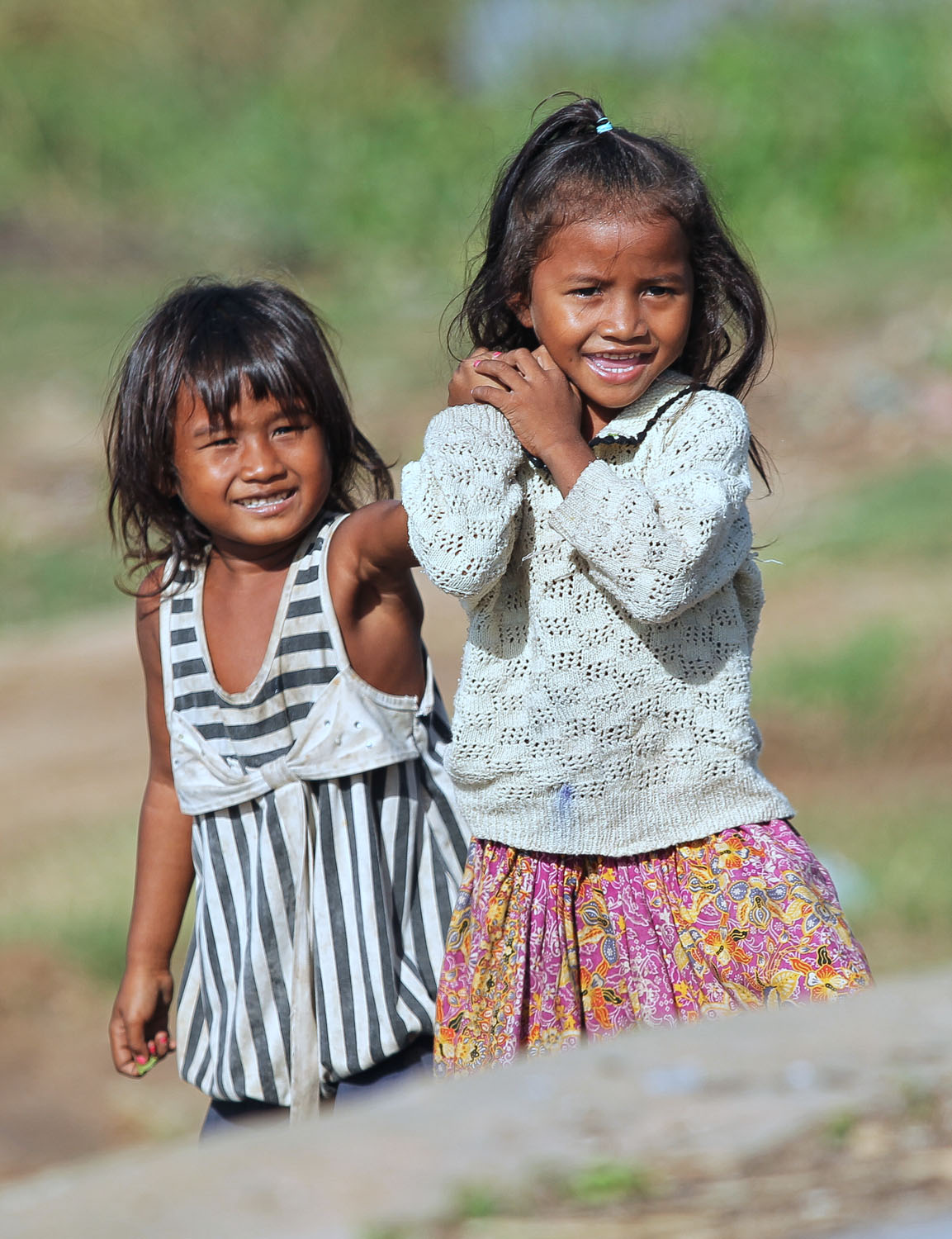
Travel photography is not just about the places; it’s also about the people. The warm smiles of locals, the daily rituals of life, and the celebration of cultural festivals add layers of depth and meaning to your visual narrative. From the lavender fields of Provence, France, to the hilltop villages of Tenerife, Canary Islands, each destination offers a unique palette of scenes and subjects to explore.
As a travel photographer, you are a storyteller. Your camera is your pen, and the world is your storybook. Whether you’re capturing the rugged beauty of Tanzania’s landscapes or the architectural marvels of Kyoto, Japan, each photograph is a chapter in your ongoing tale of discovery.
So pack your bags, charge your camera batteries, and set out on a journey that will fill your soul and your portfolio with memories and images that will last a lifetime. The world is vast, and the beauty it holds is immeasurable. Through your lens, you have the power to share that beauty with others and inspire the next generation of travellers and photographers.
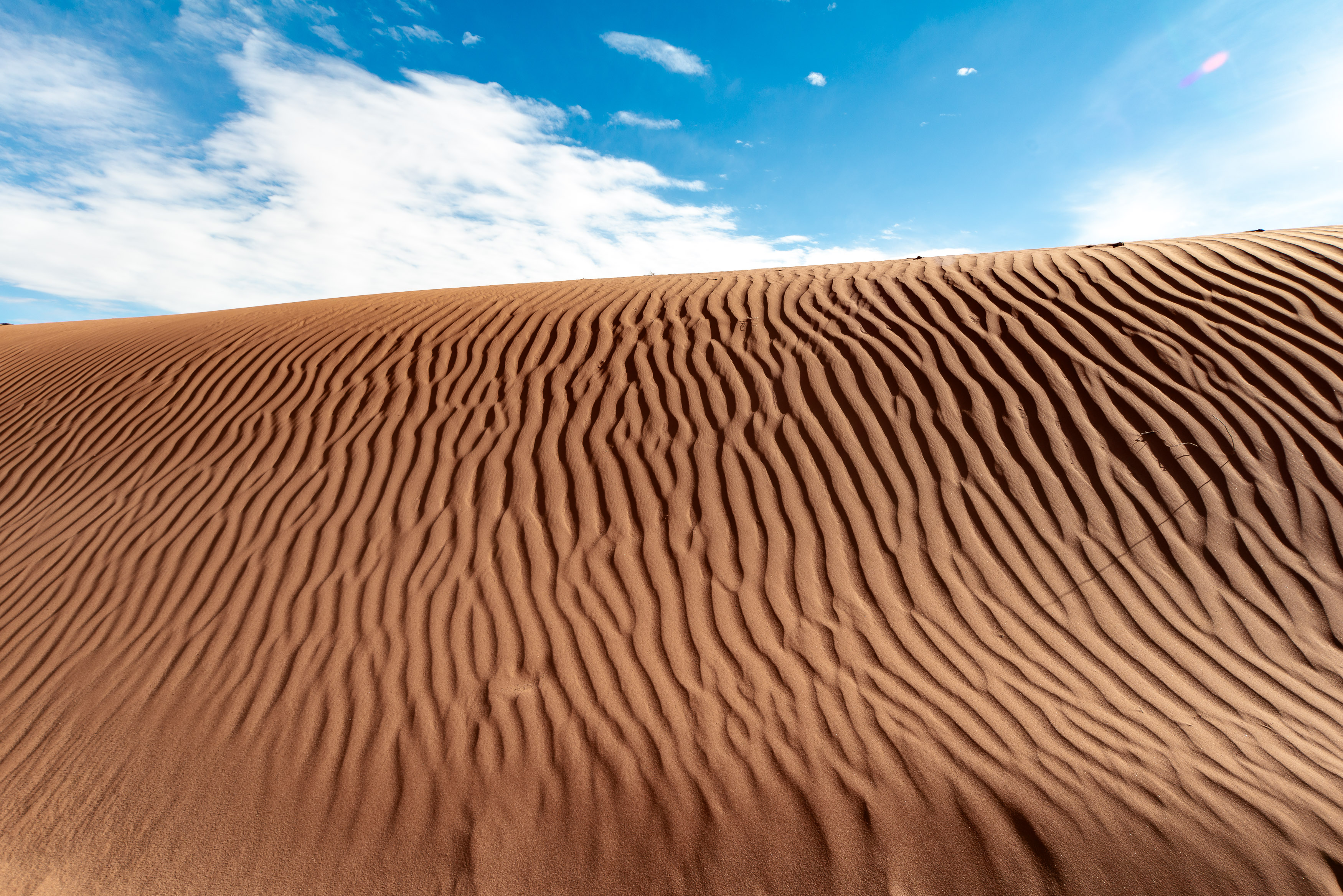
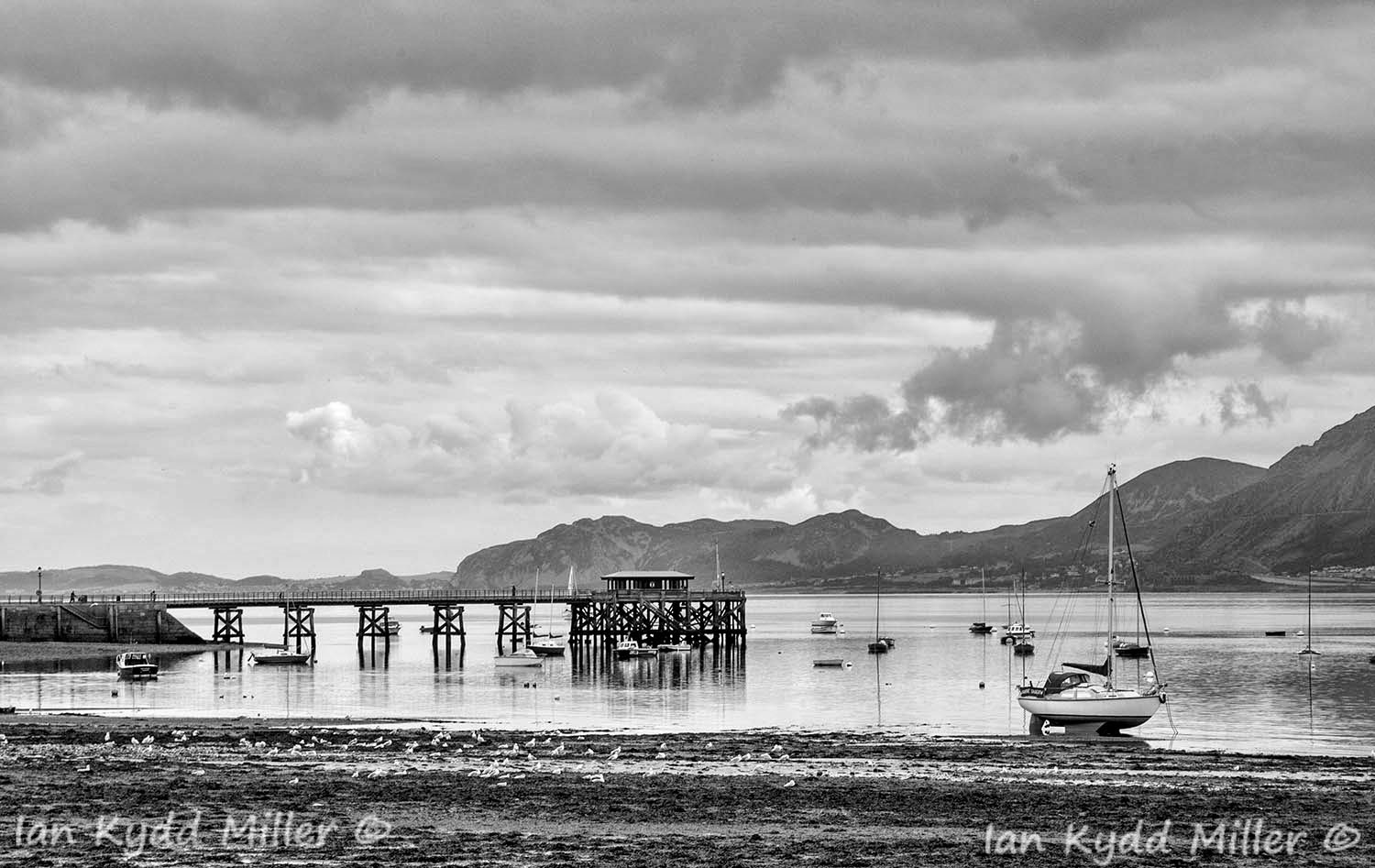
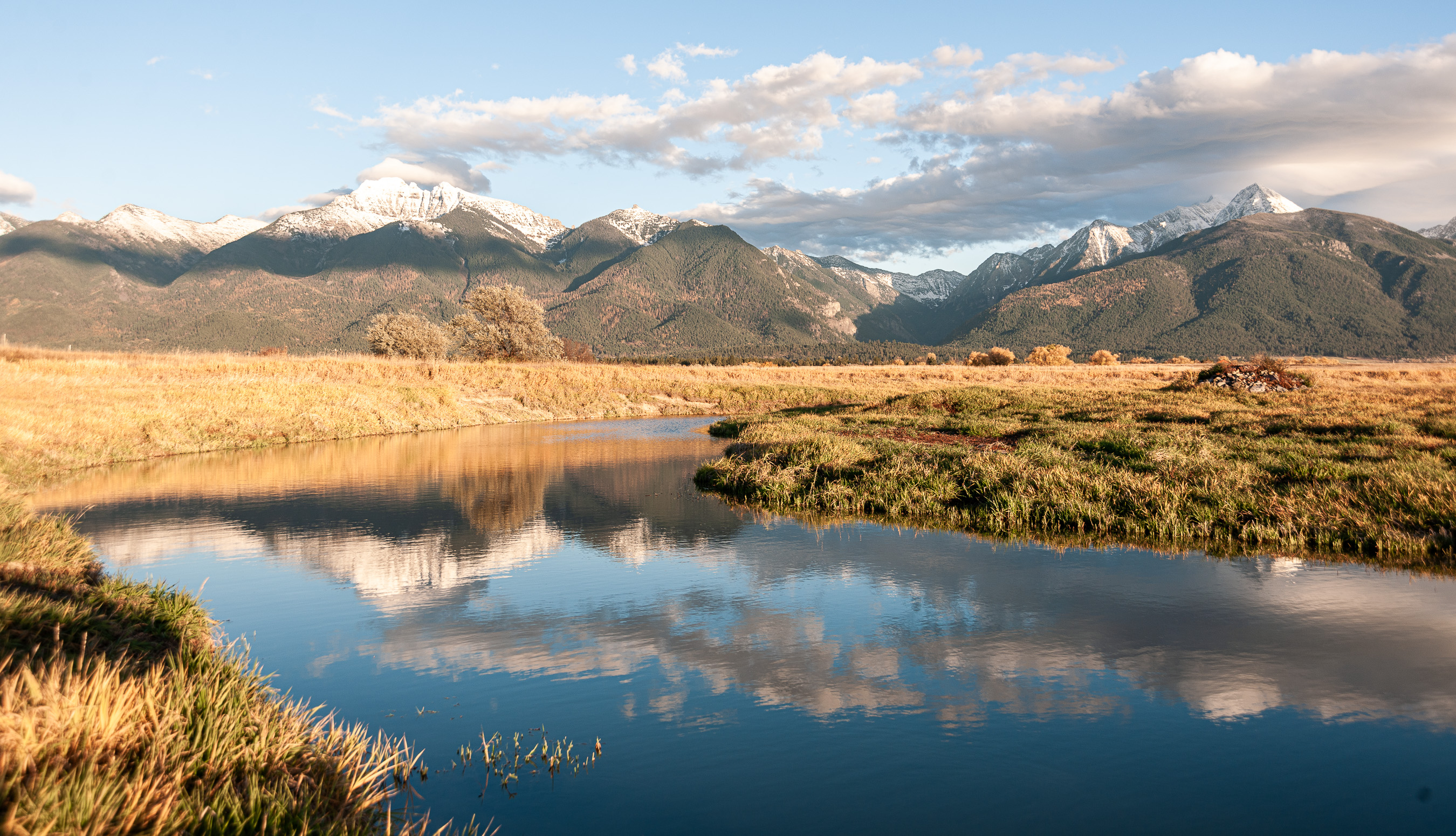
Landscape photography is an art form that has captivated artists and audiences alike for centuries. It’s a genre that celebrates the natural beauty of our planet, capturing moments in time that highlight the grandeur and majesty of the outdoors. From the rugged peaks of mountain ranges to the tranquil shores of secluded beaches, landscape photography allows us to preserve and share the breathtaking vistas that might otherwise be transient or inaccessible.
The Essence of Landscape Photography
At its core, landscape photography is about the relationship between the photographer and the environment. It’s a dance of light, composition, and timing, all coming together to create a visual narrative that speaks to the viewer on an emotional level. The best landscape photographs are those that not only showcase the beauty of a scene but also evoke a sense of place and time, transporting the viewer into the frame.
The Technical Side
To capture these stunning images, photographers must have a solid understanding of camera settings and techniques. Aperture, shutter speed, exposure, and sharpness are just the beginning. Mastering these elements allows photographers to convey their vision effectively, whether it’s the stillness of a misty morning or the dynamic power of a stormy sea.
Advanced techniques such as hyperfocal distance, exposing to the right, and focus stacking can elevate a photograph from good to extraordinary. These methods help in achieving sharpness throughout the scene, capturing the highest dynamic range, and ensuring that every detail is in focus, from the foreground to the horizon.
The Artistic Side
However, landscape photography is not just about technical prowess; it’s also deeply artistic. Composition plays a crucial role in the impact of a photograph. The rule of thirds, leading lines, and the use of natural frames are compositional tools that can guide the viewer’s eye and create a more engaging image.
Post-processing is another critical aspect of landscape photography. It’s where the raw materials captured in the field are refined into the final piece of art. Techniques like HDR, panoramic stitching, and advanced sharpening can help to bring out the details and colors that make a landscape photo pop.
The Journey
Landscape photography is also a journey of personal growth and discovery. It encourages photographers to explore new places, chase the light, and witness the world in its most unguarded moments. It’s a pursuit that requires patience, as the perfect shot often comes after hours or even days of waiting for the right conditions.
The Community
The landscape photography community is a vibrant and supportive one. Photographers share their experiences, knowledge, and passion for the craft, helping each other to grow and succeed. Whether it’s through online forums, workshops, or exhibitions, there’s a sense of camaraderie that binds landscape photographers together.
Conclusion
Landscape photography is more than just a genre of photography; it’s a way of seeing the world and sharing its wonders with others. It’s a testament to the beauty that surrounds us and a reminder to preserve the natural environments we so often take for granted. For those who are drawn to this art form, it offers endless opportunities for creativity, exploration, and connection with the world around us.
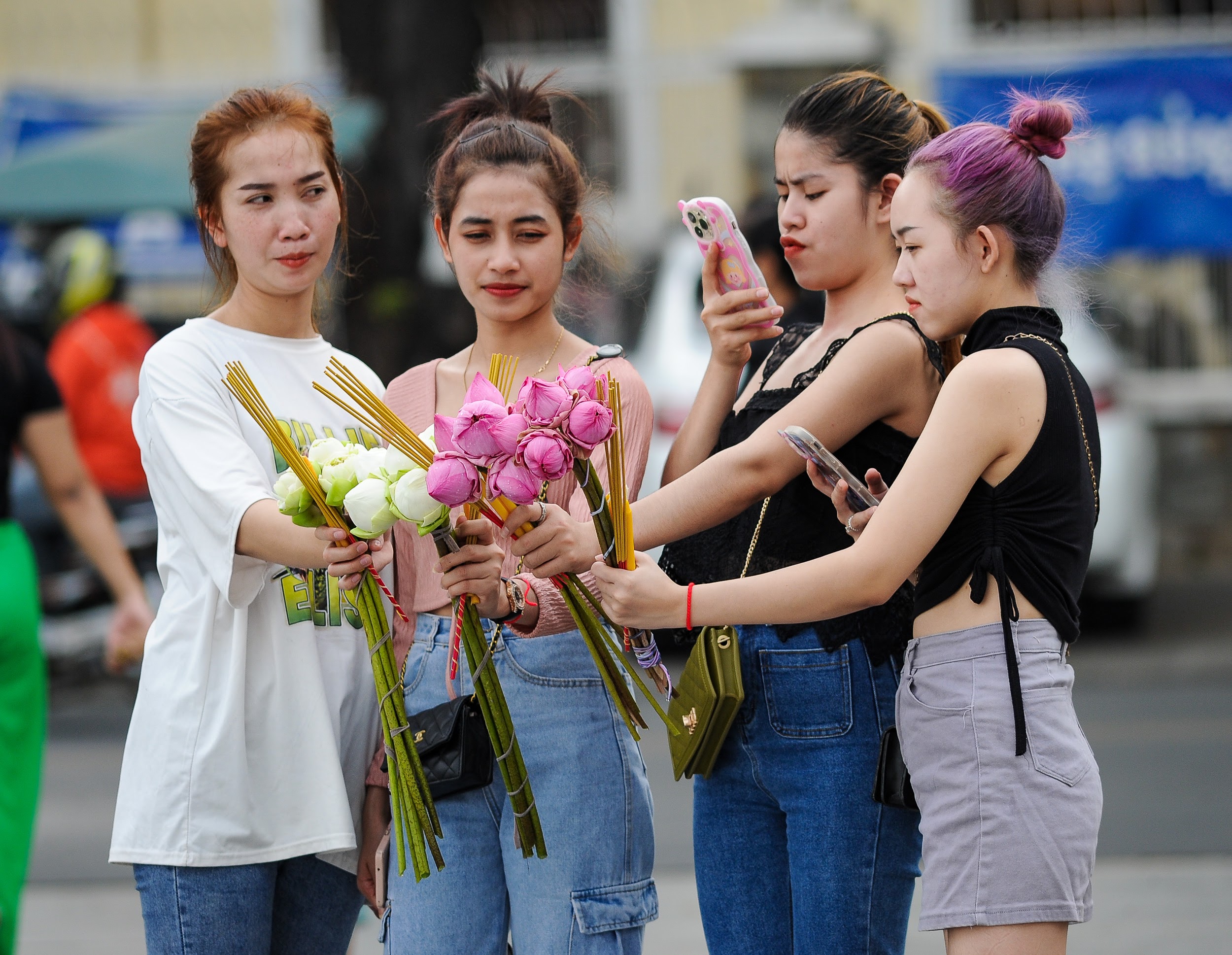
Street photography, a genre that often captures society’s raw, unfiltered essence, has a unique relationship with storytelling. It’s not just about snapping candid shots of strangers in public spaces; it’s about finding the narratives within the bustling city streets, the quiet moments of reflection, and the everyday interactions that often go unnoticed.
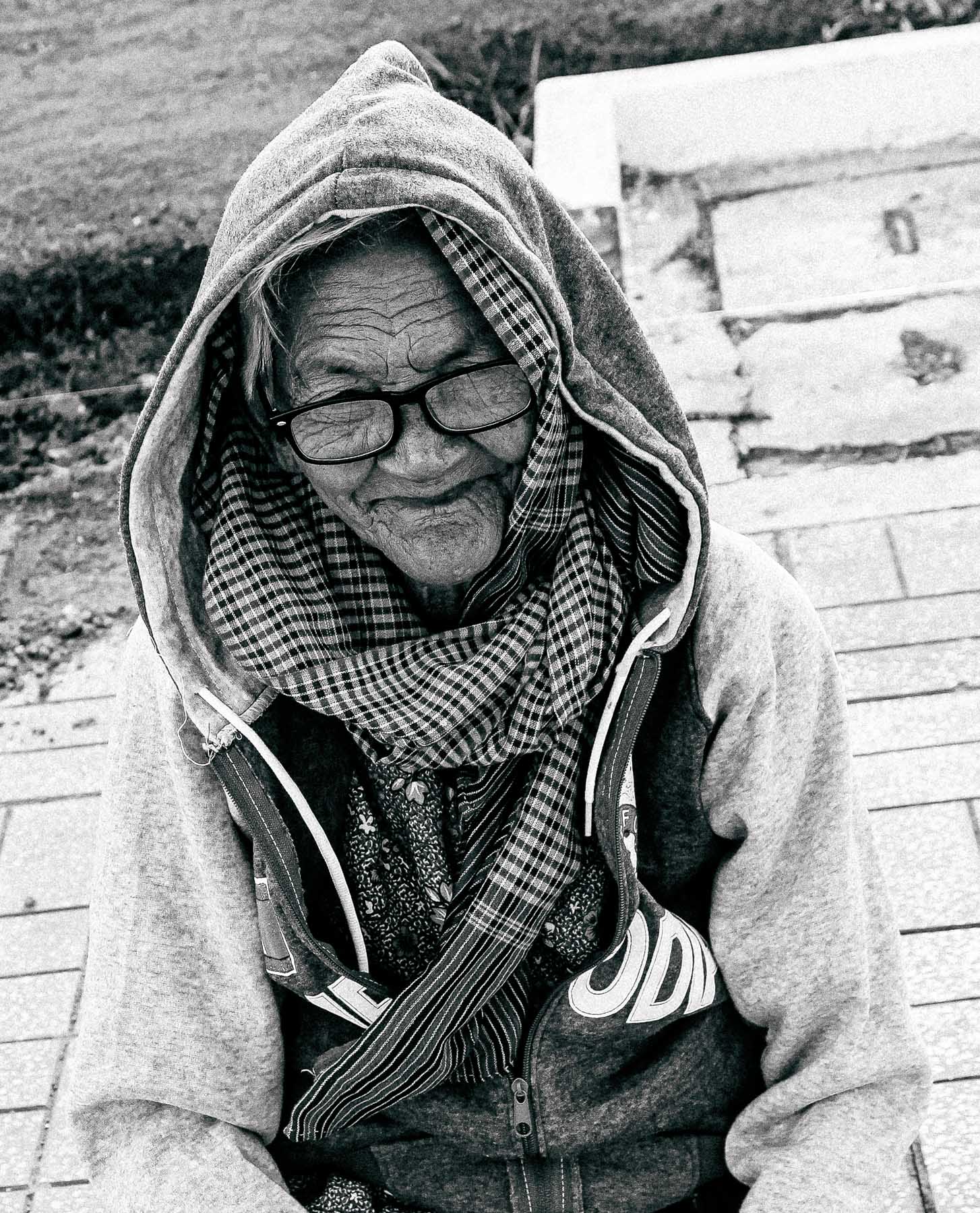
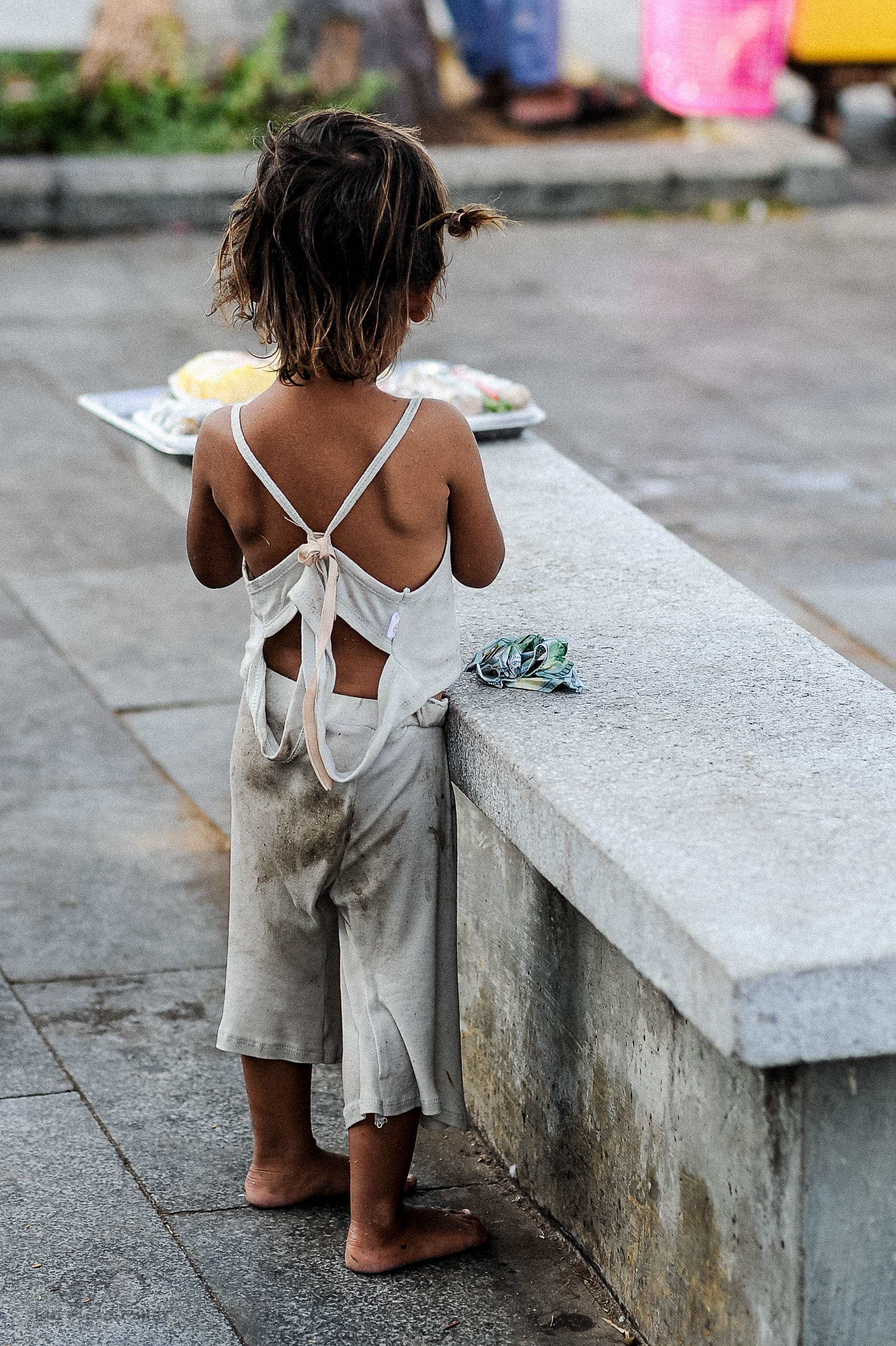
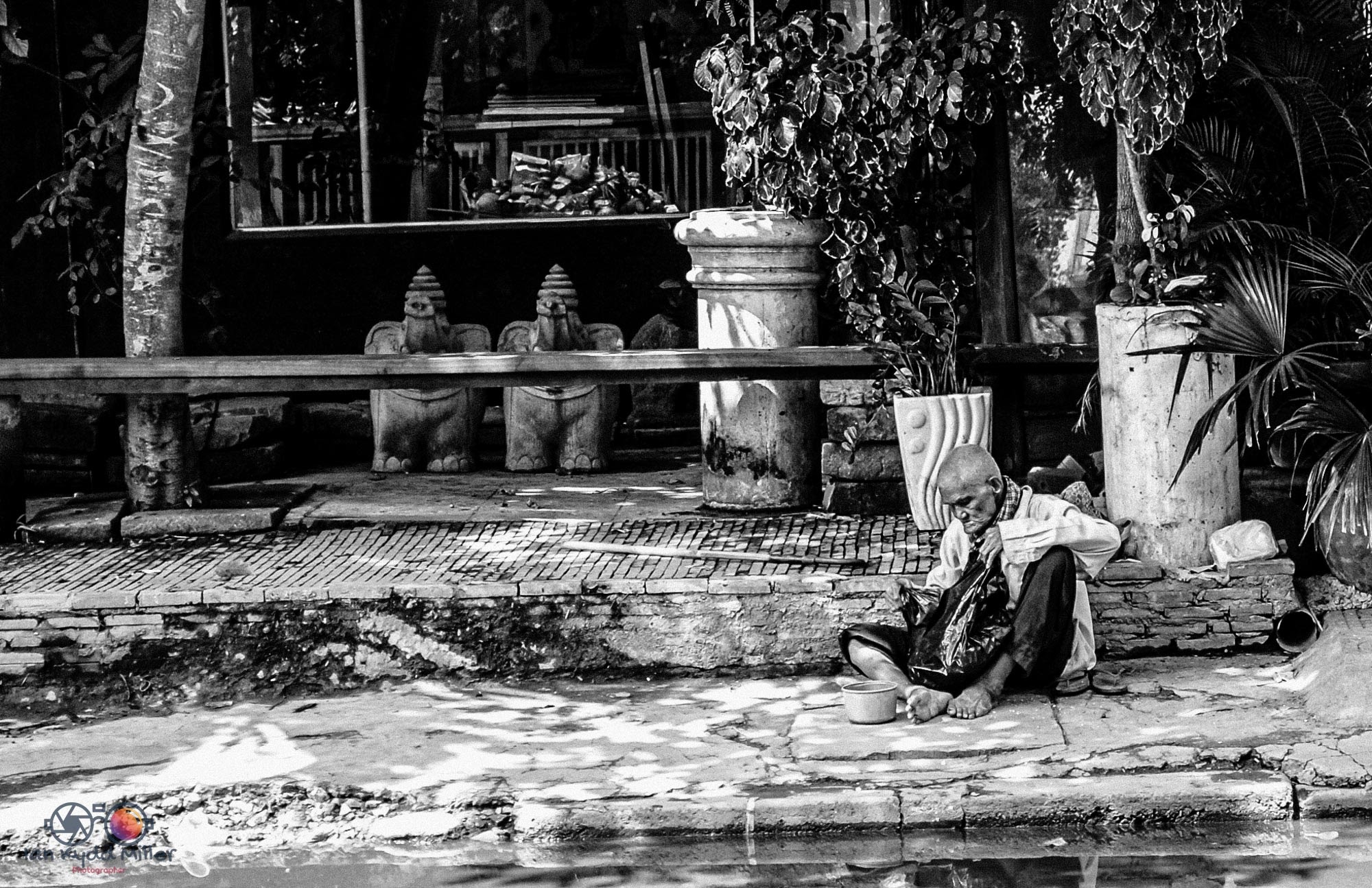
At its core, street photography is about observation and the ability to see the extraordinary in the ordinary. It’s about capturing a moment in time that tells a story or evokes an emotion from the viewer. This could be a tender exchange between two people, the isolation of an individual in a crowd, or the play of shadows and light that transforms a mundane scene into something dramatic.
Storytelling in street photography doesn’t necessarily mean a beginning, middle, and end is captured in a single frame. Instead, it’s about creating an image that gives enough context to spark the viewer’s imagination, allowing them to craft their own narrative around what they see. It’s about capturing a slice of life that resonates on a personal level, making the viewer feel connected to the subject or scene.
Some of the most iconic street photographs are those that tell a powerful story. Take, for instance, the famous V-J Day in Times Square photograph by Alfred Eisenstaedt. It’s a single moment frozen in time, yet it speaks volumes about the joy and relief at the end of World War II. This image has become iconic not just because of its composition but because of the story it tells and the emotions it evokes.
Street photography can also be seen as a form of visual journalism, documenting the everyday life and culture of a place. It’s a way to preserve history, capturing the zeitgeist of an era. Through the lens of street photographers, we gain insight into different cultures, social issues, and the human condition. It’s a powerful tool for storytelling, one that can be more impactful than words alone.
For those interested in exploring street photography, it’s important to remember that patience and observation are key. It’s about being present in the moment and ready to capture it when it unfolds. It’s also about respect for the subjects and the environment, understanding that you’re a visitor in their world.
In conclusion, storytelling is indeed a vital component of street photography. It’s what elevates a photograph from a mere image to a piece of art that communicates, connects, and sometimes even challenges the viewer. Whether you’re a seasoned photographer or just starting, the streets are an open book waiting for you to tell its stories. Dive in, explore, and let the world see the stories through your eyes.
































 a world without pictures is like coffee without cream and sugar, bitter