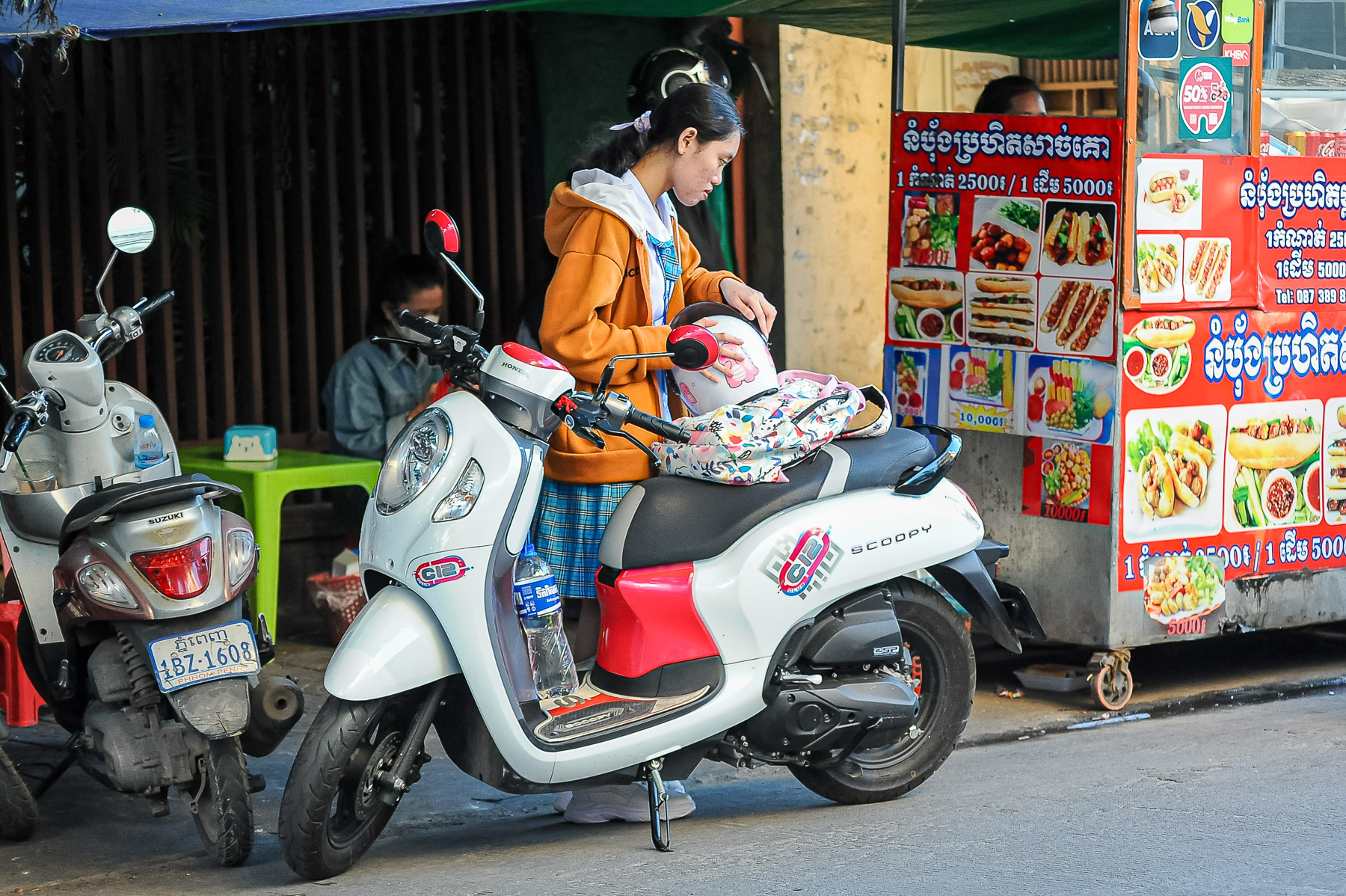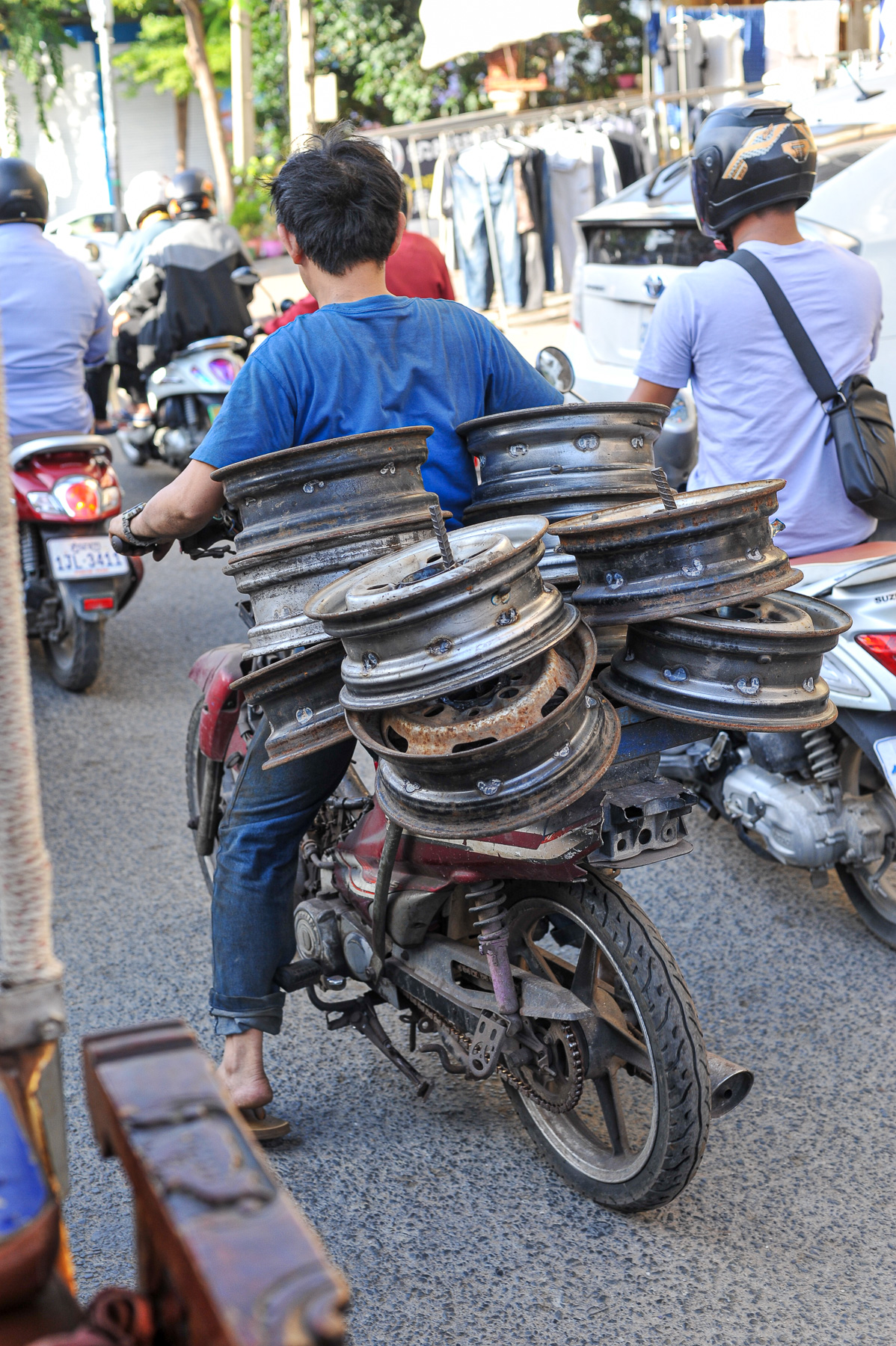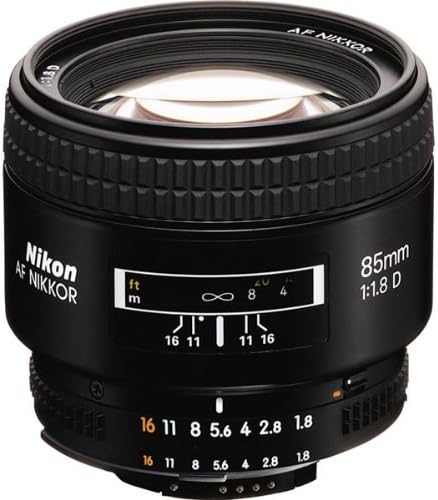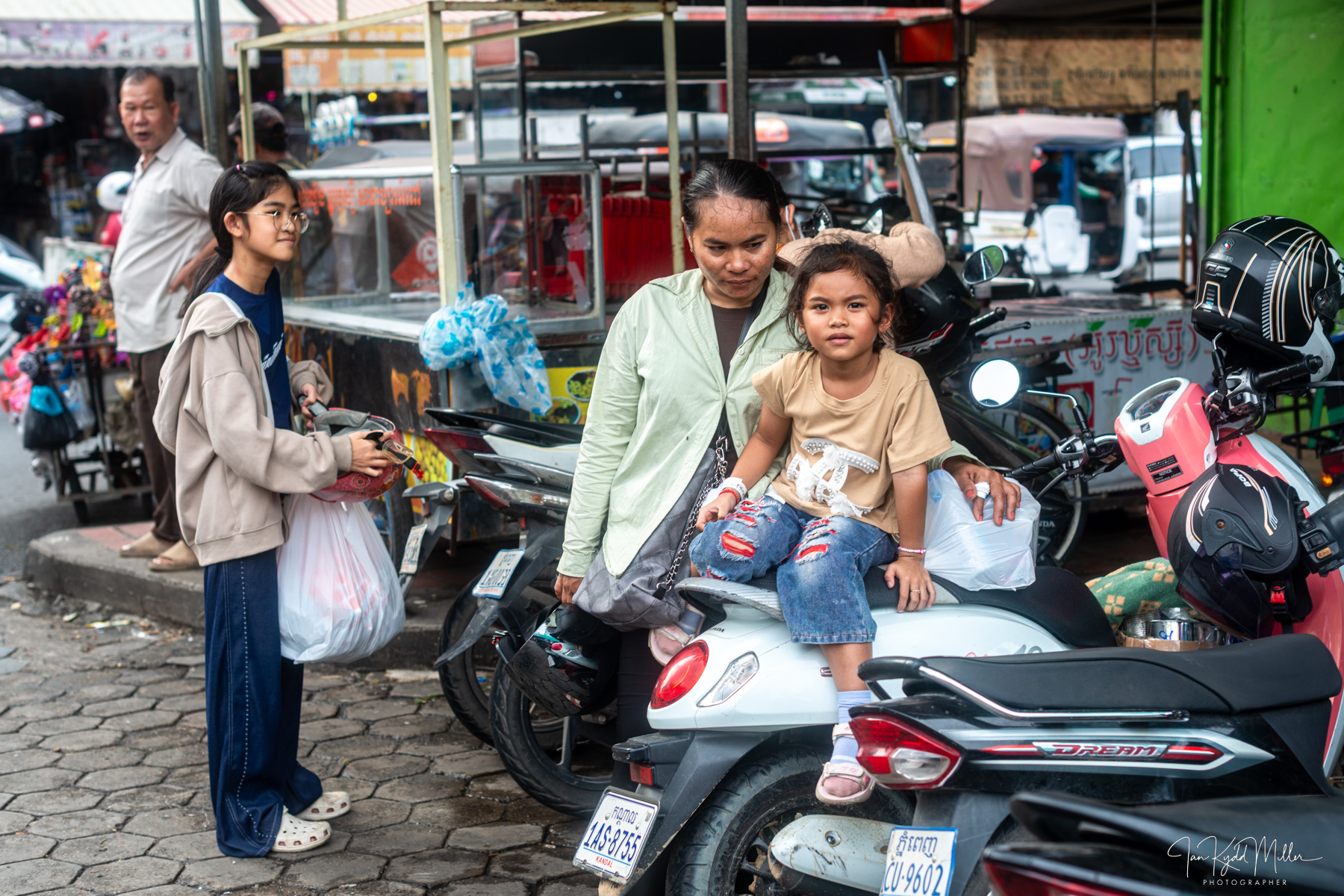
📸 Nikkor AF-S 50mm f/1.8G

cameras, Lenses, opinons, thoughts, photography, pictures, street, Travel

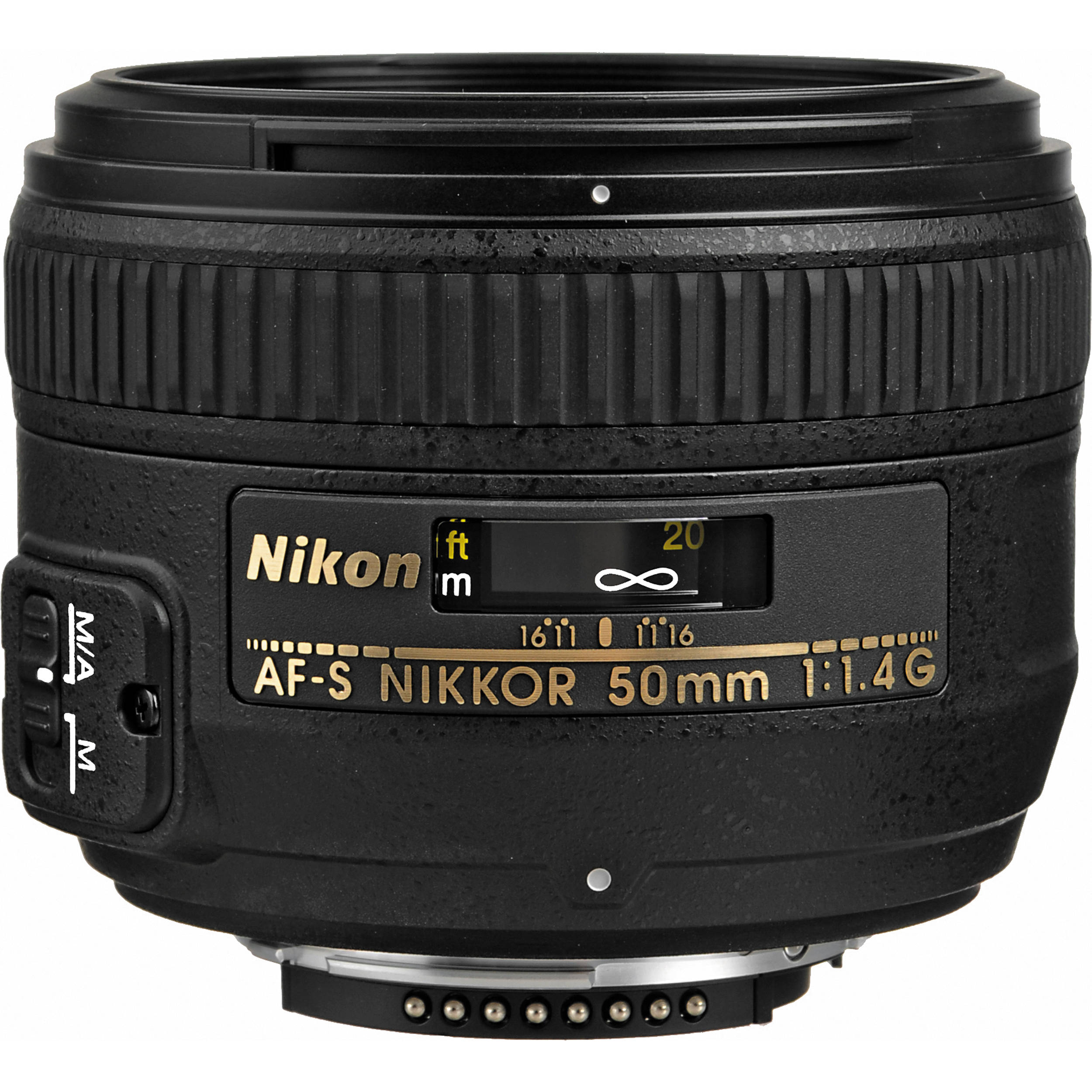
When Nikon released the AF-S NIKKOR 50mm f/1.8G in 2011, it was designed to replace the older 50mm f/1.8D. This wasn’t just a minor update—it was a complete redesign that brought the 50mm into the modern DSLR era. With its Silent Wave Motor (SWM), aspherical element, and rounded diaphragm blades, the lens quickly became a favorite among both beginners and professionals.

🏗️ Build and Design

  • Compact and lightweight at just 185g, making it easy to carry as an everyday lens.
  • Plastic exterior with a metal mount—not as rugged as pro lenses, but durable enough for regular use.
  • Weather sealing is absent, but the lens is reliable in most conditions if handled with care.
  • The focus ring is smooth and allows for full-time manual override, a big improvement over the older D version.

🔍 Optical Performance

  • Sharpness: Excellent center sharpness even wide open at f/1.8, with edges improving significantly by f/2.8–f/4.
  • Bokeh: Thanks to its 7 rounded aperture blades, the out-of-focus areas are smooth and pleasing, making it a great portrait lens.
  • Chromatic Aberration: Some longitudinal CA (color fringing) is visible at wide apertures, but it’s well controlled compared to older designs.
  • Distortion & Vignetting: Minimal barrel distortion; vignetting is noticeable at f/1.8 but reduces quickly when stopped down.

⚡ Autofocus and Handling

  • The Silent Wave Motor (SWM) provides fast, accurate, and nearly silent autofocus, a huge step up from the screw-drive AF of the 50mm f/1.8D.
  • Works seamlessly on all Nikon DSLRs, including entry-level bodies without an in-body AF motor.
  • Manual focus override is smooth and responsive, making it easy to fine-tune focus for portraits or close-ups.

🎨 Creative Applications

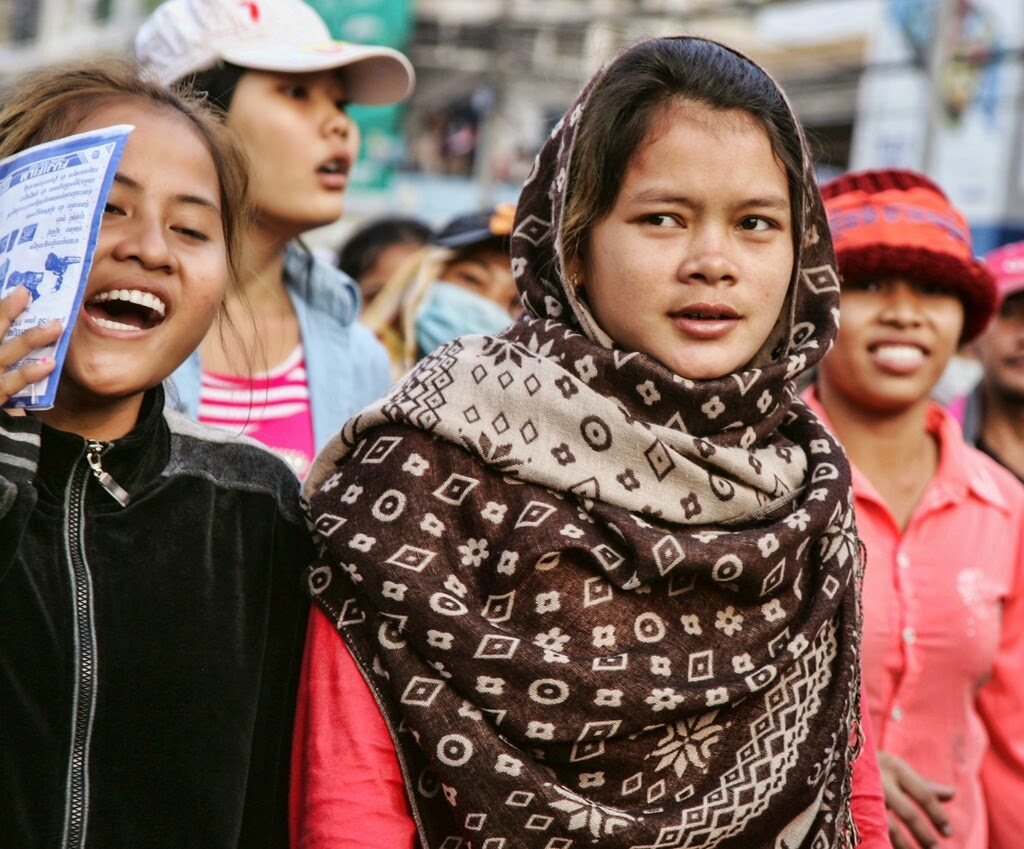
  • Portraits: On full-frame (FX) cameras, it delivers natural perspective and beautiful background separation. On APS-C (DX) bodies, it acts like a short telephoto (~75mm equivalent), perfect for headshots.
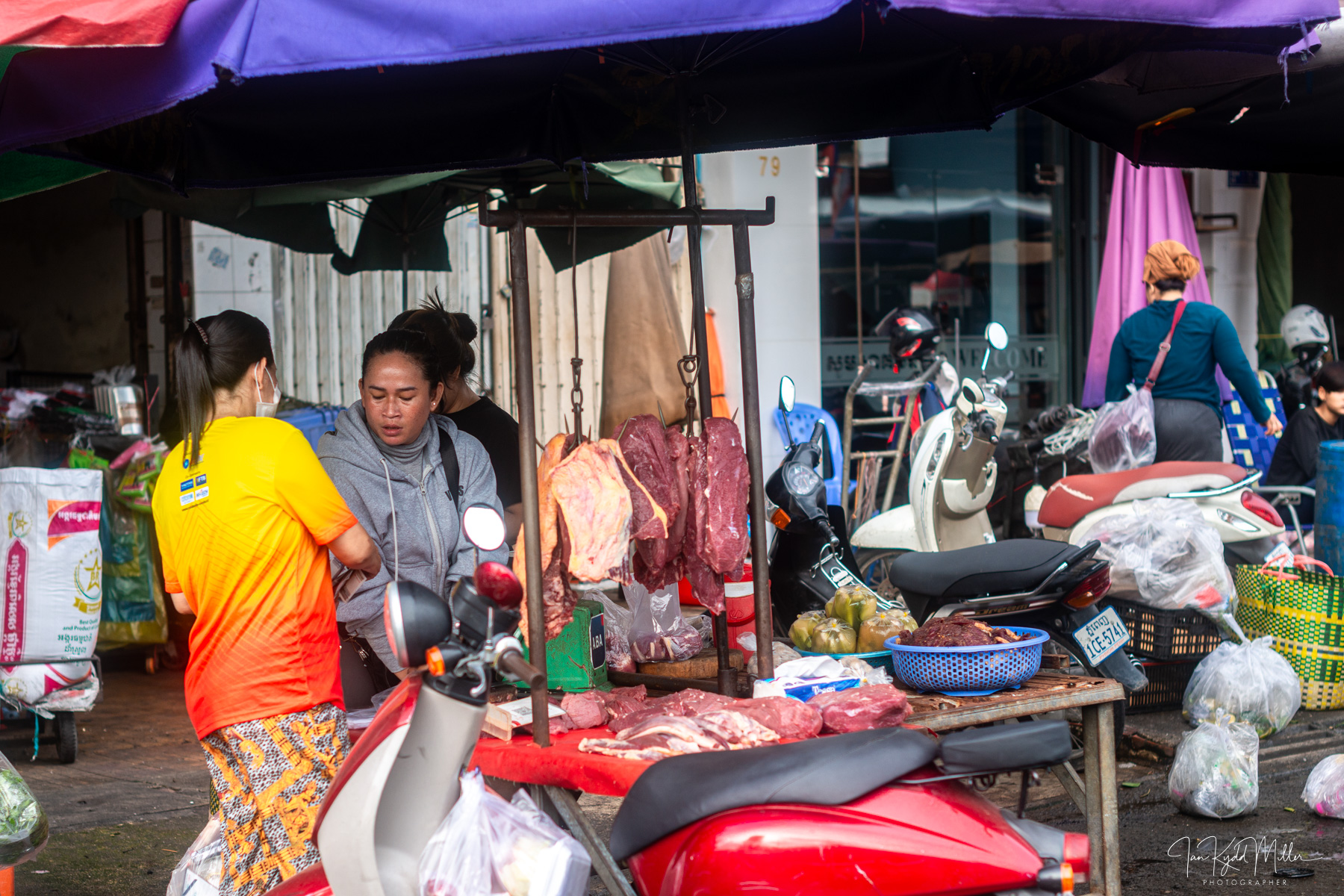
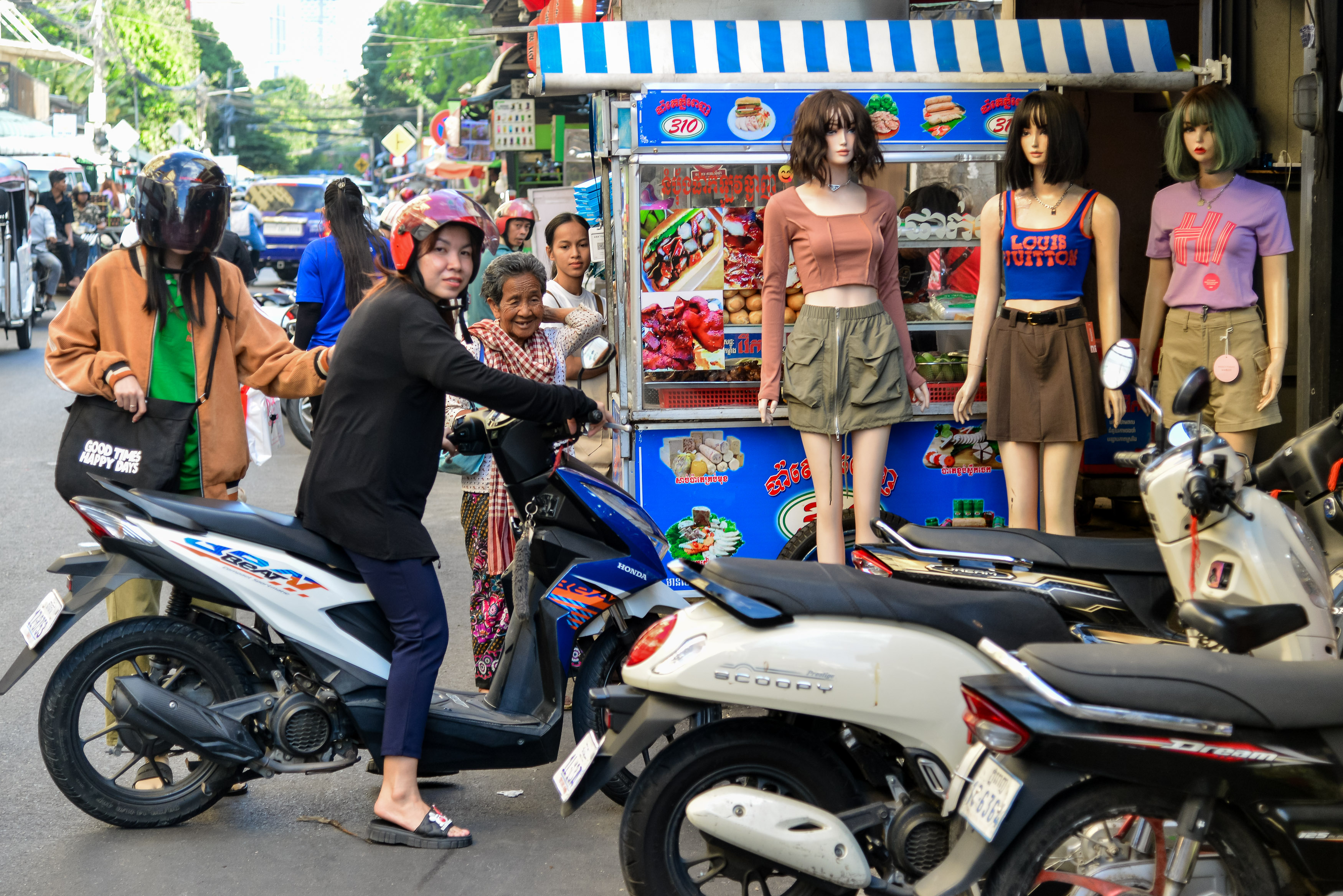
  • Street Photography: Its discreet size and fast aperture make it excellent for low-light, candid shooting.
  • Everyday Use: From food photography to travel, the 50mm focal length is versatile and intuitive.

💰 Value and Longevity

  • Priced affordably (around $200–250 new, less on the used market), it offers exceptional value for money.
  • While Nikon’s 50mm f/1.4G and f/1.2 lenses exist, the f/1.8G hits the sweet spot of performance, portability, and price.
  • Even in the mirrorless era, with Nikon’s Z-mount lenses, the 50mm f/1.8G remains a relevant and reliable choice for F-mount shooters.

✅ Final Verdict

The Nikkor AF-S 50mm f/1.8G is a lens that proves you don’t need to spend a fortune for professional-quality results. With its sharp optics, smooth bokeh, and dependable autofocus, it’s a must-have prime for any Nikon DSLR user. Whether you’re shooting portraits, street scenes, or everyday life, this lens delivers consistent, beautiful results—and it’s one of the best bargains in Nikon’s lineup.

🎯 Nikkor 85mm f/1.8D on the Nikon D3

cameras, Lenses, opinons, thoughts, photography, pictures, street, Travel

When Nikon introduced the AF Nikkor 85mm f/1.8D in 1994, it quickly became a go-to portrait lens for professionals and enthusiasts alike. Fast forward to the Nikon D3 era (2007), and this lens found a natural partner in Nikon’s first full-frame DSLR. While newer optics have since surpassed it in coatings, autofocus speed, and edge-to-edge sharpness, the 85mm f/1.8D remains a compact, affordable, and character-rich lens that shines on the D3.

🏗️ Build and Handling

  • Compact and lightweight at just 380g, making it easy to carry compared to the heavier 85mm f/1.4.
  • Solid construction with a classic Nikon design—metal mount, smooth focus ring, and a no-nonsense aesthetic.
  • On the D3’s robust body, it balances well, offering a comfortable shooting experience for long sessions.

🔍 Optical Performance

  • Sharpness: Wide open at f/1.8, the center sharpness is already strong, though edges soften slightly. By f/2.8–f/4, sharpness across the frame improves significantly.
  • Bokeh: The 9-blade diaphragm produces smooth, pleasing background blur—ideal for portraits. While not as creamy as the 85mm f/1.4, it still delivers a natural separation between subject and background.
  • Distortion & Vignetting: Very minimal barrel distortion. Vignetting is visible at f/1.8 but reduces quickly when stopped down.
  • Chromatic Aberration: Some longitudinal CA (color fringing) can appear in high-contrast areas wide open, but it’s manageable and often correctable in post.

⚡ Autofocus and Usability

  • The lens uses Nikon’s older screw-drive AF system, meaning autofocus relies on the D3’s in-body motor. On the D3, this results in fast and accurate focusing, though not as silent or refined as modern AF-S lenses.
  • Manual focus is smooth, with a well-damped ring—useful for fine adjustments in portraiture.

🎨 Creative Applications

  • Portraits: This is where the lens shines. On the D3’s 12MP full-frame sensor, it produces flattering compression, excellent subject isolation, and a timeless rendering.
  • Low Light: The f/1.8 aperture combined with the D3’s strong high-ISO performance makes it a capable lens for indoor or evening shoots.
  • Versatility: While primarily a portrait lens, it also works well for detail shots, street photography, and even event coverage where discretion and speed matter.

💰 Value Today

  • On the used market, the 85mm f/1.8D is very affordable, often a fraction of the cost of the 85mm f/1.4 or newer AF-S versions.
  • For photographers using a Nikon D3 (or similar FX DSLR), it remains a cost-effective way to achieve professional portrait results without sacrificing too much in optical quality.

✅ Final Verdict

The Nikkor 85mm f/1.8D on the Nikon D3 is a pairing that proves older gear can still deliver professional, emotionally resonant images. While it lacks the modern refinements of newer lenses, its sharpness, bokeh, and reliability make it a classic portrait tool that continues to earn its place in a photographer’s bag.

📸 Understanding the Exposure Triangle

opinons, thoughts, photography, pictures, street, Travel

A beginner-friendly guide to balancing light, motion, and depth in photography

Photography is, at its core, the art of capturing light. Every image you make is shaped by three interdependent settings on your camera: aperture, shutter speed, and ISO. Together, they form what photographers call the exposure triangle. Mastering this triangle is less about memorizing numbers and more about learning how each side influences not just brightness, but also mood, motion, and depth.

🔺 The Three Sides of the Triangle

1. Aperture (the lens opening)

  • What it does: Controls how much light passes through the lens.
  • Measured in: f-stops (f/1.4, f/2.8, f/8, etc.).
  • Creative effect:
    • Wide aperture (low f-number, e.g., f/1.8) → shallow depth of field, creamy background blur (bokeh).
    • Narrow aperture (high f-number, e.g., f/16) → deep focus, more of the scene sharp.

2. Shutter Speed (the time the sensor is exposed)

  • What it does: Determines how long the sensor (or film) is exposed to light.
  • Measured in: Seconds or fractions (1/1000s, 1/60s, 2s).
  • Creative effect:
    • Fast shutter (1/1000s) → freezes motion (sports, street gestures).
    • Slow shutter (1/15s, 2s) → blurs motion (waterfalls, light trails, ghostly figures).

3. ISO (the sensor’s sensitivity to light)

  • What it does: Adjusts how sensitive your sensor is to incoming light.
  • Measured in: ISO values (100, 400, 3200, etc.).
  • Creative effect:
    • Low ISO (100–200) → clean, noise-free images.
    • High ISO (1600–6400+) → brighter in low light but with visible grain/noise.

⚖️ Balancing the Triangle

The magic of the exposure triangle is that changing one side forces you to adjust the others. For example:

  • If you open your aperture wider (f/2.8), you may need a faster shutter speed or lower ISO to avoid overexposure.
  • If you raise ISO for a night scene, you can use a faster shutter speed to avoid blur.
  • If you want silky water with a long exposure, you’ll need a small aperture and low ISO to prevent blown highlights.

It’s a balancing act: exposure is the sum of choices, not a single setting.

🎨 Beyond Exposure: Creative Control

  • Mood: Wide apertures create intimacy; long exposures create dreamlike atmospheres.
  • Storytelling: Freezing a gesture vs. showing its blur changes the narrative.
  • Texture: Noise at high ISO can feel gritty and raw—sometimes that’s exactly the point.

🧭 A Simple Exercise

  1. Find a single subject (a person, a bicycle, a tree).
  2. Photograph it three times:
    • Wide open aperture (f/1.8 or f/2.8).
    • Slow shutter (1/15s or slower, tripod if needed).
    • High ISO (3200+).
  3. Compare the results. Notice how the subject feels different, even though it’s the same object.

✨ Final Thought

The exposure triangle isn’t just about “getting it right.” It’s about choosing how you want your image to look and feel. Once you understand how aperture, shutter speed, and ISO interact, you stop worrying about “correct” exposure and start using light as your language.

📷 The AF-S Nikkor 50mm f/1.4G for Street Photography

cameras, Lenses, opinons, thoughts, photography, pictures, street, Travel

A lens that trades speed for soul

Street photography thrives on presence, timing, and the ability to see. Gear is secondary, but the lens you choose shapes how you move and what you notice. Nikon’s AF-S 50mm f/1.4G, introduced in 2008, is a modern classic prime that has found a home in many street shooters’ bags. Here’s a detailed look at how it performs when the street is your stage.

🛠️ Build and Design

  • Mount: Nikon F, full-frame (FX) coverage; ~75mm equivalent on DX bodies.
  • Weight: 280g — light enough for all-day carry.
  • Construction: 8 elements in 7 groups, with a 9-blade rounded diaphragm.
  • Build quality: Solid plastic barrel with a metal mount and weather-sealing gasket.
  • Filter size: 58mm, compact and affordable for filters.

It balances well on both pro DSLRs (D700, D810) and smaller bodies, making it a discreet companion for the street.

🔍 Optical Performance

  • Wide open (f/1.4): Soft edges, lower contrast, and a dreamy rendering—perfect for isolating a subject in the chaos of the street.
  • Stopped down (f/2.8–f/5.6): Excellent sharpness and contrast, with clean detail across the frame.
  • Bokeh: Smooth and creamy thanks to the rounded diaphragm, especially effective for portraits or isolating gestures.
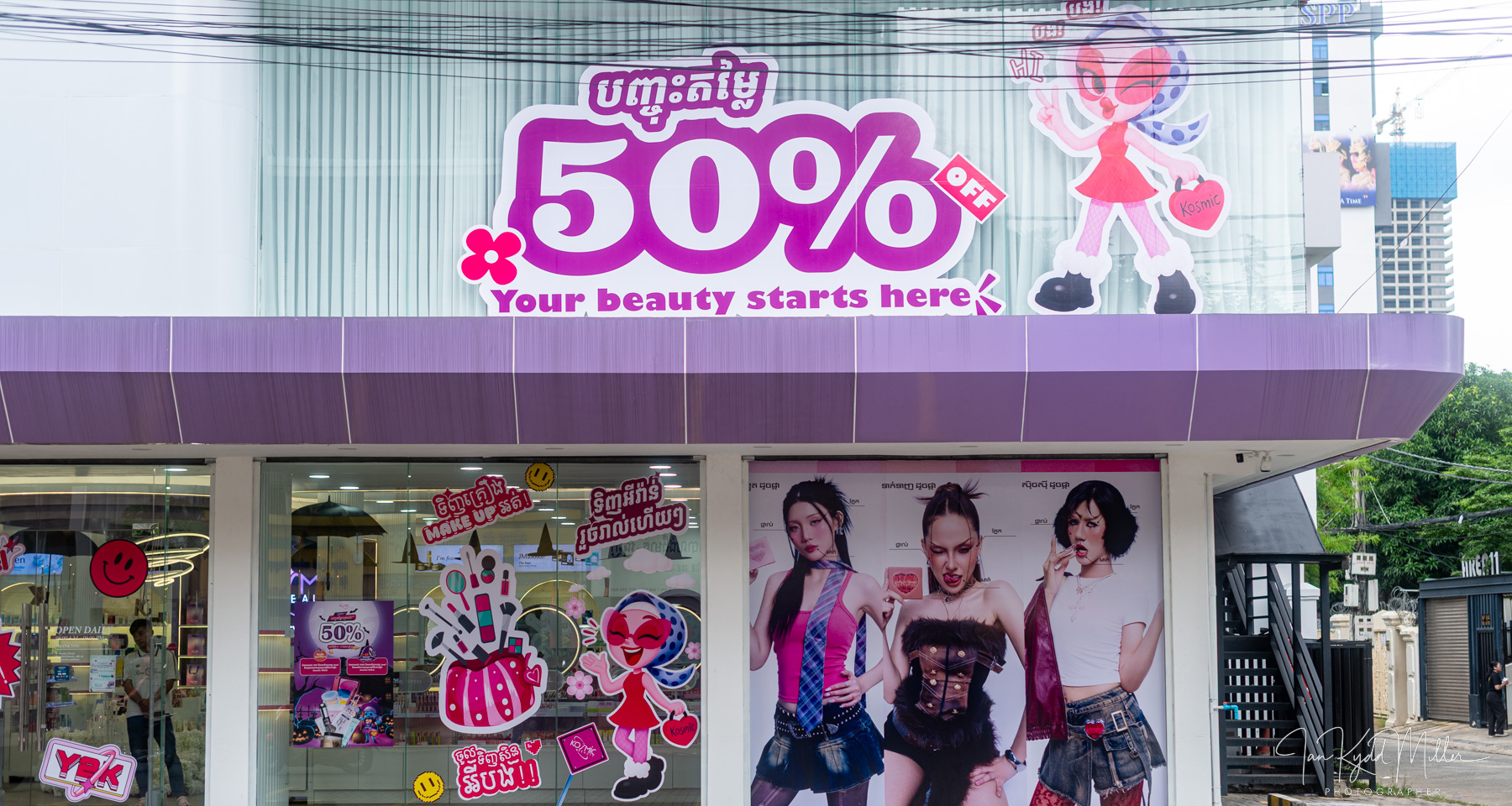
  • Aberrations: Some longitudinal chromatic aberration (purple/green fringing) in high-contrast areas, especially wide open.

  • Flare resistance: Improved over older designs, though strong backlight can still reduce contrast.

For street work, this lens gives you flexibility: atmospheric at f/1.4, crisp and documentary-like when stopped down.

⚡ Autofocus and Handling

  • Silent Wave Motor (SWM): Works on all Nikon DSLRs, including entry-level bodies.
  • Speed: Slower than the older AF-D 50mm f/1.4, but accurate and quiet.
  • Manual override: Full-time manual focus available, with a smooth focus ring for fine adjustments.

On the street, AF speed is “good enough” for walking subjects and gestures, but not ideal for fast action compared to modern AF-S or Z-mount primes.

🧳 Street Photography Use Cases

  • Low light: f/1.4 aperture allows handheld shooting at night markets, dim alleys, or neon-lit streets.
  • Portraits in context: At 50mm, you can frame a person with enough background to tell their story.
  • Isolation in chaos: Wide open, it cuts through clutter and draws the eye to your subject.
  • Everyday carry: Compact and discreet, it doesn’t draw attention like a large zoom.

✅ Strengths

  • Wide aperture for low-light and shallow depth of field.
  • Smooth bokeh and flattering rendering.
  • Lightweight and discreet for street use.
  • Works on all Nikon DSLRs and adapts well to Z bodies with FTZ.

⚠️ Weaknesses

  • Autofocus slower than AF-D version.
  • Edge softness and CA wide open.
  • Pricier than the 50mm f/1.8G, which is sharper stopped down.

🧭 Final Verdict

The AF-S Nikkor 50mm f/1.4G is not about technical perfection—it’s about character. For street photographers, it offers a balance of mood, versatility, and discretion. If you want a lens that can shift from crisp reportage to atmospheric storytelling with a twist of the aperture ring, this 50mm is a worthy companion.

If speed and sharpness are your only priorities, the 50mm f/1.8G or Z-mount 50mm f/1.8 S may suit you better. But if you want a lens with soul, the 50mm f/1.4G still shines on the street.

Telling Hardship with Dignity

cambodia, cameras, homelessness, Lenses, opinons, thoughts, photography, pictures, street, Travel

A practical guide for photographers and writers who want to document hard lives without resorting to pity or spectacle.

Begin by naming your intention: why this story matters, who it serves, and what you hope will change. That clarity becomes your north star for every choice you make — who to photograph, how to frame them, what language to use, and what risks to avoid.

Center Agency and Complexity

  • People first: show subjects as whole people — parents, workers, friends — not as single problems.
  • Three humanizing details: age, role, a recurring action (e.g., “wakes at 5 to mend shoes”) that resists stereotype.
  • Voice over narration: let subjects’ words lead. Use quotes that reveal priorities and choices rather than externally assigned suffering.

Ethics and Consent Process

  • Explain use clearly: who will see the images, where they’ll appear, and potential risks.
  • Ongoing consent: offer anonymity, caption review, or withdrawal options; revisit consent if the story’s scope or audience changes.
  • Harm check: before publishing, ask whether an image or line could cause eviction, stigma, or danger — if yes, edit or omit.

Visual and Verbal Choices That Respect People

  • Contextualize: include home, workplace, objects that explain circumstance without shouting it.
  • Dignified framing: eye‑level, neither voyeuristic close-ups nor dramatized lighting designed to elicit pity.
  • Specific language: prefer concrete facts over loaded adjectives — “two jobs, one child, unpaid bills” beats “destitute.”
  • Avoid spectacle: do not prioritize images of extreme suffering unless they are essential, verified, and handled with extra care.

Structure Your Narrative

  • Open with context: place, systems, why this story matters.
  • Zoom to the person: a day‑in‑the‑life section (300–500 words or 5–7 images) showing routine, competence, and constraint.
  • Widen to systems: explain policies, markets, or services that produced the situation (200–400 words).
  • Close with agency: the subject’s hopes, strategies, or actions; practical next steps or resources if relevant.
  • Include an ethics note: short paragraph about consent, edits, and steps taken to protect subjects.

Interview and Listening Techniques

  • Start small: practical questions about routines build trust and yield texture.
  • Use prompts that empower: “What helps you get through a hard day?” rather than “How badly did today suck?”
  • Silence is data: allow pauses; sometimes the most revealing answers arrive after a quiet moment.
  • Corroborate sensitive claims: verify facts that could affect reputations or aid provision.

Practical Template and Mini Exercise

  • Purpose statement (one line).
  • Subject profile (3–5 humanizing details).
  • Day‑in‑the‑life scene (300–500 words or 5–7 images).
  • Systems explainer (200–400 words).
  • Subject voice on agency (quote + short context).
  • Ethics disclosure (consent notes; risks considered).

Exercise: spend one morning with a single subject. Photograph routine tasks and one meaningful object (kettle, tool, book). Write a 300‑word micro‑essay centered on that object that reveals constraint and care. Share edits with the subject before publishing.

Telling hard lives well is an ethic and a craft: choose clarity over spectacle, respect over shock, and collaboration over extraction. Your job is to help readers understand, not to make them feel merely sorry.

Nikkor 50mm f/1.4 — A Full History and Technical Rundown

cameras, Lenses, opinons, thoughts, photography, pictures, street, Travel

Origins and design pedigree (mid‑1960s → 1970s)

  • These lenses were aimed at serious amateurs and professionals who wanted a versatile, fast standard that performed across reportage, portrait, and everyday work.
  • The pre‑Ai and Ai updates in the 1970s modernized aperture coupling and metering compatibility with newer Nikon bodies while retaining the core optical layout.

The D‑series era (AF 50mm f/1.4D) — 1990s design continuity

  • Optical lineage: the AF‑D version carried forward the same basic optical formula as its predecessors, refined for modern coatings and production tolerances.
  • Mechanical character: compact, lightweight, and optically efficient. The D version was built with a focus on speed and simplicity rather than feature density.
  • Autofocus: mechanical‑drive AF that relies on a camera body motor; as a result it performs very well on pro and semi‑pro Nikon bodies with built‑in AF motors but will not autofocus on entry‑level bodies lacking that motor.
  • Rendering: generally snappier and more contrasty than early manual versions, with a slightly busier bokeh compared with later rounded‑blade designs. Strong center performance, usable edges that sharpen when stopped down.

Practical note: the D‑series is beloved for its compactness, price on the used market, and fast, reliable AF on compatible bodies. It’s a classic choice for photographers who want a straightforward, light, and speedy 50.

The AF‑S f/1.4G era (2008 onward) — modernization and different character

  • Introduction of Silent Wave Motor (SWM): internal AF motor provides autofocus on all Nikon DSLRs and produces quieter operation suitable for video and mirrorless adaptation.
  • Optical and aperture design: the G version uses a rounded‑blade diaphragm and coatings tuned for smoother out‑of‑focus highlights and more pleasing bokeh. The optical formula remains related to the historical design but glass and coatings produce a softer, more filmic rendering wide open.
  • Handling and feel: heavier and larger than the D, with a more modern external finish, internal elements arranged for SWM operation, and improved resistance to flare in practical shooting.
  • Rendering tradeoff: the G version is often described as moodier wide open—softer at f/1.4 but more flattering for portraits—while the D version appears a little crisper at the same aperture on bodies that can make full use of its AF motor.

Practical note: the AF‑S f/1.4G appeals to users who need compatibility across Nikon’s entire DSLR line, quieter AF, and a more romantic rendering for portraits and low‑light mood work.

Optical constants that stayed the same

  • Focal length and maximum aperture: 50mm at f/1.4 across all major iterations. This kept the lens squarely in the “normal” class with the same compositional role throughout decades.
  • Core optical layout: all versions use a relatively traditional formula optimized for even illumination, pleasing midtones, and a priority on usable center sharpness at large apertures. Differences between versions are largely the result of updated coatings, diaphragm geometry, motor arrangements, and manufacturing tolerances rather than wholesale optical redesign.

What changed between versions — a practical checklist

  • Autofocus drive: mechanical drive (D) → internal SWM (G). This affects compatibility and AF feel.
  • Diaphragm shape: fewer, more rounded blades in newer models → smoother highlight bokeh.
  • Coatings and glass quality: improved coatings in later models reduce flare and control contrast; subtle changes in microcontrast alter perceived sharpness and subject rendering.
  • Build and weight: later AF‑S bodies are generally heavier and larger to house the SWM and updated mount mechanics.
  • Image character: older designs tend toward slightly more clinical center sharpness wide open; newer G variants favor tonal rendering and smoother defocus at the expense of absolute f/1.4 edge resolution.

Strengths that persisted across the family

  • Versatility: ideal for portraits, street, low‑light, and general use.
  • Speed: f/1.4 aperture gives real low‑light advantage and creative shallow depth of field.
  • Accessibility: historically priced to appeal to a wide range of photographers, and widely available used.
  • Character: each version has a recognizable “50” look—neutral enough for documentary work, characterful enough for portraiture.

Weaknesses and practical trade‑offs

  • Wide‑open edge softening: most versions show less-than‑stellar corner performance at f/1.4; stopping down improves uniformity.
  • Chromatic aberration: fast 50mm designs from earlier eras exhibit longitudinal CA in high‑contrast scenes; modern raw converters reduce the pain but it remains a behavior to watch for.
  • Competing modern optics: newer 50mm designs, especially mirrorless Z‑mount optics, surpass older 50mm f/1.4s in edge resolution, flare control, and aberration correction—tradeoffs that matter for high‑pixel sensors and critical technical work.

Use cases by version (practical guidance)

  • AF‑D 50mm f/1.4: choose if you value compactness, snappy AF on motorized bodies, and a lighter carry‑weight. Great for street, reportage, and photographers on pro DSLRs who appreciate classic handling.
  • AF‑S 50mm f/1.4G: choose if you need full compatibility across Nikon bodies, quieter AF for hybrid use, and a smoother portrait rendering. Better for video work and photographers who prefer more forgiving wide‑open character.

Modern relevance and adaptation

  • On newer mirrorless bodies (with adapter) both lenses remain useful, but the older D version will rely on camera AF‑motor emulation or slower contrast‑based AF performance with some adapters; the AF‑S G version typically adapts more gracefully and often supports faster AF on current bodies.
  • Photographers who prize character and a specific “look” still reach for vintage Nikkor 50 f/1.4s. Those who demand pixel‑level edge performance or want the smallest, lightest option for razor‑sharp editorial work may prefer newer designs or Z‑mount alternatives.

Closing thought

The Nikkor 50mm f/1.4 family is a study in continuity: the same photographic idea—an accessible, fast, characterful “normal” lens—repeated and refined across eras. Each iteration answers slightly different needs while keeping the same creative soul. For photographers who value restraint, presence, and an honest optical character, any 50mm f/1.4 from Nikon’s lineage can be a reliable companion—choose the version whose compromises best serve your practice.

📷 Nikon D800 vs D800E: Head-to-Head Breakdown

cameras, Lenses, opinons, thoughts, photography, pictures, street, Travel

Which full-frame DSLR suits your style best?

Both cameras were released in 2012 and share the same body, sensor, and core features. The difference lies in how they handle fine detail—and that can make all the difference depending on your subject matter.

🧠 Shared Features

  • 36.3MP full-frame CMOS sensor
  • ISO 100–6400 (expandable to 25,600)
  • 51-point autofocus system
  • 5 fps continuous shooting
  • Weather-sealed magnesium alloy body
  • Dual card slots (CF + SD)
  • Excellent dynamic range and color depth

These are serious tools for landscape, portrait, and studio photographers who value tonal richness and high-resolution output.

🔍 Key Difference: The Low-Pass Filter

FeatureNikon D800Nikon D800E
Optical Low-Pass Filter (OLPF)Present (reduces moiré)Cancelled (maximizes sharpness)
SharpnessSlightly softenedSharper, more microcontrast
Risk of MoiréMinimalHigher in fabrics, architecture
Best ForGeneral use, events, mixed subjectsLandscapes, studio, controlled scenes

The D800E cancels the anti-aliasing filter, allowing more detail to reach the sensor. This results in crisper images, especially in textures and edges—but it also increases the chance of moiré when shooting repetitive patterns like textiles or brickwork.

🧪 Real-World Use

  • D800: Safer for weddings, street, and documentary work where moiré could ruin a shot and post-processing time is limited.
  • D800E: Ideal for landscape, product, and fine art photographers who want maximum sharpness and can control their shooting environment.

🧭 Final Verdict

  • Choose the D800 if you want a versatile, forgiving camera with excellent image quality and fewer post-processing headaches.
  • Choose the D800E if you shoot in controlled settings and want every ounce of sharpness your lens can deliver.

Both are still relevant in 2025 for photographers who value full-frame depth, robust build, and the Nikon DSLR experience.

📷 The Nikon D700: A Street Photographer’s Workhorse

cameras, Lenses, opinons, thoughts, photography, pictures, street, Travel

A love letter to a camera that refuses to die

In an age of mirrorless marvels and megapixel madness, the Nikon D700 stands as a quiet rebel. Released in 2008, it was Nikon’s first affordable full-frame DSLR—a camera that brought the legendary sensor of the D3 into a smaller, more accessible body. Today, nearly two decades later, it still earns its place in the bags of photographers who value reliability, character, and restraint.

I carry two of them on the street. Not out of nostalgia, but because they still deliver.

🛠️ Build and Ergonomics: Made to Be Held

  • Magnesium alloy body with weather sealing: tough enough for rain, dust, and the occasional knock.
  • Deep grip and intuitive button layout: everything falls under the fingers, even with gloves.
  • Weighty but balanced: at 995g, it’s substantial, but never unwieldy. It feels like a tool, not a toy.

The D700 doesn’t try to disappear—it asks to be used with intention. On the street, that matters.

🧠 Sensor and Image Quality: The Soul of the D3

  • 12.1MP full-frame CMOS sensor: modest by today’s standards, but rich in tonal depth and dynamic range.
  • ISO 200–6400 (expandable to 100–25600): clean files up to ISO 3200, with film-like grain beyond.
  • Color rendering: natural, neutral, and forgiving—especially in skin tones and shadow transitions.

This sensor doesn’t shout. It whispers. It lets light speak without overprocessing. For street work, where mood and gesture matter more than resolution, it’s ideal.

⚡ Autofocus and Speed: Decisive Enough

  • Multi-CAM 3500FX AF system: 51 points, fast and accurate in good light.
  • 5 fps continuous shooting (8 fps with battery grip): enough for fleeting moments, not built for sports.
  • AF tracking: reliable for walking subjects, less so for erratic motion.

On the street, I don’t need blistering speed—I need confidence. The D700 gives me that.

🧳 Practical Street Use: Why It Still Works

  • Quiet enough: not silent, but the shutter has a satisfying thump that doesn’t startle.
  • Dual-body setup: I carry two—one with a wide (often 35mm), one with a short tele (85mm). No lens swapping, no hesitation.
  • Battery life: excellent. I shoot all day without worry.
  • Menu simplicity: no touchscreen, no fluff. Just settings that matter.

It’s a camera that gets out of the way. That’s rare.

🧭 Why I Still Use It

  • Creative restraint: 12MP forces me to compose with care. No cropping my way out of bad framing.
  • Emotional rendering: the files feel lived-in. They print beautifully.
  • Reliability: both bodies have high shutter counts. They just keep going.
  • Legacy: it connects me to a lineage of photographers who valued presence over perfection.

⚠️ Trade-Offs

  • No video. No Wi-Fi. No live view worth using.
  • LCD is dated.
  • AF can hunt in low light.
  • No dual card slots.

But none of these matter if your priority is seeing, not spec-chasing.

🖼 Final Thought

The Nikon D700 is not a relic—it’s a reminder. That photography is about being there, about choosing your moment, about trusting your eye. On the street, where everything changes in an instant, I want a camera that’s ready, grounded, and honest.

That’s why I still carry two.

Is Photography All About Emotion?

cambodia, cameras, homelessness, Lenses, opinons, thoughts, photography, pictures, street, Travel, war

A short blog exploring what emotion does — and doesn’t — do for a photograph

Photography is often defined by the feelings it evokes. A single frame can make us ache, laugh, recoil, or remember; emotion is the shorthand that turns an image into an experience. Yet reducing photography to one thing — emotion alone — flattens a far richer practice that mixes craft, context, ethics, and intention.

Emotion as the engine of meaning

Emotion is frequently the element that makes a photograph memorable. Photographs that carry strong feeling connect quickly with viewers, triggering empathy and narrative inference in ways words sometimes cannot. Skilled photographers use light, expression, and timing to amplify mood and create images that resonate long after they’re seen.

Why emotion is necessary but not sufficient

Emotion does not operate in isolation. Composition, exposure, focus, and gesture are the levers photographers use to produce emotional impact. Technical choices shape how feeling reads on the page; poor technique can obscure intent, while strong craft can fail to move if the image lacks purpose or honesty. Emotional resonance without craft risks sentimentality; craft without feeling risks sterility.

The role of context, story, and ethics

Context changes everything. The same image can feel intimate, exploitative, or manipulative depending on how and why it is shown. Ethical witnessing, informed consent, and narrative framing determine whether an emotionally charged photograph honours its subjects or reduces them to spectacle. Responsible photographers treat emotion as a consequence, not as the entire aim.

Where vision and tool meet

Emotion guides choices about tooling and process, but doesn’t erase them. Lenses, shutter speed, and color palette are servants of intention: a long lens for compression, a fast shutter for decisive action, soft light for quiet intimacy. The best photographers let emotion inform technique and let technique refine emotion, arriving at images that are both felt and well made.

Practical takeaway for makers

  • Practice: make sets of images that pursue a single mood using only one lens; compare what changes in composition, depth, and narrative.
  • Critique: assess images first for honesty of feeling, then for craft—ask what you would change technically to better support the emotion.
  • Ethics: name the subject’s agency and the story you’re telling before pressing the shutter.

📷 When the Picture Is Good, Does Gear Matter?

cameras, film, Fujichrome, fujifilm, Lenses, opinons, thoughts, photography, pictures, street, Travel, viltrox

A Deeper Exploration of Vision, Tools, and the Weight of Story

In essence: If a picture is truly good—if it resonates emotionally, tells a story, or lingers in memory—most viewers don’t care what camera or lens was used. But the conversation is richer than that: gear doesn’t determine meaning, yet it shapes possibility. The real artistry lies in how vision and tools meet.

The phrase “If the picture is good, nobody cares what camera it was taken with” has become a kind of mantra in photography circles. It’s both liberating and provocative. On one hand, it frees us from the consumerist treadmill of chasing specs. On the other, it risks oversimplifying the relationship between vision and tools. Let’s expand the discussion.

🧠 Why the Statement Rings True

  • Emotional impact trumps technical trivia. A photograph that moves people—whether it’s a war image, a street portrait, or a tender family moment—doesn’t invite questions about megapixels. It invites reflection.
  • History proves it. Iconic images were made with cameras that, by today’s standards, are technically limited. Yet Robert Capa’s blurred D-Day frames or Dorothea Lange’s Migrant Mother remain unforgettable.
  • Viewers don’t see metadata. In galleries, books, or newsprint, the story and composition dominate. The EXIF data is invisible.

⚙️ Where Gear Still Matters

  • Technical limits shape style. A slow lens forces you into bright light; a wide prime teaches you to step closer; a noisy sensor nudges you toward grainy aesthetics. Gear doesn’t dictate vision, but it channels it.
  • Reliability is invisible until it fails. A weather-sealed body or dependable autofocus can mean the difference between capturing a fleeting moment and missing it.
  • Certain genres demand certain tools. Sports, wildlife, and astrophotography often require specialised lenses and sensors. Without them, the image simply isn’t possible.

As Roger Clark notes in his analysis of gear’s role, “A skilled photographer can achieve great results with any camera, but not just any kind of photo”. The right tool expands what’s possible, even if it doesn’t define the artistry.

🪞 The Deeper Lesson

The real wisdom in the phrase is about prioritisation:

  • Vision first. What do you want to say? What story are you telling?
  • Process second. How do you approach light, timing, and presence?
  • Tools last. Which camera or lens best supports that vision and process?

Gear is the brush, not the painting. The stethoscope, not the diagnosis. The pen, not the poem. It matters, but it’s not the heart.

🖼 In Practice

For educators and documentarians, this principle is liberating:

  • It encourages people to trust their eyes rather than chase gear.
  • It models creative restraint—using one lens, one body, and learning its rhythm.
  • It re-frames gear as a partner in process, not a shortcut to artistry.

🧭 Final Thought

Yes, if a picture is good, nobody cares what lens or camera it was taken with. But the paradox is this: the right gear, chosen with intention, can help you get to that “good” picture more reliably. The danger lies in mistaking the tool for the vision.

In the end, the photographs that endure are remembered not for the equipment behind them, but for the humanity within them.