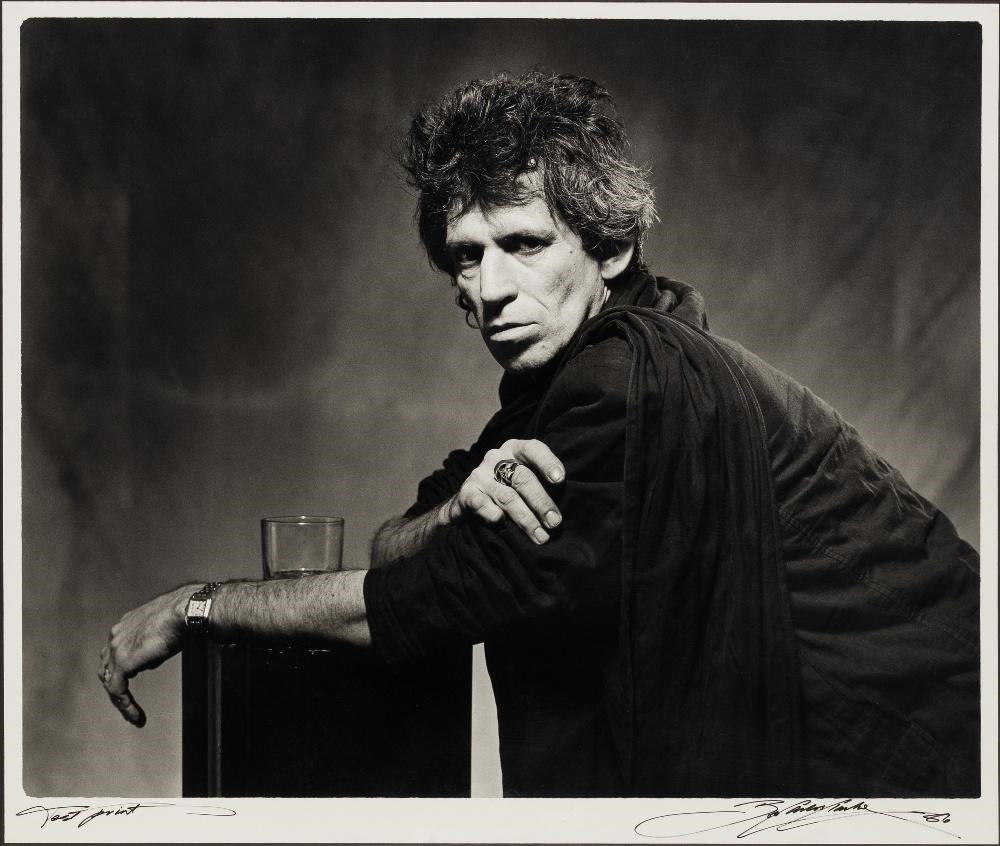

πŸ“– Nikon D700 vs D810 β€” When 12MP Is Enough, and When 36MP Shines

cameras, Lenses, nikon, opinons, thoughts, photography, street, Travel, viltrox

πŸ•°οΈ Two Generations, Two Philosophies

  • Nikon D700 (2008): A 12MP full‑frame DSLR known for its tonal depth, rugged build, and film‑like rendering. Beloved for its character and efficiency.
  • Nikon D810 (2014): A 36MP full‑frame powerhouse designed for detail, dynamic range, and professional workflows. Celebrated for precision and versatility.

πŸ“Έ Street Photography

  • D700 (12MP):
    • Smaller files, faster workflow.
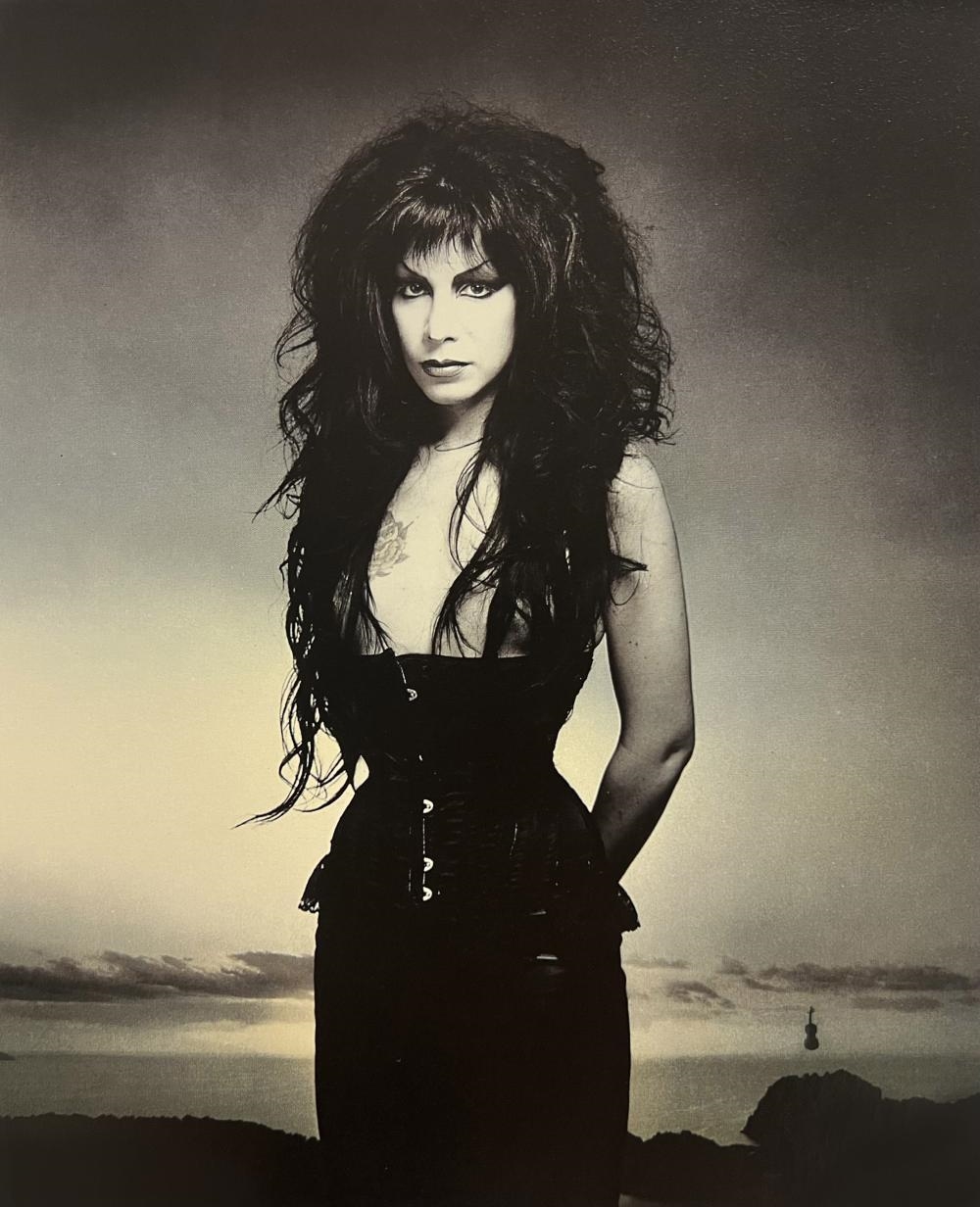
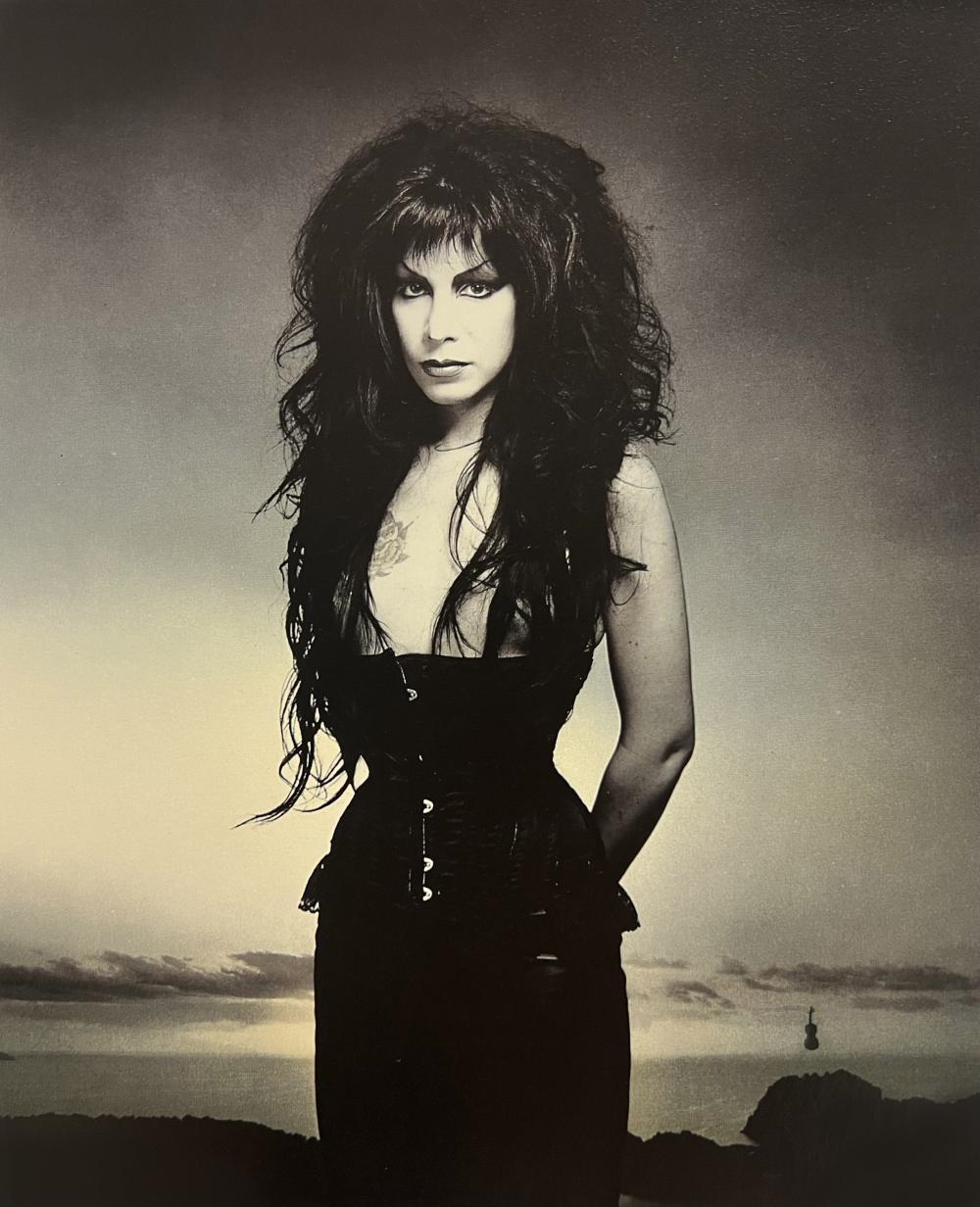
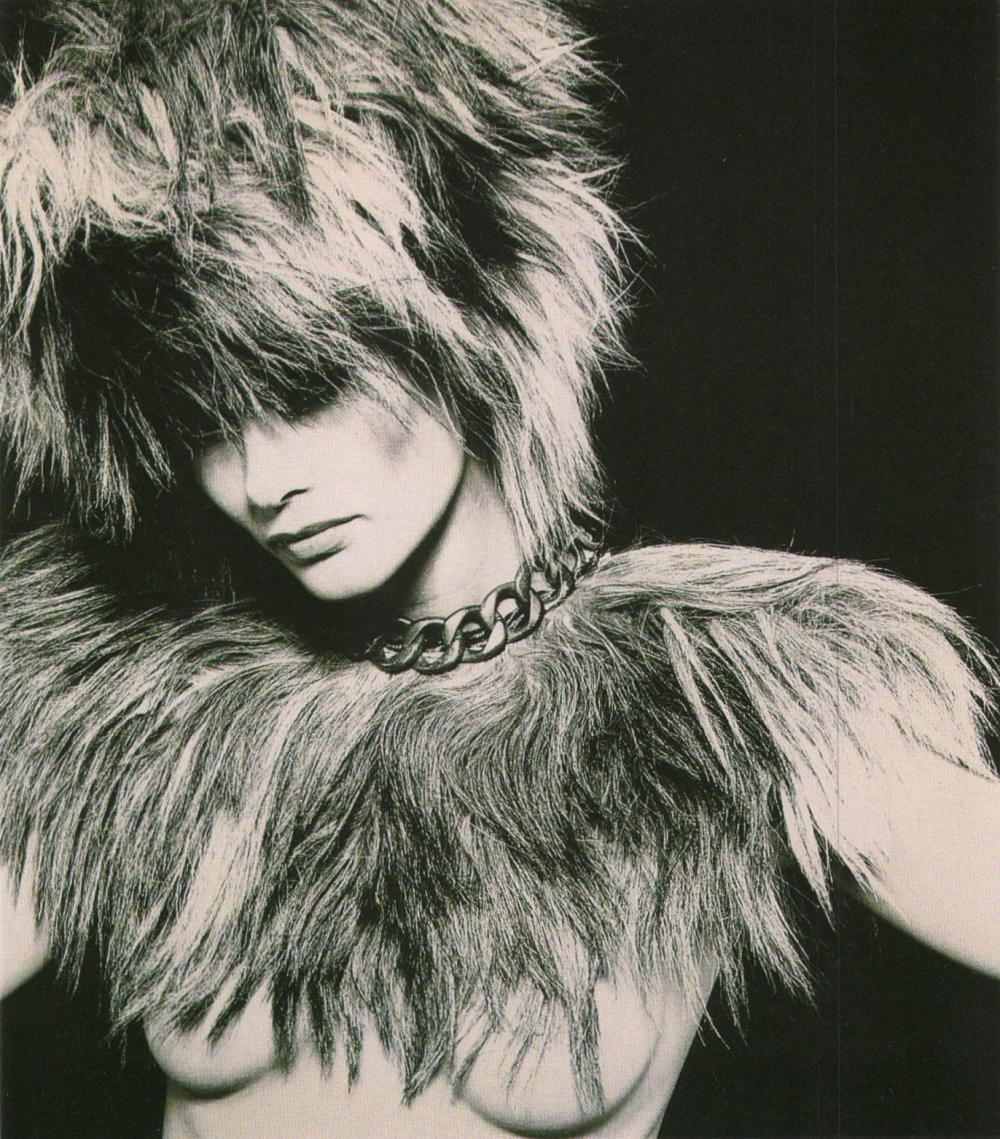
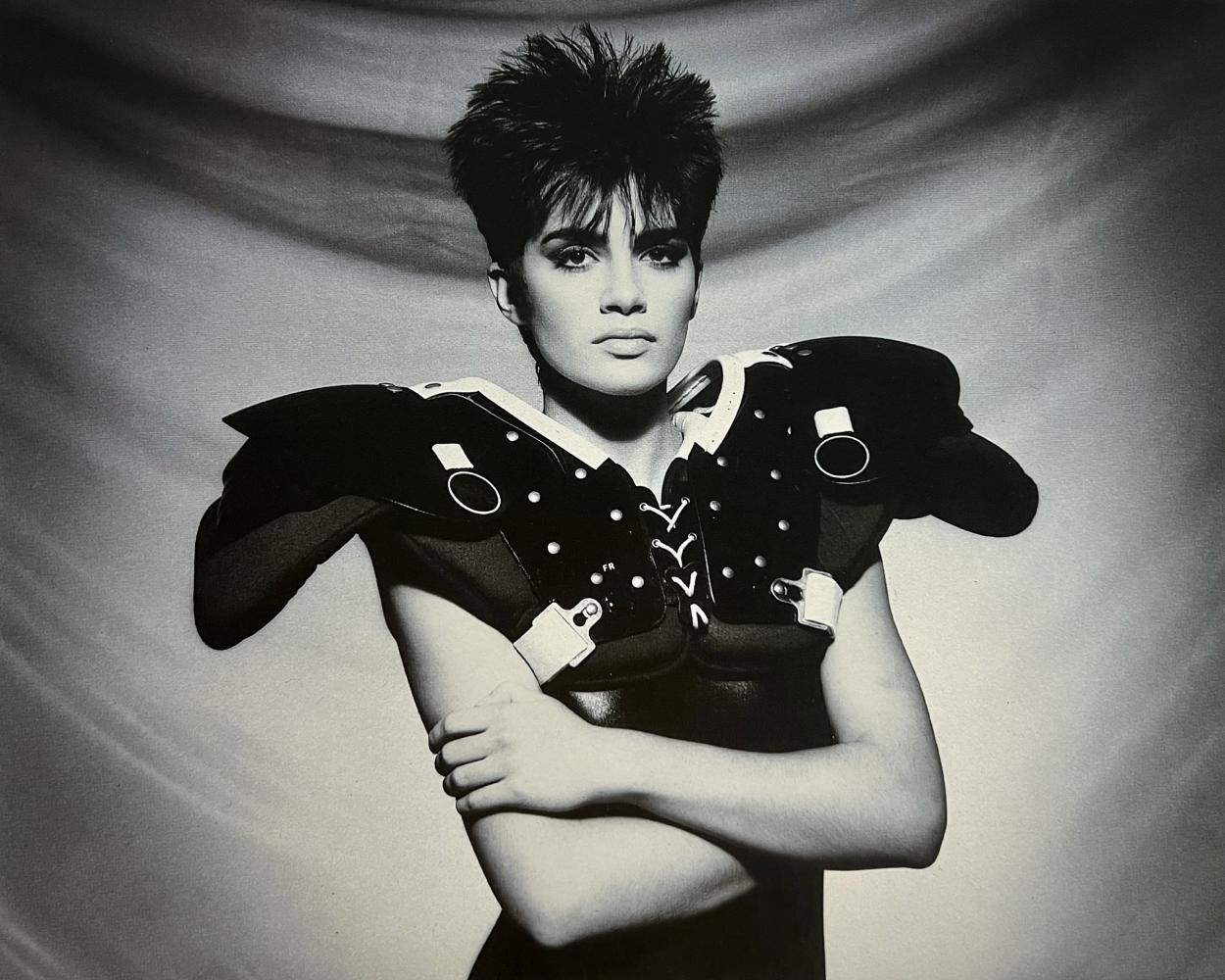
    • Atmospheric rendering β€” shadows and tones feel organic, almost cinematic.
    • Forces discipline: you must frame carefully, as cropping options are limited.
    • Discreet enough for candid shooting.
  • D810 (36MP):
    • Extreme detail, but heavier files slow down workflow.
    • Less discreet β€” bulkier presence on the street.
    • Cropping flexibility allows you to reframe after the fact.
    • Can feel clinical compared to the D700’s mood.

Verdict: D700 excels in character‑driven street work; D810 offers precision but less immediacy.

🎭 Portrait Photography

  • D700 (12MP):
    • Softer detail can flatter skin tones.
    • Files have a natural, film‑like quality.
    • Works beautifully with classic primes (e.g., 85mm f/1.8D).
  • D810 (36MP):
    • Extreme detail β€” every pore and texture is visible.
    • Ideal for commercial retouching and high‑end portraiture.
    • Demands sharp lenses; reveals flaws in older optics.

Verdict: D700 gives character and mood; D810 delivers precision and retouching flexibility.

πŸ“° Editorial & Commercial Work

  • D700 (12MP):
    • Perfect for web, magazines, and prints up to A3.
    • Efficient workflow β€” smaller files mean faster editing and delivery.
    • Less suited for billboard or fine art reproduction.
  • D810 (36MP):
    • Designed for commercial output β€” large prints, cropping, and archival quality.
    • Demands more storage and computing power.
    • Provides future‑proof resolution for agencies and galleries.

Verdict: D700 is efficient for editorial; D810 is indispensable for commercial and fine art projects.

βš–οΈ Comparative Snapshot

ContextD700 (12MP)D810 (36MP)
StreetAtmospheric, discreet, efficientDetailed, flexible cropping, heavier workflow
PortraitFlattering softness, film‑likeExtreme detail, retouching power
EditorialFast turnaround, A3 printsLarge prints, archival detail
WorkflowLight files, quick editsHeavy files, demanding post‑production

✨ Conclusion

The Nikon D700 proves that 12MP is enough for most real‑world applications β€” especially street and editorial work where atmosphere and efficiency matter. The D810, with its 36MP sensor, shines when detail, cropping, and large‑scale output are essential.

Verdict: Choose the D700 for character and speed; choose the D810 for precision and scale.

πŸ“– Why My 12MP Nikon D700 Still Delivers Stunning A3 Prints

cameras, fujifilm, Lenses, nikon, opinons, thoughts, photography, street, Travel, viltrox

πŸ•°οΈ A Classic Camera with Character

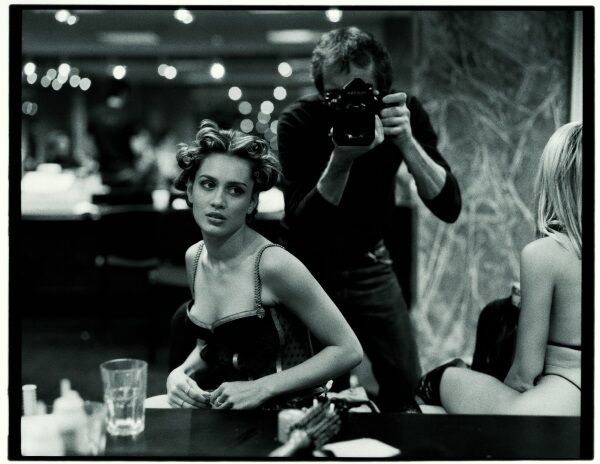
Released in 2008, the Nikon D700 was Nikon’s first β€œaffordable” full‑frame DSLR. With its 12.1MP FX sensor, it might look modest compared to today’s 36MP, 45MP, or even 60MP monsters. Yet, it remains beloved by many photographers for its tonal depth, rugged build, and film‑like rendering.

🎯 The Myth of Megapixels

  • Resolution vs. perception: 12MP translates to an image size of roughly 4256 Γ— 2832 pixels. At 300 dpi (standard print resolution), that’s enough for prints up to A3 size (16.5 Γ— 11.7 inches) without visible loss of detail.
  • Beyond numbers: Sharpness, dynamic range, and lens quality matter more than raw pixel count. A well‑exposed, well‑composed D700 file will outshine a sloppy 45MP shot.
  • Viewing distance: Large prints are rarely examined at nose‑length. At normal viewing distances, 12MP images look crisp and immersive.

πŸ“Έ Why the D700 Excels

  • Full‑frame sensor: Larger pixels mean better light‑gathering ability, resulting in cleaner files and smoother tonal transitions.
  • Dynamic range: The D700 captures highlights and shadows with grace, giving prints depth and richness.
  • Color rendering: Its files have a distinctive β€œthickness” β€” less clinical than modern sensors, often described as film‑like.
  • Workflow: Smaller RAW files are faster to process and archive, making it practical for long projects.

βš–οΈ Lens Quality Matters

Pairing the D700 with high‑quality primes (like the Nikkor 85mm f/1.8G or classic D lenses) ensures that the sensor’s resolution is fully utilized. A sharp lens with good micro‑contrast can make a 12MP file look far more detailed than the megapixel count suggests.

πŸ“Š Comparative Snapshot

FactorD700 (12MP)Modern DSLR/Mirrorless (36–45MP)
Print sizeUp to A3 comfortablyUp to A1 or billboard
File size~12–14MB RAW40–60MB RAW
WorkflowFast, efficientDemands more storage & computing
RenderingFilm‑like, atmosphericClinical, ultra‑sharp
FlexibilityLimited croppingExtreme cropping possible

✨ Conclusion

The Nikon D700 proves that megapixels aren’t everything. With its 12MP sensor, it produces images rich in tone, character, and detail β€” easily printable up to A3. For many photographers, the D700’s files feel more alive than those from modern high‑resolution cameras.

Verdict: A well‑crafted 12MP image can be more powerful than a soulless 45MP file. The D700 reminds us that photography is about vision, not just resolution.

πŸ“– Do Megapixels Really Matter?

cameras, Lenses, Travel, fujifilm, photography, opinons, thoughts, street, nikon

🎯 What Megapixels Do

  • Resolution: More megapixels = more detail captured, allowing larger prints and tighter crops.
  • Flexibility: High‑MP files give room to reframe or crop without sacrificing quality.
  • Professional needs: Commercial photographers (fashion, product, landscape) benefit from 36MP+ sensors for billboard‑sized prints or fine art reproduction.

⚠️ Limits of Megapixels

  • Lens quality matters more: A poor lens won’t resolve the detail that a high‑MP sensor can capture.
  • Noise & low‑light: Packing more pixels into a sensor can increase noise, especially on smaller sensors.
  • File size: Higher resolution means larger files, requiring more storage and processing power.
  • Diminishing returns: For everyday use (social media, prints up to A3), 20–24MP is more than enough.

βš–οΈ Comparative Snapshot

Use CaseIdeal MegapixelsWhy
Social media / web12–16MPMore than sufficient for screens
Standard prints (A4–A3)20–24MPSharp detail without huge files
Large prints / posters30–36MPAllows cropping and enlargement
Fine art / commercial45–60MPMaximum detail for billboard or gallery work

✨ Conclusion

Megapixels matter when resolution is critical β€” for large prints, heavy cropping, or commercial reproduction. But for most photographers, once you’re above ~20MP, other factors (lens quality, sensor performance, light, and composition) matter far more.

Verdict: Megapixels give you potential; skill and optics turn that potential into great photographs.

πŸ“– Does Camera and Lens Quality Make You a Better Photographer?

cameras, fujifilm, Lenses, nikon, opinons, thoughts, photography, street, Travel, viltrox

🎯 The Case for Better Gear

  • Optical performance: High‑quality lenses deliver sharper images, better color rendition, and smoother bokeh. They can make even entry‑level camera bodies perform like professional tools.
  • Low‑light capability: Expensive cameras often have larger sensors and better ISO performance, allowing clean images in dim conditions.
  • Autofocus speed & accuracy: Modern lenses and cameras track subjects more reliably, especially in sports or wildlife photography.
  • Durability: Professional gear is often weather‑sealed and built to withstand heavy use.

⚠️ The Limits of Gear

  • Skill matters more: As John Mak notes, β€œbetter gear does help take better pictures, but the story your photo tells is more important than technical aspects”.
  • Composition & timing: Iconic photos throughout history were taken with modest equipment. Vision and timing outweigh megapixels.
  • Learning curve: Beginners may not benefit from advanced gear if they haven’t mastered fundamentals like exposure, framing, and light.
  • Risk of dependency: Believing gear equals progress can distract from developing creativity and storytelling.

βš–οΈ Balanced Perspective

AspectHigh‑Quality GearPhotographer’s Skill
Sharpness & resolutionImproves technical image qualityCan be compensated with technique (tripod, careful focus)
Low‑light shootingCleaner files, faster lensesCreative use of light sources, long exposures
AutofocusFaster, more reliableAnticipation, manual focus discipline
Bokeh & renderingCreamier blur, richer colorComposition and subject choice define impact
StorytellingNeutral β€” gear doesn’t add meaningVision, timing, and narrative make photos memorable

🌍 Expert Consensus

  • Lens quality often matters more than camera body quality β€” lenses are the β€œeyes” of the system.
  • Better gear expands possibilities but doesn’t replace skill β€” it’s a tool, not a shortcut.
  • True improvement comes from practice, study, and creative exploration.

✨ Conclusion

Gear quality enhances technical performance but does not define artistry. A better camera and lens can help you capture sharper, cleaner, and more versatile images, but becoming a better photographer requires vision, practice, and storytelling. The best path is to master fundamentals first, then upgrade gear when your skills demand it.

Verdict: Better gear improves possibilities; better skills make photographs. I tend to use the best gear I can afford, lenses and camera, but it does not make me a better photographer IMO.

πŸ“– Nikkor 85mm f/1.8D vs f/1.8G β€” A Detailed Comparison

cameras, Lenses, nikon, opinons, thoughts, photography, pictures, street, Travel
  • NIKKOR AF-S 85mm f/1.8G vs NIKKOR AF 85mm f/1.8D (Π‘ΠΊΠΎΡ€ΠΎΡΡ‚ΡŒ автофокуса ...
  • Nikon 85 mm F 1.8 D AF Nikkor review. Test Nikon AF Nikkor 85mm f / 1 ...
  • Nikon AF-S 85mm f/1.8G FX telefoto portretni objektiv Nikkor auto focus ...

πŸ•°οΈ Historical Context

  • 85mm f/1.8D (1994): A workhorse portrait lens from the film era, designed for Nikon bodies with screw‑drive autofocus.
  • 85mm f/1.8G (2012): A modern redesign with AF‑S motor, optimised for digital sensors, offering improved sharpness and coatings.

βš™οΈ Technical Comparison

FeatureNikkor 85mm f/1.8DNikkor 85mm f/1.8G
Year introduced19942012
AutofocusScrew‑drive (needs motor in body)AF‑S Silent Wave Motor (works on all Nikon DSLRs)
Aperture blades7 straight9 rounded
BokehSlightly harsher, polygonal highlightsSmoother, creamier, round highlights
Optical design6 elements in 6 groups9 elements in 9 groups
CoatingsOlder NIC coatingsModern Super Integrated Coating
Minimum focus85 cm80 cm
Weight380 g350 g
Aperture ringYes (useful for film/manual bodies)No (G‑type, controlled electronically)
Price (used/new)Lower, often $250–300 usedHigher, ~$450–500 new

Sources: CameraDecision comparison, DPReview lens specs, CameraLabs group test.

πŸ“Έ Rendering & Image Quality

  • Sharpness: The f/1.8G is sharper wide open, especially in the corners, while the f/1.8D improves when stopped down.
  • Bokeh: The f/1.8G’s rounded blades produce smoother background blur, making it more flattering for portraits.
  • Colour & contrast: The f/1.8G benefits from modern coatings, giving richer contrast and reduced flare compared to the f/1.8D.
  • Character: The f/1.8D has a slightly more β€œclassic” rendering β€” some photographers appreciate its harsher bokeh and vintage feel.

βš–οΈ Practical Considerations

  • Compatibility: The f/1.8D won’t autofocus on entry‑level Nikon DSLRs (D3xxx, D5xxx series), while the f/1.8G works on all bodies.
  • Film shooters: The f/1.8D’s aperture ring makes it more versatile for older Nikon film cameras.
  • Digital shooters: The f/1.8G is better suited for modern DSLRs and mirrorless (via FTZ adapter).
  • Budget: The f/1.8D is cheaper on the used market, but the f/1.8G offers better overall performance for digital workflows.

✨ Conclusion

  • Choose the f/1.8D if you want a budget‑friendly lens with aperture ring compatibility and don’t mind screw‑drive autofocus.
  • Choose the f/1.8G if you want modern sharpness, smoother bokeh, and full compatibility with all Nikon DSLRs and mirrorless setups.

Verdict: The f/1.8D carries vintage character and affordability, while the f/1.8G delivers modern performance and versatility.

🌍 Slowing Down in a Fast World

cambodia, cameras, fujifilm, homelessness, Lenses, nikon, opinons, thoughts, photography, street, Travel

Introduction

We live in an age of acceleration. News cycles refresh by the minute, feeds scroll endlessly, and even creativity is pressured to produce faster, louder, more. Yet in the midst of this speed, there is value in slowing down β€” in reclaiming attention, rediscovering meaning, and reconnecting with the world around us.

The Case for Slowness

  • Depth over breadth: When everything is consumed quickly, little is truly absorbed. Slowness allows us to linger, to notice details.
  • Presence over distraction: Slowing down means being present β€” whether in conversation, in work, or in art.
  • Sustainability over burnout: Constant speed drains energy. Slowness restores balance, making creativity and living sustainable.

Rediscovery Through Attention

  • Objects: Everyday things reveal character when looked at closely β€” a weathered wall, a hand‑written note, a shadow at dusk.
  • People: Listening deeply, rather than rushing to respond, uncovers nuance in relationships.
  • Places: Streets, parks, and cities hold layers of history and atmosphere that only patience can reveal.
  • Returning again and again: Revisiting the same subject or place allows new layers to emerge. Each return reframes the familiar, showing how time and perspective reshape vision.

Reclaiming Vision

  • Against noise: Slowness cuts through distraction, sharpening what matters.
  • For clarity: It allows us to see not just what is in front of us, but what lies beneath.
  • As practice: Slowness is not passive β€” it is an active choice to resist speed and reclaim vision.

Using Technology When It’s Useful

  • Tool, not master: Technology should serve attention, not dictate it.
  • Selective use: Embrace tools that extend vision β€” editing software, digital archives, or cameras β€” but resist the pull of endless feeds.
  • Balance: The slow archive doesn’t reject technology; it uses it deliberately, when it amplifies meaning rather than dilutes it.
  • Agency: Choosing when and how to use technology is part of reclaiming vision in a fast world.

Harnessing Speed to Anticipate

  • Machine as ally: Cameras and devices can operate faster than human reflexes.
  • Anticipation: Using burst modes, predictive autofocus, or rapid shutter speeds allows the photographer to anticipate and catch fleeting gestures.
  • Integration: Slowness is about vision, but speed is about execution β€” together they form a rhythm of patience and precision.
  • Lesson: Technology’s speed is not about rushing; it is about being ready when the moment arrives.

Conclusion

Slowing down is not about rejecting progress. It is about reclaiming agency in how we see, feel, and create. Technology can be part of that process β€” but only when it is useful, intentional, and aligned with vision. Returning to a subject or place over and over again reminds us that meaning is not found in novelty alone, but in patience, repetition, and rediscovery. And when the decisive moment comes, the speed of a machine can help anticipate and capture it β€” ensuring vision and execution meet.

Verdict: Slow down, return often, use tools wisely, harness speed β€” and the world reveals itself anew.

πŸ“– The Slow Archive: Rediscovering Photographs, Reclaiming Vision

cambodia, opinons, thoughts, photography, printing, street, Travel, voluntary

Introduction

In an age of infinite scroll and instant capture, photographs risk becoming disposable. The Slow Archive is a counter‑movement: a deliberate practice of rediscovery, where images are not consumed but contemplated, not forgotten but reclaimed. It is about slowing down to see again β€” to reclaim vision from speed.

Rediscovering Photographs

  • Beyond immediacy: Digital culture often reduces photographs to fleeting impressions. Rediscovery means returning to images with patience, allowing them to reveal layers missed in the moment.
  • The tactile return: Printed contact sheets, marked negatives, and weathered photo albums remind us that photographs are not just files β€” they are artifacts.
  • Memory as archive: Rediscovery is not nostalgia; it is an act of re‑reading, where photographs become texts that shift meaning over time.

Reclaiming Vision

  • Against speed: Vision is diluted when images are consumed at the pace of algorithms. Reclaiming vision means resisting the demand for immediacy.
  • Seeing atmospheres: A slow gaze restores atmosphere β€” shadows, textures, gestures β€” the overlooked details that give photographs resonance.
  • Ethics of attention: To reclaim vision is to honour subjects, contexts, and histories, rather than flatten them into content.

The Practice of the Slow Archive

  • Curate deliberately: Select images not for clicks but for clarity, atmosphere, and focus.
  • Revisit regularly: Allow photographs to evolve in meaning as time reframes them.
  • Print and preserve: Physical archives resist the ephemerality of digital feeds.
  • Narrate context: Pair images with stories, captions, or timelines that anchor them in lived experience.

Editorial Resonance

For me, the Slow Archive is a natural extension of my lens triangle:

  • Clarity: Rediscovery sharpens what was blurred by time.
  • Atmosphere: Reclamation restores the mood and texture of overlooked frames.
  • Focus: Slow vision isolates meaning, cutting through noise.

It is also deeply Phnom Penh: a city where resilience cycles through erasure and rediscovery, where archives are not just collections but acts of survival.

Conclusion

The Slow Archive is not about resisting technology but about reclaiming agency. It is a manifesto for photographers, editors, and storytellers who believe that vision deserves time, that photographs deserve rediscovery, and that archives are not storage but living memory.

Verdict: To slow down is to see again. To archive is to reclaim vision.

Freelance photojournalism is rewarding but inherently risky

conflict, Lenses, nikon, opinons, thoughts, photography, Travel, war

Freelance photojournalism is rewarding but inherently risky: photographers face physical danger, legal exposure, digital threats, and long‑term psychological harm; mitigation requires training, insurance, local networks, and disciplined safety protocols.

Quick guide β€” key considerations, clarifying questions, decision points

  • Key considerations: personal safety, legal status, digital security, mental health, and financial protection.
  • Clarifying questions to answer for planning: Will you work alone or with a fixer; do you have hostile‑environment training and insurance; can you secure rapid evacuation and medical support?
  • Decision points: Choose assignments that match your training; invest in HEFAT (hostile environment and first aid), digital security, and reliable local contacts; decide acceptable risk vs reward before deployment.

Common dangers and what they mean

  • Physical harm and death. Photojournalists are exposed to gunfire, explosions, and crowd violence; historically, dozens of photographers have been killed while working in the field.
  • Kidnapping and detention. Freelancers lack institutional backing and can be targeted for ransom or political leverage; arrests may lead to long detentions without consular access.
  • Legal and bureaucratic risk. Working without correct visas, permits, or press accreditation can result in fines, equipment seizure, or deportation.
  • Equipment theft and loss. Cameras and lenses are high‑value and make you visible; losing gear can end a trip and create financial strain.
  • Digital threats. Unsecured devices and communications expose sources and material to surveillance, hacking, or evidence seizure.
  • Psychological trauma. Repeated exposure to violence and suffering increases risk of PTSD, depression, and burnout; trauma‑informed practices are essential.

Practical mitigation (what to do)

  • Training: Complete HEFAT and trauma‑informed safety courses; these teach risk assessment, emergency first aid, and psychological resilience.
  • Insurance and legal prep: Buy kidnap & ransom, medical evacuation, and equipment insurance; register with your embassy and carry legal documents.
  • Local networks: Hire vetted fixers and translators, coordinate with local journalists and NGOs, and establish check‑in protocols.
  • Digital hygiene: Use encrypted comms, full‑disk encryption, strong passwords, and secure backups; compartmentalise sensitive files.
  • Operational discipline: Wear low‑profile clothing, limit time in hotspots, plan exit routes, and avoid predictable patterns.
  • Aftercare: Build access to counselling and peer support; rotate out of high‑stress assignments to recover.

Risks, trade‑offs, and actionable steps

  • Risk: Training and insurance cost time and money; trade‑off: they dramatically reduce life‑threatening exposure and financial ruin. Action: budget safety into every assignment and refuse work beyond your training.
  • Risk: Working with fixers increases dependence and cost; trade‑off: they provide local knowledge and protection. Action: vet fixers through trusted networks and pay fairly.
  • Risk: Digital security can slow workflows; trade‑off: it protects sources and your material. Action: adopt simple, repeatable encryption and backup routines before deployment.

Bottom line: Freelance photojournalism demands more than courageβ€”it requires preparation, training, and systems to protect your body, your sources, and your mind. Invest in safety before you chase the story.

Nikkor 85mm f/1.4G and 85mm f1.8G : a comparison

Lenses, nikon, opinons, thoughts, photography, street, Travel

Both lenses are excellent; the 85mm f/1.4G gives the smoothest bokeh and the shallowest depth of field, while the 85mm f/1.8G delivers nearly the same image quality for far less weight and costβ€”choose the f/1.4 for ultimate portrait look, the f/1.8 for value and portability.

Quick guide

  • Key considerations: bokeh quality, wide‑open sharpness, autofocus speed/noise, weight, and budget.
  • Clarifying questions: Do you shoot mostly tight portraits or environmental headshots? Do you need the absolute shallowest DOF or a lighter, quieter lens for long sessions?
  • Decision points: Pick 85mm f/1.4G if you prioritise creamy bokeh and maximum subject separation; pick 85mm f/1.8G if you want excellent optics, lower weight, and better value.

Comparison table

Attribute85mm f/1.8G85mm f/1.4G
Max aperturef/1.8f/1.4
Typical weightLighter; easy to carryHeavier; more substantial
BokehSmooth, very goodCreamier, more painterly
Sharpness (stopped down)ExcellentExcellent
AF speed/noiseFast and quiet (AF‑S)Good, depends on generation
Best useEveryday portraits, eventsHigh‑end portraits, editorial work

Optical performance

Sharpness: Both lenses become very sharp by f/2.8–f/4; the D800/D810 will reveal differences, so technique matters. Wide open the f/1.4G can deliver a softer, more painterly look that many portraitists prize, while the f/1.8G tends to be a touch crisper and more forgiving wide open. Bokeh and rendering: the f/1.4G generally produces smoother highlight roll‑off and creamier backgrounds, but the f/1.8G renders pleasing, natural separation at a fraction of the cost.

Autofocus, handling, and build

AF system: Both are AF‑S designs (built‑in motor) and work well on modern Nikon bodies; the f/1.8G is typically lighter and quieter, making it easier for long handheld sessions. Build and balance: the f/1.4G often feels more substantial and better balanced on larger bodies, which some photographers prefer for controlled portrait work.

Price, value, and real‑world use

Cost vs benefit: The f/1.4G commands a premium for its shallow DOF and build; the f/1.8G is widely praised as an excellent value that covers 90–95% of real‑world portrait needs. For event shooters or photographers who carry a kit all day, the f/1.8G often wins on practicality and ROI.

Risks, trade‑offs, and actionable steps

  • Risk: Buying the f/1.4G for its shallow DOF can lead to missed shots due to narrow focus; Action: practice precise focus, use single‑point AF or back‑button AF, and stop down when needed.
  • Trade‑off: Heavier kit vs subtle image nuance; Action: rent or test both on your body to judge real differences in your workflow.
  • Budget risk: Paying for marginal gains; Action: if you shoot long sessions or need portability, favour the f/1.8G for the best cost‑to‑performance ratio.

Recommendation

If you want the ultimate portrait look and can live with extra weight and cost, choose the 85mm f/1.4G. If you want nearly identical image quality with lower weight and much better value, choose the 85mm f/1.8G.

The Nikkor 50mm f/1.4D + Nikon D800

cameras, Lenses, nikon, opinons, thoughts, photography, street

The Nikkor 50mm f/1.4D is a very good match for the Nikon D800 when you value classic rendering and character; it autofocuses on the D800 (screw‑drive), gives pleasing bokeh and micro‑contrast, and performs best when stopped to f/2f/2–f/4f/4for critical work.

Quick guide

  • Key considerations: Autofocus type (AF‑D screw‑drive), wide‑open rendering vs stopped‑down sharpness, chromatic aberration and vignetting on a high‑resolution sensor.
  • Clarifying questions to answer for yourself: Do you need silent/fast AF (AF‑S) or are you keeping the D‑series look? Will you prioritise center sharpness or the lens’s organic character?
  • Decision points: Keep the 50/1.4D for its look and price, or upgrade to an AF‑S 50/1.4G if you need faster/quieter AF.

Compatibility and performance

Autofocus compatibility: The 50mm f/1.4D is an AF‑D lens that uses the camera’s screw‑drive motor; the D800 supports this, so the lens will autofocus on your body. Optical character: on a high‑resolution body like the D800 the lens’s film‑era rendering becomes more apparent β€” softness and aberrations at f/1.4f/1.4 are common, but sharpness improves markedly by f/2f/2and is strong by f/2.8f/2.8, especially in the center. Real‑world user reports praise its look but note focus quirks and the need for careful technique on high‑MP bodies.

Practical tips and workflow

  • Focus technique: Use single‑point AF or back‑button AF and place the point on the subject’s eye; at f/1.4f/1.4 depth of field is very thin, so precise focus is essential.
  • Aperture strategy: Use f/1.4–f/2 for subject isolation and low light; f/2.8–f/4 for portraits and editorial crops where edge performance matters.
  • AF fine‑tune: Run an AF fine‑tune calibration on the D800 if you notice consistent front/back focus; many D800 users report improved results after calibration.
  • RAW workflow: Shoot RAW, apply targeted chromatic aberration correction and mild sharpening; accept or embrace some vignetting as part of the lens’s character.
  • Support and technique: For critical high‑resolution output, use a steady hand, higher shutter speeds, or a tripod to match the D800’s resolving power.

Risks trade‑offs and actionable steps

  • Trade‑offs: You trade AF speed and silence for character and cost; the AF‑D’s screw‑drive is noisier/slower than AF‑S alternatives. The D800 magnifies lens flaws (CA, corner softness, vignetting).
  • Actionable steps:
    1. Calibrate AF on the D800 and test at multiple apertures to find the sweet spot.
    2. Stop down to f/2.8f/2.8–f/4f/4 for edge‑to‑edge sharpness when needed.
    3. Shoot RAW and apply selective CA correction and denoise in post.
    4. Consider AF‑S 50/1.4G only if you need faster, quieter AF and slightly improved optical control.

Closing

If you value classic rendering, micro‑contrast, and cost‑to‑performance, the Nikkor 50mm f/1.4D is an excellent, characterful lens on the D800 β€” provided you use careful focus technique, stop down when necessary, and apply a disciplined RAW workflow. For lab tests and long‑term user impressions, see community discussions and reviews that document both the lens’s charm and its practical limits.