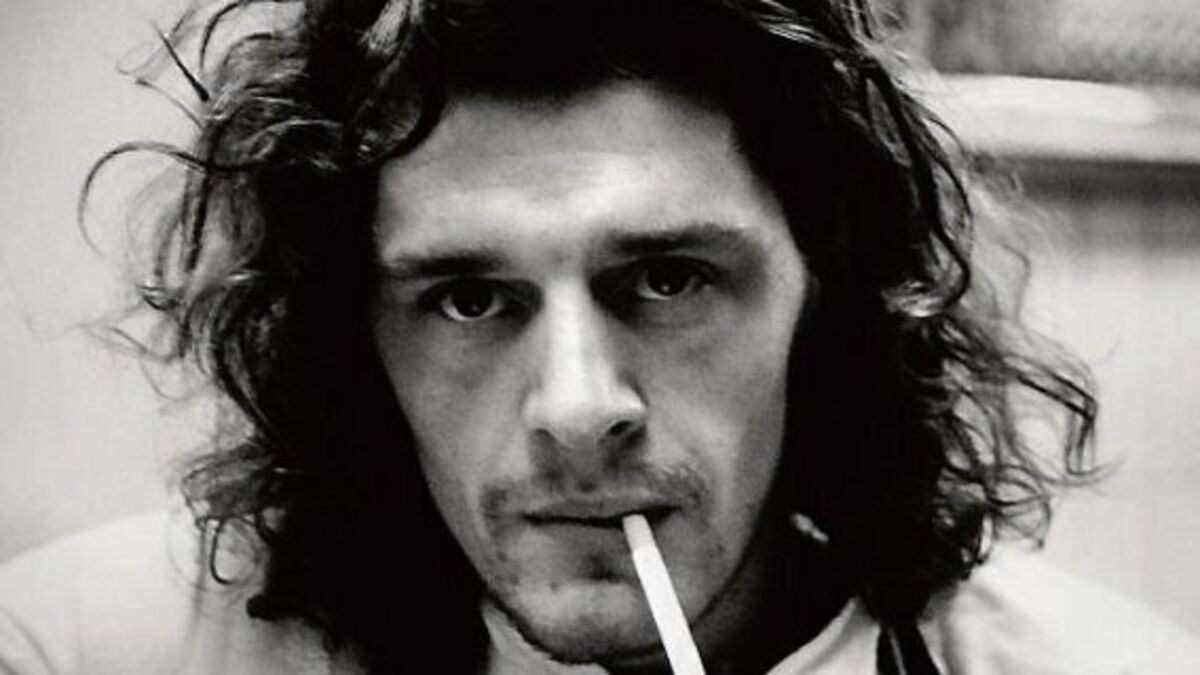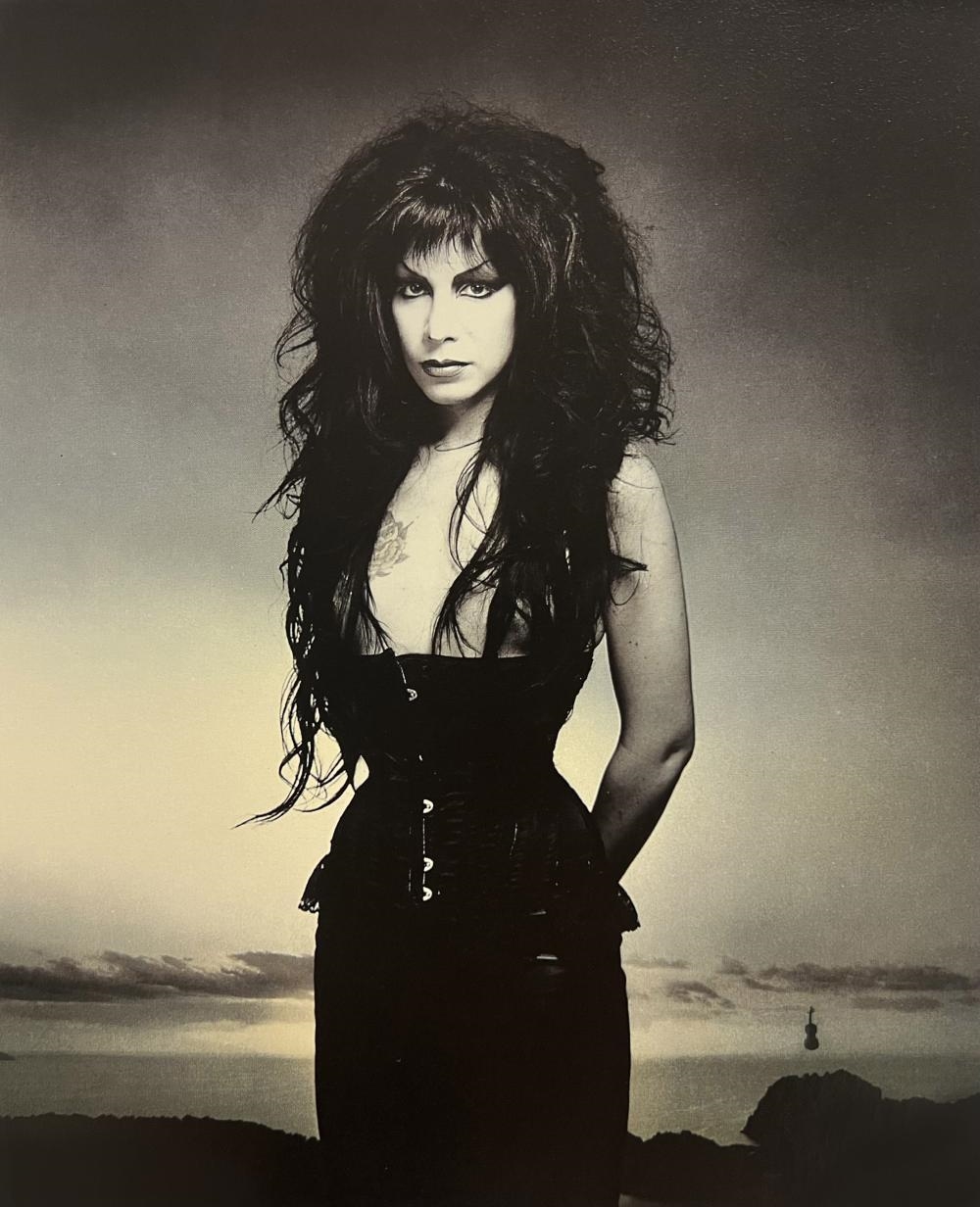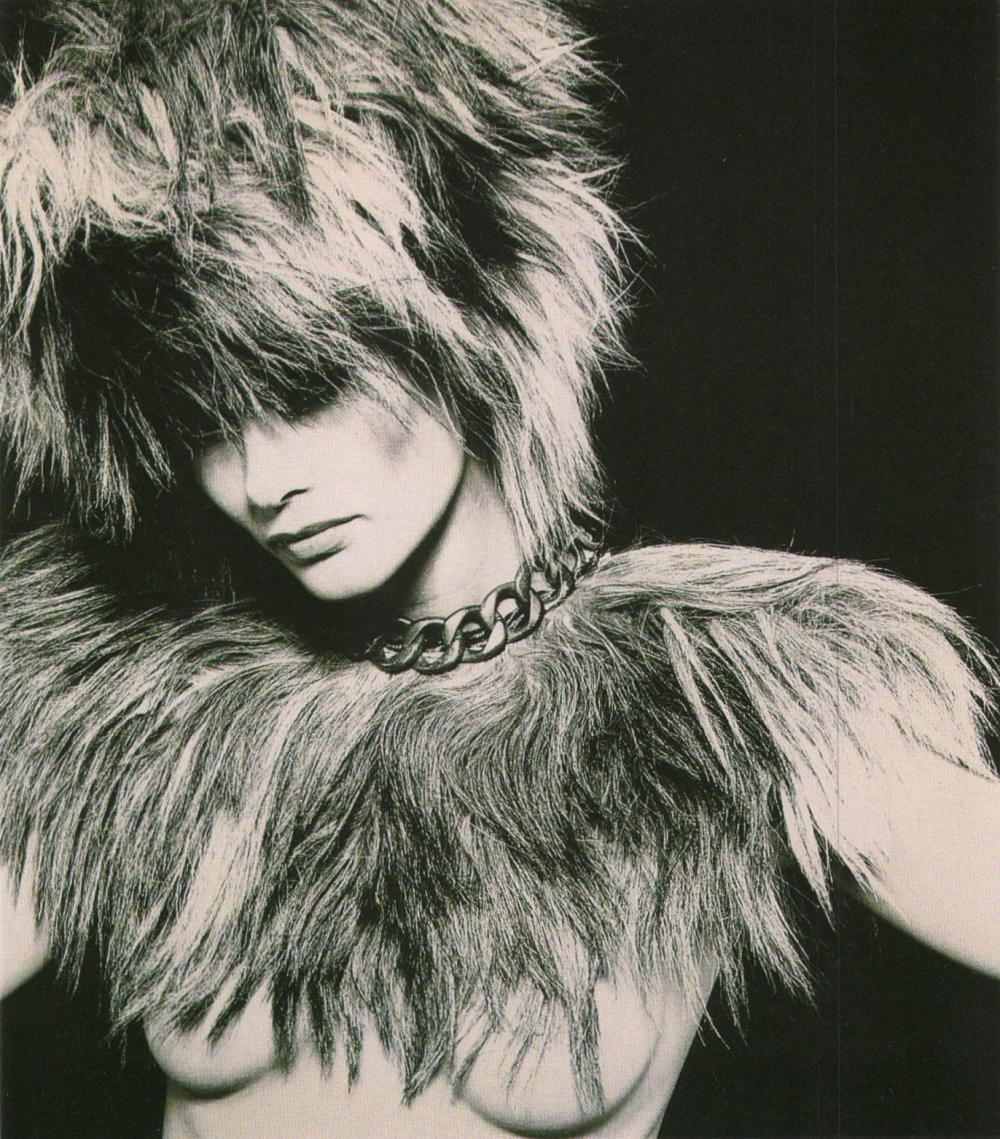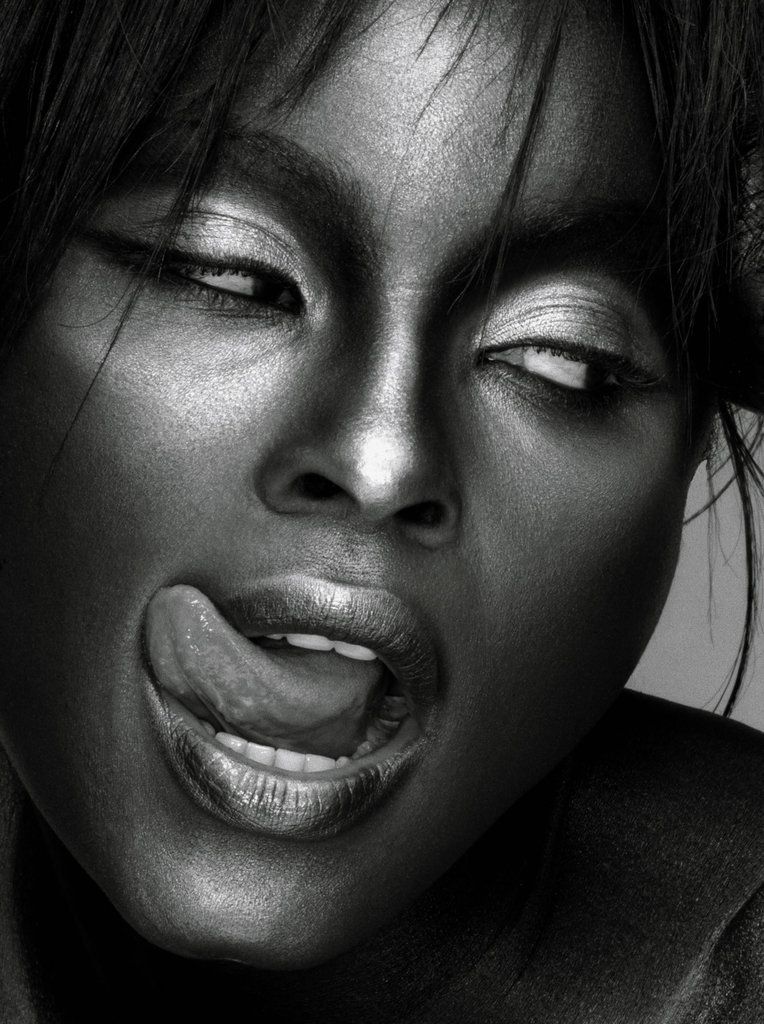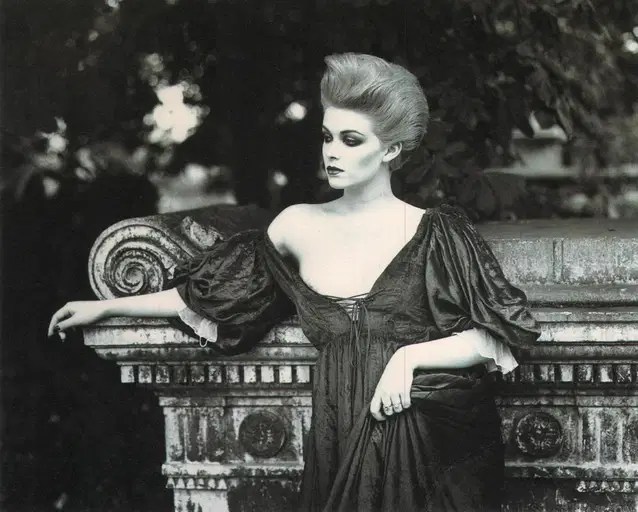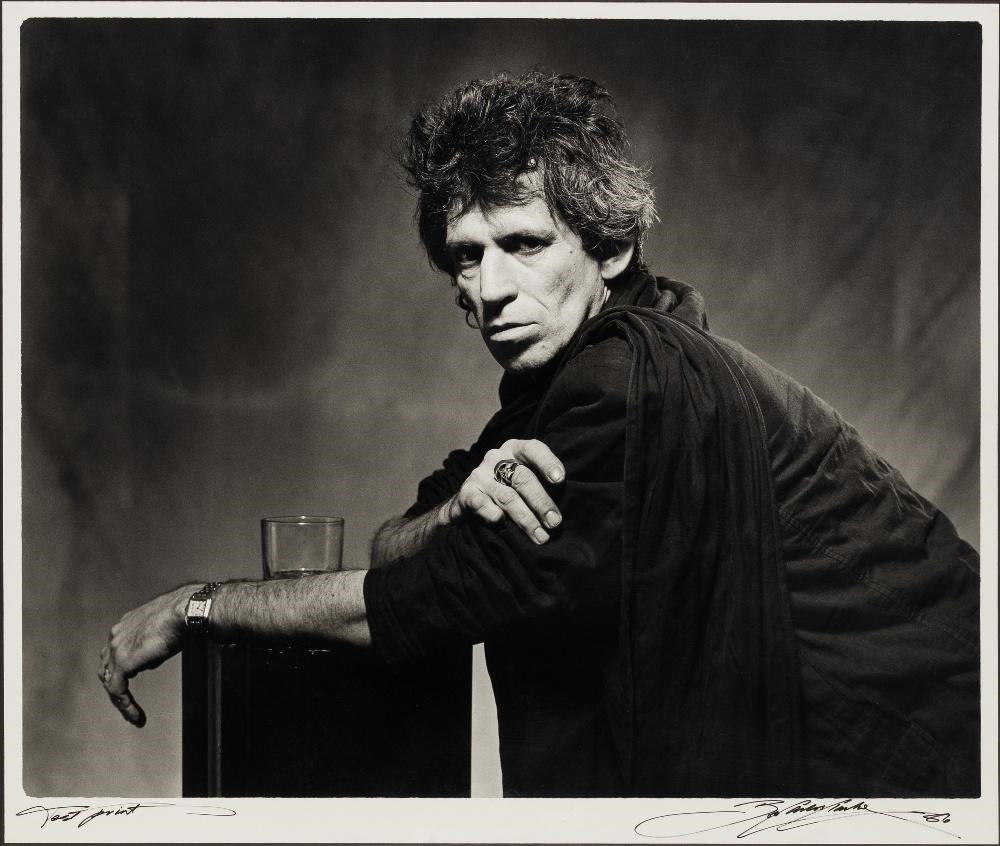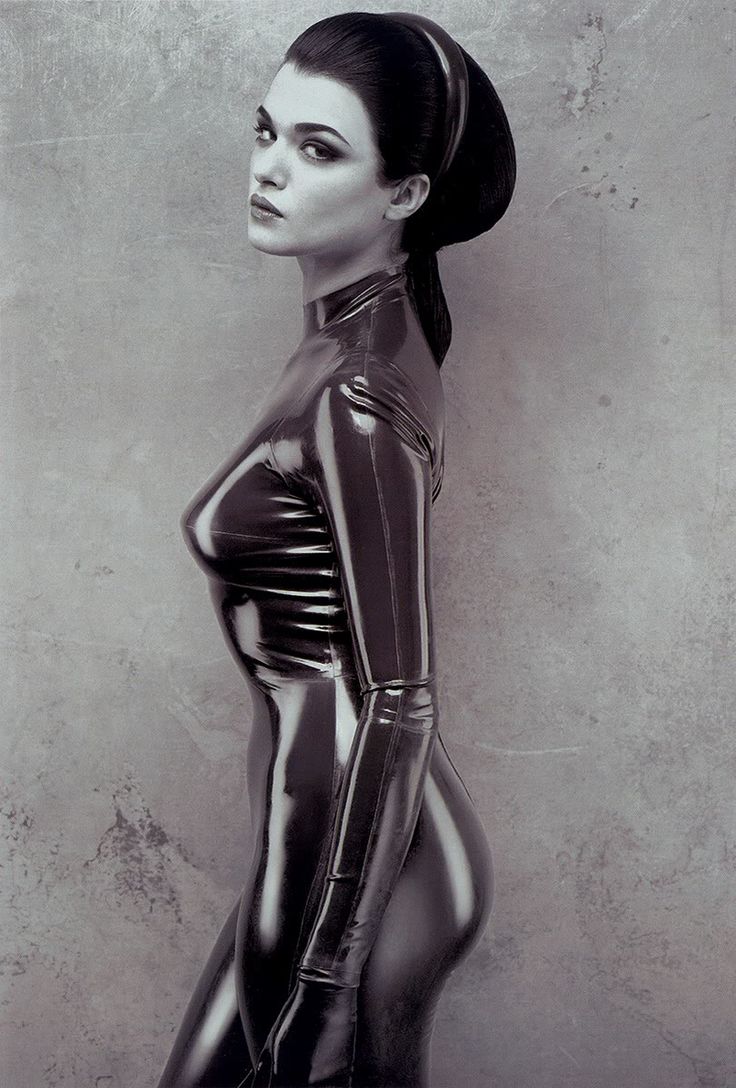

Antony Charles Robert Armstrong-Jones (7 March 1930 – 13 January 2017), later known as Lord Snowdon, was one of Britain’s most influential portrait photographers of the twentieth century. Although many people know him primarily as the husband of Princess Margaret, his reputation as a photographer stands firmly on its own. His portraits helped redefine celebrity photography by making famous people appear psychologically complex rather than simply glamorous.
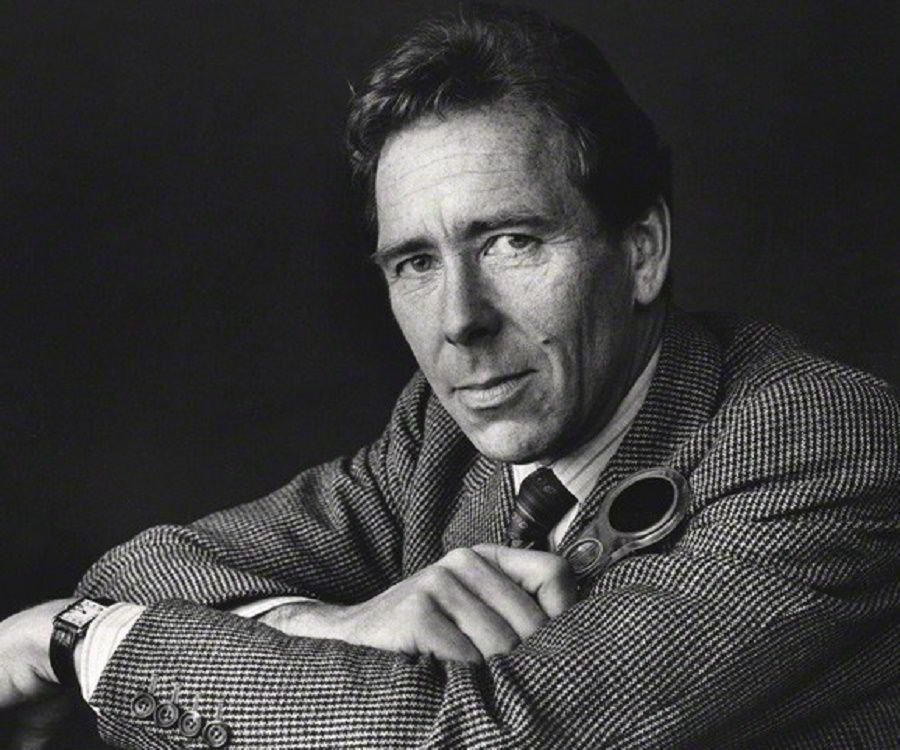
Early Life
Armstrong-Jones was born in Belgravia, London, into an affluent but emotionally complicated family. His father, Ronald Armstrong-Jones, was a barrister, while his mother, Anne Messel, came from a distinguished artistic family that included the celebrated stage designer Oliver Messel.
His childhood was marked by instability after his parents divorced. At the age of sixteen he contracted polio, which left him with a permanent limp. The illness forced months of rehabilitation and profoundly shaped his determination and independence. Friends later remarked that he rarely discussed the experience, but it influenced both his resilience and his sensitivity toward disability.
Discovering Photography
Although he briefly studied architecture at Jesus College, Cambridge, Armstrong-Jones discovered that photography suited both his artistic instincts and his fascination with people.
After leaving university without completing his degree, he apprenticed with society photographer Baron Nahum before opening his own London studio. Rather than merely recording appearances, he quickly developed a reputation for revealing personality.
By the late 1950s he was working regularly for:
- Vogue
- Tatler
- The Sunday Times Magazine
- The Sunday Telegraph Magazine
- Vanity Fair
His portraits stood apart from conventional studio photography because they often relied on unusual compositions, dramatic lighting and genuine interaction between photographer and sitter.
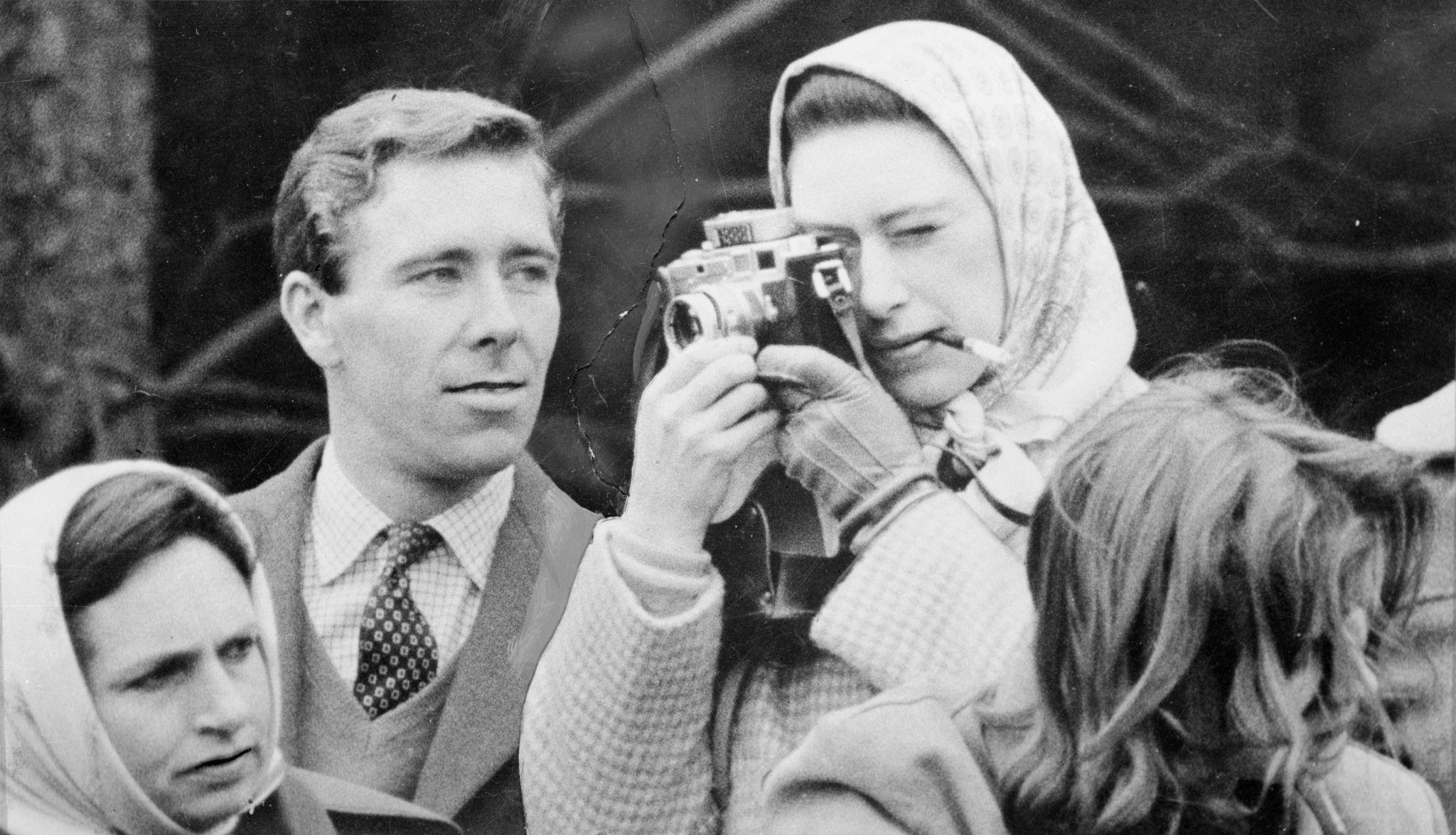
The Royal Connection
Their relationship was kept secret until their engagement was announced in 1960.
Their wedding became one of the first royal ceremonies to be televised worldwide, watched by an estimated 300 million people.
In 1961 he was created Earl of Snowdon, becoming Lord Snowdon.
The marriage produced two children:
- David Armstrong-Jones (later the 2nd Earl of Snowdon)
- Lady Sarah Chatto
While the marriage initially appeared glamorous, both partners were known to have extramarital relationships. Increasing strains eventually led to divorce in 1978—the first royal divorce in generations.
His Photography
Snowdon photographed almost everyone who mattered in British cultural life.
His sitters included:
- David Bowie
- Elizabeth Taylor
- Laurence Olivier
- Marlene Dietrich
- Princess Diana
- Queen Elizabeth II
- Harold Macmillan
- Members of the British Royal Family
- Leading artists, writers, actors and politicians
Unlike many celebrity photographers, Snowdon avoided excessive glamour.
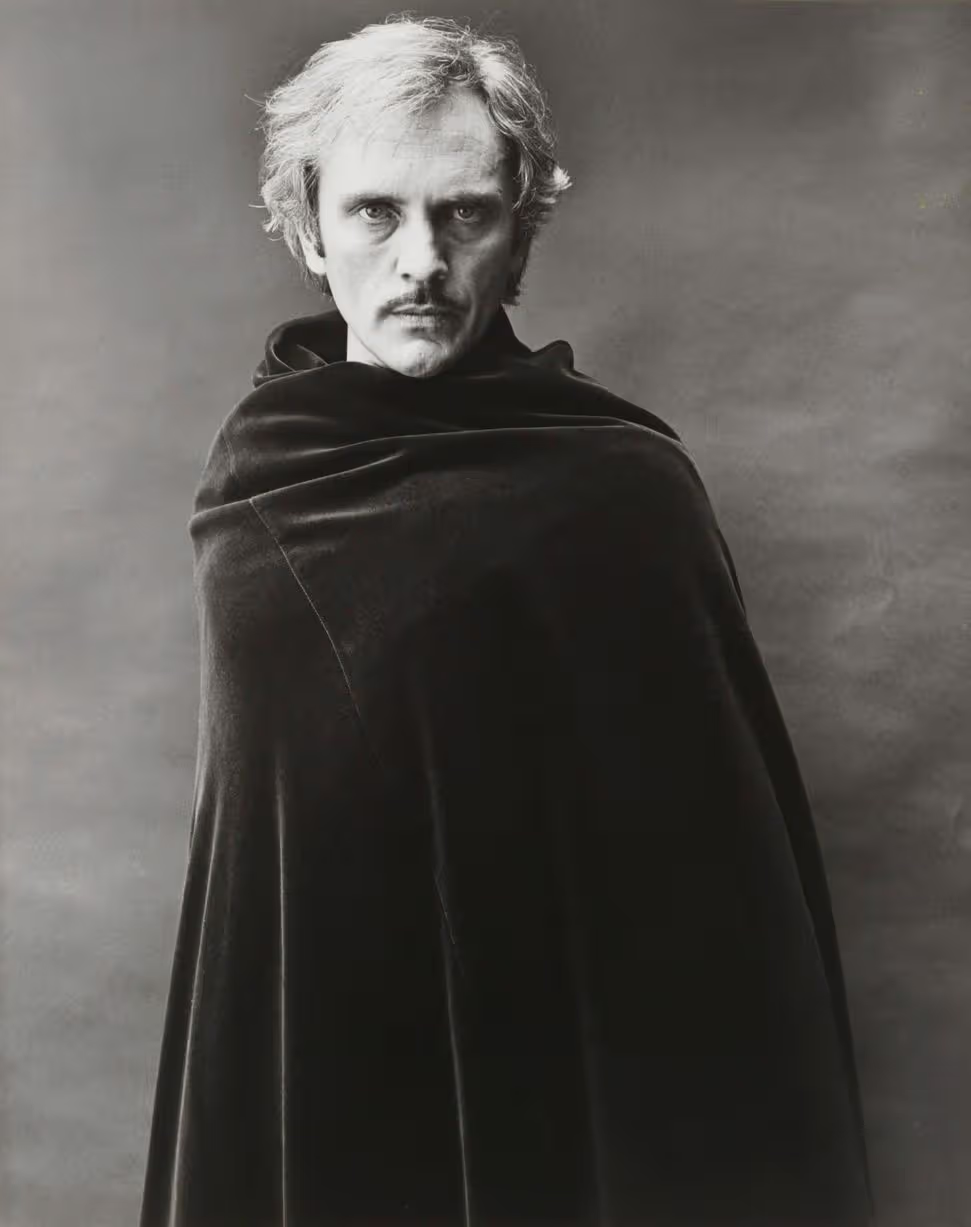
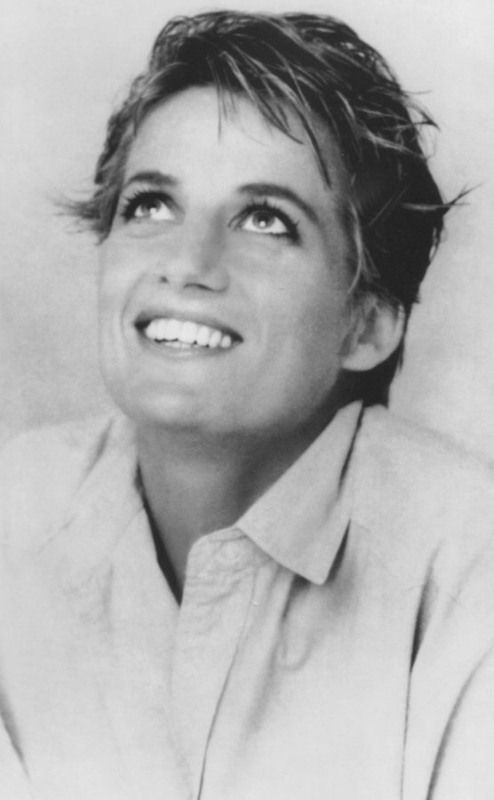
He wanted to uncover character. Many portraits feel conversational rather than staged. His subjects often appear thoughtful, vulnerable or quietly powerful.
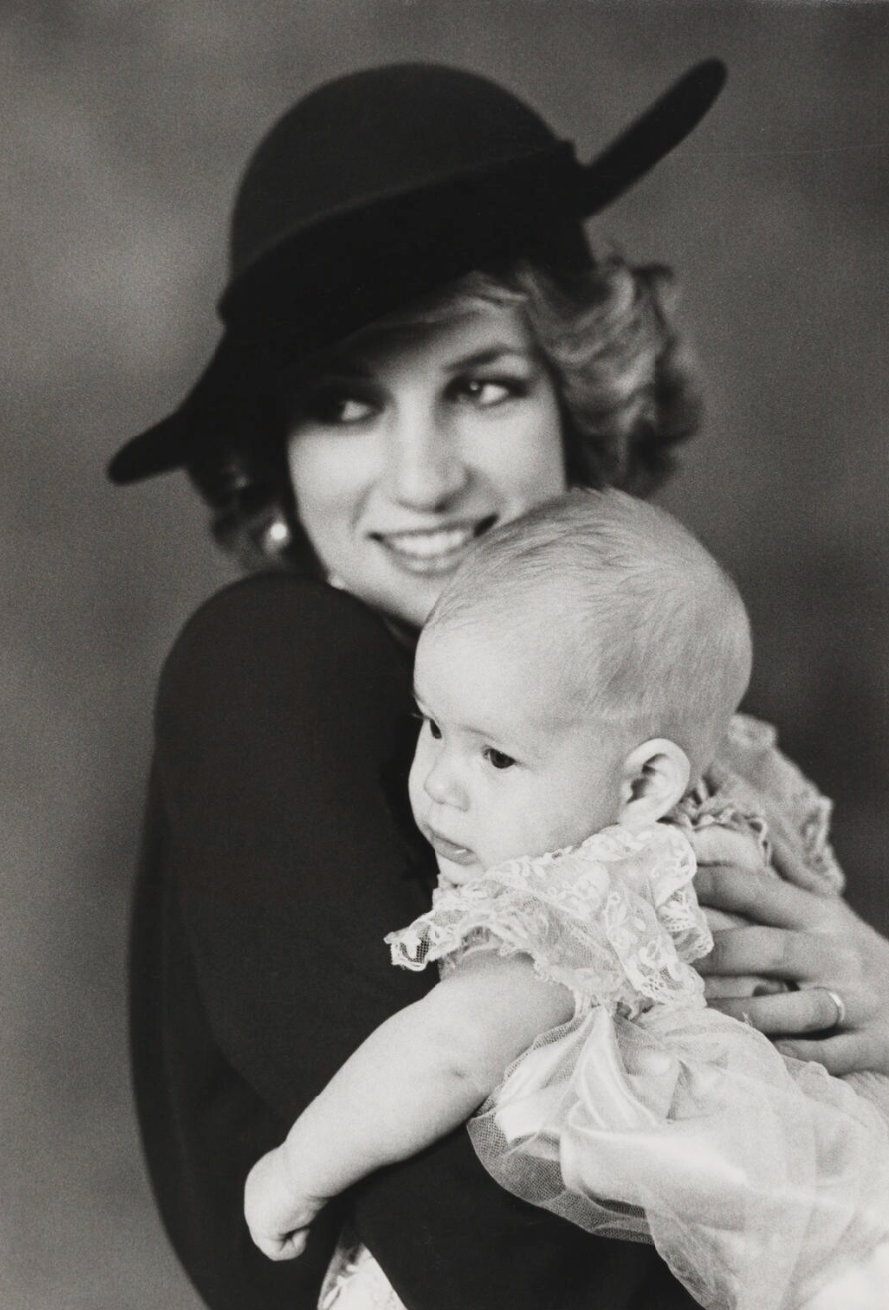
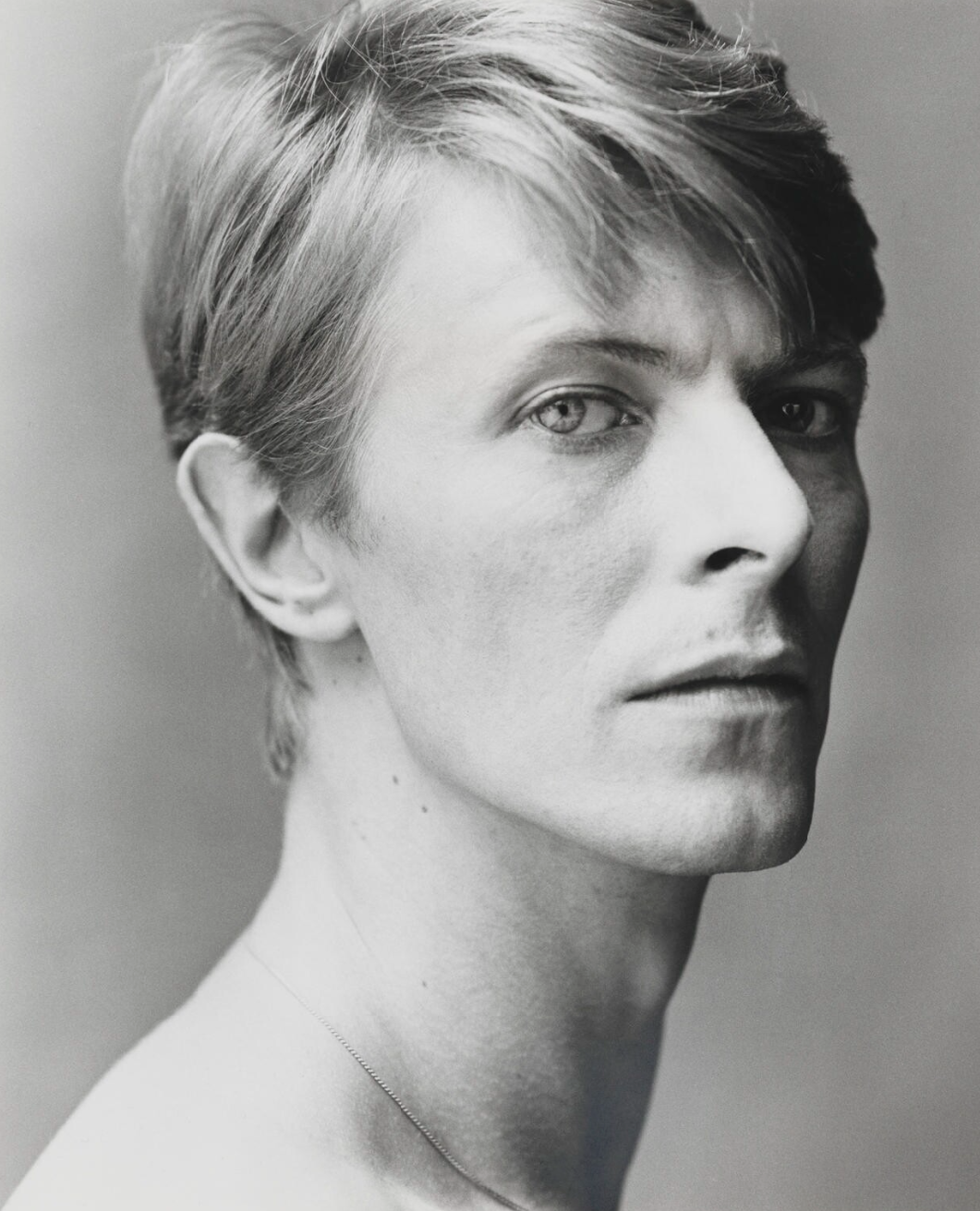
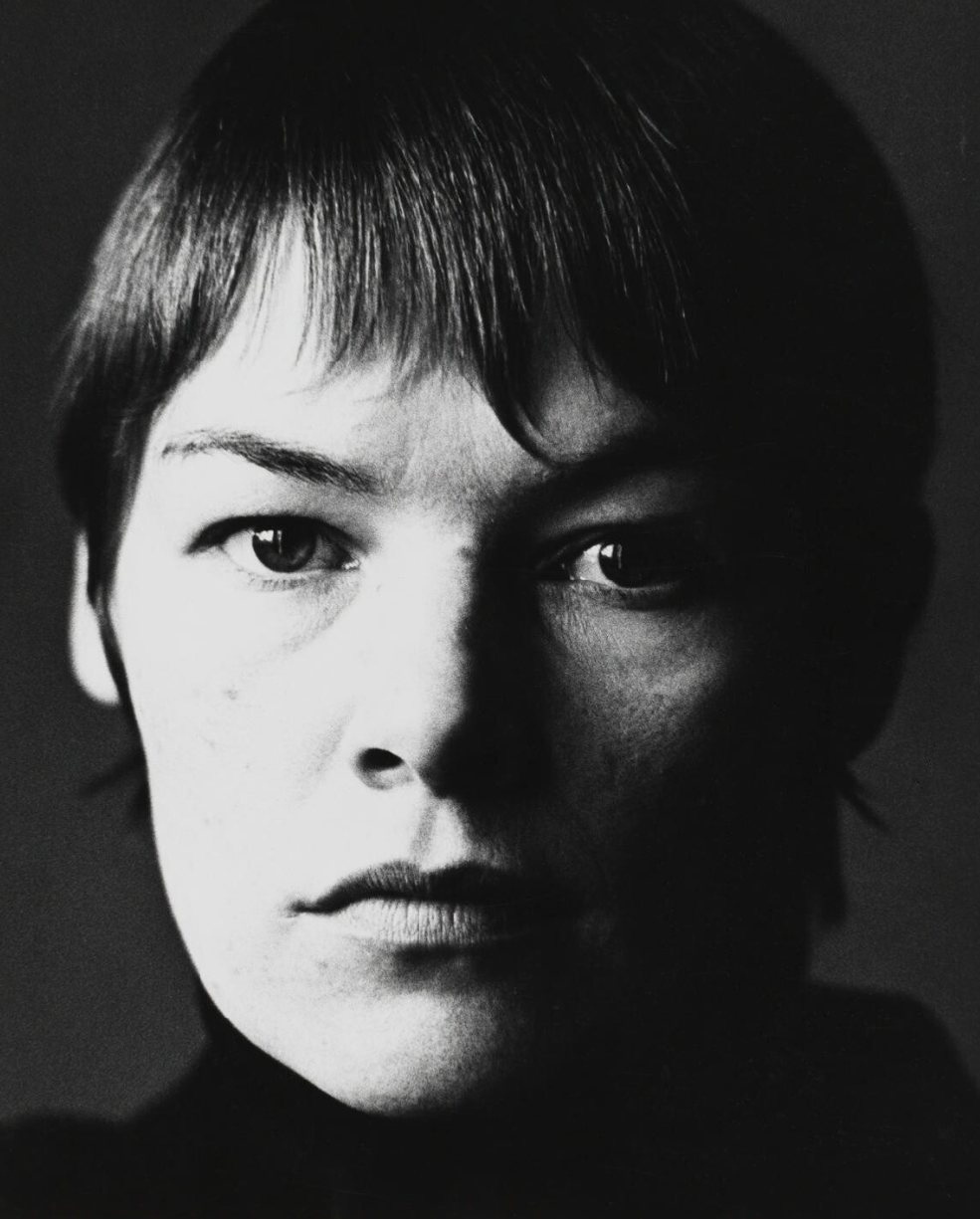
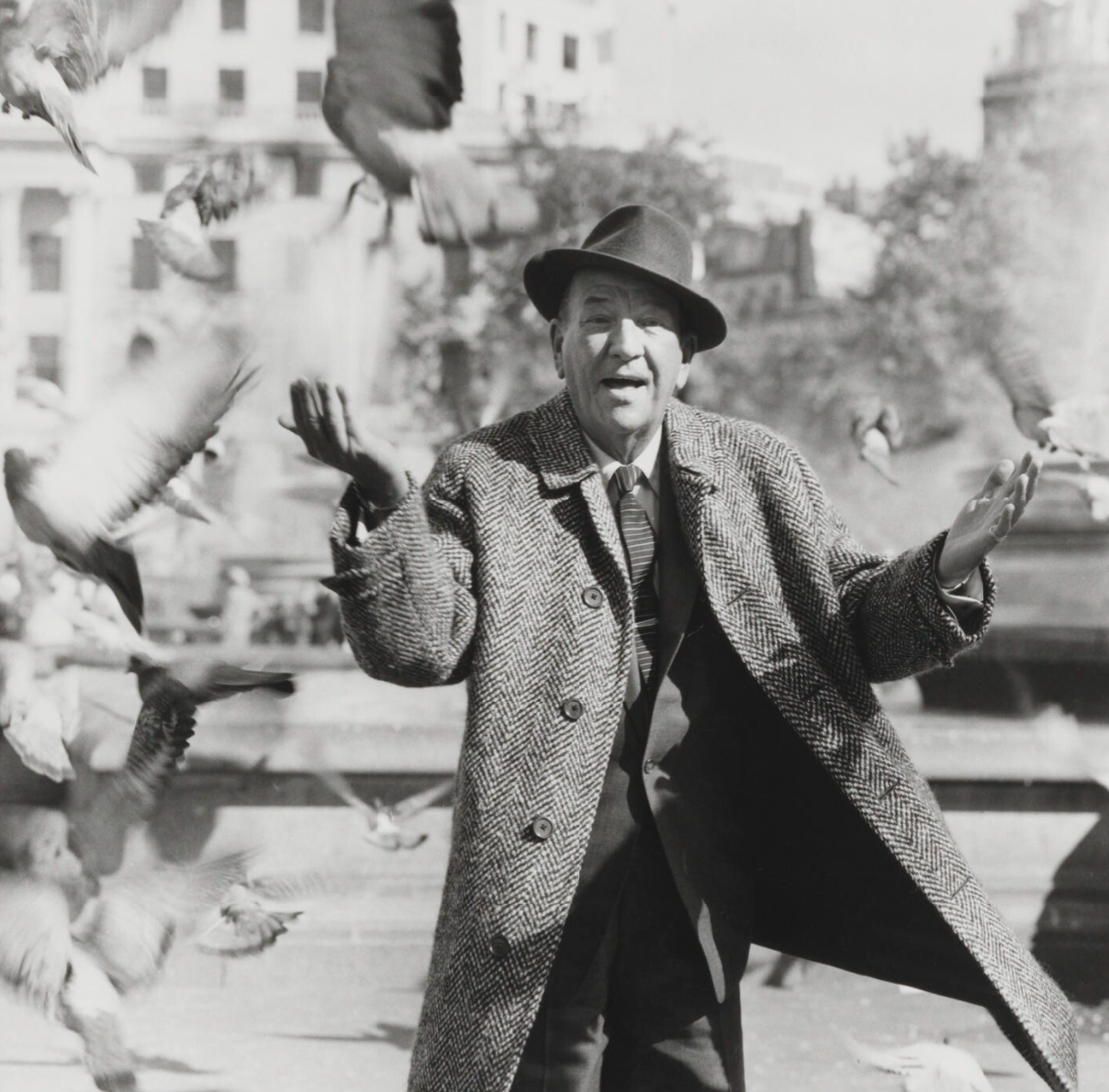
His style combined:
- simple backgrounds
- strong directional light
- careful attention to gesture
- natural body language
- psychological intimacy
More than 280 of his photographs are held by the UK’s National Portrait Gallery.
Beyond Portraiture
Snowdon never wanted to be seen solely as a society photographer. He photographed people with disabilities long before disability was widely discussed in mainstream media. His images treated disabled people with dignity rather than pity. He also produced award-winning television documentaries exploring disability and social issues. These projects reflected the empathy that grew from his own experience recovering from polio.
Designer and Inventor
Remarkably, Snowdon’s creativity extended well beyond photography. He co-designed the famous Snowdon Aviary at the London Zoo, an innovative tensile structure completed in the 1960s. He also helped develop improved electric wheelchairs and other accessibility devices for disabled people. These engineering projects reflected his lifelong interest in practical design rather than simply aesthetics.
Working Method
Fellow photographers often remarked that Snowdon could establish rapport within minutes.
His sessions were relatively relaxed. Rather than spending hours adjusting lights, he preferred conversation. He watched for fleeting expressions. Many of his strongest portraits depend on tiny moments of hesitation or contemplation. He believed photography was less about technical perfection than observation.
His pictures frequently use:
- available light
- subtle expressions
- unconventional framing
- clean compositions
- restrained printing
The result is work that remains contemporary decades later.
Influence on Portrait Photography
Snowdon helped shift portrait photography away from rigid formality.
His influence can be seen in later photographers such as:
- Annie Leibovitz
- Platon
- Nadav Kander
- David Bailey (a contemporary with a different style)
He demonstrated that portraits could reveal psychology instead of merely documenting appearance.
Personal Life
After divorcing Princess Margaret, Snowdon married Lucy Lindsay-Hogg (née Davies) in 1978. They had one daughter before divorcing in 2000. He also fathered children outside his marriages, reflecting a personal life that was often complicated and widely reported. Despite his public profile, he remained intensely committed to photography throughout his life.
Death
Lord Snowdon died on 13 January 2017, aged 86, at his home in Kensington, London, after a period of declining health.
Tributes came not only from the Royal Family but from photographers worldwide, many of whom regarded him as one of Britain’s greatest portraitists.
Legacy
For photographers, Antony Armstrong-Jones deserves to be remembered first as an image-maker rather than as a royal figure. He transformed portrait photography by proving that elegance and honesty could coexist in the same frame. Whether photographing royalty, rock stars or ordinary people, he searched for something deeper than appearance. His finest images still feel remarkably modern because they are less about status than about humanity.