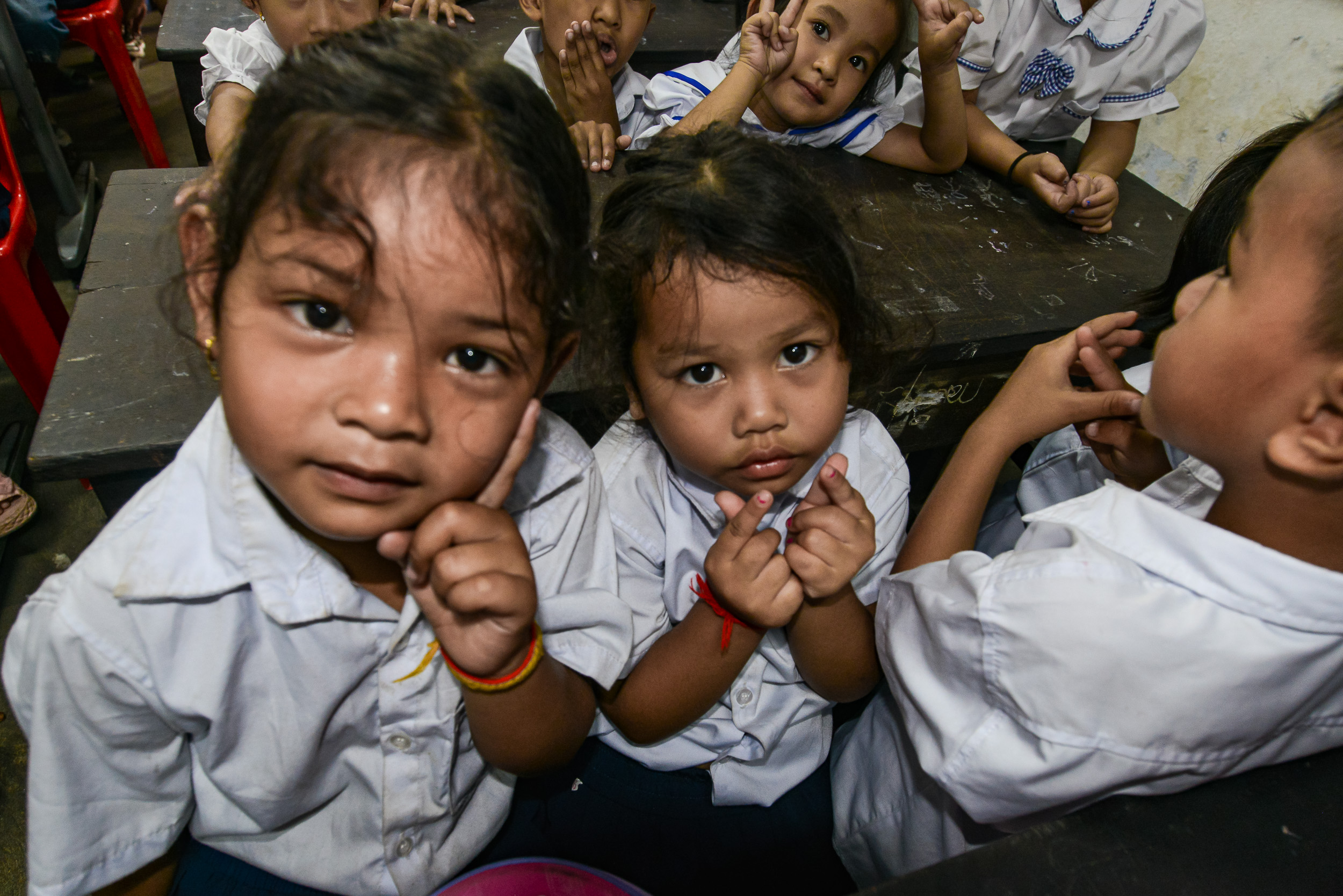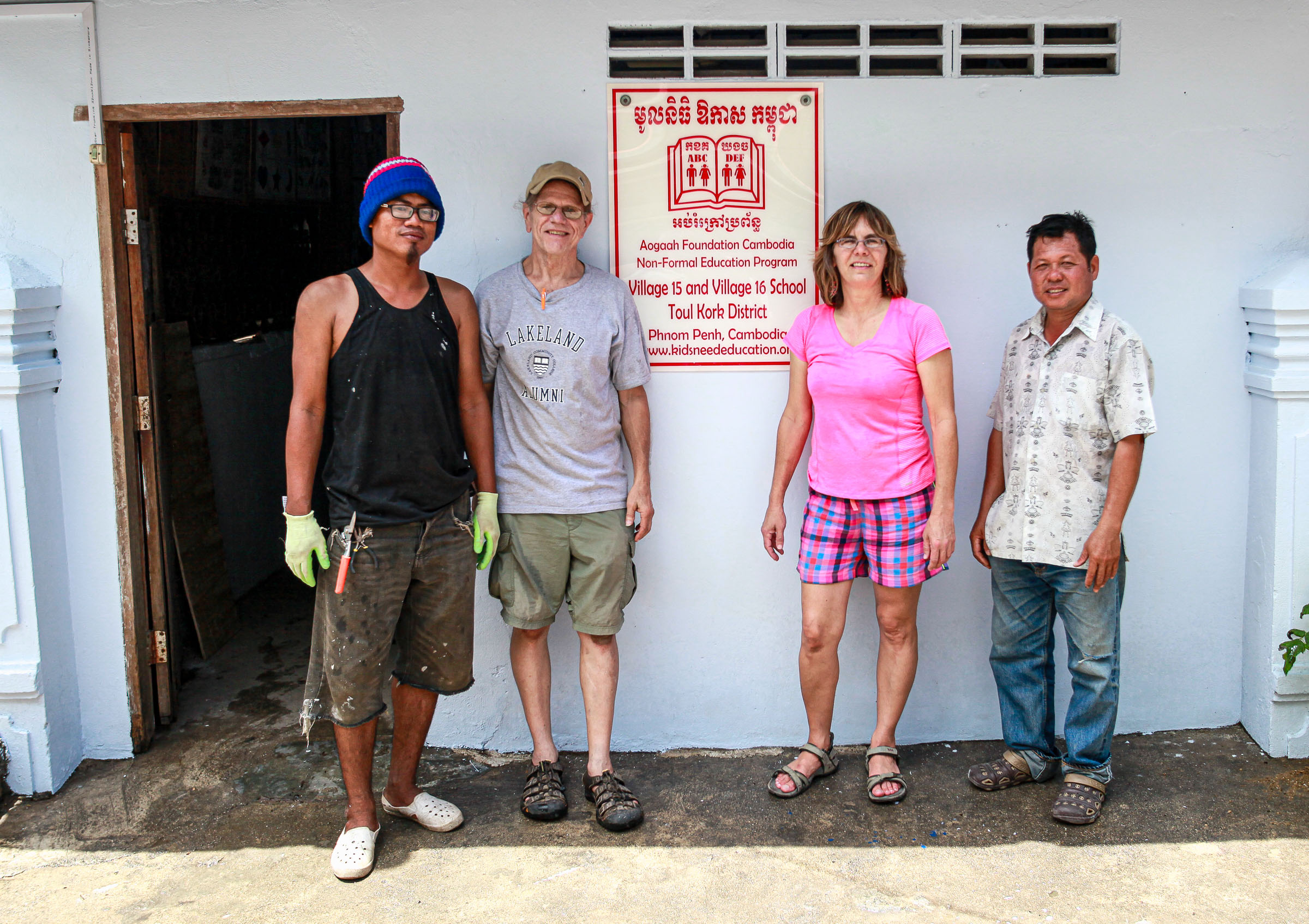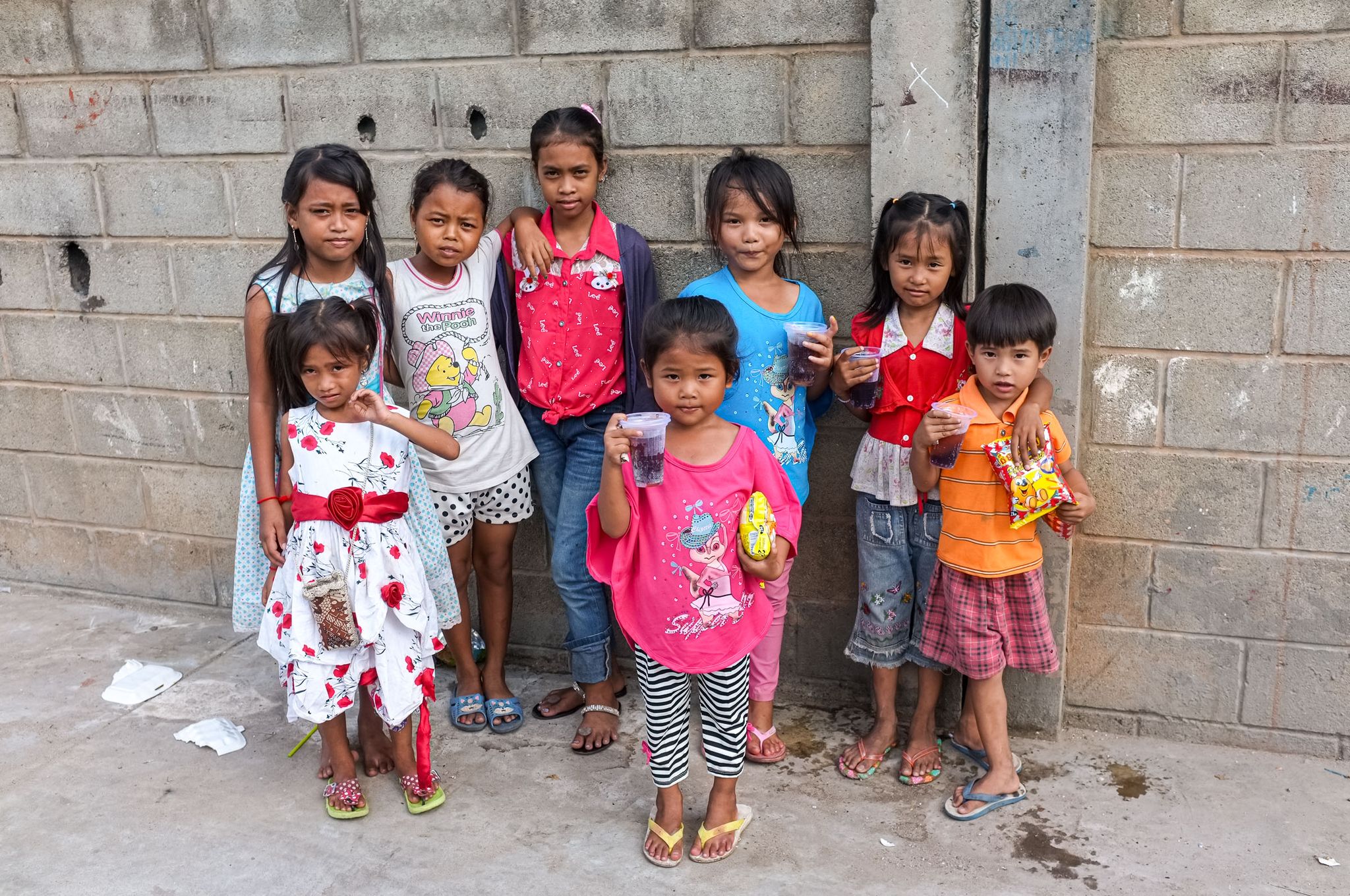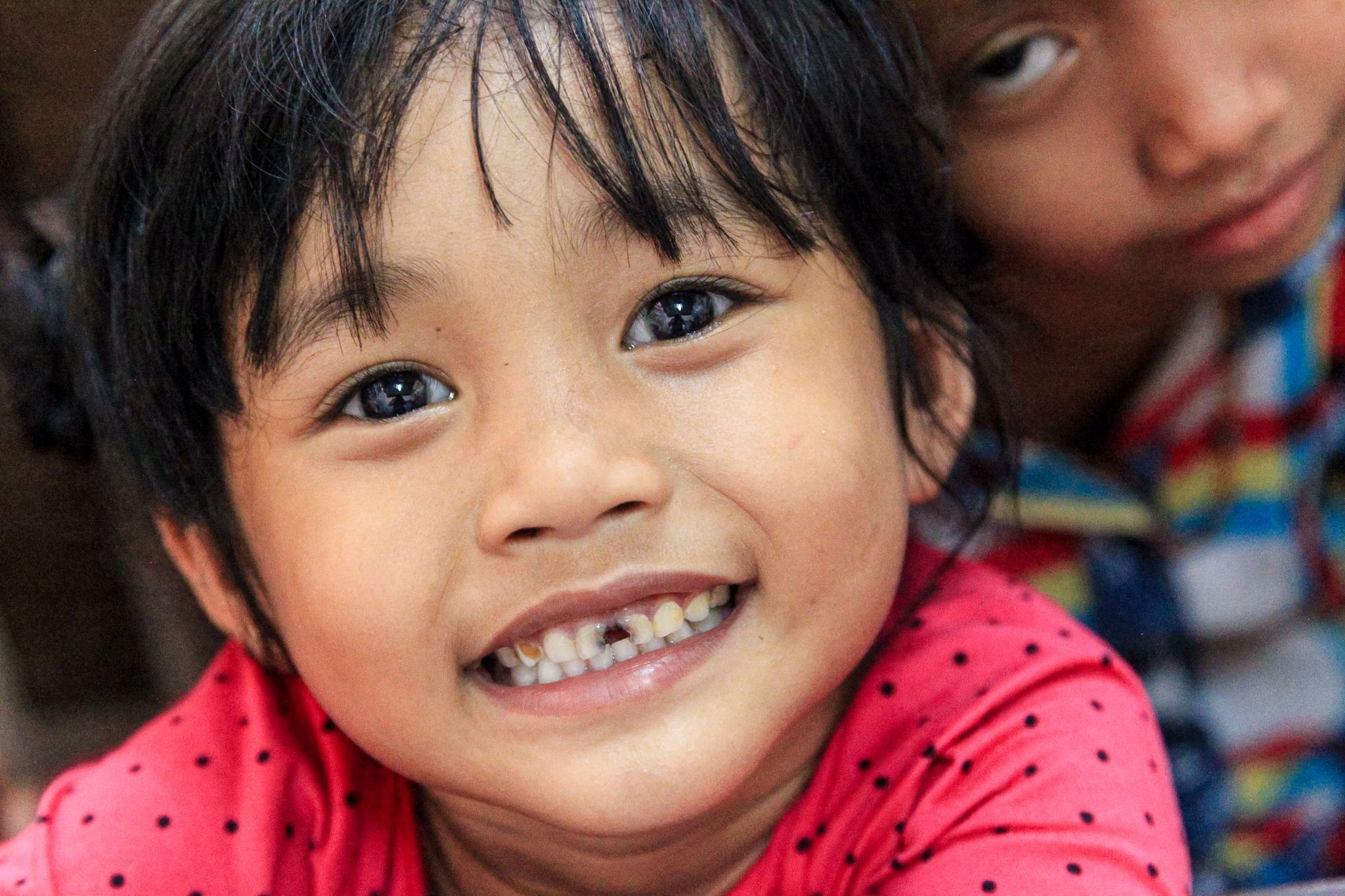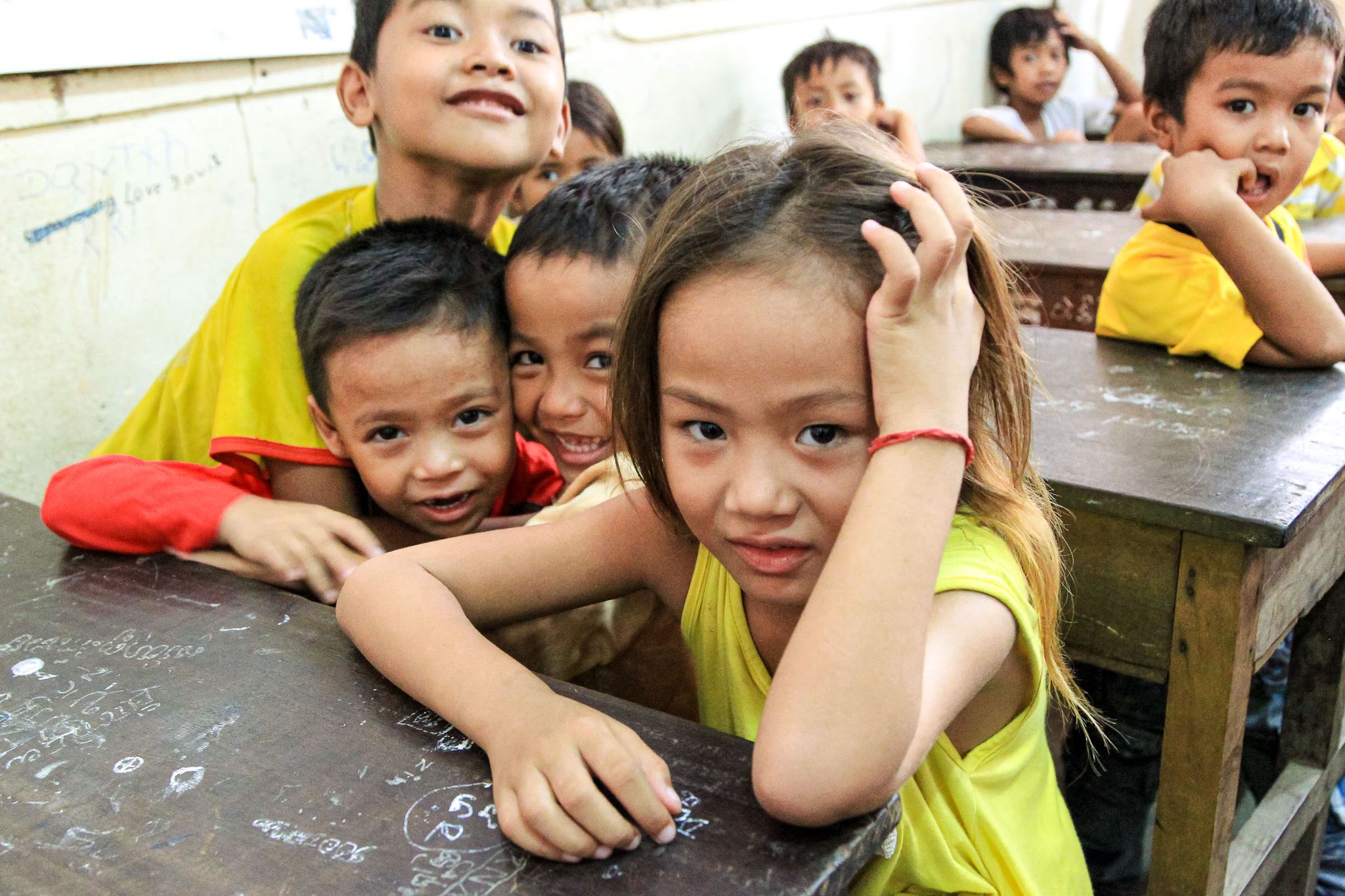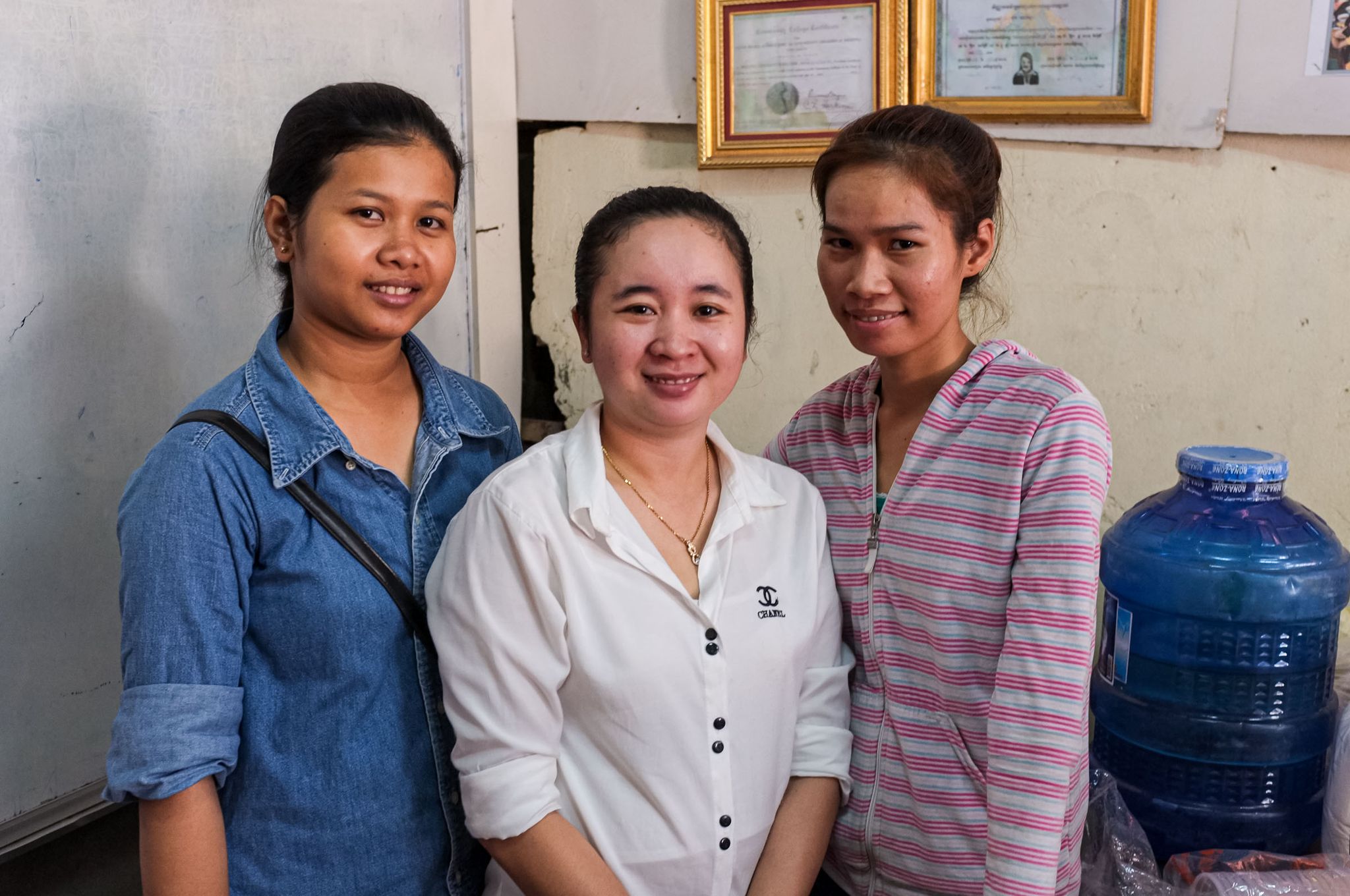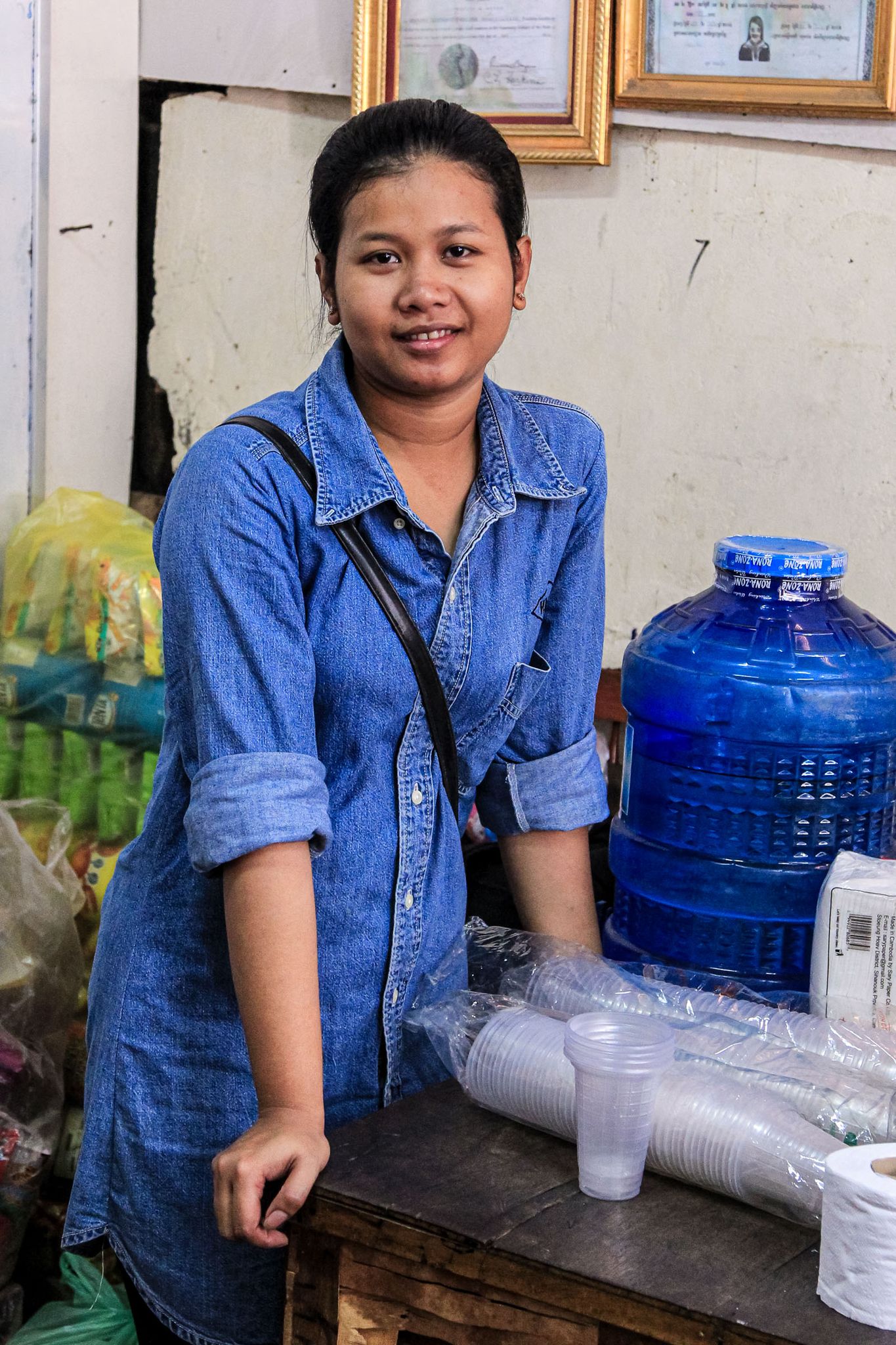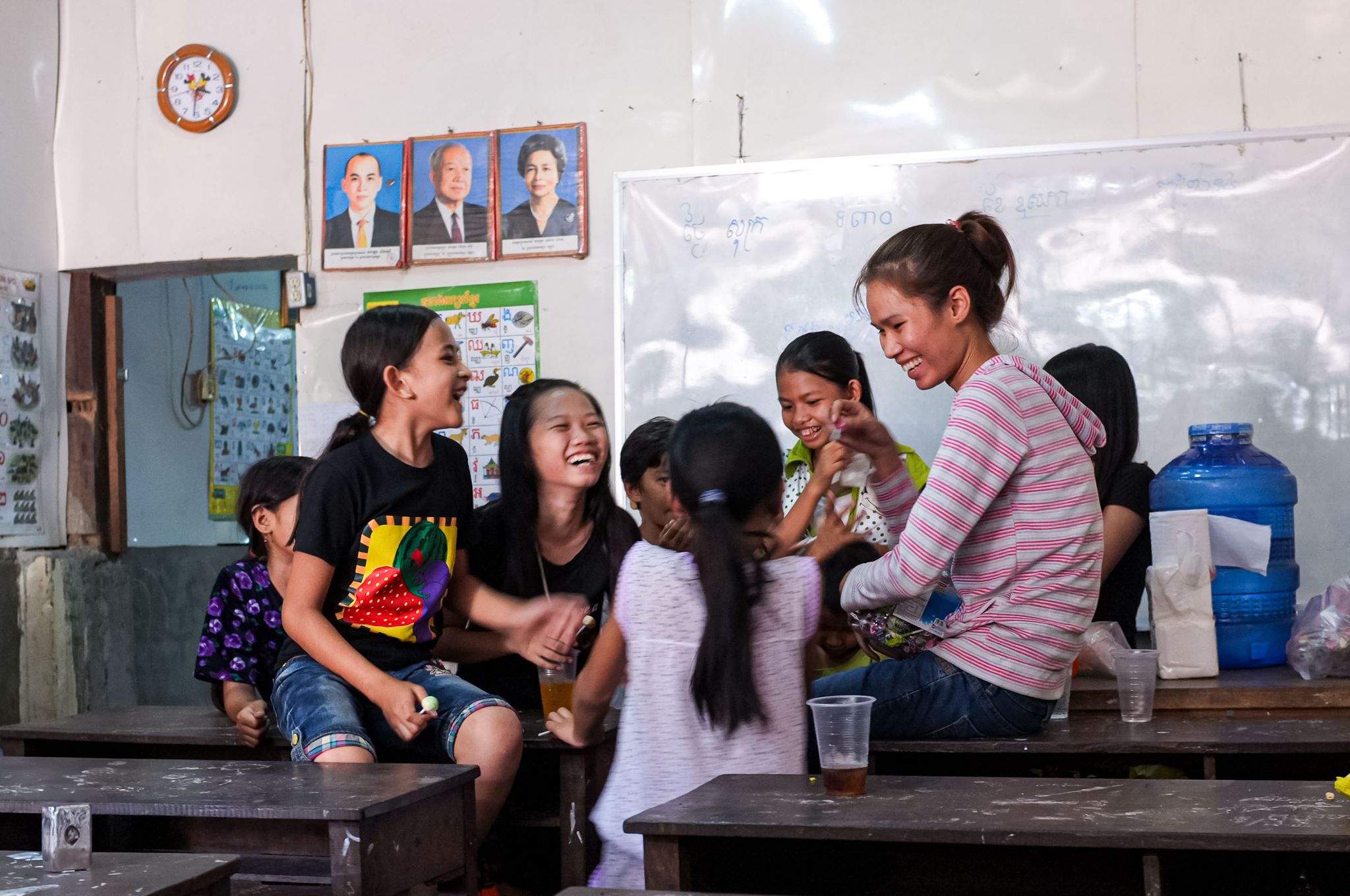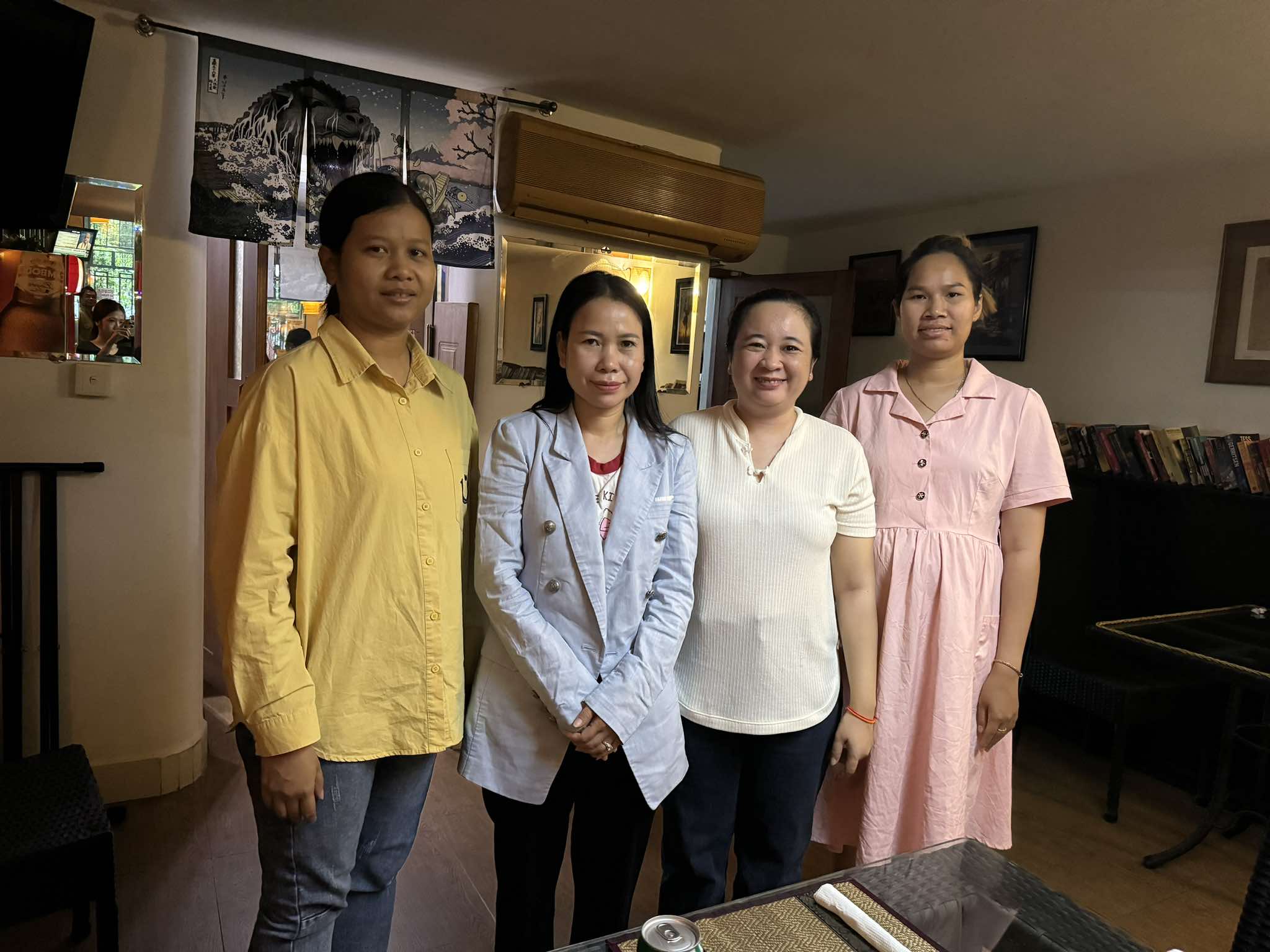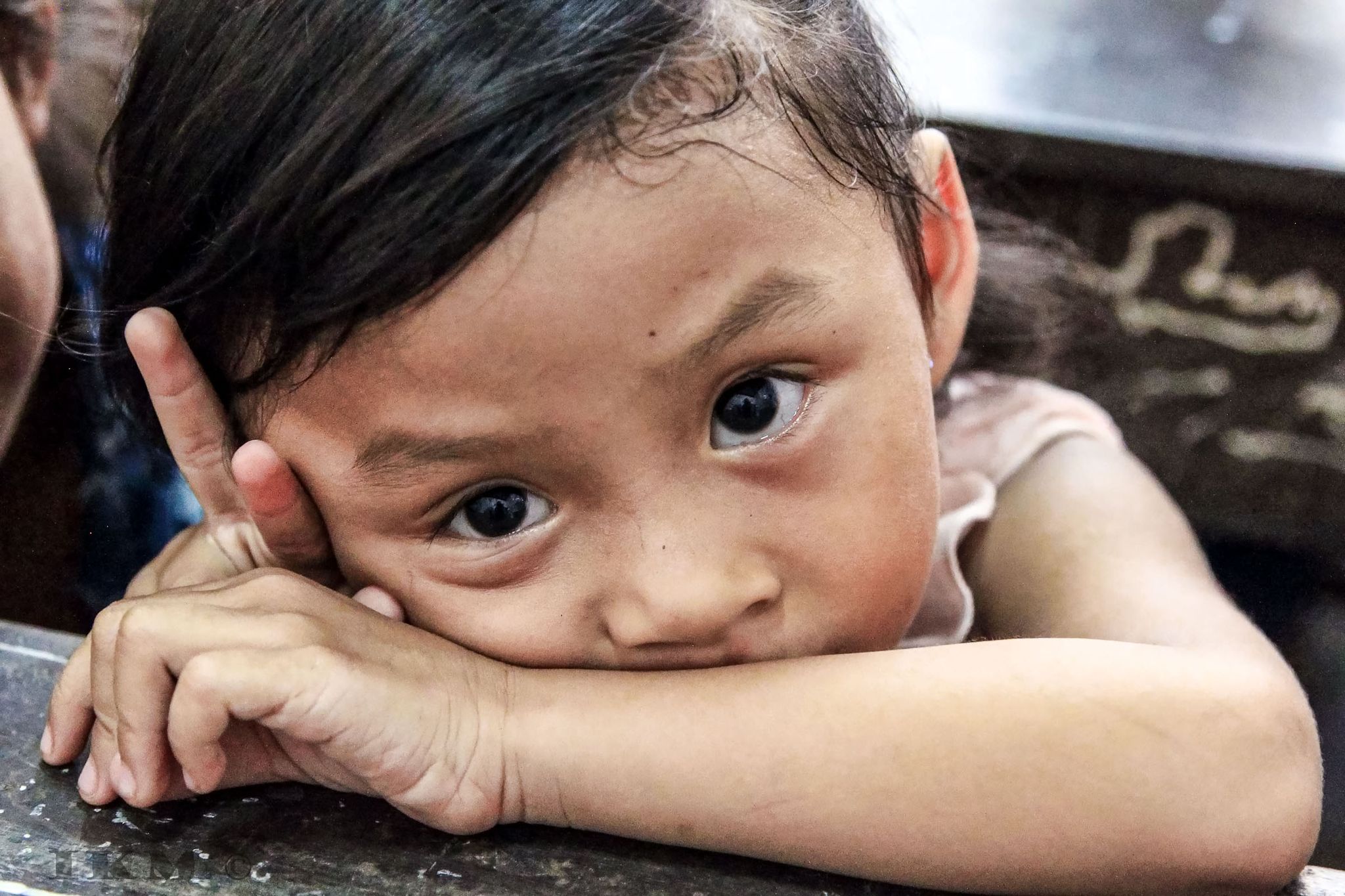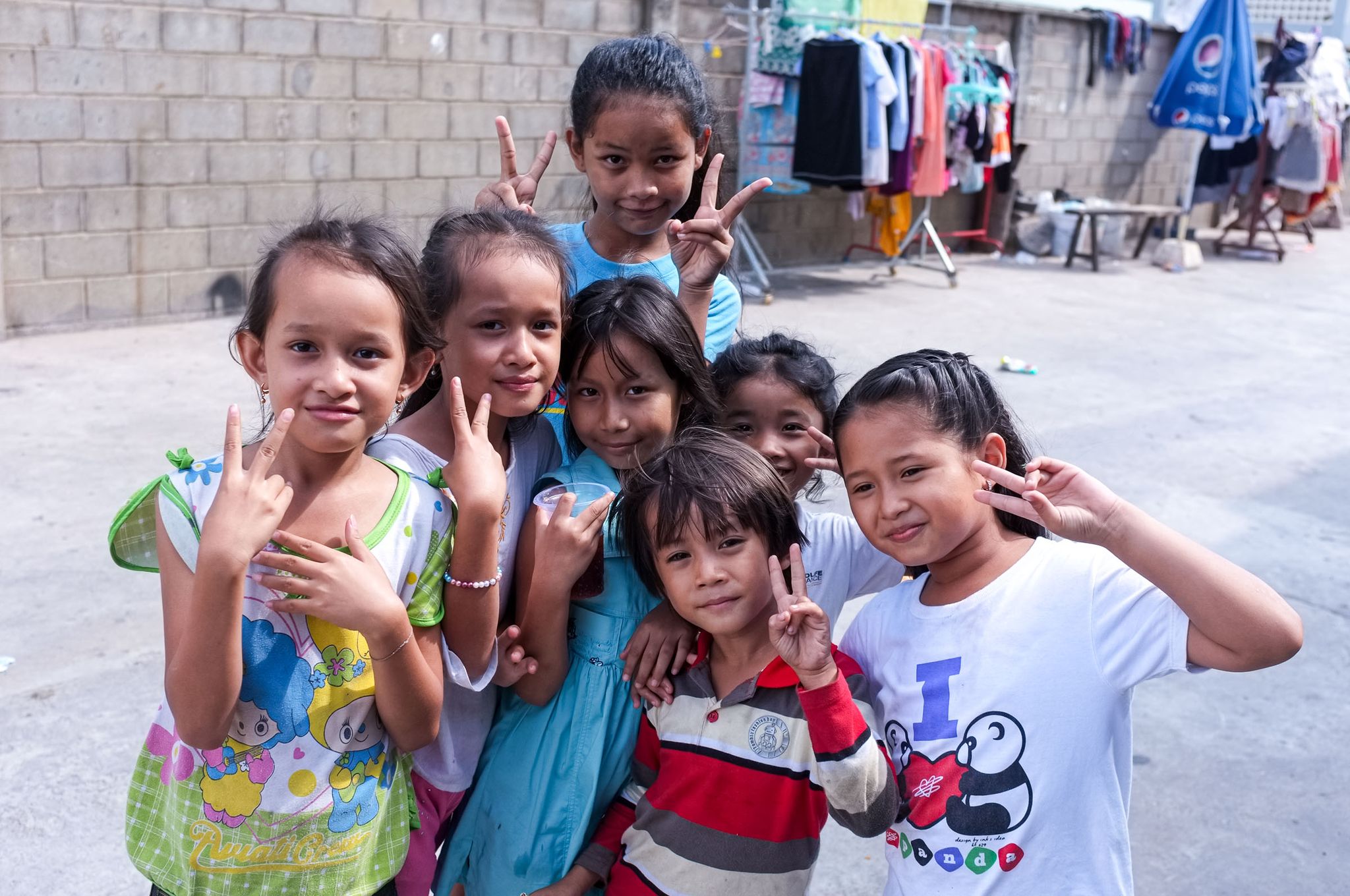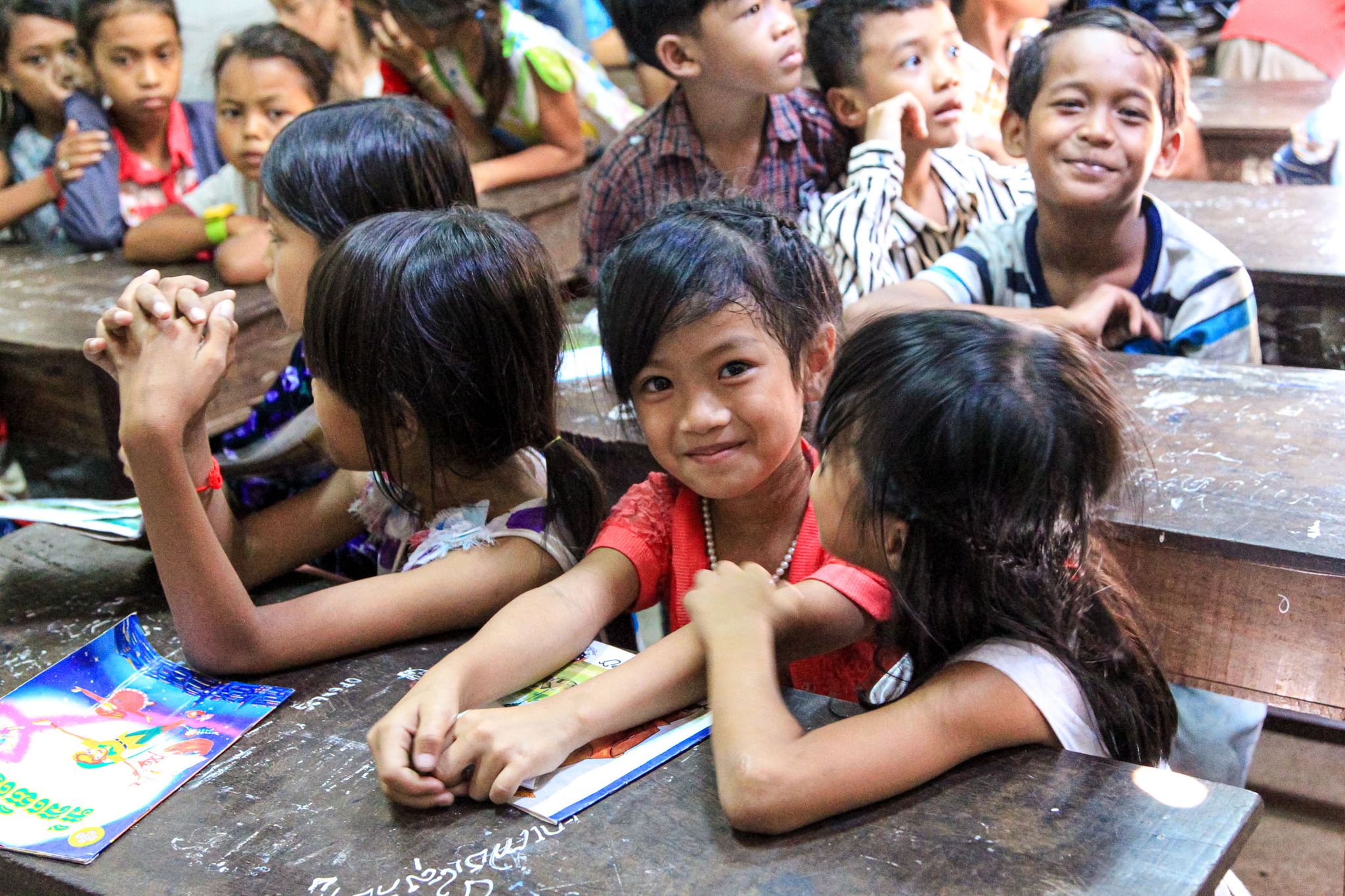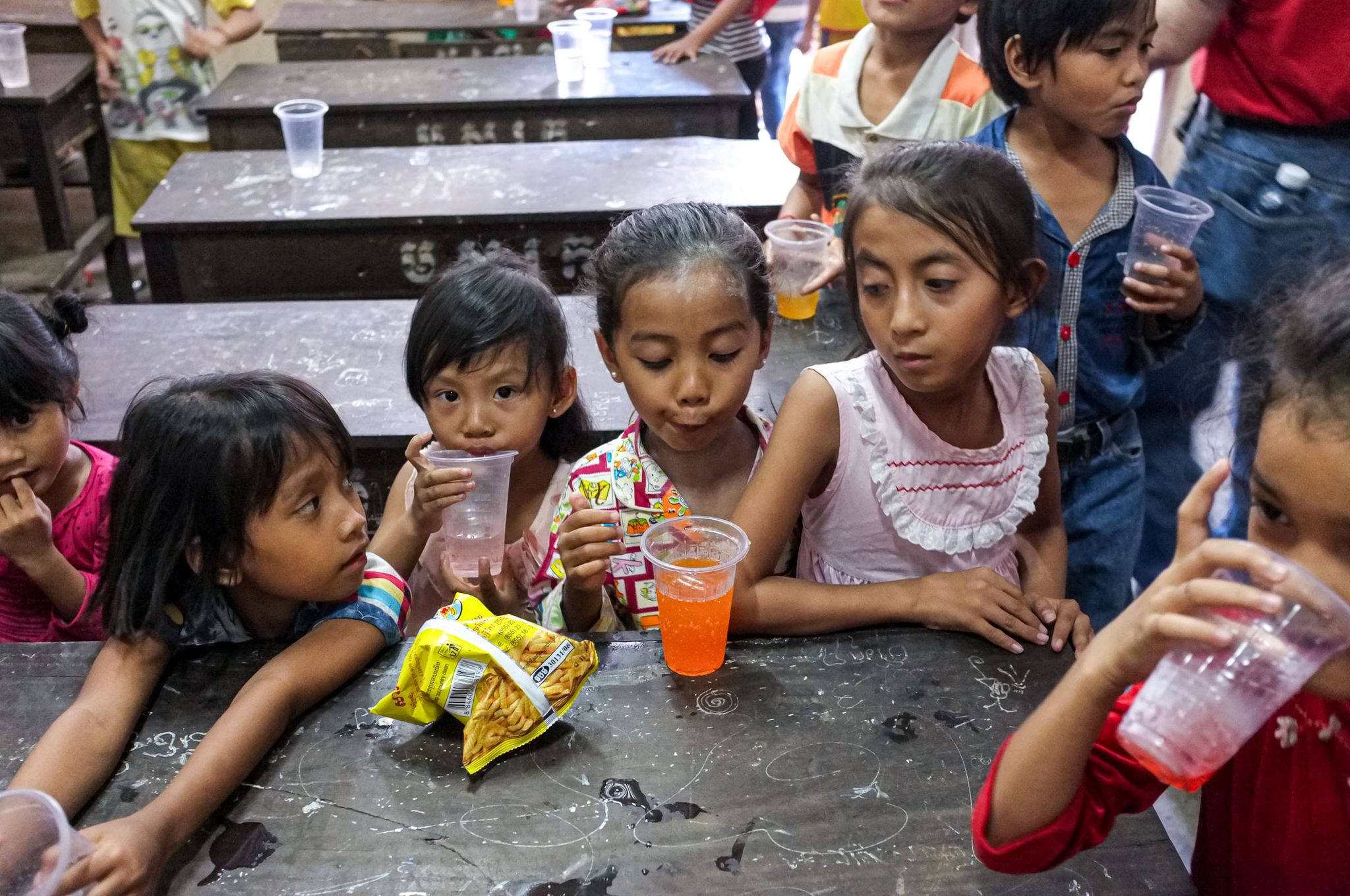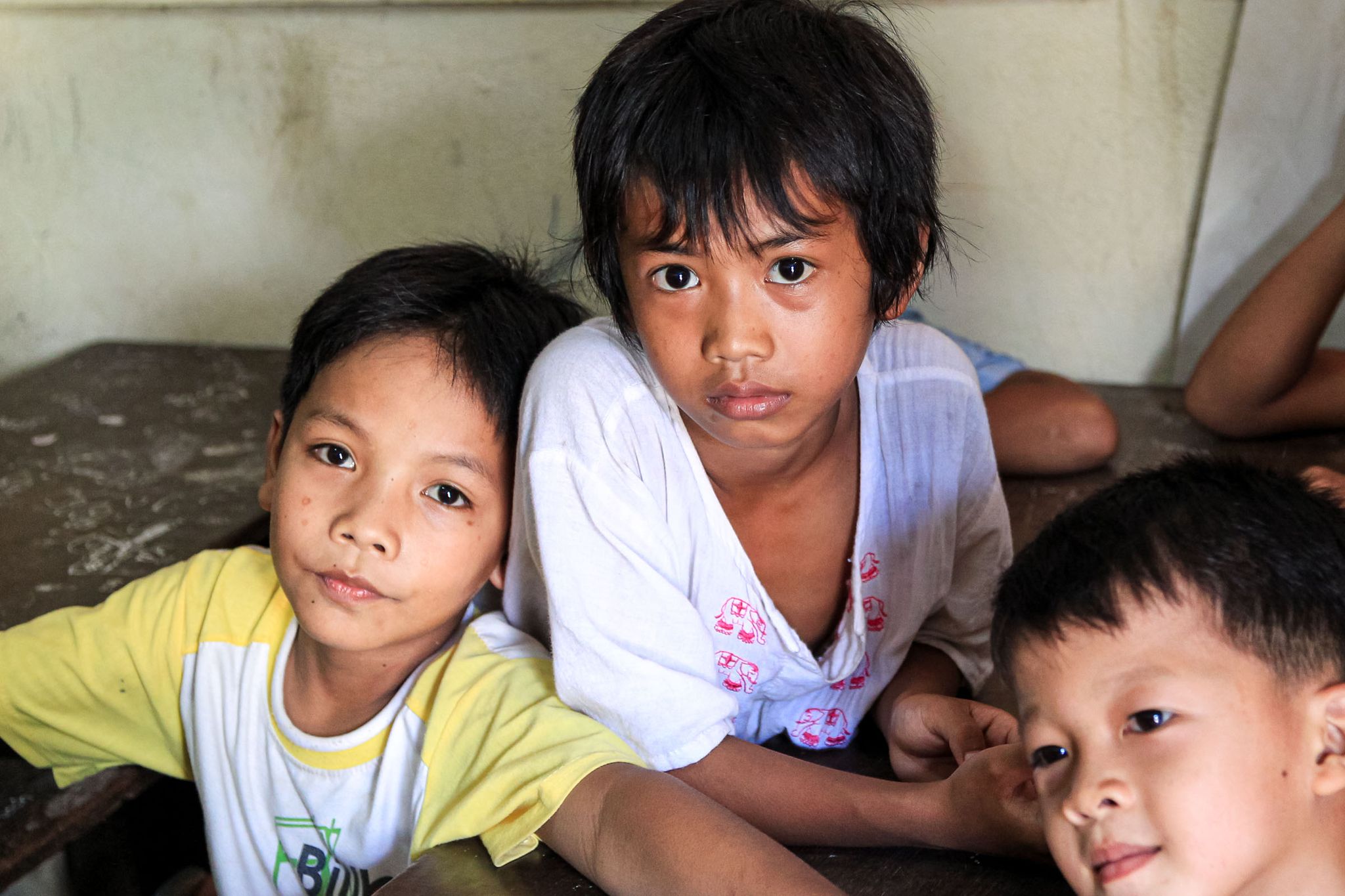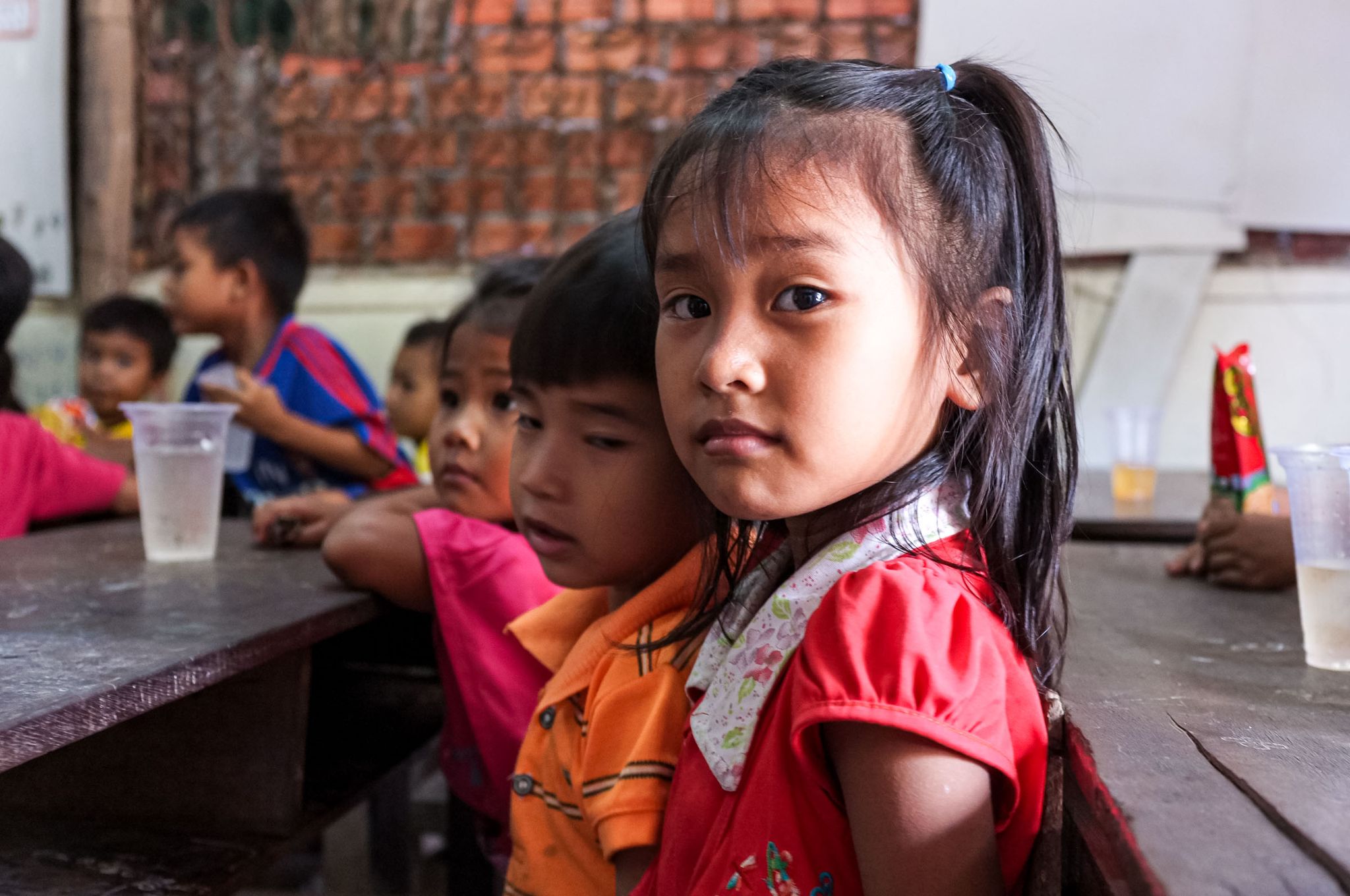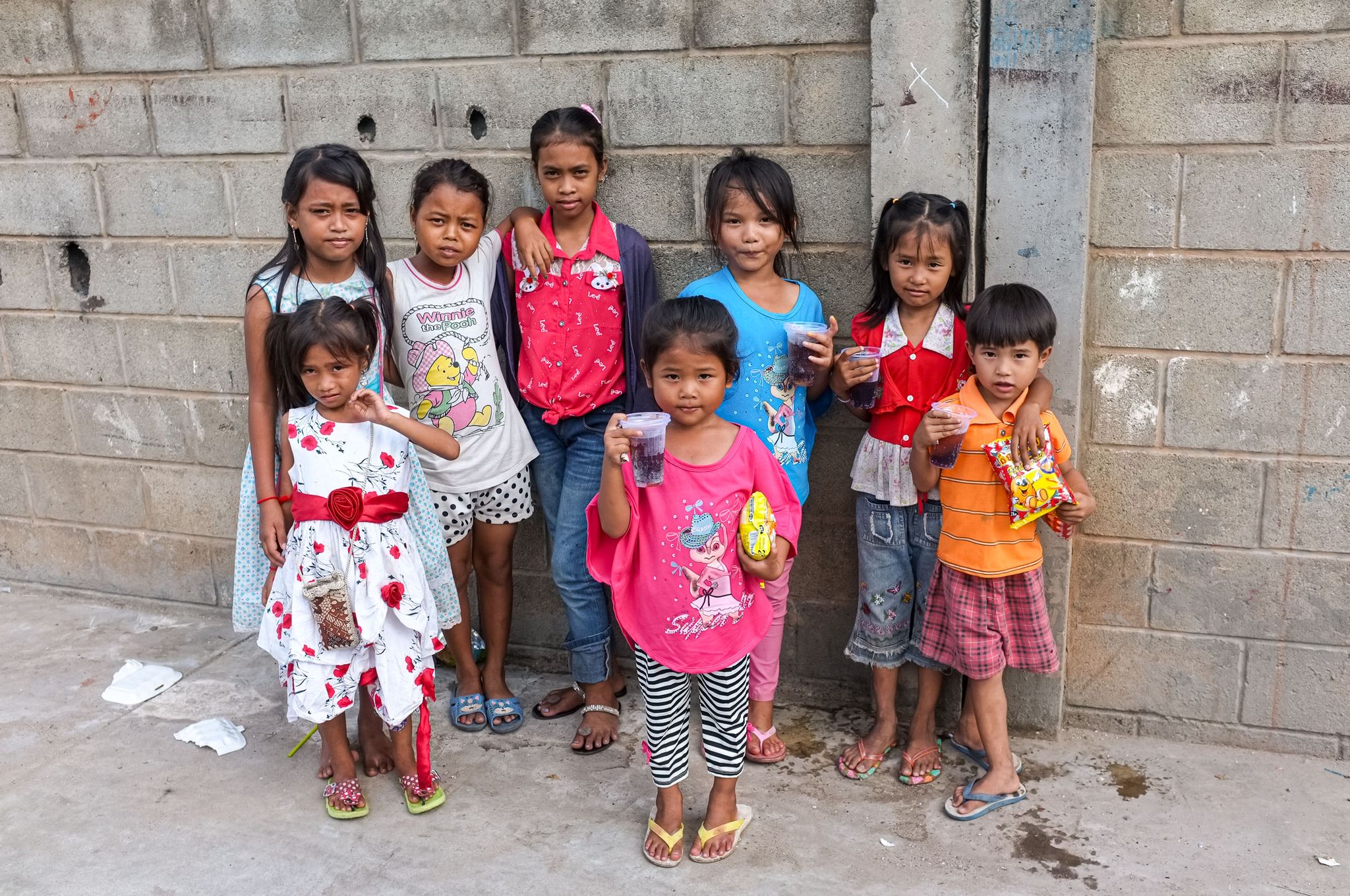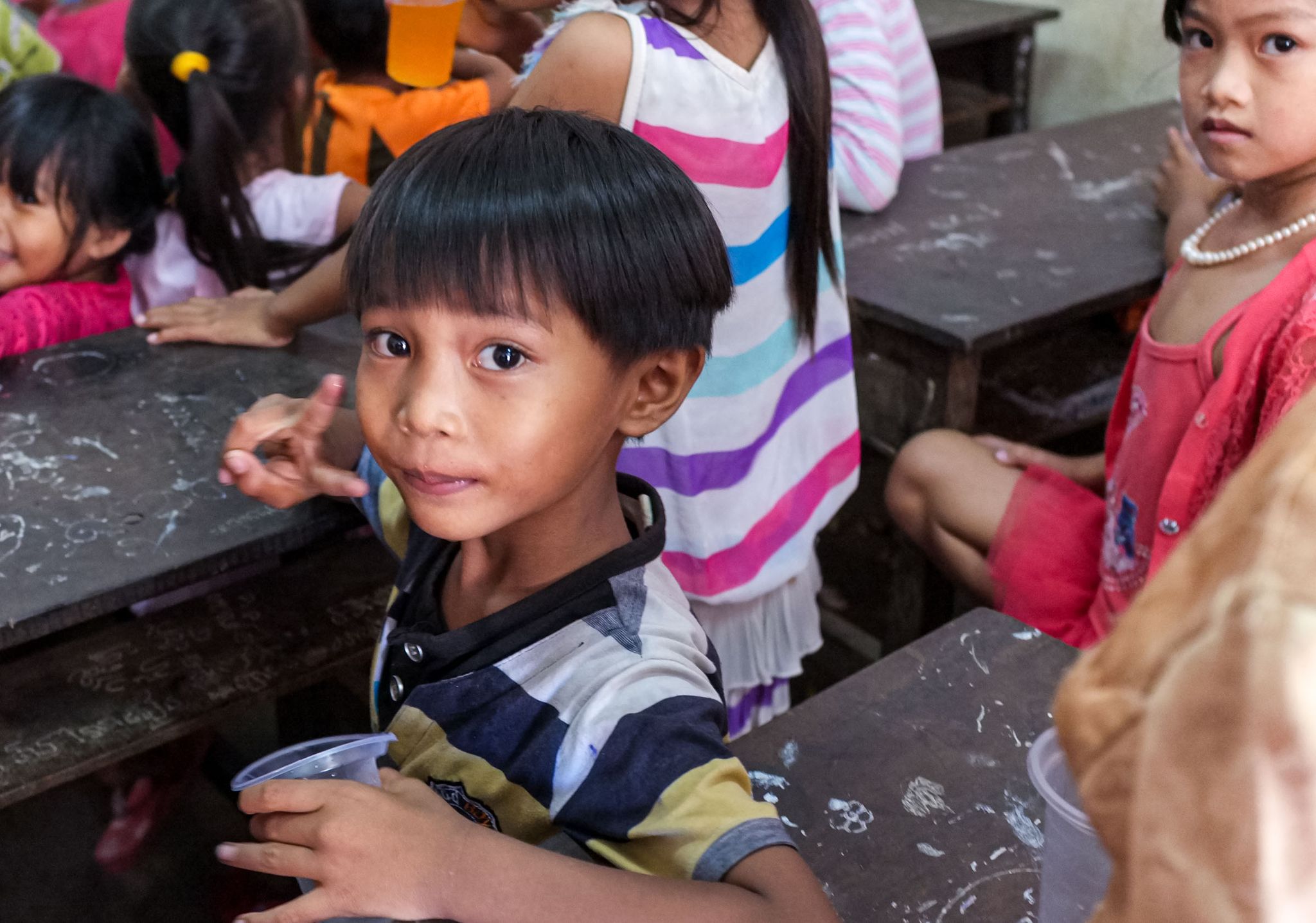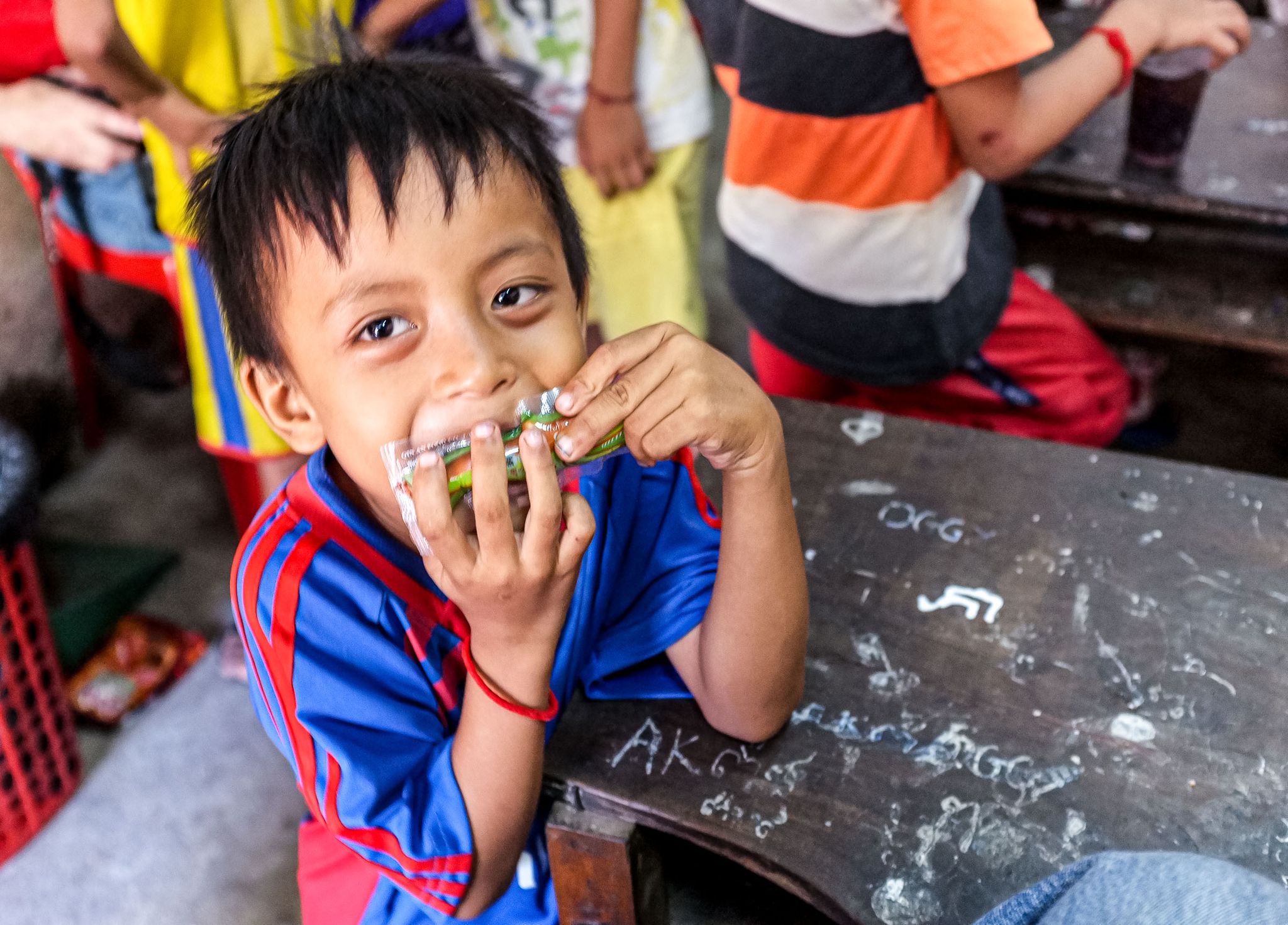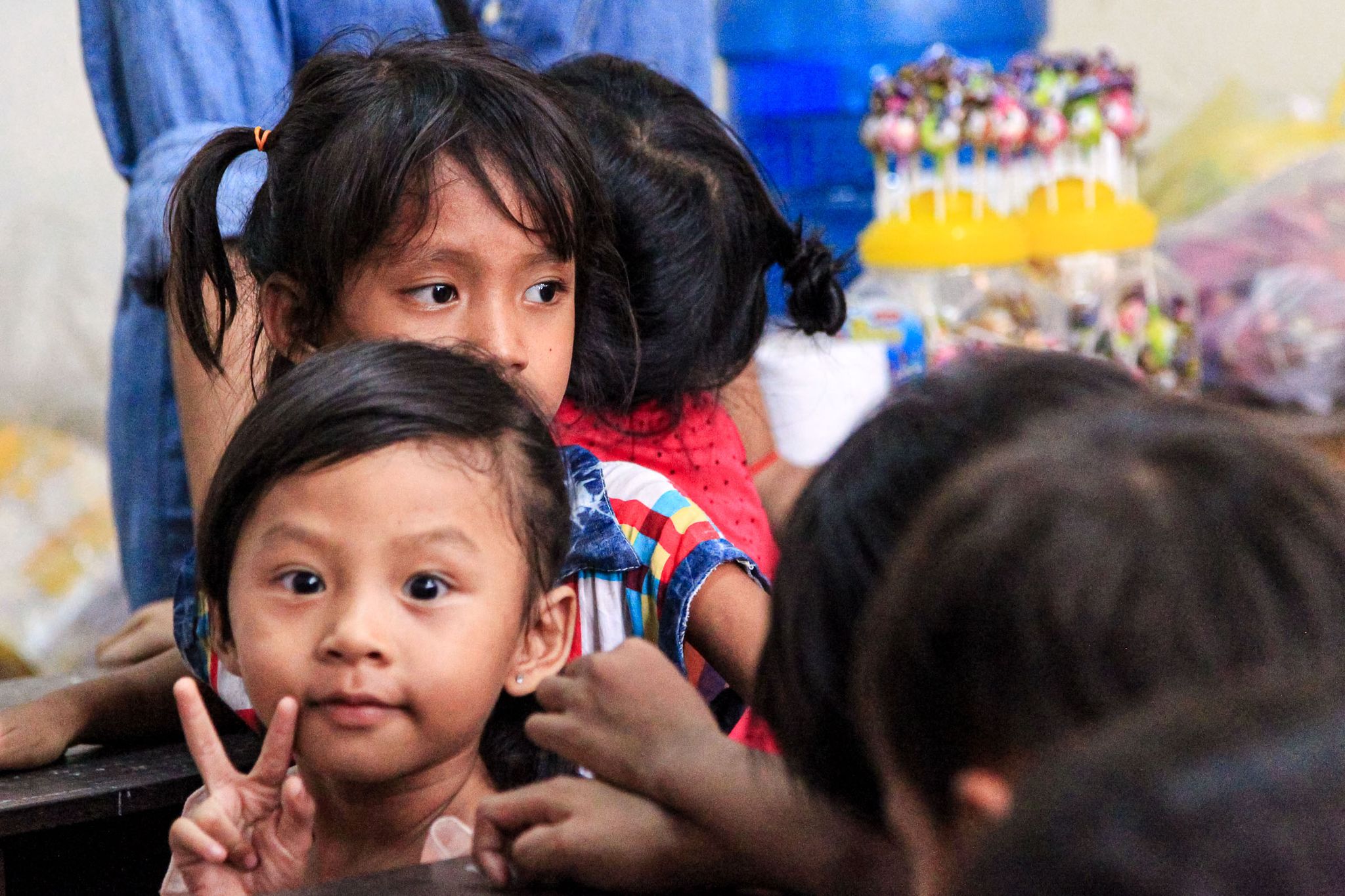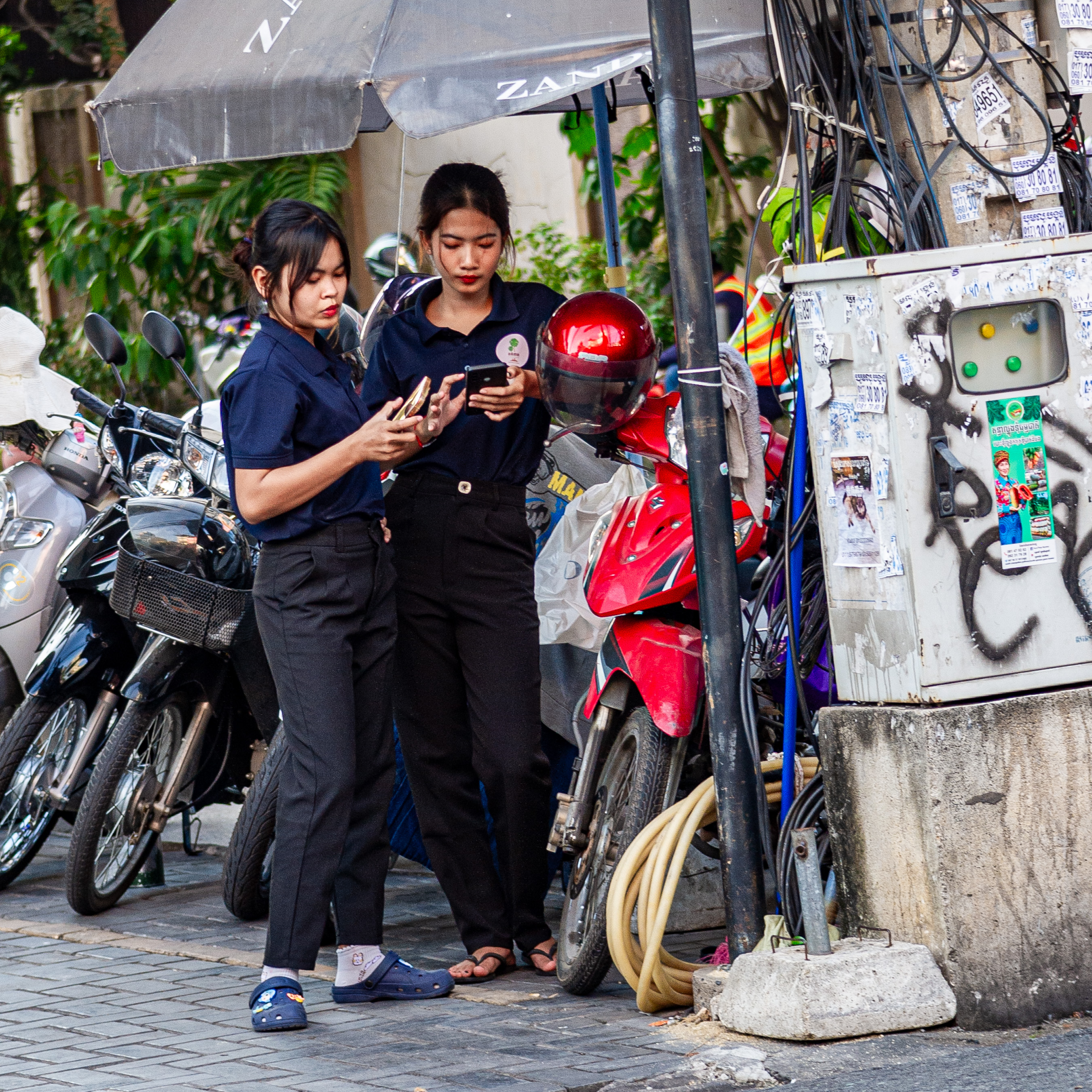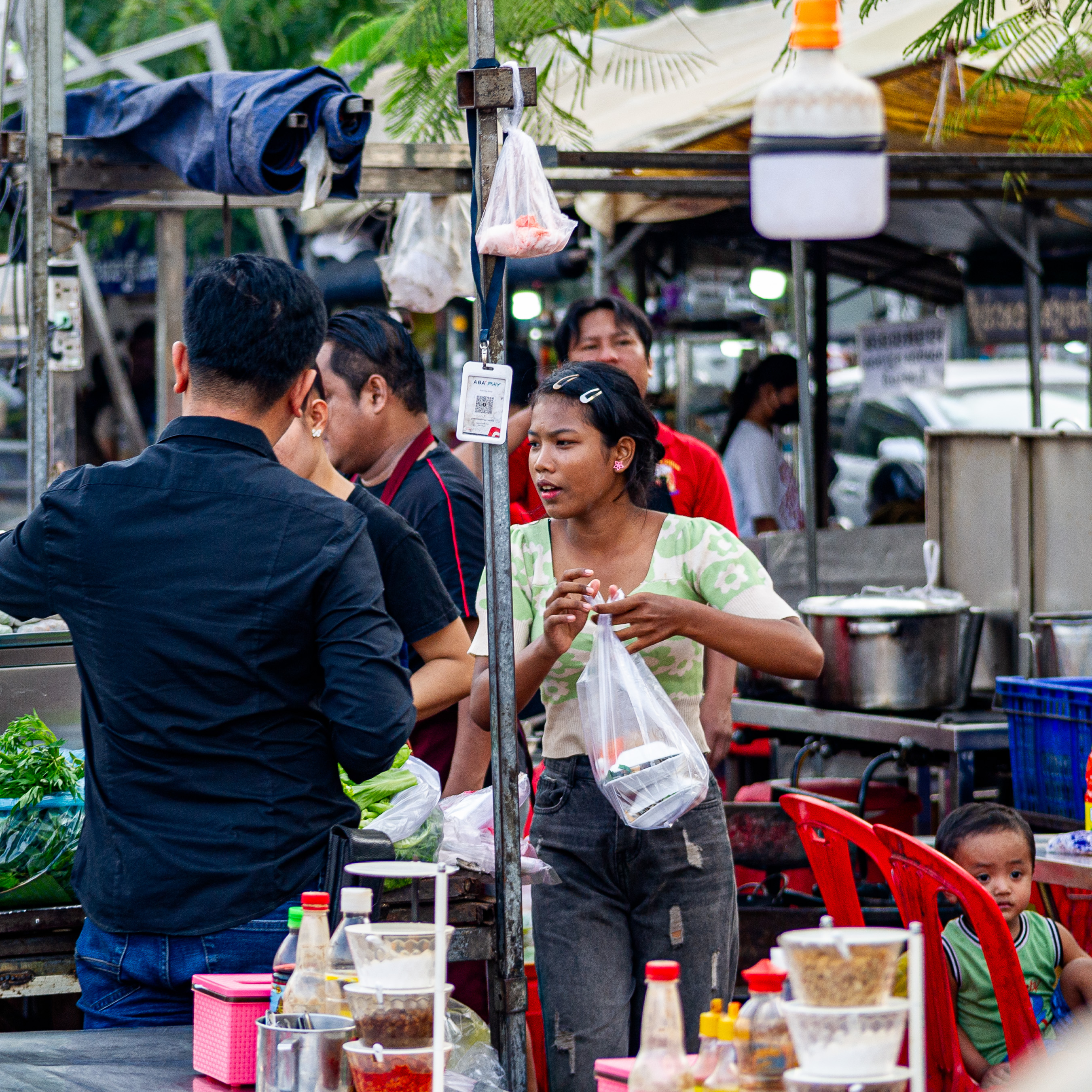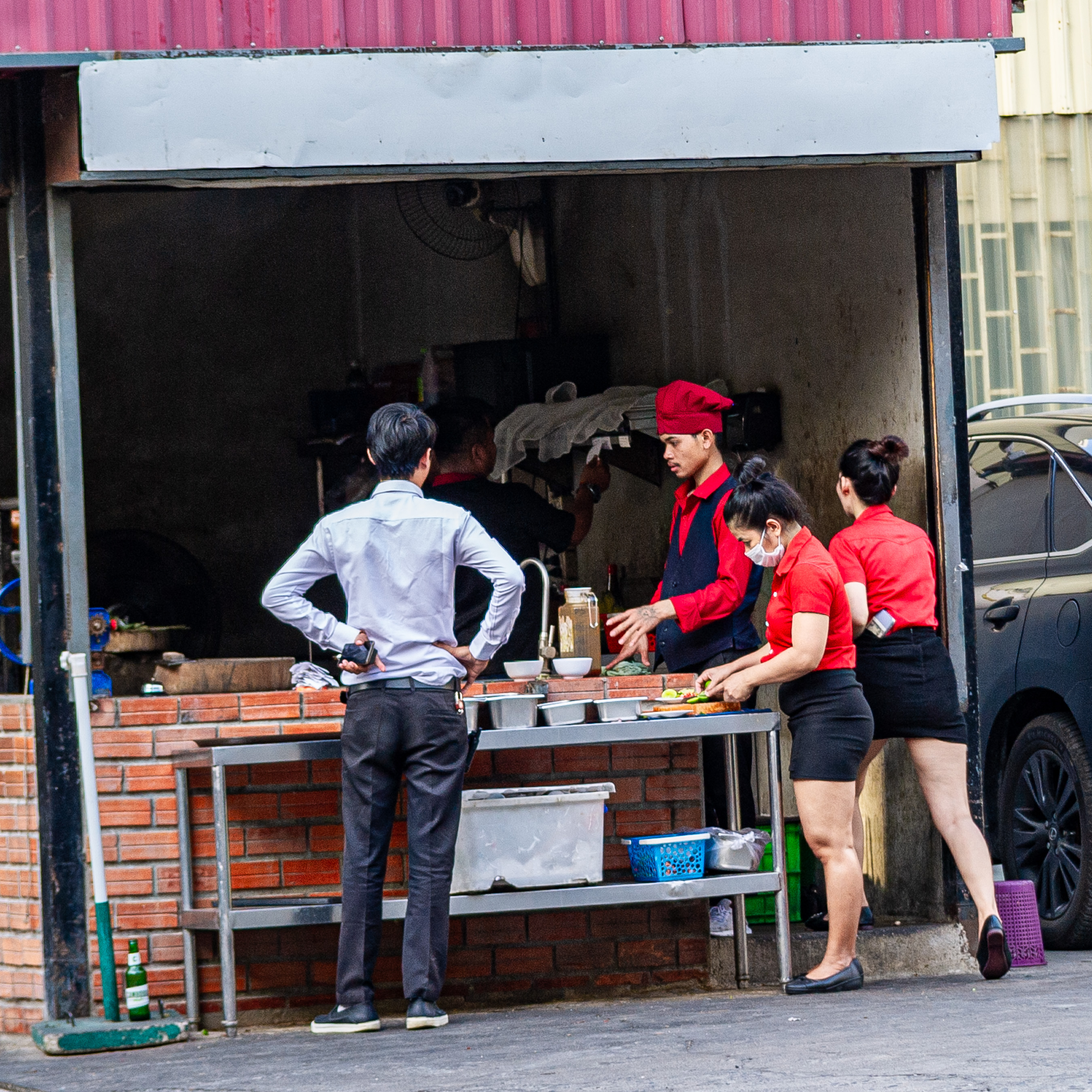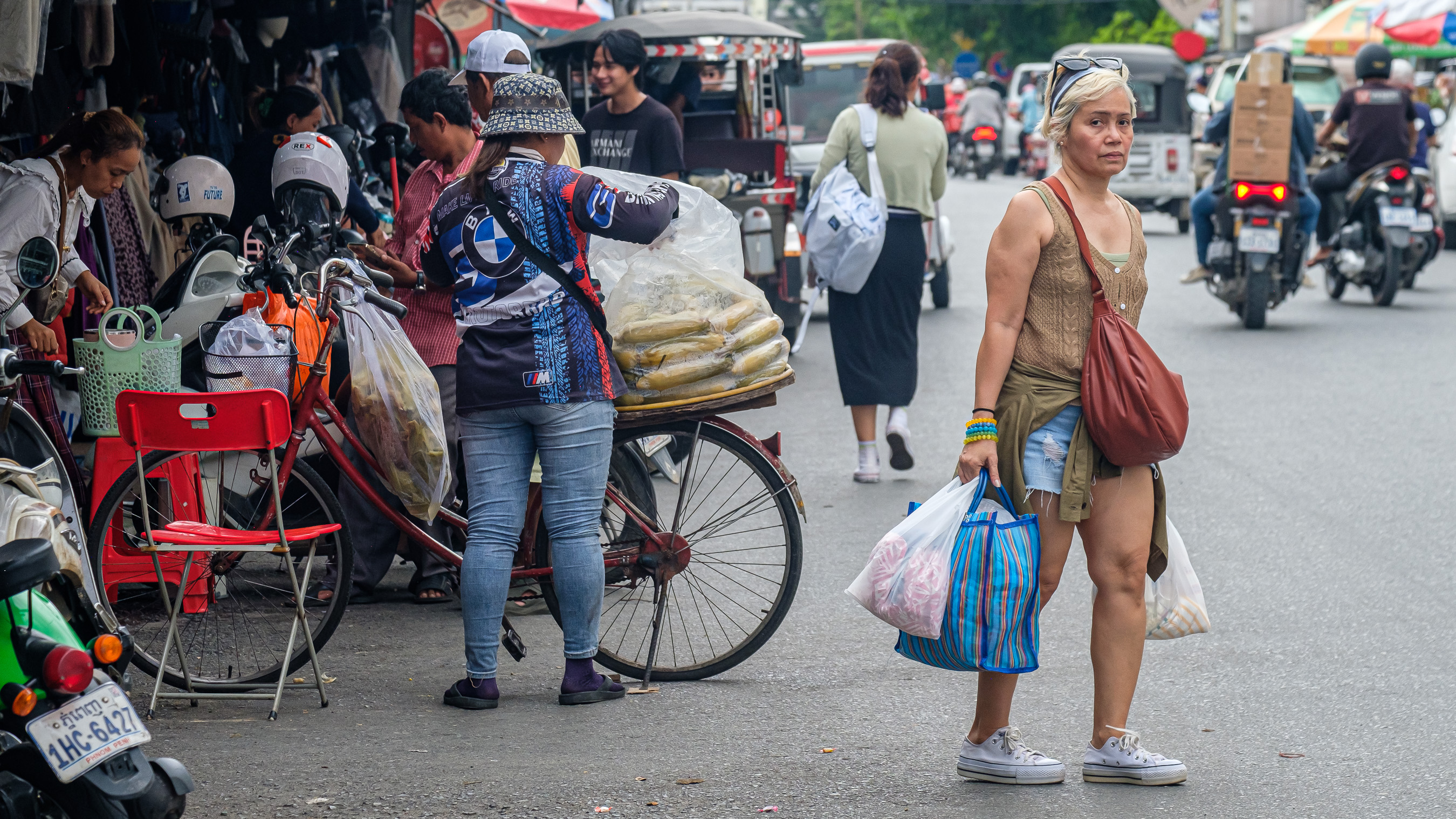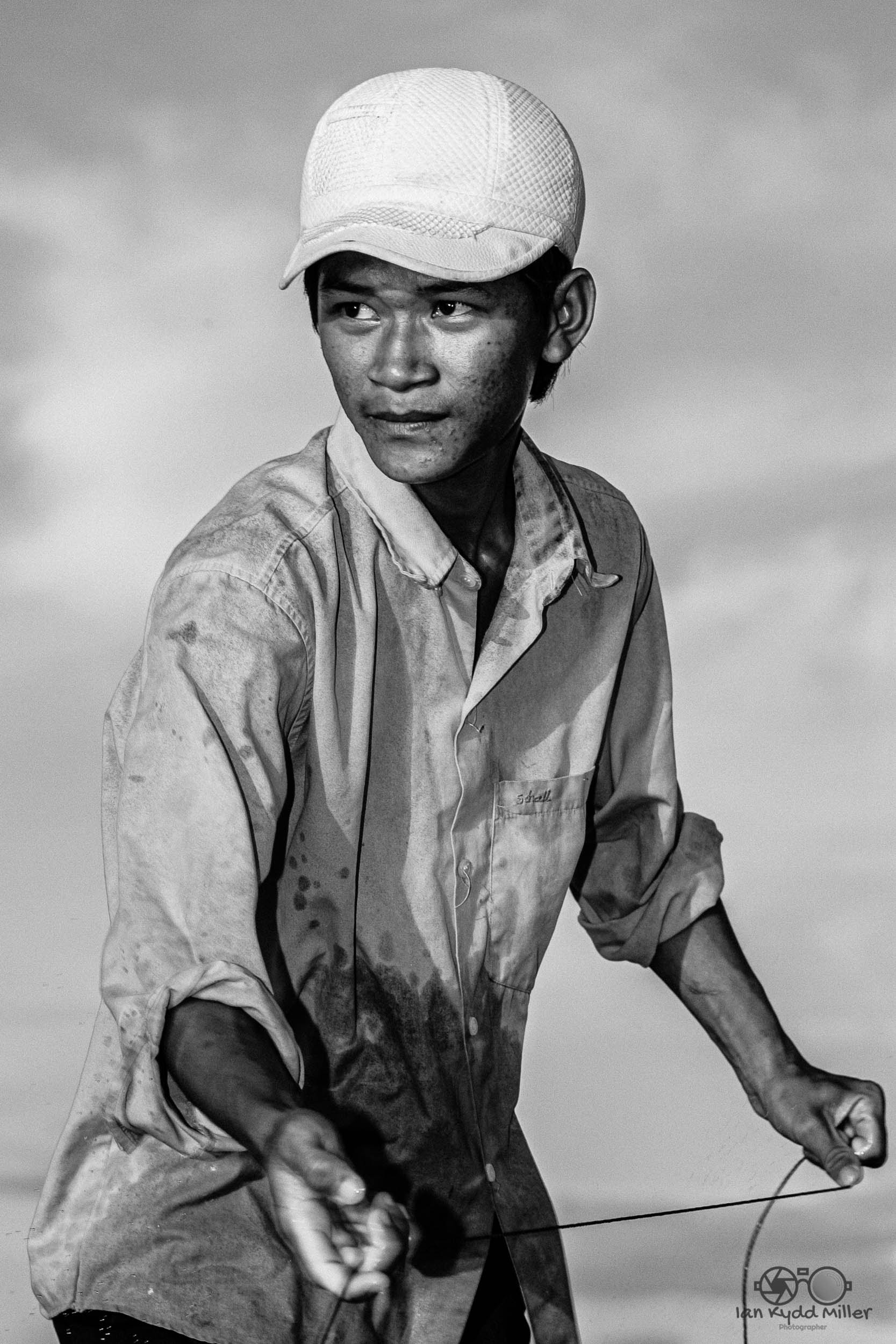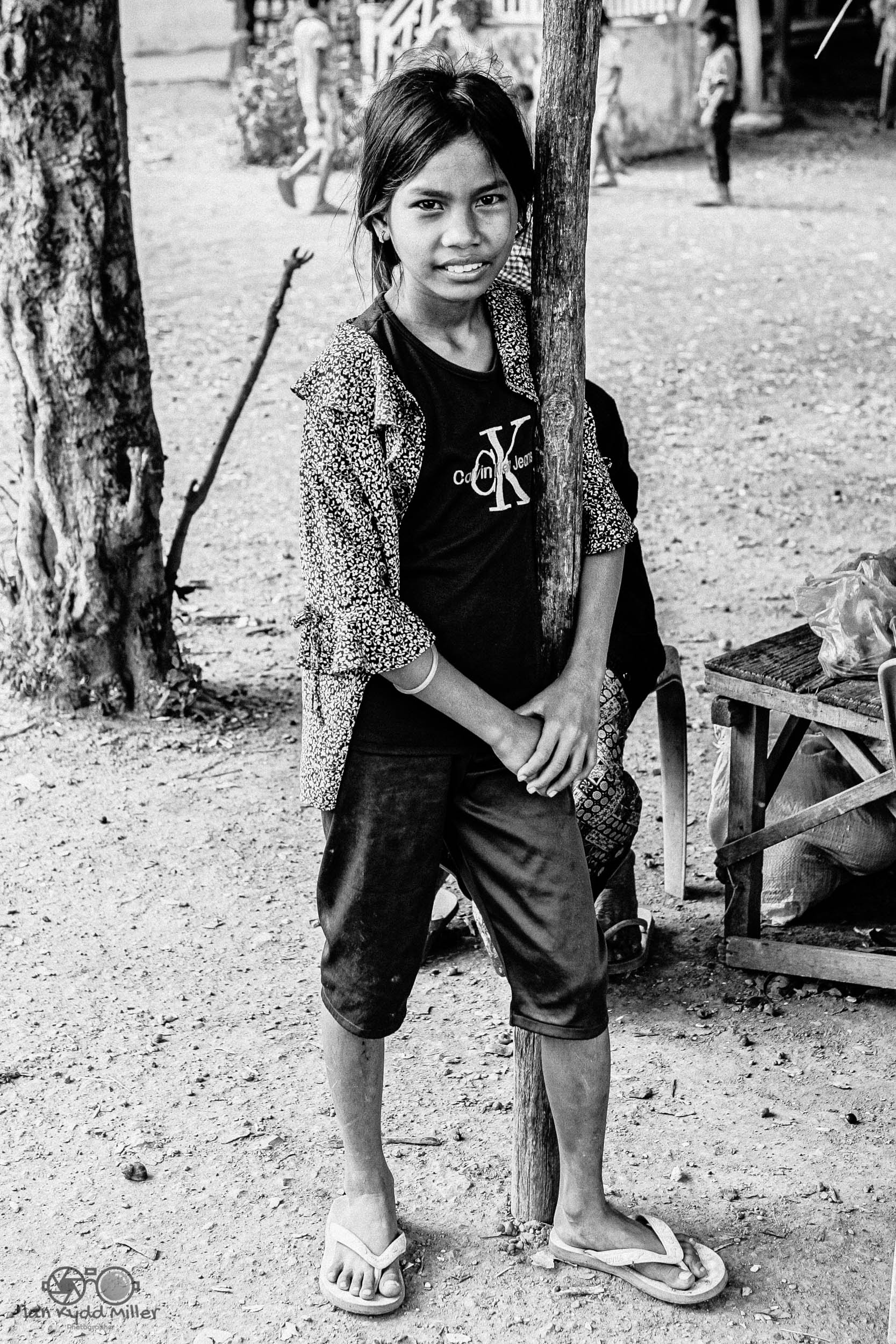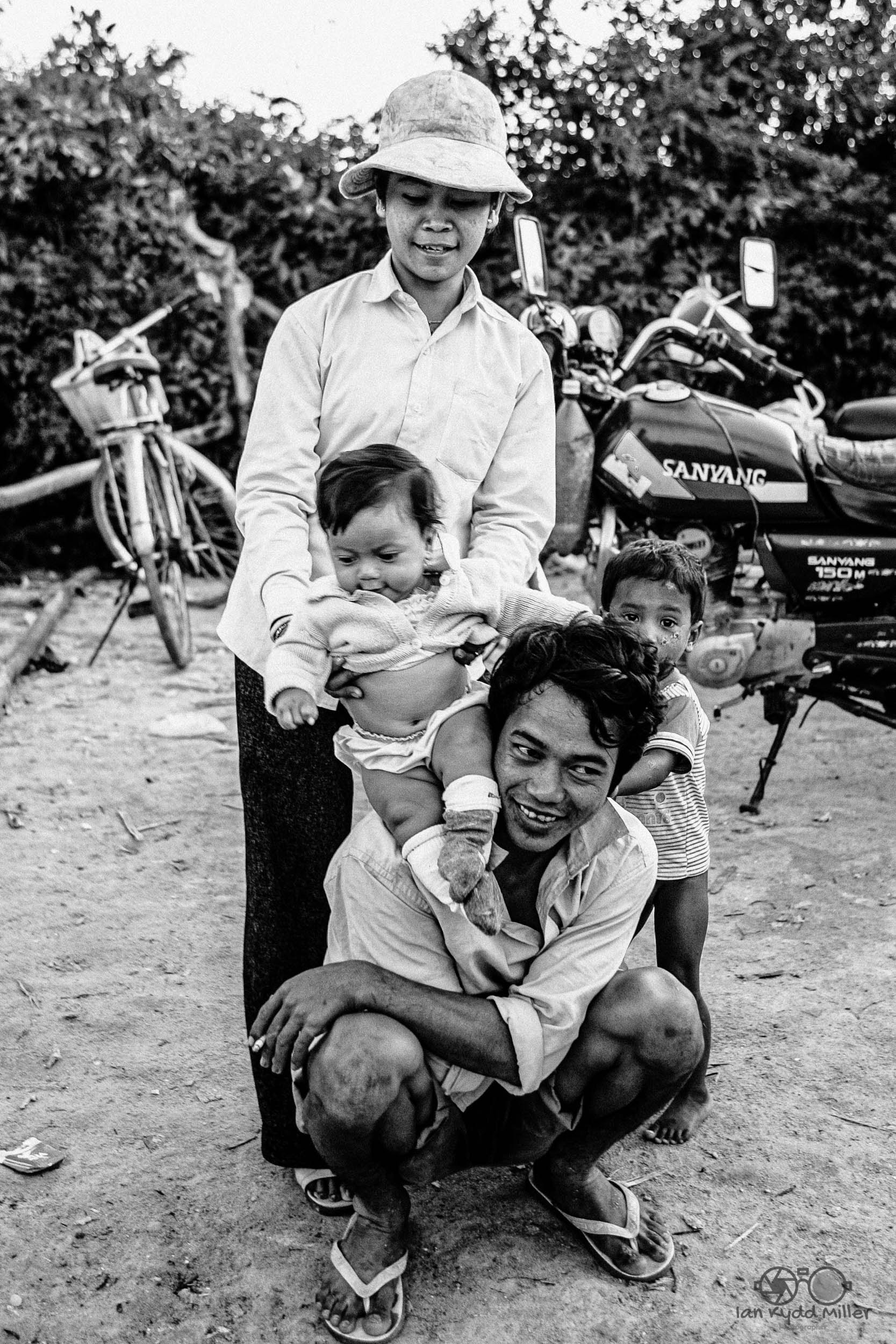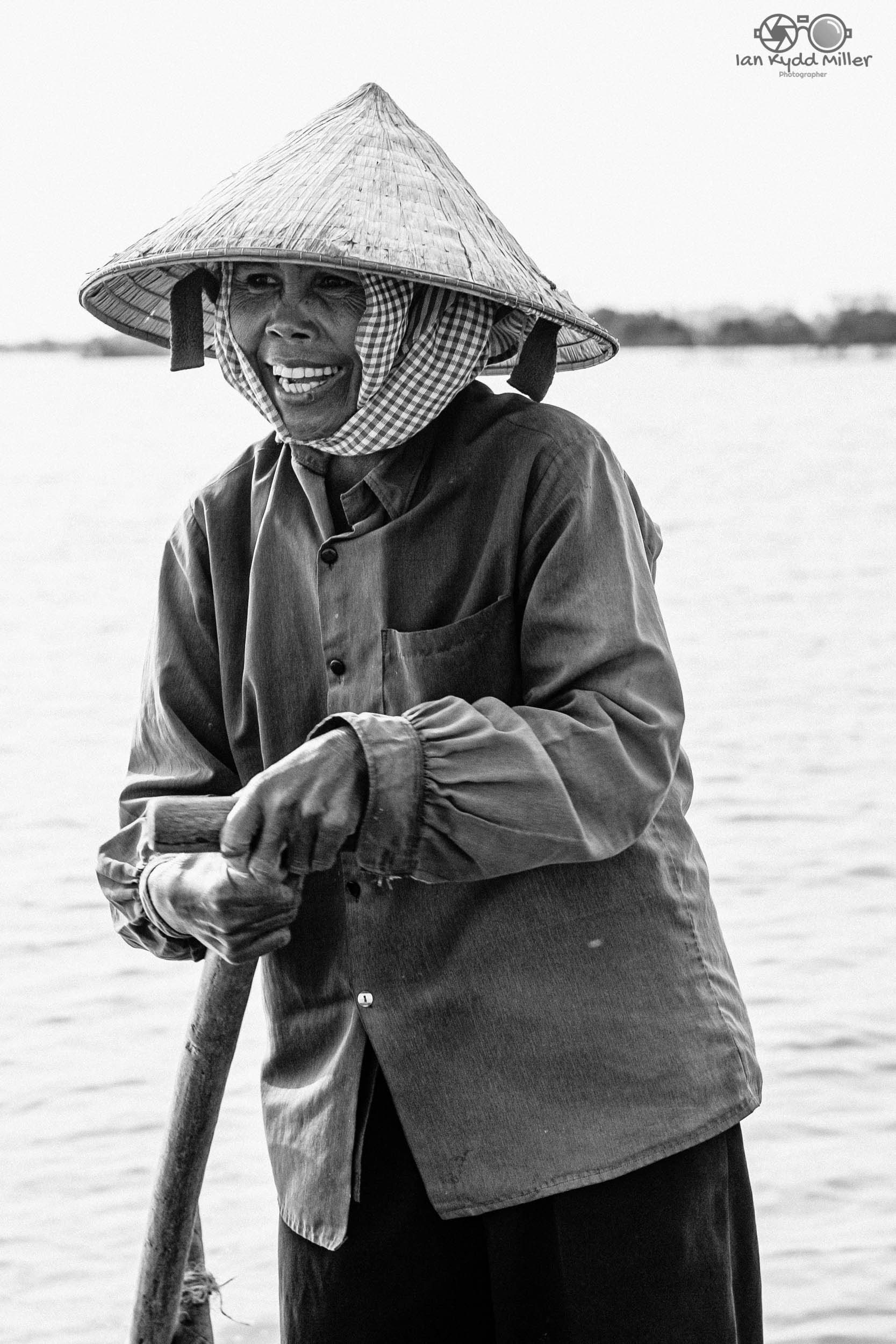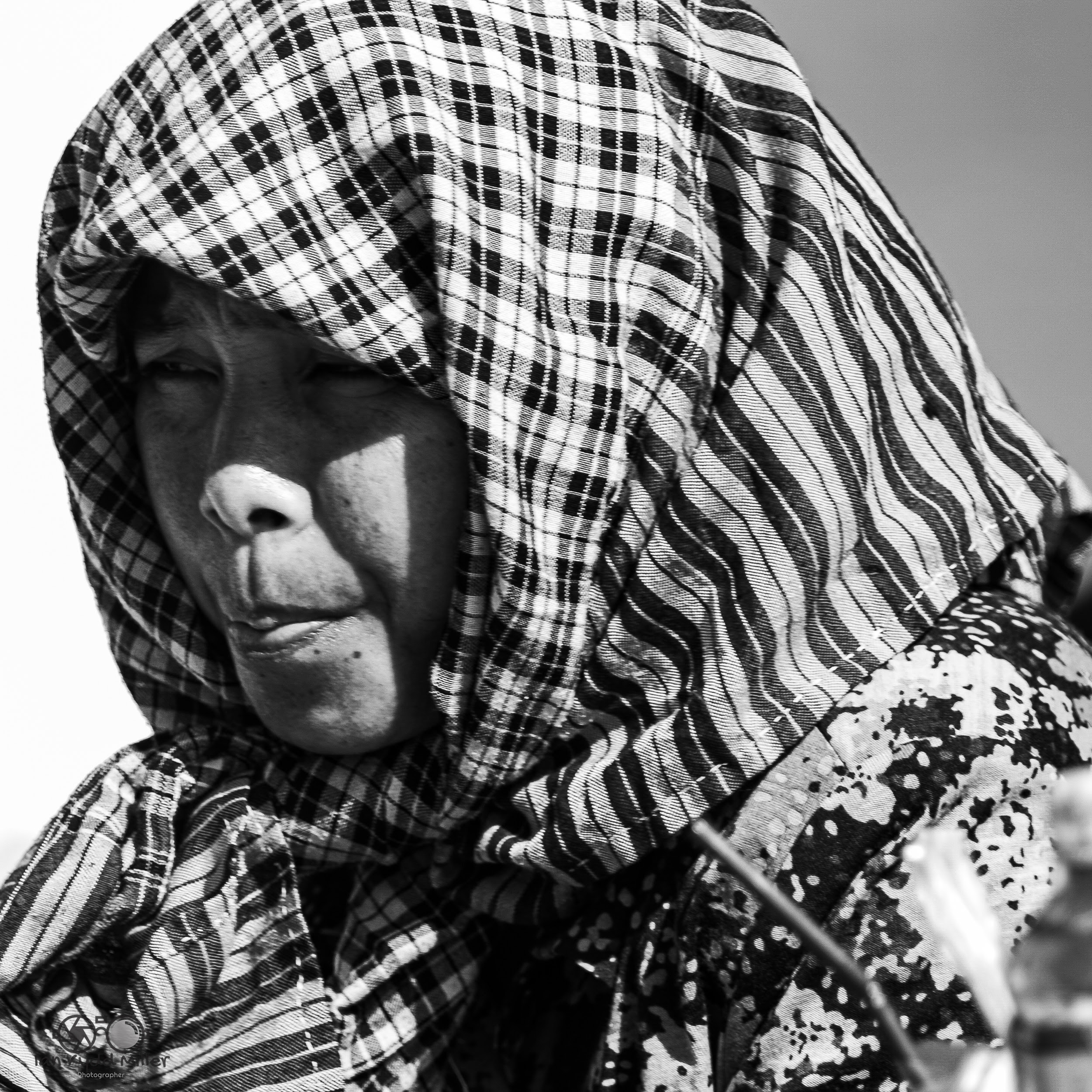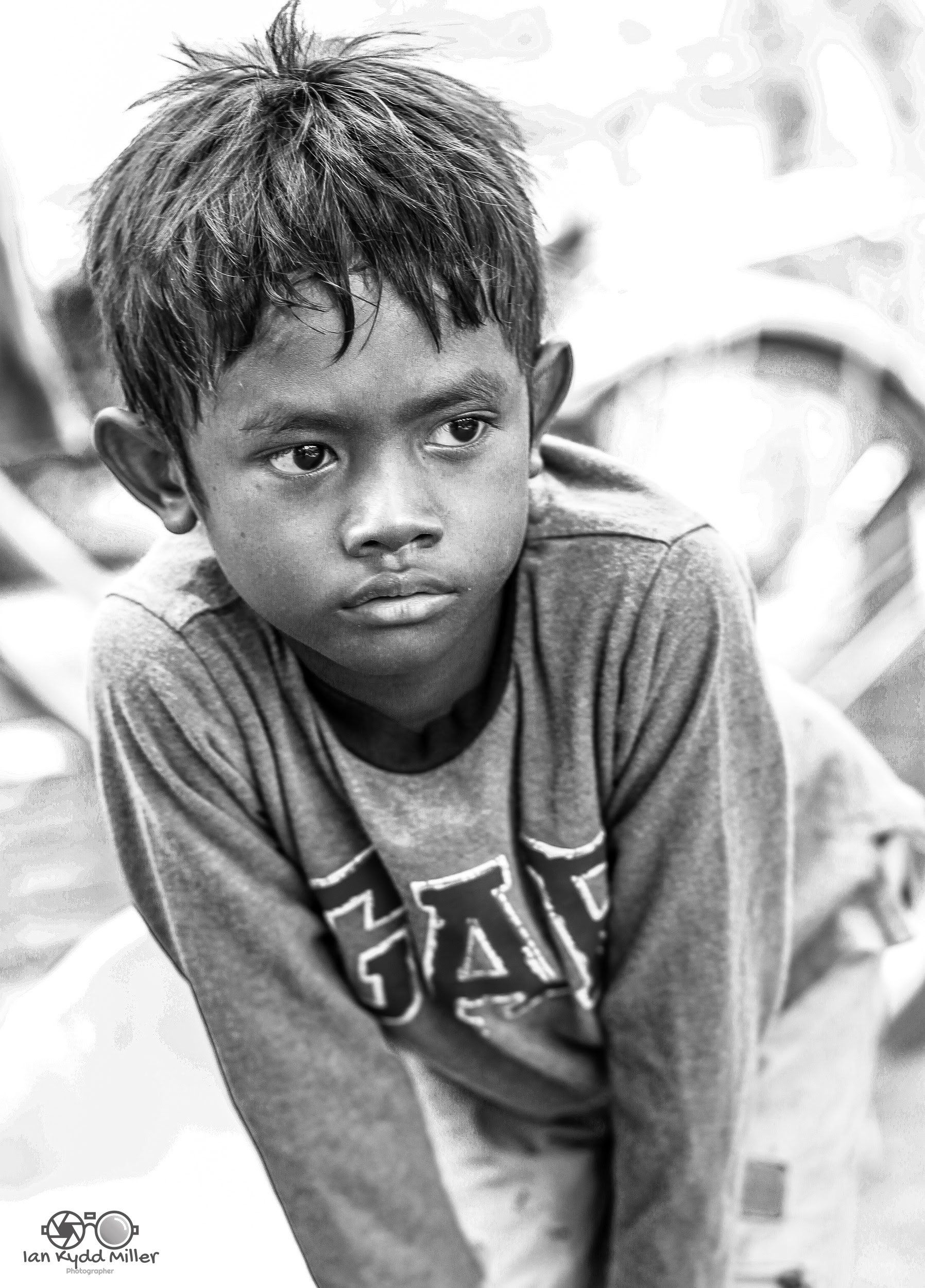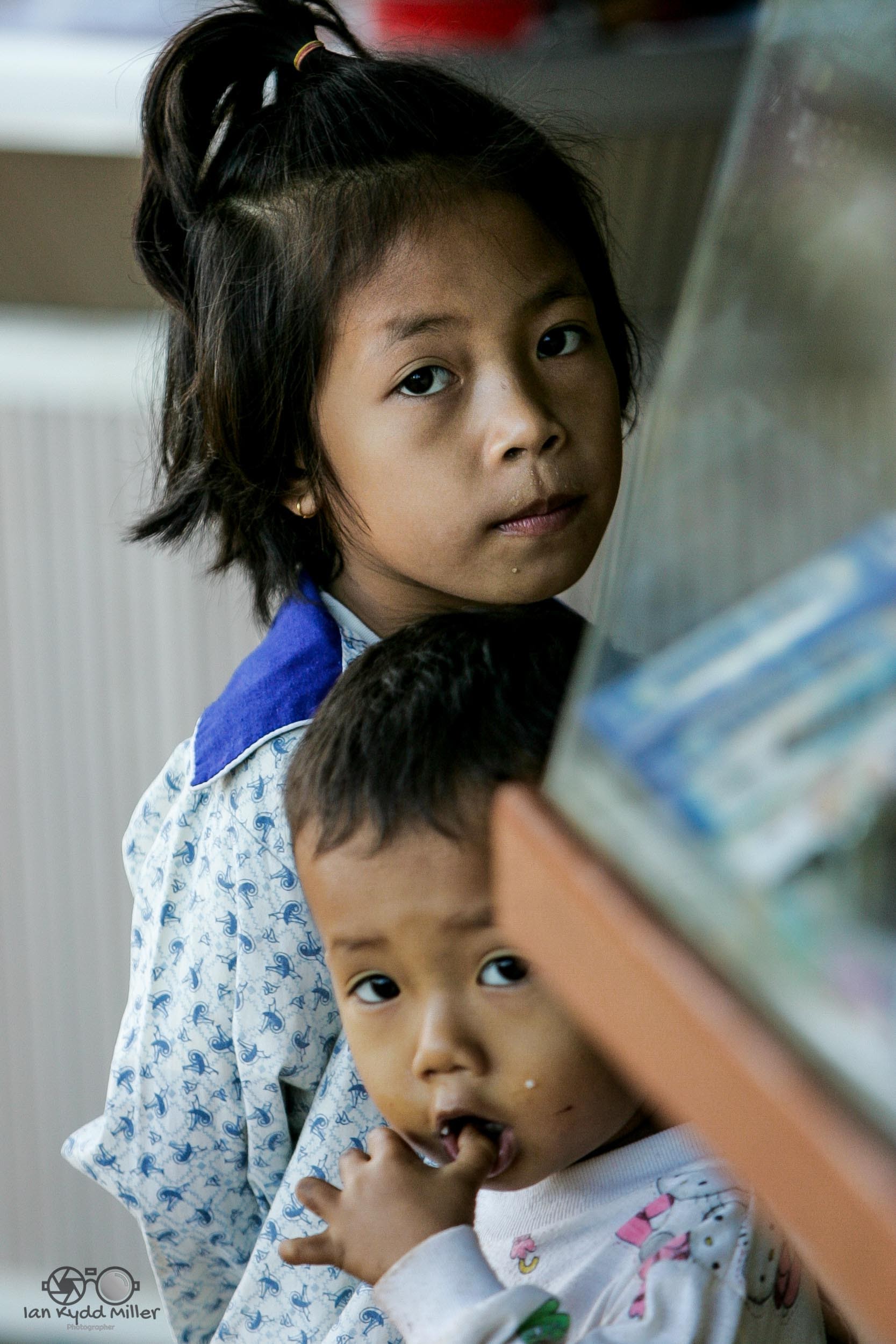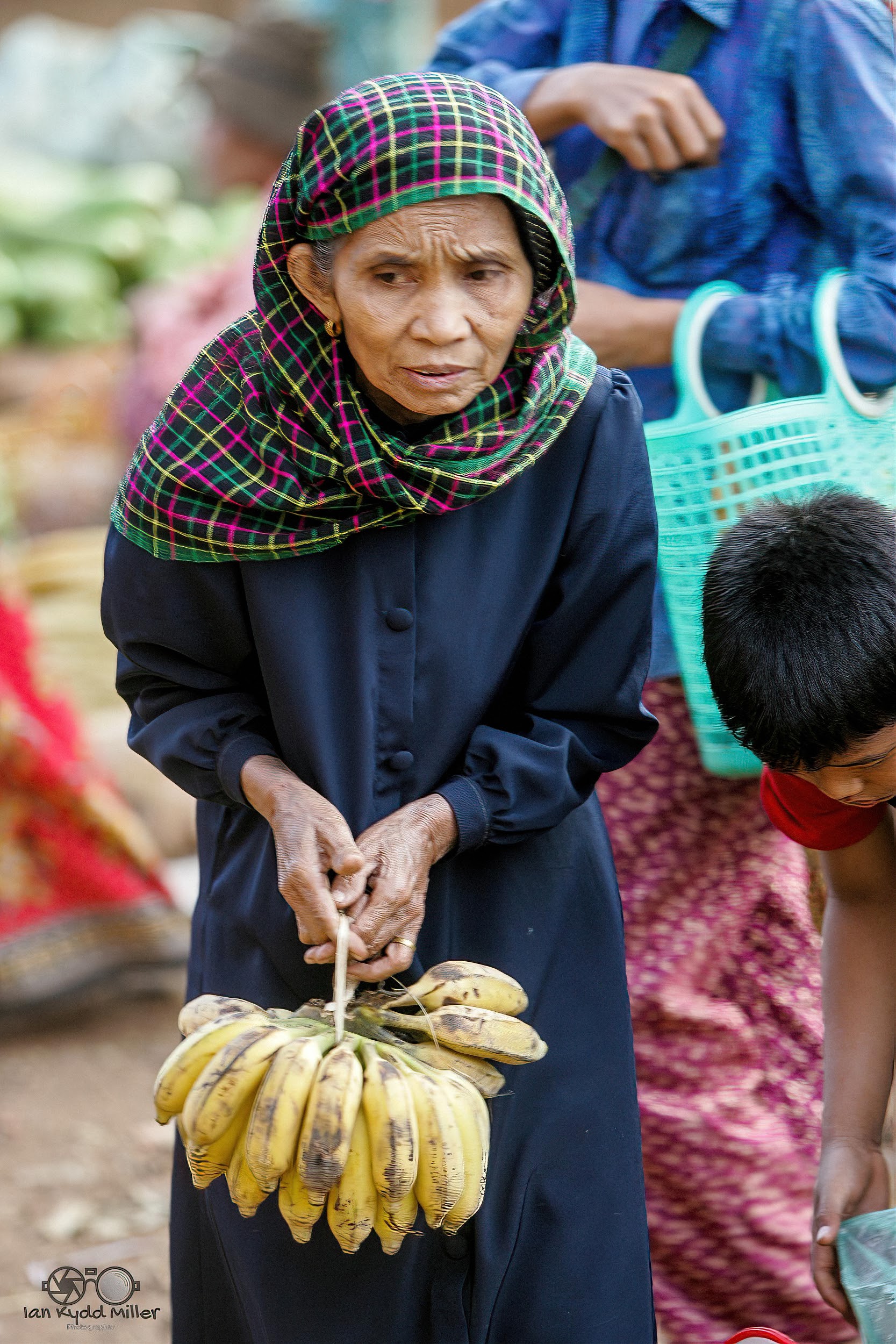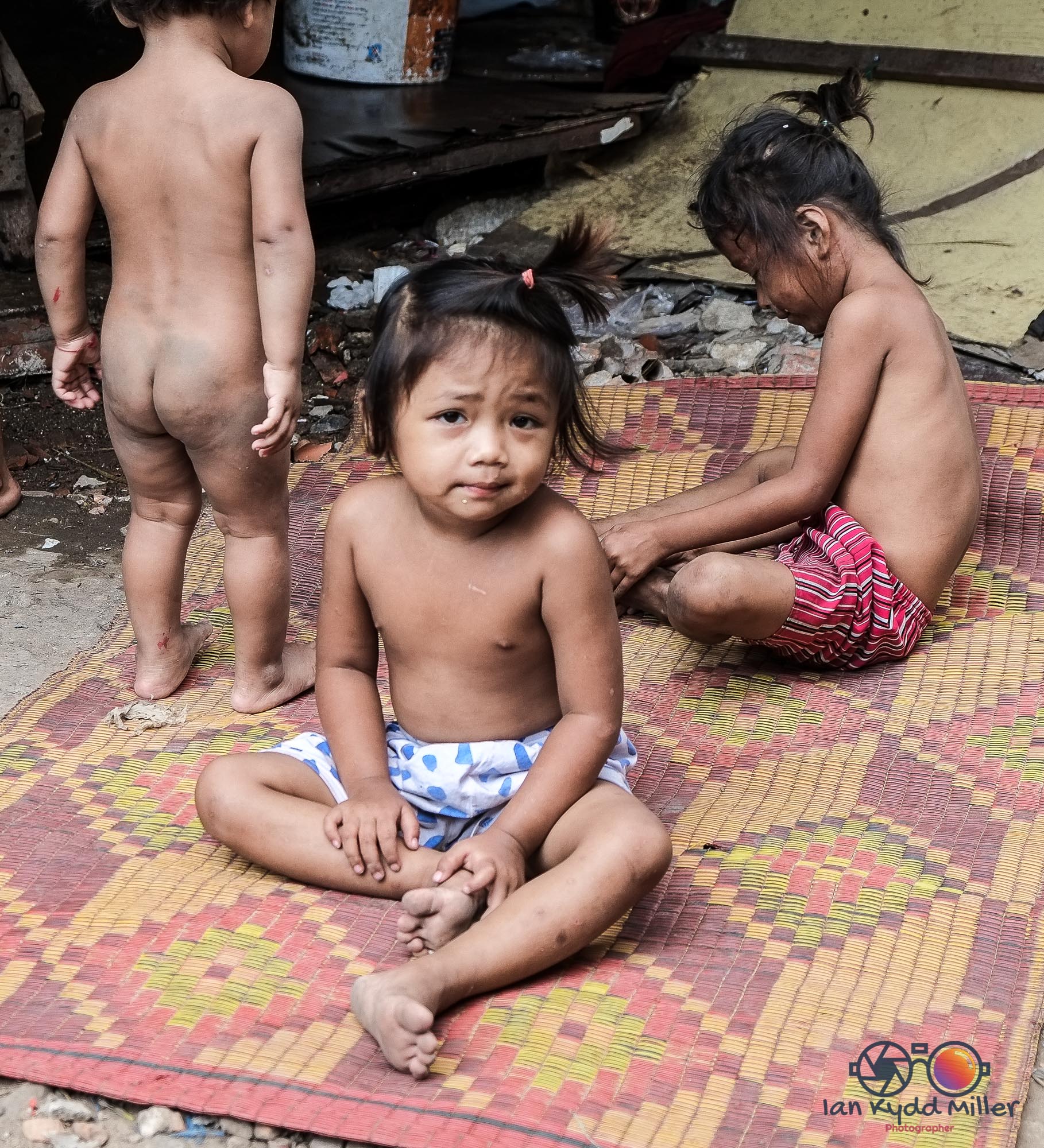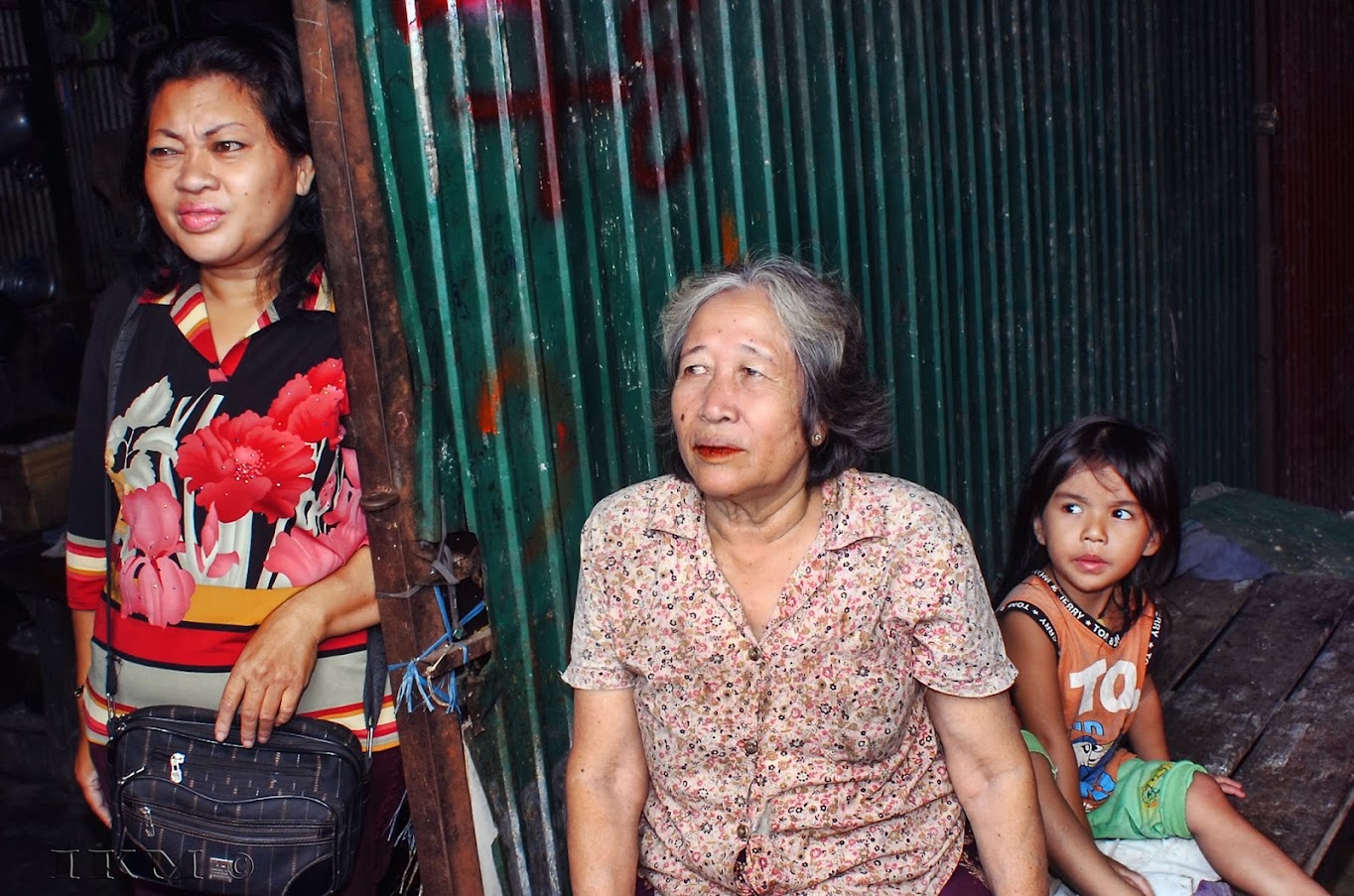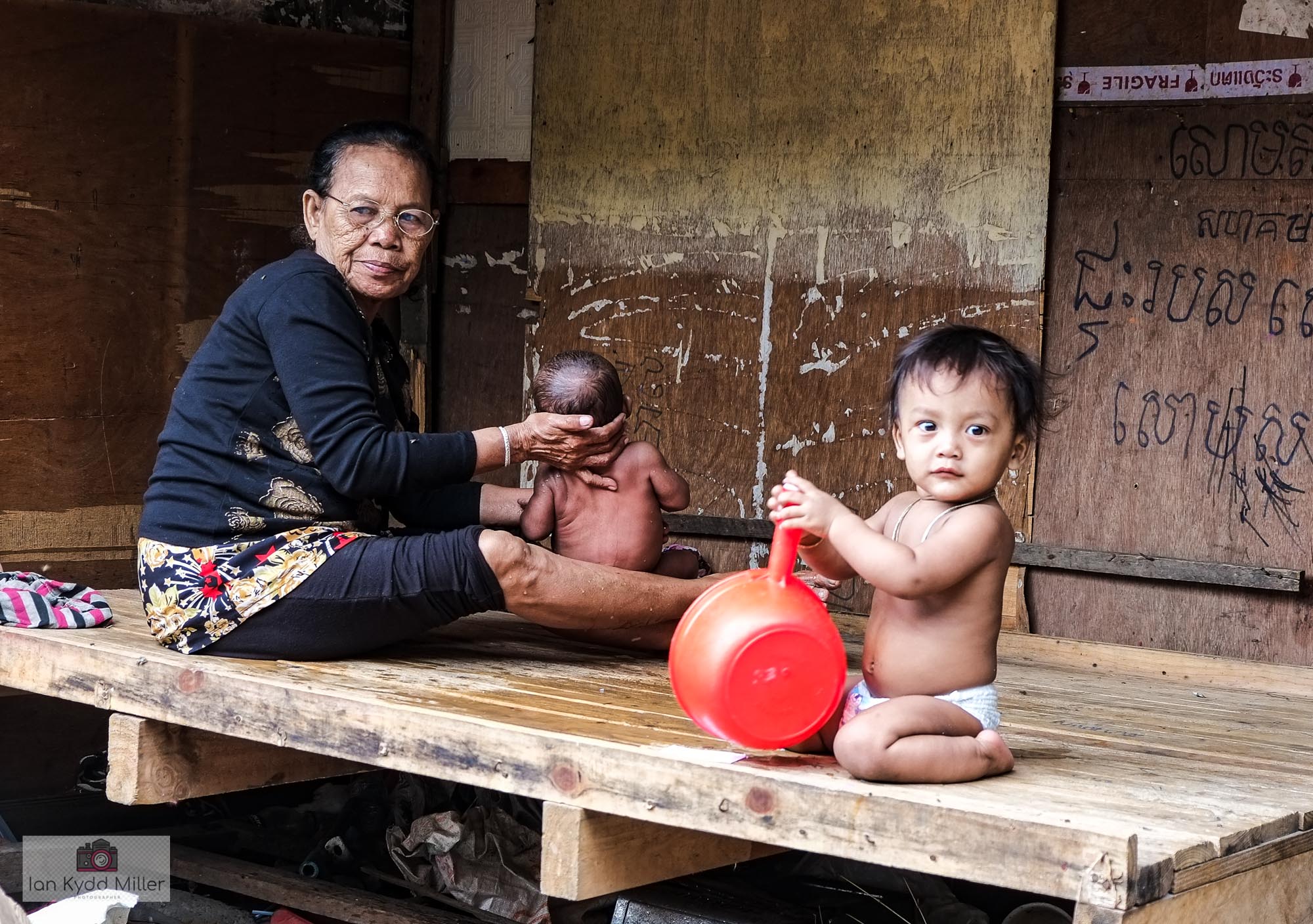
The Aogaah Foundation School in Phnom Penh: A Beacon of Hope

cambodia, opinons, thoughts, photography, voluntary

The Ethical Lens of Street Photography: Art vs. Exploitation

opinons, thoughts, photography, pictures, street, Travel

The Art of Photography: A Skill Within Everyone’s Reach

cambodia, fujifilm, opinons, thoughts, photography, pictures, street, Travel

Retrospective 2013

cambodia, opinons, thoughts, photography, pictures, street
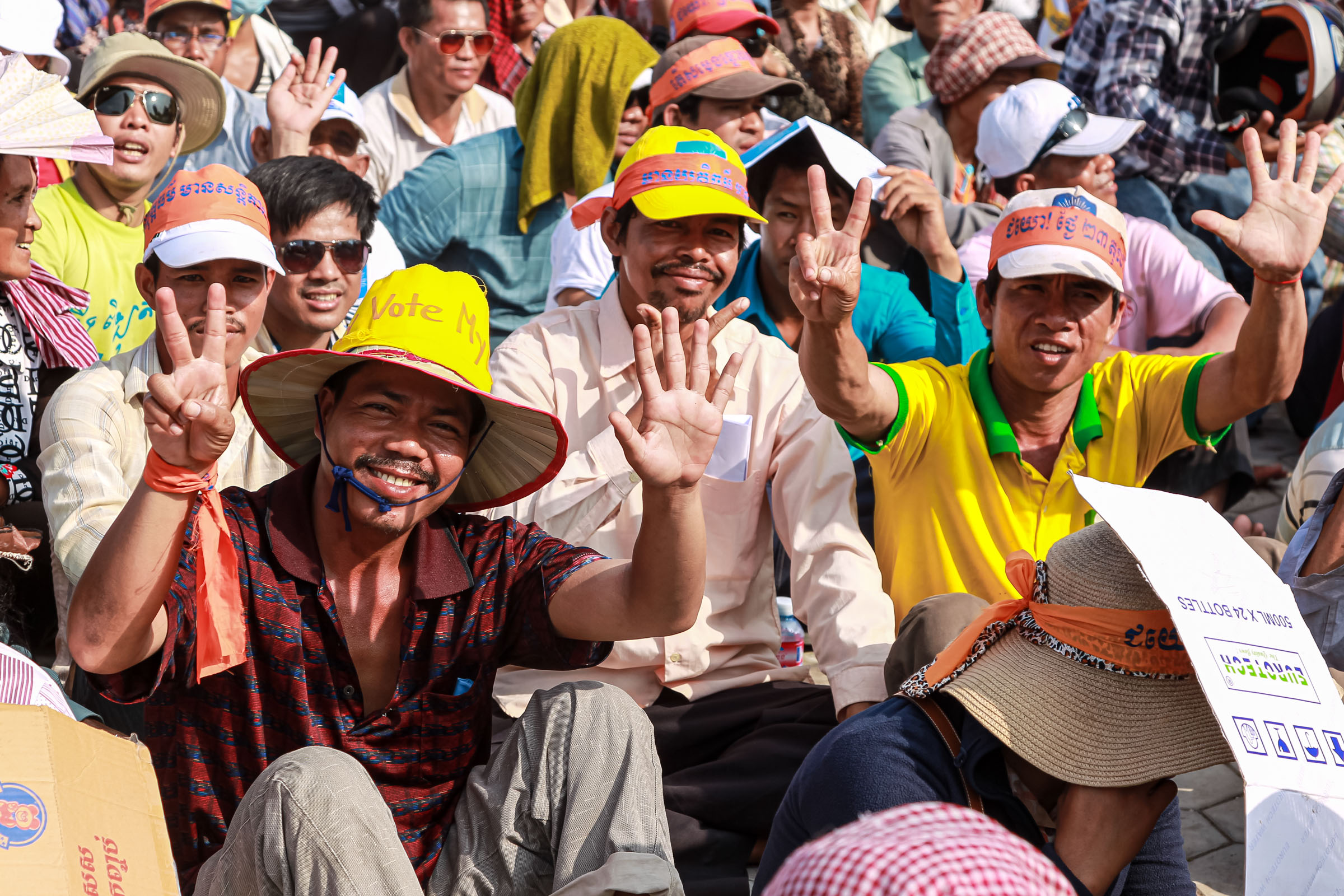
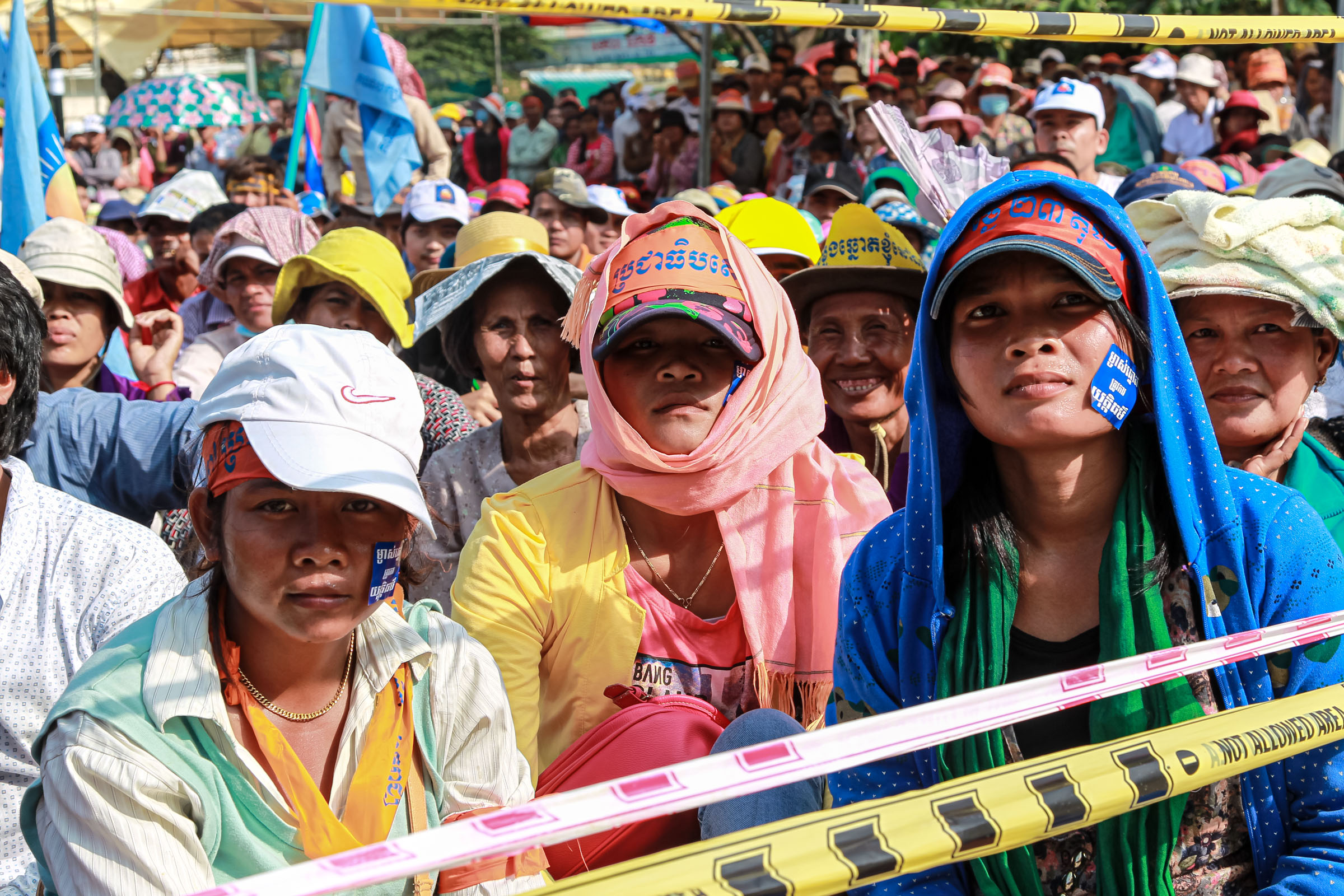
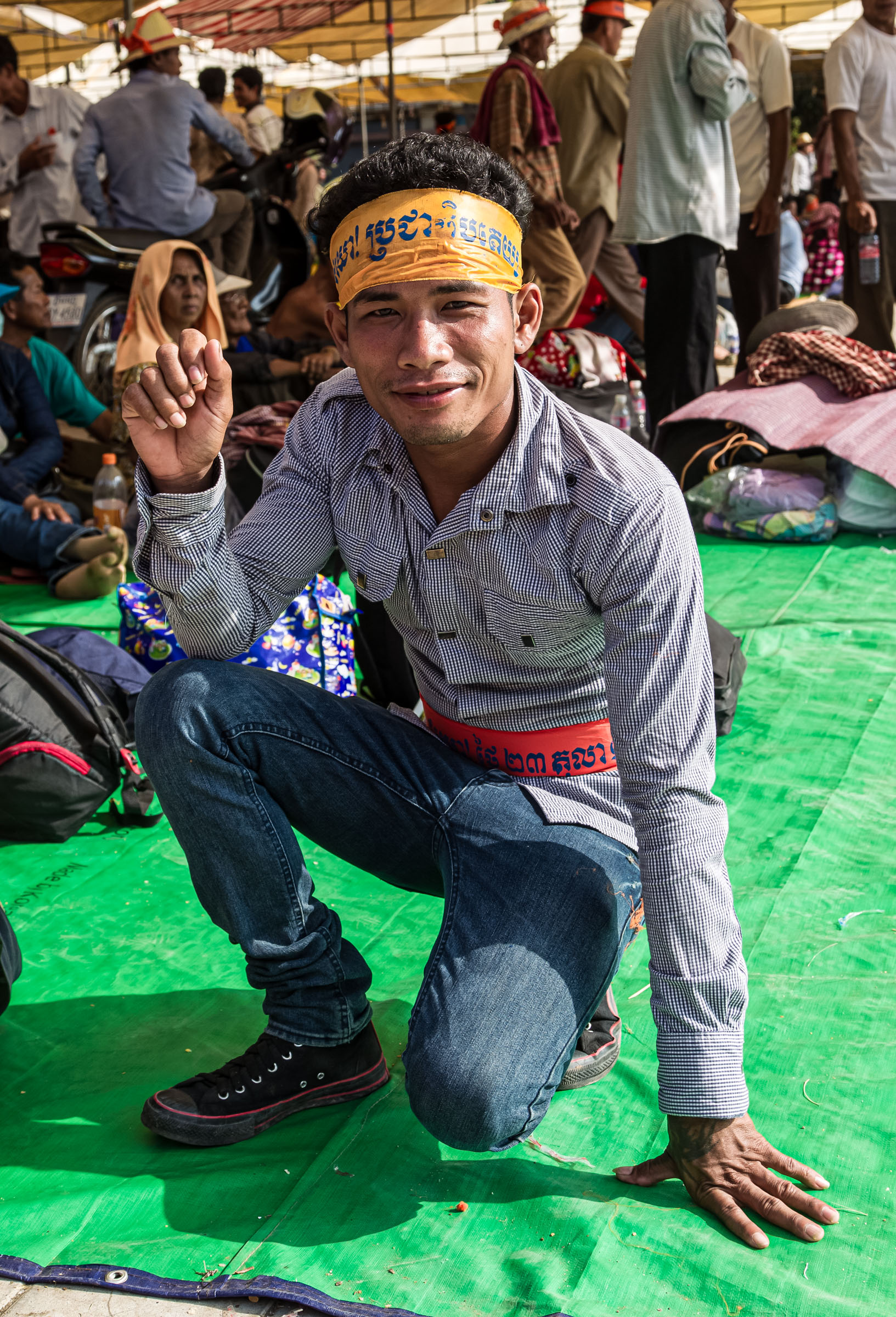
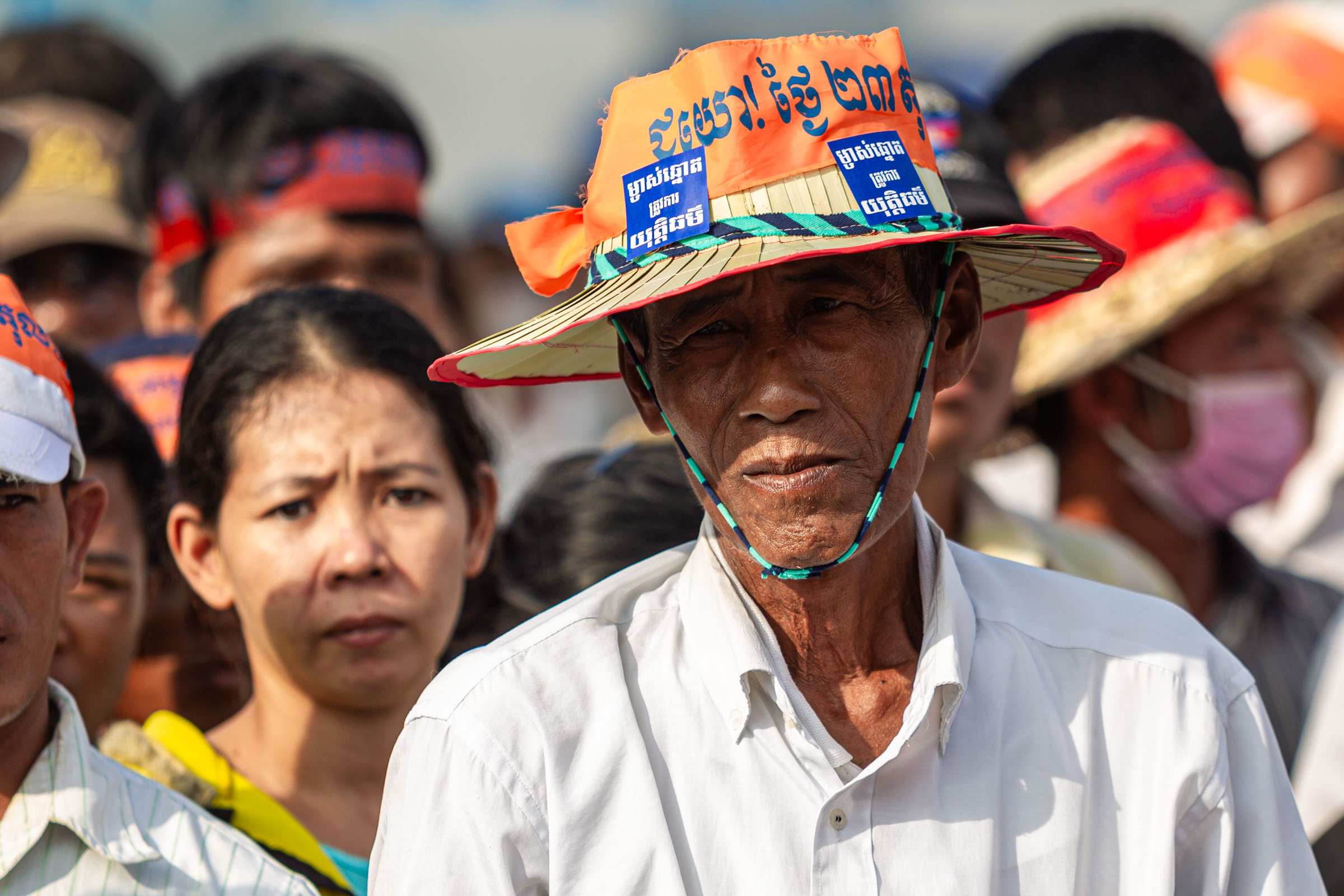
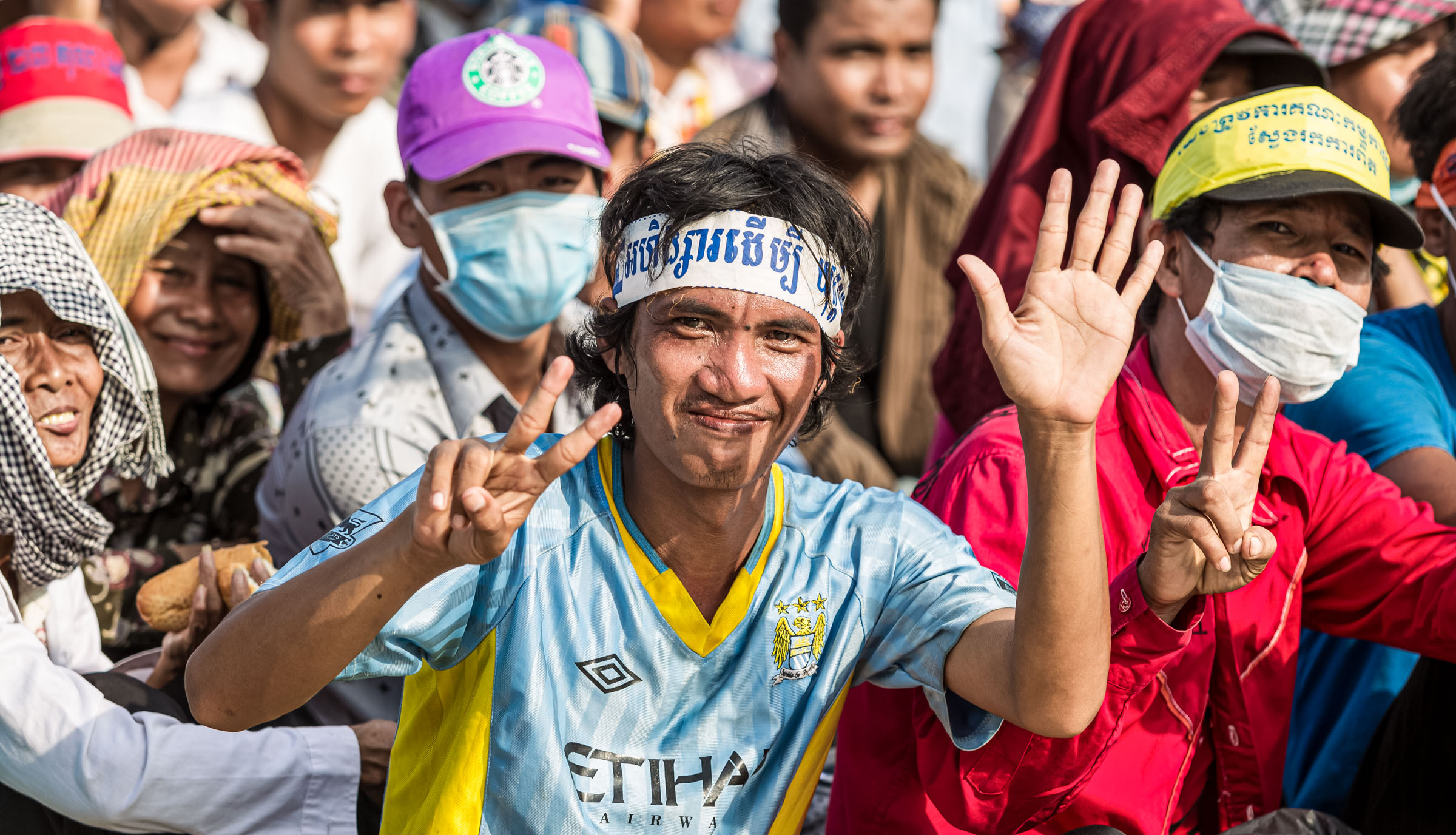
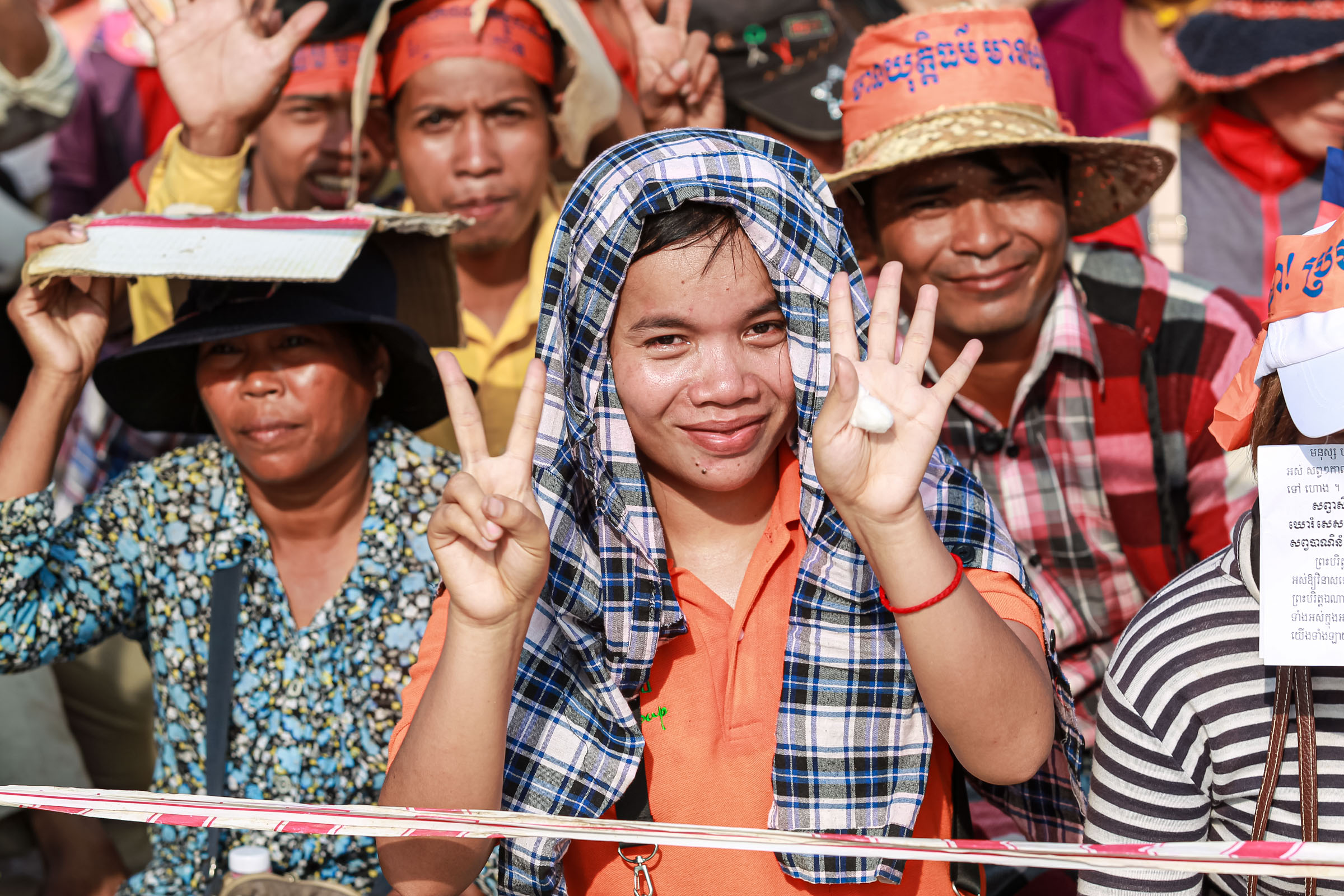
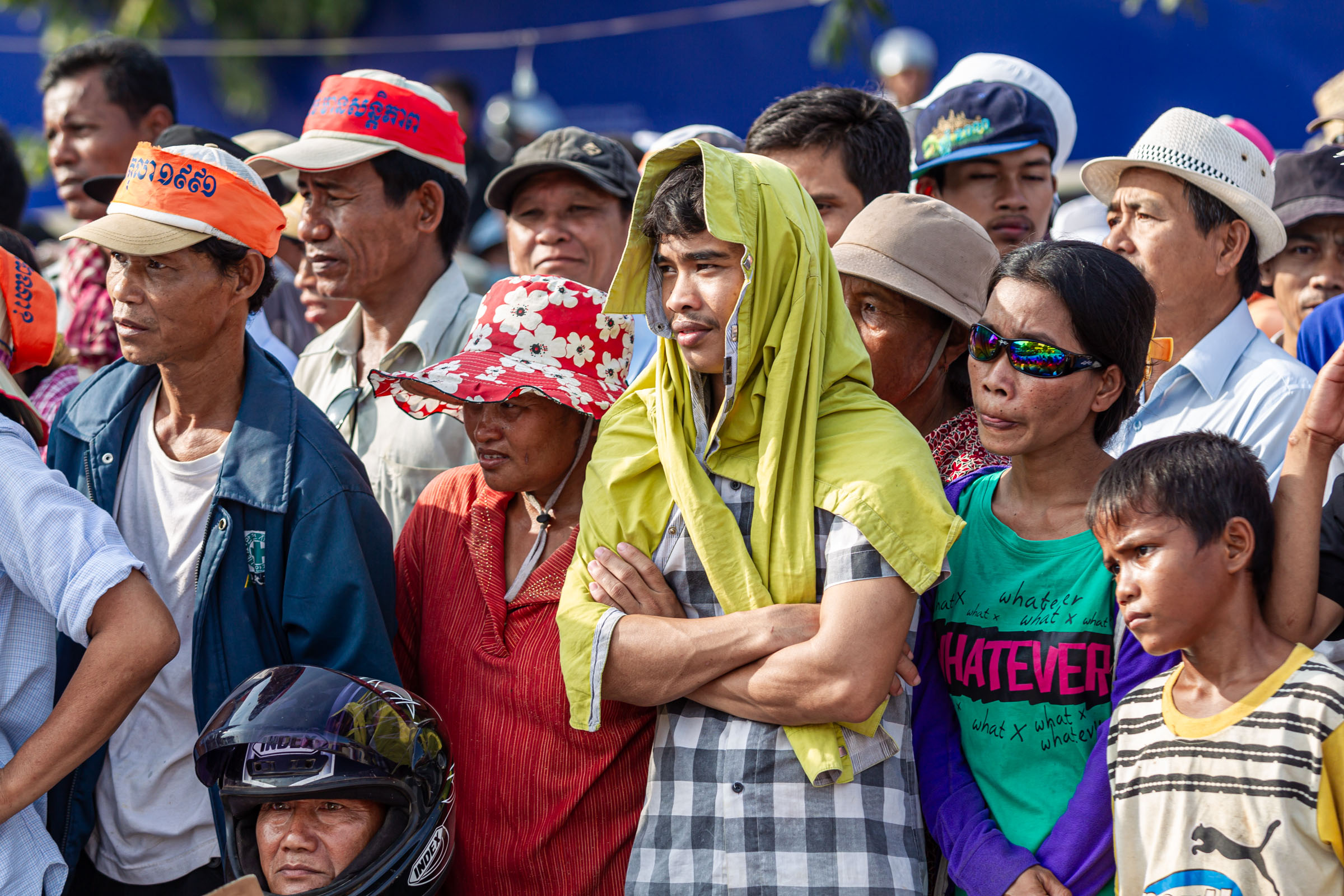
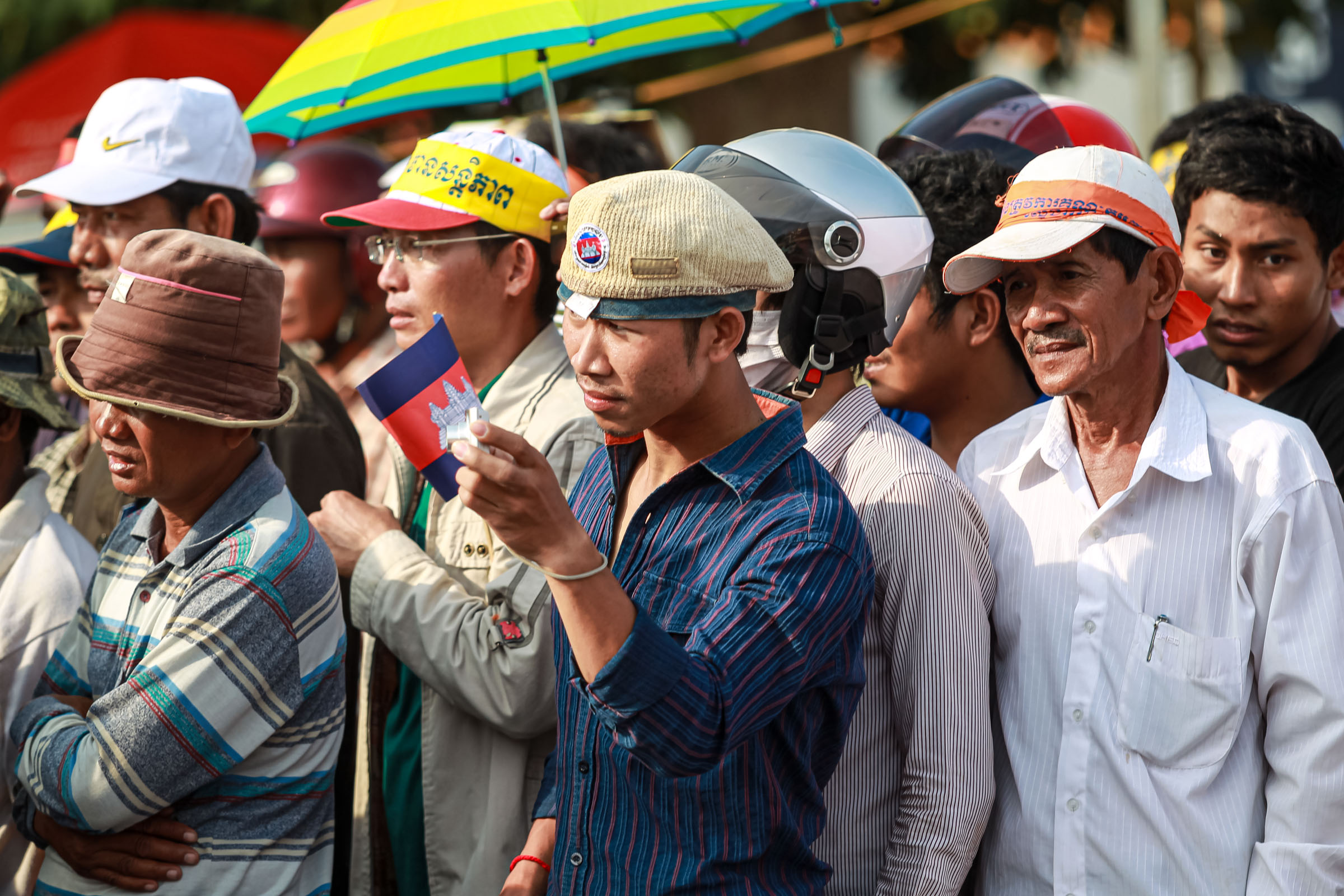
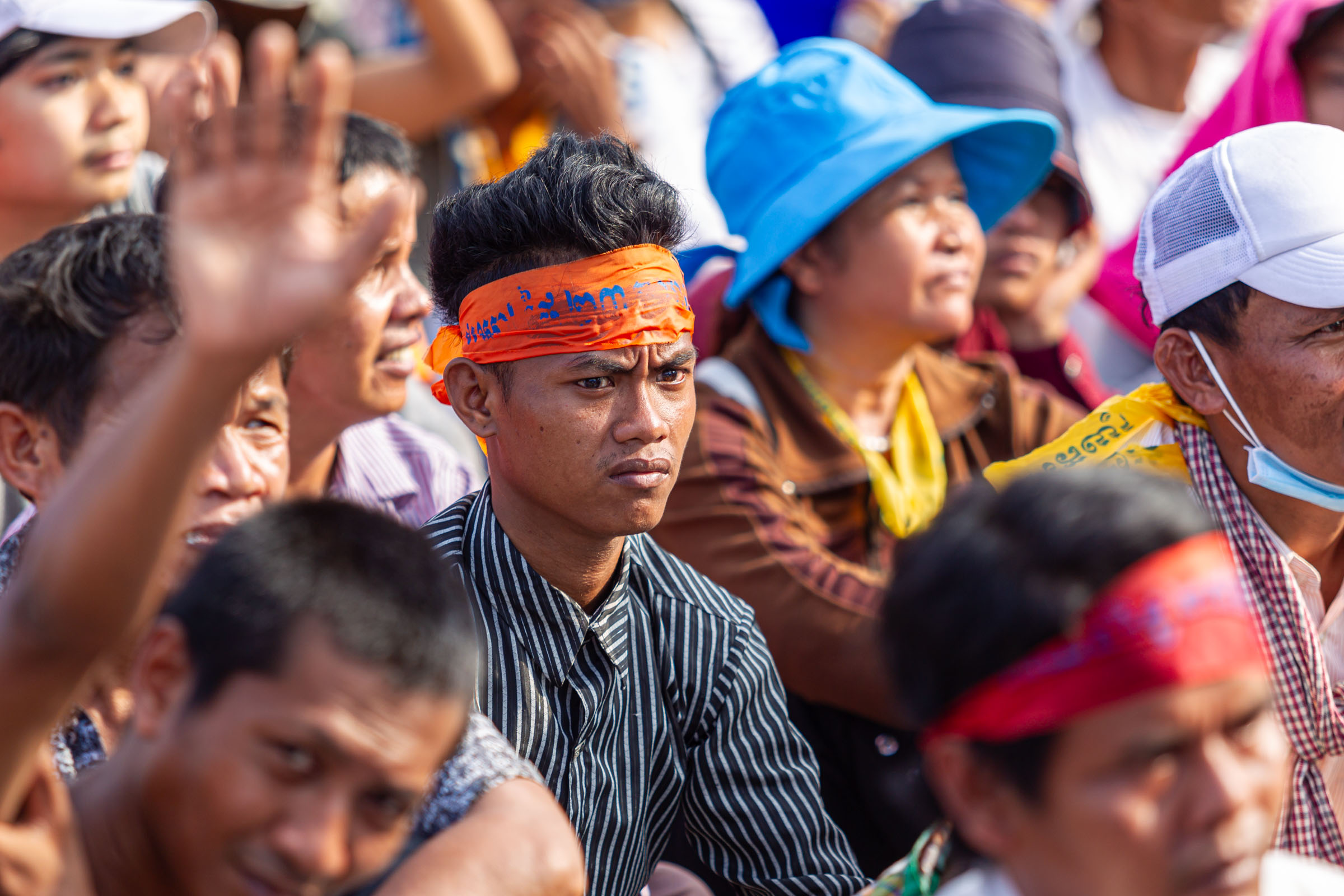
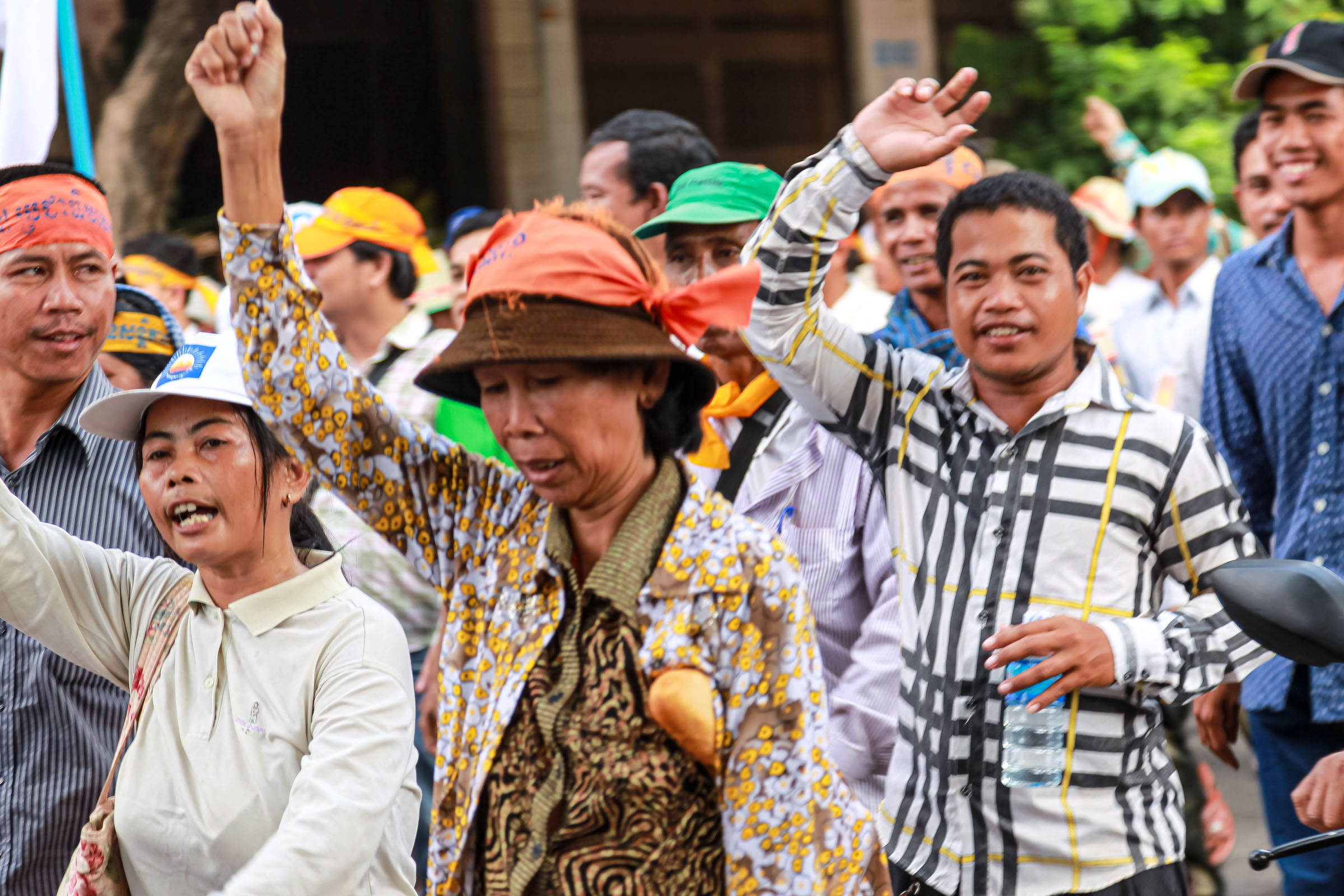
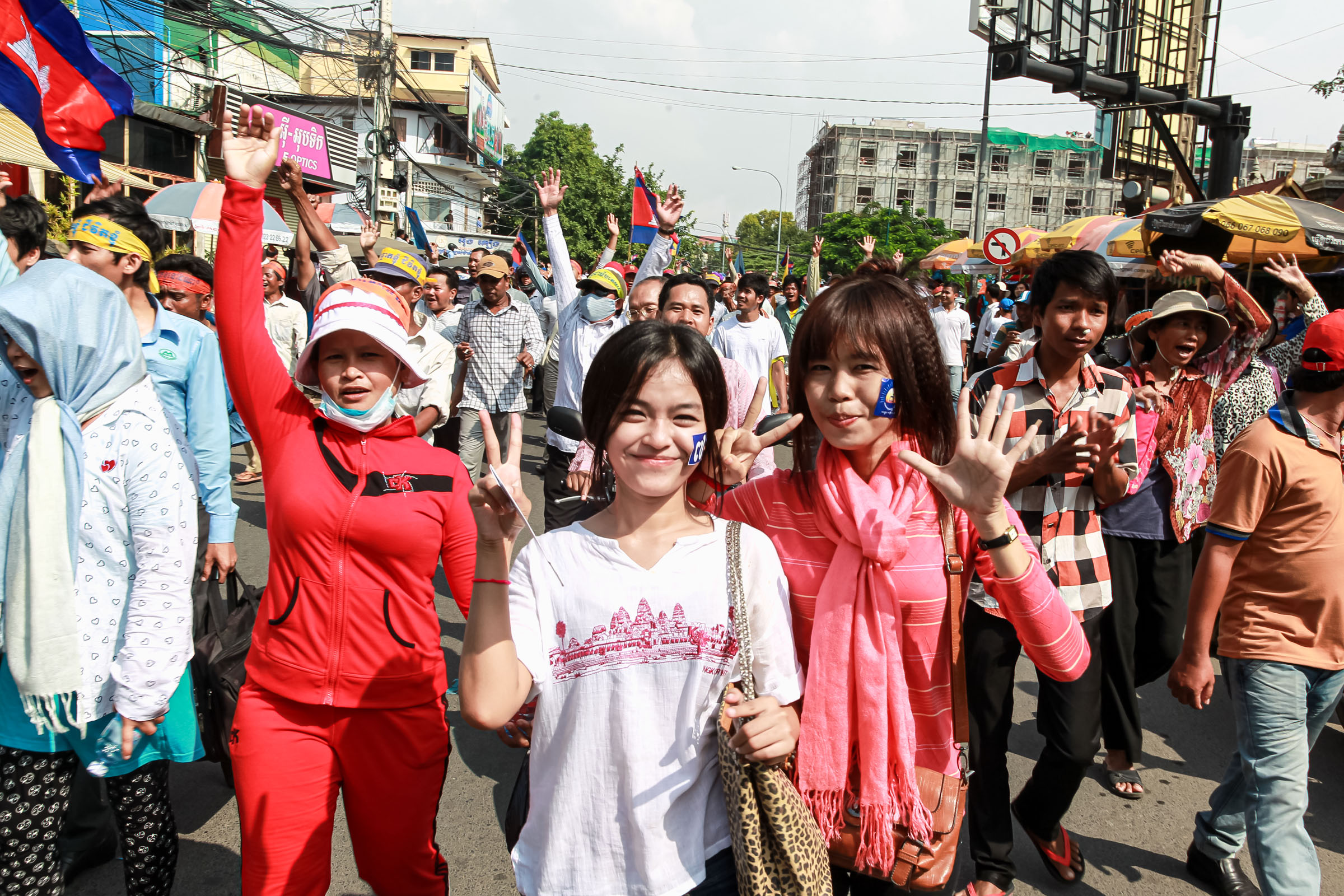
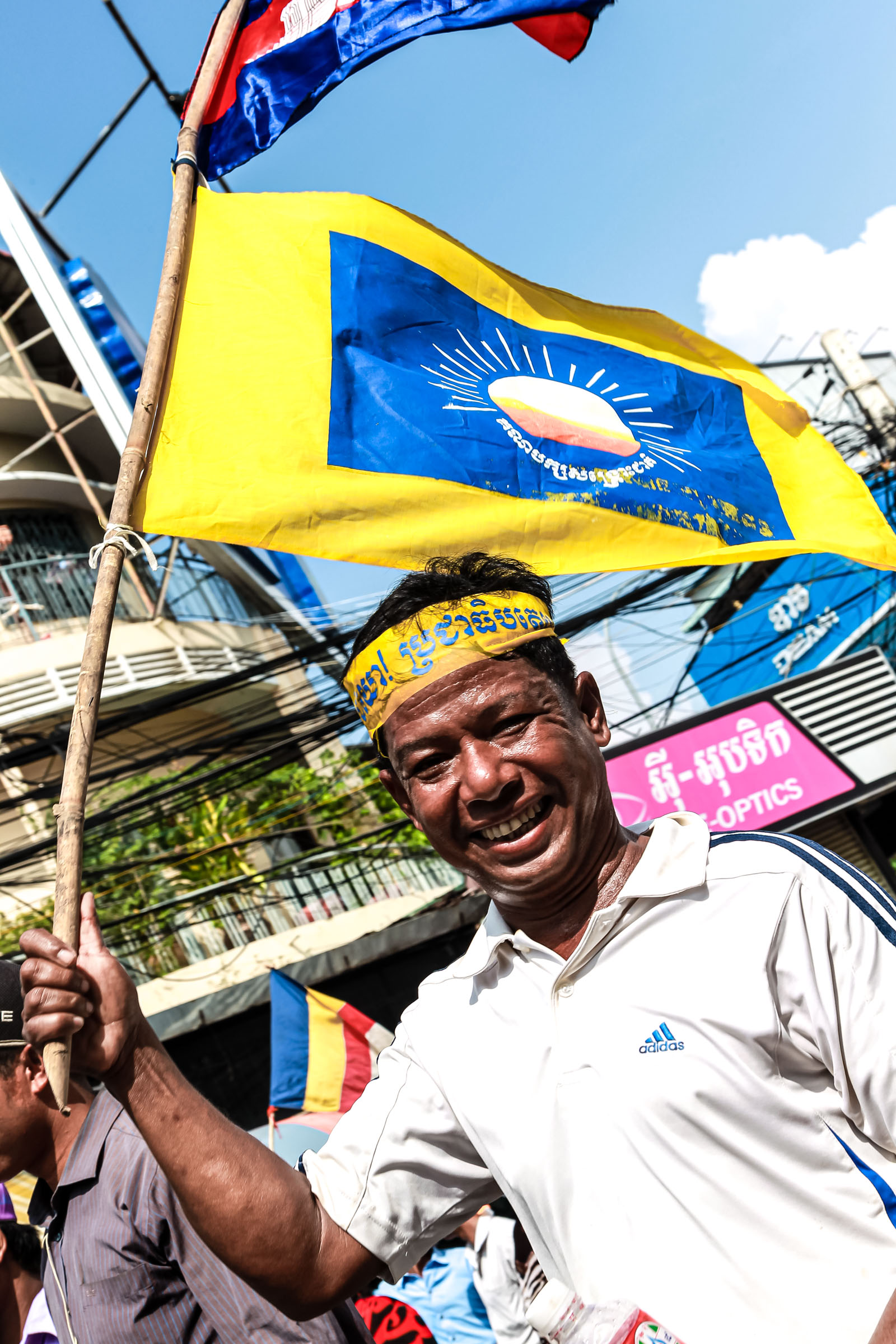
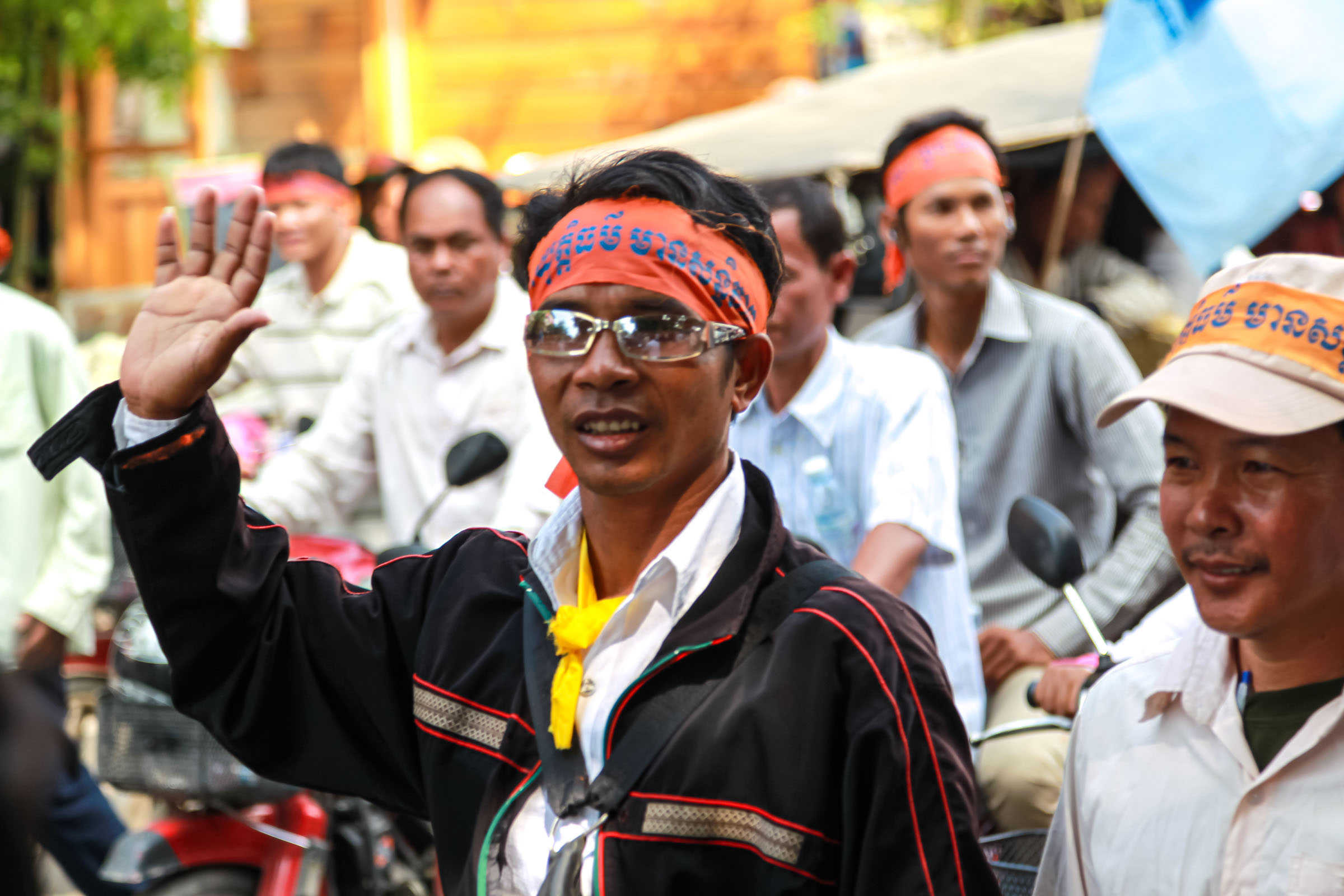
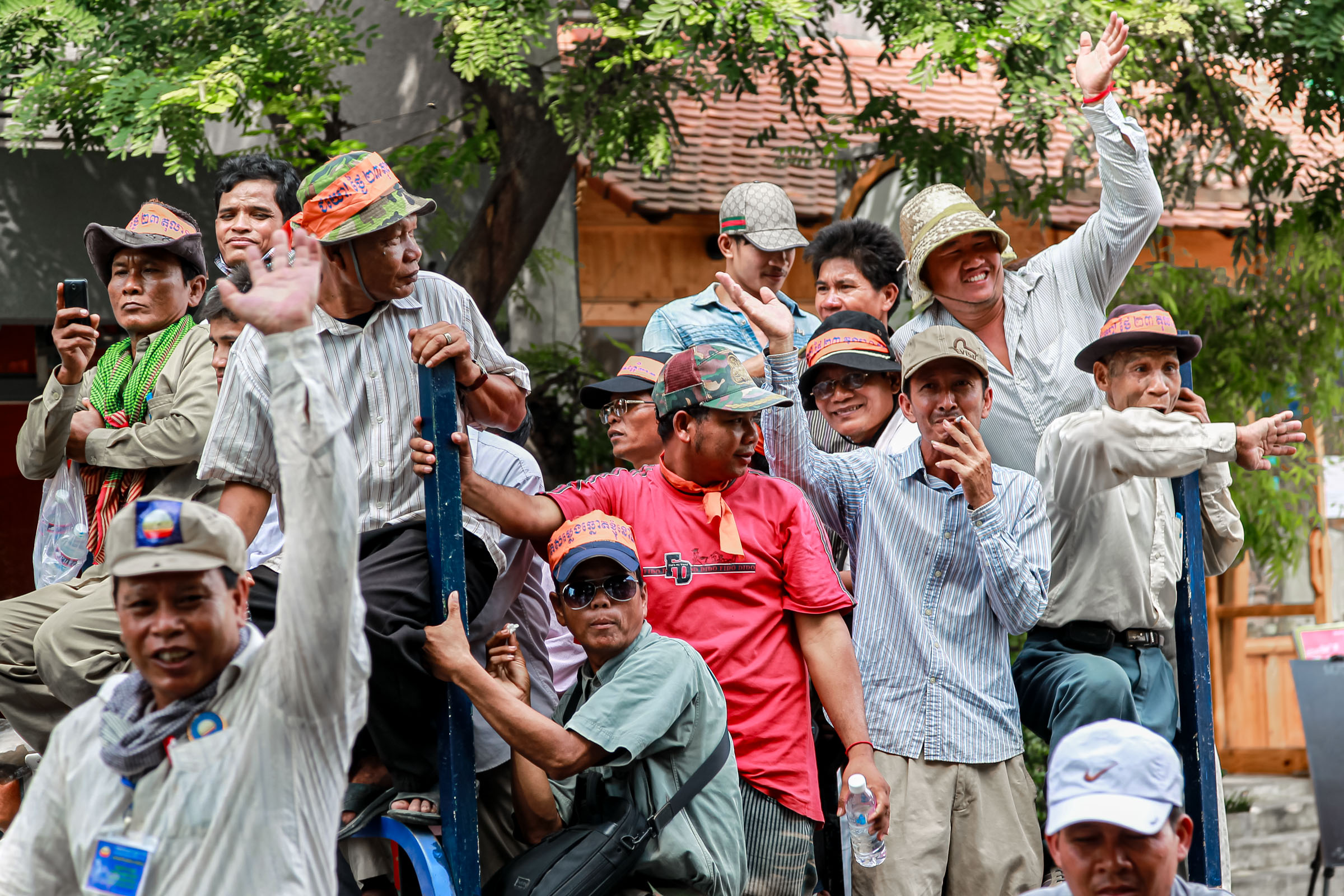
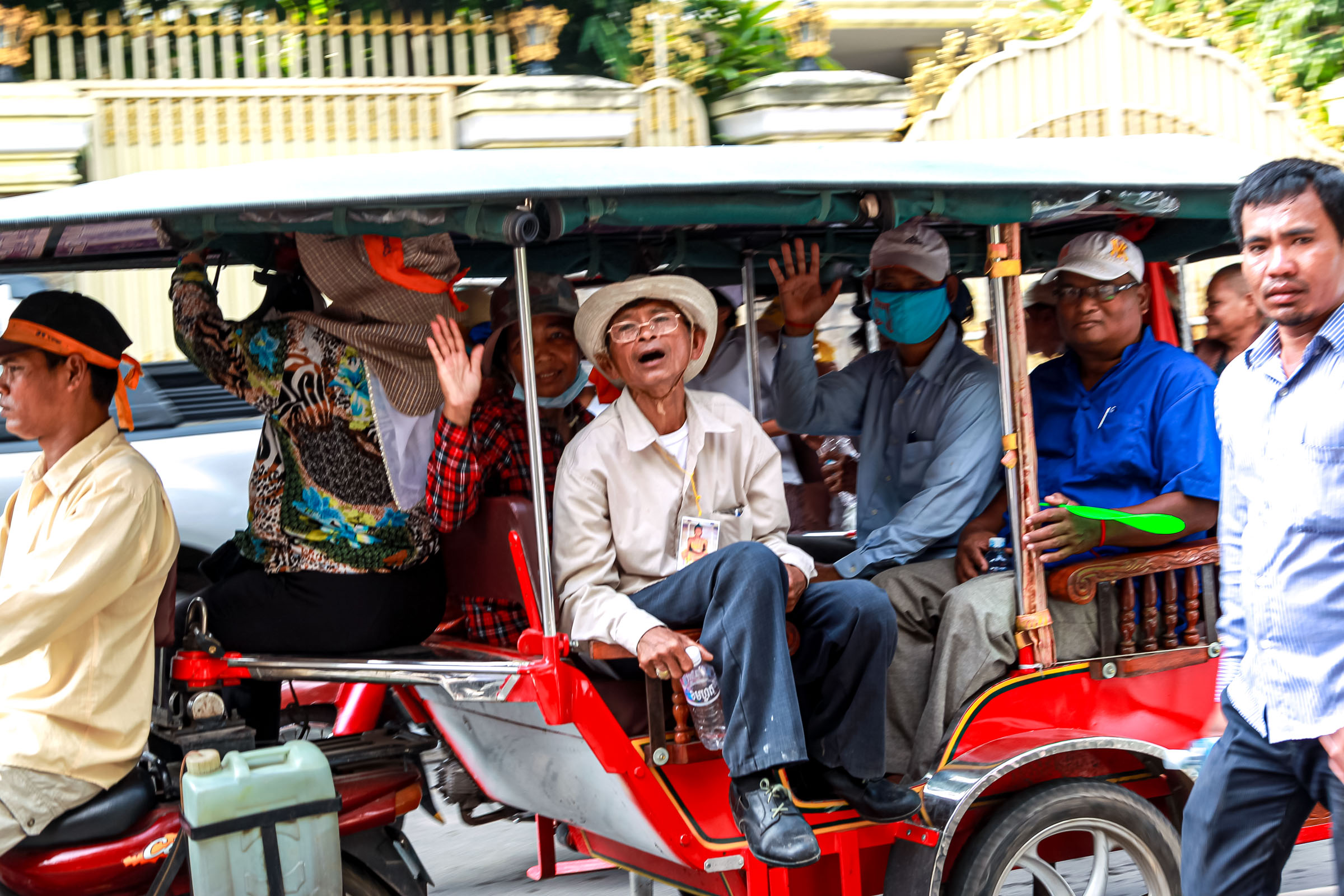
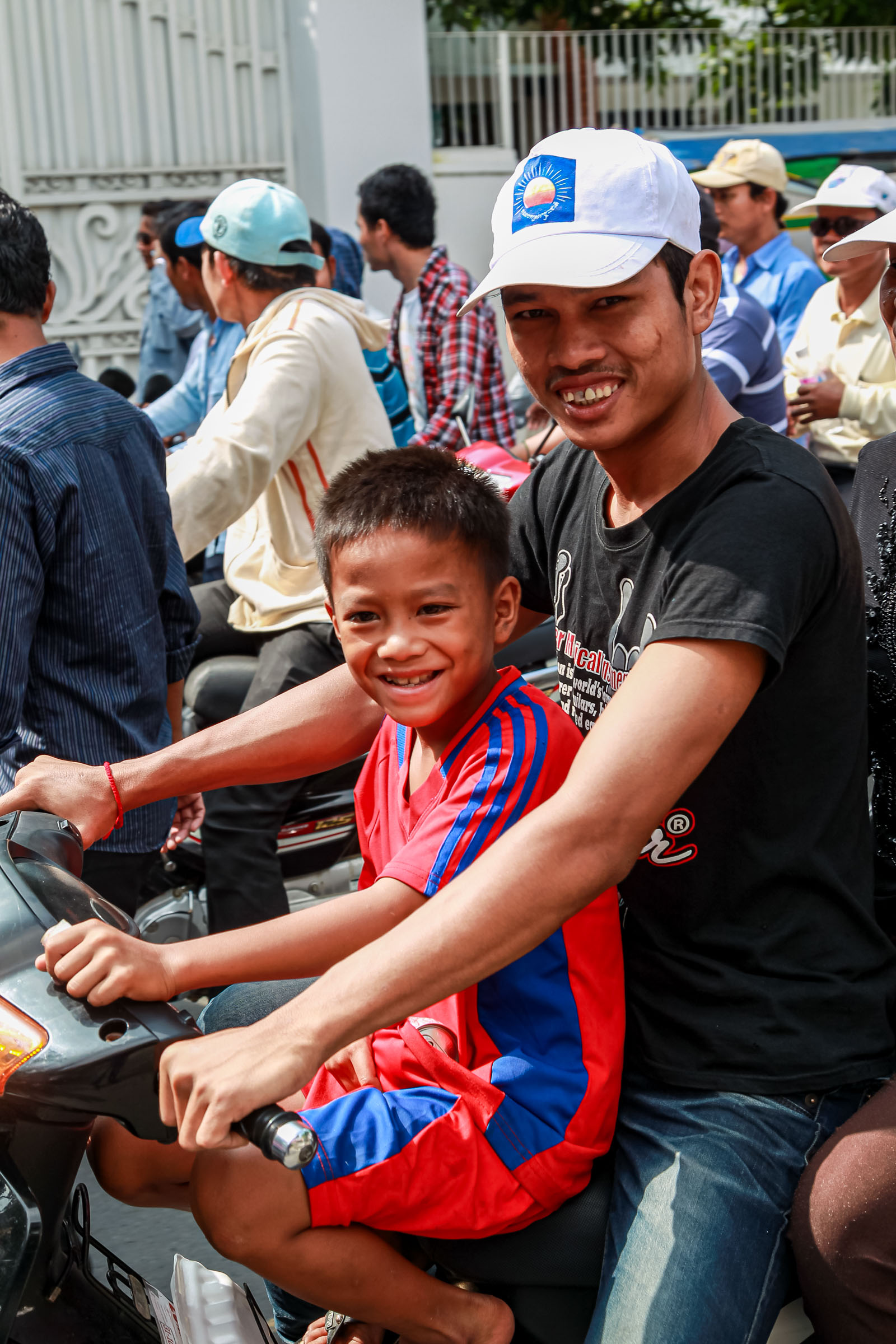
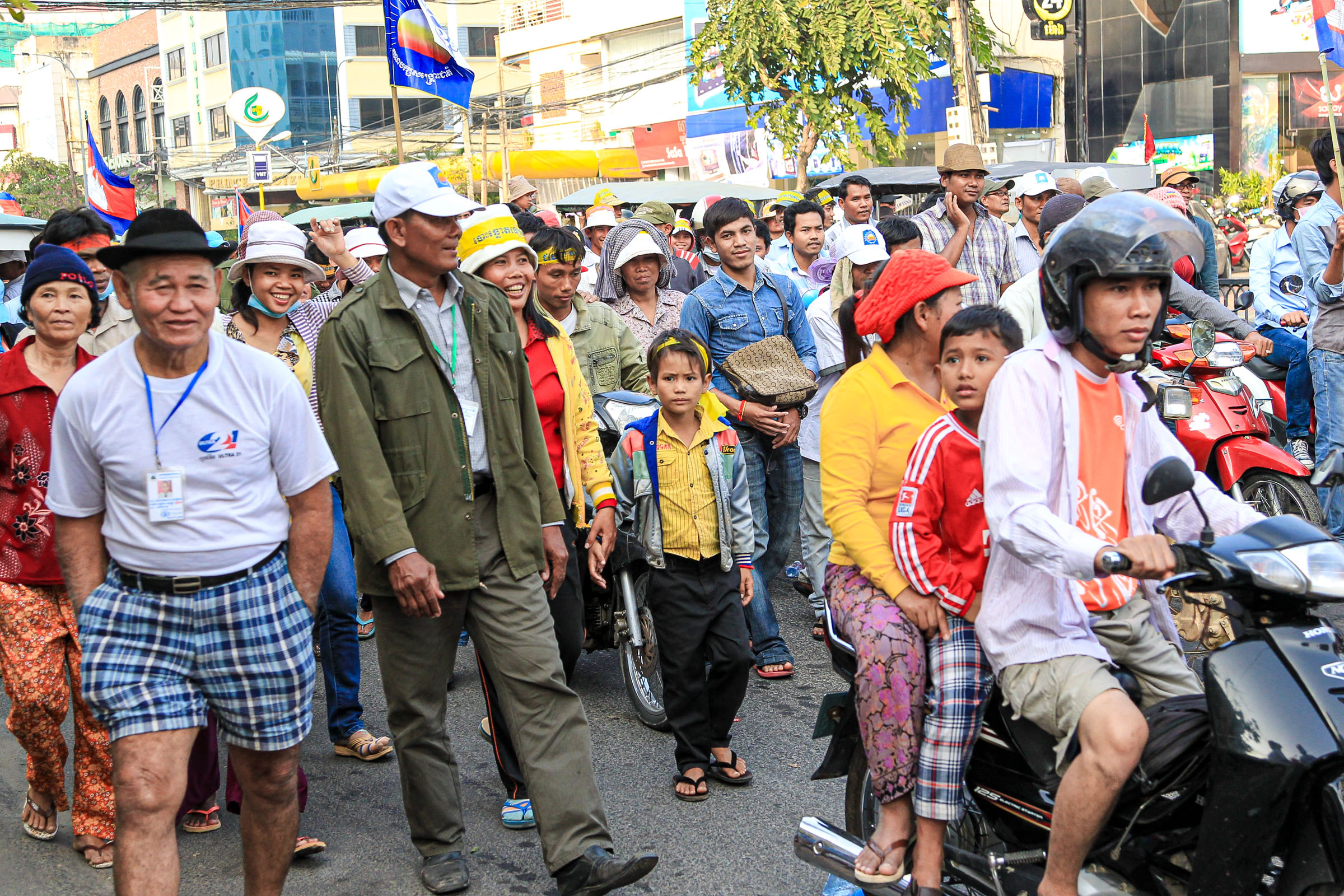
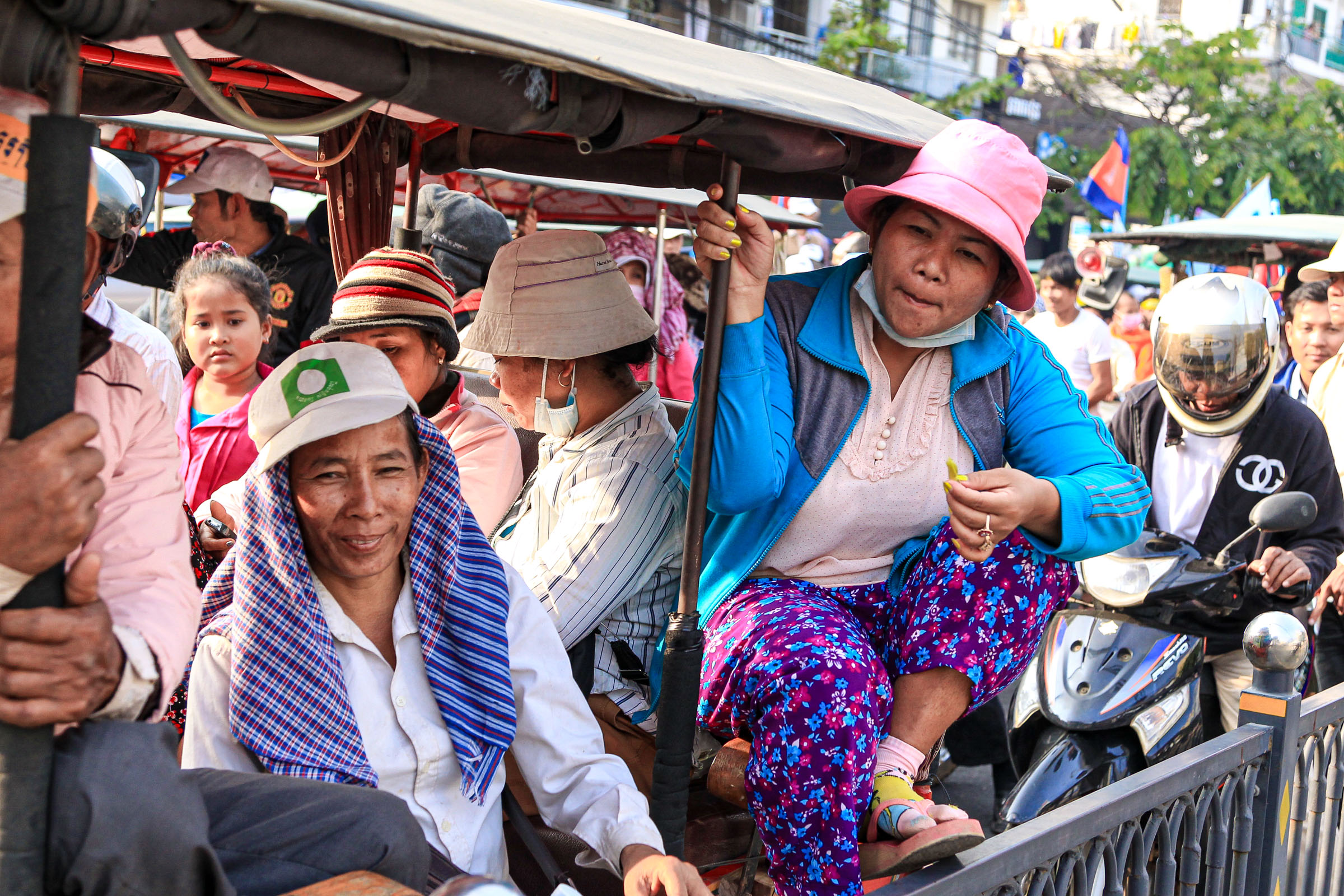
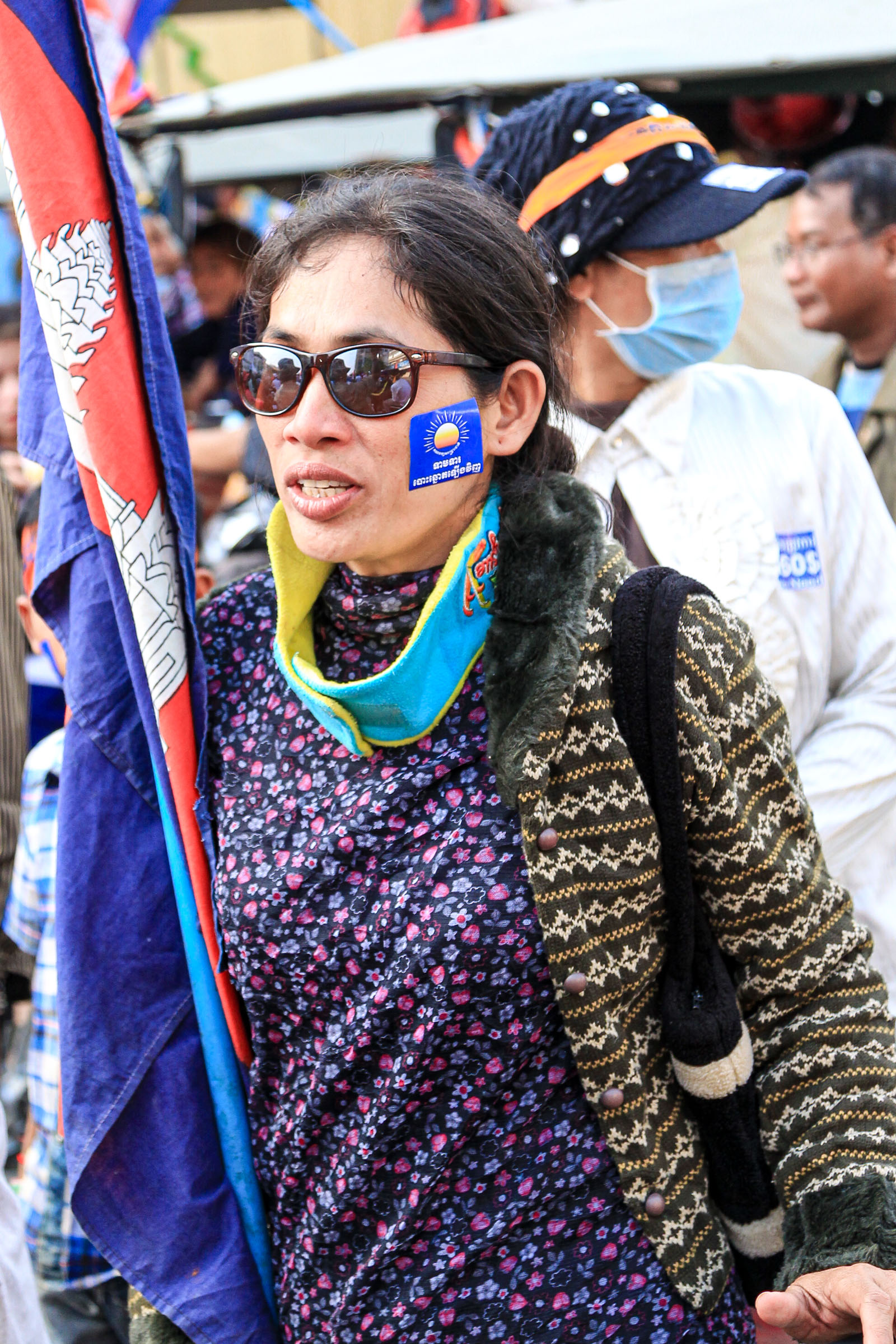
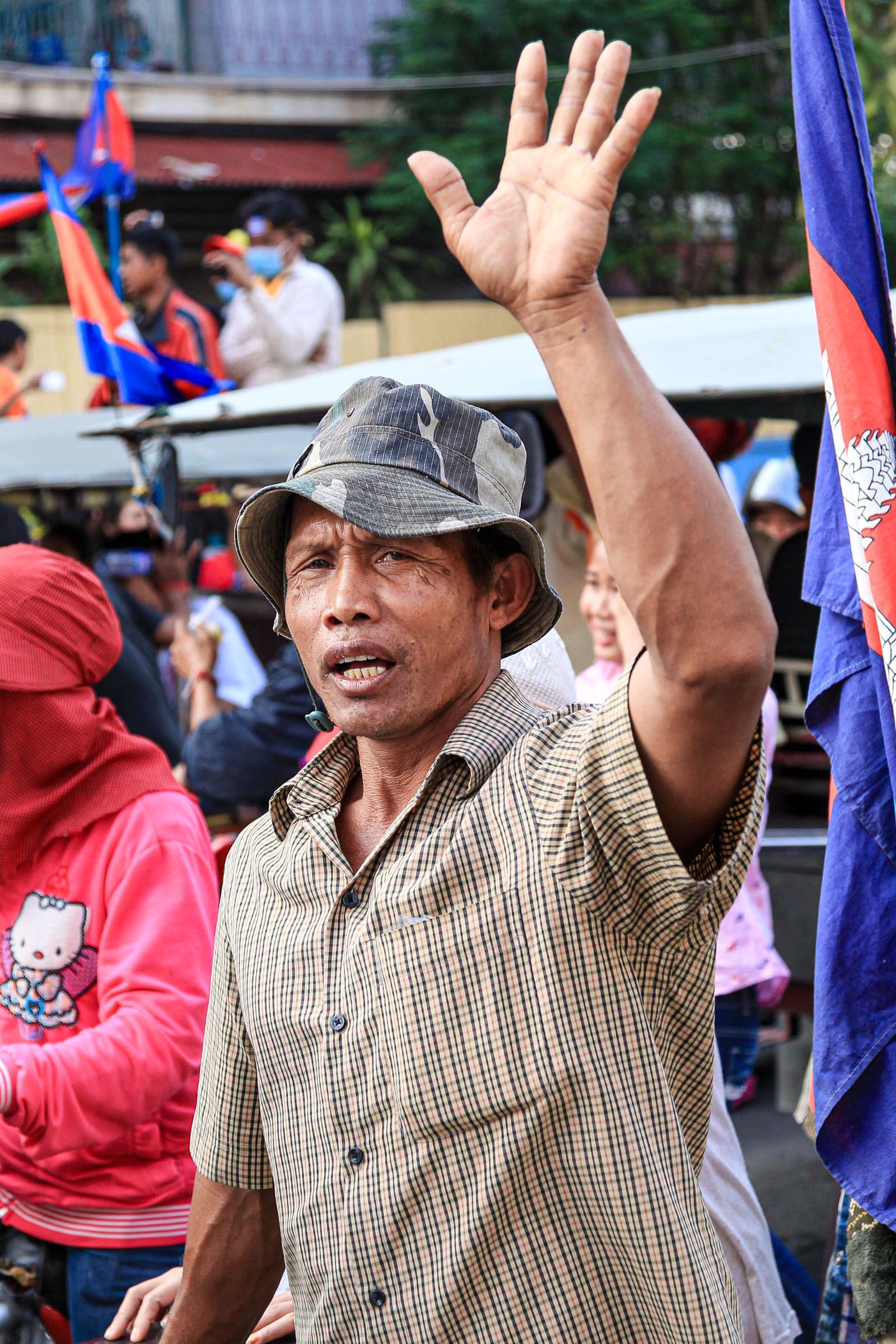
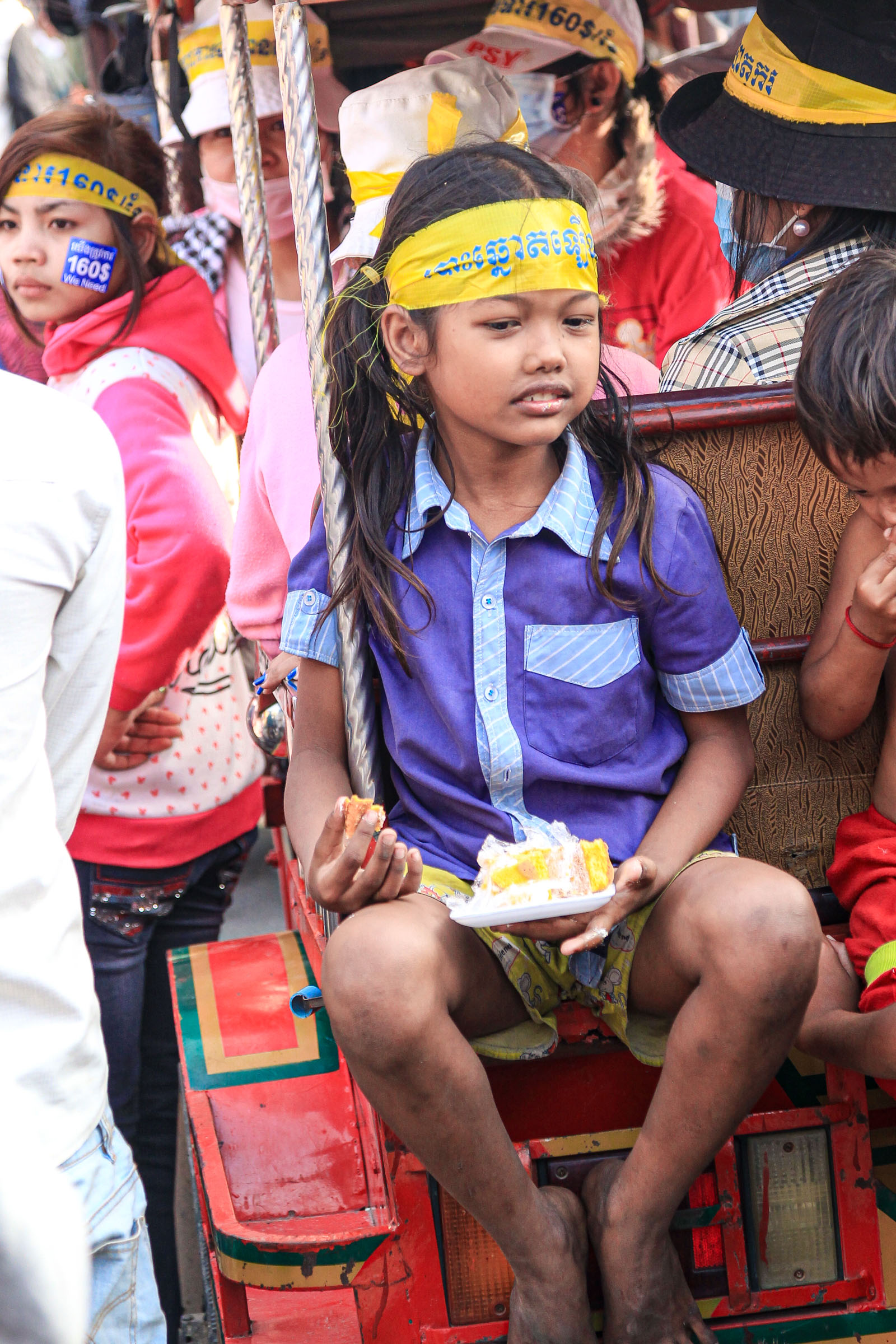
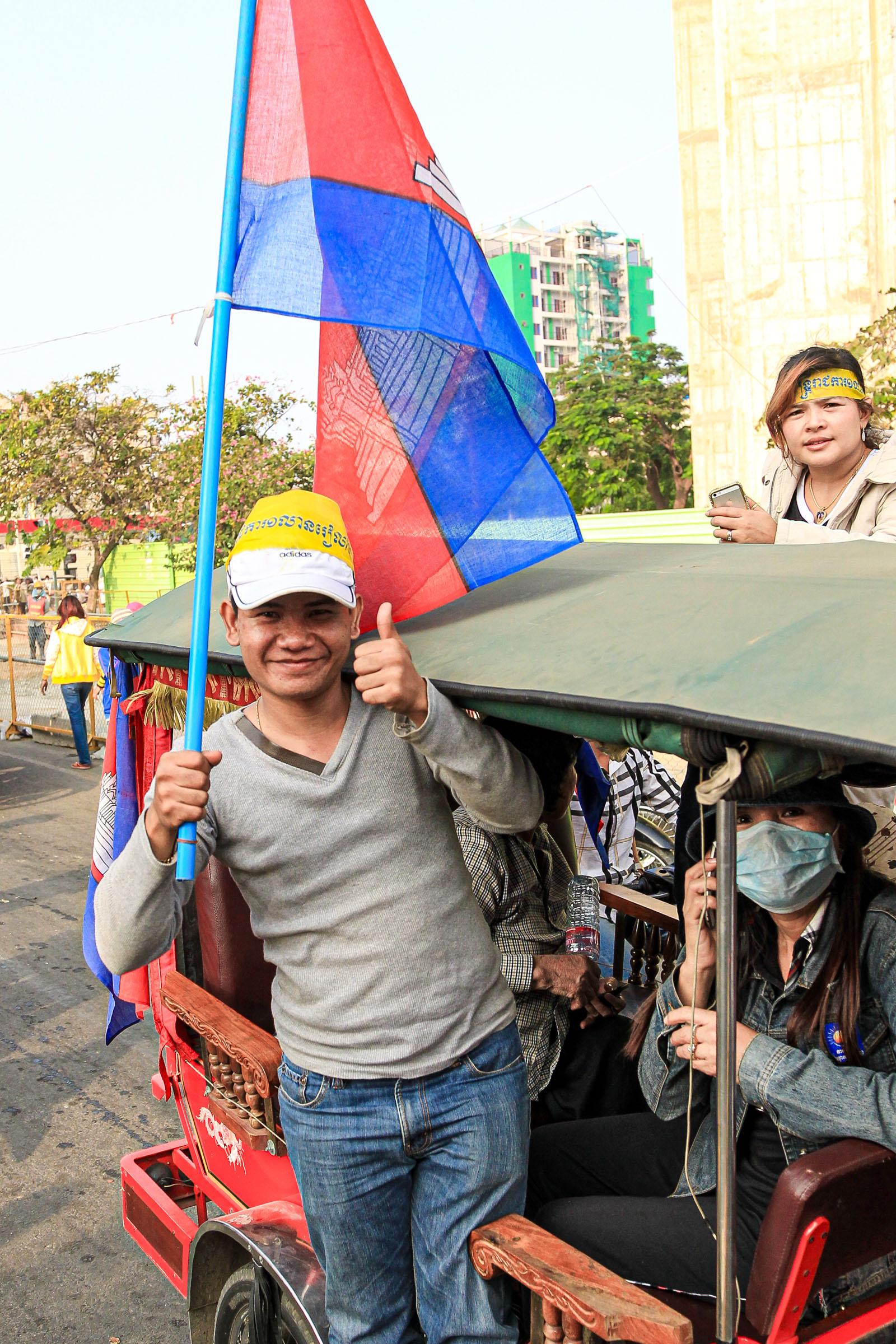
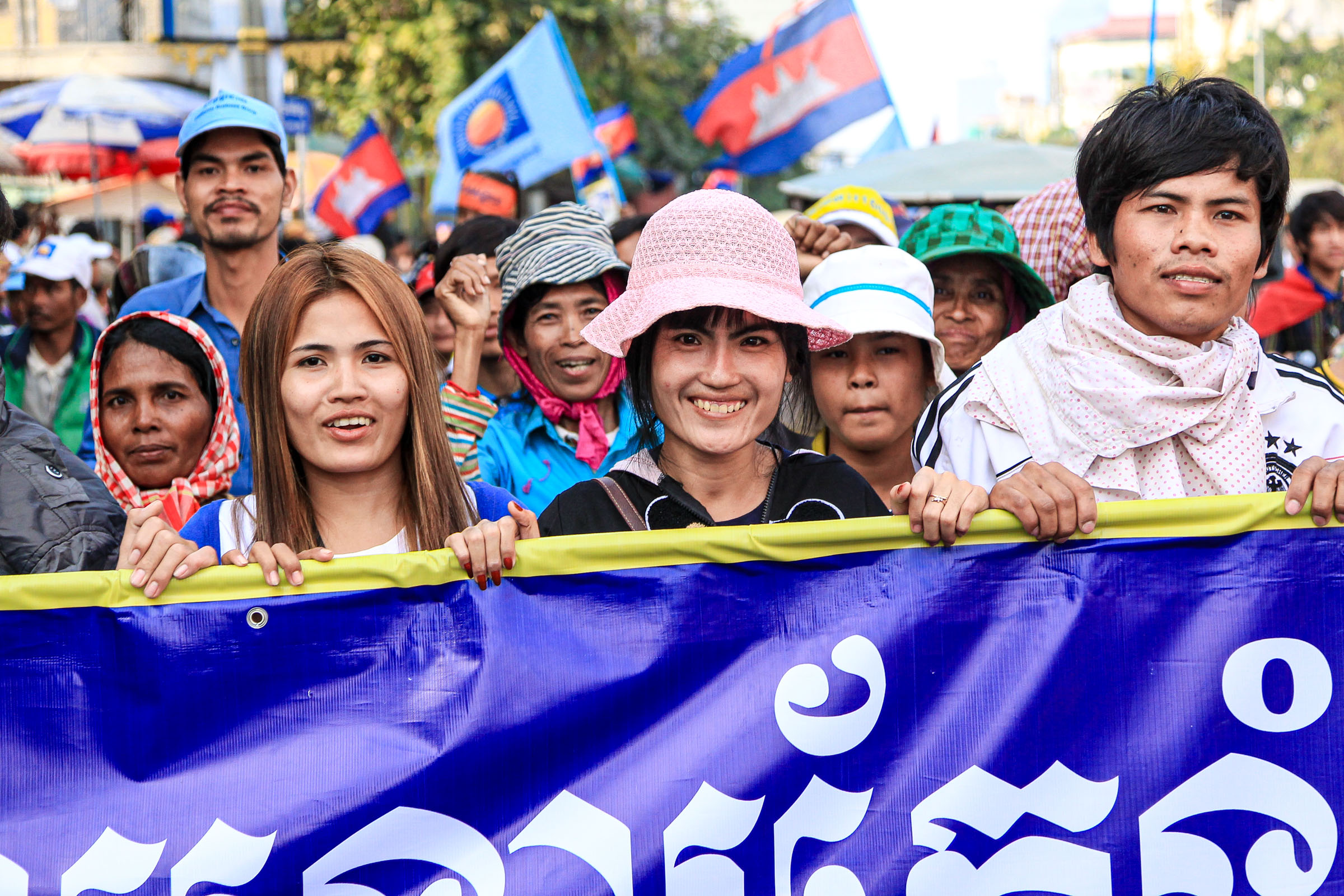
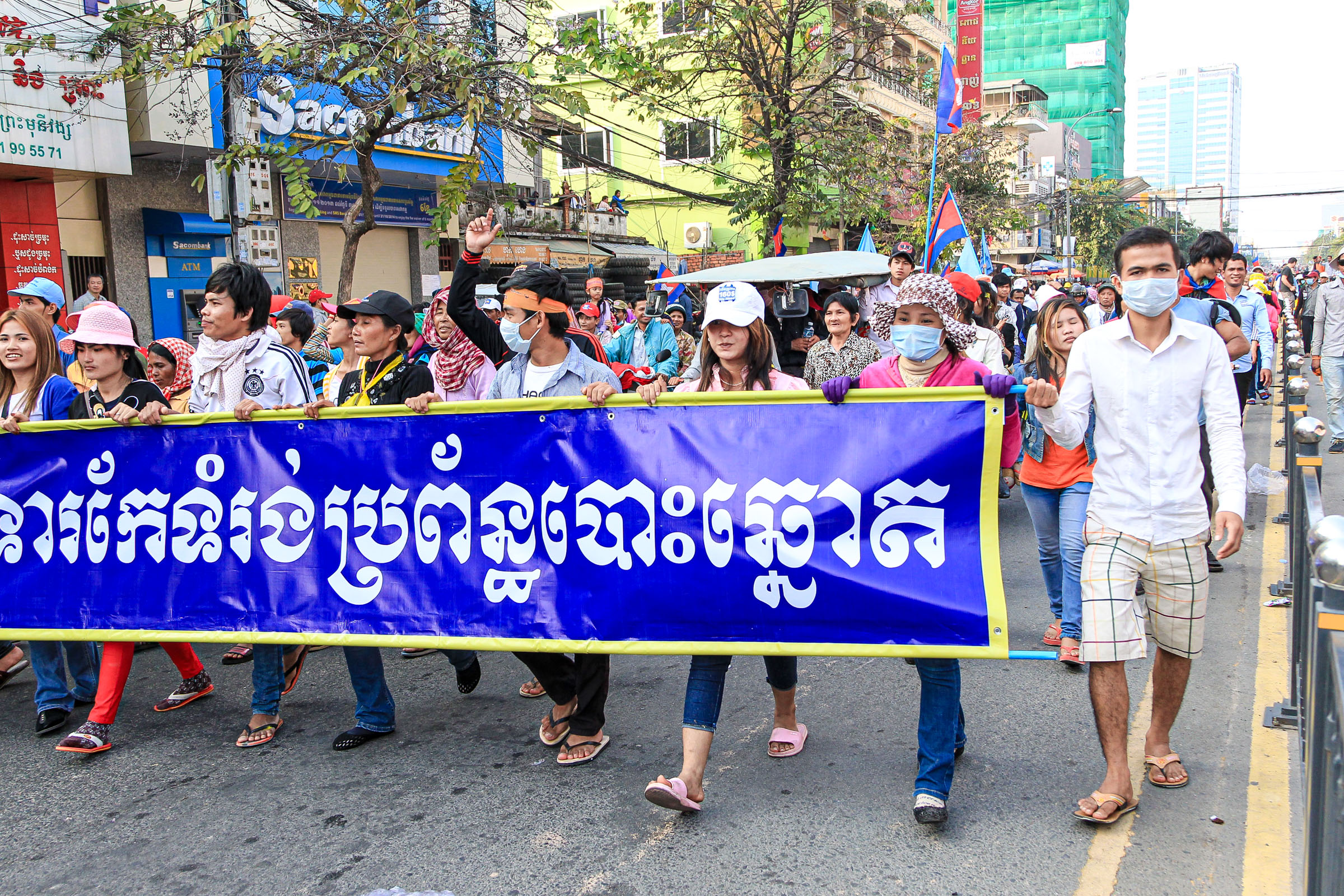
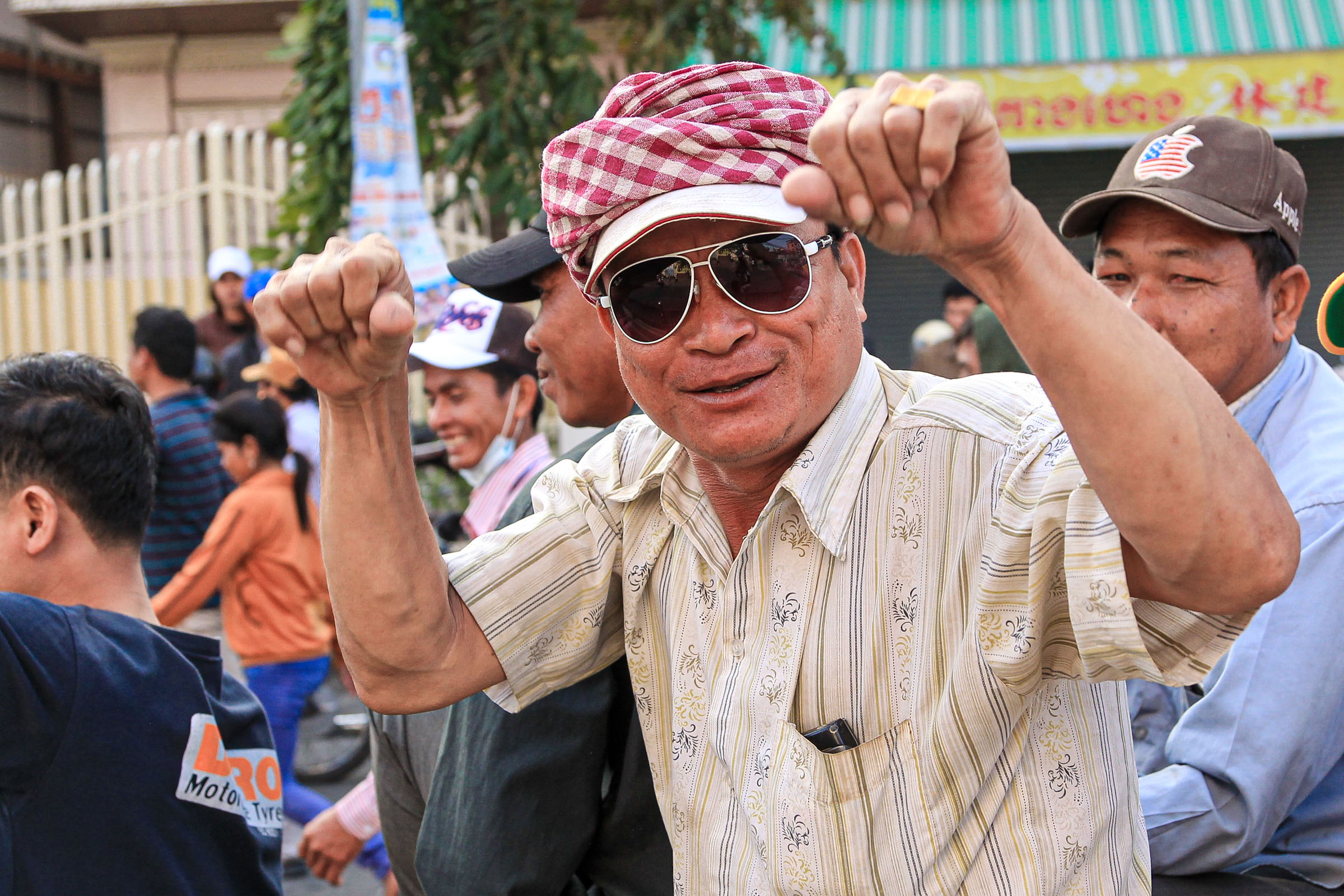
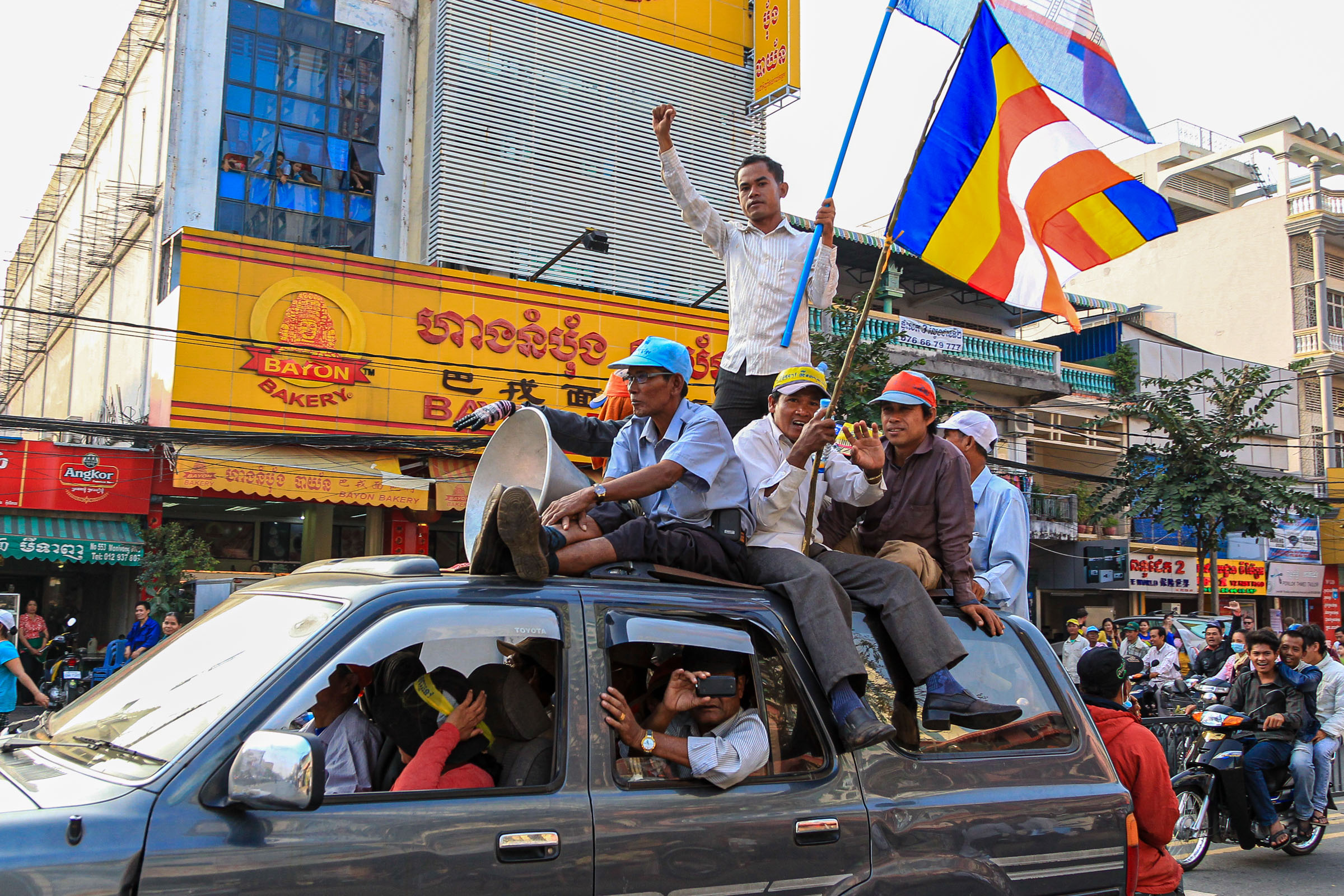
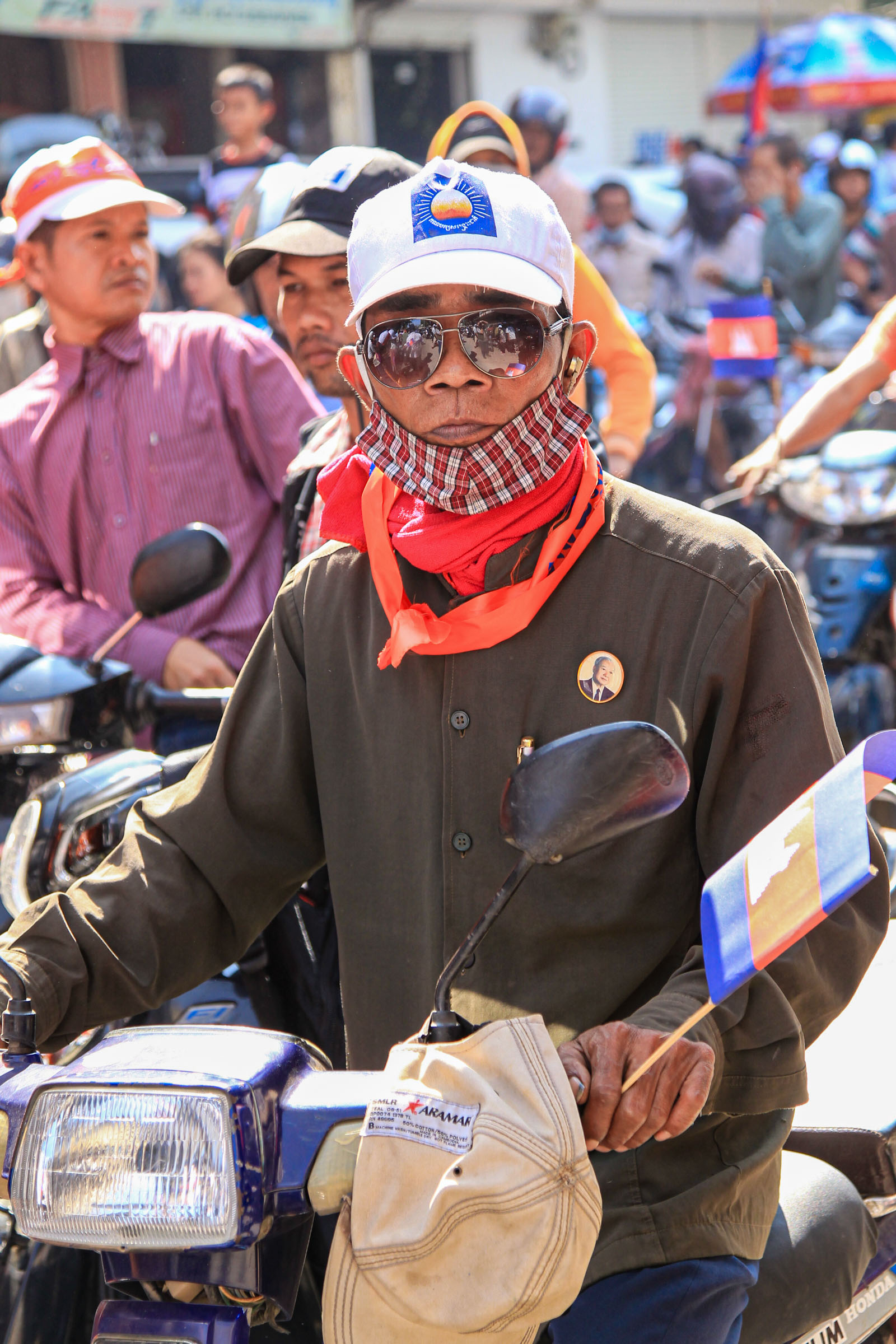
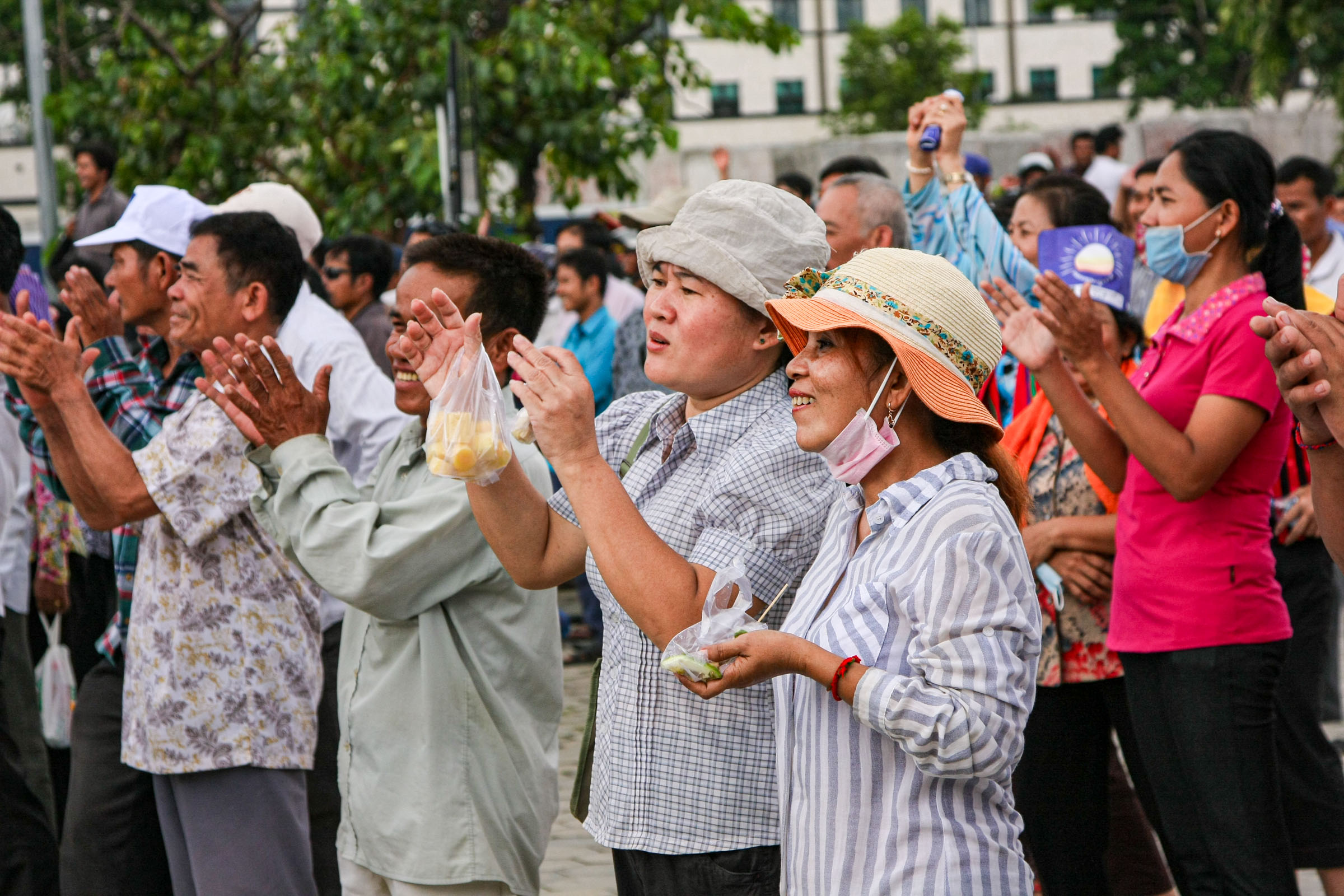
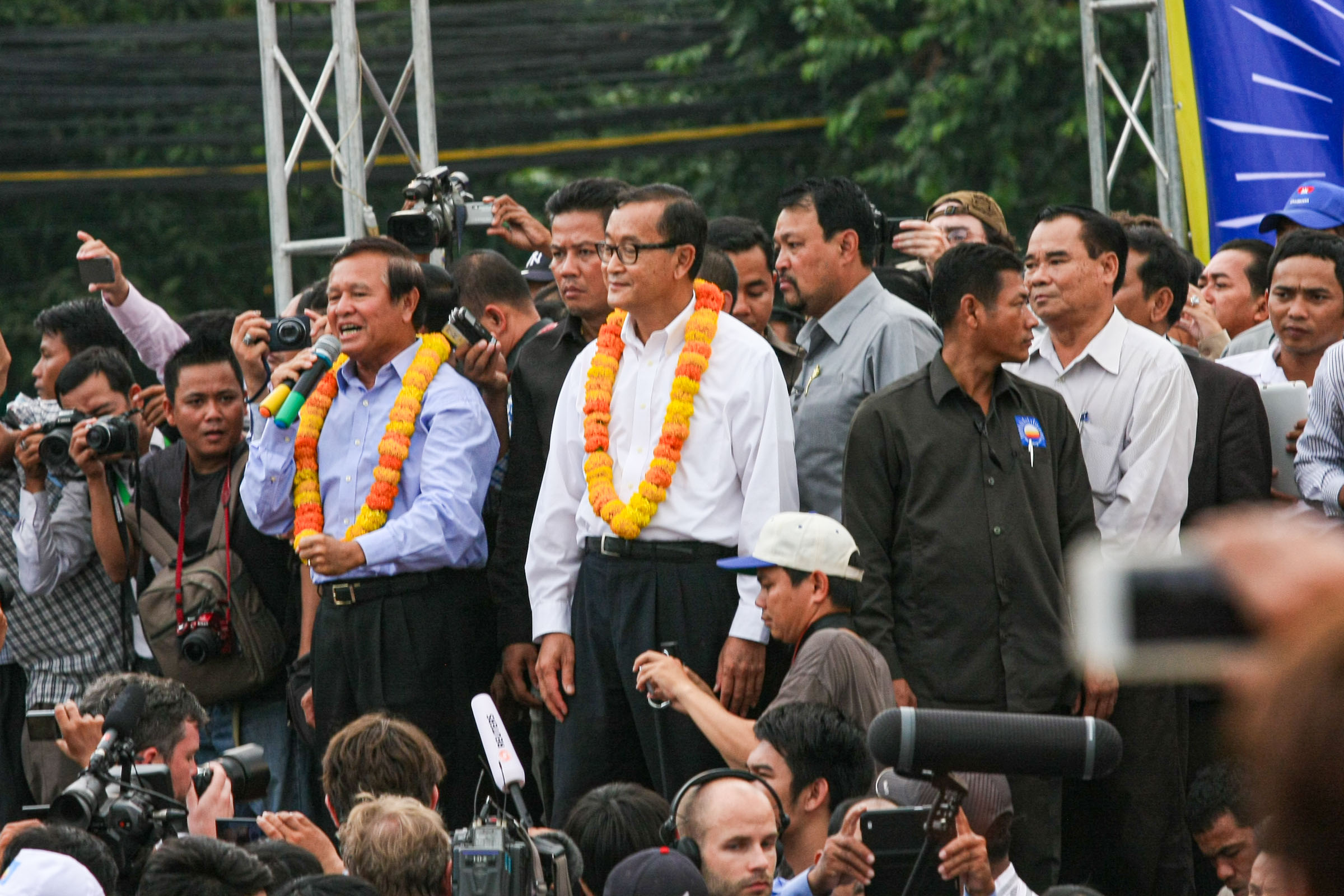
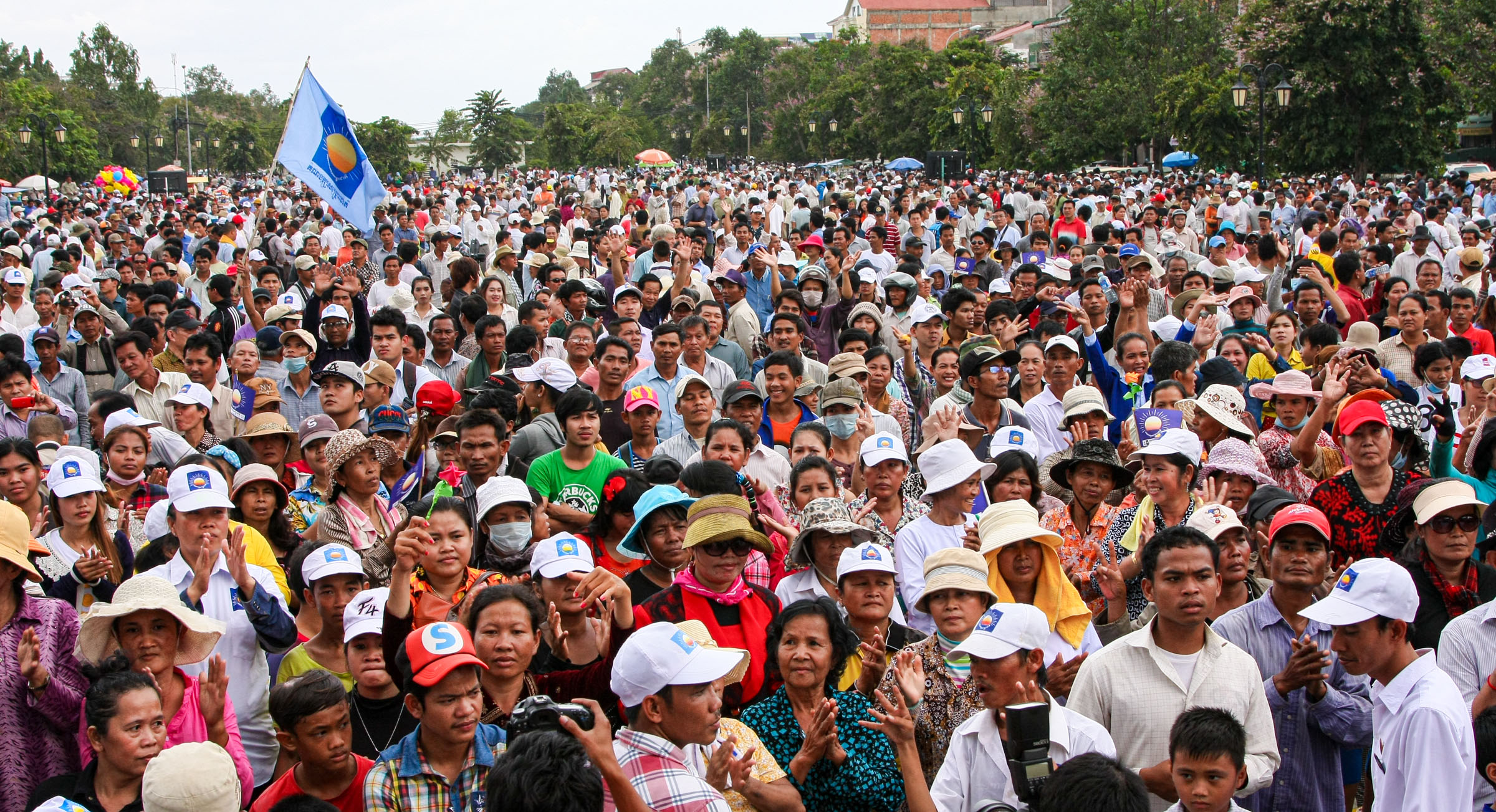
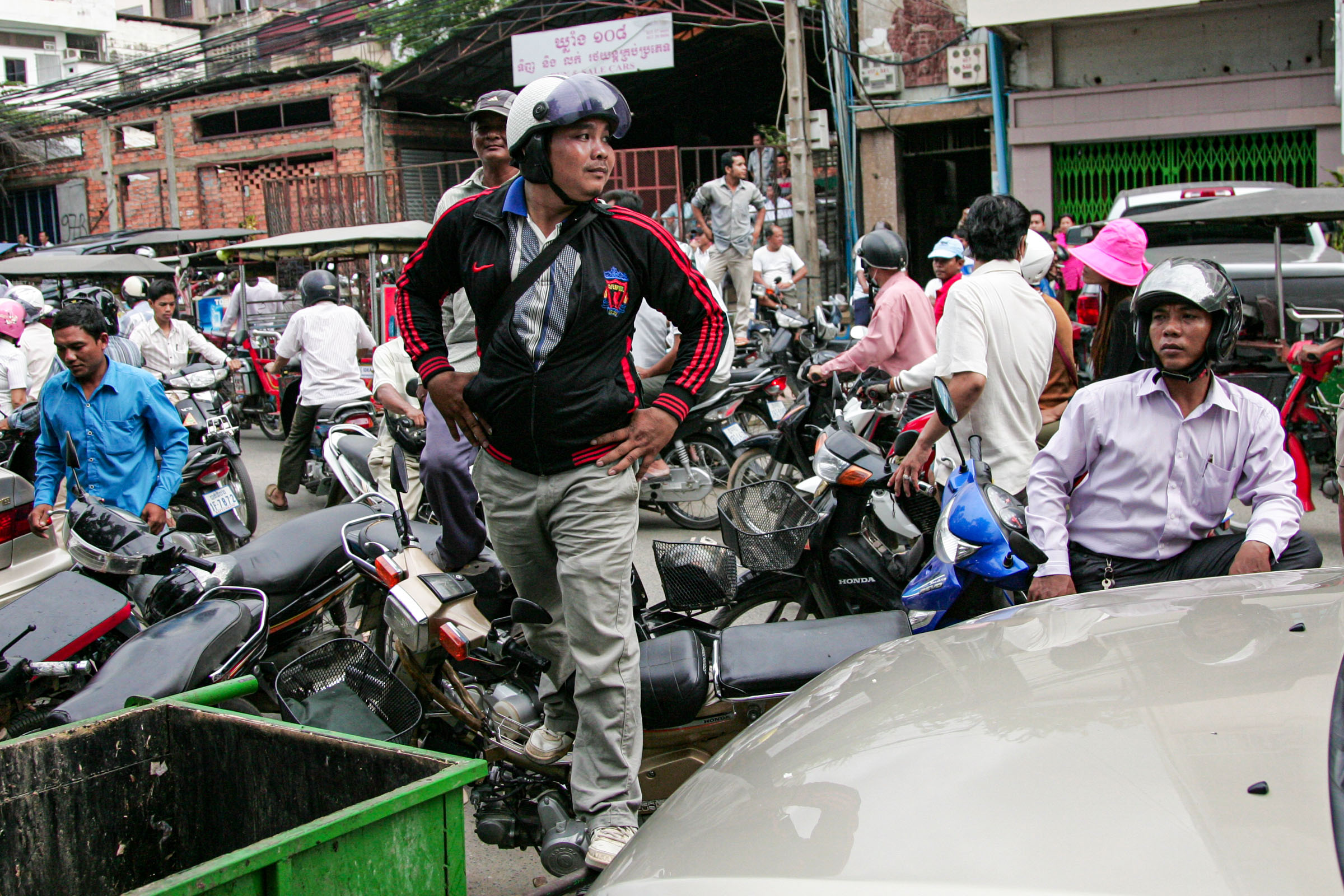
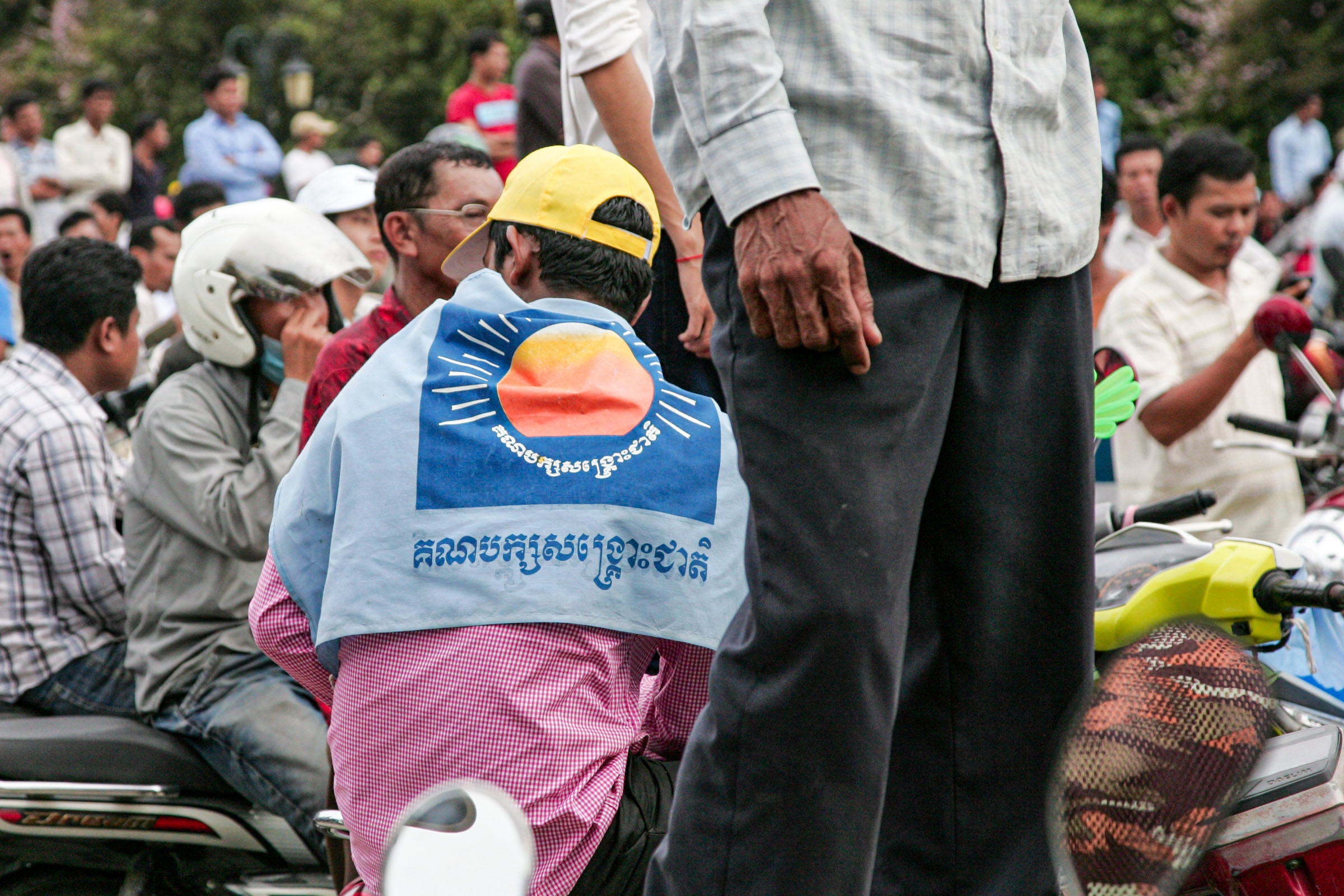
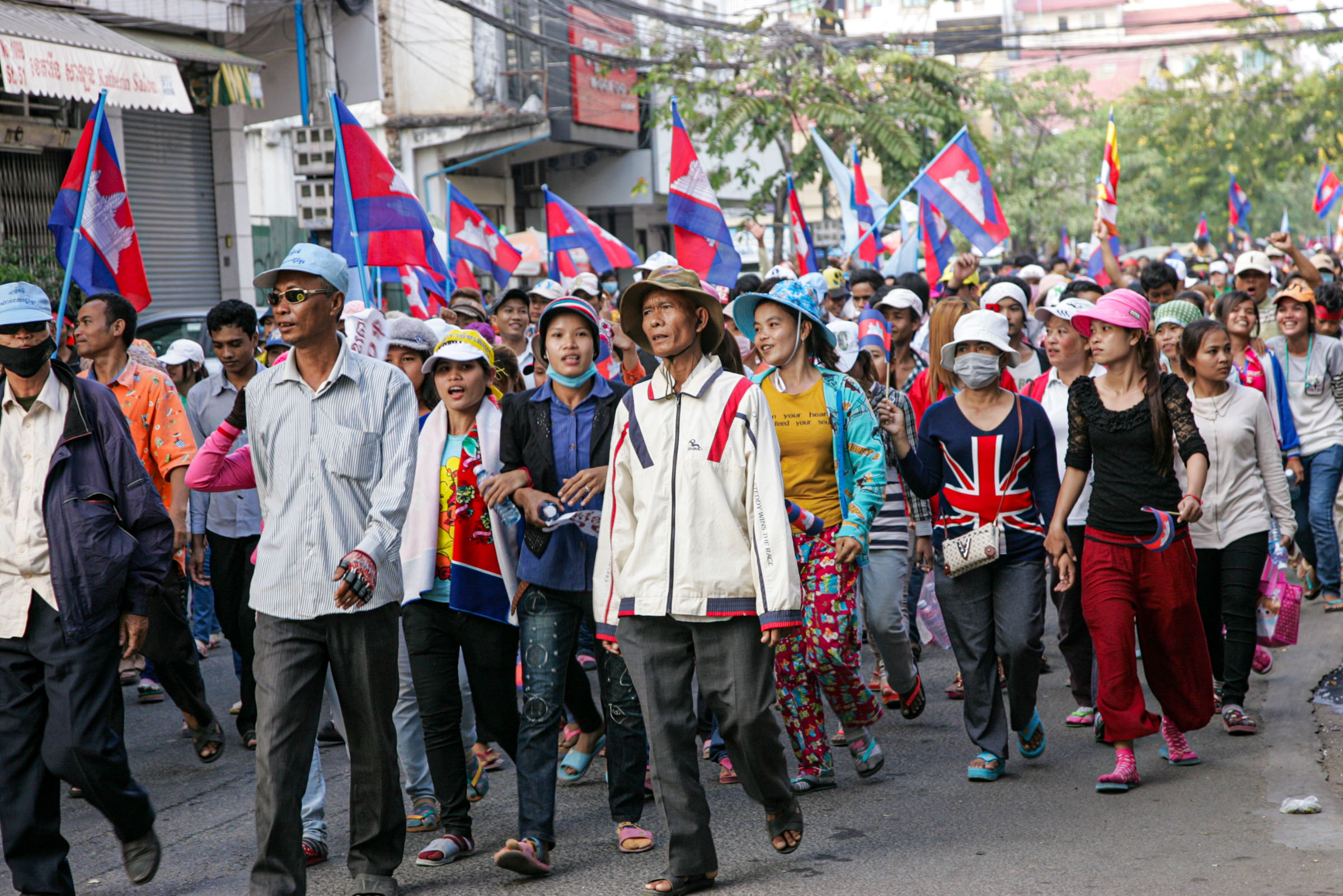
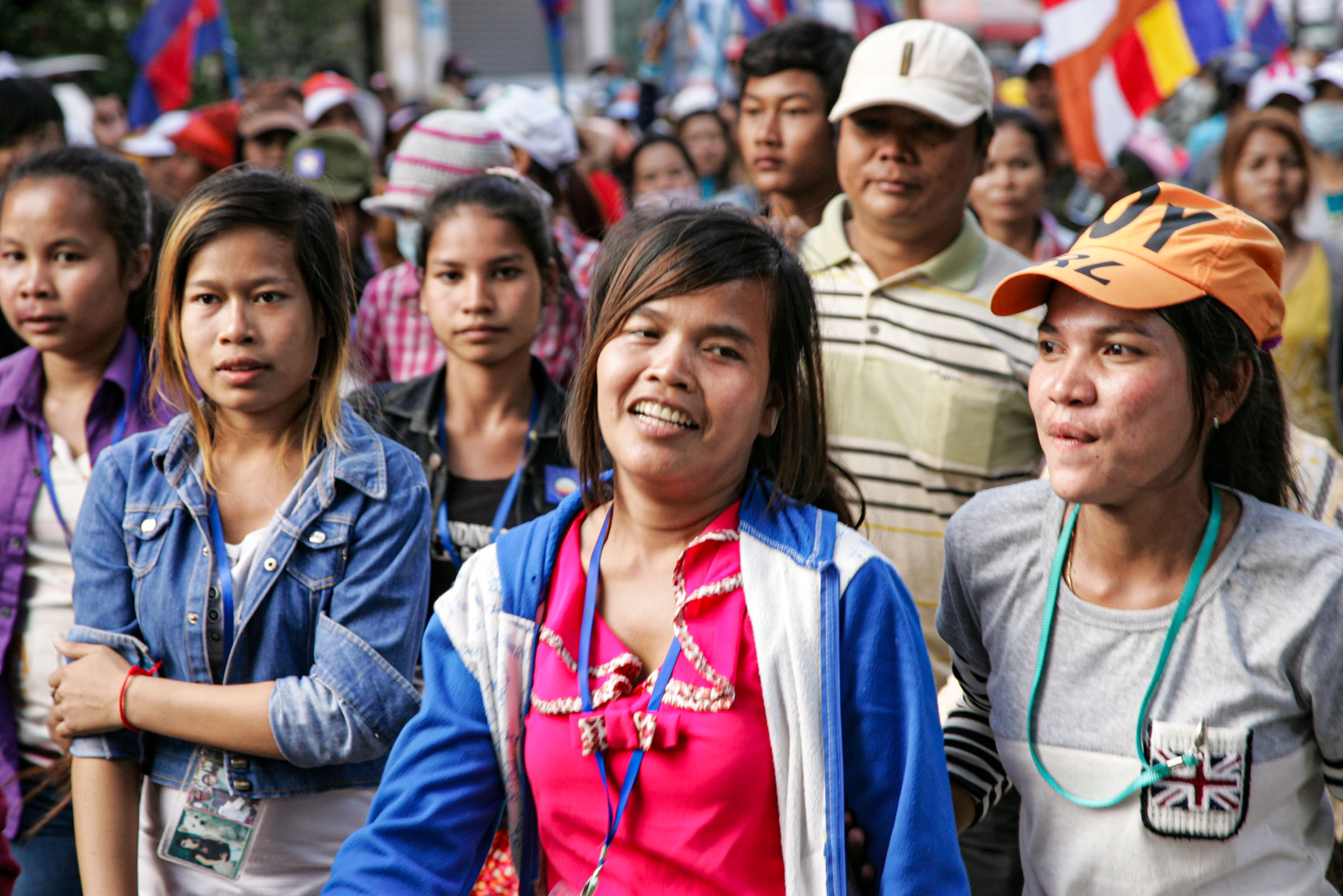
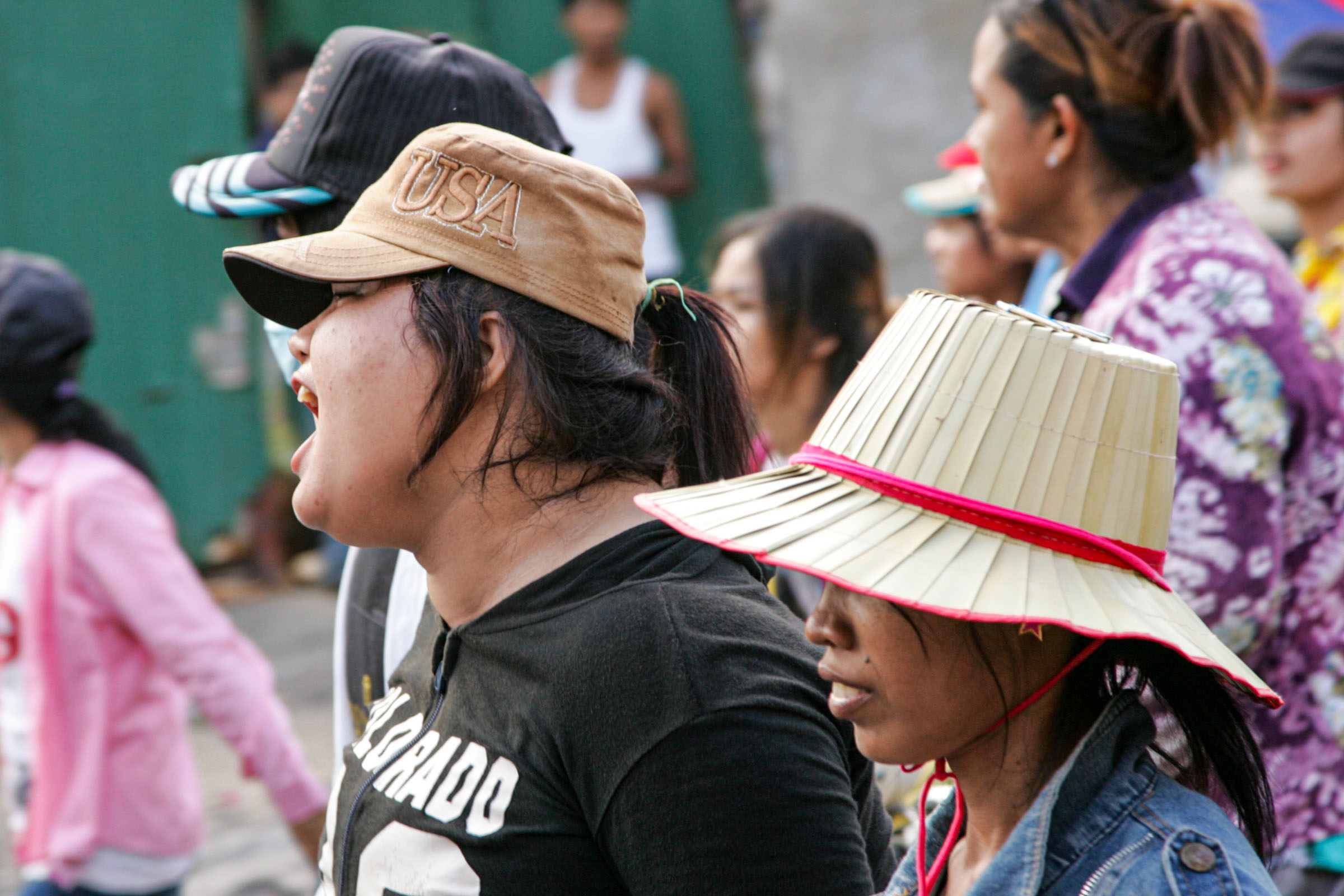
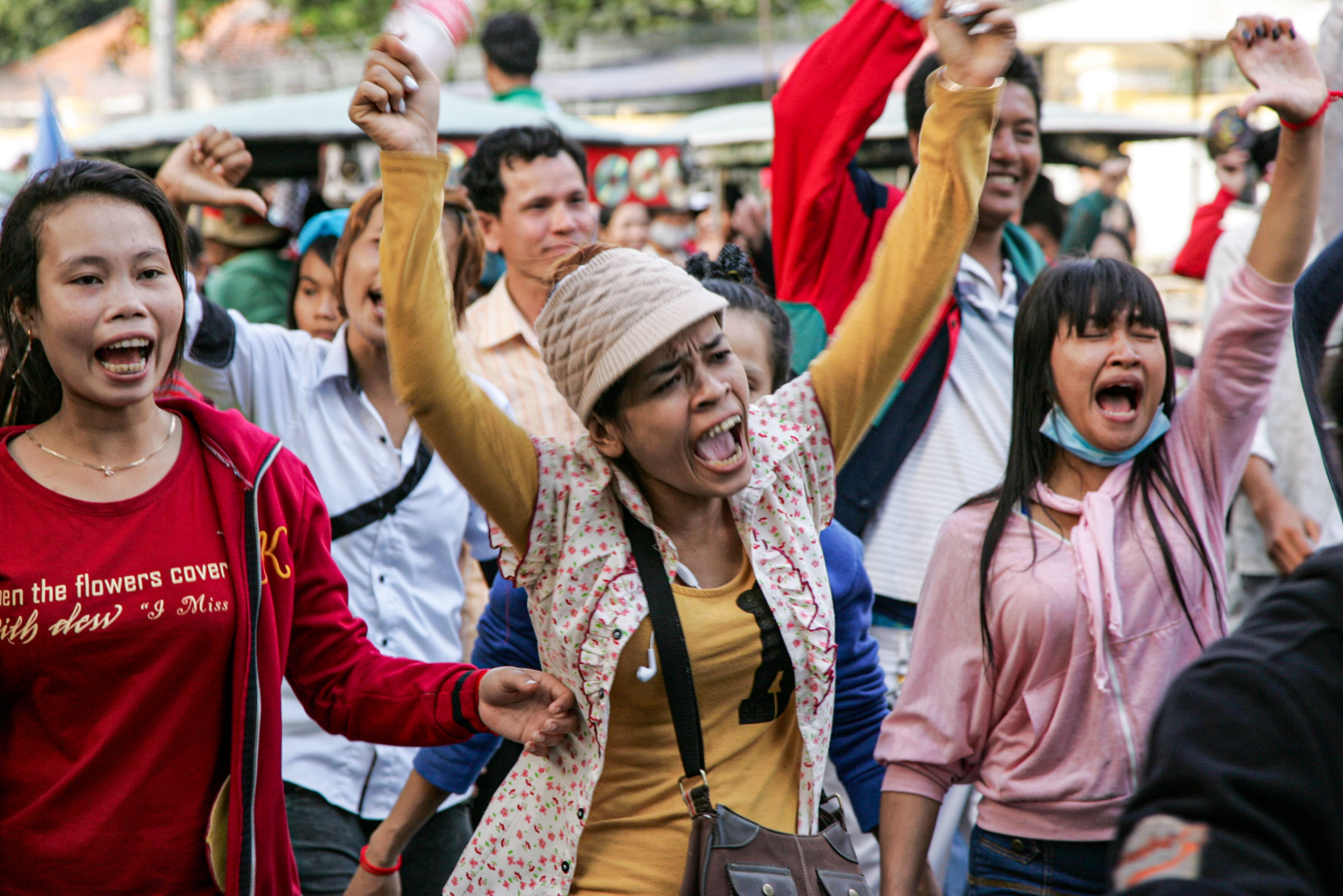
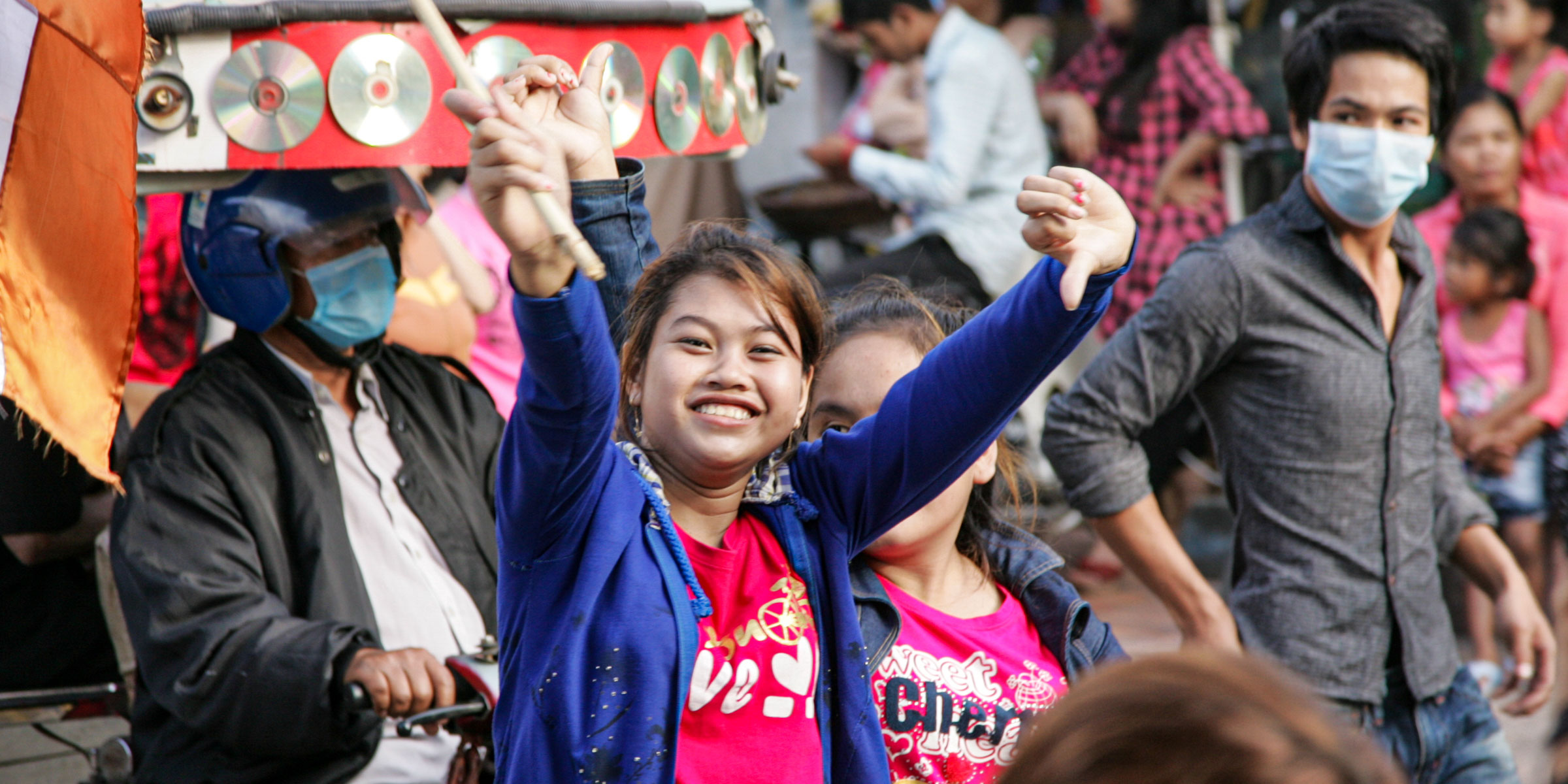
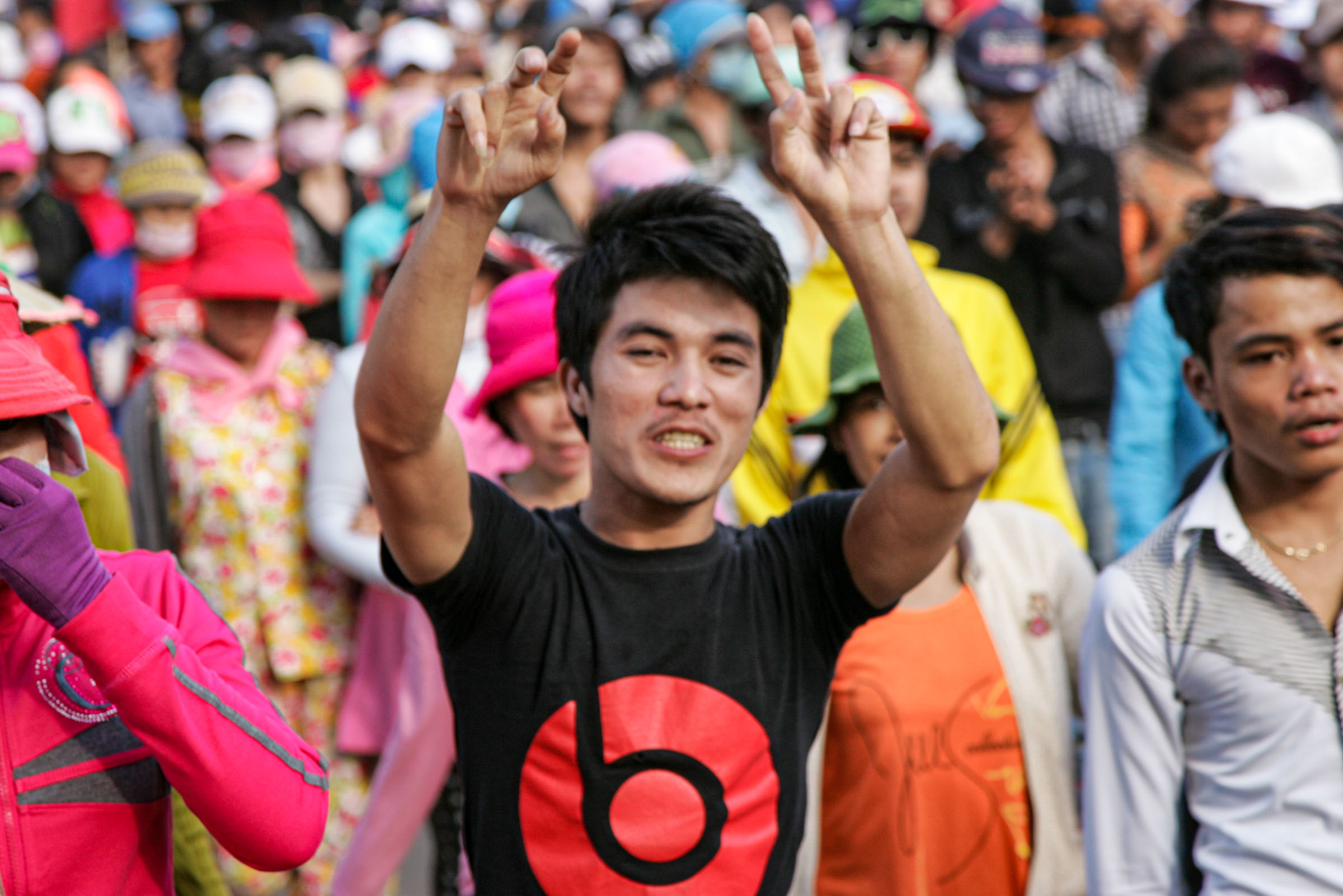
  1. Electoral Reform: They called for an independent investigation into the alleged electoral fraud during the 2013 general election and demanded a re-election.
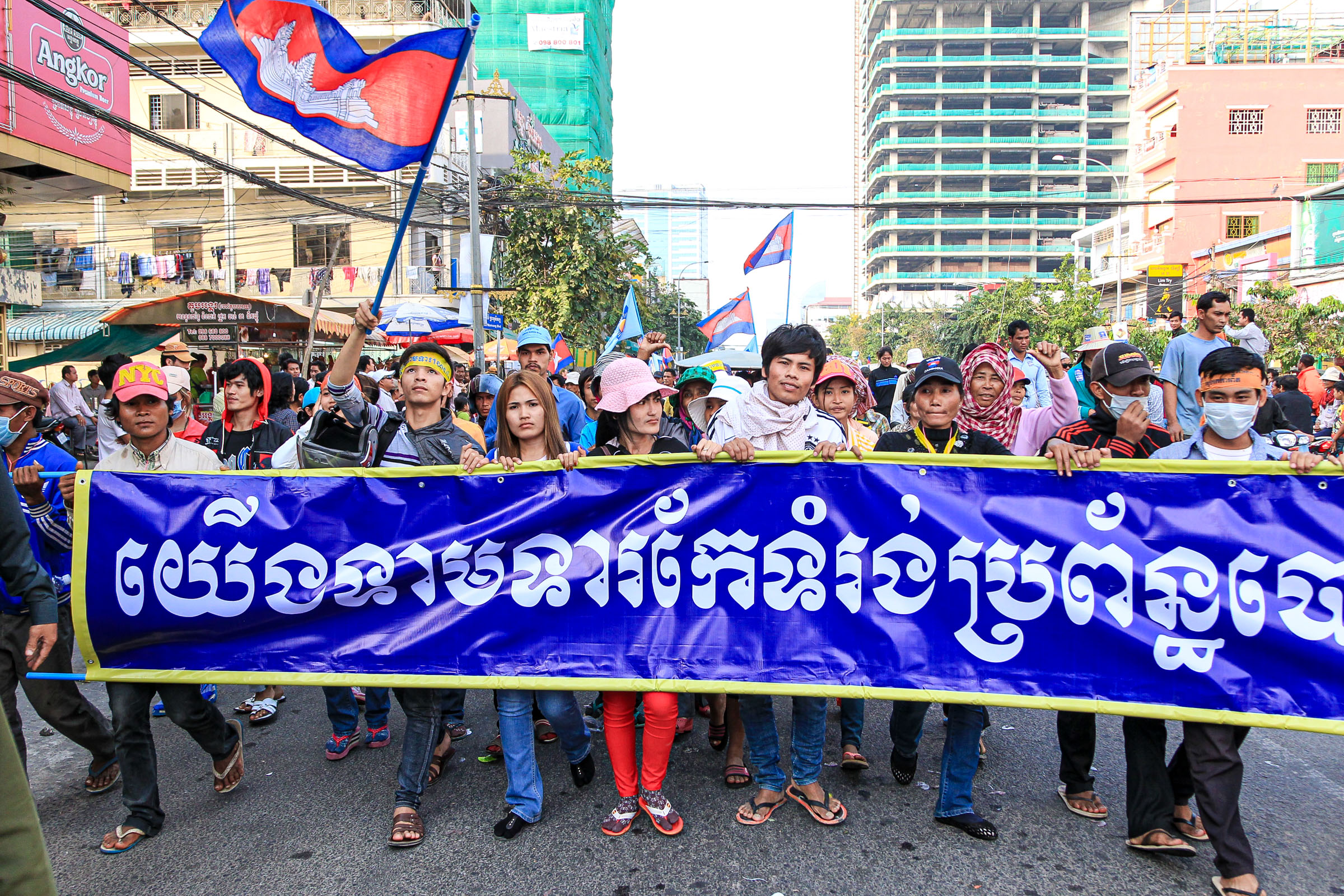
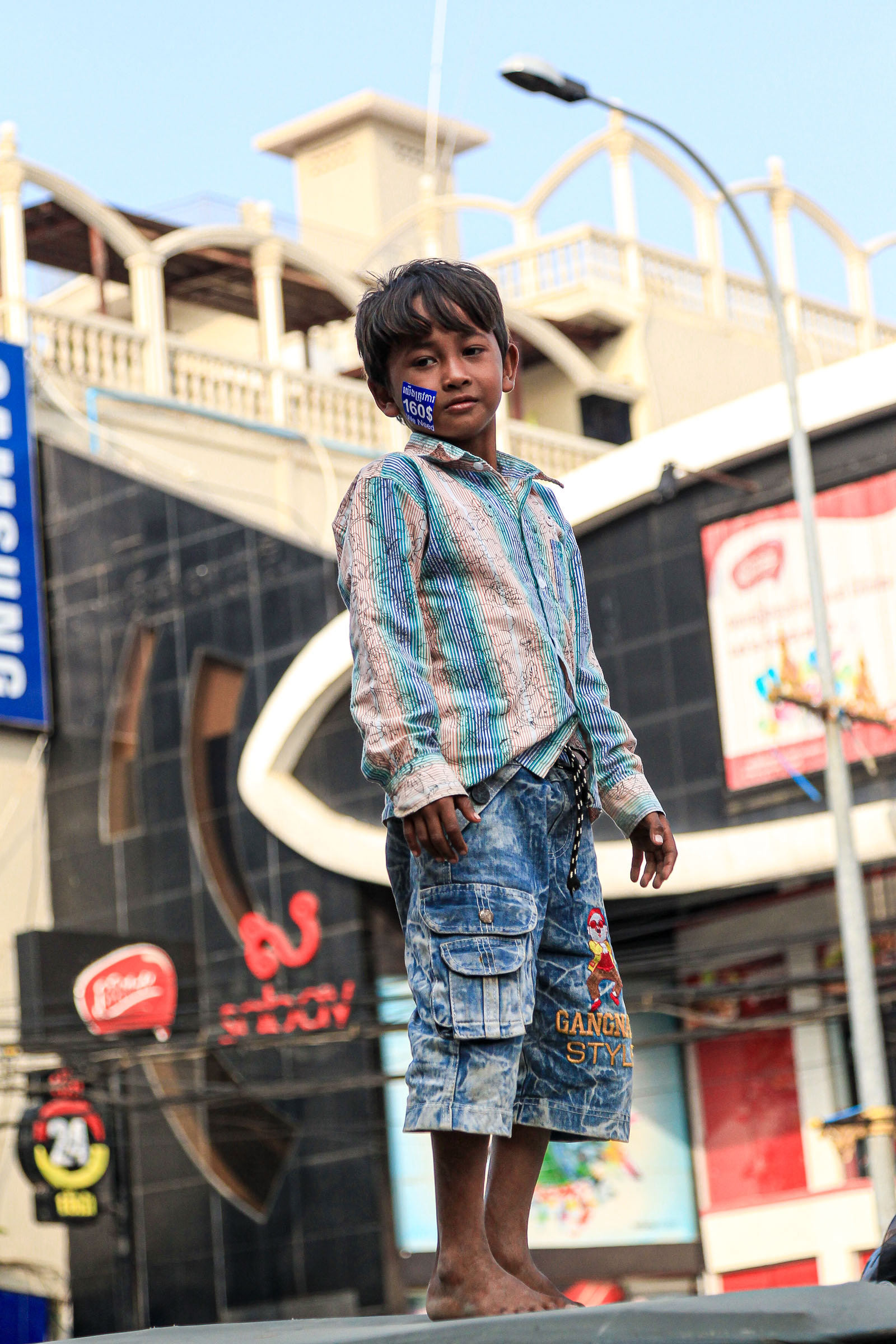
  2. Minimum Wage Increase: Garment factory workers, a significant part of the protests, demanded an increase in the minimum wage to $160 per month.
  3. Political Reforms: There were calls for broader democratic reforms, including greater transparency and accountability in government.
  4. Resentment of Vietnamese Influence: Some protesters expressed concerns over the perceived influence of Vietnam in Cambodian politics and society.

These demands reflected a mix of political, economic, and social grievances that fueled the widespread demonstrations.

  1. Economic Growth: Cambodia’s economy has grown steadily, with an average annual growth rate of 7.6% between 1995 and 2019. Despite a contraction in 2020 due to the COVID-19 pandemic, the economy has been recovering, with growth rates of 3.0% in 2021 and 5.2% in 2022.
  2. Poverty Reduction: Before the pandemic, poverty rates were declining by 1.6 percentage points annually. However, the pandemic increased unemployment and poverty. Efforts to scale up social assistance have helped mitigate income losses, and poverty is expected to decline as the economy recovers.
  3. Foreign Direct Investment (FDI): There has been a surge in FDI inflows, particularly in the manufacturing and tourism sectors. This has contributed to economic growth and job creation.
  4. Political Landscape: The political environment has seen tensions and conflicts, particularly around land grabs, labor exploitation, and environmental degradation. The 2013 national elections led to a political impasse and mass mobilization.
  5. Environmental Impact: Cambodia has seen a significant increase in CO2 emissions, with a 192.69% rise between 2013 and 2019.
  6. Human Capital: Improvements have been made in health outcomes, early childhood development, and primary education, especially in rural areas. However, human capital indicators still lag behind other lower middle-income countries.

These changes reflect Cambodia’s ongoing efforts to address economic, social, and environmental challenges while striving for sustainable development.

The Importance of Basic First Aid Training in Cambodia

cambodia, opinons, thoughts, photography, pictures, Travel, voluntary


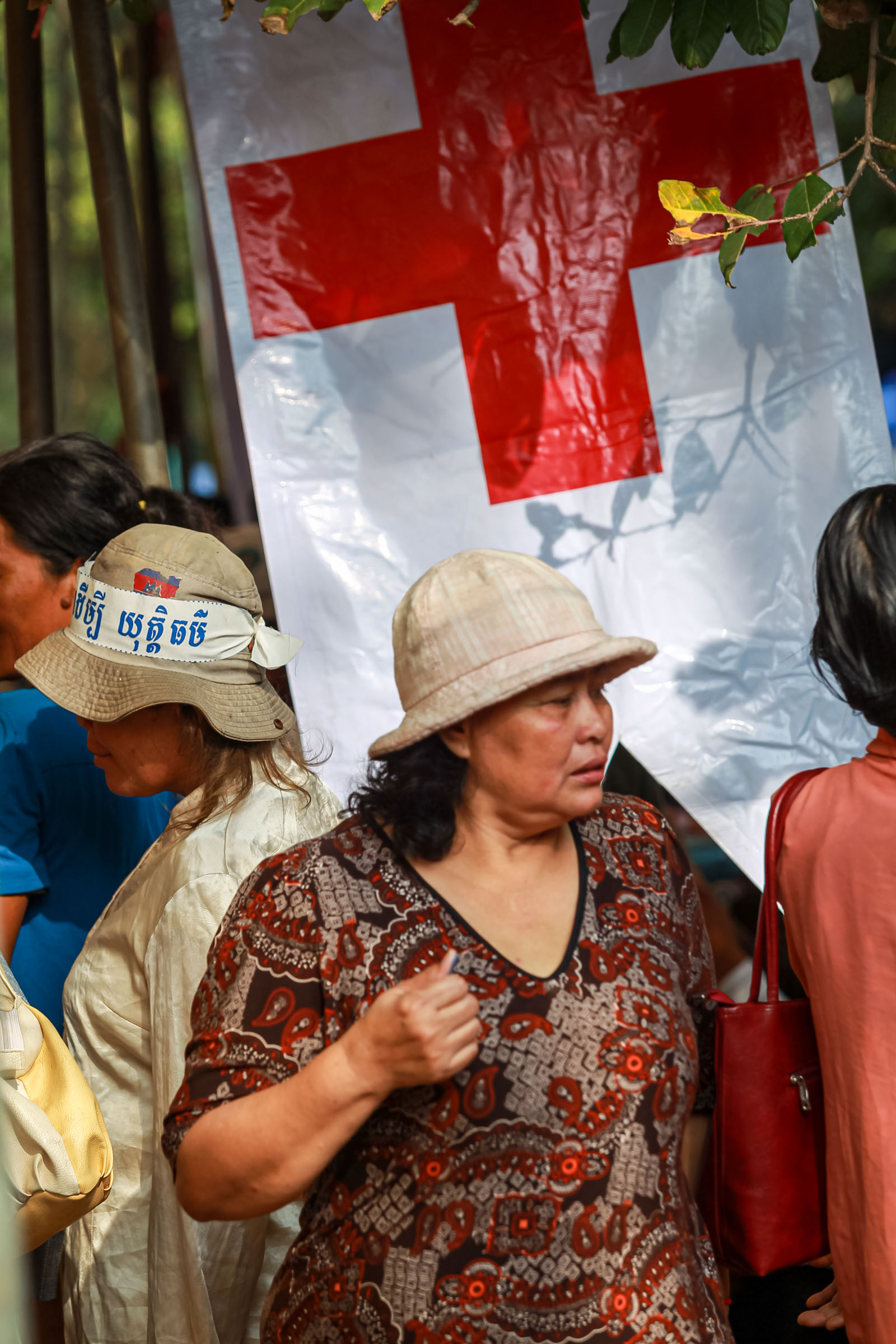
In Cambodia, a country known for its rich history and cultural heritage, the importance of basic first aid training cannot be overstated. With a population that often resides in rural areas where access to immediate medical care is limited, the knowledge of first aid can make a significant difference in saving lives during emergencies.

First aid training equips individuals with the skills necessary to respond to a variety of situations, from minor injuries to life-threatening conditions. These skills are invaluable, especially in areas where healthcare facilities are scarce.

Such programs are crucial in fostering a community that is prepared to handle medical emergencies, thereby reducing the potential for fatalities and long-term injuries.

The benefits of first aid training extend beyond immediate emergency response. It also promotes a sense of confidence and readiness among the people, encouraging a proactive approach to health and safety. For a country like Cambodia, where traditional healthcare infrastructure may not always be readily accessible, these skills are a step towards self-reliance and resilience.

In conclusion, the dissemination of basic first aid knowledge in Cambodia is a vital component of public health and safety. It empowers individuals to take charge during emergencies and provides a foundation for a healthier, safer community. As the saying goes, “Share the Health,” and there’s no better way to do so than by ensuring that as many people as possible are trained in the basics of first aid.

https://en.wikipedia.org/wiki/Move_over_law

Cambodia, a Photographer’s Paradise

angkor, cambodia, opinons, thoughts, photography, pictures, street, Travel, Uncategorized

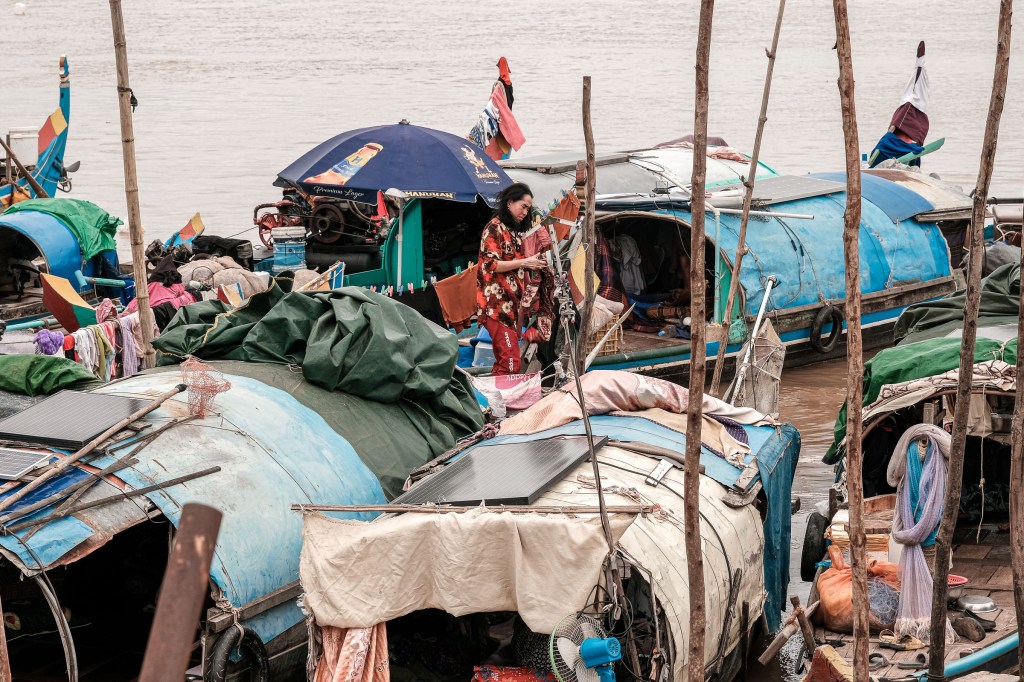
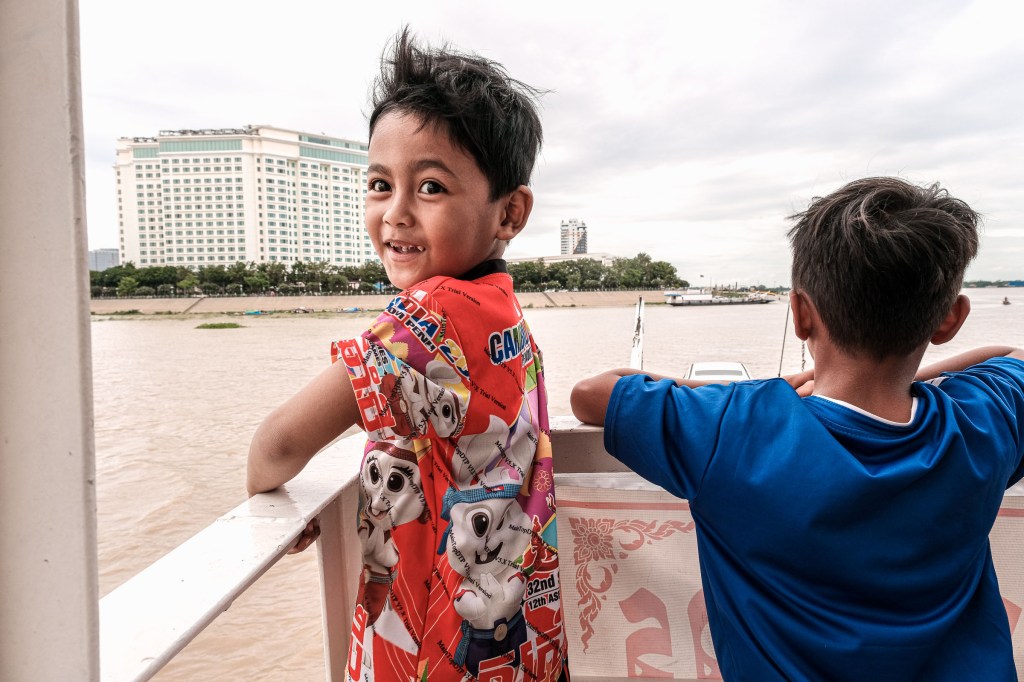
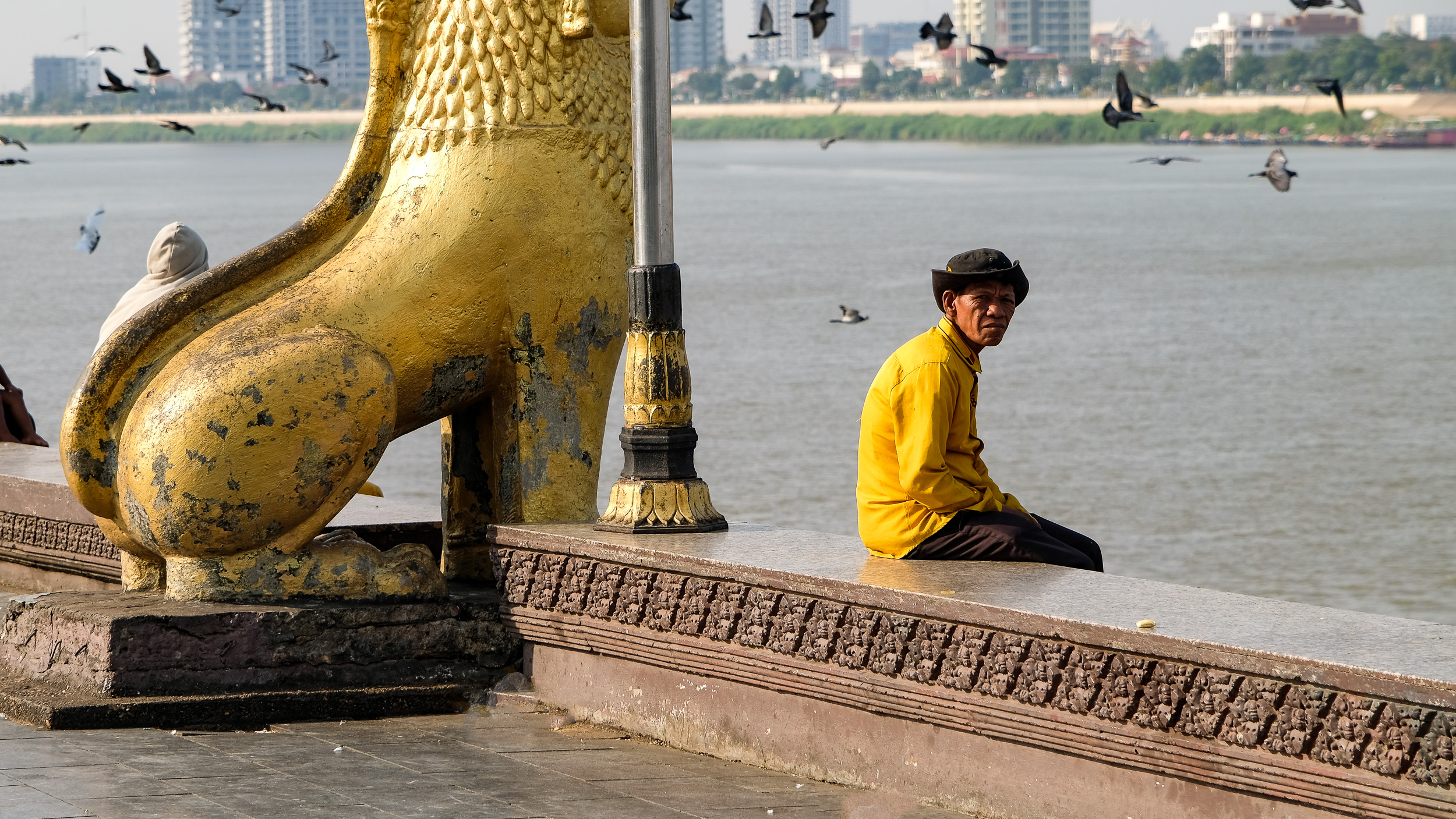
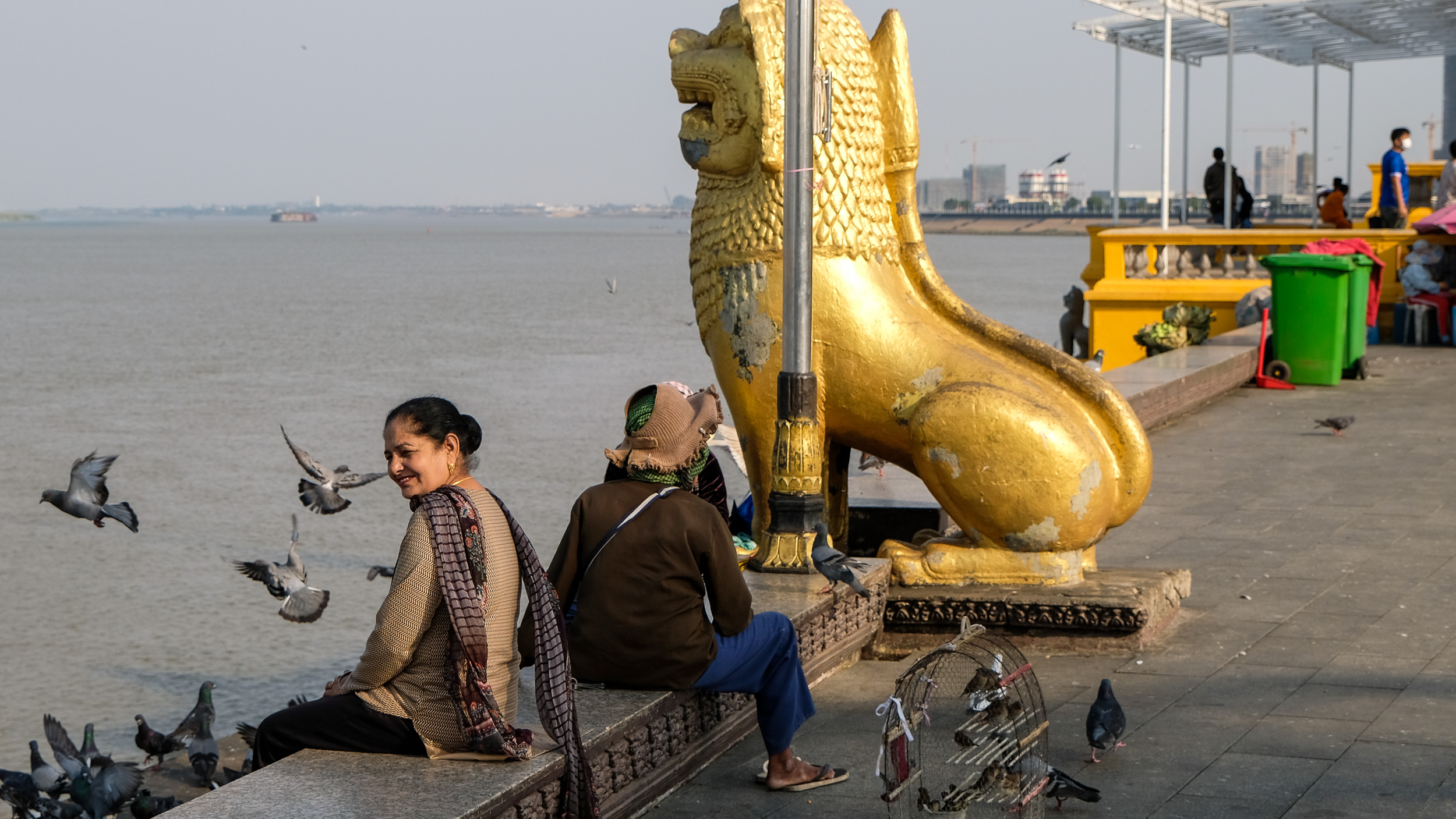
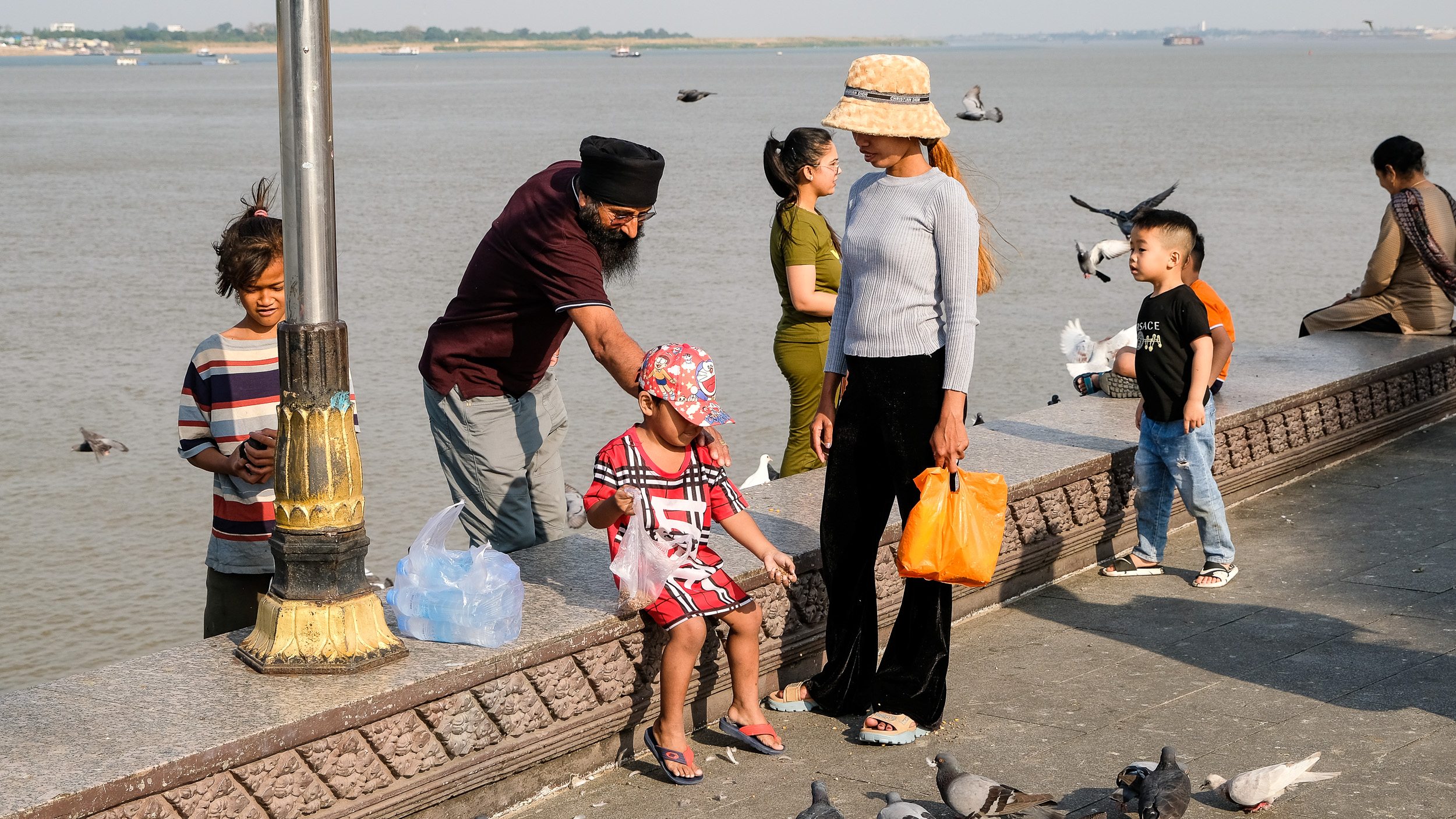
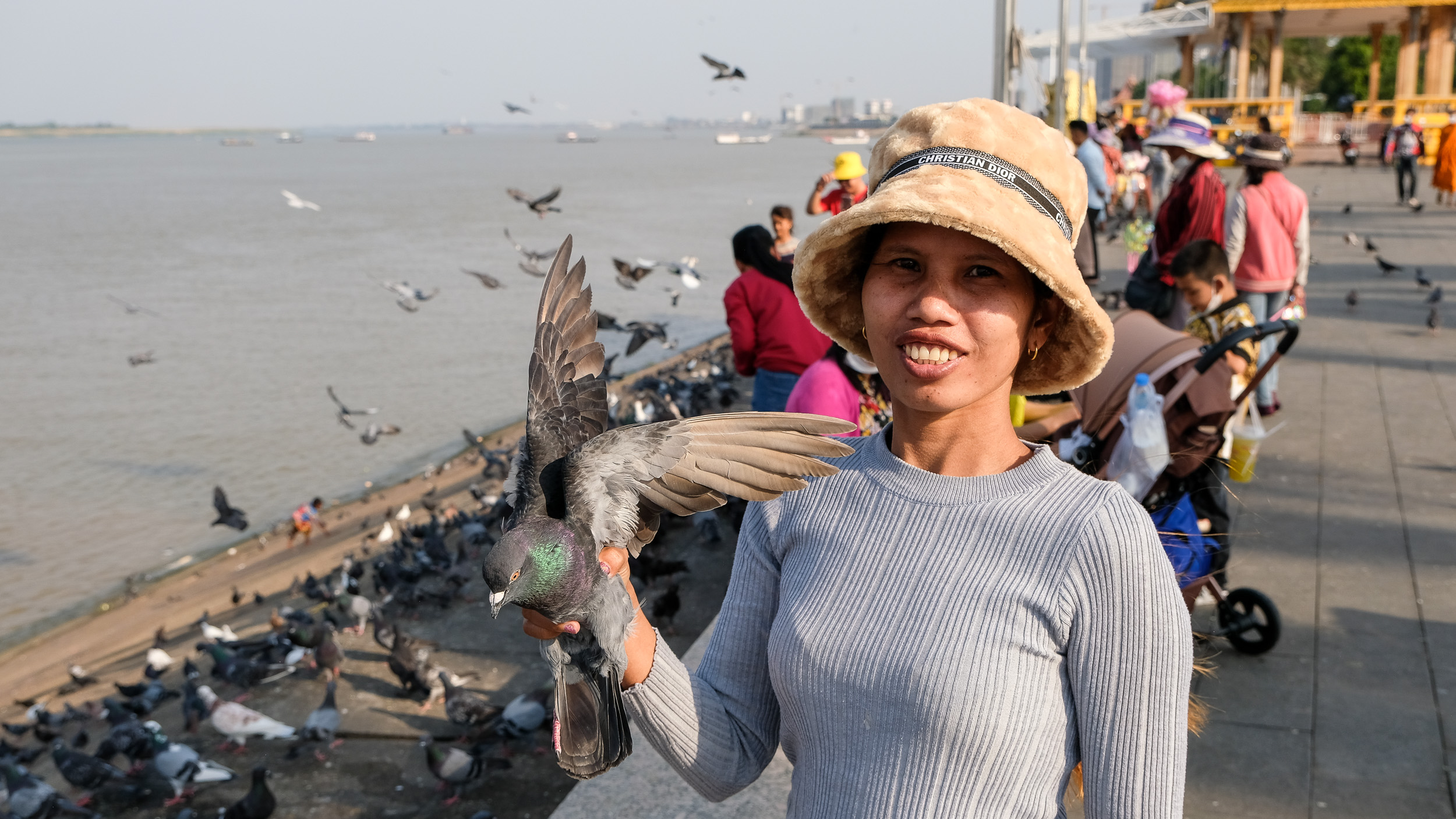
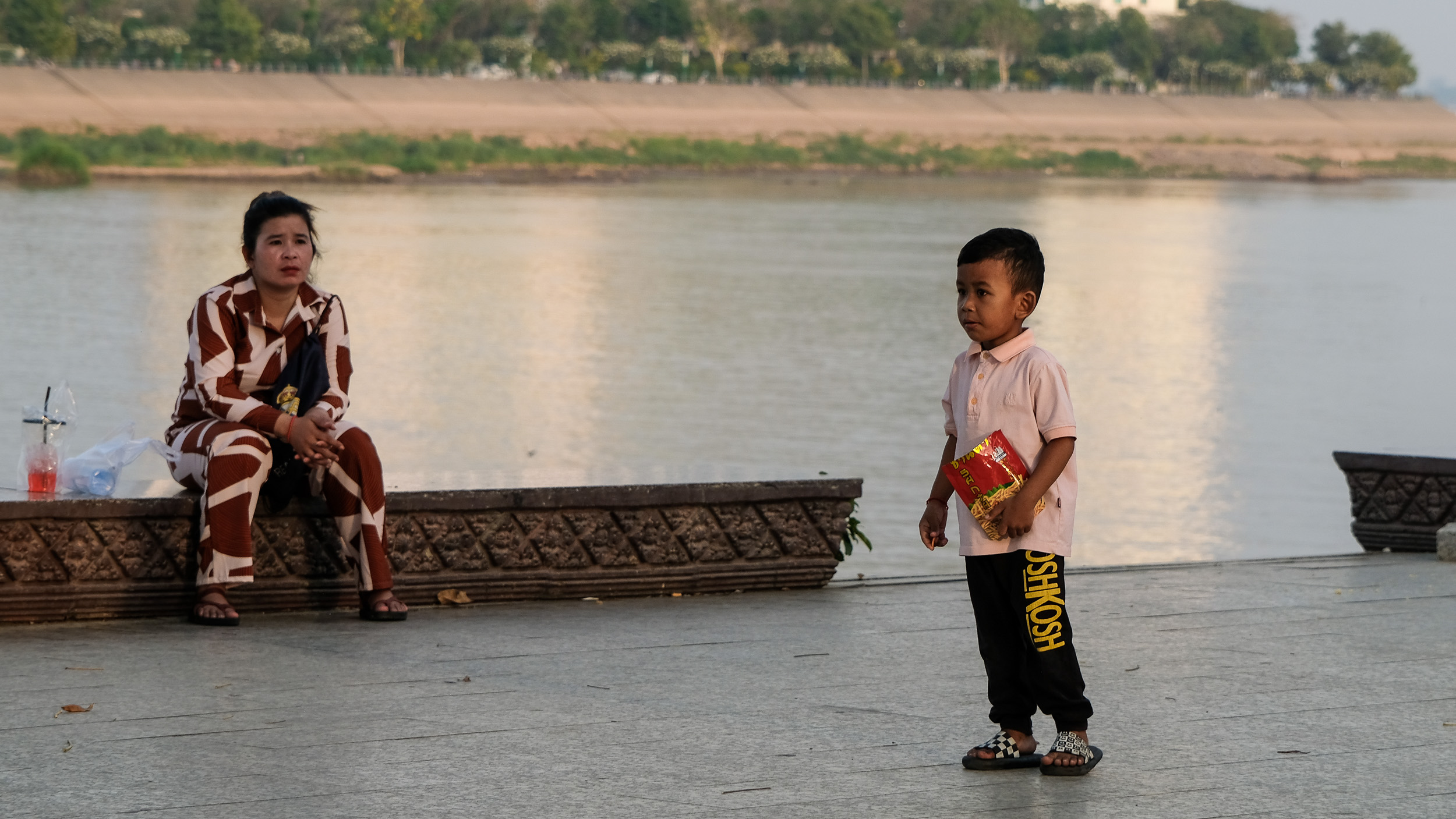
On the Riverside in Phnom Penh, Cambodia 04/03/23

cambodia, cameras, Fujichrome, fujifilm, Lenses, opinons, thoughts, photography, pictures, street

Fujifilm XT2 + XF 16 – 80 f4

Fuji X Pro 1, still viable.

cameras, Fujichrome, fujifilm, photography, pictures

I have recently rediscoverd my old Fuji X Pro 1, and am enjoying using it again. The colours are lovely and I tend to use JPEG only rather than RAW.

I also like using it to produce BW images, although I usually do that in post.

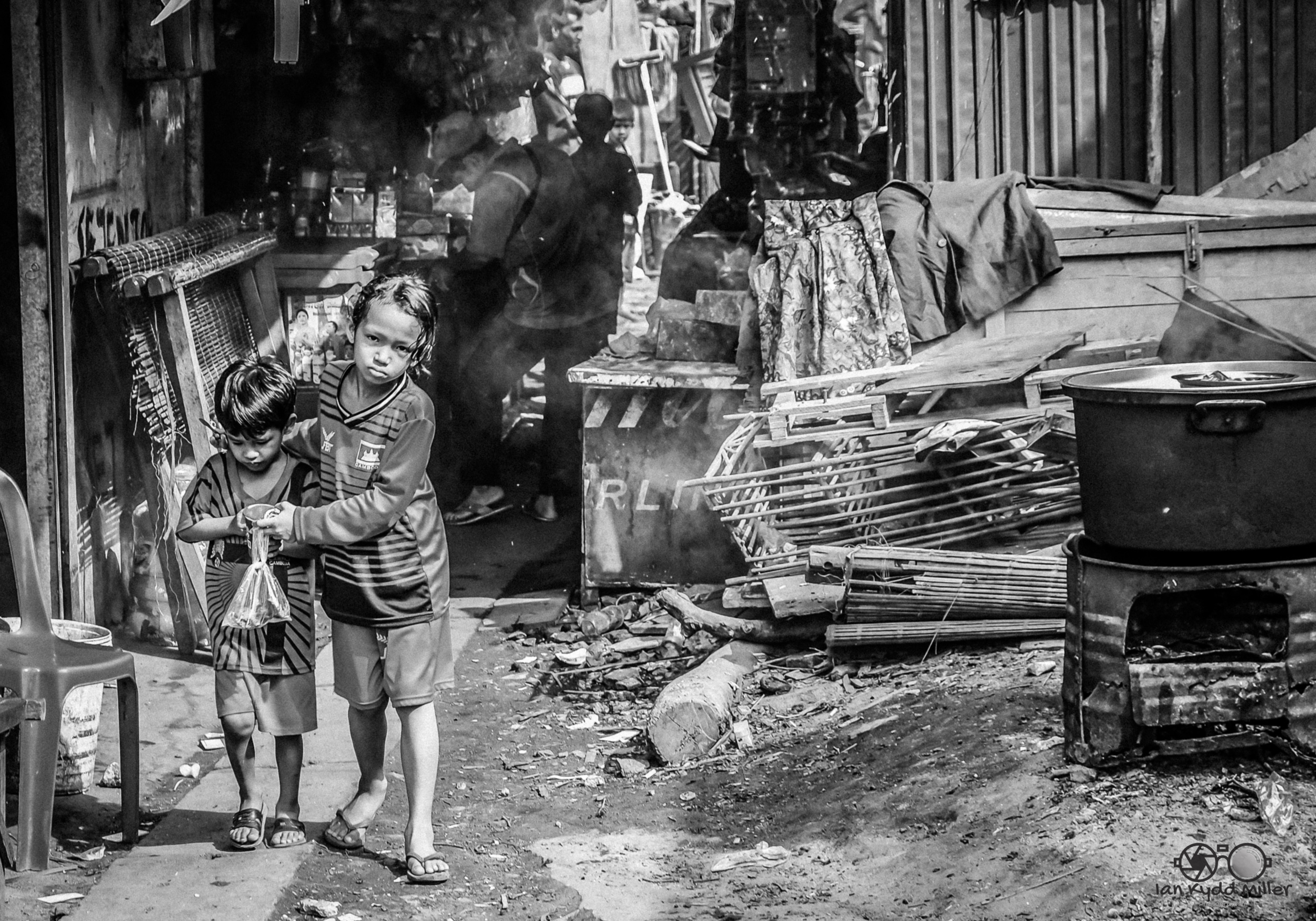
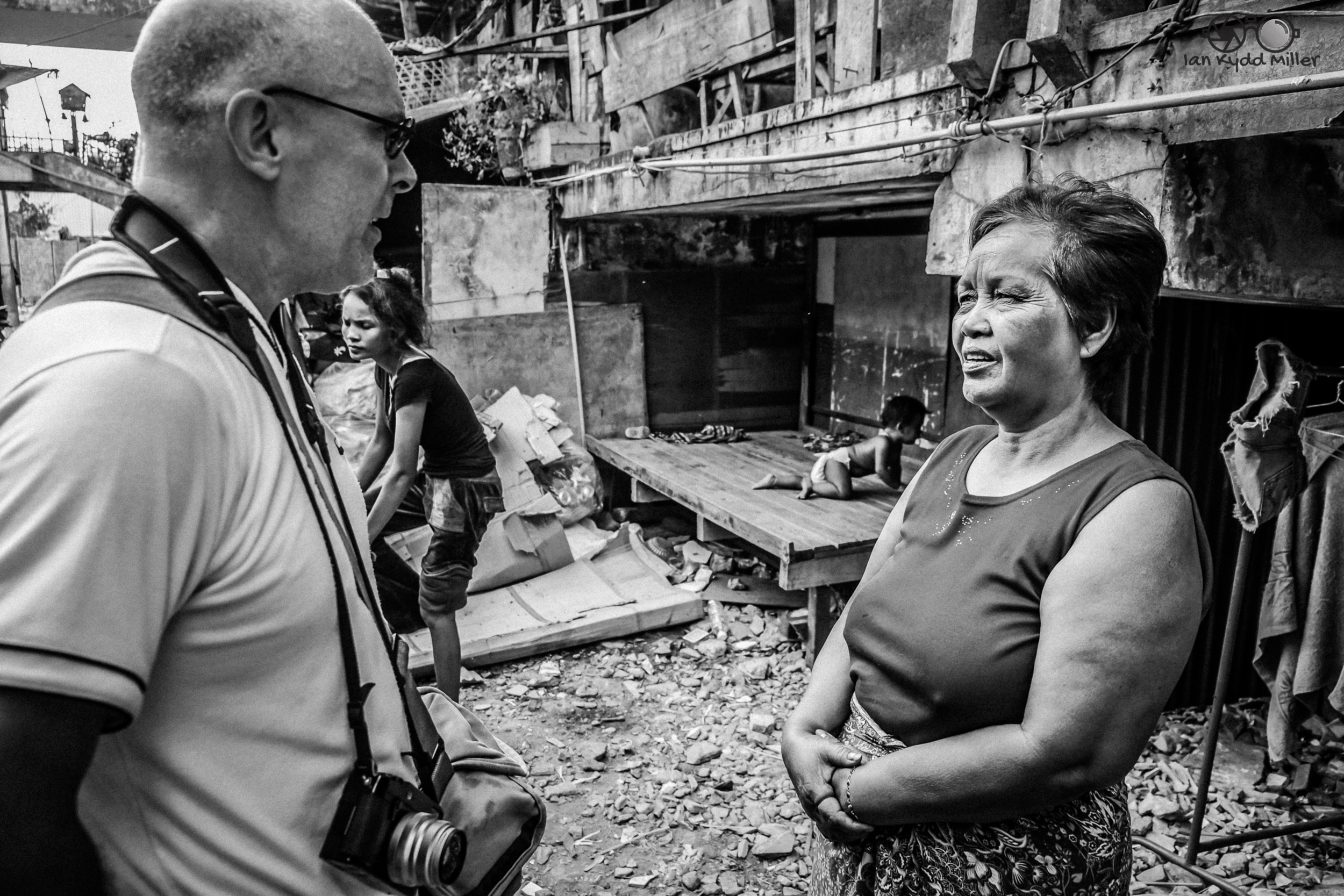
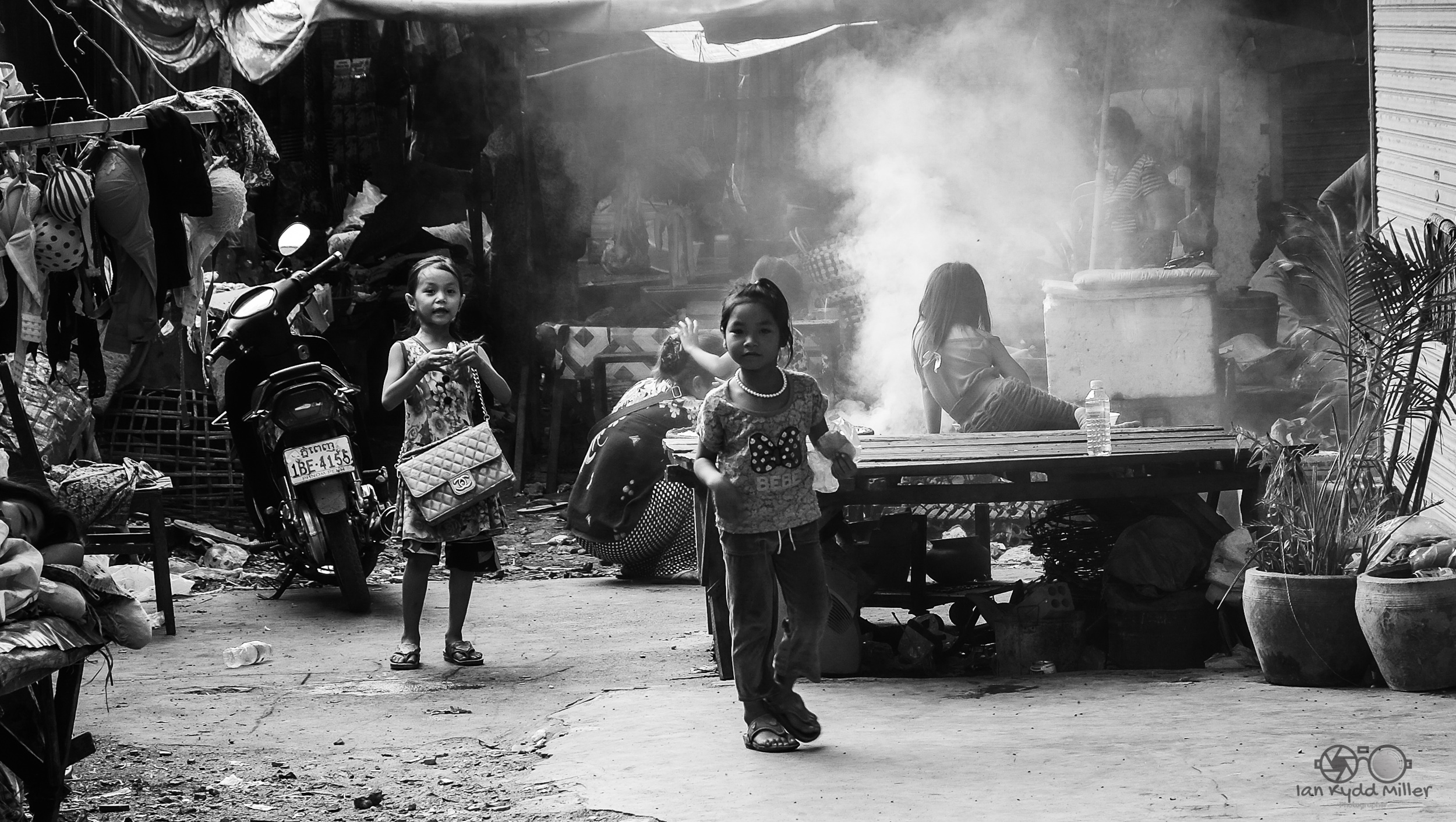
Borei Keila, Cambodia

opinons, thoughts, photography, pictures, public

The Borei Keila Agreement

The largest of the four land-sharing projects in Phnom Penh in the early 2000s was the Borei Keila neighbourhood. It became a model for the privately financed land-sharing approach in Cambodia. In September 2003, the Council of Ministers announced that Phan Imex Construction Company Ltd had been selected as the private partner in the project.

The government accepted a proposal from the company to divide the 4.6-hectare land concession into two parts: โ€œcommunity buildingsโ€ to re-house the existing residents of Borei Keila would be constructed on 2 hectares of the concession, while the remaining 2.6 hectares of the concession would be granted to the company for commercial development. The rest of the Borei Keila land area, amounting to 9.52 hectares, would revert to the Ministry of Education, Youth and Sports. No public bidding process to select the developer for the Borei Keila project was ever held.

In 2003, the government granted Phanimex โ€“ owned by well-connected Cambodian businesswoman Suy Sophan โ€” development rights to Borei Keila under a โ€œland-sharing arrangementโ€ to develop part of the area for commercial purposes.

Phanimex was obligated to build 10 apartment buildings on two hectares of land for the residents already living there in return for obtaining ownership of an additional 2.6 hectares for commercial development.  

In April 2010, Phanimex unilaterally reneged on the agreement, however โ€” with the approval of the government โ€” and only constructed eight buildings. That left 300 Borei Keila families excluded from the original agreement.

Borei Keila was catapulted into wider public consciousness when the remaining families were violently evicted from their homes in January 2012. In exchange for the extremely valuable city property they occupied, residents were given small payouts, or scanty plots of land in distantly located, poorly serviced relocation sites.