Photography is a powerful medium that captures the essence of our reality, freezing moments in time that tell stories, evoke emotions, and preserve memories. As a photographer, you have the unique ability to see beauty in the mundane, to find angles that flatter, and to bring out the best in every subject, whether it’s a person, an object, or a building. Your approach to photographing people is particularly commendable; ensuring that they look their best is not just about skill, but also about empathy and respect for the subject. It’s about understanding the light, the angle, the background, and the mood to create a composition that is both aesthetically pleasing and representative of the subject’s persona.
In your journey through the lens, you become a storyteller, an artist, and a historian, all at once. Your camera is your tool to communicate, to share perspectives, and to challenge perceptions. Every click is an opportunity to make an ordinary scene extraordinary, to elevate the unnoticed to the celebrated, and to transform fleeting expressions into lasting impressions. The buildings you capture stand as silent witnesses to history, their architecture a testament to the era and culture they represent. The objects you photograph are given a new context, their details and textures telling their own tales.
Your commitment to not embarrassing your subjects is a testament to your professionalism and understanding of imagery’s power. A photograph can uplift, but it can also harm if not approached with sensitivity and care. By portraying people in a dignified manner, you honour their individuality and story. This ethical approach sets a standard in photography, where the human element is as important as the technical one.
Keep capturing the world through your unique perspective, and continue to share the beauty you see with others. Your work not only brings joy to those who view your photographs but also contributes to the rich tapestry of visual storytelling that connects us all. In every shutter release, you have the chance to create something timeless, something that speaks without words, and something that can be cherished for generations to come. Happy shooting!
In the world of photography, where gear often garners as much attention as the images produced, there exists a lens that has quietly captured the hearts of many photographers: the Fuji XF 50mm f2. This lens, often described as underrated, has become a steadfast companion for those who have discovered its virtues.
The Fuji XF 50mm f2 is part of Fujifilm’s esteemed X-series line of lenses, known for their compact size, robust build, and exceptional image quality. Released in January 2017, it joined the ranks of its f/2 series siblings, the XF 23mm and 35mm, offering a 76mm full-frame equivalent focal length—a perfect sweet spot for portrait and street photographers alike.
What sets the XF 50mm f2 apart is not just its focal length, but its construction. Weighing in at a mere 200 grams, this lens is a marvel of engineering, providing weather-sealing, fast autofocus, and a tactile manual aperture ring—all encased in a metal body that feels both solid and luxurious in hand.
Image quality is where the XF 50mm f2 truly shines. Photographers rave about its sharpness, even when shot wide open at f/2. The bokeh produced is creamy and pleasing, lending a professional look to portraits and isolating subjects with ease. It’s a lens that performs admirably across a variety of photographic scenarios, from intimate weddings to expansive landscapes.
Despite its prowess, the XF 50mm f2 remains surprisingly affordable, especially when compared to its larger sibling, the XF 56mm f1.2. This cost-effectiveness does not come at the expense of image quality, making it an attractive option for both amateur and professional photographers.
For those who prefer a tactile experience, the XF 50mm f2 does not disappoint. The aperture ring clicks satisfyingly into place, and the focus ring glides smoothly, allowing for precise manual focus adjustments—a feature that videographers will appreciate for its quiet operation during filming.
In conclusion, the Fuji XF 50mm f2 is a lens that deserves more recognition. It’s a testament to Fujifilm’s commitment to quality and a reminder that sometimes, the best tools are the ones that don’t demand attention but rather, quietly excel at their task. For many photographers, the XF 50mm f2 is not just an underrated lens; it’s a beloved workhorse that rarely leaves their camera. And for good reason—it’s a hidden gem that continues to prove its worth with every click of the shutter.
Photography is an art form that captures the essence of a moment and preserves it for eternity. It’s a craft combining technology, creativity, and vision to create images that evoke emotions, tell stories, and record history. The true magic of photography lies in its ability to freeze time, allowing us to revisit and relive memories long after they have passed.
The Power of a Single Image A single photograph can communicate complex narratives and evoke a spectrum of emotions. It can transport us to distant lands, introduce us to new cultures, or remind us of the past. Photography is a universal language, understood and appreciated by people regardless of their language or background.
The Artistic Process The process of creating a photograph is both technical and artistic. Photographers must understand the mechanics of their camera, the properties of light, and the principles of composition. However, it’s their artistic vision that transforms a simple snapshot into a powerful image. It’s about seeing the potential in a scene and capturing it in such a way that it becomes a work of art.
The Emotional Connection Photographs have the unique ability to connect with us on an emotional level. They can bring joy, provoke thought, inspire change, or provide comfort. Whether it’s a candid shot of a loved one or a breathtaking landscape, photographs can touch our hearts and stir our souls.
The Role of Photography in Society Photography plays a crucial role in society. It documents our world, from everyday life to historic events. Photojournalists, for example, provide visual accounts of news stories, helping to inform and shape public opinion. Photography also plays a vital role in science and education, providing visual evidence and aiding in research and discovery.
The Evolution of Photography The field of photography has evolved significantly since its inception. From the early days of film and darkrooms to the modern era of digital cameras and smartphones, the tools and techniques have changed, but the essence remains the same. Today, photography is more accessible than ever, allowing more people to participate in capturing and sharing their view of the world.
The Future of Photography As technology advances, so too will the possibilities in photography. New techniques, such as drone photography and virtual reality, are opening up new perspectives and ways of storytelling. The future of photography is bright, with endless potential for innovation and creativity.
In conclusion, the true magic of photography is its ability to capture the fleeting moments of life, to tell stories without words, and to connect us across time and space. It’s a powerful medium that continues to evolve, inspire, and enchant us with every captured frame. Photography is not just about taking pictures; it’s about discovering the extraordinary in the ordinary and sharing that vision with the world. Let’s continue to celebrate and explore the magical world of photography together.
Introduction: Defining the Role of Photojournalism as Agent Provocateur
Photojournalism, at its core, is more than just capturing moments in time. It is a powerful medium capable of shaping narratives, influencing public opinion, and even sparking social change. In its most potent form, photojournalism acts as an “agent provocateur,” challenging the status quo, exposing injustices, and prompting critical reflection. This essay explores the role of photojournalism as a catalyst for change, examining how photographers wield the power of the image to ignite dialogue, raise awareness, and ultimately, drive action.
The Ethics and Power of Image: How Photos Can Shape Public Perception
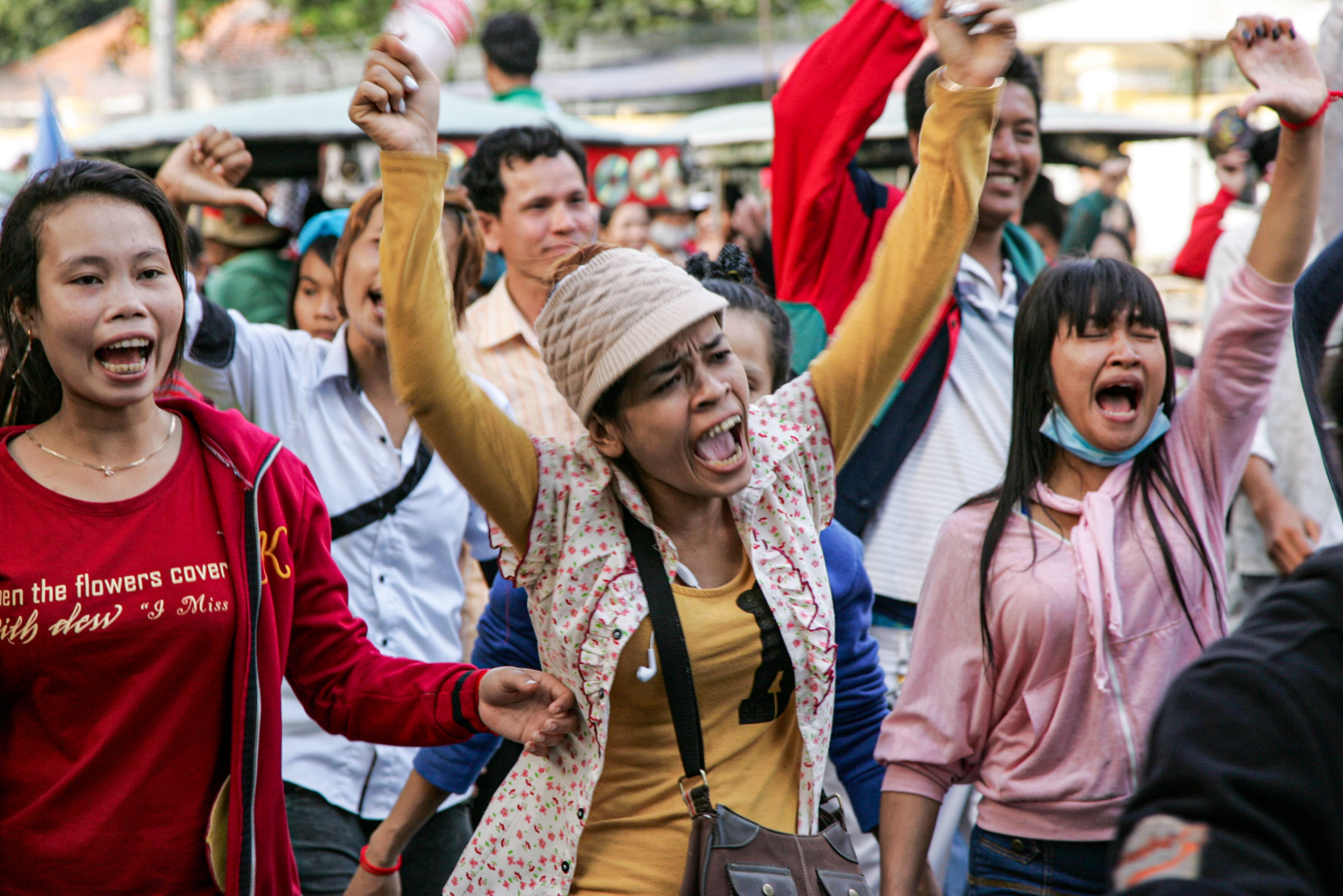
Photojournalism, at its core, is about capturing the truth. It’s about presenting a moment, an event, a human experience in a way that resonates with viewers, leaving a lasting impact on their understanding of the world. But the power of a photograph goes beyond mere documentation; it has the potential to shape public perception, influence opinions, and even spark social change. This power, however, comes with a weighty responsibility.
A single image can evoke a myriad of emotions, from empathy and outrage to fear and indifference. The framing of a shot, the choice of subject matter, the accompanying caption – all these elements contribute to the narrative that the photograph conveys. It’s crucial for photojournalists to be mindful of the potential impact their work can have, ensuring that the images they present are truthful, ethical, and avoid perpetuating harmful stereotypes.
Moreover, the power of images is amplified by the pervasiveness of social media. Images shared online can quickly go viral, reaching a global audience and shaping public discourse. The ease of sharing and the speed at which information travels online demand a heightened sense of ethical responsibility from photojournalists.
The ethical considerations surrounding photojournalism are complex and multifaceted. The photographer’s role is not merely to capture a scene but to be a responsible storyteller, ensuring that the truth is conveyed accurately and ethically. It’s a balancing act between capturing the reality of a situation and avoiding the exploitation or manipulation of those involved. As the adage goes, “a picture is worth a thousand words,” and in the hands of a skilled and responsible photojournalist, it can be a powerful tool for understanding, empathy, and change.
Case Studies: Photojournalism that Sparked Action and Social Change
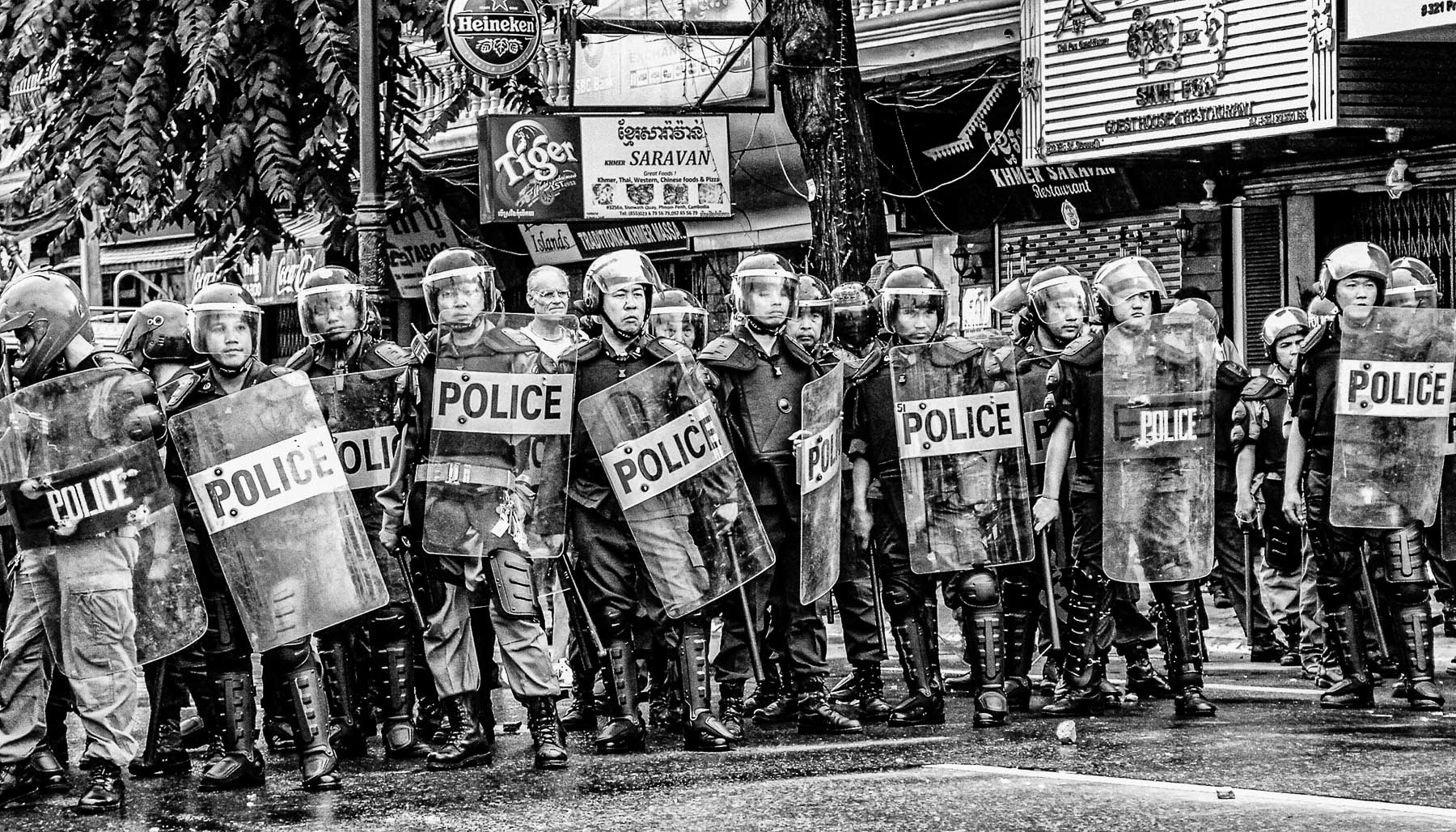
The power of photojournalism to ignite action and drive social change is undeniable. Throughout history, photographers have captured moments that have awakened the world to injustice, inequality, and the urgent need for reform. These images have served as potent catalysts, galvanizing public opinion and prompting governments and organizations to take action.
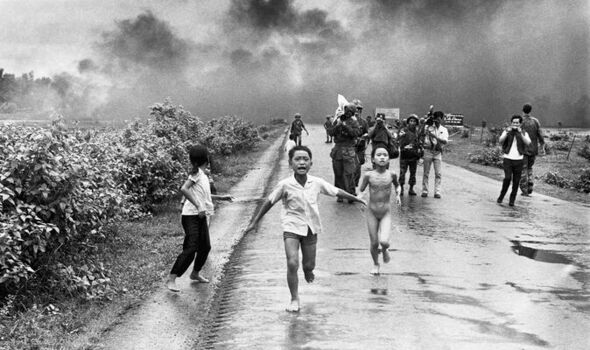
One such case is the iconic photograph of a young girl, Kim Phuc, running naked down a road after being napalmed during the Vietnam War. Taken by Associated Press photographer Nick Ut in 1972, the image became a symbol of the war’s brutality and the suffering of innocent civilians. It sparked global outrage and helped turn public opinion against the war, ultimately contributing to the US withdrawal.
Another compelling example is the work of photojournalist Kevin Carter, who captured a poignant image of a starving Sudanese child being stalked by a vulture in 1993. This photograph, which won Carter a Pulitzer Prize, brought the plight of the Sudanese people to the forefront of international attention. It also ignited a debate about the role of the photographer in such situations, prompting questions about the ethics of documenting suffering without directly intervening.
These cases demonstrate the undeniable power of photojournalism to act as a powerful agent for social change. By capturing and disseminating images that expose injustice and human suffering, photojournalists can awaken the conscience of the world and inspire action.
The Role of the Photographer: Balancing Objectivity with Advocacy
The photographer, standing at the intersection of truth and power, navigates a complex terrain where objectivity and advocacy often collide. While aiming for a balanced representation of reality, the photojournalist often bears witness to injustices and feels compelled to act as a voice for the voiceless. This delicate dance between neutrality and engagement is a defining characteristic of the profession.
The photographer’s role is not simply to document events but to present them in a way that compels viewers to consider their implications. This requires a careful consideration of framing, composition, and the overall narrative conveyed by the image. While striving for objectivity, the photographer must also acknowledge their own biases and perspectives, striving for transparency and accountability in their work.
The challenge lies in finding the right balance. A photojournalist must be able to capture the essence of a story without manipulating it for emotional impact or to push a particular agenda. This requires a strong ethical compass and a commitment to journalistic integrity. Ultimately, the photographer’s goal is to empower viewers to understand the world around them and to become active participants in shaping a more just and equitable society.
The Impact of the Digital Age: Challenges and Opportunities for Photojournalism
The digital age has profoundly impacted photojournalism, presenting both significant challenges and unprecedented opportunities. While the internet and social media have democratized access to information and empowered citizen journalists, they have also led to a proliferation of misinformation and the blurring of lines between professional and amateur photography.
One of the most significant challenges is the rise of “fake news” and the manipulation of images. The ease with which images can be altered and shared online has made it difficult for audiences to discern truth from fabrication. This has eroded trust in traditional media and created a climate of skepticism.
However, the digital age has also opened up new avenues for photojournalists to reach audiences and tell stories. Social media platforms like Instagram and Twitter have become powerful tools for disseminating images and connecting with audiences around the world. Photojournalists are now able to use these platforms to engage in real-time reporting, share their work directly with the public, and build communities around their photography.
Moreover, the development of new technologies like drone photography and virtual reality has provided photojournalists with innovative ways to capture and present their work. These technologies offer immersive experiences that can transport audiences to the heart of events and foster deeper understanding.
In conclusion, the digital age has presented photojournalism with both challenges and opportunities. While the spread of misinformation and the erosion of trust are significant concerns, the digital landscape also provides new tools for reaching audiences, engaging in real-time reporting, and presenting stories in innovative ways. As photojournalism navigates this evolving media environment, it must adapt to the challenges while embracing the opportunities to continue its vital role as a powerful force for social change.
Conclusion: The Enduring Power of Photojournalism to Challenge the Status Quo
In a world saturated with information, photojournalism remains a potent force for change. Its ability to capture the raw emotion and reality of events, often in a single, powerful image, can transcend language barriers and ignite empathy. Photojournalists, acting as agents provocateurs, wield the camera as a tool to challenge the status quo, expose injustice, and spark social change. Their work is not merely documentation; it is a call to action, a testament to the enduring power of visual storytelling.
While the digital age has brought new challenges and opportunities, the core principles of photojournalism remain steadfast. Ethical considerations and the pursuit of truth continue to guide the craft. The power of a single photograph to shape public perception and drive societal change is undeniable. In a world where information is often manipulated and distorted, photojournalism stands as a beacon of truth, holding a mirror to society and urging us to confront the realities we often choose to ignore. It is a reminder that even in the face of adversity, the human spirit, captured through the lens of a camera, can inspire hope and ignite the flames of change.
Photojournalism, in its essence, is a powerful act of defiance. It challenges the dominant narrative, exposes the uncomfortable truths, and compels us to question the world around us. It is a testament to the enduring power of visual storytelling and its ability to spark dialogue, ignite change, and ultimately, shape a better future.
Objectivity in Photography:
Ethical Responsibility: Photographers strive to capture and present images truthfully, avoiding manipulation or exploitation.
Awareness of Bias: They acknowledge personal biases and aim for transparency in their work.
Balanced Representation: Careful consideration of framing and composition to convey a story without pushing an agenda
Journalistic Integrity: A commitment to the ethical standards of journalism guides their approach to storytelling
Travel photography is an exhilarating and fulfilling pursuit, combining the exploration of new places with the creative expression of capturing moments that tell a story. Whether you’re a seasoned photographer or just starting out, having the right gear can make all the difference in bringing back stunning images from your travels. Here’s a comprehensive guide to the essential equipment for travel photography.
Camera Body
The heart of your travel photography kit is the camera body. The market offers a plethora of choices, from high-end DSLRs to compact mirrorless systems. The key is to find a balance between image quality and portability. For beginners, entry-level mirrorless cameras are a great choice due to their lightweight design and excellent image capabilities.
Lenses
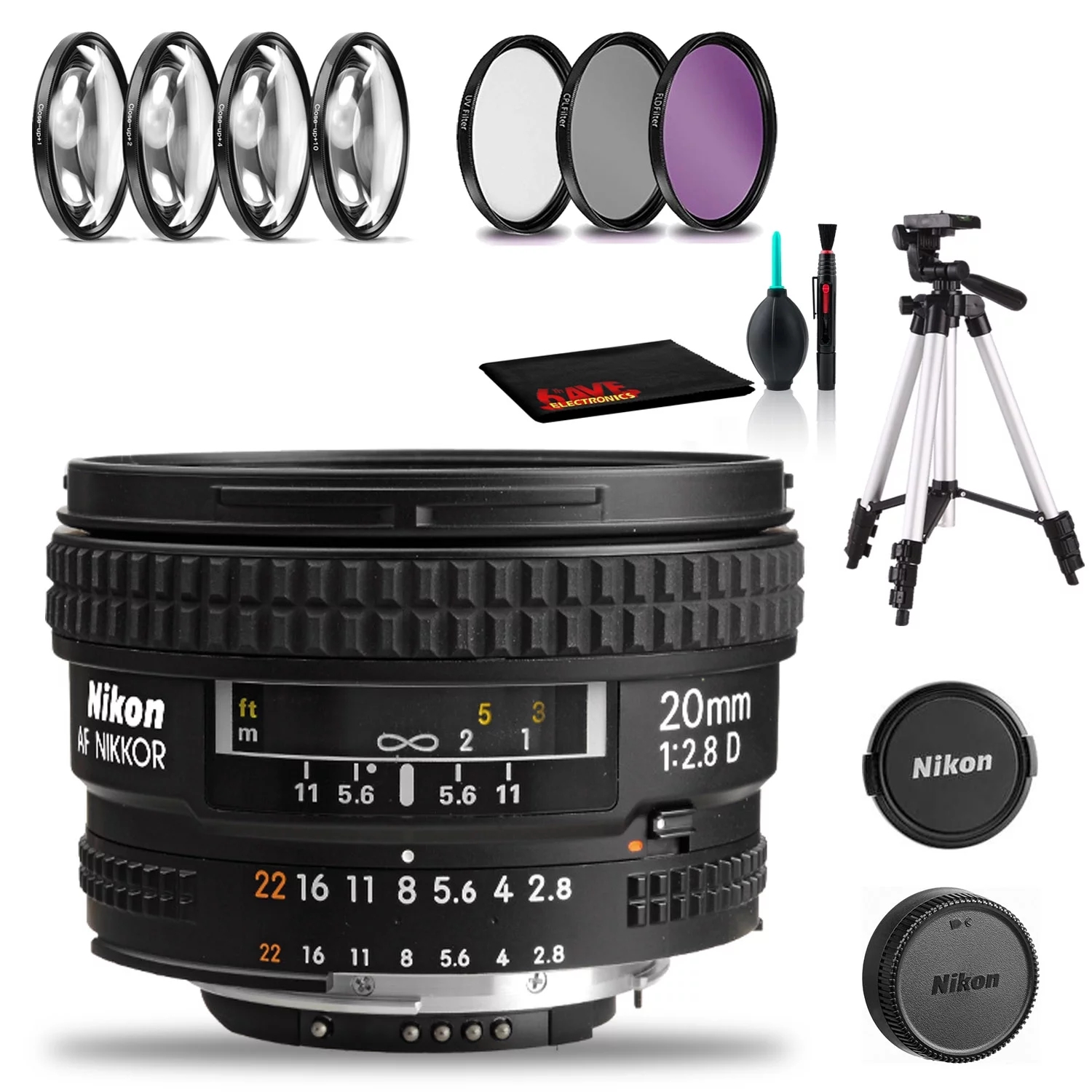
Lenses are the eyes through which you see the world, and having the right selection can cover a wide range of photographic opportunities. A versatile zoom lens, like an 18-300mm, can be invaluable for capturing both wide landscapes and distant subjects. Additionally, a prime wide-angle lens can be perfect for expansive scenes and architectural shots.
Tripod
A sturdy yet portable tripod is essential for sharp images, especially in low light conditions or when making long exposures. Look for one that’s compact enough to fit in your luggage but robust enough to support your camera and lens securely.
Filters
Filters can dramatically enhance your images. A circular polarizing filter can help reduce reflections and enhance skies, while a neutral density filter allows for longer exposure times, even in bright conditions, creating that silky water effect or motion blur in clouds.
Camera Bag
Protecting your gear is paramount, and a good camera bag will do just that. It should be comfortable to carry, provide easy access to your equipment, and offer adequate protection against bumps, scrapes, and the elements.
Accessories
Don’t forget the smaller items that can be just as crucial:
Extra batteries and memory cards to ensure you don’t miss a shot.
A cleaning kit to keep your lens and sensor spotless.
A remote shutter release for those extra-long exposures or self-portraits.
Insurance
Last but not least, consider getting insurance for your gear. Travel can be unpredictable, and having coverage for theft, loss, or damage can give you peace of mind.
By equipping yourself with these travel photography essentials, you’ll be well-prepared to capture the beauty and uniqueness of your destinations. Remember, the best camera is the one you have with you, so choose gear that you’ll feel comfortable carrying and using on your adventures. Happy shooting!
For more detailed information on travel photography gear, you can refer to comprehensive guides and checklists provided by photography experts.
Travel photography planning the trip.
Embarking on a journey to capture the essence of your travels through photography requires meticulous planning and a keen eye for detail. Travel photography is not just about snapping pictures of famous landmarks; it’s about telling a story, capturing emotions, and portraying the unique beauty of a destination.
To plan the ultimate travel photography trip, one must consider several factors that go beyond just the itinerary. Here are some key points to keep in mind:
Research Your Destination: Before setting foot on your adventure, research your destination thoroughly. Understand the geography, the culture, and the people. Look for those unique spots that offer more than just a pretty picture but tell a story about the place.
Know Your Gear: Familiarize yourself with your camera and its capabilities. Practice using different settings and understand how to adjust them for various lighting conditions. Remember, the best camera is the one you know how to use effectively.
Create a Shot List: Plan your shots ahead of time. While spontaneity can lead to great photos, having a shot list ensures you don’t miss out on those must-have images. Include a variety of shots, from wide landscapes to intimate portraits.
Consider the Light: The ‘Golden Hour’—just after sunrise or before sunset—offers the most flattering light for photography. Plan your schedule around these times to capture the most beautiful images.
Pack Smart: Traveling light is essential, but make sure you have all the necessary equipment. A sturdy tripod, extra batteries, and memory cards are just as important as your camera itself.
Tell a Story: Aim to capture photos that convey a narrative. Whether it’s the hustle and bustle of a local market or the serene tranquillity of a secluded beach, your photos should evoke feelings and tell the story of your journey.
Stay Safe: Always prioritize your safety and the security of your gear. Be aware of your surroundings and respectful of local customs and regulations.
Post-Processing: Learn the basics of photo editing to enhance your images. Post-processing can turn a good photo into a great one, but remember to keep it subtle and not overdo the effects.
Backup Your Photos: Regularly back up your images to avoid losing them. Whether it’s to a cloud service or an external hard drive, ensure you have multiple copies of your precious memories.
Enjoy the Experience: While photography is your focus, don’t forget to put down the camera occasionally and soak in the experience. After all, the stories behind the photos are what truly enrich your travel experience.
By following these tips, you’ll be well on your way to planning a travel photography trip that will yield a collection of images you’ll treasure for a lifetime. Remember, travel photography is as much about the journey as it is about the destination. So, plan well, stay curious, and capture the moments that resonate with your adventurous spirit. Happy travels and happy shooting!
Photography is an art form that captures the essence of a moment, telling stories without words and leaving a lasting impression on the viewer. One of the keys to mastering this art is consistency. Consistency in photography doesn’t mean taking the same picture over and over again; it means having a consistent approach, style, and quality that defines your work and sets you apart from others.
Why is Consistency Important?
Develops Your Signature Style
Having a consistent approach helps you develop a style that is uniquely yours. It’s what makes your work recognizable and memorable. Whether it’s the way you play with light, your subject matter, or your editing technique, consistency helps you refine these elements to create a signature style.
Builds Trust with Your Audience
Viewers who see consistency in your work know what to expect from you. This builds trust and a following. People are more likely to return to your work if they know they’ll find something they like.
Improves Your Skills
Consistency in practice leads to improvement. Regularly working with the same techniques and tools makes you more proficient and efficient, allowing you to focus on creativity rather than mechanics.
Helps in Professional Growth
For those looking to turn their passion into a profession, consistency is key. Clients and galleries look for photographers who have a clear vision and consistent quality in their portfolio.
How to Maintain Consistency?
Understand Your Tools
Know your camera and lenses inside out. Understanding the capabilities and limitations of your equipment can greatly influence your consistency in producing quality images.
Stick to a Workflow
Develop a workflow and stick to it. Whether it’s how you plan your shoots, how you set up your camera, or how you process your images, having a workflow ensures that you don’t miss any steps and maintain quality.
Review and Reflect
Take the time to review your work. Reflect on what you like and what you don’t. This self-awareness will guide you in maintaining consistency.
Set Goals and Challenges
Setting your photography goals and challenges can help you stay focused and consistent. It could be a 365-day photo challenge or a goal to master a particular technique.
Seek Feedback
Don’t be afraid to ask for feedback. Sometimes, a fresh pair of eyes can offer valuable insights into your work and help you stay on track.
In conclusion, consistency in photography is about finding your rhythm and sticking to it. It’s about making each shot count and ensuring that every image you produce is a reflection of your dedication to the craft. So, keep shooting, keep refining, and be consistent. Your photography will thank you for it, and so will your audience. Happy shooting! 📸
Photography is an art form that transcends the mere mechanics of capturing light on a sensor; it’s a craft that demands a blend of technical skill and creative vision. The camera, undeniably, is a pivotal tool in this process—a gateway to the world of visual storytelling. Yet, it’s crucial to remember that the essence of photography lies not within the camera itself, but in the eyes, mind, and heart of the photographer.
Let’s delve into the multifaceted relationship between the photographer and their equipment, exploring how a synergy of both leads to the creation of compelling imagery.
The Camera: A Technological Marvel
Modern cameras are marvels of technology, brimming with features designed to tackle various photographic challenges. The larger sensors that grace the bodies of high-end cameras are adept at capturing the faintest whispers of light, rendering scenes with astonishing clarity even as the day fades into night. Fast autofocus systems freeze fleeting moments with precision, ensuring that even the most ephemeral expressions are etched in time. High-resolution capabilities offer a canvas so vast that photographers can sculpt their final composition long after the shutter has closed.
The Photographer: The True Conduit of Creativity
However, these technological wonders are tools waiting to be wielded by a master. It is the photographer who breathes life into the image, who sees the interplay of shadows and light, and who captures the soul of a landscape or the glint in a subject’s eye. The photographer’s skill in composing a shot, their intuition in adjusting settings to match the mood of a moment, their finesse in post-processing—all these elements coalesce to elevate a photograph from a simple snapshot to a story frozen in time.
The Symbiosis of Gear and Artistry
A better camera can expand the horizons of what’s possible, offering more creative freedom and the ability to push boundaries. Yet, it is a mere extension of the photographer’s vision. The true measure of a photograph’s quality is how effectively it communicates, how deeply it resonates, and how boldly it showcases the photographer’s unique perspective.
Choosing the Right Tool for Your Vision
When selecting a camera, it’s essential to consider how it aligns with your creative aspirations. If your current gear allows you to express your vision fully, there may be little reason to seek an upgrade. On the other hand, if you find yourself constrained, yearning to delve deeper into the art form, a camera with more advanced capabilities might be the key to unlocking new creative potential.
Conclusion: The Heart of Photography
In the end, the heart of photography lies in capturing the world as you see it, telling stories through imagery that evoke emotion and thought. Whether you’re armed with a simple point-and-shoot or a top-tier DSLR, your vision and passion are the most potent tools at your disposal. So, embrace your creativity, harness the power of your camera, and let your photographs reflect the depth of your artistic spirit.
Photography is not just about the camera—it’s about the photographer. It’s about you. And the world is waiting to see the stories you’ll tell. 📸✨
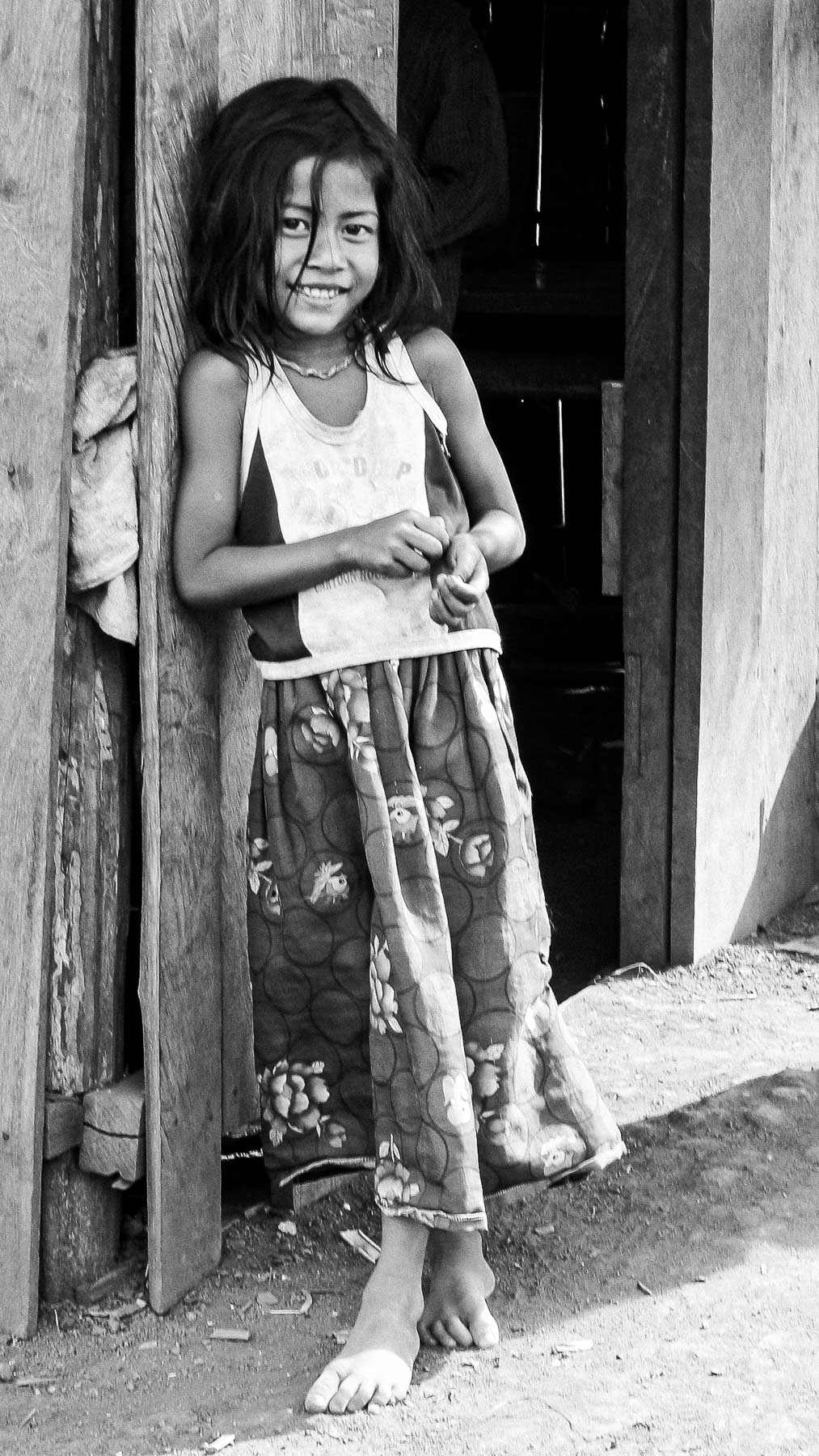
The Art of Capturing Souls: Why We Love Photographing People
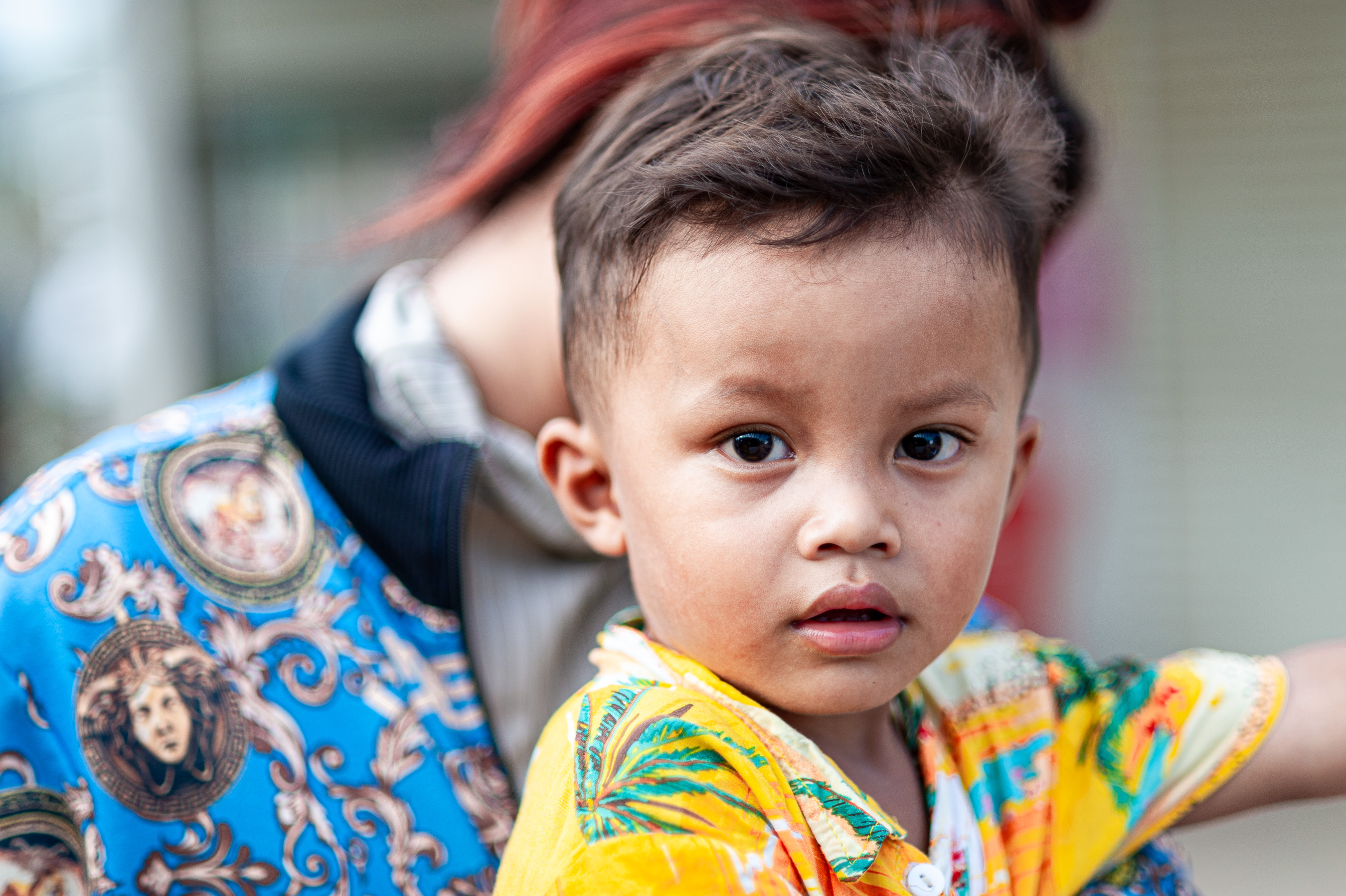
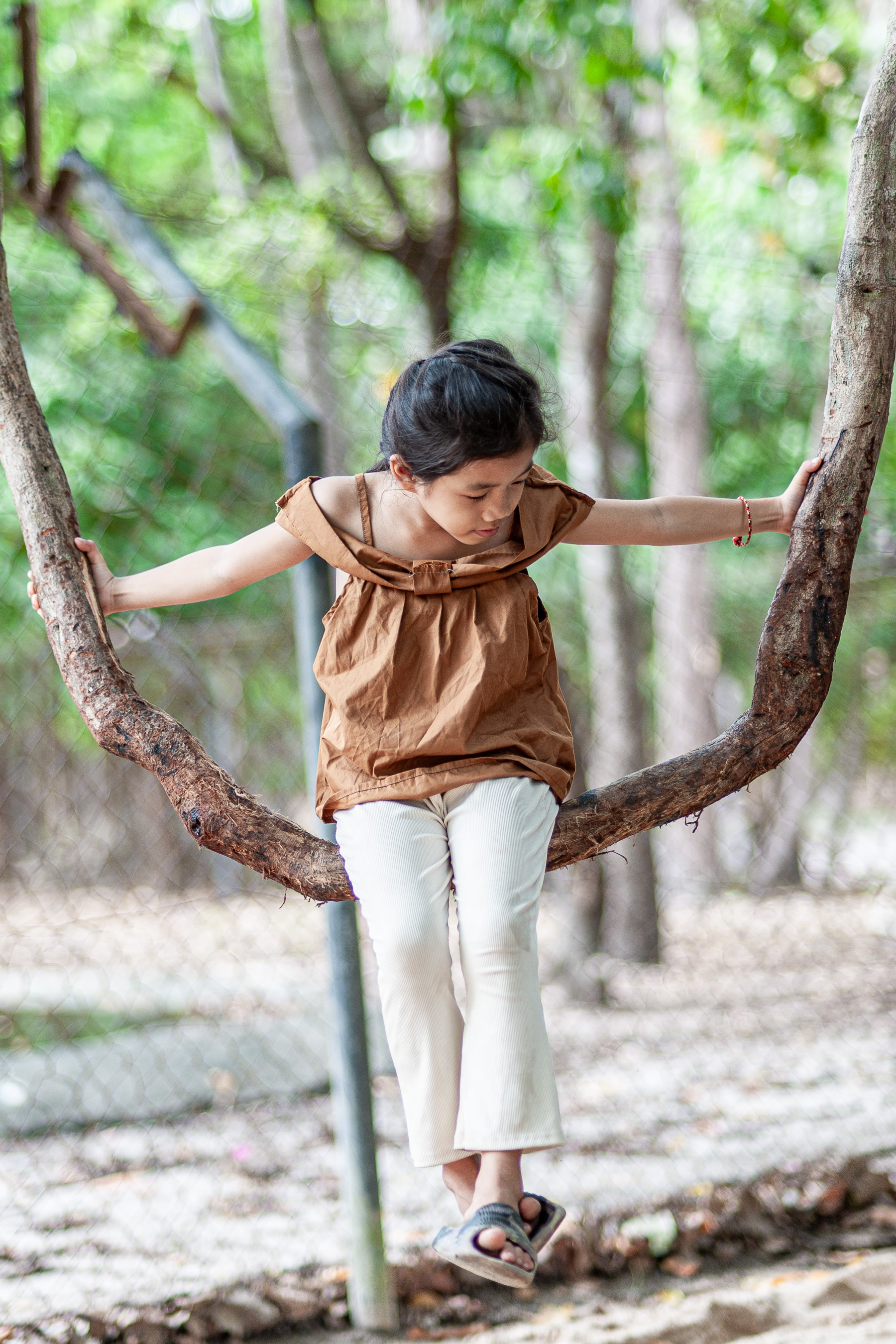
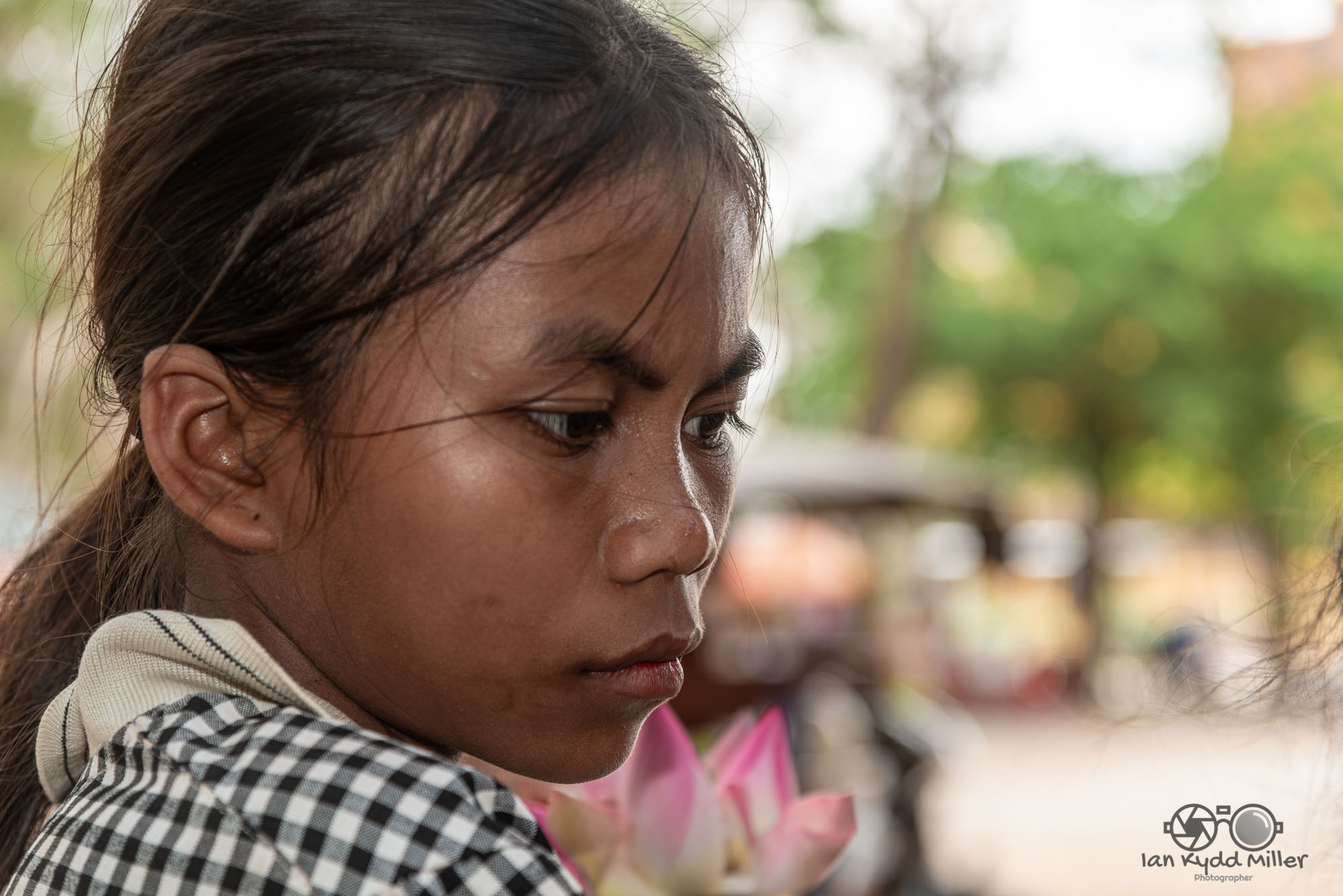
Photography is more than just a skill or a hobby; it’s a passionate journey of capturing the fleeting moments that make up the essence of life. When it comes to photographing people, this art form transcends mere images; it becomes a way to immortalize emotions, stories, and the very soul of the subject.
So, why do we find such joy in photographing people? It’s about connection. Each time you aim your lens at a person, you’re not just taking a picture; you’re capturing a piece of their existence, a moment in their story that will never occur again. It’s the smile that breaks out unexpectedly, the tears that come from a place of deep emotion, or the laughter that bubbles up from joy. These are the unguarded, authentic instances that a photographer lives for.
Photographers are, in a sense, historians of the human condition. Through their eyes, they see the world not just as it is, but as it could be, filled with color, beauty, and depth. They seek the unspoken tales hidden behind the eyes of their subjects, the silent narratives that beg to be told. It’s a quest to reveal truths, to share perspectives, and to contribute to the vast tapestry of human experience.
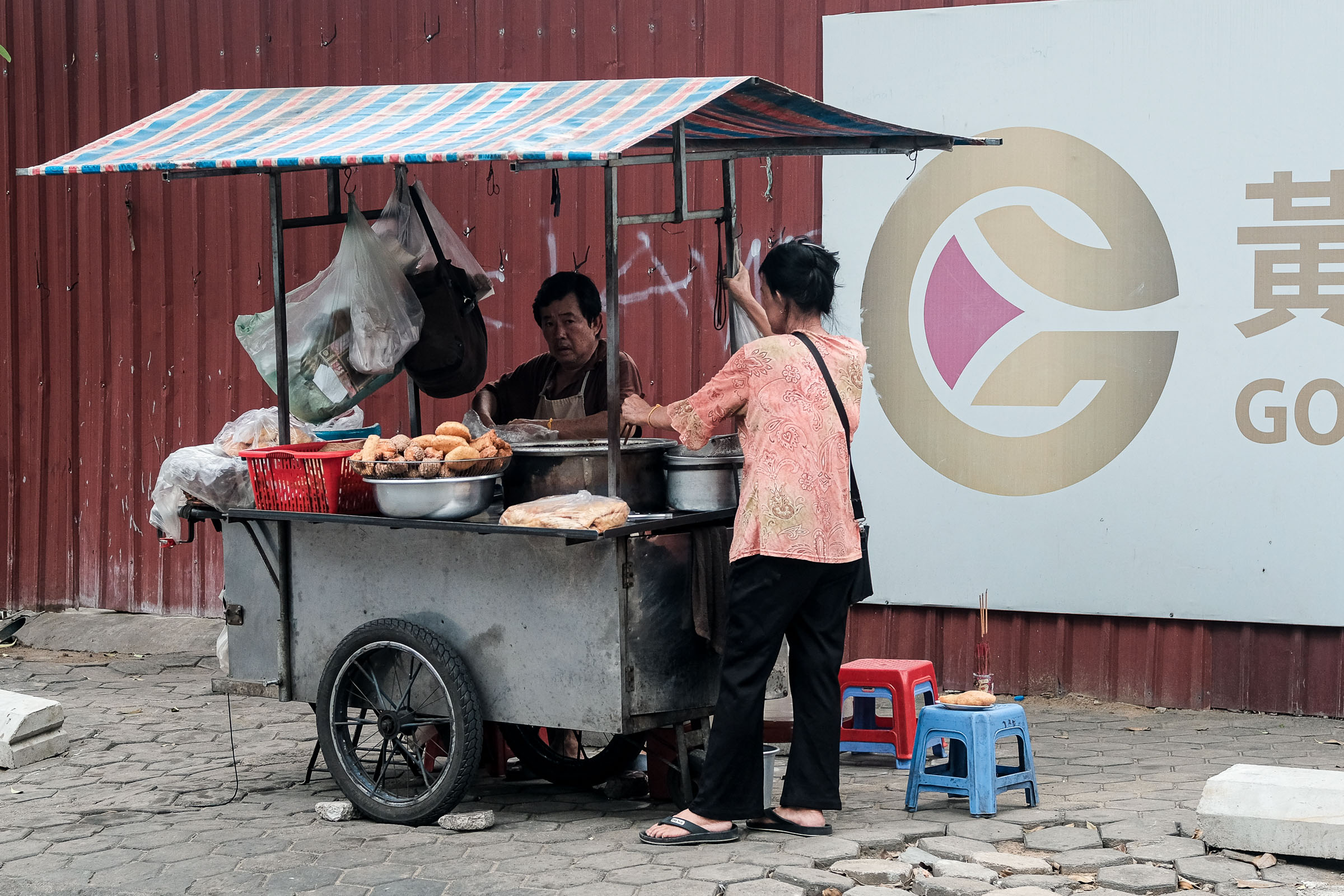
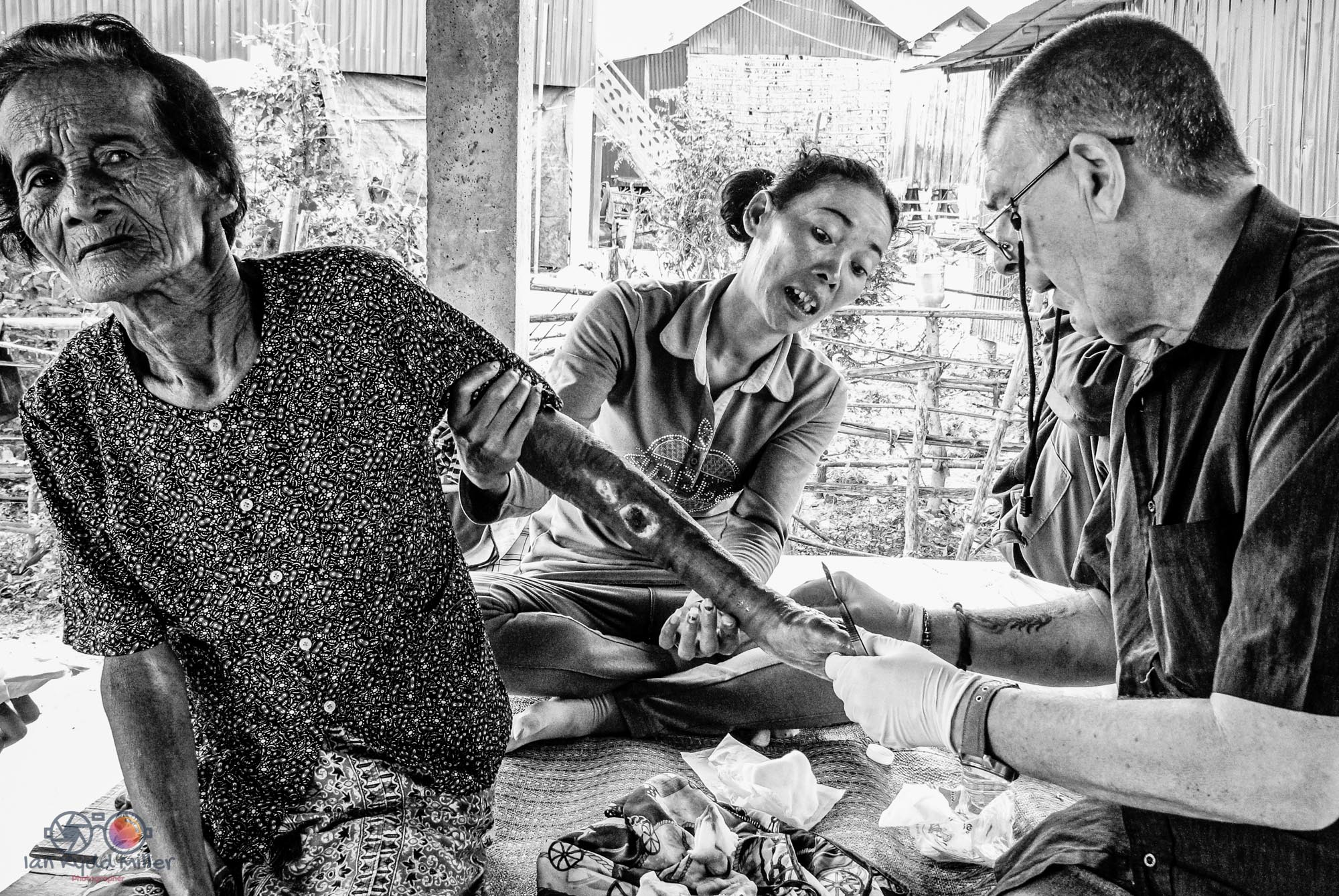
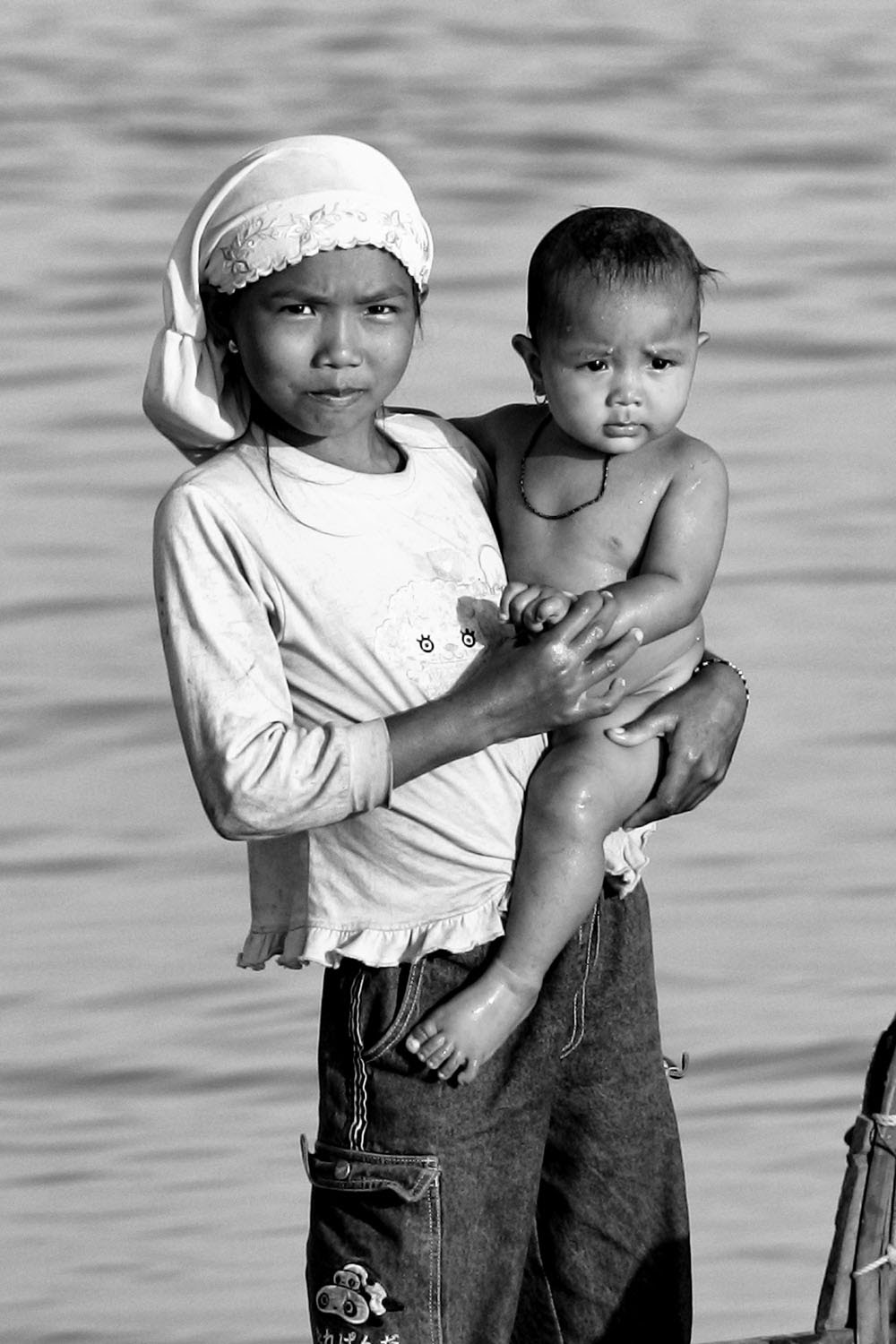
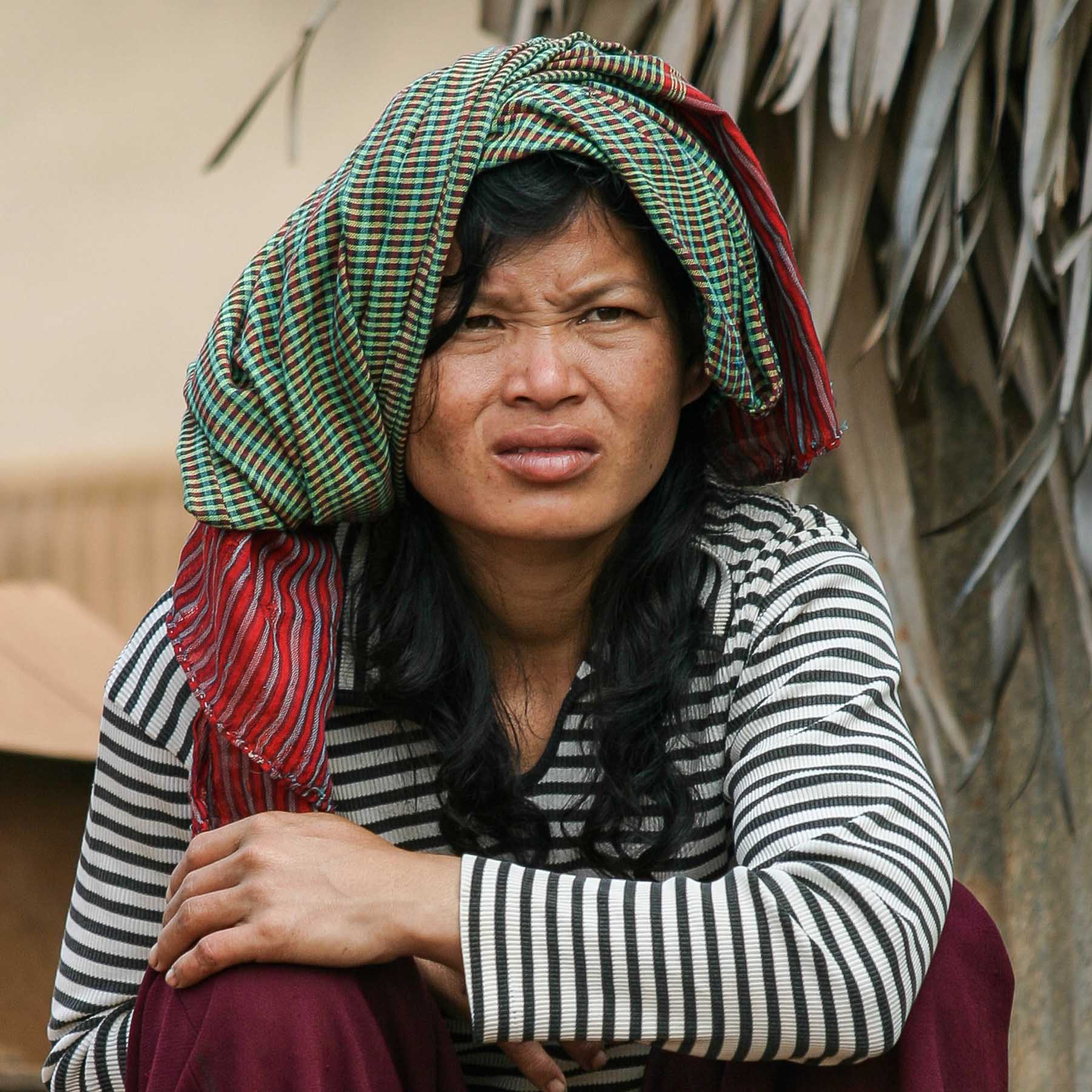
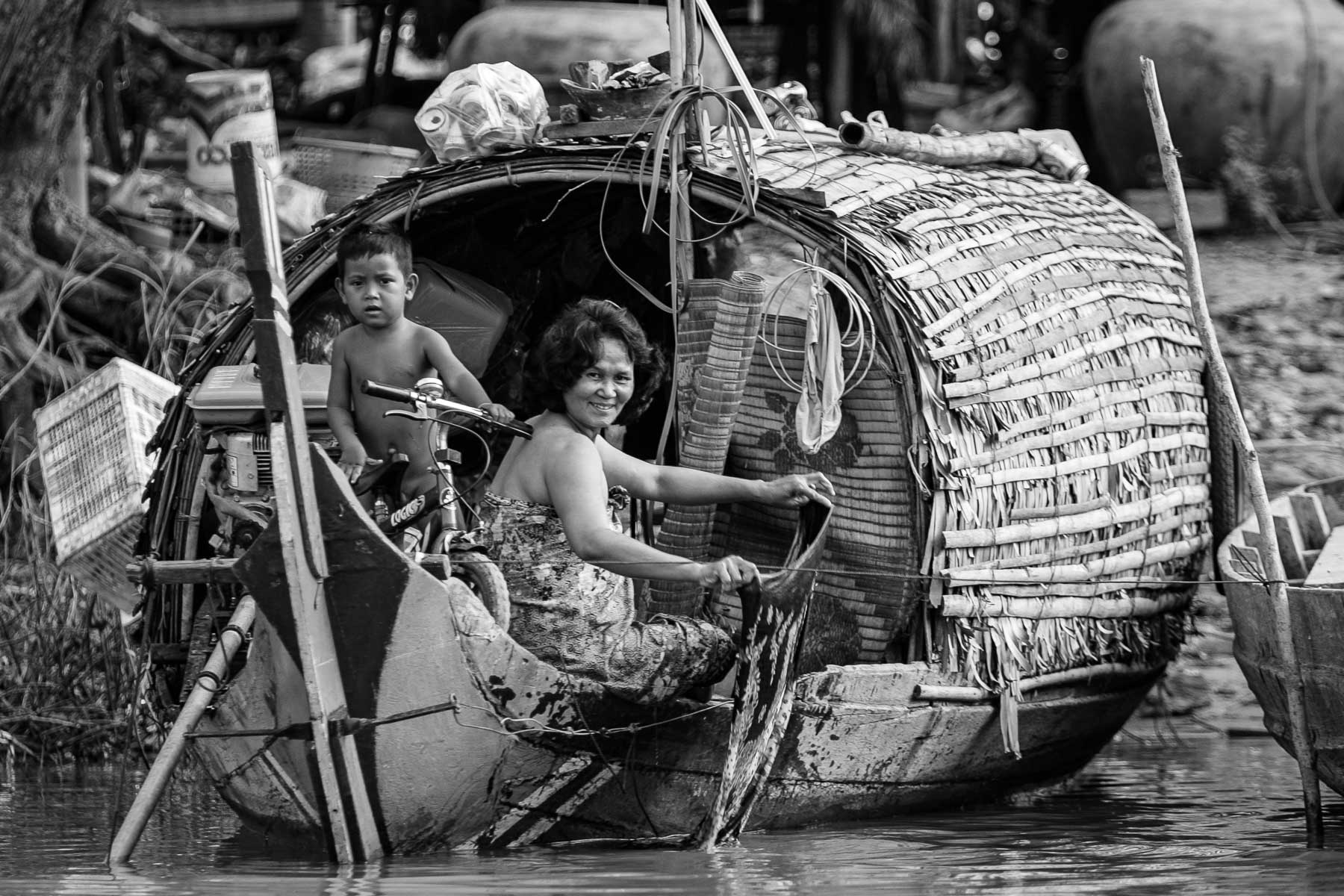
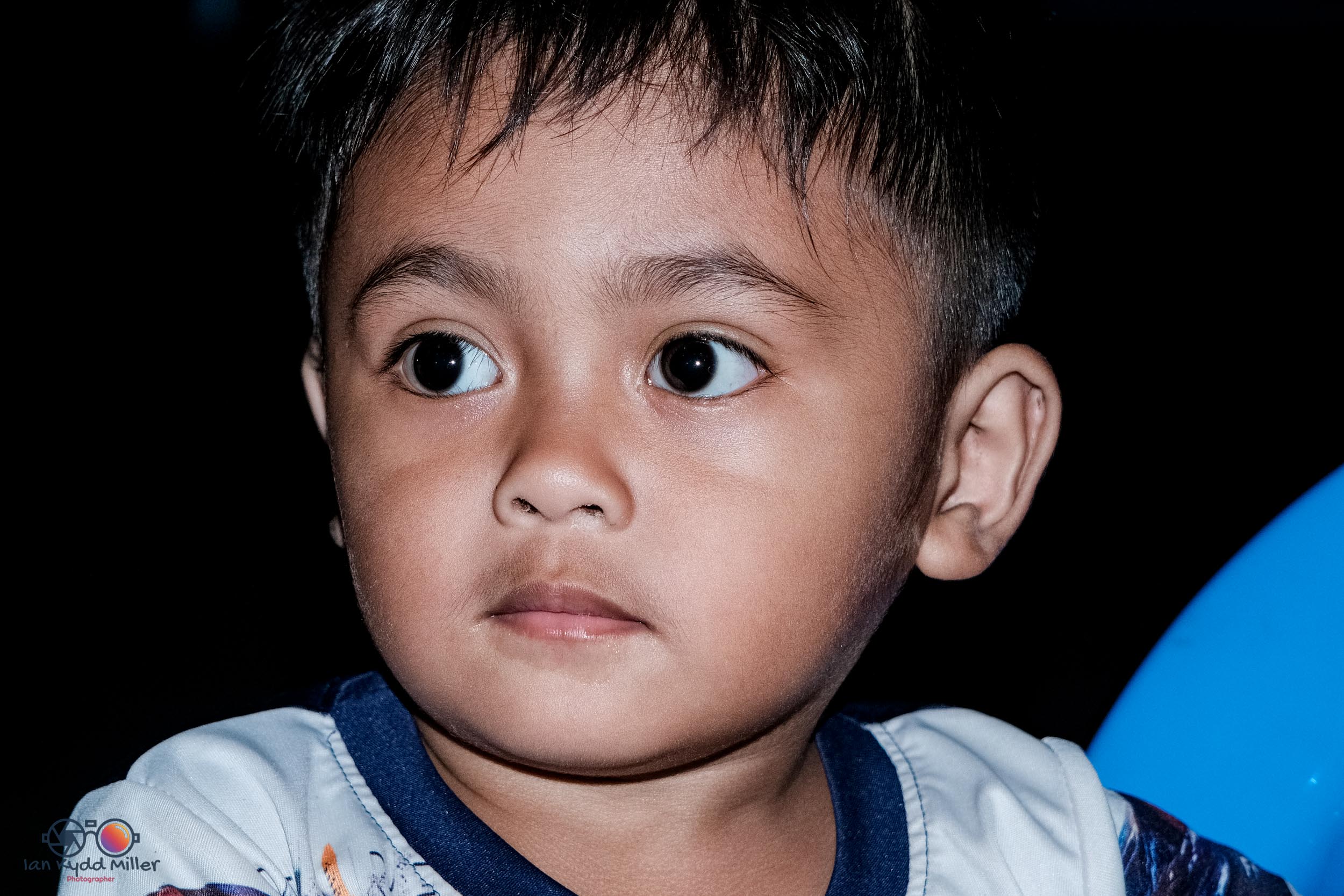
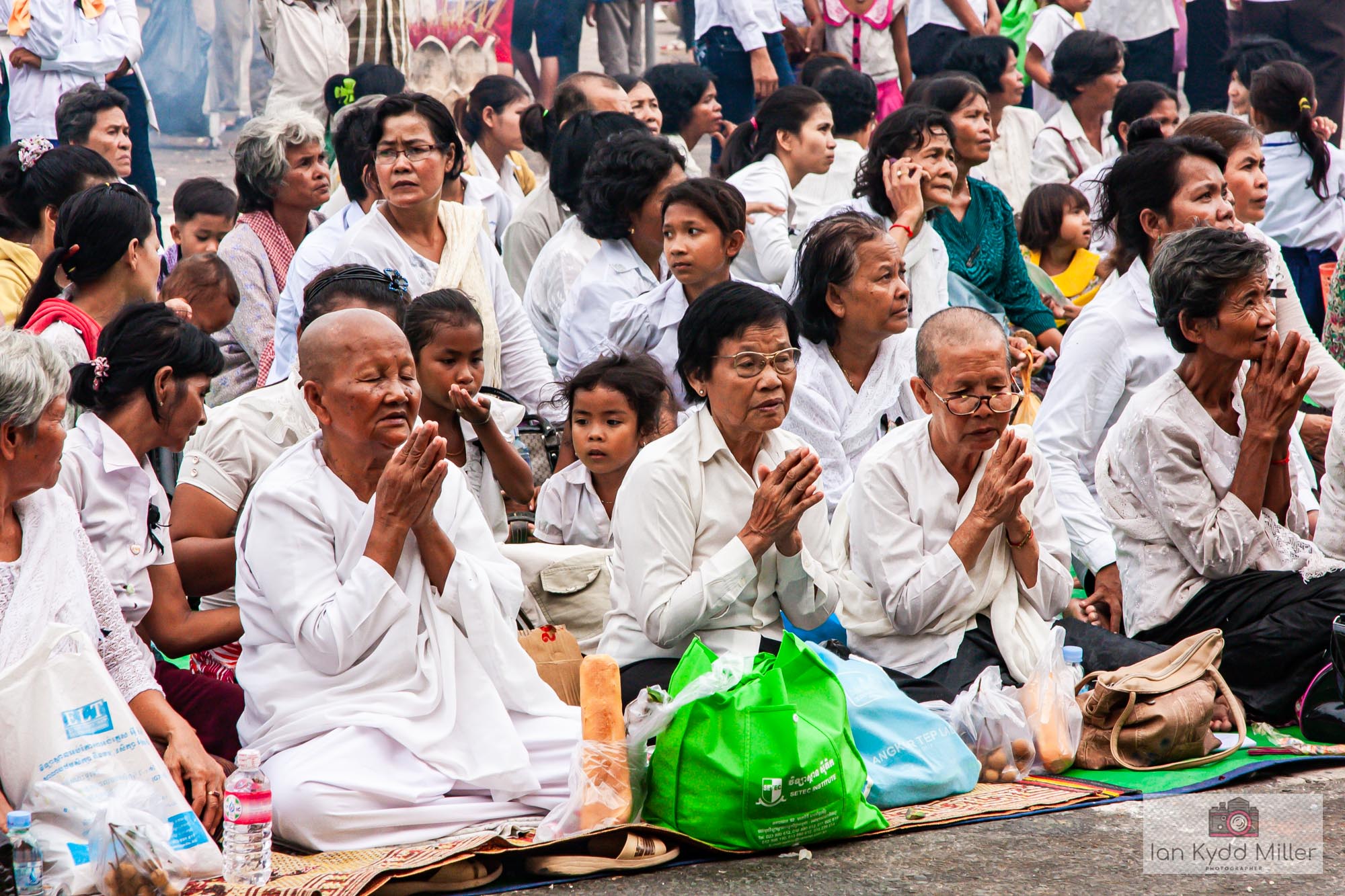
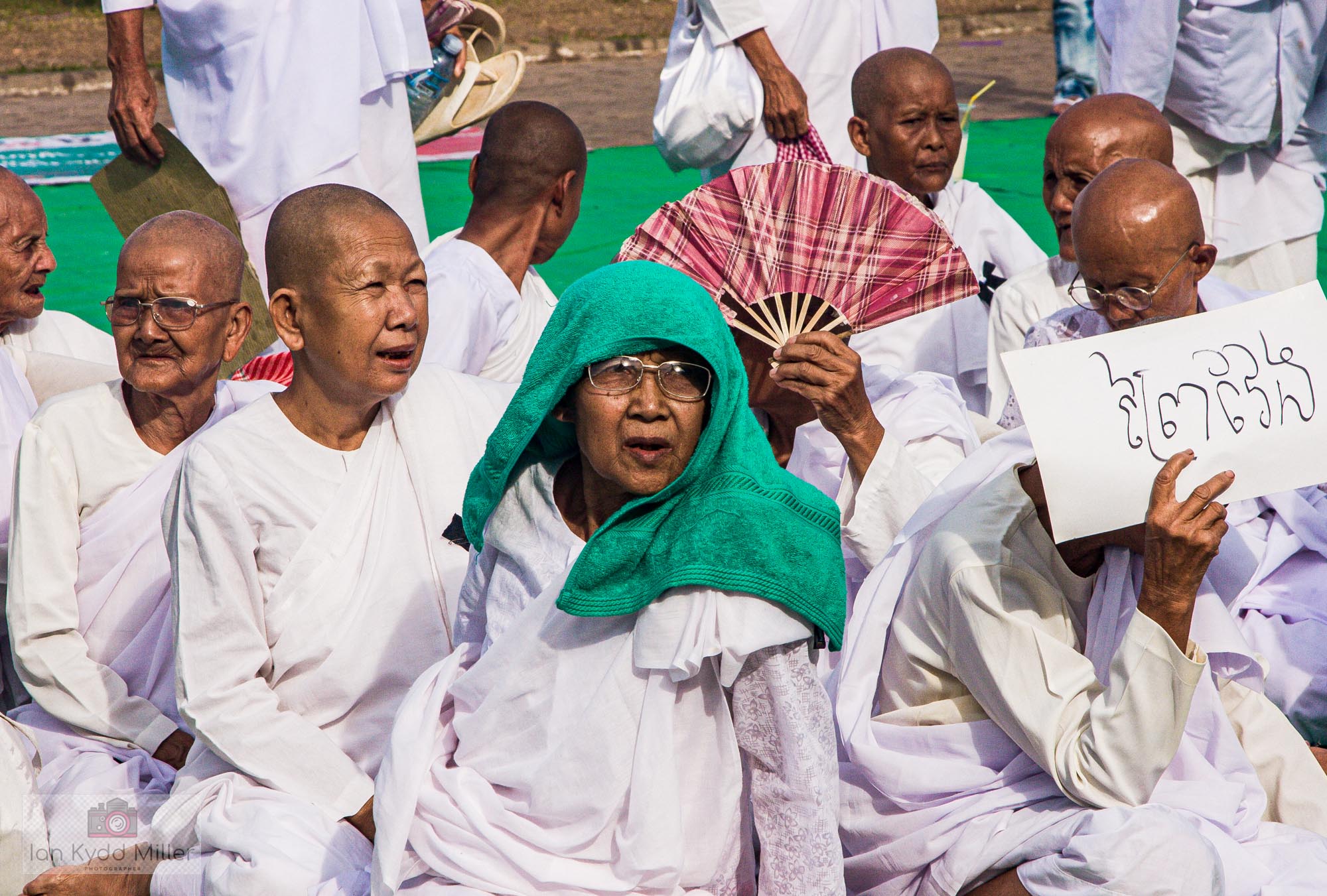
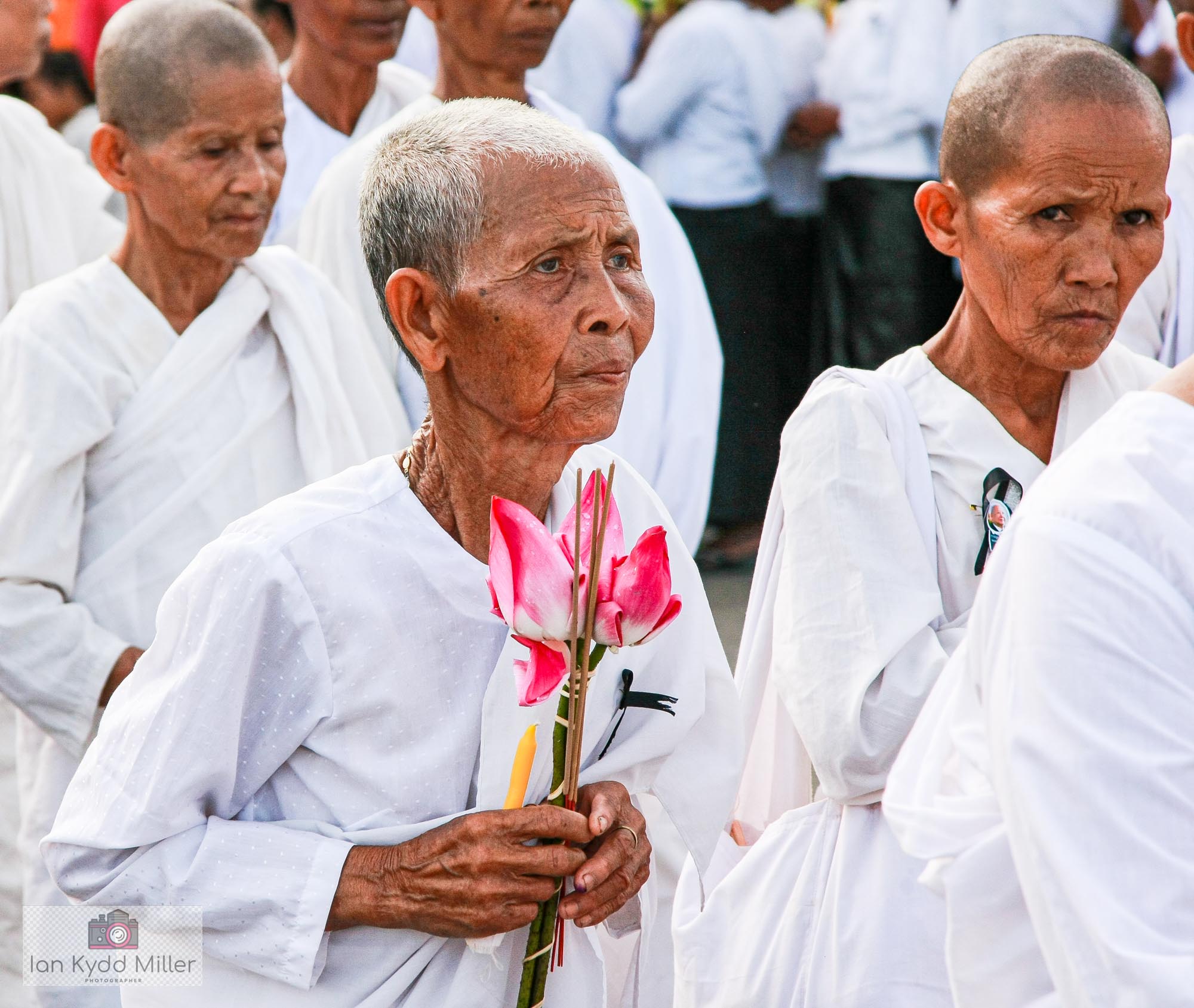
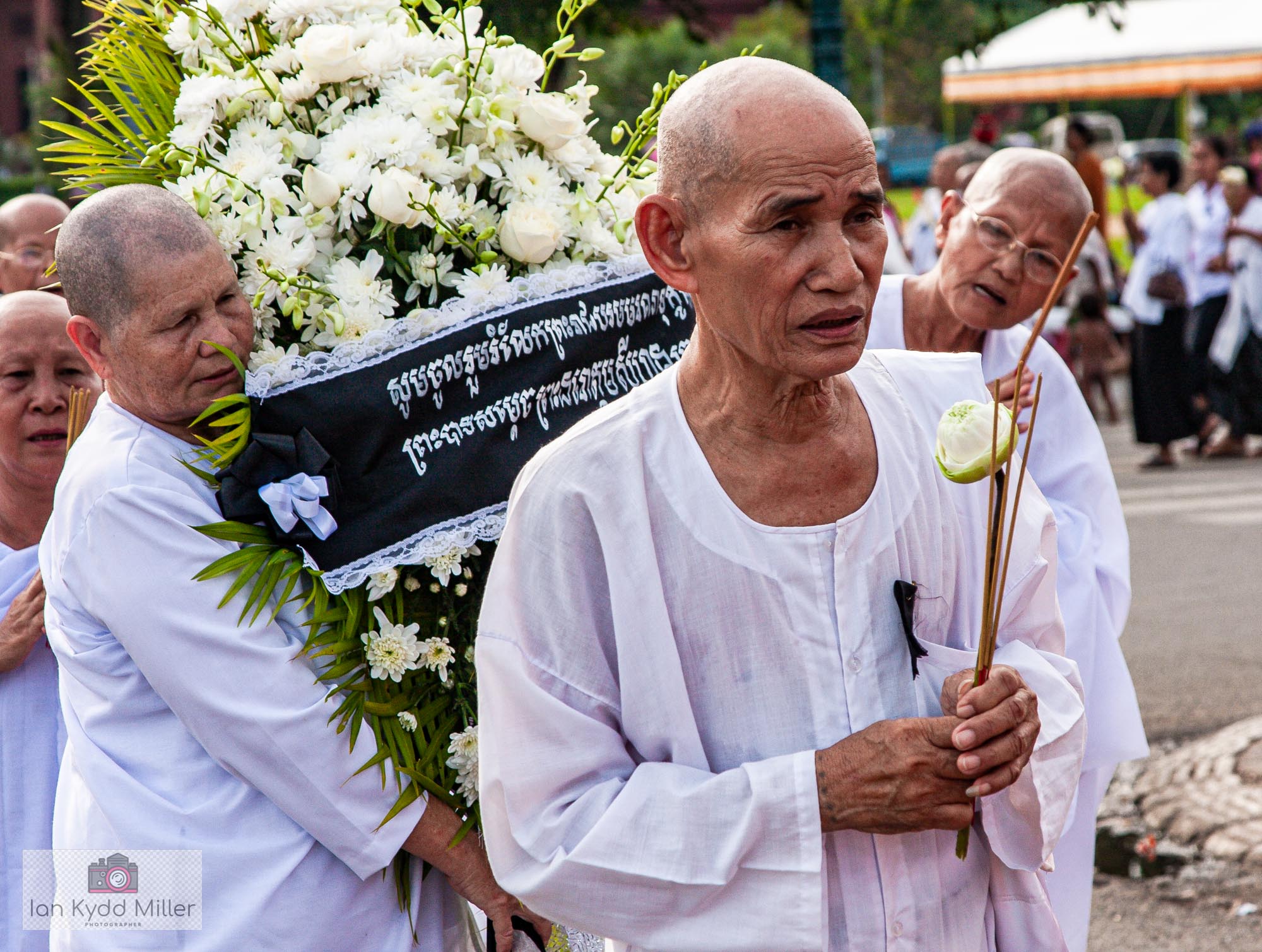
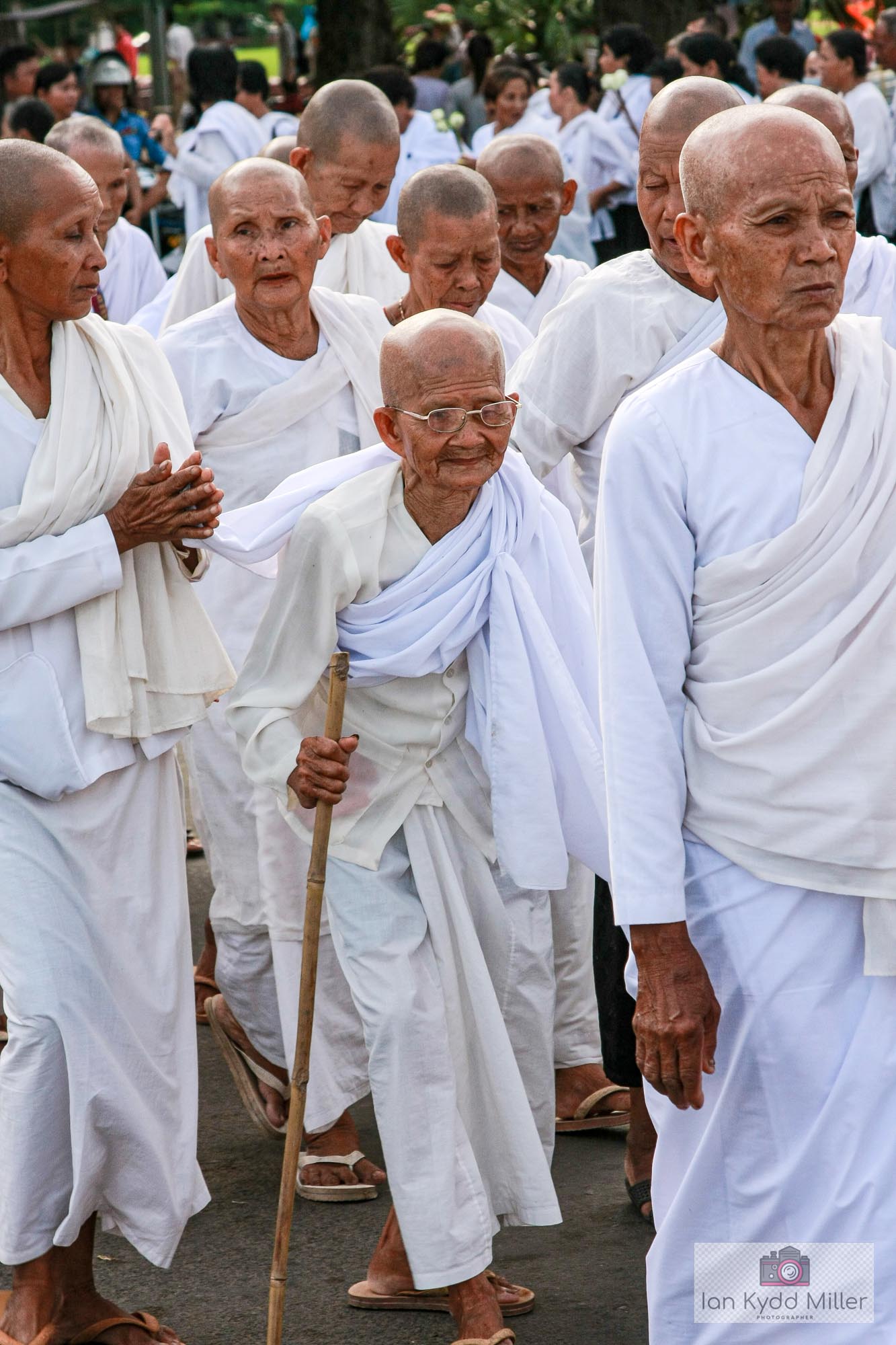
Moreover, photographing people is a celebration of diversity. Every face tells a different story, every wrinkle signifies a past adventure, and every expression showcases a unique personality. As photographers, we are drawn to this diversity, eager to explore the myriad ways in which light plays off the contours of a face, or how an environment can frame a person, adding layers of meaning to the captured image.
But perhaps the most compelling reason we love to photograph people is the challenge it presents. Unlike inanimate subjects, people change, they move, they react. Capturing the perfect shot requires not just technical skill, but also an intuition for the right moment. It’s a dance between the photographer and the subject, a collaborative creation that results in something truly special.
In the end, photographing people is about sharing and preserving the human experience. It’s a way to communicate without words, to hold onto the moments that, while fleeting, define our existence. It’s a pursuit driven by the heart, fueled by the desire to connect, to understand, and to express the profound beauty of humanity.
So, the next time you pick up your camera and point it towards someone, remember that you’re not just taking a photo—you’re capturing a piece of life, a fragment of the world, and a slice of the human spirit. And that is a truly beautiful thing.
Photography is an art form that has captivated the hearts of millions worldwide. It’s a way to freeze a moment in time, to tell a story without words, and to preserve memories that might otherwise fade away. But what is it about photography that draws people to it? Let’s dive into the myriad reasons why photography is not just a hobby or a profession, but a passion for so many.
Capturing Memories
One of the most profound reasons people are drawn to photography is its ability to capture and hold onto memories. From the mundane daily routines to the milestones of life like weddings, birthdays, and anniversaries, photographs serve as a tangible reminder of the moments we cherish. They allow us to revisit and relive those times, evoking emotions and recalling experiences that are dear to us.
Telling Stories
Every photograph tells a story. It’s a snapshot of an event, a person, a feeling, or a place that can transport us to different times and places. The power of a single image to convey complex narratives is unparalleled. Through photography, we can share our experiences and perspectives with others, offering a glimpse into our world.
Seeing the World Differently
Photography encourages us to observe our surroundings with a keen eye. It teaches us to appreciate the beauty in the mundane and to find the extraordinary in the ordinary. Photographers often see the world through a different lens, quite literally, which allows them to present everyday scenes in new and unexpected ways.
Learning and Growth
Photography is not just about taking pictures; it’s a continuous learning journey. Whether it’s mastering the technical aspects of a camera, understanding composition, or experimenting with lighting, photography offers endless opportunities for personal and artistic growth. It’s a field where there is always something new to learn and explore.
Self-Expression and Creativity
At its core, photography is a form of self-expression. It’s a way for individuals to showcase their creativity, share their passions, and communicate their inner thoughts and feelings. The freedom to capture what you find beautiful or interesting is a powerful form of personal freedom.
Connecting with Others
Photography has the unique ability to connect people. It transcends language barriers and cultural differences, allowing us to share and understand each other’s experiences and stories. Through shared images, we can foster a sense of community and belonging, no matter where we are in the world.
Documenting History
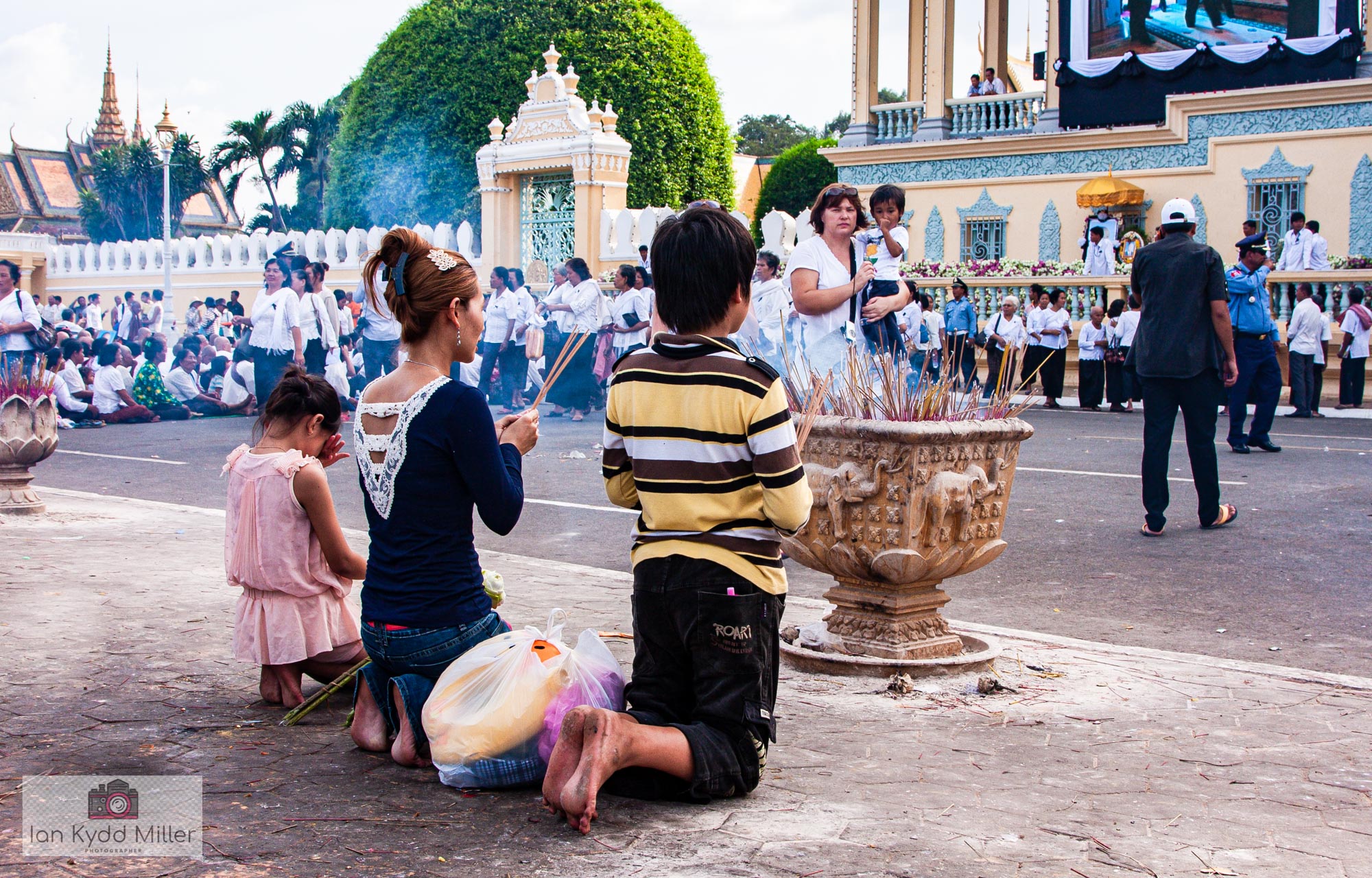
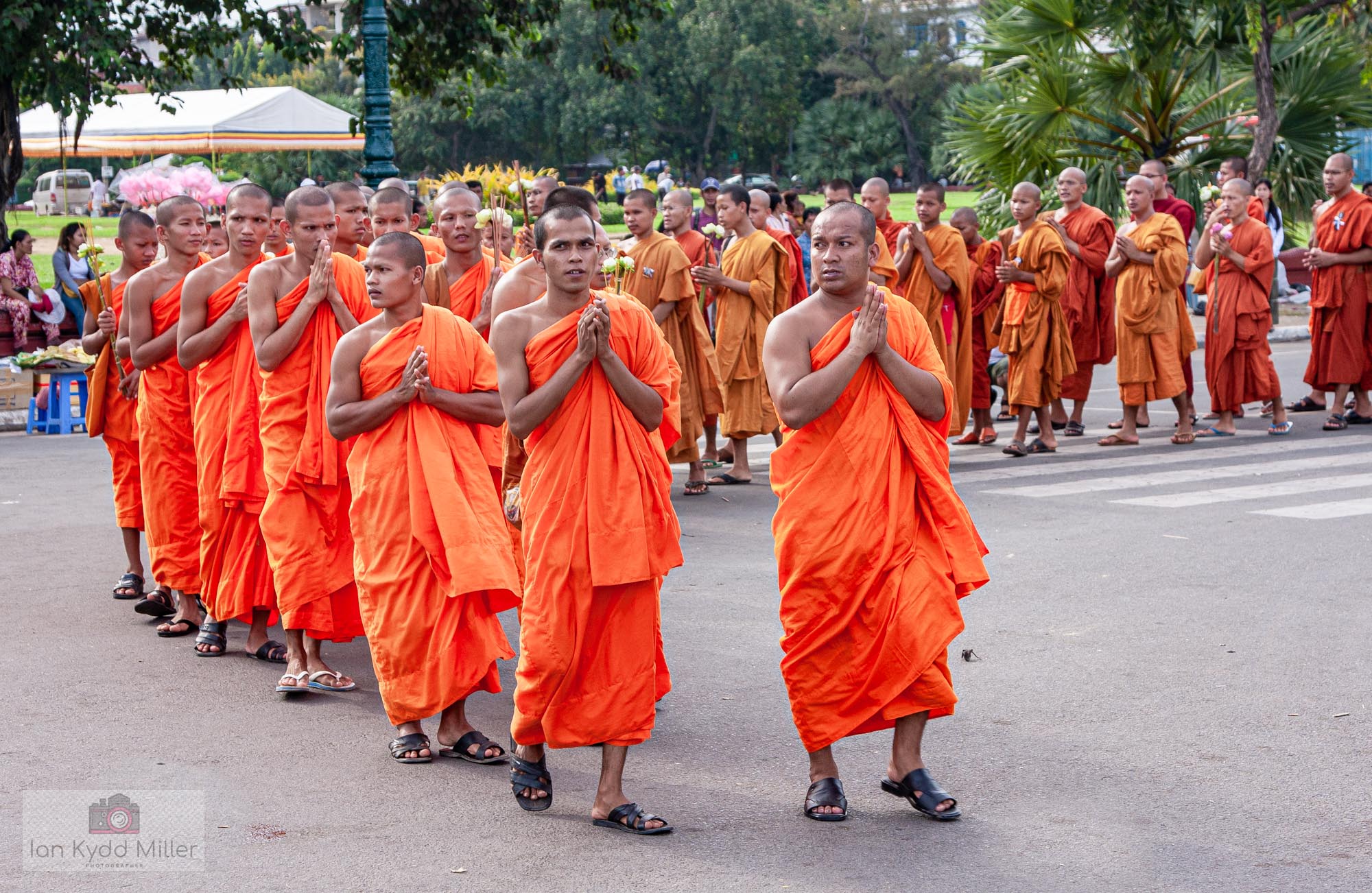
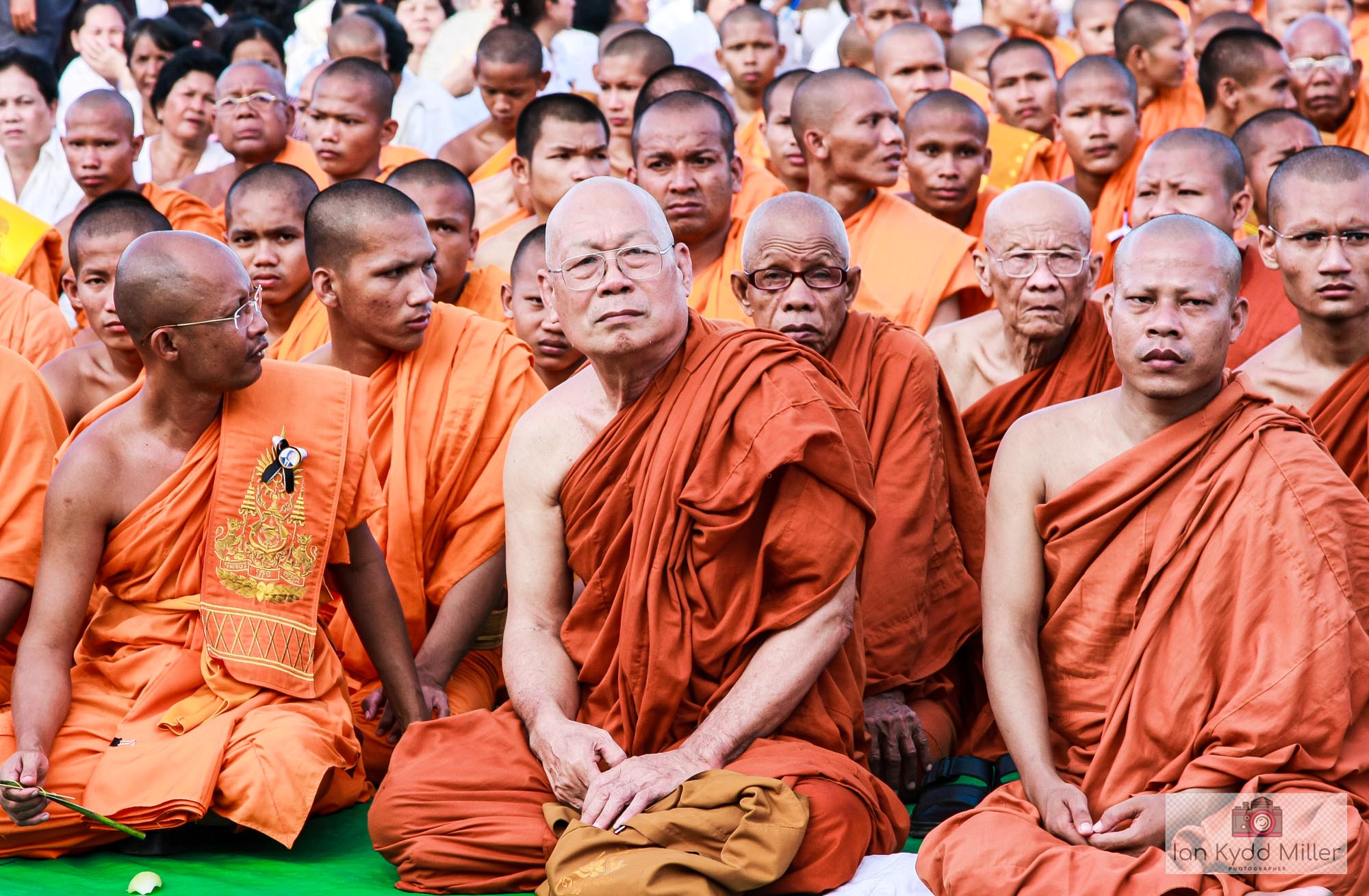
Photographs are not just personal; they are historical documents that capture the essence of an era, an event, or a movement. They provide a visual record of our collective history, helping us to learn from the past and understand the present. Iconic images have the power to shape public perception and can become symbols of significant moments in time.
The Joy of the Process
Lastly, the act of taking photographs is, in itself, a source of joy for many. The process of setting up a shot, waiting for the perfect light, and finally capturing the image can be incredibly satisfying. It’s a pursuit that combines patience, skill, and sometimes a bit of luck, to create something truly magical.
In conclusion, photography is a multifaceted art that offers more than just a visual representation of our world. It’s a medium for memory, storytelling, learning, self-expression, connection, and so much more. It’s no wonder that photography has become such an integral part of our lives, allowing us to capture the fleeting moments that make up the tapestry of human experience. So, grab your camera, and let’s continue to capture the world, one photograph at a time!




























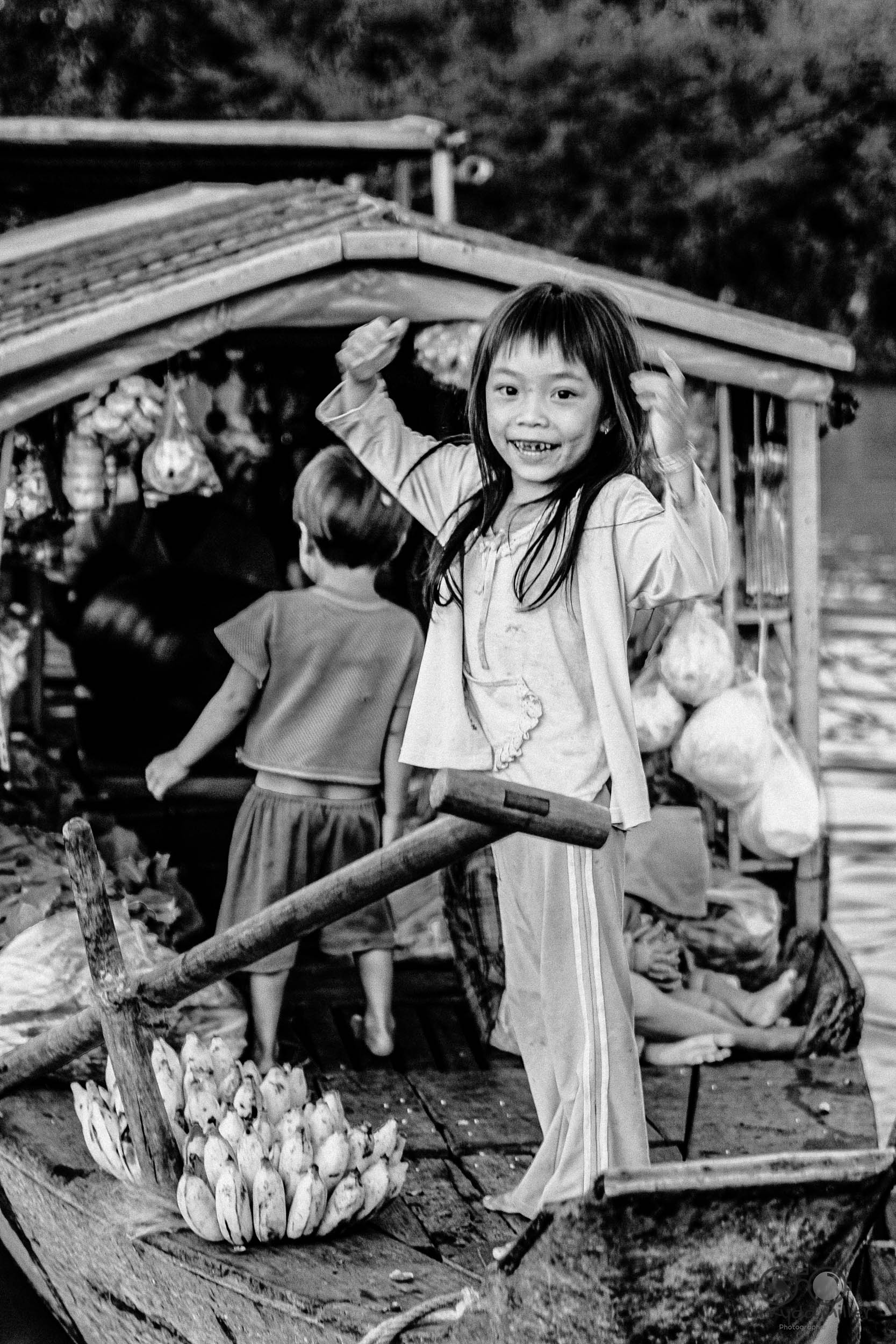
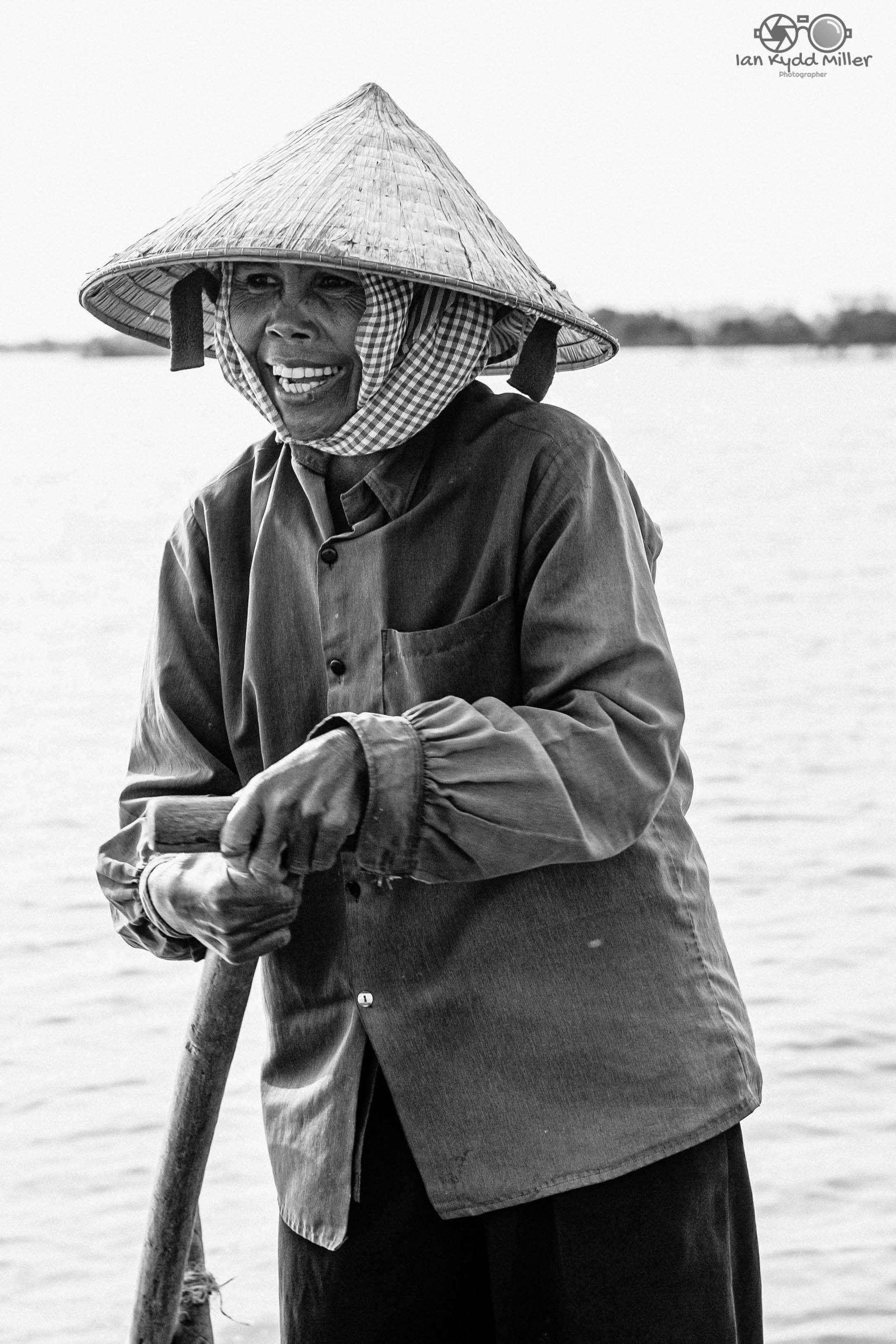


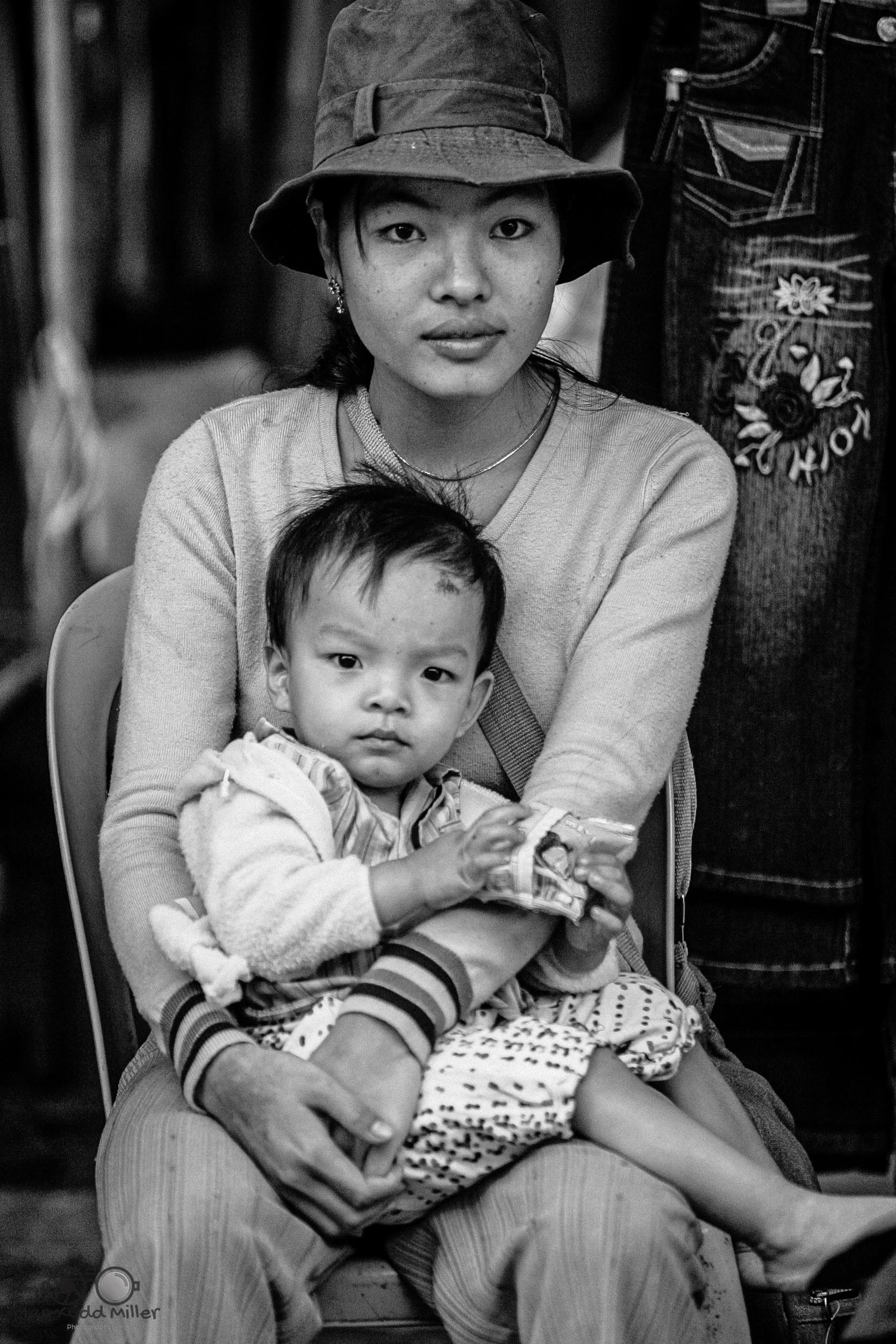

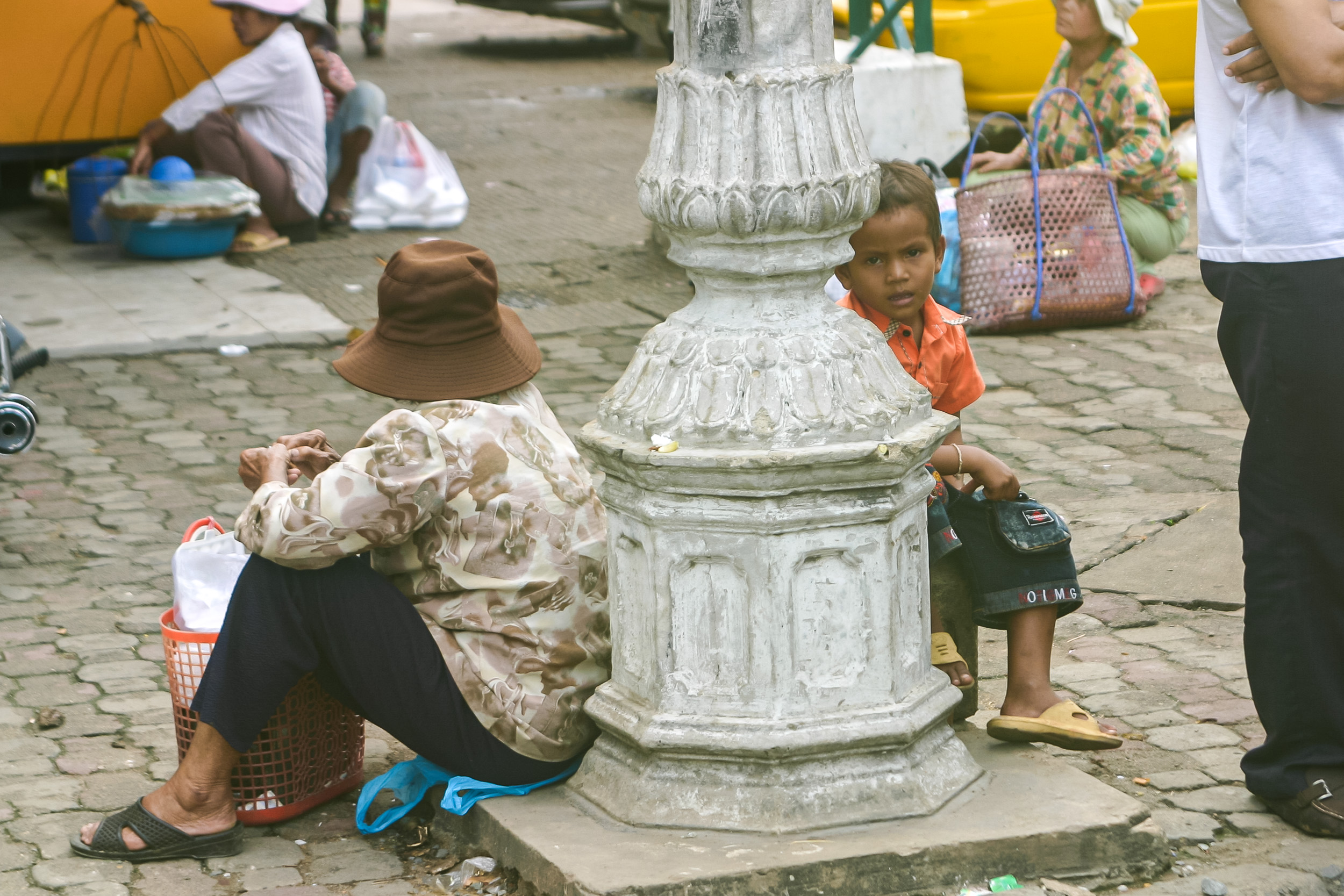





 a world without pictures is like coffee without cream and sugar, bitter