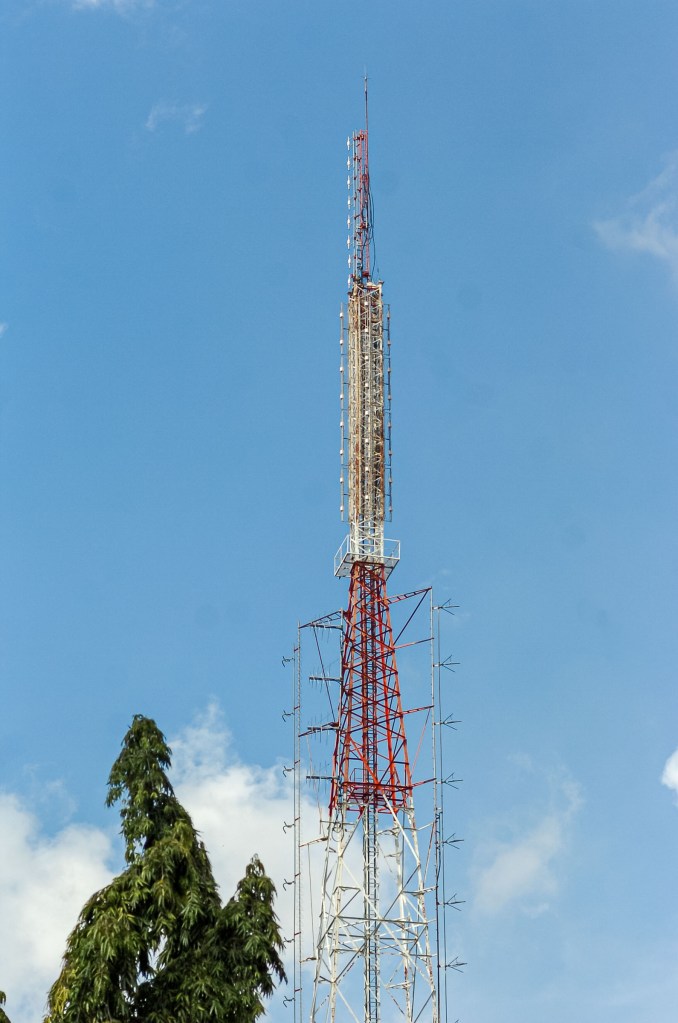
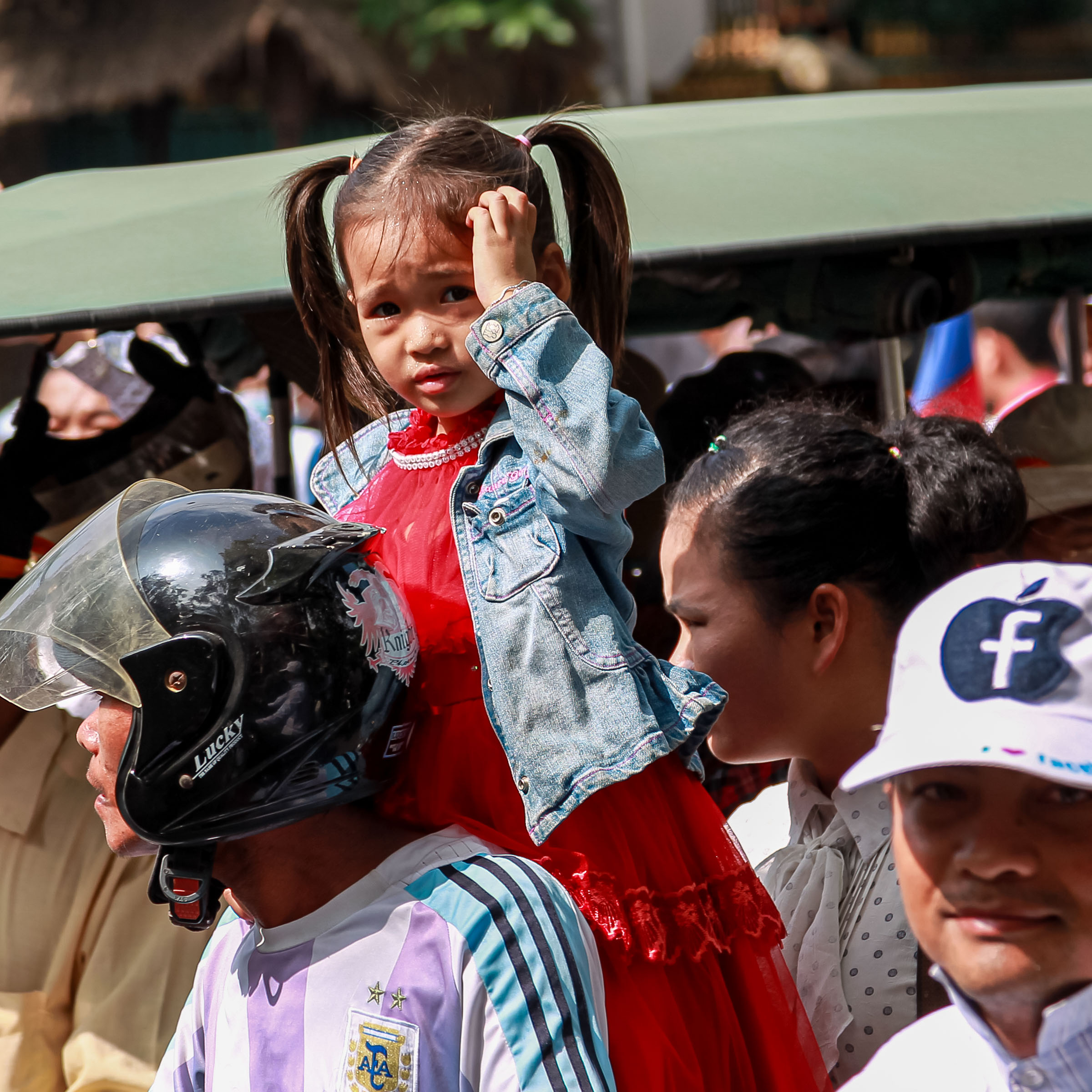
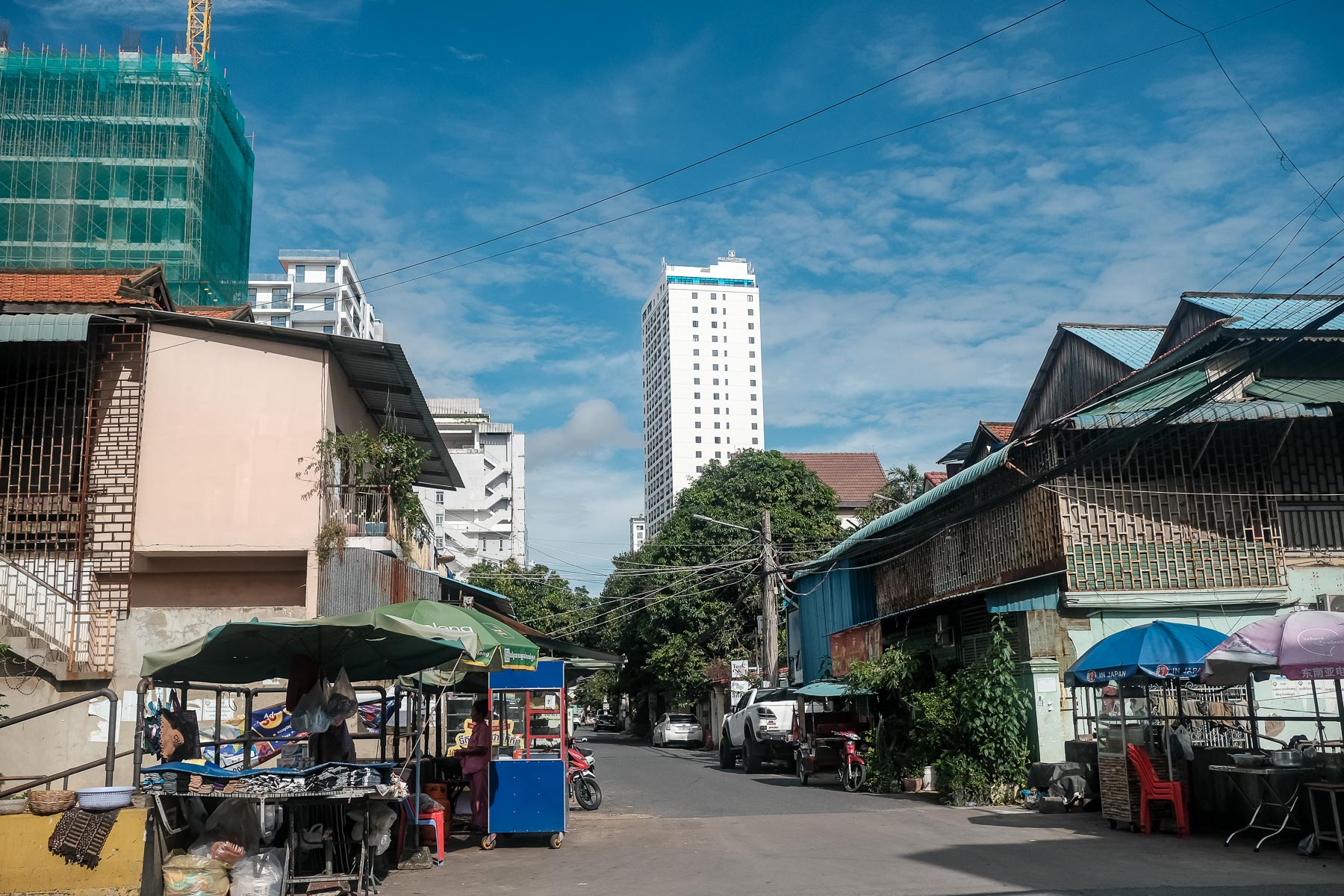
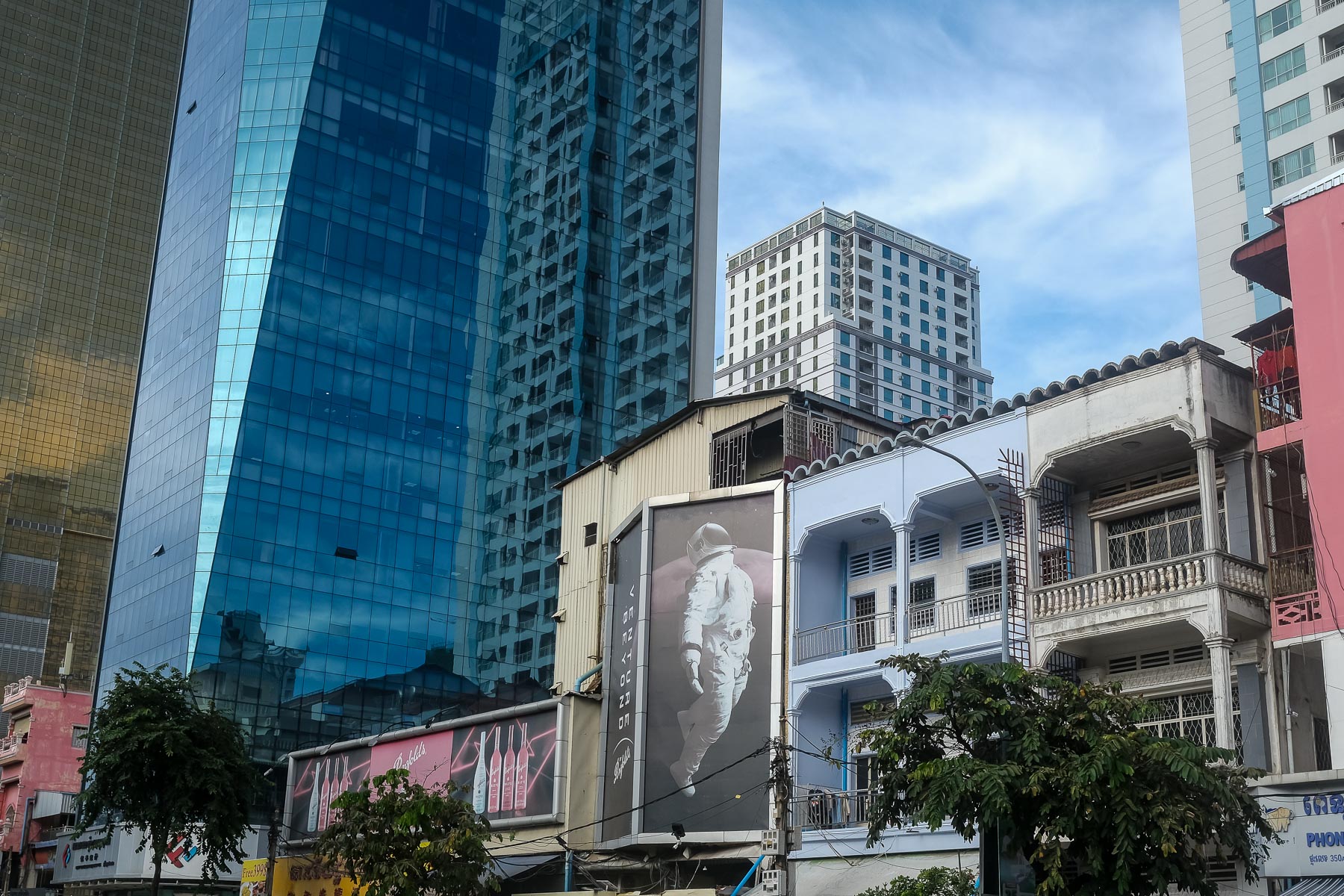
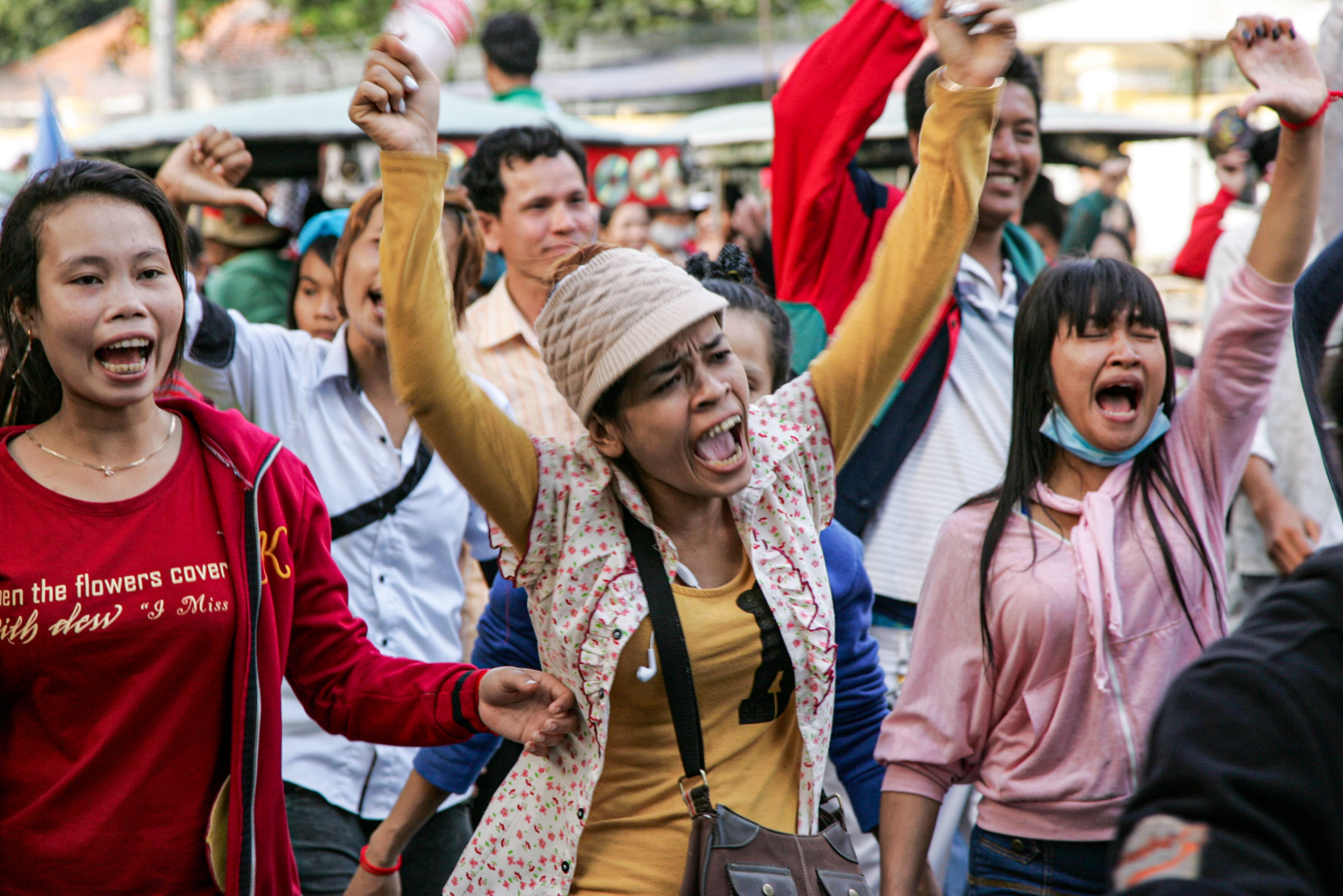
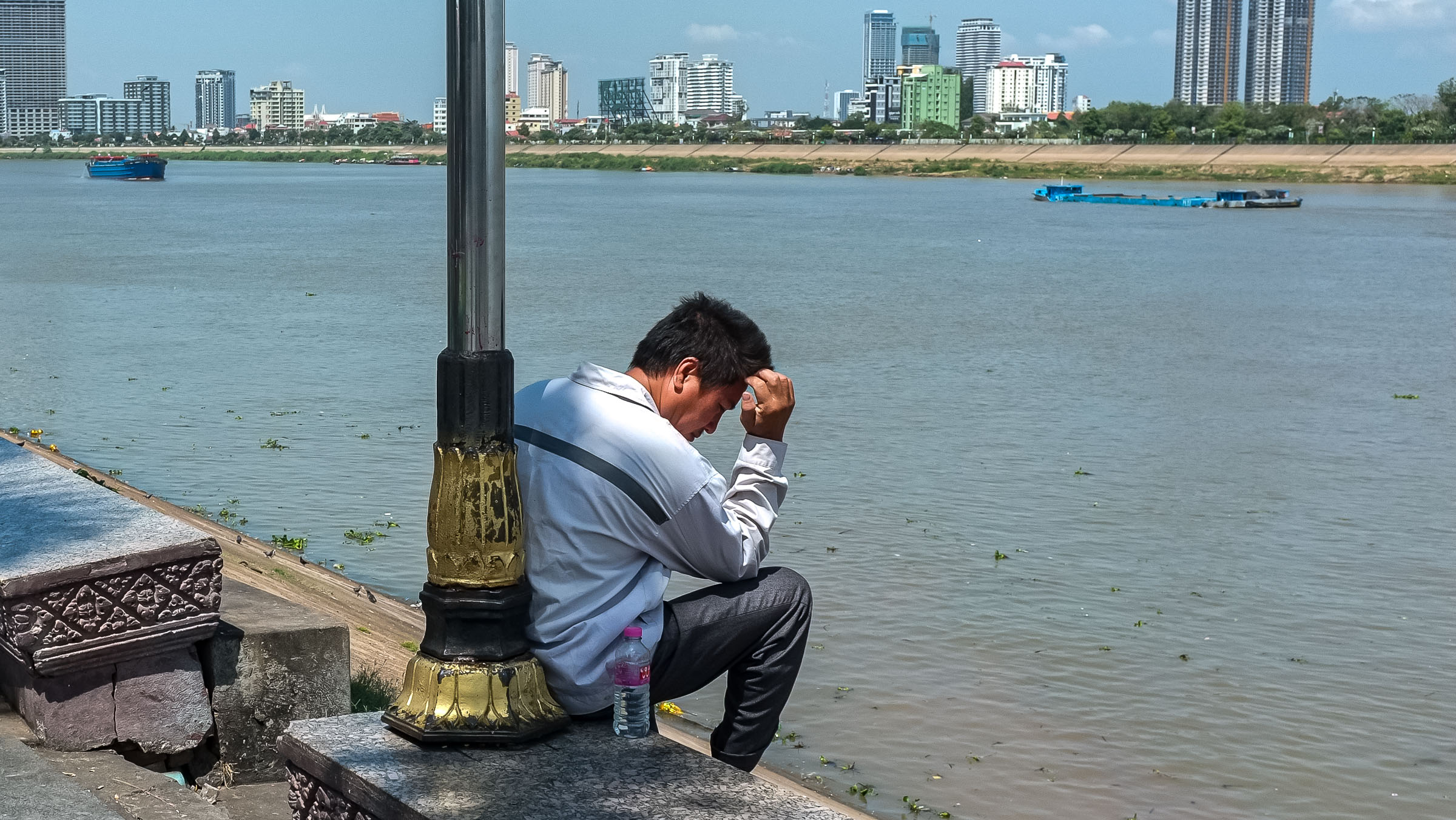
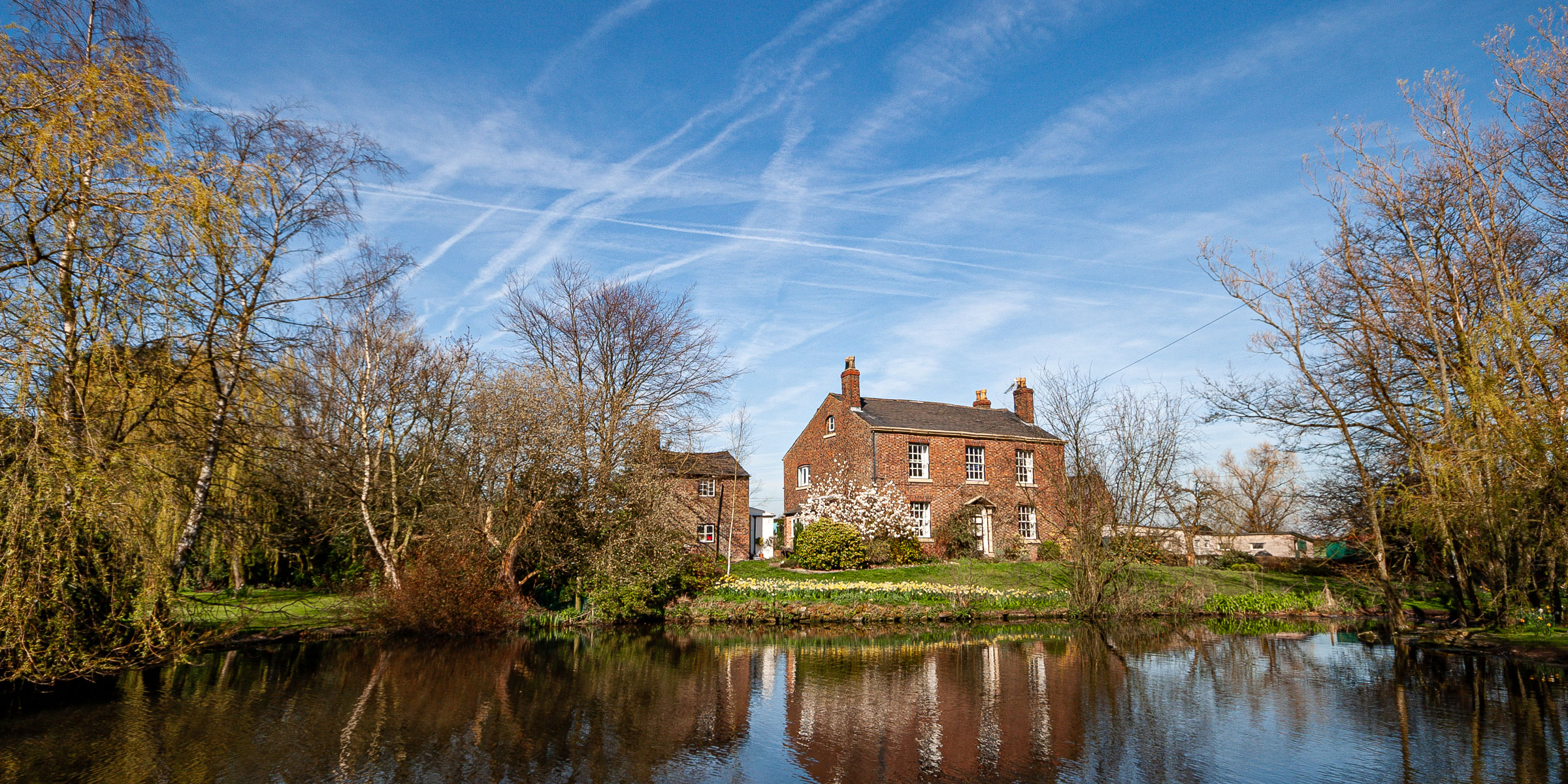
In the age of ultra-high-resolution cameras, it’s easy to overlook the significance of composition and cropping, especially when working with a modest 4-megapixel camera. However, the constraints of lower resolution photography can actually be a catalyst for creativity and a return to the fundamentals of good photography. I recently picked up the Nikon D2Hs camera that took the following images, using an old Nikkor 85mm f1.8D.
Composition is the cornerstone of a compelling photograph. It’s the arrangement of elements within the frame that dictates the flow of the viewer’s eye and the overall impact of the image. With only 4 megapixels, every pixel counts, and there’s little room for error. This limitation forces photographers to be more intentional with their framing, to think more deeply about the subject and the story they want to tell.
Cropping in-camera is another critical skill that gains prominence in this context. It’s about making decisions on the spot, rather than relying on post-processing to salvage a shot. This practice hones a photographer’s eye for detail and encourages a more proactive approach to capturing the right shot from the outset.
The discipline of working within the confines of 4 megapixels can also lead to a greater appreciation for the texture, colour, and light present in the moment. It challenges photographers to maximize the potential of their equipment, regardless of its limitations.
In essence, embracing the constraints of a 4-megapixel camera can be a rewarding journey back to the basics of photography. It’s a reminder that the power of a photograph doesn’t solely rest on the number of pixels but on the vision, creativity, and technique of the photographer behind the lens. Whether you’re a seasoned professional or an enthusiastic amateur, the principles of composition and in-camera cropping are timeless skills that will enhance the quality of your work, no matter the resolution.
Older DSLR cameras have a unique charm that modern cameras often struggle to replicate. The sensors in these cameras, with their larger pixels, have a certain way of rendering light and colour that can produce images with a distinct, almost tangible texture. This quality is something that many photography enthusiasts and professionals alike appreciate, as it adds character and depth to the photographs. The tactile experience of adjusting the dials and pressing the shutter button also contributes to the overall enjoyment of using these cameras. Moreover, the process of working with older technology can teach valuable lessons about the fundamentals of photography, such as exposure, composition, and the importance of light. It’s a blend of art and science, where understanding the limitations and capabilities of the equipment can lead to a more intentional and satisfying creative process.
Street photography, a genre that often captures the raw essence of society by snapping candid moments of strangers, has long been a subject of ethical debate. Is it a form of art that celebrates the spontaneity of life, or is it an exploitation of unsuspecting individuals?
The art of street photography lies in its ability to document the unposed, the unplanned, and the unexpected. It’s a visual diary of human nature, a way to preserve fleeting moments that, once gone, are lost to time. The streets become a canvas, and the people, unwitting subjects that tell a story. Some of the most iconic images that define historical eras or social movements are the products of street photography, serving as powerful reminders of our collective past.
However, the act of photographing strangers without their consent raises important ethical questions. The line between public interest and personal privacy is often blurred. While photographers may argue that the public domain is fair game for capturing life as it unfolds, the individuals on the other side of the lens may feel their privacy has been invaded. This tension is further complicated by the potential for these images to be shared widely in the digital age, often without the subject’s knowledge or control over how they are represented.
The ethics of street photography are not black and white. They require photographers to navigate the murky waters of moral responsibility. Some photographers adopt a stealthy approach, using discreet methods to avoid disturbing the scene, thereby minimizing the impact on their subjects. Others engage directly with the people they photograph, sometimes building rapport and seeking consent, which can lead to more intimate and telling portraits.
Legal frameworks vary widely across the globe, and what is permissible in one country may be forbidden in another. In many places, the law permits photography in public spaces, recognizing it as an extension of freedom of expression. Yet, ethical considerations often extend beyond the realm of legality. Photographers must weigh their right to capture images against the rights of their subjects to privacy and respect.
Ultimately, street photography is not inherently exploitative, but it demands a high degree of sensitivity and ethical consideration from the photographer. It’s about finding a balance between the pursuit of artistic expression and respect for the dignity of those captured in the frame. As the debate continues, it’s clear that the responsibility lies with the photographer to make ethical choices that honor both their art and their subjects.
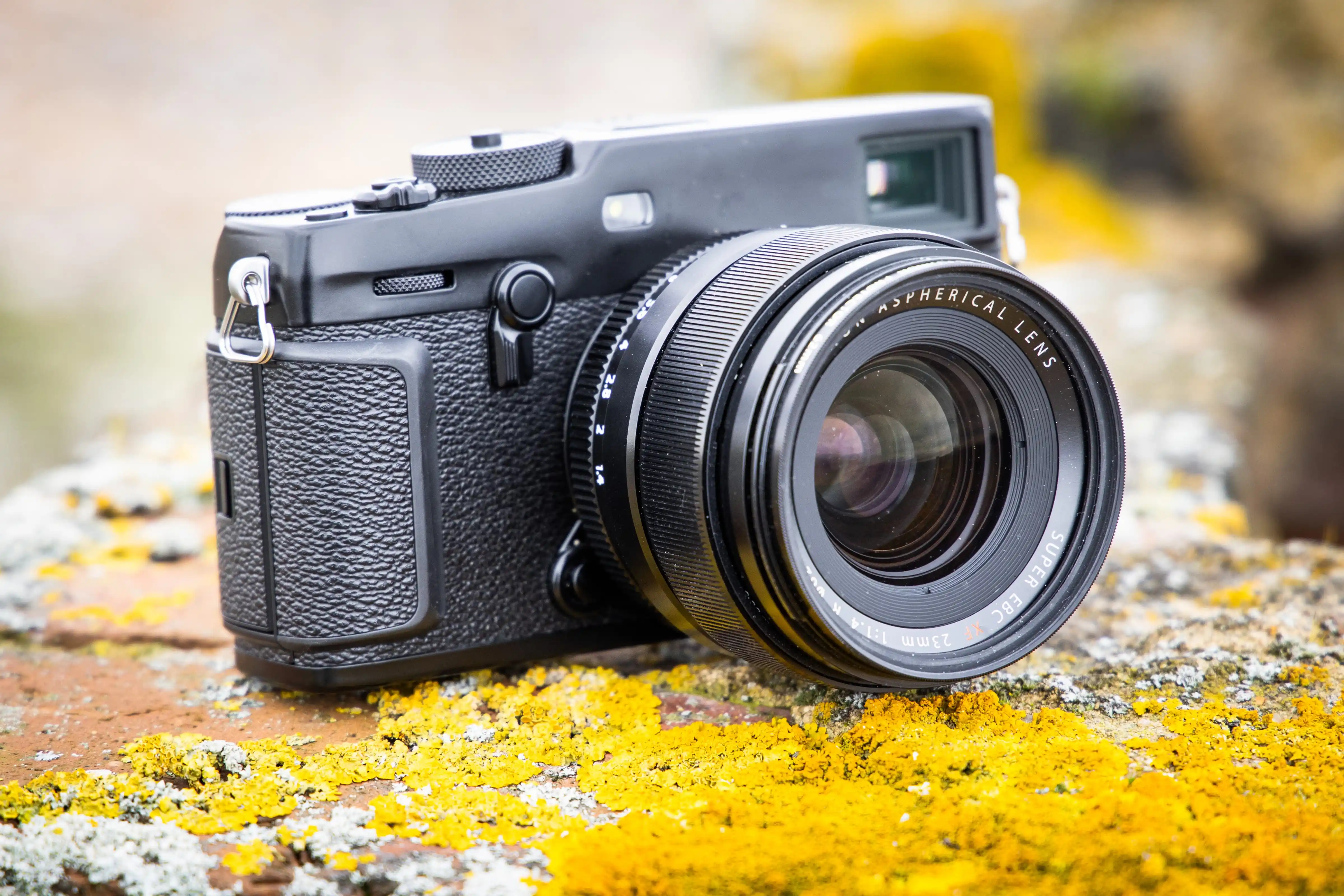
The Fujifilm X-Pro3 stands as a testament to the camera manufacturer’s dedication to combining classic design with modern technology. This camera has sparked discussions among photographers, with its unique features that some may love or dislike, yet it consistently delivers exceptional image quality.
At the heart of the X-Pro3 is a 26-megapixel APS-C sensor, ensuring that the images captured are of high resolution and detail. The camera’s design harks back to the film era, with a hybrid viewfinder that allows photographers to switch between optical and electronic modes. This feature caters to those who appreciate the tactile experience of traditional photography while still enjoying the benefits of digital technology.
One of the most talked-about features of the X-Pro3 is its hidden LCD screen, which encourages photographers to focus more on the moment and less on reviewing every shot—a practice known as “chimping.” This design choice aims to foster a more immersive shooting experience, reminiscent of using a film camera, where one does not see the results until the film is developed.
The X-Pro3’s body is constructed with titanium, offering durability and a premium feel. It comes in three finishes: standard black, and two Duratect-coated versions that are more scratch-resistant. The Duratec coating also gives the camera a distinctive look, whether in Dura Black or Dura Silver, though it does tend to attract fingerprints.
Image quality is where the X-Pro3 truly shines. It inherits the excellent image processing capabilities seen in its sibling, the X-T3, and adds an in-camera HDR mode. The ‘Classic Neg’ film simulation mode is another highlight, providing images with a nostalgic and timeless aesthetic.
Autofocus performance is robust, though it requires a bit more user input compared to some of its peers. For video enthusiasts, the X-Pro3 can capture impressive footage, despite its primary focus on still photography.
The X-Pro3 is a camera that may polarize opinions with its design choices, but it cannot be denied that it is a powerful tool for photography. It is a camera that challenges the norms and encourages photographers to engage with their subjects and the environment, rather than the camera itself.
For those who value a camera that offers both a connection to photography’s past and the technological advancements of the present, the Fujifilm X-Pro3 is a compelling choice. It is a camera that reminds us that photography is not just about the gear but the vision and experience of the photographer.
Photography is an art form that captures moments, tells stories, and expresses emotions through images. It’s a powerful medium that has evolved significantly with technological advancements. The question of whether anyone can learn to take good photographs surfaces frequently in the world of photography. The answer is a resounding yes, with a caveat: learning photography, like any skill, requires patience, practice, and a willingness to learn.
Understanding the Basics The journey to taking good photographs begins with understanding the basic principles of photography. This includes learning about exposure, composition, lighting, and the rule of thirds. Exposure is the amount of light that reaches the camera sensor, and it is controlled by the aperture, shutter speed, and ISO settings. Composition involves arranging elements within the frame in a pleasing manner. Lighting is crucial as it can dramatically alter the mood and feel of a photograph. The rule of thirds is a compositional guideline that suggests dividing the frame into nine equal segments for a balanced composition.
Embracing Technology In today’s digital age, cameras have become more accessible and user-friendly. From smartphones with advanced camera features to professional DSLRs and mirrorless cameras, there’s a wide range of tools available for budding photographers. Understanding your equipment and its capabilities is essential. Many cameras offer automatic modes that handle the technical aspects, allowing you to focus on framing your shot. However, to truly excel in photography, learning to use manual settings will give you greater control over the final image.
Practice Makes Perfect Practice is key to improving your photography skills. Regularly taking photos and experimenting with different techniques will help you understand what works and what doesn’t. Analyzing your photos critically and seeking feedback from others can provide valuable insights into areas of improvement. Additionally, studying the work of renowned photographers can serve as inspiration and a learning tool.
The Creative Process Photography is not just about technical proficiency; it’s also about creativity and personal expression. Developing a unique style and perspective is part of the learning process. This involves experimenting with different subjects, perspectives, and editing techniques. Post-processing software like Adobe Lightroom and Photoshop can enhance your photos and bring your creative vision to life.
Learning Resources There are numerous resources available for those interested in learning photography. Online tutorials, workshops, books, and photography courses can provide structured learning and hands-on experience. Joining photography communities and participating in photo challenges can also be beneficial for growth and motivation.
In conclusion, photography is a skill that anyone can learn. It combines both technical knowledge and creative expression. With the right mindset, tools, and resources, you can embark on a journey to capture the world through your lens. Whether you aspire to be a professional photographer or simply want to improve your hobby, the path to taking good photographs is open to all who are willing to explore it. Remember, every great photographer starts as a beginner, so pick up your camera and start shooting!
Photography is an art form that captures the essence of a moment and preserves it for eternity. It’s a craft combining technology, creativity, and vision to create images that evoke emotions, tell stories, and record history. The true magic of photography lies in its ability to freeze time, allowing us to revisit and relive memories long after they have passed.
The Power of a Single Image A single photograph can communicate complex narratives and evoke a spectrum of emotions. It can transport us to distant lands, introduce us to new cultures, or remind us of the past. Photography is a universal language, understood and appreciated by people regardless of their language or background.
The Artistic Process The process of creating a photograph is both technical and artistic. Photographers must understand the mechanics of their camera, the properties of light, and the principles of composition. However, it’s their artistic vision that transforms a simple snapshot into a powerful image. It’s about seeing the potential in a scene and capturing it in such a way that it becomes a work of art.
The Emotional Connection Photographs have the unique ability to connect with us on an emotional level. They can bring joy, provoke thought, inspire change, or provide comfort. Whether it’s a candid shot of a loved one or a breathtaking landscape, photographs can touch our hearts and stir our souls.
The Role of Photography in Society Photography plays a crucial role in society. It documents our world, from everyday life to historic events. Photojournalists, for example, provide visual accounts of news stories, helping to inform and shape public opinion. Photography also plays a vital role in science and education, providing visual evidence and aiding in research and discovery.
The Evolution of Photography The field of photography has evolved significantly since its inception. From the early days of film and darkrooms to the modern era of digital cameras and smartphones, the tools and techniques have changed, but the essence remains the same. Today, photography is more accessible than ever, allowing more people to participate in capturing and sharing their view of the world.
The Future of Photography As technology advances, so too will the possibilities in photography. New techniques, such as drone photography and virtual reality, are opening up new perspectives and ways of storytelling. The future of photography is bright, with endless potential for innovation and creativity.
In conclusion, the true magic of photography is its ability to capture the fleeting moments of life, to tell stories without words, and to connect us across time and space. It’s a powerful medium that continues to evolve, inspire, and enchant us with every captured frame. Photography is not just about taking pictures; it’s about discovering the extraordinary in the ordinary and sharing that vision with the world. Let’s continue to celebrate and explore the magical world of photography together.
Photography is an art form that captures the essence of a moment, tells a story without words and leaves a lasting impression on the viewer. But what is it that makes a photograph stand out? What transforms a simple snapshot into a potential masterpiece? Let’s dive into the elements that contribute to creating a good picture.
Composition: The Visual Symphony Composition is the backbone of a photograph. It’s the arrangement of elements within the frame that guides the viewer’s eye and evokes emotions. Good composition can turn an ordinary scene into a visual symphony. The Rule of Thirds, leading lines, symmetry, and framing are just a few techniques that photographers use to create a balanced and engaging composition.
Exposure: Painting with Light Exposure is the amount of light that reaches the camera’s sensor, and it’s crucial for setting the mood of the image. A well-exposed photo can highlight textures, contrast, and details that might otherwise be lost. Whether it’s the soft glow of dawn or the harsh shadows of midday, the interplay of light and shadow is what gives a photograph its depth and drama.
Focus: Clarity of Vision Focus determines which part of the image is sharp and clear. It can be used creatively to draw attention to the subject or to create a dreamy background with a shallow depth of field. A good photograph has intention behind its focus, whether it’s the crisp detail of a portrait or the delicate blur of a moving stream.
Subject: The Heart of the Story The subject of a photograph is its beating heart. It’s what captures the viewer’s attention and holds it. A good photograph has a clear subject that resonates with the viewer, whether it’s the raw emotion on a person’s face or the grandeur of a landscape.
Light: The Essence of Photography Light is the essence of photography. It shapes the image, defines the mood, and creates atmosphere. The quality of light can make or break a photograph. Soft, diffused light often yields beautiful, even exposures, while dramatic, directional light can create a powerful impact.
Purpose: The Intention Behind the Lens Every good photograph has a purpose. It’s the intention behind the lens, the reason why the photographer chose to capture that particular scene. It could be to tell a story, to preserve a memory, or to evoke a certain emotion. The purpose is what gives a photograph meaning and makes it memorable.
In conclusion, a good photograph is a blend of technical skill and artistic vision. It’s a moment captured with intention, composed with care, and illuminated with the perfect light. It’s an image that tells a story, touches the heart, and stands the test of time. So, the next time you pick up your camera, remember these elements and let them guide you in creating your own photographic masterpieces. Happy shooting! 📸✨
Robert Capa, born Endre Ernő Friedmann, was a man who turned the chaos of war into a form of art that both horrified and moved an entire generation. His journey from a politically turbulent Hungary to becoming the most renowned war photographer in history is a tale of courage, innovation, and an unyielding commitment to documenting the truth.
Capa’s early life was marked by political strife. Born on October 22, 1913, in Budapest, Austria-Hungary, he was forced to flee his homeland at the age of 18 due to alleged communist sympathies. His path led him to Berlin, where he witnessed the rise of Hitler, and later to Paris, where he would meet his professional partner and companion, Gerda Taro. Together, they invented the persona of Robert Capa, the “famous” American photographer, a ruse that allowed them to sell their work in a market that favored American names.
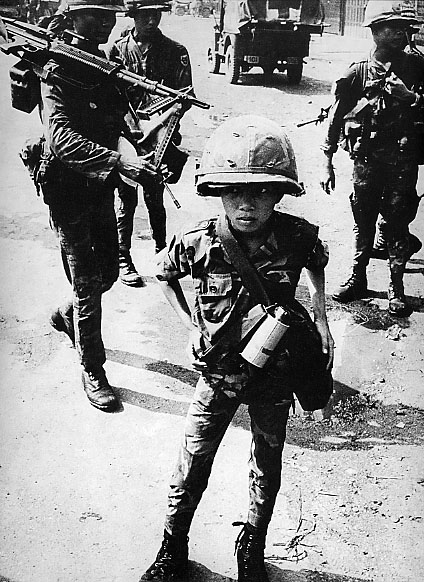
Capa’s lens captured the brutal realities of the Spanish Civil War, the Second Sino-Japanese War, World War II, the 1948 Arab–Israeli War, and the First Indochina War. His work was not just a job; it was a mission to show the world the faces of those who suffered and fought. His iconic photograph, “The Falling Soldier,” taken during the Spanish Civil War, remains one of the most powerful images of combat ever captured, embodying the very essence of Capa’s ability to encapsulate the decisive moment.
The horrors of war were not Capa’s only companions. He formed friendships with literary and cinematic giants such as Ernest Hemingway, John Steinbeck, and John Huston. These relationships not only enriched his life but also helped him navigate the dangerous terrains he photographed. In 1947, Capa co-founded Magnum Photos, the first cooperative agency for worldwide freelance photographers, which revolutionized the field of photojournalism.
Tragically, Capa’s relentless pursuit of truth led to his untimely death on May 25, 1954, when he stepped on a landmine in Thái Bình Province, French Indochina. He was only 40 years old. His legacy, however, lives on through his breathtaking photographs, his co-founding of Magnum Photos, and the numerous accolades he received, including the Medal of Freedom awarded by U.S. General Dwight D. Eisenhower.
Robert Capa’s story is a testament to the power of photography as a means of storytelling and historical documentation. His images serve as a stark reminder of the realities of war, the resilience of the human spirit, and the profound impact one individual can have on the world. Capa once said, “If your photographs aren’t good enough, you’re not close enough.” He lived by those words, and in doing so, he brought the world closer to the truths that many would rather turn away from. His work continues to inspire photographers and journalists alike, reminding us all of the importance of looking closely and never forgetting.
Robert Capa’s Cameras: The Tools of a Photography Legend
Robert Capa, a name synonymous with war photography, captured some of the most poignant moments of the 20th century. His images from the Spanish Civil War and World War II have become iconic, but what about the tools of his trade? What cameras did this legendary photographer use to document the world at war?
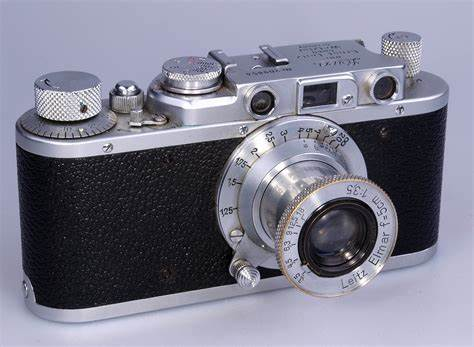
Capa’s early work was closely associated with the compact and efficient Leica 35mm rangefinder. This camera was a game-changer in photojournalism, allowing photographers to move quickly and capture life as it unfolded. The Leica II, with its screw-mount rangefinder, was particularly significant in Capa’s early career. It was this type of camera that he used during his assignment to photograph Leon Trotsky in Copenhagen.
As his career progressed, Capa’s choice in cameras evolved. During World War II, he was known to use a Contax brand camera. This camera, along with the Leica, was small enough to be held in one hand, lightweight, and used 35mm film, which was easy to load and shoot in rapid succession. This allowed Capa to immerse himself in the action, capturing the raw and real moments of conflict.
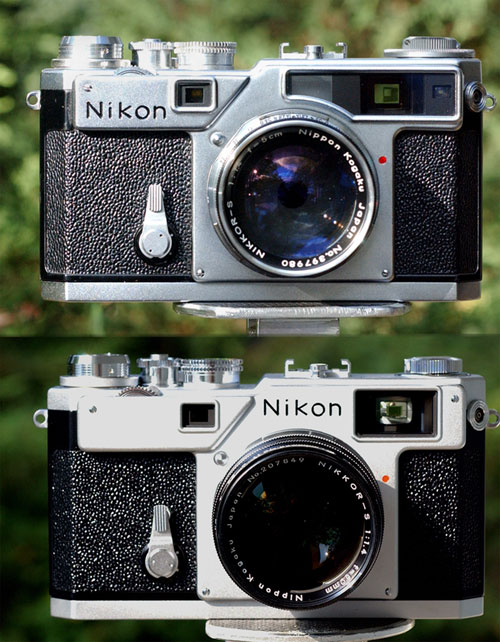
On the tragic day of his death while covering the First Indochina War, Capa had with him a Contax and a Nikon S with a 50mm lens. These cameras were his companions on the battlefield, and one of them, the Nikon S, is sometimes displayed at exhibits of his work, complete with the bloodstains from that fateful day.
Capa’s approach to photography was not just about the camera but also about being close to the action. He famously said, “If your pictures aren’t good enough, you’re not close enough.” This philosophy drove him to the front lines, where he could capture the essence of the human experience during wartime.
The cameras Robert Capa used were more than just tools; they were extensions of his vision. They allowed him to tell the stories of war in a way that was intimate, immediate, and impactful. Through his lenses, we see not just the events of war but the emotions and humanity of those who lived it.
Capa’s legacy is not only in the images he left behind but also in the way he used his cameras. He demonstrated the power of photojournalism and set a standard for future photographers. His work reminds us that the camera is a witness to history, and the photographer behind it is the storyteller.
For those interested in the technical aspects of photography and the history of photojournalism, Capa’s choice of cameras offers a fascinating glimpse into the evolution of the craft. From the Leica II to the Contax and Nikon S, these cameras were at the forefront of technology at the time and enabled Capa to capture history as it happened.
Robert Capa’s cameras were his tools to convey the truth of war. They were the instruments through which he showed the world the realities of conflict, the faces of the soldiers, and the plight of the civilians. They were the means by which he told the stories that needed to be told, and they continue to inspire photographers and storytellers today.
Photography, like any other creative pursuit, can sometimes lead you into a lull. It’s that dreaded feeling where inspiration seems to have packed its bags and left without notice. But fear not, for every creative block, there’s a myriad of ways to overcome it and get back to capturing the world through your lens with renewed passion and perspective.
Firstly, acknowledge that creative blocks are a natural part of the artistic process. They don’t signify a lack of talent or passion but are merely a sign that your brain might need a break or a new source of stimulation. Here are some strategies to help you navigate through this phase:
Rest and Recharge Fatigue can be a significant contributor to creative blocks. Give yourself permission to rest. Sometimes, stepping away from the camera and getting some good sleep can do wonders for your creativity.
Write It Down Keep a journal or a notebook for your photography ideas. Writing can help declutter your mind and may lead to a breakthrough in thinking. Jot down anything and everything without judgment.
Tune Into Some Music Music has the power to alter moods and inspire new ideas. Listen to different genres and let the rhythms and melodies guide your imagination.
Sketch Your World You don’t have to be an artist to benefit from sketching. Draw the scenes around you; it can help you see the world from a new angle and might just spark a photographic idea.
Change Your Scenery Sometimes all you need is a change of environment. Go for a walk, visit a new town, or even rearrange your workspace. New visuals can lead to new inspirations.
Experiment with New Gear Exploring new equipment or even old gear in new ways can provide a fresh perspective. Try out a new lens, filter, or even a different camera format to shake things up.
Seek Out Inspiration Look at the work of other photographers, visit galleries, or dive into photography books. Seeing the world through someone else’s eyes can provide a fresh outlook and inspire your own work.
Embrace Imperfection Perfectionism can be a creativity killer. Allow yourself to make mistakes and remember that each one is a stepping stone to improvement.
Set Small Goals Instead of aiming for a masterpiece every time you shoot, set small, achievable goals. This can help build momentum and get you back into the groove of shooting regularly.
Collaborate with Others Join a photography group or collaborate with a fellow photographer. Sharing ideas and working on projects together can be incredibly stimulating and fun.
Take on a Project or Challenge Give yourself a photography assignment or challenge. Having a specific goal can focus your creativity and push you to look at things differently.
Remember, every photographer goes through highs and lows. The key is to keep pushing through, stay open to new experiences, and never stop learning. Your next great shot could be just around the corner, waiting for you to capture it. So grab your camera, and let’s turn that lull into a launchpad for your next creative leap! Happy shooting!
Professionalism in photography transcends the mere act of capturing images. It embodies a comprehensive approach that combines artistic talent with business acumen, customer service, and ethical conduct. A Professional photographer is not merely someone who gets paid for their photographs; rather, they are individuals who consistently deliver quality, value their client’s time, and uphold a brand that resonates with trust and excellence.
The Essence of Professionalism in Photography
At its core, professionalism in photography involves a commitment to quality and a dedication to the craft. It means having the technical skills to produce outstanding images and the people skills to communicate effectively with clients. Professional photographers understand the importance of making a great first impression, responding promptly to inquiries, and dressing appropriately for events. They also recognize the significance of their personal image as part of their brand identity.
Building a Brand and Business
Professional photographers must also be savvy entrepreneurs. They need to manage their business efficiently, market their services effectively, and navigate the competitive landscape of the photography industry. This includes understanding pricing strategies, creating a compelling portfolio, and networking within the industry. A professional photographer’s brand is a reflection of their work ethic, style, and the experiences they provide to their clients.
Customer Service as a Cornerstone
Customer service is a critical component of professionalism in photography. It’s about valuing the client’s time, delivering expected materials or services on time, educating the client when necessary, and taking responsibility when things don’t go as planned. A professional photographer builds relationships with clients based on trust and reliability, ensuring repeat business and referrals.
Ethical Conduct and Integrity
Professionalism also entails adhering to ethical standards and operating with integrity. This means respecting clients’ privacy, honouring contracts and agreements, and being honest in all business dealings. Professional photographers protect their clients’ interests and maintain confidentiality, fostering an environment of mutual respect.
Continuous Learning and Improvement
The photography industry is dynamic, with constant technological advancements and evolving trends. Professional photographers commit to lifelong learning, staying updated with the latest equipment, techniques, and styles. They invest in their education, attend workshops, and seek mentorship to refine their skills and expand their knowledge.
Conclusion
Professionalism in photography is a multifaceted concept that goes beyond the ability to take beautiful photos. It encompasses the entire client experience, from the initial contact to the delivery of the final product. It’s about creating a reputable brand, offering exceptional customer service, conducting business with integrity, and continually striving for excellence. For those aspiring to become professional photographers, it’s essential to embrace these principles to succeed and thrive in this creative and competitive field.
































































































 a world without pictures is like coffee without cream and sugar, bitter