The Nikon 85mm f/1.8G paired with a Nikon D810 is one of the most satisfying lens-body combos you can put together 👌📷. It’s a classic setup that delivers gorgeous images with relative simplicity and a very pleasing shooting experience.
📸 Nikon 85 mm f/1.8G on the Nikon D810 — A Perfect Portrait Pairing
When you mount the Nikon AF-S Nikkor 85mm f/1.8G on a Nikon D810, you’re combining two things:
An outstanding portrait lens with beautiful rendering
One of Nikon’s highest-resolution full-frame bodies
Together, they create images with exceptional clarity, smooth tonality, and a classic portrait aesthetic — without breaking the bank.
🧠 Why This Combo Is So Good
💎 1. Image Quality That Punches Above the Price
The 85mm f/1.8G is often called one of Nikon’s best value lenses because:
Very sharp from wide open
Elegant separation between subject and background
Clean, flattering skin tones
Minimal optical flaws
On the D810’s 36 MP sensor, the results are rich and detailed — capturing texture and nuance that feel “medium-format light.”
🌗 2. Beautiful Background Separation (Bokeh)
At f/1.8, the lens excels at isolating subjects:
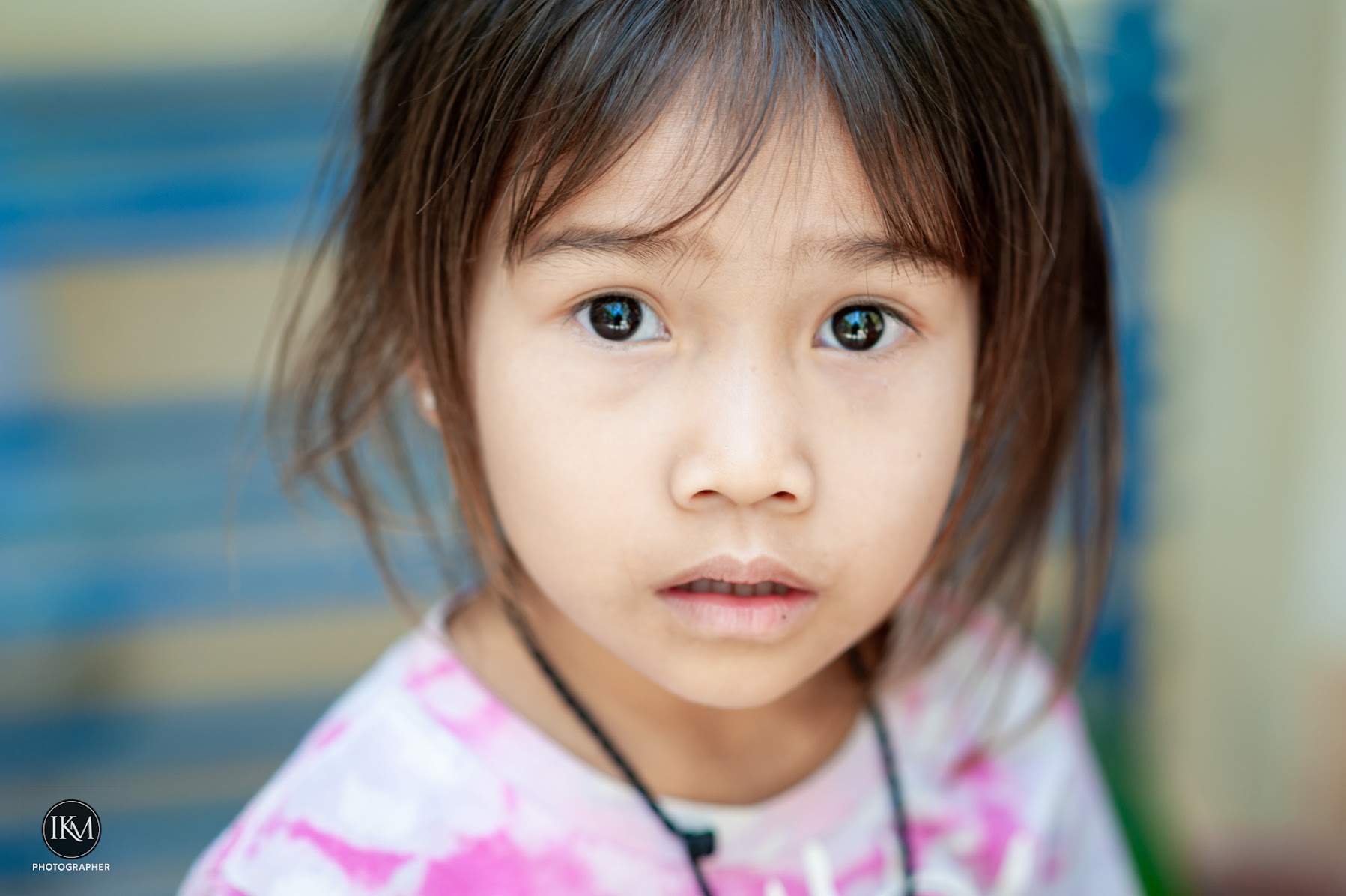
✨ Creamy, smooth bokeh ✨ Rounded highlights ✨ Subject pop without being cartoonish
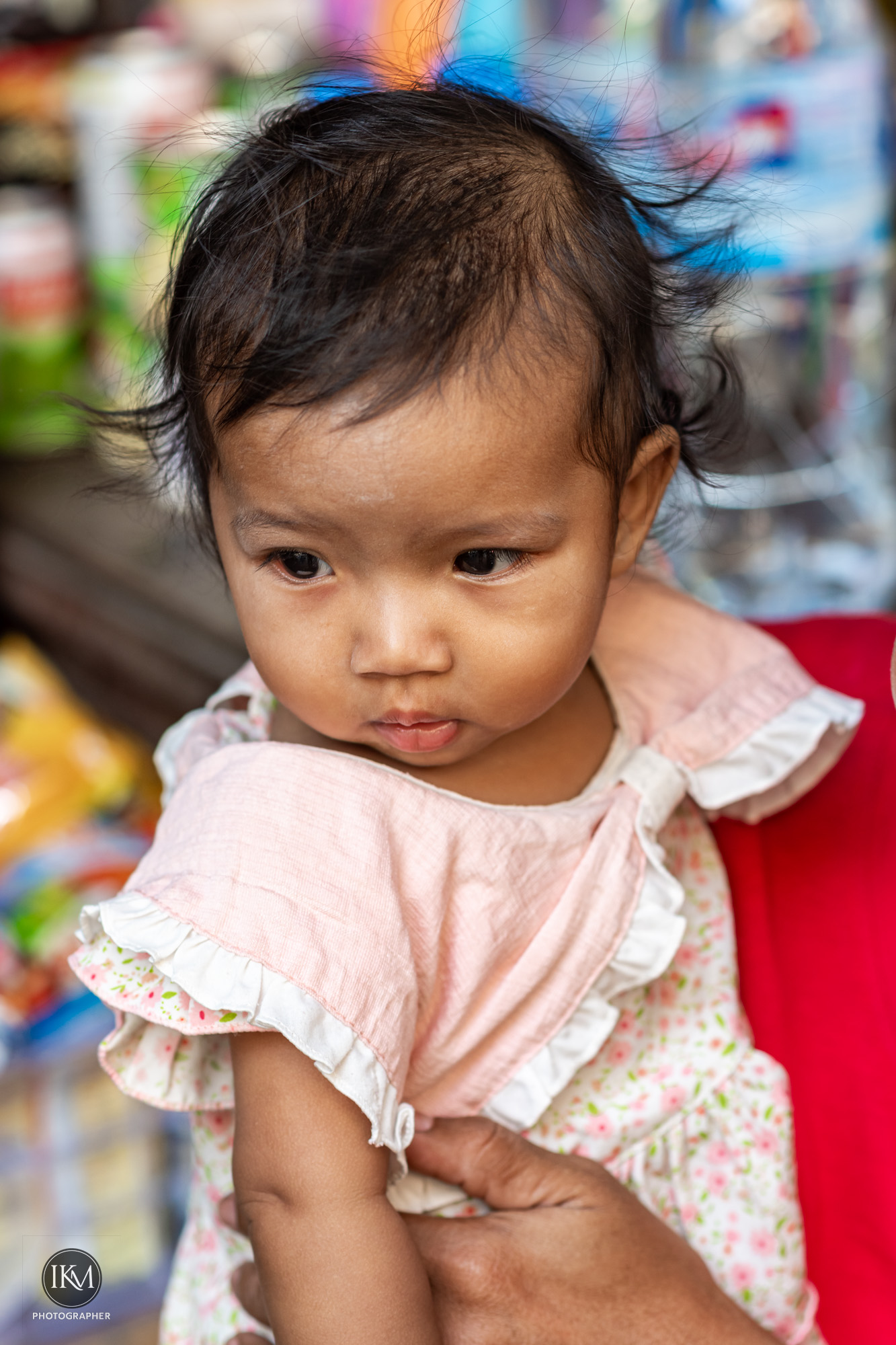
This is exactly why 85 mm is a portrait standard — it flatters faces while keeping distractions soft and unobtrusive.
🧠 3. Focal Length That Just Works
On full-frame, 85 mm sits at a sweet spot for portraits — not too wide, not too telephoto.
It’s far enough from your subject to compress features gently, but close enough to maintain connection.
Great for: ✔️ Headshots ✔ Upper-body portraits ✔ Street portraits ✔ Isolated detail shots
⚡ 4. Fast, Reliable AF on the D810
The D810’s Multi-CAM 3500FX AF system pairs beautifully with the 85 mm f/1.8G:
Accurate focus even at wide aperture
Solid performance in low light
Predictable tracking across frames
This means less missed focus and fewer “soft” portraits at shallow depth of field.
📷 Sample Situations Where It Shines
👩 Portrait Sessions
Natural light or studio — this lens renders skin with smooth tonal transitions and minimal post-processing needed.
🌆 Street Portraiture
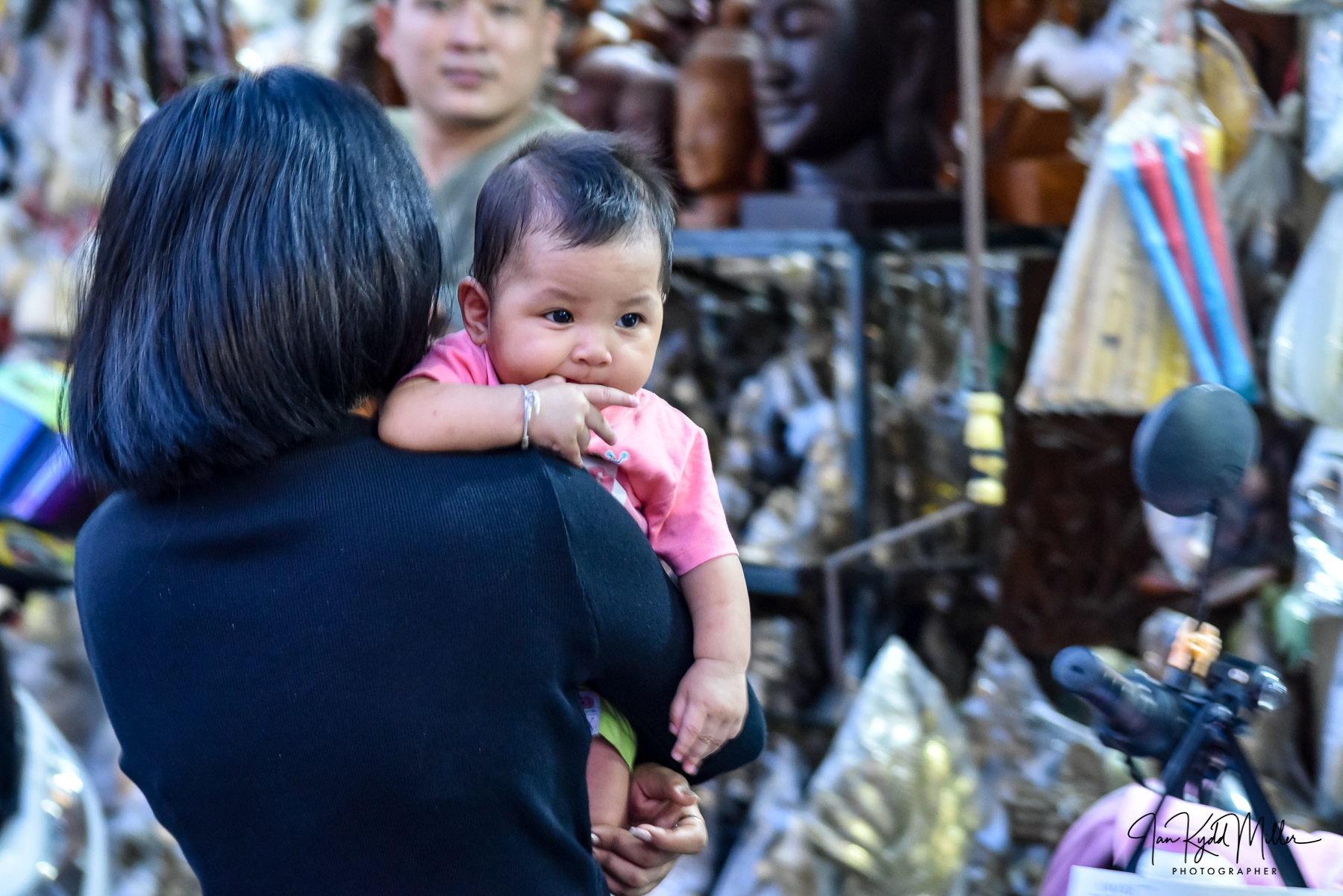
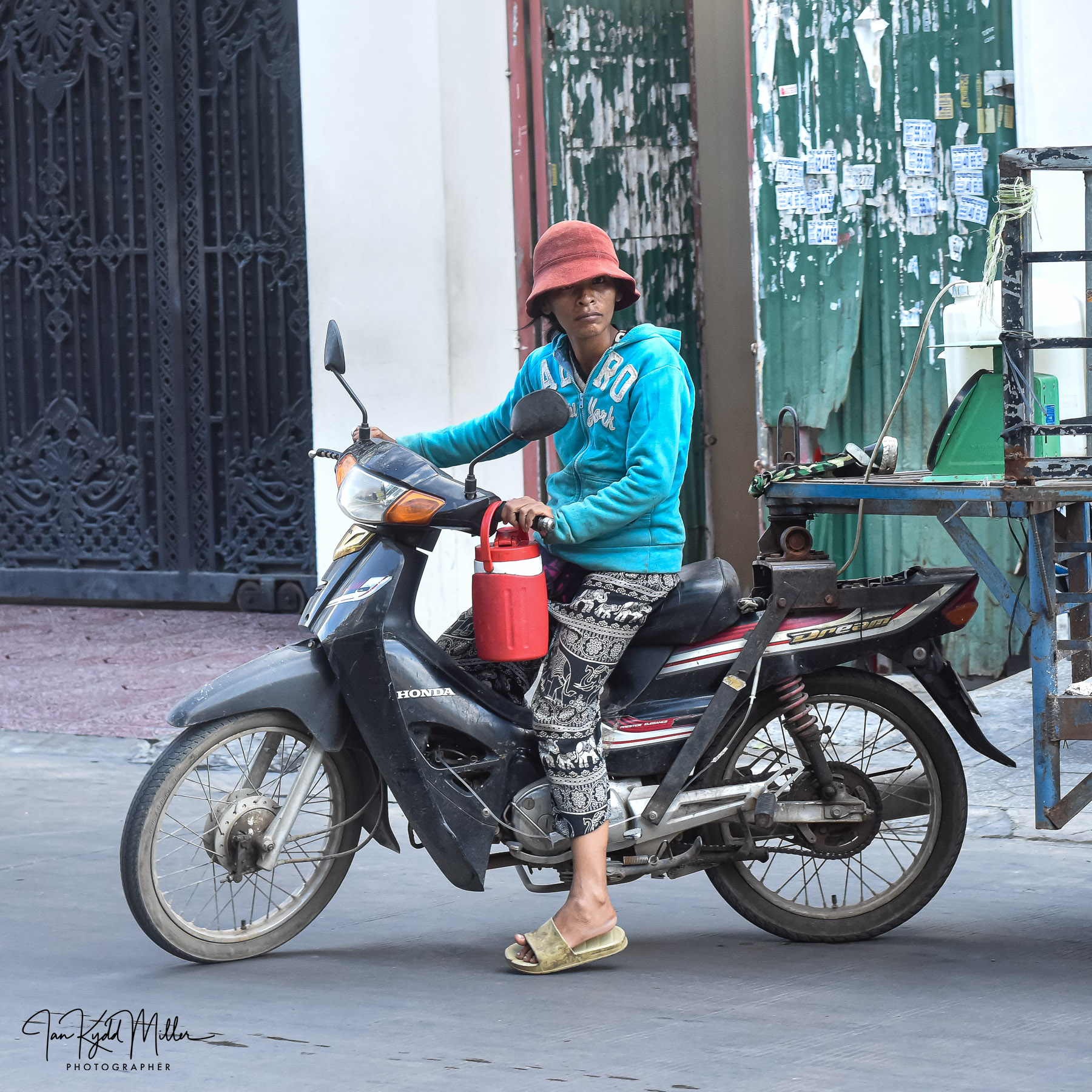
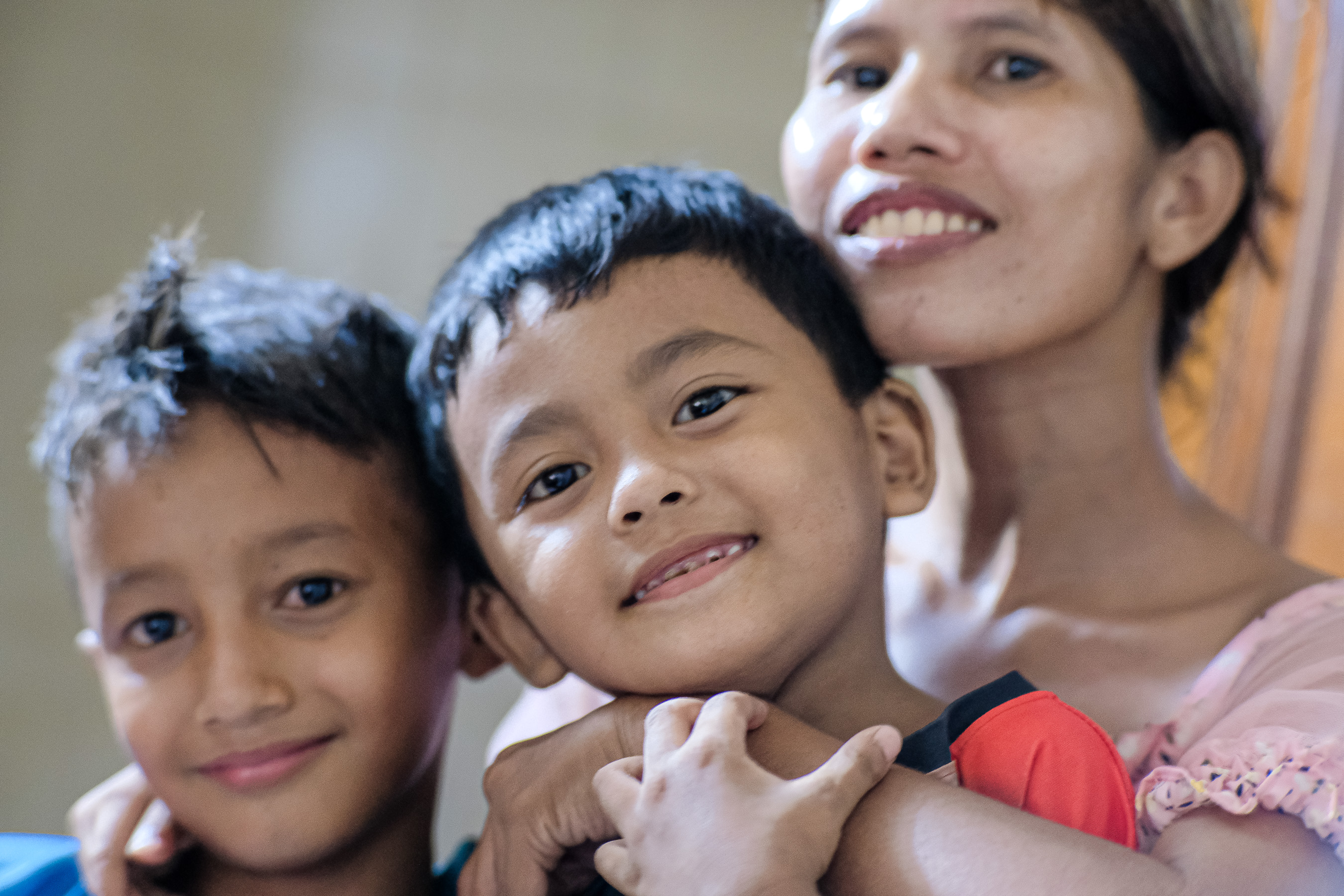
You can maintain respectful distance and still get head-and-shoulders frames that feel intimate.
🎉 Events & Candids
Fast aperture lets you shoot in ambient light without flash — great for weddings or indoor environments.
🧠 Practical Tips For Best Results
📍 1. Use f/1.8–f/2.8 for Portaits
f/1.8 — most beautiful background blur
f/2.2–f/2.8 — slightly more depth for group or moving shots
📍 2. Watch your focus point
At f/1.8 on 36 MP, focus placement matters a lot: ✔️ Aim for the nearest eye ✔️ Lock focus, then recompose if needed
📍 3. Consider Distance
85 mm is long-ish — ensure you have enough space
Too close and you compress facial features slightly (often flattering!)
Too far and the background may become a bit too compressed
🔎 Comparison with Similar Lenses
Lens
Strengths
When to Choose
Nikon 85 mm f/1.8G
Sharp, smooth bokeh, affordable
Best all-around portrait lens
Nikon 85 mm f/1.4G
Creamier bokeh, more control
Studio portraits / creamy stylized look
Nikon 105 mm f/1.4E
Ultra-isolated blur
Fine-art / editorial portraits
If you want more extreme bokeh and are OK with size/weight, the f/1.4 options push the aesthetic even further — but the f/1.8G is the sweet spot for value and performance.
🎯 Final Verdict
✅ Image sharpness: Outstanding ✅ Background separation: Gorgeous ✅ Low-light ability: Excellent ✅ Ease of use: Very good ✅ Value: Exceptional
On the Nikon D810, this combo produces images that look rich, dimensional, and expressive — no filters required.
Choosing a potentially dangerous profession like photojournalism requires preparation, resilience, and a deep passion for storytelling. Here’s a guide to help someone navigate this path safely and effectively:
1. Develop Strong Skills and Portfolio
Master the Craft: Enhance photography skills through courses, workshops, and hands-on practice. Street photography, capturing candid moments, is a good starting point.
Build a Portfolio: Create a compelling portfolio showcasing a variety of work, with an emphasis on impactful, human-interest stories.
2. Gain Relevant Experience
Internships and Freelance Work: Start with internships at media outlets or freelance assignments to gain practical experience.
Network: Connect with other photojournalists and professionals in the field. Attend industry events, join photography groups, and participate in exhibitions.
3. Understand the Risks
Safety Training: Take courses on safety in conflict zones and hazardous environments. Organizations like the Rory Peck Trust offer such training.
Stay Informed: Research and stay updated on the regions and situations you will be covering. Knowledge of the political, social, and environmental context is crucial.
4. Equip Yourself Properly
Right Gear: Invest in durable and reliable photography equipment. Consider cameras like the Nikon D3S or Canon 1D MkIV which have proven performance.
Safety Gear: In dangerous areas, gear like bulletproof vests and helmets might be necessary.
5. Develop a Support System
Mentorship: Find a mentor in the field who can offer guidance and support.
Mental Health Support: Dealing with traumatic events can be challenging. Have access to mental health resources and support networks.
6. Legal and Ethical Considerations
Understand Legalities: Be aware of the legal implications and regulations in the areas you are working in.
Ethics: Maintain ethical standards in journalism. Respect the dignity and privacy of the subjects you photograph.
7. Be Persistent and Adaptable
Stay Determined: The path to becoming a successful photojournalist can be challenging and competitive.
Adaptability: Be open to different styles and methods of storytelling.
SflyProxyVersion 1;
The journey to becoming a photojournalist is both demanding and rewarding. It requires a balance of technical skill, safety awareness, and a profound commitment to telling human stories.
If you’re eager to start, why not practice your skills by capturing compelling stories in your local area? Street photography often provides a rich tapestry of human experiences and can serve as excellent preparation for more intense assignments.
For a burgeoning photojournalist like yourself, focusing on specific photography skills can elevate your work and help you capture impactful, story-driven images. Here are some key skills to hone:
1. Composition and Framing
Rule of Thirds: Understand how to compose images by dividing the frame into thirds, placing points of interest along these lines.
Leading Lines: Use lines to guide the viewer’s eye to the main subject of the photograph.
Framing: Experiment with natural frames within your environment to highlight the subject.
2. Exposure and Lighting
Manual Mode Mastery: Get comfortable shooting in manual mode to have full control over shutter speed, aperture, and ISO.
Low-Light Photography: Practice capturing sharp and well-exposed images in low-light conditions, a crucial skill for photojournalists.
Natural Light: Learn to use and manipulate natural light to enhance your images.
3. Focus and Depth of Field
Selective Focus: Understand how to use selective focus to isolate your subject from the background.
Depth of Field: Play with different apertures to create depth in your images. Use a shallow depth of field for portraits and a deeper one for environmental shots.
4. Candid and Street Photography
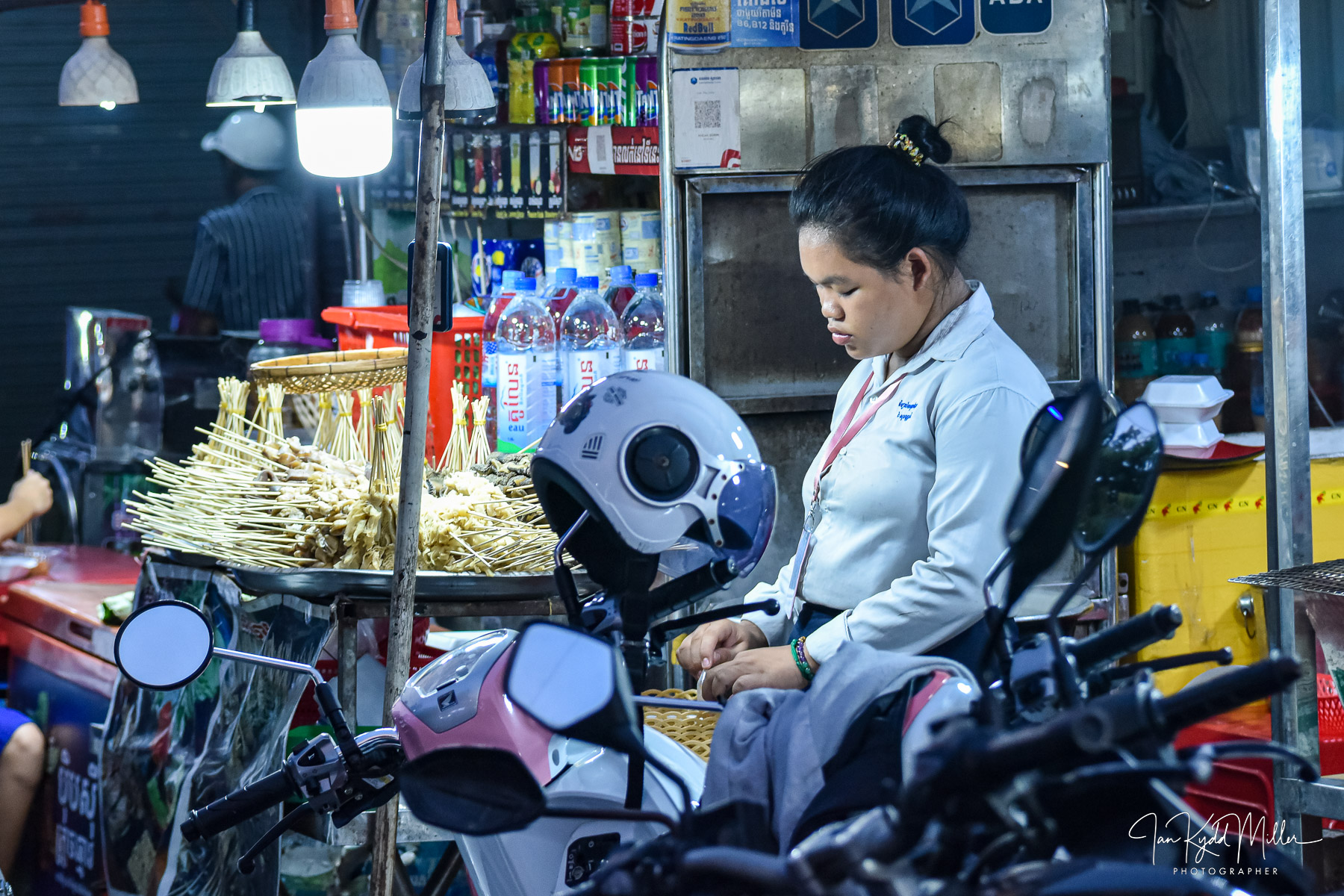
Spontaneity: Capture un-posed, genuine moments. This is essential for telling authentic human stories.
Discreet Shooting: Develop techniques to shoot discreetly, so as not to disturb the scene you photograph.
5. Post-Processing
Editing Software: Gain proficiency in photo editing software like Adobe Lightroom and Photoshop.
Ethical Editing: Learn to enhance images while maintaining their authenticity and integrity. Avoid excessive manipulation.
6. Visual Storytelling
Narrative: Each photo should contribute to the overarching story you aim to tell. Think about how your images work together to convey a message.
Sequencing: Practice creating a photo series that guides the viewer through a visual narrative.
7. Technical Proficiency with Gear
Camera Handling: Be familiar with your camera’s functions. Practice changing settings quickly and efficiently.
Lens Selection: Understand which lenses to use for different scenarios. Prime lenses are great for low light, while zoom lenses offer versatility.
8. Research and Contextual Knowledge
Background Research: Always research the context of the stories you are documenting. This ensures your images are informative and respectful.
Cultural Sensitivity: Be aware of and sensitive to cultural norms and practices in the regions you photograph.
9. Resilience and Adaptability
Patience: Sometimes the perfect shot requires waiting for the right moment.
Adaptability: Be prepared to adapt to changing conditions and unpredictable situations.
10. Ethical Journalism
Code of Ethics: Familiarize yourself with the ethical standards in journalism. Always prioritize the dignity and safety of your subjects.
Consistent practice and a willingness to experiment and learn from each shot will help you develop these skills. Documenting your local area can be a great way to start building these competencies.
Is there a particular technique or skill you’d like to dive deeper into?
Enhancing your visual storytelling in photography involves more than just capturing beautiful images—it’s about conveying a narrative that resonates with your audience. Here are some techniques to elevate your storytelling:
Define Your Story Purpose: Clearly define the purpose of your story. What message do you want to convey? What emotions do you want to evoke?
Subject: Identify the main subject or theme of your story. It could be a person, a place, or an event.
Research and Plan Background Research: Gather information about your subject. Understanding the context helps in capturing more meaningful images.
Storyboarding: Plan your shots in advance. Create a storyboard to visualize the sequence of your story.
Capture Emotions and Moments Expressions: Focus on capturing genuine emotions and expressions. They add depth to your story.
Moments: Look for decisive moments that highlight the essence of your narrative.
Use Composition Effectively Visual Hierarchy: Guide the viewer’s eye through the image using composition techniques like leading lines, framing, and the rule of thirds.
Juxtaposition: Use contrast and juxtaposition to highlight differences or similarities within the frame.
Play with Light and Shadows Natural Light: Utilize natural light to create mood and atmosphere. The quality of light can significantly impact the emotional tone of your images.
Shadows: Incorporate shadows to add depth and drama.
Incorporate Symbolism and Metaphors Symbols: Use objects or elements that symbolize broader concepts or themes. They can add layers of meaning to your story.
Metaphors: Create visual metaphors that represent abstract ideas in a tangible form.
Create a Sense of Place Environmental Shots: Capture the environment and setting to provide context. It helps the viewer understand the surroundings and the story’s backdrop.
Details: Pay attention to small details that contribute to the overall narrative.
Sequence Your Images Chronology: Arrange your images in a sequence that makes sense chronologically or thematically.
Pacing: Vary the pacing by mixing wide shots, medium shots, and close-ups. It keeps the viewer engaged.
Post-Processing Consistent Style: Maintain a consistent editing style that complements your story. It helps in creating a cohesive visual narrative.
Enhancements: Enhance colours, contrast, and sharpness to draw attention to key elements without over-editing.
Engage with Your Audience Captions and Context: Provide captions or context to accompany your images. It helps the audience understand the story behind the shots.
Photography is not just about capturing moments; it’s a form of expression, a way to tell stories and a journey of continuous learning and discovery. For those who are passionate about photography, here’s a guide that encapsulates the essence of becoming a photographer, not just in skill but in spirit.
Observation and Learning Start by observing the work of other photographers. Study their techniques, the composition of their shots, and the emotions they evoke. This is not about imitation but about understanding the vast possibilities of visual storytelling.
Understanding Appeal Reflect on what draws you to certain images. Is it the play of light and shadow, the depth of field, or the subject itself? Identifying these elements helps refine your aesthetic sense and guides your creative decisions.
Finding Your Muse Discover a subject that resonates with you deeply. It could be nature, urban landscapes, or candid street photography. When you photograph what you love, it reflects in the depth and authenticity of your work.
Selective Curation Select those that strike a chord with you among the images you admire. Understand why they stand out — is it the narrative, the technique, or the moment they capture? This insight is crucial for developing your unique style.
Emulating Success Once you know what you like, try to create more images in a similar vein. This doesn’t mean copying but allowing your inspirations to inform your photography growth.
The Practice Grind Keep shooting. The more you photograph, the more you learn about your camera, your subject, and most importantly, yourself. Each image is a step forward in your photographic journey.
Embracing Failures Accept that many of your photographs will not turn out as expected. Failure is an integral part of the learning process. It teaches resilience and opens doors to unexpected avenues of creativity.
Celebrating Discoveries Every so often, you’ll capture something truly extraordinary. Celebrate these moments of serendipity and breakthroughs. They are the milestones that mark your growth in this art form.
The Fame Dilemma Aspire not for fame but for fulfilment. Wishing to be a famous photographer can cloud your judgment and lead you away from the joy of photography itself.
Prioritizing Passion Remember, if your priority is fame over passion, you risk losing the essence of what makes photography magical. Focus on your love for the craft, and success, in its truest sense, will follow.
Photography is a personal journey, one that is unique to each individual. It’s a path paved with patience, passion, and persistence. So, grab your camera, and let the world see through your lens. The beauty of photography lies in the freedom to explore, to express, and to engage with the world in a way that is uniquely yours. Happy shooting!
Photography is an art form that captures moments, tells stories, and expresses emotions through images. It’s a powerful medium that has evolved significantly with technological advancements. The question of whether anyone can learn to take good photographs surfaces frequently in the world of photography. The answer is a resounding yes, with a caveat: learning photography, like any skill, requires patience, practice, and a willingness to learn.
Understanding the Basics The journey to taking good photographs begins with understanding the basic principles of photography. This includes learning about exposure, composition, lighting, and the rule of thirds. Exposure is the amount of light that reaches the camera sensor, and it is controlled by the aperture, shutter speed, and ISO settings. Composition involves arranging elements within the frame in a pleasing manner. Lighting is crucial as it can dramatically alter the mood and feel of a photograph. The rule of thirds is a compositional guideline that suggests dividing the frame into nine equal segments for a balanced composition.
Embracing Technology In today’s digital age, cameras have become more accessible and user-friendly. From smartphones with advanced camera features to professional DSLRs and mirrorless cameras, there’s a wide range of tools available for budding photographers. Understanding your equipment and its capabilities is essential. Many cameras offer automatic modes that handle the technical aspects, allowing you to focus on framing your shot. However, to truly excel in photography, learning to use manual settings will give you greater control over the final image.
Practice Makes Perfect Practice is key to improving your photography skills. Regularly taking photos and experimenting with different techniques will help you understand what works and what doesn’t. Analyzing your photos critically and seeking feedback from others can provide valuable insights into areas of improvement. Additionally, studying the work of renowned photographers can serve as inspiration and a learning tool.
The Creative Process Photography is not just about technical proficiency; it’s also about creativity and personal expression. Developing a unique style and perspective is part of the learning process. This involves experimenting with different subjects, perspectives, and editing techniques. Post-processing software like Adobe Lightroom and Photoshop can enhance your photos and bring your creative vision to life.
Learning Resources There are numerous resources available for those interested in learning photography. Online tutorials, workshops, books, and photography courses can provide structured learning and hands-on experience. Joining photography communities and participating in photo challenges can also be beneficial for growth and motivation.
In conclusion, photography is a skill that anyone can learn. It combines both technical knowledge and creative expression. With the right mindset, tools, and resources, you can embark on a journey to capture the world through your lens. Whether you aspire to be a professional photographer or simply want to improve your hobby, the path to taking good photographs is open to all who are willing to explore it. Remember, every great photographer starts as a beginner, so pick up your camera and start shooting!
In the world of photography, the pursuit of the perfect image is a never-ending journey. Whether you’re a professional photographer or an enthusiastic amateur, the questions of sharpness and correct exposure are always at the forefront of the creative process. But is it essential for every image to be perfectly sharp and correctly exposed?
Sharpness in an image refers to the clarity of detail and is often associated with the quality of a photograph. A sharp image can capture textures and fine details that draw the viewer into the scene. However, sharpness is not always the priority. For instance, motion blur in a photo can convey movement, and a softer focus can create a dreamy, romantic atmosphere. The context of the image and the story it aims to tell can dictate whether sharpness is essential.
Correct exposure, on the other hand, is about achieving the right balance of light and dark in an image. It’s about ensuring that the photograph accurately represents the scene as it appears to the eye, or perhaps as the photographer intends to interpret it. While correct exposure is important, it’s not an absolute rule. High-key and low-key photography intentionally overexpose or underexpose images to create a specific mood or focus on certain elements within the frame.
The digital age has brought a plethora of tools and techniques that allow photographers to manipulate images post-capture. The software can sharpen blurry images and adjust exposure levels to salvage shots that might have been considered failures in the past. This flexibility has opened up new avenues for creativity, allowing photographers to experiment with their craft without fearing making irreversible mistakes.
Ultimately, the essence of photography lies in expression and storytelling. While technical perfection is a goal for many, the emotion and message conveyed often leave a lasting impact on the viewer. Some of the most iconic photographs in history are neither perfectly sharp nor correctly exposed, yet they have moved people and stood the test of time.
So, must every image be perfectly sharp and correctly exposed? The answer is subjective. It depends on the photographer’s vision, the story they want to tell, and the emotional response they hope to evoke. In the end, the perfect image is not just about technical precision; it’s about the connection it creates with those who view it. As photographers, we strive for technical excellence, but we should remember that imperfections can sometimes make an image even more powerful and memorable.
































 a world without pictures is like coffee without cream and sugar, bitter