


The Old Photographer Series
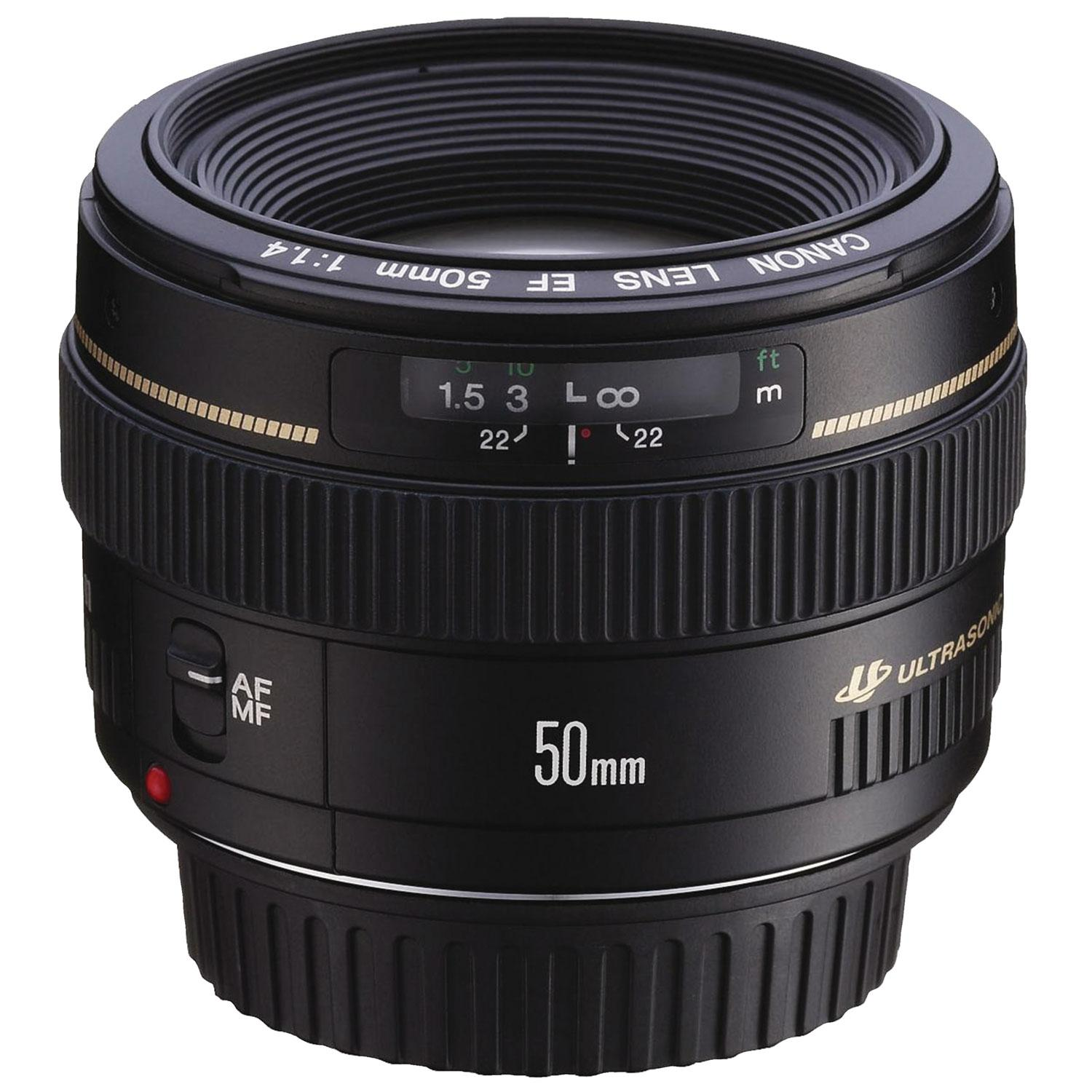
Canon EF 50mm f/1.4 USM Lens | Best Buy Canada
Canon EF 50mm f/1.4 USM – Full Format Review / Lab Test Report
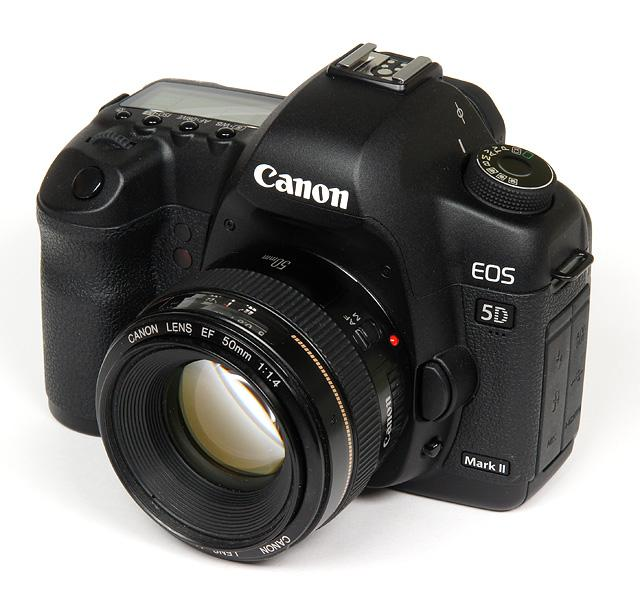
עדשת קנון Canon lens 50mm F/1.4 USM – Camera | מצלמות | מצלמות וידאו
Introduced in 1993, the Canon EF 50mm f/1.4 USM belongs to a generation of photographic equipment designed long before photographers became obsessed with laboratory measurements, corner sharpness and megapixel counts.
It is a relatively small, lightweight and capable standard prime lens that, even in 2026, deserves considerably more respect than it sometimes receives.
It is not optically perfect. Its autofocus mechanism has a known weakness, and its performance wide open can be somewhat unpredictable. But photography is not necessarily about optical perfection. It is about making pictures, and this little Canon remains perfectly capable of making some exceptionally good ones.
Technical specifications
| Specification | Details |
|---|---|
| Introduced | 1993 |
| Lens mount | Canon EF |
| Focal length | 50mm |
| Maximum aperture | f/1.4 |
| Minimum aperture | f/22 |
| Optical construction | 7 elements in 6 groups |
| Aperture blades | 8 |
| Autofocus | Micro USM |
| Minimum focusing distance | 45cm |
| Filter diameter | 58mm |
| Weight | 290g |
| Image stabilisation | None |
| Weather sealing | None |
Optical performance

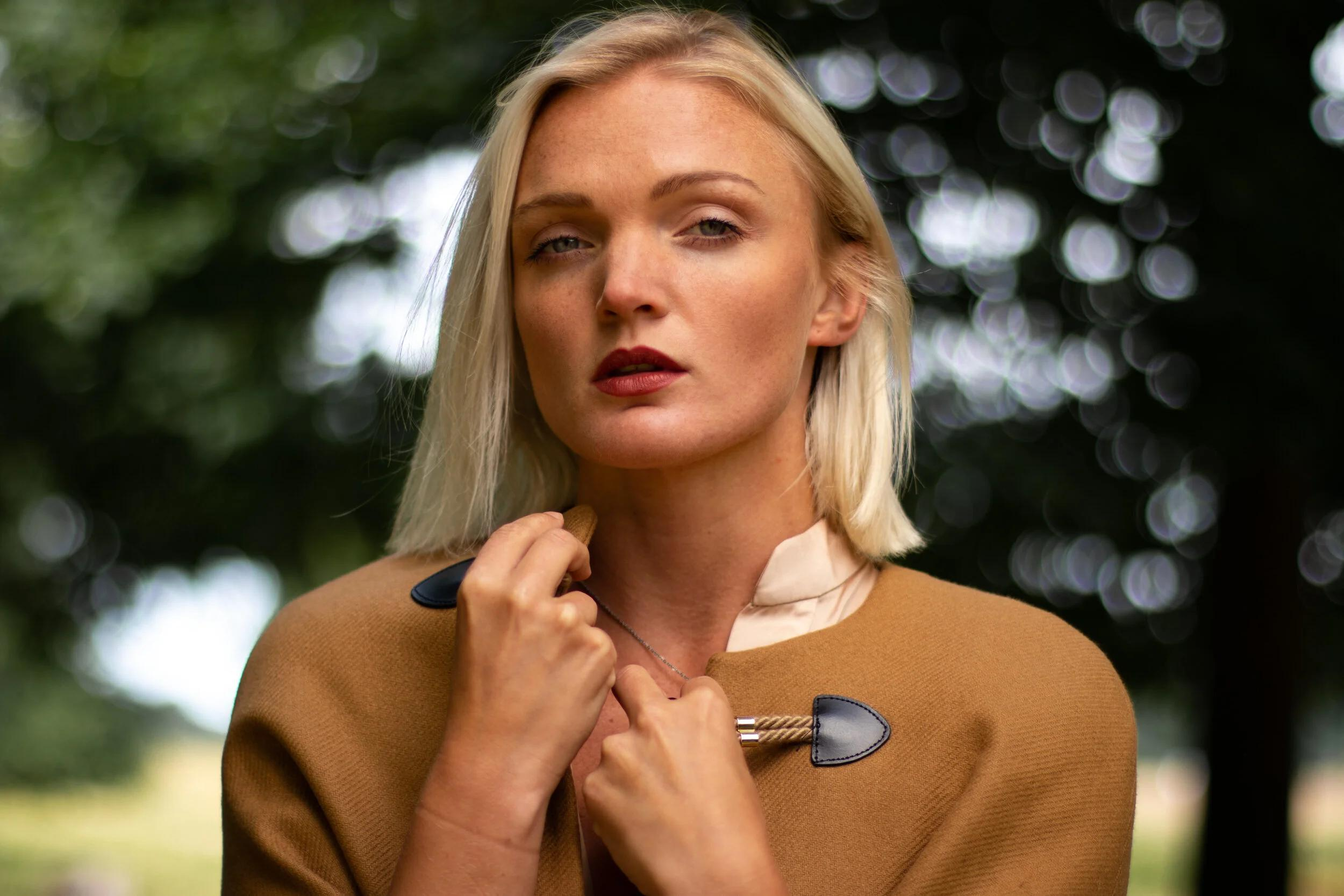
At f/1.4, the lens produces a slightly soft, sometimes almost dreamy rendering, particularly around areas of high contrast. There is noticeable vignetting on full-frame cameras, and chromatic aberration can become apparent.
None of these characteristics necessarily ruins a photograph.
For portraiture, particularly environmental portraiture, that slightly gentler rendering can be rather attractive. Not every human face needs to be reproduced with the clinical precision of a forensic examination.
Stop the lens down and its personality changes considerably.
| Aperture | Performance |
|---|---|
| f/1.4 | Gentle rendering, shallow depth of field |
| f/2 | Improved contrast and sharpness |
| f/2.8 | Very good general performance |
| f/4 | Excellent for documentary work |
| f/5.6–f/8 | Strong overall sharpness |
| f/11–f/16 | Greater depth of field, increasing diffraction |
For my money, f/2 to f/4 represents the most attractive working range for photographing people.
A lens for street photography

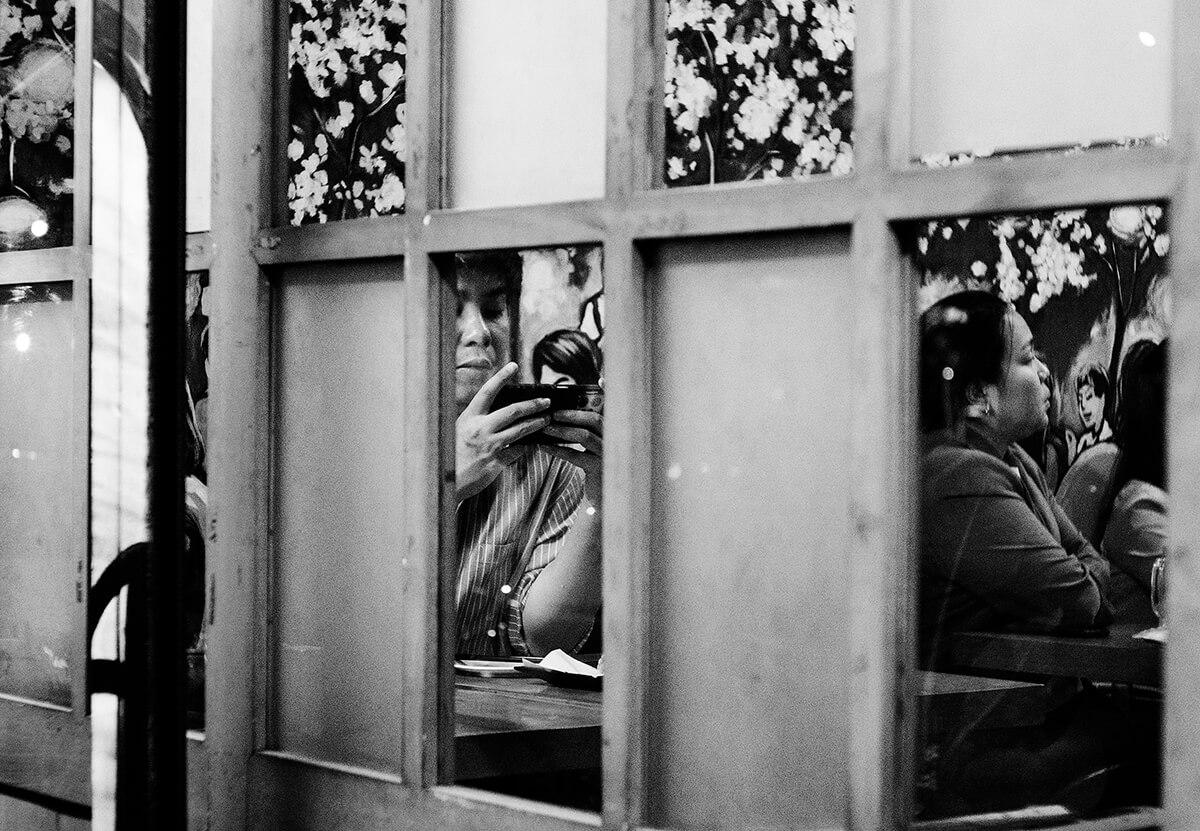




The 50mm focal length has always occupied an important place in documentary and street photography. It offers a relatively natural perspective when used at typical working distances without exaggerating the relationship between foreground and background.
It encourages the photographer to move, to consider positioning and to pay attention to what is happening around the subject.
Mounted on a Canon EOS 5D Mark II, it makes a particularly appealing combination. A relatively uncomplicated full-frame DSLR, a bright optical viewfinder and a fast standard lens. There is very little else one actually needs.
On a Canon EOS-1D Mark IV, its field of view is equivalent to approximately 65mm on full frame, making it particularly useful for slightly tighter street portraits.
Both are cameras you have experience with, and neither needs a modern, expensive lens to remain photographically relevant.
The weakness of the autofocus mechanism
The most significant criticism of the Canon 50mm f/1.4 USM is not its optical performance but its mechanical construction.
Unlike Canon’s more robust ring-type USM lenses, this lens uses a Micro USM system with full-time manual focusing capability. Its extending focusing assembly can be vulnerable to knocks and pressure.
When buying a used example, check the following:
- Autofocus operates smoothly throughout its focusing range.
- The manual focusing ring moves without resistance.
- The extending lens barrel is not damaged.
- Focus is consistently accurate at wide apertures.
- There are no unusual grinding or clicking sounds.
Using the dedicated ES-71 II lens hood can provide some additional protection against accidental contact with the extending barrel.
Suggested street photography settings
The Old Photographer’s field settings
Canon EF 50mm f/1.4 USM · Full-frame DSLR
Exposure mode
Av
Aperture priority
Working aperture
f/4
Everyday street work
Target shutter speed
1/500
Moving people
ISO
Auto*
According to available light
Autofocus
Single point
AI Servo for moving subjects
Drive mode
Short bursts
When anticipating gestures
For individual portraits, try f/2–f/2.8, focusing carefully on the nearest eye.*Older Canon bodies have limited Auto ISO functionality. Adjust ISO manually where necessary to maintain your shutter speed.
How does it compare with other Canon 50mm lenses?
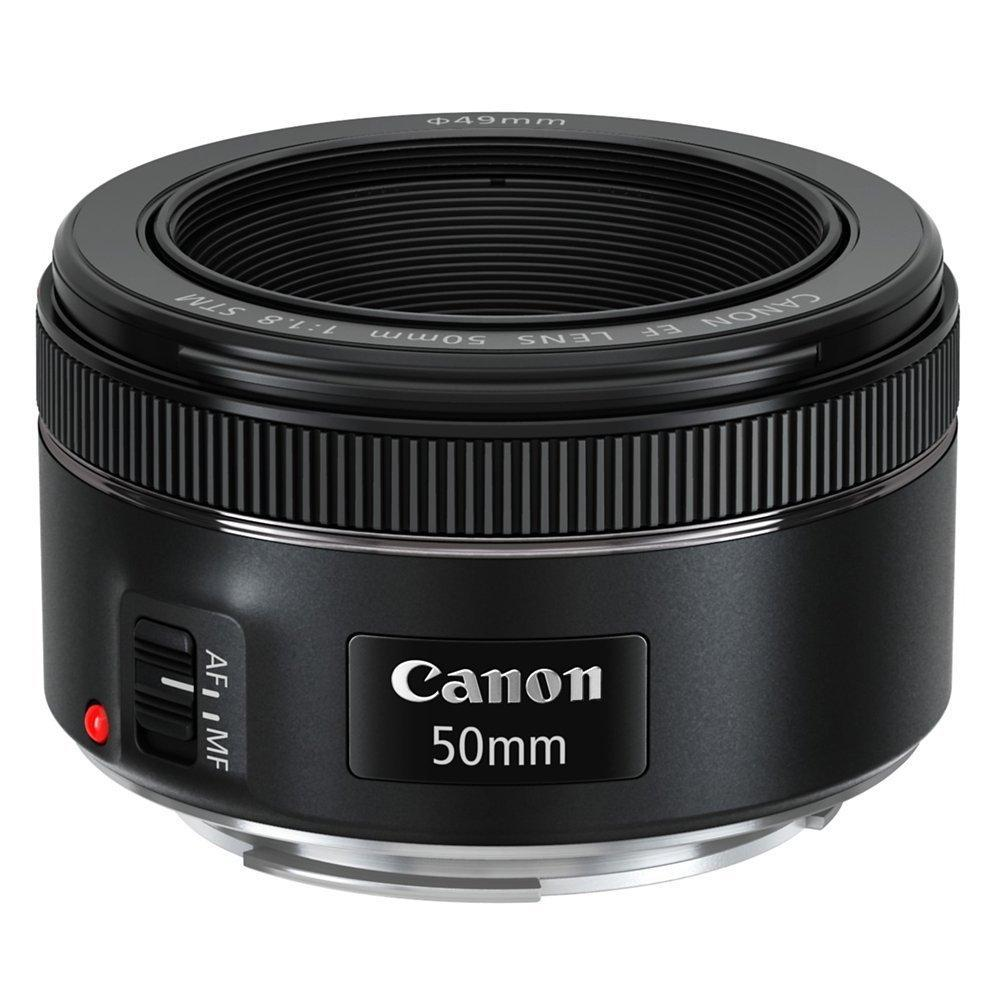
Canon EF 50mm f/1.8 STM
Smaller, lighter, inexpensive and remarkably sharp. Probably the more sensible purchase for many photographers, although two-thirds of a stop slower.
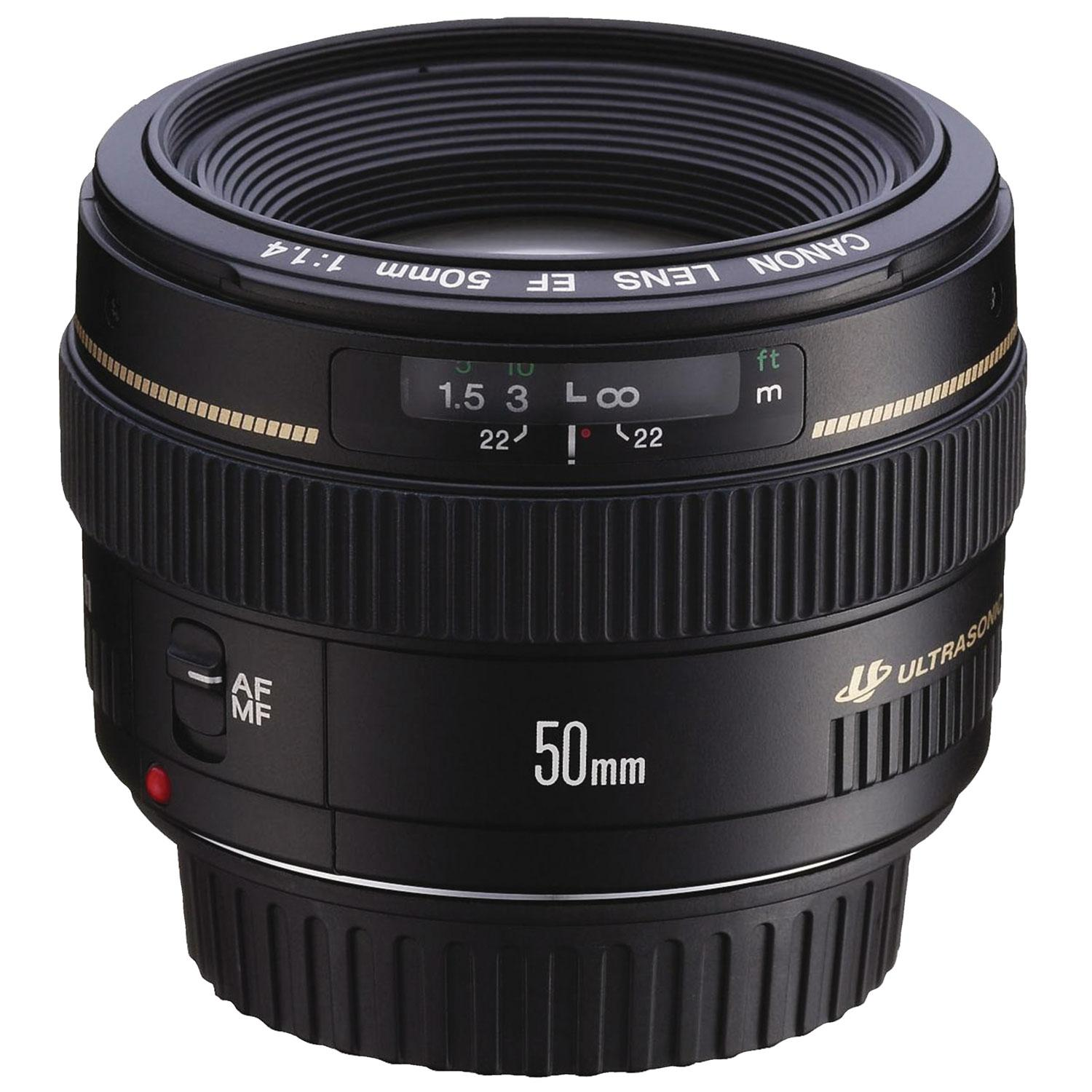
Canon EF 50mm f/1.4 USM
A useful compromise between size, speed and rendering. Its mechanical vulnerability remains its principal disadvantage.
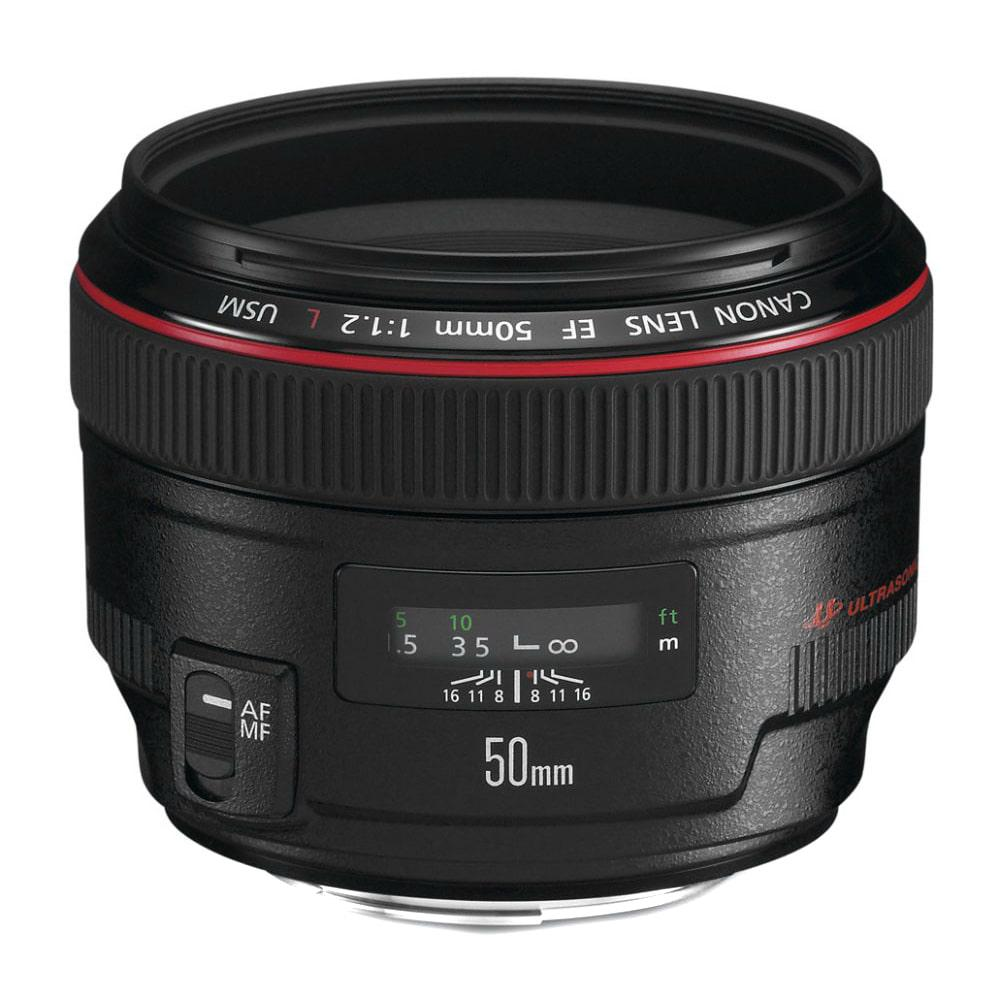
Canon EF 50mm f/1.2L USM
Heavier, more expensive and capable of distinctive rendering. A specialist photographic tool rather than an essential upgrade.
Sigma 50mm f/1.4 DG HSM Art
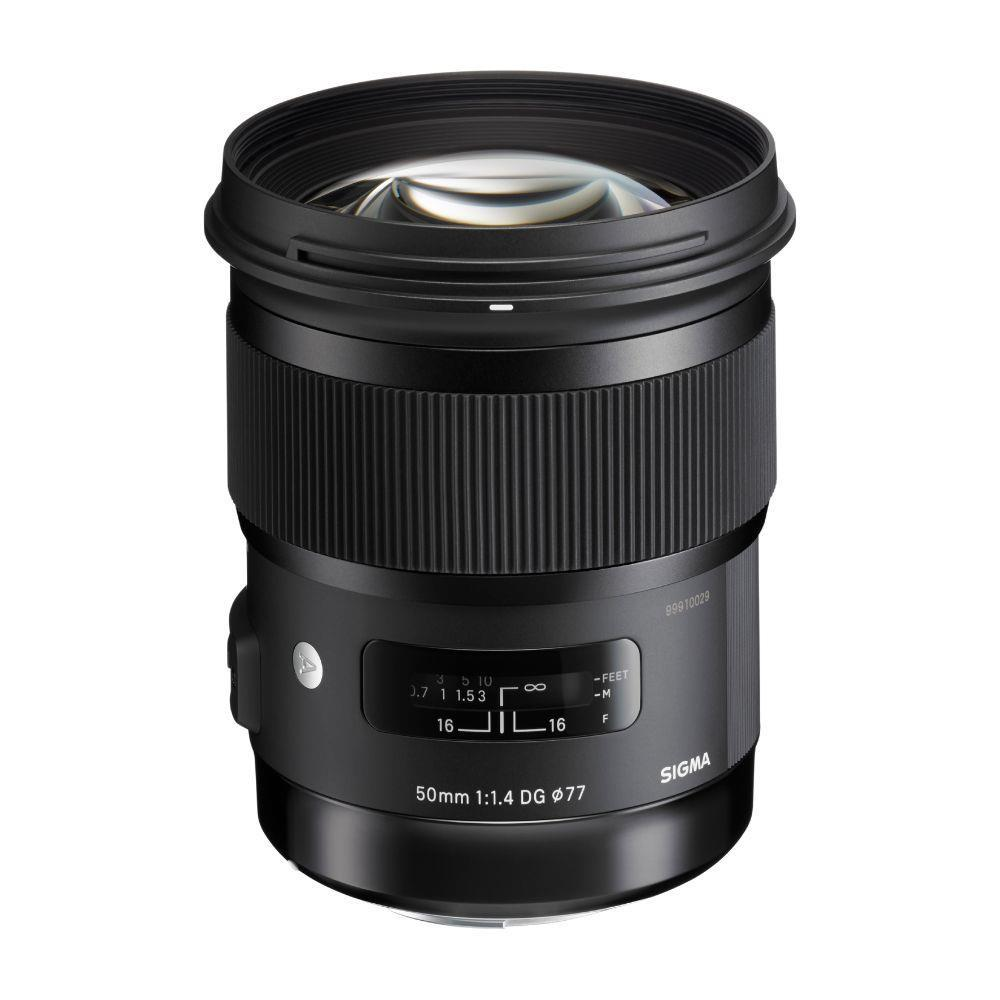
Technically superior in many respects, particularly wide-open sharpness, but considerably larger and heavier.
The old photographer’s verdict
There is something rather satisfying about attaching a small, fast prime lens to an old DSLR and simply going out to make photographs.
No complicated equipment choices. No bag full of lenses. No endless discussion about whether the latest optical design resolves a few more lines per millimetre.
The Canon EF 50mm f/1.4 USM is not the sharpest 50mm lens ever manufactured, nor is it the most mechanically dependable. Nevertheless, a good copy in experienced hands remains a very capable photographic instrument.
Its limitations are understandable, manageable and, occasionally, aesthetically pleasing.
I would happily take a Canon 5D Mark II and this little 50mm lens onto the streets of Phnom Penh for a day’s photography.
The equipment would certainly not be the limiting factor.
Old equipment. Experienced eyes. New photographs.
The photographs above are illustrative references rather than a controlled optical test or verified samples from a particular copy of the lens.

