Phnom Penh Wanderings: Friendship Beyond Fear

cambodia, cameras, homelessness, Lenses, nikon, opinons, thoughts, photography, street, Travel

🌍 Off the Tourist Trail

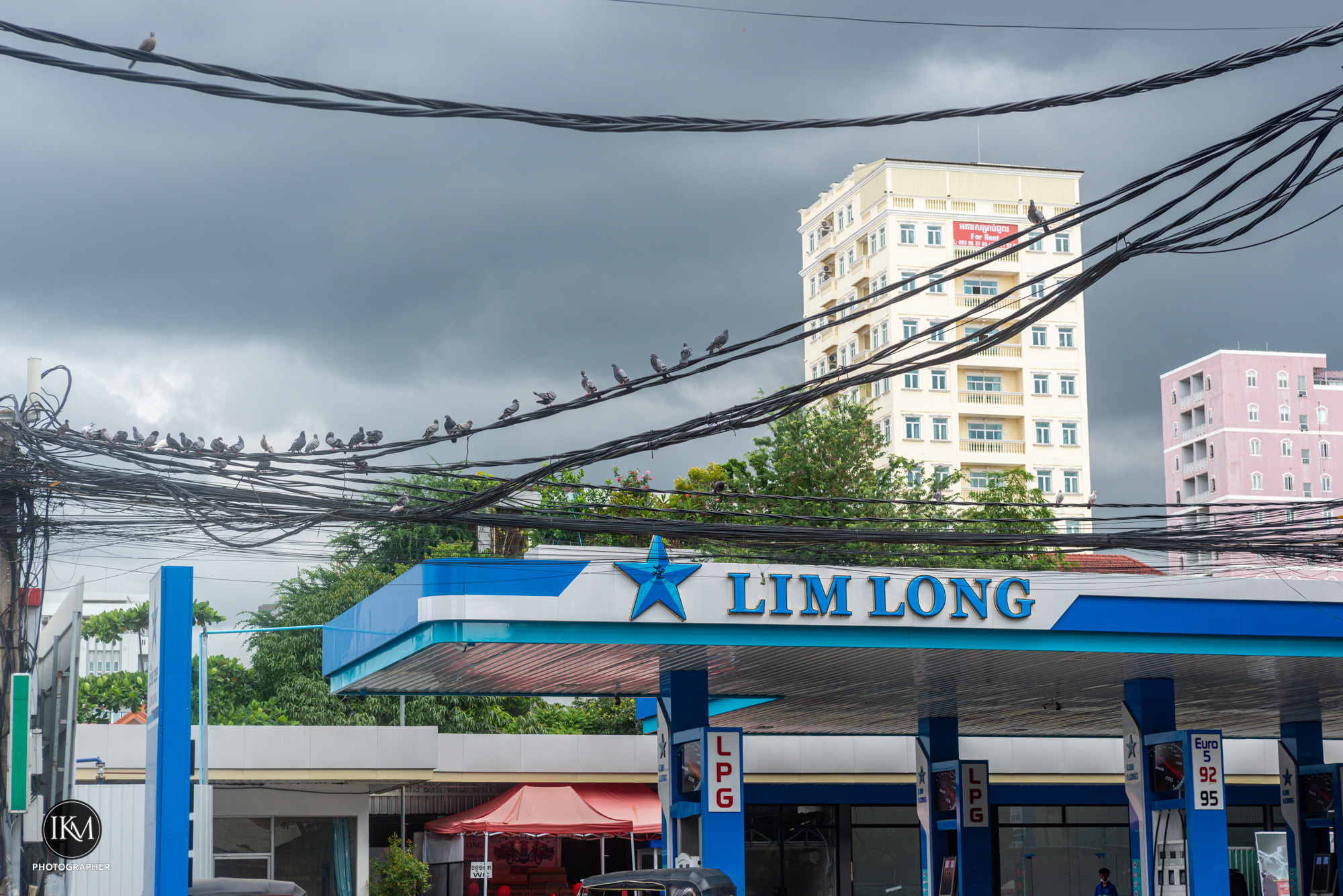
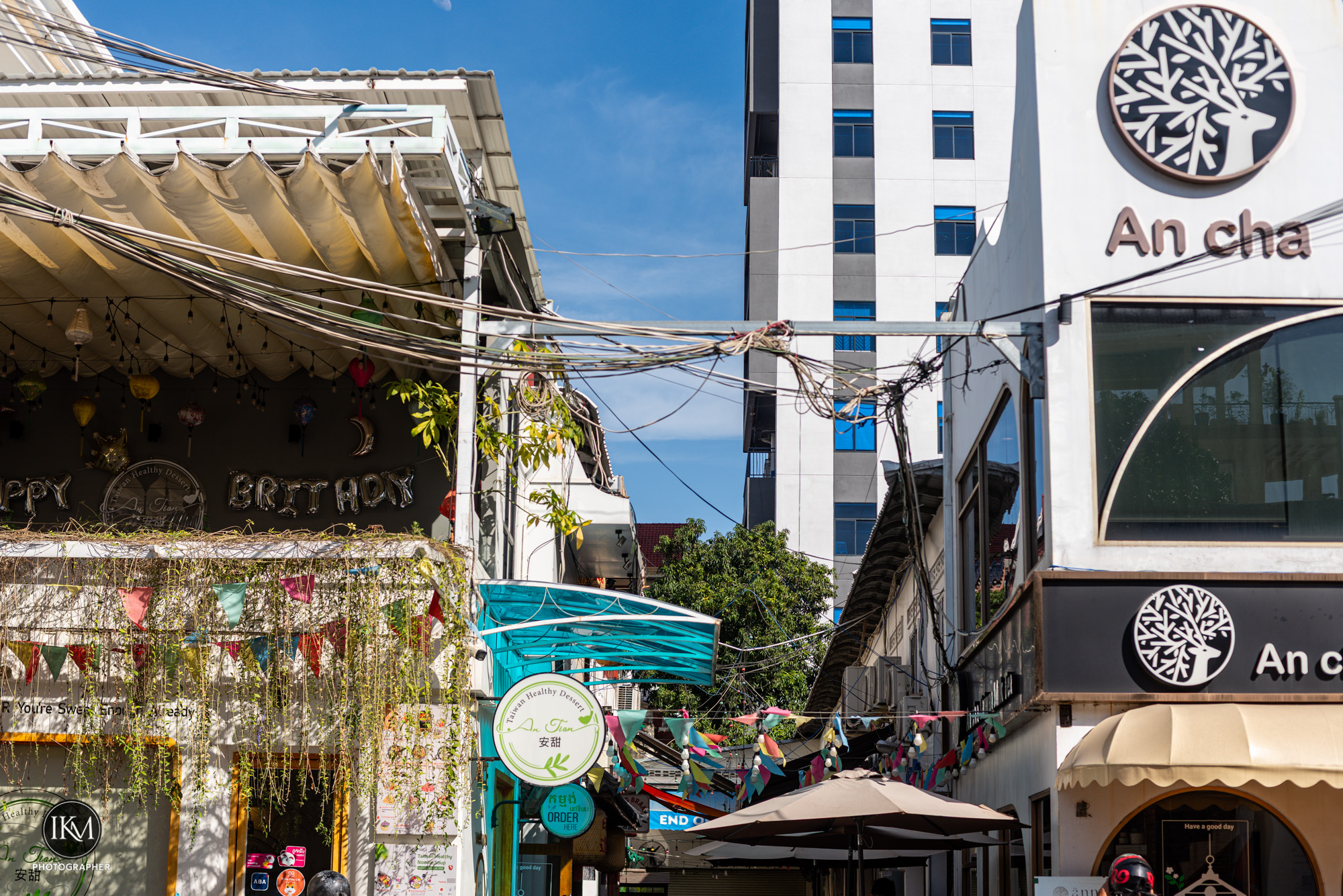
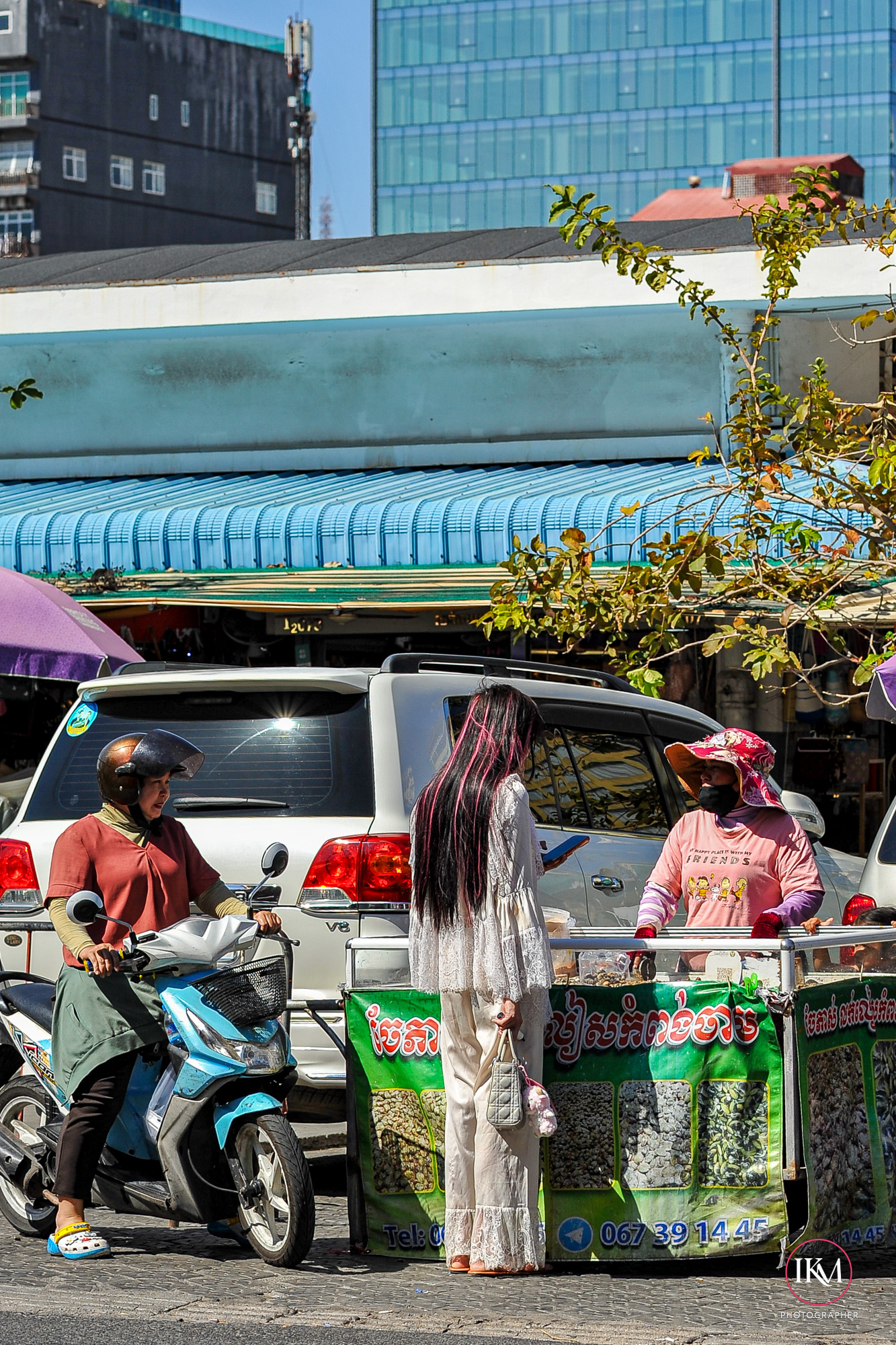
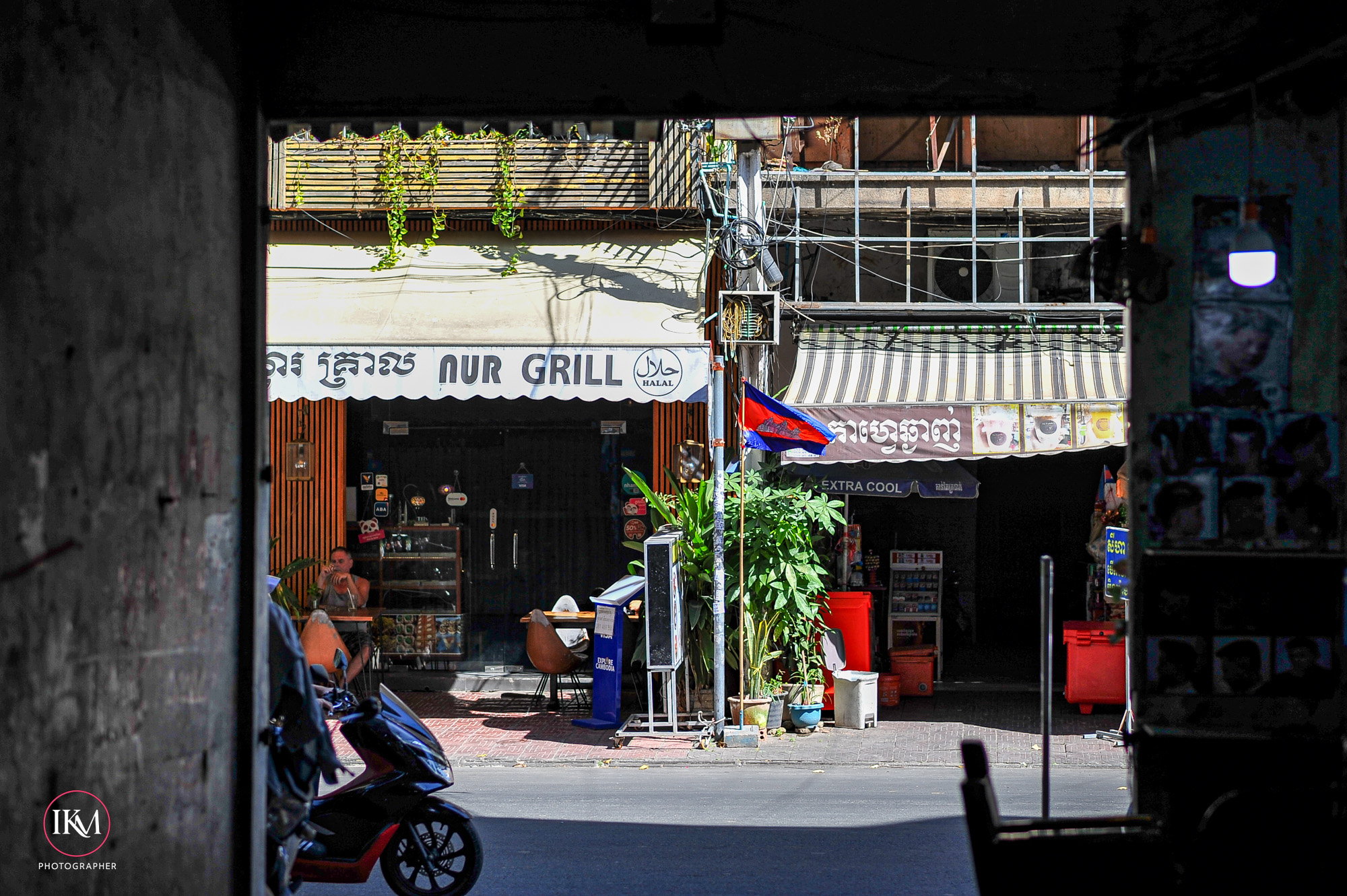
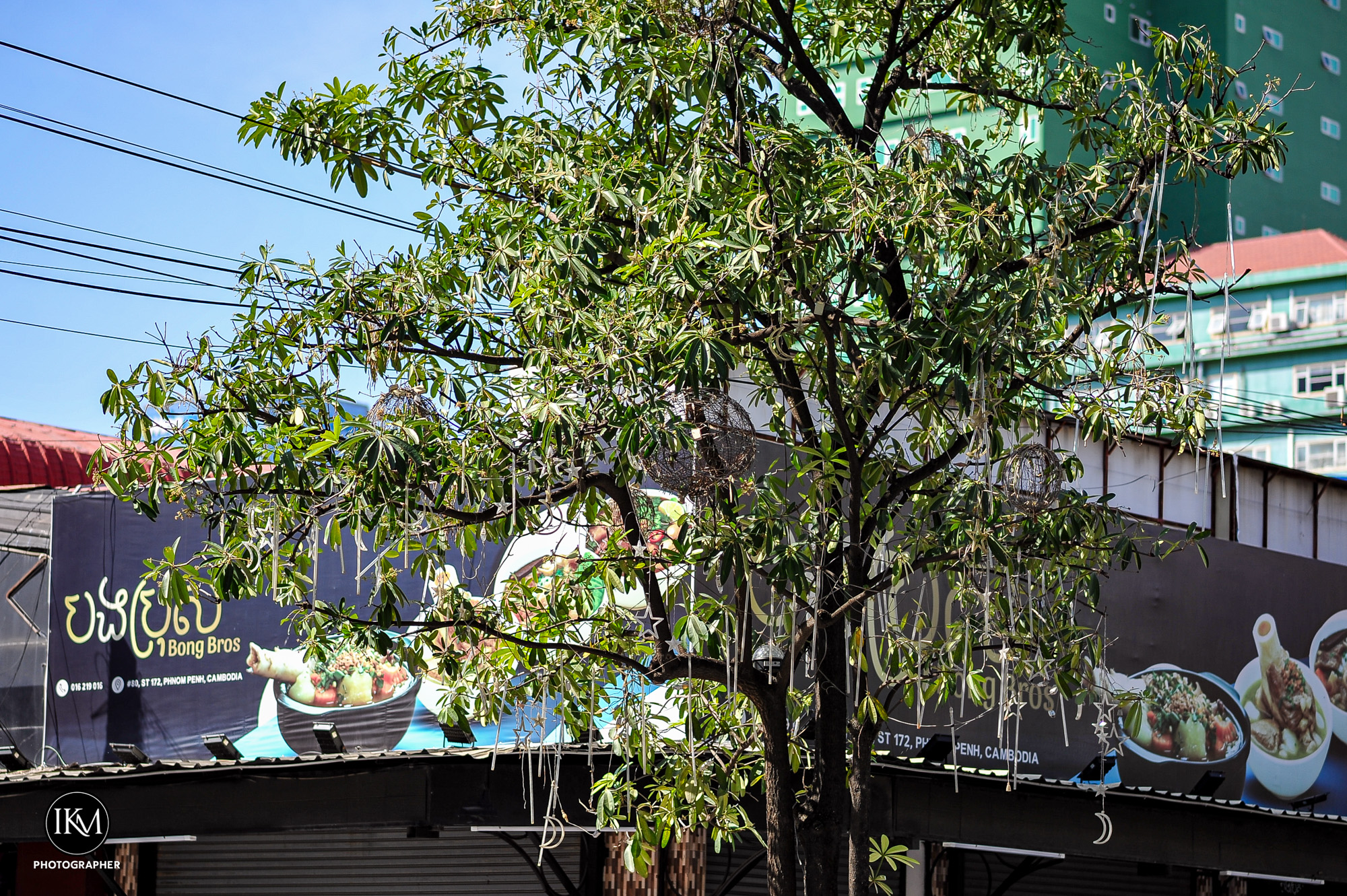
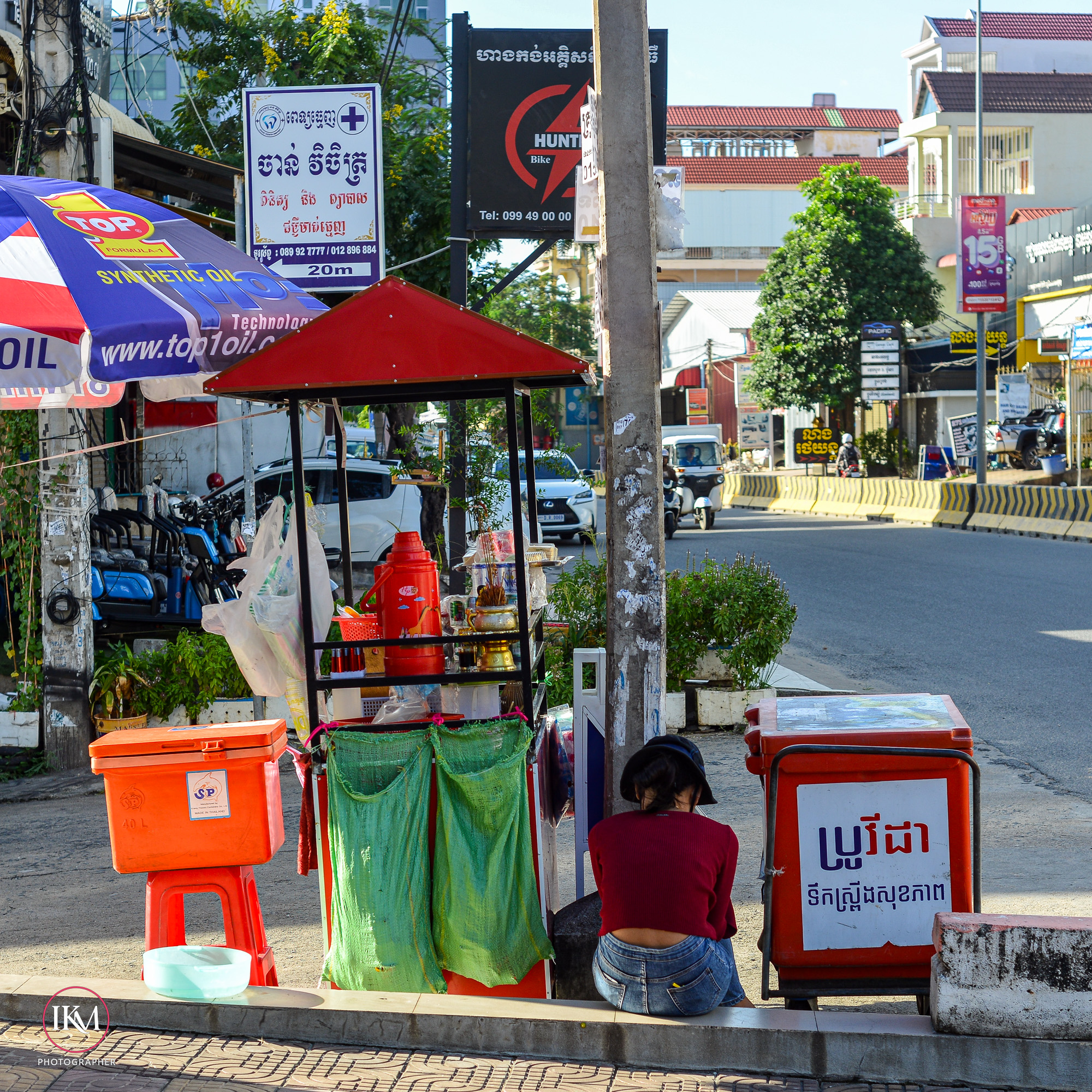
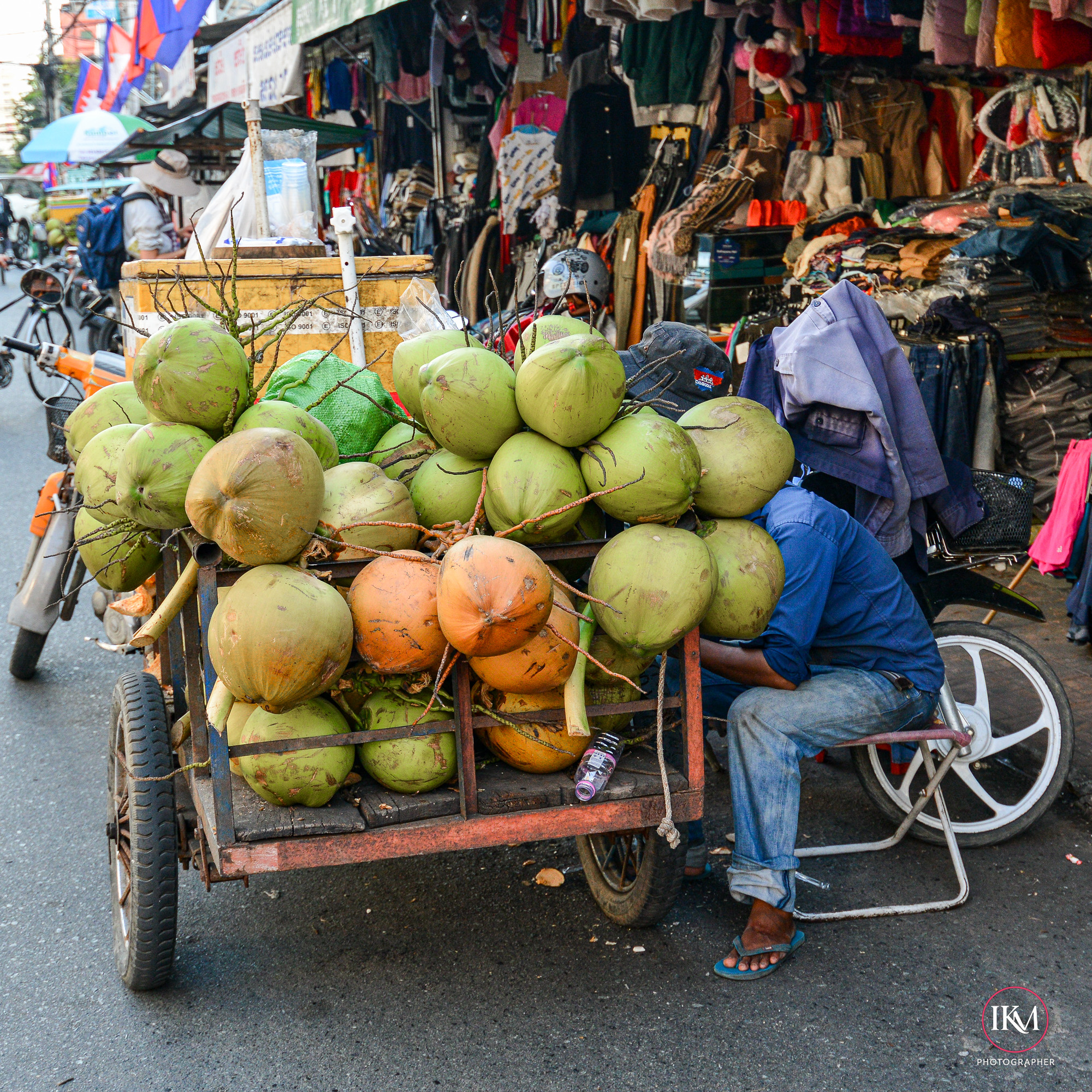
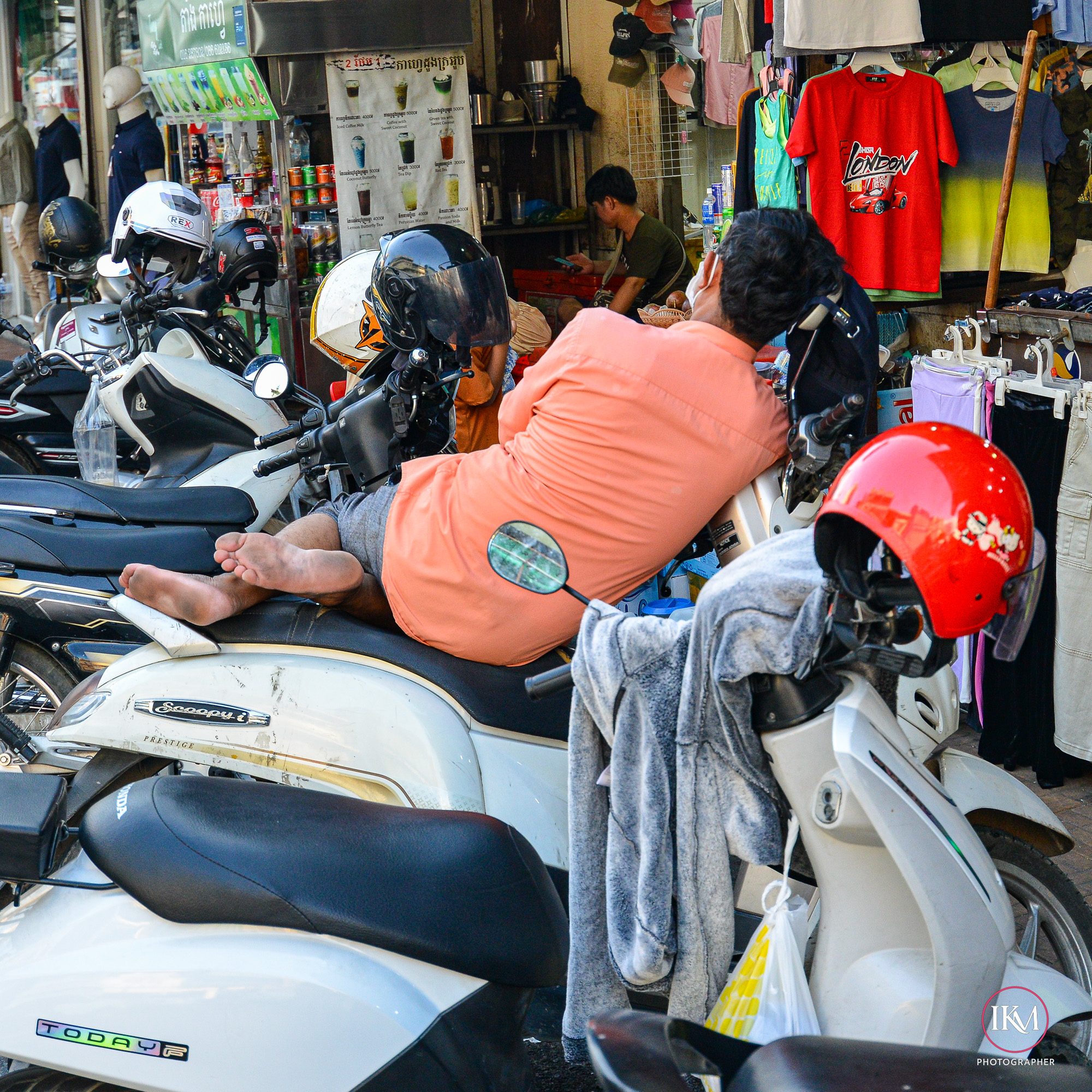
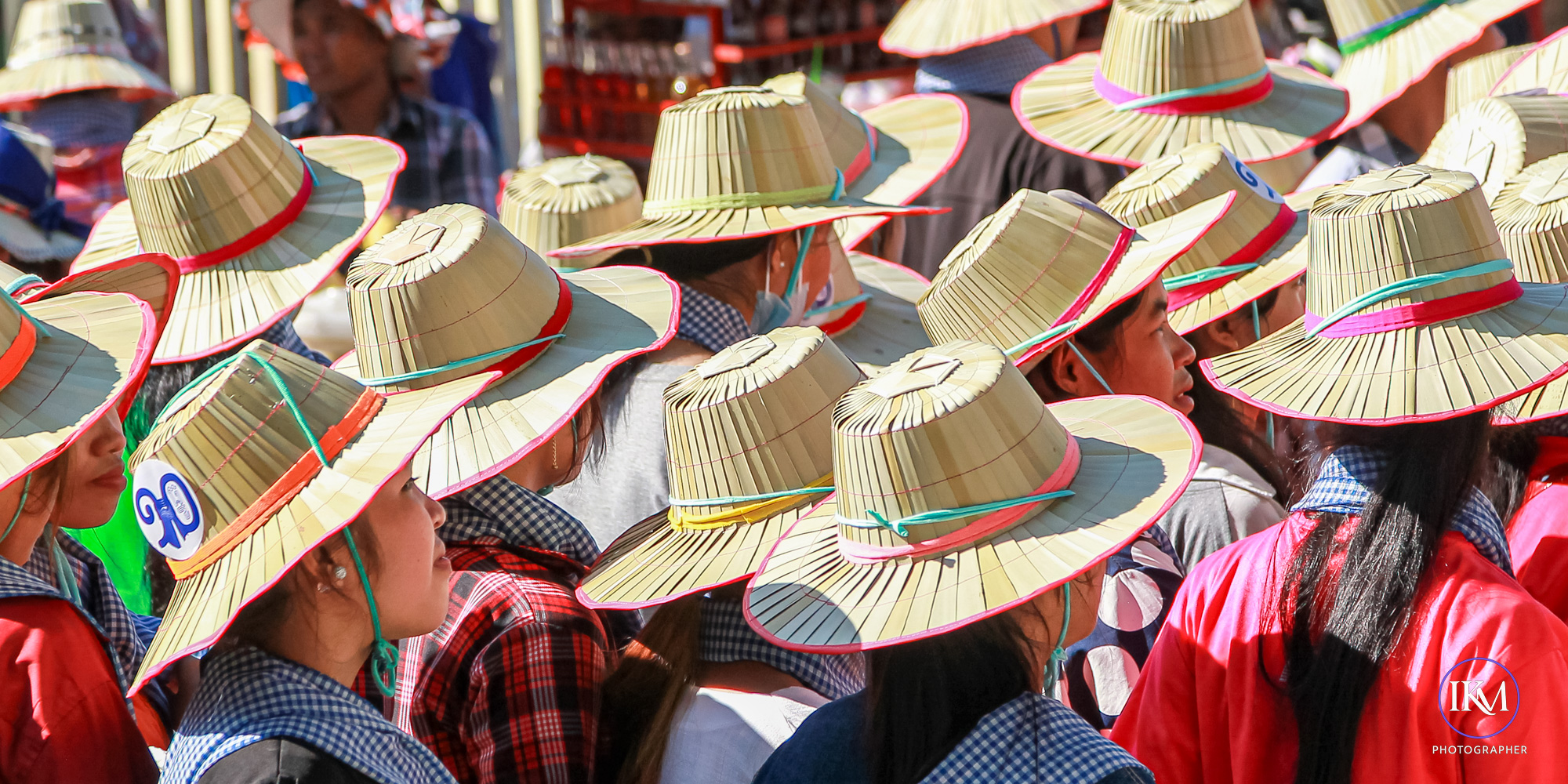
Phnom Penh is often imagined through its riverside promenades, temples, and expat cafΓ©s. Yet the city’s essence lies in the places foreigners rarely visit β€” the narrow lanes, bustling wet markets, and everyday neighbourhoods where life unfolds unfiltered. Many outsiders avoid these areas, guided by fear or unfamiliarity, but for me, wandering them has become a favorite pastime.

🀝 Encounters of Humanity

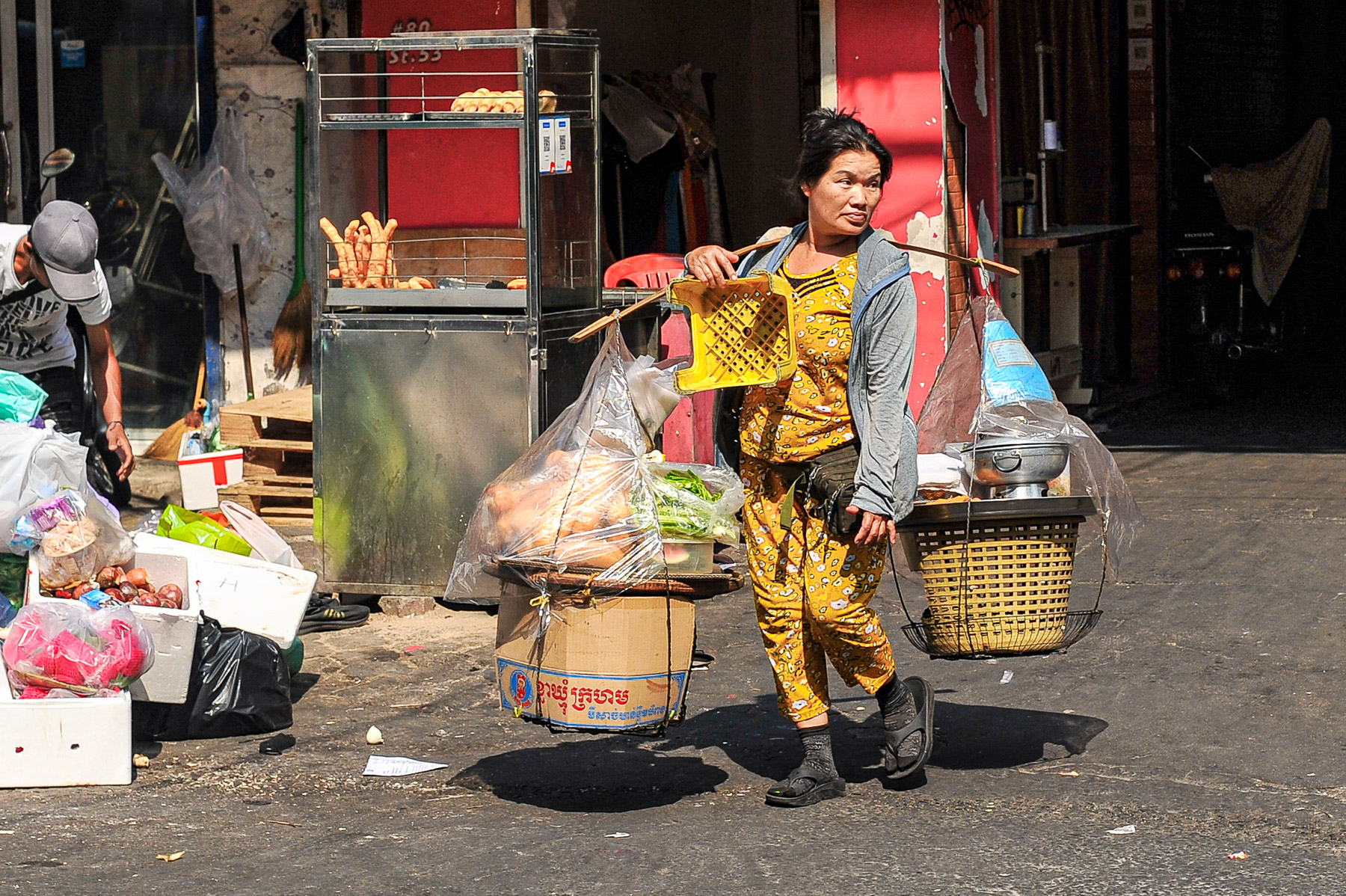
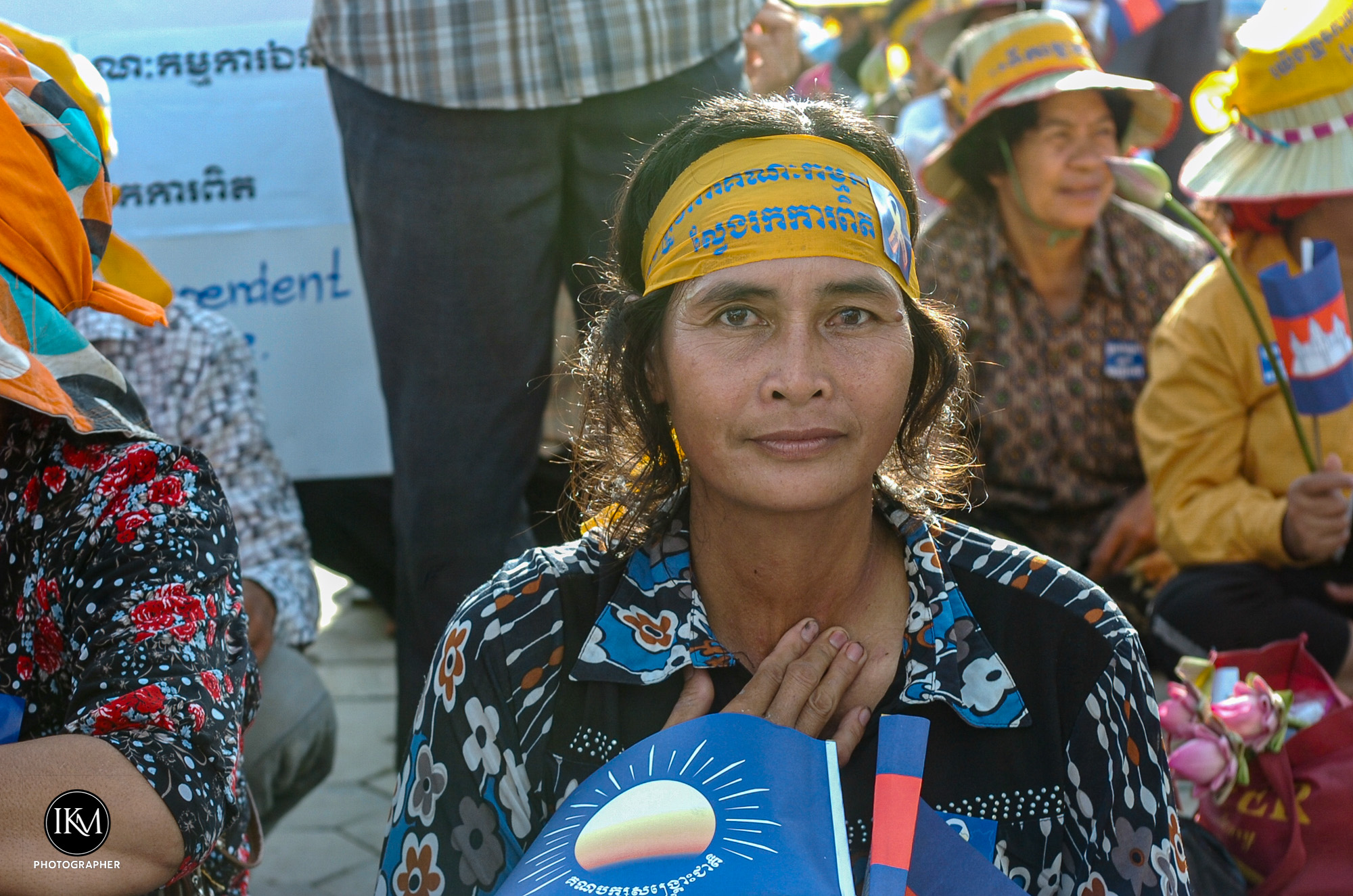
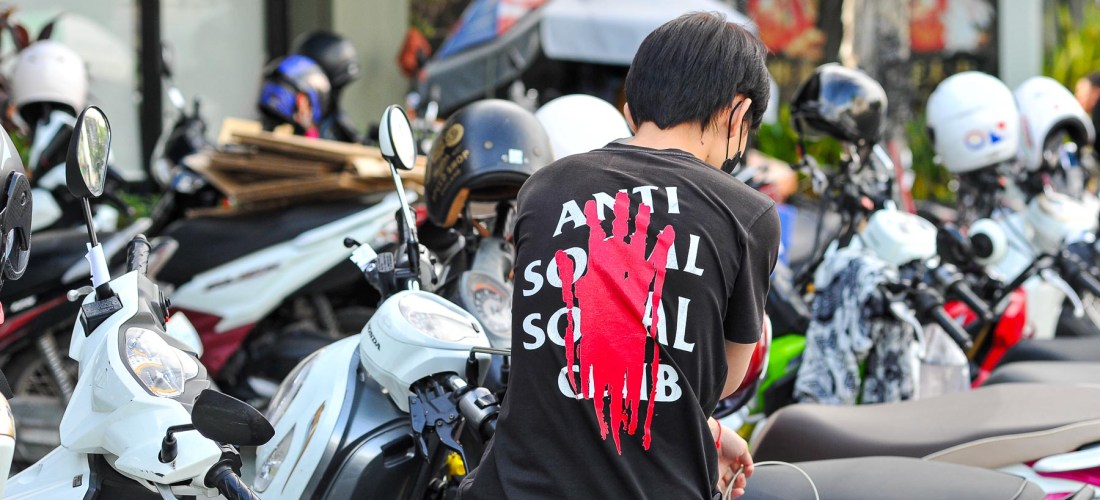
Each walk brings moments of connection: vendors offering smiles, children waving with delight, neighbours curious yet welcoming. Far from the imagined hostility, I find warmth and joy. The people are happy to see me, not because I am foreign, but because I am present β€” willing to share space in their daily rhythm.
πŸ•ŠοΈ Reframing Fear

The absence of foreigners in these areas is telling. Fear shapes perception, but reality often contradicts it. By stepping into overlooked corners, I discover not danger but dignity, not hostility but hospitality. The narrative of fear dissolves into lived experience of trust.

✨ Lessons in Wandering

  • Authenticity: The richest encounters happen away from curated tourist zones.
  • Humanity: Warmth and friendliness are constants, even in places outsiders avoid.
  • Perspective: Fear blinds us to beauty; presence reveals it.

πŸ“Έ Closing Reflection

Wandering Phnom Penh’s less‑visited areas is more than exploration β€” it is an act of trust. It reminds me that ambiguity and absence are not voids to fear, but spaces where meaning emerges. In the overlooked corners of the city, I find friendship, resilience, and the quiet joy of human connection.

In Cambodia, the simple act of offering a Khmer greeting β€” the sampeah β€” carries deep cultural weight. Whether you meet a child, an elder, or someone in between, pressing your palms together and bowing slightly is seen not just as politeness, but as a gesture of respect and friendship.

✨ I have noticed β€” that people light up when greeted in their own language β€” is a reminder of how small acts of cultural recognition dissolve barriers. It’s not about being fluent; it’s about showing you care enough to step into their world.

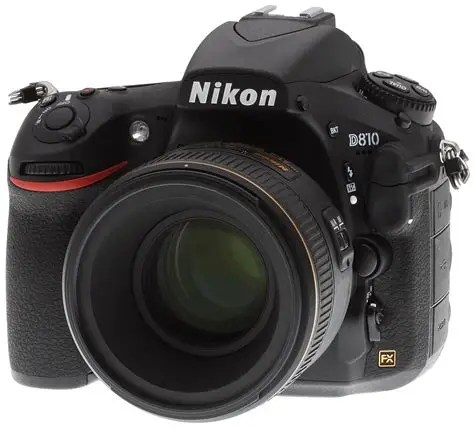
The Nikon D810 is a legendary DSLR

cameras, Lenses, nikon, opinons, thoughts, photography, street, Travel

The Nikon D810 is widely regarded as an extraordinary full‑frame DSLR, thanks to its 36.3‑megapixel sensor, superb dynamic range, and professional‑grade build. Even in 2025, it remains a strong choice for photographers who value high‑resolution stills, robust ergonomics, and versatility across genres.

πŸ“Έ Key Features

  • Sensor: 36.3 MP full‑frame CMOS sensor (no optical low‑pass filter), delivering exceptional detail.
  • ISO range: Native ISO 64–12,800 (expandable to 32–51,200), offering clean files even in low light.
  • Autofocus: 51‑point AF system with 15 cross‑type sensors, reliable for portraits, landscapes, and moderate action.
  • Speed: 5 fps continuous shooting (7 fps in DX crop mode with battery grip).
  • Video: Full HD 1080p at 60 fps, with flat picture profiles for grading.
  • Build: Magnesium alloy body, weather‑sealed, designed for professional durability.

🌍 Performance in Practice

  • Landscape & studio: Extraordinary sharpness and dynamic range make it ideal for fine‑art and commercial work.
  • Portraits & weddings: Skin tones are rendered beautifully, with excellent colour depth.
  • Astrophotography: Low ISO 64 base and wide dynamic range give clean star fields and nightscapes.
  • Wildlife & sports: While capable, its 5 fps burst rate and slower AF compared to newer DSLRs/mirrorless bodies make it less suited for fast action.

⚠️ Trade‑offs

  • Weight: At ~880 g (body only), it’s heavier than modern mirrorless cameras.
  • Speed: Burst shooting and AF tracking lag behind newer models like the Nikon D850 or Z series.
  • Video limitations: No 4K recording, which is now standard in newer cameras.
  • Age: Released in 2014, so while still excellent, it lacks some modern conveniences (touchscreen, Wi‑Fi integration).

✨ Why It’s Still Extraordinary

  • Image quality: Among the best full‑frame DSLRs ever made, with files that rival medium format.
  • Value: In 2025, it’s significantly cheaper on the used market, making it a bargain for high‑resolution stills.
  • Legacy: The D810 remains a β€œdream camera” for many photographers, especially those focused on landscapes, portraits, and studio work.

Key takeaway: The Nikon D810 is a legendary DSLR β€” extraordinary for detail, dynamic range, and reliability. While newer cameras surpass it in speed and video, it remains a superb tool for still photography and a worthy investment even today.

Yongnuo 100mm f/2 (Nikon F mount version) with the Nikon D300S.

cambodia, cameras, Lenses, opinons, thoughts, photography, street, Travel

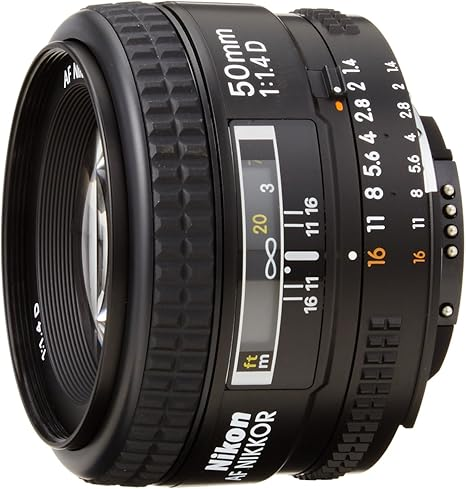
The Yongnuo 100mm f/2 (Nikon F mount version) will mount and function on the Nikon D300S, giving you an effective 150mm f/2 equivalent field of view due to the APS‑C crop factor. It’s a budget telephoto prime mainly suited for portraits and shallow‑depth‑of‑field work, though autofocus performance and build quality are not on par with Nikon’s native lenses.

πŸ“Έ Compatibility & Setup

  • Mount: The lens is made for Nikon F mount, so it fits directly on the D300S without adapters.
  • Crop factor: On the D300S (DX sensor), the 100mm focal length behaves like ~150mm, giving a tighter telephoto look.
  • Aperture: f/2 maximum aperture allows strong subject isolation and low‑light shooting.
  • Autofocus: Uses a DC motor β€” serviceable but slower and noisier than Nikon’s AF‑S lenses.

🌟 Strengths

  • Portraits: Flattering compression and shallow depth of field.
  • Price: Considerably cheaper than Nikon’s 105mm f/2 DC or 85mm f/1.8 options.
  • Optics: Multi‑coated glass reduces flare and ghosting.
  • Manual control: AF/MF switch and focus distance indicator included.

⚠️ Limitations & Trade‑offs

  • Autofocus speed: Not ideal for fast action; better for posed or slower subjects.
  • Build quality: Plastic construction feels less robust than Nikon’s pro primes.
  • Sharpness: Acceptable in centre, but edges soften wide open β€” stopping down improves results.
  • Firmware quirks: Some users report occasional compatibility issues; firmware updates may help.

🎯 Practical Use on D300S

  • Portraiture: Excellent budget option for headshots and upper‑body framing.
  • Street/urban detail: The 150mm equivalent reach isolates architectural or candid details.
  • Low‑light: f/2 aperture helps, though ISO performance of the D300S is limited compared to modern bodies.

Bottom line: On the Nikon D300S, the Yongnuo 100mm f/2 is a budget telephoto portrait lens that delivers shallow depth of field and decent optical quality, but with compromises in autofocus speed and build. If you value affordability and don’t mind working around its quirks, it’s a useful addition; if reliability and speed are critical, Nikon’s native primes are stronger choices.

Had the lens a couple of day and am finding the AF and Exposure both a little inconsistent, I think maybe it is in need of a firmware update but need to find the correct cable to attach to my computer.

Fujifilm X-Pro2 Review: A Classic Rangefinder for Serious Photographers

cambodia, cameras, fujifilm, Lenses, opinons, thoughts, photography, street, Travel

The Fujifilm X‑Pro2 is a high‑end, rangefinder‑style mirrorless that refined the original X‑series concept with a 24MP X‑Trans III sensor, faster autofocus, and its signature hybrid optical/electronic viewfinder. Launched in 2016, it remains a compelling tool for photographers who value tactile controls, film‑like rendering, and the discipline of viewfinder‑first shooting.

Core image quality and performance

  • Sensor: 24.3MP APS‑C X‑Trans CMOS III delivers excellent detail, colour, and dynamic rangeβ€”an appreciable step up from the X‑Pro1, and still competitive for editorial and documentary work.
  • Autofocus: 273 AF points (169 phase‑detect) provide notably faster acquisition and more reliable tracking than earlier bodies, making the camera viable for moderate action and street shooting.
  • Speed: Up to 1/8000s shutter, responsive operation, and improved buffer; the system’s readout and AF are designed for decisive moments rather than pure sports performance.

The X‑Pro2’s files are renowned for Fujifilm’s colour science and film simulations, which remain a core appeal to photographers prioritising in‑camera rendering.

Build, handling, and the hybrid viewfinder

  • Construction: Robust, weather‑sealed body with classic dials for shutter and ISO; it feels purpose‑built for daily professional use and travel reportage.
  • Hybrid OVF/EVF: Switchable optical and OLED electronic viewfinder with a picture‑in‑picture tab for focus confirmationβ€”ideal for those who enjoy the rangefinder experience yet want EVF precision on demand.
  • Ergonomics: The control layout and tactile feedback suit deliberate shooting; the camera rewards thoughtful composition over menu‑driven operation.

Reviewers consistently highlight the hybrid finder as the defining feature that sets the X‑Pro line apart from conventional mirrorless bodies.

Video and connectivity

  • Video: 1080p (Full HD) with solid quality for casual use; the camera is stills‑first and lacks the advanced 4K codecs and profiles found in later Fujifilm bodies like the X‑T3.
  • Workflow: Dual SD card slots, robust RAW support, and Fuji’s firmware refinement culture (β€œKaizen”) extended the camera’s lifespan with meaningful updates.

Ongoing problems and common criticisms

  • No in‑body stabilisation (IBIS): Limits low‑light flexibility with slower shutter speeds compared to later IBIS‑equipped models in the ecosystem.
  • AF tracking limits: While much improved, continuous AF and subject tracking are not as strong as newer X‑Trans IV bodies, making the X‑Pro2 less ideal for demanding sports work.
  • OVF constraints: Parallax and framelines can be limiting with wider lenses or close‑focus compositions; the EVF mitigates this but removes the pure optical experience.
  • Video feature set: Restricted to 1080p with fewer professional options; hybrid shooters generally prefer the X‑T line for motion projects.

Despite these constraints, the X‑Pro2’s reliability and build quality are praised; reviewers frame its limits as design choices rather than defects, with the camera aimed squarely at stills‑focused, viewfinder‑led photography.

Best use cases

  • Street and documentary: Discreet styling, fast response, and the OVF’s natural view of the world align with candid, presence‑driven shooting.
  • Travel and editorial: Lightweight system with excellent primes, dual slots for redundancy, and files that grade beautifully for print.
  • Portraits and environmental work: Colour science and film simulations excel for skin tones and narrative context.

Verdict

The X‑Pro2 remains a modern classic: a disciplined, tactile camera for photographers who prefer the rhythm of viewfinder‑first shooting and the look of Fujifilm’s colour science. If you prioritise stills, craft, and reliable, weather‑sealed handling, it’s a joy. If you need cutting‑edge video, IBIS, or the fastest AF tracking, newer bodies will serve you better. The X‑Pro2 is less about chasing specs and more about making photographs that feel intentionalβ€”today as much as in 2016

Nikon D300 vs D300S: A Detailed Comparison

cameras, Lenses, nikon, opinons, thoughts, photography, street, Travel, voluntary

Two rugged DX-format classics, one evolutionary step forward

When Nikon released the D300 in 2007, it was hailed as a β€œmini D3”—a professional-grade DX body with robust build, advanced autofocus, and excellent image quality. Two years later, the D300S (2009) arrived, refining the formula with subtle but important upgrades. Together, they represent Nikon’s commitment to serious enthusiasts and working photographers who wanted pro handling without the full-frame price tag.

πŸ” Sensor & Image Quality

  • D300: 12.3MP DX-format CMOS sensor, ISO 200–3200 (expandable to 6400).
  • D300S: Same 12.3MP sensor, but with improved image processing and slightly better noise control.

Verdict: Both deliver crisp, detailed files with excellent dynamic range for their era. The D300S edges ahead in cleaner high-ISO performance thanks to updated EXPEED processing.

βš™οΈ Autofocus & Speed

  • D300: 51-point AF system, 6 fps burst (8 fps with battery grip).
  • D300S: Same AF system, but faster response and 7 fps burst (8 fps with grip).

Verdict: The D300S is marginally quicker, making it more appealing for sports and wildlife shooters.

πŸŽ₯ Video Capability

  • D300: No video recording.
  • D300S: Introduced 720p HD video at 24 fpsβ€”a first for Nikon’s semi-pro DX line.

Verdict: The D300S opened the door to hybrid shooting, though video features were basic compared to modern standards.

🧱 Build & Handling

  • Both cameras feature magnesium alloy bodies, full weather sealing, and pro-level ergonomics.
  • D300S added dual card slots (CF + SD) for flexible storage and backup.
  • Slight refinements in button layout and responsiveness made the D300S feel more polished.

πŸ’° Value & Legacy

  • D300: More affordable on the used market, still a solid choice for those who don’t need video.
  • D300S: Holds higher value thanks to incremental upgrades, dual card slots, and video capability.

πŸ“ Final Thought

The D300 was revolutionary, bringing pro-level performance to DX shooters. The D300S refined that legacy, adding speed, video, and workflow improvements. Today, both are remembered as rugged, reliable workhorsesβ€”but if you want the most versatile of the two, the D300S is the smarter pick.

Ethics in Photography: Navigating Trust and Responsibility

cambodia, cameras, Lenses, opinons, thoughts, photography, street, Travel, voluntary, war

Photography ethics are about deciding where to draw the line between documentation, artistry, and manipulation. The line matters because images shape public perception, influence trust, and can cause harm if misused.

πŸ“Έ Why Ethics in Photography Matter

Photography is not just about aestheticsβ€”it’s about representation and responsibility. Every image carries weight: it can inform, inspire, or mislead. With billions of photos shared daily, ethical boundaries ensure that photography remains a trustworthy medium.

πŸ” Key Areas Where the Line Is Tested

  1. Consent and Privacy
    • Photographing people without permission, especially in vulnerable contexts, raises ethical concerns.
    • Street photography often sits in a grey zone: candid shots are legal in public spaces, but ethical practice asks whether subjects are respected or exploited.
  2. Truth vs Manipulation
    • Photo editing is powerfulβ€”enhancing colours or removing distractions is acceptable, but altering reality (adding/removing people, changing events) crosses into deception.
    • In journalism, even small edits can undermine credibility. In art, manipulation is more accepted, but transparency is key.
  3. Representation and Harm
    • Images of tragedy, poverty, or conflict can raise awareness but also risk exploitation. Ethical photographers ask: Does this image serve the public interest, or does it sensationalise suffering?
    • Shocking images must balance impact with dignityβ€”avoiding voyeurism or trauma exploitation.
  4. Cultural Sensitivity
    • Photographing rituals, sacred spaces, or marginalised groups requires respect and context. Misrepresentation can perpetuate stereotypes or disrespect traditions.

βš–οΈ Drawing the Line: Practical Guidelines

  • Ask for consent whenever possible, especially in intimate or vulnerable settings.
  • Be transparent about editingβ€”distinguish between artistic enhancement and documentary truth.
  • Prioritize dignity: avoid images that humiliate or exploit subjects.
  • Consider impact: ask whether publishing the image informs, educates, or simply shocks.
  • Respect context: cultural and social settings demand sensitivity to avoid misrepresentation.

🧠 The Grey Areas

Ethics in photography are rarely black and white. For example:

  • Street photography: candid shots can be powerful social commentary, but they may invade privacy.
  • Photojournalism: documenting war or disaster is vital, but publishing graphic images can traumatize audiences.
  • Editing: removing a distracting lamppost may be fine, but removing a protester changes history.

Navigating these requires self-awareness, editorial discipline, and a clear ethical framework.

πŸ“ Final Thought

Drawing the ethical line in photography means balancing truth, respect, and creative intent. It’s about asking hard questions: Am I telling the story honestly? Am I respecting my subject? Am I serving the audience responsibly? When photographers hold themselves accountable, their work not only informs but also uplifts, creating images that endure with integrity.

The Nikon D800E v Nikon D810

cambodia, Lenses, nikon, opinons, thoughts, photography, street, Travel

The D800E and D810 are siblings built for resolution and dynamic rangeβ€”the D800E (2012) introduced Nikon’s 36MP era with a no‑AA optical filter for maximum micro‑detail, while the D810 (2014) refined that formula with cleaner high‑ISO performance, faster processing, and improved video and usabilityβ€”making the D800E a classic detail‑seeker and the D810 a more versatile, modern workhorse.

Overview

The D800E and D810 occupy the same creative space: high‑resolution full‑frame DSLRs aimed at landscape, studio, and commercial shooters. The D800E removed the anti‑aliasing filter to push resolving power, which rewarded sharp lenses but could increase moirΓ©. The D810 kept the 36MP class but reworked the sensor readout, processing pipeline, and ergonomics to reduce noise and improve overall image quality and handling.

Sensor, Image Quality, and ISO

Both cameras use 36MP full‑frame sensors, but the D810’s sensor and processor deliver cleaner high‑ISO performance and wider usable dynamic range, especially in shadow recovery and highlight retention. The D800E’s no‑AA approach gives slightly crisper micro‑detail in ideal conditions, but the D810’s improvements make it more forgiving in real‑world shooting and post‑processing.

Autofocus, Speed, and Usability

The D810 benefits from incremental AF and performance upgrades introduced after the D800E. It’s lighter and tuned for a smoother shooting experience, with firmware and menu refinements that matter during long shoots. The D800E remains competent for studio and tripod work, but the D810’s refinements make it better for mixed assignments where speed and workflow matter.

Video and Hybrid Use

If you plan to shoot video, the D810 is the stronger choice: improved video features and cleaner processing give it an edge for hybrid shooters. The D800E was primarily a stills machine; the D810 broadened the camera’s appeal to creators who need both stills and motion with high fidelity.

Practical Trade‑offs and Recommendations

  • Choose the D800E if you prioritize absolute micro‑detail and shoot mostly on tripod or in controlled studio/landscape conditions; pair it with the sharpest optics you can afford and be prepared to manage moirΓ© in post.
  • Choose the D810 if you want the same resolution with better high‑ISO performance, improved handling, and more flexible video/field useβ€”it’s the more versatile, future‑proof option for mixed professional work.
  • Actionable steps: test your lenses for resolving power before committing; if you shoot handheld or in variable light, favor the D810; if you print very large and control every variable, the D800E still rewards discipline.

Final Thought

Both cameras are milestones in Nikon’s lineup: the D800E is a purist’s tool for extracting every ounce of detail, while the D810 is the pragmatic evolutionβ€”keeping the resolution but smoothing the rough edges for everyday professional use. Your choice comes down to workflow, subject matter, and how much post‑processing you’re willing to manage

The Fujifilm X‑Pro3

cambodia, Fujichrome, fujifilm, Lenses, opinons, thoughts, photography, pictures, street, Travel

The Fujifilm X‑Pro3 is a distinctive, rangefinder‑style mirrorless camera that excels in build quality, image rendering, and unique design philosophyβ€”but ongoing issues include reliability concerns with its sub monitor, shutter button feedback, and its unconventional hidden LCD, which some photographers find impractical.

πŸ“Έ Core Strengths

  • Design Philosophy: The X‑Pro3 was built to encourage β€œviewfinder‑first” shooting. Its hidden LCD forces photographers to rely on the hybrid optical/electronic viewfinder, echoing the discipline of film cameras.
  • Build Quality: Constructed with a titanium top and bottom plate, weather sealing, and robust ergonomics, the X‑Pro3 is designed for durability in professional use.
  • Sensor & Image Quality: Equipped with a 26.1MP APS‑C X‑Trans IV sensor, it delivers excellent colour reproduction, dynamic range, and Fujifilm’s renowned film simulations.
  • Hybrid Viewfinder: The defining featureβ€”users can switch between an optical viewfinder (OVF) and a high‑resolution electronic viewfinder (EVF), offering flexibility for different shooting styles.
  • Performance: Fast autofocus with 425 phase‑detect points, improved low‑light sensitivity, and solid burst shooting at 11fps mechanical or 20fps electronic shutter.

⚠️ Ongoing Problems & Criticisms

  • Sub Monitor Failures: Multiple users have reported issues with the small β€œsub monitor” on the back (which displays film simulation and settings). Failures or malfunctions have been noted, sometimes outside warranty.
  • Shutter Button Feedback: Some photographers complain that the shutter button loses its tactile β€œsecond click,” making it harder to confirm when an image has been taken.
  • Hidden LCD Design: While philosophically bold, the flip‑down LCD frustrates many users who rely on quick image review or live view shooting. Critics argue it slows workflow and feels impractical.
  • Reliability Concerns: Threads on photography forums highlight worries about long‑term durability, with scattered reports of component failures.
  • Video Limitations: Although capable of 4K recording, the X‑Pro3 is not optimised for video compared to Fujifilm’s X‑T series.

βœ… Best Use Cases

  • Street photography, where discretion and OVF shooting are valued.
  • Documentary and travel work, especially for photographers who embrace intentional, viewfinder‑driven shooting.
  • Enthusiasts who appreciate Fujifilm’s film simulations and want a camera that enforces discipline.

✨ Summary

The X‑Pro3 is a niche but powerful tool: it rewards photographers who embrace its philosophy of slowing down and shooting deliberately. Its titanium build, hybrid viewfinder, and superb sensor make it a joy for those aligned with its design ethos. However, ongoing problems with the sub monitor, shutter button feedback, and the divisive hidden LCD design mean it’s not universally loved. For photographers who value reliability and modern conveniences, the X‑T series may be a safer bet; for those who want a camera that challenges their habits, the X‑Pro3 remains unique.

Fujifilm X-E2 Review: Vintage Meets Modern Performance

cambodia, cameras, fujifilm, Lenses, opinons, thoughts, photography, pictures, street, Travel, voluntary
  • Image Quality: At its core, the X‑E2 features a 16.3‑megapixel APS‑C X‑Trans CMOS II sensor. This sensor uses a unique colour filter array that mimics film grain, eliminating the need for an optical low‑pass filter. The result is sharp, detailed images with rich colour reproduction.
  • Fast Autofocus: The hybrid AF system combines contrast and phase detection, achieving focus speeds as fast as 0.08 seconds. With 49 AF points, it’s responsive enough for everyday shooting and moderate action.
  • Retro Design & Handling: Styled like a classic rangefinder, the X‑E2 offers tactile dials for shutter speed and exposure compensation. Its magnesium alloy body feels solid yet compact, appealing to photographers who enjoy manual control.
  • Electronic Viewfinder: A 2.36‑million‑dot EVF provides a crisp, detailed preview, while the 3‑inch LCD (1.04M dots) supports easy composition and playback.
  • Performance: Powered by the EXR Processor II, the camera delivers 7fps continuous shooting, in‑camera RAW conversion, and film simulation modes that replicate Fujifilm’s iconic film stocks.
  • Connectivity & Extras: Built‑in Wi‑Fi allows for image transfer and remote shooting. Creative features include multiple exposure, panorama mode, focus peaking, and digital split image for precise manual focus.

βš–οΈ Limitations

  • No 4K video: Limited to 1080p recording.
  • Fixed screen: No articulation or touchscreen functionality.
  • ISO performance: Usable up to ISO 6400, but noise becomes noticeable at higher settings.

βœ… Best Use Cases

  • Street photography, thanks to its discreet retro styling.
  • Travel and documentary work, with compact size and versatile lens options.
  • Enthusiast photographers who value manual controls and film‑like rendering.

✨ Summary

The Fujifilm X‑E2 remains a well‑balanced mirrorless camera that combines vintage charm with capable modern features. Its sensor, EVF, and tactile controls make it a joy for photographers who prioritise image quality and creative handling over cutting‑edge specs. For those seeking a reliable, affordable entry into Fujifilm’s X system, the X‑E2 is still a worthy companion.