In an age where nearly every pocket holds a camera, the question feels inevitable: Is everyone a photographer now? Billions of images are made every day, documenting everything from morning coffee to monumental life events. The act of taking pictures has become as natural as breathing. But does this ubiquity make everyone a photographer?
The short answer is no — and the long answer is far more interesting.
Everyone Takes Photos, But Not Everyone Practices Photography
The modern camera is frictionless. It requires no technical knowledge, no preparation, no intention. A swipe, a tap, and the moment is captured. But photography is more than the mechanical act of recording. It is a way of seeing, a deliberate engagement with the world.
A photographer doesn’t just point a camera. A photographer notices.
The Difference Is Intent
Intent is the quiet force that separates casual image‑making from photography. One person photographs to remember. Another photographs to understand. One uses the camera as a diary. Another uses it as a language.
Photography begins when the camera becomes a tool for expression rather than documentation.
Craft Still Matters
Despite the accessibility of cameras, the craft of photography remains as demanding as ever. It asks for sensitivity to light, awareness of timing, an understanding of composition, and the discipline to edit and refine. These skills are learned, practiced, and internalized. They cannot be downloaded or automated.
The camera may be universal, but vision is not.
Democratisation Is Not Dilution
The explosion of image‑making has not diluted photography. If anything, it has expanded its possibilities. More voices, more perspectives, more interpretations of the world. But the presence of more images does not erase the distinction between casual snapshots and intentional photographic work.
Photography remains a craft defined by attention, not by access.
The Final Thought
Everyone is a picture‑maker. Not everyone is a photographer.
A photographer is someone who uses the camera not just to record life, but to interpret it — someone who sees the world not only as it is, but as it could be framed, shaped, and understood through the lens.
In a world full of cameras, the rare thing isn’t the ability to take a picture. The rare thing is the ability to see.
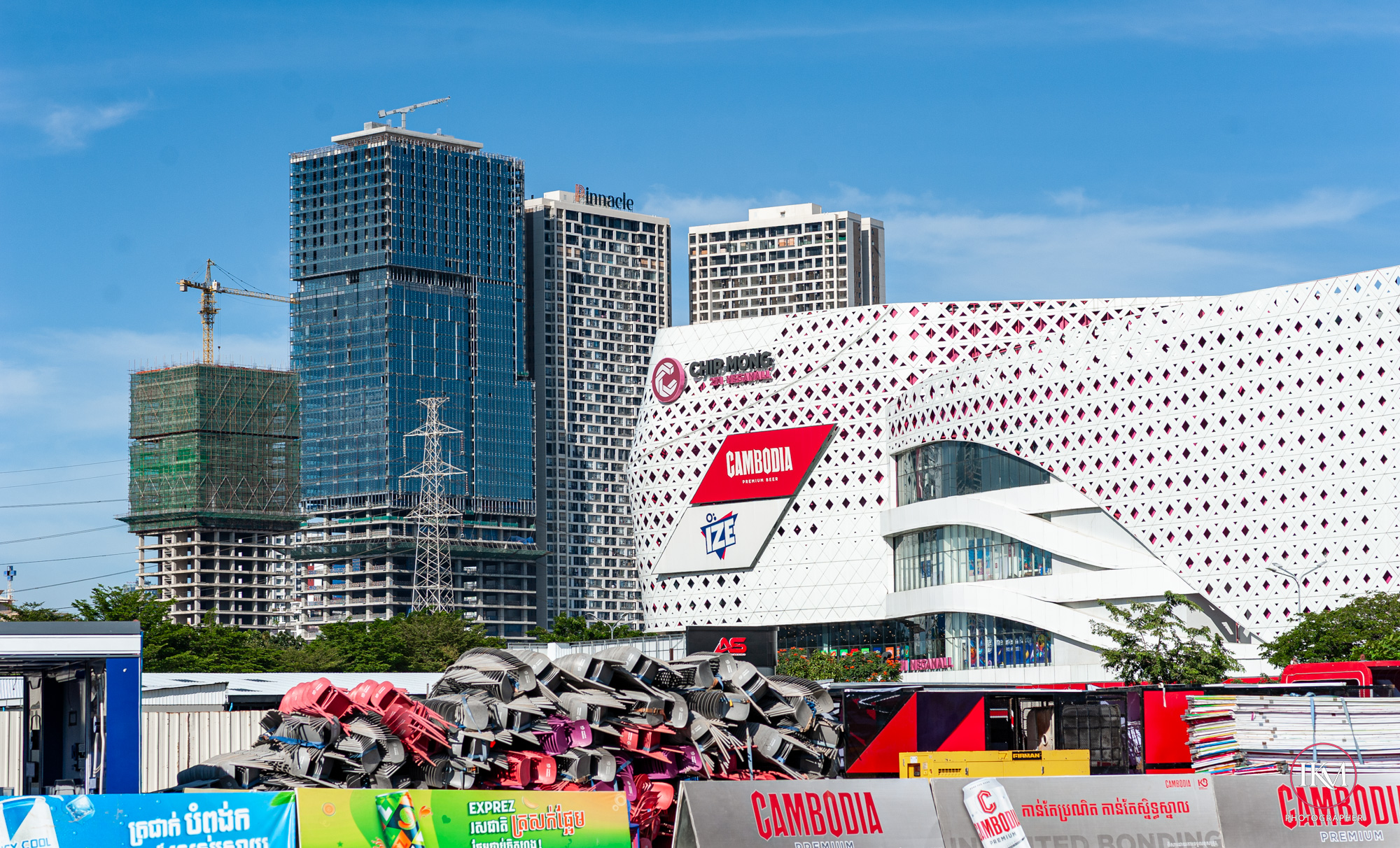
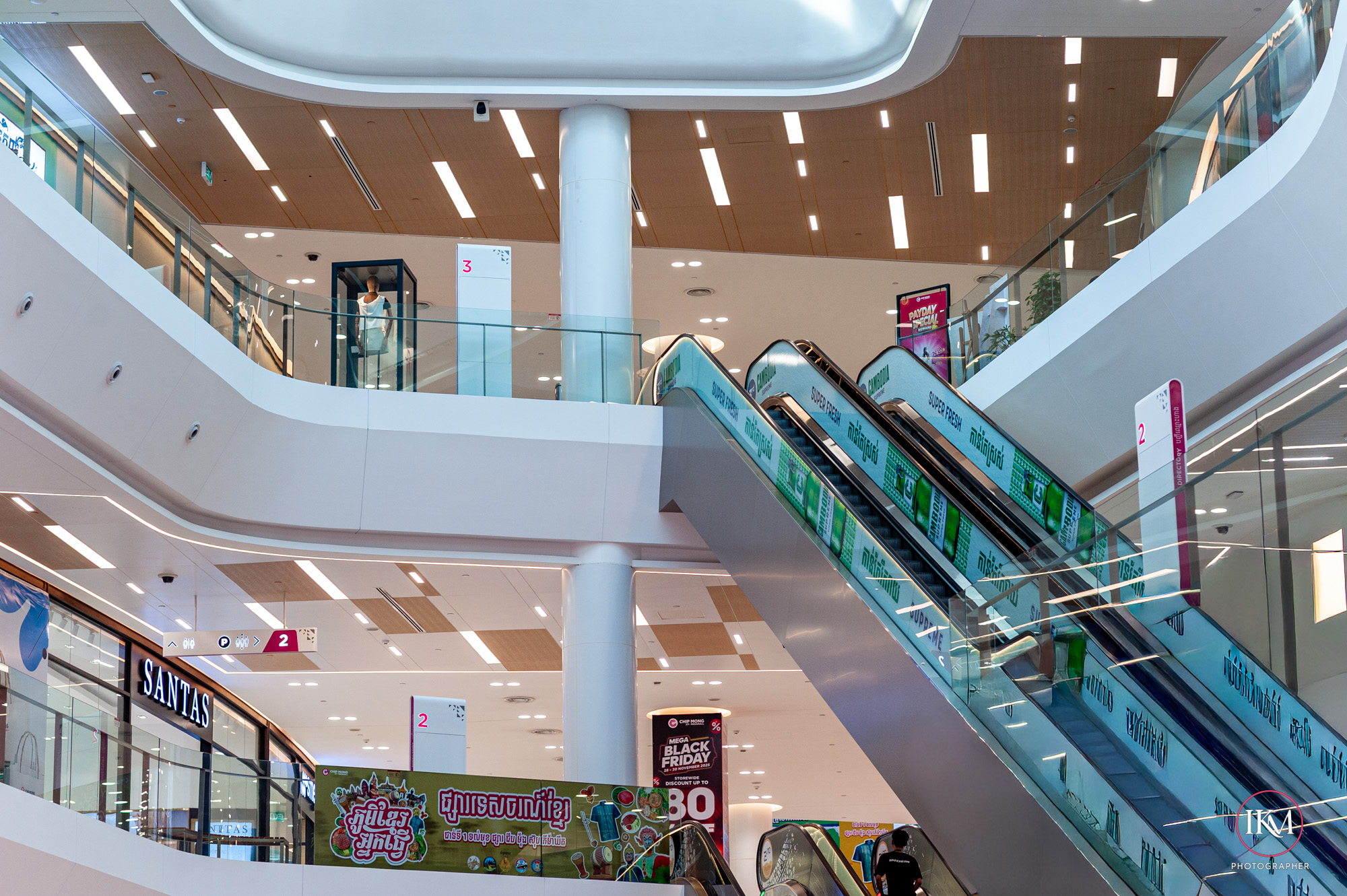
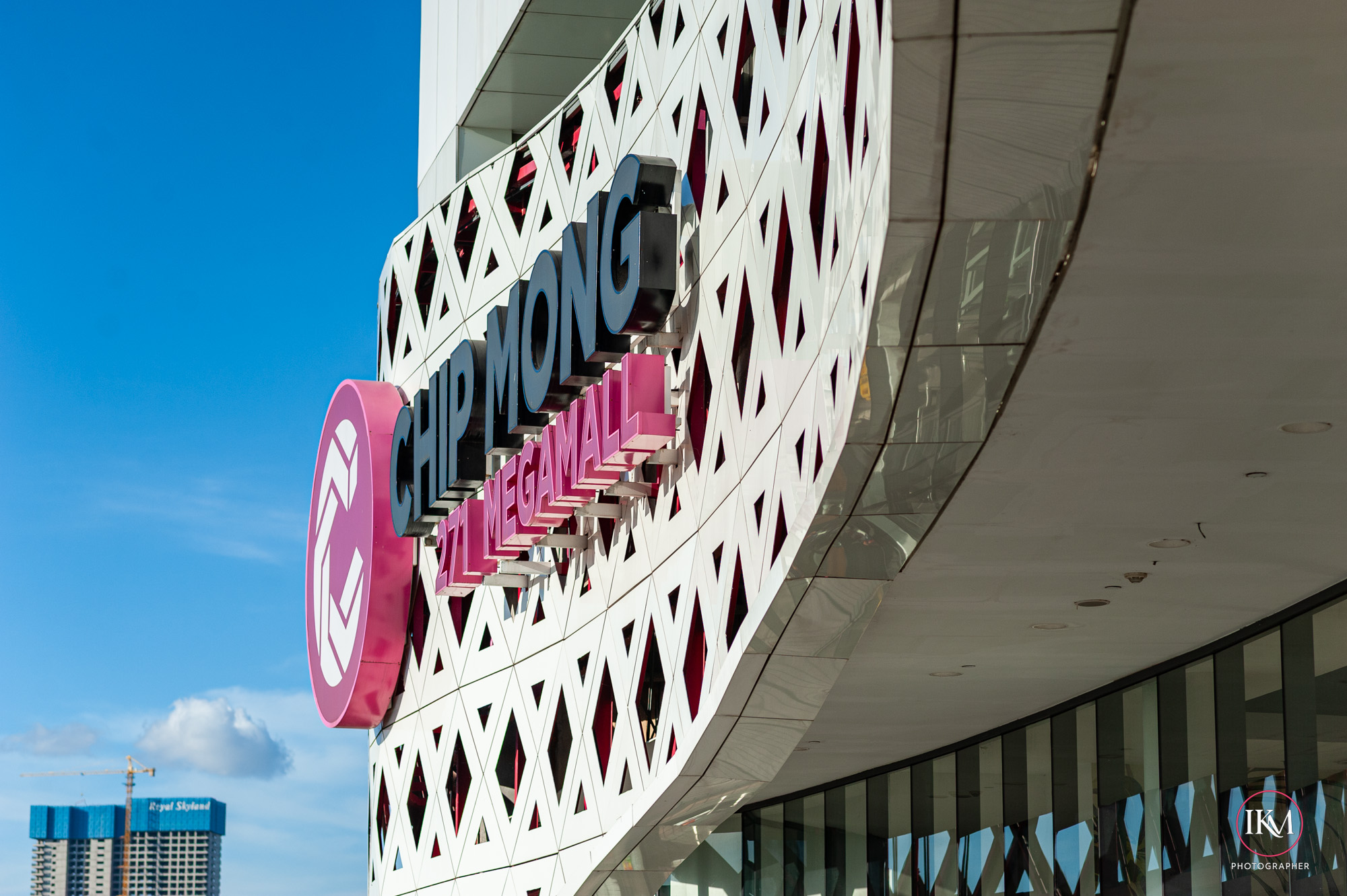
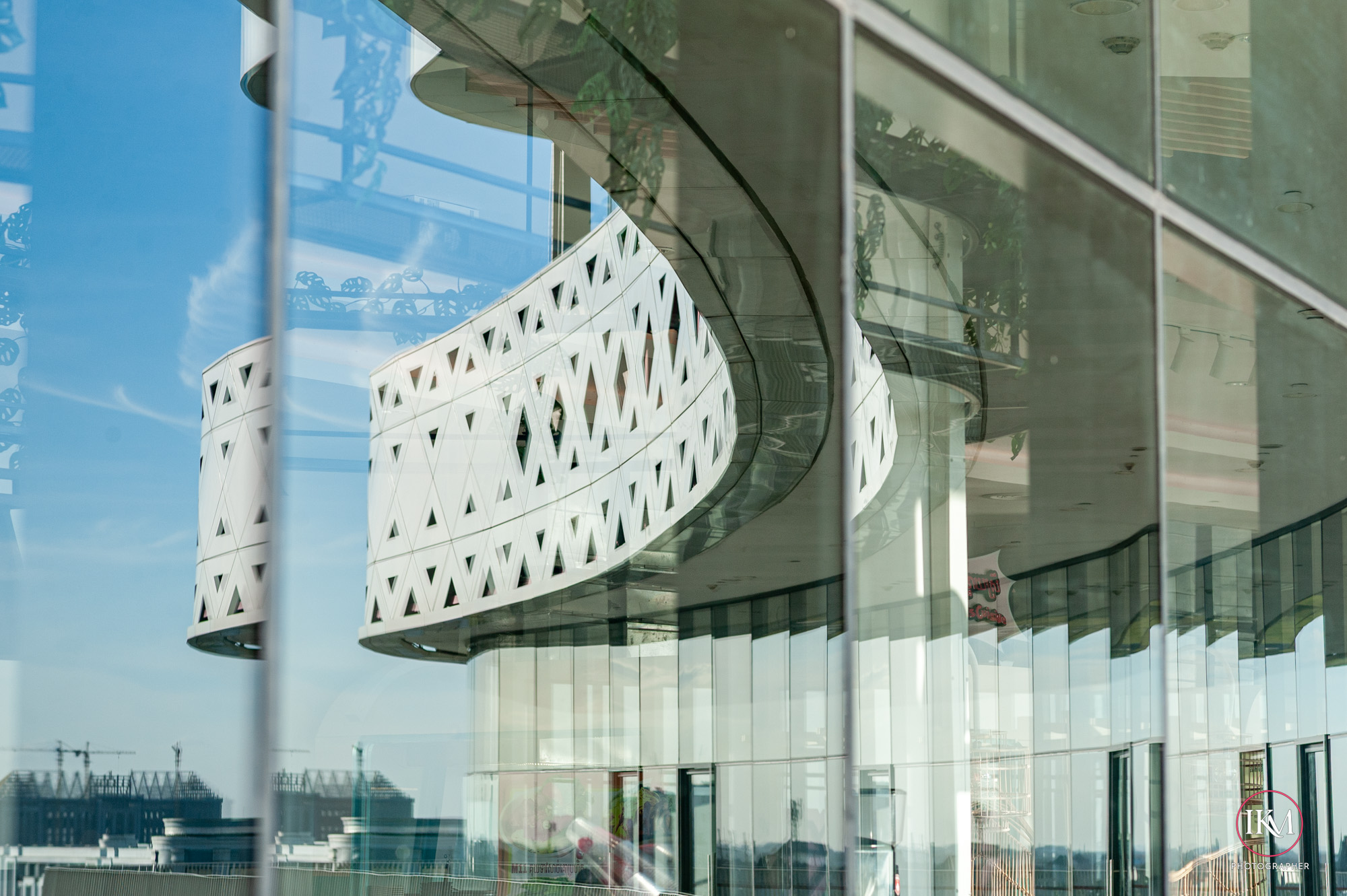
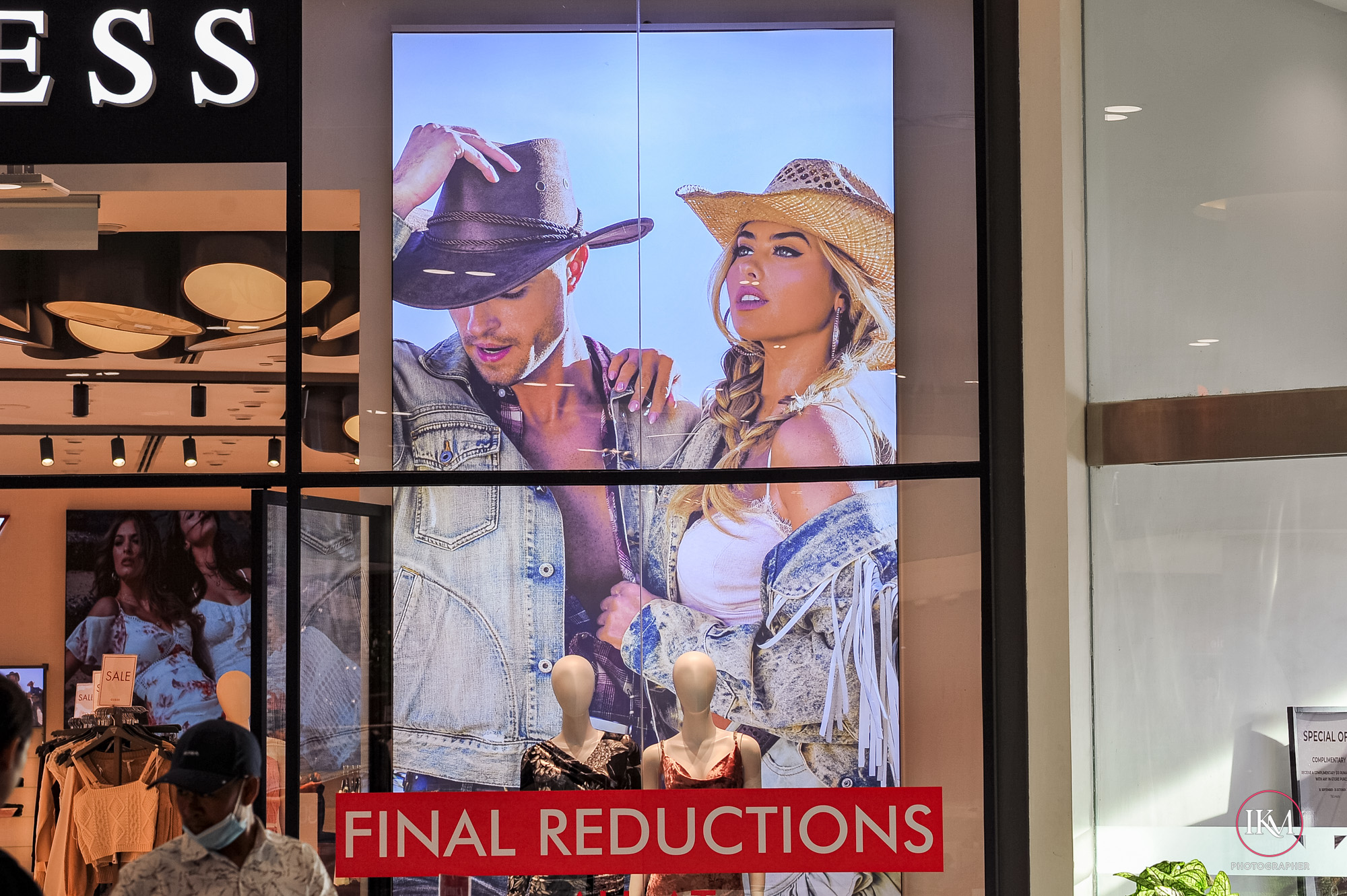
Chip Mong 271 Mega Mall is one of Phnom Penh’s largest and newest shopping complexes, opened in September 2022 along Street 271. It offers a mix of international and local brands, dining, entertainment, and leisure facilities, making it a major lifestyle destination in Cambodia’s capital.
📌 Key Details
Location: Yothapol Khemarak Phoumin Blvd (Street 271), Chak Angre Leu, Khan Mean Chey, Phnom Penh. Roughly 7 km from Wat Phnom.
Opening: Soft opening on 12 September 2022.
Size: Covers 160,000 m² total area with 58,000 m² of leasable retail space.
Parking: Capacity for 1,970 cars and 540 motorbikes.
Facilities:
4 floors of retail outlets
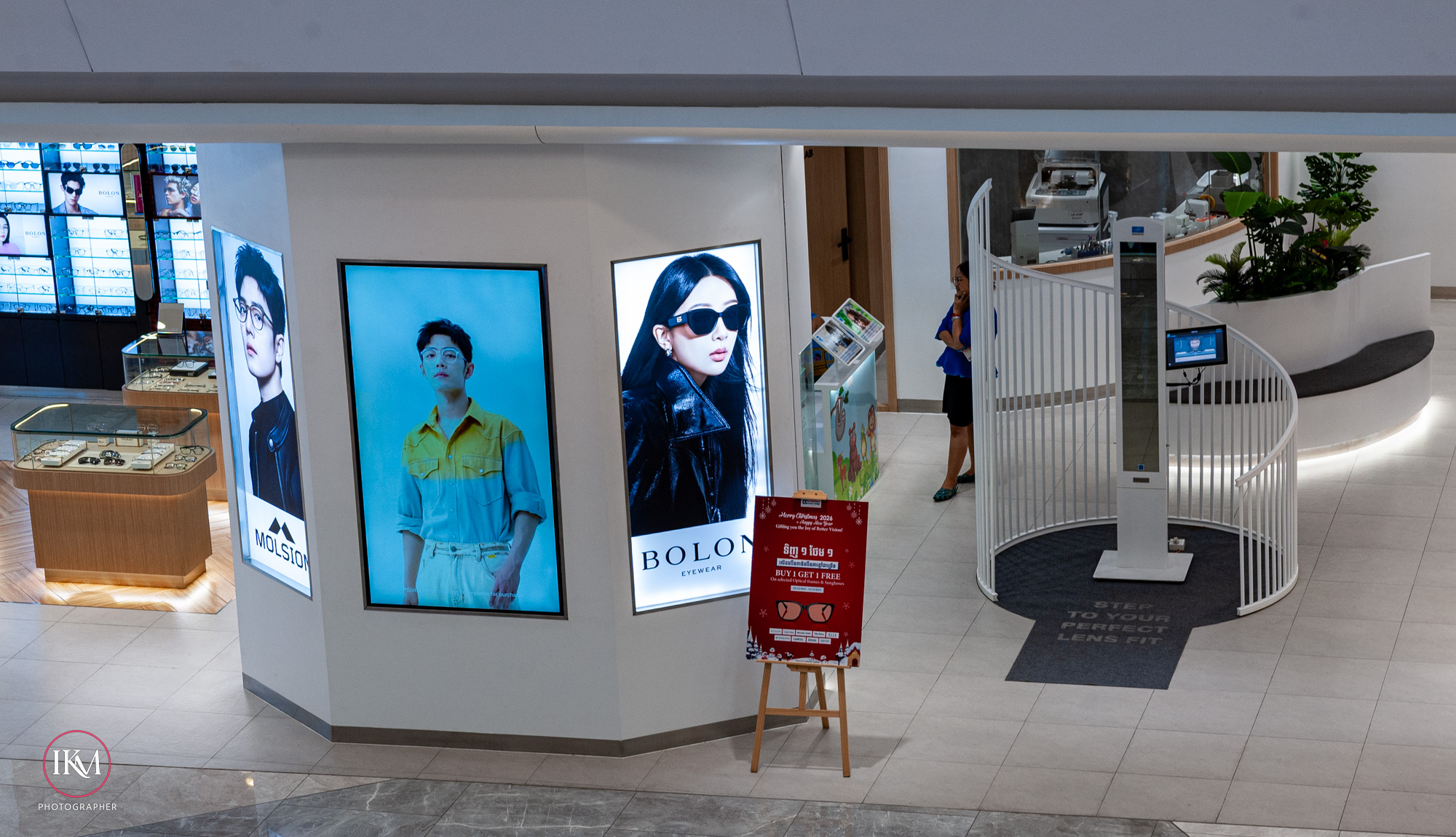
International and local fashion brands
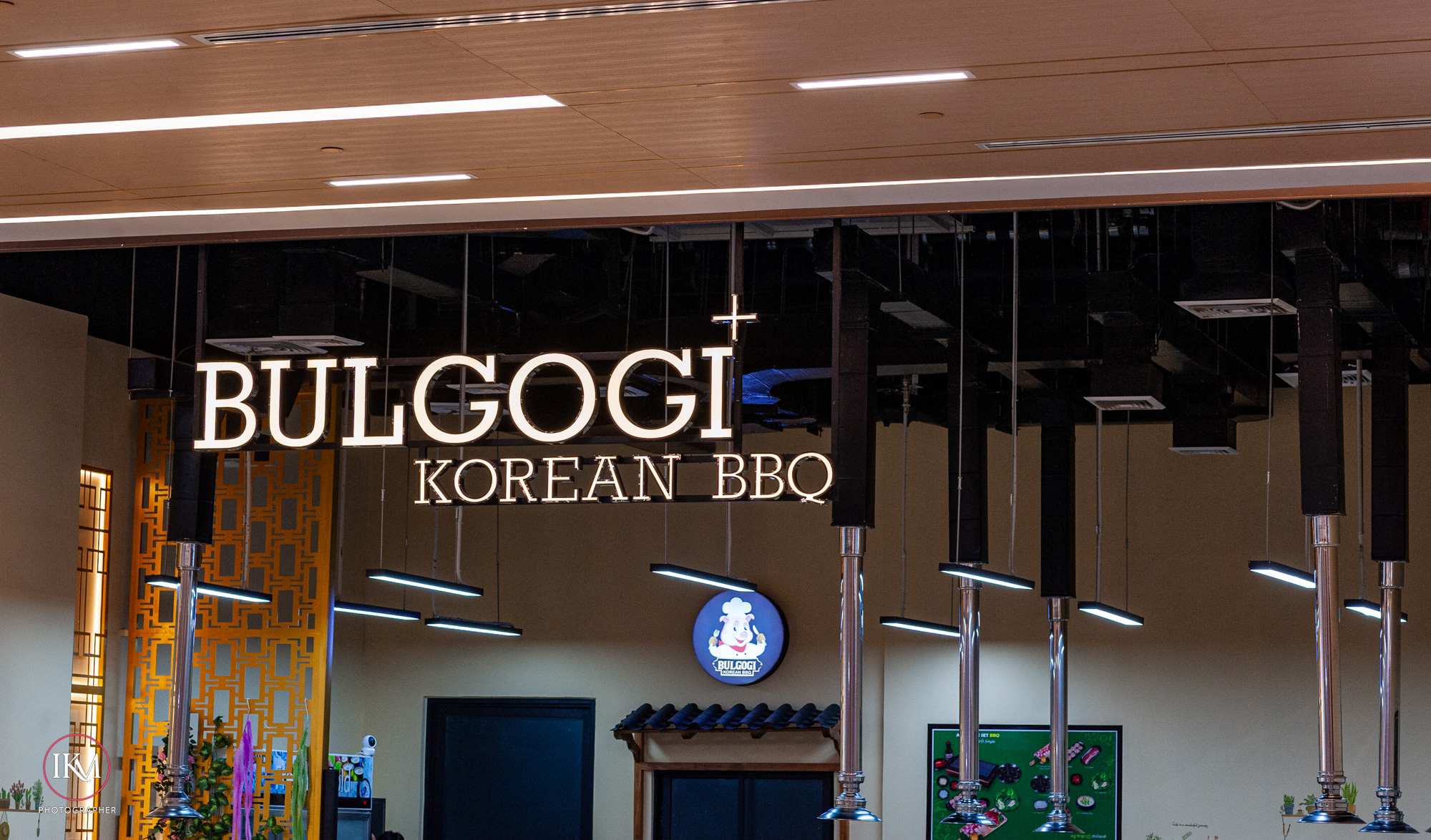
Food court and restaurants
Movie theatre
Cafés, souvenir shops, and convenience stores
✨ Why It Matters
Lifestyle hub: Designed around the theme of “Everyday Discovery”, the mall combines shopping, dining, and entertainment in one space.
Economic impact: Represents Chip Mong Group’s expansion into large‑scale retail, boosting Phnom Penh’s modern consumer infrastructure.
Accessibility: Easy to reach without crossing rivers or requiring special transport; direct parking available.
⚠️ Considerations
Competition: It joins other mega malls like AEON Mall Phnom Penh, intensifying competition in Cambodia’s retail sector.
Traffic: Located on a busy boulevard, congestion can be an issue during peak hours.
Cultural shift: Reflects Cambodia’s rapid urbanisation and changing consumer habits, but may overshadow traditional markets.
✅ Summary
Chip Mong 271 Mega Mall is a landmark retail and leisure destination in Phnom Penh, offering scale, convenience, and modern amenities. For residents and visitors, it’s both a shopping centre and a symbol of Cambodia’s evolving urban lifestyle.
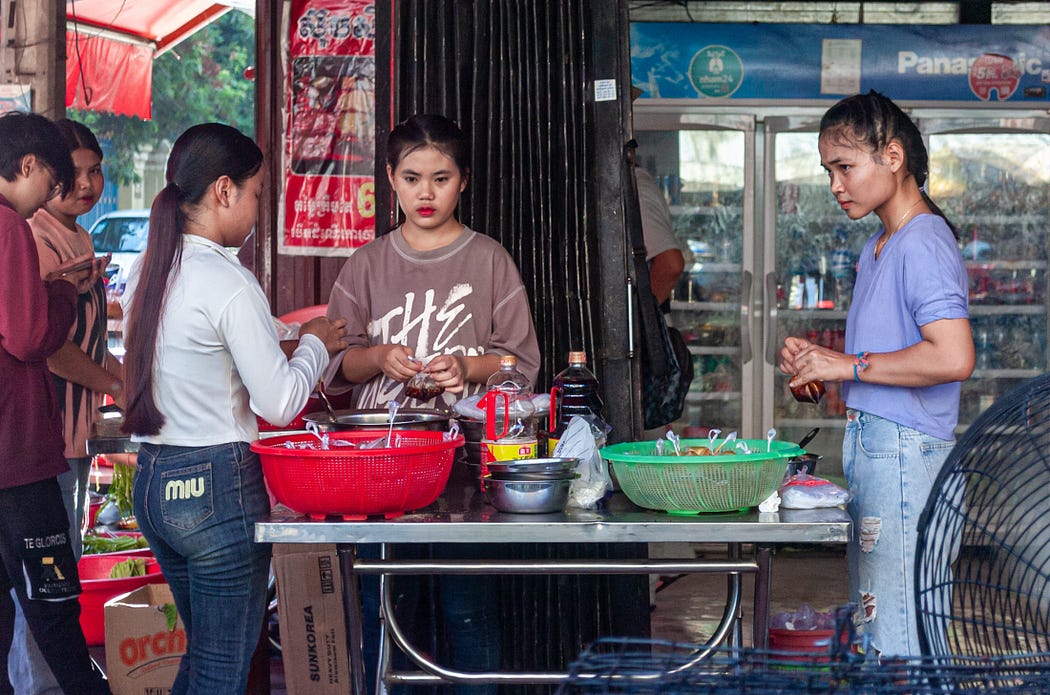
Photography in Cambodia offers a unique and accessible experience, often perceived as more relaxed compared to the stringent regulations one might encounter in many Western countries. The rich tapestry of Cambodia’s landscapes, from the ancient ruins of Angkor Wat to the bustling streets of Phnom Penh, provides a plethora of opportunities for both amateur and professional photographers alike. Workshops and tours, such as those offered by Nathan Horton Photography, emphasize the importance of engaging with local people, which is a testament to the openness towards photographers in the country. This approach not only aids in capturing the essence of Cambodian life but also contributes to a deeper understanding and appreciation of its culture. In contrast, photographers in Western countries may need to navigate a complex web of laws that govern public and private spaces, copyright, and privacy, which can sometimes inhibit the spontaneity and candidness that street photography thrives on. The freedom to explore and document Cambodia’s vibrant culture without the fear of legal repercussions encourages a creative exploration that is both enriching and liberating. This ease of access is further supported by the burgeoning community of Cambodian photographers who are telling their nation’s story through their lenses, contributing to a rich visual history that spans from the days of the French protectorate to the modern era. Their work is a celebration of Cambodia’s identity, capturing moments of daily life, cultural events, and the natural beauty that surrounds them. It’s a dynamic environment where the art of photography is not just tolerated but embraced, making Cambodia a haven for photographers.
Cambodia is a photographer’s paradise, brimming with awe-inspiring locations that are perfect for capturing stunning images. The ancient temples of Angkor Wat in Siem Reap, with their intricate carvings and grandeur, offer a timeless backdrop for photography. The temple complex is vast, and the play of light and shadow through the stone corridors provides endless opportunities for dynamic shots. For those seeking a blend of history and nature, the ruins of Ta Prohm, enveloped by the roots of giant banyan trees, create a mystical setting. The Bayon Temple, with its serene stone faces, and the reflective pools at Angkor Thom are also iconic spots that photographers flock to for their unique blend of architecture and natural beauty.
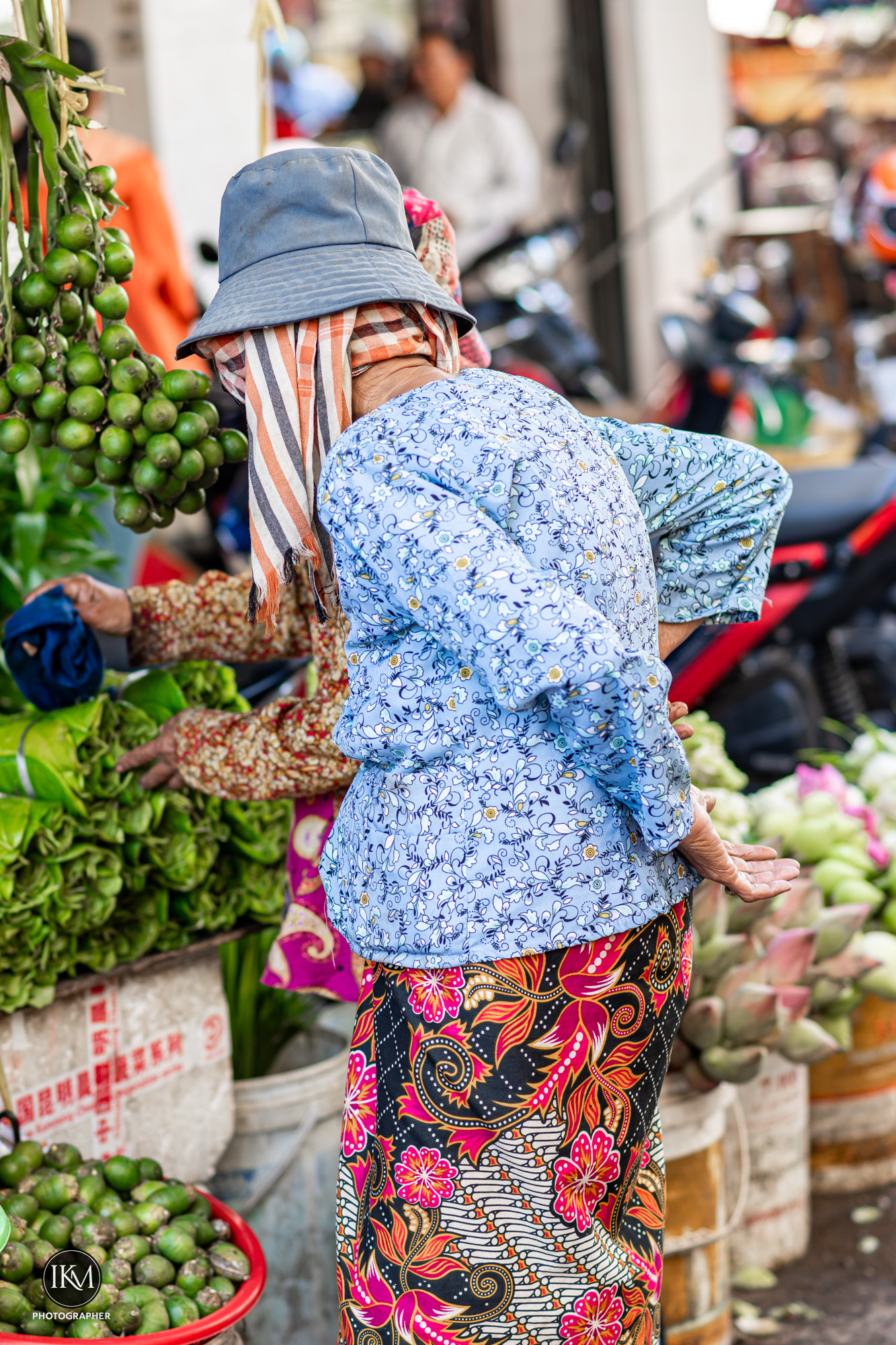
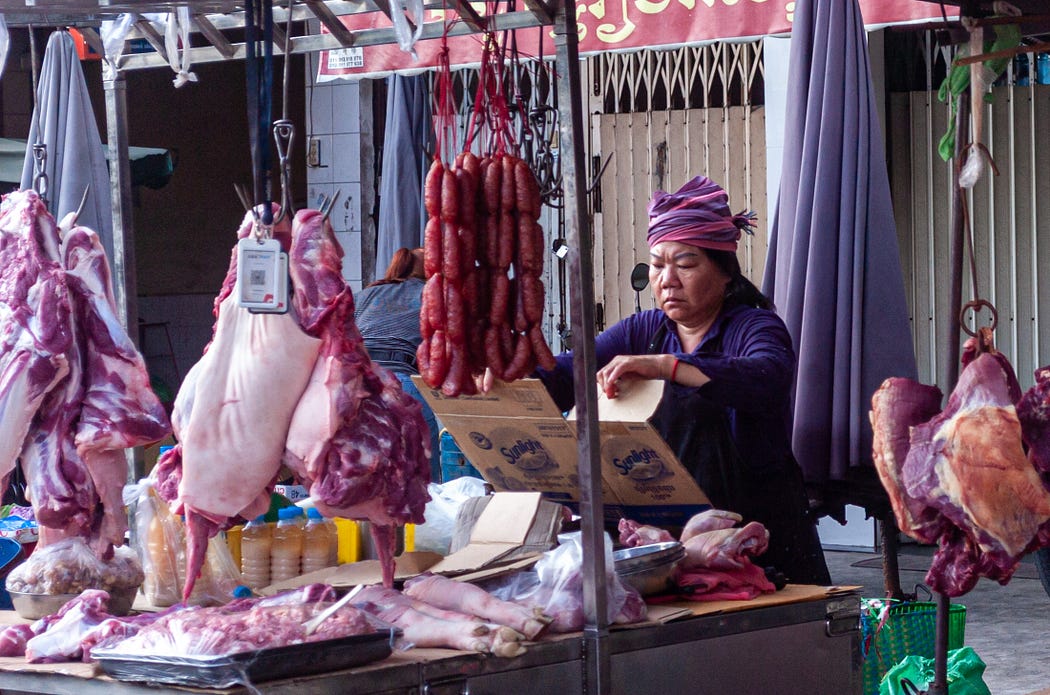
Phnom Penh, the capital city, is rich in history and culture, offering vibrant street scenes and colonial architecture. The Royal Palace, with its golden spires, and the National Museum’s traditional design are popular for their photogenic facades. The Independence Monument stands as a proud symbol of Cambodia’s heritage and is especially beautiful when lit up at night. The bustling markets, such as the Russian Market and Central Market, are full of life and colour, ideal for capturing the essence of Cambodian daily life.
The floating villages on Tonle Sap Lake present a unique way of life, with communities built on stilts above the water. Photographers can capture the daily activities of the locals, the lively markets, and the serene sunsets over the lake. In the countryside, the rice paddies and sugar palm trees create a picturesque rural landscape, especially during the golden hours of sunrise and sunset.
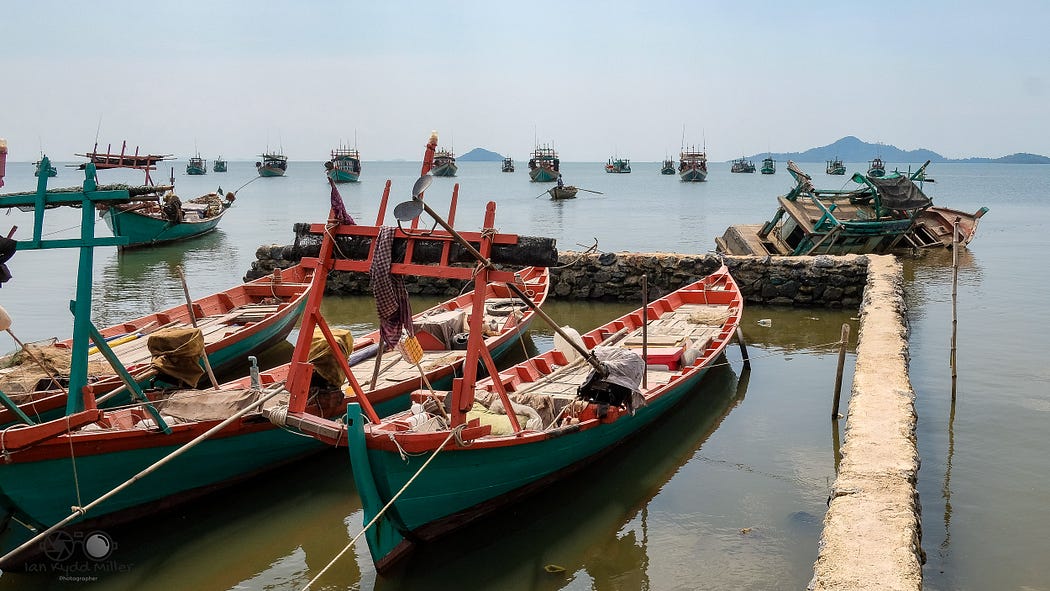
For a touch of the coast, Kep Province offers tranquil beaches and the famous Crab Market, while the pine forests of Kirirom are a refreshing change from Cambodia’s typical scenery. Mondulkiri Province provides a stark contrast with its rolling hills and elephant sanctuaries, offering a glimpse into the diverse ecosystems of Cambodia.
Each of these locations not only provides stunning visuals but also tells a story of Cambodia’s past and present, making them not just photography spots but gateways to understanding and appreciating this fascinating country. Whether you’re a seasoned photographer or just starting, Cambodia’s rich landscapes and cultural tapestry will surely inspire and captivate.
Embarking on a photography trip to Cambodia is an exciting venture that requires thoughtful preparation to ensure you capture the country’s beauty and essence. Firstly, it’s crucial to ensure your passport is valid for at least six months beyond your planned return date, as entry into Cambodia requires this. Next, consult with a travel health clinic to arrange any recommended inoculations well in advance of your trip. It’s also wise to purchase travel insurance with comprehensive health coverage to protect against any unforeseen circumstances.
When it comes to gear, a versatile camera setup is key. Consider a range of lenses to capture the diverse landscapes and architectural wonders, from wide-angle lenses for the grandeur of Angkor Wat to a telephoto lens for candid street portraits. A lightweight tripod can be invaluable for early morning and late evening shoots, especially for those breathtaking sunrises and sunsets. Don’t forget extra batteries and memory cards, as you’ll likely be taking more photos than you anticipate.
Research is your ally; familiarize yourself with the locations you wish to visit. Understanding the cultural significance and the best times for lighting will help in planning your itinerary. For instance, Angkor Wat is renowned for its stunning sunrise, so you’ll want to be in position well before dawn breaks. Similarly, the floating villages on Tonle Sap Lake are most lively in the early hours, offering a glimpse into the daily lives of the locals.
Cultural sensitivity is paramount. Engaging with local people respectfully and seeking permission before taking photos is not only courteous but often leads to more meaningful interactions and photographs. Learning a few phrases in Khmer, such as greetings and how to ask for permission, can go a long way in building rapport with your subjects.
Packing for the climate is also essential. Cambodia can be hot and humid, so breathable, lightweight clothing is advisable. Rain gear is a must during the rainy season, and sturdy, comfortable footwear will serve you well on the uneven terrain of temple ruins and rural areas.
Lastly, consider your storage and backup solutions. Portable hard drives or cloud storage can safeguard your precious photos. And remember, while capturing the sights through your lens, take time to immerse yourself in the moment and enjoy the rich experiences that Cambodia offers. With these preparations in place, you’re set for a photographic journey that will yield not just images but memories to last a lifetime.
Travelling in Cambodia is an enriching experience, and staying safe is paramount to ensure a memorable journey. It’s widely regarded as a friendly destination, but like any travel adventure, it’s wise to take precautions. General health should be a priority; consult with healthcare providers for necessary vaccinations and consider carrying a basic medical kit for minor ailments. The availability of medical facilities varies, with limited options in rural areas, so it’s best to be prepared.
When it comes to personal safety, common sense is your best defence. Stay in well-lit, populated areas, especially at night, and be cautious when venturing into less familiar territories. Trust your instincts — if an area feels unsafe, it’s advisable to leave. Petty crimes like pickpocketing can occur, particularly in tourist areas, so keep your belongings secure and maintain awareness of your surroundings.
Using hotel safes for valuables and carrying only what you need for the day can minimize risks. When exploring, it’s recommended to dress inconspicuously to blend in and avoid drawing attention. If you’re out at night, consider having a companion, and always keep a clear head — avoiding excessive alcohol consumption can help you stay alert and make sound decisions.
Transportation safety is also crucial. Stick to reputable taxi companies or arrange transportation through your accommodation. When using tuk-tuks or motorbike taxis, agree on the fare beforehand to avoid misunderstandings. For longer journeys, opt for well-known bus companies that prioritize safety.
In terms of belongings, it’s advisable to carry bags on the side furthest from the road to deter snatch-and-grab thefts, and never leave items unattended. A personal alarm can be a useful tool for drawing attention in uncomfortable situations. Additionally, using an unlocked mobile phone with a local SIM card can keep you connected without incurring high roaming charges.
Understanding local customs and laws is essential. Respect cultural norms, dress appropriately when visiting temples, and always ask for permission before taking photos of people. Being culturally sensitive not only ensures a respectful interaction but can also enhance your travel experience.
Lastly, staying informed about the current political and social climate is important. Check travel advisories from your government before and during your trip for any updates on safety concerns. With these tips in mind, you can navigate Cambodia’s stunning landscapes and rich culture with confidence and peace of mind. Enjoy the journey and the many photographic opportunities that await you in this captivating country.
The acceptability of baby bath pictures has become a complex issue due to the potential for misinterpretation and misuse in the digital age. While historically, such images were seen as innocent family memories, the rise of the internet and social media has increased the risk of these photos being viewed out of context or falling into the wrong hands. Legal experts advise caution, suggesting that parents consider the potential for images to be misconstrued or used by others inappropriately. The law itself can be ambiguous, but the guiding principle is the intent and context in which the photos are taken and shared. It’s always best to err on the side of caution and protect the privacy and future dignity of children.
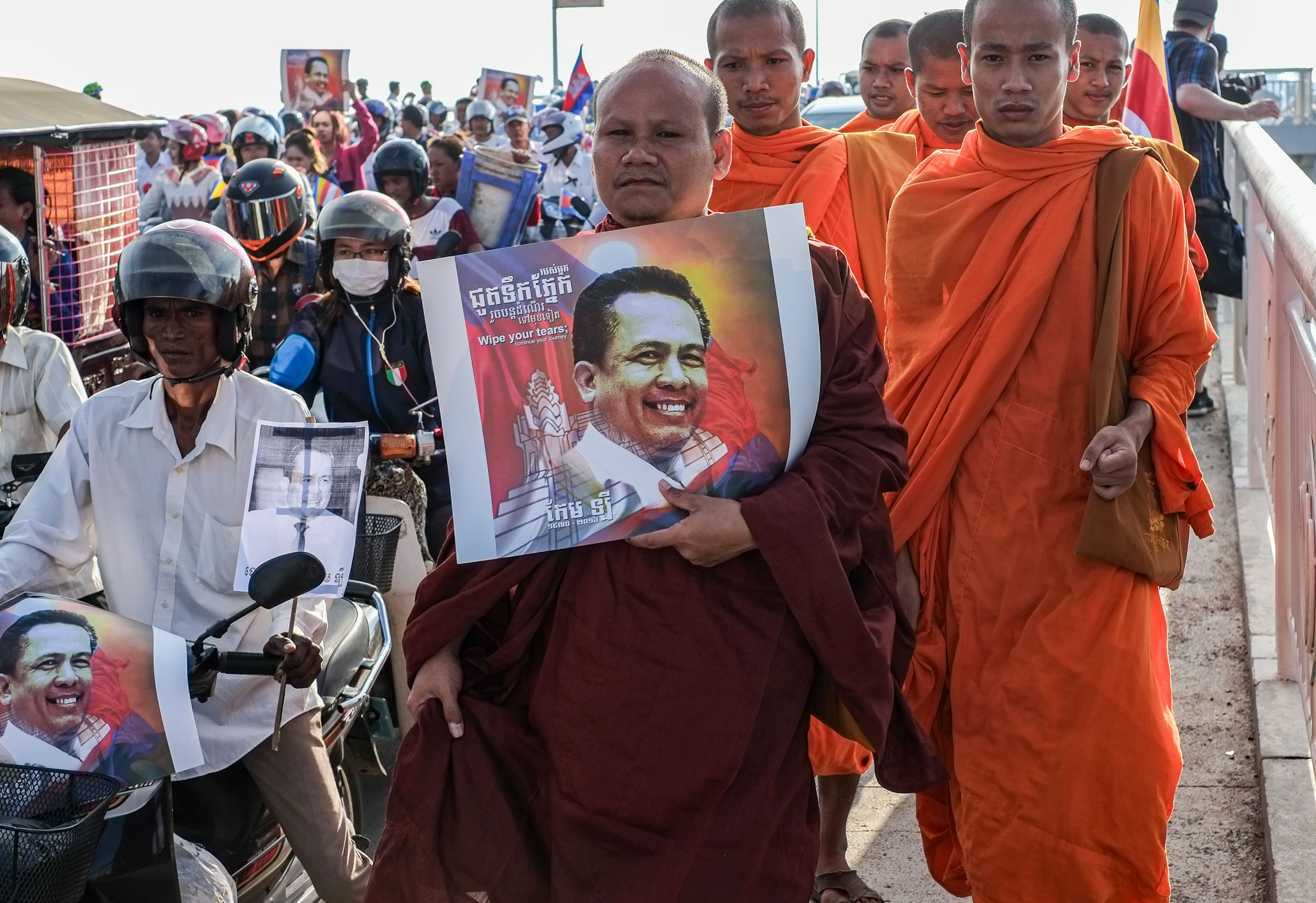
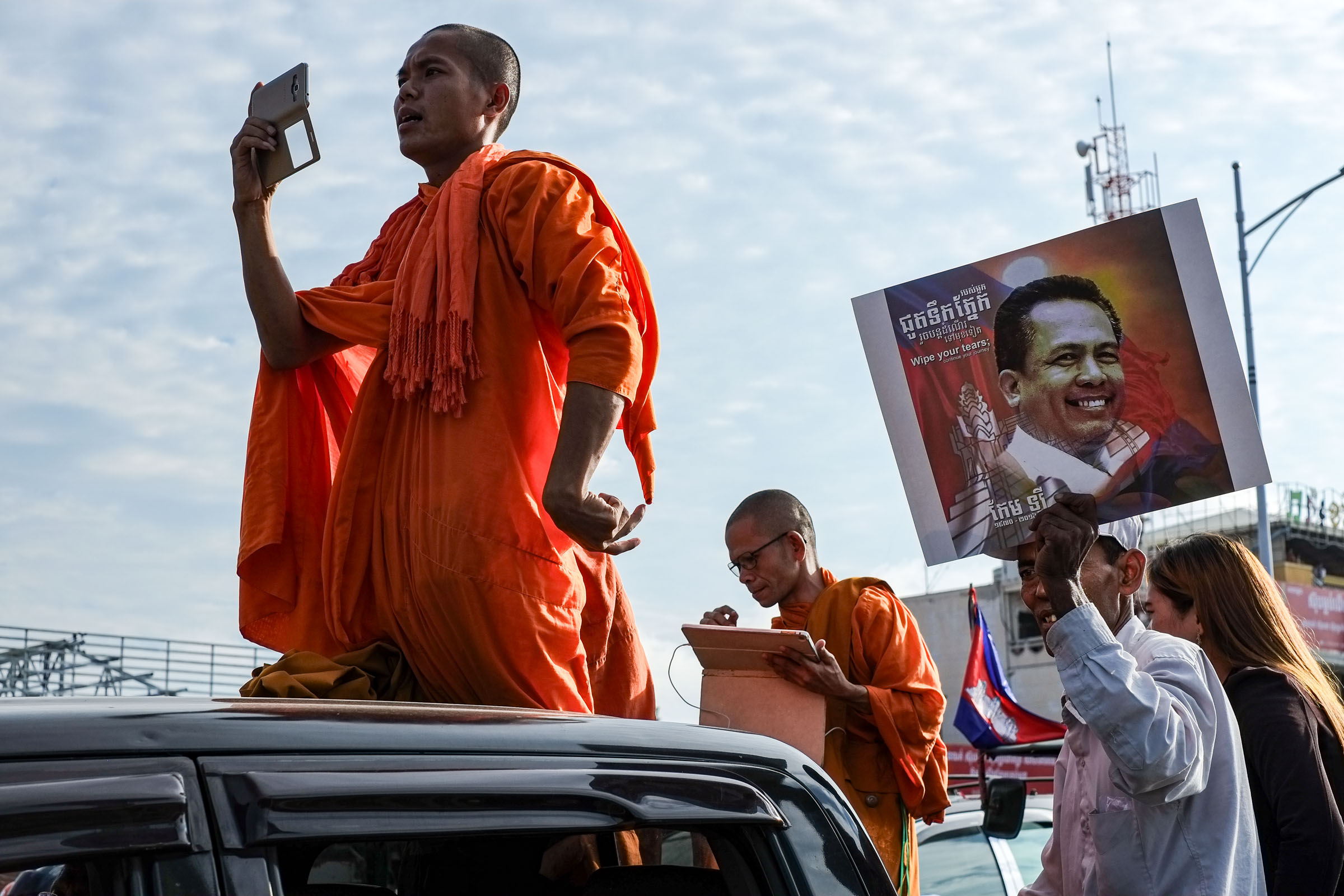
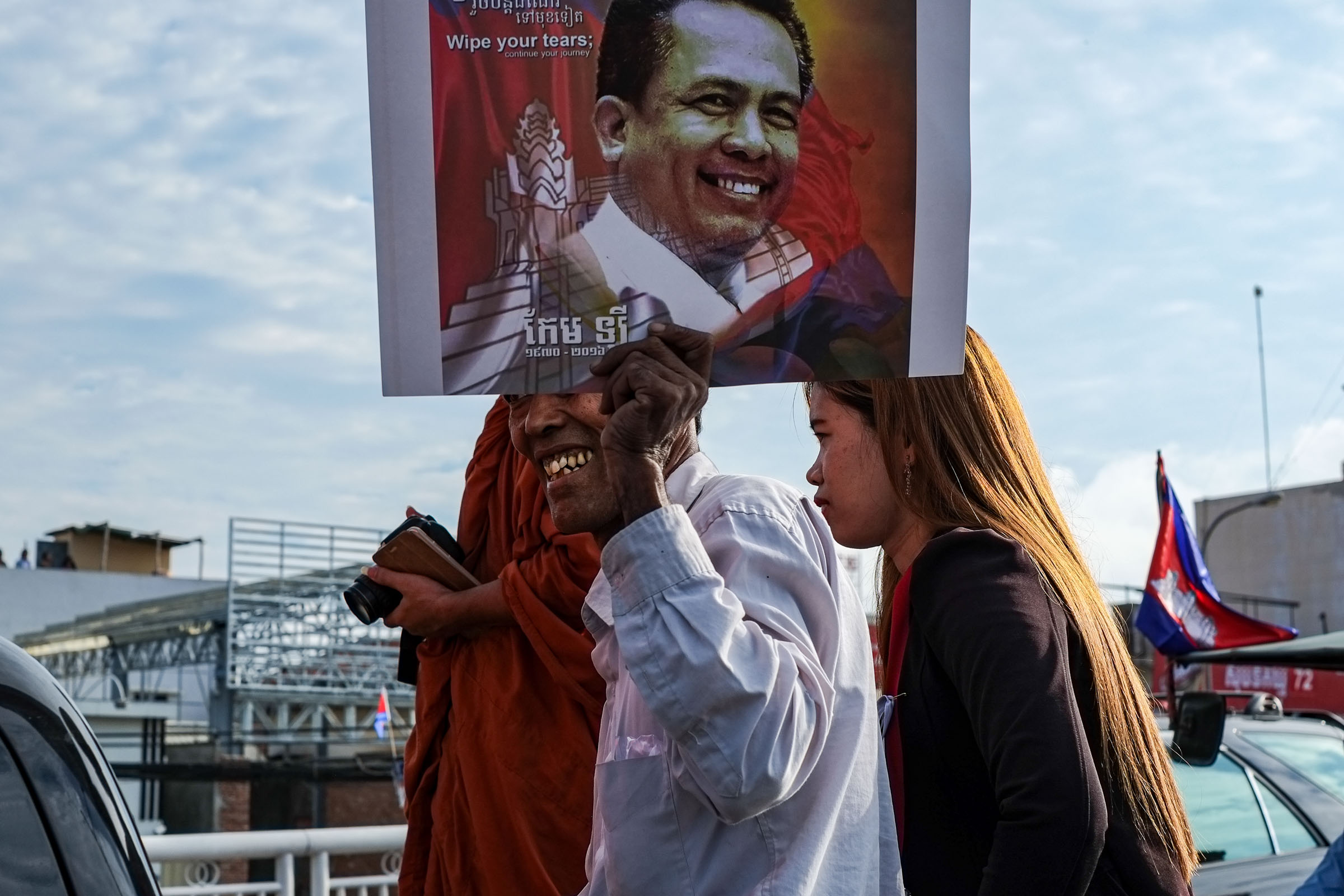
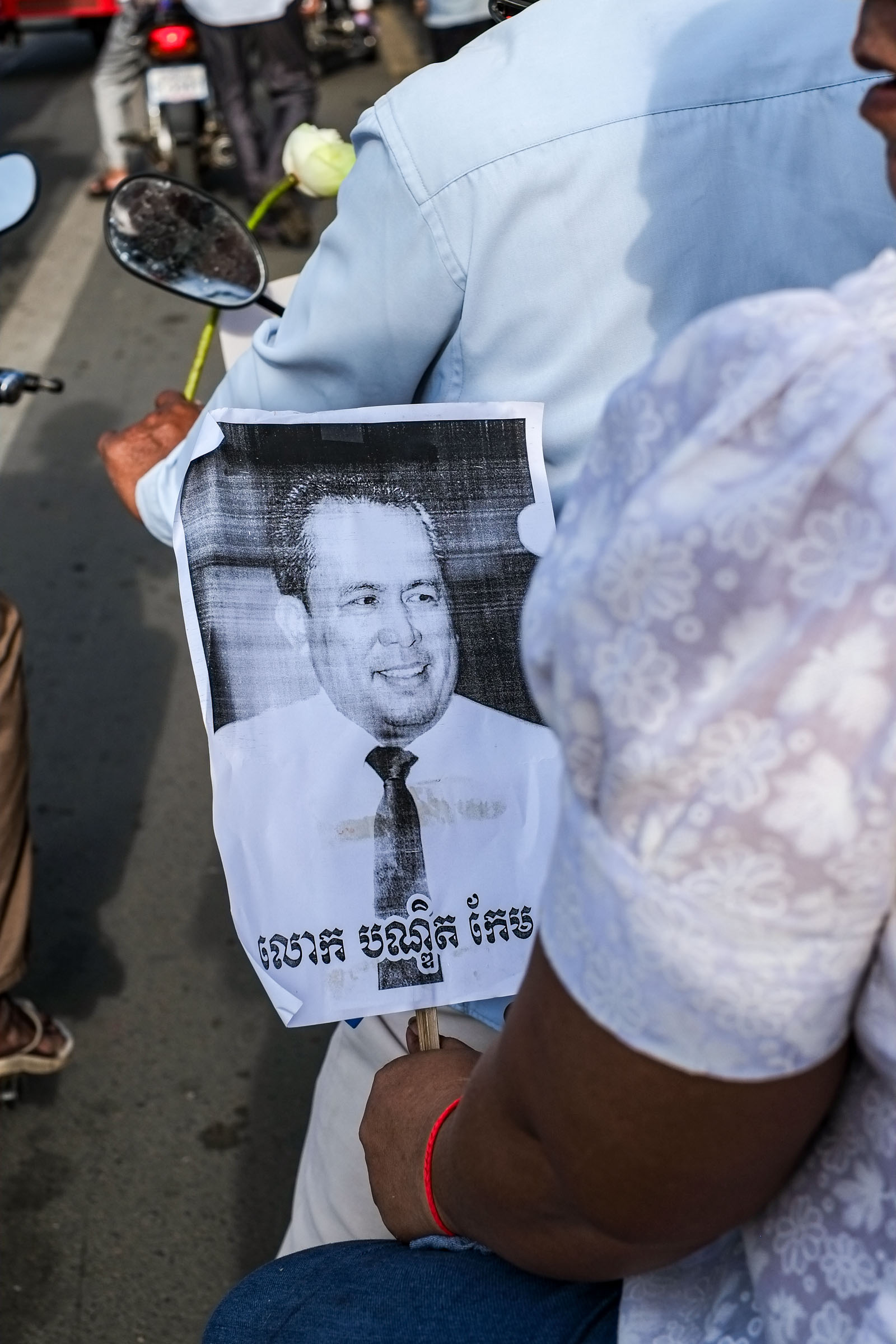
Background of Kem Ley: Kem Ley was a political commentator, physician, and activist from Cambodia who was well-known for criticising the country’s government.
Assassination: It is generally accepted that he was the victim of a politically motivated assassination on July 10, 2016, in Phnom Penh.
Political Engagement: He was active in a number of campaigns and research projects in addition to founding the Grassroots Democracy Party in 2015.
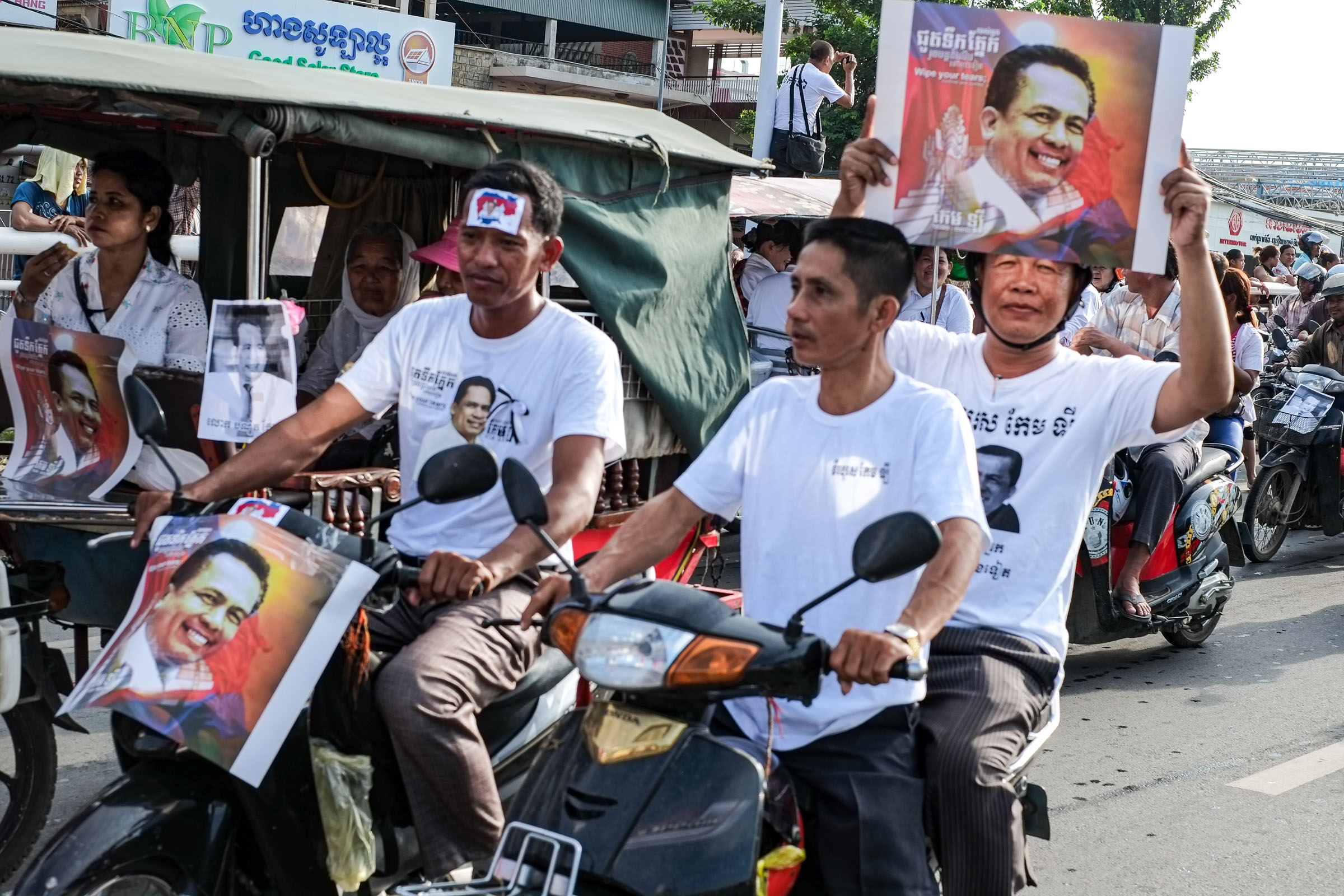
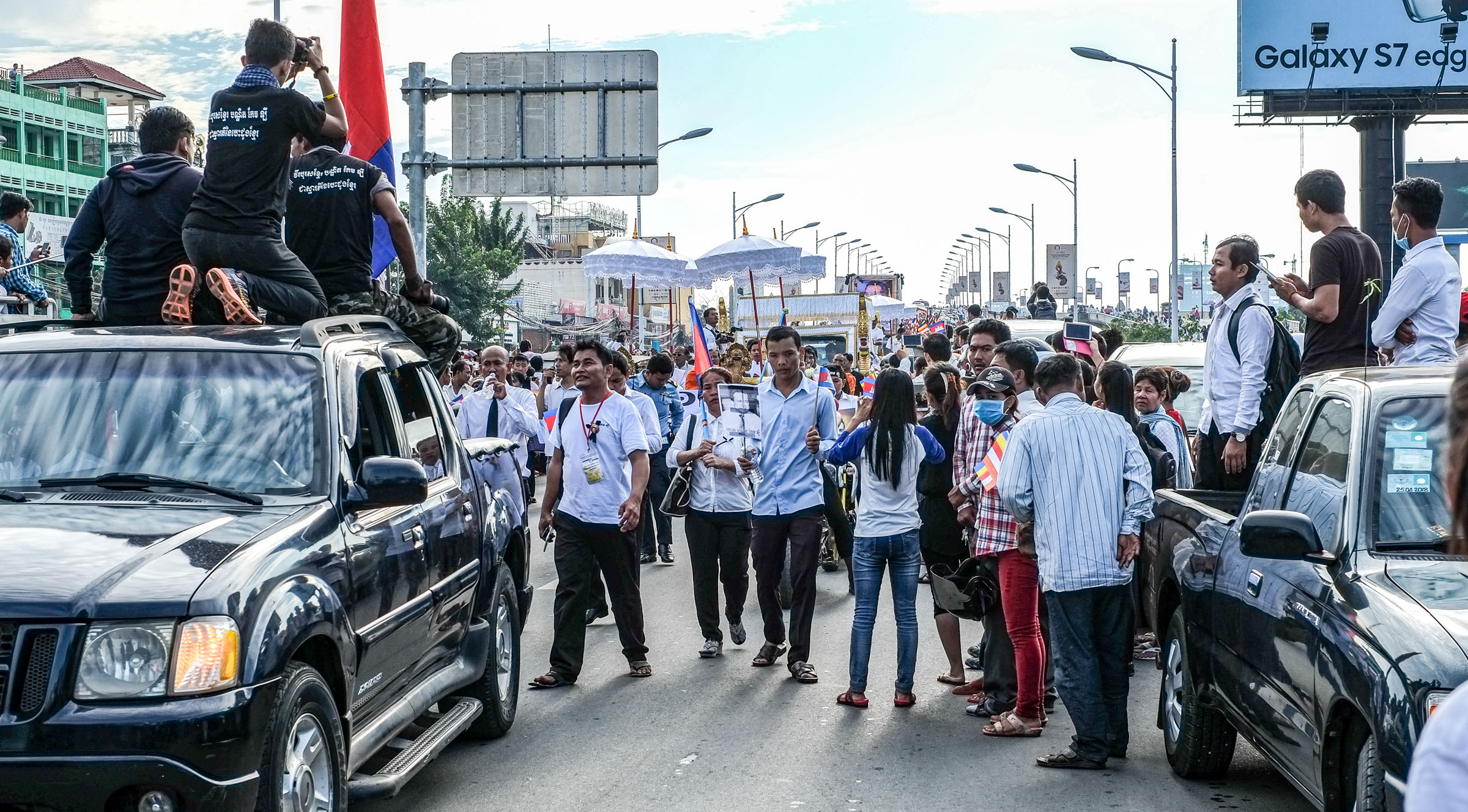
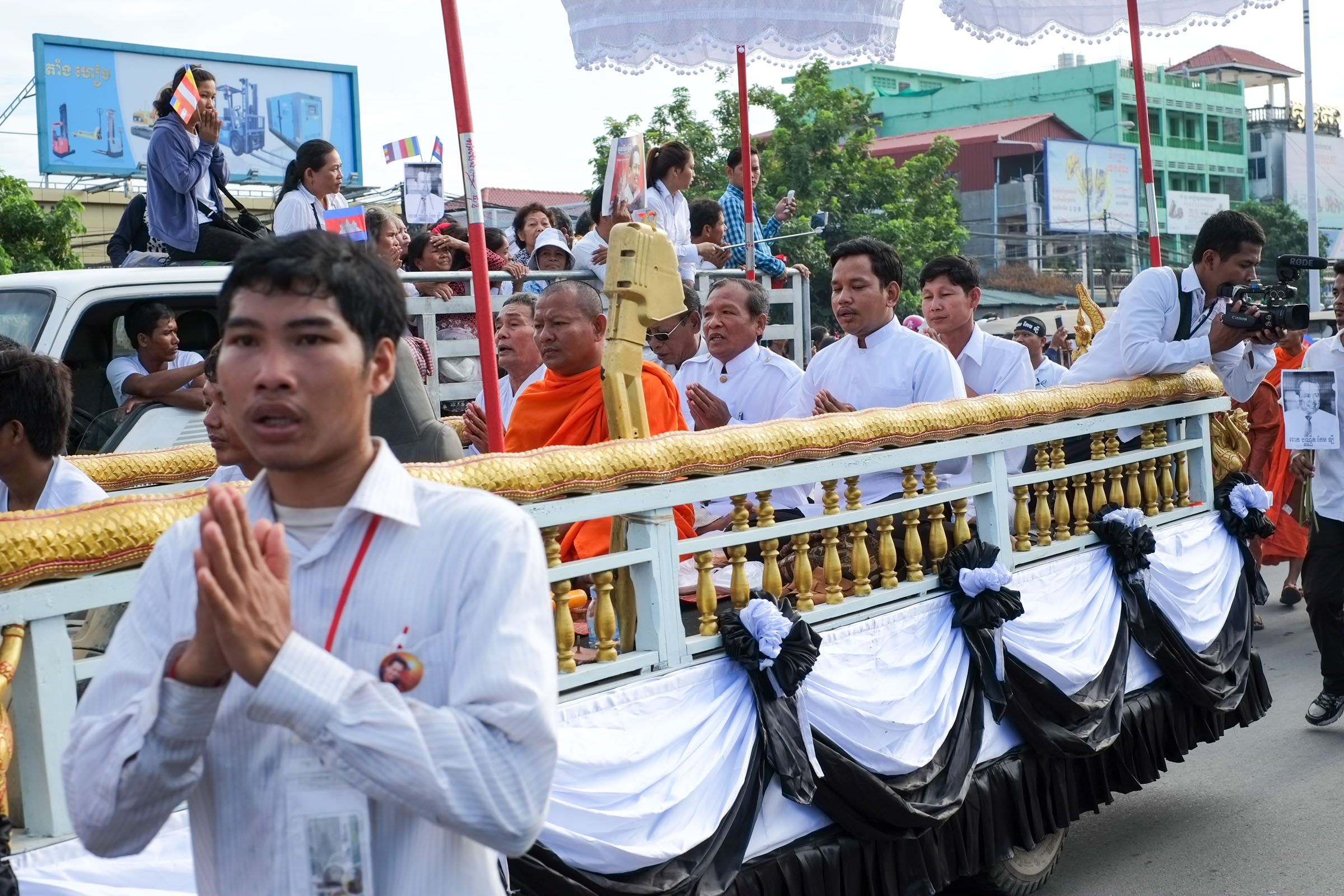
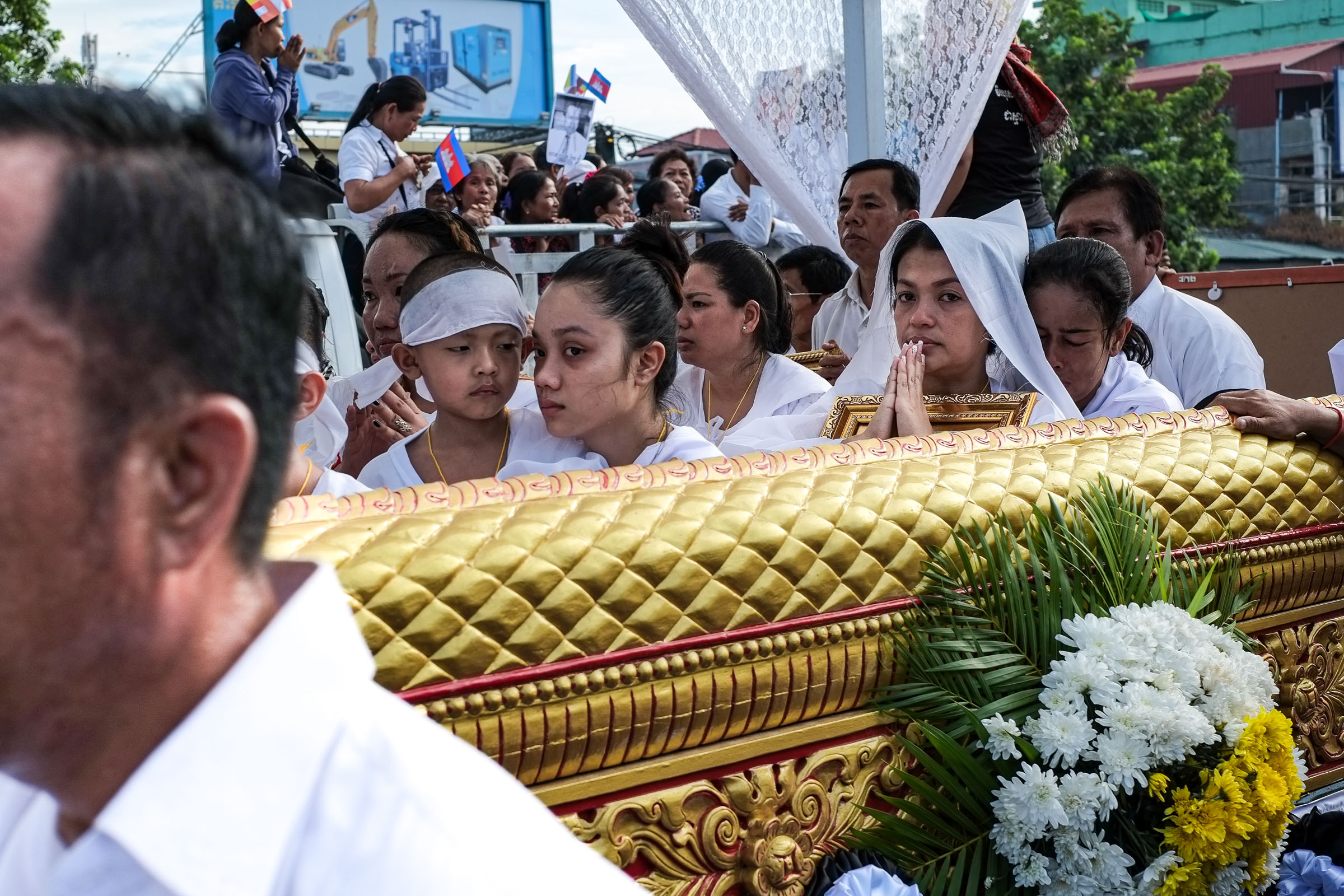
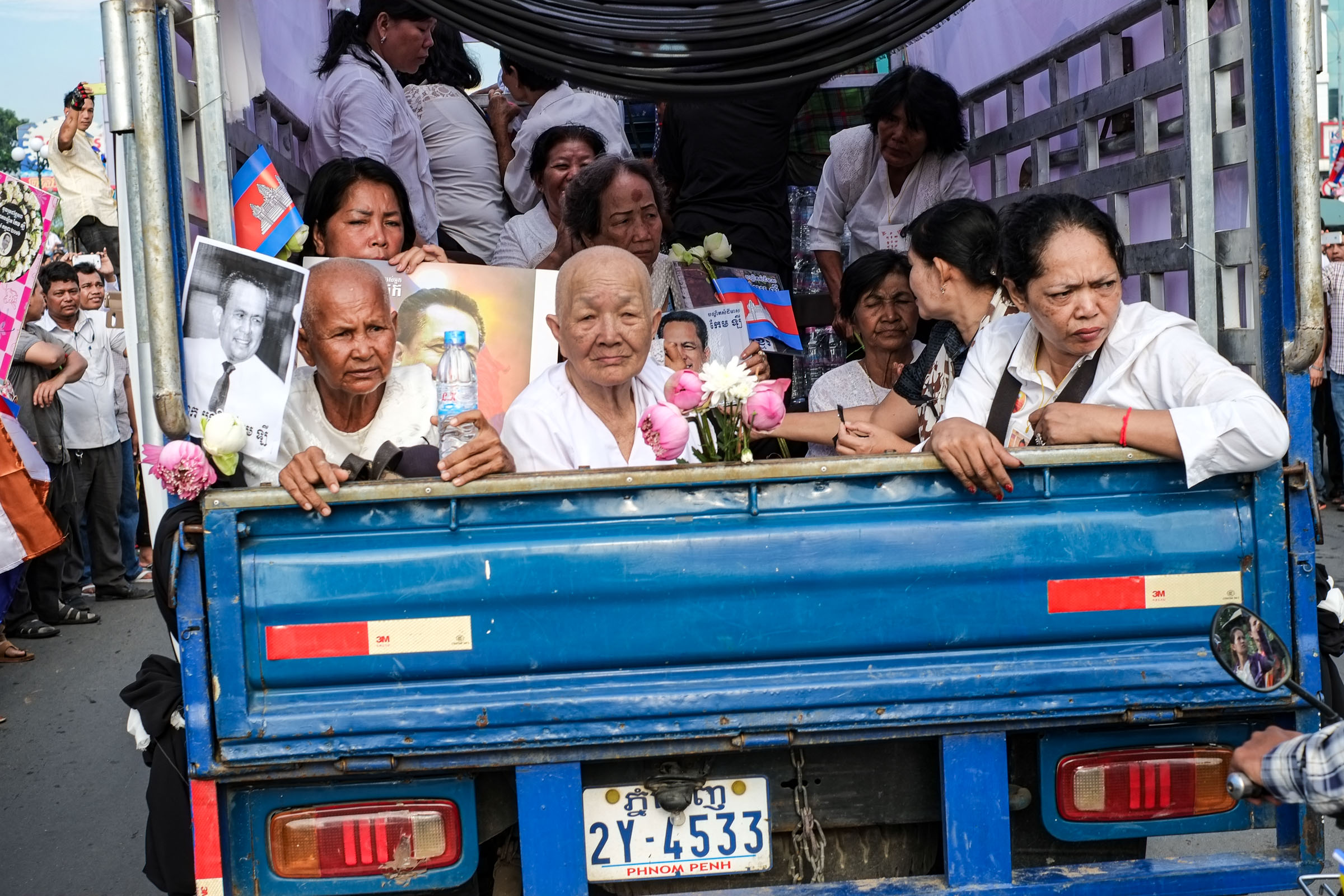
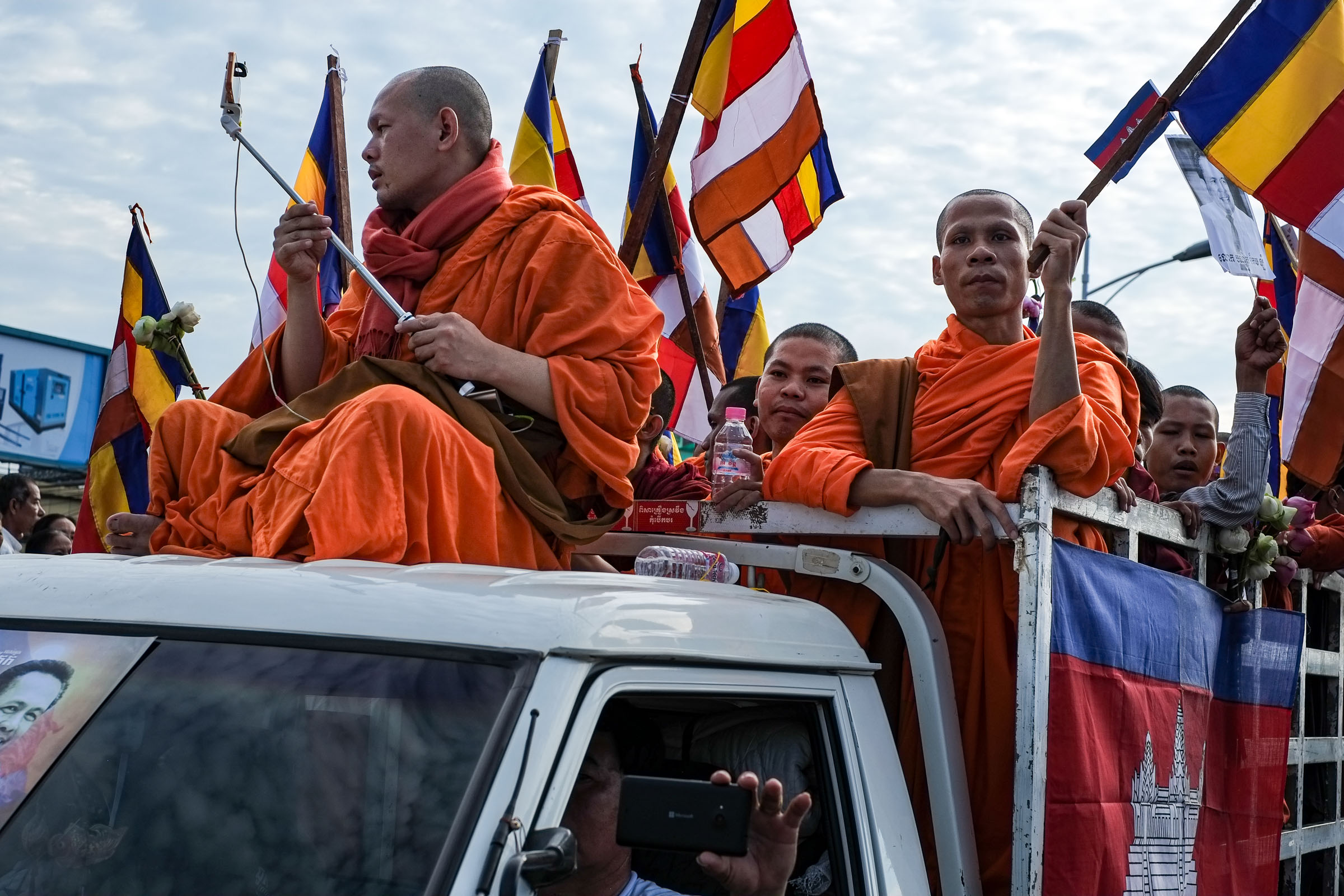
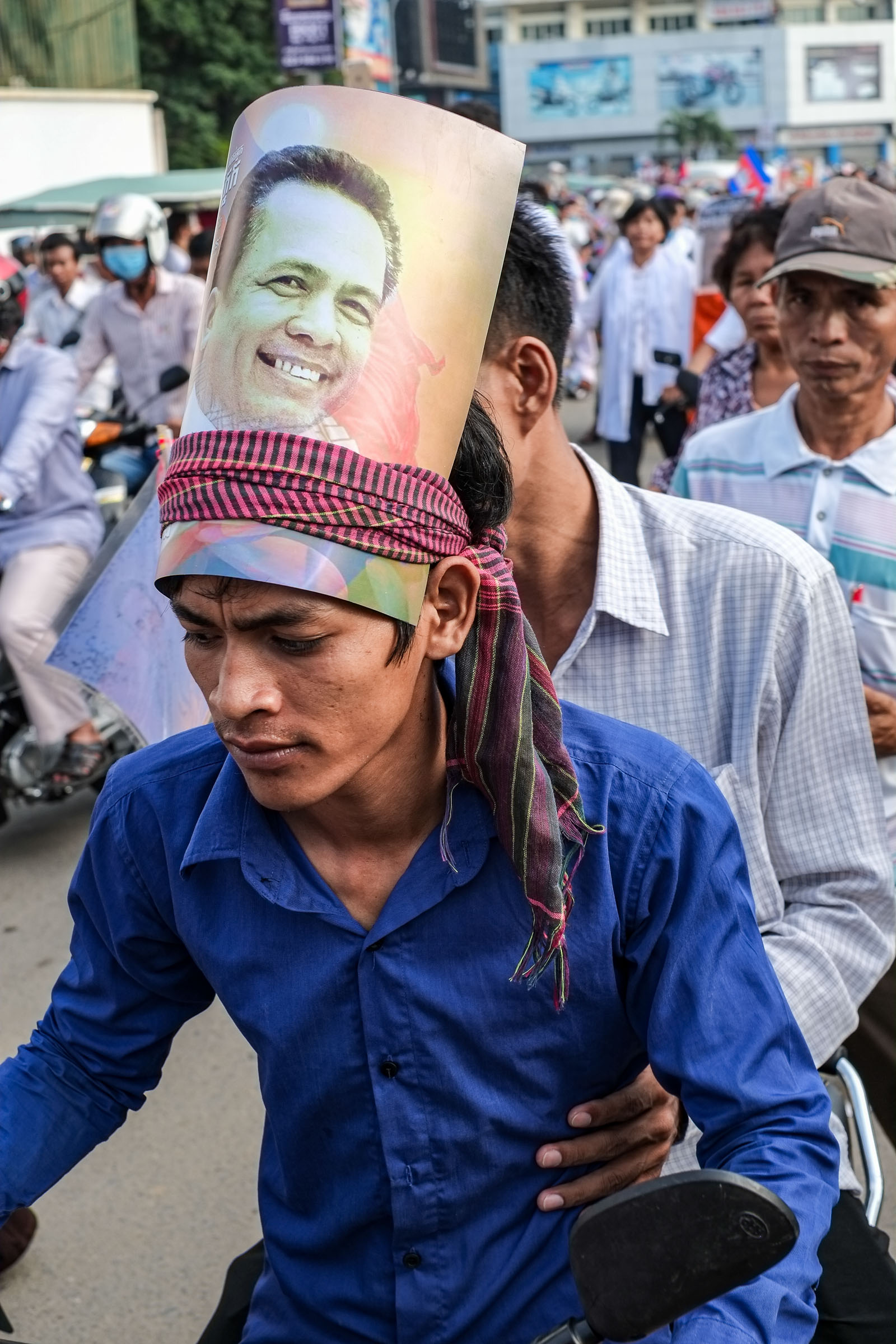
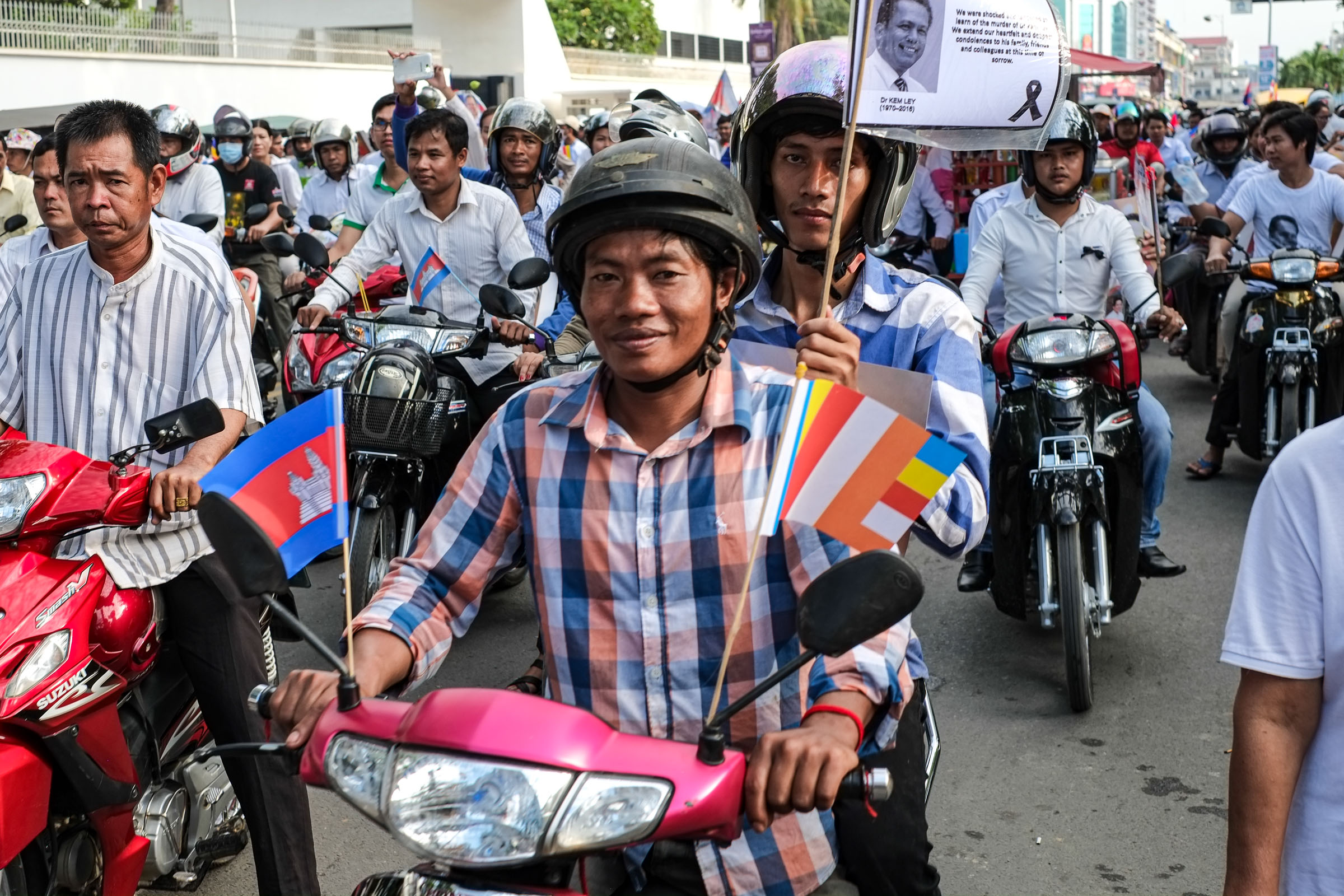
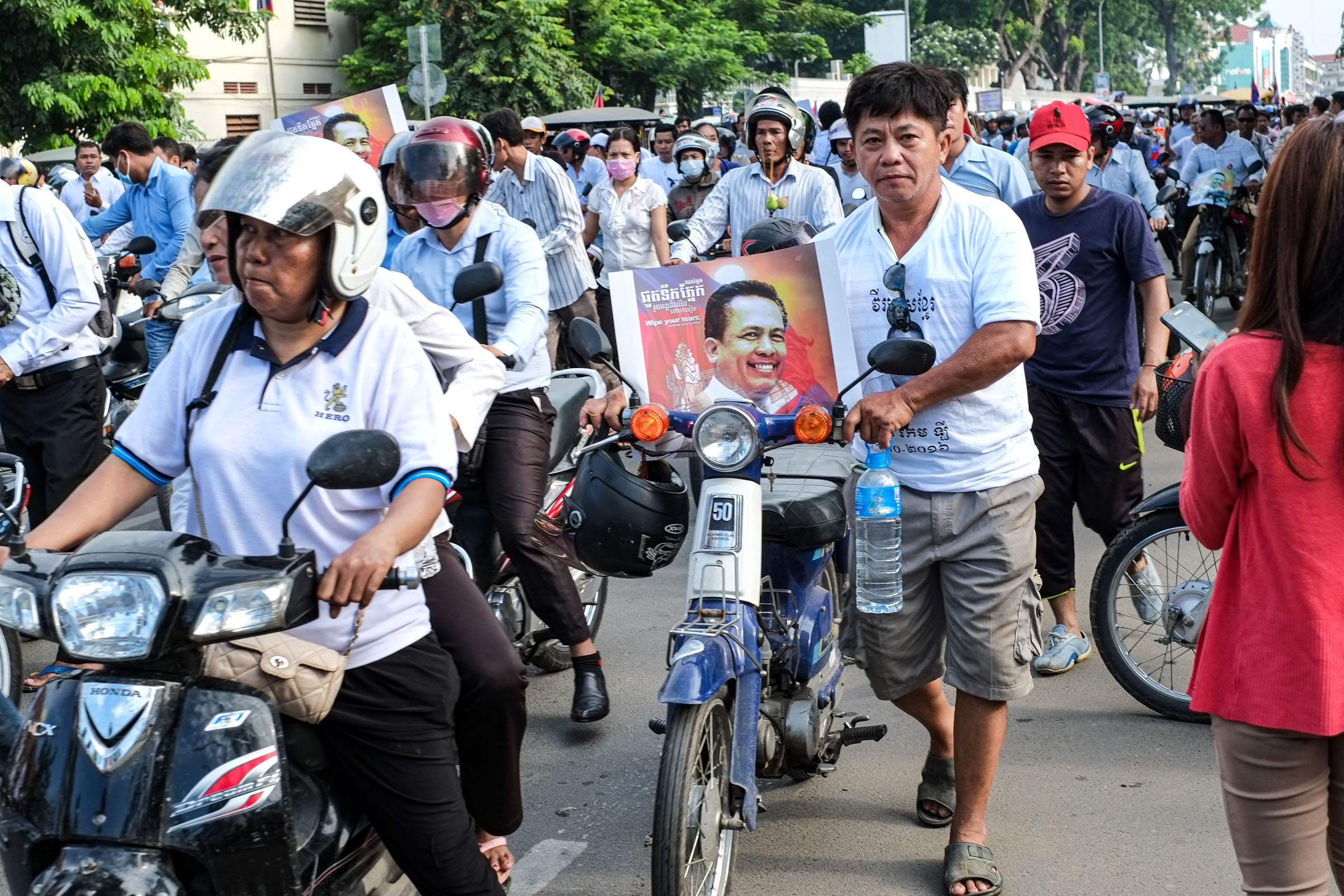
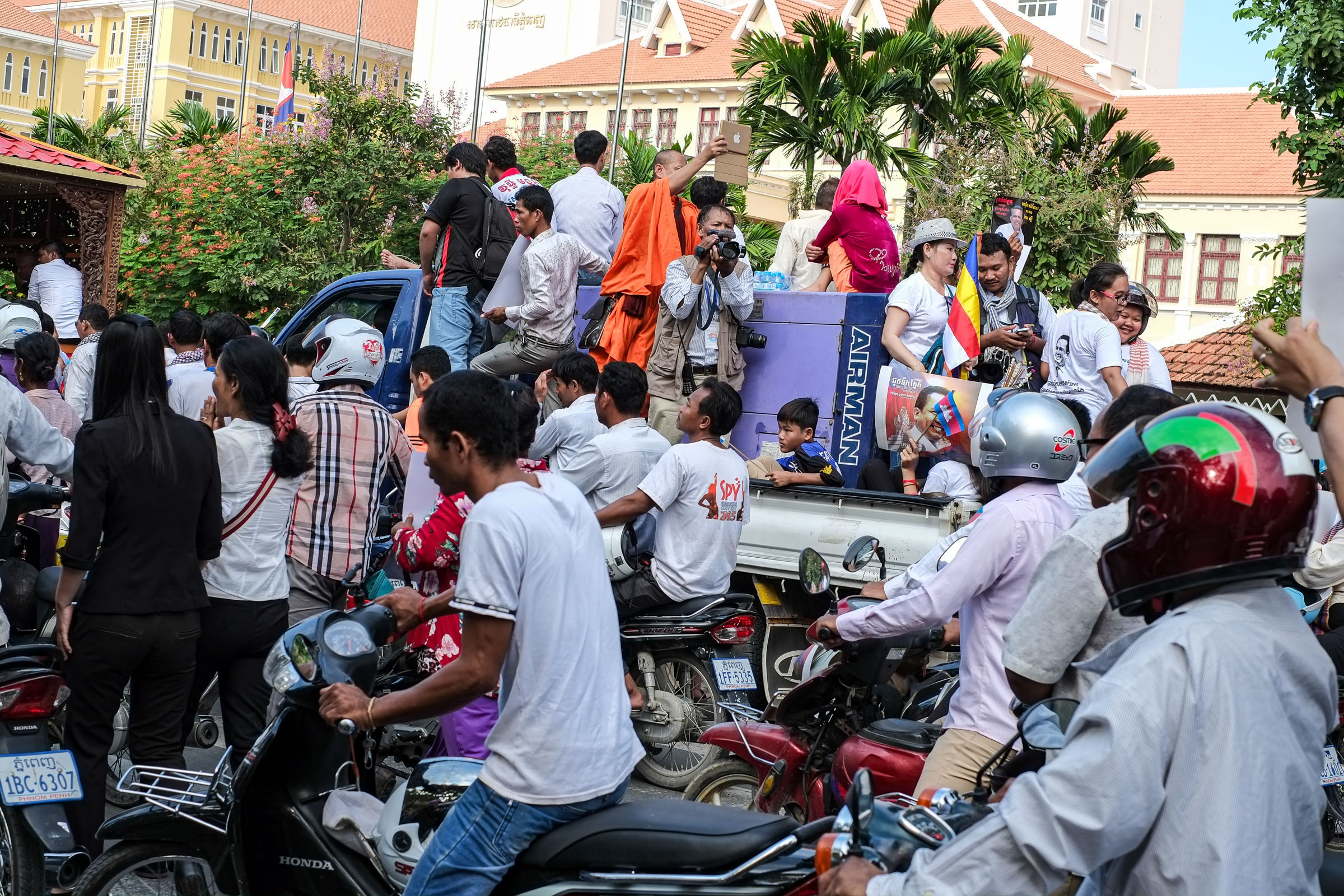
Legacy: Much domestic and international criticism followed his death, and he received the largest attendance at his funeral for a non-royal person in Cambodia.
Kem Ley was a prominent Cambodian political commentator, activist, and physician known for his outspoken criticism of the Cambodian government, particularly the ruling Cambodian People’s Party (CPP) led by the then Prime Minister Hun Sen.
Born on October 19, 1970, in Takeo province, Kem Ley was deeply involved in political and social issues, often addressing corruption, illegal logging, and border disputes.
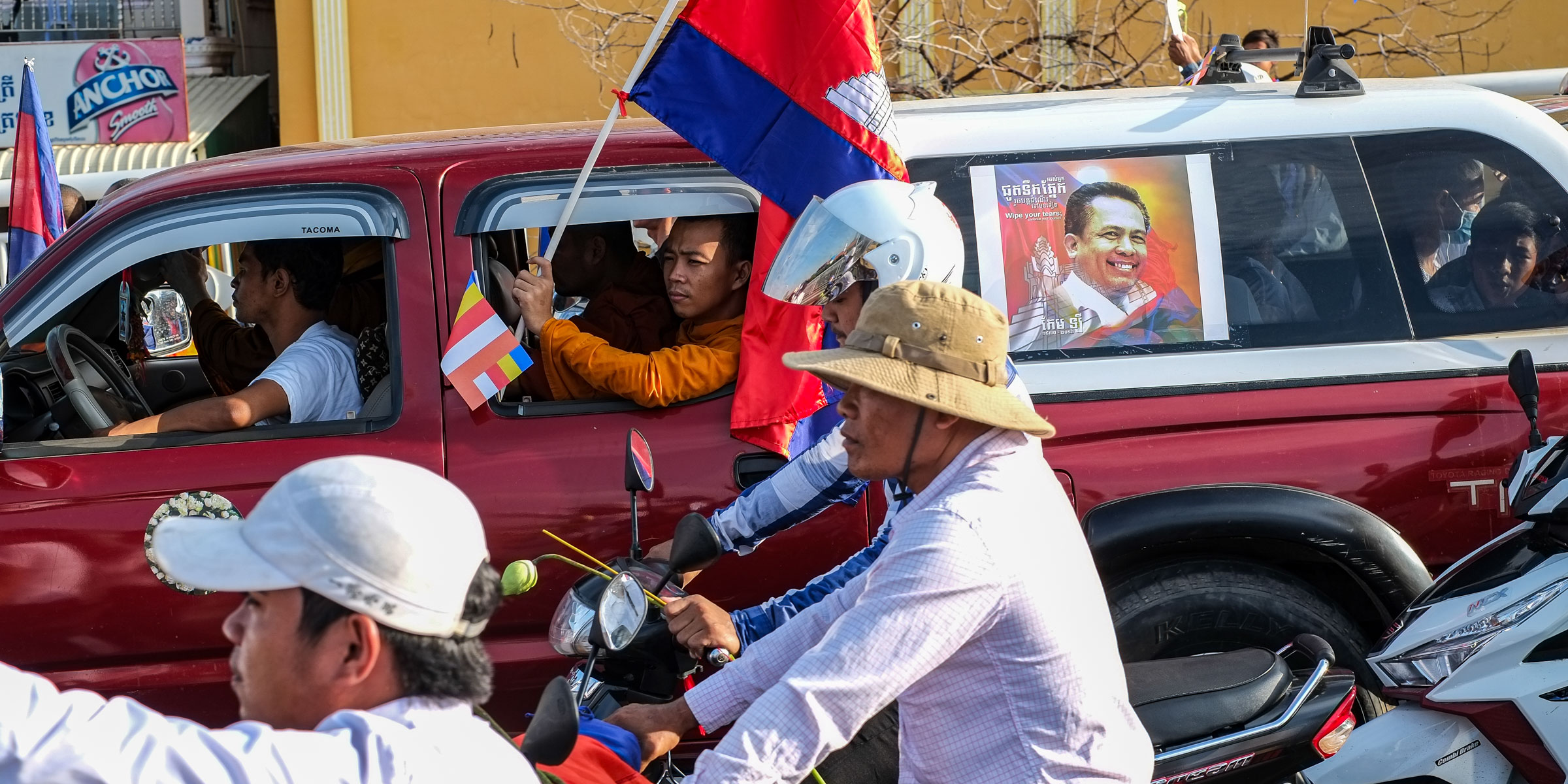
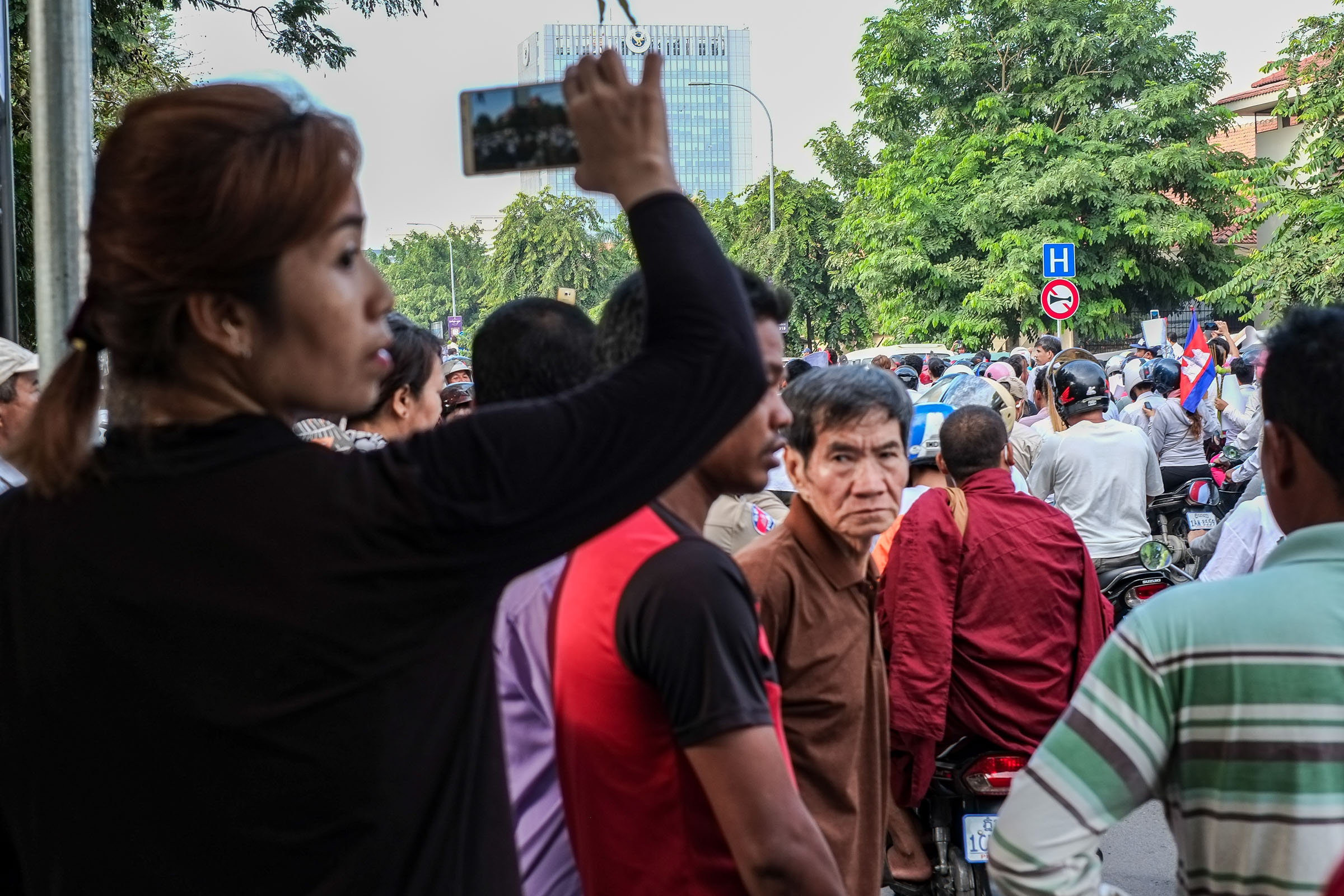
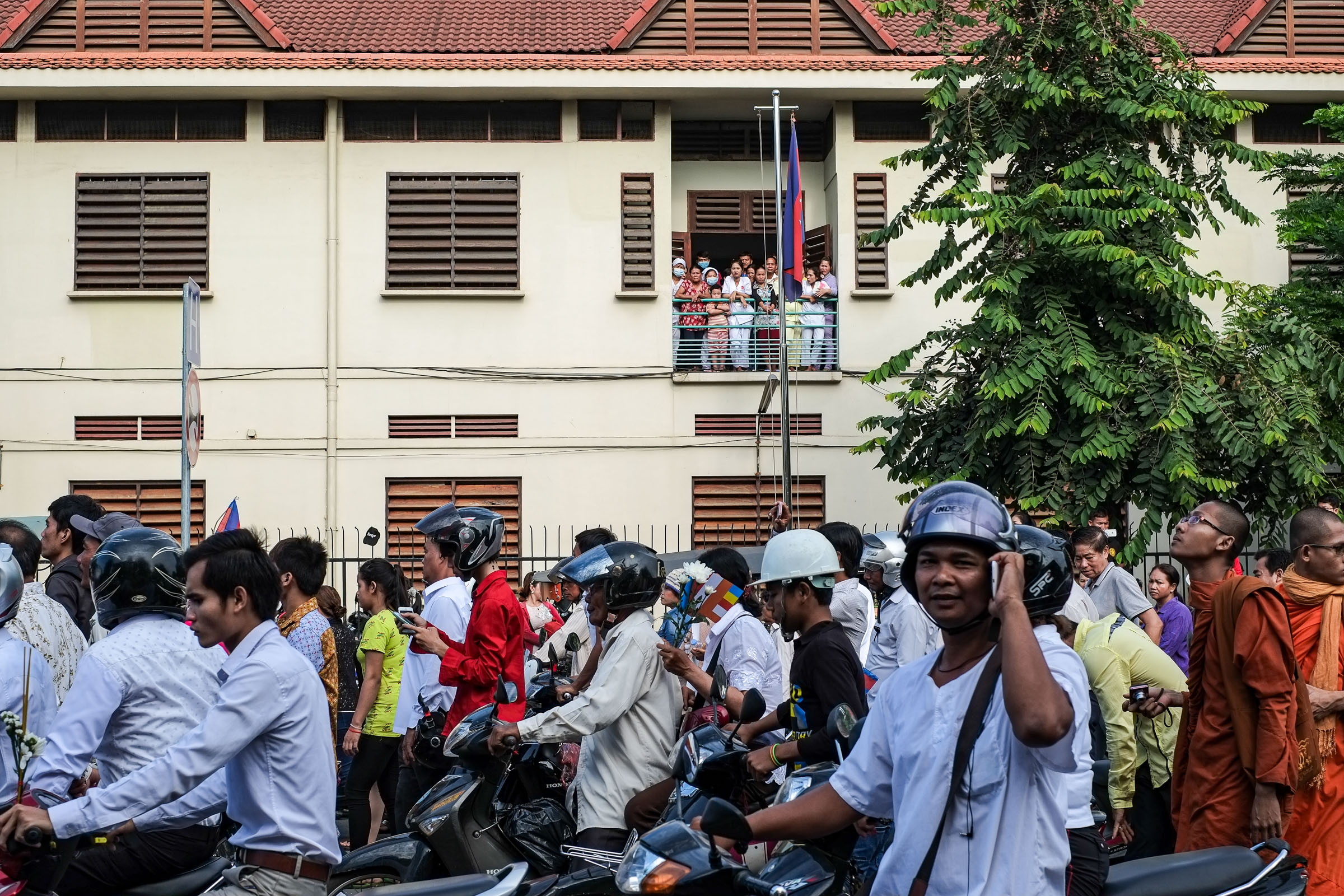
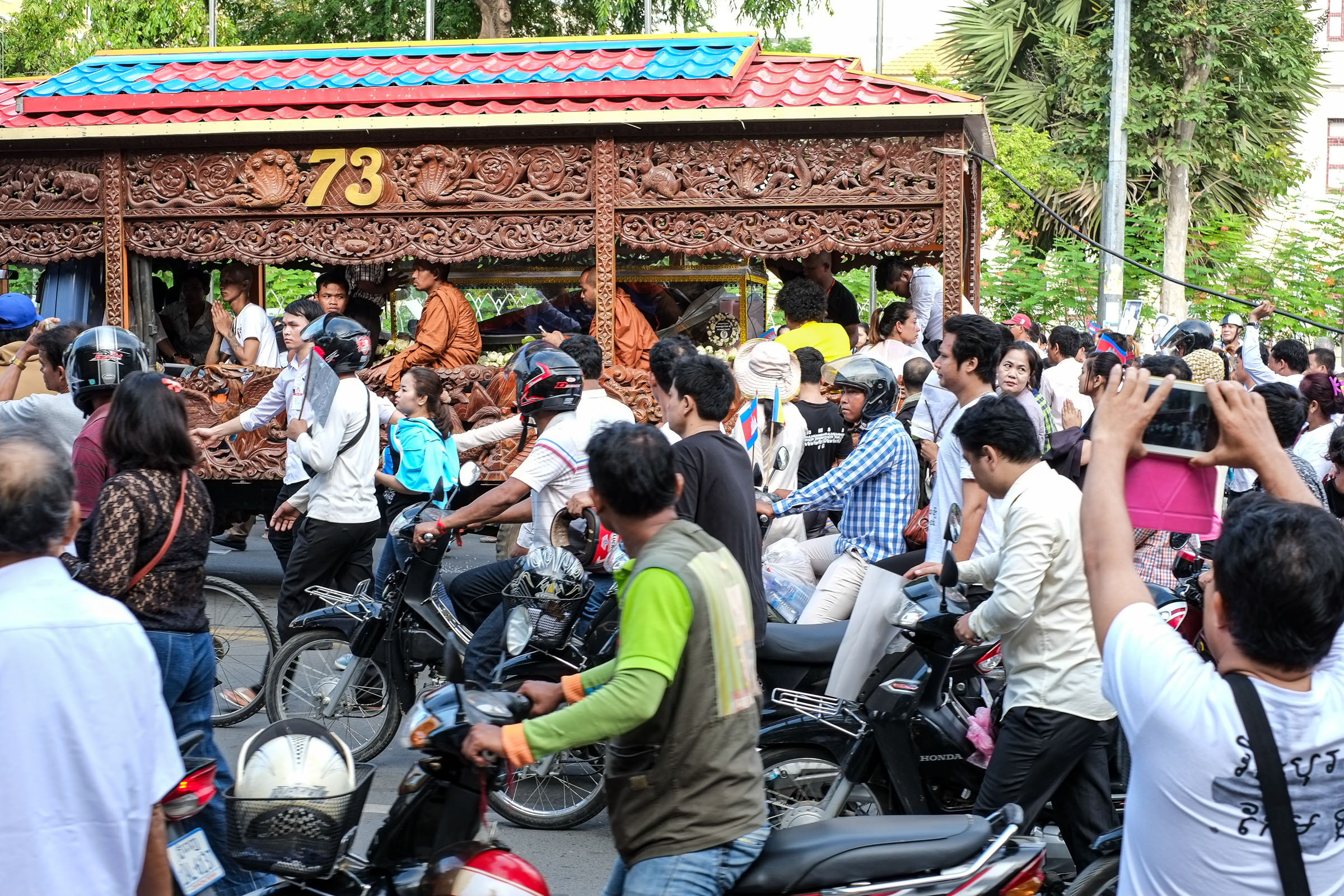
On July 10, 2016, Kem Ley was tragically assassinated while having coffee at a petrol station in Phnom Penh. His murder sent shockwaves through Cambodia, with many suspecting political motives behind the killing. The gunman, who claimed to have killed Kem Ley over an unpaid debt, was quickly apprehended, but few believed his story.
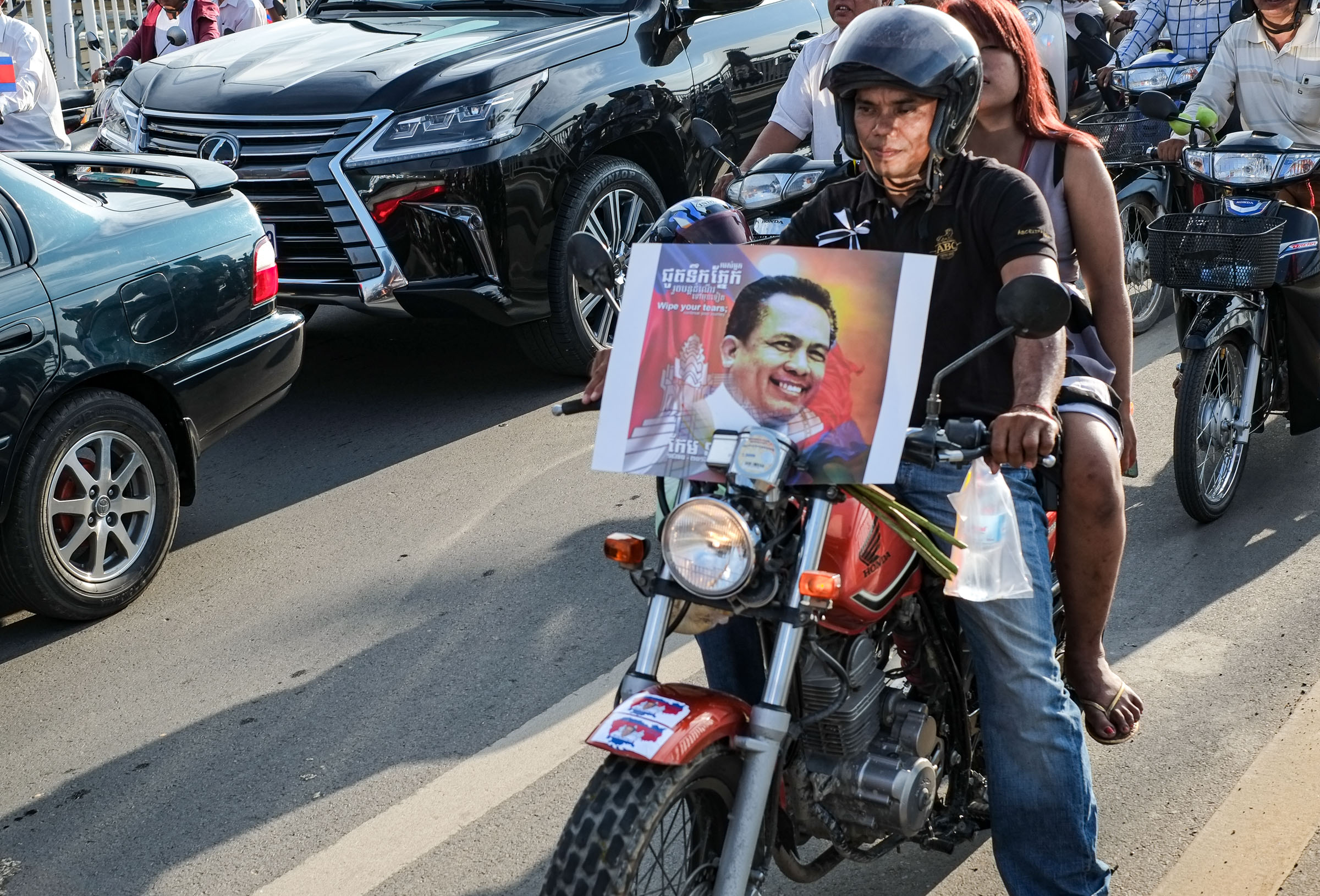
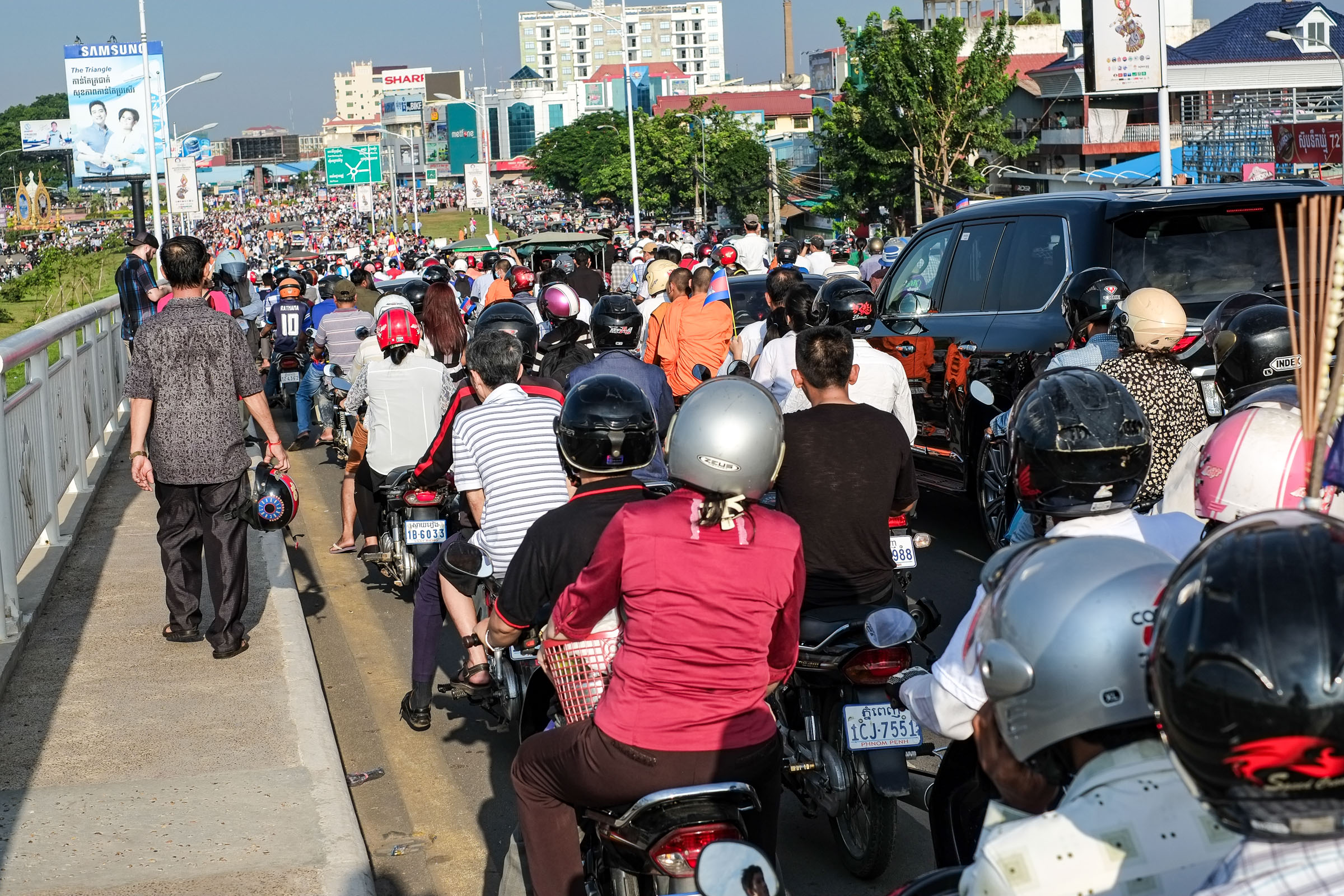
Kem Ley’s death was a significant loss for Cambodia, as he was a voice for many ordinary citizens and a critic of both the government and opposition. His funeral procession drew tens of thousands of mourners, highlighting the impact he had on the nation.
Kem Ley was known for his clear and impactful messages that resonated with many Cambodians. Some of his key messages included:
Anti-Corruption: Kem Ley was a vocal critic of corruption within the Cambodian government. He often highlighted the need for transparency and accountability, particularly criticizing the ruling Cambodian People’s Party (CPP) and Prime Minister Hun Sen.
Social Justice: He advocated for social justice and equality, emphasizing the importance of addressing the needs and rights of ordinary citizens. He believed in empowering people to speak out against injustices and to demand better governance.
Nationalism and Sovereignty: Kem Ley often spoke about the importance of Cambodian nationalism and sovereignty. He was critical of foreign influence, particularly from Vietnam, and urged Cambodians to protect their national interests.
Grassroots Engagement: Through his “100 Nights Campaign,” Kem Ley spent time in rural areas, listening to the concerns of local communities. He believed in understanding the root causes of issues by engaging directly with the people affected.
Balanced Critique: Unlike many commentators, Kem Ley provided balanced critiques of both the government and the opposition. He aimed to present a fair and comprehensive analysis of the political landscape, making his insights accessible to ordinary people.
Kem Ley’s messages continue to inspire many in Cambodia, reflecting his commitment to a more just and transparent society.
Public gatherings, demonstrations, and large events are a hallmark of a vibrant society, where people come together to celebrate, protest, or participate in communal activities. However, these gatherings can also present significant safety challenges, particularly when they involve large crowds, loud noises, and the potential for danger.
The science of crowd dynamics is a fascinating field that delves into the behavior of people in large groups. It draws from various disciplines, including psychology, sociology, and physics, to understand how individuals act within a crowd and how a crowd behaves as a collective entity. This knowledge is crucial for event organizers, law enforcement, and public safety officials to ensure the well-being of participants in crowded settings.
One of the key aspects of crowd dynamics is the concept of ‘social force,’ which describes how individuals in a crowd maintain a certain distance from each other, much like particles that repel one another. This invisible force helps prevent collisions and allows for the orderly movement of people. However, in high-density situations, such as a packed concert or a busy festival, this social force can break down, leading to dangerous scenarios where individuals are unable to move freely and may even be crushed by the pressure of the crowd around them.
The tragic events that have occurred in the past, such as the human pile-up in Seoul’s Itaewon district in 2022, highlight the devastating consequences that can arise when crowd safety is not adequately managed. These incidents underscore the need for comprehensive planning, crowd control measures, and emergency response strategies to prevent similar tragedies.
In addition to physical safety, the presence of loud noises, such as those from demonstrations or concerts, can also pose risks. Prolonged exposure to high decibel levels can lead to hearing damage, and the cacophony of a crowd can create confusion and panic during emergencies. Organizers need to consider noise control and communication methods to ensure messages can be clearly conveyed to attendees, even amidst the din of a bustling crowd.
Moreover, the potential for violence or dangerous situations, such as shootings, adds another layer of complexity to crowd management. Law enforcement and security personnel must be trained to respond effectively to such threats, balancing the need to neutralize danger with the imperative to avoid harming innocent bystanders. This delicate task requires not only tactical skill but also an understanding of crowd psychology and behaviour.
Ultimately, the study of crowd dynamics serves as a reminder of our shared responsibility to prioritize safety in public spaces. Whether attending a peaceful protest, a lively parade, or a dynamic concert, each individual plays a role in contributing to a safe and enjoyable experience for all. By staying informed, being aware of our surroundings, and respecting the space of others, we can help ensure that public gatherings remain a positive aspect of our communal life.
As we continue to gather in numbers, let us remember the lessons learned from past events and strive to create environments where safety and enjoyment go hand in hand. Together, we can celebrate the power of community while safeguarding the well-being of every participant. Let’s make every public gathering a testament to our ability to come together safely and harmoniously.
When a demonstration becomes angry, it’s crucial to prioritize safety and de-escalation. Here are some steps you can take:
Assess the Situation: Quickly determine if the demonstration’s shift in mood is widespread or localized. Look for safe exits or areas where tensions are lower.
Stay Calm: Your own calm demeanour can have a calming effect on others. Avoid any actions that could be perceived as provocative or disrespectful.
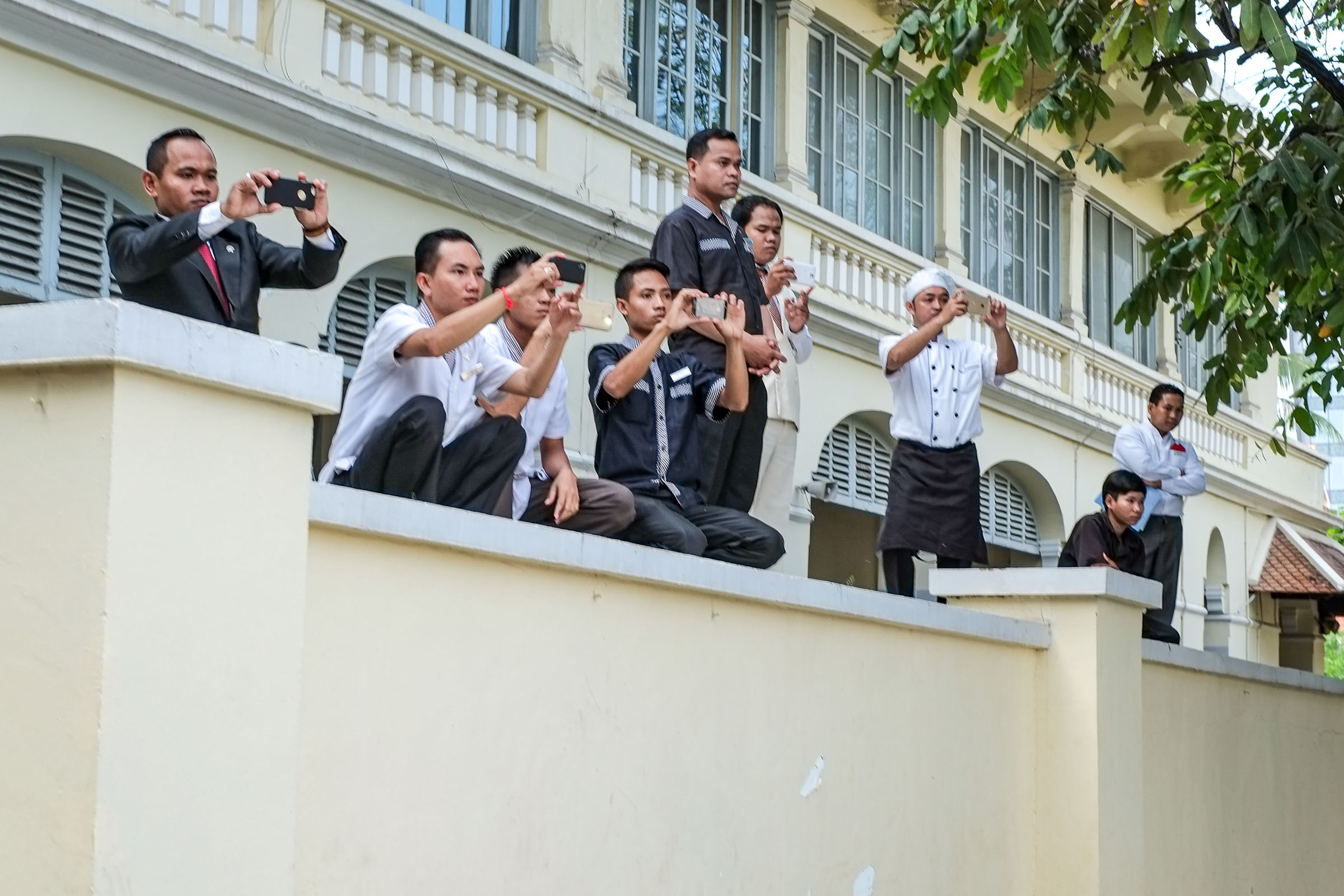
Cease Provocative Actions: If you’re taking pictures, stop and assess whether your actions could inflame the situation. If there’s any chance they might be, it’s best to put the camera away.
Follow Safety Protocols: If you’re part of an organized group, follow any pre-established safety protocols. If not, consider leaving the area if you feel unsafe.
Listen and Observe: Try to understand the cause of the anger. Sometimes, acknowledging grievances can help de-escalate emotions.
Seek Help if Necessary: If the situation feels beyond your control, look for law enforcement or demonstration organizers who can intervene and restore peace.
Remember, while documenting events is important, nothing is more valuable than your safety and those around you. If a demonstration turns angry, the best action is to prioritize de-escalation and safety.
Travel photography is an exhilarating and fulfilling pursuit, combining the exploration of new places with the creative expression of capturing moments that tell a story. Whether you’re a seasoned photographer or just starting out, having the right gear can make all the difference in bringing back stunning images from your travels. Here’s a comprehensive guide to the essential equipment for travel photography.
Camera Body
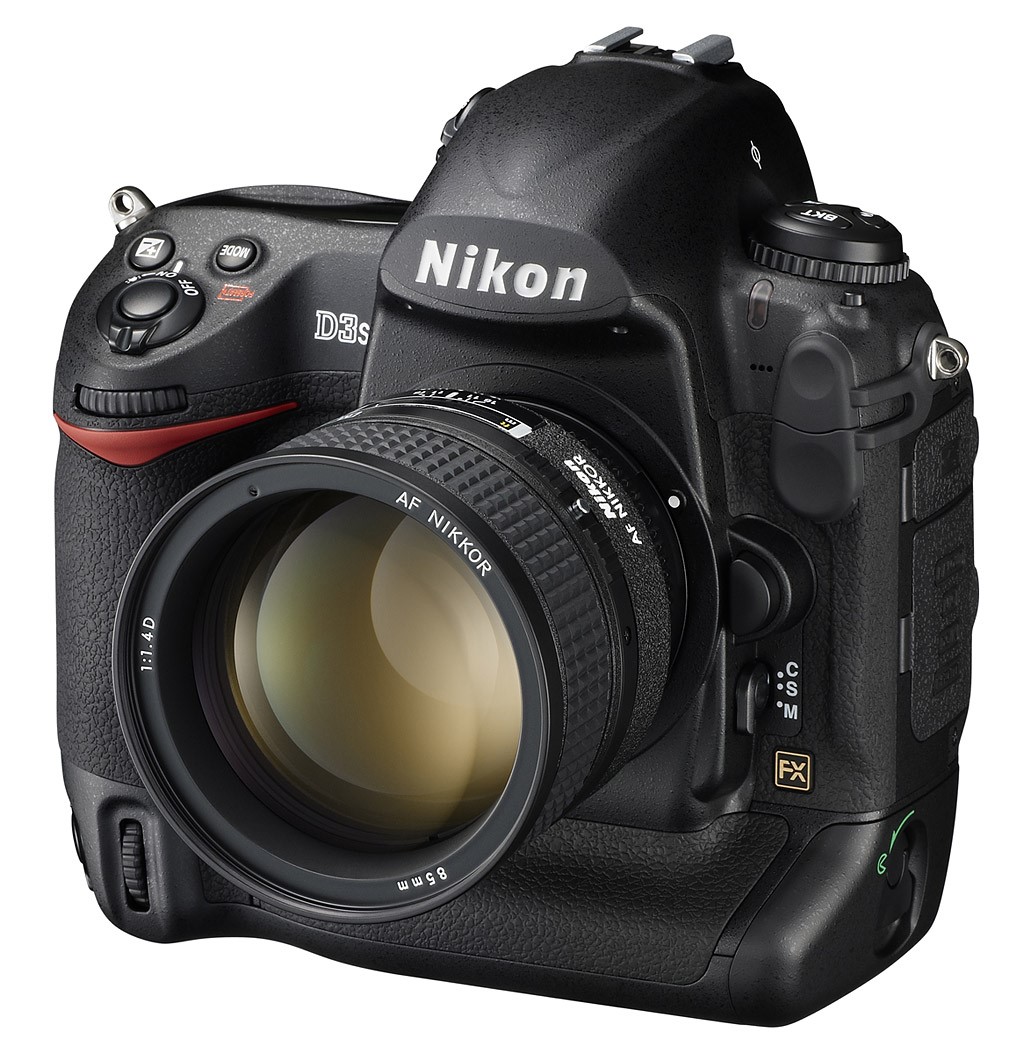
The heart of your travel photography kit is the camera body. The market offers a plethora of choices, from high-end DSLRs to compact mirrorless systems. The key is to find a balance between image quality and portability. For beginners, entry-level mirrorless cameras are a great choice due to their lightweight design and excellent image capabilities.
Lenses
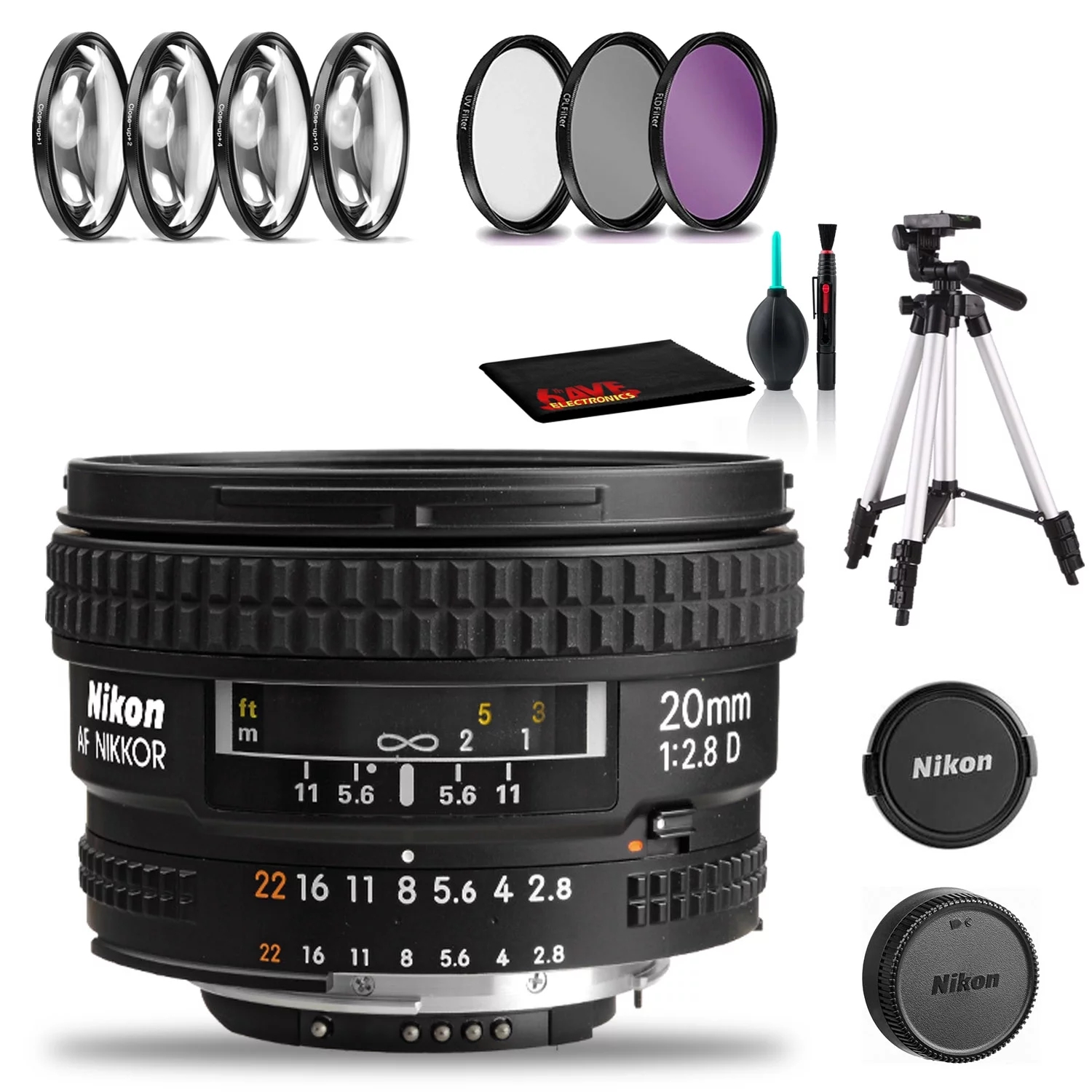
Lenses are the eyes through which you see the world, and having the right selection can cover a wide range of photographic opportunities. A versatile zoom lens, like an 18-300mm, can be invaluable for capturing both wide landscapes and distant subjects. Additionally, a prime wide-angle lens can be perfect for expansive scenes and architectural shots.
Tripod
A sturdy yet portable tripod is essential for sharp images, especially in low light conditions or when making long exposures. Look for one that’s compact enough to fit in your luggage but robust enough to support your camera and lens securely.
Filters
Filters can dramatically enhance your images. A circular polarizing filter can help reduce reflections and enhance skies, while a neutral density filter allows for longer exposure times, even in bright conditions, creating that silky water effect or motion blur in clouds.
Camera Bag
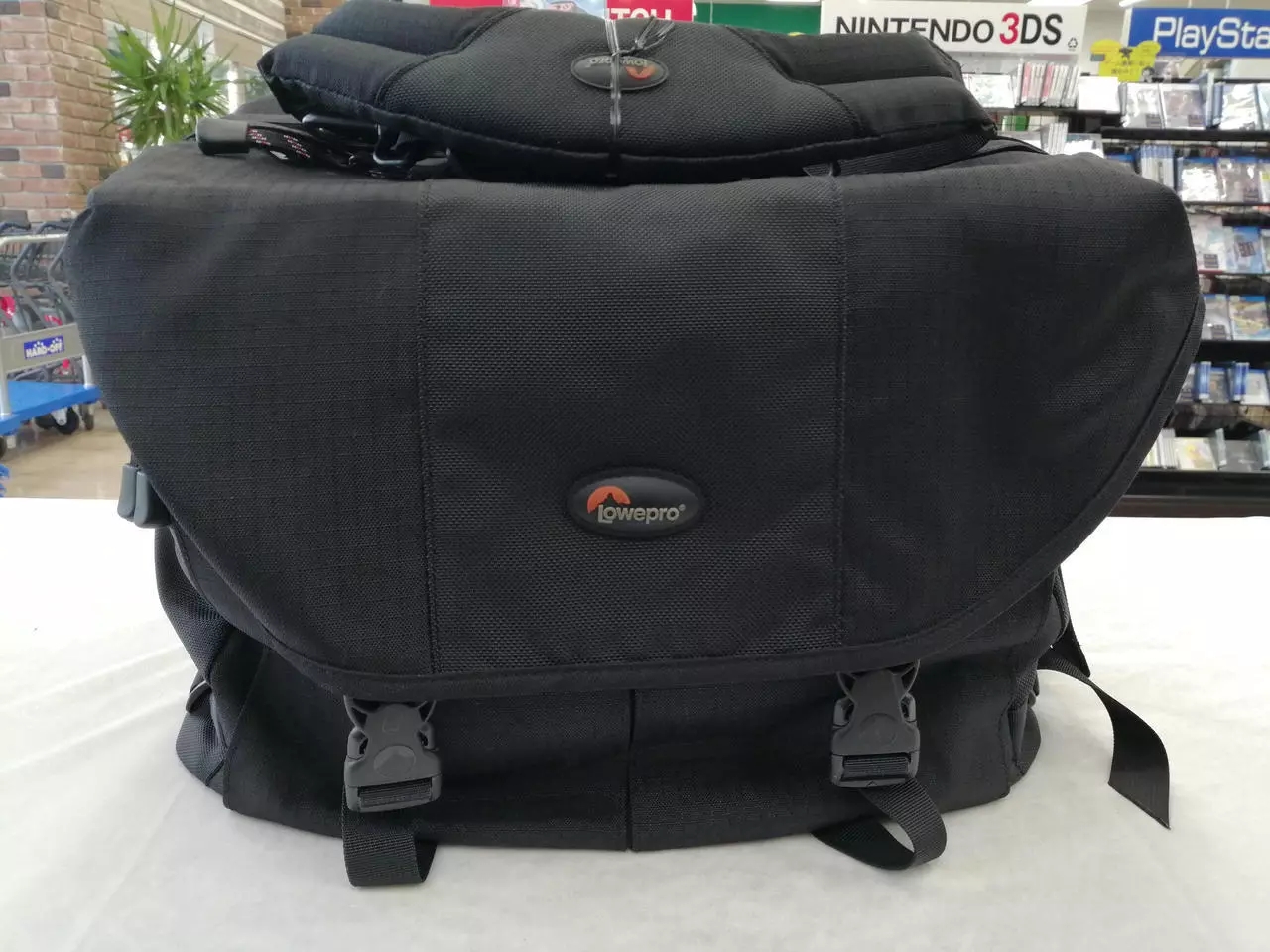
Protecting your gear is paramount, and a good camera bag will do just that. It should be comfortable to carry, provide easy access to your equipment, and offer adequate protection against bumps, scrapes, and the elements.
Accessories
Don’t forget the smaller items that can be just as crucial:
Extra batteries and memory cards to ensure you don’t miss a shot.
A cleaning kit to keep your lens and sensor spotless.
A remote shutter release for those extra-long exposures or self-portraits.
Insurance
Last but not least, consider getting insurance for your gear. Travel can be unpredictable, and having coverage for theft, loss, or damage can give you peace of mind.
By equipping yourself with these travel photography essentials, you’ll be well-prepared to capture the beauty and uniqueness of your destinations. Remember, the best camera is the one you have with you, so choose gear that you’ll feel comfortable carrying and using on your adventures. Happy shooting!
For more detailed information on travel photography gear, you can refer to comprehensive guides and checklists provided by photography experts.
Travel photography planning the trip.
Embarking on a journey to capture the essence of your travels through photography requires meticulous planning and a keen eye for detail. Travel photography is not just about snapping pictures of famous landmarks; it’s about telling a story, capturing emotions, and portraying the unique beauty of a destination.
To plan the ultimate travel photography trip, one must consider several factors that go beyond just the itinerary. Here are some key points to keep in mind:
Research Your Destination: Before setting foot on your adventure, research your destination thoroughly. Understand the geography, the culture, and the people. Look for those unique spots that offer more than just a pretty picture but tell a story about the place.
Know Your Gear: Familiarize yourself with your camera and its capabilities. Practice using different settings and understand how to adjust them for various lighting conditions. Remember, the best camera is the one you know how to use effectively.
Create a Shot List: Plan your shots ahead of time. While spontaneity can lead to great photos, having a shot list ensures you don’t miss out on those must-have images. Include a variety of shots, from wide landscapes to intimate portraits.
Consider the Light: The ‘Golden Hour’—just after sunrise or before sunset—offers the most flattering light for photography. Plan your schedule around these times to capture the most beautiful images.
Pack Smart: Traveling light is essential, but make sure you have all the necessary equipment. A sturdy tripod, extra batteries, and memory cards are just as important as your camera itself.
Tell a Story: Aim to capture photos that convey a narrative. Whether it’s the hustle and bustle of a local market or the serene tranquillity of a secluded beach, your photos should evoke feelings and tell the story of your journey.
Stay Safe: Always prioritize your safety and the security of your gear. Be aware of your surroundings and respectful of local customs and regulations.
Post-Processing: Learn the basics of photo editing to enhance your images. Post-processing can turn a good photo into a great one, but remember to keep it subtle and not overdo the effects.
Backup Your Photos: Regularly back up your images to avoid losing them. Whether it’s to a cloud service or an external hard drive, ensure you have multiple copies of your precious memories.
Enjoy the Experience: While photography is your focus, don’t forget to put down the camera occasionally and soak in the experience. After all, the stories behind the photos are what truly enrich your travel experience.
By following these tips, you’ll be well on your way to planning a travel photography trip that will yield a collection of images you’ll treasure for a lifetime. Remember, travel photography is as much about the journey as it is about the destination. So, plan well, stay curious, and capture the moments that resonate with your adventurous spirit. Happy travels and happy shooting!
In the realm of journalism, impartiality is often hailed as a cornerstone of ethical reporting. It is the practice of providing a balanced view, free from personal bias, allowing the audience to form their own opinions based on a fair presentation of the facts. But how can journalists maintain impartiality, and is true impartiality even attainable?
The concept of impartiality in journalism is rooted in the idea that reporters should not favour any particular point of view, person, or group. Instead, they should present the news in an unbiased and even-handed manner. This means that journalists must rise above their personal perspectives to deliver comprehensive and authoritative coverage of news and current affairs.
To achieve impartiality, journalists are encouraged to reflect a wide range of opinions and explore conflicting views without letting their personal preferences influence the subject matter or choice of interviewees. They must be honest about personal interests or history that could affect their reporting and discuss potential conflicts of interest with senior editorial teams.
In the digital age, where information is abundant and media outlets are numerous, the challenge of maintaining impartiality has intensified. Audiences now have access to a wider range of views than ever before, and this has led some to question traditional approaches to impartiality that attempt to represent all points of view within a single broadcast or publication.
Despite these challenges, research indicates that engaged audiences still value impartiality and consider it a defining characteristic of news. They expect journalists to focus on facts, objectivity, and fairness, and to avoid opinions and bias in reporting. Impartiality remains a foundational value of news that underpins audiences’ trust and is essential for robust news coverage.
Journalistic objectivity, another term often associated with impartiality, suggests that stories should be reported neutrally, with journalists siding with none of the parties involved. This approach aims to provide all sides with relevant facts and information, allowing the audience to draw their own conclusions.
The ideal of impartiality consists of several elements, including accuracy, fairness, balance, disinterestedness, open-mindedness, and fidelity to news values. Breaking down the concept into these constituent elements makes it possible to assess coverage for impartiality and strive towards it, even if it remains a challenging ideal.
In conclusion, while absolute impartiality may be an impossible ideal, it is still a goal worth pursuing for journalists committed to ethical reporting. By adhering to the principles of impartiality and objectivity, journalists can provide their audience with the information necessary to make informed decisions, thereby upholding the integrity of the news industry and the trust of the public.
References: : Media Helping Media – Impartiality in Journalism : Reuters Institute for the Study of Journalism – Rethinking Impartiality for the Digital Age : Wikipedia – Journalistic Objectivity : SpringerLink – Impartiality: Attainable and Assessable
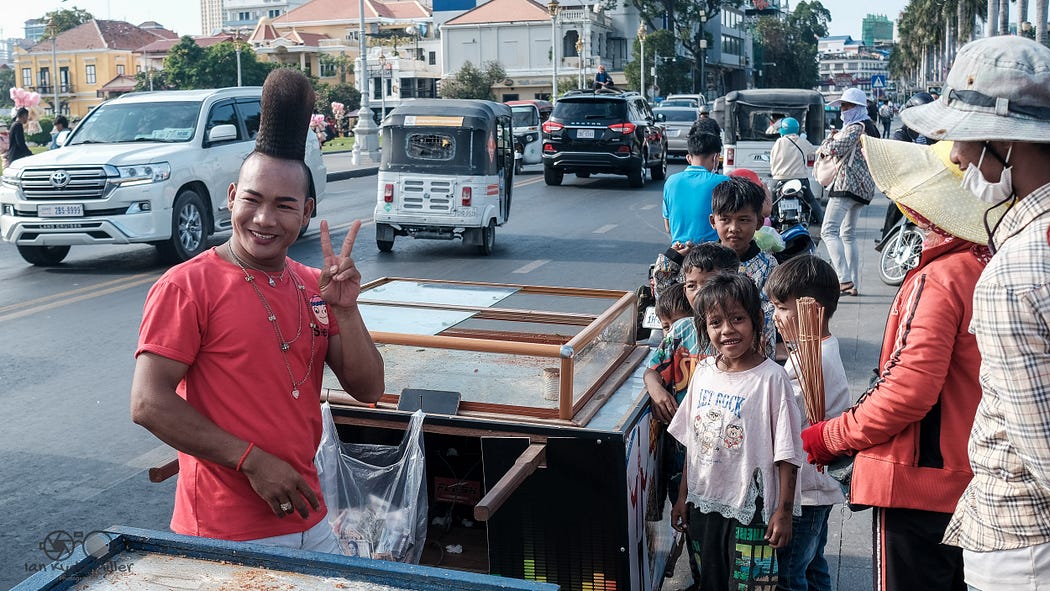
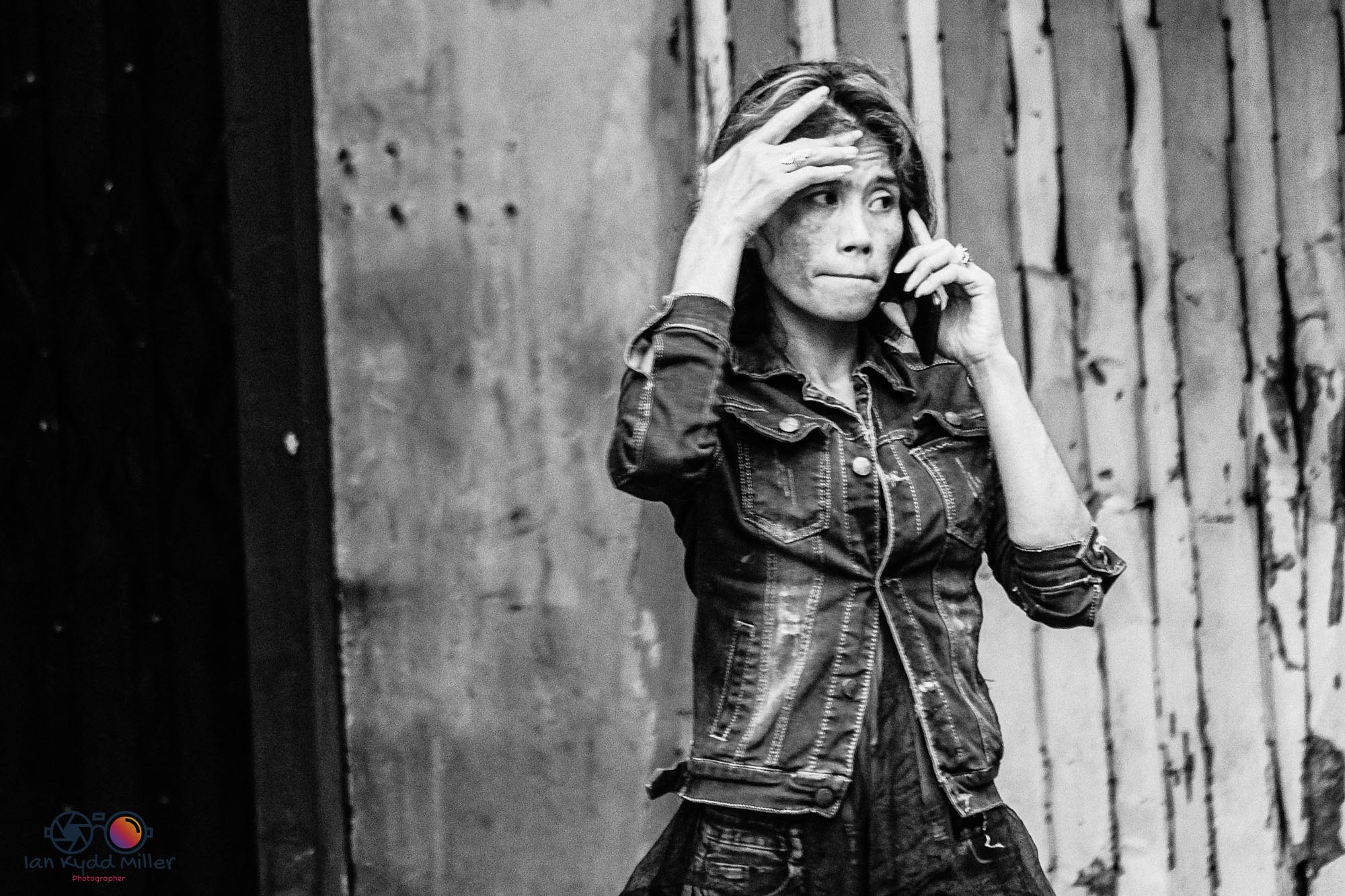
The legality of street photography, where photographers capture images of strangers in public spaces, varies by country, but it is generally permitted. However, legality does not necessarily equate to ethicality. Ethical considerations in street photography often revolve around the subjects’ privacy, dignity, and consent. While taking a photo in a public space does not typically infringe on legal rights, the ethical debate concerns whether it is respectful to do so without the subject’s knowledge or permission.
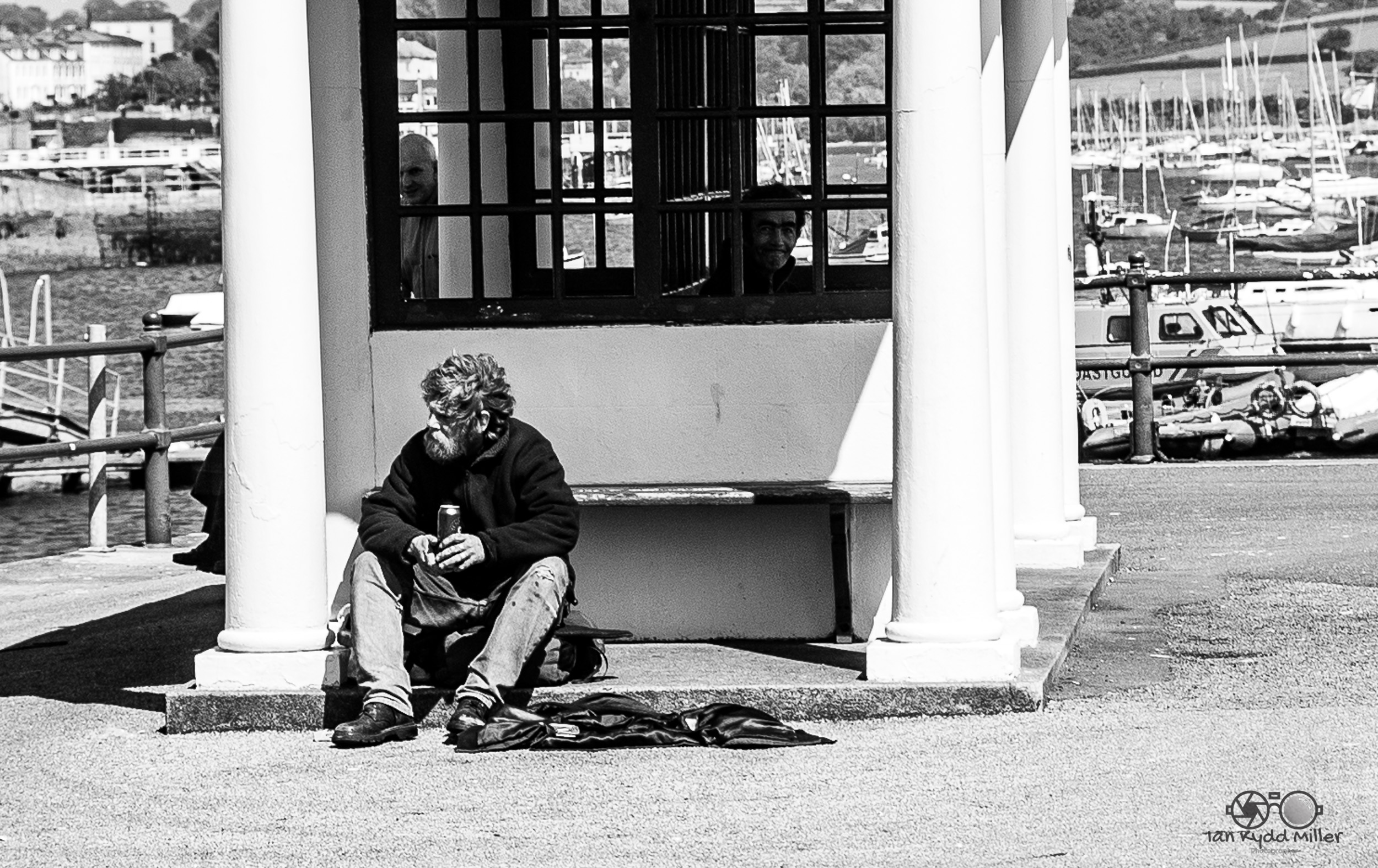
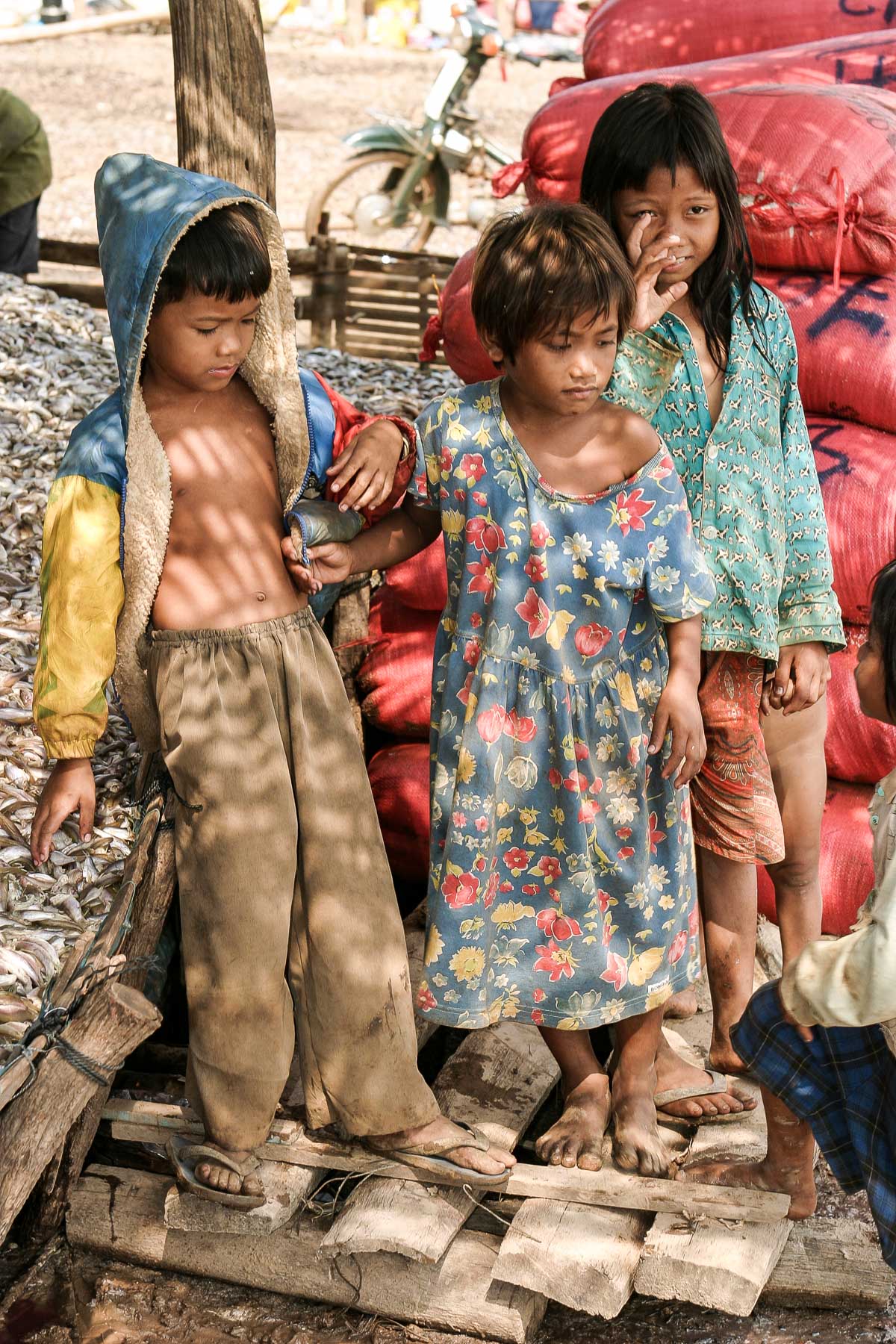
The ethical discourse suggests that photographers should consider the implications of their actions on the individuals they capture in their images. This includes being mindful of the power dynamics at play, such as photographing vulnerable populations or individuals in compromising situations. Additionally, cultural sensitivity is crucial to avoid perpetuating stereotypes or biases through the lens.
Some argue that street photography serves as a historical record and form of art that documents human life and societal moments, which can have significant cultural value. Others contend that the subjects’ right to privacy should not be overlooked and that photographers should seek consent where possible, especially in cultures where privacy is highly valued.
Ultimately, the ethics of street photography are subjective and can depend on individual perspectives and societal norms. Photographers are encouraged to reflect on their practice, considering both the artistic and human elements involved. They should also be prepared to engage in conversations about their work and its impact, respecting the wishes of those who prefer not to be photographed or have their images published.
In summary, while street photography may be legal, the ethical considerations require a nuanced understanding of respect, consent, and the implications of capturing a moment in time. It is a balance between the photographer’s freedom of expression and the subject’s right to privacy, and finding that balance is a personal and societal challenge.
*** When it comes to taking photographs of strangers on the street, the necessity of consent largely depends on the country’s laws and the context in which the photo is taken. In many places, such as public streets, parks, and city squares, individuals typically do not have a reasonable expectation of privacy, meaning photographers can often take pictures without obtaining consent. However, this does not mean that all photography without consent is legally or ethically acceptable. For instance, using someone’s likeness for commercial purposes without their consent can infringe on their right to publicity, which is protected under the laws of several states. Additionally, while public photography is generally permissible, it should not be used to harass or stalk individuals, which could lead to criminal charges. It’s also important to consider the cultural and social norms of the area; what might be legally acceptable in one place could be considered disrespectful in another. Therefore, while consent may not always be a legal requirement, seeking permission can be a matter of respect and courtesy, aligning with ethical photography practices. ***
Ah, the age-old tale of youth and strength, slipping through our fingers like sand in an hourglass. One day you’re bench-pressing your personal best, and the next, you’re grunting just to lift the TV remote. So, what the heck happened?
Well, let’s embark on a whimsical journey through the land of ‘Used-to-Be’s’ and ‘Remember-Whens’. It’s a place where the metabolism is a mythical creature that used to gallop around freely, and now seems as elusive as a unicorn.
Firstly, let’s address the elephant in the room – or should we say, the slightly older elephant? Time happened, my friend. It’s the universal prankster that sneaks up on everyone, turning spry spring chickens into wise old owls. But fear not! This transformation comes with its perks. With age comes wisdom, or at least, that’s what we tell ourselves to feel better about forgetting where we put our glasses (which are, more often than not, on our heads).
Then there’s the lifestyle. Remember the days of ‘eat anything and stay slim’? They’ve been replaced by ‘eat a salad and gain two pounds’. It’s like our bodies have developed a bizarre sense of humor. And let’s not even start on the ‘I’ll just rest my eyes for a minute’ turning into a three-hour nap.
But here’s the kicker – it’s not all doom and gloom. Sure, we might not have the same strength we flaunted in our glory days, but we’ve got experience, cunning, and a treasure trove of embarrassing stories to tell at parties. We’ve traded in our six-pack abs for a well-stocked six-pack of our favorite brew, and that’s not necessarily a bad trade.
So, what happened to being young and strong? Life happened. And it’s still happening, just with a few more creaks and groans. But hey, every wrinkle is a tale, every gray hair a badge of honor, and every time we forget why we walked into a room, it’s a new adventure.
Embrace the change, laugh at the absurdity, and remember – you’re only as old as you feel, or as young as your most recent embarrassing public incident. Cheers to the years, and may they be filled with laughter and just enough strength to open that jar of pickles. Because let’s face it, pickles are worth it.



















































 a world without pictures is like coffee without cream and sugar, bitter