

🕰️ Context
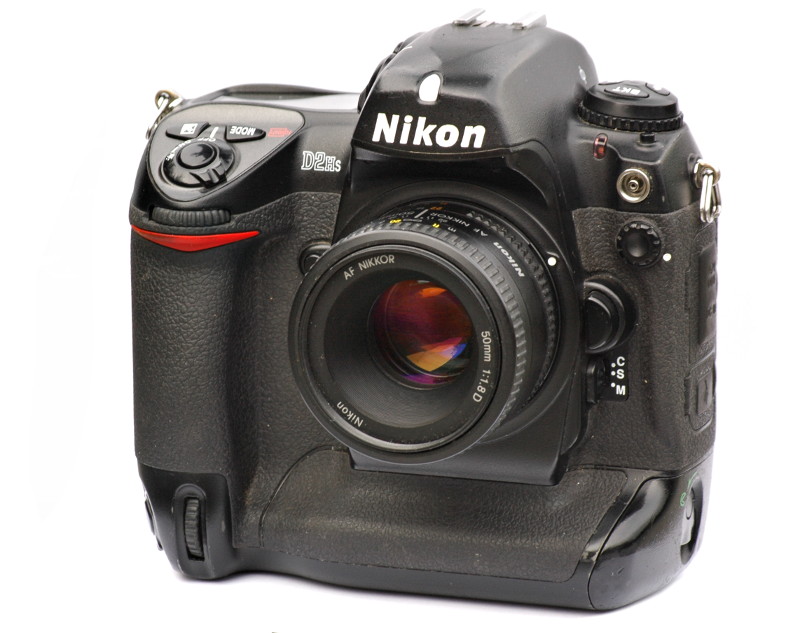
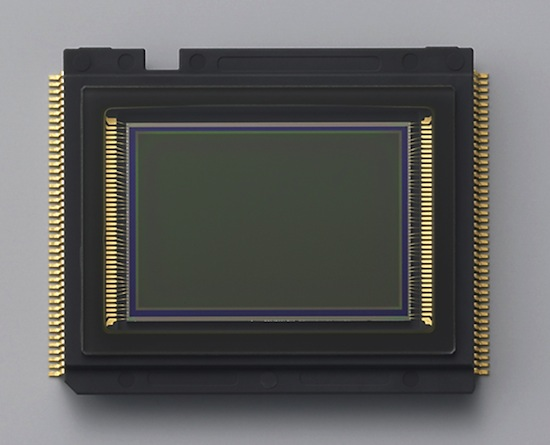
- Nikon D2Hs (2005): A professional DX DSLR with a 4.1MP sensor, designed for speed, durability, and press work. It was the successor to the D2H, optimized for sports and photojournalism.
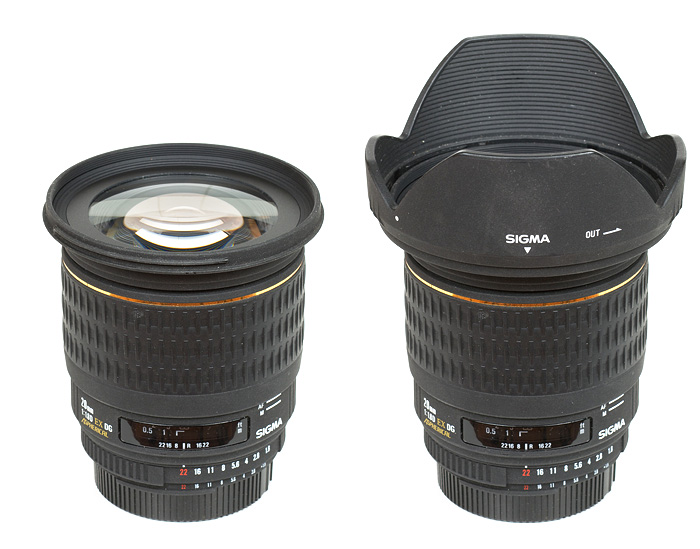
- Sigma 20mm f/1.8 EX DG: One of the fastest wide‑angle primes available, offering shallow depth of field and strong low‑light performance at a dramatic focal length.

✅ Strengths
📸 Nikon D2Hs Body
- Speed: 8 frames per second continuous shooting — excellent for action and reportage.
- Autofocus: 11‑point Multi‑CAM 2000 AF system, fast and reliable for its era.
- Build quality: Magnesium alloy, weather‑sealed, designed for professional abuse.
- Ergonomics: Pro‑style controls, dual command dials, and a large optical viewfinder.
- Battery life: EN‑EL4 battery delivers thousands of shots per charge.
⚙️ Sigma 20mm f/1.8 Lens
- Wide aperture: f/1.8 is unusually fast for a wide‑angle, enabling shallow depth of field and low‑light shooting.
- Perspective: On DX (D2Hs crop factor 1.5x), it becomes ~30mm equivalent — versatile for street, documentary, and environmental portraiture.
- Creative rendering: Strong subject isolation at close distances, with dramatic wide‑angle compression.
- Value: Affordable compared to Nikon’s own fast wide primes.
❌ Weaknesses
⚠️ Nikon D2Hs Body
- Resolution: 4.1MP is limiting for cropping and large prints. Files are clean but small.
- ISO performance: Usable up to ISO 800–1600, but noisy compared to modern sensors.
- Weight: At ~1.2kg with battery, it’s heavy for long shoots.
- LCD: Small, low‑resolution rear screen makes reviewing images difficult.
- Legacy limitations: No video, no modern connectivity (Wi‑Fi, GPS).
🧠 Sigma 20mm f/1.8 Lens
- Size & weight: Large and heavy for a prime, not discreet.
- AF performance: Slower and noisier than Nikon AF‑S lenses.
- Optical flaws: Wide open, prone to softness, vignetting, and chromatic aberration.
- Flare resistance: Weak coatings — struggles with strong backlight.
⚖️ Combined Use Case
| Context | Strengths | Weaknesses |
|---|---|---|
| Street | Fast AF, rugged body, versatile 30mm equivalent | Heavy combo, limited resolution |
| Documentary | Wide perspective, shallow DOF at f/1.8 | Noisy AF, flare issues |
| Action | 8 fps burst, pro handling | 4.1MP limits cropping flexibility |
| Low‑light | f/1.8 aperture helps | Sensor noise above ISO 800 |
✨ Conclusion
The Nikon D2Hs + Sigma 20mm f/1.8 is a pairing full of character. The D2Hs delivers speed, durability, and reliability — perfect for photojournalists of its era — while the Sigma 20mm adds creative flexibility with its unusually fast aperture. Together, they excel in street, documentary, and action work, though they are limited by low resolution, heavy weight, and optical quirks.








Verdict: A rugged pro body and a quirky wide prime — imperfect by modern standards, but capable of distinctive, characterful images when used deliberately.












































































 a world without pictures is like coffee without cream and sugar, bitter