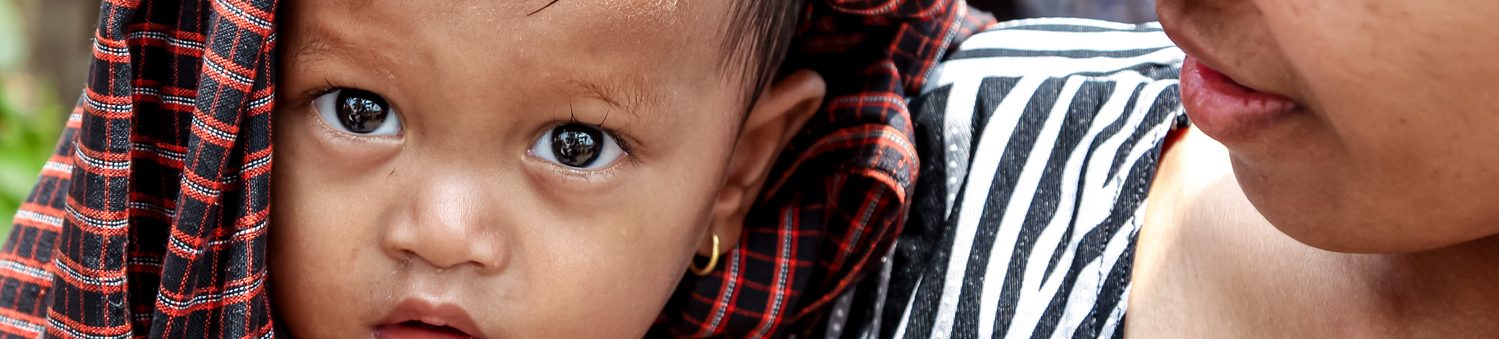

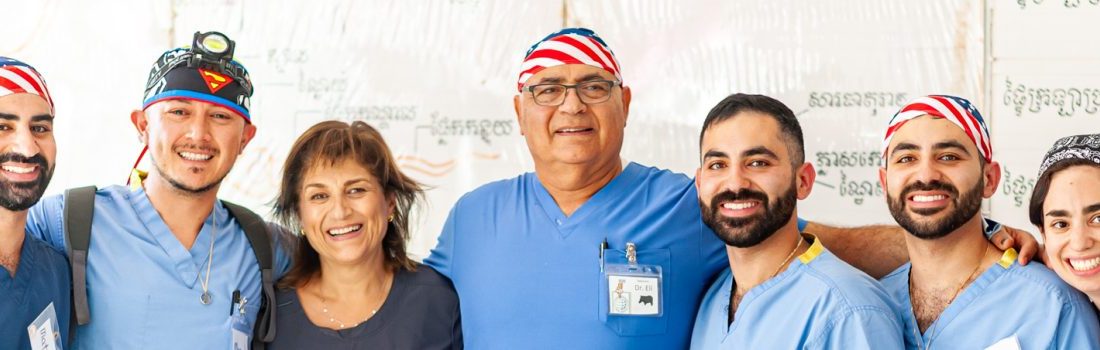
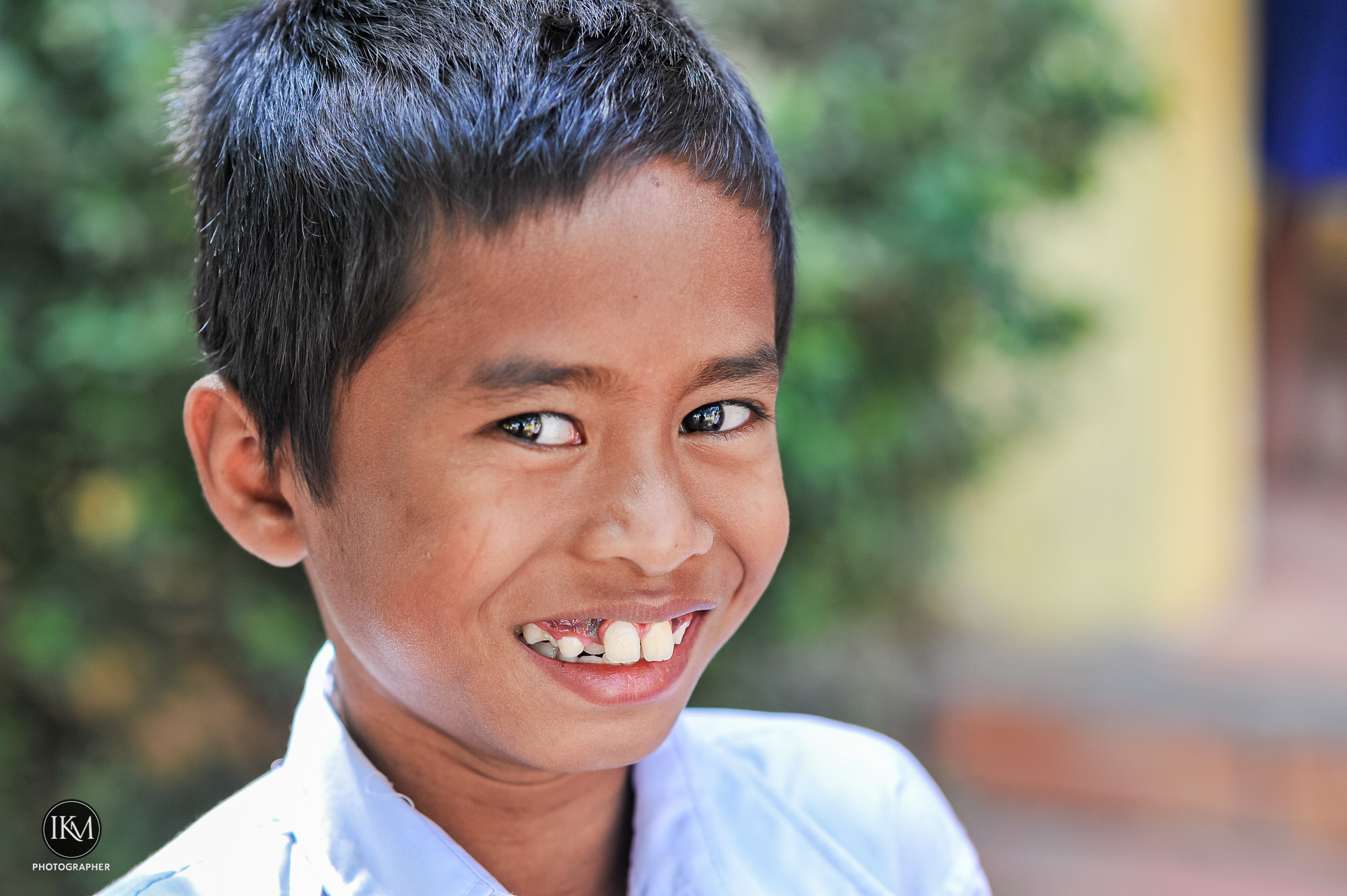
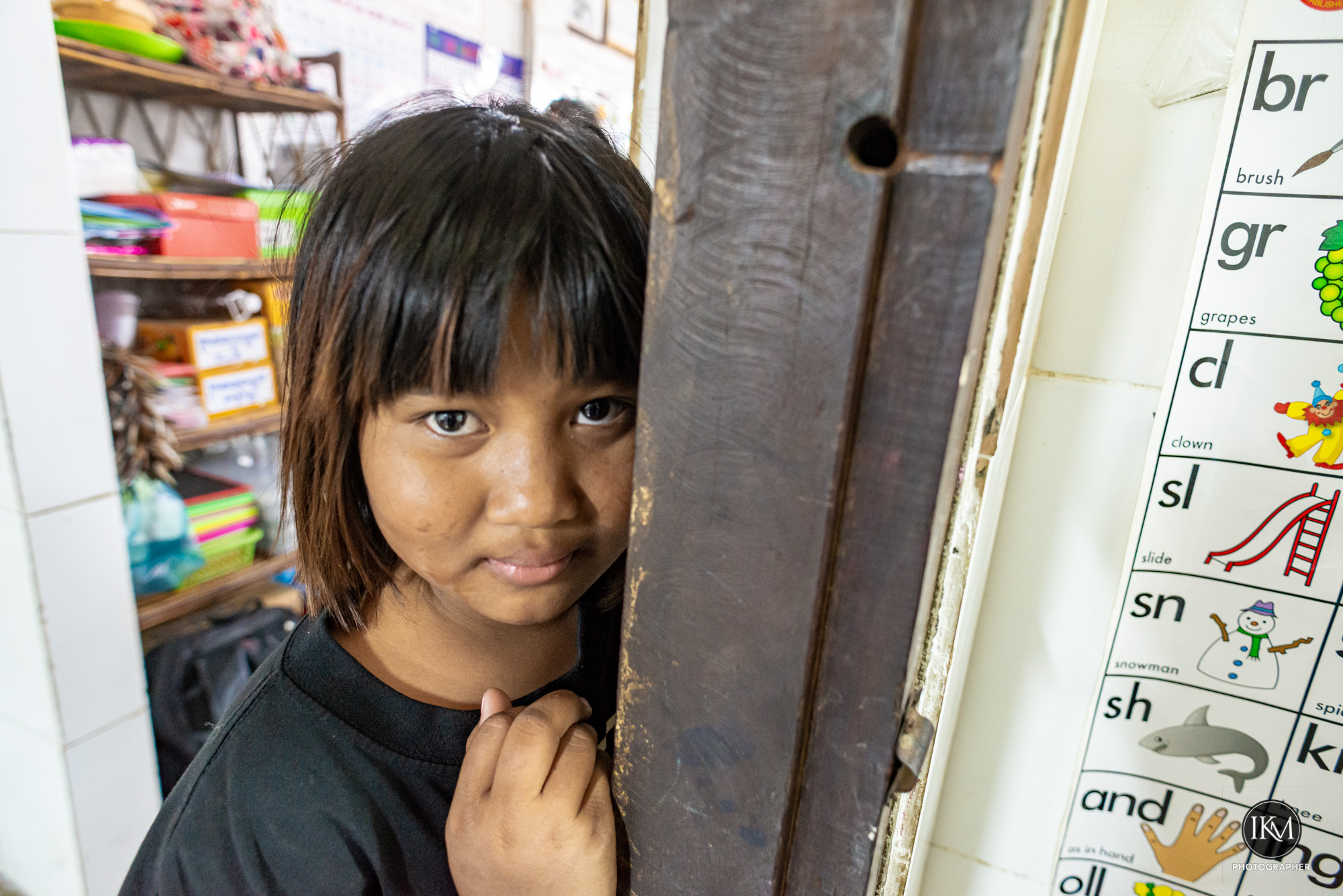
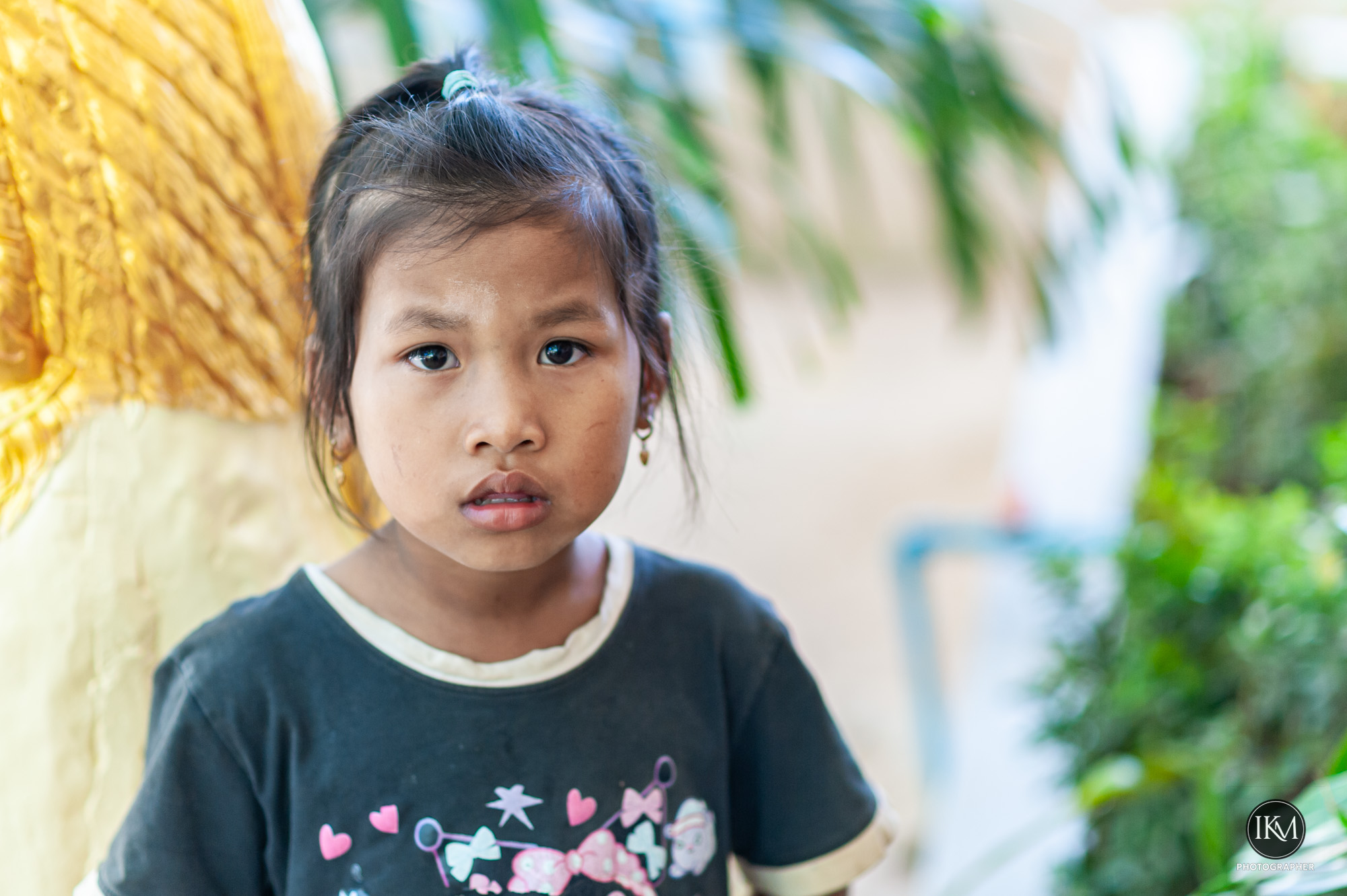
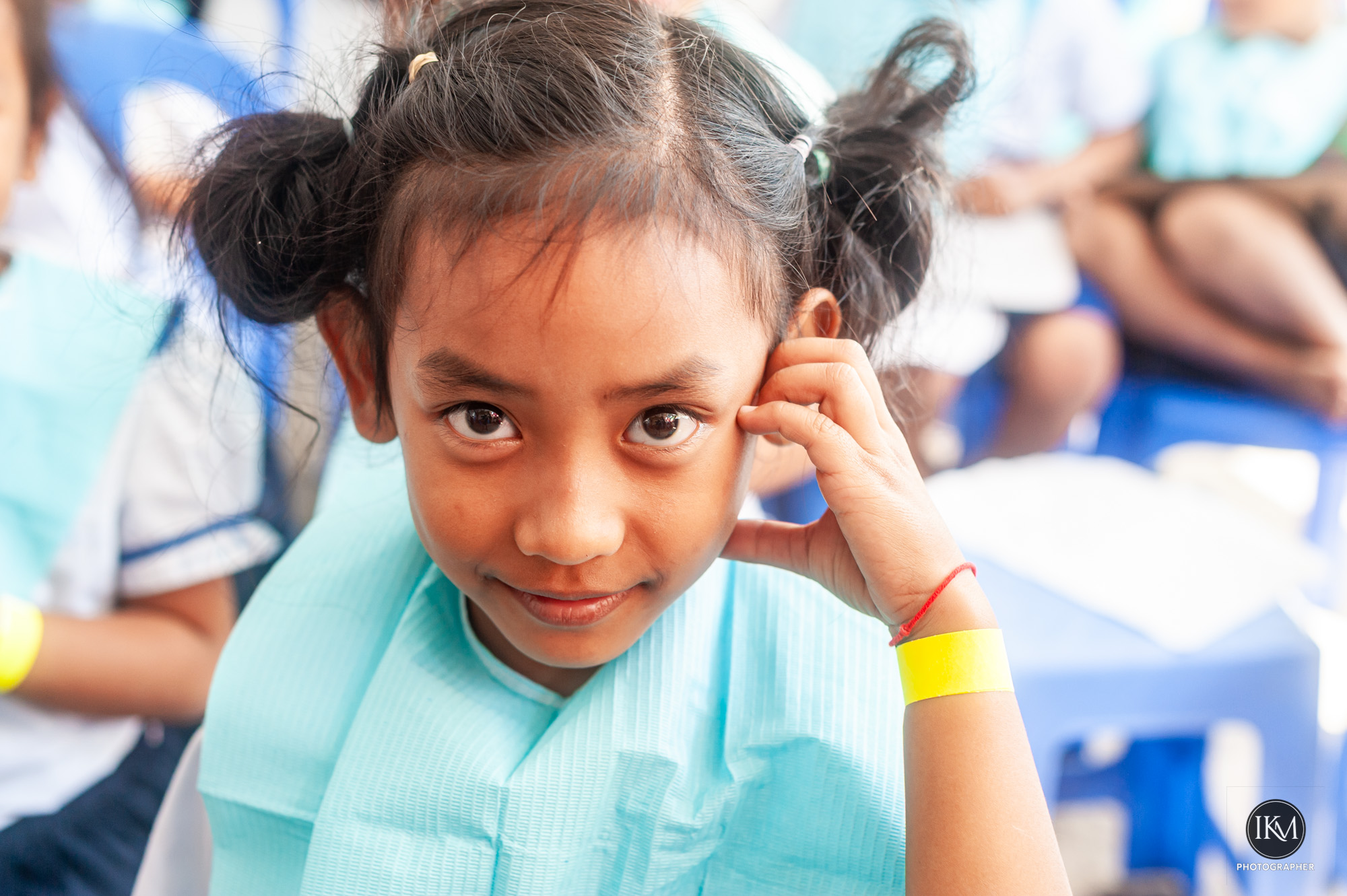
Kids International Dental Services (KIDS) is a U.S.-based 501(c)(3) nonprofit organization dedicated to providing free (pro-bono) dental care to impoverished children in developing countries. Its mission goes beyond treating teeth — it aims to educate, empower, and inspire communities and volunteers.
📍 Headquarters: 1700 California St., Suite 200, San Francisco, CA 94109, USA
🆔 EIN: 94-3477276 (donations are tax-deductible)
🎯 Mission & Goals
The core mission of KIDS is to:
✨ Provide pro-bono dental care so children can be pain-free, healthier, and more active in school and life.
✨ Educate communities about the importance of oral hygiene.
✨ Empower local communities to maintain better oral health with the tools and knowledge they have.
✨ Inspire young dental professionals and volunteers to make service a lifelong part of their careers.
✨ Repeat these efforts by returning to communities year after year to build lasting relationships.
This dual focus on immediate care and long-term impact is what makes KIDS distinctive. It’s not just temporary treatment — it’s education and empowerment too!
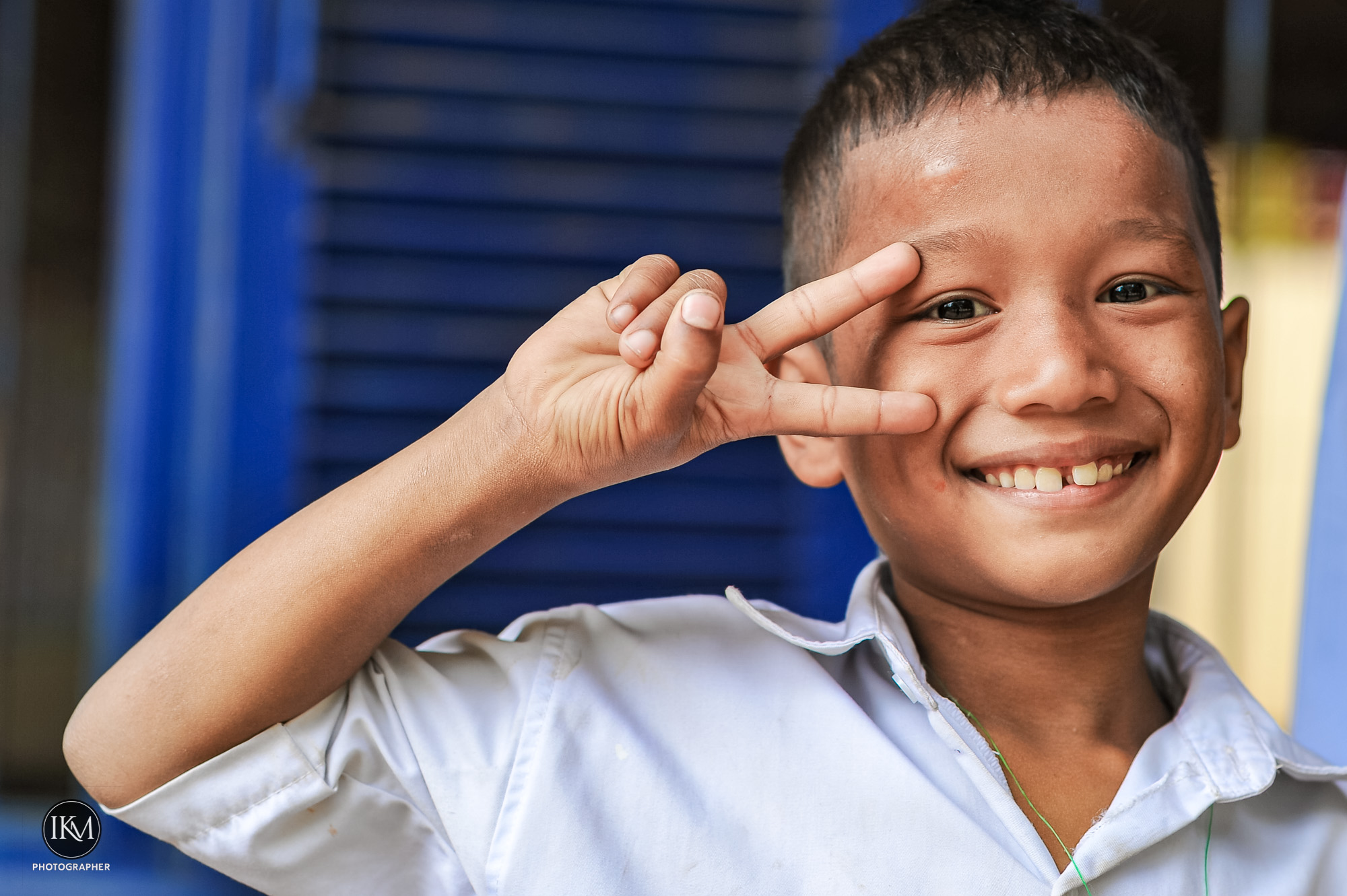
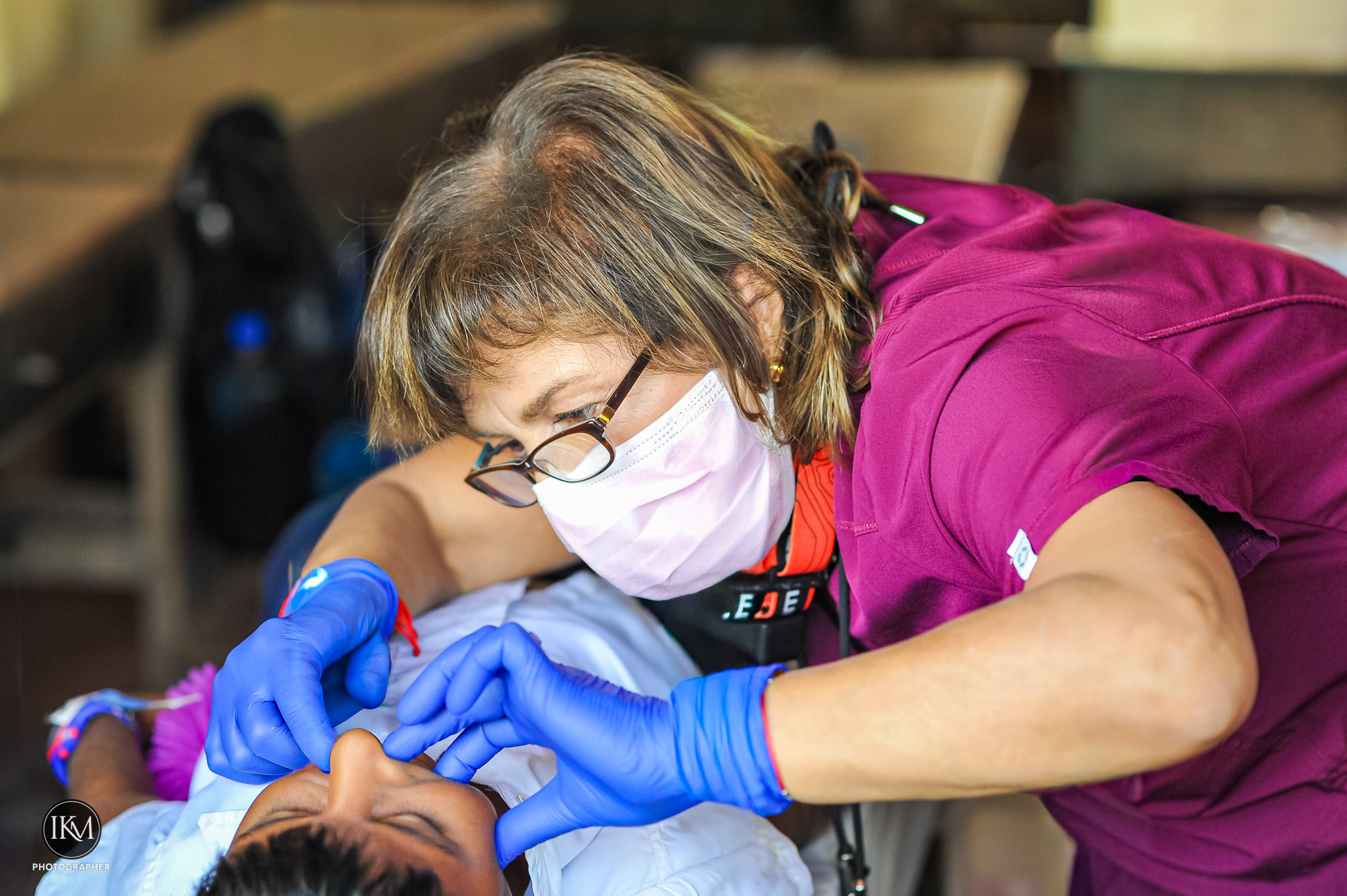
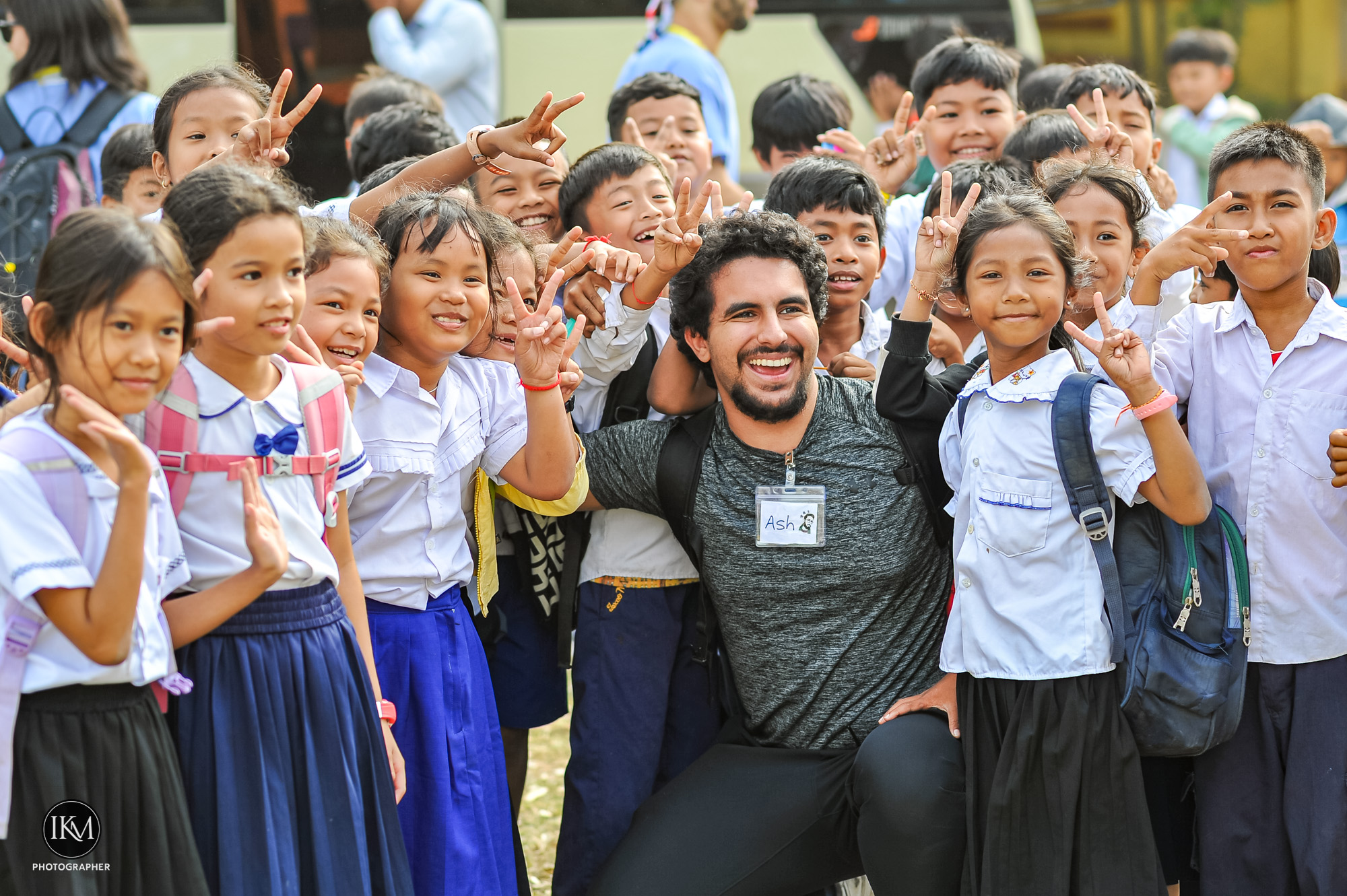
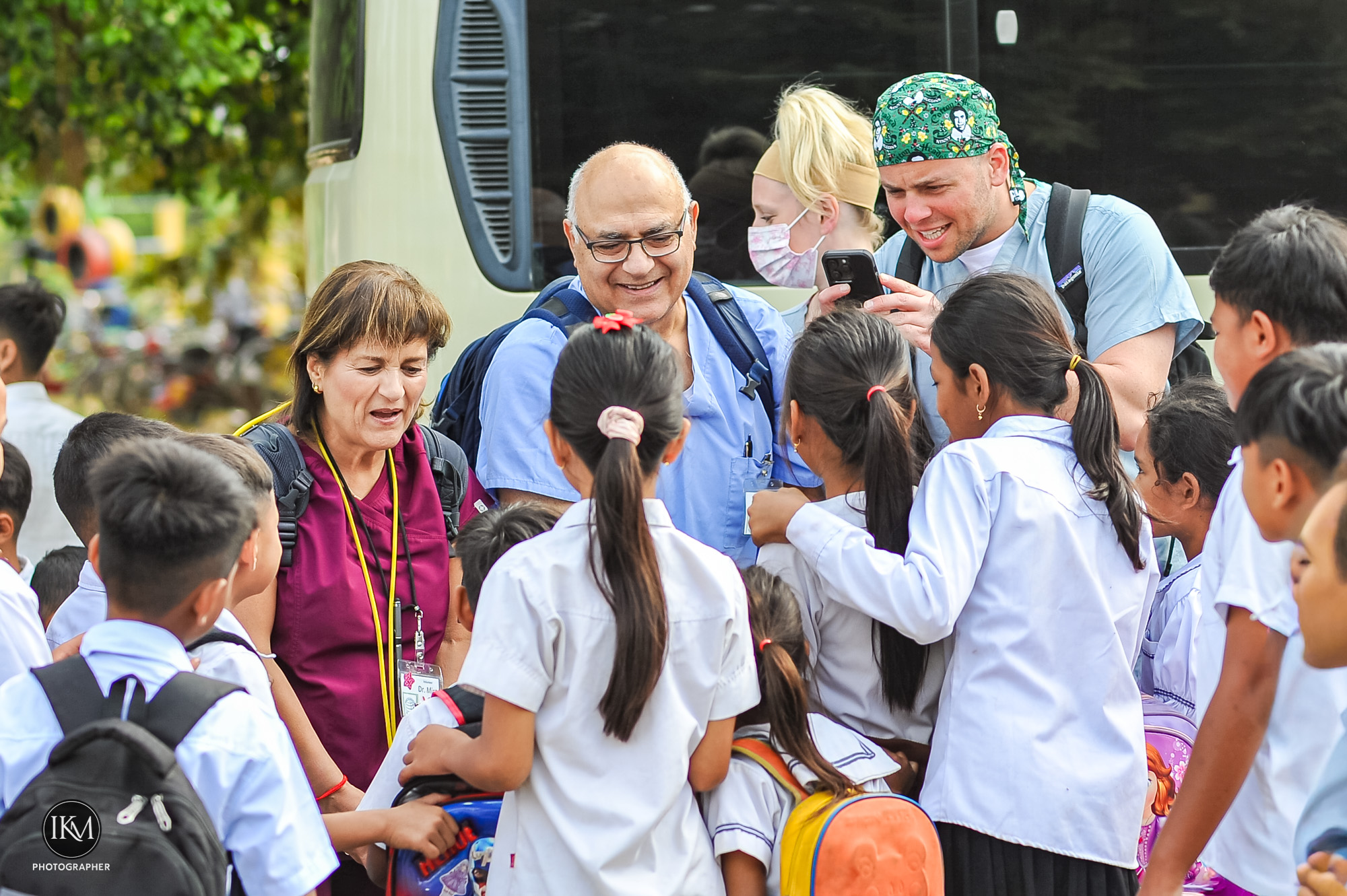
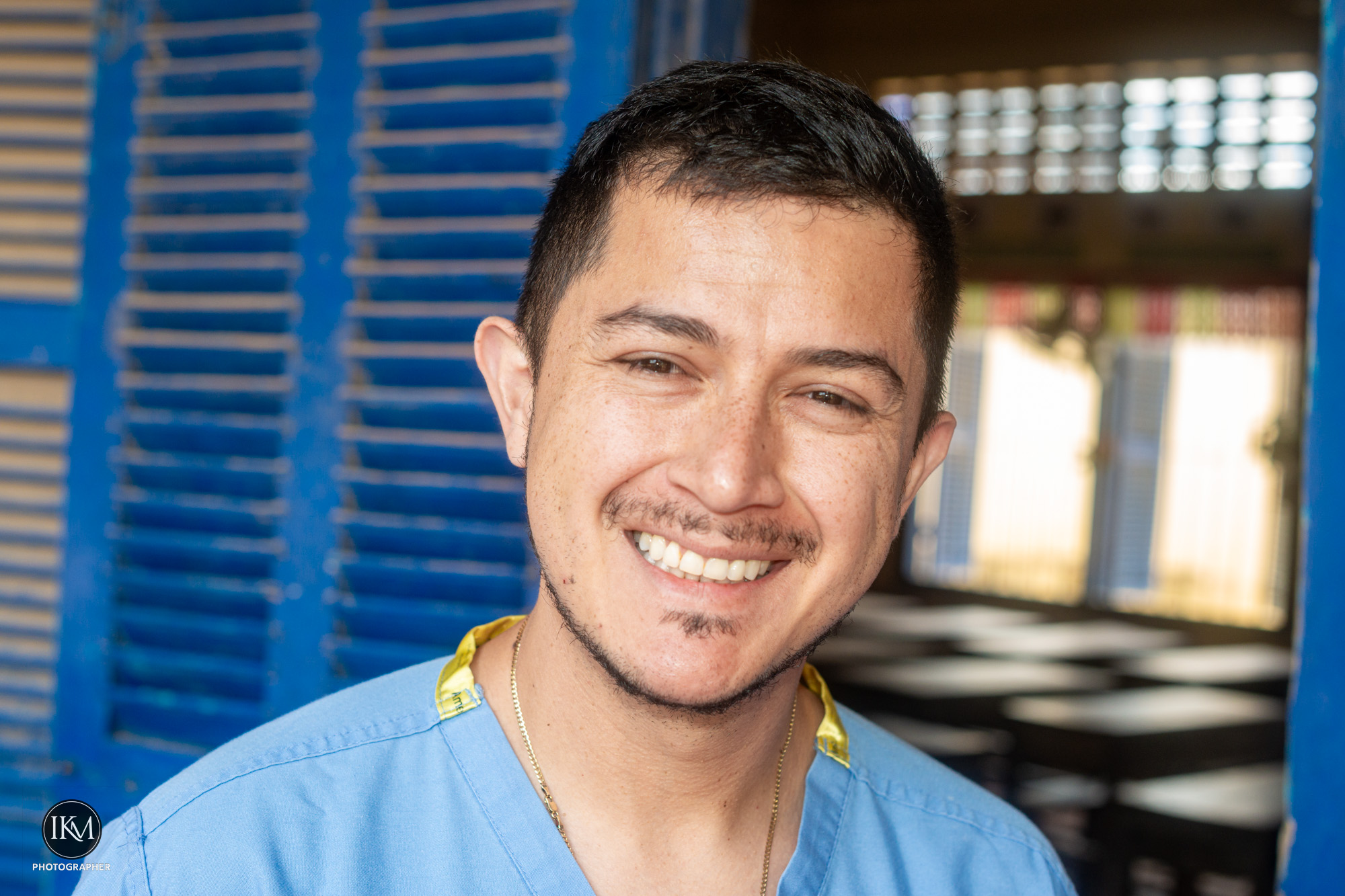
🌍 Where They Work
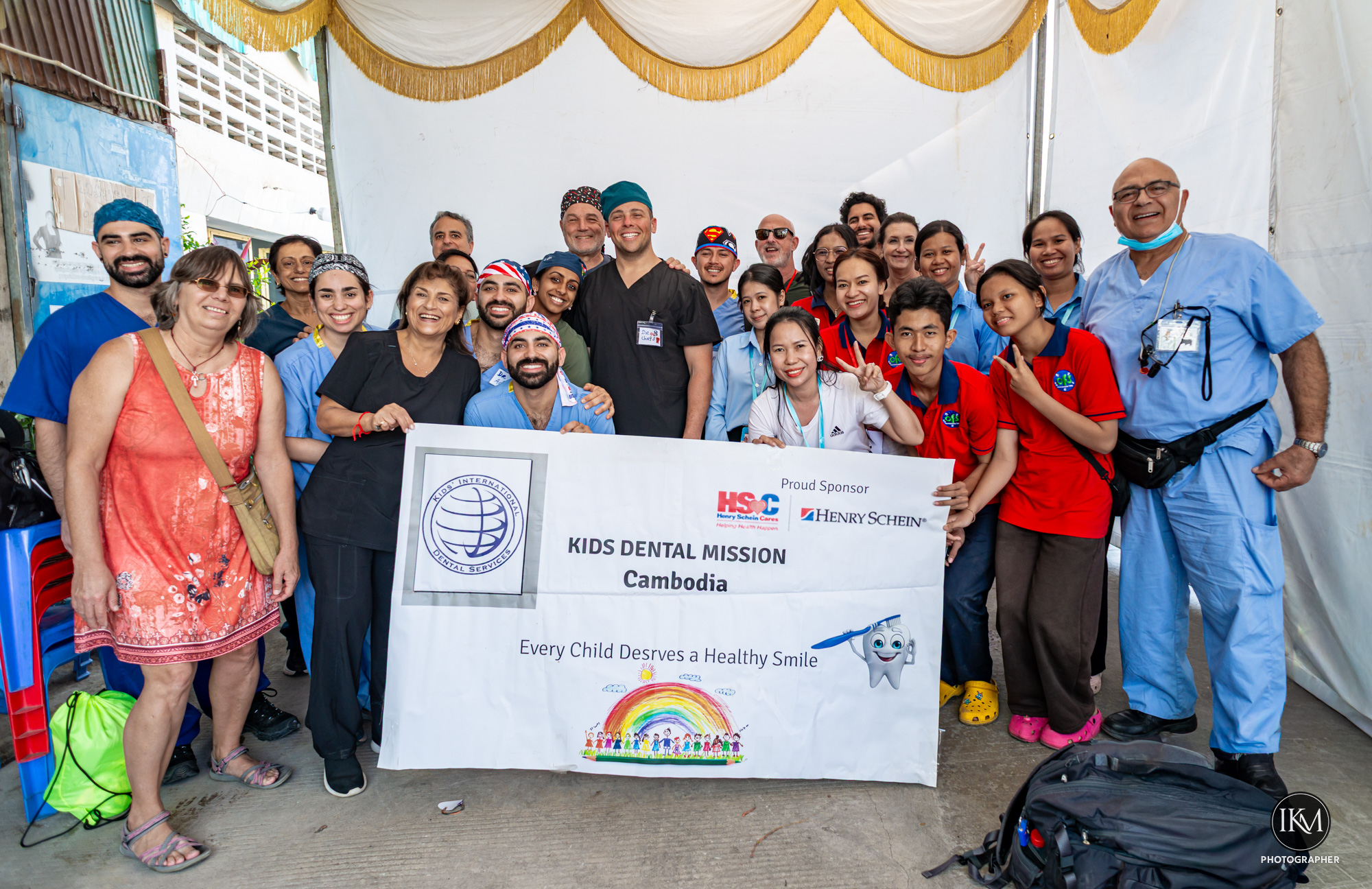
Since its founding in 2009, KIDS has conducted dental mission trips in multiple countries, including:
- Cambodia
- The Philippines
- Guatemala
- Cape Verde
- Haiti
- South Africa
- Mongolia
- Morocco
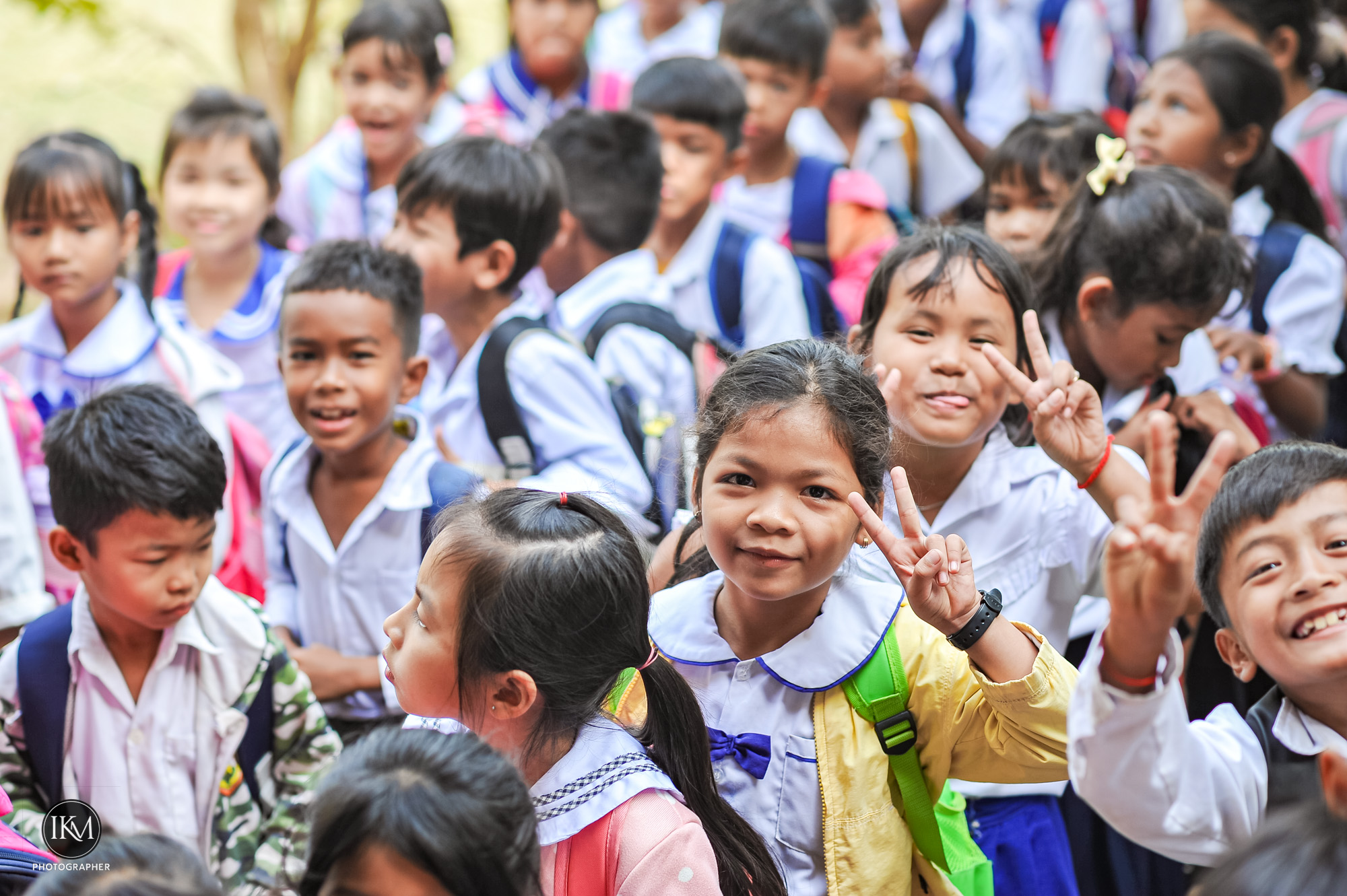
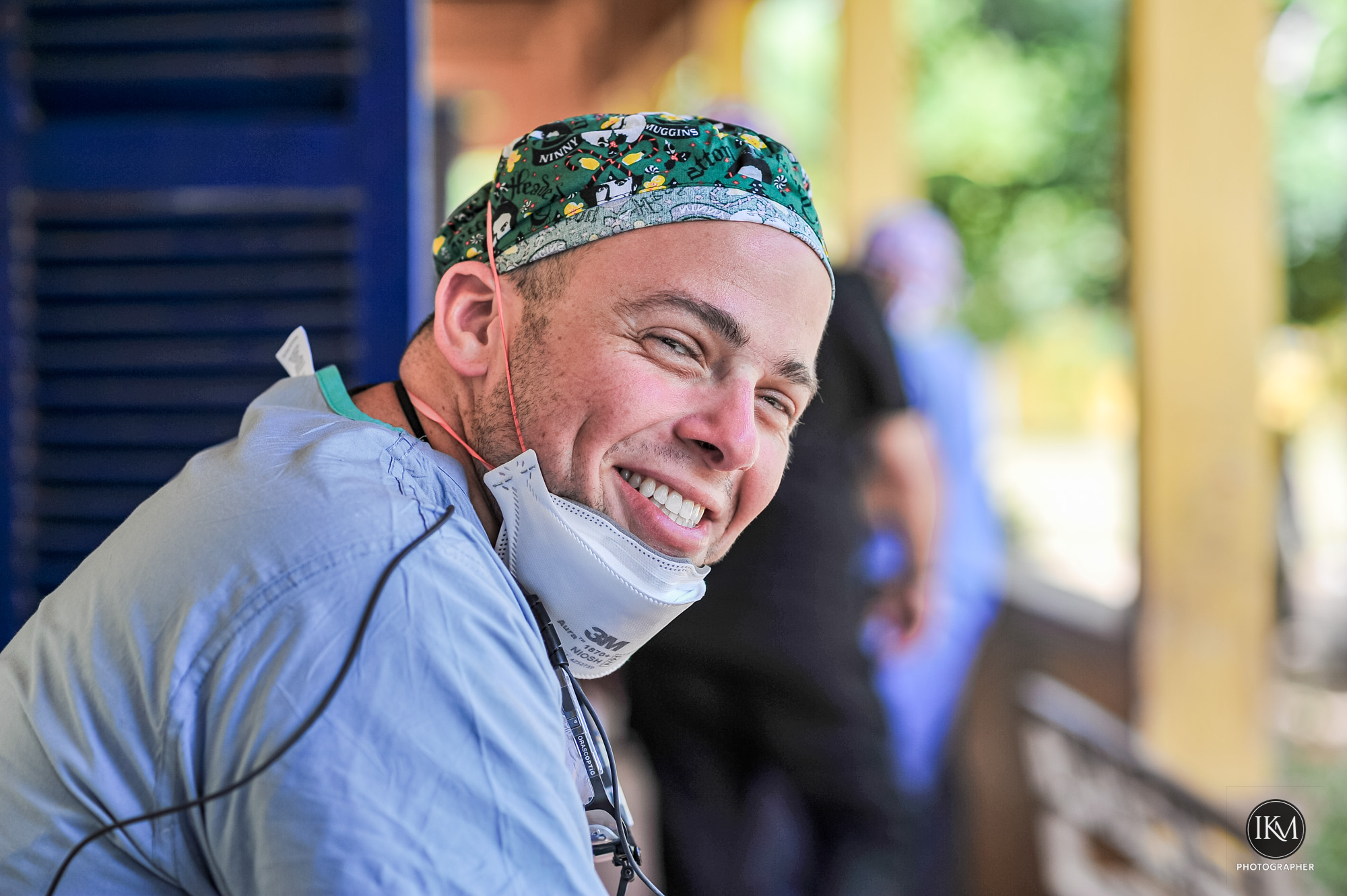
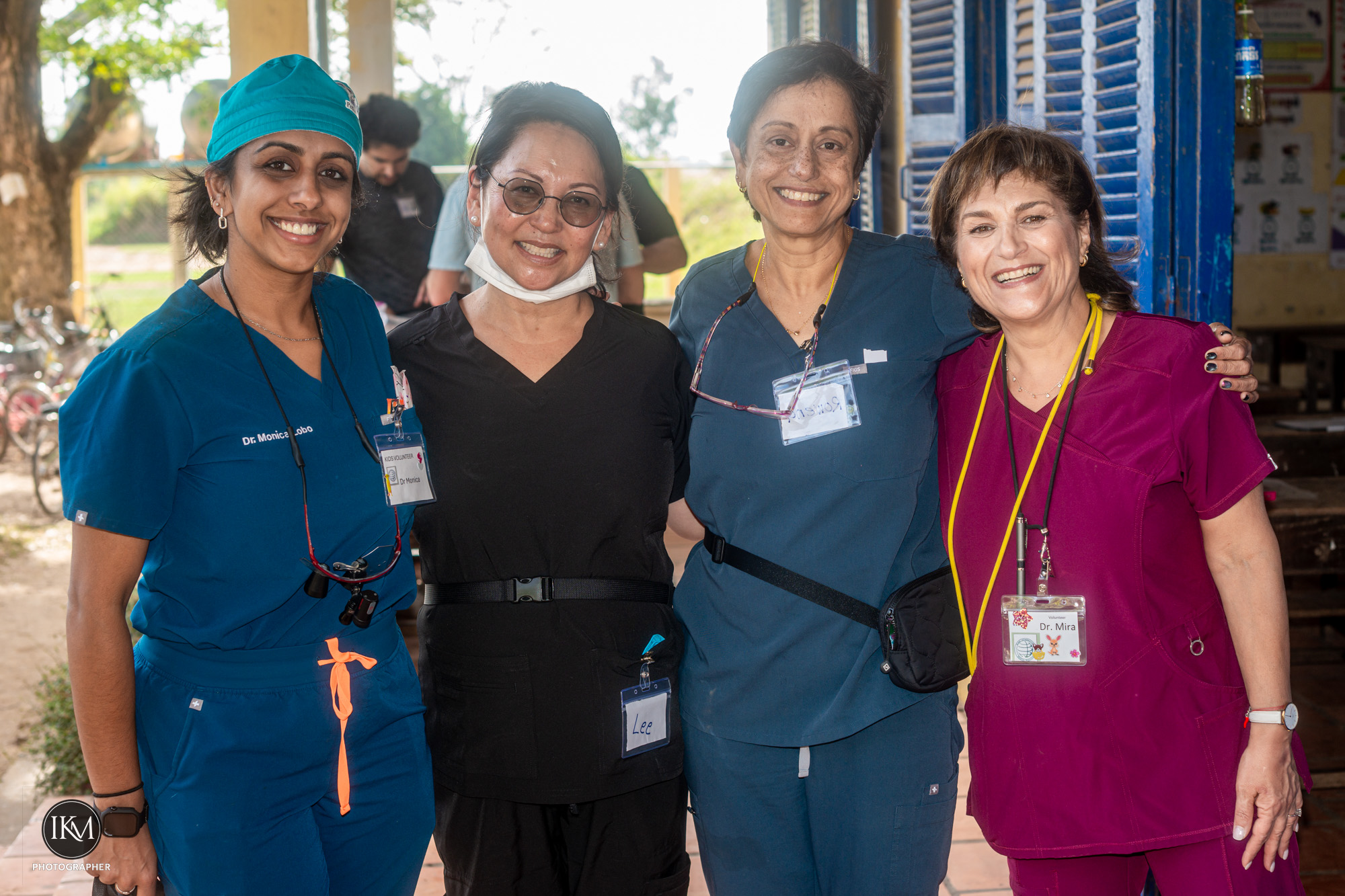
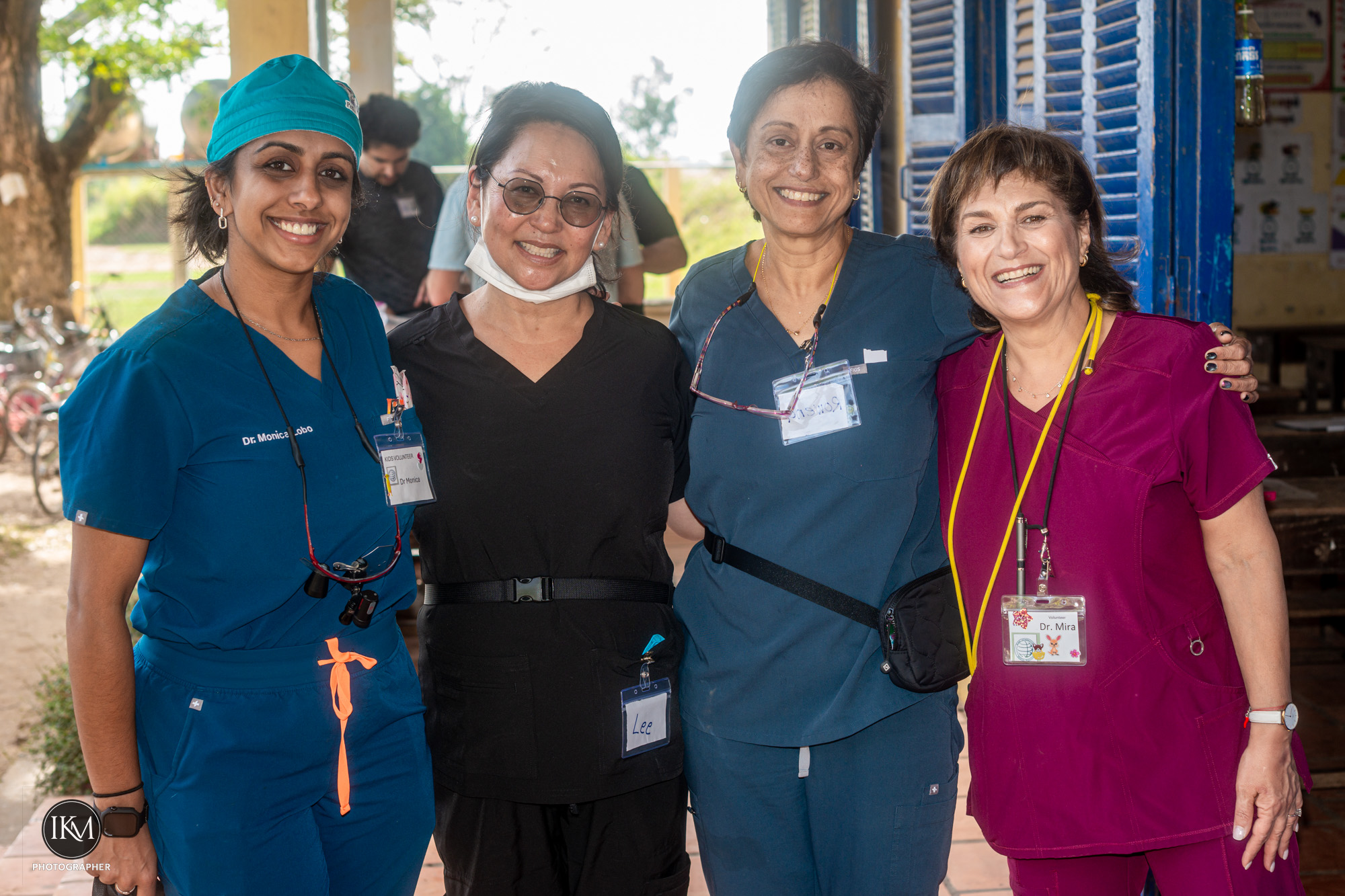
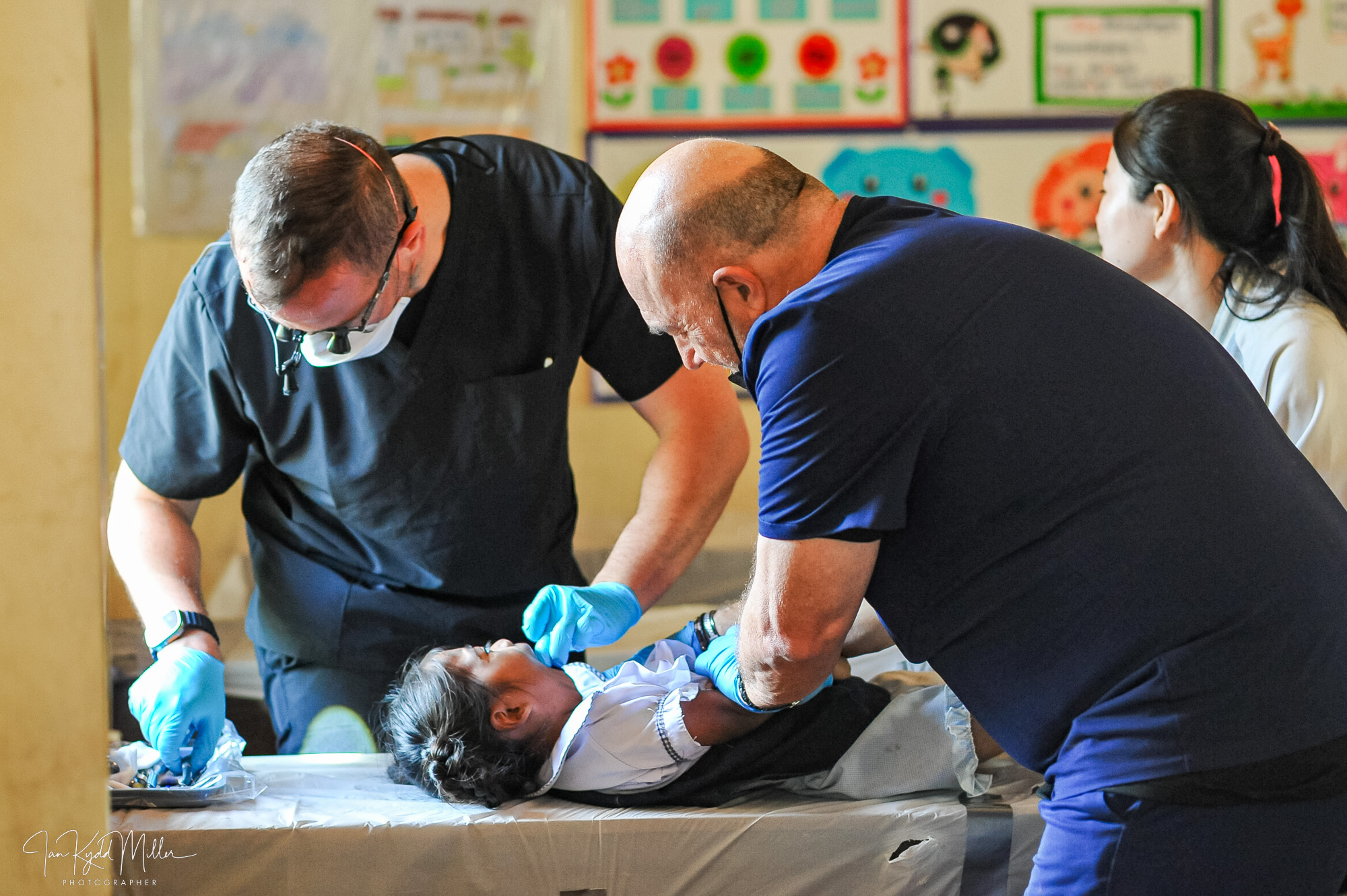
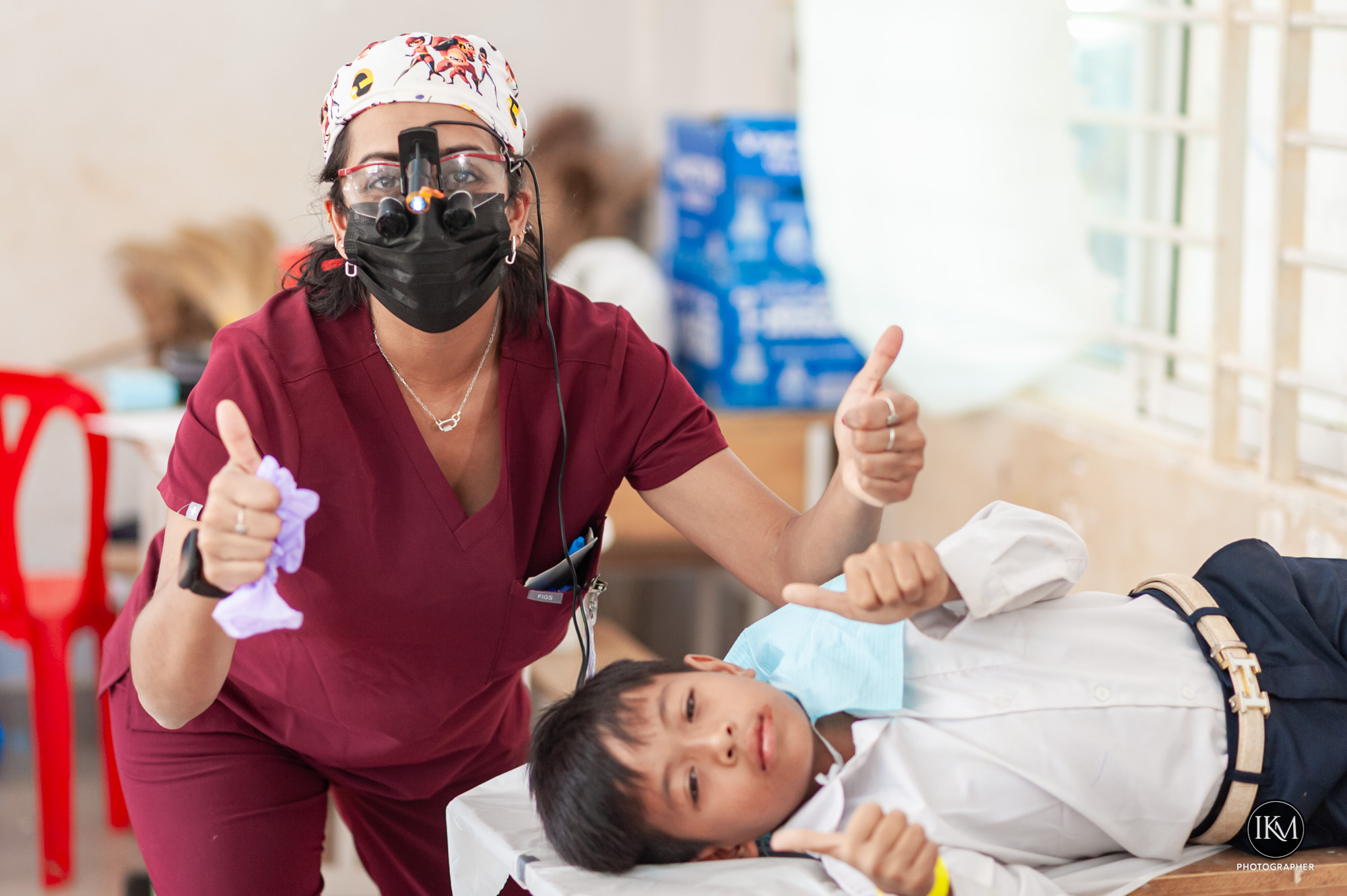
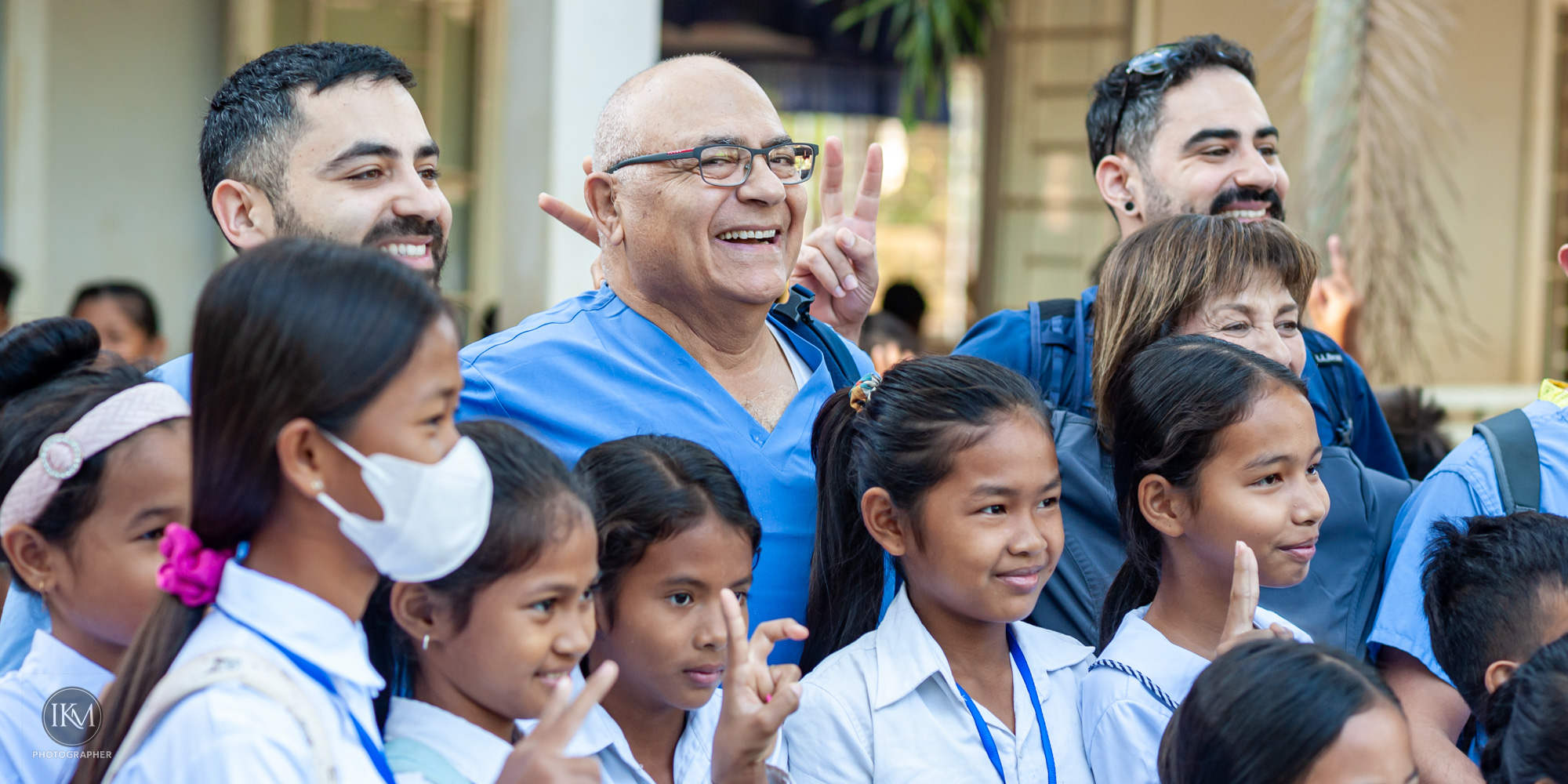
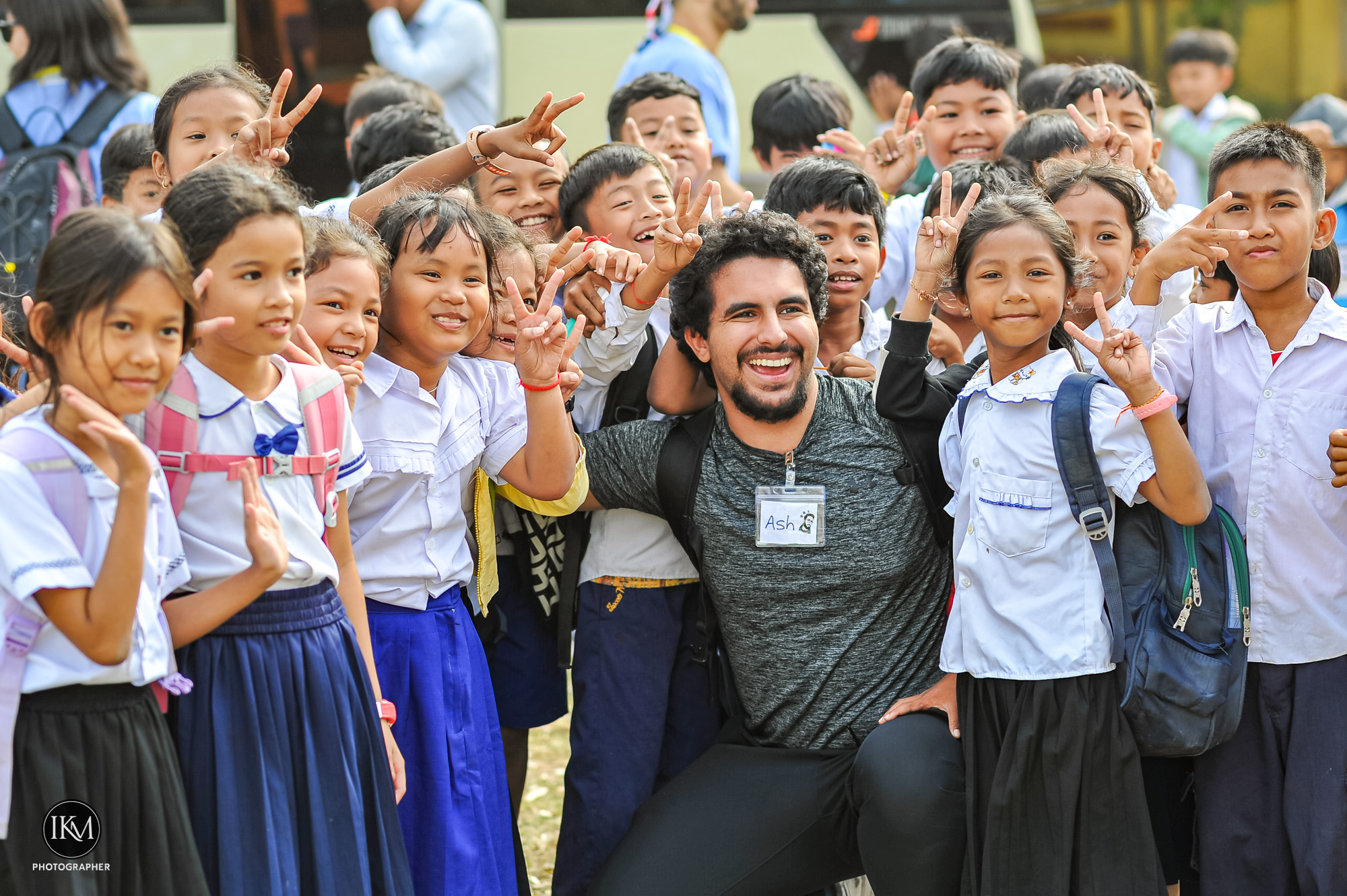
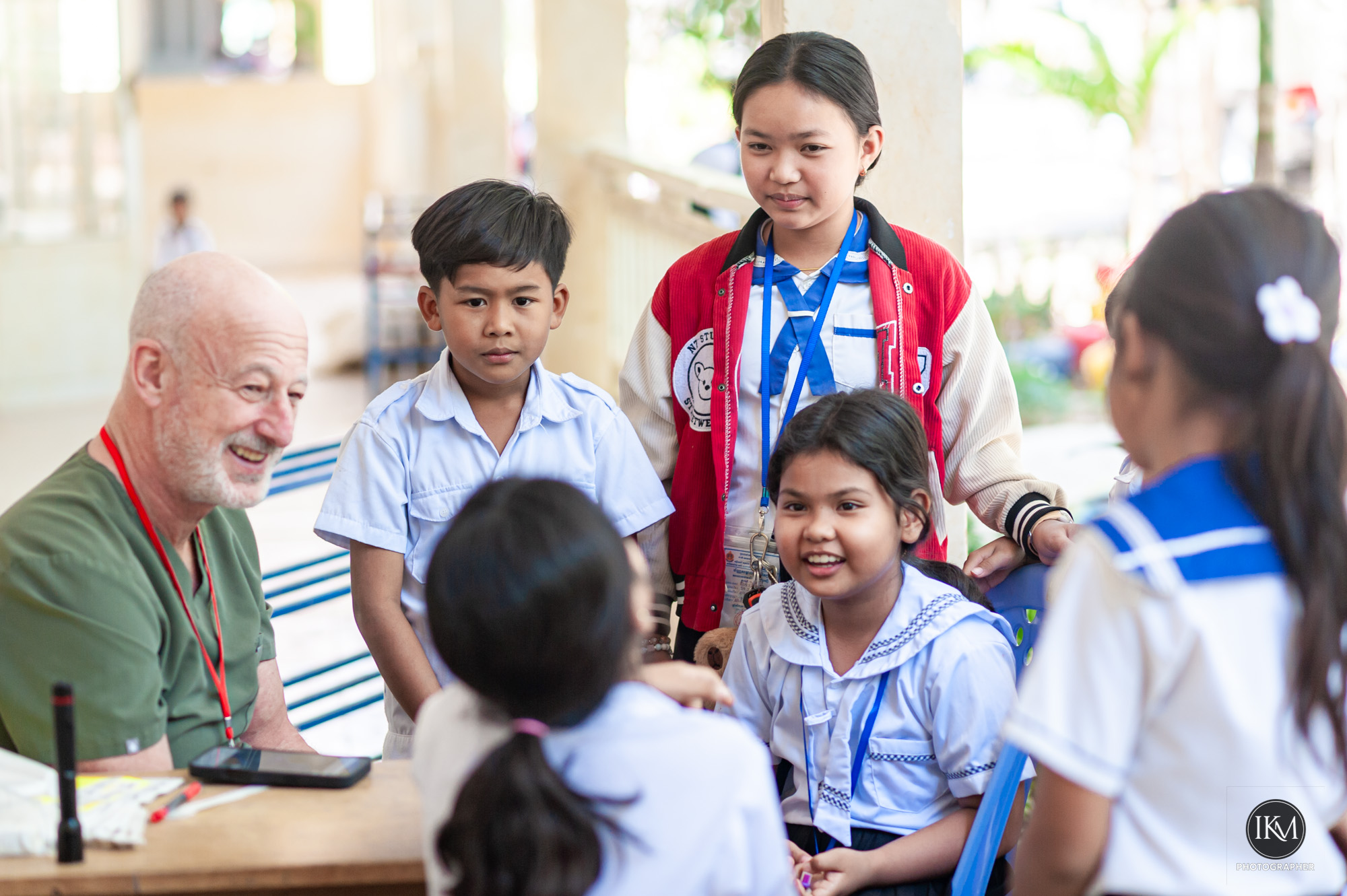
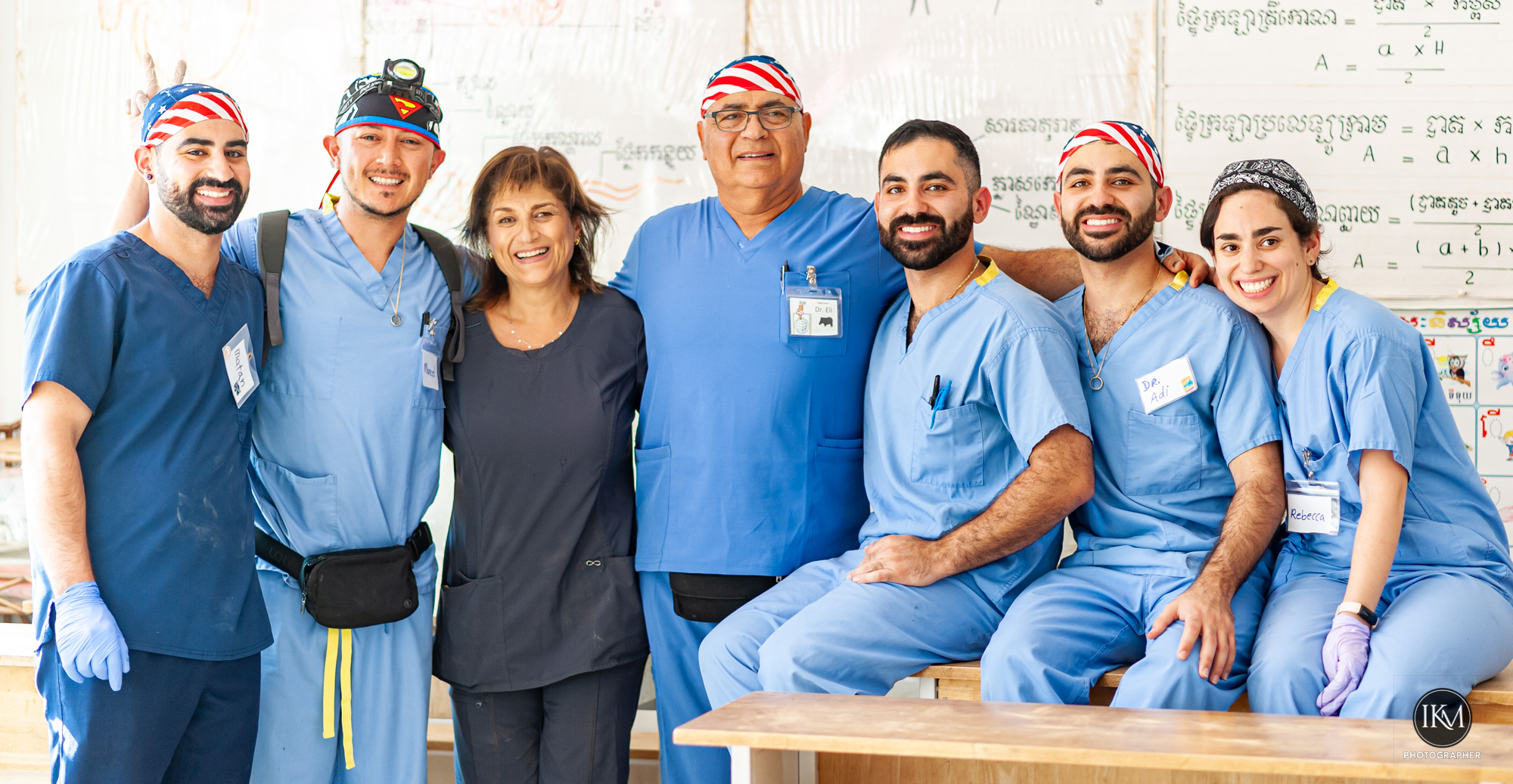
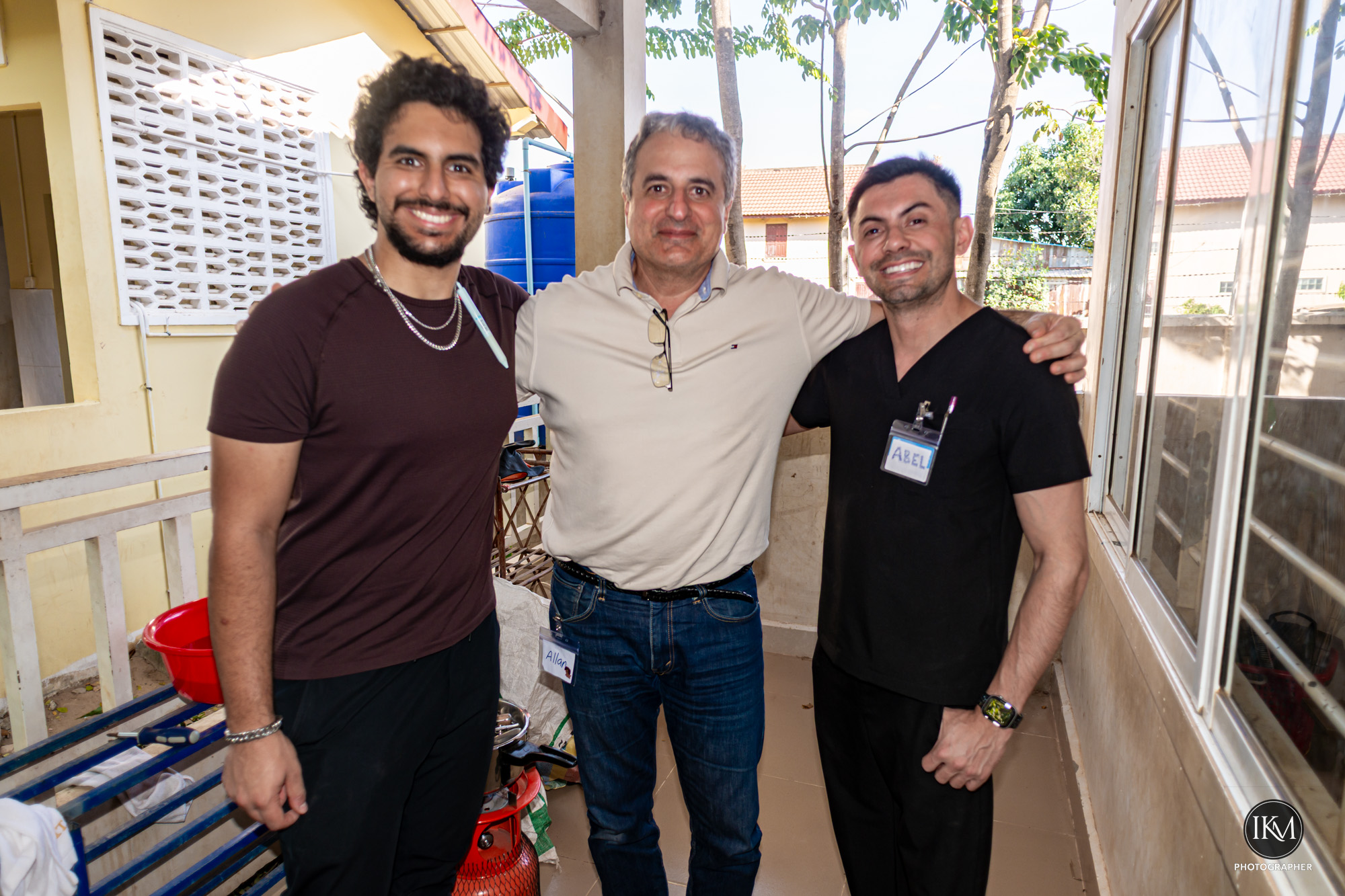
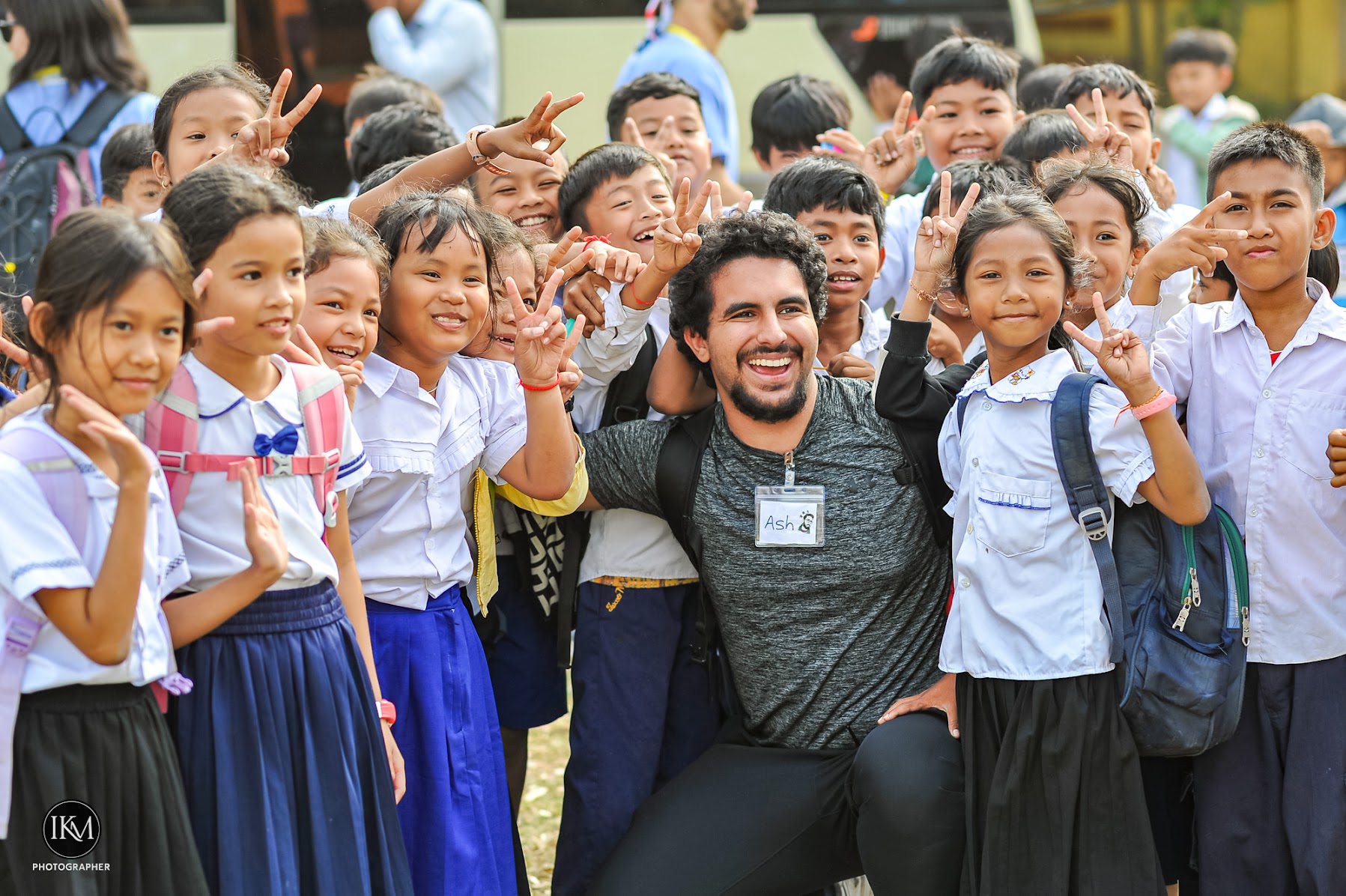
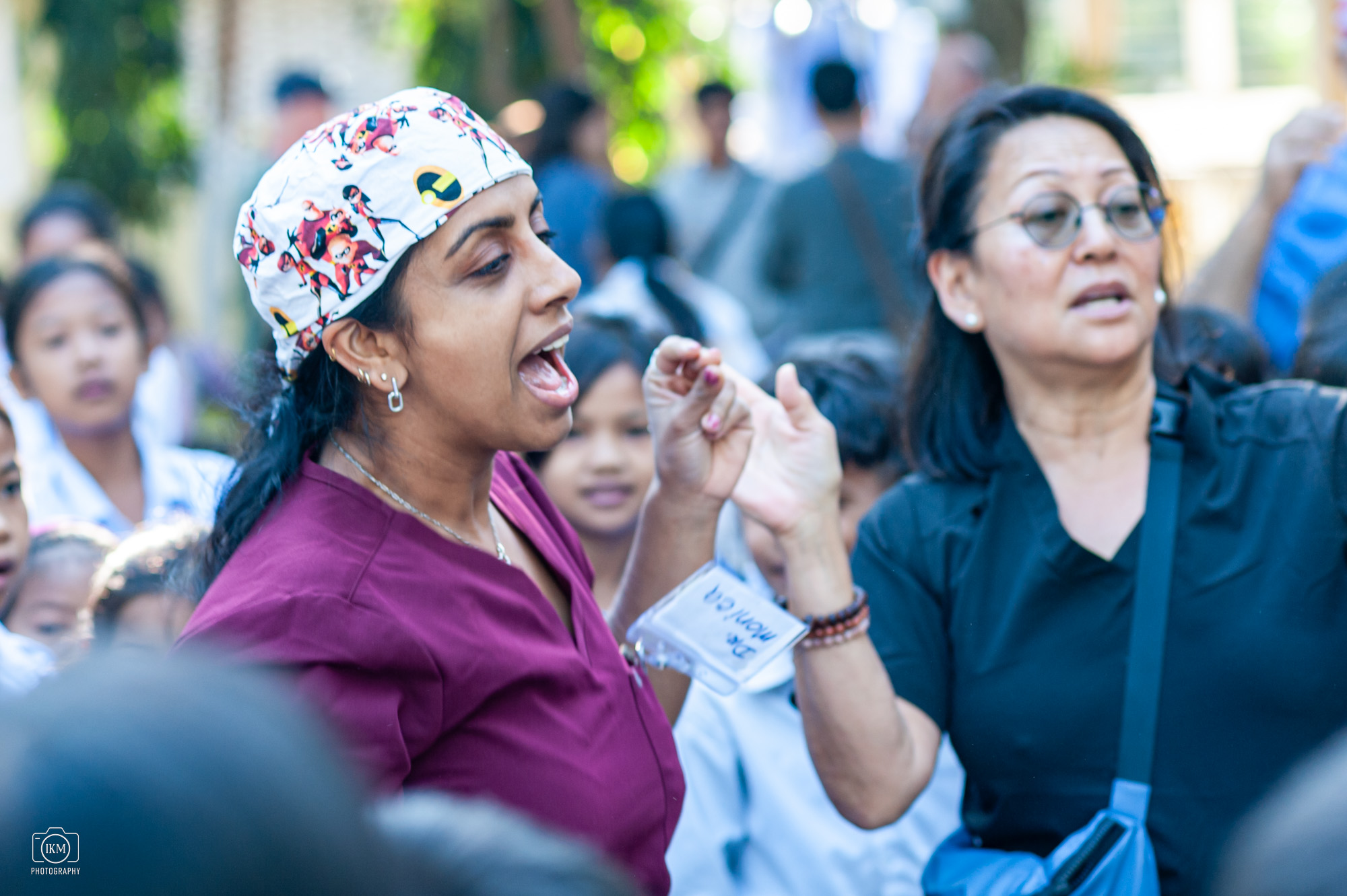
These missions are typically held annually and involve teams of volunteer dentists, dental students, and non-dental volunteers who travel to serve in community settings such as schools and clinics.
👩⚕️🧑⚕️ Who Volunteers?
Volunteers include:
- Dentists
- Dental students
- Hygienists & other dental professionals
- Non-dental helpers (interpreters, organizers, support staff)
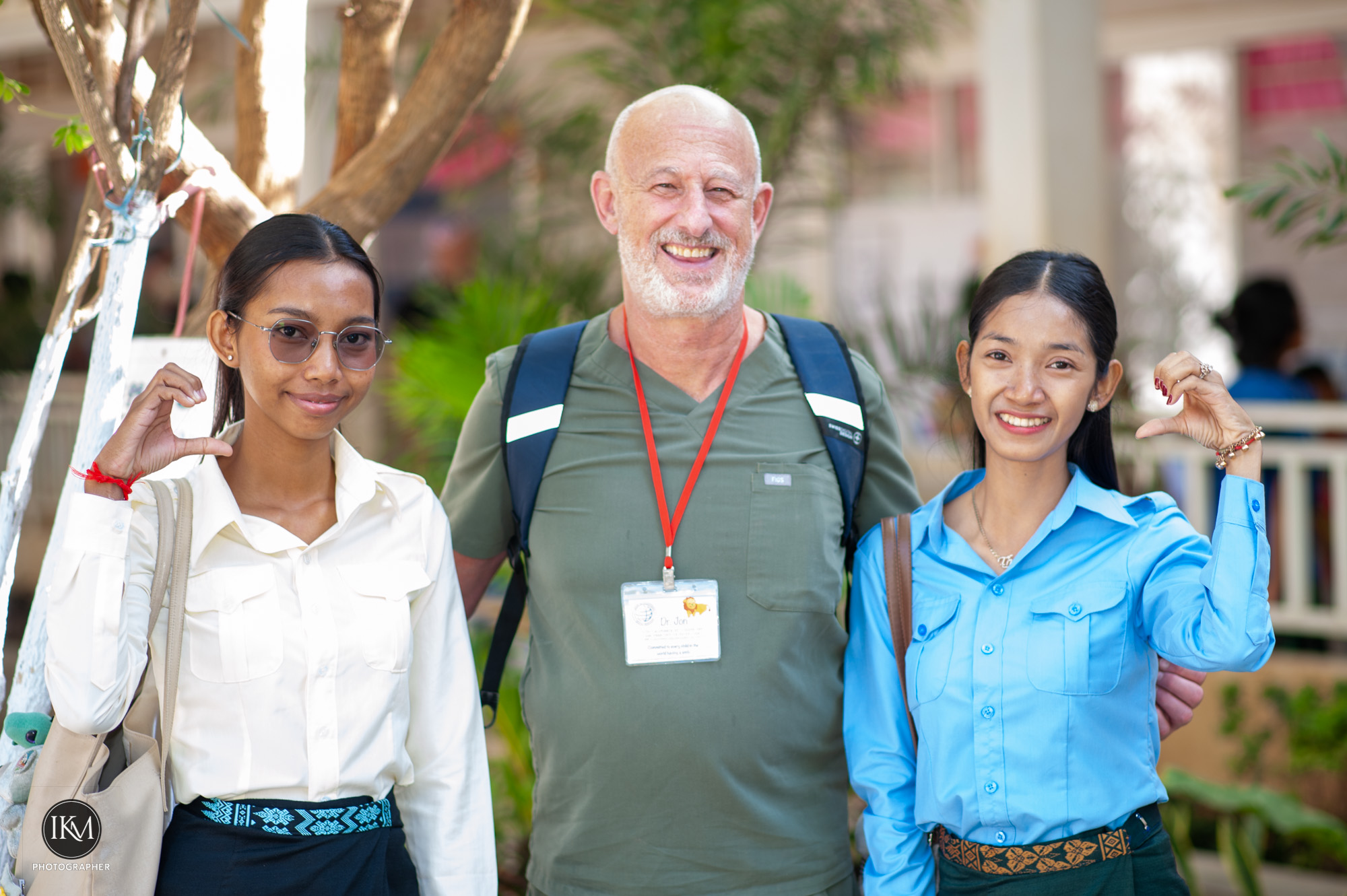
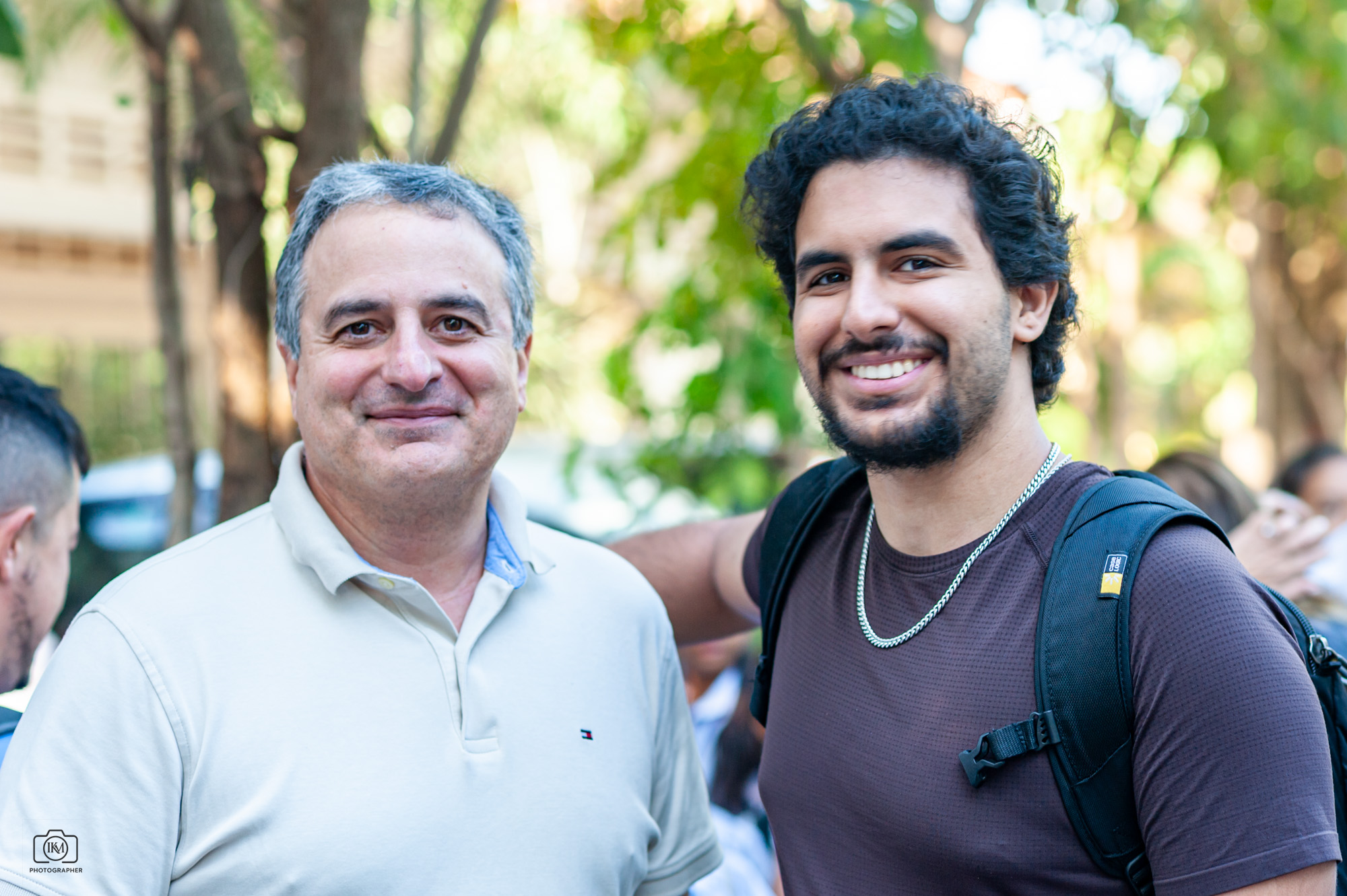
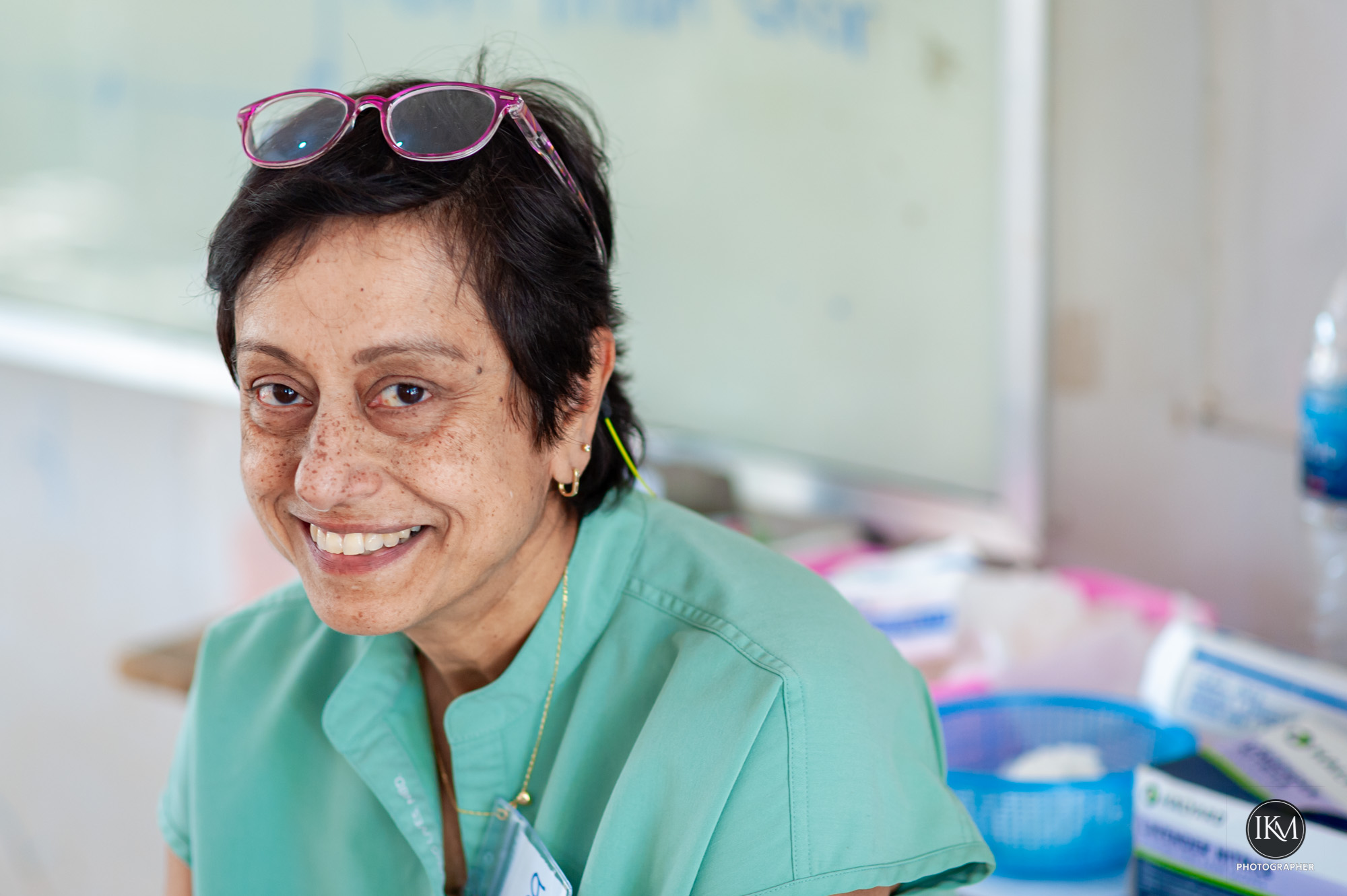
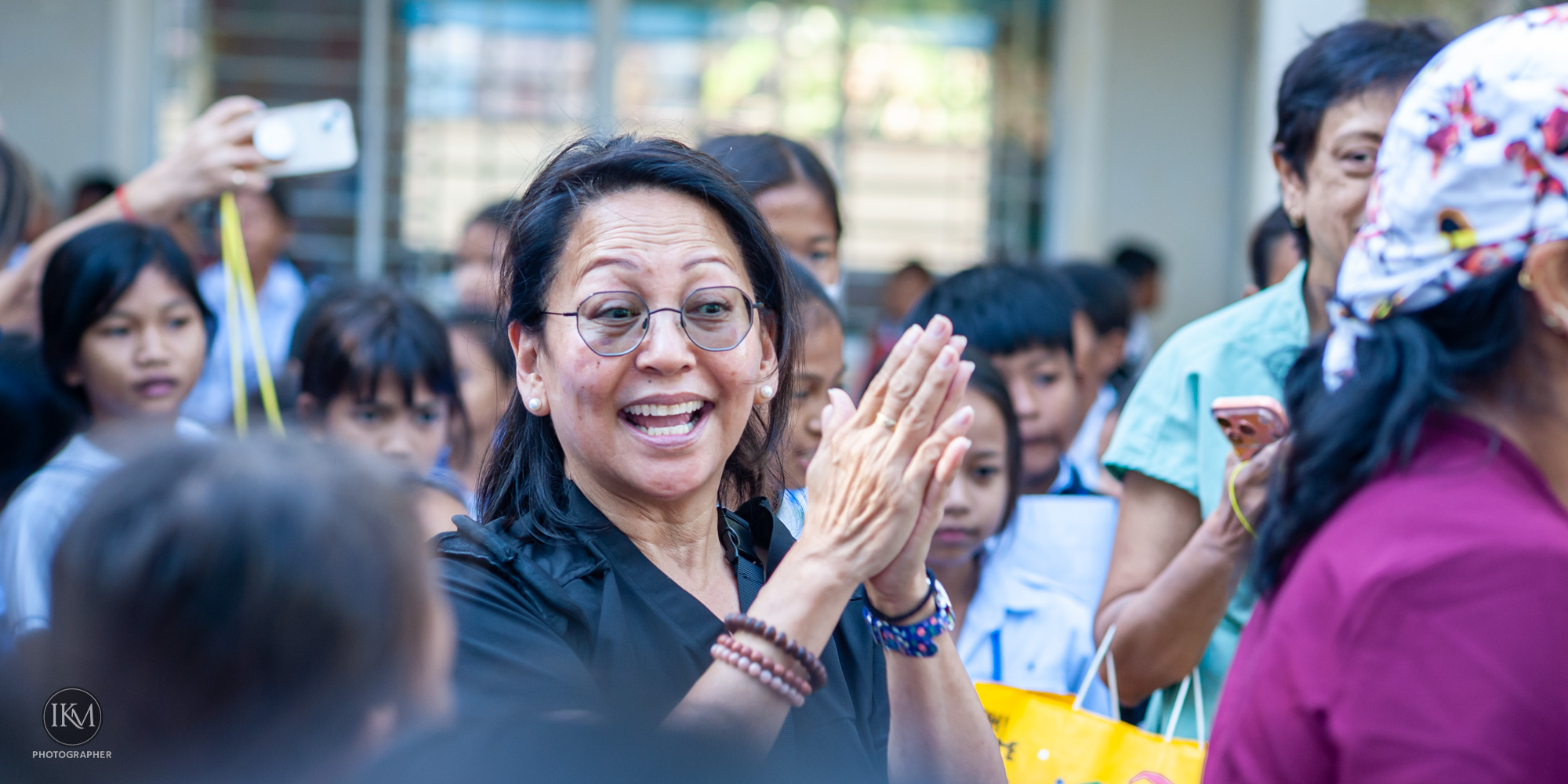
Volunteers gain invaluable hands-on experience, build cultural understanding, and often form deep personal connections with the communities they serve. Many return to future missions because of the meaningful impact they witness.
🦷 Types of Dental Work Performed
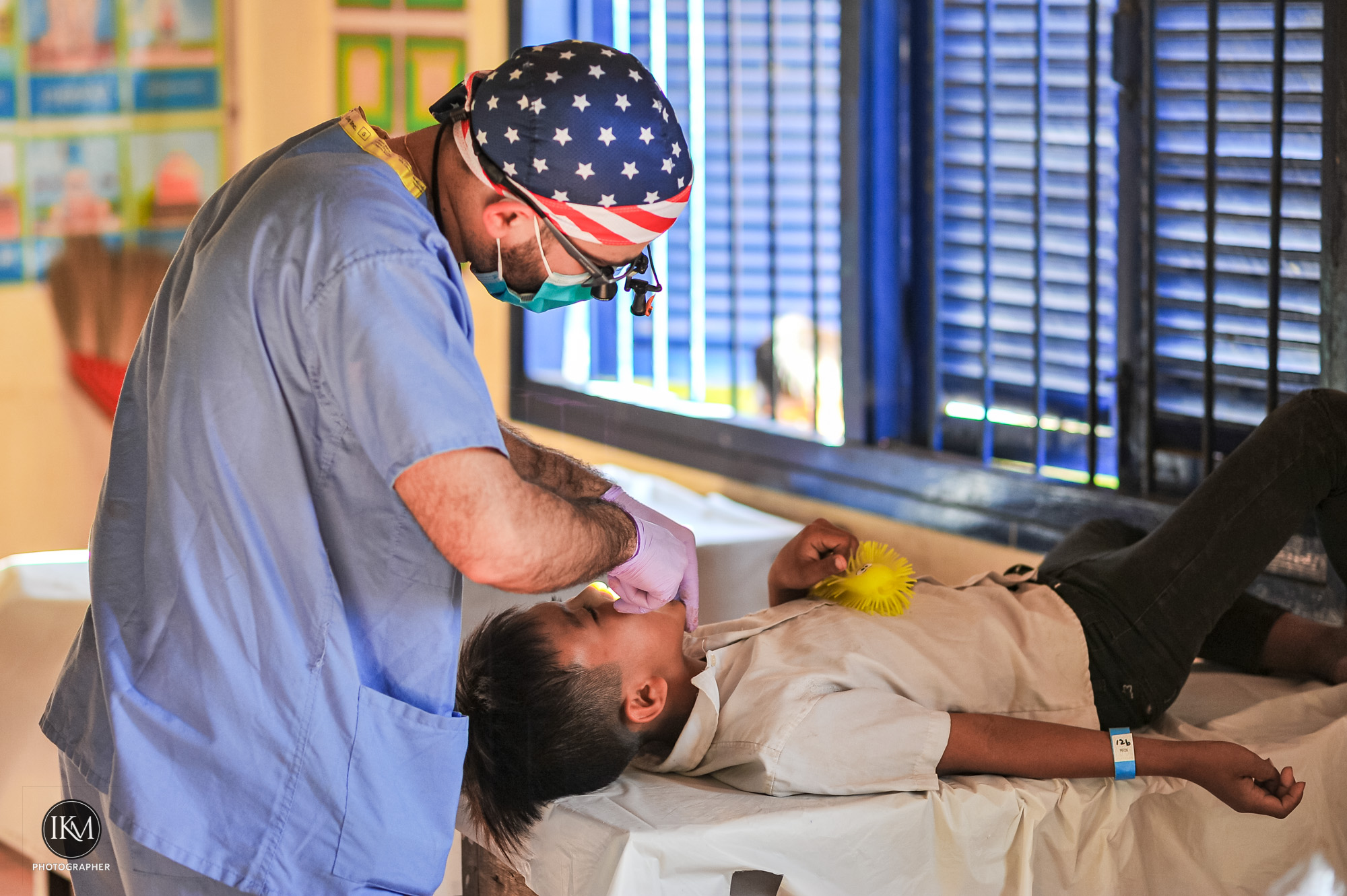
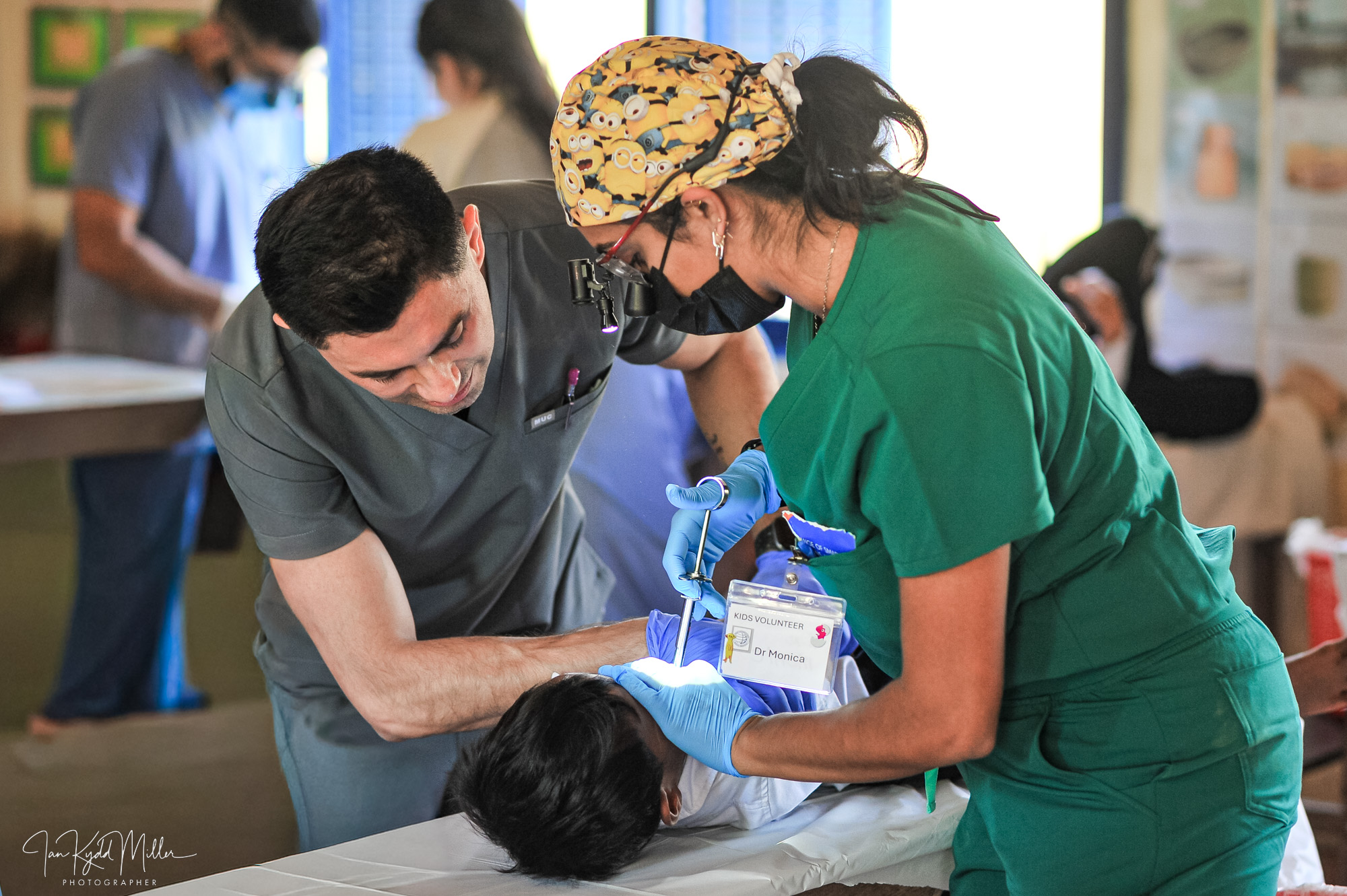
During missions, KIDS volunteers typically provide essential dental services such as:
✅ Dental exams
✅ Filling cavities
✅ Extractions
✅ Fluoride treatments & preventative care
✅ Oral hygiene education for kids and families
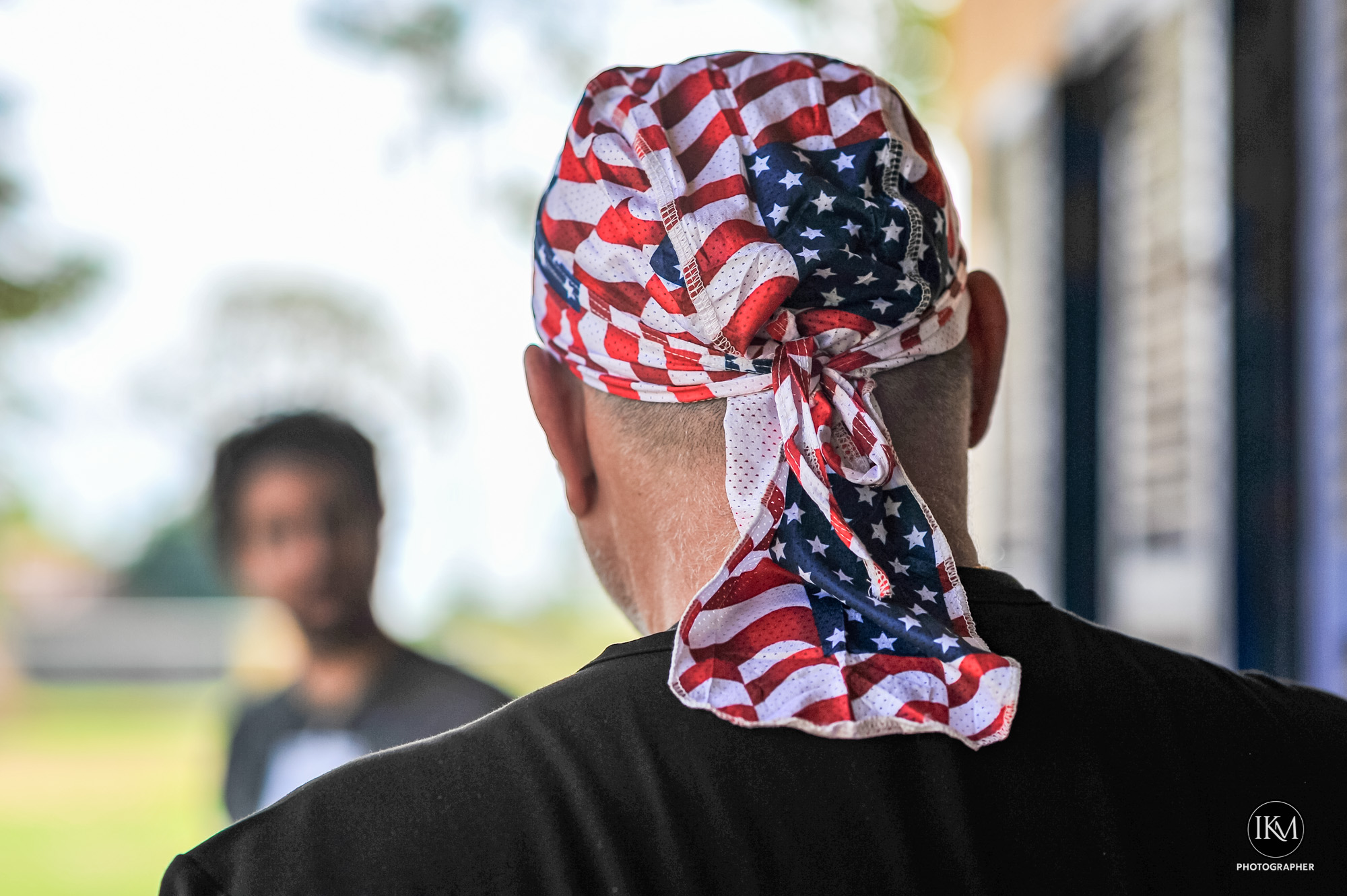
They often work in outdoor or temporary clinic setups — like school courtyards or community centers — bringing portable dental equipment to areas with little or no access to care.
💡 Community Focus & Education
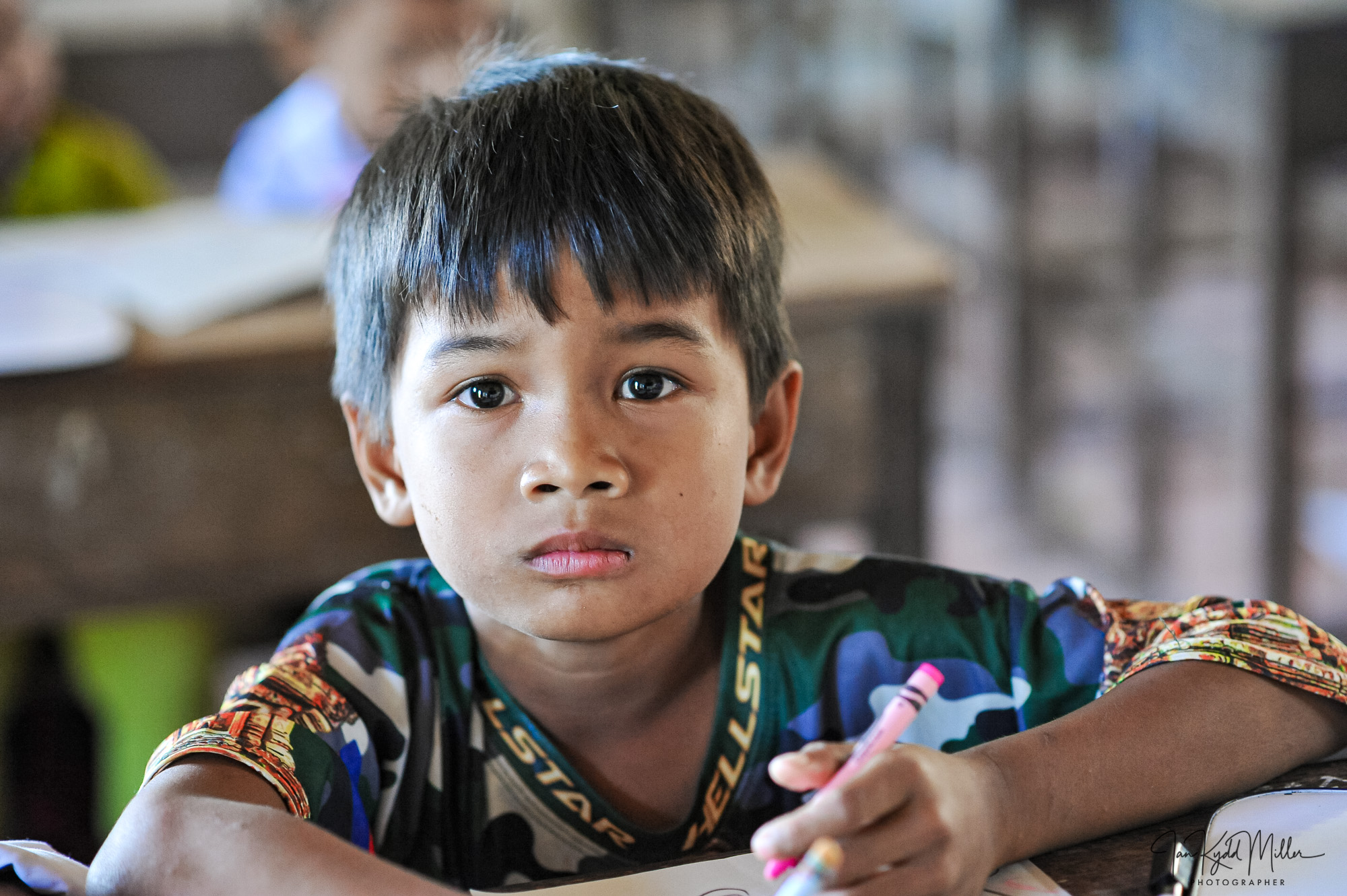
A key component of KIDS’s approach is education:
📌 Teaching children and families why dental care matters
📌 Demonstrating how to brush/floss correctly
📌 Helping local staff understand preventive practices
📌 Building long-term oral health habits beyond immediate treatment
Some mission trips also partner with local organizations to address environmental issues (like contaminated water leading to dental problems) and look for broader, lasting solutions.
🤝 Support & How to Get Involved
Donate
Financial or supplies donations help fund travel, equipment, and free care. According to the organization, 100% of donations go directly to support their mission.
Volunteer
Interested individuals can contact KIDS to join a future mission. Volunteers are asked to complete volunteer agreements and follow safety protocols (including COVID-19 procedures).
📧 Email: replytokids@gmail.com
📊 Organization Context & Finances
According to publicly accessible nonprofit data, KIDS is registered and files annual IRS tax forms. Its recent financial information indicates revenue and expenses typical for a small nonprofit mission-based charity.
📌 Summary
Kids International Dental Services (KIDS) is a compassionate global nonprofit offering:
🌏 Free dental care to under served children around the world
👩⚕️ Hands-on global mission opportunities for dental professionals
📚 Education and empowerment for communities
🤝 Opportunities for donors and volunteers to make a real impact
Absolutely — here are the direct contact details, ways to donate, and how to volunteer with Kids International Dental Services (KIDS) 😊🦷🌍:
📬 Contact Information
📍 Mailing Address:
Kids International Dental Services
1700 California St., Suite 200
San Francisco, CA 94109
USA
📧 Email:
replytokids@gmail.com — best address to ask questions about missions, donations, or volunteering.
🆔 EIN (Tax-Deductible):
94-3477276 — donations are tax-deductible in the U.S. as KIDS is a registered 501(c)(3) nonprofit.
💖 How to Donate
Your support helps bring free dental care to children in developing countries! 🪥✨
- 💵 Monetary Donations:
You can donate via the official site — 100% of your contribution helps provide dental care services and support mission programs. - 📦 Supplies Donations:
They may accept donated dental supplies and equipment — it’s best to email them first to confirm what items they can use.
👉 Since all donations go directly to supporting missions, you’re helping children get pain relief, fillings, extractions, and dental education they wouldn’t otherwise receive.
🙋♂️🙋♀️ How to Volunteer
KIDS runs dental mission trips every year where volunteers help provide essential dental care and promote oral hygiene education:
📍 Typical Mission Locations
- Cambodia – usually in January
- The Philippines – usually in February
- Guatemala, Nepal/Bhutan, and more on other annual rotations.
👩⚕️ Who Can Volunteer
- Dentists
- Dental students
- Dental hygienists & assistants
- Non-dental volunteers for support roles
(volunteer roles vary with each mission)
📝 How to Get Started
- ⭐ Contact KIDS at replytokids@gmail.com (ask about upcoming mission dates and requirements).
- 📄 Volunteer Documentation:
You need to read and sign the “Volunteer Agreement” and any COVID-19 safety documents before joining a mission. These are emailed to you and then returned to them signed. - ✈️ Travel & Accommodations:
Volunteers typically arrange their travel to the mission location; details and logistics are coordinated with KIDS after you sign up.
🙌 Tips Before You Go
🧠 Ask about costs — many volunteer missions are supported by donations, but you may be expected to cover your travel, lodging, and basic expenses.
🤝 Reach out early — spots on missions (especially for dental professionals and students) can fill up quickly.














 a world without pictures is like coffee without cream and sugar, bitter