If you are a photography enthusiast, you might have wondered whether full-frame 35mm cameras are better than crop-frame cameras. This is a common question that many photographers ask, and the answer is not so simple. There are advantages and disadvantages to both types of cameras, depending on your needs, preferences and budget.
Full frame 35mm cameras have a larger sensor size than crop frame cameras, which means they can capture more light and produce higher quality images with less noise and more dynamic range. They also have a wider field of view, which can be useful for landscape, architecture and street photography. Full-frame 35mm cameras tend to be more expensive, heavier and bulkier than crop frame cameras, and they require larger and more costly lenses.
Crop frame cameras have a smaller sensor size than full frame 35mm cameras, which means they have a crop factor that magnifies the focal length of the lenses. This can be beneficial for wildlife, sports and portrait photography, as you can get closer to your subject without losing image quality. Crop frame cameras tend to be cheaper, lighter and more compact than full-frame 35mm cameras, and they can use smaller and more affordable lenses.
Fuji XT3Nikon D3S
So, which one is better? The answer depends on what kind of photography you do, what kind of results you want, and how much money you are willing to spend. There is no definitive answer to this question, as both types of cameras have their pros and cons. The best way to decide is to try them out for yourself and see which one suits your style and needs better. Happy shooting!
Photography is a powerful medium that captures the essence of our reality, freezing moments in time that tell stories, evoke emotions, and preserve memories. As a photographer, you have the unique ability to see beauty in the mundane, to find angles that flatter, and to bring out the best in every subject, whether it’s a person, an object, or a building. Your approach to photographing people is particularly commendable; ensuring that they look their best is not just about skill, but also about empathy and respect for the subject. It’s about understanding the light, the angle, the background, and the mood to create a composition that is both aesthetically pleasing and representative of the subject’s persona.
In your journey through the lens, you become a storyteller, an artist, and a historian, all at once. Your camera is your tool to communicate, to share perspectives, and to challenge perceptions. Every click is an opportunity to make an ordinary scene extraordinary, to elevate the unnoticed to the celebrated, and to transform fleeting expressions into lasting impressions. The buildings you capture stand as silent witnesses to history, their architecture a testament to the era and culture they represent. The objects you photograph are given a new context, their details and textures telling their own tales.
Your commitment to not embarrassing your subjects is a testament to your professionalism and understanding of imagery’s power. A photograph can uplift, but it can also harm if not approached with sensitivity and care. By portraying people in a dignified manner, you honour their individuality and story. This ethical approach sets a standard in photography, where the human element is as important as the technical one.
Keep capturing the world through your unique perspective, and continue to share the beauty you see with others. Your work not only brings joy to those who view your photographs but also contributes to the rich tapestry of visual storytelling that connects us all. In every shutter release, you have the chance to create something timeless, something that speaks without words, and something that can be cherished for generations to come. Happy shooting!
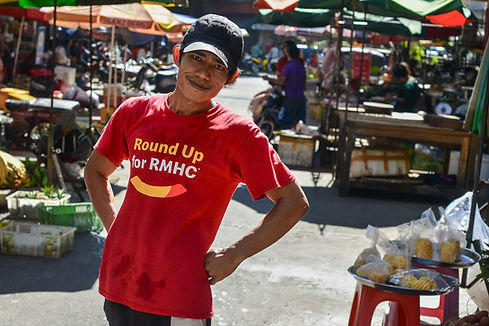
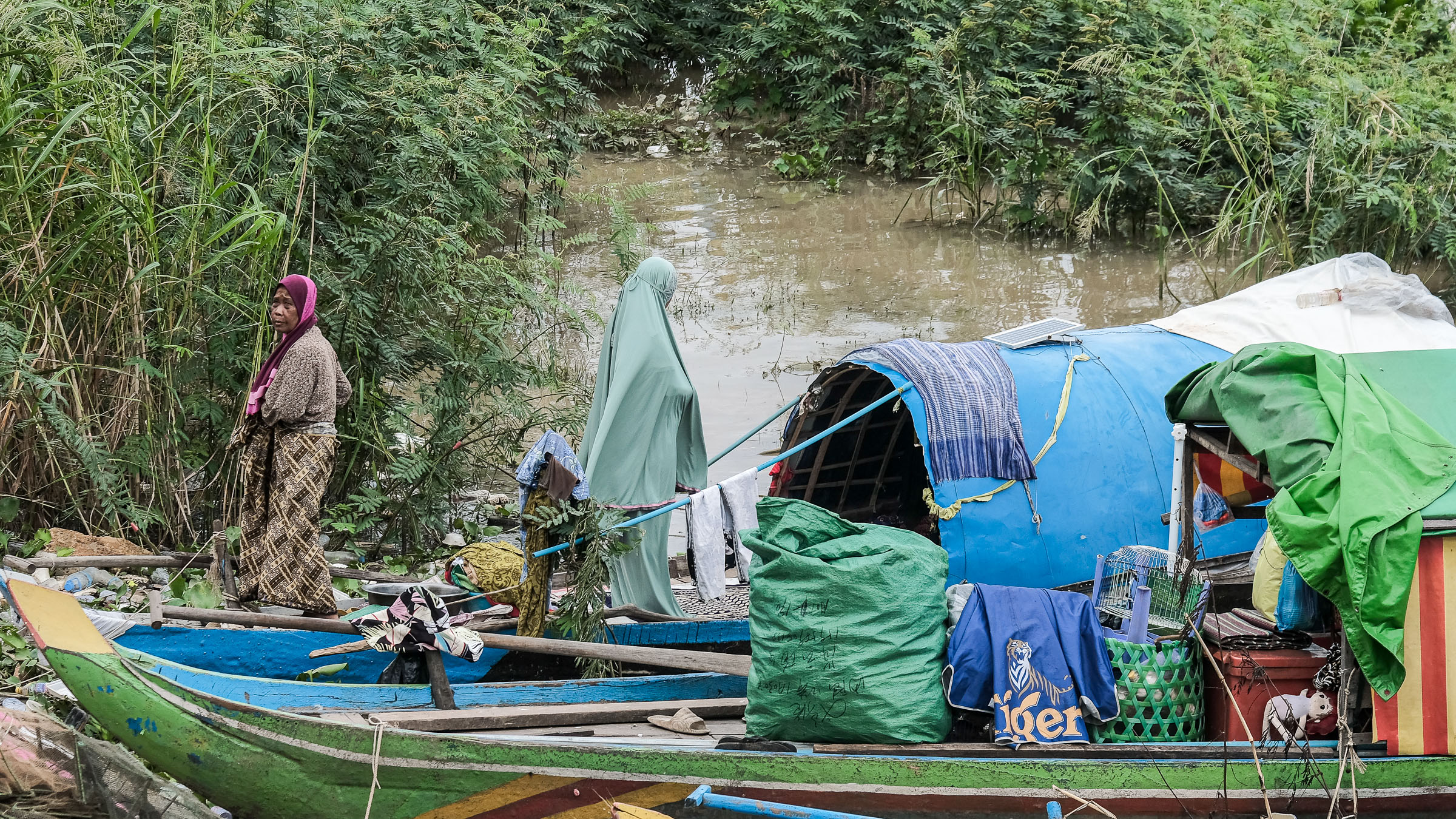
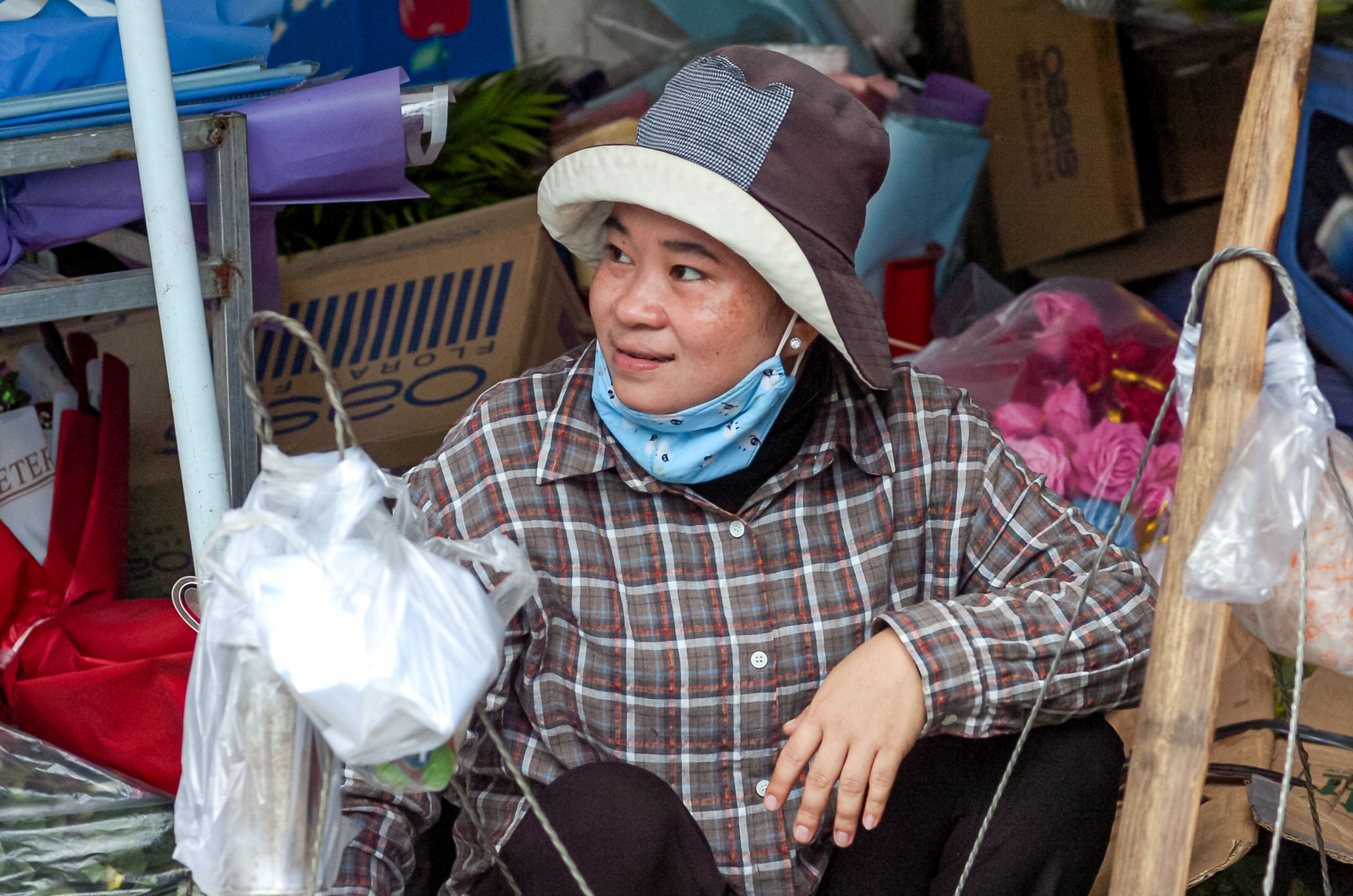
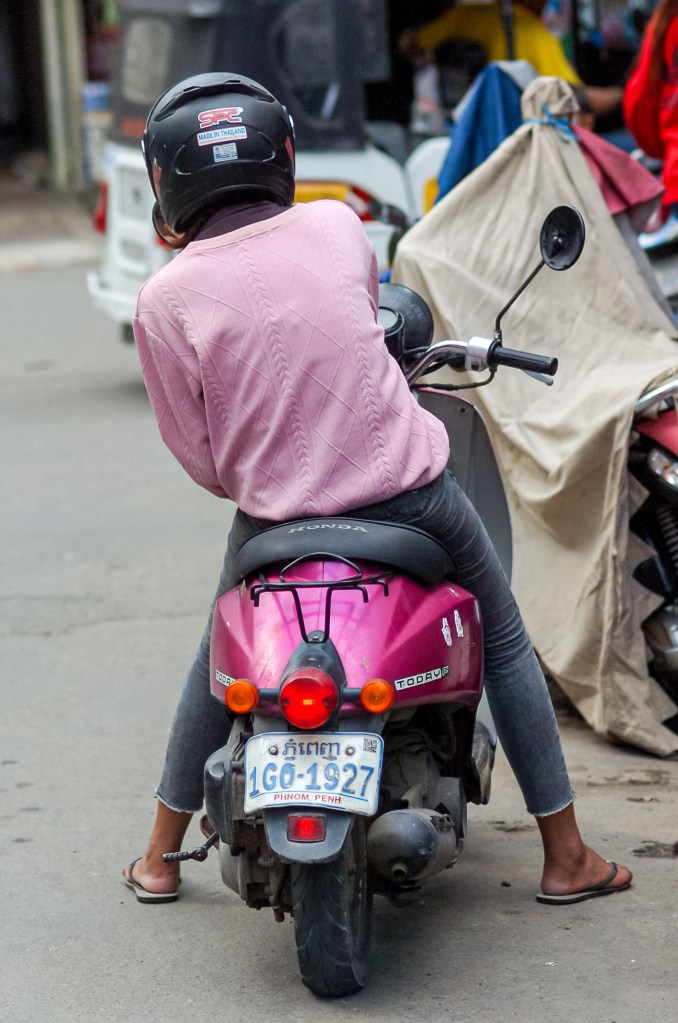
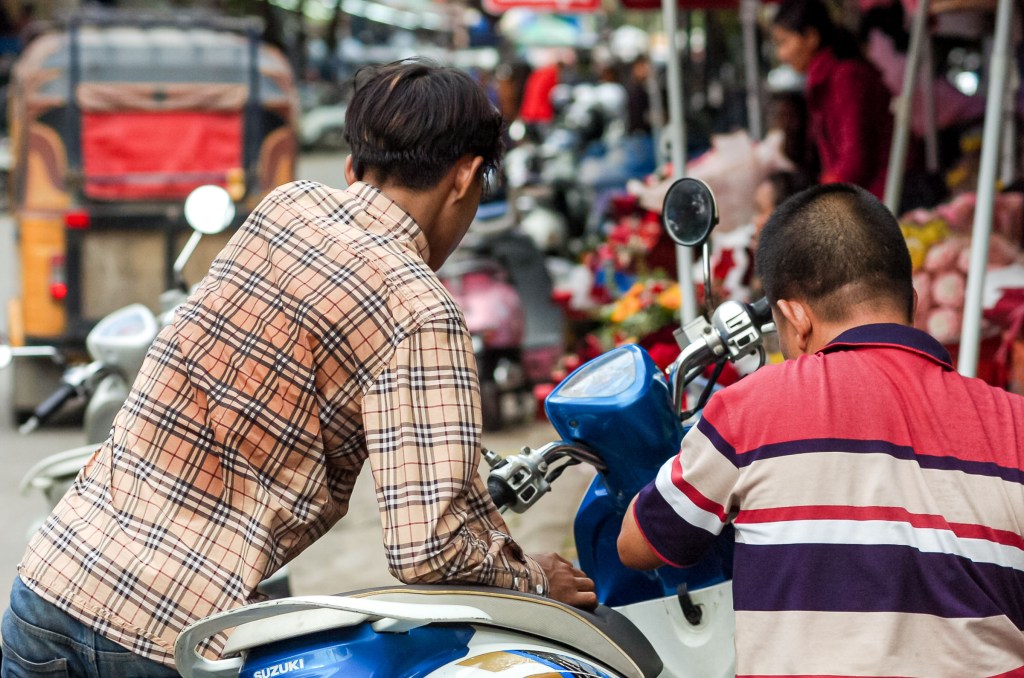
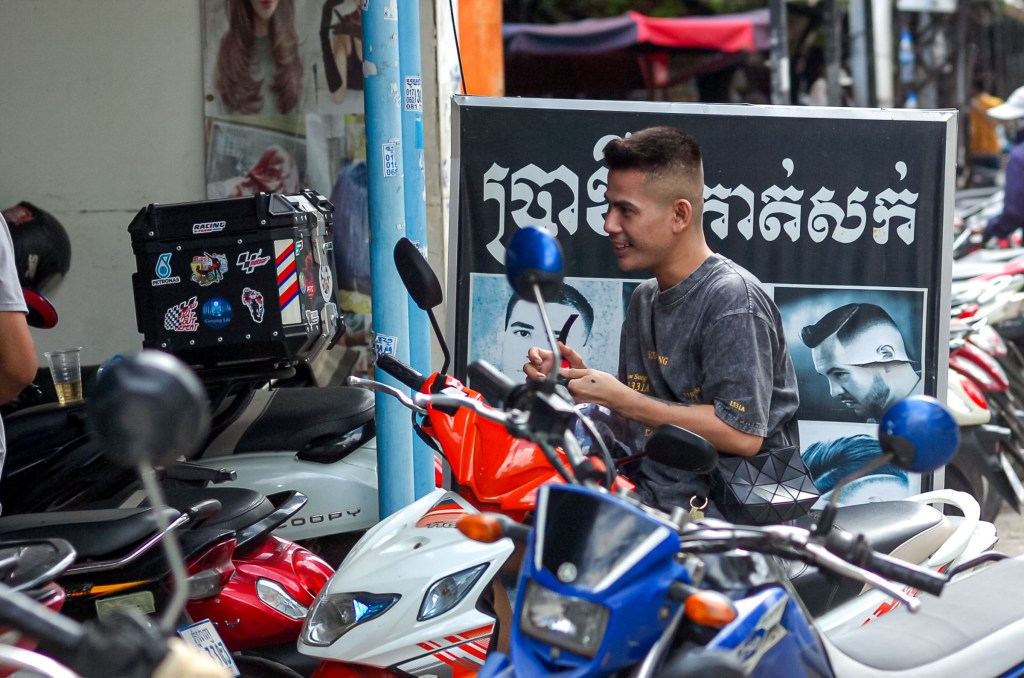
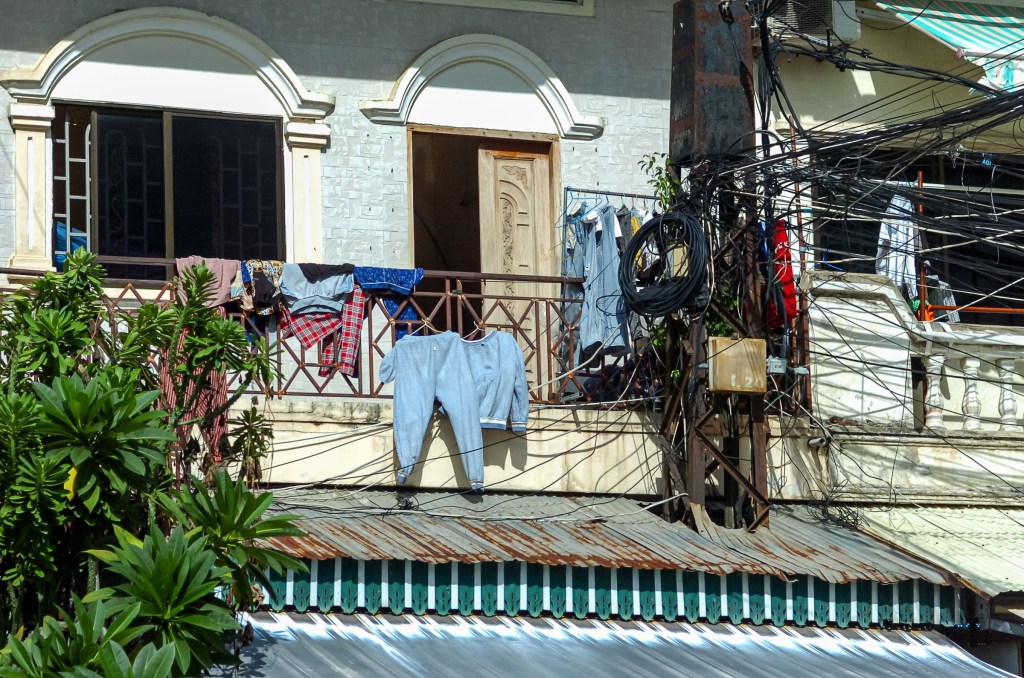
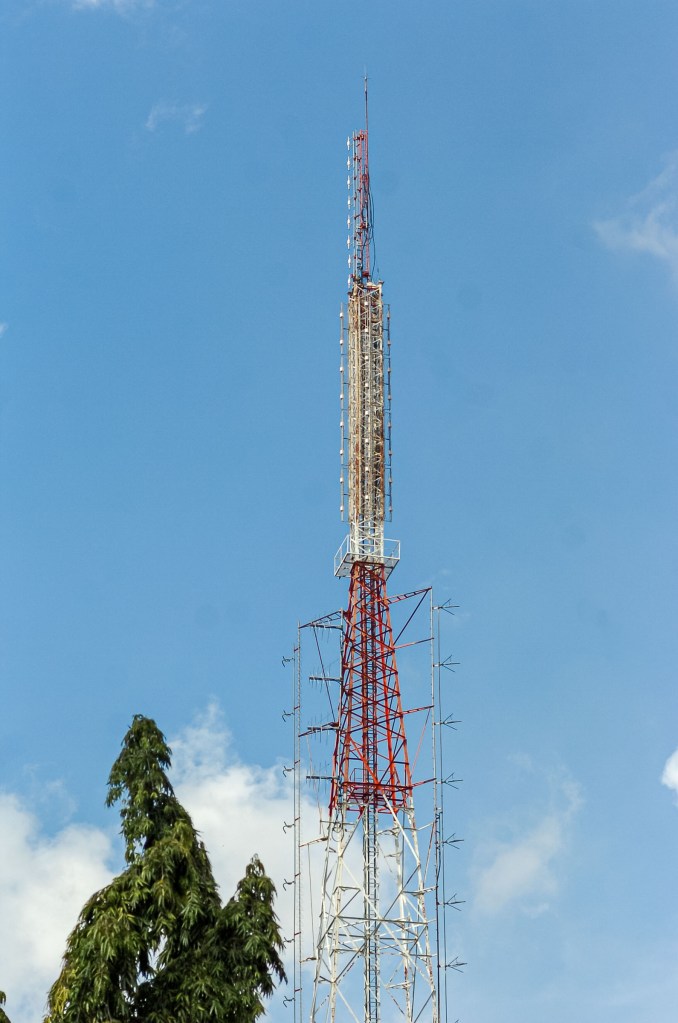
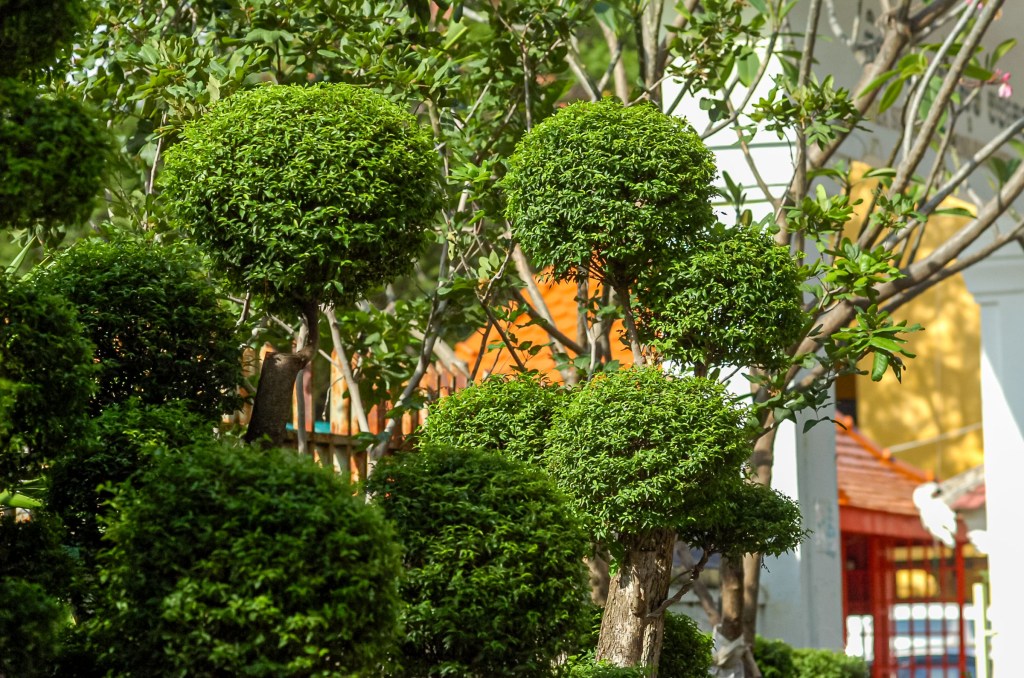
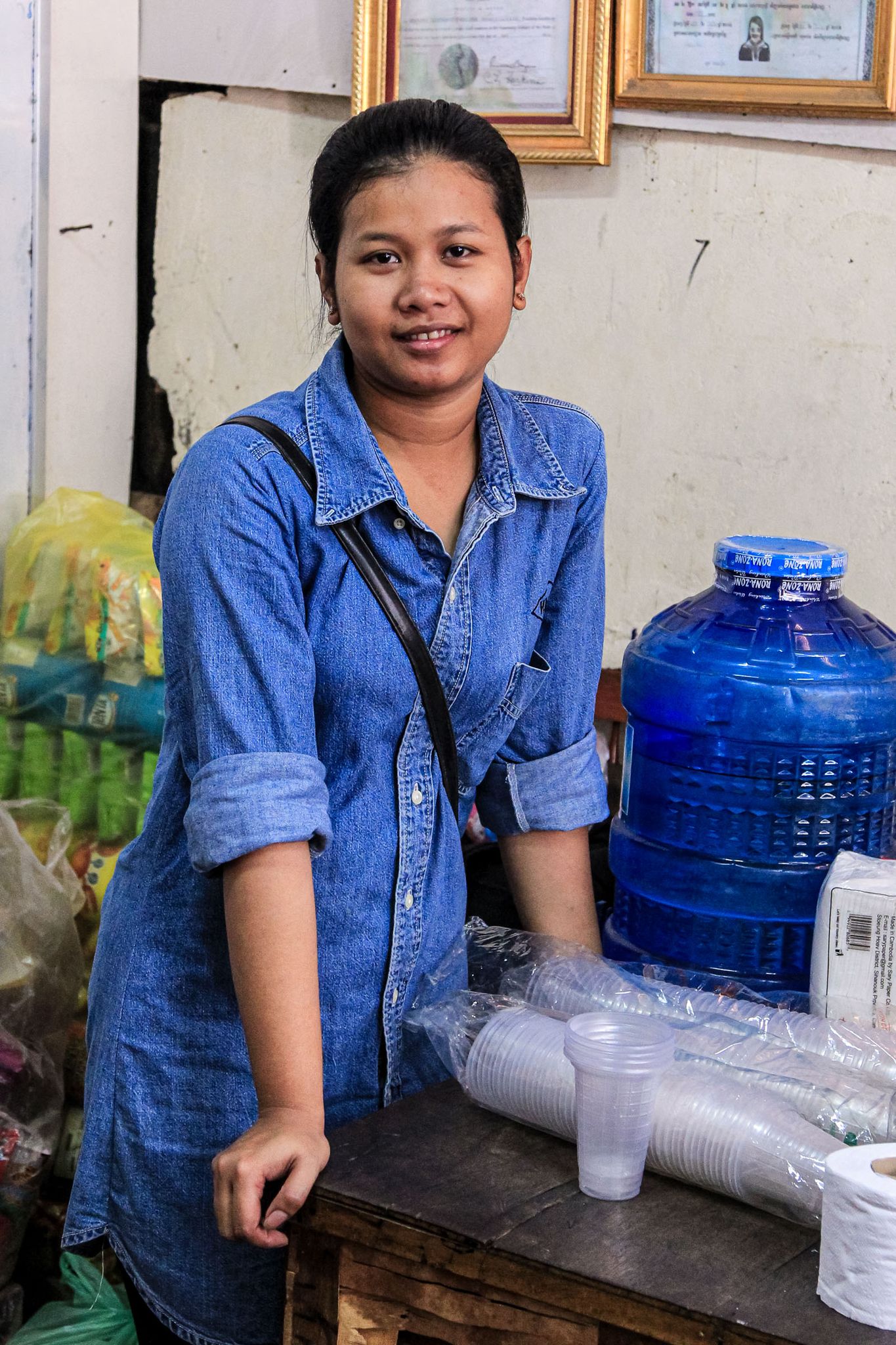
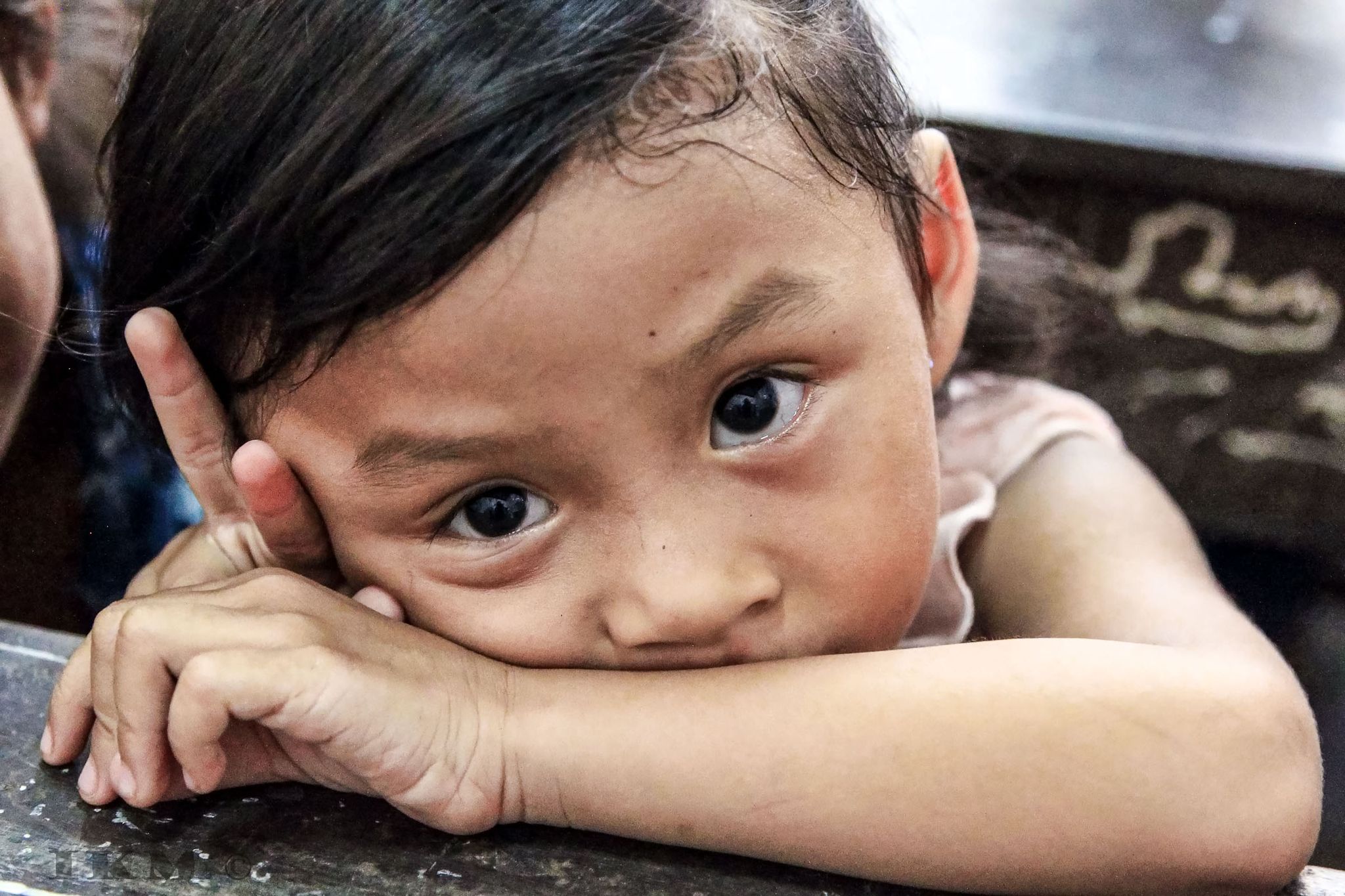
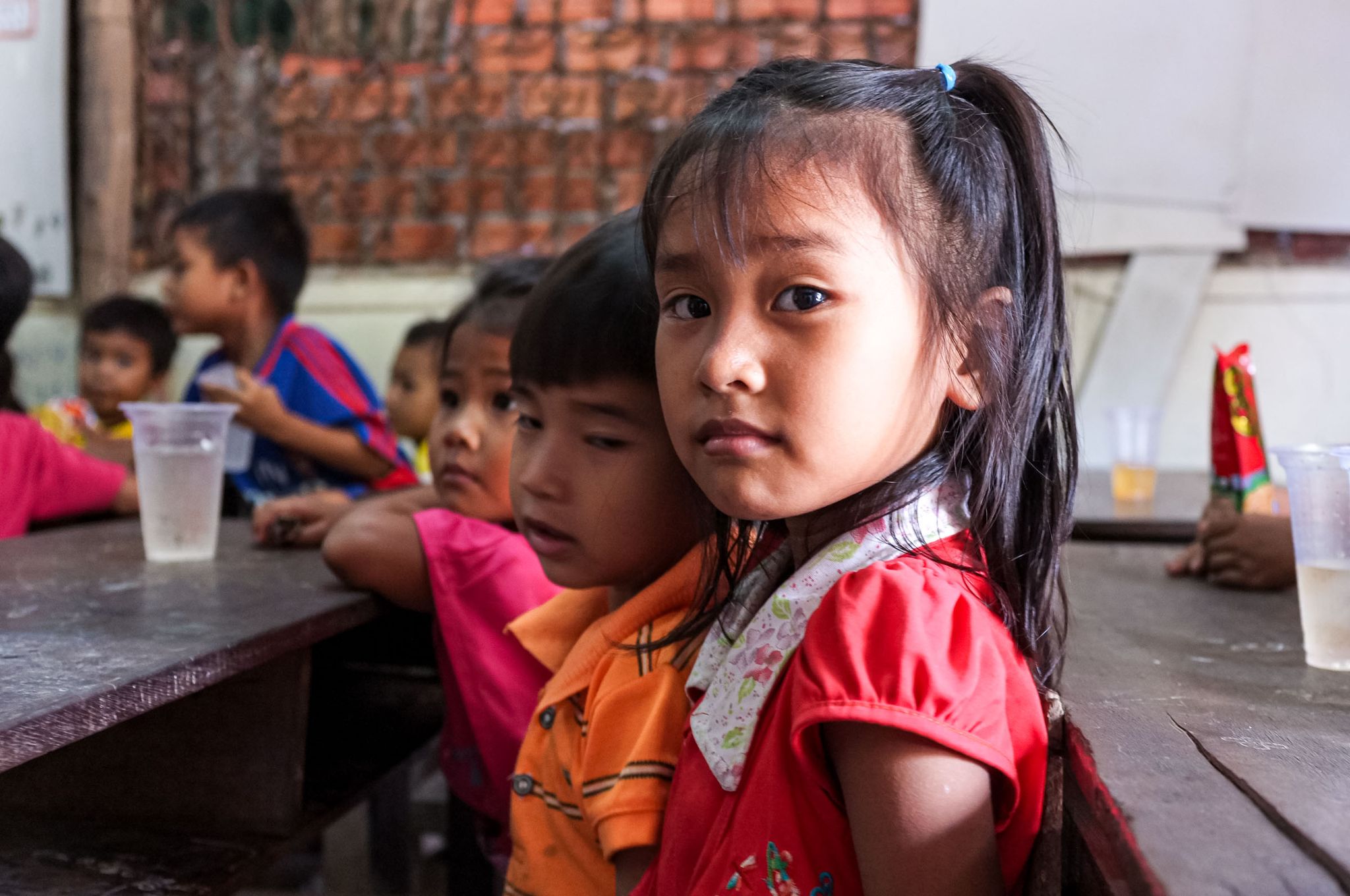
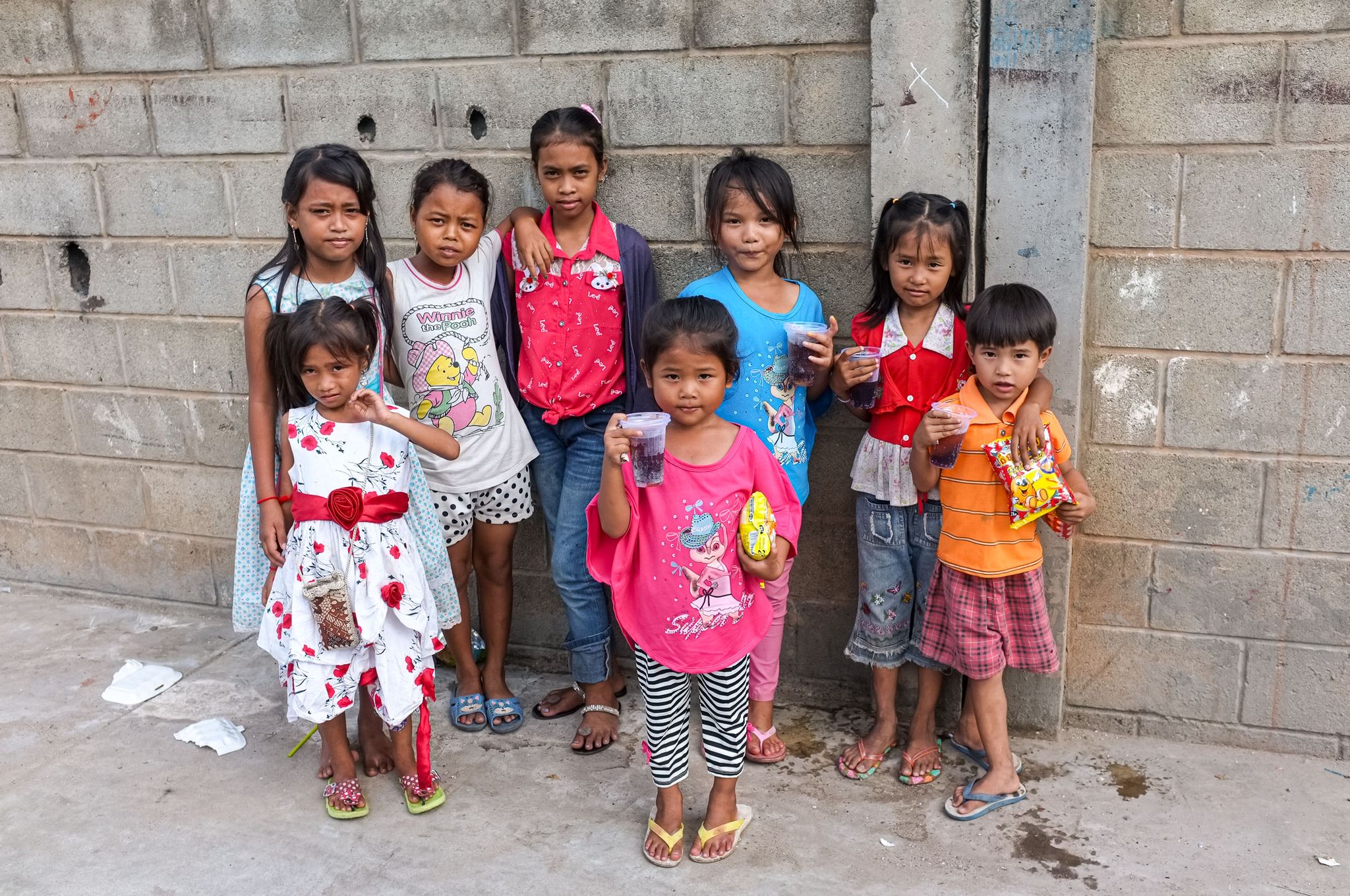
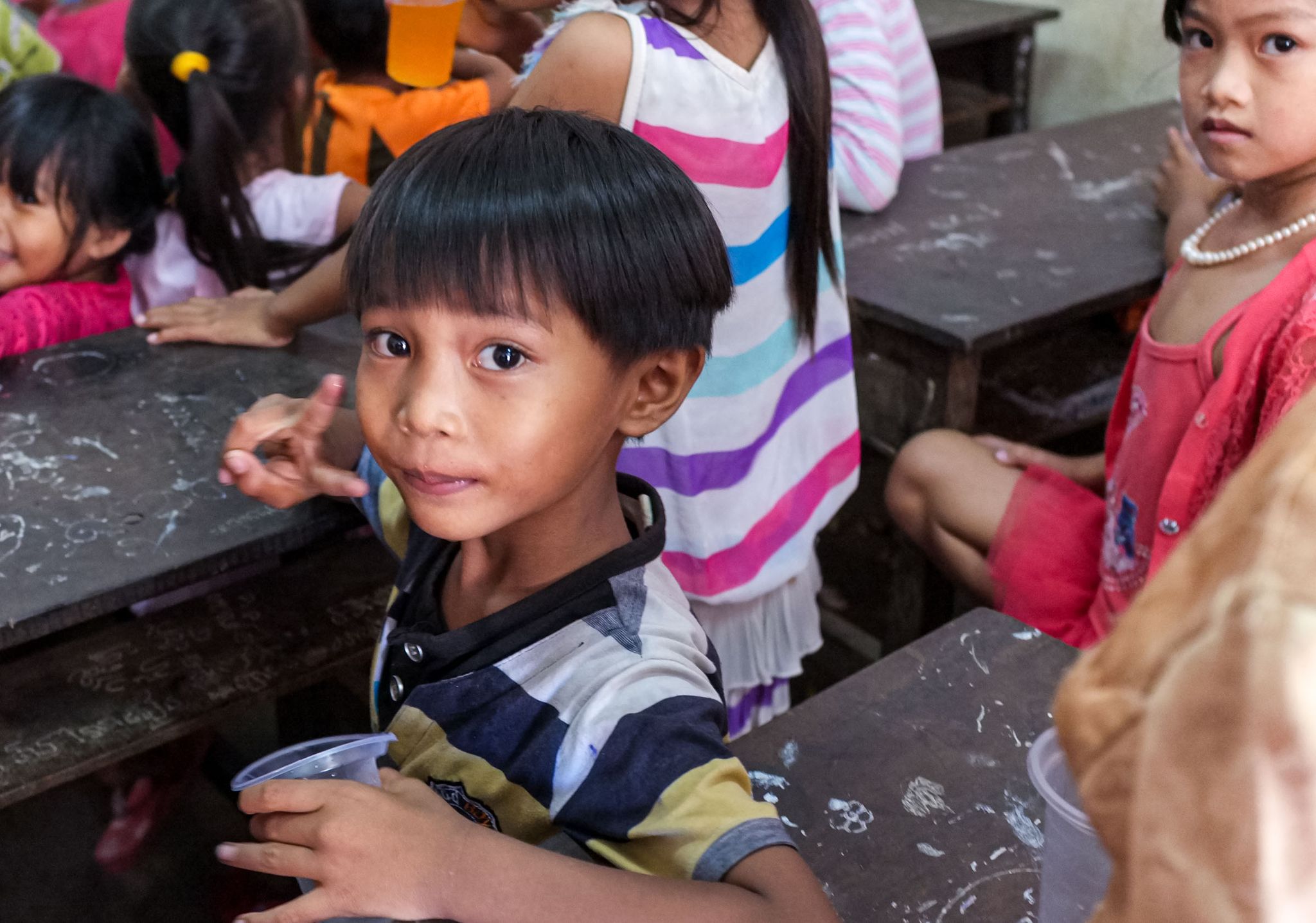
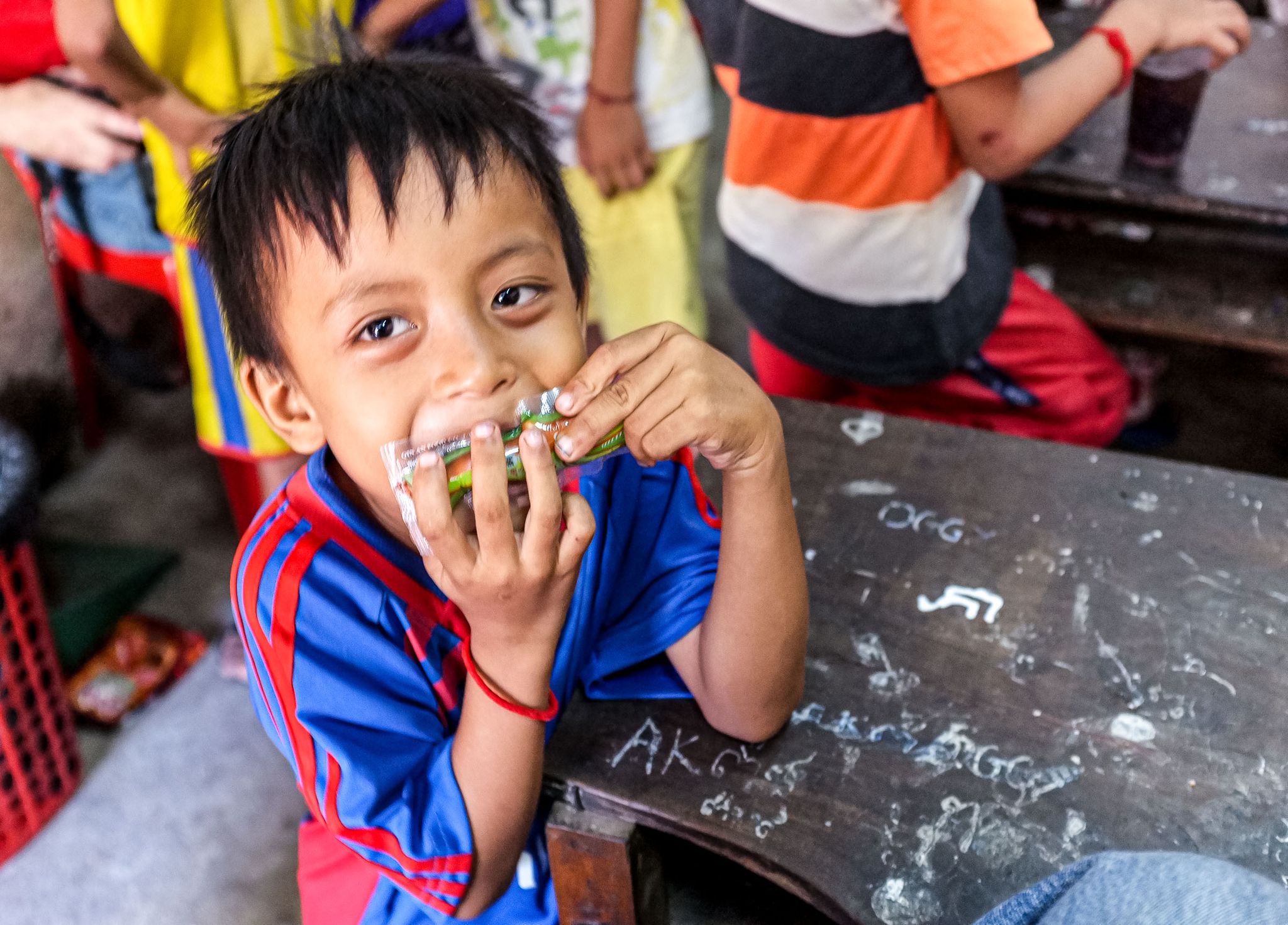
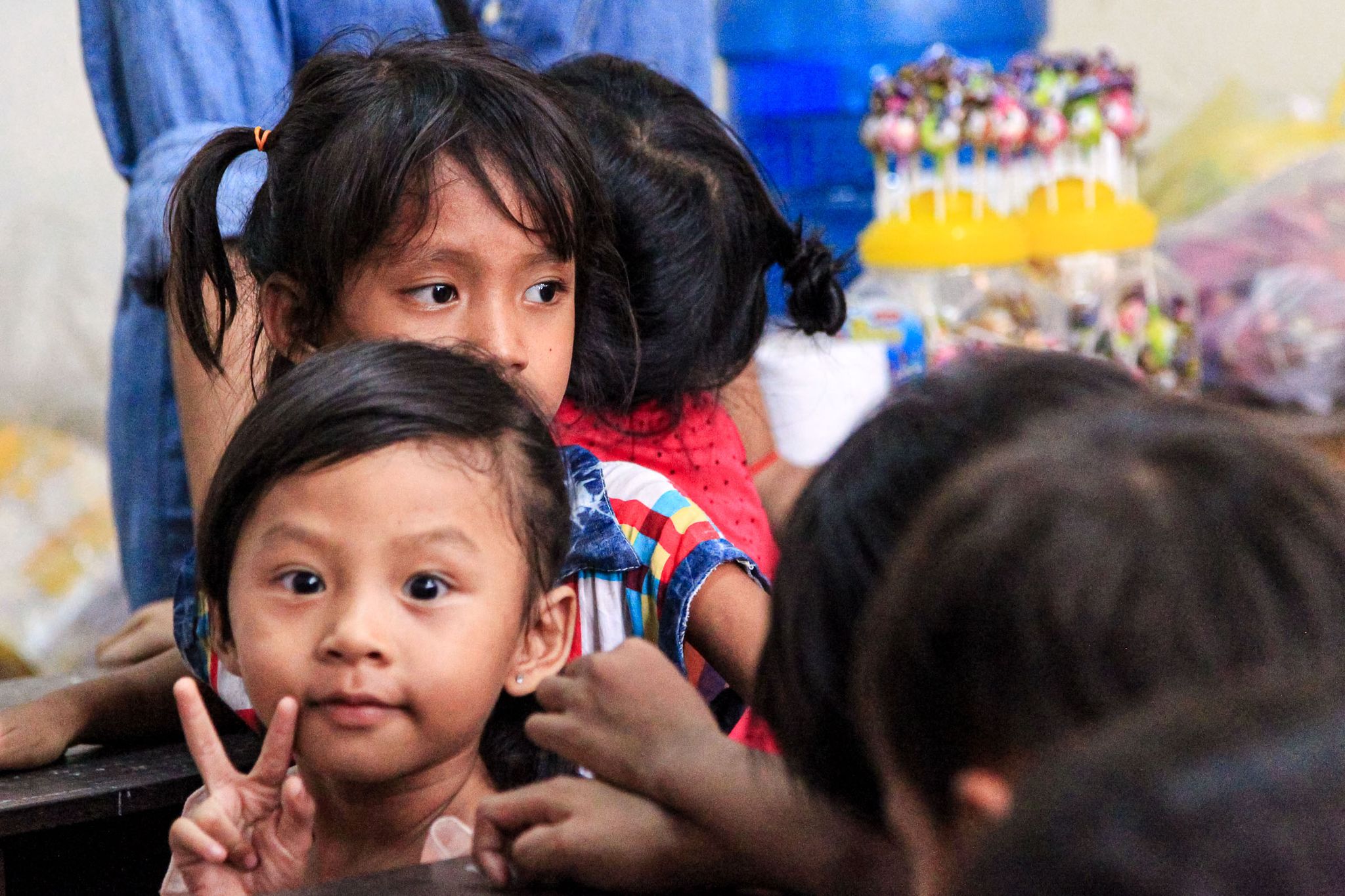
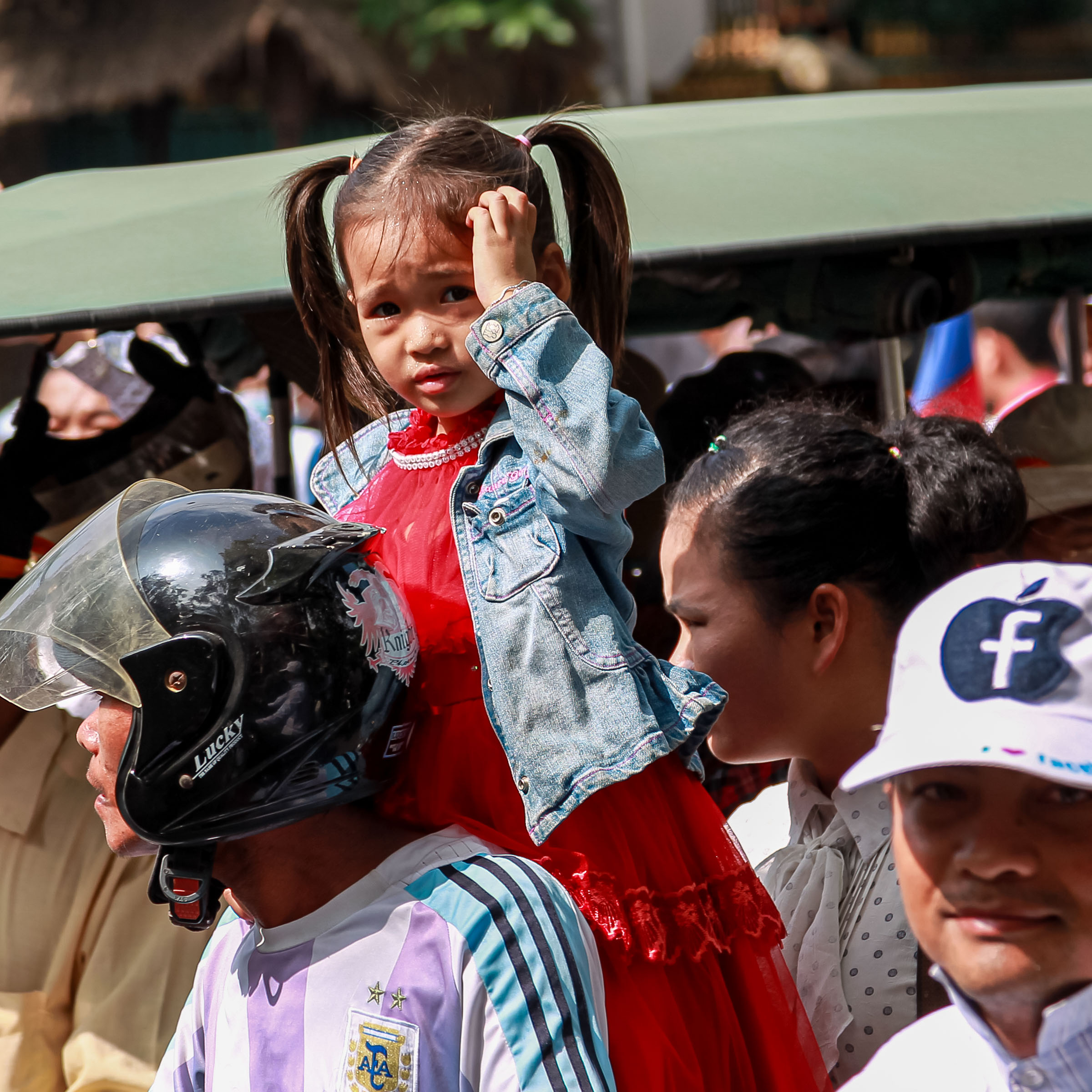
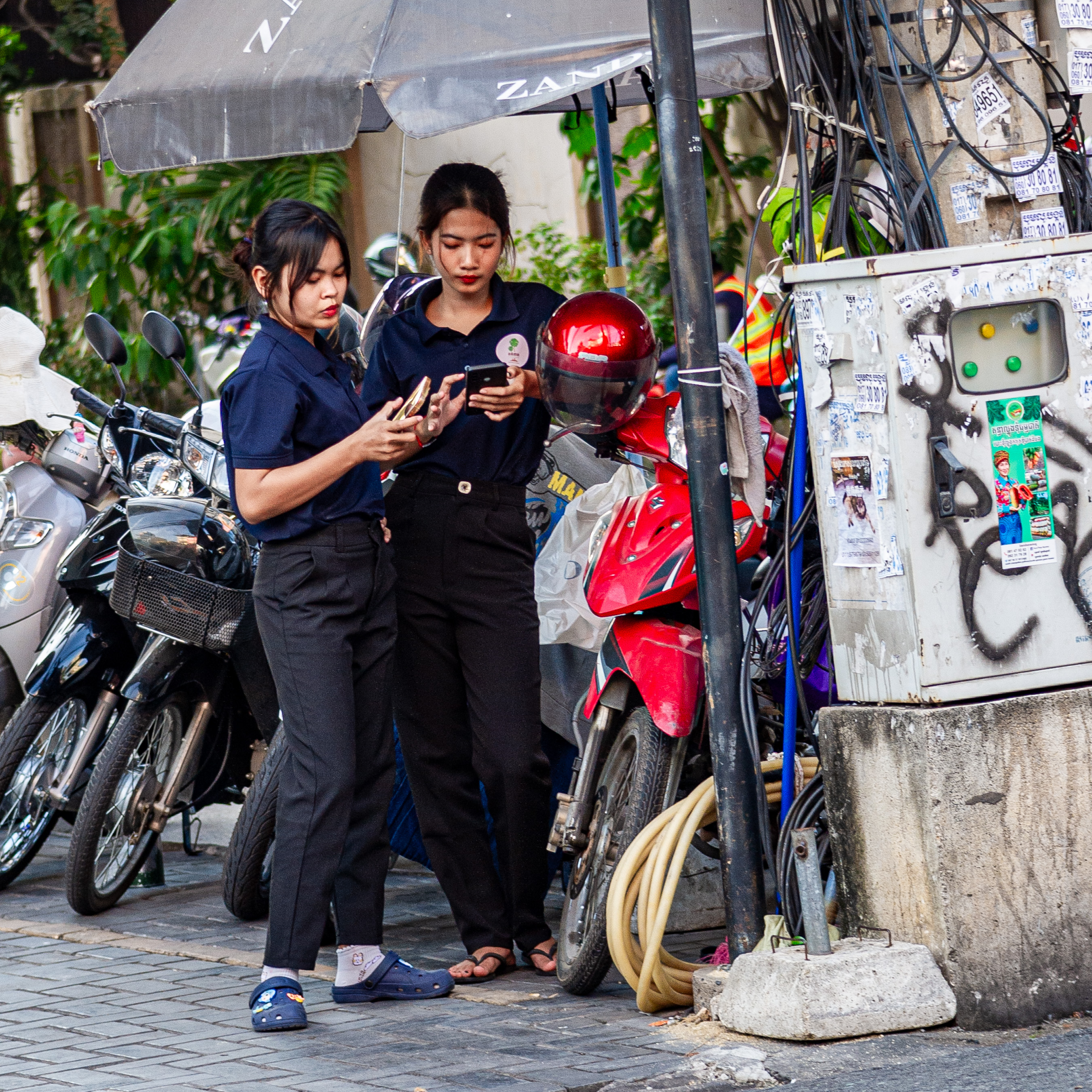
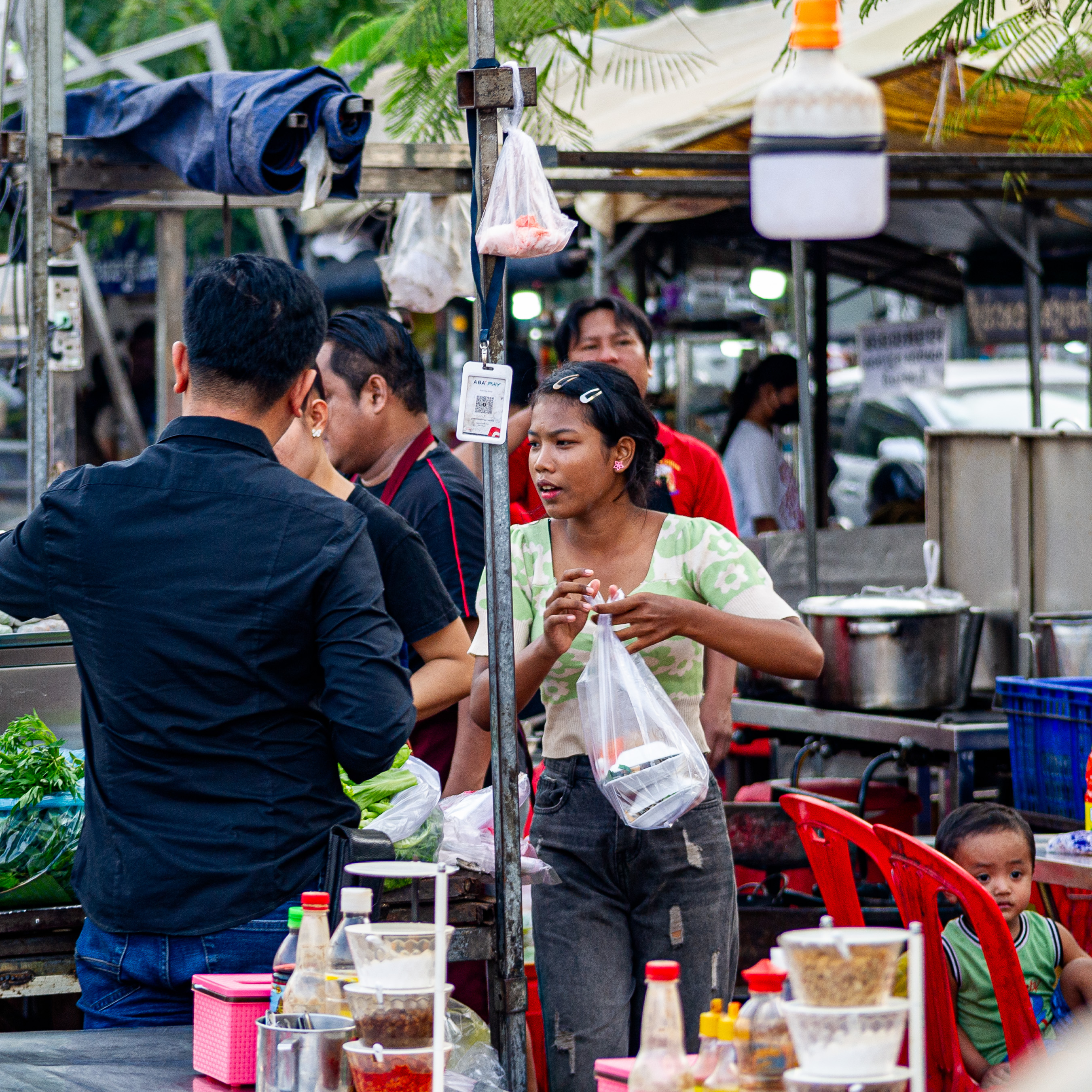
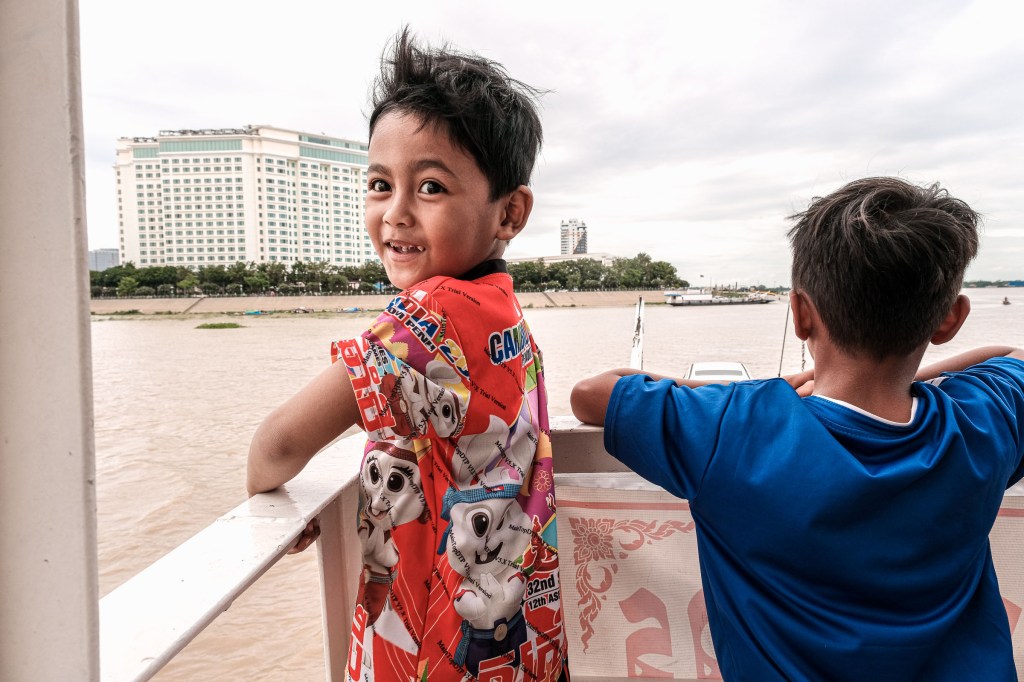
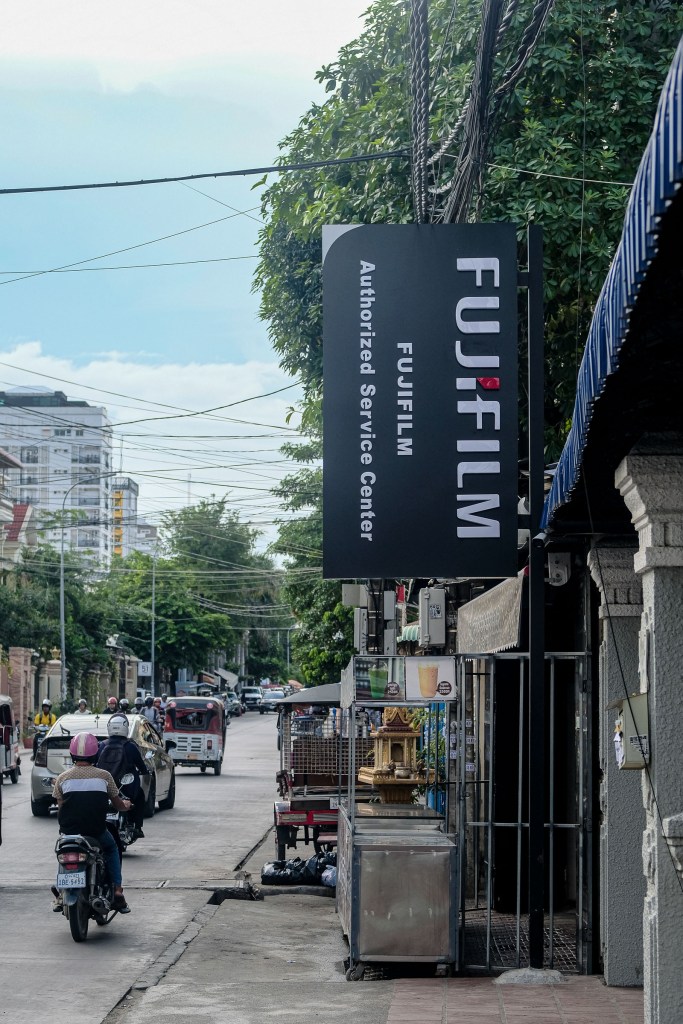
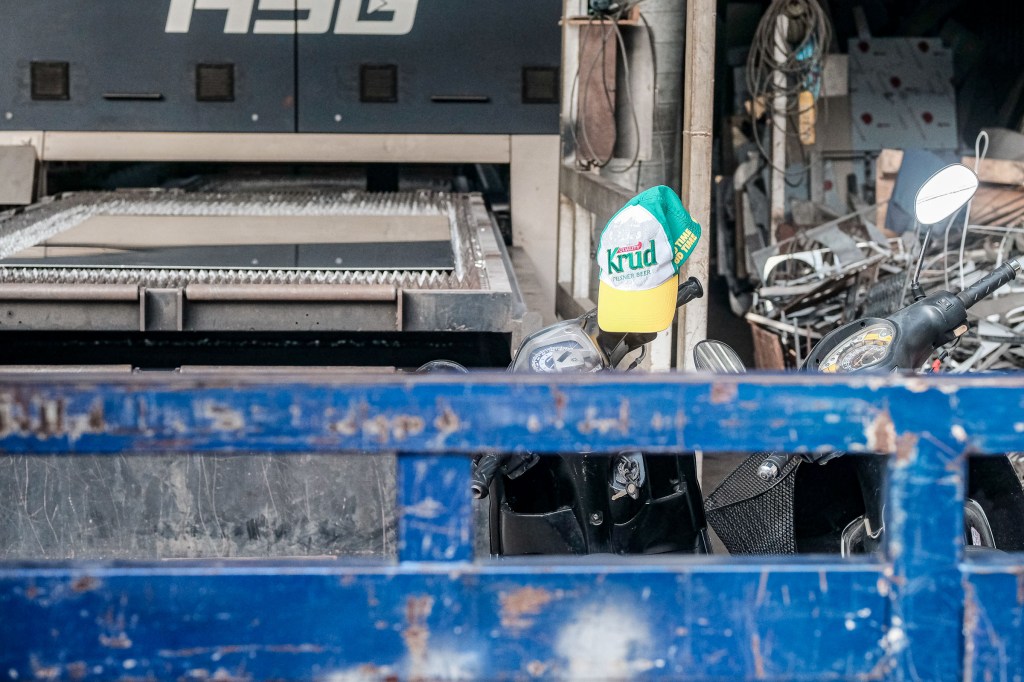
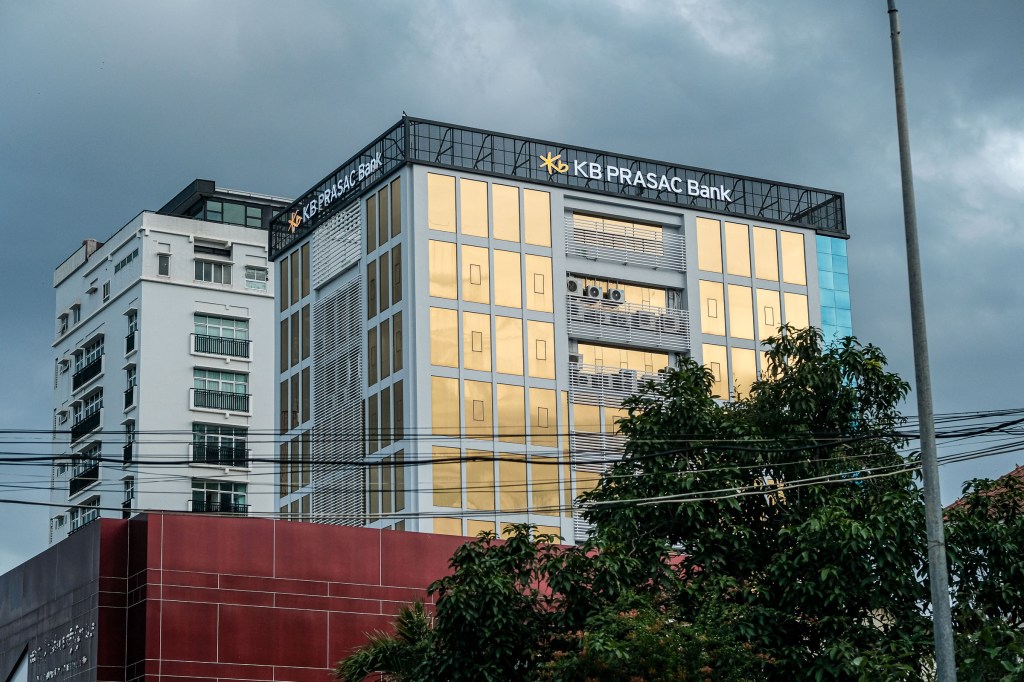
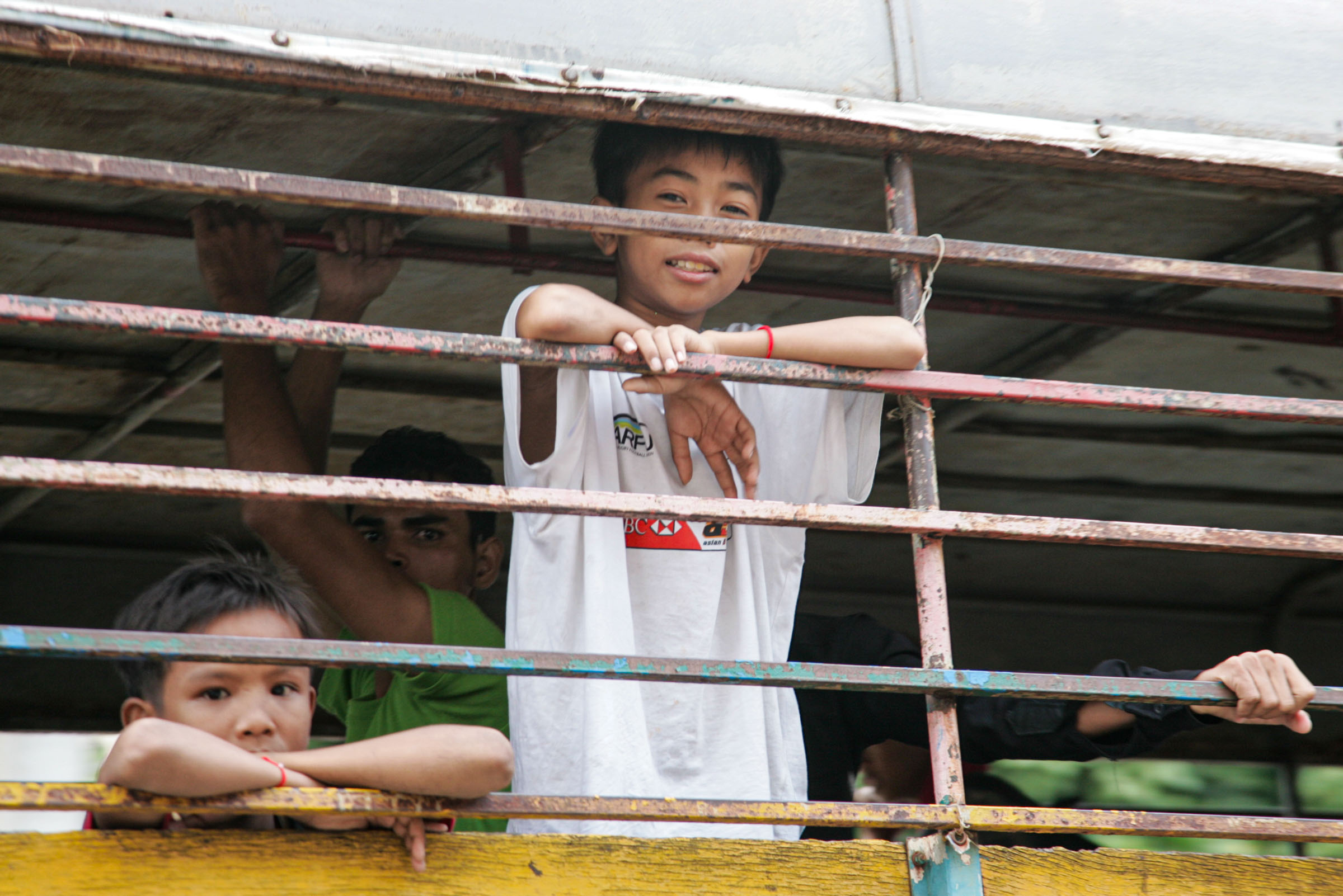
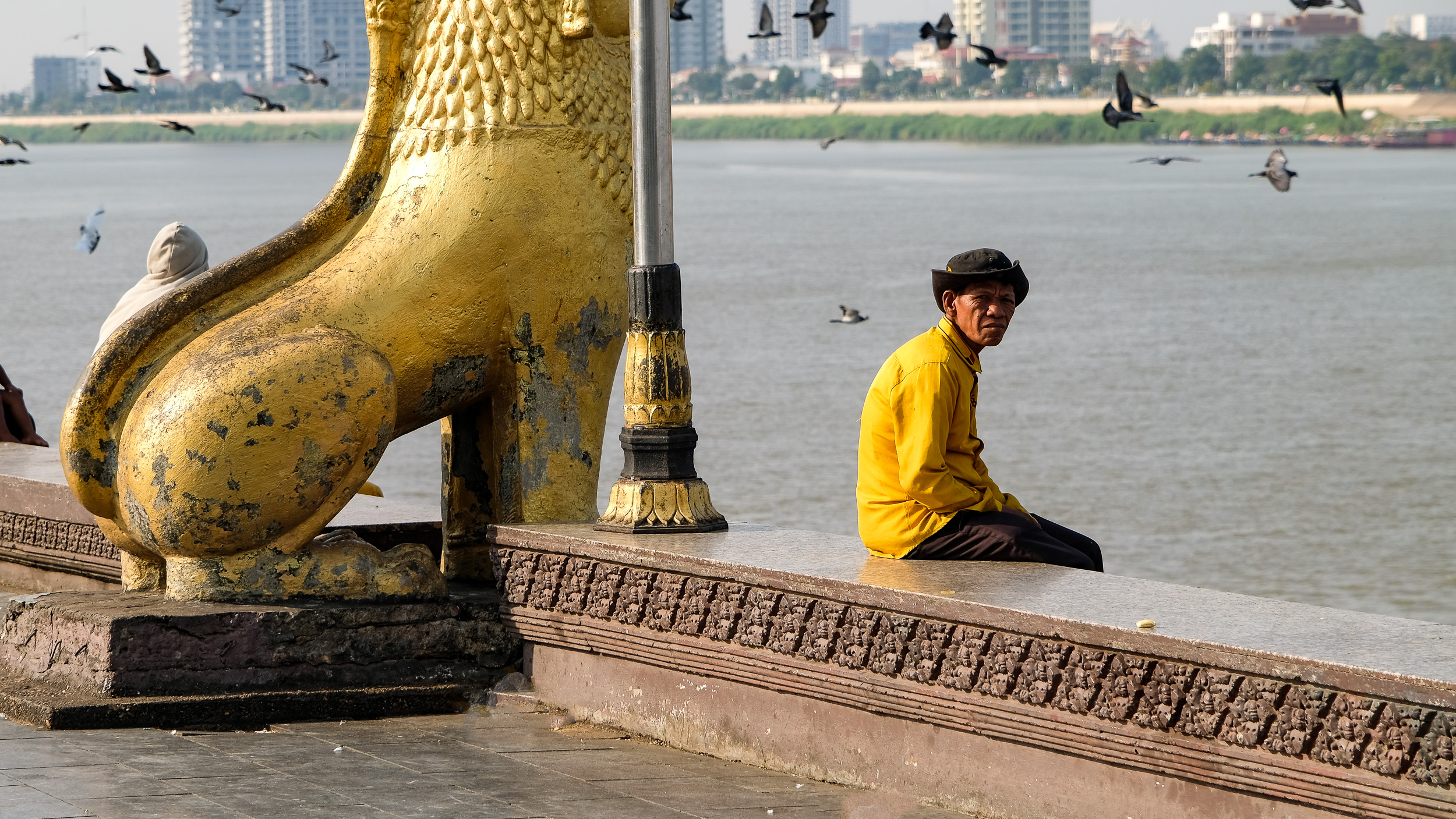
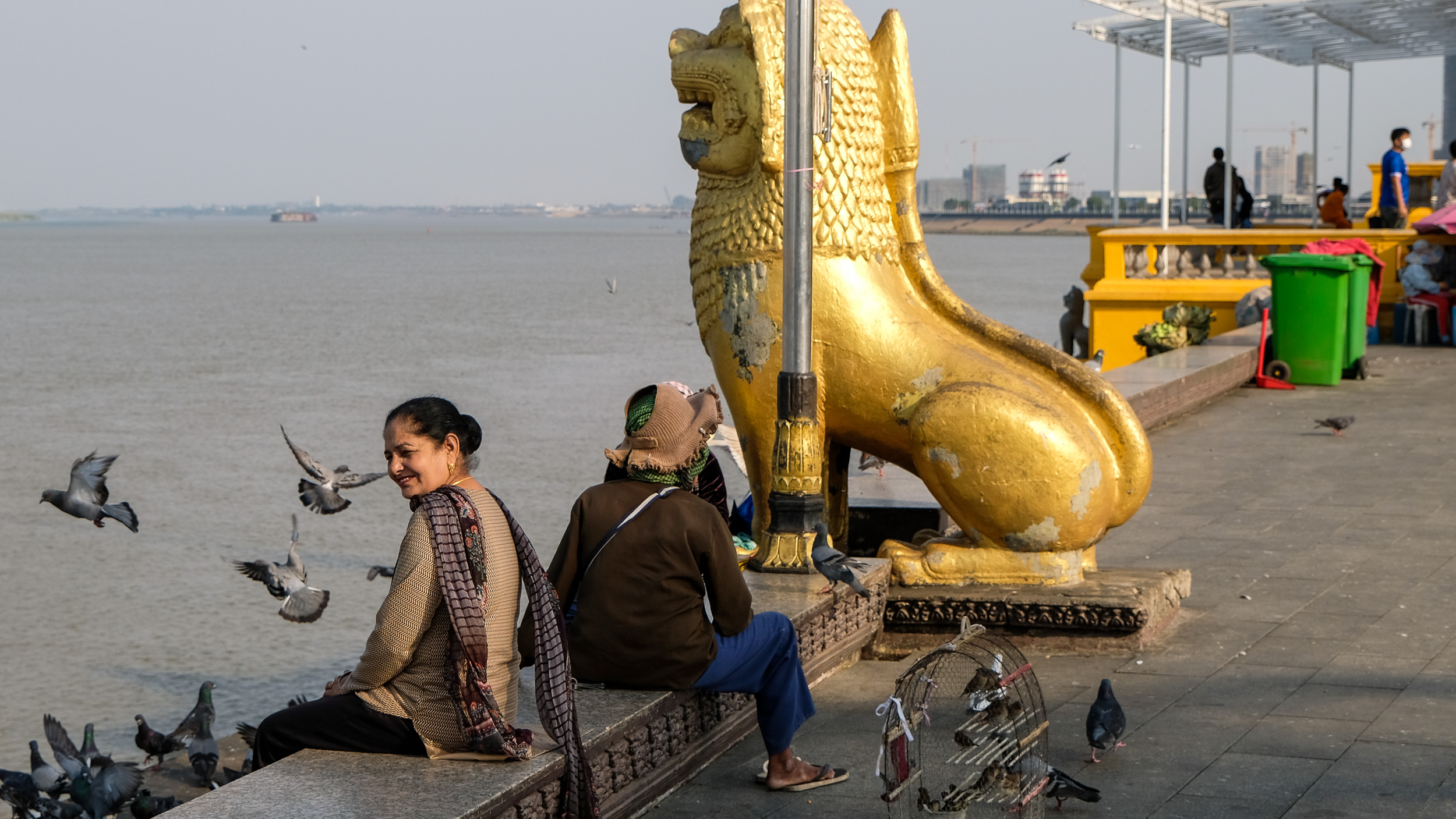
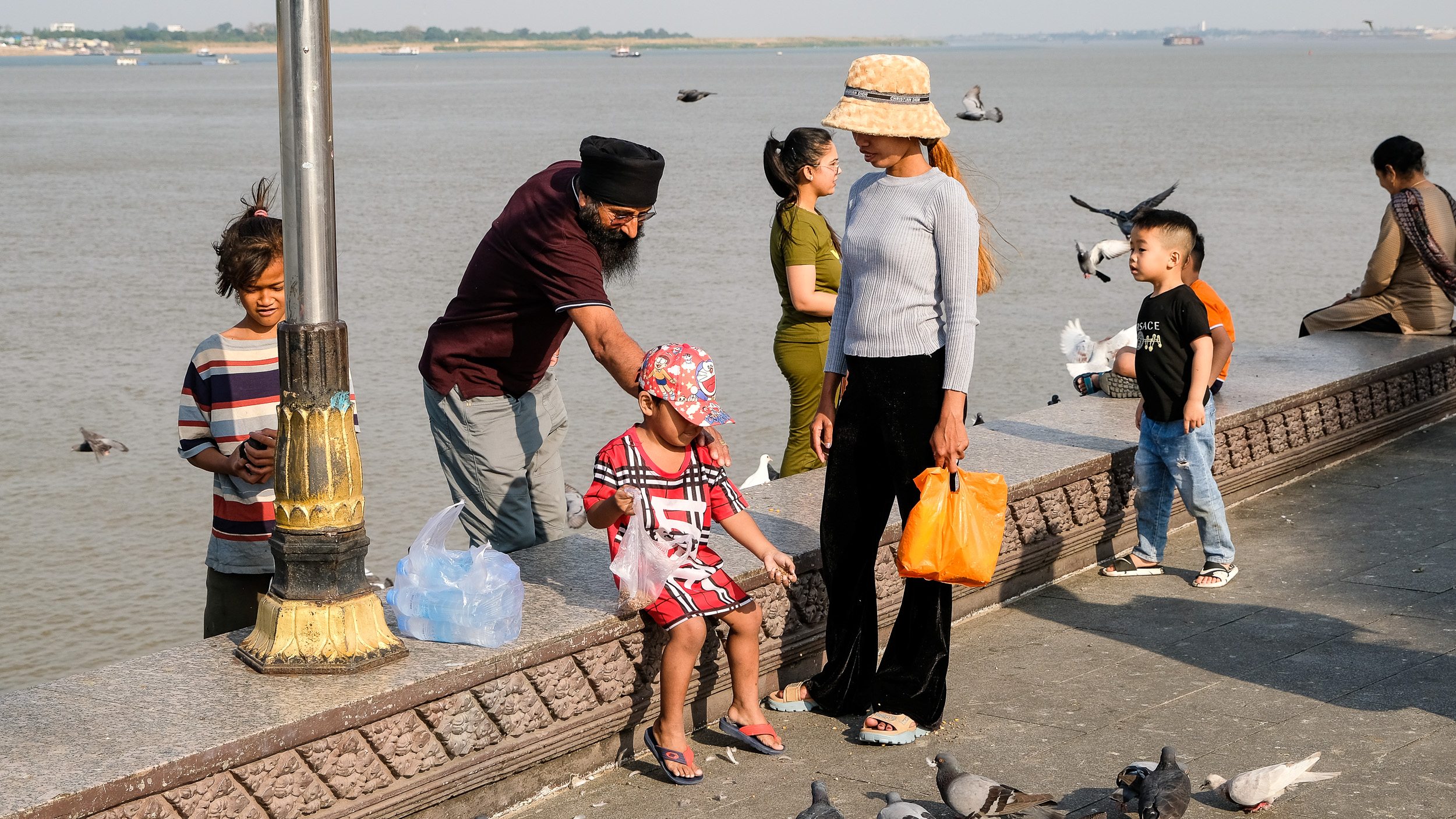
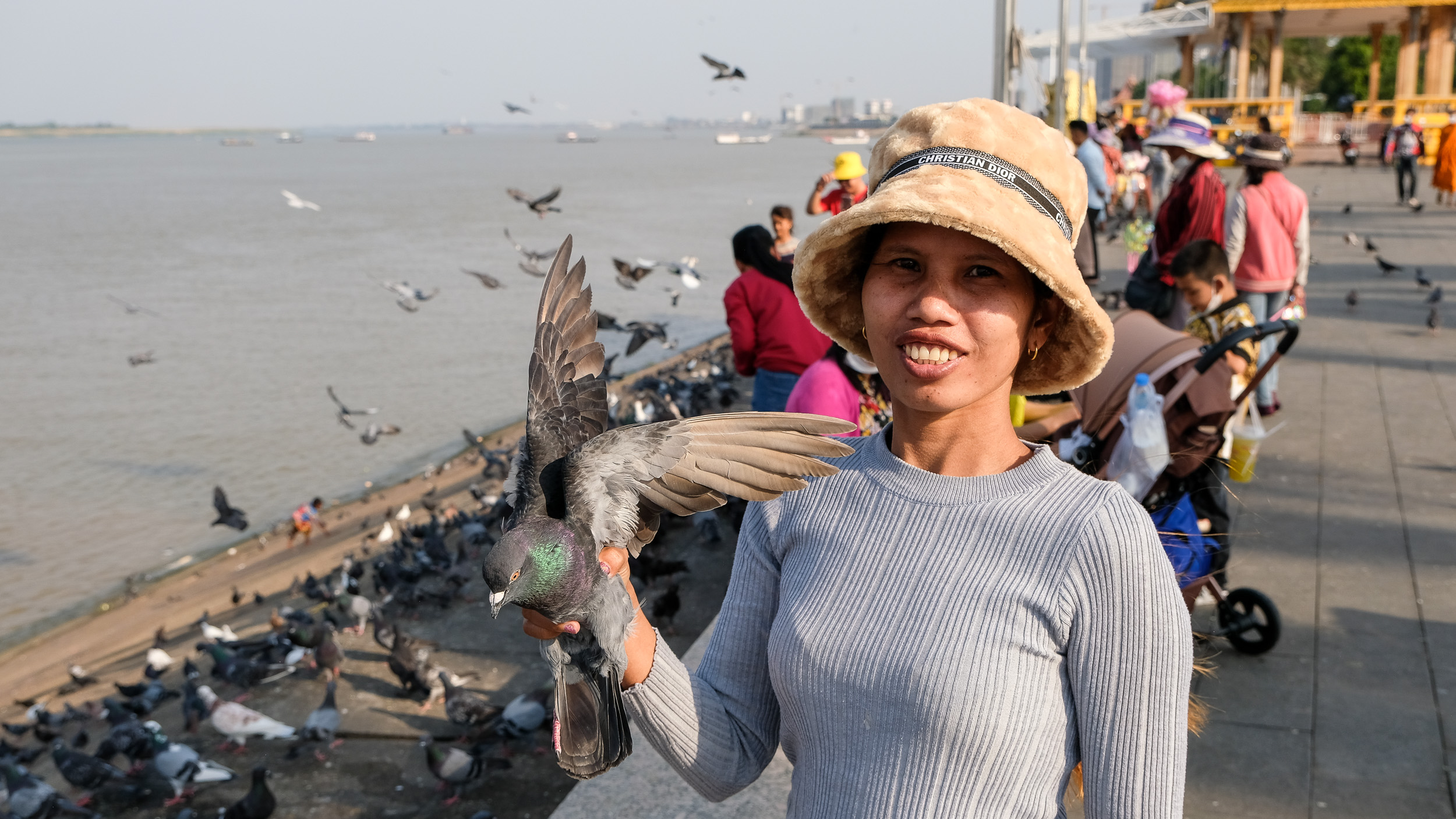
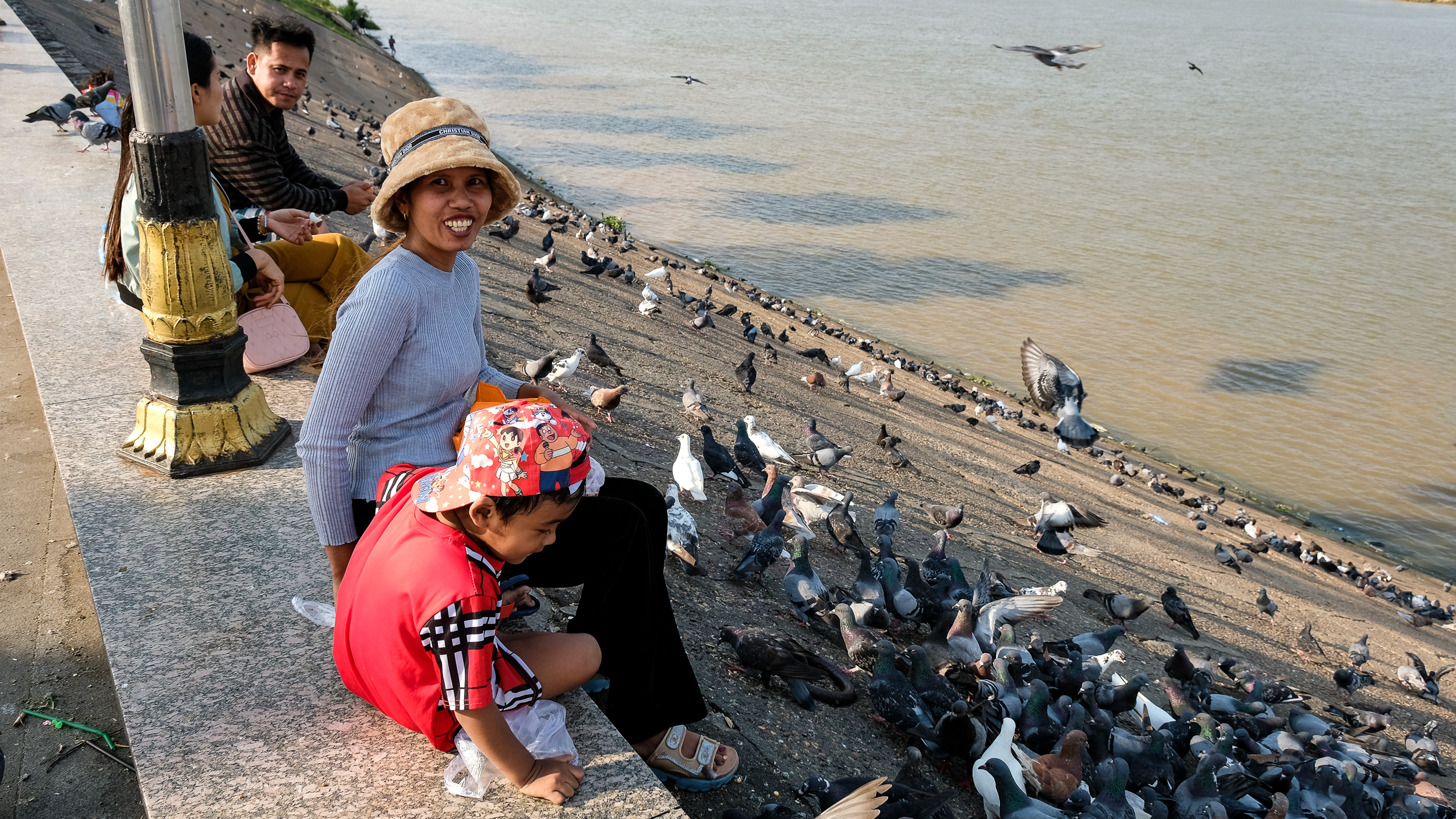
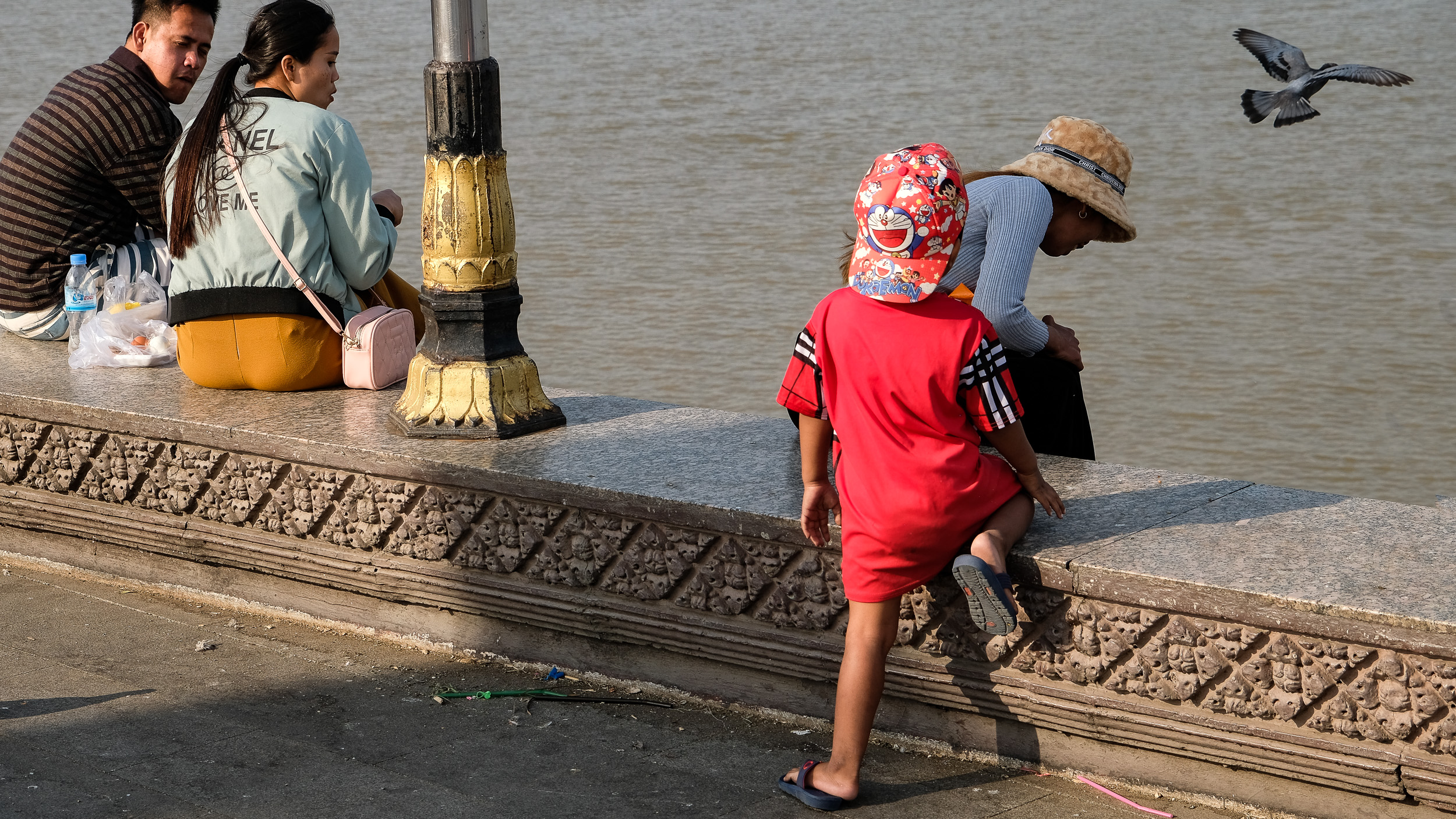
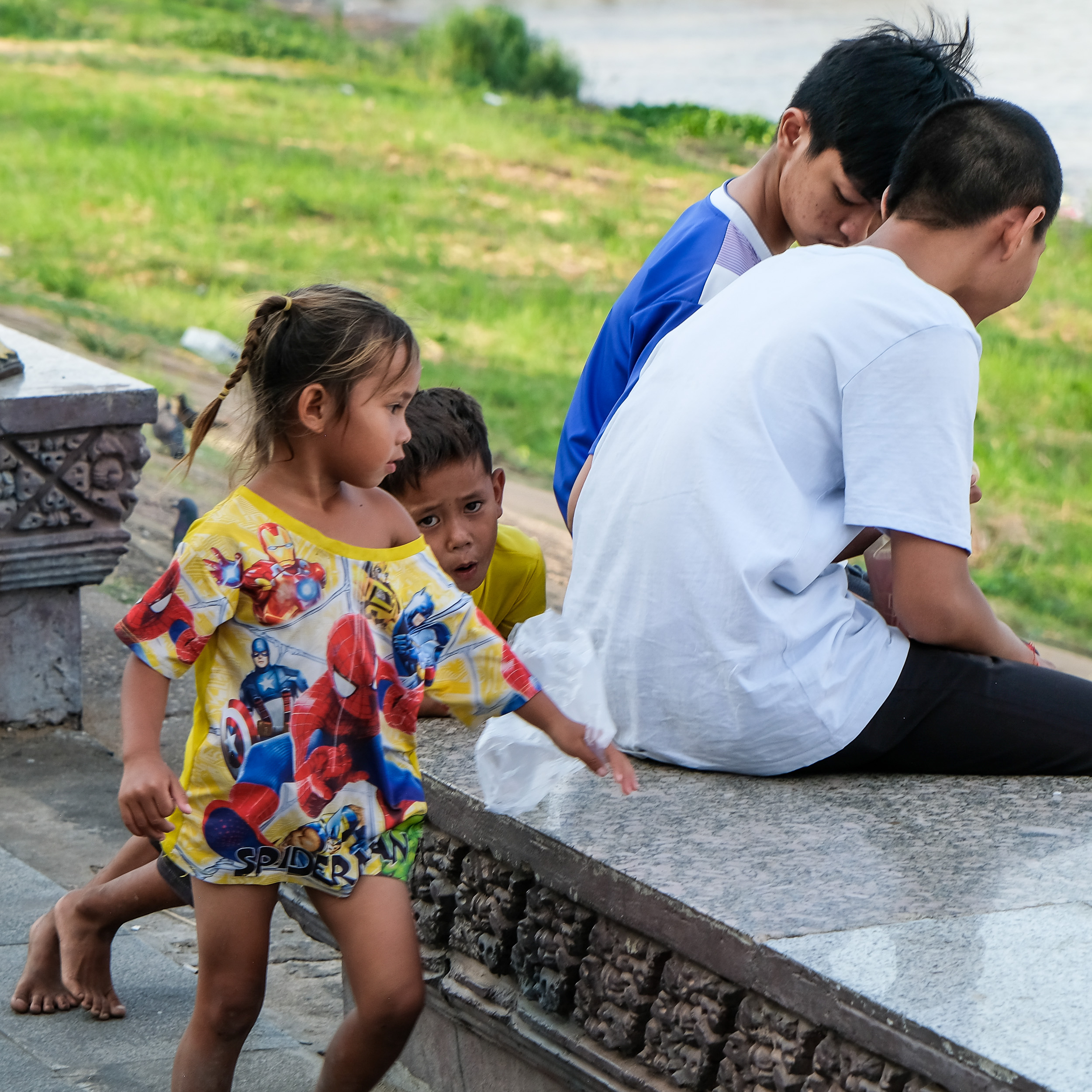
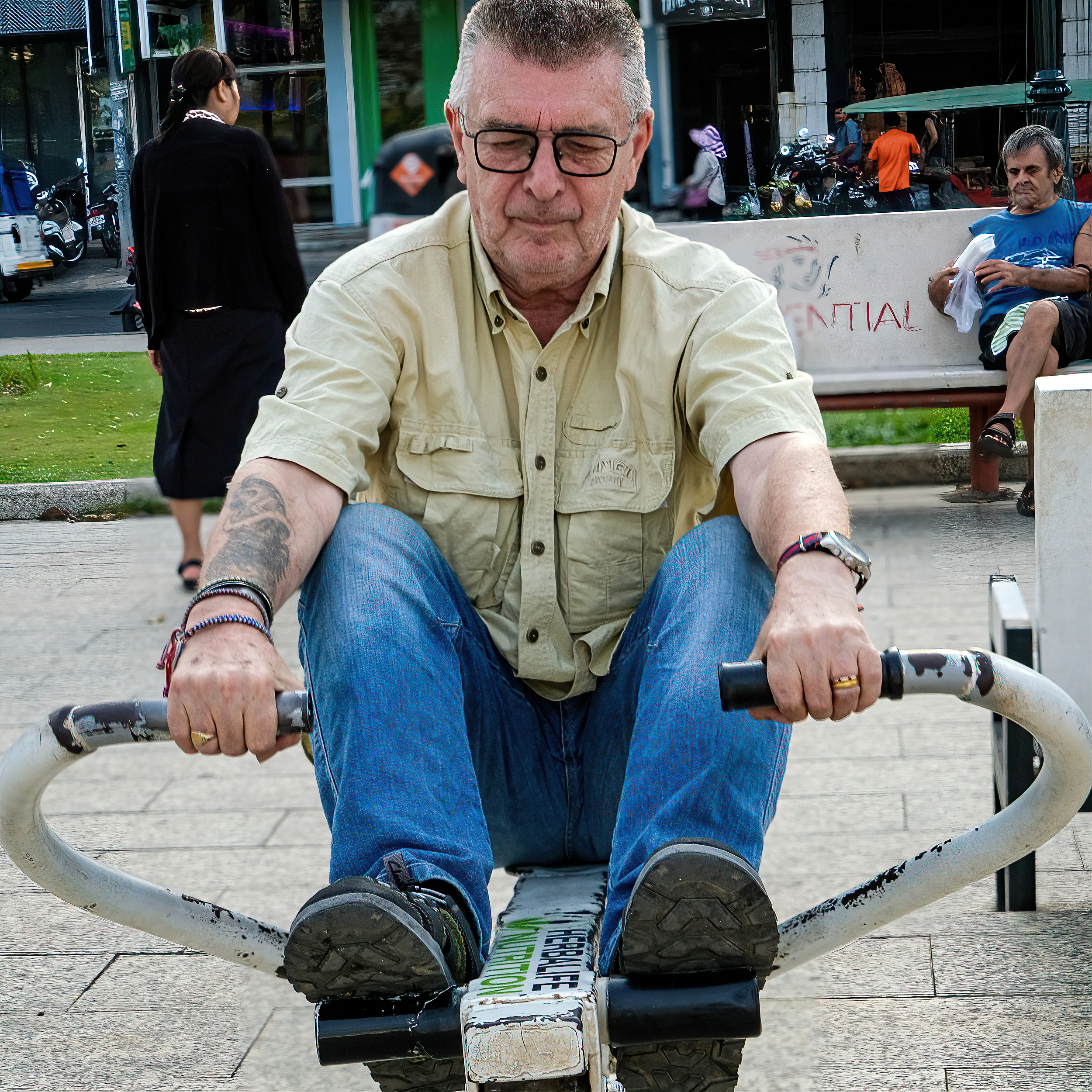
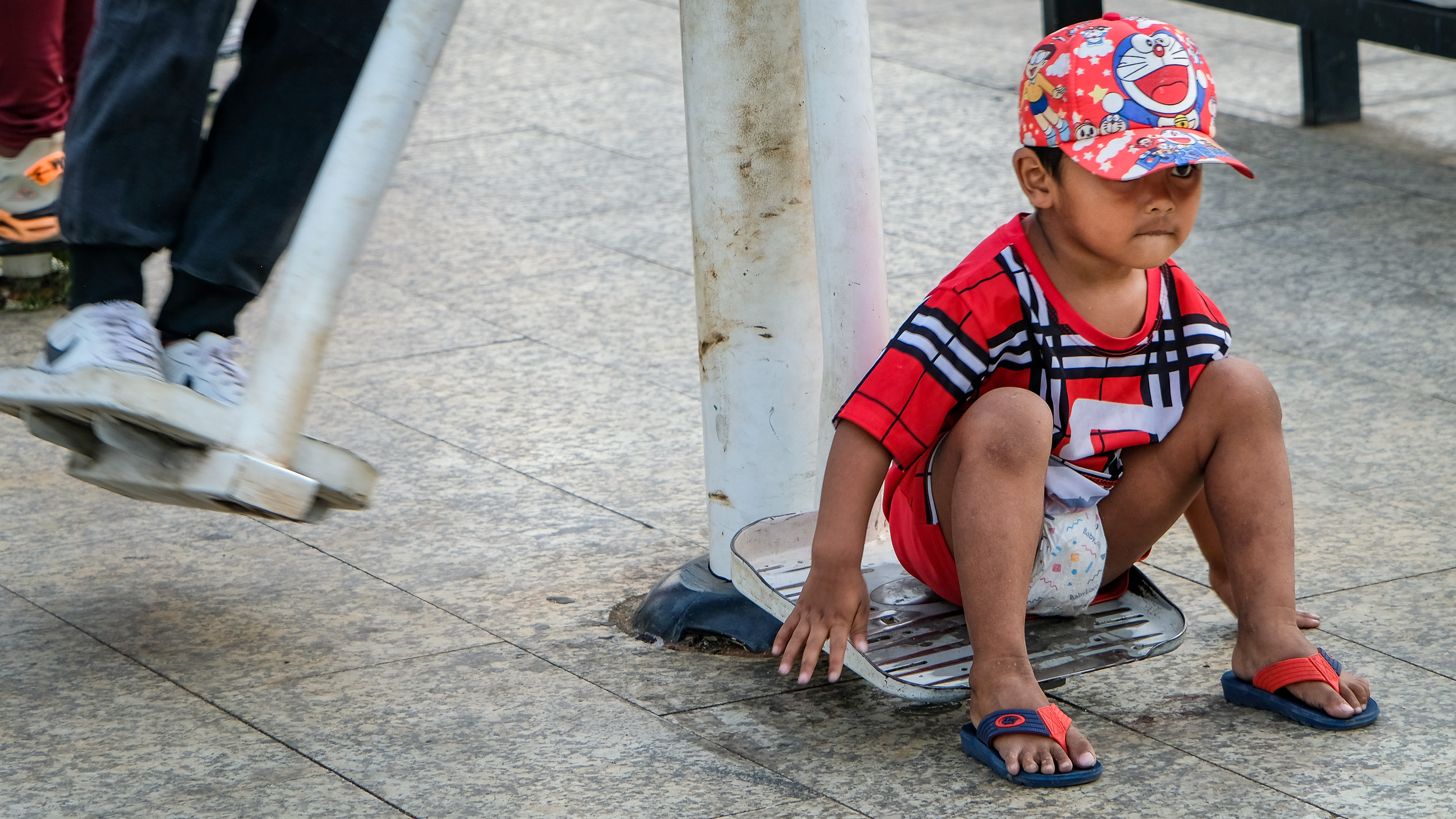
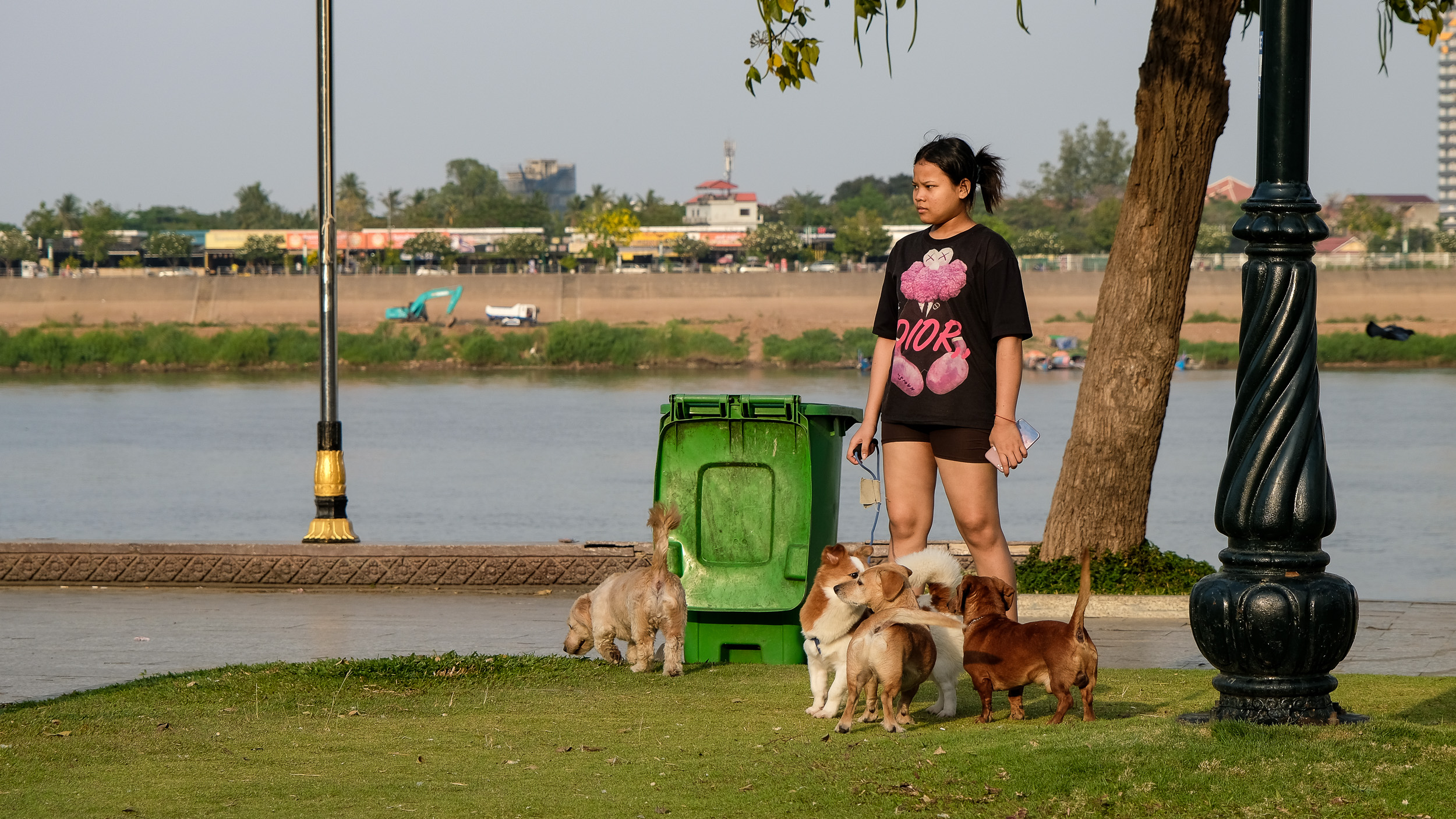
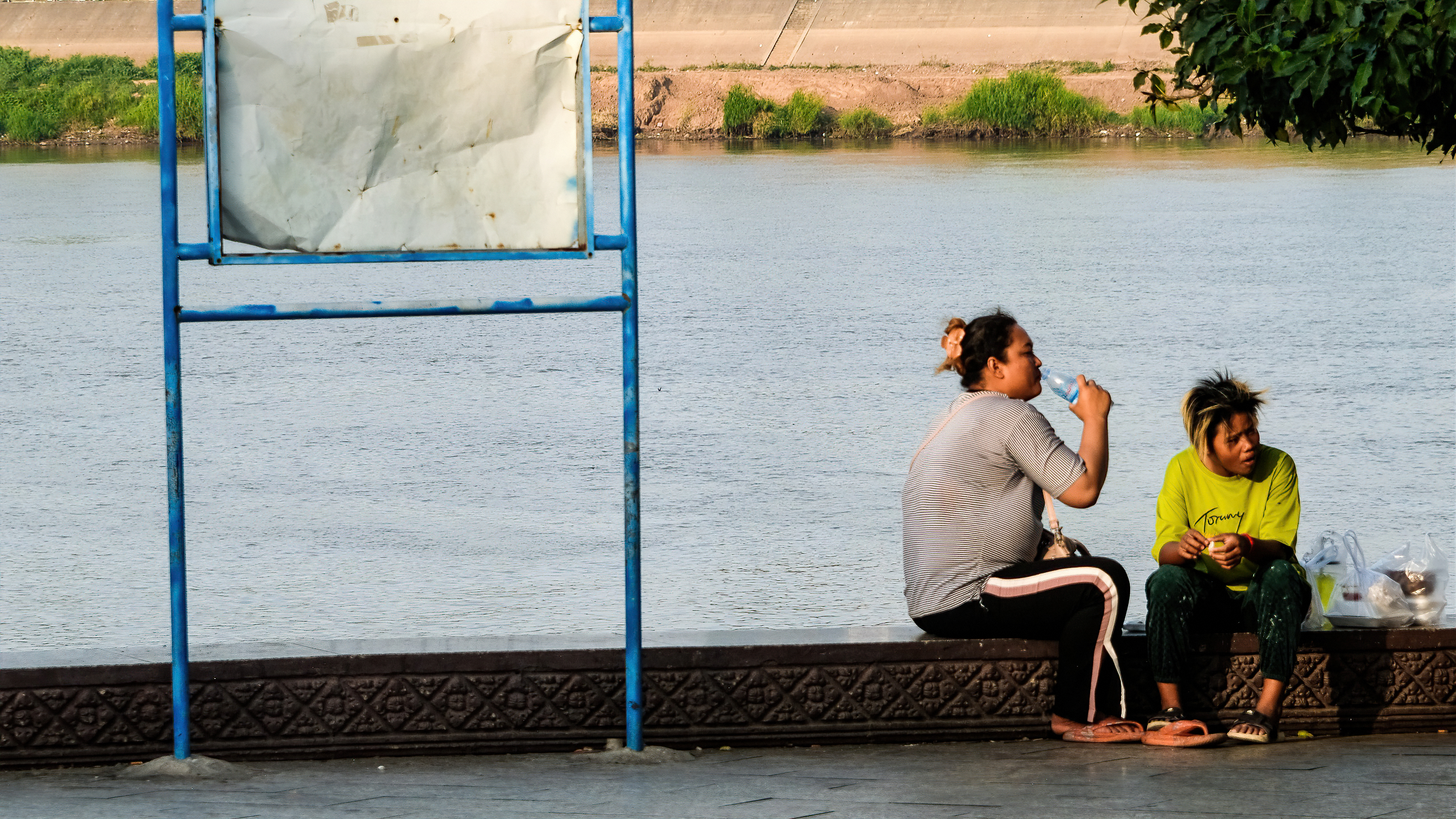
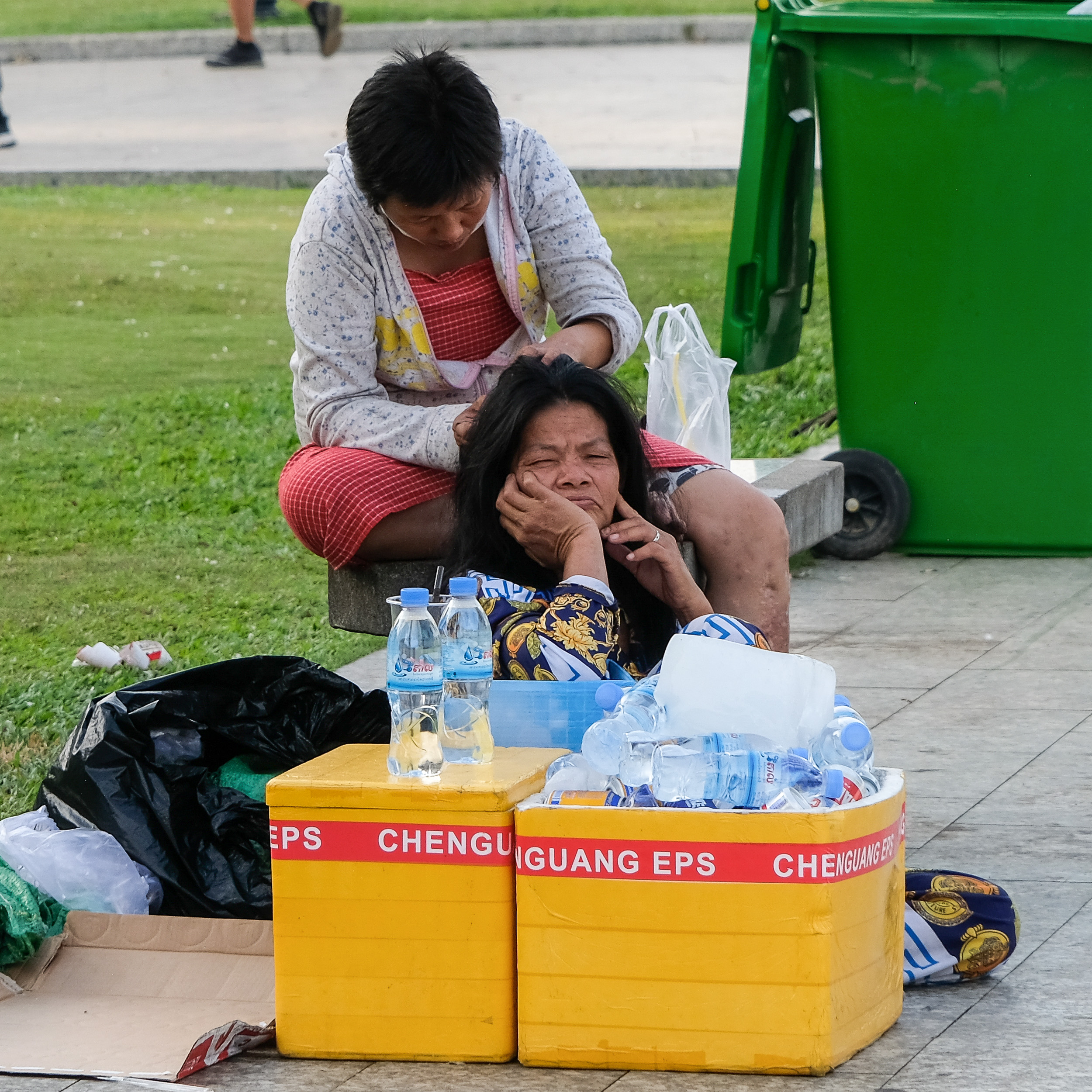
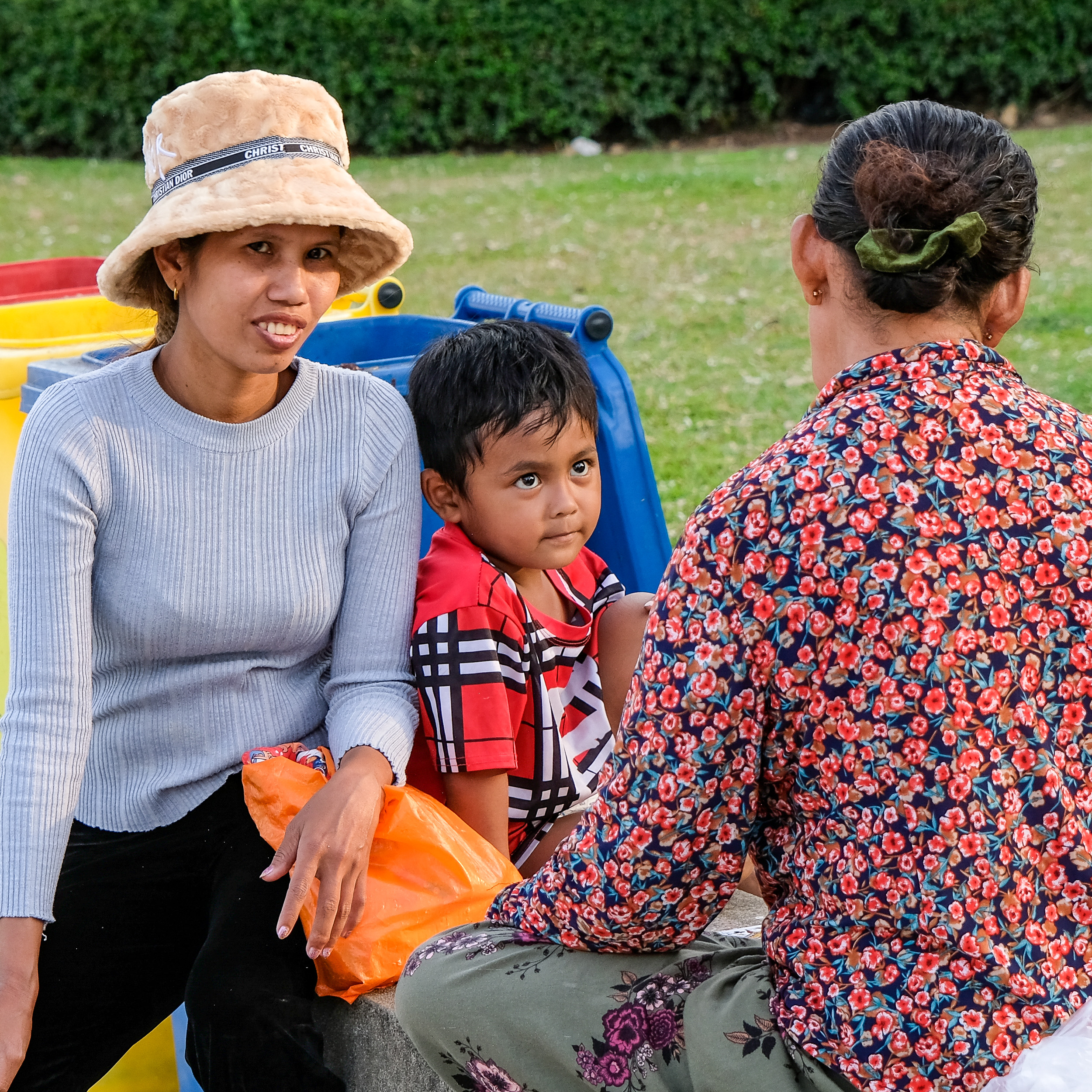
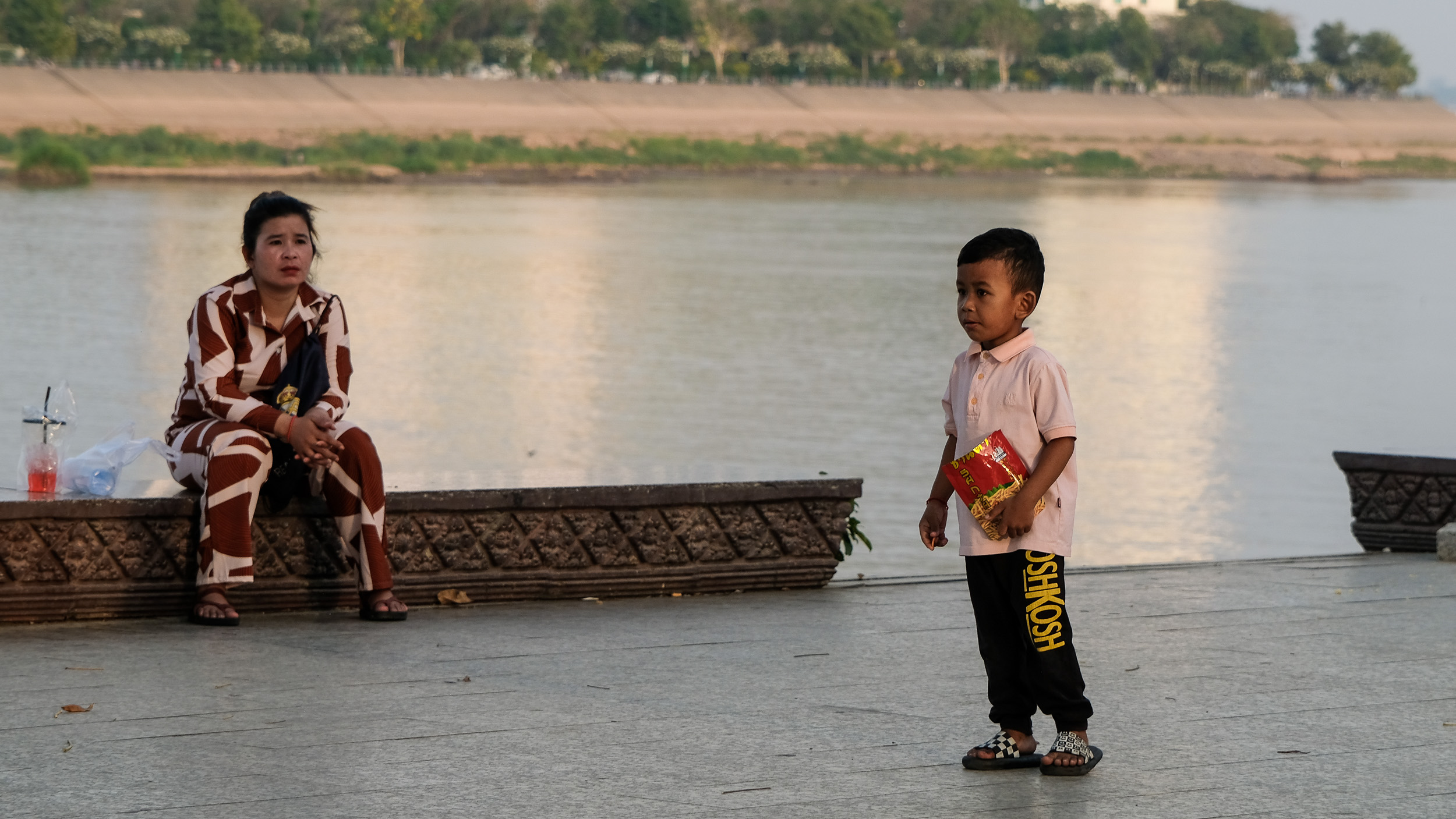
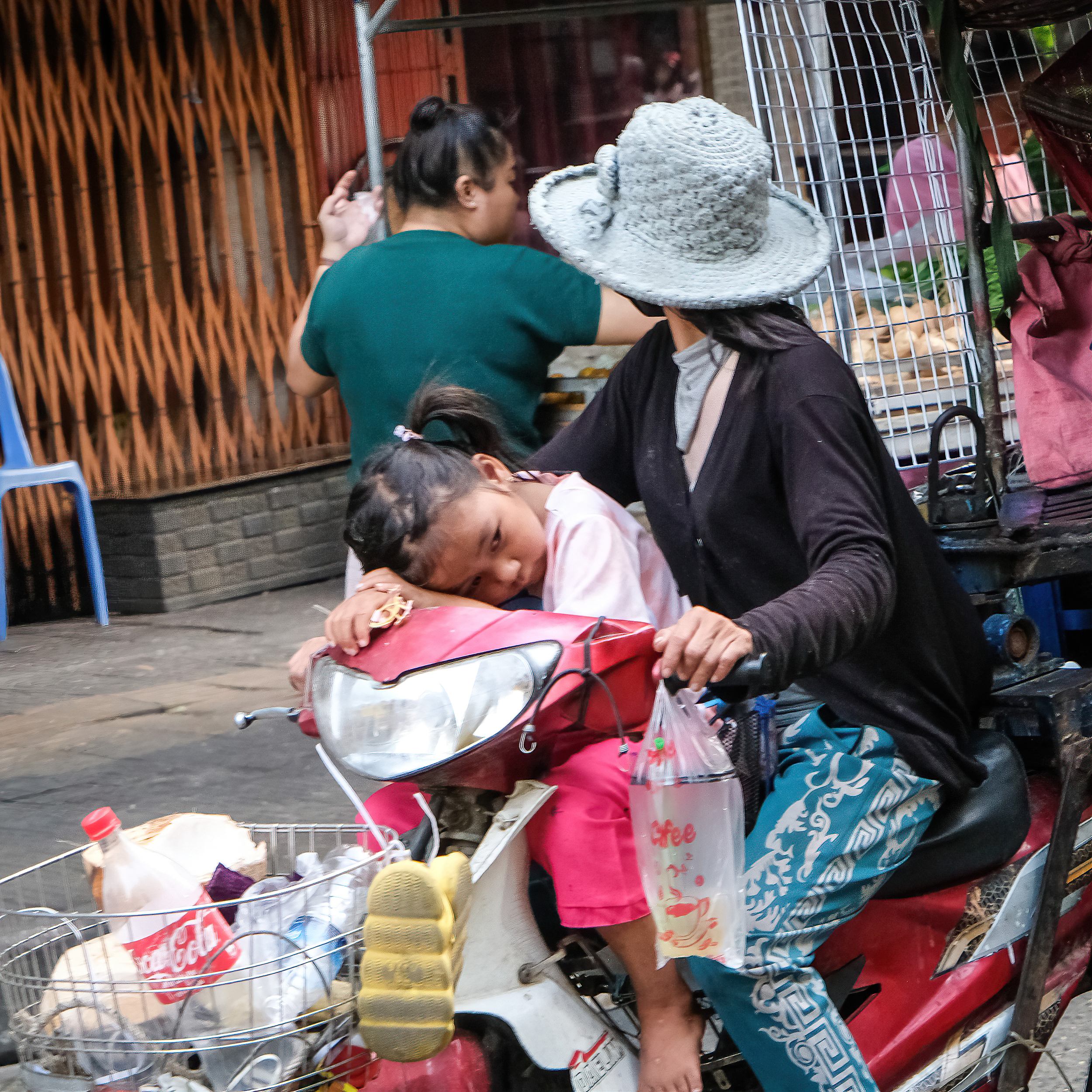
In the age of ultra-high-resolution cameras, it’s easy to overlook the significance of composition and cropping, especially when working with a modest 4-megapixel camera. However, the constraints of lower resolution photography can actually be a catalyst for creativity and a return to the fundamentals of good photography. I recently picked up the Nikon D2Hs camera that took the following images, using an old Nikkor 85mm f1.8D.
Composition is the cornerstone of a compelling photograph. It’s the arrangement of elements within the frame that dictates the flow of the viewer’s eye and the overall impact of the image. With only 4 megapixels, every pixel counts, and there’s little room for error. This limitation forces photographers to be more intentional with their framing, to think more deeply about the subject and the story they want to tell.
Cropping in-camera is another critical skill that gains prominence in this context. It’s about making decisions on the spot, rather than relying on post-processing to salvage a shot. This practice hones a photographer’s eye for detail and encourages a more proactive approach to capturing the right shot from the outset.
The discipline of working within the confines of 4 megapixels can also lead to a greater appreciation for the texture, colour, and light present in the moment. It challenges photographers to maximize the potential of their equipment, regardless of its limitations.
In essence, embracing the constraints of a 4-megapixel camera can be a rewarding journey back to the basics of photography. It’s a reminder that the power of a photograph doesn’t solely rest on the number of pixels but on the vision, creativity, and technique of the photographer behind the lens. Whether you’re a seasoned professional or an enthusiastic amateur, the principles of composition and in-camera cropping are timeless skills that will enhance the quality of your work, no matter the resolution.
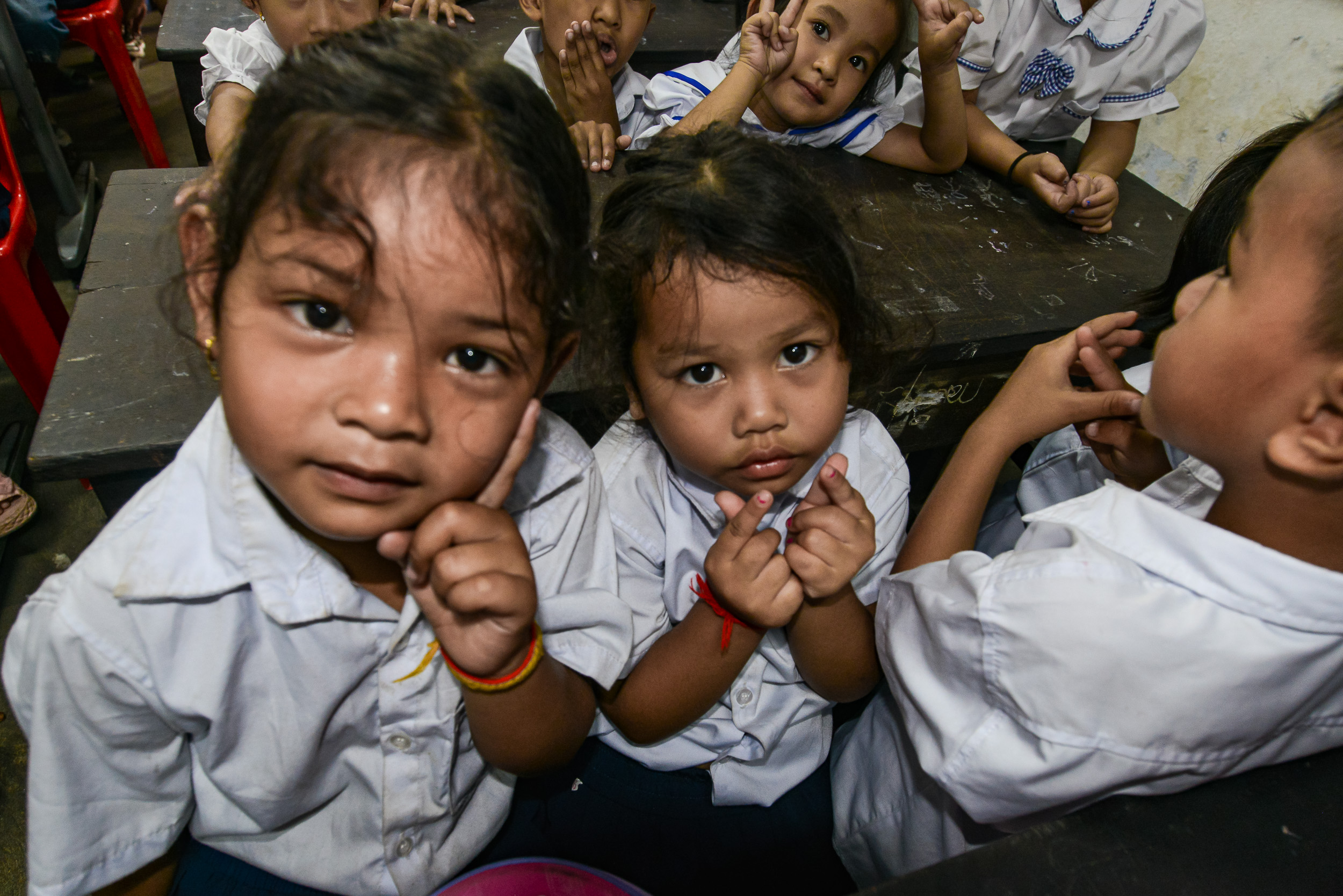
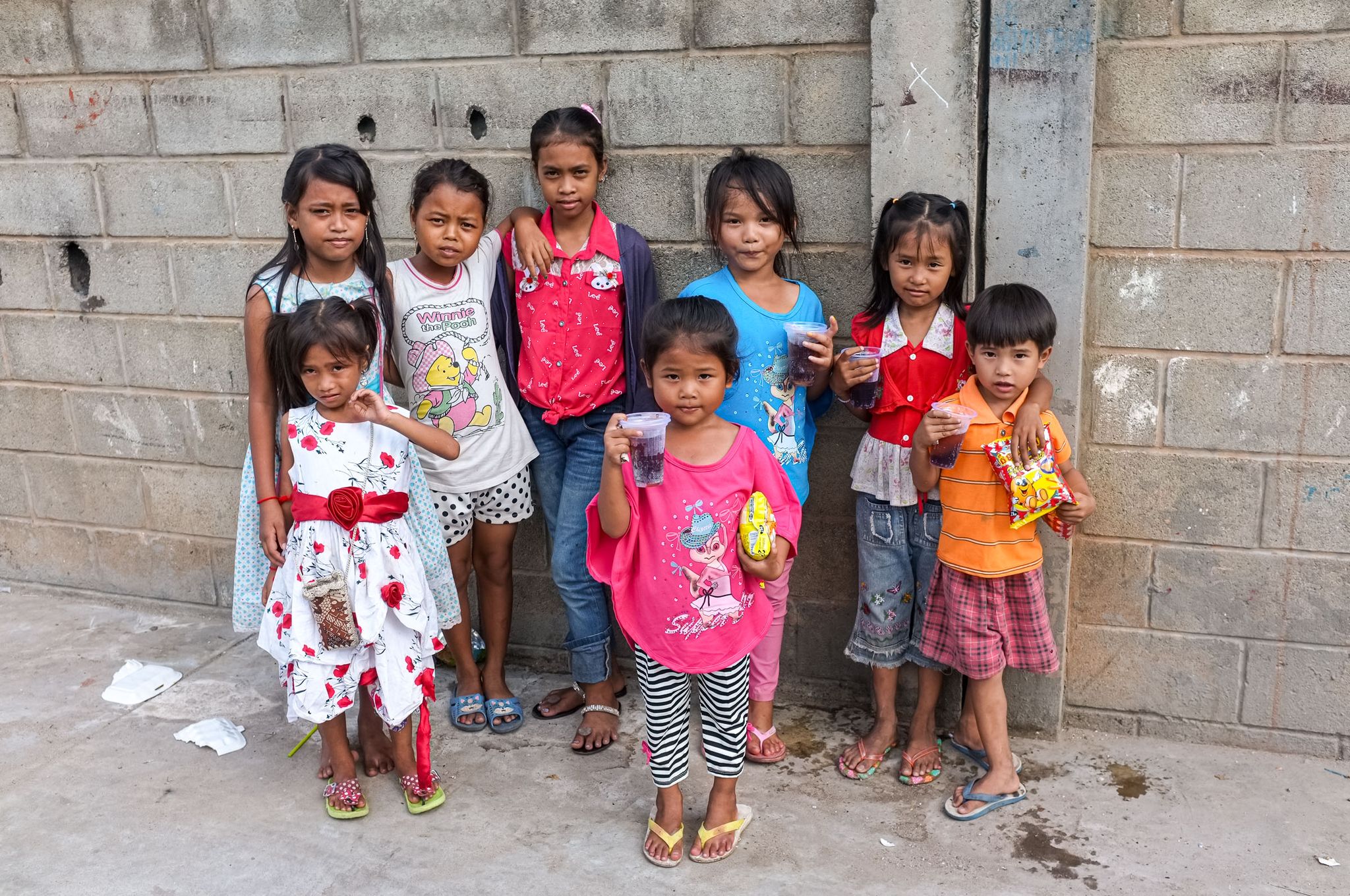
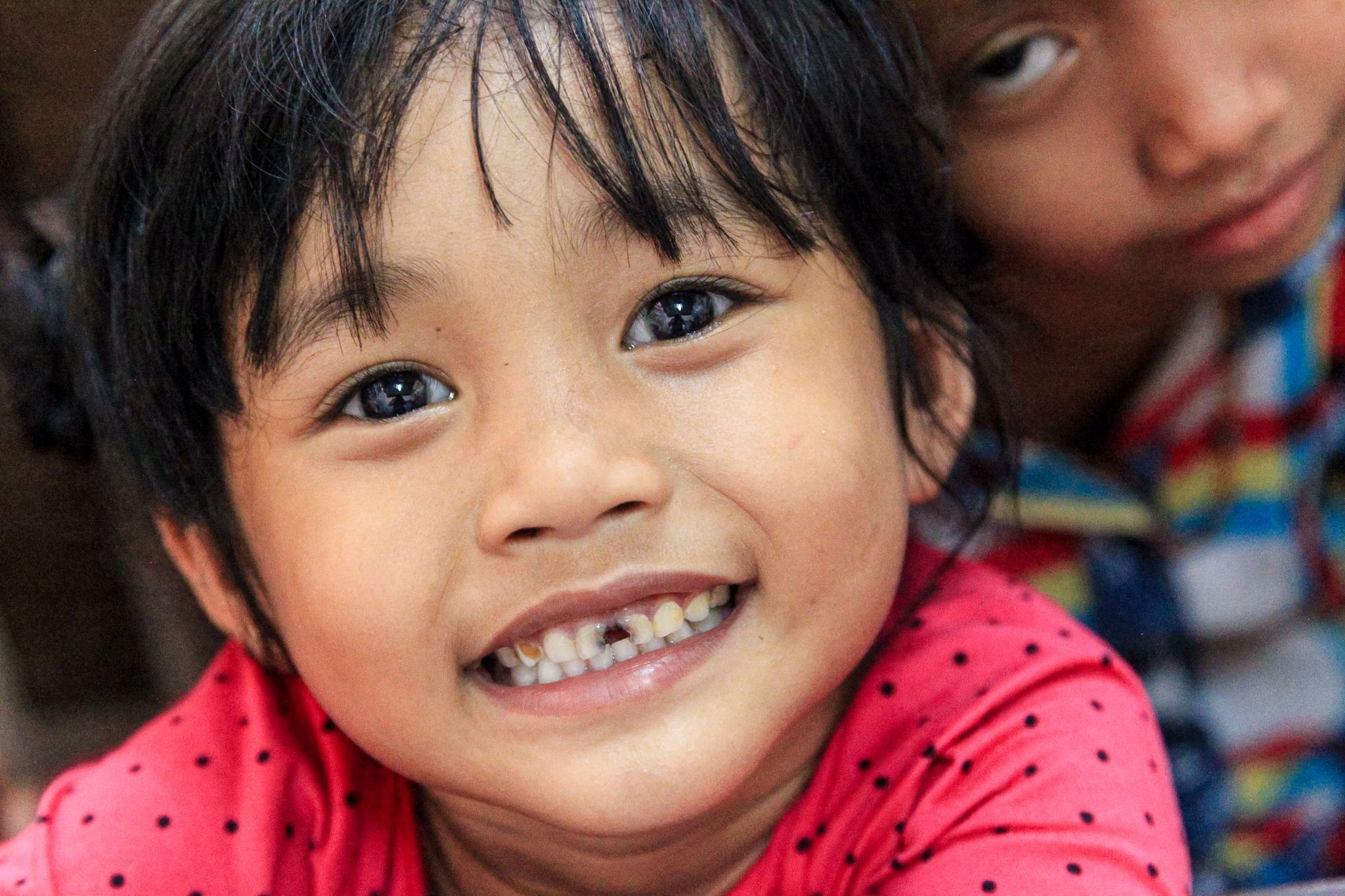
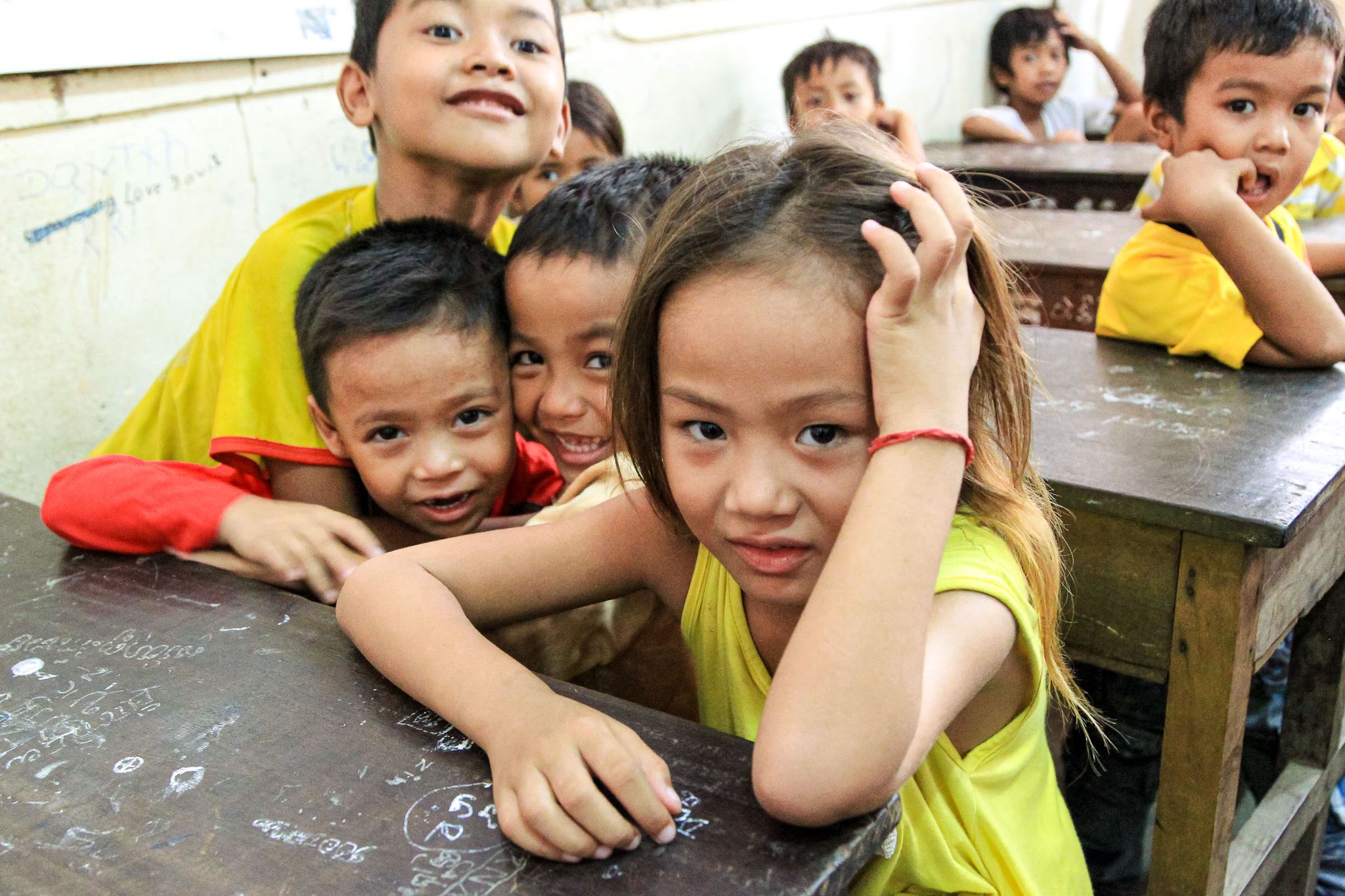
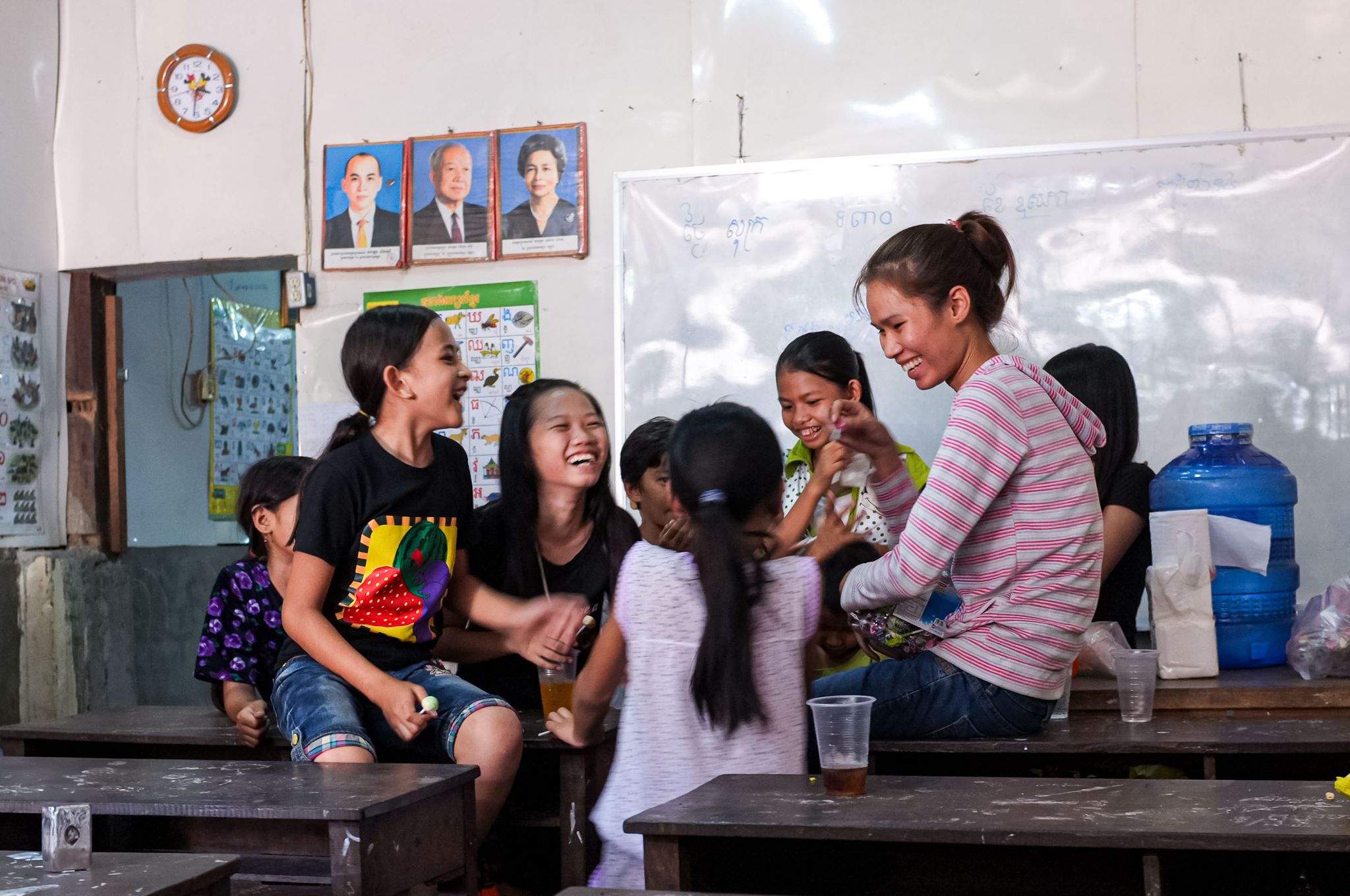
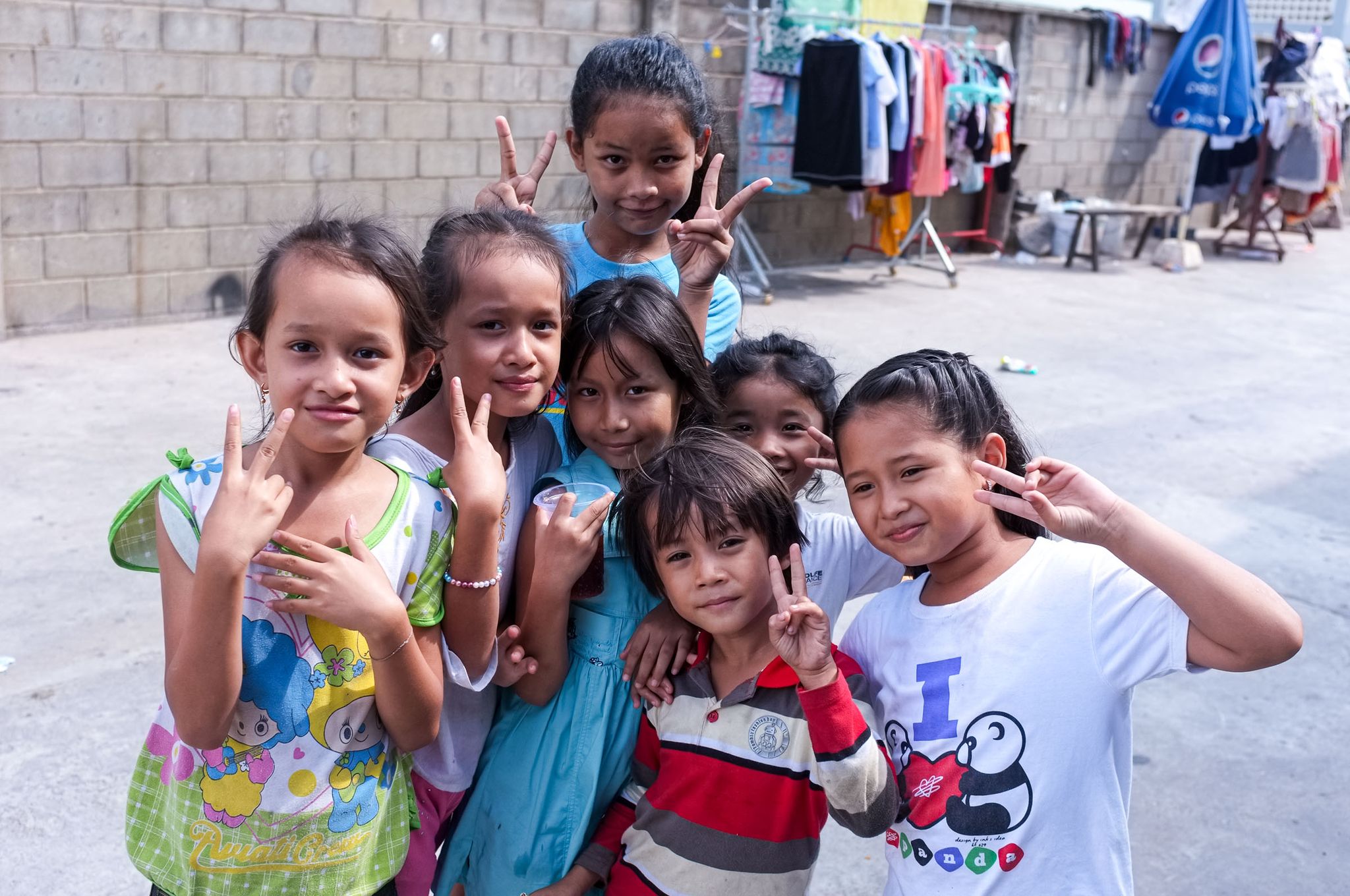
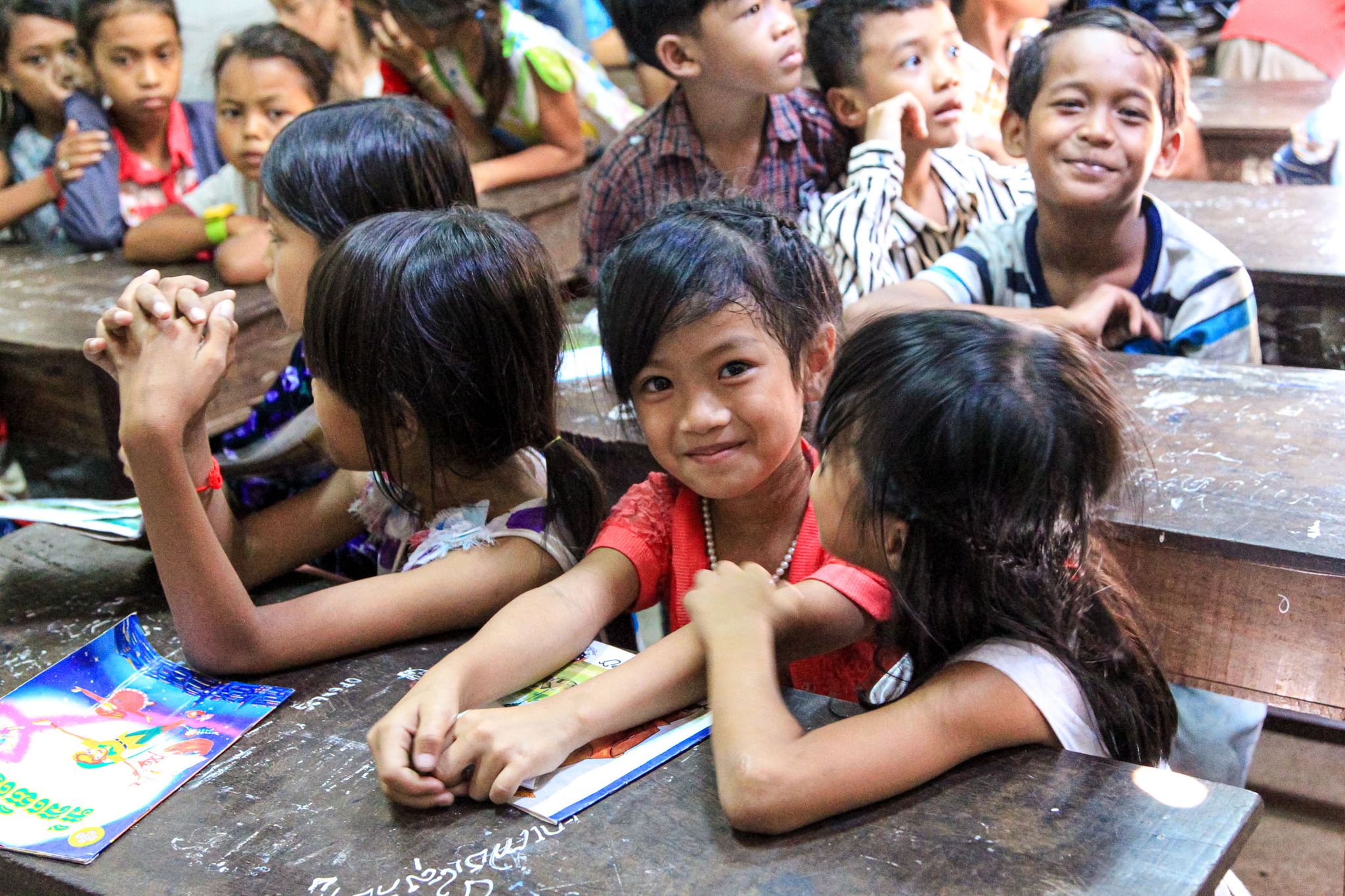
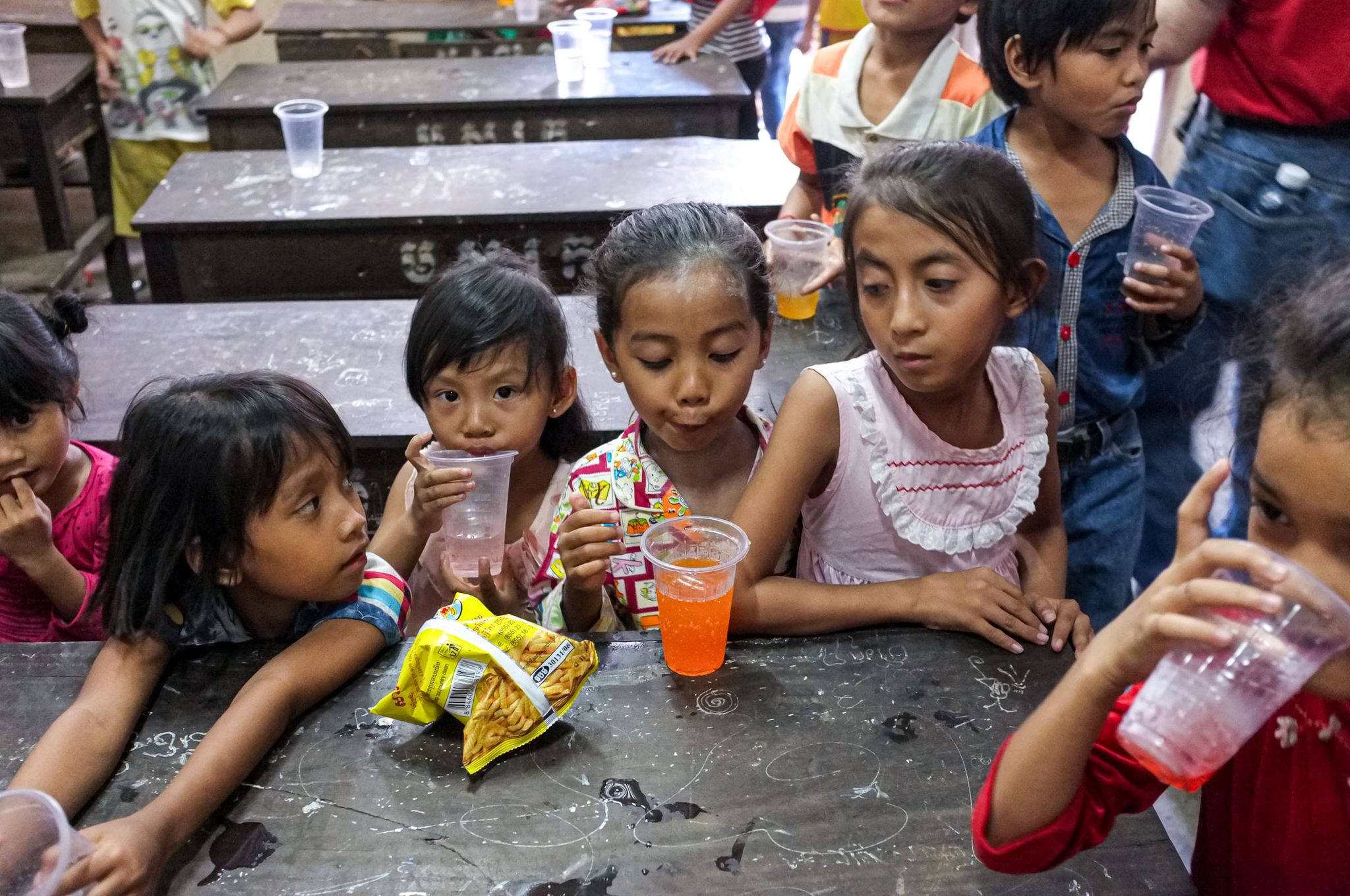
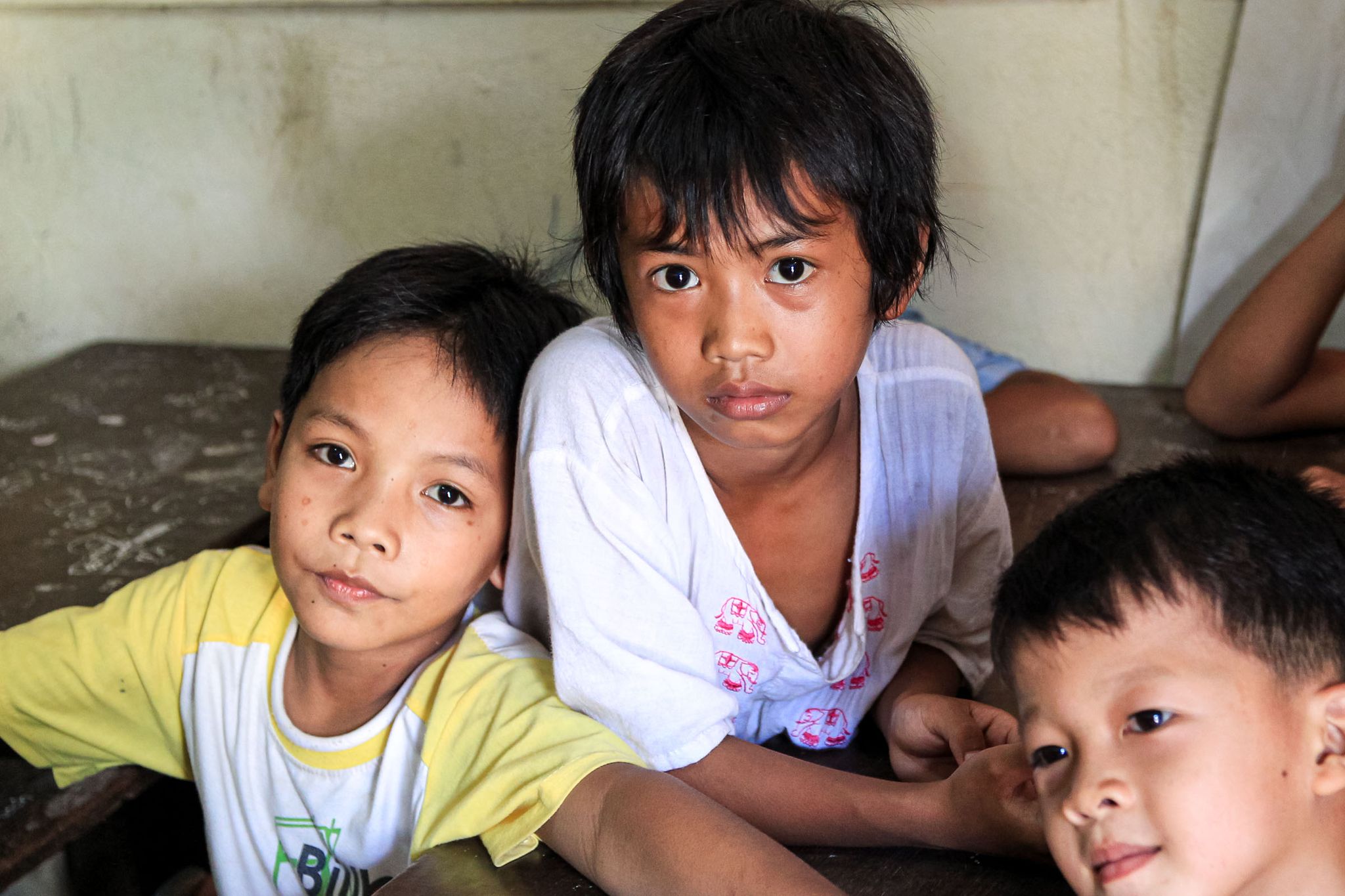
In the heart of Phnom Penh, Cambodia, lies a remarkable institution that stands as a testament to the transformative power of education. The Aogaah Foundation School is more than just a place of learning; it is a beacon of hope for the underprivileged children of this vibrant city.
The word ‘Aogaah’ translates to ‘opportunity’ in Khmer, and that is precisely what this school provides. Established to offer free education to children from impoverished backgrounds, the Aogaah Foundation School is a sanctuary where young minds can flourish without the burden of tuition fees that often hinder access to education in Cambodia.
Education in Cambodia faces many challenges, with a significant number of children unable to attend school due to financial constraints. Public schools often require a daily fee, and private institutions are far beyond the reach of many families. The Aogaah Foundation School offers a vital alternative, a community school certified by the Cambodian government, providing non-formal education to those most in need.
At Aogaah, children are welcomed with open arms and given the tools to build a brighter future. The curriculum is designed to prepare students for meaningful employment, focusing on essential skills such as reading, writing, and arithmetic. The school’s philosophy is simple yet profound: instead of giving people fish for today, teach them to fish for their lifetime.
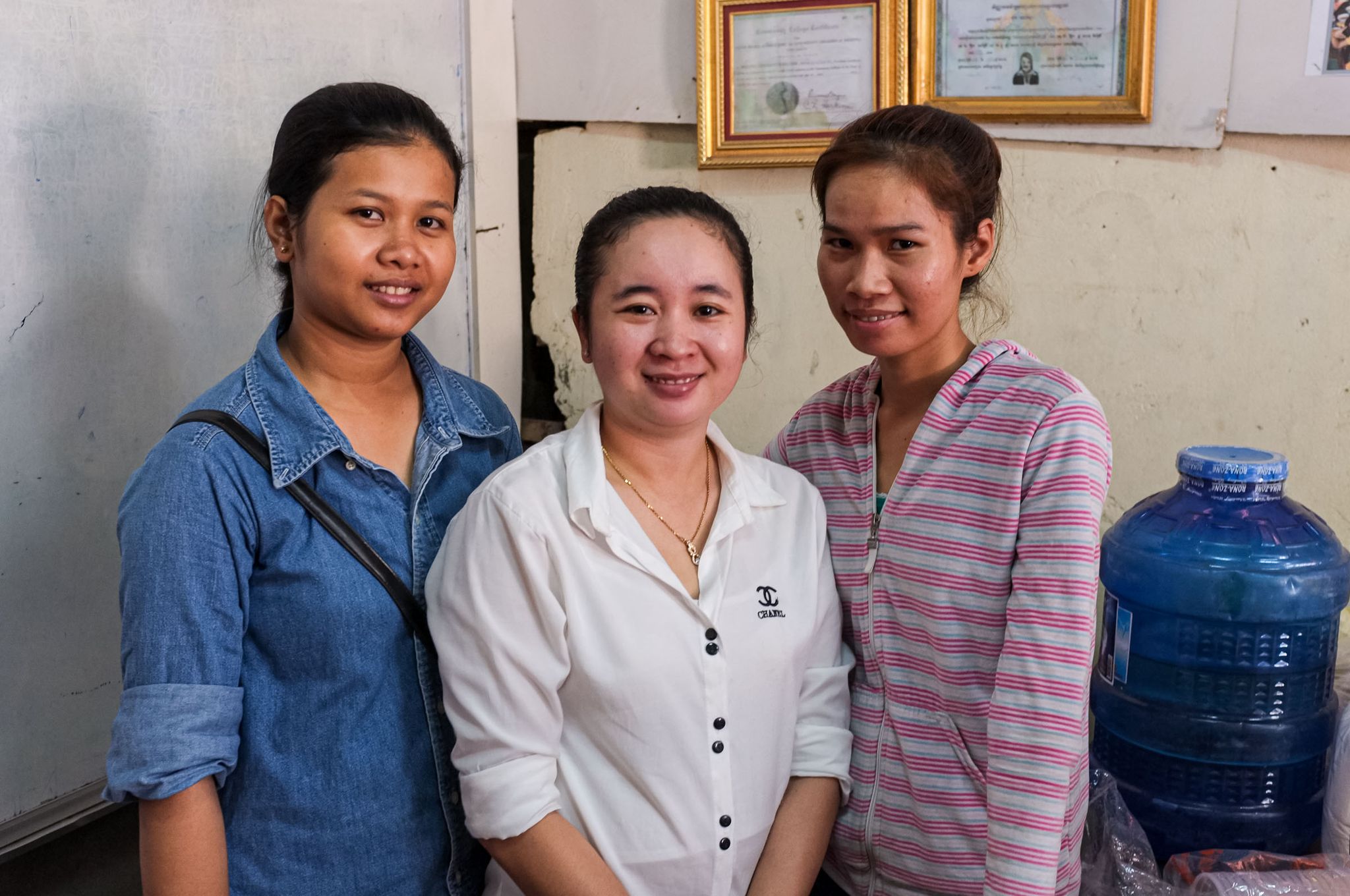
The success of the Aogaah Foundation School is a collective effort. Volunteers handle administration, fundraising, marketing, and maintenance, ensuring that 100% of donations go directly to the operation of the school. The only paid staff are the dedicated Khmer teachers who deliver instruction in K’ami, a commitment to the cultural and linguistic heritage of the students.
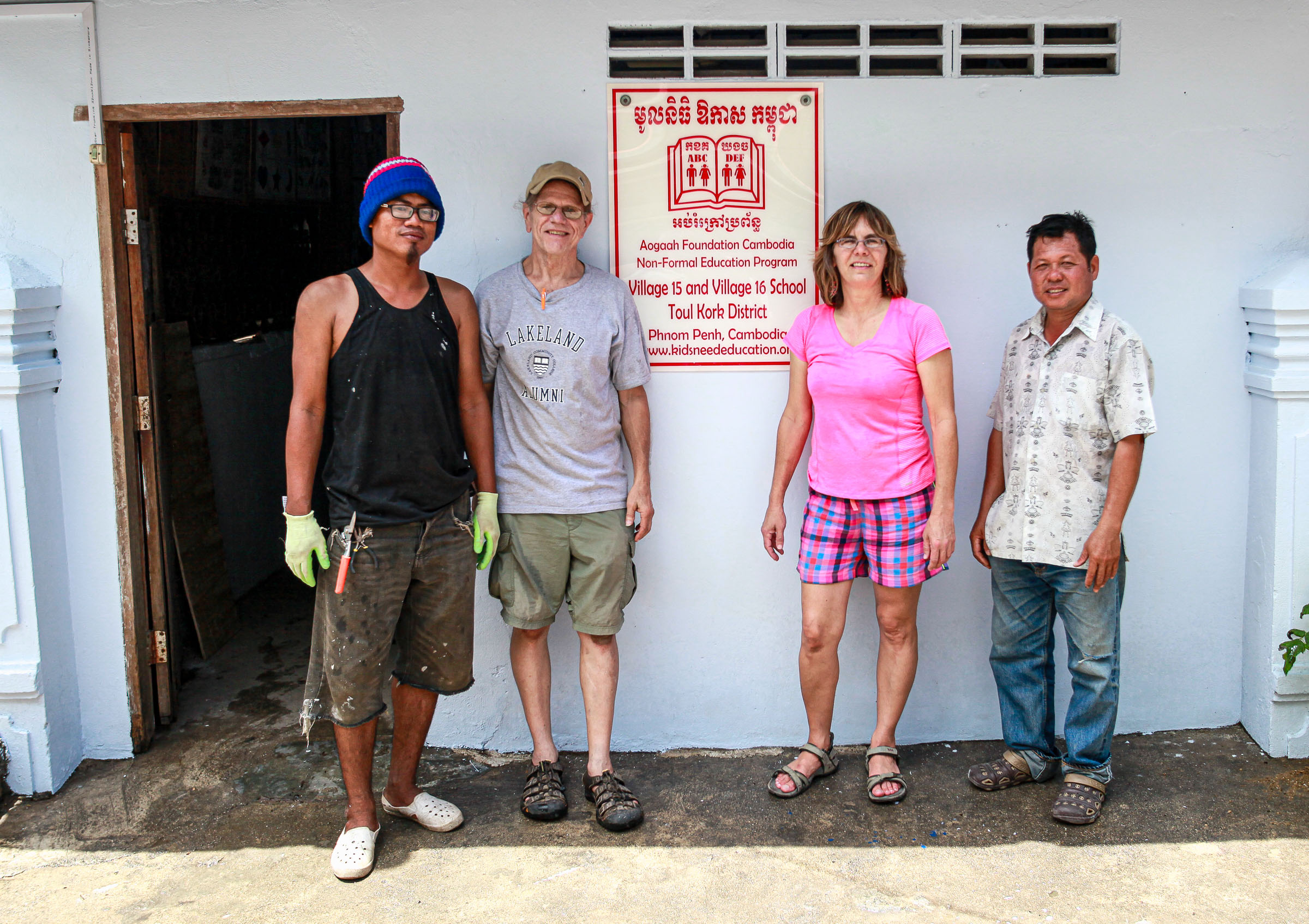
The Founder : Teacher Rick
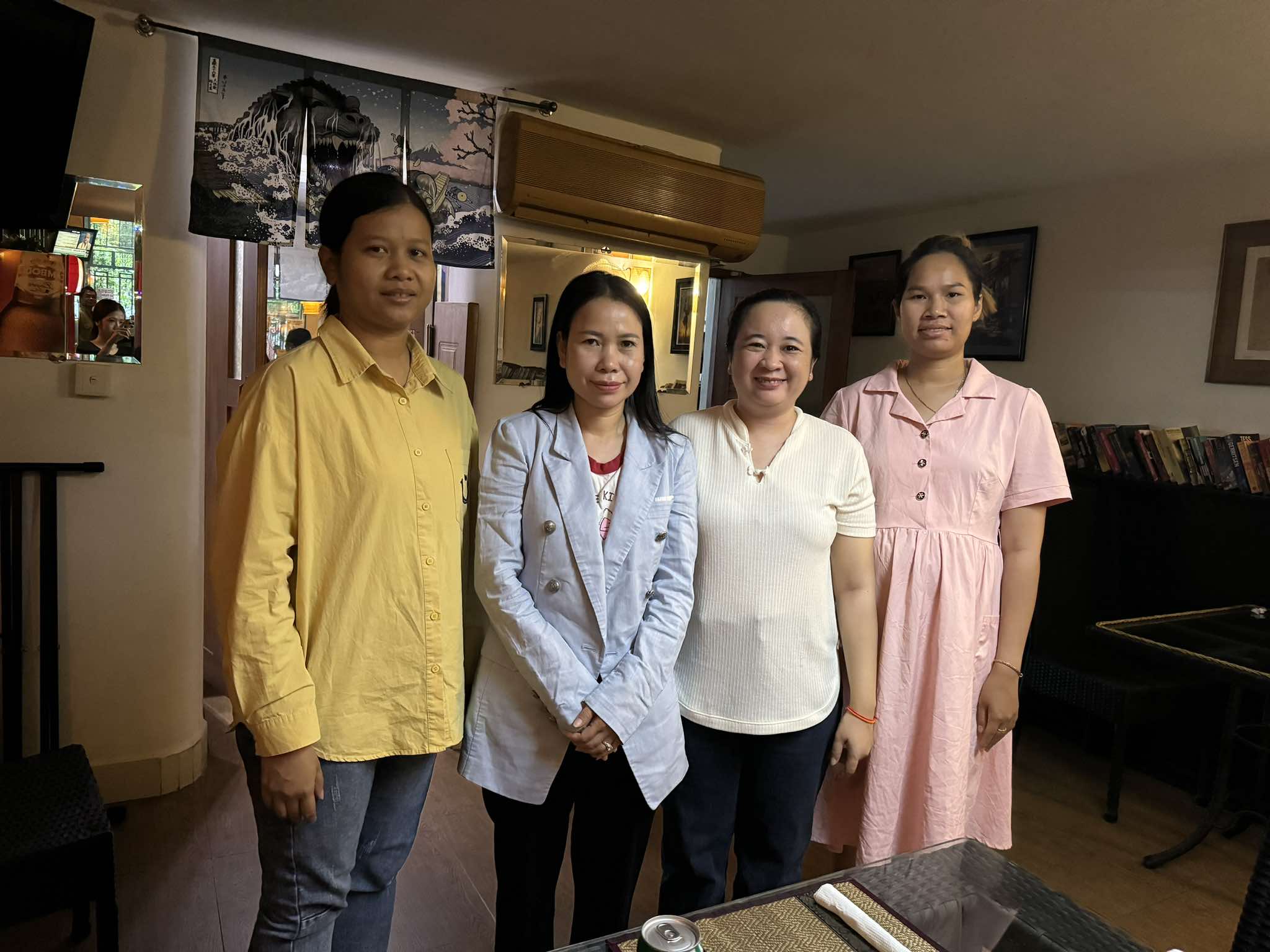
The Management Team
The impact of the Aogaah Foundation School extends beyond the classroom walls. It fosters a sense of community and encourages local families to value education. The school’s presence has transformed the Toul Kork district, turning a once “squatter” area into a thriving hub of learning and opportunity.
For those looking to support this noble cause, the Aogaah Foundation welcomes donations and sponsorships. These contributions make a lasting difference in the lives of these children, providing them with the chance to escape the cycle of poverty and embrace a future filled with possibilities.
The Aogaah Foundation School is more than just an educational institution; it is a symbol of hope and a catalyst for change. It stands as a reminder that with opportunity, support, and education, every child can reach their full potential and contribute to the betterment of their community and the world at large.
To learn more about the Aogaah Foundation School and how you can help, visit their website ( https://www.kidsneededucation.org/) or consider becoming a sponsor. Your support can light the path for a child’s journey towards a brighter tomorrow.
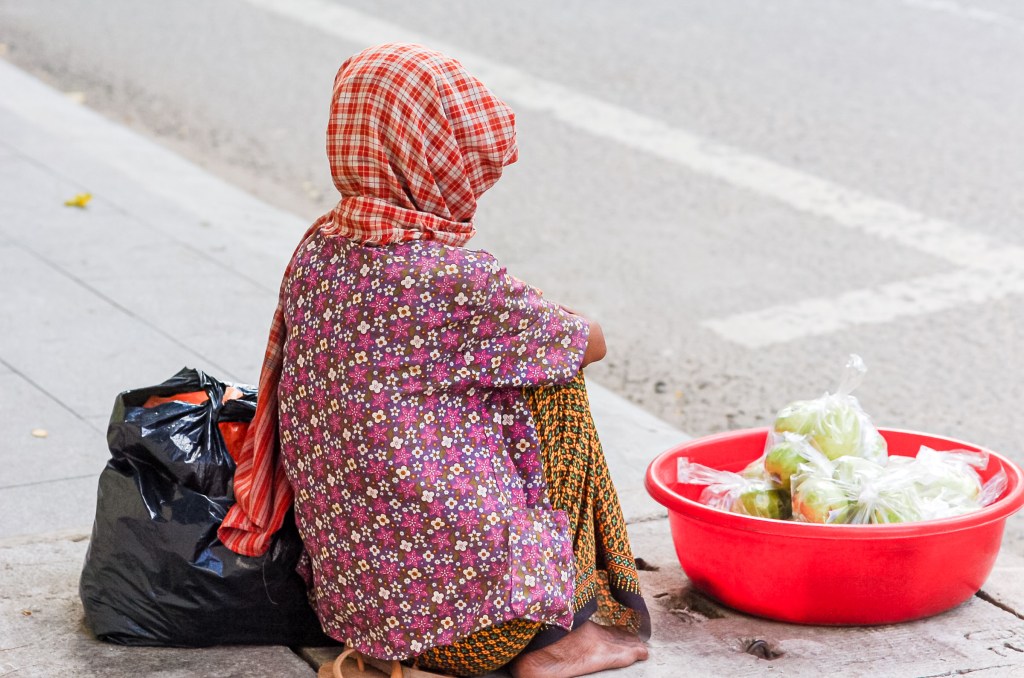
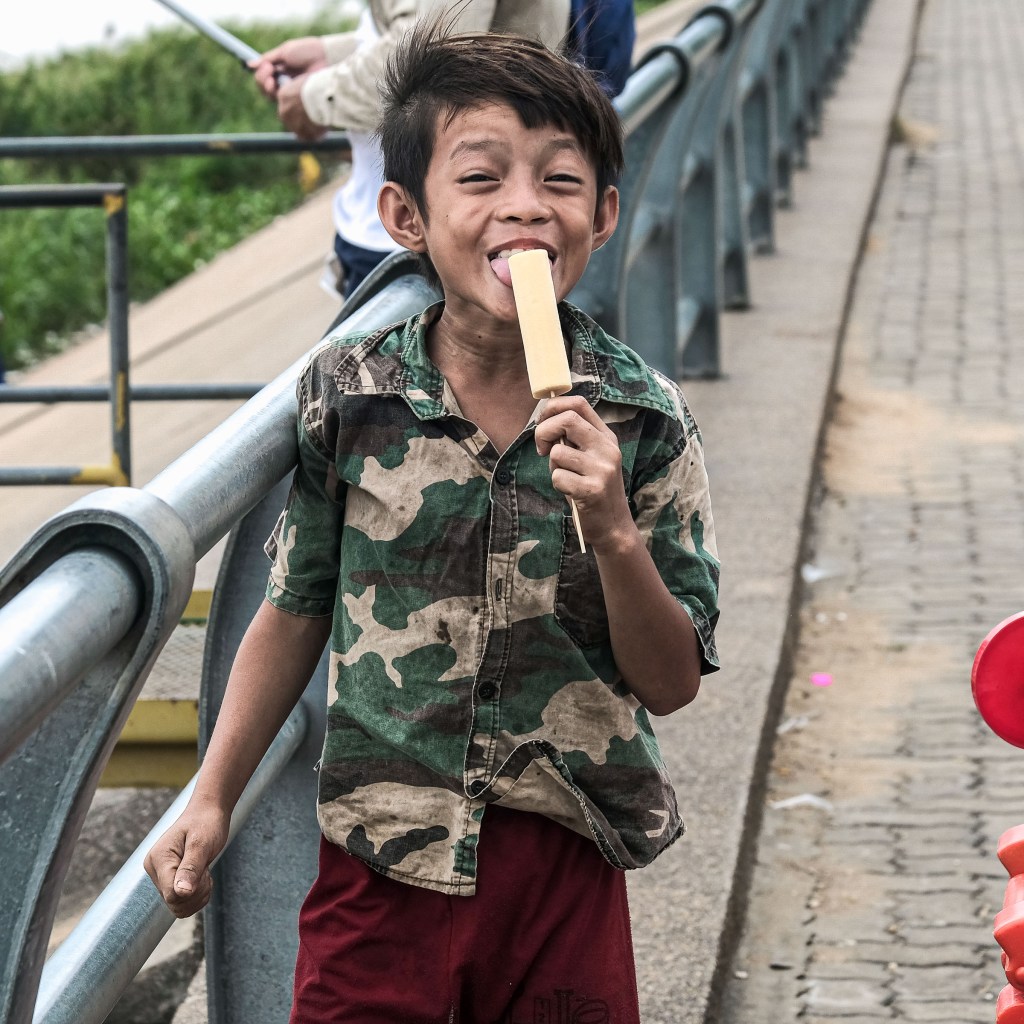
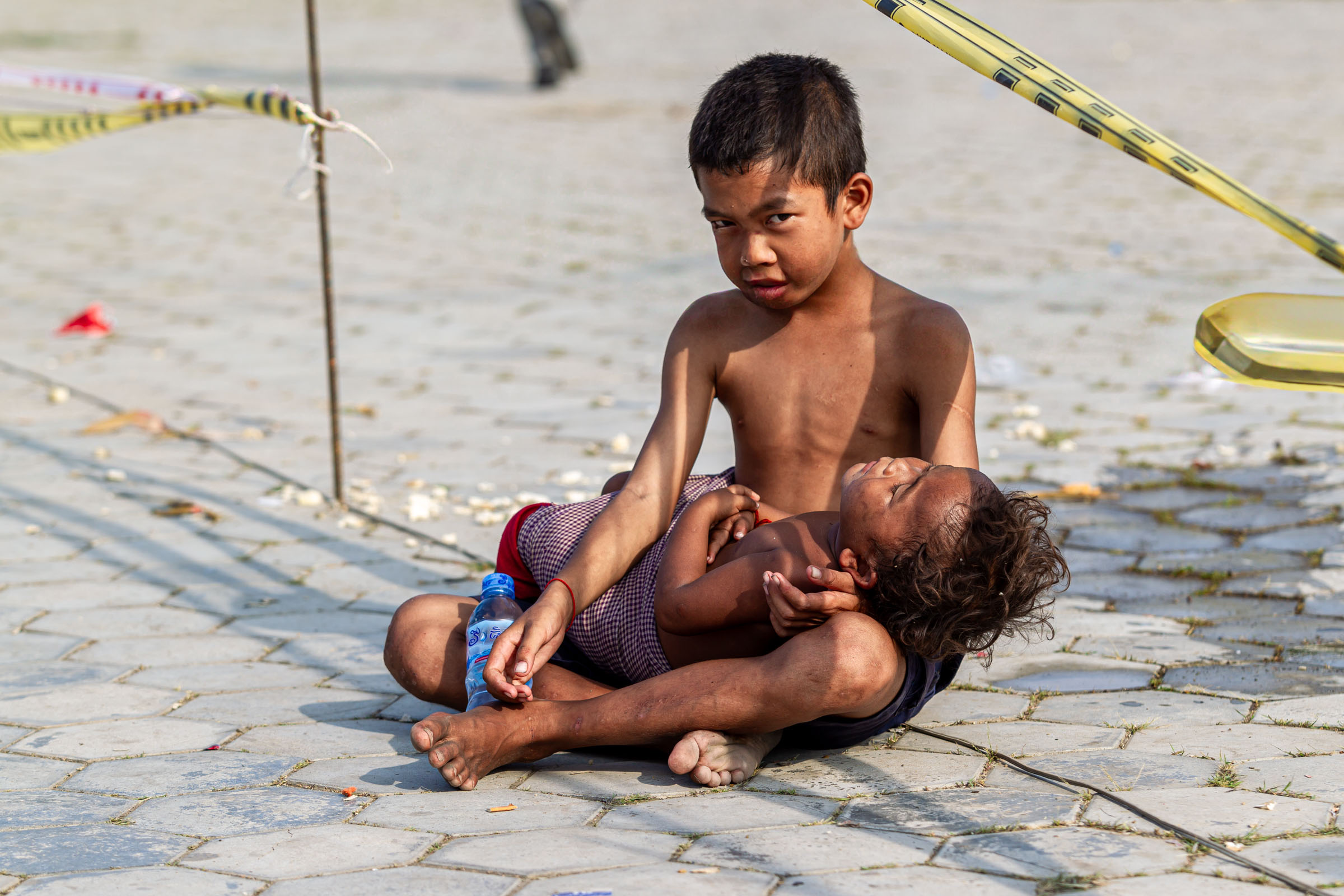
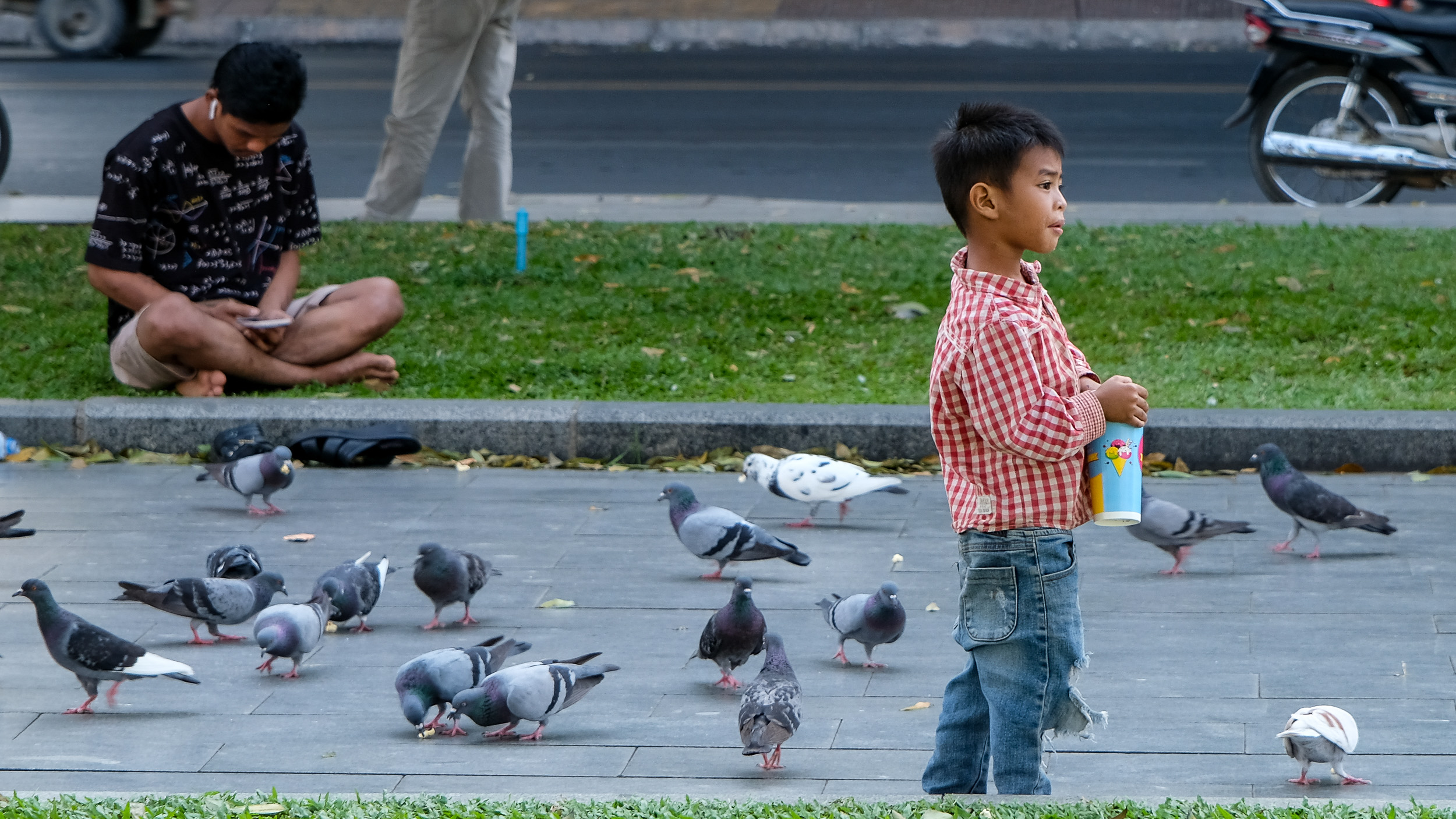
Street photography, a genre that often captures the raw essence of society by snapping candid moments of strangers, has long been a subject of ethical debate. Is it a form of art that celebrates the spontaneity of life, or is it an exploitation of unsuspecting individuals?
The art of street photography lies in its ability to document the unposed, the unplanned, and the unexpected. It’s a visual diary of human nature, a way to preserve fleeting moments that, once gone, are lost to time. The streets become a canvas, and the people, unwitting subjects that tell a story. Some of the most iconic images that define historical eras or social movements are the products of street photography, serving as powerful reminders of our collective past.
However, the act of photographing strangers without their consent raises important ethical questions. The line between public interest and personal privacy is often blurred. While photographers may argue that the public domain is fair game for capturing life as it unfolds, the individuals on the other side of the lens may feel their privacy has been invaded. This tension is further complicated by the potential for these images to be shared widely in the digital age, often without the subject’s knowledge or control over how they are represented.
The ethics of street photography are not black and white. They require photographers to navigate the murky waters of moral responsibility. Some photographers adopt a stealthy approach, using discreet methods to avoid disturbing the scene, thereby minimizing the impact on their subjects. Others engage directly with the people they photograph, sometimes building rapport and seeking consent, which can lead to more intimate and telling portraits.
Legal frameworks vary widely across the globe, and what is permissible in one country may be forbidden in another. In many places, the law permits photography in public spaces, recognizing it as an extension of freedom of expression. Yet, ethical considerations often extend beyond the realm of legality. Photographers must weigh their right to capture images against the rights of their subjects to privacy and respect.
Ultimately, street photography is not inherently exploitative, but it demands a high degree of sensitivity and ethical consideration from the photographer. It’s about finding a balance between the pursuit of artistic expression and respect for the dignity of those captured in the frame. As the debate continues, it’s clear that the responsibility lies with the photographer to make ethical choices that honor both their art and their subjects.
Photography is an art form that captures moments, tells stories, and expresses emotions through images. It’s a powerful medium that has evolved significantly with technological advancements. The question of whether anyone can learn to take good photographs surfaces frequently in the world of photography. The answer is a resounding yes, with a caveat: learning photography, like any skill, requires patience, practice, and a willingness to learn.
Understanding the Basics The journey to taking good photographs begins with understanding the basic principles of photography. This includes learning about exposure, composition, lighting, and the rule of thirds. Exposure is the amount of light that reaches the camera sensor, and it is controlled by the aperture, shutter speed, and ISO settings. Composition involves arranging elements within the frame in a pleasing manner. Lighting is crucial as it can dramatically alter the mood and feel of a photograph. The rule of thirds is a compositional guideline that suggests dividing the frame into nine equal segments for a balanced composition.
Embracing Technology In today’s digital age, cameras have become more accessible and user-friendly. From smartphones with advanced camera features to professional DSLRs and mirrorless cameras, there’s a wide range of tools available for budding photographers. Understanding your equipment and its capabilities is essential. Many cameras offer automatic modes that handle the technical aspects, allowing you to focus on framing your shot. However, to truly excel in photography, learning to use manual settings will give you greater control over the final image.
Practice Makes Perfect Practice is key to improving your photography skills. Regularly taking photos and experimenting with different techniques will help you understand what works and what doesn’t. Analyzing your photos critically and seeking feedback from others can provide valuable insights into areas of improvement. Additionally, studying the work of renowned photographers can serve as inspiration and a learning tool.
The Creative Process Photography is not just about technical proficiency; it’s also about creativity and personal expression. Developing a unique style and perspective is part of the learning process. This involves experimenting with different subjects, perspectives, and editing techniques. Post-processing software like Adobe Lightroom and Photoshop can enhance your photos and bring your creative vision to life.
Learning Resources There are numerous resources available for those interested in learning photography. Online tutorials, workshops, books, and photography courses can provide structured learning and hands-on experience. Joining photography communities and participating in photo challenges can also be beneficial for growth and motivation.
In conclusion, photography is a skill that anyone can learn. It combines both technical knowledge and creative expression. With the right mindset, tools, and resources, you can embark on a journey to capture the world through your lens. Whether you aspire to be a professional photographer or simply want to improve your hobby, the path to taking good photographs is open to all who are willing to explore it. Remember, every great photographer starts as a beginner, so pick up your camera and start shooting!
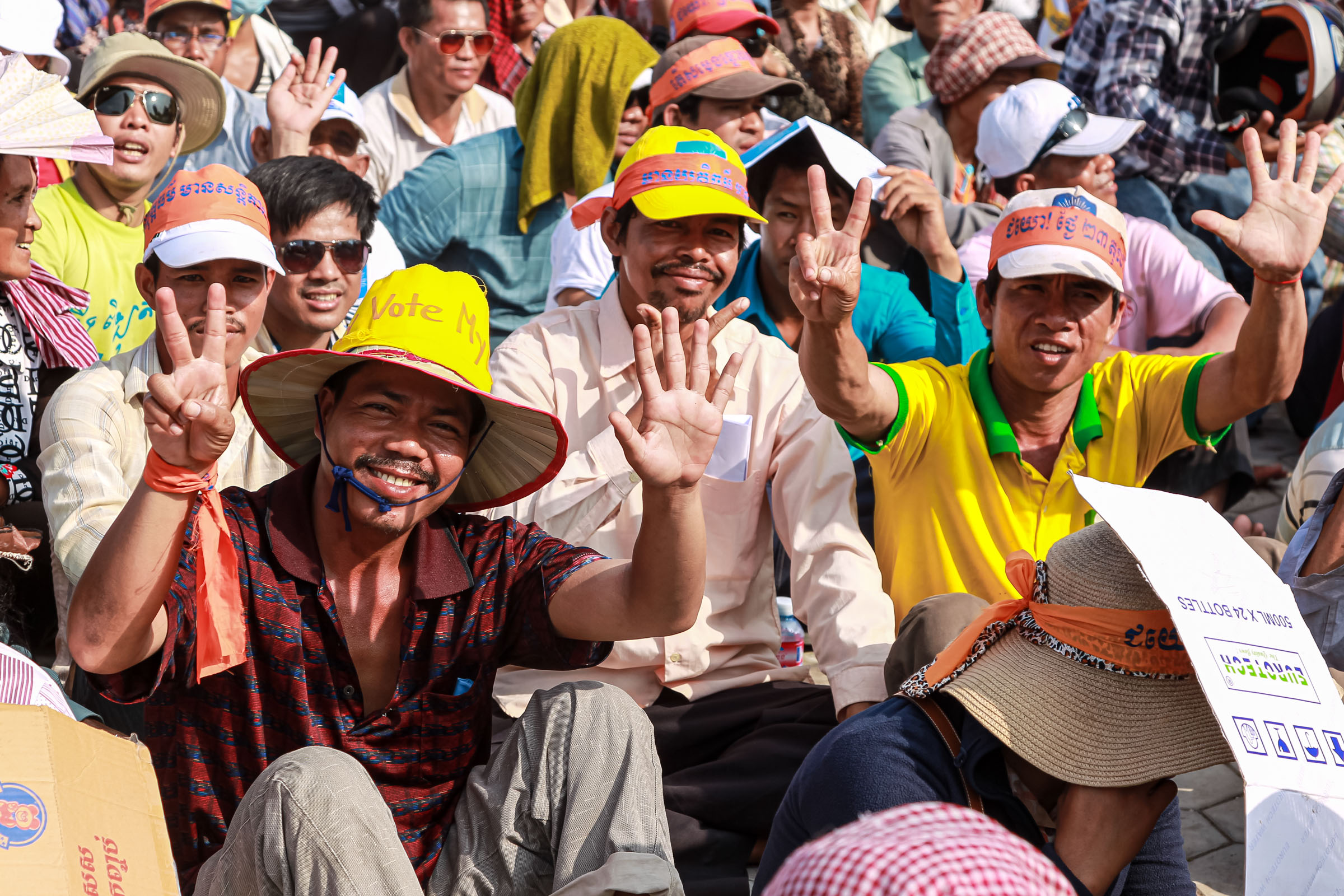
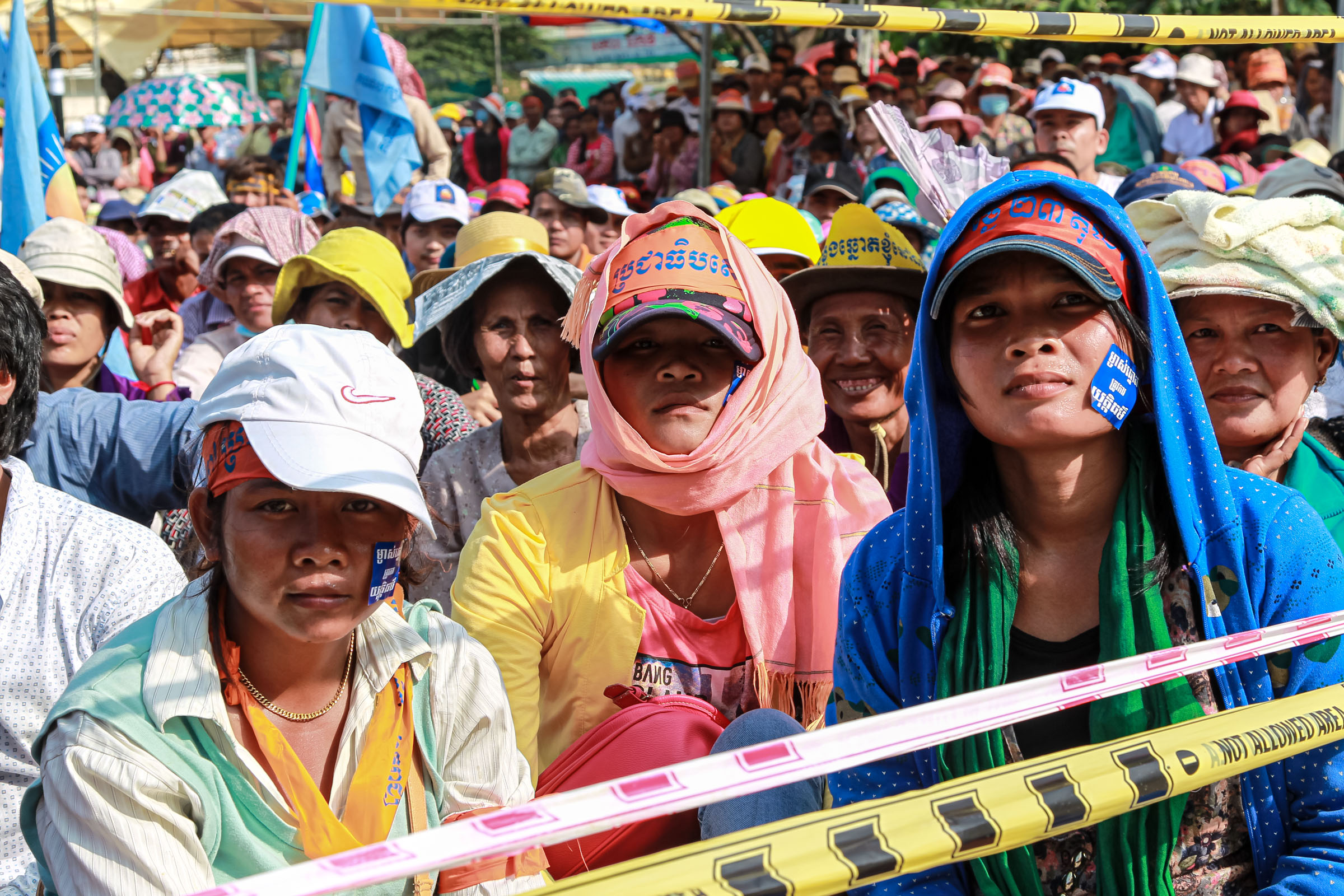
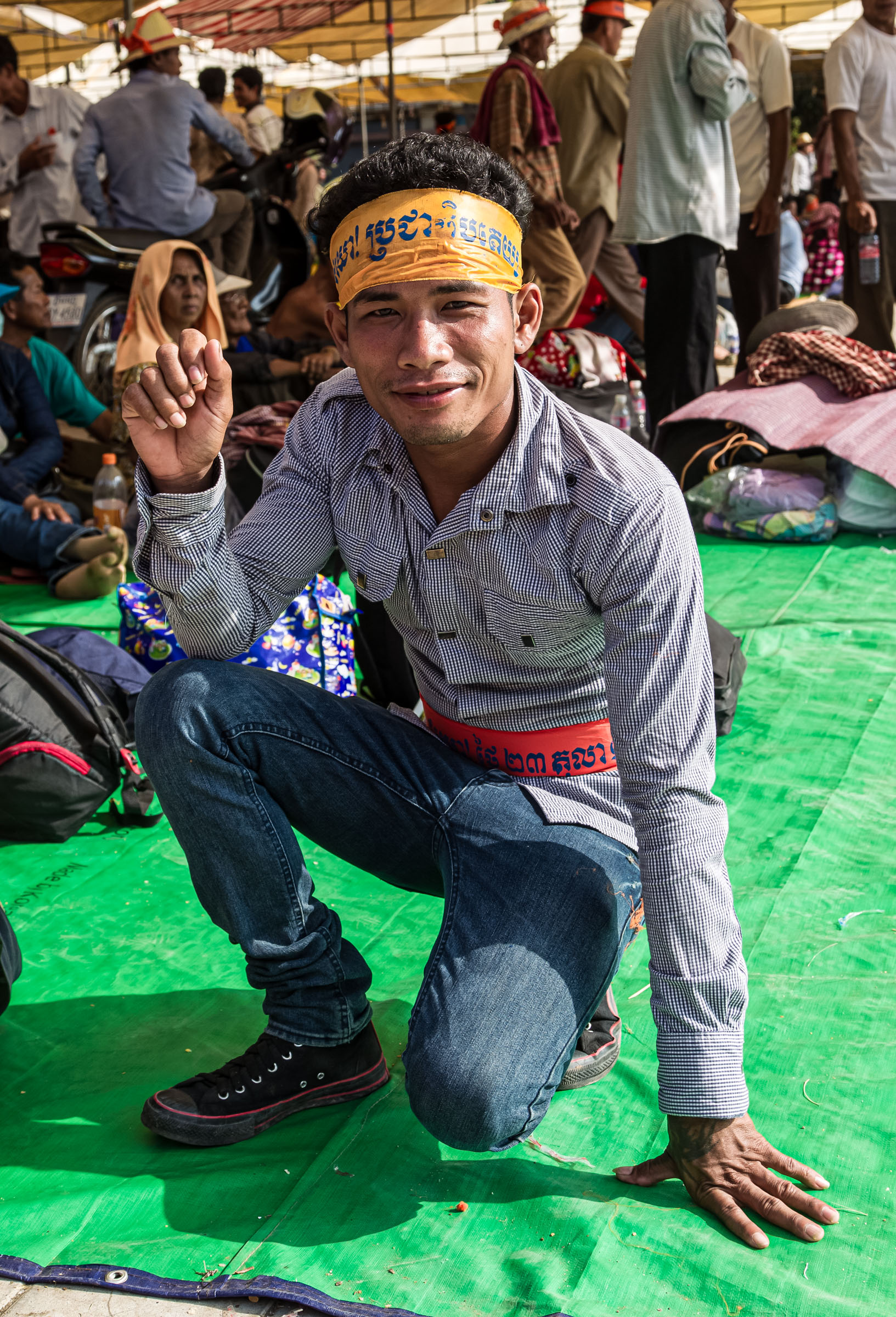
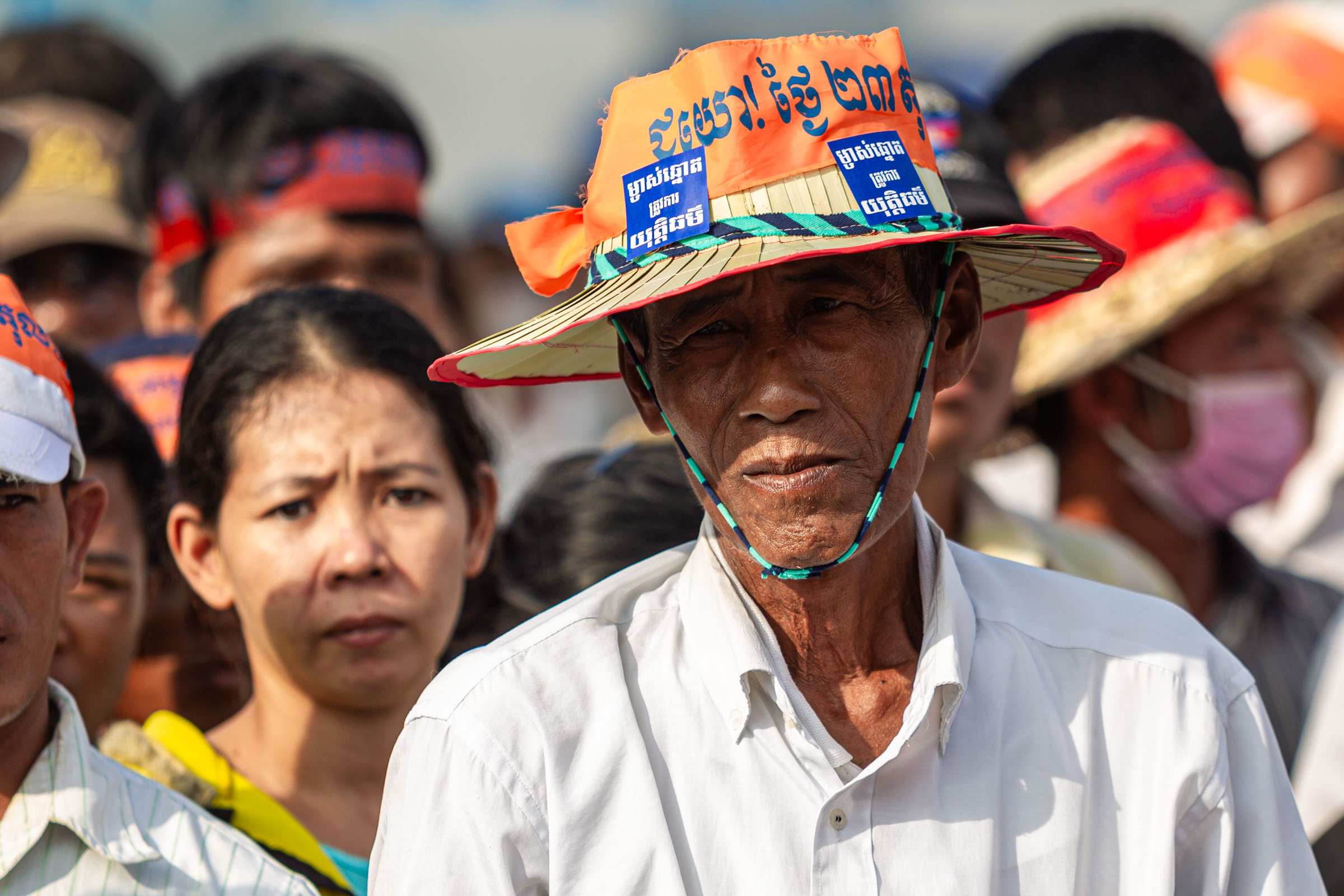
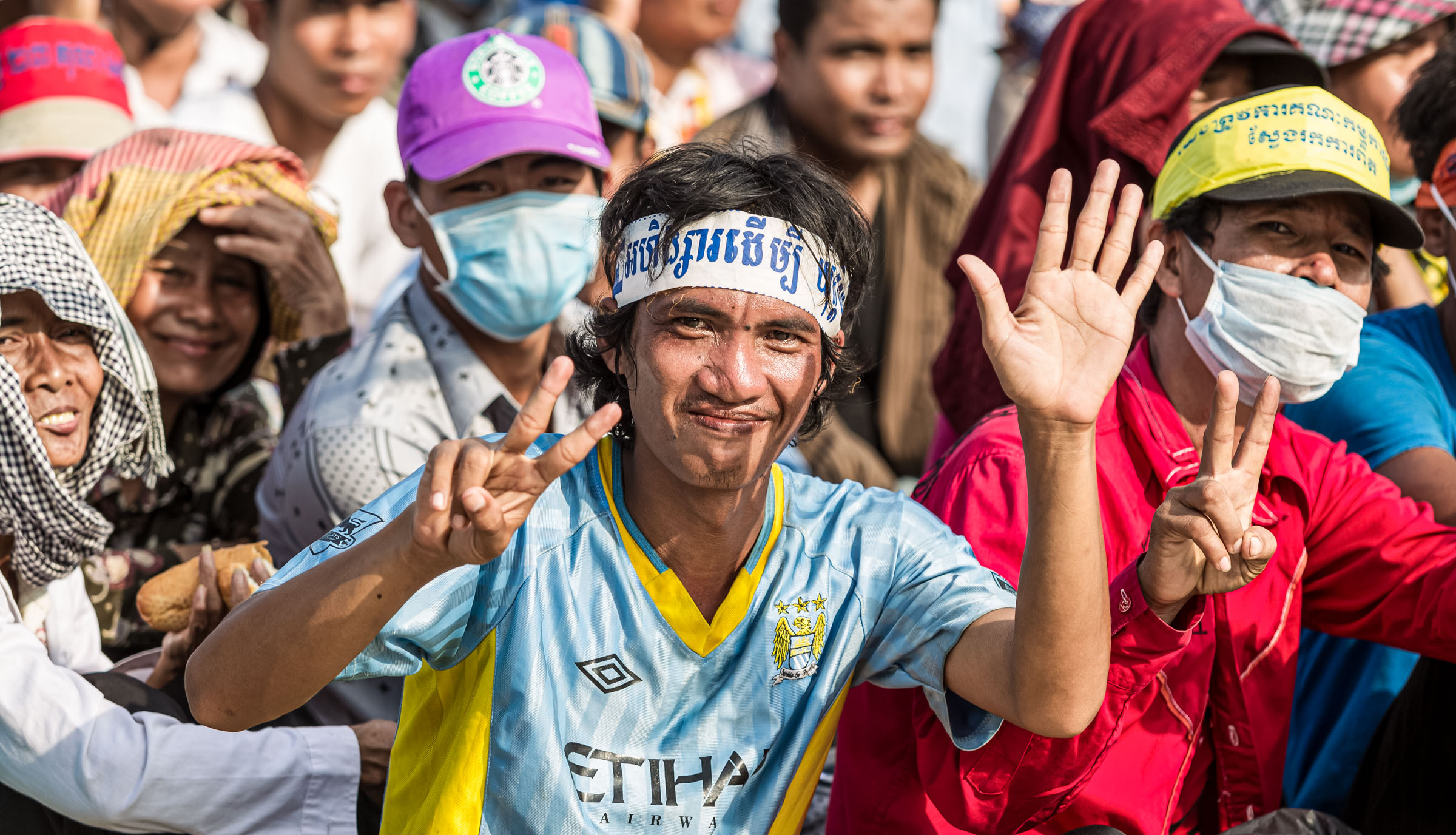
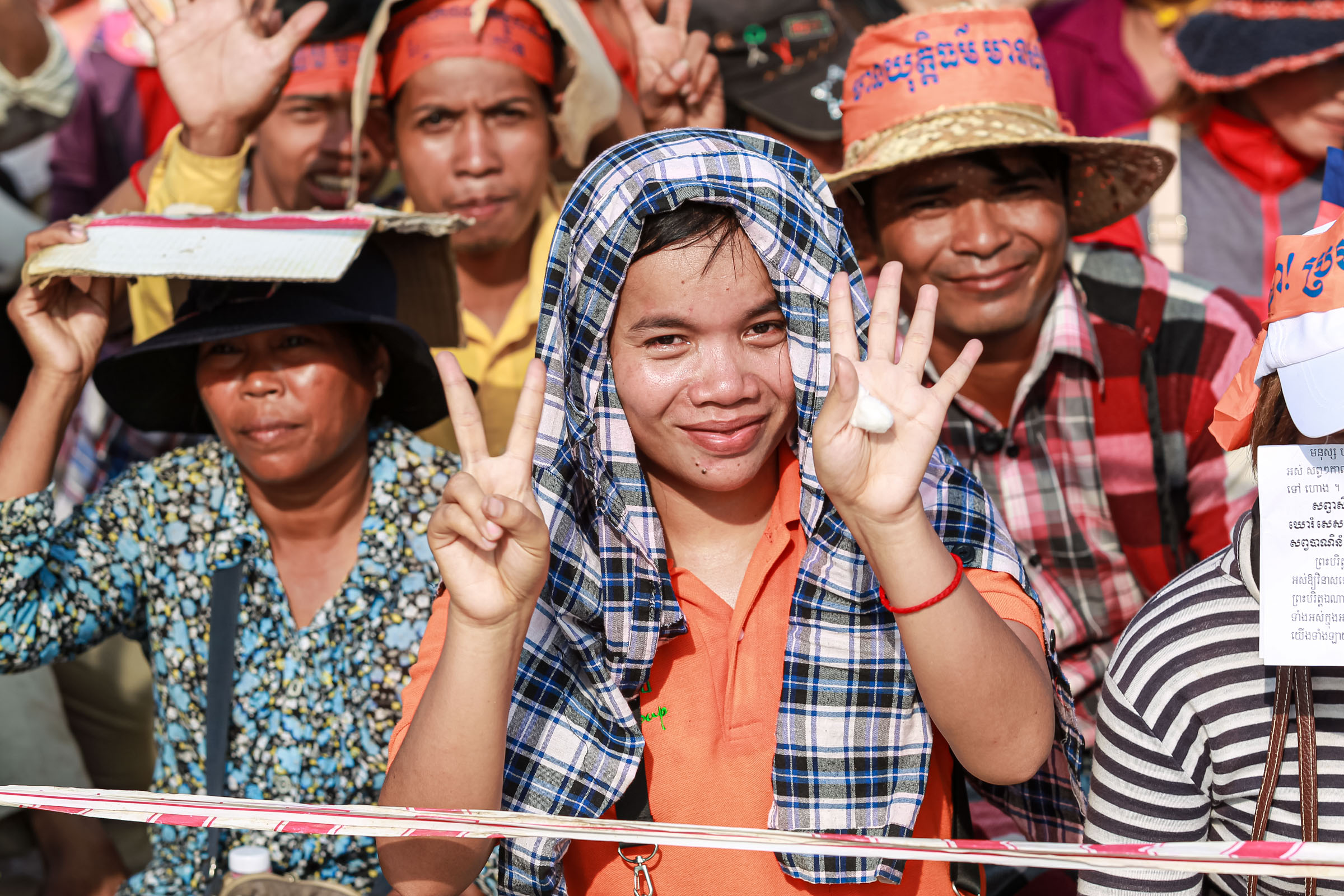
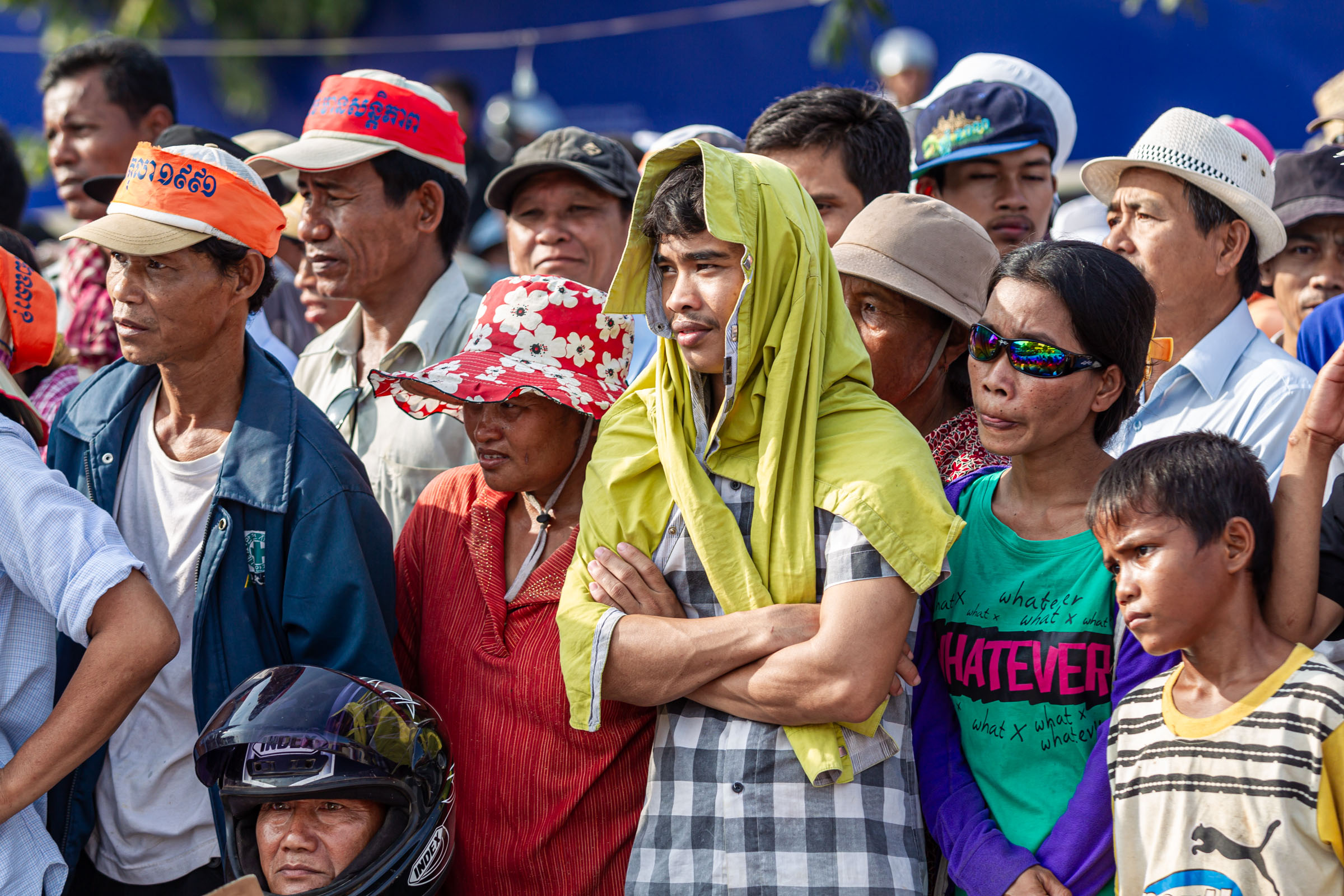
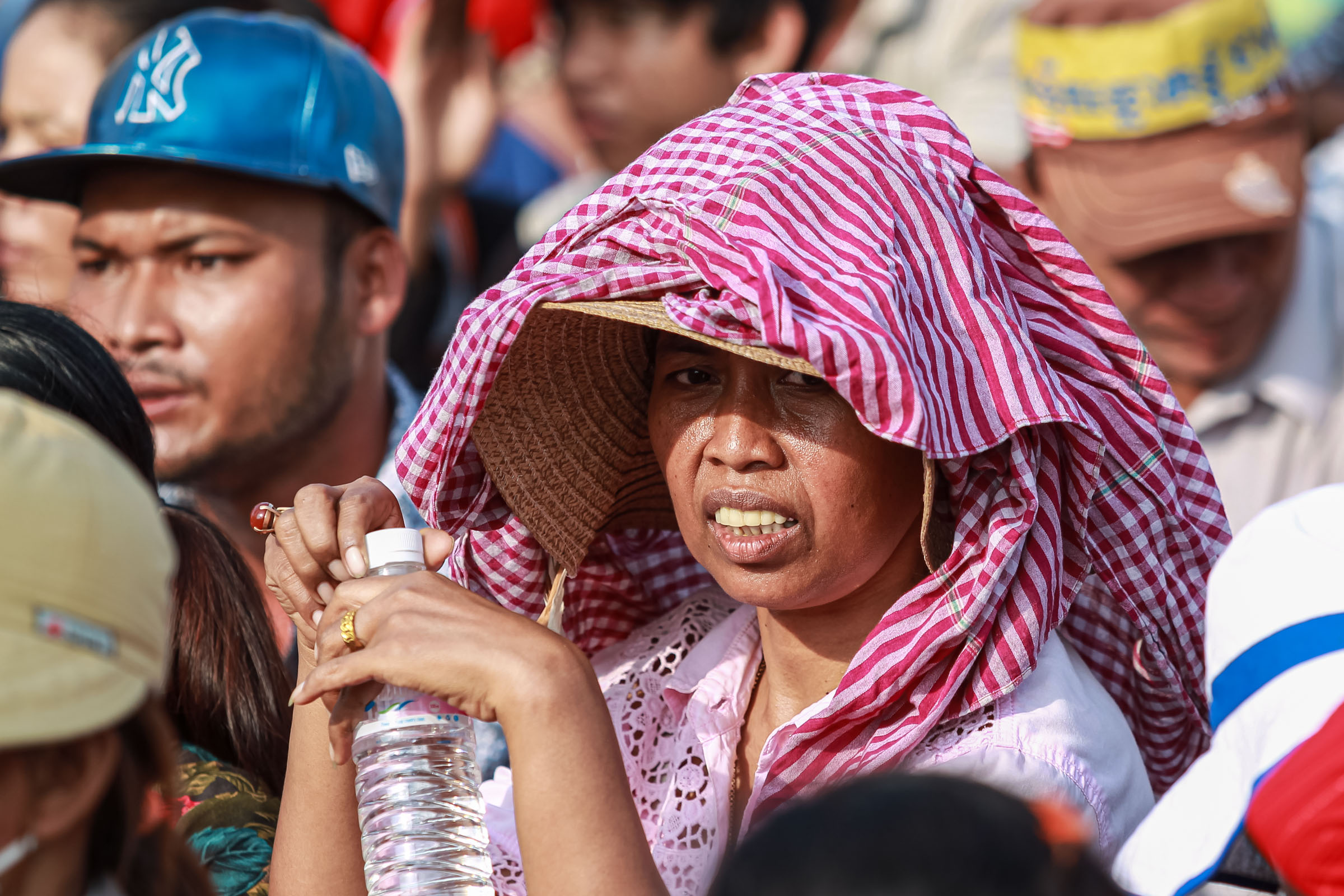
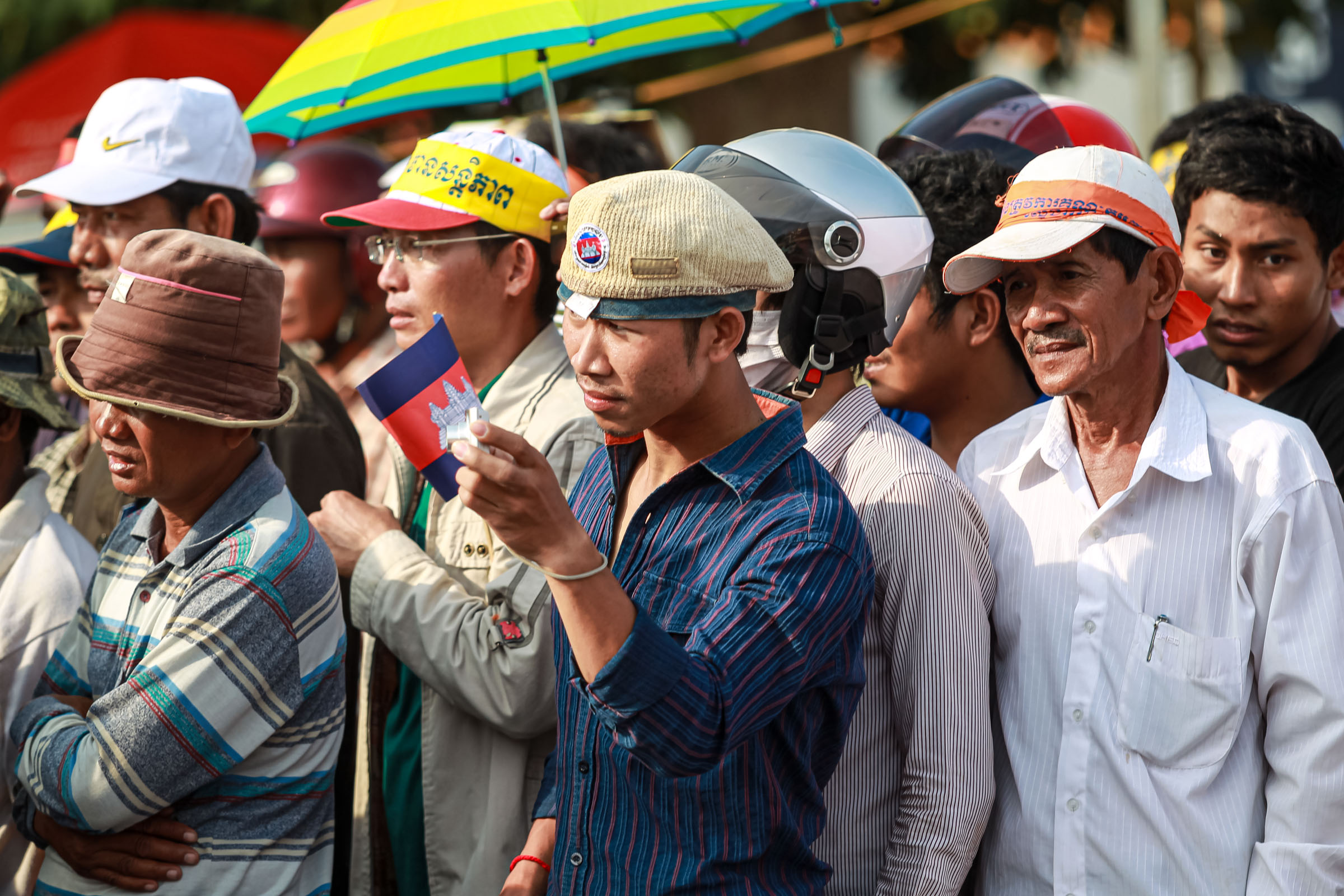
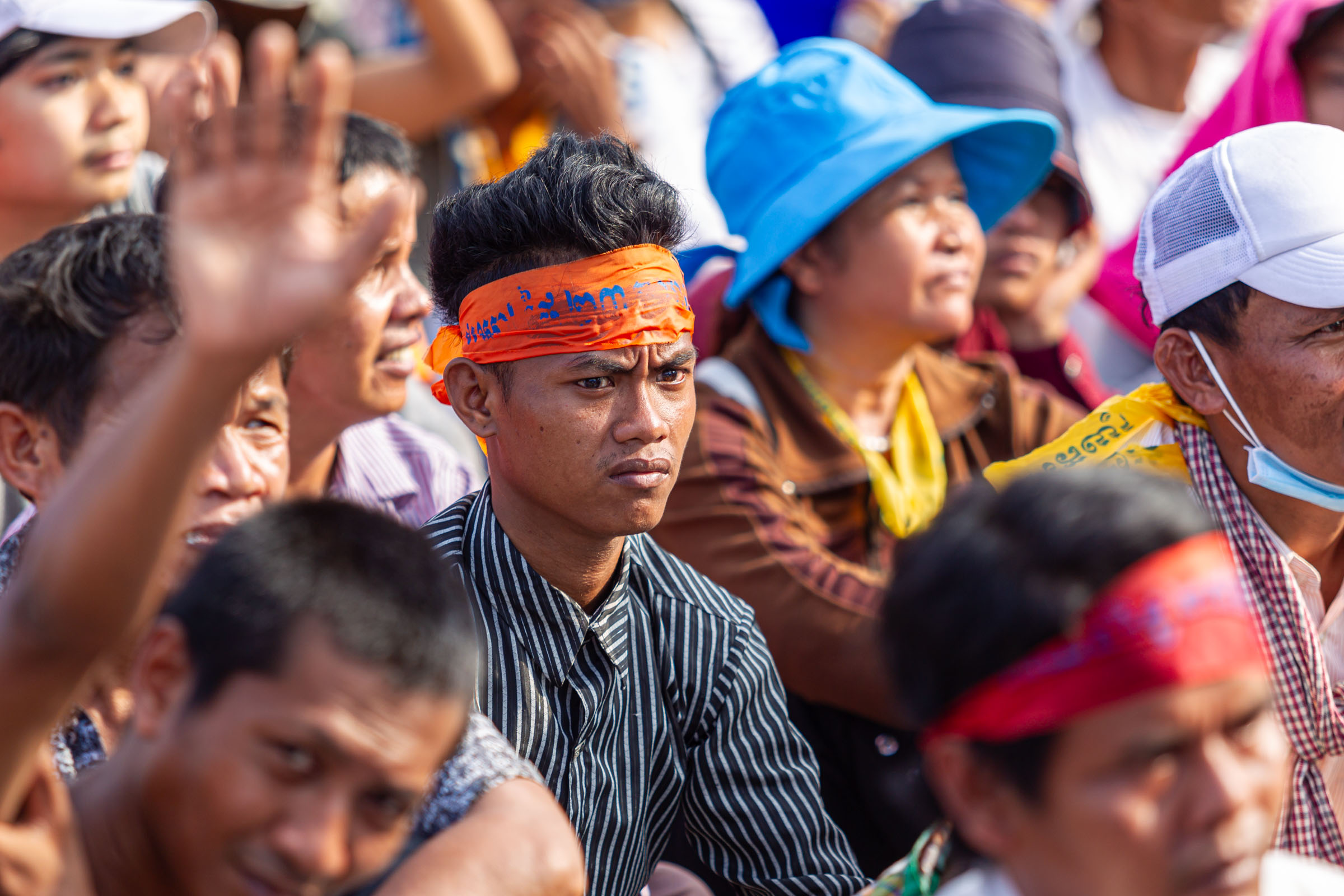
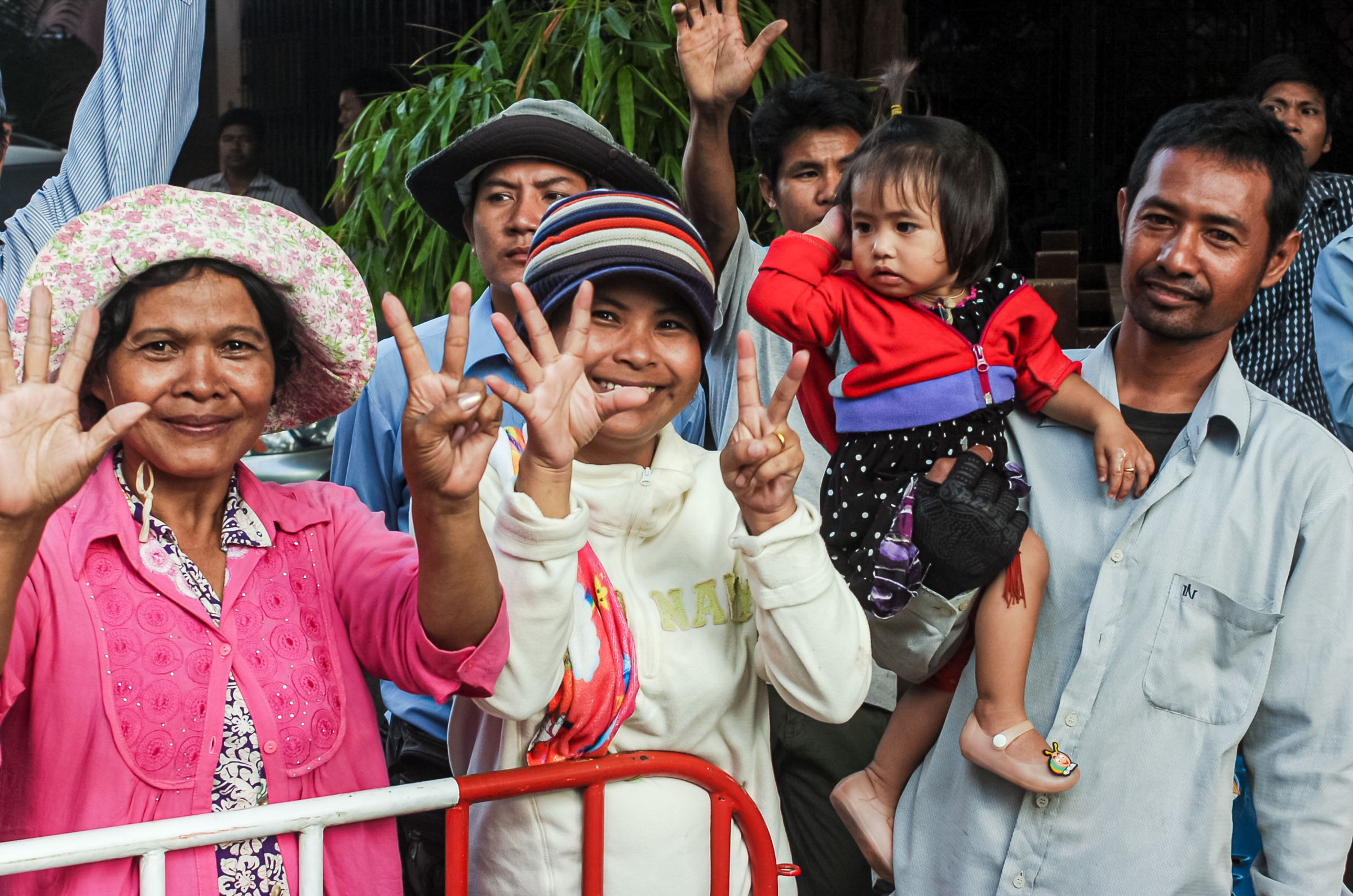
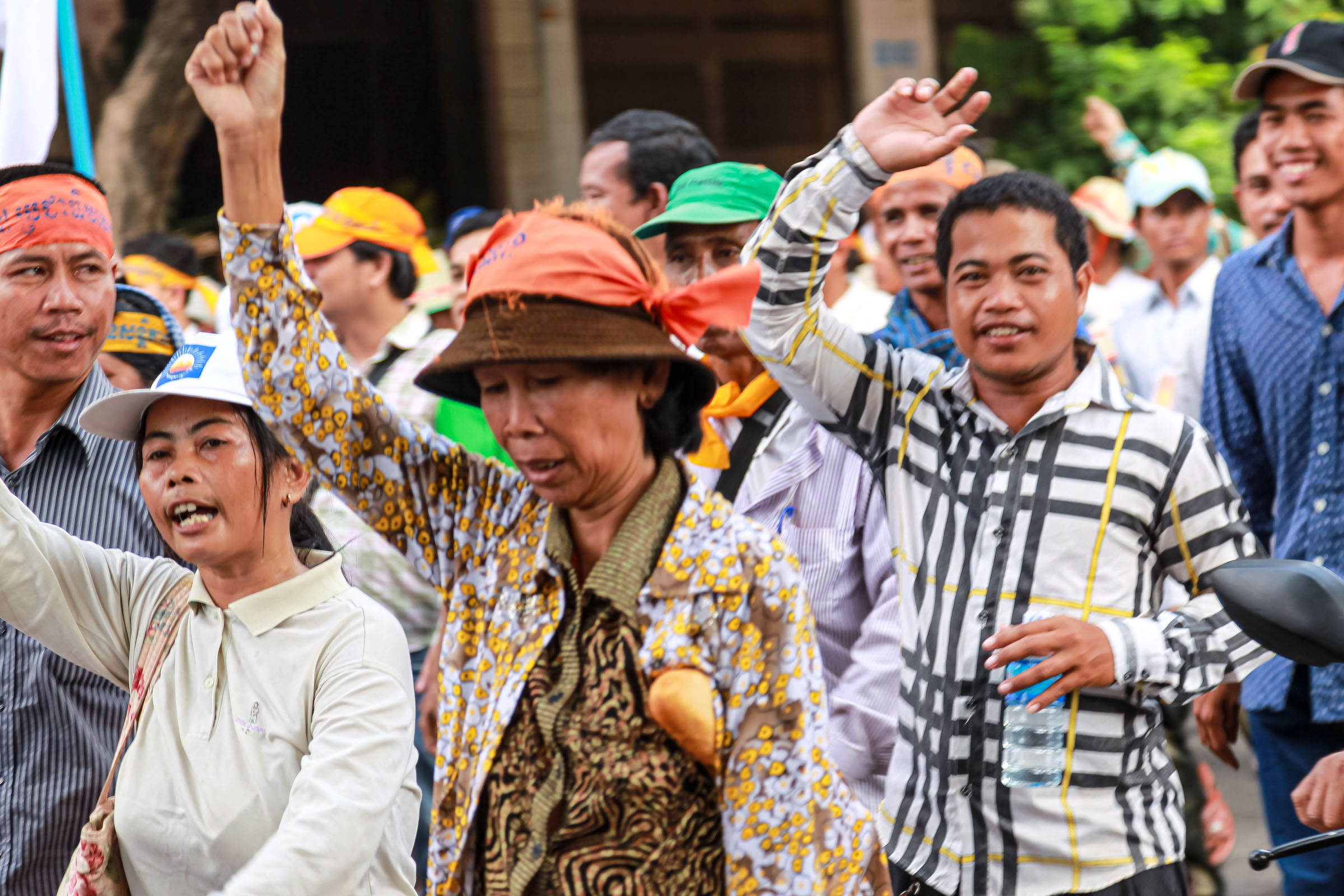
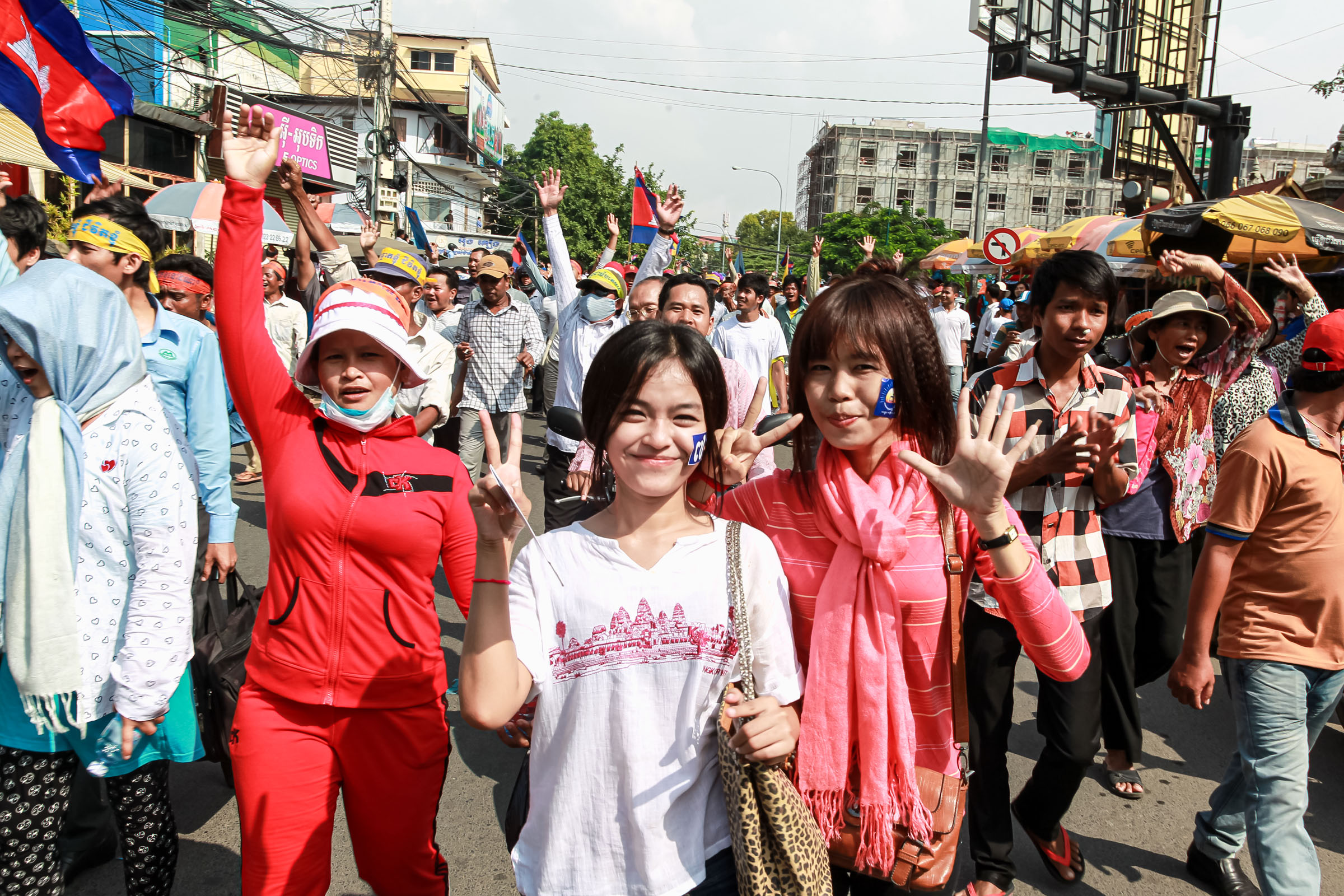
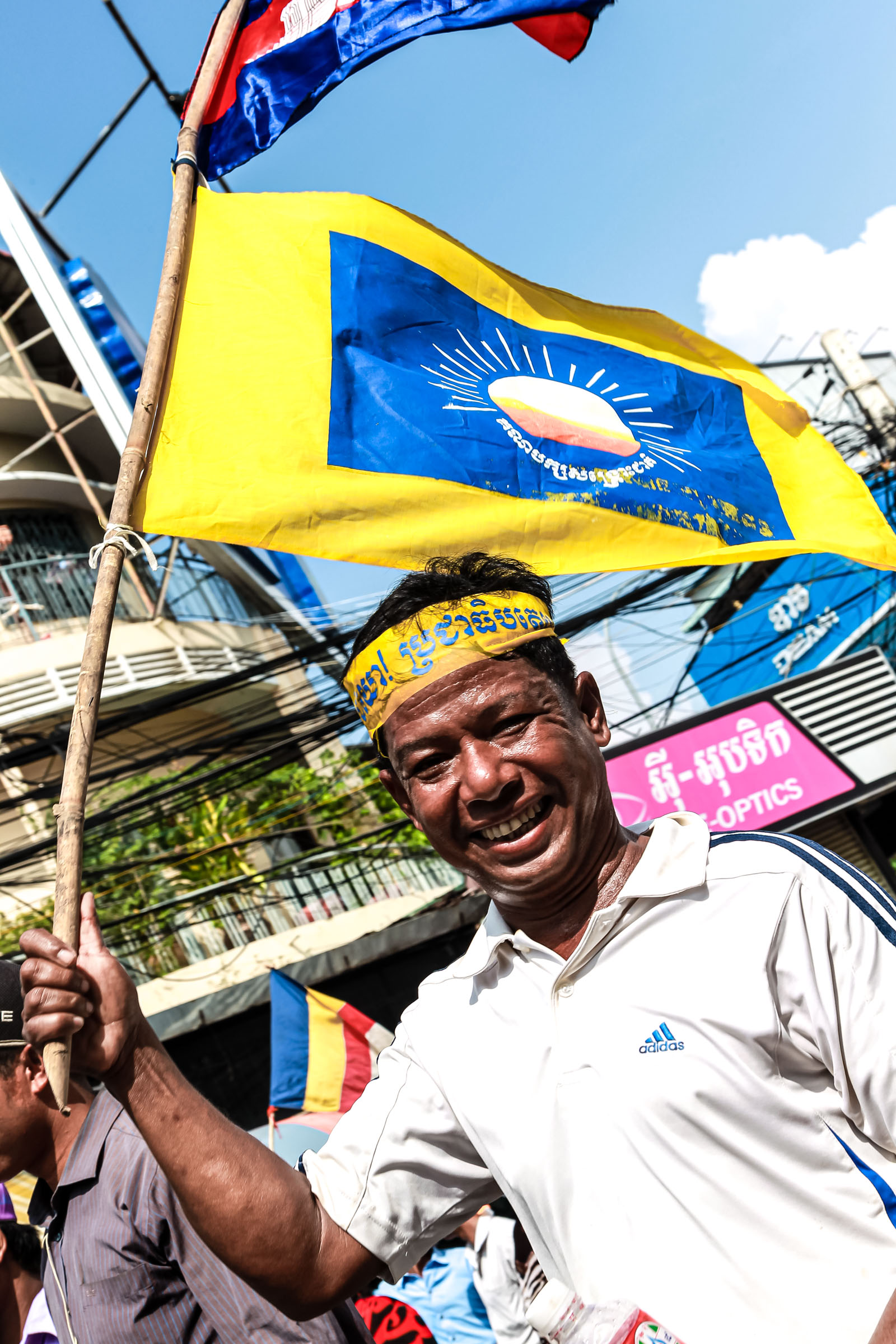
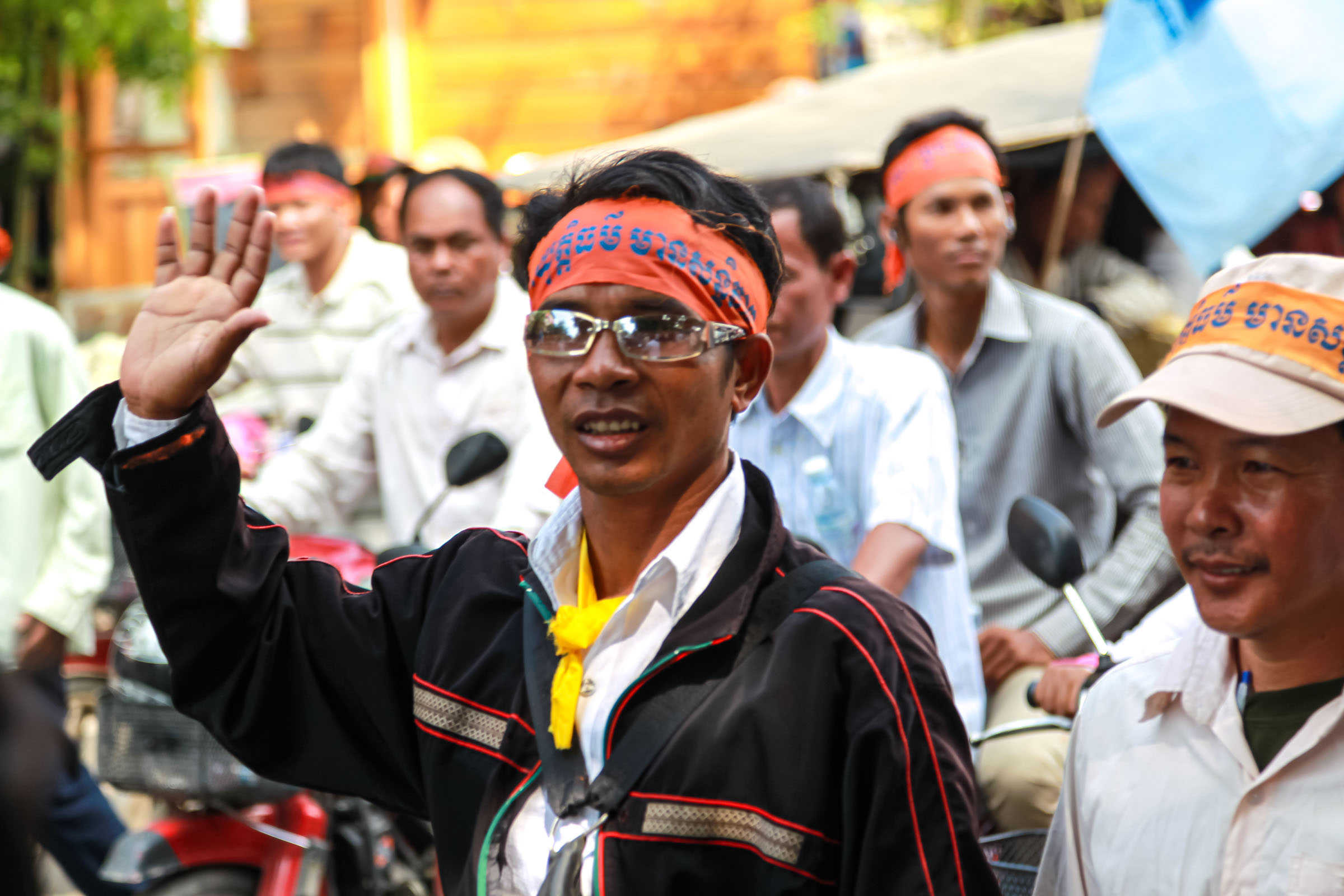
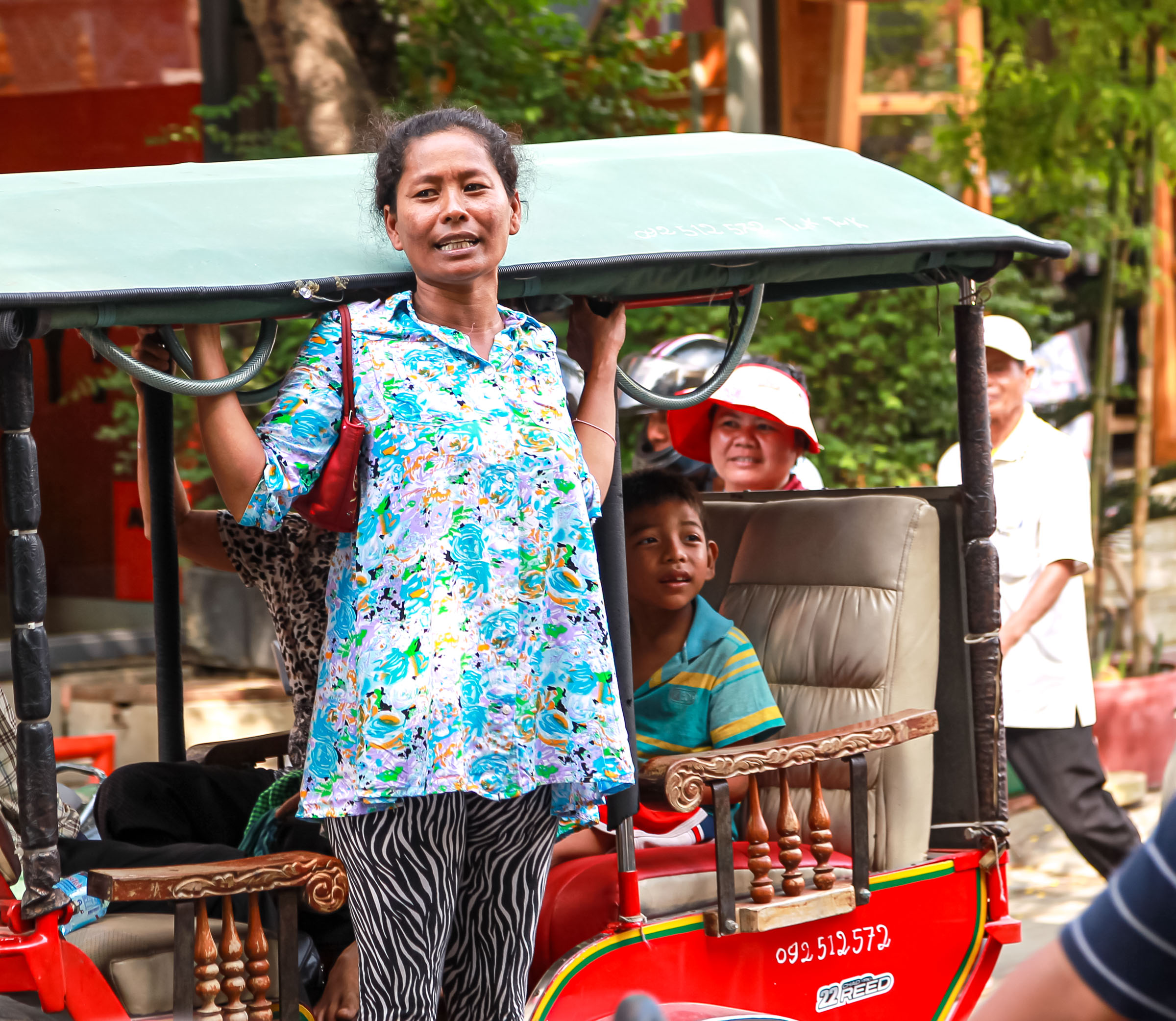
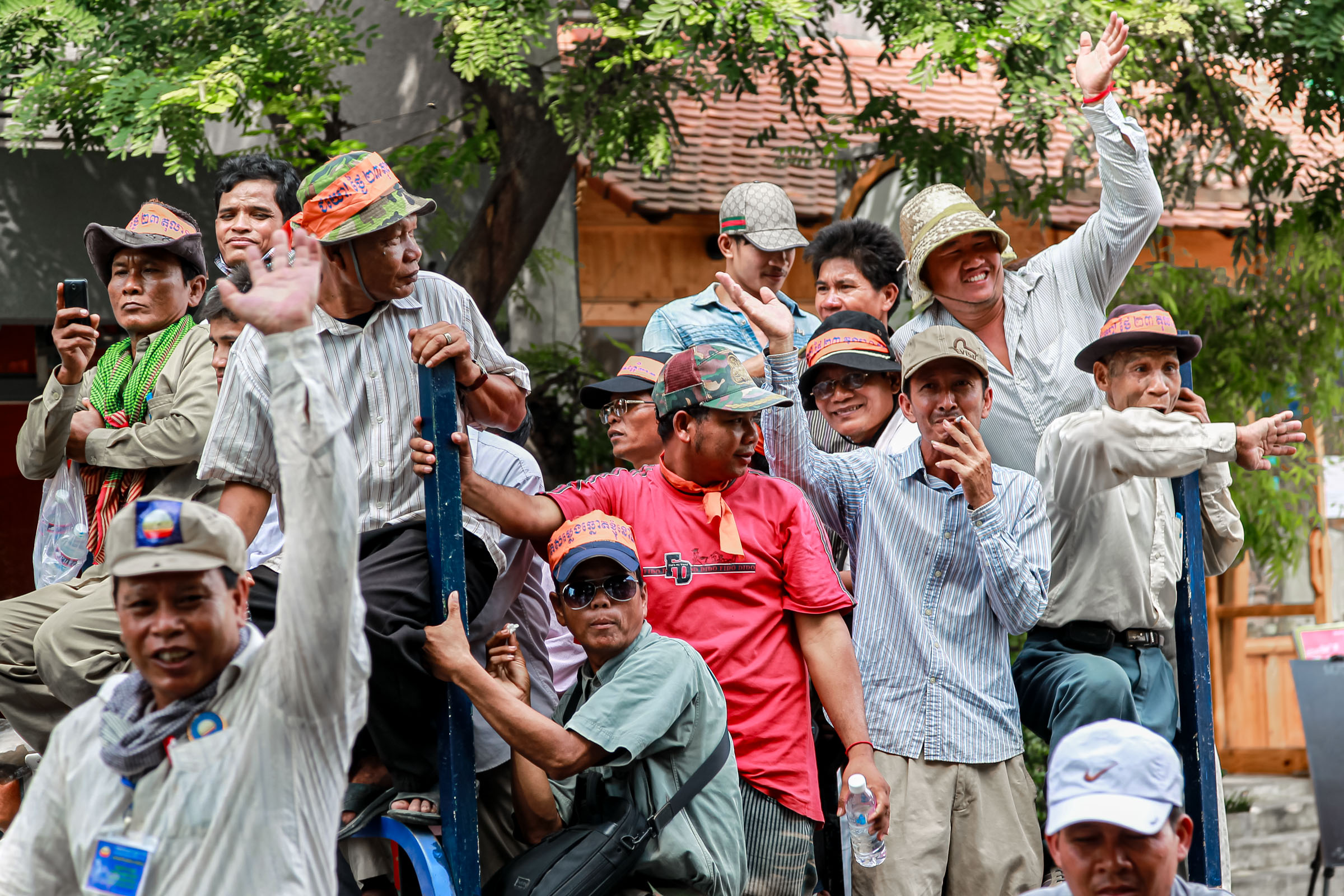
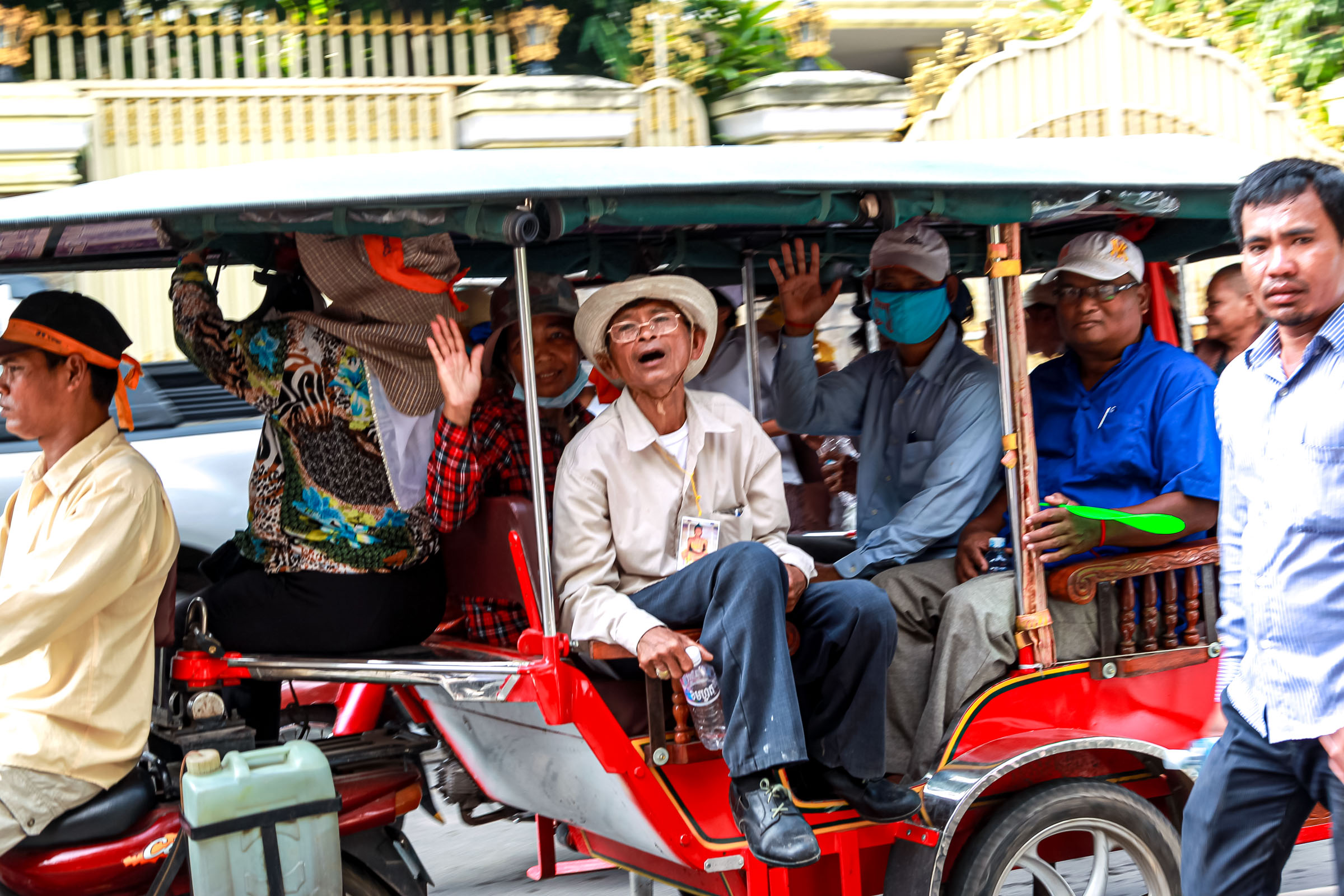
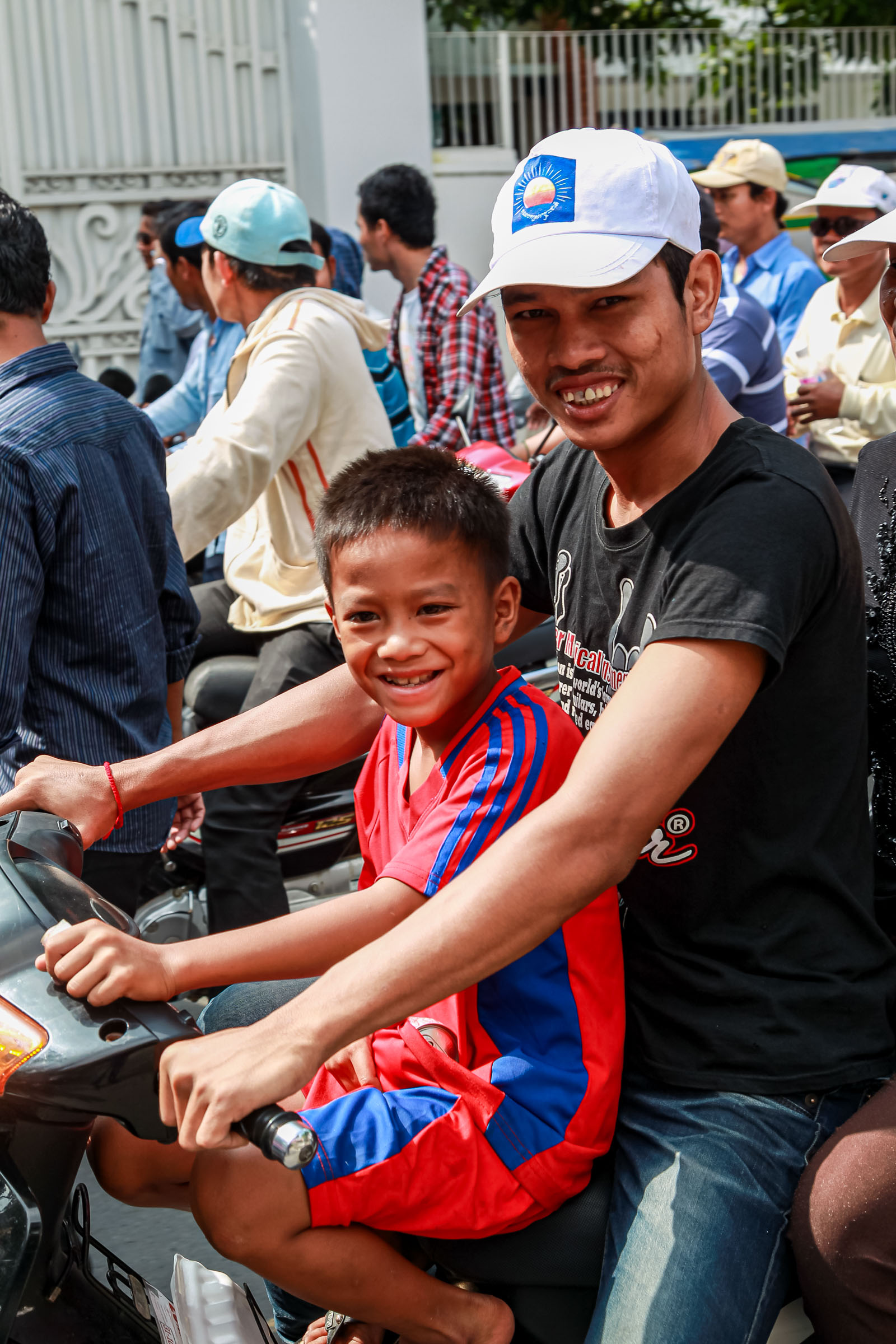
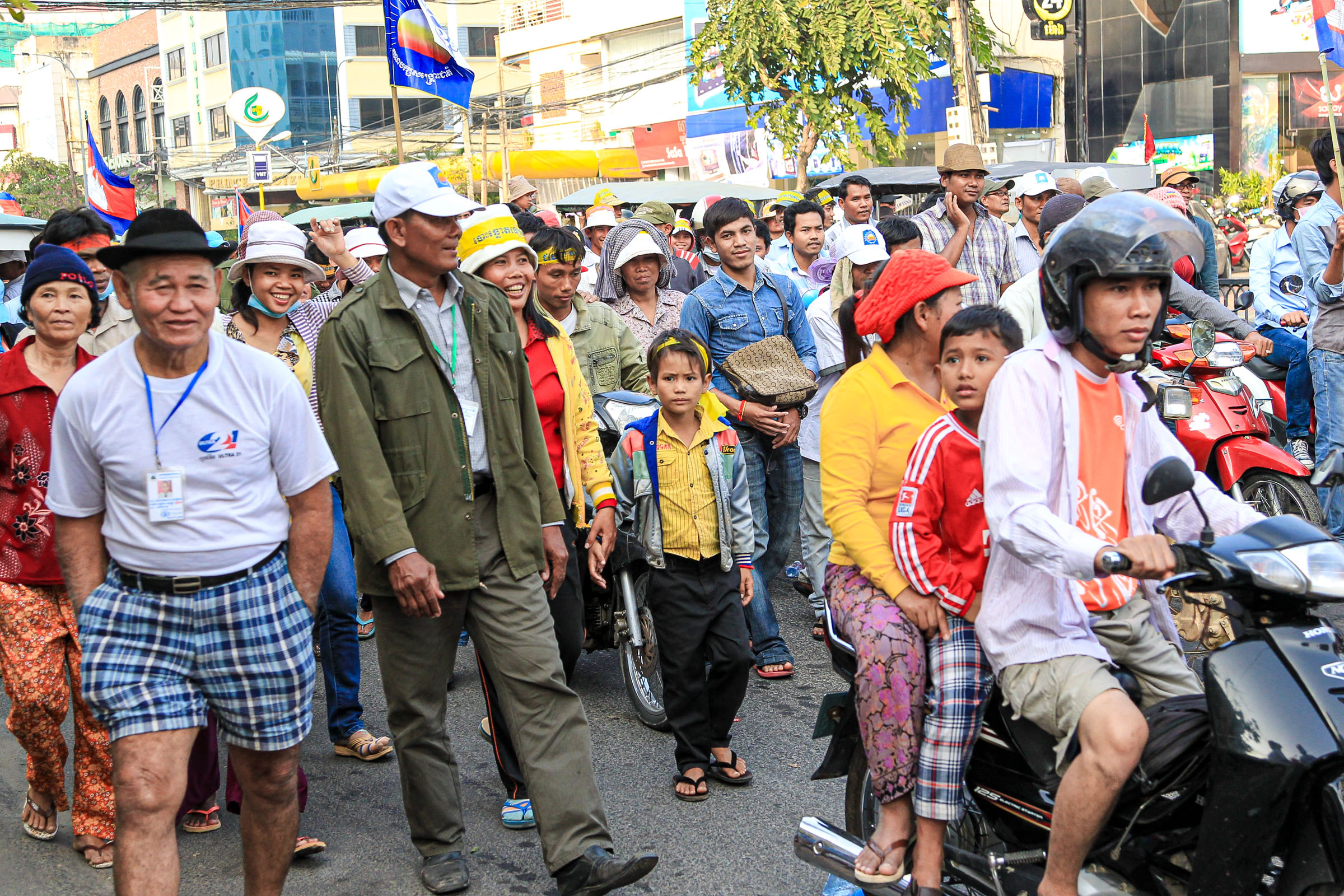
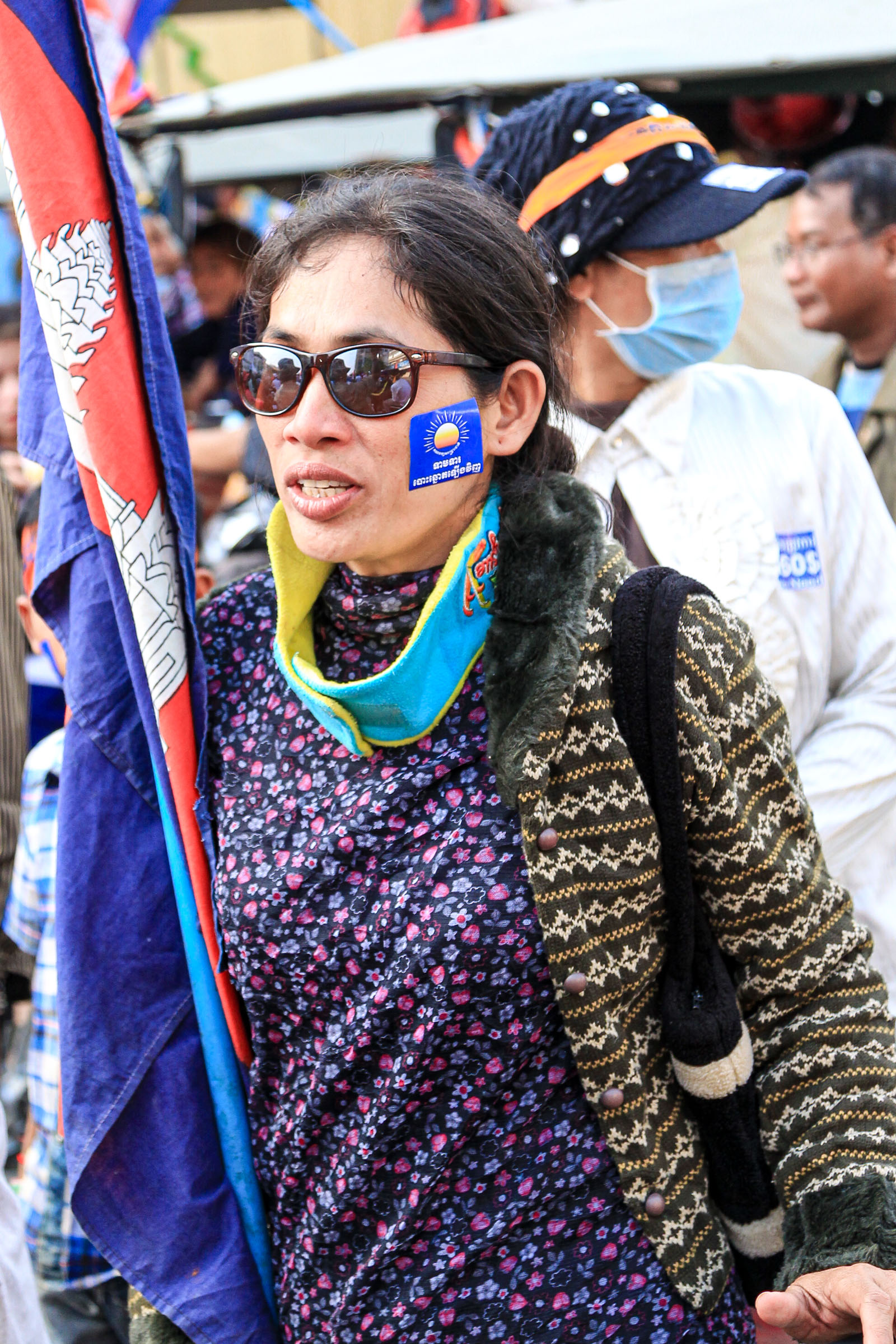
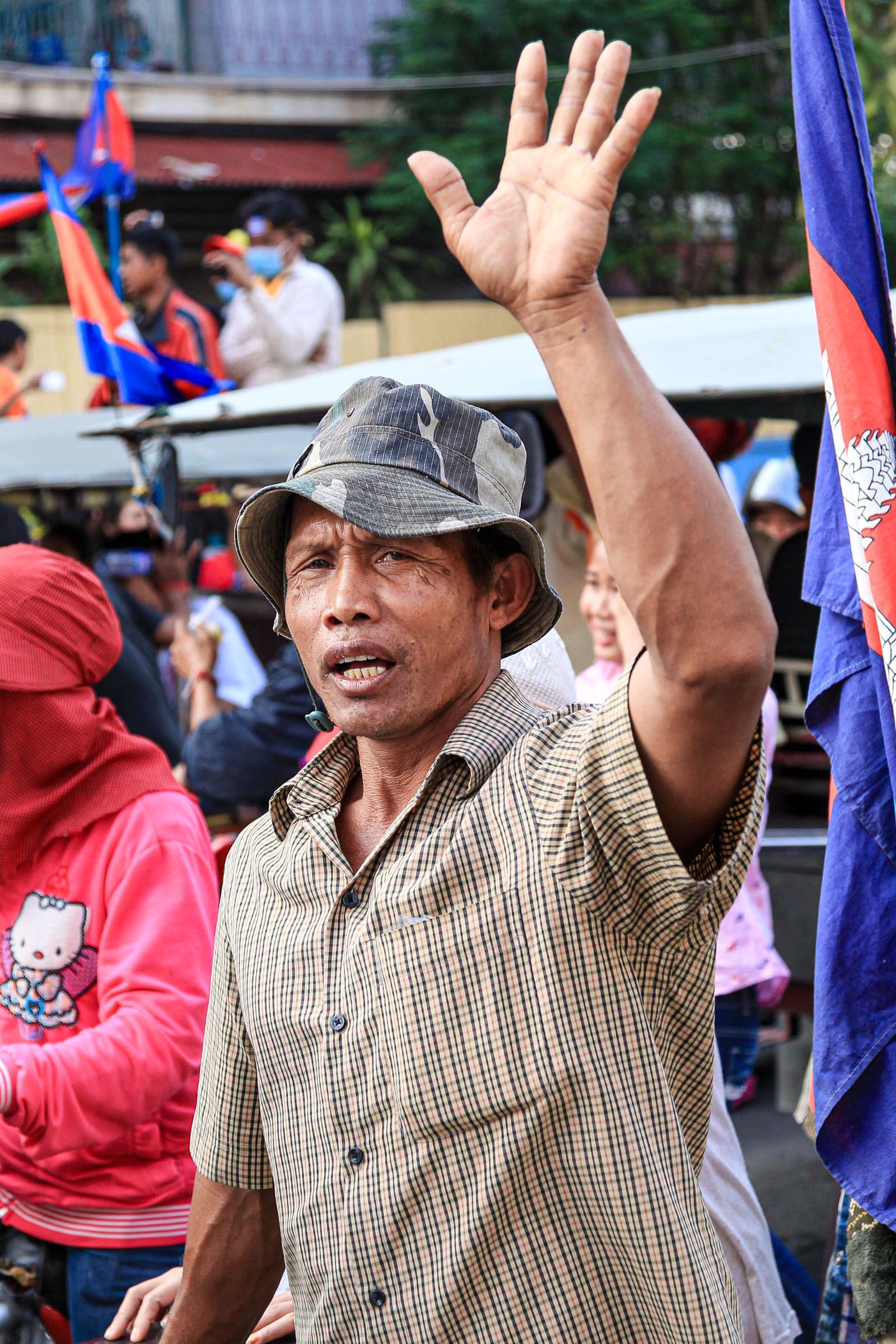
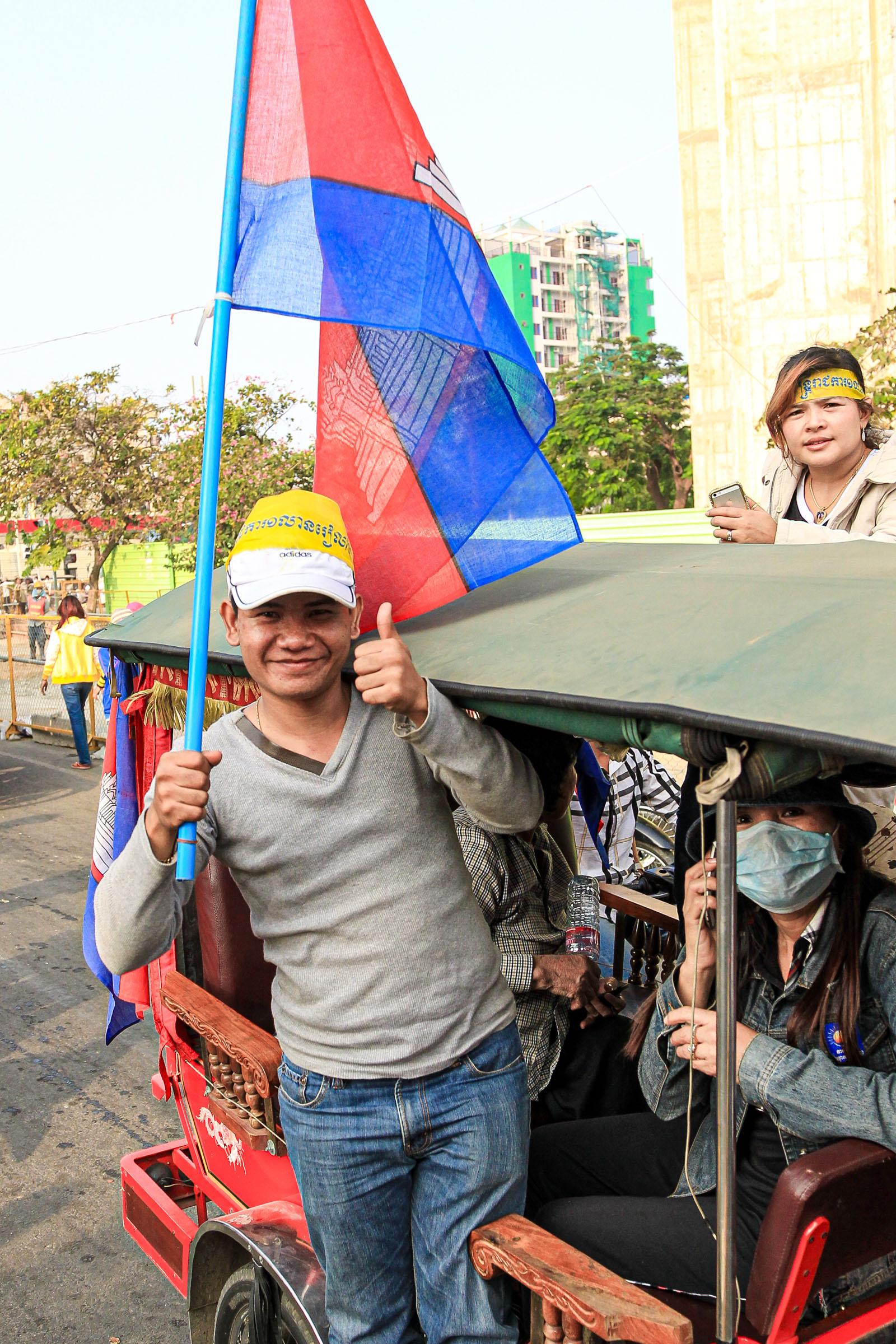
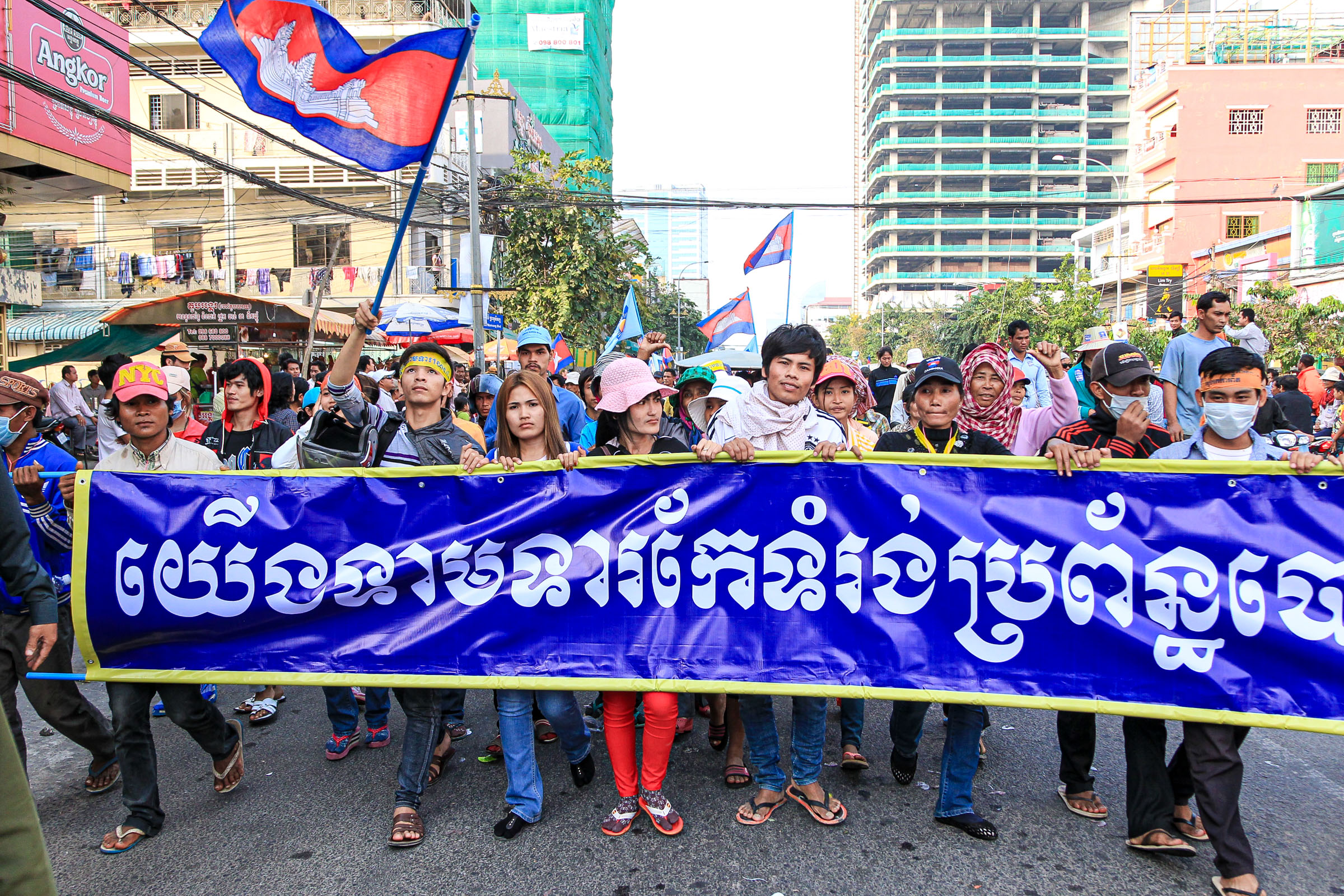
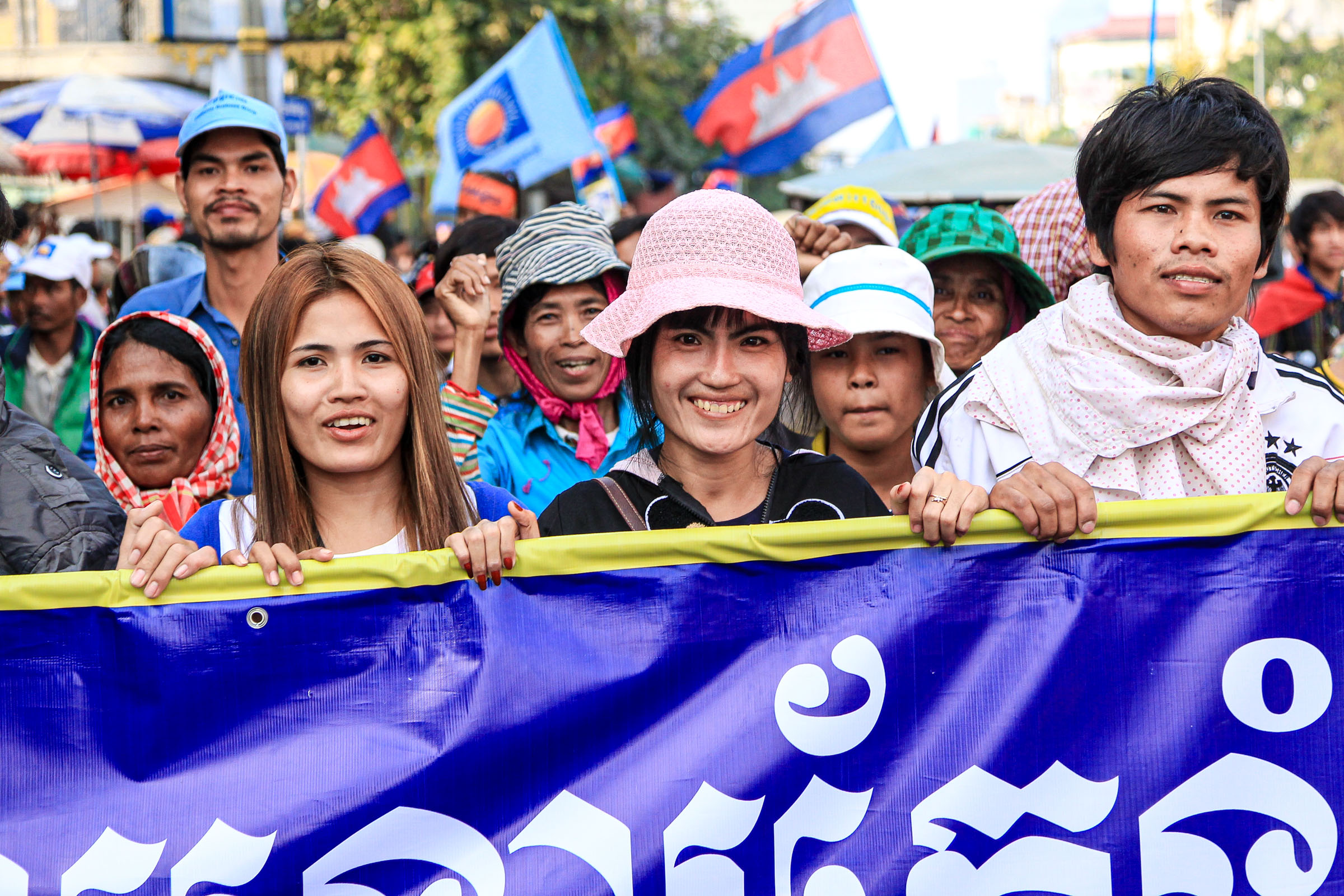
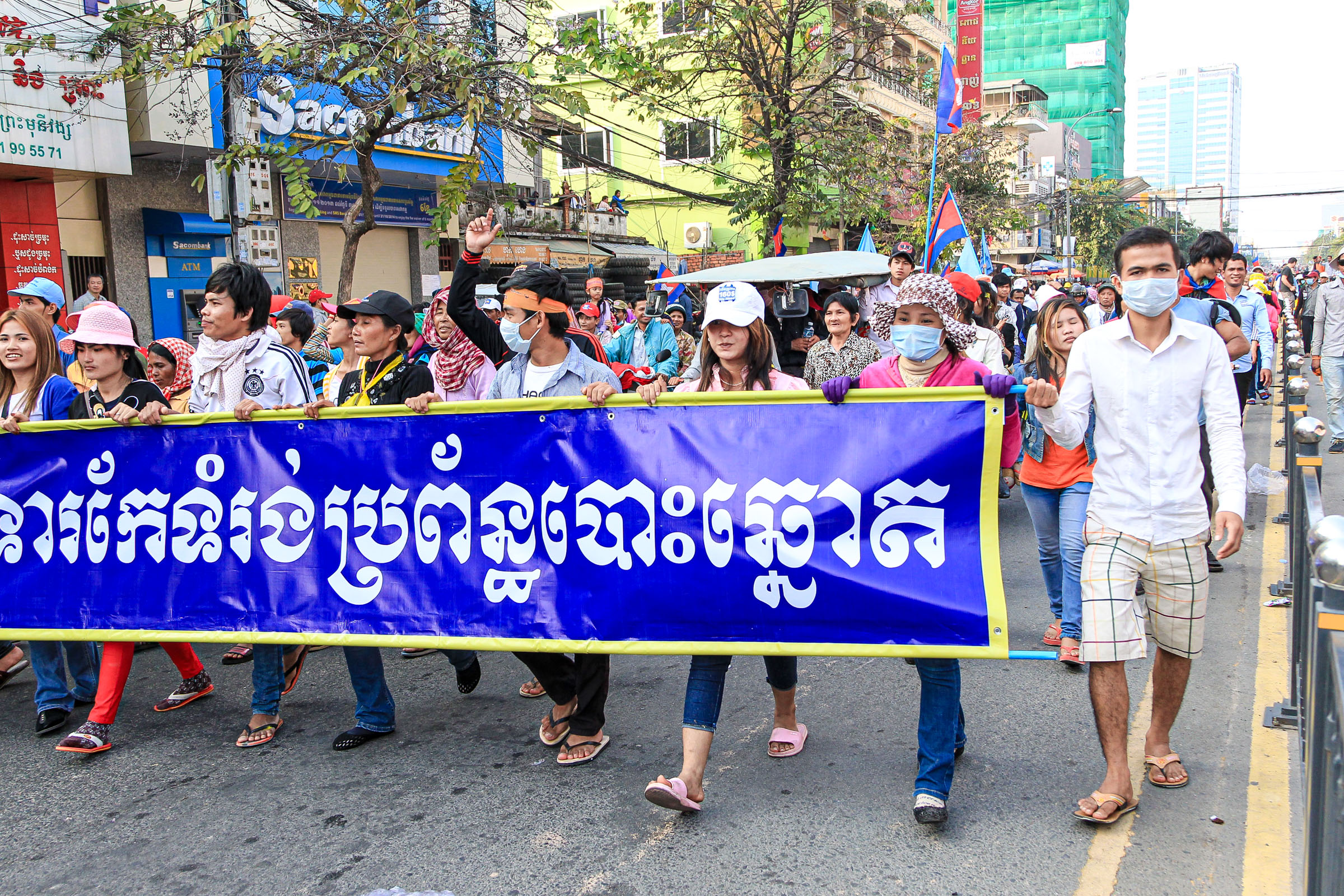
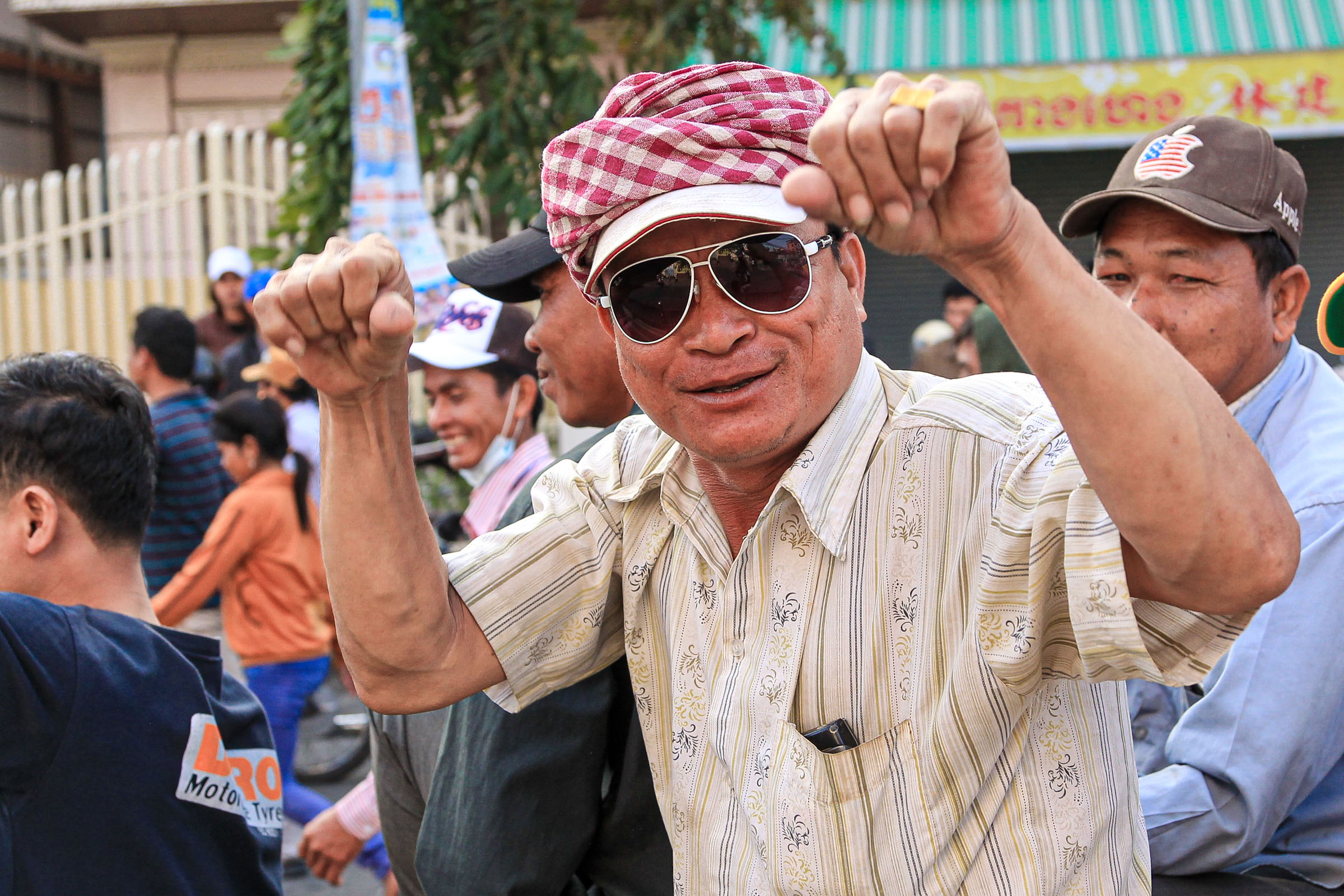
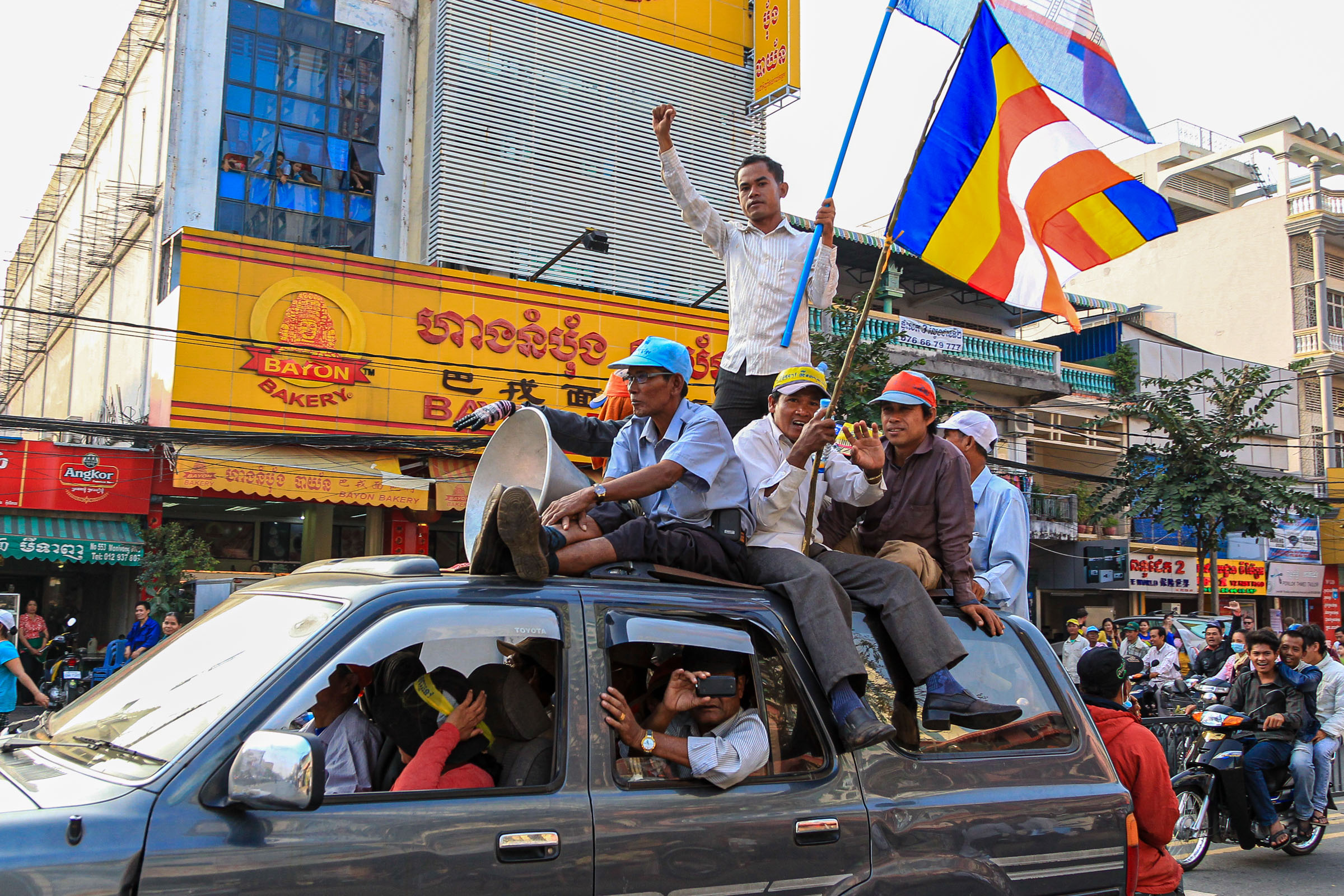
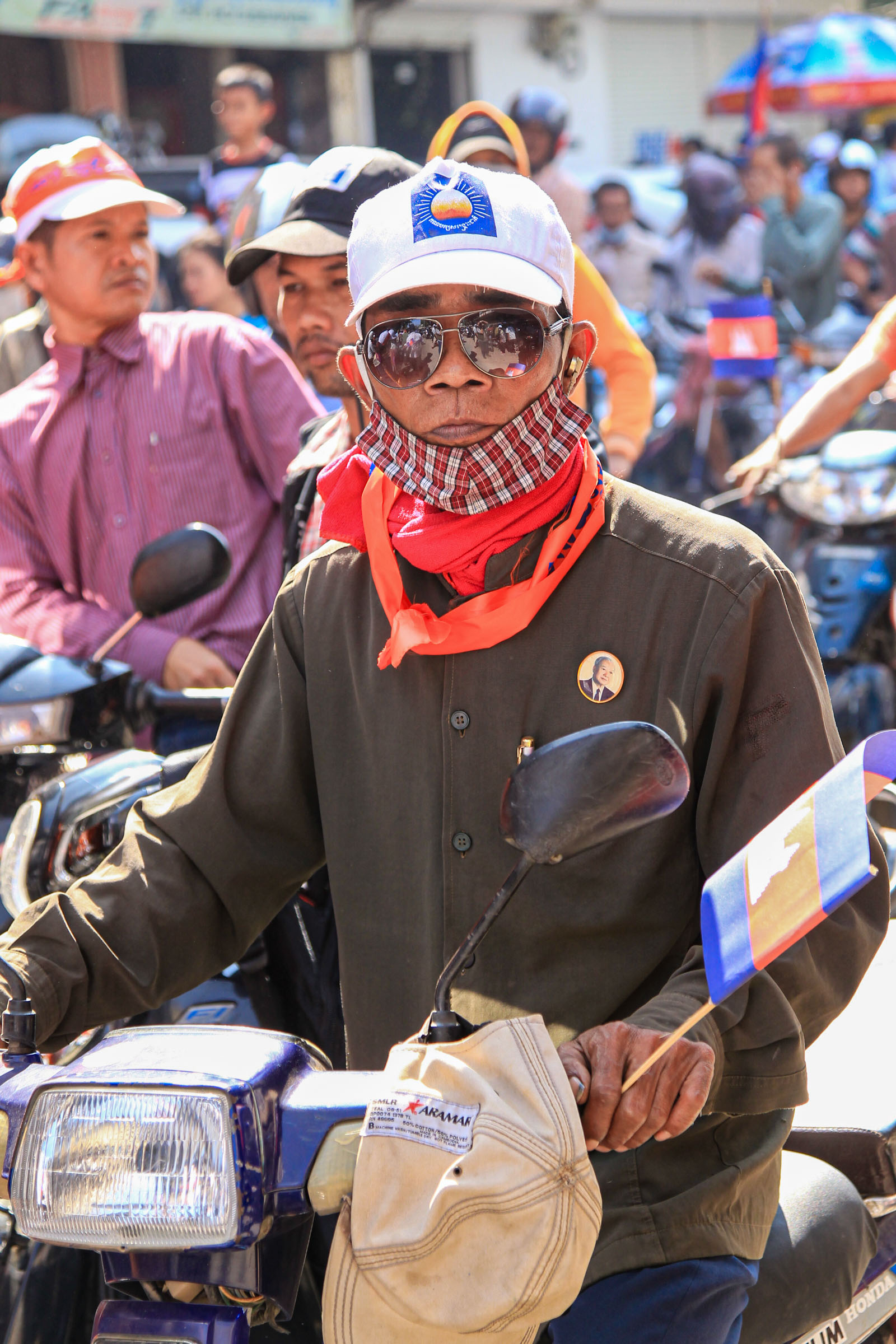
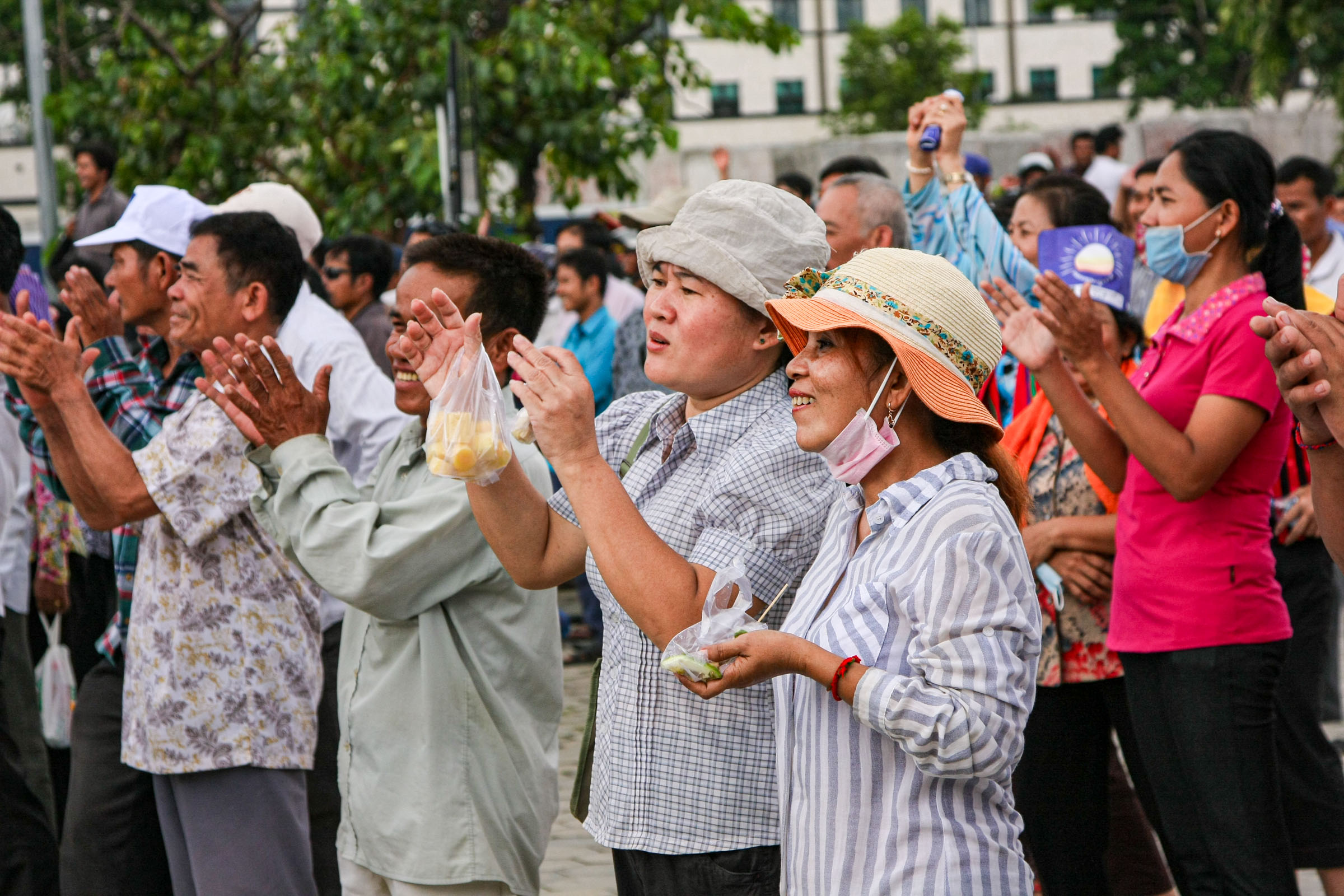
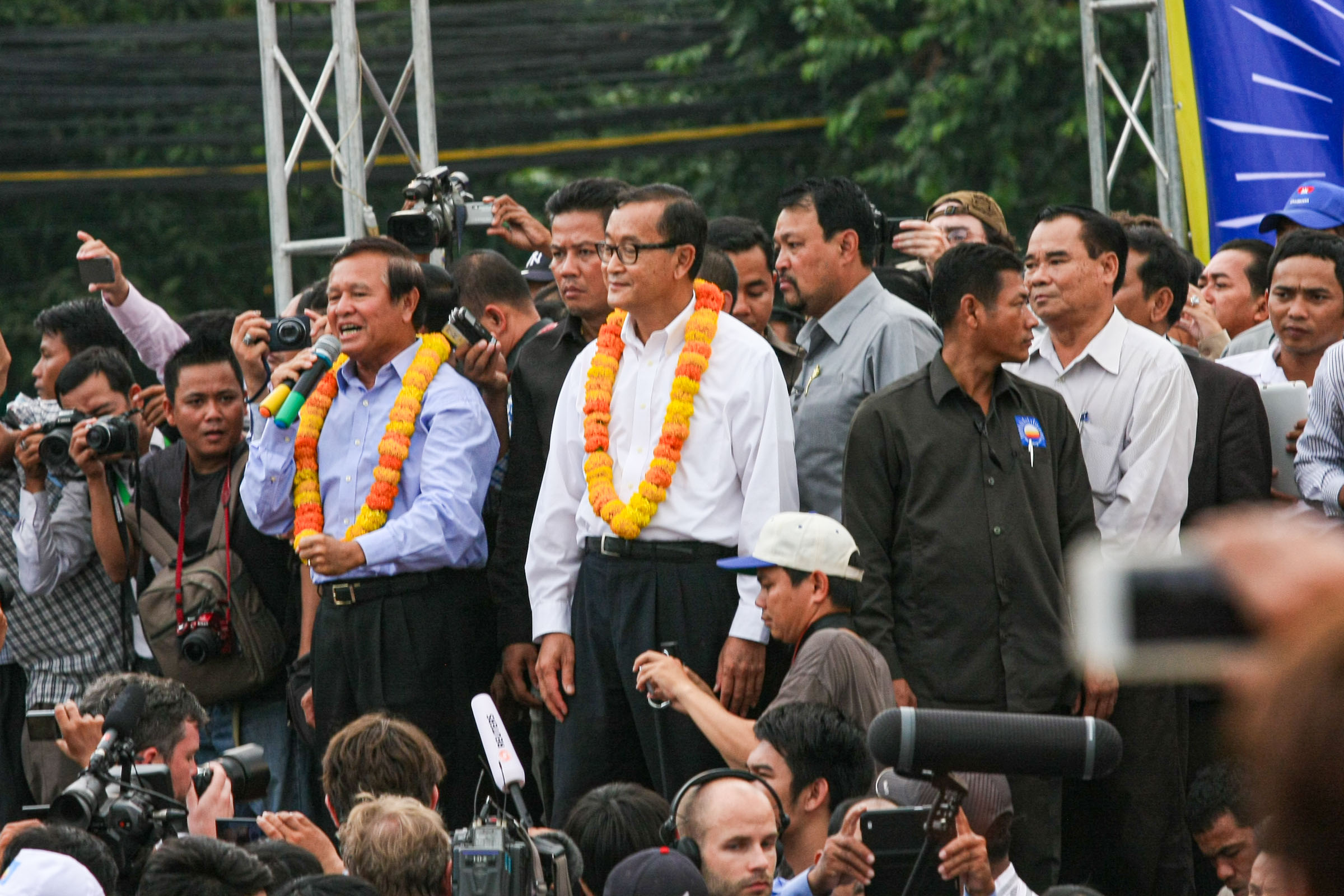
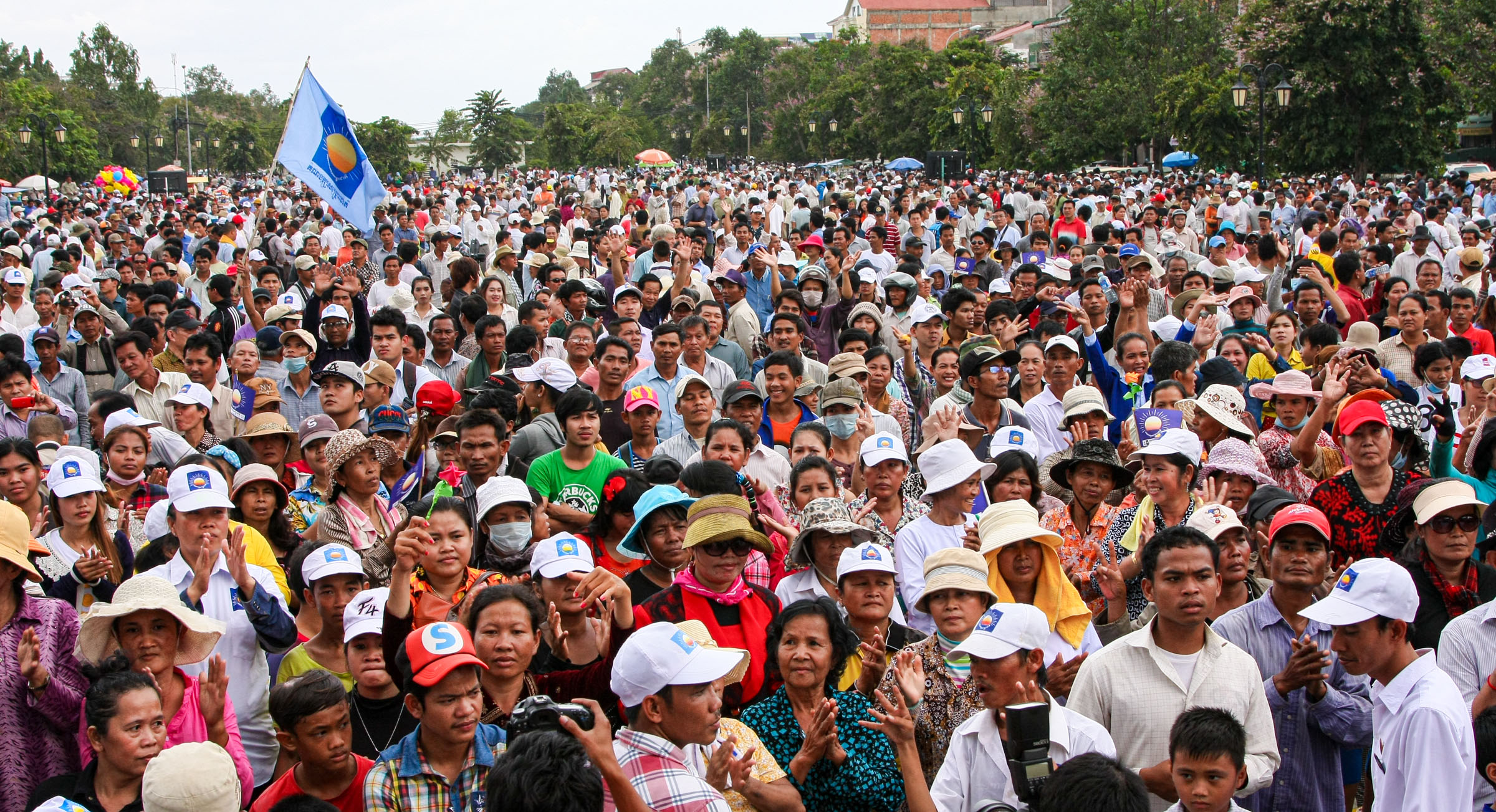
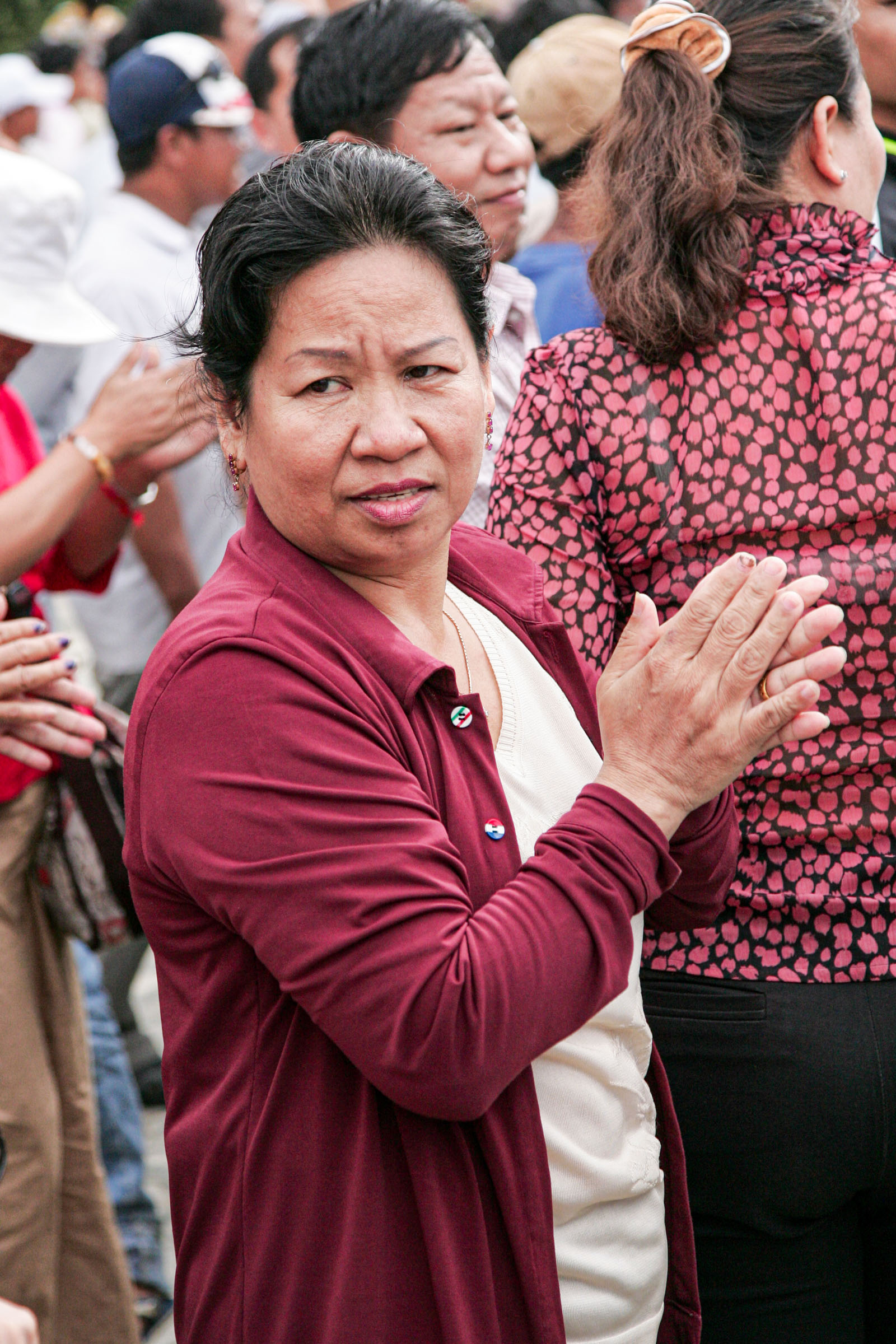
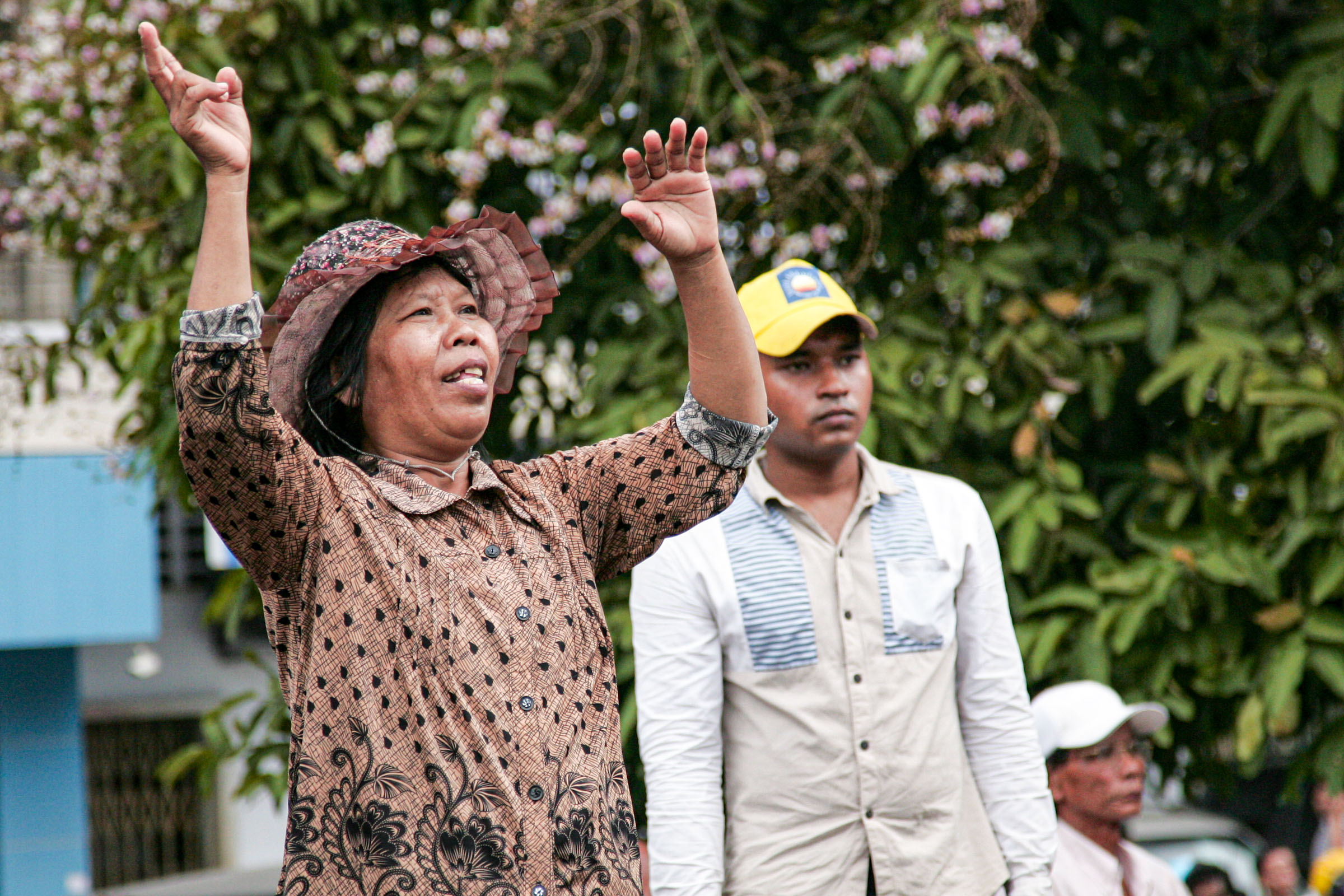
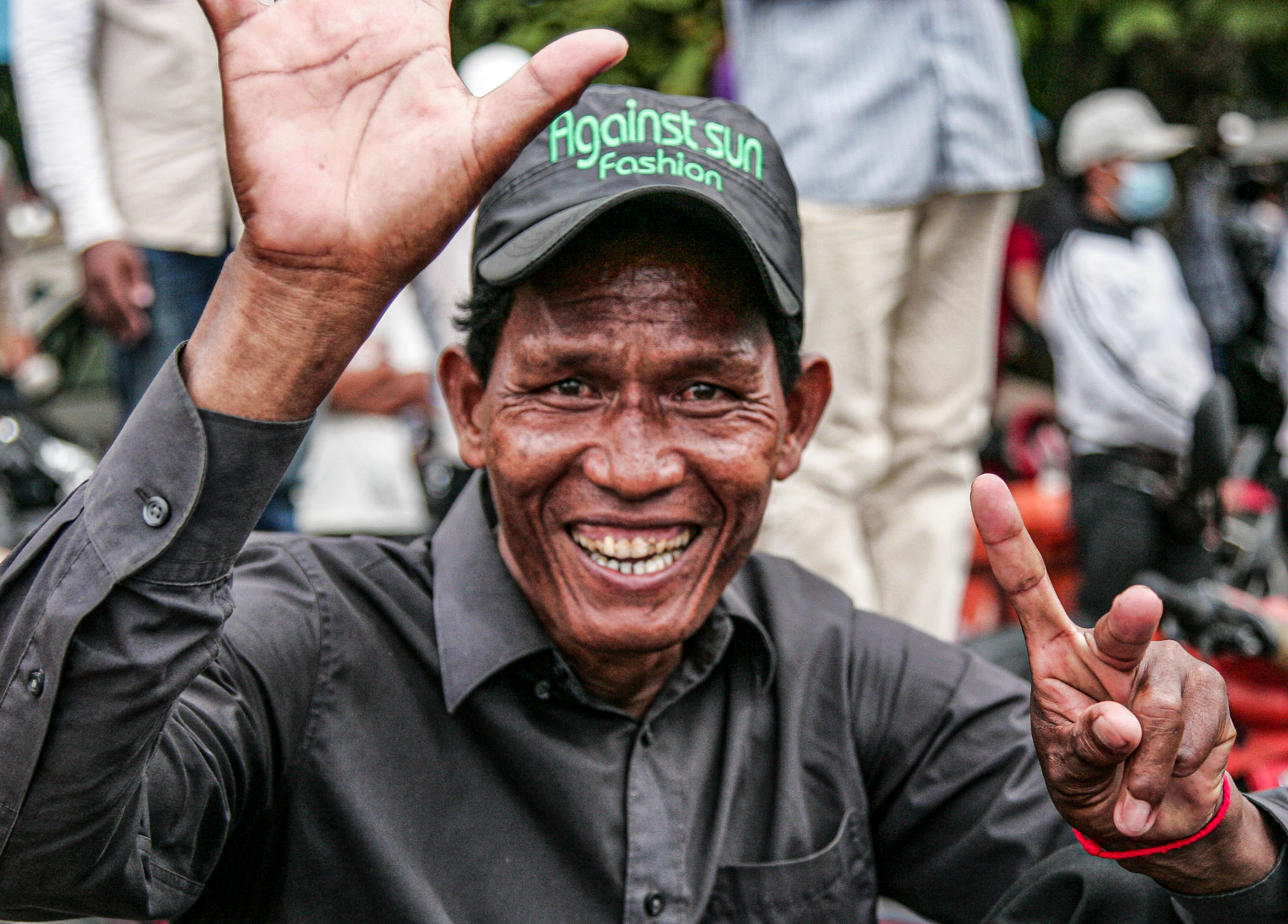
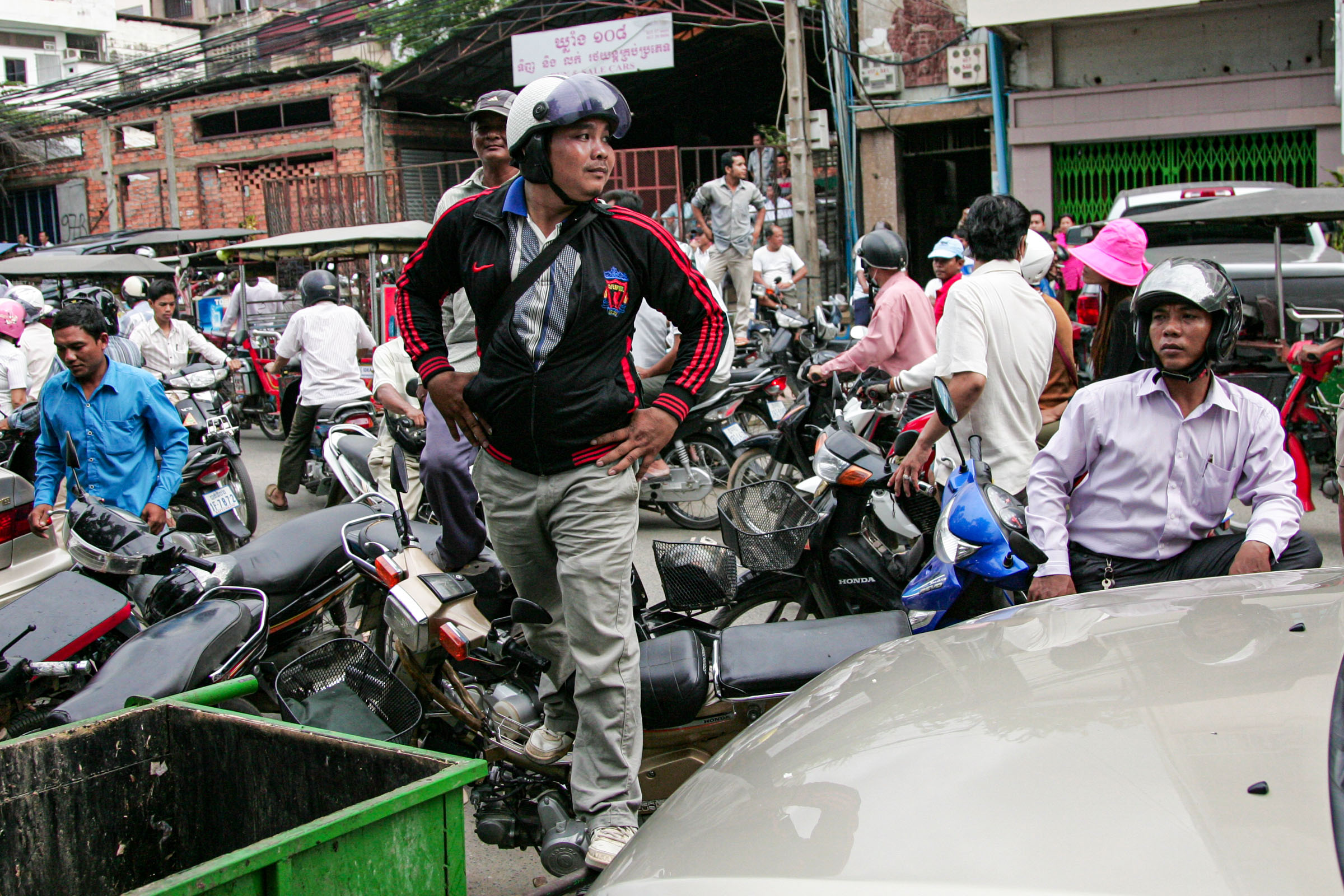
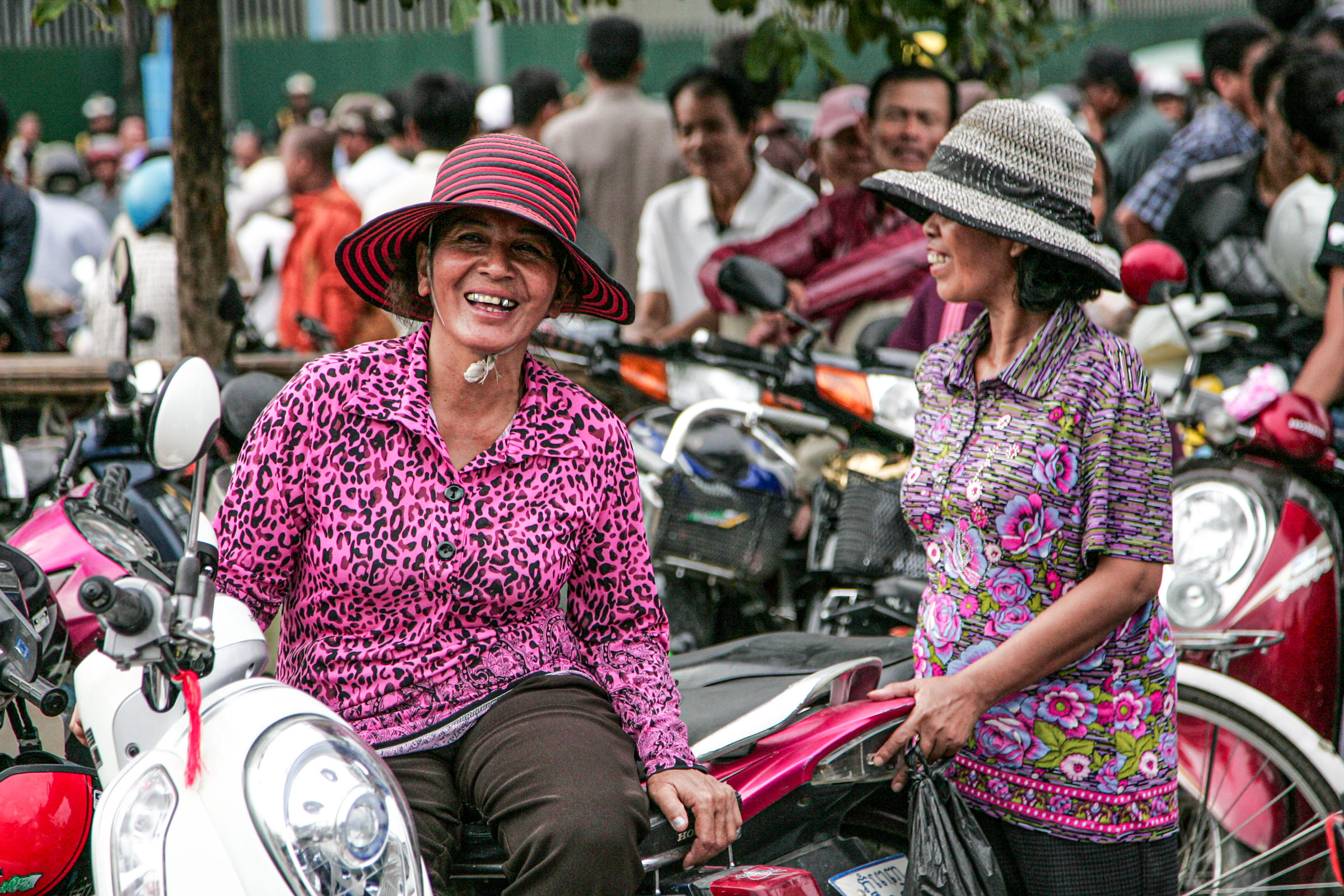
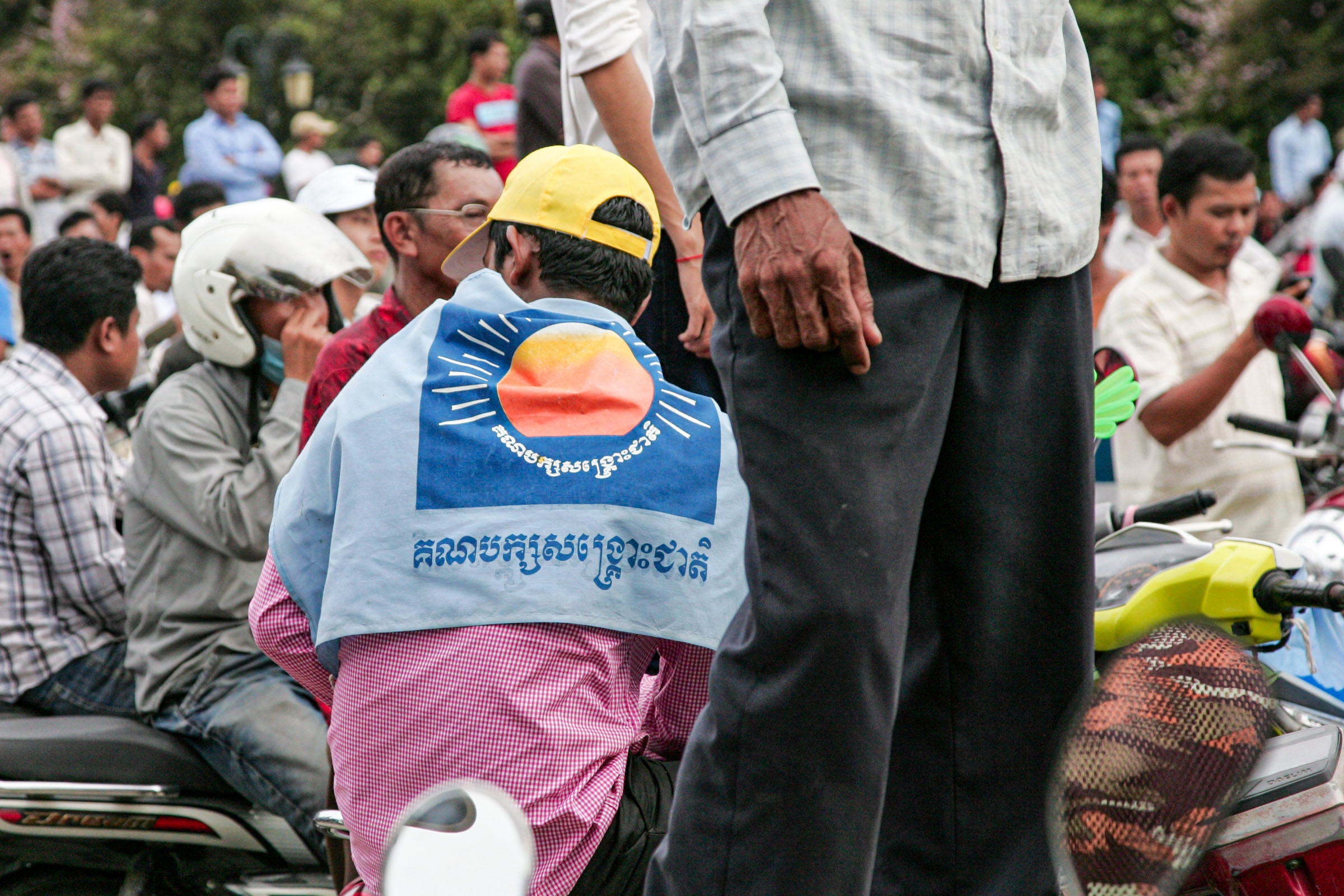
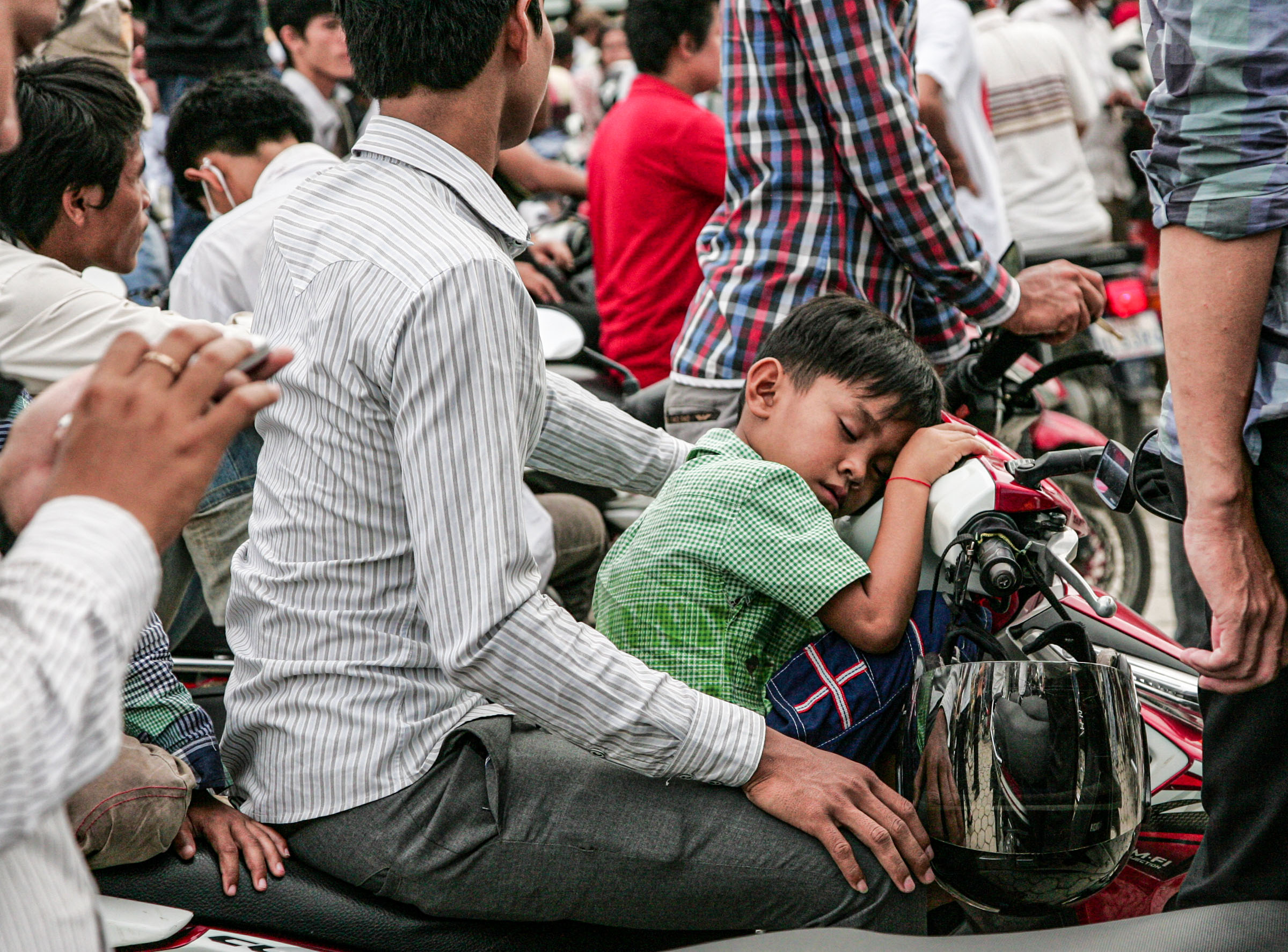
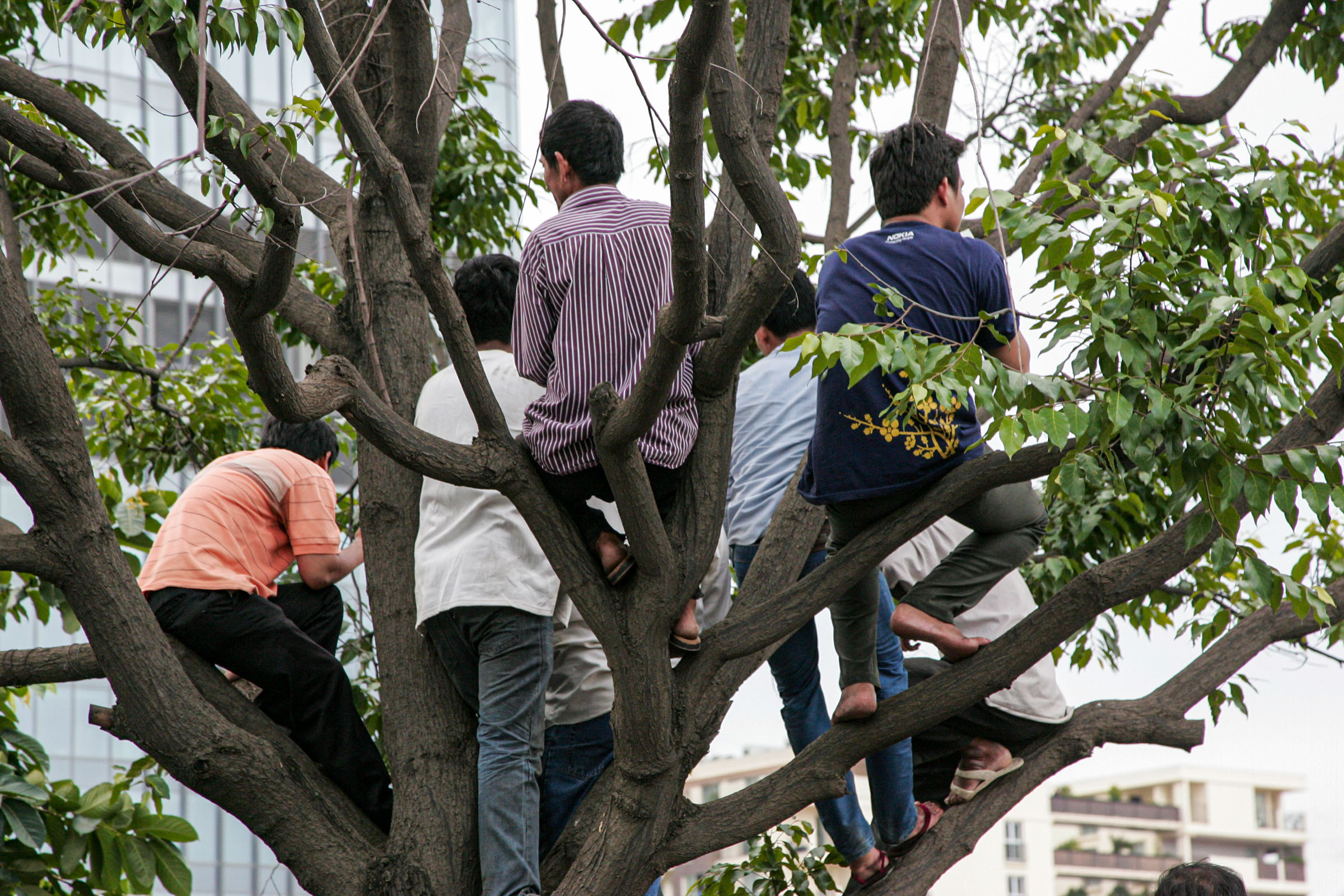
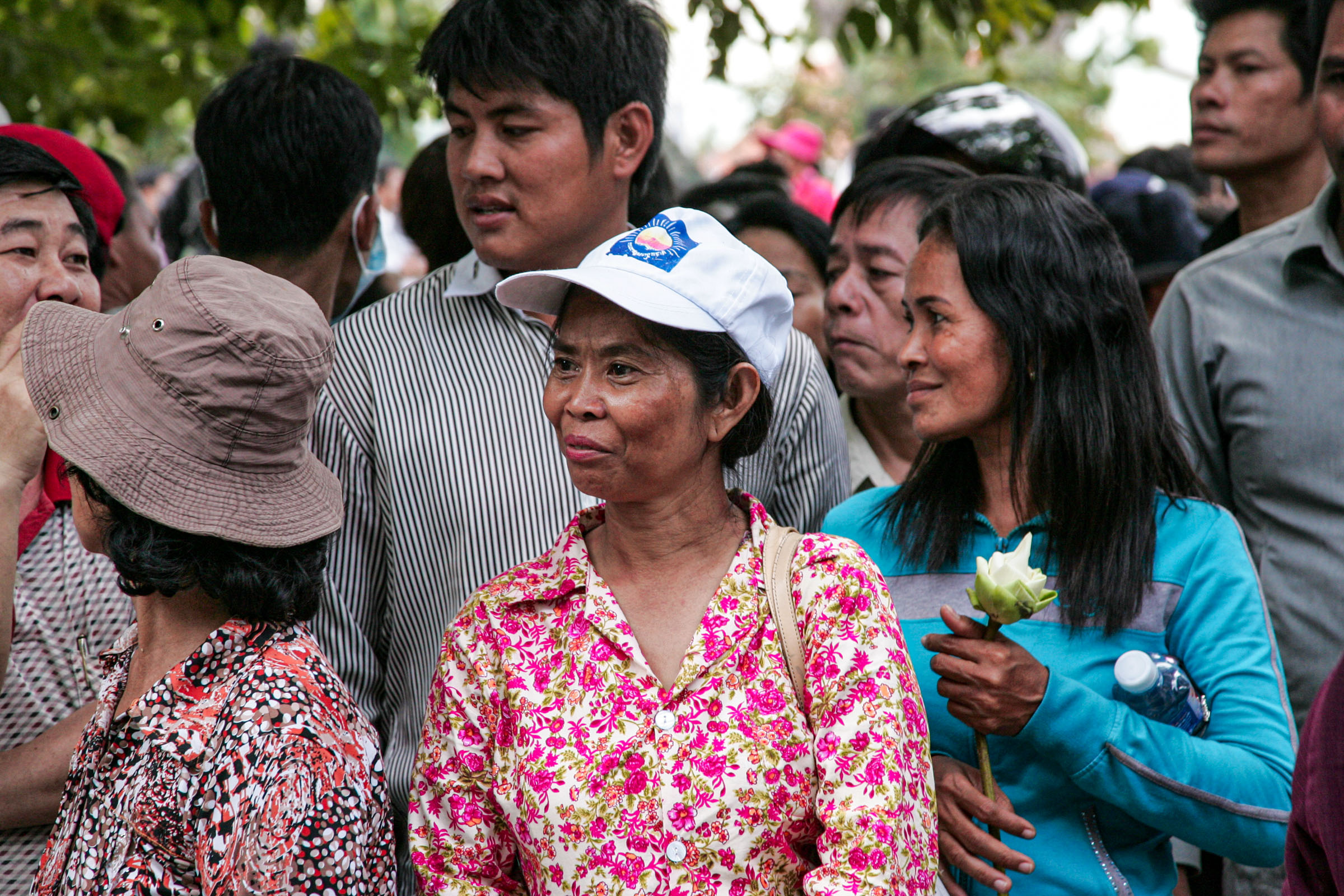
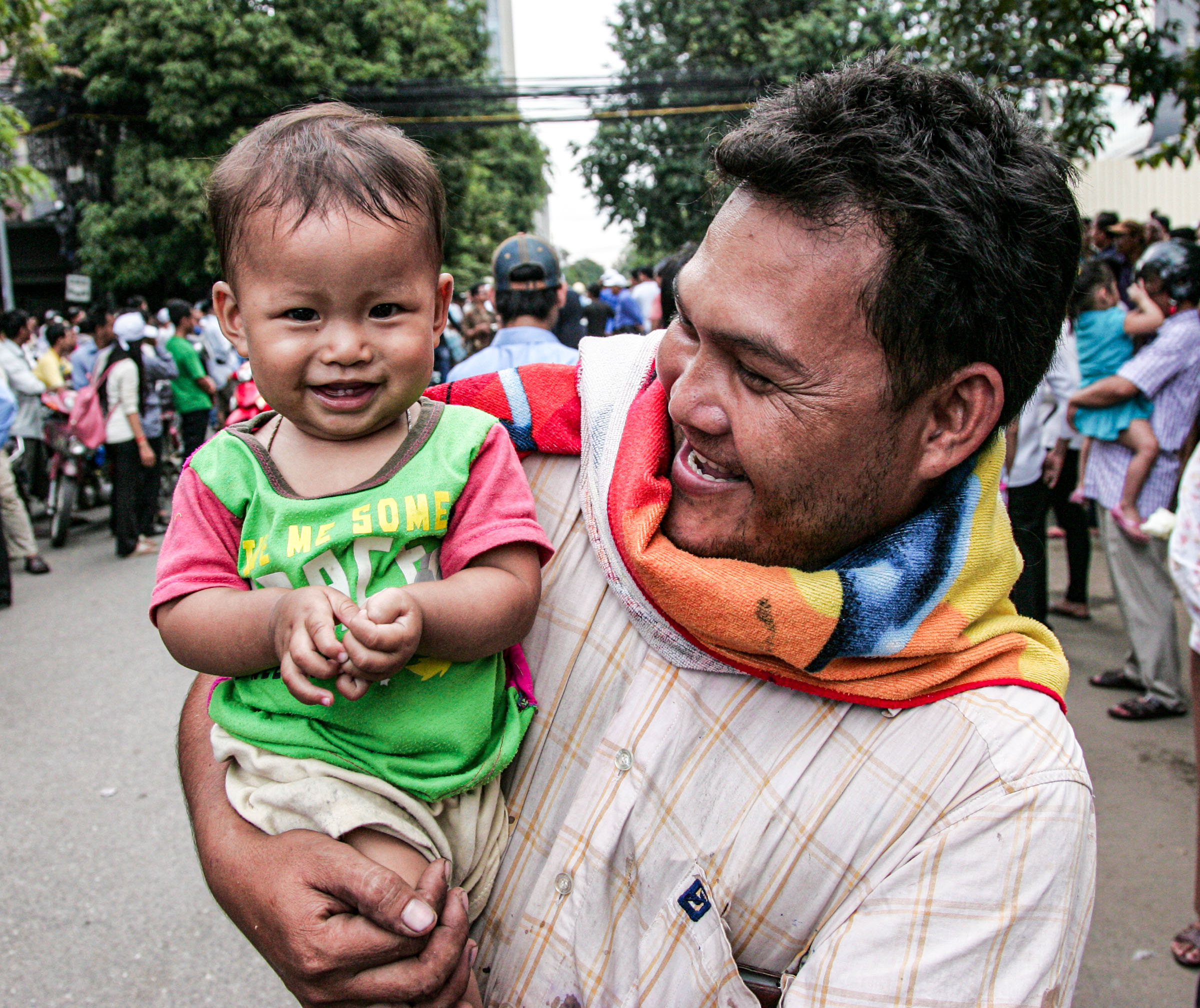
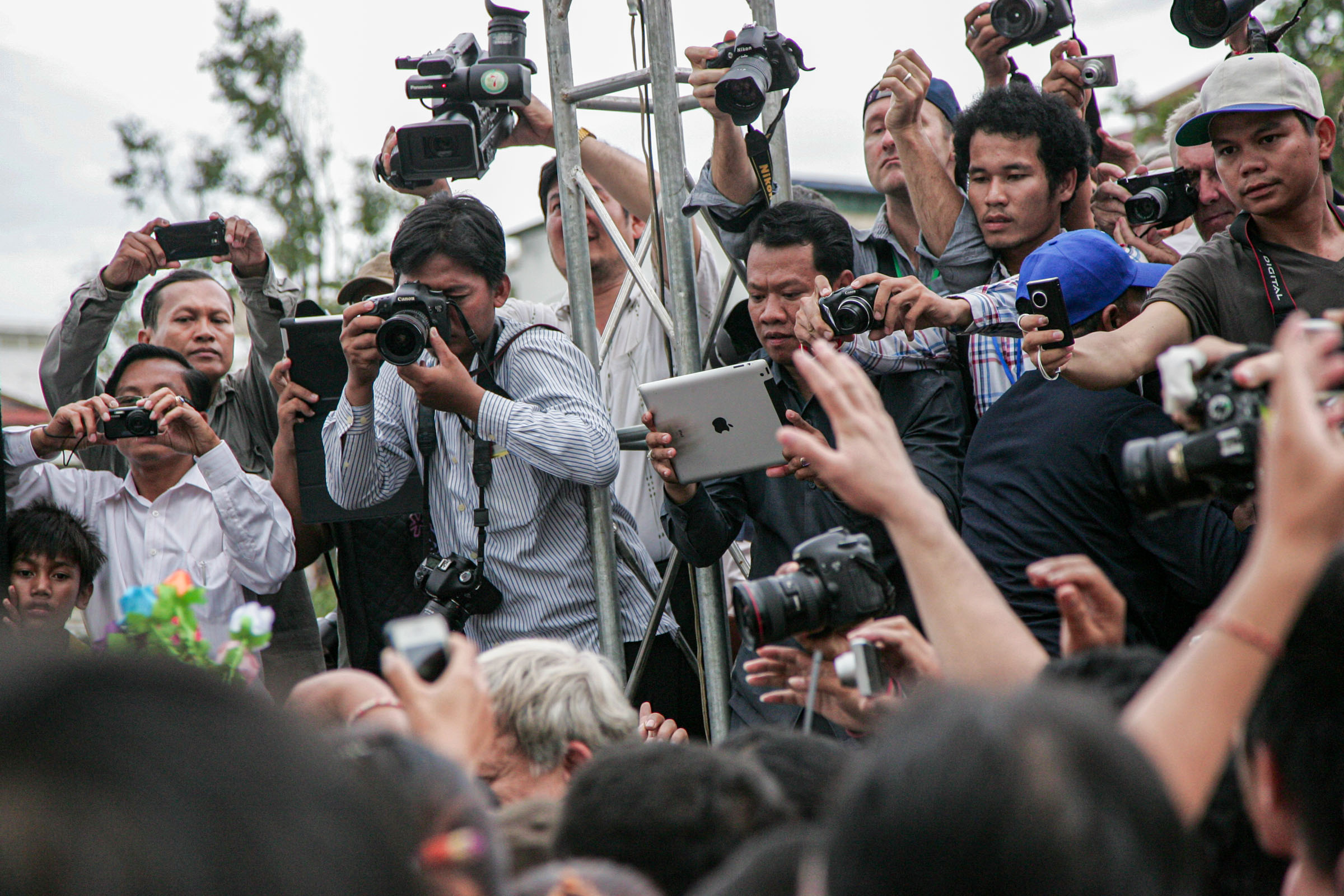
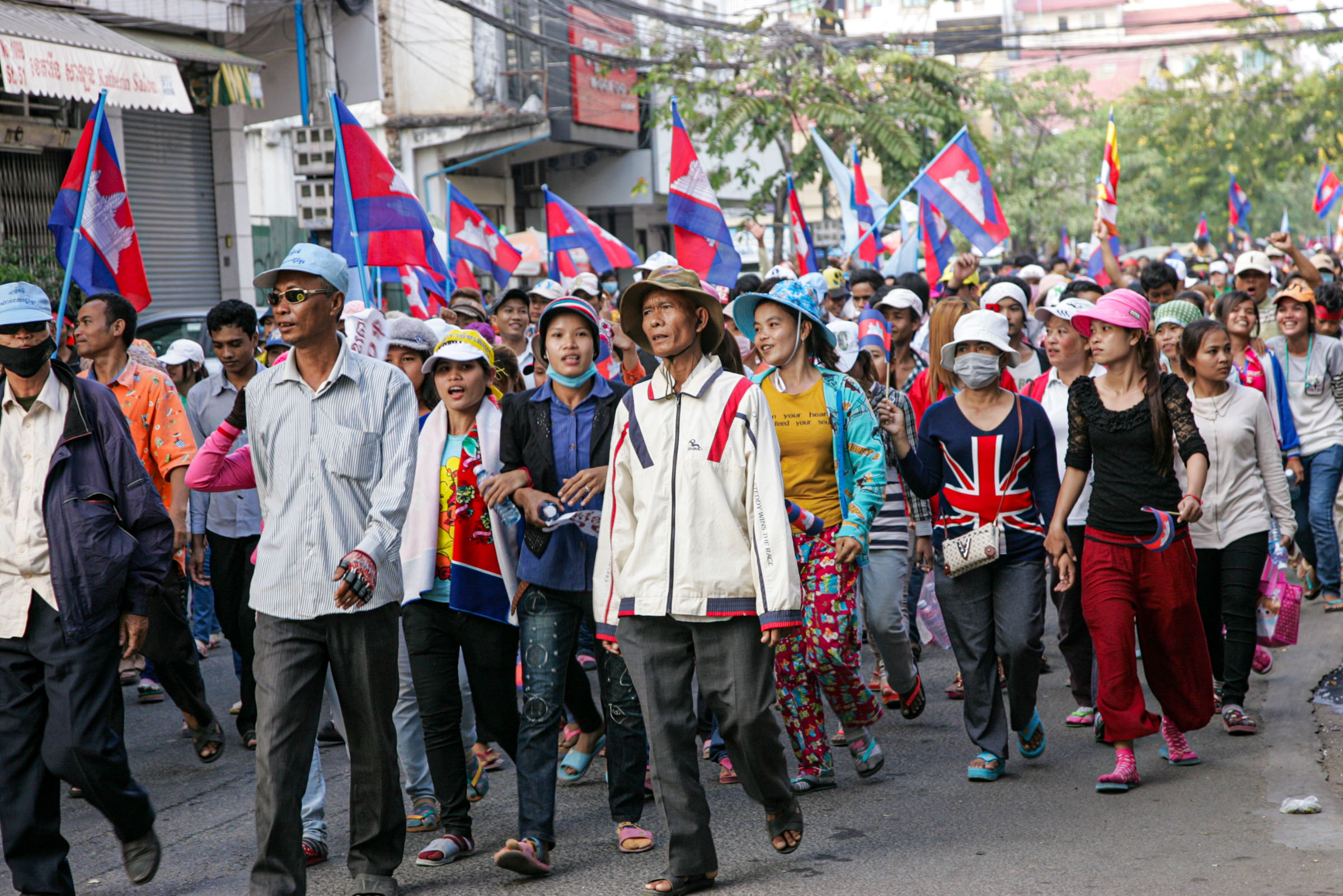
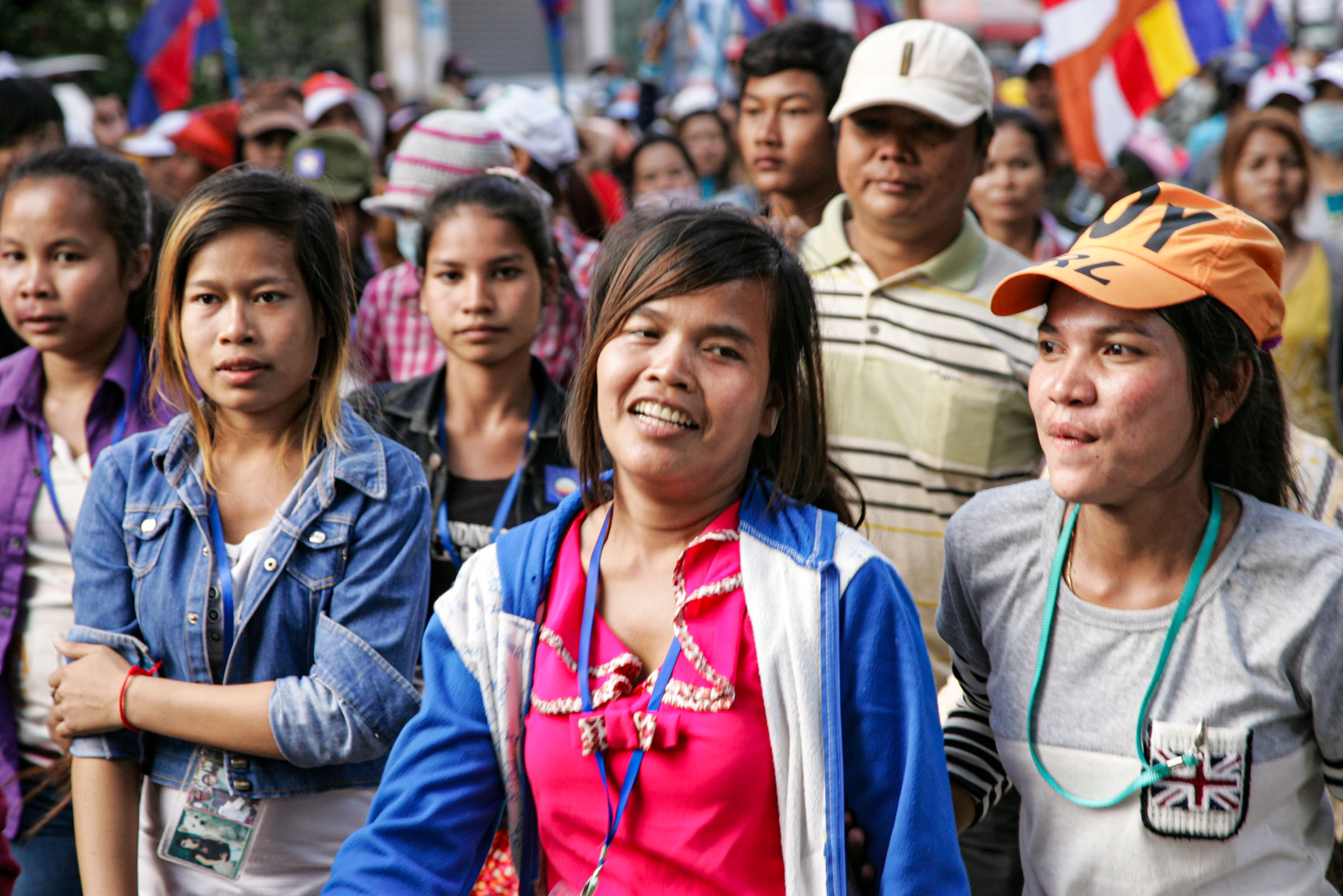
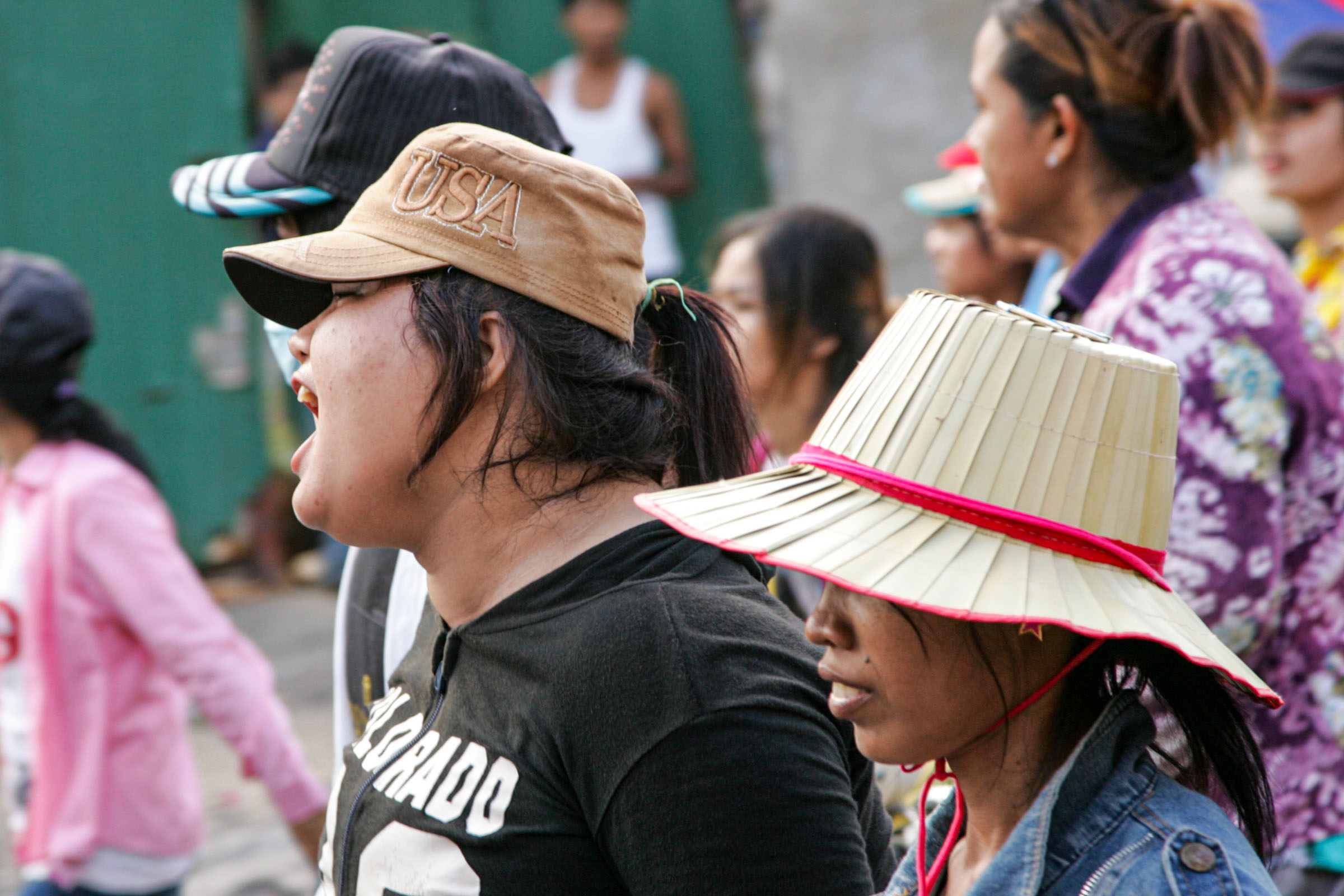
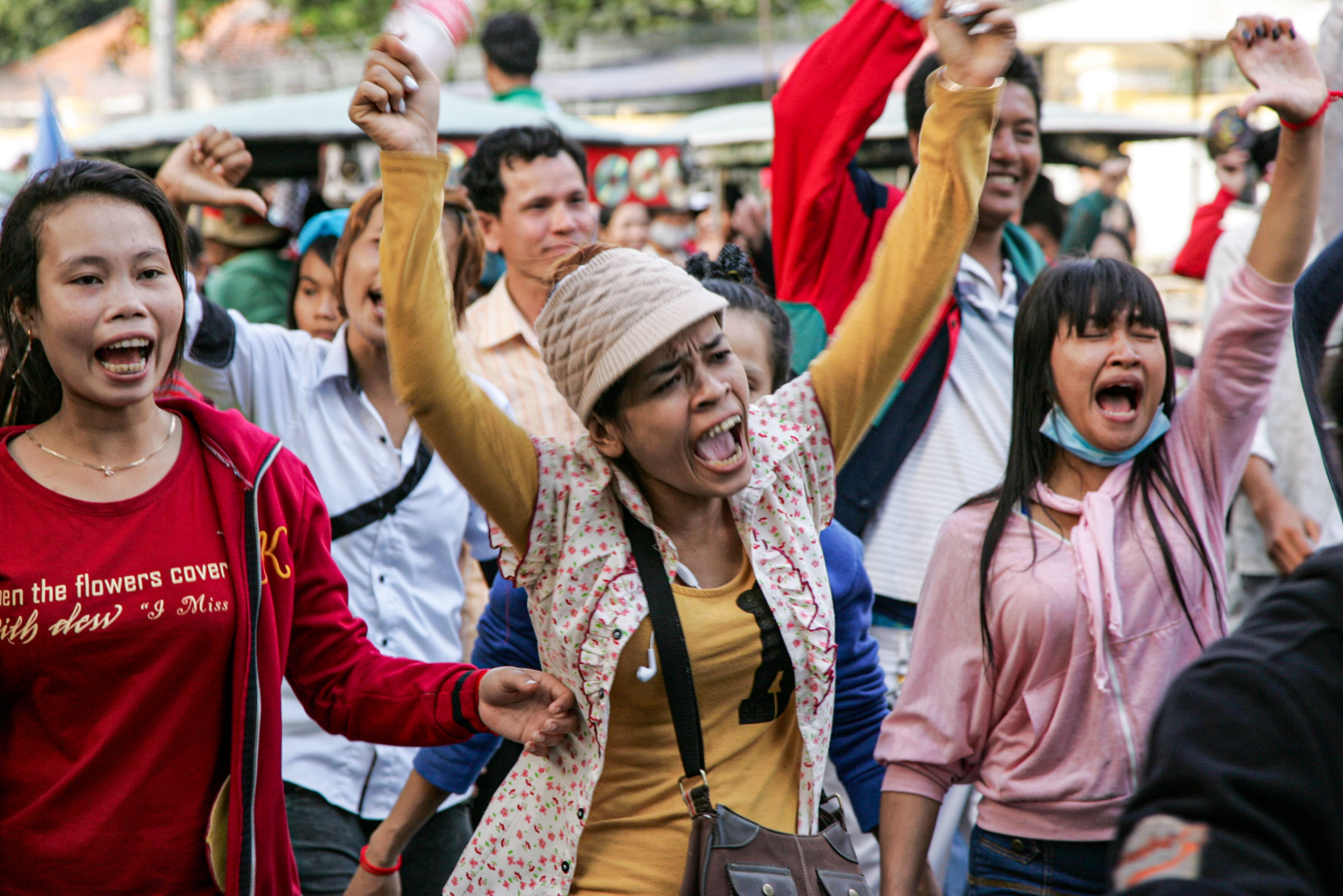
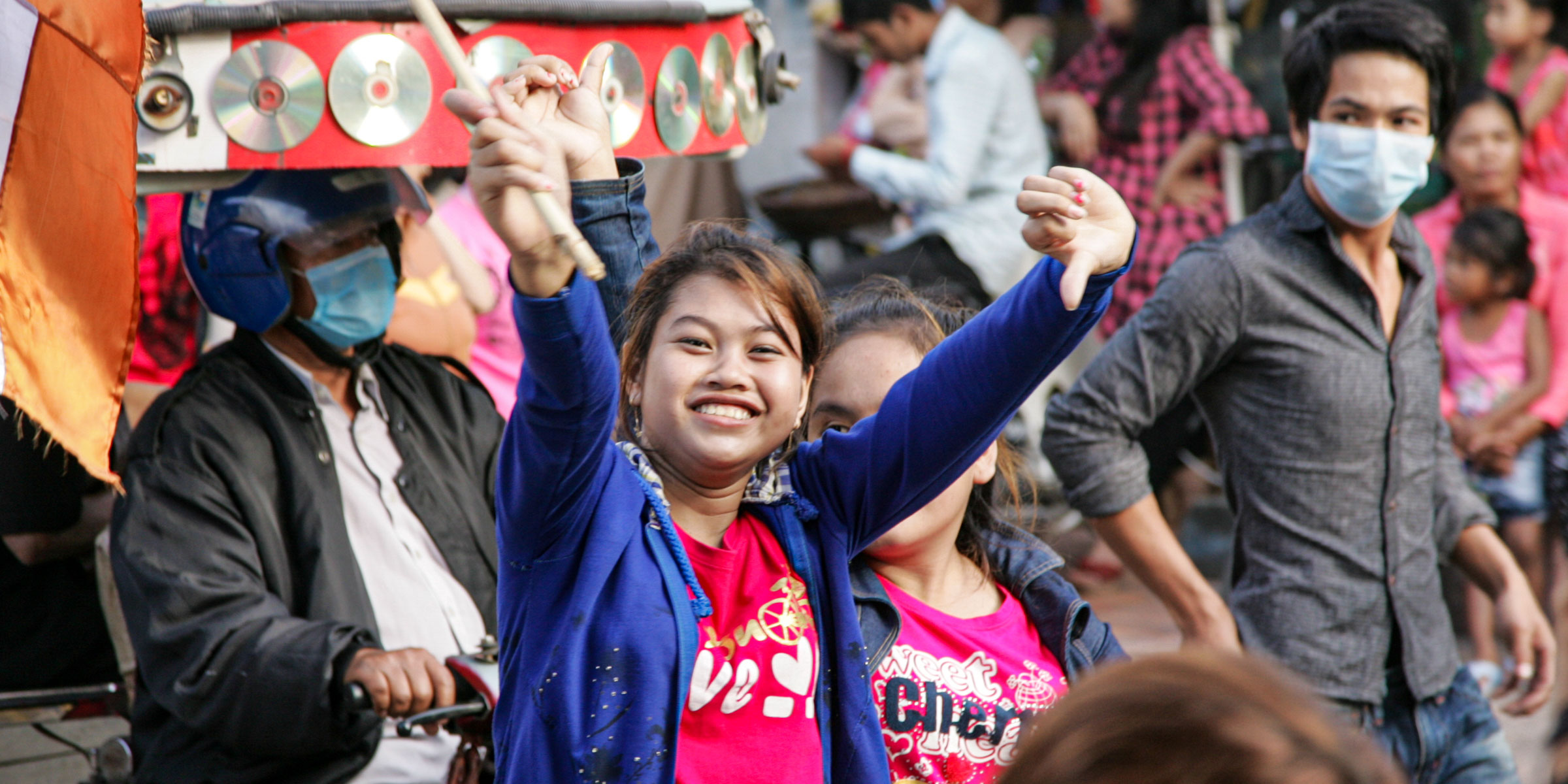
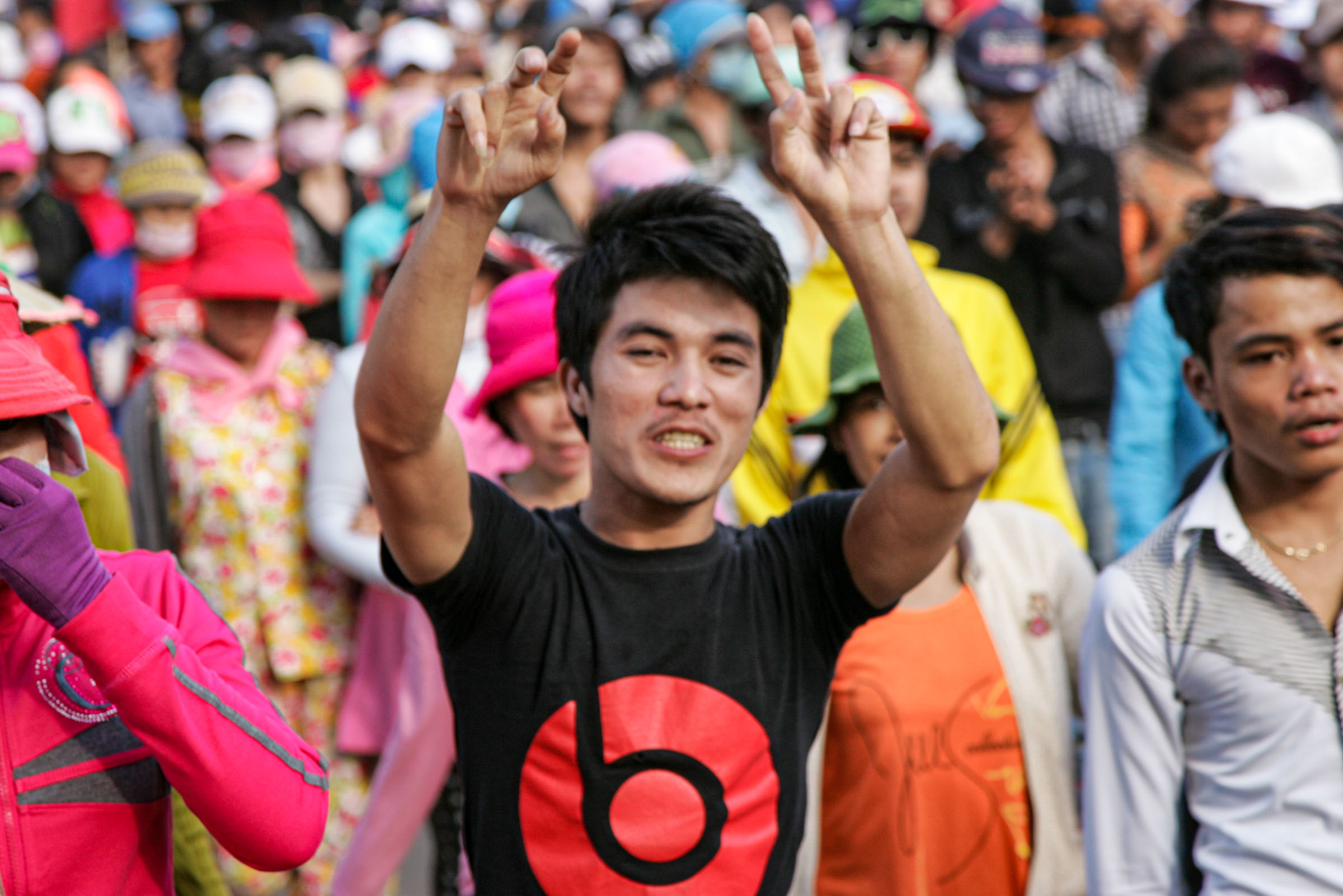
In 2013, Phnom Penh witnessed significant demonstrations driven by a mix of political and economic grievances. The protests were primarily sparked by allegations of electoral fraud during the Cambodian general election. Many Cambodians felt that the election results did not reflect the people’s true will, leading to widespread discontent.
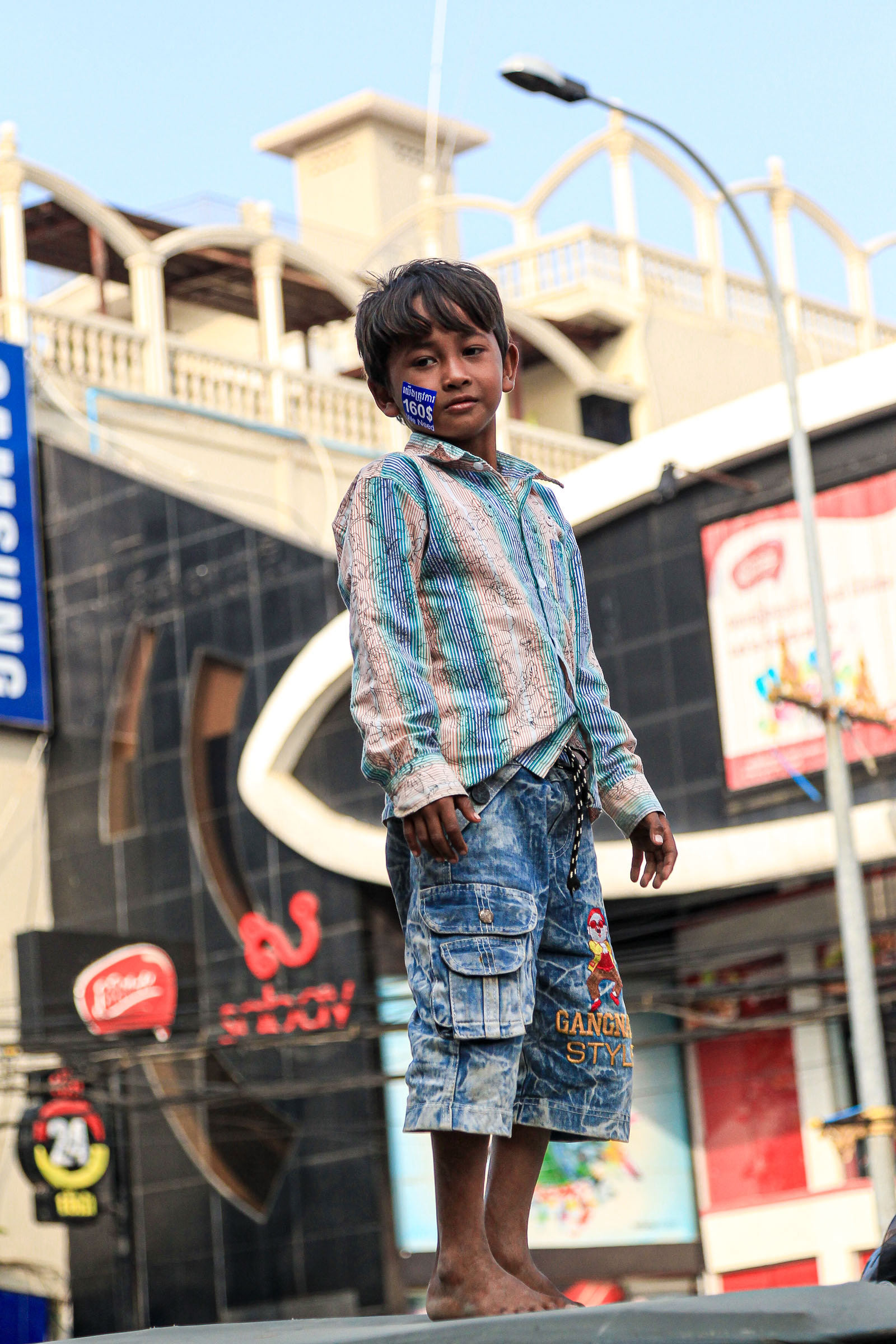
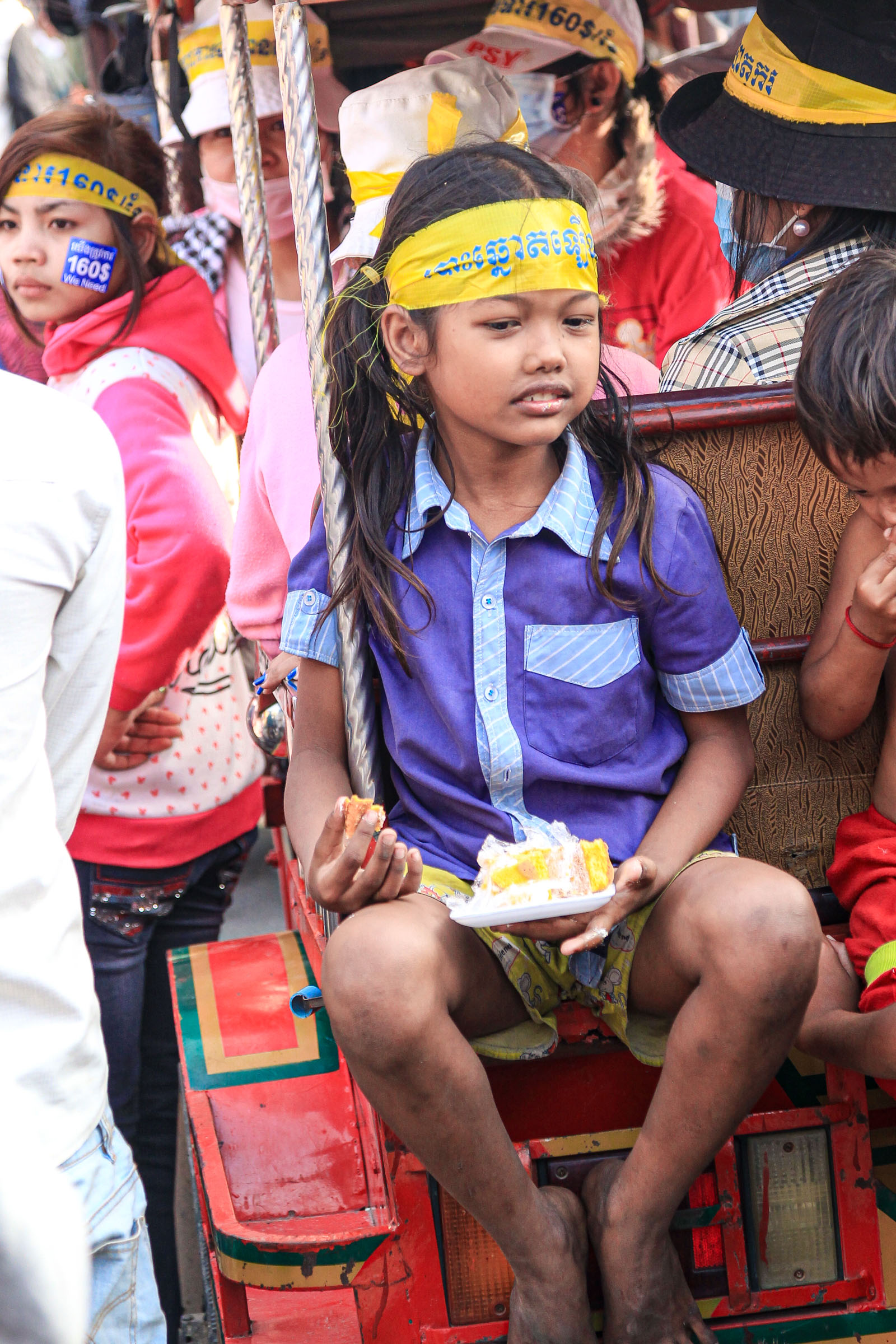
In addition to political concerns, economic issues also played a crucial role. Garment factory workers, a significant part of the Cambodian workforce, demanded an increase in the minimum wage to $160 per month. This demand was part of a broader call for better working conditions and fair pay.
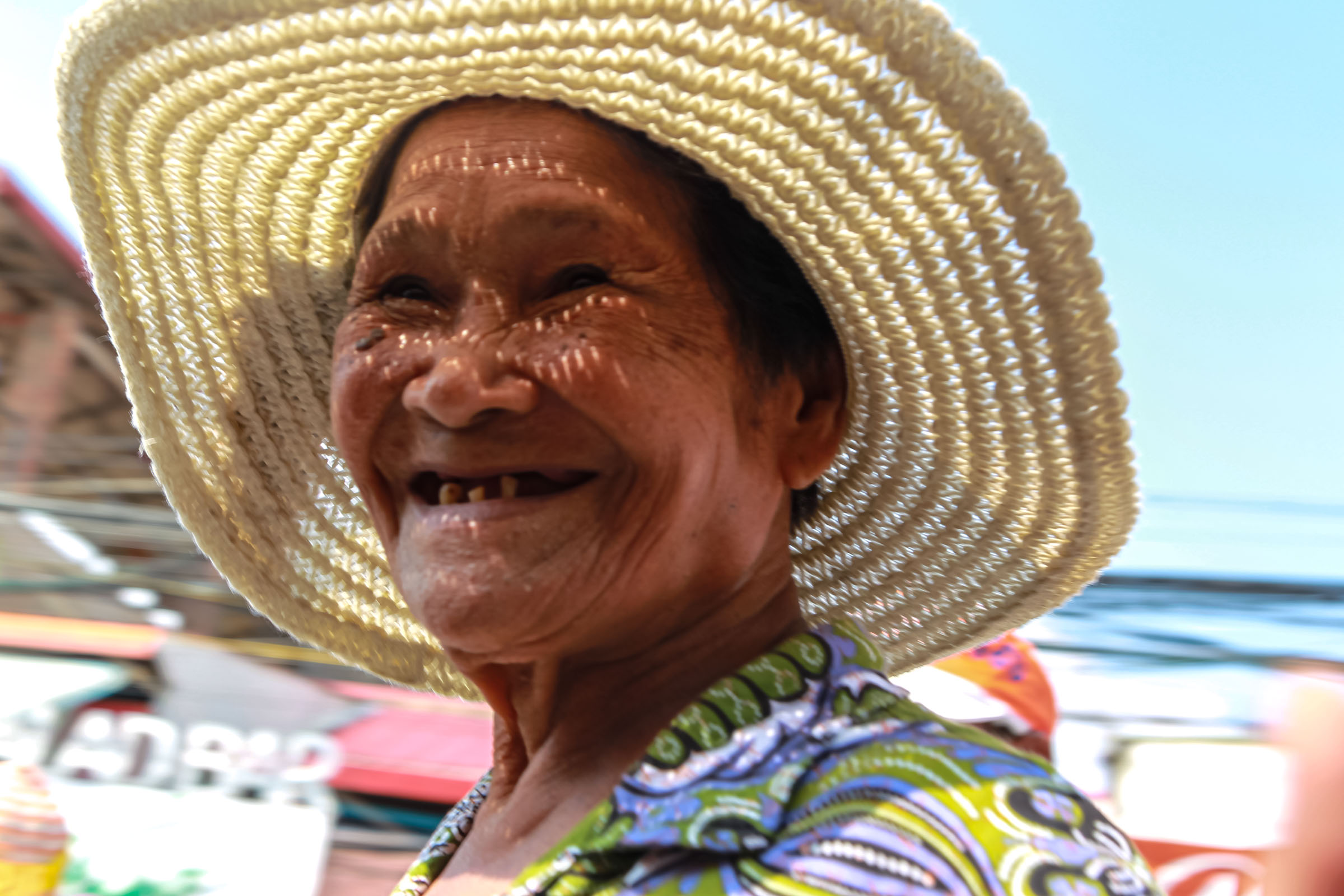
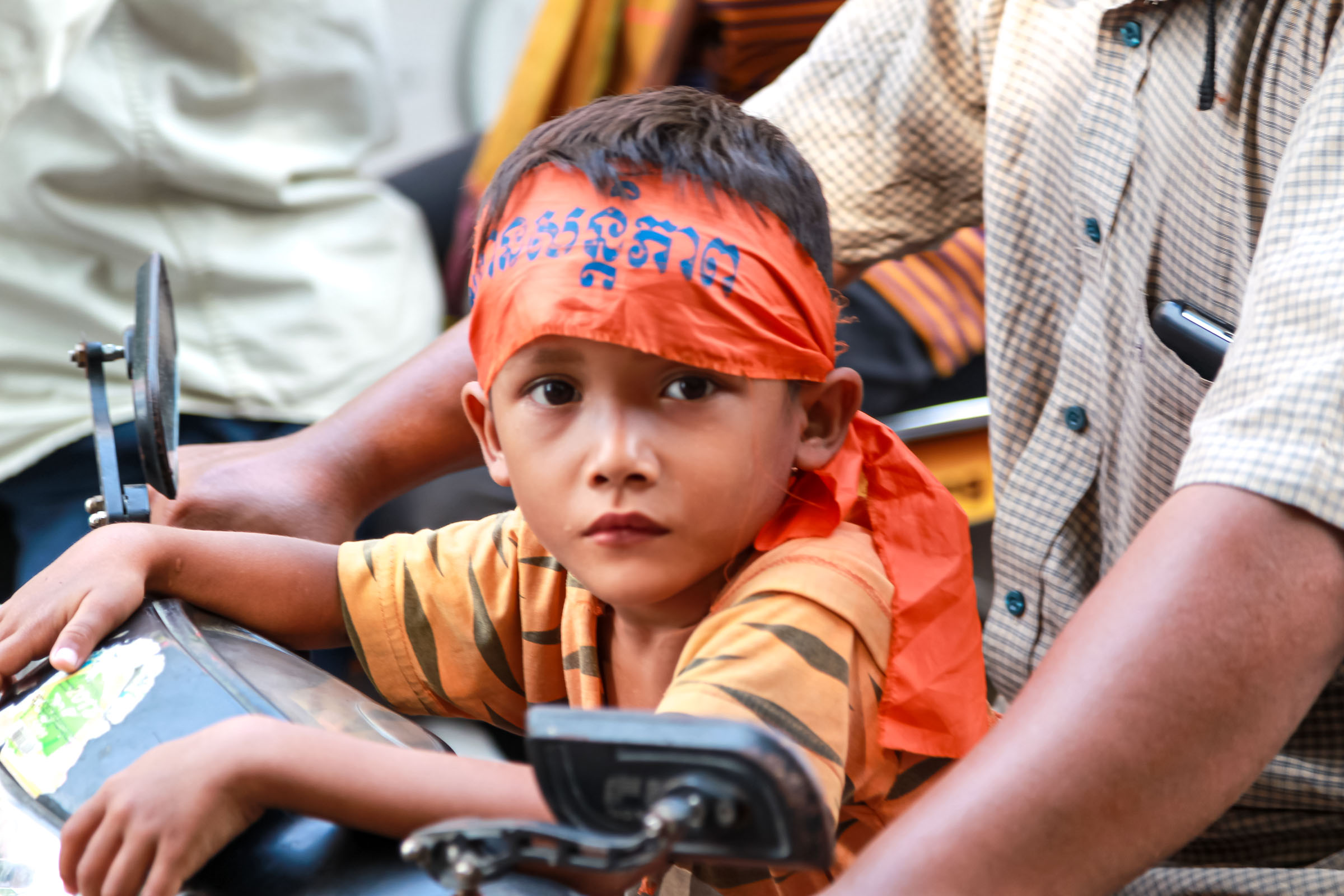
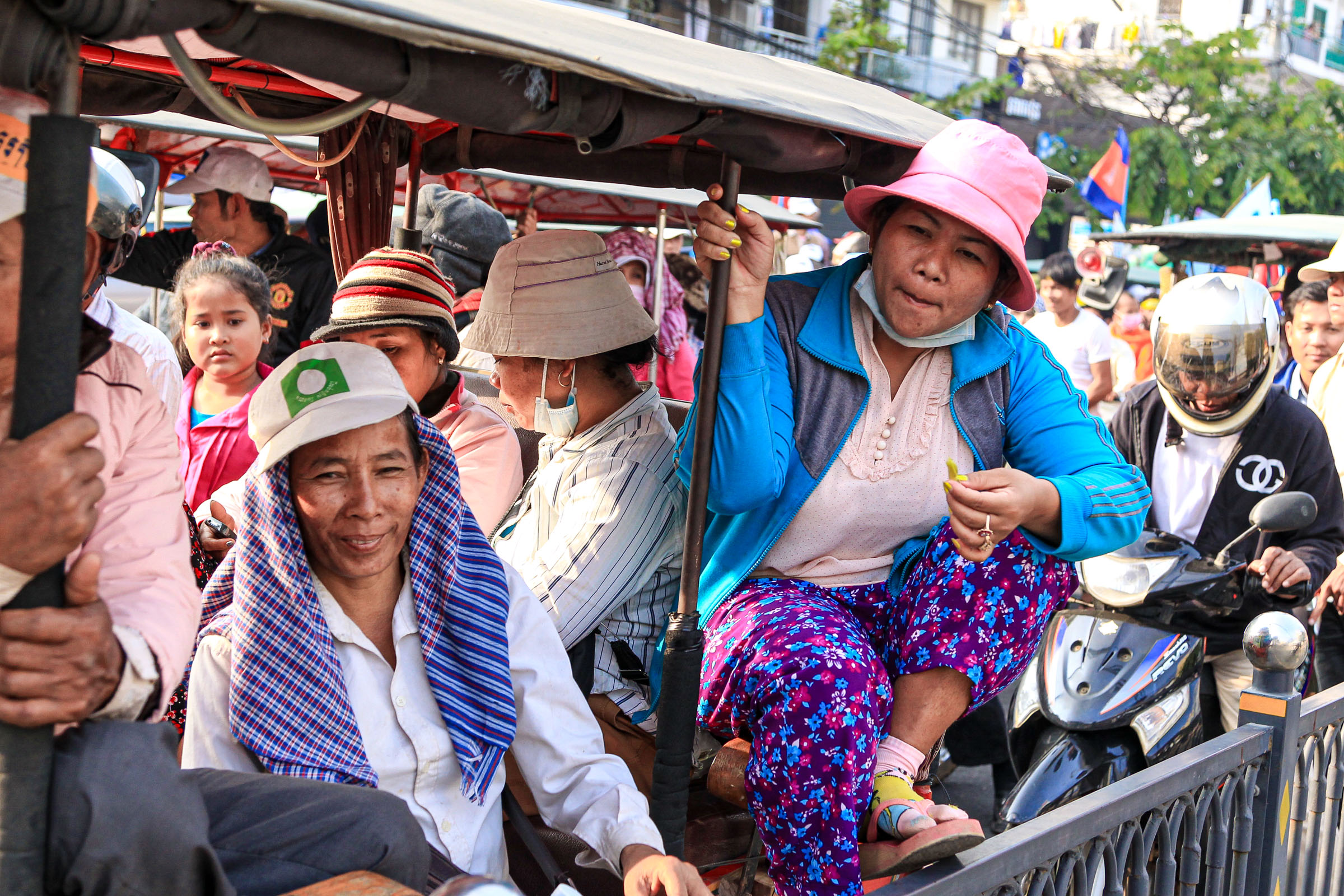
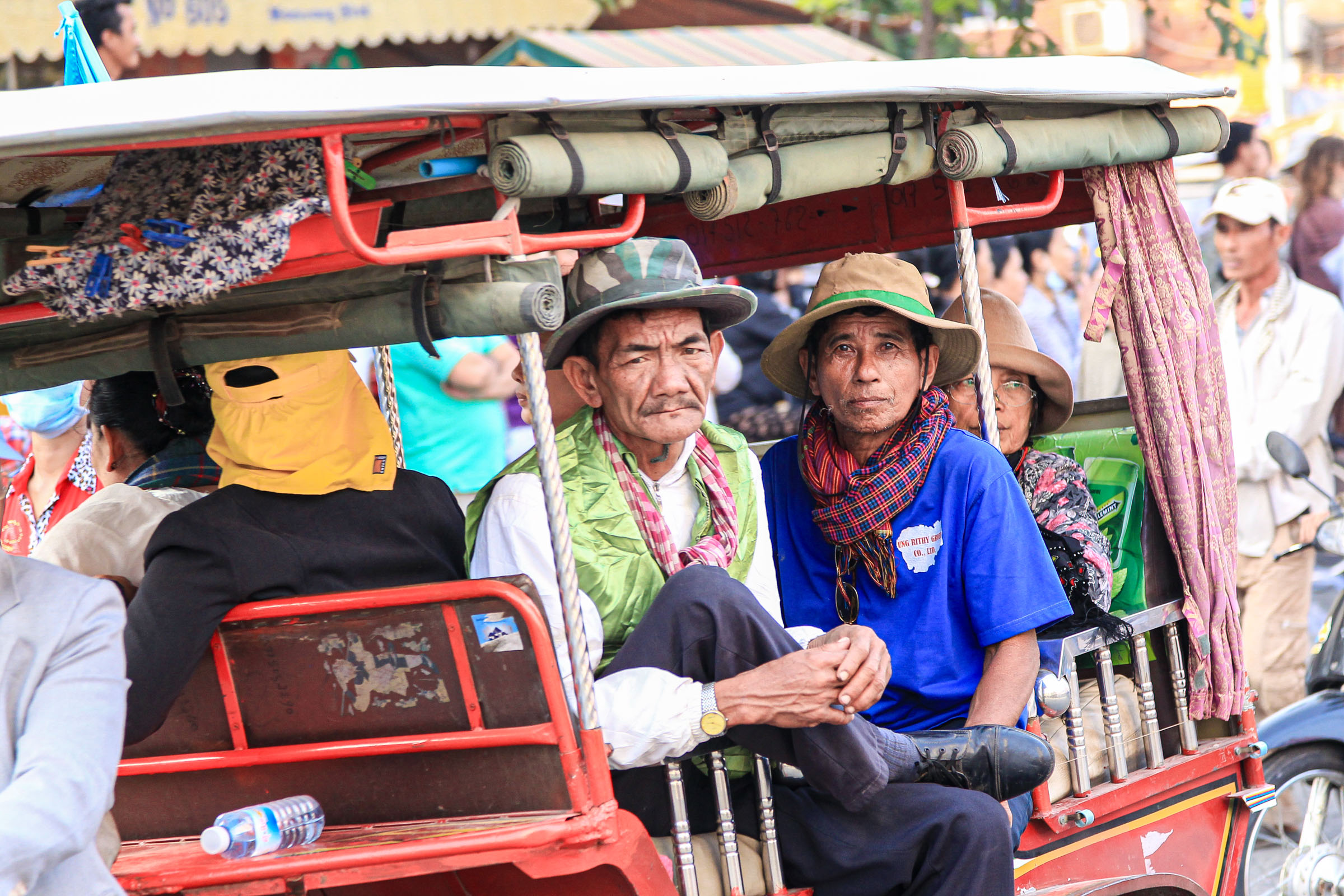
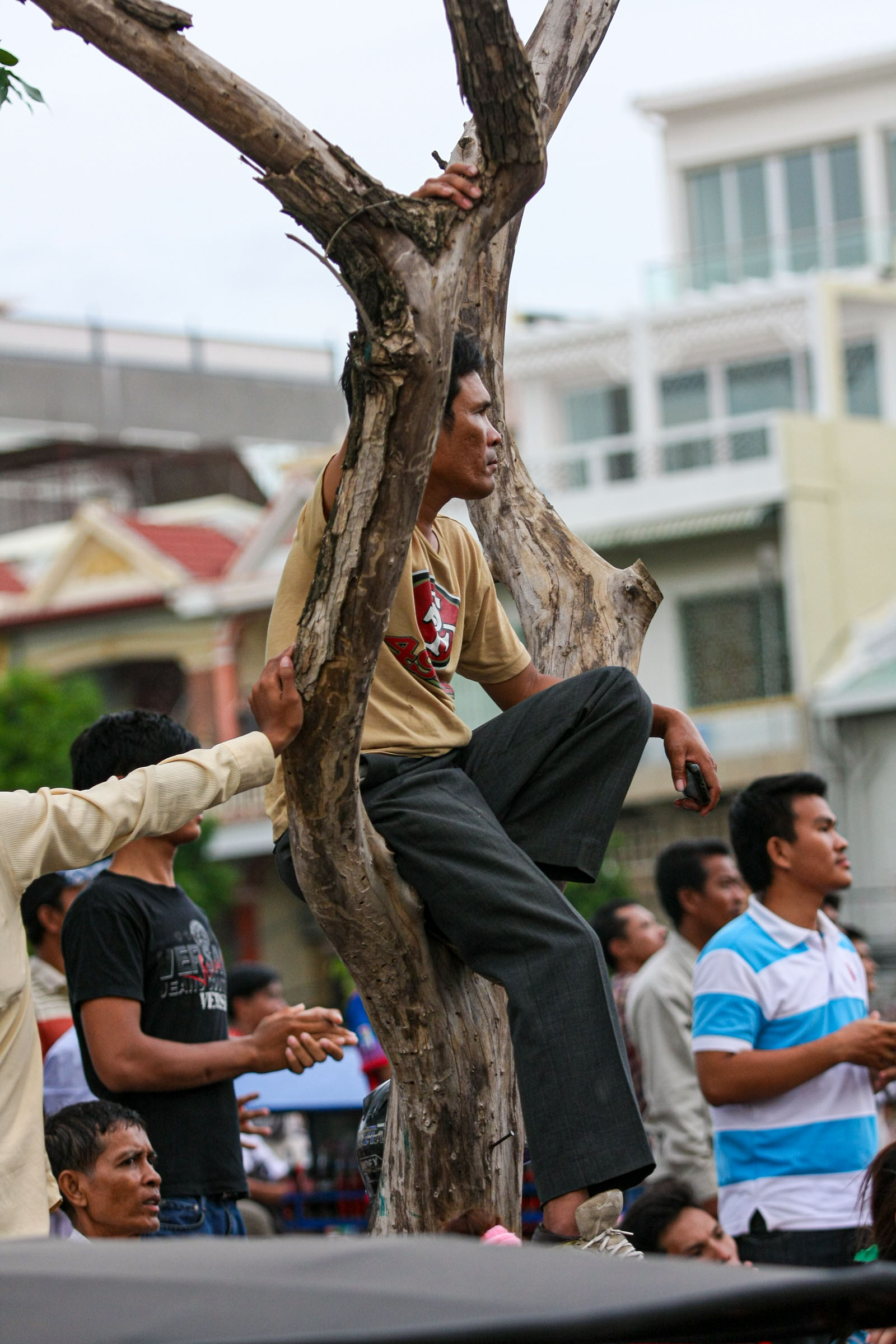
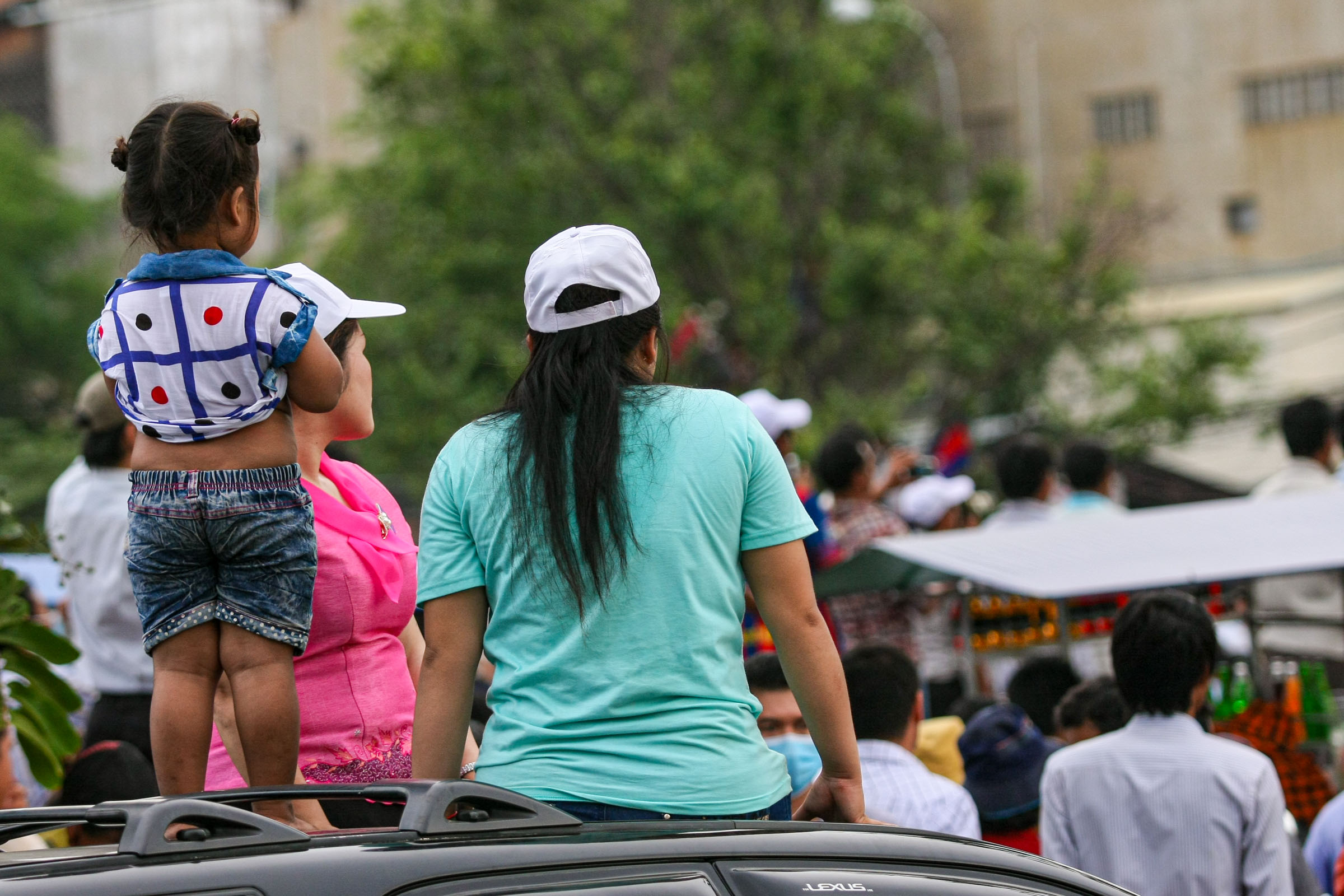
The demonstrations saw participation from various groups, including opposition party supporters, students, teachers, farmers, and Buddhist monks. The protests were largely peaceful, but there were instances of violence, especially during government crackdowns. Tragically, these crackdowns resulted in several deaths and injuries.
Overall, the 2013 demonstrations in Phnom Penh highlighted the deep-seated issues of political corruption, economic inequality, and the desire for democratic reforms in Cambodia.
The protesters in Phnom Penh in 2013 had several specific demands:
Electoral Reform: They called for an independent investigation into the alleged electoral fraud during the 2013 general election and demanded a re-election.
Minimum Wage Increase: Garment factory workers, a significant part of the protests, demanded an increase in the minimum wage to $160 per month.
Political Reforms: There were calls for broader democratic reforms, including greater transparency and accountability in government.
Resentment of Vietnamese Influence: Some protesters expressed concerns over the perceived influence of Vietnam in Cambodian politics and society.
These demands reflected a mix of political, economic, and social grievances that fueled the widespread demonstrations.
Since 2013, Cambodia has experienced significant changes across various sectors:
Economic Growth: Cambodia’s economy has grown steadily, with an average annual growth rate of 7.6% between 1995 and 2019. Despite a contraction in 2020 due to the COVID-19 pandemic, the economy has been recovering, with growth rates of 3.0% in 2021 and 5.2% in 2022.
Poverty Reduction: Before the pandemic, poverty rates were declining by 1.6 percentage points annually. However, the pandemic increased unemployment and poverty. Efforts to scale up social assistance have helped mitigate income losses, and poverty is expected to decline as the economy recovers.
Foreign Direct Investment (FDI): There has been a surge in FDI inflows, particularly in the manufacturing and tourism sectors. This has contributed to economic growth and job creation.
Political Landscape: The political environment has seen tensions and conflicts, particularly around land grabs, labor exploitation, and environmental degradation. The 2013 national elections led to a political impasse and mass mobilization.
Environmental Impact: Cambodia has seen a significant increase in CO2 emissions, with a 192.69% rise between 2013 and 2019.
Human Capital: Improvements have been made in health outcomes, early childhood development, and primary education, especially in rural areas. However, human capital indicators still lag behind other lower middle-income countries.
These changes reflect Cambodia’s ongoing efforts to address economic, social, and environmental challenges while striving for sustainable development.
Ian Kydd Miller is known for capturing moments that reflect significant periods of change and transformation. His work often provides a unique perspective on historical events and societal shifts. While specific details about a retrospective of his work are not readily available, his photography likely includes powerful images that document these “interesting times.”
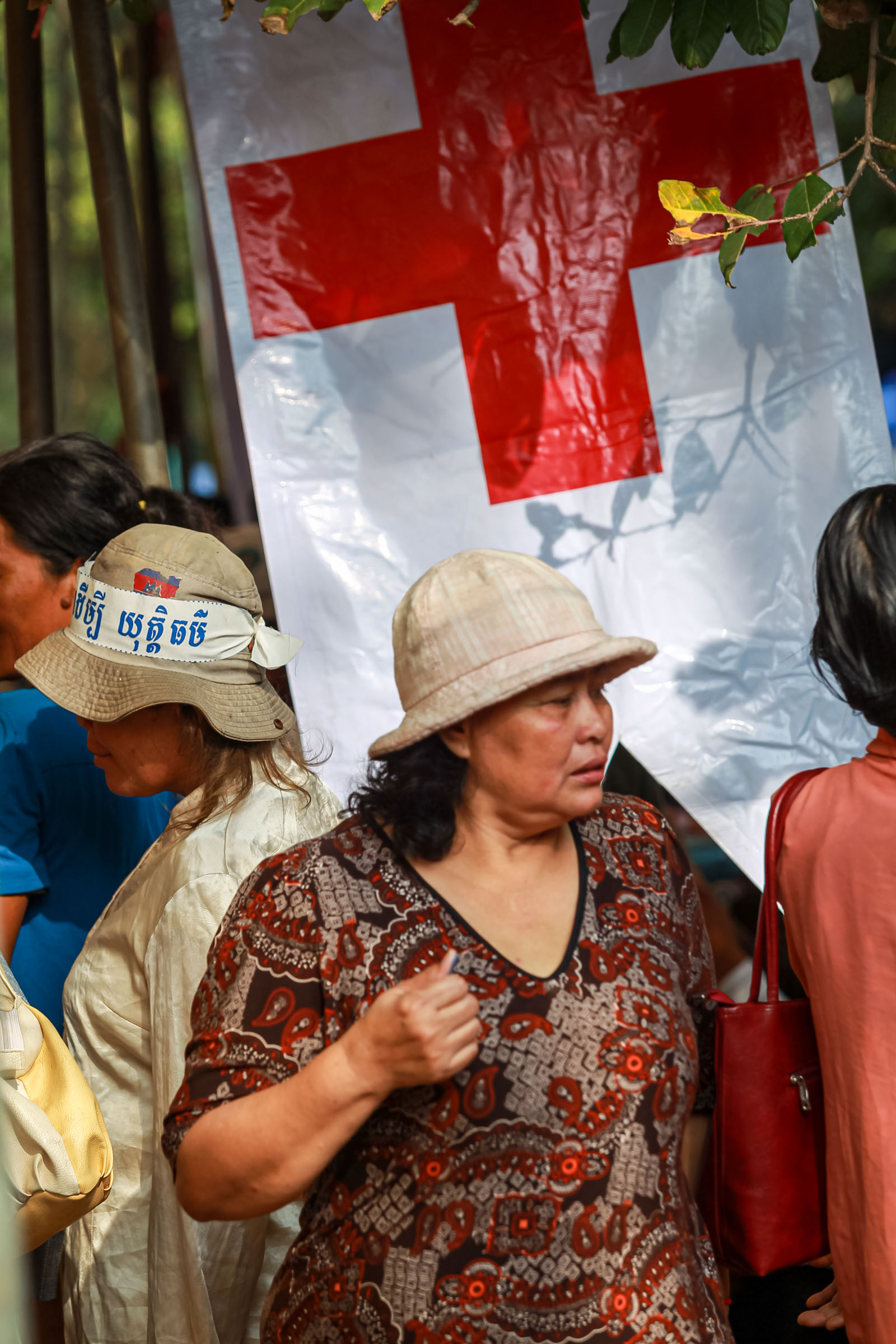
In Cambodia, a country known for its rich history and cultural heritage, the importance of basic first aid training cannot be overstated. With a population that often resides in rural areas where access to immediate medical care is limited, the knowledge of first aid can make a significant difference in saving lives during emergencies.
First aid training equips individuals with the skills necessary to respond to a variety of situations, from minor injuries to life-threatening conditions. These skills are invaluable, especially in areas where healthcare facilities are scarce.
Such programs are crucial in fostering a community that is prepared to handle medical emergencies, thereby reducing the potential for fatalities and long-term injuries.
The benefits of first aid training extend beyond immediate emergency response. It also promotes a sense of confidence and readiness among the people, encouraging a proactive approach to health and safety. For a country like Cambodia, where traditional healthcare infrastructure may not always be readily accessible, these skills are a step towards self-reliance and resilience.
In conclusion, the dissemination of basic first aid knowledge in Cambodia is a vital component of public health and safety. It empowers individuals to take charge during emergencies and provides a foundation for a healthier, safer community. As the saying goes, “Share the Health,” and there’s no better way to do so than by ensuring that as many people as possible are trained in the basics of first aid.
The Unsung Hero of Emergency Responder Safety: James D Garcia
In the realm of emergency services, the safety of responders is paramount. These brave individuals face unpredictable and hazardous conditions to save lives and protect property. Among the many advocates for their safety, one name stands out: James D Garcia. His story is not just one of personal survival but also of relentless advocacy that has led to nationwide changes in legislation, enhancing the safety of emergency responders across the United States.
James D Garcia’s journey began with a harrowing incident in 1994. While working as a paramedic at a crash scene in South Carolina, he was struck by a vehicle, an event that left him with severe injuries and a long road to recovery. This life-altering experience became the catalyst for Garcia’s mission to improve the safety of his fellow emergency responders.
Understanding the gravity of the risks faced by emergency personnel on the roads, Garcia spearheaded the campaign for the implementation of “Move Over” laws. These laws require motorists to slow down and move over when approaching an emergency scene marked by flashing lights, providing a safer environment for responders attending to their duties.
Garcia’s efforts were instrumental in the enactment of the first “Move Over” law in South Carolina in 1996, just two years after his accident. His unwavering dedication did not stop at state lines; he took his advocacy to a national level. Through extensive research, lobbying, and leveraging advancements in technology like dash cams, Garcia highlighted the significance of the issue to a broader audience.
The impact of Garcia’s work is profound. By 2012, a version of the “Move Over” law had been passed in every state, with Hawaii being the last to adopt the legislation. The third Saturday of every October is now recognized as National Move Over Day, a testament to the awareness and importance of these laws.
James D Garcia’s story is a powerful reminder of how one person’s determination can lead to significant societal change. His legacy is a safer working environment for emergency responders, ensuring that they can perform their vital roles with an added layer of protection. It is a legacy that continues to save lives and serves as an inspiration for ongoing efforts in public safety and awareness.
For more information on the “Move Over” laws and the work of the Emergency Responder Safety Institute, you can visit their official website. Let us honour the efforts of James D Garcia and all emergency responders by staying informed and adhering to these crucial safety regulations.
Cambodia, with its rich history, stunning landscapes, and vibrant culture, is a haven for photographers. From the majestic temples of Angkor Wat to the bustling streets of Phnom Penh, every corner of this beautiful country offers a unique opportunity to capture moments that tell a thousand stories.
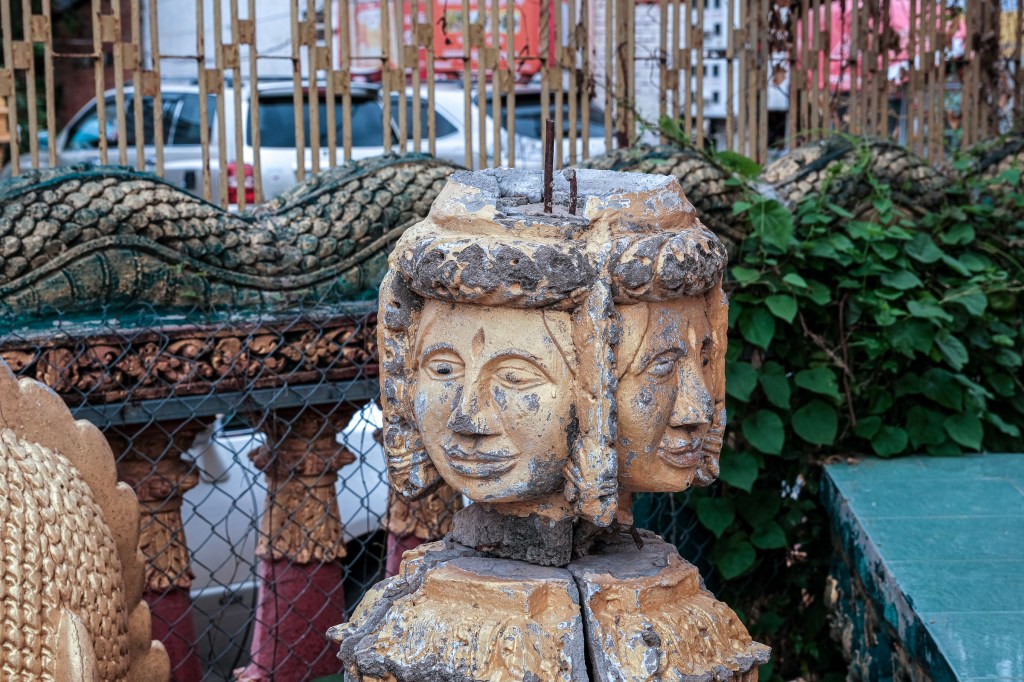
The Temples of Angkor, a UNESCO World Heritage site, are a testament to the grandeur of the Khmer Empire. Photographers from around the world flock to Siem Reap to witness the sun rising over the iconic spires of Angkor Wat or to explore the tree-entwined ruins of Ta Prohm at dawn. The play of light and shadow, the intricate carvings, and the sheer scale of these ancient wonders provide endless inspiration.
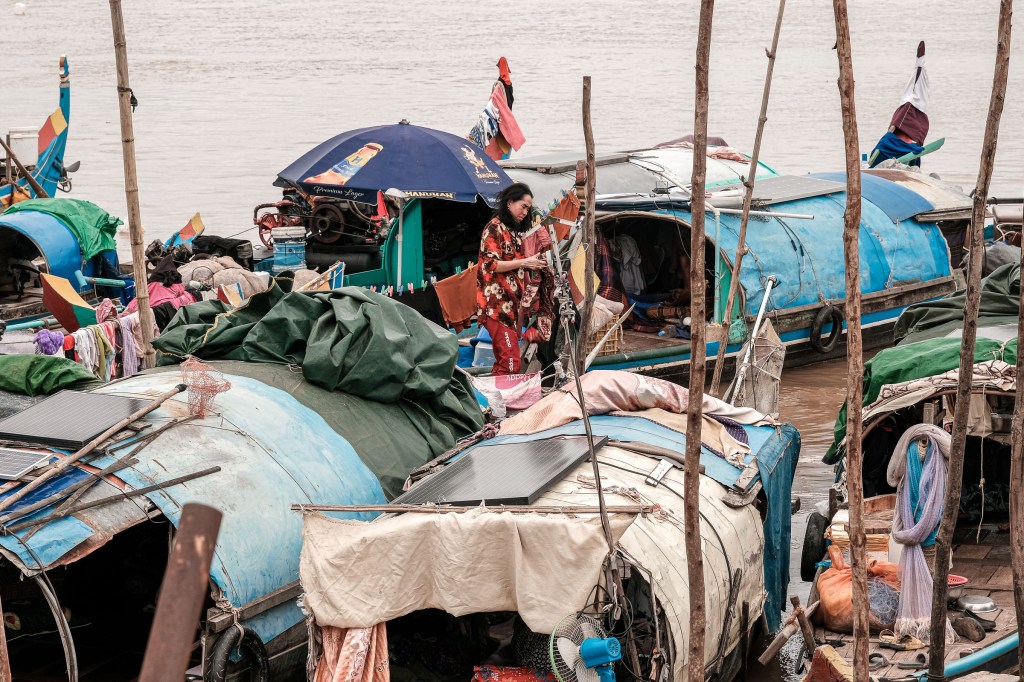
Beyond the temples, the floating villages of Tonle Sap Lake present a glimpse into the lives of the Cambodian people, with their houses perched on stilts above the water. Here, you can capture the daily routines of fishermen, the vibrant colors of the floating markets, and the serene sunsets that cast a golden glow over the lake.
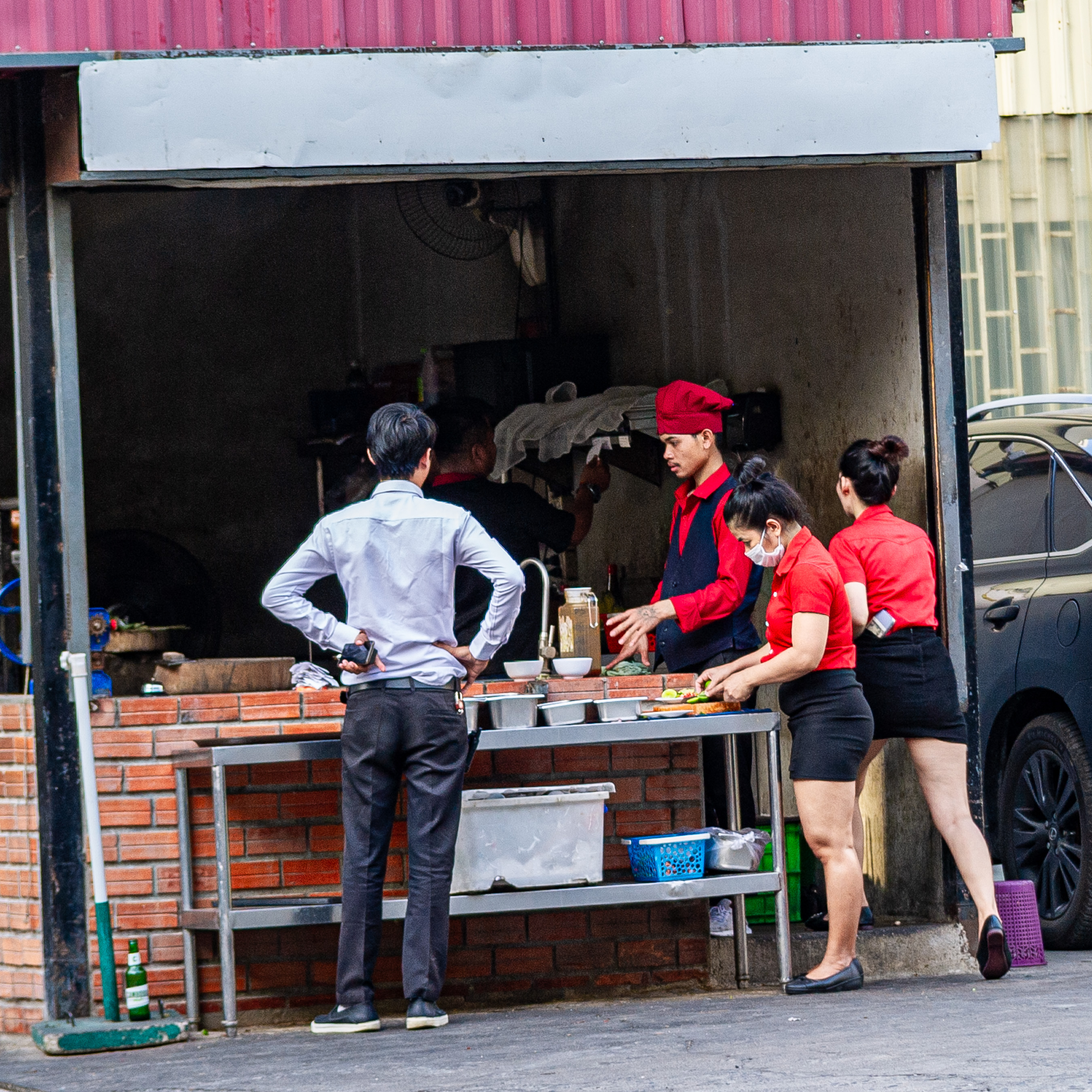
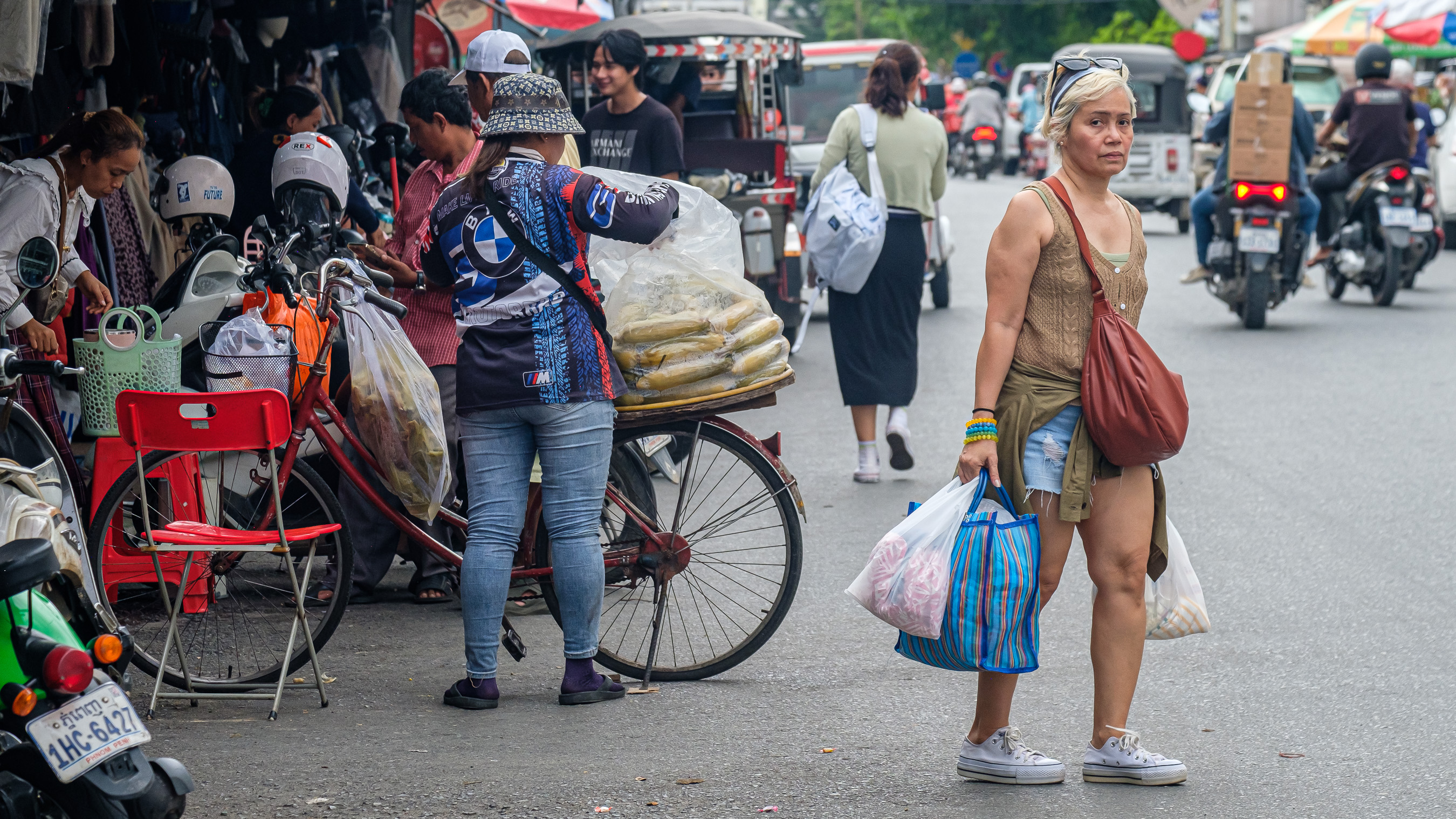
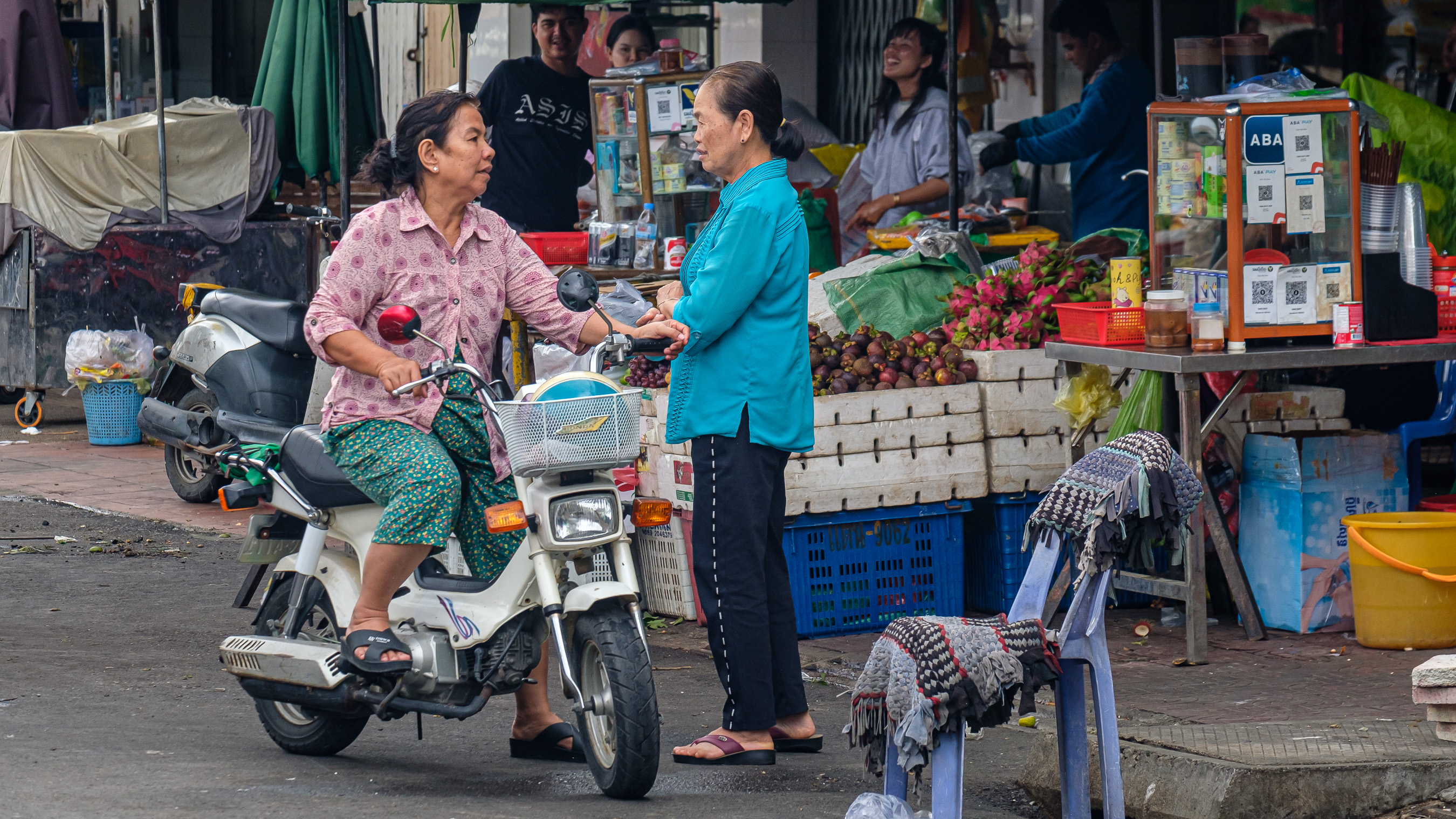
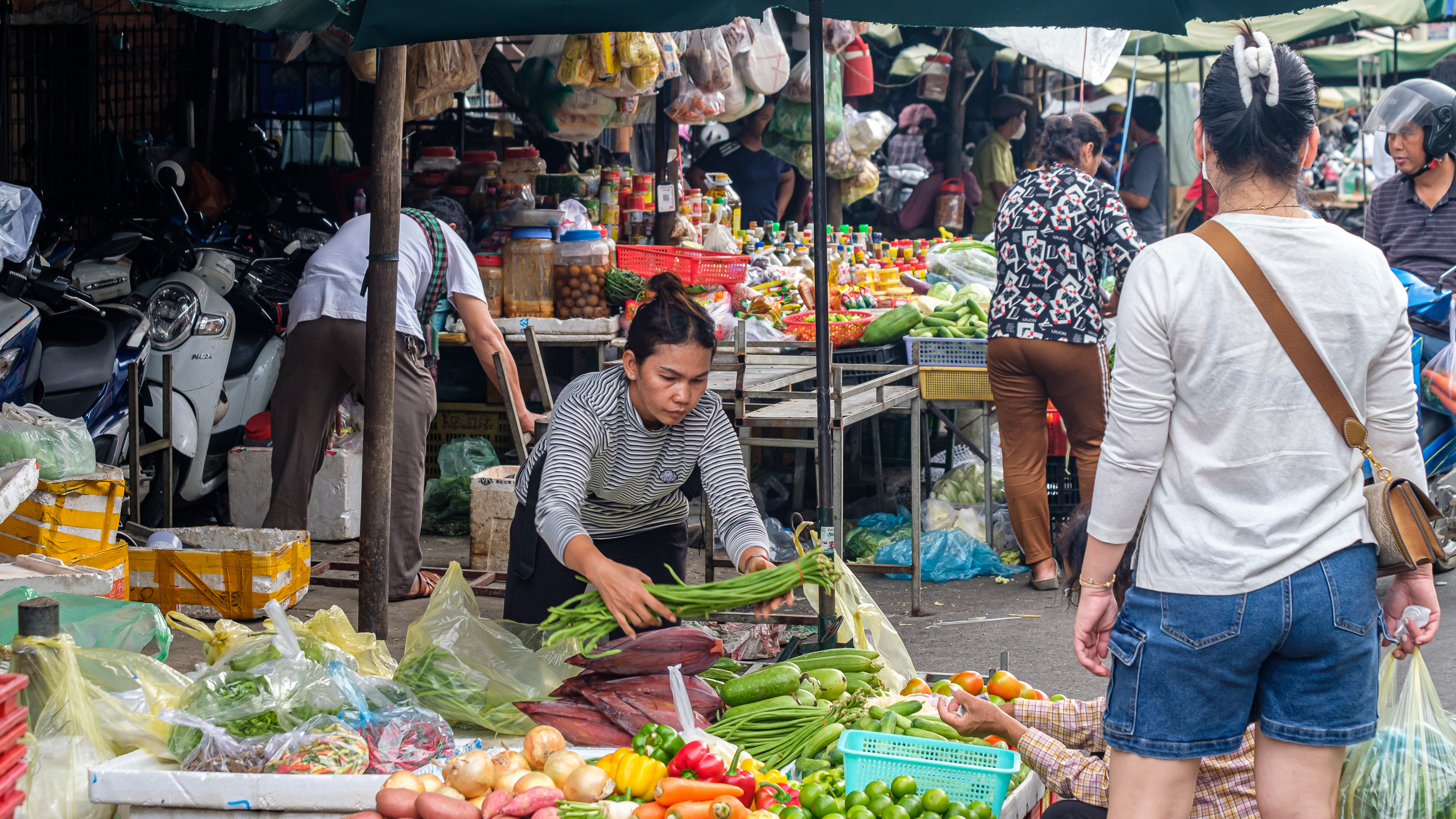
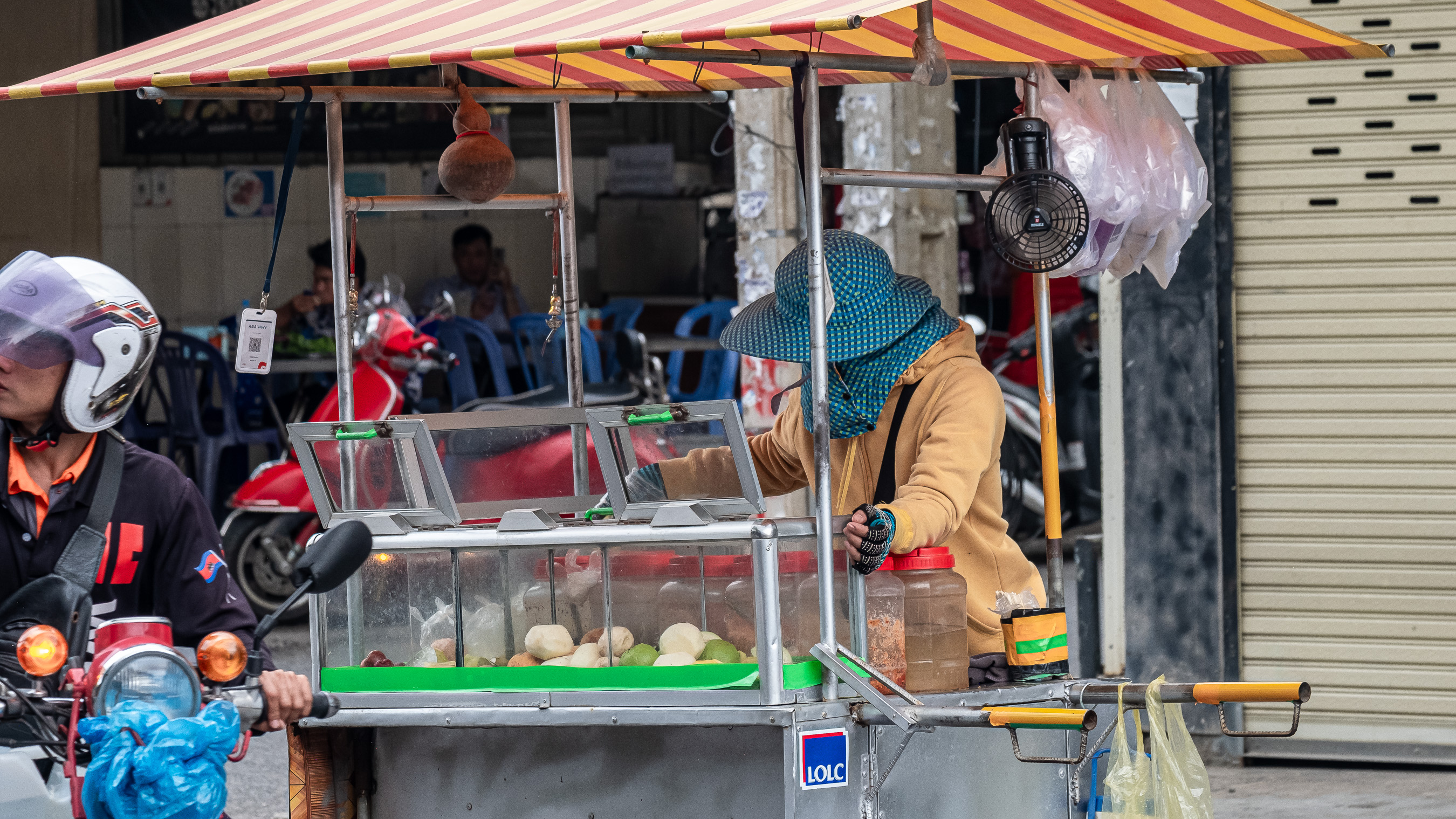
Phnom Penh, the capital city, is a juxtaposition of traditional and modern Cambodia. The Royal Palace, with its classic Khmer roofs and gleaming spires, stands in contrast to the city’s rapidly growing skyline. Street photography enthusiasts will find a wealth of subjects in the city’s lively markets and cafes, where the energy of Cambodia’s urban life is palpable.
For those interested in wildlife and nature photography, the Cardamom Mountains offer untouched landscapes and a chance to photograph rare species in their natural habitat. The lush jungles, cascading waterfalls, and remote villages are a reminder of the country’s diverse ecosystems.
Photography workshops and tours are available for those looking to hone their skills while exploring the country. These guided experiences not only provide practical photography advice but also offer deeper insights into Cambodia’s culture and history.
As a photographer in Cambodia, you are not just a visitor but a storyteller. Each photograph you take contributes to the narrative of this enchanting country, preserving moments of beauty, hardship, joy, and resilience. Whether you are a professional photographer or an enthusiast, Cambodia’s rich tapestry of life will leave you with images and memories that last a lifetime.