Digital photography is a field that demands precision, attention to detail, and, most importantly, the right tools. One of the most critical tools for any digital photographer is the computer. The right computer can make the difference between a frustrating experience and a seamless, creative process.
When it comes to selecting a computer for digital photography, there are several factors to consider:
Processing Power: A fast CPU is crucial for photo editing tasks. Programs like Adobe Photoshop and Lightroom require significant processing power to run smoothly, especially when working with high-resolution images.
Memory: RAM is another critical component. A minimum of 16GB is recommended for serious editing work, but 32GB or more is ideal for professional-level tasks and multitasking.
Storage: Fast file access is essential, especially when dealing with large image files. Solid-state drives (SSDs) offer quick access times and reliable performance. Additionally, having ample storage space is necessary to store an extensive collection of high-resolution photos.
Display: A high-quality display with accurate color representation is vital for photo editing. Look for computers with 4K or 5K displays to ensure the finest detail and color accuracy.
Graphics Card: A dedicated graphics card can accelerate rendering times and improve the overall speed of photo editing software.
Expandability: The ability to upgrade components such as memory, storage, and graphics cards can extend the life of your computer.
With these factors in mind, some of the best computers for digital photography as of 2024 include the Apple Mac Studio M2, known for its compact size and powerful performance, and the Apple iMac M3, which offers a complete package with enough power for most image editing requirements. For Windows users, the Dell XPS Desktop is a great choice, balancing power and size for photo editing and gaming capabilities.
For those on a budget, options like the ASUS V241EA-ES001 provide a balance between cost and performance, while the HP Pavilion 27 offers a high-quality display at a more affordable price point.
In conclusion, the right computer for digital photography is one that matches your specific needs and workflow. Whether you’re a hobbyist or a professional, investing in a machine that can handle the demands of digital photography will pay off in the quality of your work and the enjoyment of your creative process. Remember to prioritize processing power, memory, storage, display quality, graphics capabilities, and expandability when making your choice. Happy editing!
Robert Capa, born Endre Ernő Friedmann, was a man who turned the chaos of war into a form of art that both horrified and moved an entire generation. His journey from a politically turbulent Hungary to becoming the most renowned war photographer in history is a tale of courage, innovation, and an unyielding commitment to documenting the truth.
Capa’s early life was marked by political strife. Born on October 22, 1913, in Budapest, Austria-Hungary, he was forced to flee his homeland at the age of 18 due to alleged communist sympathies. His path led him to Berlin, where he witnessed the rise of Hitler, and later to Paris, where he would meet his professional partner and companion, Gerda Taro. Together, they invented the persona of Robert Capa, the “famous” American photographer, a ruse that allowed them to sell their work in a market that favored American names.
Capa’s lens captured the brutal realities of the Spanish Civil War, the Second Sino-Japanese War, World War II, the 1948 Arab–Israeli War, and the First Indochina War. His work was not just a job; it was a mission to show the world the faces of those who suffered and fought. His iconic photograph, “The Falling Soldier,” taken during the Spanish Civil War, remains one of the most powerful images of combat ever captured, embodying the very essence of Capa’s ability to encapsulate the decisive moment.
The horrors of war were not Capa’s only companions. He formed friendships with literary and cinematic giants such as Ernest Hemingway, John Steinbeck, and John Huston. These relationships not only enriched his life but also helped him navigate the dangerous terrains he photographed. In 1947, Capa co-founded Magnum Photos, the first cooperative agency for worldwide freelance photographers, which revolutionized the field of photojournalism.
Tragically, Capa’s relentless pursuit of truth led to his untimely death on May 25, 1954, when he stepped on a landmine in Thái Bình Province, French Indochina. He was only 40 years old. His legacy, however, lives on through his breathtaking photographs, his co-founding of Magnum Photos, and the numerous accolades he received, including the Medal of Freedom awarded by U.S. General Dwight D. Eisenhower.
Robert Capa’s story is a testament to the power of photography as a means of storytelling and historical documentation. His images serve as a stark reminder of the realities of war, the resilience of the human spirit, and the profound impact one individual can have on the world. Capa once said, “If your photographs aren’t good enough, you’re not close enough.” He lived by those words, and in doing so, he brought the world closer to the truths that many would rather turn away from. His work continues to inspire photographers and journalists alike, reminding us all of the importance of looking closely and never forgetting.
Robert Capa’s Cameras: The Tools of a Photography Legend
Robert Capa, a name synonymous with war photography, captured some of the most poignant moments of the 20th century. His images from the Spanish Civil War and World War II have become iconic, but what about the tools of his trade? What cameras did this legendary photographer use to document the world at war?
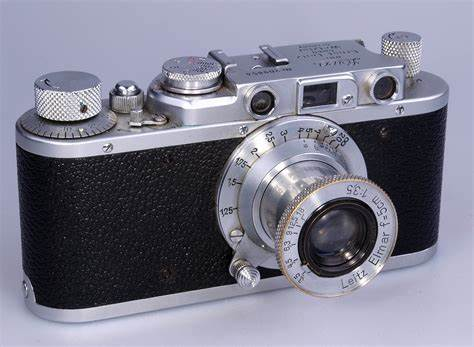
Capa’s early work was closely associated with the compact and efficient Leica 35mm rangefinder. This camera was a game-changer in photojournalism, allowing photographers to move quickly and capture life as it unfolded. The Leica II, with its screw-mount rangefinder, was particularly significant in Capa’s early career. It was this type of camera that he used during his assignment to photograph Leon Trotsky in Copenhagen.
As his career progressed, Capa’s choice in cameras evolved. During World War II, he was known to use a Contax brand camera. This camera, along with the Leica, was small enough to be held in one hand, lightweight, and used 35mm film, which was easy to load and shoot in rapid succession. This allowed Capa to immerse himself in the action, capturing the raw and real moments of conflict.
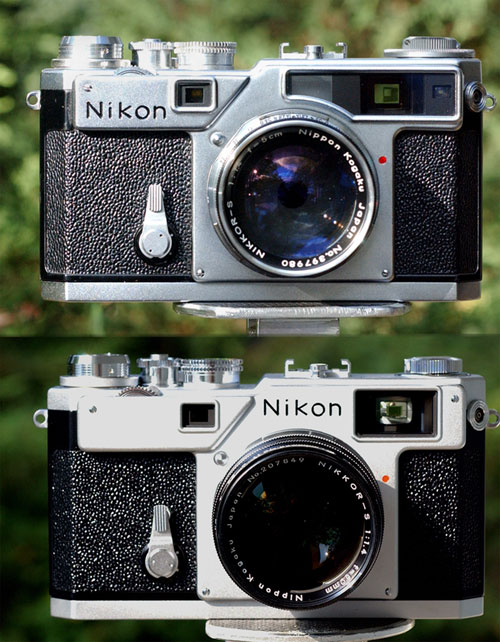
On the tragic day of his death while covering the First Indochina War, Capa had with him a Contax and a Nikon S with a 50mm lens. These cameras were his companions on the battlefield, and one of them, the Nikon S, is sometimes displayed at exhibits of his work, complete with the bloodstains from that fateful day.
Capa’s approach to photography was not just about the camera but also about being close to the action. He famously said, “If your pictures aren’t good enough, you’re not close enough.” This philosophy drove him to the front lines, where he could capture the essence of the human experience during wartime.
The cameras Robert Capa used were more than just tools; they were extensions of his vision. They allowed him to tell the stories of war in a way that was intimate, immediate, and impactful. Through his lenses, we see not just the events of war but the emotions and humanity of those who lived it.
Capa’s legacy is not only in the images he left behind but also in the way he used his cameras. He demonstrated the power of photojournalism and set a standard for future photographers. His work reminds us that the camera is a witness to history, and the photographer behind it is the storyteller.
For those interested in the technical aspects of photography and the history of photojournalism, Capa’s choice of cameras offers a fascinating glimpse into the evolution of the craft. From the Leica II to the Contax and Nikon S, these cameras were at the forefront of technology at the time and enabled Capa to capture history as it happened.
Robert Capa’s cameras were his tools to convey the truth of war. They were the instruments through which he showed the world the realities of conflict, the faces of the soldiers, and the plight of the civilians. They were the means by which he told the stories that needed to be told, and they continue to inspire photographers and storytellers today.
Embarking on a journey of creative discovery, photographers often find themselves seeking inspiration to fuel their artistic expression. The act of observing the world through the lens of another photographer can be a profound experience, offering new perspectives and techniques that may have remained unexplored. Galleries, with their curated collections, serve as sanctuaries of visual storytelling, where each piece invites the viewer to interpret and absorb the essence of a moment captured in time. Photography books, too, are treasure troves of inspiration, each page a gateway to different cultures, landscapes, and narratives. They allow one to traverse the globe from the comfort of their own space, igniting the imagination and sparking new ideas. This process of seeking and finding inspiration is not just about emulating the work of others; it’s about expanding one’s visual vocabulary and understanding the boundless possibilities of light, shadow, composition, and color. It’s about learning the rules of art and the joy of breaking them, discovering one’s unique voice in a chorus of shutter clicks and flashes. For the photographer, inspiration is the whisper of the muse that turns an ordinary scene into an extraordinary photograph, transforming the mundane into the sublime. It’s the force that compels them to wake before dawn, chasing the perfect light, or to wait patiently for that decisive moment when everything aligns. Inspiration is the fuel for the creative soul, and in its pursuit, every image viewed, every gallery visited, and every page turned is a step closer to capturing the next great shot that speaks not only to the eyes but to the heart as well. So, seek out inspiration, for it is the key to unlocking the boundless potential within every photographer’s grasp.
When it comes to creative work like photography, feedback can be incredibly valuable. It offers fresh perspectives and can highlight aspects of your work you might not have noticed. However, it’s also important to remember that art is subjective, and not all criticism will be useful or constructive. It’s beneficial to consider the source of the feedback; a professional photographer’s critique may hold more weight than a casual observer’s opinion. Look for recurring themes in the feedback you receive—if multiple people point out the same issue, it might be worth taking a closer look. Ultimately, the amount of notice you take should align with your artistic vision and goals. If the criticism resonates with you and helps you grow, it’s worth considering. But if it doesn’t serve your purpose or seems unfounded, it’s okay to trust your instincts and choose which advice to follow and which to let go. Remember, the most important critic of your work is you.
The acceptability of baby bath pictures has become a complex issue due to the potential for misinterpretation and misuse in the digital age. While historically, such images were seen as innocent family memories, the rise of the internet and social media has increased the risk of these photos being viewed out of context or falling into the wrong hands. Legal experts advise caution, suggesting that parents consider the potential for images to be misconstrued or used by others inappropriately. The law itself can be ambiguous, but the guiding principle is the intent and context in which the photos are taken and shared. It’s always best to err on the side of caution and protect the privacy and future dignity of children.
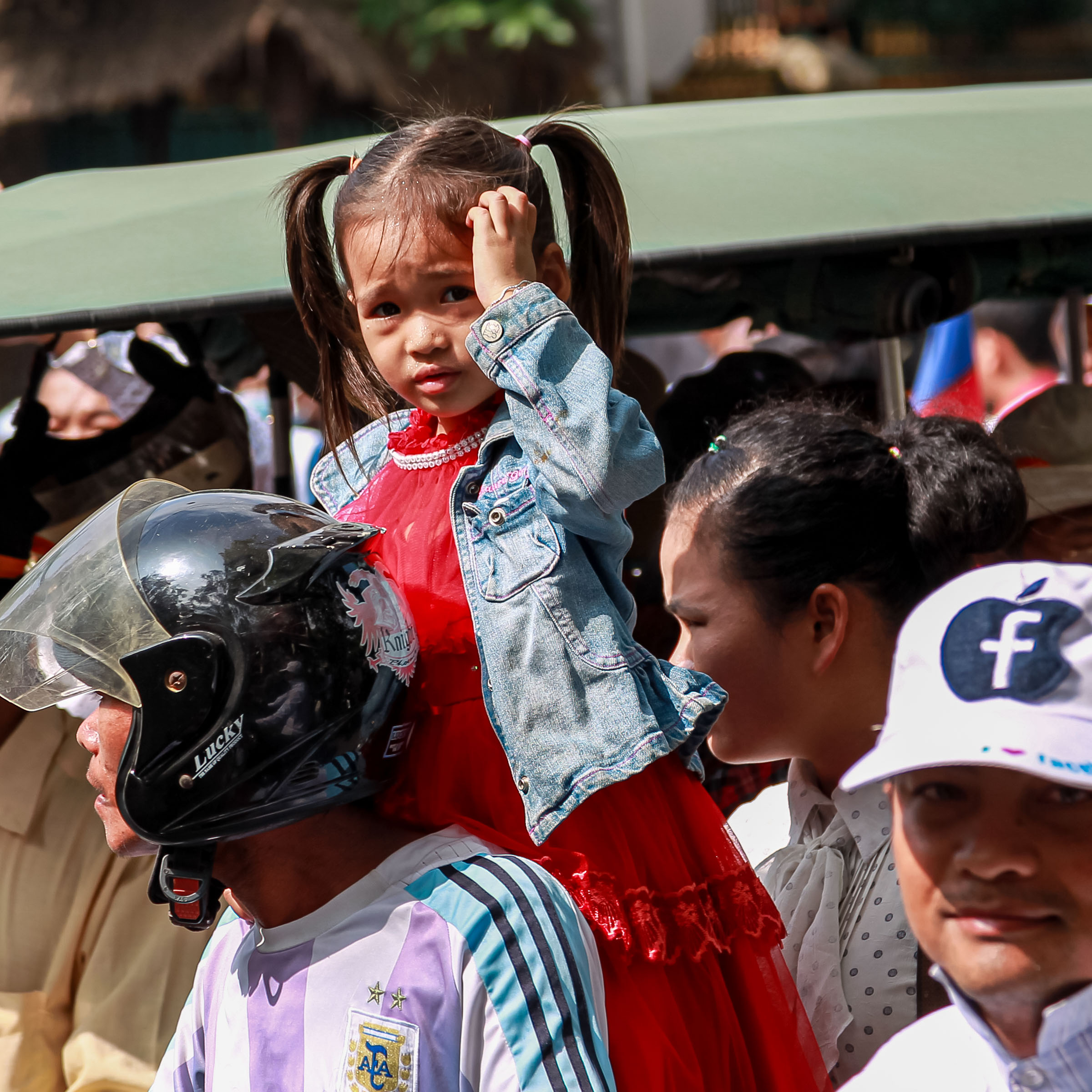
Street photography, which often includes capturing images in public areas, can sometimes lead to concerns from individuals inadvertently included in the photos. It’s not uncommon for photographers to encounter people who express discomfort or request not to be photographed. Some laws protect the right to take pictures in public spaces in many places, but ethical considerations are also important. Photographers are generally encouraged to respect people’s wishes and privacy, especially when individuals may have a reasonable expectation of privacy or if the context could be sensitive. It’s a balance between the photographer’s freedom of expression and the subject’s right to privacy.
Respectful street photography is about capturing life’s candid moments while being considerate of people’s privacy and comfort. Here are some tips to help you practice this art form ethically: Firstly, observation is crucial; take time to watch and anticipate people’s movements to capture genuine moments without intrusion. Bad weather can be your ally, offering unique scenes with reflections and dramatic expressions, so don’t shy away from rainy days. Be mindful of shadows and shapes to create compelling compositions, especially in strong light. Always approach your subjects with respect and maintain a courteous attitude. If possible, use smaller, less conspicuous cameras to blend into your surroundings. Remember, the essence of street photography lies in the story you’re telling through your images, so focus on scenes that resonate with the human experience. For more detailed guidance, consider exploring resources that delve into the nuances of street photography.
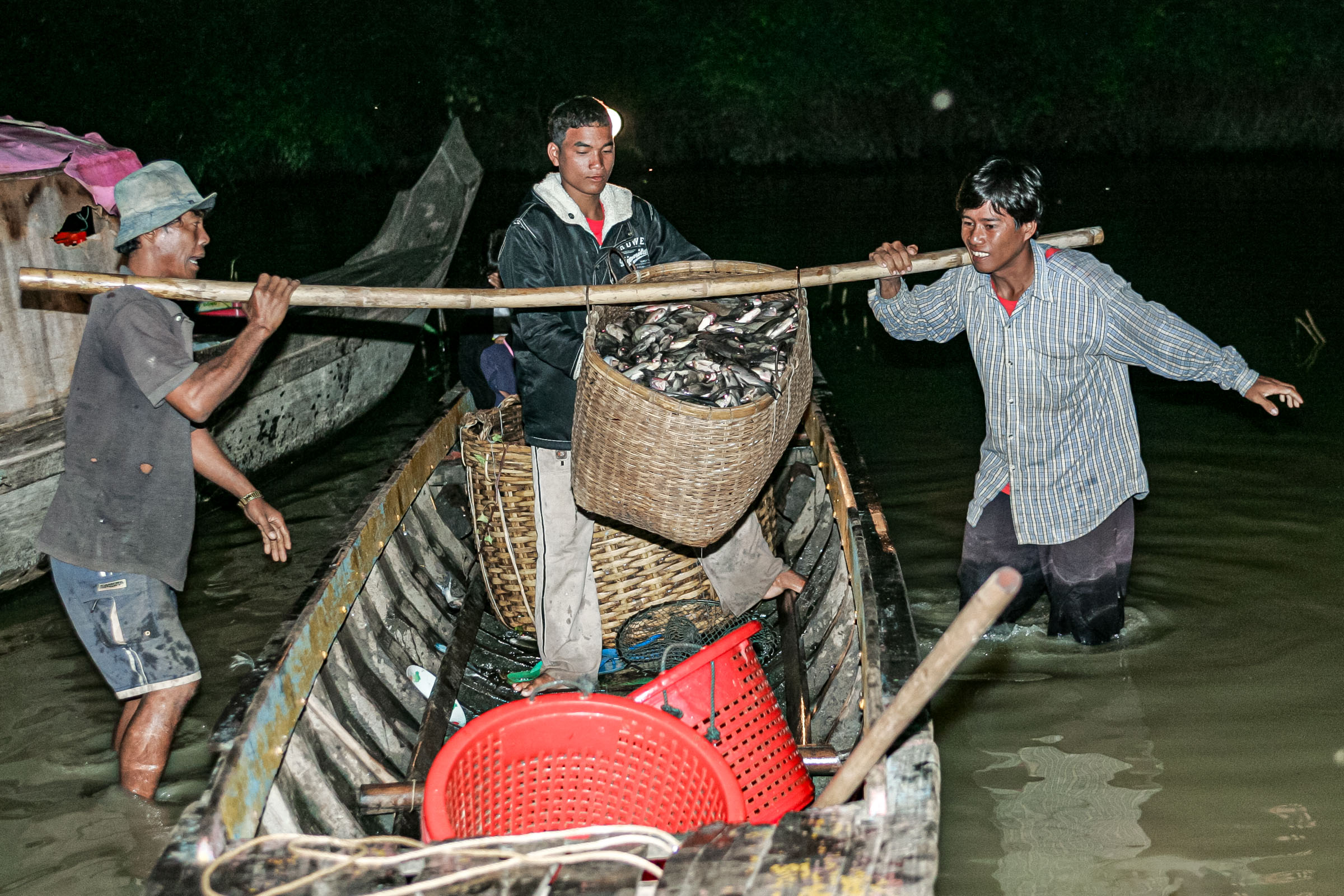
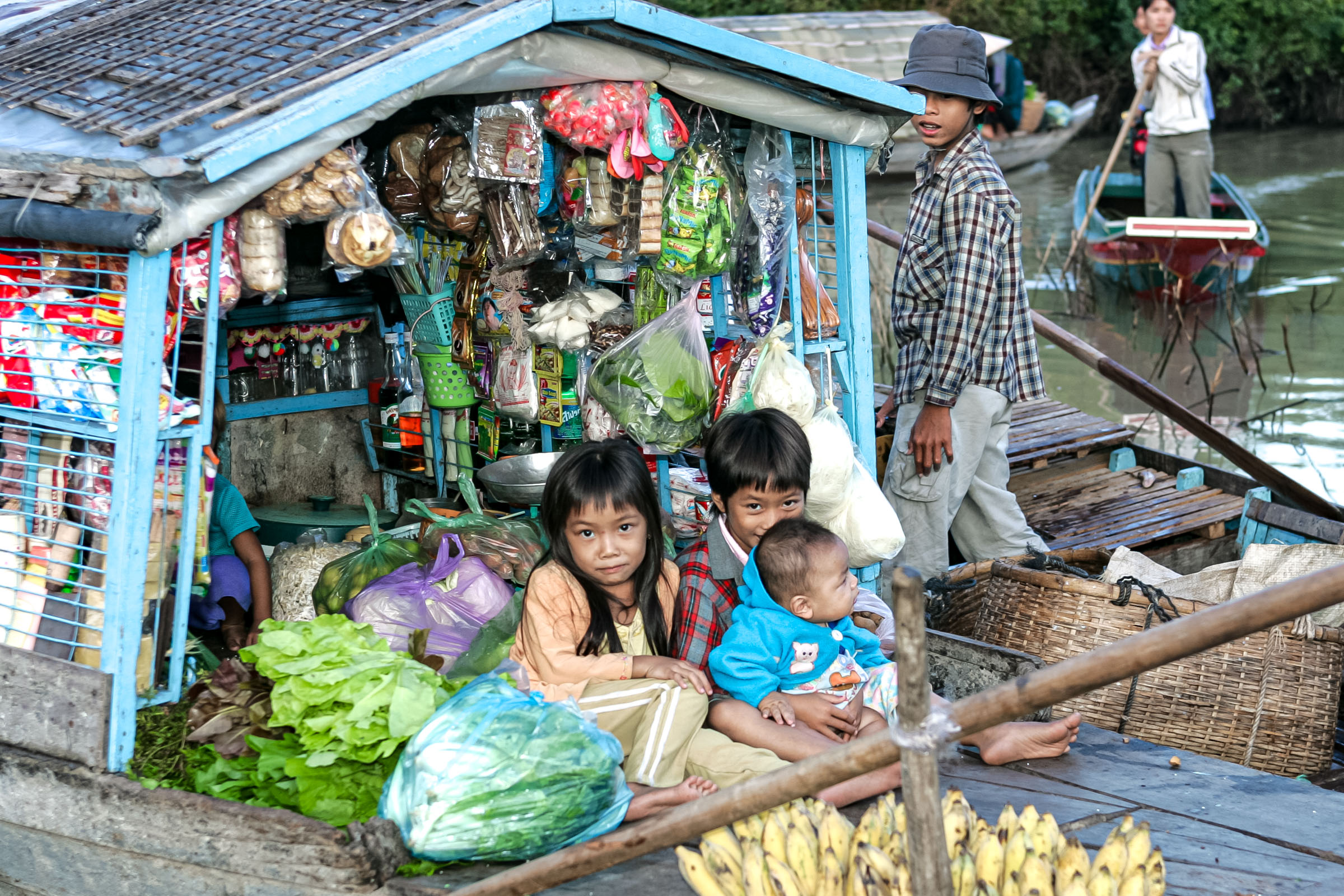
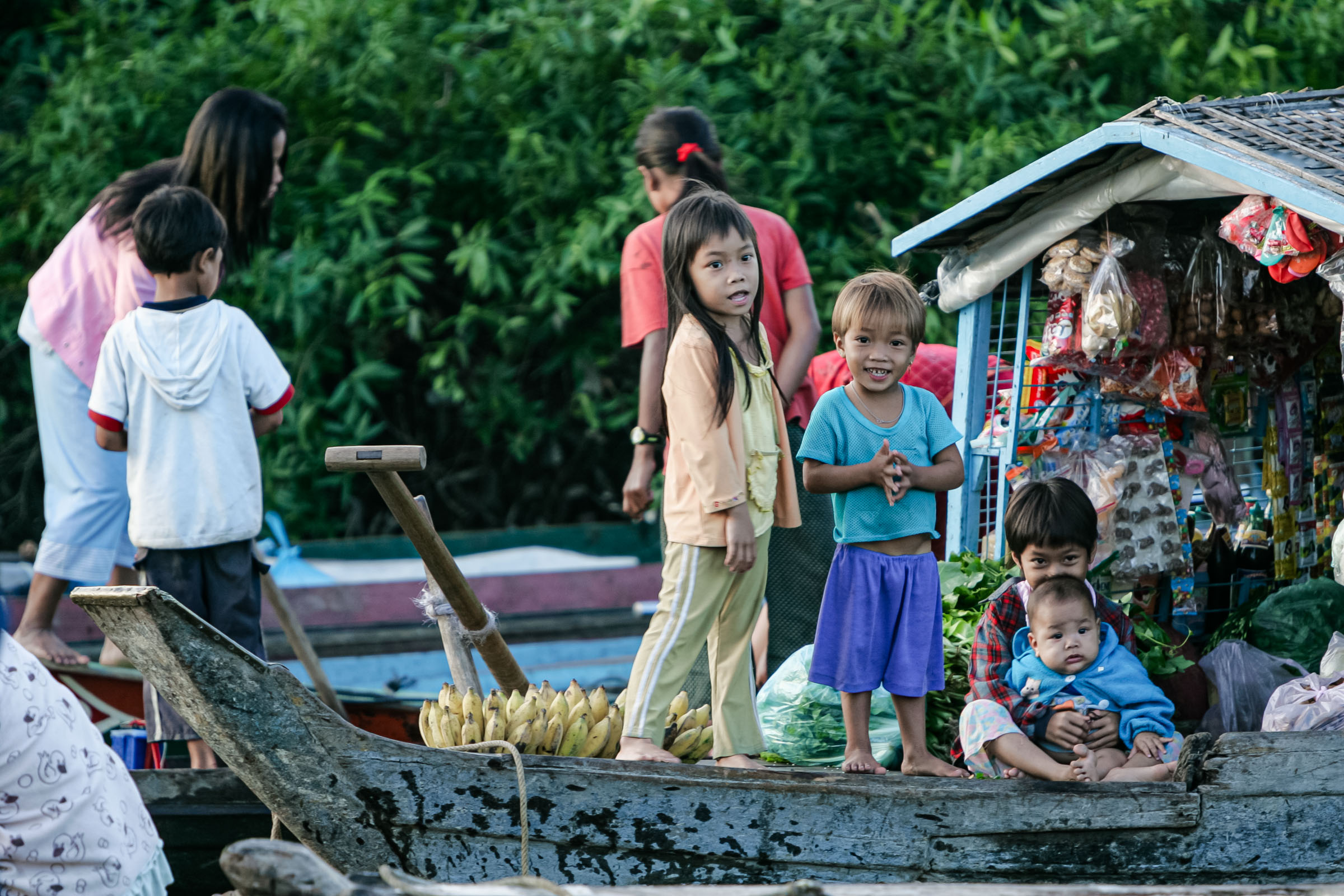
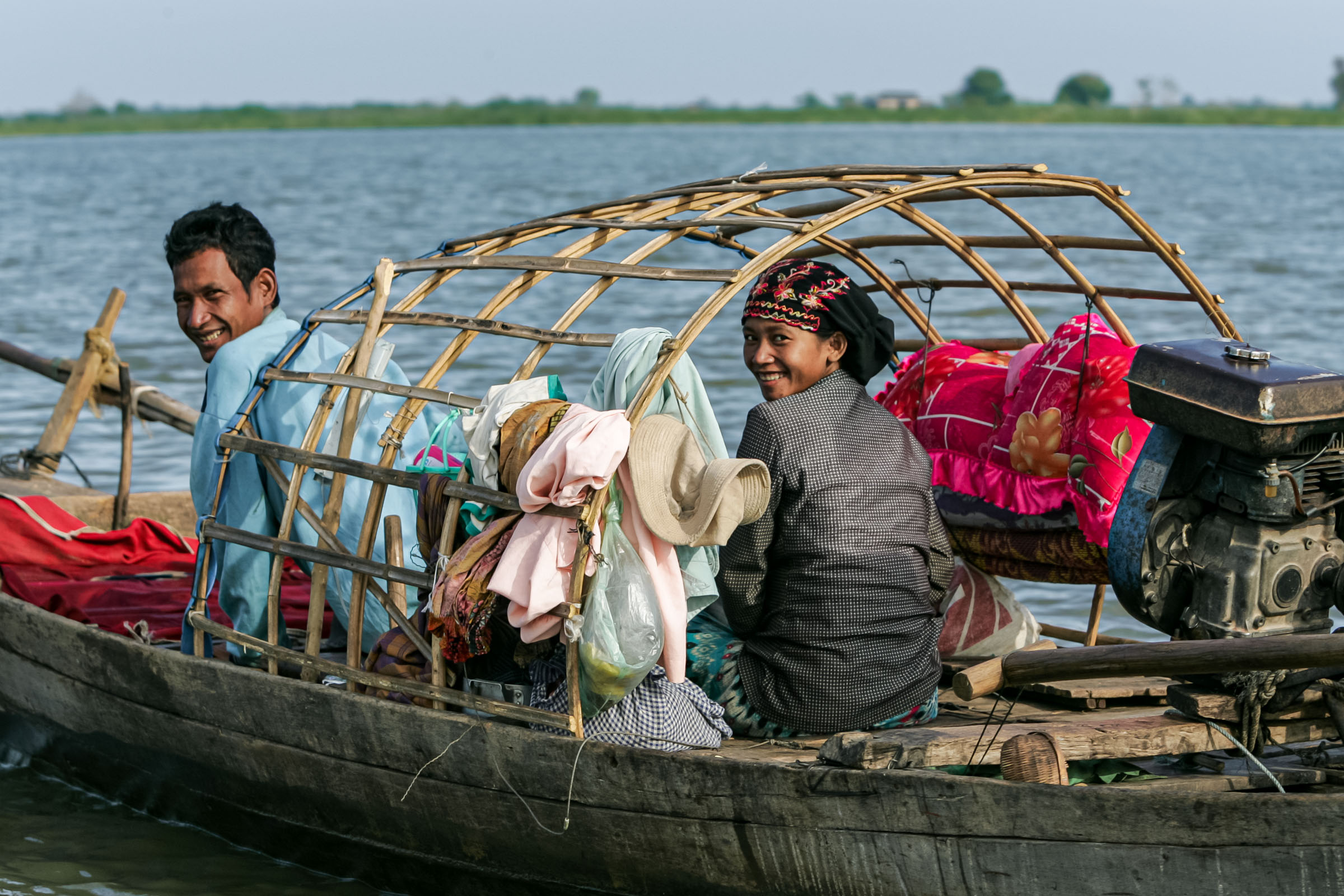
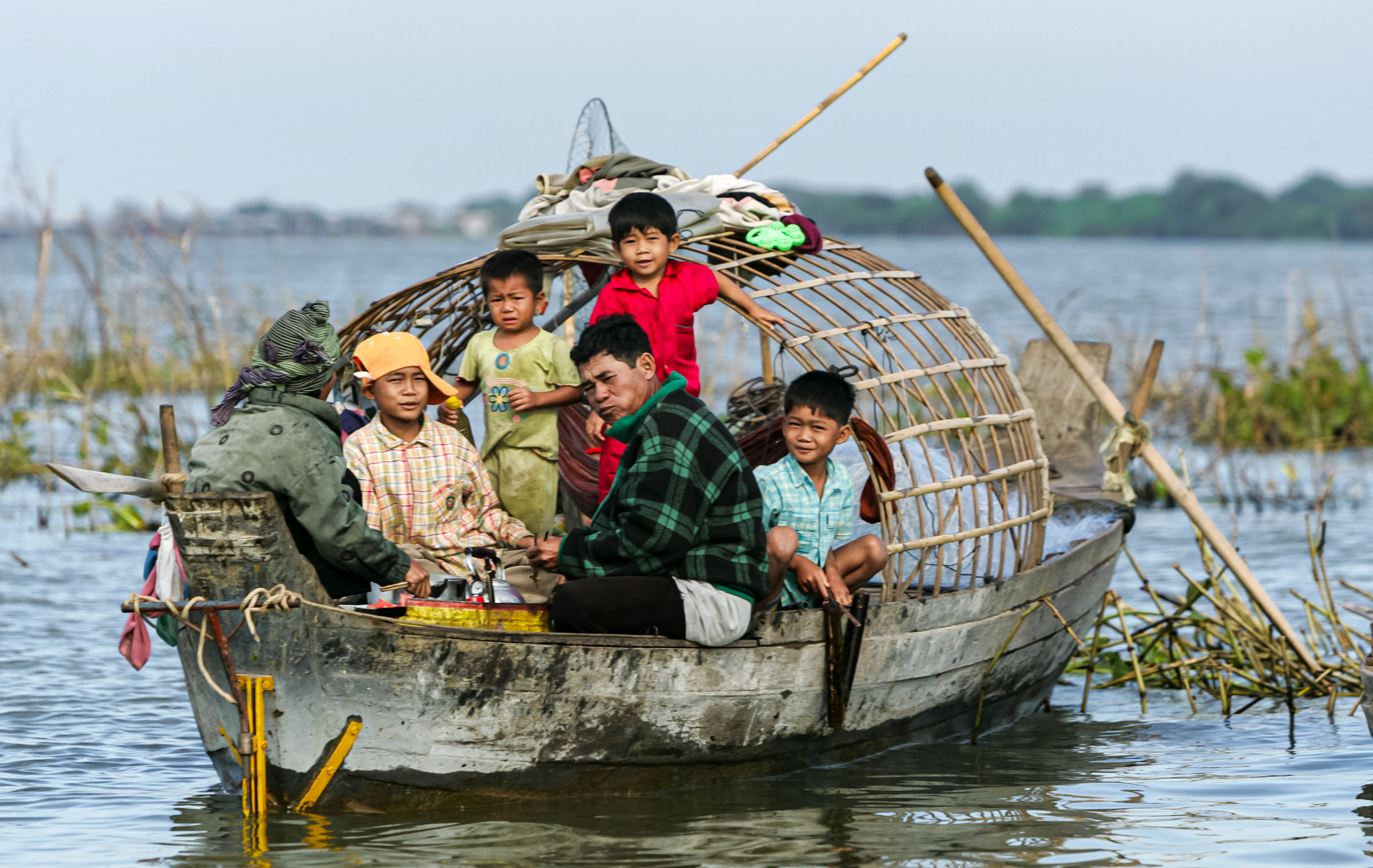
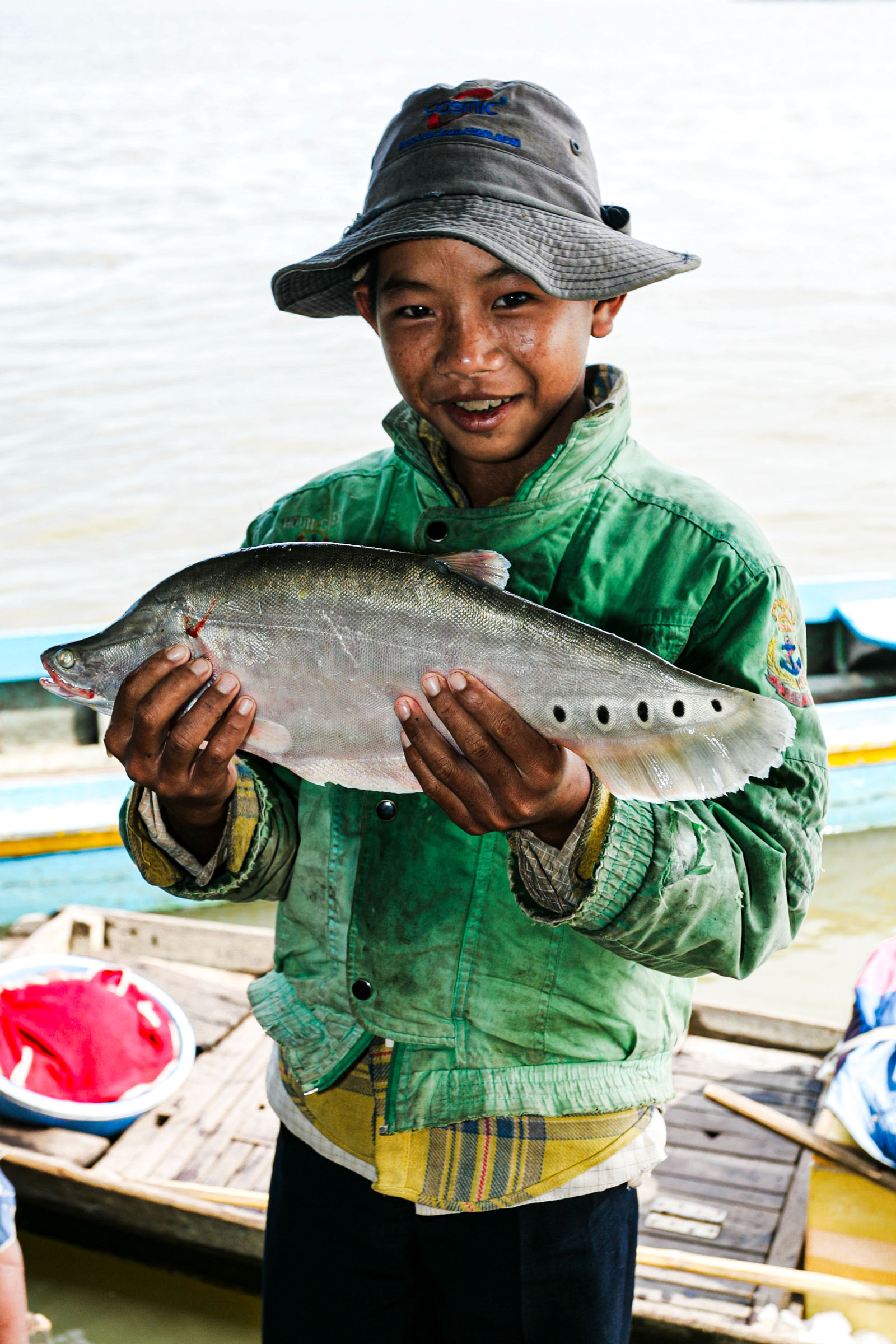
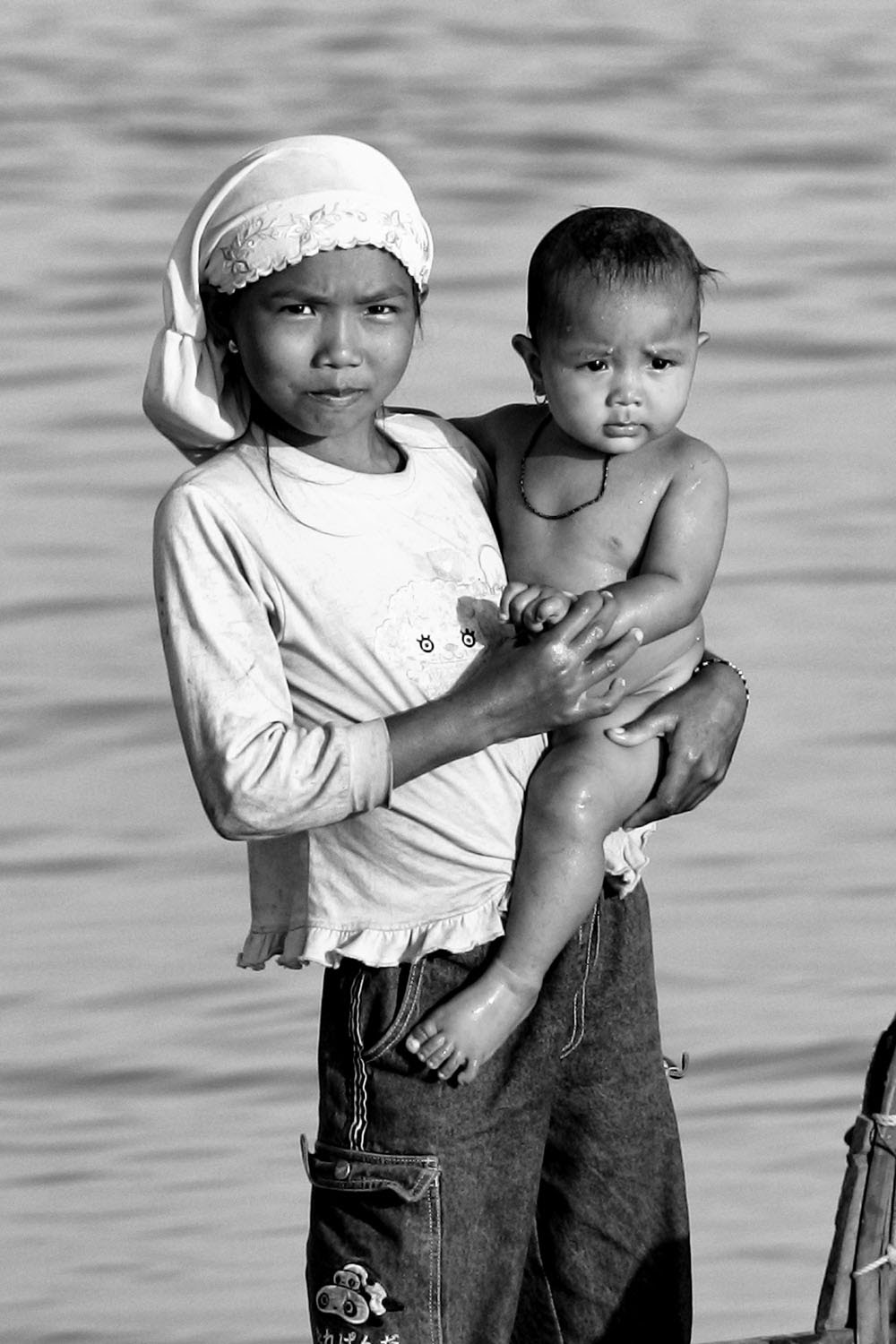
Fishing is a vital part of daily life for many people in Cambodia. Along the Mekong River and Tonle Sap Lake, you’ll find families and individuals casting their nets and lines, working hard to catch fish that provide both food and income. This traditional way of life is not only a means of survival but also a reflection of the region’s rich cultural heritage. The serene landscapes and the dedication of these fishermen and women offer a glimpse into the resilience and resourcefulness of the Cambodian people.
The Mekong River is one of the most significant rivers in Southeast Asia, stretching about 4,350 kilometers (2,703 miles) from its source in the Tibetan Plateau to the South China Sea. It flows through six countries: China, Myanmar, Laos, Thailand, Cambodia, and Vietnam. The river is crucial for the livelihoods of millions of people, providing water for agriculture, fishing, and transportation. The Mekong Delta, in particular, is known for its rich biodiversity and is a vital area for rice production. The river also faces environmental challenges, including pollution and the impact of dam construction, which affect its natural flow and ecosystems.
TheTonle Sap. This lake is a vital resource for many Cambodians, providing food and livelihoods. The scenes capture daily life’s essence, with fishermen casting their nets and boats gently floating on the water. It’s a beautiful reminder of the resilience and hard work of the people who depend on this incredible ecosystem.
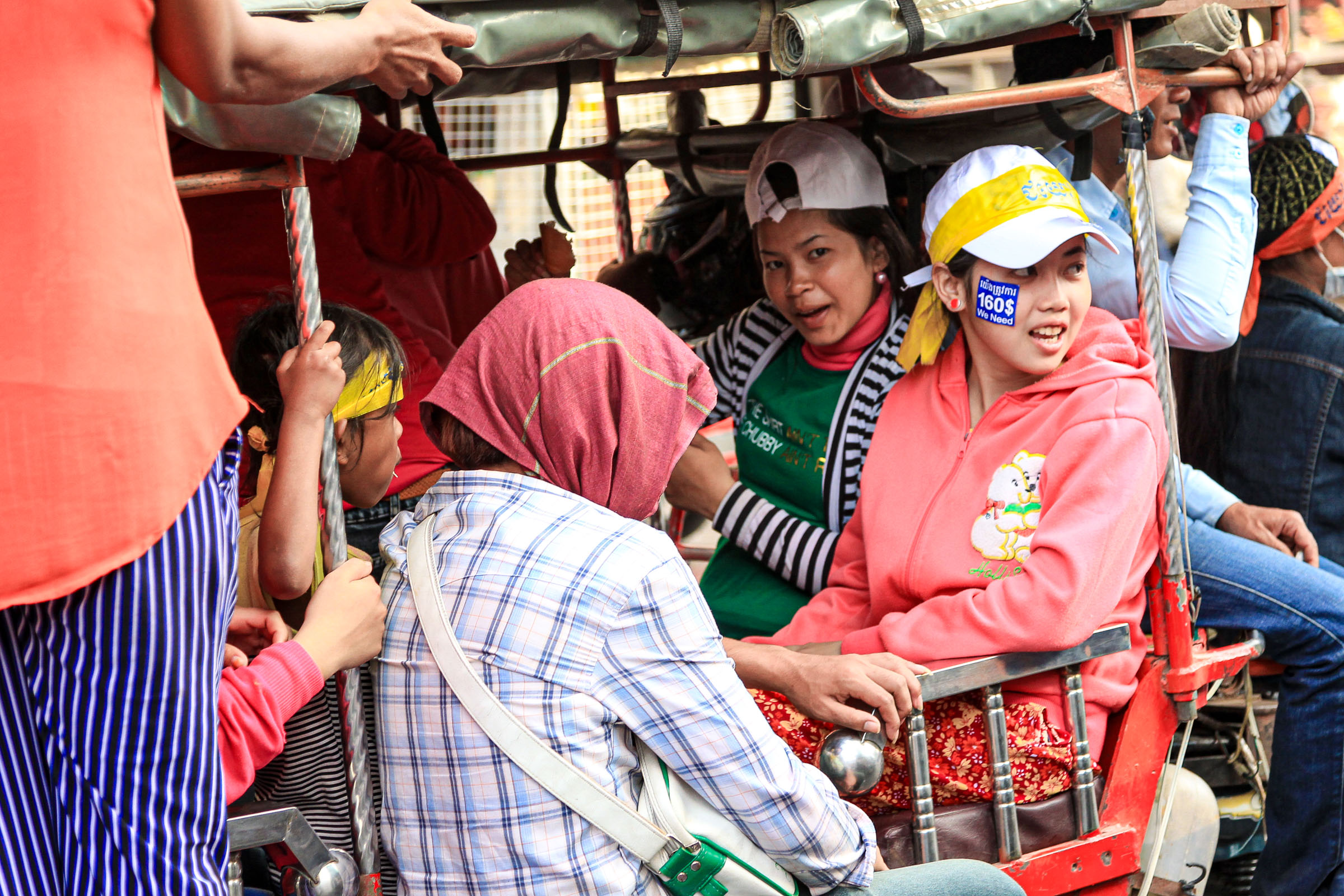
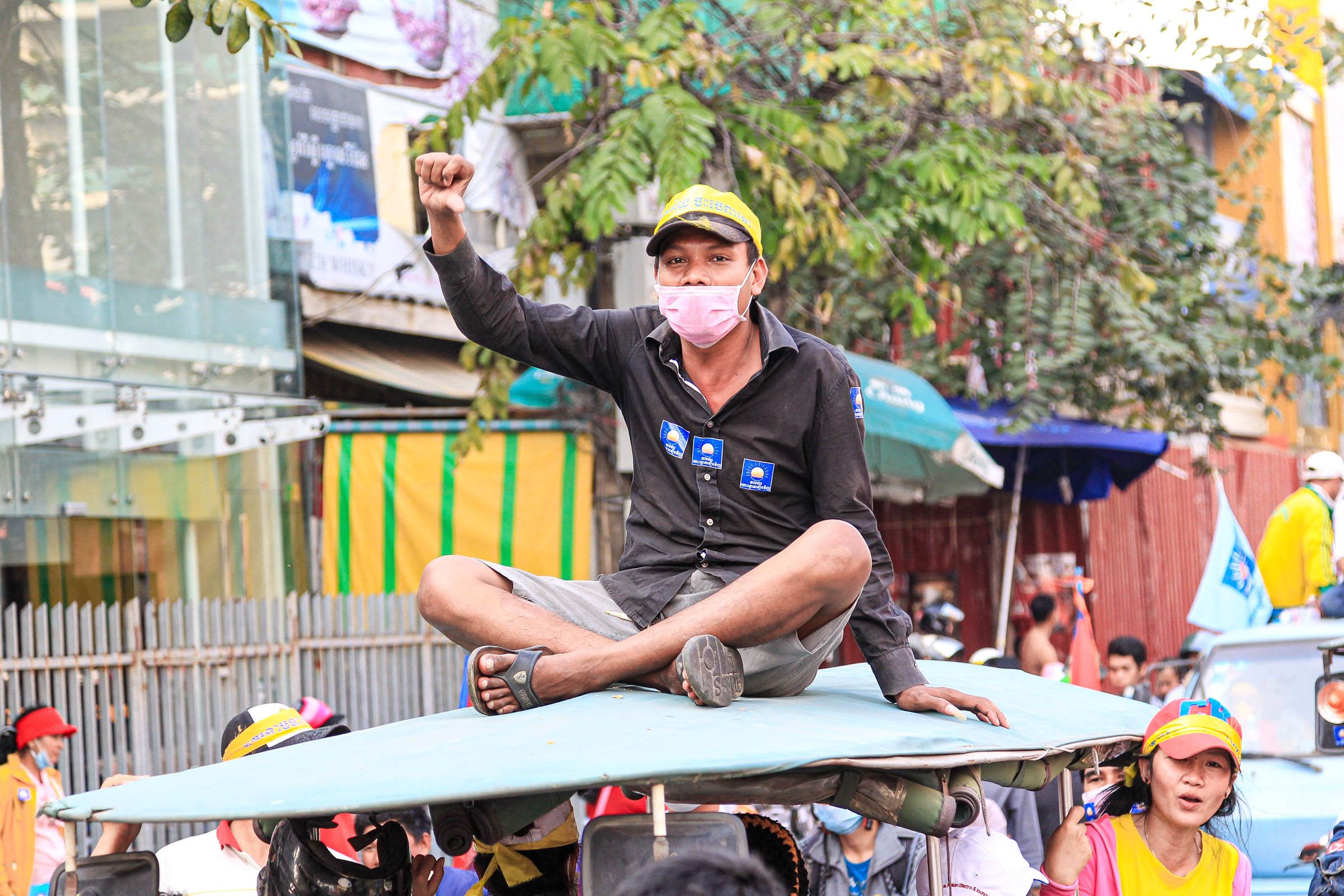
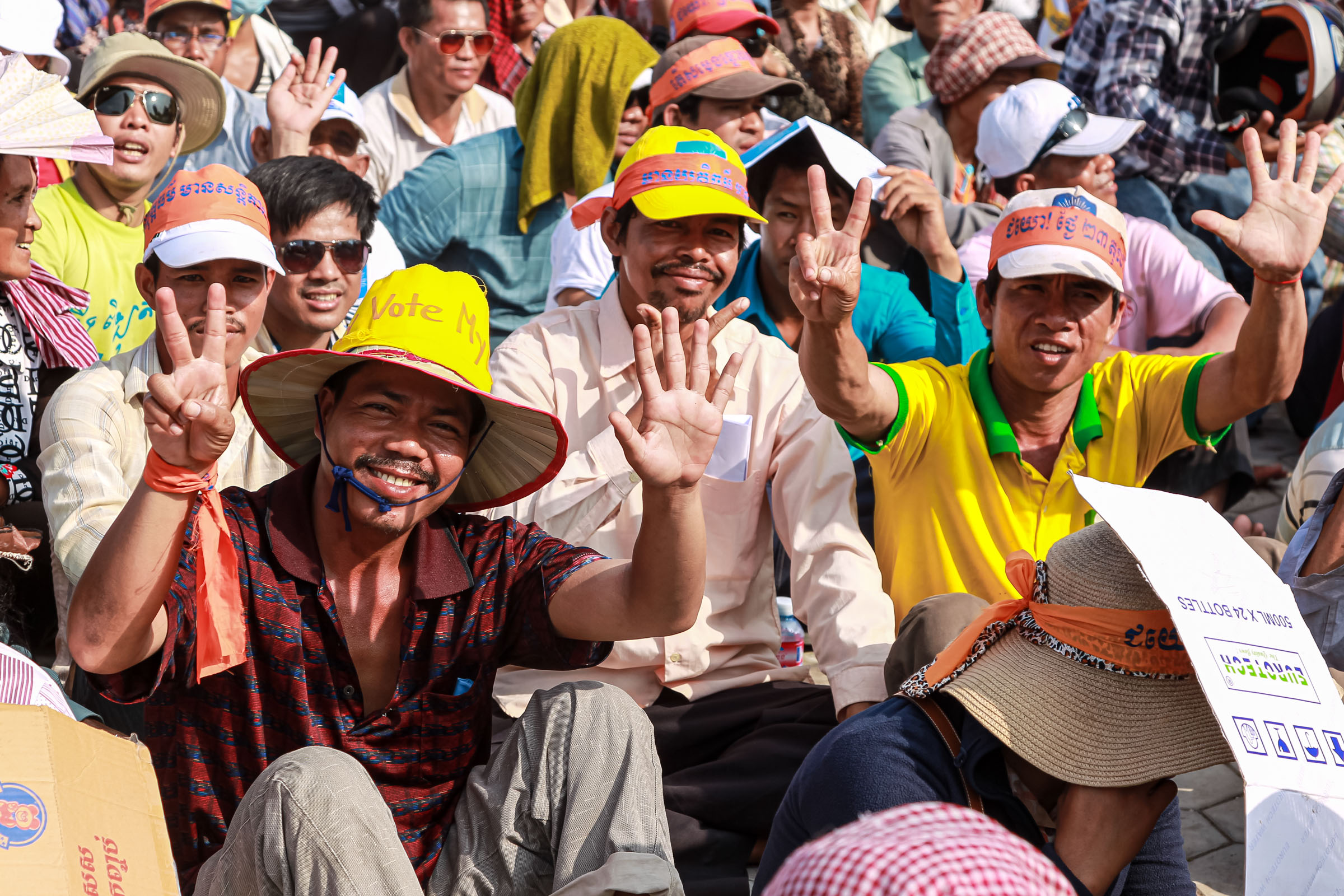
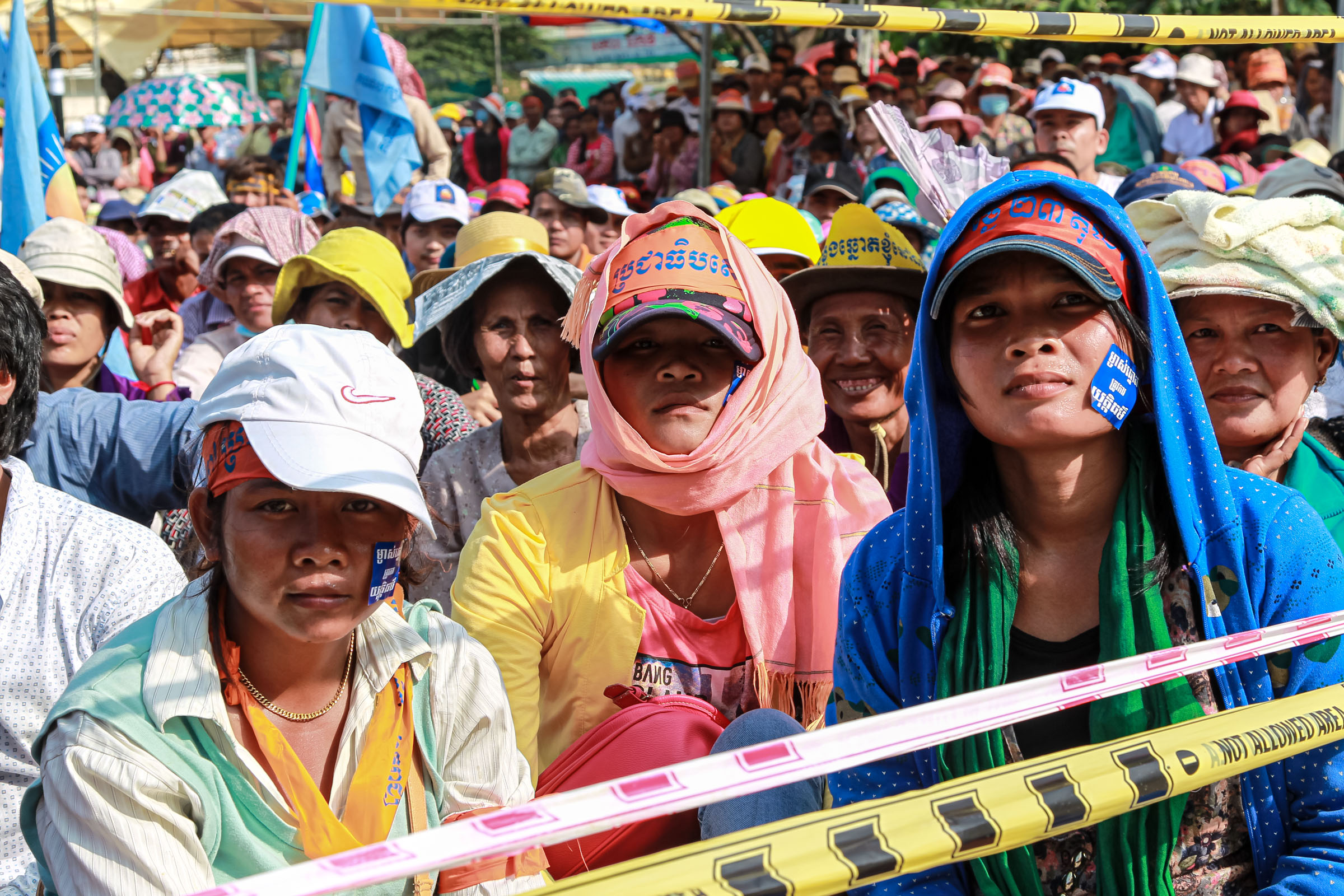
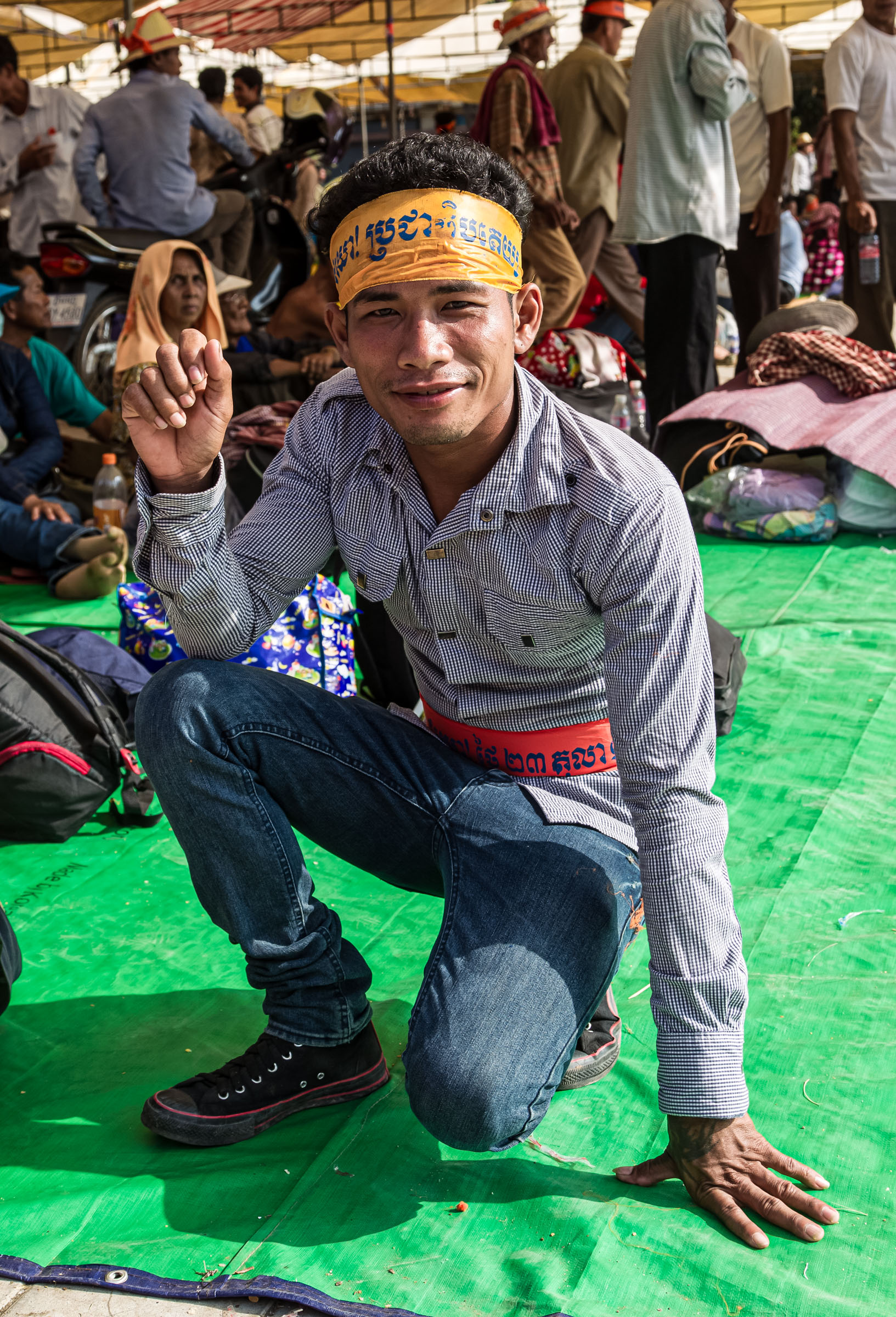
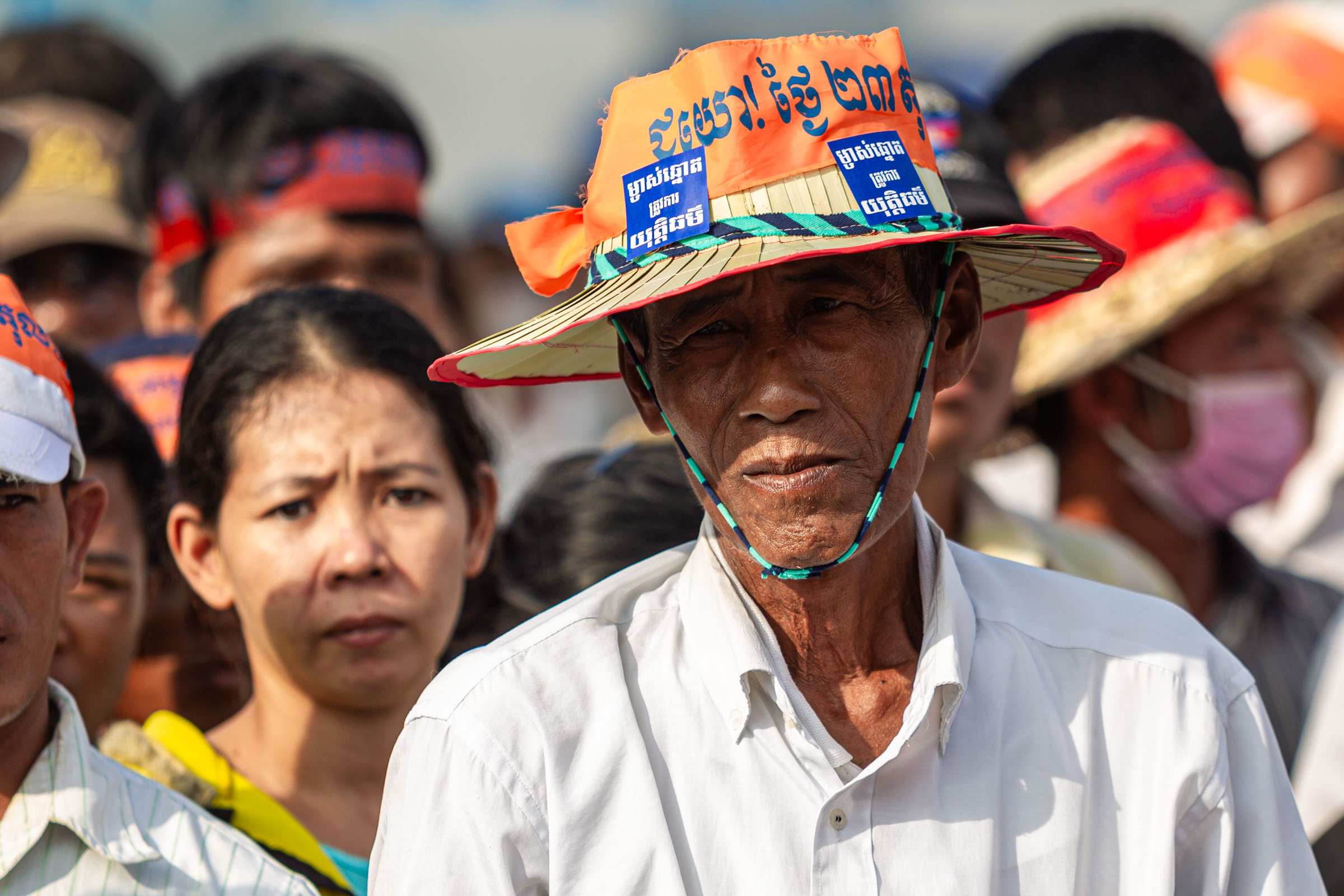
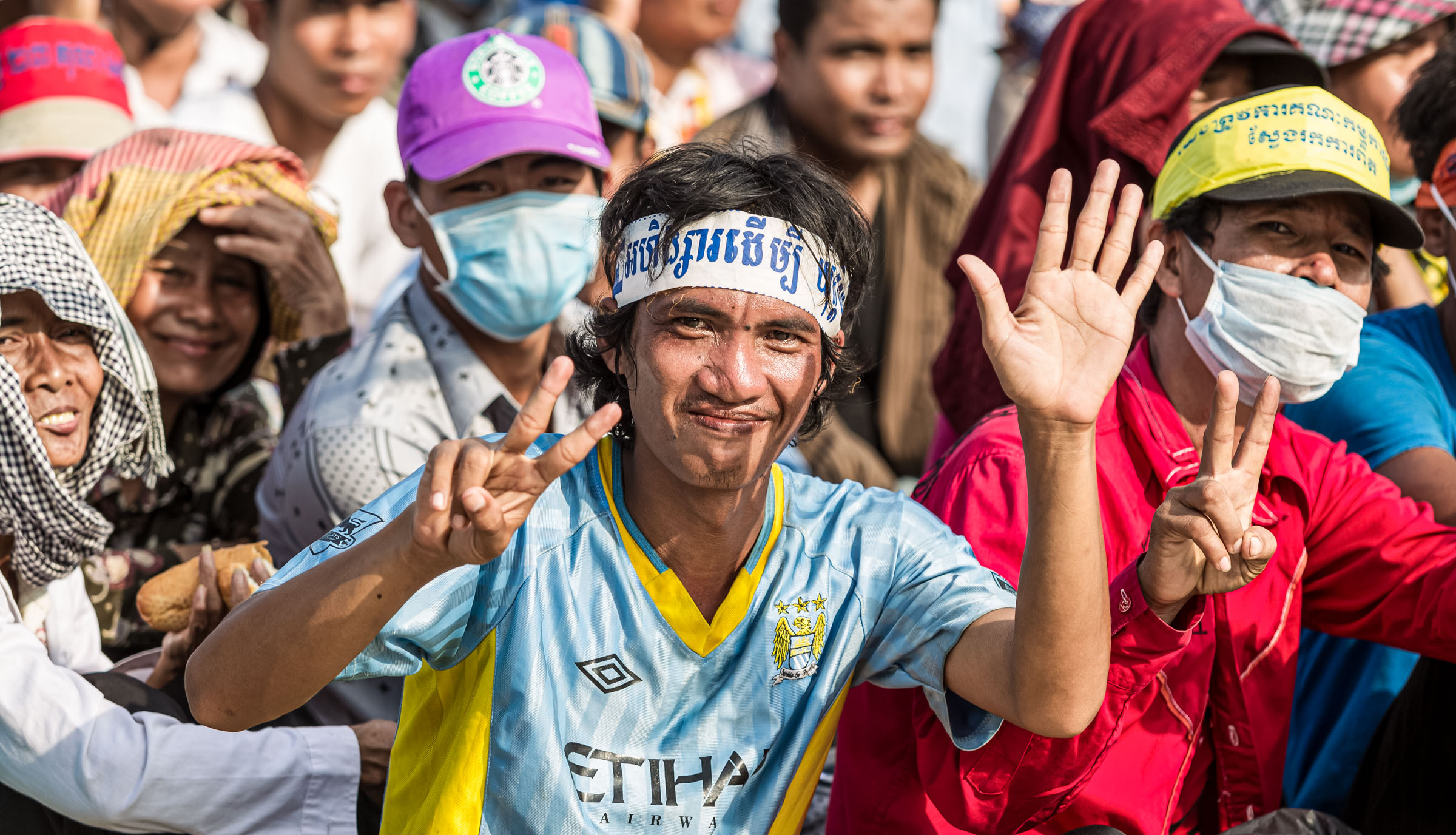
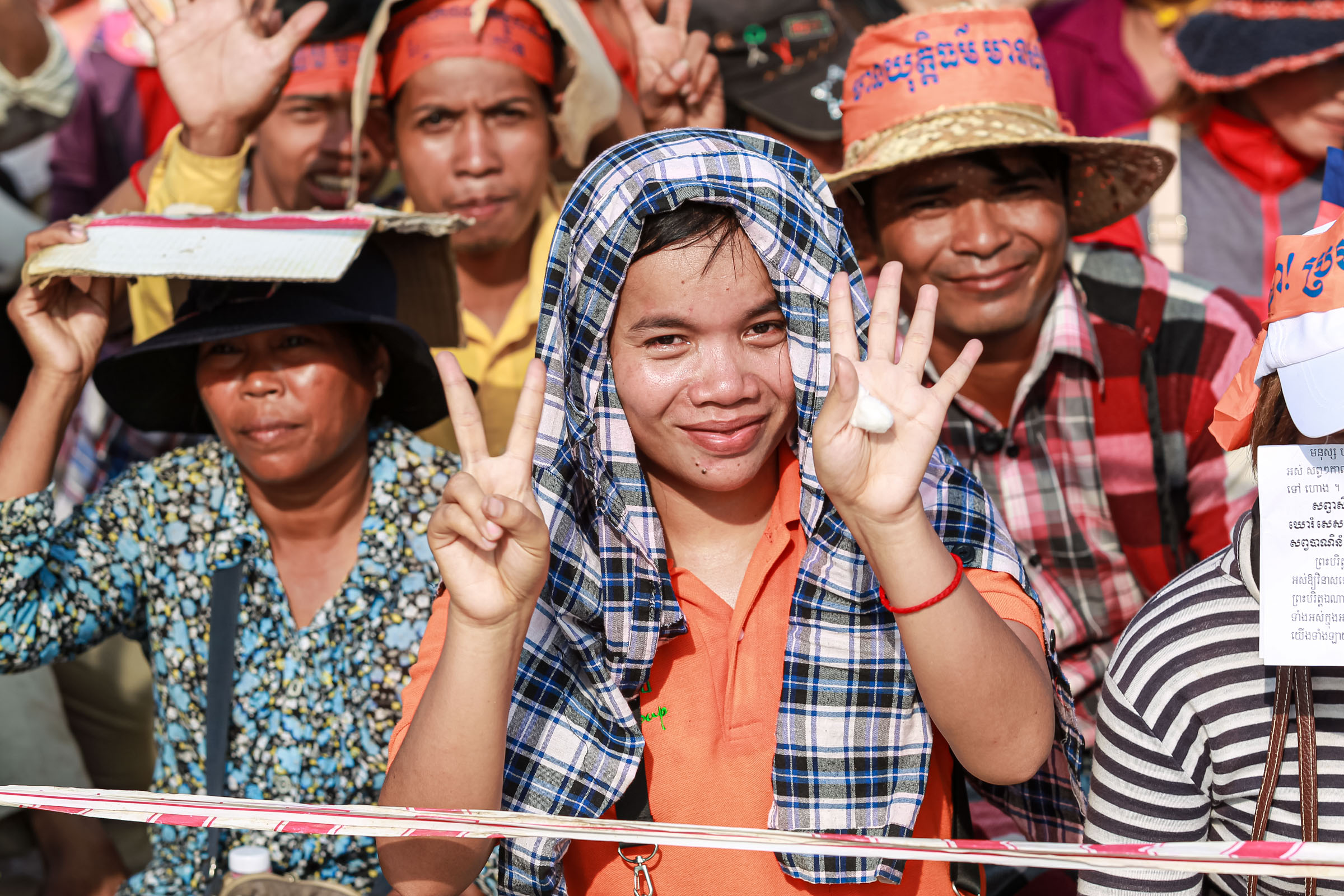
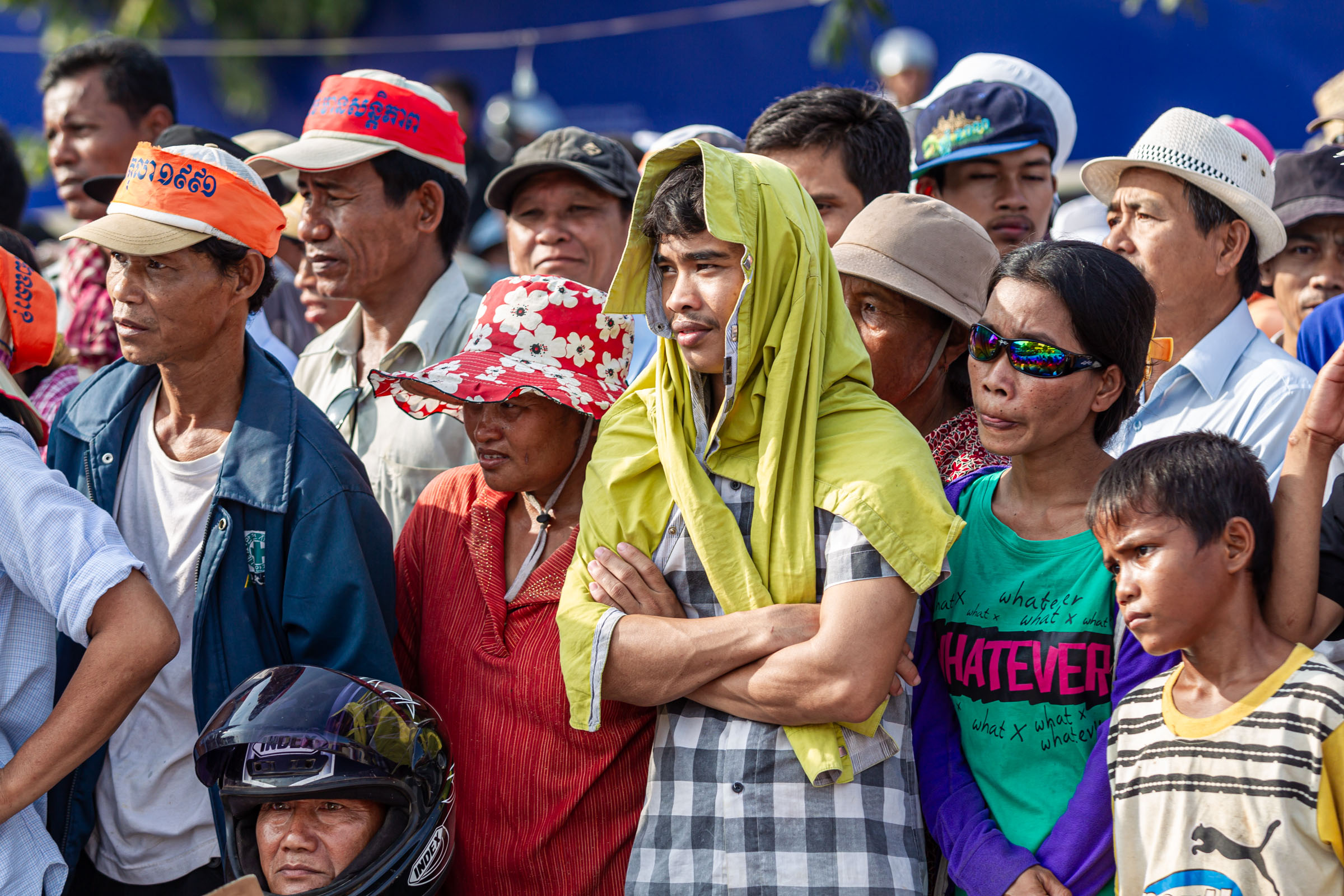
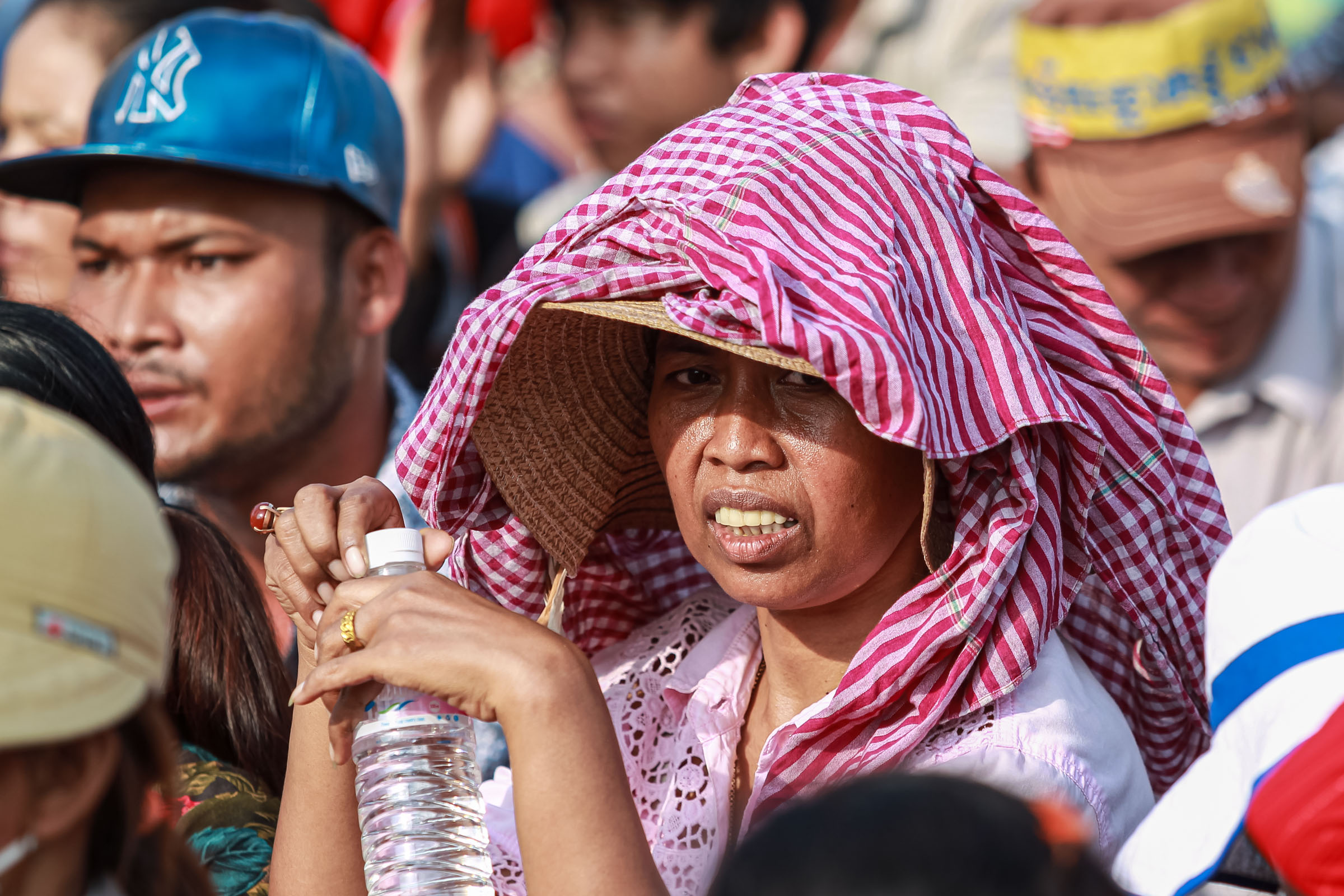
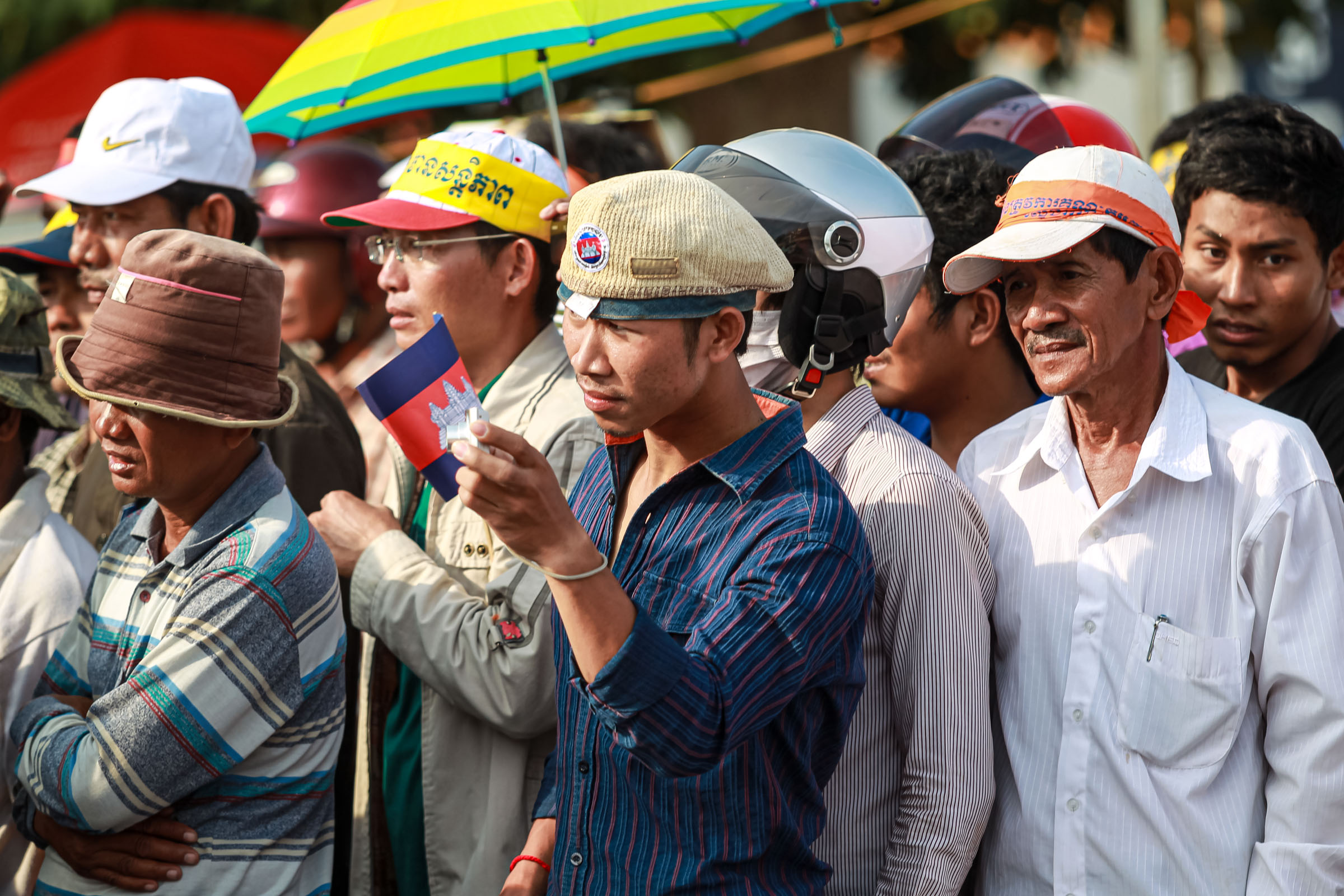
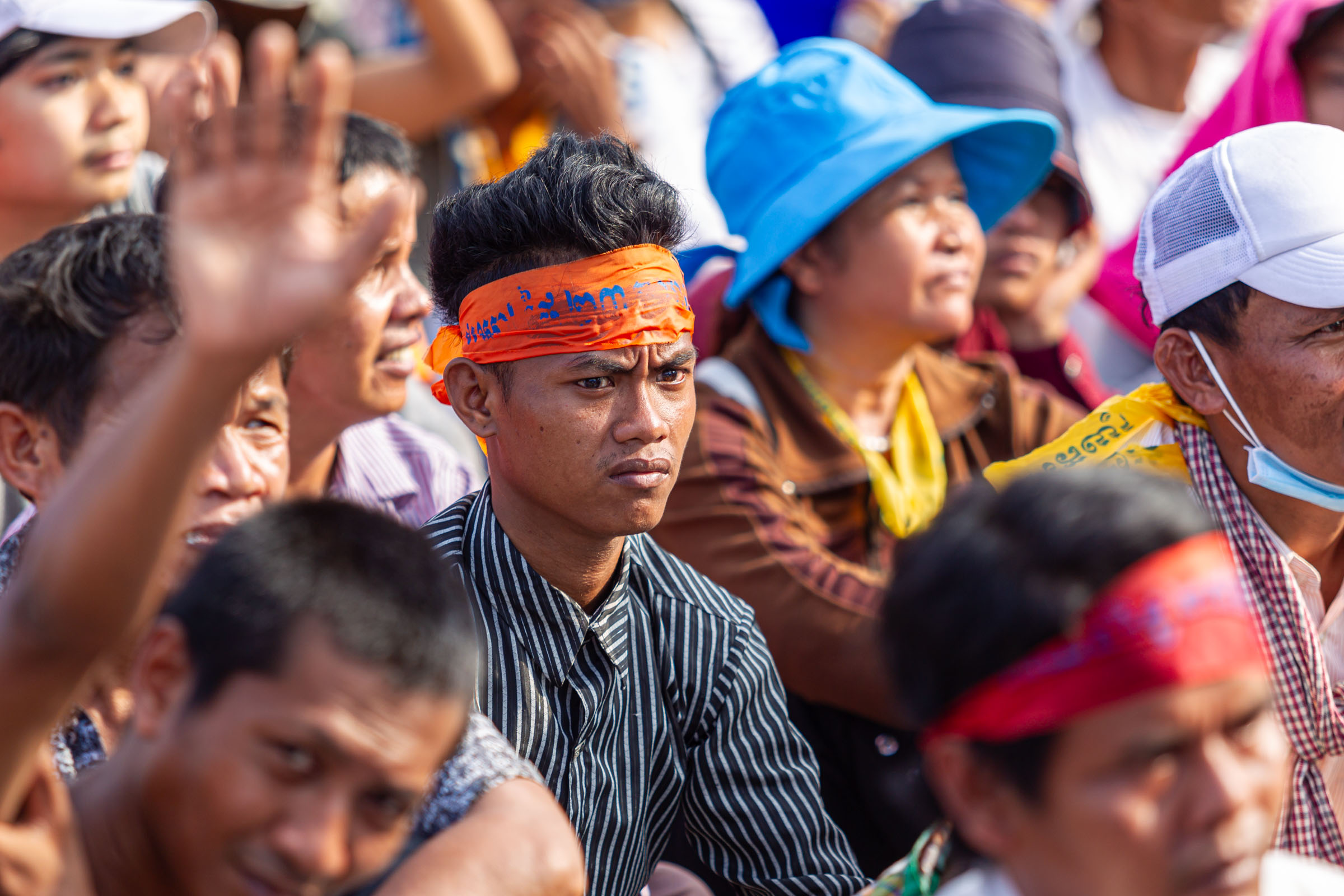
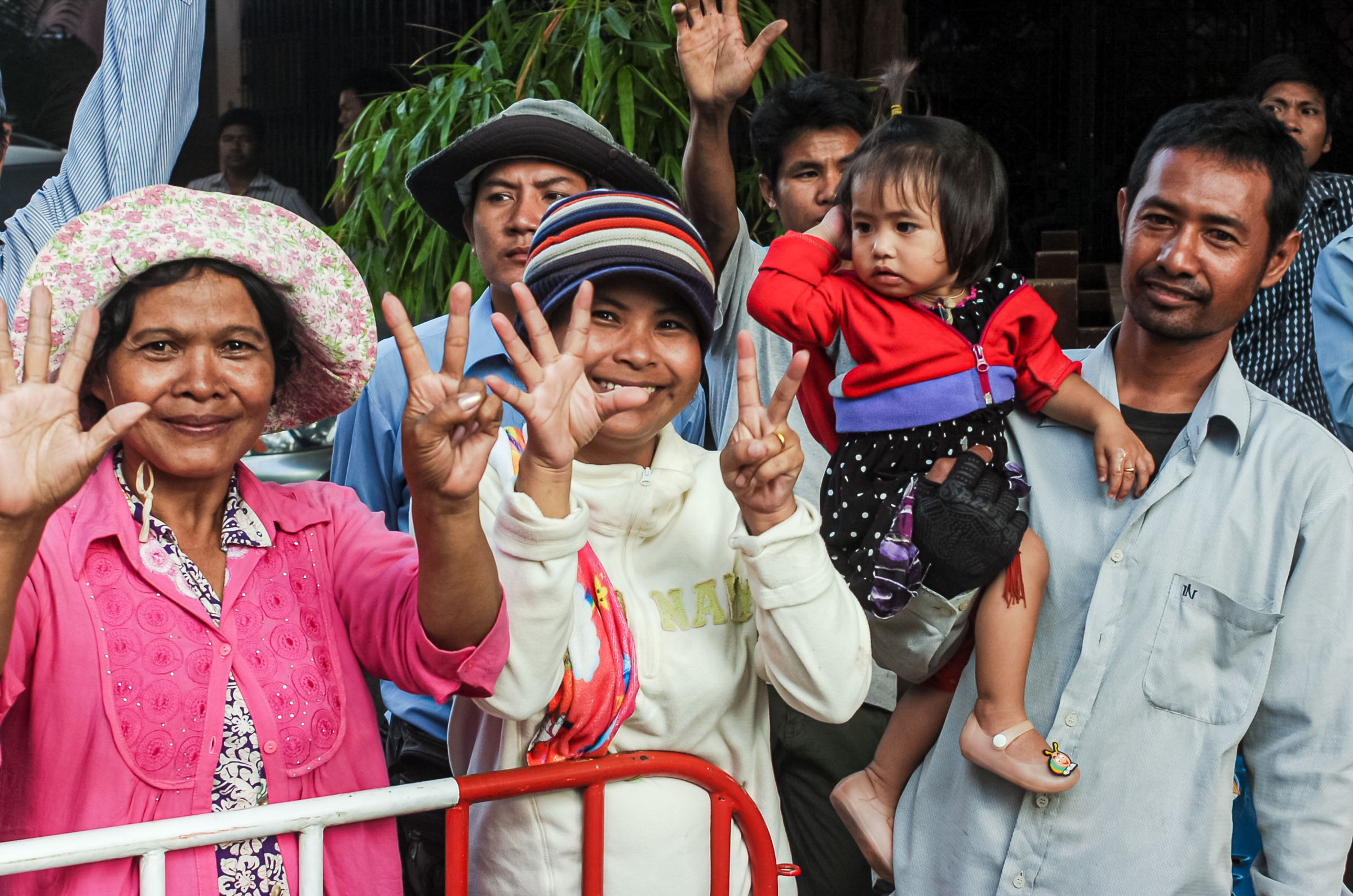
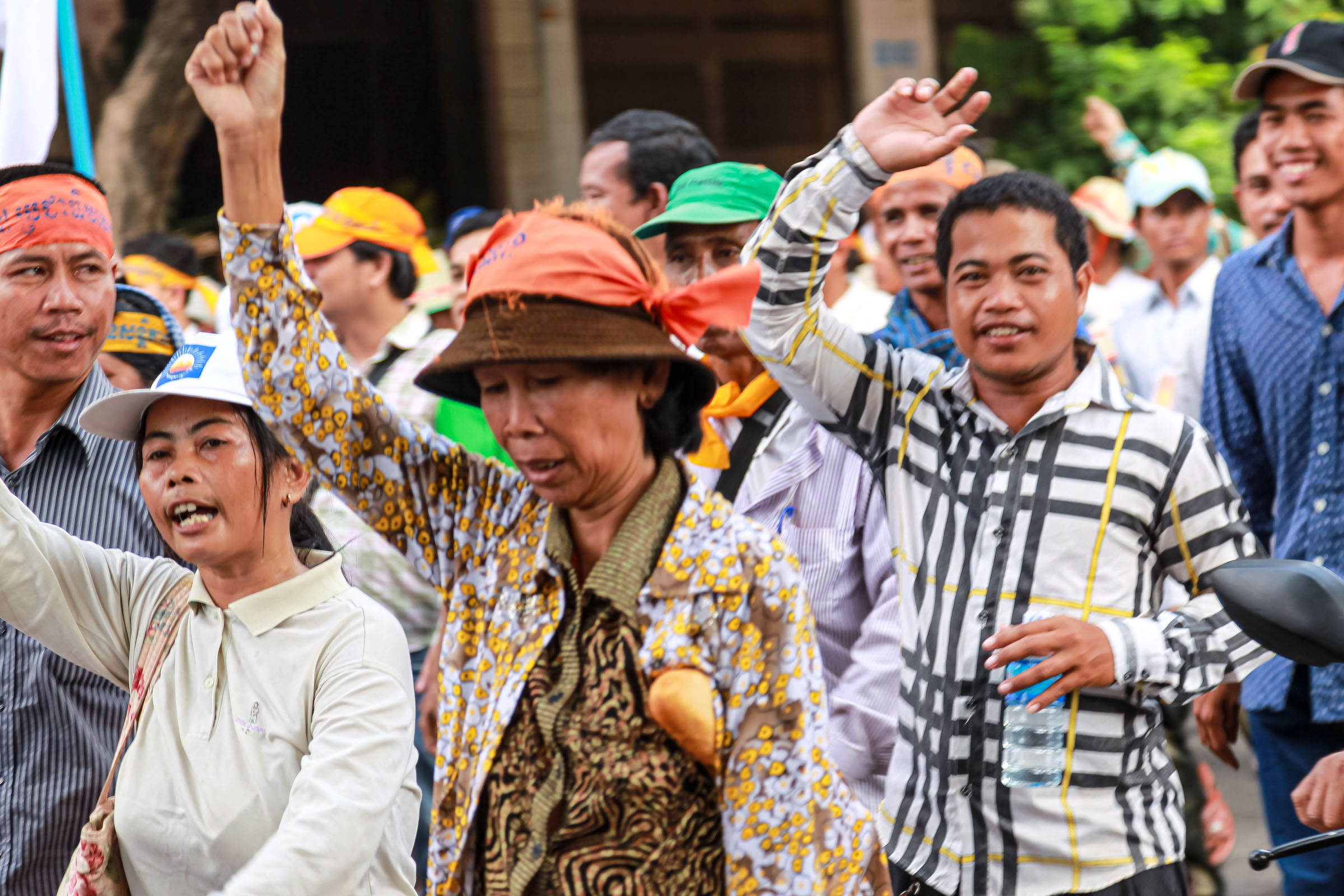
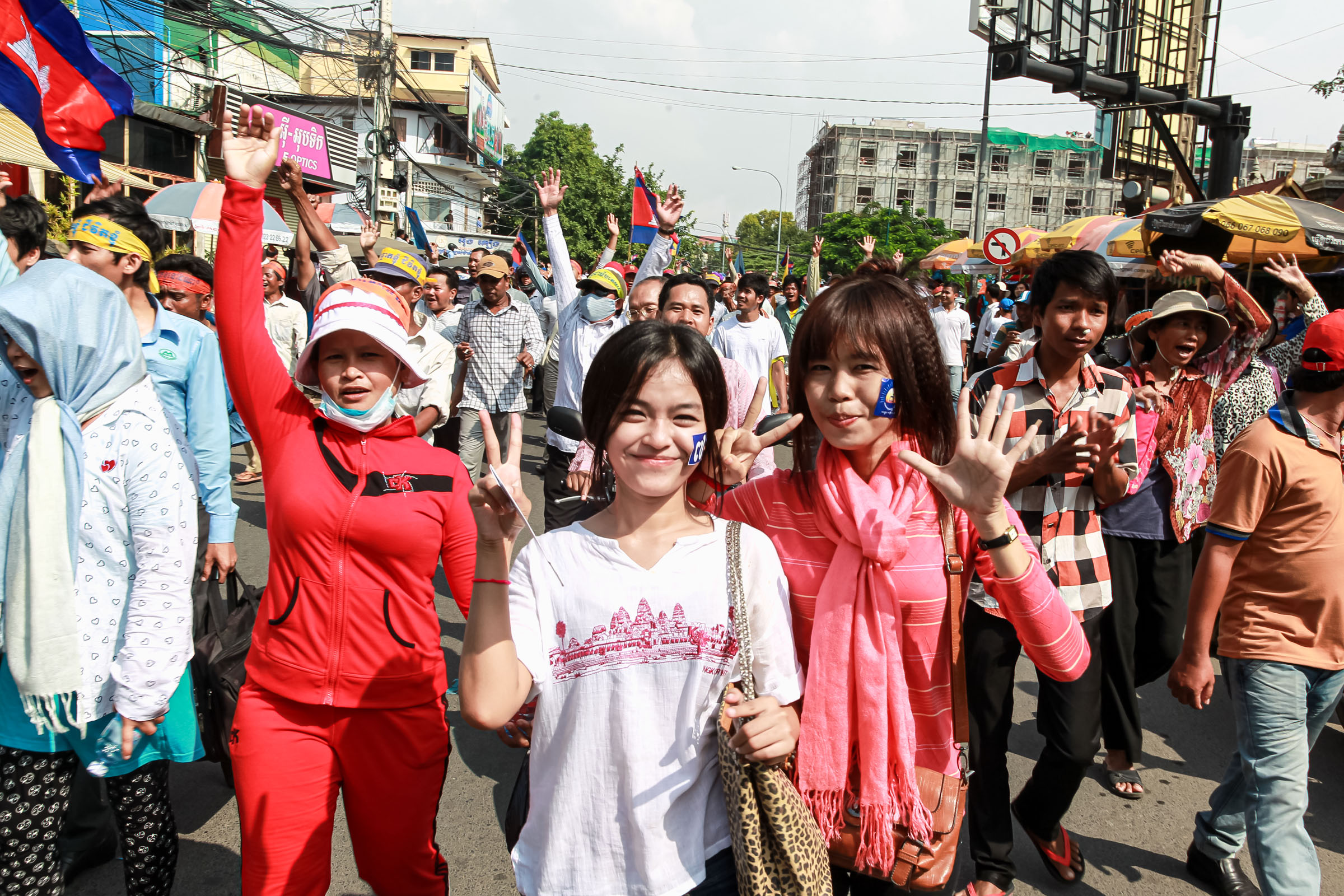
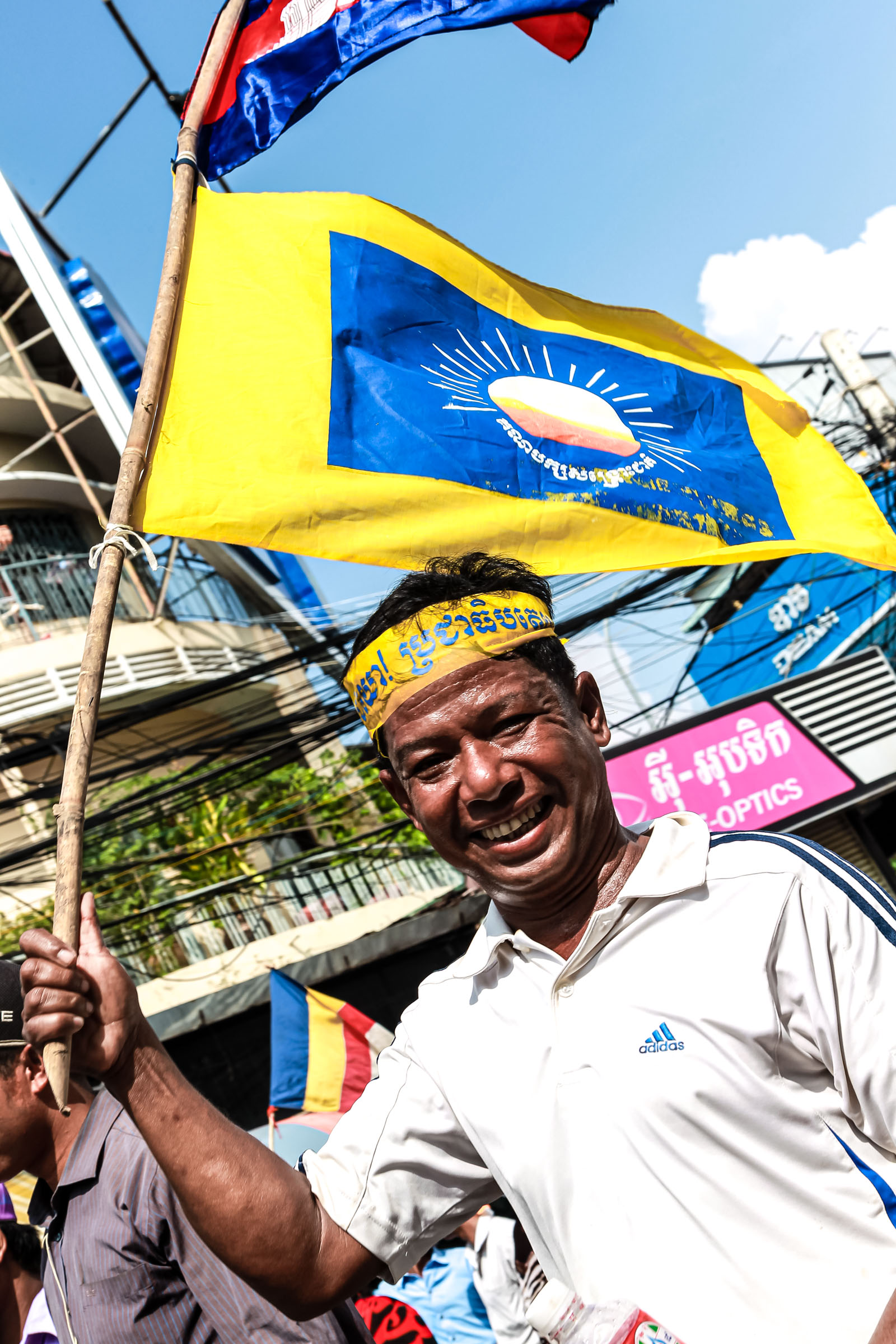
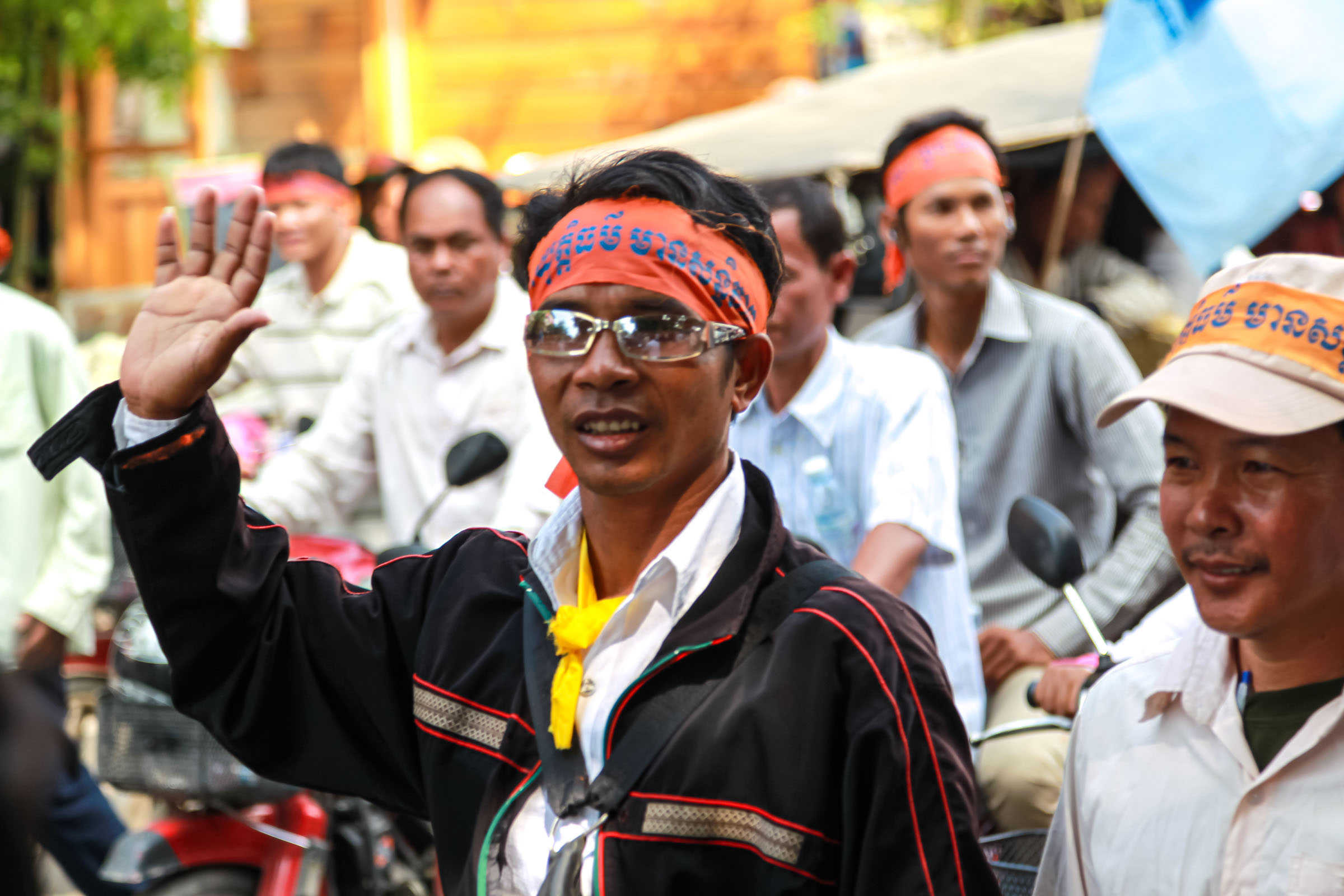
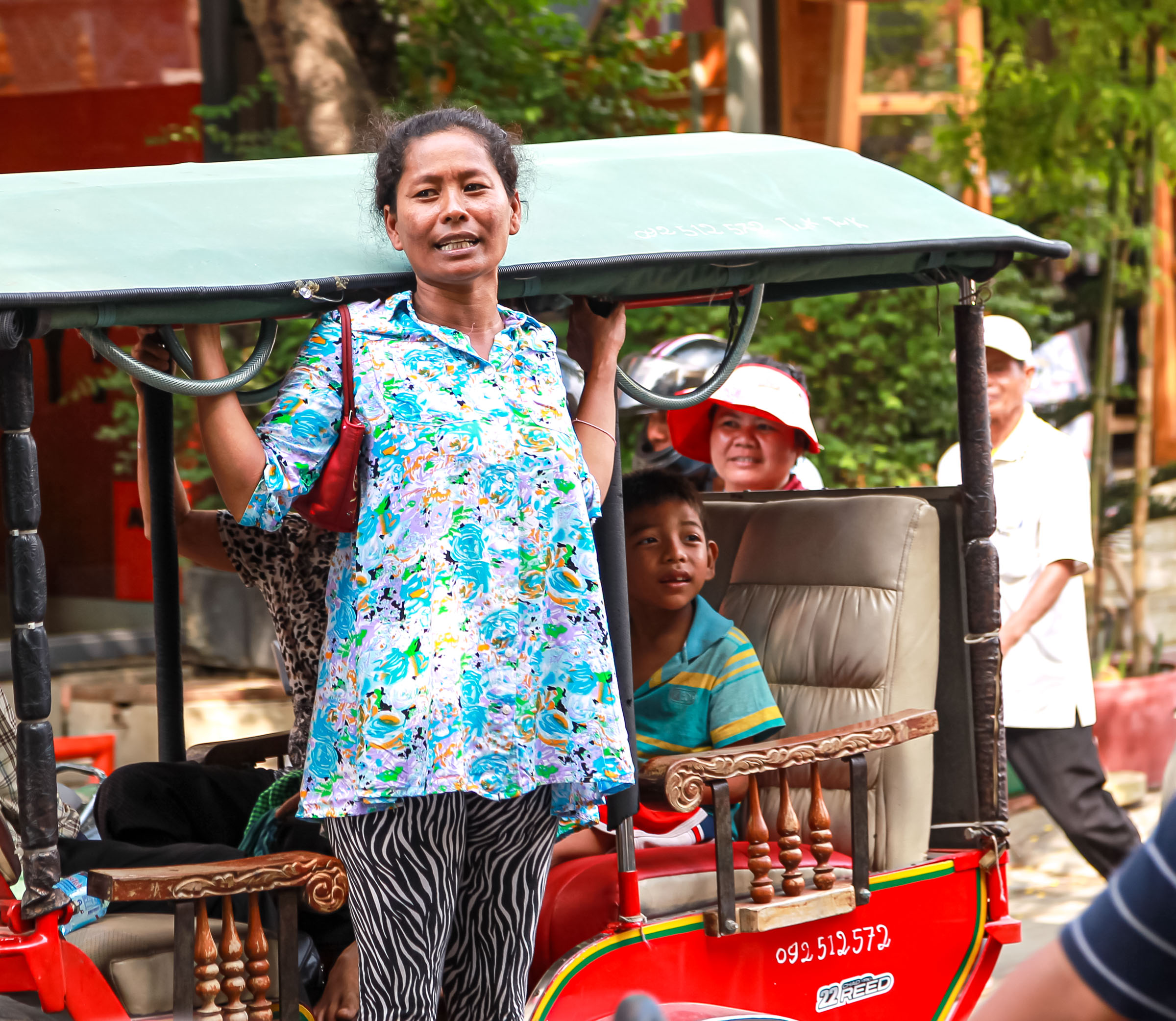
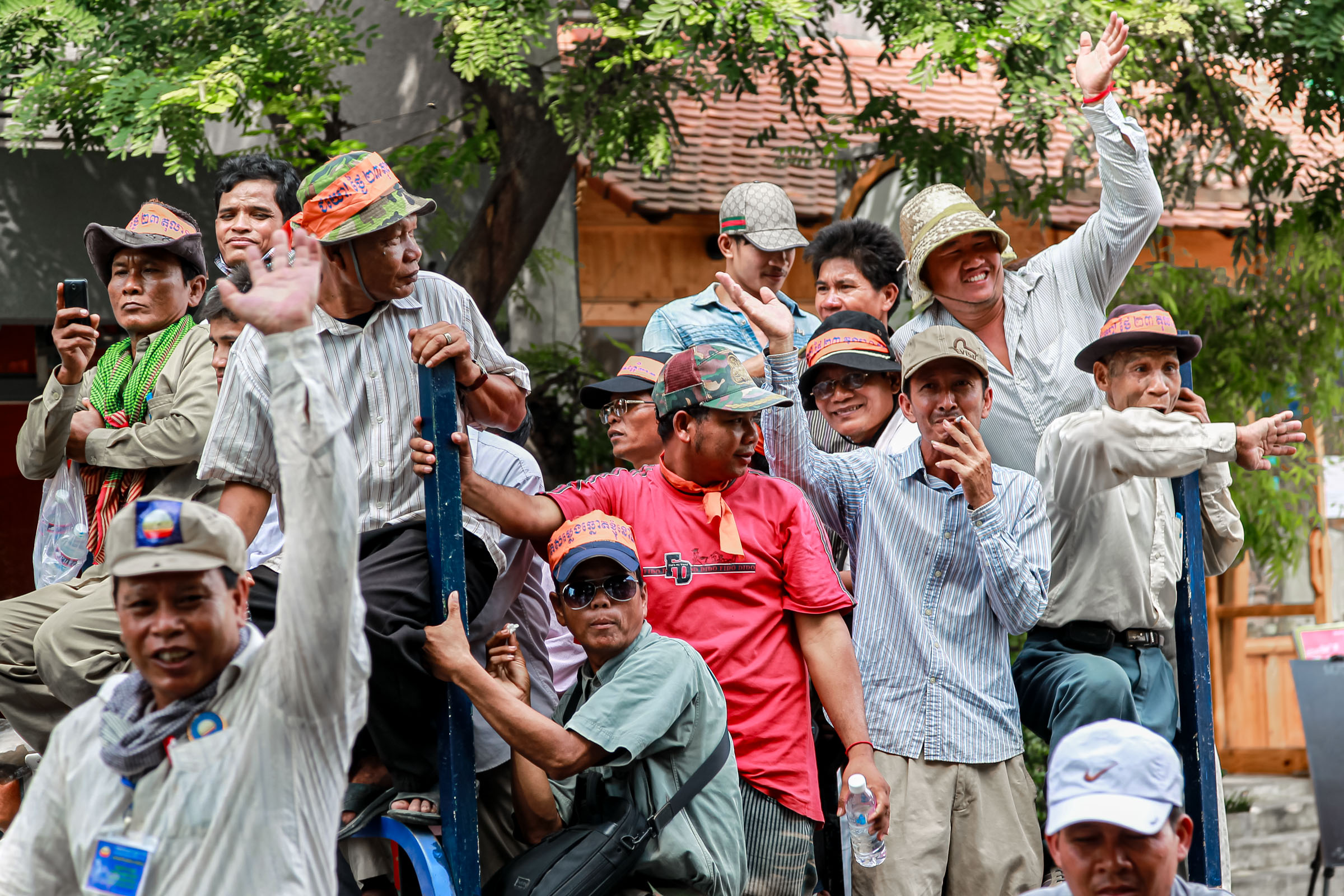
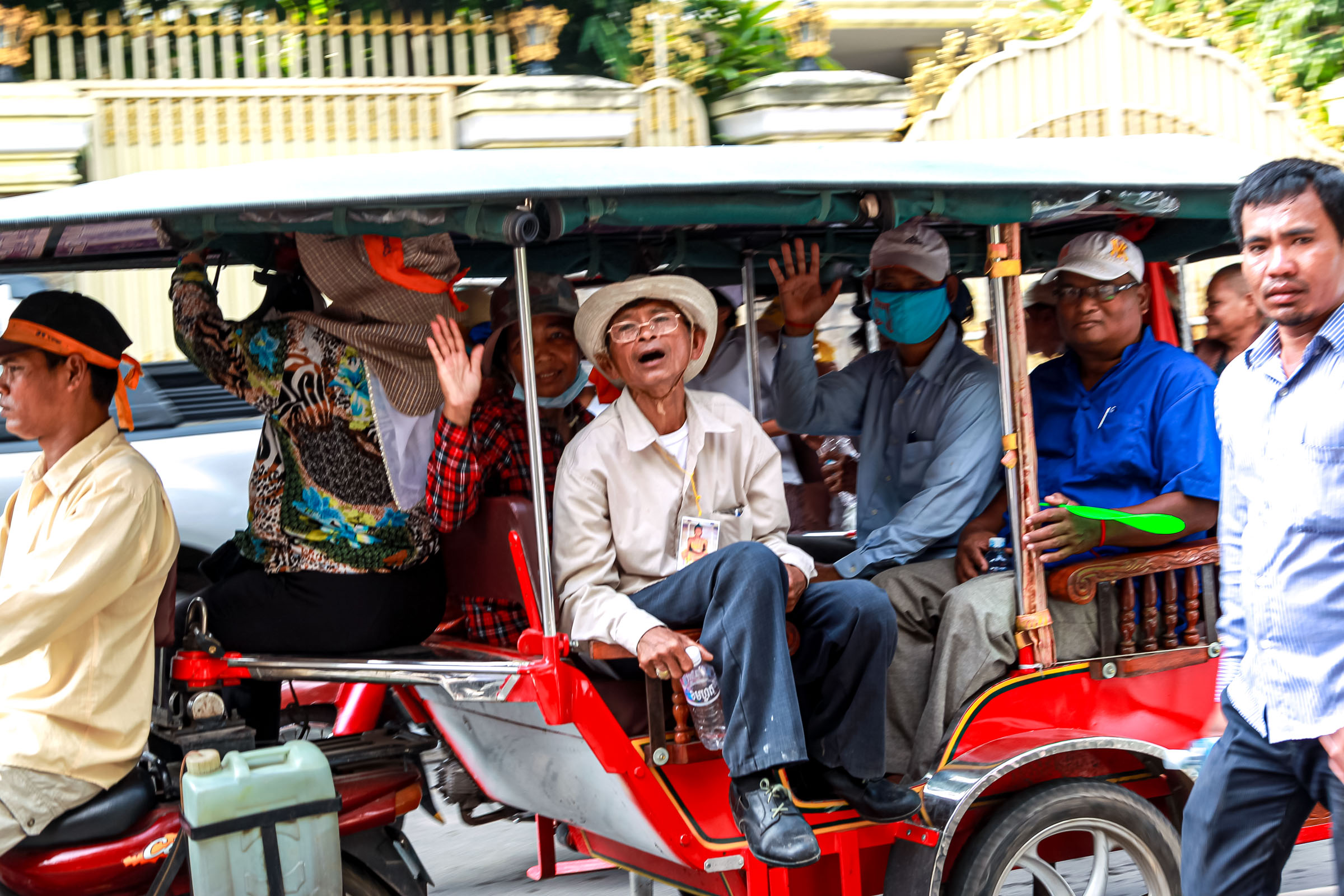
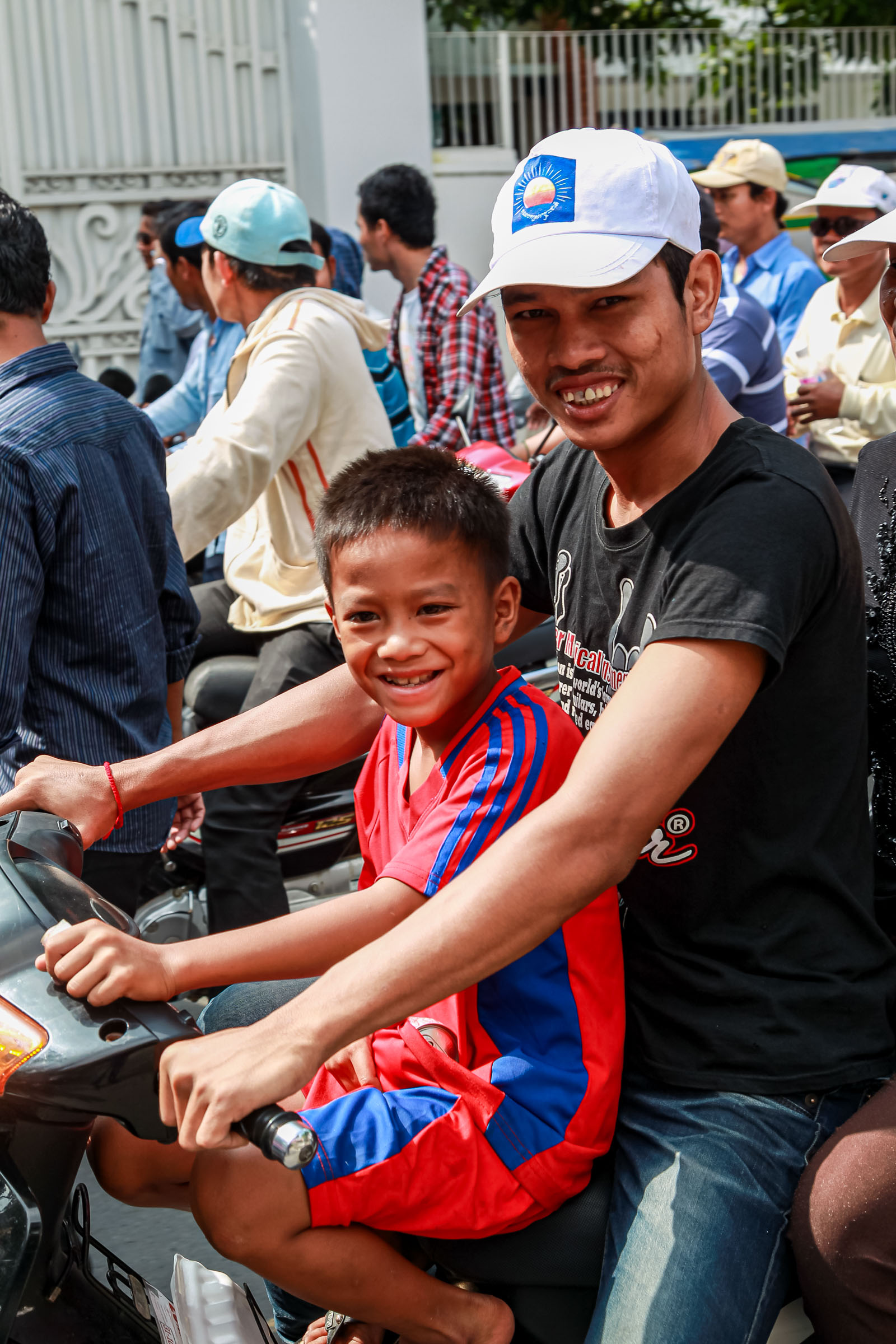
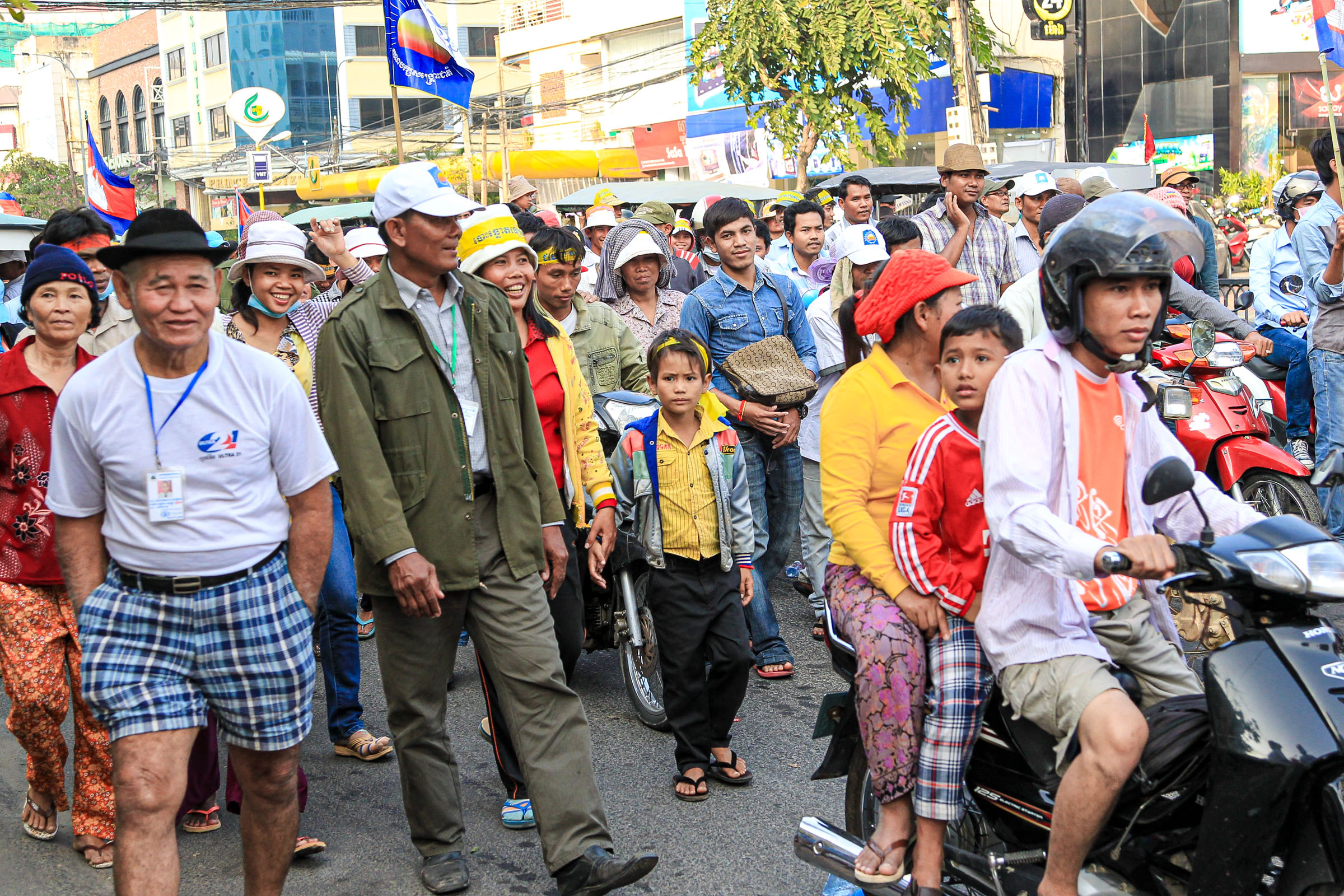
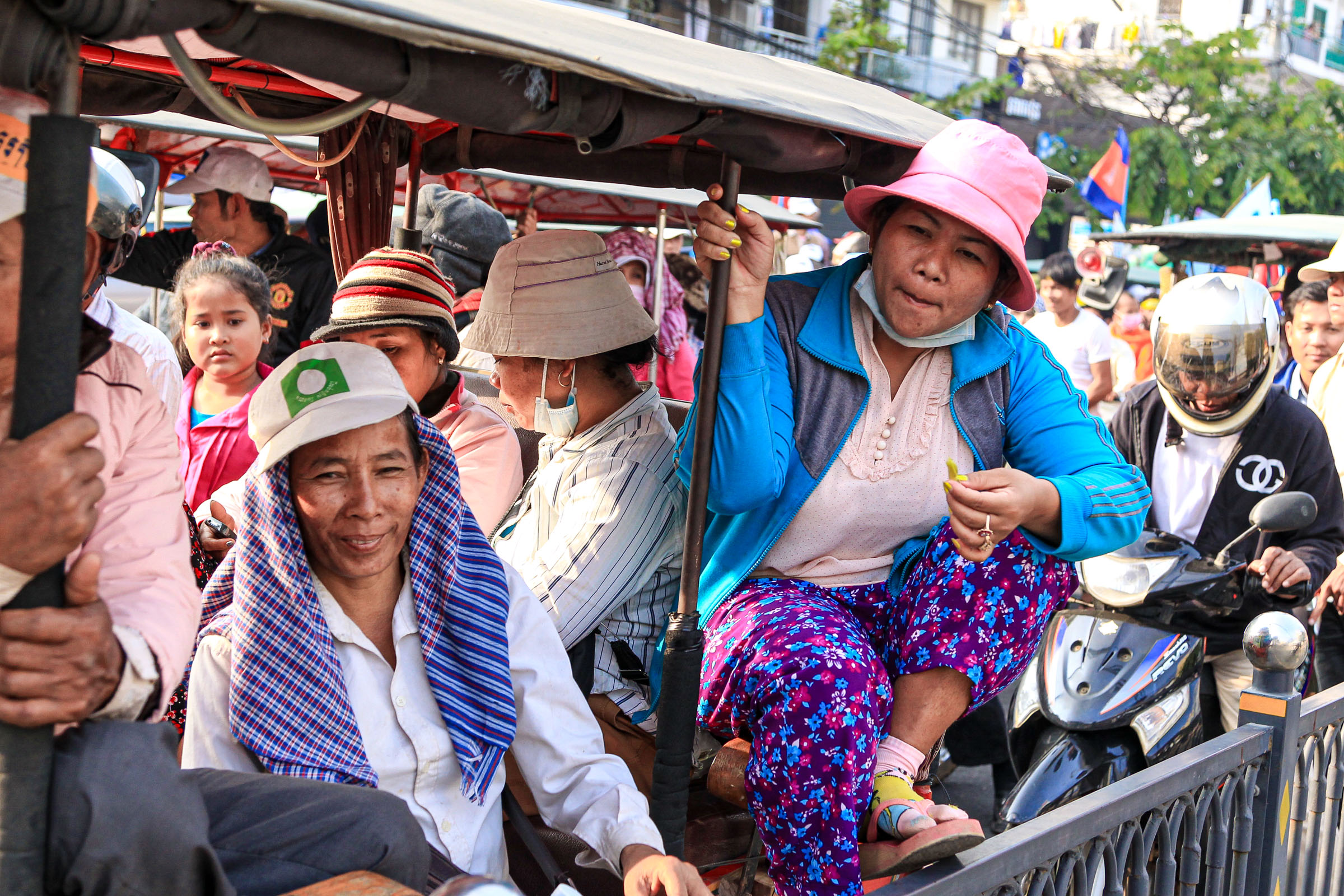
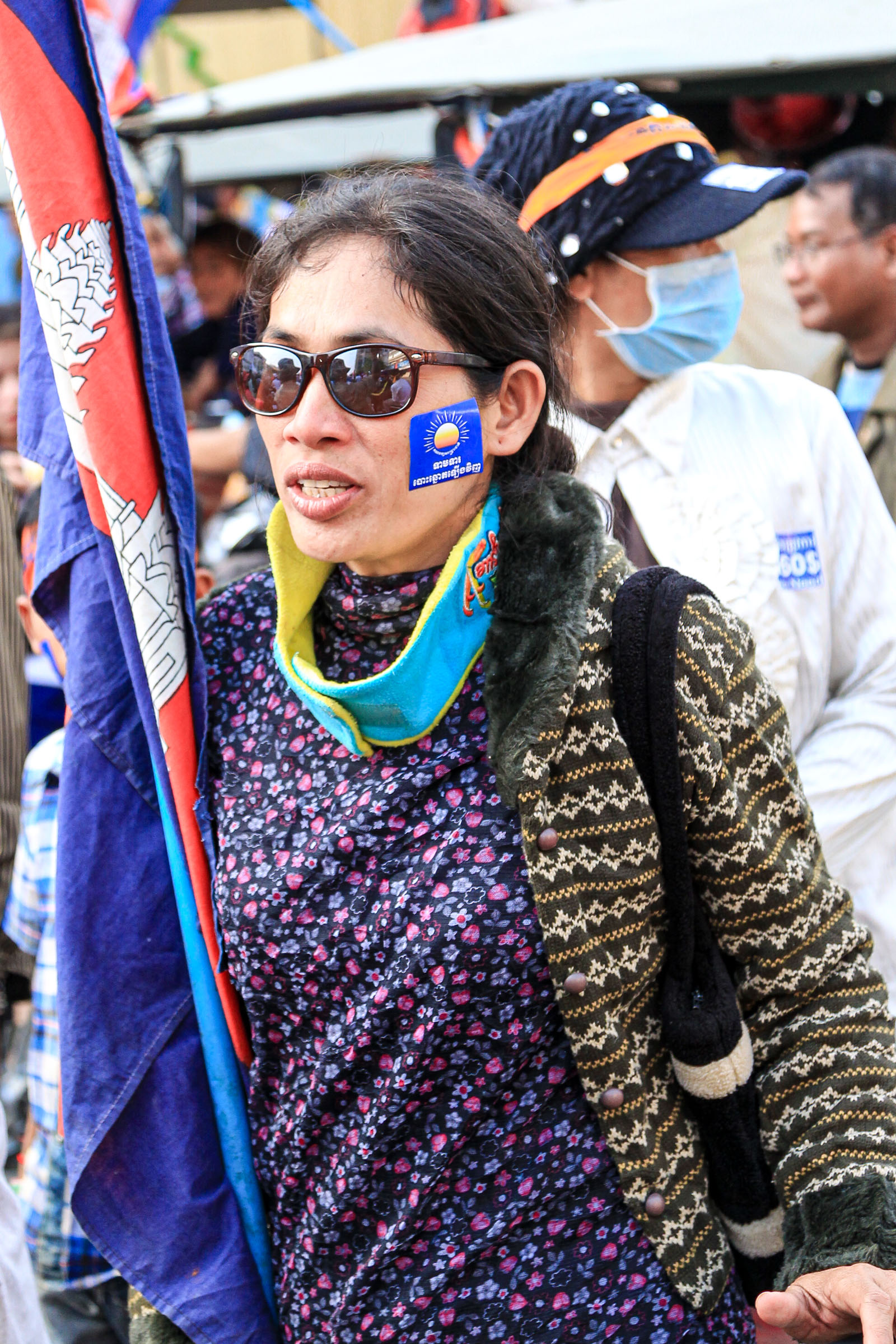
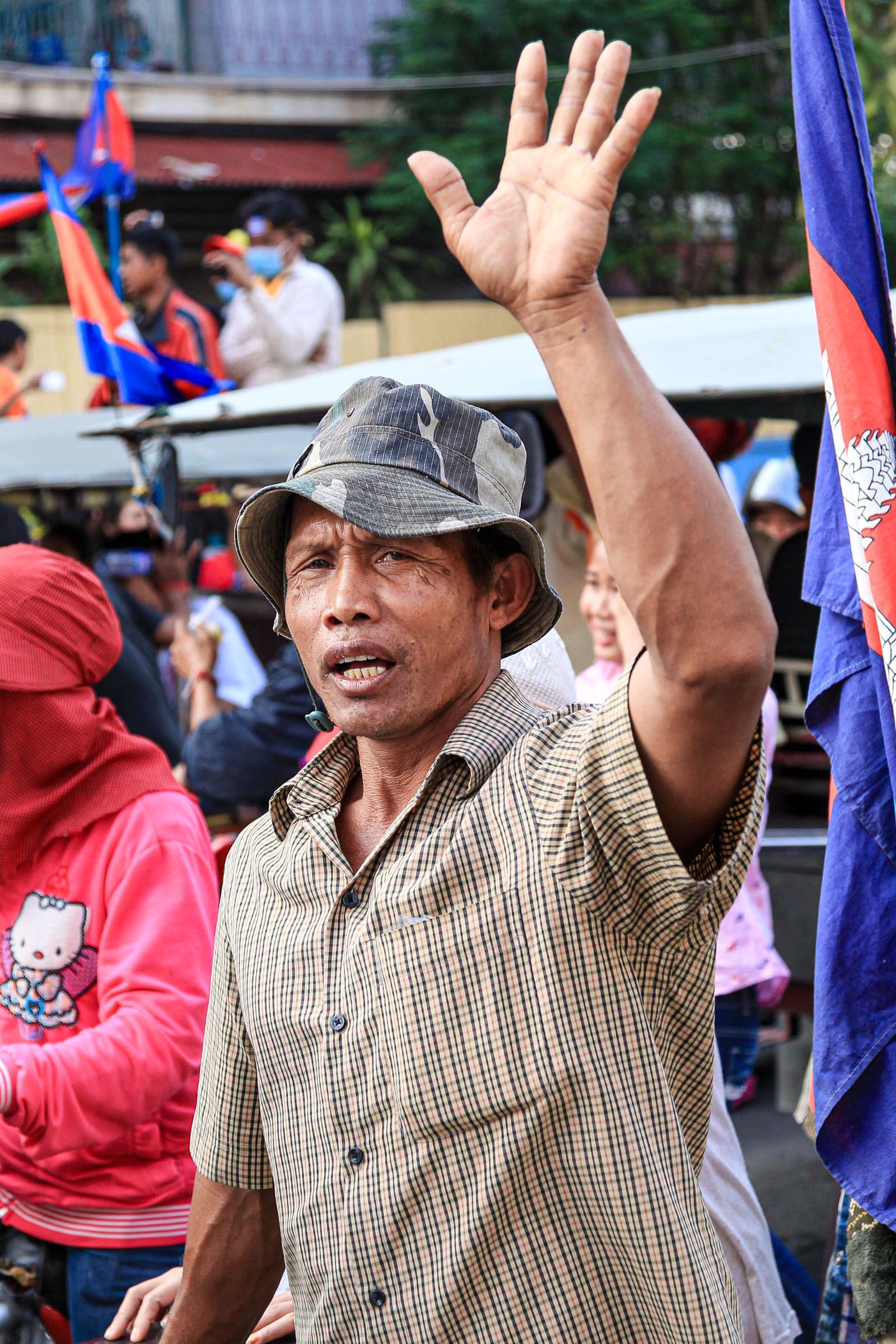
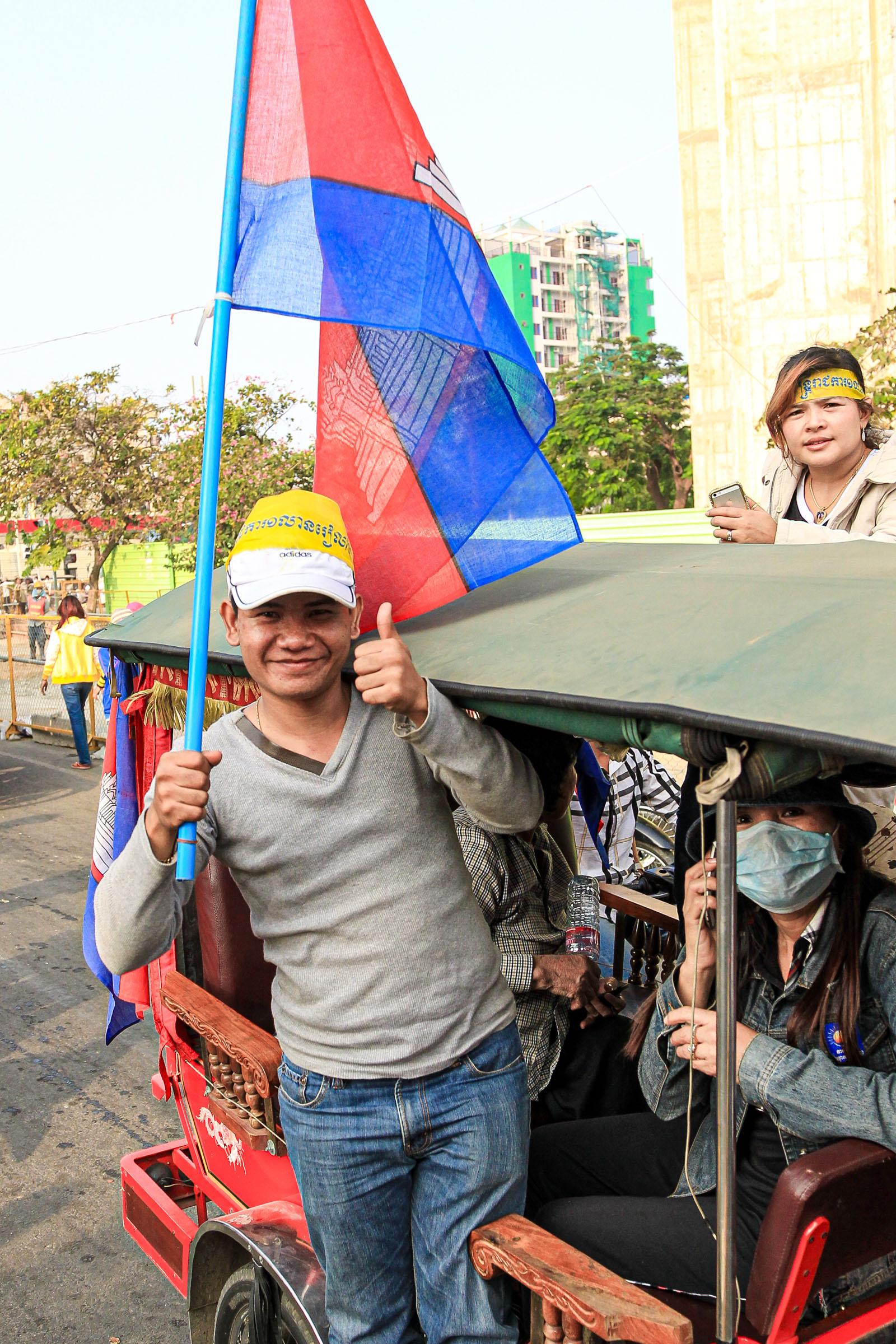
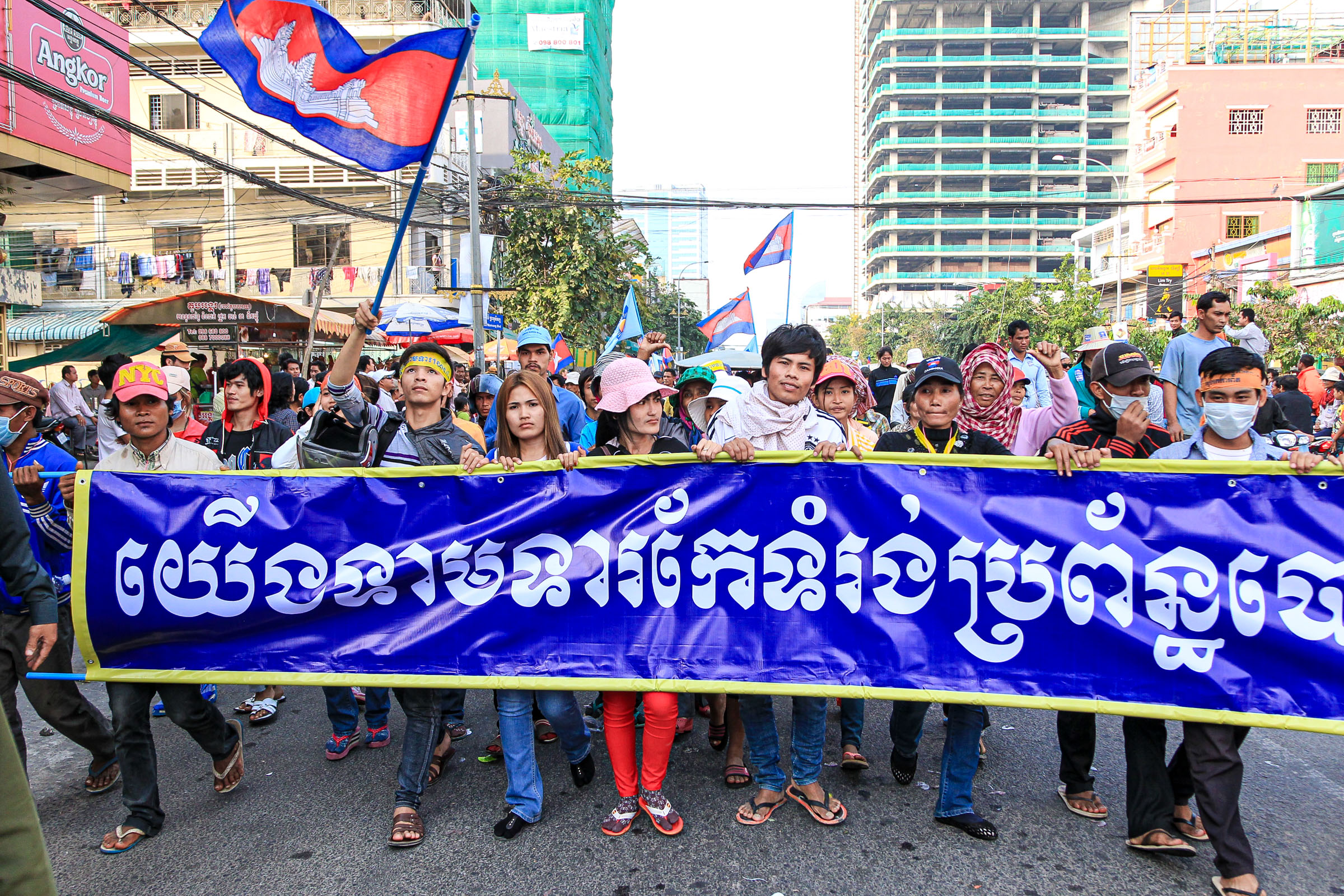
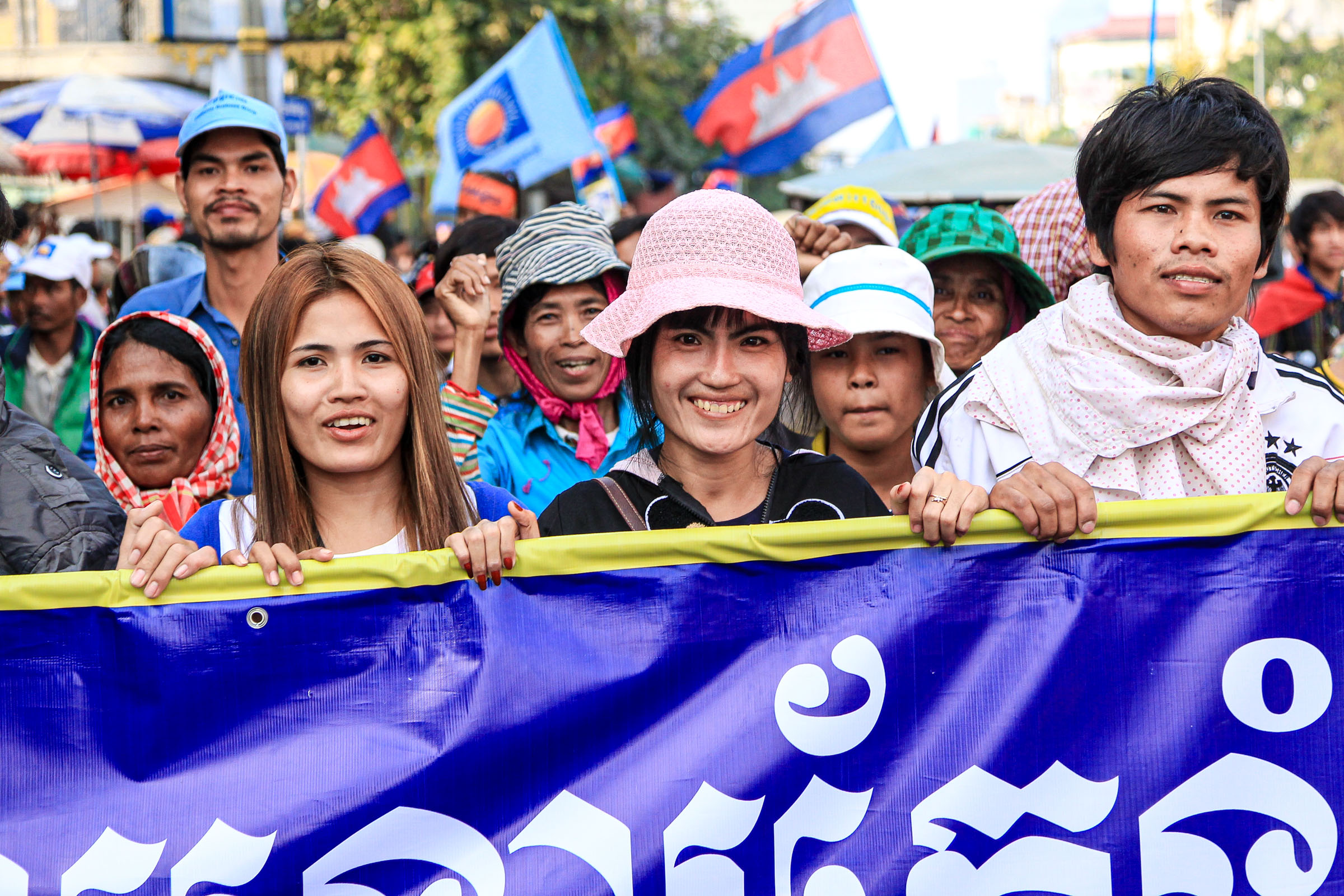
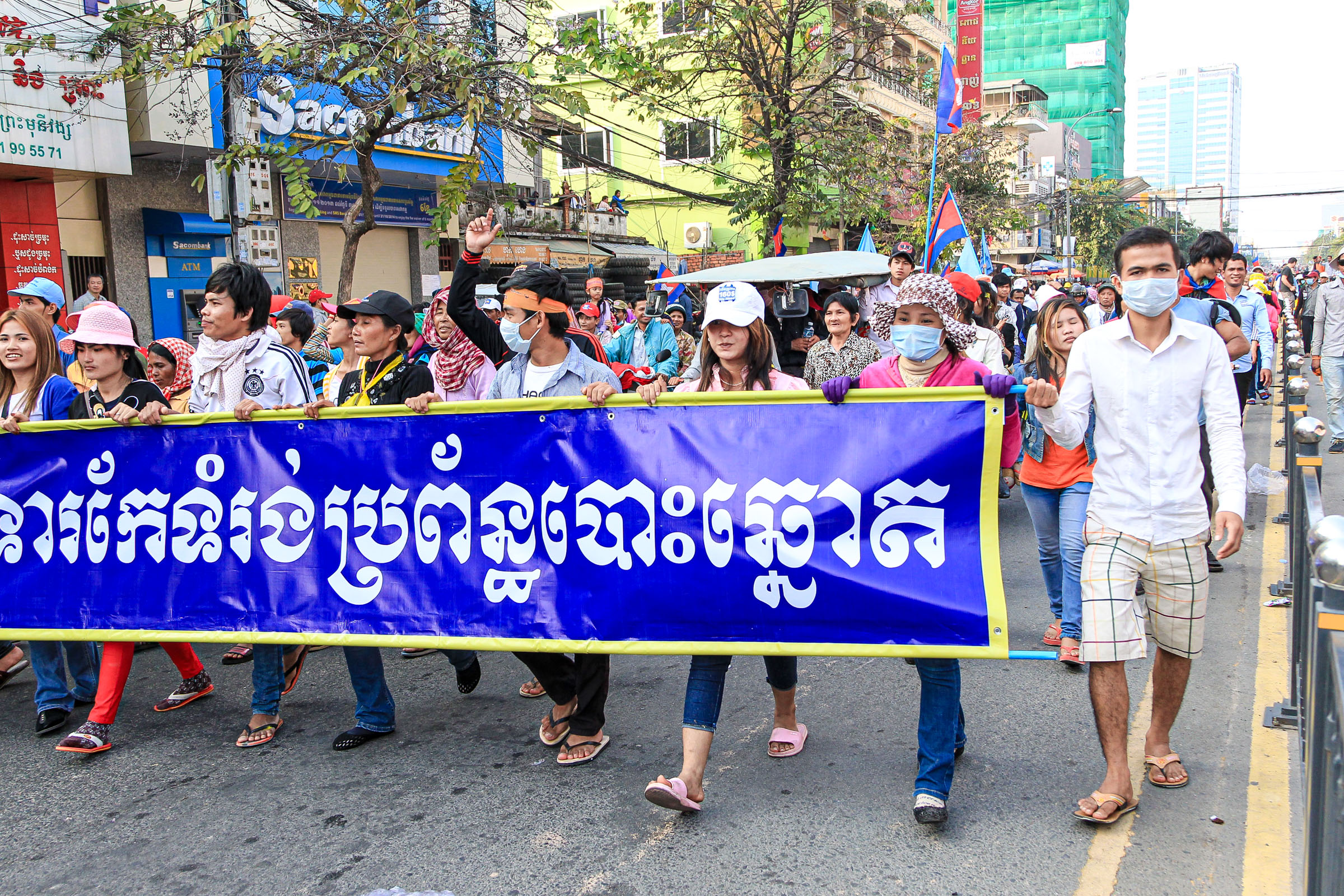
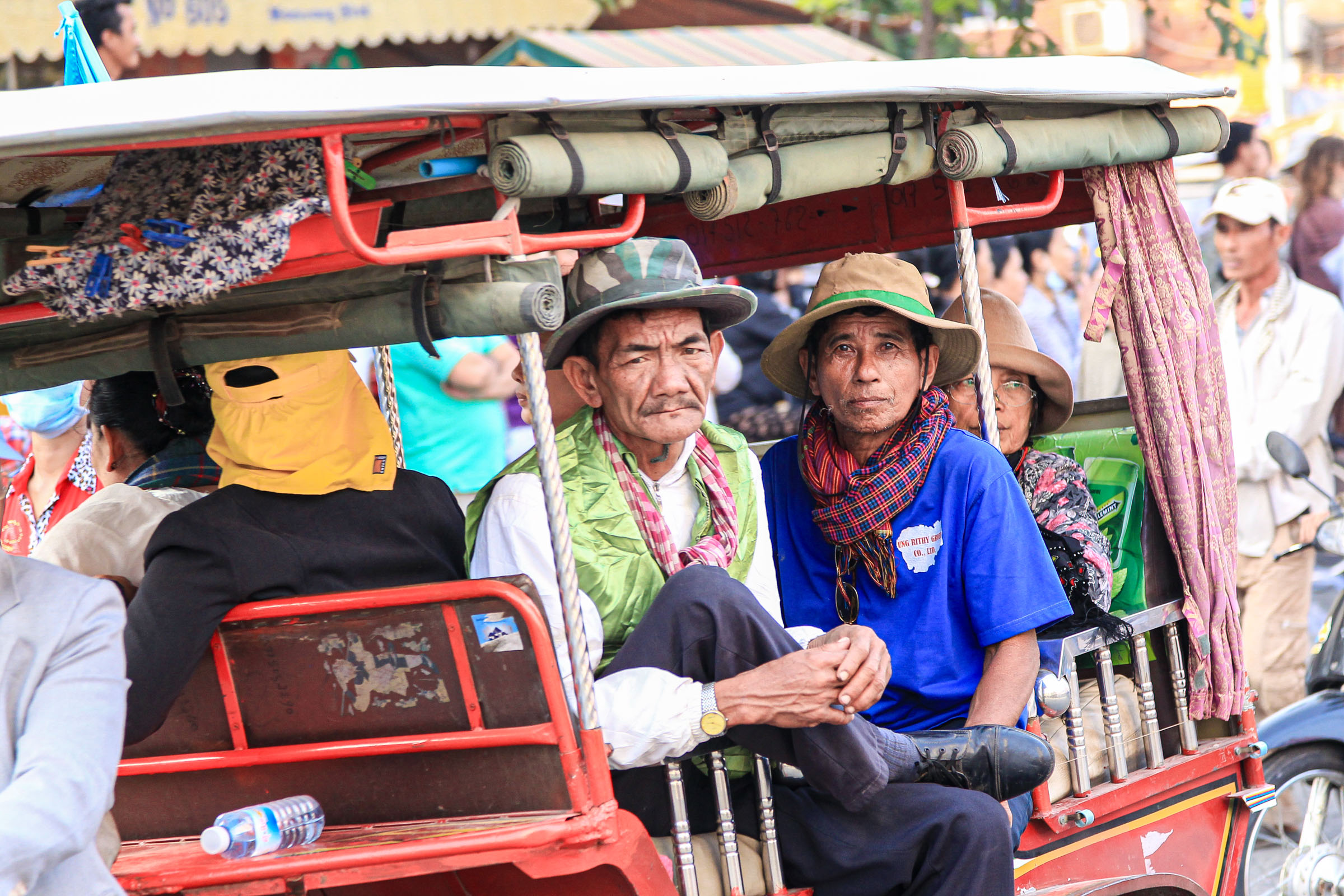
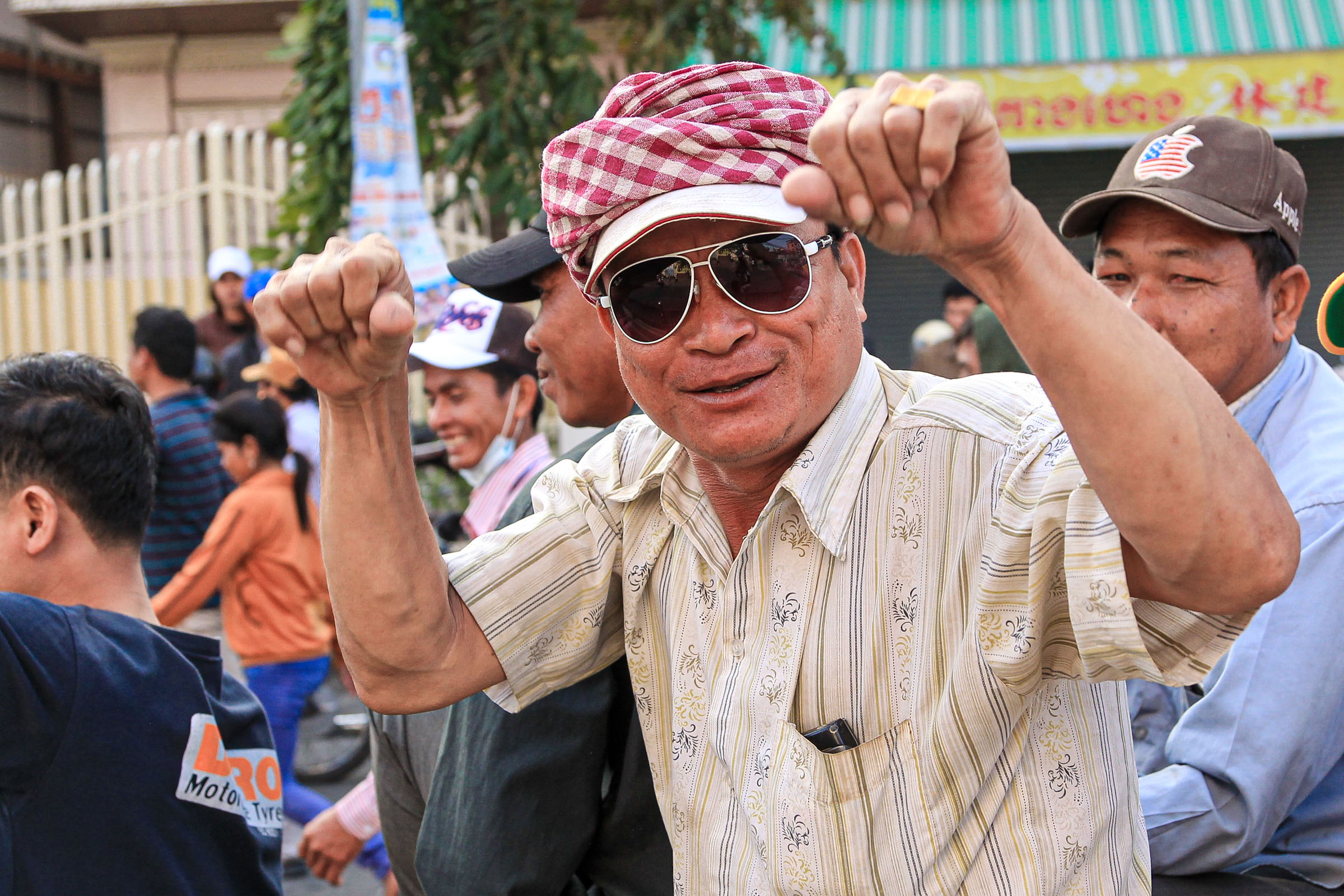
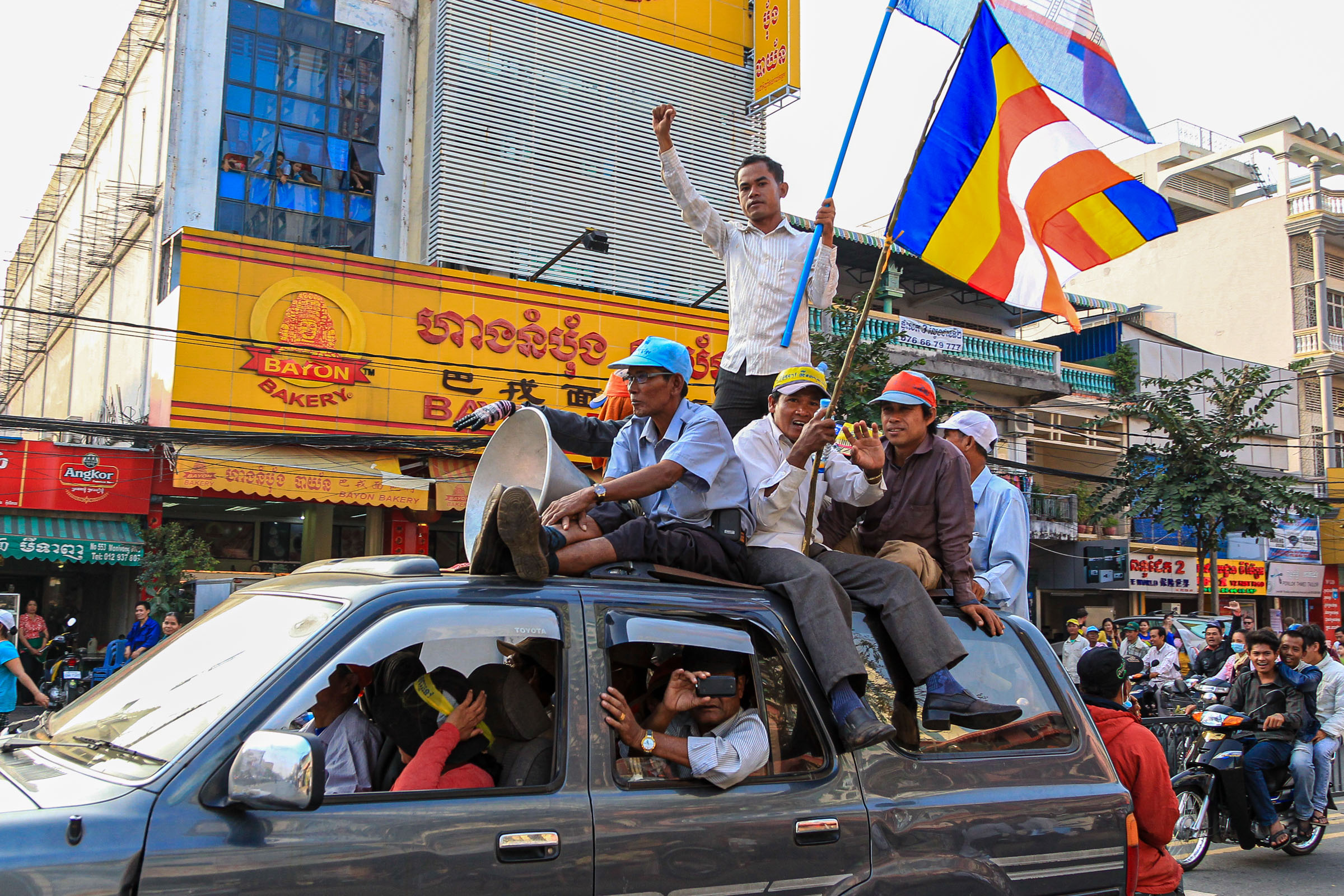
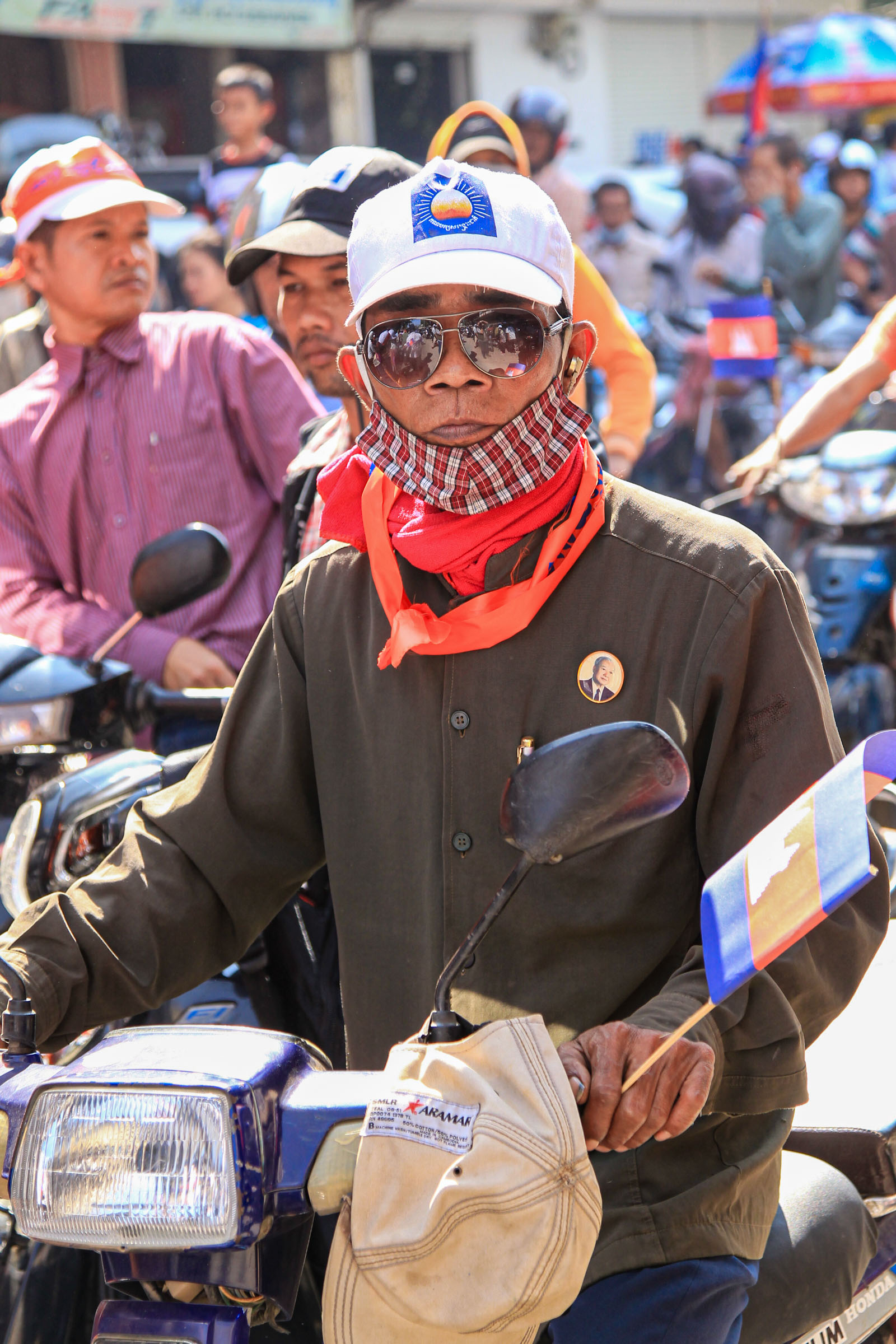
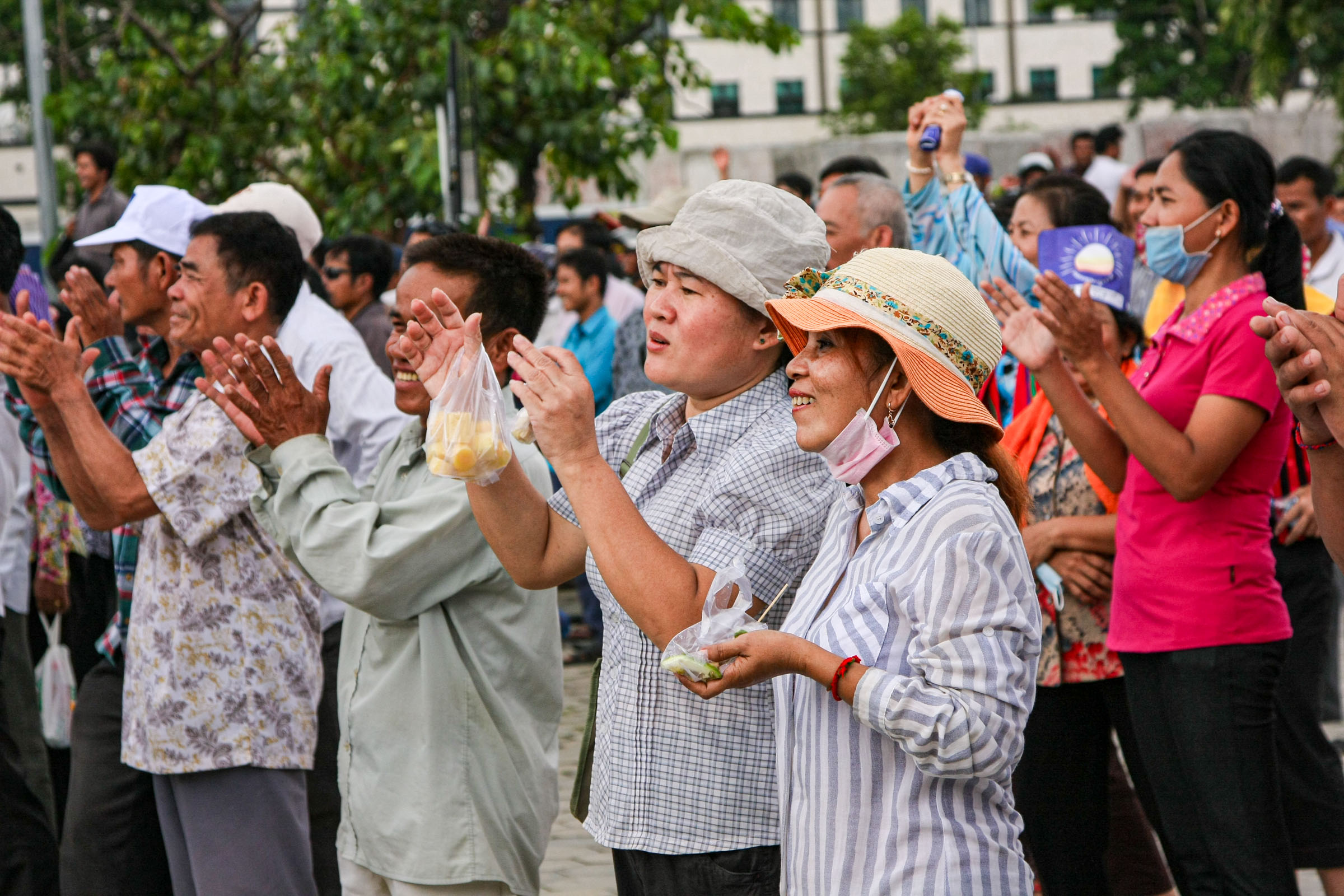
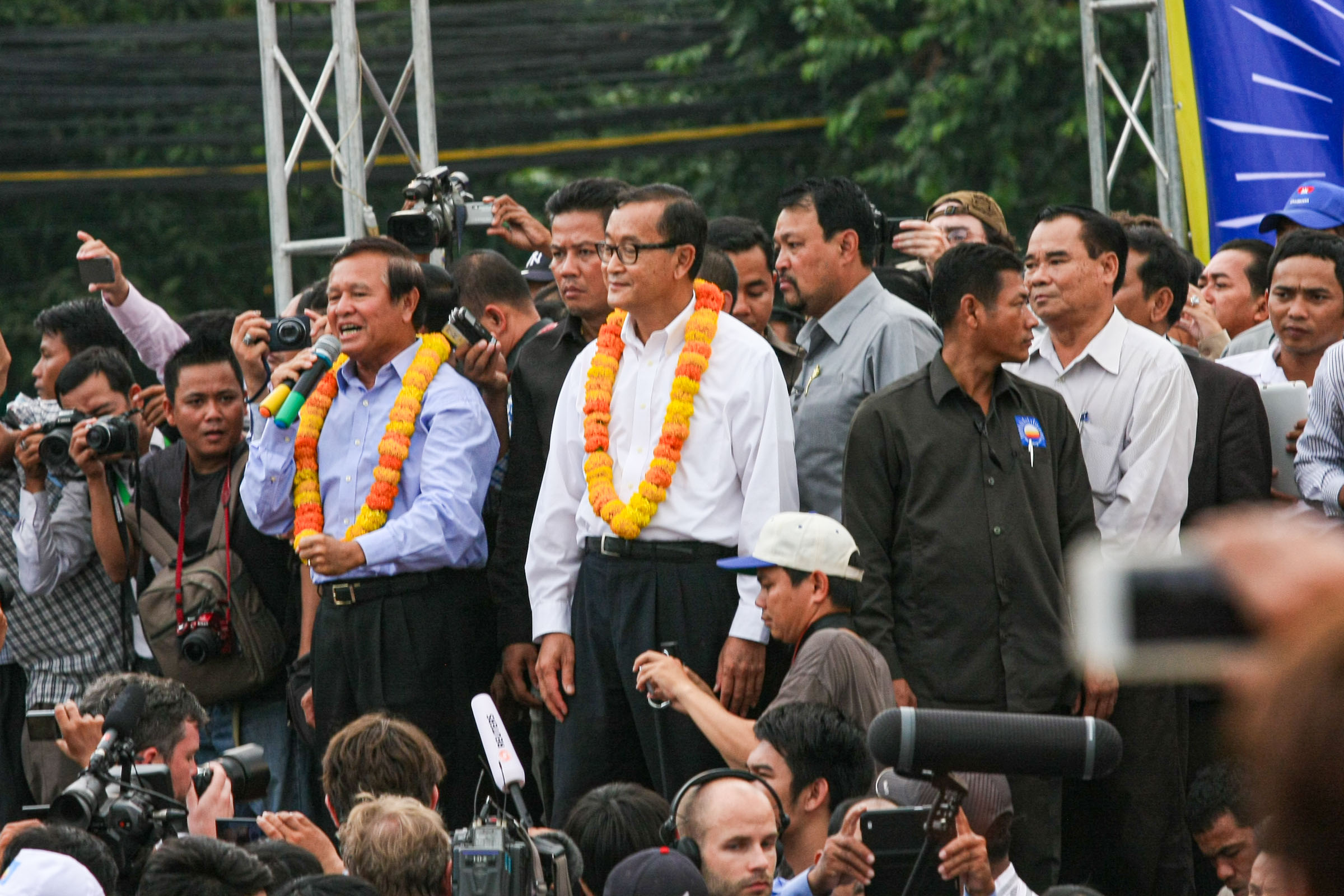
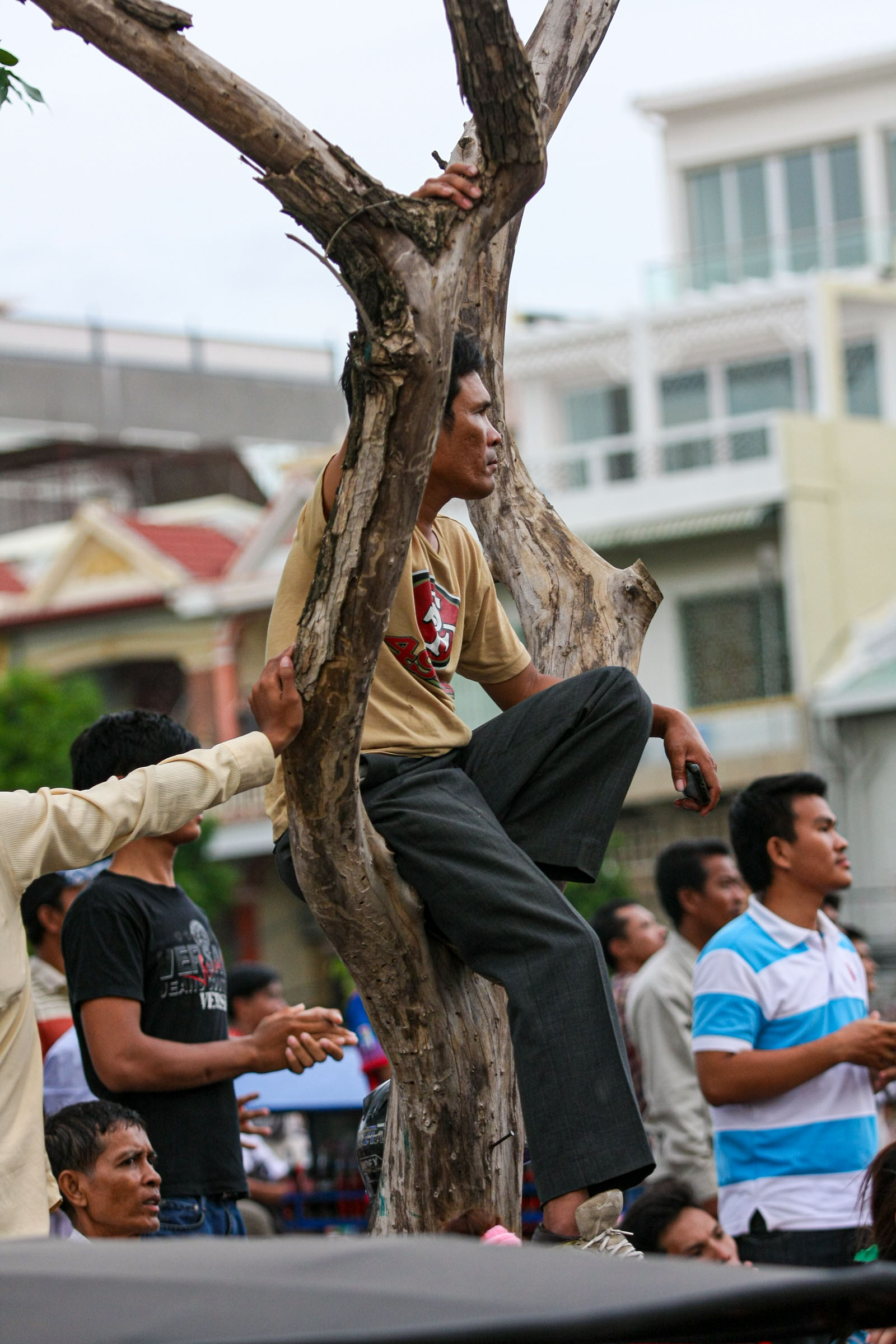
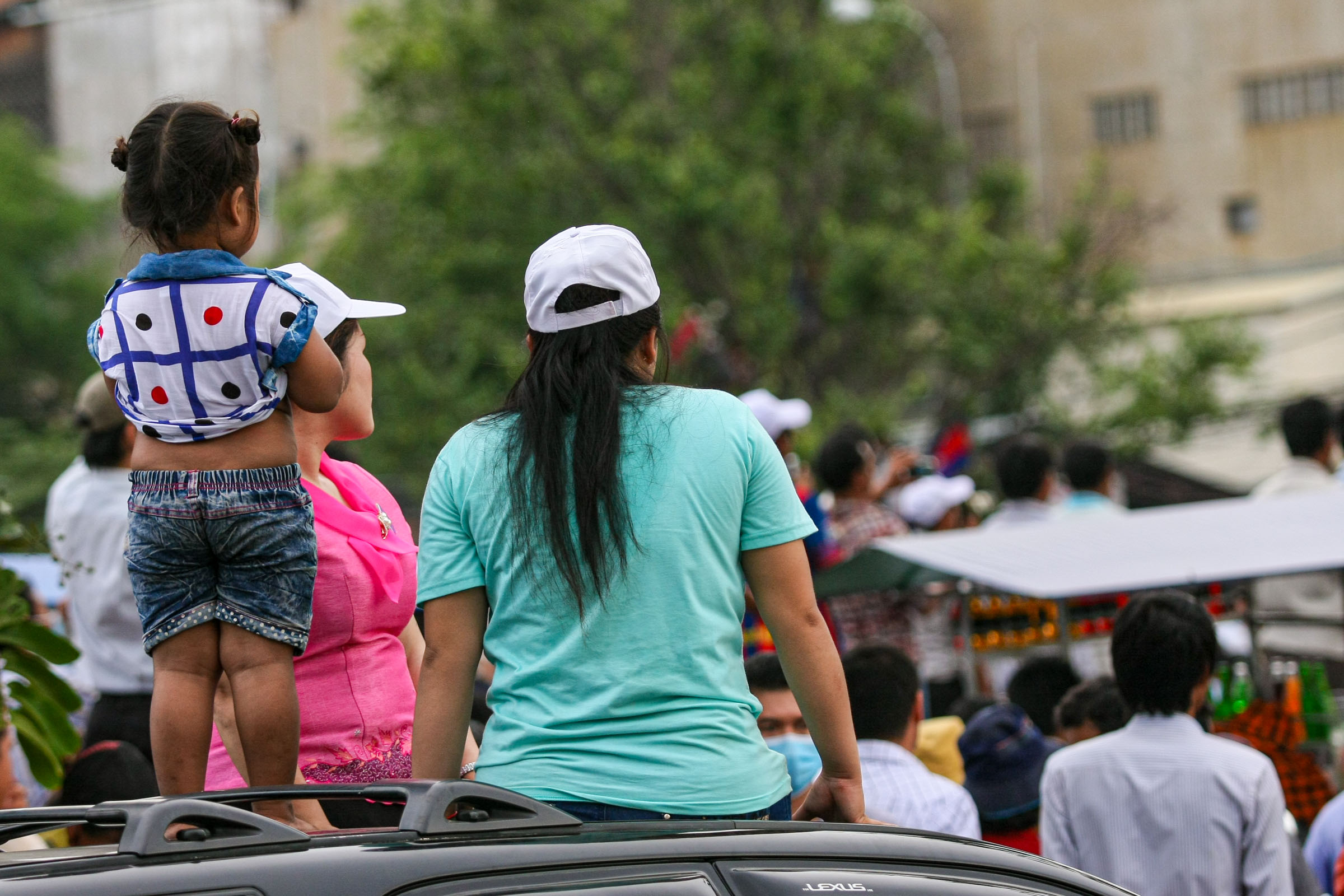
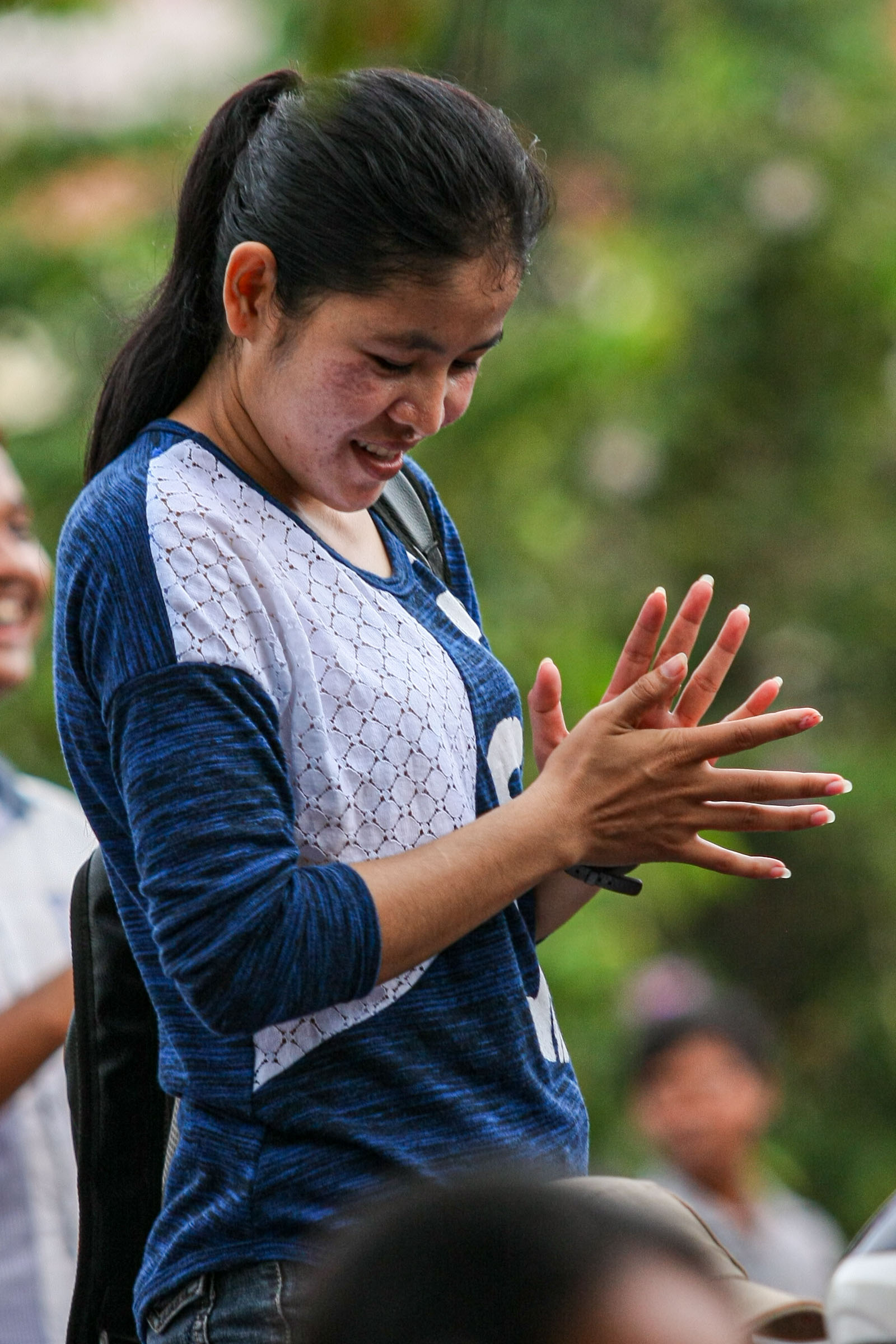
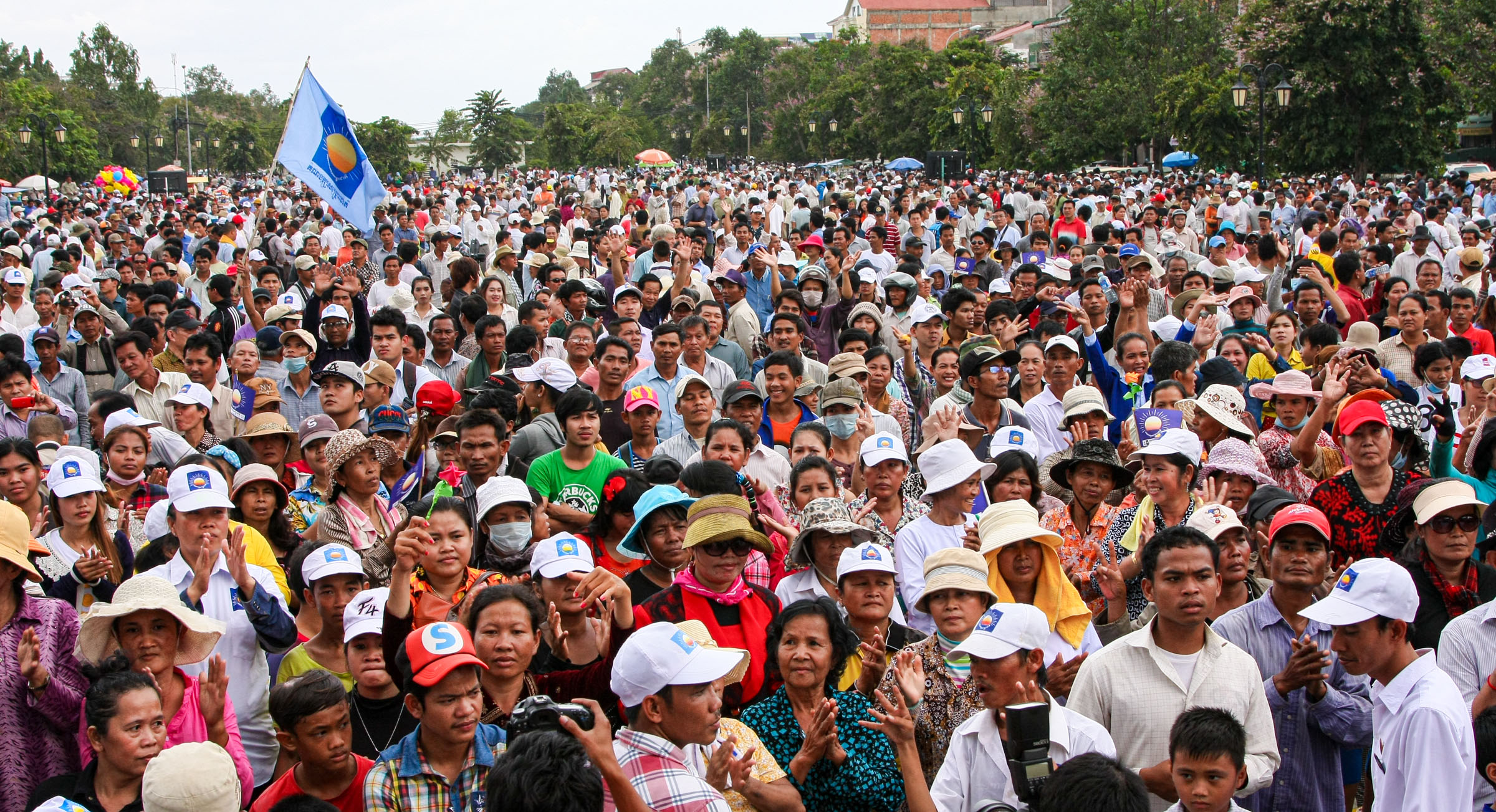
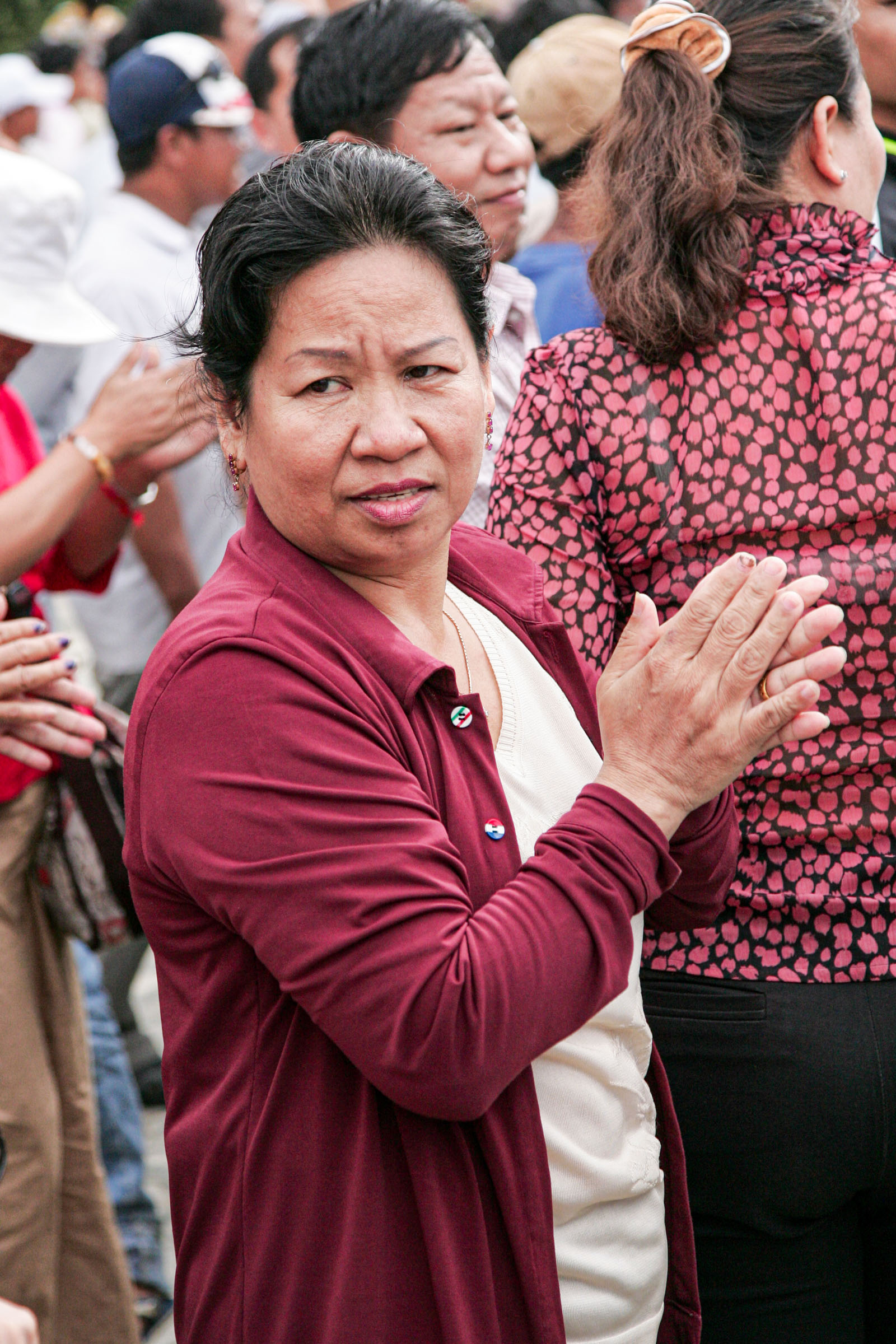
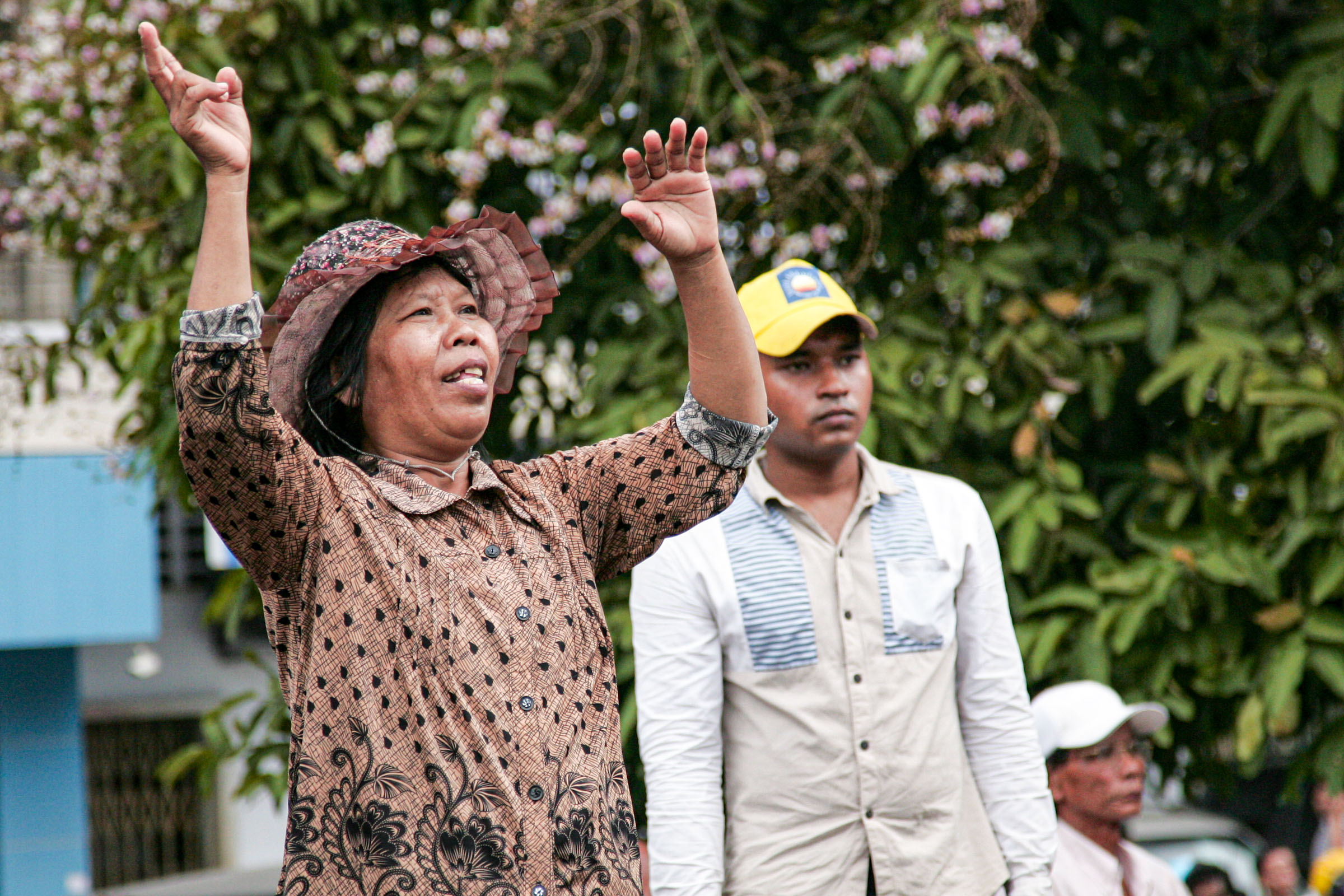
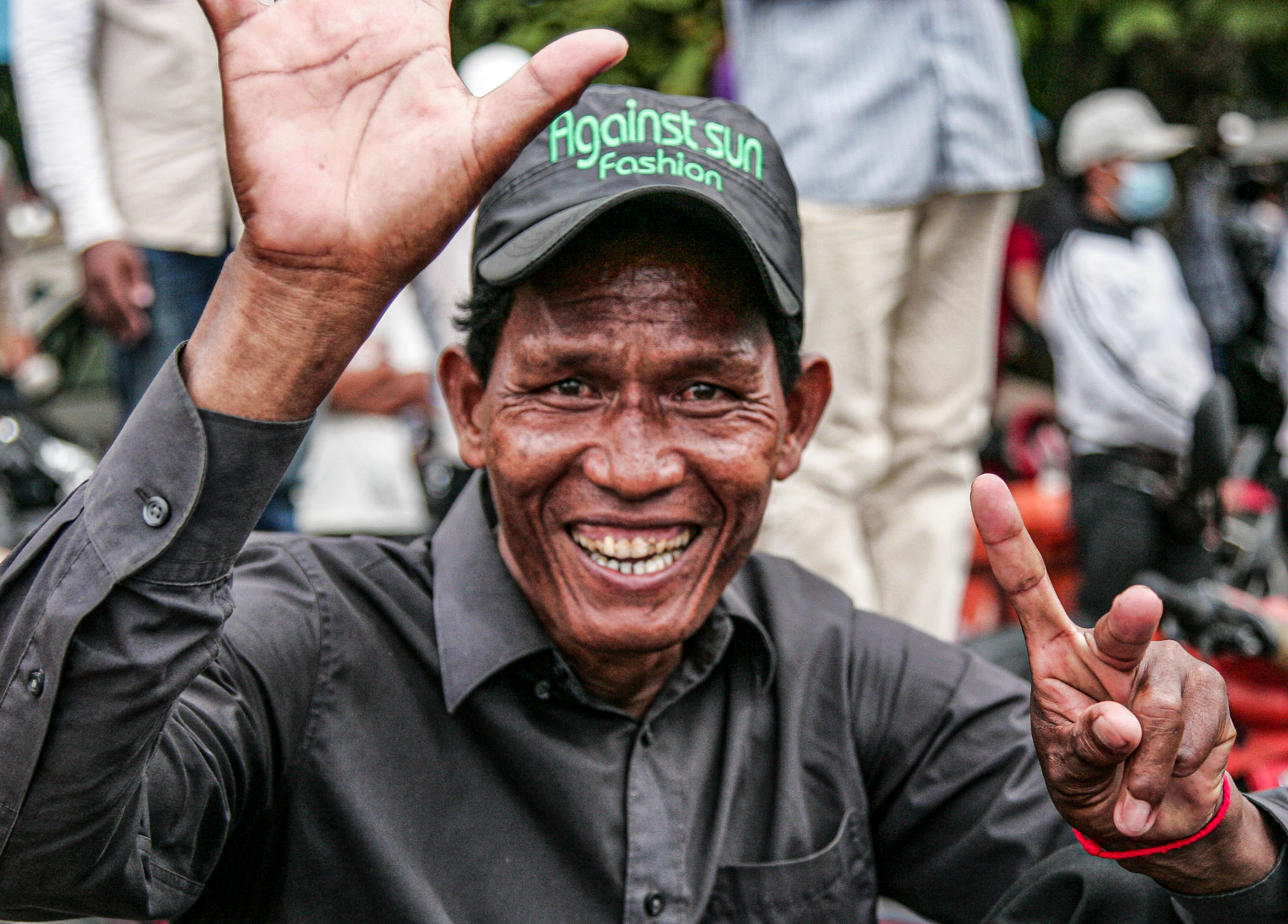
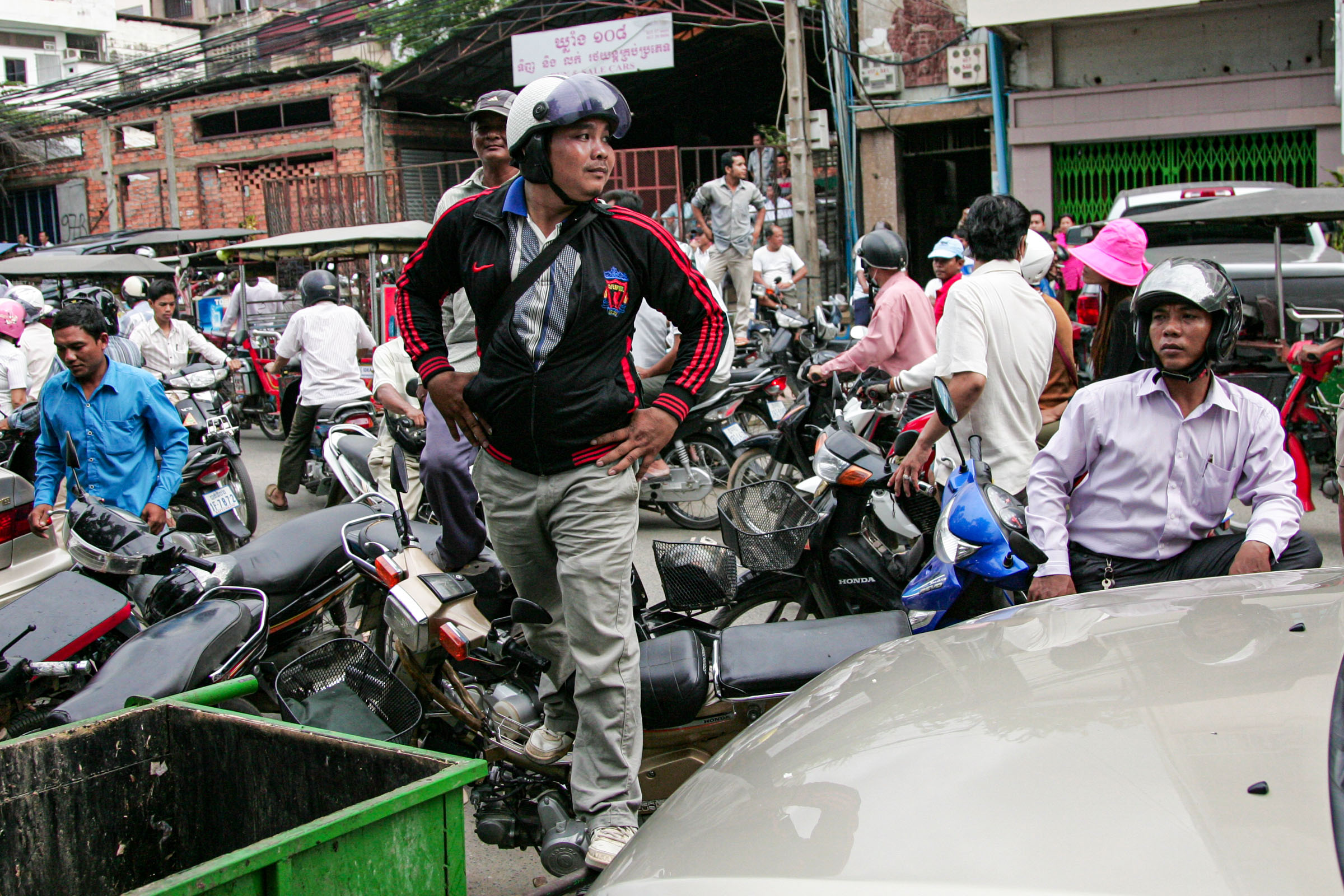
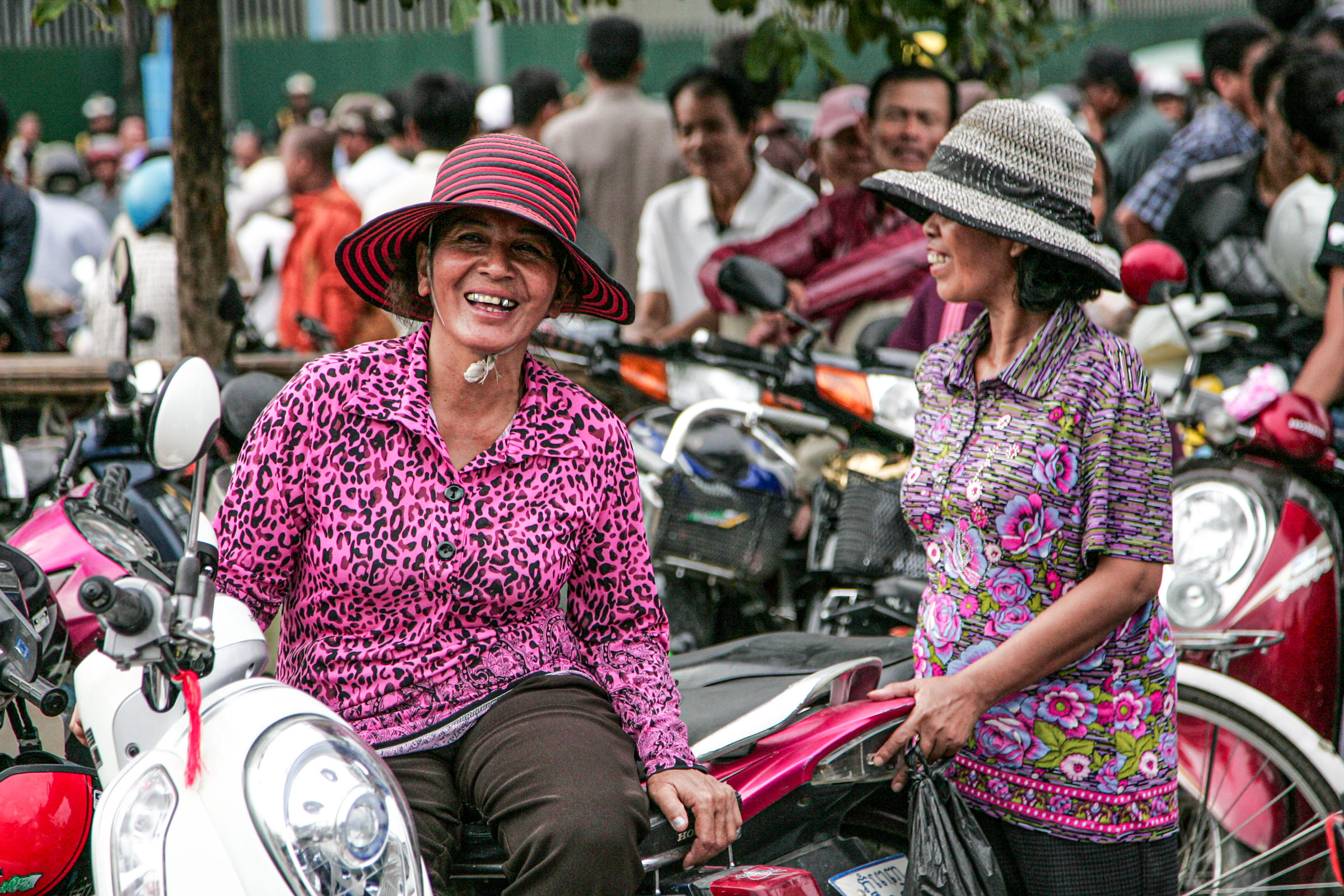
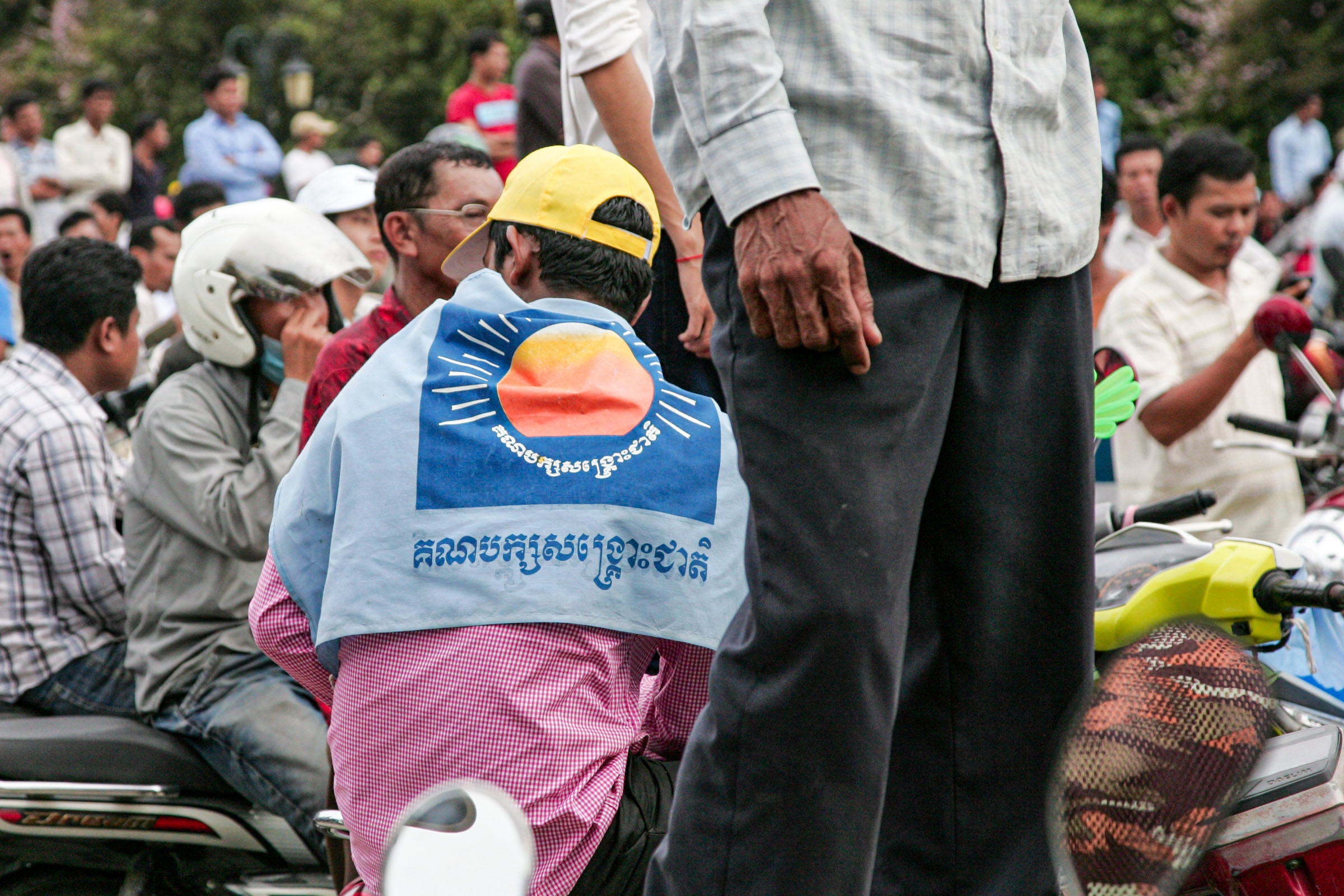
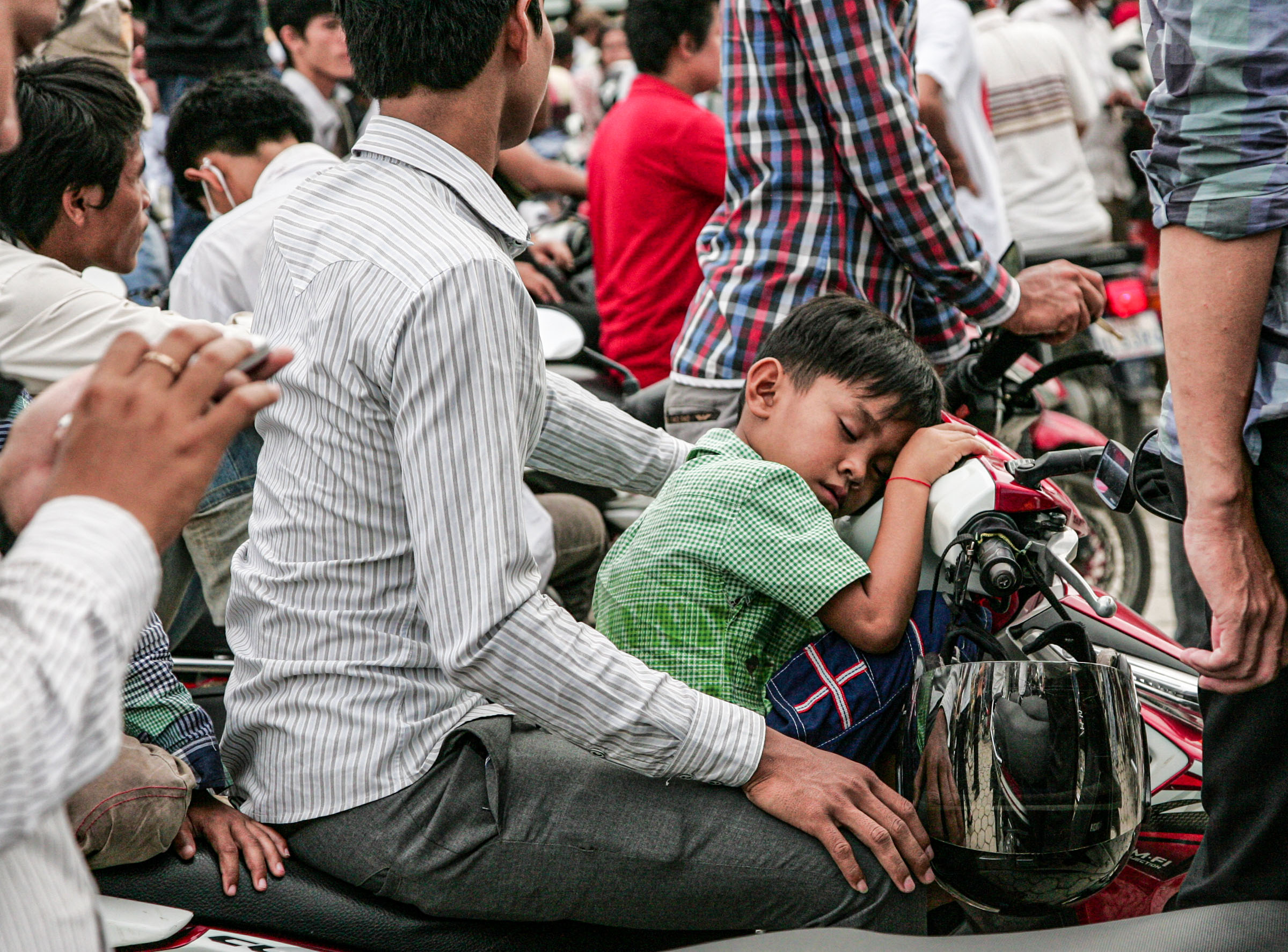
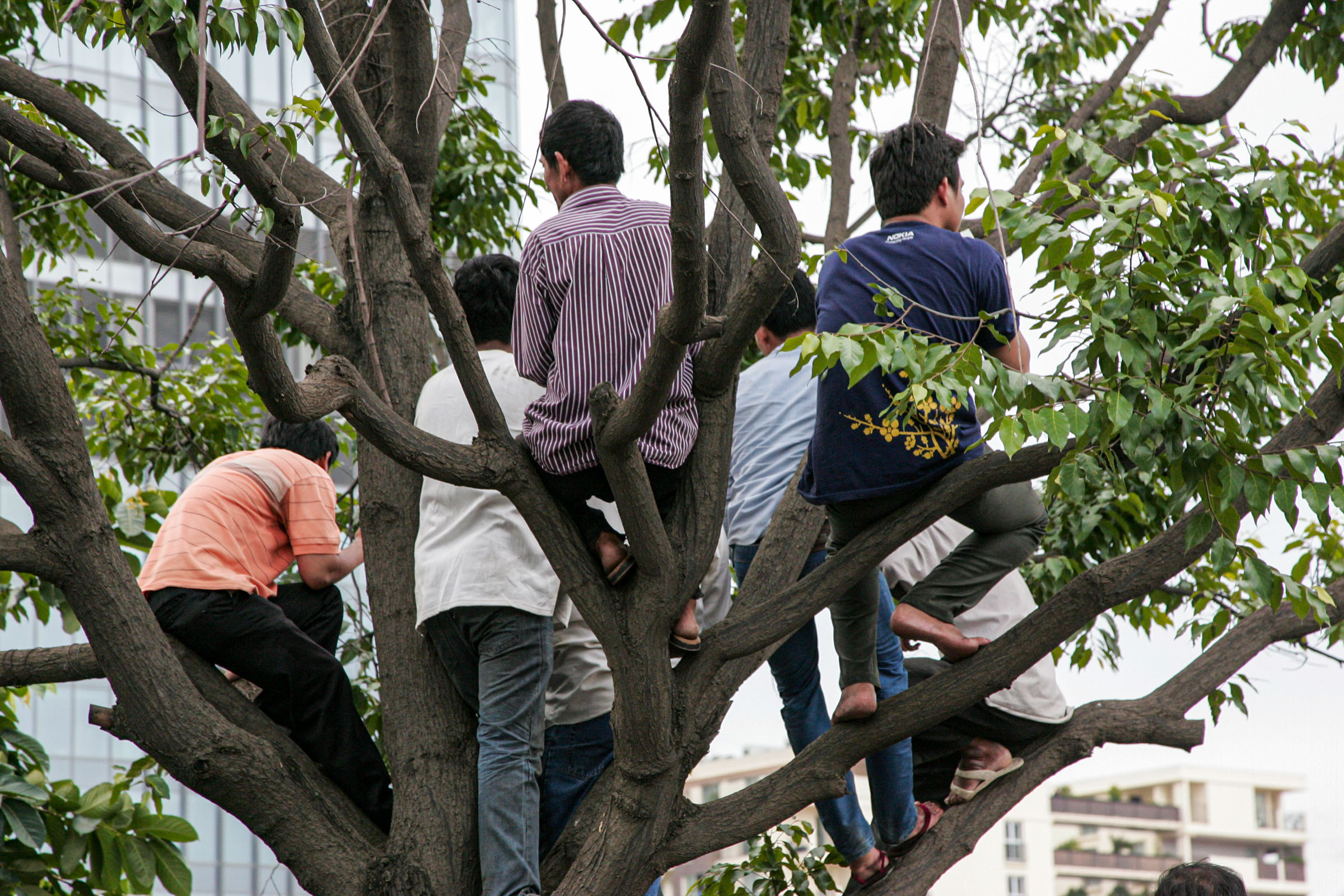
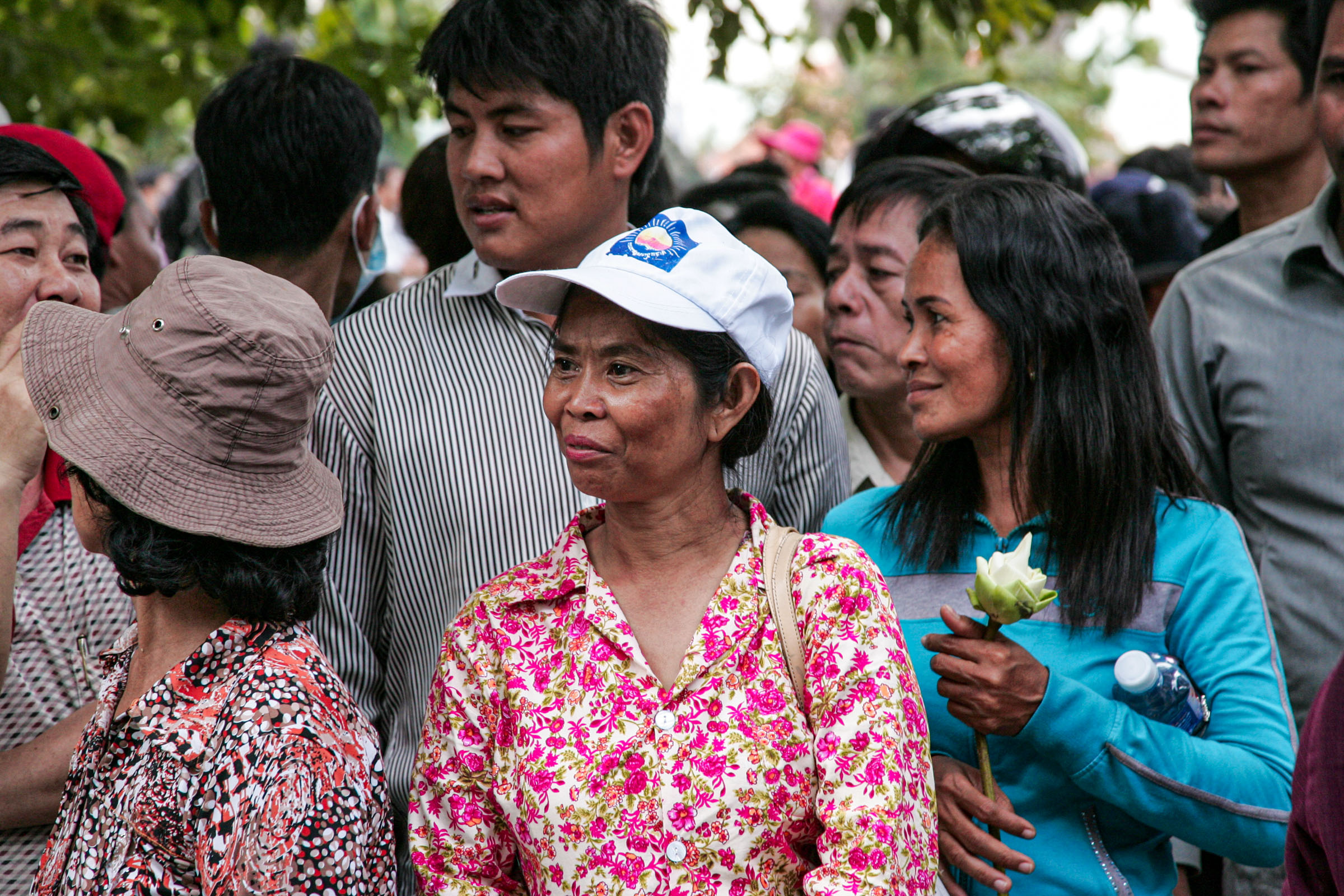
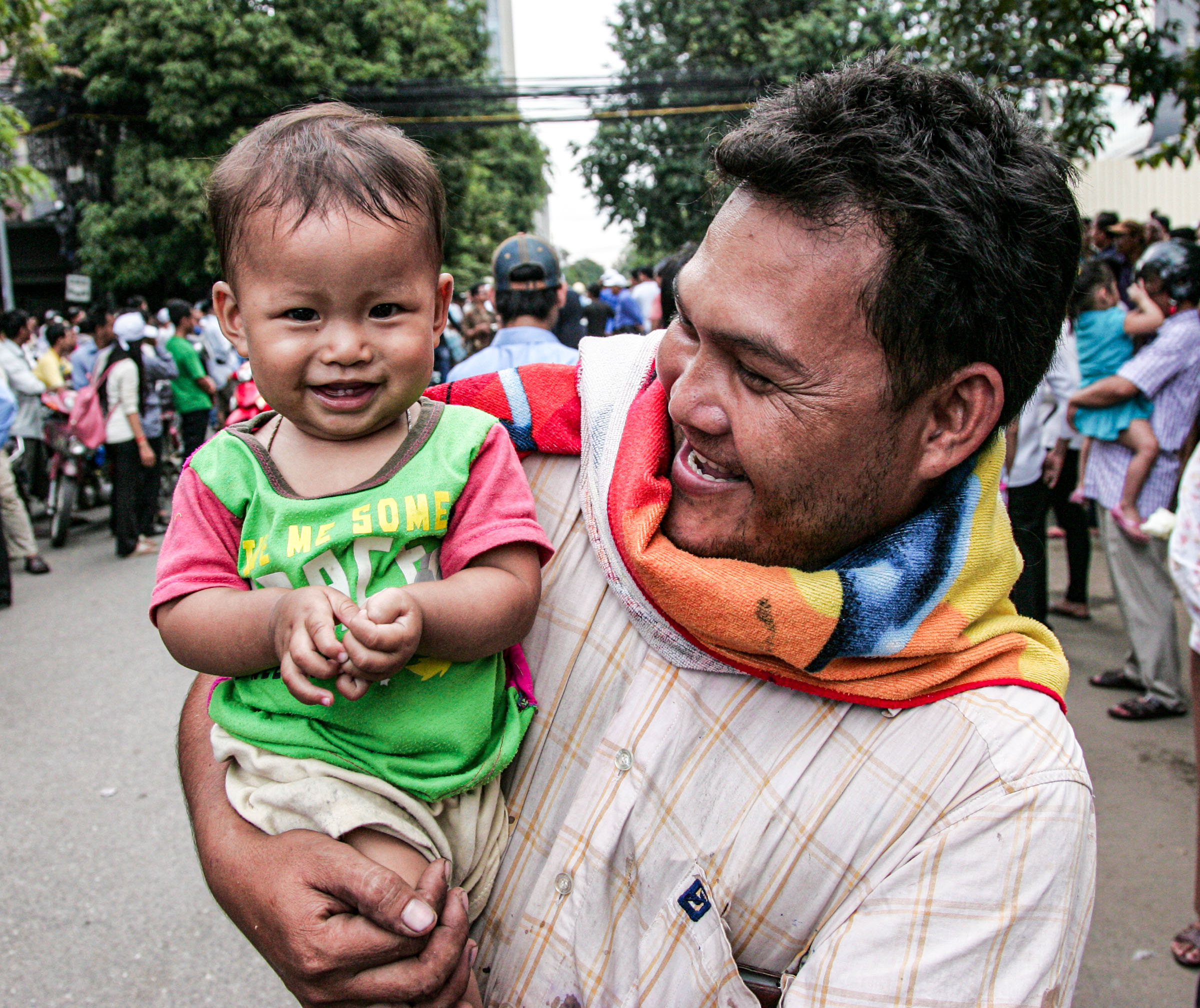
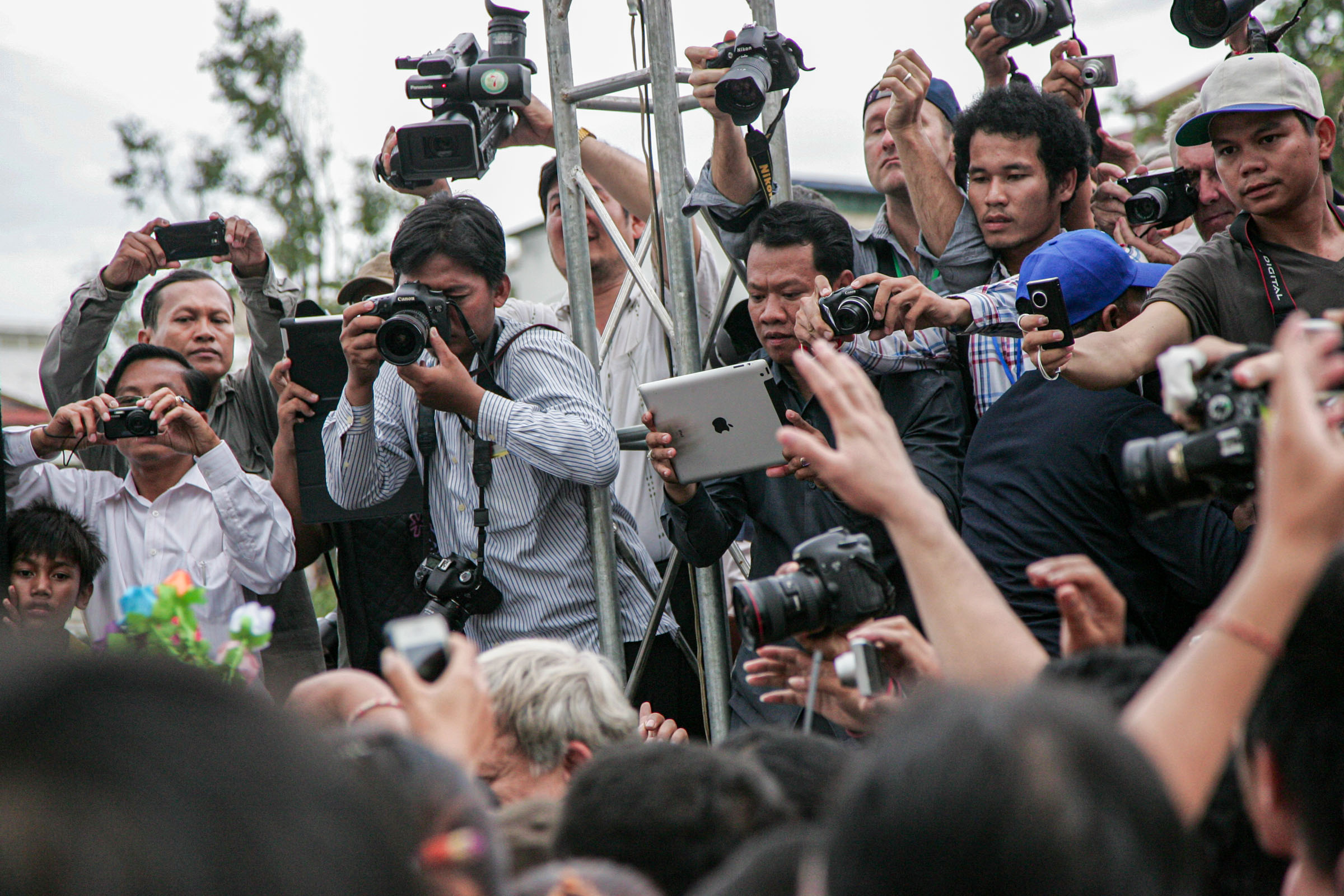
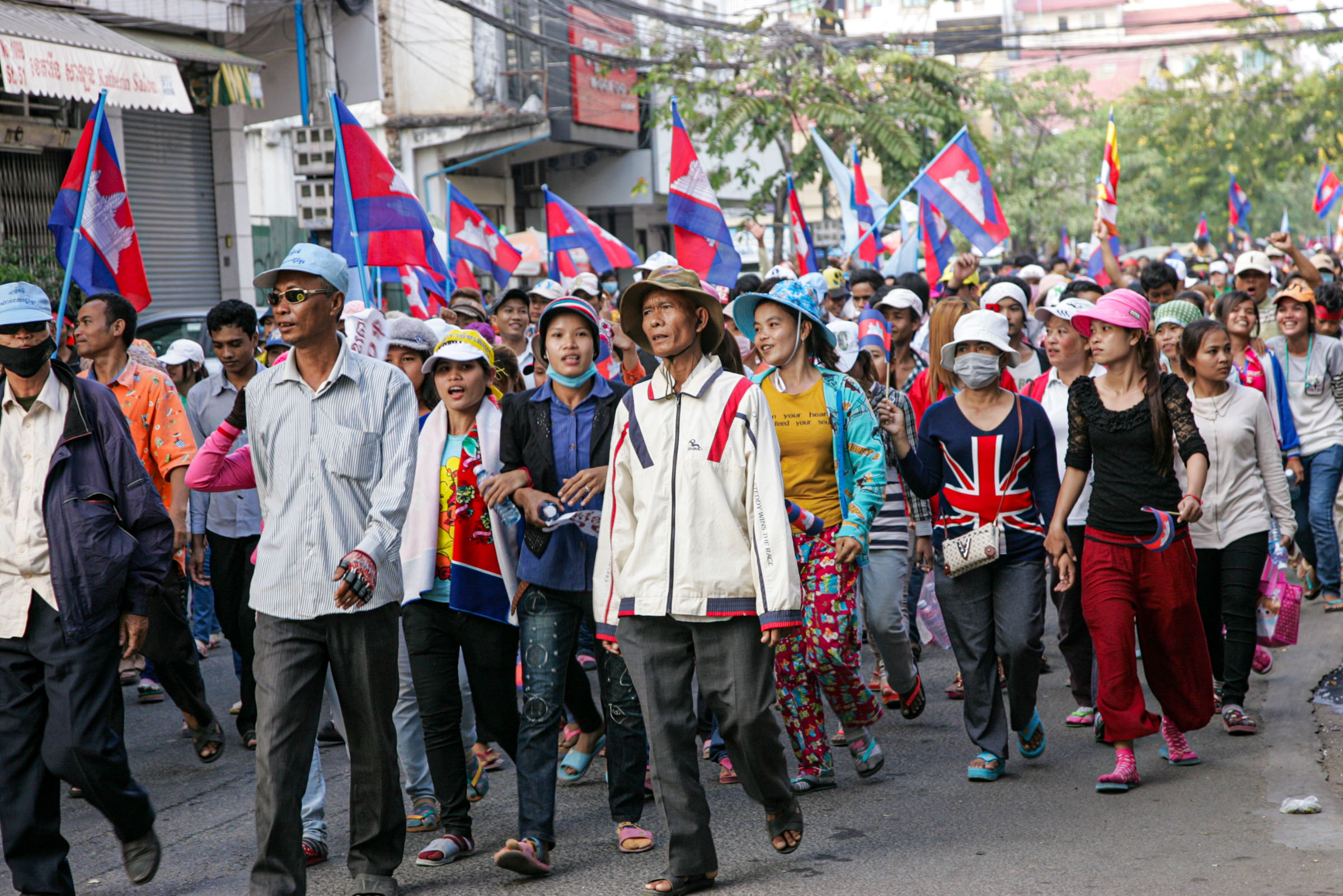
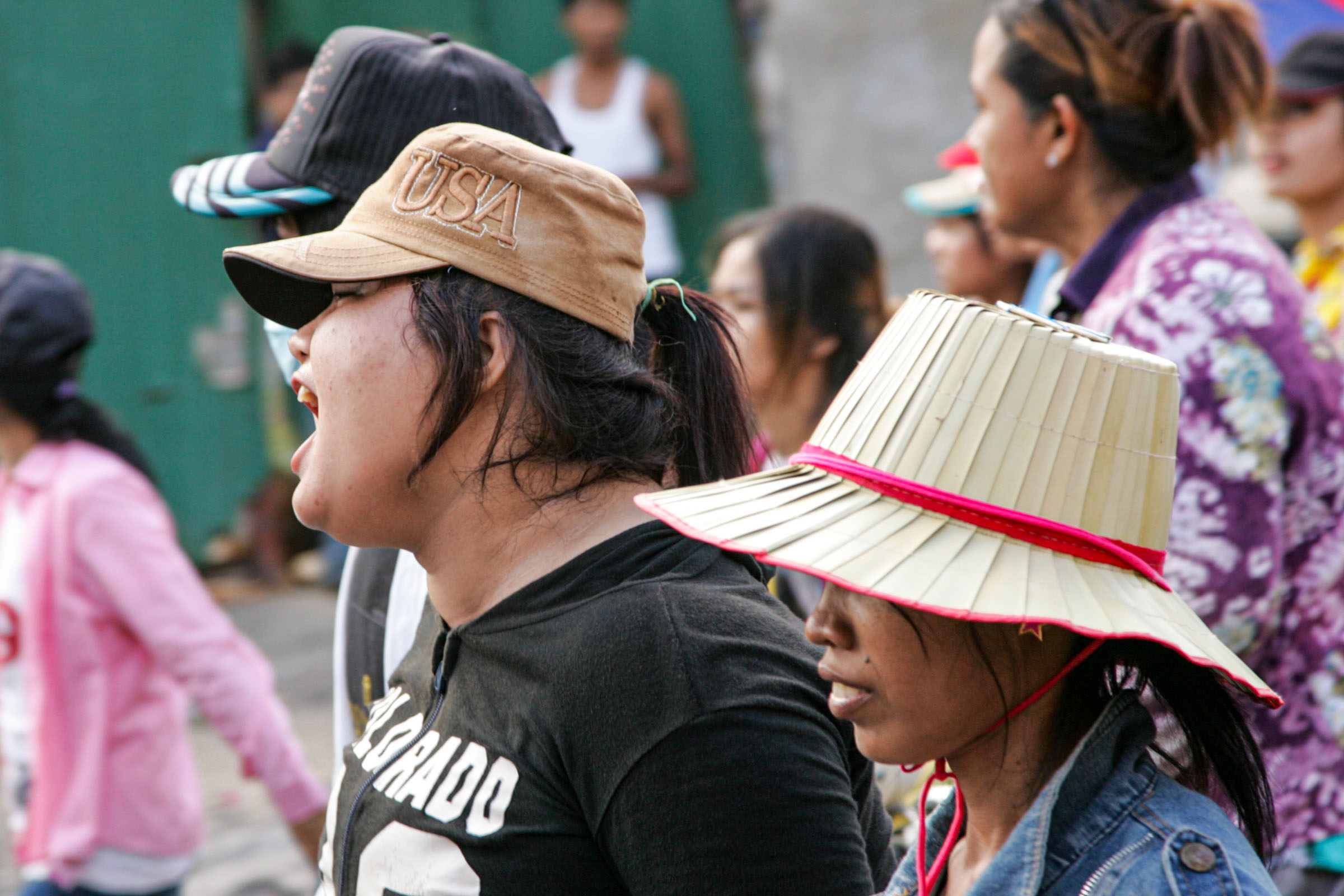
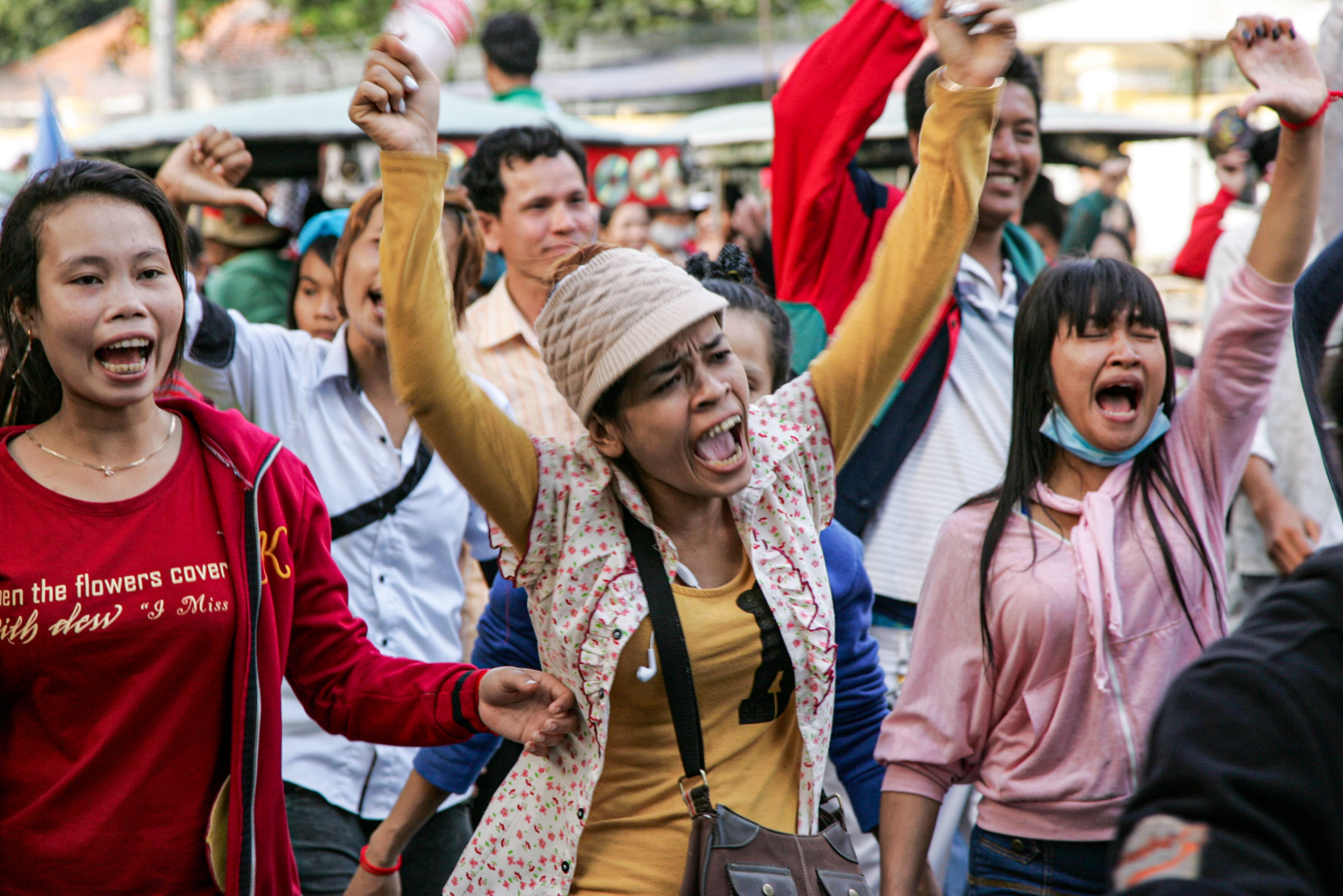
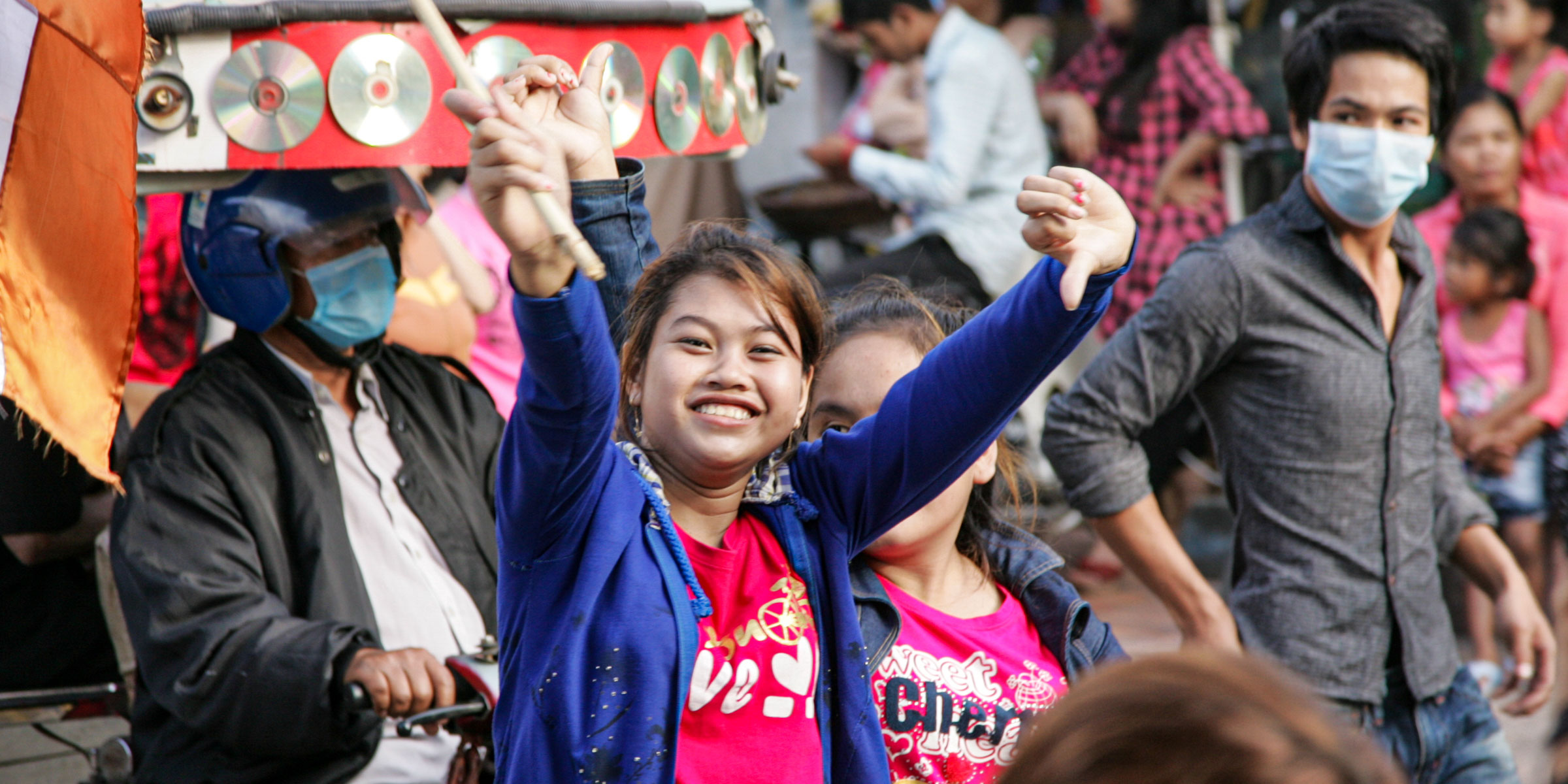
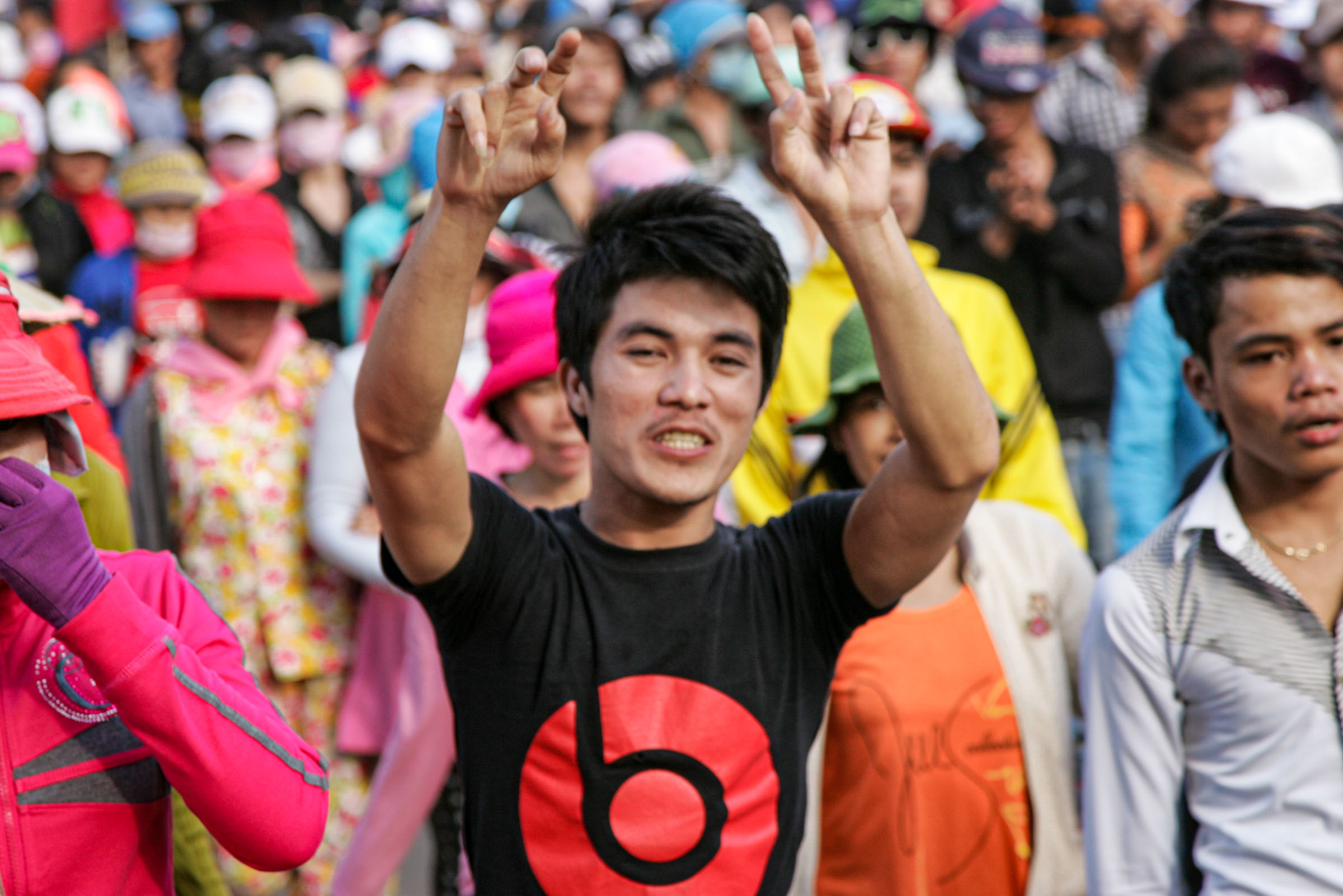
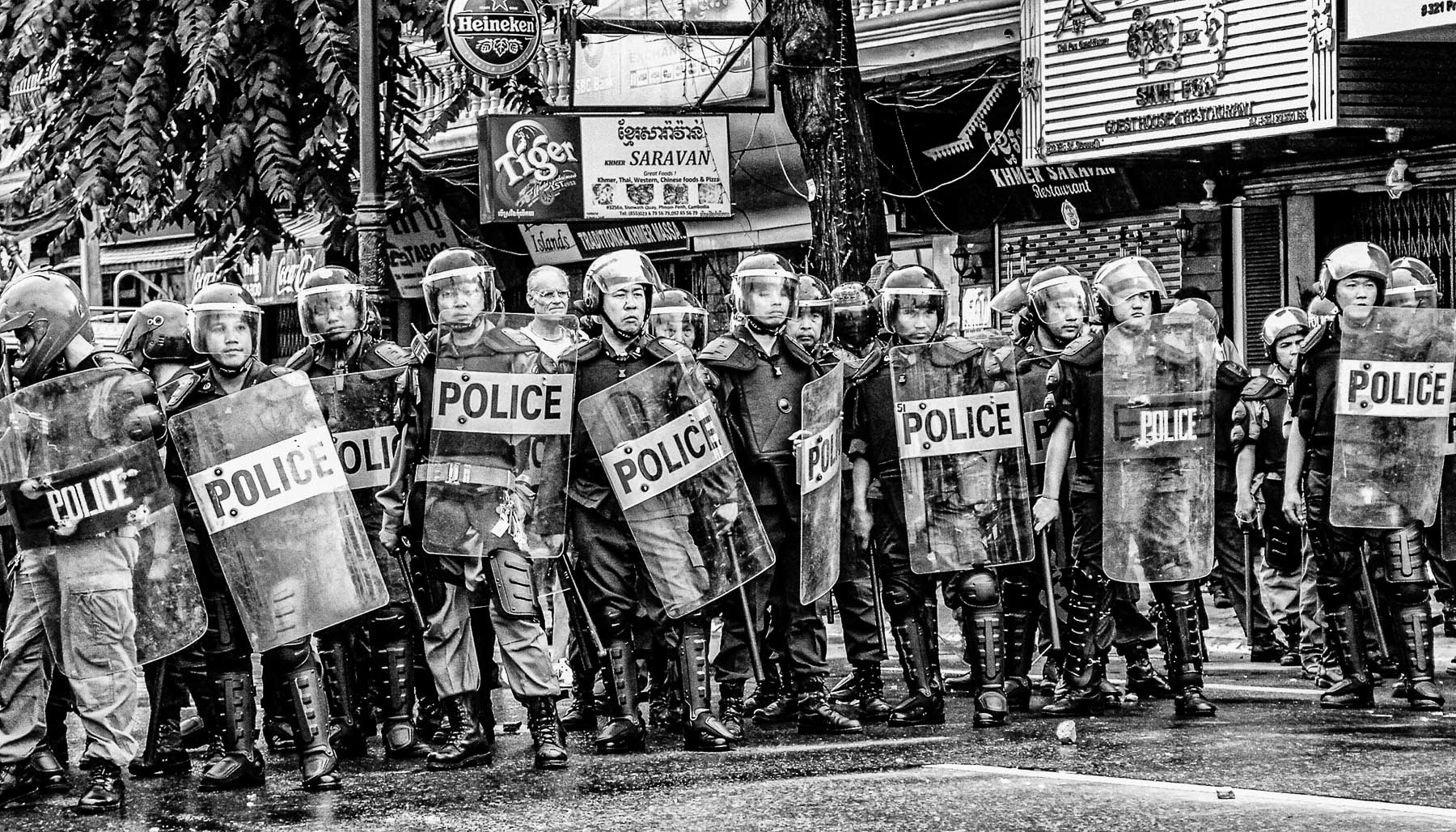
In 2013, Phnom Penh witnessed significant demonstrations driven by a mix of political and economic grievances. The protests were primarily sparked by allegations of electoral fraud during the Cambodian general election. Many Cambodians felt that the election results did not reflect the people’s true will, leading to widespread discontent.
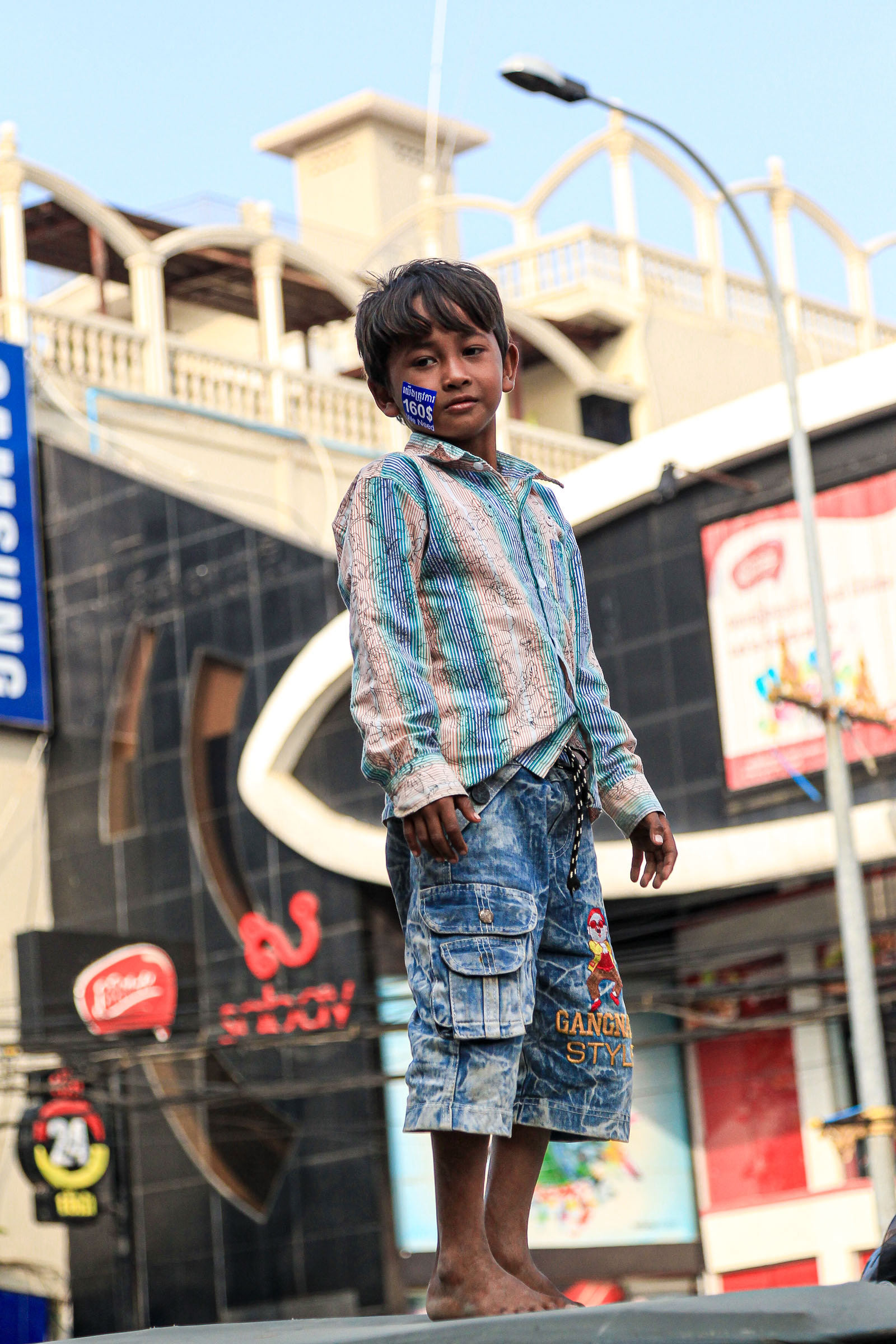
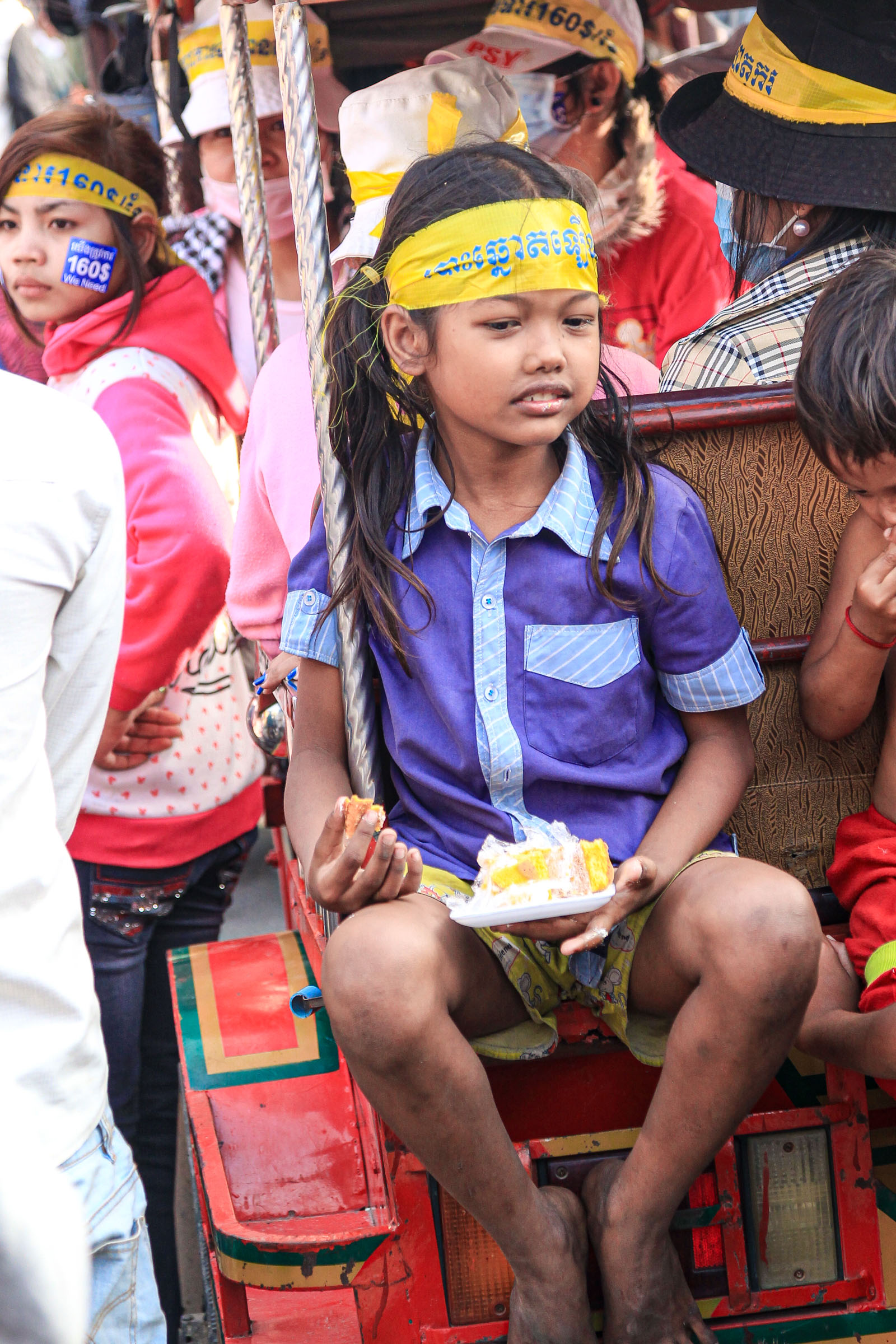
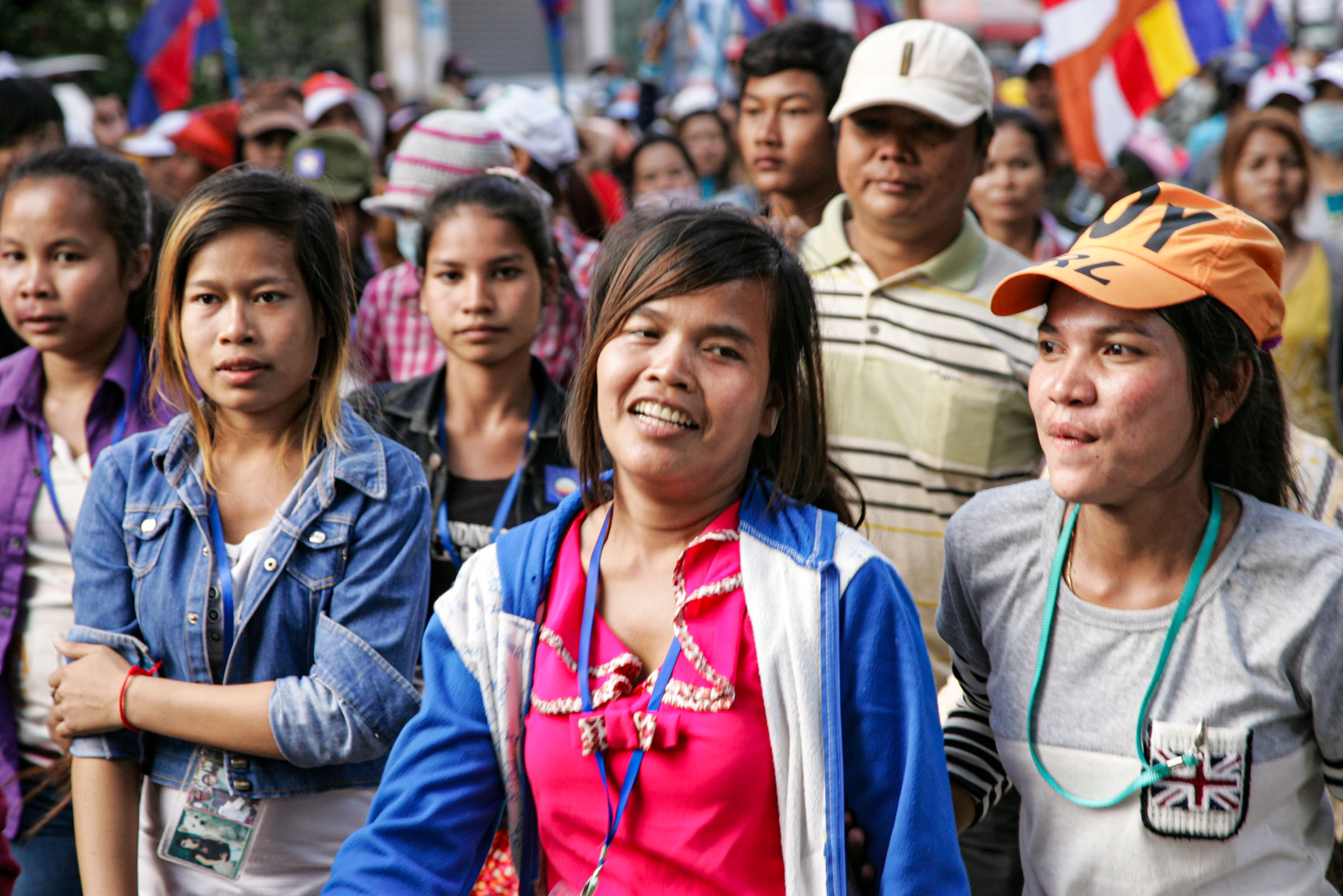
In addition to political concerns, economic issues also played a crucial role. Garment factory workers, a significant part of the Cambodian workforce, demanded an increase in the minimum wage to $160 per month. This demand was part of a broader call for better working conditions and fair pay.
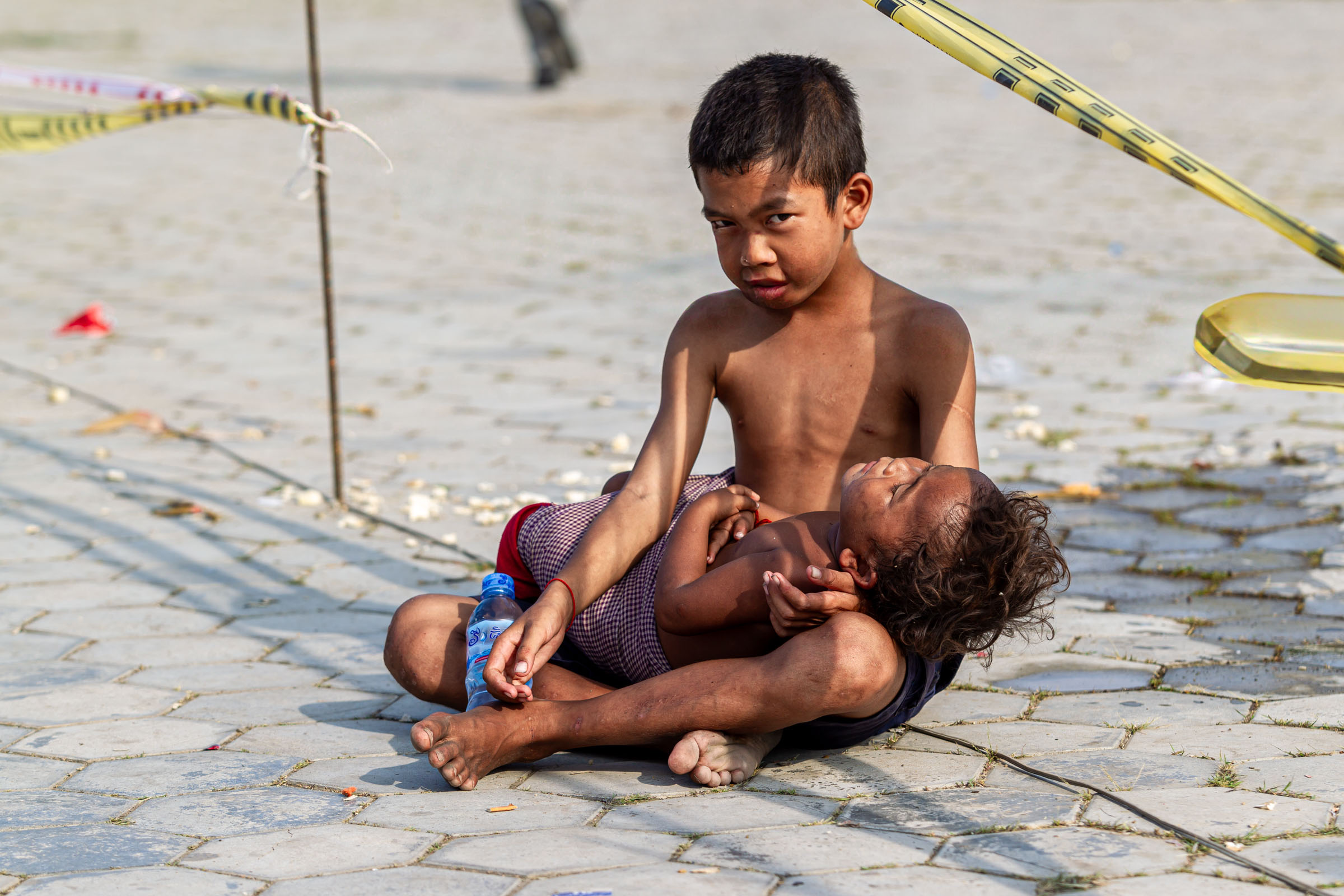
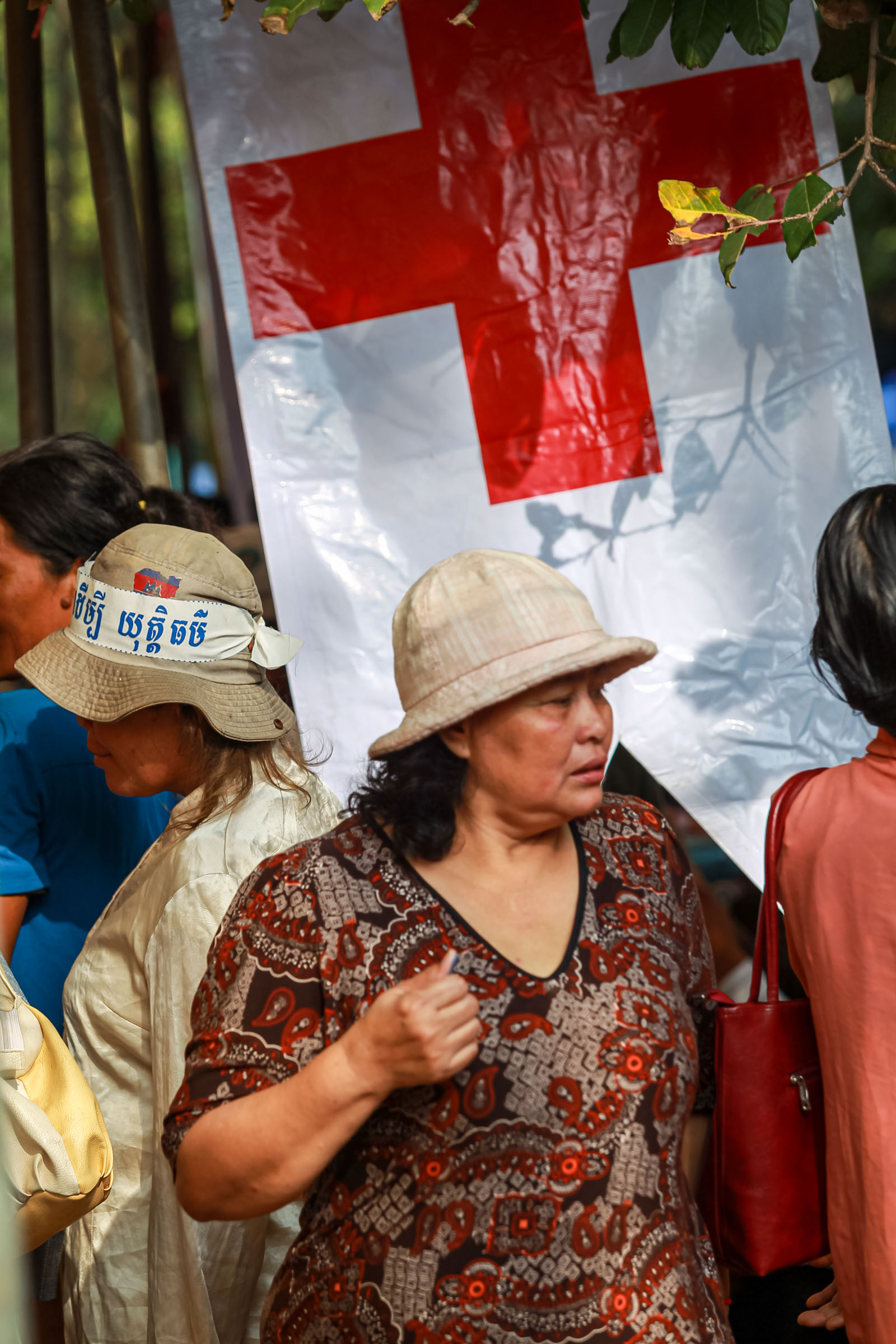
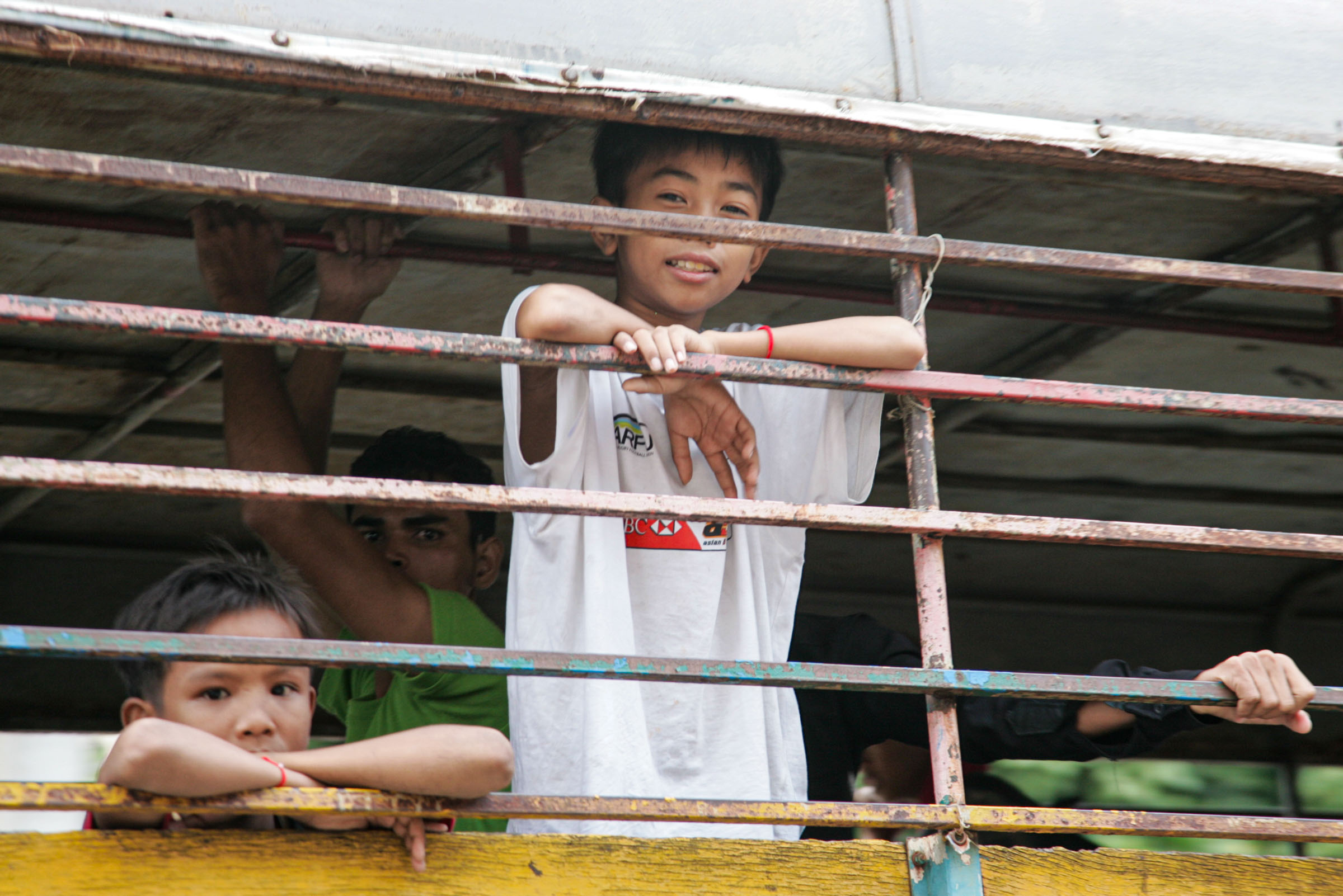
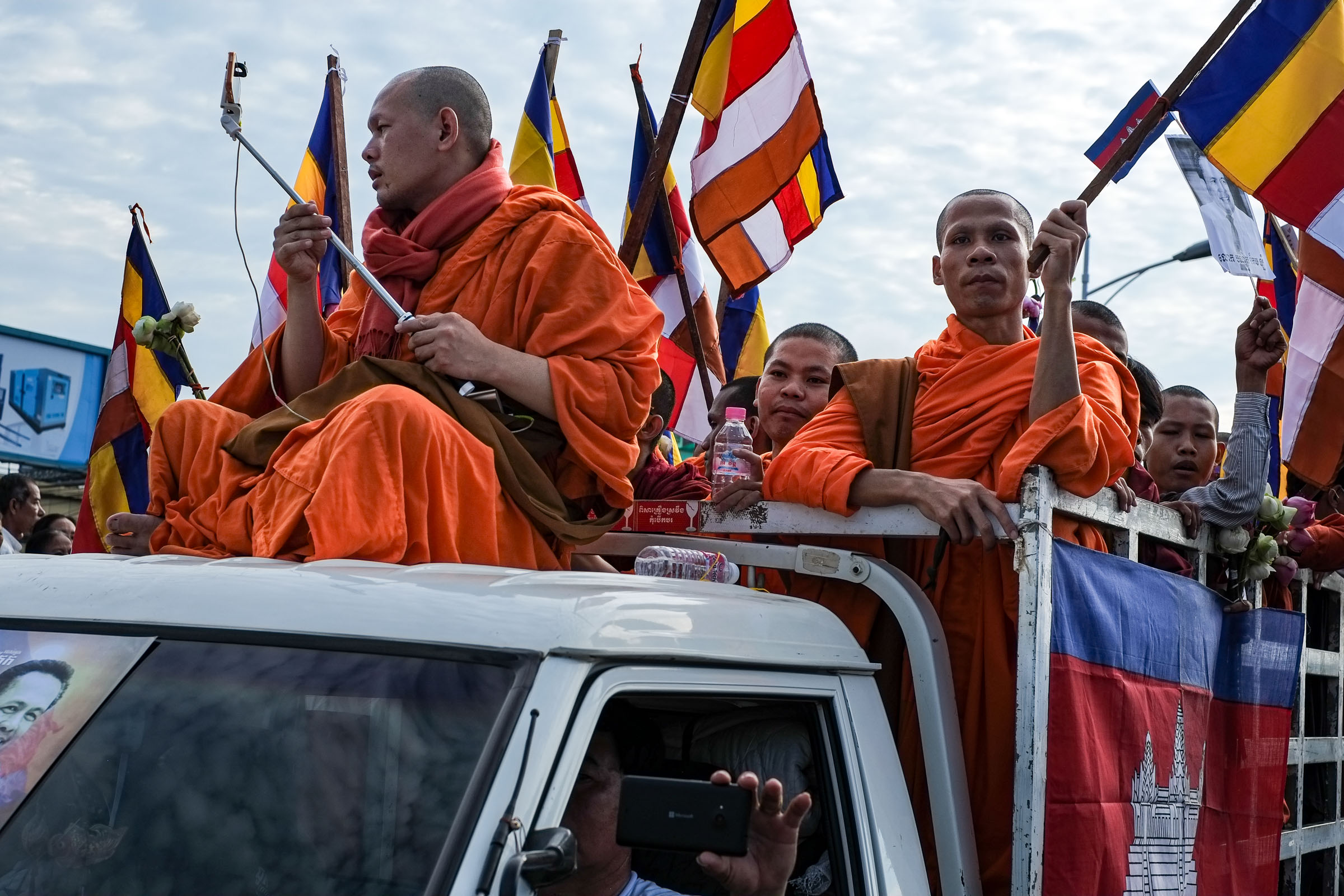
The demonstrations saw participation from various groups, including opposition party supporters, students, teachers, farmers, and Buddhist monks. The protests were largely peaceful, but there were instances of violence, especially during government crackdowns. Tragically, these crackdowns resulted in several deaths and injuries.
Overall, the 2013 demonstrations in Phnom Penh highlighted the deep-seated issues of political corruption, economic inequality, and the desire for democratic reforms in Cambodia.
The protesters in Phnom Penh in 2013 had several specific demands:
Electoral Reform: They called for an independent investigation into the alleged electoral fraud during the 2013 general election and demanded a re-election.
Minimum Wage Increase: Garment factory workers, a significant part of the protests, demanded an increase in the minimum wage to $160 per month.
Political Reforms: There were calls for broader democratic reforms, including greater transparency and accountability in government.
Resentment of Vietnamese Influence: Some protesters expressed concerns over the perceived influence of Vietnam in Cambodian politics and society.
These demands reflected a mix of political, economic, and social grievances that fueled the widespread demonstrations.
Since 2013, Cambodia has experienced significant changes across various sectors:
Economic Growth: Cambodia’s economy has grown steadily, with an average annual growth rate of 7.6% between 1995 and 2019. Despite a contraction in 2020 due to the COVID-19 pandemic, the economy has been recovering, with growth rates of 3.0% in 2021 and 5.2% in 2022.
Poverty Reduction: Before the pandemic, poverty rates were declining by 1.6 percentage points annually. However, the pandemic increased unemployment and poverty. Efforts to scale up social assistance have helped mitigate income losses, and poverty is expected to decline as the economy recovers.
Foreign Direct Investment (FDI): There has been a surge in FDI inflows, particularly in the manufacturing and tourism sectors. This has contributed to economic growth and job creation.
Political Landscape: The political environment has seen tensions and conflicts, particularly around land grabs, labor exploitation, and environmental degradation. The 2013 national elections led to a political impasse and mass mobilization.
Environmental Impact: Cambodia has seen a significant increase in CO2 emissions, with a 192.69% rise between 2013 and 2019.
Human Capital: Improvements have been made in health outcomes, early childhood development, and primary education, especially in rural areas. However, human capital indicators still lag behind other lower middle-income countries.
These changes reflect Cambodia’s ongoing efforts to address economic, social, and environmental challenges while striving for sustainable development.
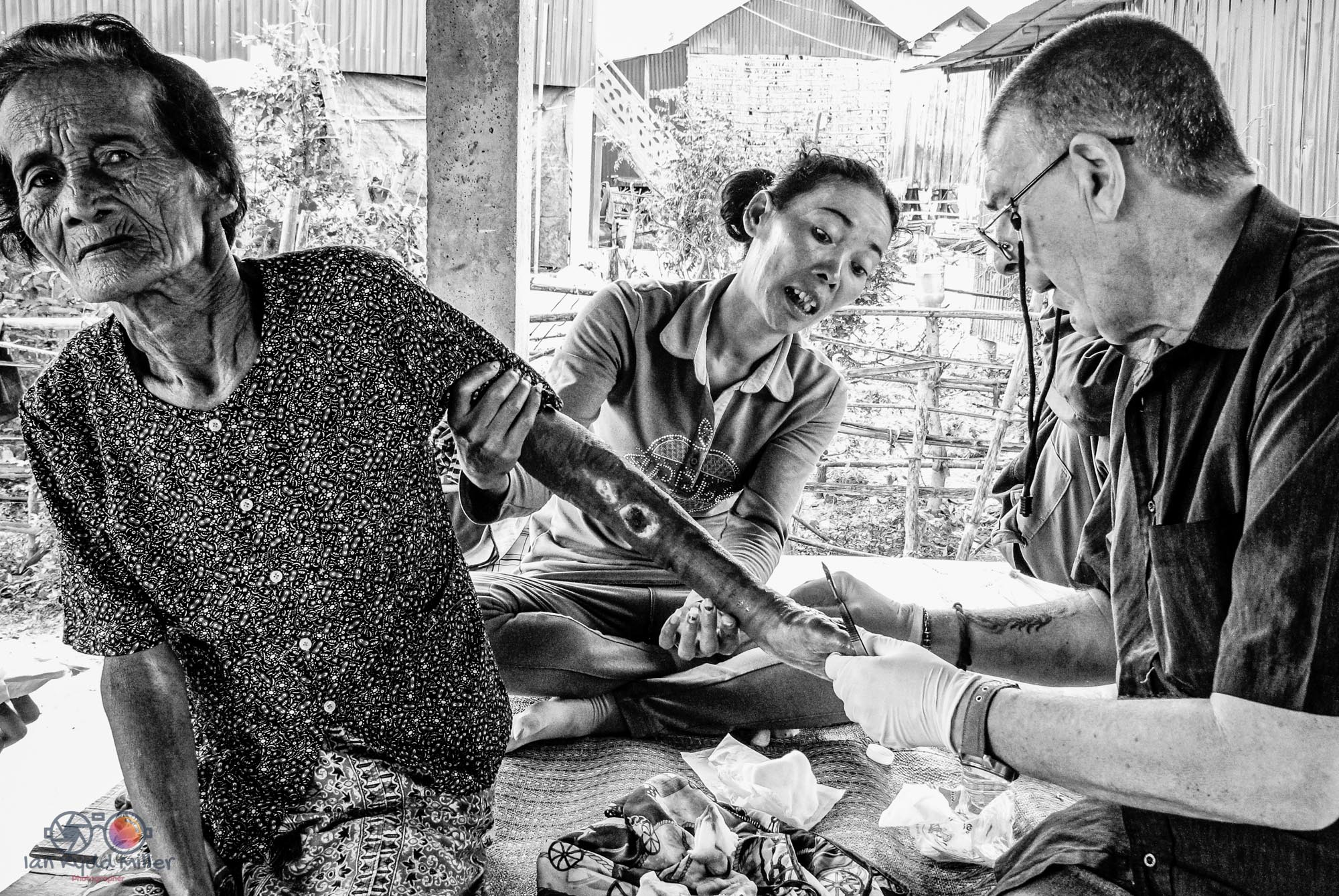
Ian Kydd Miller is known for capturing moments that reflect significant periods of change and transformation. His work often provides a unique perspective on historical events and societal shifts. While specific details about a retrospective of his work are not readily available, his photography likely includes powerful images that document these “interesting times.”
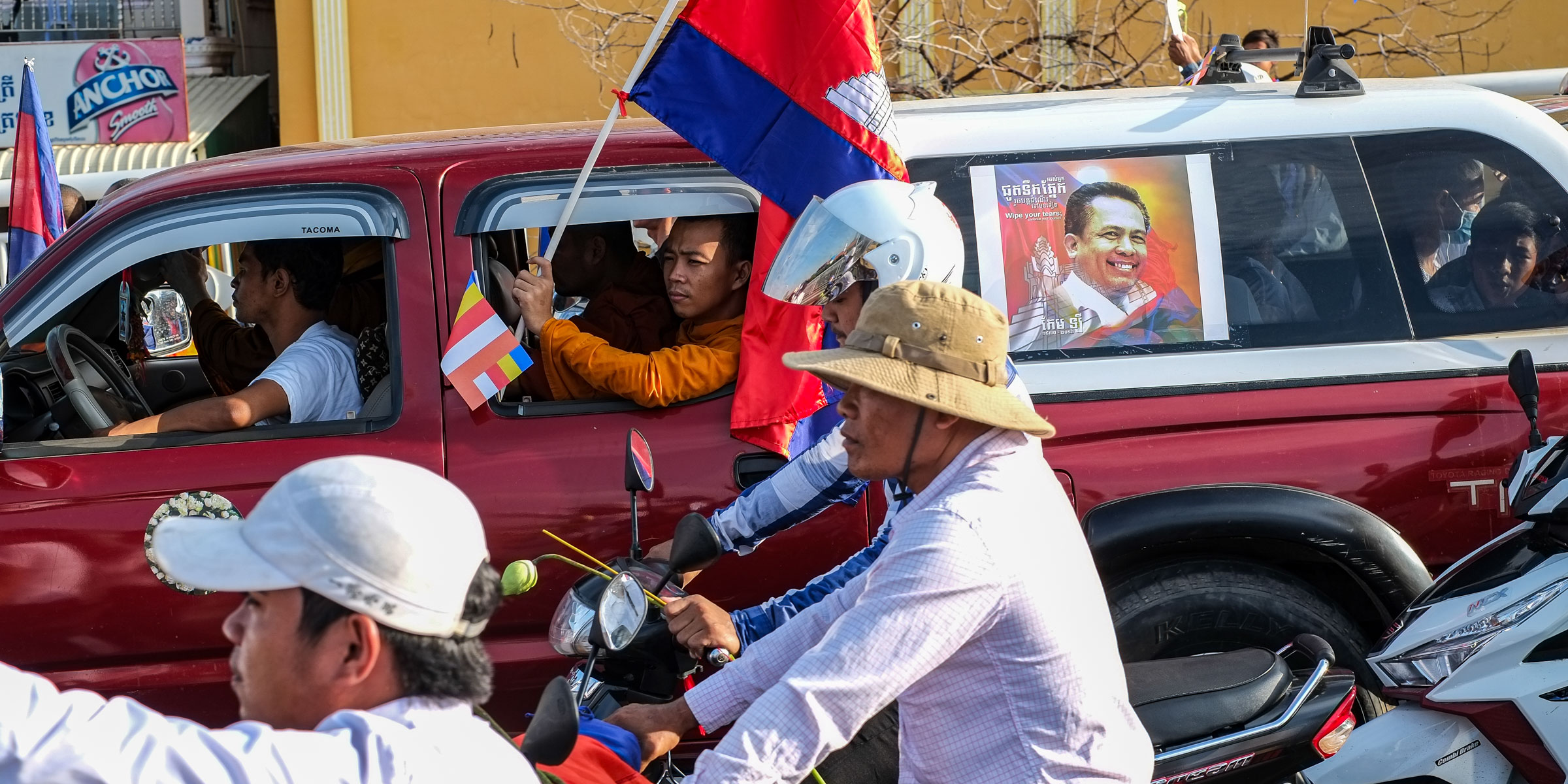
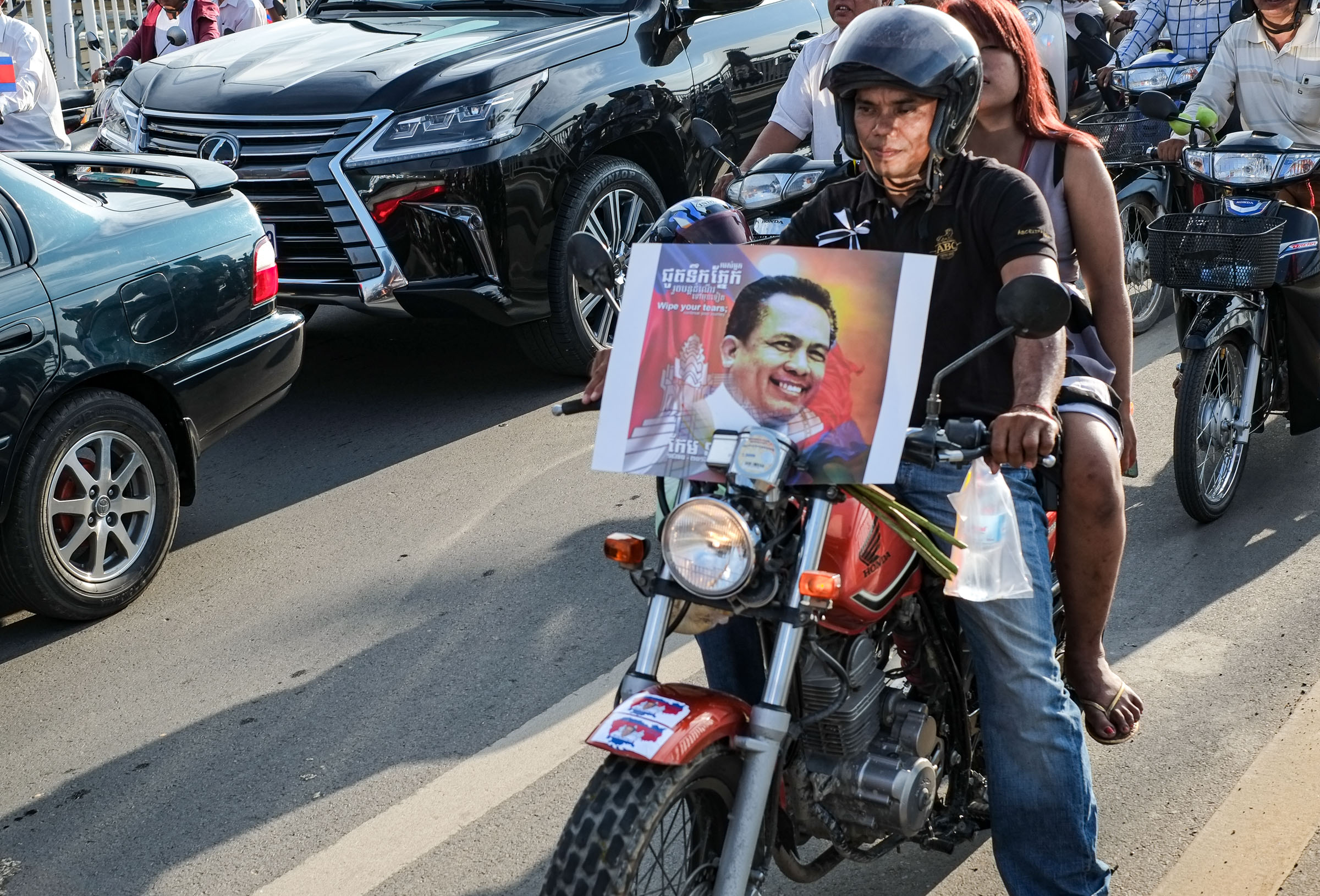
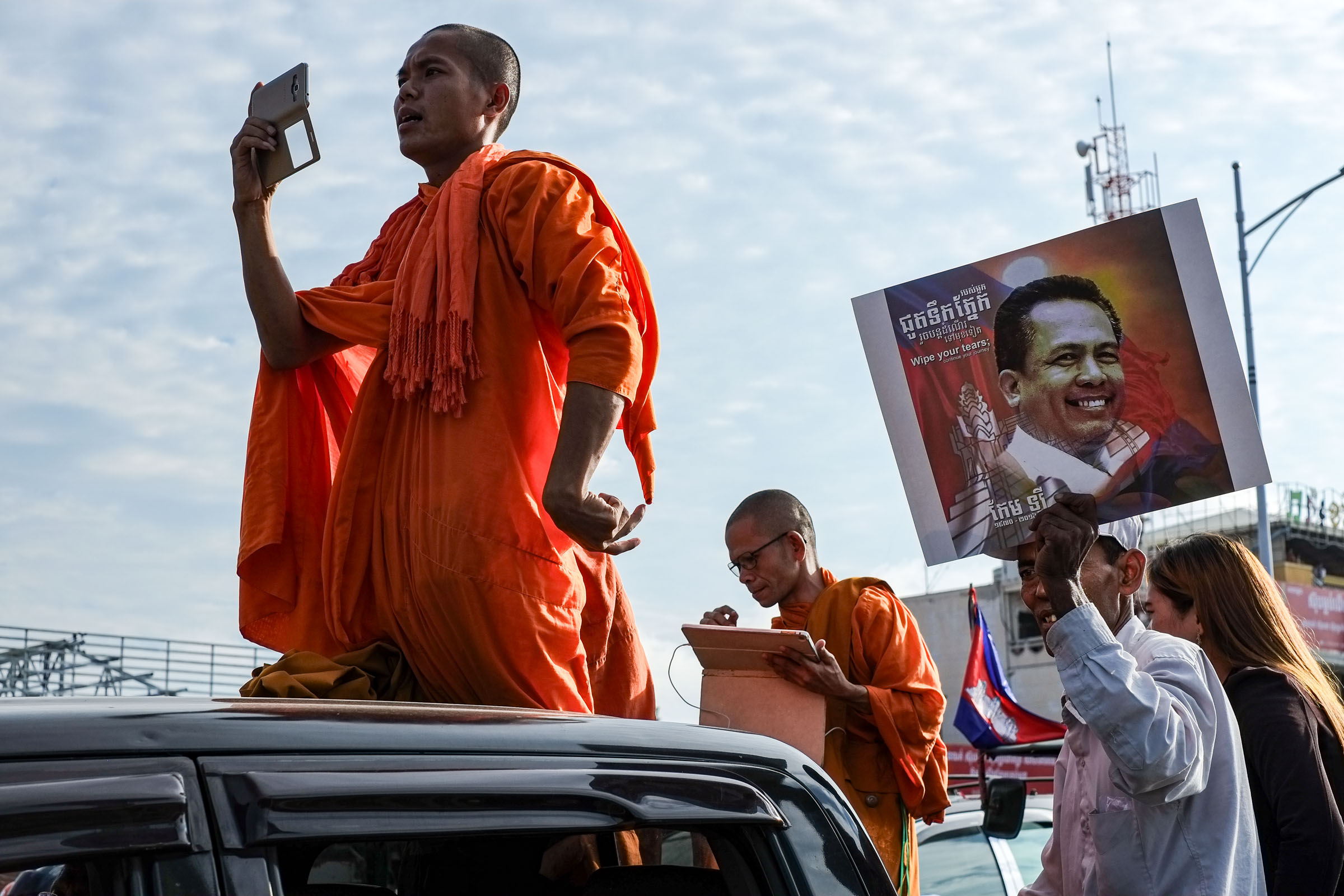
Background of Kem Ley: Kem Ley was a political commentator, physician, and activist from Cambodia who was well-known for criticising the country’s government.
Assassination: It is generally accepted that he was the victim of a politically motivated assassination on July 10, 2016, in Phnom Penh.
Political Engagement: He was active in a number of campaigns and research projects in addition to founding the Grassroots Democracy Party in 2015.
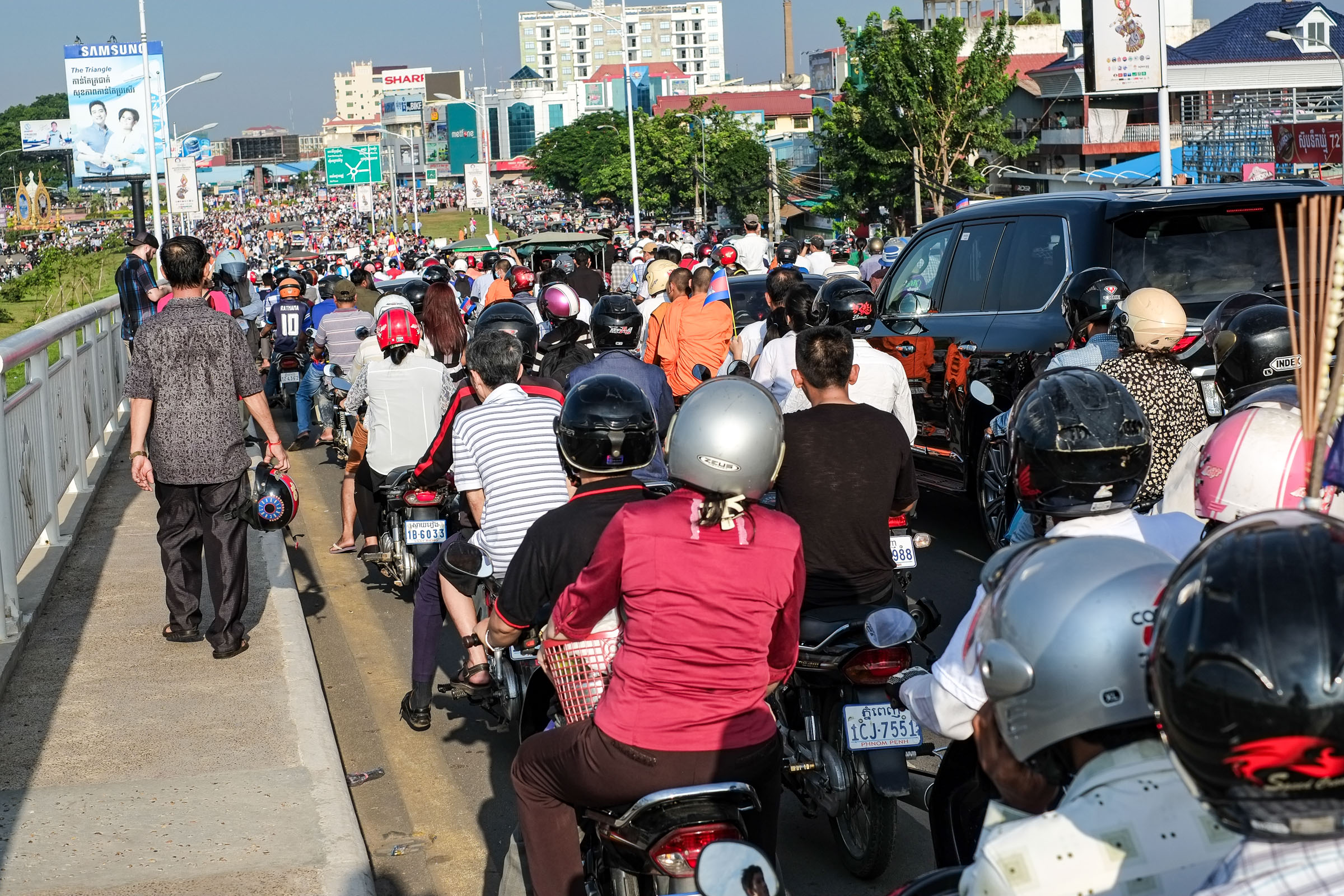
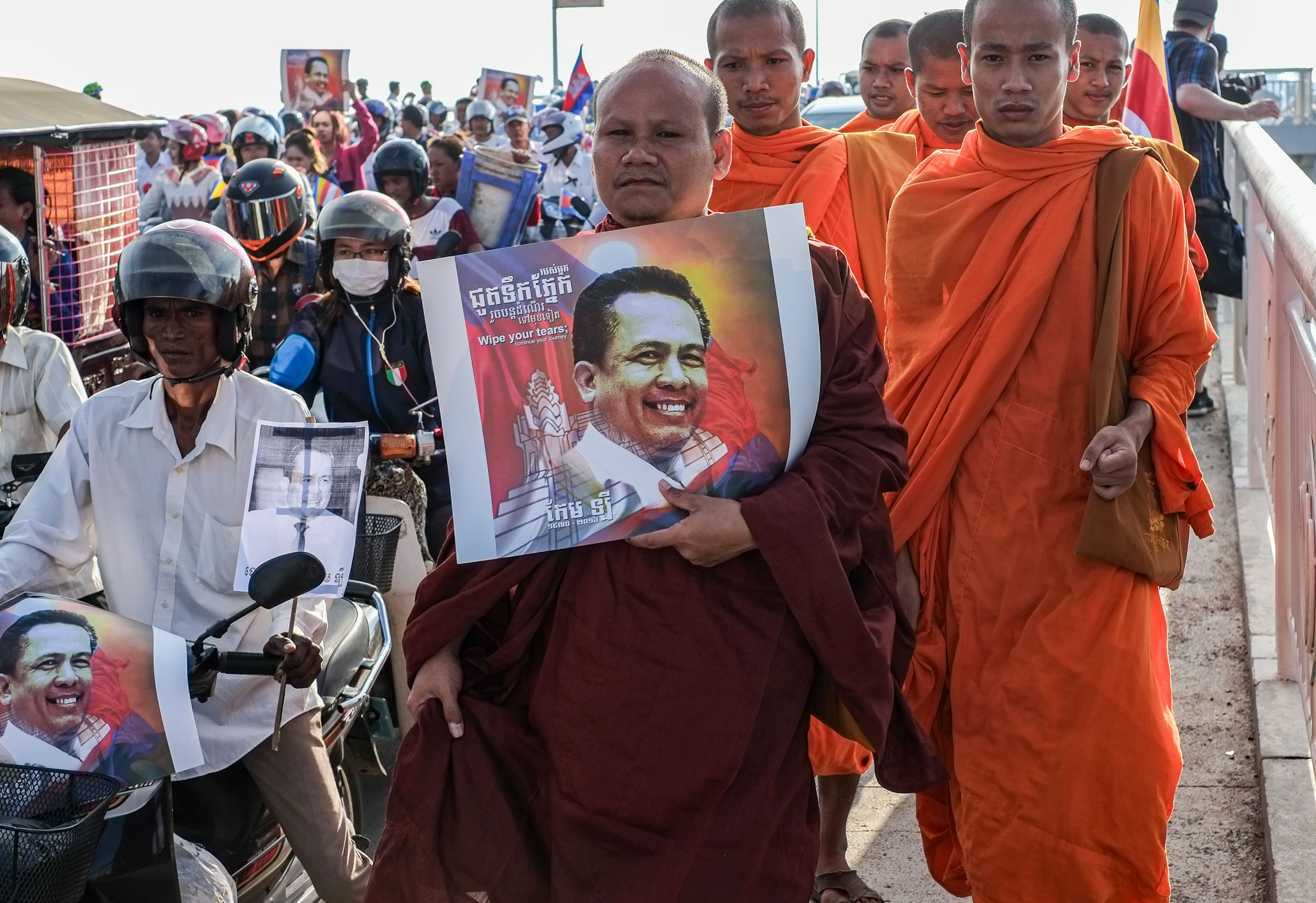
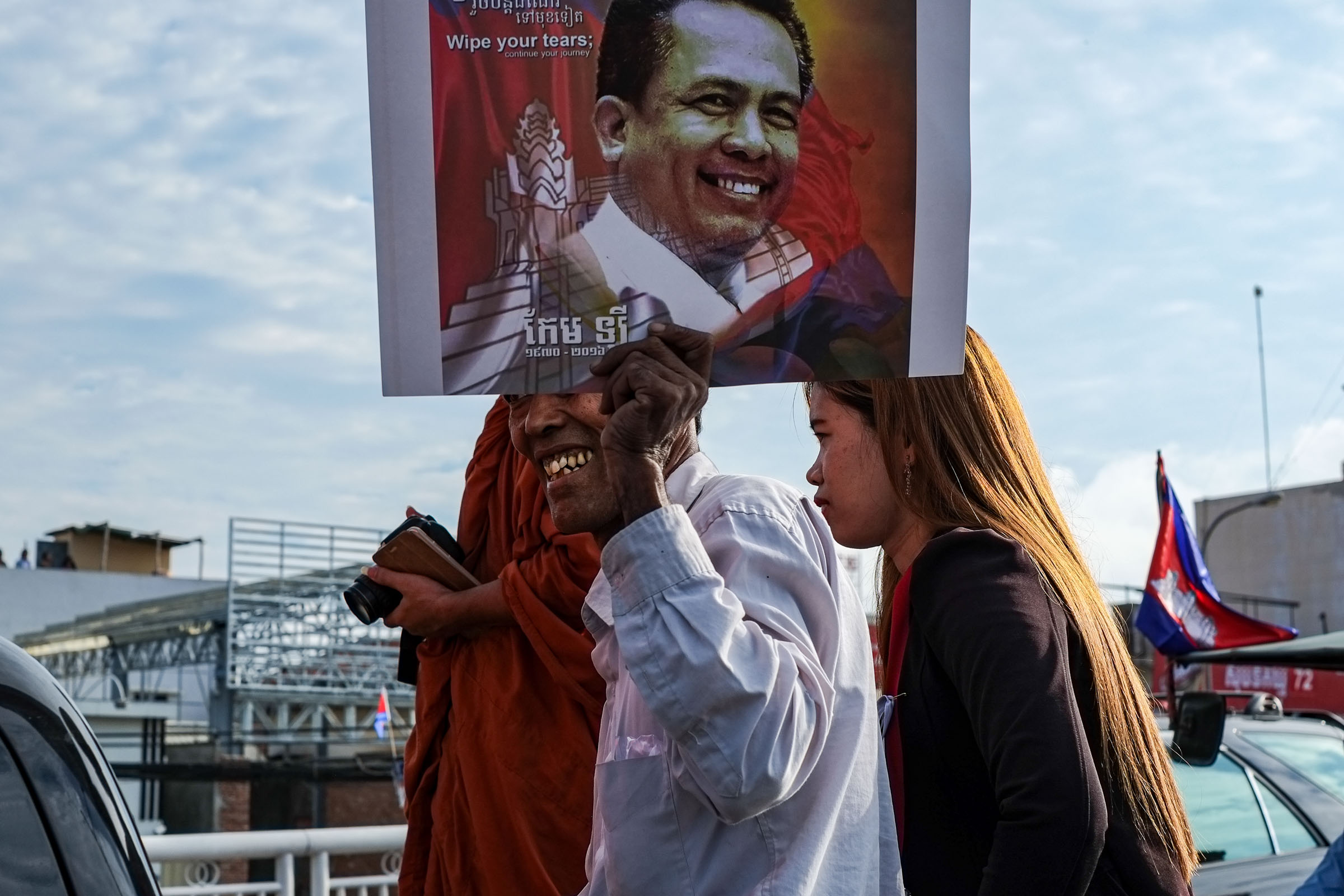
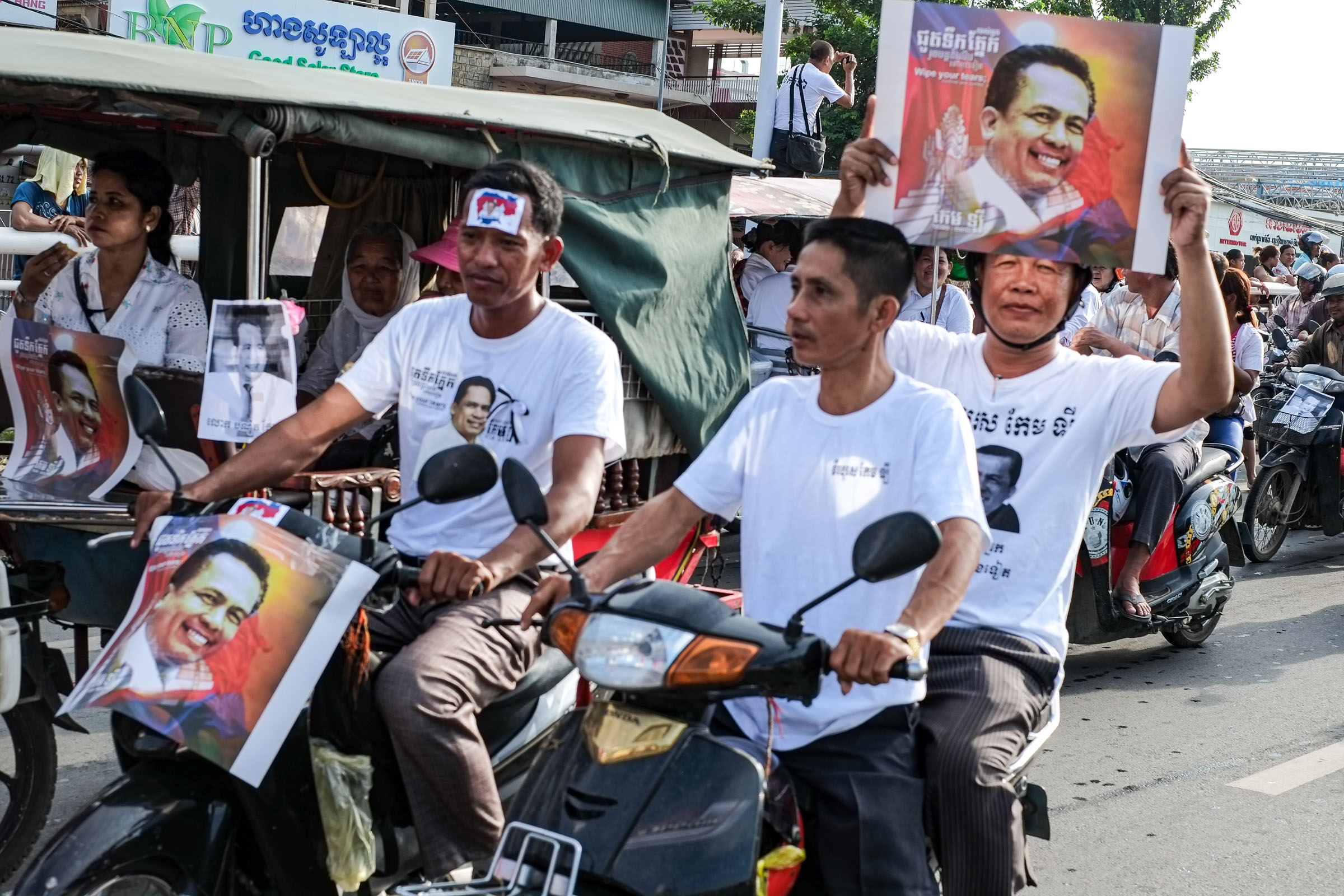
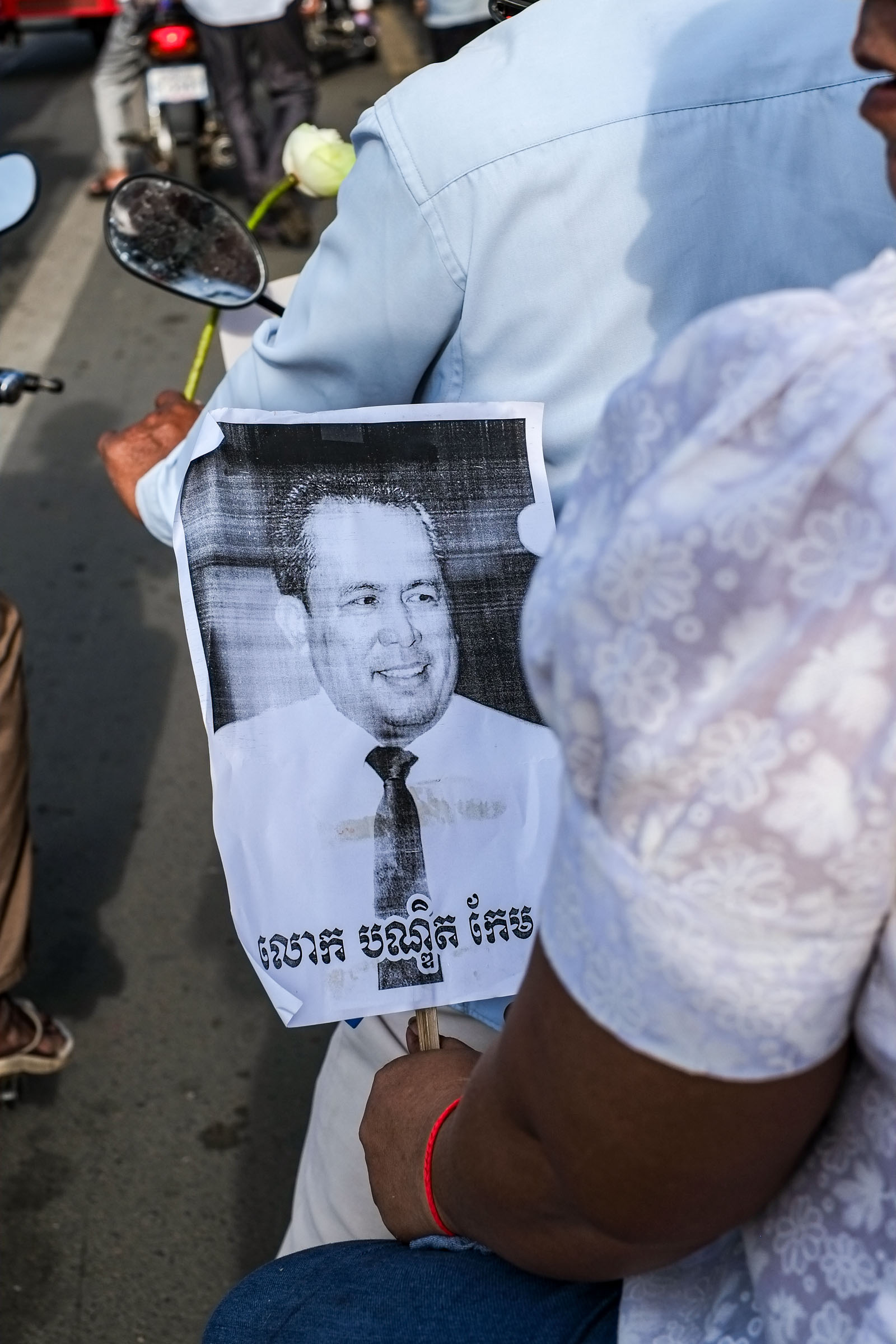
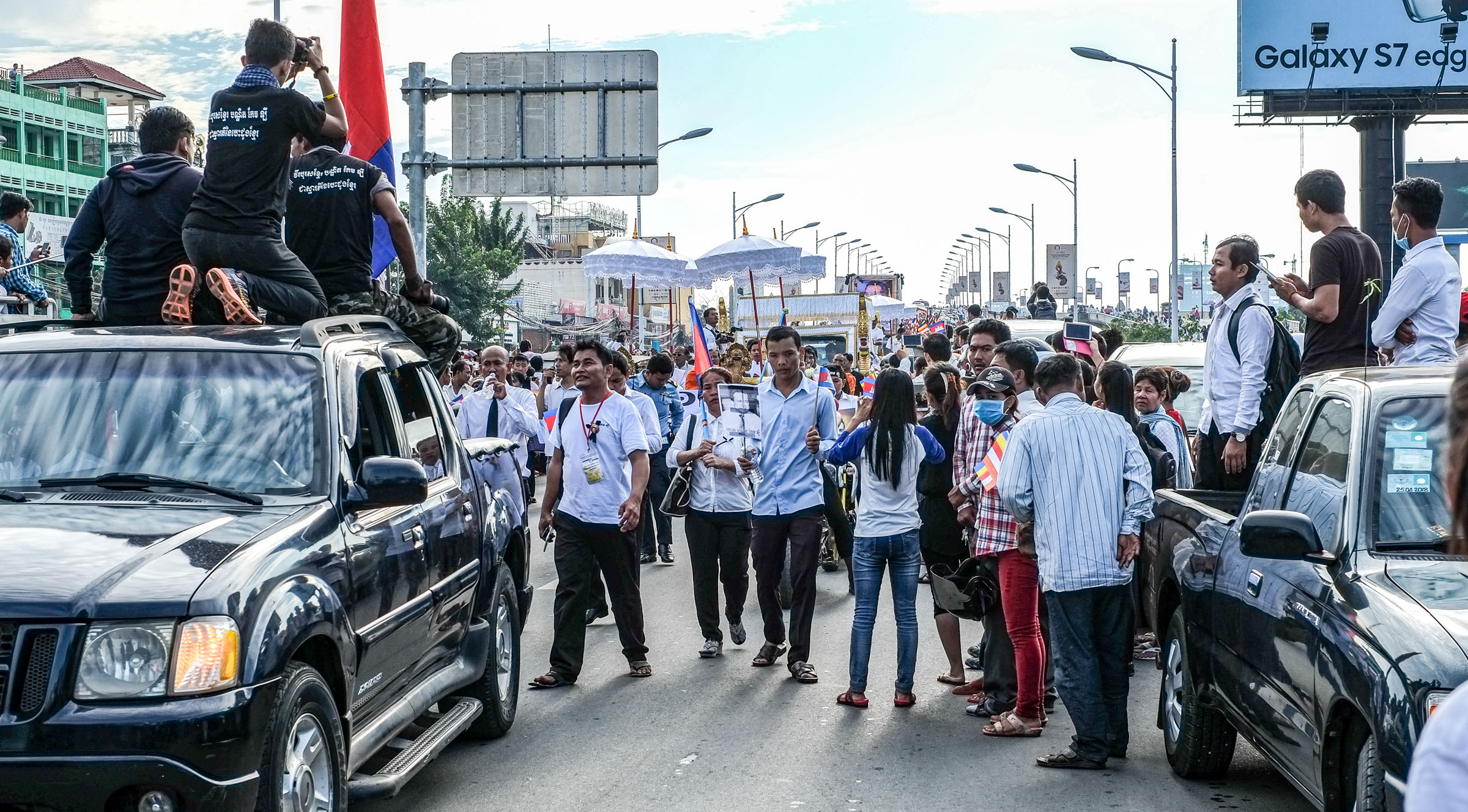
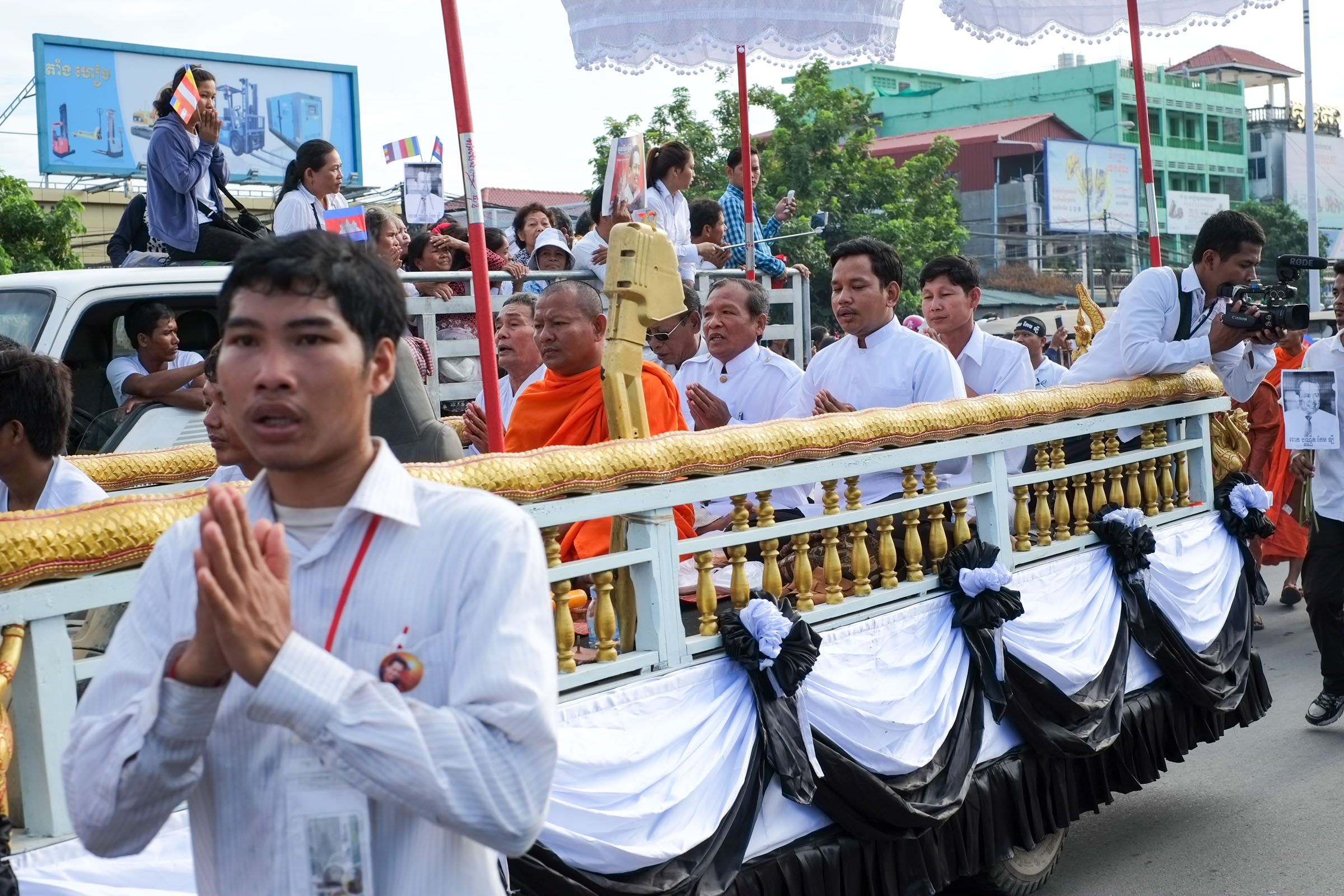
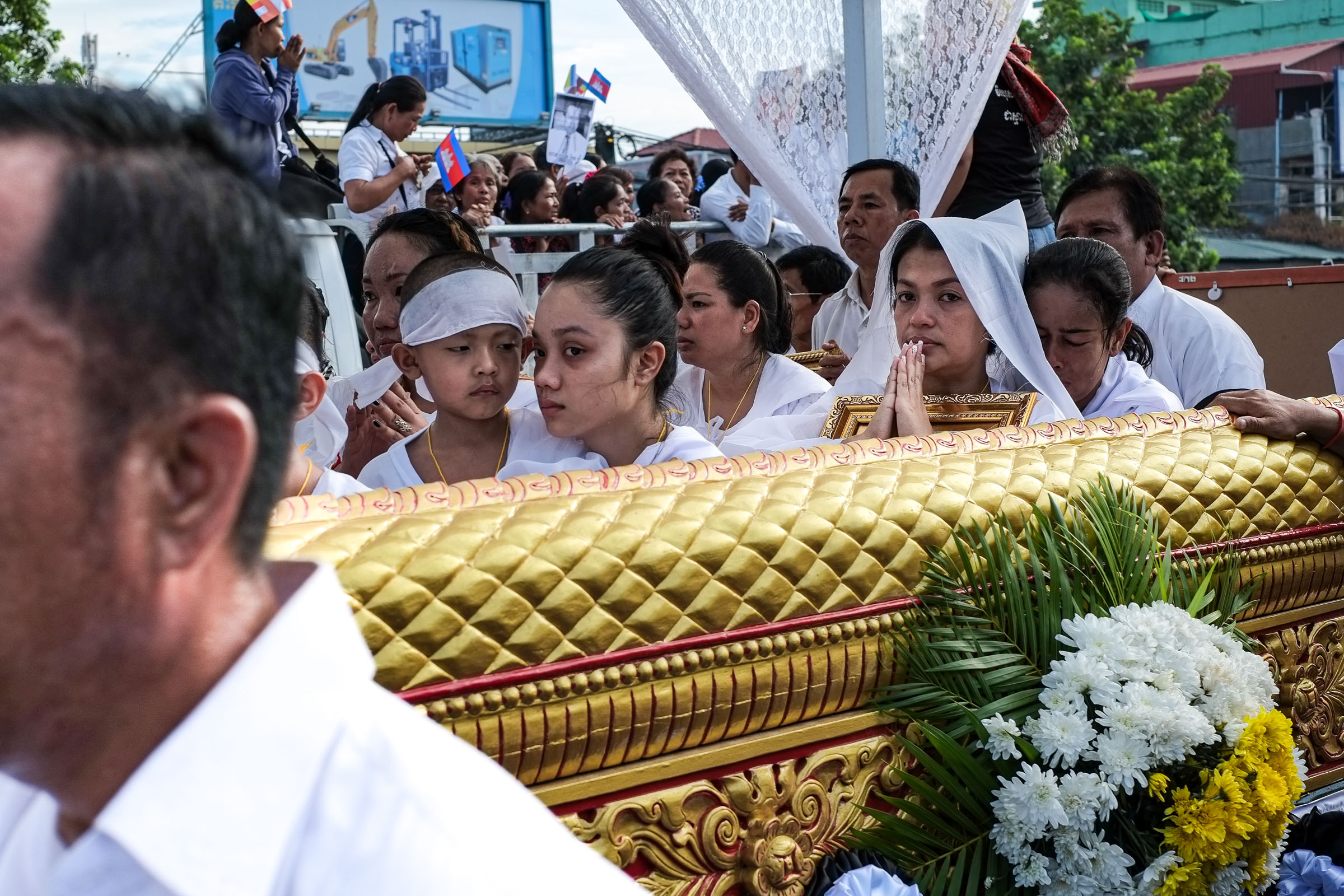
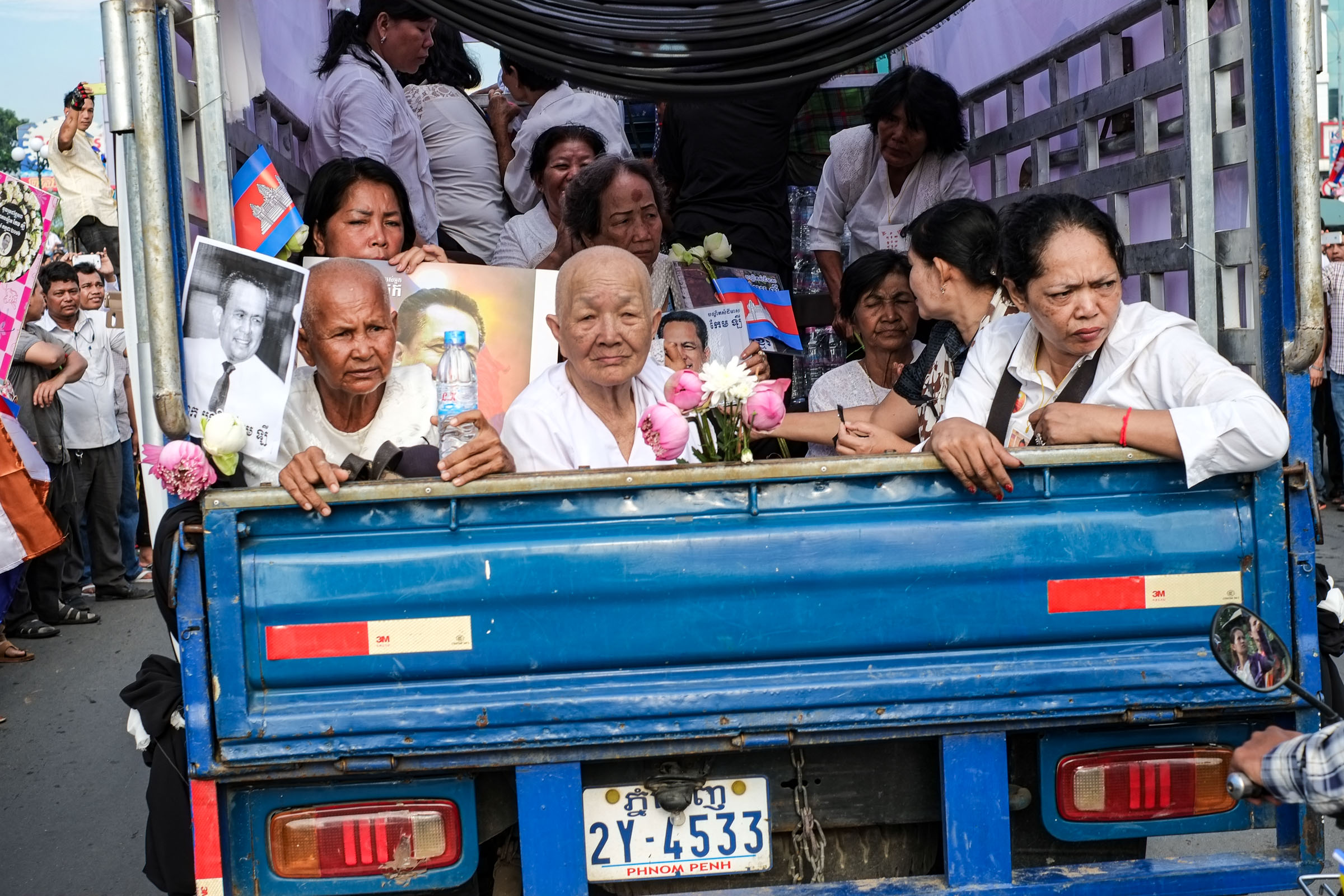
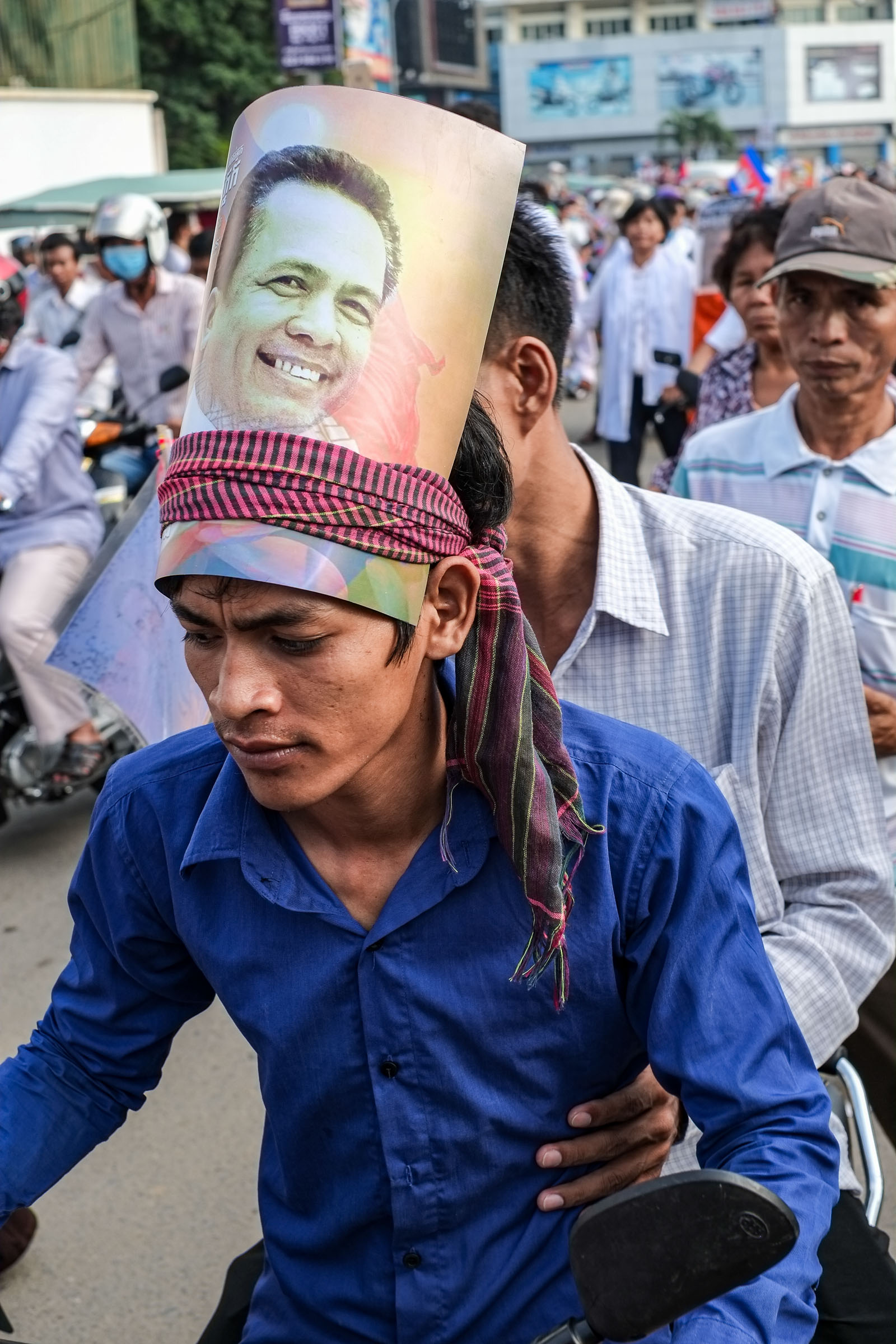
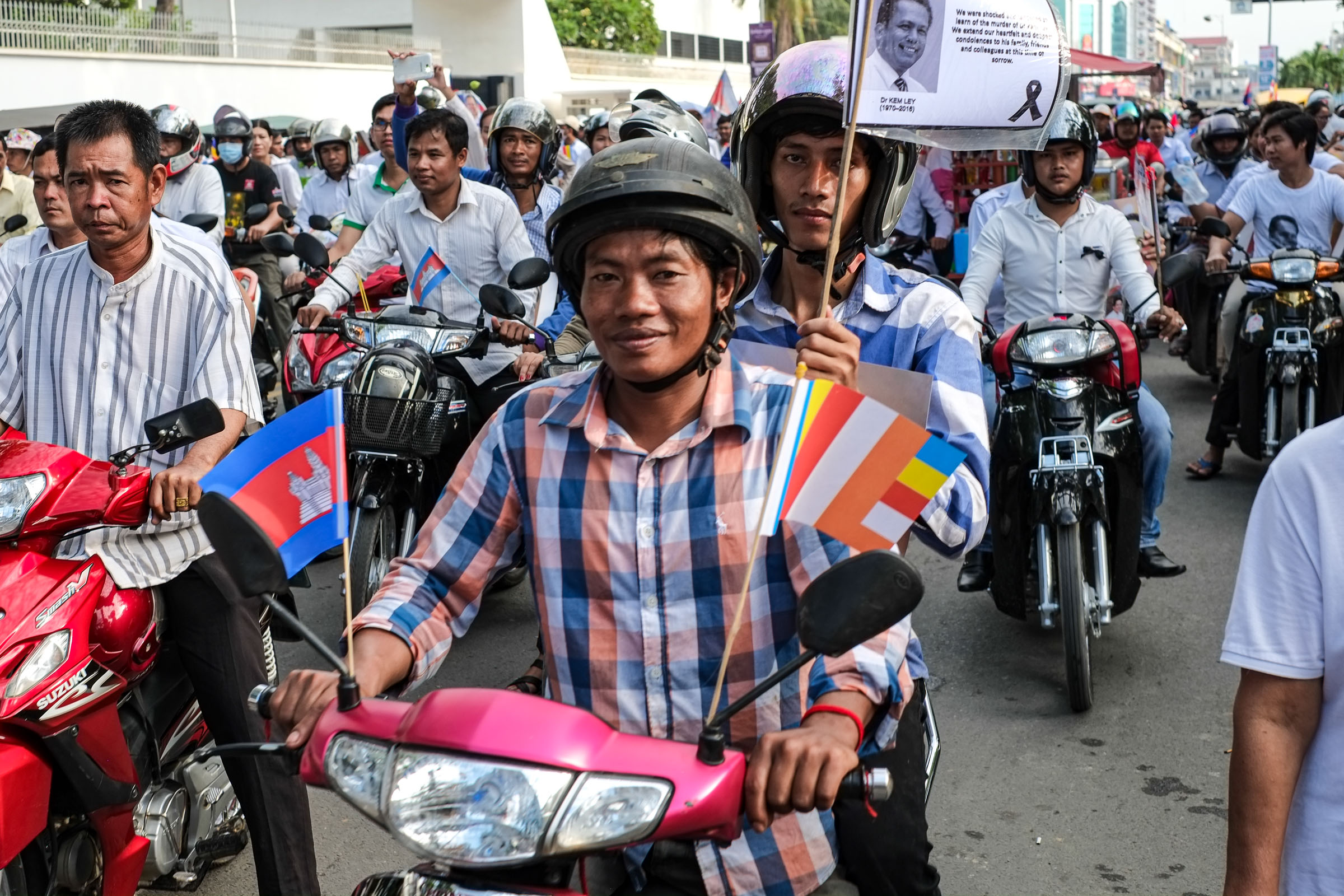
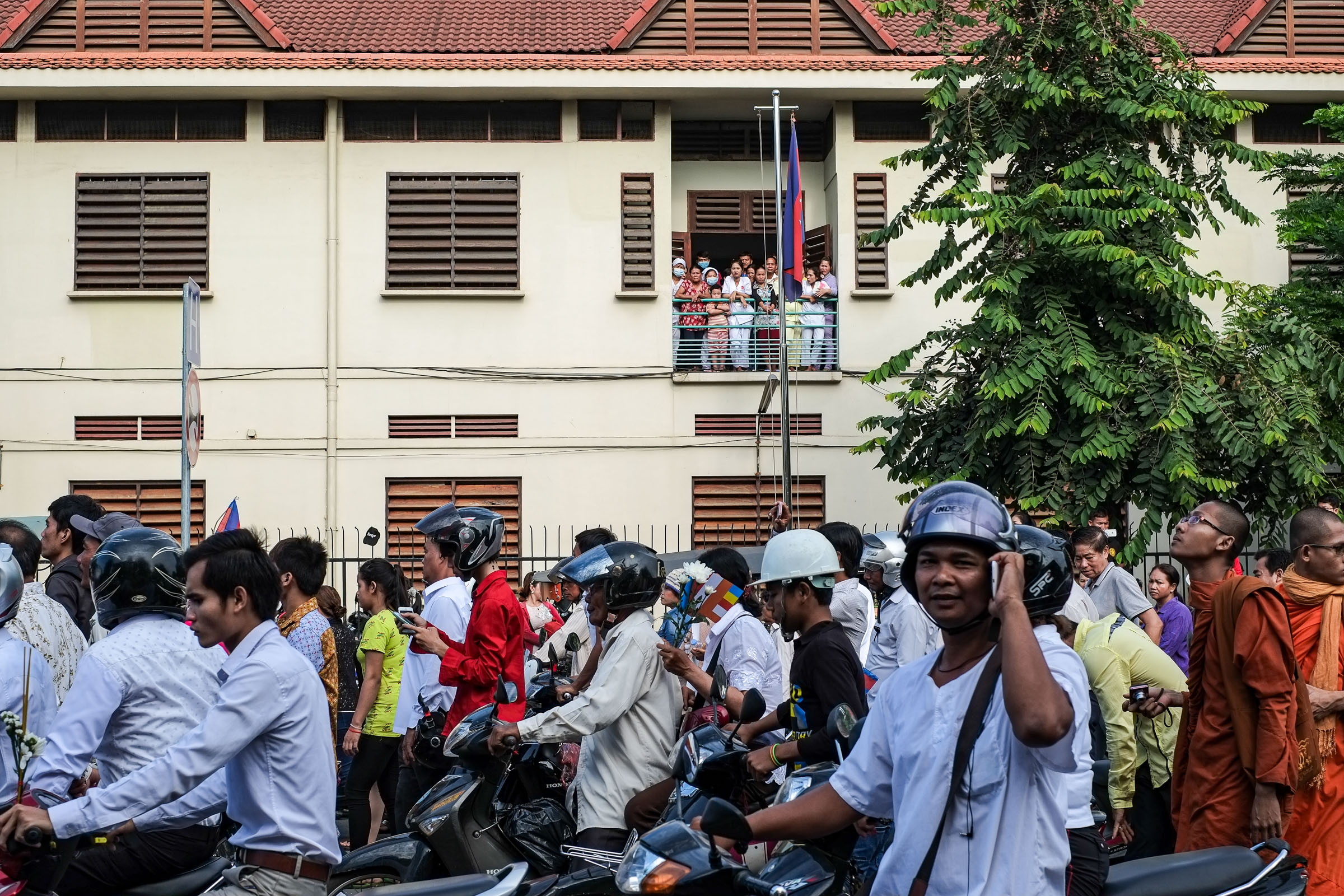
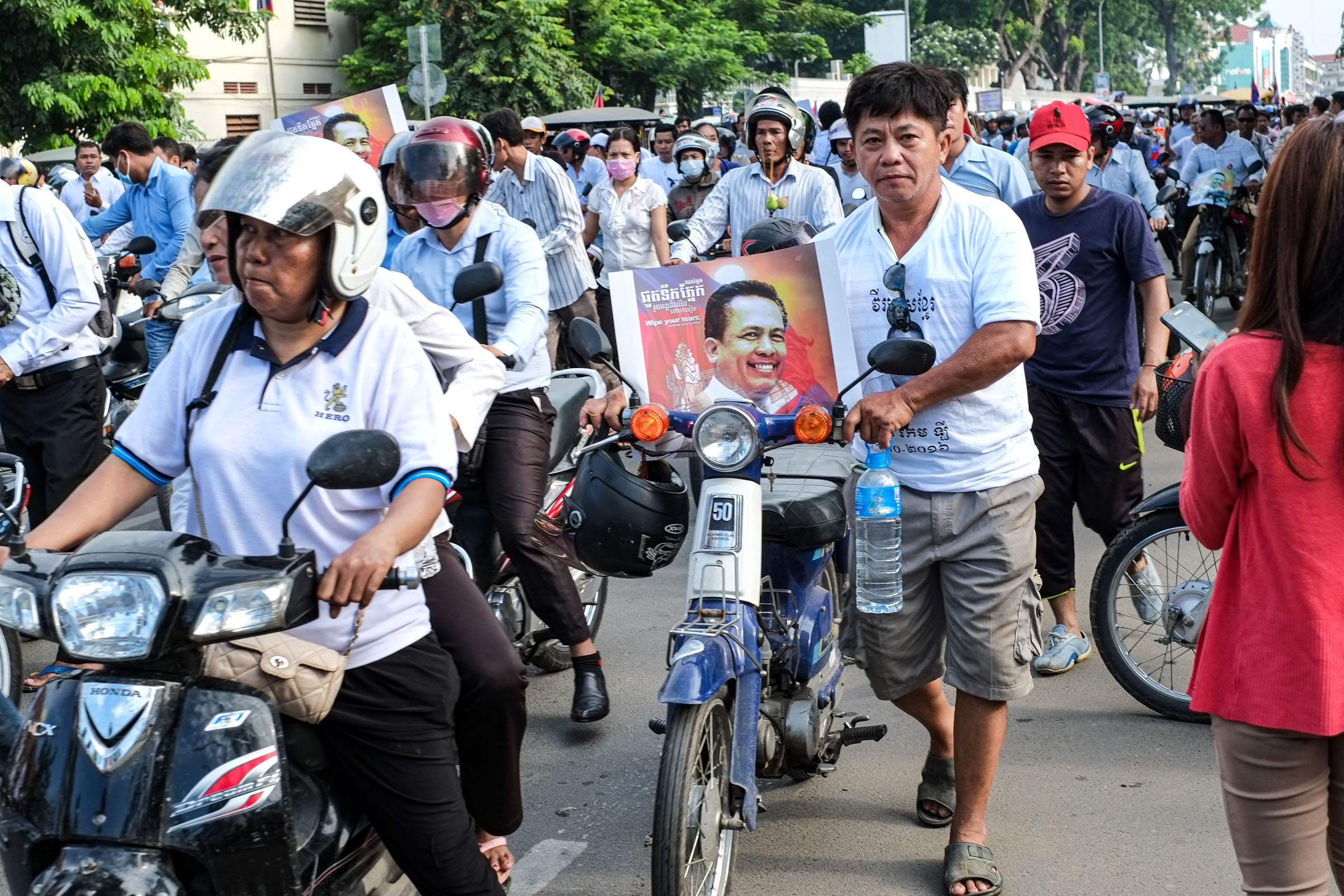
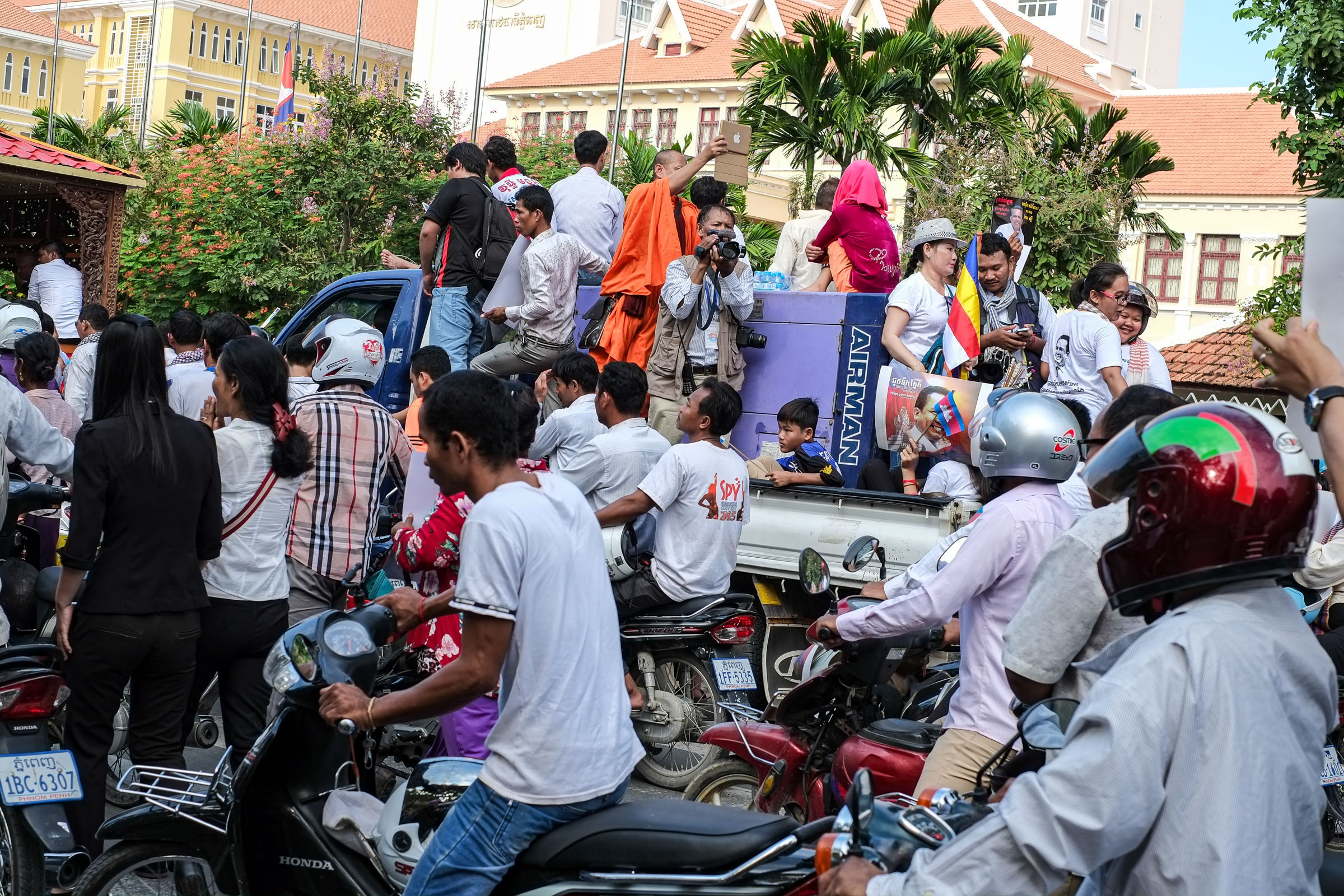
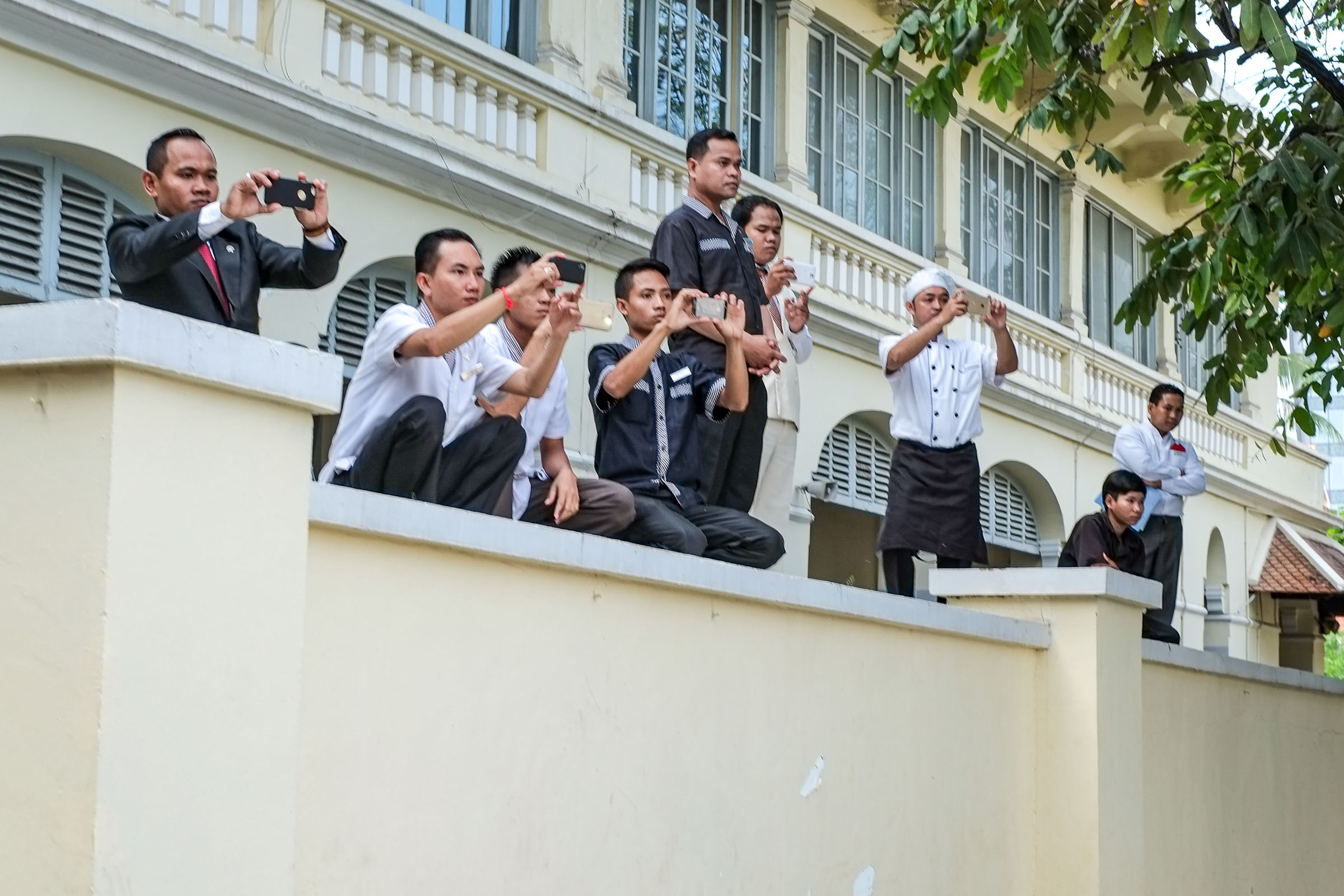
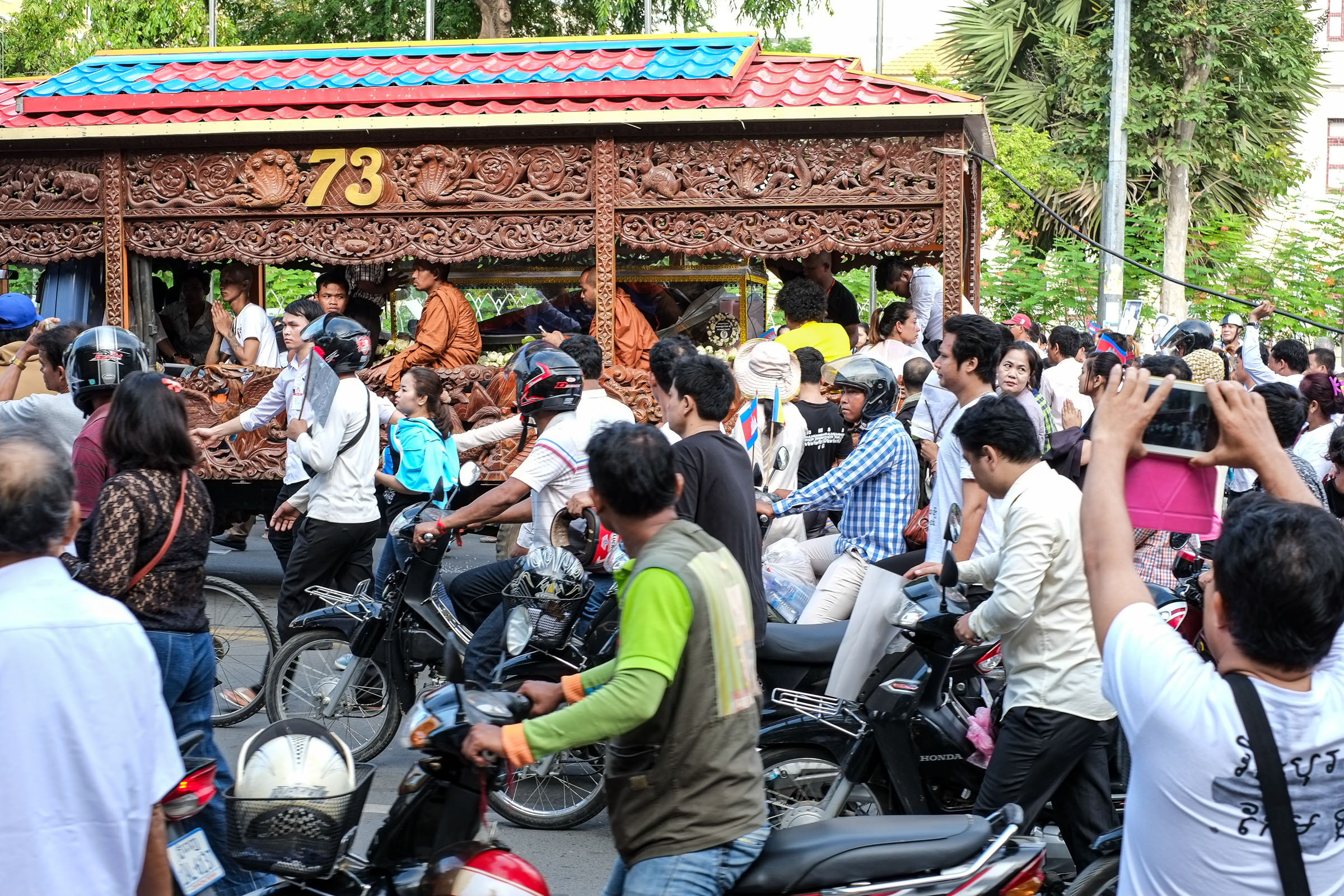
Legacy: Much domestic and international criticism followed his death, and he received the largest attendance at his funeral for a non-royal person in Cambodia.
Kem Ley was a prominent Cambodian political commentator, activist, and physician known for his outspoken criticism of the Cambodian government, particularly the ruling Cambodian People’s Party (CPP) led by the then Prime Minister Hun Sen.
Born on October 19, 1970, in Takeo province, Kem Ley was deeply involved in political and social issues, often addressing corruption, illegal logging, and border disputes.
On July 10, 2016, Kem Ley was tragically assassinated while having coffee at a petrol station in Phnom Penh. His murder sent shockwaves through Cambodia, with many suspecting political motives behind the killing. The gunman, who claimed to have killed Kem Ley over an unpaid debt, was quickly apprehended, but few believed his story.
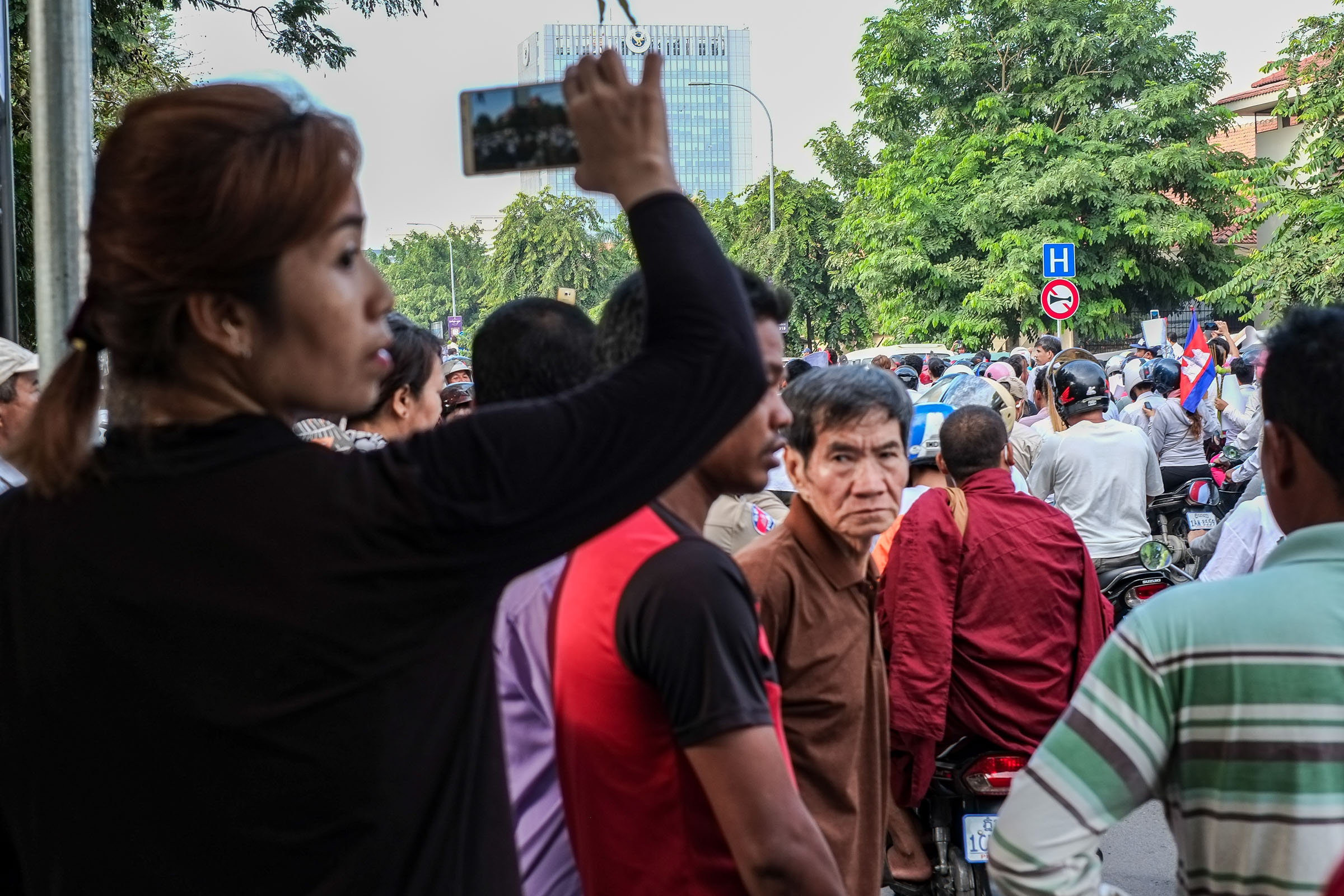
Kem Ley’s death was a significant loss for Cambodia, as he was a voice for many ordinary citizens and a critic of both the government and opposition. His funeral procession drew tens of thousands of mourners, highlighting the impact he had on the nation.
Kem Ley was known for his clear and impactful messages that resonated with many Cambodians. Some of his key messages included:
Anti-Corruption: Kem Ley was a vocal critic of corruption within the Cambodian government. He often highlighted the need for transparency and accountability, particularly criticizing the ruling Cambodian People’s Party (CPP) and Prime Minister Hun Sen.
Social Justice: He advocated for social justice and equality, emphasizing the importance of addressing the needs and rights of ordinary citizens. He believed in empowering people to speak out against injustices and to demand better governance.
Nationalism and Sovereignty: Kem Ley often spoke about the importance of Cambodian nationalism and sovereignty. He was critical of foreign influence, particularly from Vietnam, and urged Cambodians to protect their national interests.
Grassroots Engagement: Through his “100 Nights Campaign,” Kem Ley spent time in rural areas, listening to the concerns of local communities. He believed in understanding the root causes of issues by engaging directly with the people affected.
Balanced Critique: Unlike many commentators, Kem Ley provided balanced critiques of both the government and the opposition. He aimed to present a fair and comprehensive analysis of the political landscape, making his insights accessible to ordinary people.
Kem Ley’s messages continue to inspire many in Cambodia, reflecting his commitment to a more just and transparent society.
Introduction: Defining the Role of Photojournalism as Agent Provocateur
Photojournalism, at its core, is more than just capturing moments in time. It is a powerful medium capable of shaping narratives, influencing public opinion, and even sparking social change. In its most potent form, photojournalism acts as an “agent provocateur,” challenging the status quo, exposing injustices, and prompting critical reflection. This essay explores the role of photojournalism as a catalyst for change, examining how photographers wield the power of the image to ignite dialogue, raise awareness, and ultimately, drive action.
The Ethics and Power of Image: How Photos Can Shape Public Perception
Photojournalism, at its core, is about capturing the truth. It’s about presenting a moment, an event, a human experience in a way that resonates with viewers, leaving a lasting impact on their understanding of the world. But the power of a photograph goes beyond mere documentation; it has the potential to shape public perception, influence opinions, and even spark social change. This power, however, comes with a weighty responsibility.
A single image can evoke a myriad of emotions, from empathy and outrage to fear and indifference. The framing of a shot, the choice of subject matter, the accompanying caption – all these elements contribute to the narrative that the photograph conveys. It’s crucial for photojournalists to be mindful of the potential impact their work can have, ensuring that the images they present are truthful, ethical, and avoid perpetuating harmful stereotypes.
Moreover, the power of images is amplified by the pervasiveness of social media. Images shared online can quickly go viral, reaching a global audience and shaping public discourse. The ease of sharing and the speed at which information travels online demand a heightened sense of ethical responsibility from photojournalists.
The ethical considerations surrounding photojournalism are complex and multifaceted. The photographer’s role is not merely to capture a scene but to be a responsible storyteller, ensuring that the truth is conveyed accurately and ethically. It’s a balancing act between capturing the reality of a situation and avoiding the exploitation or manipulation of those involved. As the adage goes, “a picture is worth a thousand words,” and in the hands of a skilled and responsible photojournalist, it can be a powerful tool for understanding, empathy, and change.
Case Studies: Photojournalism that Sparked Action and Social Change
The power of photojournalism to ignite action and drive social change is undeniable. Throughout history, photographers have captured moments that have awakened the world to injustice, inequality, and the urgent need for reform. These images have served as potent catalysts, galvanizing public opinion and prompting governments and organizations to take action.
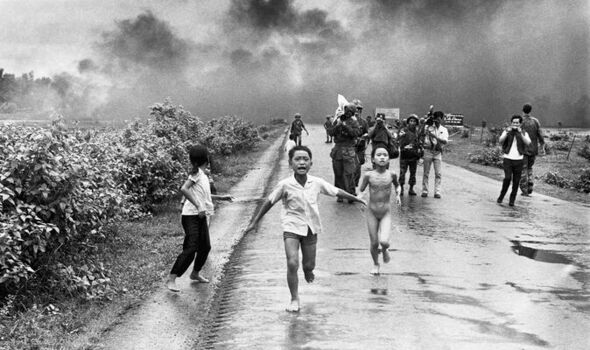
One such case is the iconic photograph of a young girl, Kim Phuc, running naked down a road after being napalmed during the Vietnam War. Taken by Associated Press photographer Nick Ut in 1972, the image became a symbol of the war’s brutality and the suffering of innocent civilians. It sparked global outrage and helped turn public opinion against the war, ultimately contributing to the US withdrawal.
Another compelling example is the work of photojournalist Kevin Carter, who captured a poignant image of a starving Sudanese child being stalked by a vulture in 1993. This photograph, which won Carter a Pulitzer Prize, brought the plight of the Sudanese people to the forefront of international attention. It also ignited a debate about the role of the photographer in such situations, prompting questions about the ethics of documenting suffering without directly intervening.
These cases demonstrate the undeniable power of photojournalism to act as a powerful agent for social change. By capturing and disseminating images that expose injustice and human suffering, photojournalists can awaken the conscience of the world and inspire action.
The Role of the Photographer: Balancing Objectivity with Advocacy
The photographer, standing at the intersection of truth and power, navigates a complex terrain where objectivity and advocacy often collide. While aiming for a balanced representation of reality, the photojournalist often bears witness to injustices and feels compelled to act as a voice for the voiceless. This delicate dance between neutrality and engagement is a defining characteristic of the profession.
The photographer’s role is not simply to document events but to present them in a way that compels viewers to consider their implications. This requires a careful consideration of framing, composition, and the overall narrative conveyed by the image. While striving for objectivity, the photographer must also acknowledge their own biases and perspectives, striving for transparency and accountability in their work.
The challenge lies in finding the right balance. A photojournalist must be able to capture the essence of a story without manipulating it for emotional impact or to push a particular agenda. This requires a strong ethical compass and a commitment to journalistic integrity. Ultimately, the photographer’s goal is to empower viewers to understand the world around them and to become active participants in shaping a more just and equitable society.
The Impact of the Digital Age: Challenges and Opportunities for Photojournalism
The digital age has profoundly impacted photojournalism, presenting both significant challenges and unprecedented opportunities. While the internet and social media have democratized access to information and empowered citizen journalists, they have also led to a proliferation of misinformation and the blurring of lines between professional and amateur photography.
One of the most significant challenges is the rise of “fake news” and the manipulation of images. The ease with which images can be altered and shared online has made it difficult for audiences to discern truth from fabrication. This has eroded trust in traditional media and created a climate of skepticism.
However, the digital age has also opened up new avenues for photojournalists to reach audiences and tell stories. Social media platforms like Instagram and Twitter have become powerful tools for disseminating images and connecting with audiences around the world. Photojournalists are now able to use these platforms to engage in real-time reporting, share their work directly with the public, and build communities around their photography.
Moreover, the development of new technologies like drone photography and virtual reality has provided photojournalists with innovative ways to capture and present their work. These technologies offer immersive experiences that can transport audiences to the heart of events and foster deeper understanding.
In conclusion, the digital age has presented photojournalism with both challenges and opportunities. While the spread of misinformation and the erosion of trust are significant concerns, the digital landscape also provides new tools for reaching audiences, engaging in real-time reporting, and presenting stories in innovative ways. As photojournalism navigates this evolving media environment, it must adapt to the challenges while embracing the opportunities to continue its vital role as a powerful force for social change.
Conclusion: The Enduring Power of Photojournalism to Challenge the Status Quo
In a world saturated with information, photojournalism remains a potent force for change. Its ability to capture the raw emotion and reality of events, often in a single, powerful image, can transcend language barriers and ignite empathy. Photojournalists, acting as agents provocateurs, wield the camera as a tool to challenge the status quo, expose injustice, and spark social change. Their work is not merely documentation; it is a call to action, a testament to the enduring power of visual storytelling.
While the digital age has brought new challenges and opportunities, the core principles of photojournalism remain steadfast. Ethical considerations and the pursuit of truth continue to guide the craft. The power of a single photograph to shape public perception and drive societal change is undeniable. In a world where information is often manipulated and distorted, photojournalism stands as a beacon of truth, holding a mirror to society and urging us to confront the realities we often choose to ignore. It is a reminder that even in the face of adversity, the human spirit, captured through the lens of a camera, can inspire hope and ignite the flames of change.
Photojournalism, in its essence, is a powerful act of defiance. It challenges the dominant narrative, exposes the uncomfortable truths, and compels us to question the world around us. It is a testament to the enduring power of visual storytelling and its ability to spark dialogue, ignite change, and ultimately, shape a better future.
Objectivity in Photography:
Ethical Responsibility: Photographers strive to capture and present images truthfully, avoiding manipulation or exploitation.
Awareness of Bias: They acknowledge personal biases and aim for transparency in their work.
Balanced Representation: Careful consideration of framing and composition to convey a story without pushing an agenda
Journalistic Integrity: A commitment to the ethical standards of journalism guides their approach to storytelling



















































































 a world without pictures is like coffee without cream and sugar, bitter