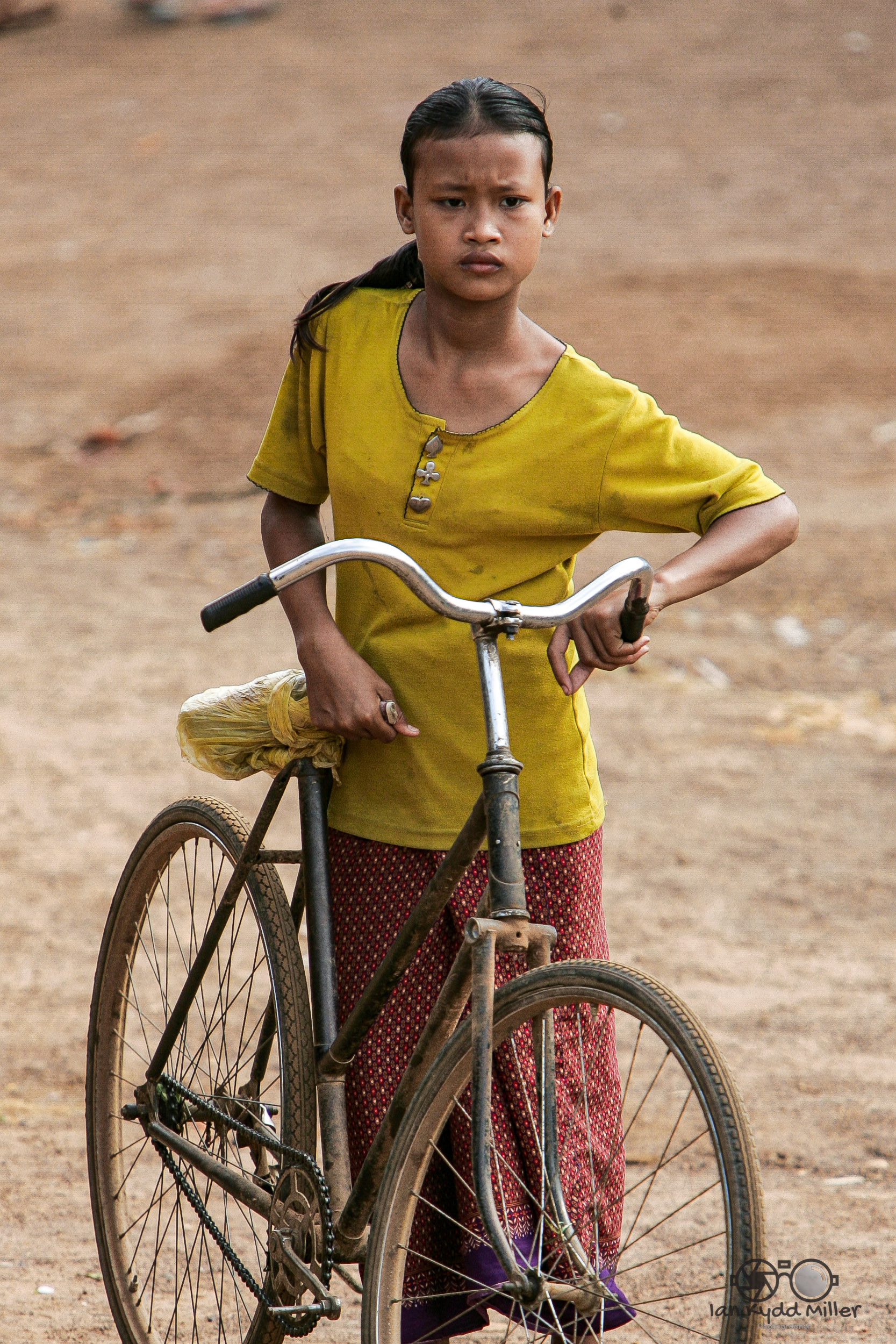
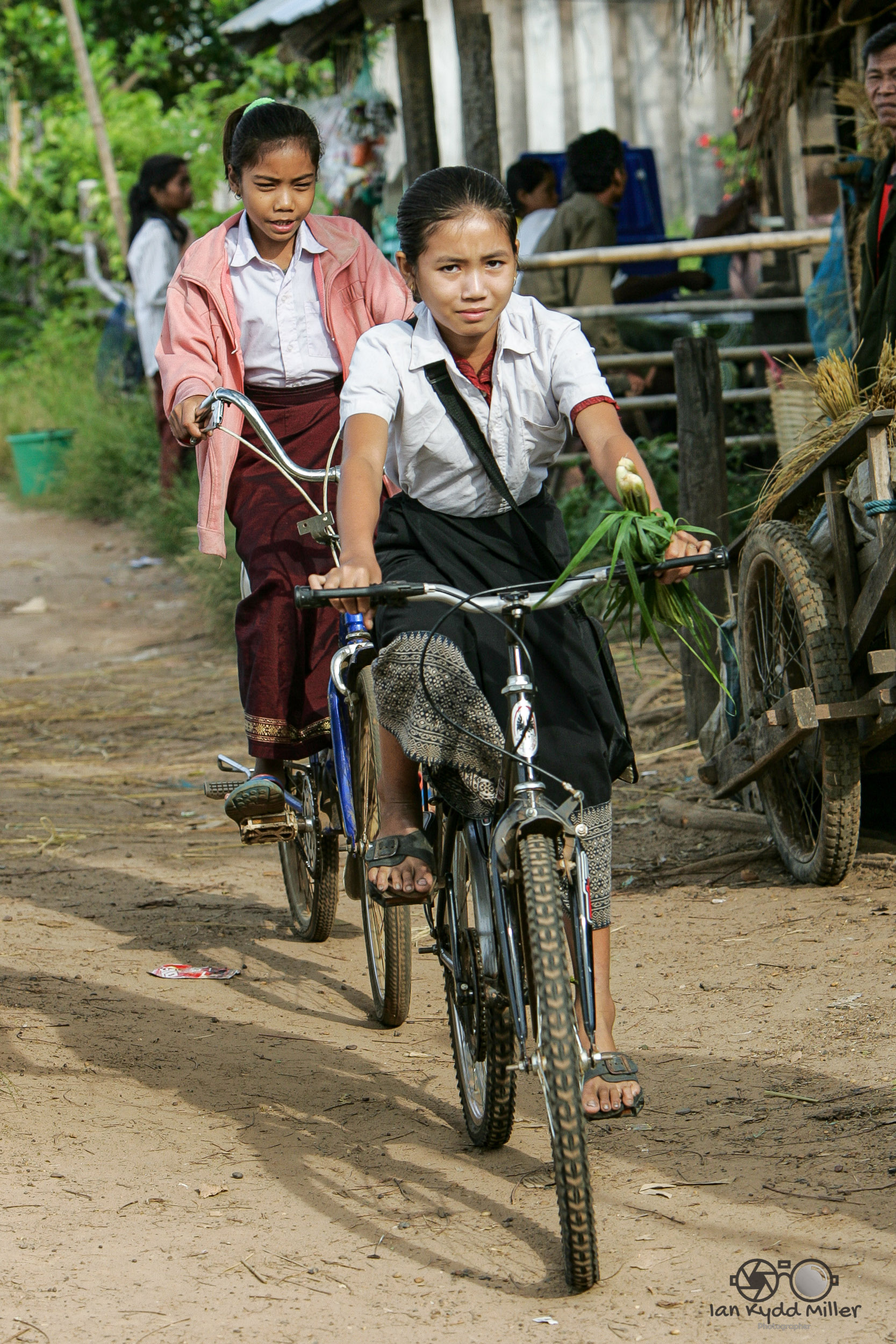
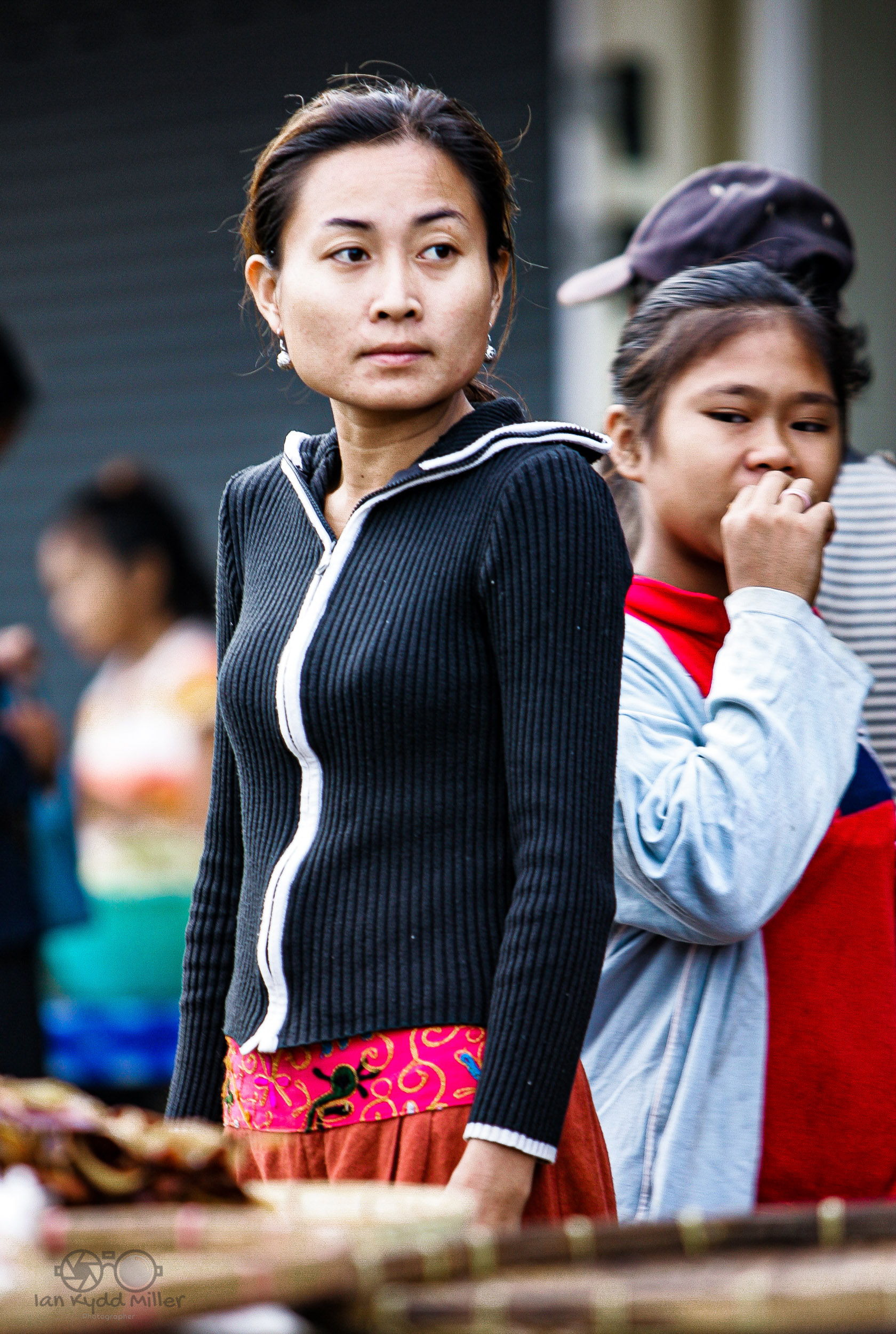
When it comes to creative work like photography, feedback can be incredibly valuable. It offers fresh perspectives and can highlight aspects of your work you might not have noticed. However, it’s also important to remember that art is subjective, and not all criticism will be useful or constructive. It’s beneficial to consider the source of the feedback; a professional photographer’s critique may hold more weight than a casual observer’s opinion. Look for recurring themes in the feedback you receiveโif multiple people point out the same issue, it might be worth taking a closer look. Ultimately, the amount of notice you take should align with your artistic vision and goals. If the criticism resonates with you and helps you grow, it’s worth considering. But if it doesn’t serve your purpose or seems unfounded, it’s okay to trust your instincts and choose which advice to follow and which to let go. Remember, the most important critic of your work is you.
cambodia
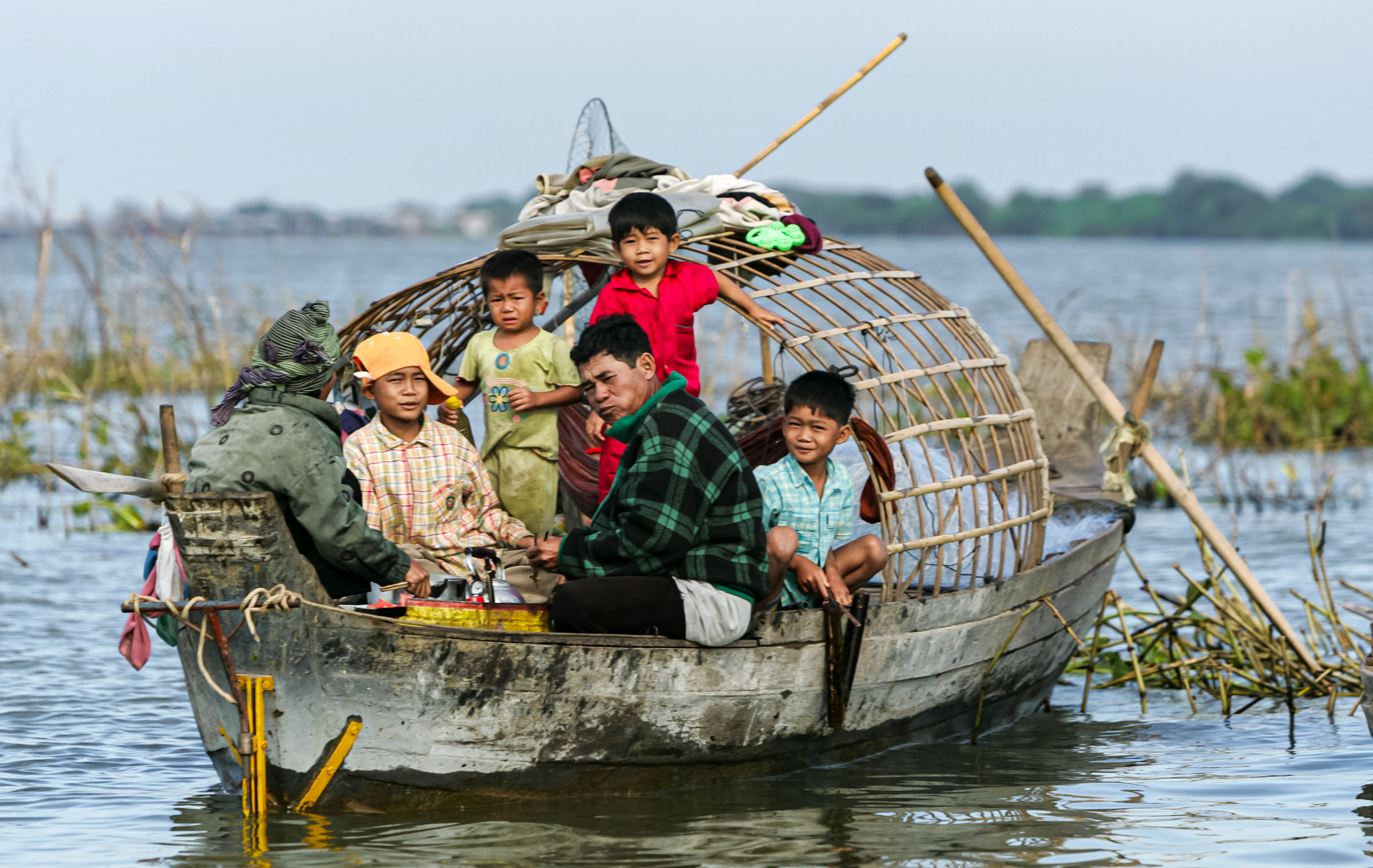
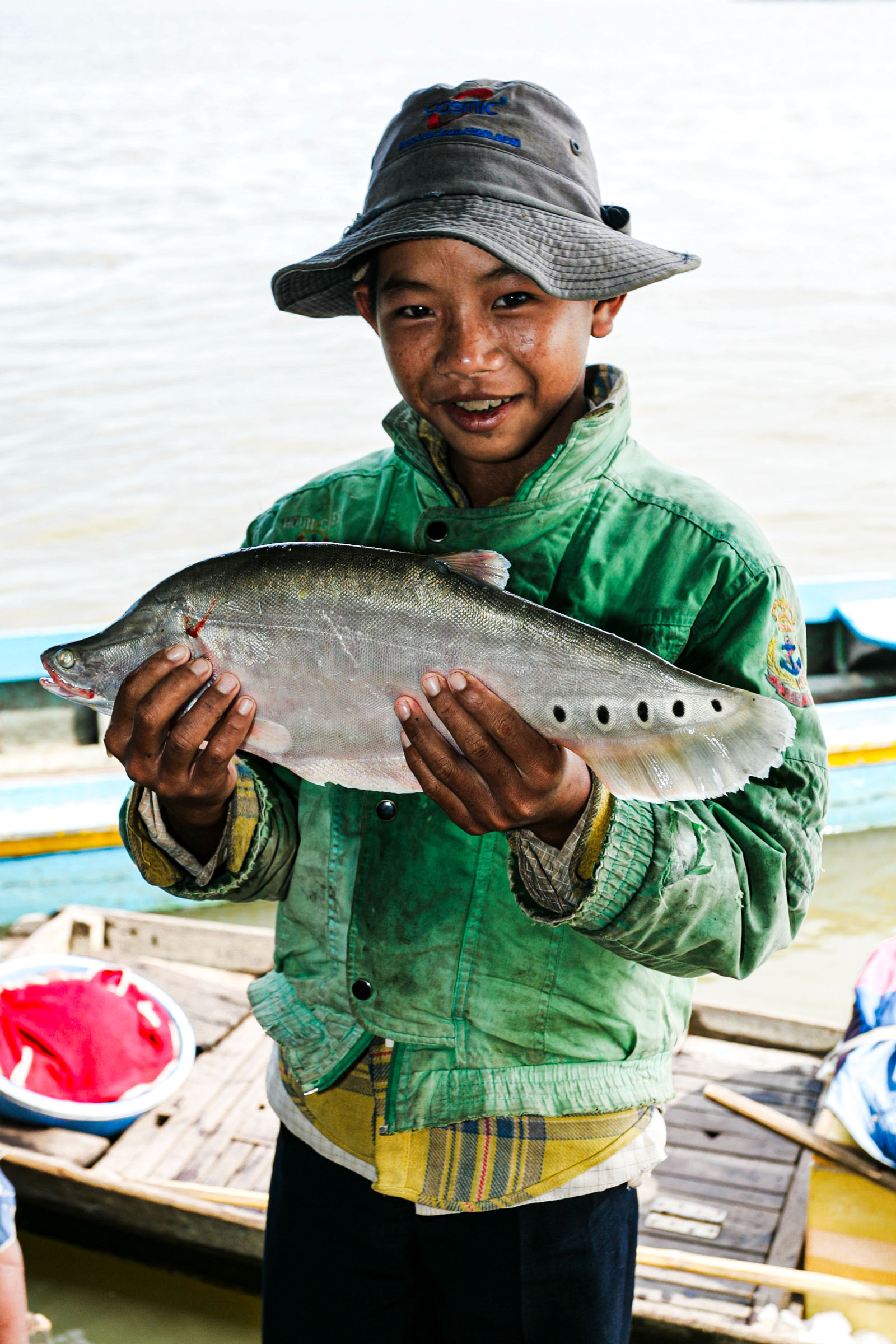
Fisher Families
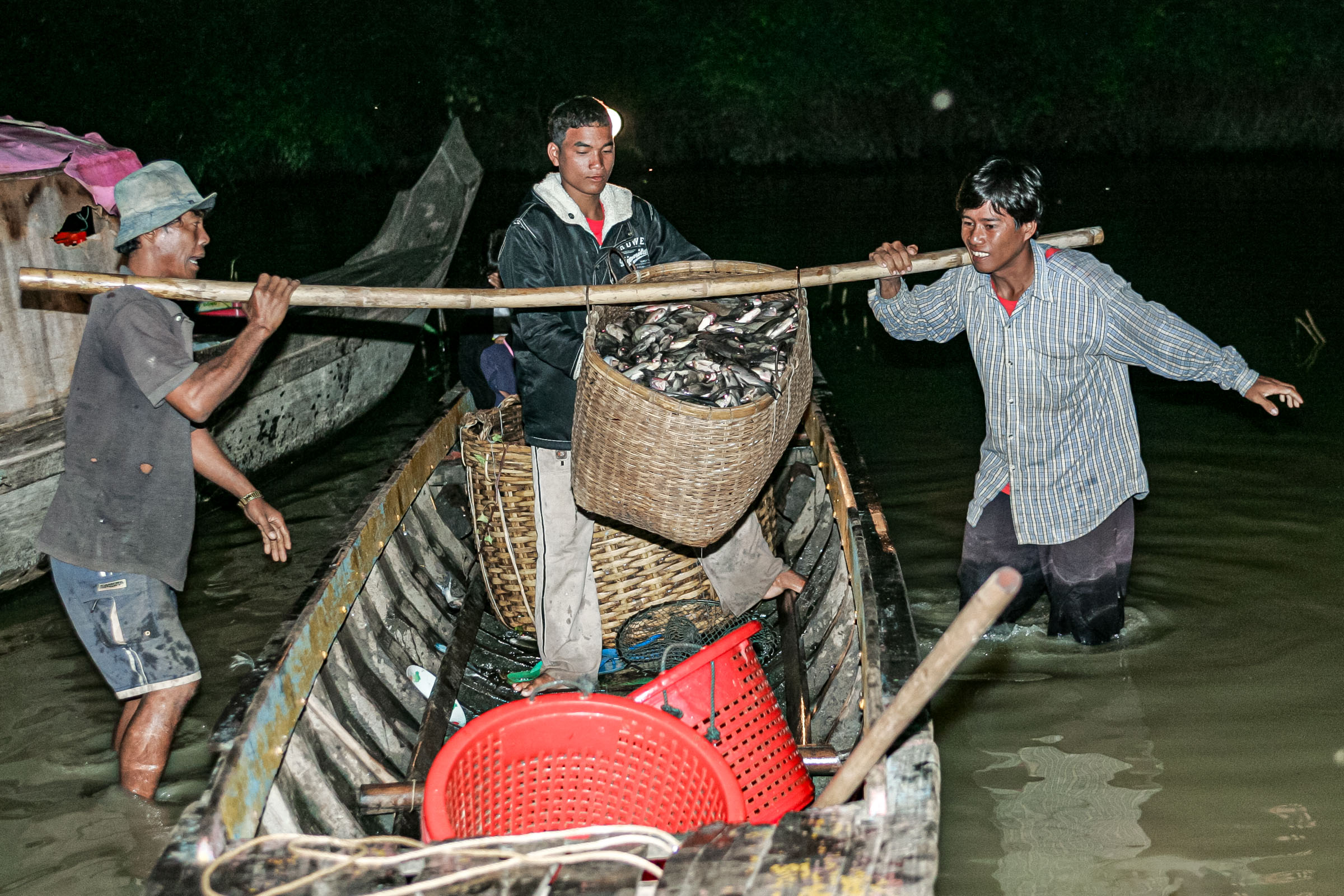
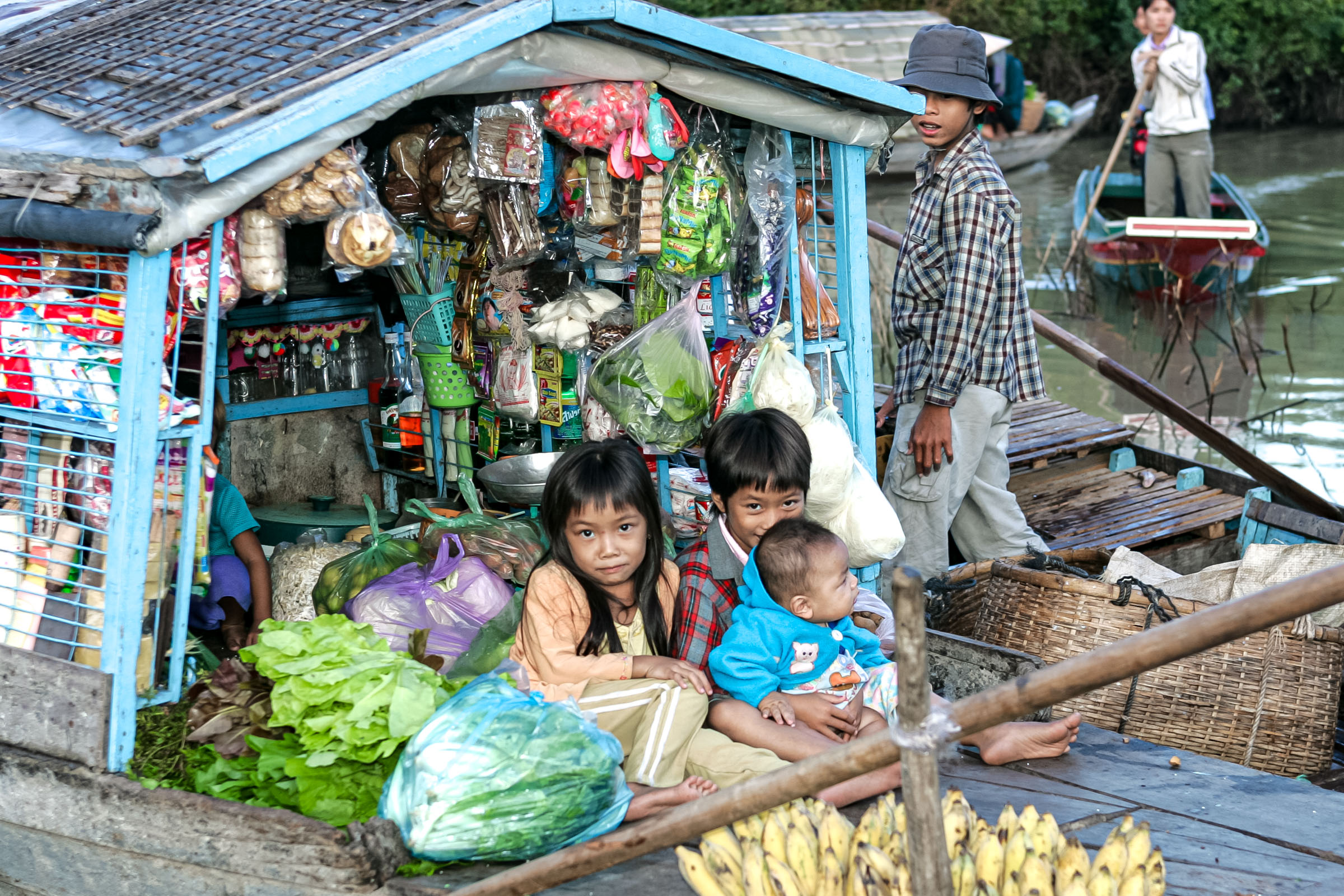
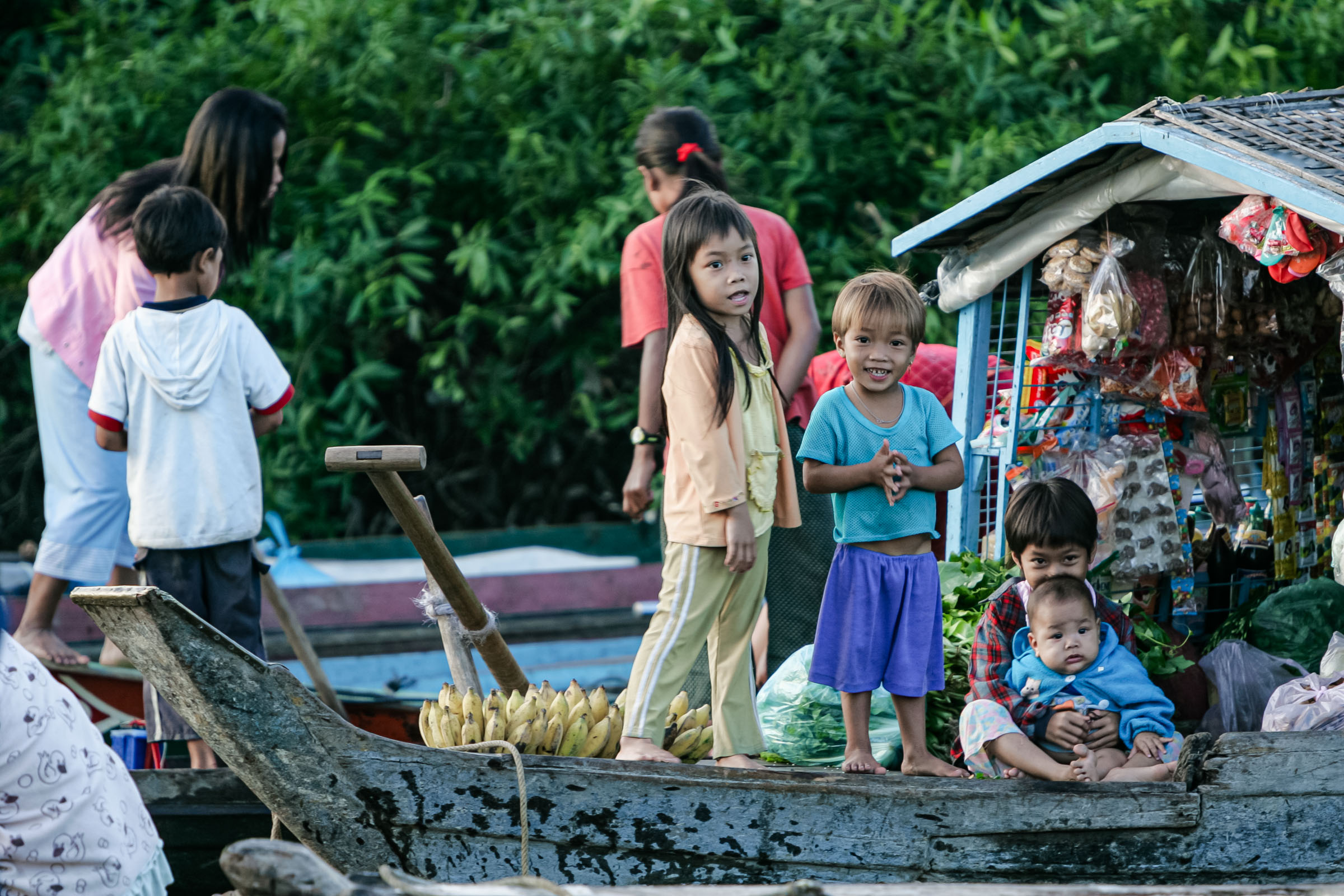
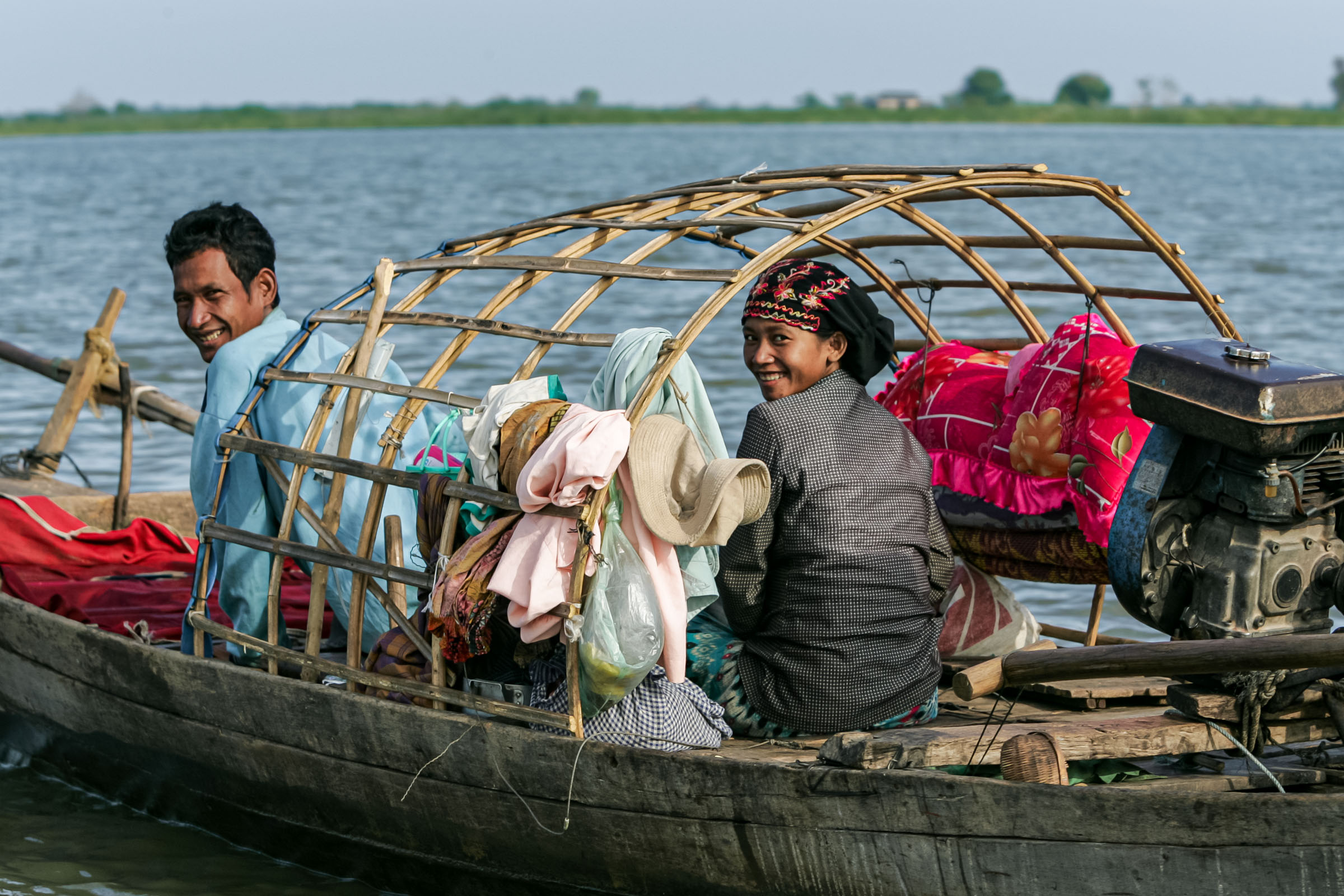
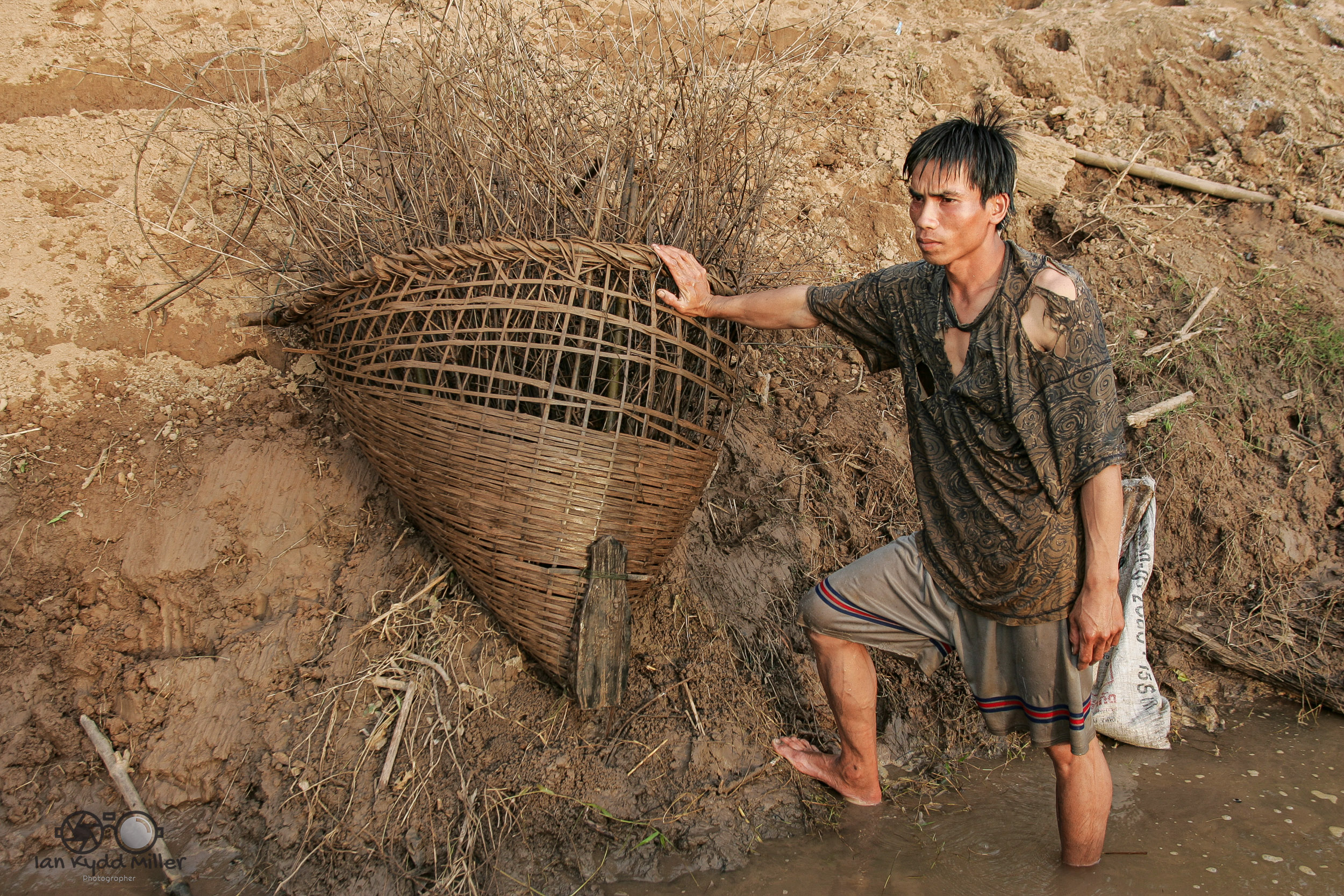
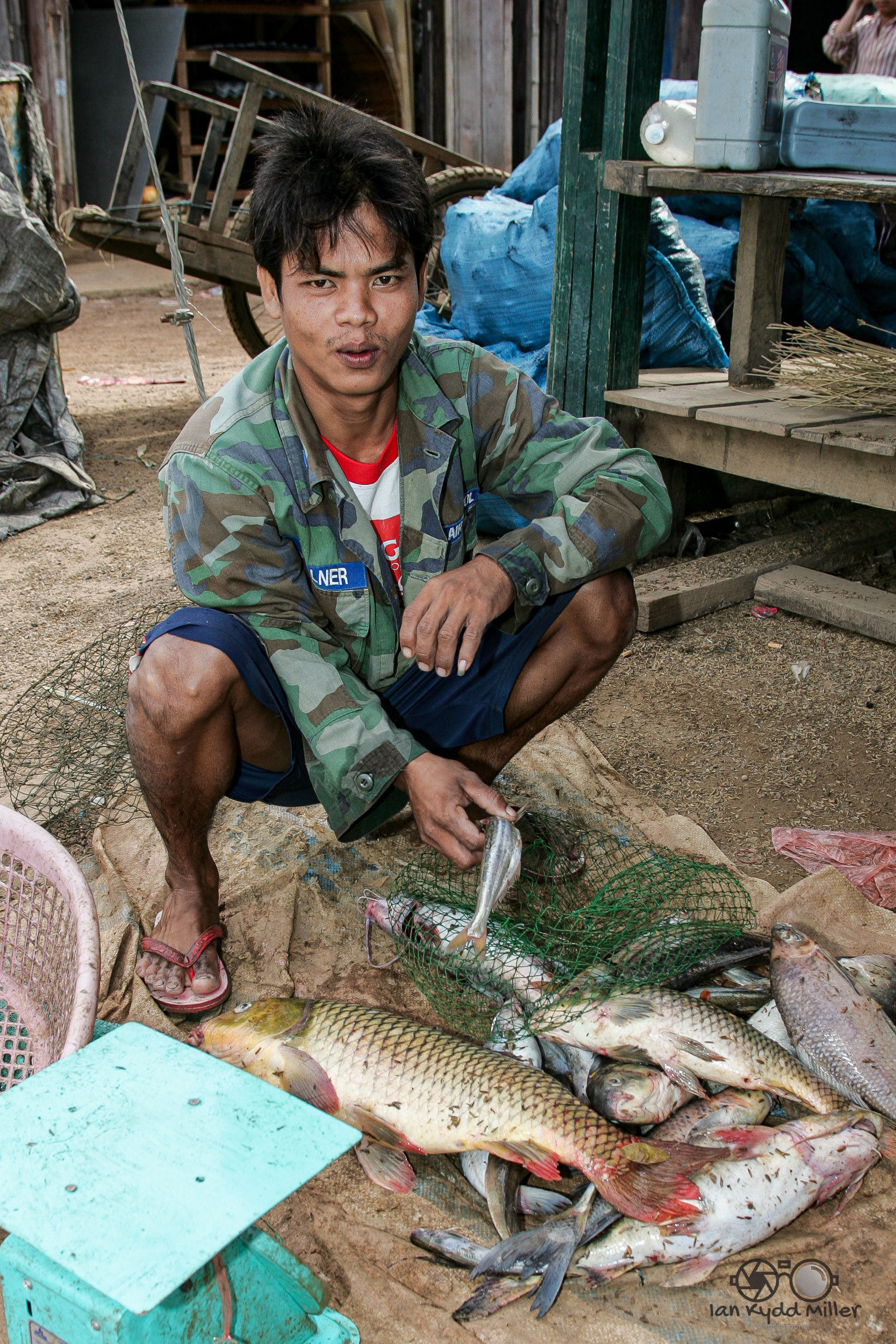
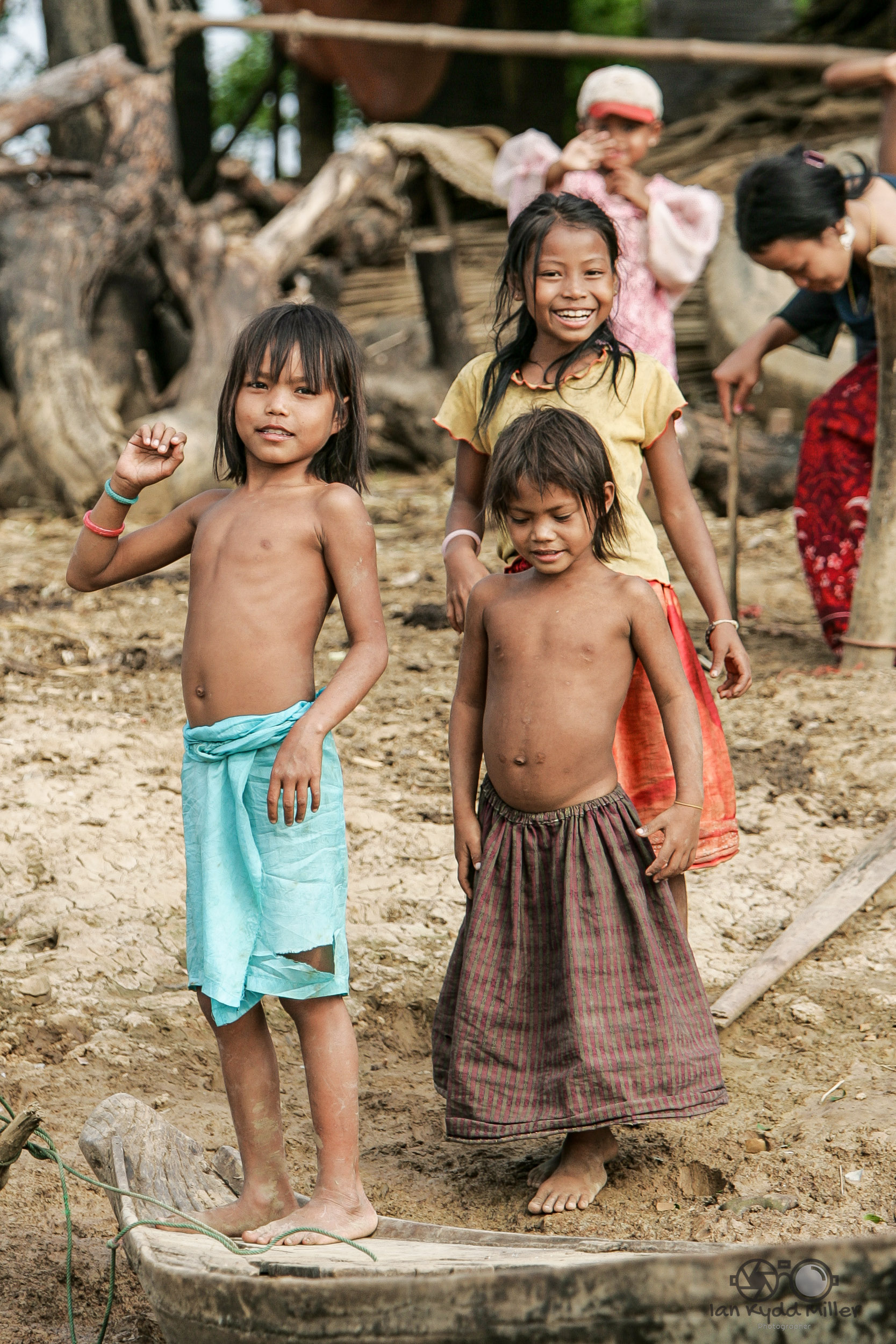
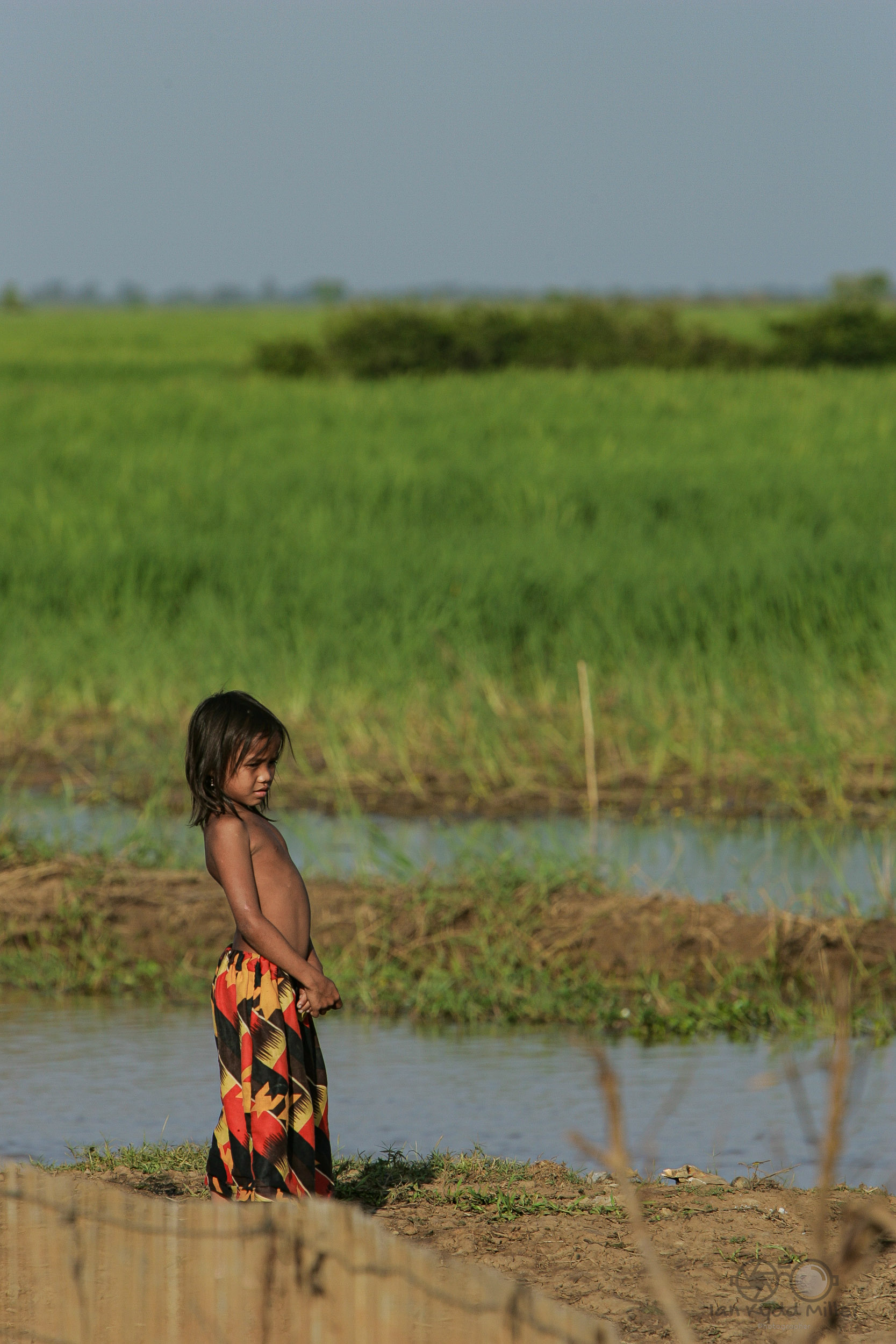
cambodia, opinons, thoughts, photography, pictures, TravelFishing is a vital part of daily life for many people in Cambodia. Along the Mekong River and Tonle Sap Lake, you’ll find families and individuals casting their nets and lines, working hard to catch fish that provide both food and income. This traditional way of life is not only a means of survival but also a reflection of the region’s rich cultural heritage. The serene landscapes and the dedication of these fishermen and women offer a glimpse into the resilience and resourcefulness of the Cambodian people.


The Mekong River is one of the most significant rivers in Southeast Asia, stretching about 4,350 kilometers (2,703 miles) from its source in the Tibetan Plateau to the South China Sea. It flows through six countries: China, Myanmar, Laos, Thailand, Cambodia, and Vietnam. The river is crucial for the livelihoods of millions of people, providing water for agriculture, fishing, and transportation. The Mekong Delta, in particular, is known for its rich biodiversity and is a vital area for rice production. The river also faces environmental challenges, including pollution and the impact of dam construction, which affect its natural flow and ecosystems.
TheTonle Sap. This lake is a vital resource for many Cambodians, providing food and livelihoods. The scenes capture daily life’s essence, with fishermen casting their nets and boats gently floating on the water. It’s a beautiful reminder of the resilience and hard work of the people who depend on this incredible ecosystem.


Retrospective 2013
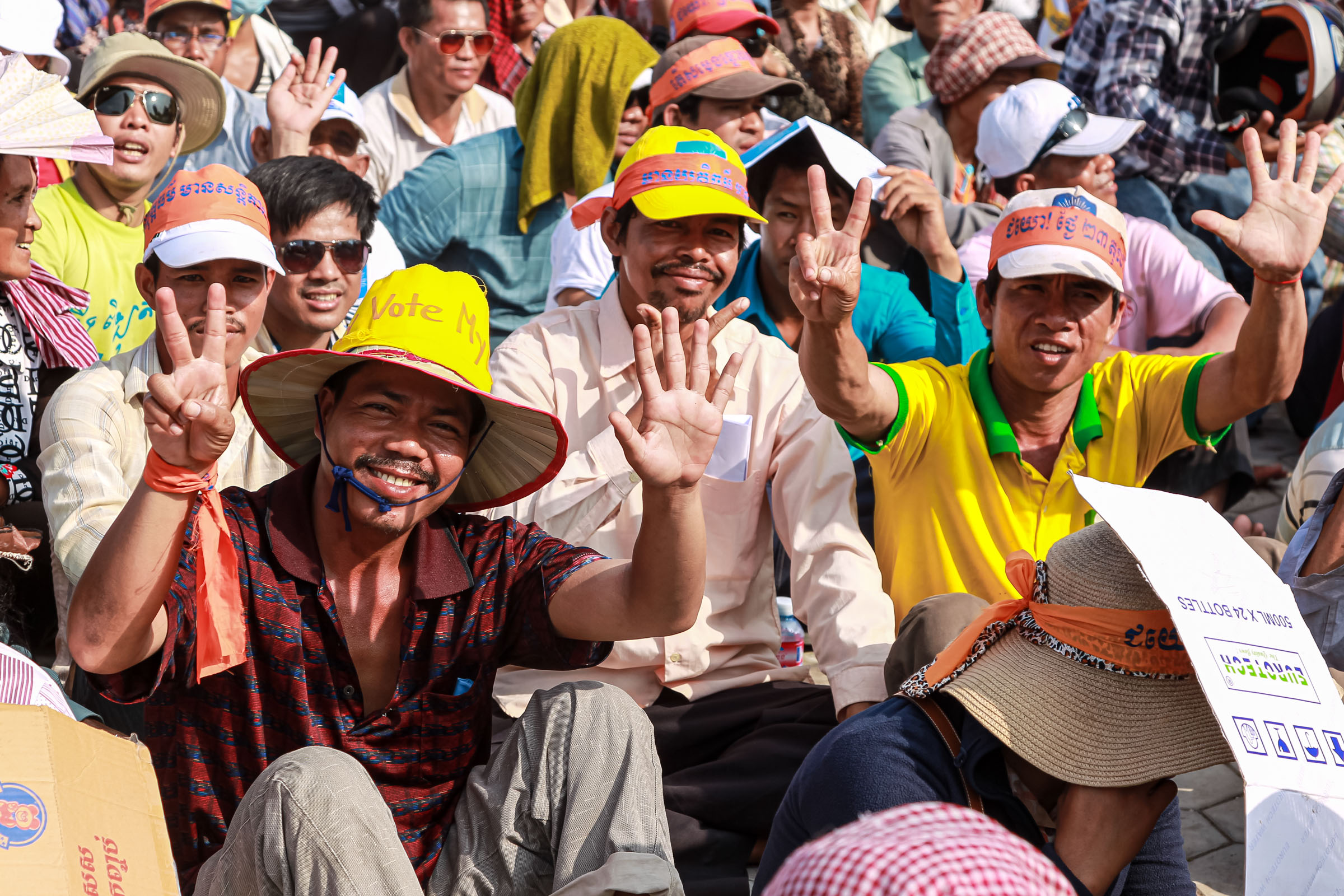
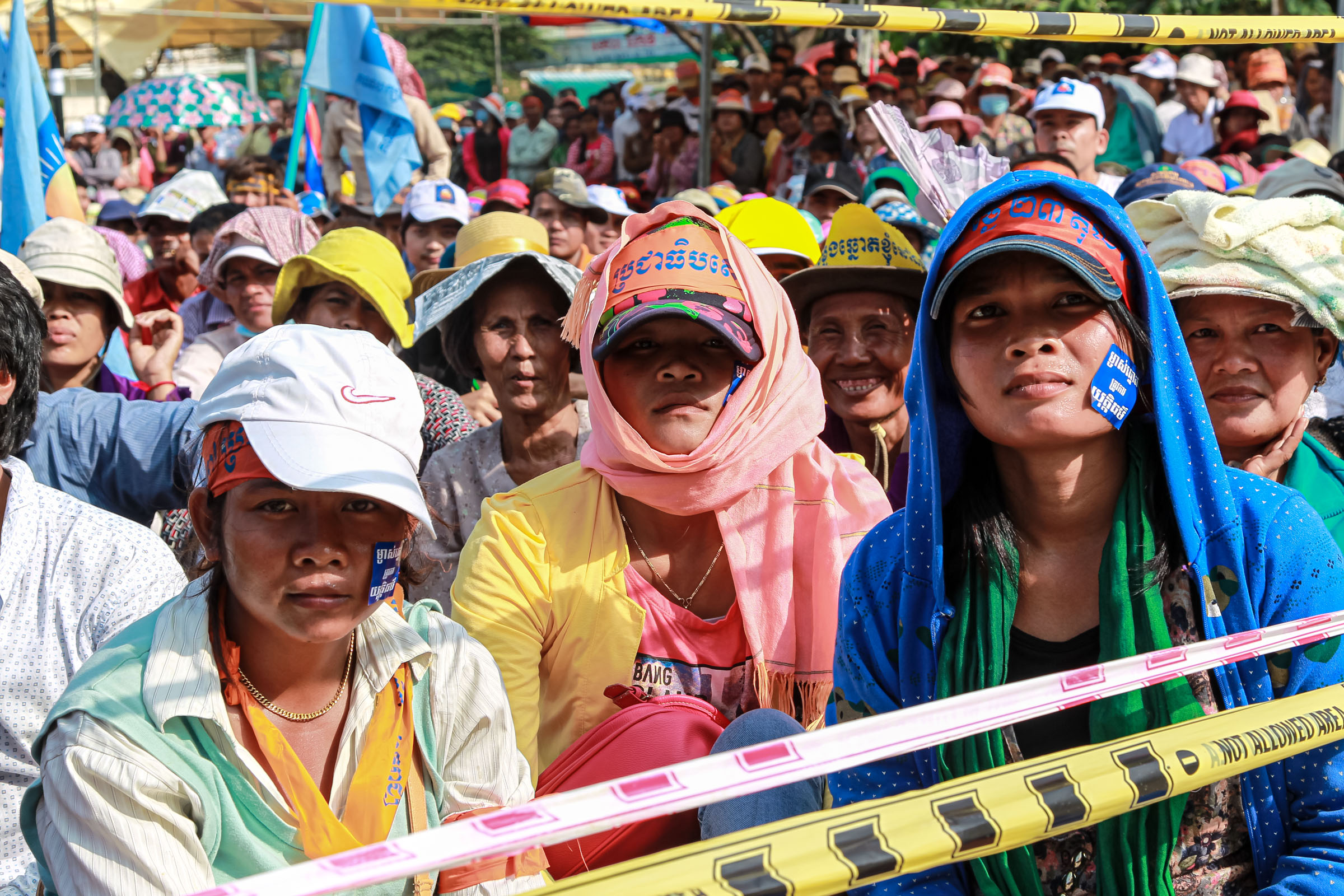
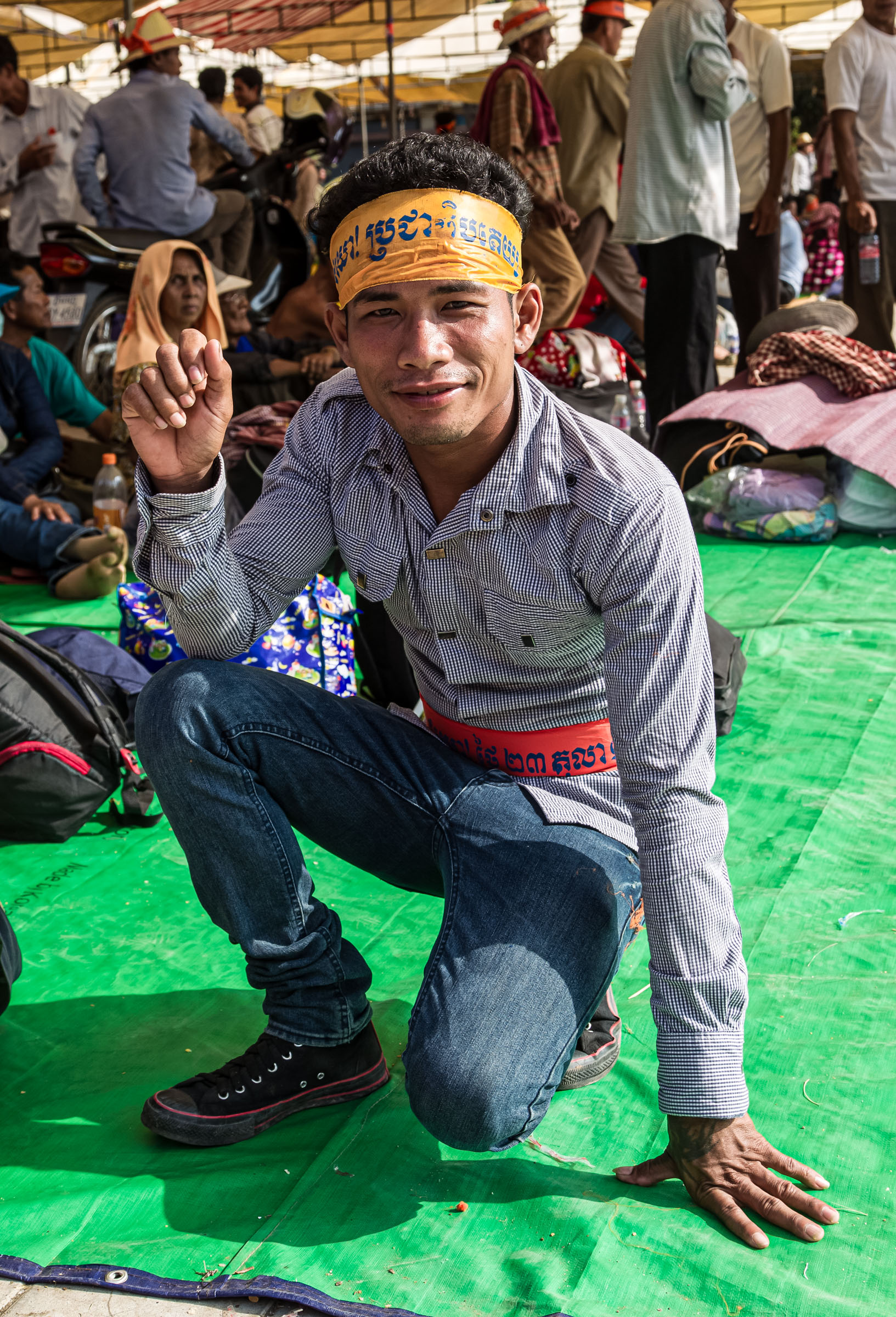
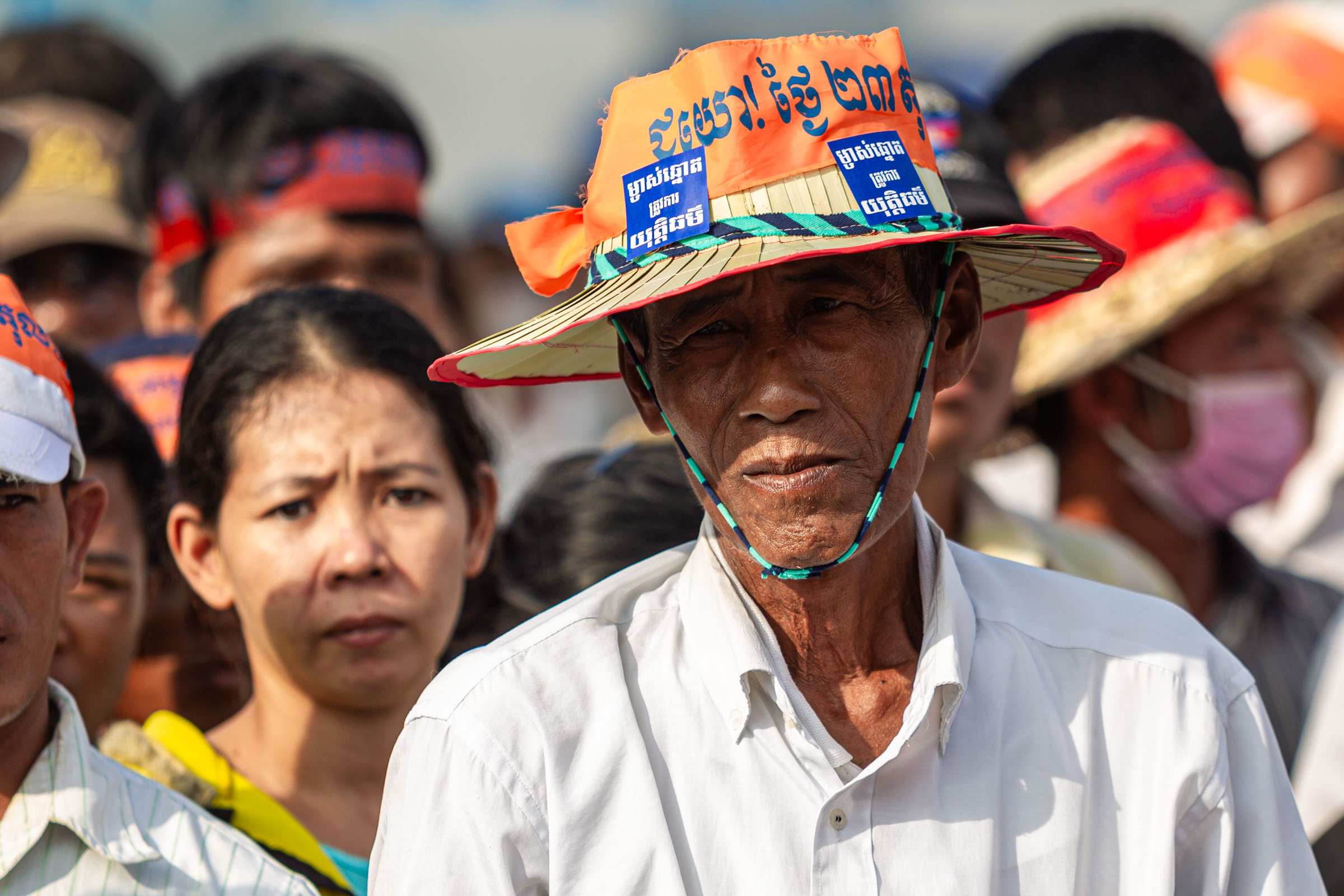
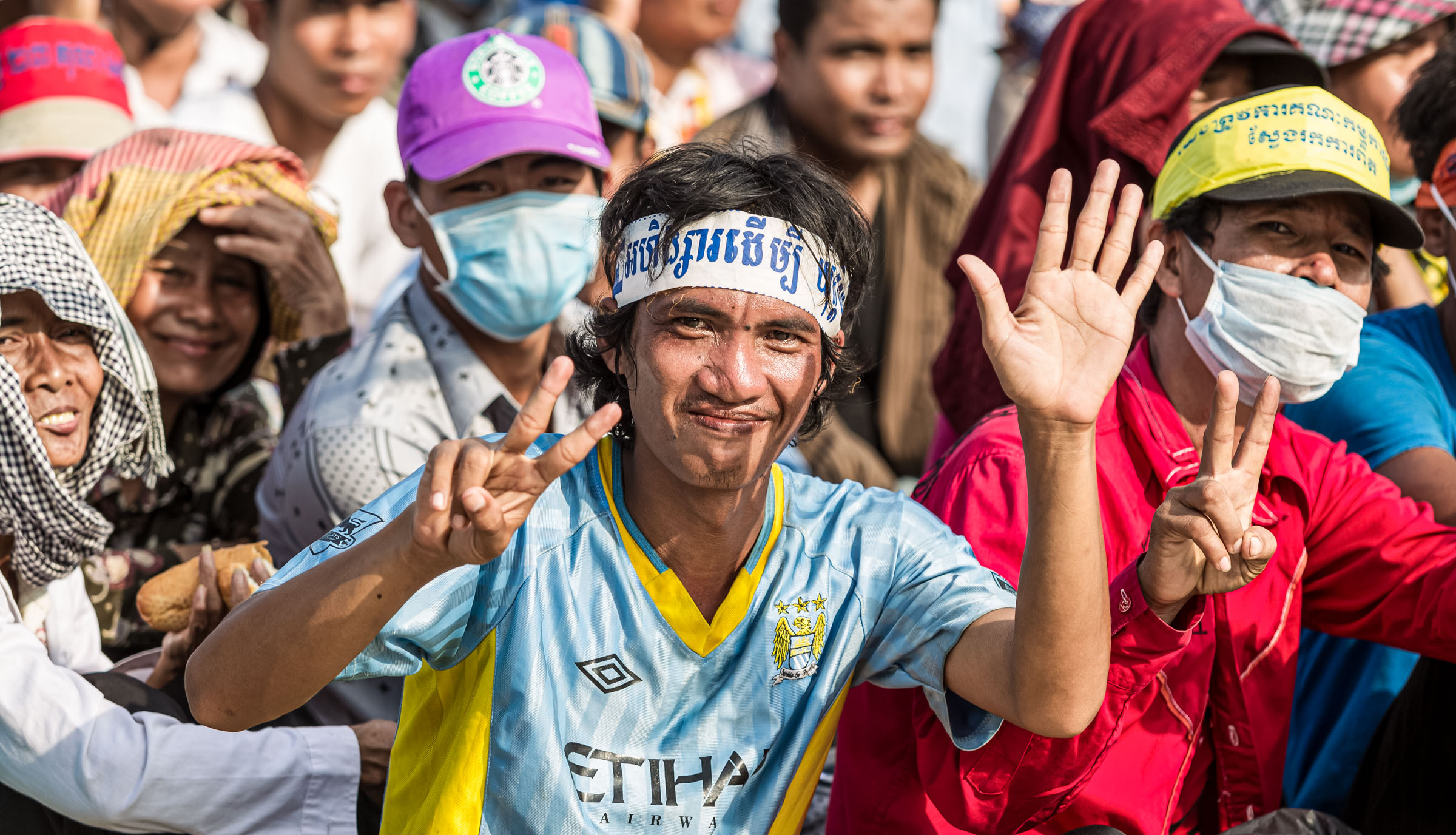
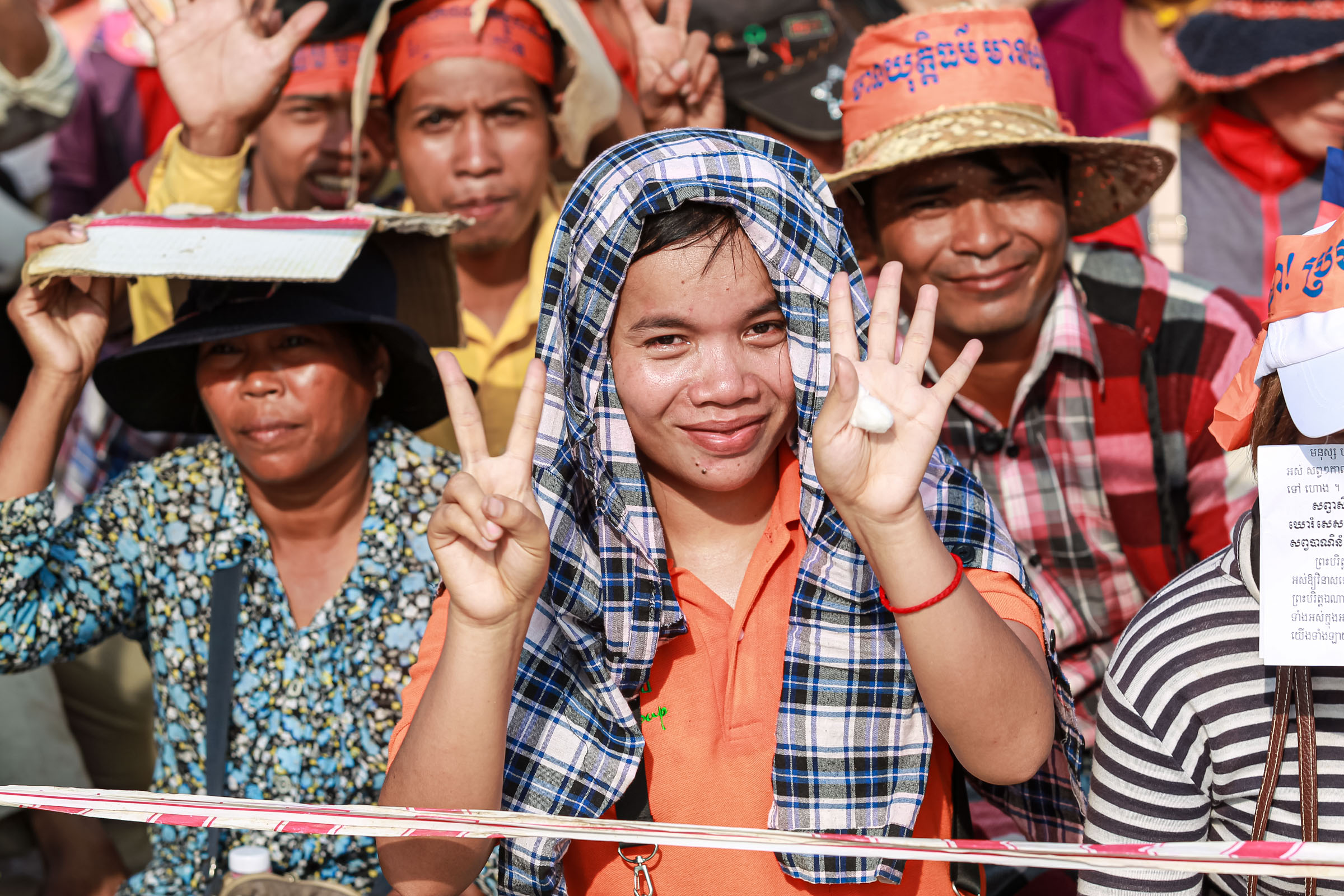
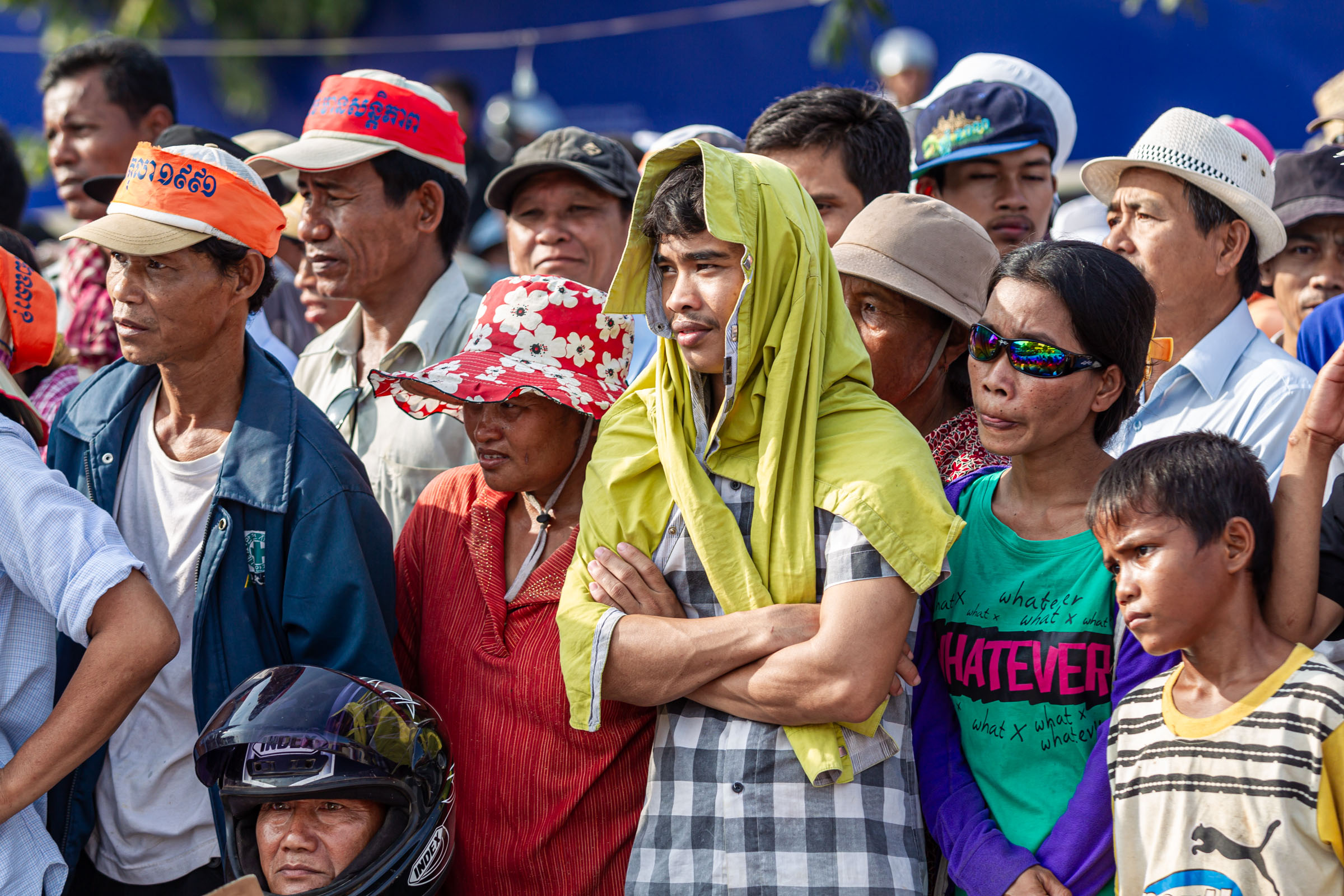
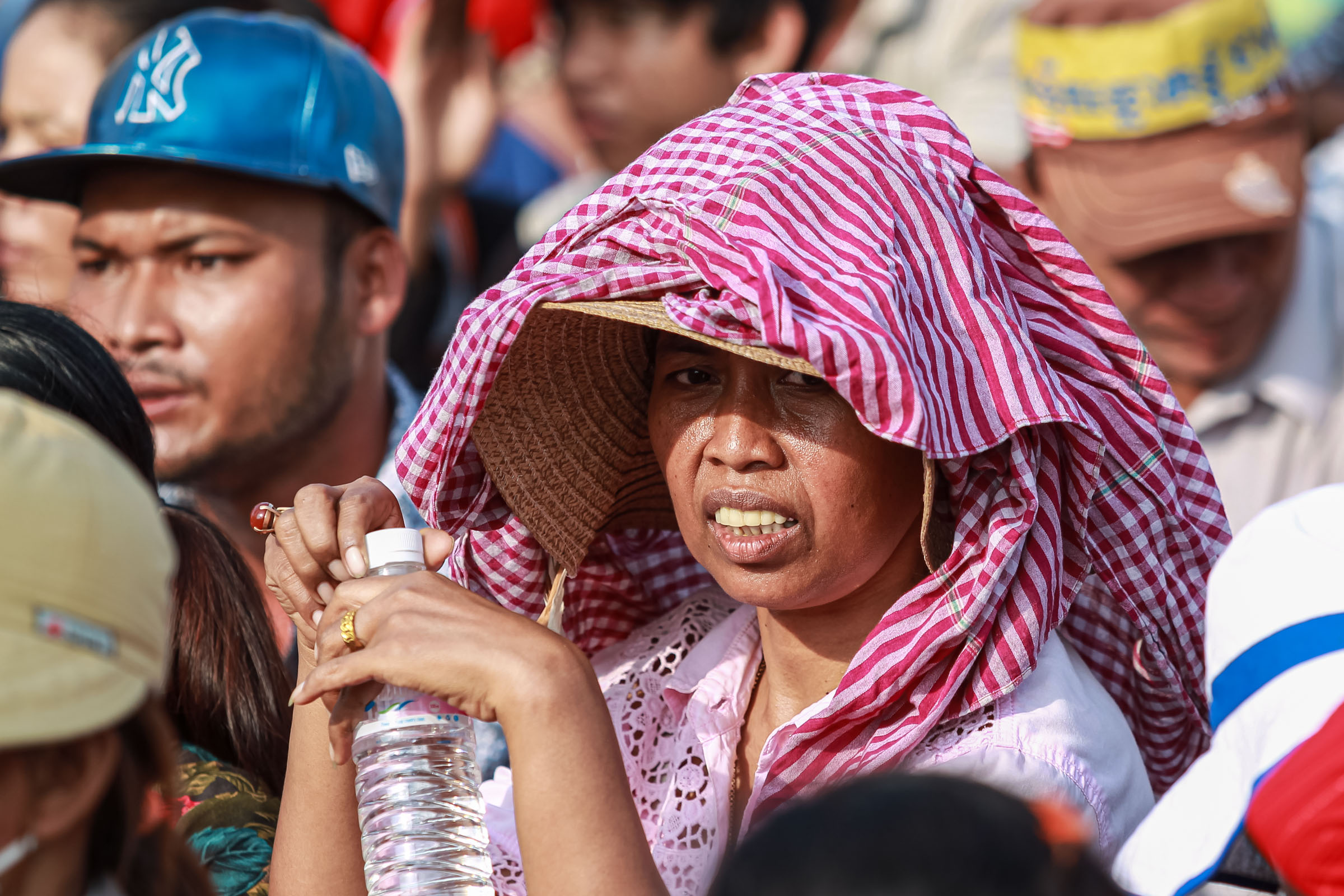
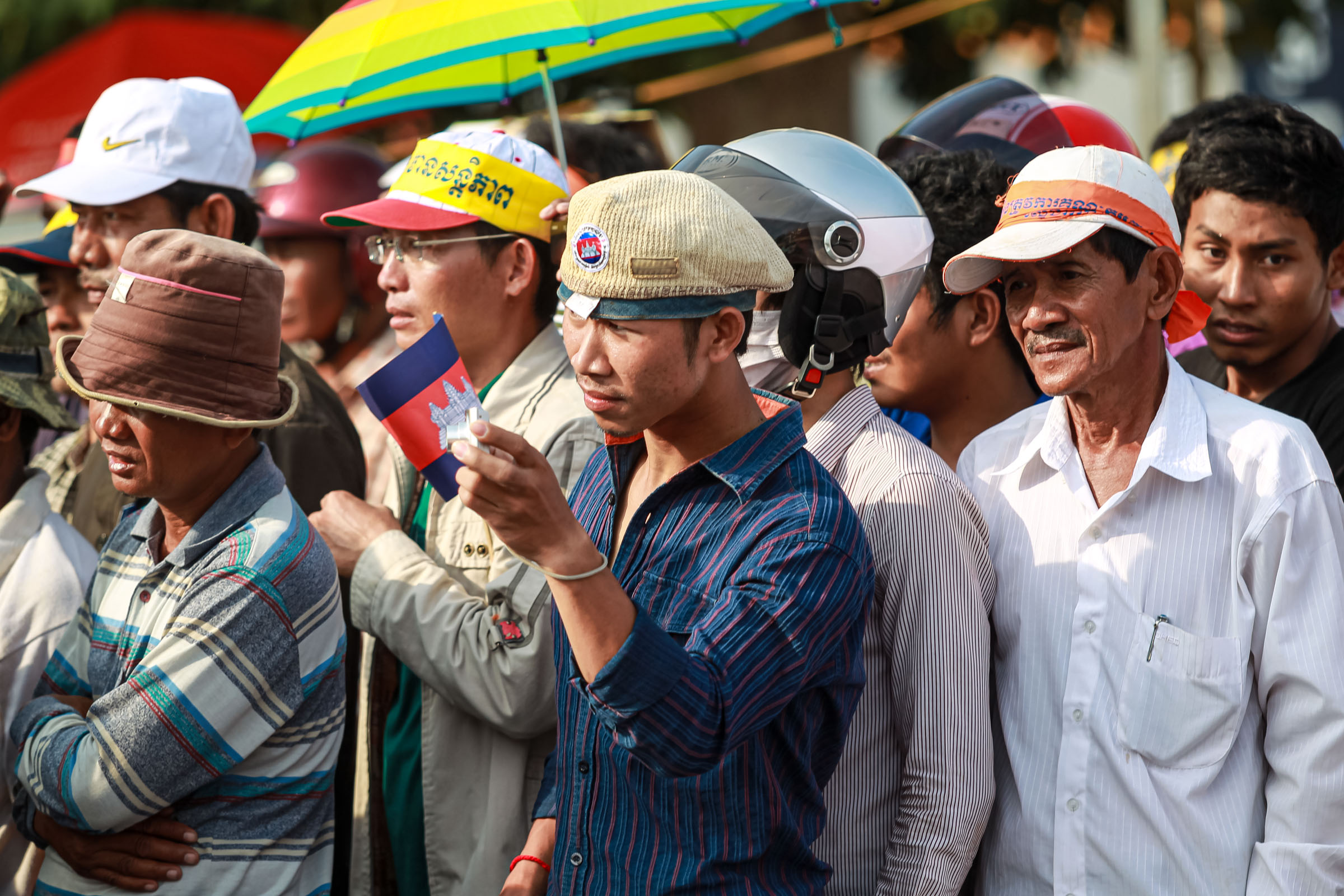
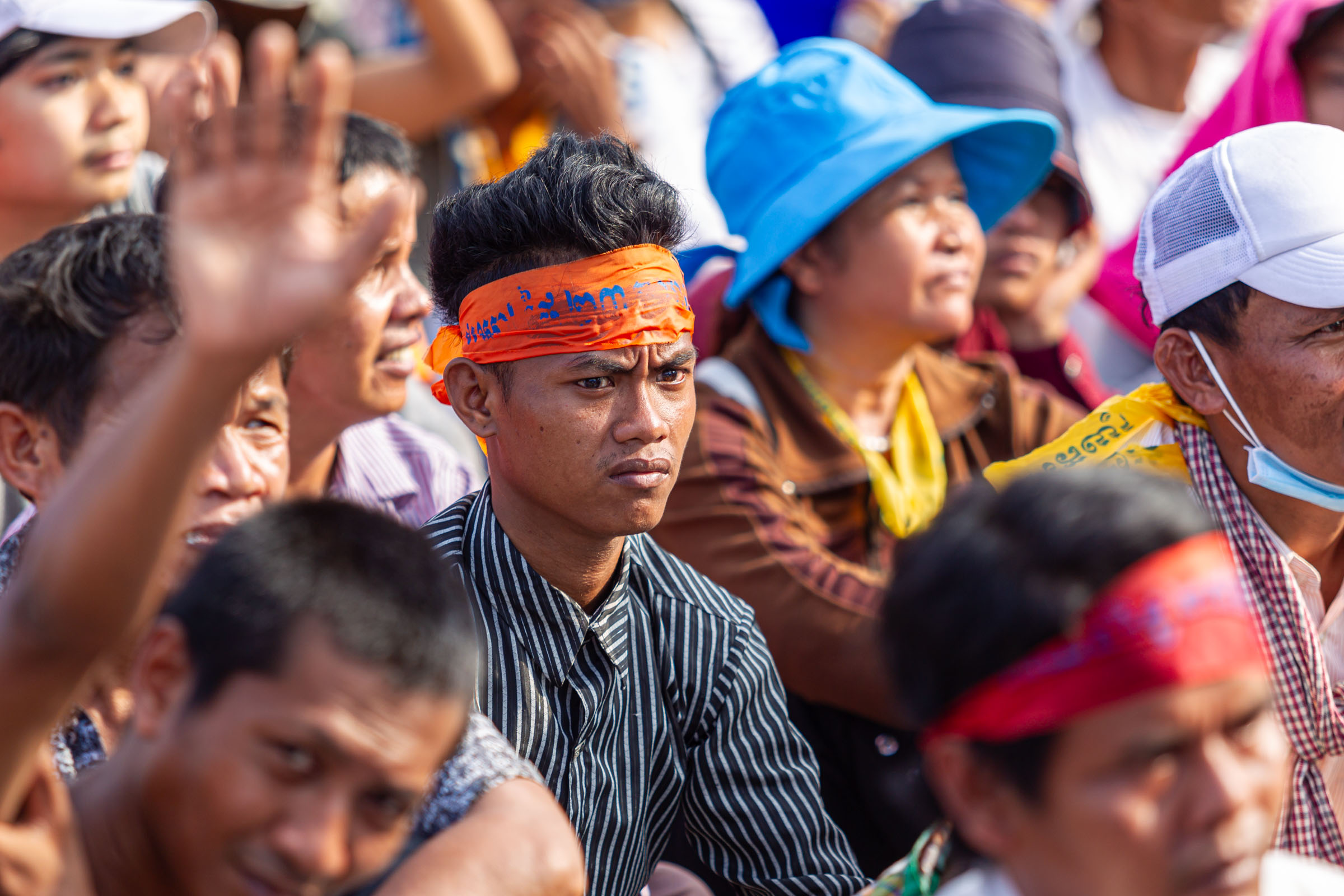
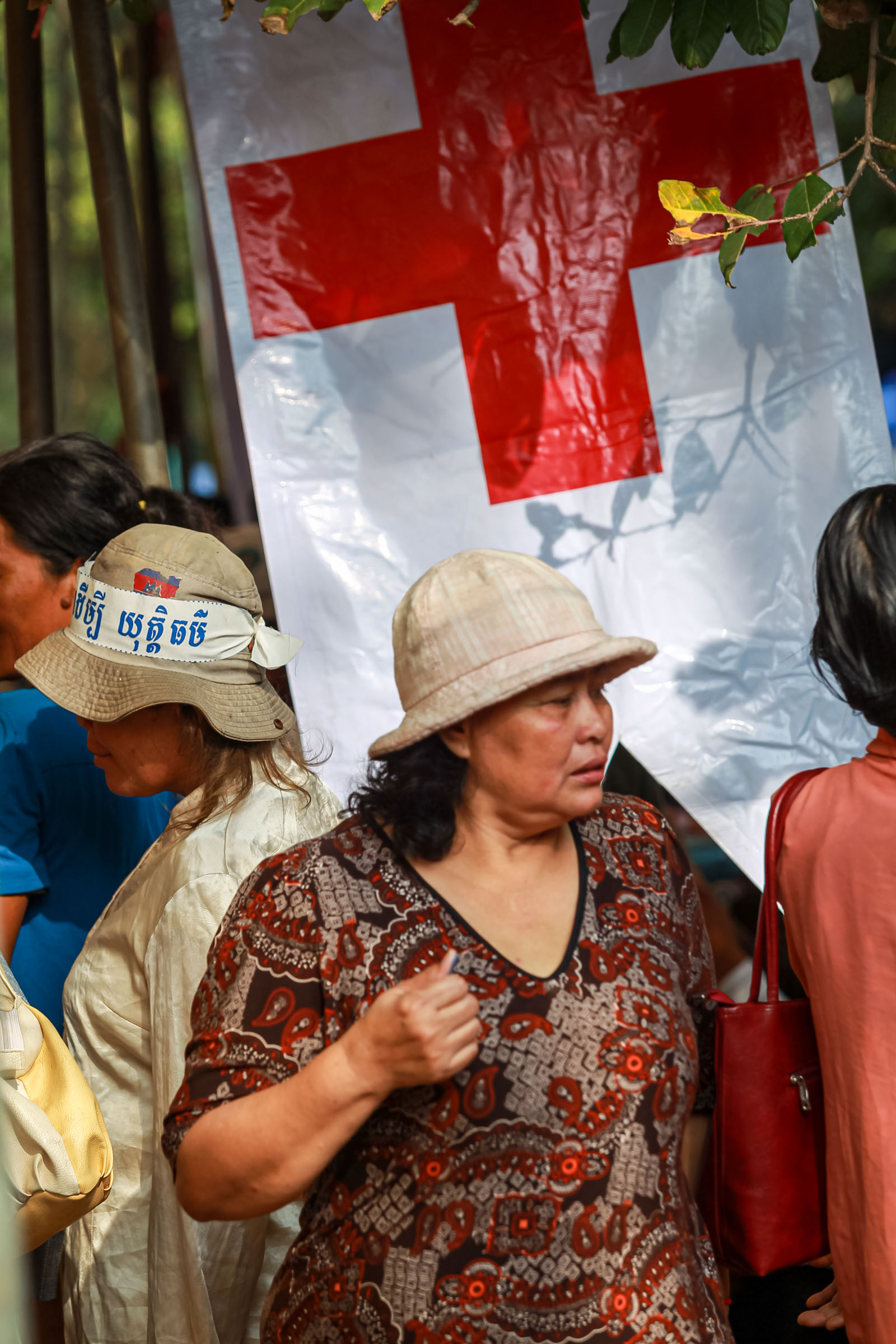
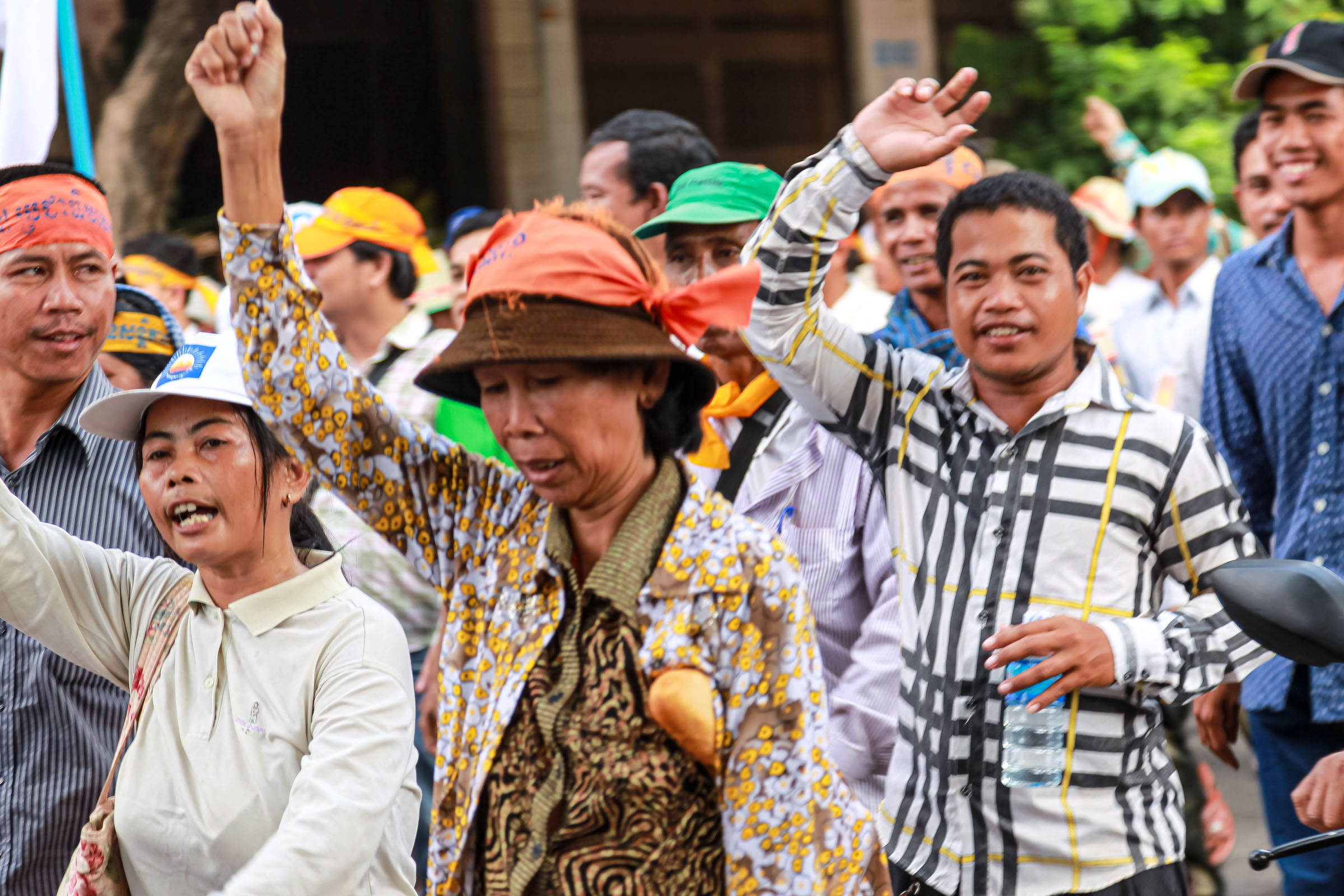
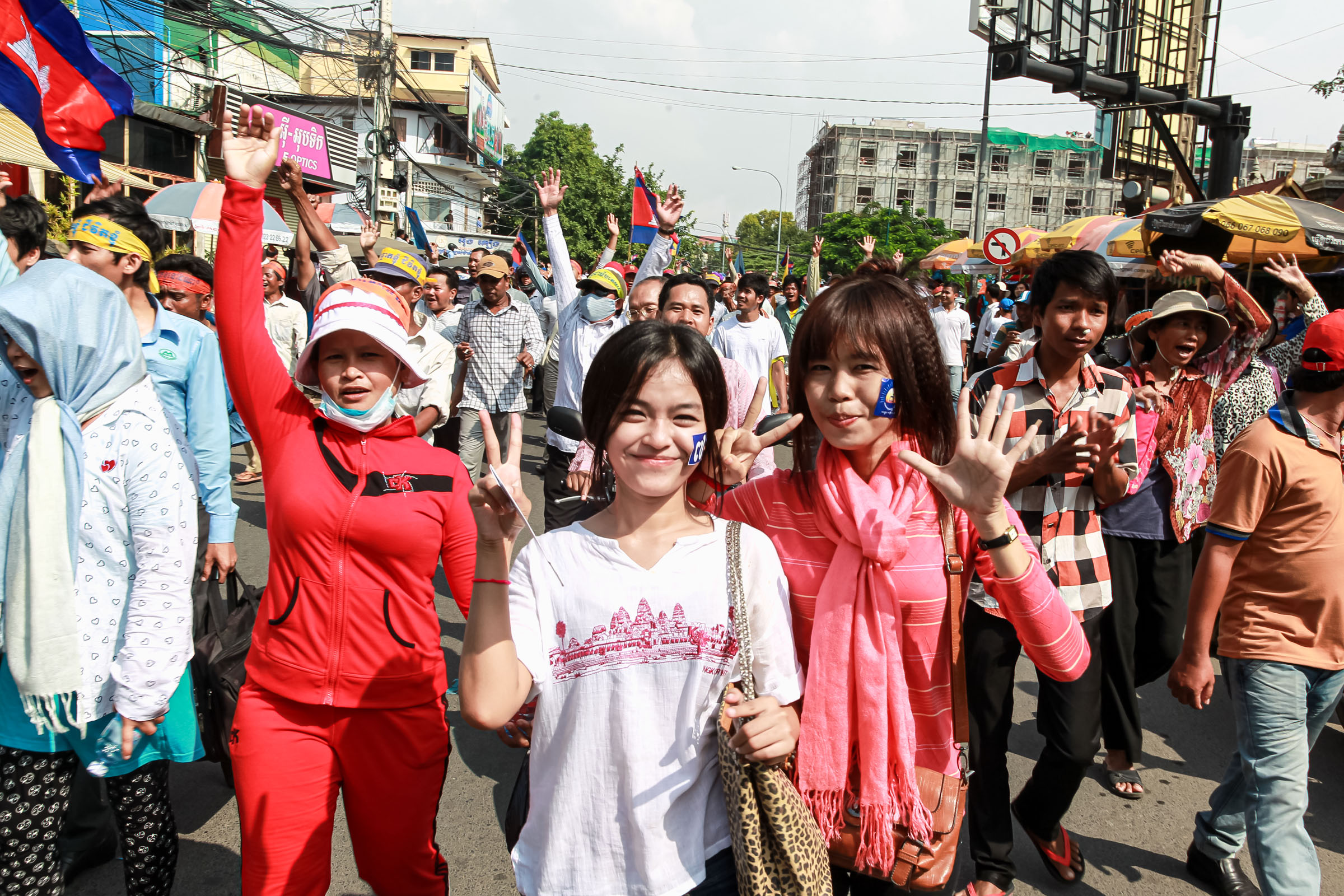
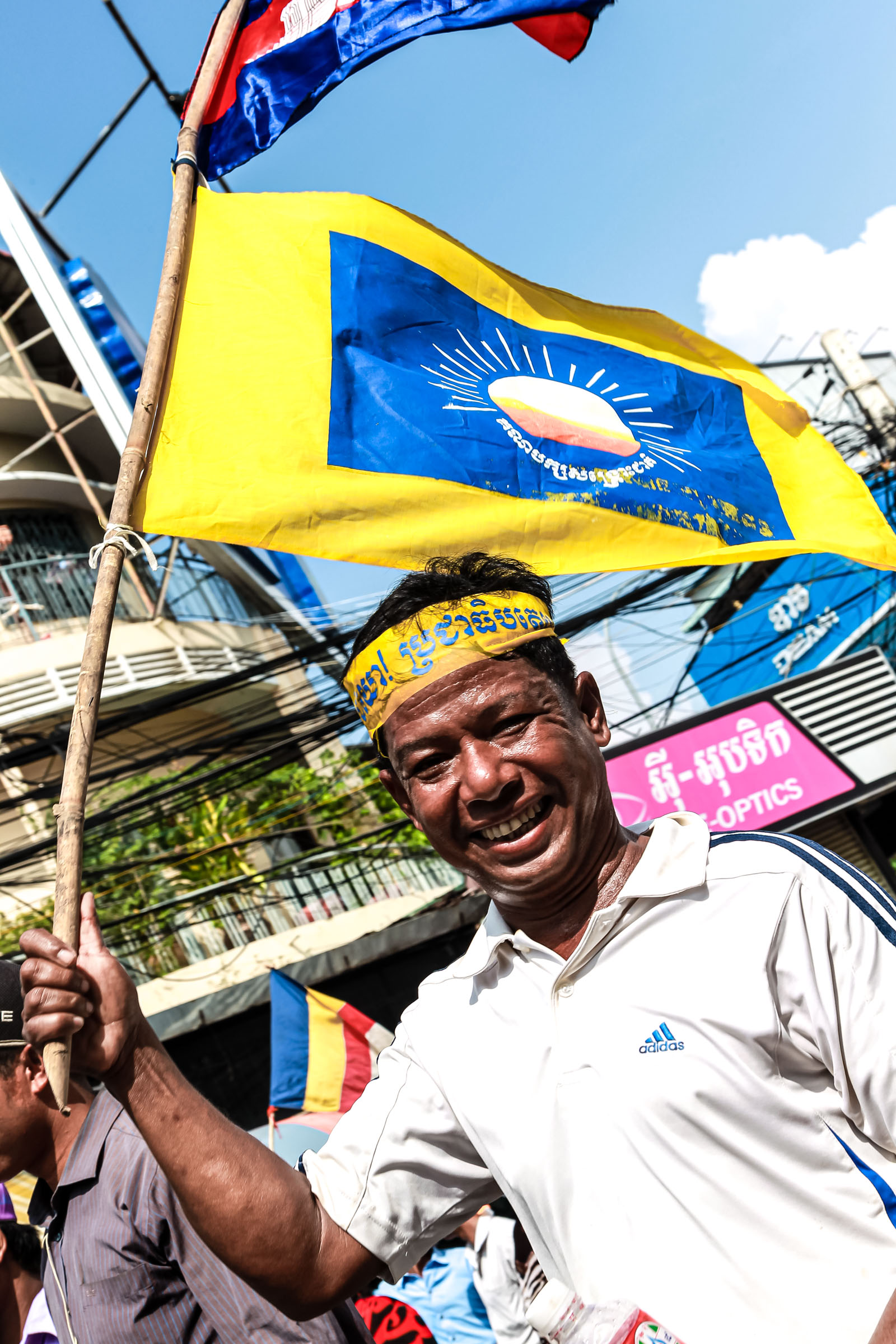
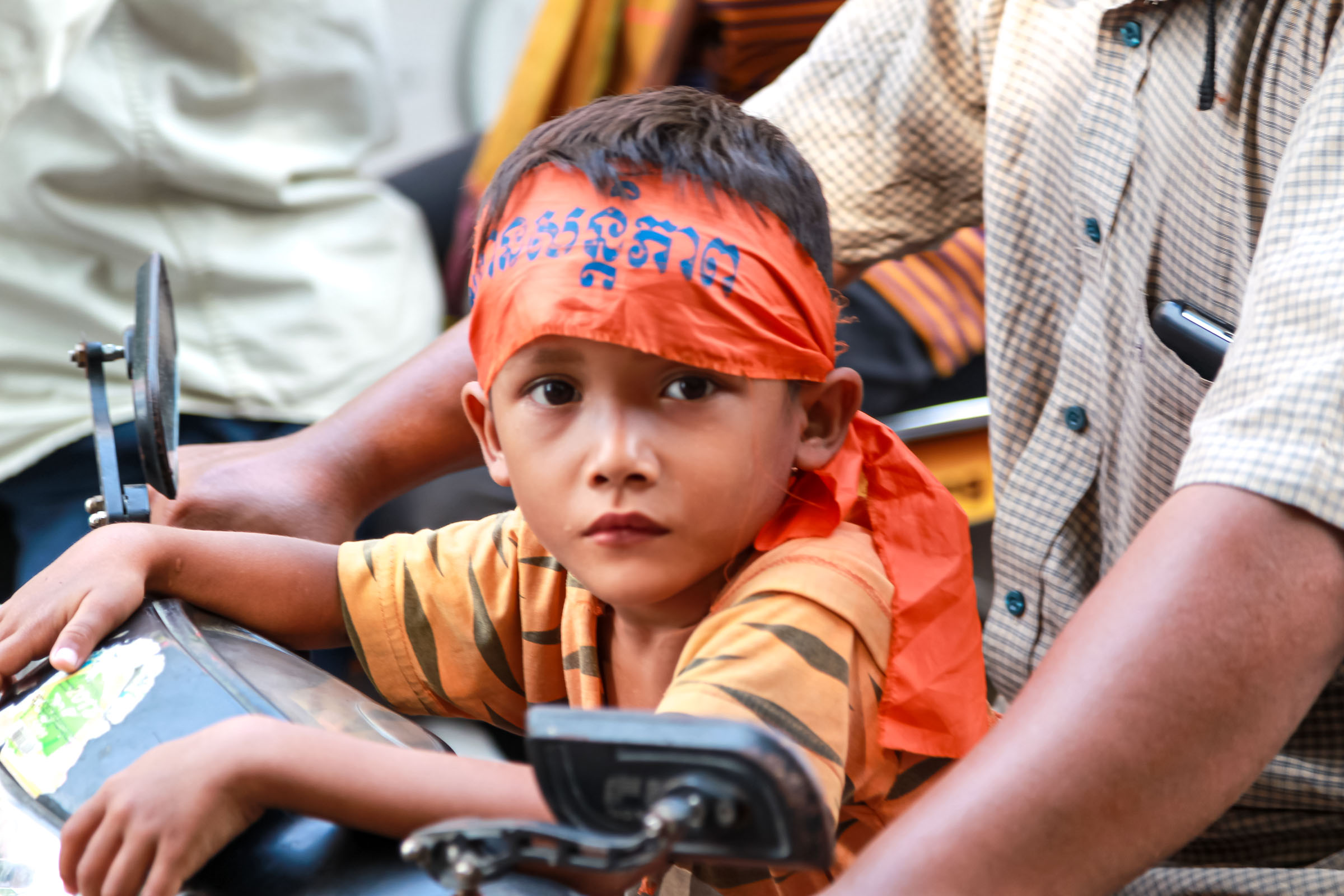
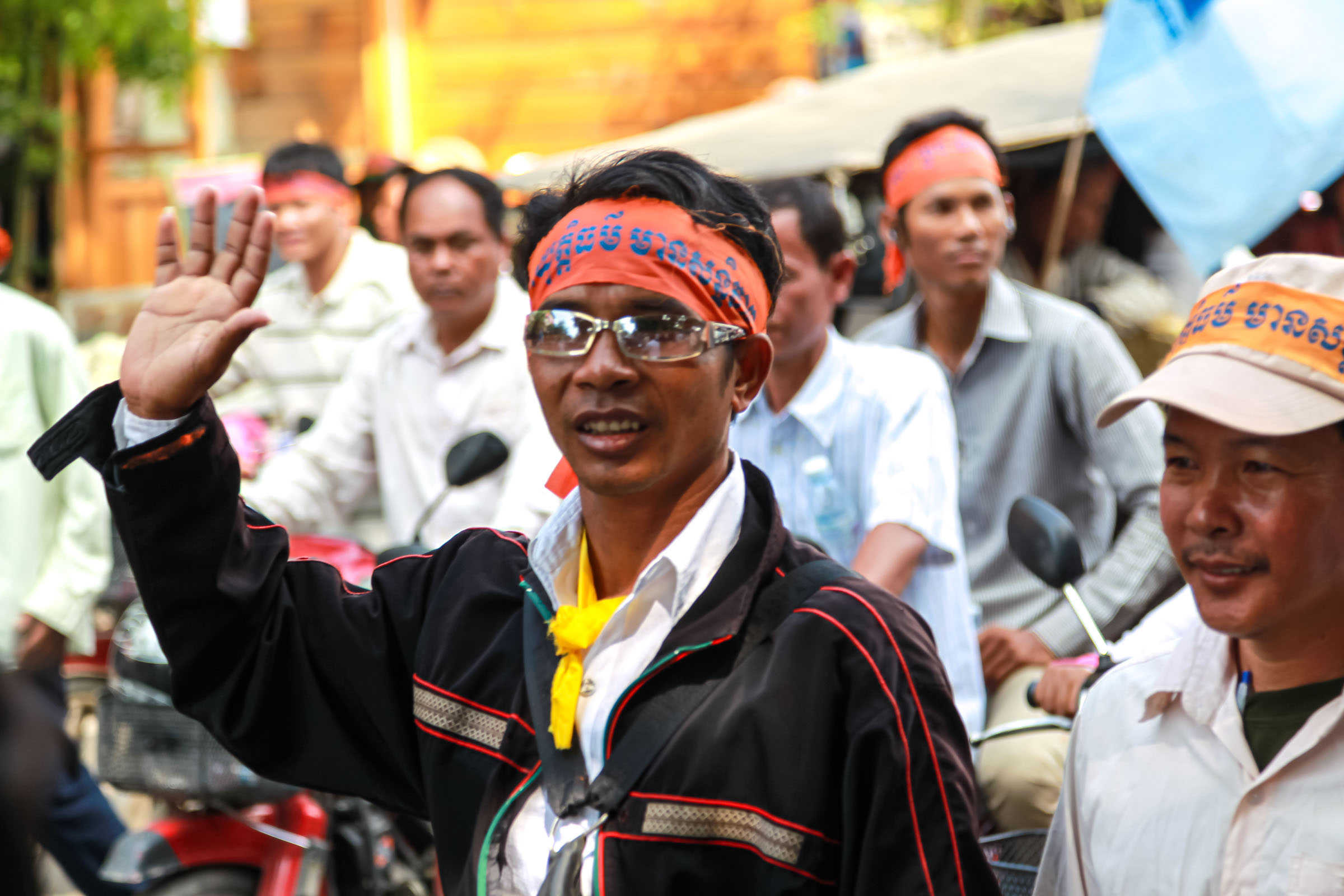
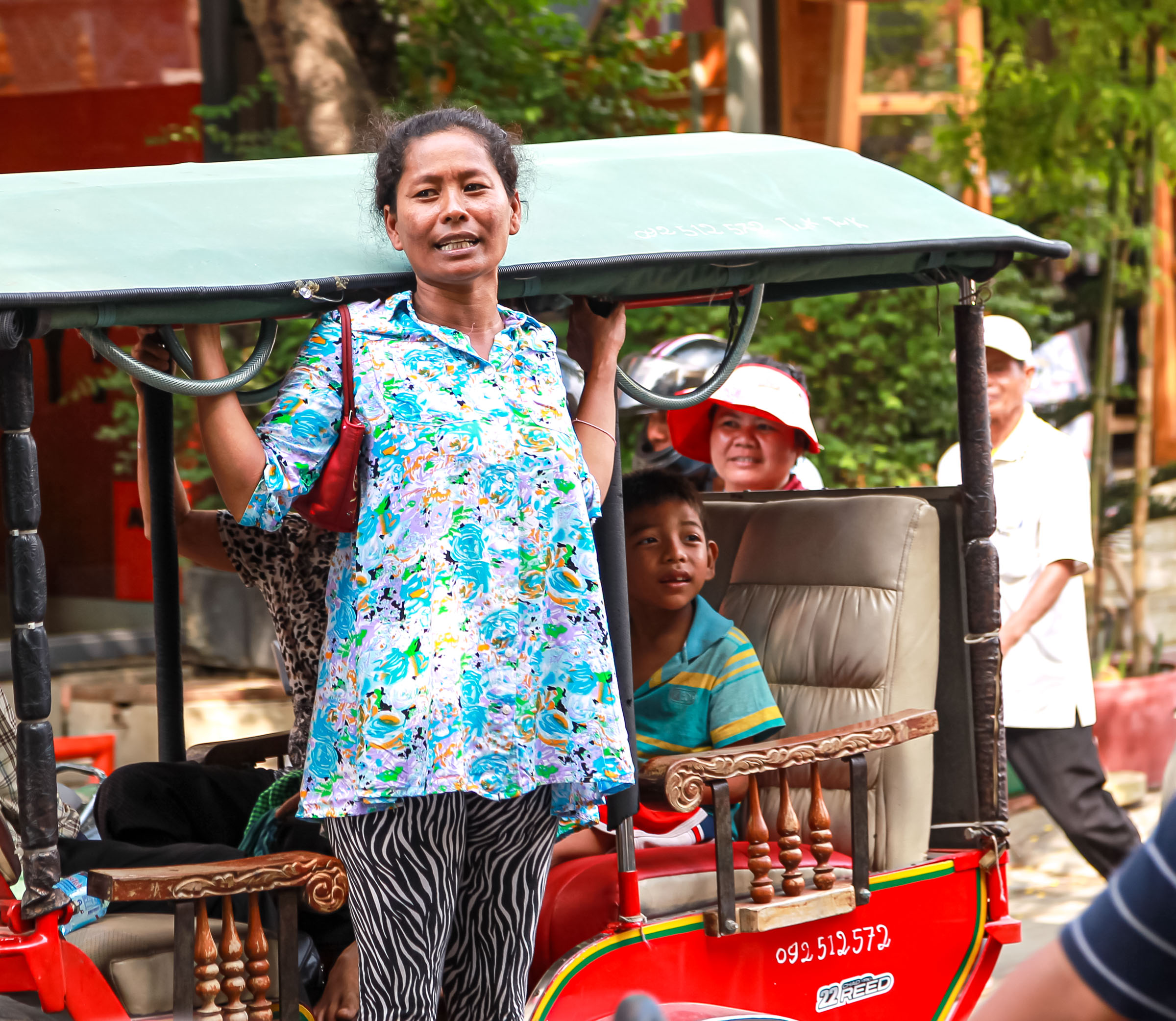
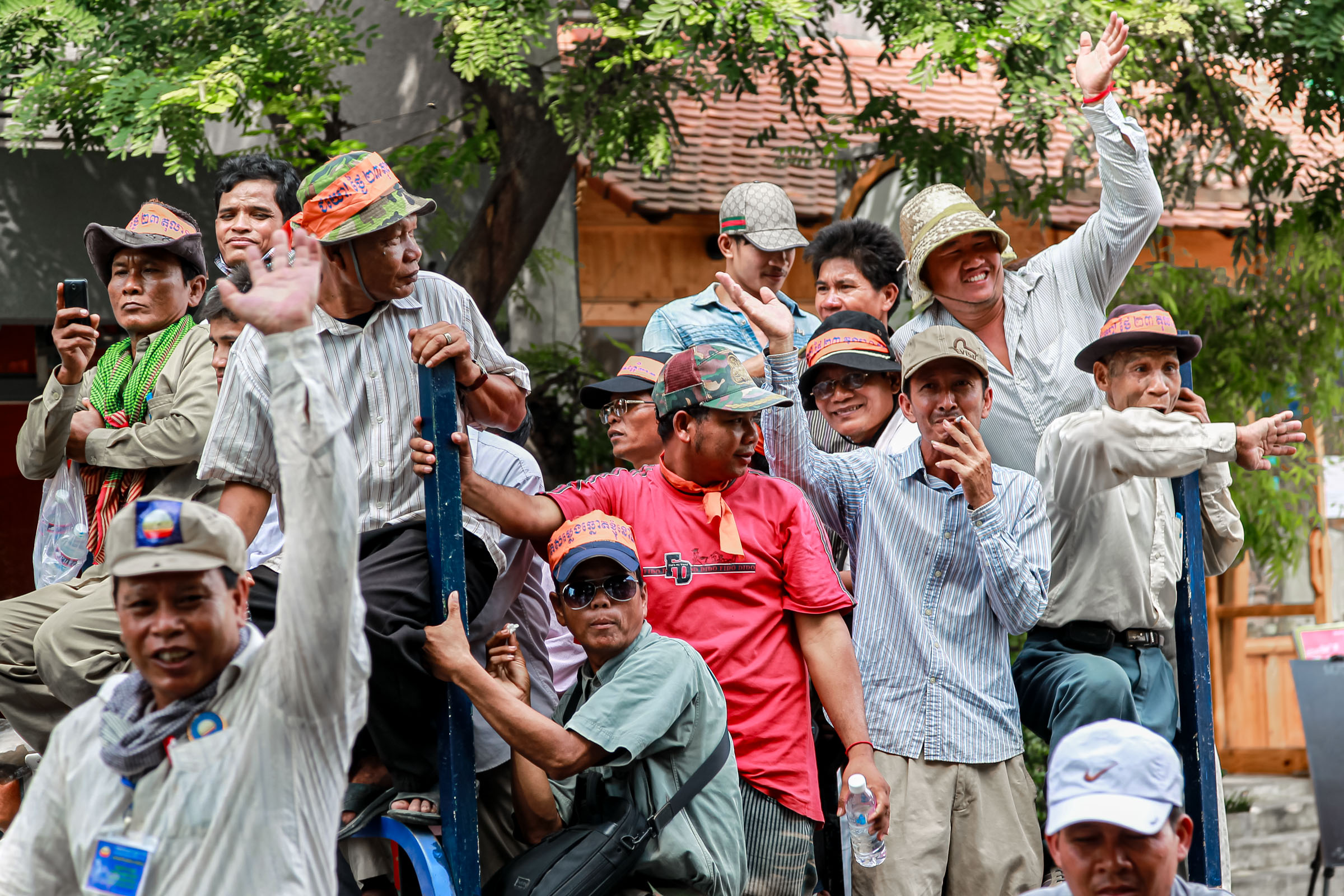
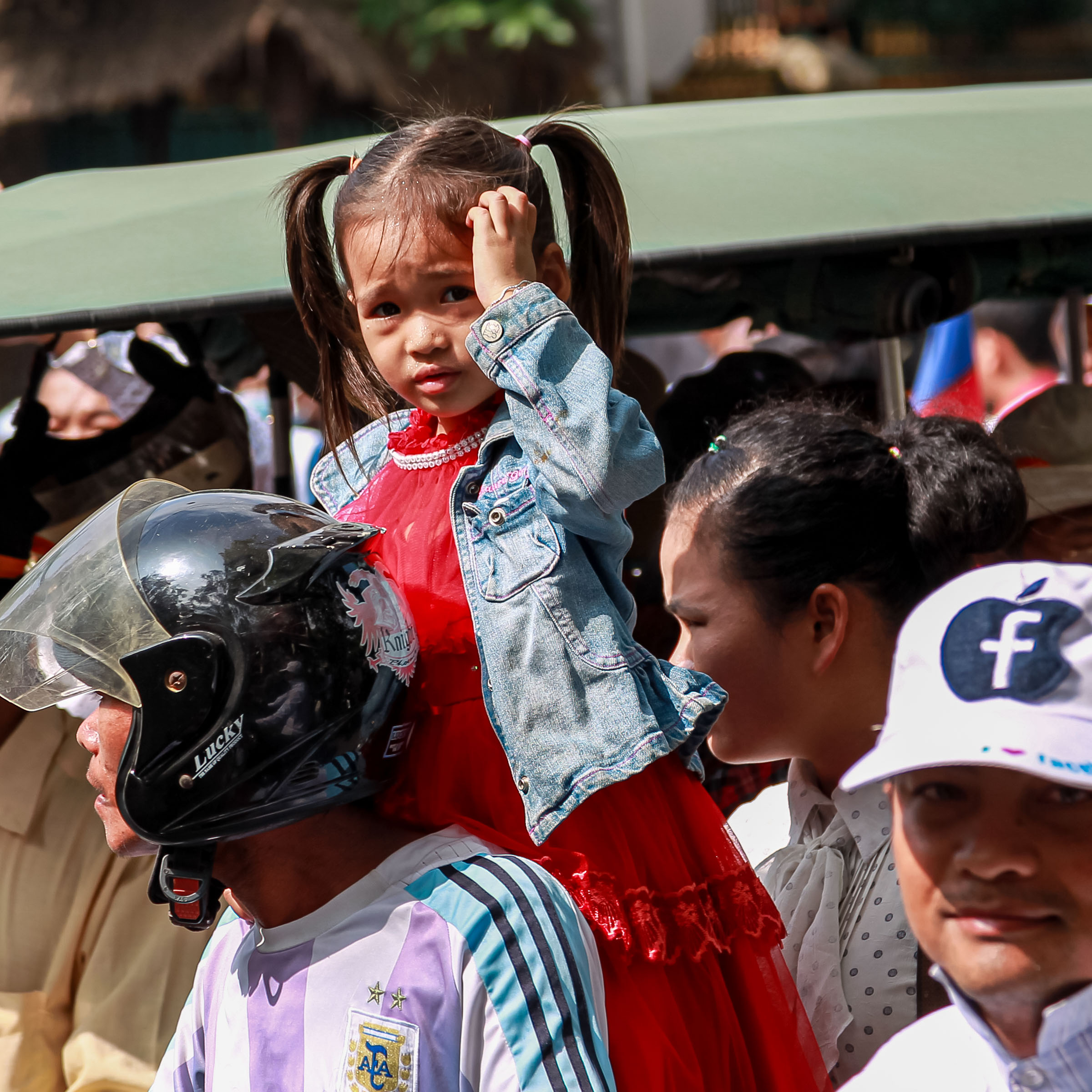
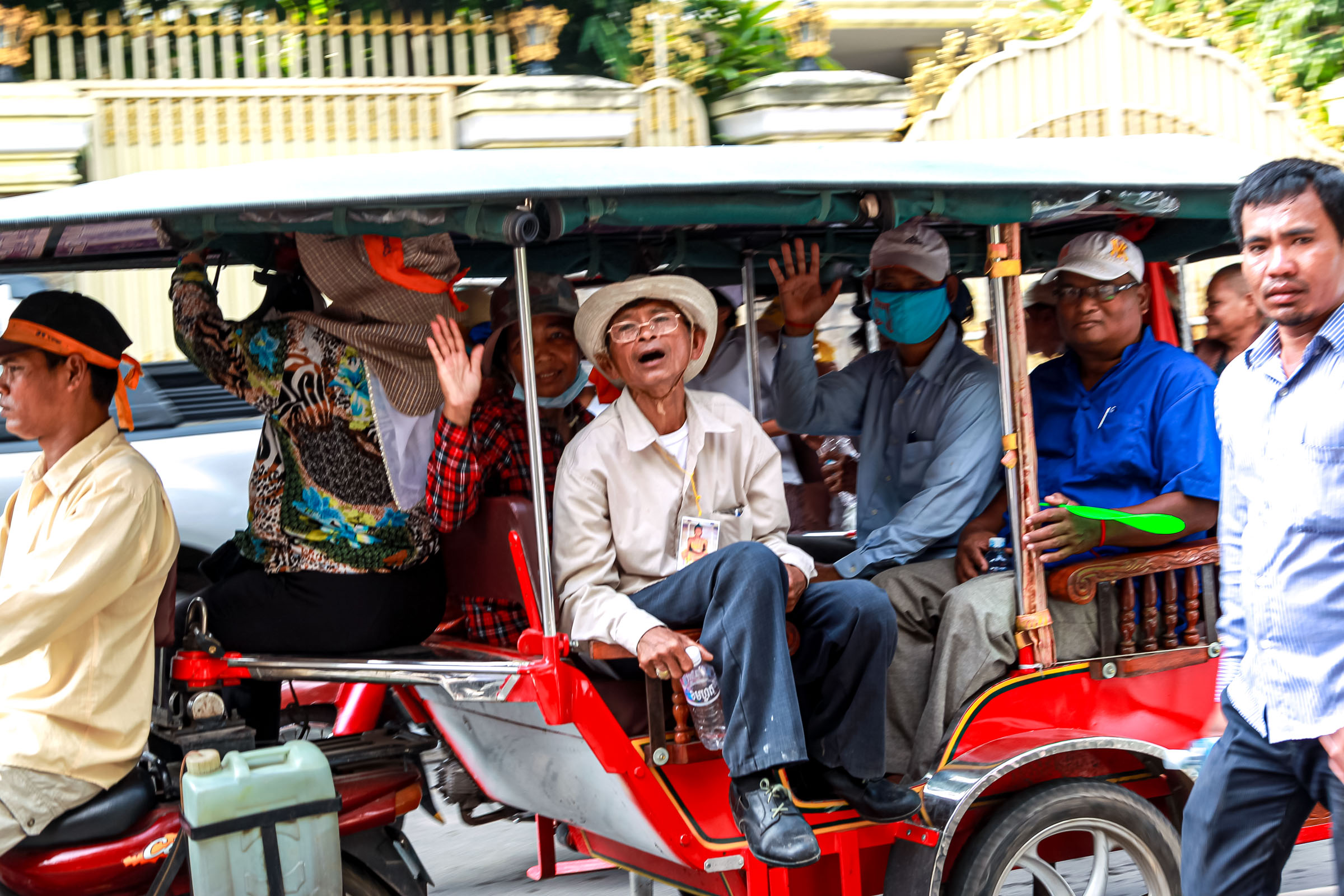
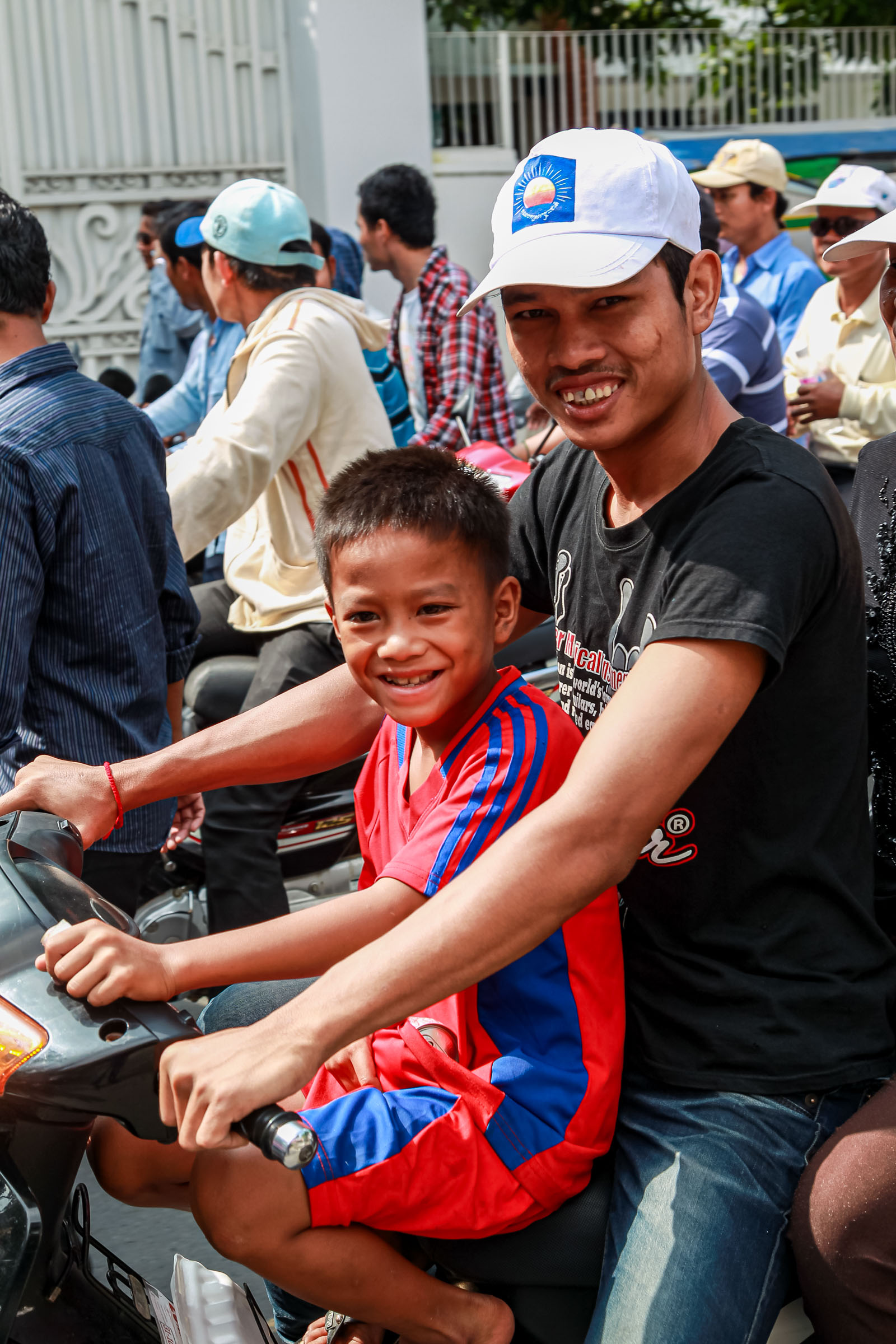
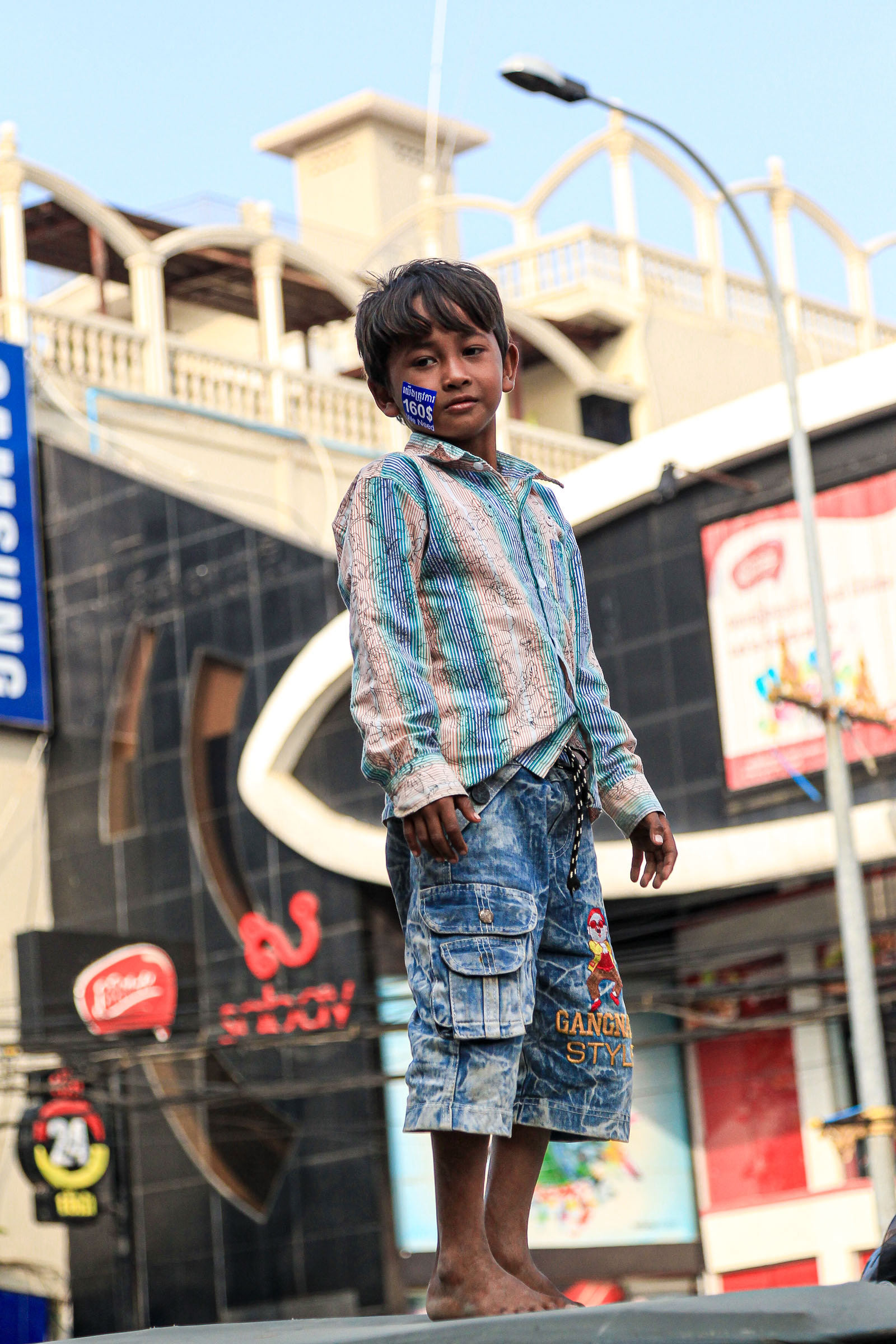
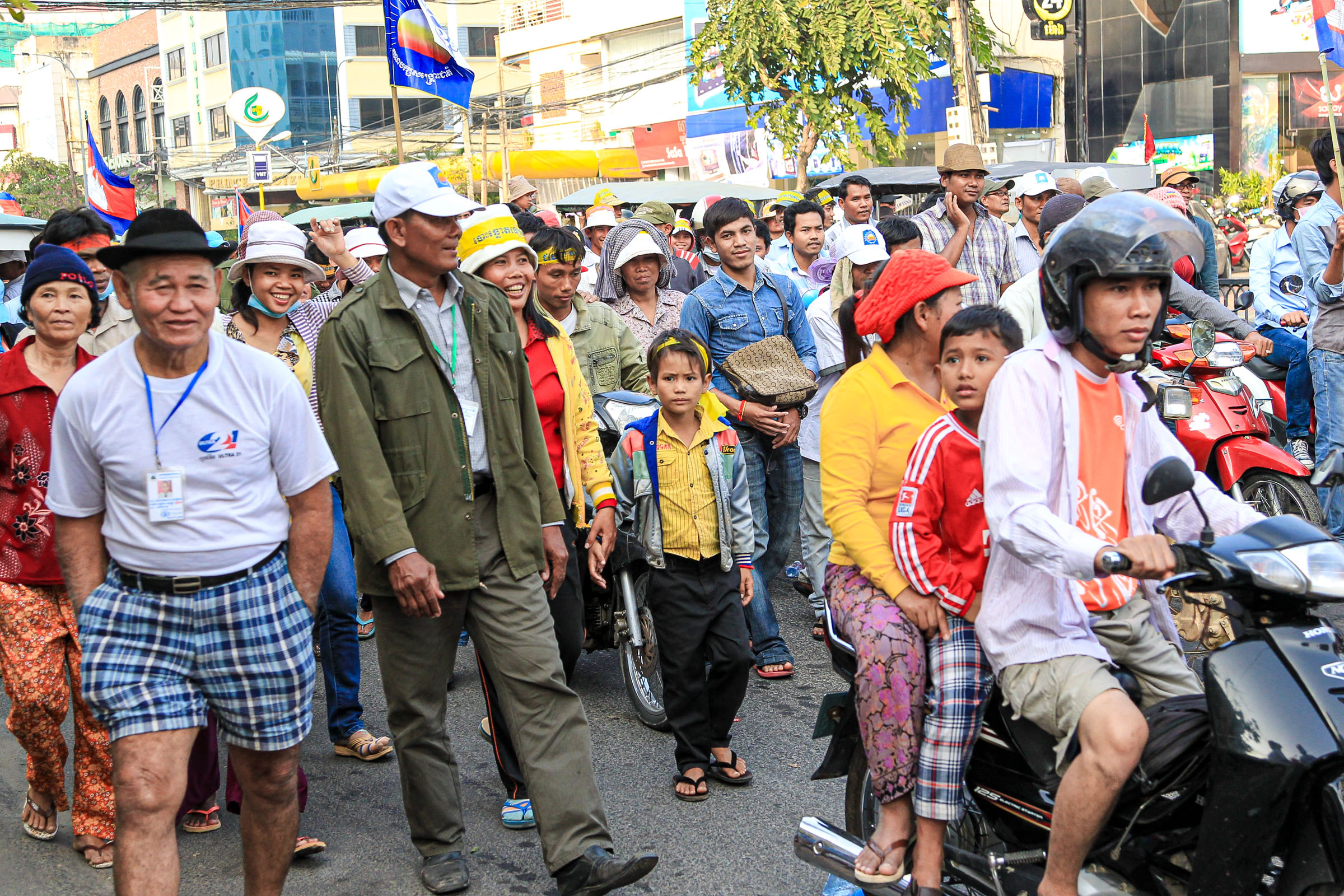
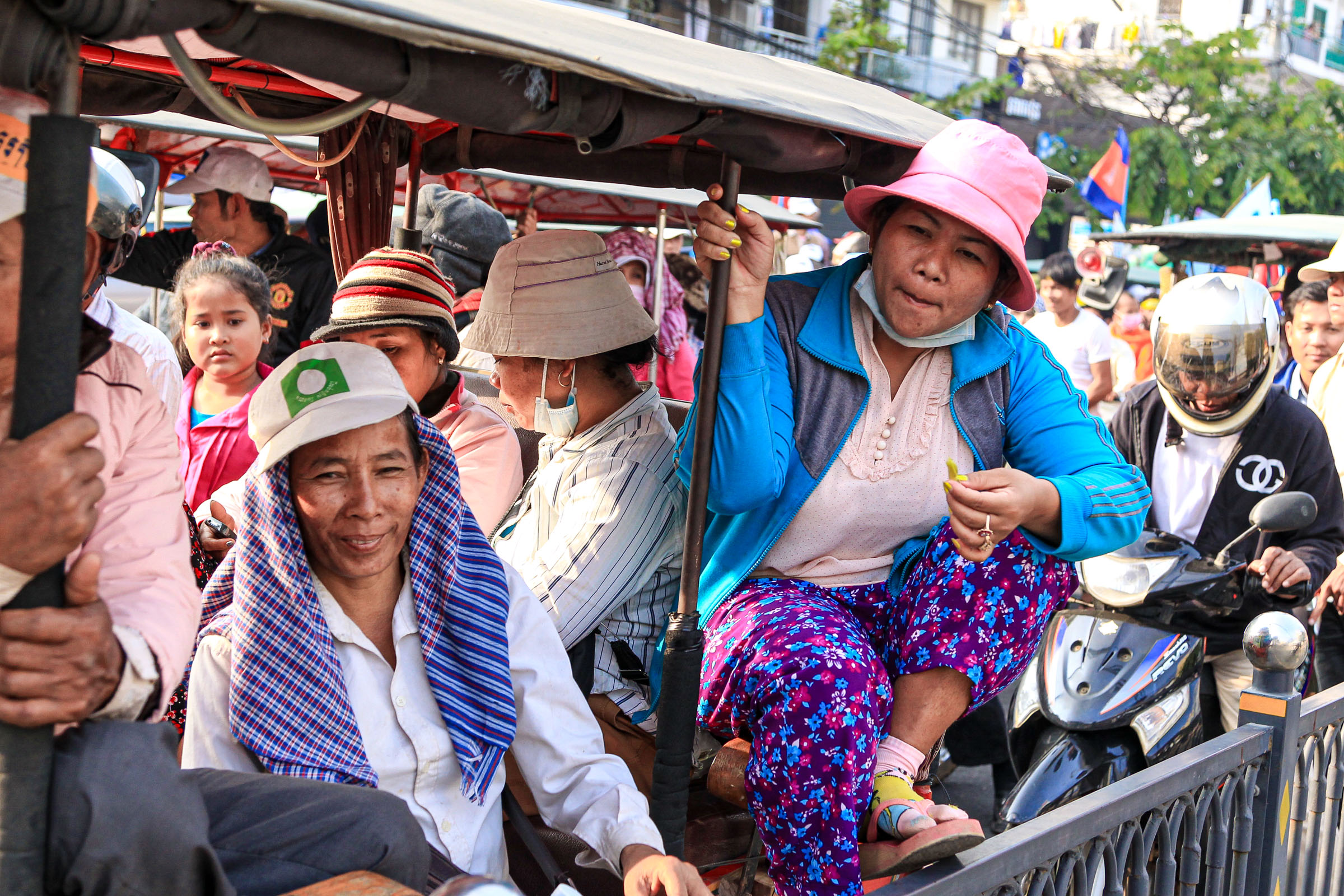
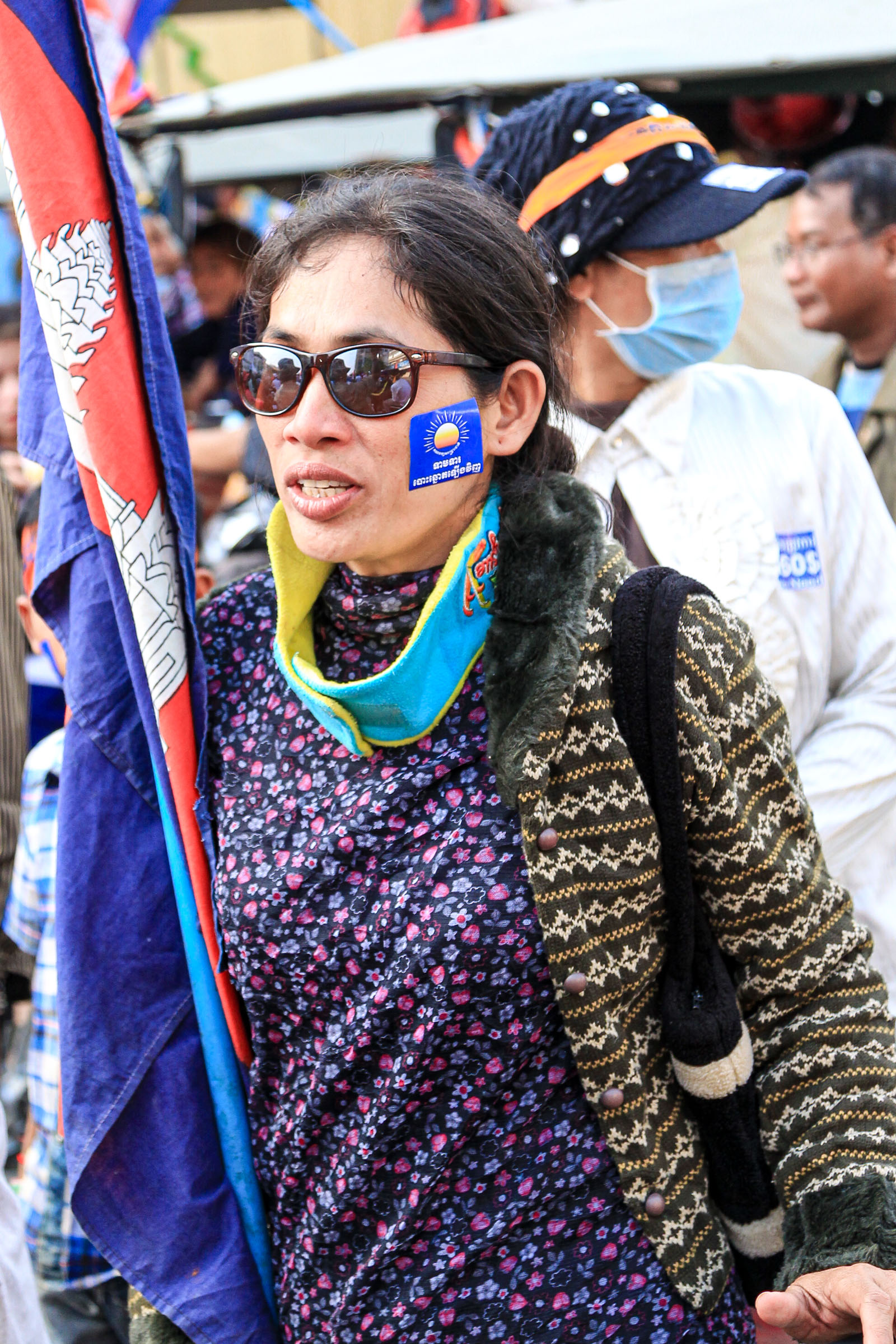
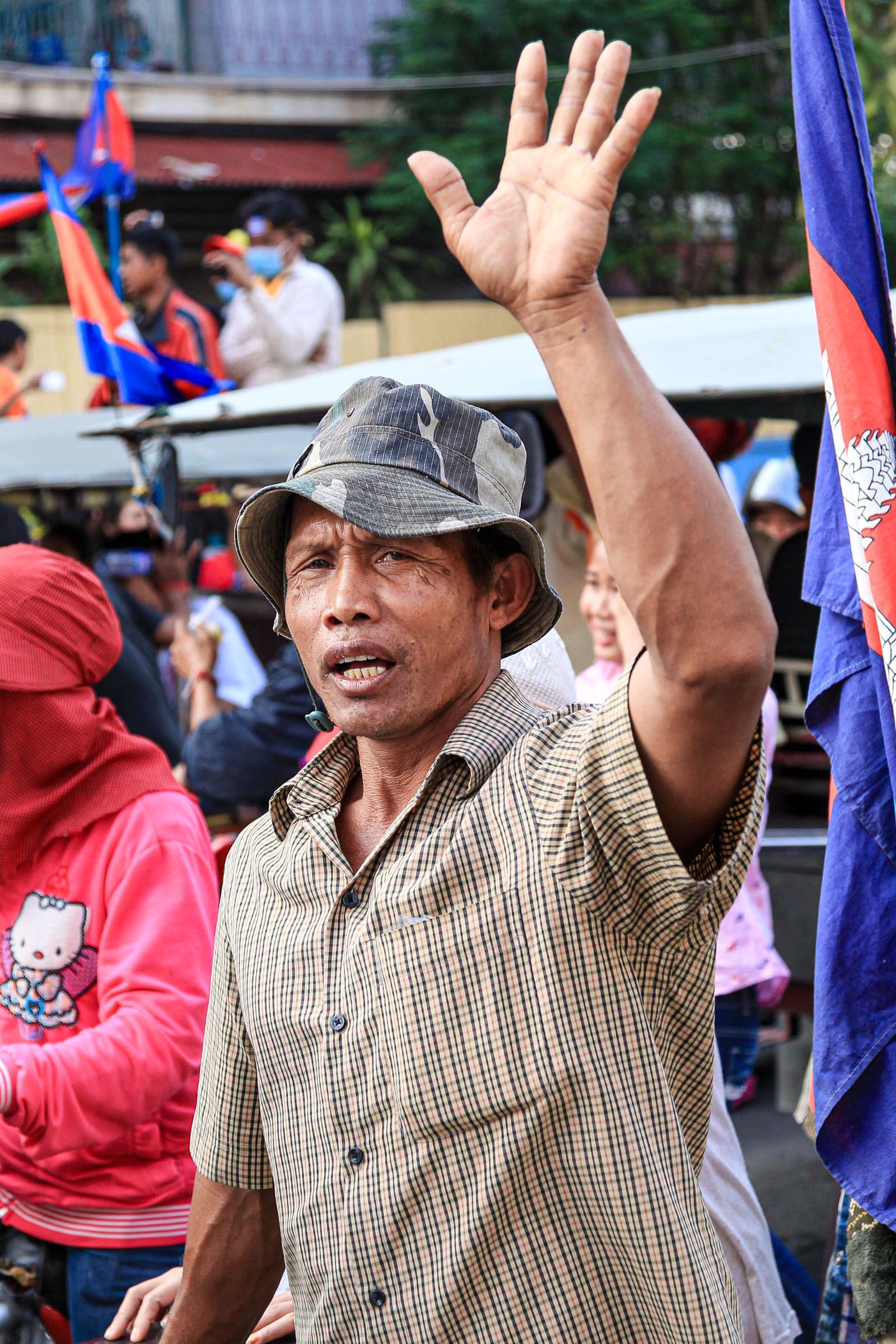
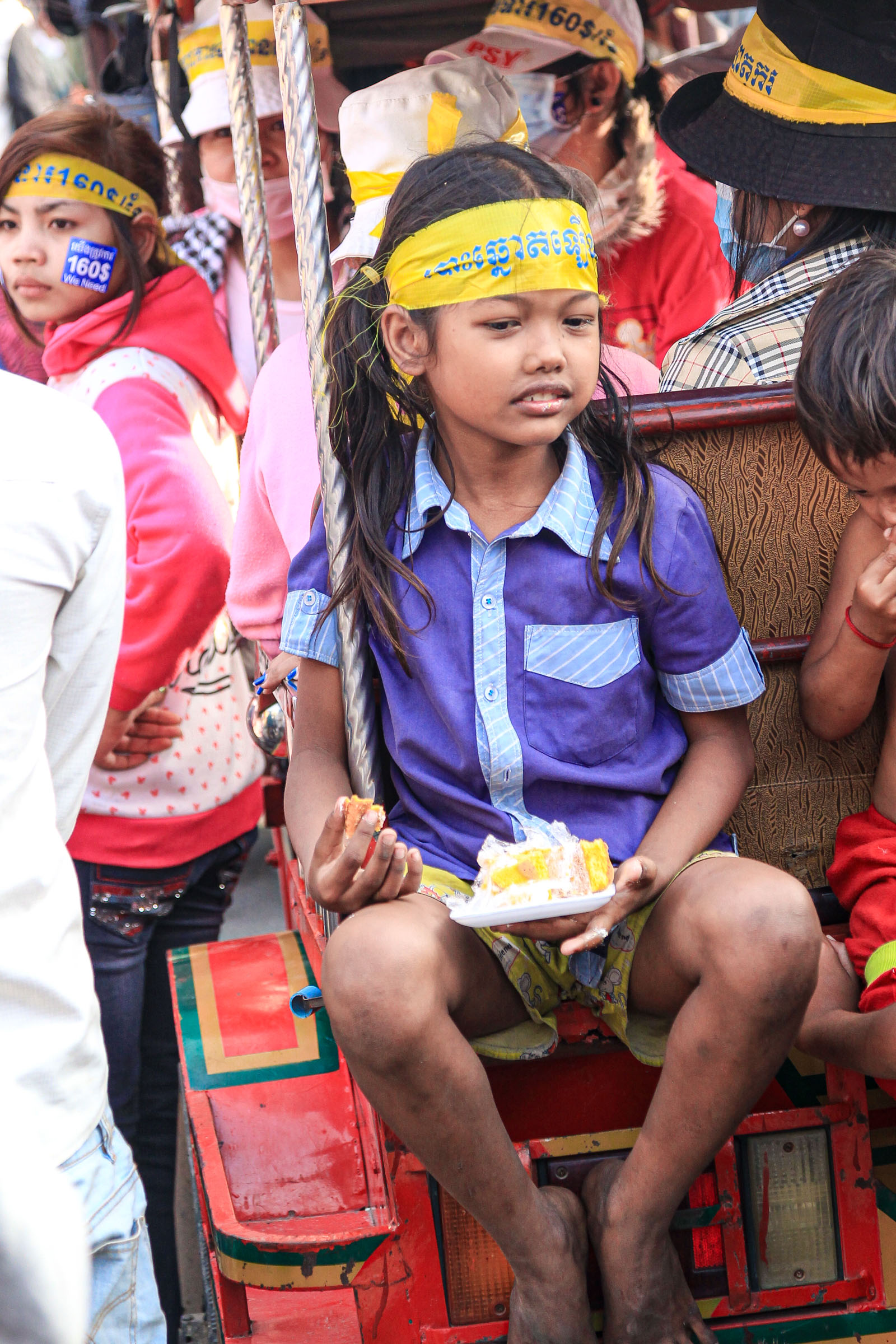
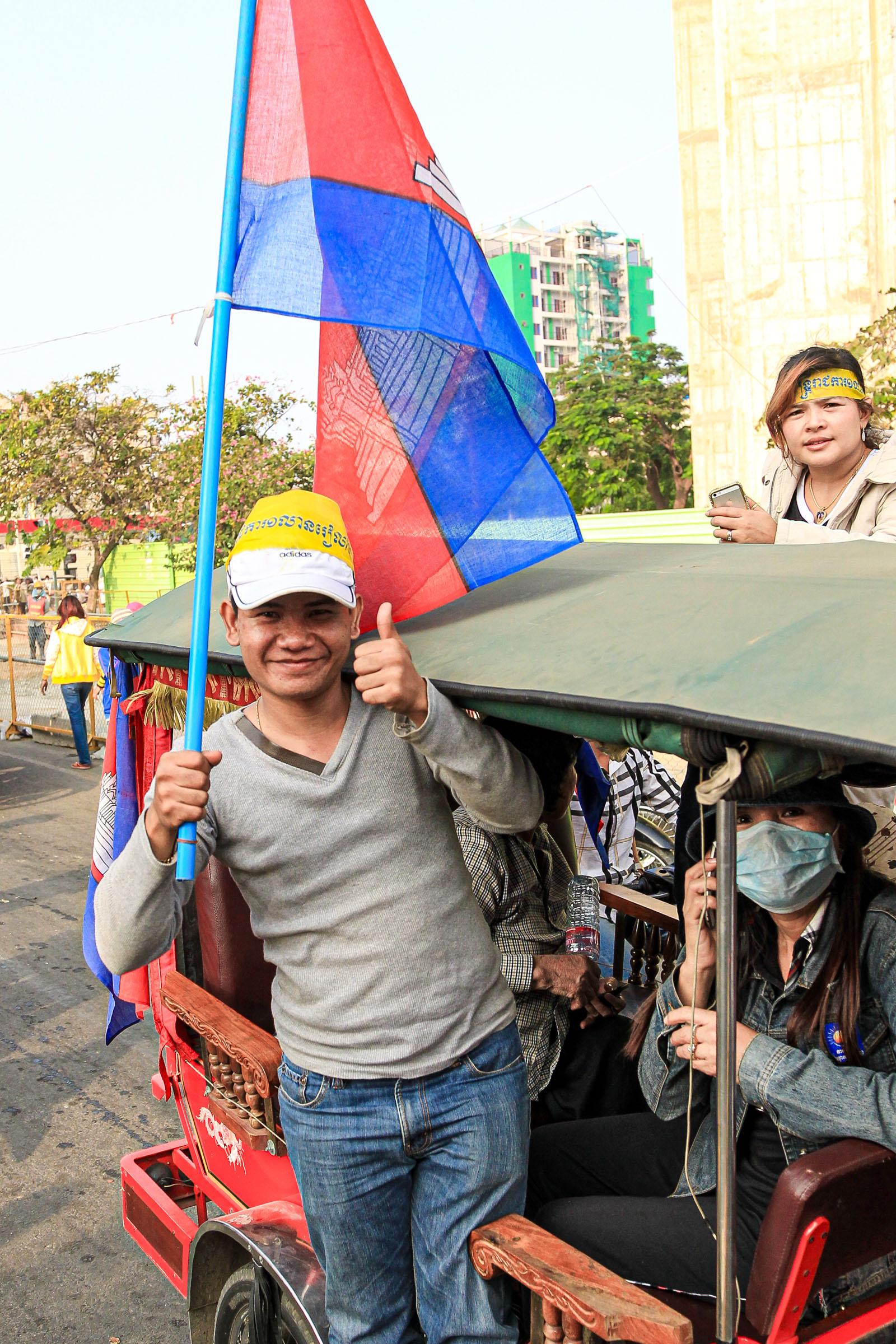
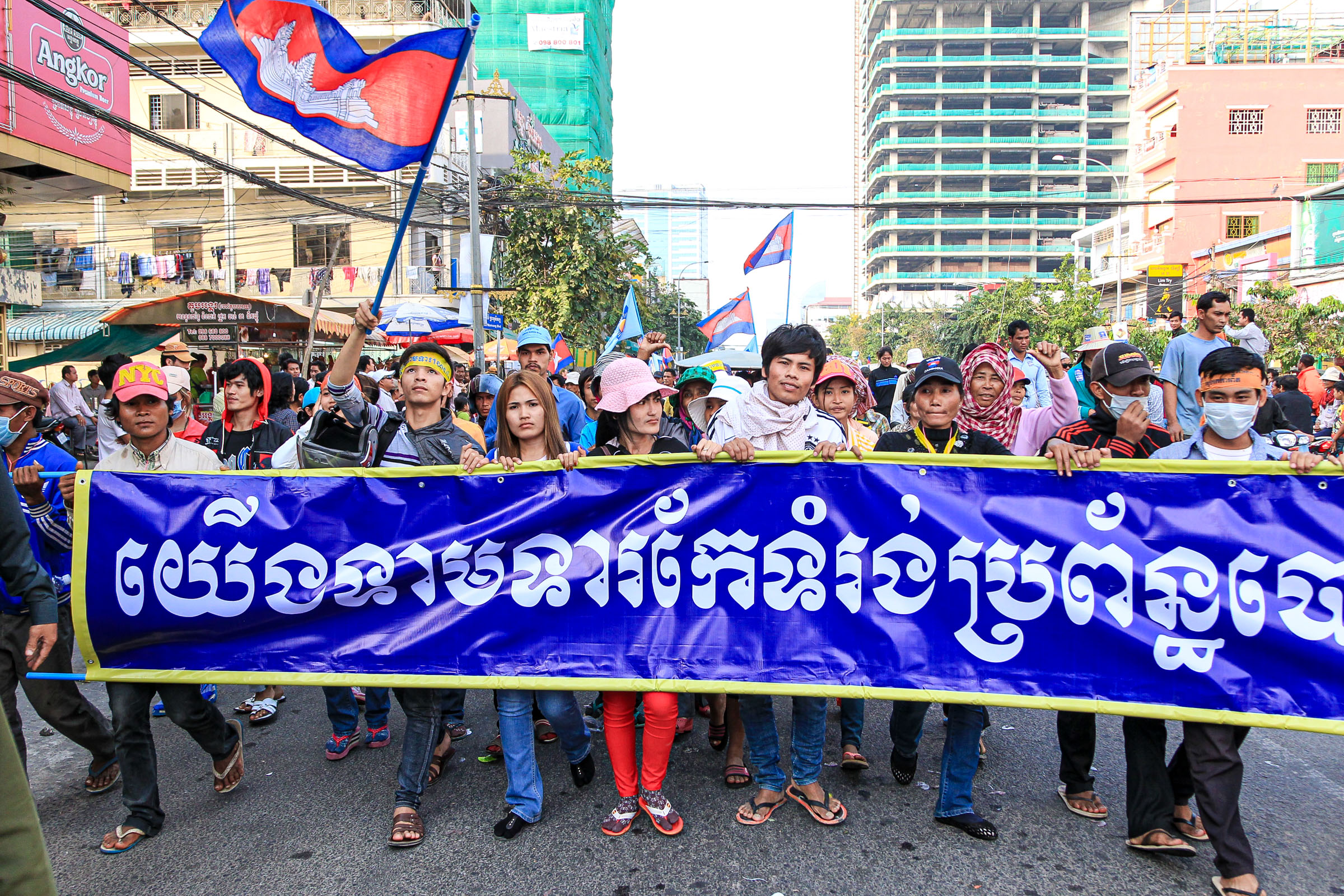
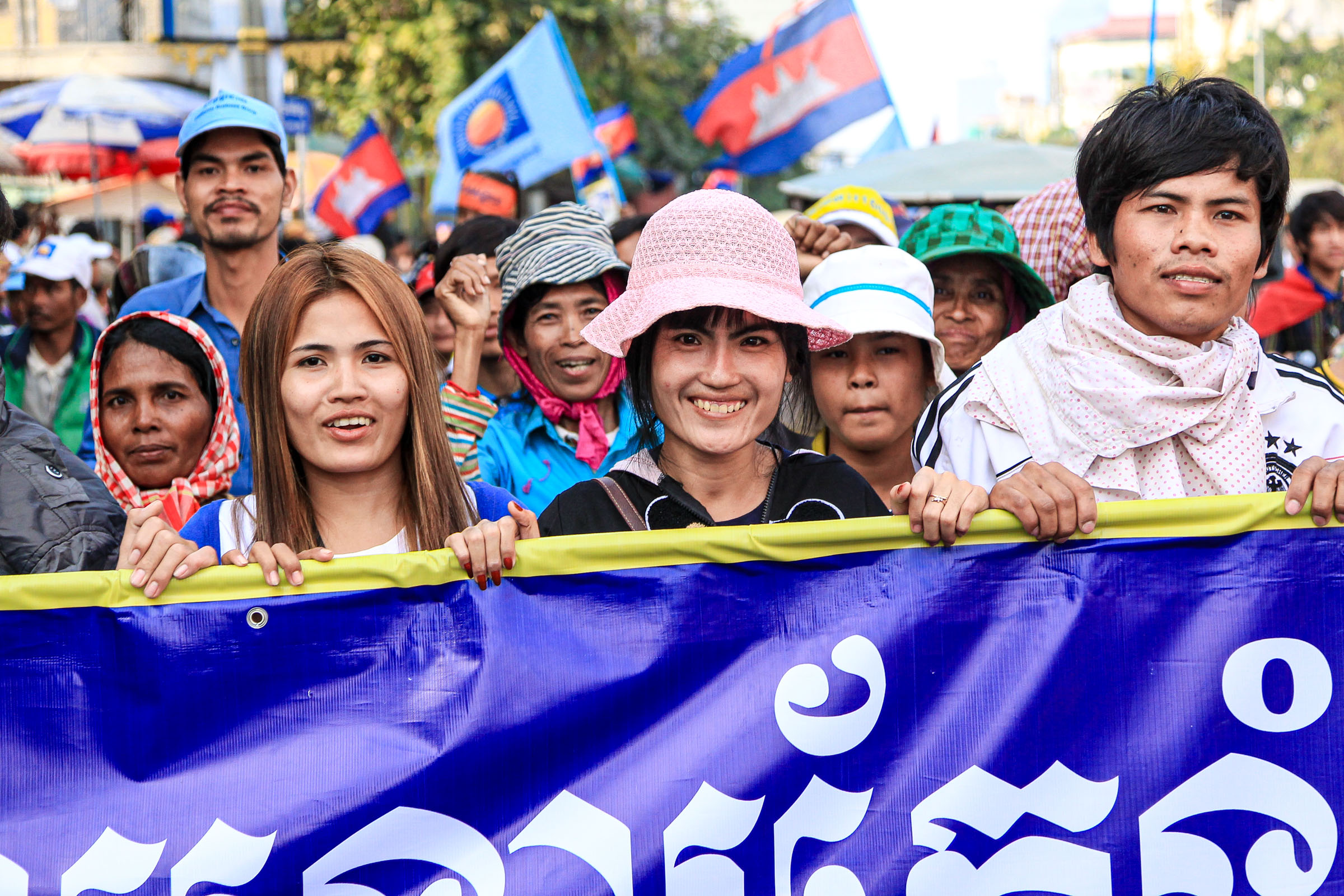
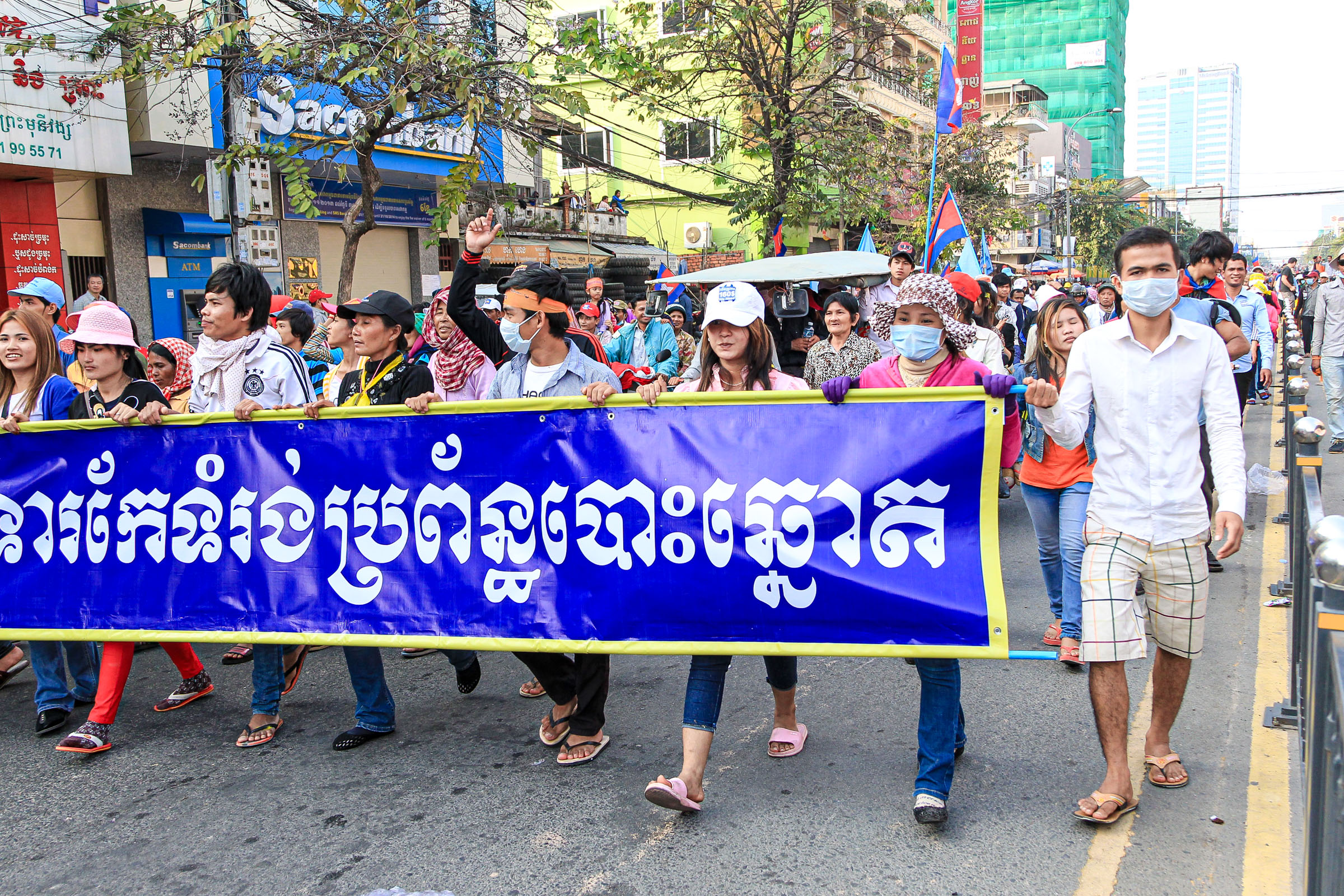
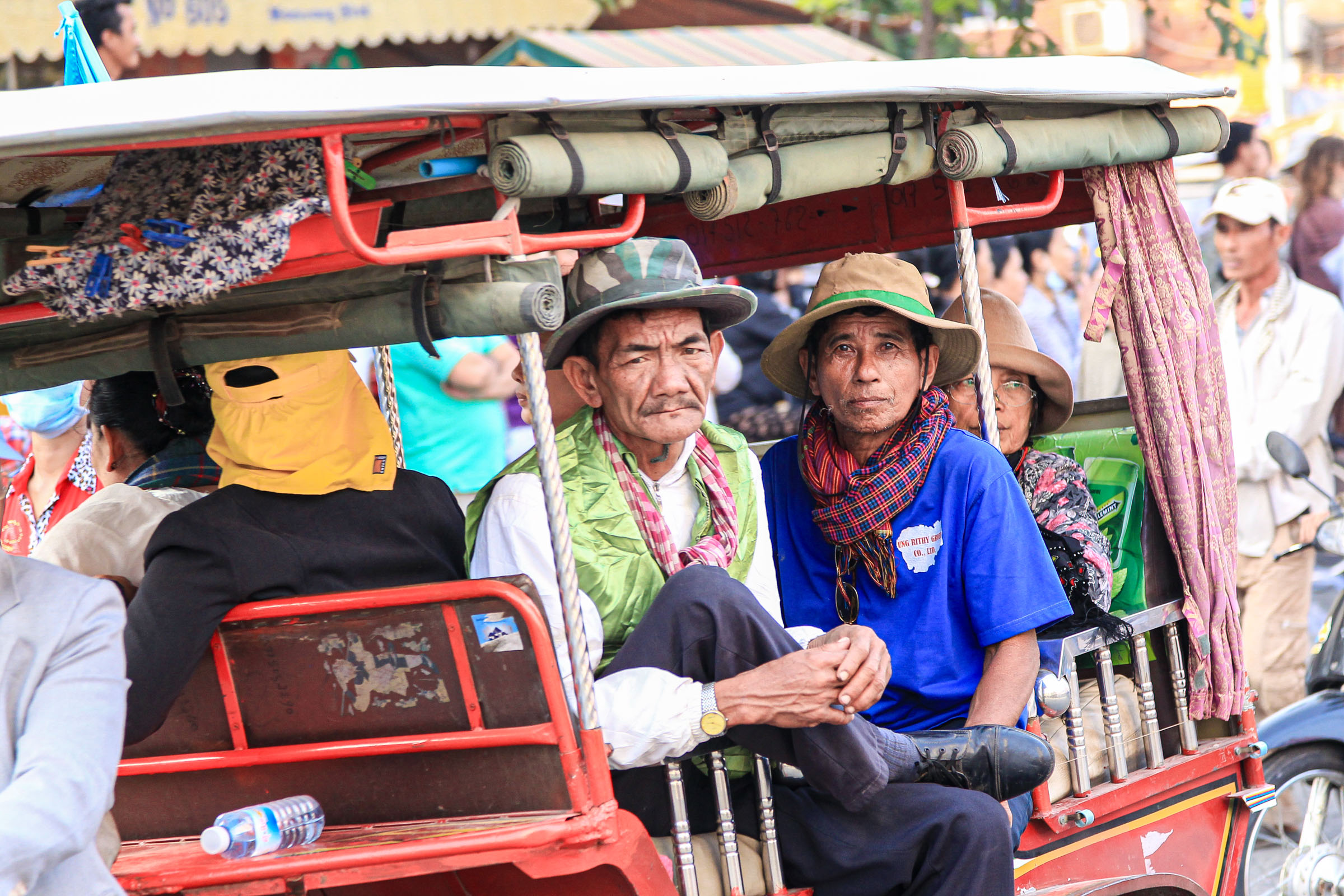
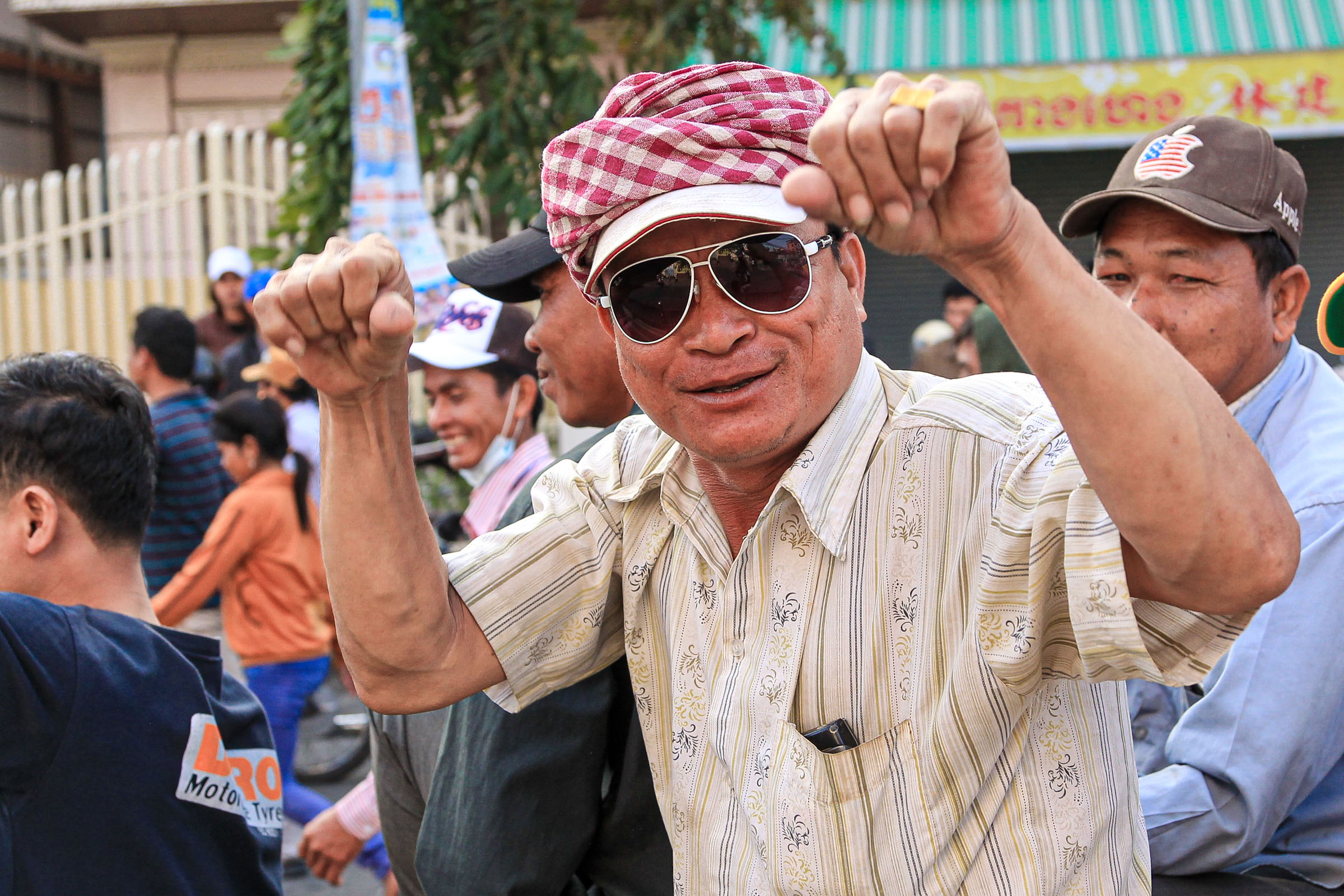
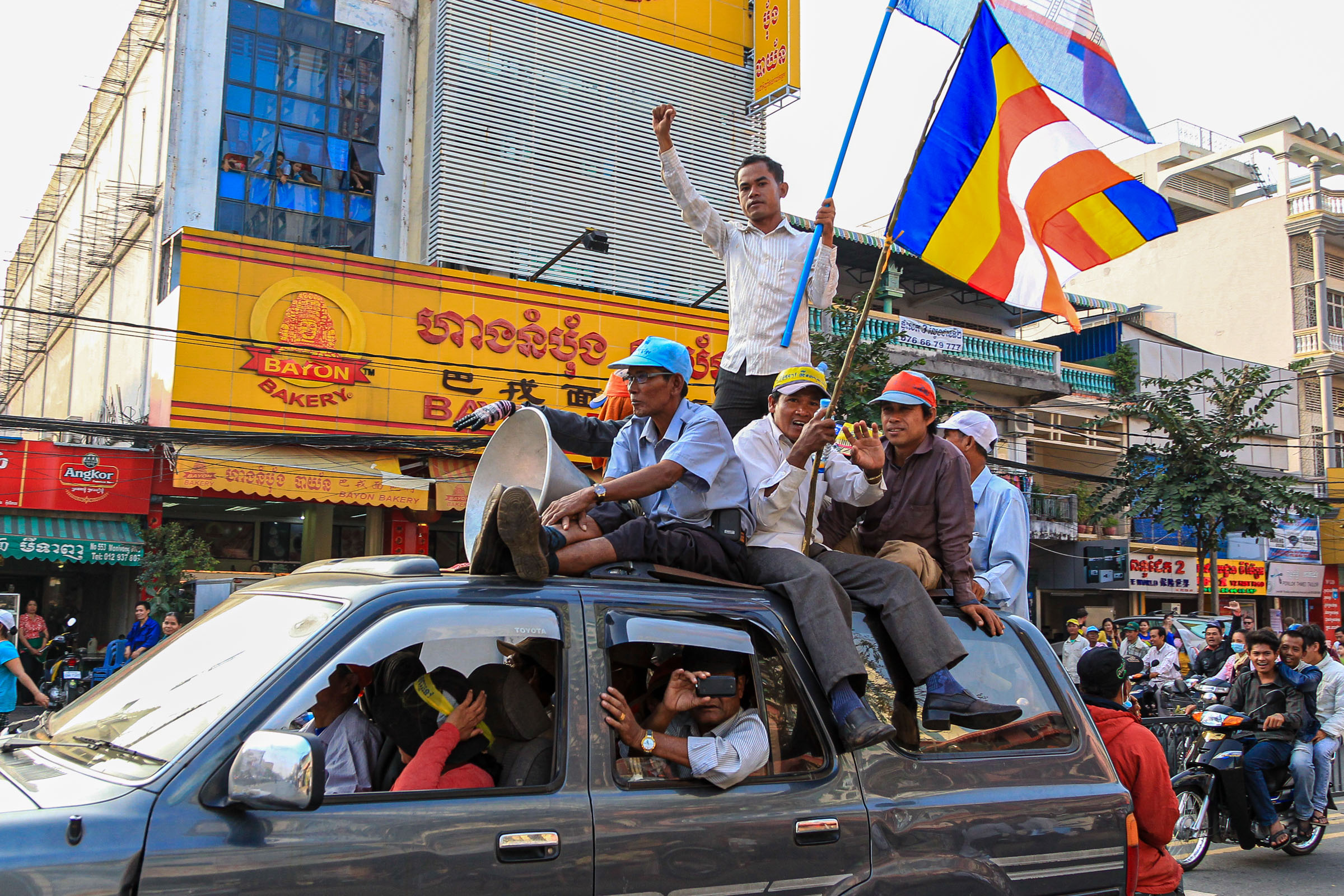
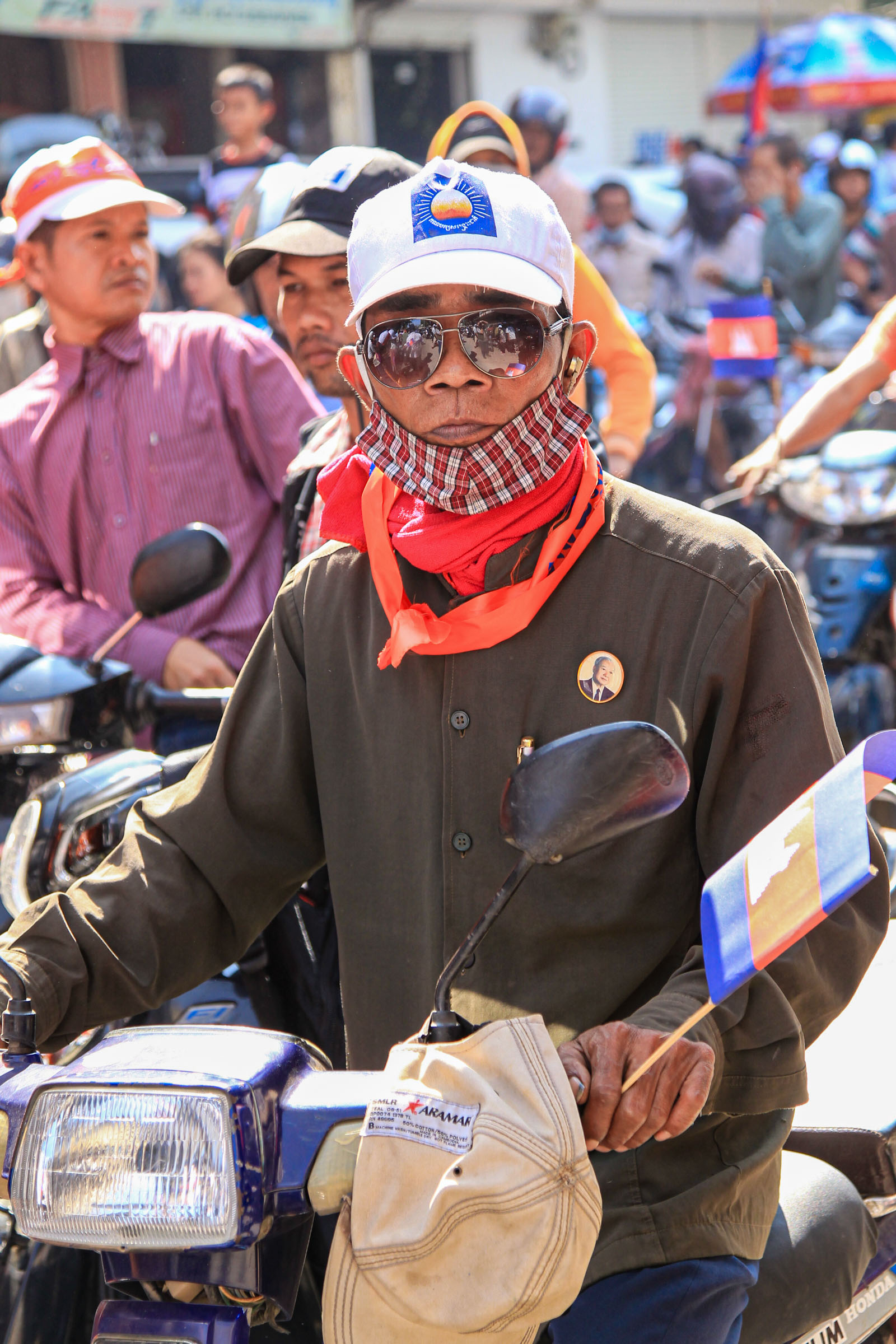
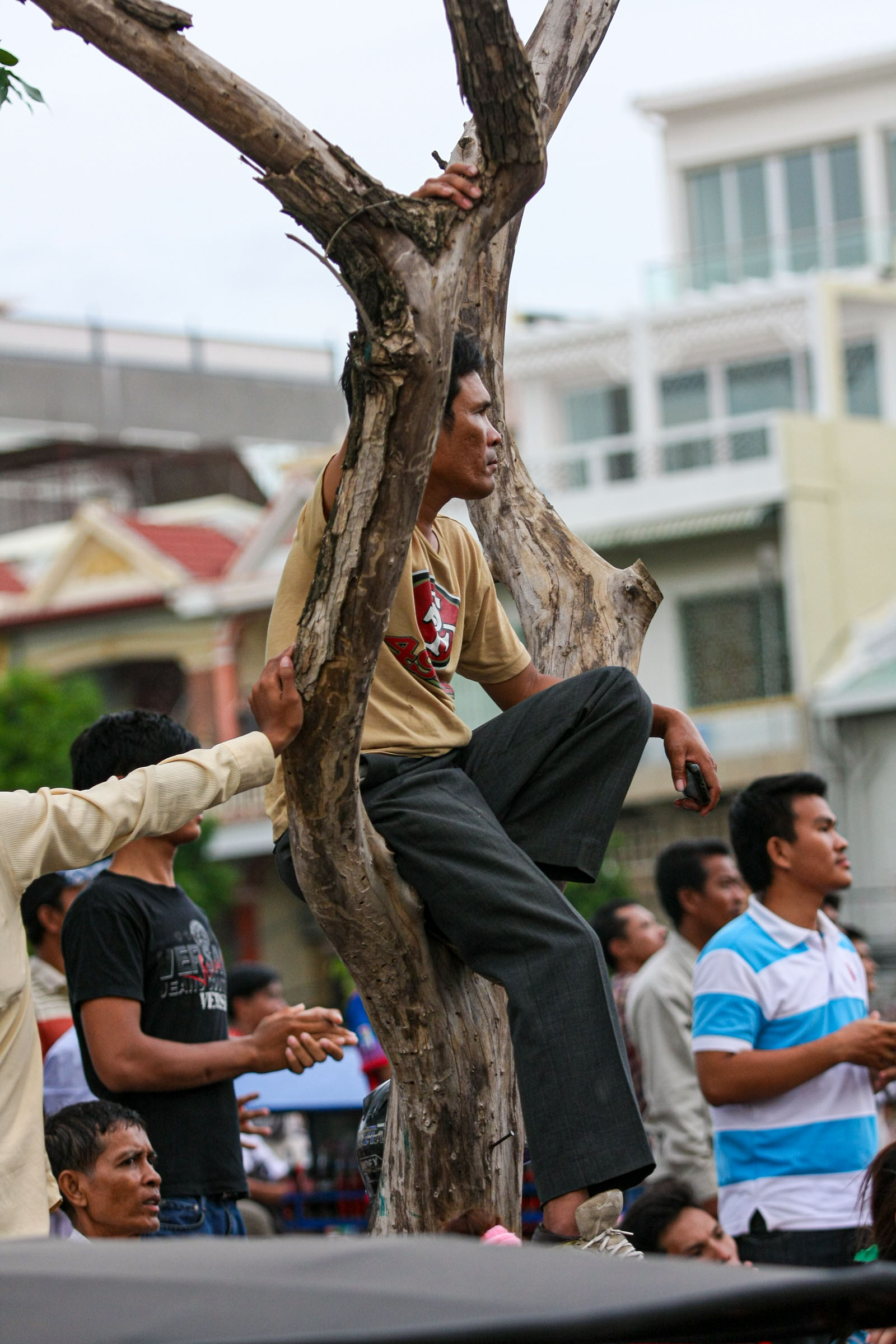
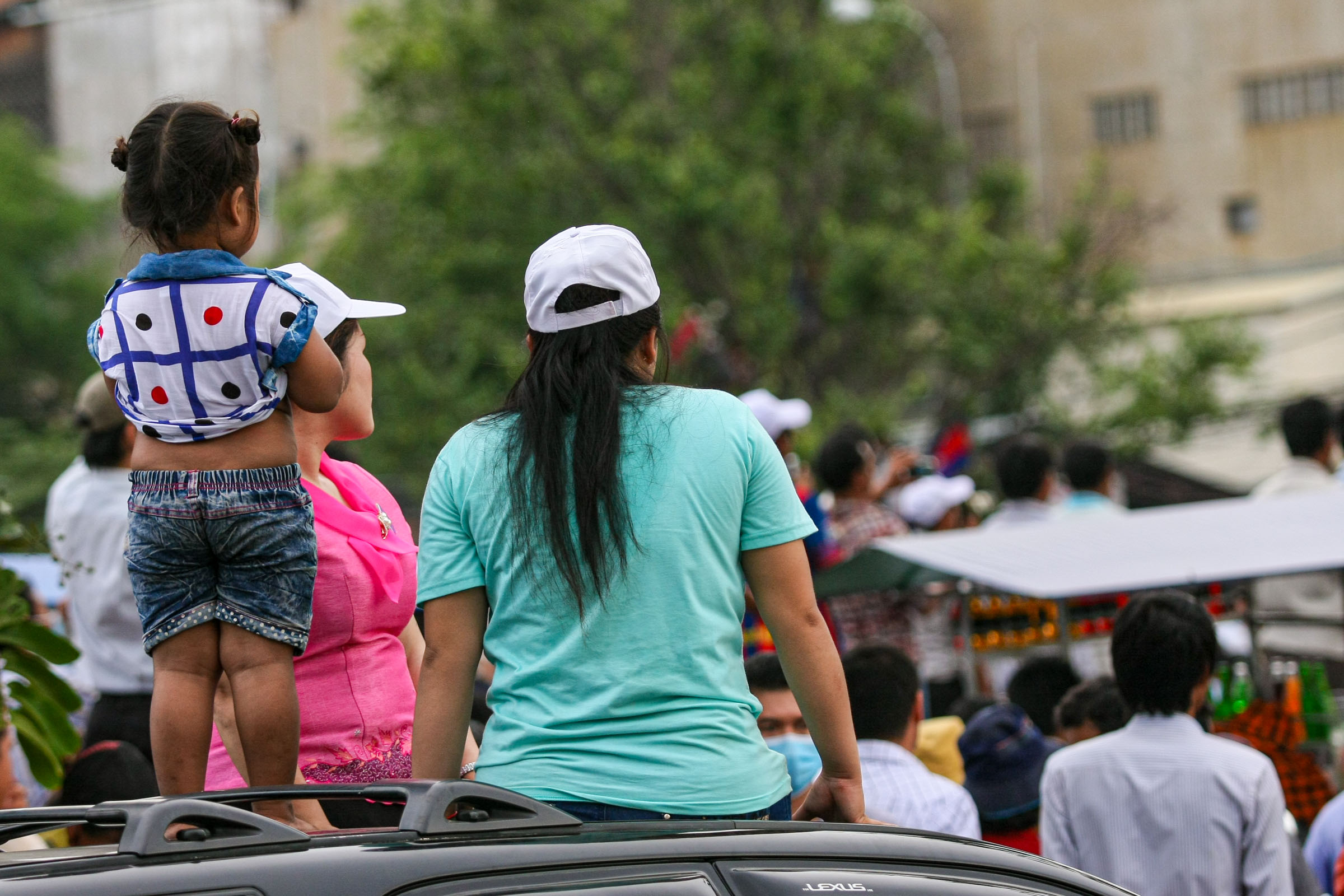
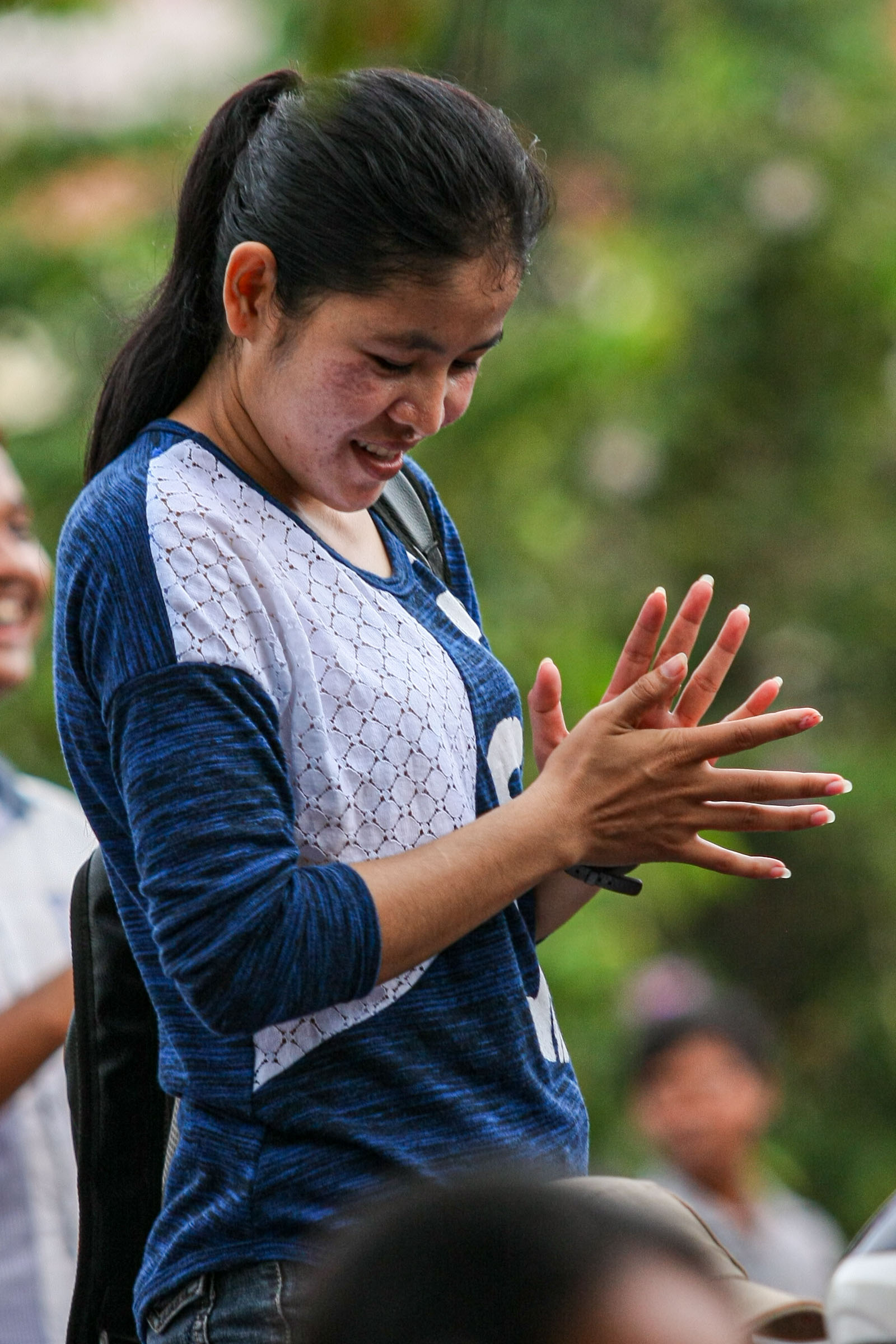
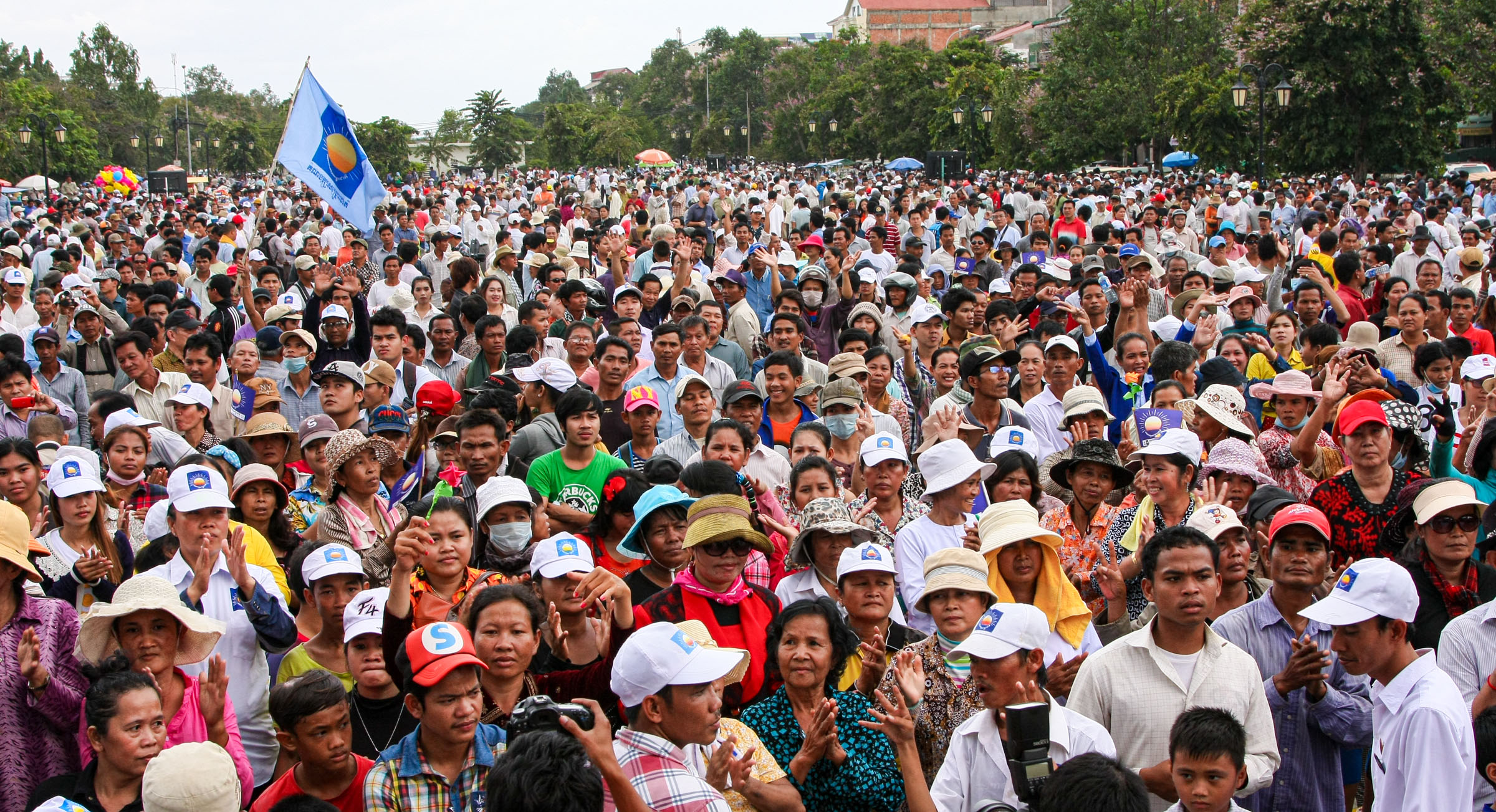
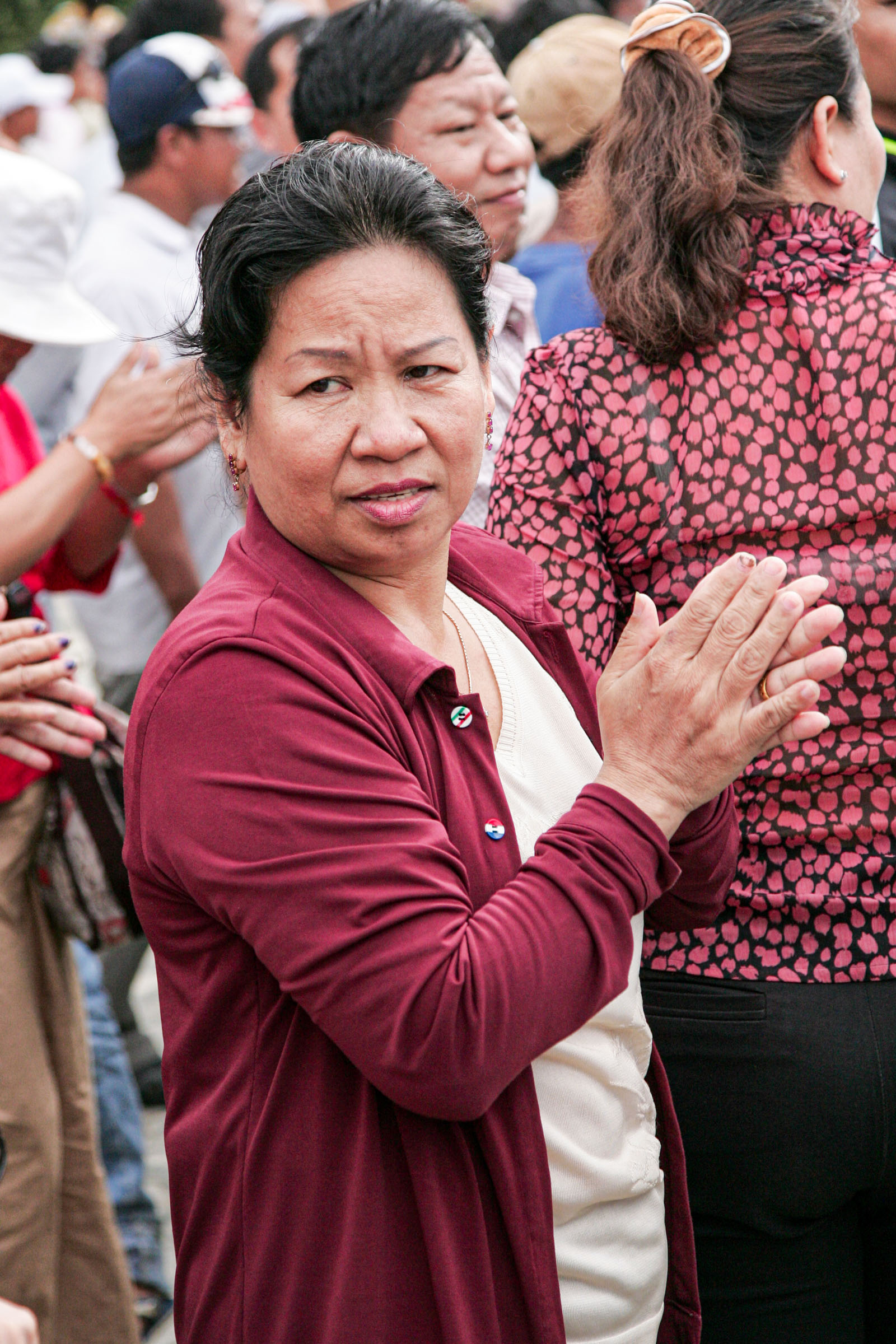
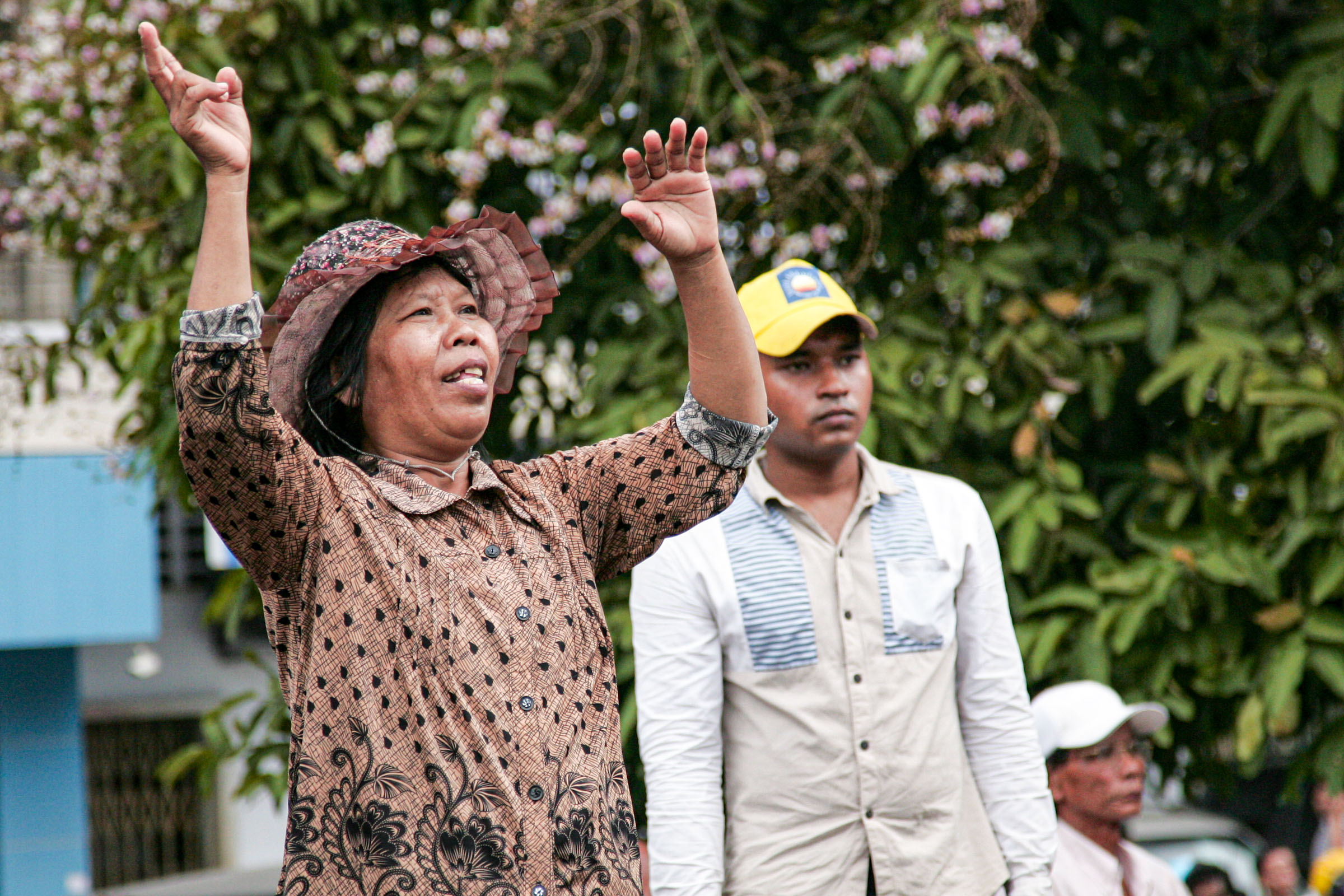
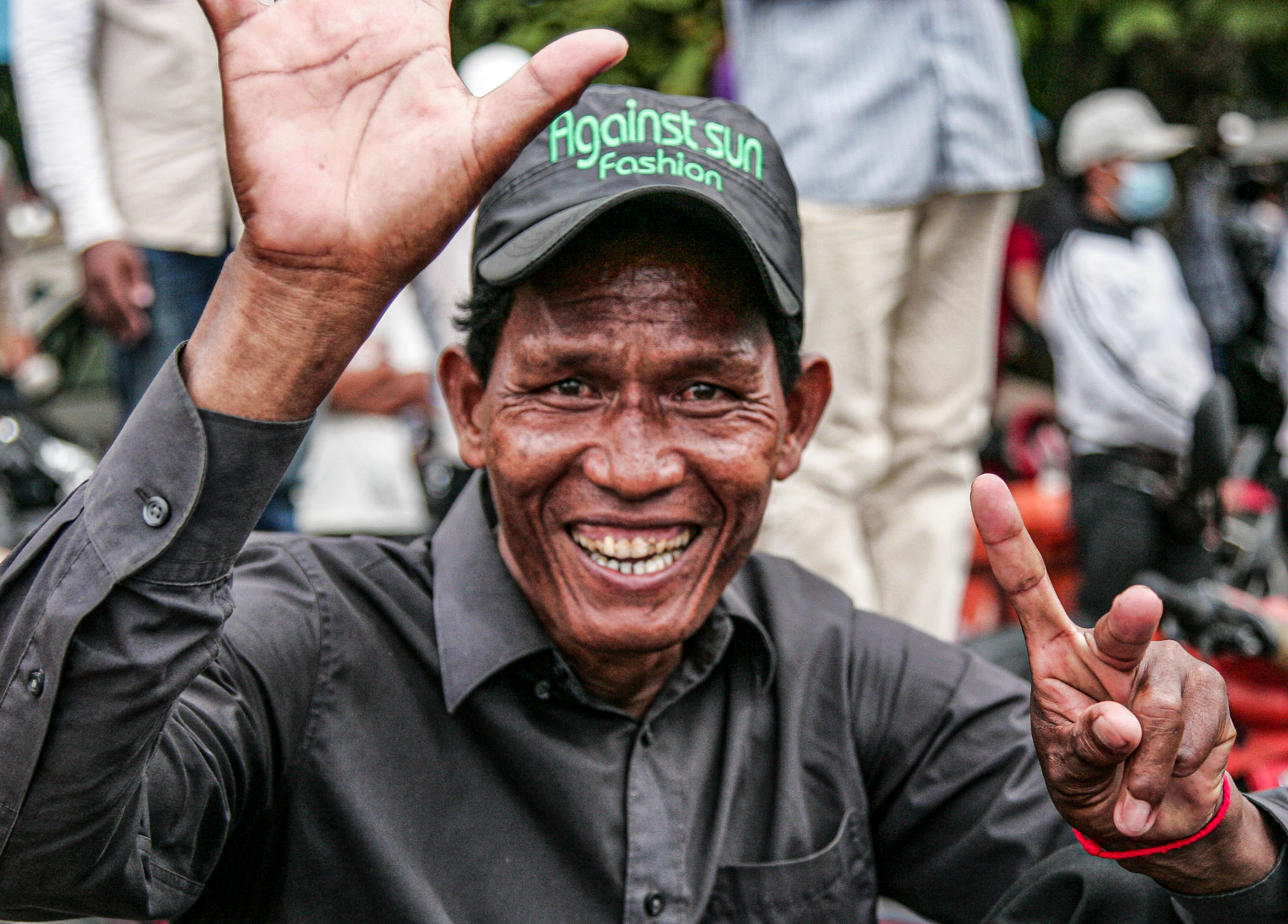
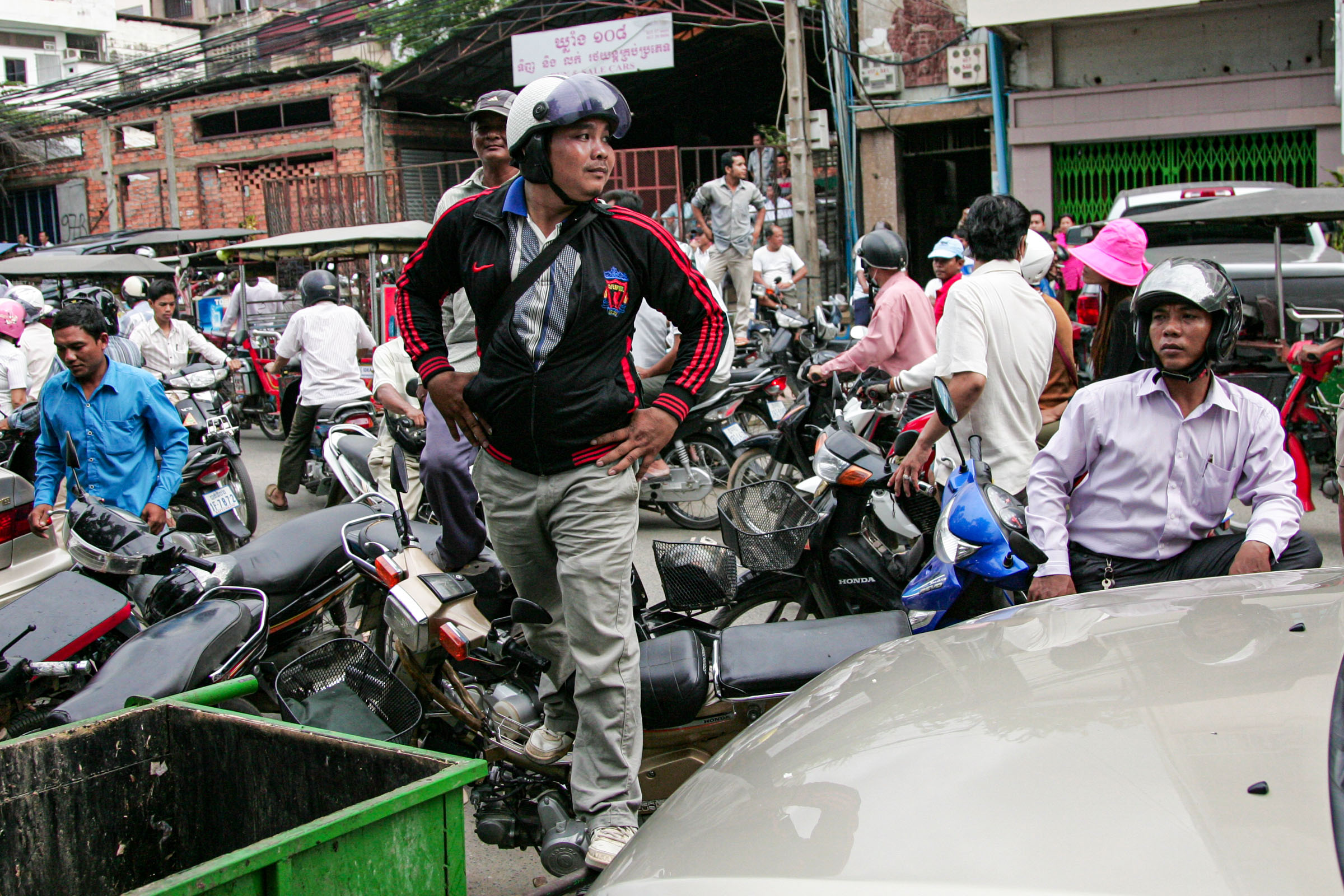
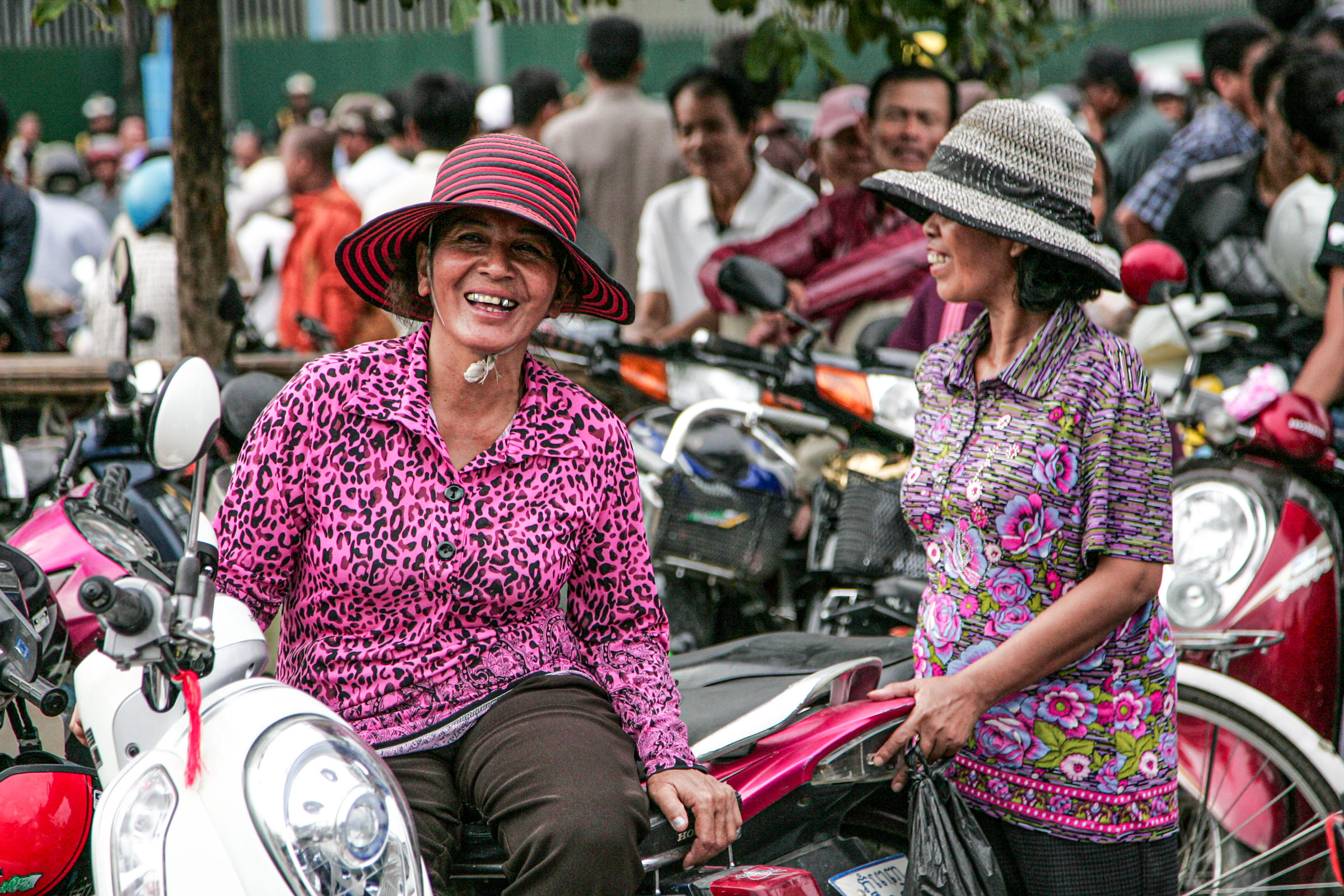
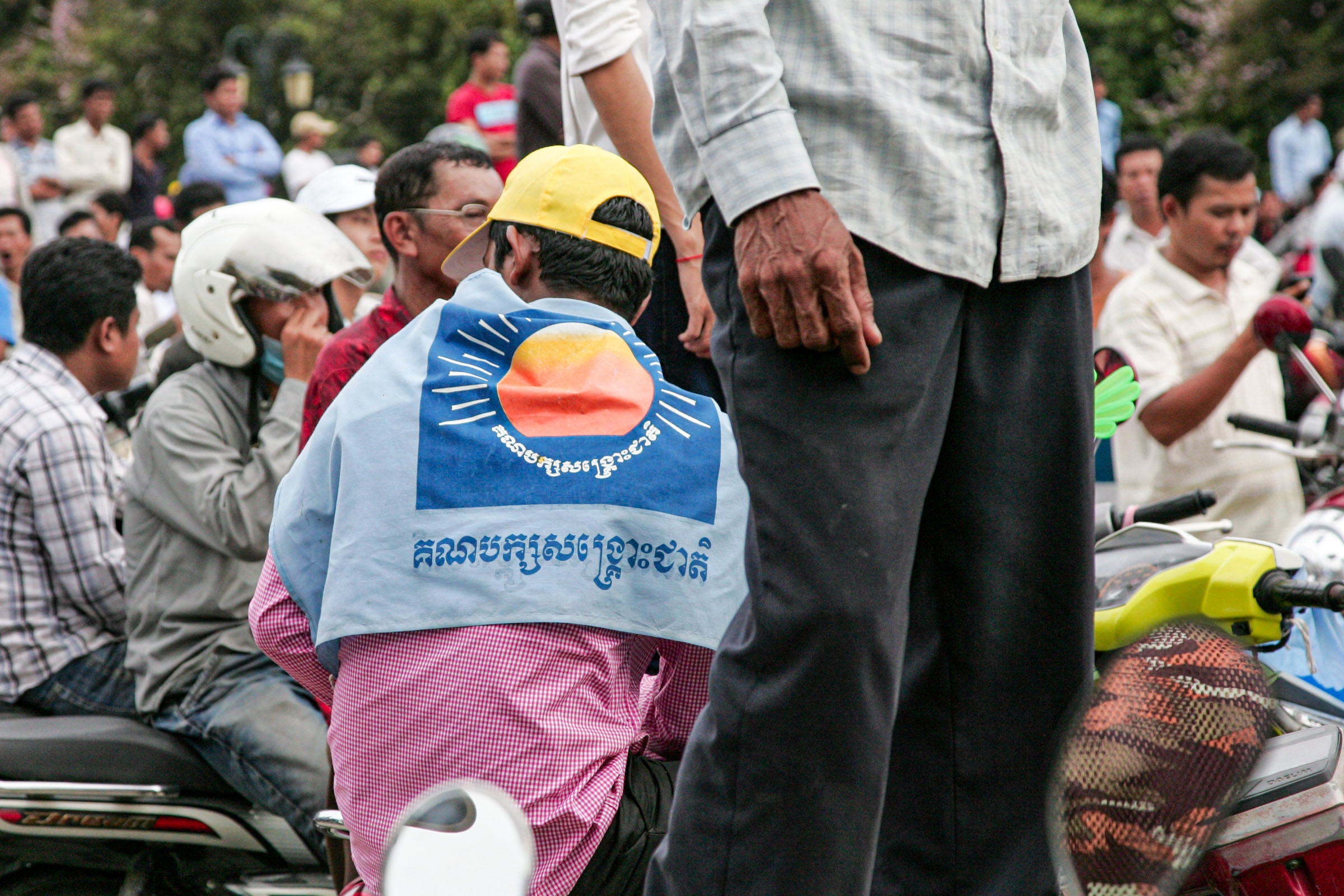
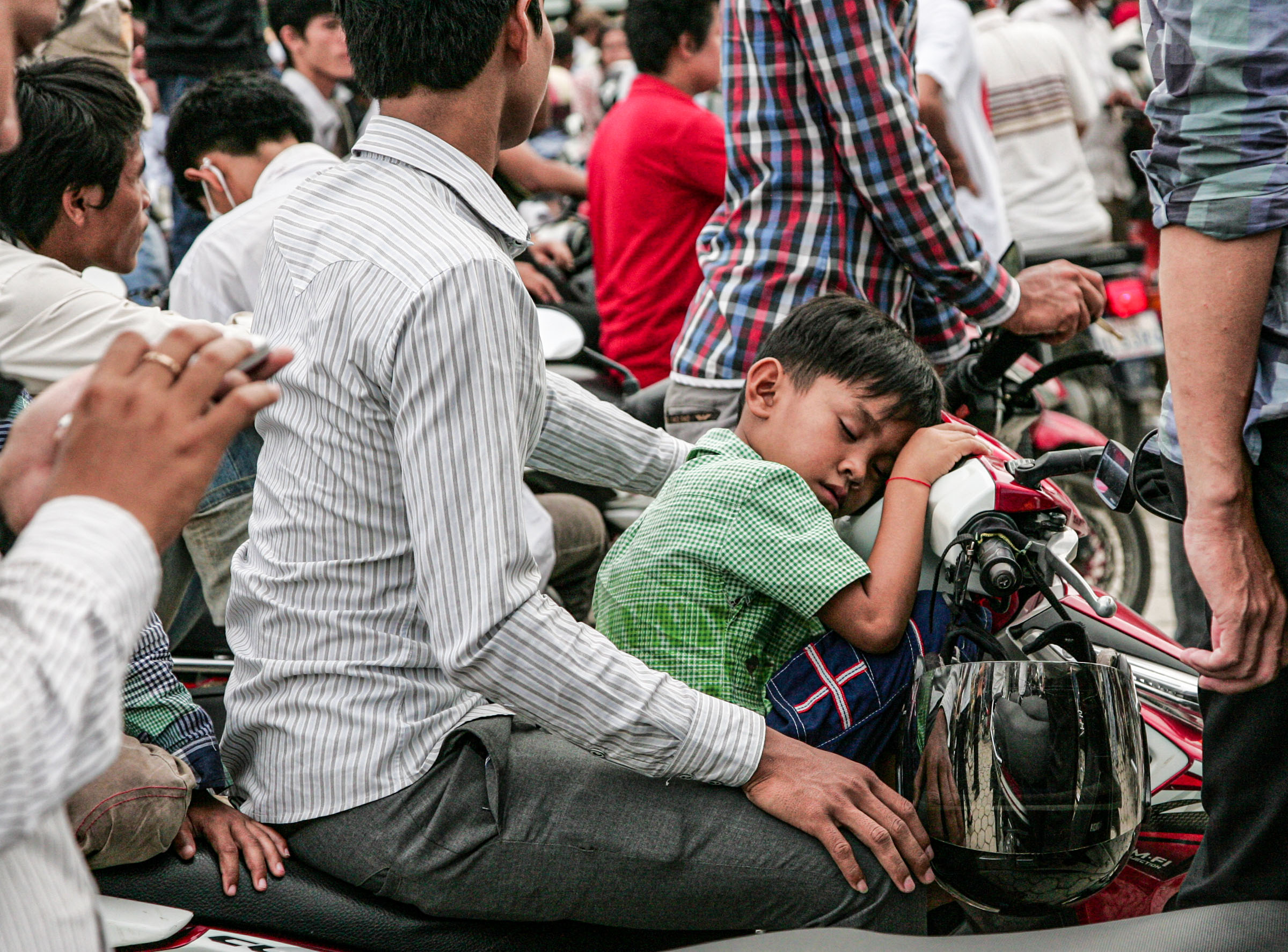
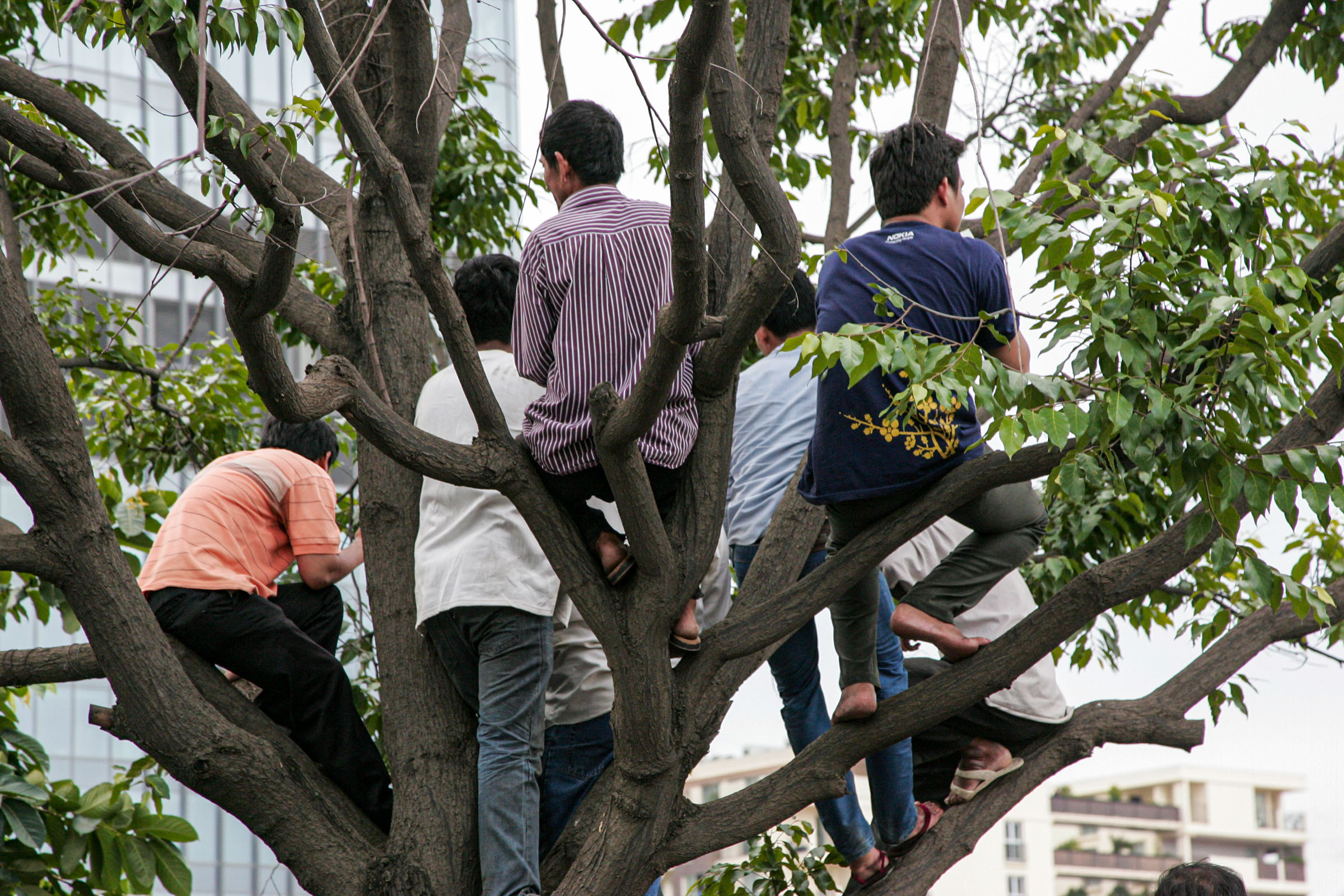
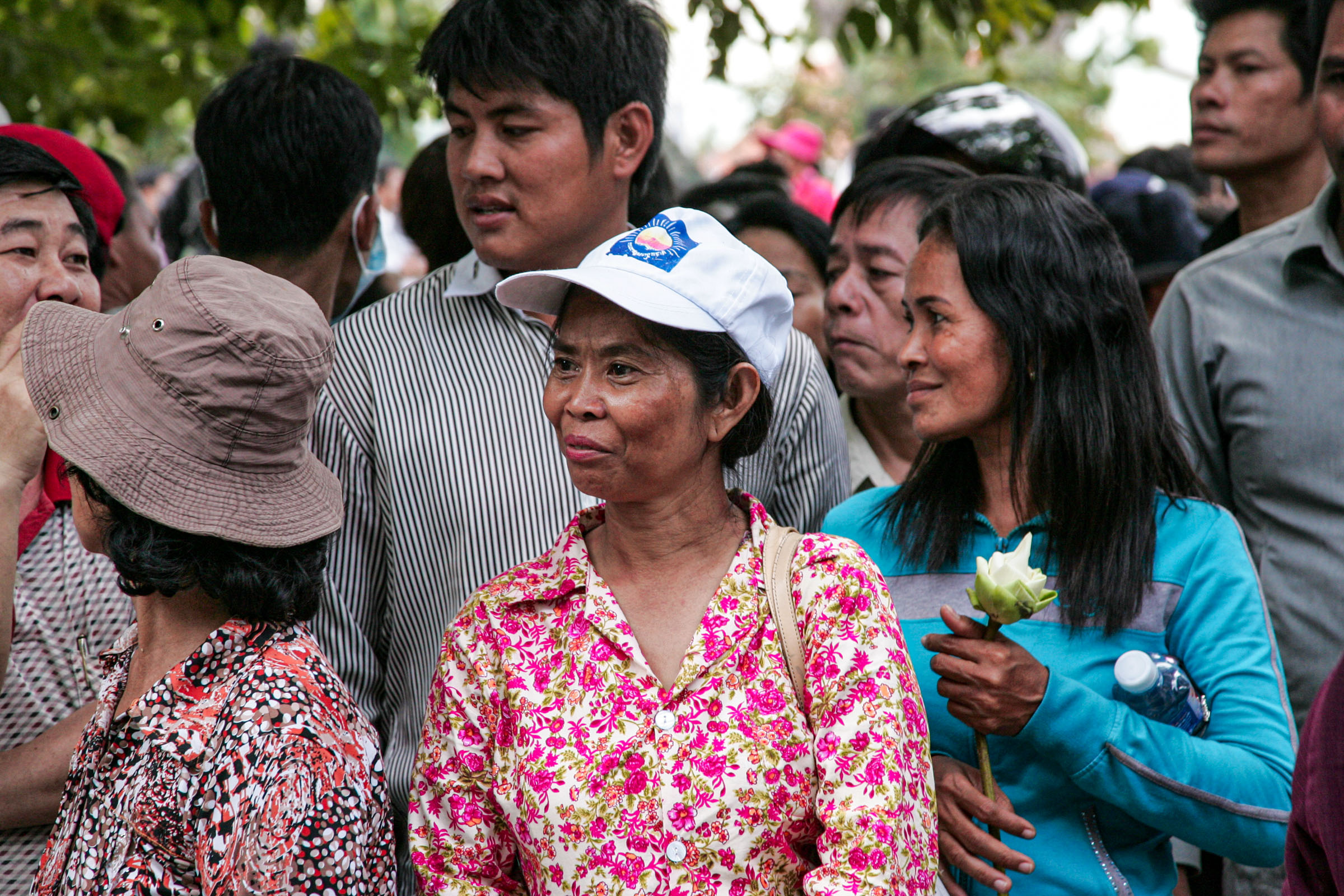
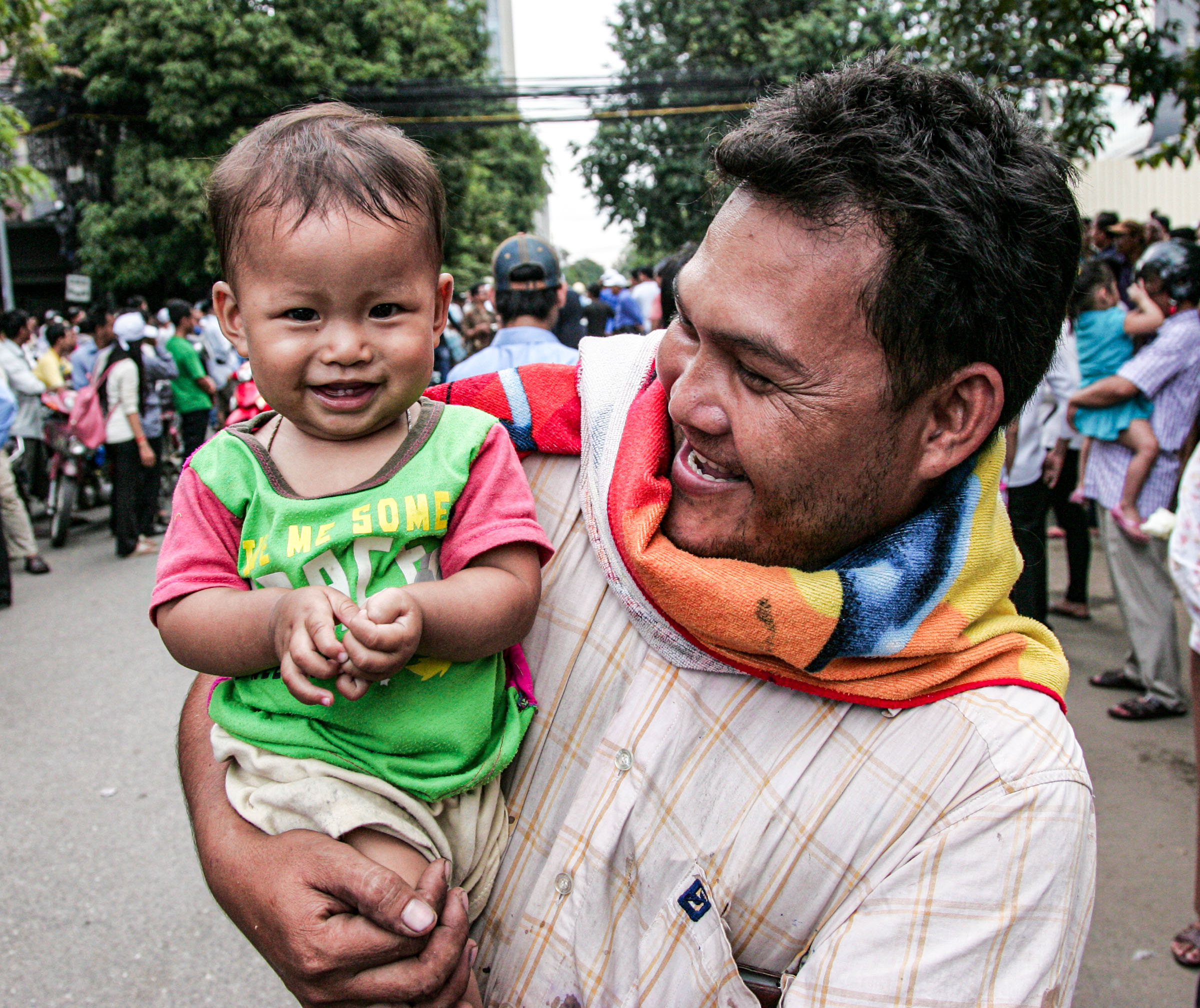
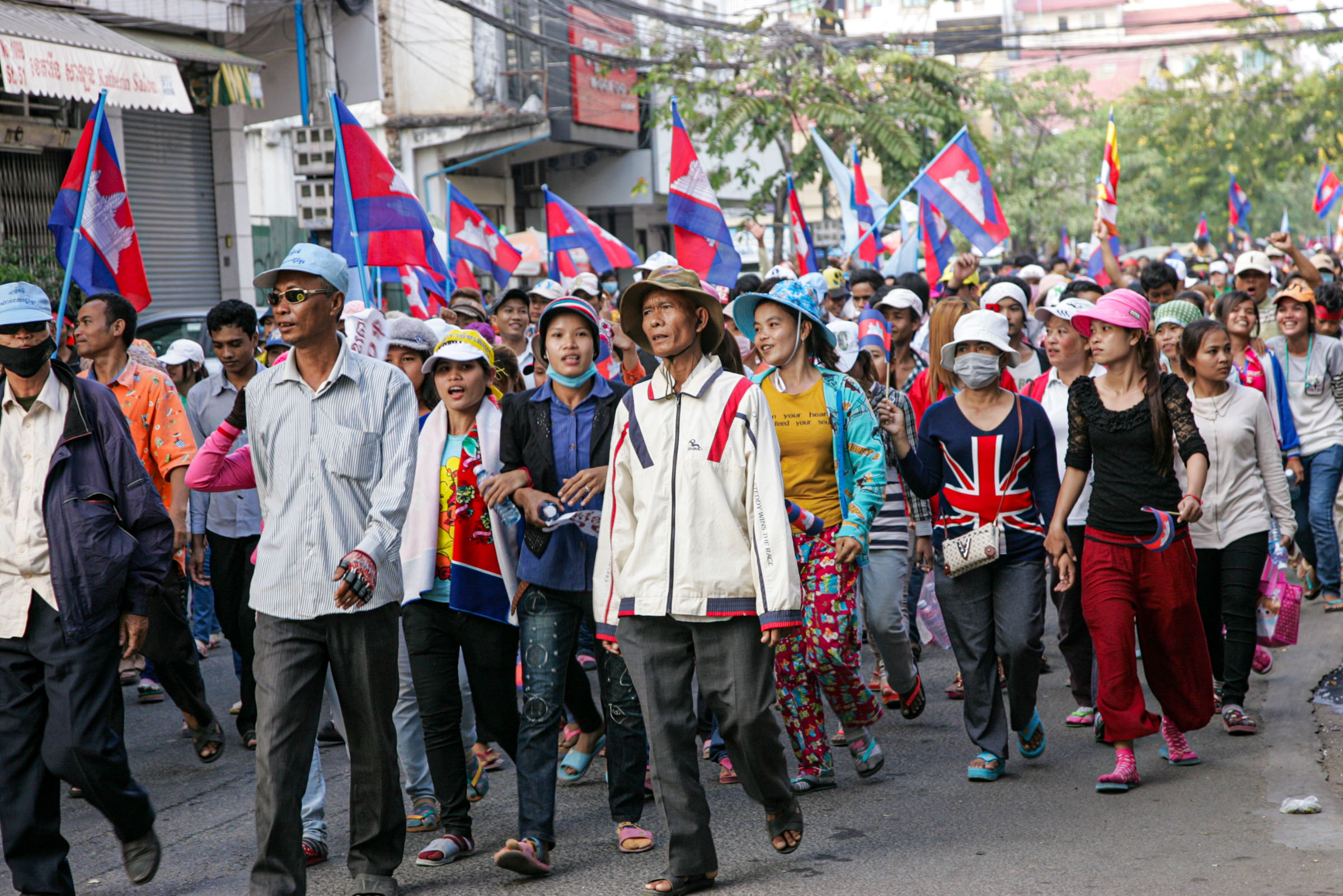
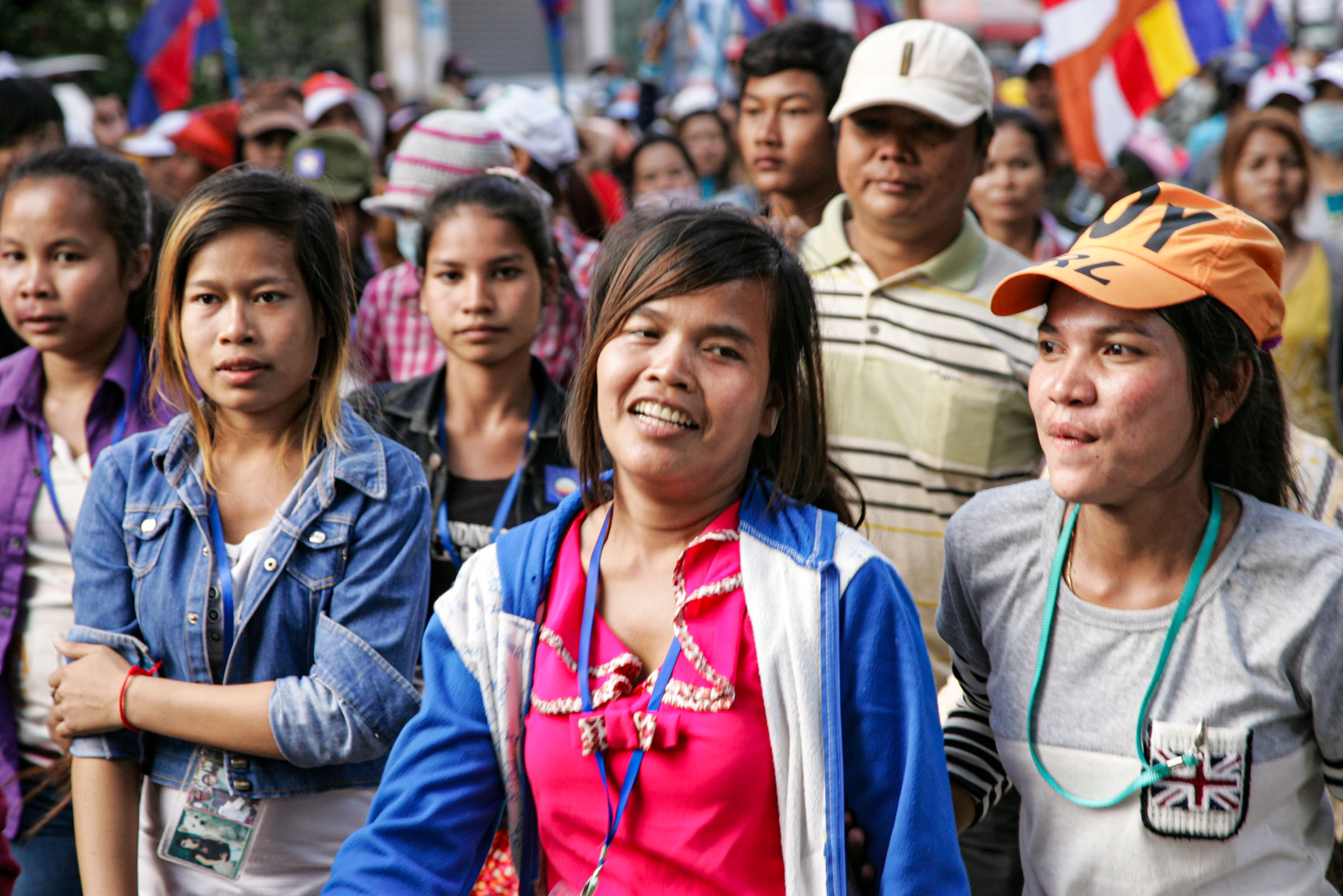
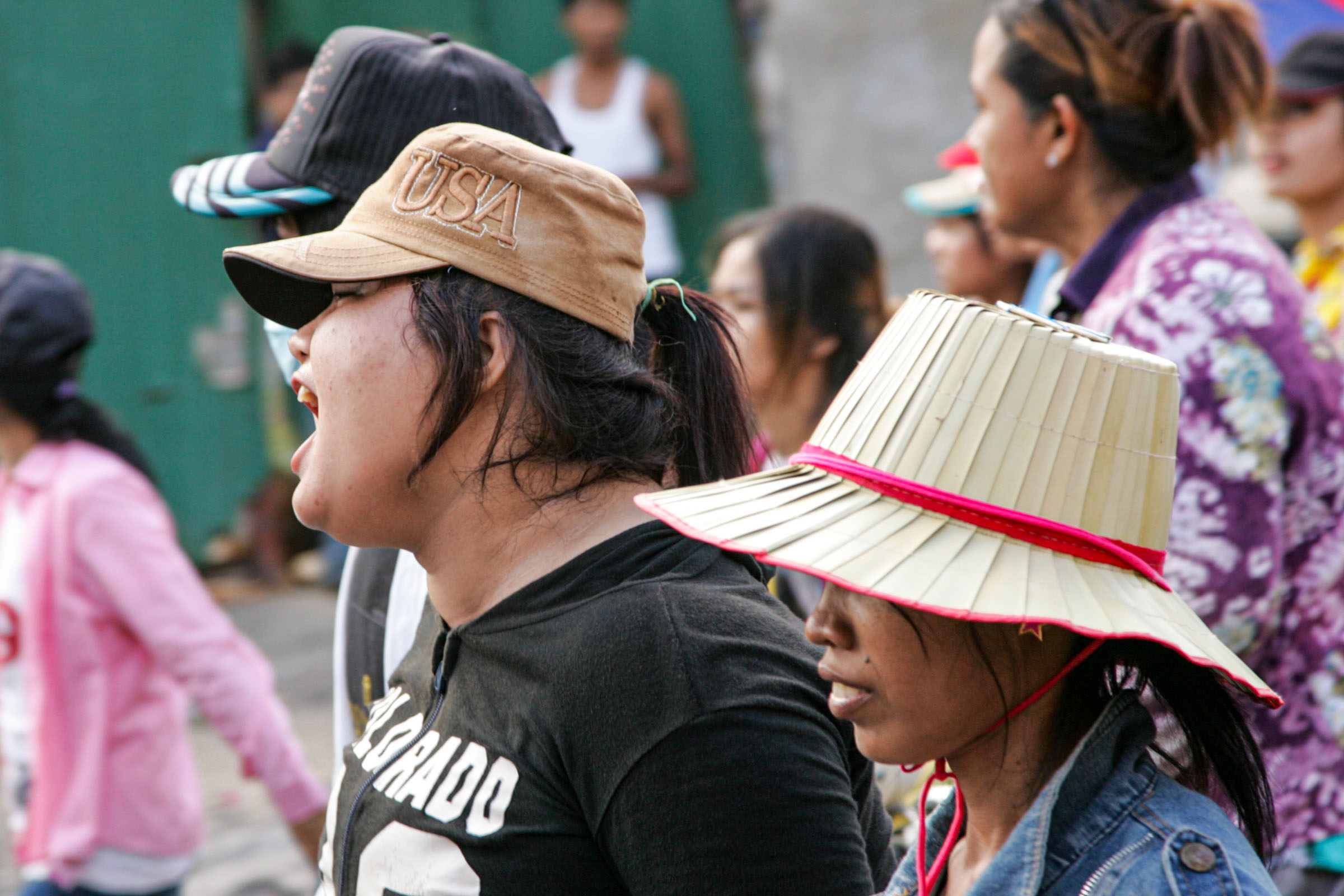
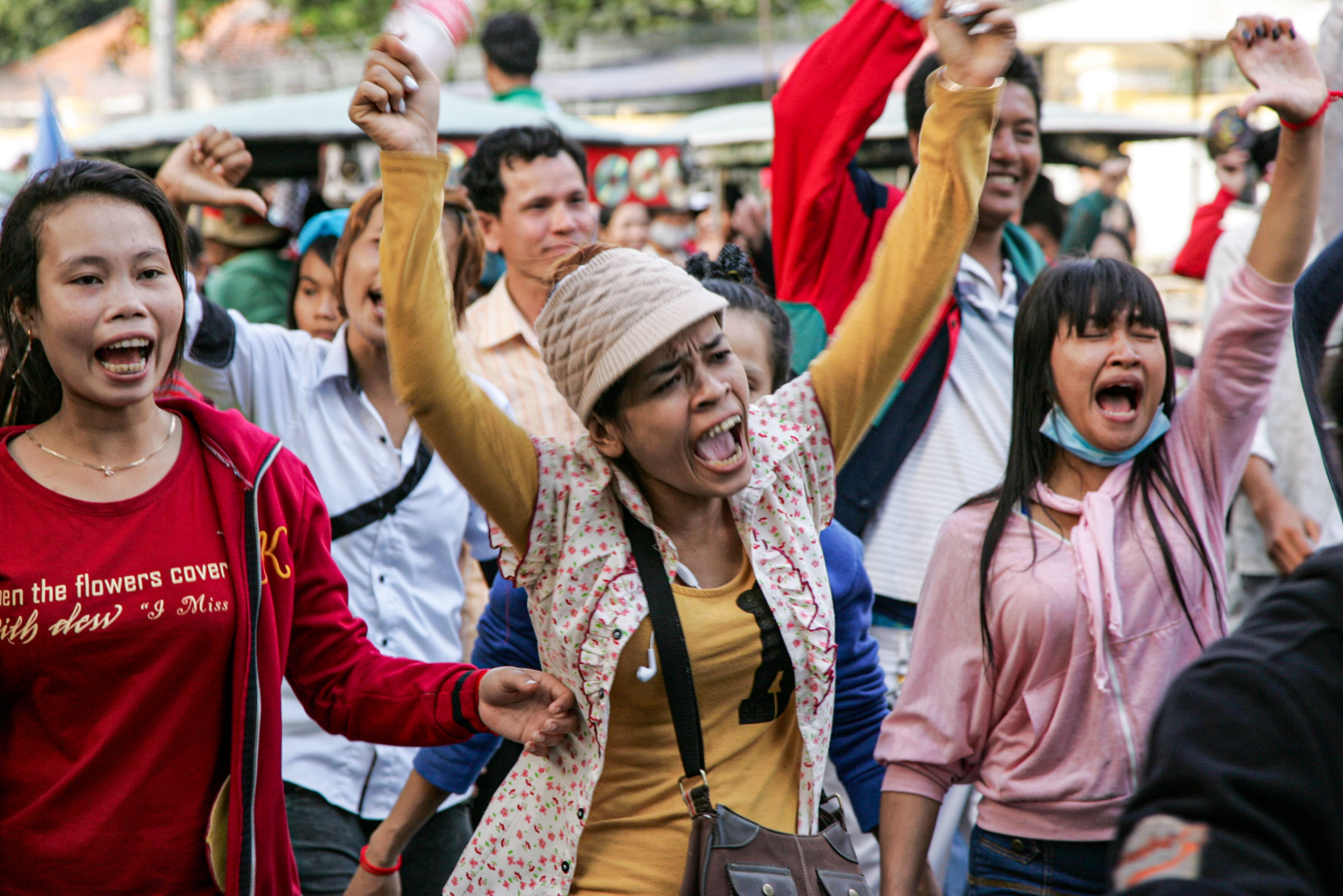
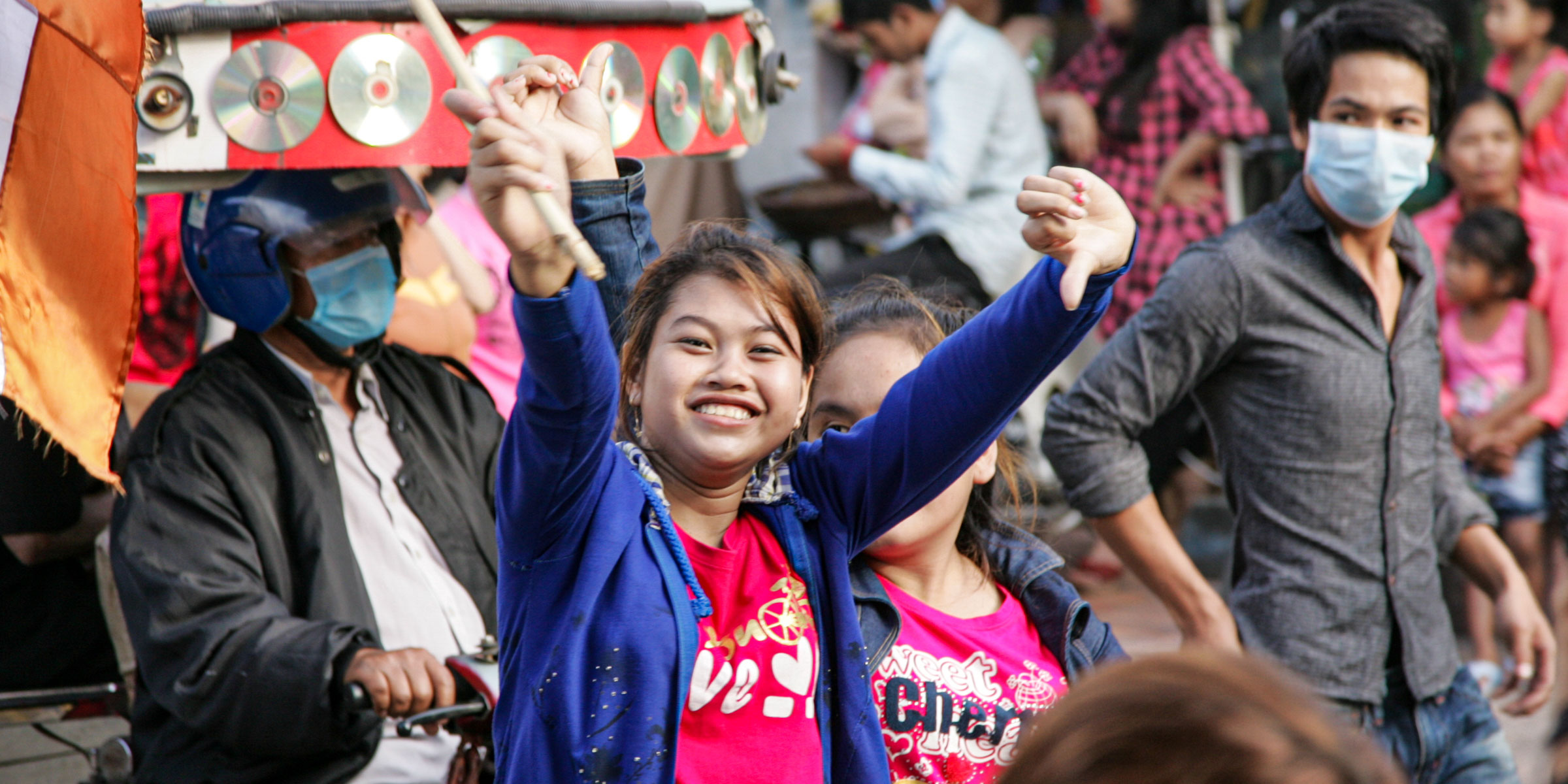
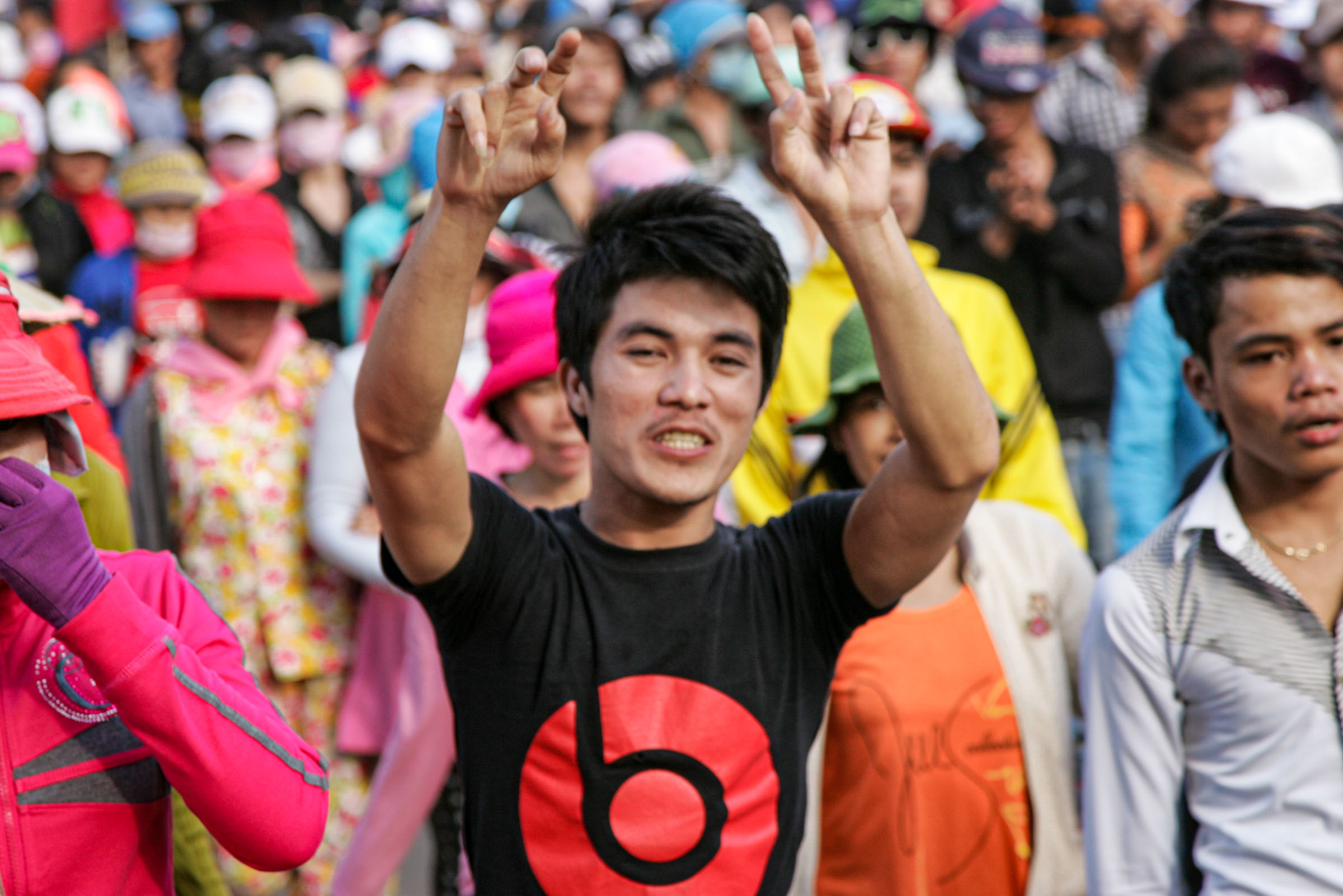
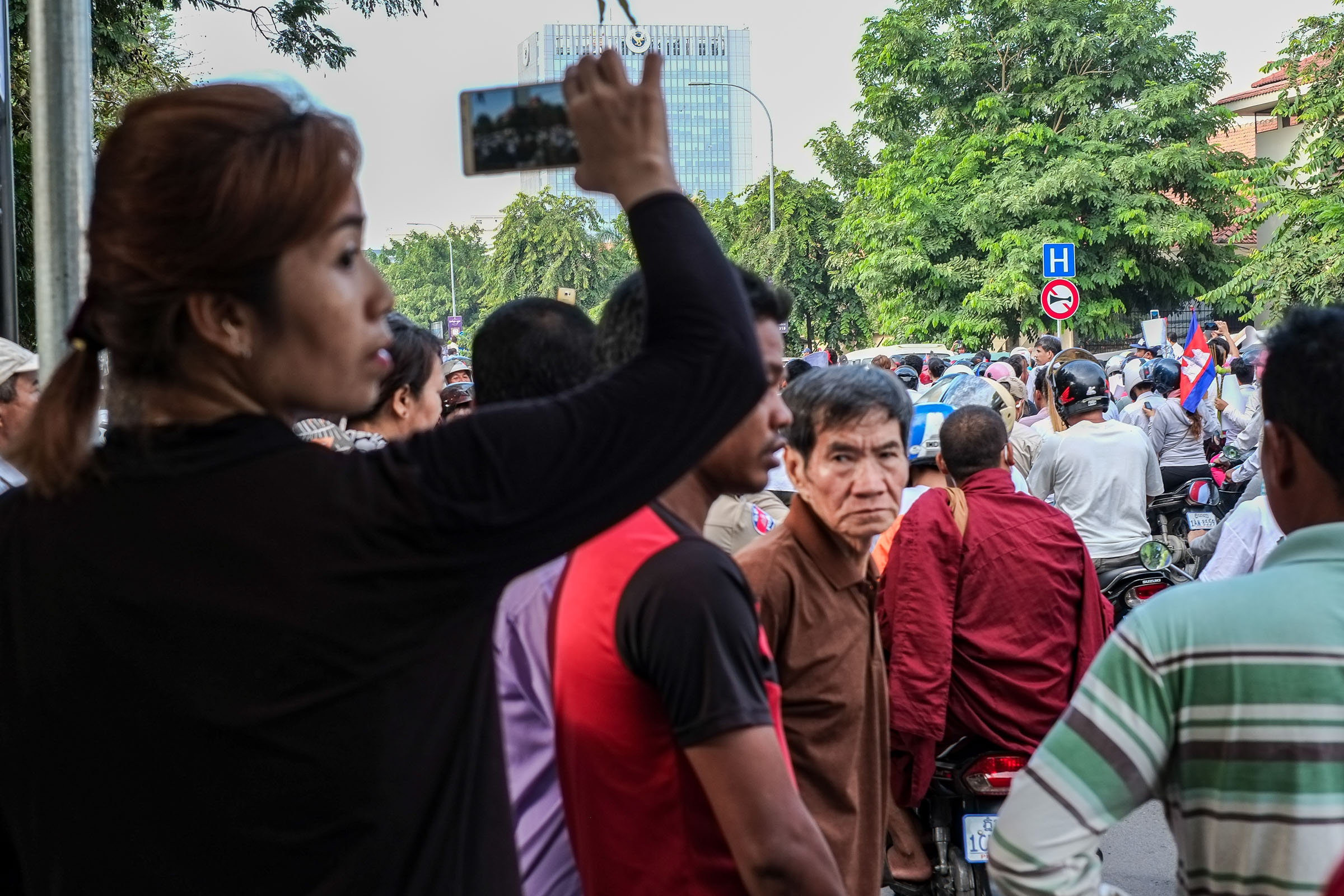
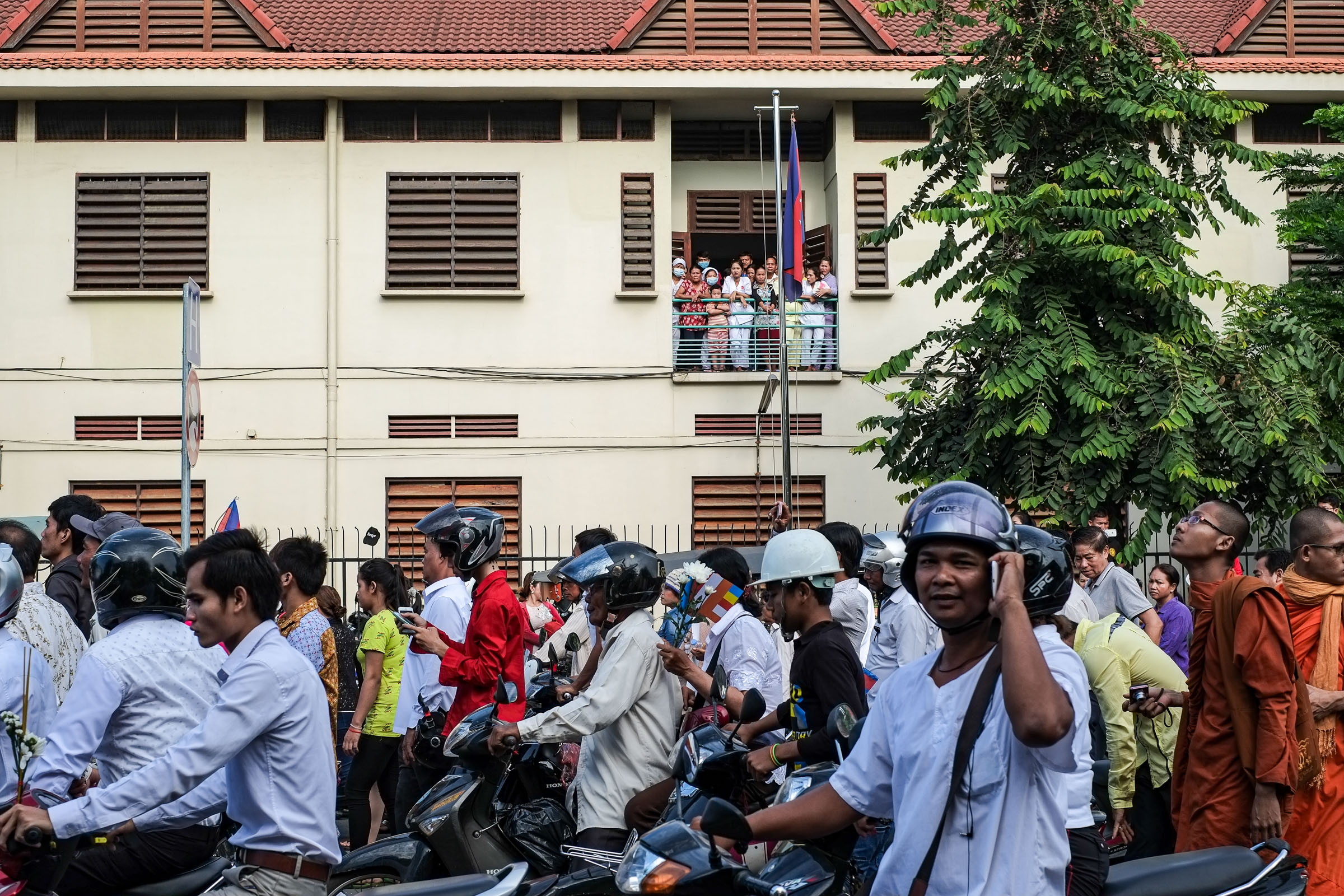
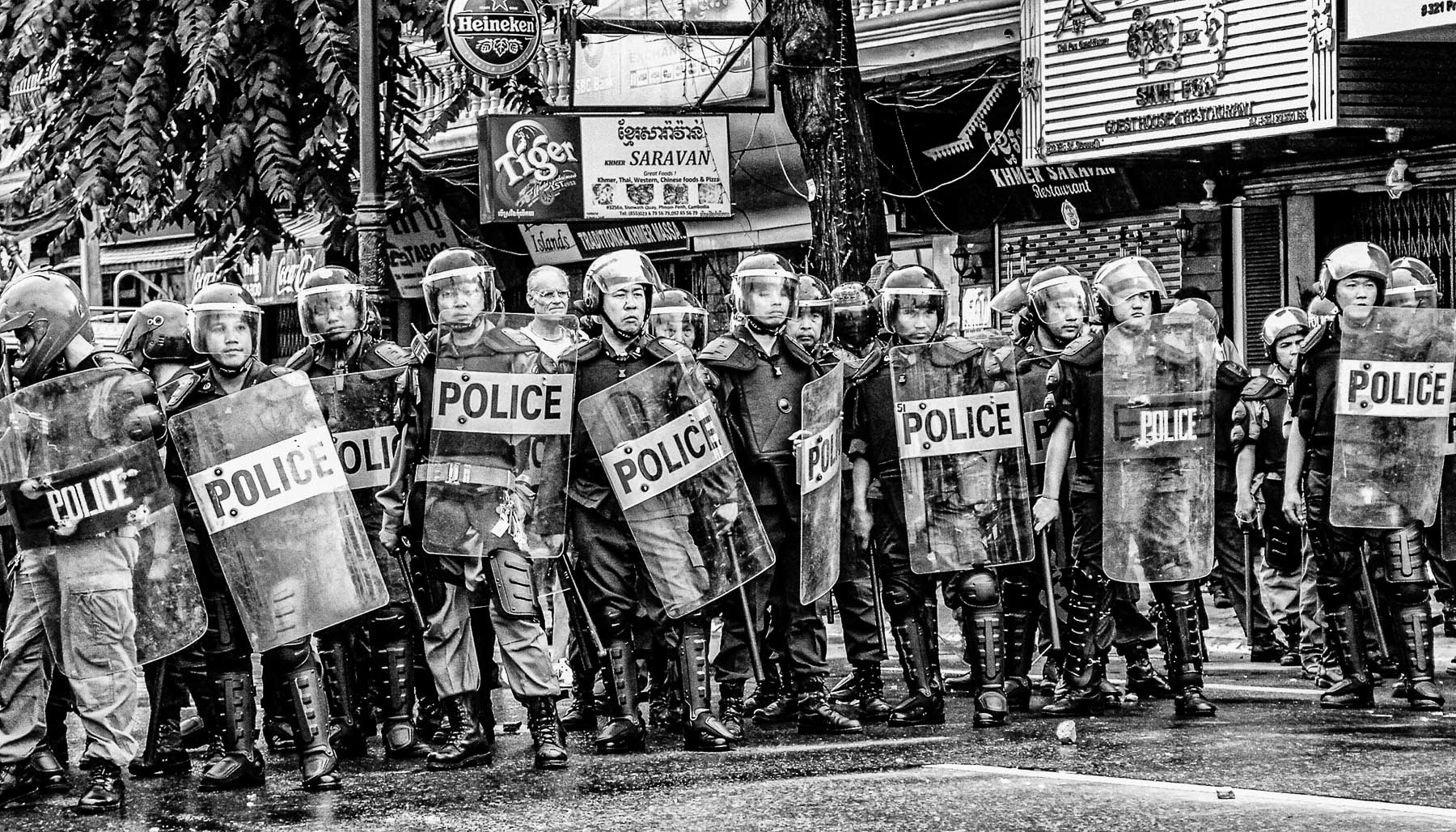
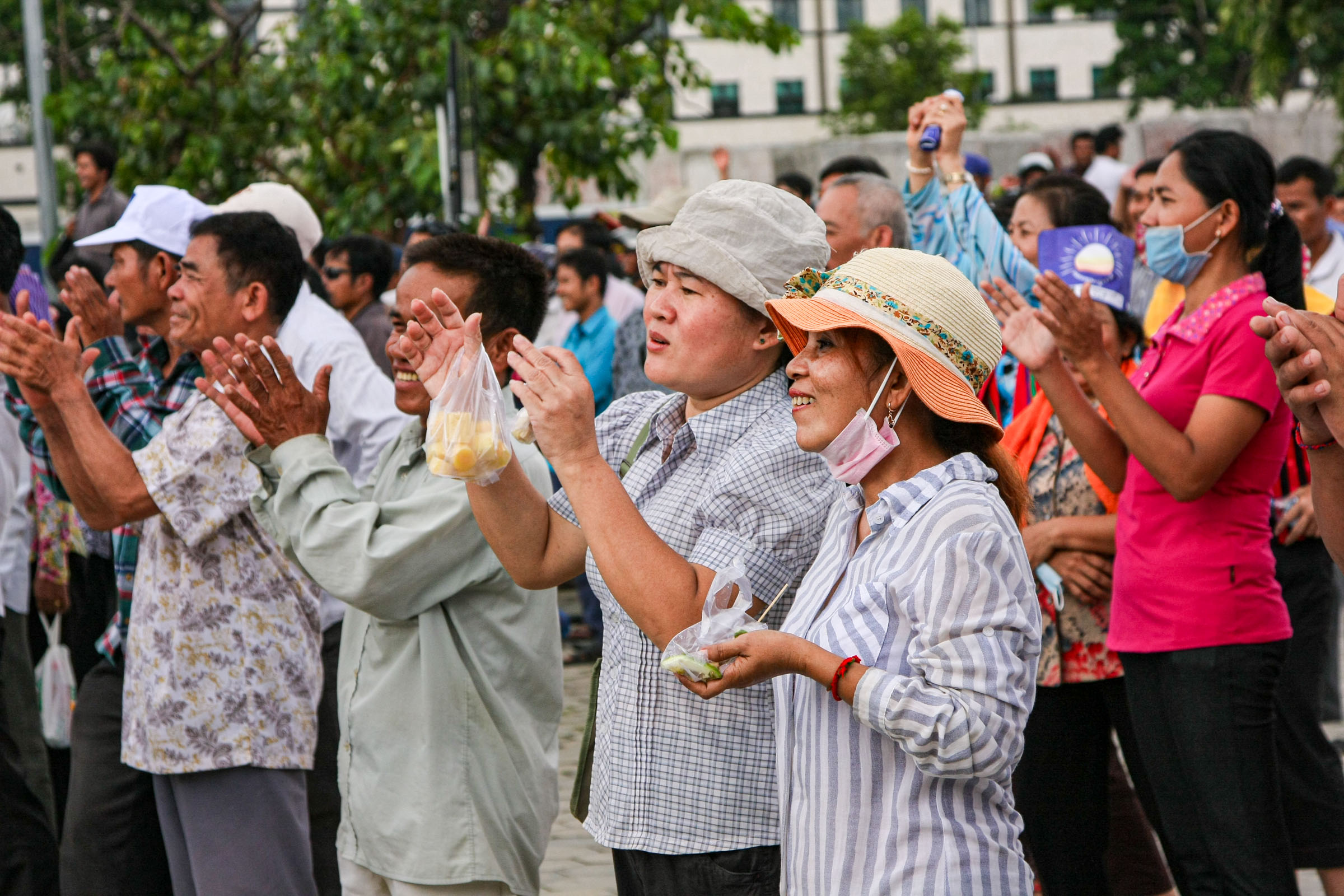
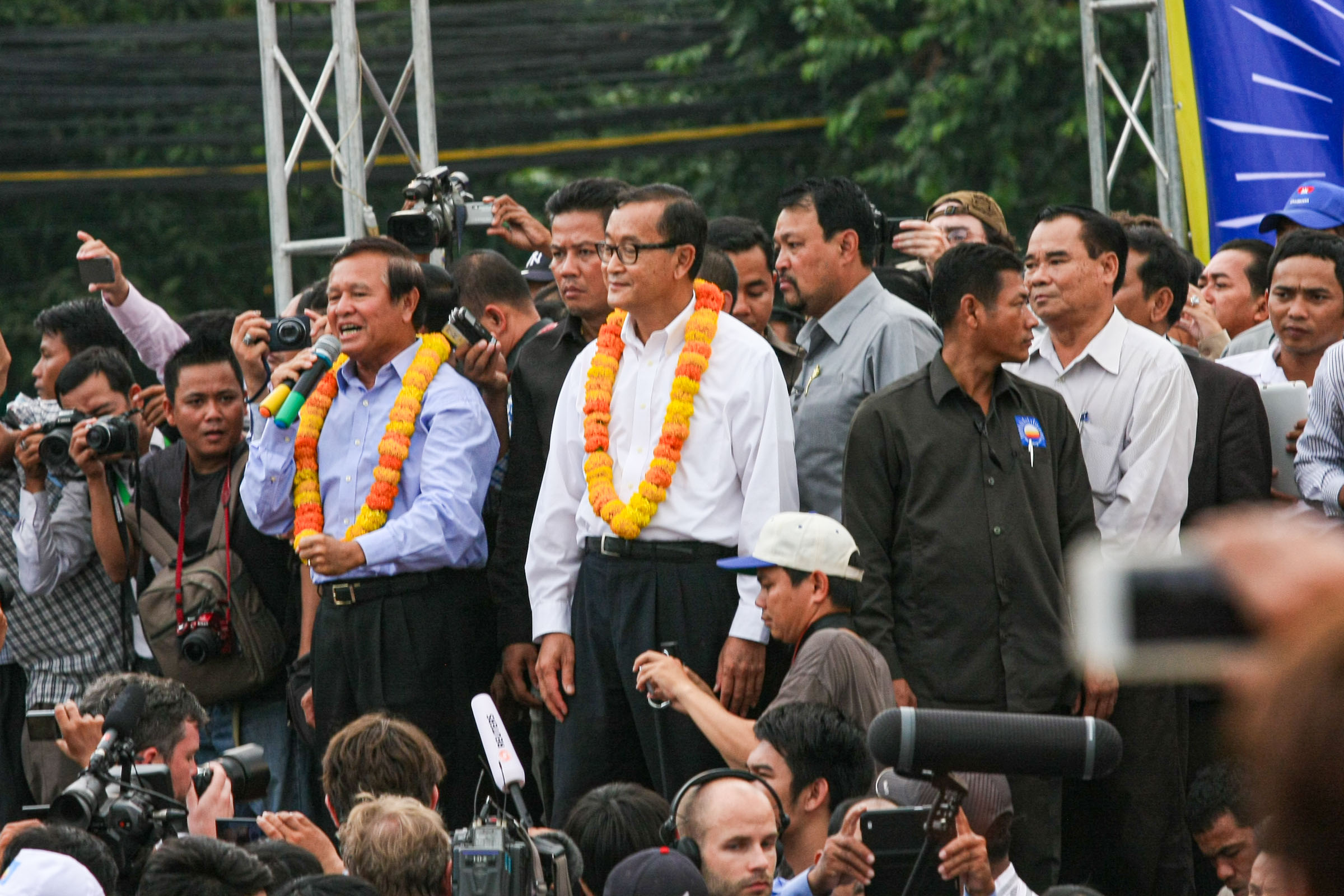
cambodia, opinons, thoughts, photography, pictures, streetIn 2013, Phnom Penh witnessed significant demonstrations driven by a mix of political and economic grievances. The protests were primarily sparked by allegations of electoral fraud during the Cambodian general election. Many Cambodians felt that the election results did not reflect the people’s true will, leading to widespread discontent.


In addition to political concerns, economic issues also played a crucial role. Garment factory workers, a significant part of the Cambodian workforce, demanded an increase in the minimum wage to $160 per month. This demand was part of a broader call for better working conditions and fair pay.


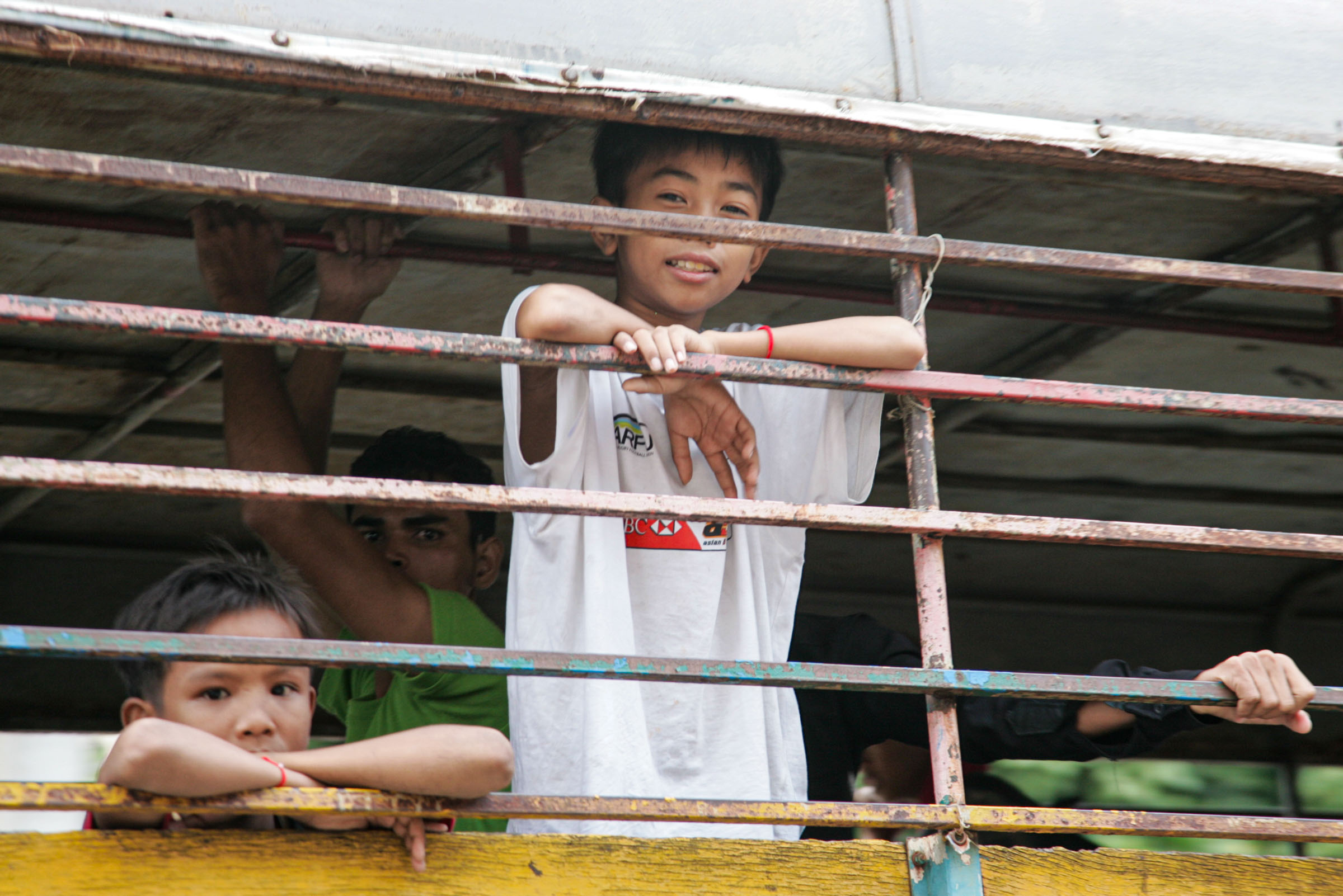
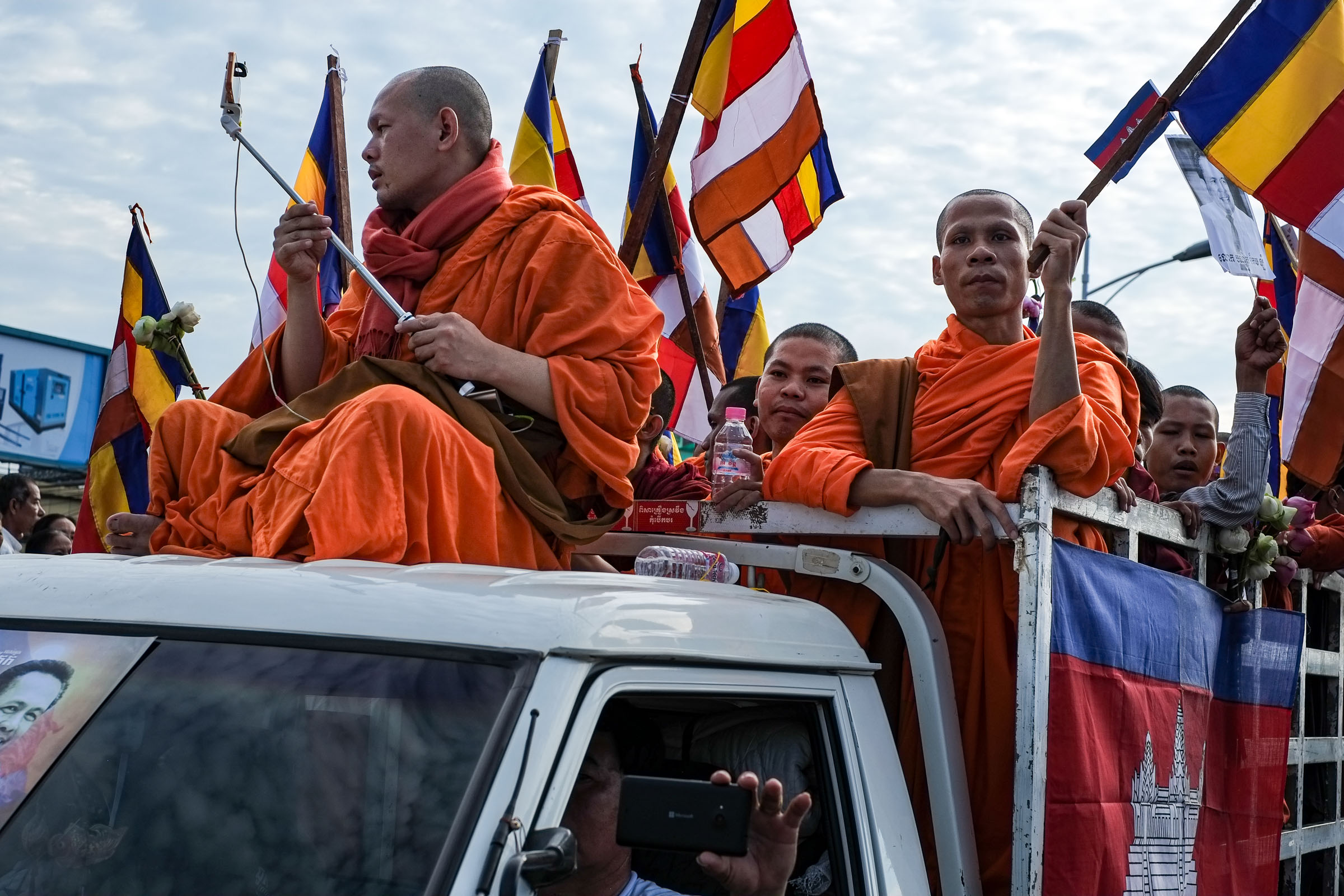
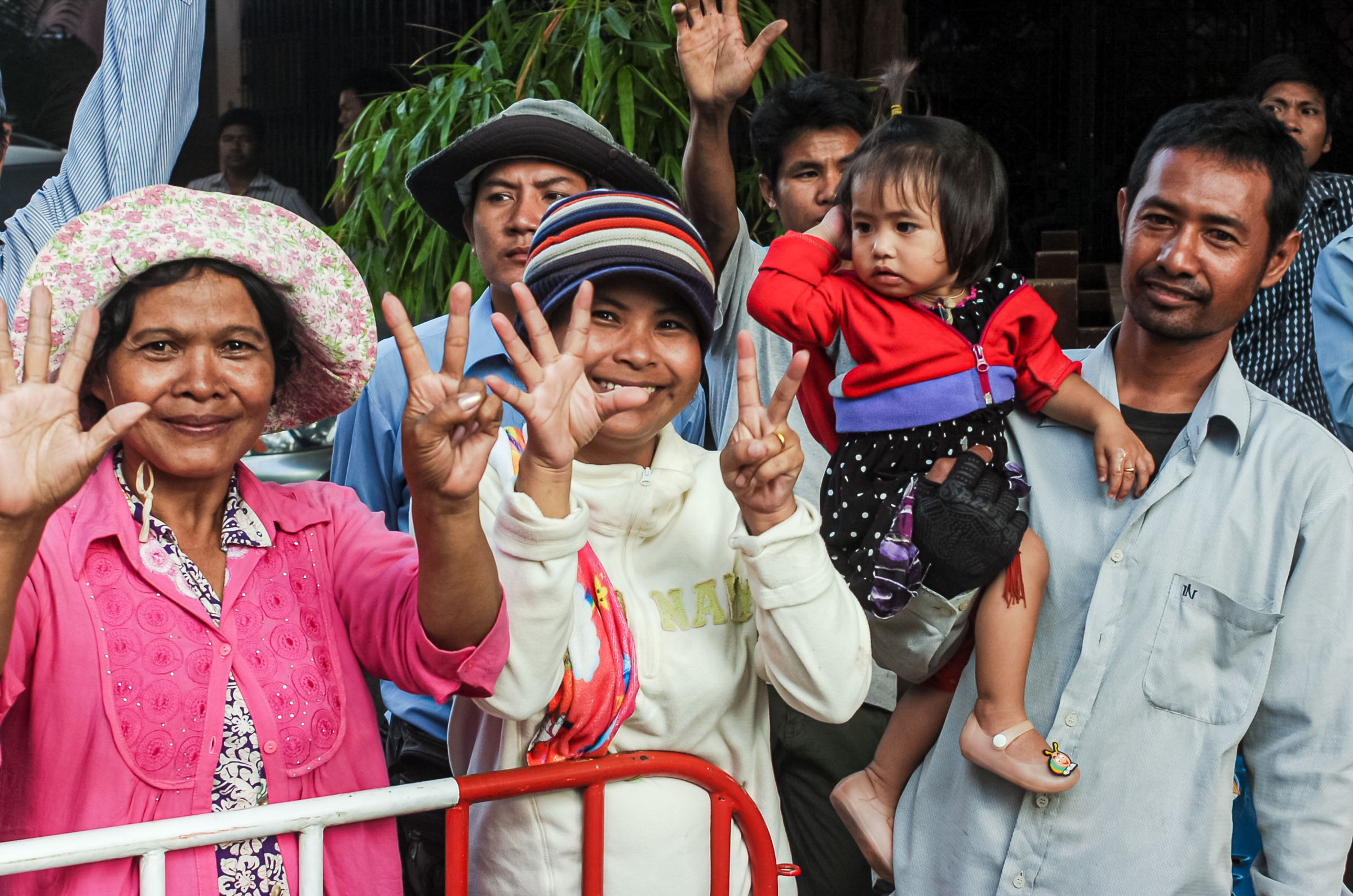
The demonstrations saw participation from various groups, including opposition party supporters, students, teachers, farmers, and Buddhist monks. The protests were largely peaceful, but there were instances of violence, especially during government crackdowns. Tragically, these crackdowns resulted in several deaths and injuries.


Overall, the 2013 demonstrations in Phnom Penh highlighted the deep-seated issues of political corruption, economic inequality, and the desire for democratic reforms in Cambodia.


The protesters in Phnom Penh in 2013 had several specific demands:
- Electoral Reform: They called for an independent investigation into the alleged electoral fraud during the 2013 general election and demanded a re-election.
- Minimum Wage Increase: Garment factory workers, a significant part of the protests, demanded an increase in the minimum wage to $160 per month.
- Political Reforms: There were calls for broader democratic reforms, including greater transparency and accountability in government.
- Resentment of Vietnamese Influence: Some protesters expressed concerns over the perceived influence of Vietnam in Cambodian politics and society.
These demands reflected a mix of political, economic, and social grievances that fueled the widespread demonstrations.
Since 2013, Cambodia has experienced significant changes across various sectors:
- Economic Growth: Cambodia’s economy has grown steadily, with an average annual growth rate of 7.6% between 1995 and 2019. Despite a contraction in 2020 due to the COVID-19 pandemic, the economy has been recovering, with growth rates of 3.0% in 2021 and 5.2% in 2022.
- Poverty Reduction: Before the pandemic, poverty rates were declining by 1.6 percentage points annually. However, the pandemic increased unemployment and poverty. Efforts to scale up social assistance have helped mitigate income losses, and poverty is expected to decline as the economy recovers.
- Foreign Direct Investment (FDI): There has been a surge in FDI inflows, particularly in the manufacturing and tourism sectors. This has contributed to economic growth and job creation.
- Political Landscape: The political environment has seen tensions and conflicts, particularly around land grabs, labor exploitation, and environmental degradation. The 2013 national elections led to a political impasse and mass mobilization.
- Environmental Impact: Cambodia has seen a significant increase in CO2 emissions, with a 192.69% rise between 2013 and 2019.
- Human Capital: Improvements have been made in health outcomes, early childhood development, and primary education, especially in rural areas. However, human capital indicators still lag behind other lower middle-income countries.
These changes reflect Cambodia’s ongoing efforts to address economic, social, and environmental challenges while striving for sustainable development.
Ian Kydd Miller is known for capturing moments that reflect significant periods of change and transformation. His work often provides a unique perspective on historical events and societal shifts. While specific details about a retrospective of his work are not readily available, his photography likely includes powerful images that document these “interesting times.”
Kem Lay
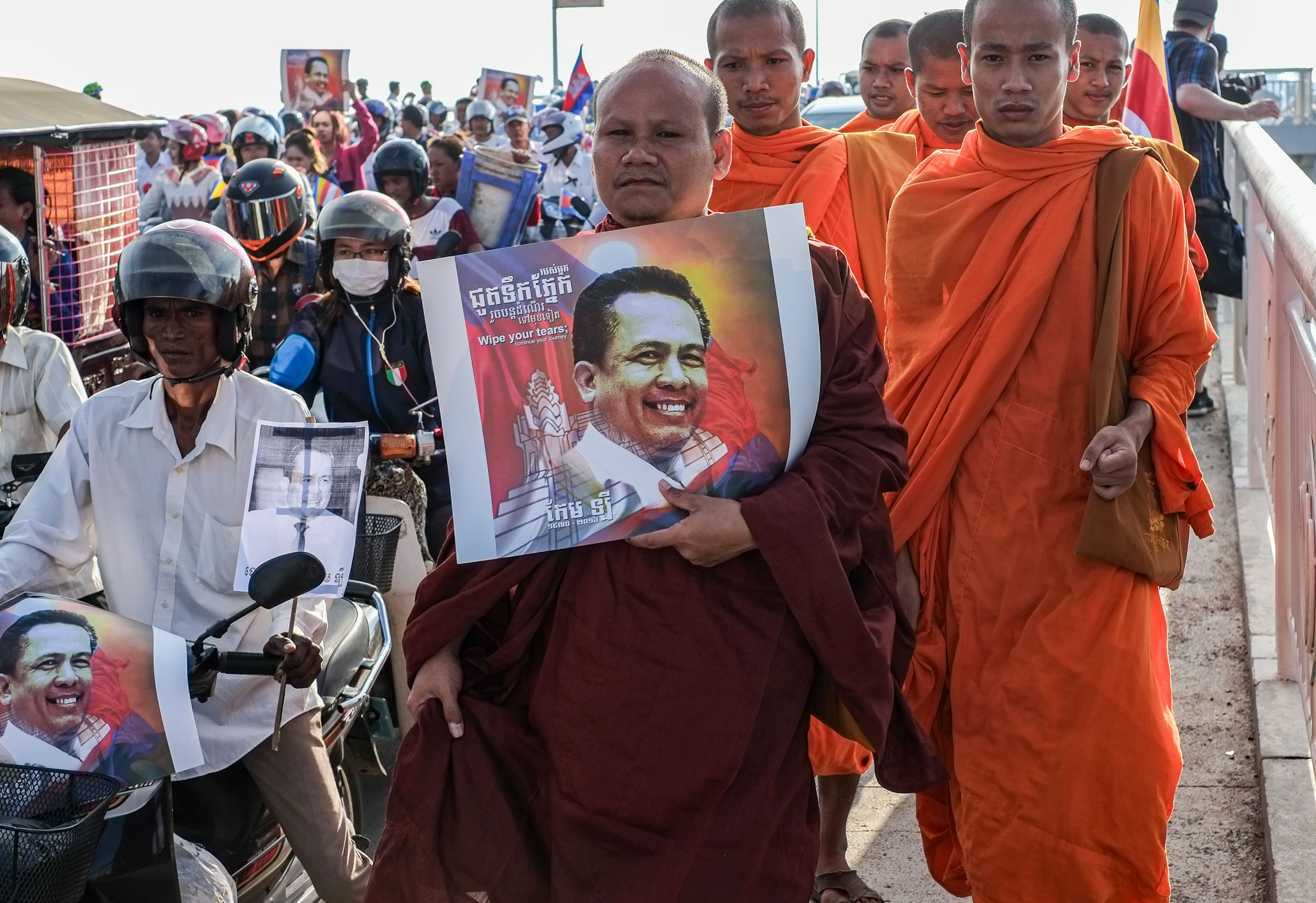
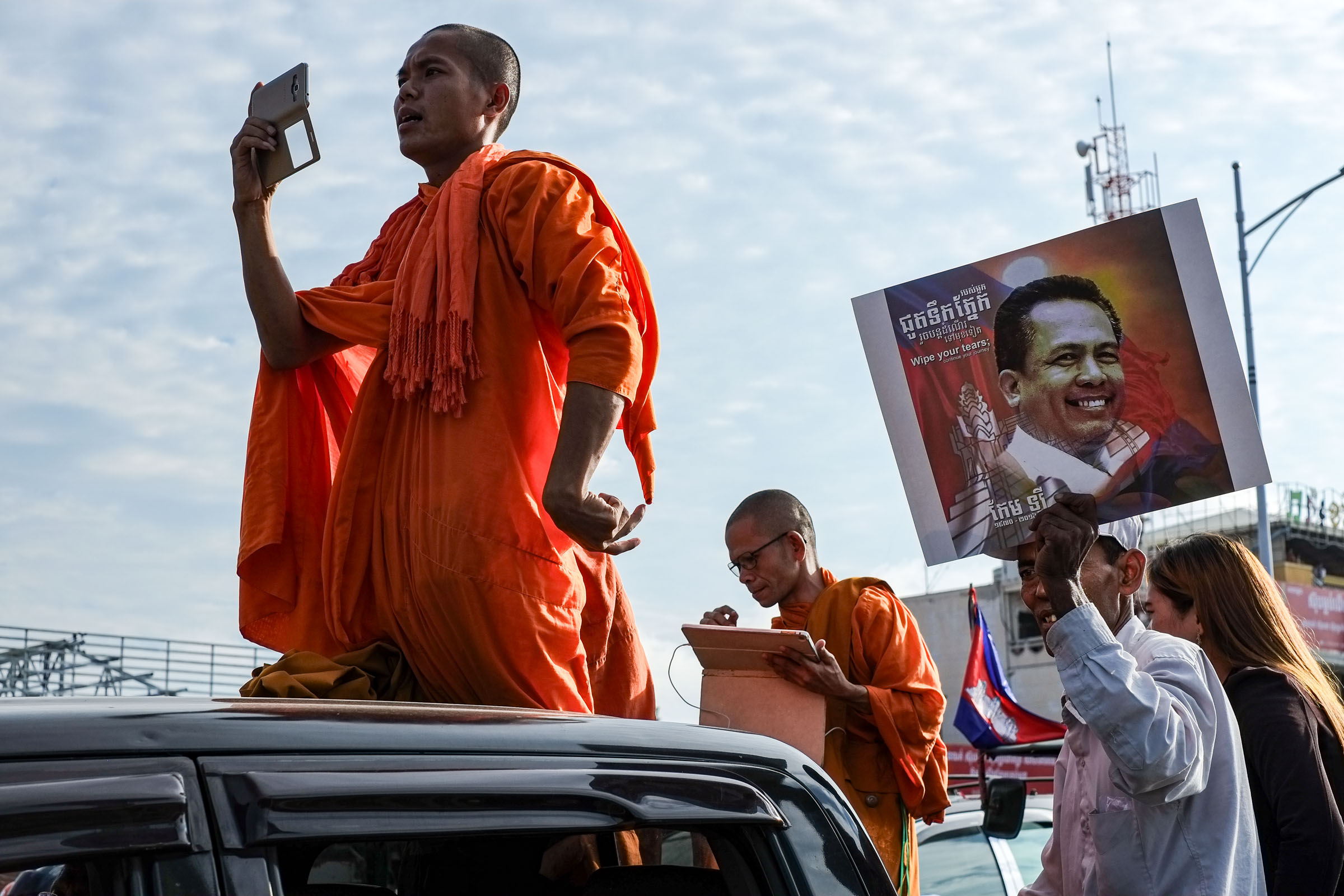
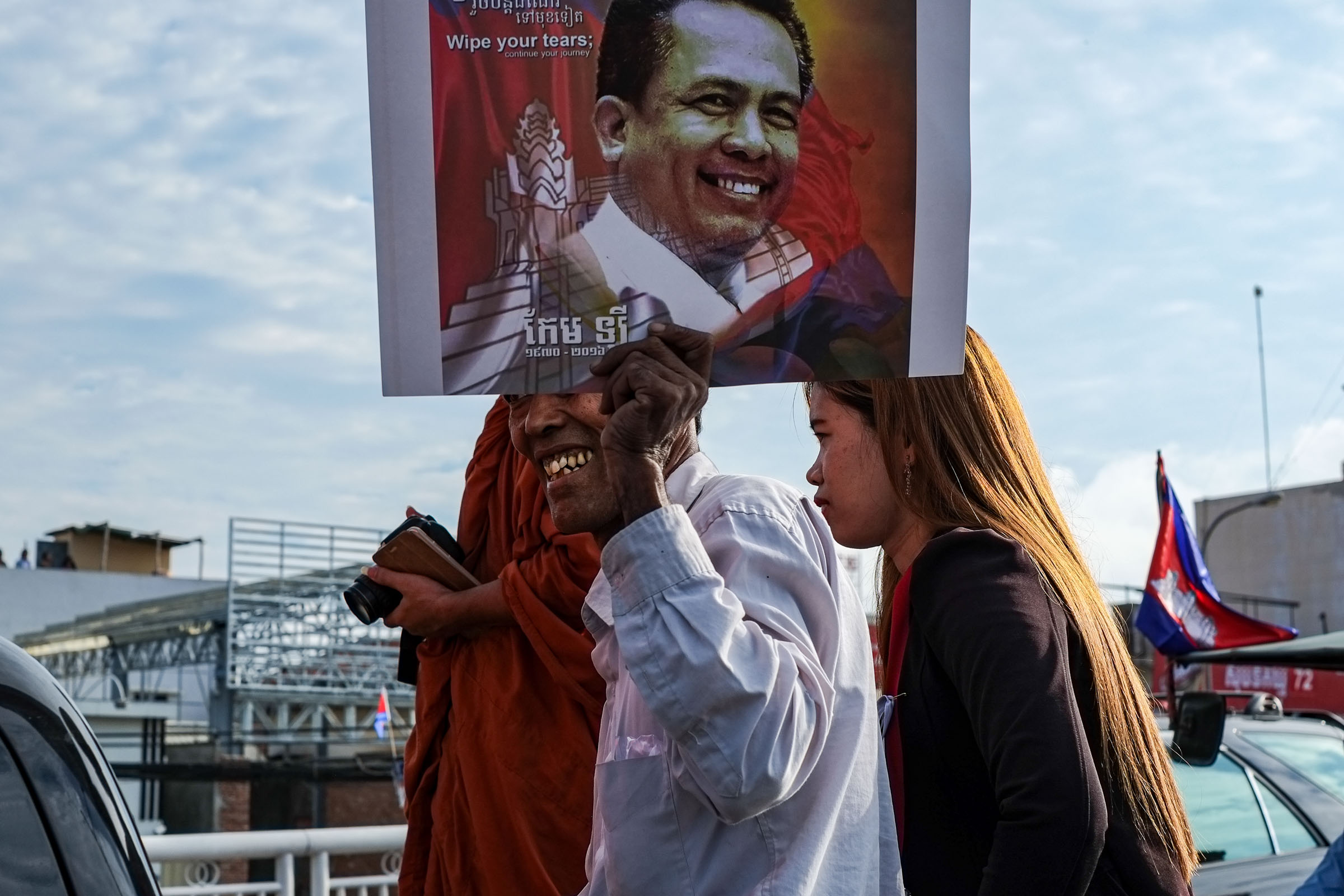
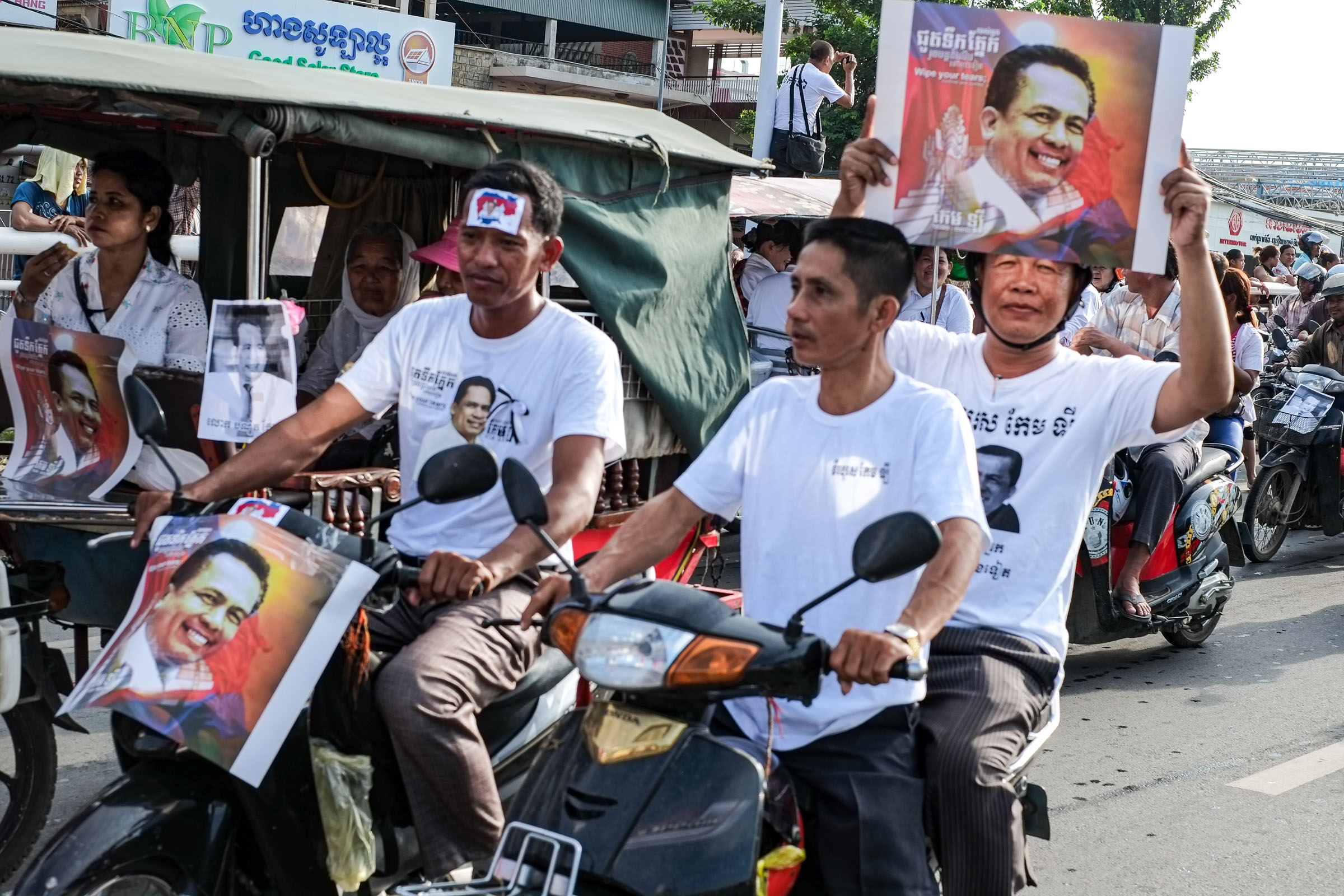
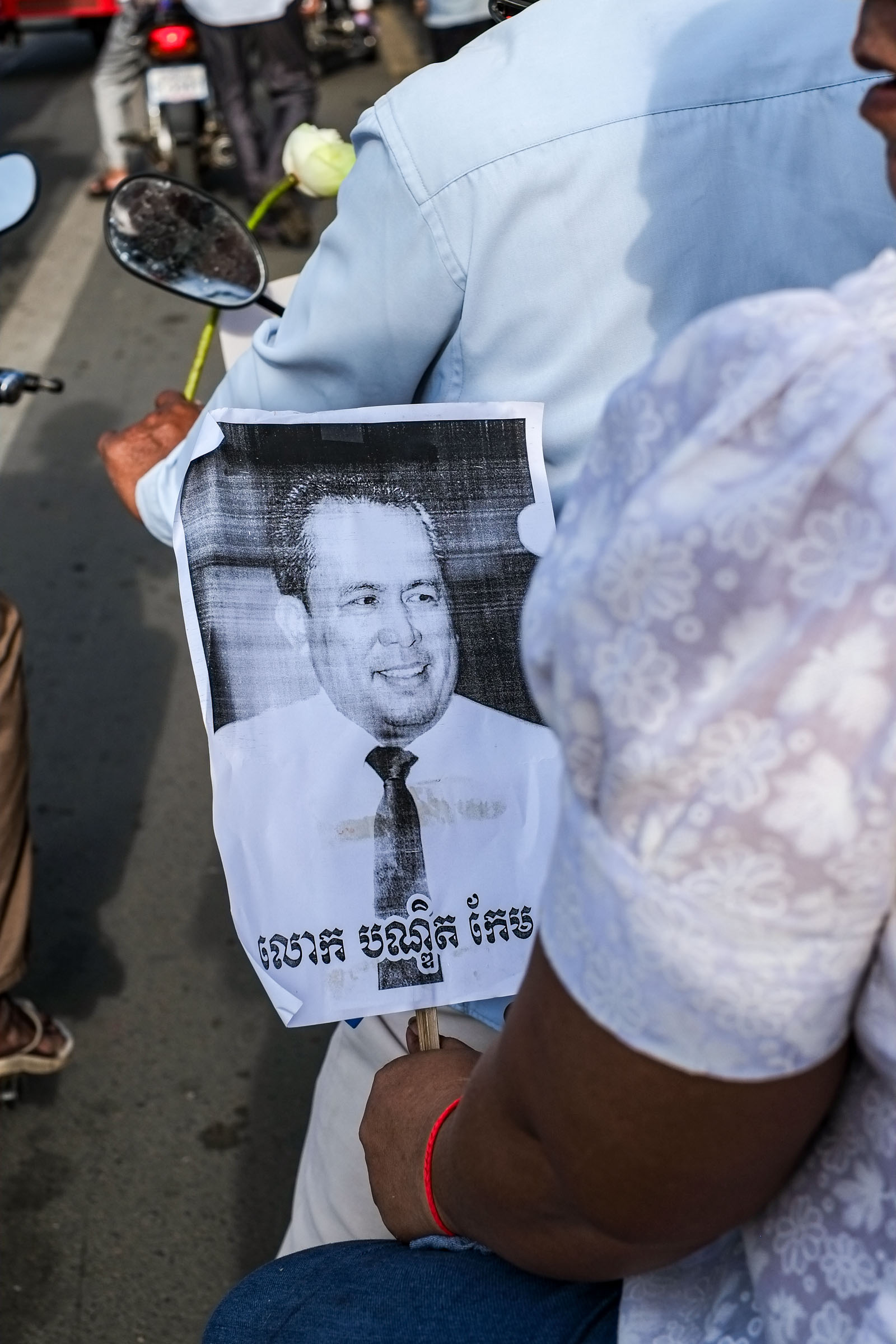
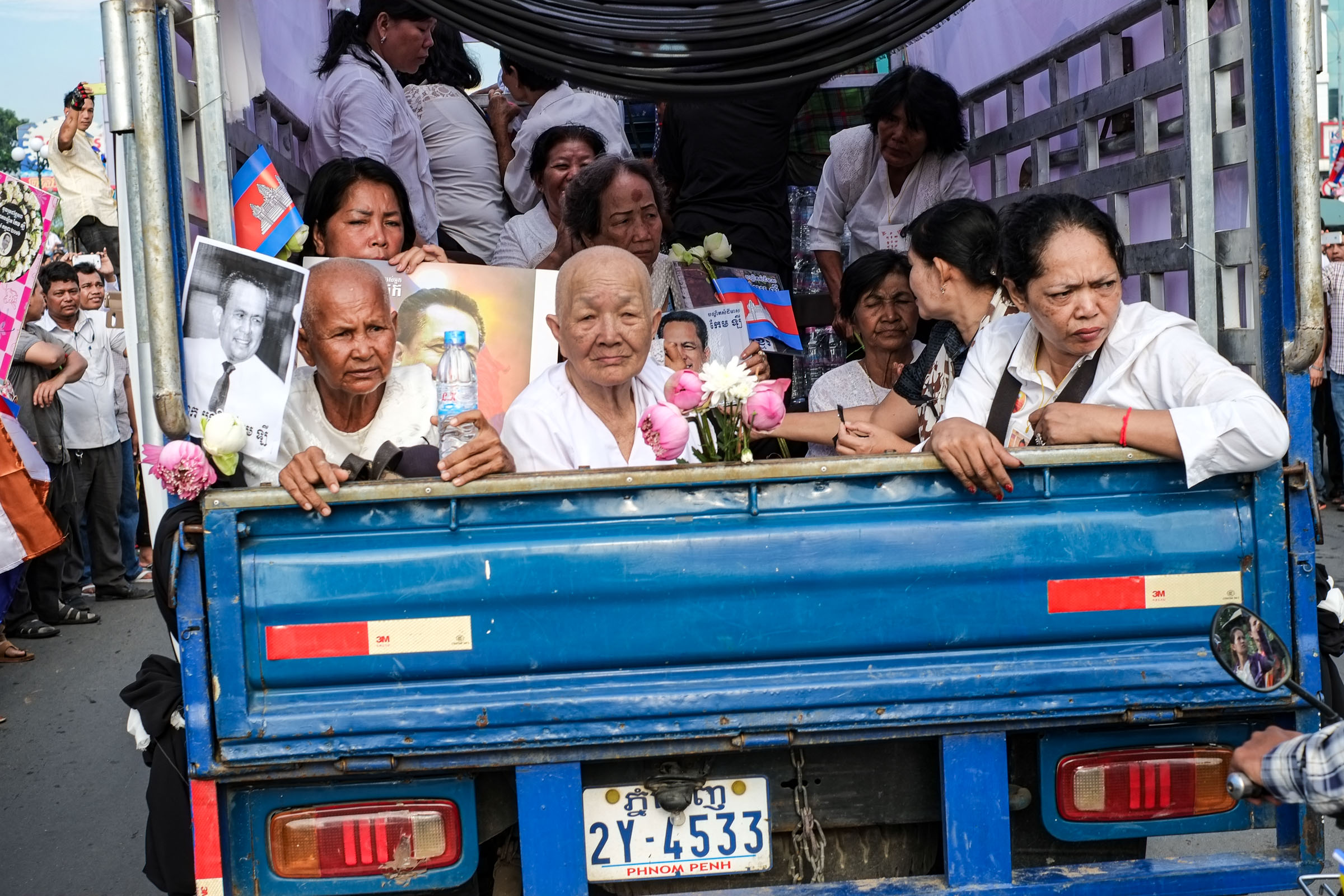
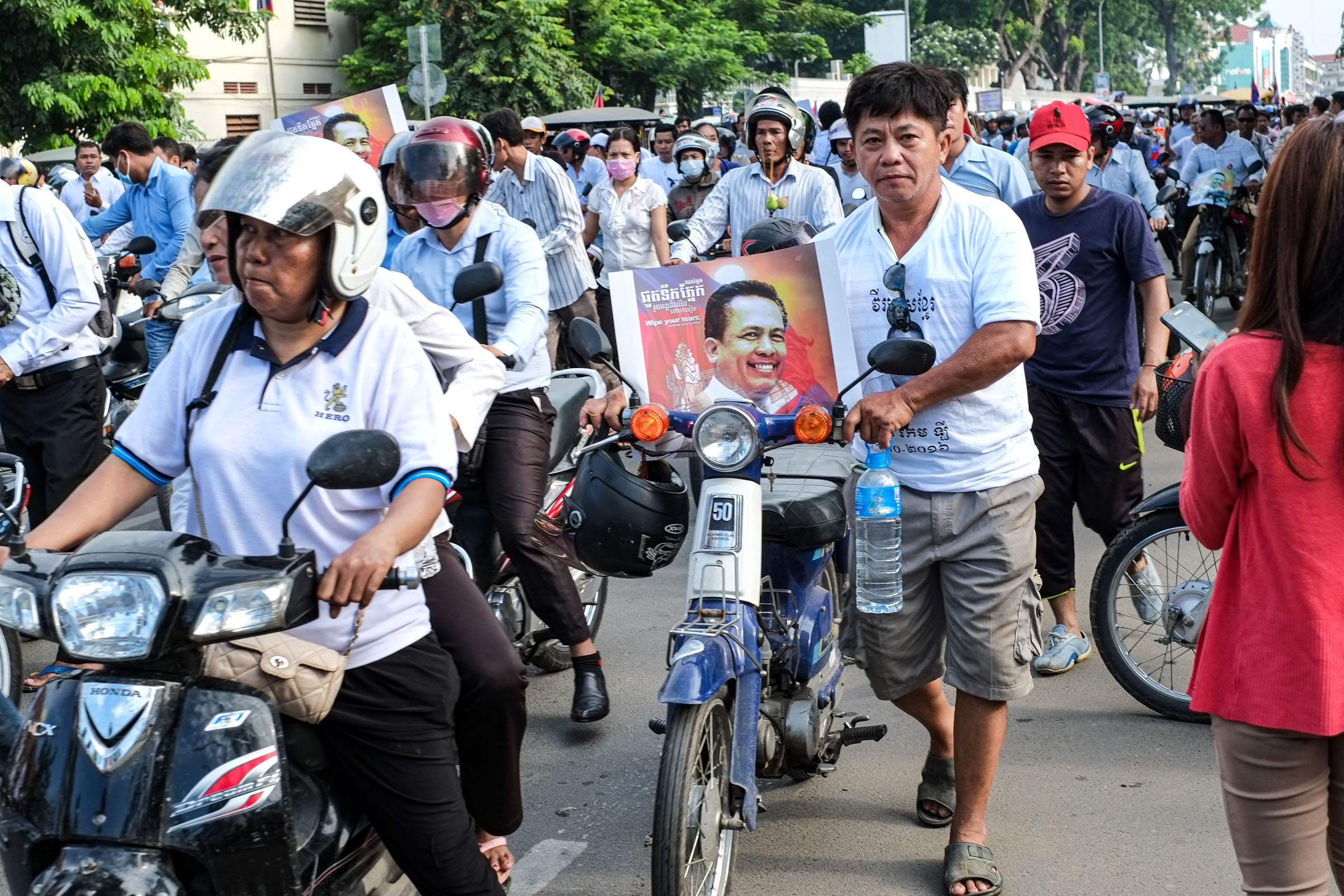
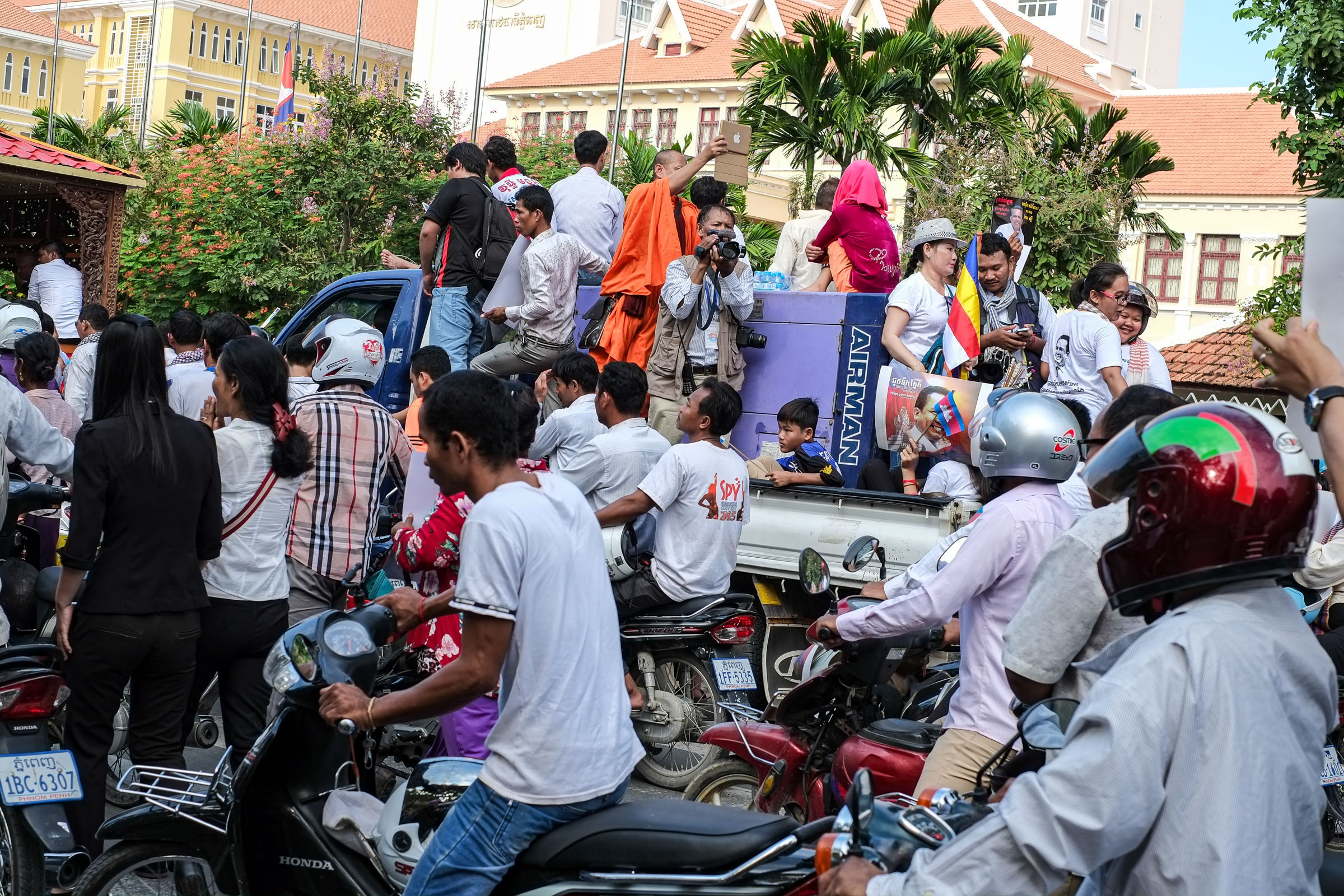
cambodia, conflict, opinons, thoughts, photography, pictures, public, street- Background of Kem Ley: Kem Ley was a political commentator, physician, and activist from Cambodia who was well-known for criticising the country’s government.
- Assassination: It is generally accepted that he was the victim of a politically motivated assassination on July 10, 2016, in Phnom Penh.
- Political Engagement: He was active in a number of campaigns and research projects in addition to founding the Grassroots Democracy Party in 2015.
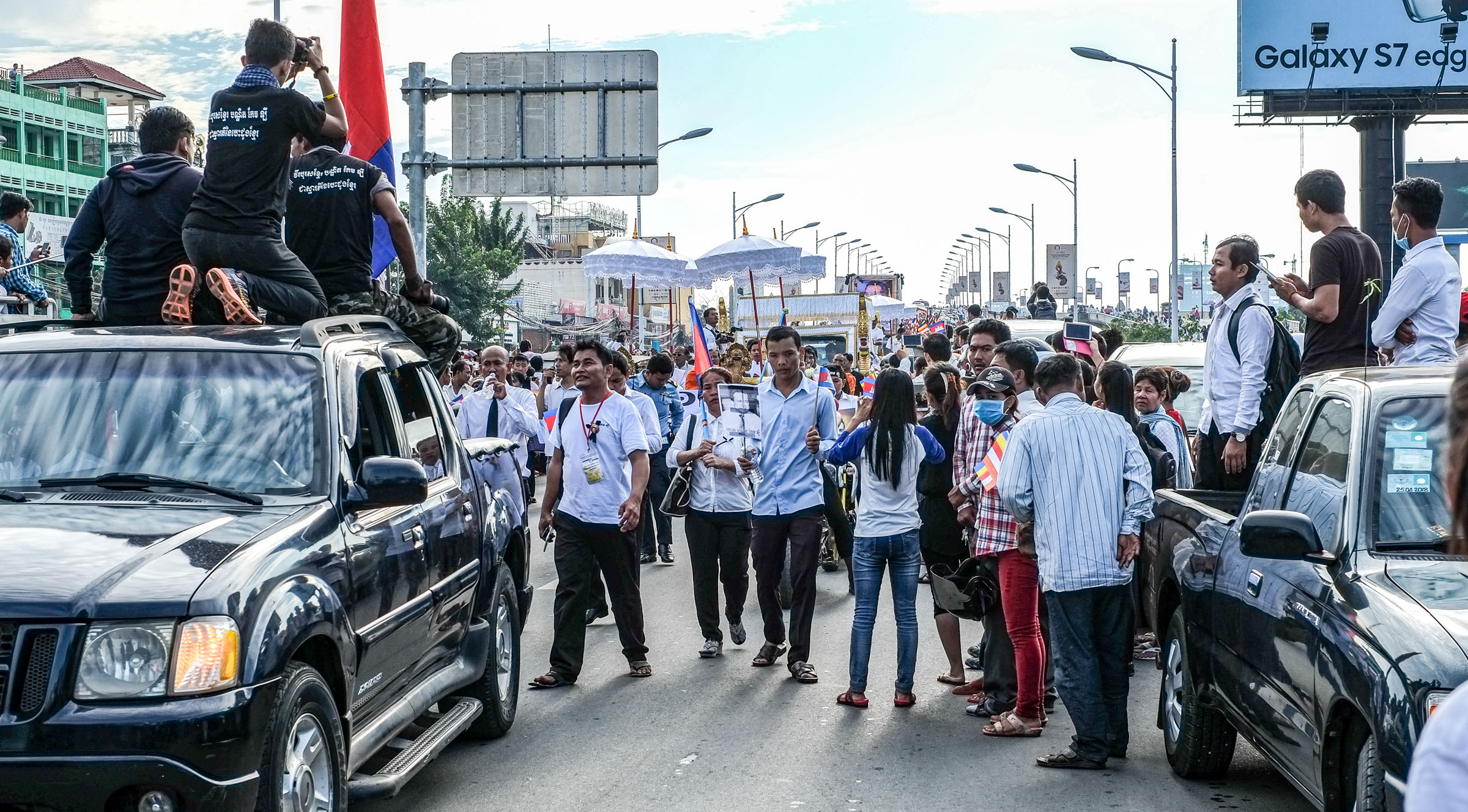
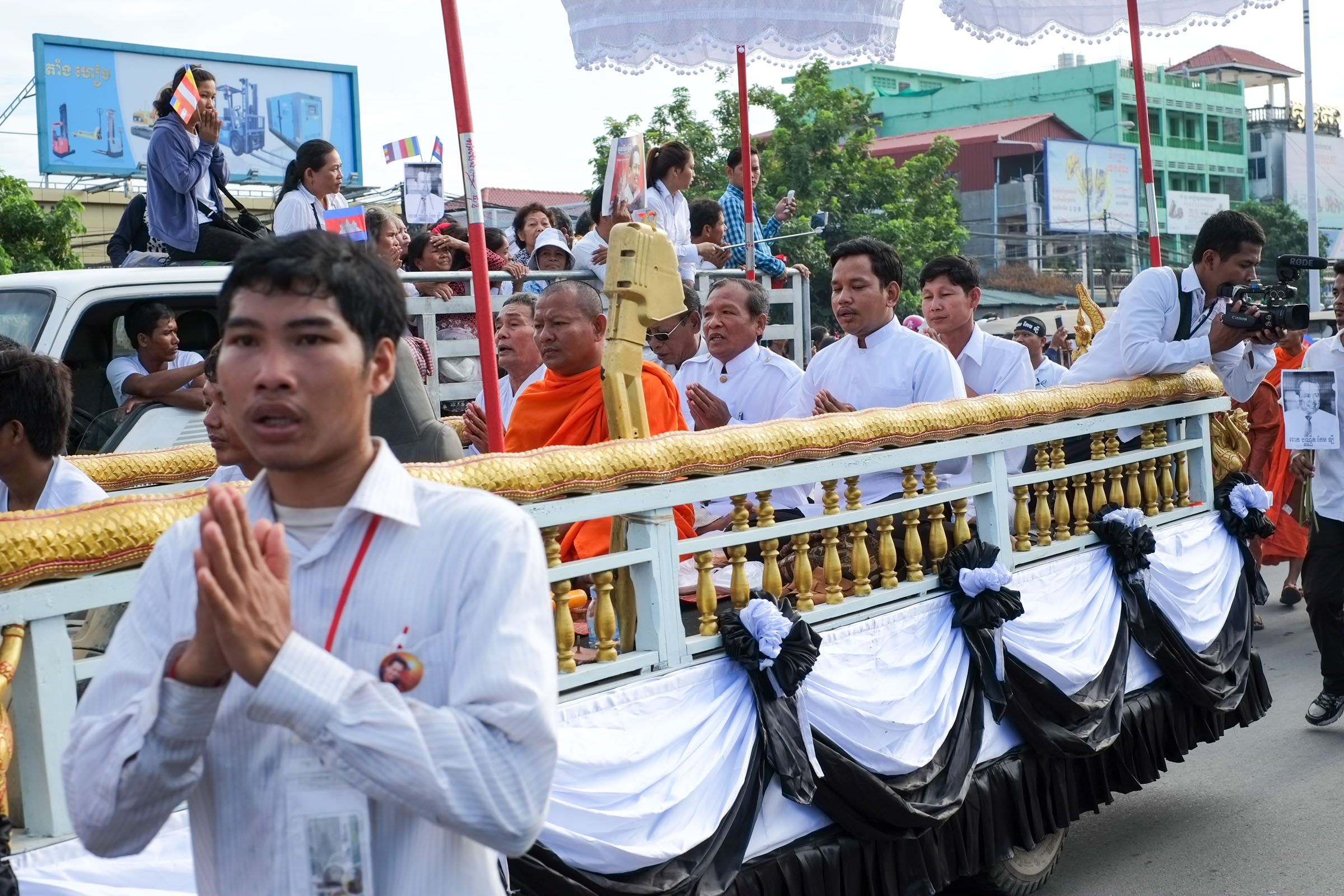
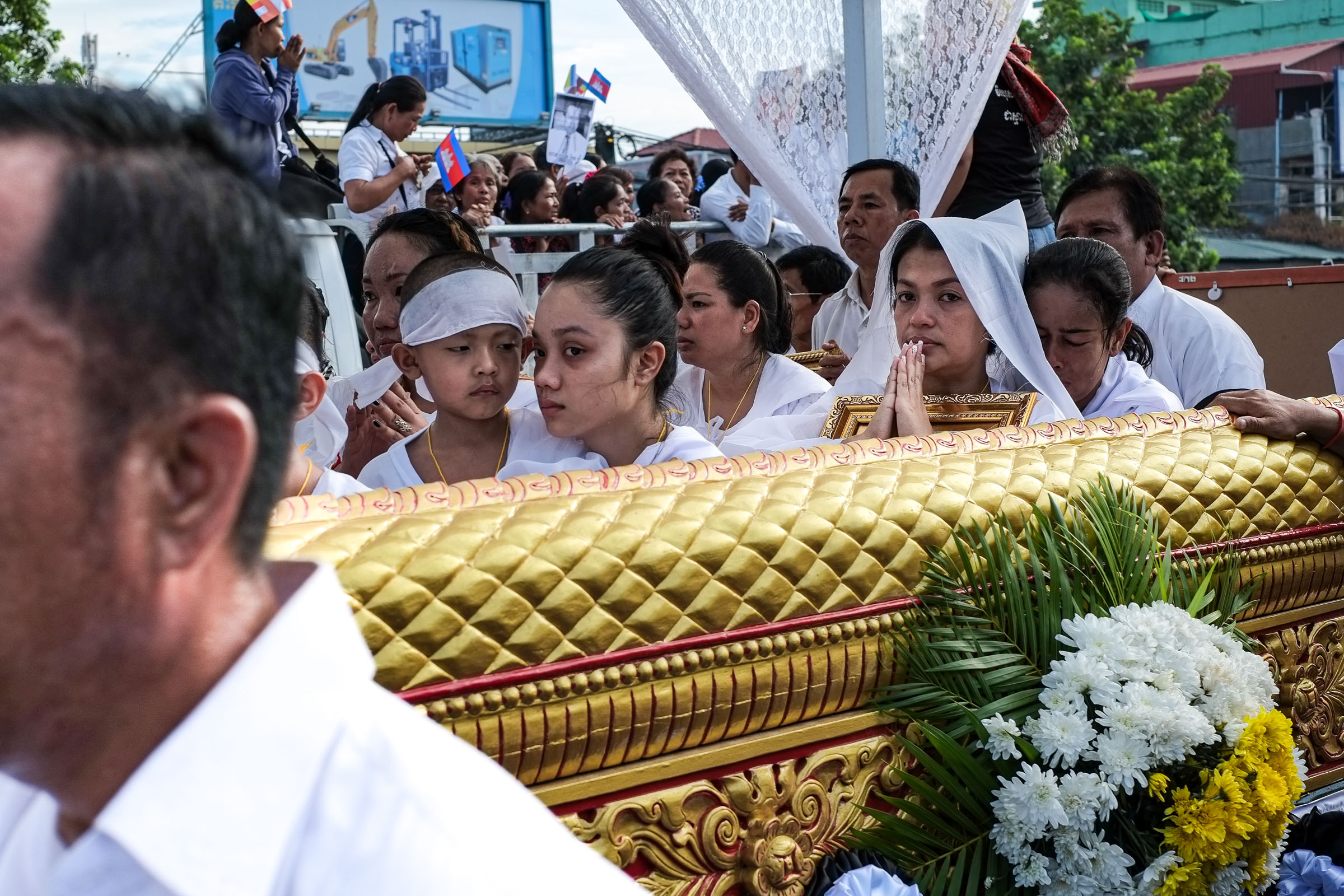
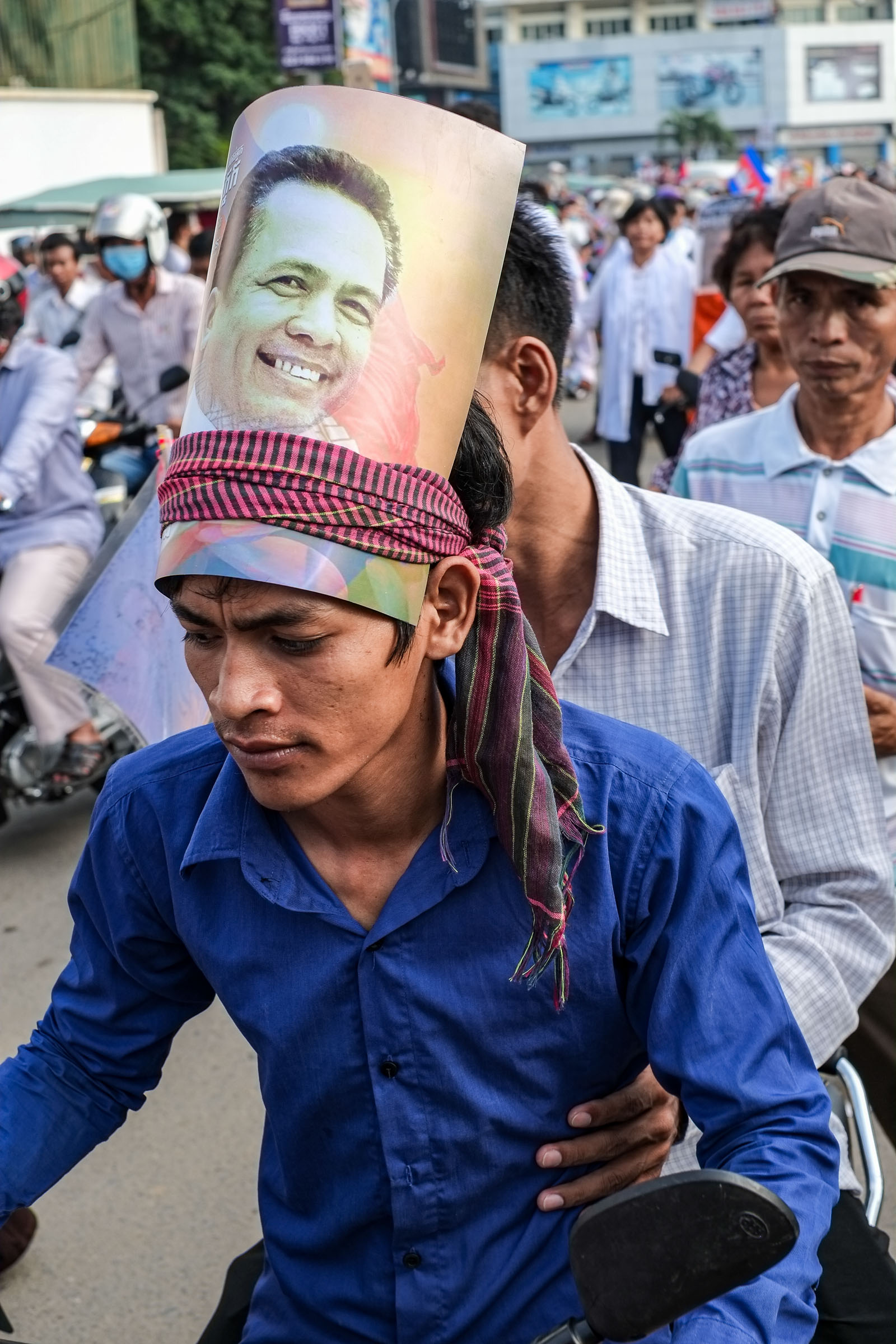
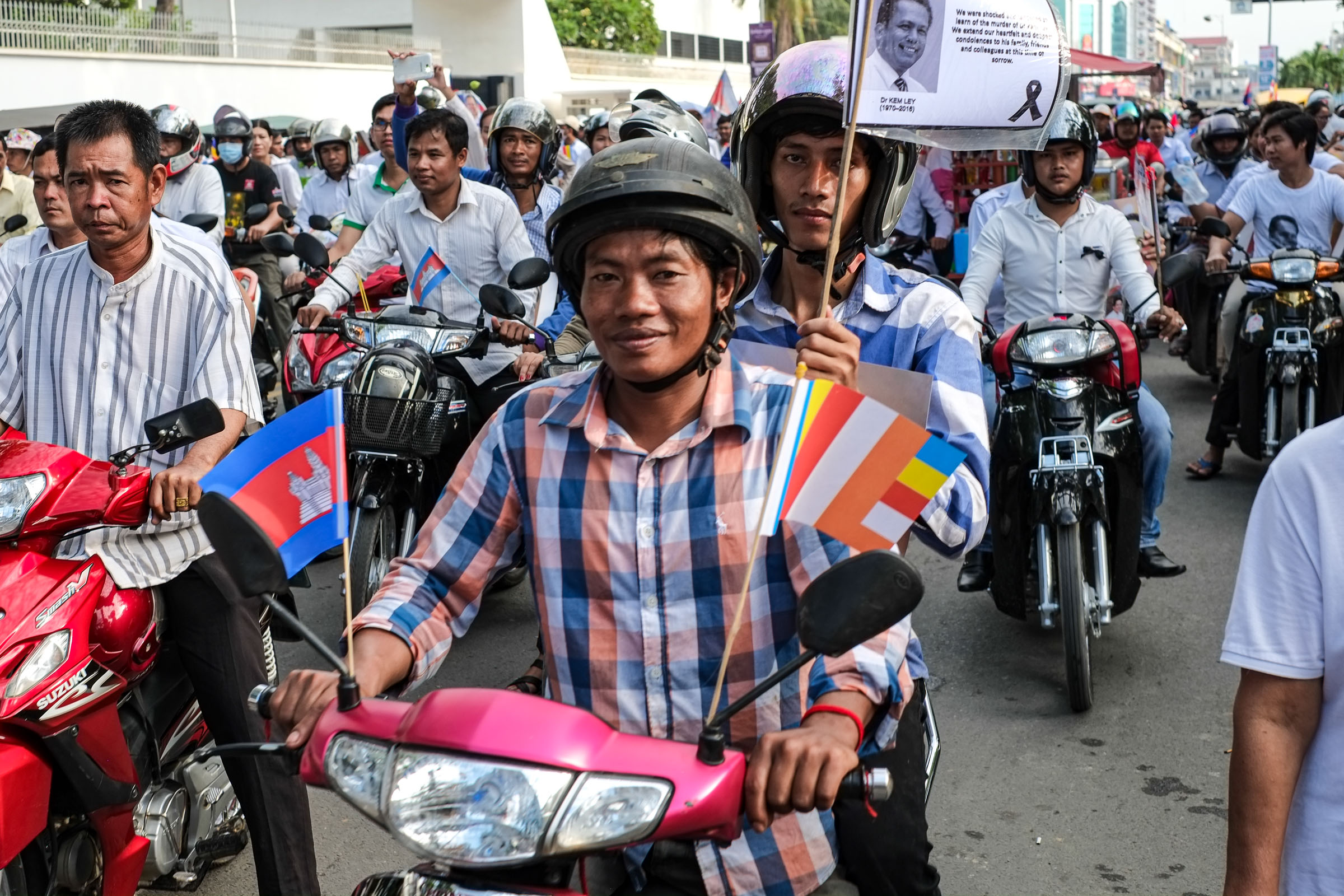
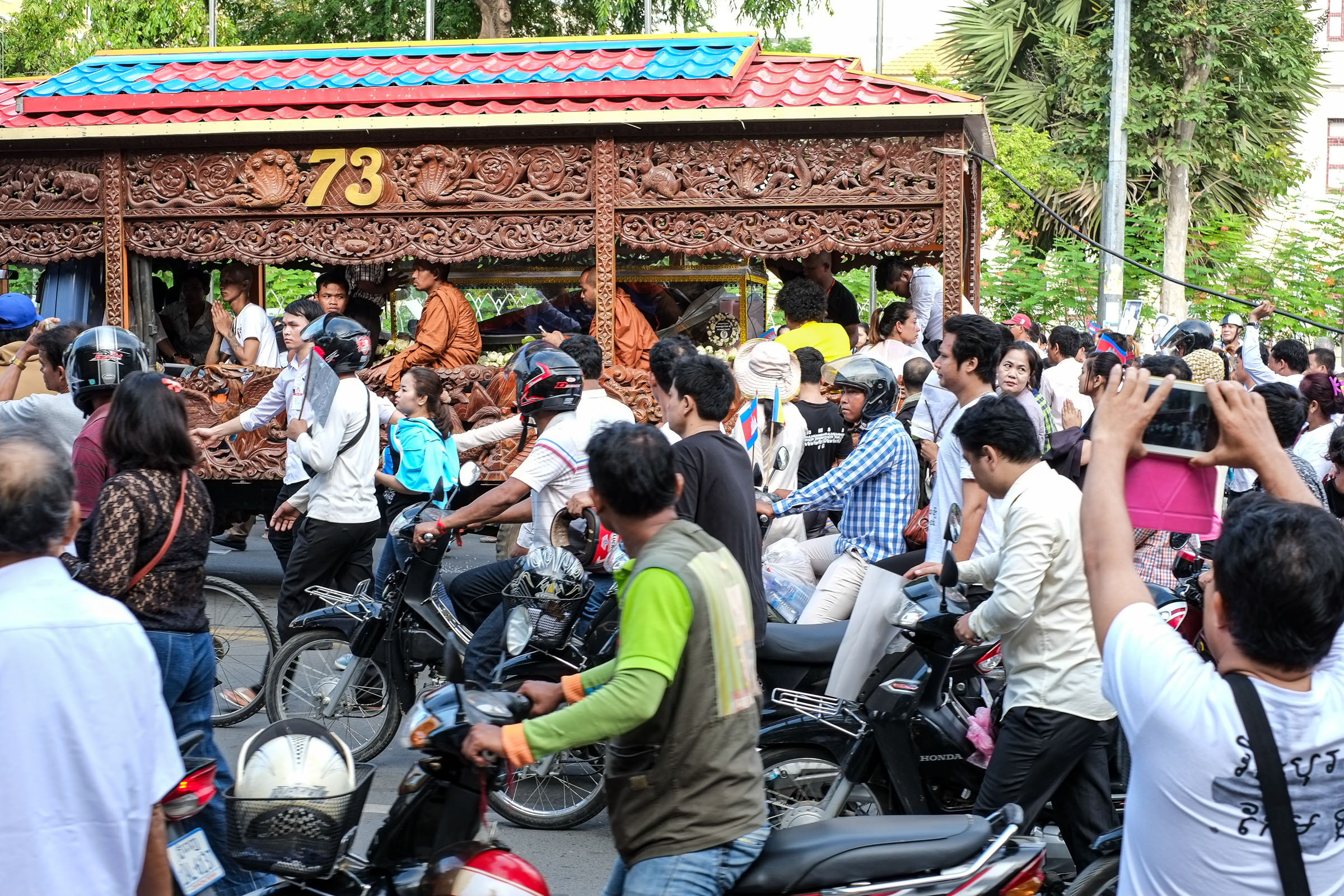
- Legacy: Much domestic and international criticism followed his death, and he received the largest attendance at his funeral for a non-royal person in Cambodia.


Kem Ley was a prominent Cambodian political commentator, activist, and physician known for his outspoken criticism of the Cambodian government, particularly the ruling Cambodian People’s Party (CPP) led by the then Prime Minister Hun Sen.
Born on October 19, 1970, in Takeo province, Kem Ley was deeply involved in political and social issues, often addressing corruption, illegal logging, and border disputes.
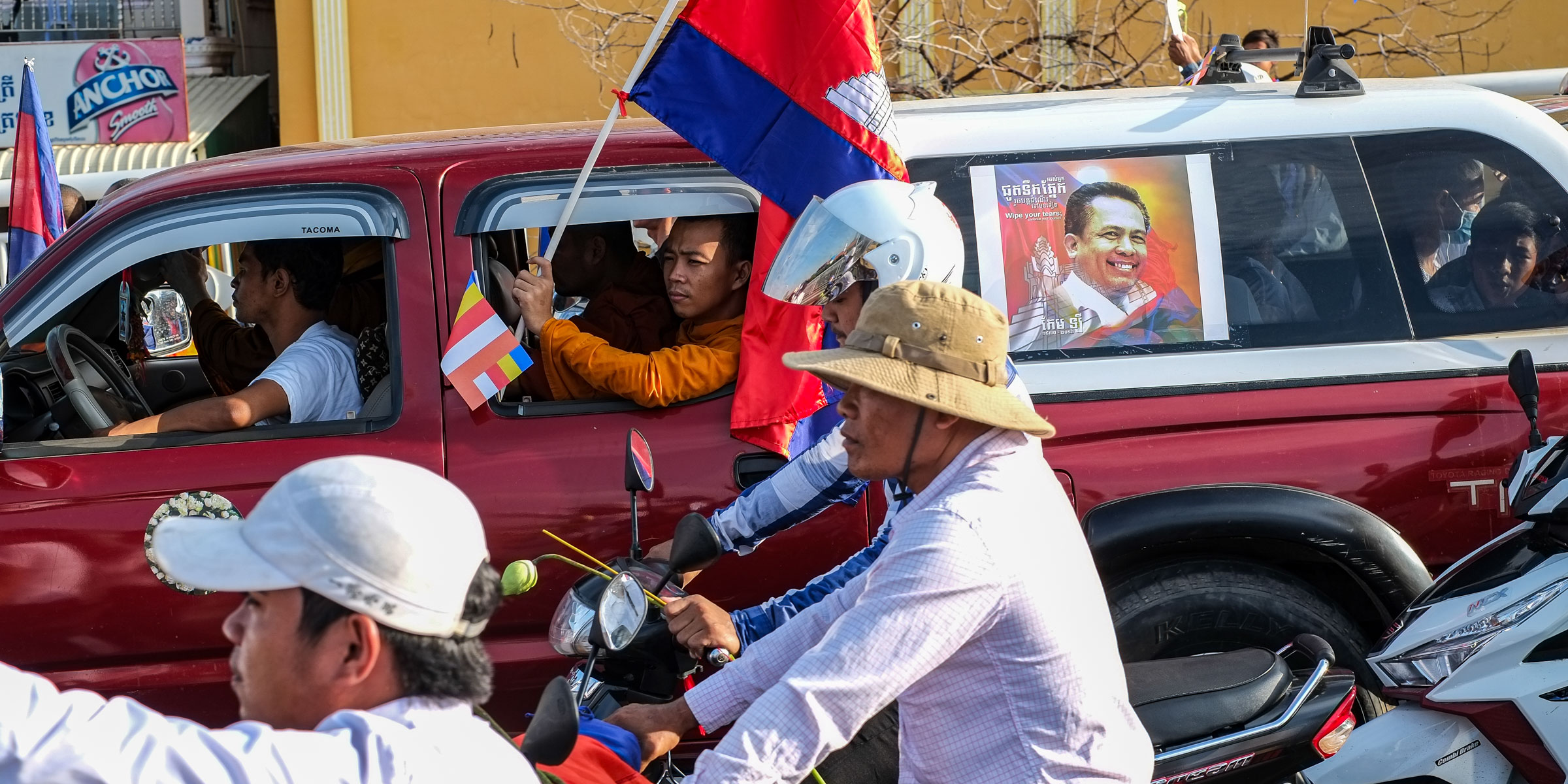
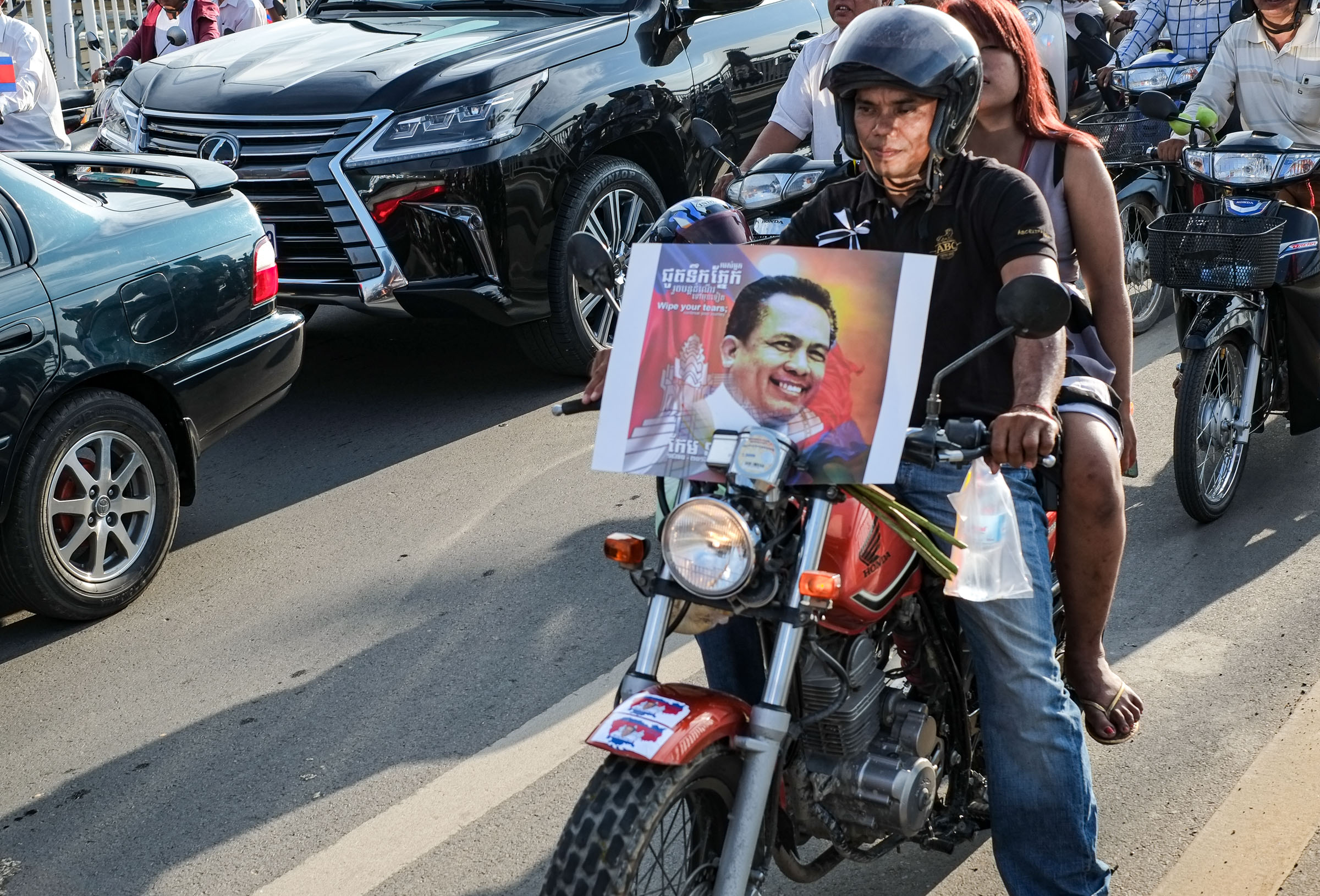
On July 10, 2016, Kem Ley was tragically assassinated while having coffee at a petrol station in Phnom Penh. His murder sent shockwaves through Cambodia, with many suspecting political motives behind the killing. The gunman, who claimed to have killed Kem Ley over an unpaid debt, was quickly apprehended, but few believed his story.
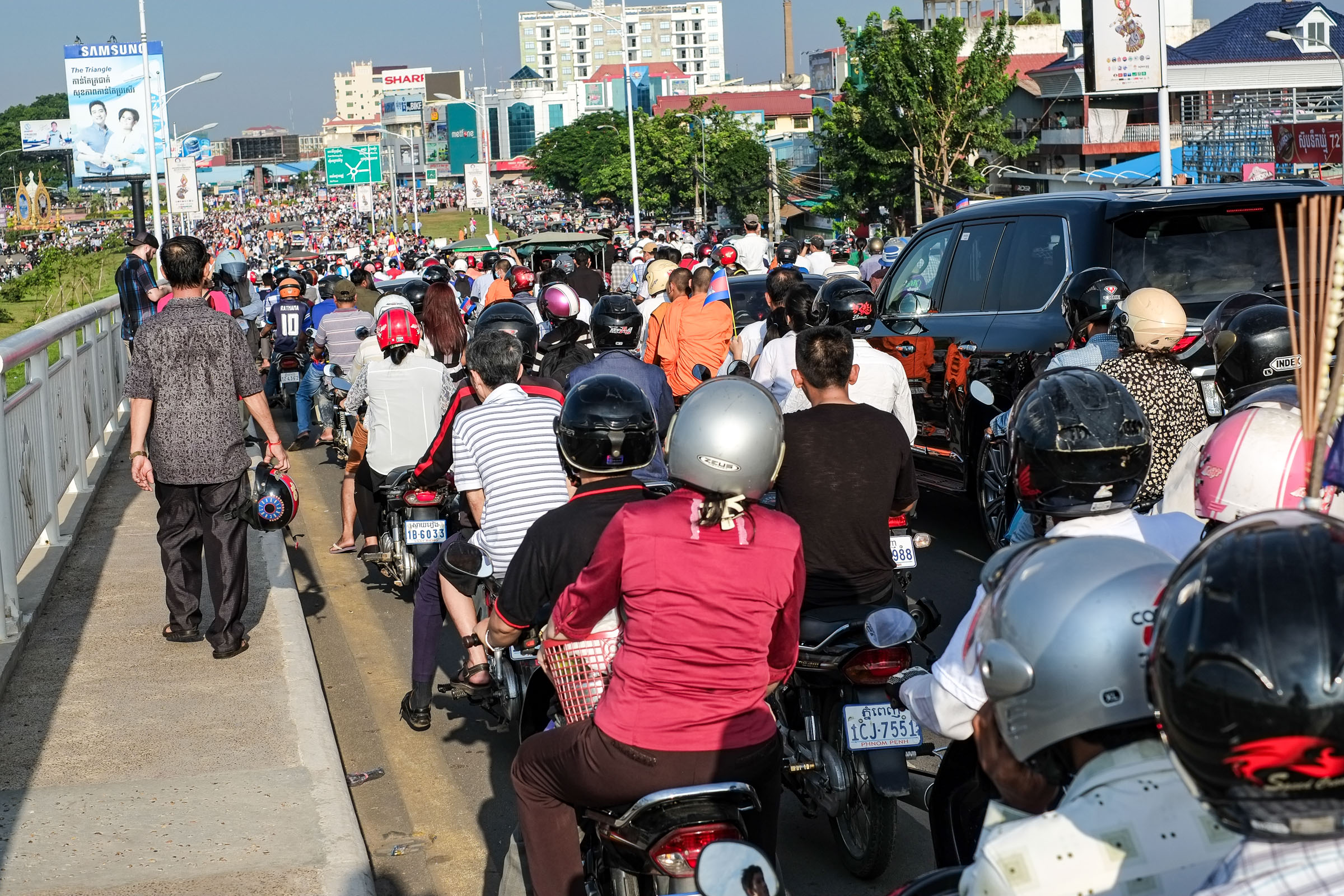
Kem Ley’s death was a significant loss for Cambodia, as he was a voice for many ordinary citizens and a critic of both the government and opposition. His funeral procession drew tens of thousands of mourners, highlighting the impact he had on the nation.
Kem Ley was known for his clear and impactful messages that resonated with many Cambodians. Some of his key messages included:
- Anti-Corruption: Kem Ley was a vocal critic of corruption within the Cambodian government. He often highlighted the need for transparency and accountability, particularly criticizing the ruling Cambodian People’s Party (CPP) and Prime Minister Hun Sen.
- Social Justice: He advocated for social justice and equality, emphasizing the importance of addressing the needs and rights of ordinary citizens. He believed in empowering people to speak out against injustices and to demand better governance.
- Nationalism and Sovereignty: Kem Ley often spoke about the importance of Cambodian nationalism and sovereignty. He was critical of foreign influence, particularly from Vietnam, and urged Cambodians to protect their national interests.
- Grassroots Engagement: Through his “100 Nights Campaign,” Kem Ley spent time in rural areas, listening to the concerns of local communities. He believed in understanding the root causes of issues by engaging directly with the people affected.
- Balanced Critique: Unlike many commentators, Kem Ley provided balanced critiques of both the government and the opposition. He aimed to present a fair and comprehensive analysis of the political landscape, making his insights accessible to ordinary people.
Kem Ley’s messages continue to inspire many in Cambodia, reflecting his commitment to a more just and transparent society.
Understanding Crowd Dynamics: The Importance of Safety in Public Spaces
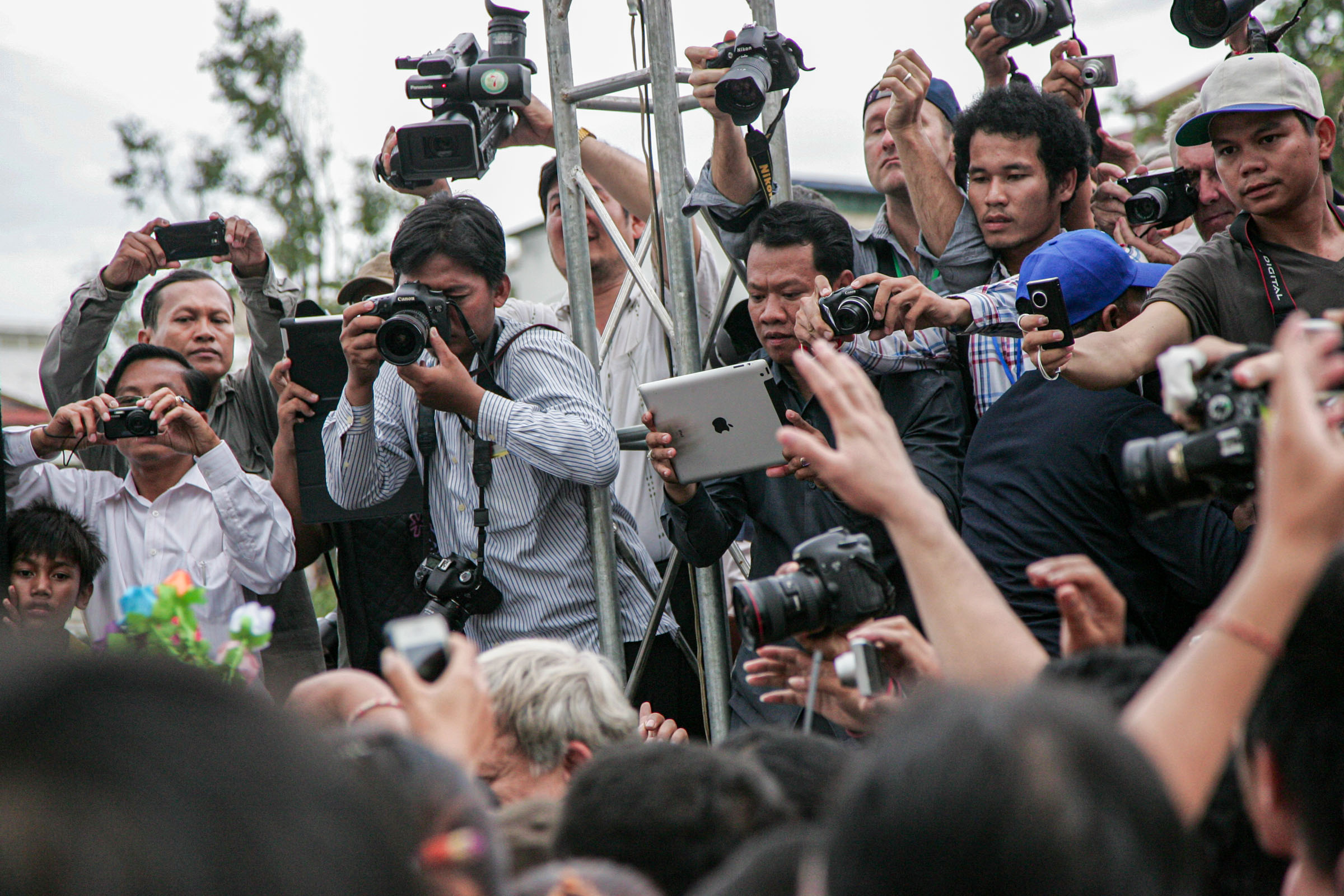
cambodia, cameras, conflict, Lenses, opinons, thoughts, photography, pictures, public, street, Travel, voluntary, warPublic gatherings, demonstrations, and large events are a hallmark of a vibrant society, where people come together to celebrate, protest, or participate in communal activities. However, these gatherings can also present significant safety challenges, particularly when they involve large crowds, loud noises, and the potential for danger.
The science of crowd dynamics is a fascinating field that delves into the behavior of people in large groups. It draws from various disciplines, including psychology, sociology, and physics, to understand how individuals act within a crowd and how a crowd behaves as a collective entity. This knowledge is crucial for event organizers, law enforcement, and public safety officials to ensure the well-being of participants in crowded settings.
One of the key aspects of crowd dynamics is the concept of ‘social force,’ which describes how individuals in a crowd maintain a certain distance from each other, much like particles that repel one another. This invisible force helps prevent collisions and allows for the orderly movement of people. However, in high-density situations, such as a packed concert or a busy festival, this social force can break down, leading to dangerous scenarios where individuals are unable to move freely and may even be crushed by the pressure of the crowd around them.
The tragic events that have occurred in the past, such as the human pile-up in Seoul’s Itaewon district in 2022, highlight the devastating consequences that can arise when crowd safety is not adequately managed. These incidents underscore the need for comprehensive planning, crowd control measures, and emergency response strategies to prevent similar tragedies.
In addition to physical safety, the presence of loud noises, such as those from demonstrations or concerts, can also pose risks. Prolonged exposure to high decibel levels can lead to hearing damage, and the cacophony of a crowd can create confusion and panic during emergencies. Organizers need to consider noise control and communication methods to ensure messages can be clearly conveyed to attendees, even amidst the din of a bustling crowd.
Moreover, the potential for violence or dangerous situations, such as shootings, adds another layer of complexity to crowd management. Law enforcement and security personnel must be trained to respond effectively to such threats, balancing the need to neutralize danger with the imperative to avoid harming innocent bystanders. This delicate task requires not only tactical skill but also an understanding of crowd psychology and behaviour.
Ultimately, the study of crowd dynamics serves as a reminder of our shared responsibility to prioritize safety in public spaces. Whether attending a peaceful protest, a lively parade, or a dynamic concert, each individual plays a role in contributing to a safe and enjoyable experience for all. By staying informed, being aware of our surroundings, and respecting the space of others, we can help ensure that public gatherings remain a positive aspect of our communal life.
As we continue to gather in numbers, let us remember the lessons learned from past events and strive to create environments where safety and enjoyment go hand in hand. Together, we can celebrate the power of community while safeguarding the well-being of every participant. Let’s make every public gathering a testament to our ability to come together safely and harmoniously.
When a demonstration becomes angry, it’s crucial to prioritize safety and de-escalation. Here are some steps you can take:
- Assess the Situation: Quickly determine if the demonstration’s shift in mood is widespread or localized. Look for safe exits or areas where tensions are lower.
- Stay Calm: Your own calm demeanour can have a calming effect on others. Avoid any actions that could be perceived as provocative or disrespectful.
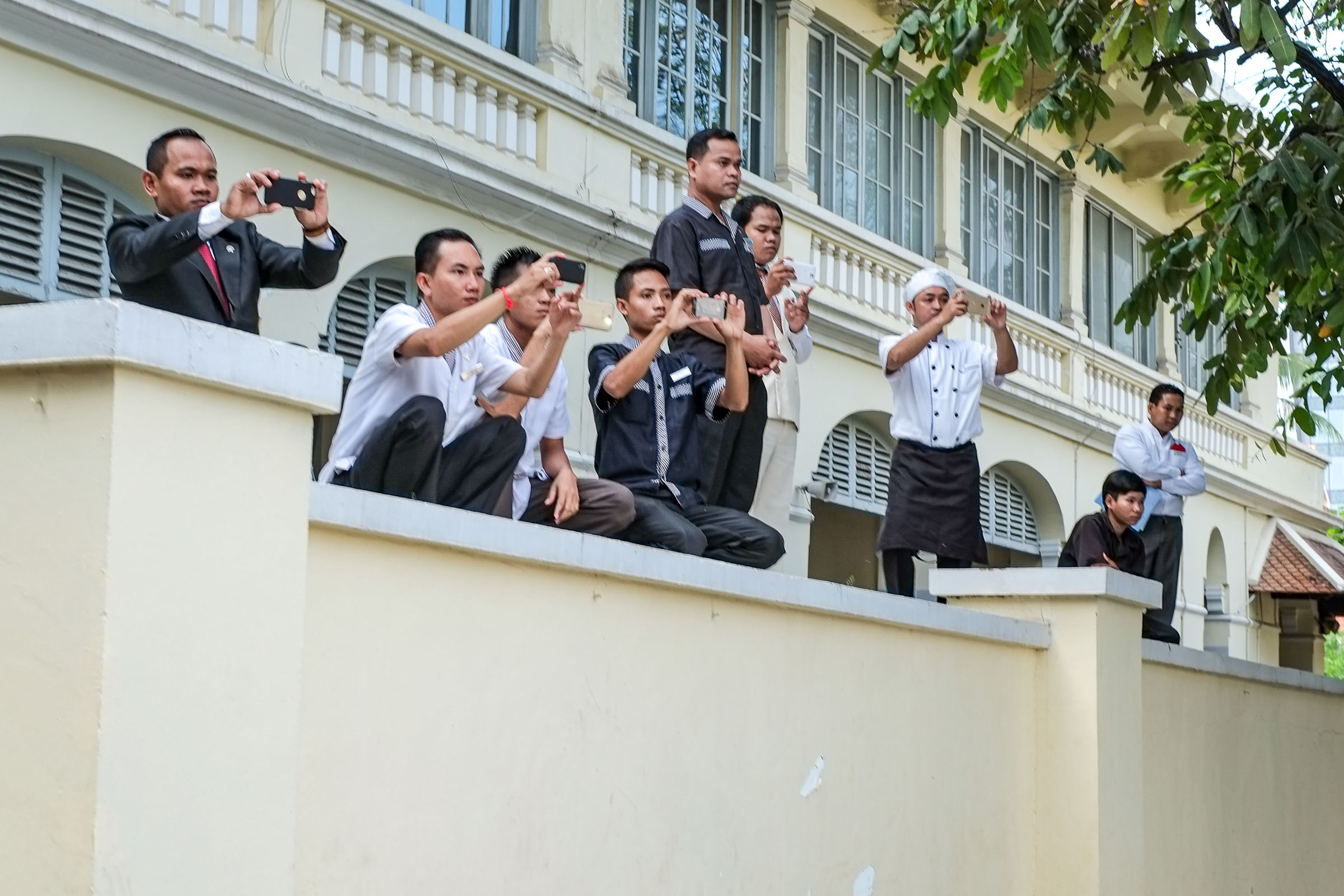
- Cease Provocative Actions: If you’re taking pictures, stop and assess whether your actions could inflame the situation. If there’s any chance they might be, it’s best to put the camera away.
- Follow Safety Protocols: If you’re part of an organized group, follow any pre-established safety protocols. If not, consider leaving the area if you feel unsafe.
- Listen and Observe: Try to understand the cause of the anger. Sometimes, acknowledging grievances can help de-escalate emotions.
- Seek Help if Necessary: If the situation feels beyond your control, look for law enforcement or demonstration organizers who can intervene and restore peace.
Remember, while documenting events is important, nothing is more valuable than your safety and those around you. If a demonstration turns angry, the best action is to prioritize de-escalation and safety.

Hitting a Photographic Lull: How to Rekindle Your Creative Spark
cambodia, fujifilm, Lenses, opinons, thoughts, photography, pictures, street, Travel, voluntary, warPhotography, like any other creative pursuit, can sometimes lead you into a lull. It’s that dreaded feeling where inspiration seems to have packed its bags and left without notice. But fear not, for every creative block, there’s a myriad of ways to overcome it and get back to capturing the world through your lens with renewed passion and perspective.
Firstly, acknowledge that creative blocks are a natural part of the artistic process. They don’t signify a lack of talent or passion but are merely a sign that your brain might need a break or a new source of stimulation. Here are some strategies to help you navigate through this phase:


- Rest and Recharge
Fatigue can be a significant contributor to creative blocks. Give yourself permission to rest. Sometimes, stepping away from the camera and getting some good sleep can do wonders for your creativity. - Write It Down
Keep a journal or a notebook for your photography ideas. Writing can help declutter your mind and may lead to a breakthrough in thinking. Jot down anything and everything without judgment. - Tune Into Some Music
Music has the power to alter moods and inspire new ideas. Listen to different genres and let the rhythms and melodies guide your imagination. - Sketch Your World
You don’t have to be an artist to benefit from sketching. Draw the scenes around you; it can help you see the world from a new angle and might just spark a photographic idea. - Change Your Scenery
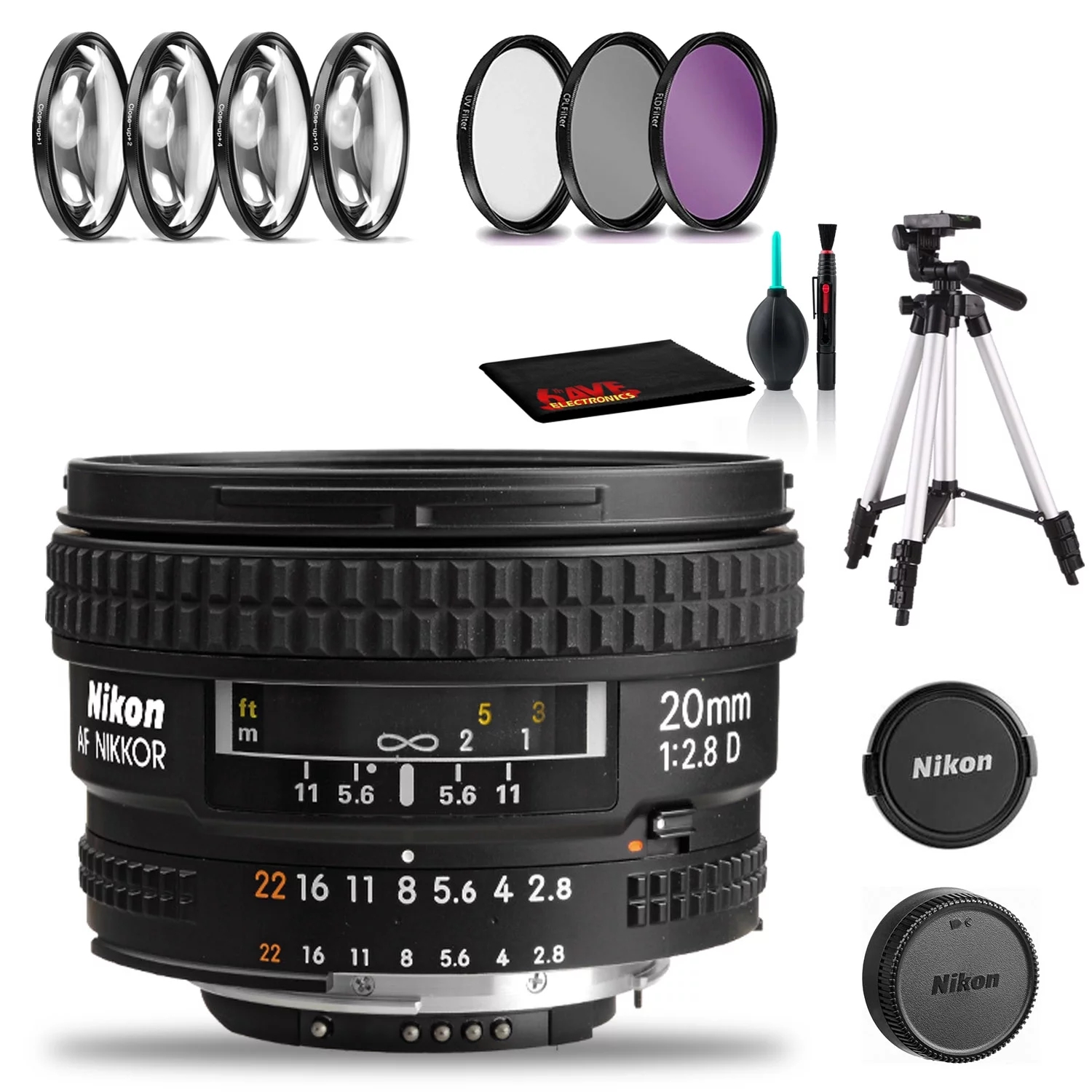
Sometimes all you need is a change of environment. Go for a walk, visit a new town, or even rearrange your workspace. New visuals can lead to new inspirations. - Experiment with New Gear
Exploring new equipment or even old gear in new ways can provide a fresh perspective. Try out a new lens, filter, or even a different camera format to shake things up. - Seek Out Inspiration
Look at the work of other photographers, visit galleries, or dive into photography books. Seeing the world through someone else’s eyes can provide a fresh outlook and inspire your own work. - Embrace Imperfection
Perfectionism can be a creativity killer. Allow yourself to make mistakes and remember that each one is a stepping stone to improvement. - Set Small Goals
Instead of aiming for a masterpiece every time you shoot, set small, achievable goals. This can help build momentum and get you back into the groove of shooting regularly. - Collaborate with Others
Join a photography group or collaborate with a fellow photographer. Sharing ideas and working on projects together can be incredibly stimulating and fun. - Take on a Project or Challenge
Give yourself a photography assignment or challenge. Having a specific goal can focus your creativity and push you to look at things differently.
Remember, every photographer goes through highs and lows. The key is to keep pushing through, stay open to new experiences, and never stop learning. Your next great shot could be just around the corner, waiting for you to capture it. So grab your camera, and let’s turn that lull into a launchpad for your next creative leap! Happy shooting!
Exploring the Viltrox 13mm f/1.4: A Versatile Lens for Photography Enthusiasts
cambodia, cameras, fujifilm, Lenses, opinons, thoughts, photography, pictures, street, Travel, viltroxThe Viltrox 13mm f/1.4 lens has been making waves in the photography community, especially among those who use Fujifilm X-Mount cameras. This lens is known for its super wide-angle capability, which makes it an excellent choice for capturing expansive landscapes, cityscapes, and architectural wonders. Its large aperture of f/1.4 allows photographers to shoot in low light conditions without compromising on shutter speed or ISO, thus maintaining image quality.
Build Quality and Handling
The Viltrox 13mm f/1.4 boasts a solid construction with a metal mount and lens hood, giving it a premium feel. The manual focus ring is large and user-friendly, offering a smooth focusing experience free from the electronic jerkiness found in some lenses. The aperture ring clicks satisfyingly through each f-stop, providing tactile feedback that is both precise and reassuring.
Optical Performance
Optically, the lens is designed to impress. It features two aspherical elements that help to reduce spherical aberrations and distortion, providing sharp images with minimal edge softness. The inclusion of two high refractive elements and four extra-low dispersion elements further enhances image clarity by reducing chromatic aberrations and color fringing.

Autofocus Capabilities
The autofocus system of the Viltrox 13mm f/1.4 is powered by an STM motor, which delivers fast and silent focusing. This is particularly beneficial for videographers who require a quiet operation. The autofocus is also reliable, locking onto subjects with ease and precision, which is on par with some of the more established lenses in the market.
Versatility in Use
Despite being a super wide-angle lens, the Viltrox 13mm f/1.4 has proven to be surprisingly versatile. Some photographers have even found success using it for portrait photography, a genre typically reserved for longer focal lengths. The wide aperture allows for a shallow depth of field, creating a pleasing bokeh effect that can make subjects stand out against a smoothly blurred background.
Conclusion
The Viltrox 13mm f/1.4 lens offers a lot of value, especially considering its price point. It is a testament to Viltrox’s commitment to providing high-quality lenses that are accessible to a wide range of photographers. Whether you’re shooting stills or video, this lens can deliver outstanding results that could rival those of more expensive counterparts.
For those interested in exploring the capabilities of the Viltrox 13mm f/1.4 further, there are detailed reviews and sample images available that showcase the lens’s performance across various settings and subjects. With its combination of build quality, optical performance, and versatility, the Viltrox 13mm f/1.4 is a lens worth considering for your next photographic adventure.
Travel Photography
angkor, cambodia, cameras, Lenses, opinons, thoughts, photography, pictures, public, street, Travel, voluntary, warTravel photography is an exhilarating and fulfilling pursuit, combining the exploration of new places with the creative expression of capturing moments that tell a story. Whether you’re a seasoned photographer or just starting out, having the right gear can make all the difference in bringing back stunning images from your travels. Here’s a comprehensive guide to the essential equipment for travel photography.
Camera Body
The heart of your travel photography kit is the camera body. The market offers a plethora of choices, from high-end DSLRs to compact mirrorless systems. The key is to find a balance between image quality and portability. For beginners, entry-level mirrorless cameras are a great choice due to their lightweight design and excellent image capabilities.
Lenses
Lenses are the eyes through which you see the world, and having the right selection can cover a wide range of photographic opportunities. A versatile zoom lens, like an 18-300mm, can be invaluable for capturing both wide landscapes and distant subjects. Additionally, a prime wide-angle lens can be perfect for expansive scenes and architectural shots.

Tripod
A sturdy yet portable tripod is essential for sharp images, especially in low light conditions or when making long exposures. Look for one that’s compact enough to fit in your luggage but robust enough to support your camera and lens securely.
Filters
Filters can dramatically enhance your images. A circular polarizing filter can help reduce reflections and enhance skies, while a neutral density filter allows for longer exposure times, even in bright conditions, creating that silky water effect or motion blur in clouds.
Camera Bag
Protecting your gear is paramount, and a good camera bag will do just that. It should be comfortable to carry, provide easy access to your equipment, and offer adequate protection against bumps, scrapes, and the elements.
Accessories
Don’t forget the smaller items that can be just as crucial:
- Extra batteries and memory cards to ensure you don’t miss a shot.
- A cleaning kit to keep your lens and sensor spotless.
- A remote shutter release for those extra-long exposures or self-portraits.
Insurance
Last but not least, consider getting insurance for your gear. Travel can be unpredictable, and having coverage for theft, loss, or damage can give you peace of mind.
By equipping yourself with these travel photography essentials, you’ll be well-prepared to capture the beauty and uniqueness of your destinations. Remember, the best camera is the one you have with you, so choose gear that you’ll feel comfortable carrying and using on your adventures. Happy shooting!
For more detailed information on travel photography gear, you can refer to comprehensive guides and checklists provided by photography experts.
Travel photography planning the trip.
Embarking on a journey to capture the essence of your travels through photography requires meticulous planning and a keen eye for detail. Travel photography is not just about snapping pictures of famous landmarks; it’s about telling a story, capturing emotions, and portraying the unique beauty of a destination.
To plan the ultimate travel photography trip, one must consider several factors that go beyond just the itinerary. Here are some key points to keep in mind:
- Research Your Destination: Before setting foot on your adventure, research your destination thoroughly. Understand the geography, the culture, and the people. Look for those unique spots that offer more than just a pretty picture but tell a story about the place.
- Know Your Gear: Familiarize yourself with your camera and its capabilities. Practice using different settings and understand how to adjust them for various lighting conditions. Remember, the best camera is the one you know how to use effectively.
- Create a Shot List: Plan your shots ahead of time. While spontaneity can lead to great photos, having a shot list ensures you don’t miss out on those must-have images. Include a variety of shots, from wide landscapes to intimate portraits.
- Consider the Light: The ‘Golden Hour’โjust after sunrise or before sunsetโoffers the most flattering light for photography. Plan your schedule around these times to capture the most beautiful images.
- Pack Smart: Traveling light is essential, but make sure you have all the necessary equipment. A sturdy tripod, extra batteries, and memory cards are just as important as your camera itself.
- Tell a Story: Aim to capture photos that convey a narrative. Whether it’s the hustle and bustle of a local market or the serene tranquillity of a secluded beach, your photos should evoke feelings and tell the story of your journey.
- Stay Safe: Always prioritize your safety and the security of your gear. Be aware of your surroundings and respectful of local customs and regulations.
- Post-Processing: Learn the basics of photo editing to enhance your images. Post-processing can turn a good photo into a great one, but remember to keep it subtle and not overdo the effects.
- Backup Your Photos: Regularly back up your images to avoid losing them. Whether it’s to a cloud service or an external hard drive, ensure you have multiple copies of your precious memories.
- Enjoy the Experience: While photography is your focus, don’t forget to put down the camera occasionally and soak in the experience. After all, the stories behind the photos are what truly enrich your travel experience.
By following these tips, you’ll be well on your way to planning a travel photography trip that will yield a collection of images you’ll treasure for a lifetime. Remember, travel photography is as much about the journey as it is about the destination. So, plan well, stay curious, and capture the moments that resonate with your adventurous spirit. Happy travels and happy shooting!
What do you like to make pictures of on the street and why ?
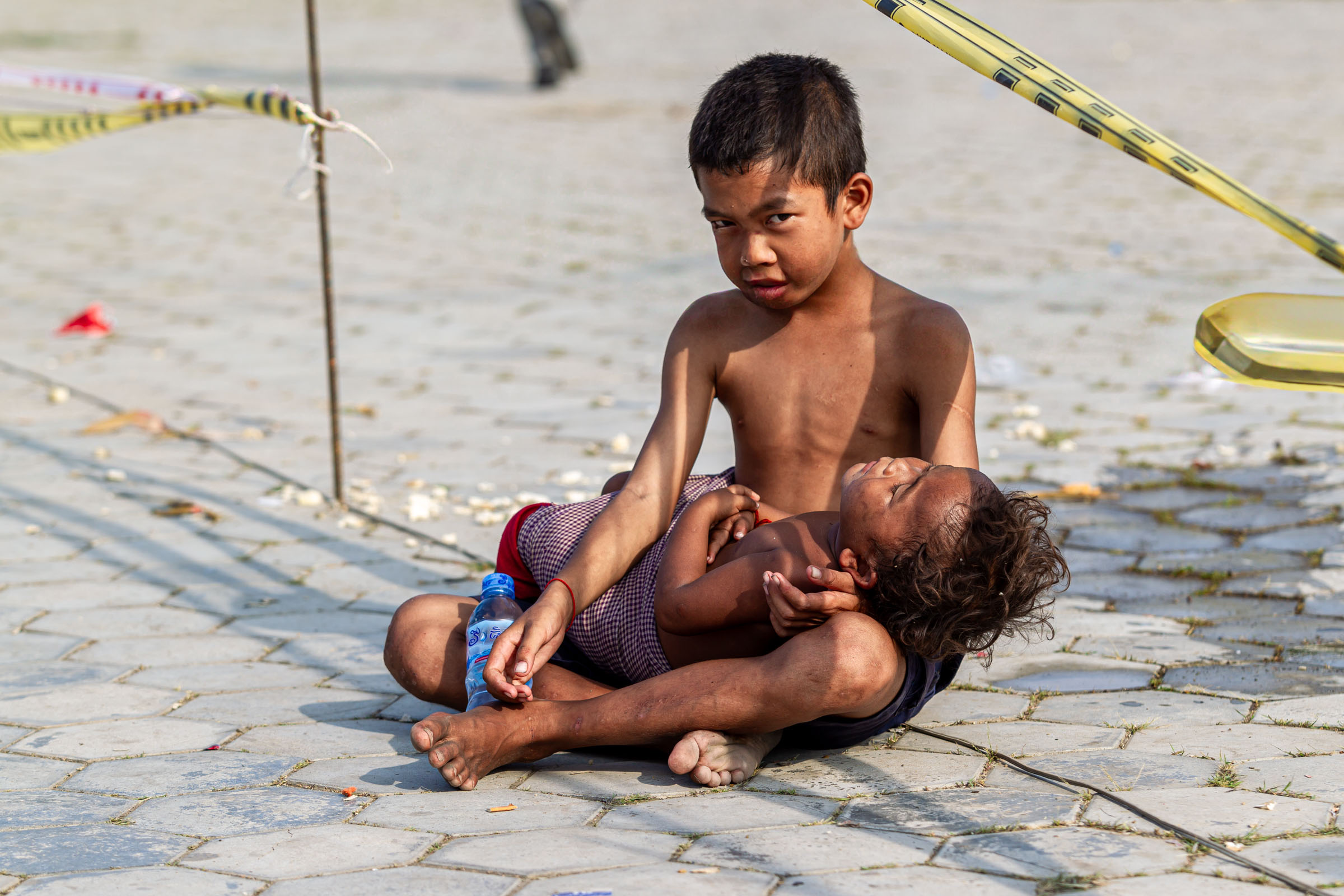
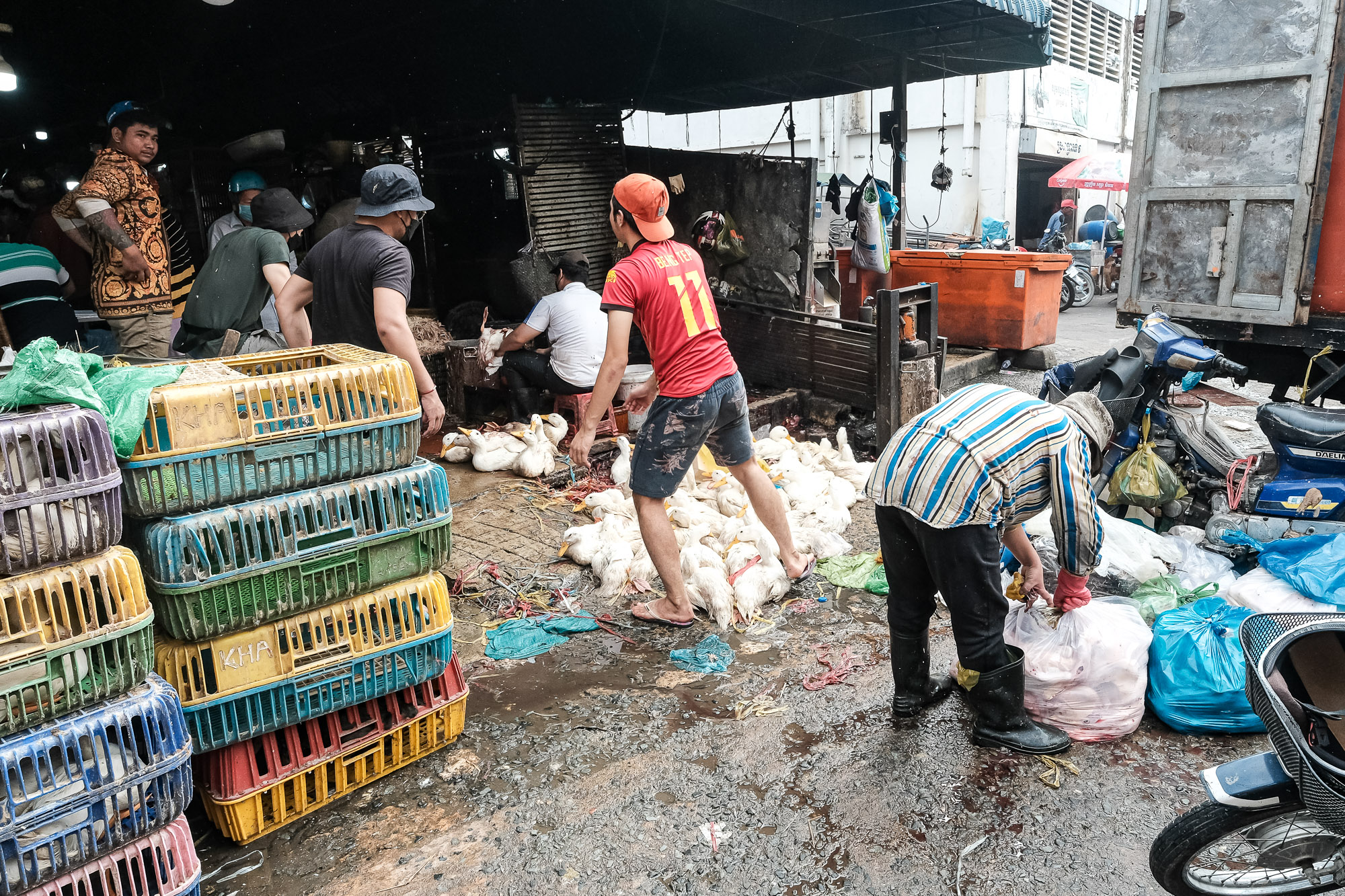
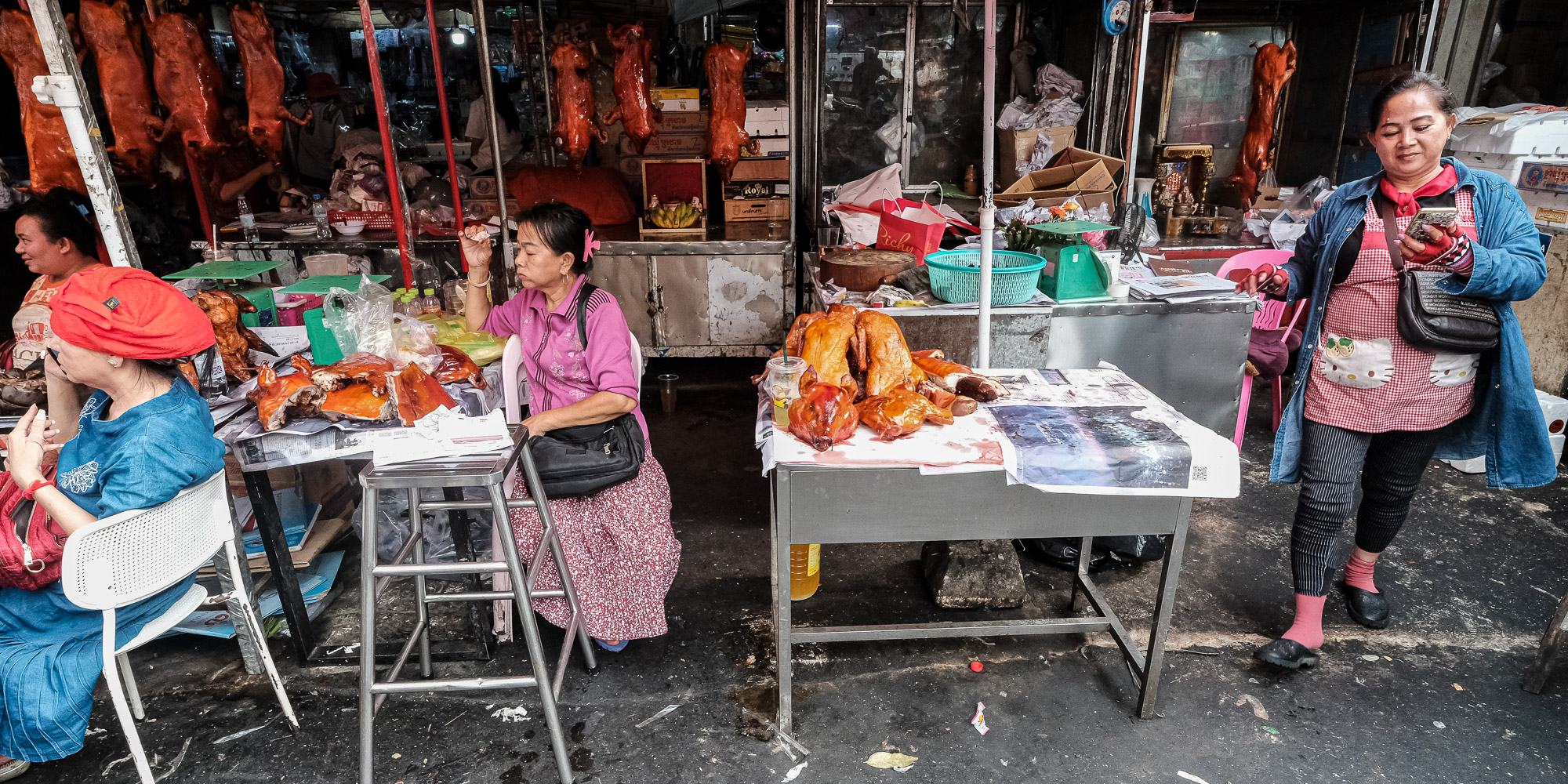
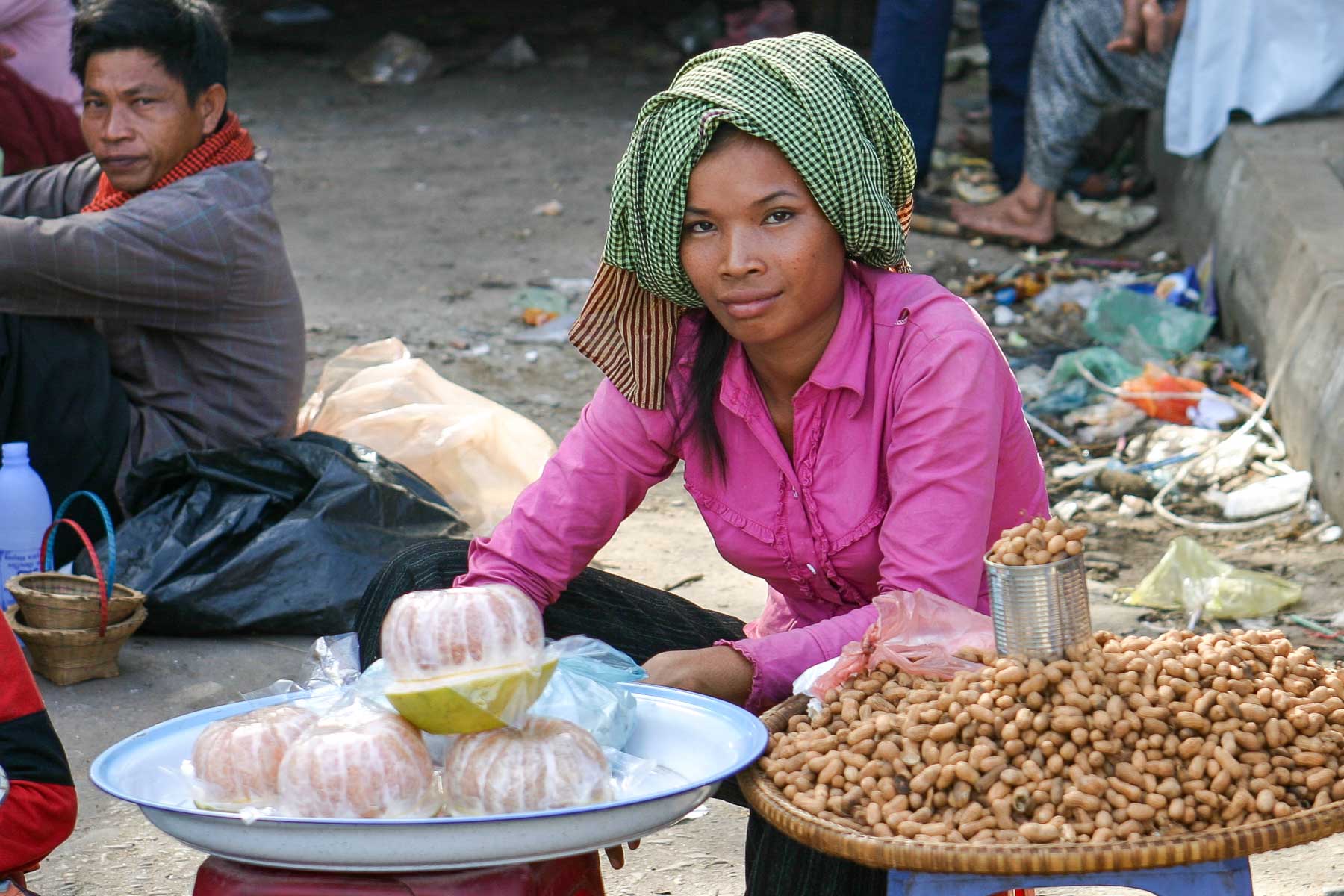
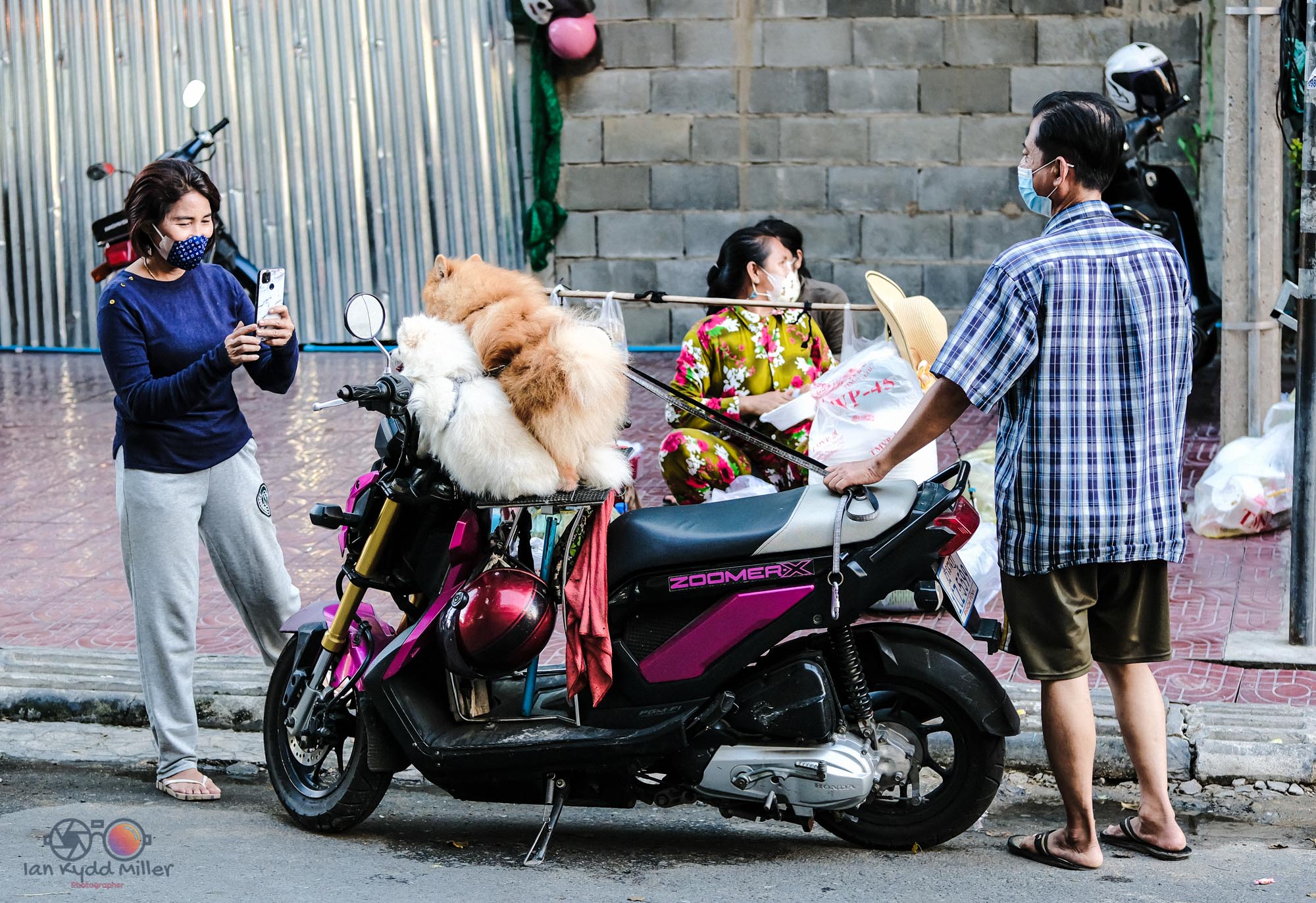
cambodia, homelessness, Lenses, opinons, thoughts, photography, pictures, street, Travel, warStreet photography is a fascinating and vibrant art form that captures the essence of everyday life. It’s all about finding beauty in the mundane, telling stories without words, and preserving fleeting moments that might otherwise go unnoticed.
Regarding street photography, there are countless subjects to focus on, each offering a unique perspective on the world. Here are some popular themes that street photographers often gravitate towards:
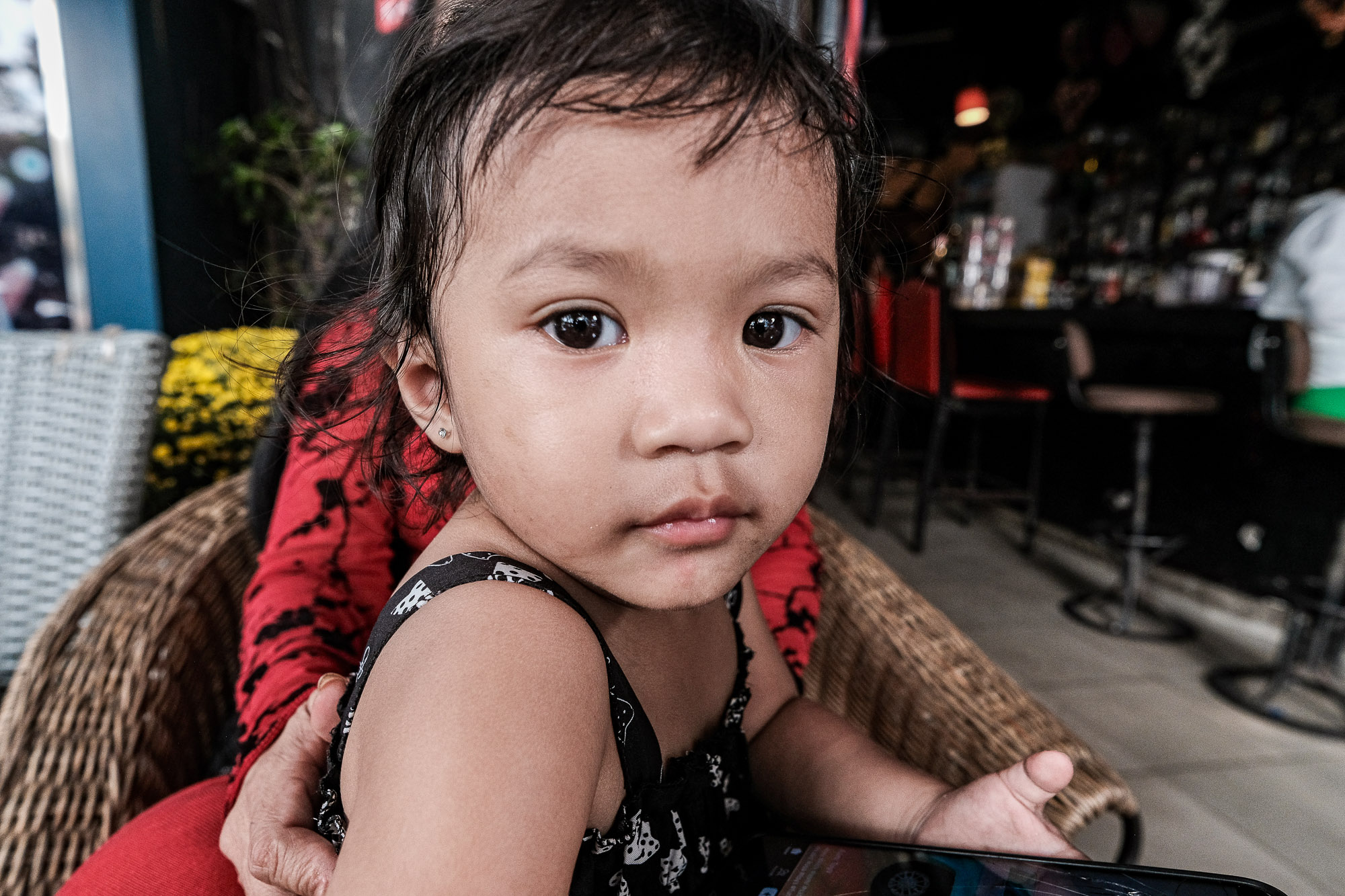
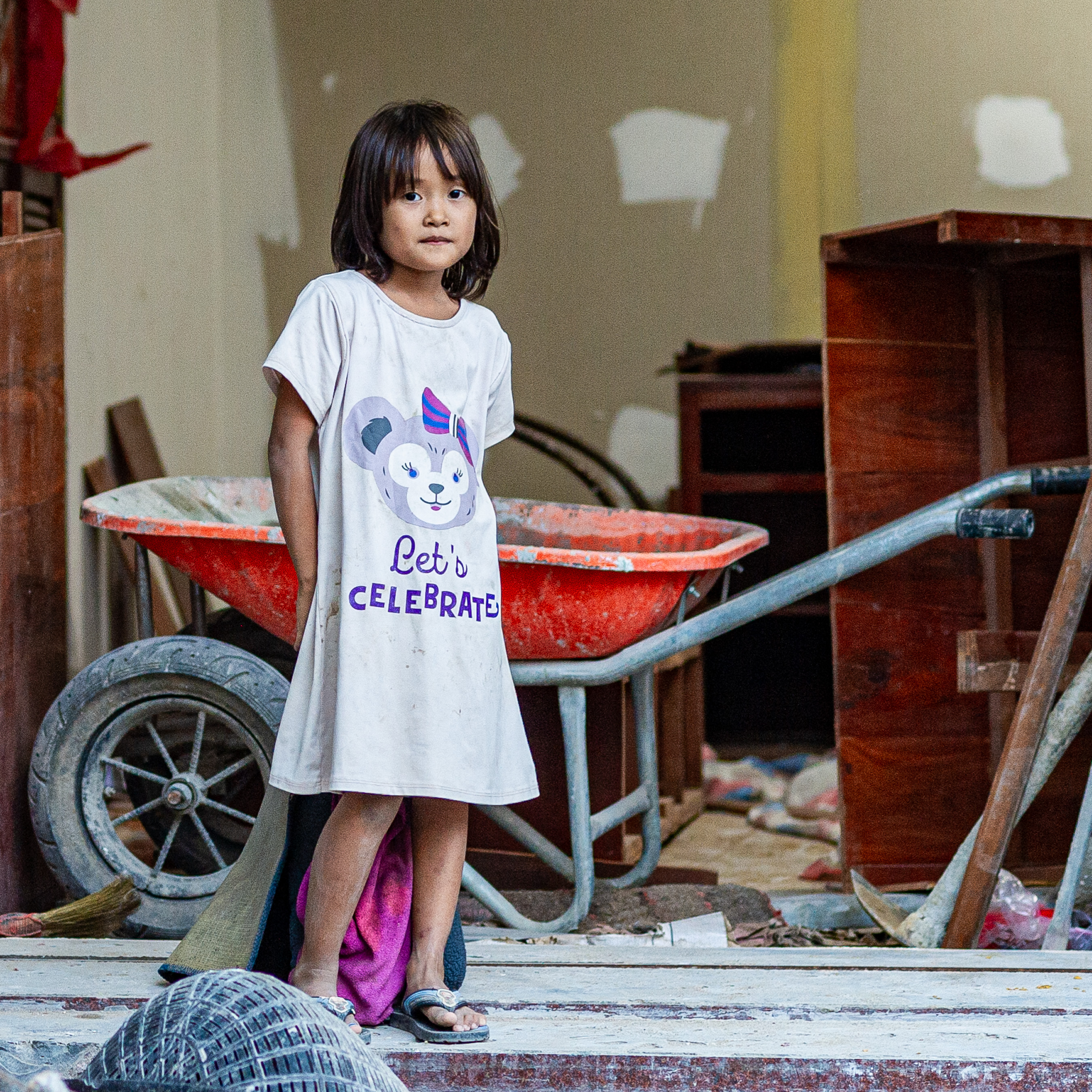
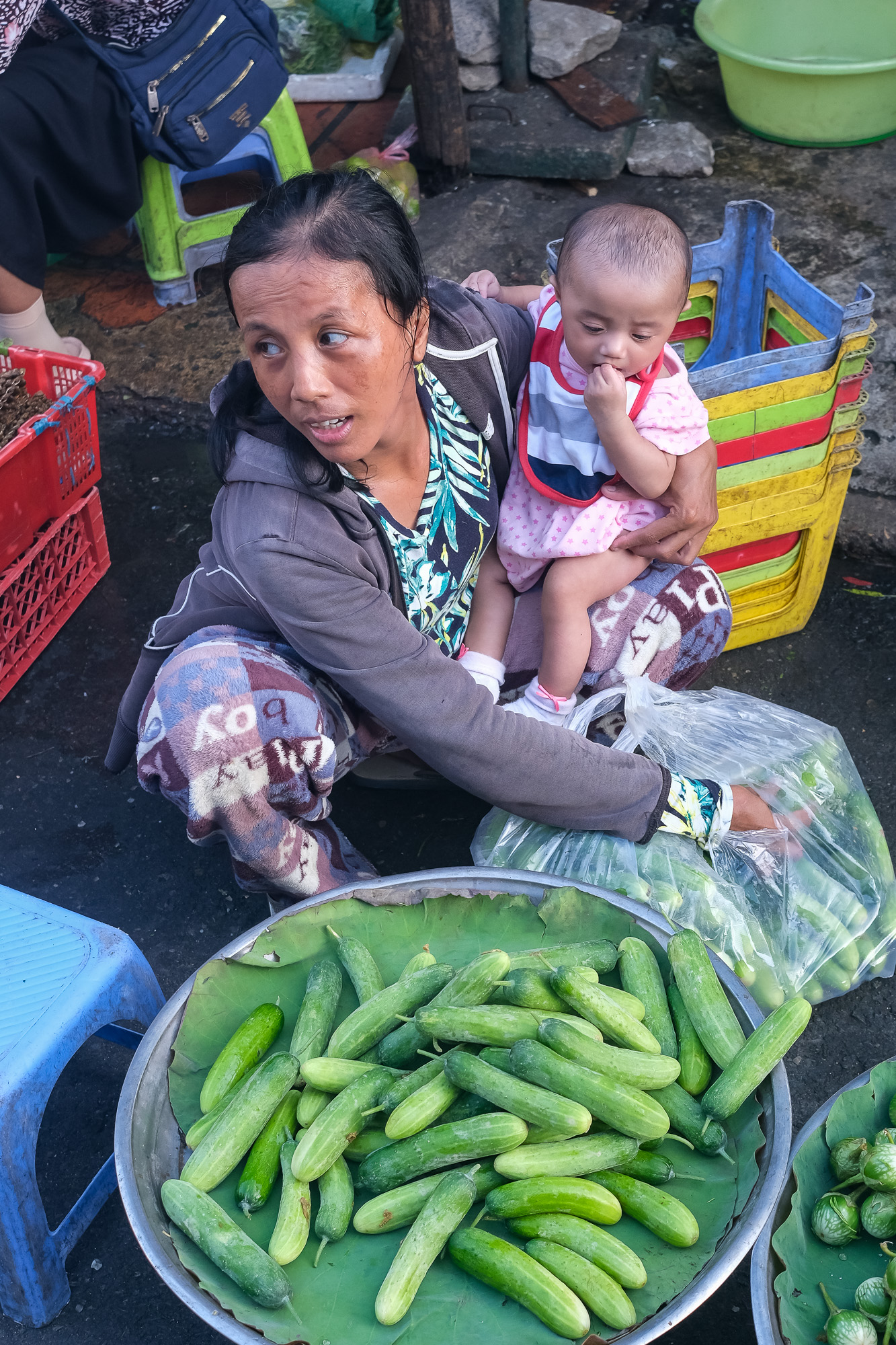
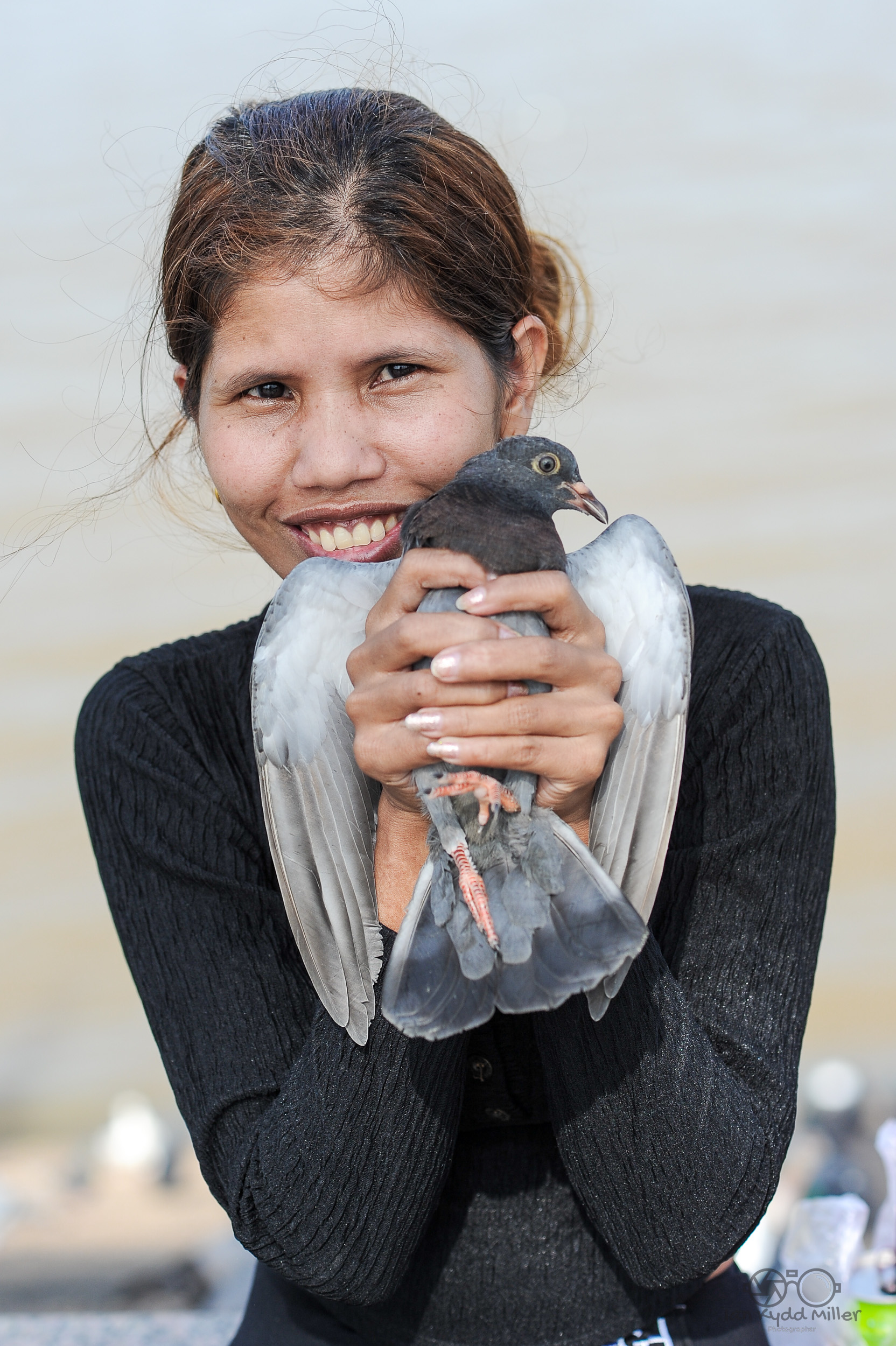
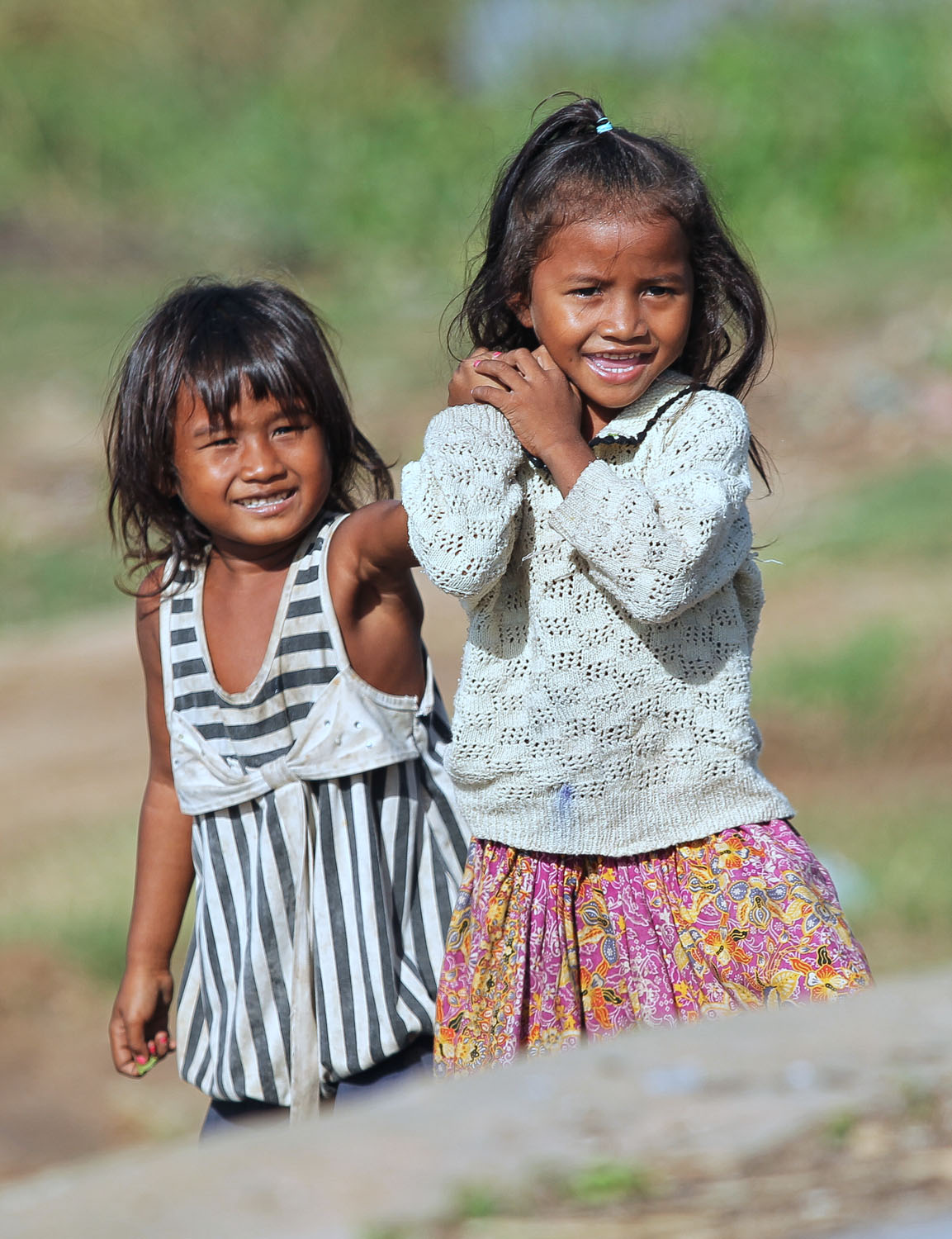
- People and Emotions: Capturing candid moments of people in their daily lives is perhaps the most compelling aspect of street photography. Each person’s expression, posture, and actions can convey a wide range of emotions and narratives.
- Architecture and Urban Landscapes: The buildings and structures that make up a city’s skyline tell the story of a place. Photographers often take images of interesting architectural details, contrasting old and new, or the way light and shadow play across surfaces.
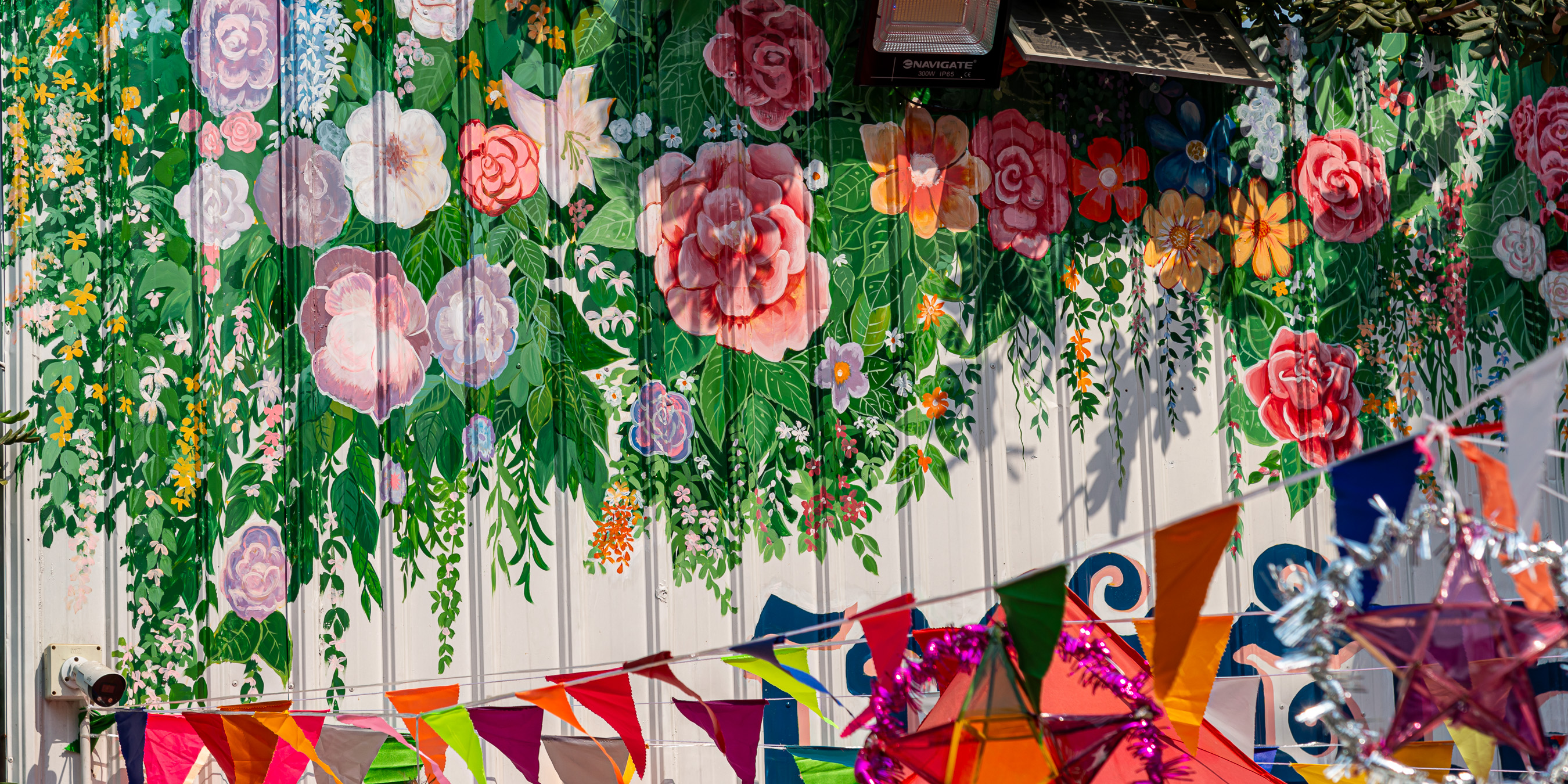
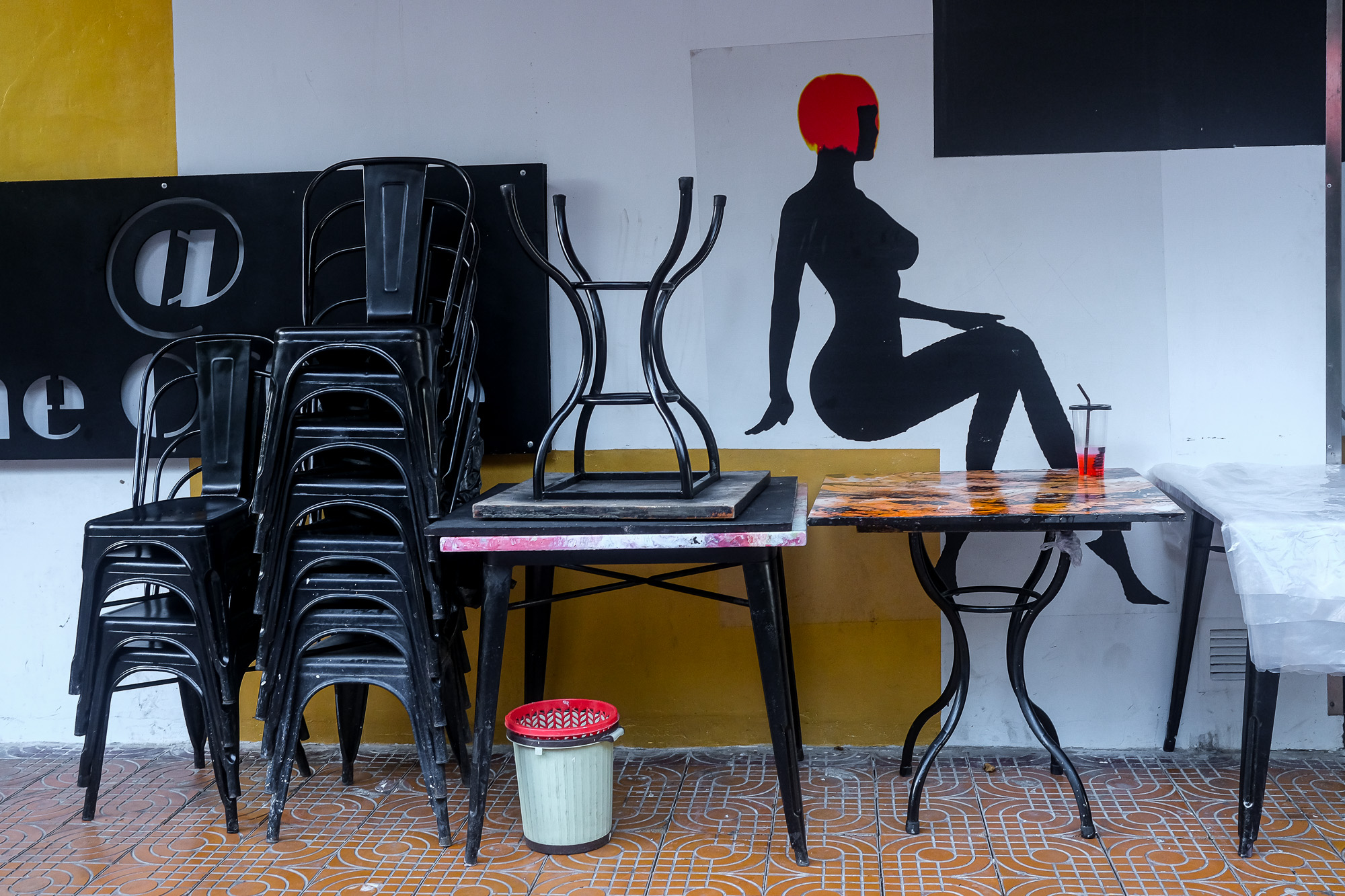
- Street Art and Graffiti: These vibrant artworks add colour and character to the urban environment. They can also be politically charged, making a statement that’s ripe for photographic exploration.
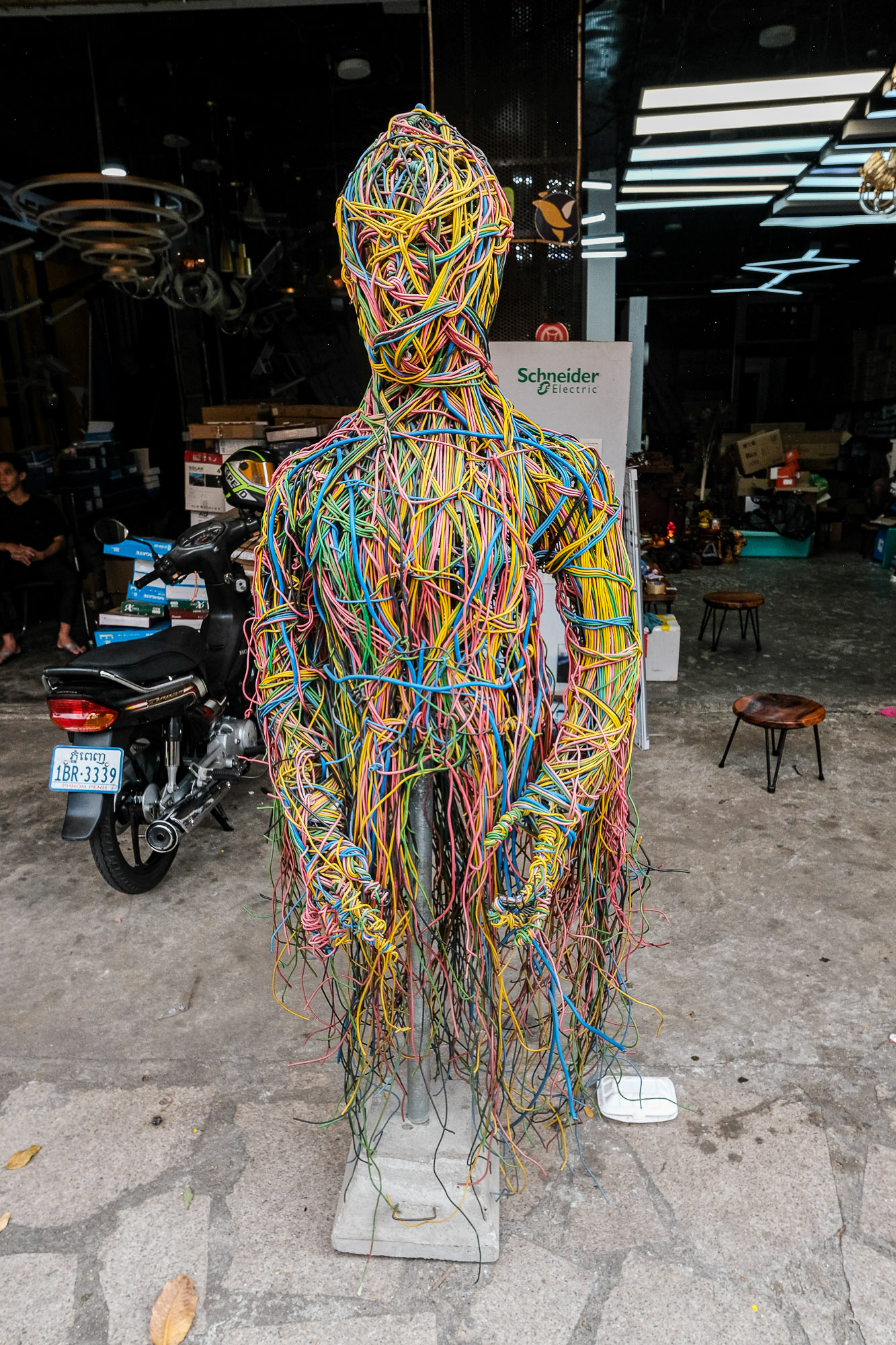
- Everyday Objects: Sometimes, the most mundane objects can make for the most interesting subjects. A bicycle leaning against a wall, a row of mailboxes, or a brightly colored door can all become focal points in a photograph.
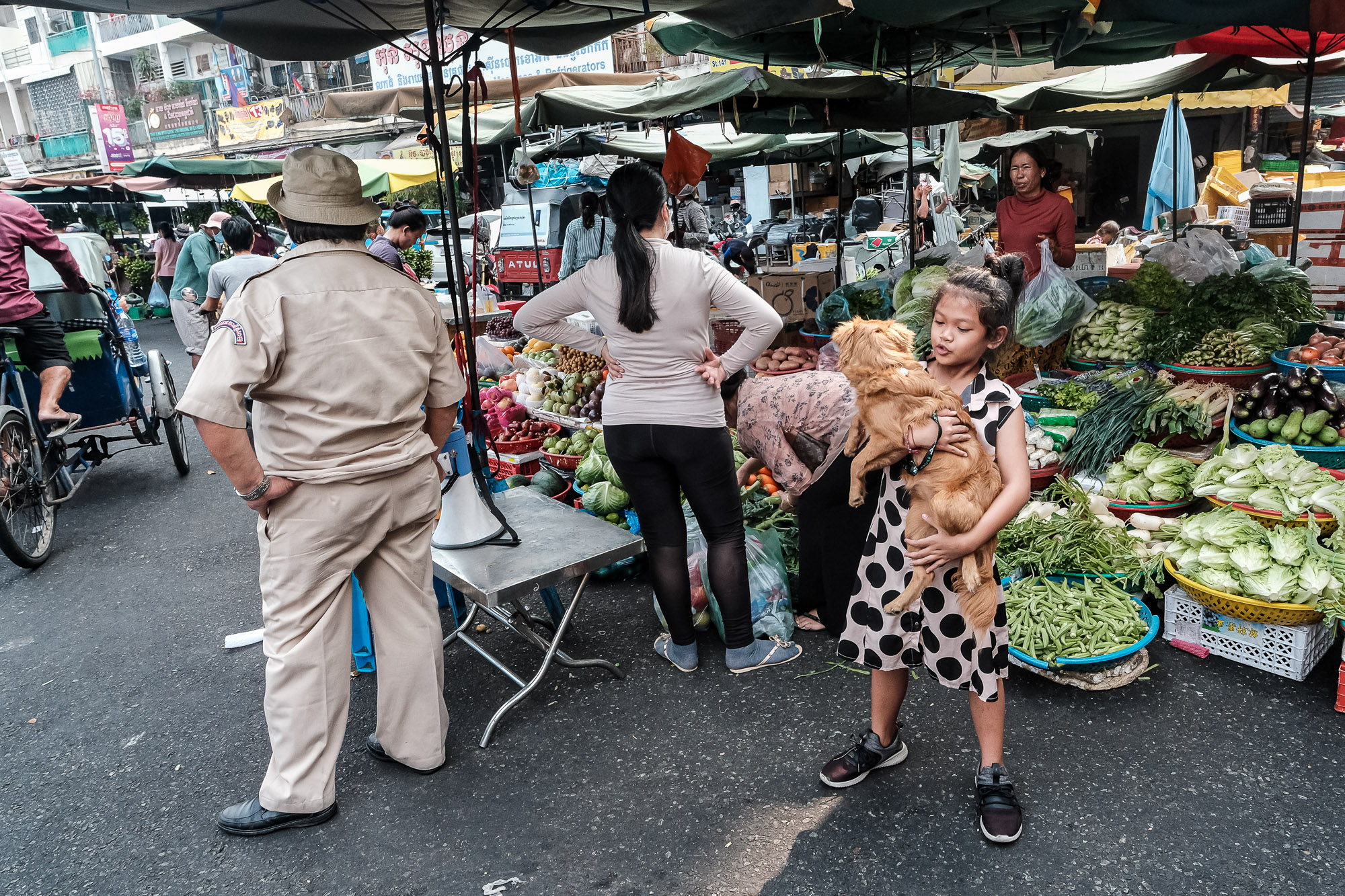
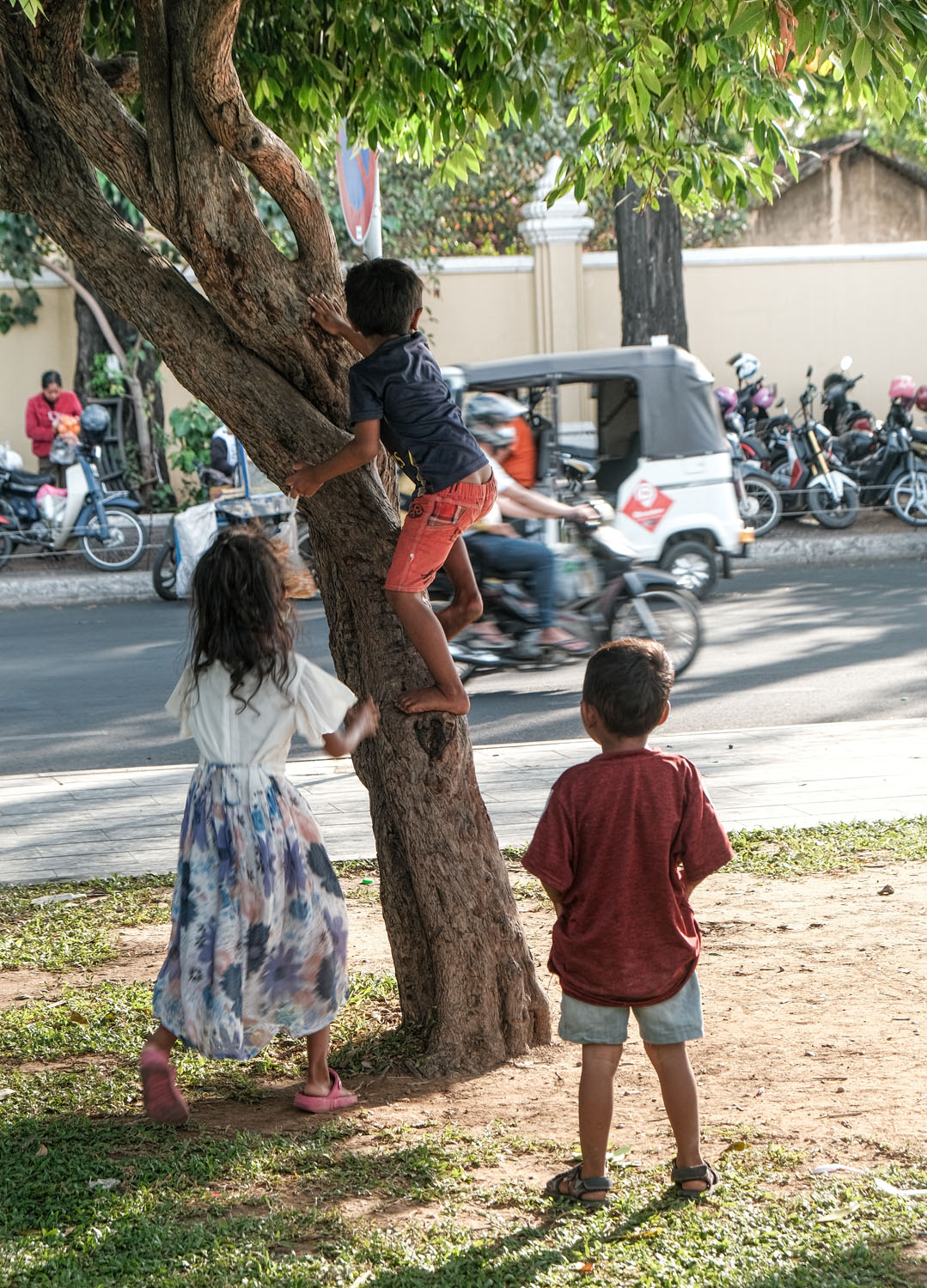
- Moments of Action: Whether it’s a bustling market, a quiet street corner, or a child playing, moments of action provide dynamic and engaging subjects for street photography.
The ‘why’ behind street photography is as varied as the photographers themselves. For some, it’s a way to document and preserve history. For others, it’s about the thrill of capturing the unpredictable. Many find it a form of artistic expression, a way to tell stories, or simply a method to connect with the world around them.
In essence, street photography is about observation and reflection. It’s about seeing the extraordinary in the ordinary and sharing that vision with others. It’s a practice that requires patience, empathy, and a keen eye for detail. And for those who are drawn to it, street photography can become a lifelong passion.
Oppression
cambodia, conflict, homelessness, opinons, thoughts, photography, pictures, voluntary, warOppression, a multifaceted and pervasive issue, manifests in various forms, impacting individuals and communities across the globe. It can occur through systemic inequality, such as distributive injustice where there is unequal access to resources, or through procedural injustice where there is unfair treatment by authorities. Cultural imperialism, where the dominance of one culture suppresses others, and moral exclusion, where certain groups are denied moral consideration, are also significant forms of oppression. These modes of injustice are not exhaustive but highlight the complex nature of oppression that can affect people in numerous aspects of their lives, from personal freedoms to social and economic opportunities. Understanding these forms is crucial in addressing and combating oppression, and fostering a more equitable and just society for all.
Freedom of expression is a cornerstone of democratic rights and freedoms. It is enshrined in Article 19 of the Universal Declaration of Human Rights, which highlights the right to hold opinions without interference and to seek, receive, and impart information and ideas through any media regardless of frontiers. This fundamental human right is essential for the protection of other rights, allowing for open discourse and the exchange of ideas which are vital for innovation and progress. However, it is not absolute and can be subject to certain restrictions, such as laws on hate speech, national security, or public order. As the digital age advances, the scope of freedom of expression continues to evolve, raising new questions and challenges related to internet censorship, the spread of misinformation, and the role of social media platforms in moderating content.