Street photography is a genre that captures everyday life in public spaces. The presence of people can add a dynamic element to the composition, reflecting the hustle and bustle of city life. However, it’s not a strict requirement to include people in street pictures. The essence of street photography lies in the ability to tell a story about the place and time, which can be achieved through various elements such as architecture, lighting, weather conditions, and even the absence of people, which can convey a sense of solitude or abandonment. Ultimately, whether or not to include people in street pictures is a creative choice that depends on the photographer’s vision and the story they want to tell.
In the world of photography, the lens is not just a tool; it’s the eye through which we capture moments, emotions, and the essence of the scene before us. Among the myriad of lenses that photographers swear by, the Nikkor 85mm f1.8D stands out as a portrait maestro, a classic that has etched its mark in the annals of photography.
Introduced in the early ’90s, the Nikkor 85mm f1.8D has been a steadfast companion for photographers around the globe. Its reputation is built on the pillars of superb optical quality and mechanical reliability—a combination that has withstood the test of time and technological shifts. This lens is not just a piece of glass; it’s a legacy.
The 85mm focal length is often hailed as ideal for portrait photography. It allows for a flattering perspective free from the distortion that wider lenses can impart on facial features. The f1.8 aperture is not just a number; it’s a gateway to artistic expression. It offers the photographer the ability to isolate the subject with a shallow depth of field, creating a creamy bokeh that makes the subject pop against a smoothly blurred background.
The build quality of the Nikkor 85mm f1.8D is a testament to the craftsmanship of its era. With its all-metal construction and glass elements, it feels substantial in the hands—a reminder of a time when products were made to last. The focus ring moves with a precision that is both tactile and reassuring, allowing for fine manual adjustments that modern autofocus systems still struggle to match.
Optically, the lens is a performer. It delivers sharp, contrasty images even wide open at f1.8. Stop it down a bit, and the sharpness extends across the frame, making it versatile for not just portraits but also for landscapes and street photography where detail is paramount. The colour rendition is natural, and the lens handles chromatic aberration and flare like a champ, thanks to its superior coating.
The 85mm f1.8D is not without its quirks. It lacks the bells and whistles of modern lenses, such as vibration reduction or a silent wave motor. But these are not shortcomings; they are characteristics that remind us that photography is as much about the photographer as it is about the gear. It requires one to slow down, to consider the shot, to engage with the process of creating an image.
For those who shoot with Nikon’s digital SLRs, the 85mm f1.8D brings a piece of history into the digital age. It’s fully compatible with Nikon’s FX and DX cameras, delivering stunning results that bridge the gap between the film and digital eras. It’s a lens that doesn’t just take pictures; it tells stories.
The Nikkor 85mm f1.8D may be a product of the past, but its legacy endures. It’s a reminder that in photography, as in life, the classics never go out of style. They evolve, they adapt, but they always remain true to their essence—a portrait of clarity in a world of constant change. For those looking to explore the world through the Nikkor 85mm f1.8D, it’s an adventure waiting to be had, a journey of discovery through the lens of a legend.
Photography is a powerful medium that captures the essence of our reality, freezing moments in time that tell stories, evoke emotions, and preserve memories. As a photographer, you have the unique ability to see beauty in the mundane, to find angles that flatter, and to bring out the best in every subject, whether it’s a person, an object, or a building. Your approach to photographing people is particularly commendable; ensuring that they look their best is not just about skill, but also about empathy and respect for the subject. It’s about understanding the light, the angle, the background, and the mood to create a composition that is both aesthetically pleasing and representative of the subject’s persona.
In your journey through the lens, you become a storyteller, an artist, and a historian, all at once. Your camera is your tool to communicate, to share perspectives, and to challenge perceptions. Every click is an opportunity to make an ordinary scene extraordinary, to elevate the unnoticed to the celebrated, and to transform fleeting expressions into lasting impressions. The buildings you capture stand as silent witnesses to history, their architecture a testament to the era and culture they represent. The objects you photograph are given a new context, their details and textures telling their own tales.
Your commitment to not embarrassing your subjects is a testament to your professionalism and understanding of imagery’s power. A photograph can uplift, but it can also harm if not approached with sensitivity and care. By portraying people in a dignified manner, you honour their individuality and story. This ethical approach sets a standard in photography, where the human element is as important as the technical one.
Keep capturing the world through your unique perspective, and continue to share the beauty you see with others. Your work not only brings joy to those who view your photographs but also contributes to the rich tapestry of visual storytelling that connects us all. In every shutter release, you have the chance to create something timeless, something that speaks without words, and something that can be cherished for generations to come. Happy shooting!
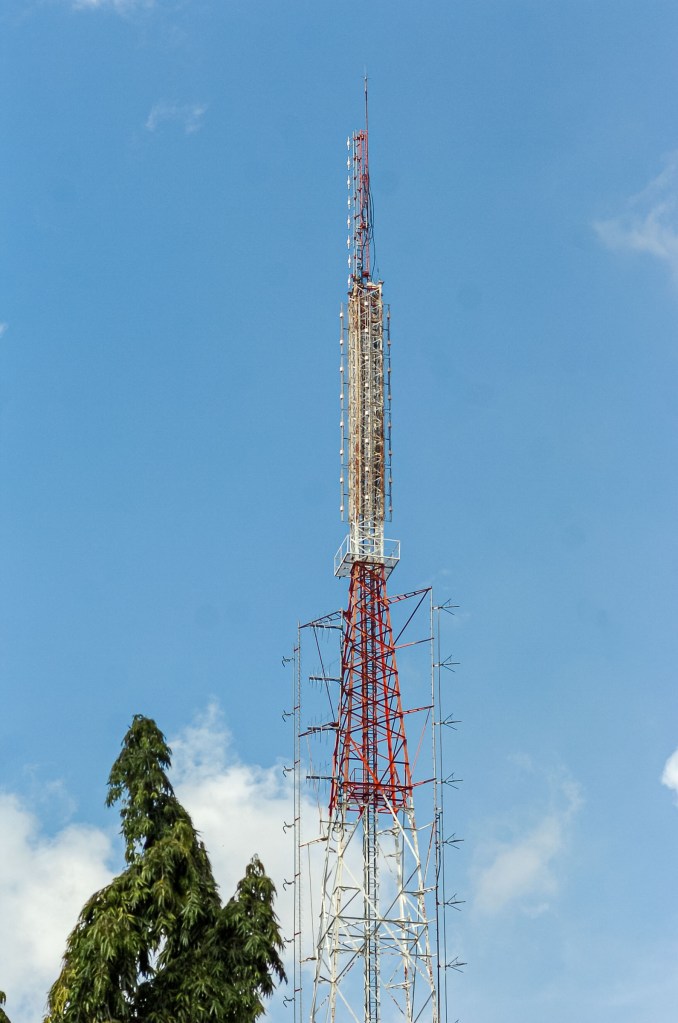
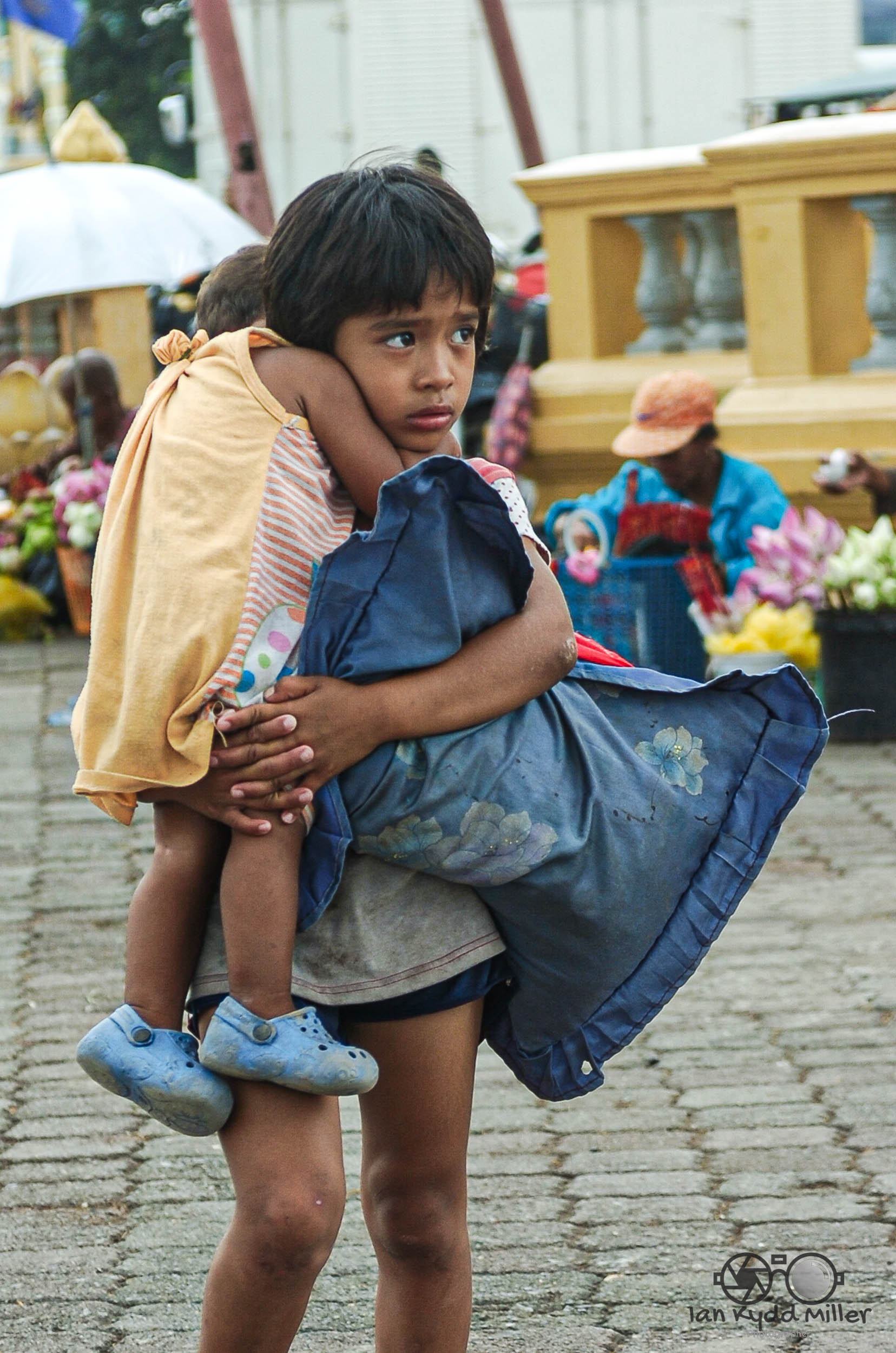
In the age of ultra-high-resolution cameras, it’s easy to overlook the significance of composition and cropping, especially when working with a modest 4-megapixel camera. However, the constraints of lower resolution photography can actually be a catalyst for creativity and a return to the fundamentals of good photography. I recently picked up the Nikon D2Hs camera that took the following images, using an old Nikkor 85mm f1.8D.
Composition is the cornerstone of a compelling photograph. It’s the arrangement of elements within the frame that dictates the flow of the viewer’s eye and the overall impact of the image. With only 4 megapixels, every pixel counts, and there’s little room for error. This limitation forces photographers to be more intentional with their framing, to think more deeply about the subject and the story they want to tell.
Cropping in-camera is another critical skill that gains prominence in this context. It’s about making decisions on the spot, rather than relying on post-processing to salvage a shot. This practice hones a photographer’s eye for detail and encourages a more proactive approach to capturing the right shot from the outset.
The discipline of working within the confines of 4 megapixels can also lead to a greater appreciation for the texture, colour, and light present in the moment. It challenges photographers to maximize the potential of their equipment, regardless of its limitations.
In essence, embracing the constraints of a 4-megapixel camera can be a rewarding journey back to the basics of photography. It’s a reminder that the power of a photograph doesn’t solely rest on the number of pixels but on the vision, creativity, and technique of the photographer behind the lens. Whether you’re a seasoned professional or an enthusiastic amateur, the principles of composition and in-camera cropping are timeless skills that will enhance the quality of your work, no matter the resolution.
Older DSLR cameras have a unique charm that modern cameras often struggle to replicate. The sensors in these cameras, with their larger pixels, have a certain way of rendering light and colour that can produce images with a distinct, almost tangible texture. This quality is something that many photography enthusiasts and professionals alike appreciate, as it adds character and depth to the photographs. The tactile experience of adjusting the dials and pressing the shutter button also contributes to the overall enjoyment of using these cameras. Moreover, the process of working with older technology can teach valuable lessons about the fundamentals of photography, such as exposure, composition, and the importance of light. It’s a blend of art and science, where understanding the limitations and capabilities of the equipment can lead to a more intentional and satisfying creative process.
In the heart of Phnom Penh, Cambodia, lies a remarkable institution that stands as a testament to the transformative power of education. The Aogaah Foundation School is more than just a place of learning; it is a beacon of hope for the underprivileged children of this vibrant city.
The word ‘Aogaah’ translates to ‘opportunity’ in Khmer, and that is precisely what this school provides. Established to offer free education to children from impoverished backgrounds, the Aogaah Foundation School is a sanctuary where young minds can flourish without the burden of tuition fees that often hinder access to education in Cambodia.
Education in Cambodia faces many challenges, with a significant number of children unable to attend school due to financial constraints. Public schools often require a daily fee, and private institutions are far beyond the reach of many families. The Aogaah Foundation School offers a vital alternative, a community school certified by the Cambodian government, providing non-formal education to those most in need.
At Aogaah, children are welcomed with open arms and given the tools to build a brighter future. The curriculum is designed to prepare students for meaningful employment, focusing on essential skills such as reading, writing, and arithmetic. The school’s philosophy is simple yet profound: instead of giving people fish for today, teach them to fish for their lifetime.
The success of the Aogaah Foundation School is a collective effort. Volunteers handle administration, fundraising, marketing, and maintenance, ensuring that 100% of donations go directly to the operation of the school. The only paid staff are the dedicated Khmer teachers who deliver instruction in K’ami, a commitment to the cultural and linguistic heritage of the students.
The Founder : Teacher Rick
The Management Team
The impact of the Aogaah Foundation School extends beyond the classroom walls. It fosters a sense of community and encourages local families to value education. The school’s presence has transformed the Toul Kork district, turning a once “squatter” area into a thriving hub of learning and opportunity.
For those looking to support this noble cause, the Aogaah Foundation welcomes donations and sponsorships. These contributions make a lasting difference in the lives of these children, providing them with the chance to escape the cycle of poverty and embrace a future filled with possibilities.
The Aogaah Foundation School is more than just an educational institution; it is a symbol of hope and a catalyst for change. It stands as a reminder that with opportunity, support, and education, every child can reach their full potential and contribute to the betterment of their community and the world at large.
To learn more about the Aogaah Foundation School and how you can help, visit their website ( https://www.kidsneededucation.org/) or consider becoming a sponsor. Your support can light the path for a child’s journey towards a brighter tomorrow.
The Nikon D2HS is a camera that stands out in the realm of sports photography. Launched as an upgrade to the Nikon D2H, the D2HS brought with it a suite of improvements that catered to the needs of action and sports photographers. With its ability to shoot at 8 frames per second, this camera was designed to capture the peak moments of fast-paced action, ensuring that photographers never miss the critical shot.
The D2HS is equipped with a 4.1-megapixel JFET-LBCAST sensor, optimized for high frame rates rather than high resolution, which is a trade-off that sports photographers are often willing to make for the sake of capturing action without blur or delay. The camera’s high-speed performance is complemented by its robust build quality, making it a durable choice for photographers who work in challenging environments.
One of the key features that set the D2HS apart from its predecessors was the improved battery life, capable of thousands of shots on a single charge. This is a significant advantage for professionals who need to shoot for extended periods without the opportunity to recharge. Additionally, the camera’s incident light sensor aids in achieving accurate auto white balance, a crucial factor in maintaining color consistency across a series of fast shots.
The D2HS also supports the sYCC color profile, which allows for a wider range of colors to be reproduced when printing JPEG data, compared to the conventional sRGB color profile. This feature is particularly beneficial for photographers who need their prints to match the vibrancy and detail of their digital images closely.
Despite being succeeded by newer models like the Nikon D300 and D3, the D2HS remains a valued tool for many photographers, especially considering its affordability in the used market. It represents a balance between professional-level performance and budget-conscious accessibility, making it a noteworthy option for those entering the field of sports photography or for seasoned professionals seeking a reliable backup camera.
In conclusion, the Nikon D2HS may not boast the highest resolution or the latest technology compared to modern cameras, but its focus on speed and reliability continues to make it a relevant choice for capturing sports and action. Its legacy in the Nikon lineup is a testament to its design philosophy, prioritizing the needs of photographers who require fast, consistent, and dependable performance in the heat of the moment. Whether it’s for the thrill of the game or the pursuit of the perfect action shot, the Nikon D2HS has proven to be a solid performer in the world of sports photography.
Photography is an art form that captures moments, tells stories, and expresses emotions through images. It’s a powerful medium that has evolved significantly with technological advancements. The question of whether anyone can learn to take good photographs surfaces frequently in the world of photography. The answer is a resounding yes, with a caveat: learning photography, like any skill, requires patience, practice, and a willingness to learn.
Understanding the Basics The journey to taking good photographs begins with understanding the basic principles of photography. This includes learning about exposure, composition, lighting, and the rule of thirds. Exposure is the amount of light that reaches the camera sensor, and it is controlled by the aperture, shutter speed, and ISO settings. Composition involves arranging elements within the frame in a pleasing manner. Lighting is crucial as it can dramatically alter the mood and feel of a photograph. The rule of thirds is a compositional guideline that suggests dividing the frame into nine equal segments for a balanced composition.
Embracing Technology In today’s digital age, cameras have become more accessible and user-friendly. From smartphones with advanced camera features to professional DSLRs and mirrorless cameras, there’s a wide range of tools available for budding photographers. Understanding your equipment and its capabilities is essential. Many cameras offer automatic modes that handle the technical aspects, allowing you to focus on framing your shot. However, to truly excel in photography, learning to use manual settings will give you greater control over the final image.
Practice Makes Perfect Practice is key to improving your photography skills. Regularly taking photos and experimenting with different techniques will help you understand what works and what doesn’t. Analyzing your photos critically and seeking feedback from others can provide valuable insights into areas of improvement. Additionally, studying the work of renowned photographers can serve as inspiration and a learning tool.
The Creative Process Photography is not just about technical proficiency; it’s also about creativity and personal expression. Developing a unique style and perspective is part of the learning process. This involves experimenting with different subjects, perspectives, and editing techniques. Post-processing software like Adobe Lightroom and Photoshop can enhance your photos and bring your creative vision to life.
Learning Resources There are numerous resources available for those interested in learning photography. Online tutorials, workshops, books, and photography courses can provide structured learning and hands-on experience. Joining photography communities and participating in photo challenges can also be beneficial for growth and motivation.
In conclusion, photography is a skill that anyone can learn. It combines both technical knowledge and creative expression. With the right mindset, tools, and resources, you can embark on a journey to capture the world through your lens. Whether you aspire to be a professional photographer or simply want to improve your hobby, the path to taking good photographs is open to all who are willing to explore it. Remember, every great photographer starts as a beginner, so pick up your camera and start shooting!
A photo essay is a series of photographs that are intended to tell a story or evoke a series of emotions in the viewer. It is a powerful way to convey messages and narratives through visual storytelling. Crafting a compelling photo essay involves more than just selecting a series of images; it requires careful thought and planning. Here are some essential elements that contribute to the effectiveness of a photo essay:.
Theme or Narrative: The backbone of any photo essay is its theme or narrative. This is the central idea or story that you want to communicate to your audience. Whether it’s the daily life of a community, the impact of an environmental issue, or a personal journey, the theme should be clear and consistent throughout the essay.
Variety of Images: To maintain the viewer’s interest, include a variety of shots, such as wide, medium, and close-ups. This variety can help to provide context, focus on details, and develop the story. Different angles, compositions, and perspectives can add depth and richness to the narrative.
Emotional Impact: One of the most powerful aspects of a photo essay is its ability to evoke emotions. Whether it’s joy, sadness, surprise, or anger, the images chosen should have an emotional pull that resonates with viewers, prompting them to think and feel deeply about the subject matter.
Consistency: Maintaining a consistent style and tone throughout the essay helps reinforce the narrative. This could be achieved through a consistent colour scheme, subject matter, or point of view. Consistency aids in creating a cohesive story that flows smoothly from one image to the next.
Informative and Educational Value: Each photograph in the essay should offer something valuable to the viewer. This could be in the form of information about the subject, insights into a particular lifestyle, or educational content that provides a deeper understanding of the topic.
Captioning: While the images themselves are the main focus, captions can provide context and further information that may not be immediately evident in the photographs. Good captions are concise but informative, adding to the story without distracting from the images.
Opening and Closing Images: The first and last images of a photo essay are crucial. The opening image should grab the viewer’s attention and introduce the theme, while the closing image should leave a lasting impression, providing closure and reflecting on the overall narrative.
Pacing and Structure: Just like in written essays, the pacing and structure of a photo essay are important. The arrangement of images should be intentional, guiding the viewer through the story in a logical and emotionally impactful way.
Accessibility: The subject matter of the photo essay should be accessible to the photographer. This means choosing a topic that is within reach, both literally and figuratively, allowing for a more intimate and genuine portrayal of the subject.
In conclusion, a good photo essay is not just about the photographs, but also about how they are put together to tell a story. It’s about the thought process behind the selection of images, the arrangement, and the way they are presented to evoke a response from the viewer. With these elements in mind, anyone can create a photo essay that is both visually stunning and narratively powerful.
Photography is an art form that captures the essence of a moment and preserves it for eternity. It’s a craft combining technology, creativity, and vision to create images that evoke emotions, tell stories, and record history. The true magic of photography lies in its ability to freeze time, allowing us to revisit and relive memories long after they have passed.
The Power of a Single Image A single photograph can communicate complex narratives and evoke a spectrum of emotions. It can transport us to distant lands, introduce us to new cultures, or remind us of the past. Photography is a universal language, understood and appreciated by people regardless of their language or background.
The Artistic Process The process of creating a photograph is both technical and artistic. Photographers must understand the mechanics of their camera, the properties of light, and the principles of composition. However, it’s their artistic vision that transforms a simple snapshot into a powerful image. It’s about seeing the potential in a scene and capturing it in such a way that it becomes a work of art.
The Emotional Connection Photographs have the unique ability to connect with us on an emotional level. They can bring joy, provoke thought, inspire change, or provide comfort. Whether it’s a candid shot of a loved one or a breathtaking landscape, photographs can touch our hearts and stir our souls.
The Role of Photography in Society Photography plays a crucial role in society. It documents our world, from everyday life to historic events. Photojournalists, for example, provide visual accounts of news stories, helping to inform and shape public opinion. Photography also plays a vital role in science and education, providing visual evidence and aiding in research and discovery.
The Evolution of Photography The field of photography has evolved significantly since its inception. From the early days of film and darkrooms to the modern era of digital cameras and smartphones, the tools and techniques have changed, but the essence remains the same. Today, photography is more accessible than ever, allowing more people to participate in capturing and sharing their view of the world.
The Future of Photography As technology advances, so too will the possibilities in photography. New techniques, such as drone photography and virtual reality, are opening up new perspectives and ways of storytelling. The future of photography is bright, with endless potential for innovation and creativity.
In conclusion, the true magic of photography is its ability to capture the fleeting moments of life, to tell stories without words, and to connect us across time and space. It’s a powerful medium that continues to evolve, inspire, and enchant us with every captured frame. Photography is not just about taking pictures; it’s about discovering the extraordinary in the ordinary and sharing that vision with the world. Let’s continue to celebrate and explore the magical world of photography together.