

I like the Fuji X‑E2 because it’s a camera of character: compact, deliberate, and enduring. It doesn’t chase specs—it invites you to slow down, compose carefully, and trust its rendering. It’s less about convenience, more about craft.
📸 Core Specifications
- Sensor: 16.3MP APS‑C X‑Trans CMOS II sensor (same as the X‑T1).
- Processor: EXR Processor II, enabling faster autofocus and improved image processing compared to the original X‑E1.
- ISO Range: 200–6400 (expandable to 100–25,600).
- Autofocus: Hybrid AF system with contrast and phase detection, offering focus speeds as fast as 0.08 seconds.
- Continuous Shooting: Up to 7fps.
- Video: Full HD 1080p at 60fps, with manual exposure control.
- Viewfinder: 2.36M‑dot electronic viewfinder (EVF) with 100% coverage.
- LCD: 3‑inch, 1.04M‑dot fixed screen.
- Build: Magnesium alloy body with retro rangefinder styling.
- Connectivity: Built‑in Wi‑Fi for image transfer and remote shooting.

✨ Strengths
- Image Quality: The X‑Trans sensor produces sharp, detailed images with Fujifilm’s signature colour science and film simulations.
- Handling: Classic rangefinder design with tactile dials for shutter speed and exposure compensation. Compact and lightweight, making it ideal for travel and street photography.
- EVF: Crisp and responsive, offering a clear preview of exposure and colour.
- Lens Ecosystem: Full compatibility with Fujifilm’s XF lens lineup, including compact primes and professional zooms.
- Firmware Updates: Fujifilm’s “Kaizen” philosophy meant the X‑E2 received significant firmware upgrades, improving autofocus, adding new features, and extending its lifespan.

⚠️ Limitations
- Fixed Screen: No articulation or touchscreen functionality, limiting flexibility for vlogging or creative angles.
- Video: Decent for casual use, but lacks 4K and advanced video features found in later models.
- Autofocus: While improved over the X‑E1, AF tracking is not as strong as newer Fujifilm bodies.
- No Weather Sealing: Less rugged than higher‑end models like the X‑T series.
- Battery Life: Average, requiring spares for longer shoots.





✅ Best Use Cases
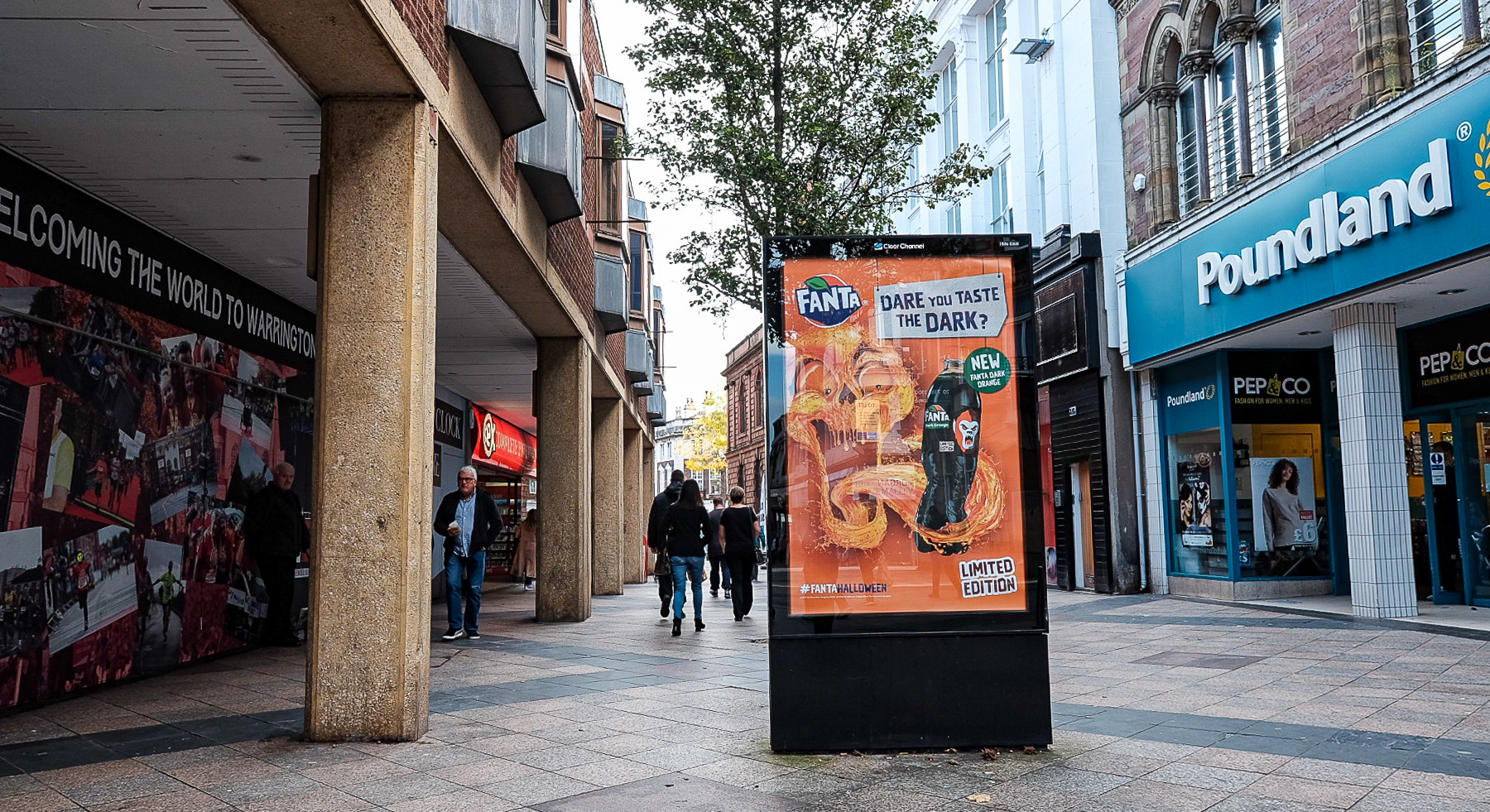
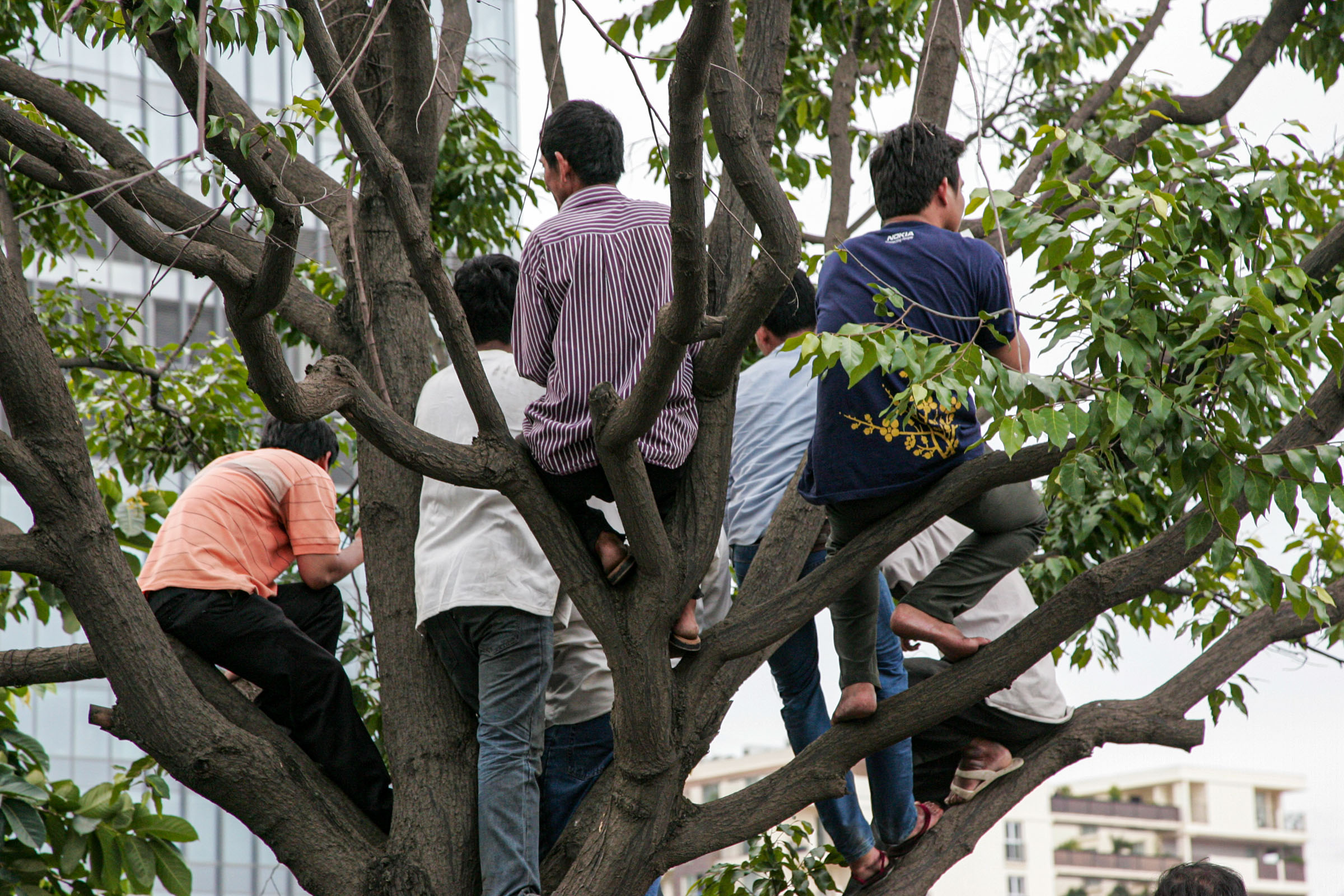
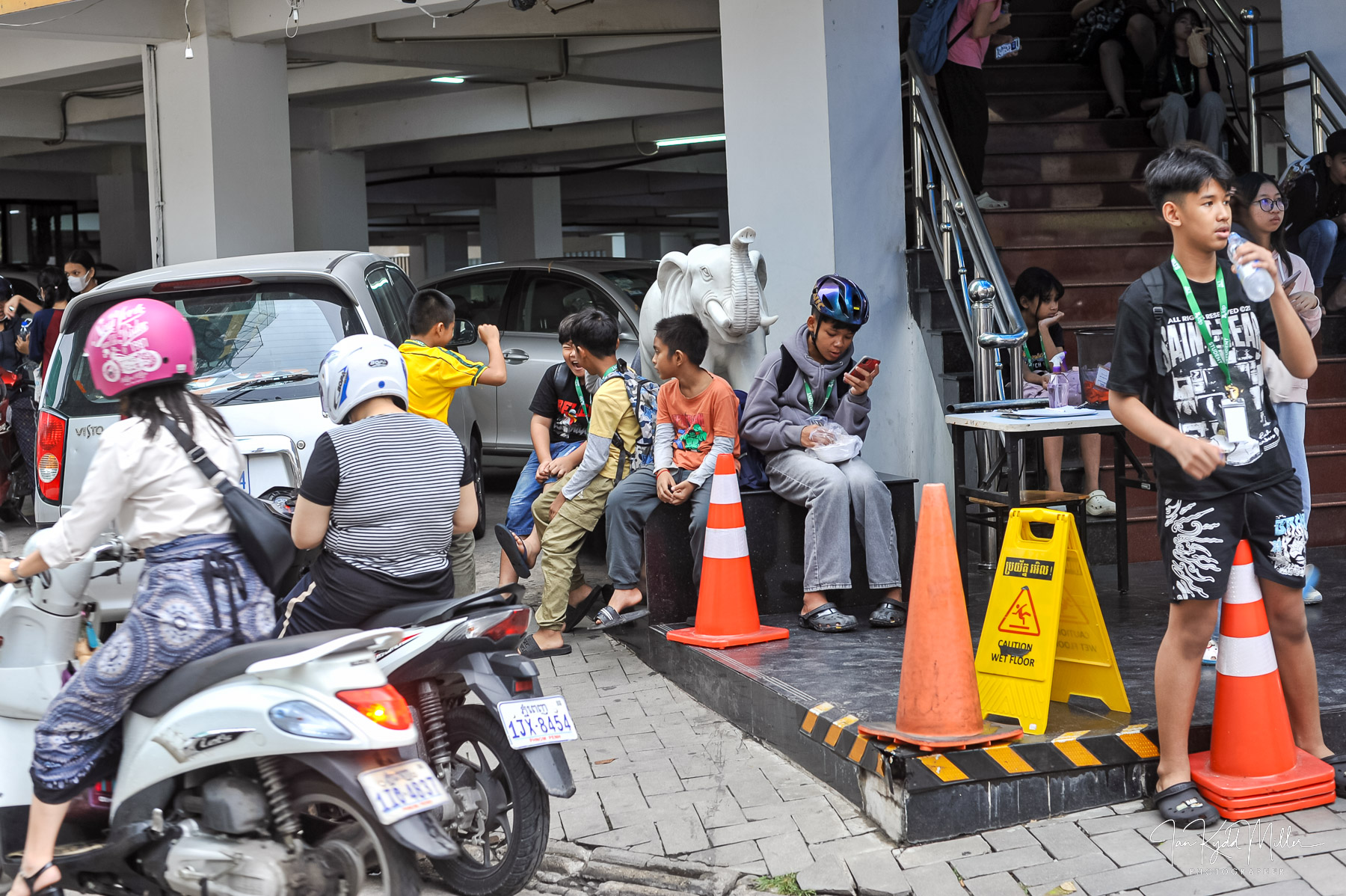
- Street Photography: Compact size, discreet styling, and fast AF make it excellent for candid shooting.
- Travel: Lightweight body paired with small primes is perfect for portability.
- Editorial & Documentary: Film simulations and colour rendering suit storytelling and reportage.
- Entry into Fujifilm System: Affordable on the used market, offering access to the XF lens ecosystem without a large investment.




✨ Summary
The Fujifilm X‑E2 remains a well‑balanced mirrorless camera that combines vintage charm with capable modern features. Its sensor, EVF, and tactile controls make it a joy for photographers who prioritise image quality and creative handling over cutting‑edge specs. While limited in video and lacking weather sealing, it’s still a worthy companion for street, travel, and editorial shooters—especially as an affordable entry point into Fujifilm’s X system.




















































































 a world without pictures is like coffee without cream and sugar, bitter