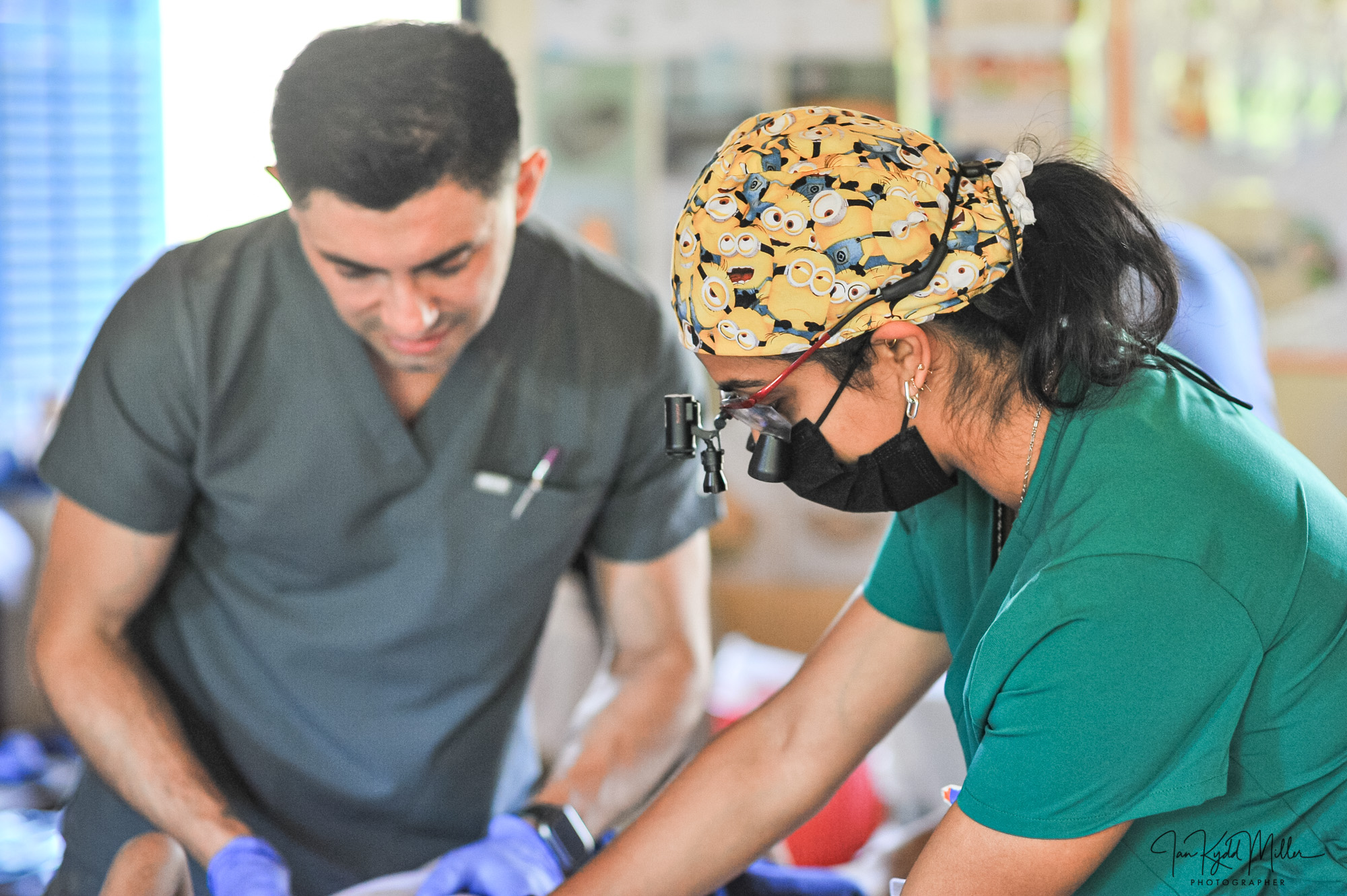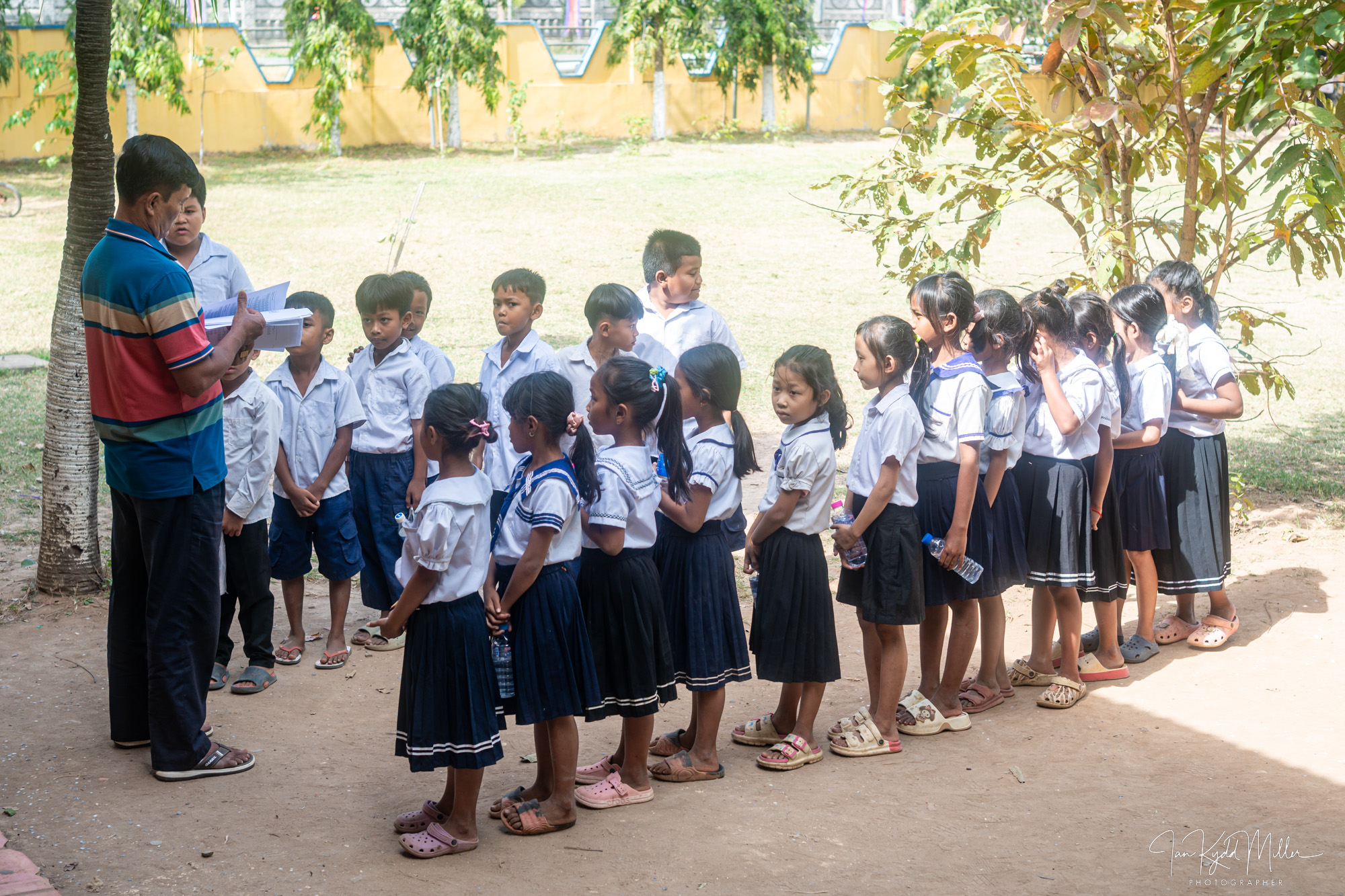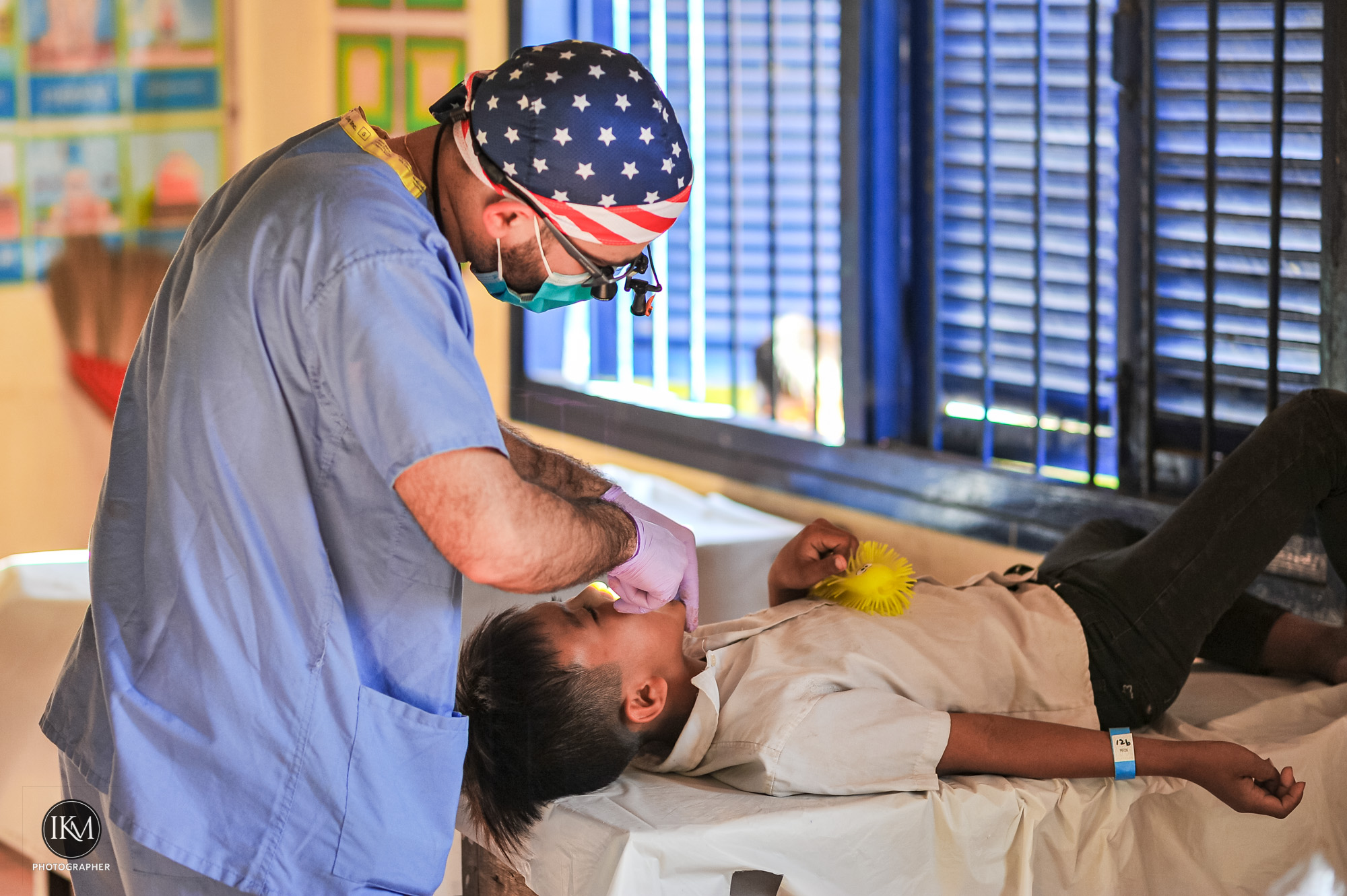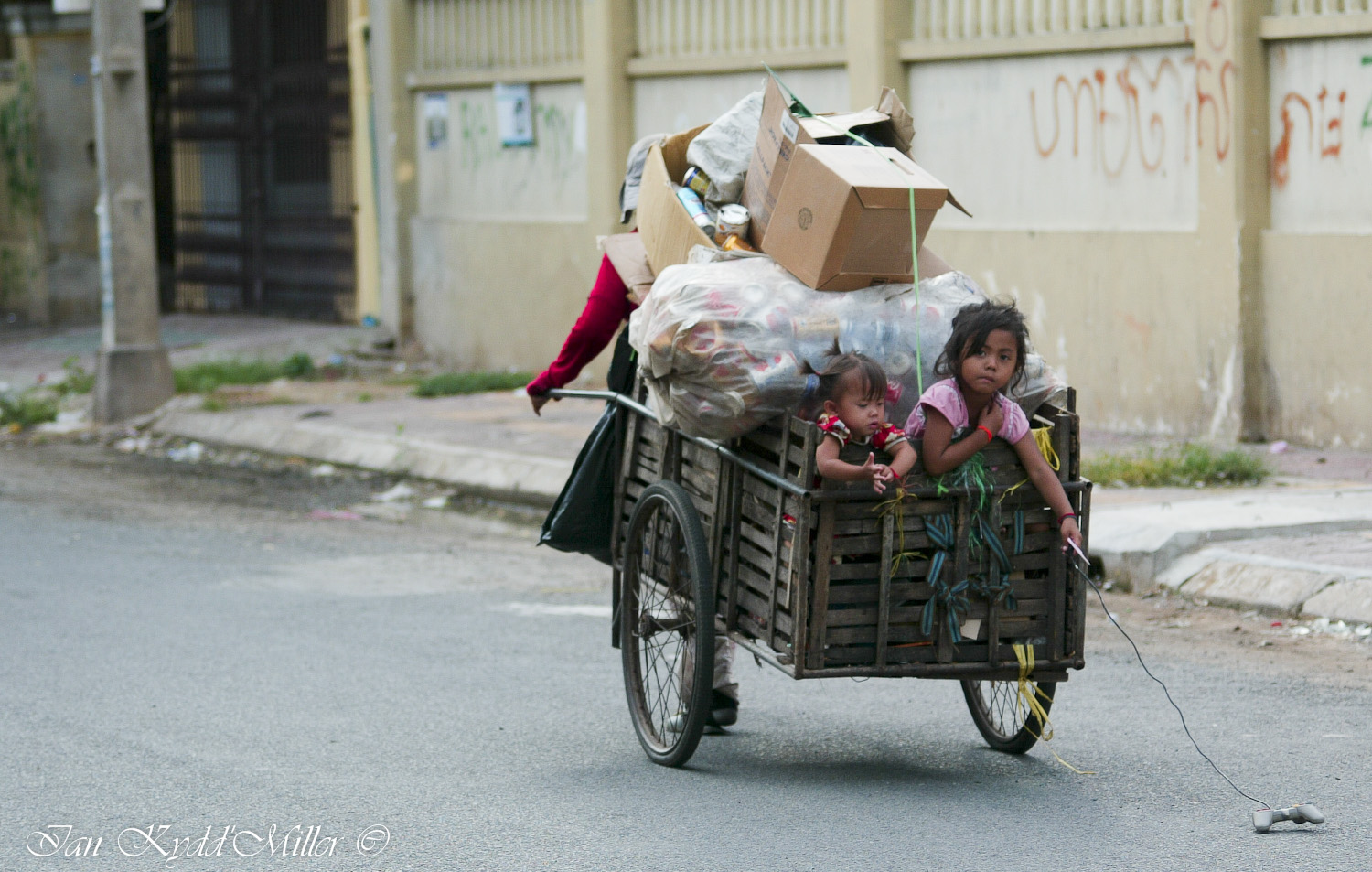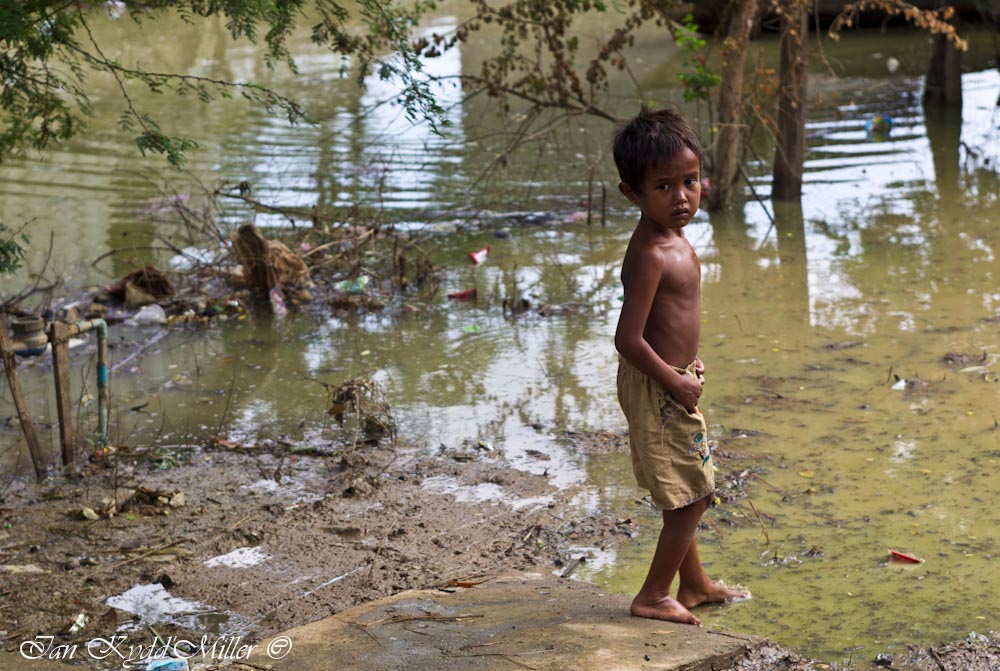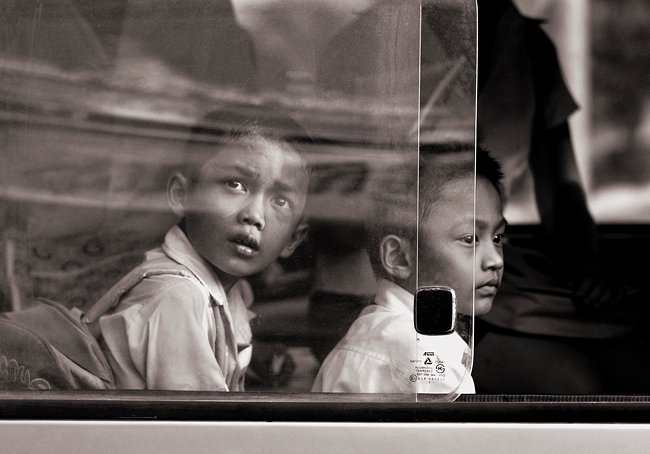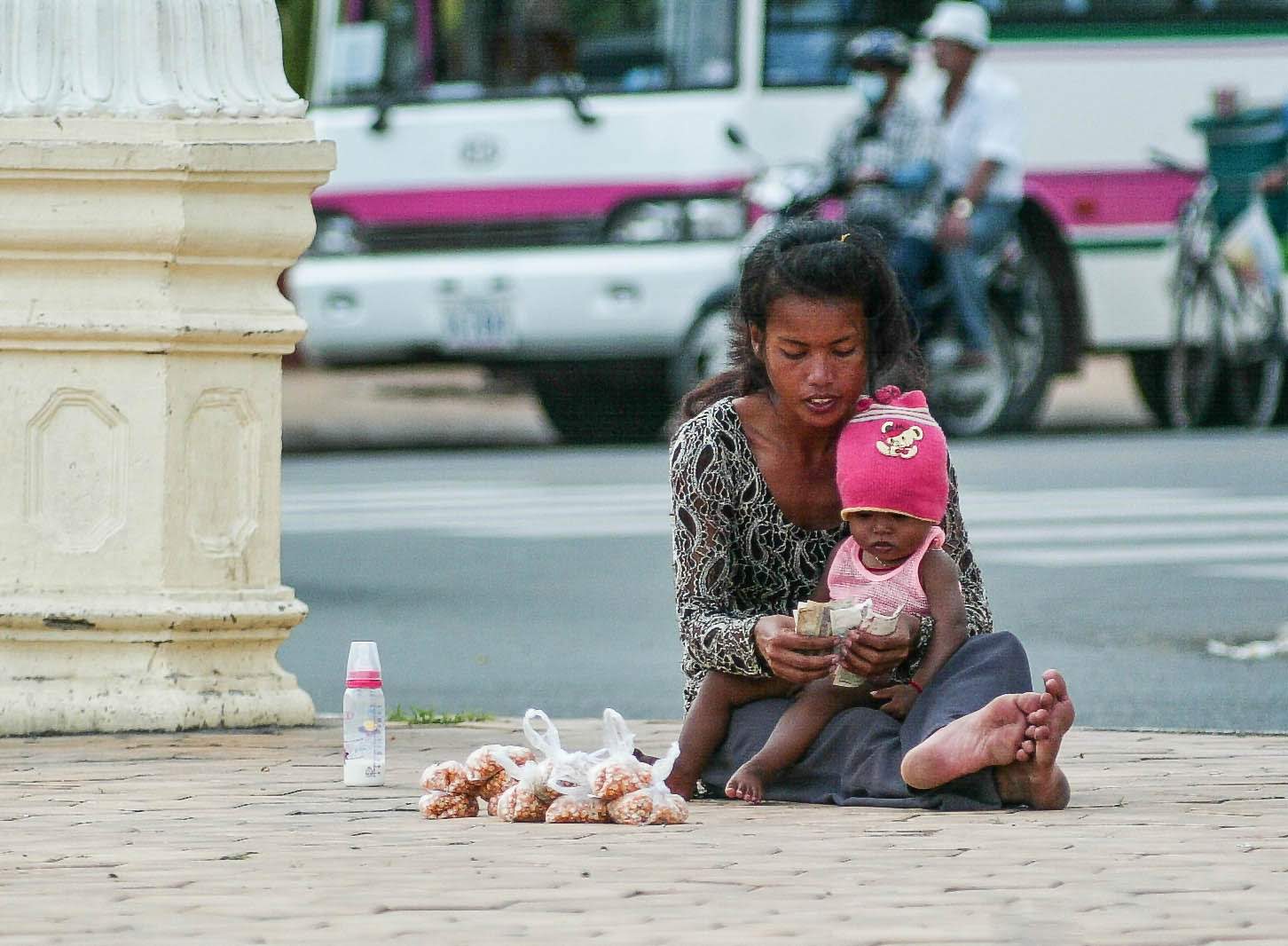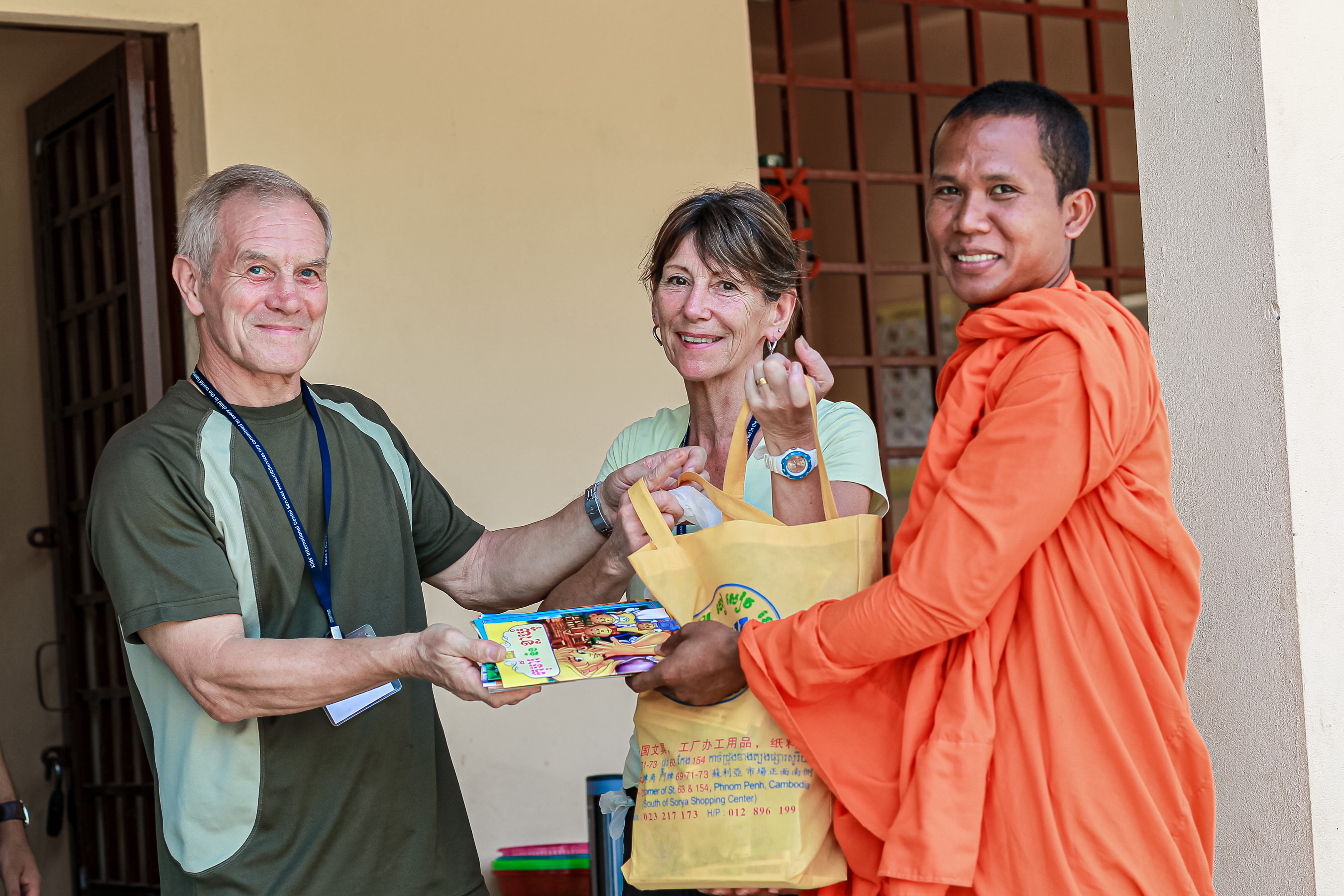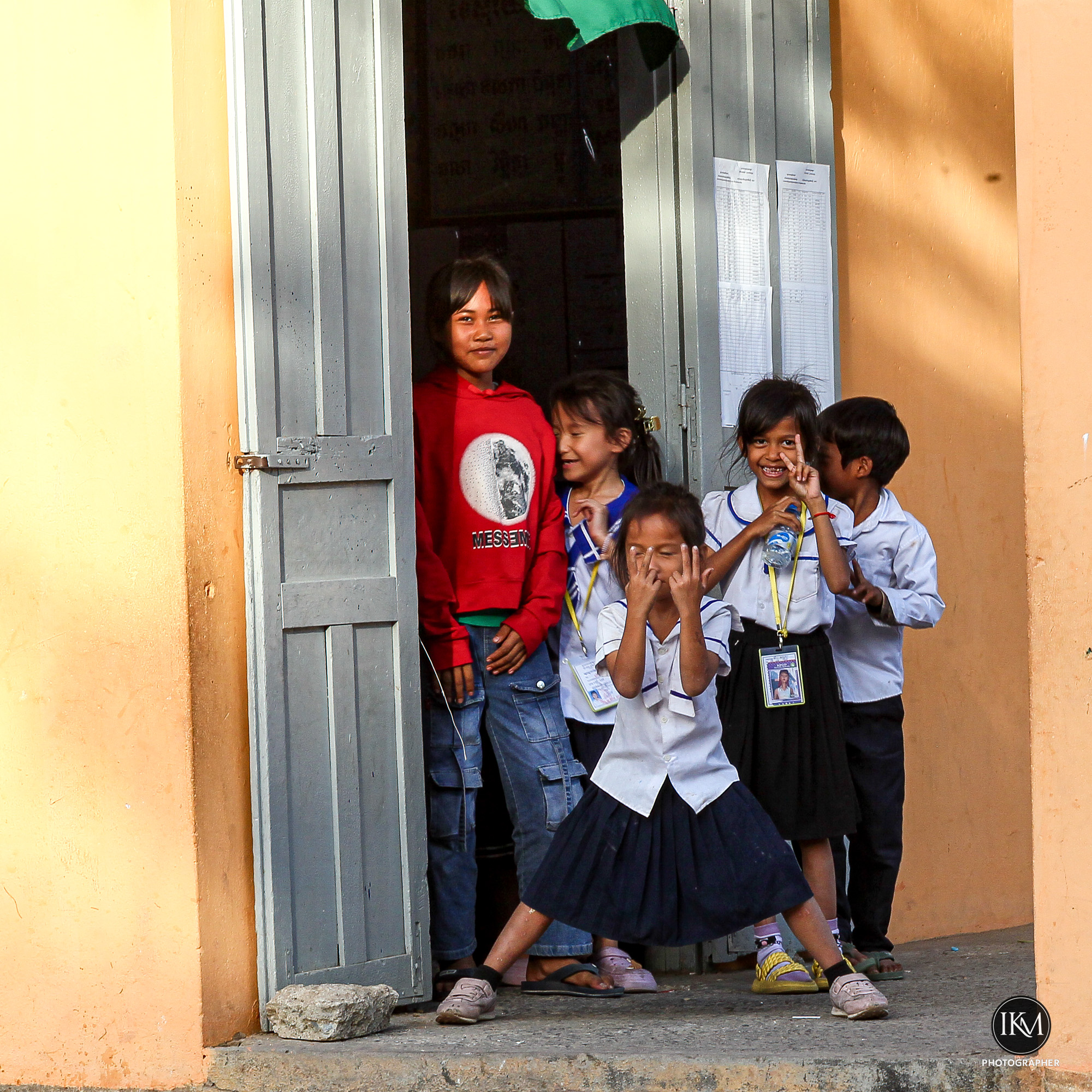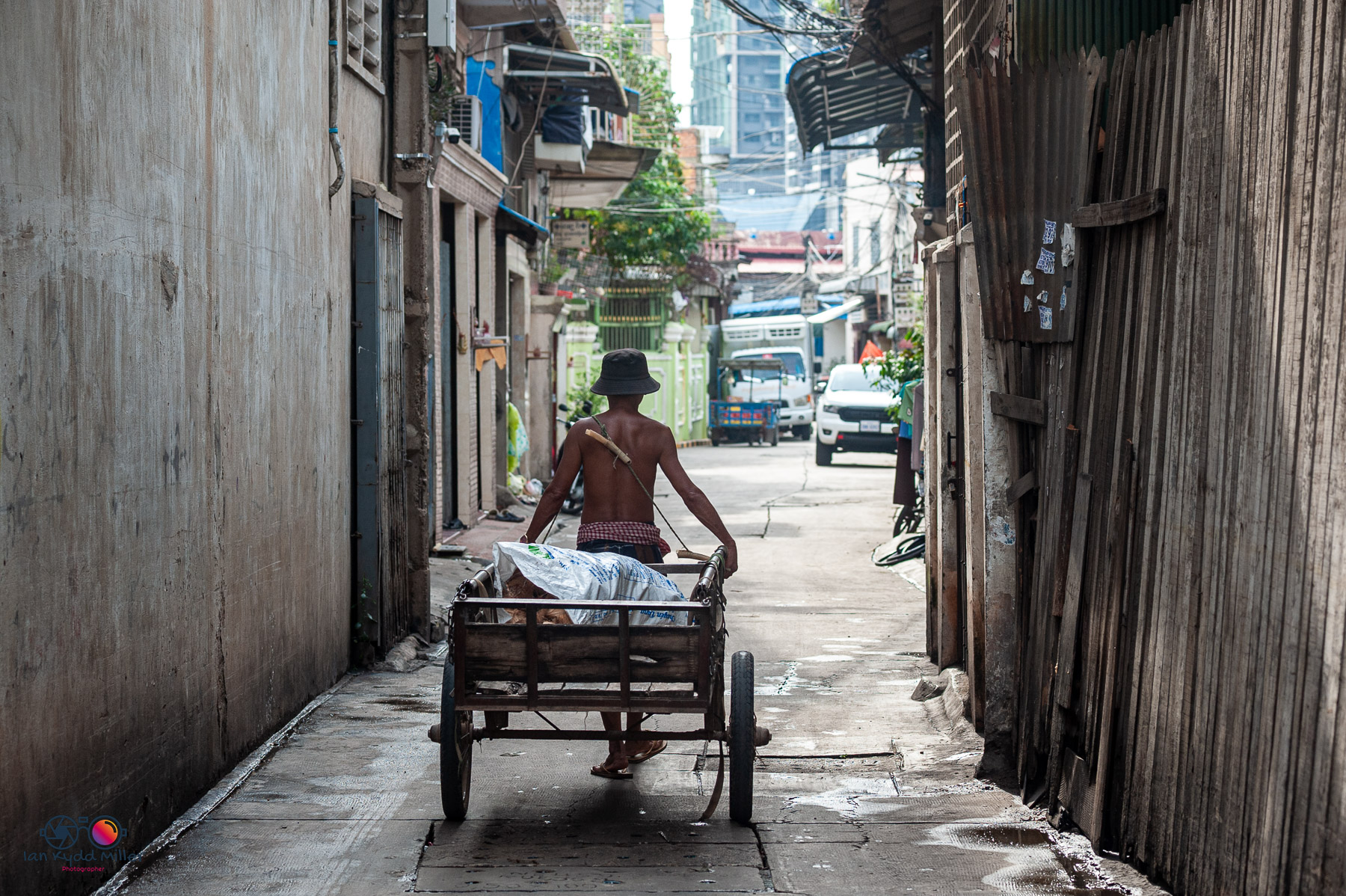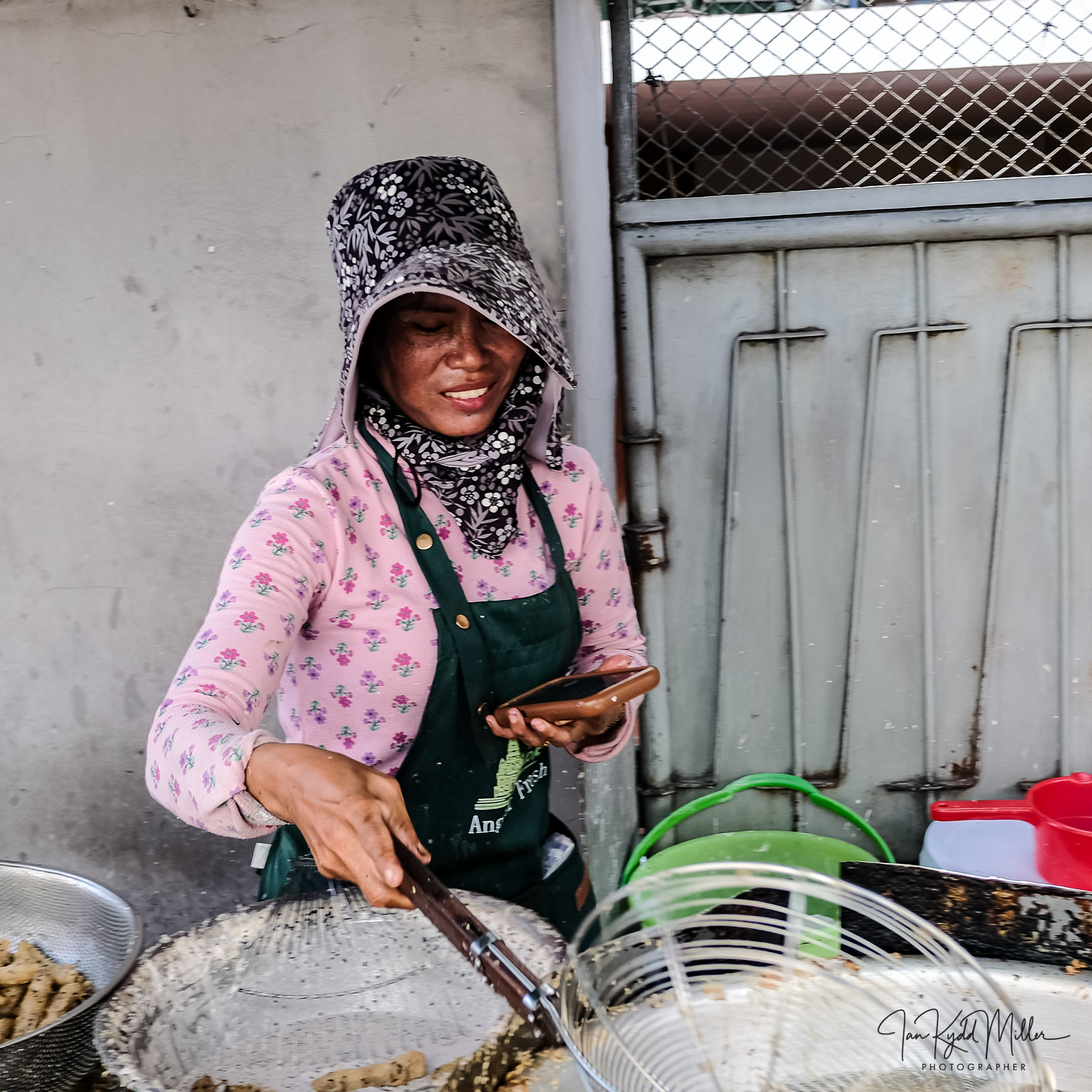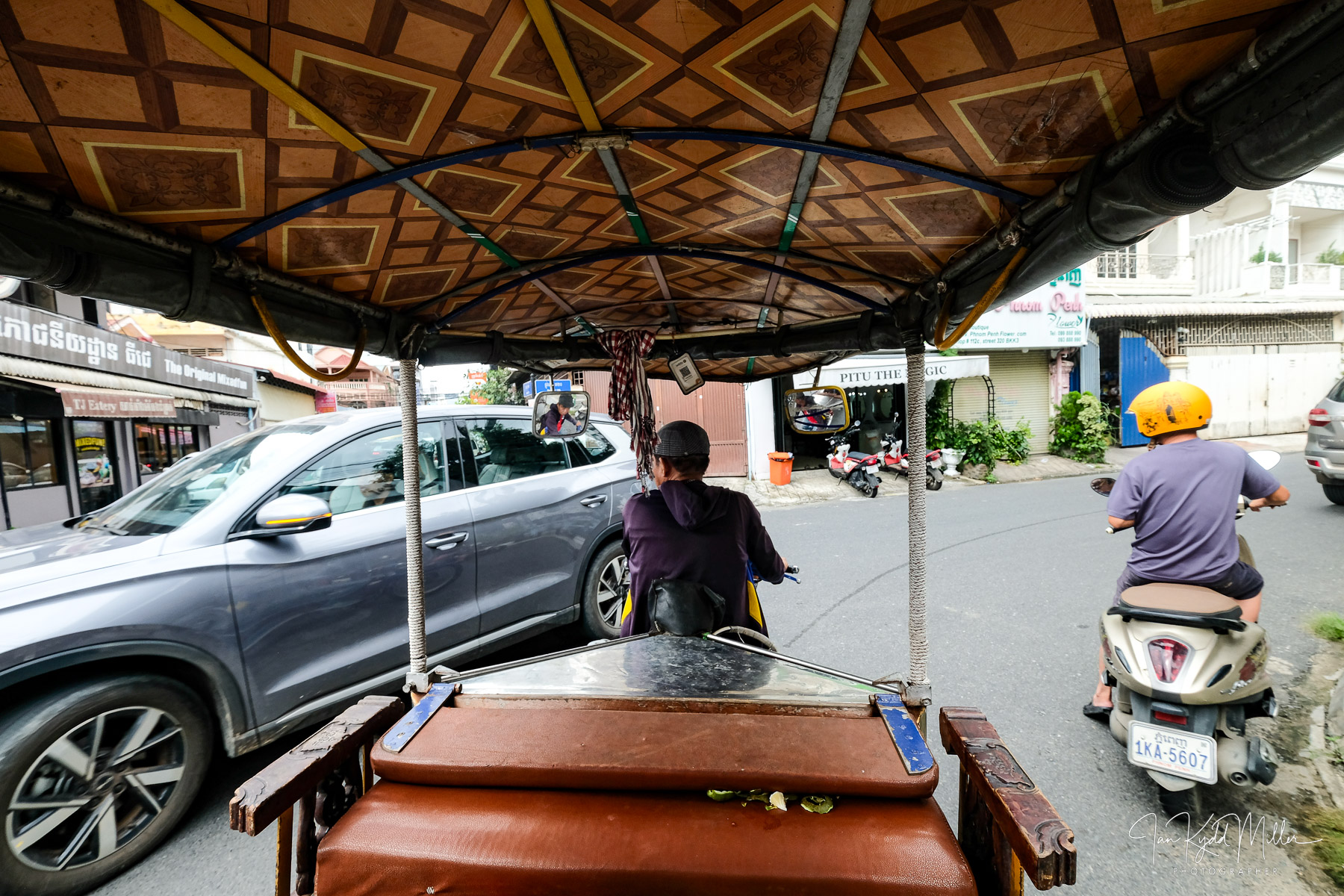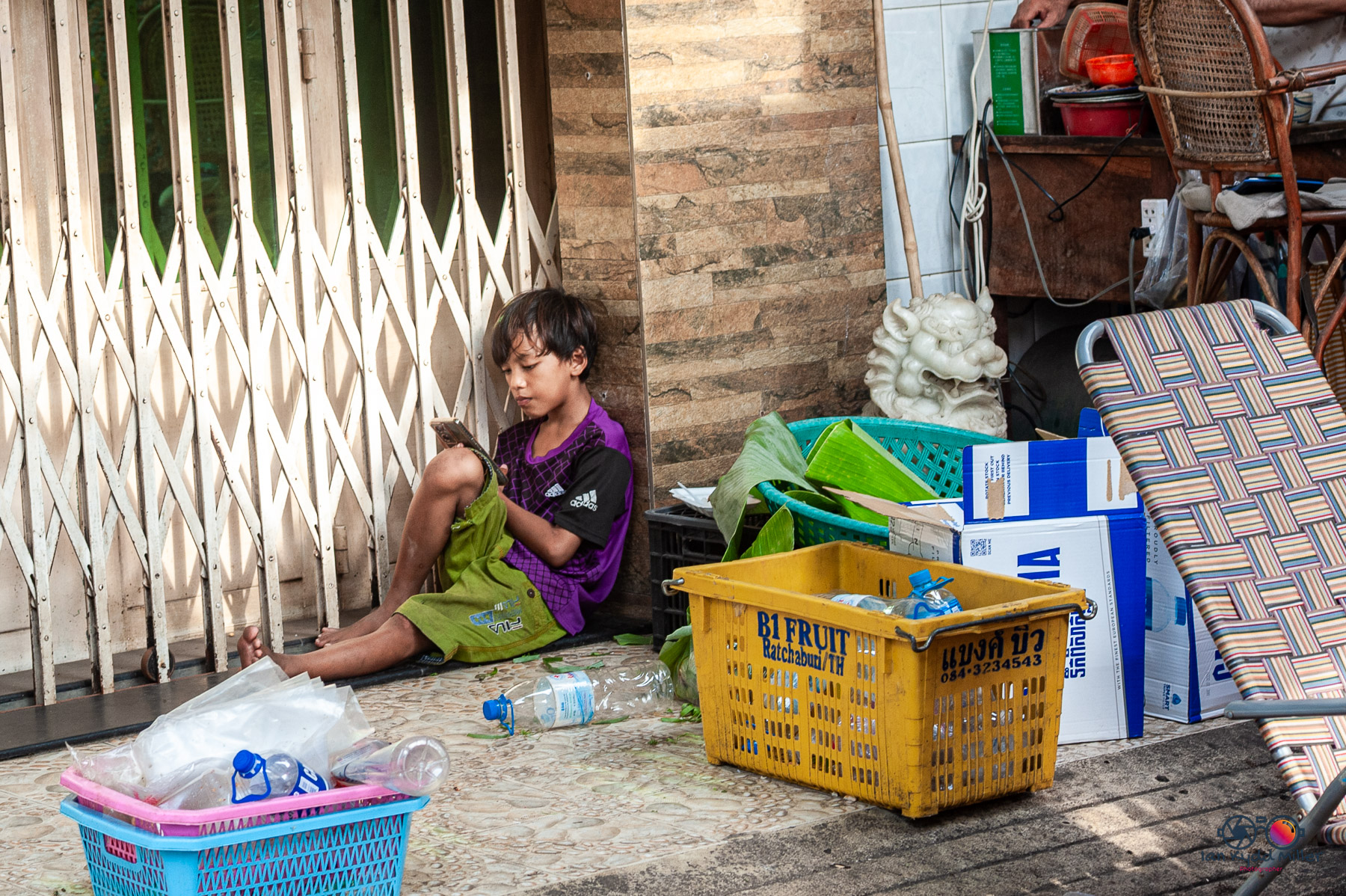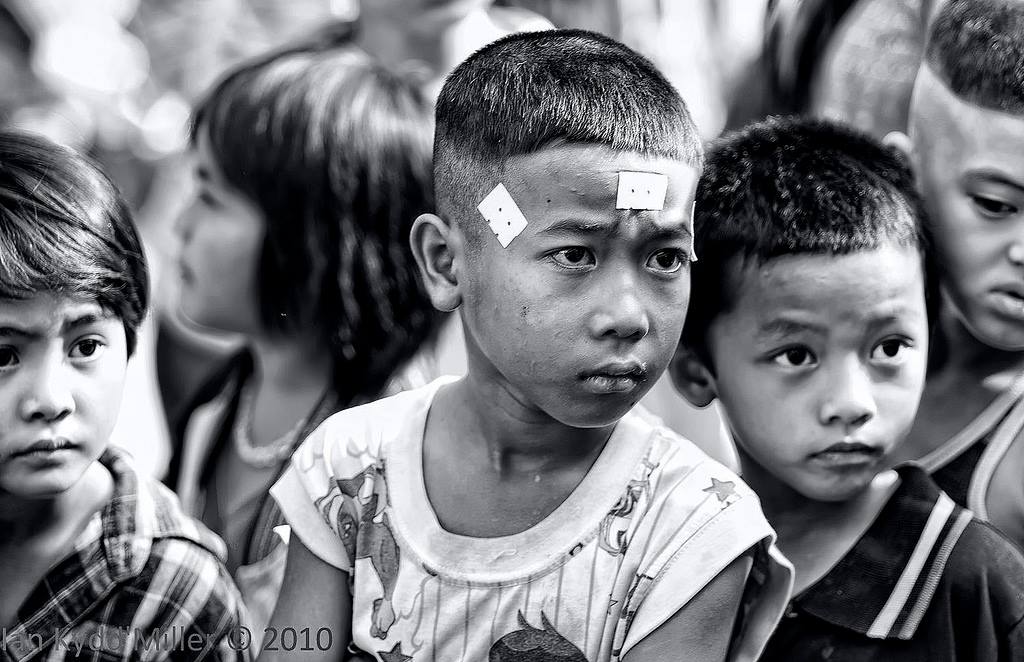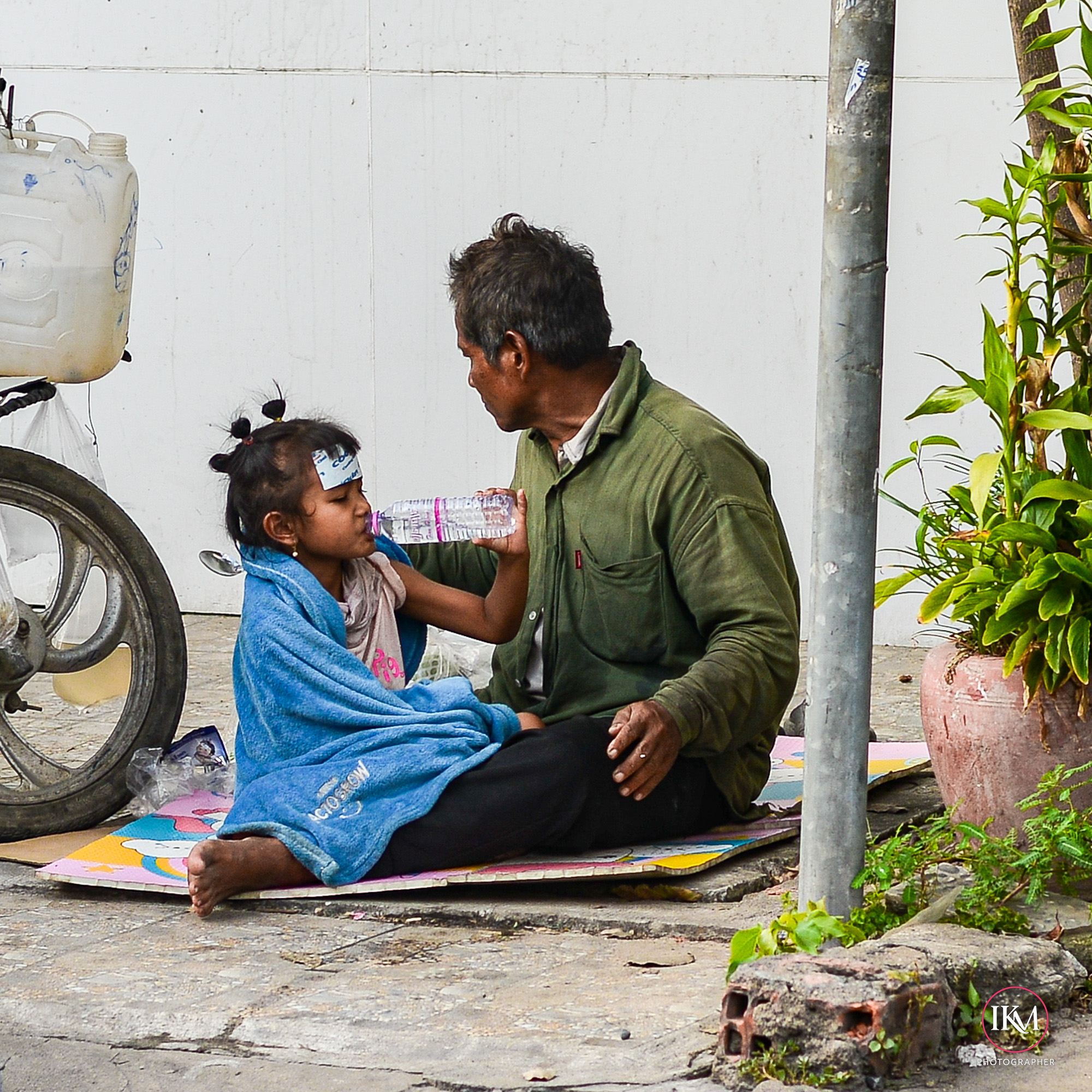
Education is more than a classroomβitβs a lifeline. KidsNeedEducation.org, operated by the Aogaah Foundation, embodies this principle by offering free schooling to children in some of Phnom Penhβs poorest communities. The project began with a simple but powerful vision: every child deserves the chance to learn, regardless of background or circumstance.
π What the Foundation Does
Free schooling: The Village 15/16 schools provide education to over 140 children who otherwise would have no access to formal learning.
Community events: Annual celebrations, such as the School Holiday Feast at The Family Pub in Phnom Penh, bring together students, families, and supporters.
Sponsorship program: For as little as $100, donors can sponsor a student, covering essentials like books, uniforms, and meals.
Transparency and outreach: The site hosts newsletters, βWhoβs Whoβ directories, and updates on ongoing projects, ensuring donors and volunteers remain connected to the mission.
π§ Why It Matters
Breaking cycles of poverty: In Cambodia, many children are forced into labor or denied education due to financial hardship. Free schooling interrupts this cycle.
Community resilience: By investing in education, the foundation strengthens families and neighborhoods, creating ripple effects of opportunity.
Global solidarity: International donors and volunteers demonstrate how small contributions can have outsized impacts in vulnerable communities.
βοΈ Challenges and Sustainability
Running a free school is not without obstacles. Funding is precarious, relying heavily on donations and sponsorships. Leadership transitionsβsuch as the departure of founder Richard Meyer due to health issuesβhighlight the importance of local teachers and community ownership. Yet, the school continues to thrive, proving that grassroots education initiatives can endure with collective support.
π Final Thought
KidsNeedEducation.org is more than a websiteβitβs a window into a movement that believes education is a human right, not a privilege. By sponsoring a child, attending events, or simply sharing the mission, supporters help transform lives in Phnom Penh. The story of Village 15/16 schools is a reminder that education is the most powerful agent of changeβand that even modest contributions can rewrite futures.
When Nikon introduced the 35β135mm AF series, it was designed to bridge wide-to-telephoto coverage in a single lens. Positioned as a step above kit zooms, it gave photographers flexibility without the bulk of multiple primes. The AF-D version added distance encoding for more accurate flash metering, making it a practical tool for both film and early digital shooters.
π Optical Performance
Sharpness: Respectable across the range, especially between 35β85mm. At 135mm, corners soften, but the center remains usable.

Color and contrast: Classic Nikon renderingβneutral color with good contrast, especially when stopped down.
Distortion: Noticeable barrel distortion at 35mm and pincushion at 135mm, typical of zooms of its era.
Macro mode: Offers a close-focus feature down to ~0.5m, useful for flowers and small objects.
Bokeh: Pleasant at longer focal lengths, though not as creamy as modern f/2.8 zooms.
βοΈ Build and Handling
Construction: Solid, metal-heavy buildββbrick-likeβ durability noted by users.
Weight: Around 600g, making it portable but not featherlight.
Autofocus: Screw-drive AFβadequate but slower and noisier compared to AF-S lenses. Works best with pro bodies like the D3/D800.
Zoom action: Push-pull design, which some photographers find intuitive, while others prefer modern rotary zoom rings.
π§ Use Cases
Travel lens: Covers wide-to-telephoto in one package, ideal for street and candid photography.
Portraits: At 85β135mm, produces flattering compression and decent subject isolation.
Documentary/editorial: Flexible enough for mixed environments where you canβt switch lenses often.
Film shooters: A perfect companion for Nikon F-mount film bodies, retaining period authenticity.
βοΈ Pros and Cons
Pros
Versatile focal range (wide to telephoto)
Solid build quality
Affordable on the used market (~$100β$200 USD)
Close-focus macro mode adds creative flexibility
Cons
No VR (Vibration Reduction)
AF is slower and noisier than modern lenses
Optical performance lags behind newer zooms, especially at 135mm
Push-pull zoom design can feel dated
π Final Verdict
The Nikon AF Zoom-Nikkor 35β135mm f/3.5β4.5 AF-D is a classic workhorse lens. It wonβt compete with modern pro zooms in speed or sharpness, but it offers a unique blend of versatility, durability, and character. For photographers exploring Nikonβs legacy glass, itβs a rewarding optionβespecially for travel and portraiture where its rendering shines.
The AF-S Nikkor 50mm f/1.4G performs reliably on both the Nikon D3 and D800, offering creamy bokeh, solid sharpness, and quiet autofocusβthough itβs not the fastest or most clinical 50mm in Nikonβs lineup. It shines in low light and portrait work, especially on full-frame bodies.
π§ͺ Optical Impressions
Wide-open performance (f/1.4): Delivers soft, dreamy bokeh with moderate sharpness in the center. On the D3, this creates a classic filmic look; on the D800, the high-resolution sensor reveals some softness and longitudinal chromatic aberration.
Stopped down (f/2.8βf/5.6): Sharpness improves significantly, especially across the frame. Ideal for street, editorial, and environmental portraiture.
Color and contrast: Neutral rendering with good microcontrast. Works well for natural light shooters and those who prefer minimal post-processing.
Bokeh: Smooth but can show slight nervousness in busy backgrounds. Better than the older AF-D version, but not as creamy as Nikonβs 58mm f/1.4G.
βοΈ Autofocus and Handling
AF speed: Quiet and accurate, but not lightning-fast. On the D3, itβs snappy enough for casual action; on the D800, it benefits from contrast-based fine-tuning.
Build quality: Solid plastic barrel with weather sealing at the mount. Lightweight and well-balanced on both bodies.
Manual focus: Smooth ring, but focus-by-wire feel lacks tactile feedback compared to older mechanical lenses.
π§ D3 vs. D800 Pairing
Nikon D3: The lens complements the D3βs low-light prowess. Together, they excel in available light reportage, backstage photography, and moody portraiture.
Nikon D800: The D800βs 36MP sensor demands more from the lens. While the 50mm f/1.4G holds up well stopped down, wide-open shots may show softness and fringing that require post-processing.
β Use Cases
Low-light street photography
Environmental portraits
Travel and documentary work
Editorial and lifestyle shoots
π§Ύ Verdict
The AF-S 50mm f/1.4G is a versatile, reliable prime that pairs well with both the D3 and D800, especially for photographers who value character over clinical perfection. Itβs not the sharpest wide-open, but its rendering is expressive and forgivingβideal for storytelling, not pixel-peeping.
For sharper edge-to-edge performance, consider the Sigma 50mm f/1.4 Art or Nikonβs 50mm f/1.8G. But for a classic Nikon look with modern AF and solid build, the 50mm f/1.4G remains a worthy companion.
Publishing shocking images is neither inherently right nor wrongβit depends on intent, context, and consequence. The ethical challenge lies in balancing public interest with personal dignity, truth with sensitivity, and impact with responsibility.
Photojournalism often confronts us with the raw edge of realityβwar, disaster, injustice, grief. These images can jolt viewers into awareness, spark outrage, and mobilise change. But they can also retraumatise, exploit, or misrepresent. So when is it right to publish a shocking imageβand when is it wrong?
β When Itβs Justified
Public interest outweighs discomfort: Images that expose systemic abuse, corruption, or humanitarian crises may be shockingβbut they serve a vital civic function.
Truth is preserved: If the image is accurate, unmanipulated, and contextually honest, it contributes to informed discourse.
Consent is considered: When possible, subjects should be aware of how their image will be usedβespecially in vulnerable situations.
Impact is constructive: If the image leads to policy change, aid mobilization, or cultural reckoning, its shock may be ethically warranted.
β When Itβs Problematic
Sensationalism overrides substance: If the image is published for clicks, not clarity, it risks exploitation.
Subjects are dehumanised: Graphic depictions that strip away dignity or reduce people to symbols of suffering cross ethical lines.
Context is missing: A shocking image without background can mislead, stigmatise, or distort public understanding.
Harm outweighs benefit: If the image retraumatises survivors, endangers individuals, or incites hate, it should be reconsidered.
π§ Ethical Guidelines for Publishing Shocking Images
Caption with care: Provide factual, neutral context to guide interpretation.
Blur or anonymise when needed: Protect identities in sensitive situations.
Seek editorial review: Run controversial images past peers or editors before publishing.
Reflect before release: Ask: Would I feel respected if this were me?
π§ Final Thought
Shocking images have powerβbut power without ethics is dangerous. The goal of photojournalism is not to numb or exploit, but to awaken and inform. Publishing such images demands courage, but also compassion. The question is not just can we publishβbut should we. And that answer must be earned, not assumed.
Would you like this adapted into a visual manifesto or ethics card for your portfolio?
Publishing Shocking Images: Right or Wrong
Shocking images command attention, accelerate public debate, and can catalyze change β but they also risk exploitation, retraumatisation, and distortion. Deciding whether to publish such images is an ethical judgment as much as an editorial one, requiring clear criteria, transparency, and a commitment to minimizing harm.
What we mean by shocking images
Shocking images are photographs that provoke strong emotional reactions because they show violence, suffering, severe injury, or intimate moments of distress. They differ from disturbing journalism in degree and immediacy: their visceral impact can both illuminate and overwhelm a story.
Arguments for publishing
Public interest and accountability: Graphic images can document abuses and provide evidence when other records are absent; they can mobilize public opinion and spur policy or humanitarian response.
Bearing witness: Photographers and news organizations sometimes cite a duty to show realities that would otherwise be unseen, arguing that sanitizing imagery risks erasing the urgency of certain crises.
Truth-telling value: When used responsibly, stark images can convey truths that words alone cannot, making abstract harms tangible for audiences.
(These benefits depend on accurate captioning, strong sourcing, and editorial restraint to ensure images inform rather than manipulate.)
Arguments against publishing
Exploitation and dignity: Shocking images can reduce people to objects of spectacle, stripping context and agency from victims and survivors.
Harm and retraumatization: Graphic exposure can cause further trauma to subjects, their families, and communities; publication can have long-term consequences for those depicted.
Manipulation and loss of trust: Cropping, sequencing, or sensational captions can distort meaning and erode public trust in journalism; visual shock for clicks undermines credibility.
Ethical criteria to apply before publishing
Public interest test β Does the image materially inform the public or hold power to account, beyond mere sensationalism?.
Dignity check β Can the subjectβs dignity be preserved through framing, captioning, or anonymisation?.
Harm assessment β What are the likely short- and long-term harms to the subject, family, or community? Can those harms be mitigated?.
Provenance and accuracy β Is the image verified, honestly captioned, and placed in proper context?.
Alternatives β Could less graphic visuals, stills, or descriptive reporting achieve the same public interest goal with lower harm?.
Apply these in sequence: fail any single test, and the case for publication weakens considerably.
Practical editorial guidelines
Use clear, factual captions that state who, what, where, when, and why; avoid sensational language.
Consider cropping or blurring to preserve identity and dignity without erasing the essential truth.
Offer warnings and placement choices (e.g., not lead-story fronting on social feeds) so audiences can consent to exposure.
Disclose edits and sourcing when relevant; transparency builds trust.
Use peer review or editorial oversight for borderline cases, and consult legal counsel when publication could create liability or danger.
Conclusion
Publishing shocking images can be ethically defensible, but never automatic. The default should be caution: ask whether the image serves a clear public interest, whether it preserves human dignity, and whether harms have been reasonably mitigated. When journalists and editors apply rigorous verification, contextualization, and harm-conscious practices, graphic images can illuminate truth and prompt change; without those safeguards, they risk exploitation and eroded trust
Why ethics matter more than ever in a visual-first world
In todayβs media landscape, photojournalism is one of the most powerful tools for shaping public perception. A single image can evoke empathy, outrage, or action. But with that power comes responsibilityβand risk. The goal is not just to capture whatβs visible, but to honour whatβs real.
π§ The Nature of Truth in Photography
Photography is not neutral: Every image is filtered through the photographerβs lensβliterally and metaphorically.
Truth is contextual: A photo without background can mislead, even if itβs technically accurate.
Editing shapes meaning: Cropping, colour grading, and sequencing all influence how viewers interpret a scene.
βPhotojournalism fundamentally aims to document reality, yet it is not an objective mirror of the worldβ.
β οΈ Where Manipulation Begins
Staging or reenactment: Asking subjects to pose or recreate events crosses into fiction.
Selective framing: Omitting key elements to steer narrative perception is ethically suspect.
Caption distortion: Misleading or emotionally charged captions can twist meaning even when the image is accurate.
Digital alteration: Retouching, compositing, or removing elements undermines credibility.
These practices erode public trust and violate journalistic codes of ethics.
π§ Minimalism with Integrity
Minimalist style avoids manipulation by focusing on presence, restraint, and ethical framing.
Intentional composition: Framing that respects subjectsβ dignity and avoids sensationalism.
Contextual honesty: Captions and layouts that inform without editorialising.
Emotional resonance without distortion: Provocative images that stir reflection, not exploitation.
This approach aligns with the ethical imperative to βrepresent the truth without distortion, even as technological innovation complicates the linesβ.
β How to Navigate the Line Ethically
Ask before you shoot: Consent builds trust and deepens narrative authenticity.
Caption with clarity: Include who, what, when, where, and whyβavoid emotional spin.
Disclose edits: If you crop, tone, or adjust, say so. Transparency matters.
Peer review sensitive work: Run controversial images past editors or colleagues before publishing.
Reflect before release: Ask yourself: Does this image inform or manipulate?
π Final Thought
Photojournalismβs power lies in its ability to reveal. But revelation without responsibility becomes exploitation. Navigating truth and manipulation isnβt just about avoiding ethical misstepsβitβs about building a practice rooted in trust, clarity, and care.
Photojournalism is often seen as passive documentationβa mirror held up to the world. But the most powerful photojournalism doesnβt just reflect; it provokes. It challenges assumptions, confronts injustice, and forces viewers to reckon with realities they might otherwise ignore. In this sense, photojournalism becomes an agent provocateurβa catalyst for dialogue, discomfort, and transformation.
π₯ Provocation with Purpose
Truth is not neutral: A photograph of a protest, a refugee camp, or a grieving parent is not just a recordβitβs a statement. It demands attention, empathy, and often, action.
Disruption is ethical when intentional: Provocative images must be rooted in truth, not sensationalism. The goal is not to shock for clicks, but to awaken conscience.
Emotional resonance drives change: Images that evoke anger, sorrow, or solidarity can mobilize public opinion, influence policy, and reshape cultural narratives.
βοΈ Ethical Boundaries of Provocative Imagery
Avoid manipulation: Cropping, staging, or misleading captions erode trust.
Respect subject dignity: Even when exposing injustice, subjects must be portrayed with humanity.
Context is critical: A provocative image without background risks misinterpretation or harm.
π οΈ How to Use Provocation Responsibly
Pair images with clear intent: What do you want the viewer to feel, question, or do?
Use restraint: Sometimes the most powerful image is the one that suggests rather than shows.
Engage in aftercare: Follow up with subjects, offer access, and monitor impact post-publication.
π§ Final Thought
Photojournalism as agent provocateur is not recklessβitβs radical in its clarity. It dares to disturb, but never to distort. It holds power to account, amplifies the unheard, and reshapes public imagination. When guided by ethics and purpose, provocation becomes not just a toolβbut a responsibility.
Street photography thrives on intuition, timing, and connection. The gear you choose should disappear in your hands, allowing you to focus on the fleeting gestures and subtle interactions that define urban life. The Fujifilm X-Pro2, with its rangefinder-inspired design, and the XF 18mm f/2, Fujiβs compact wide-angle prime, form a partnership that embodies this philosophy.
ποΈ The X-Pro2: A Tool for Storytellers
Hybrid Viewfinder: The X-Pro2βs optical/electronic hybrid finder is its signature feature. It allows you to see beyond the frame lines, anticipating action before it enters your compositionβa gift for street shooters.
Discreet Design: Its rangefinder styling is understated, drawing less attention than a DSLR. On the street, invisibility is power.
Image Quality: The 24MP X-Trans III sensor delivers rich tones, excellent dynamic range, and Fujiβs renowned film simulations (like Classic Chrome and Acros) that give images a timeless, documentary feel.
Customization: With tactile dials for shutter speed, ISO, and exposure compensation, the X-Pro2 encourages a hands-on, mindful shooting process.
π― The XF 18mm f/2: Compact and Characterful
Field of View: Equivalent to 27mm on full-frame, this lens strikes a balance between wide context and intimate framingβperfect for capturing both environment and subject.
Size and Weight: At just 116g, itβs a true βpancakeβ lens. Mounted on the X-Pro2, it creates a slim, unobtrusive package that slips easily into a jacket pocket.
Rendering: While not clinically sharp like Fujiβs newer primes, the 18mm f/2 has a characterful renderingβslightly imperfect, but soulful. Its gentle vignetting and contrast lend images a filmic quality.
Speed: The f/2 aperture is fast enough for low-light alleys and night markets, while still keeping the lens compact.
π Why This Combo Works for Street Photography
Presence, Not Distance: The 18mm encourages you to get close, to step into the scene rather than observe from afar. This fosters images that feel immersive and authentic.
Quiet Confidence: The X-Pro2βs shutter is discreet, and the small lens doesnβt intimidate subjectsβideal for candid moments.
Fluid Workflow: Physical dials and compact ergonomics mean you can adjust settings without breaking eye contact with the street.
Timeless Aesthetic: Together, they produce images with a classic lookβclean, contrasty, and cinematic.
β¨ The Philosophy of Presence
Street photography isnβt about perfection; itβs about being there. The X-Pro2 + 18mm f/2 combo honours this by stripping away excess. Itβs not the sharpest or fastest setup, but itβs one that encourages awareness, patience, and connection. With this kit, youβre not just photographing the streetβyouβre part of it.
β Final Thought: If you value discretion, character, and the ability to move fluidly through the city, the Fuji X-Pro2 with the XF 18mm f/2 is more than just a camera and lensβitβs a philosophy of presence, a reminder that the best street photographs come not from technical perfection, but from being fully alive to the moment.
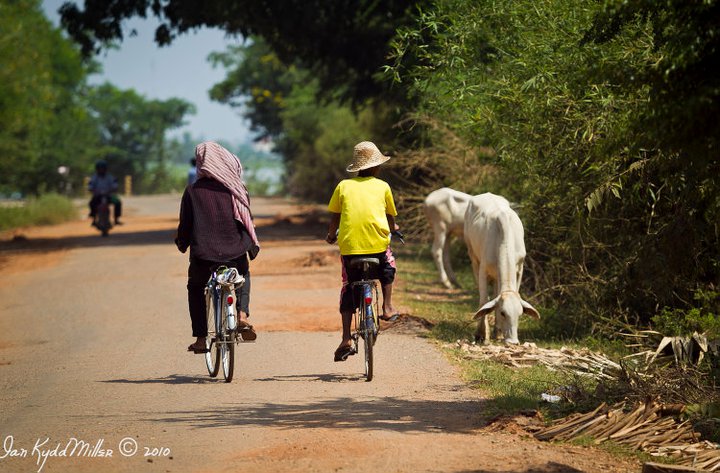
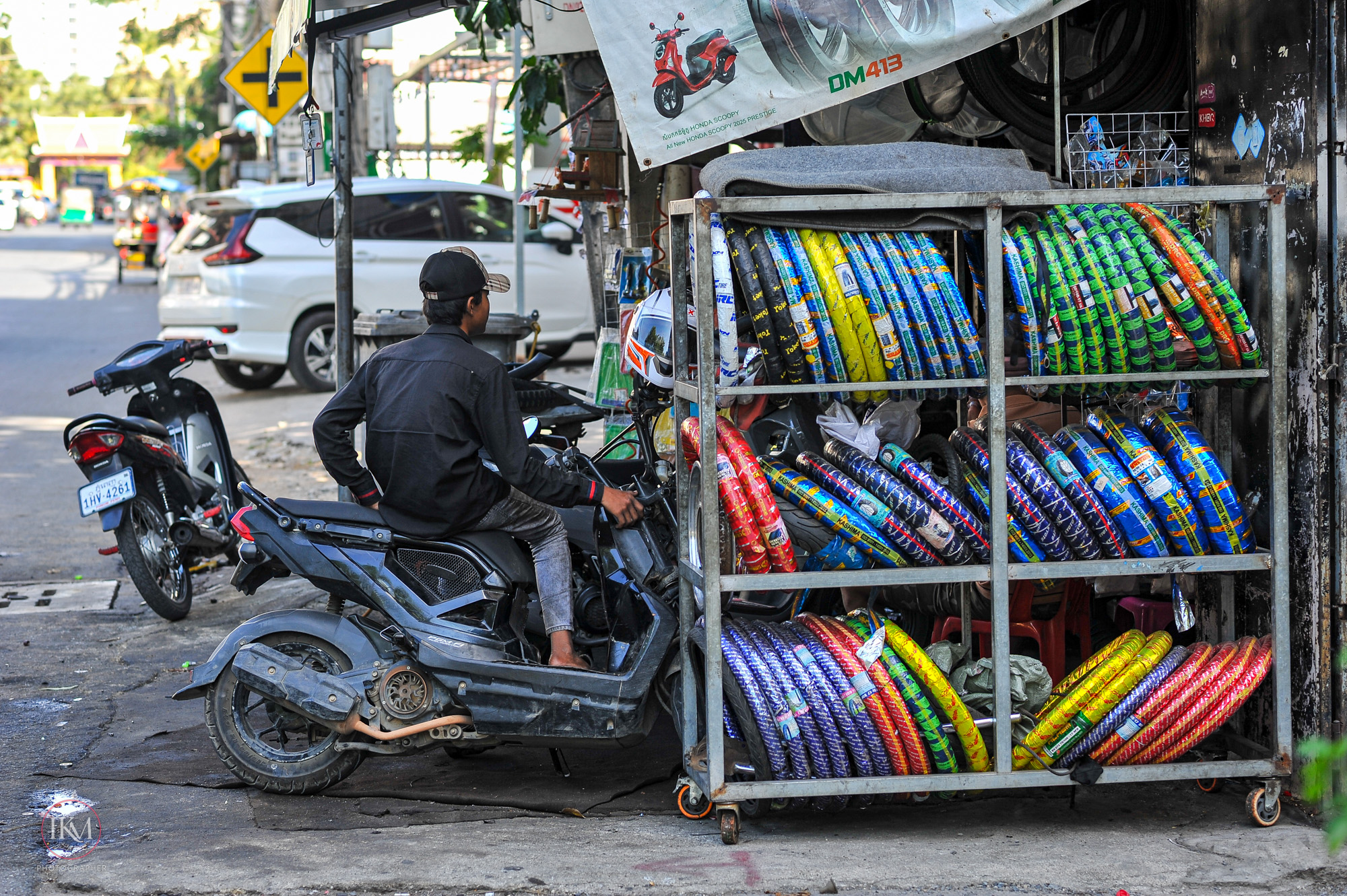
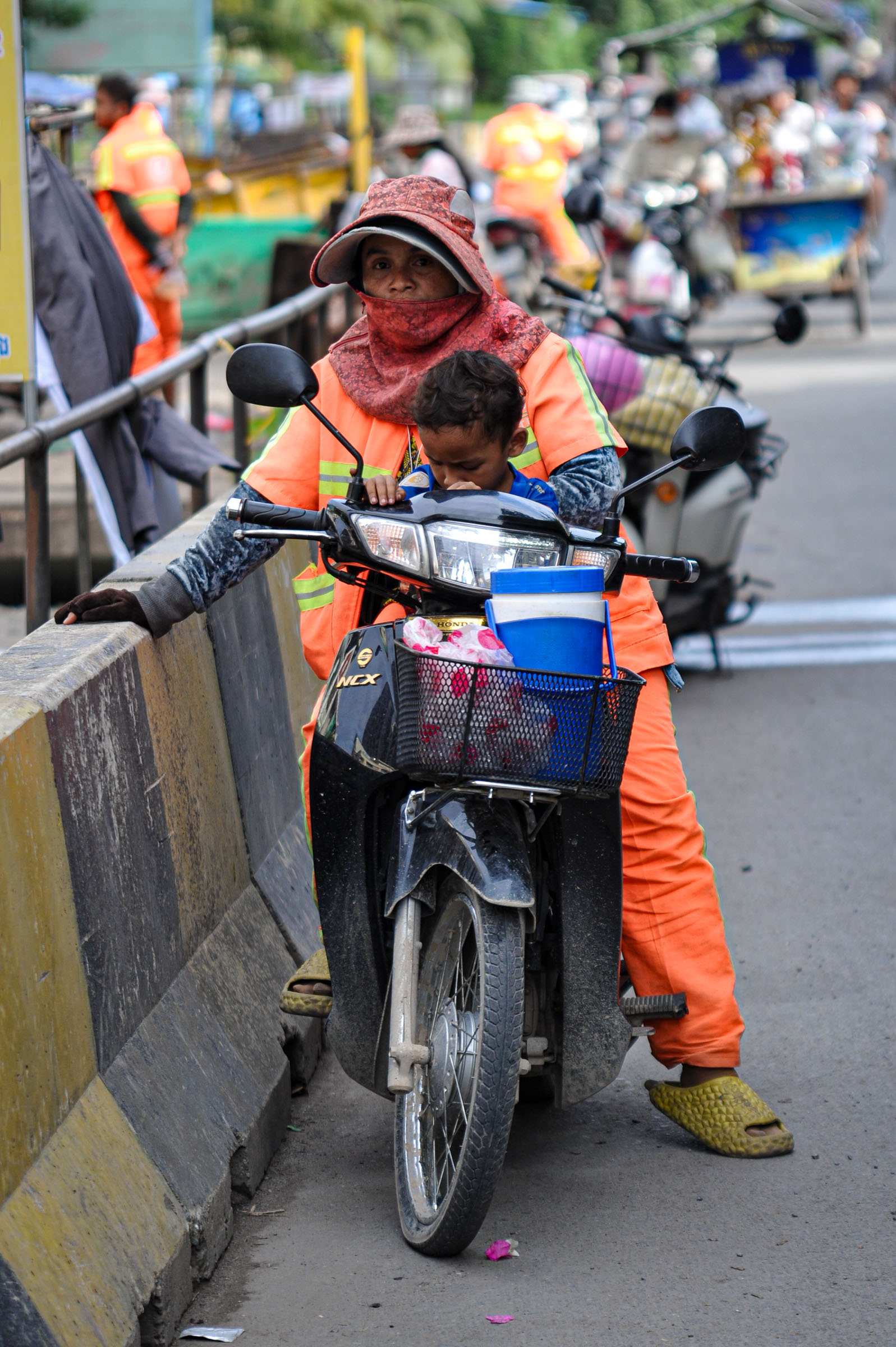
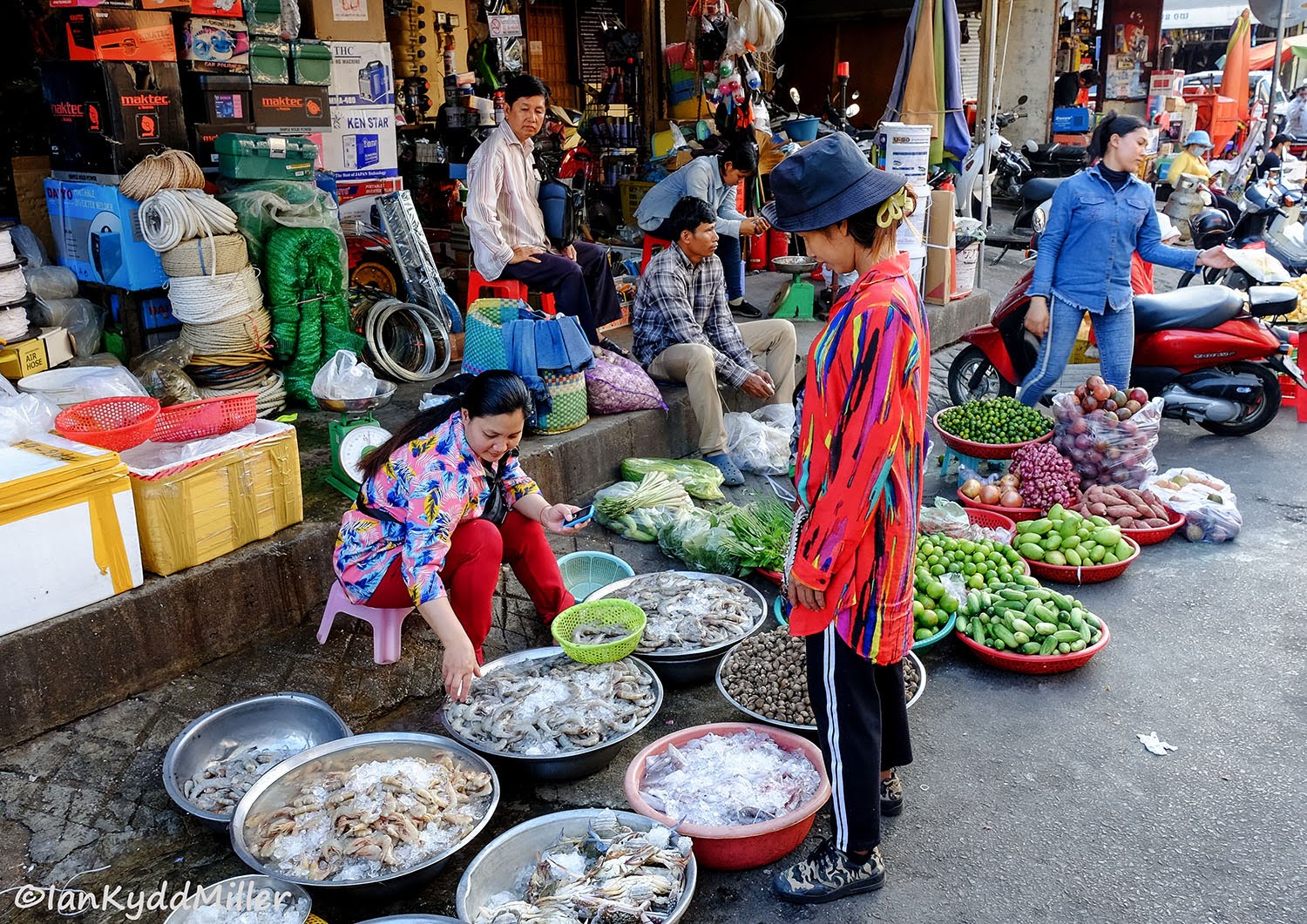
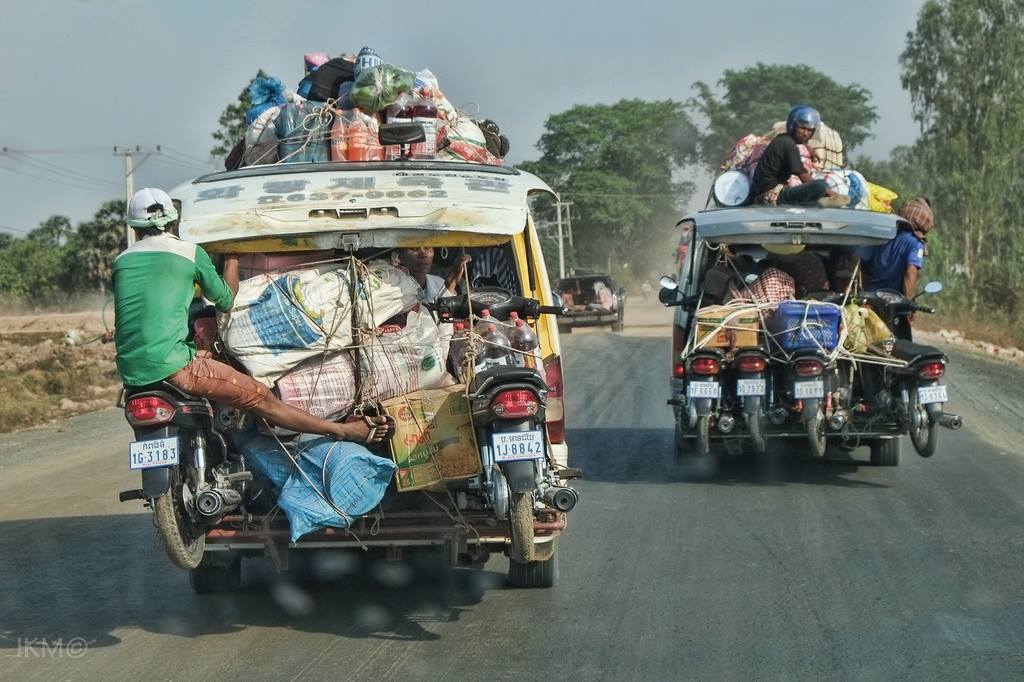
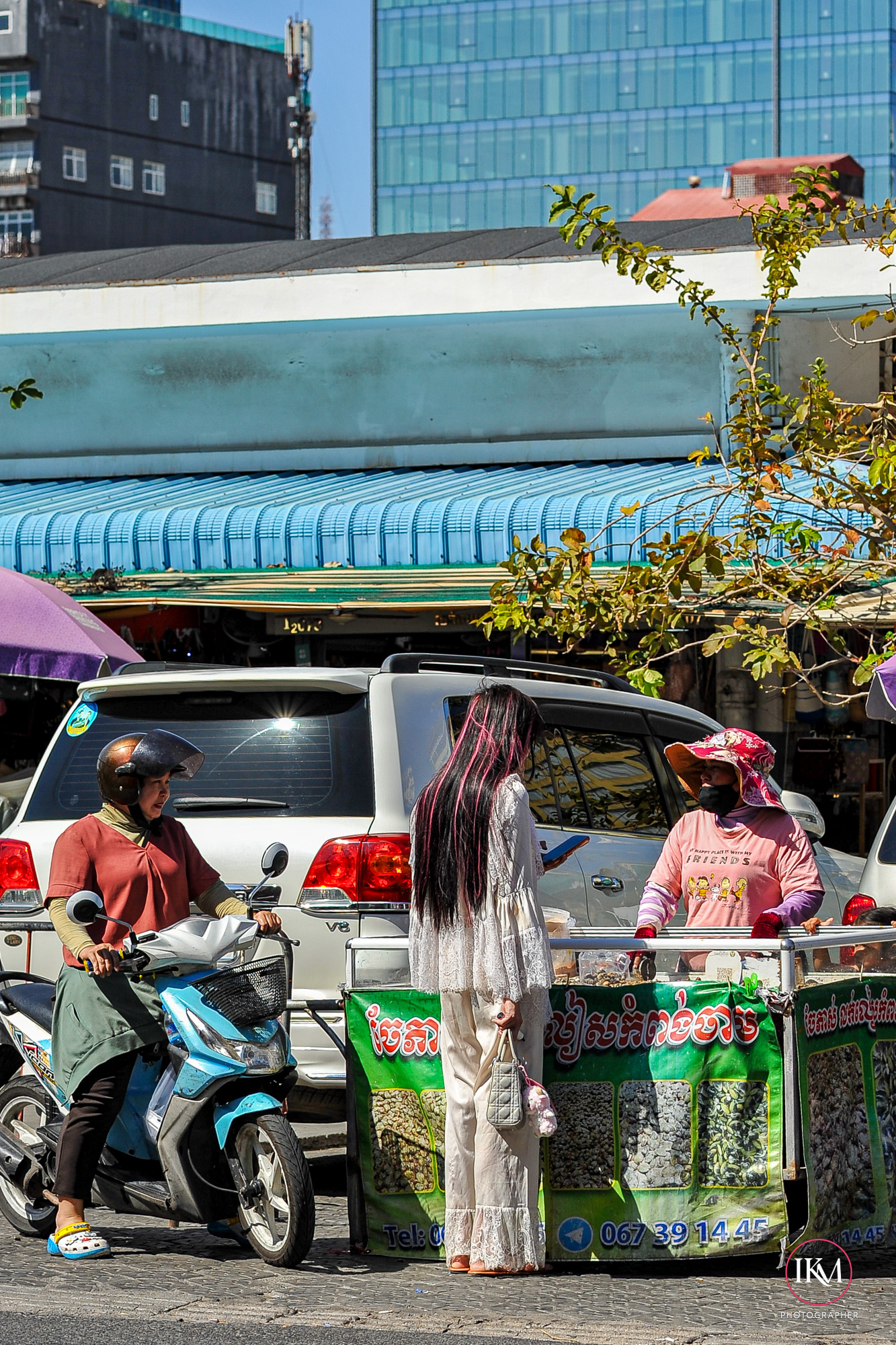
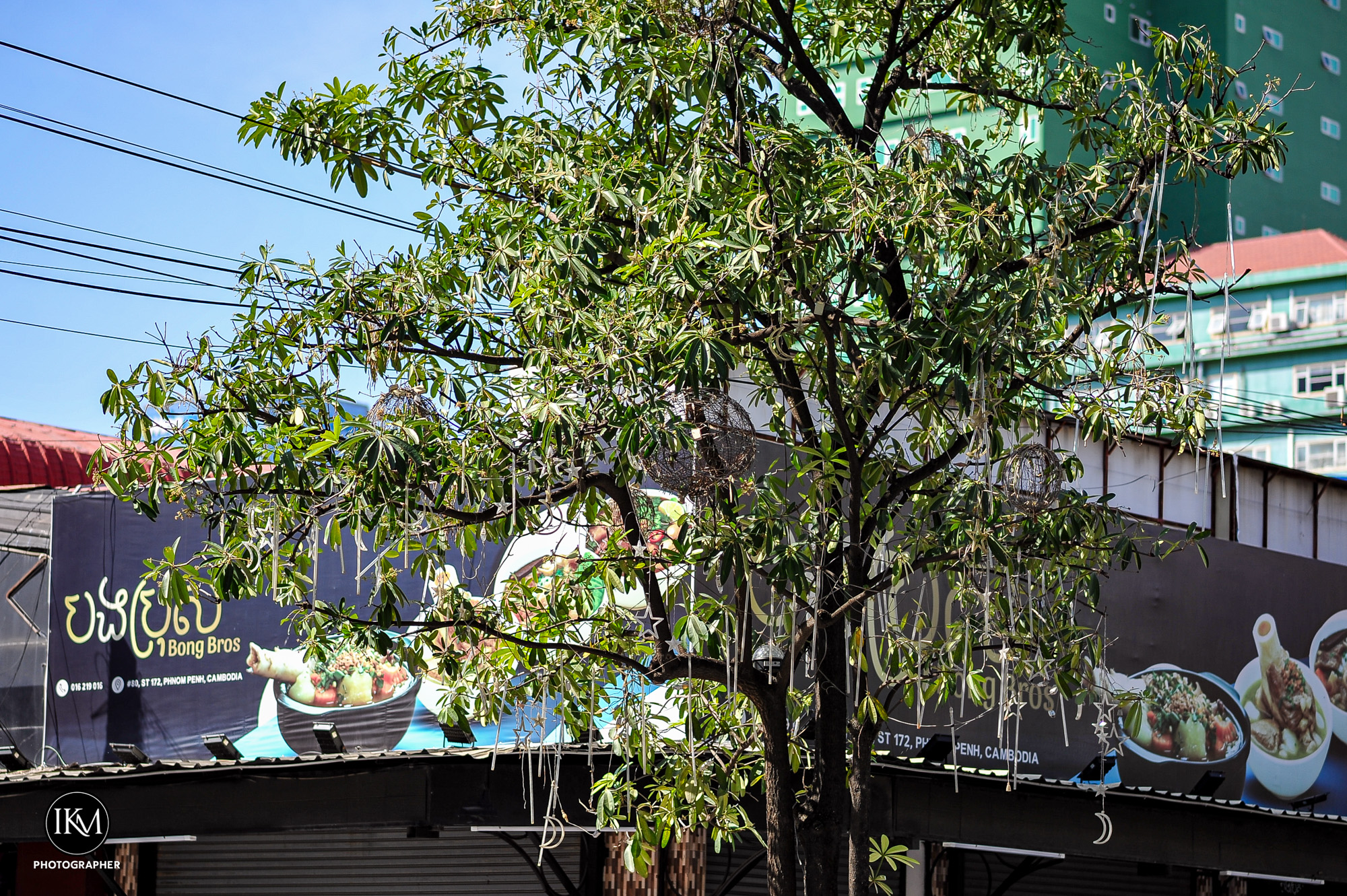
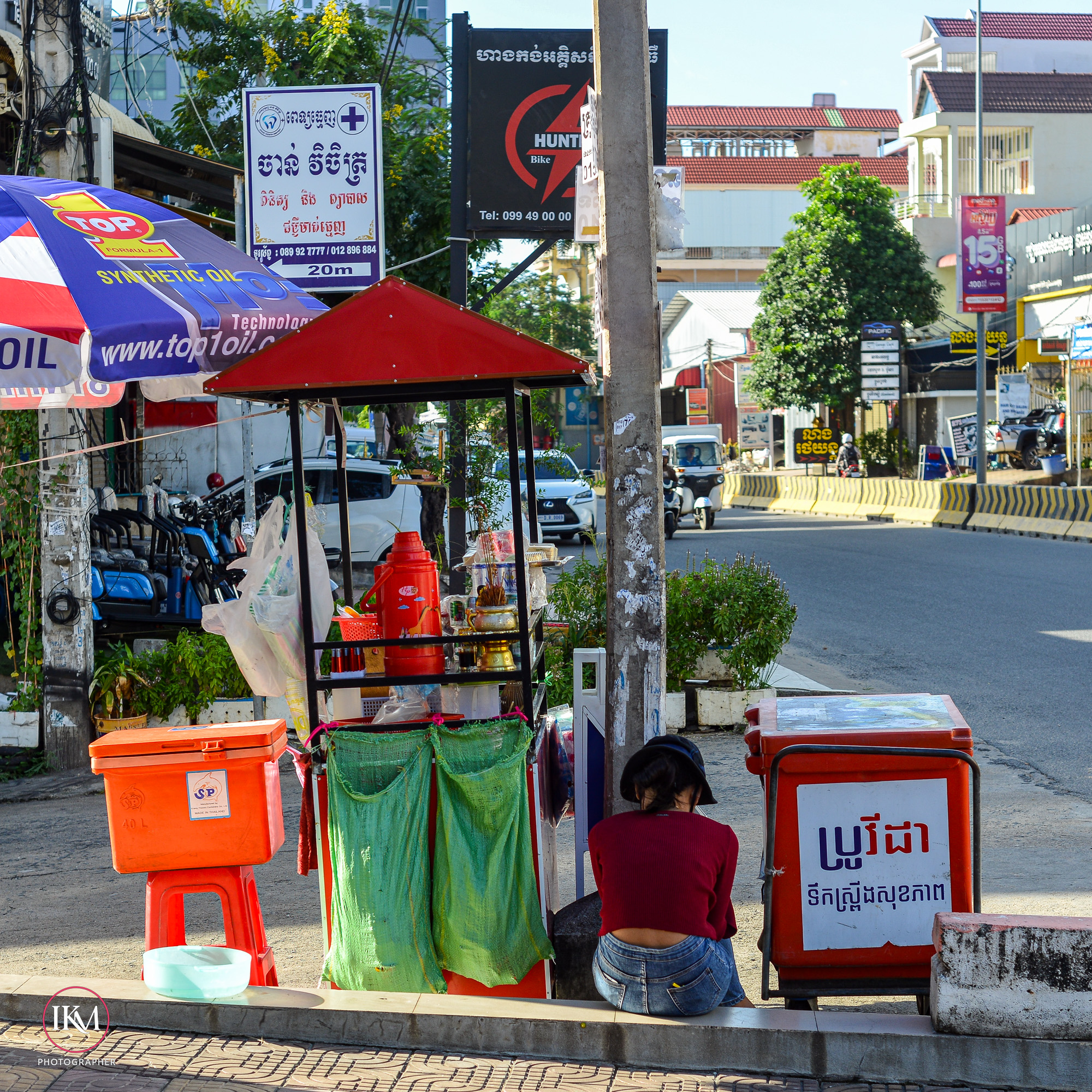
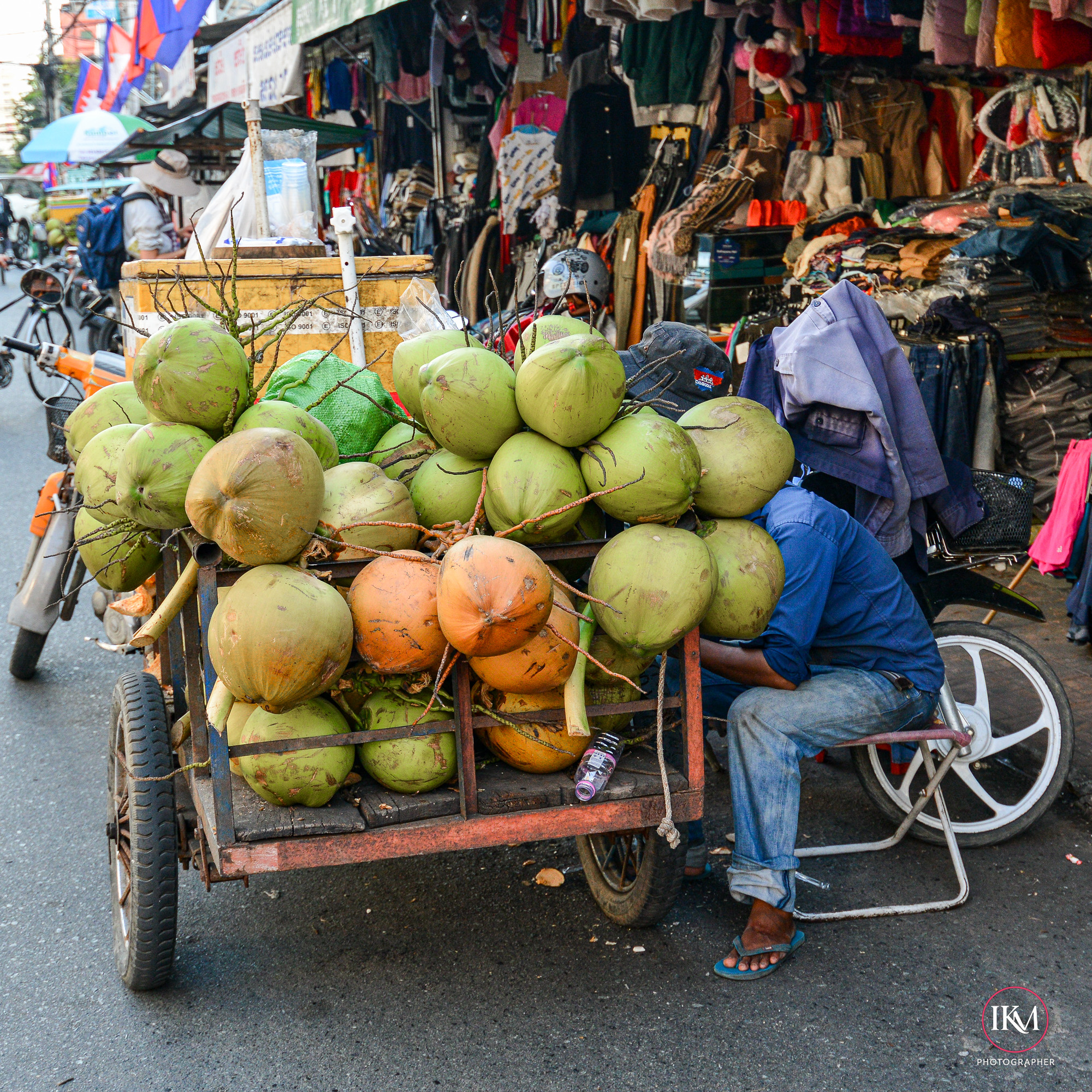
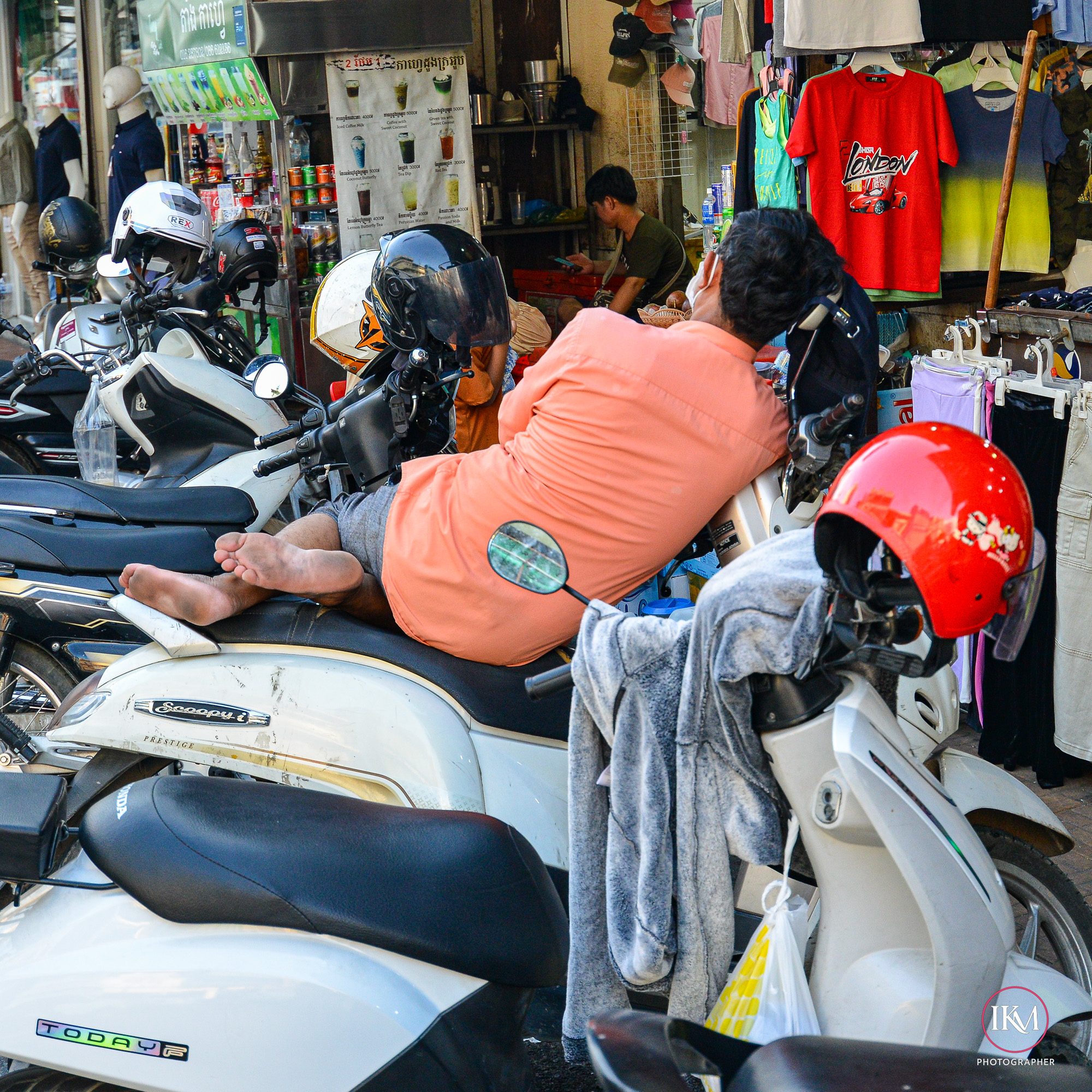
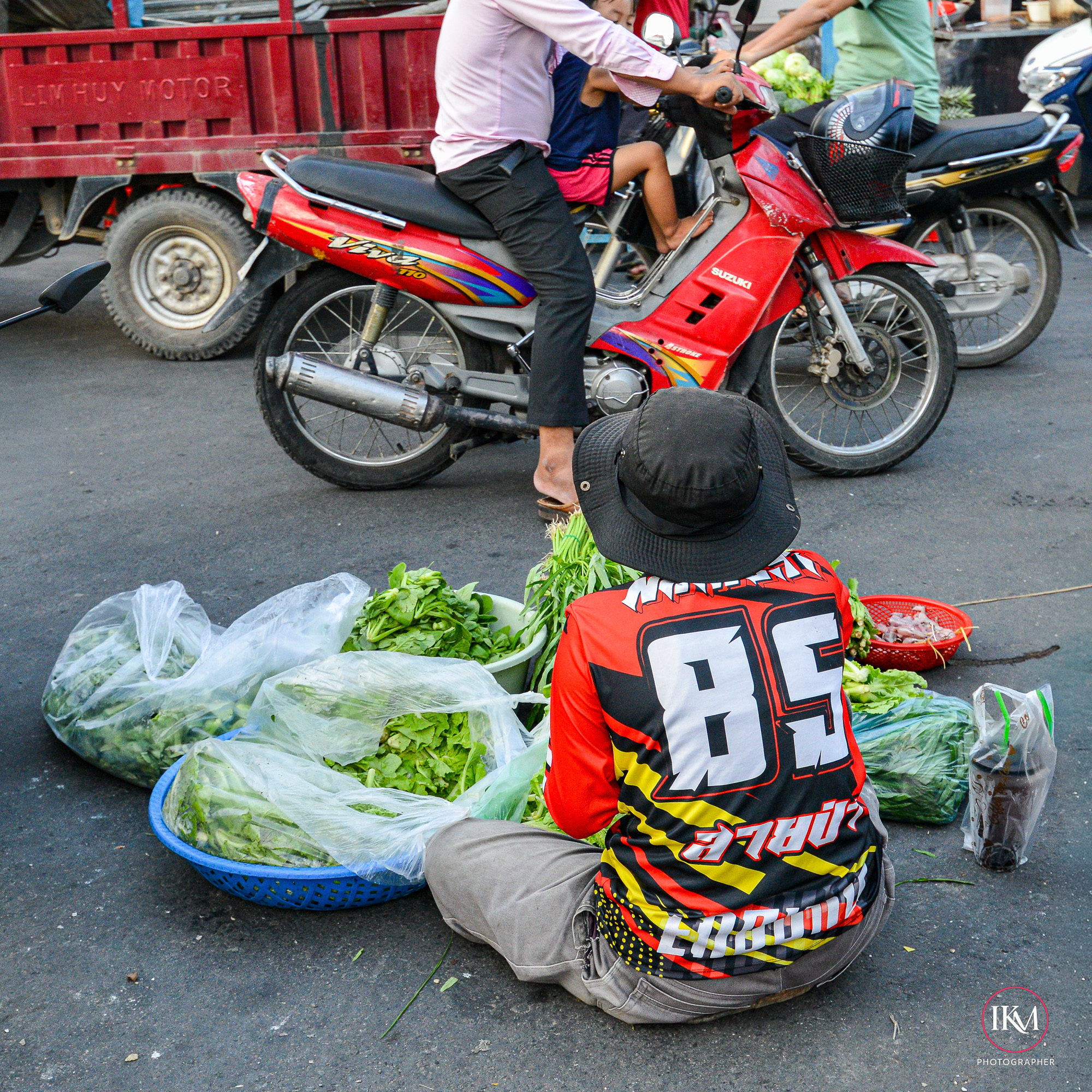
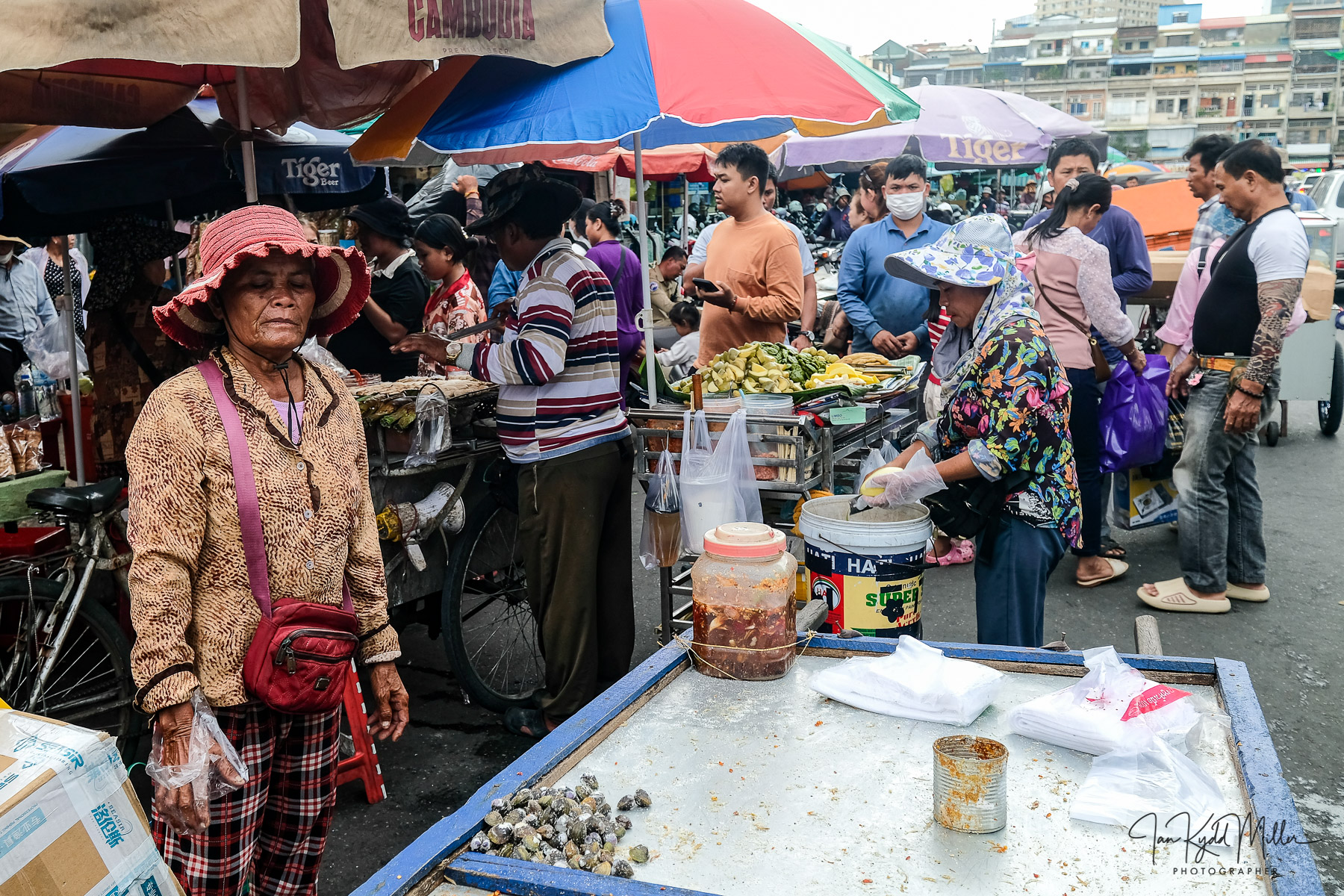
Walking through Phnom Penh is like stepping into a living mosaic of Cambodiaβs culture. The streets are not just roads for transportβthey are markets, kitchens, playgrounds, and social spaces all at once.
π Morning Rhythms
Markets come alive at dawn: wet markets bustle with vendors selling fresh fish, vegetables, and fragrant herbs.
Street-side stalls serve noodle soups, grilled meats, and iced coffee, fueling workers before the day begins.
Monks in saffron robes walk barefoot through neighborhoods, collecting alms in a centuries-old ritual.
π¦ Midday Hustle
Traffic is a sensory overload: motorbikes weaving between tuk-tuks, bicycles, and the occasional Lexus SUV.
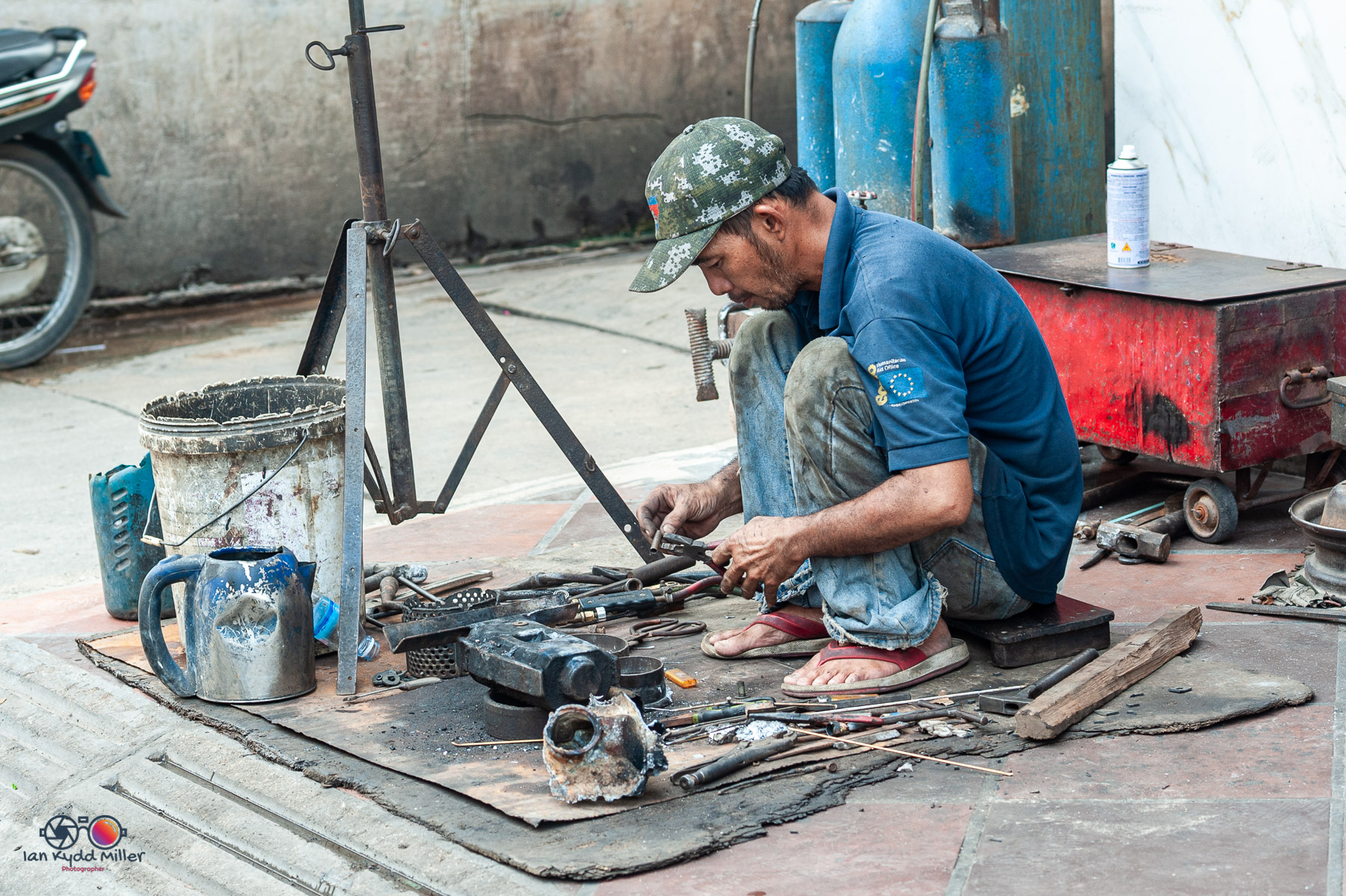
Sidewalks double as workshops and storefrontsβtailors, mechanics, and barbers set up shop in open air.
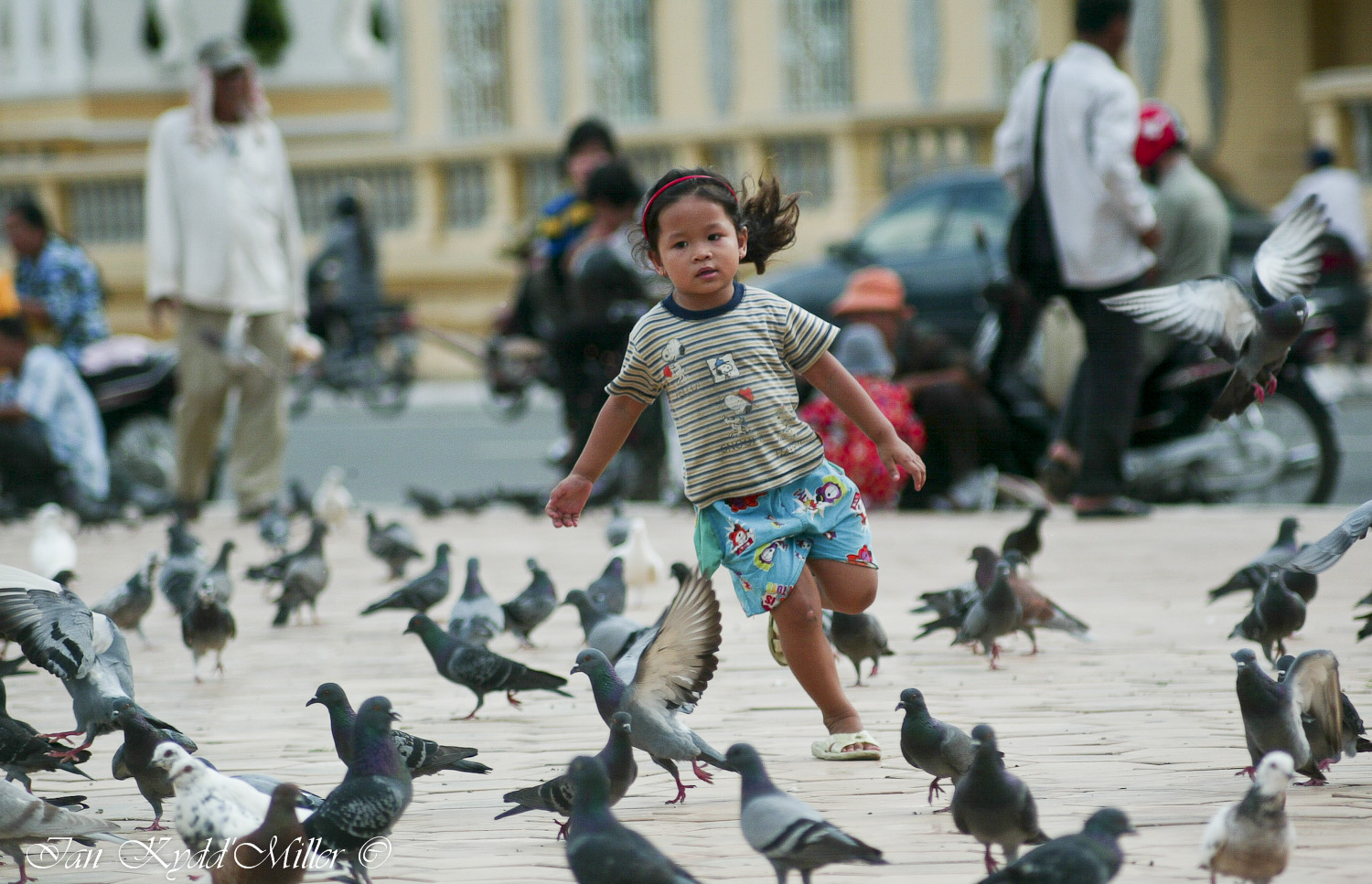
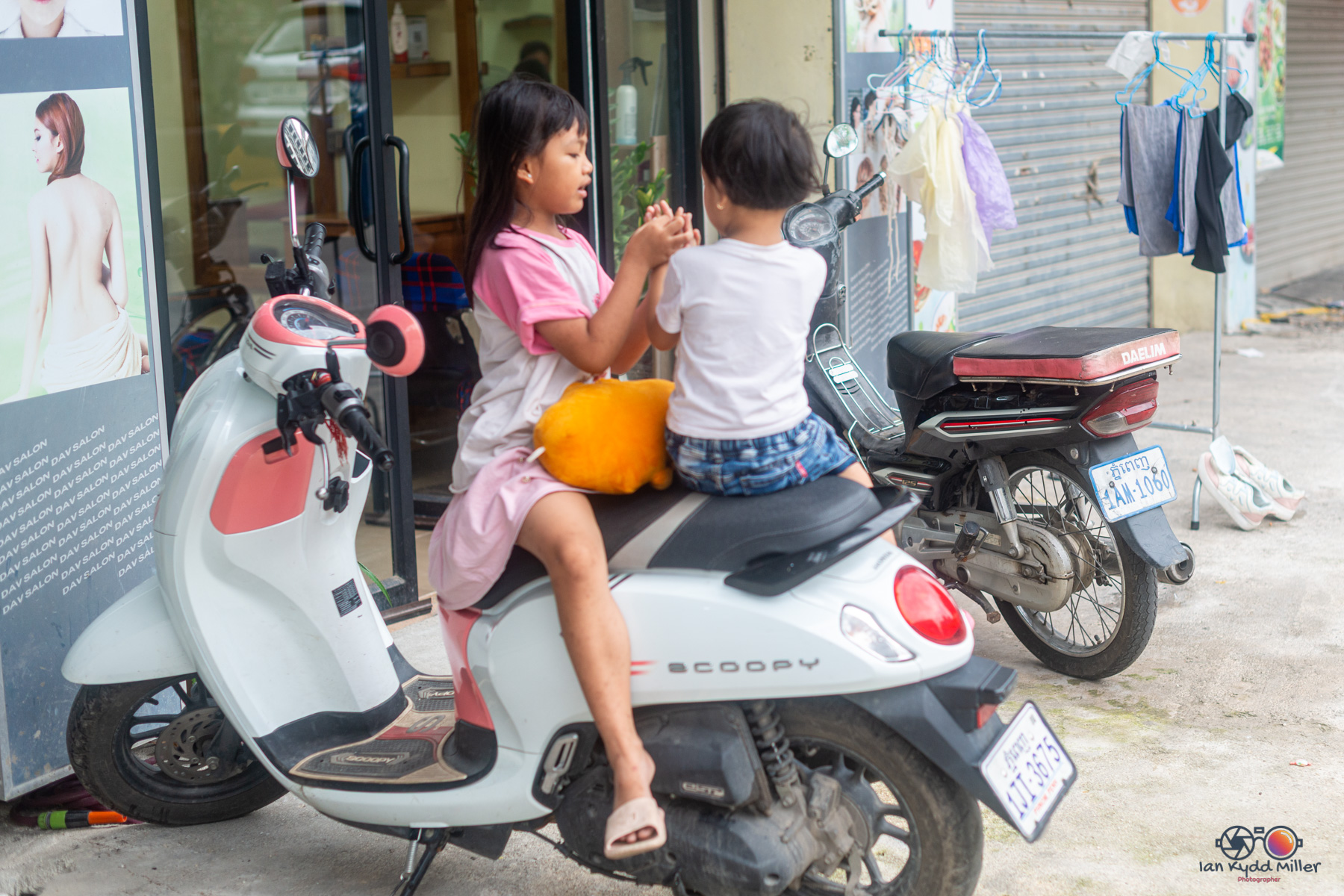
Children play in alleyways, while families gather under umbrellas to escape the midday heat.
π Evening Energy
As the sun sets, Phnom Penhβs streets transform into night markets and food havens.
Skewers of beef, fried noodles, and fresh sugarcane juice fill the air with irresistible aromas.
Riverside areas like Sisowath Quay become social hubs, with locals strolling, exercising, or enjoying street performances.
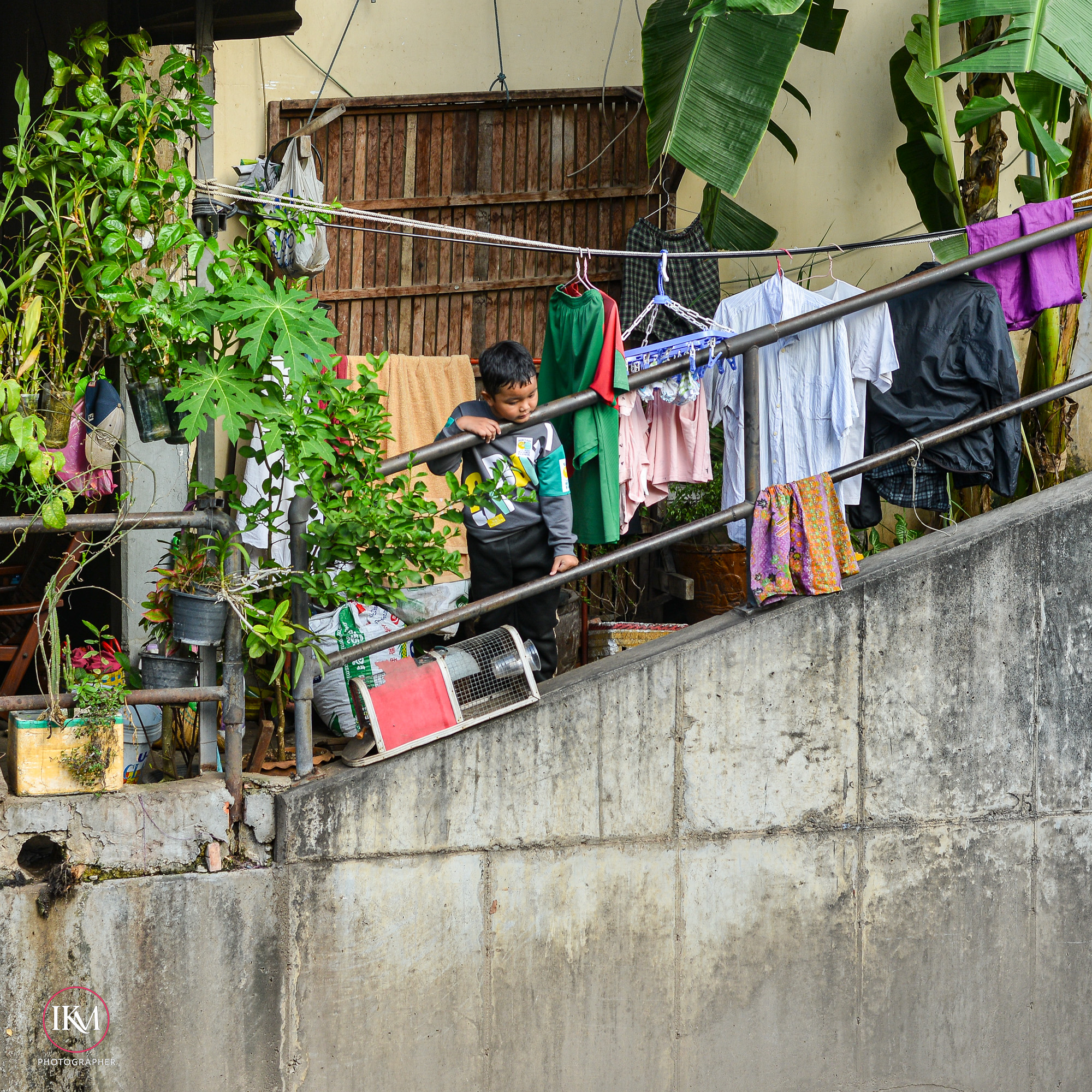
Colours and textures: laundry strung across balconies, neon-lit karaoke bars, and murals reflecting Cambodiaβs youthful creativity.
Community spirit: despite the chaos, thereβs a sense of rhythmβneighbours chatting, vendors calling out, children laughing.
π· Why Itβs Photographically Rich
For photographers, Phnom Penhβs street life offers:
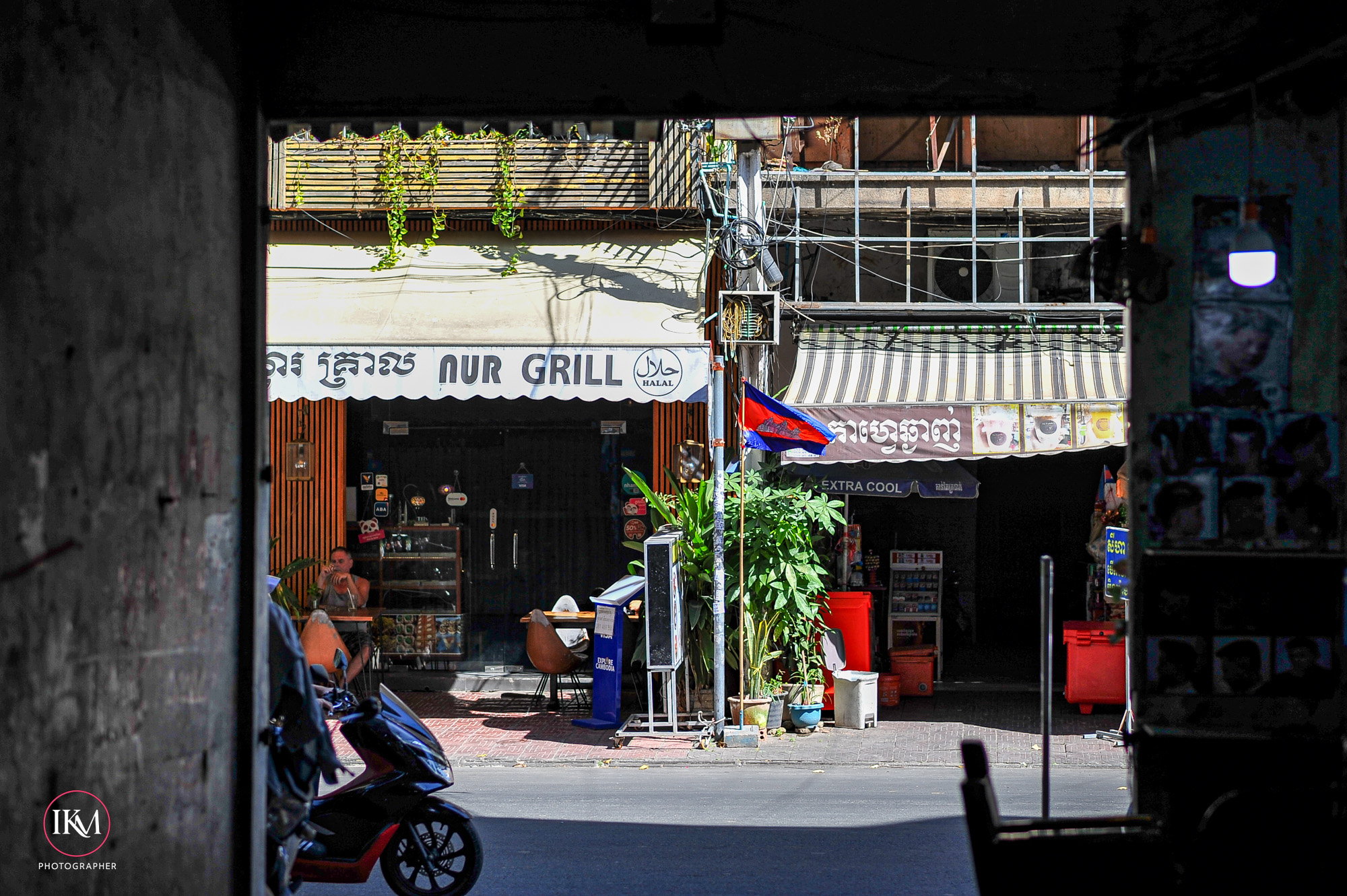
Dynamic light and shadow in narrow alleys and open boulevards.
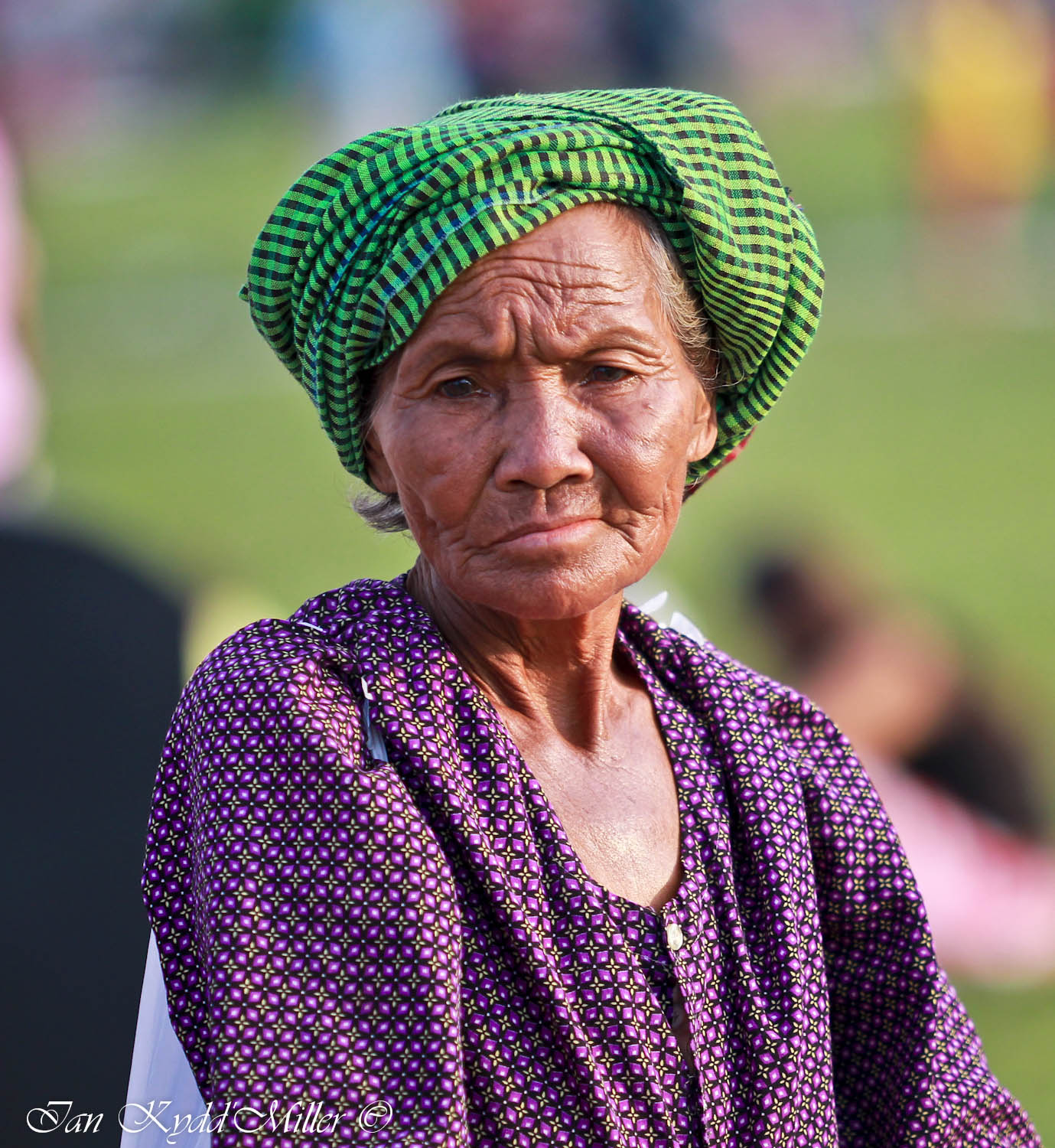
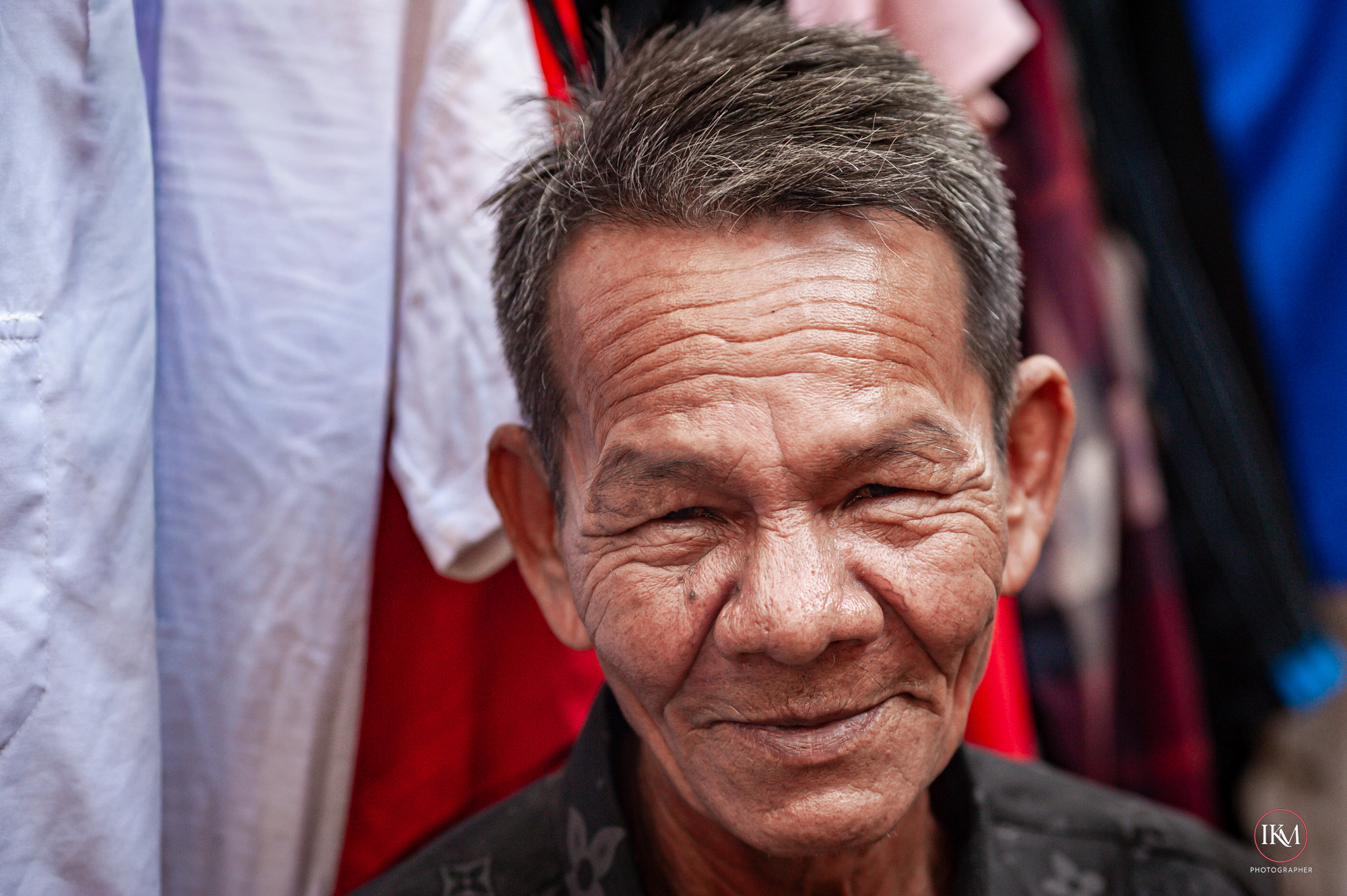
Faces full of character, from weathered elders to energetic youth.
Stories in motionβevery corner reveals a narrative of resilience, adaptation, and joy.
β In essence: Street life in Phnom Penh is not just about movement and commerceβitβs about connection, survival, and culture lived in public view. Itβs messy, colourful, and endlessly fascinating, making it one of the most compelling urban experiences in Southeast Asia.
Backstreets of Daun Penh & Toul Kork: Less touristy, more authentic glimpses of daily life.
π¨ Style and Approach
Wide-angle storytelling: Capture the energy of markets and traffic chaos.
Portraits with consent: Many Cambodians are open to being photographed if approached politelyβsmiles go a long way.
Details and textures: Street food, tuk-tuks, signage, and architecture all add layers to your visual story.
Motion blur and panning: Great for showing the constant flow of motorbikes and tuk-tuks.
π€ Ethical Considerations
Respect privacy: Always ask before photographing children or vulnerable individuals.
Support locals: Buy a coffee or snack from vendors you photographβit builds goodwill.
Be discreet: Avoid being intrusive; blend in and let moments unfold naturally.
Tell the truth: Aim for authenticity, not staged or exaggerated scenes.
π οΈ Practical Tips
Gear: A 35mm , 50mm or 85mm prime lens is ideal for intimacy; a small zoom (24β70mm) adds flexibility.
Settings: Use aperture priority (f/2.8βf/5.6) for portraits and shutter priority for motion shots.
Backup: Carry extra batteries and memory cardsβstreet life is unpredictable and fast-moving.
Safety: Keep gear close and minimal; Phnom Penh is generally safe, but petty theft can happen.
β Final Thought: Phnom Penhβs streets are a living classroom for photographersβfull of light, colour, and human connection. The key is to move slowly, observe deeply, and engage respectfully. The reward is not just strong images, but meaningful encounters.
A practical guide for photographers and writers who want to document hard lives without resorting to pity or spectacle.
Begin by naming your intention: why this story matters, who it serves, and what you hope will change. That clarity becomes your north star for every choice you make β who to photograph, how to frame them, what language to use, and what risks to avoid.
Center Agency and Complexity
People first: show subjects as whole people β parents, workers, friends β not as single problems.
Three humanizing details: age, role, a recurring action (e.g., βwakes at 5 to mend shoesβ) that resists stereotype.
Voice over narration: let subjectsβ words lead. Use quotes that reveal priorities and choices rather than externally assigned suffering.
Ethics and Consent Process
Explain use clearly: who will see the images, where theyβll appear, and potential risks.
Ongoing consent: offer anonymity, caption review, or withdrawal options; revisit consent if the storyβs scope or audience changes.
Harm check: before publishing, ask whether an image or line could cause eviction, stigma, or danger β if yes, edit or omit.
Visual and Verbal Choices That Respect People
Contextualize: include home, workplace, objects that explain circumstance without shouting it.
Dignified framing: eyeβlevel, neither voyeuristic close-ups nor dramatized lighting designed to elicit pity.
Specific language: prefer concrete facts over loaded adjectives β βtwo jobs, one child, unpaid billsβ beats βdestitute.β
Avoid spectacle: do not prioritize images of extreme suffering unless they are essential, verified, and handled with extra care.
Structure Your Narrative
Open with context: place, systems, why this story matters.
Zoom to the person: a dayβinβtheβlife section (300β500 words or 5β7 images) showing routine, competence, and constraint.
Widen to systems: explain policies, markets, or services that produced the situation (200β400 words).
Close with agency: the subjectβs hopes, strategies, or actions; practical next steps or resources if relevant.
Include an ethics note: short paragraph about consent, edits, and steps taken to protect subjects.
Interview and Listening Techniques
Start small: practical questions about routines build trust and yield texture.
Use prompts that empower: βWhat helps you get through a hard day?β rather than βHow badly did today suck?β
Silence is data: allow pauses; sometimes the most revealing answers arrive after a quiet moment.
Corroborate sensitive claims: verify facts that could affect reputations or aid provision.
Practical Template and Mini Exercise
Purpose statement (one line).
Subject profile (3β5 humanizing details).
Dayβinβtheβlife scene (300β500 words or 5β7 images).
Exercise: spend one morning with a single subject. Photograph routine tasks and one meaningful object (kettle, tool, book). Write a 300βword microβessay centered on that object that reveals constraint and care. Share edits with the subject before publishing.
Telling hard lives well is an ethic and a craft: choose clarity over spectacle, respect over shock, and collaboration over extraction. Your job is to help readers understand, not to make them feel merely sorry.