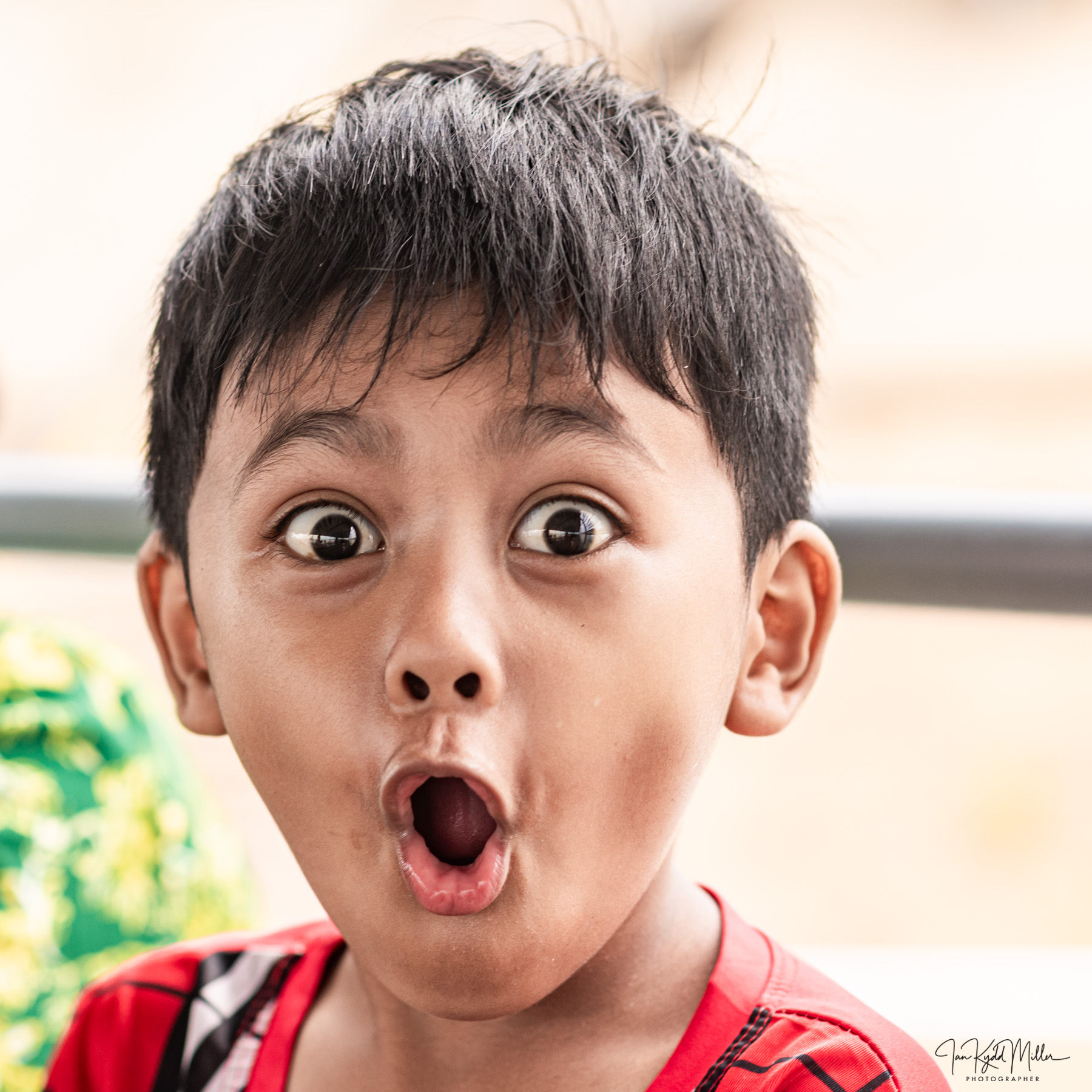
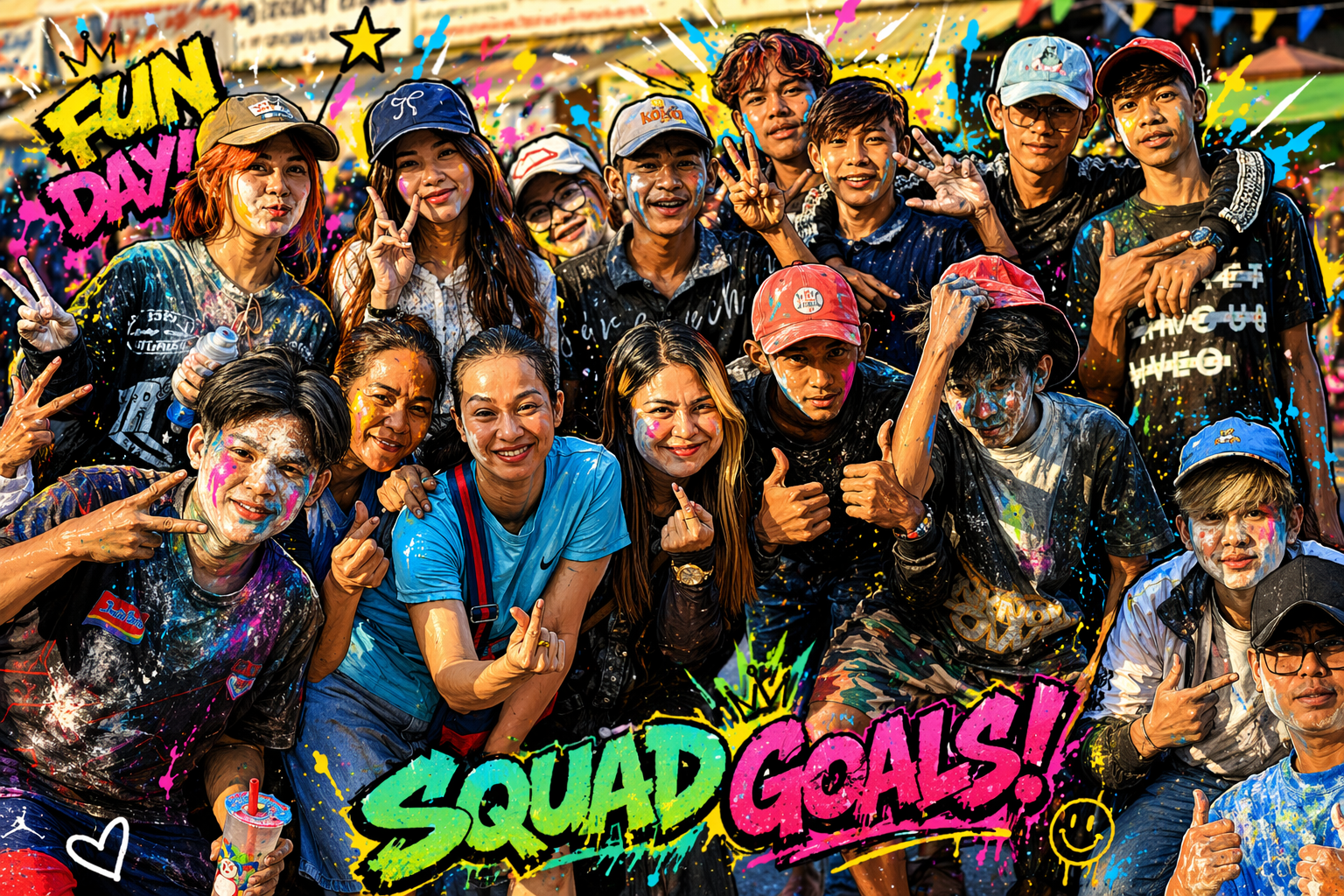
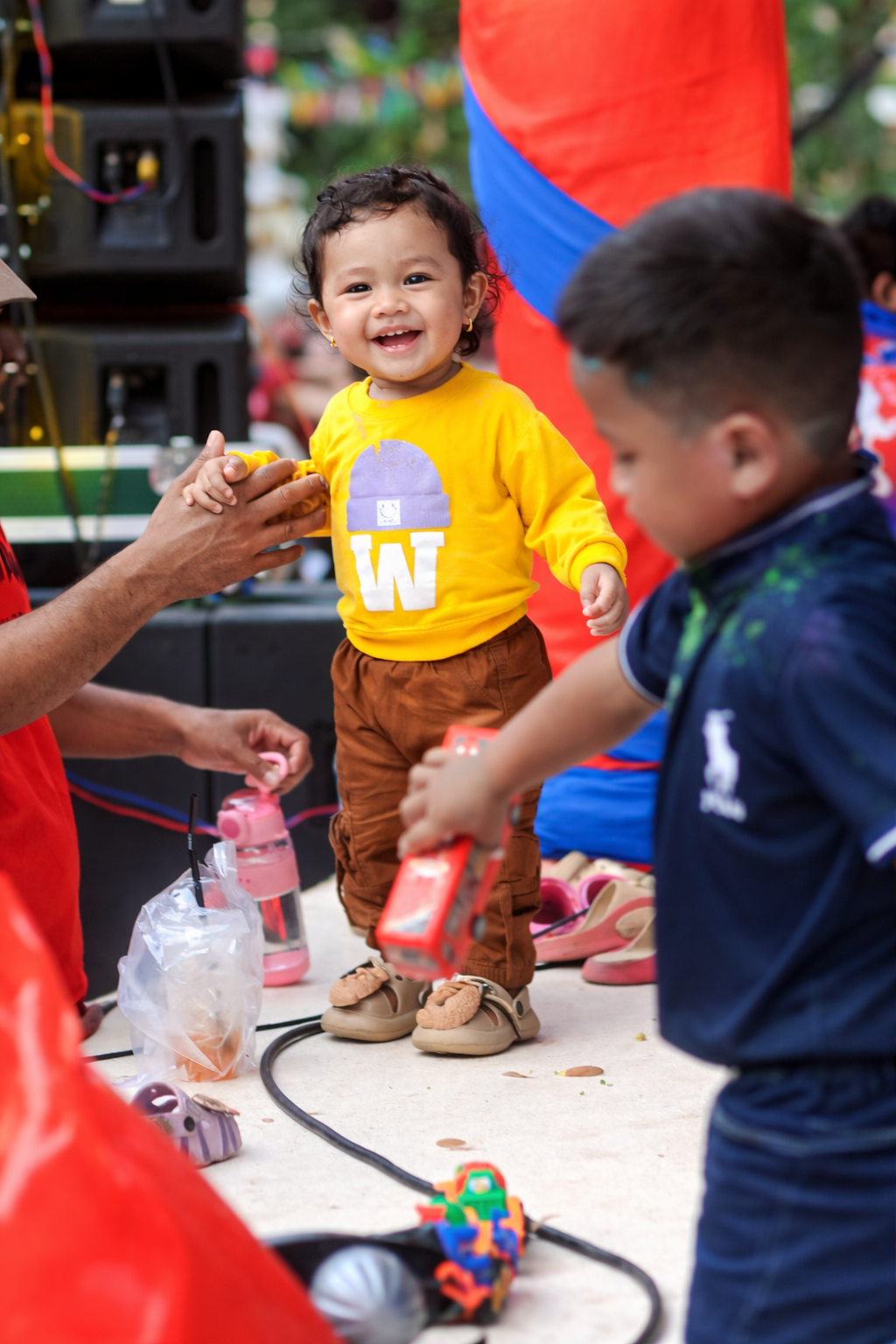
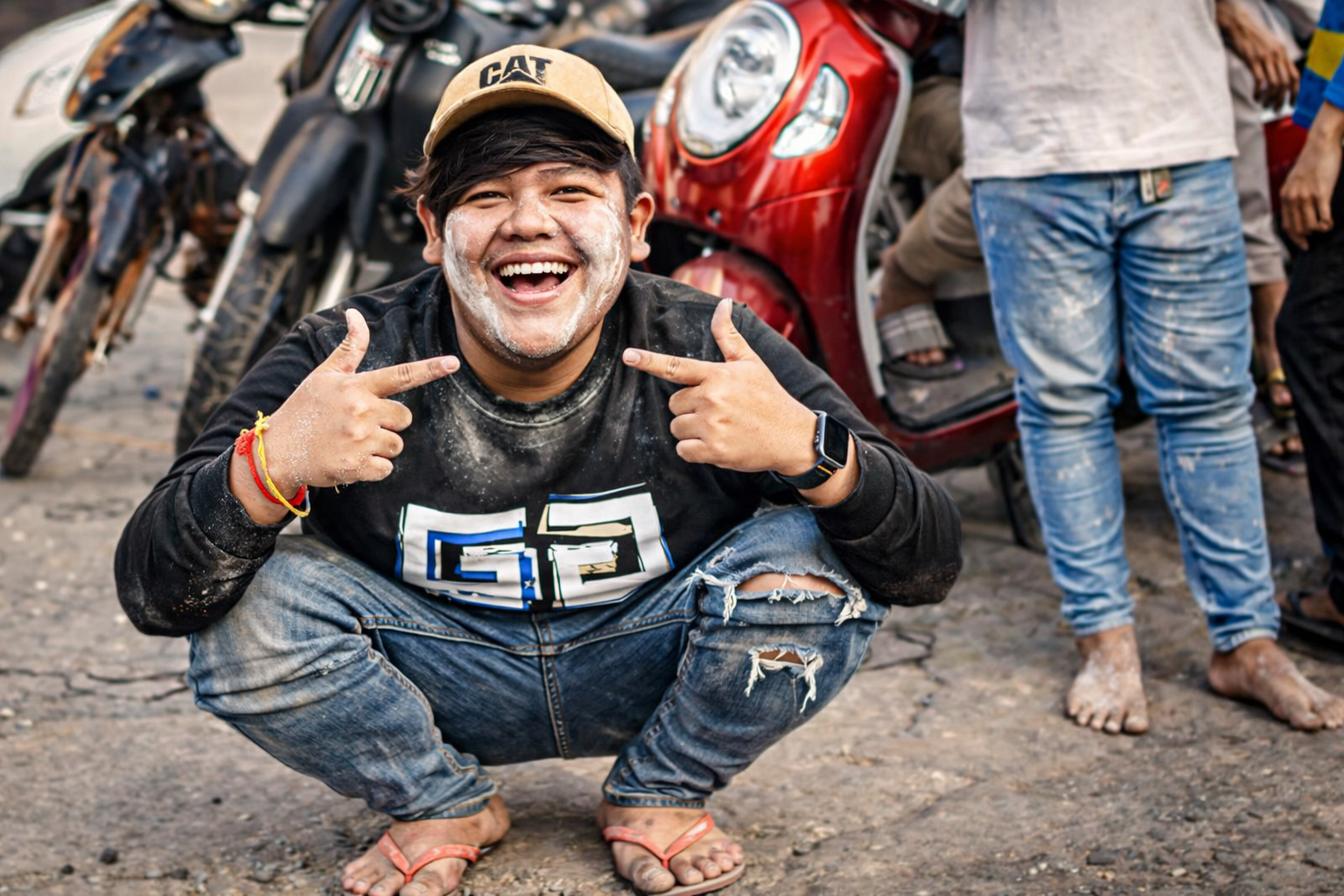
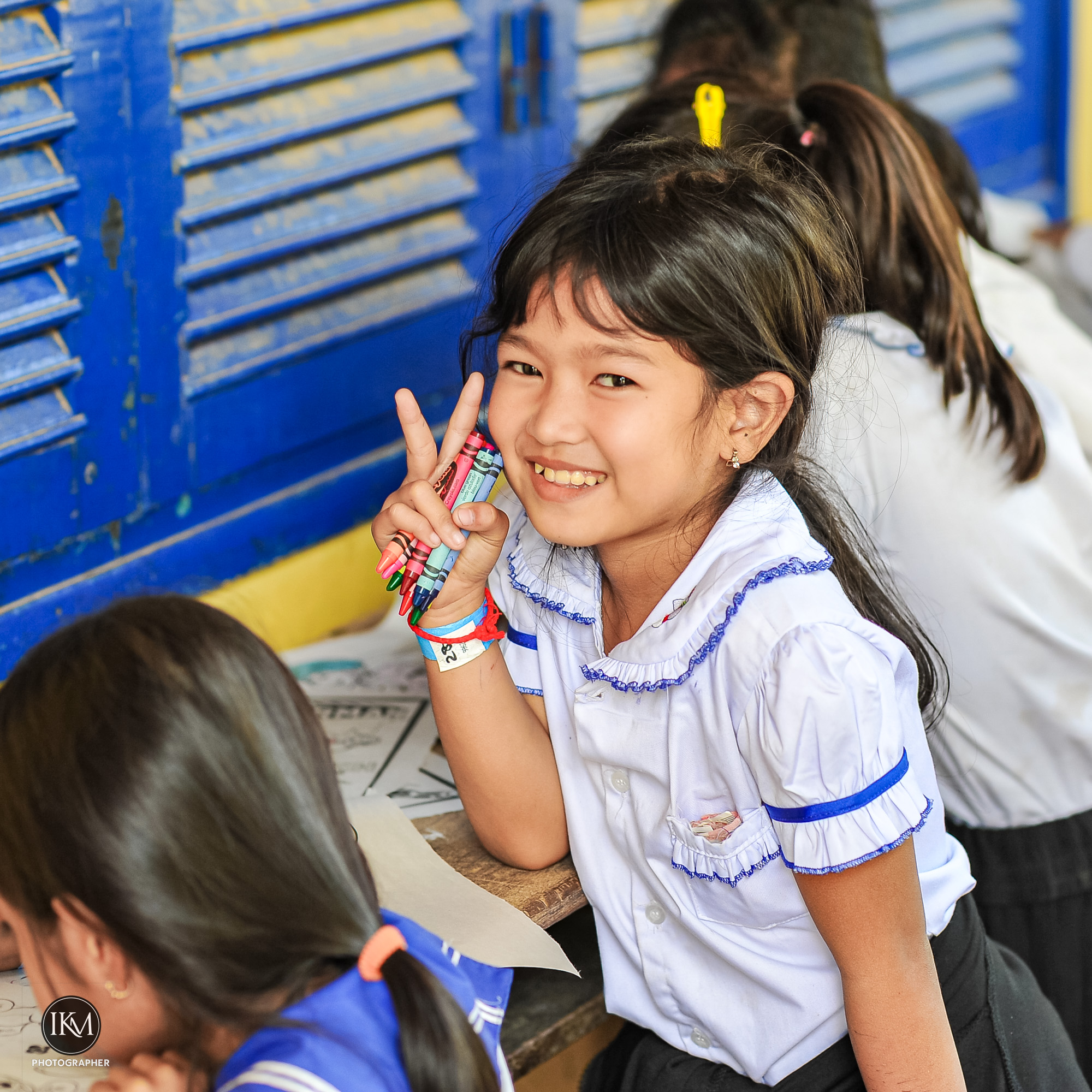
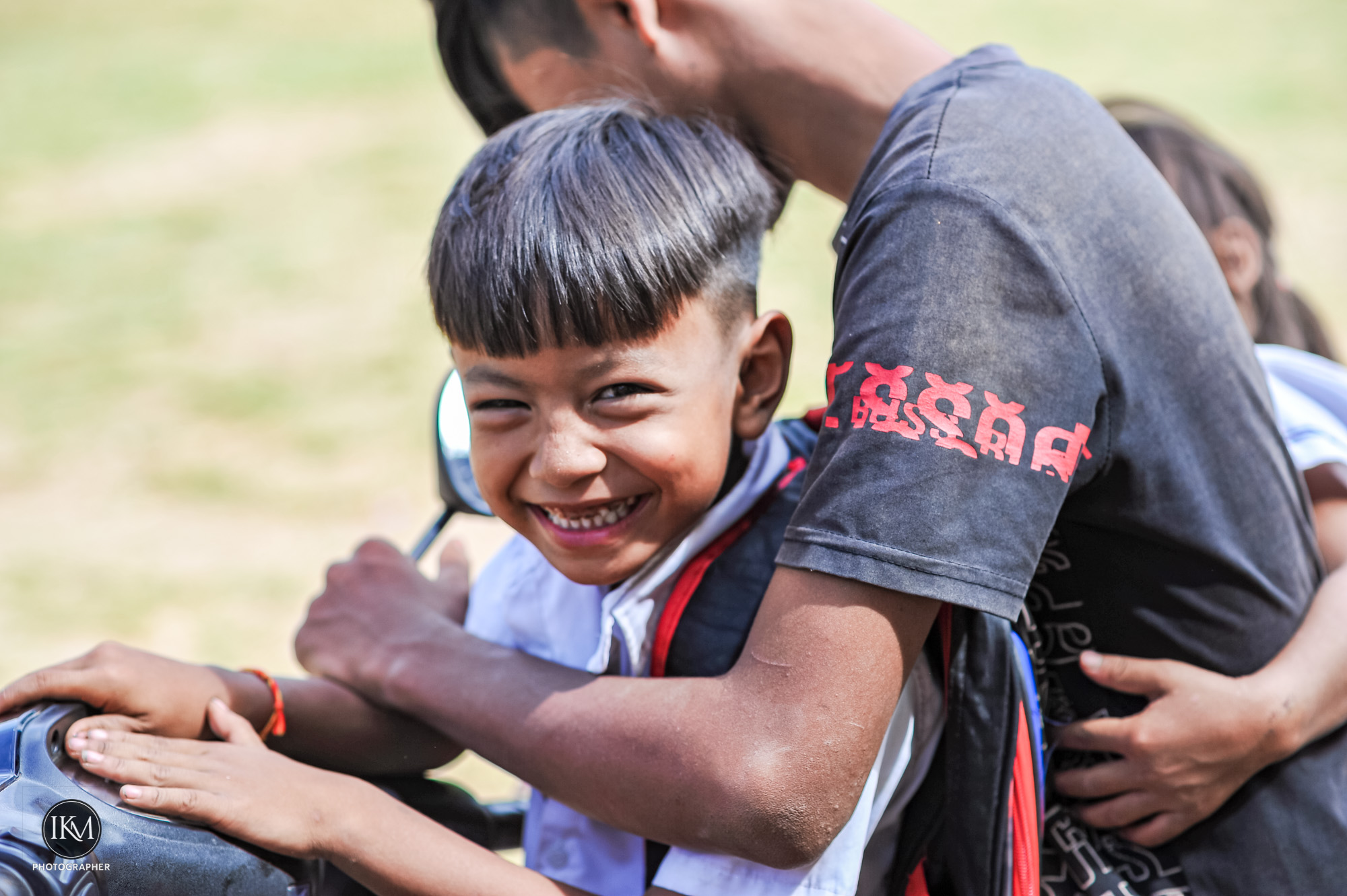
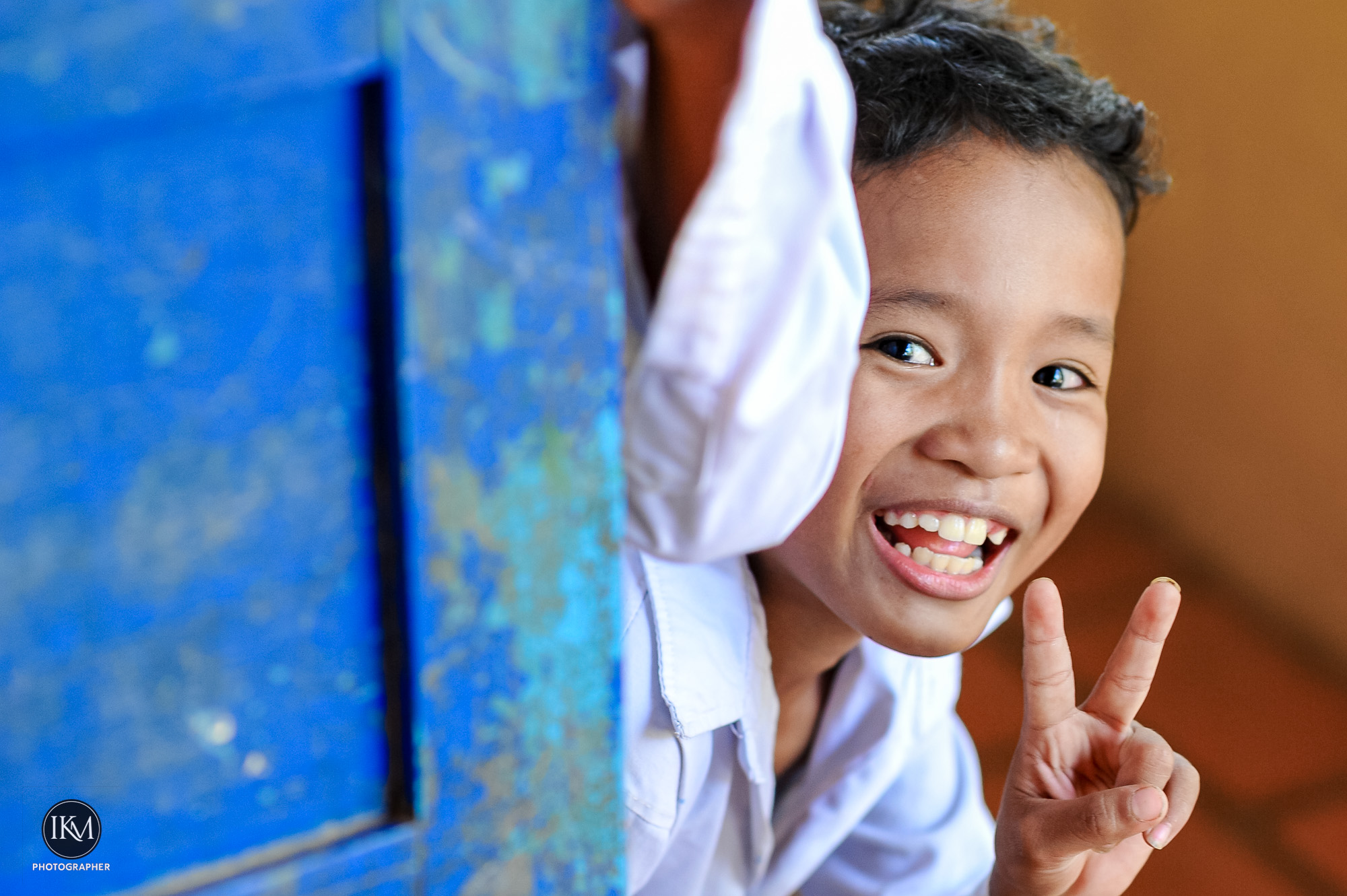
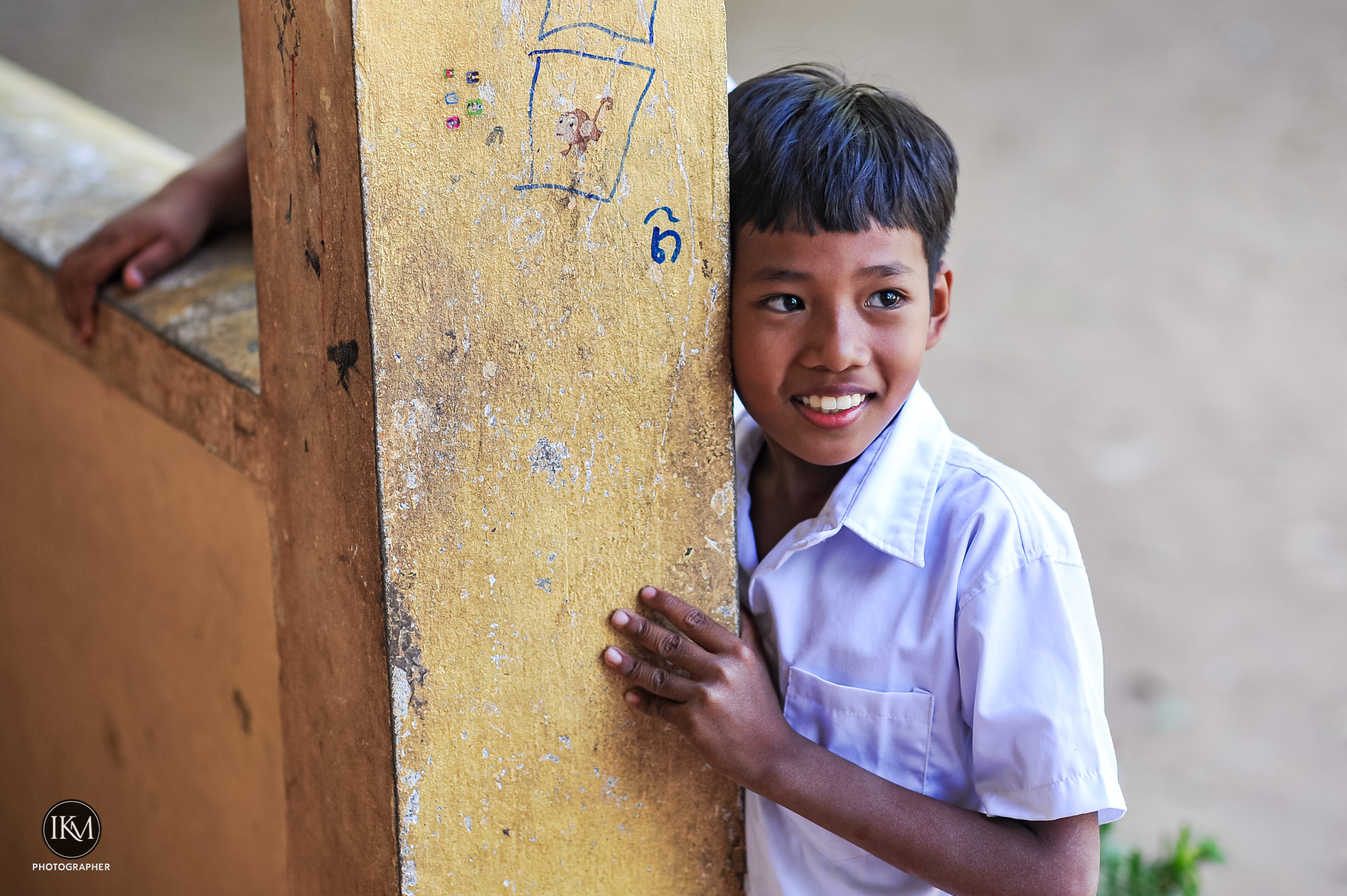
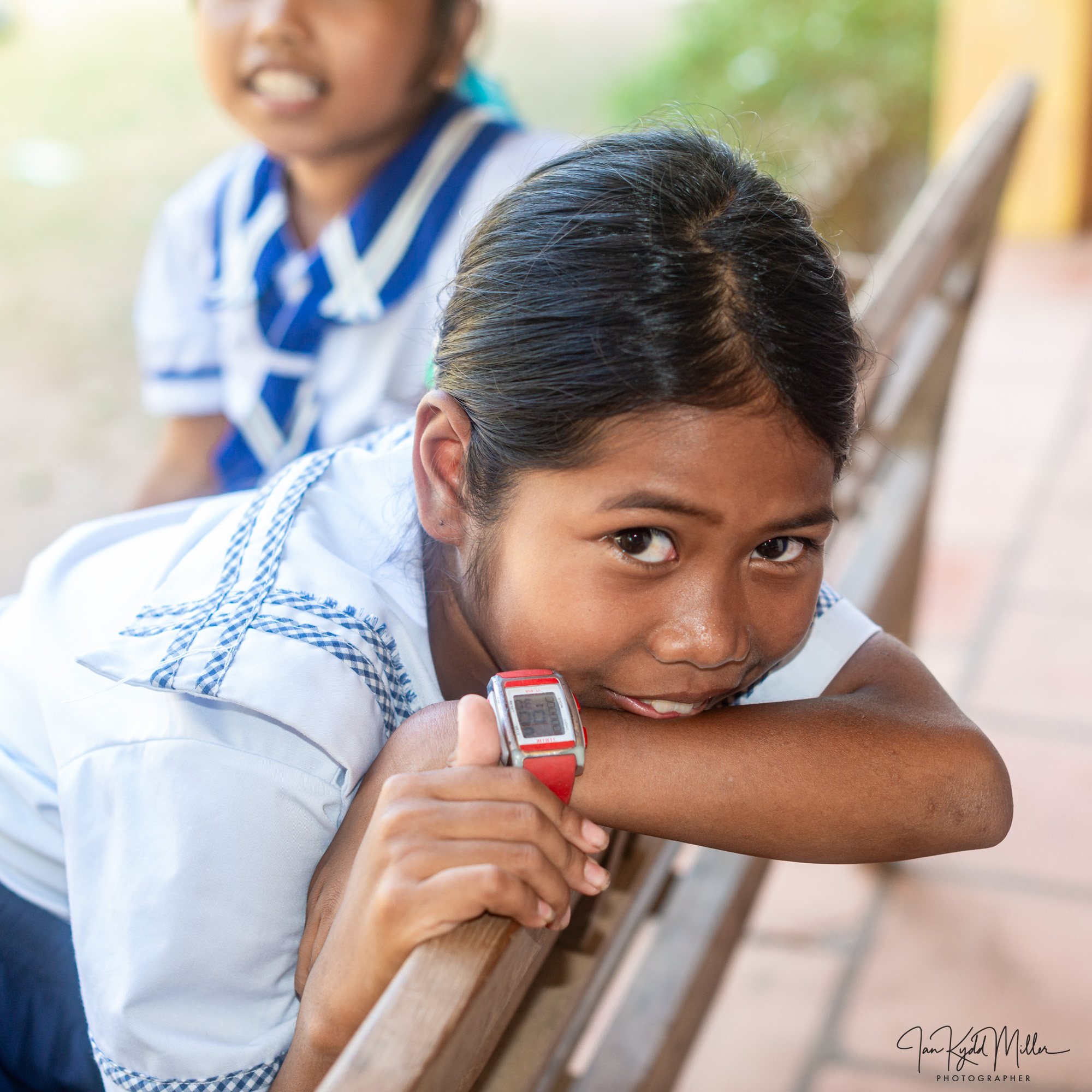
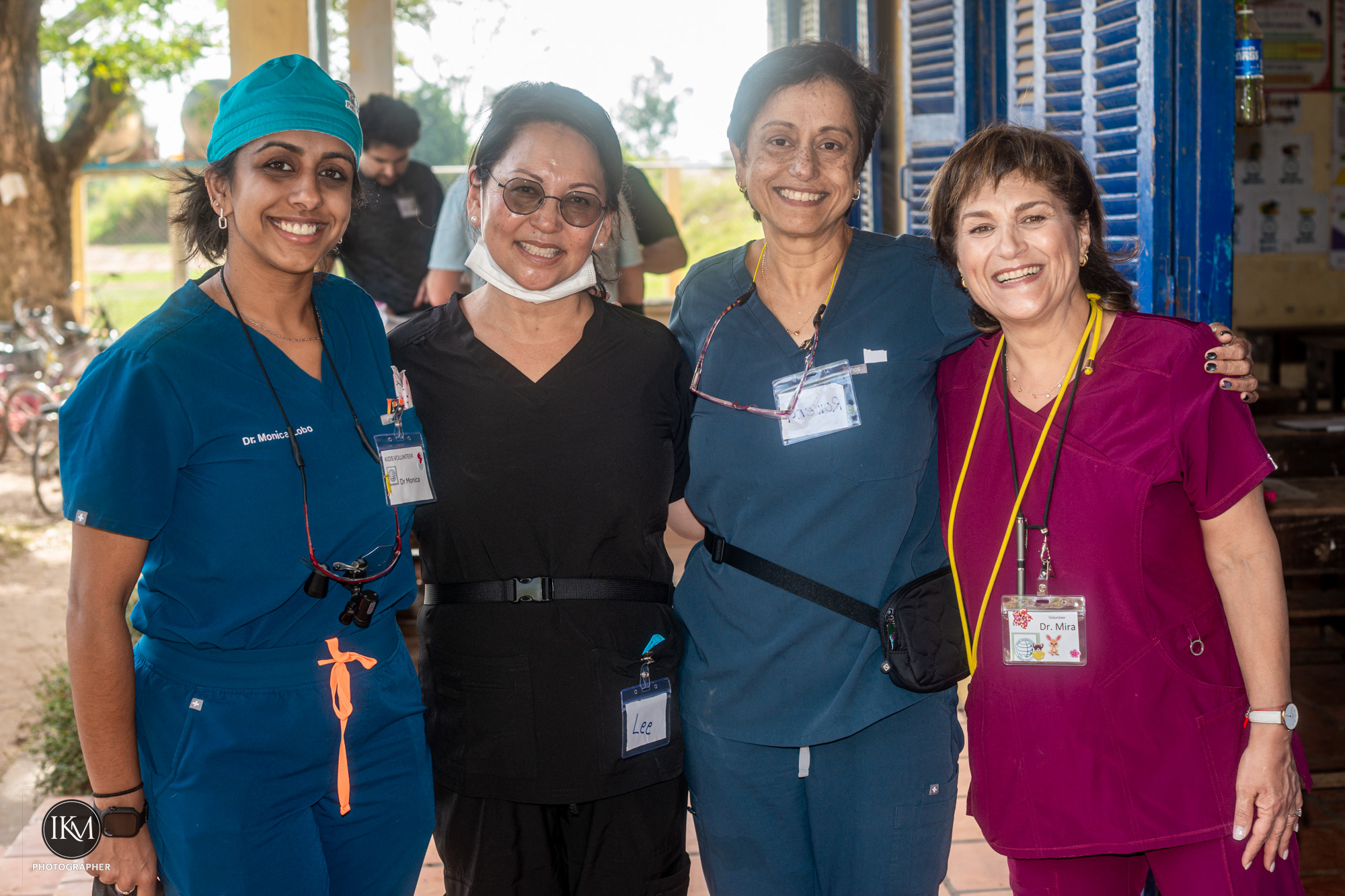
For me, printing has never been an optional extra. It has always been part of the act of making a photograph.
The camera is only the beginning. The file sitting on a hard drive is not the finished work any more than a manuscript saved on a computer is a finished book. A photograph does not fully exist until it leaves the screen and becomes a physical object.
Printing forces a different kind of honesty. On a monitor, images can look impressive simply because they are backlit. Bright colours glow. Shadows appear rich. Sharpness can seem exaggerated. A print strips away some of those illusions. Suddenly you are confronted with the photograph itself. Does the composition work? Is the moment strong enough? Does the image still hold your attention when it is nothing more than ink on paper?
A print also slows the viewing process. We live in a world where photographs are flicked past in fractions of a second. Social media encourages endless scrolling, endless consumption, endless forgetting. A print asks something different of the viewer. It occupies physical space. It can be held, framed, pinned to a wall, placed in a portfolio, revisited years later. It has a permanence that digital images often lack.
As a photographer, I have learned more from looking at my own prints than I ever have from looking at thumbnails on a screen. Weak photographs reveal themselves quickly. Images I once thought were successful suddenly appear shallow or cluttered. Conversely, some photographs that seemed ordinary on a monitor come alive in print, revealing subtleties of tone, texture and emotion that I had overlooked.
Printing also creates a tangible connection to photography’s history. Every great photographer from Henri Cartier-Bresson to Dorothea Lange ultimately worked toward the print. Their photographs existed as objects that could be held, exhibited, archived and passed between generations. There is something deeply satisfying about participating in that tradition.
Perhaps most importantly, prints survive. Hard drives fail. Websites disappear. Social media platforms rise and fall. Algorithms bury yesterday’s work beneath today’s noise. Yet a well-made print sitting in a box, portfolio or frame can still be discovered decades from now. It can outlast the technology used to create it.
That is why printing has always been part of the process for me. The photograph is not complete when I press the shutter. It is not complete when I edit the file. It becomes complete when it exists in the real world as something I can hold in my hands and live with over time. The print is not a by-product of photography. It is, and always has been, one of its final destinations. 📷🖨️
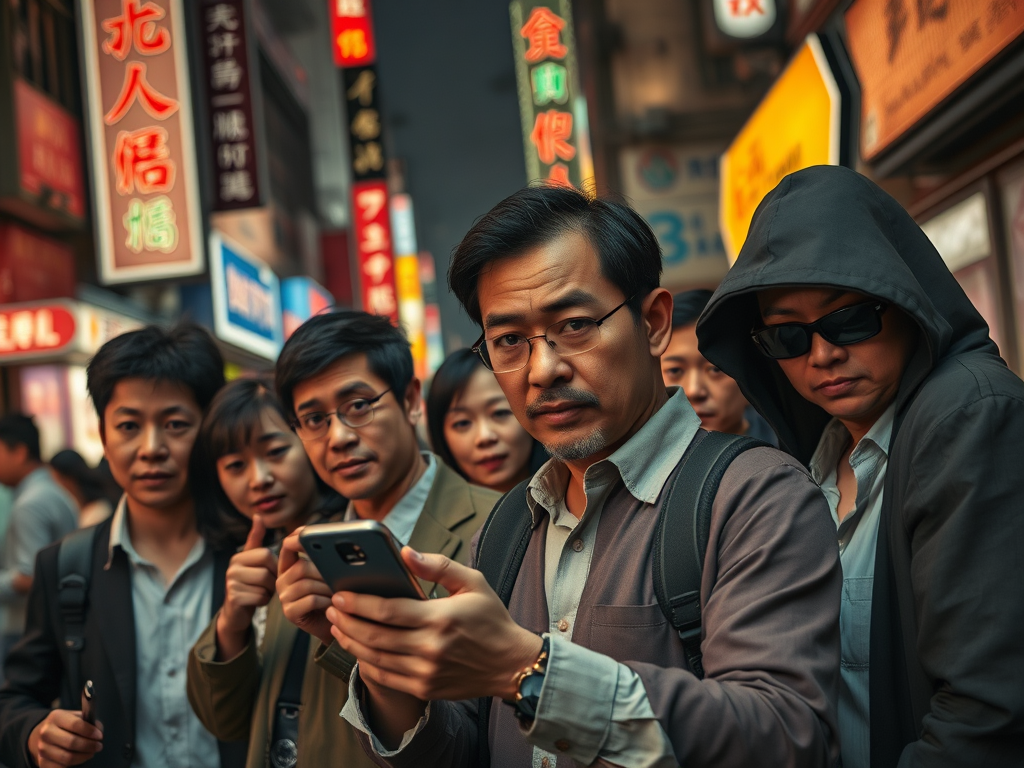
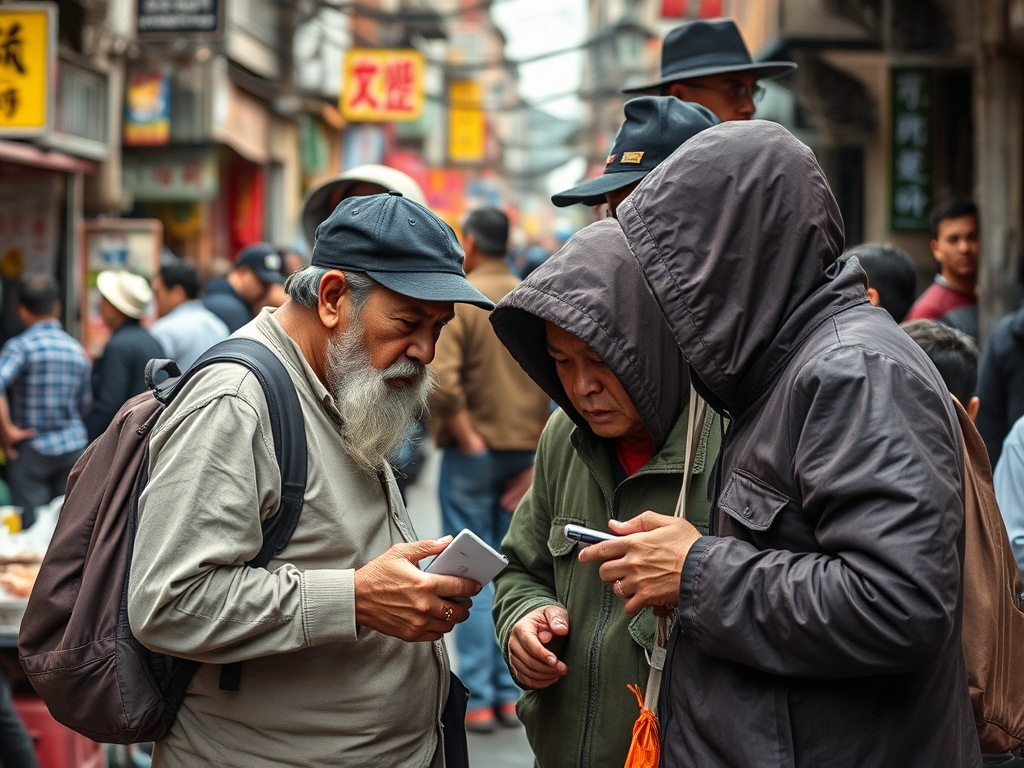
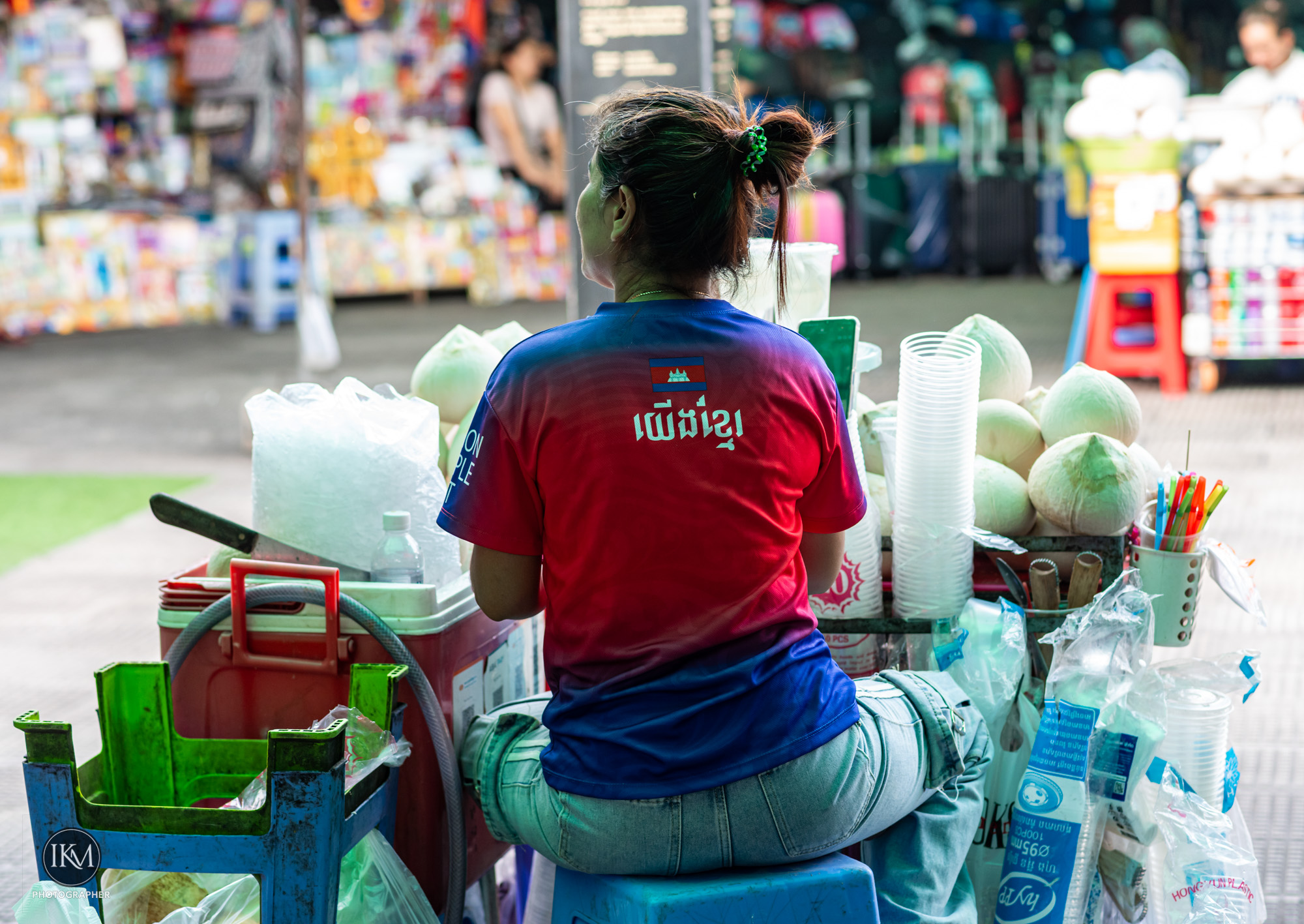
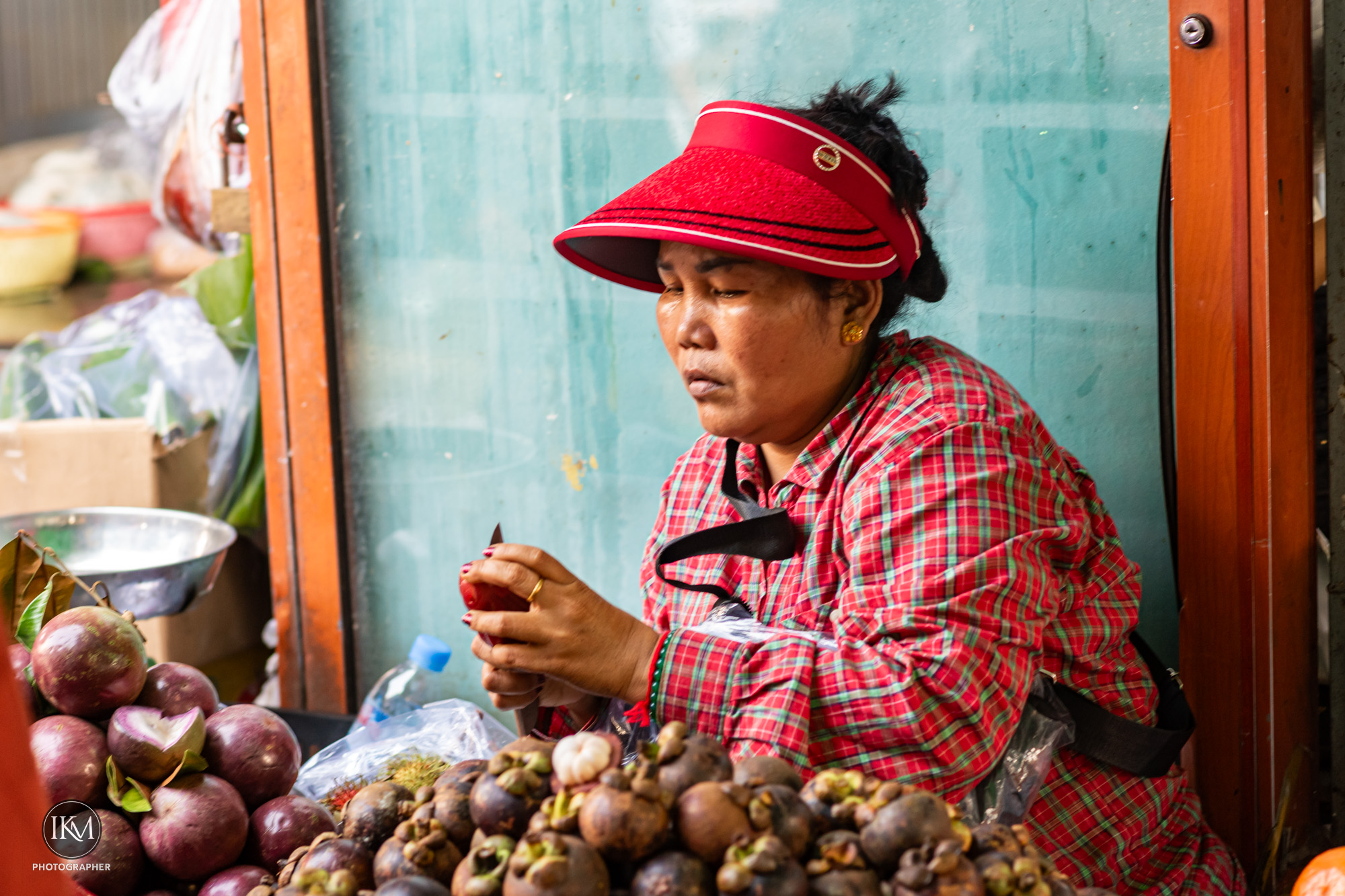
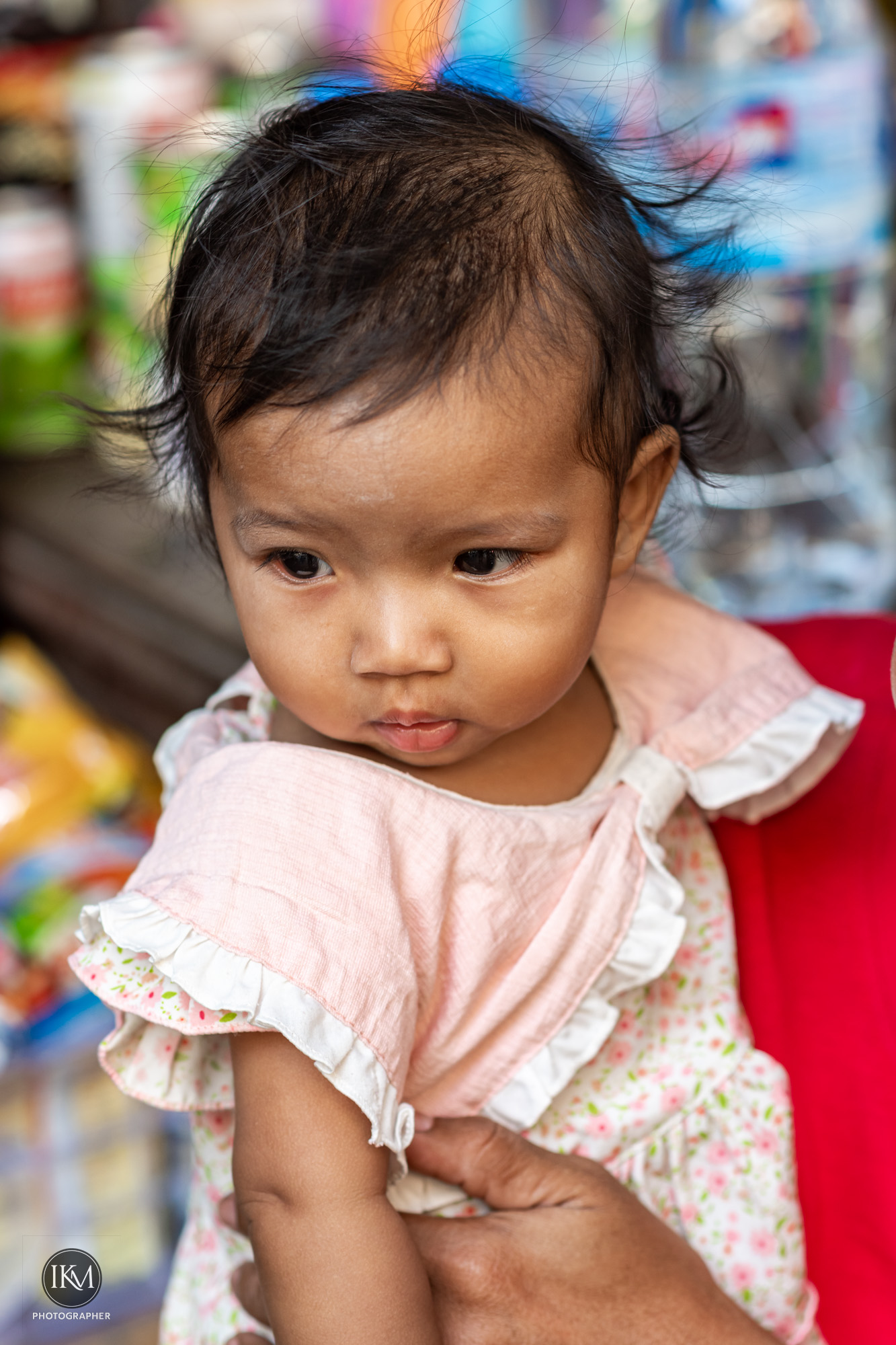
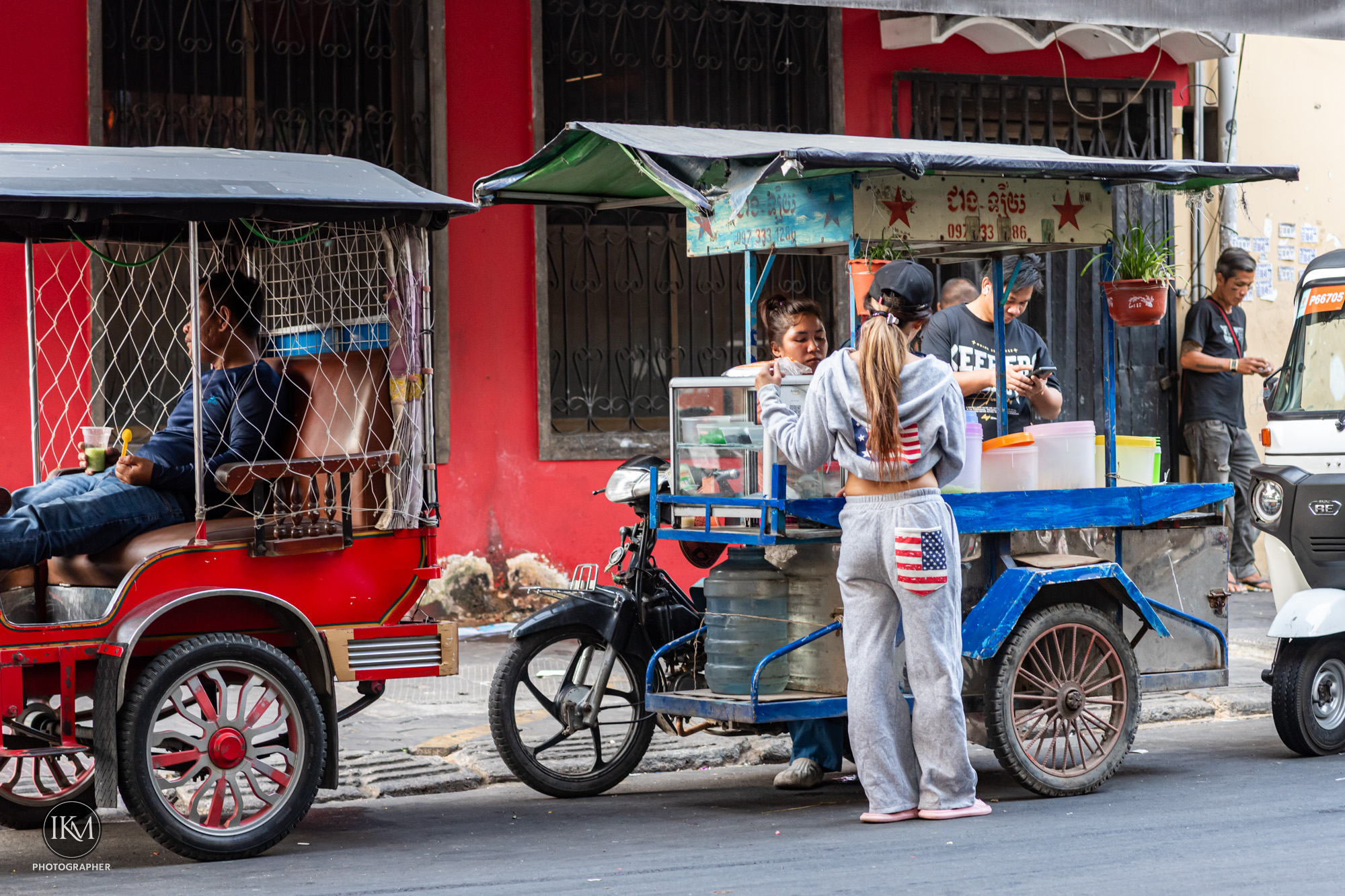
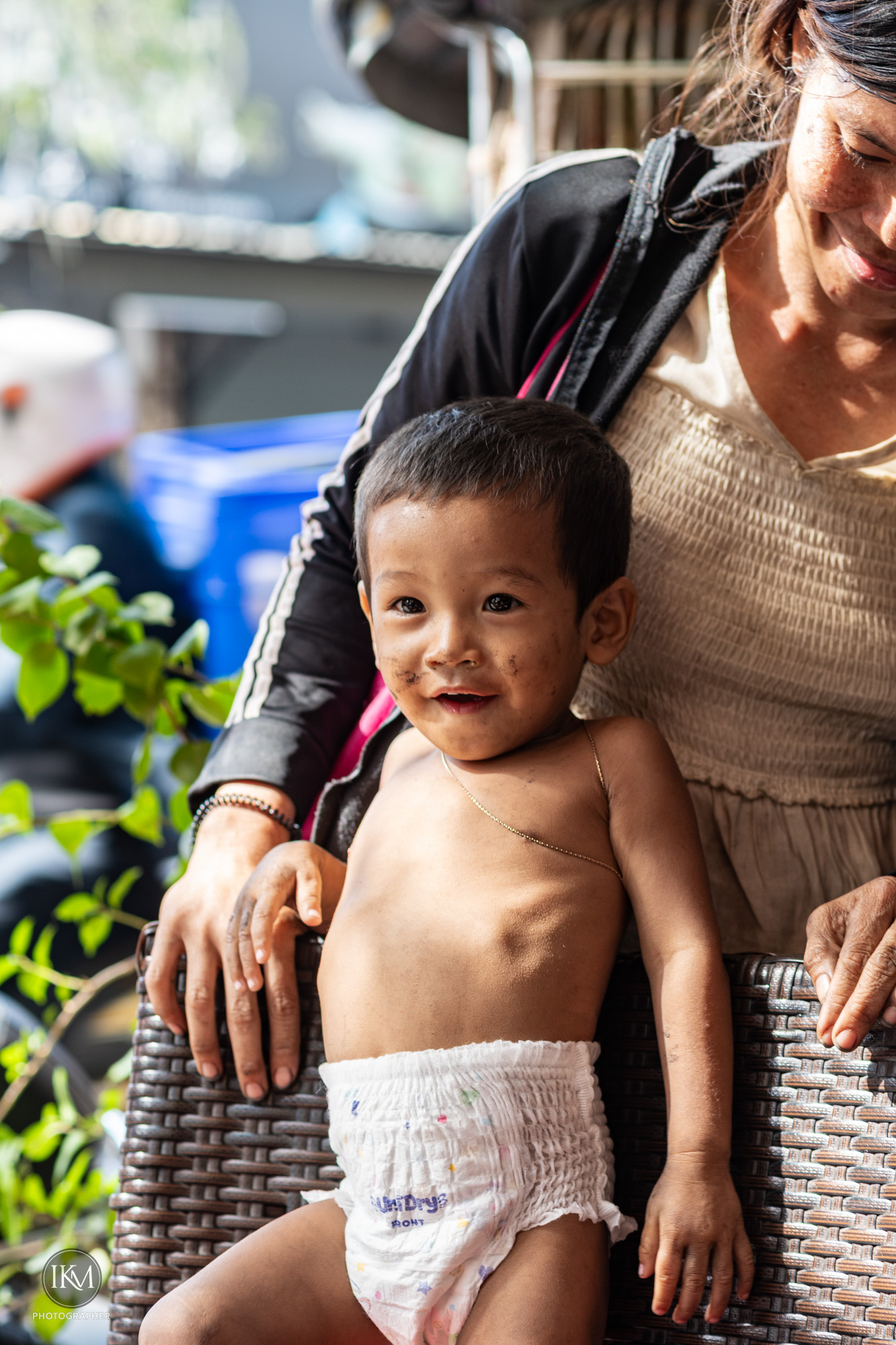
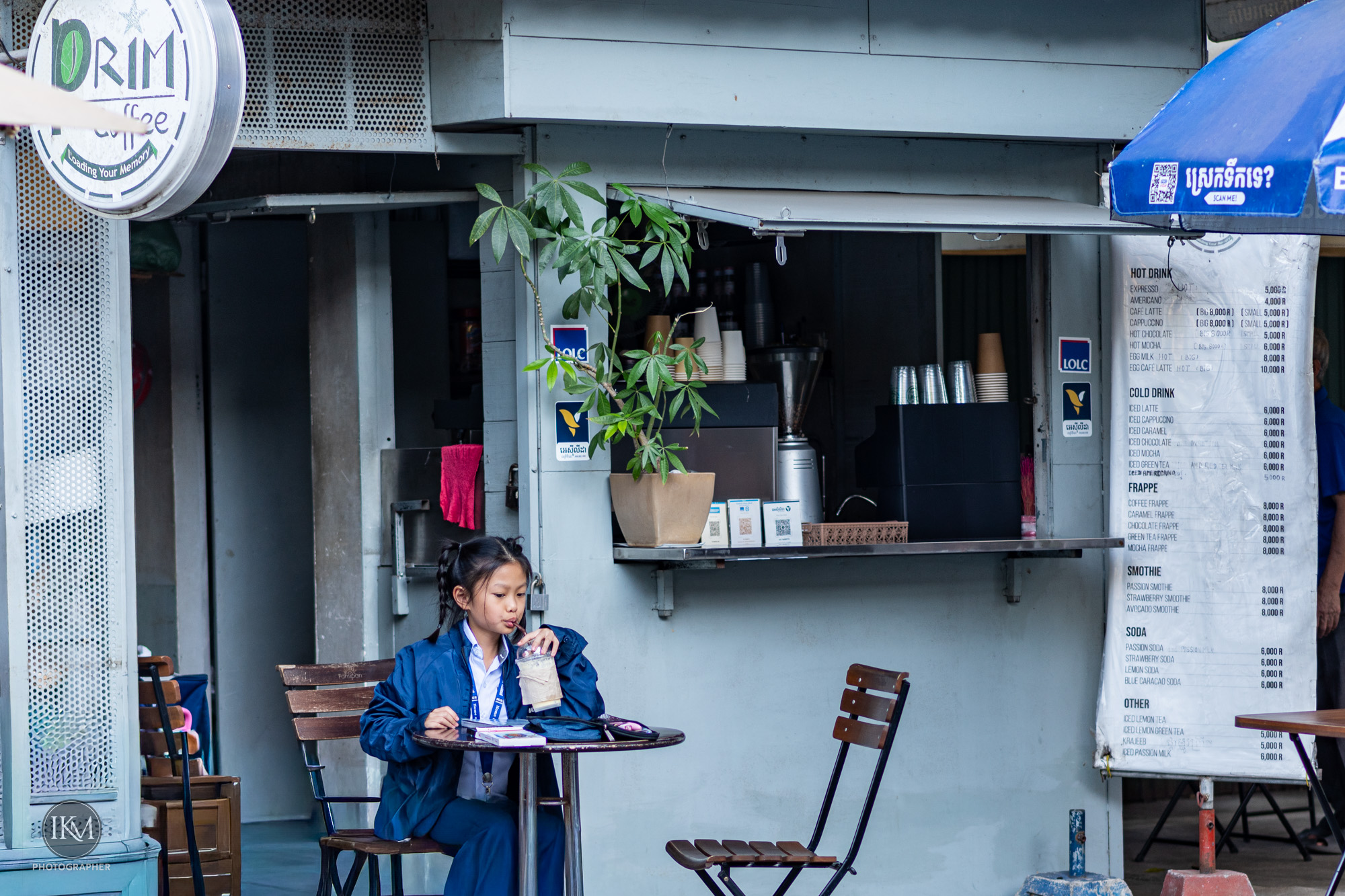
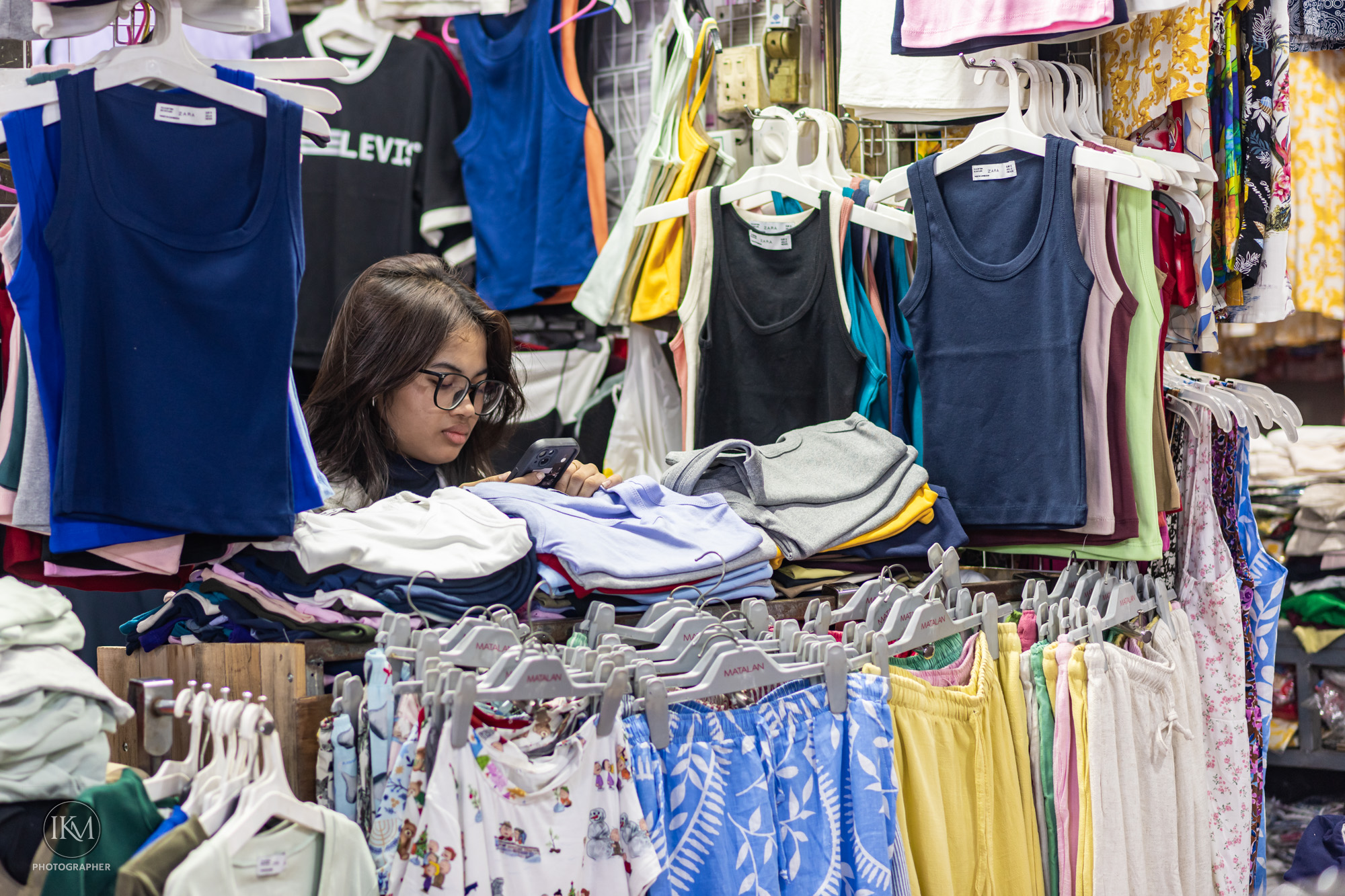
Are all pictures of strangers inherently invasive? How far does a person’s “right” to privacy extend? These are some of the questions that arise when we consider the ethics and legality of taking and posting photos of people we don’t know. According to some sources, taking photos of strangers without their consent is generally legal if they are in a public place where they have no reasonable expectation of privacy.
However, posting those photos on social media or using them for commercial purposes may violate their privacy and publicity rights. Privacy rights protect people from unwanted intrusion into their personal affairs, while publicity rights protect people from unauthorized use of their name, image, or likeness for profit or gain. Therefore, before taking or posting pictures of strangers, we should ask ourselves: Do they have a reasonable expectation of privacy in this situation?
How would they feel if they saw their photo online or in a book? What is the purpose and context of using their image? Is it respectful, informative, artistic, or exploitative? Some photographers may argue that taking pictures of strangers is a form of artistic expression or social commentary and that asking for permission would ruin the spontaneity and authenticity of the moment.
Others may say that taking pictures of strangers is a way of capturing the diversity and beauty of humanity and that sharing them online is a way of connecting with others. However, these arguments do not justify violating someone’s privacy or dignity, especially if the photos are embarrassing, misleading, or harmful to the person depicted.
The best practice is to always ask for permission before taking or posting pictures of strangers unless it is clearly impossible or impractical to do so. This shows respect and courtesy, and may also lead to interesting conversations and stories. If permission is denied or cannot be obtained, we should refrain from taking or posting the picture, or at least blur out any identifying features. We should also be mindful of the laws and customs of different countries and cultures when travelling and photographing people abroad. Taking pictures of strangers can be a rewarding and enriching experience, but it also comes with responsibilities and risks. We should always consider the impact of our actions on others, and treat them as we would like to be treated ourselves.
This raises one of the most fascinating gray areas in modern ethics: the tension between legality and morality when it comes to photographing strangers.
📸 Legality vs. Ethics
Legal side: In most countries, taking photos of people in public spaces is allowed because there’s no “reasonable expectation of privacy” in a park, street, or plaza.
Ethical side: Just because it’s legal doesn’t mean it’s respectful. Posting those images online can expose strangers to unwanted attention, ridicule, or even harassment.
⚖️ Two key rights at play
Privacy rights: Protect against intrusion into personal life. Even in public, people may feel violated if photographed in vulnerable or intimate moments.
Publicity rights: Protect against unauthorized commercial use of someone’s likeness. Using a stranger’s photo in ads or merchandise without consent can be unlawful.
🎨 The artistic argument
Street photographers often defend candid shots as authentic social commentary. They argue that asking permission alters the moment.
Yet, critics point out that spontaneity doesn’t outweigh dignity. A photo that embarrasses or misrepresents someone can cause real harm.
🌍 Cultural differences
In some countries, photographing strangers without consent is frowned upon or even illegal.
In others, candid street photography is celebrated as an art form.
✨ Best practice
Ask permission when possible.
Blur identifying features if consent isn’t given.
Consider intent: is the photo respectful, informative, or exploitative?
Treat others as you’d want to be treated if the roles were reversed.
The heart of the issue is this: a stranger’s image is not just a visual object, it’s part of their identity. Respecting that identity is what separates art from exploitation.
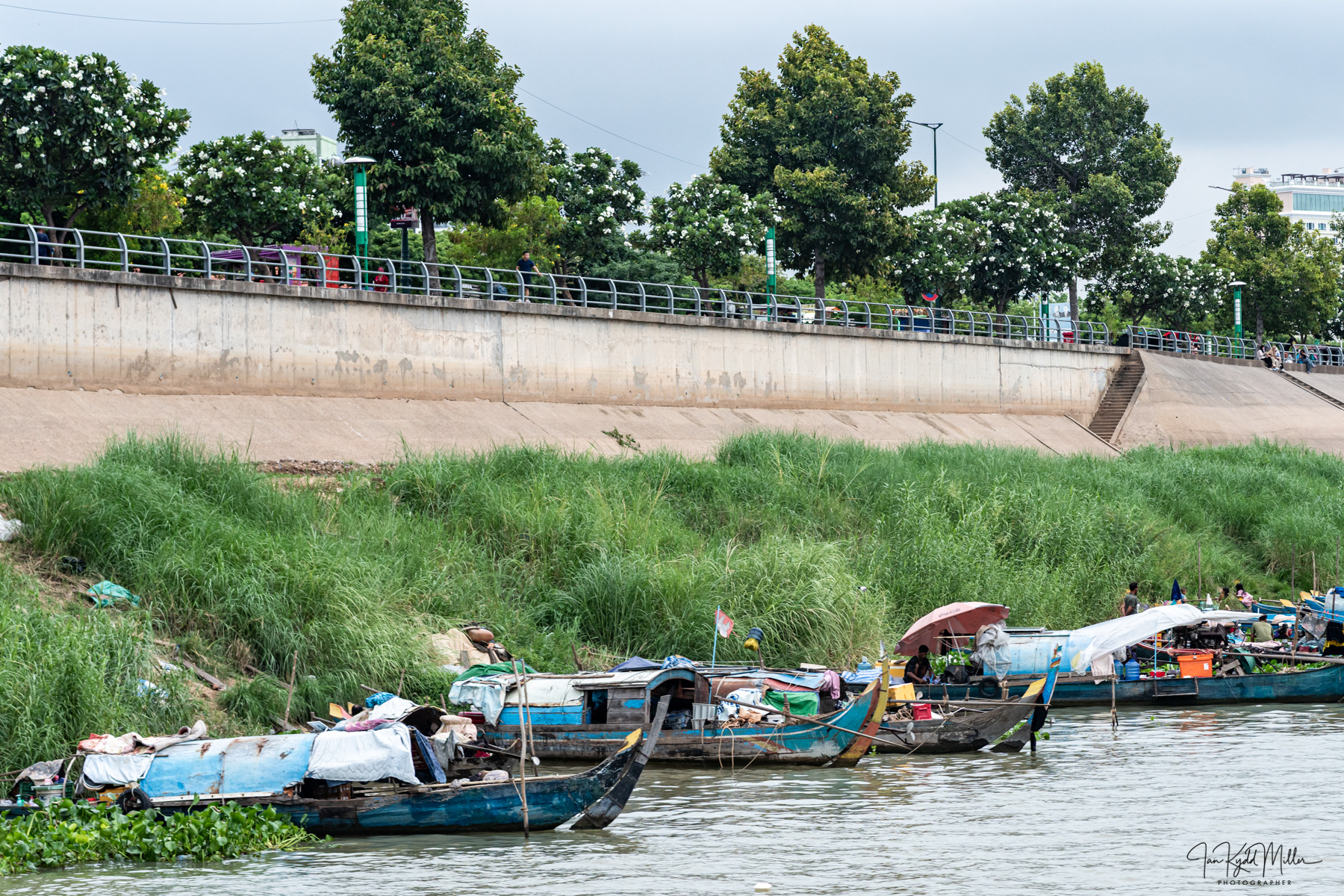
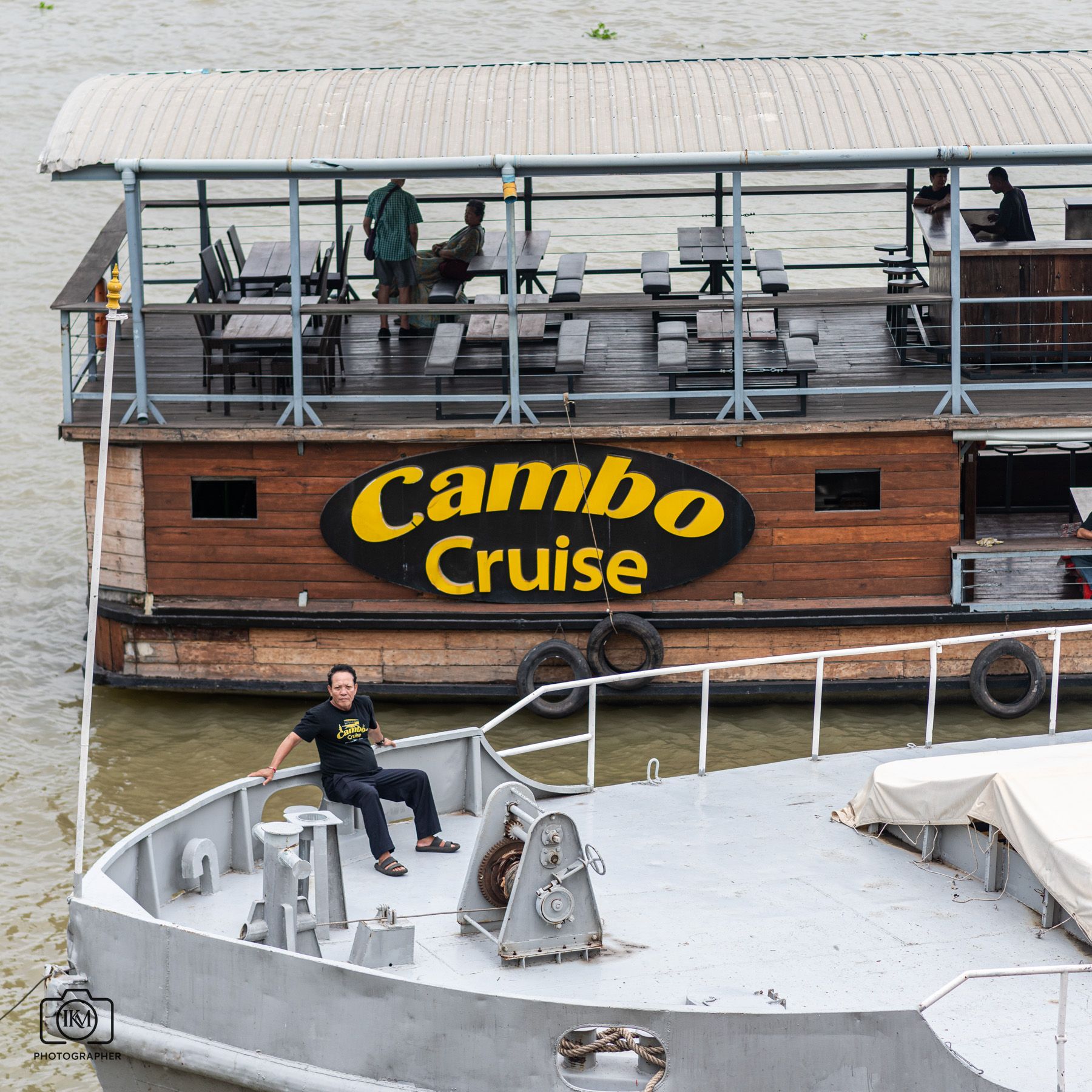
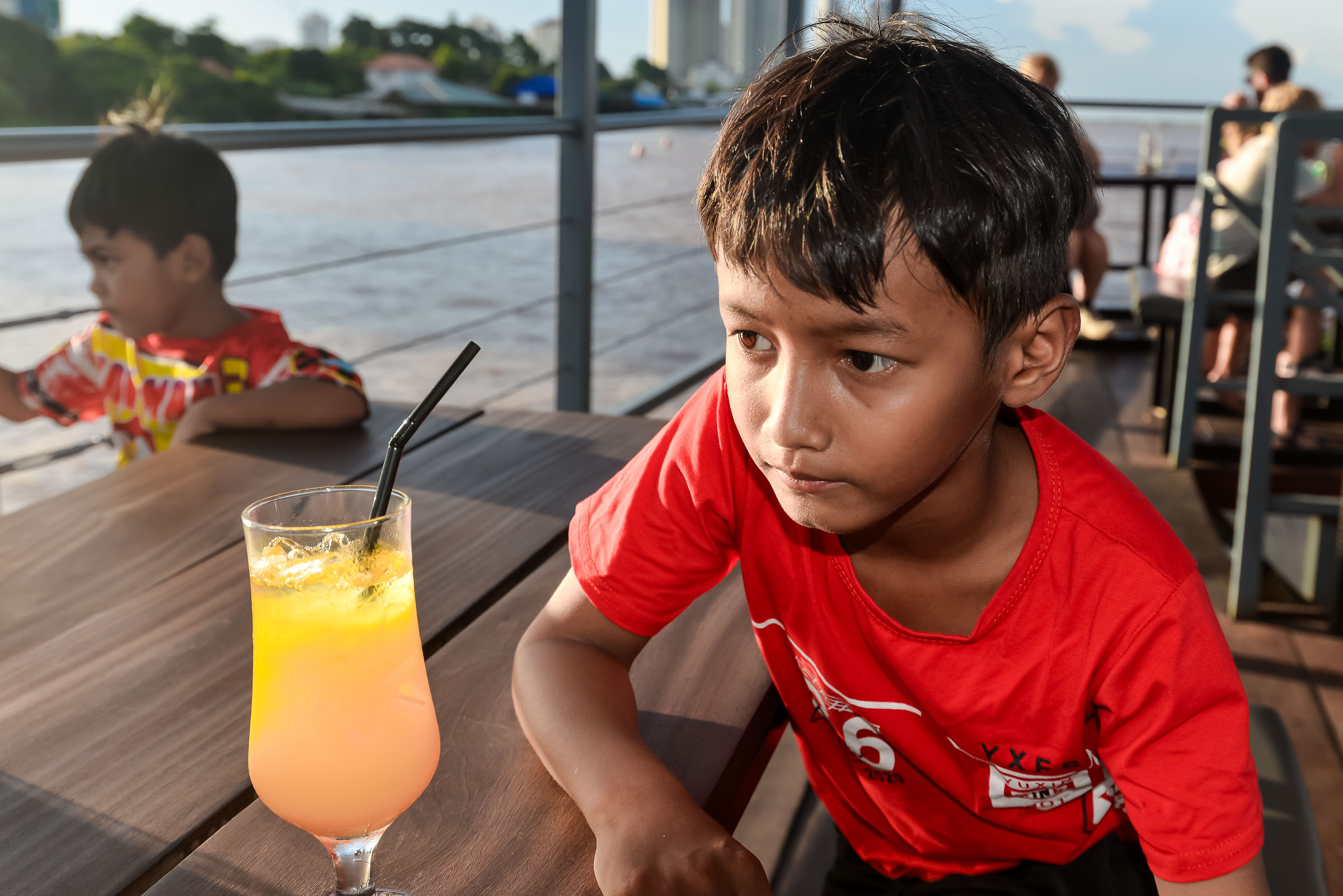
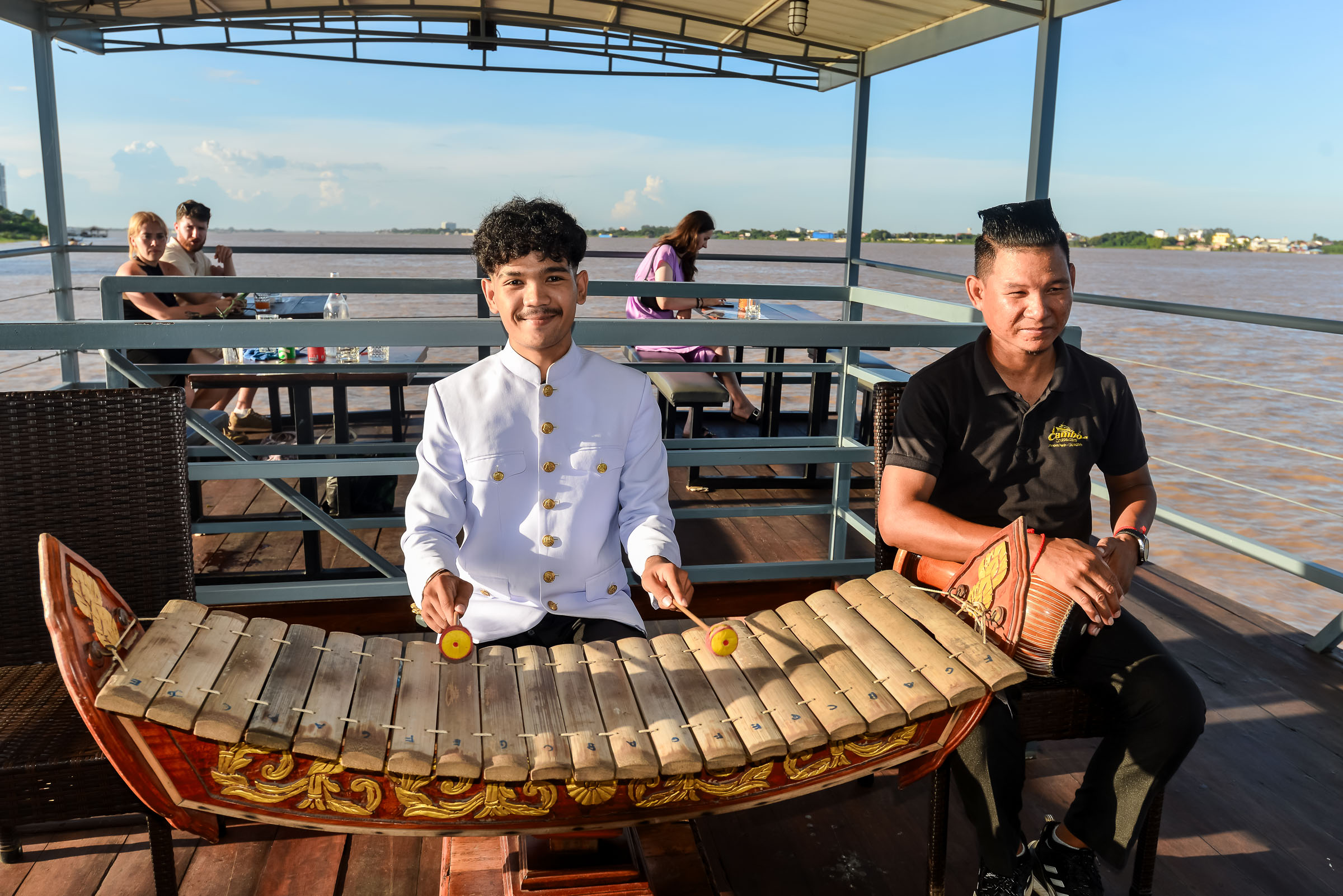
If you’re looking for a relaxing way to see Phnom Penh from a different angle, one of the better-known options is Cambo Cruise. It operates evening cruises on the Mekong and Tonlé Sap rivers, departing from the riverside area near the Phnom Penh Floating Port.
What You’ll See
The cruise passes some of Phnom Penh’s most recognizable sights:
The waterfront and riverside promenade
The confluence of the Mekong, Tonlé Sap, and Bassac rivers
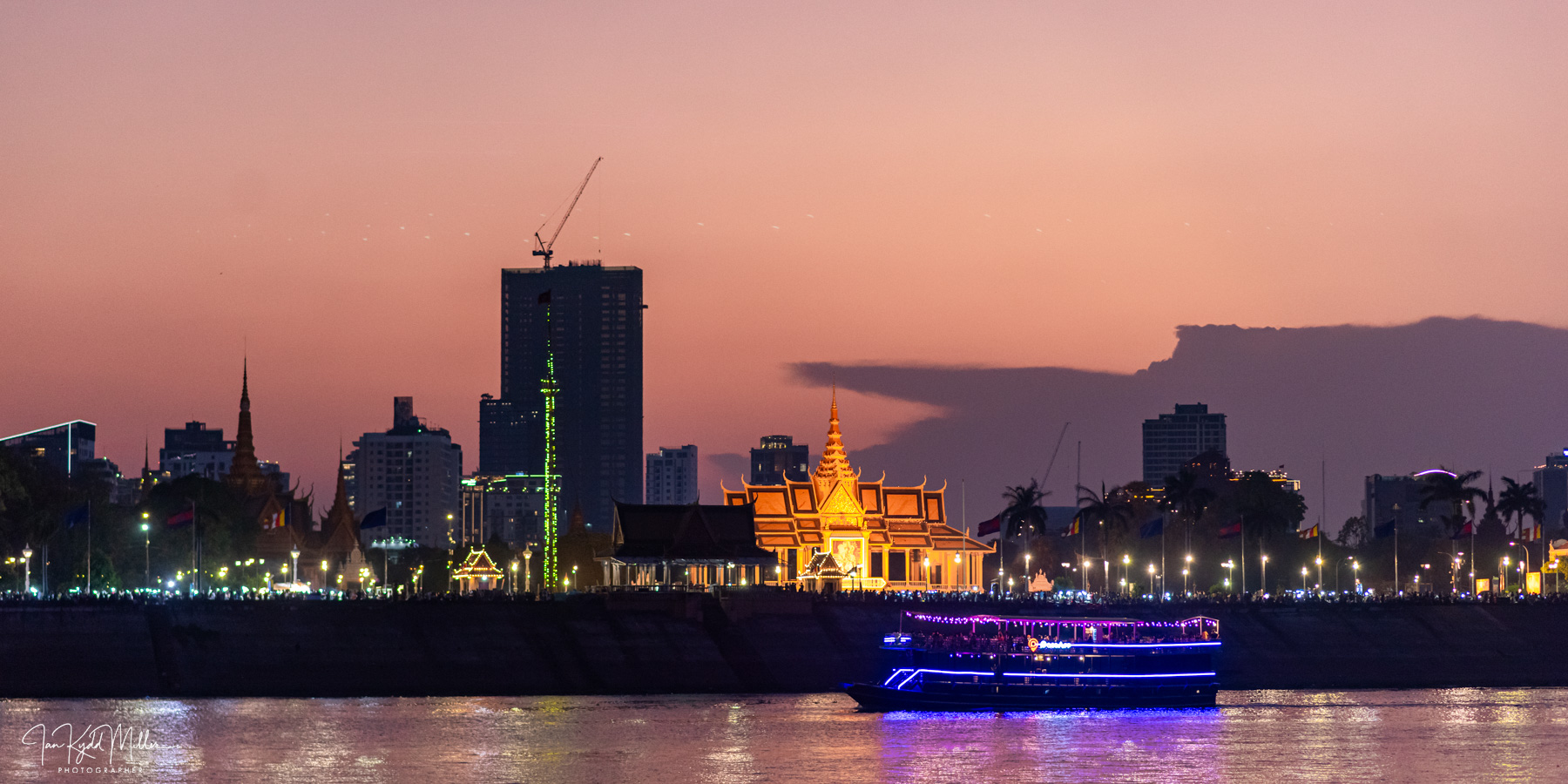
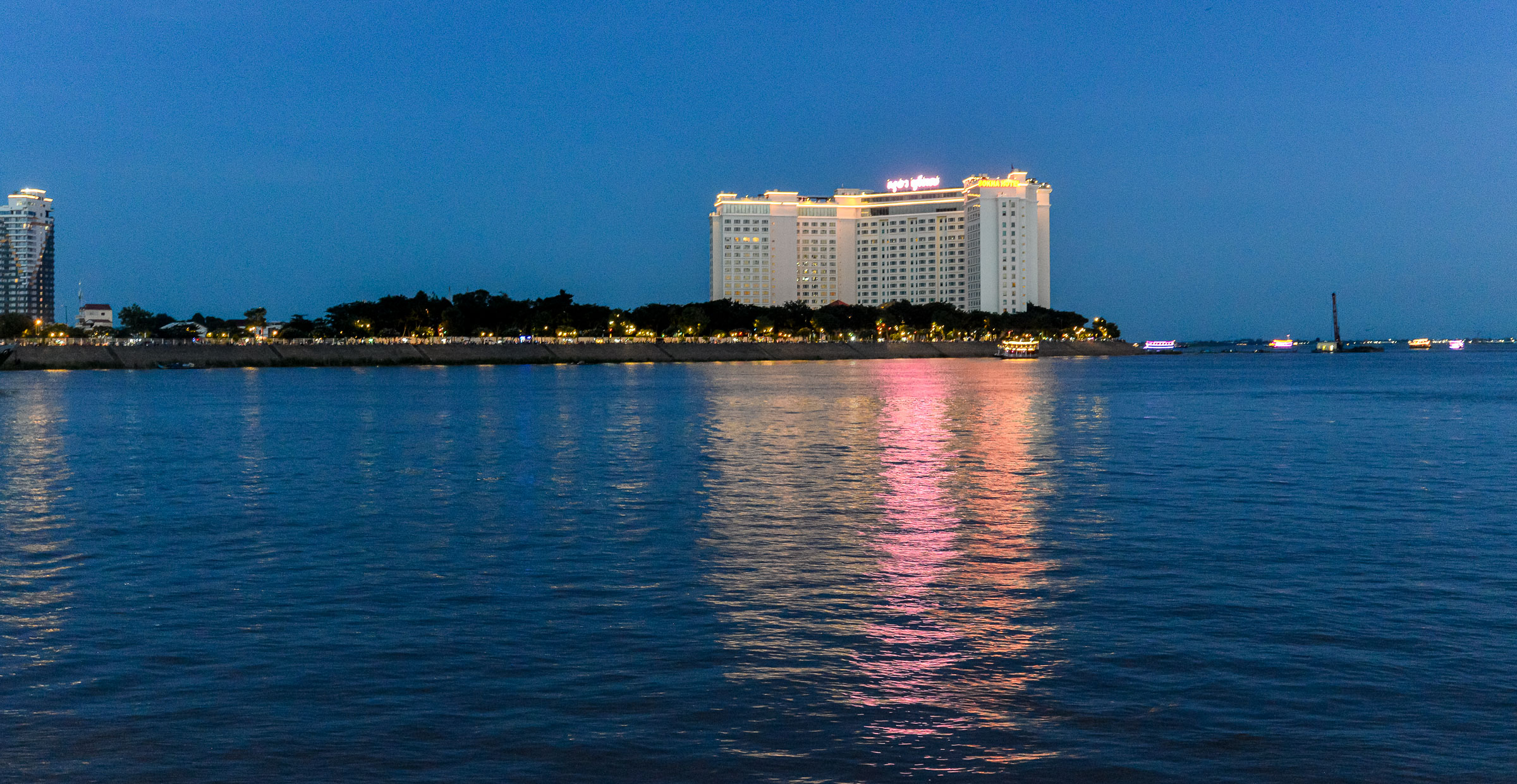
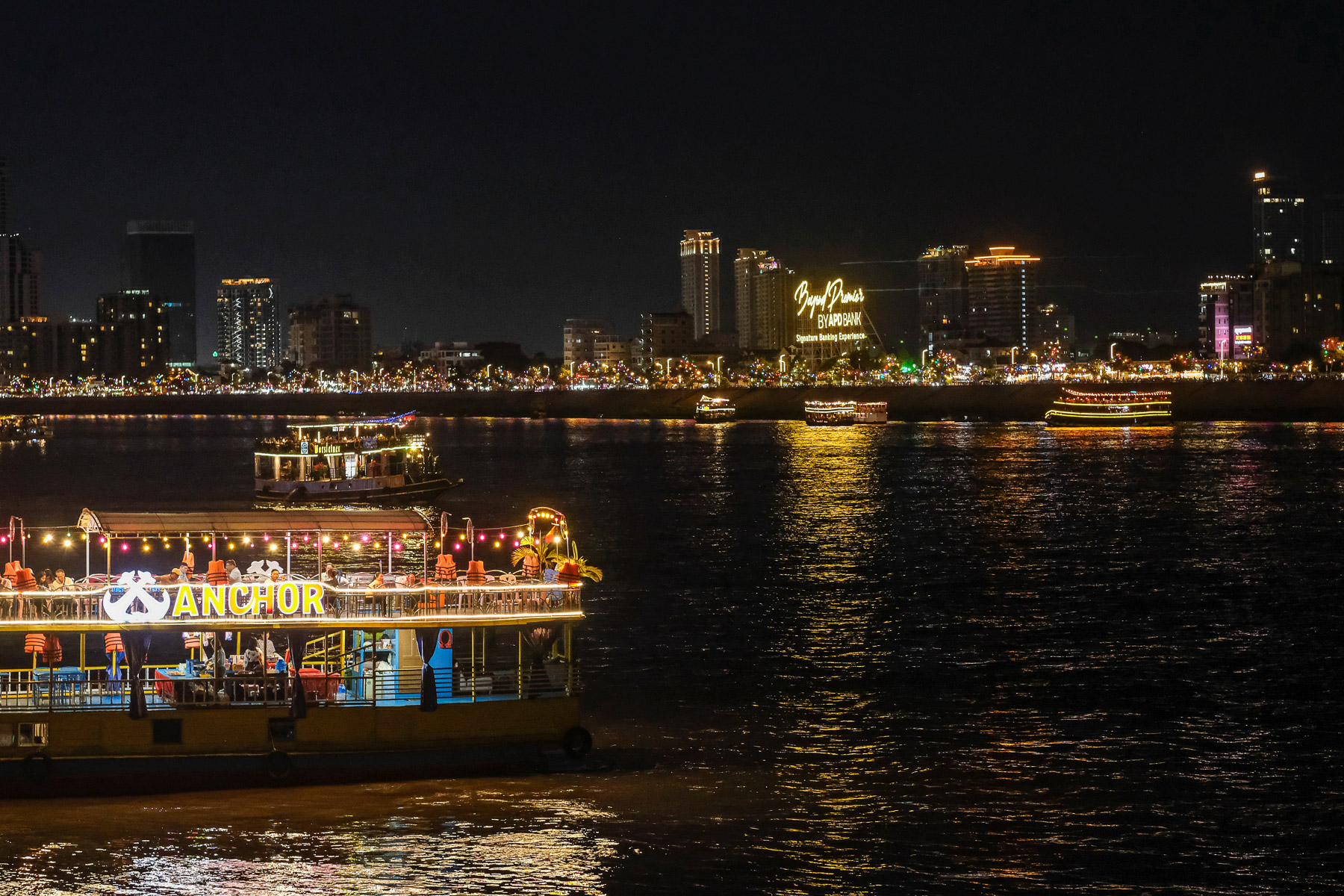
The illuminated skyline after dark
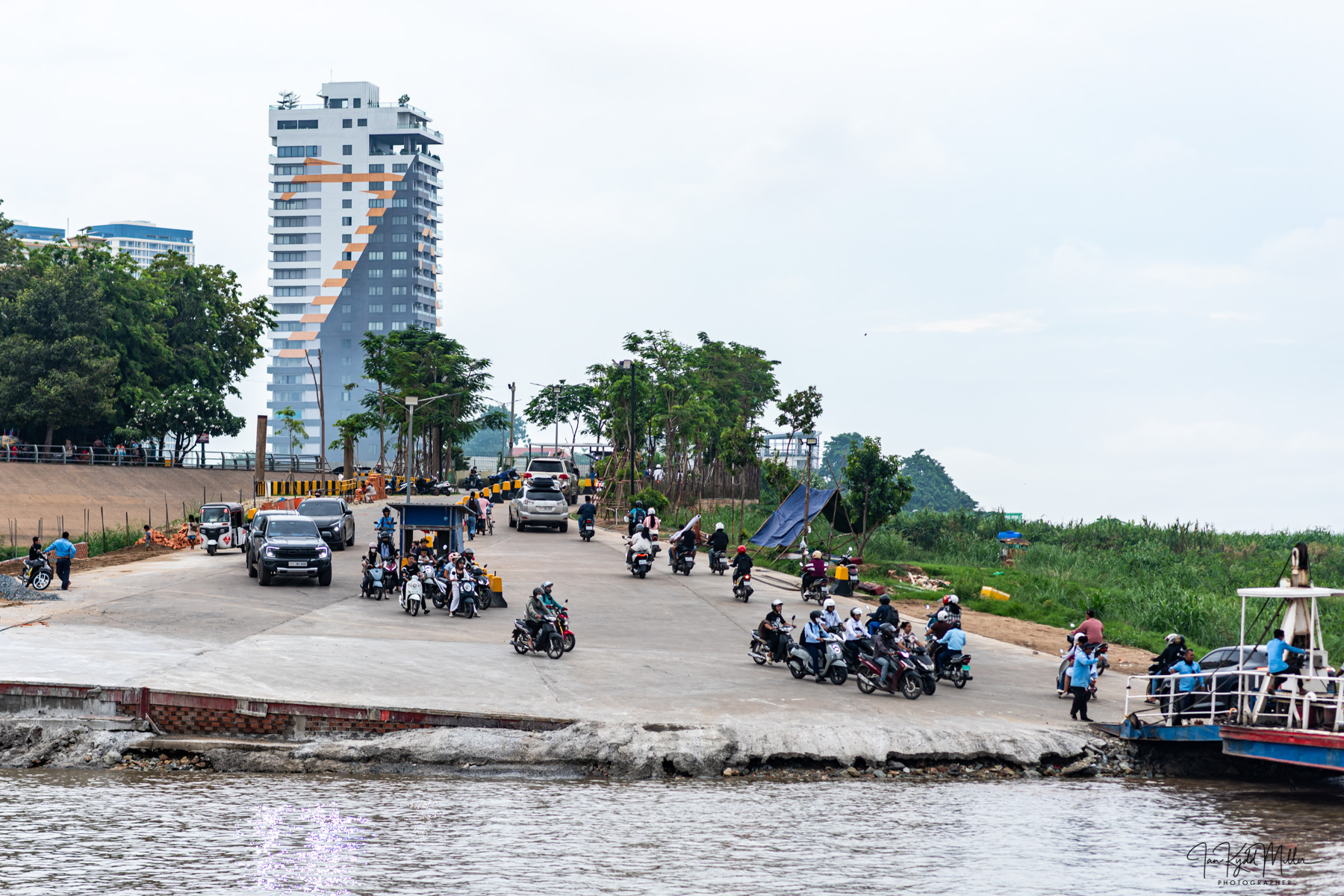
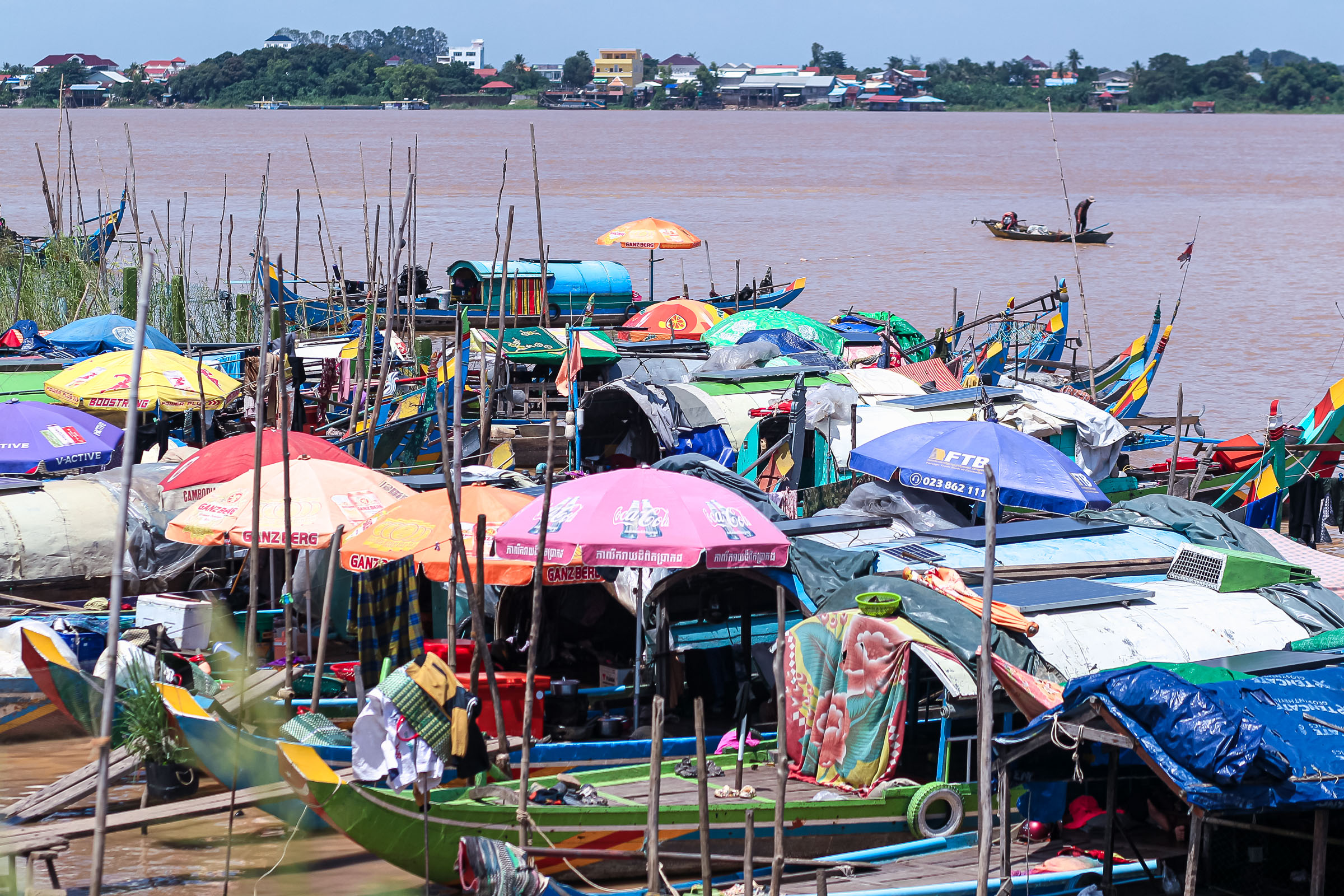
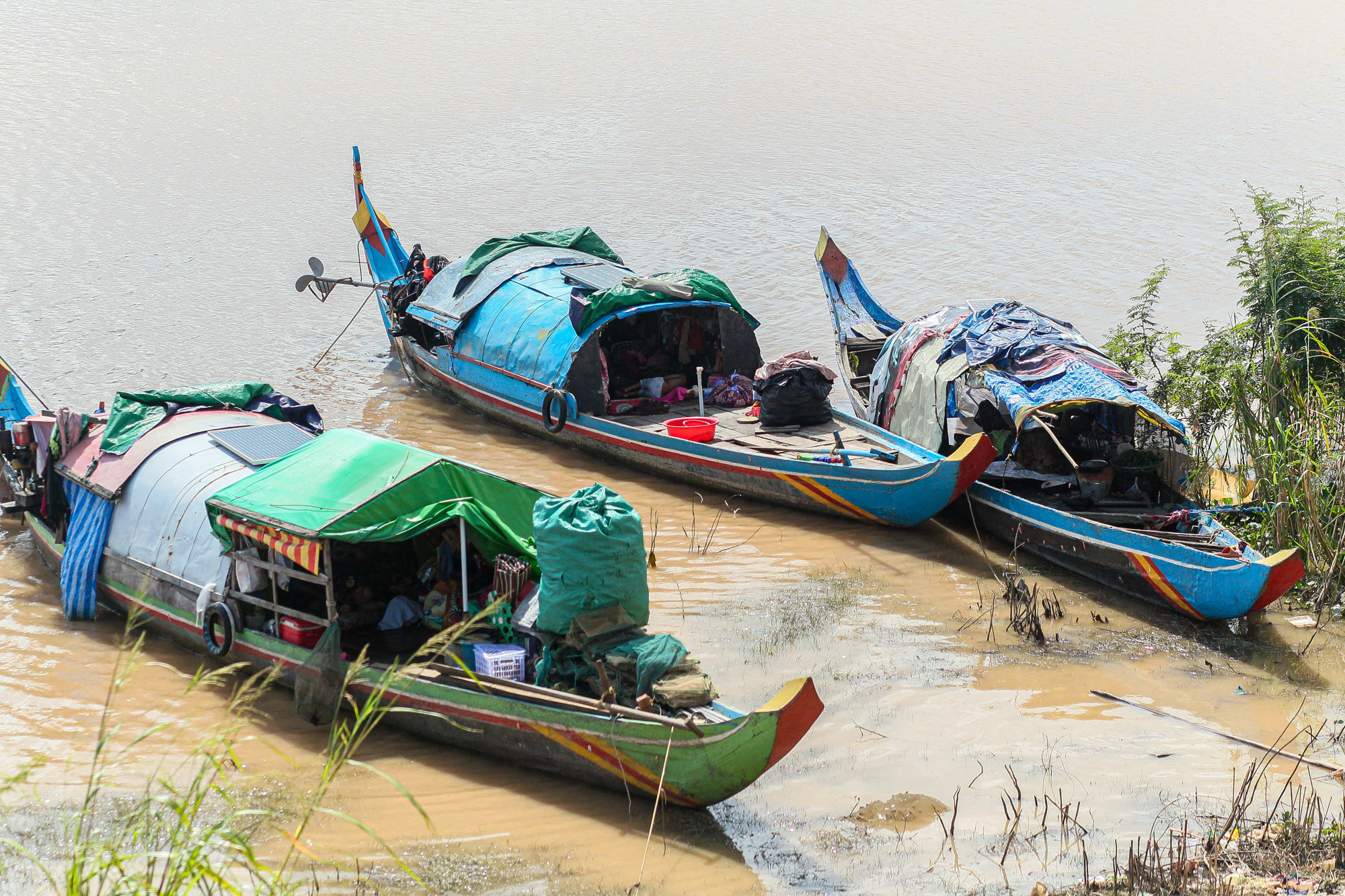
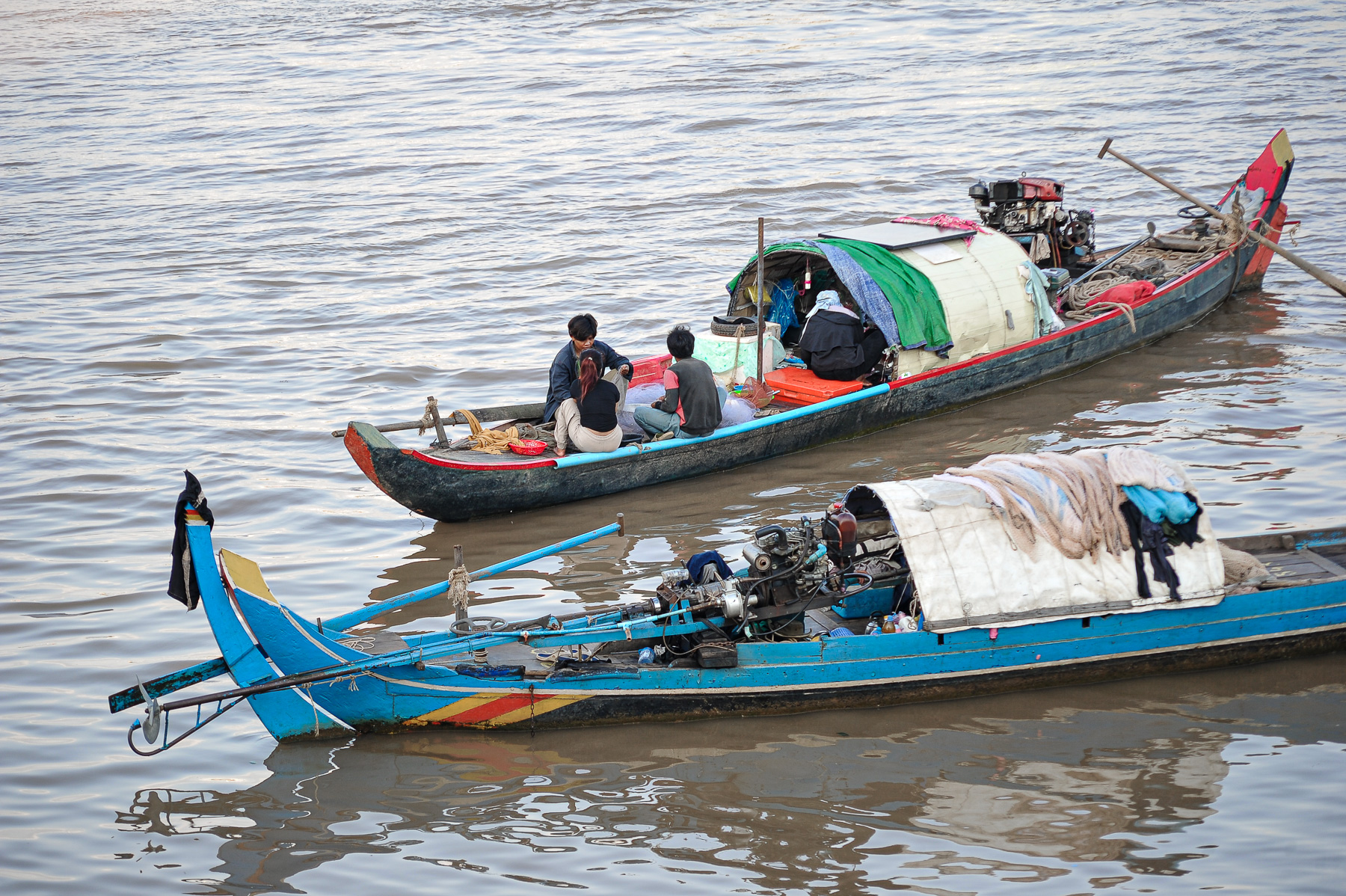
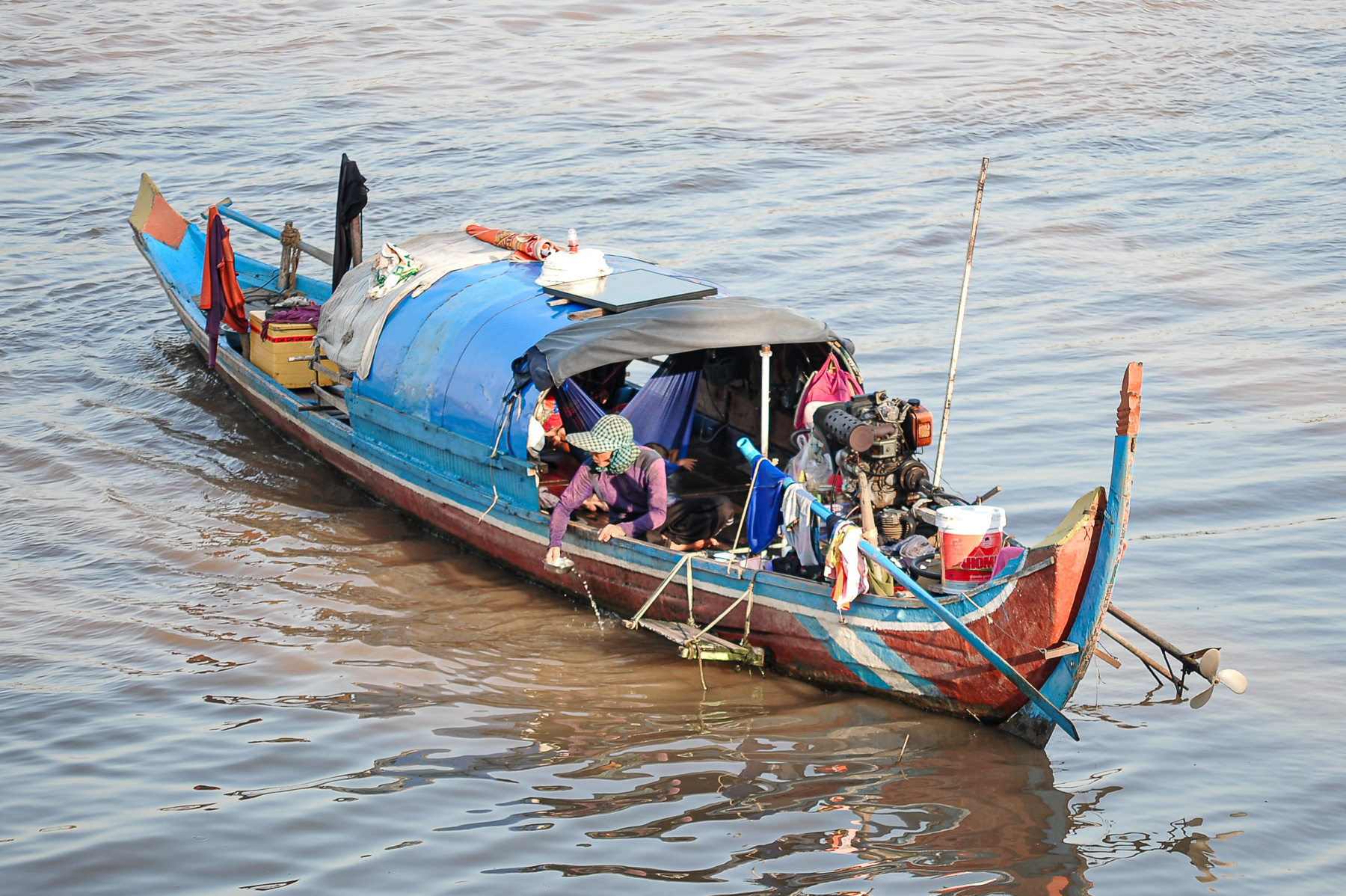
Local fishing boats, ferries, floating communities, and everyday river life
Views toward the Royal Palace and Chroy Changvar area
For photographers, the 5 p.m. sailing is usually the sweet spot. The light changes dramatically over the two-hour trip, giving opportunities for silhouettes, reflections, river traffic, and cityscape shots.
Cruise Options
According to the operator, there are several packages:
Option
Includes
Cruise Only
Two-hour cruise and welcome cocktail
Cruise + Snacks
Cruise, hotel pickup, cocktail, snacks
Dinner Cruise
Cruise, hotel pickup, cocktail, all-you-can-eat dinner
Evening City Lights Cruise
Night views of Phnom Penh after sunset
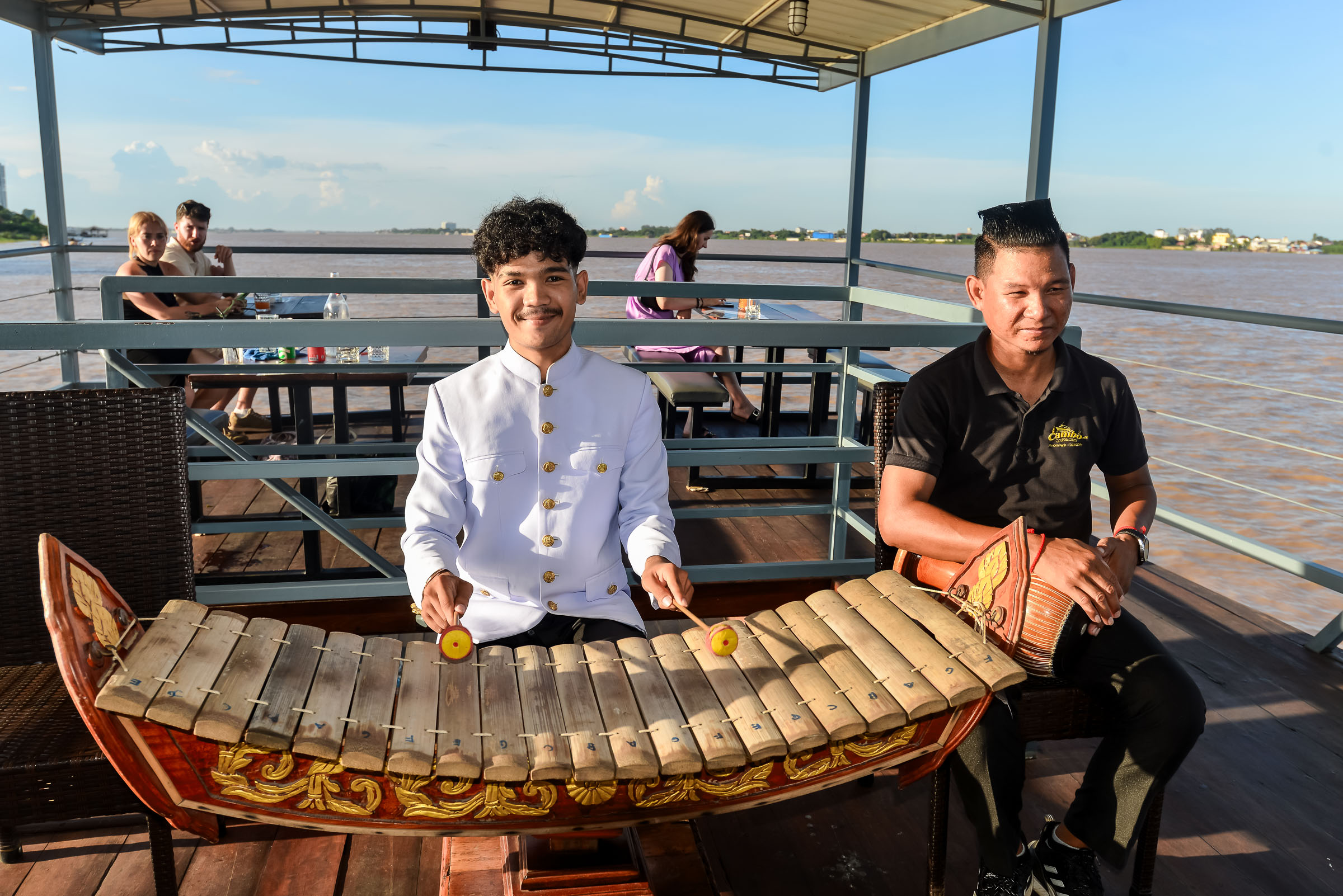
Live traditional Khmer music is usually part of the experience.
The Good
✅ Stable, comfortable boat with plenty of seating.
✅ Excellent sunset views over the Mekong.
✅ A relaxed atmosphere compared with the louder party boats.
✅ Popular with visitors wanting photography opportunities.
✅ Dinner packages are reasonably priced by Phnom Penh tourist standards.
For a Photographer
The best shots often aren’t the palace or the skyline. They’re the little moments: kids swimming from wooden boats, fishermen hauling nets, ferries crossing the orange reflection of the setting sun, and the contrast between luxury developments and riverside life.
Practical Details
Location: Riverside Path, Phnom Penh
Duration: About 2 hours
Departure times: Typically around 5 p.m. (sunset) and 7 p.m. (city lights)
Hotel pickup available on some packages
Reservations recommended during weekends and holidays
For a first-time visitor to Phnom Penh, I’d rate Cambo Cruise as one of the more enjoyable low-effort evening activities in the city. For a long-term resident, it’s worth doing at least once for the photography and the chance to see Phnom Penh from the water rather than from Street 178 or Sisowath Quay. 🌅📷
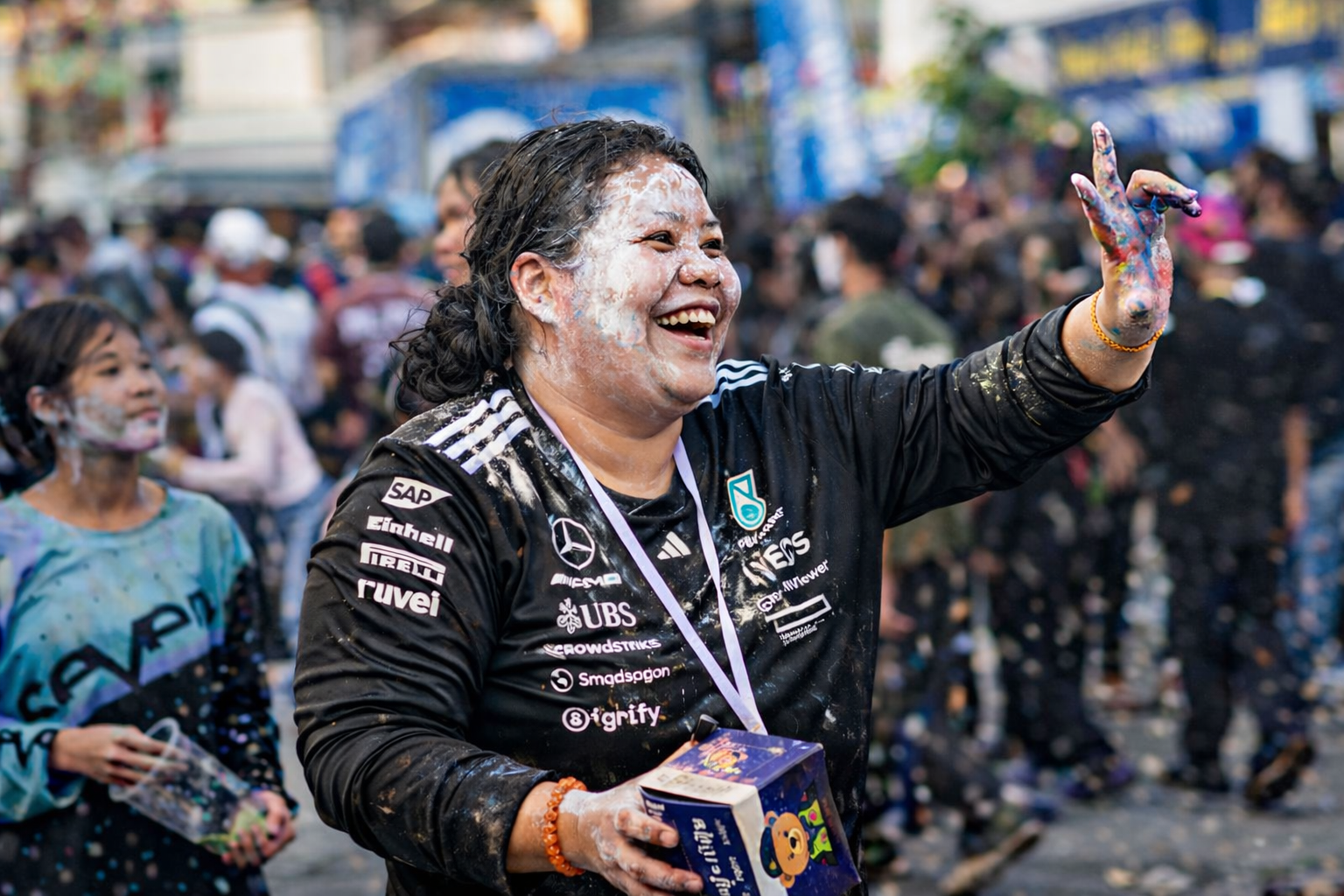
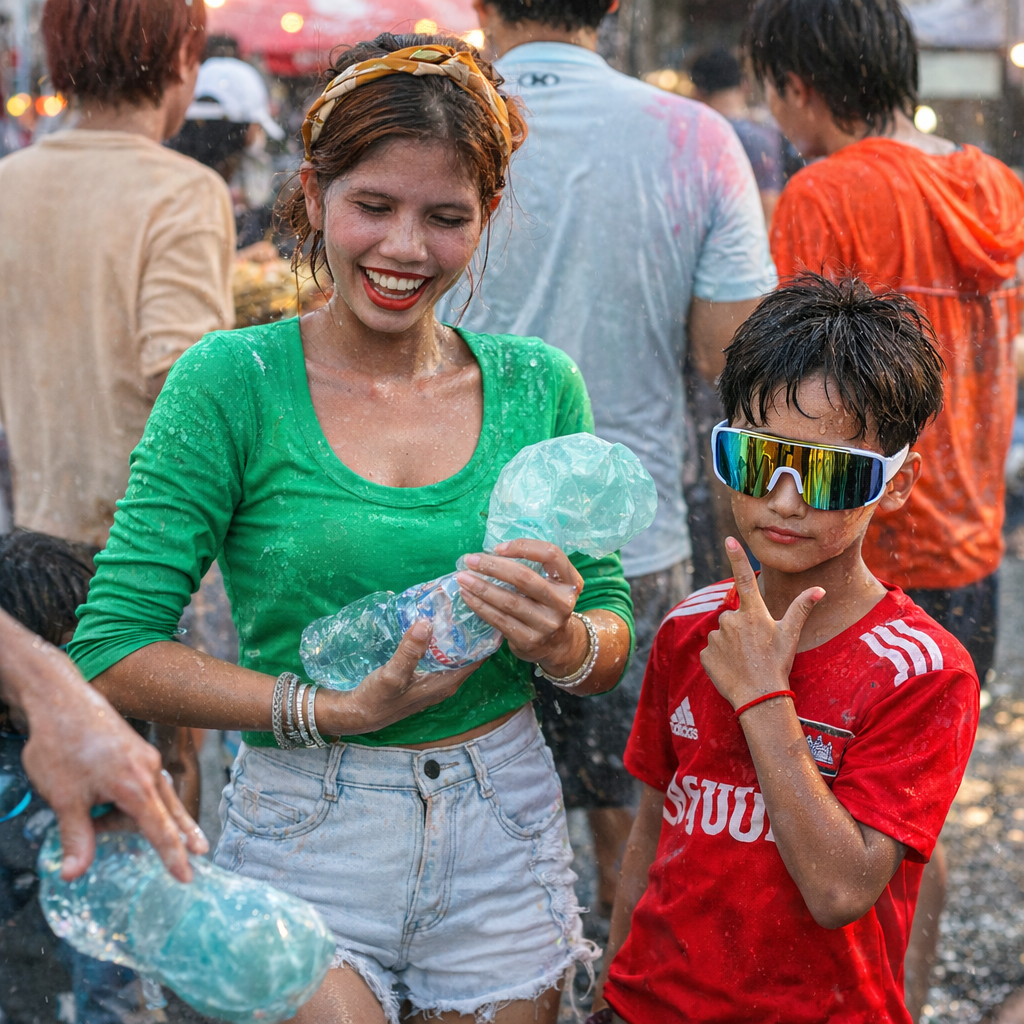
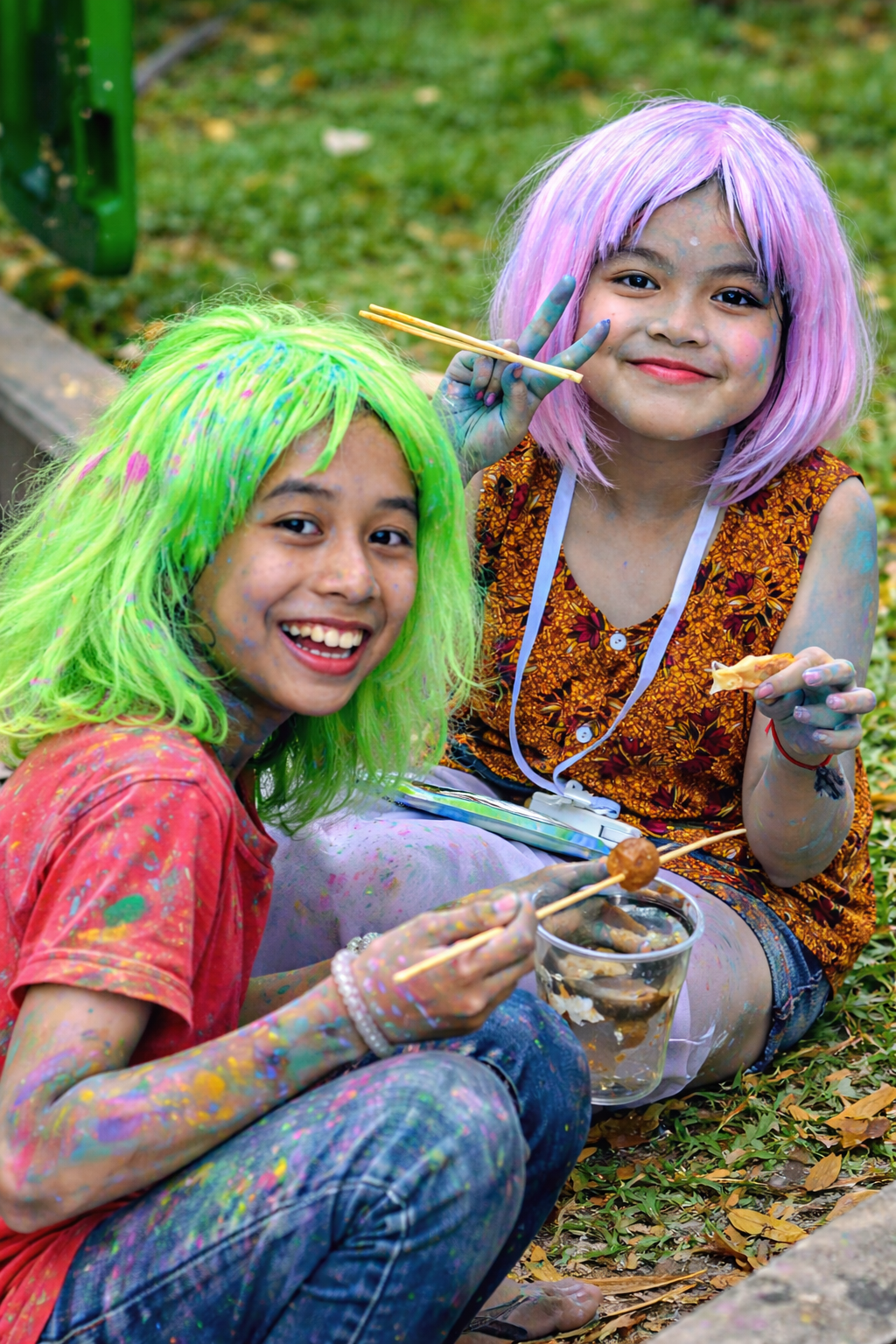
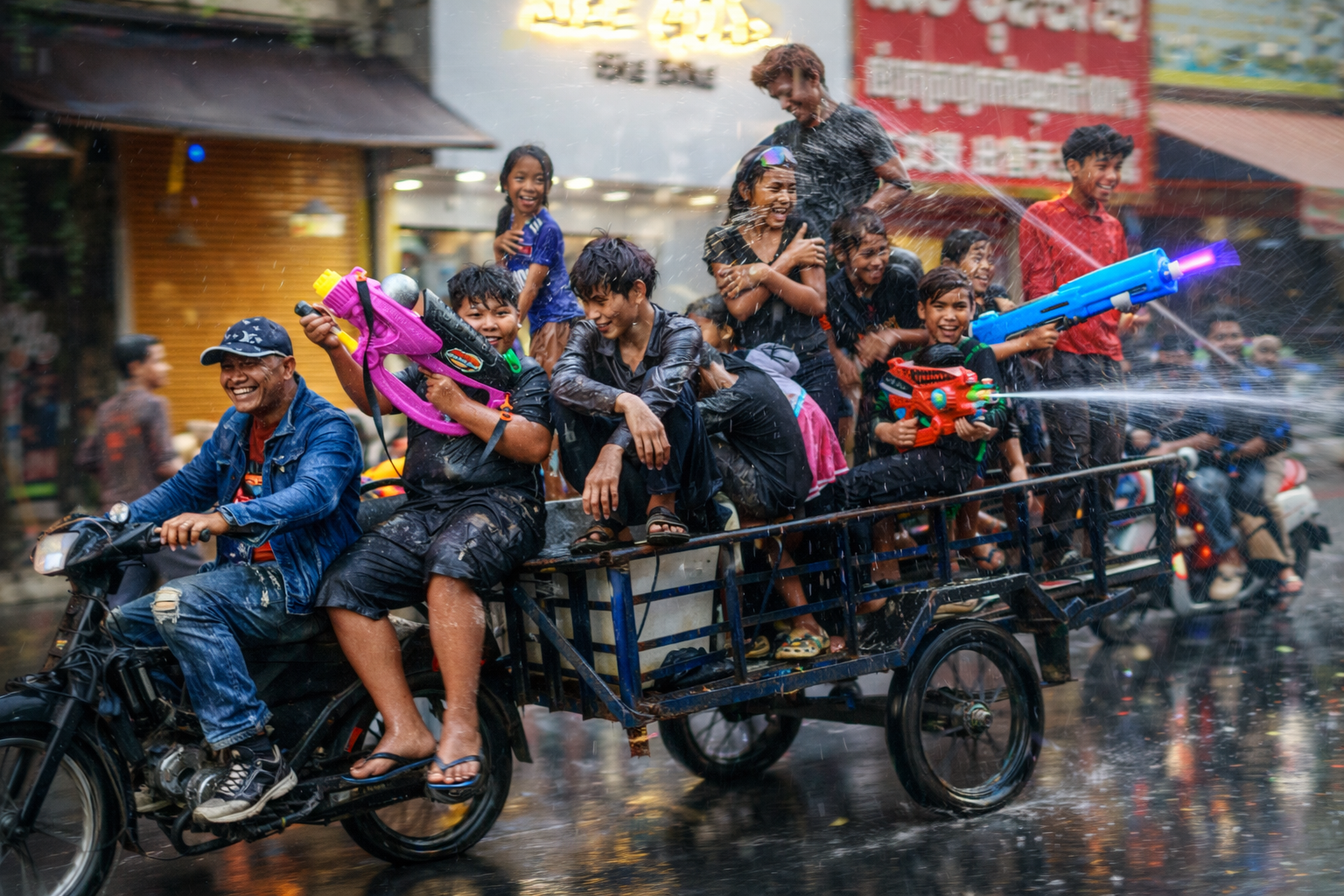
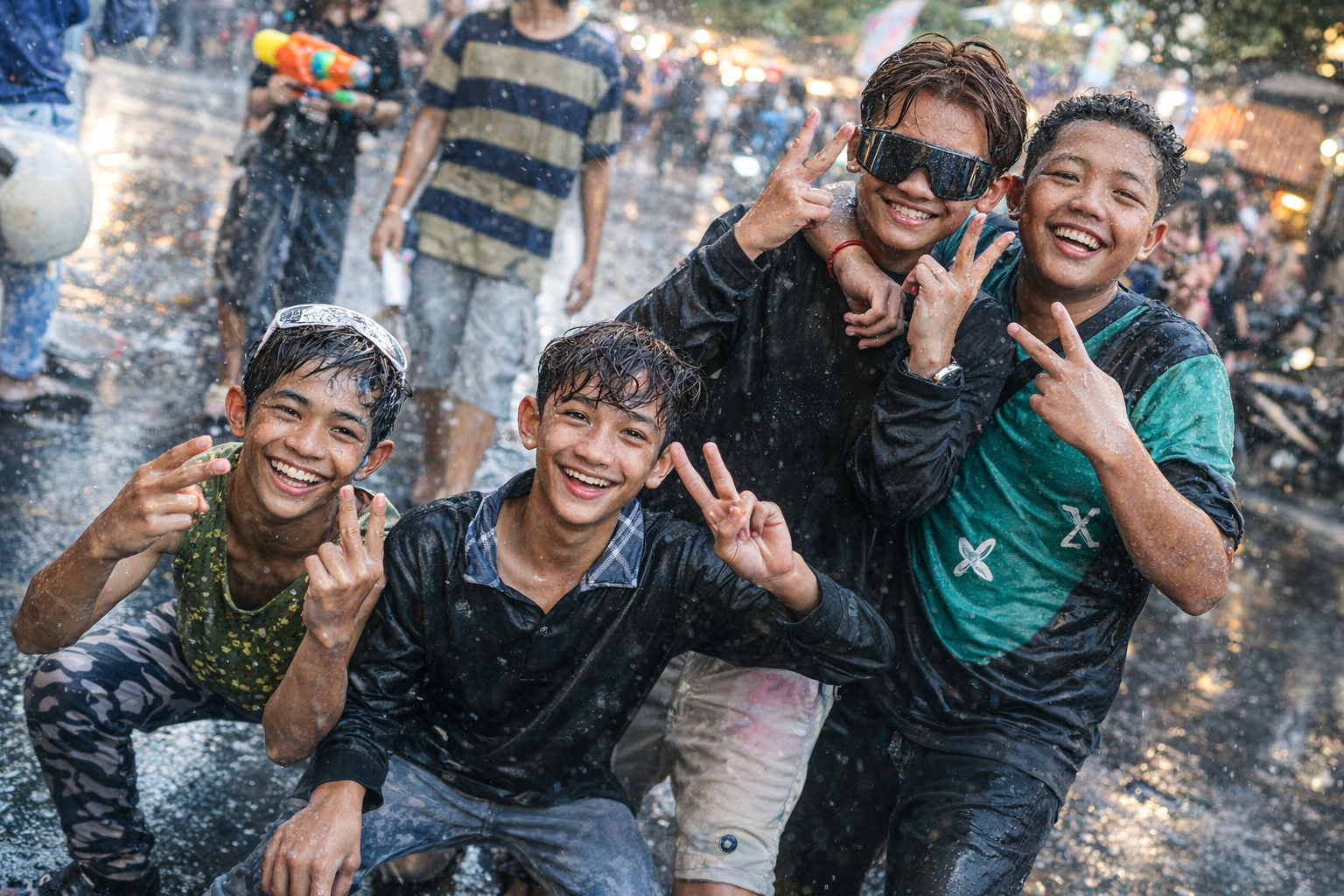
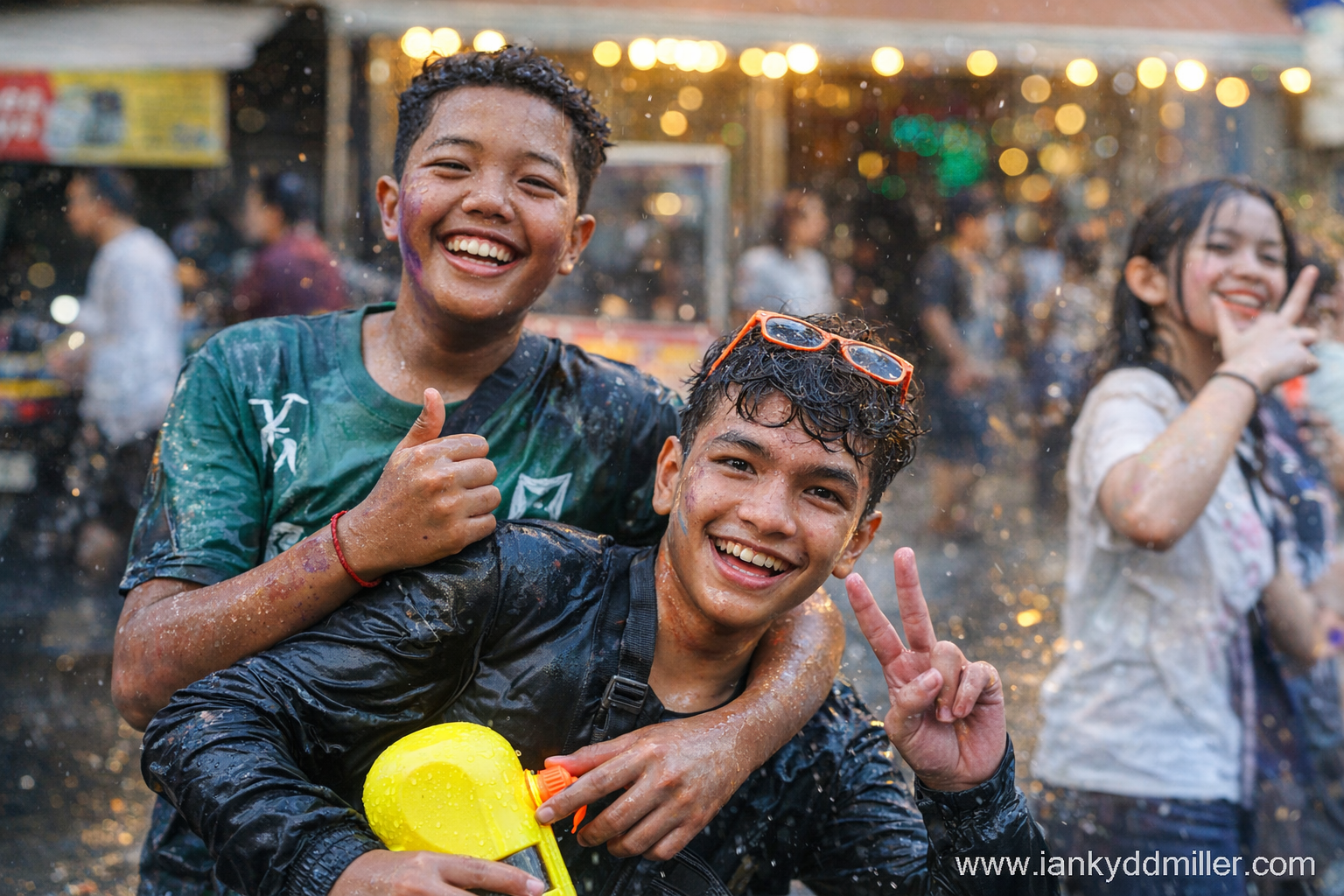
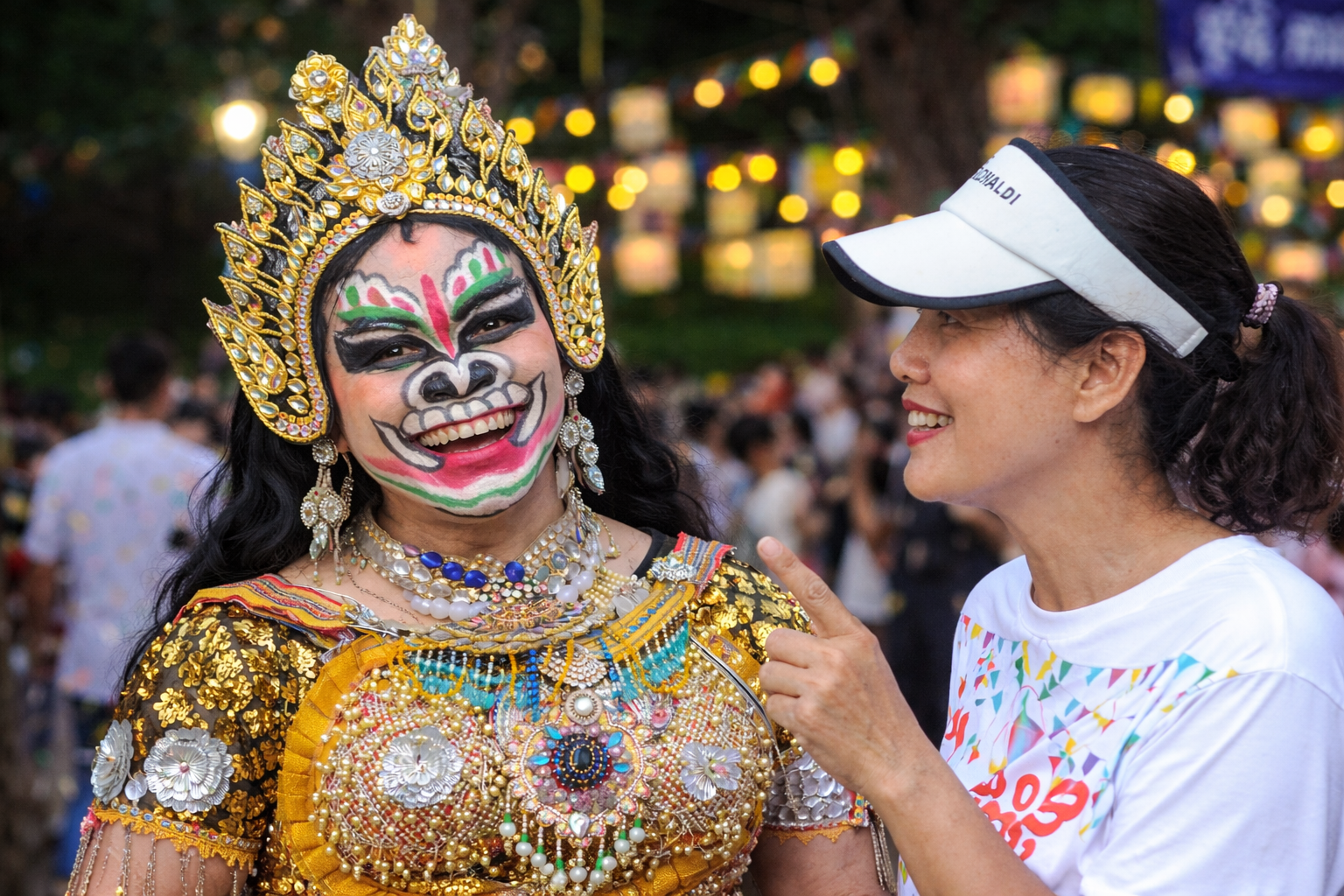
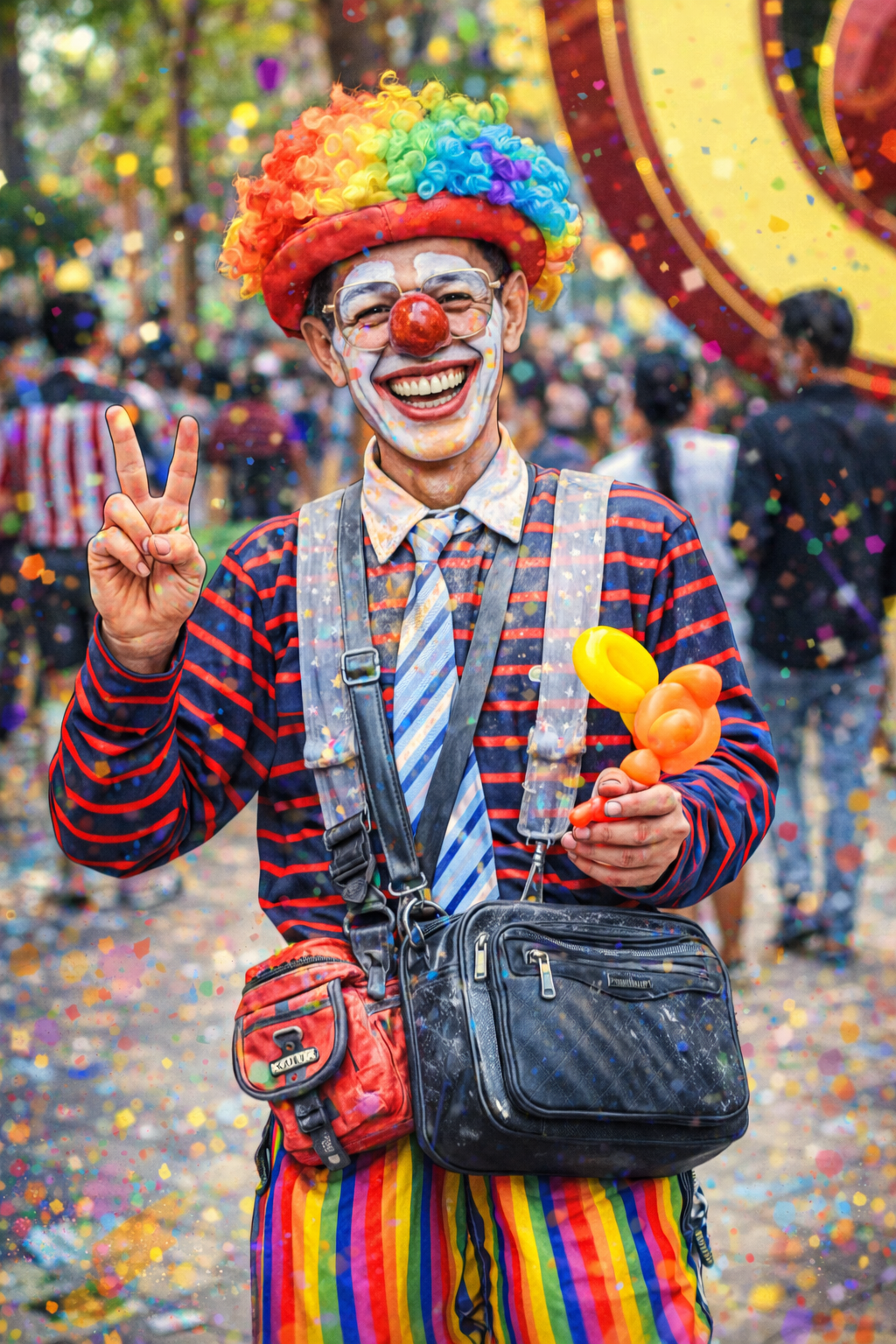
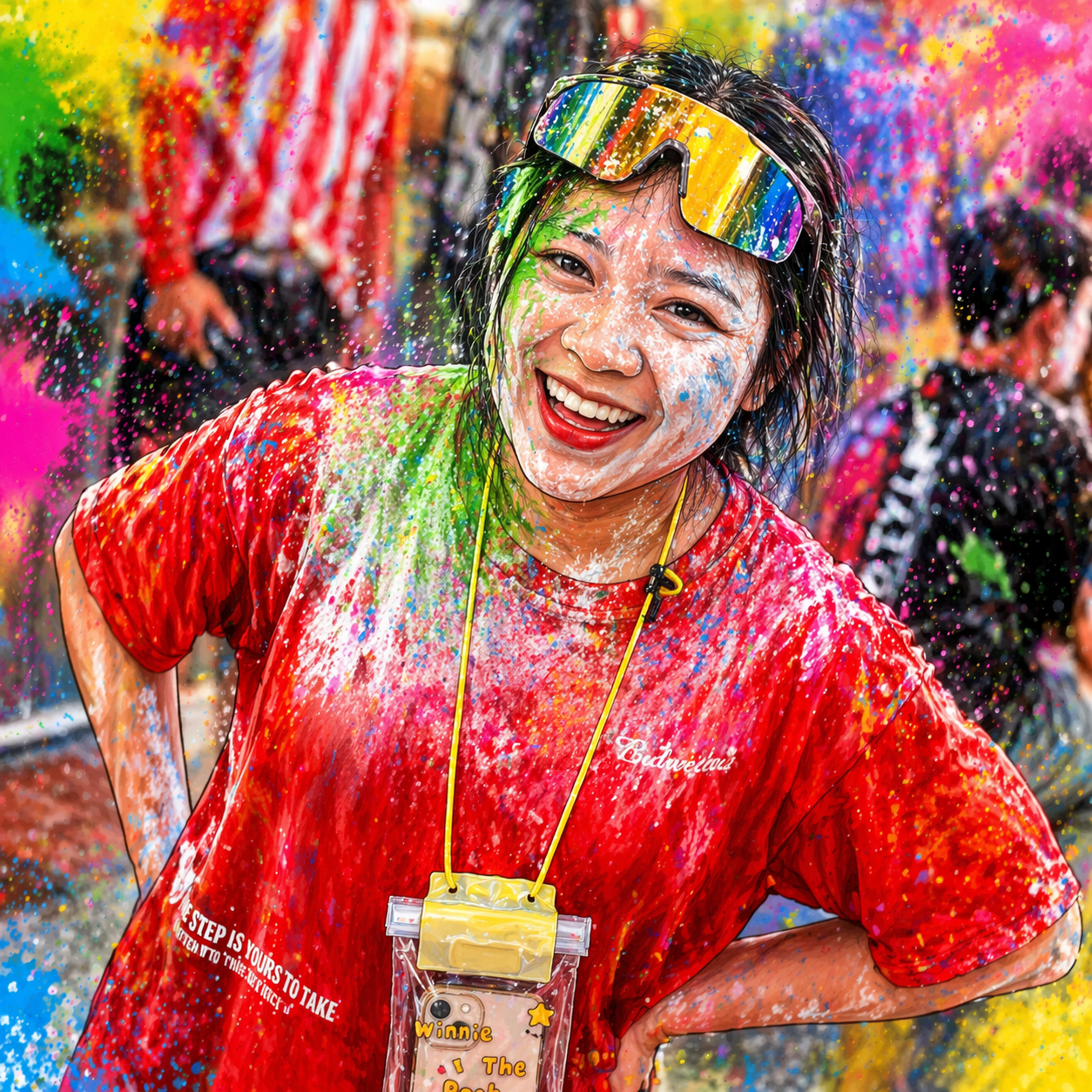
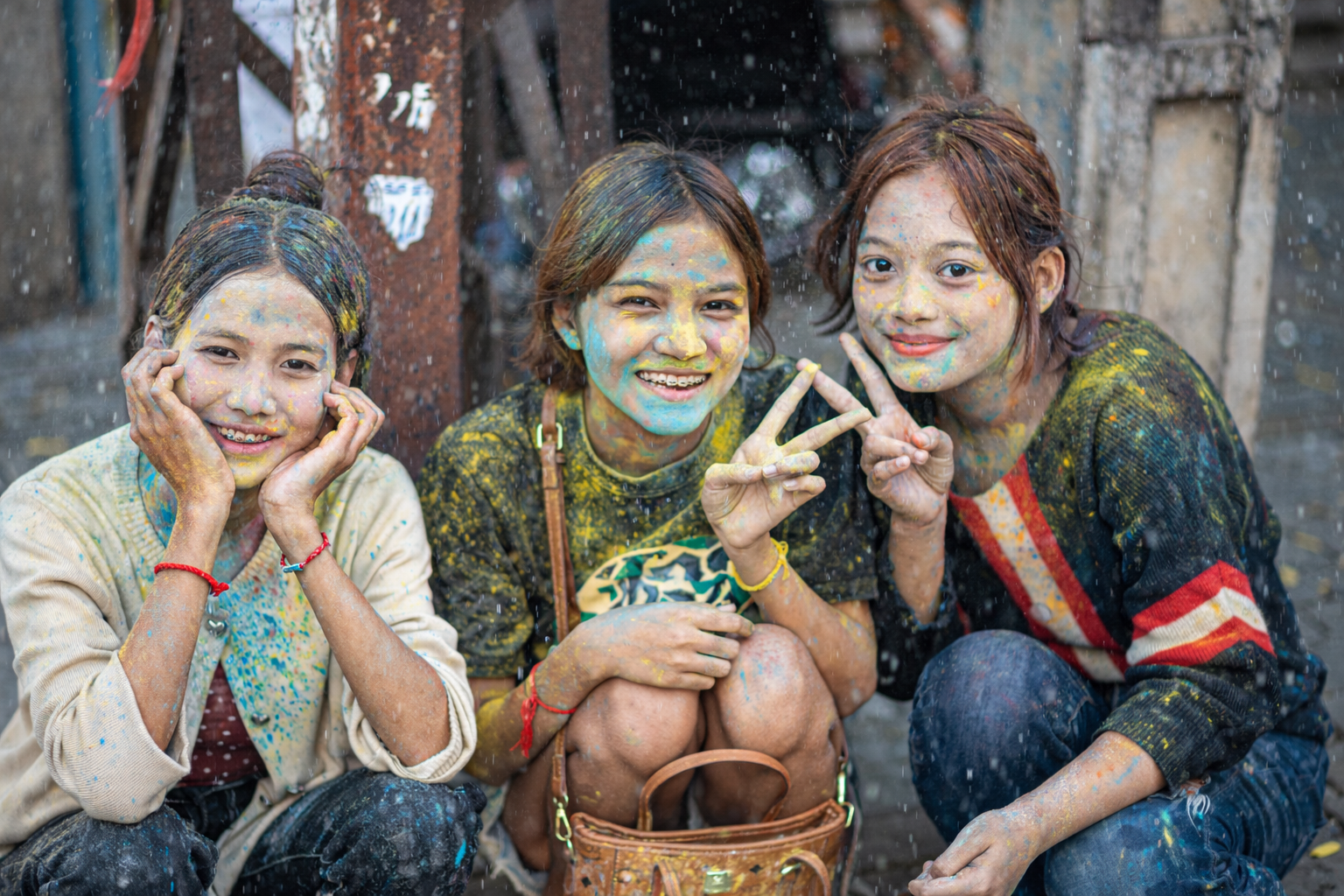
There is a point, sometime in mid-April, when the heat in Cambodia stops being something you endure and becomes something you surrender to. The air thickens, the roads empty, the city slows—then, quite suddenly, it erupts. Buckets appear. Water guns materialise. Talcum powder drifts like a soft, absurd fog. And for three days, sometimes four, the country gives itself permission to behave differently.
Khmer New Year—Chaul Chnam Thmey—is, on paper, a tidy cultural marker: the end of the harvest, the turning of the traditional solar calendar, a ritualised renewal. In practice, it is something messier, louder, and far more revealing. It is what happens when tradition and release collide in public.
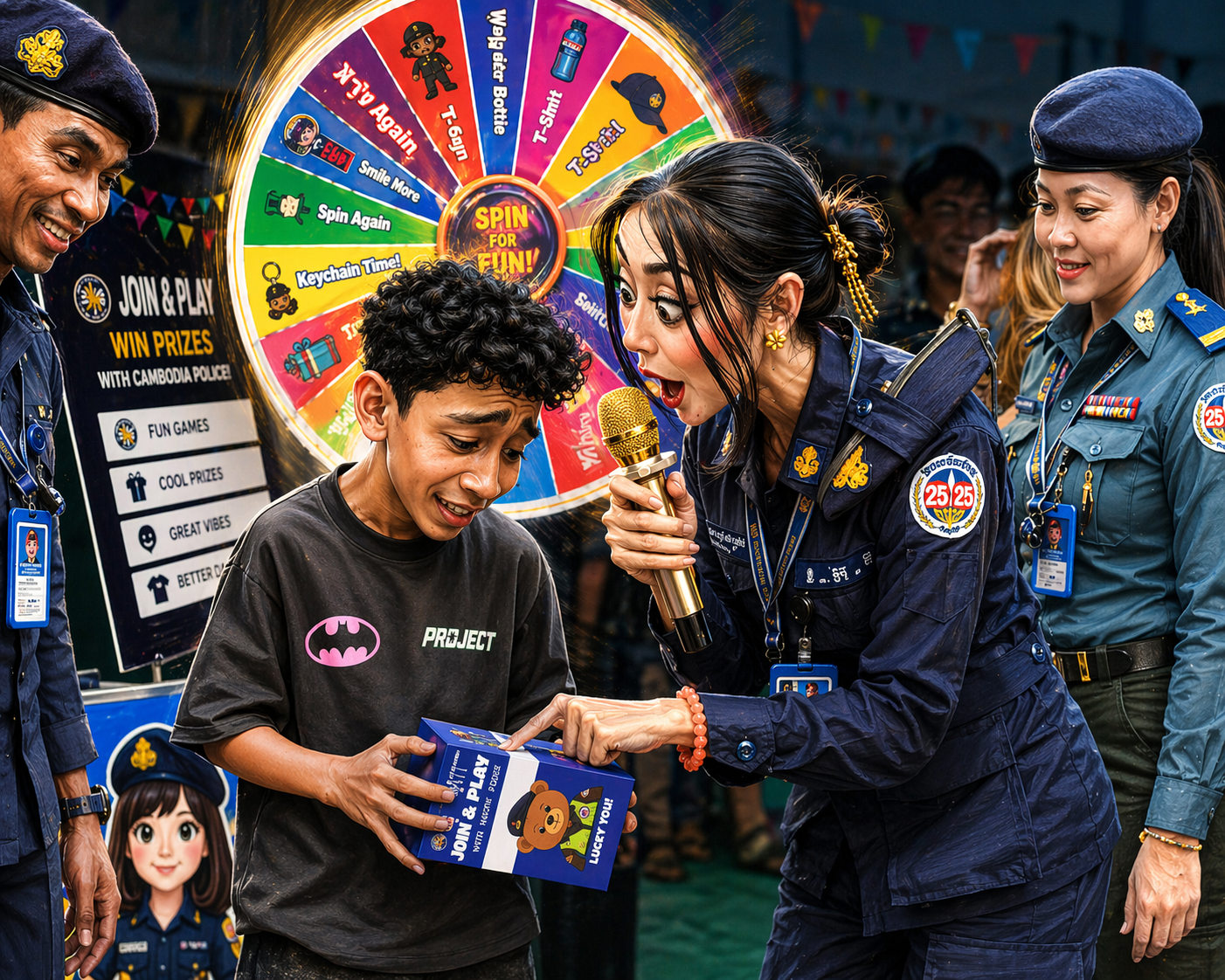
In Phnom Penh, the capital loosens its collar. Offices close. Families travel. Those who remain drift towards the streets, where pickup trucks loaded with teenagers circle like improvised carnival floats, music blaring, water sloshing dangerously close to the edge. Strangers become targets, then accomplices. No one is exempt for long. There is an egalitarianism to being soaked to the bone.
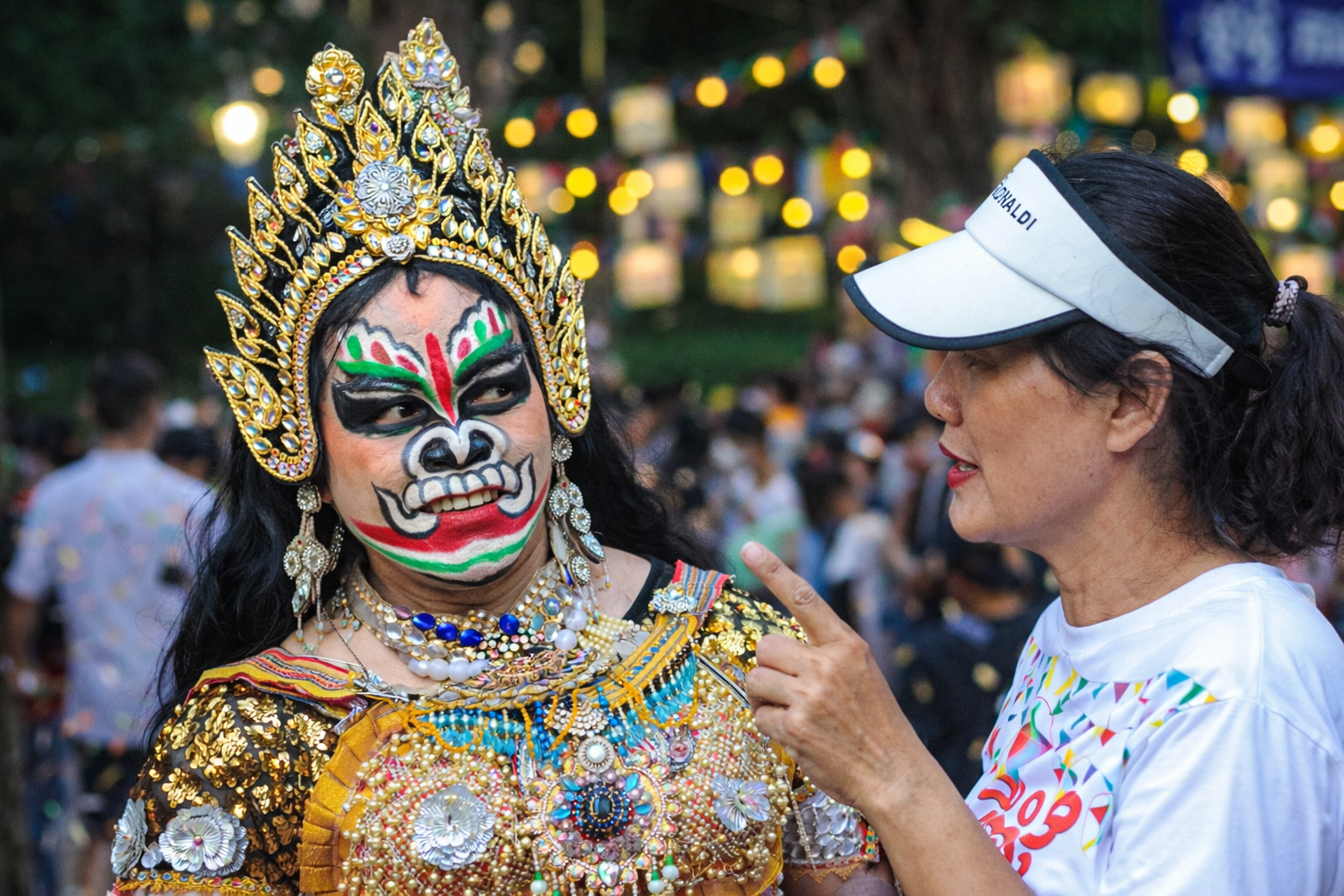
Further north, in Siem Reap, the festival takes on a more curated intensity. The Angkor Sankranta celebrations—part cultural showcase, part organised spectacle—draw crowds that swell into something approaching the uncontrollable. Traditional games are played with theatrical enthusiasm; dancers move with studied grace; and all around them, a less choreographed energy pushes in, demanding space. It is here that Cambodia performs itself, for tourists and for its own younger generation, who seem less interested in preservation than participation.
But to understand the festival solely through its public exuberance is to miss its quieter logic. Khmer New Year is, at its core, an act of recalibration. Homes are cleaned. Altars prepared. Offerings made. At pagodas across the country, sand is carried, shaped into small stupas, and left as a gesture of merit—a symbolic investment in a better future. The ritual is simple, almost austere, and it sits in deliberate contrast to the chaos outside the temple gates.
Inside those grounds, time moves differently. Elders are gently washed with perfumed water, a gesture of respect and continuity. Buddha statues are bathed in the same way, the act less about cleansing than about acknowledgement. These are not grand spectacles but small, repeated gestures, performed with an understanding that renewal is less an event than a habit.
The tension between these two worlds—the reflective and the riotous—is where the festival finds its meaning. Cambodia is a country with a long memory and a young population. Khmer New Year allows both to coexist, briefly, without friction. The past is honoured; the present is loudly, unapologetically lived.
There is also, unmistakably, a sense of release. For a few days, hierarchies soften. The office worker and the street vendor, the local and the visitor, the cautious and the reckless—all are reduced to the same soaked, powdered state. It is not quite equality, but it is close enough to feel like one. In a region where public life is often tightly structured, this temporary suspension carries weight.
Yet the festival resists easy romanticism. The same exuberance that fuels its appeal can tip into excess. Roads become hazardous, crowds unpredictable, boundaries blurred. The line between play and intrusion is not always clearly drawn. As with many large-scale celebrations, what feels liberating to some can feel overwhelming to others. The state tolerates this looseness, even encourages it, but only within an unspoken limit.
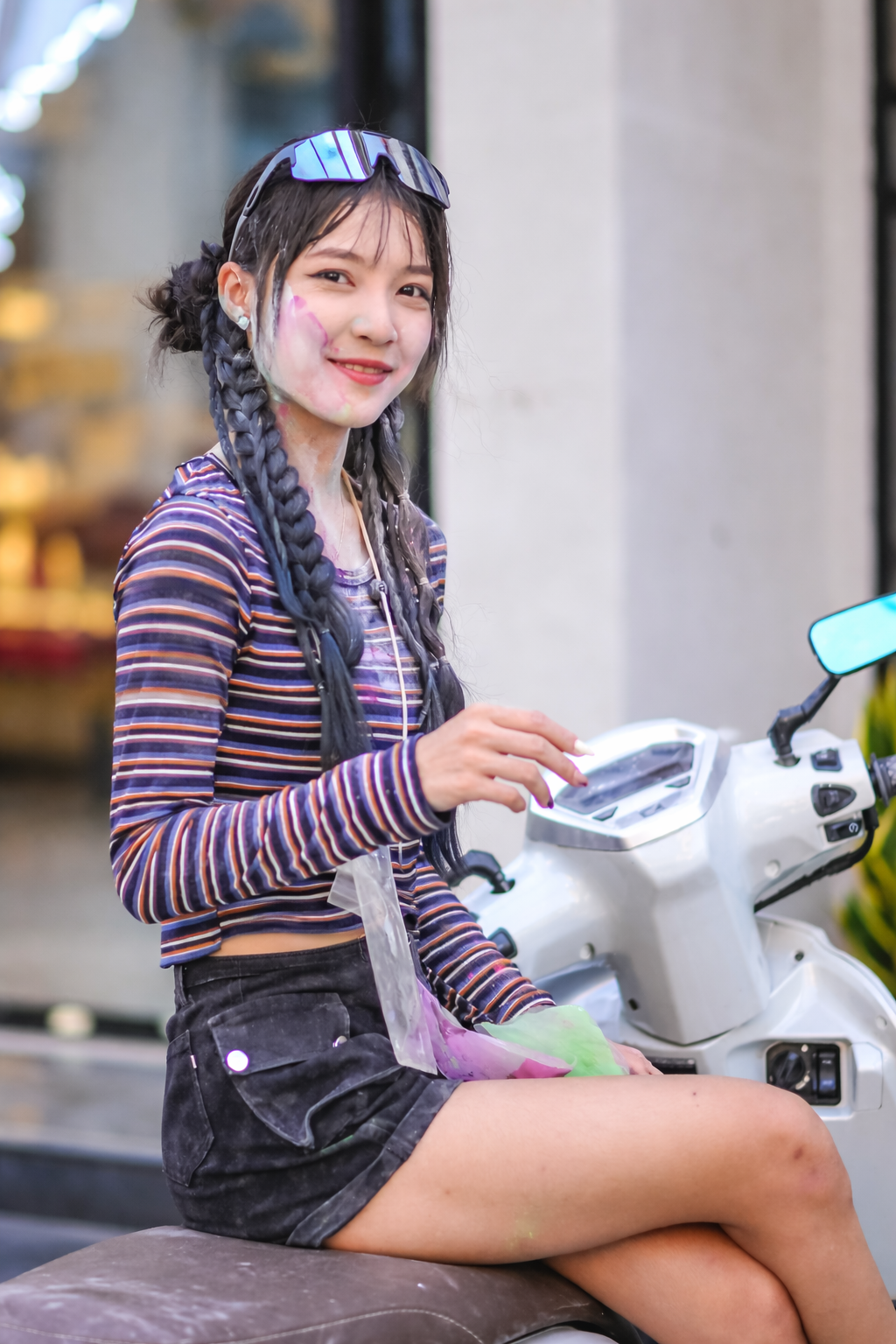
For photographers, the temptation is obvious. This is texture, movement, contradiction—everything that lends itself to an image that feels alive. The midday light is unforgiving, flattening faces, hardening shadows. And yet it works. Water catches the sun mid-air; powder softens expressions; a fleeting glance cuts through the noise. The challenge is not technical but ethical: where to stand, what to take, when to step back. In a festival built on participation, observation can feel like a form of distance.
What endures, long after the streets dry and the music fades, is not the spectacle but the shift. Khmer New Year marks a collective pause—a moment when Cambodia resets itself, not through decree or policy, but through ritual and release. It is imperfect, occasionally chaotic, sometimes contradictory. But it is also, in its own way, honest.
And perhaps that is why it matters. Not because it presents a polished image of national identity, but because it doesn’t. It shows a country as it is: rooted in tradition, restless in the present, and, for a few days each year, entirely willing to let go.
Kids International Dental Services (KIDS) is a U.S.-based 501(c)(3) nonprofit organization dedicated to providing free (pro-bono) dental care to impoverished children in developing countries. Its mission goes beyond treating teeth — it aims to educate, empower, and inspire communities and volunteers.
📍 Headquarters: 1700 California St., Suite 200, San Francisco, CA 94109, USA 🆔 EIN: 94-3477276 (donations are tax-deductible)
🎯 Mission & Goals
The core mission of KIDS is to:
✨ Provide pro-bono dental care so children can be pain-free, healthier, and more active in school and life. ✨ Educate communities about the importance of oral hygiene. ✨ Empower local communities to maintain better oral health with the tools and knowledge they have. ✨ Inspire young dental professionals and volunteers to make service a lifelong part of their careers. ✨ Repeat these efforts by returning to communities year after year to build lasting relationships.
This dual focus on immediate care and long-term impact is what makes KIDS distinctive. It’s not just temporary treatment — it’s education and empowerment too!
🌍 Where They Work
Since its founding in 2009, KIDS has conducted dental mission trips in multiple countries, including:
Cambodia
The Philippines
Guatemala
Cape Verde
Haiti
South Africa
Mongolia
Morocco
These missions are typically held annually and involve teams of volunteer dentists, dental students, and non-dental volunteers who travel to serve in community settings such as schools and clinics.
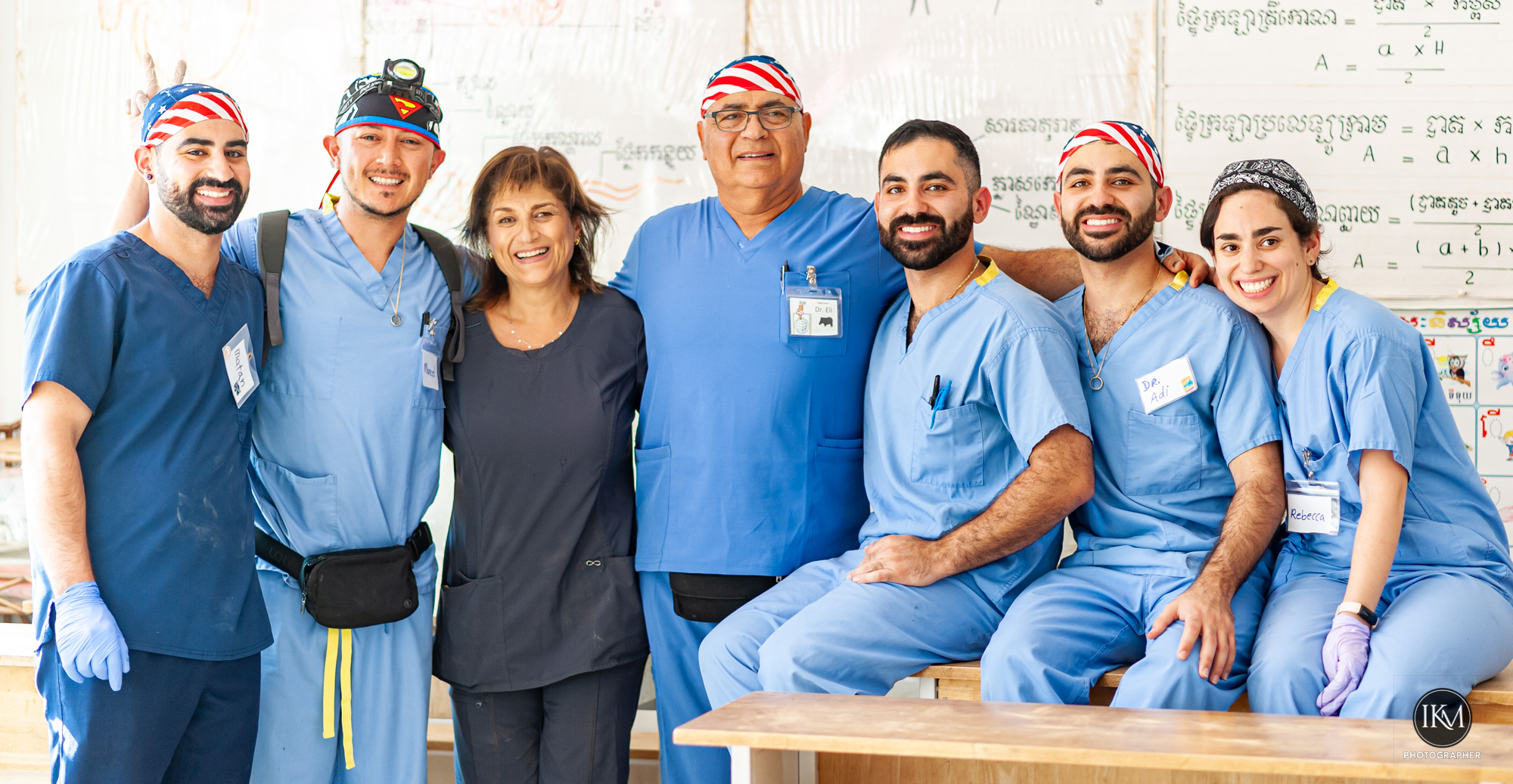
👩⚕️🧑⚕️ Who Volunteers?
Volunteers include:
Dentists
Dental students
Hygienists & other dental professionals
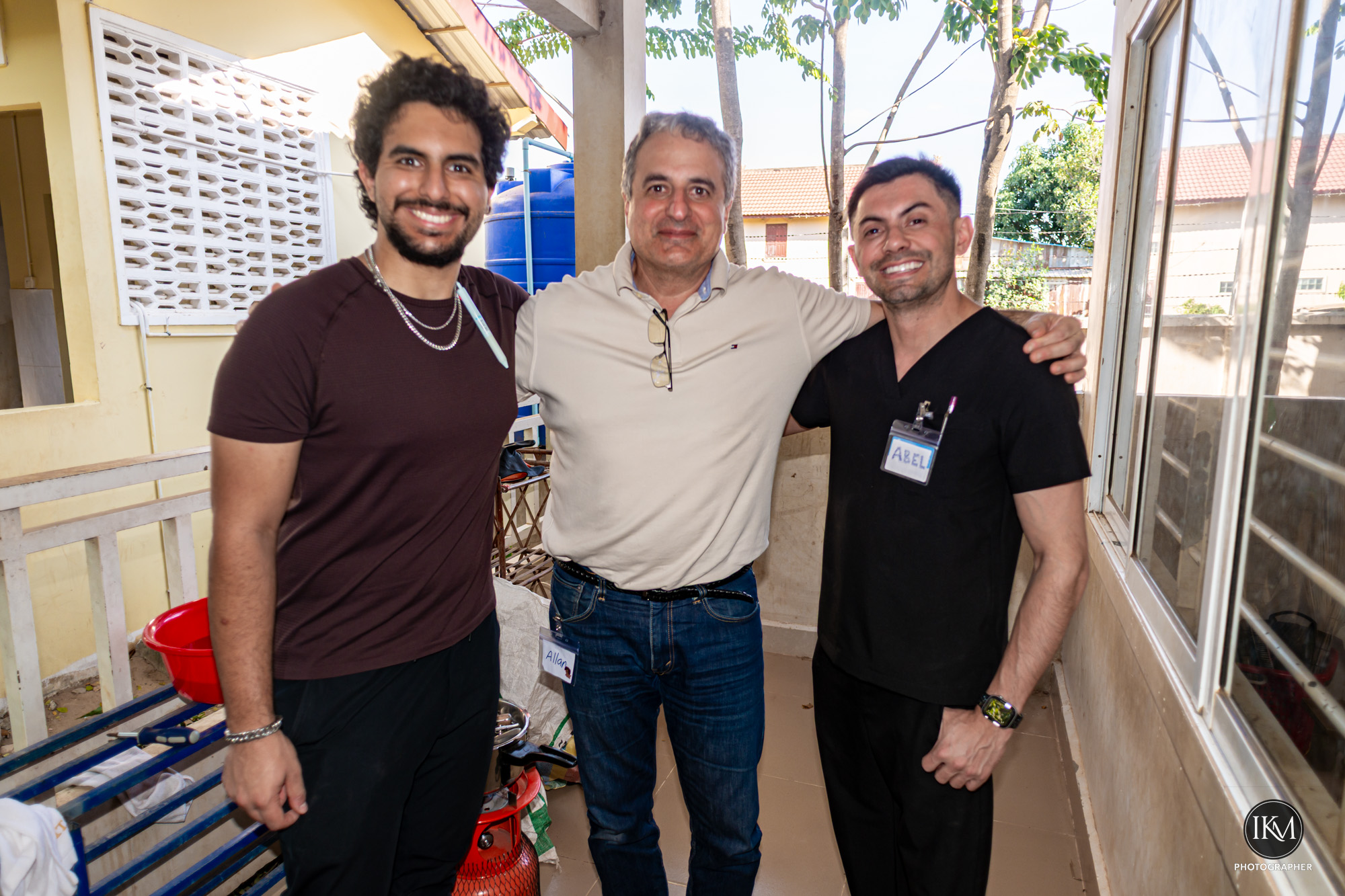
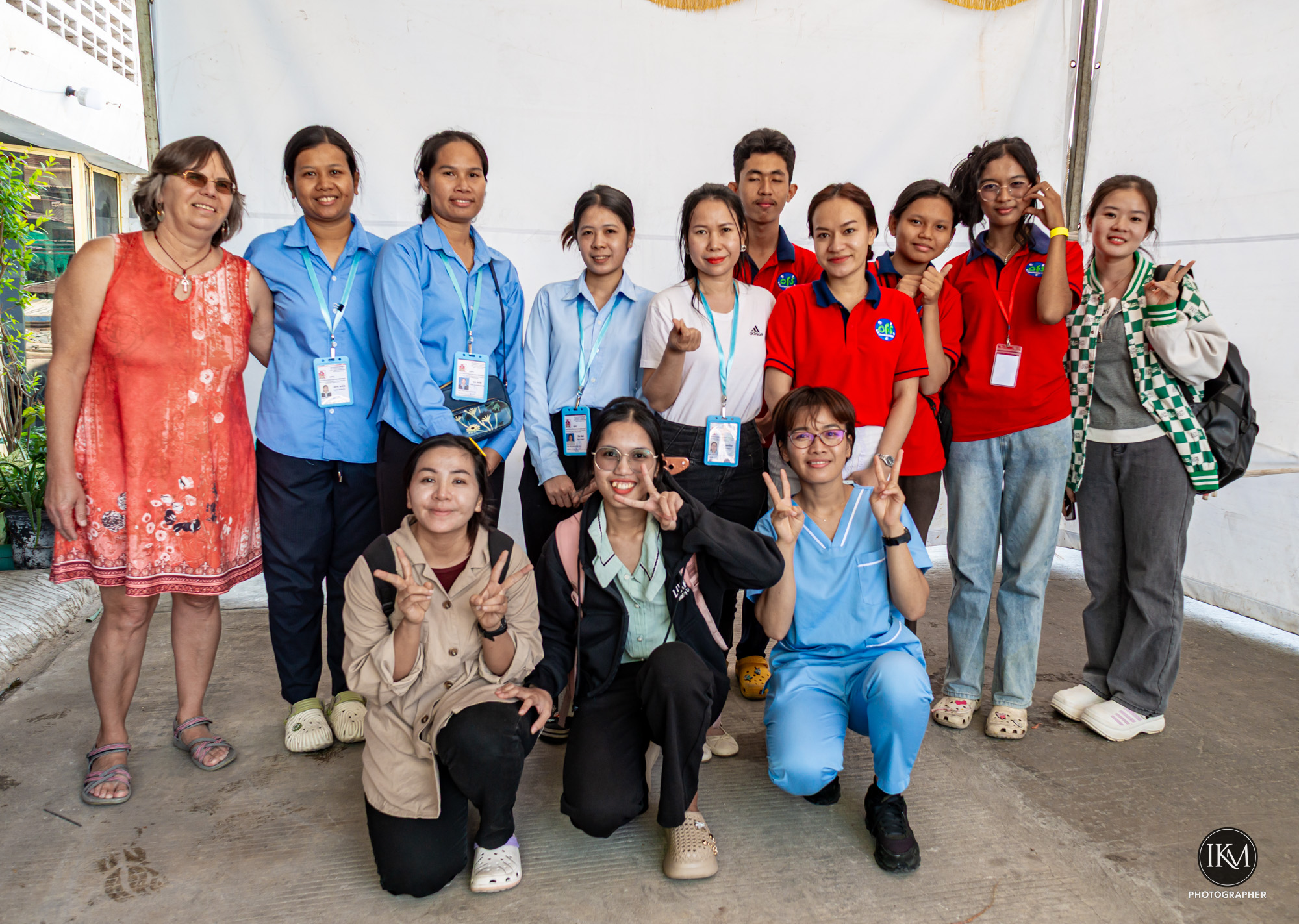
Non-dental helpers (interpreters, organizers, support staff)
Volunteers gain invaluable hands-on experience, build cultural understanding, and often form deep personal connections with the communities they serve. Many return to future missions because of the meaningful impact they witness.
🦷 Types of Dental Work Performed
During missions, KIDS volunteers typically provide essential dental services such as:
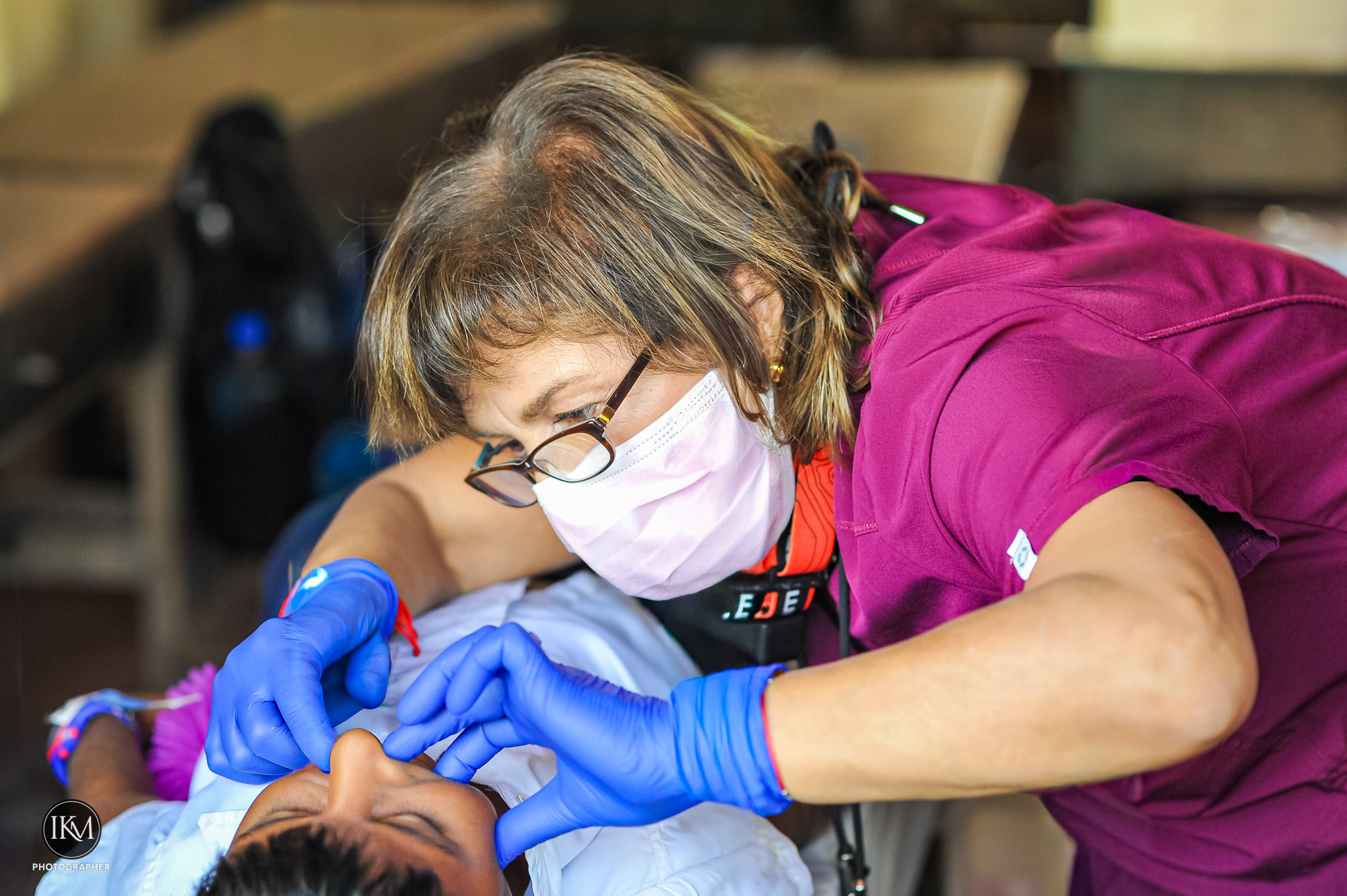
✅ Dental exams ✅ Filling cavities ✅ Extractions ✅ Fluoride treatments & preventative care ✅ Oral hygiene education for kids and families
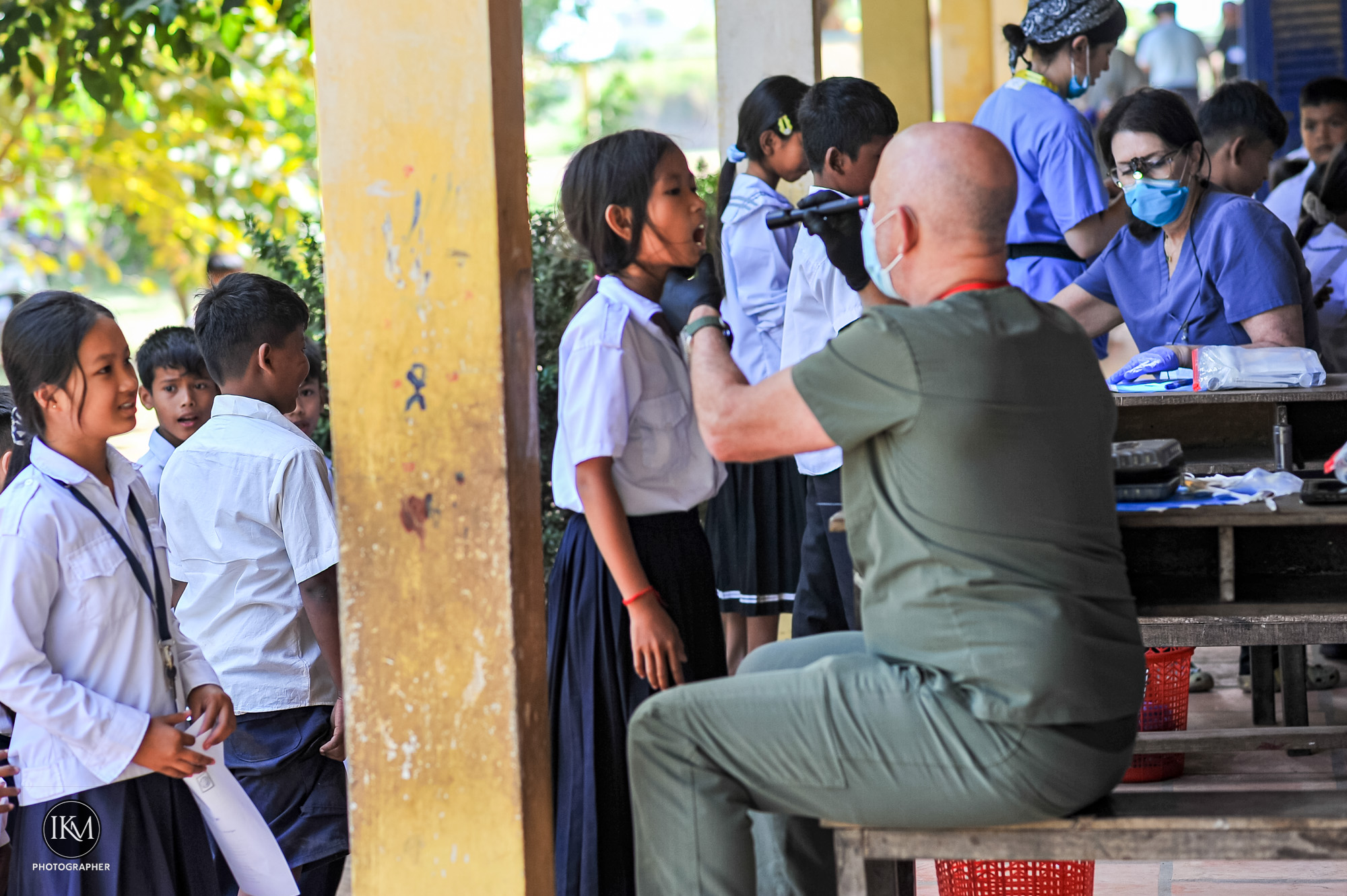
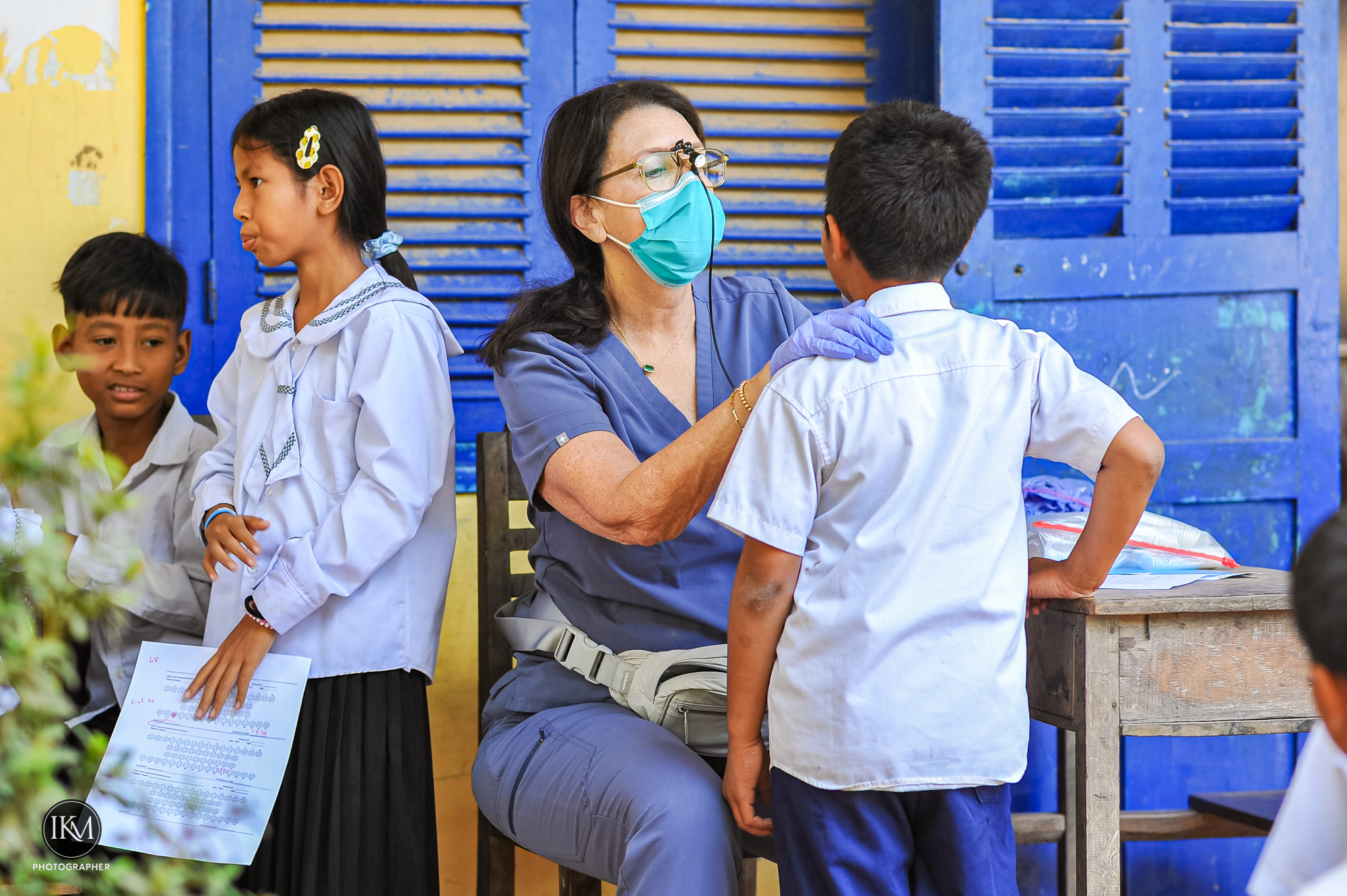
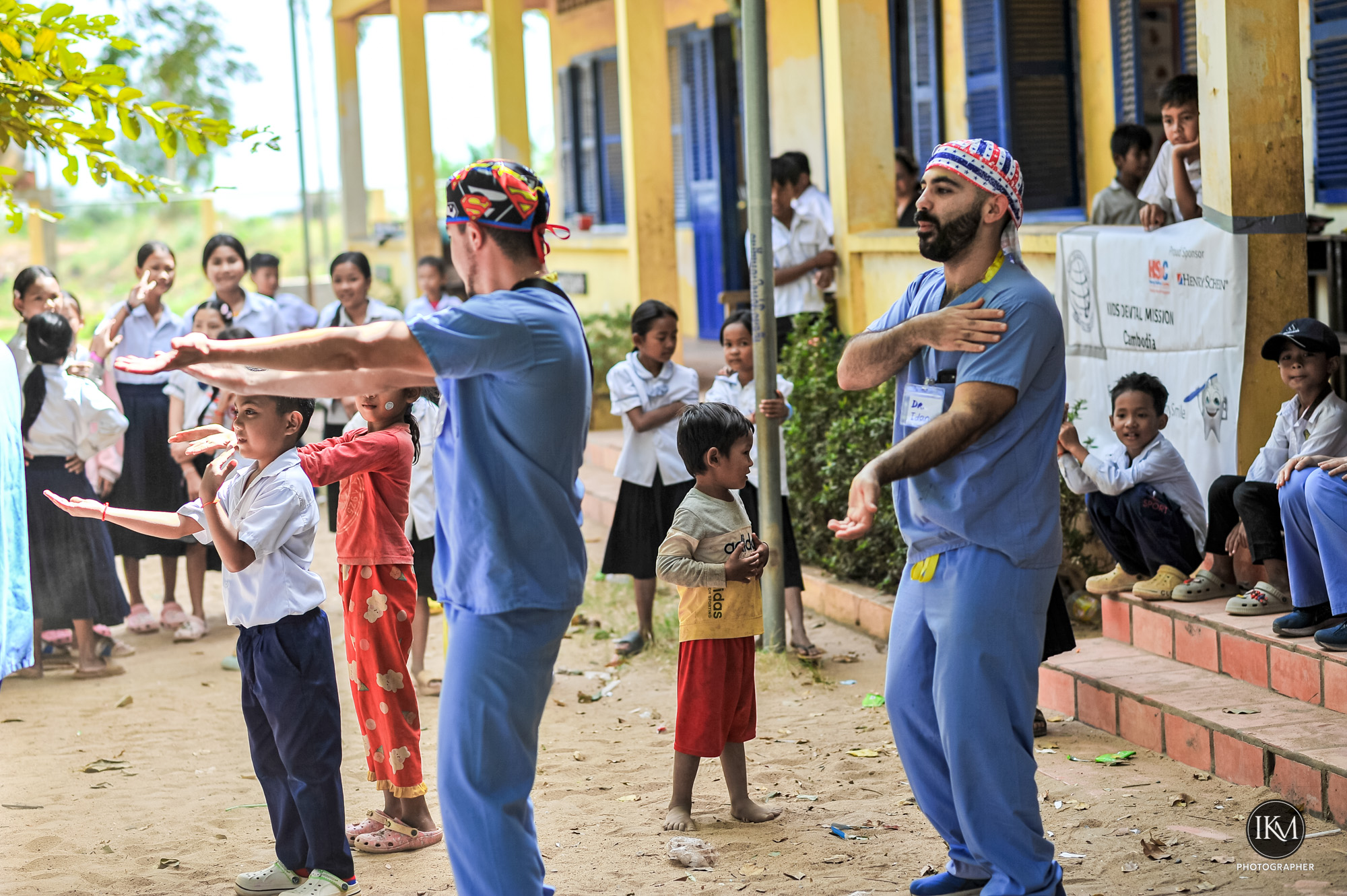
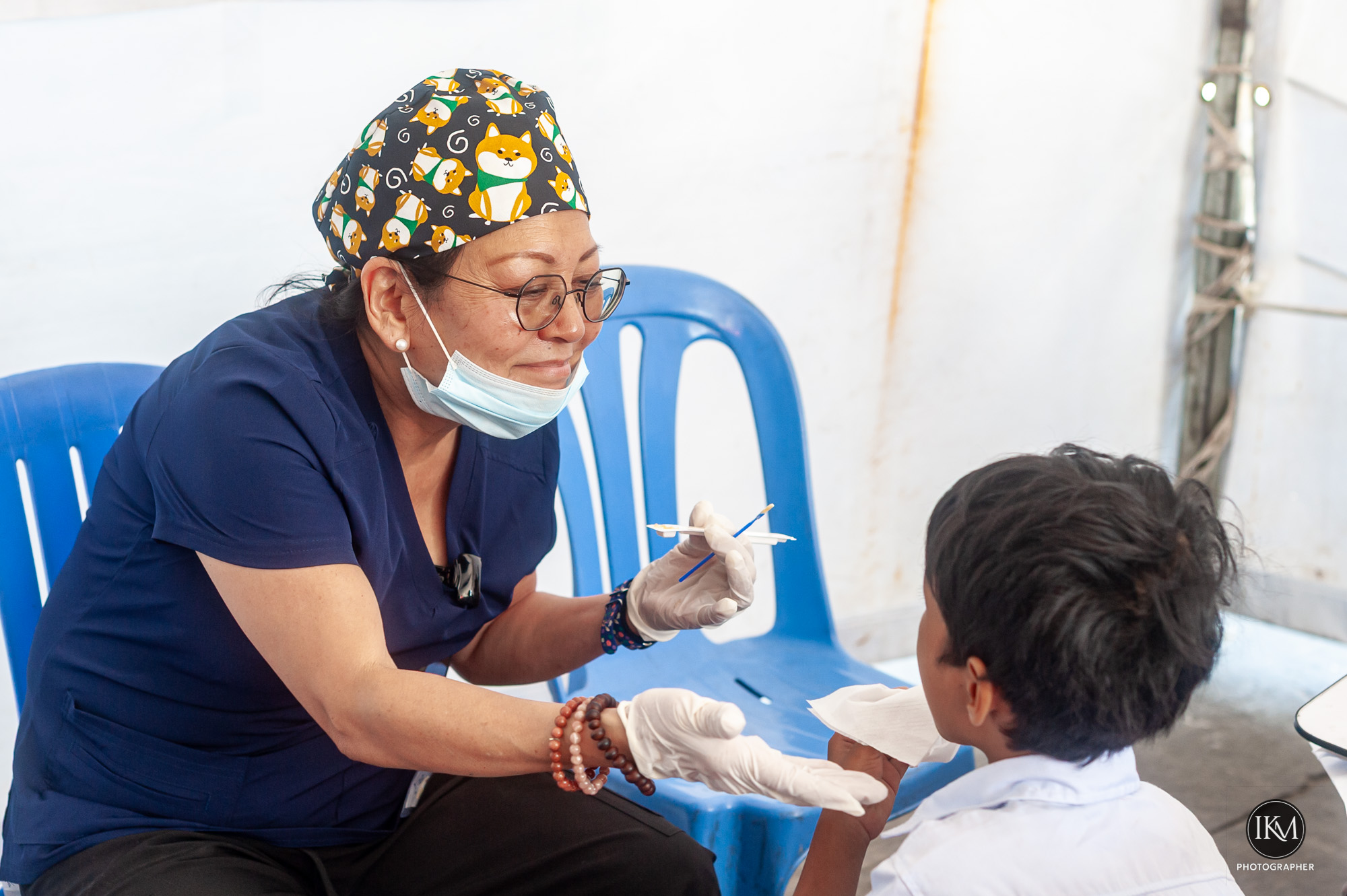
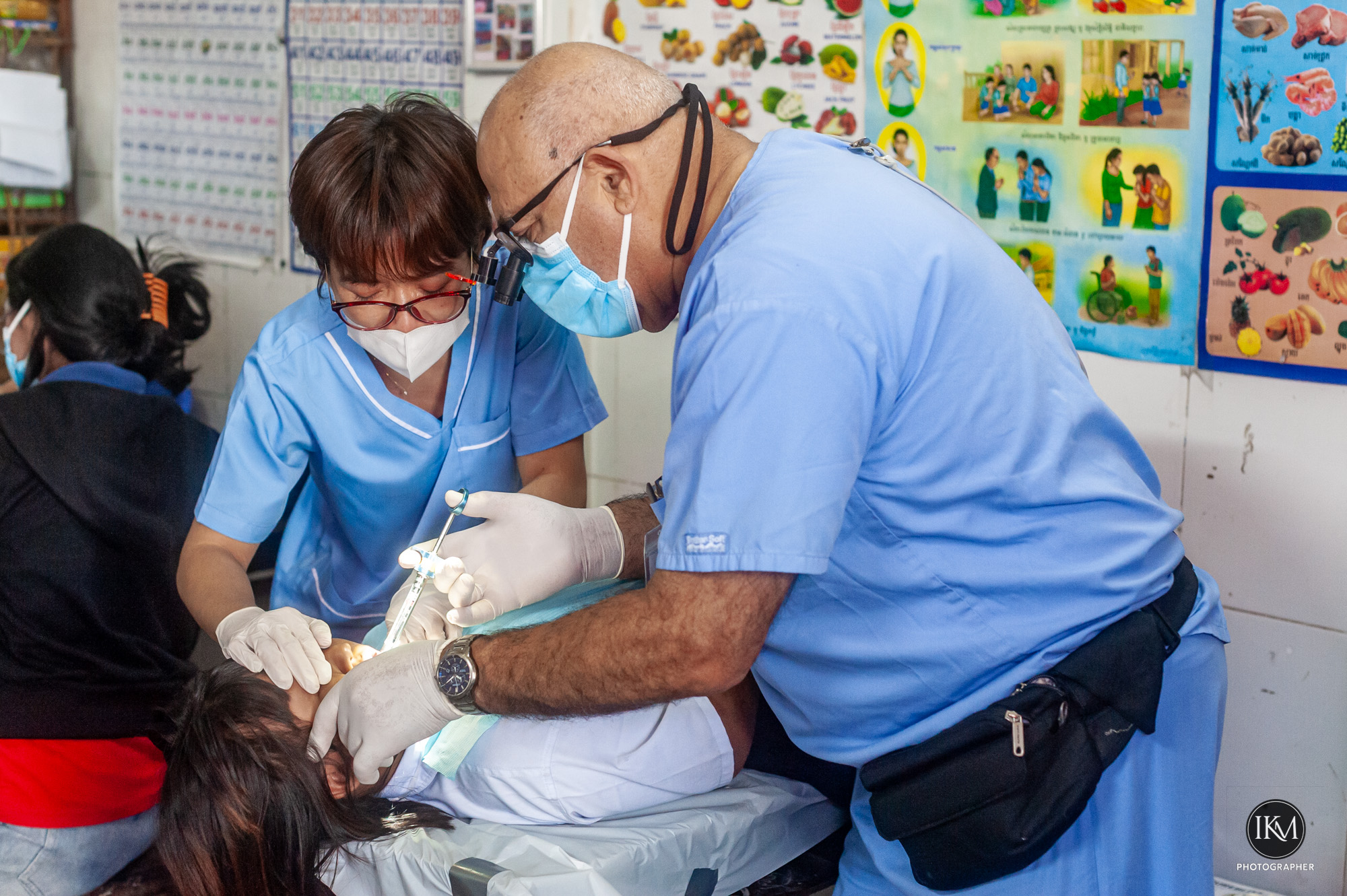
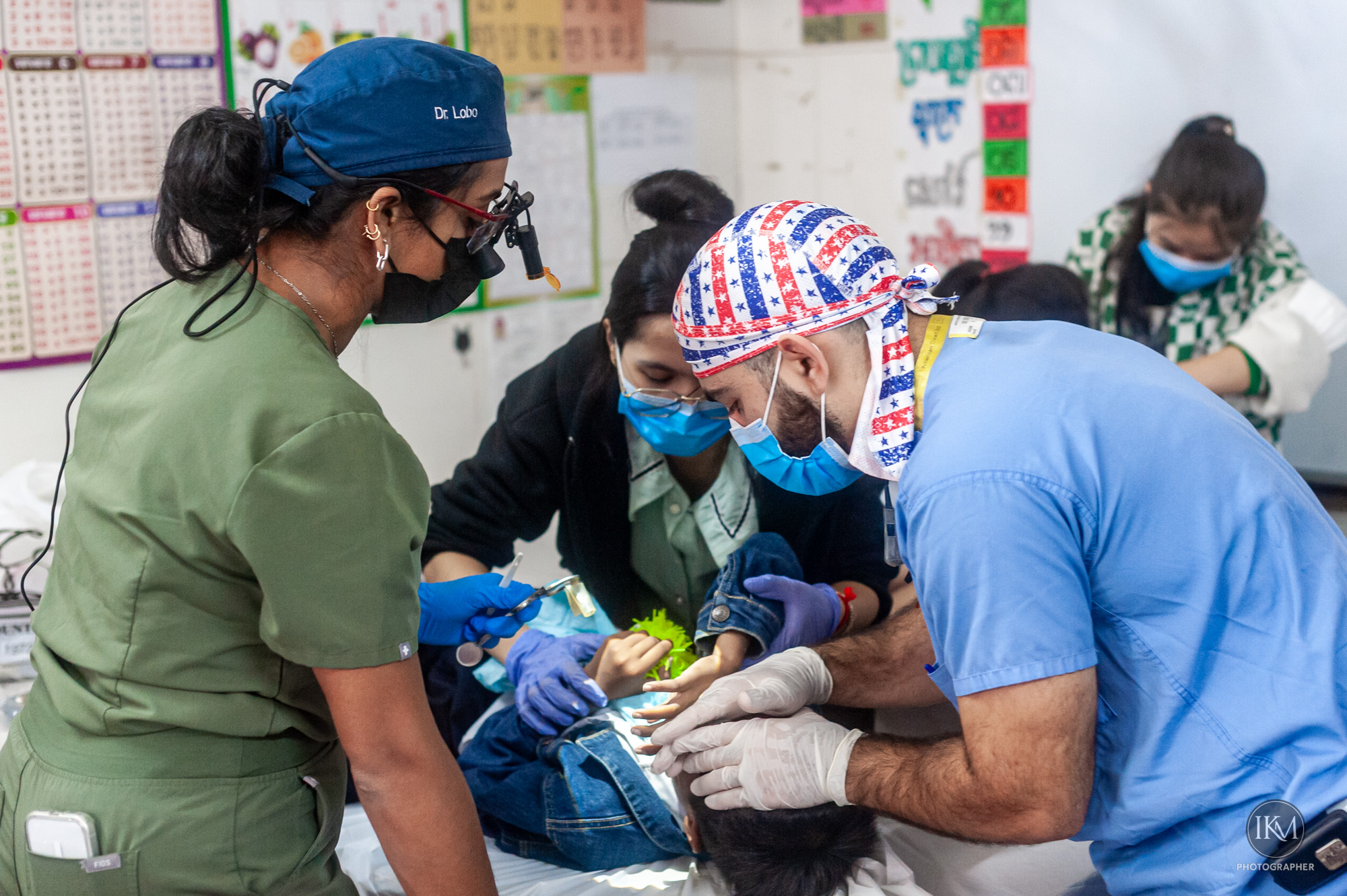
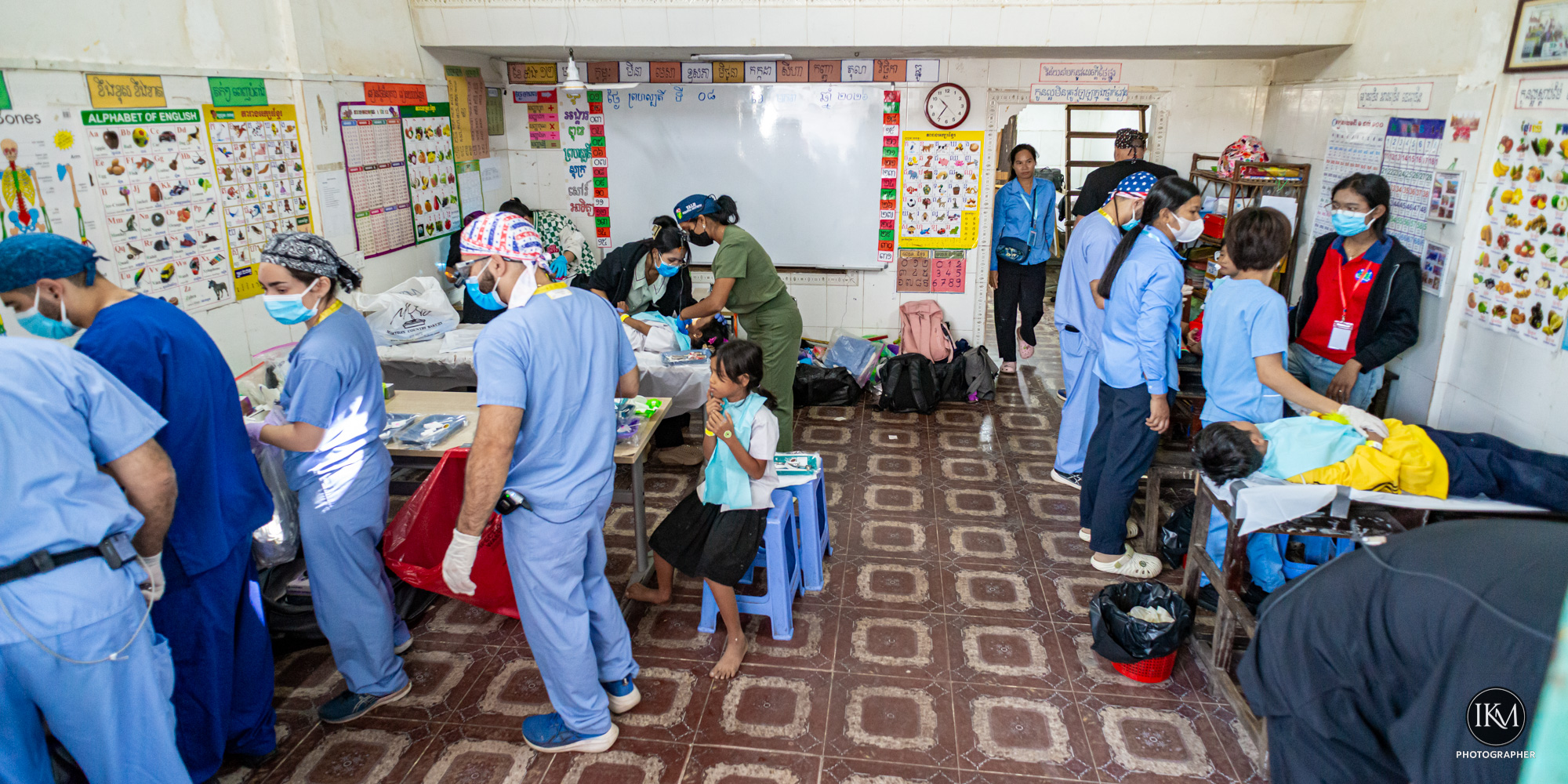
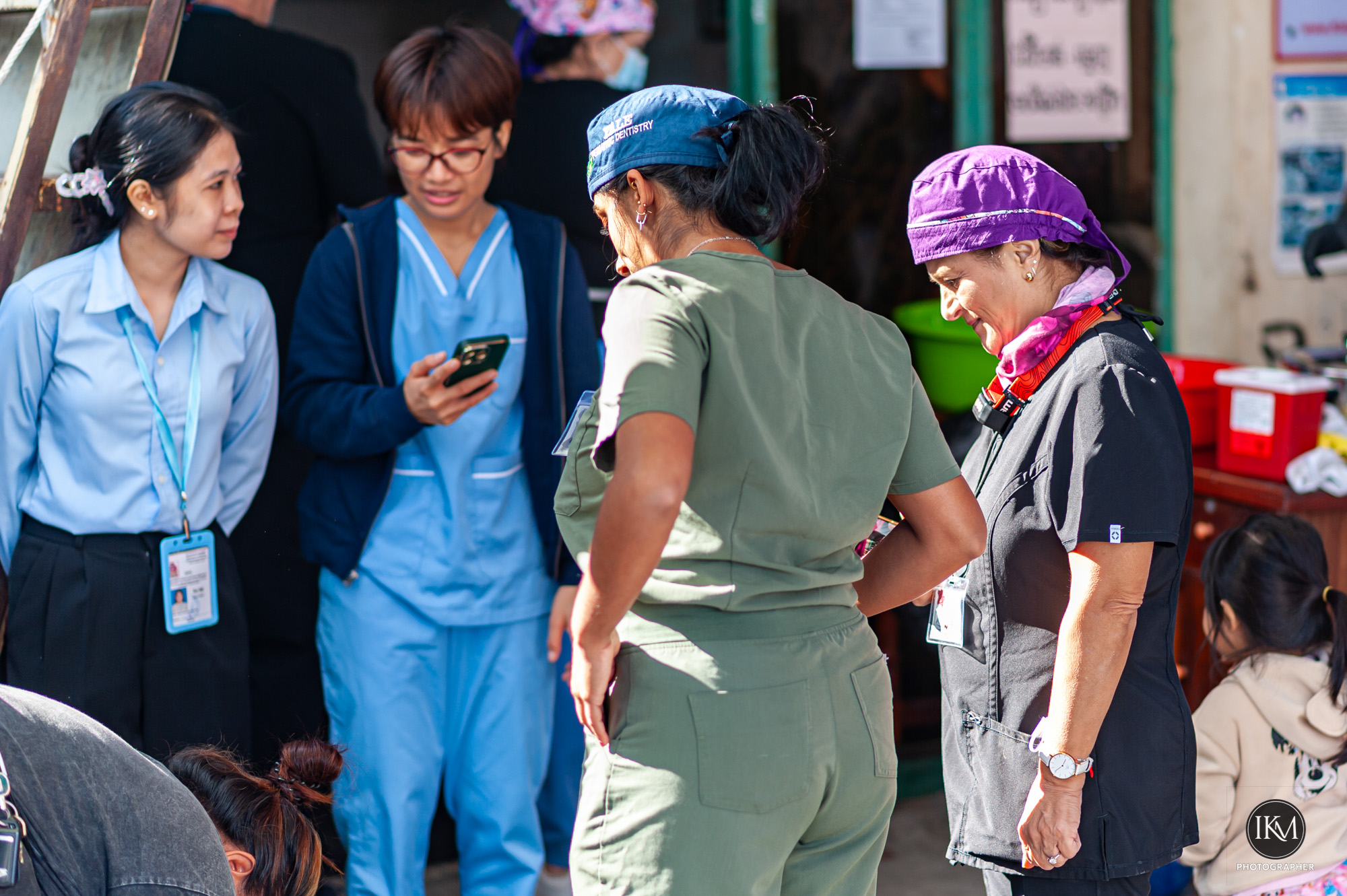
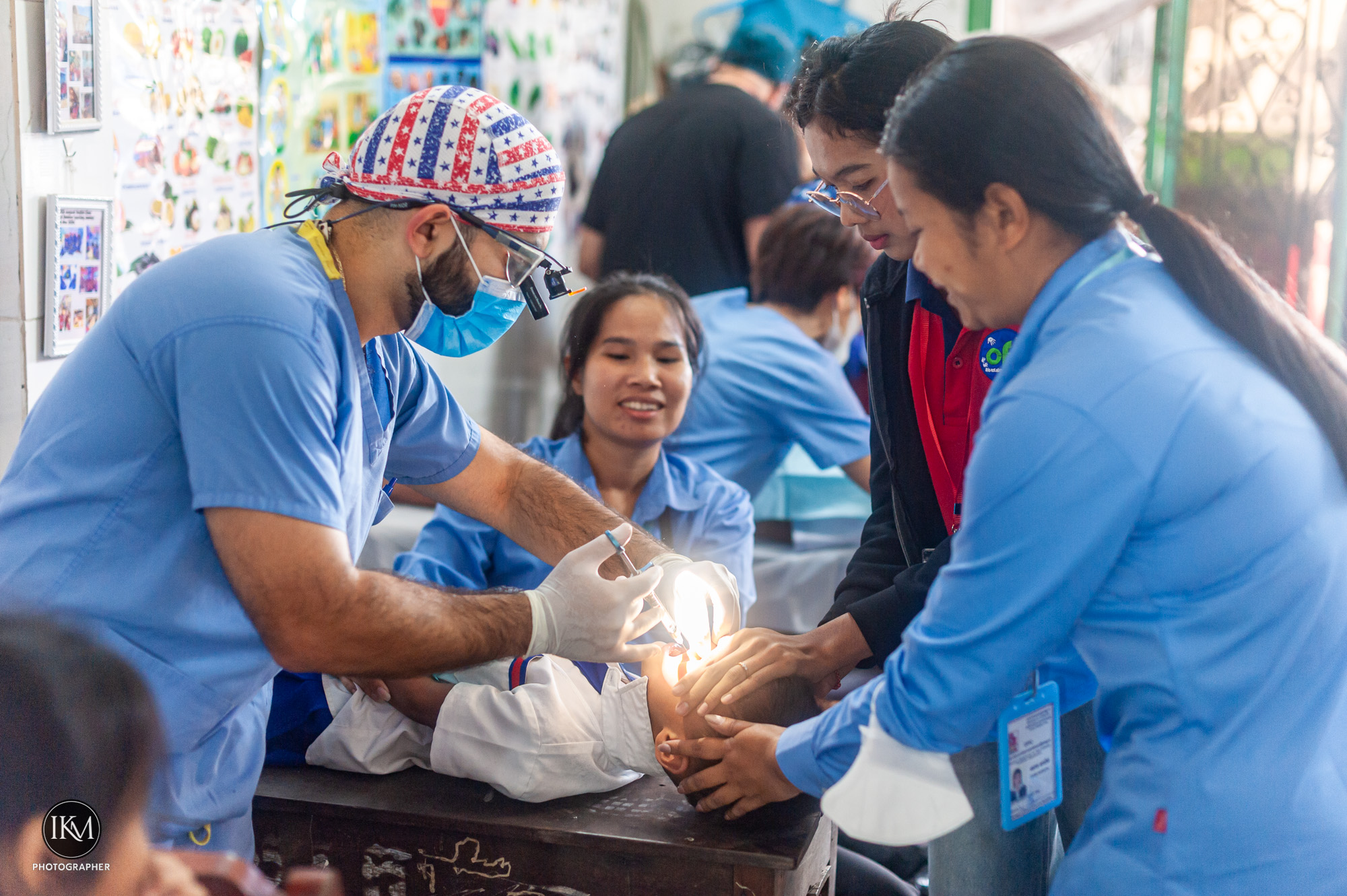
They often work in outdoor or temporary clinic setups — like school courtyards or community centers — bringing portable dental equipment to areas with little or no access to care.
💡 Community Focus & Education
A key component of KIDS’s approach is education:
📌 Teaching children and families why dental care matters 📌 Demonstrating how to brush/floss correctly 📌 Helping local staff understand preventive practices 📌 Building long-term oral health habits beyond immediate treatment
Some mission trips also partner with local organizations to address environmental issues (like contaminated water leading to dental problems) and look for broader, lasting solutions.
🤝 Support & How to Get Involved
Donate
Financial or supplies donations help fund travel, equipment, and free care. According to the organization, 100% of donations go directly to support their mission.
Volunteer
Interested individuals can contact KIDS to join a future mission. Volunteers are asked to complete volunteer agreements and follow safety protocols (including COVID-19 procedures).
According to publicly accessible nonprofit data, KIDS is registered and files annual IRS tax forms. Its recent financial information indicates revenue and expenses typical for a small nonprofit mission-based charity.
📌 Summary
Kids International Dental Services (KIDS) is a compassionate global nonprofit offering:
🌏 Free dental care to under served children around the world 👩⚕️ Hands-on global mission opportunities for dental professionals 📚 Education and empowerment for communities 🤝 Opportunities for donors and volunteers to make a real impact
Absolutely — here are the direct contact details, ways to donate, and how to volunteer with Kids International Dental Services (KIDS) 😊🦷🌍:
📬 Contact Information
📍 Mailing Address: Kids International Dental Services 1700 California St., Suite 200 San Francisco, CA 94109 USA
📧 Email: replytokids@gmail.com — best address to ask questions about missions, donations, or volunteering.
🆔 EIN (Tax-Deductible): 94-3477276 — donations are tax-deductible in the U.S. as KIDS is a registered 501(c)(3) nonprofit.
💖 How to Donate
Your support helps bring free dental care to children in developing countries! 🪥✨
💵 Monetary Donations: You can donate via the official site — 100% of your contribution helps provide dental care services and support mission programs.
📦 Supplies Donations: They may accept donated dental supplies and equipment — it’s best to email them first to confirm what items they can use.
👉 Since all donations go directly to supporting missions, you’re helping children get pain relief, fillings, extractions, and dental education they wouldn’t otherwise receive.
🙋♂️🙋♀️ How to Volunteer
KIDS runs dental mission trips every year where volunteers help provide essential dental care and promote oral hygiene education:
📍 Typical Mission Locations
Cambodia – usually in January
The Philippines – usually in February
Guatemala, Nepal/Bhutan, and more on other annual rotations.
👩⚕️ Who Can Volunteer
Dentists
Dental students
Dental hygienists & assistants
Non-dental volunteers for support roles (volunteer roles vary with each mission)
📝 How to Get Started
⭐ Contact KIDS at replytokids@gmail.com (ask about upcoming mission dates and requirements).
📄 Volunteer Documentation: You need to read and sign the “Volunteer Agreement” and any COVID-19 safety documents before joining a mission. These are emailed to you and then returned to them signed.
✈️ Travel & Accommodations: Volunteers typically arrange their travel to the mission location; details and logistics are coordinated with KIDS after you sign up.
🙌 Tips Before You Go
🧠 Ask about costs — many volunteer missions are supported by donations, but you may be expected to cover your travel, lodging, and basic expenses.
🤝 Reach out early — spots on missions (especially for dental professionals and students) can fill up quickly.
They’re not saying Cambodians are scammers. They’re reacting to the sense that Cambodia has become a permissive environment for scams, especially compared with its neighbors.
The label spread through:
travel forums
expat communities
Chinese & Southeast Asian social media
investigative reporting on cyber-fraud
🏗️ 1. A regional hub for industrial scam operations
Cambodia is now internationally linked to large-scale scam compounds, especially:
romance scams
crypto / “pig-butchering” fraud
fake trading platforms
online gambling
Key locations often mentioned:
Sihanoukville
Poipet
Bavet
Phnom Penh outskirts
These aren’t petty cons—they’re organized, transnational operations, often run by Chinese crime syndicates.
Critically:
many “workers” are trafficked or coerced
passports confiscated
violence used to enforce quotas
So Cambodia appears in UN reports, NGO briefings, and international media again and again.
🏛️ 2. Weak enforcement and selective protection
Cambodia has anti-fraud laws. The issue is enforcement that looks uneven and politicized.
Common perceptions:
some compounds raided, others untouched
owners linked to political or military elites
bribes settling investigations
victims afraid to report crimes
This creates the idea that scams are tolerated as long as powerful people benefit.
That perception—more than raw crime numbers—drives the nickname.
🧳 3. High-visibility scams affecting foreigners
Visitors often encounter:
inflated “foreigner pricing”
fake tickets or permits
bogus police fines
rental and deposit scams
tour or transport bait-and-switch
None are unique to Cambodia—but the frequency and lack of recourse make them memorable.
Travelers warn each other. The term sticks.
🌆 4. Sihanoukville did lasting reputational damage
Sihanoukville became shorthand for:
casino boom chaos
money laundering
human trafficking cases
abandoned mega-projects
violent incidents
For many outsiders:
Cambodia ≈ Sihanoukville ≈ scams
That’s unfair—but reputations don’t wait for nuance.
⚖️ The part people miss
Most Cambodians gain nothing from scams.
Many actively resent them.
The stigma hurts ordinary people and small businesses.
“Scambodia” targets the wrong level of the problem. The real issue is transnational crime + elite protection, not the population.
🧠 Bottom line
Cambodia gets called “Scambodia” because:
it hosts visible, large-scale scam infrastructure
enforcement appears selective
foreigners frequently encounter fraud
one city poisoned the country’s image
The nickname is crude, lazy, and unfair— but it’s rooted in real, systemic failures, not pure prejudice.
Which scams are most common where
How enforcement compares (Cambodia vs Thailand vs Vietnam)
Why the “Scambodia” label spreads
What’s real vs. perception
🔍 1) Common Scam Types — Cambodia vs Thailand vs Vietnam
Scam Type
Cambodia
Thailand
Vietnam
Industrialized cyber-fraud compounds
🔥 Very high (organised, large-scale)
🟡 Rare / small scale
🟡 Rare / small scale
Crypto / “pig butchering” hubs
🔥 Big presence
🟡 Some cases
🟡 Some cases
Online gambling/betting rings
🔥 Large operations
🟡 Smaller
🟡 Smaller
Tourist cons (fake fines, tuk-tuk switching)
🟡 Frequent
🔵 Frequent
🔵 Frequent
Romance / investment scams targeting foreigners
🔥 High
⚪ Mostly offshore, not physically based
⚪ Mostly offshore
Legend: 🔥 Very common / prominent · 🟡 Moderate · 🔵 Common tourist annoyances · ⚪ Less organized locally
👉 Why Cambodia stands out: It isn’t just that scams exist — but that there are factory-style scam operations, often in compounds staffed with dozens or hundreds of people working shifts.
🚔 2) Enforcement & Government Response — Country Comparison
🇰🇭 Cambodia
✔ Has laws against fraud ✘ Enforcement often seen as uneven or slow ✘ Some facilities linked to powerful local interests ✘ Police raids happen — but critics say they’re inconsistent
Perception effect: People see stories of scam hubs operating for months/years with little visible consequence, so it feels like tolerance.
🇹🇭 Thailand
✔ Generally stronger tourism infrastructure ✔ Scam prosecutions more visible ✘ Tourist scams still common (tuk-tuk, tours, fake fees) ✘ Online scam syndicates exist, but less studied
Perception effect: Thailand still gets warnings like “don’t fall for XYZ scam” — but it doesn’t have the same level of organized, compound-style operations on-the-ground.
🇻🇳 Vietnam
✔ Improved enforcement in recent years ✔ Online scam networks exist but are more dispersed ✘ Tourist scams still happen (motorbike rentals, fake fines, overcharging)
Perception effect: Vietnam’s scams are often more “street-level” or digital, rather than big physical compounds.
🧠 3) Why the “Scambodia” Label Spreads
There are a few real social mechanisms behind the nickname:
🧳 A. Travel stories go viral
One traveler gets burned on a tour or tuk-tuk scam, posts it online — others upvote and share.
👉 These stories are memorable, spread fast, and give an emotional impression.
📰 B. International media coverage
News reports and NGO investigations have spotlighted:
large scam compounds
trafficking into scam factories
crypto crime hubs
Even if the crimes aren’t all Cambodian nationals, Cambodia gets named because they physically operate there.
📱 C. Expat & social media echo chambers
Forums focused on scams, crypto fraud, or safety tend to attract negative stories, which can amplify perception.
It becomes:
“I heard about another scam in Cambodia — must be everywhere!”
Repeat that hundreds of times… and the nickname takes hold.
⚠️ 4) What’s Real vs Perception
✔ Real
Organized scam operations really have existed in Cambodia
Enforcement has sometimes been slow or selective
Foreign victims report frequent fraud
❌ Not true
That all Cambodians are scammers
That Cambodia is uniquely “fraud-friendly” compared to every country
That scammers are locals in all cases (many are trafficked workers)
So the nickname is a social perception shortcut, not a fair national label.
🧩 5) Root Causes Behind Cambodia’s Scam Problem
Here’s the deeper context people often miss:
⚙️ Economic drivers
Limited formal jobs
Some young people drawn to online hustles
💰 Demand from abroad
These scams often target victims in other countries — that’s why media buzz is so loud.
🤝 Organized networks
Not individuals operating in markets — but organized groups, sometimes with political or economic protection.
🚨 Law enforcement capacity
The legal framework exists — but resources, training, and political will vary.
🎯 Summary — Why “Scambodia” Caught On
✨ It reflects a perception of lax enforcement + large scam hubs. But…
❌ It’s unfair as a national label — Cambodia is more than that. The scams are symptoms of regional crime networks + governance challenges, not an expression of Cambodian society.
🇰🇭 Cambodia: What Travelers Should Actually Watch Out For
🛂 1. Visa & border nonsense (most common first hit)
⚠️ What happens
“Extra fees” invented at land borders
Claims your visa is “wrong” or “expired”
Pressure to pay to “fix” paperwork
✅ What to do
Use official e-visa sites only
Print everything
Be calm, polite, and boring
Ask for a receipt — magic word
📌 If it’s fake, asking for paperwork often ends it.
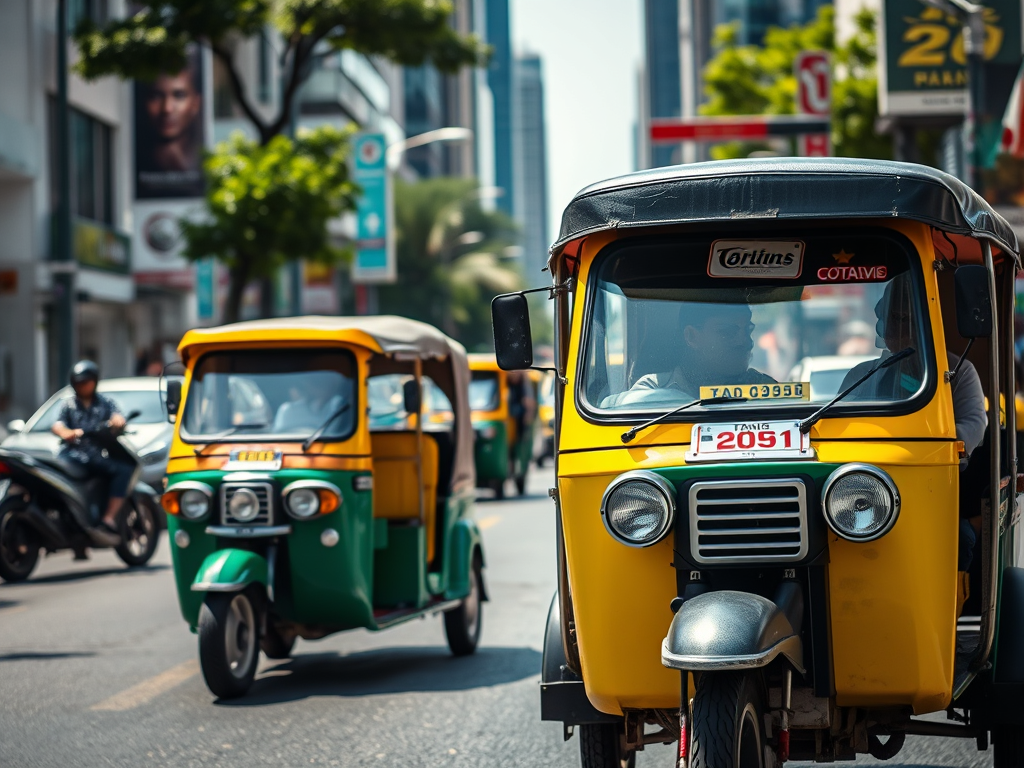
🚕 2. Transport tricks (annoying, not dangerous)
⚠️ What happens
Tuk-tuk driver agrees on price → changes destination
Taxi meter “broken”
Airport ride suddenly doubles
✅ What to do
Use Grab / PassApp whenever possible
Confirm destination + price clearly
Pay after arrival
📌 Most drivers are honest — but don’t rely on vibes.
🏨 3. Accommodation & deposits
⚠️ What happens
Landlord keeps deposit
“Damage” appears at checkout
Different room than advertised
✅ What to do
Take photos on check-in
Use platforms with dispute systems
Avoid paying deposits in cash for short stays
📌 If there’s no paper trail, there’s no leverage.
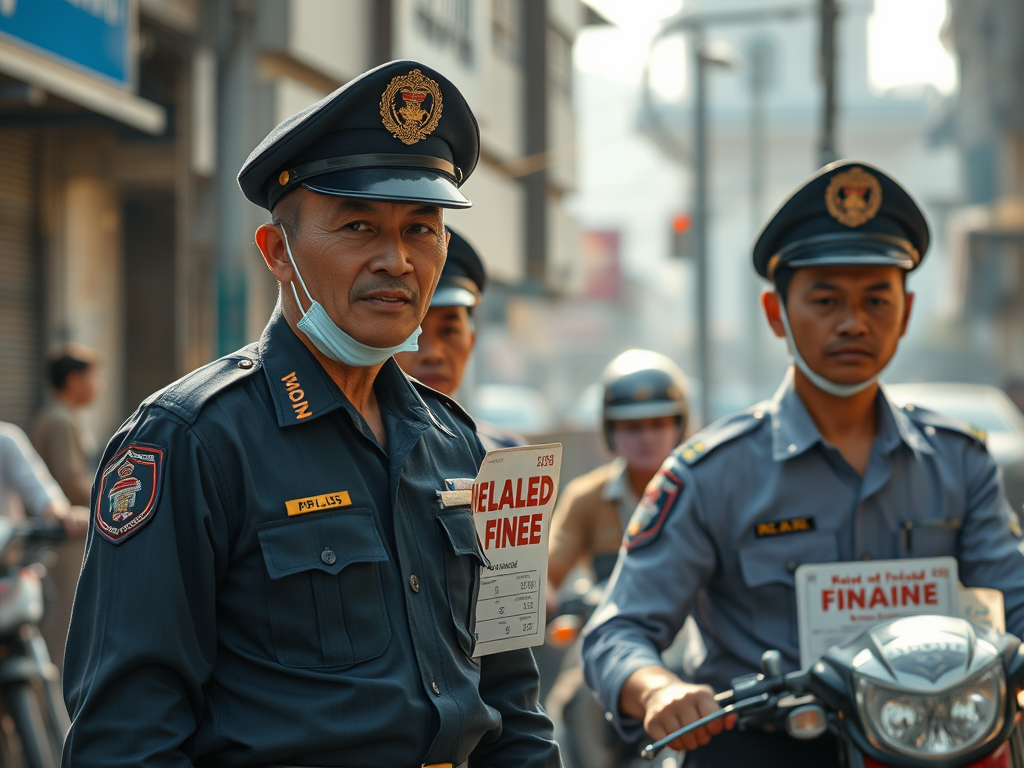
👮 4. Fake or inflated police fines (rare, but real)
⚠️ What happens
Claimed traffic or visa violation
“Pay now or go to station”
No ticket, no ID, no paperwork
✅ What to do
Ask for written citation
Ask to go to the police station
Stay polite and slow
📌 Real police don’t mind paperwork. Fake ones hate it.
🎟️ 5. Tours, tickets & “official” guides
⚠️ What happens
Fake bus or boat tickets
“Closed site — alternative tour”
Extra fees at attractions
✅ What to do
Book through hotels or known operators
Check opening hours online
Avoid on-street “helpers”
📌 If someone approaches you unsolicited — pause.
💱 6. Money, exchange & payment traps
⚠️ What happens
Torn USD bills rejected
Short-changing at exchange
“Wrong change” in busy moments
✅ What to do
Carry clean USD bills
Count change out loud
Use ATMs inside banks
📌 Cambodia runs on USD — but only pristine notes.
📱 7. Digital & online scams (less touristy, but growing)
⚠️ What happens
Tinder / Instagram crypto pitches
“Investment tips” from new friends
Fake job or volunteer offers
✅ What to do
Never invest via WhatsApp/Telegram
Don’t trust “insider” trading apps
Walk away early — no explanations
📌 If it feels like a script, it probably is.
🧠 8. The real danger: politeness pressure
This is the biggest mistake travelers make.
⚠️ What happens
You don’t want to offend
You don’t want to look rude
You hesitate too long
✅ What to remember
Being calm ≠ being compliant
You can say no without drama
Slowing things down protects you
📌 Scams rely on momentum. Kill the momentum.
🟢 What not to worry about (seriously)
❌ Random violence ❌ Being kidnapped ❌ Everyday people targeting you ❌ Walking around cities by day
Cambodia is generally safe, especially compared to the reputation online.
🧭 Traveler’s 5-Rule Cheat Sheet
Paper beats stories
Apps beat street deals
Slow beats fast
Photos beat memory
No receipt = no payment
Final truth 💬
If you travel Cambodia alert but relaxed, you’ll likely have:
warm interactions
incredible food
rich history
zero serious problems
The scams exist — but they’re avoidable, shallow, and rarely dangerous. Generally Cambodians people are friendly and helpful.
Pairing the Nikon D700 with the right lens is one of the reasons this body still shines.
📸 It’s a full-frame (FX) camera with great low-light ability and rugged handling, so certain lenses really unlock its potential for street, portrait, travel, and everyday shooting.
Here’s a practical guide to the best lenses you can use with a D700 — ranked by use case and value, including price/quality balance.
🎯 1. Street & Everyday — All-Around Winners
Nikon 35mm f/1.8G AF-S
📌 Best overall everyday lens
Field of view: Classic documentary/street framing
Fast in low light, great subject isolation
Compact and quiet AF
💡 Why it works 35mm on full-frame gives context with subject focus, perfect for street scenes and daily shooting.
📍 Great for:
Street photography
Urban context + people
Travel
Nikon 50mm f/1.8G AF-S
📌 Best all-purpose normal lens
Natural perspective (very “filmic”)
Sharp for portraits and general use
Affordable pro-quality option
💡 Why it’s great If you want one lens that does portraits and everyday shoots, this is a classic. On the D700 it feels perfect.
📍 Great for:
Portraits (tight but not zoomed)
Everyday street photos
Low-light environments
👤 2. Portraits — Beautiful Compression & Bokeh
Nikon 85mm f/1.8G AF-S
📌 Best portrait lens for the D700
Flattering focal length for heads/shoulders
Superb subject separation
Fast, sharp, and great contrast
💡 Why you’ll love it Rich, creamy bokeh and excellent sharpness make this a staple for portraits and even street portraiture from a modest distance.
📍 Great for:
Portraits
Street portraits
Events
🌆 3. Wide Angles — Environment & Context
Nikon 24mm f/1.8G AF-S
📌 Best wide angle prime
Great for environmental street and documentary work
Very usable in low light
Minimal distortion compared to zooms
💡 Why choose 24mm You get immersive perspective without serious barrel distortion. Great indoors or on crowded streets.
📍 Great for:
Architecture + documentary
Wider street scenes
Travel landscapes
📷 4. Zoom Lenses — Flexibility Without Sacrifice
Nikon 24-70mm f/2.8G ED AF-S
📌 Verified pro zoom workhorse
Excellent range for all-around shooting
Strong low-light capability
Classic pro build
💡 Consider this if you want one lens to rule many situations — from wide stories to portraits.
📍 Great for:
Events
Run-and-gun photojournalism
Travel where you can’t change lenses often
Nikon 70-200mm f/2.8G ED VR II
📌 Best telephoto zoom for portraits/sports/isolated subjects
Tight framing without cropping in
Beautiful compression
Fast and tack-sharp
💡 A D700 + 70-200 f/2.8 is a workhorse combo if you shoot concerts, sports, or candid portraits.
📍 Great for:
Tight portraits
Sports or action
Wildlife at moderate distance
💸 5. Best Budget (& Used) Options That Punch Above Their Price
If you want great glass without spending a fortune:
🔹 Nikon 50mm f/1.8D – older normal lens; excellent sharpness and cheap 🔹 Nikon 85mm f/1.8D – gorgeous portrait lens at used prices 🔹 Nikon 24mm f/2.8D – a little slower but very sharp and compact 🔹 Tokina 17-35mm f/4 AT-X – great wide option on a budget
TIP: D-series lenses can still autofocus on the D700 and are often dramatically cheaper used.
🧠 How to Choose Based on What You Shoot
📸 Street + Walkaround
35mm f/1.8G
50mm f/1.8G
🪩 Low-Light & Night
35mm f/1.8G
50mm f/1.8G
85mm f/1.8G
👤 Portraiture
85mm f/1.8G
🌍 Travel & Landscapes
24mm f/1.8G
24-70mm f/2.8G
🏃 Sports/Action
70-200mm f/2.8G
🧠 Why These Lenses Still Rock With the D700
✅ FX (full-frame) coverage — they use the sensor’s best area ✅ Fast apertures — perfect for the D700’s excellent low-light strength ✅ Sharp optics that match the sensor’s output ✅ Built for durability — like the D700 itself
Older is not dated when the glass is this good.
💡 Final Thoughts
If you want one lens that defines the D700 experience: 👉 35mm f/1.8G
If you want one that’s the most versatile and satisfying overall: 👉 50mm f/1.8G
If you want beautiful subject isolation: 👉 85mm f/1.8G
And if you want one lens that does everything: 👉 24-70mm f/2.8G
Core Idea: Photography is the process of recording images by capturing light on a light‑sensitive surface (film, plate, or digital sensor).
Dual Nature: It is both a scientific technique (optics, chemistry, digital sensors) and an art form (composition, storytelling, aesthetics).
Earliest Example: The first surviving camera photograph, View from the Window at Le Gras (1826), by Nicéphore Niépce.
🕰️ How Its Importance Has Changed Over Time
19th Century – Scientific Breakthrough
Invention of the daguerreotype (1839) revolutionized visual documentation.
Photography became a tool for science, exploration, and portraiture, replacing painted likenesses.
Early 20th Century – Artistic & Social Medium
Figures like Alfred Stieglitz elevated photography into fine art.
Used for journalism and propaganda, shaping public opinion during wars and social movements.
Mid‑20th Century – Mass Communication
Introduction of film cameras and color photography made images accessible to everyday families.
Photography became central to advertising, fashion, and mass media.
Late 20th Century – Global Documentation
Portable cameras allowed photojournalists to capture civil rights protests, wars, and cultural shifts.
Photography became a powerful witness to history, influencing politics and humanitarian causes.
21st Century – Digital & Social Revolution
Digital cameras and smartphones made photography universal.
Platforms like Instagram and TikTok turned images into social currency.
Photography now drives identity, activism, marketing, and memory preservation.
📊 Summary Table
Era
Importance
19th Century
Scientific discovery, portraiture, exploration
Early 20th
Fine art, journalism, propaganda
Mid‑20th
Mass communication, advertising, family memory
Late 20th
Historical witness, political influence
21st Century
Digital ubiquity, social media, activism
✨ In Summary
Photography began as a scientific experiment and evolved into a universal language. Today, it is not only about recording reality but also about shaping perception, identity, and culture. Its importance has grown from documenting the world to actively influencing how we see and understand it.
Skin Tones: The D810’s sensor and the lens’s rendering combine to produce natural, nuanced skin tones.
⚙️ Practical Considerations
Weight/Balance: The D810 is a robust body (880g), and the 85mm f/1.8 is relatively light (350g), so the combo balances well in hand.
Autofocus: Fast and reliable, though not as snappy as Nikon’s pro f/1.4 primes.
Field Use: Excellent for portraits, events, street candids, and even compressed landscapes.
✨ Best Use Cases
Studio and environmental portraits.
Weddings and events where subject isolation matters.
Low‑light documentary work.
Artistic projects where sharpness and bokeh interplay are key.
👉 In short: the D810 + 85mm f/1.8 is a portrait powerhouse — sharp, flattering, and versatile, with enough speed for low‑light and enough resolution for large prints.
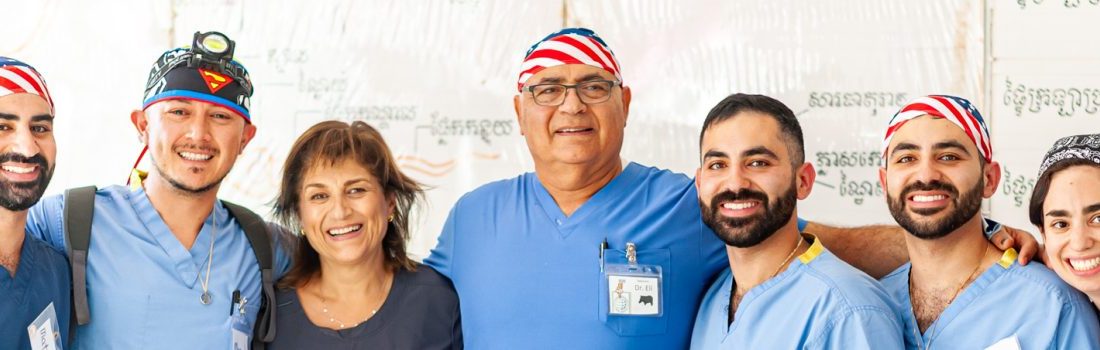
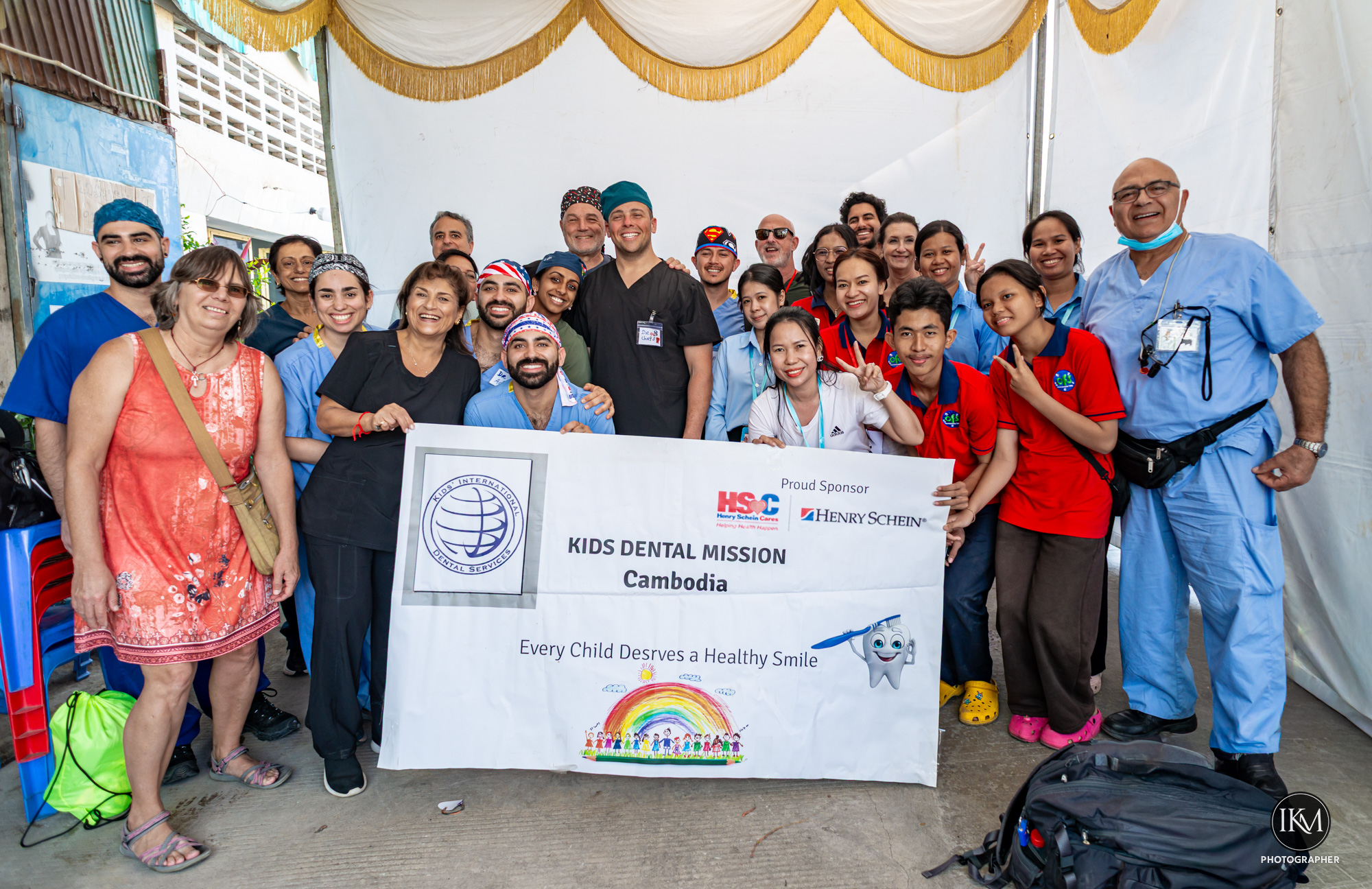
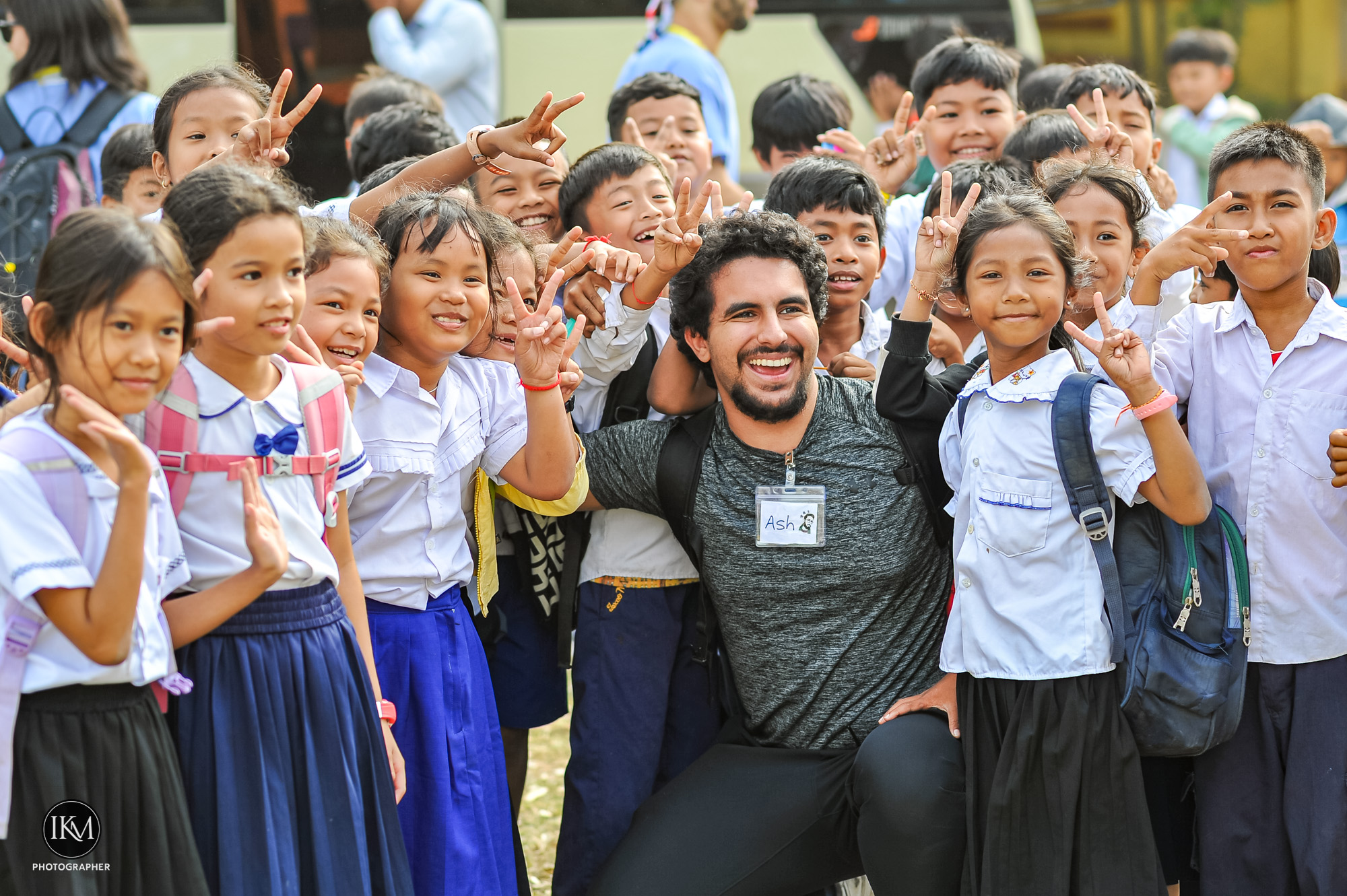
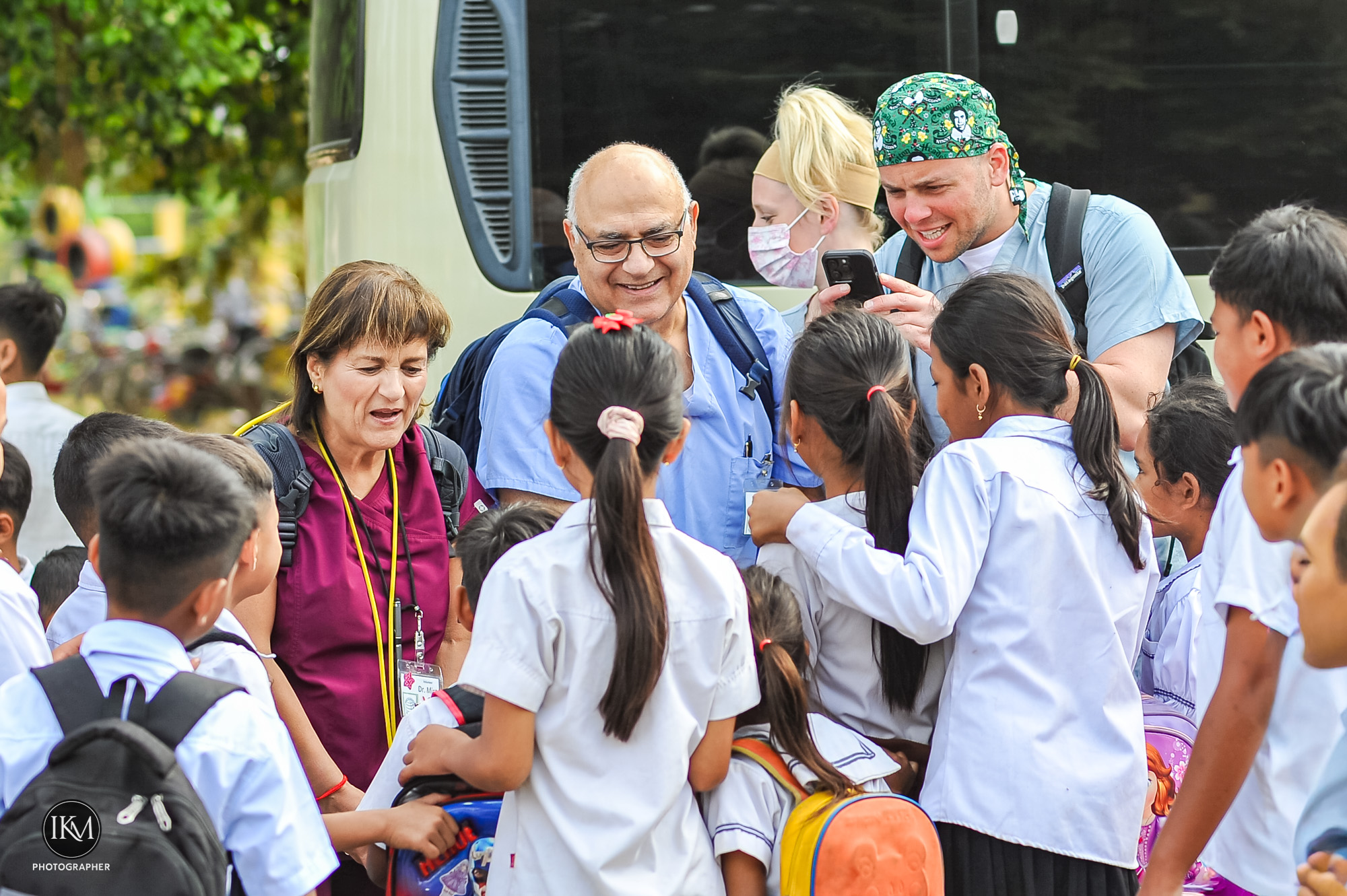
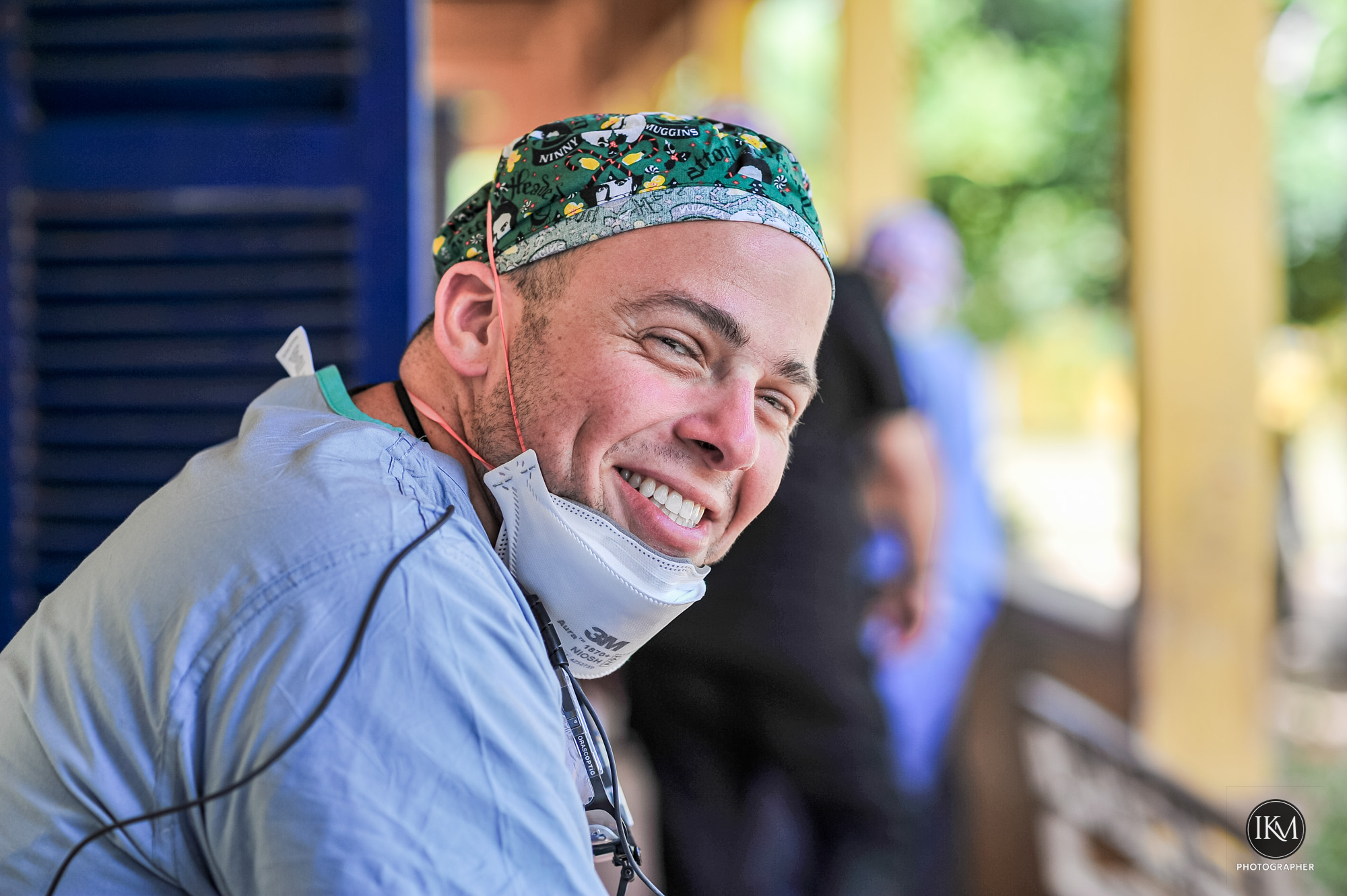
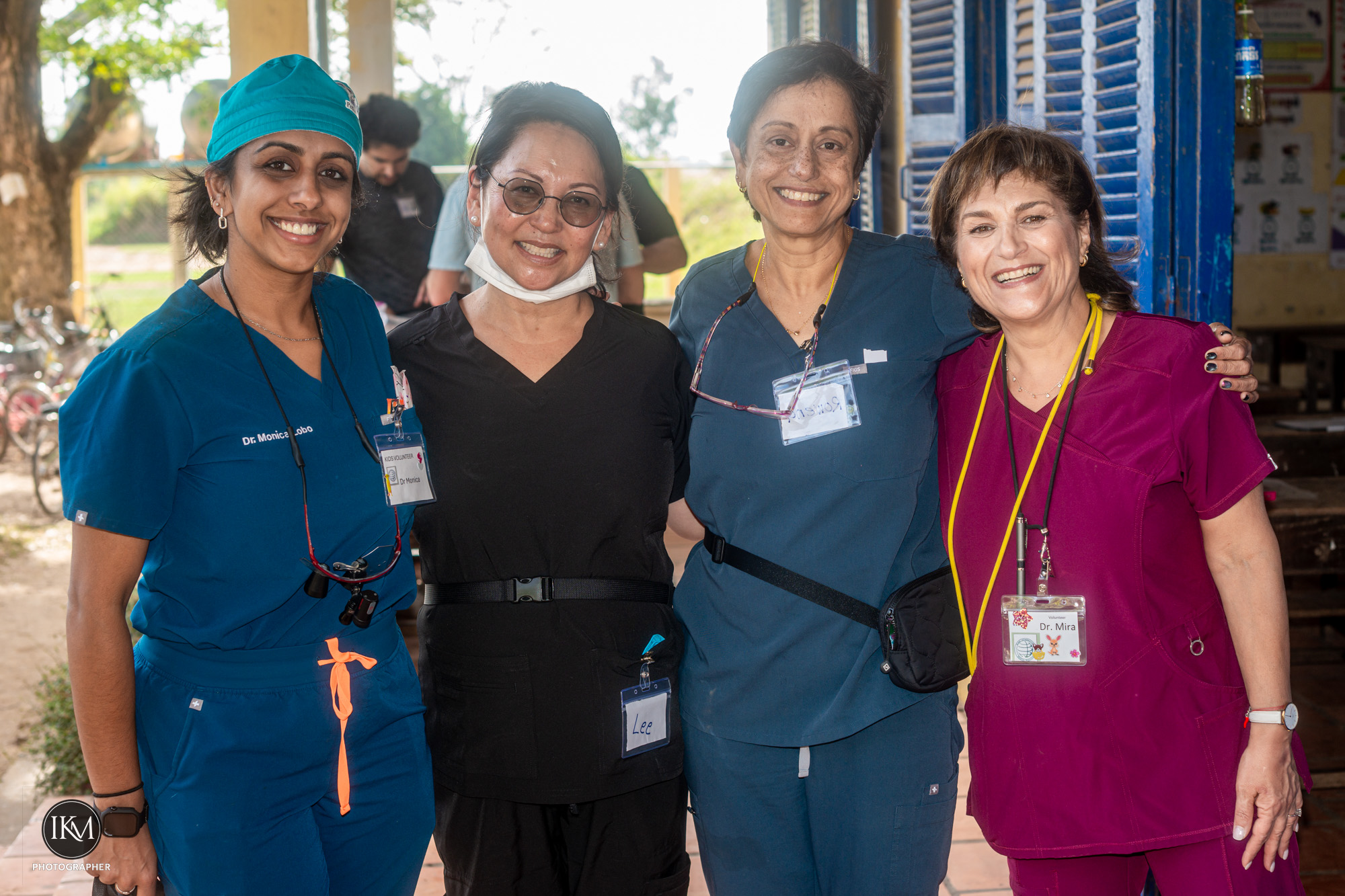
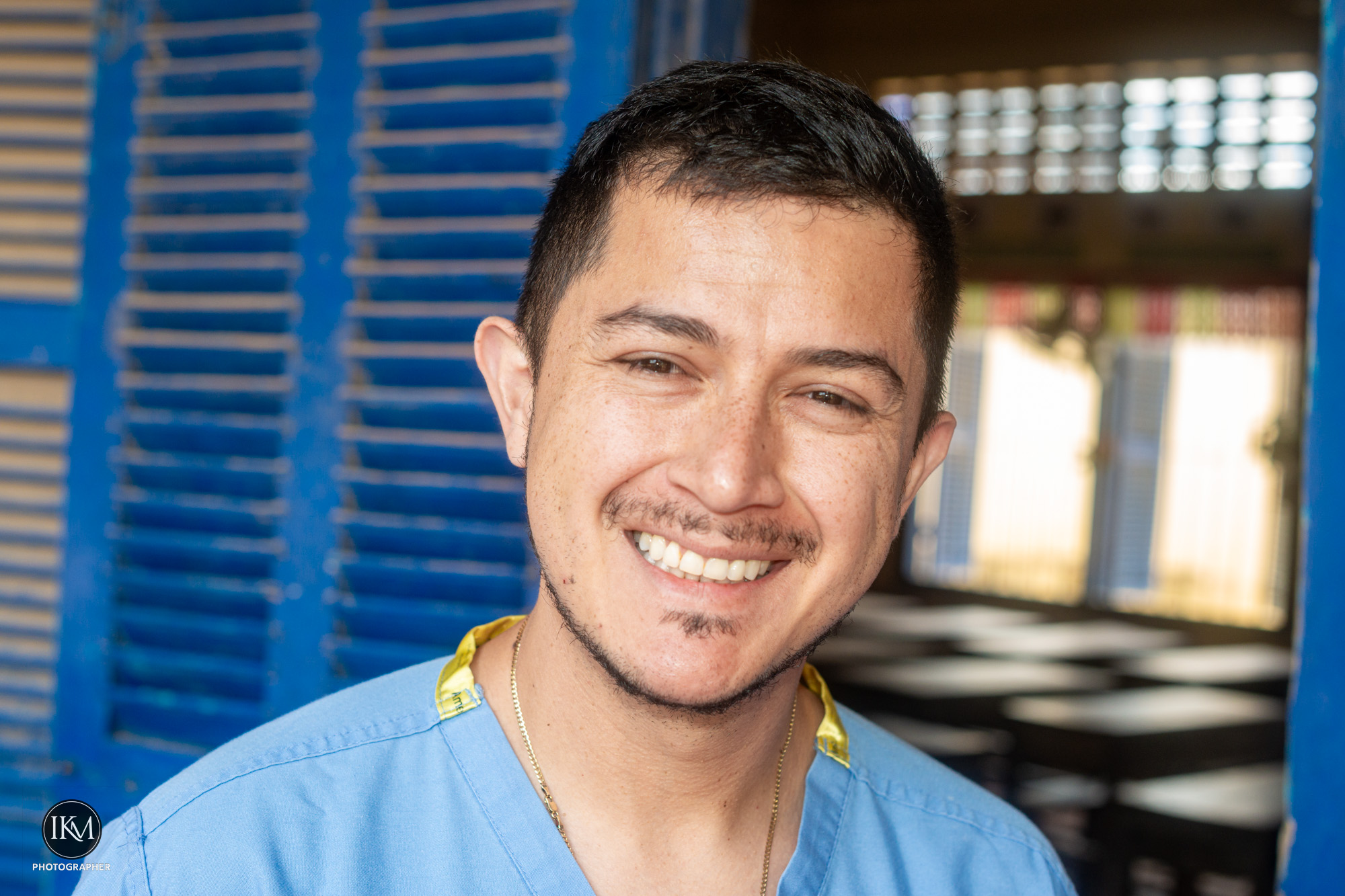
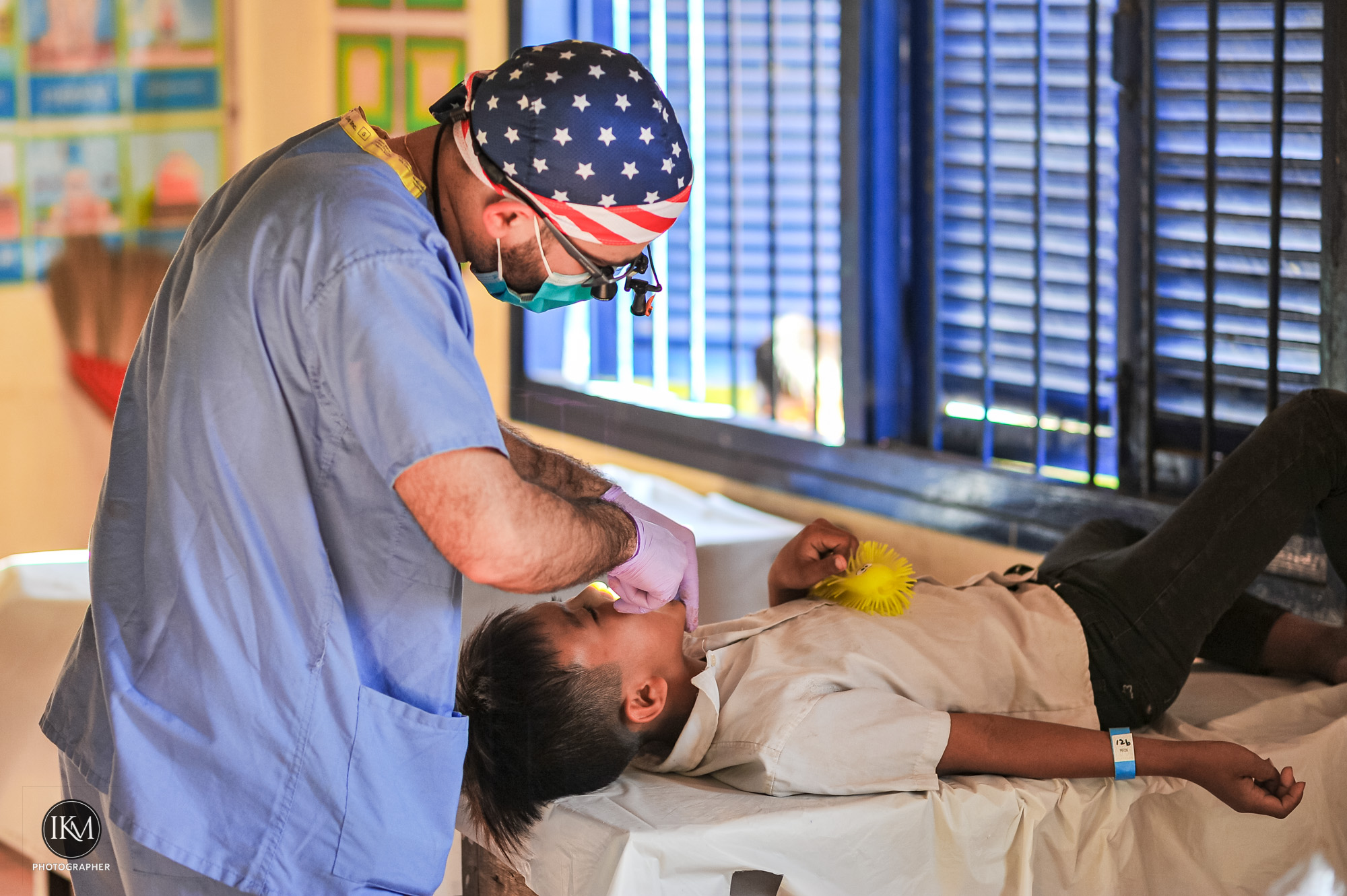
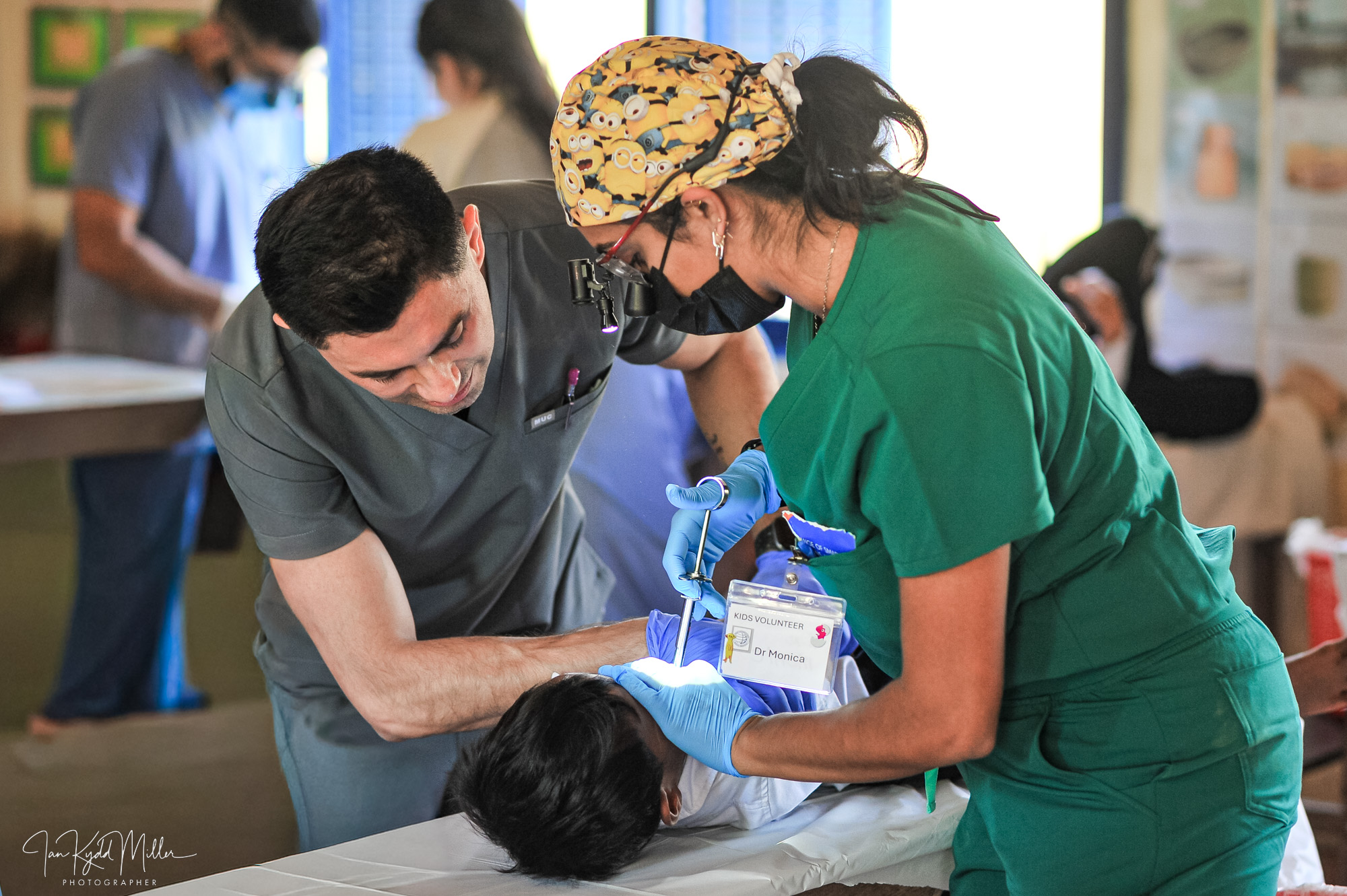
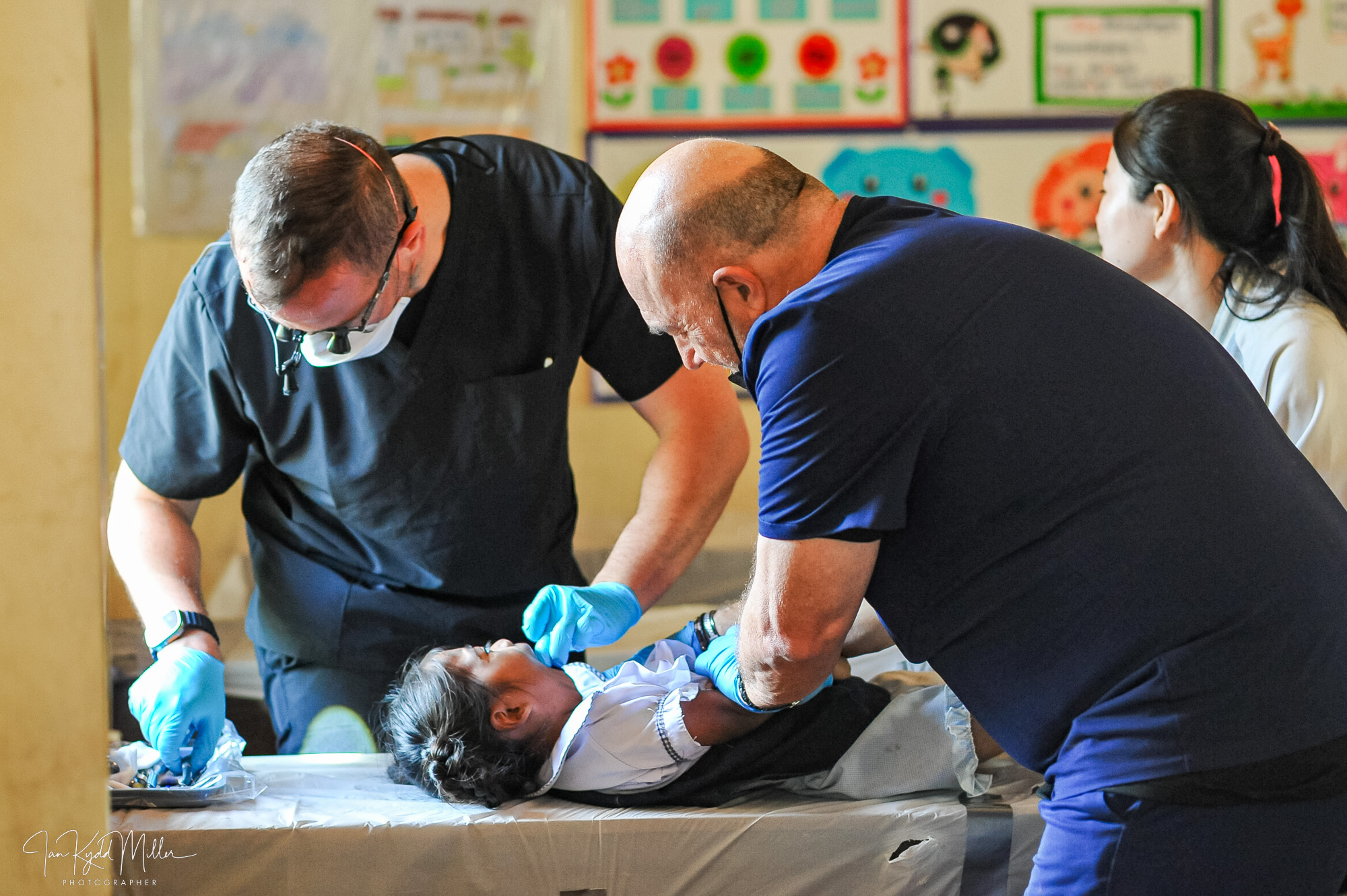
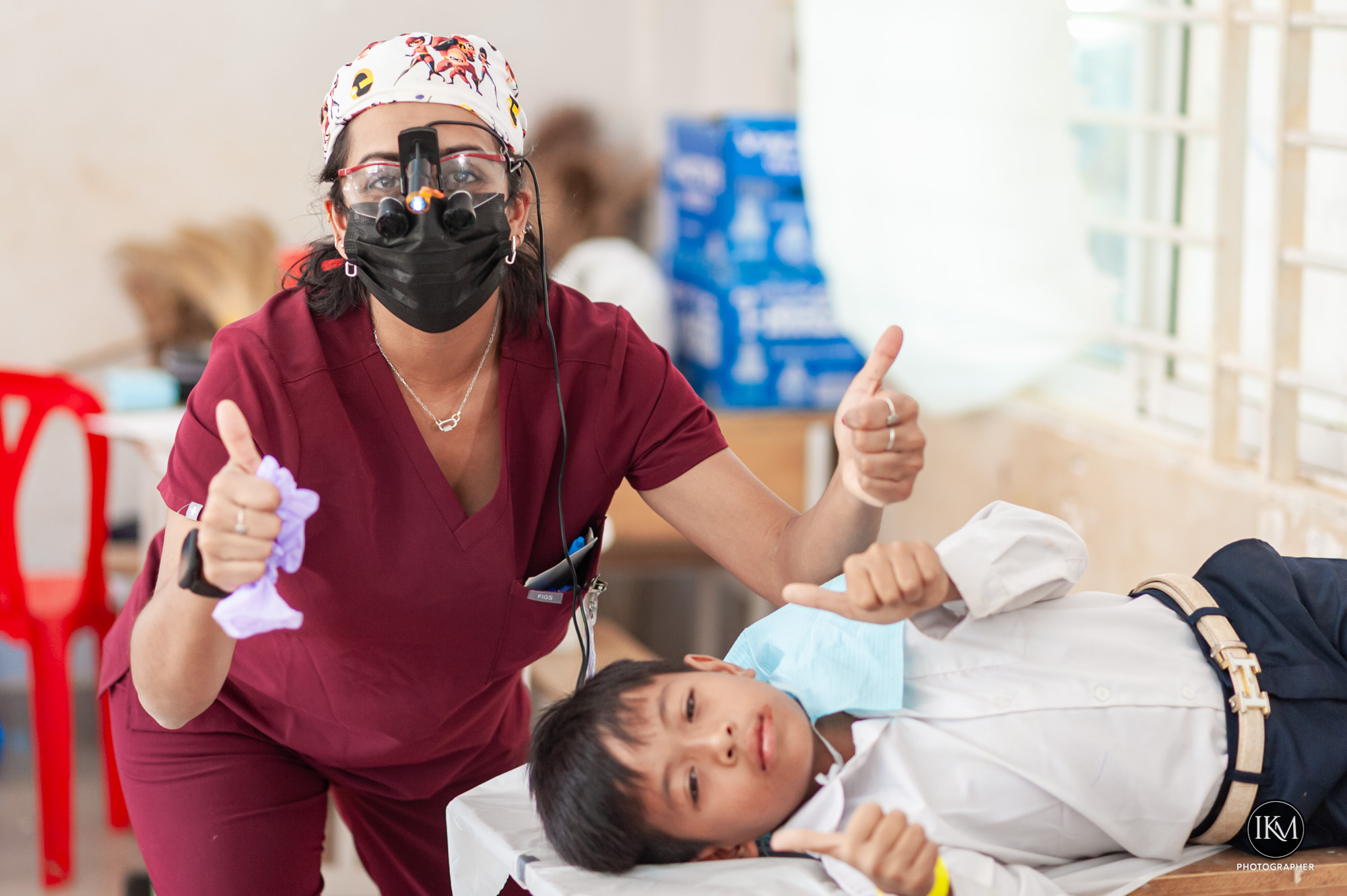
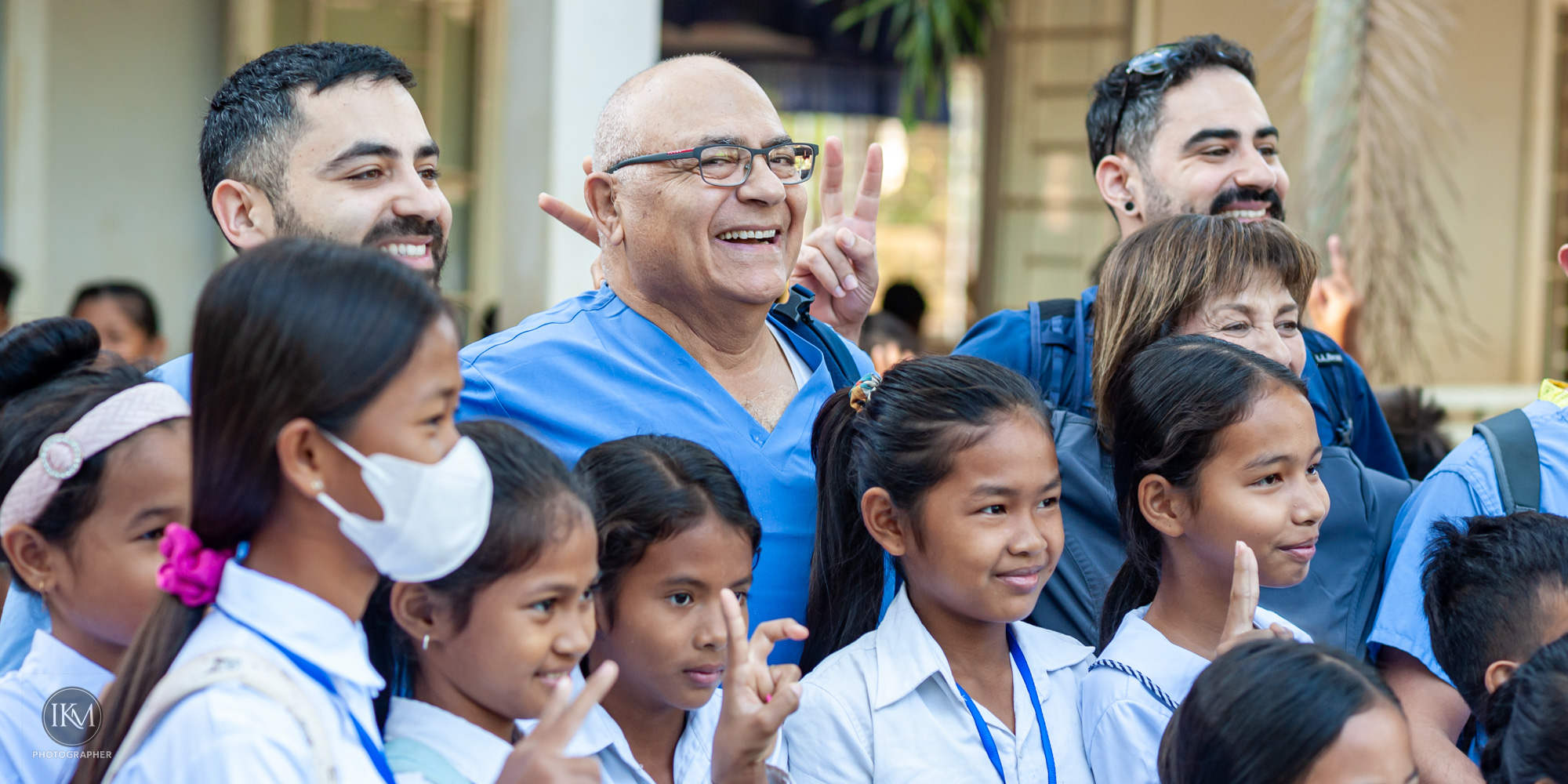
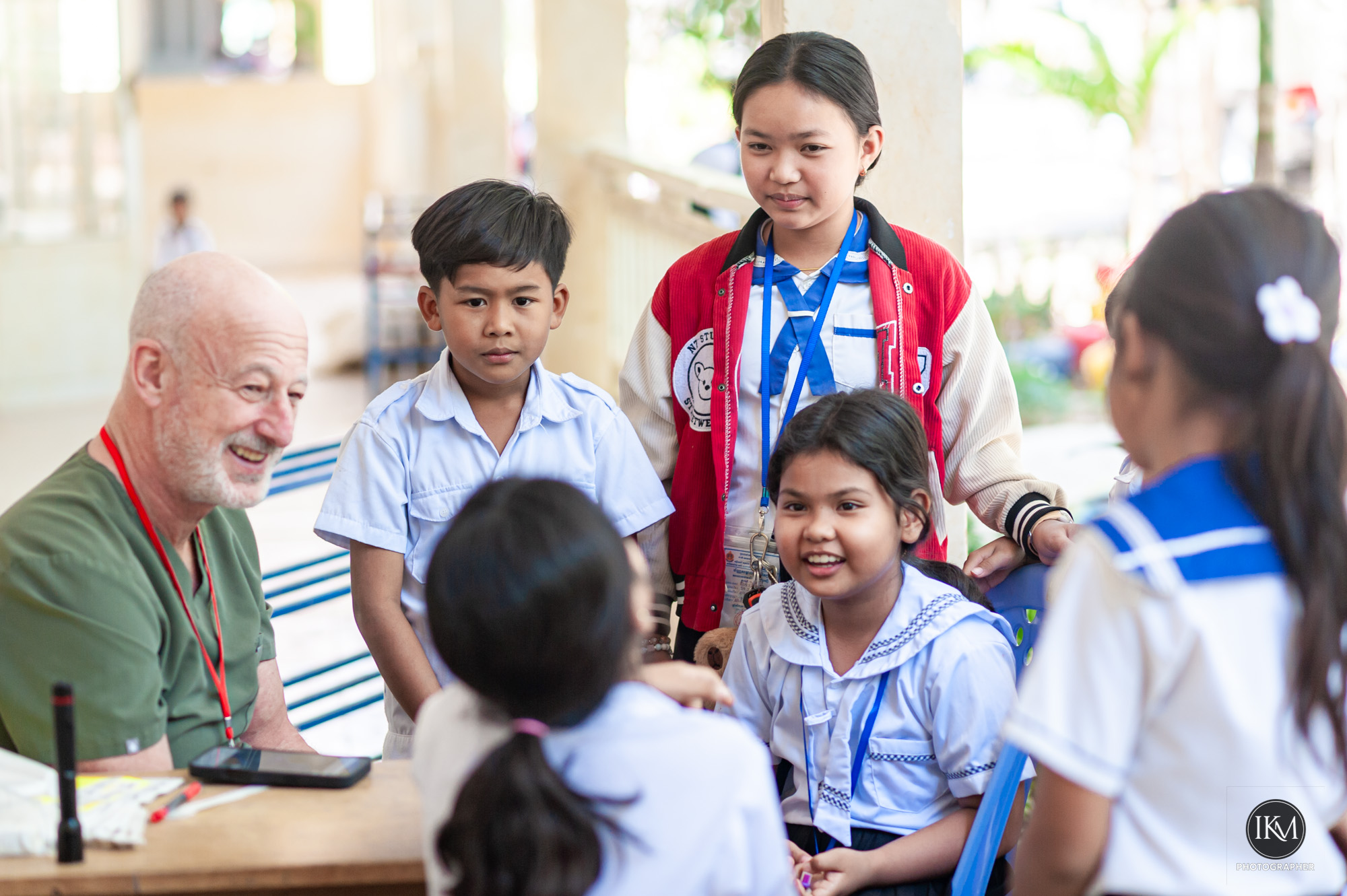
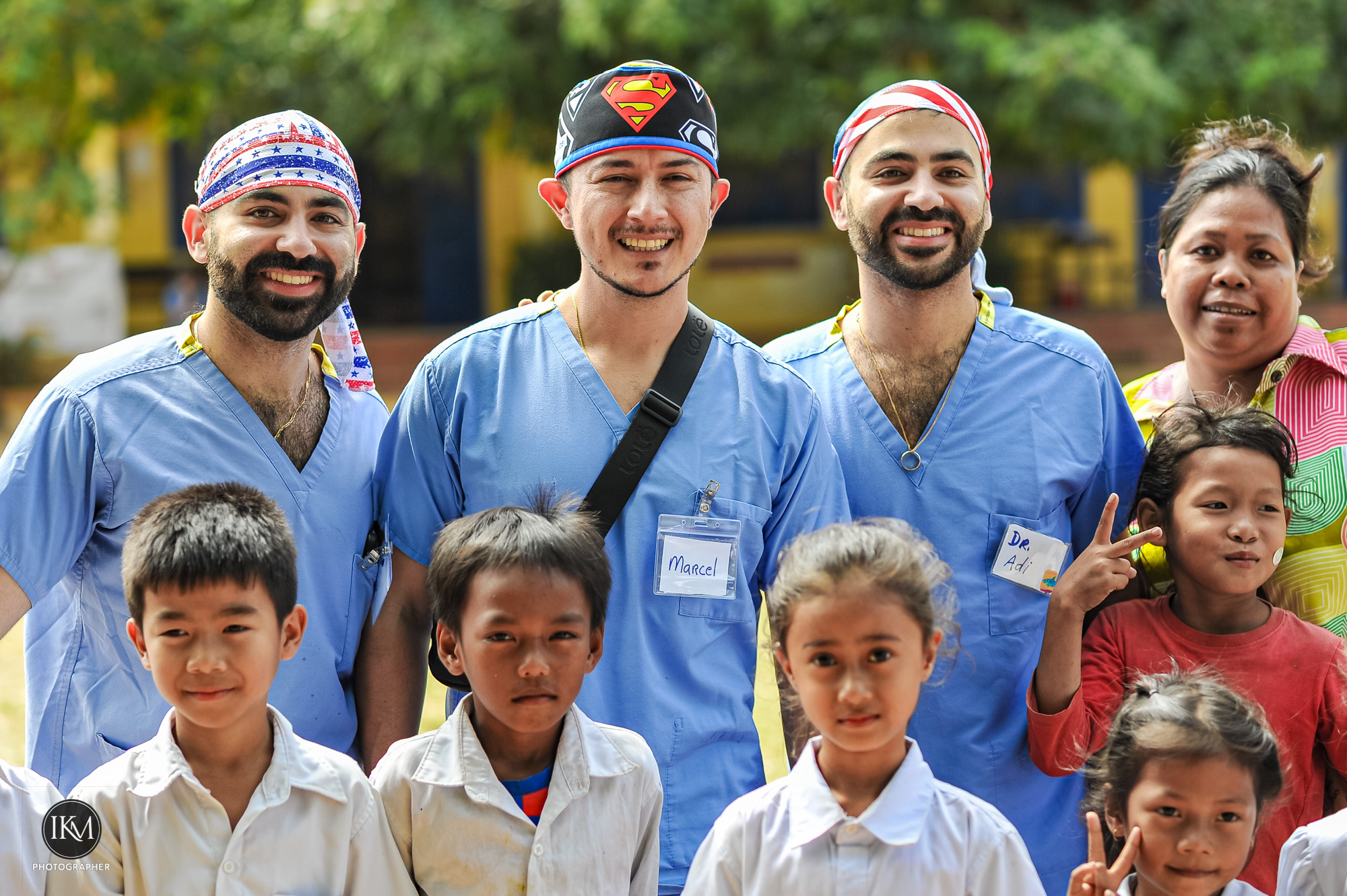
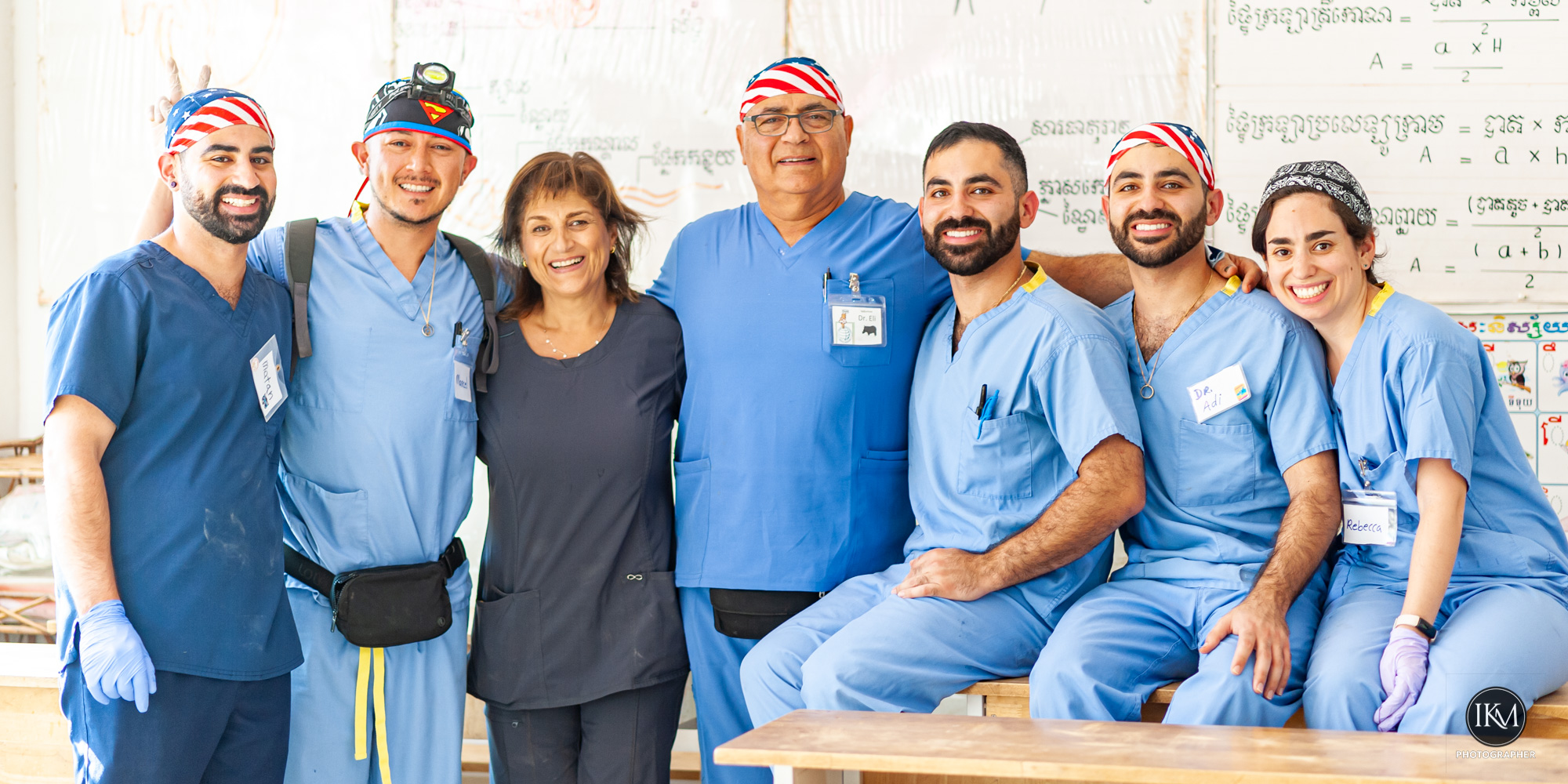
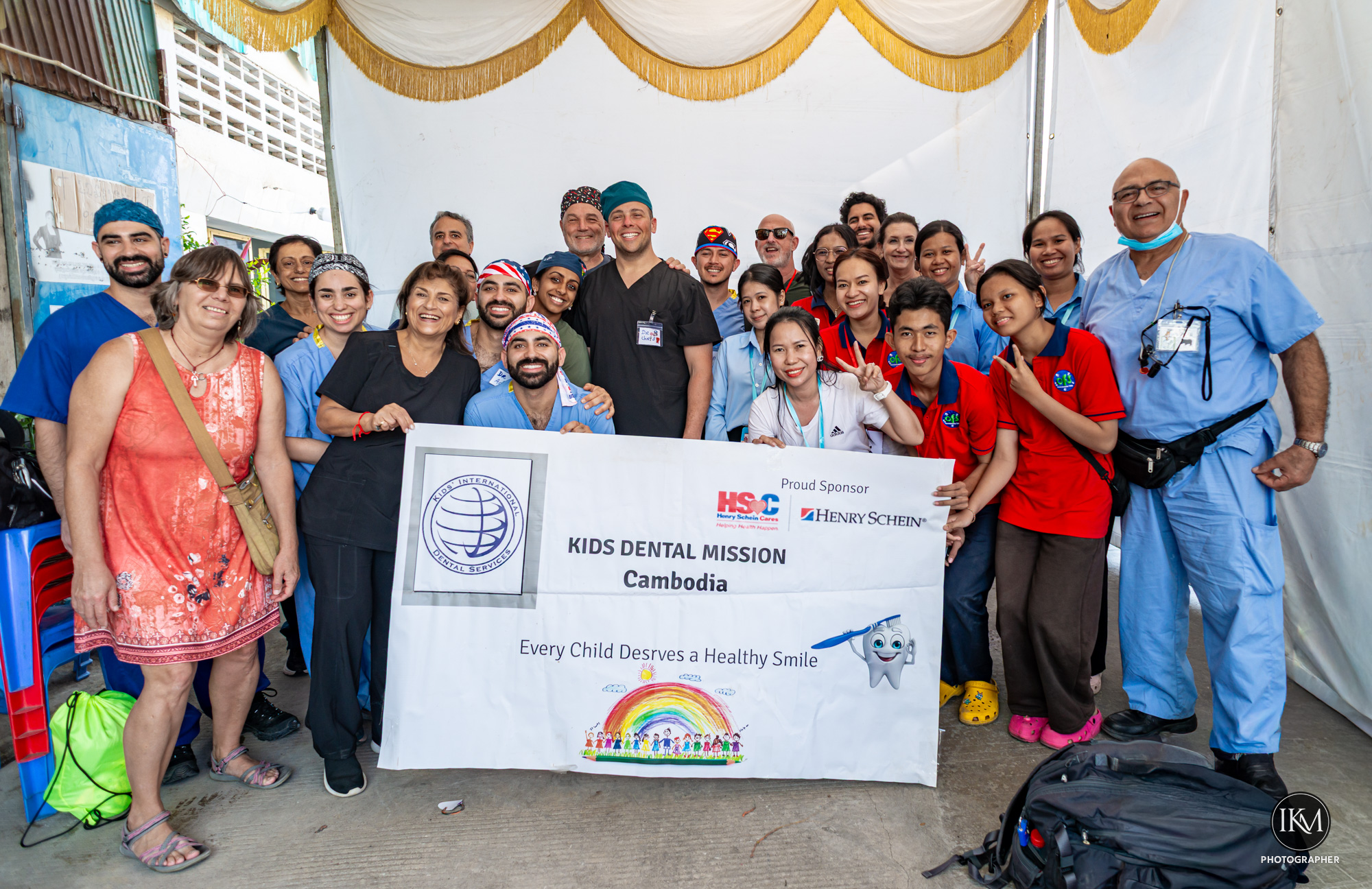
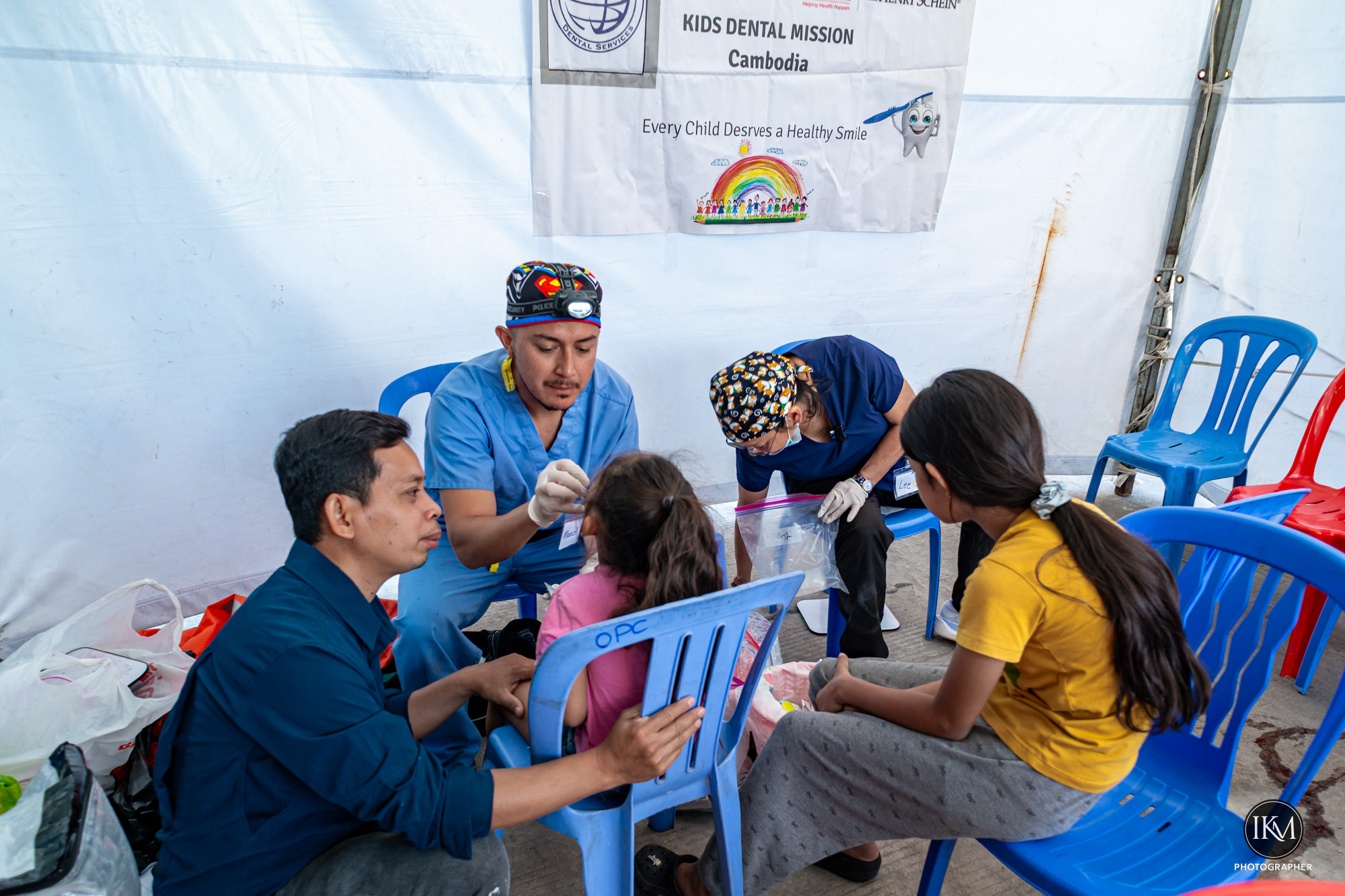
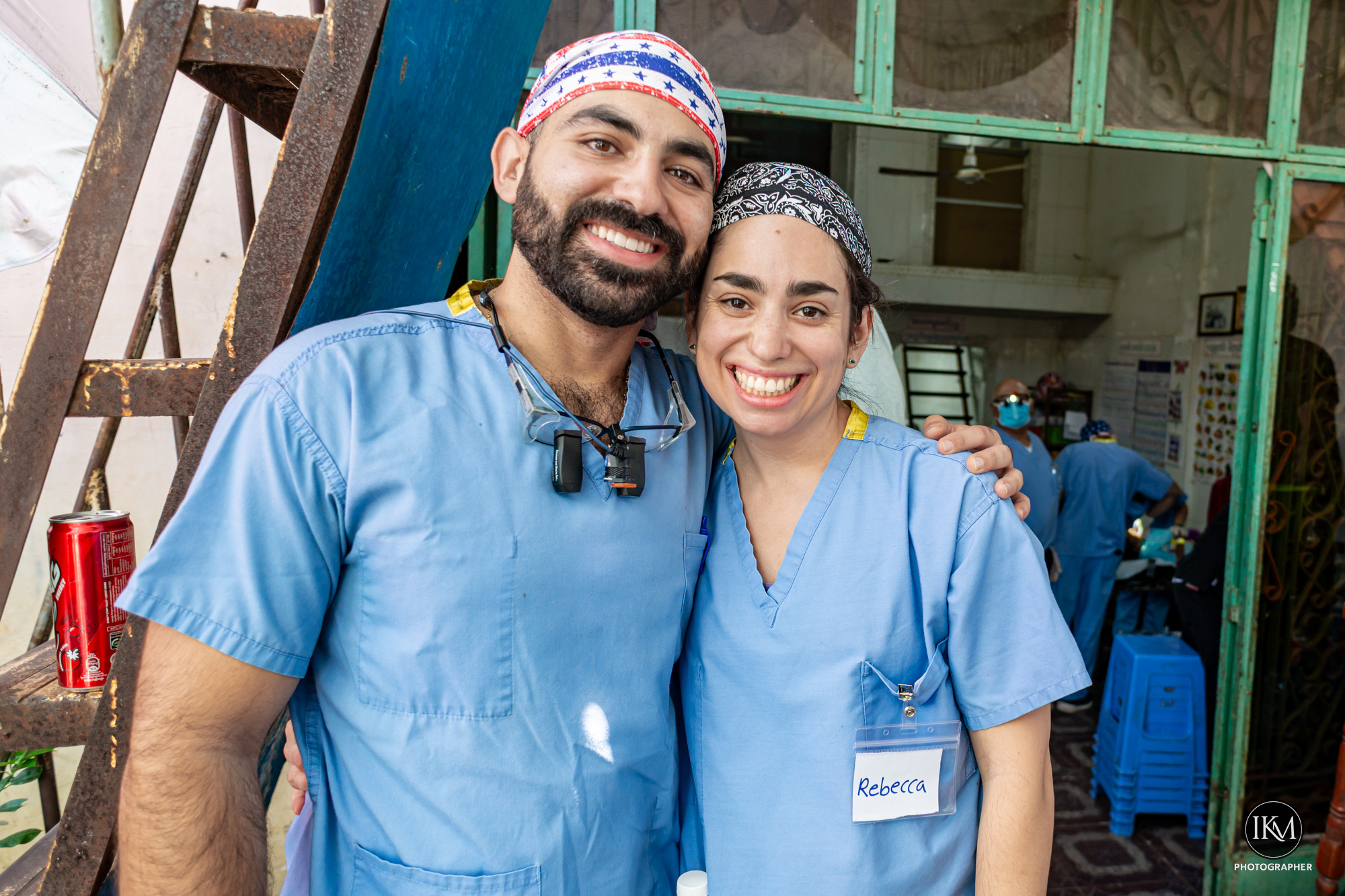
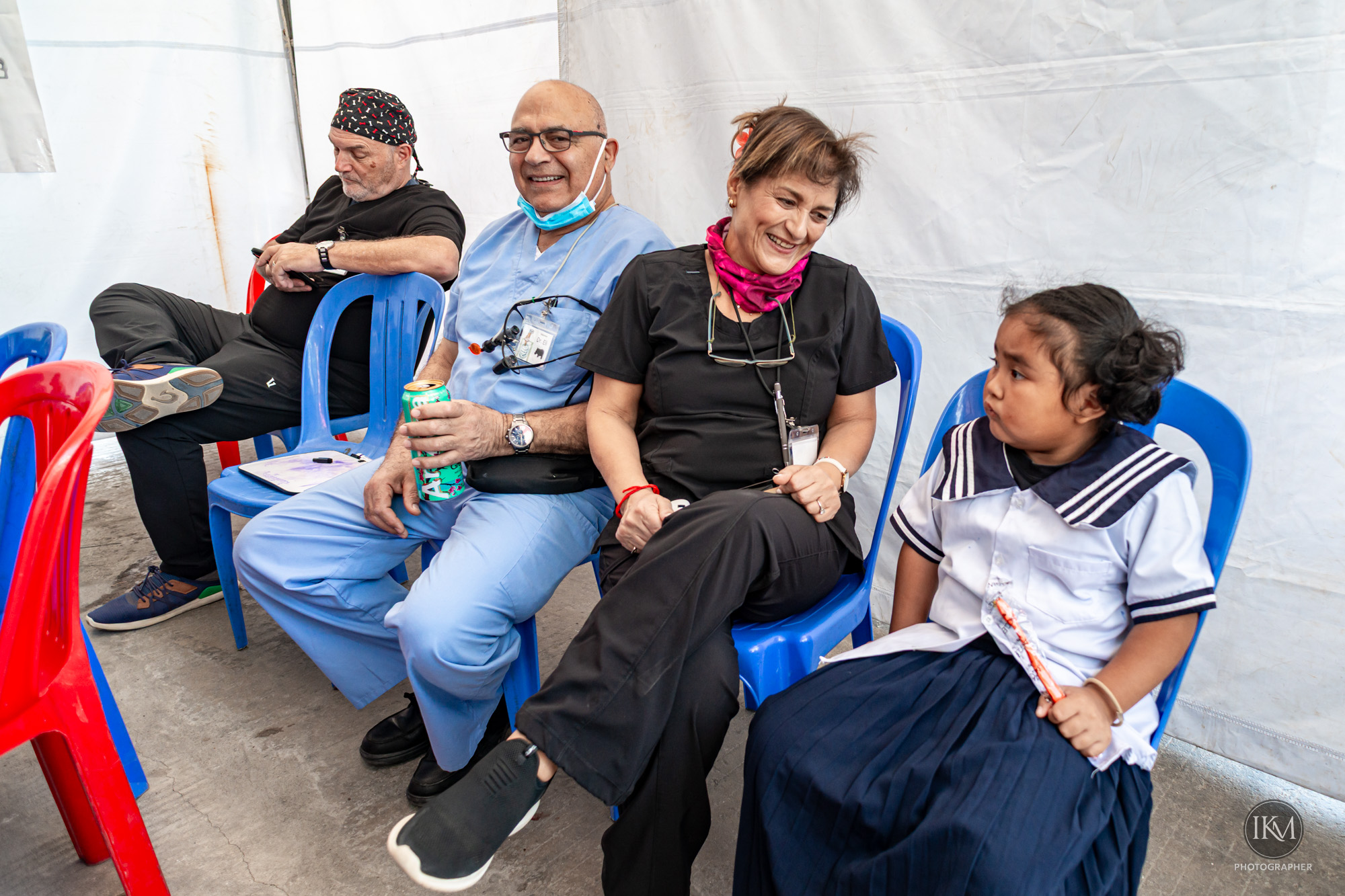
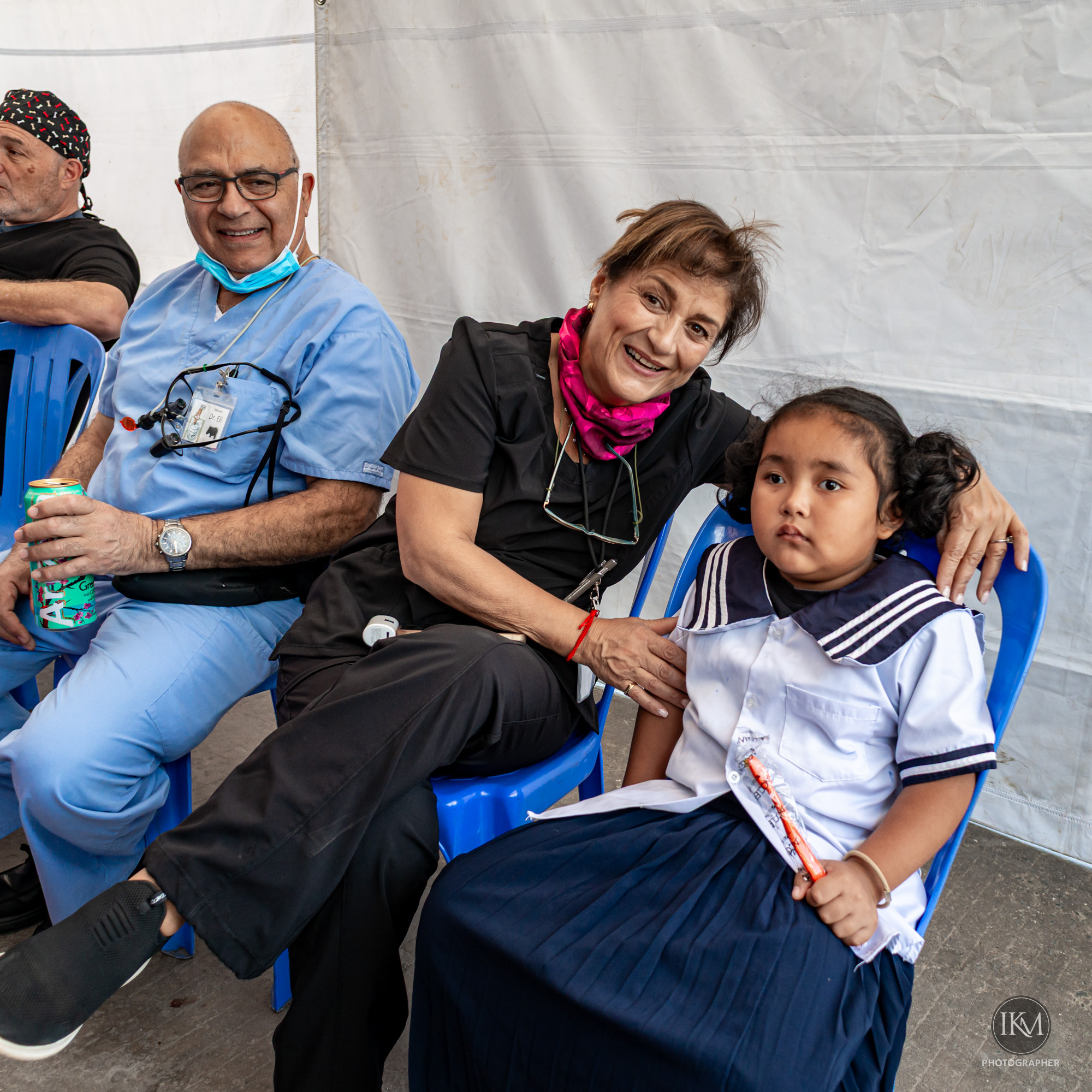
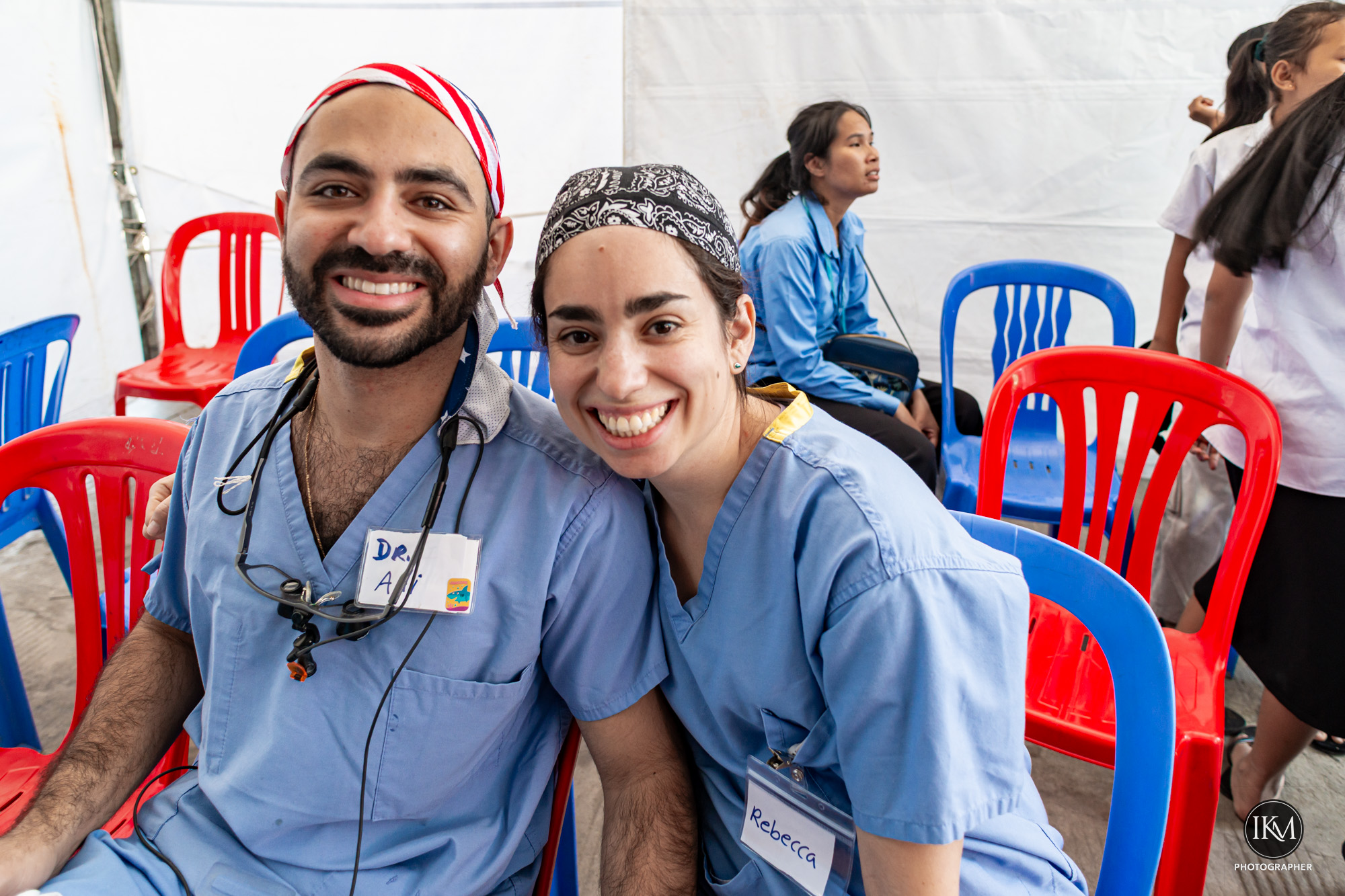
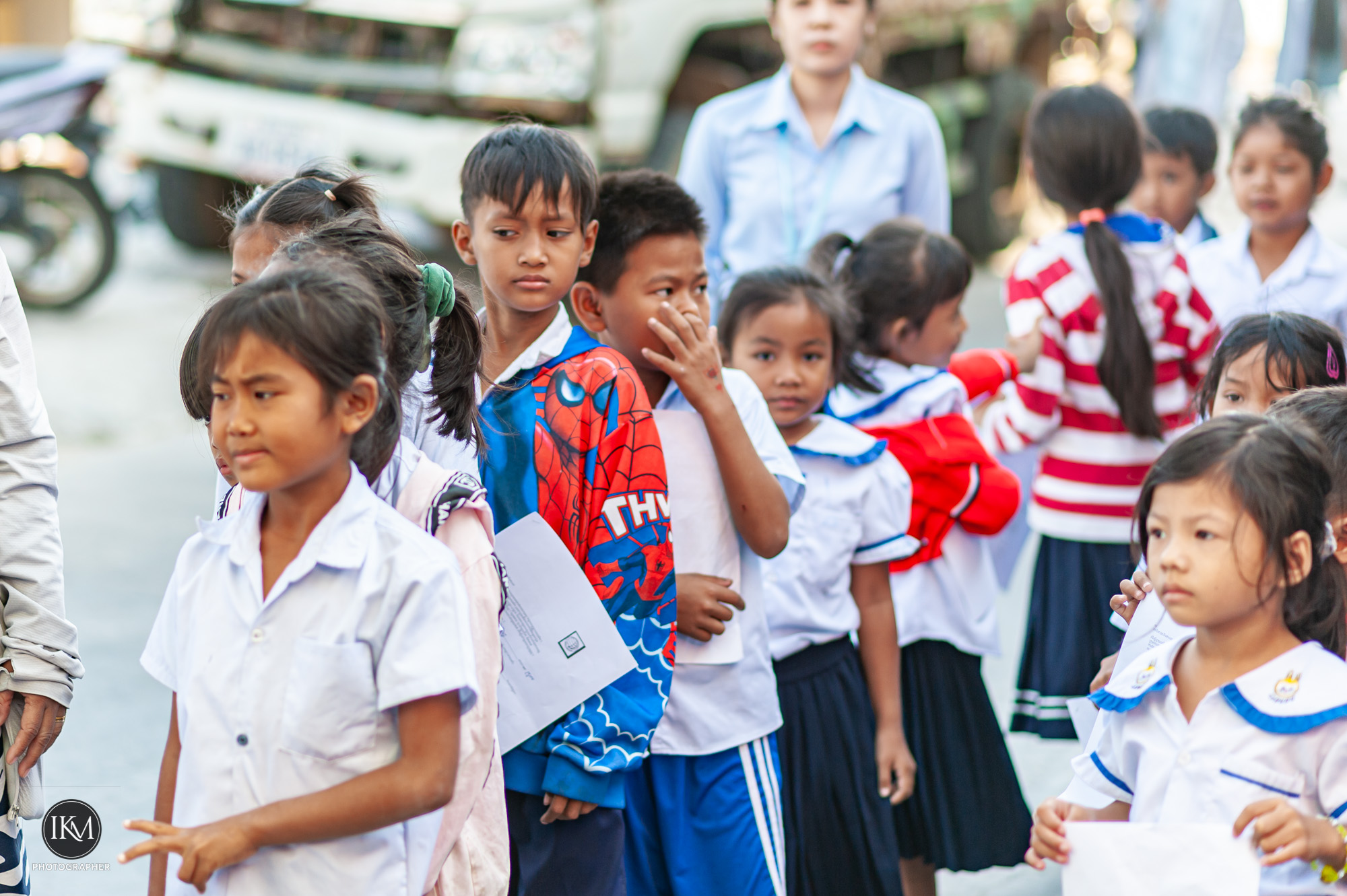
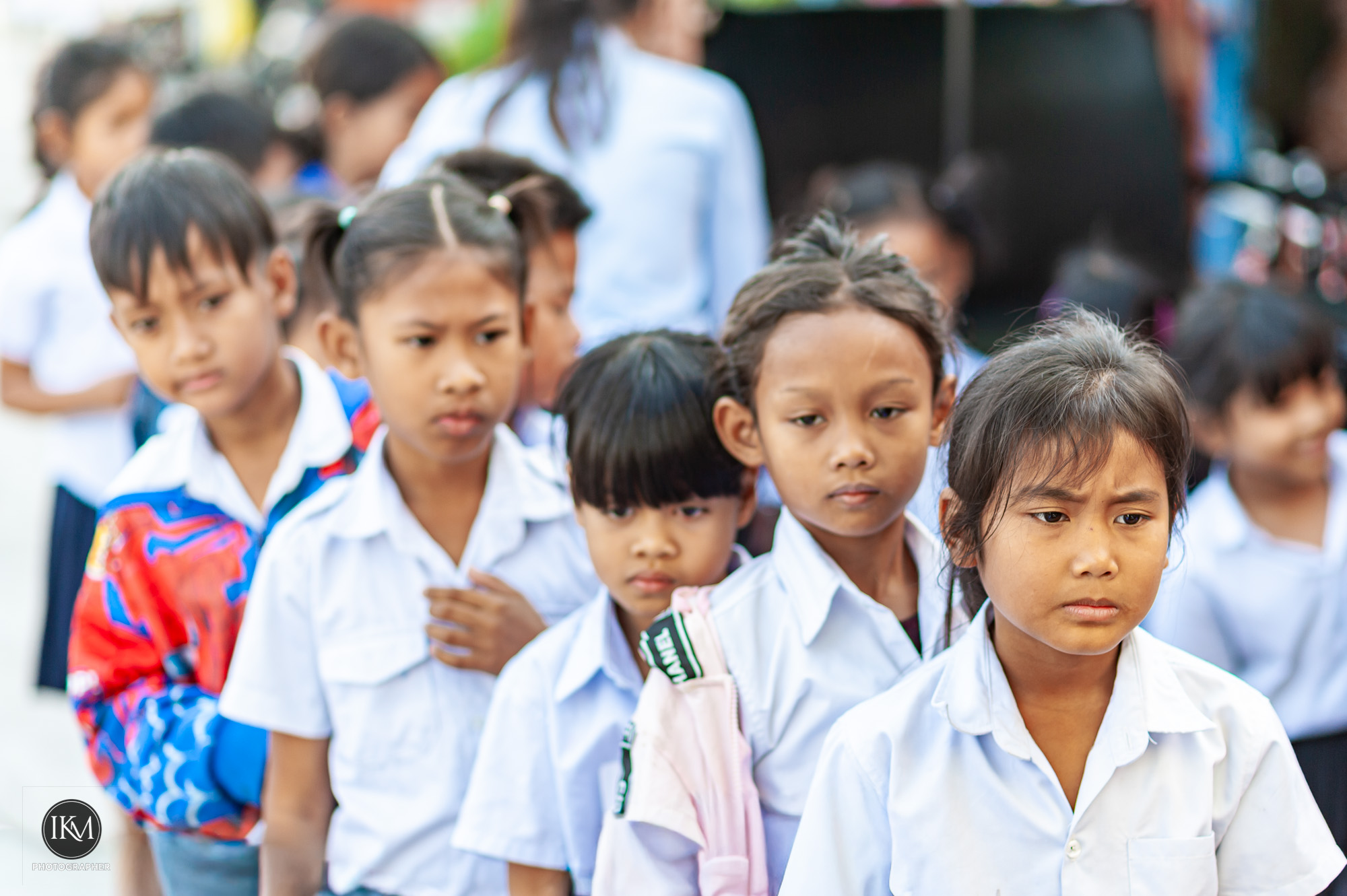
Every year, dentists, dental students, and young adults pack their bags and travel thousands of miles to join Kids International Dental Services (KIDS) missions. They arrive in Cambodia, the Philippines, or other underserved regions not for profit, but for purpose.
The question is simple: why do they come? The answer is layered — a mix of compassion, professional growth, and the search for meaning.
II. Compassion in Action
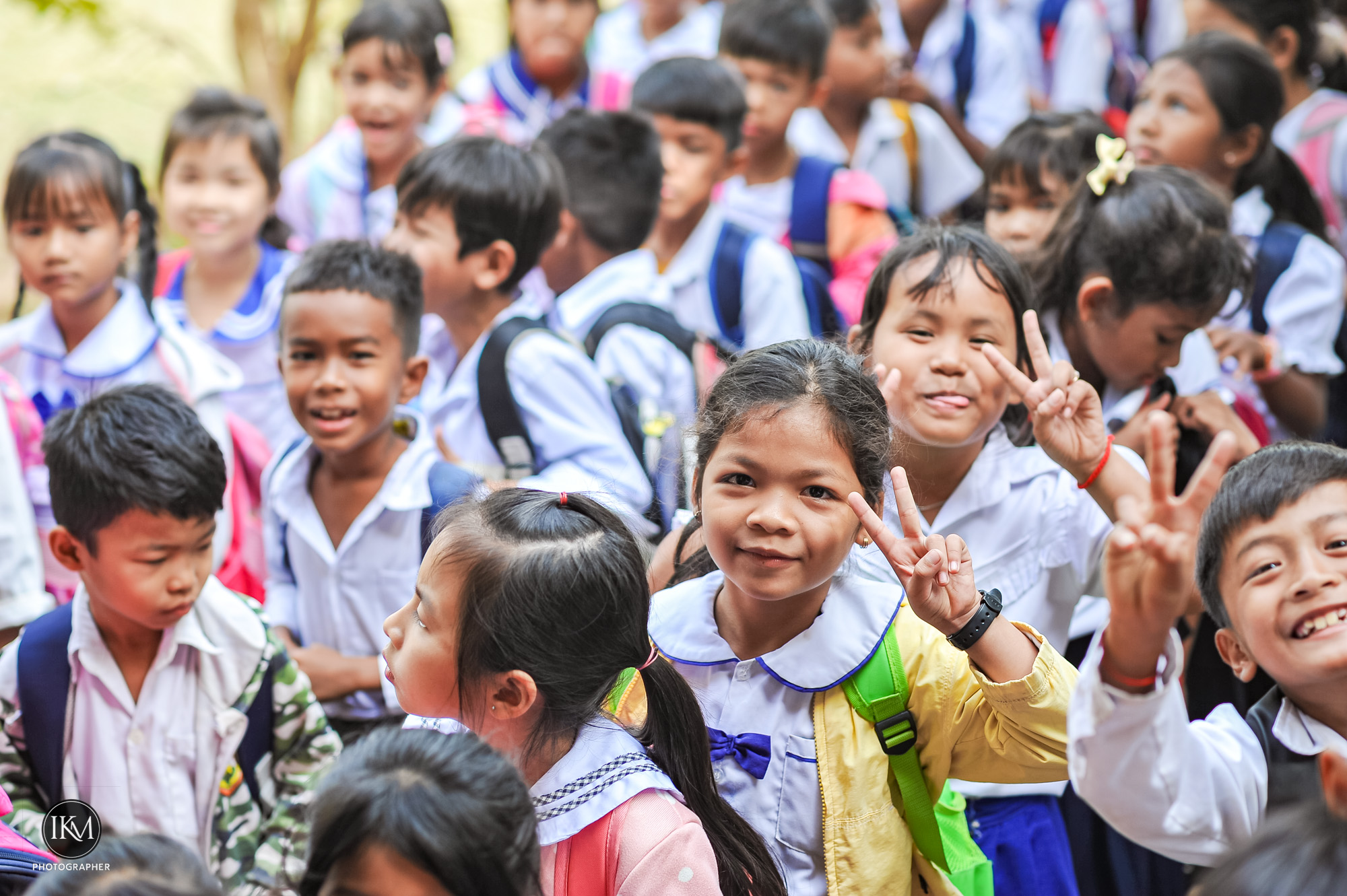
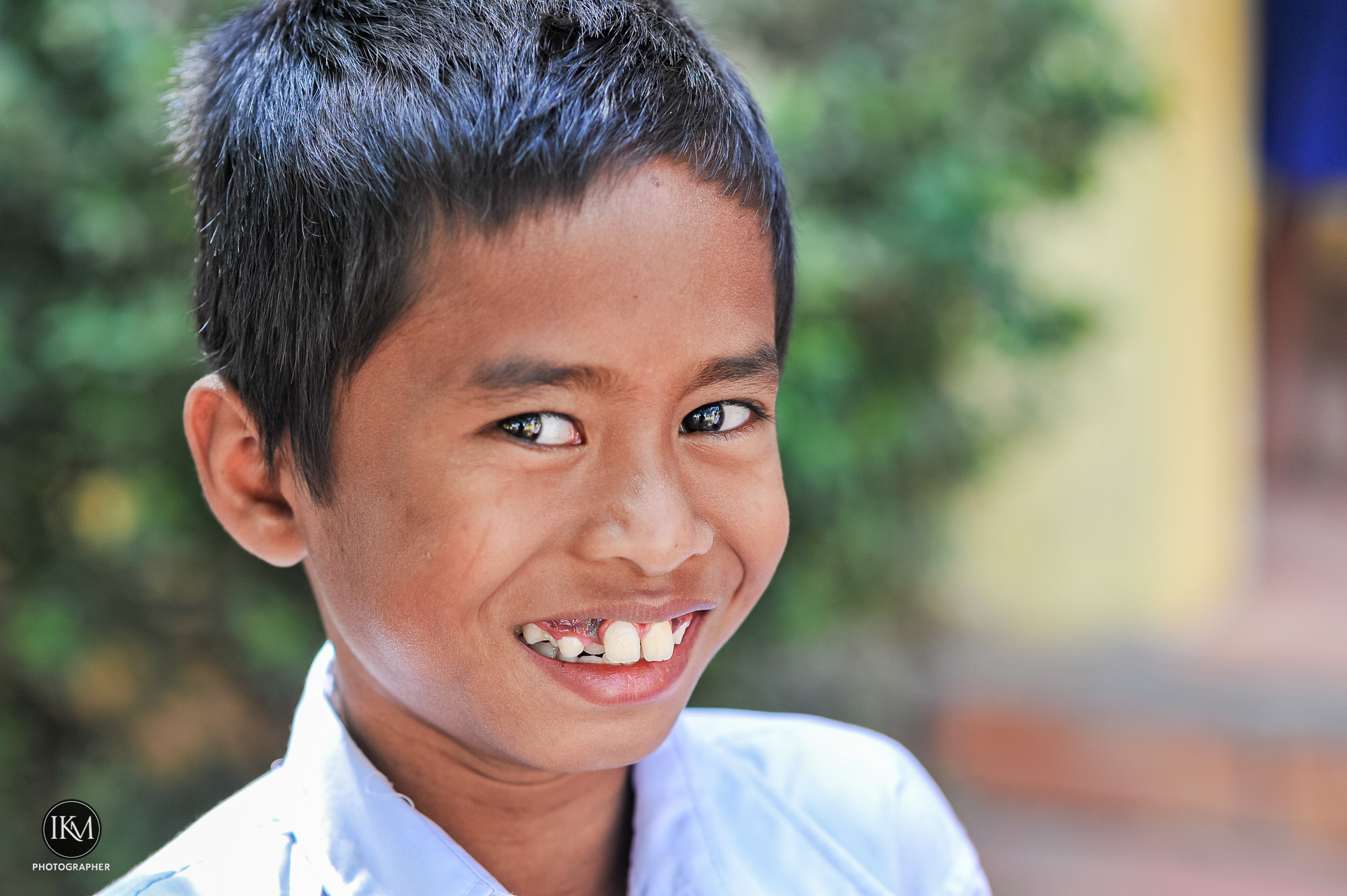
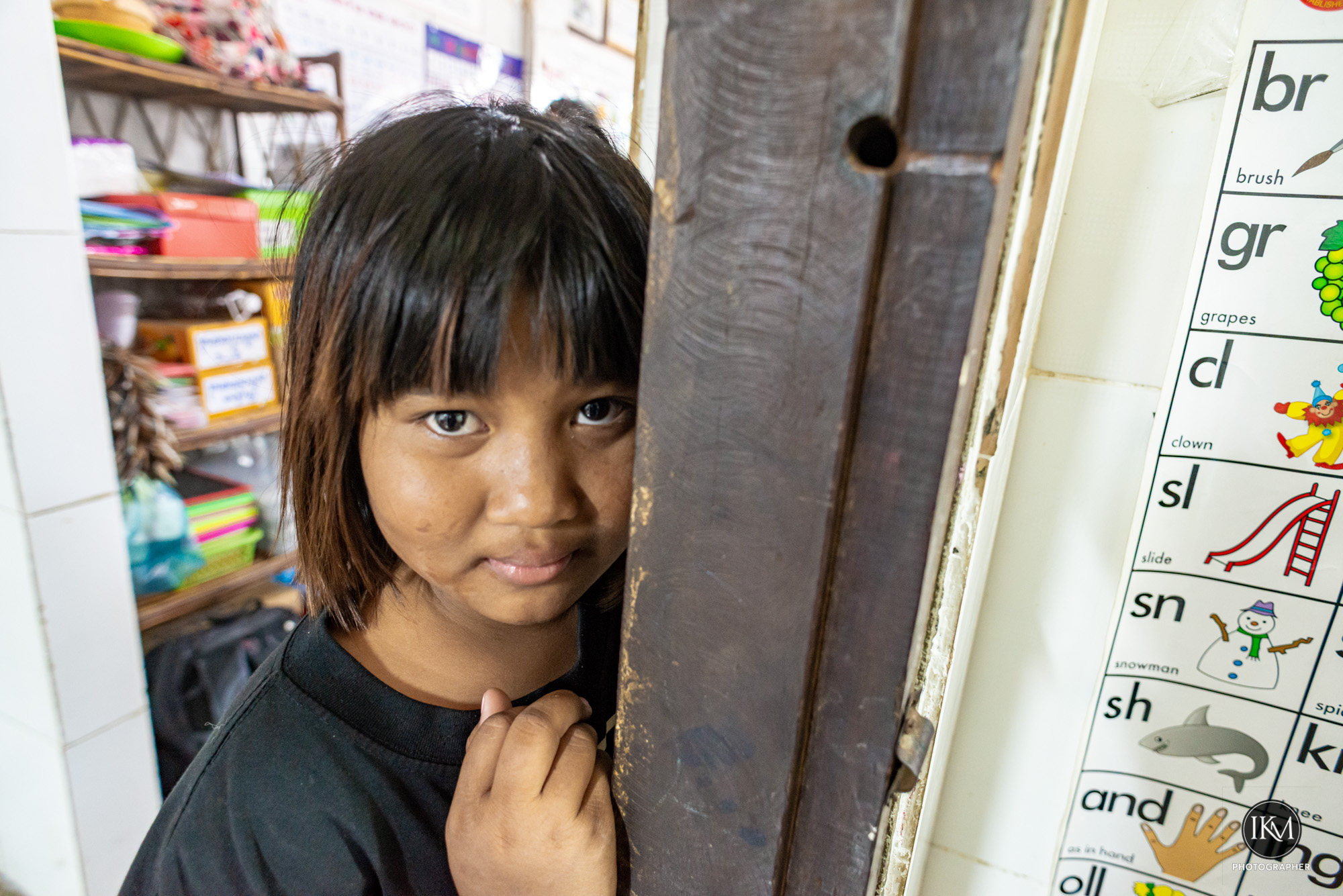
For many volunteers, the motivation begins with empathy. They know that untreated dental pain can rob a child of sleep, appetite, and education.
Immediate impact: A single extraction can end months of suffering.
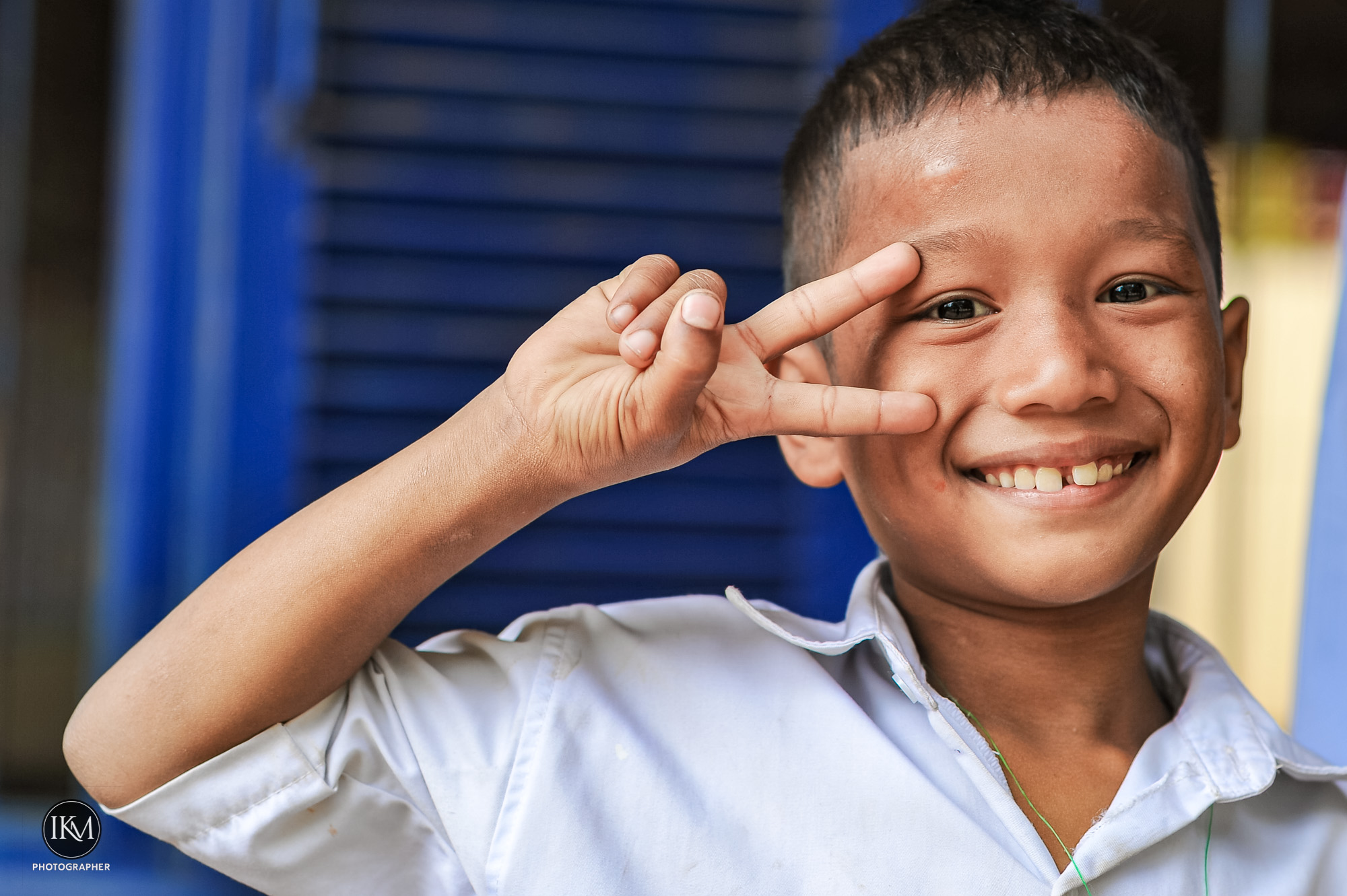
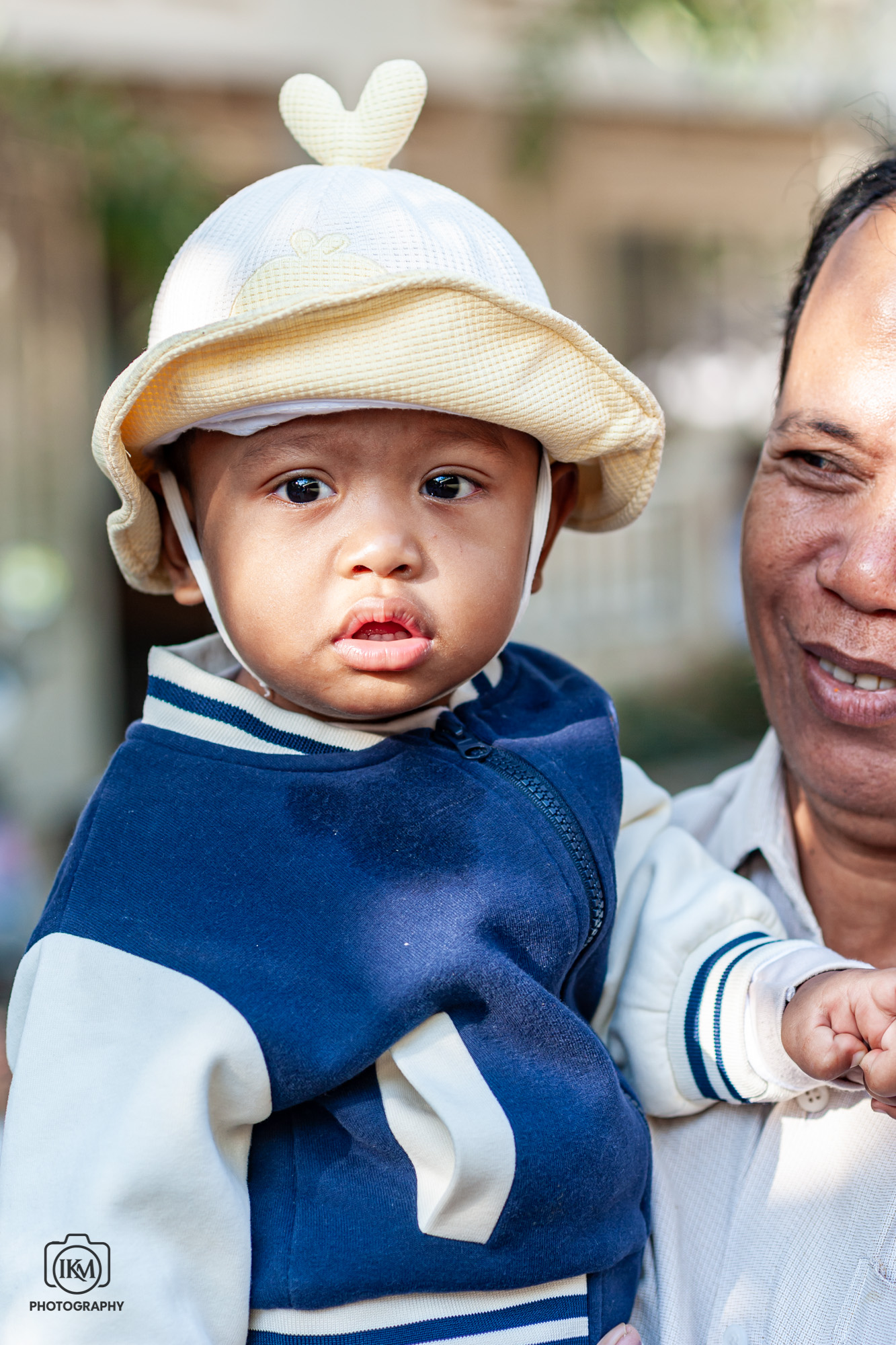
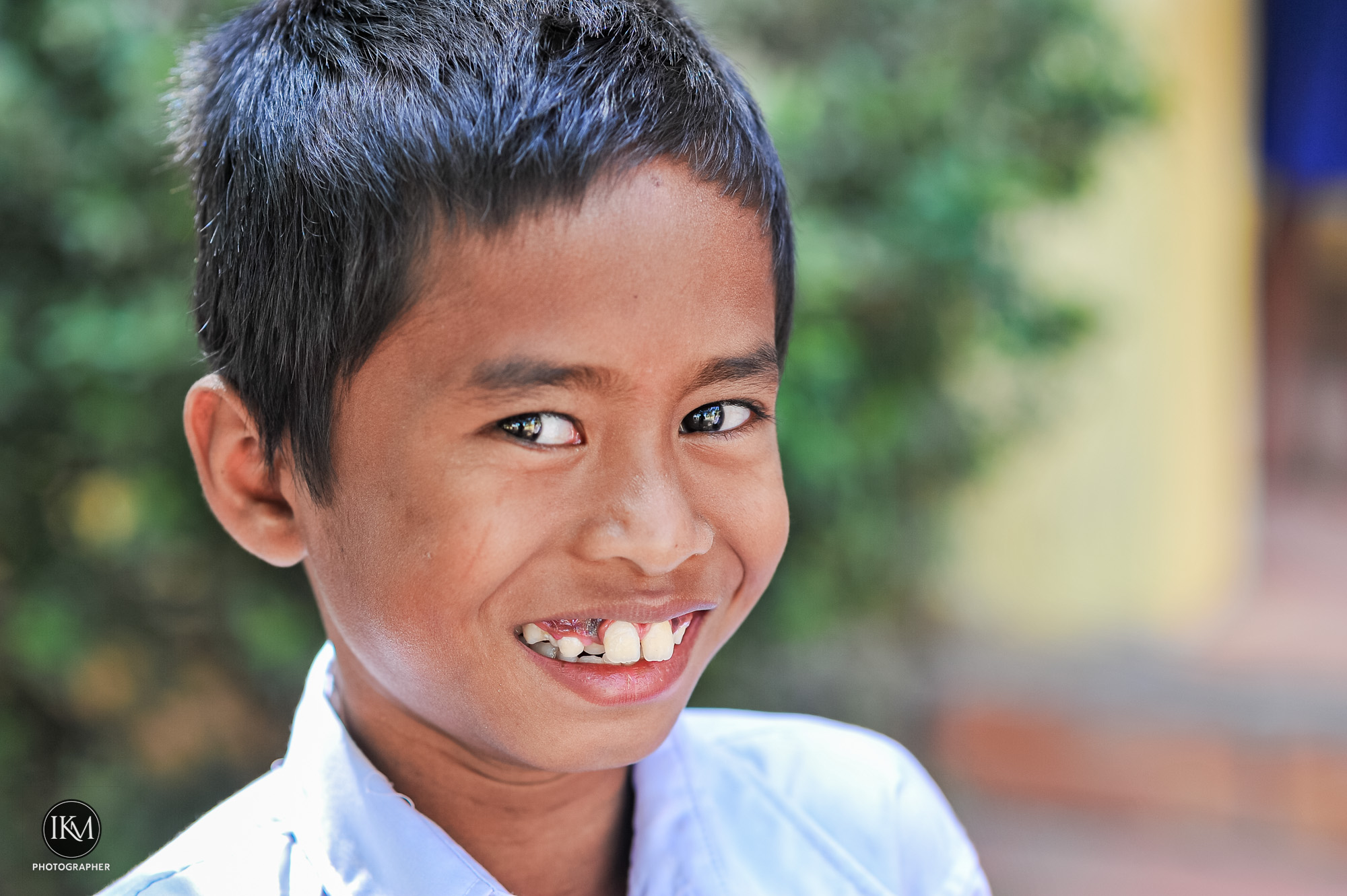
Visible change: Volunteers witness children smile freely for the first time in years.
Human connection: Holding a child’s hand during treatment, they feel the bond of shared humanity.
As one volunteer explained: “Dental pain steals childhood. If I can give back even one night of peaceful sleep, it’s worth everything.”
III. Professional Growth
KIDS missions are also a proving ground for young professionals.
Hands‑on experience: Dental students gain practical skills in challenging environments.
Adaptability: Working without the comforts of modern clinics teaches resilience and creativity.
Mentorship: Experienced dentists guide students, creating a cycle of service that continues long after the mission ends.
For many, these missions shape their careers. They return home not just as better clinicians, but as advocates for global health.
IV. The Search for Meaning
Beyond skill and service, volunteers often describe a deeper pull.
Perspective: Witnessing poverty and resilience reframes their own lives.
Purpose: Missions remind them why they chose dentistry — not just to treat teeth, but to care for people.
Community: Volunteers form bonds with each other, united by shared challenges and triumphs.
The experience becomes more than a trip; it becomes a chapter in their personal story of meaning and responsibility.
V. Challenges They Embrace
Volunteers face long days, relentless heat, and limited resources. Yet these challenges are part of the appeal.
They learn to improvise when equipment falters.
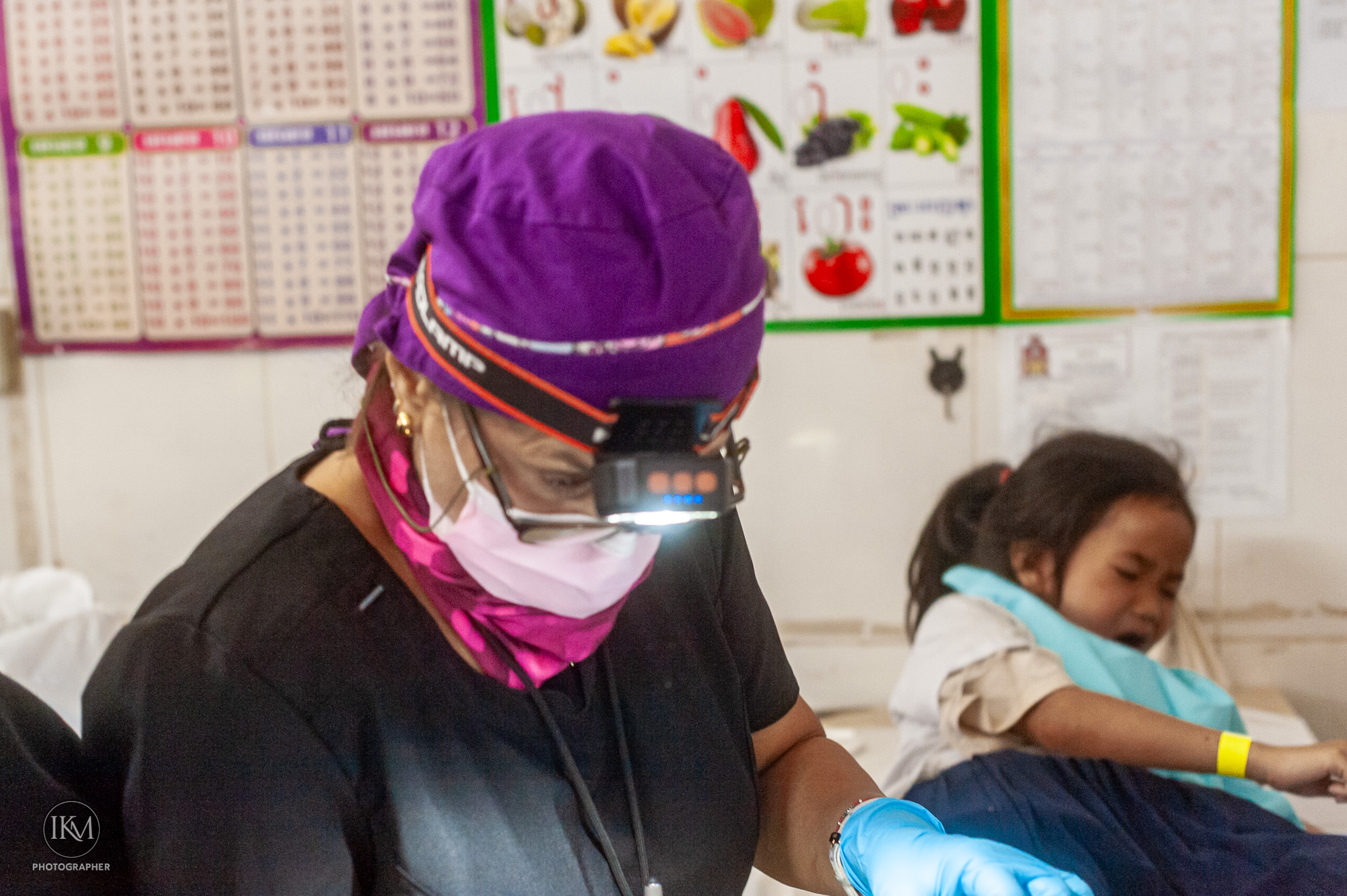
They discover patience when children are afraid.
They find joy in small victories — a child’s laughter, a parent’s gratitude, a smile restored.
VI. Why They Keep Coming Back
Many volunteers return year after year. They speak of unfinished work, of children they want to see again, of communities that feel like family.
KIDS missions are not just about dentistry. They are about dignity, education, and hope. Volunteers come because they believe in those values — and because they see them come alive in every courtyard clinic, every classroom turned into a dental station, every child who walks home pain‑free.
✨ Conclusion
The volunteers of Kids International Dental Services come for compassion, for growth, and for meaning. They leave with stories, skills, and a renewed sense of purpose.
In Cambodia and beyond, their presence is proof that service is not just about what you give — it’s about what you discover when you step into someone else’s world, hold their hand, and help them smile again.
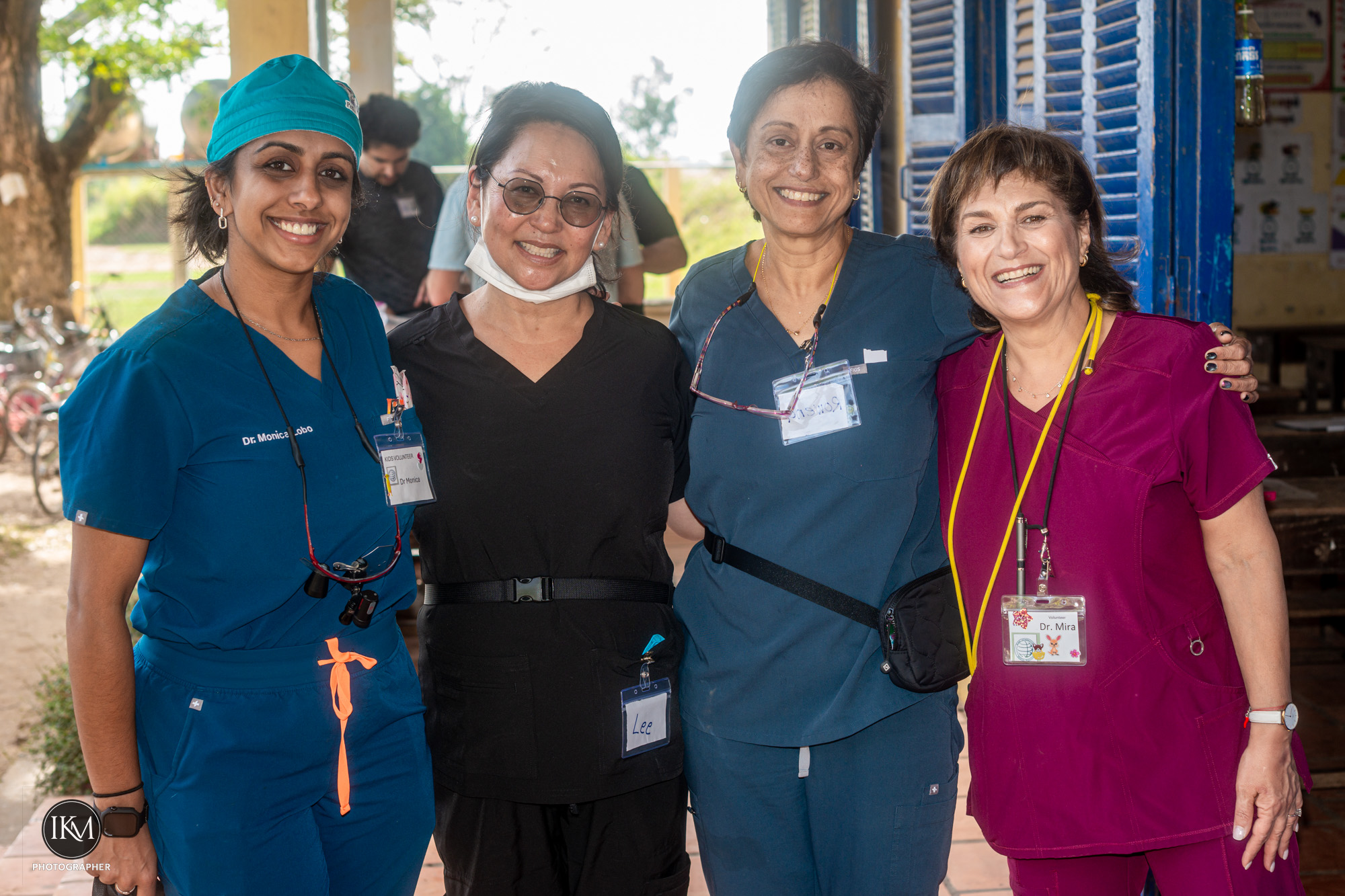
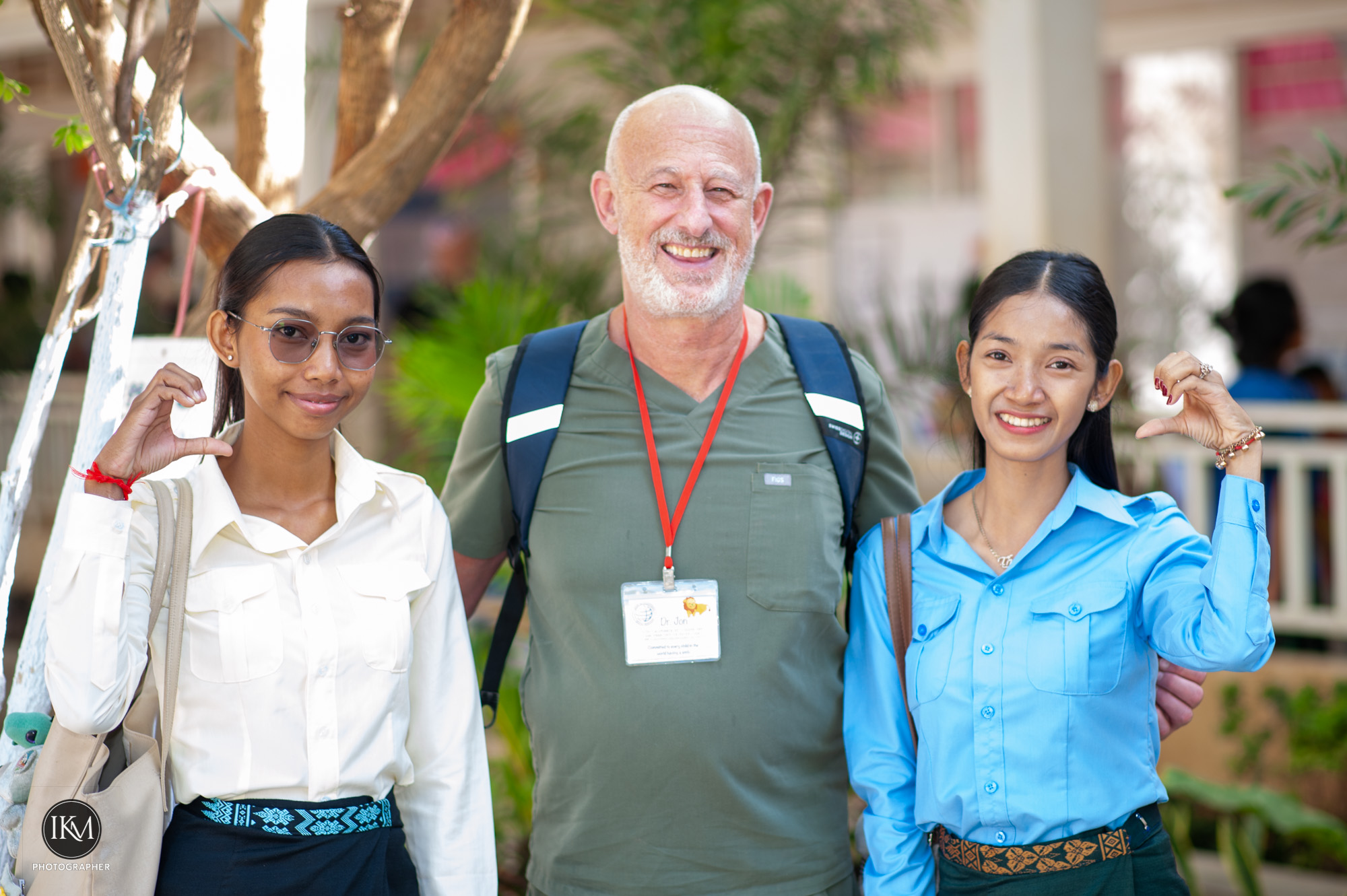
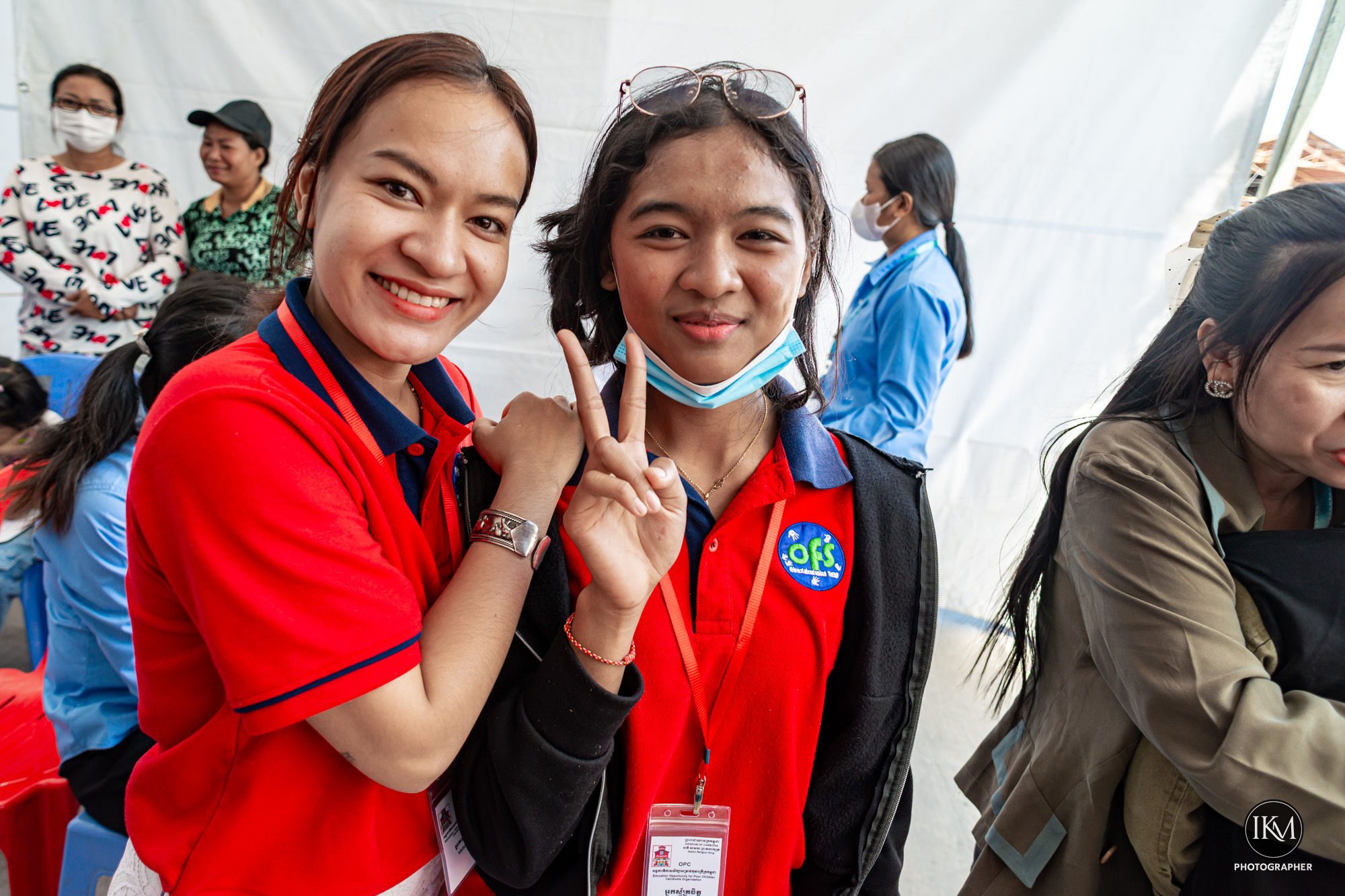
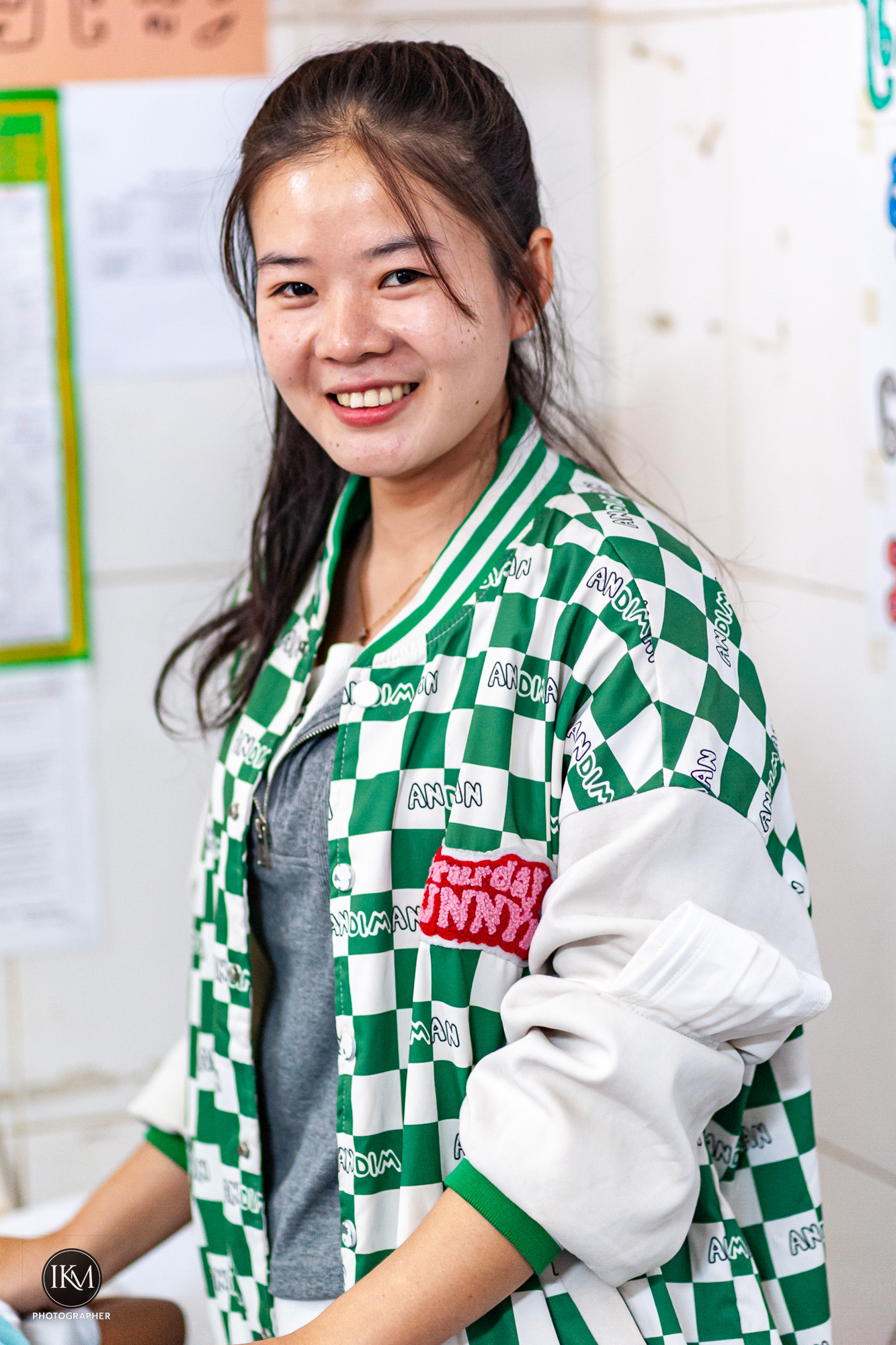
Big thanks go out to David for his master class in organisation and also to Jon and Jamie whose hard work keeps this thing going, as well as the none dental volunteers and local interpreters.