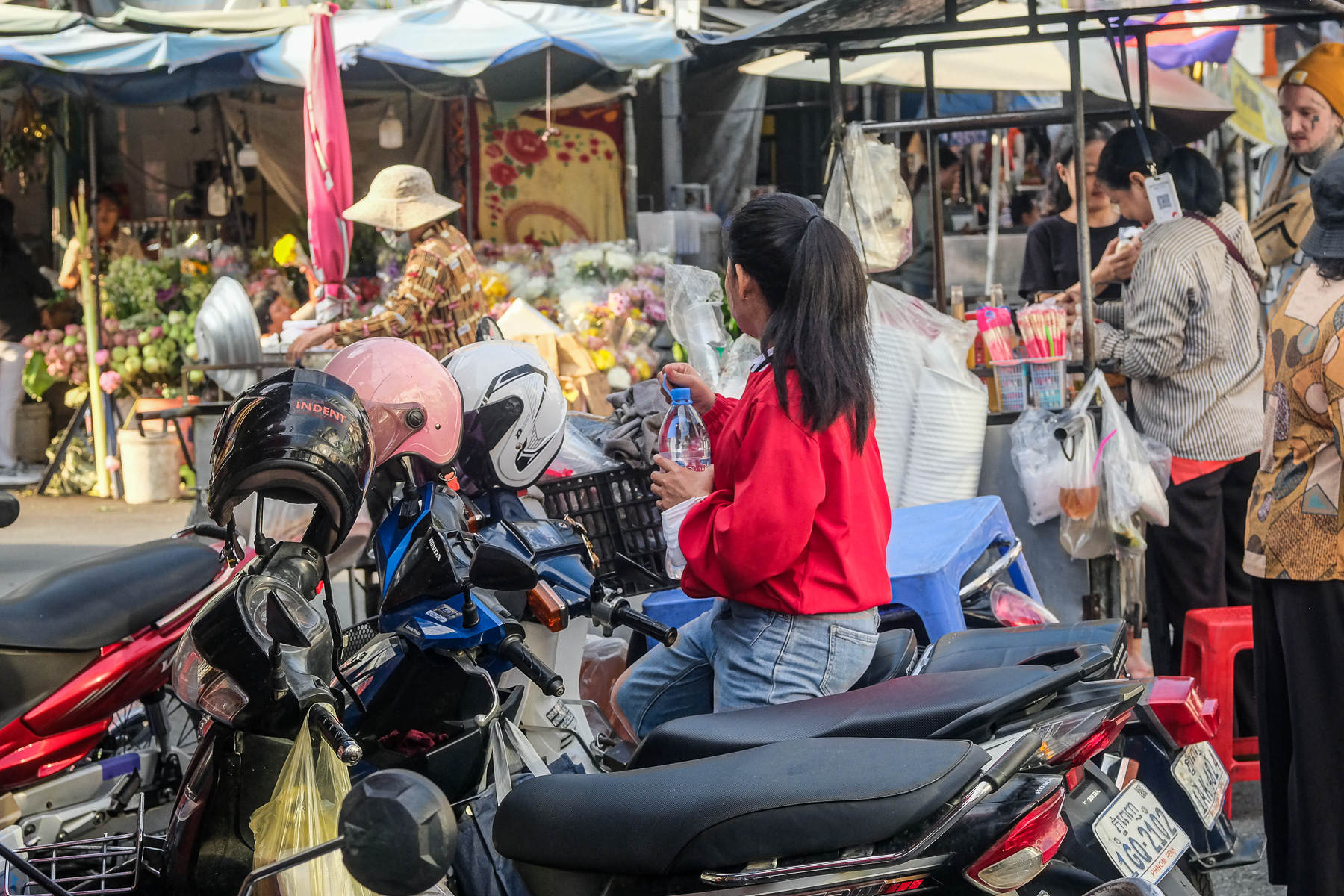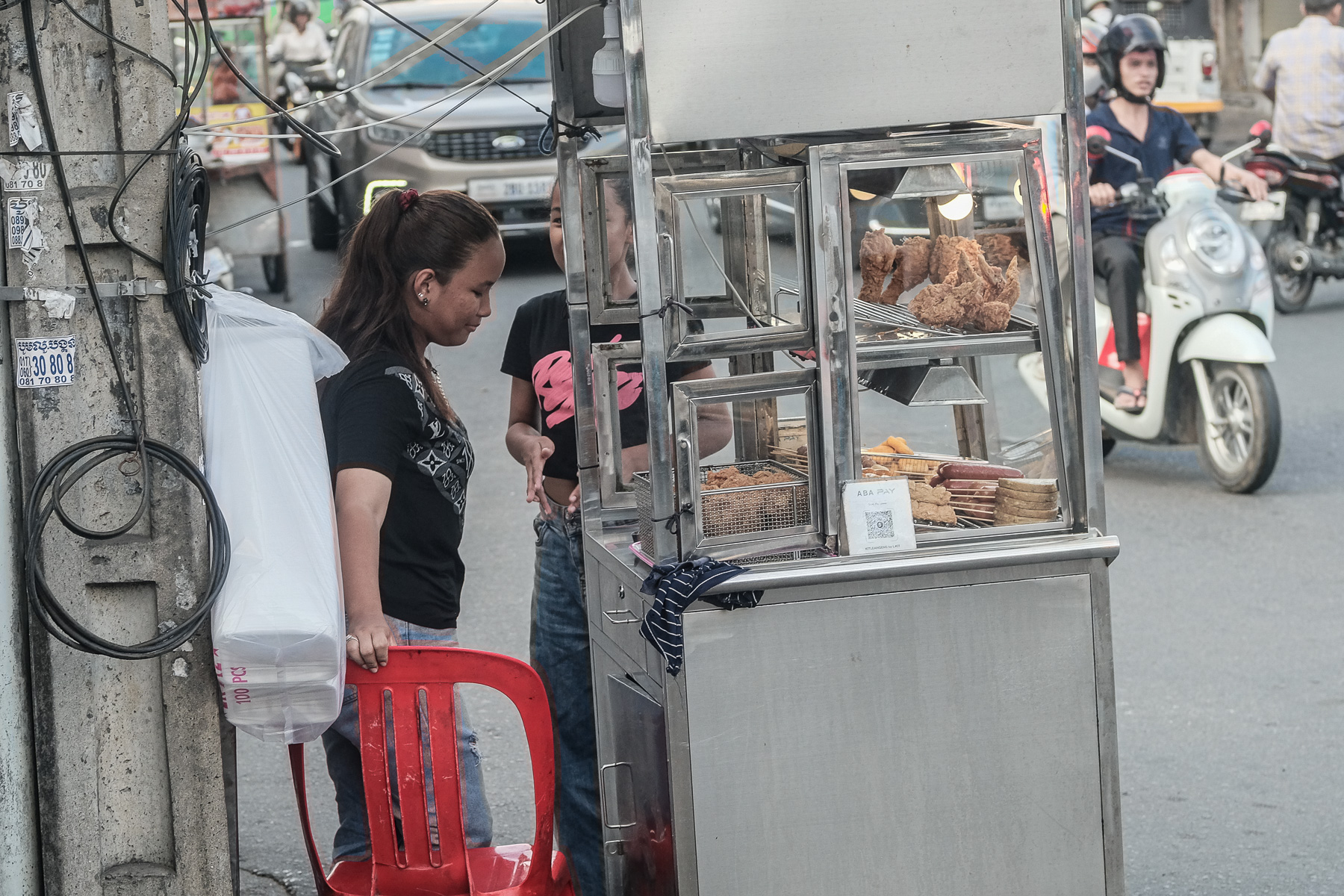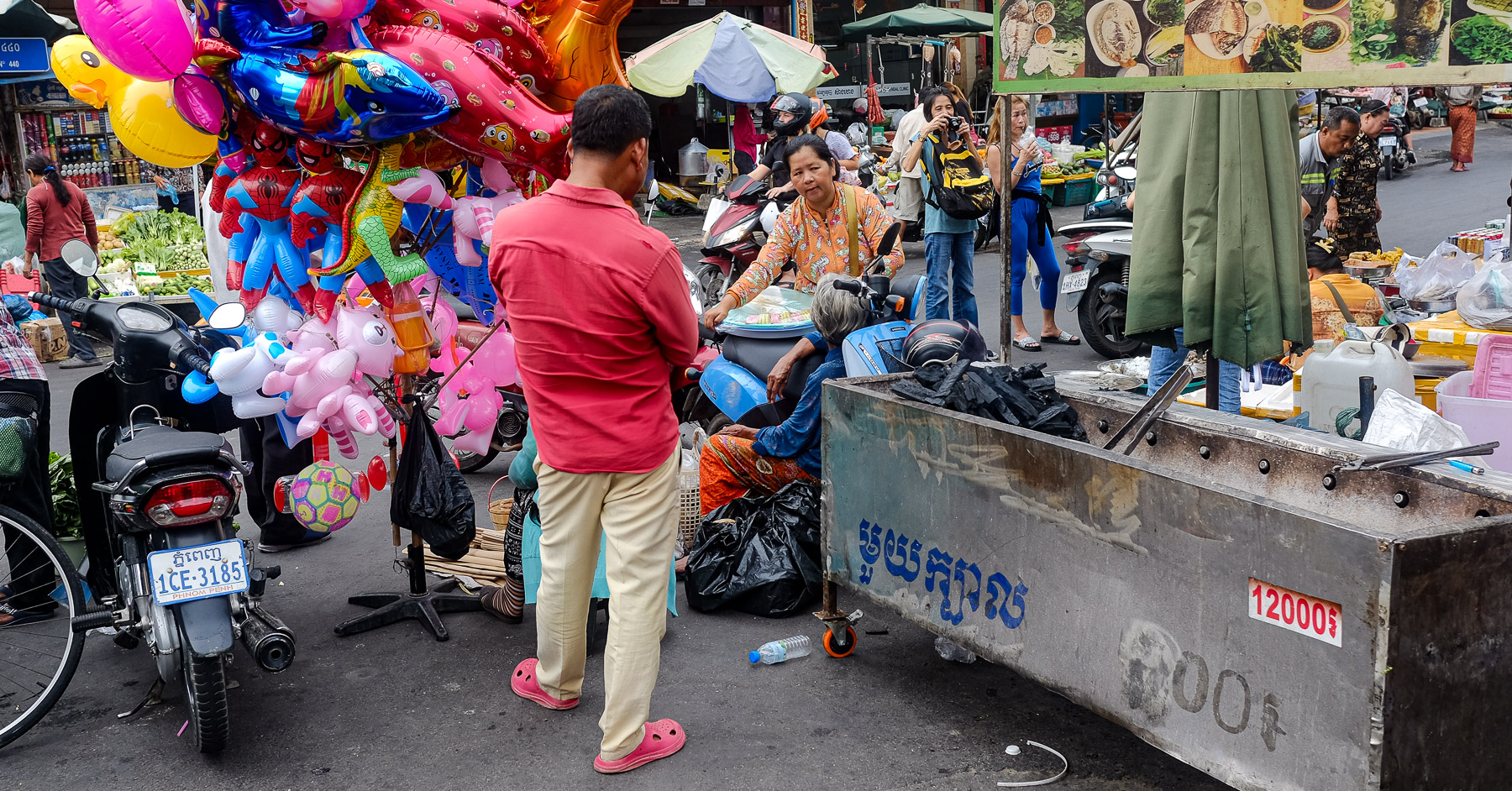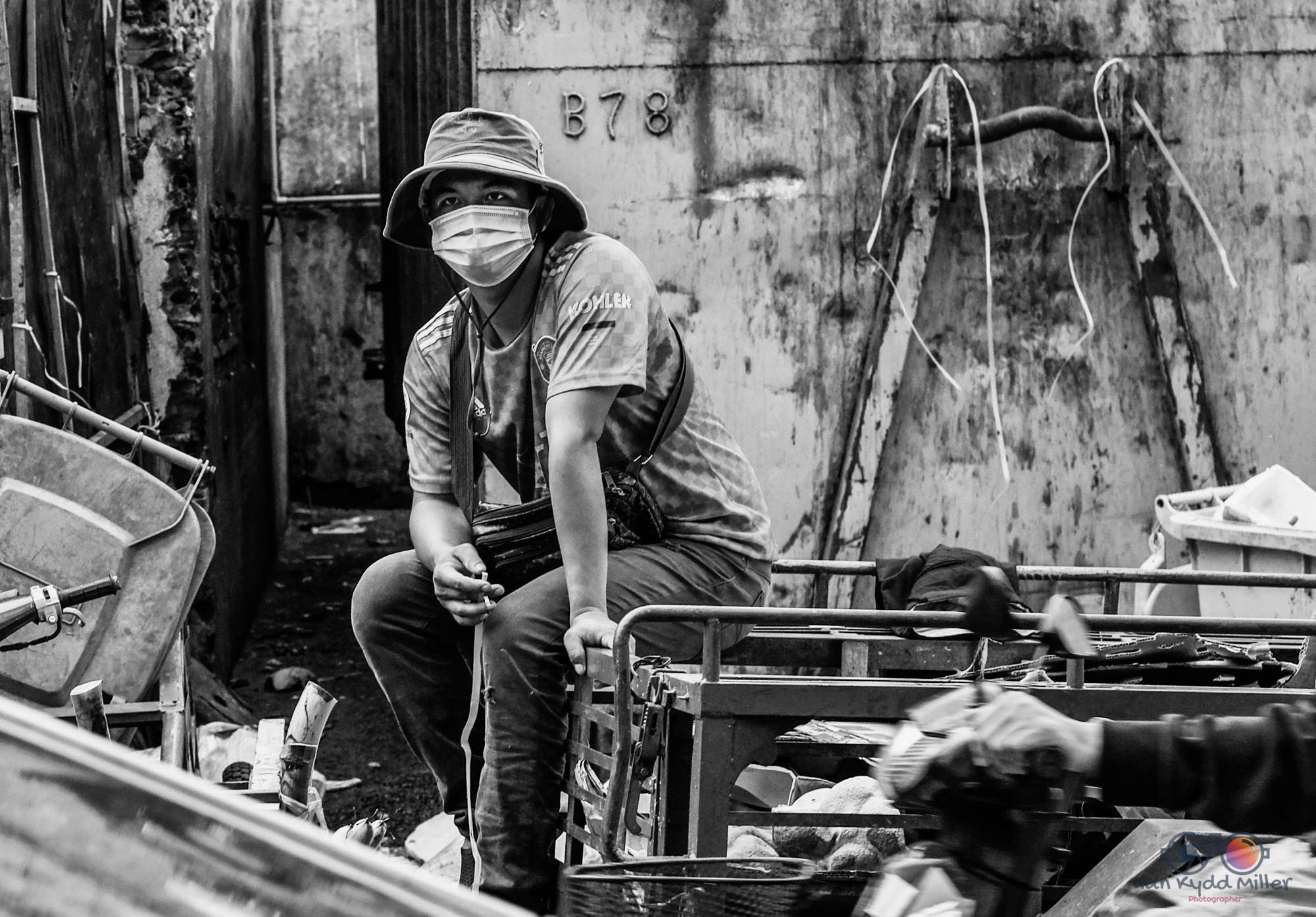
Telling Hardship with Dignity

cambodia, cameras, homelessness, Lenses, opinons, thoughts, photography, pictures, street, Travel

A practical guide for photographers and writers who want to document hard lives without resorting to pity or spectacle.

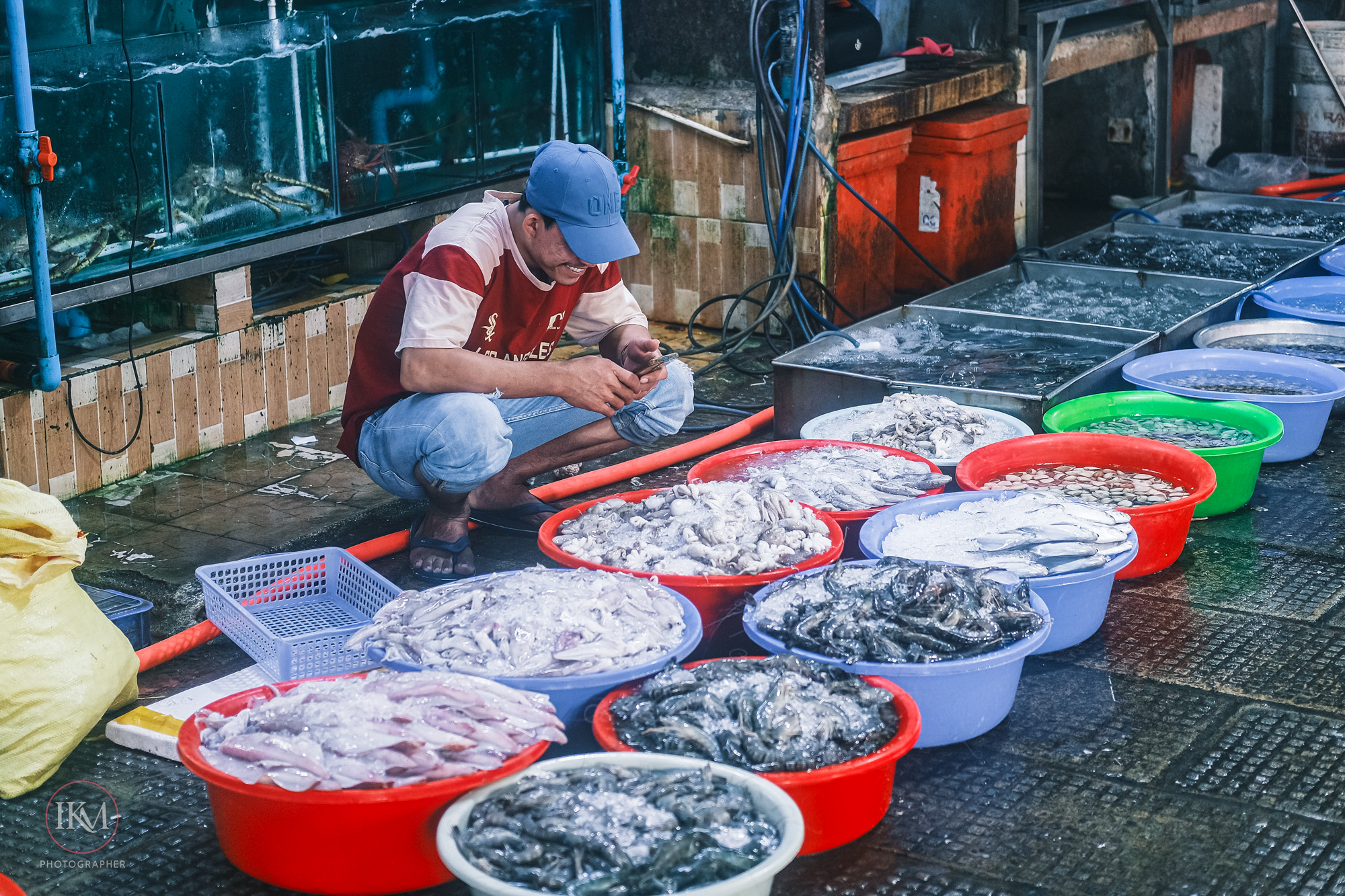
Begin by naming your intention: why this story matters, who it serves, and what you hope will change. That clarity becomes your north star for every choice you make β€” who to photograph, how to frame them, what language to use, and what risks to avoid.

Center Agency and Complexity

  • People first: show subjects as whole people β€” parents, workers, friends β€” not as single problems.
  • Three humanizing details: age, role, a recurring action (e.g., β€œwakes at 5 to mend shoes”) that resists stereotype.
  • Voice over narration: let subjects’ words lead. Use quotes that reveal priorities and choices rather than externally assigned suffering.

Ethics and Consent Process

  • Explain use clearly: who will see the images, where they’ll appear, and potential risks.
  • Ongoing consent: offer anonymity, caption review, or withdrawal options; revisit consent if the story’s scope or audience changes.
  • Harm check: before publishing, ask whether an image or line could cause eviction, stigma, or danger β€” if yes, edit or omit.

Visual and Verbal Choices That Respect People

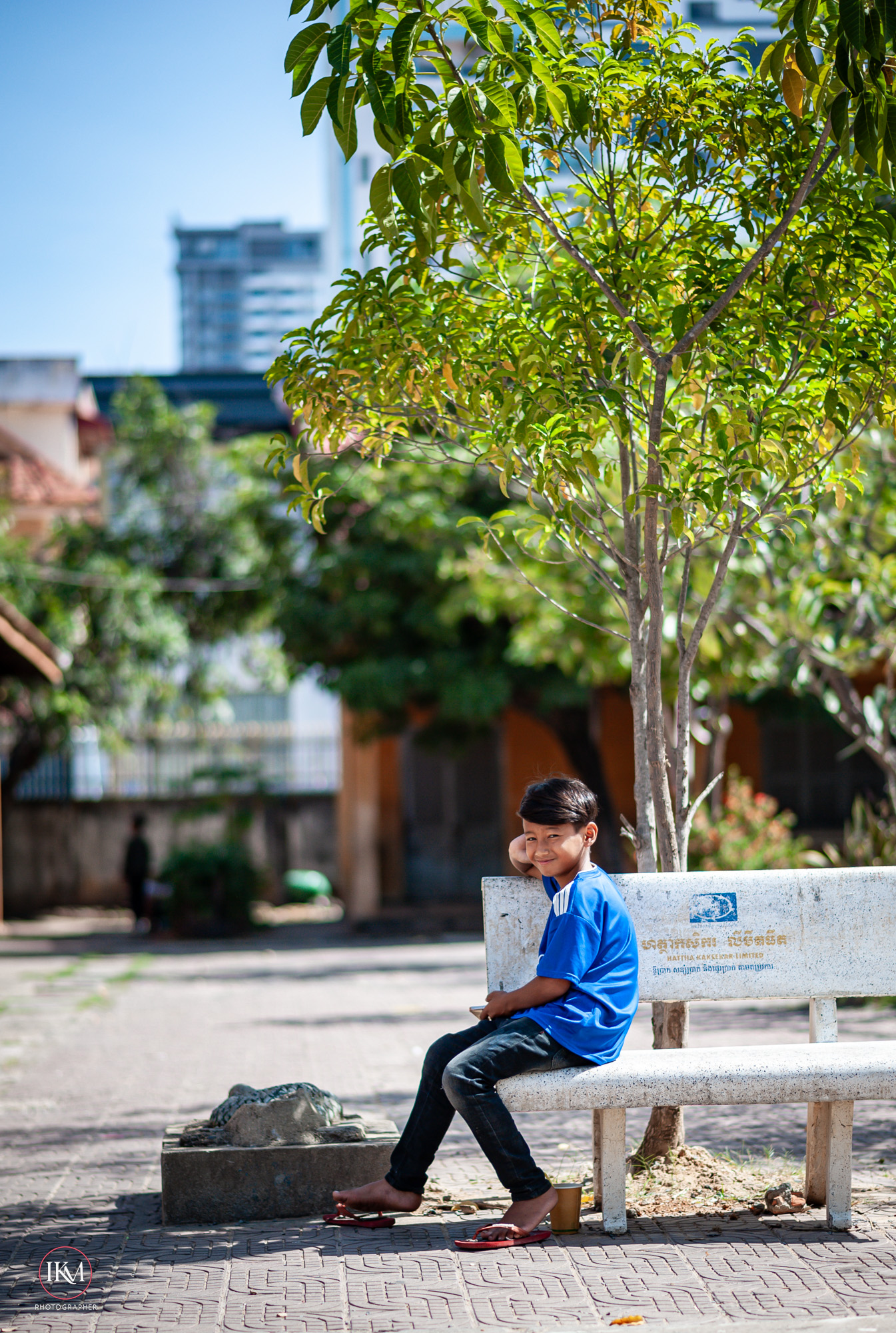
  • Contextualize: include home, workplace, objects that explain circumstance without shouting it.
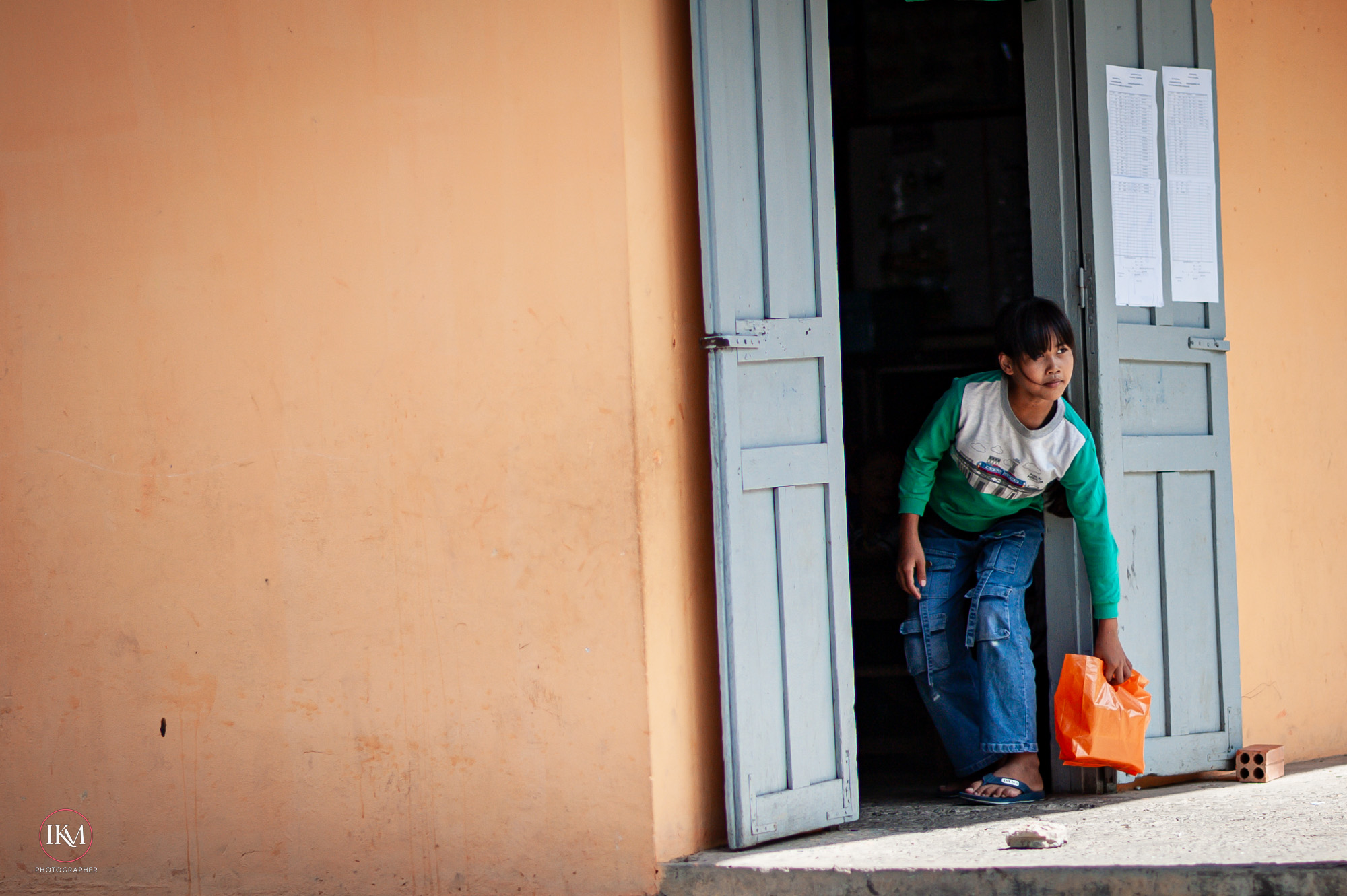
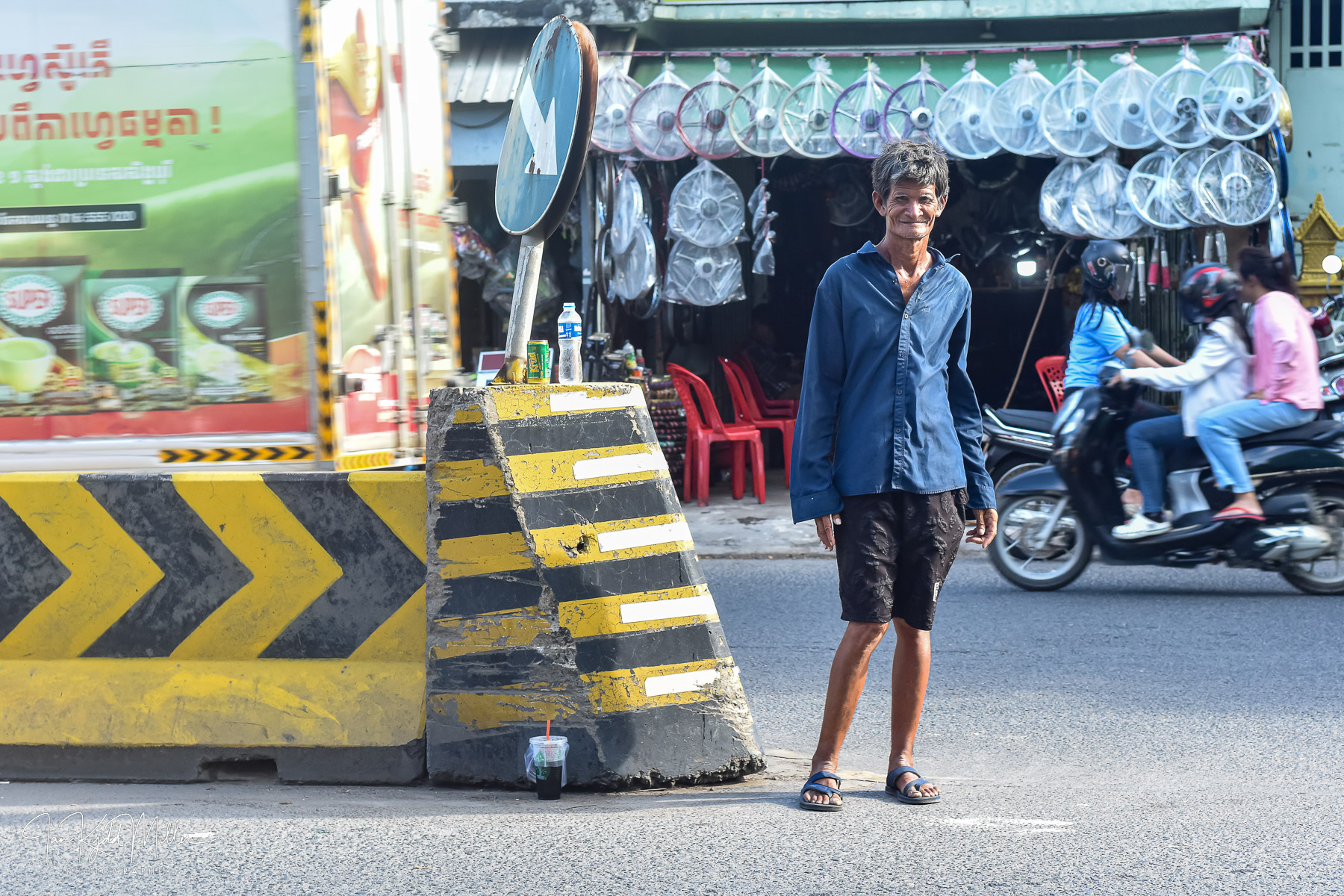
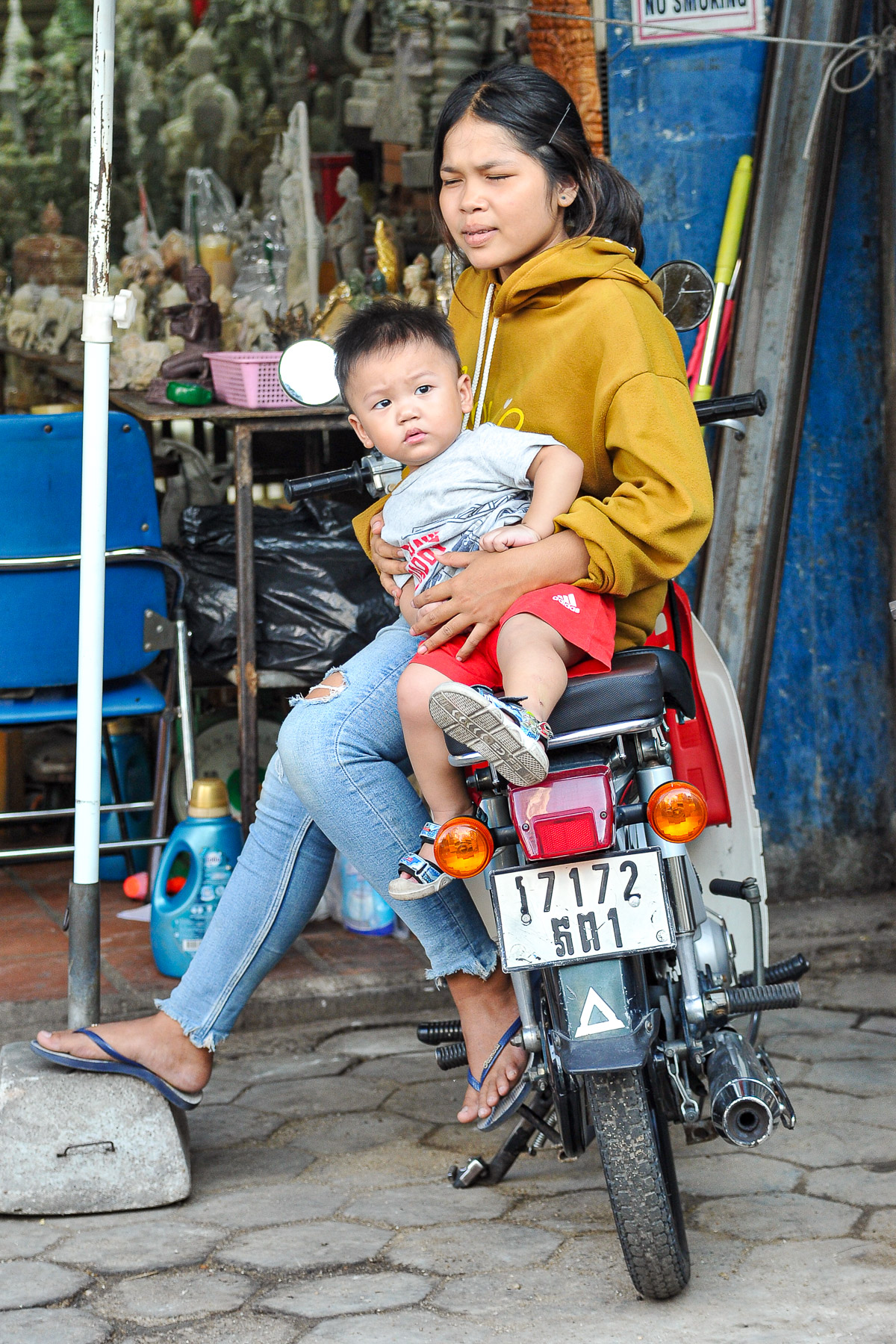
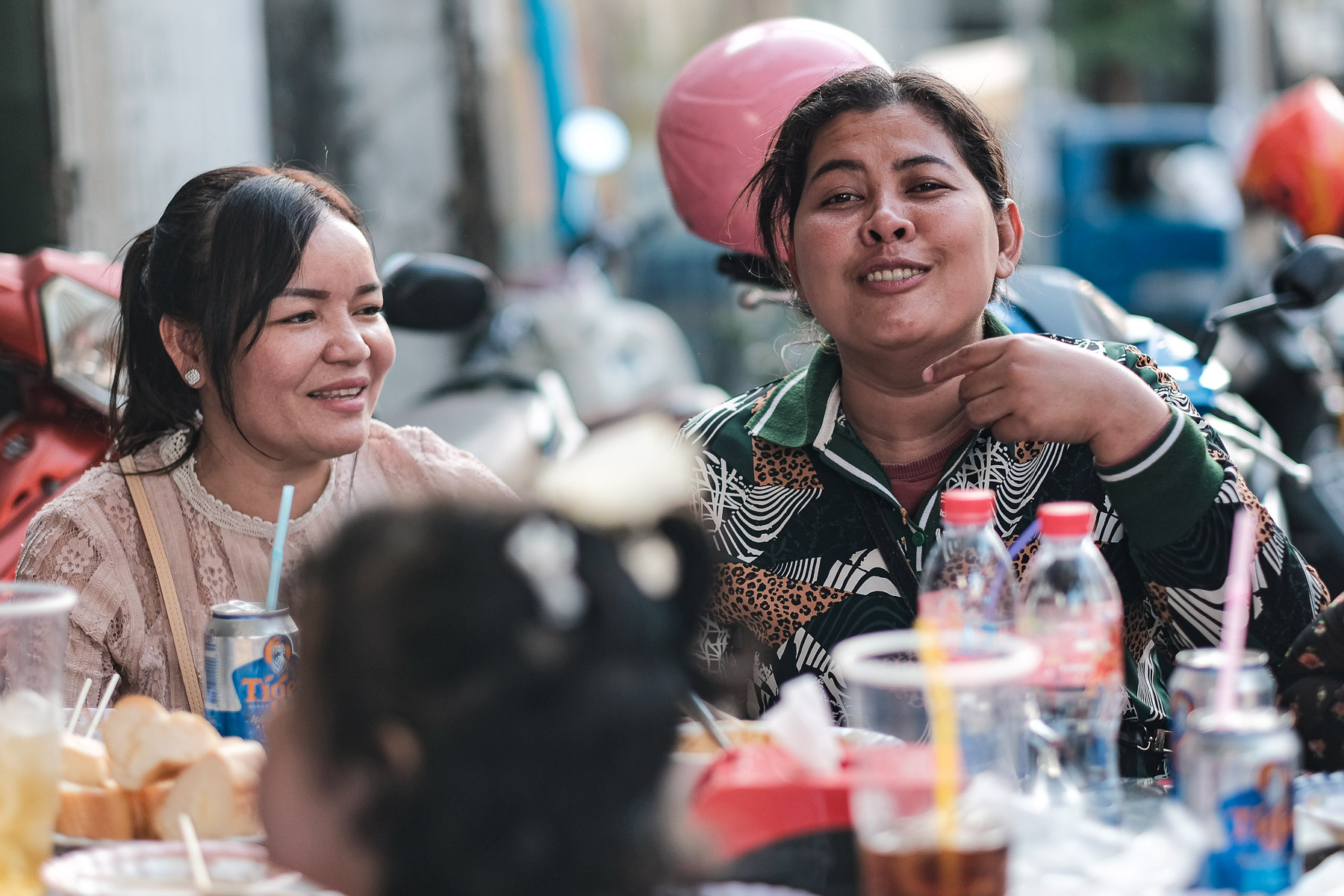
  • Dignified framing: eye‑level, neither voyeuristic close-ups nor dramatized lighting designed to elicit pity.
  • Specific language: prefer concrete facts over loaded adjectives β€” β€œtwo jobs, one child, unpaid bills” beats β€œdestitute.”
  • Avoid spectacle: do not prioritize images of extreme suffering unless they are essential, verified, and handled with extra care.

Structure Your Narrative

  • Open with context: place, systems, why this story matters.
  • Zoom to the person: a day‑in‑the‑life section (300–500 words or 5–7 images) showing routine, competence, and constraint.
  • Widen to systems: explain policies, markets, or services that produced the situation (200–400 words).
  • Close with agency: the subject’s hopes, strategies, or actions; practical next steps or resources if relevant.
  • Include an ethics note: short paragraph about consent, edits, and steps taken to protect subjects.

Interview and Listening Techniques

  • Start small: practical questions about routines build trust and yield texture.
  • Use prompts that empower: β€œWhat helps you get through a hard day?” rather than β€œHow badly did today suck?”
  • Silence is data: allow pauses; sometimes the most revealing answers arrive after a quiet moment.
  • Corroborate sensitive claims: verify facts that could affect reputations or aid provision.

Practical Template and Mini Exercise

  • Purpose statement (one line).
  • Subject profile (3–5 humanizing details).
  • Day‑in‑the‑life scene (300–500 words or 5–7 images).
  • Systems explainer (200–400 words).
  • Subject voice on agency (quote + short context).
  • Ethics disclosure (consent notes; risks considered).

Exercise: spend one morning with a single subject. Photograph routine tasks and one meaningful object (kettle, tool, book). Write a 300‑word micro‑essay centered on that object that reveals constraint and care. Share edits with the subject before publishing.

Telling hard lives well is an ethic and a craft: choose clarity over spectacle, respect over shock, and collaboration over extraction. Your job is to help readers understand, not to make them feel merely sorry.

Is Photography All About Emotion?

cambodia, cameras, homelessness, Lenses, opinons, thoughts, photography, pictures, street, Travel, war

A short blog exploring what emotion does β€” and doesn’t β€” do for a photograph

Photography is often defined by the feelings it evokes. A single frame can make us ache, laugh, recoil, or remember; emotion is the shorthand that turns an image into an experience. Yet reducing photography to one thing β€” emotion alone β€” flattens a far richer practice that mixes craft, context, ethics, and intention.

Emotion as the engine of meaning

Emotion is frequently the element that makes a photograph memorable. Photographs that carry strong feeling connect quickly with viewers, triggering empathy and narrative inference in ways words sometimes cannot. Skilled photographers use light, expression, and timing to amplify mood and create images that resonate long after they’re seen.

Why emotion is necessary but not sufficient

Emotion does not operate in isolation. Composition, exposure, focus, and gesture are the levers photographers use to produce emotional impact. Technical choices shape how feeling reads on the page; poor technique can obscure intent, while strong craft can fail to move if the image lacks purpose or honesty. Emotional resonance without craft risks sentimentality; craft without feeling risks sterility.

The role of context, story, and ethics

Context changes everything. The same image can feel intimate, exploitative, or manipulative depending on how and why it is shown. Ethical witnessing, informed consent, and narrative framing determine whether an emotionally charged photograph honours its subjects or reduces them to spectacle. Responsible photographers treat emotion as a consequence, not as the entire aim.

Where vision and tool meet

Emotion guides choices about tooling and process, but doesn’t erase them. Lenses, shutter speed, and color palette are servants of intention: a long lens for compression, a fast shutter for decisive action, soft light for quiet intimacy. The best photographers let emotion inform technique and let technique refine emotion, arriving at images that are both felt and well made.

Practical takeaway for makers

  • Practice: make sets of images that pursue a single mood using only one lens; compare what changes in composition, depth, and narrative.
  • Critique: assess images first for honesty of feeling, then for craftβ€”ask what you would change technically to better support the emotion.
  • Ethics: name the subject’s agency and the story you’re telling before pressing the shutter.

πŸ“Έ Robert Capa: The War Photographer Who Hated War

cambodia, opinons, thoughts, photography, war

A Short History of a Photojournalist Who Risked Everything to Show the Truth

Robert Capa’s name is synonymous with frontline photojournalism. He didn’t just photograph warβ€”he lived it, crawled through it, and bore witness to its brutality with a camera in hand. His images are not just records of history; they are emotional testaments to the people caught in its crossfire. He was a legendary war photojournalist whose images captured the raw human cost of conflict.

🧭 Early Life and Identity

Born October 22, 1913, in Budapest, Austria-Hungary, Capa fled political repression as a teenager and moved to Berlin. As Hitler rose to power, he relocated to Paris, where he adopted the pseudonym β€œRobert Capa” to sound more American and marketable. He partnered with fellow photojournalist Gerda Taro, and together they began documenting the Spanish Civil War.

πŸ“° War Coverage and Iconic Work

Capa covered five major conflicts:

  • Spanish Civil War (1936–1939): His photo The Falling Soldier became one of the most iconic war images ever taken.
  • Second Sino-Japanese War
  • World War II: He landed with American troops on D-Day, capturing blurry, visceral images under fire at Omaha Beach.
  • 1948 Arab–Israeli War
  • First Indochina War: Where he was tragically killed by a landmine in 1954 while on assignment in Vietnam.

His approach was simple: β€œIf your pictures aren’t good enough, you’re not close enough.” He believed in proximityβ€”not just physical, but emotional.

πŸ–‹ Magnum Photos and Legacy

In 1947, Capa co-founded Magnum Photos with Henri Cartier-Bresson, David Seymour, and others. Magnum became a cooperative agency that gave photographers control over their workβ€”a revolutionary idea at the time.

Capa’s legacy includes:

  • A new standard for human-centered war photography
  • A commitment to ethical witnessing
  • A body of work that continues to educate and move viewers worldwide

🧭 Final Thought

Robert Capa didn’t glorify warβ€”he exposed it. His images are grainy, imperfect, and often chaotic, but they pulse with truth. He showed that photography could be more than documentationβ€”it could be resistance, empathy, and remembrance.

🏞️ Khan Chbar Ampov Through a Legacy Lens

cambodia, cameras, Lenses, nikon, opinons, thoughts, photography, street, Travel

A Nikon D700 and 85mm f/1.8D Portrait of Phnom Penh’s Eastern Frontier

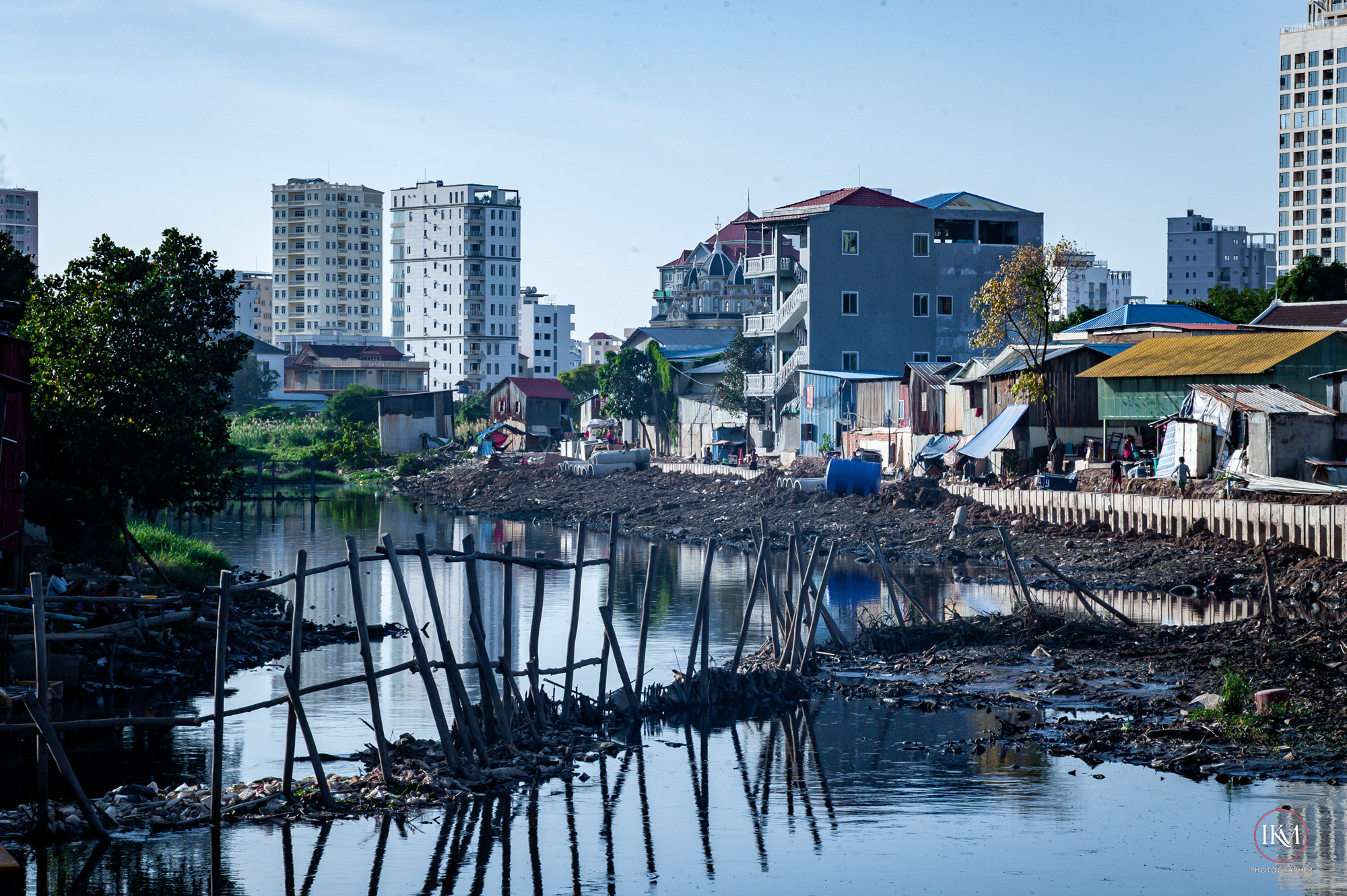
There’s a quiet dignity to Khan Chbar Ampov. Located on the eastern bank of the Bassac River, it’s a district that bridges Phnom Penh’s urban pulse with its agrarian past. And when photographed with the Nikon D700 and the Nikkor 85mm f/1.8D, that dignity is rendered with emotional clarity and technical grace.

πŸ“ Chbar Ampov: Sugarcane Garden Turned Urban Artery

The name Chbar Ampov translates to β€œSugarcane Garden,” a nod to its agricultural roots. Once part of Kandal Province, the area was absorbed into Phnom Penh in 1998 and officially became its own district in 2013.

Historically, Chbar Ampov was known for:

  • Lush farmland and fresh produceβ€”corn, Logan, banana, and of course, sugarcane
  • River trade and ferry crossings, connecting communities across the Bassac
  • Spiritual and cultural sites, including pagodas and local markets that still hum with daily life

Today, it’s a district in transitionβ€”still green in parts, but increasingly urbanised. It’s considered Phnom Penh’s β€œlast green frontier,” where development meets memory.

πŸ“· The Gear: Nikon D700 + Nikkor 85mm f/1.8D

To photograph Chbar Ampov with this combo is to honour both place and process.

Nikon D700

  • Released in 2008, the D700 was Nikon’s first affordable full-frame DSLR.
  • 12.1MP FX sensor with exceptional dynamic range and low-light performance.
  • Built like a tank, with weather sealing and a magnesium alloy body.
  • Still beloved for its film-like rendering and tonal subtlety.

Nikkor 85mm f/1.8D

  • A classic portrait lens with fast autofocus and creamy bokeh.
  • On the D700, it delivers intimate framing with respectful distanceβ€”ideal for street portraits and environmental detail.
  • Known for its central sharpness and character-rich rendering, especially wide open.

Together, they form a combo that’s responsive, grounded, and emotionally honest. Perfect for documenting a district like Chbar Ampov, where every corner holds a story.

πŸ–Ό What the Image Holds

A single frame from this setup might show:

  • A vendor’s silhouette against the morning light
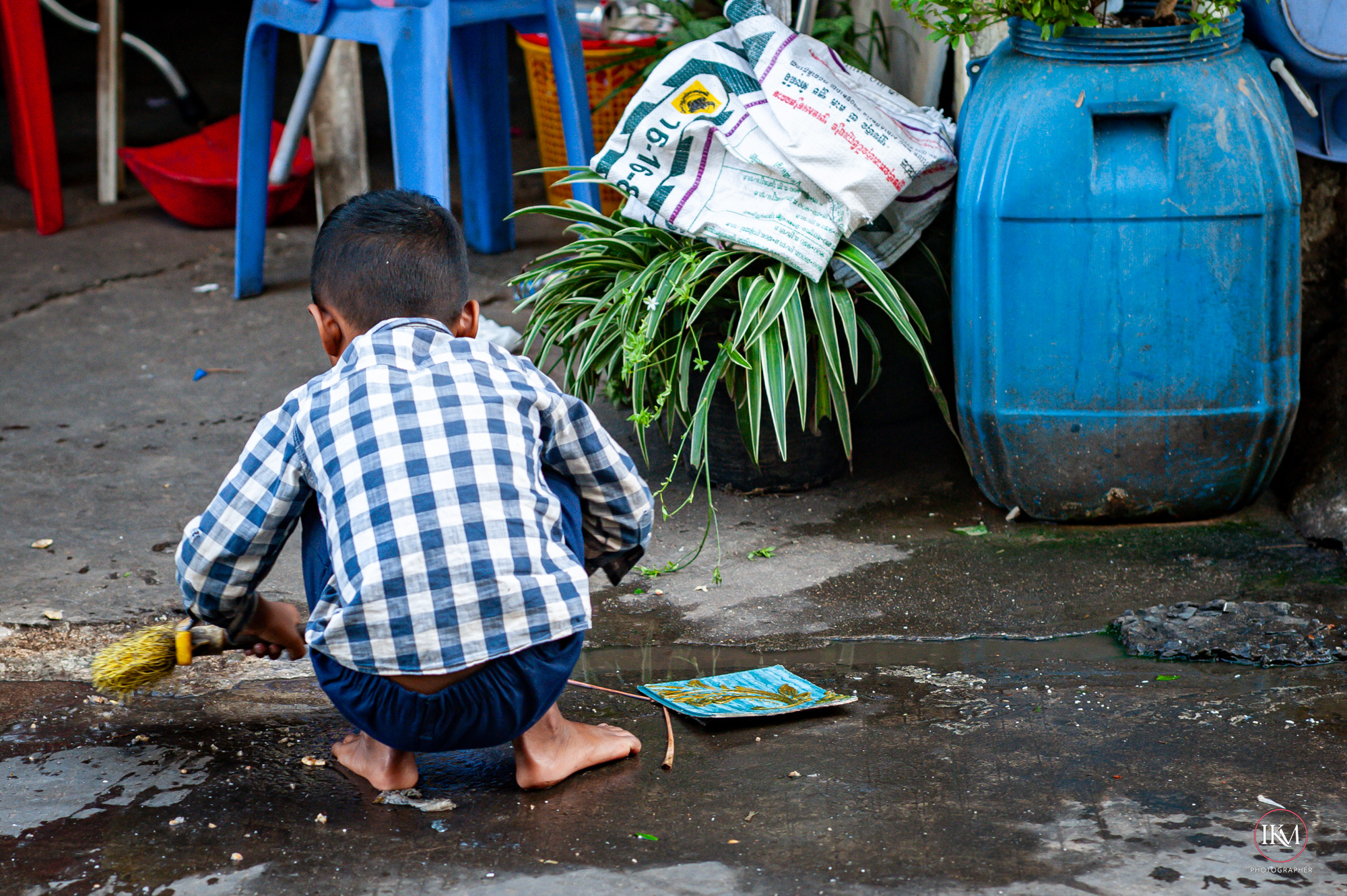
  • A child’s gesture near the riverbank
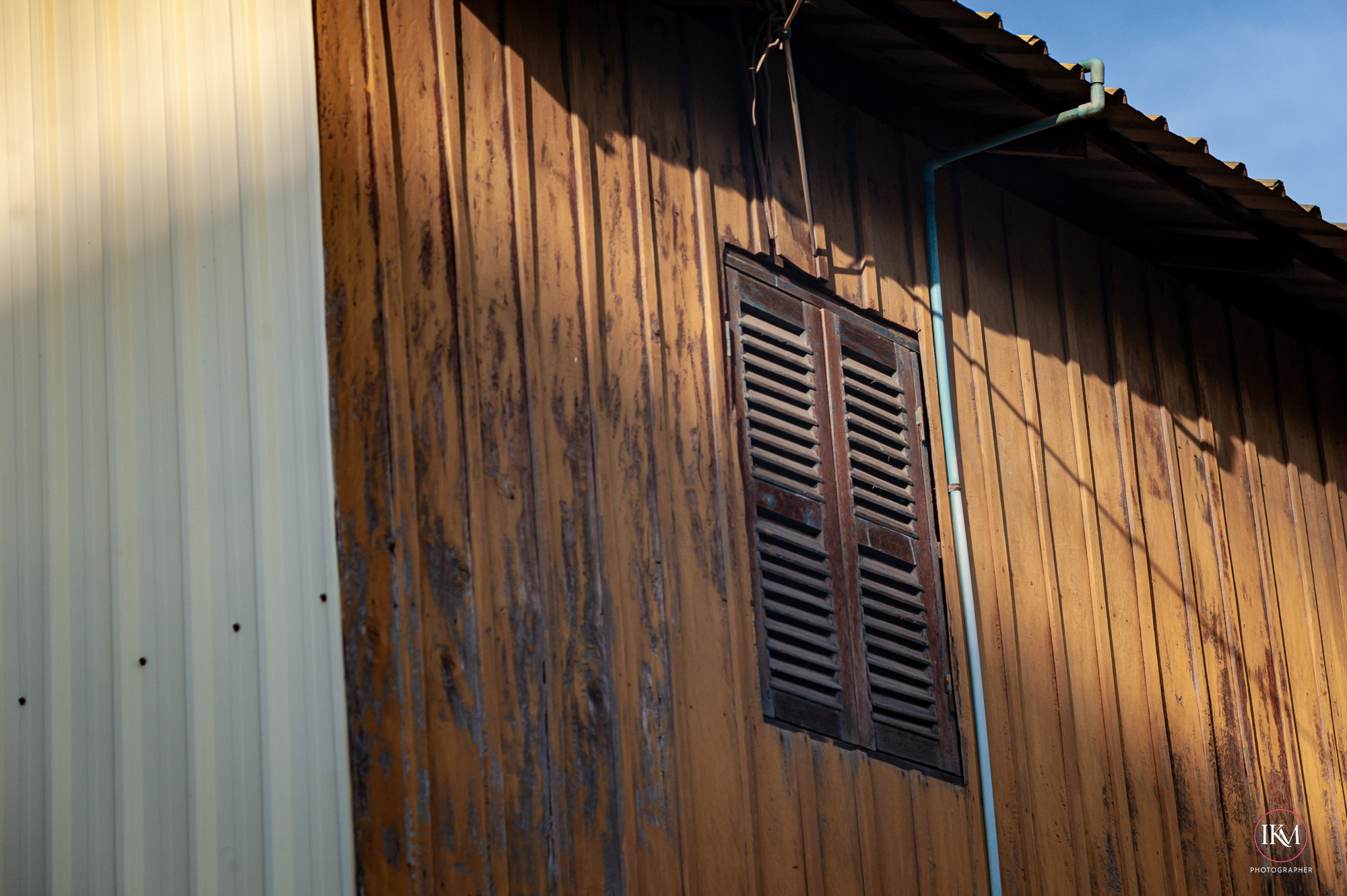
  • The texture of a weathered wall, half in shadow

The D700’s sensor captures the tonal nuance. The 85mm isolates the moment. And Chbar Ampov provides the rhythm.

🧭 Final Thought: Legacy Meets Landscape

Photographing Khan Chbar Ampov with the Nikon D700 and 85mm f/1.8D isn’t just documentationβ€”it’s dialogue. Between old gear and evolving place. Between restraint and curiosity. Between what was and what’s becoming.
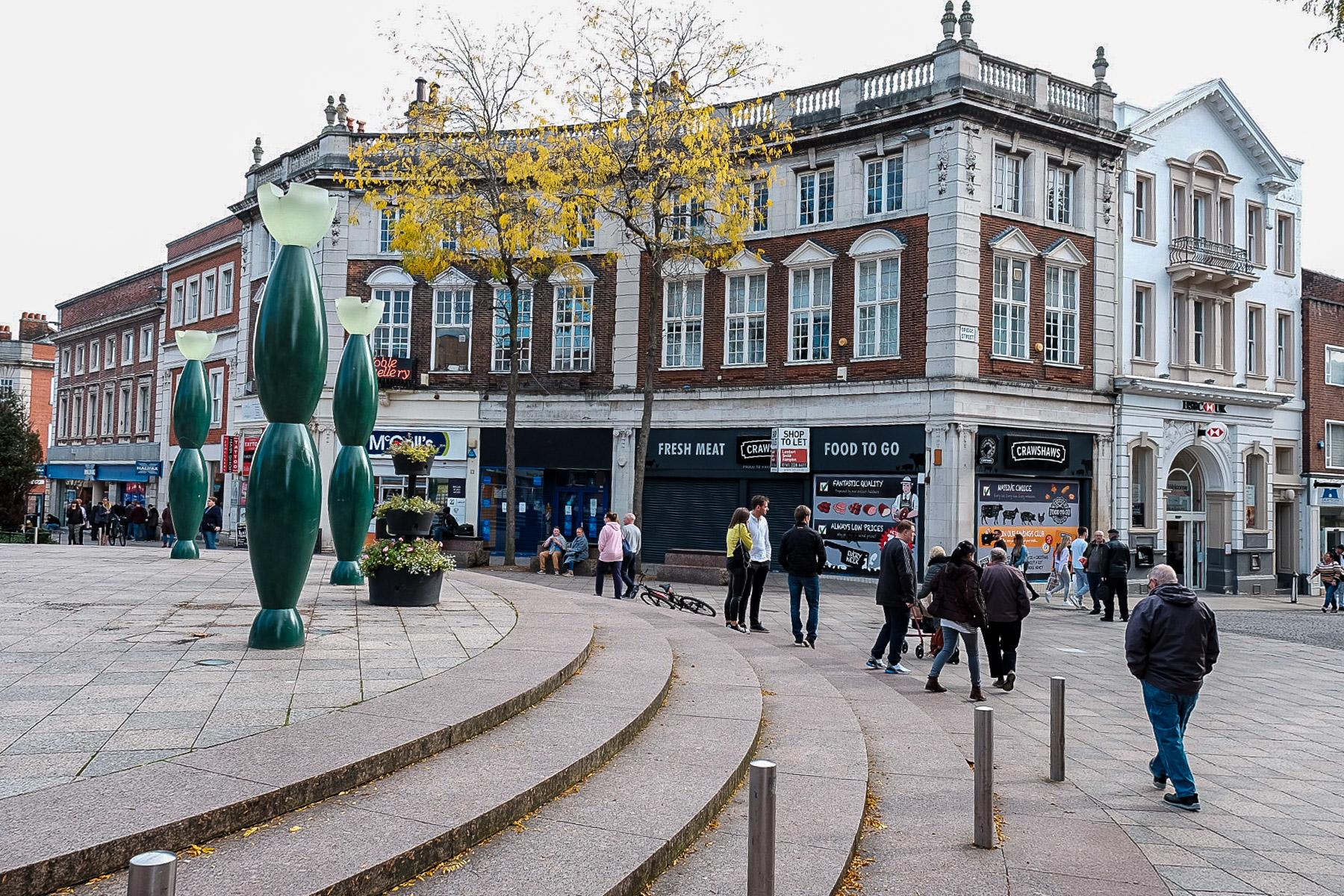
Because sometimes, the best way to honour change is to see it through something that remembers.

πŸ“· The Fujinon XF 18mm f/2 R: A Lens That Listens

cambodia, cameras, Fujichrome, fujifilm, Lenses, opinons, thoughts, photography

A Rundown of the Good and the Quirky

The Fujifilm XF 18mm f/2 isn’t perfect. But it’s present. It’s compact, fast, and quietly capable. It doesn’t demand attentionβ€”it invites it. And for street photographers, documentarians, and those who value rhythm over resolution, it’s a lens worth knowing.

I’ve used it in clinics, on the street, and in quiet corners of care. It’s not a showstopper. It’s a companion. And that’s what makes it special.

βœ… The Good: Why It Still Matters

🧠 1. Classic Focal Length

  • 18mm on Fuji’s APS-C sensor gives you a 27mm equivalentβ€”ideal for street photography, environmental portraits, and storytelling in context.
  • Wide enough to breathe, tight enough to feel.

πŸͺΆ 2. Compact and Featherlight

  • This lens disappears in your hand. It makes the camera feel invisible.
  • Perfect for moving quietly, staying present, and photographing without spectacle.

⚑ 3. Fast f/2 Aperture

  • Responsive in low light. Lets you isolate gestures and moments without losing the scene.
  • Great for dusk, clinics, and shadow play.

🎞️ 4. Film-Like Rendering

  • Slight softness at the edges. Gentle contrast. A character that feels felt, not forced.
  • Prints beautifullyβ€”especially in black-and-white.

🧭 5. Teaches Restraint

  • No zoom. No overcorrection. Just you, the scene, and the moment.
  • Ideal for students learning to compose with care.

❗ The Quirks: What to Know

🧊 1. Not the Sharpest Tool

  • Wide open, it’s soft at the edges. Corner sharpness improves by f/4–f/5.6.
  • If you’re chasing clinical perfection, this isn’t your lens.

πŸ”Š 2. Noisy Autofocus

  • The AF motor isn’t silent. In quiet settings, you’ll hear it.
  • Not a dealbreaker, but worth noting for documentary work.

🧱 3. Older Design

  • No weather sealing. No linear motor. No aperture lock.
  • It’s part of Fuji’s original lens lineupβ€”quirky, charming, and a little dated.

πŸ§ͺ 4. Chromatic Aberration

  • You may see some fringing in high-contrast scenes. Easily corrected in post, but present.

πŸ–Ό How It Prints

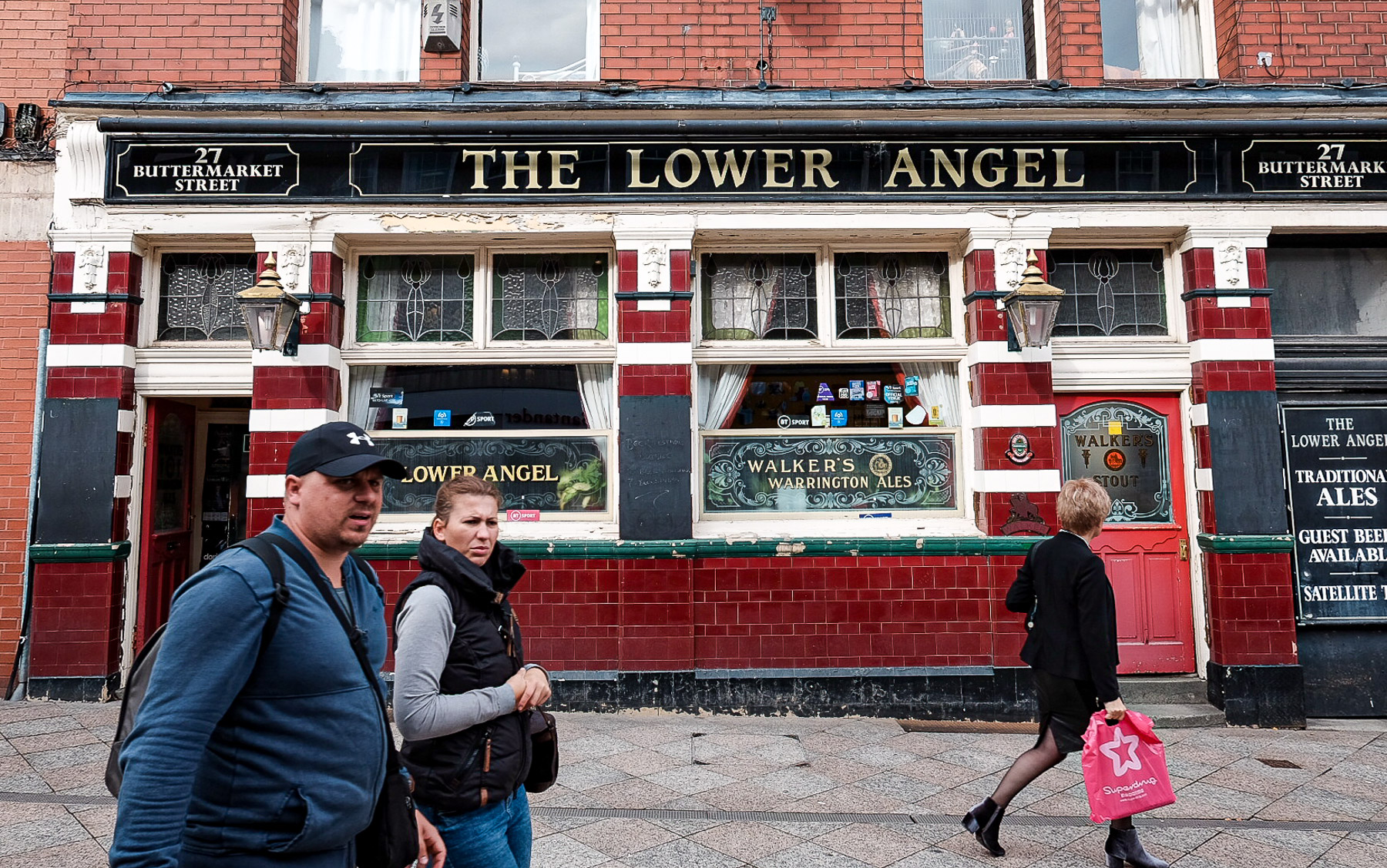
This lens isn’t about technical brilliance. It’s about emotional clarity. The files print with softness, nuance, and tonal depth. Especially in monochrome, the 18mm f/2 feels like a whisperβ€”gentle, grounded, and true.
πŸ•Š Final Thought: Character Over Perfection

The Fujinon XF 18mm f/2 isn’t for everyone. But for those who value presence over pixels, it’s a quiet gem. It teaches you to move slowly, see clearly, and photograph with care.

Because sometimes, the best lens isn’t the sharpest. It’s the one that listens.

Peace in Motion: Monks Lead a Nation Toward Healing

angkor, cambodia, conflict, opinons, thoughts, photography, street, war

Ten Years with the Canon 1D Mark IV

cambodia, cameras, Lenses, Lowepro, opinons, thoughts, photography, street, Travel

Tuned, Not Trendy: Why Function Matters More Than Features

cambodia, cameras, Lenses, Lowepro, opinons, thoughts, photography, street, Travel

Why I Still Use the Nikon D3 and D3S in 2025

cambodia, cameras, Lenses, Lowepro, opinons, thoughts, photography, street, Travel

Built Like Tools, Not Toys

The Files Still Sing

Speed and Simplicity

Why I Still Carry Them

The Khmer New Year

angkor, cambodia, opinons, thoughts, photography, pictures, sihanouk, street, Travel