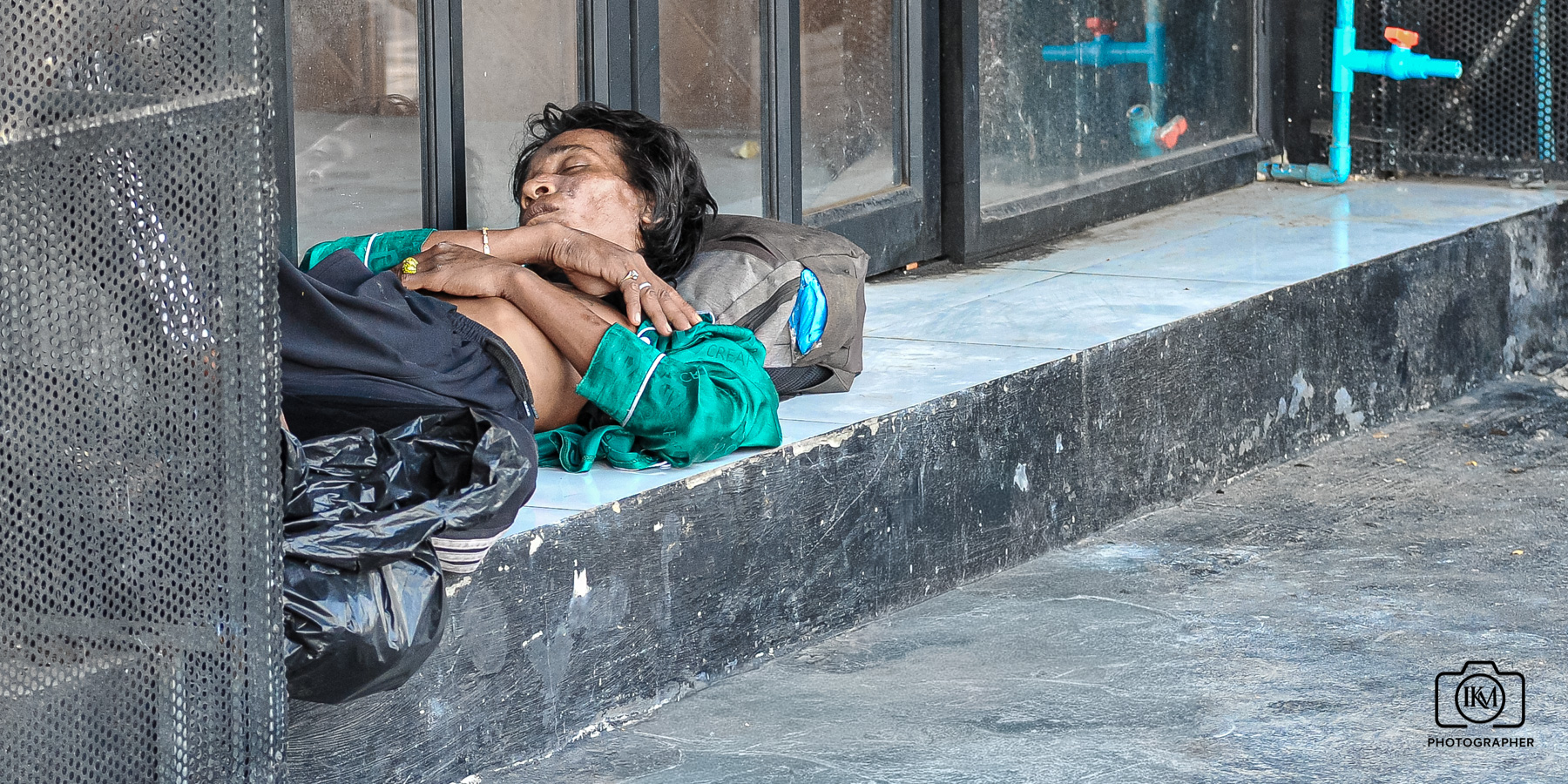
The Fujifilm X‑Pro3 is a distinctive, rangefinder‑style mirrorless camera that excels in build quality, image rendering, and unique design philosophy—but ongoing issues include reliability concerns with its sub monitor, shutter button feedback, and its unconventional hidden LCD, which some photographers find impractical.
📸 Core Strengths
Design Philosophy: The X‑Pro3 was built to encourage “viewfinder‑first” shooting. Its hidden LCD forces photographers to rely on the hybrid optical/electronic viewfinder, echoing the discipline of film cameras.
Build Quality: Constructed with a titanium top and bottom plate, weather sealing, and robust ergonomics, the X‑Pro3 is designed for durability in professional use.
Sensor & Image Quality: Equipped with a 26.1MP APS‑C X‑Trans IV sensor, it delivers excellent colour reproduction, dynamic range, and Fujifilm’s renowned film simulations.
Hybrid Viewfinder: The defining feature—users can switch between an optical viewfinder (OVF) and a high‑resolution electronic viewfinder (EVF), offering flexibility for different shooting styles.
Performance: Fast autofocus with 425 phase‑detect points, improved low‑light sensitivity, and solid burst shooting at 11fps mechanical or 20fps electronic shutter.
⚠️ Ongoing Problems & Criticisms
Sub Monitor Failures: Multiple users have reported issues with the small “sub monitor” on the back (which displays film simulation and settings). Failures or malfunctions have been noted, sometimes outside warranty.
Shutter Button Feedback: Some photographers complain that the shutter button loses its tactile “second click,” making it harder to confirm when an image has been taken.
Hidden LCD Design: While philosophically bold, the flip‑down LCD frustrates many users who rely on quick image review or live view shooting. Critics argue it slows workflow and feels impractical.
Reliability Concerns: Threads on photography forums highlight worries about long‑term durability, with scattered reports of component failures.
Video Limitations: Although capable of 4K recording, the X‑Pro3 is not optimised for video compared to Fujifilm’s X‑T series.
✅ Best Use Cases
Street photography, where discretion and OVF shooting are valued.
Documentary and travel work, especially for photographers who embrace intentional, viewfinder‑driven shooting.
Enthusiasts who appreciate Fujifilm’s film simulations and want a camera that enforces discipline.
✨ Summary
The X‑Pro3 is a niche but powerful tool: it rewards photographers who embrace its philosophy of slowing down and shooting deliberately. Its titanium build, hybrid viewfinder, and superb sensor make it a joy for those aligned with its design ethos. However, ongoing problems with the sub monitor, shutter button feedback, and the divisive hidden LCD design mean it’s not universally loved. For photographers who value reliability and modern conveniences, the X‑T series may be a safer bet; for those who want a camera that challenges their habits, the X‑Pro3 remains unique.
Image Quality: At its core, the X‑E2 features a 16.3‑megapixel APS‑C X‑Trans CMOS II sensor. This sensor uses a unique colour filter array that mimics film grain, eliminating the need for an optical low‑pass filter. The result is sharp, detailed images with rich colour reproduction.
Fast Autofocus: The hybrid AF system combines contrast and phase detection, achieving focus speeds as fast as 0.08 seconds. With 49 AF points, it’s responsive enough for everyday shooting and moderate action.
Retro Design & Handling: Styled like a classic rangefinder, the X‑E2 offers tactile dials for shutter speed and exposure compensation. Its magnesium alloy body feels solid yet compact, appealing to photographers who enjoy manual control.
Electronic Viewfinder: A 2.36‑million‑dot EVF provides a crisp, detailed preview, while the 3‑inch LCD (1.04M dots) supports easy composition and playback.
Performance: Powered by the EXR Processor II, the camera delivers 7fps continuous shooting, in‑camera RAW conversion, and film simulation modes that replicate Fujifilm’s iconic film stocks.
Connectivity & Extras: Built‑in Wi‑Fi allows for image transfer and remote shooting. Creative features include multiple exposure, panorama mode, focus peaking, and digital split image for precise manual focus.
⚖️ Limitations
No 4K video: Limited to 1080p recording.
Fixed screen: No articulation or touchscreen functionality.
ISO performance: Usable up to ISO 6400, but noise becomes noticeable at higher settings.
✅ Best Use Cases
Street photography, thanks to its discreet retro styling.
Travel and documentary work, with compact size and versatile lens options.
Enthusiast photographers who value manual controls and film‑like rendering.
✨ Summary
The Fujifilm X‑E2 remains a well‑balanced mirrorless camera that combines vintage charm with capable modern features. Its sensor, EVF, and tactile controls make it a joy for photographers who prioritise image quality and creative handling over cutting‑edge specs. For those seeking a reliable, affordable entry into Fujifilm’s X system, the X‑E2 is still a worthy companion.
In a world obsessed with fast primes and pro-grade zooms, the Nikkor 70–210mm f/4–5.6 AF-D is often overlooked. Released in the late 1980s and refined through the 1990s, it’s a lens that quietly delivers—especially for street, travel, and candid work where discretion and versatility matter.
🔍 Optical Performance
Sharpness: Respectable across the range, especially in the centre. It holds up well even on higher-resolution sensors, though it won’t match modern primes or pro zooms.
Contrast & Colour: Slightly cool rendering; contrast is decent but not punchy.
Bokeh: Fair—better at 135mm than at 210mm.
Distortion: Minimal at 70mm, increasing pincushion distortion toward 210mm.
⚙️ Build & Handling
Construction: Solid for its class—metal mount, decent heft (~590g), and a push-pull zoom design. Not weather-sealed, and it does pump air when zooming.
Autofocus: Fast for its era, especially the AF-D version with improved gearing. Noisy and not ideal for video, but snappy enough for street and candid work.
Size: Compact for a telephoto zoom, making it a good fit for travel or discreet shooting.
💰 Value & Use Cases
Price: Often found used for £80–£150, (I picked up my perfect copy for 50$ US here in PP) making it one of the best-value Nikon telephoto zooms available.
Best For:
Street photography with reach
Travel and urban detail work
Candid portraits at a distance
Vintage DSLR setups or film bodies
⚠️ Limitations
Low-light performance: With a variable aperture of f/4–5.6, it’s not ideal for dim conditions.
No VR (Vibration Reduction): You’ll need steady hands or fast shutter speeds.
Push-pull zoom: Some find it less precise than modern ring zooms.
✅ Final Assessment
The Nikkor 70–210mm f/4–5.6 AF-D is not flashy, but it’s reliable. It rewards photographers who value presence, anticipation, and discretion over technical perfection. For street work, especially in bright conditions, it’s a sleeper lens that punches above its weight.
If your style is unpolished but intentional, this lens fits right in.
Photojournalism has always had the capacity to provoke. Iconic images—like the “Napalm Girl” or the Tiananmen Square standoff—didn’t just document events; they shocked, moved, and mobilised global audiences. In this sense, photojournalism is an agent provocateur: it confronts viewers with uncomfortable truths and demands a response.
⚖️ The Ethical Line
But provocation is not the same as manipulation. The ethical challenge lies in intent:
Is the image revealing injustice or exploiting suffering?
Is it amplifying marginalised voices or sensationalising trauma?
Is it grounded in truth or shaped to fit a narrative?
Responsible photojournalism provokes thought, not violence. It informs, not inflames.
🧭 When Provocation Serves Justice
In contexts of oppression, censorship, or systemic abuse, photojournalism can—and arguably should—provoke:
Expose hidden realities (e.g. war crimes, police brutality)
Challenge dominant narratives (e.g. state propaganda)
Mobilise public action (e.g. climate protests, refugee crises)
Here, provocation is not reckless—it’s a form of ethical resistance.
🚫 When Provocation Becomes Exploitation
However, when images are used to:
Sensationalise suffering
Invade privacy
Perpetuate stereotypes
Distort context for shock value
…photojournalism crosses into unethical territory. The image becomes a weapon, not a witness.
✅ Summary
Photojournalism can act as an agent provocateur—but only when it provokes with purpose, not for spectacle. Its ethical power lies in revealing truth, challenging injustice, and sparking dialogue. The moment it prioritises impact over integrity, it loses its credibility.
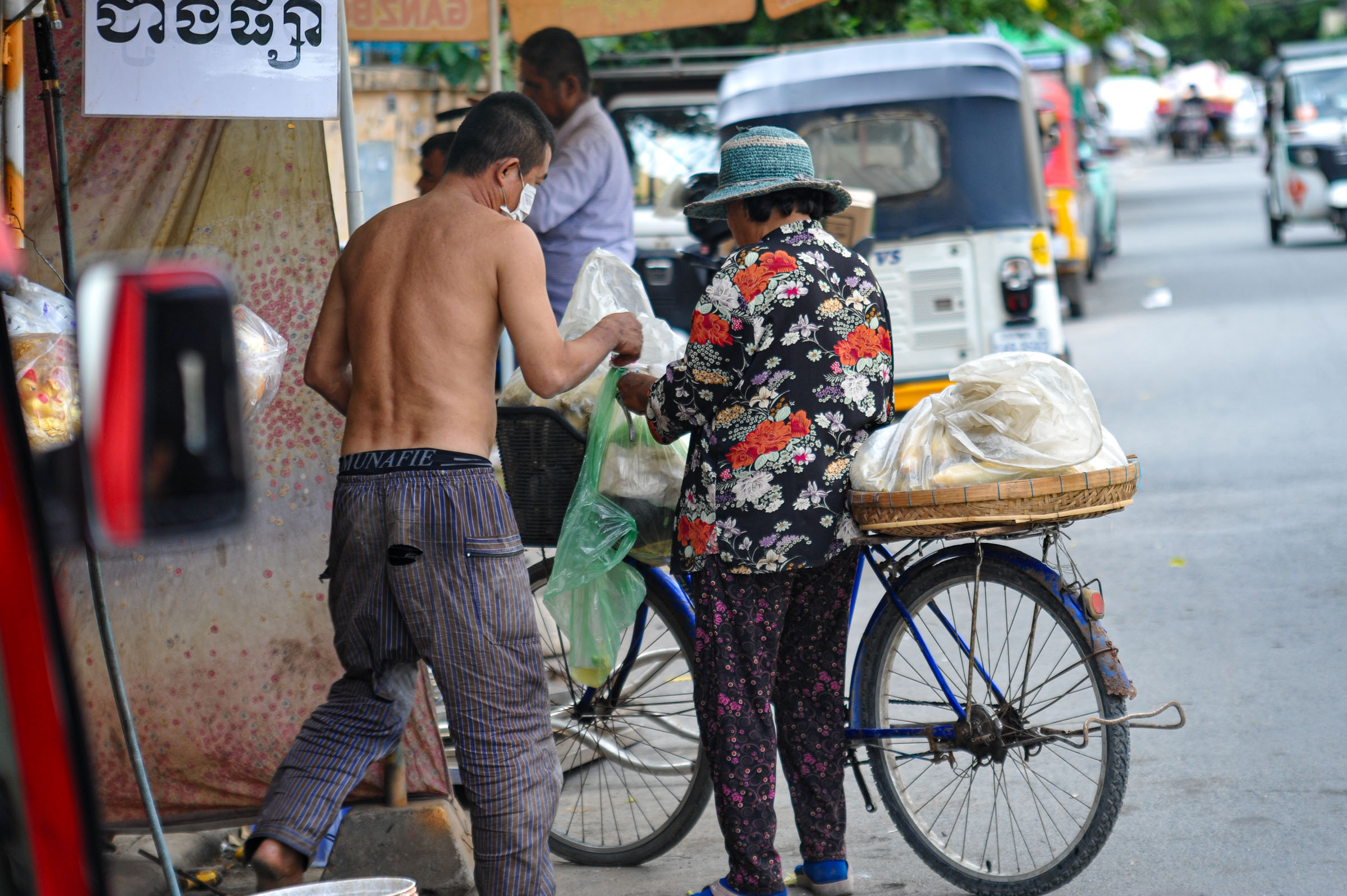
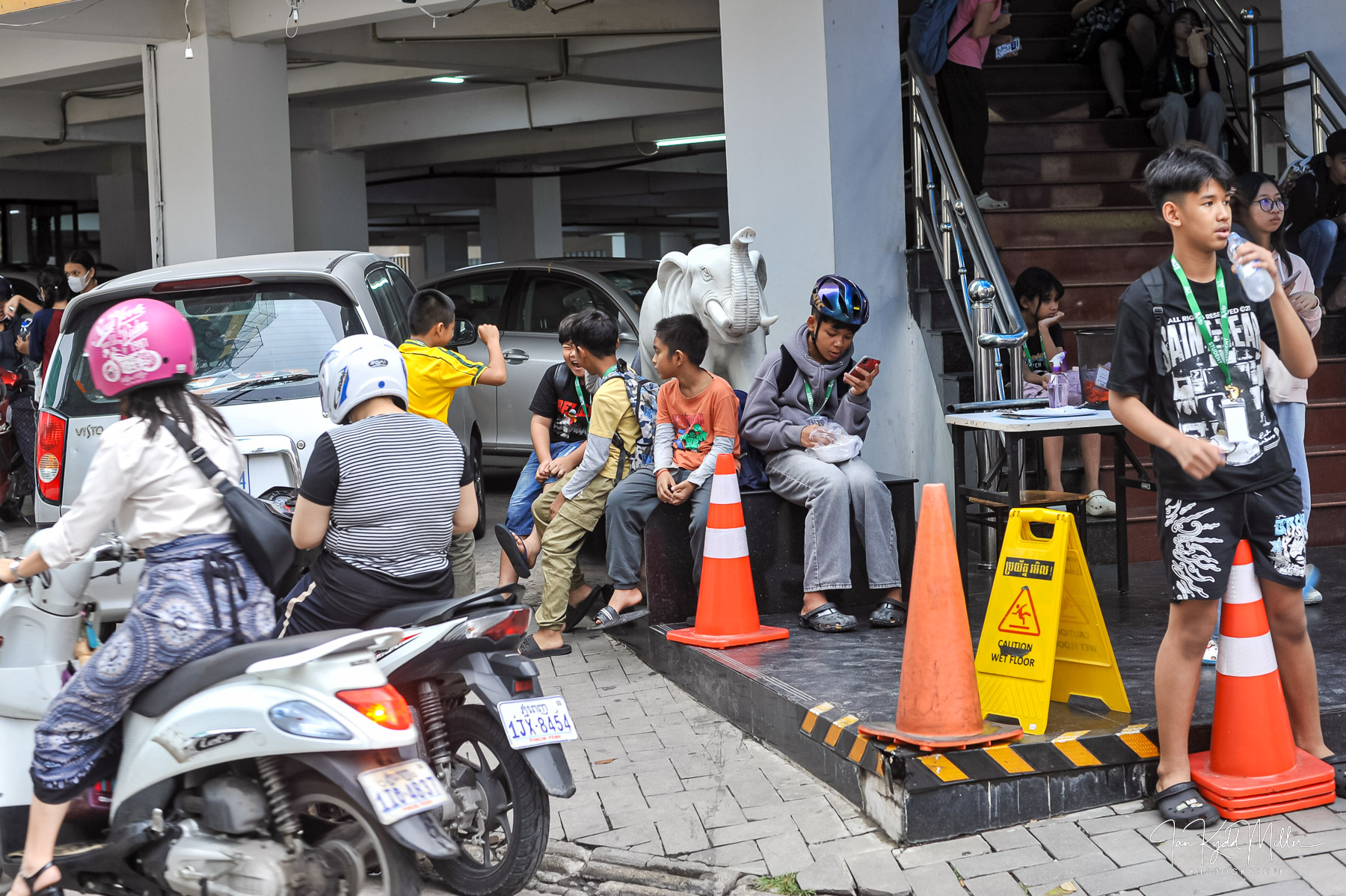
Street photography isn’t about luck—it’s about anticipation. The streets of Phnom Penh move fast: motorbikes weaving, vendors shifting goods, children darting across alleys. To capture the moment, you have to sense it before it happens.
I. Reading the Rhythm
Every street has a rhythm. You learn to watch gestures, patterns, and movements—how a monk steps into sunlight, how a vendor reaches for fruit, how a child leans before running. Anticipation means reading these cues and preparing for the instant they align.
II. Burst as a Tool, Not a Crutch
Modern cameras can fire off many frames per second. Used with intention, this isn’t about “spray and pray”—it’s about precision. You anticipate the moment, then let the burst capture the micro‑variations: the exact tilt of a head, the instant of eye contact, the fraction of a second when light hits just right.
III. The Decisive Frame
From a sequence of images, one stands out. It’s not always the sharpest or most polished—it’s the one that carries presence, emotion, and connection. That single frame becomes the decisive photograph, the one that tells the story.
IV. Discipline in Anticipation
Anticipation is a discipline. It requires patience, observation, and trust in your instincts. The camera’s speed is only an extension of your awareness. Without anticipation, burst mode is noise. With anticipation, it becomes a scalpel—cutting into the chaos to reveal clarity.
Closing Thought
Capturing “the” moment is not about chance. It’s about presence, anticipation, and the ability to see just before it happens. The camera’s ability to make many pictures in seconds is only powerful when guided by intention.
This is how I work: not chasing perfection, but trusting anticipation to reveal authenticity.
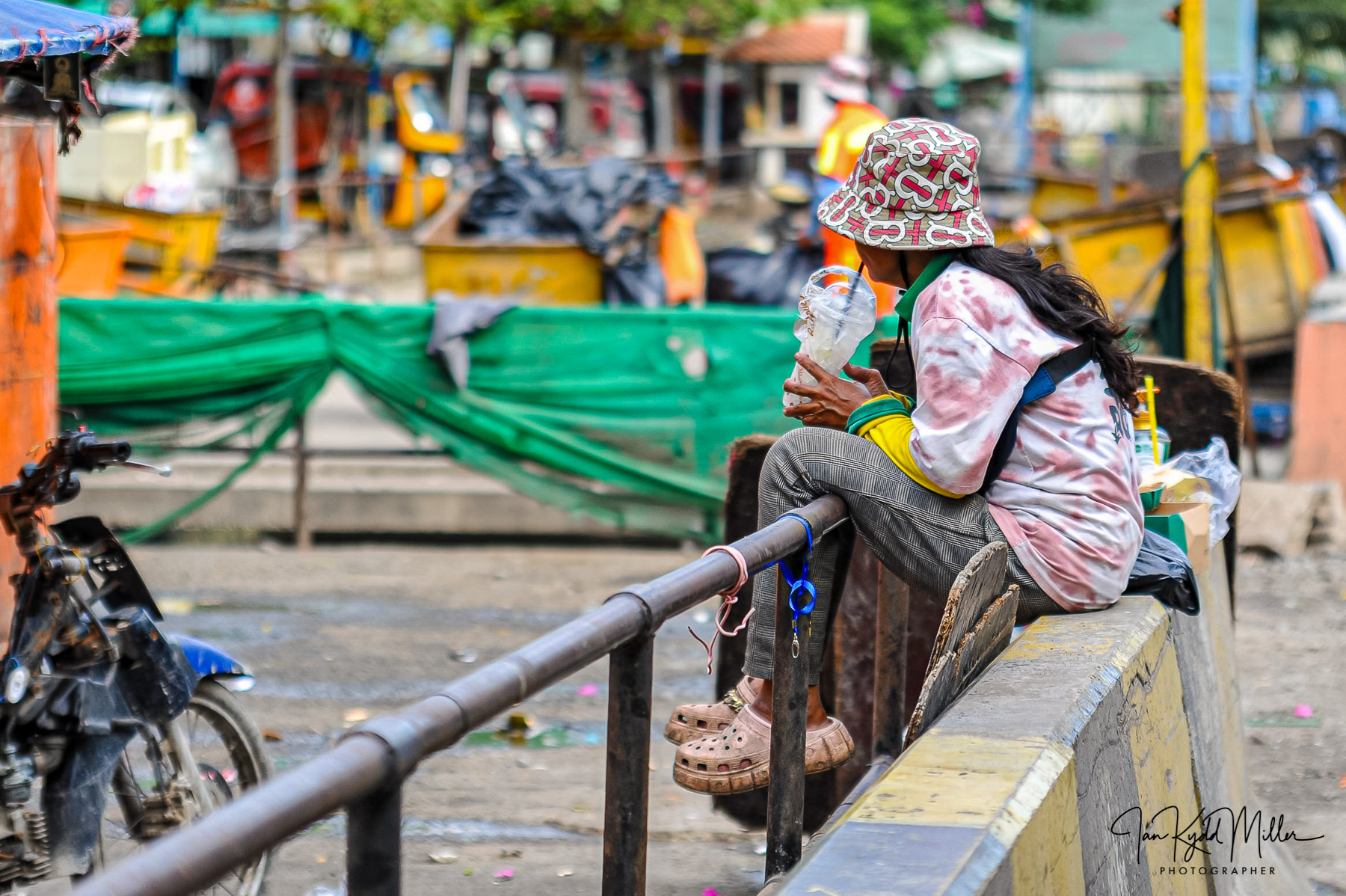
I don’t chase perfection. I don’t polish the streets into postcards. I take pictures of what I see—fleeting gestures, overlooked details, unremarkable corners. To some, these images may feel uninteresting. But to me, they are the essence of street photography: authentic, candid, and true.
I. PRESENCE IS HONESTY
Street photography begins with presence. It’s about standing in the chaos of Phnom Penh—motorbikes weaving, vendors calling, monks moving through morning light—and noticing the small things.
A hand resting on a tuk‑tuk. A shadow slicing across a wall. A child’s laughter echoing in the alley. These moments aren’t staged. They aren’t curated. They are real.
II. MEMORY IS FRAGILE
Phnom Penh is changing fast. Markets modernise, facades crumble, new towers rise. What feels ordinary today may be gone tomorrow.
Photography preserves the fragile. A candid frame becomes a fragment of memory, a retro imprint of a city in transition. Not all images are pretty, but all are valuable.
III. CONNECTION IS HUMAN
The power of candid moments lies in connection. A stranger’s direct gaze. A fleeting smile. The quiet acknowledgment of someone who lets me borrow a second of their life.
Grain, blur, imperfection—these are not flaws. They are the marks of authenticity, the texture of human presence.
IV. IDENTITY IS UNPOLISHED
My way of working is not about producing art that pleases everyone. It is about practicing a way of seeing. It is about being present in Phnom Penh’s streets, attentive to the ordinary, open to the unremarkable.
This is my discipline: to take pictures of what I see, without gloss, without apology.
Closing Call: Light as a Signature
Street photography is special not because it is beautiful, but because it is true. Each frame is a mark, a monogram of the city’s soul—drawn not with ink, but with light.
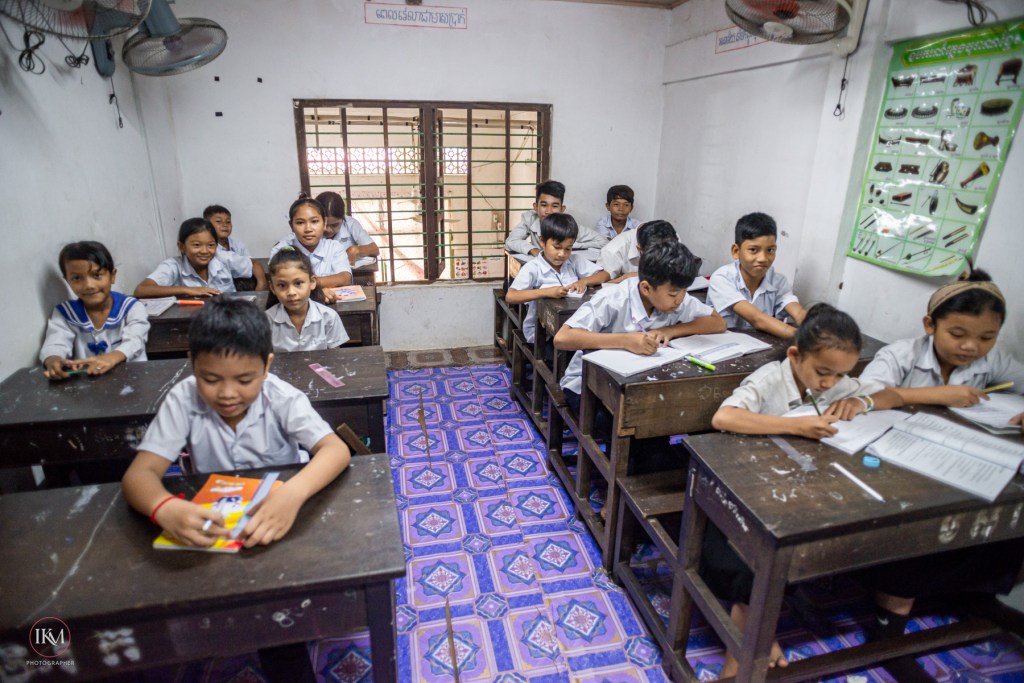
Education is more than a classroom—it’s a lifeline. KidsNeedEducation.org, operated by the Aogaah Foundation, embodies this principle by offering free schooling to children in some of Phnom Penh’s poorest communities. The project began with a simple but powerful vision: every child deserves the chance to learn, regardless of background or circumstance.
📚 What the Foundation Does
Free schooling: The Village 15/16 schools provide education to over 140 children who otherwise would have no access to formal learning.
Community events: Annual celebrations, such as the School Holiday Feast at The Family Pub in Phnom Penh, bring together students, families, and supporters.
Sponsorship program: For as little as $100, donors can sponsor a student, covering essentials like books, uniforms, and meals.
Transparency and outreach: The site hosts newsletters, “Who’s Who” directories, and updates on ongoing projects, ensuring donors and volunteers remain connected to the mission.
🧠 Why It Matters
Breaking cycles of poverty: In Cambodia, many children are forced into labor or denied education due to financial hardship. Free schooling interrupts this cycle.
Community resilience: By investing in education, the foundation strengthens families and neighborhoods, creating ripple effects of opportunity.
Global solidarity: International donors and volunteers demonstrate how small contributions can have outsized impacts in vulnerable communities.
⚖️ Challenges and Sustainability
Running a free school is not without obstacles. Funding is precarious, relying heavily on donations and sponsorships. Leadership transitions—such as the departure of founder Richard Meyer due to health issues—highlight the importance of local teachers and community ownership. Yet, the school continues to thrive, proving that grassroots education initiatives can endure with collective support.
📝 Final Thought
KidsNeedEducation.org is more than a website—it’s a window into a movement that believes education is a human right, not a privilege. By sponsoring a child, attending events, or simply sharing the mission, supporters help transform lives in Phnom Penh. The story of Village 15/16 schools is a reminder that education is the most powerful agent of change—and that even modest contributions can rewrite futures.
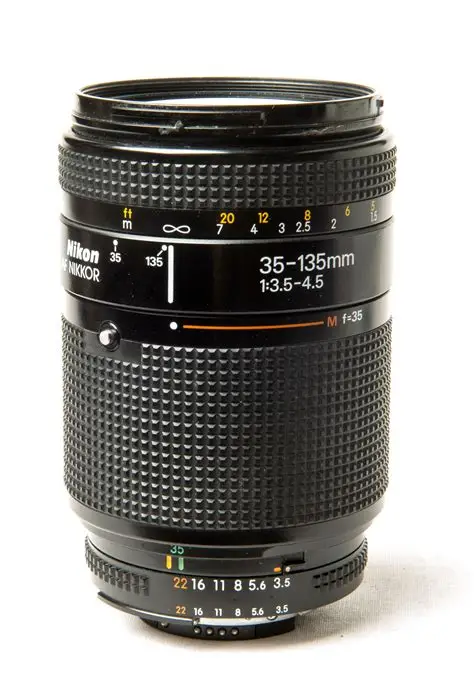
When Nikon introduced the 35–135mm AF series, it was designed to bridge wide-to-telephoto coverage in a single lens. Positioned as a step above kit zooms, it gave photographers flexibility without the bulk of multiple primes. The AF-D version added distance encoding for more accurate flash metering, making it a practical tool for both film and early digital shooters.
🔍 Optical Performance
Sharpness: Respectable across the range, especially between 35–85mm. At 135mm, corners soften, but the center remains usable.
Color and contrast: Classic Nikon rendering—neutral color with good contrast, especially when stopped down.
Distortion: Noticeable barrel distortion at 35mm and pincushion at 135mm, typical of zooms of its era.
Macro mode: Offers a close-focus feature down to ~0.5m, useful for flowers and small objects.
Bokeh: Pleasant at longer focal lengths, though not as creamy as modern f/2.8 zooms.
⚙️ Build and Handling
Construction: Solid, metal-heavy build—“brick-like” durability noted by users.
Weight: Around 600g, making it portable but not featherlight.
Autofocus: Screw-drive AF—adequate but slower and noisier compared to AF-S lenses. Works best with pro bodies like the D3/D800.
Zoom action: Push-pull design, which some photographers find intuitive, while others prefer modern rotary zoom rings.
🧠 Use Cases
Travel lens: Covers wide-to-telephoto in one package, ideal for street and candid photography.
Portraits: At 85–135mm, produces flattering compression and decent subject isolation.
Documentary/editorial: Flexible enough for mixed environments where you can’t switch lenses often.
Film shooters: A perfect companion for Nikon F-mount film bodies, retaining period authenticity.
⚖️ Pros and Cons
Pros
Versatile focal range (wide to telephoto)
Solid build quality
Affordable on the used market (~$100–$200 USD)
Close-focus macro mode adds creative flexibility
Cons
No VR (Vibration Reduction)
AF is slower and noisier than modern lenses
Optical performance lags behind newer zooms, especially at 135mm
Push-pull zoom design can feel dated
📝 Final Verdict
The Nikon AF Zoom-Nikkor 35–135mm f/3.5–4.5 AF-D is a classic workhorse lens. It won’t compete with modern pro zooms in speed or sharpness, but it offers a unique blend of versatility, durability, and character. For photographers exploring Nikon’s legacy glass, it’s a rewarding option—especially for travel and portraiture where its rendering shines.
The AF-S Nikkor 50mm f/1.4G performs reliably on both the Nikon D3 and D800, offering creamy bokeh, solid sharpness, and quiet autofocus—though it’s not the fastest or most clinical 50mm in Nikon’s lineup. It shines in low light and portrait work, especially on full-frame bodies.
🧪 Optical Impressions
Wide-open performance (f/1.4): Delivers soft, dreamy bokeh with moderate sharpness in the center. On the D3, this creates a classic filmic look; on the D800, the high-resolution sensor reveals some softness and longitudinal chromatic aberration.
Stopped down (f/2.8–f/5.6): Sharpness improves significantly, especially across the frame. Ideal for street, editorial, and environmental portraiture.
Color and contrast: Neutral rendering with good microcontrast. Works well for natural light shooters and those who prefer minimal post-processing.
Bokeh: Smooth but can show slight nervousness in busy backgrounds. Better than the older AF-D version, but not as creamy as Nikon’s 58mm f/1.4G.
⚙️ Autofocus and Handling
AF speed: Quiet and accurate, but not lightning-fast. On the D3, it’s snappy enough for casual action; on the D800, it benefits from contrast-based fine-tuning.
Build quality: Solid plastic barrel with weather sealing at the mount. Lightweight and well-balanced on both bodies.
Manual focus: Smooth ring, but focus-by-wire feel lacks tactile feedback compared to older mechanical lenses.
🧠 D3 vs. D800 Pairing
Nikon D3: The lens complements the D3’s low-light prowess. Together, they excel in available light reportage, backstage photography, and moody portraiture.
Nikon D800: The D800’s 36MP sensor demands more from the lens. While the 50mm f/1.4G holds up well stopped down, wide-open shots may show softness and fringing that require post-processing.
✅ Use Cases
Low-light street photography
Environmental portraits
Travel and documentary work
Editorial and lifestyle shoots
🧾 Verdict
The AF-S 50mm f/1.4G is a versatile, reliable prime that pairs well with both the D3 and D800, especially for photographers who value character over clinical perfection. It’s not the sharpest wide-open, but its rendering is expressive and forgiving—ideal for storytelling, not pixel-peeping.
For sharper edge-to-edge performance, consider the Sigma 50mm f/1.4 Art or Nikon’s 50mm f/1.8G. But for a classic Nikon look with modern AF and solid build, the 50mm f/1.4G remains a worthy companion.
Publishing shocking images is neither inherently right nor wrong—it depends on intent, context, and consequence. The ethical challenge lies in balancing public interest with personal dignity, truth with sensitivity, and impact with responsibility.
Photojournalism often confronts us with the raw edge of reality—war, disaster, injustice, grief. These images can jolt viewers into awareness, spark outrage, and mobilise change. But they can also retraumatise, exploit, or misrepresent. So when is it right to publish a shocking image—and when is it wrong?
✅ When It’s Justified
Public interest outweighs discomfort: Images that expose systemic abuse, corruption, or humanitarian crises may be shocking—but they serve a vital civic function.
Truth is preserved: If the image is accurate, unmanipulated, and contextually honest, it contributes to informed discourse.
Consent is considered: When possible, subjects should be aware of how their image will be used—especially in vulnerable situations.
Impact is constructive: If the image leads to policy change, aid mobilization, or cultural reckoning, its shock may be ethically warranted.
❌ When It’s Problematic
Sensationalism overrides substance: If the image is published for clicks, not clarity, it risks exploitation.
Subjects are dehumanised: Graphic depictions that strip away dignity or reduce people to symbols of suffering cross ethical lines.
Context is missing: A shocking image without background can mislead, stigmatise, or distort public understanding.
Harm outweighs benefit: If the image retraumatises survivors, endangers individuals, or incites hate, it should be reconsidered.
🧭 Ethical Guidelines for Publishing Shocking Images
Caption with care: Provide factual, neutral context to guide interpretation.
Blur or anonymise when needed: Protect identities in sensitive situations.
Seek editorial review: Run controversial images past peers or editors before publishing.
Reflect before release: Ask: Would I feel respected if this were me?
🧠 Final Thought
Shocking images have power—but power without ethics is dangerous. The goal of photojournalism is not to numb or exploit, but to awaken and inform. Publishing such images demands courage, but also compassion. The question is not just can we publish—but should we. And that answer must be earned, not assumed.
Would you like this adapted into a visual manifesto or ethics card for your portfolio?
Publishing Shocking Images: Right or Wrong
Shocking images command attention, accelerate public debate, and can catalyze change — but they also risk exploitation, retraumatisation, and distortion. Deciding whether to publish such images is an ethical judgment as much as an editorial one, requiring clear criteria, transparency, and a commitment to minimizing harm.
What we mean by shocking images
Shocking images are photographs that provoke strong emotional reactions because they show violence, suffering, severe injury, or intimate moments of distress. They differ from disturbing journalism in degree and immediacy: their visceral impact can both illuminate and overwhelm a story.
Arguments for publishing
Public interest and accountability: Graphic images can document abuses and provide evidence when other records are absent; they can mobilize public opinion and spur policy or humanitarian response.
Bearing witness: Photographers and news organizations sometimes cite a duty to show realities that would otherwise be unseen, arguing that sanitizing imagery risks erasing the urgency of certain crises.
Truth-telling value: When used responsibly, stark images can convey truths that words alone cannot, making abstract harms tangible for audiences.
(These benefits depend on accurate captioning, strong sourcing, and editorial restraint to ensure images inform rather than manipulate.)
Arguments against publishing
Exploitation and dignity: Shocking images can reduce people to objects of spectacle, stripping context and agency from victims and survivors.
Harm and retraumatization: Graphic exposure can cause further trauma to subjects, their families, and communities; publication can have long-term consequences for those depicted.
Manipulation and loss of trust: Cropping, sequencing, or sensational captions can distort meaning and erode public trust in journalism; visual shock for clicks undermines credibility.
Ethical criteria to apply before publishing
Public interest test — Does the image materially inform the public or hold power to account, beyond mere sensationalism?.
Dignity check — Can the subject’s dignity be preserved through framing, captioning, or anonymisation?.
Harm assessment — What are the likely short- and long-term harms to the subject, family, or community? Can those harms be mitigated?.
Provenance and accuracy — Is the image verified, honestly captioned, and placed in proper context?.
Alternatives — Could less graphic visuals, stills, or descriptive reporting achieve the same public interest goal with lower harm?.
Apply these in sequence: fail any single test, and the case for publication weakens considerably.
Practical editorial guidelines
Use clear, factual captions that state who, what, where, when, and why; avoid sensational language.
Consider cropping or blurring to preserve identity and dignity without erasing the essential truth.
Offer warnings and placement choices (e.g., not lead-story fronting on social feeds) so audiences can consent to exposure.
Disclose edits and sourcing when relevant; transparency builds trust.
Use peer review or editorial oversight for borderline cases, and consult legal counsel when publication could create liability or danger.
Conclusion
Publishing shocking images can be ethically defensible, but never automatic. The default should be caution: ask whether the image serves a clear public interest, whether it preserves human dignity, and whether harms have been reasonably mitigated. When journalists and editors apply rigorous verification, contextualization, and harm-conscious practices, graphic images can illuminate truth and prompt change; without those safeguards, they risk exploitation and eroded trust