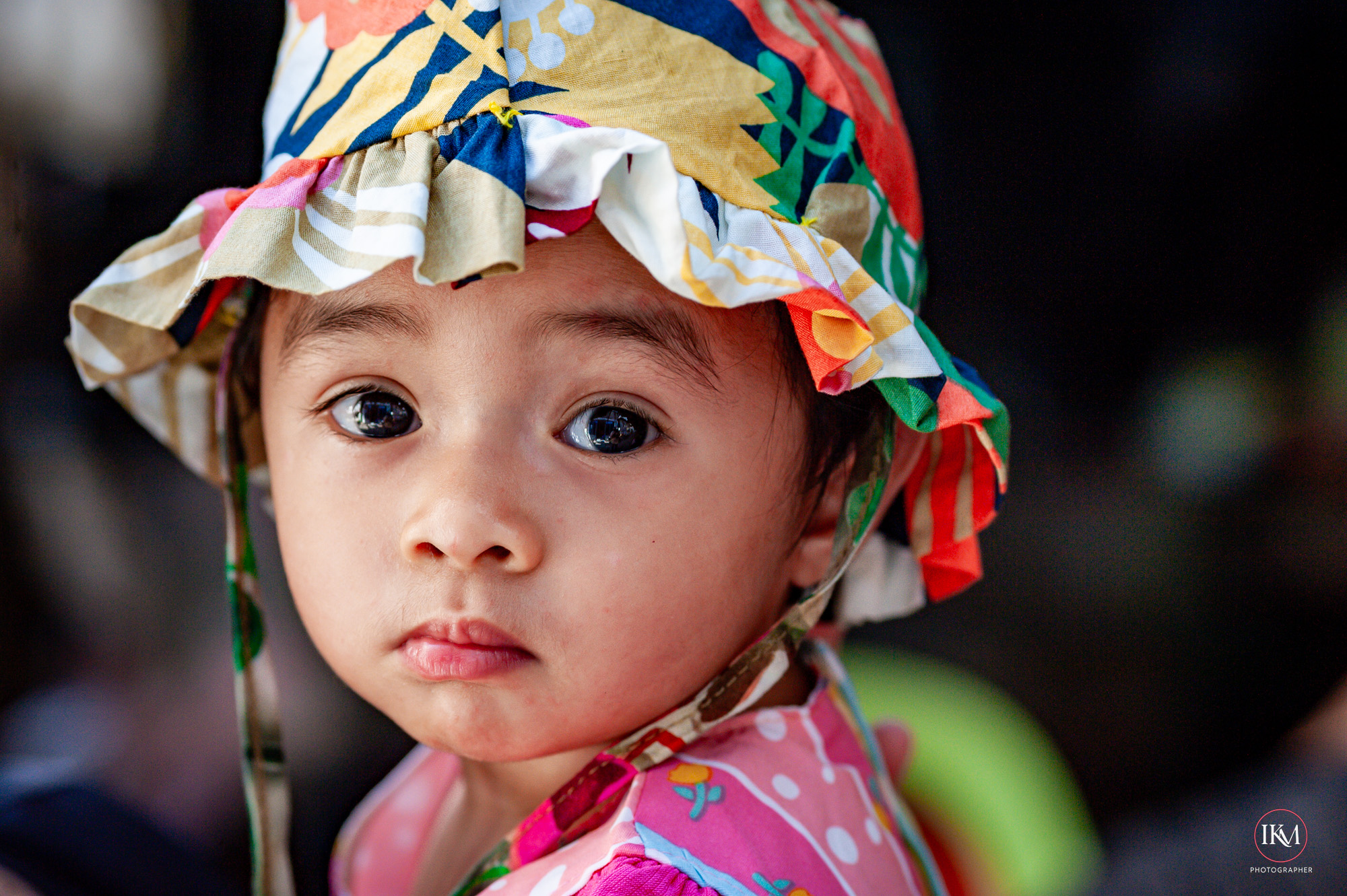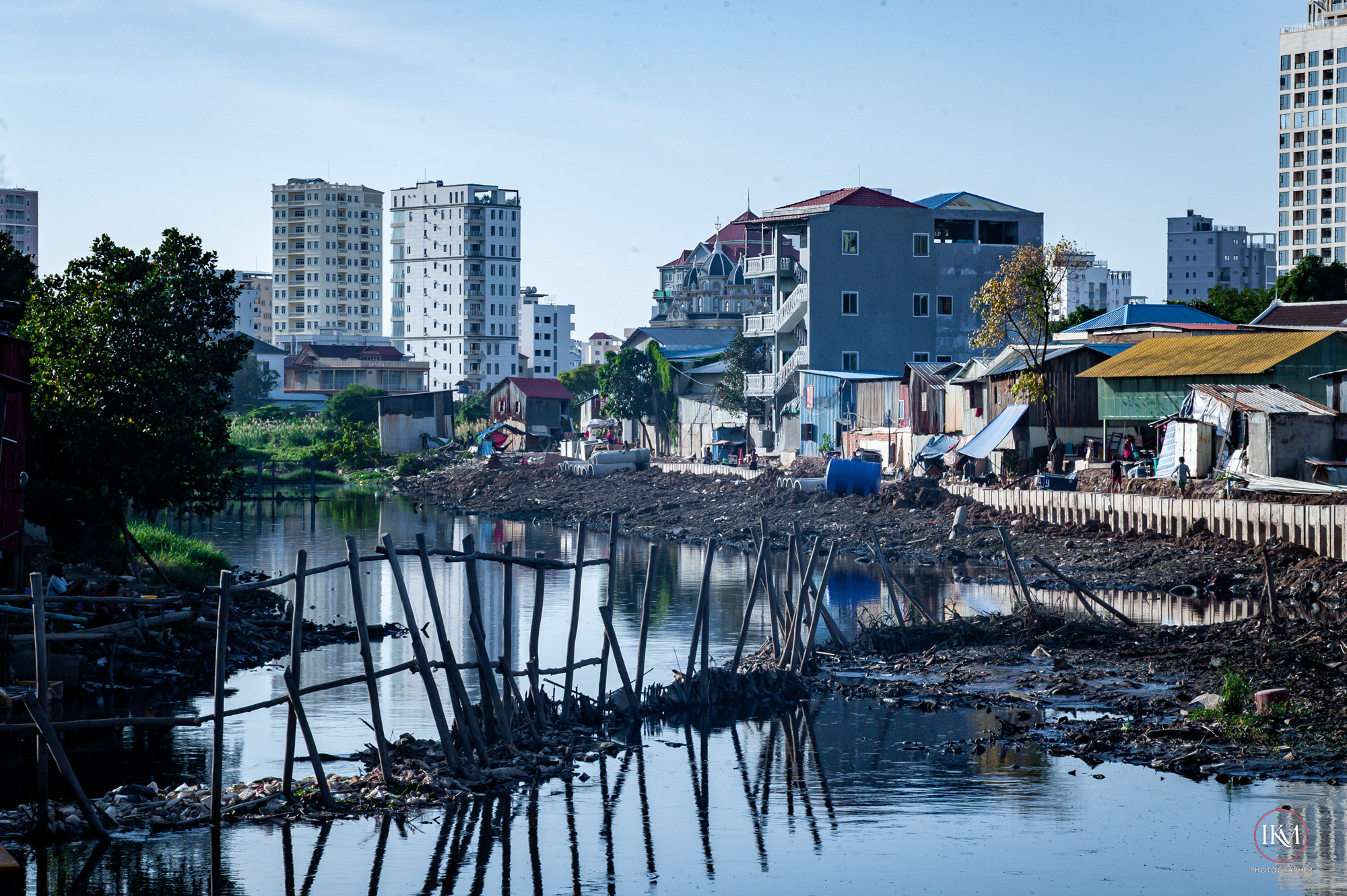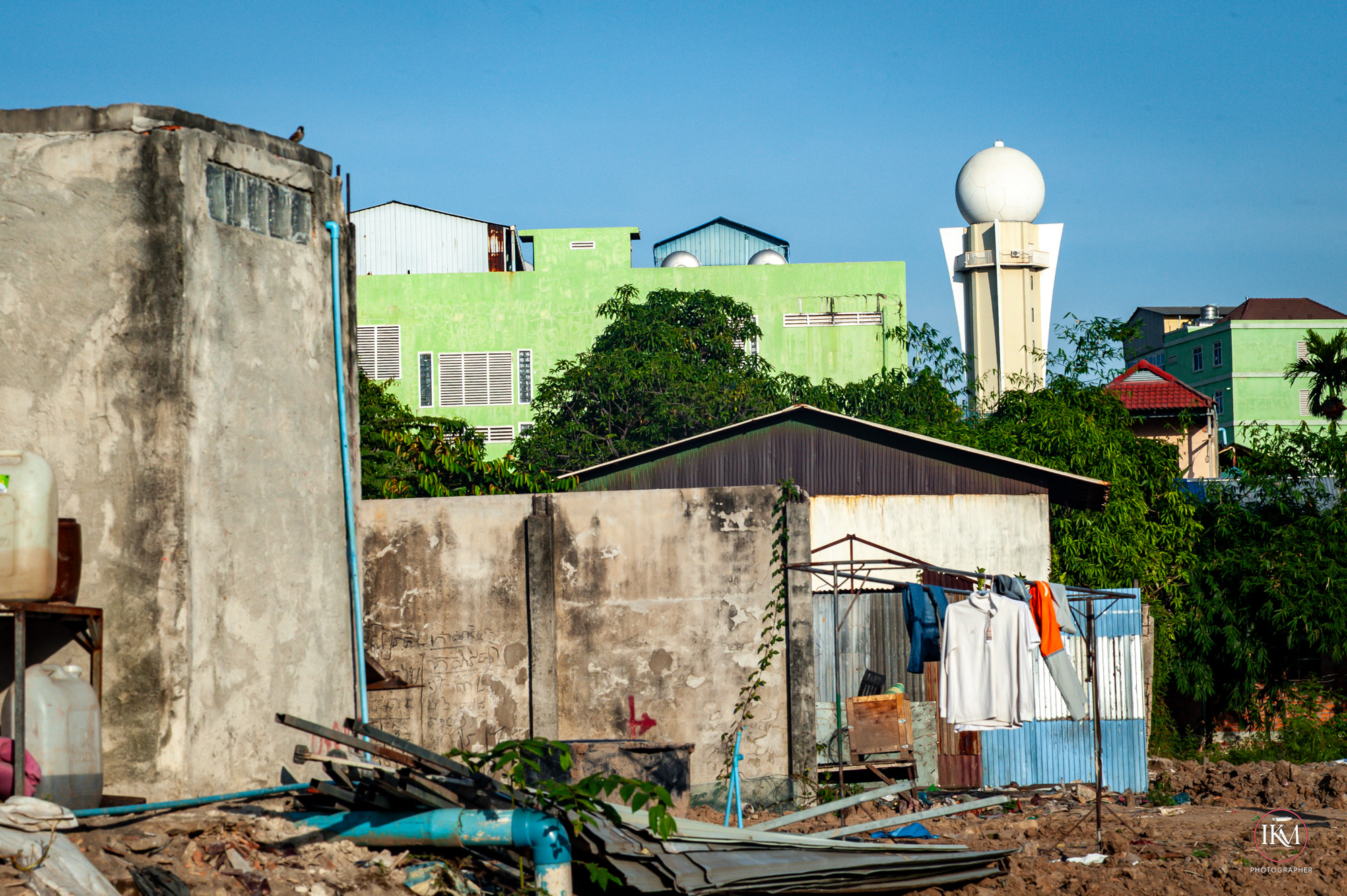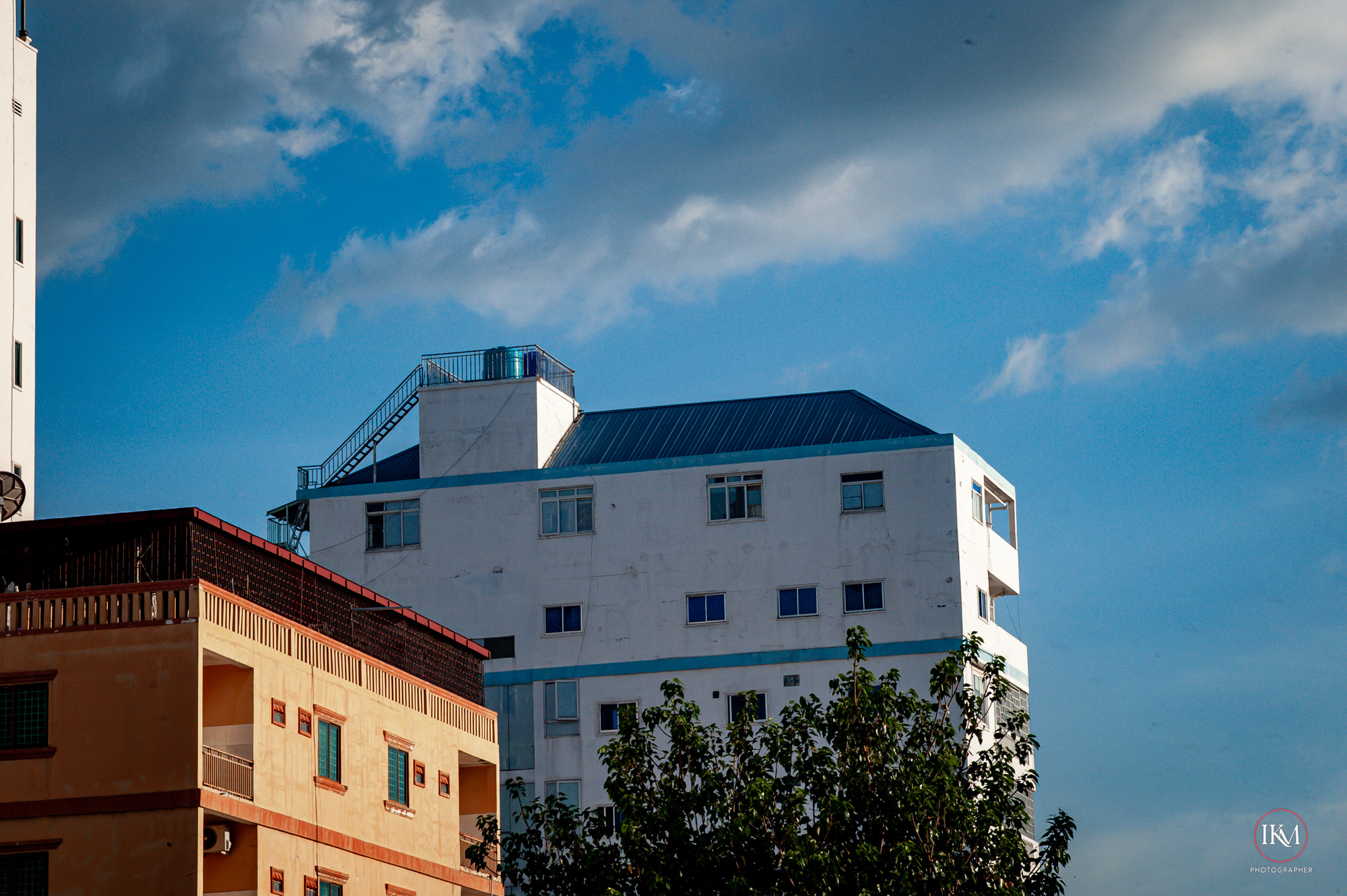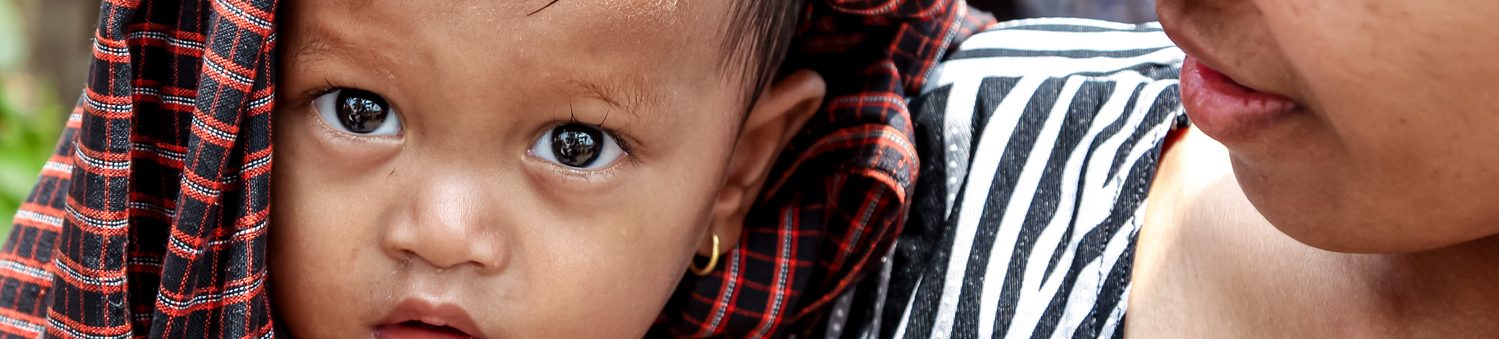
📸 Photojournalism as Agent Provocateur: Ethical Power or Dangerous Edge?

cambodia, cameras, homelessness, Lenses, opinons, thoughts, pictures, street, Travel, voluntary

🔥 The Provocative Potential

Photojournalism has always had the capacity to provoke. Iconic images—like the “Napalm Girl” or the Tiananmen Square standoff—didn’t just document events; they shocked, moved, and mobilised global audiences. In this sense, photojournalism is an agent provocateur: it confronts viewers with uncomfortable truths and demands a response.
⚖️ The Ethical Line

But provocation is not the same as manipulation. The ethical challenge lies in intent:

  • Is the image revealing injustice or exploiting suffering?
  • Is it amplifying marginalised voices or sensationalising trauma?
  • Is it grounded in truth or shaped to fit a narrative?

Responsible photojournalism provokes thought, not violence. It informs, not inflames.

🧭 When Provocation Serves Justice

In contexts of oppression, censorship, or systemic abuse, photojournalism can—and arguably should—provoke:

  • Expose hidden realities (e.g. war crimes, police brutality)
  • Challenge dominant narratives (e.g. state propaganda)
  • Mobilise public action (e.g. climate protests, refugee crises)

Here, provocation is not reckless—it’s a form of ethical resistance.

🚫 When Provocation Becomes Exploitation

However, when images are used to:

  • Sensationalise suffering
  • Invade privacy
  • Perpetuate stereotypes
  • Distort context for shock value

…photojournalism crosses into unethical territory. The image becomes a weapon, not a witness.

✅ Summary

Photojournalism can act as an agent provocateur—but only when it provokes with purpose, not for spectacle. Its ethical power lies in revealing truth, challenging injustice, and sparking dialogue. The moment it prioritises impact over integrity, it loses its credibility.

📸 Program Mode and the Myth of Purism: A Street Photographer’s Perspective

cameras, fujifilm, Lenses, opinons, thoughts, photography, pictures, street, Travel

There’s a myth in photography: that “real” photographers must shoot in full manual mode, especially if they own expensive gear. The implication is that Program Mode is a shortcut, a crutch, or even a betrayal of the craft.

But here’s the truth: Program Mode is not a weakness. It’s a strategy.

I. The Myth of Manual Purism

Manual mode is often treated as a badge of honour. It suggests mastery, control, and technical discipline. But photography is not a competition in purity—it is a practice of seeing.

Street photography, especially in Phnom Penh’s fast‑moving rhythm, demands presence more than technical gymnastics. If fiddling with dials makes you miss the moment, then the pursuit of “purism” has already failed.

II. Program Mode as a Discipline

Program Mode doesn’t mean surrendering creativity. It means letting the camera handle exposure basics while you focus on what matters most: composition, timing, and anticipation.

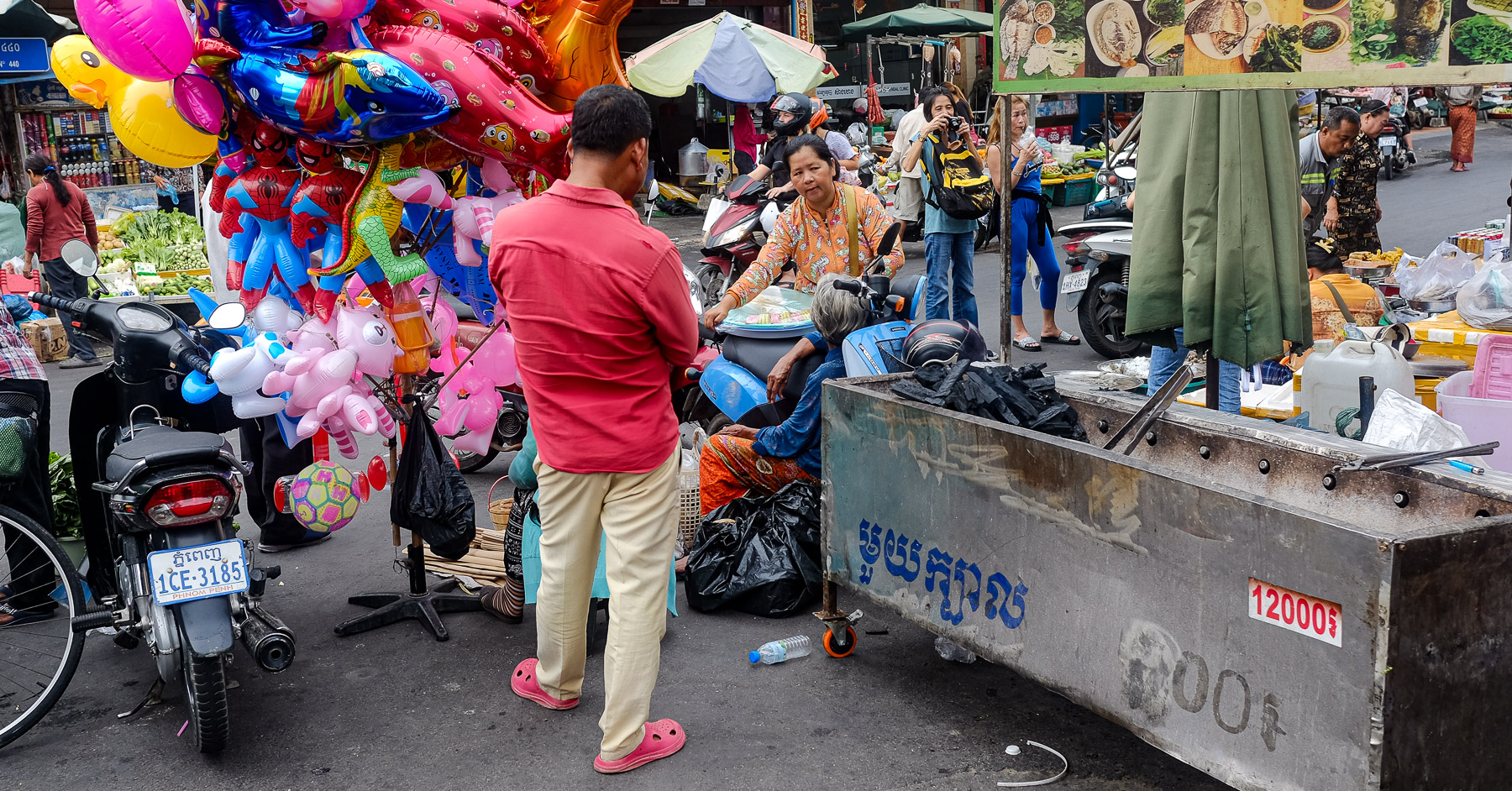
When monks step into morning light or a vendor gestures mid‑conversation, you don’t have time to calculate shutter speed and aperture. Program Mode frees you to be present, to anticipate, and to react.

III. Control Is Still Yours

Modern DSLRs are not mindless machines. Program Mode allows overrides:

  • Exposure compensation to adjust brightness.
  • Program shift to balance aperture and shutter.
  • Focus lock to control depth and subject.

You’re not giving up control—you’re choosing where to invest your attention. The camera becomes a collaborator, not a dictator.

IV. Anticipation Over Perfection

Street photography is about anticipation—the ability to sense a moment before it happens. Burst shooting captures micro‑variations, but anticipation is the discipline that guides it.

Program Mode supports this discipline. It keeps you ready, so when the decisive moment arrives, you’re not buried in settings—you’re alive to the rhythm of the street.

V. Philosophy of Use

An expensive DSLR is a tool. Its value lies not in how “manual” you shoot, but in how authentically you capture.

If Program Mode helps you stay present in Phnom Penh’s streets—catching candid gestures, fleeting light, and authentic human connection—then it is serving your vision.

Closing Call: The Decisive Moment Doesn’t Care

The decisive moment doesn’t care what mode you used. It cares that you were there, attentive, and ready.

Program Mode is acceptable because photography is not about proving technical purity—it’s about making images that resonate.

📸 Anticipation and the Decisive Moment

cambodia, cameras, fujifilm, Lenses, opinons, thoughts, photography, pictures, street, Travel

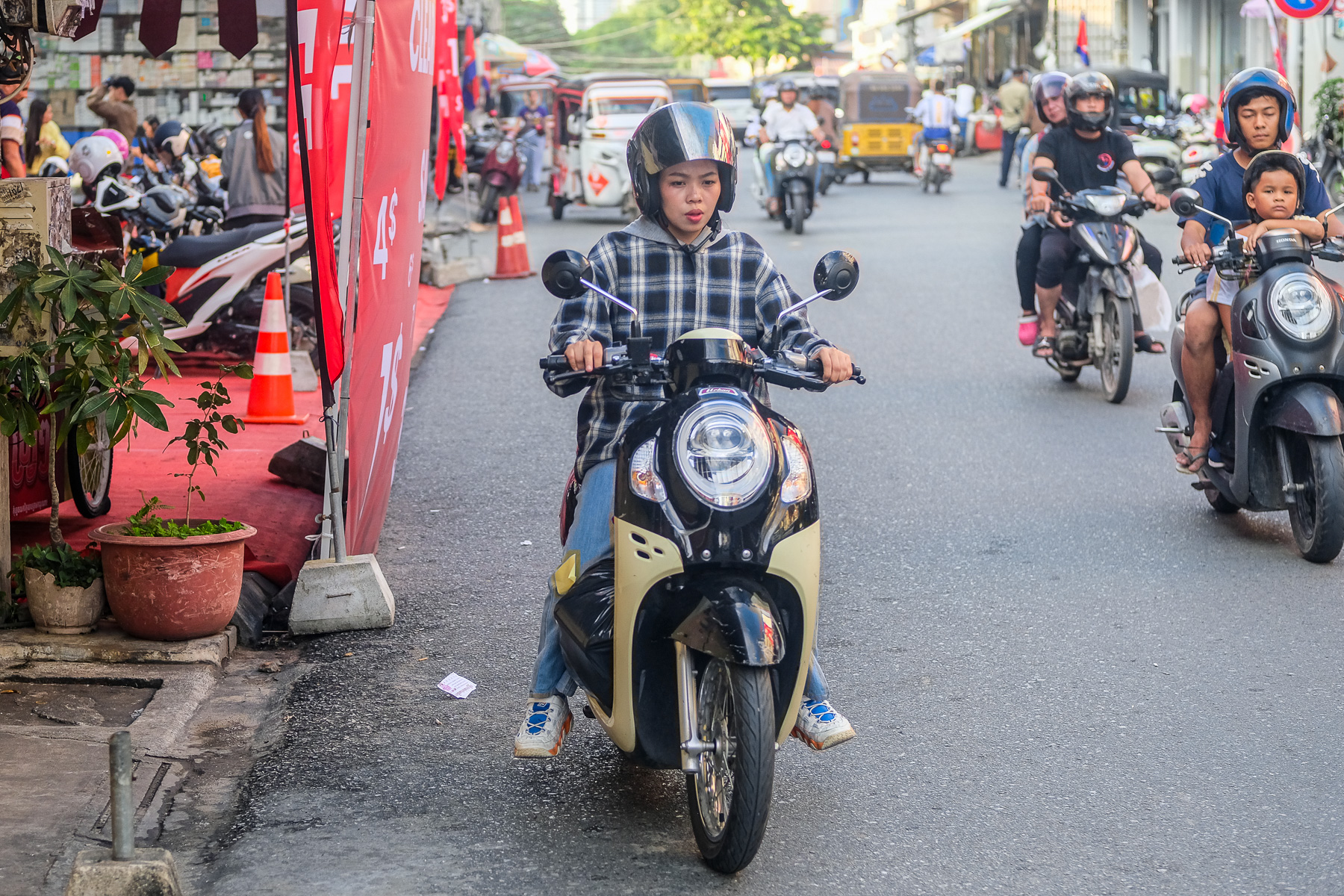
Street photography isn’t about luck—it’s about anticipation. The streets of Phnom Penh move fast: motorbikes weaving, vendors shifting goods, children darting across alleys. To capture the moment, you have to sense it before it happens.

I. Reading the Rhythm

Every street has a rhythm. You learn to watch gestures, patterns, and movements—how a monk steps into sunlight, how a vendor reaches for fruit, how a child leans before running. Anticipation means reading these cues and preparing for the instant they align.

II. Burst as a Tool, Not a Crutch

Modern cameras can fire off many frames per second. Used with intention, this isn’t about “spray and pray”—it’s about precision. You anticipate the moment, then let the burst capture the micro‑variations: the exact tilt of a head, the instant of eye contact, the fraction of a second when light hits just right.

III. The Decisive Frame

From a sequence of images, one stands out. It’s not always the sharpest or most polished—it’s the one that carries presence, emotion, and connection. That single frame becomes the decisive photograph, the one that tells the story.

IV. Discipline in Anticipation

Anticipation is a discipline. It requires patience, observation, and trust in your instincts. The camera’s speed is only an extension of your awareness. Without anticipation, burst mode is noise. With anticipation, it becomes a scalpel—cutting into the chaos to reveal clarity.

Closing Thought

Capturing “the” moment is not about chance. It’s about presence, anticipation, and the ability to see just before it happens. The camera’s ability to make many pictures in seconds is only powerful when guided by intention.

This is how I work: not chasing perfection, but trusting anticipation to reveal authenticity.

📸 Street Photography in Phnom Penh: Authentic, Candid Moments

cambodia, cameras, homelessness, Lenses, opinons, thoughts, photography, pictures, street, Travel

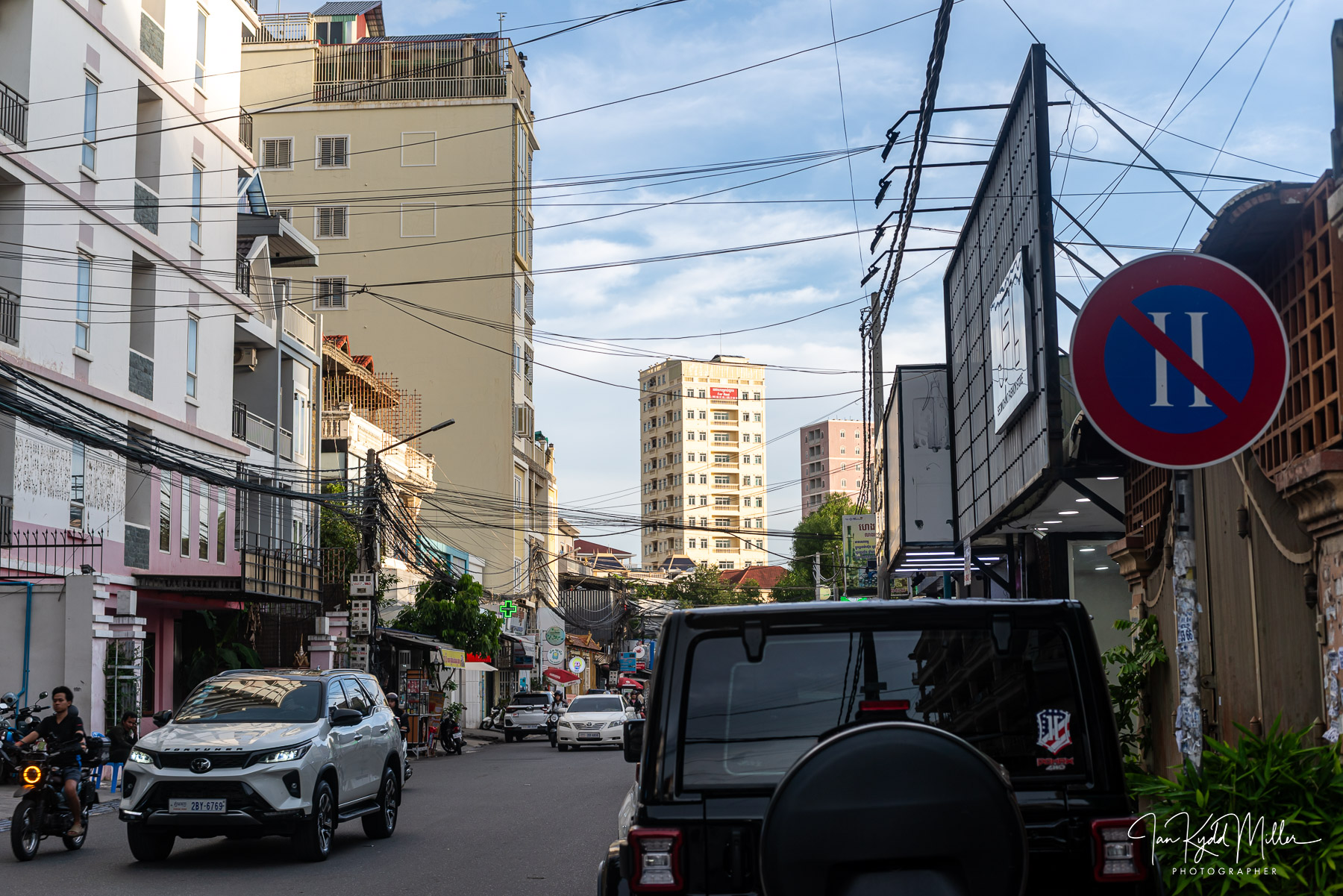
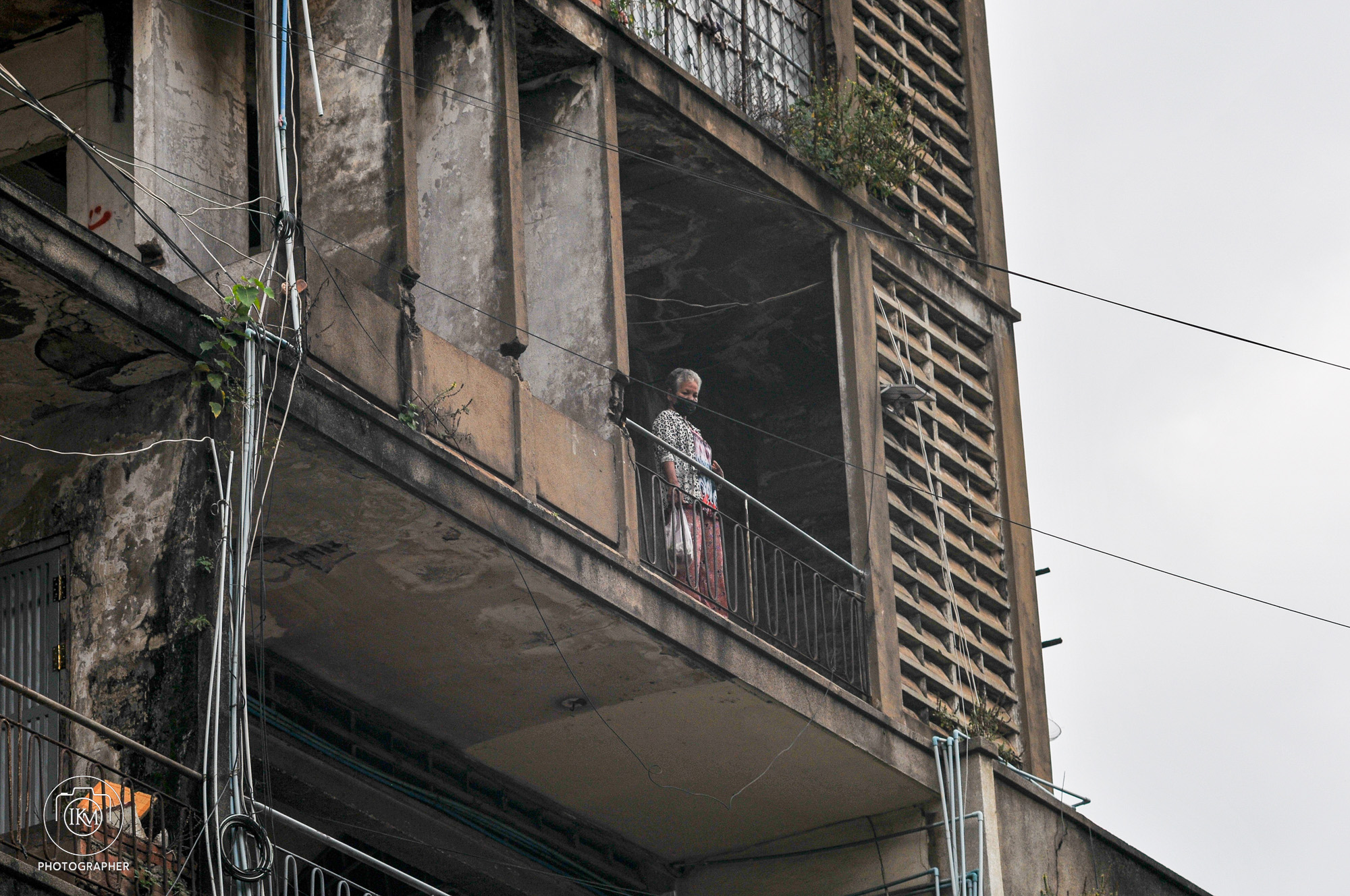
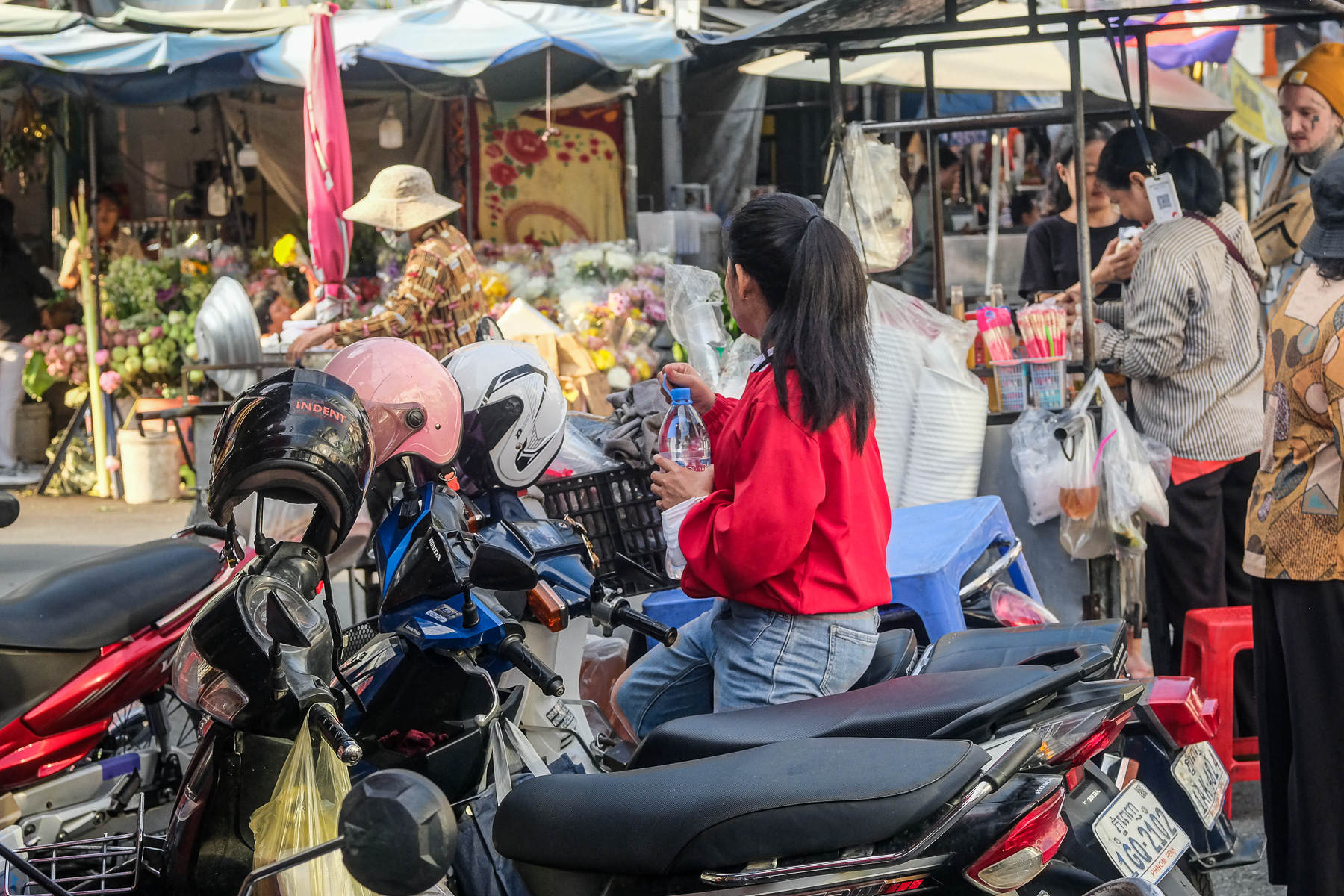
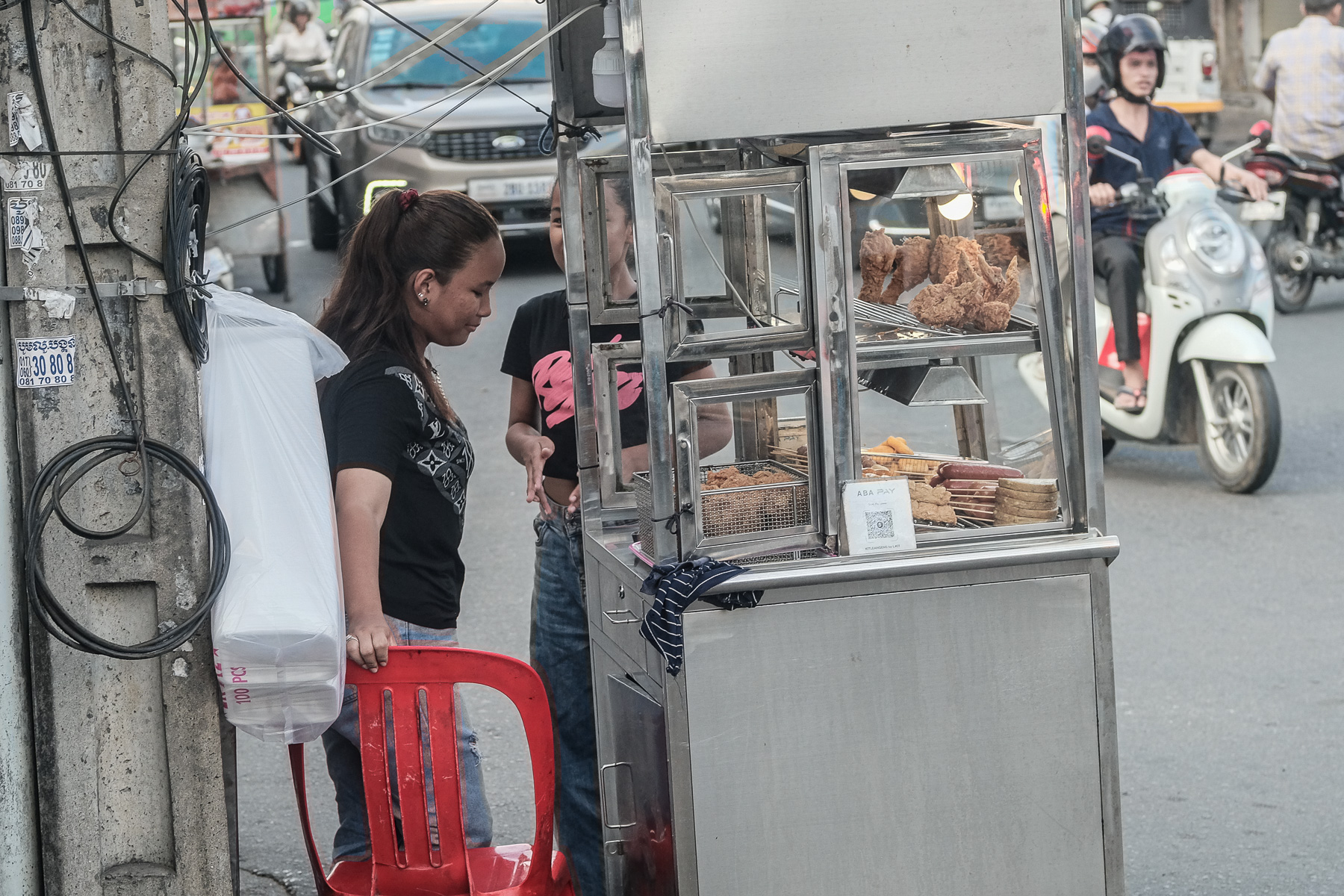
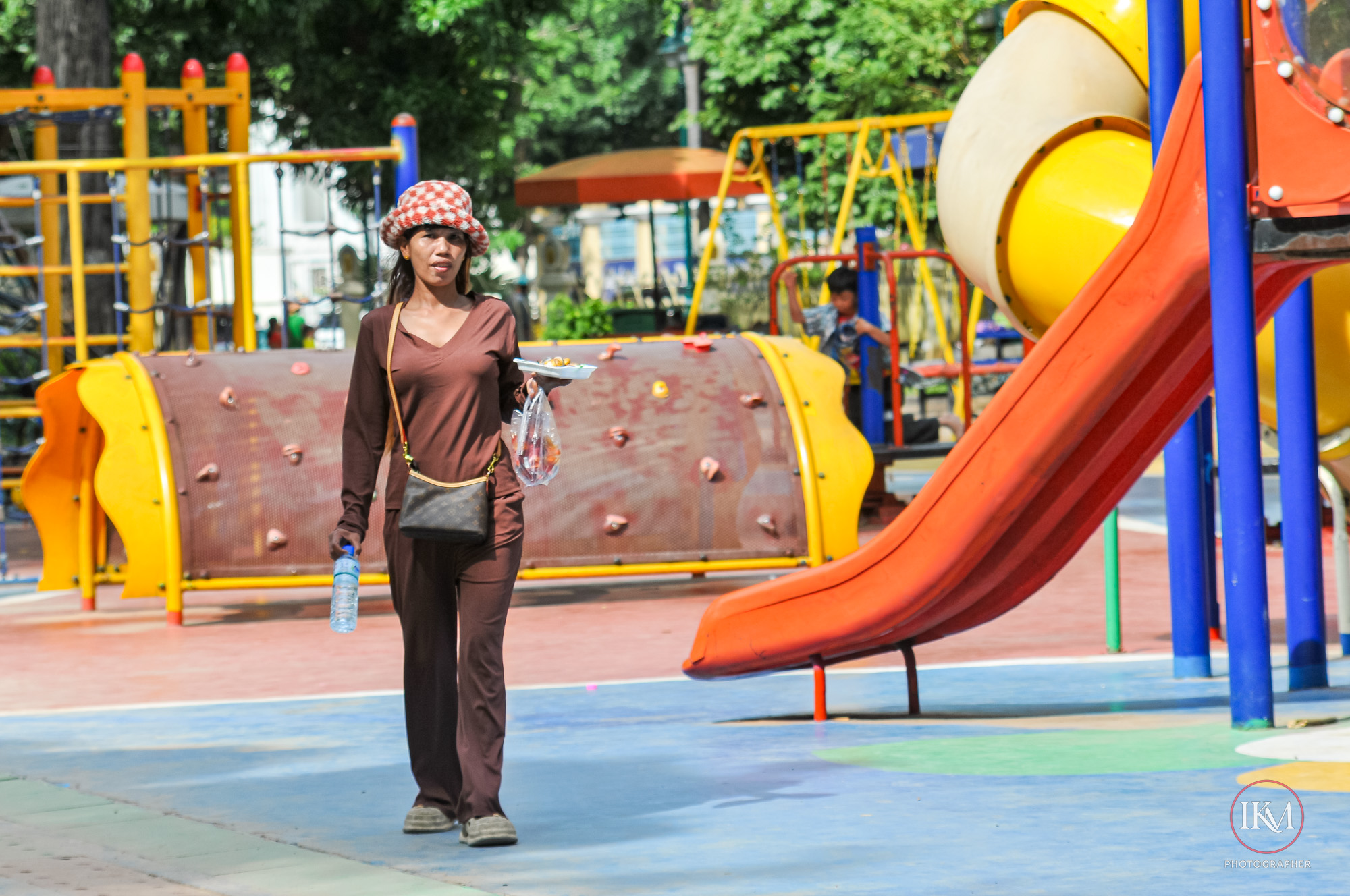
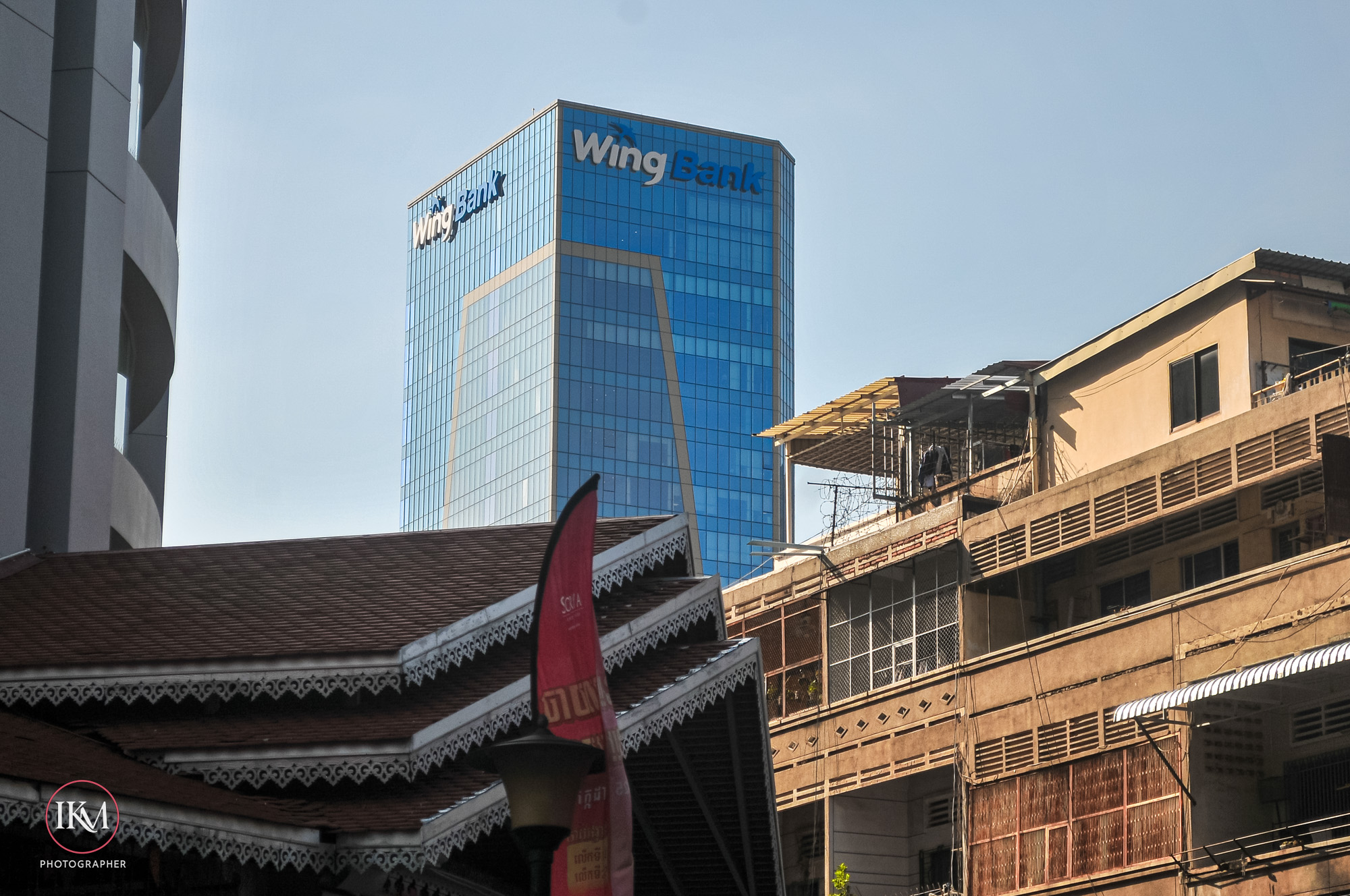
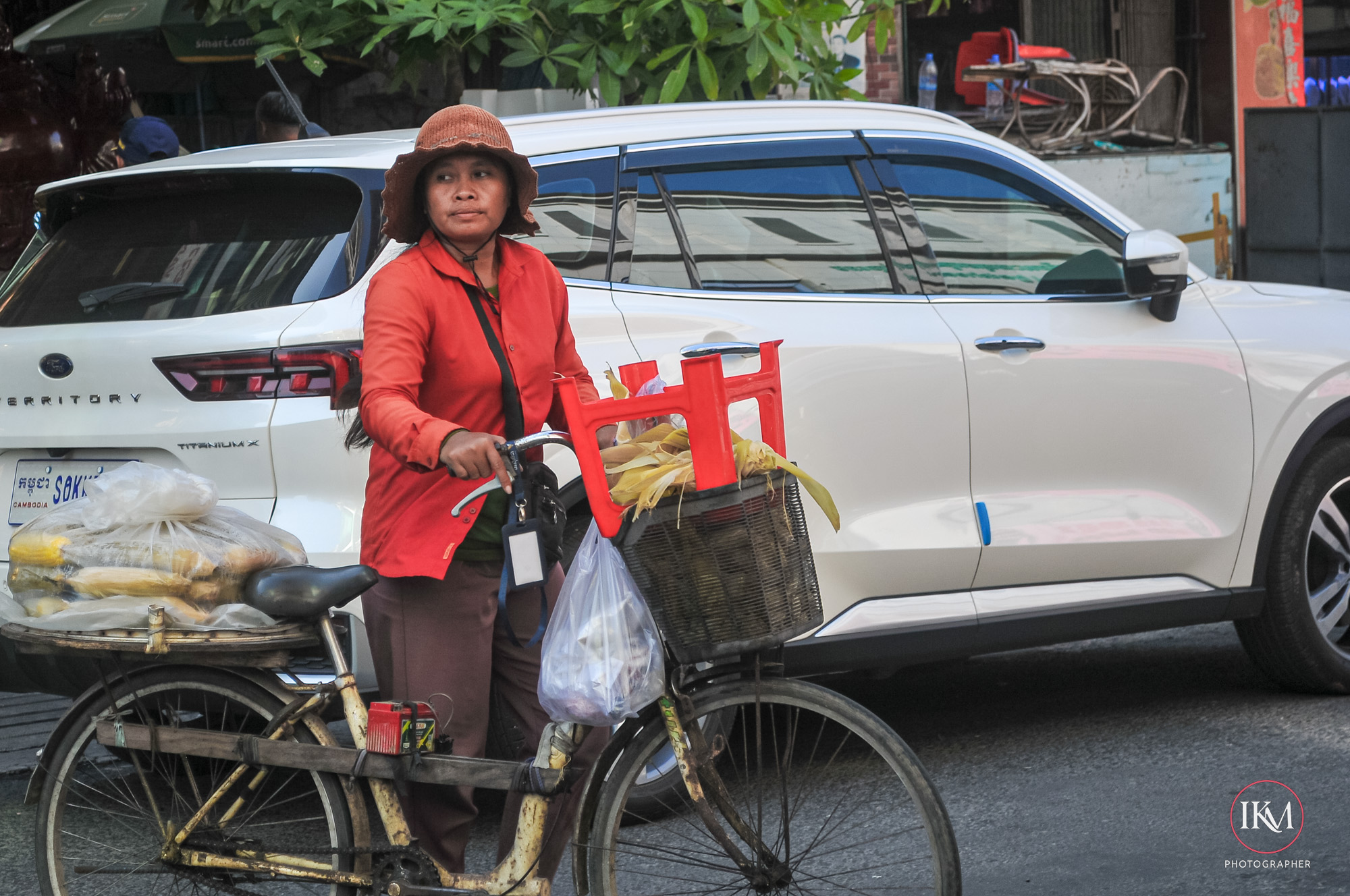
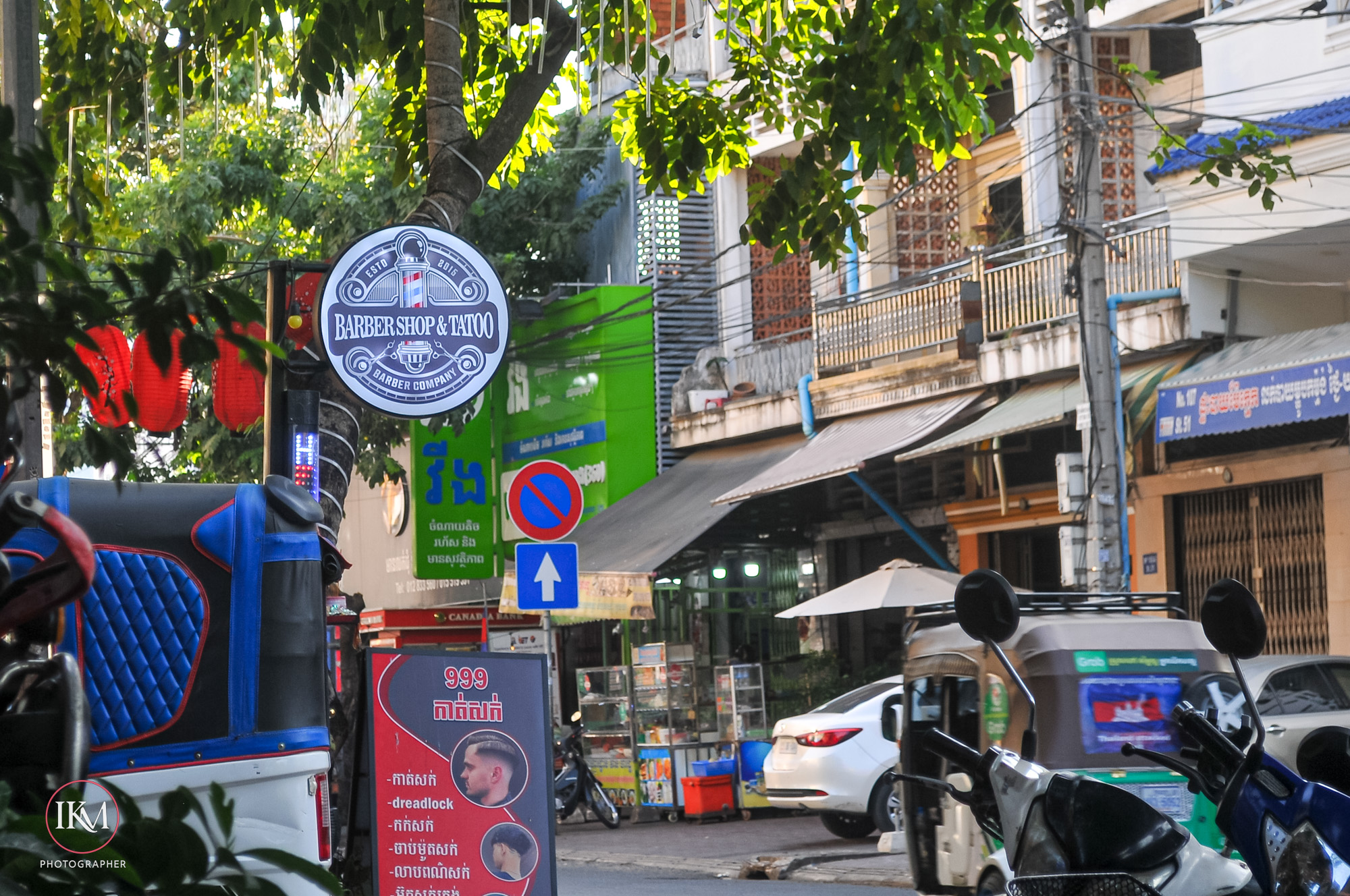
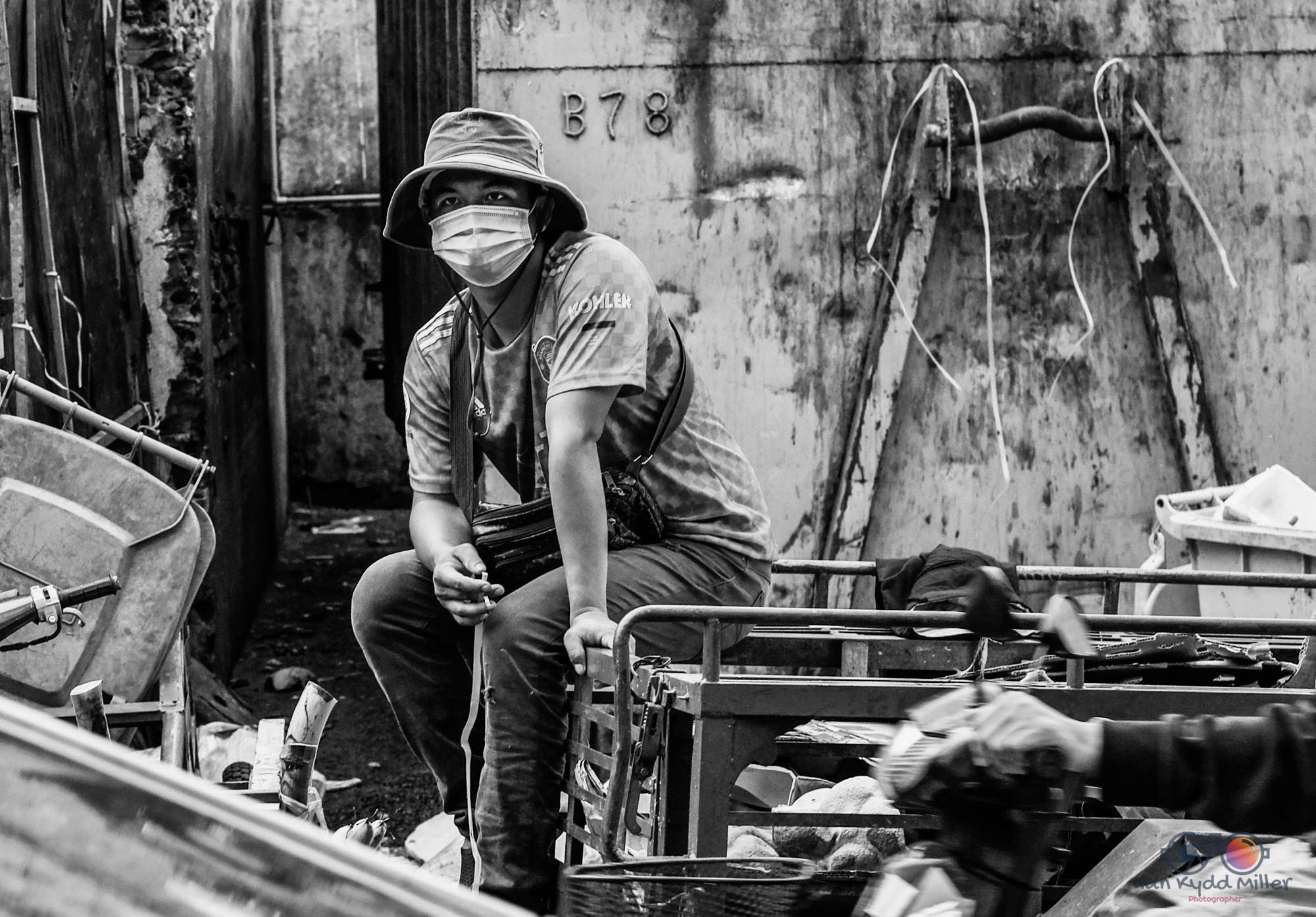
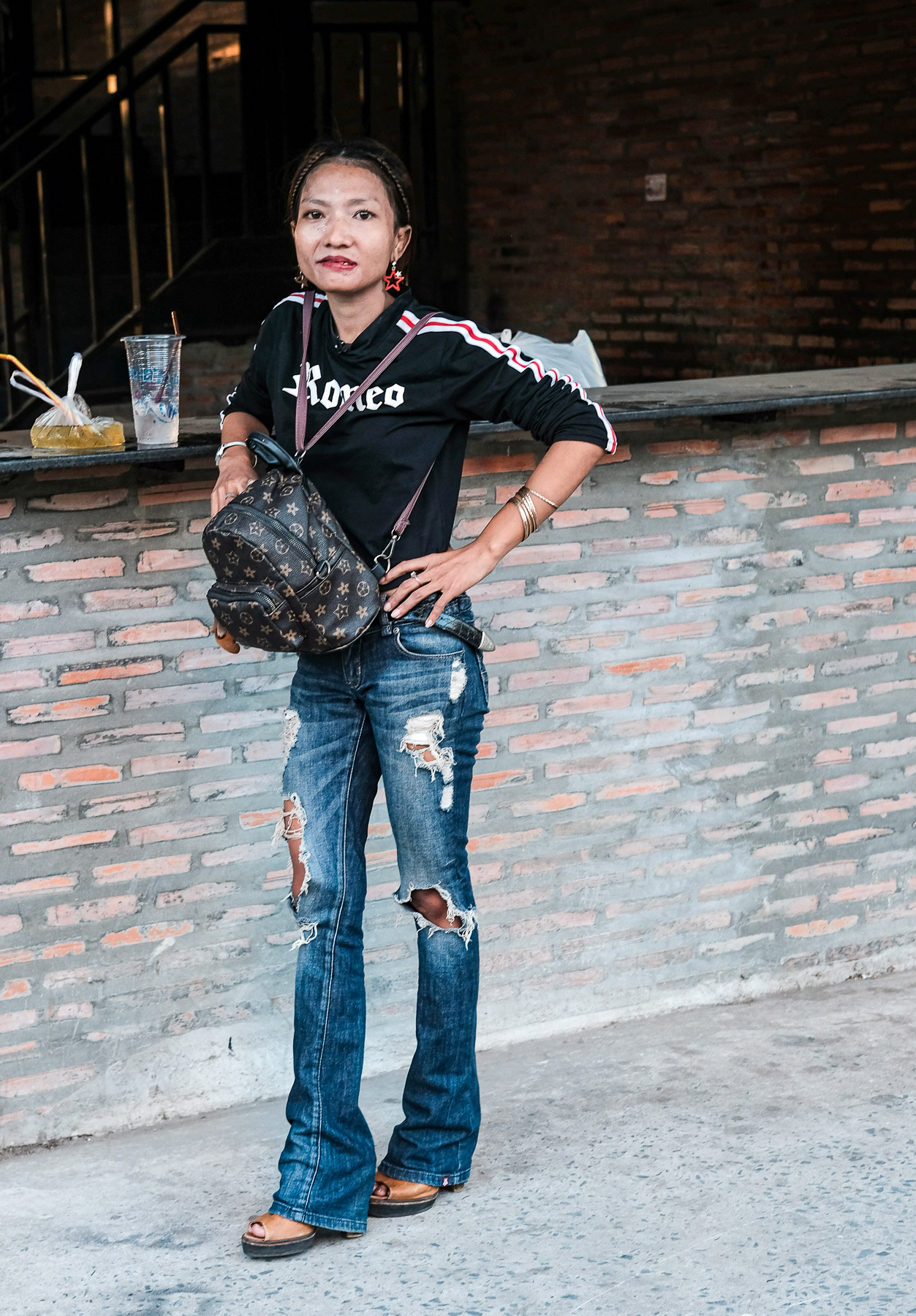
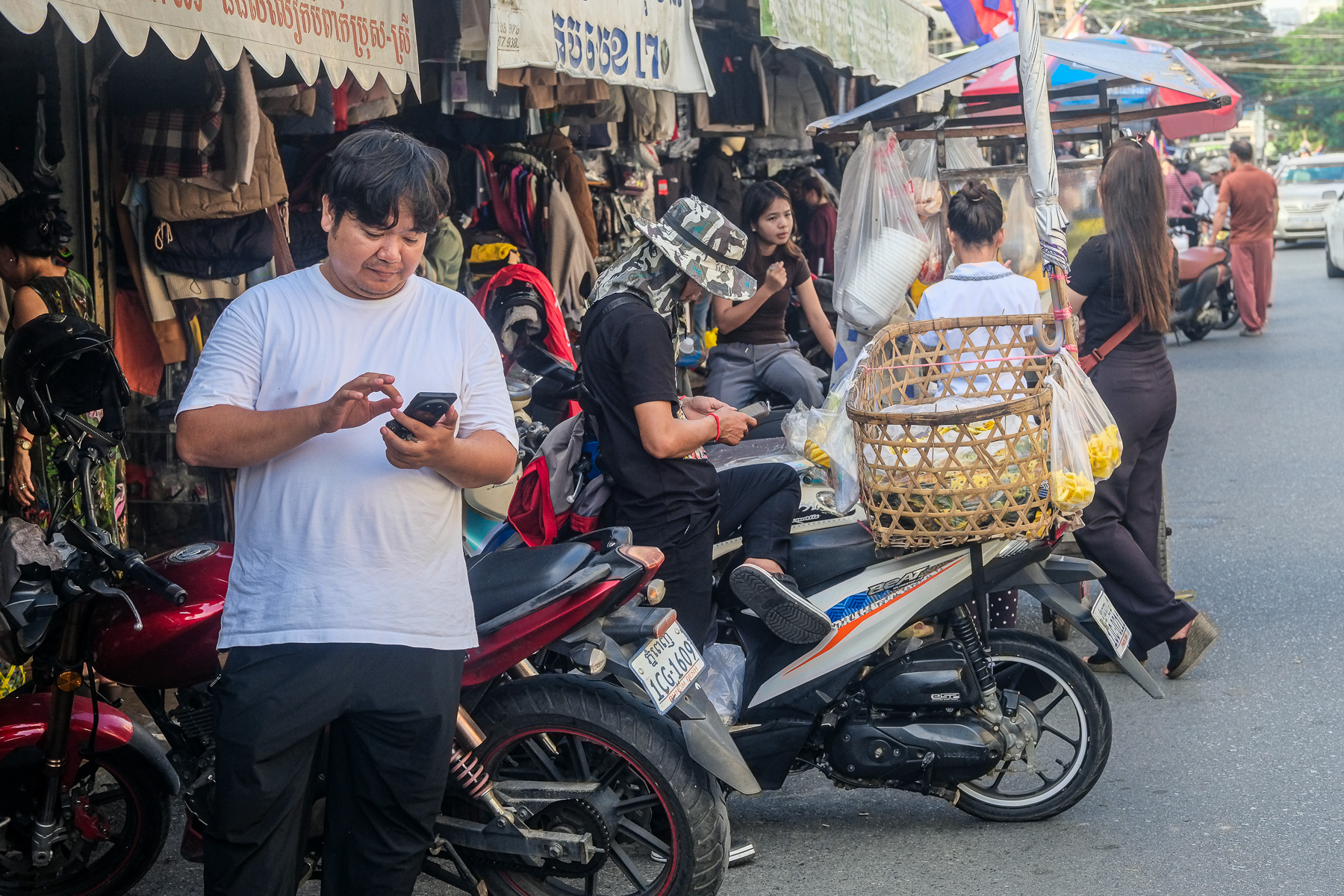
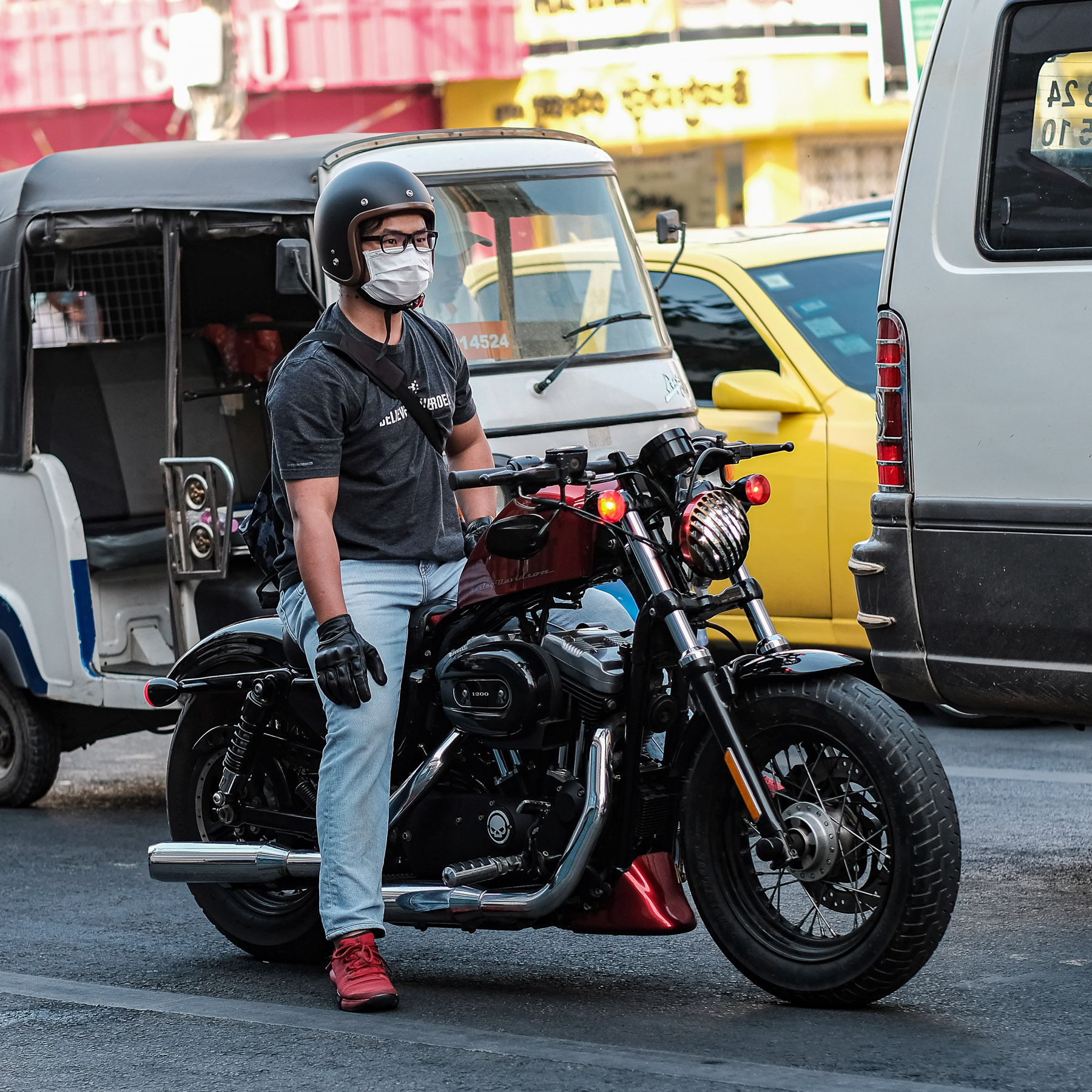
I don’t chase perfection. I don’t polish the streets into postcards. I take pictures of what I see—fleeting gestures, overlooked details, unremarkable corners. To some, these images may feel uninteresting. But to me, they are the essence of street photography: authentic, candid, and true.

I. PRESENCE IS HONESTY

Street photography begins with presence. It’s about standing in the chaos of Phnom Penh—motorbikes weaving, vendors calling, monks moving through morning light—and noticing the small things.

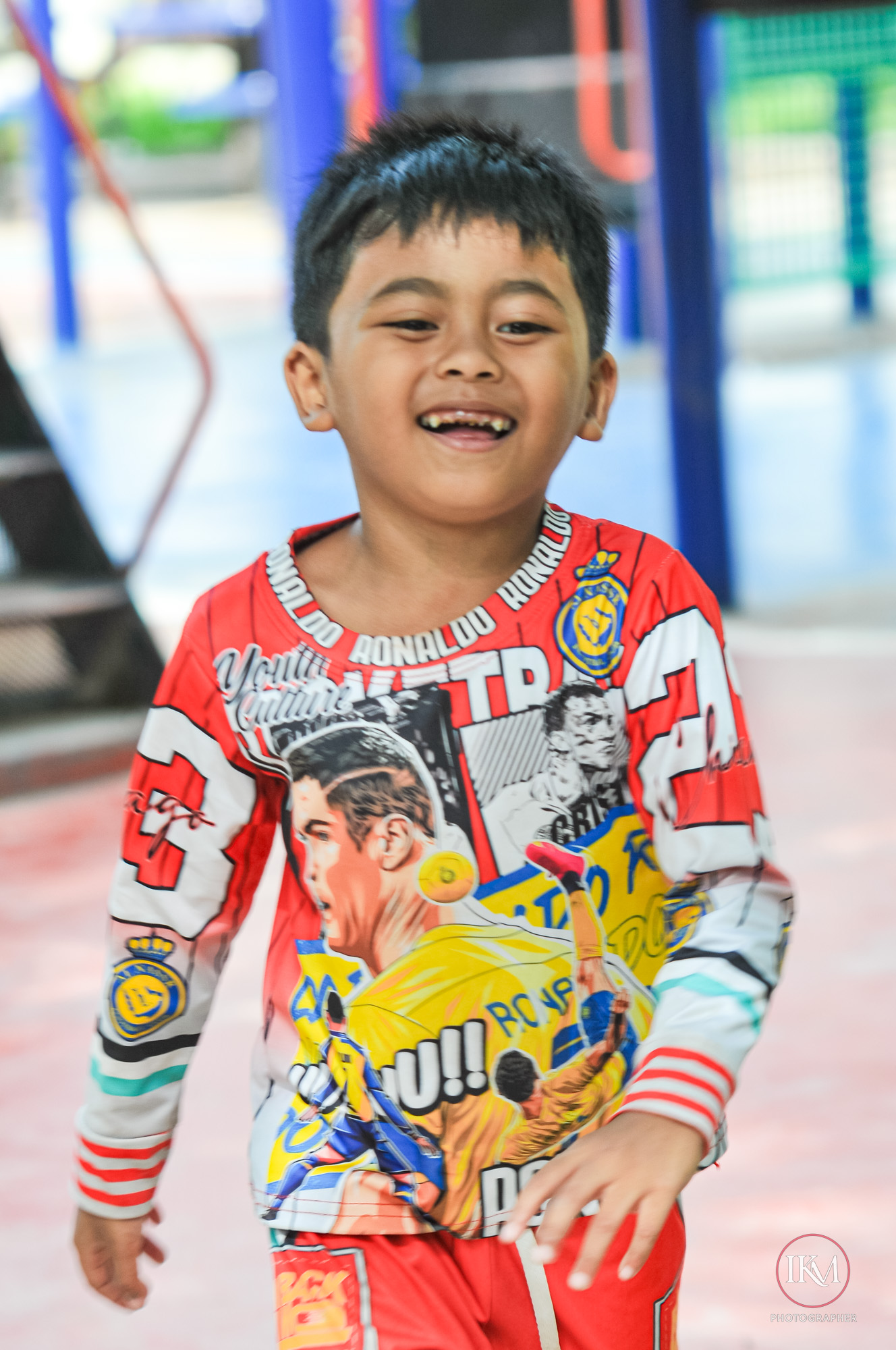
A hand resting on a tuk‑tuk. A shadow slicing across a wall. A child’s laughter echoing in the alley. These moments aren’t staged. They aren’t curated. They are real.

II. MEMORY IS FRAGILE

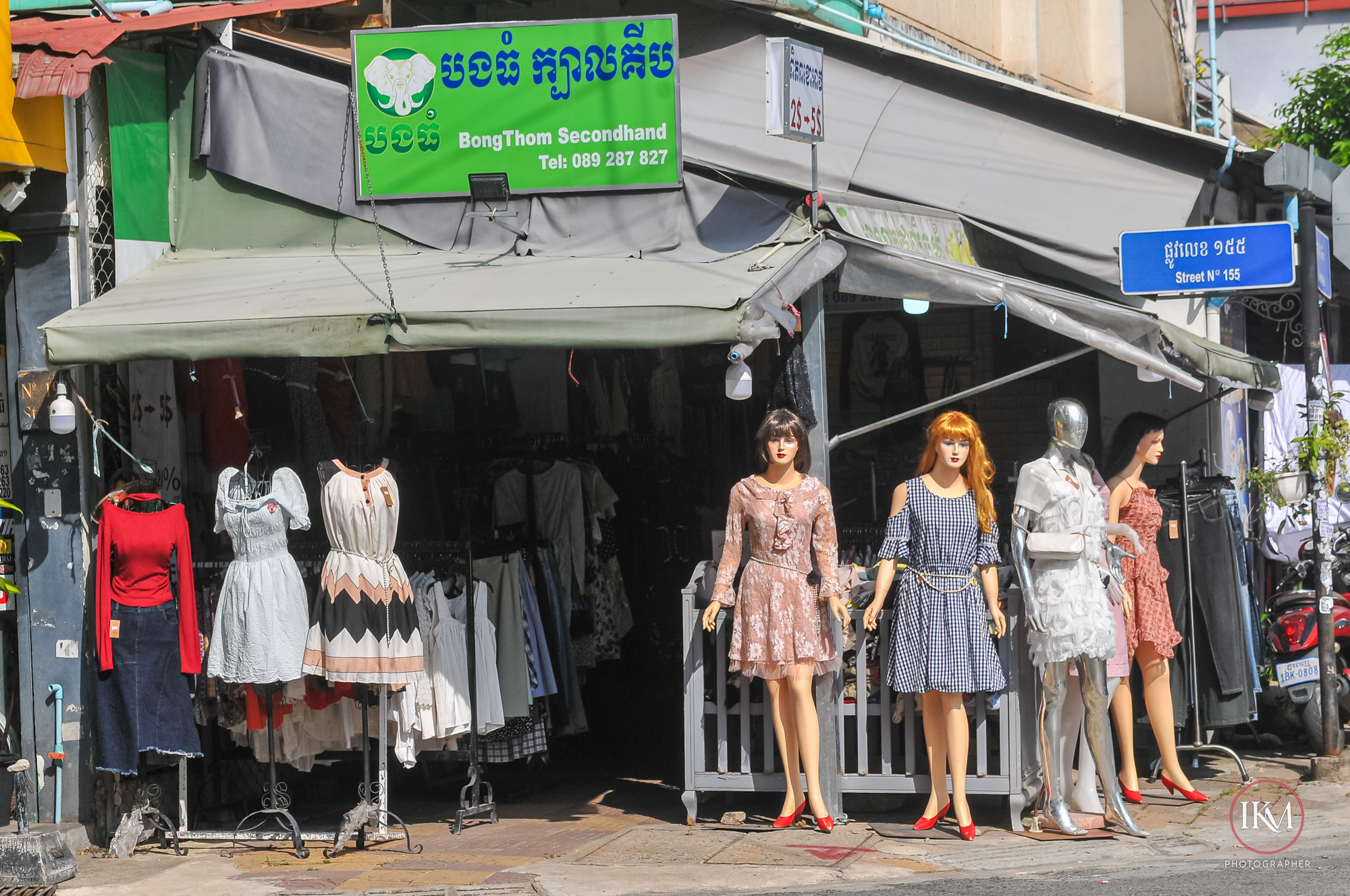
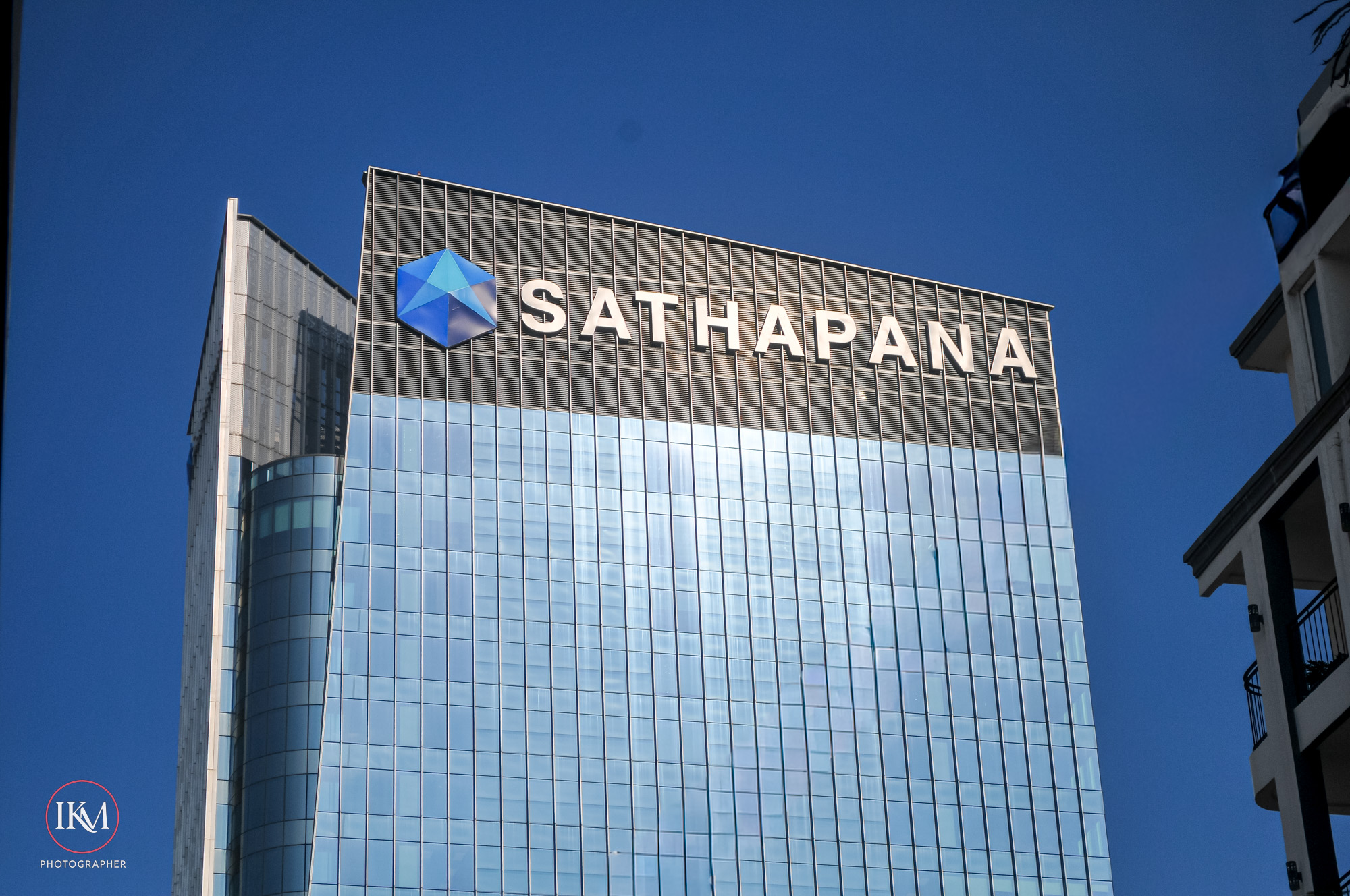
Phnom Penh is changing fast. Markets modernise, facades crumble, new towers rise. What feels ordinary today may be gone tomorrow.

Photography preserves the fragile. A candid frame becomes a fragment of memory, a retro imprint of a city in transition. Not all images are pretty, but all are valuable.

III. CONNECTION IS HUMAN

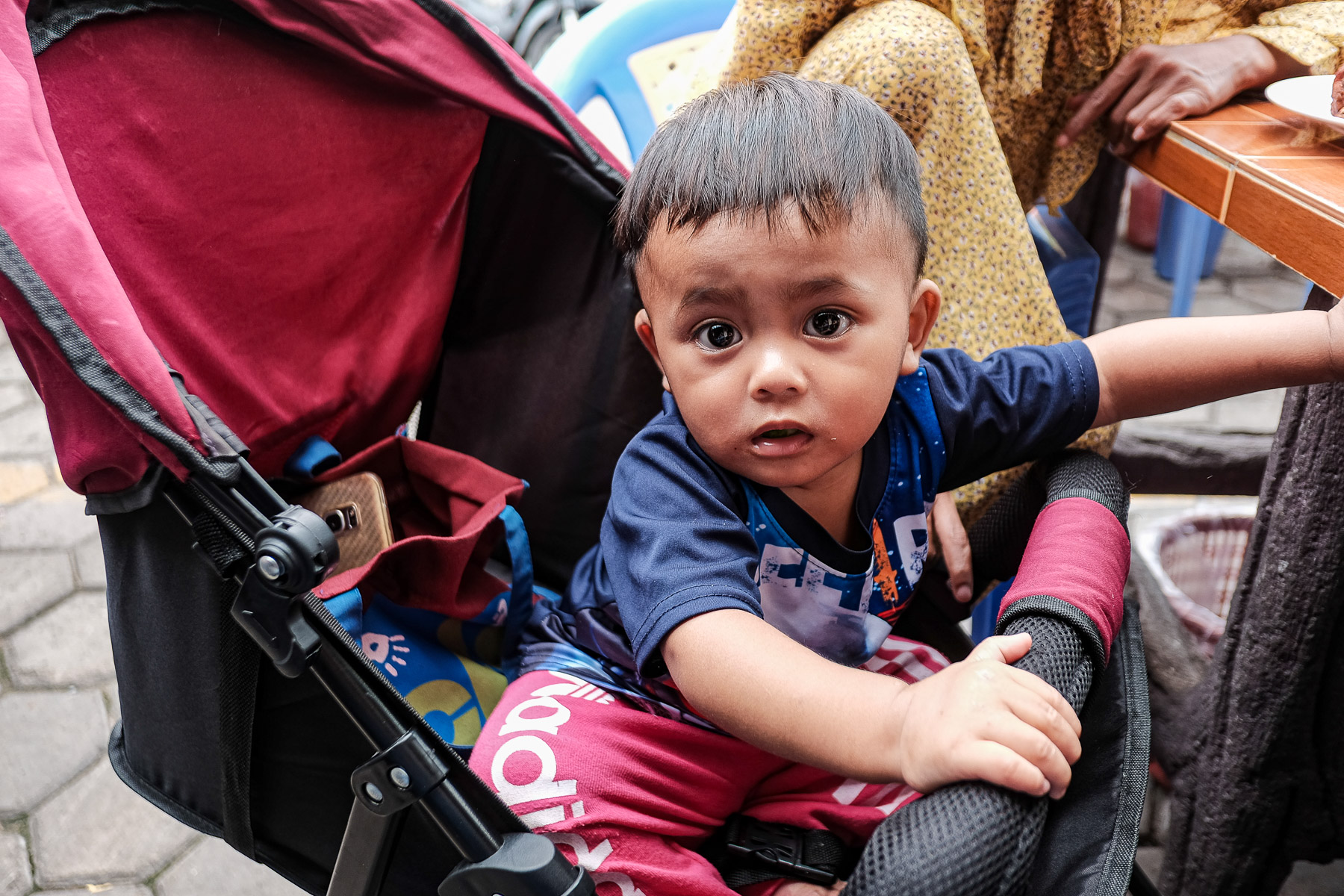
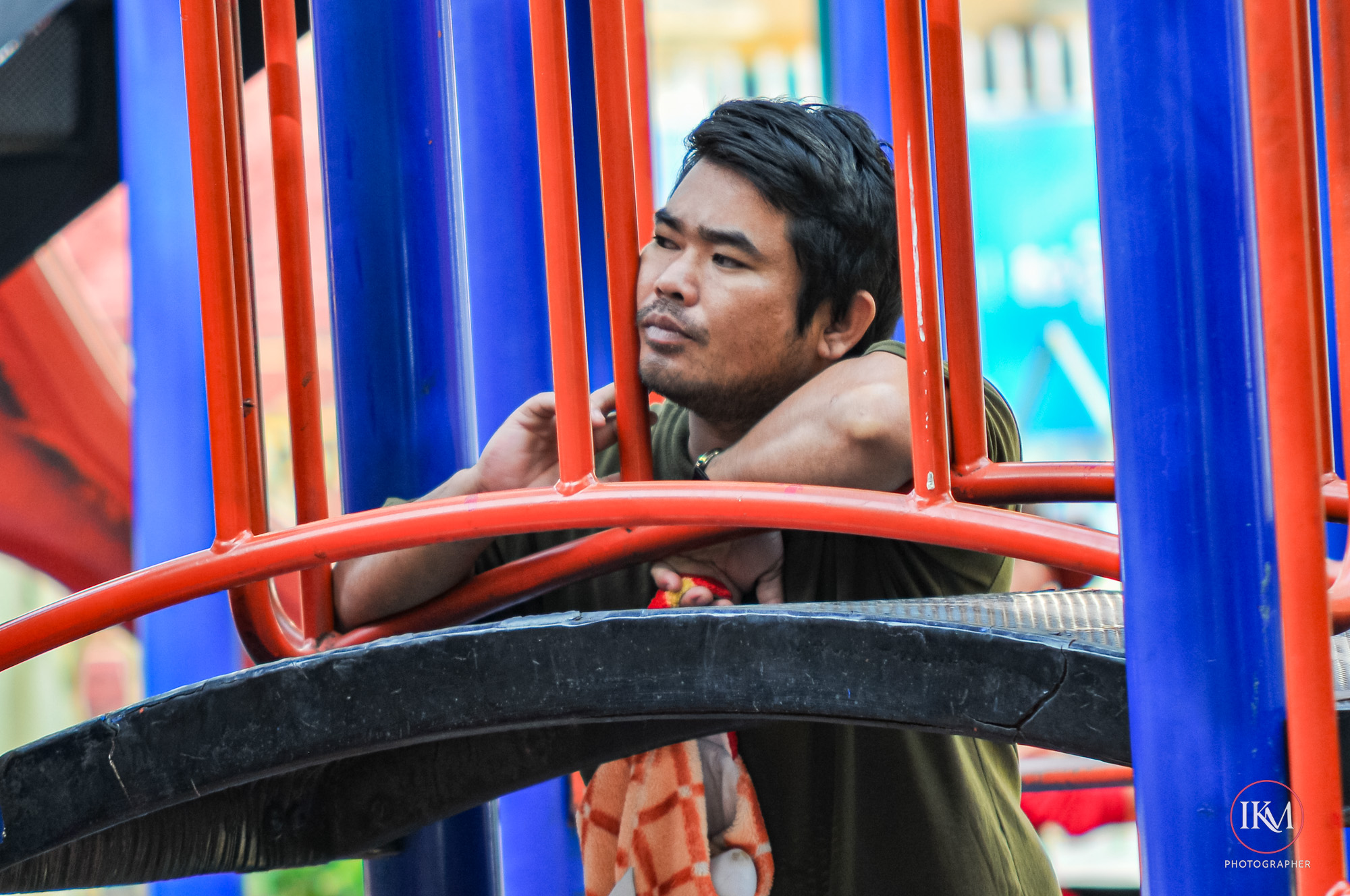
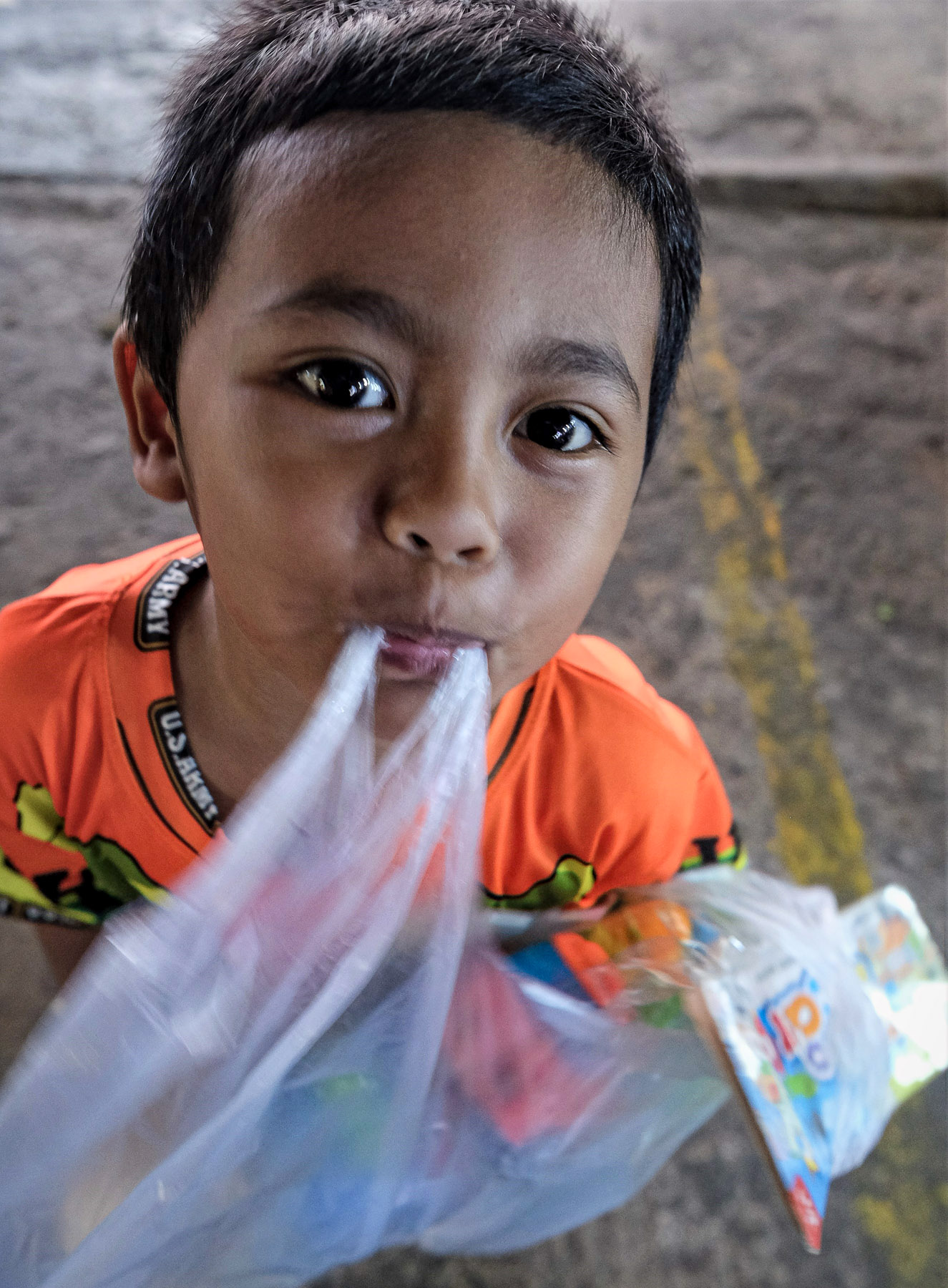
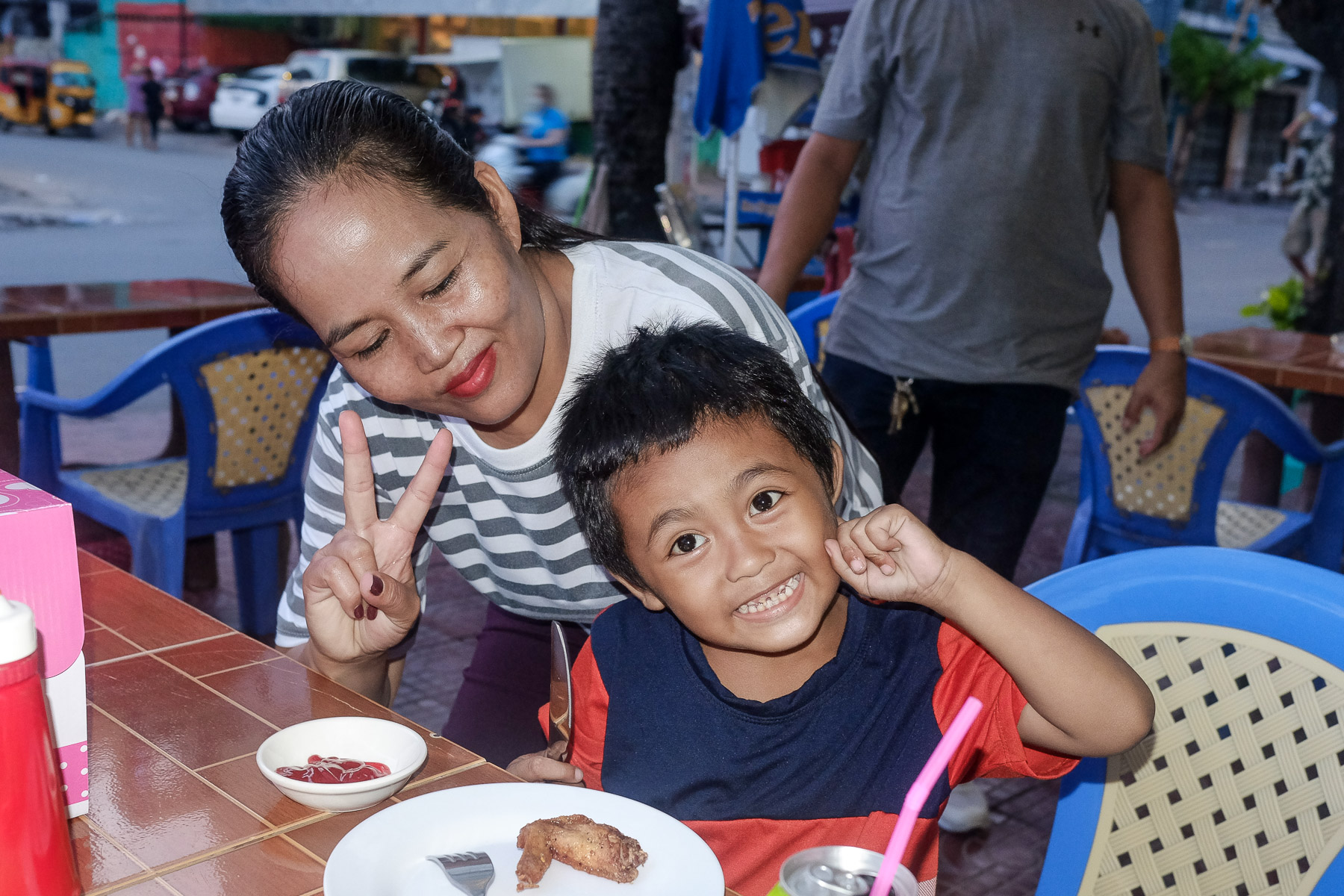
The power of candid moments lies in connection. A stranger’s direct gaze. A fleeting smile. The quiet acknowledgment of someone who lets me borrow a second of their life.

Grain, blur, imperfection—these are not flaws. They are the marks of authenticity, the texture of human presence.

IV. IDENTITY IS UNPOLISHED

My way of working is not about producing art that pleases everyone. It is about practicing a way of seeing. It is about being present in Phnom Penh’s streets, attentive to the ordinary, open to the unremarkable.

This is my discipline: to take pictures of what I see, without gloss, without apology.

Closing Call: Light as a Signature

Street photography is special not because it is beautiful, but because it is true. Each frame is a mark, a monogram of the city’s soul—drawn not with ink, but with light.

📸 Nikon AF Zoom-Nikkor 35–135mm f/3.5–4.5 AF-D

cambodia, cameras, Lenses, opinons, thoughts, photography, pictures, street, Travel

A legacy zoom that still earns respect

When Nikon introduced the 35–135mm AF series, it was designed to bridge wide-to-telephoto coverage in a single lens. Positioned as a step above kit zooms, it gave photographers flexibility without the bulk of multiple primes. The AF-D version added distance encoding for more accurate flash metering, making it a practical tool for both film and early digital shooters.

🔍 Optical Performance

  • Sharpness: Respectable across the range, especially between 35–85mm. At 135mm, corners soften, but the center remains usable.
  • Color and contrast: Classic Nikon rendering—neutral color with good contrast, especially when stopped down.
  • Distortion: Noticeable barrel distortion at 35mm and pincushion at 135mm, typical of zooms of its era.
  • Macro mode: Offers a close-focus feature down to ~0.5m, useful for flowers and small objects.
  • Bokeh: Pleasant at longer focal lengths, though not as creamy as modern f/2.8 zooms.

⚙️ Build and Handling

  • Construction: Solid, metal-heavy build—“brick-like” durability noted by users.
  • Weight: Around 600g, making it portable but not featherlight.
  • Autofocus: Screw-drive AF—adequate but slower and noisier compared to AF-S lenses. Works best with pro bodies like the D3/D800.
  • Zoom action: Push-pull design, which some photographers find intuitive, while others prefer modern rotary zoom rings.

🧠 Use Cases

  • Travel lens: Covers wide-to-telephoto in one package, ideal for street and candid photography.
  • Portraits: At 85–135mm, produces flattering compression and decent subject isolation.
  • Documentary/editorial: Flexible enough for mixed environments where you can’t switch lenses often.
  • Film shooters: A perfect companion for Nikon F-mount film bodies, retaining period authenticity.

⚖️ Pros and Cons

Pros

  • Versatile focal range (wide to telephoto)
  • Solid build quality
  • Affordable on the used market (~$100–$200 USD)
  • Close-focus macro mode adds creative flexibility

Cons

  • No VR (Vibration Reduction)
  • AF is slower and noisier than modern lenses
  • Optical performance lags behind newer zooms, especially at 135mm
  • Push-pull zoom design can feel dated

📝 Final Verdict

The Nikon AF Zoom-Nikkor 35–135mm f/3.5–4.5 AF-D is a classic workhorse lens. It won’t compete with modern pro zooms in speed or sharpness, but it offers a unique blend of versatility, durability, and character. For photographers exploring Nikon’s legacy glass, it’s a rewarding option—especially for travel and portraiture where its rendering shines.

🏙️ Why the Nikkor 20mm f/2.8D Is Still So Good

cameras, Lenses, opinons, thoughts, photography, pictures, street, Travel

A legacy wide-angle lens that punches above its weight.

The Nikon Nikkor 20mm f/2.8D is beloved for its compact size, sharp optics, and timeless rendering—making it a sleeper wide-angle gem for street, travel, and documentary photography. Despite its age, it holds its own against modern glass.

Released in the late 1980s and still available today, the Nikon AF Nikkor 20mm f/2.8D is one of those rare lenses that quietly earns a permanent spot in a photographer’s bag. It’s not flashy, not expensive, and not packed with modern tech—but it delivers where it counts: optical clarity, portability, and character.

🔍 Optical Performance

  • Sharpness: Impressively sharp in the center even wide open, with good edge performance by f/5.6. On full-frame bodies like the D800, it resolves fine detail without feeling clinical.
  • Distortion: Minimal for a 20mm prime—great for architecture and interiors. Barrel distortion is present but easily corrected.
  • Color and contrast: Natural rendering with strong microcontrast. It handles backlight well, thanks to Nikon’s internal coatings.
  • Flare resistance: Decent, though not perfect. Hood recommended for harsh light.
  • Bokeh: Not its strength—background blur is busy at f/2.8, but that’s expected from a wide-angle lens.

⚙️ Build and Handling

  • Size and weight: Just 260g and 69mm long—ridiculously compact for a full-frame wide-angle prime.
  • Autofocus: Screw-drive AF is fast and reliable on bodies with internal motors (D800, D3, etc.).
  • Manual focus: Smooth ring with good tactile feedback.
  • Minimum focus distance: 0.25m—great for dramatic foreground emphasis and layered compositions.

🧠 Why Photographers Love It

  • Street and travel: Discreet, lightweight, and fast enough for low-light scenes.
  • Documentary and editorial: Its rendering feels honest and immersive—ideal for environmental storytelling.
  • Landscape: Sharp enough for serious work, especially stopped down.
  • Vlogging and video: Wide field of view and compact form factor make it a solid choice for handheld shooting.

⚖️ Pros and Cons

Pros

  • Excellent sharpness and contrast
  • Compact and lightweight
  • Affordable on the used market (~$250–$350 USD)
  • Reliable autofocus and build quality

Cons

  • No weather sealing
  • No VR or AF-S motor
  • Bokeh and flare control are average
  • Edge sharpness lags behind modern ultra-wides

📝 Final Verdict

The Nikkor 20mm f/2.8D is a reminder that good design lasts. It’s not the sharpest or fastest wide-angle lens, but it’s one of the most practical and enjoyable to use. For photographers who value portability, honest rendering, and classic Nikon character, this lens is a keeper.

⚡ Publishing Shocking Images: Right or Wrong?

cambodia, cameras, homelessness, opinons, thoughts, photography, pictures, street, Travel, war

Publishing shocking images is neither inherently right nor wrong—it depends on intent, context, and consequence. The ethical challenge lies in balancing public interest with personal dignity, truth with sensitivity, and impact with responsibility.

Photojournalism often confronts us with the raw edge of reality—war, disaster, injustice, grief. These images can jolt viewers into awareness, spark outrage, and mobilise change. But they can also retraumatise, exploit, or misrepresent. So when is it right to publish a shocking image—and when is it wrong?

✅ When It’s Justified

  • Public interest outweighs discomfort: Images that expose systemic abuse, corruption, or humanitarian crises may be shocking—but they serve a vital civic function.
  • Truth is preserved: If the image is accurate, unmanipulated, and contextually honest, it contributes to informed discourse.
  • Consent is considered: When possible, subjects should be aware of how their image will be used—especially in vulnerable situations.
  • Impact is constructive: If the image leads to policy change, aid mobilization, or cultural reckoning, its shock may be ethically warranted.

❌ When It’s Problematic

  • Sensationalism overrides substance: If the image is published for clicks, not clarity, it risks exploitation.
  • Subjects are dehumanised: Graphic depictions that strip away dignity or reduce people to symbols of suffering cross ethical lines.
  • Context is missing: A shocking image without background can mislead, stigmatise, or distort public understanding.
  • Harm outweighs benefit: If the image retraumatises survivors, endangers individuals, or incites hate, it should be reconsidered.

🧭 Ethical Guidelines for Publishing Shocking Images

  • Caption with care: Provide factual, neutral context to guide interpretation.
  • Blur or anonymise when needed: Protect identities in sensitive situations.
  • Seek editorial review: Run controversial images past peers or editors before publishing.
  • Reflect before release: Ask: Would I feel respected if this were me?

🧠 Final Thought

Shocking images have power—but power without ethics is dangerous. The goal of photojournalism is not to numb or exploit, but to awaken and inform. Publishing such images demands courage, but also compassion. The question is not just can we publish—but should we. And that answer must be earned, not assumed.

Would you like this adapted into a visual manifesto or ethics card for your portfolio?

Publishing Shocking Images: Right or Wrong

Shocking images command attention, accelerate public debate, and can catalyze change — but they also risk exploitation, retraumatisation, and distortion. Deciding whether to publish such images is an ethical judgment as much as an editorial one, requiring clear criteria, transparency, and a commitment to minimizing harm.

What we mean by shocking images

Shocking images are photographs that provoke strong emotional reactions because they show violence, suffering, severe injury, or intimate moments of distress. They differ from disturbing journalism in degree and immediacy: their visceral impact can both illuminate and overwhelm a story.

Arguments for publishing

  • Public interest and accountability: Graphic images can document abuses and provide evidence when other records are absent; they can mobilize public opinion and spur policy or humanitarian response.
  • Bearing witness: Photographers and news organizations sometimes cite a duty to show realities that would otherwise be unseen, arguing that sanitizing imagery risks erasing the urgency of certain crises.
  • Truth-telling value: When used responsibly, stark images can convey truths that words alone cannot, making abstract harms tangible for audiences.

(These benefits depend on accurate captioning, strong sourcing, and editorial restraint to ensure images inform rather than manipulate.)

Arguments against publishing

  • Exploitation and dignity: Shocking images can reduce people to objects of spectacle, stripping context and agency from victims and survivors.
  • Harm and retraumatization: Graphic exposure can cause further trauma to subjects, their families, and communities; publication can have long-term consequences for those depicted.
  • Manipulation and loss of trust: Cropping, sequencing, or sensational captions can distort meaning and erode public trust in journalism; visual shock for clicks undermines credibility.

Ethical criteria to apply before publishing

  1. Public interest test — Does the image materially inform the public or hold power to account, beyond mere sensationalism?.
  2. Dignity check — Can the subject’s dignity be preserved through framing, captioning, or anonymisation?.
  3. Harm assessment — What are the likely short- and long-term harms to the subject, family, or community? Can those harms be mitigated?.
  4. Provenance and accuracy — Is the image verified, honestly captioned, and placed in proper context?.
  5. Alternatives — Could less graphic visuals, stills, or descriptive reporting achieve the same public interest goal with lower harm?.

Apply these in sequence: fail any single test, and the case for publication weakens considerably.

Practical editorial guidelines

  • Use clear, factual captions that state who, what, where, when, and why; avoid sensational language.
  • Consider cropping or blurring to preserve identity and dignity without erasing the essential truth.
  • Offer warnings and placement choices (e.g., not lead-story fronting on social feeds) so audiences can consent to exposure.
  • Disclose edits and sourcing when relevant; transparency builds trust.
  • Use peer review or editorial oversight for borderline cases, and consult legal counsel when publication could create liability or danger.

Conclusion

Publishing shocking images can be ethically defensible, but never automatic. The default should be caution: ask whether the image serves a clear public interest, whether it preserves human dignity, and whether harms have been reasonably mitigated. When journalists and editors apply rigorous verification, contextualization, and harm-conscious practices, graphic images can illuminate truth and prompt change; without those safeguards, they risk exploitation and eroded trust

🎯 Navigating Truth and Manipulation in Photojournalism

cambodia, cameras, opinons, thoughts, photography, pictures, processing, street, Travel, voluntary, war

Why ethics matter more than ever in a visual-first world

In today’s media landscape, photojournalism is one of the most powerful tools for shaping public perception. A single image can evoke empathy, outrage, or action. But with that power comes responsibility—and risk. The goal is not just to capture what’s visible, but to honour what’s real.

🧠 The Nature of Truth in Photography

  • Photography is not neutral: Every image is filtered through the photographer’s lens—literally and metaphorically.
  • Truth is contextual: A photo without background can mislead, even if it’s technically accurate.
  • Editing shapes meaning: Cropping, colour grading, and sequencing all influence how viewers interpret a scene.

“Photojournalism fundamentally aims to document reality, yet it is not an objective mirror of the world”.

⚠️ Where Manipulation Begins

  • Staging or reenactment: Asking subjects to pose or recreate events crosses into fiction.
  • Selective framing: Omitting key elements to steer narrative perception is ethically suspect.
  • Caption distortion: Misleading or emotionally charged captions can twist meaning even when the image is accurate.
  • Digital alteration: Retouching, compositing, or removing elements undermines credibility.

These practices erode public trust and violate journalistic codes of ethics.

🧭 Minimalism with Integrity

Minimalist style avoids manipulation by focusing on presence, restraint, and ethical framing.

  • Intentional composition: Framing that respects subjects’ dignity and avoids sensationalism.
  • Contextual honesty: Captions and layouts that inform without editorialising.
  • Emotional resonance without distortion: Provocative images that stir reflection, not exploitation.

This approach aligns with the ethical imperative to “represent the truth without distortion, even as technological innovation complicates the lines”.

✅ How to Navigate the Line Ethically

  • Ask before you shoot: Consent builds trust and deepens narrative authenticity.
  • Caption with clarity: Include who, what, when, where, and why—avoid emotional spin.
  • Disclose edits: If you crop, tone, or adjust, say so. Transparency matters.
  • Peer review sensitive work: Run controversial images past editors or colleagues before publishing.
  • Reflect before release: Ask yourself: Does this image inform or manipulate?

📚 Final Thought

Photojournalism’s power lies in its ability to reveal. But revelation without responsibility becomes exploitation. Navigating truth and manipulation isn’t just about avoiding ethical missteps—it’s about building a practice rooted in trust, clarity, and care.

📸 Capturing Truth, Provoking Change

cambodia, cameras, conflict, homelessness, opinons, thoughts, photography, pictures, street, Travel, war

The Power of Photojournalism as Agent Provocateur

🔥 Provocation with Purpose

⚖️ Ethical Boundaries of Provocative Imagery

🛠️ How to Use Provocation Responsibly

🧠 Final Thought

Shooting in RAW — A Practical Guide

cameras, film, opinons, thoughts, photography, street, Travel

Shooting in RAW means saving the sensor’s unprocessed data so you can shape the final image later. RAW files act like a digital negative: they keep maximum detail, tone, and color information that in-camera JPEG processing would otherwise compress or discard.

What RAW actually contains

  • RAW stores linear sensor data with higher bit depth than JPEG, preserving more tonal steps between shadows and highlights. This gives you extra headroom when correcting exposure, recovering highlights, or pulling detail from shadows.

Advantages of shooting RAW

  • Greater dynamic range and recovery — You can recover more detail from highlights and shadows because RAW keeps more tonal information.
  • Flexible white balance — White balance is not baked into the pixel data the way it is for JPEGs, so you can change it non-destructively in post.
  • Superior colour depth and grading — Higher bit depth means smoother gradients and more room for colour grading without banding.
  • Non‑destructive edits — RAW editing writes instructions instead of permanently changing pixels, so you can always revert to the original capture.
  • Better noise handling — RAW processors can apply more sophisticated noise reduction because they have access to the sensor’s full data.
  • More control for critical workflows — Commercial, landscape, and fine-art work benefits from the latitude RAW offers for exacting color and tone control.

Disadvantages of shooting RAW

  • Larger file sizes — RAW files are significantly bigger than JPEGs, which increases storage needs and backup complexity.
  • Slower workflow — RAW requires post-processing, which adds time to editing and delivery compared with straight-out-of-camera JPEGs.
  • Compatibility and portability — RAW formats vary by camera brand and model; some software or older devices may not read every RAW without updates or converters.
  • Longer write times and smaller burst buffers — On some cameras, RAW capture can slow burst rate or fill buffers faster than JPEGs, affecting action shooting.
  • Need for consistent color management — RAW gives flexibility but demands disciplined color pipelines (calibrated monitor, managed profiles) to get reliable outputs.

When to choose RAW vs JPEG

  • Shoot RAW when: you need maximum image quality, plan heavy editing, require reliable highlight/shadow recovery, or are producing work for clients or prints.
  • Shoot JPEG when: you need instant turnaround, extreme file economy (long events with limited cards), or when images are destined only for quick social sharing with minimal editing.

Practical workflow tips

  • Use RAW+JPEG if you sometimes need immediate, shareable files but still want RAW for archives and editing.
  • Cull JPEG previews to speed selection; reserve RAW for final edits.
  • Invest in fast, large-capacity memory cards and a reliable backup routine to handle RAW volumes.
  • Create camera-specific presets or base edits to speed RAW processing while keeping non‑destructive flexibility.
  • Keep your RAW converters updated and standardize on one or two tools (Lightroom, Capture One, or your camera maker’s software) to ensure consistent color and metadata handling.

Short checklist before you shoot

  • Do you need maximum dynamic range and color control? → RAW.
  • Do you need immediate delivery with no editing? → JPEG or RAW+JPEG.
  • Do you have storage and backup planned? → If yes, RAW is safe; if not, plan for it before shooting large volumes.

Shooting RAW is about trading convenience for control. If your work values tonal fidelity, color precision, and future-proof archives, RAW is usually worth the extra planning and processing time.