Hybrid Viewfinder: Unique among digital cameras, lets you switch between optical and electronic modes — appealing to rangefinder enthusiasts.
Image Quality: The X‑Trans III sensor delivers sharp, film‑like rendering with excellent color reproduction.
Build Quality: Rugged, weather‑sealed body suitable for street and documentary work.
Controls: Dedicated dials for shutter speed, ISO, and exposure compensation — tactile and intuitive.
Character: Many photographers describe it as a “camera with a soul,” offering a distinctive shooting experience.
❌ Weaknesses
Fixed LCD: No tilting or articulating screen, limiting flexibility for low/high angles.
Video Limitations: No 4K recording, only Full HD — not ideal for hybrid shooters.
AF Performance: Improved over the X‑Pro1 but still slower compared to newer mirrorless rivals.
Price: At launch, it was expensive relative to competitors with more features.
📊 Comparison Snapshot
Feature
X‑Pro2
X‑Pro3 (Successor)
Sensor
24.3MP APS‑C X‑Trans III
26.1MP APS‑C X‑Trans IV
Viewfinder
Hybrid OVF/EVF
Hybrid OVF/EVF
LCD
Fixed
Hidden tilt LCD
Video
1080p
4K
Build
Weather‑sealed
Weather‑sealed, titanium option
✨ In Summary
The Fujifilm X‑Pro2 is best understood as a photographer’s camera: tactile, characterful, and designed for those who value the shooting experience as much as the technical output. It excels in street, documentary, and travel photography, but is less suited for video or fast‑paced sports. Its successor, the X‑Pro3, refined the concept but introduced its own quirks (like the hidden LCD).
✅ Where It Still Excels even in 2026
Street Photography:
Discreet, rangefinder‑style body with the hybrid OVF/EVF makes it perfect for candid shooting.
Classic Fujifilm film simulations (Acros, Classic Chrome) give images a timeless look straight out of camera.
Photographers joke about “GAS” — Gear Acquisition Syndrome — as if it’s a harmless quirk. But beneath the humour sits a real question: Why do so many photographers feel compelled to collect gear, even when they already have enough to make great images?
Is it addiction? Is it passion? Is it identity? Or is it something deeper — a way of relating to the world?
Let’s explore this with honesty and nuance.
🧠 1. The Psychology Behind Gear Desire
Gear collecting taps into several powerful psychological mechanisms. None of them are inherently unhealthy — but they can become compulsive if left unchecked.
Dopamine and anticipation
The excitement isn’t in the owning — it’s in the anticipation. The research is clear: dopamine spikes when we imagine possibilities, not when we achieve them.
A new lens promises:
a new way of seeing
a new creative direction
a new version of ourselves
That’s intoxicating.
Identity and self‑expression
For many photographers, gear is part of their creative identity. A Fuji X‑Pro3 isn’t just a camera — it’s a statement about how you see the world. A Nikon D300S isn’t just a tool — it’s a connection to a certain era of photography.
Collecting becomes a way of curating your creative self.
Craftsmanship and tactile pleasure
Some gear simply feels good. Metal dials, aperture rings, optical glass — these things have presence. Handling them is satisfying in a way that’s hard to explain to non‑photographers.
This isn’t addiction. It’s appreciation.
📸 2. When Collecting Becomes a Creative Practice
For many photographers, collecting gear is part of the craft itself.
Each tool shapes vision
A 20mm lens forces you to see differently than a 50mm. A rangefinder body changes your rhythm compared to a DSLR. A fast prime encourages intimacy; a telephoto encourages distance.
Collecting becomes a way of exploring different visual philosophies.
Gear as inspiration
Sometimes a new camera or lens unlocks a creative block. Not because it’s “better,” but because it’s different. It nudges you into new territory.
Historical and emotional connection
Older gear carries stories. A Nikon D2Hs isn’t just a camera — it’s a piece of photographic history. Owning it connects you to the lineage of the craft.
This is collecting as creative archaeology.
⚠️ 3. When It Starts to Look Like Addiction
There are moments when gear collecting crosses into unhealthy territory.
Signs include:
buying gear instead of making photographs
feeling restless or empty without the “next purchase”
spending beyond your means
hiding purchases or feeling guilt
chasing perfection through equipment rather than practice
These patterns mirror addictive behaviour — not because of the gear, but because of the emotional loop behind it.
But even then, the root cause is rarely the gear itself. It’s usually stress, boredom, loneliness, or a need for control.
🌱 4. The Healthy Version of Gear Collecting
Most photographers fall into this category — passionate, curious, and intentional.
Healthy collecting looks like:
buying gear that genuinely supports your creative goals
enjoying the craftsmanship and history
rotating gear in and out of your kit
using what you own
feeling joy, not pressure
In this form, collecting is no more “addictive” than a musician owning multiple guitars or a painter collecting brushes.
It’s part of the craft.
✨ 5. So… Is It Truly an Addiction?
In most cases, no. It’s a mix of:
passion
curiosity
identity
nostalgia
craftsmanship appreciation
the search for creative spark
But it can become addictive if it replaces the act of photographing or becomes a coping mechanism rather than a creative one.
The key is awareness. If collecting enriches your creative life, it’s a gift. If it replaces your creative life, it becomes a trap.
🎯 Final Thought
Gear collecting is rarely about the gear. It’s about what the gear represents: possibility, identity, craftsmanship, memory, and the desire to see the world differently.
When approached with intention, it’s not an addiction — it’s a form of creative expression in its own right. I have loads of gear, some of which I use on a daily basis, some less often and some rarely. I never buy items that I cannot afford and usually have a specific need.
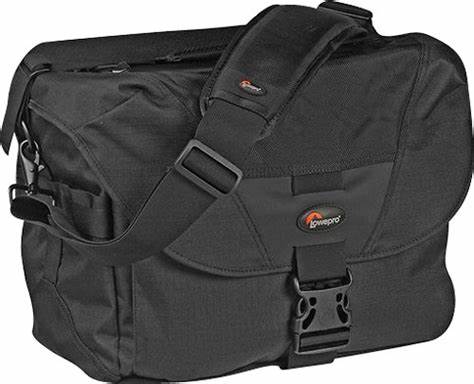
The Lowepro Stealth Reporter 200 AW is a shoulder‑style camera bag originally designed for photojournalists and news photographers, with an emphasis on speed, durability, and weather protection. It remains a strong option for DSLR shooters who need fast access and rugged reliability.
🧱 Build Quality & Design
According to Lowepro’s own description, the Stealth Reporter series was “created for photojournalists and news photographers” and built to withstand harsh field conditions while remaining lightweight and durable.
Key design elements include:
Magnesium‑reinforced structure (internal frame)
Heavy‑duty materials and reinforced stitching
All Weather (AW) cover for rain, dust, and sand protection
Highly water‑resistant top zipper for fast access without opening the flap
This makes it particularly suitable for urban, documentary, and editorial DSLR work, where speed and protection matter more than hiking comfort.
📸 Capacity & DSLR Compatibility
The bag is sized for one DSLR body plus 3–4 lenses, a flash, and accessories. This aligns well with typical DSLR kits such as:
A DSLR body (D700, D300S, D810, etc.)
A trio of primes (e.g., 35/50/85)
Or a zoom kit (24–70 + 70–200)
Flashgun + batteries
Memory cards (dedicated wallet holds up to 12 cards)
User feedback confirms it “easily takes a DSLR camera + a couple of lenses” and is “well padded” and “sturdy”.
⚙️ Organization & Workflow
The Stealth Reporter 200 AW includes:
Removable cable management pouch
Memory card wallet (attaches to strap)
Multiple pockets for batteries, notebooks, filters, and personal items
Adjustable padded dividers for customizing DSLR layouts
This makes it ideal for fast-paced DSLR workflows, especially in news, street, and event environments.
🚀 Strengths for DSLR Use
1. Fast Access
The top zipper allows you to grab your DSLR without opening the flap, a major advantage for street and press shooters.
2. Weather Protection
The AW cover provides full rain and dust protection, essential for field work in unpredictable conditions.
3. Professional Layout
Designed for working photographers, the internal layout supports efficient DSLR operation and quick lens changes.
4. Discreet Appearance
The bag looks like a messenger bag rather than a camera bag, reducing unwanted attention — useful in sensitive environments.
5. Durability
User reviews highlight that it is “better made than newer models” and extremely sturdy.
⚠️ Limitations for DSLR Use
1. Shoulder Fatigue
As a shoulder bag, it places all weight on one side. With a DSLR + lenses, this can become tiring during long assignments.
2. Limited Dual‑Body Support
While it can fit one DSLR comfortably, dual‑body shooters may find it cramped.
3. Bulk When Loaded
The bag becomes heavy and boxy when filled with DSLR gear.
4. No Dedicated Laptop Sleeve
Some versions lack a padded laptop compartment, limiting its use for hybrid photo‑editing workflows.
⚖️ Summary Table
Category
Strengths
Weaknesses
Access
Fast top‑zip access
Full flap still slows deep access
Weather
AW cover, rugged build
Adds bulk when deployed
Capacity
DSLR + 3–4 lenses
Not ideal for dual‑body setups
Comfort
Padded strap
Shoulder fatigue over time
Durability
Very sturdy, pro‑grade
Heavier than modern bags
Discretion
Looks like a messenger bag
Still bulky when full
✨ Verdict
The Lowepro Stealth Reporter 200 AW is an excellent DSLR bag for photojournalists, street photographers, and documentary shooters who prioritize:
Fast access
Weather protection
Professional organization
Durability
It is less ideal for long hikes, dual‑body setups, or photographers who need backpack‑level comfort.
Final assessment:One of the best classic shoulder bags for DSLR field work — rugged, fast, and intelligently designed, though heavy and less comfortable for all‑day carry.
📖 Lowepro Stealth Reporter 200 AW — Evaluation for Fujifilm XE2 & X‑Pro3 Kits
🎒 Why This Bag Works Even Better for Mirrorless
The Stealth Reporter 200 AW was originally designed for bulky DSLR bodies, so when you load it with smaller, lighter Fujifilm cameras, you get:
More space than you need (excellent for flexibility)
Better weight distribution
Faster access because the bodies don’t snag on dividers
Room for accessories like chargers, batteries, filters, and notebooks
In other words, the bag becomes over‑engineered for the Fuji kit — which is a good thing.
🧱 How Your Fuji Kit Fits Inside
📸 Your loadout:
Fujifilm XE2
Fujifilm X‑Pro3
Three lenses (likely primes or compact zooms)
Typical layout inside the 200 AW:
Centre compartment: X‑Pro3 with lens mounted
Side compartment 1: XE2 body
Side compartment 2: Two primes stacked or one zoom
Front pocket: Batteries, cards, cleaning cloth
Side pocket: Filters, small notebook
Rear pocket: Passport, phone, flat items
Top zip access: Grab the X‑Pro3 instantly without opening the flap
This is exactly the kind of workflow the bag was designed for — fast, quiet, efficient.
✅ Strengths for Fuji XE2 + X‑Pro3 Users
1. Perfect size for a two‑body mirrorless kit
You’re not fighting the bag’s dimensions. Everything fits with breathing room.
2. Fast access for street and documentary work
The top zipper is ideal for the X‑Pro3 — a camera built for decisive‑moment shooting.
3. Discreet appearance
The bag looks like a messenger bag, not a camera bag. This pairs beautifully with Fuji’s rangefinder‑style bodies, keeping you low‑profile.
4. Weather protection
The AW cover is a huge advantage in Phnom Penh’s sudden rainstorms or dusty dry season.
5. Quiet operation
The flap and zippers are relatively quiet — important for street and candid work.
6. Room for extras
Because Fuji gear is compact, you can carry:
A small LED light
A power bank
A mini tripod
A notebook
Snacks or water
Without overloading the bag.
❌ Weaknesses (Specific to Fuji Use)
1. Overkill for minimalists
If you ever go out with just one Fuji body and one lens, the bag feels too big.
2. Shoulder fatigue
Even with lighter mirrorless gear, a shoulder bag can strain over long days.
3. Not ideal for long hikes
Urban, editorial, and street? Perfect. Travel trekking? Less so.
4. Dividers designed for DSLR depth
Fuji bodies are slimmer, so you may need to reposition or double‑fold dividers to avoid empty space.
⚖️ Summary Table for Fuji Use
Category
Strengths
Limitations
Fit
Perfect for 2 bodies + 3 lenses
Slightly oversized for minimal kits
Access
Top‑zip is ideal for X‑Pro3
Full flap slows deep access
Comfort
Lighter load than DSLR
Shoulder fatigue on long days
Discretion
Looks like a messenger bag
Still bulky when full
Weather
AW cover excellent for SE Asia
Adds bulk when deployed
✨ Verdict
For a two‑body Fujifilm kit, the Lowepro Stealth Reporter 200 AW is almost the perfect shoulder bag:
Fast access, discreet design, weather protection, and enough space for a full working kit without feeling cramped.
It’s especially strong for:
Street photography
Documentary work
Editorial assignments
Urban travel
Fast‑moving environments
Its only real drawback is the inherent limitation of shoulder bags: long‑term comfort.
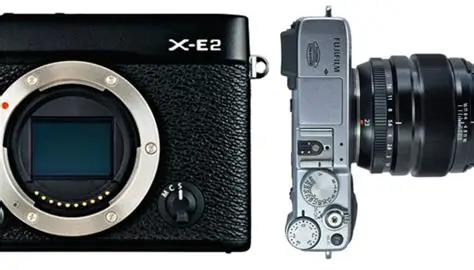
I like the Fuji X‑E2 because it’s a camera of character: compact, deliberate, and enduring. It doesn’t chase specs—it invites you to slow down, compose carefully, and trust its rendering. It’s less about convenience, more about craft.
📸 Core Specifications
Sensor: 16.3MP APS‑C X‑Trans CMOS II sensor (same as the X‑T1).
Processor: EXR Processor II, enabling faster autofocus and improved image processing compared to the original X‑E1.
ISO Range: 200–6400 (expandable to 100–25,600).
Autofocus: Hybrid AF system with contrast and phase detection, offering focus speeds as fast as 0.08 seconds.
Continuous Shooting: Up to 7fps.
Video: Full HD 1080p at 60fps, with manual exposure control.
Viewfinder: 2.36M‑dot electronic viewfinder (EVF) with 100% coverage.
LCD: 3‑inch, 1.04M‑dot fixed screen.
Build: Magnesium alloy body with retro rangefinder styling.
Connectivity: Built‑in Wi‑Fi for image transfer and remote shooting.
✨ Strengths
Image Quality: The X‑Trans sensor produces sharp, detailed images with Fujifilm’s signature colour science and film simulations.
Handling: Classic rangefinder design with tactile dials for shutter speed and exposure compensation. Compact and lightweight, making it ideal for travel and street photography.
EVF: Crisp and responsive, offering a clear preview of exposure and colour.
Lens Ecosystem: Full compatibility with Fujifilm’s XF lens lineup, including compact primes and professional zooms.
Firmware Updates: Fujifilm’s “Kaizen” philosophy meant the X‑E2 received significant firmware upgrades, improving autofocus, adding new features, and extending its lifespan.
⚠️ Limitations
Fixed Screen: No articulation or touchscreen functionality, limiting flexibility for vlogging or creative angles.
Video: Decent for casual use, but lacks 4K and advanced video features found in later models.
Autofocus: While improved over the X‑E1, AF tracking is not as strong as newer Fujifilm bodies.
No Weather Sealing: Less rugged than higher‑end models like the X‑T series.
Battery Life: Average, requiring spares for longer shoots.
✅ Best Use Cases
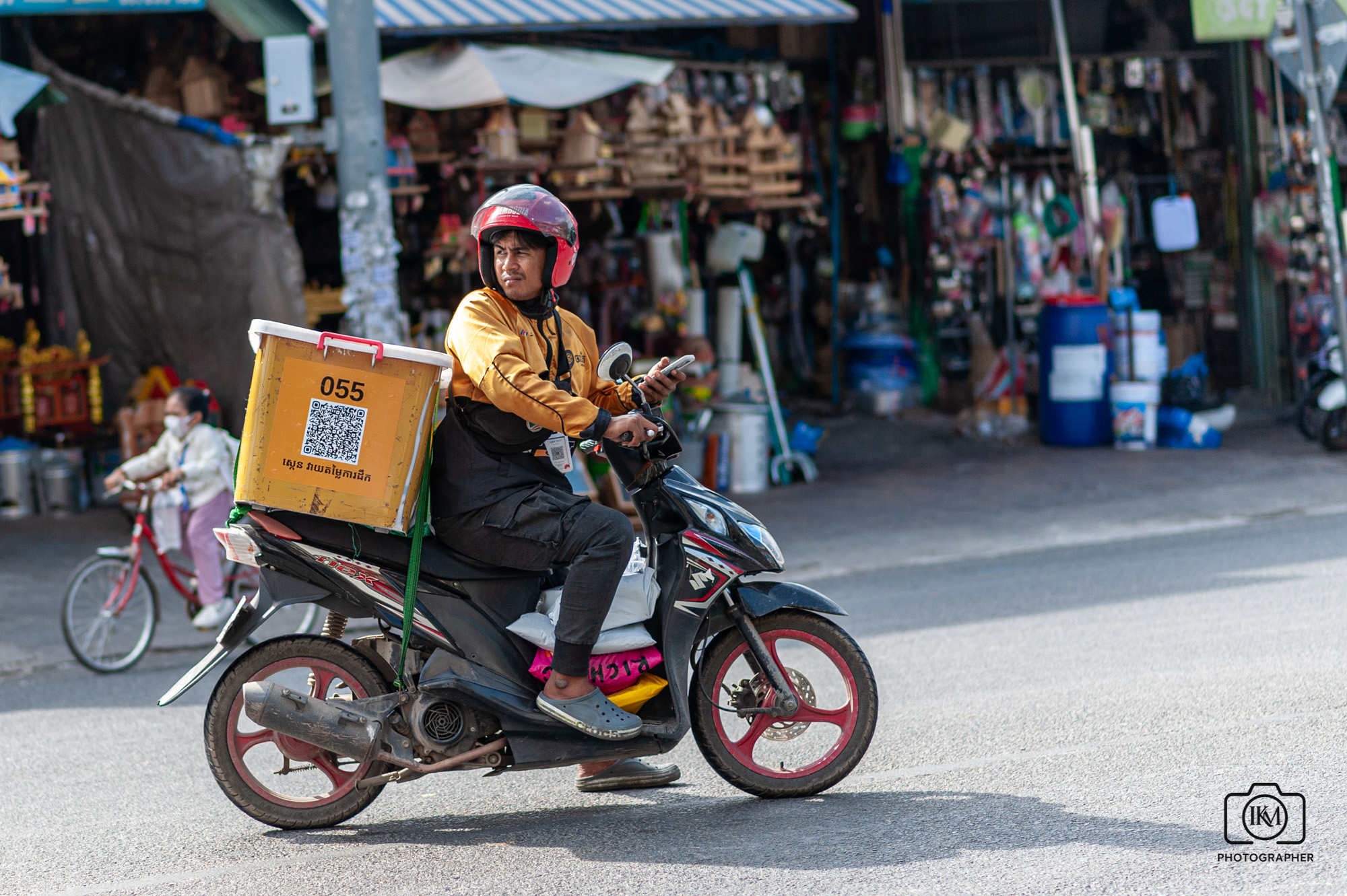
Street Photography: Compact size, discreet styling, and fast AF make it excellent for candid shooting.
Travel: Lightweight body paired with small primes is perfect for portability.
Editorial & Documentary: Film simulations and colour rendering suit storytelling and reportage.
Entry into Fujifilm System: Affordable on the used market, offering access to the XF lens ecosystem without a large investment.
✨ Summary
The Fujifilm X‑E2 remains a well‑balanced mirrorless camera that combines vintage charm with capable modern features. Its sensor, EVF, and tactile controls make it a joy for photographers who prioritise image quality and creative handling over cutting‑edge specs. While limited in video and lacking weather sealing, it’s still a worthy companion for street, travel, and editorial shooters—especially as an affordable entry point into Fujifilm’s X system.
The Fujifilm X‑Pro3 is a distinctive, rangefinder‑style mirrorless camera that excels in build quality, image rendering, and unique design philosophy—but ongoing issues include reliability concerns with its sub monitor, shutter button feedback, and its unconventional hidden LCD, which some photographers find impractical.
📸 Core Strengths
Design Philosophy: The X‑Pro3 was built to encourage “viewfinder‑first” shooting. Its hidden LCD forces photographers to rely on the hybrid optical/electronic viewfinder, echoing the discipline of film cameras.
Build Quality: Constructed with a titanium top and bottom plate, weather sealing, and robust ergonomics, the X‑Pro3 is designed for durability in professional use.
Sensor & Image Quality: Equipped with a 26.1MP APS‑C X‑Trans IV sensor, it delivers excellent colour reproduction, dynamic range, and Fujifilm’s renowned film simulations.
Hybrid Viewfinder: The defining feature—users can switch between an optical viewfinder (OVF) and a high‑resolution electronic viewfinder (EVF), offering flexibility for different shooting styles.
Performance: Fast autofocus with 425 phase‑detect points, improved low‑light sensitivity, and solid burst shooting at 11fps mechanical or 20fps electronic shutter.
⚠️ Ongoing Problems & Criticisms
Sub Monitor Failures: Multiple users have reported issues with the small “sub monitor” on the back (which displays film simulation and settings). Failures or malfunctions have been noted, sometimes outside warranty.
Shutter Button Feedback: Some photographers complain that the shutter button loses its tactile “second click,” making it harder to confirm when an image has been taken.
Hidden LCD Design: While philosophically bold, the flip‑down LCD frustrates many users who rely on quick image review or live view shooting. Critics argue it slows workflow and feels impractical.
Reliability Concerns: Threads on photography forums highlight worries about long‑term durability, with scattered reports of component failures.
Video Limitations: Although capable of 4K recording, the X‑Pro3 is not optimised for video compared to Fujifilm’s X‑T series.
✅ Best Use Cases
Street photography, where discretion and OVF shooting are valued.
Documentary and travel work, especially for photographers who embrace intentional, viewfinder‑driven shooting.
Enthusiasts who appreciate Fujifilm’s film simulations and want a camera that enforces discipline.
✨ Summary
The X‑Pro3 is a niche but powerful tool: it rewards photographers who embrace its philosophy of slowing down and shooting deliberately. Its titanium build, hybrid viewfinder, and superb sensor make it a joy for those aligned with its design ethos. However, ongoing problems with the sub monitor, shutter button feedback, and the divisive hidden LCD design mean it’s not universally loved. For photographers who value reliability and modern conveniences, the X‑T series may be a safer bet; for those who want a camera that challenges their habits, the X‑Pro3 remains unique.
A Deeper Exploration of Vision, Tools, and the Weight of Story
In essence: If a picture is truly good—if it resonates emotionally, tells a story, or lingers in memory—most viewers don’t care what camera or lens was used. But the conversation is richer than that: gear doesn’t determine meaning, yet it shapes possibility. The real artistry lies in how vision and tools meet.
The phrase “If the picture is good, nobody cares what camera it was taken with” has become a kind of mantra in photography circles. It’s both liberating and provocative. On one hand, it frees us from the consumerist treadmill of chasing specs. On the other, it risks oversimplifying the relationship between vision and tools. Let’s expand the discussion.
🧠 Why the Statement Rings True
Emotional impact trumps technical trivia. A photograph that moves people—whether it’s a war image, a street portrait, or a tender family moment—doesn’t invite questions about megapixels. It invites reflection.
History proves it. Iconic images were made with cameras that, by today’s standards, are technically limited. Yet Robert Capa’s blurred D-Day frames or Dorothea Lange’s Migrant Mother remain unforgettable.
Viewers don’t see metadata. In galleries, books, or newsprint, the story and composition dominate. The EXIF data is invisible.
⚙️ Where Gear Still Matters
Technical limits shape style. A slow lens forces you into bright light; a wide prime teaches you to step closer; a noisy sensor nudges you toward grainy aesthetics. Gear doesn’t dictate vision, but it channels it.
Reliability is invisible until it fails. A weather-sealed body or dependable autofocus can mean the difference between capturing a fleeting moment and missing it.
Certain genres demand certain tools. Sports, wildlife, and astrophotography often require specialised lenses and sensors. Without them, the image simply isn’t possible.
As Roger Clark notes in his analysis of gear’s role, “A skilled photographer can achieve great results with any camera, but not just any kind of photo”. The right tool expands what’s possible, even if it doesn’t define the artistry.
🪞 The Deeper Lesson
The real wisdom in the phrase is about prioritisation:
Vision first. What do you want to say? What story are you telling?
Process second. How do you approach light, timing, and presence?
Tools last. Which camera or lens best supports that vision and process?
Gear is the brush, not the painting. The stethoscope, not the diagnosis. The pen, not the poem. It matters, but it’s not the heart.
🖼 In Practice
For educators and documentarians, this principle is liberating:
It encourages people to trust their eyes rather than chase gear.
It models creative restraint—using one lens, one body, and learning its rhythm.
It re-frames gear as a partner in process, not a shortcut to artistry.
🧭 Final Thought
Yes, if a picture is good, nobody cares what lens or camera it was taken with. But the paradox is this: the right gear, chosen with intention, can help you get to that “good” picture more reliably. The danger lies in mistaking the tool for the vision.
In the end, the photographs that endure are remembered not for the equipment behind them, but for the humanity within them.
The Fujinon XF 56mm f/1.2 R WR is Fuji’s short-tele flagship for the X system, offering roughly an 85mm full-frame equivalent perspective on APS-C bodies. It’s engineered for portraiture, intimate documentary work, and any situation that benefits from strong subject isolation, shallow depth of field, and reliable weather resistance.
Key specifications
Focal length: 56mm (≈85mm equivalent)
Maximum aperture: f/1.2
Mount: Fujifilm X
Weather resistance: WR (dust and moisture sealed)
Optical construction: Multi-element design optimised for sharpness and bokeh control
Size/weight: Substantial; built for hand-held stability rather than absolute compactness
Optical character and performance
Center sharpness: Exceptional wide open; microcontrast and detail render skin and fabrics with natural dimensionality.
Edge performance: Edges and corners improve noticeably when stopped to f/2–f/2.8; wide-open edges are softer but not problematic for the lens’s primary use.
Bokeh: One of the lens’s defining strengths; extremely smooth, creamy out-of-focus transition with pleasing highlight shaping and minimal nervousness.
Rendering: Filmic and painterly rather than clinical; midtones and highlights roll off in a way that flatters faces and small textures.
Aberrations and flare: Well controlled in typical lighting; some care required with strong backlight but coatings and design limit intrusive flare and colour fringing.
Build, ergonomics, and handling
Construction: Solid metal build with weather sealing; a premium, reassuring feel.
Aperture and focus feel: Smooth aperture ring with well-defined stops; manual focus throw is precise and useful for deliberate focus work.
Balance: Heavier than compact primes; balances well on X-T and X-Pro bodies but feels deliberate in the hand.
Practicality: Not a grab-and-go lens for every outing; it’s a tool chosen for intent rather than convenience.
Autofocus, low-light, and hybrid use
AF performance: Fast and reliable on modern Fuji bodies, particularly with face and eye-detection enabled; suitable for portrait sessions, events, and run-and-gun documentary work when paired with capable bodies.
Low-light capability: f/1.2 provides real advantage for handheld shooting in dim environments, allowing lower ISOs or faster shutters while maintaining subject isolation.
Video: Minimal focus breathing and smooth transitions make it usable for interviews and cinematic shallow-depth-of-field work, though it’s optimised for stills.
Strengths
Outstanding subject isolation and bokeh that flatters faces and creates emotional separation.
Robust weather-resistant construction for outdoor sessions in variable conditions.
Strong centre sharpness wide open that supports large prints and editorial work.
Emotional, film-like rendering that excels in portraiture and intimate documentary imagery.
Trade-offs and caveats
Size, weight, and cost: Premium price and substantial heft make it a considered purchase.
Narrower framing on APS-C: ≈85mm eq. is ideal for head-and-shoulders but less versatile for environmental storytelling.
Very thin depth of field at f/1.2: Technique and reliable AF are essential; missed focus is more obvious.
Edge sharpness wide open: If you need edge-to-edge perfection at f/1.2, stopping down is necessary.
Recommended use cases and technique
Ideal for: Portraits, engagement and wedding work, editorial headshots, intimate documentary sequences, and low-light portraiture.
Shooting tips: Use f/1.2–f/1.8 for dramatic subject separation; stop to f/2.8–f/4 for small groups or increased sharpness. Rely on eye-detection AF for higher keeper rates. Maintain careful focus technique when shooting wide open and favour single-subject compositions where background compression enhances narrative.
Final verdict
The Fujinon XF 56mm f/1.2 R WR is a signature portrait lens that delivers on its promise: creamy bokeh, strong center sharpness, and reliable weather-resistant performance. It’s a lens for photographers who prioritise mood, presence, and tactile control over ultimate compactness or focal flexibility. For anyone focused on portraiture and intimate storytelling on the Fuji X system, it’s a high-impact, expressive tool that earns its place in the bag.
The Fujifilm XF 18mm f/2 isn’t perfect. But it’s present. It’s compact, fast, and quietly capable. It doesn’t demand attention—it invites it. And for street photographers, documentarians, and those who value rhythm over resolution, it’s a lens worth knowing.
I’ve used it in clinics, on the street, and in quiet corners of care. It’s not a showstopper. It’s a companion. And that’s what makes it special.
✅ The Good: Why It Still Matters
🧠 1. Classic Focal Length
18mm on Fuji’s APS-C sensor gives you a 27mm equivalent—ideal for street photography, environmental portraits, and storytelling in context.
Wide enough to breathe, tight enough to feel.
🪶 2. Compact and Featherlight
This lens disappears in your hand. It makes the camera feel invisible.
Perfect for moving quietly, staying present, and photographing without spectacle.
⚡ 3. Fast f/2 Aperture
Responsive in low light. Lets you isolate gestures and moments without losing the scene.
Great for dusk, clinics, and shadow play.
🎞️ 4. Film-Like Rendering
Slight softness at the edges. Gentle contrast. A character that feels felt, not forced.
Prints beautifully—especially in black-and-white.
🧭 5. Teaches Restraint
No zoom. No overcorrection. Just you, the scene, and the moment.
Ideal for students learning to compose with care.
❗ The Quirks: What to Know
🧊 1. Not the Sharpest Tool
Wide open, it’s soft at the edges. Corner sharpness improves by f/4–f/5.6.
If you’re chasing clinical perfection, this isn’t your lens.
🔊 2. Noisy Autofocus
The AF motor isn’t silent. In quiet settings, you’ll hear it.
Not a dealbreaker, but worth noting for documentary work.
🧱 3. Older Design
No weather sealing. No linear motor. No aperture lock.
It’s part of Fuji’s original lens lineup—quirky, charming, and a little dated.
🧪 4. Chromatic Aberration
You may see some fringing in high-contrast scenes. Easily corrected in post, but present.
🖼 How It Prints
This lens isn’t about technical brilliance. It’s about emotional clarity. The files print with softness, nuance, and tonal depth. Especially in monochrome, the 18mm f/2 feels like a whisper—gentle, grounded, and true.
🕊 Final Thought: Character Over Perfection
The Fujinon XF 18mm f/2 isn’t for everyone. But for those who value presence over pixels, it’s a quiet gem. It teaches you to move slowly, see clearly, and photograph with care.
Because sometimes, the best lens isn’t the sharpest. It’s the one that listens.
The exposure triangle is a fundamental concept in photography that helps photographers understand how to control the exposure of their images. It consists of three elements: aperture, shutter speed, and ISO. Here’s a breakdown of each component and how they interact:
1. Aperture
Definition: The aperture is the opening in a lens through which light passes to enter the camera.
Measured in: f-stops (e.g., f/2.8, f/4, f/5.6).
Effect on Exposure: A larger aperture (smaller f-stop number) allows more light to hit the sensor, resulting in a brighter image. A smaller aperture (larger f-stop number) allows less light, resulting in a darker image.
Effect on Depth of Field: A larger aperture creates a shallow depth of field, blurring the background and isolating the subject. A smaller aperture increases the depth of field, keeping more of the scene in focus.
2. Shutter Speed
Definition: Shutter speed is the amount of time the camera’s shutter is open, allowing light to hit the sensor.
Measured in: Seconds or fractions of a second (e.g., 1/1000s, 1/250s, 1/30s).
Effect on Exposure: A faster shutter speed allows less light to hit the sensor, resulting in a darker image. A slower shutter speed allows more light, resulting in a brighter image.
Effect on Motion: A faster shutter speed freezes motion, making it ideal for action shots. A slower shutter speed can create motion blur, which can be used creatively to convey movement.
3. ISO
Definition: ISO measures the sensitivity of the camera’s sensor to light.
Measured in: ISO values (e.g., ISO 100, ISO 400, ISO 1600).
Effect on Exposure: A lower ISO value makes the sensor less sensitive to light, resulting in a darker image. A higher ISO value increases sensitivity, resulting in a brighter image.
Effect on Image Quality: Higher ISO values can introduce noise or grain into the image, reducing overall quality. Lower ISO values produce cleaner images with less noise.
Balancing the Triangle
Interdependence: Changing one element of the exposure triangle affects the others. For example, if you increase the aperture size (lower f-stop), you might need to increase the shutter speed or lower the ISO to maintain the correct exposure.
Creative Control: Understanding the exposure triangle allows photographers to make creative decisions about how their images look. For instance, they can choose to blur the background with a wide aperture or capture motion with a slower shutter speed.
Mastering the exposure triangle is essential for achieving the desired exposure and creative effects in your photography.
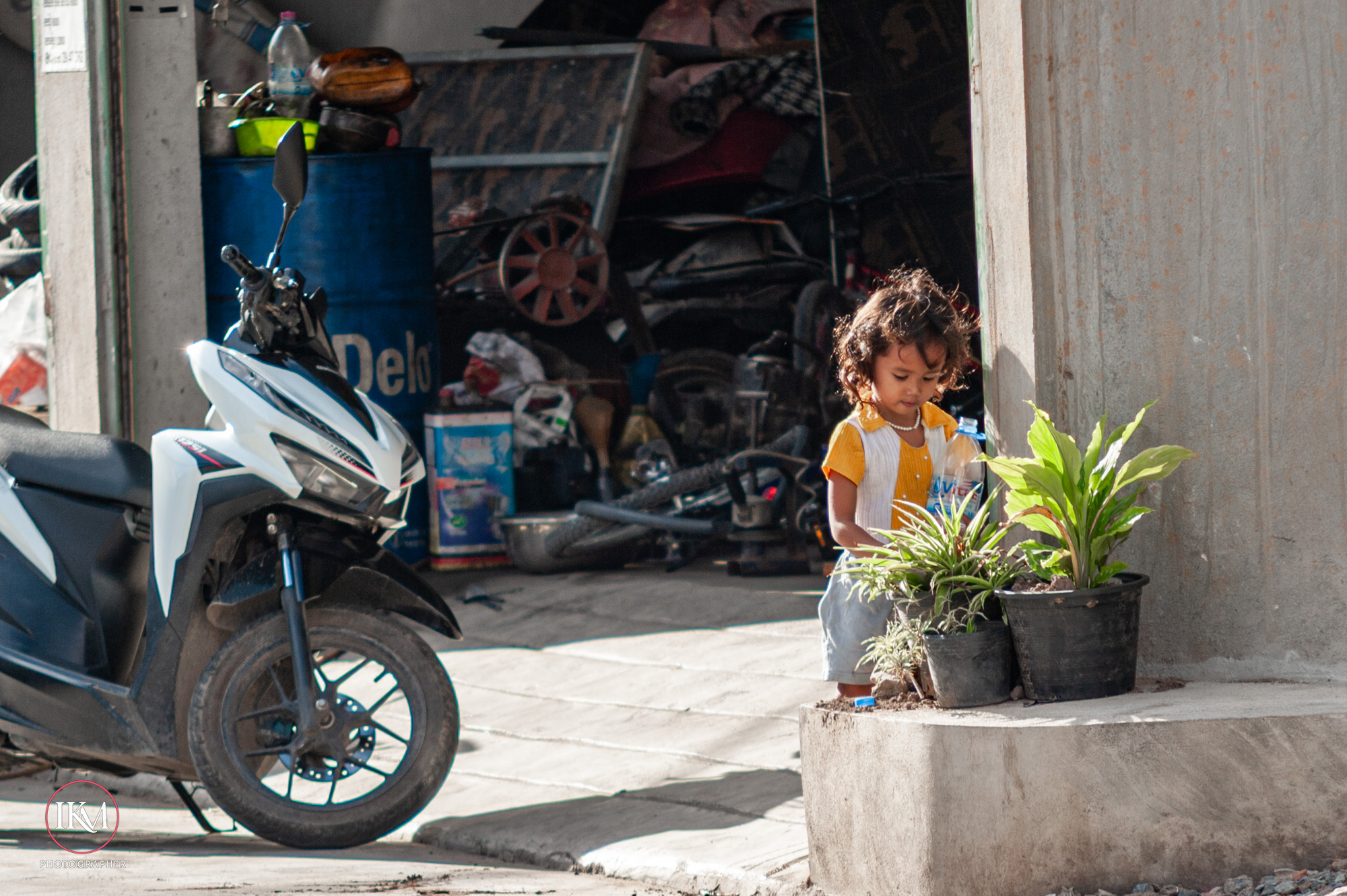
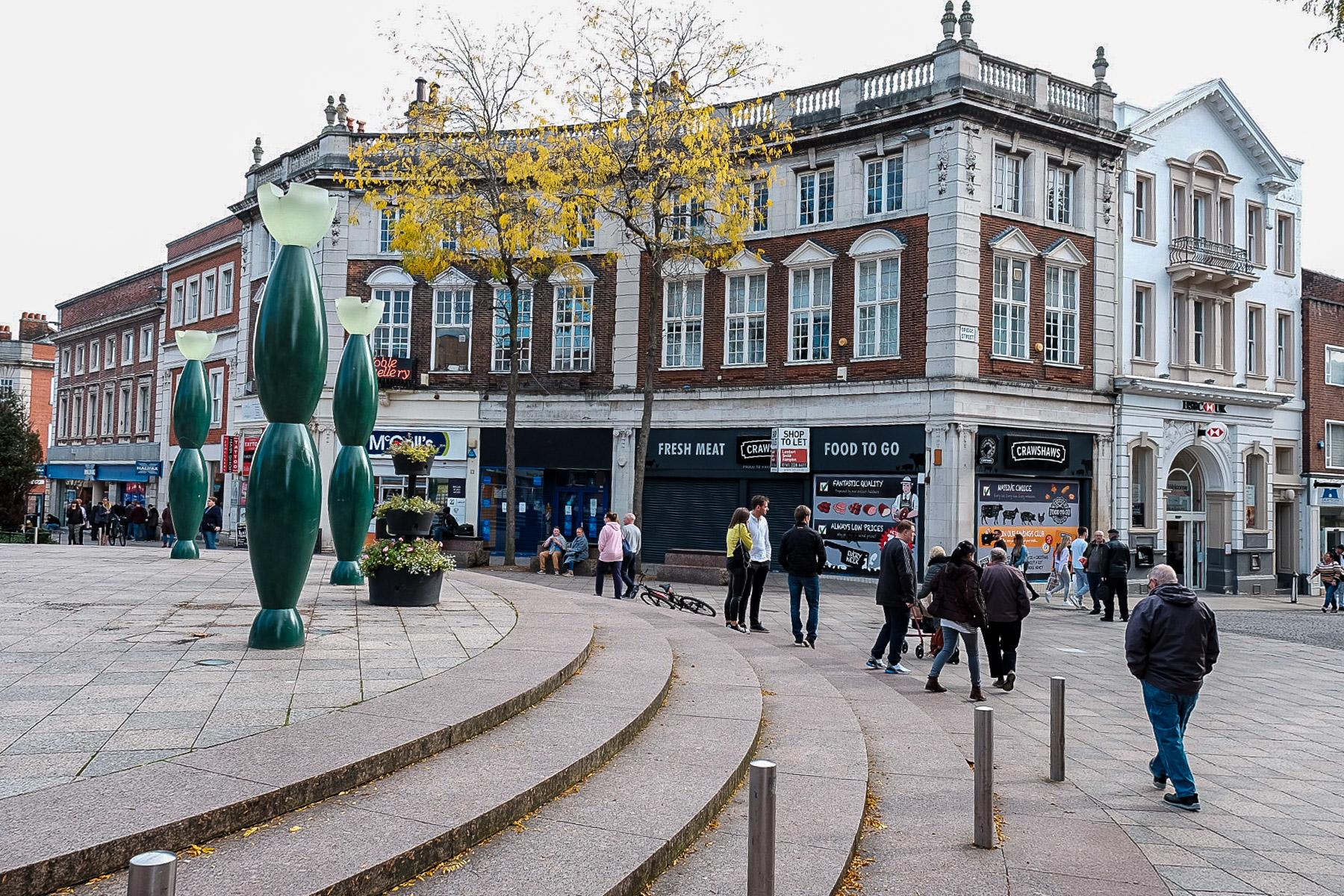
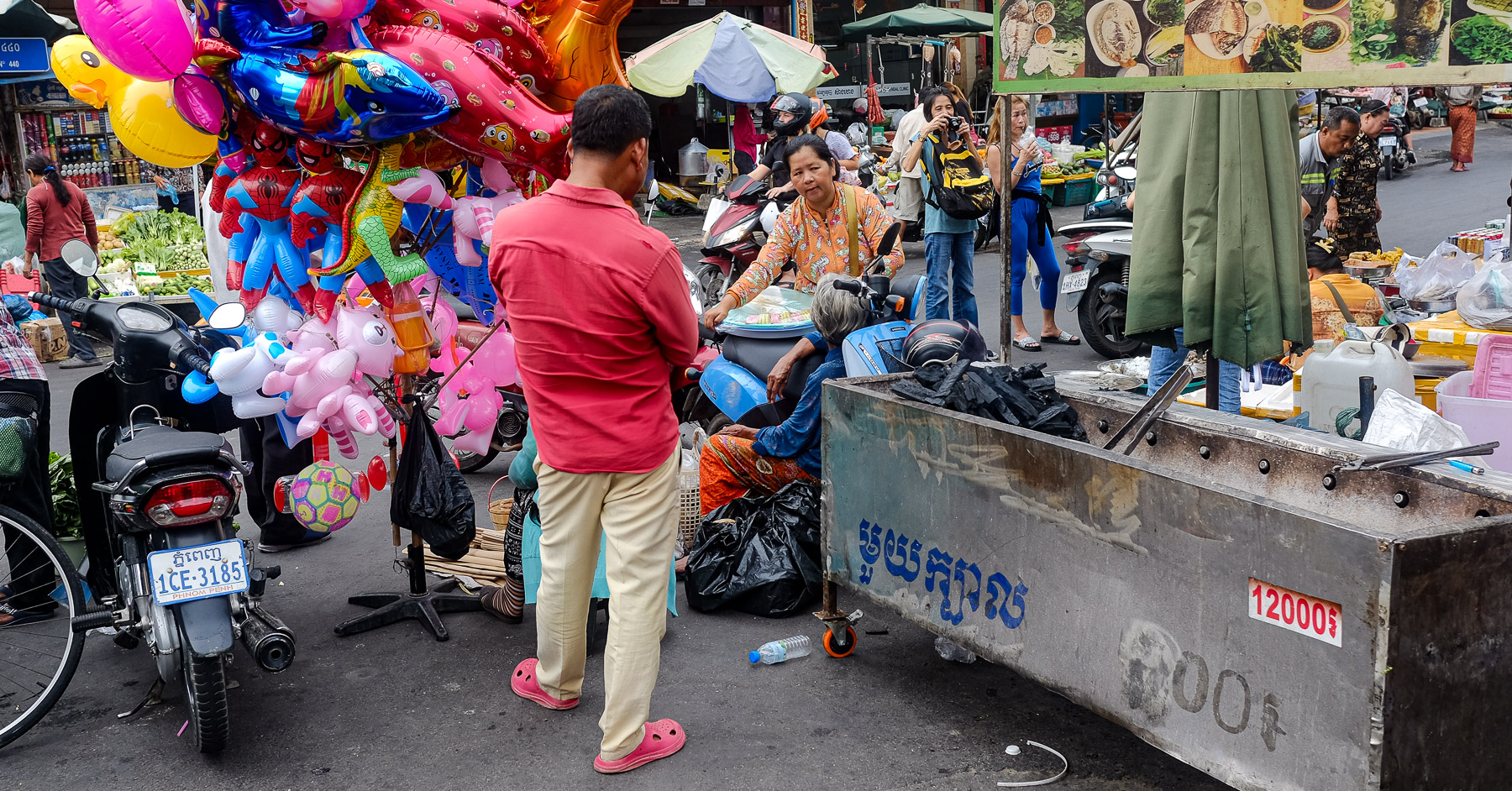
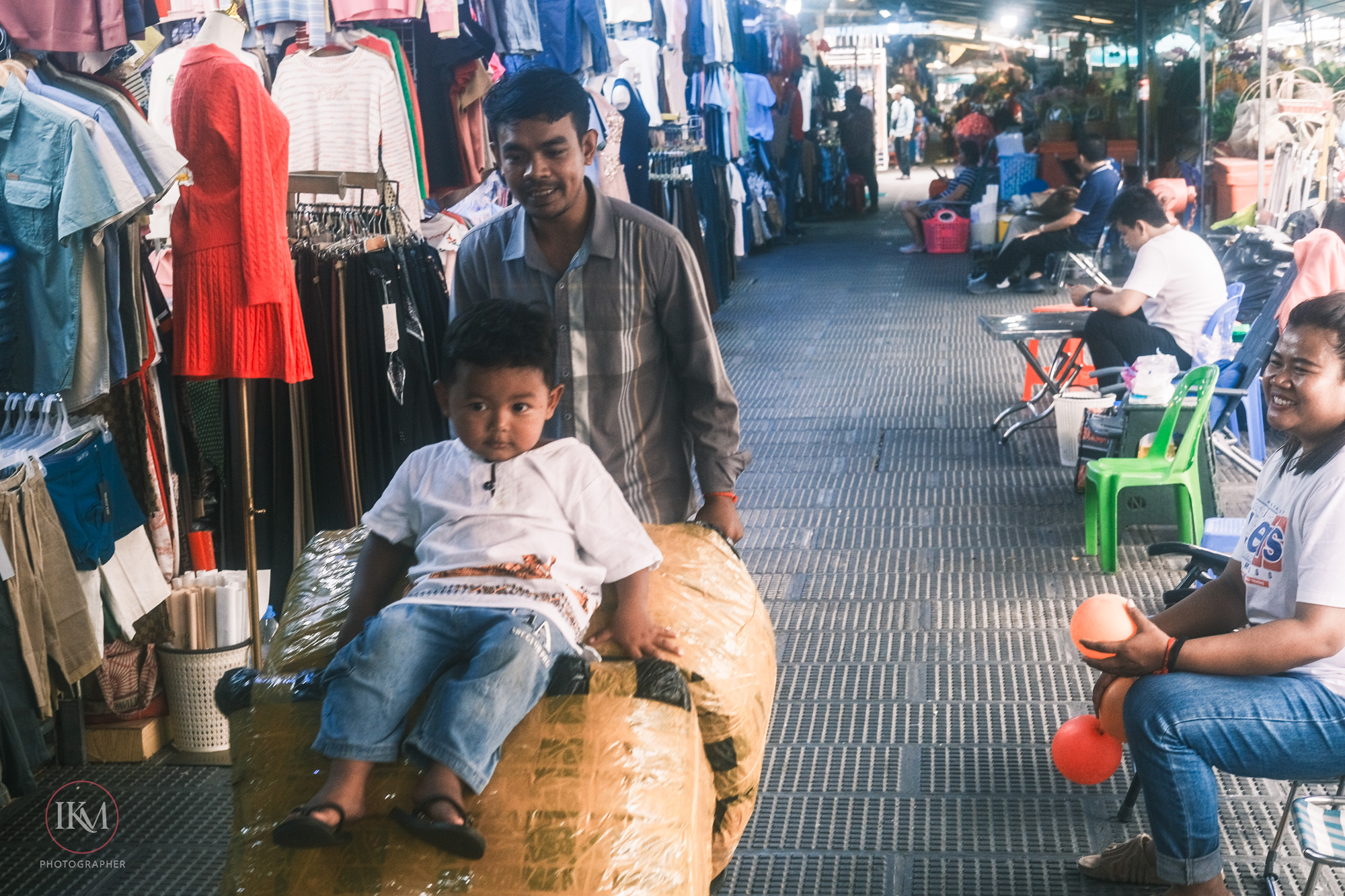
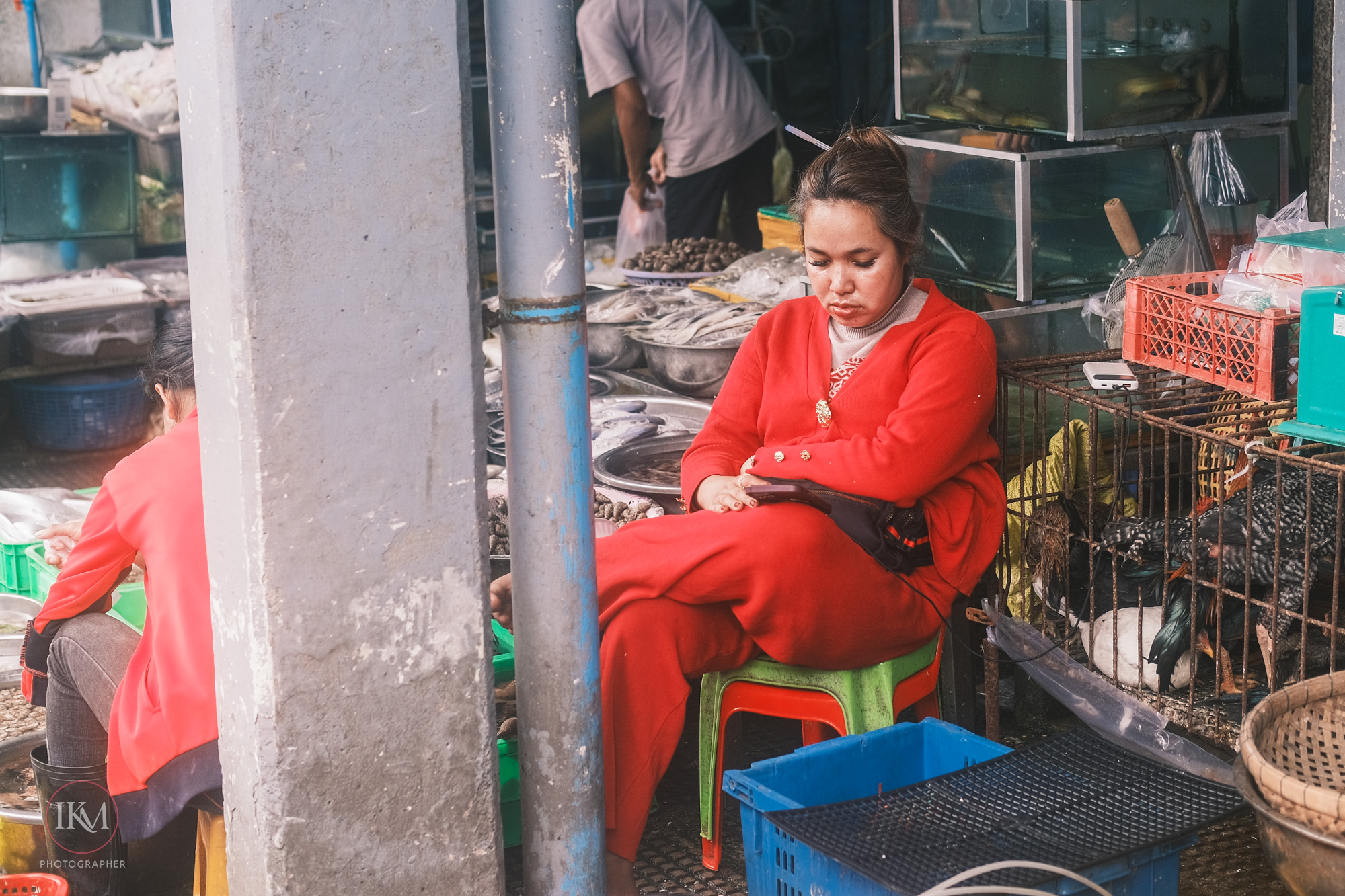
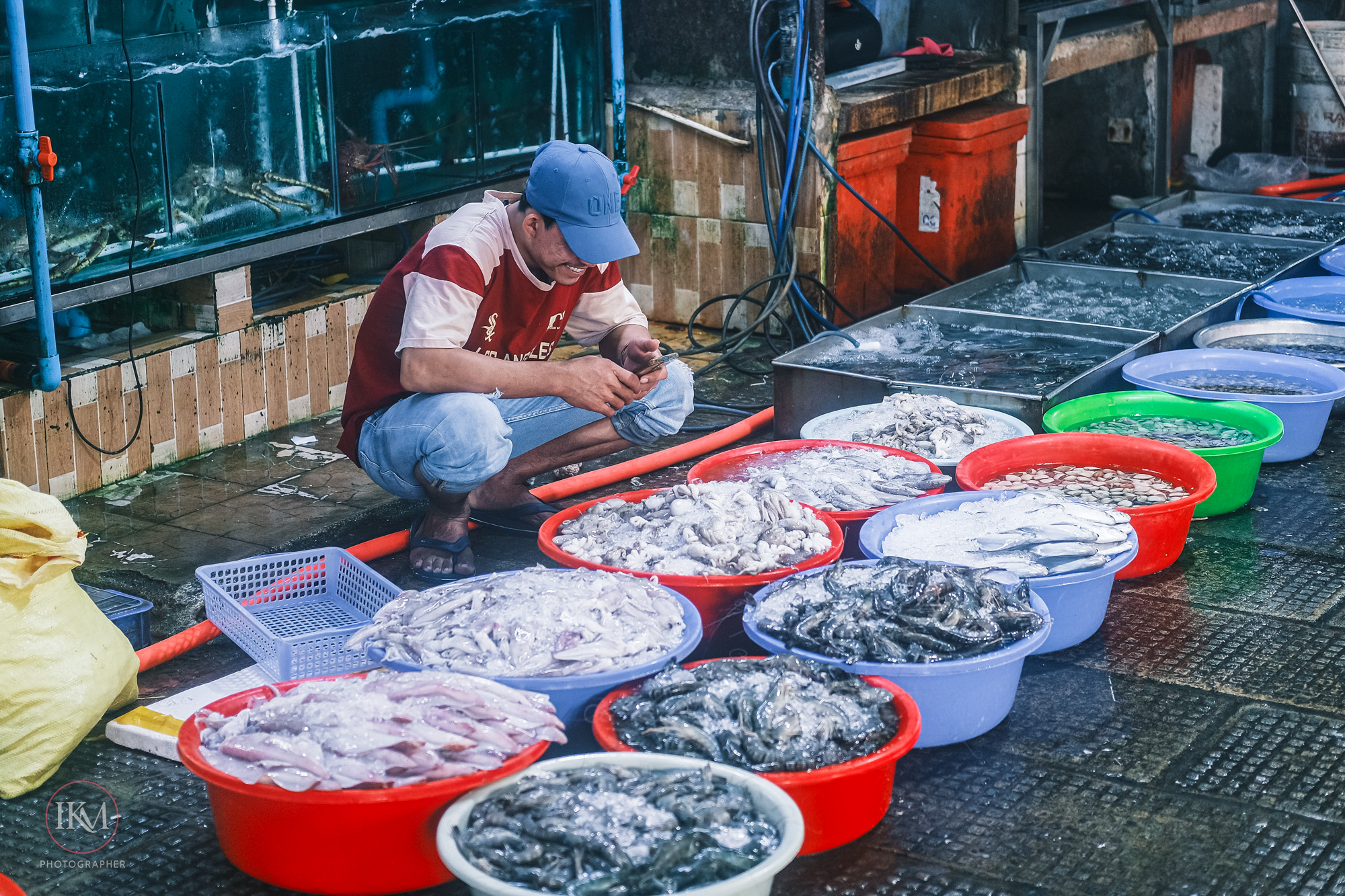
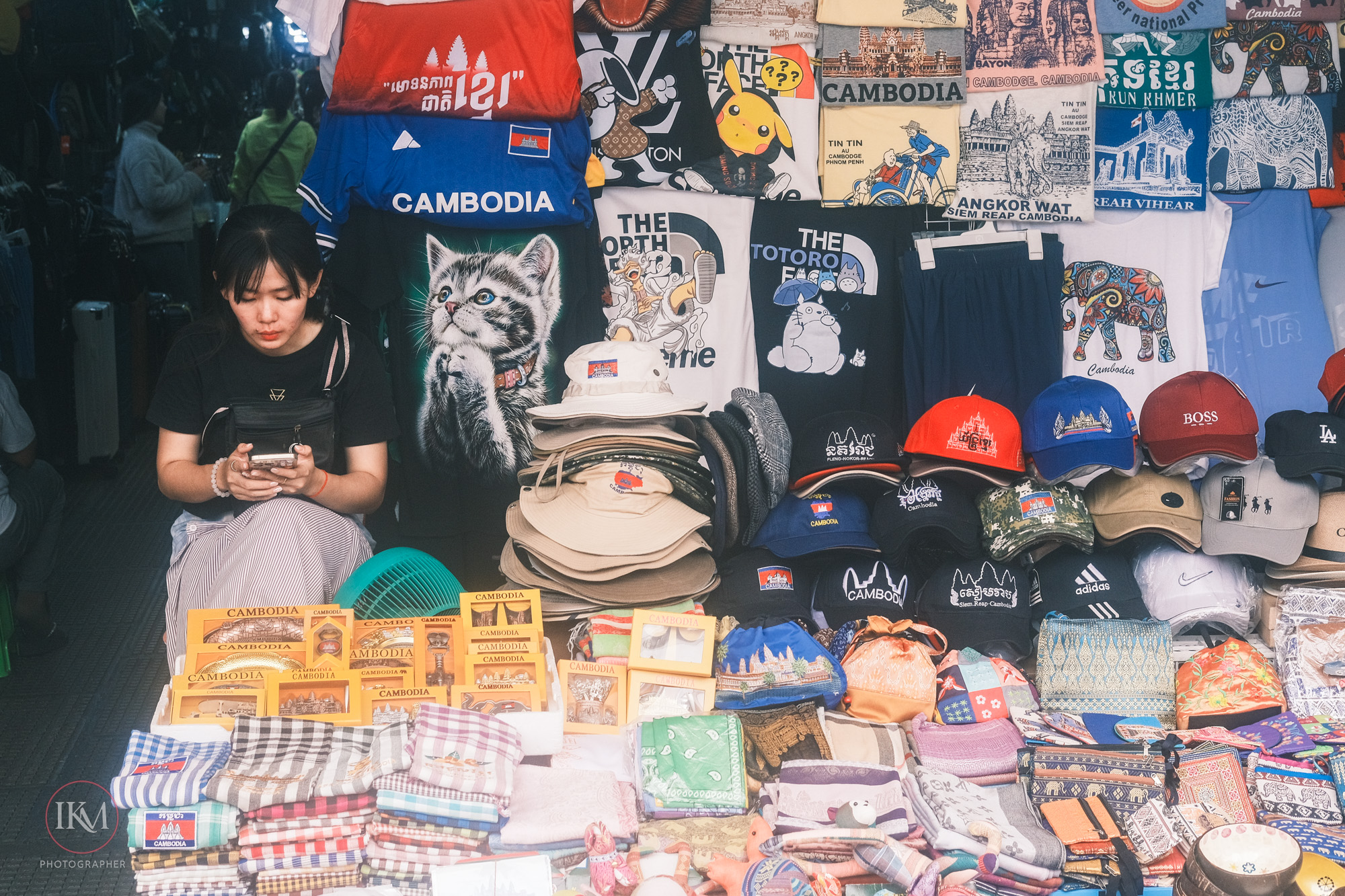
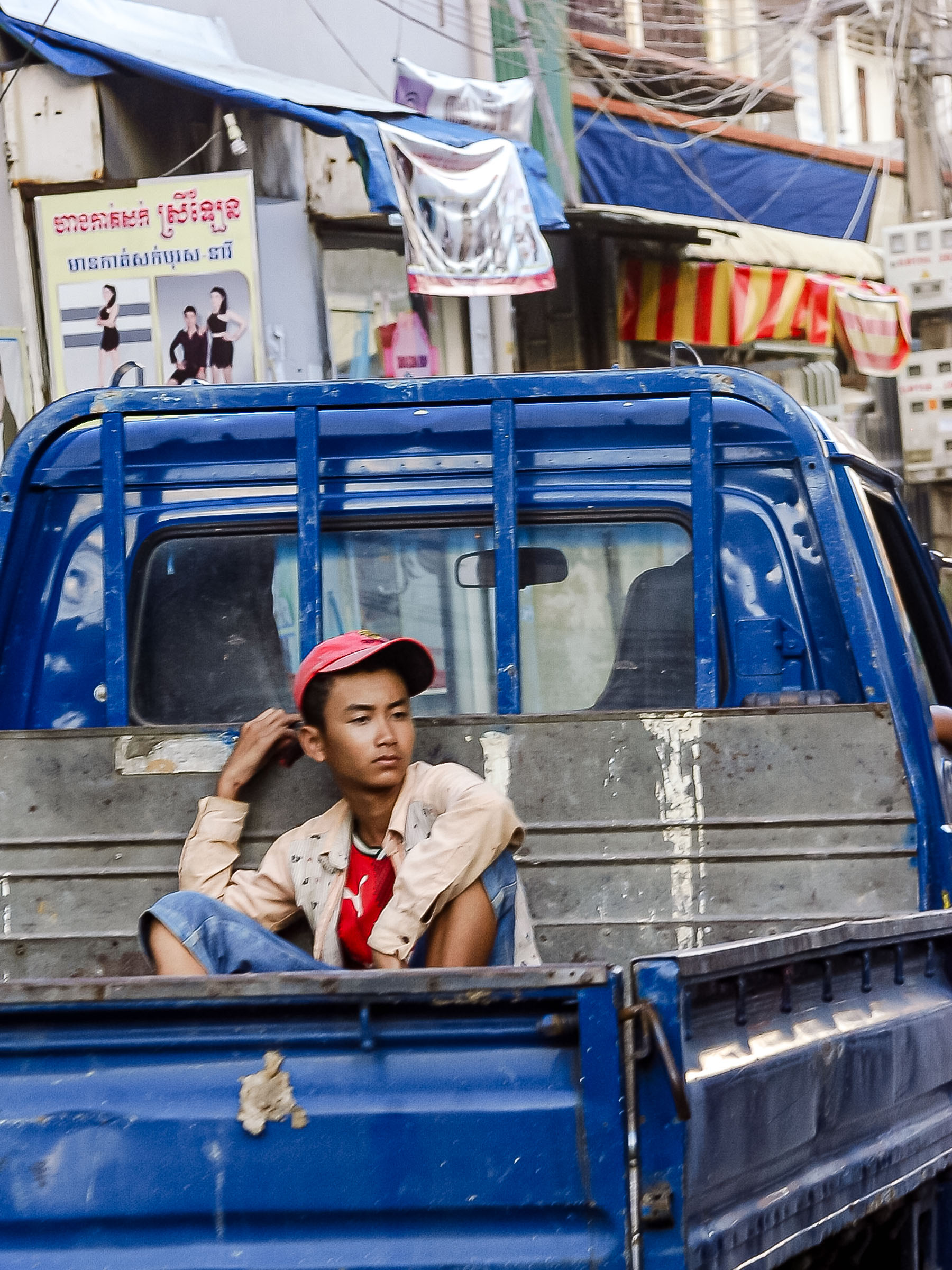
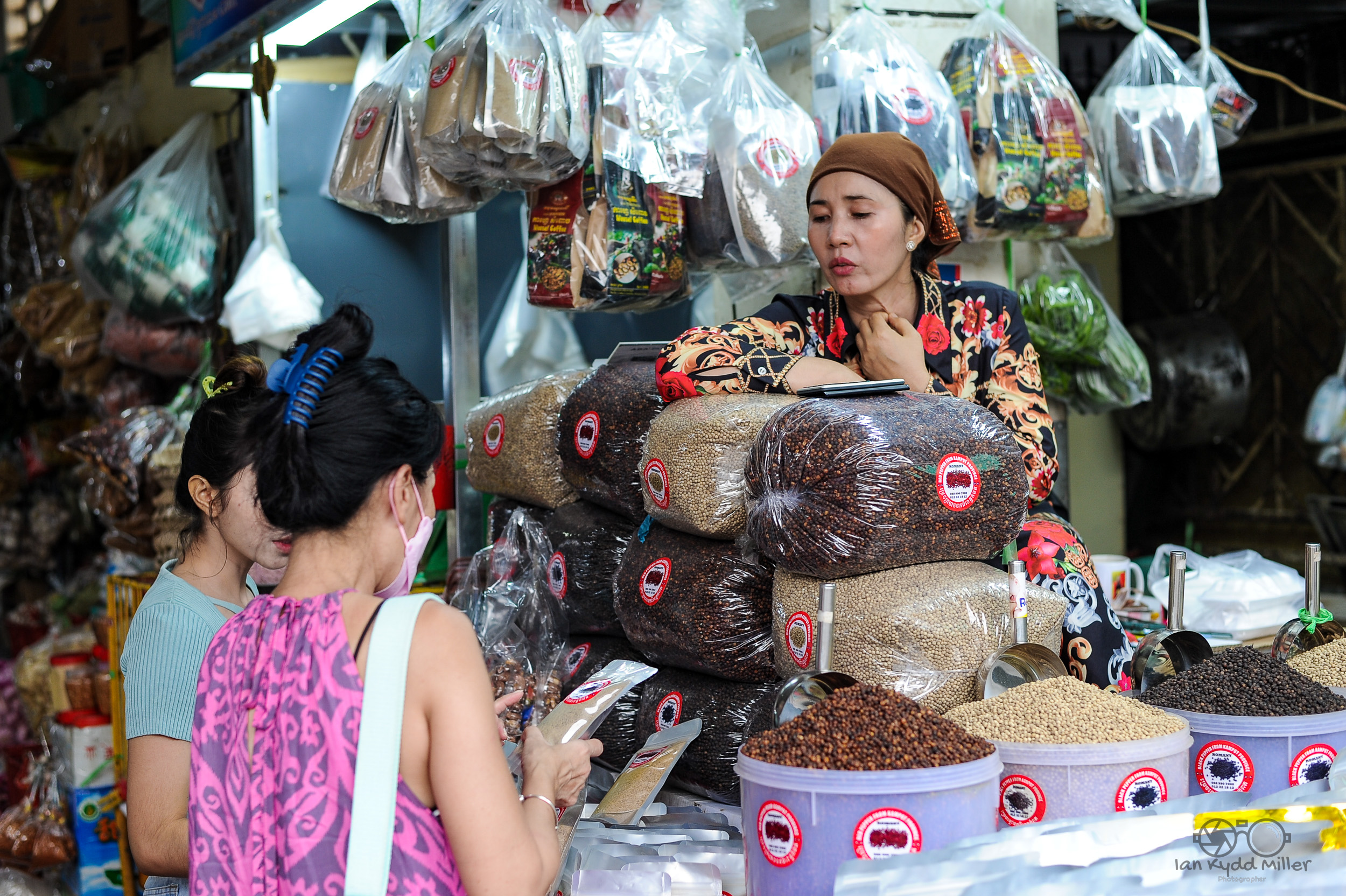
Street photography is a genre of photography that captures everyday life and human activity in public places. It often focuses on candid moments, spontaneous interactions, and the essence of urban environments. Here are some key aspects of street photography:
Candid Moments: Street photographers aim to capture unposed, natural moments that reflect the true essence of life in public spaces.
Urban Environments: This genre typically takes place in cities and towns, highlighting the architecture, streets, and the hustle and bustle of urban life.
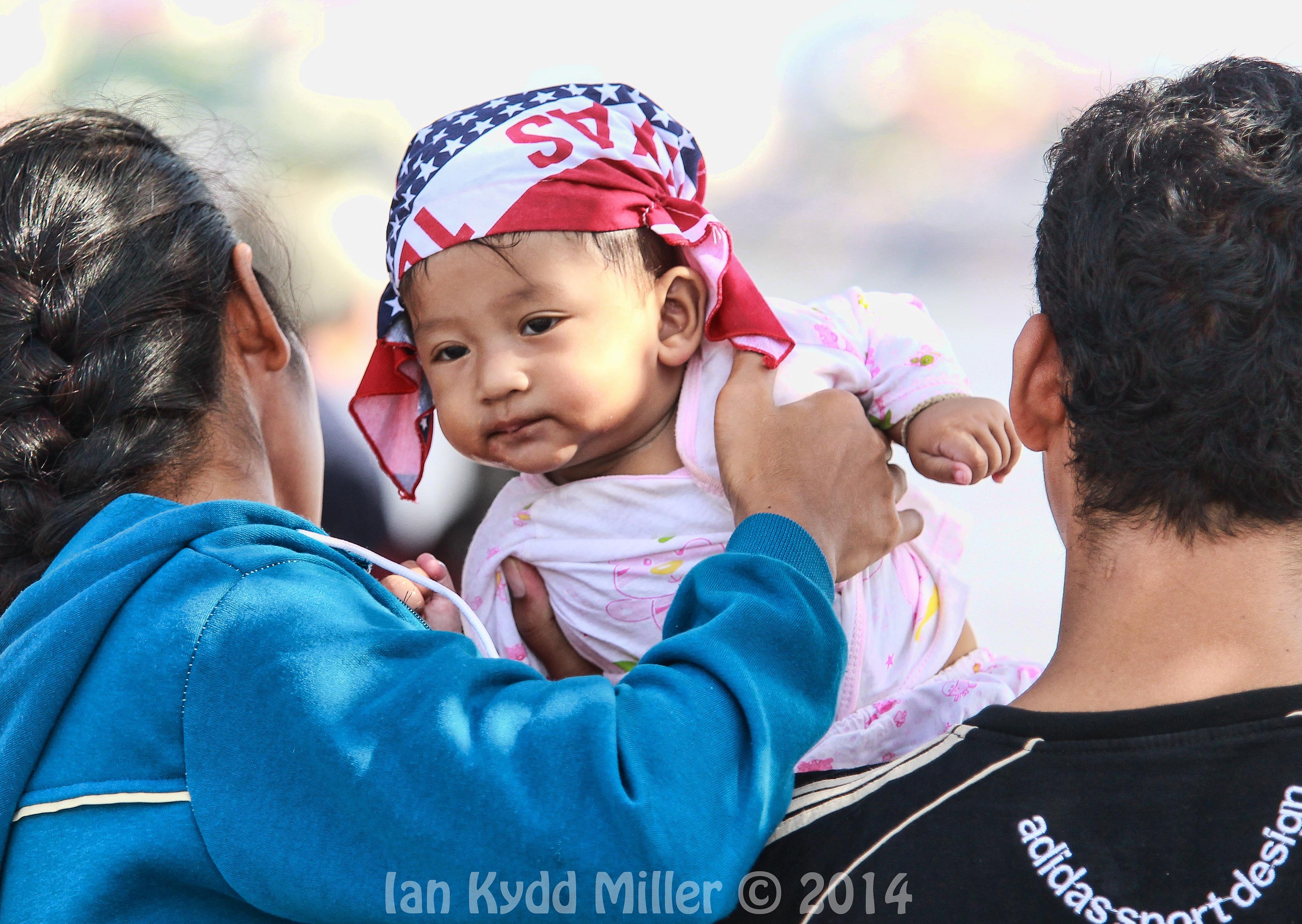
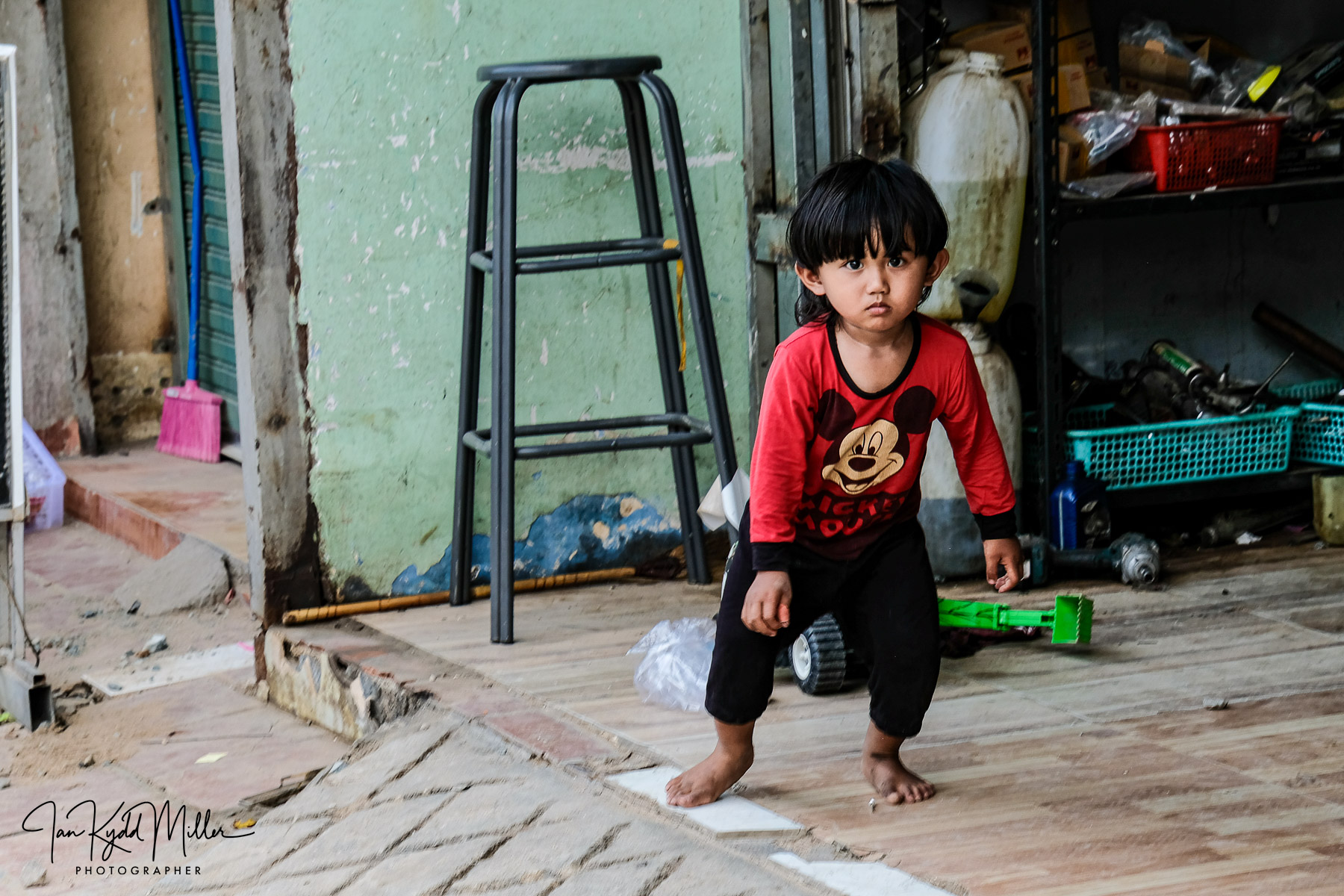
Human Element: People are often the main subjects in street photography, showcasing their emotions, interactions, and daily routines.
Storytelling: Street photography tells stories through images, offering a glimpse into the lives of strangers and the dynamics of public spaces.
Spontaneity: The best street photographs are often those that capture unexpected or fleeting moments, requiring the photographer to be quick and observant.
Street photography can be a powerful way to document the world around us and share unique perspectives on everyday life. If you’re interested in exploring this genre, it’s all about being observant, patient, and respectful of your subjects.


































 a world without pictures is like coffee without cream and sugar, bitter