

Street photography is a documentary‑driven, observational form of photography that focuses on capturing unposed, unscripted moments in public spaces. At its core, it is about human presence, urban atmosphere, and the poetry of everyday life — even when no people appear in the frame.
It is not defined by streets. It is not defined by cities. It is defined by the act of noticing.
Street photography is the art of paying attention.
🧱 Core Characteristics
1. Unposed, unstaged moments
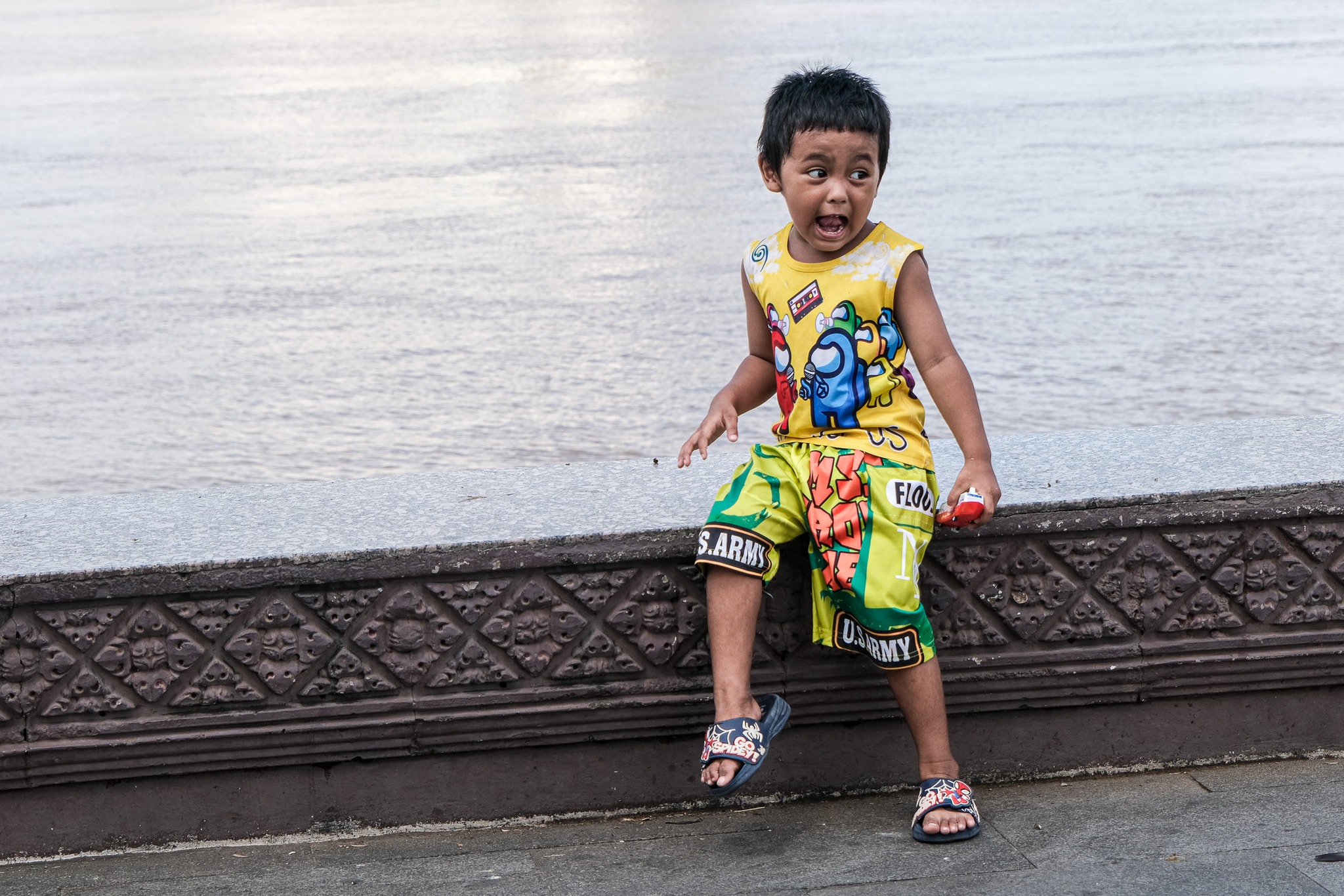
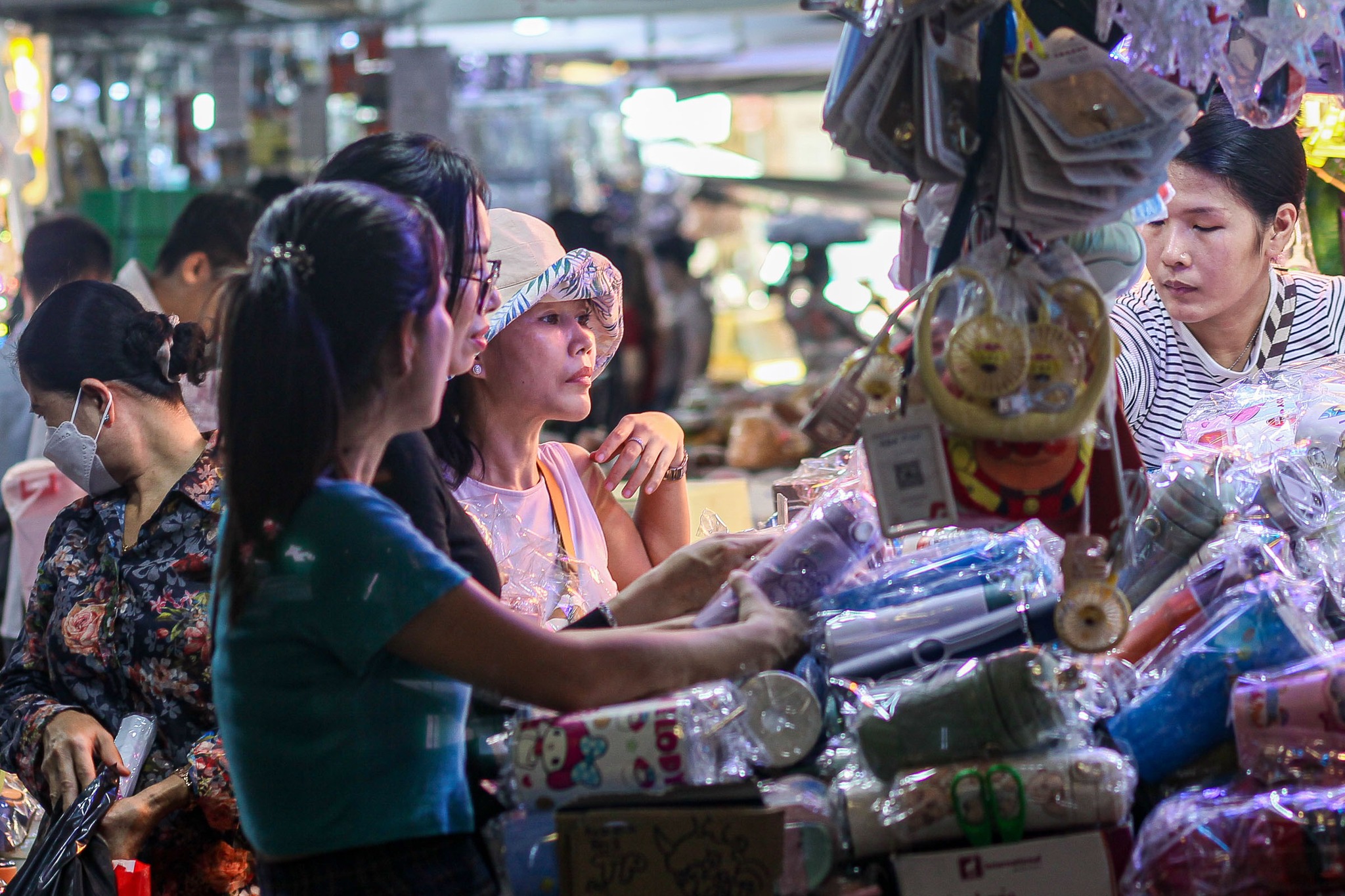
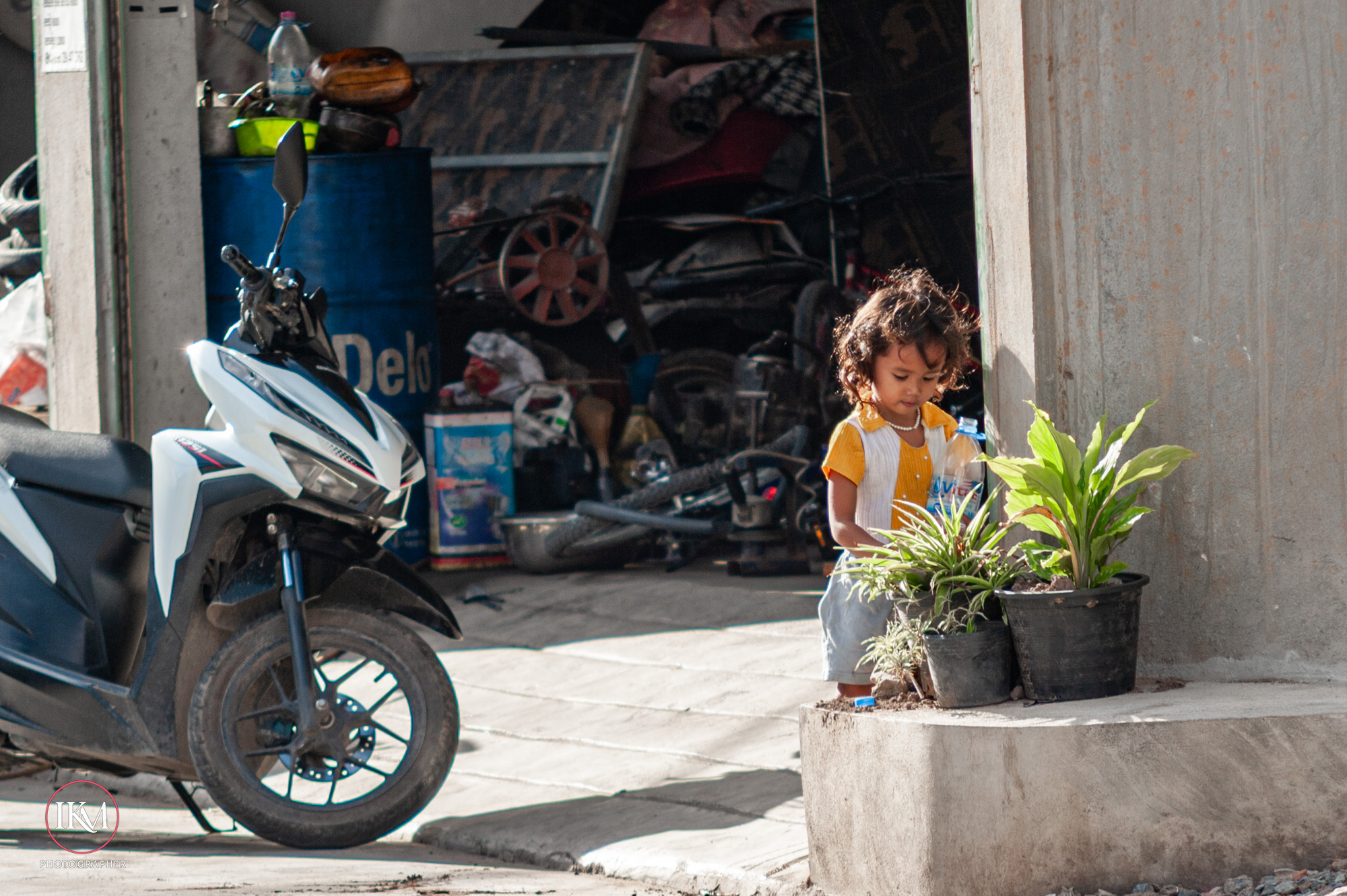
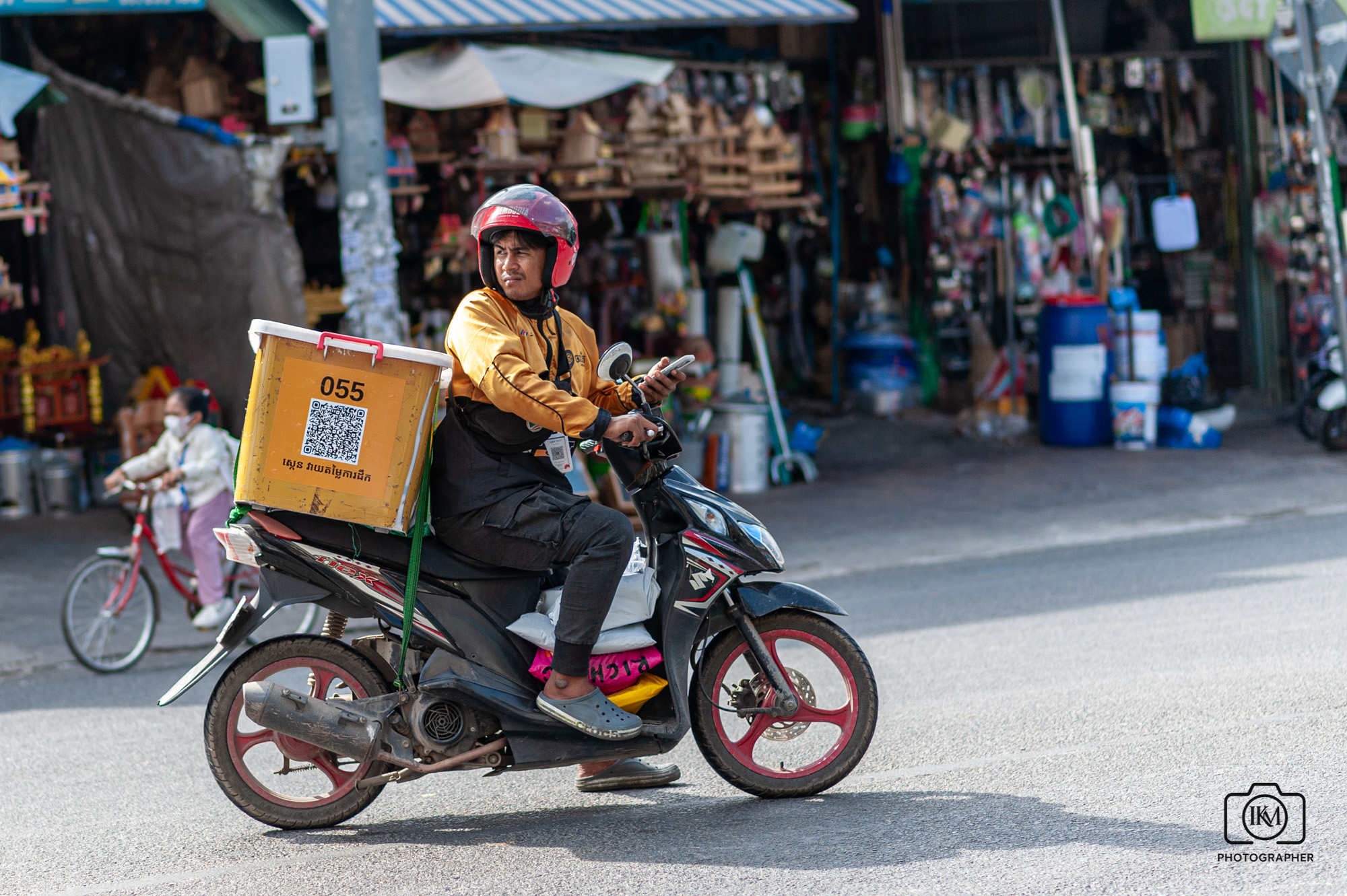
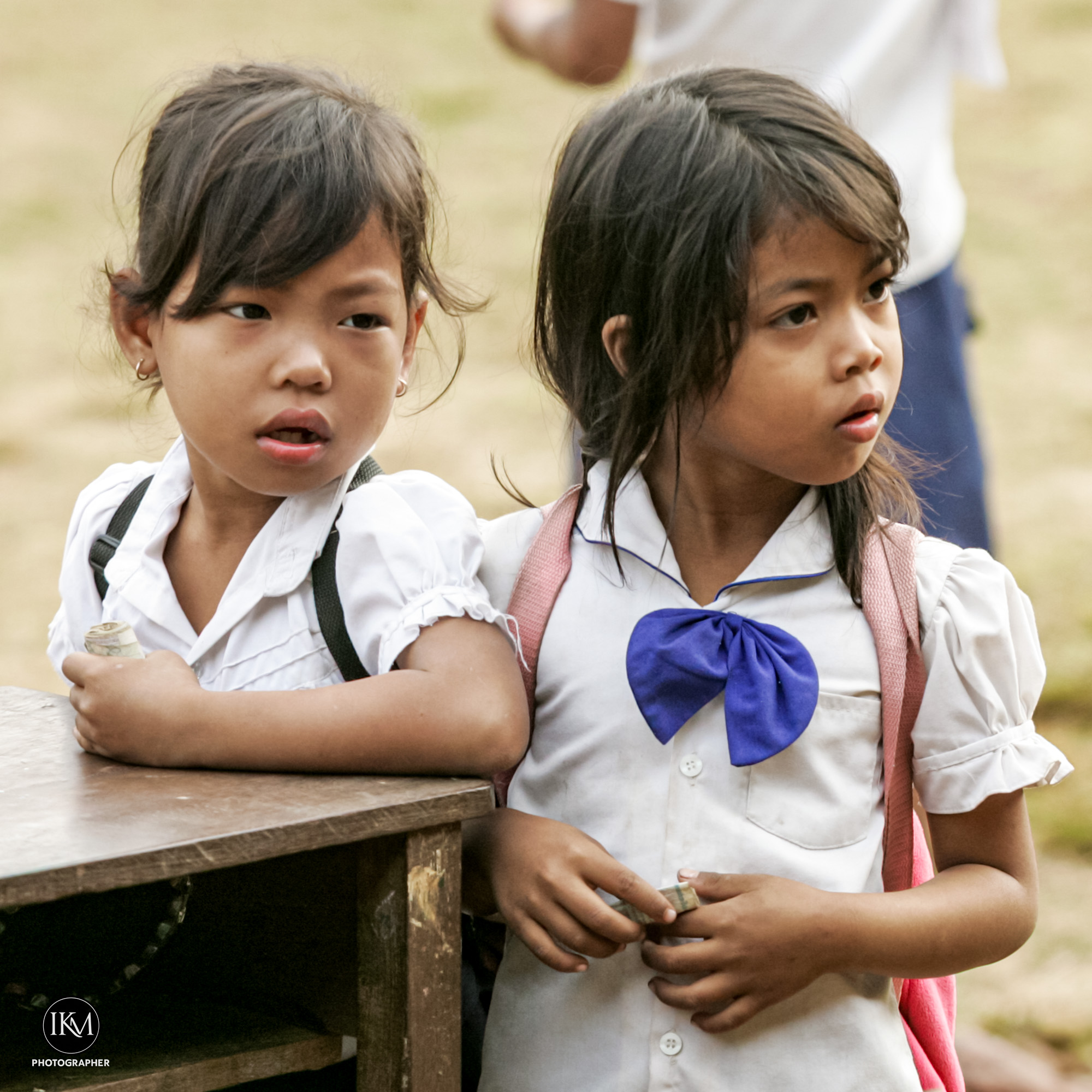
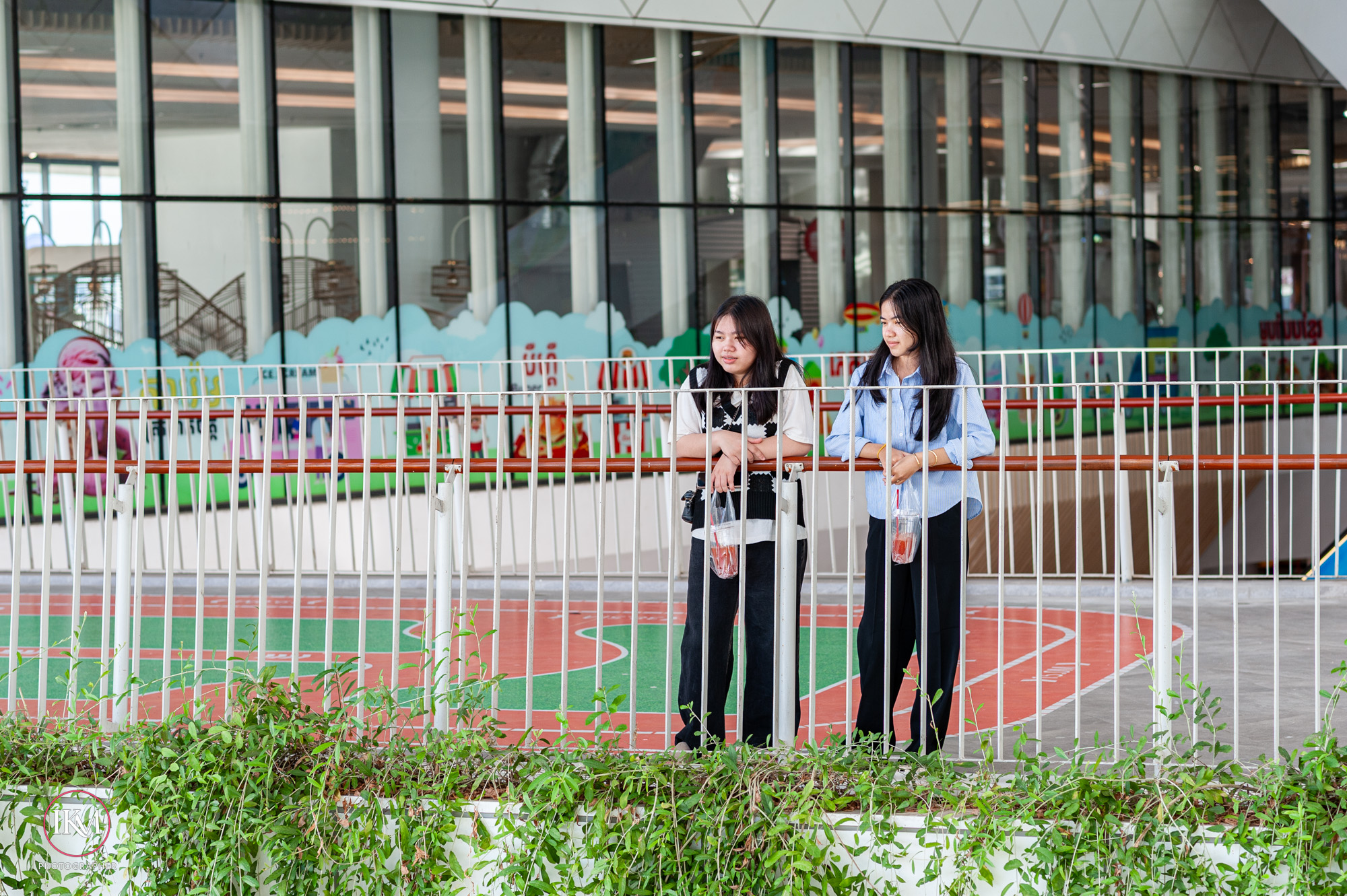
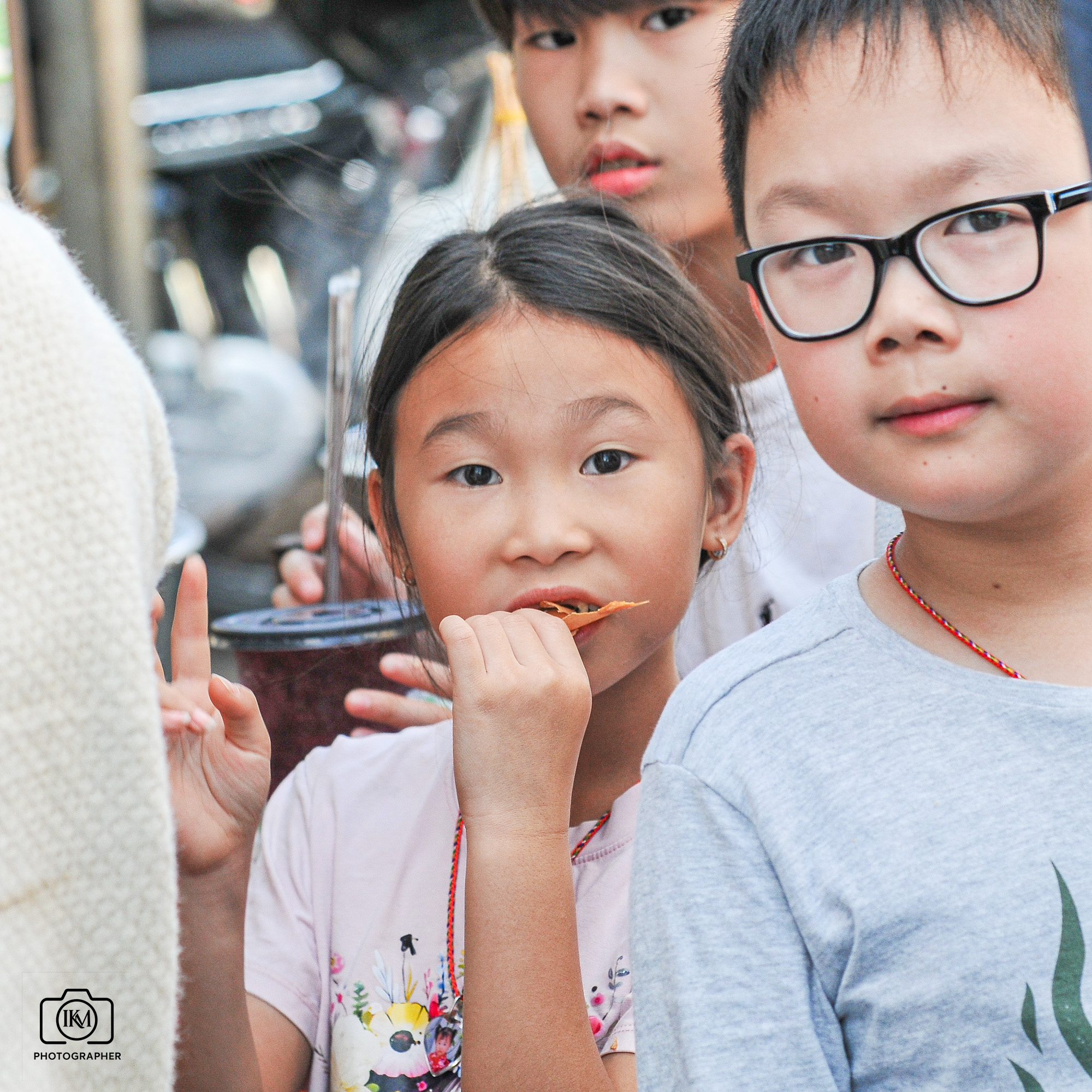
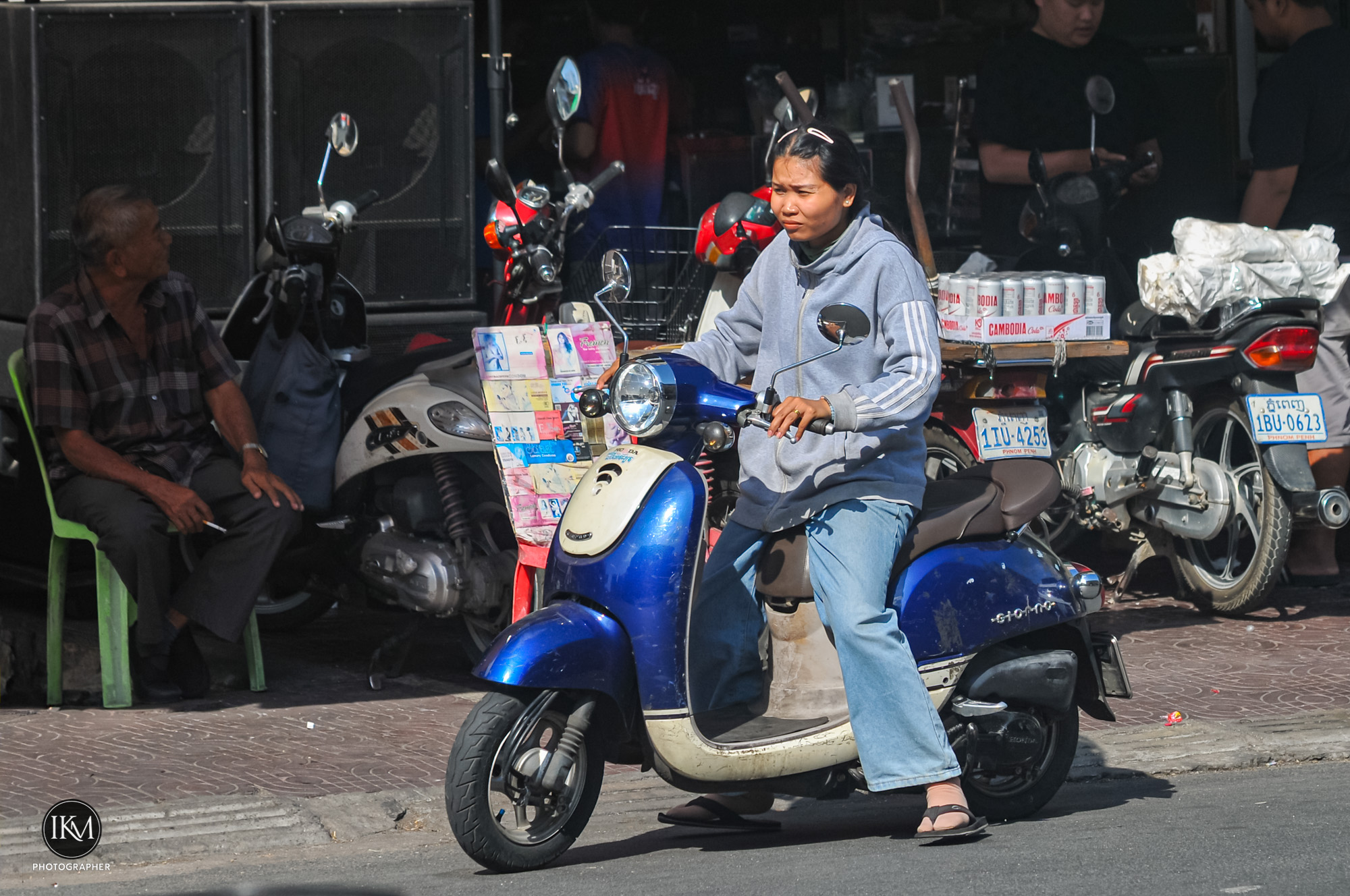
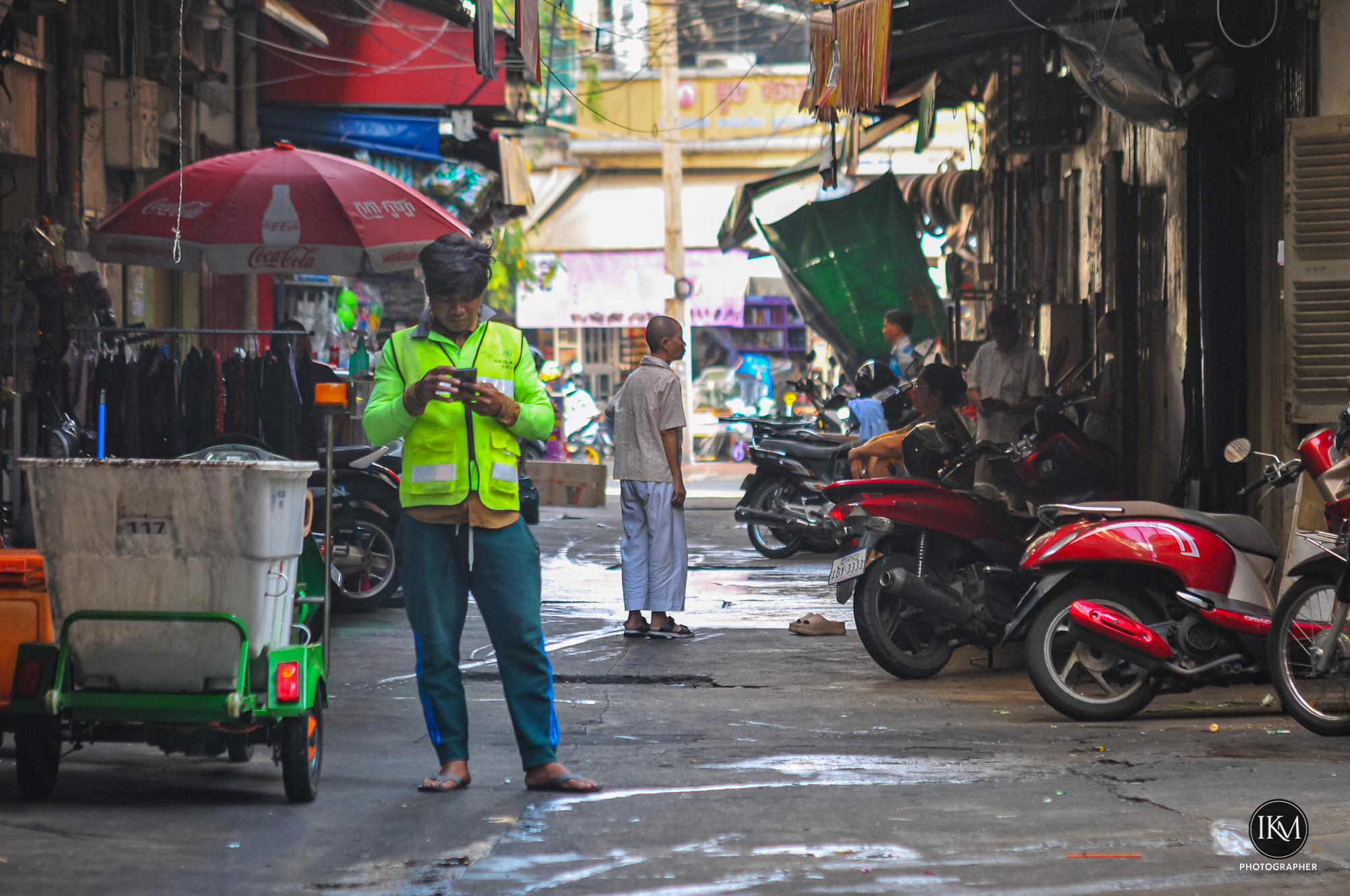
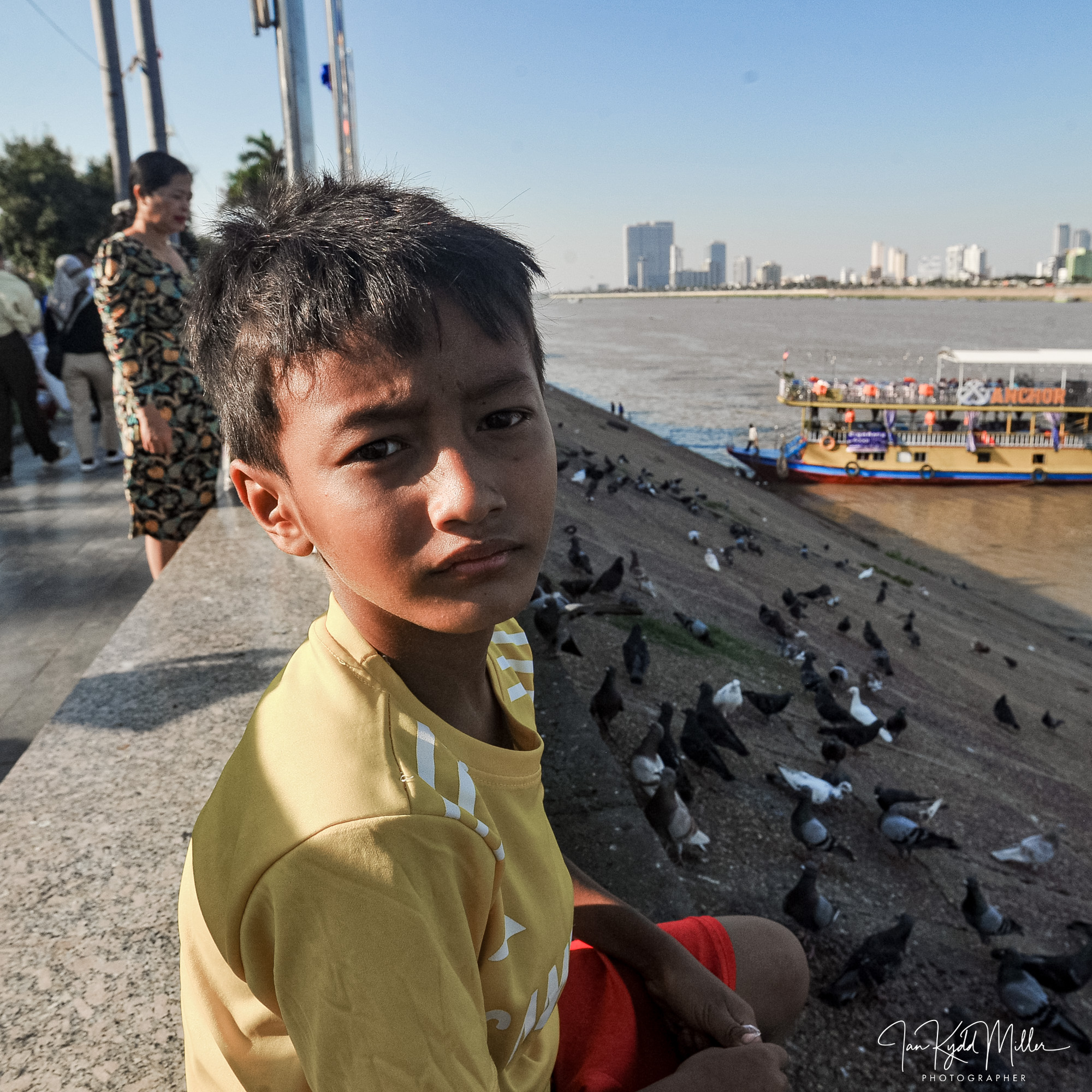
Street photography is rooted in authenticity. The photographer does not arrange subjects or direct scenes. Instead, they respond to what unfolds naturally.
2. Public or semi‑public spaces
This includes:
- streets
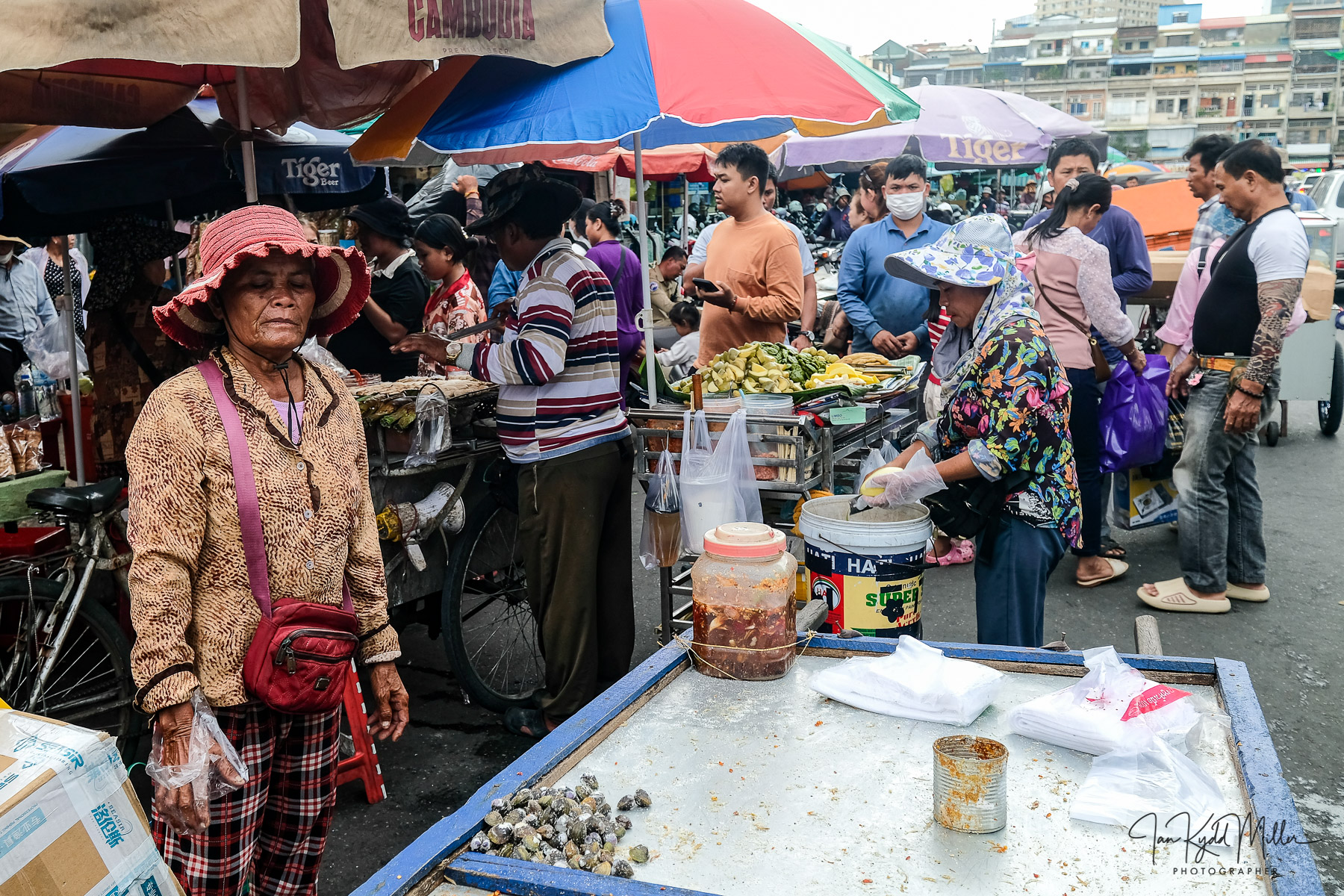
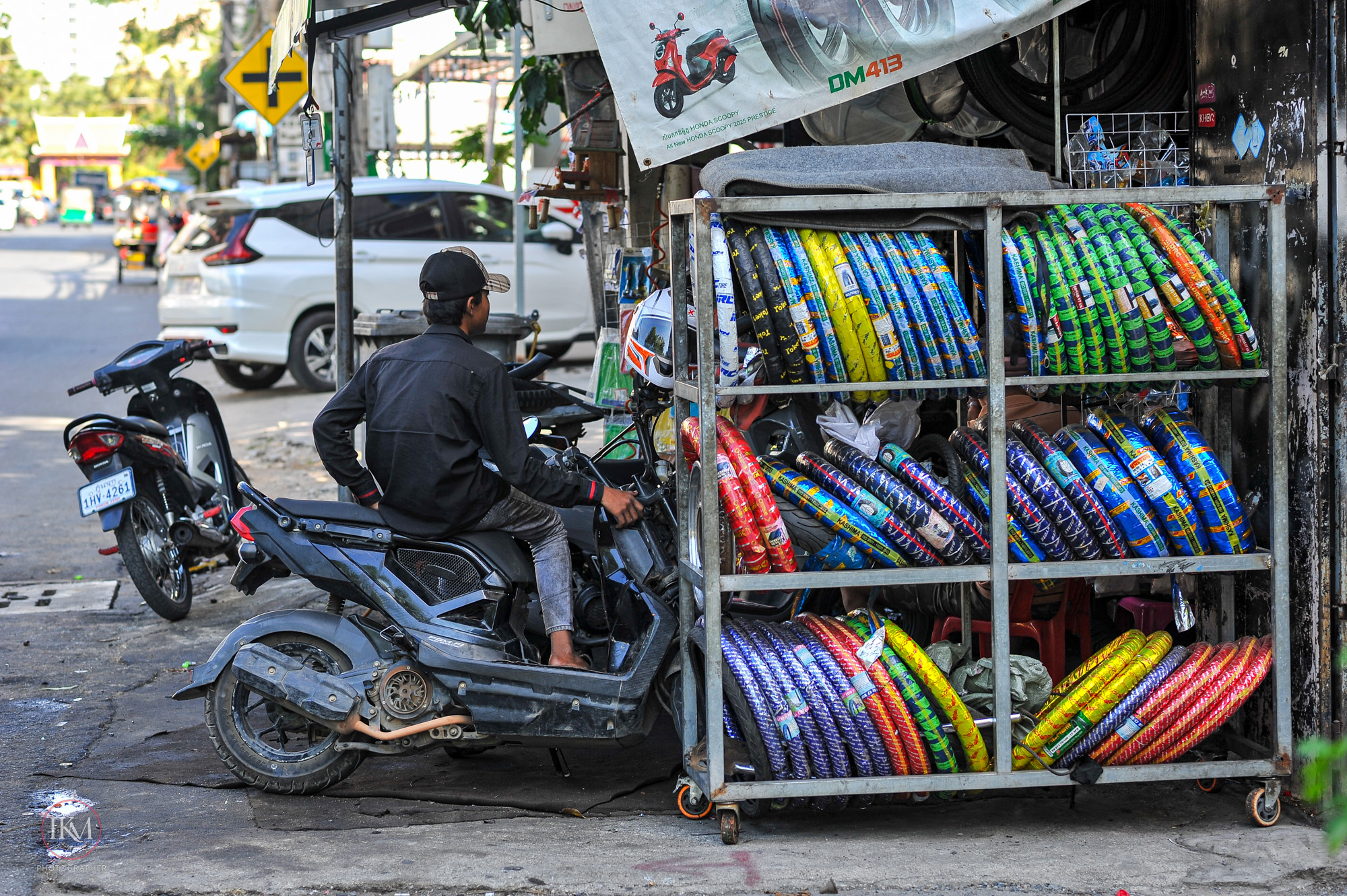
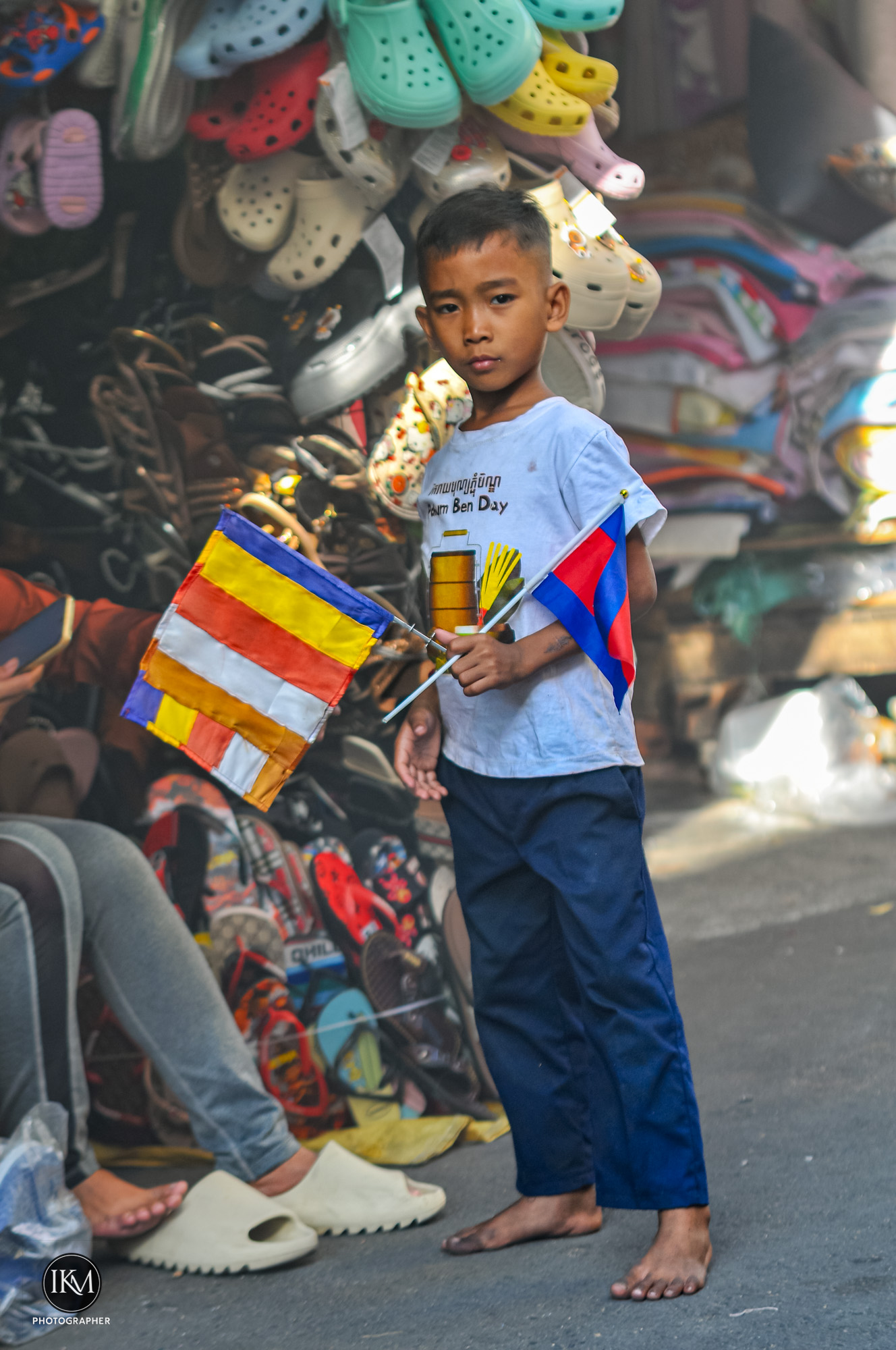
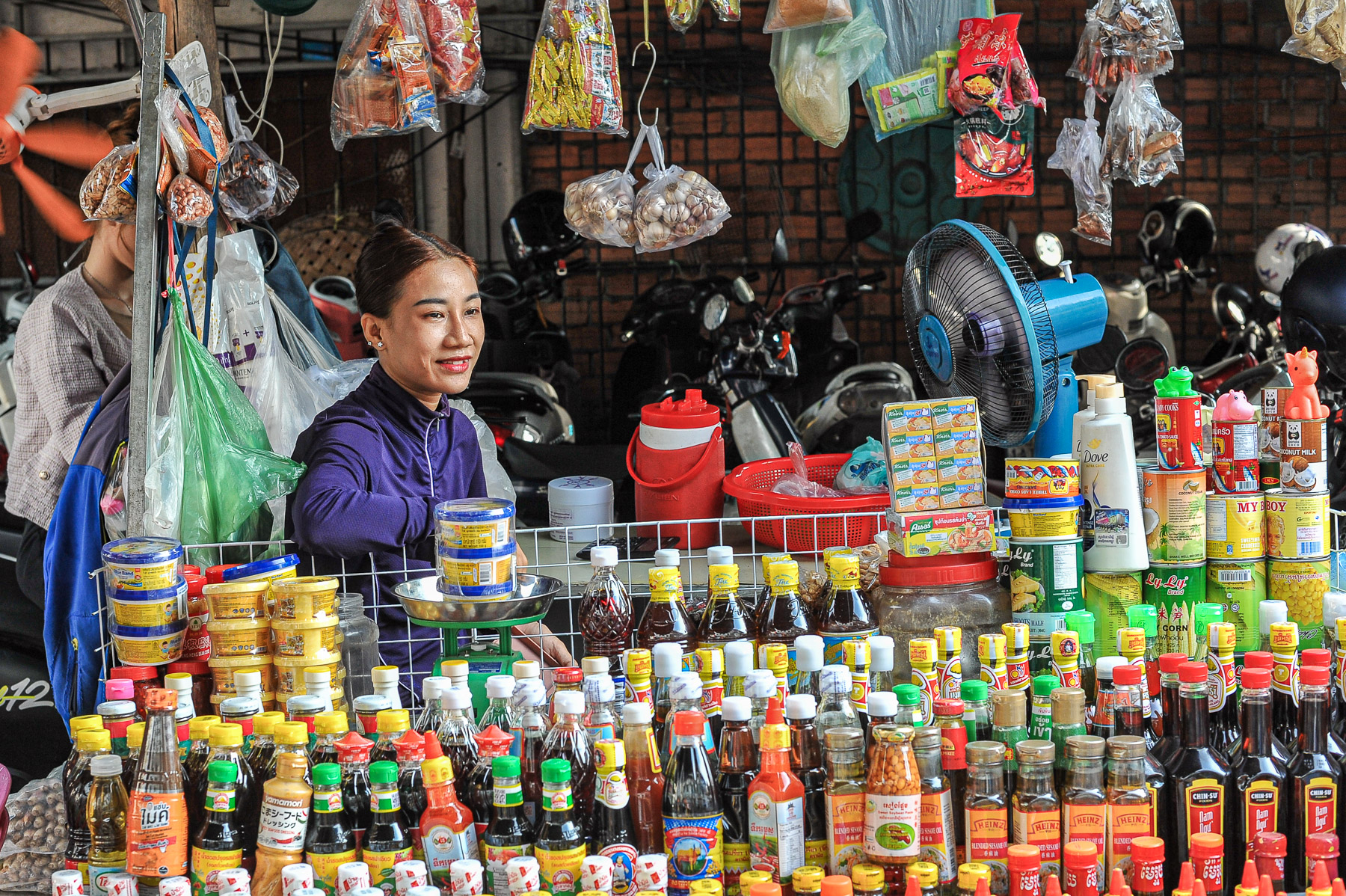
- markets
- parks
- cafés
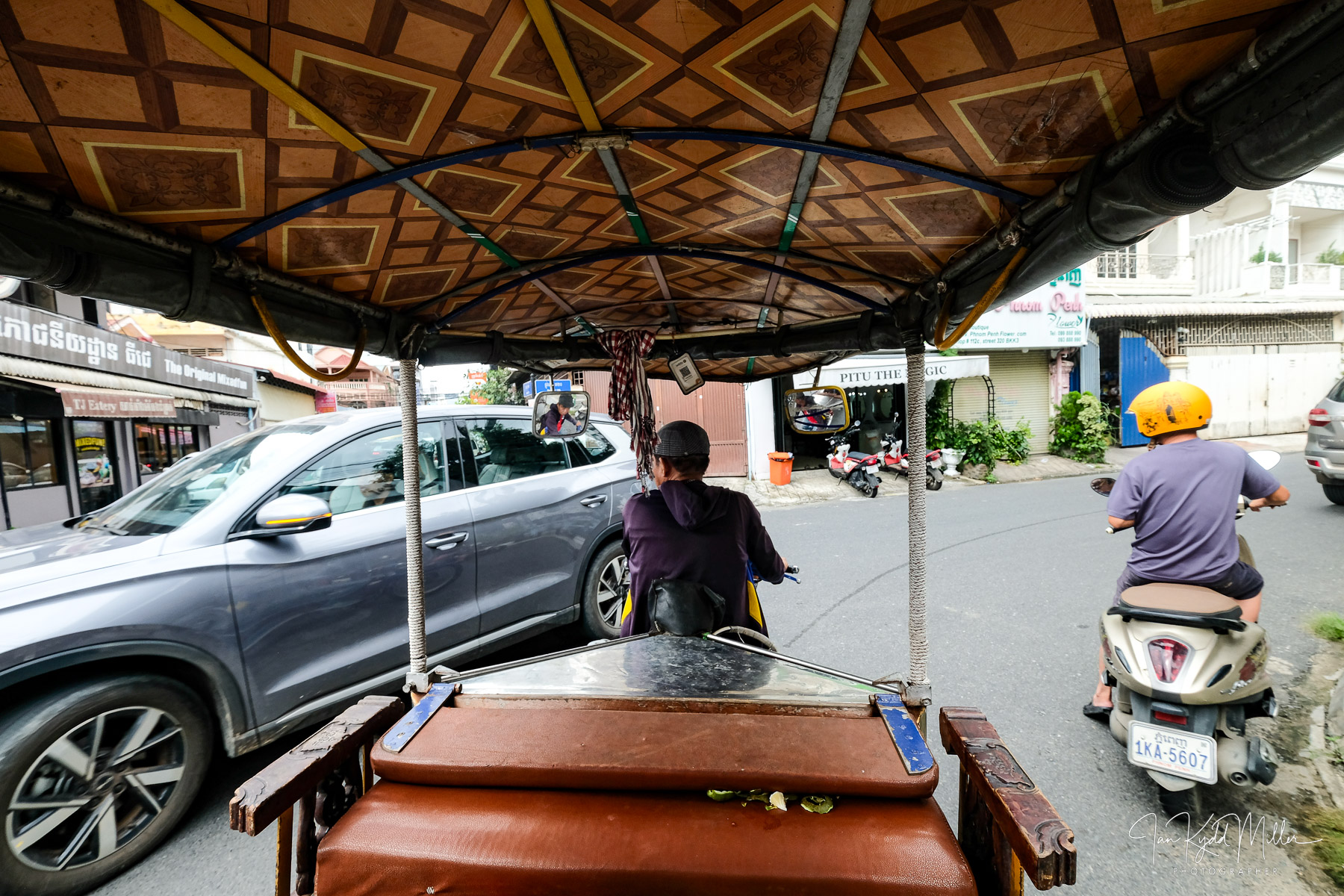
- public transport
- communal spaces
Anywhere life happens without orchestration.


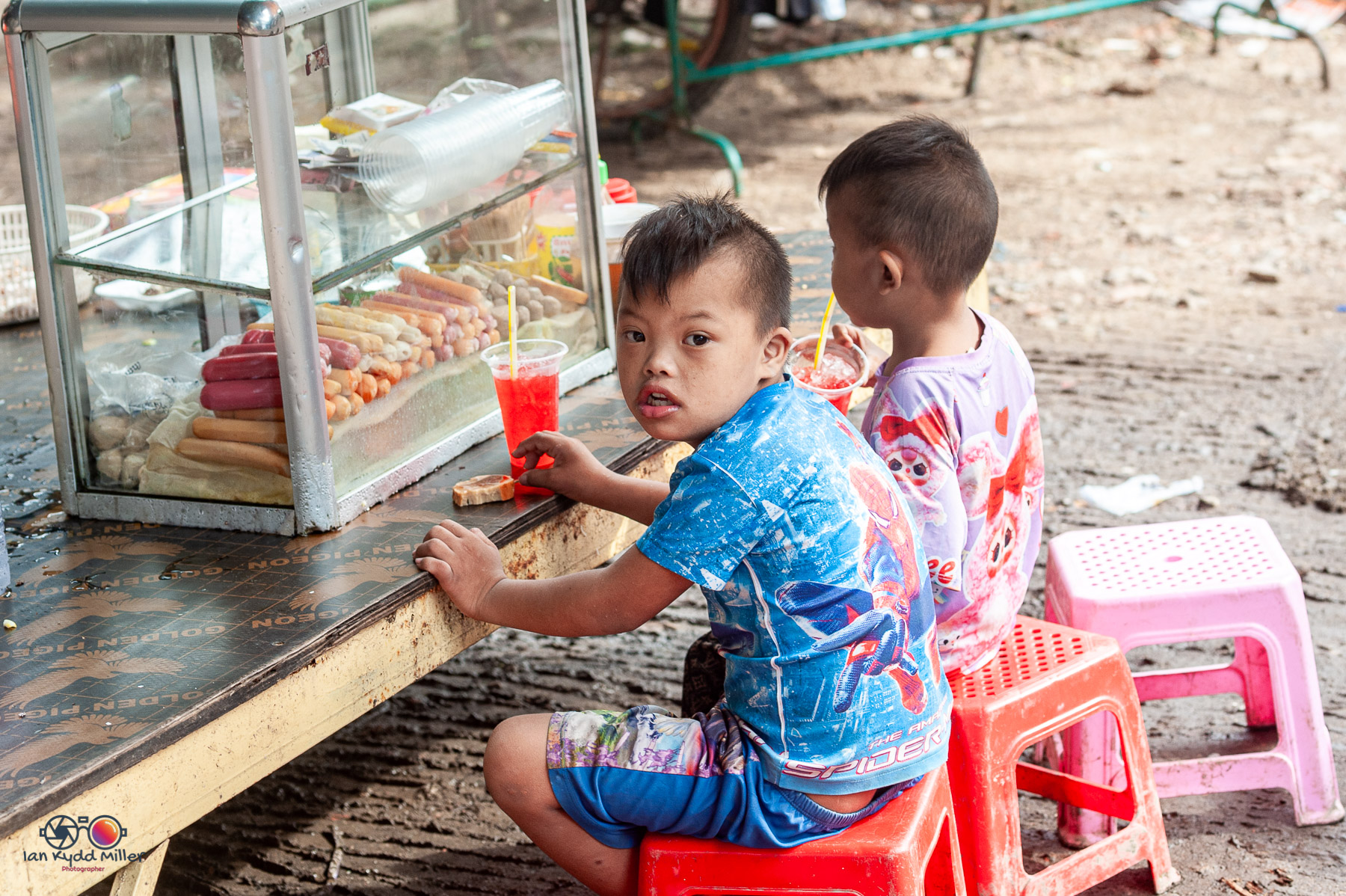
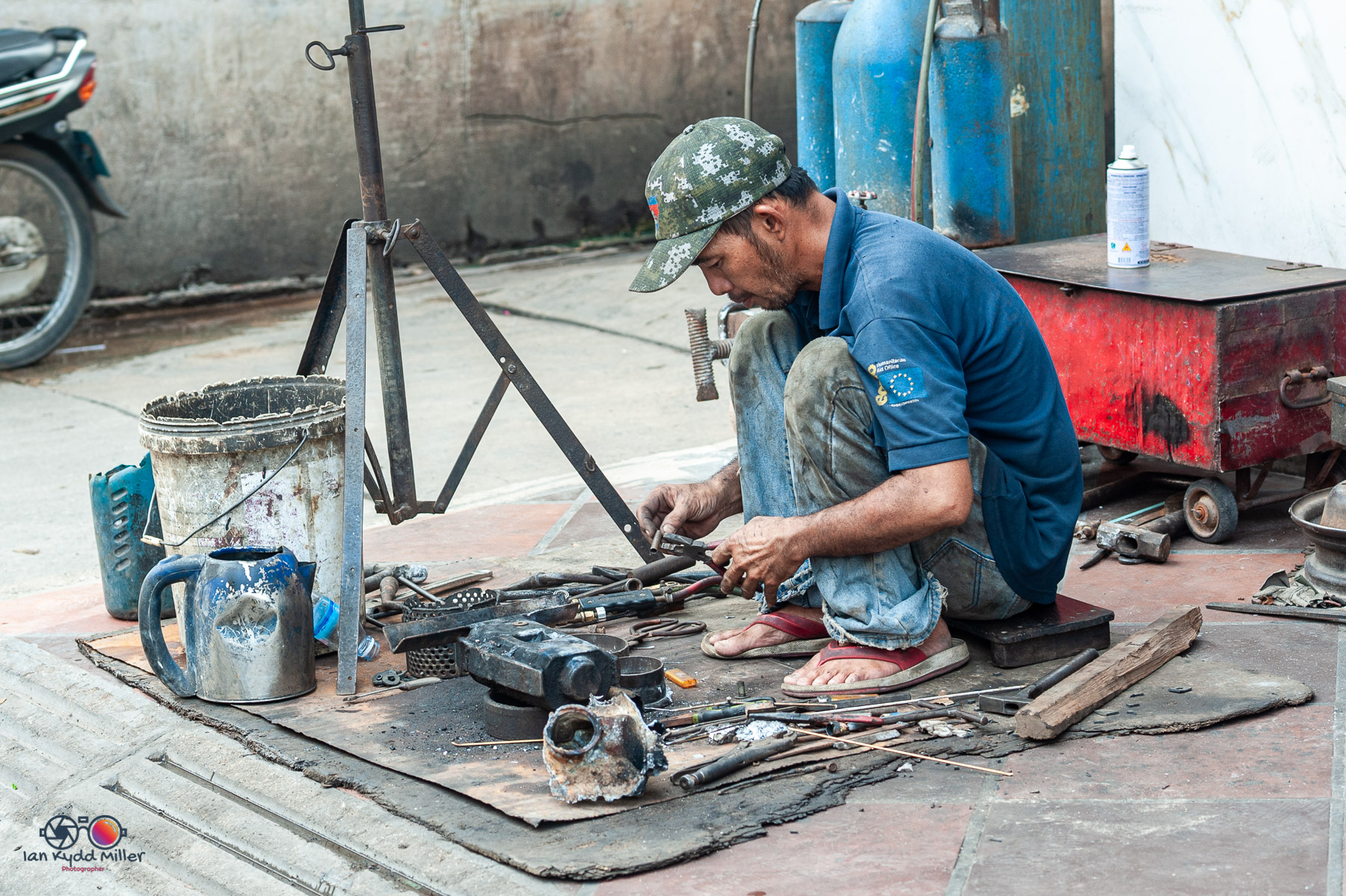

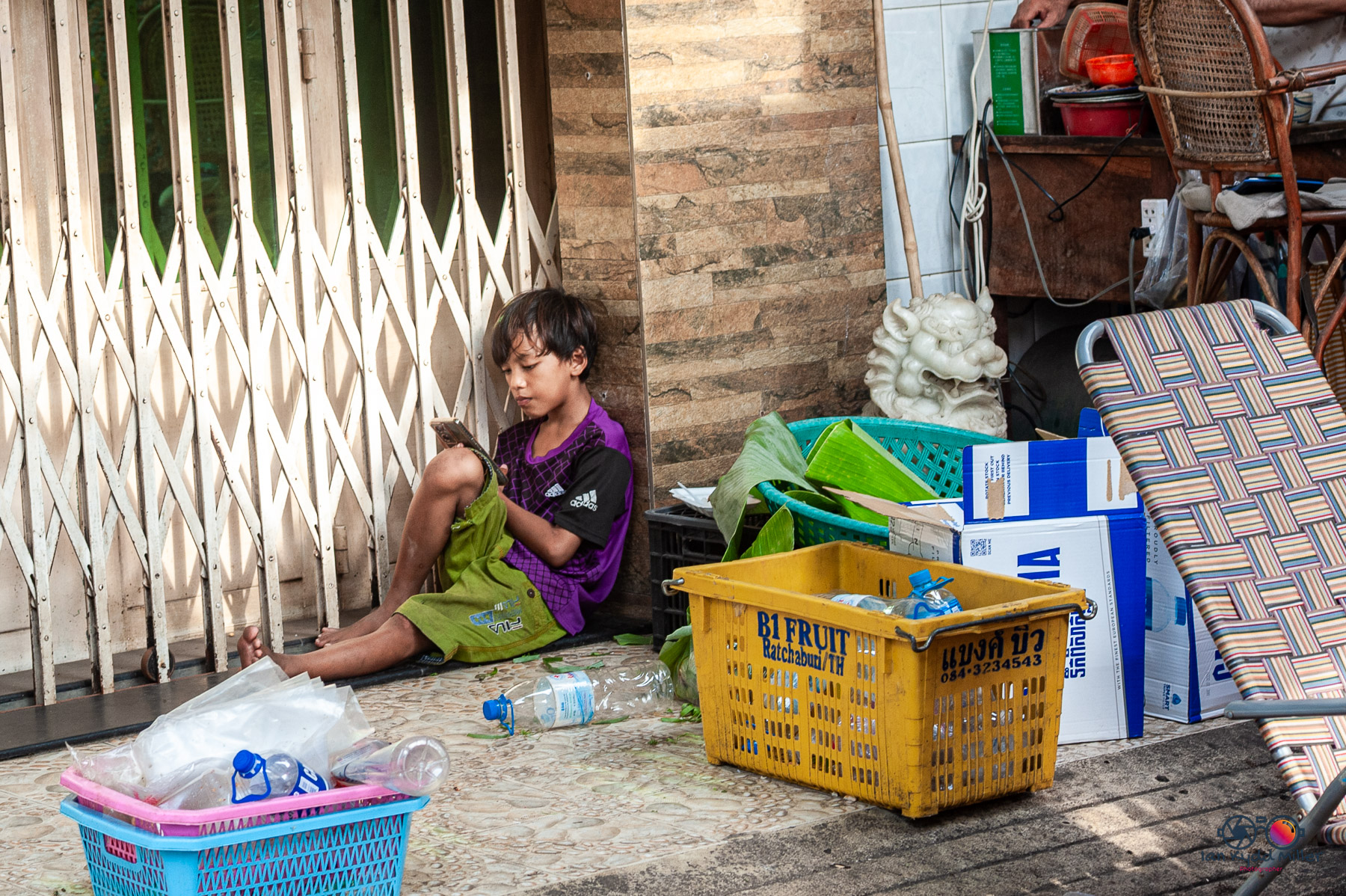
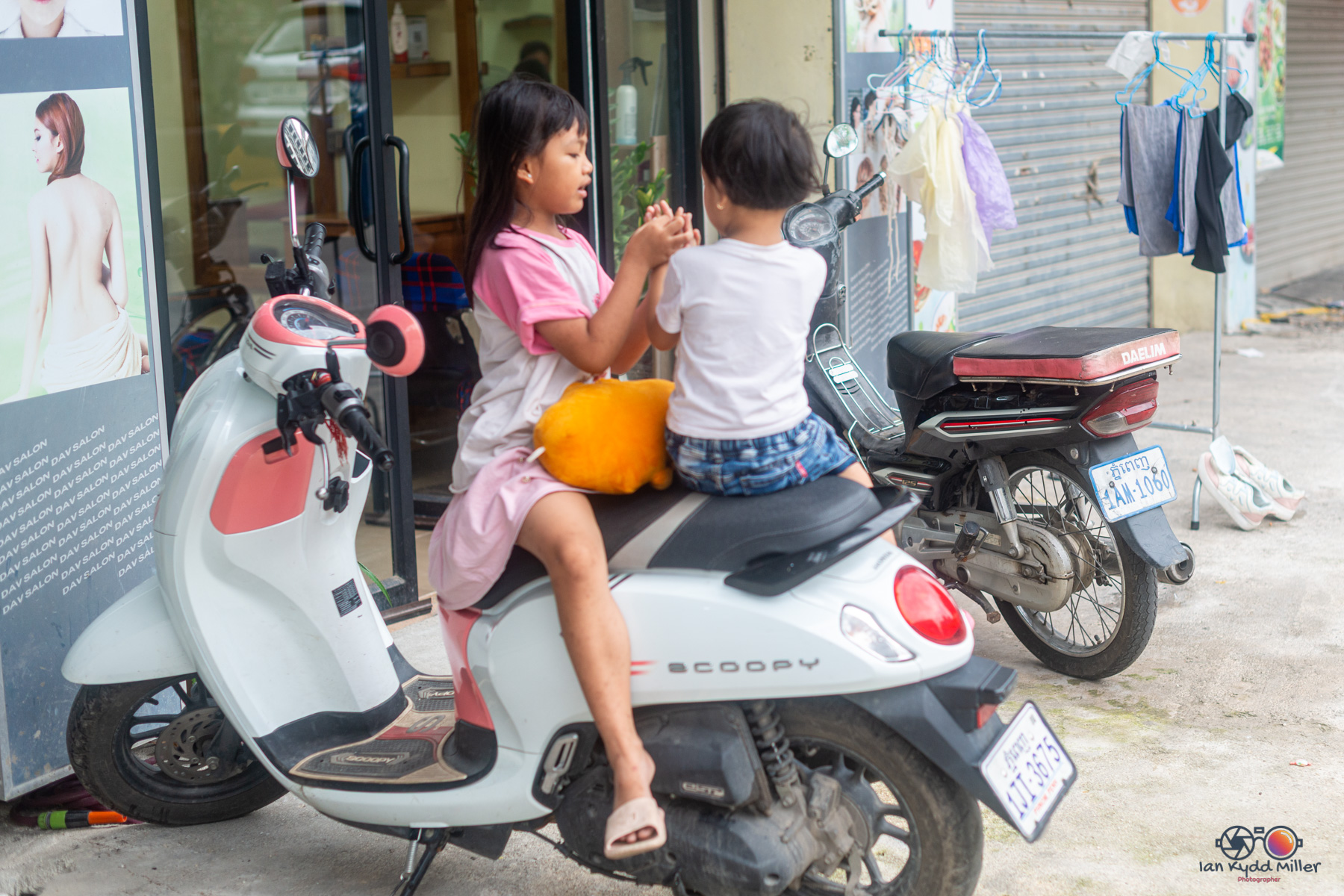

3. The decisive moment
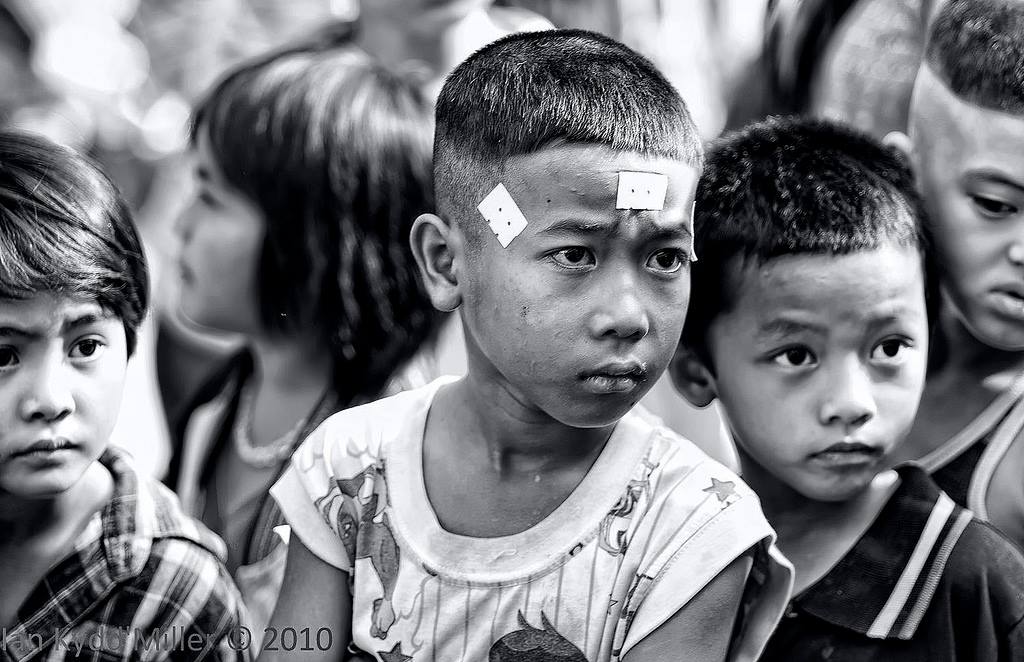
Coined by Henri Cartier‑Bresson, this refers to the instant when composition, gesture, light, and meaning align. Street photography is built on this instinctive timing.
4. Human presence — literal or implied
A person may be in the frame, or their presence may be suggested through:
- objects
- shadows
- traces
- atmosphere
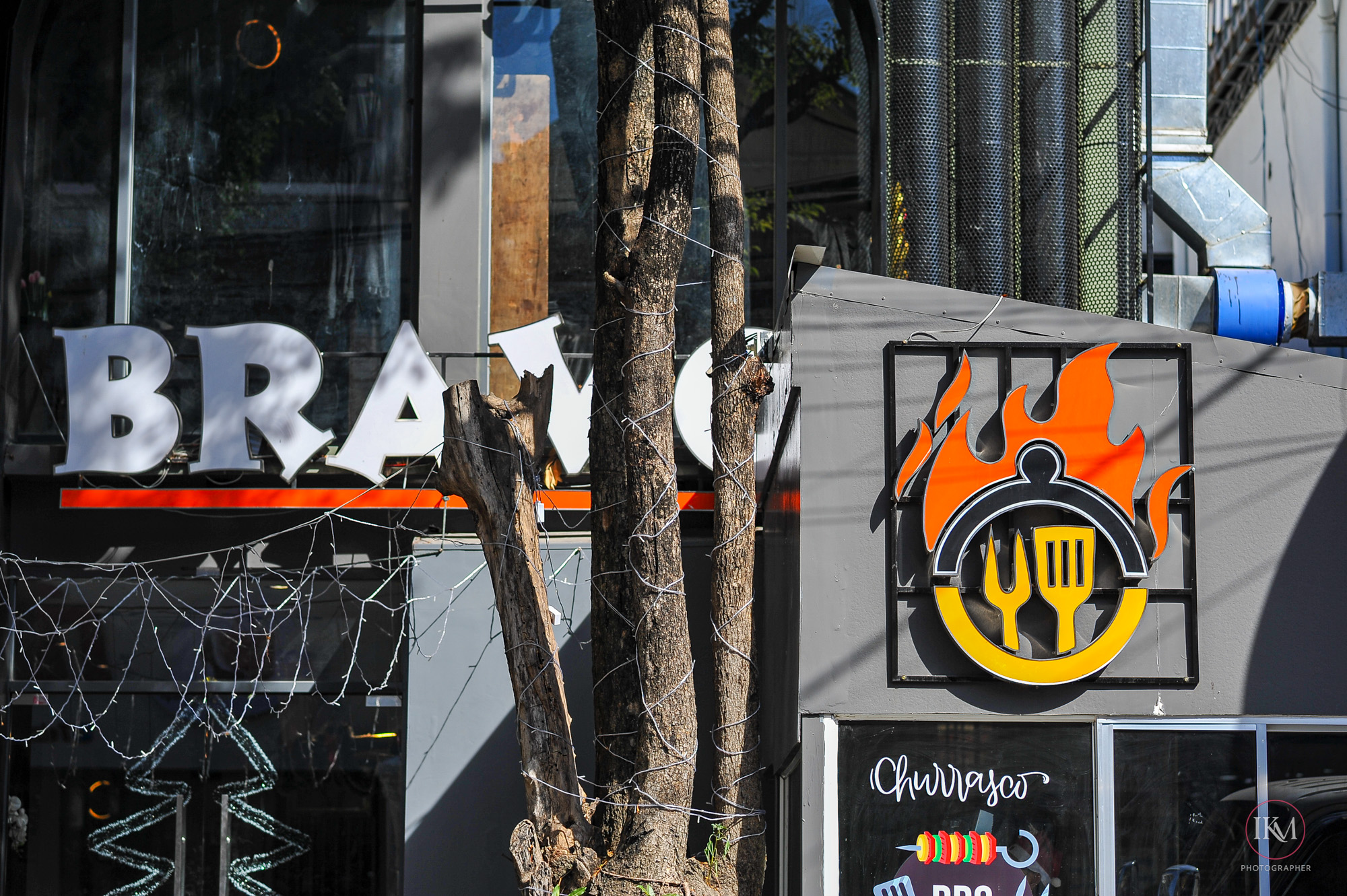
- architecture
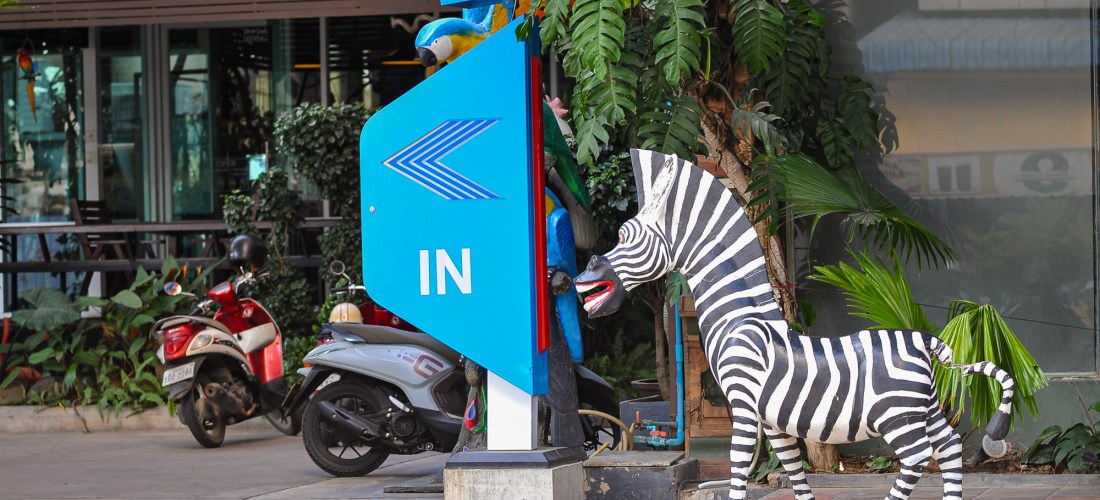
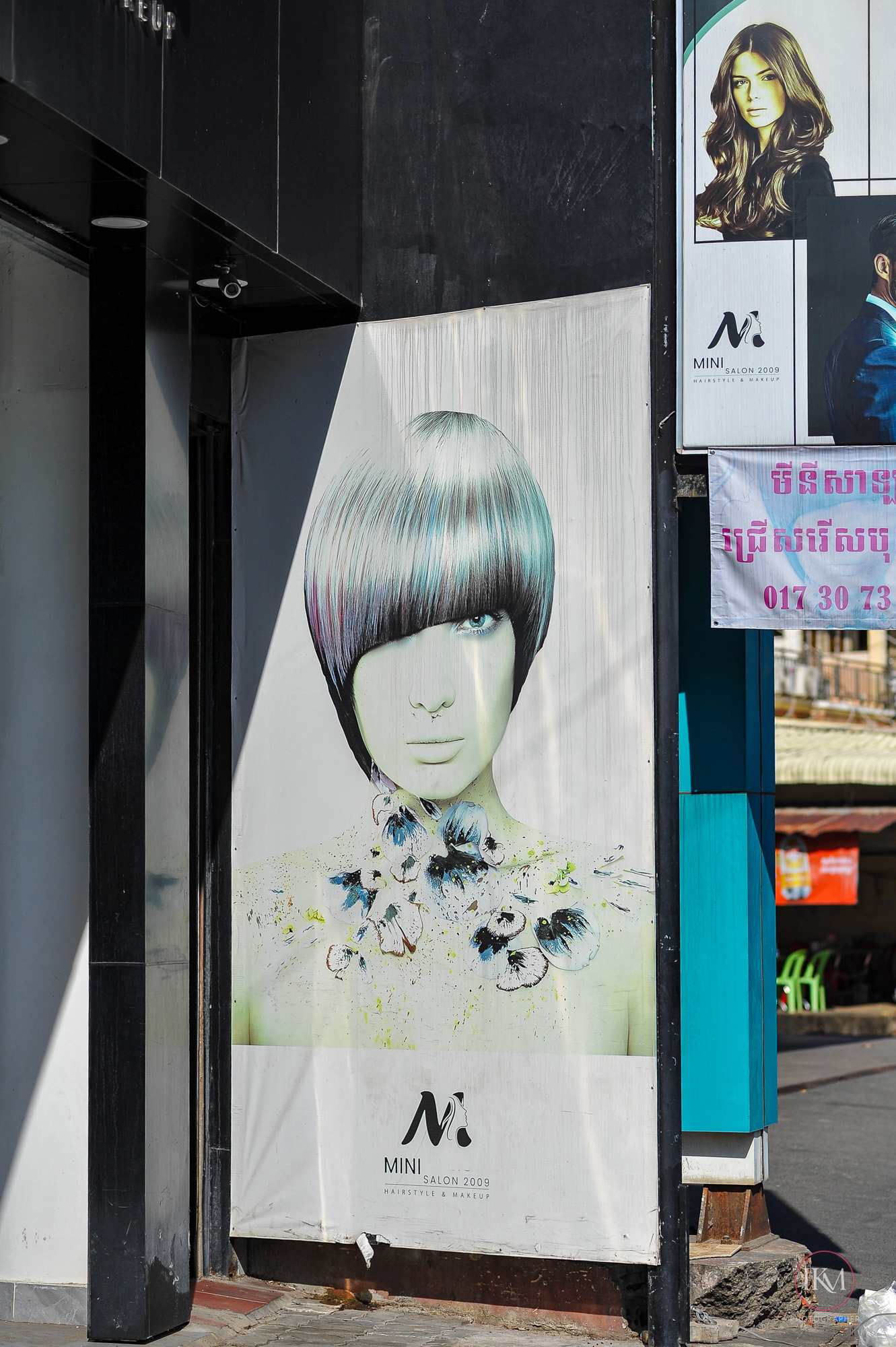
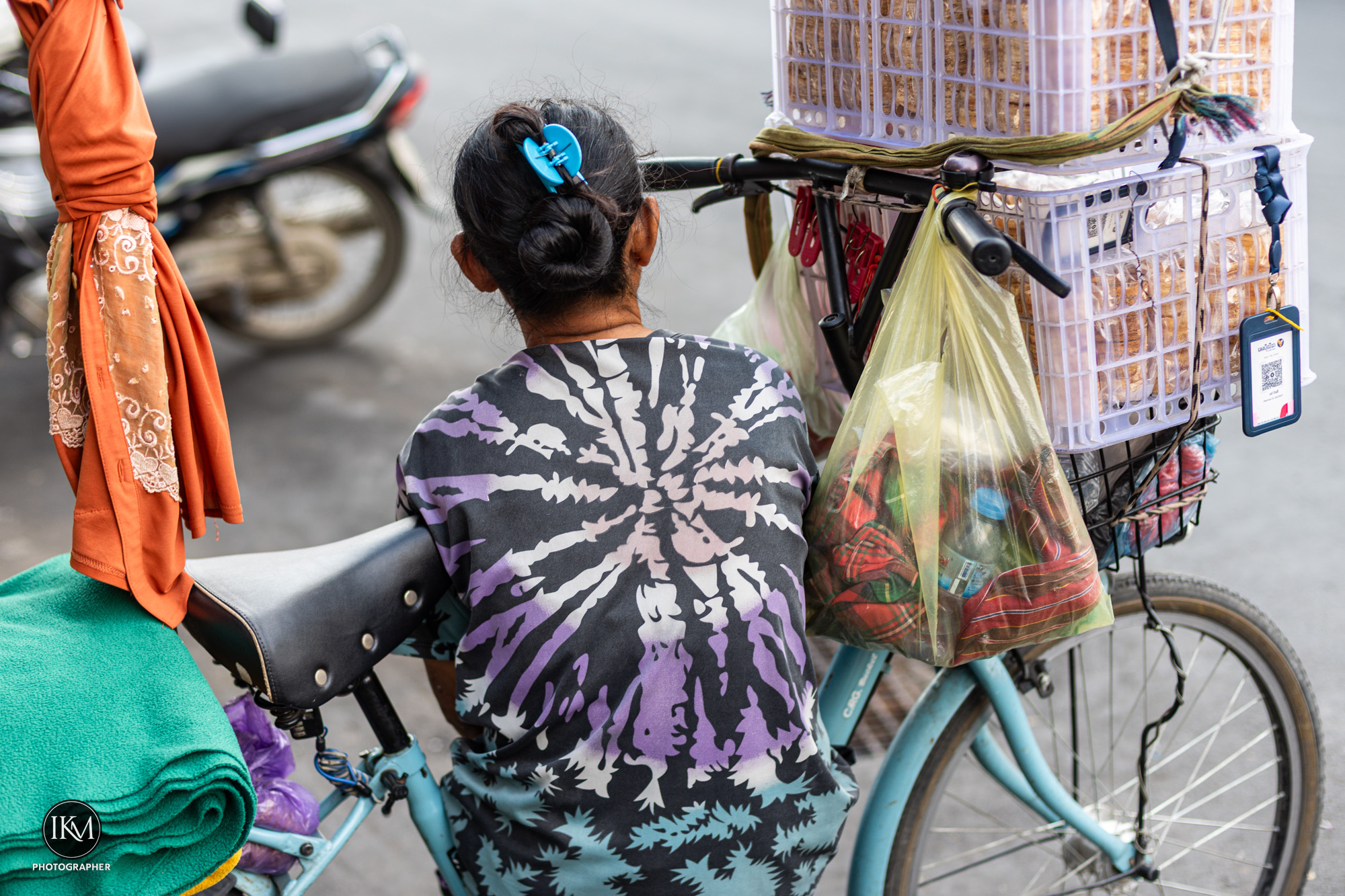
Street photography often reveals the relationship between people and their environment.
5. Observation over perfection
It values:
- spontaneity
- imperfection
- ambiguity
- mood
- timing
It is not about technical perfection. It is about emotional truth.
🧠 The Philosophy Behind Street Photography
1. Seeing the extraordinary in the ordinary
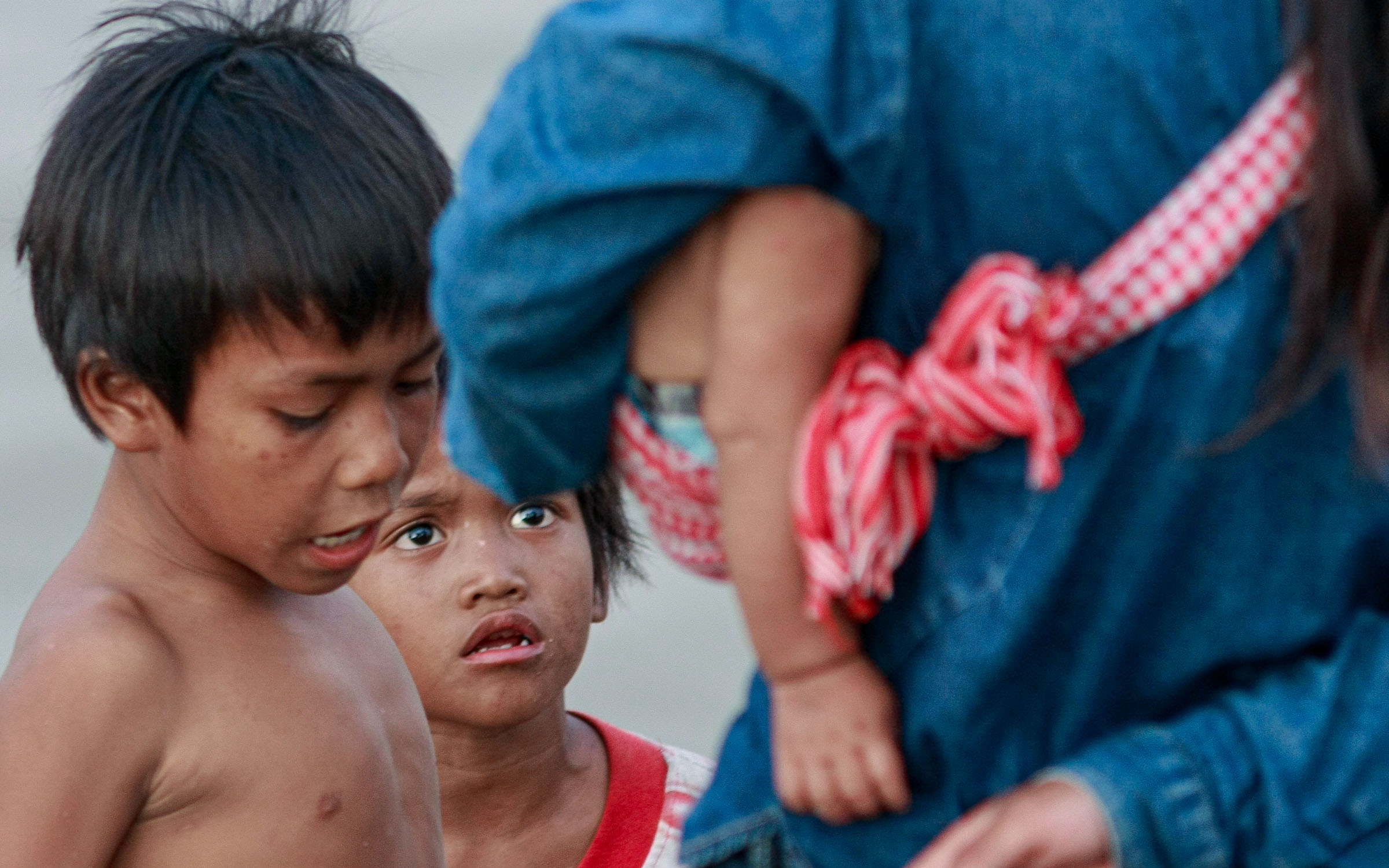
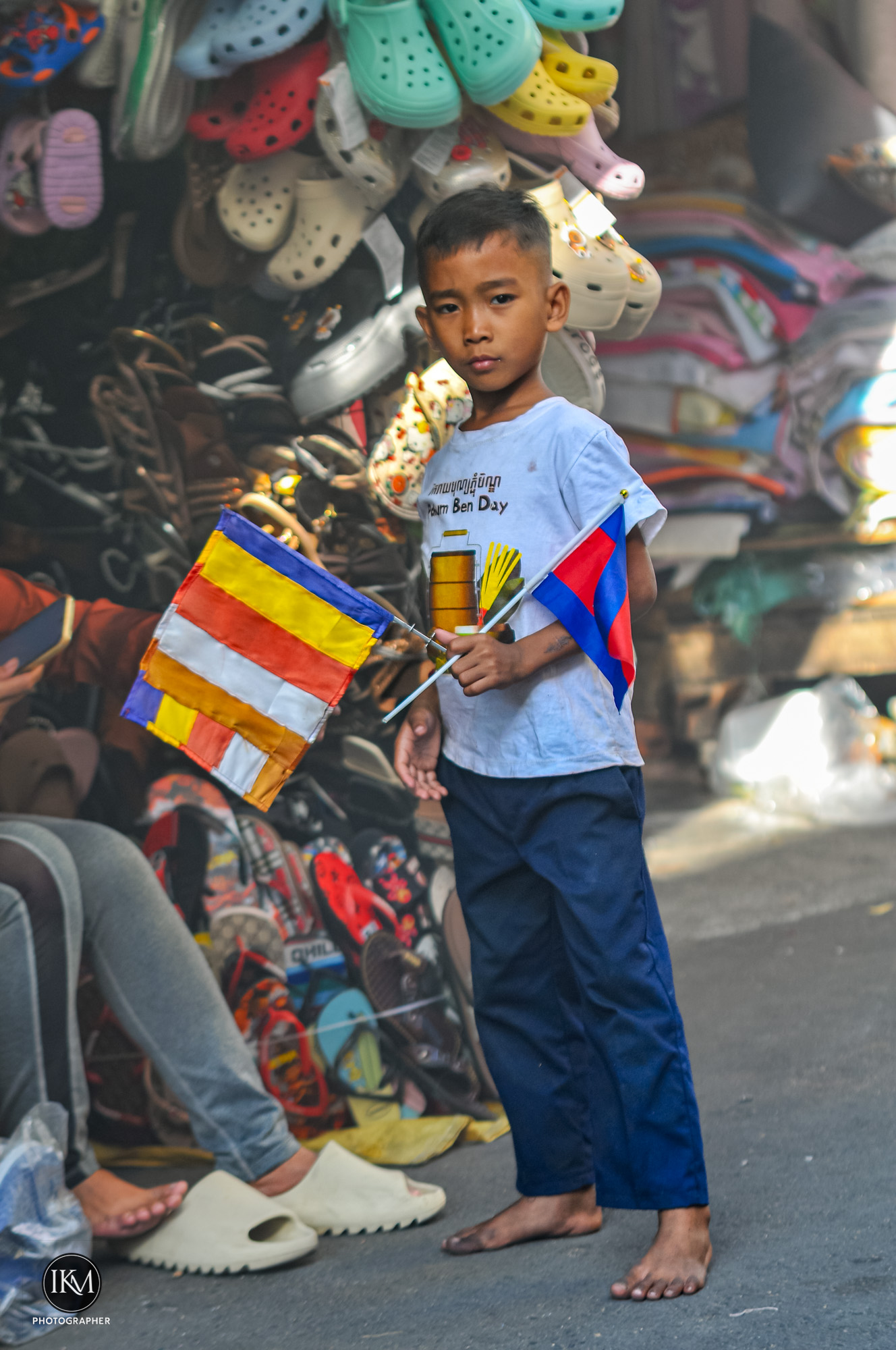
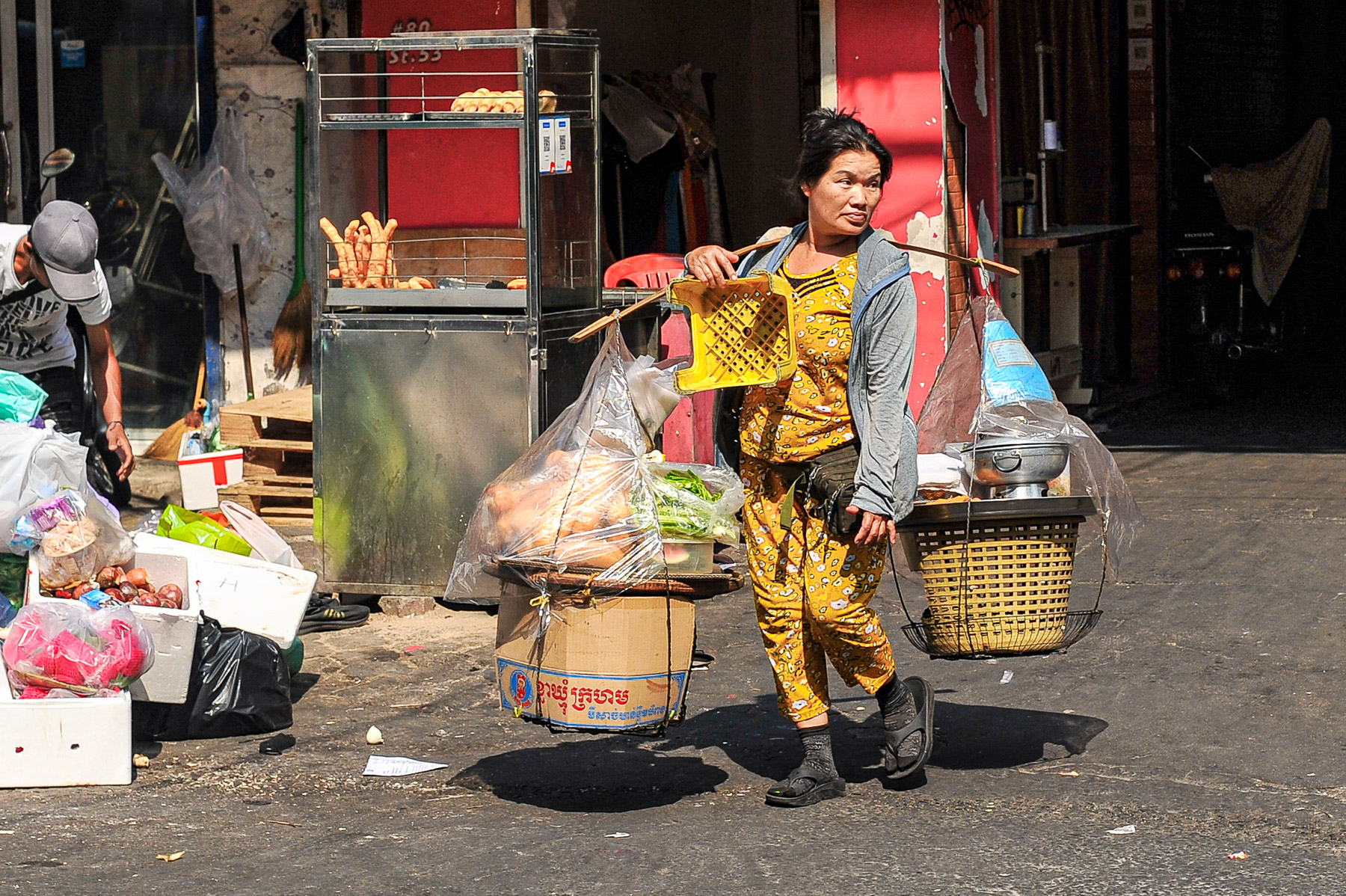
Street photographers elevate everyday moments — a gesture, a glance, a shadow — into something meaningful.
2. Bearing witness
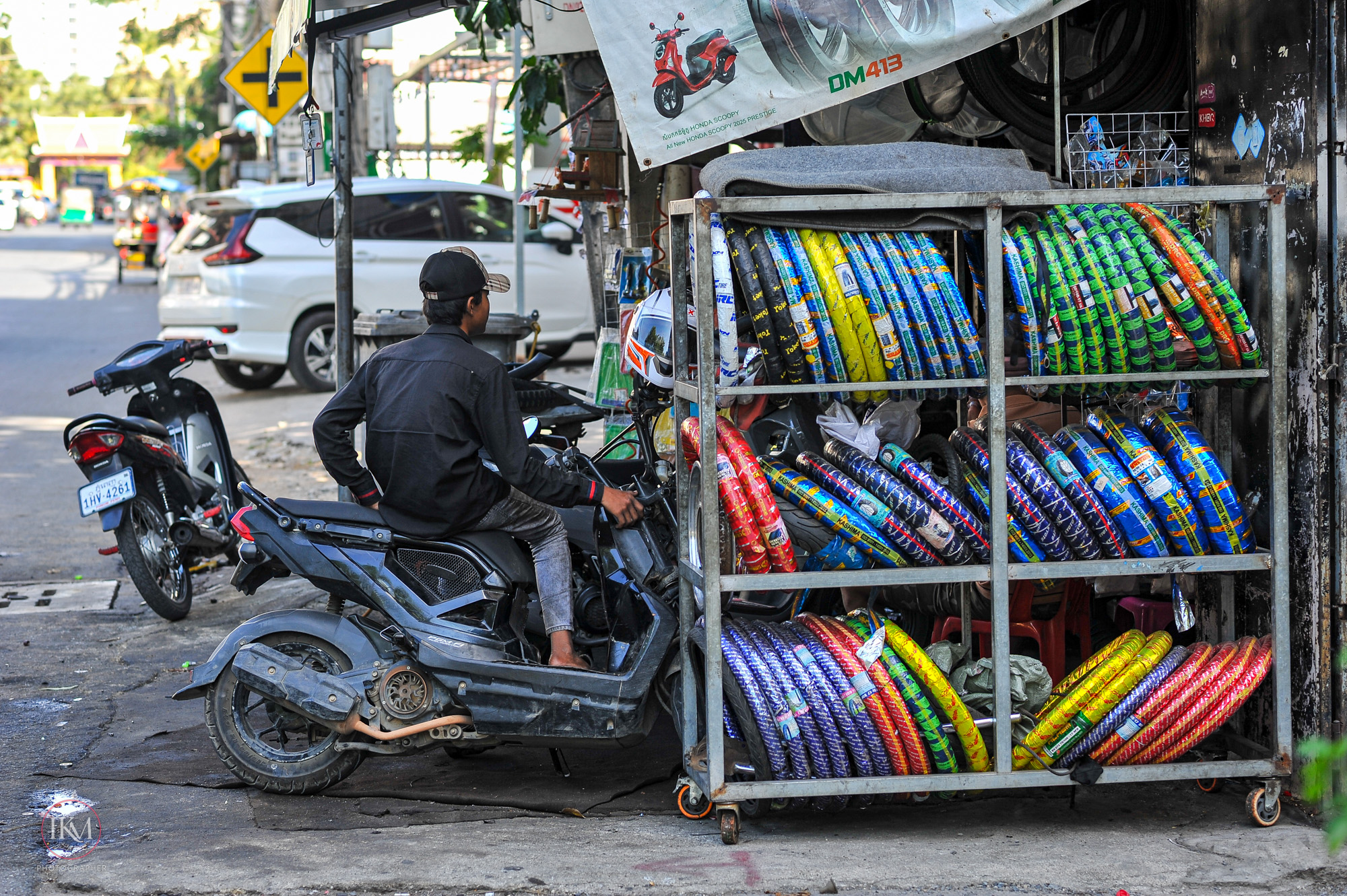
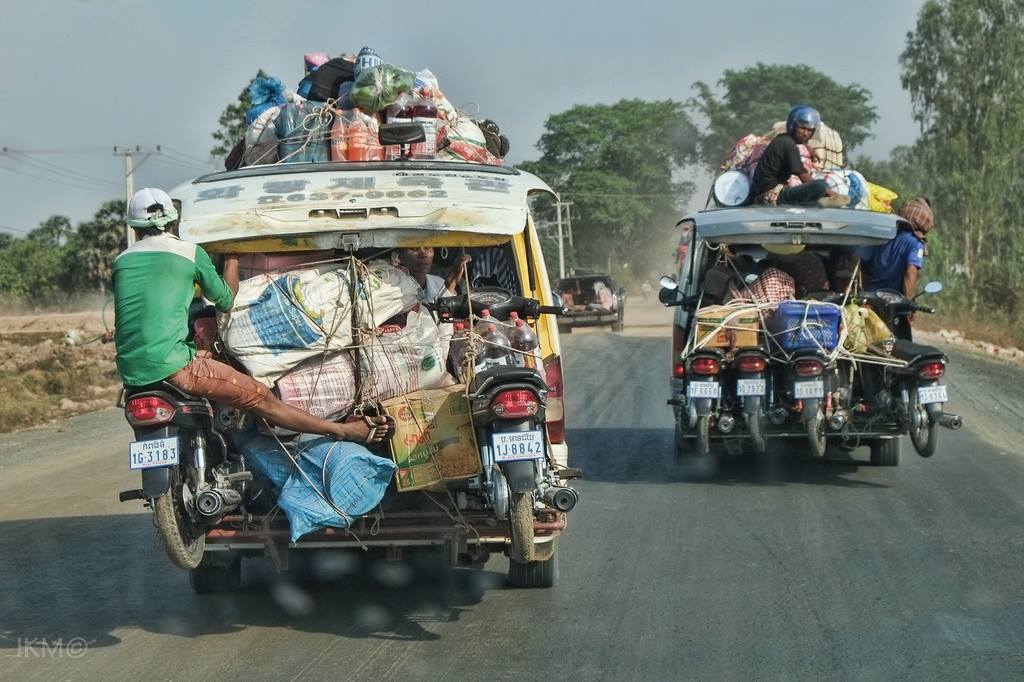
It is a form of visual anthropology. A way of documenting culture, behaviour, and the rhythms of life.
3. Presence and awareness
Street photography is as much about how you move through the world as it is about the images you make. It trains perception, patience, and sensitivity.
4. Respect for the unscripted
The photographer does not impose meaning. They discover it.
🎨 Styles Within Street Photography
1. Humanistic street photography
Warm, empathetic, focused on people and gestures. (Think: Cartier‑Bresson, Helen Levitt)
2. Gritty, urban realism
Raw, unfiltered depictions of city life. (Think: Daido Moriyama)
3. Graphic and geometric
Strong lines, shadows, and architectural forms. (Think: Fan Ho)
4. Colour‑driven street photography
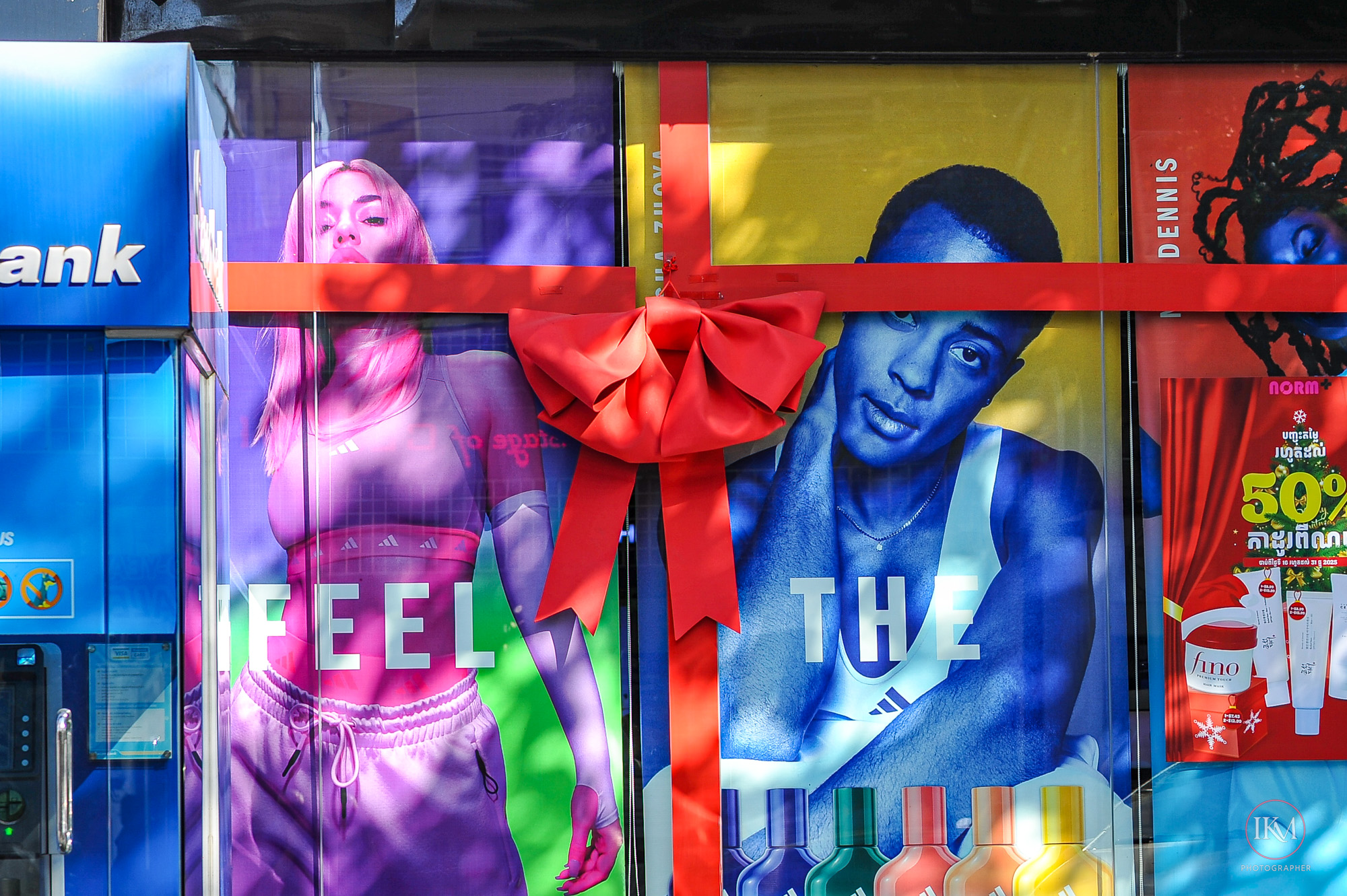
Using colour as the primary expressive element. (Think: Saul Leiter)
5. Minimalist or contemplative street
Quiet scenes, subtle details, atmospheric moments.
📸 What Street Photography Is Not
Not portraiture
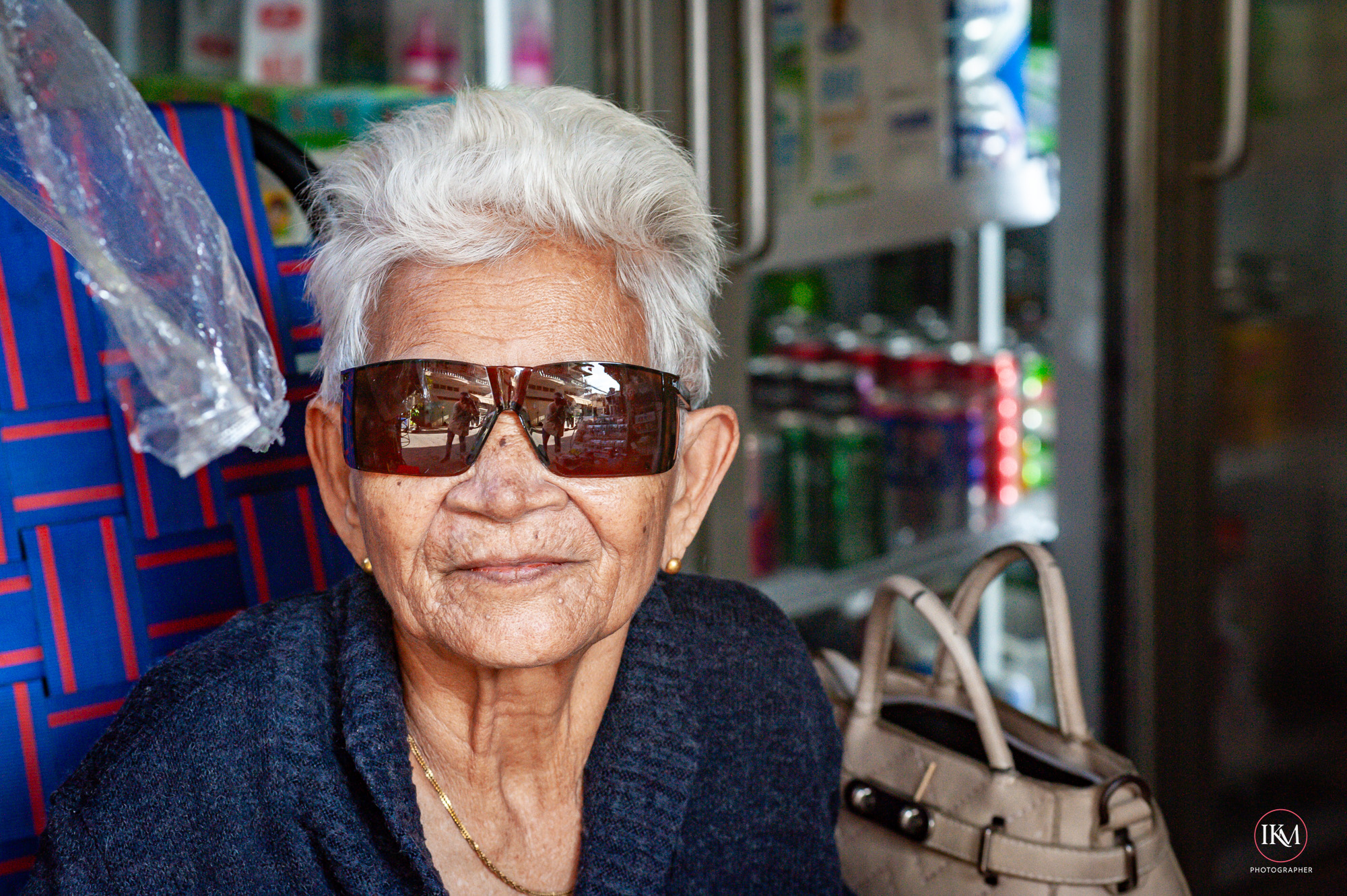
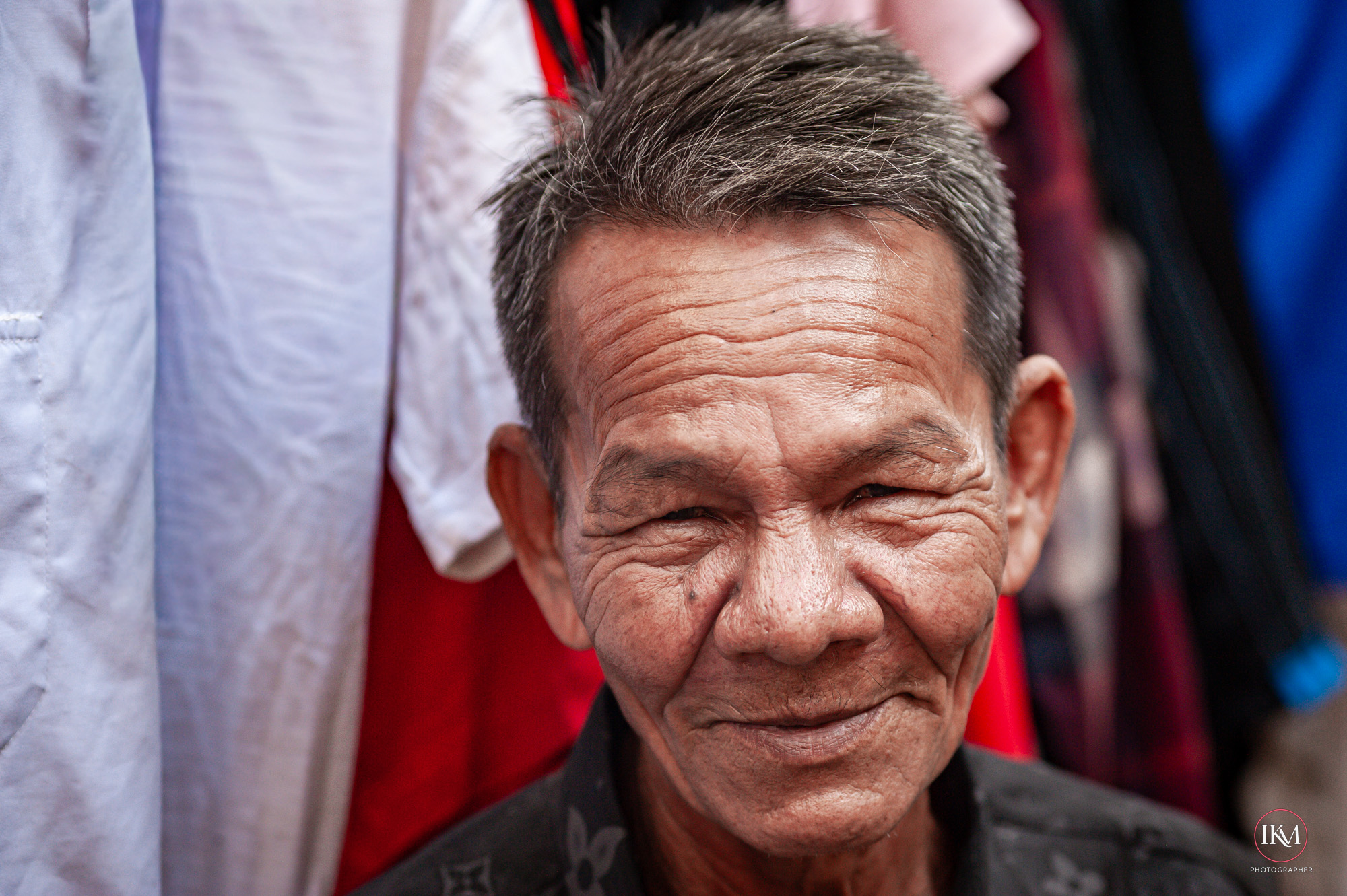
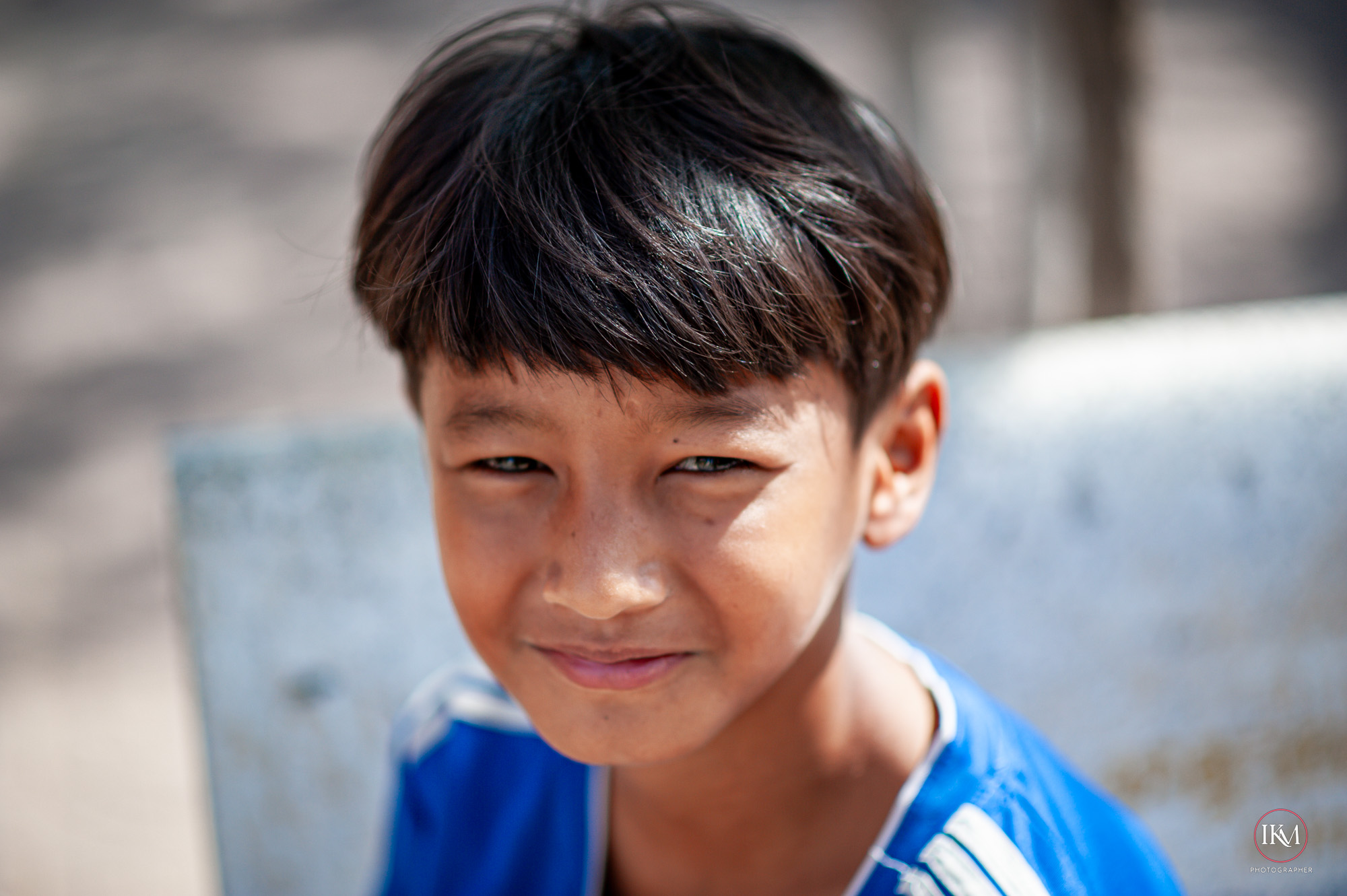
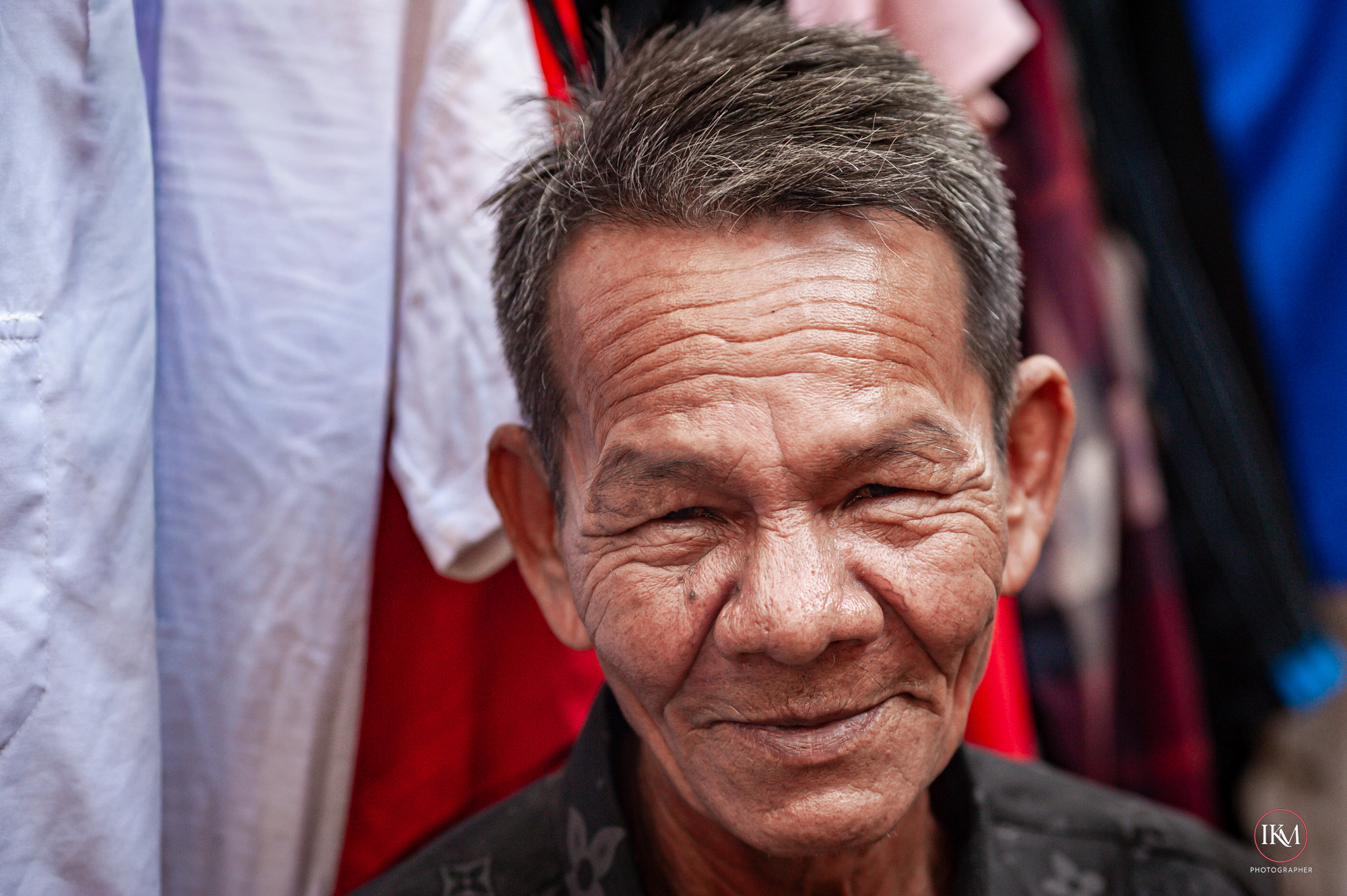
Unless the portrait is candid and environmental.
Not documentary in the formal sense
Though it overlaps, street photography is more intuitive and less project‑driven.
Not staged or directed
If you ask someone to pose, it becomes portraiture or fashion.
Not dependent on crowds
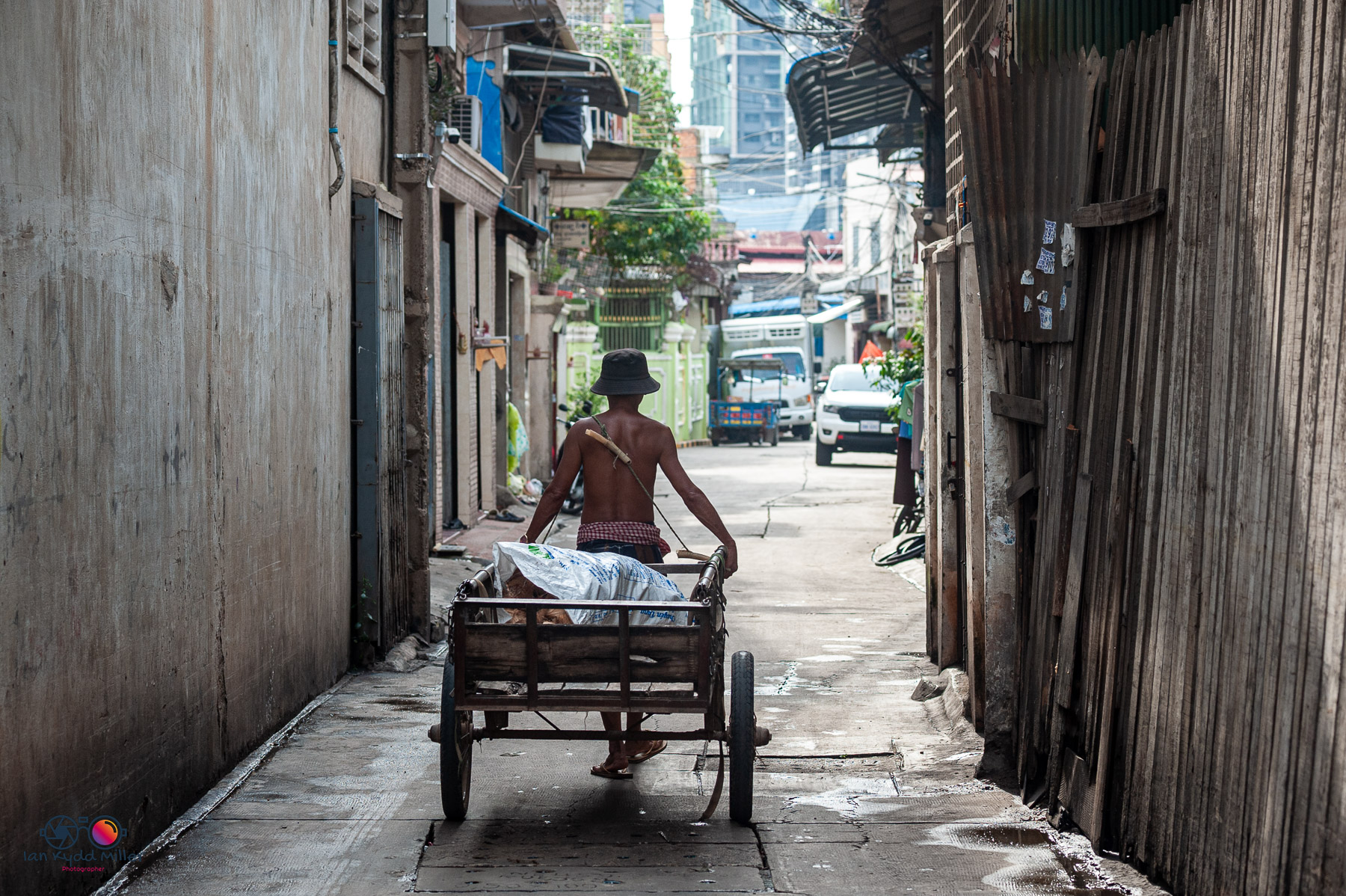
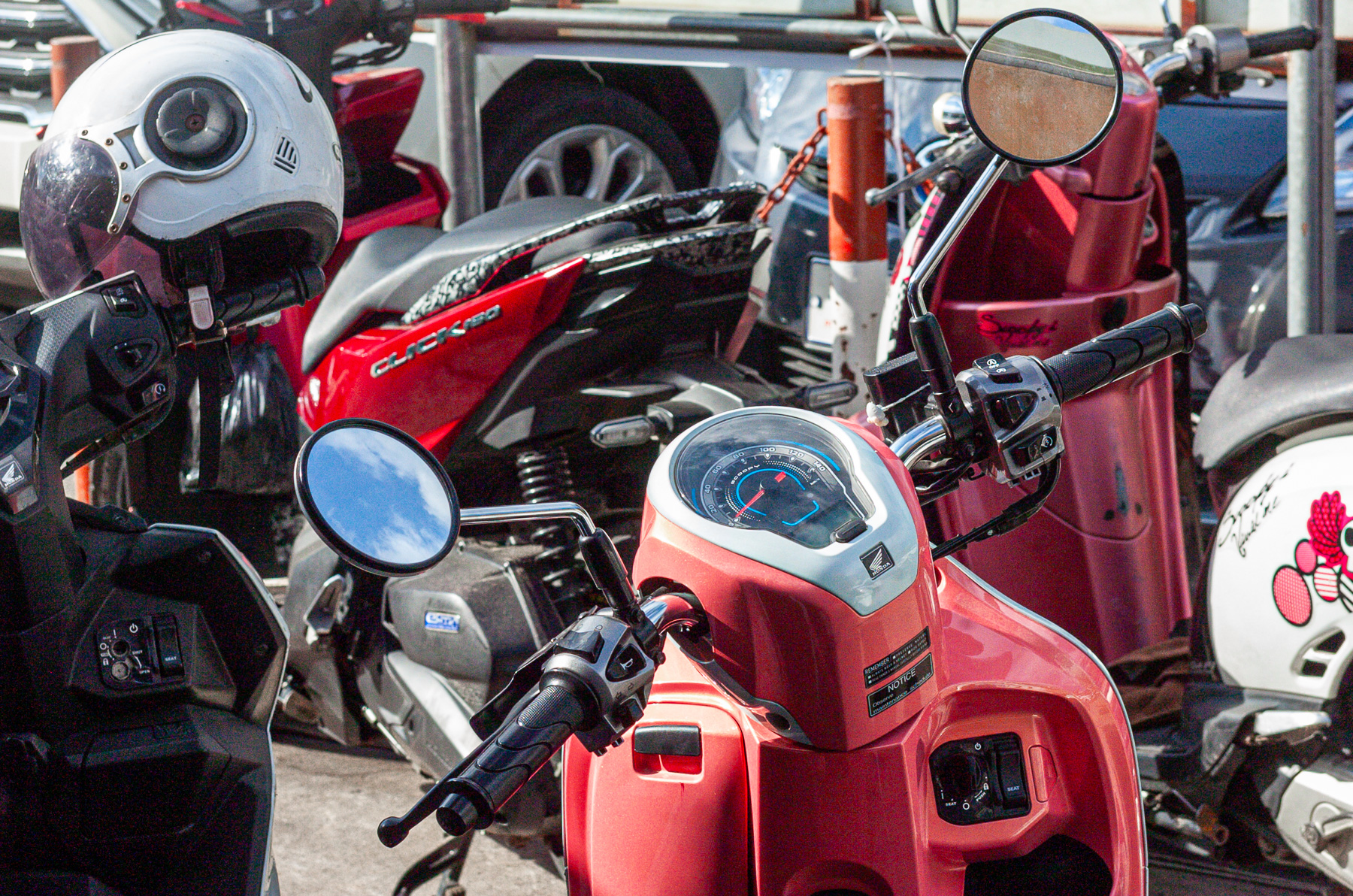
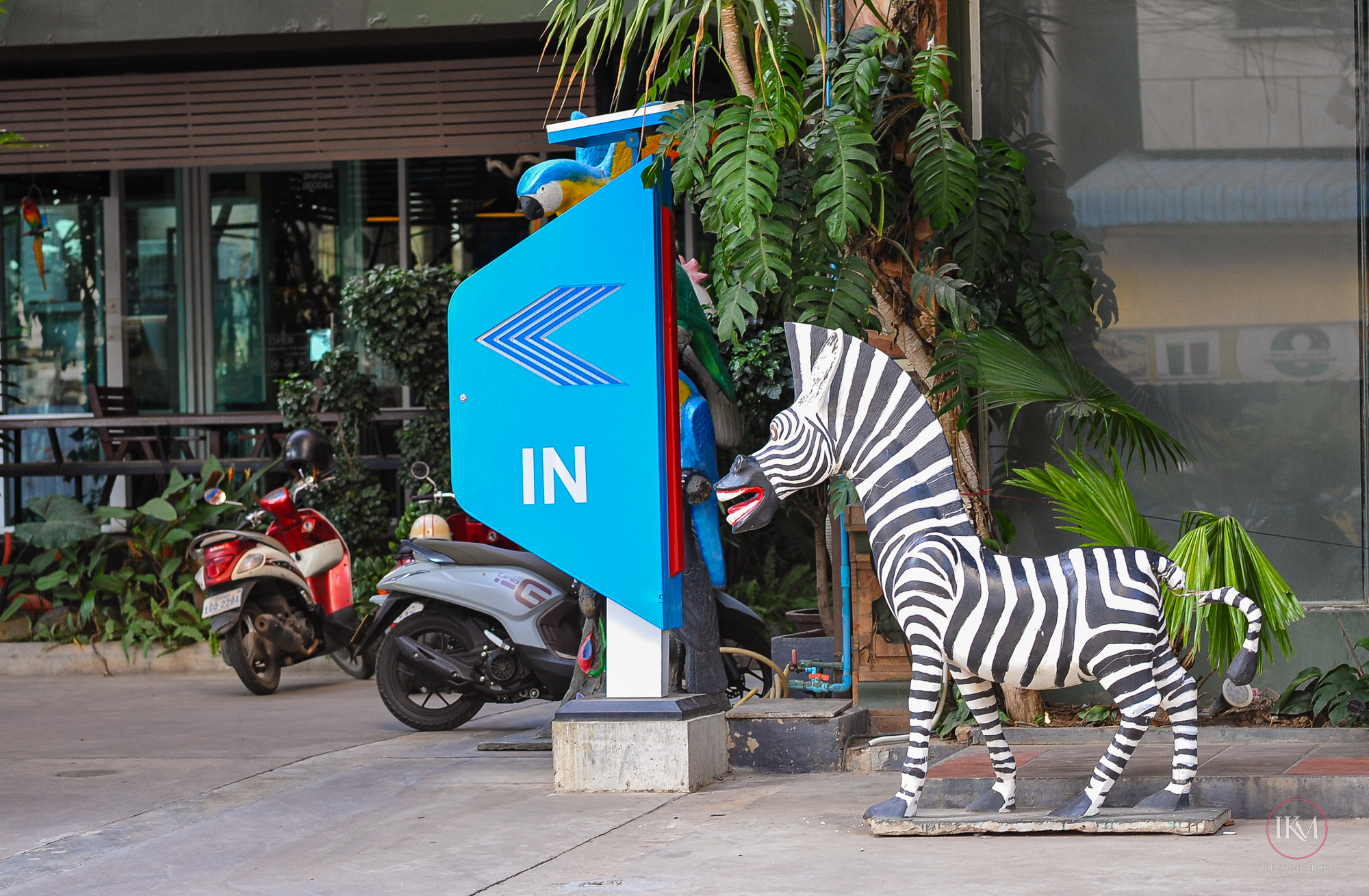
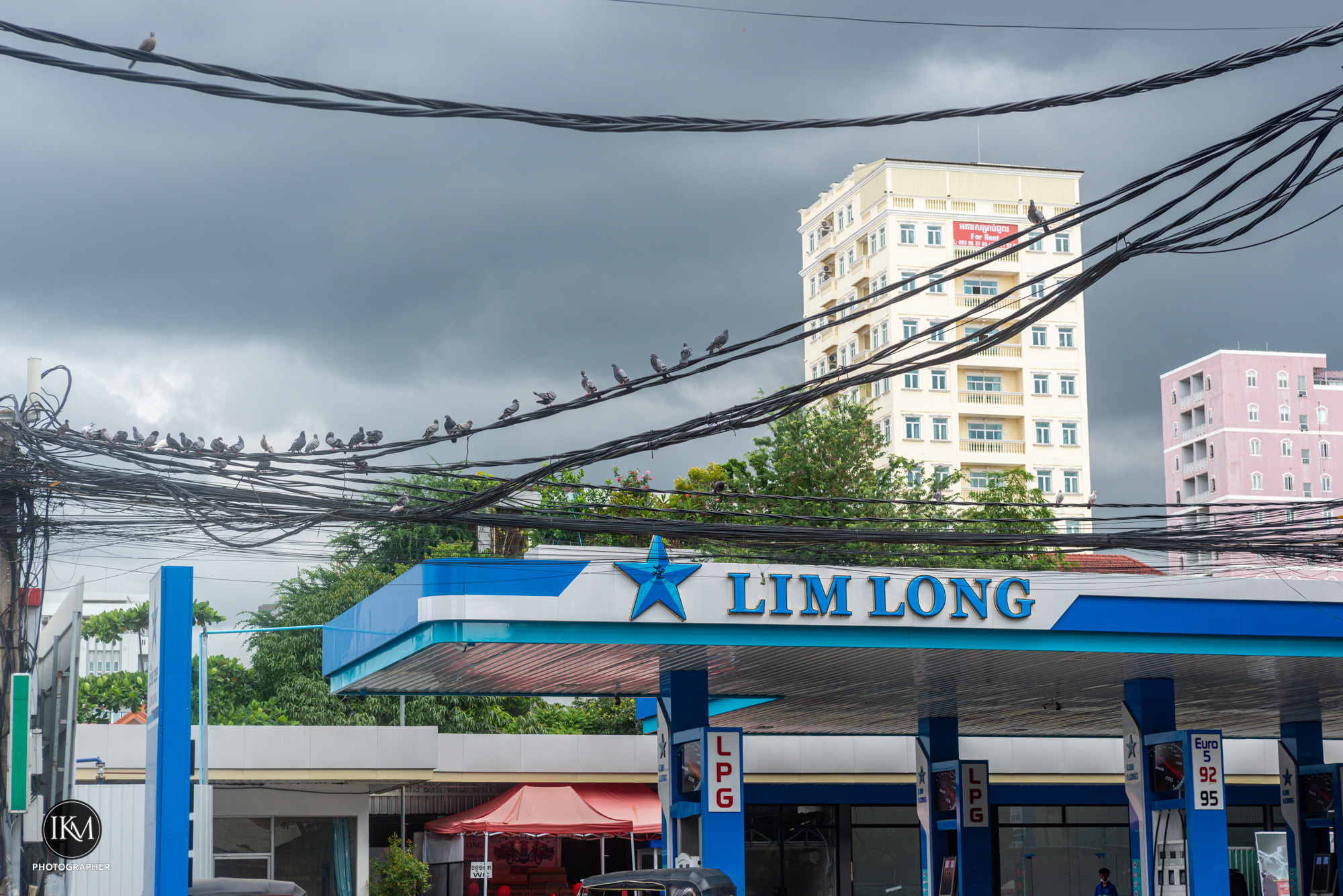
A single object in a quiet alley can be street photography if it reflects human presence or urban atmosphere.
⚖️ Why Street Photography Matters
- It preserves the texture of everyday life.
- It reveals cultural patterns and social behaviour.
- It trains the photographer to see deeply.
- It creates visual poetry from the mundane.
- It democratizes photography — anyone can do it, anywhere.
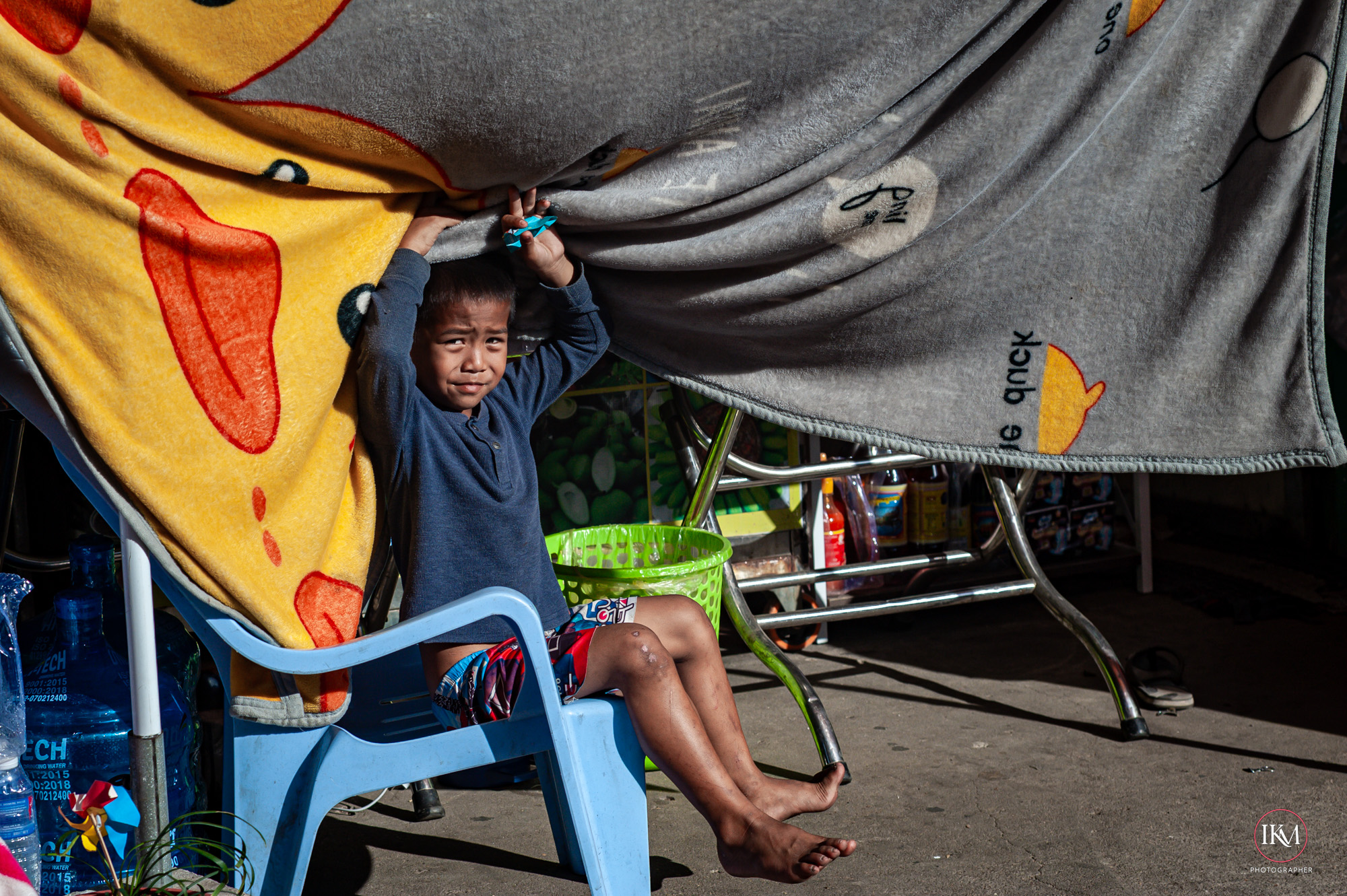
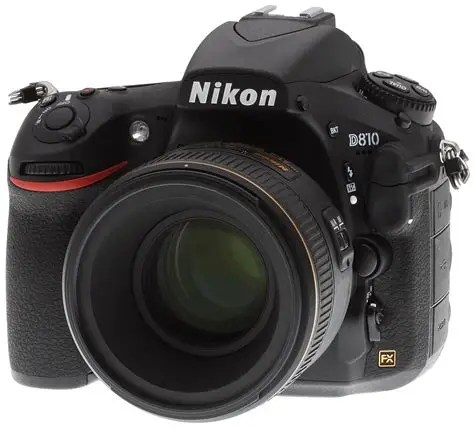
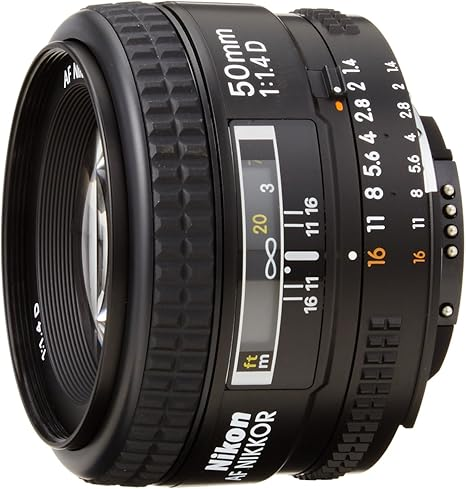
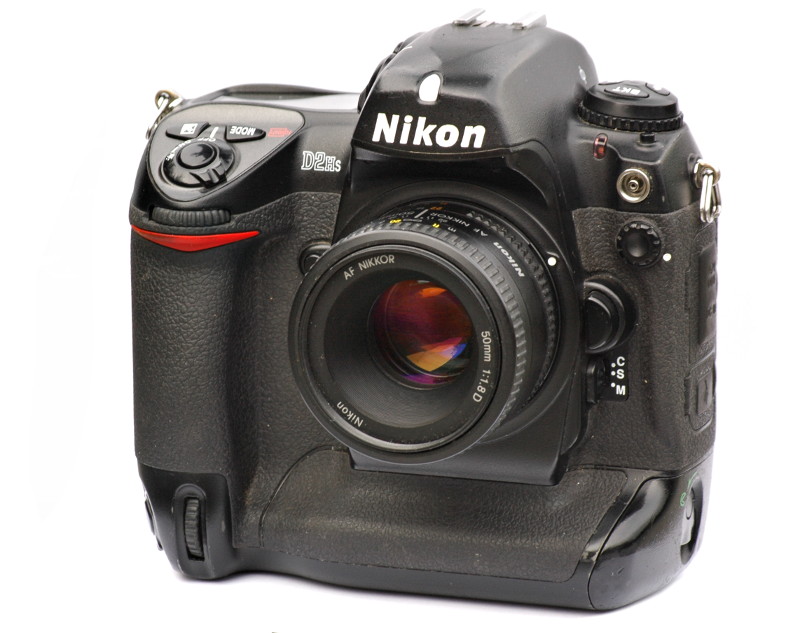
Street photography is one of the few genres where your way of seeing matters more than your gear.





✨ Final Definition
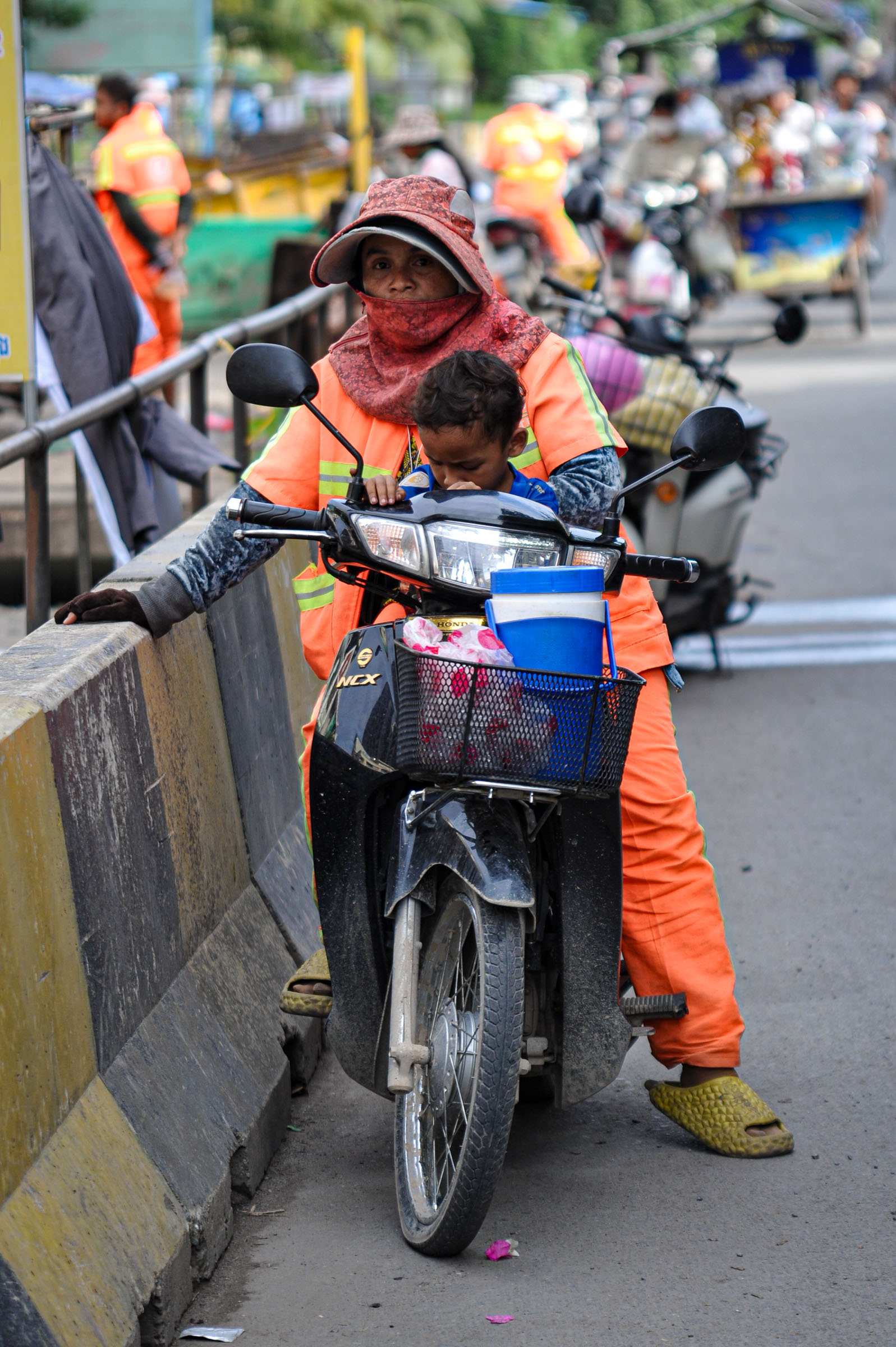
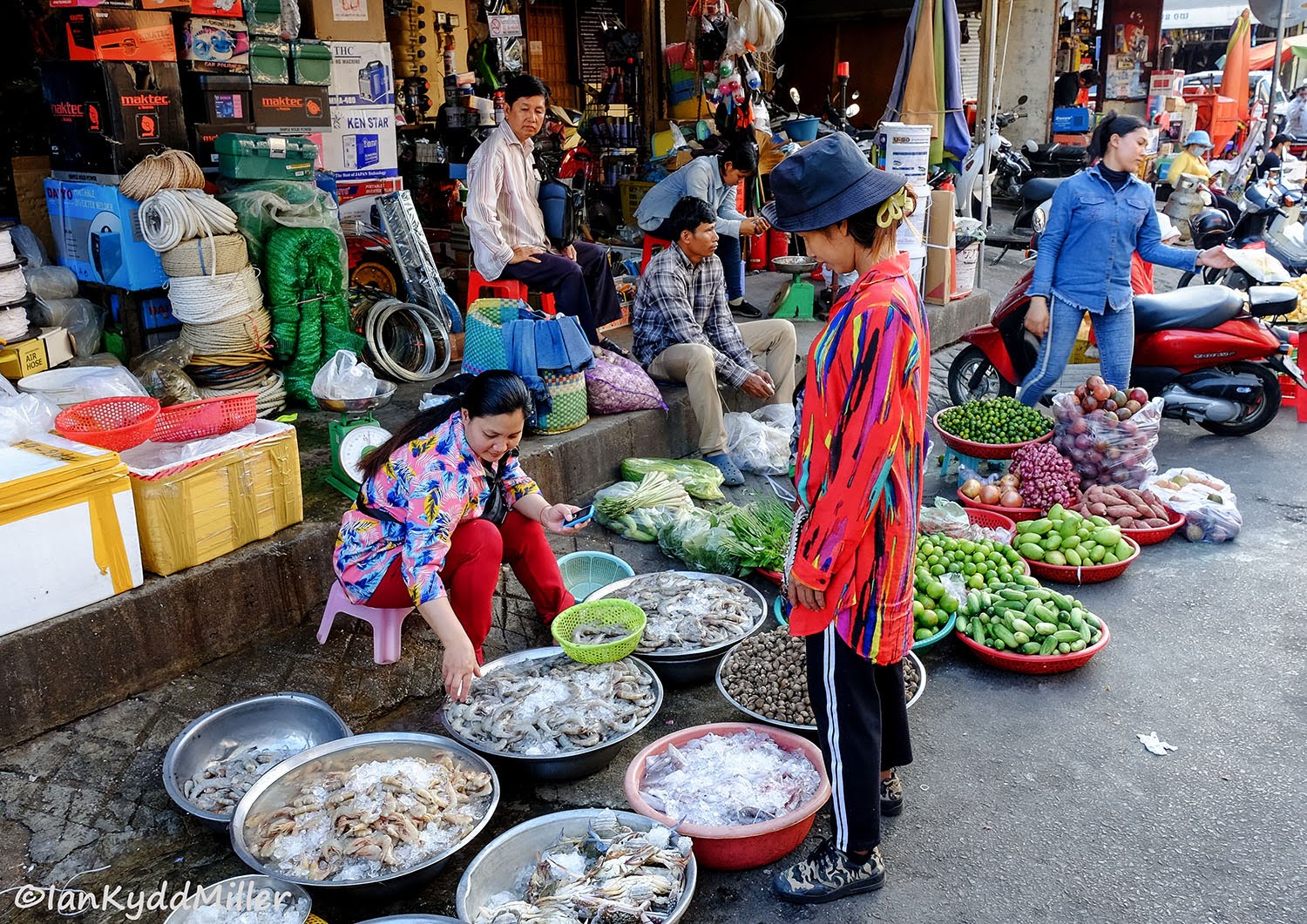
Street photography is the art of capturing unposed, unscripted moments in public spaces, revealing the relationship between people and their environment through observation, timing, and sensitivity. It transforms ordinary life into visual storytelling.




























 a world without pictures is like coffee without cream and sugar, bitter