
Thailands use of Airpower ??

cambodia, opinons, thoughts, photography, war

Thailand’s use of airpower against Cambodia is widely seen as disproportionate and controversial. Thailand argues it is acting in self‑defence after border incidents, but Cambodia and international observers stress that Cambodia has no comparable air force, making the strikes an escalation that risks civilian lives and cultural heritage.

📌 Thailand’s Justification

  • Thai officials claim the airstrikes are defensive, launched after Cambodian forces allegedly planted landmines and attacked Thai positions.
  • The Thai Prime Minister stated operations would continue “as necessary to defend the country and protect public safety”.
  • Bangkok frames the strikes as part of protecting the Gulf of Thailand and securing disputed border zones.

⚠️ Criticism and Concerns

  • Cambodia’s position: Phnom Penh accuses Thailand of aggression, saying the strikes deliberately hit civilian areas, including shelters for displaced people and infrastructure in Siem Reap province.
  • Civilian casualties: Reports confirm at least five civilians killed in early strikes, with the toll rising to around 20–25 overall.
  • Imbalance of power: Cambodia has no modern airpower, relying on ground forces, making Thailand’s use of fighter jets a one‑sided escalation.
  • International reaction: Observers warn the strikes undermine ceasefire efforts and risk turning border clashes into full‑scale war.

✨ Assessment

  • Legally and ethically, Thailand’s justification is contested. While states have the right to self‑defence, the scale and targets of the airstrikes—deep inside Cambodian territory, near civilian shelters and UNESCO heritage sites—raise serious proportionality concerns.
  • Strategically, airpower gives Thailand overwhelming dominance, but it risks international condemnation and long‑term instability.
  • Humanitarian impact: With over 800,000 Cambodians displaced, the strikes worsen a crisis that already threatens regional stability.

🔮 Outlook

Unless mediated by ASEAN or external powers, Thailand’s reliance on airpower is likely to prolong the conflict. Cambodia cannot respond in kind, meaning the imbalance will continue to fuel accusations of unjustified aggression.

Cambodia / Thailand conflict.

cambodia, homelessness, opinons, thoughts, photography, pictures, war

Yes, fighting between Thailand and Cambodia has escalated sharply in December 2025, with Thai airstrikes hitting deep inside Cambodian territory, including Siem Reap province near Angkor Wat. Cambodia accuses Thailand of targeting civilian areas and shelters for displaced people, while Thailand claims self‑defence in a long‑running border dispute. Casualties, displacement, and damage to infrastructure are mounting.

📌 Current Situation (as of mid‑December 2025)

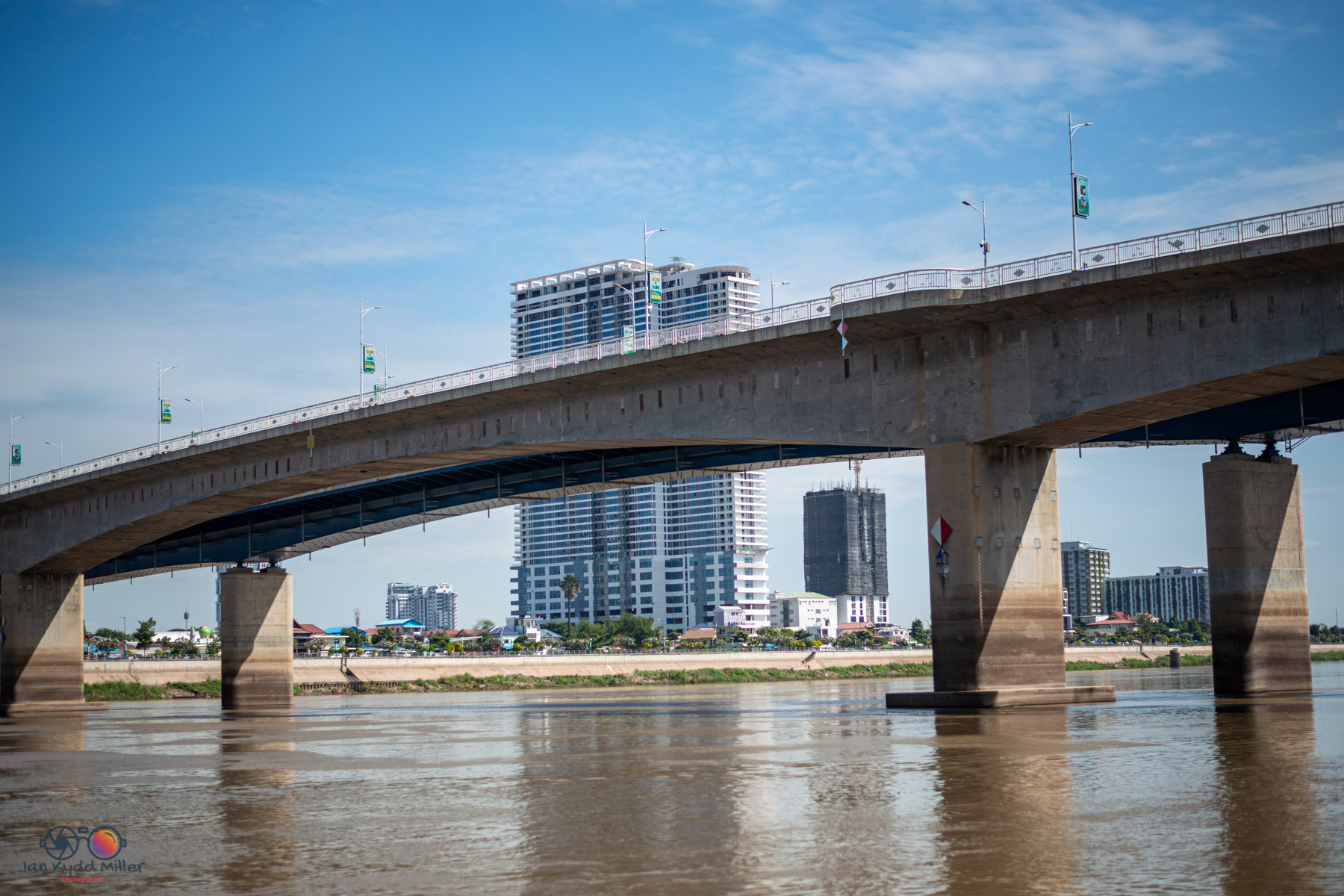
  • Airstrikes reported: Cambodian officials say Thai F‑16 fighter jets dropped bombs in Oddar Meanchey and Siem Reap provinces, including near camps for displaced people and a bridge in Srei Snam district.
  • Tourist sites at risk: Siem Reap, home to Angkor Wat, Cambodia’s top tourist draw and a UNESCO World Heritage site, has been directly threatened by strikes.
  • Casualties & displacement: At least 20 people have been killed since fighting reignited, with hundreds of thousands displaced. Cambodia claims around 800,000 people have fled border areasThe Straits Times.
  • Border closures: Phnom Penh has shut all land crossings with Thailand to protect civilians.
  • Thai perspective: Bangkok says the strikes are defensive, part of operations to protect the Gulf of Thailand, and blames Cambodia for instigating attacks.

⚠️ Risks and Implications

  • Humanitarian crisis: Camps for displaced people are now under threat, worsening conditions for civilians already uprooted.
  • Tourism impact: Cambodia’s economy relies heavily on tourism, and strikes near Angkor Wat could devastate recovery efforts post‑COVID.
  • Regional instability: The conflict stems from colonial‑era border demarcation disputes, and repeated truces have failed.
  • International concern: Despite calls for a ceasefire—including from the US—bombing has continued, raising fears of escalation.

✨ Assessment

The Thailand–Cambodia border conflict has reignited into one of the most serious flare‑ups in years. The use of airstrikes deep inside Cambodian territory marks a dangerous escalation, threatening civilians, cultural heritage sites, and regional stability. Cambodia is militarily outgunned, relying on international pressure and diplomacy, while Thailand frames its actions as defensive.

In 2025, this conflict is not just about disputed territory—it is about national identity, economic survival, and the fragility of peace in Southeast Asia. The risk of further escalation remains high unless external mediation succeeds.

Reports from mid‑December 2025 confirm that Thai airstrikes have reached Siem Reap province itself, not just the border.

  • Targets hit: Cambodian officials say bombs struck Srei Snam district in Siem Reap, damaging a bridge and hitting areas near shelters for displaced people.
  • Proximity to Angkor Wat: While Angkor Wat itself has not been directly attacked, the strikes are within the same province, raising fears that Cambodia’s most important cultural and tourist site could be at risk.
  • Civilian impact: Camps for displaced people in Siem Reap province have been threatened, with Cambodia warning that tourist hotspots are now in danger.
  • Depth of strikes: This marks a significant escalation—airstrikes are no longer confined to border areas like Oddar Meanchey, but are penetrating deep into Cambodian territory, roughly 100 km from the Thai border.

At least 20 Cambodians have been reported killed in the renewed border clashes and Thai airstrikes since early December 2025, with hundreds of thousands displaced.

📌 Current Death Toll

  • Initial clashes (Dec 8–9, 2025): Reports confirmed around 10 deaths as fighting spread to new parts of the border.
  • Escalation (Dec 11–15, 2025): Heavy airstrikes and artillery attacks pushed the toll higher, with about two dozen killed in total.
  • Cambodian civilians: Casualties include civilians near shelters and bridges in Siem Reap province, as well as soldiers along the border.

⚠️ Humanitarian Impact

  • Displacement: Cambodia says over 800,000 people have fled border provinces, with camps now under threat from bombing.
  • Infrastructure damage: Bridges, shelters, and areas near Siem Reap have been hit, raising fears for Angkor Wat and tourism.
  • Civilian risk: Airstrikes penetrating deep into Cambodian territory mean non‑combatants are increasingly at risk.

✨ Assessment

The death toll in Cambodia stands at roughly 20–25 people as of mid‑December 2025, but numbers are likely to rise as fighting continues. The scale of displacement is far larger, creating a humanitarian crisis that threatens both civilian safety and Cambodia’s economic lifeline in Siem Reap.

🔺 Three Lenses, Three Ways of Seeing

Lenses, nikon, opinons, thoughts, photography, pictures, street, Travel

A philosophy in glass and focus

I don’t choose lenses for coverage. I choose them for character. Each one speaks differently. Each one sees differently. Together, they form a triangle — not of focal lengths, but of editorial stance.

📍 Clarity — NIKKOR 50mm f/1.8G

This is the lens I reach for when I want truth without embellishment. It’s sharp, democratic, unpretentious. It doesn’t romanticize the street — it respects it. In Phnom Penh’s quieter corners, it sees what’s there and lets it speak. No blur, no drama. Just presence.

🌫️ Atmosphere — NIKKOR 50mm f/1.4G

This one is softer. Wide open, it breathes. It doesn’t chase sharpness — it leans into ambiguity. I use it when I want mood over detail, when the story lives in the shadows. It’s the lens of dusk, of memory, of things half‑said.

🎯 Focus — NIKKOR 85mm f/1.8D / f/1.8G

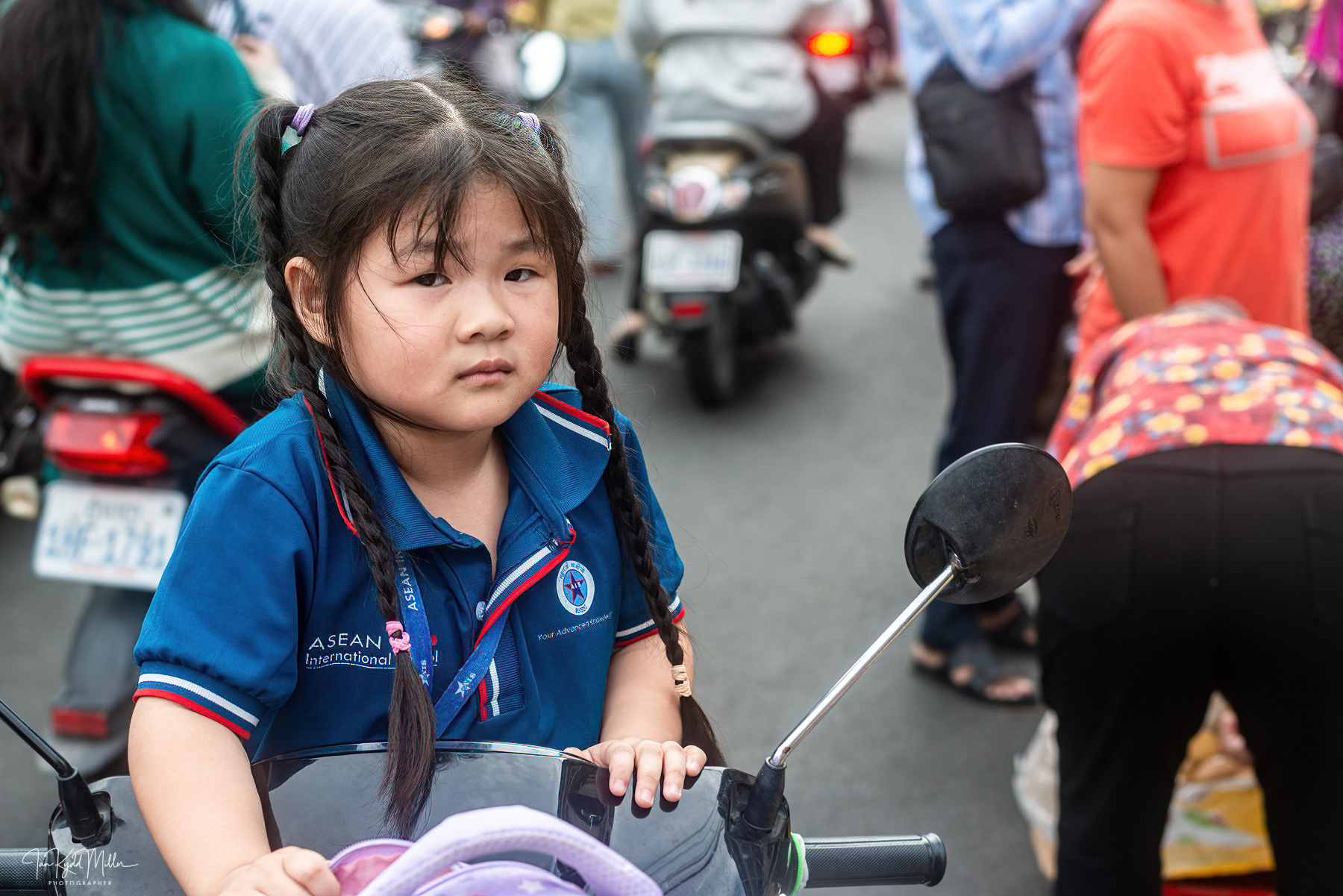
These are my scalpels. They isolate. They clarify. The D version has grit — mechanical, tactile, full of history. The G version is quiet, refined, surgical. Both let me pull a face from the crowd, a gesture from the blur. They’re not just portrait lenses. They’re editorial tools for saying: this is what matters.


🧭 The Triangle

Clarity. Atmosphere. Focus. I move between them depending on the story. Sometimes I need the sharpness of truth. Sometimes I need the softness of ambiguity. Sometimes I need to isolate a moment and hold it still.

This triangle isn’t about gear. It’s about ethics. It’s about how I choose to see.

Sharpness Performance – Nikkor 85mm f/1.8G

Lenses, nikon, opinons, thoughts, photography, street, Travel

Centre sharpness — it’s one of the defining strengths of the Nikon AF‑S NIKKOR 85mm f/1.8G.

🔍 Centre Sharpness Performance

  • Wide open (f/1.8):
    • The lens delivers excellent sharpness in the centre of the frame, even at maximum aperture.
    • This makes it ideal for portraits where the subject’s eyes and facial features need to be tack‑sharp while the background melts away.
  • Stopped down (f/2.8–f/4):
    • Centre sharpness improves further, reaching peak performance.
    • At these apertures, the lens produces crisp detail suitable for studio work or environmental portraits.
  • Comparison to edges:
    • While the centre is impressively sharp, the edges and corners are softer at f/1.8.
    • By f/4–f/5.6, sharpness across the frame evens out, though the lens is clearly optimised for centre performance.

🌍 Why Centre Sharpness Matters

  • Portraiture: Ensures the subject’s eyes and facial features are rendered with clarity, anchoring the image.
  • Street Portraits: Allows you to isolate a face in the crowd with precision, while the background remains softly ambiguous.
  • Symbolic resonance: Technically, it’s about optics — but metaphorically, it’s about focusing on what matters most while allowing the rest to blur.

✨ Key Takeaway

The Nikkor 85mm f/1.8G is celebrated for its centre sharpness wide open, making it a reliable portrait lens. Its optical design prioritises subject isolation and clarity, which is why it remains one of Nikon’s most popular affordable primes.

The notion that using the Nikkor 85mm f/1.8G for street photography is “cheating.”

nikon, opinons, thoughts, photography, street, Travel

📸 Why Some Might Call It “Cheating”

  • Distance & Detachment:
    • An 85mm lens lets you stand further back, avoiding the intimacy and risk of close‑up encounters.
    • Critics argue street photography should be about immersing yourself in the flow of public life, not sniping from afar.
  • Portrait Bias:
    • The lens isolates subjects with shallow depth of field, producing images that look more like studio portraits than candid street shots.
    • Purists say this shifts the genre away from its documentary roots.
  • Aesthetic Control:
    • With creamy bokeh and sharp subject isolation, the 85mm f/1.8G can make almost any scene look “artful.”
    • Some feel this undermines the raw, chaotic authenticity that defines street photography.

🌍 Why It’s Not Cheating

  • Street Photography Is About Vision, Not Gear:
    • Henri Cartier‑Bresson used a 50mm; Garry Winogrand often shot wider. But the genre has never been bound to one focal length.
    • What matters is the decisive moment and the photographer’s intent.
  • Different Perspective:
    • An 85mm lens compresses space, offering a unique way to frame gestures, expressions, and interactions.
    • It can highlight individuals within the crowd, turning anonymity into intimacy.
  • Practicality:
    • In places where close interaction may be culturally sensitive or unsafe, longer focal lengths allow respectful distance.
    • In Phnom Penh, for example, using 85mm could let you capture warmth without intruding.

⚖️ Advantages of 85mm Street Work

  • Subject isolation and expressive portraits.
  • Quiet SWM autofocus — discreet in public.
  • Lightweight and portable compared to f/1.4 primes.

📊 Comparison: Nikon 85mm f/1.8D vs 85mm f/1.8G

FeatureNikon 85mm f/1.8D (1994)Nikon 85mm f/1.8G (2012)
Focal Length85mm85mm
Maximum Aperturef/1.8f/1.8
Optical Design6 elements in 6 groups9 elements in 9 groups (modern coatings)
Autofocus SystemScrew‑drive AF (requires motor in camera)Silent Wave Motor (SWM) built into lens
Manual Focus OverrideNoYes (M/A mode)
Minimum Focus Distance0.85 m0.8 m
Diaphragm Blades7 straight blades7 rounded blades (smoother bokeh)
Weight~380 g~350 g
Build QualityMetal/plastic mix, solid feelPlastic barrel, lighter, not weather‑sealed
Filter Size62 mm67 mm
Release Year19942012

⚠️ Disadvantages

  • Less context — backgrounds blur, reducing environmental storytelling.
  • Risk of voyeurism if used without engagement.
  • Narrower field of view makes spontaneous wide scenes harder to capture.

✨ Conclusion

Calling the 85mm f/1.8G “cheating” in street photography reflects a purist mindset that equates authenticity with proximity. In reality, it’s just another tool — one that shifts the genre toward street portraiture, where clarity and ambiguity coexist. The ethical weight lies not in the lens, but in how you use it: whether you engage, respect, and frame responsibly.

📸 Nikon AF‑S NIKKOR 85mm f/1.8G — Portrait Precision in a Compact Package

cambodia, cameras, Lenses, nikon, opinons, thoughts, photography, street

🌍 Introduction

Among Nikon’s portrait primes, the AF‑S NIKKOR 85mm f/1.8G stands out as a lens that balances affordability, optical quality, and portability. Released in 2012, it replaced the older 85mm f/1.8D, bringing a modern optical design and Silent Wave Motor (SWM) autofocus. For photographers seeking expressive portraits without the weight or cost of f/1.4 glass, this lens is a compelling choice. It delivers sharp images, smooth bokeh, and quiet autofocus, but lacks vibration reduction and weather sealing..

🔑 Characteristics

  • Focal Length: 85mm — a classic medium telephoto, flattering for portraits.
  • Maximum Aperture: f/1.8 — bright, fast, and capable of shallow depth of field.
  • Optical Design: 9 elements in 9 groups, optimised for digital sensors.
  • Silent Wave Motor (SWM): Fast, quiet autofocus with manual override.
  • Minimum Focus Distance: 0.8 m (2.62 ft).
  • Diaphragm: 7 rounded blades for smooth background blur.
  • Weight: ~350 g — compact and easy to carry.
  • Filter Size: 67 mm.

✅ Advantages

  • Sharpness: Excellent centre sharpness even wide open; improves further when stopped down.
  • Bokeh: Smooth, natural background blur that isolates subjects beautifully.
  • Low Light Performance: Wide aperture allows shooting in dim conditions without flash.
  • Autofocus: Quiet and reliable thanks to SWM, suitable for both stills and video.
  • Value: More affordable than Nikon’s f/1.4 primes, yet delivers professional‑level results.
  • Portability: Lightweight design makes it ideal for travel and street portraiture.

⚠️ Disadvantages

  • No Vibration Reduction (VR): Requires steady hands or faster shutter speeds.
  • Build Quality: Durable plastic but lacks weather sealing; less rugged than pro‑grade lenses.
  • Bokeh Quality: While smooth, it’s not as creamy or complex as higher‑end f/1.4 or f/1.2 lenses.
  • Edge Sharpness: Slightly softer at the frame edges wide open, though acceptable for portraits.

🎯 Ideal Use Cases

  • Portraits: Headshots, candid street portraits, and environmental portraiture.
  • Events: Weddings or gatherings where subject isolation is key.
  • Video: Quiet AF makes it useful for DSLR video work.
  • Travel: Compact size and weight make it easy to carry without sacrificing quality.
  • Street.

✨ Conclusion

The Nikon AF‑S NIKKOR 85mm f/1.8G is a portrait specialist: sharp, fast, and affordable. It may lack the prestige of Nikon’s f/1.4 primes, but its combination of optical quality, portability, and price makes it one of the most practical lenses in Nikon’s lineup. For photographers who want sharp focus amid soft ambiguity, this lens delivers exactly that balance.

Phnom Penh Wanderings: Friendship Beyond Fear

cambodia, cameras, homelessness, Lenses, nikon, opinons, thoughts, photography, street, Travel

🌍 Off the Tourist Trail

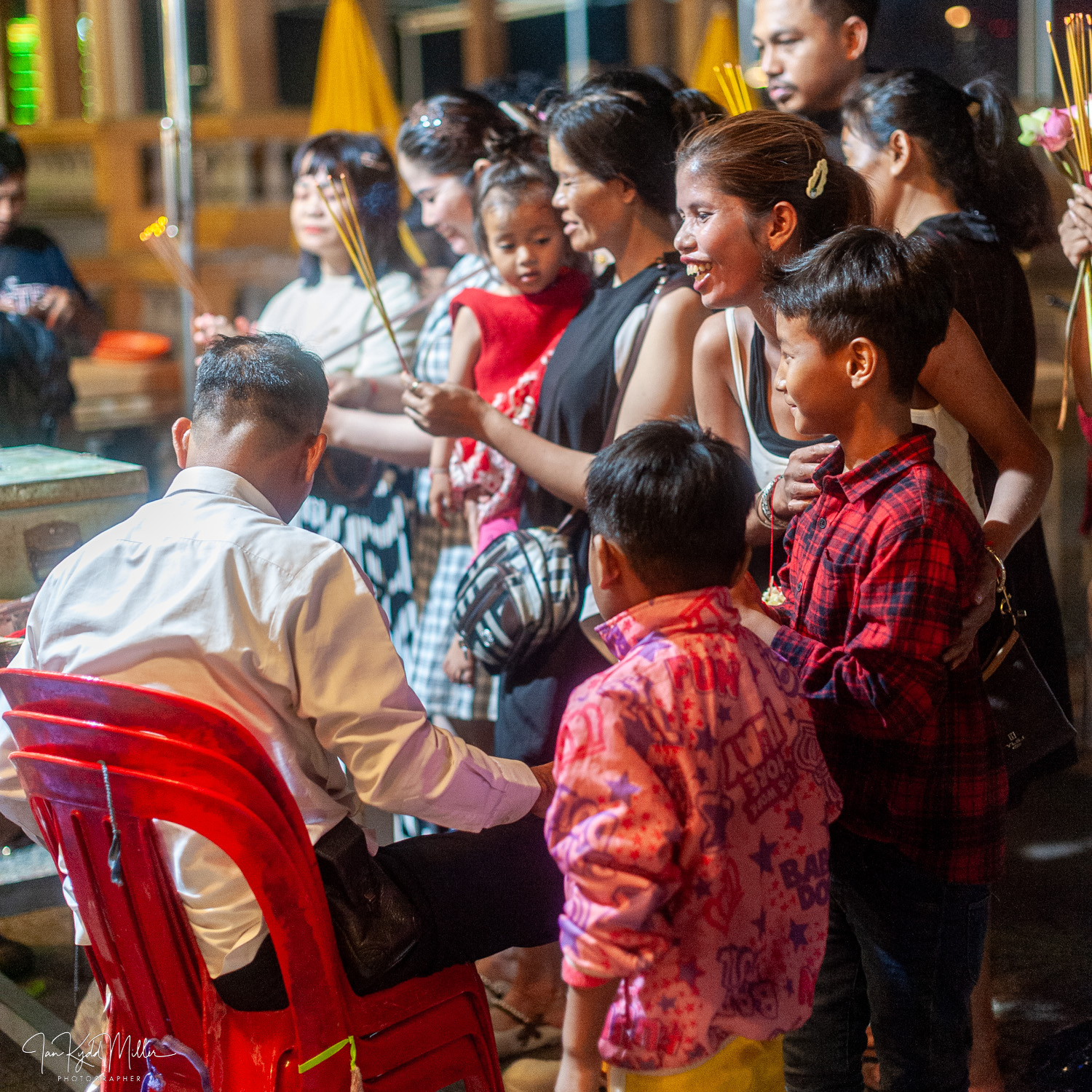
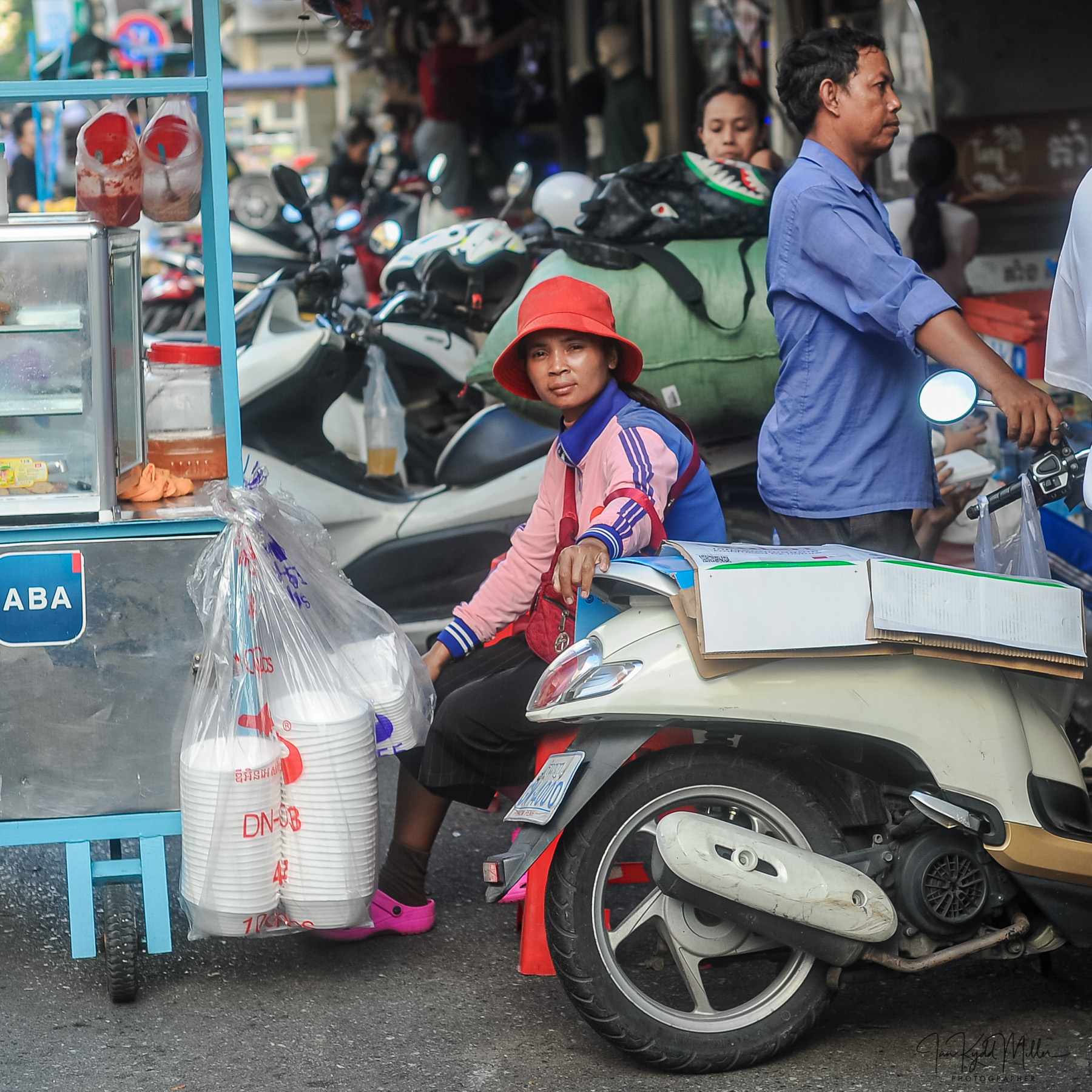
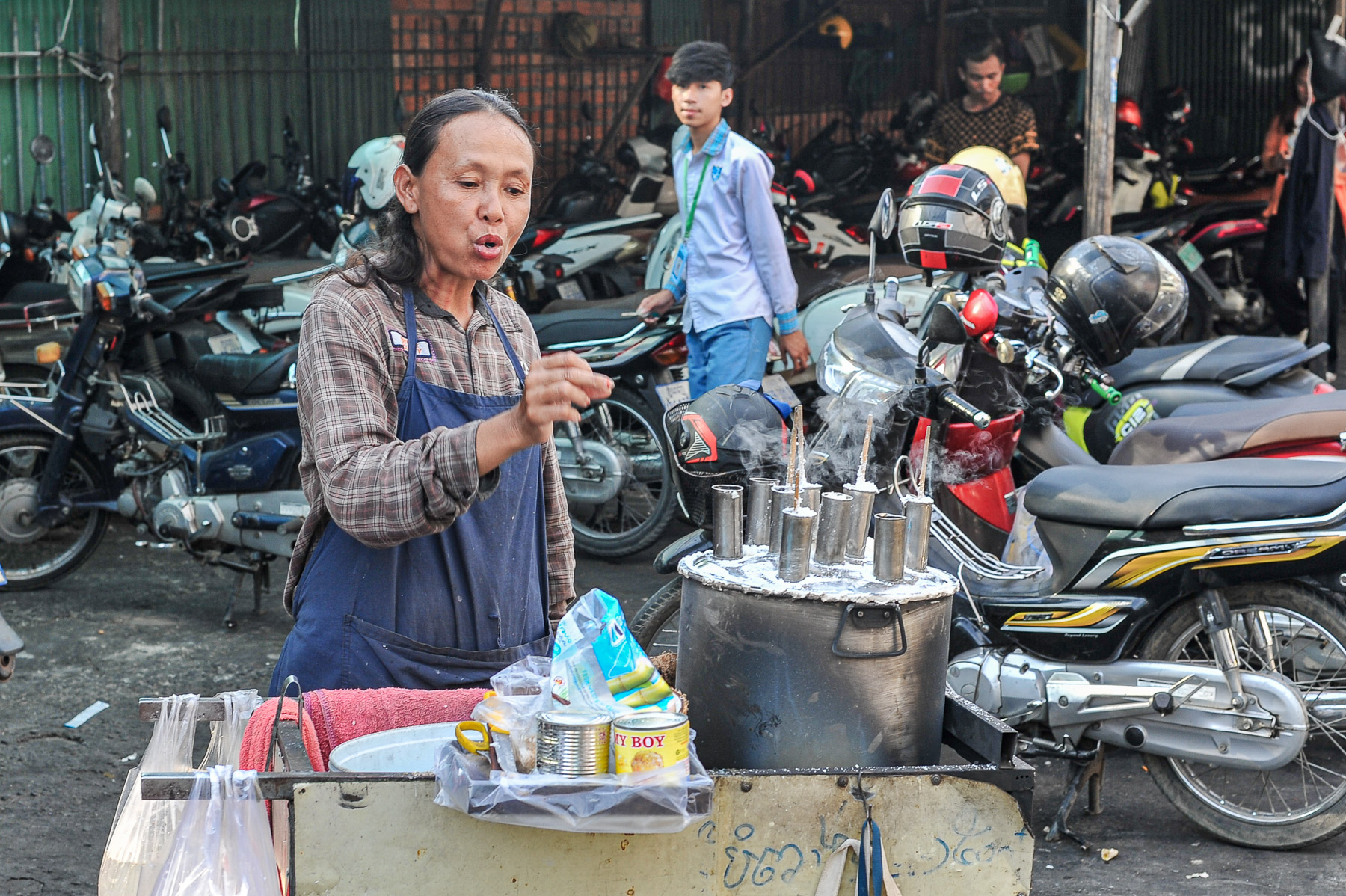
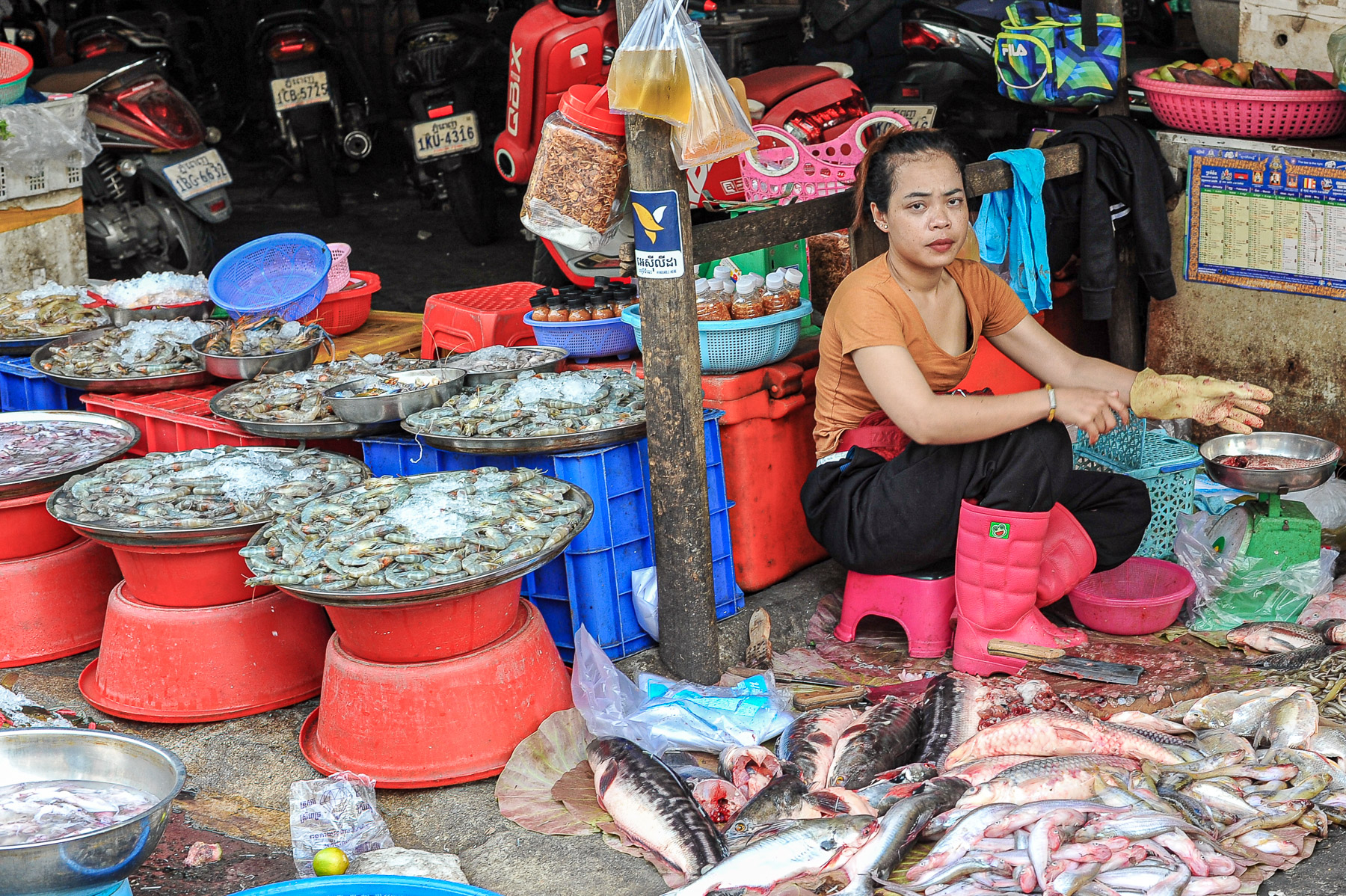
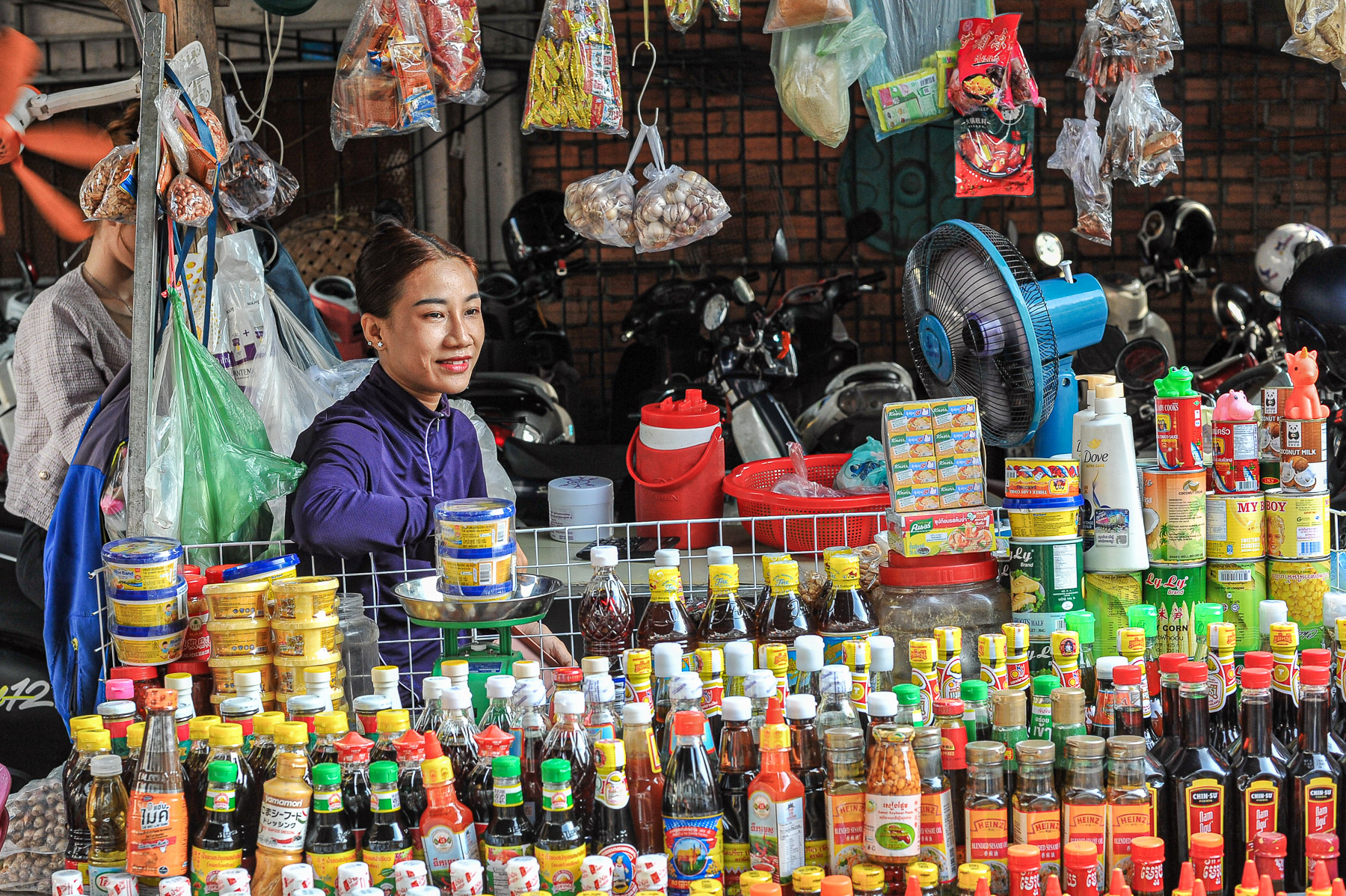
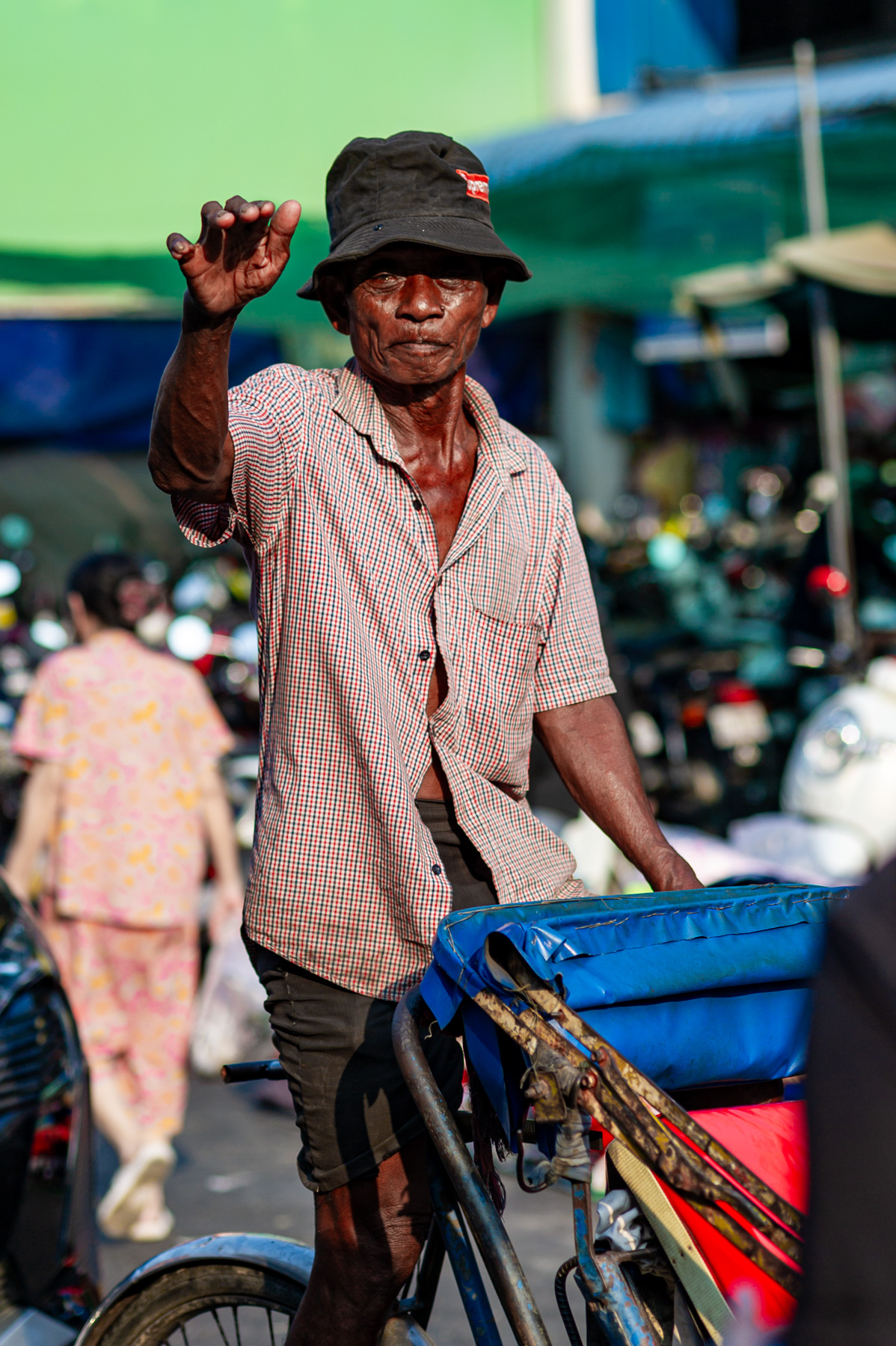
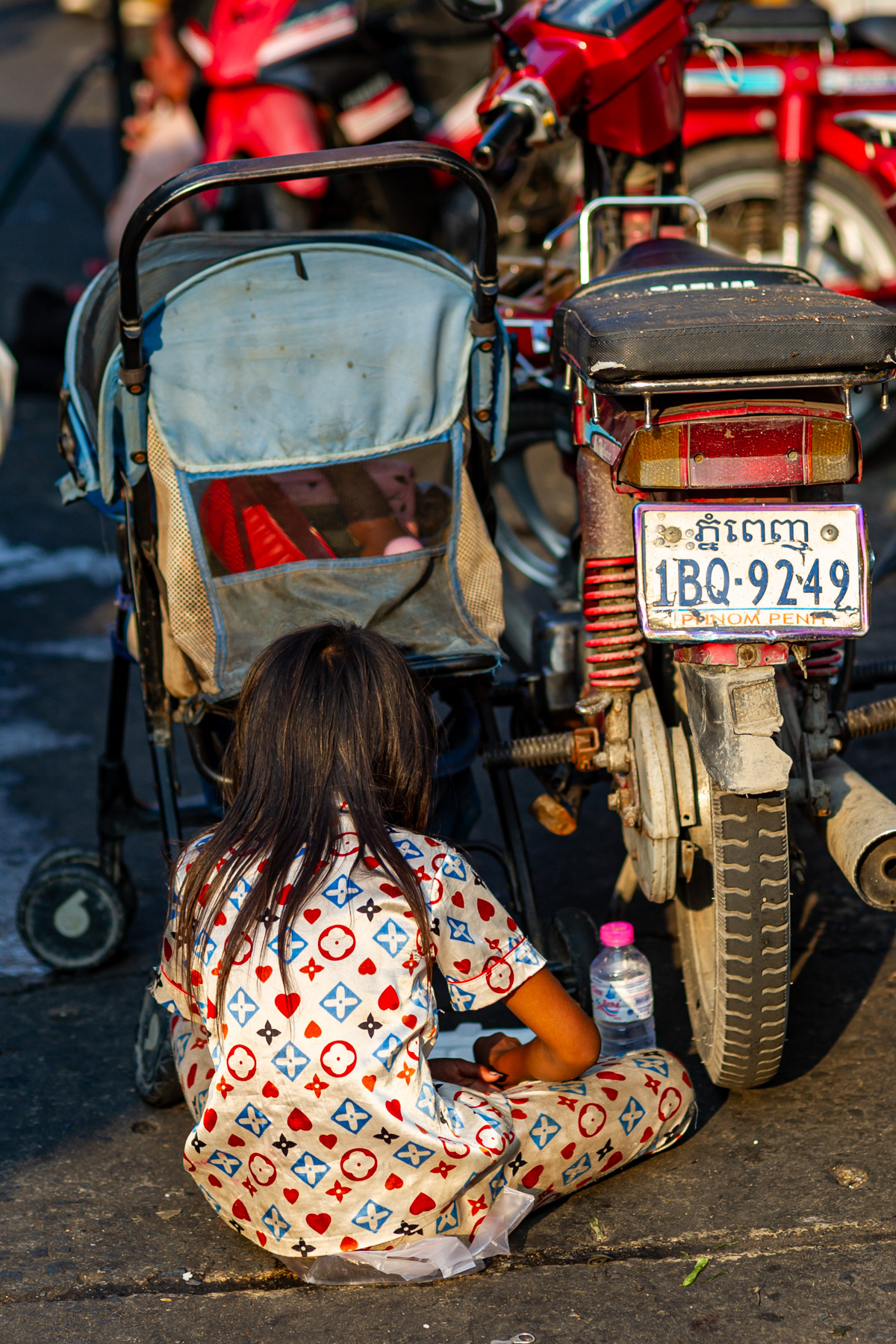
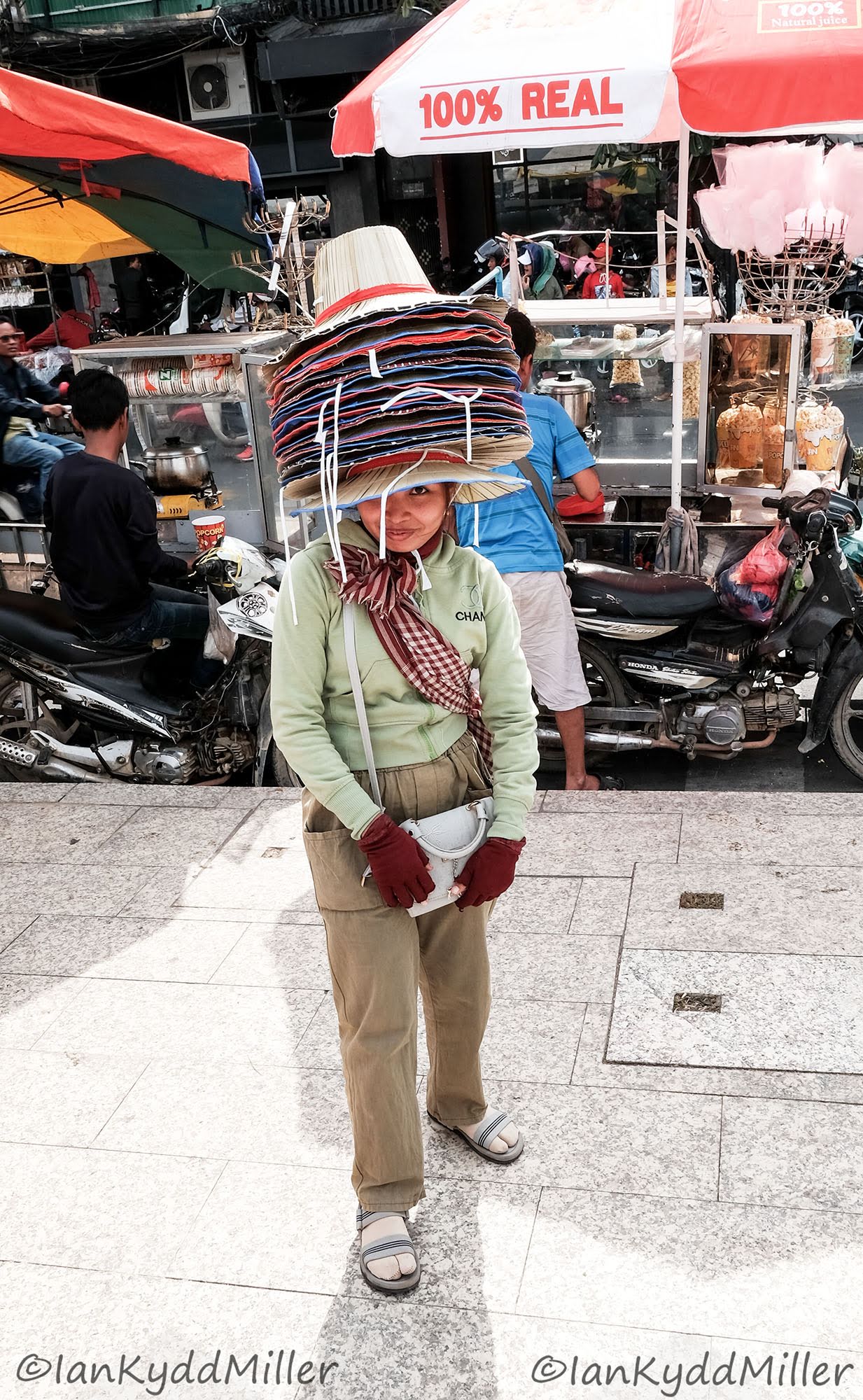
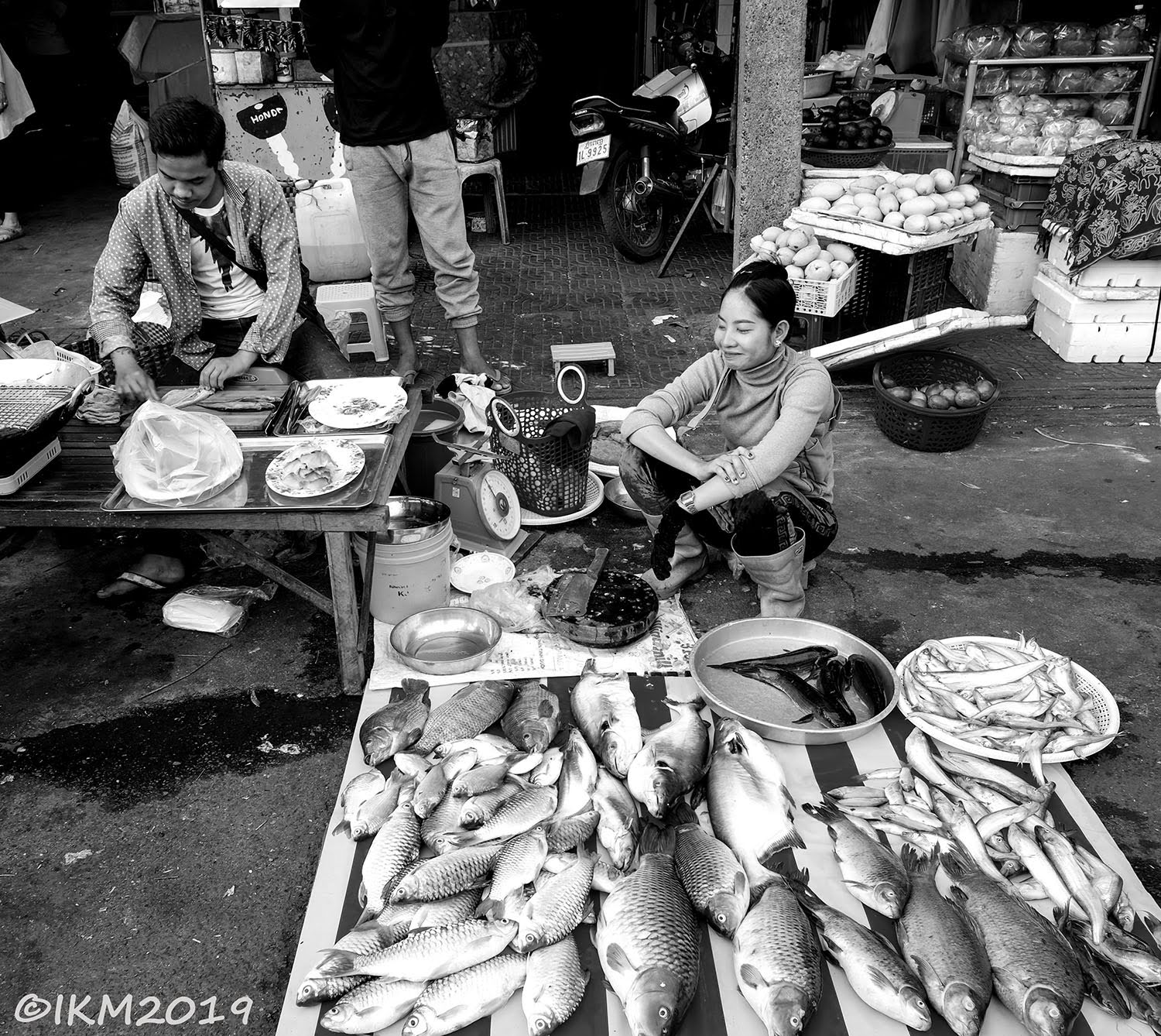
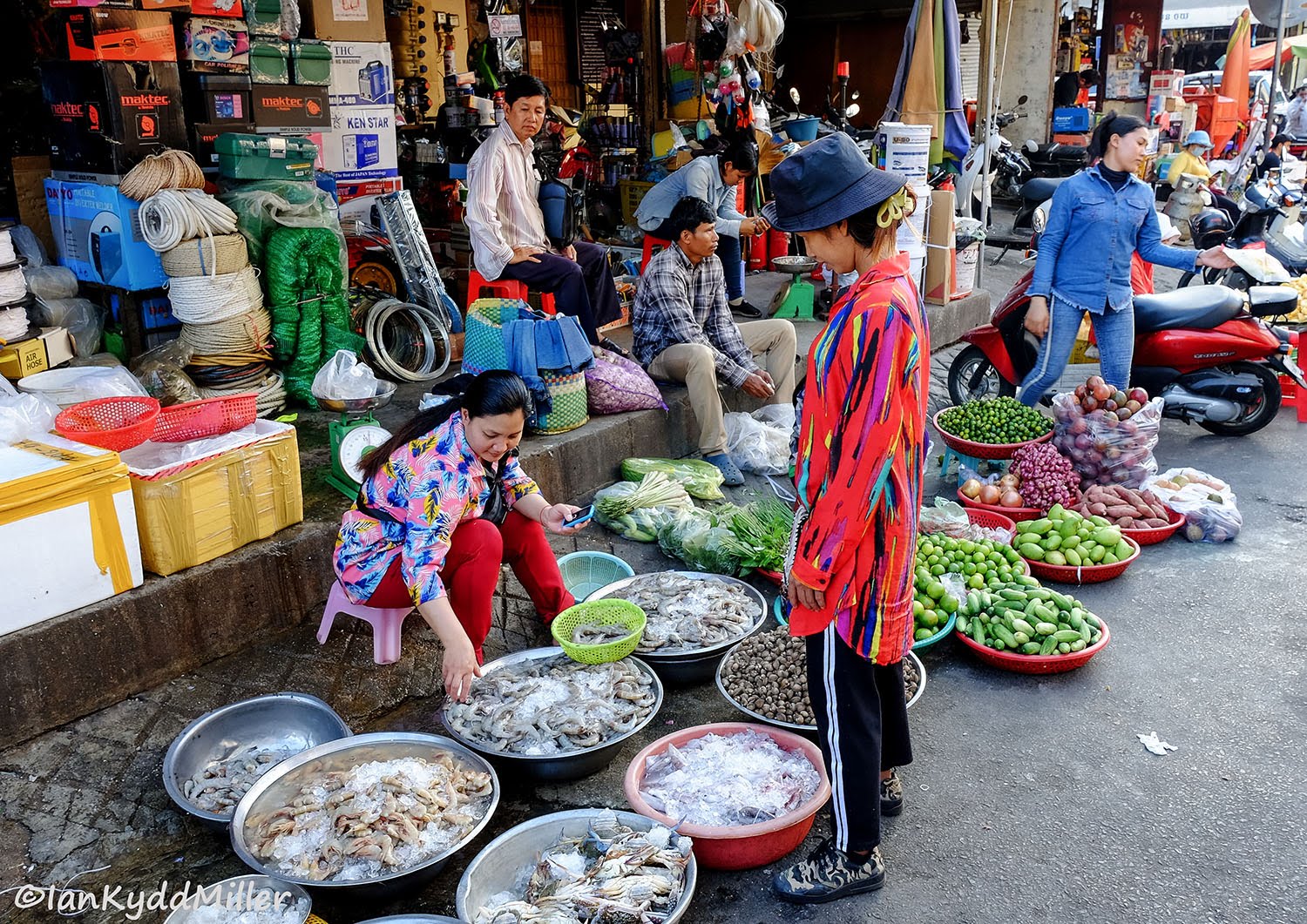
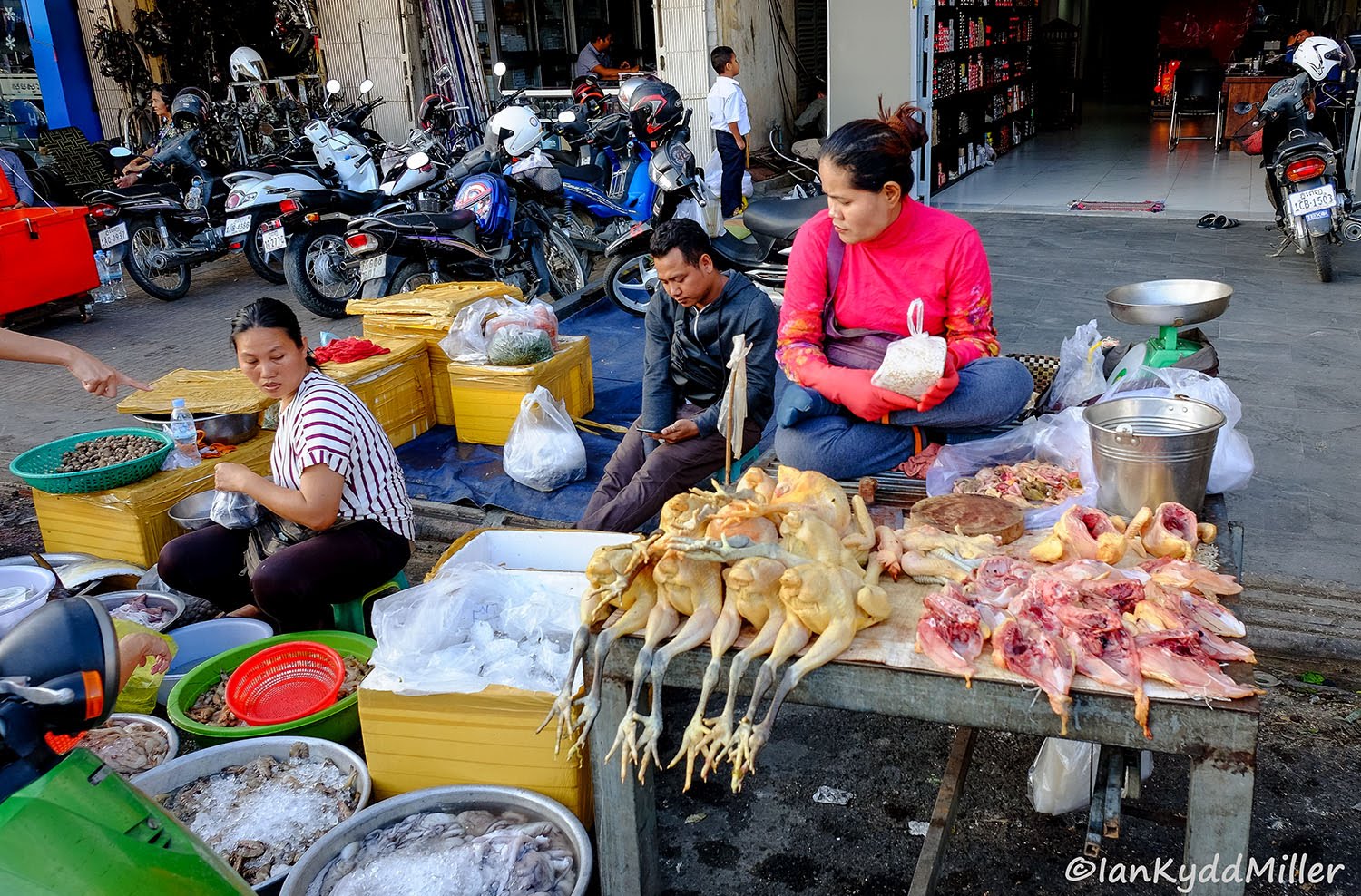
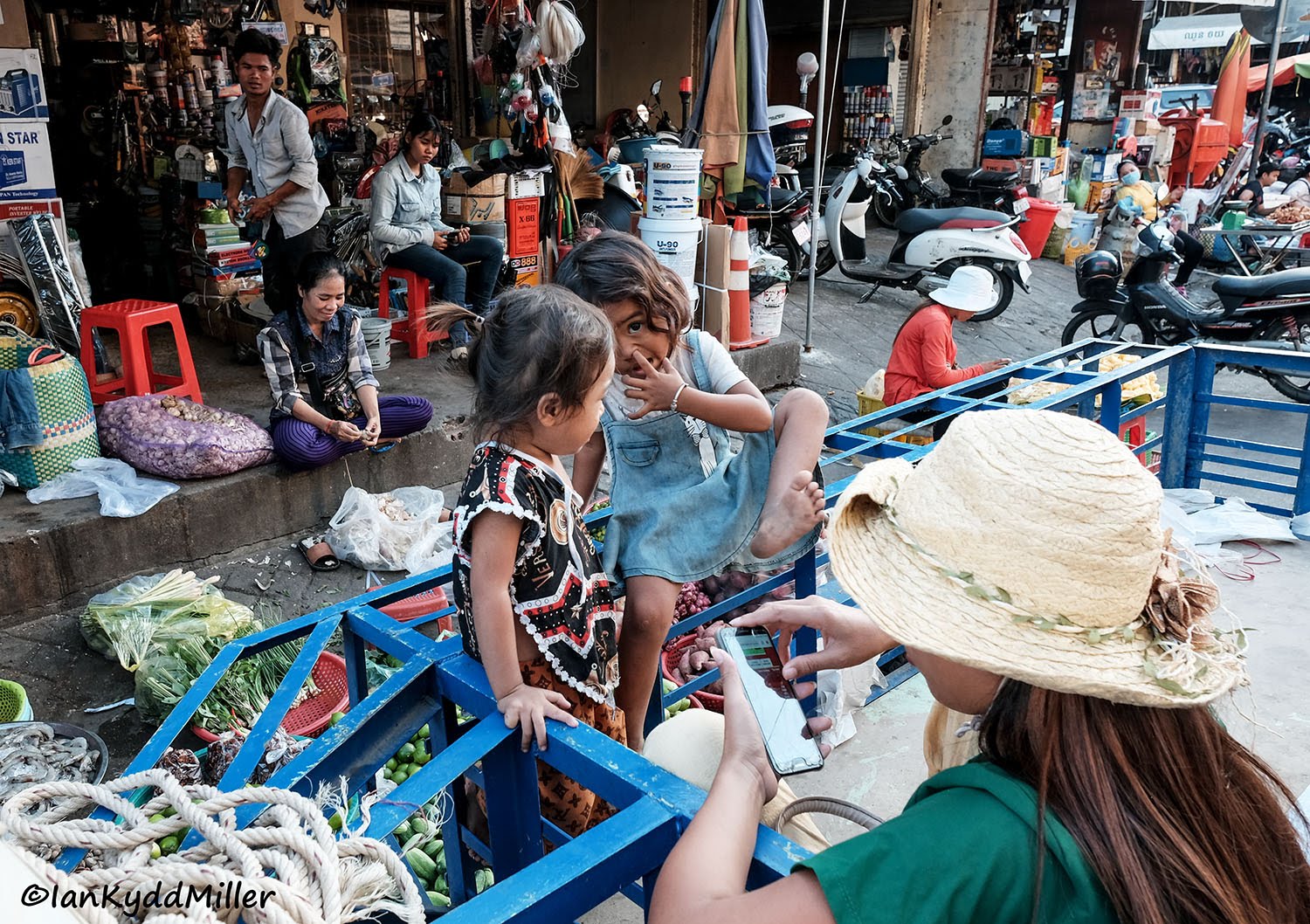
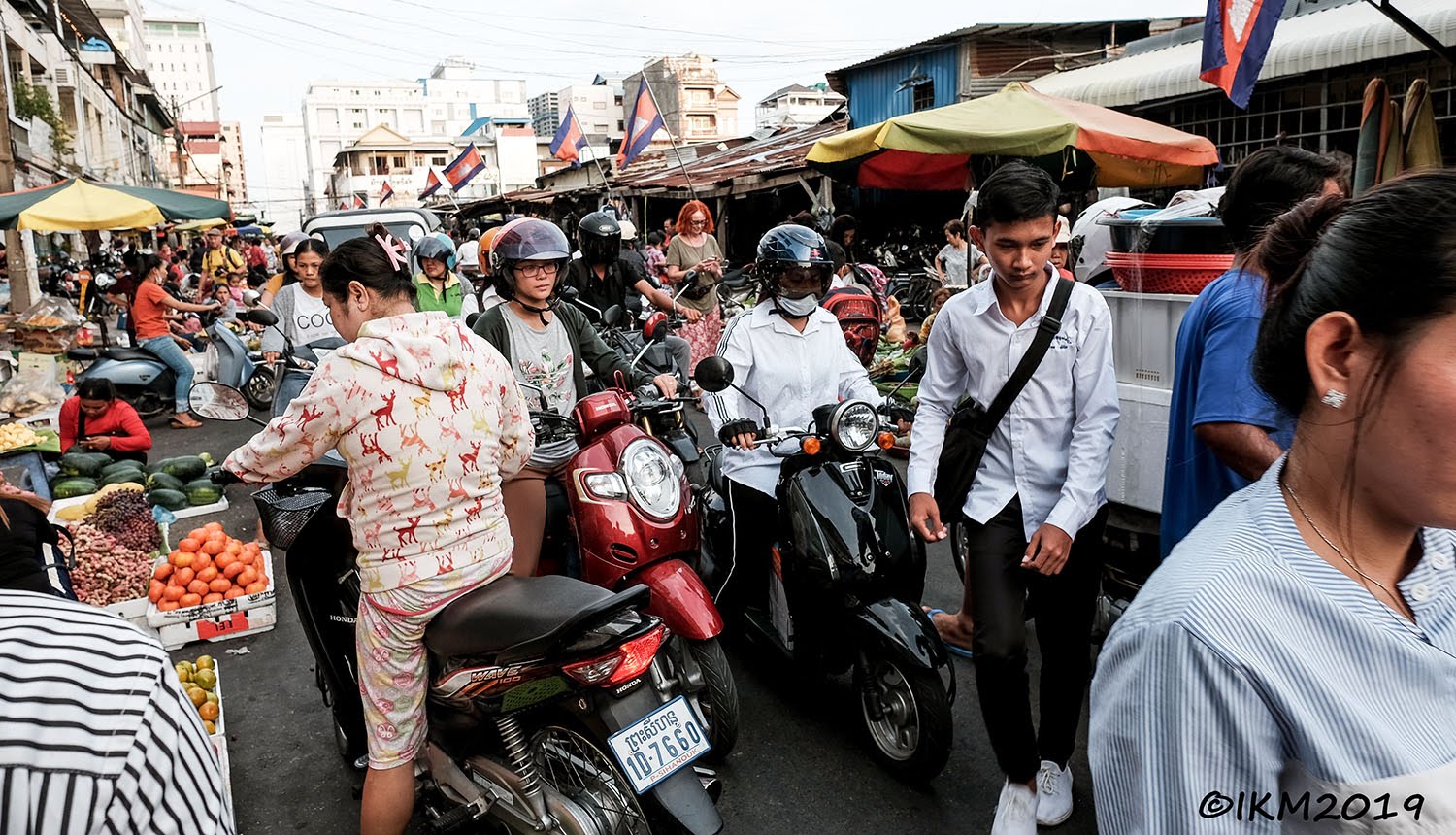
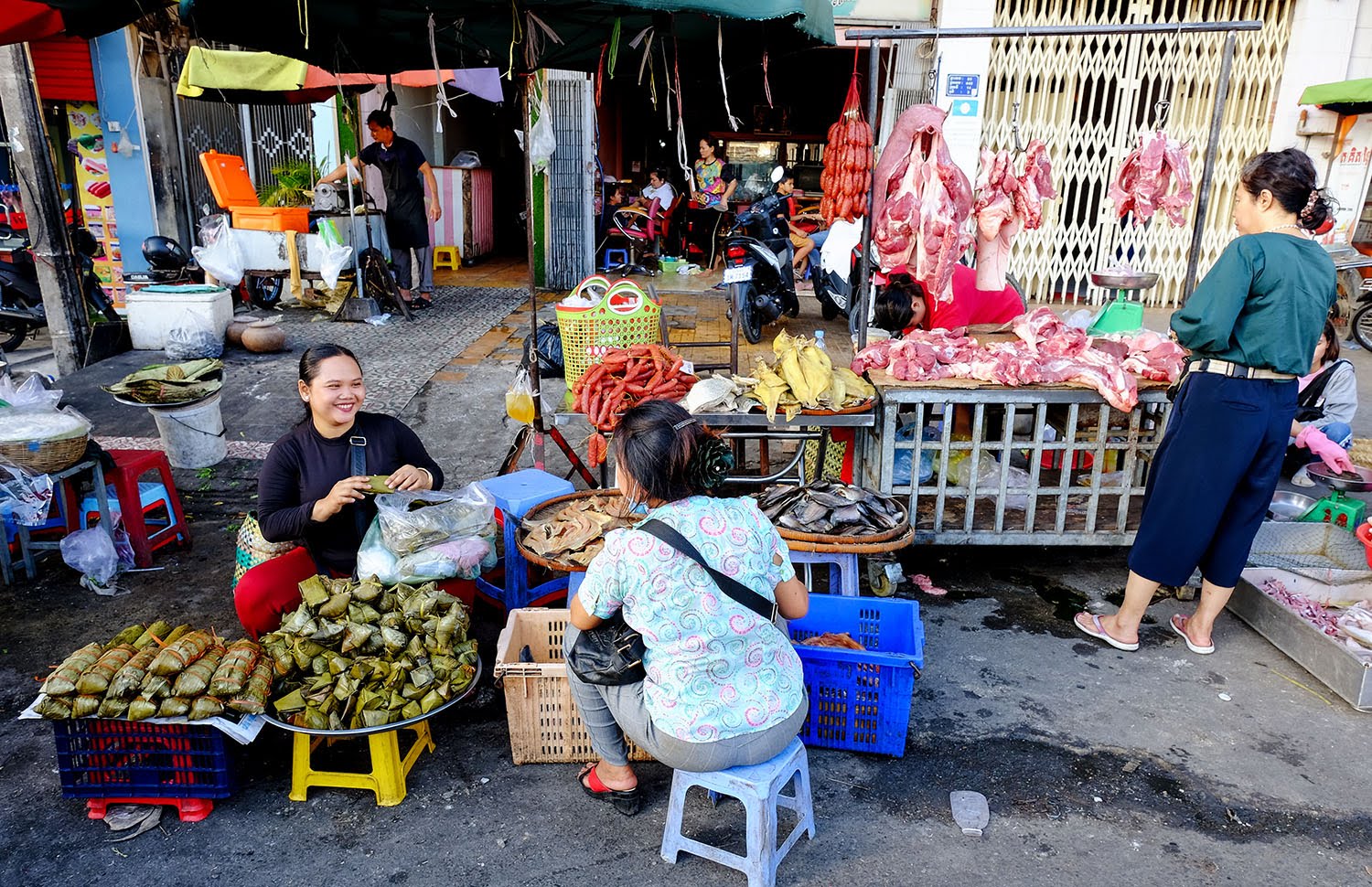
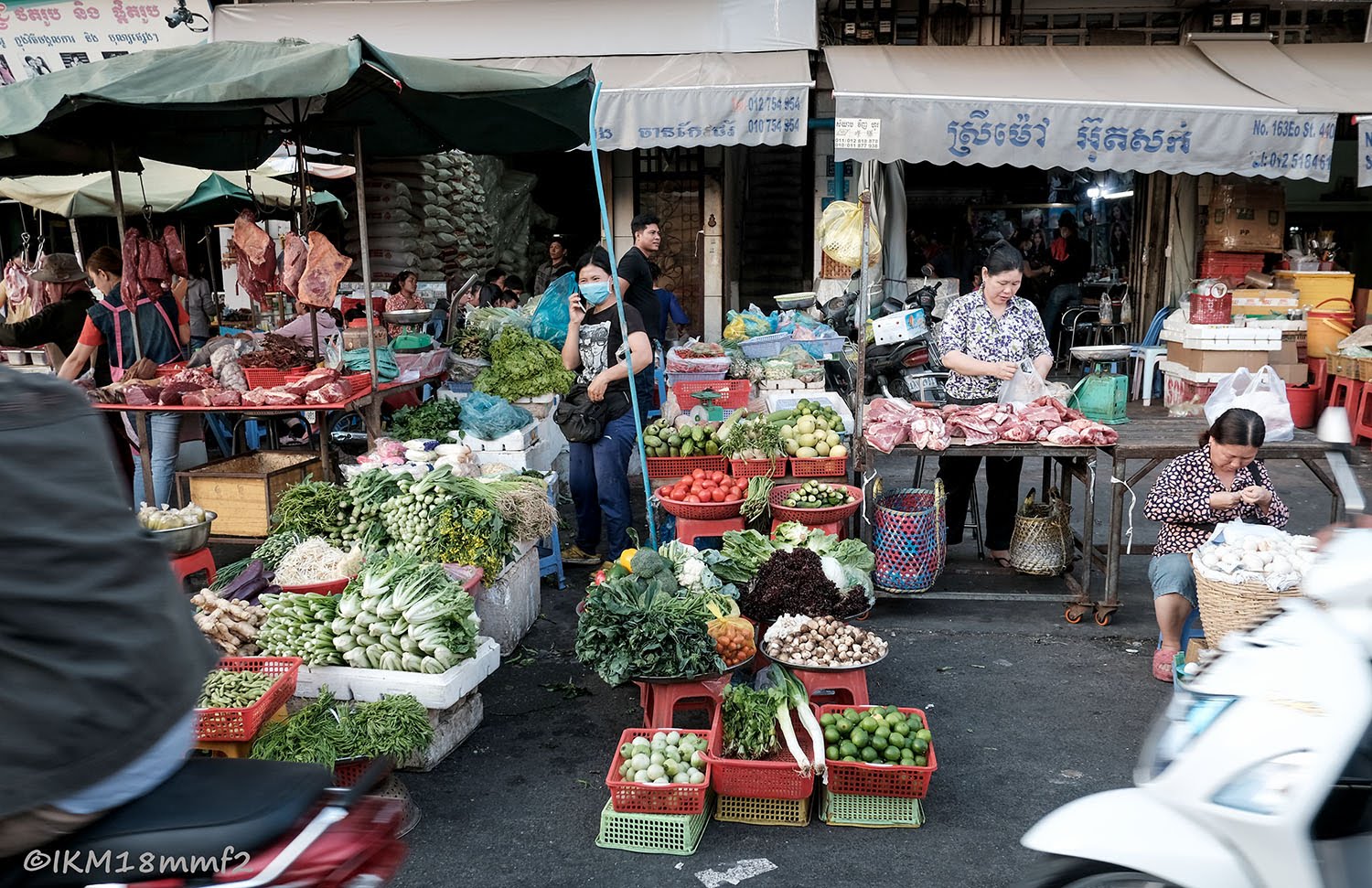
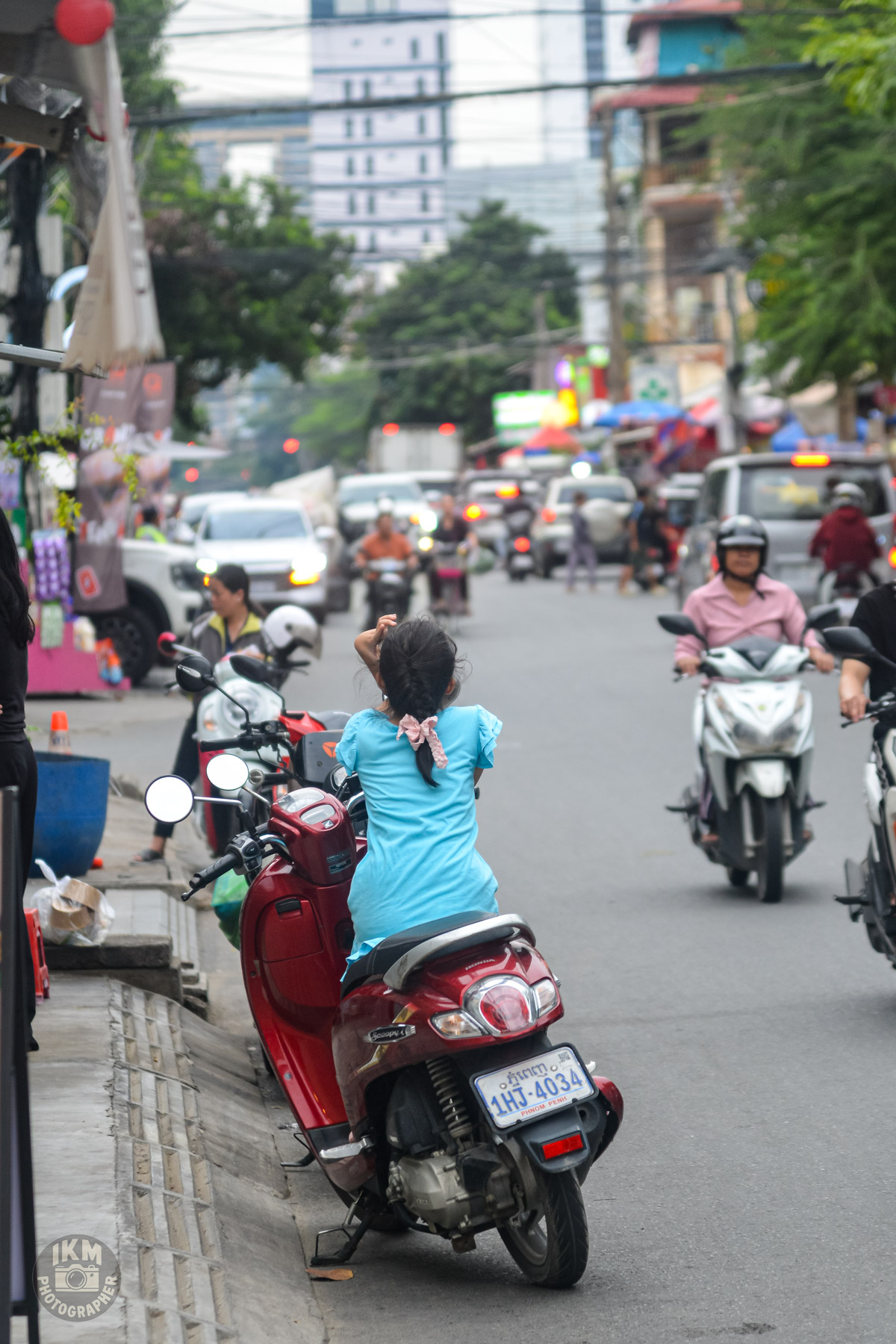
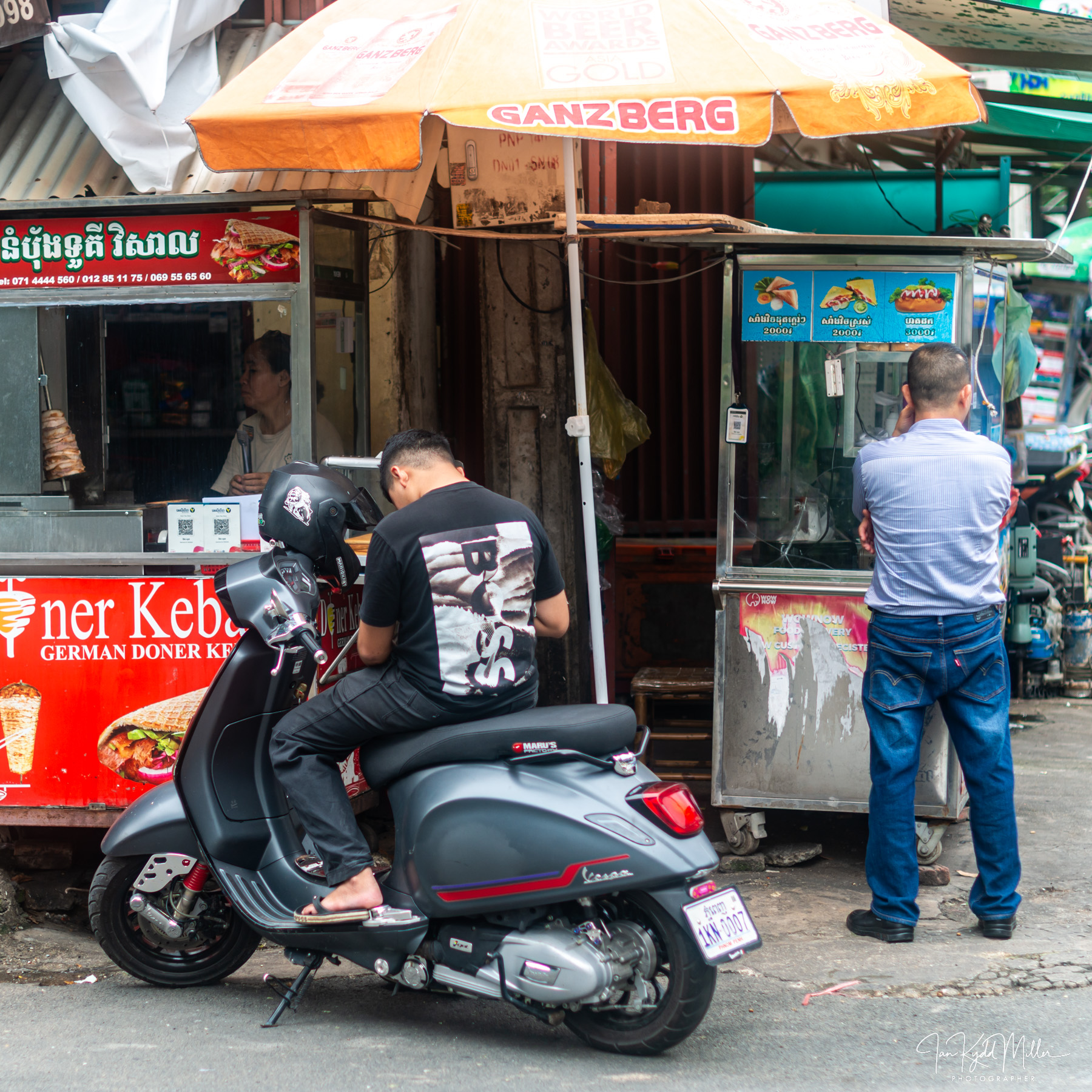
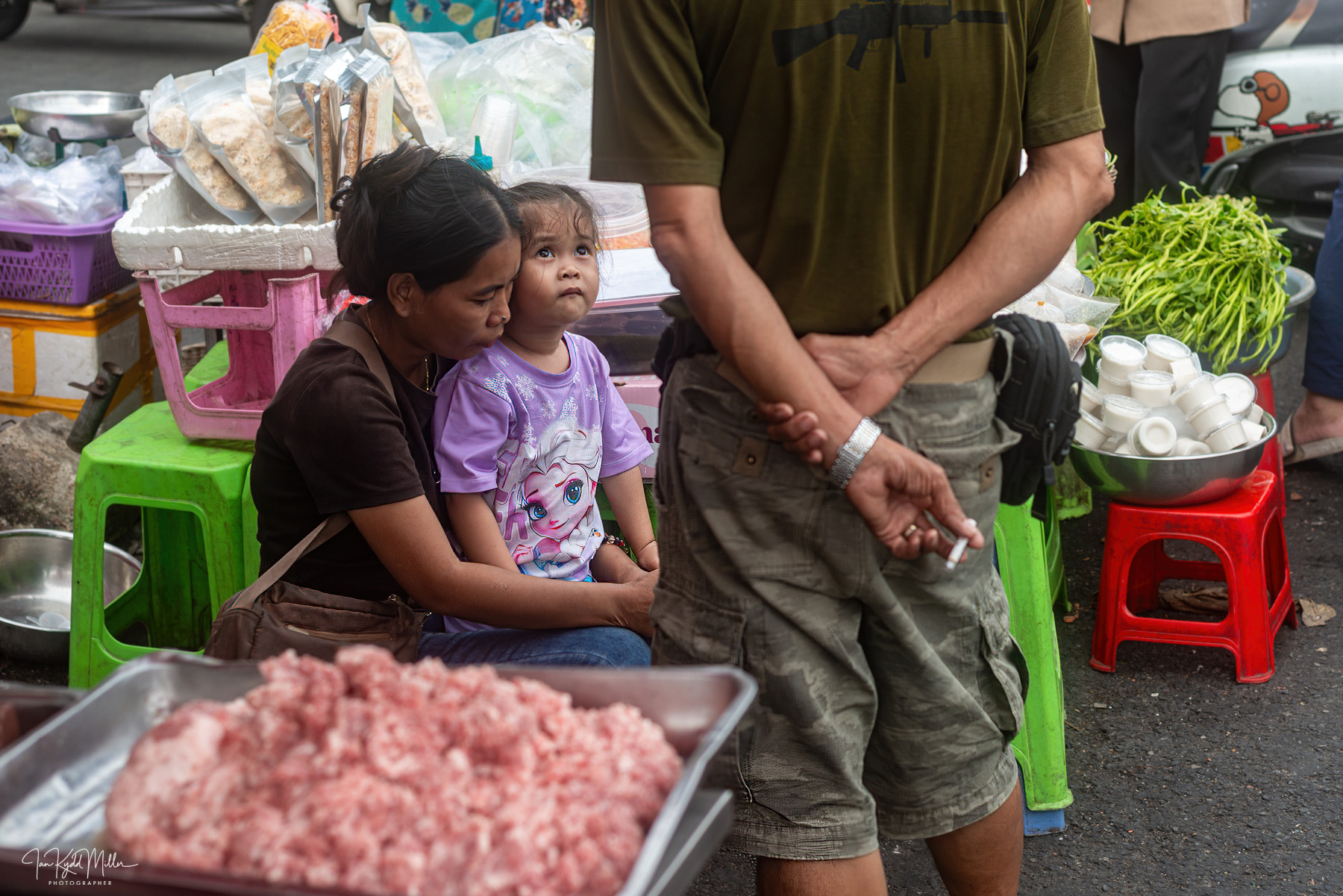
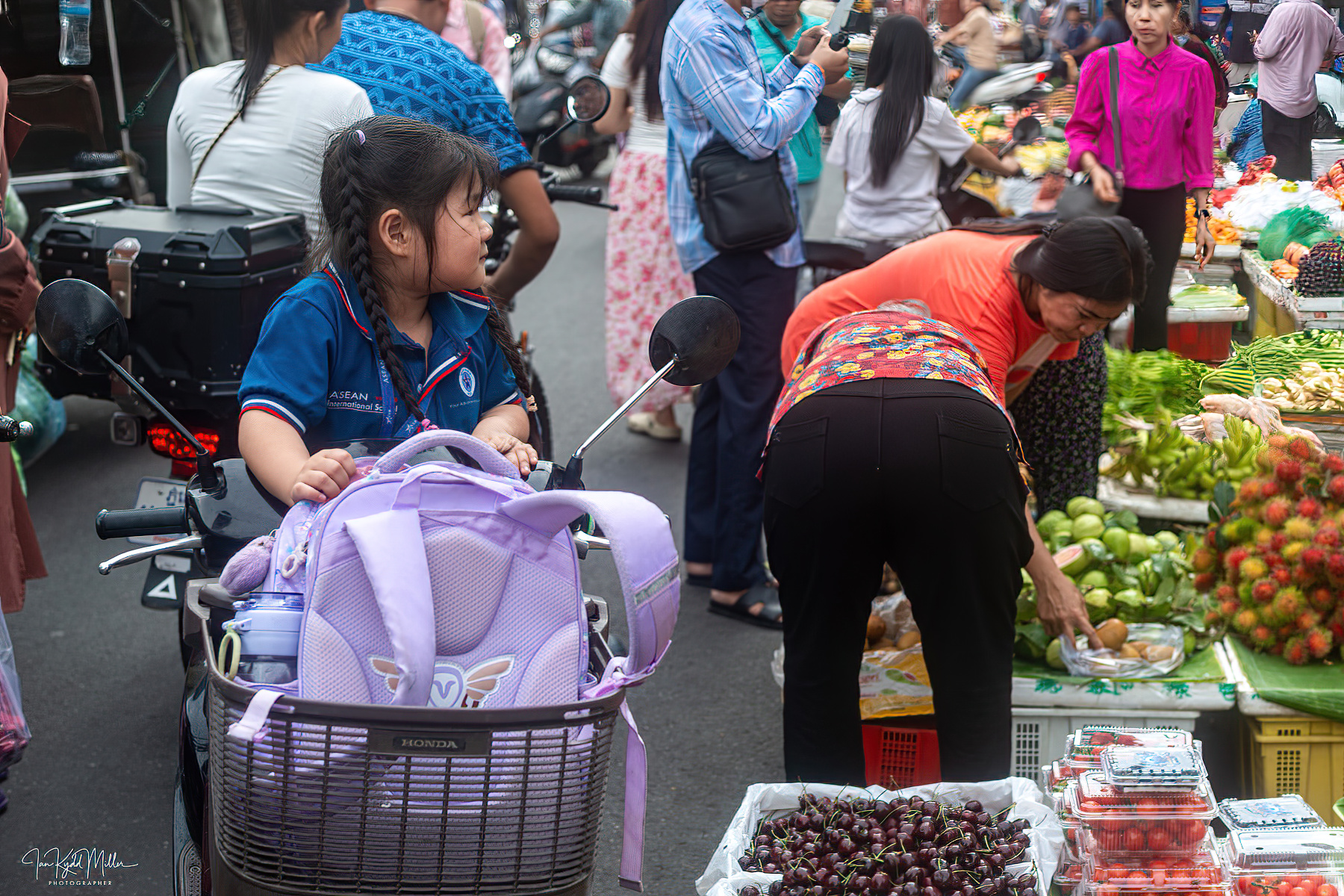
Phnom Penh is often imagined through its riverside promenades, temples, and expat cafés. Yet the city’s essence lies in the places foreigners rarely visit — the narrow lanes, bustling wet markets, and everyday neighbourhoods where life unfolds unfiltered. Many outsiders avoid these areas, guided by fear or unfamiliarity, but for me, wandering them has become a favorite pastime.

🤝 Encounters of Humanity

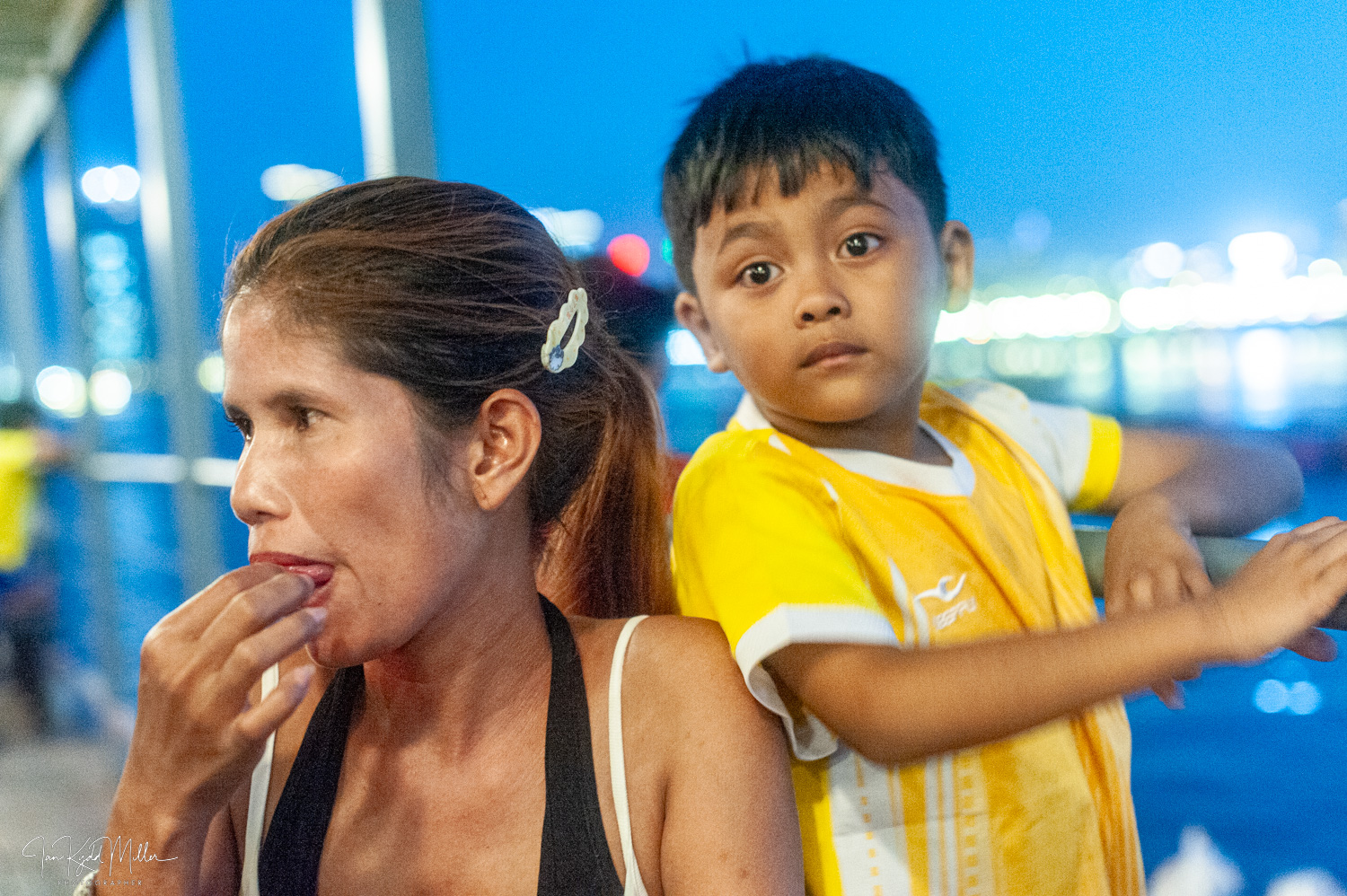
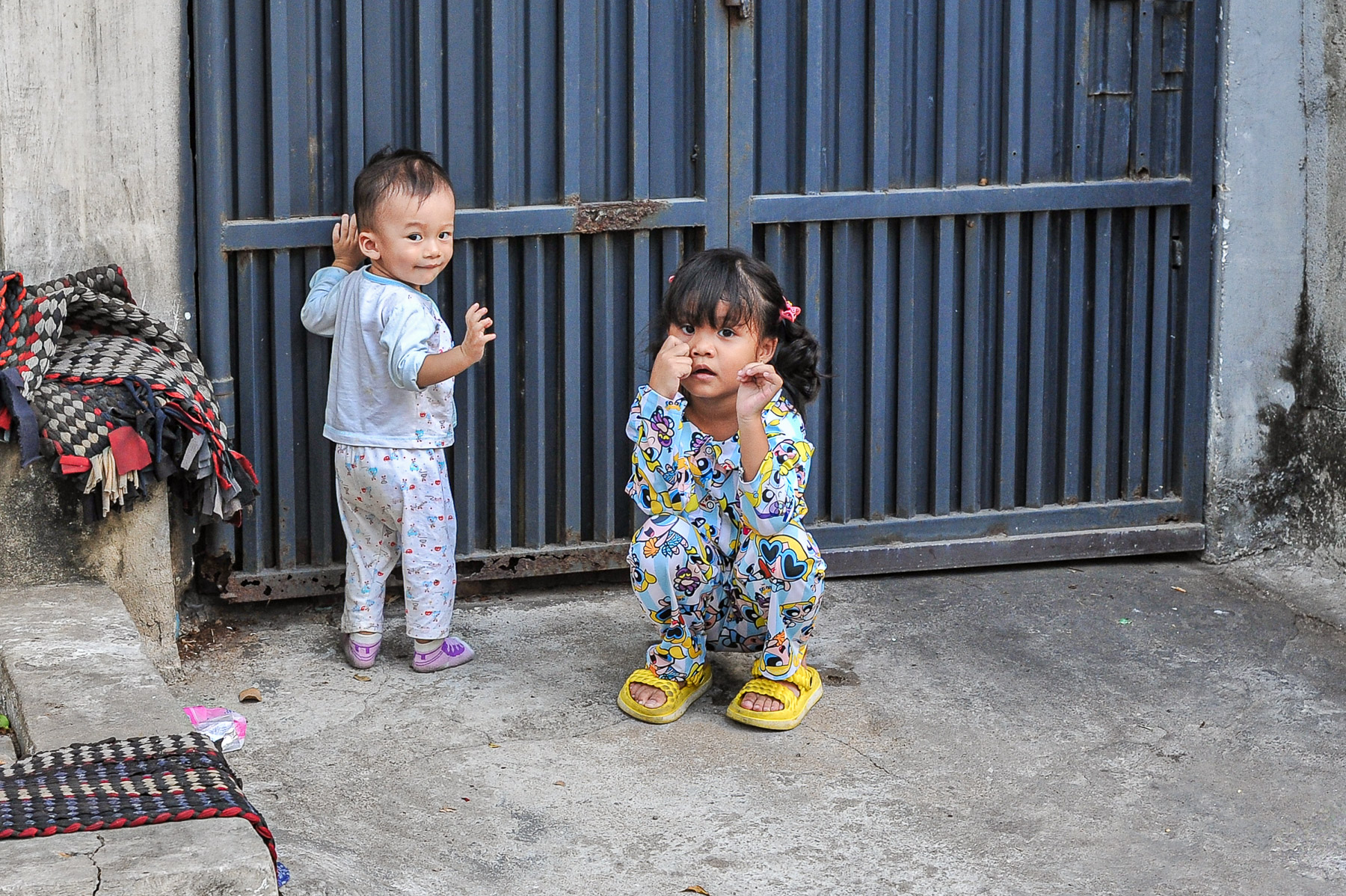
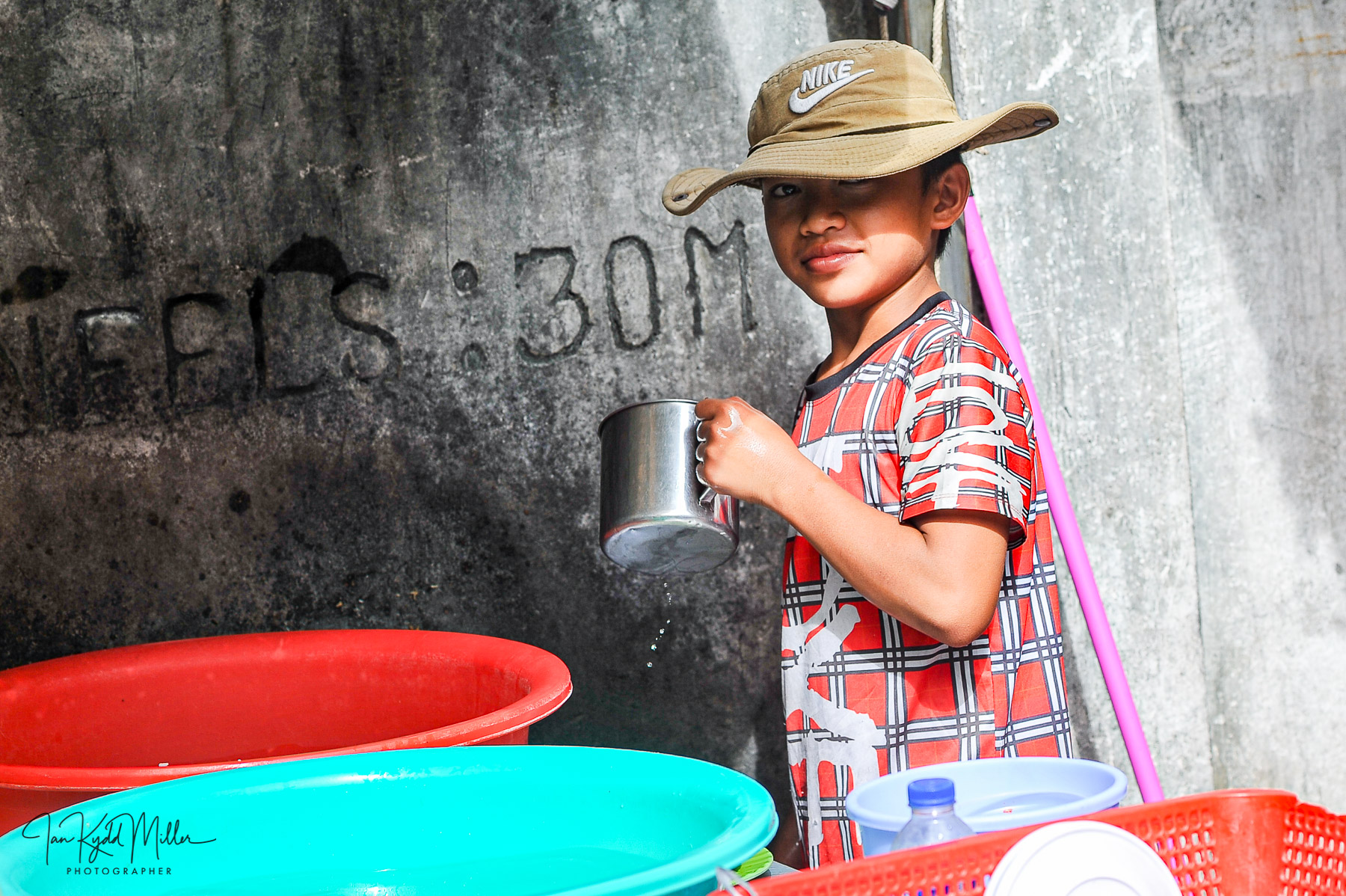
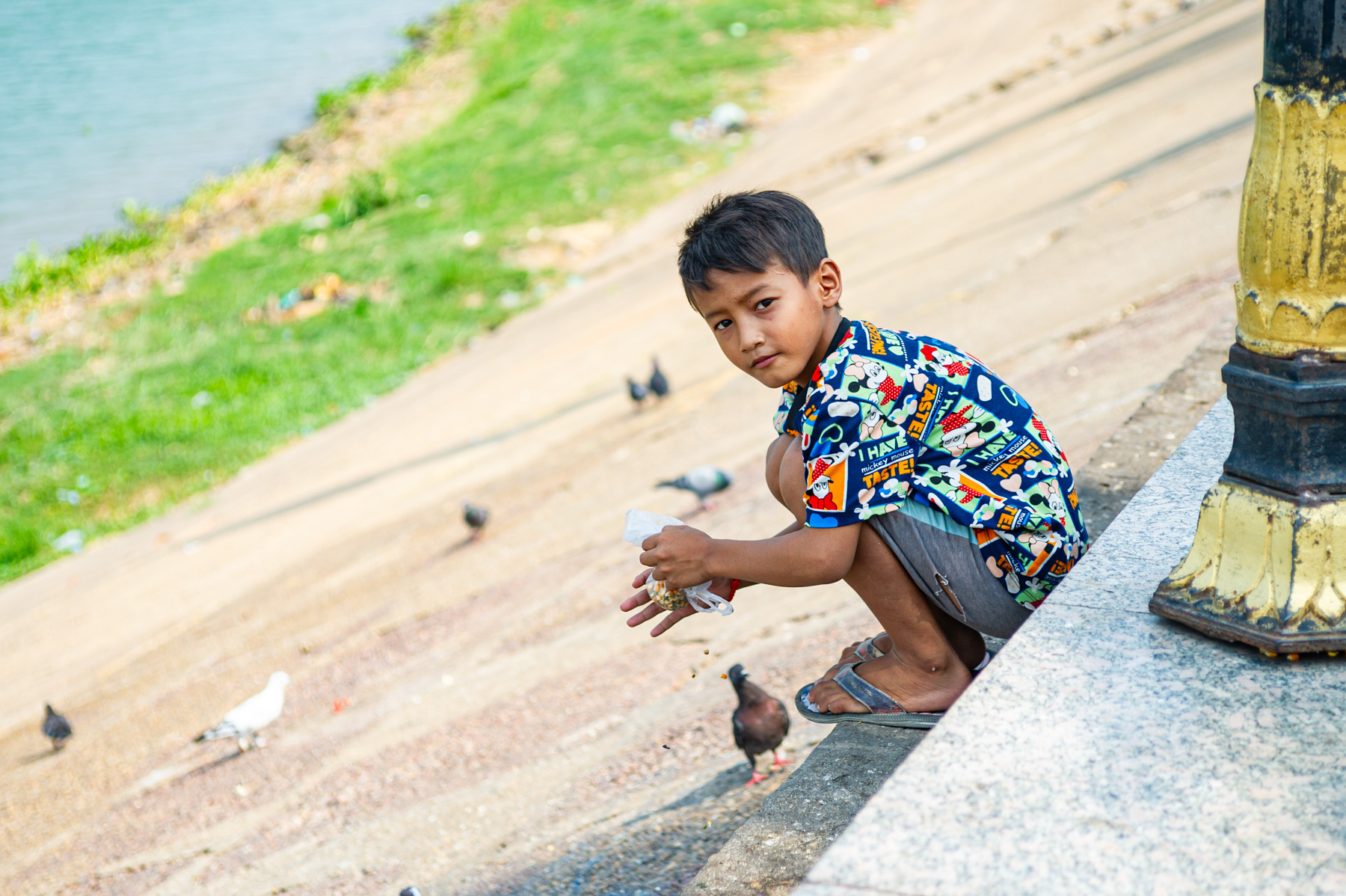
Each walk brings moments of connection: vendors offering smiles, children waving with delight, neighbours curious yet welcoming. Far from the imagined hostility, I find warmth and joy. The people are happy to see me, not because I am foreign, but because I am present — willing to share space in their daily rhythm.

🕊️ Reframing Fear

The absence of foreigners in these areas is telling. Fear shapes perception, but reality often contradicts it. By stepping into overlooked corners, I discover not danger but dignity, not hostility but hospitality. The narrative of fear dissolves into lived experience of trust.

✨ Lessons in Wandering

  • Authenticity: The richest encounters happen away from curated tourist zones.
  • Humanity: Warmth and friendliness are constants, even in places outsiders avoid.
  • Perspective: Fear blinds us to beauty; presence reveals it.

📸 Closing Reflection

Wandering Phnom Penh’s less‑visited areas is more than exploration — it is an act of trust. It reminds me that ambiguity and absence are not voids to fear, but spaces where meaning emerges. In the overlooked corners of the city, I find friendship, resilience, and the quiet joy of human connection.

In Cambodia, the simple act of offering a Khmer greeting — the sampeah — carries deep cultural weight. Whether you meet a child, an elder, or someone in between, pressing your palms together and bowing slightly is seen not just as politeness, but as a gesture of respect and friendship.

I have noticed — that people light up when greeted in their own language — is a reminder of how small acts of cultural recognition dissolve barriers. It’s not about being fluent; it’s about showing you care enough to step into their world.

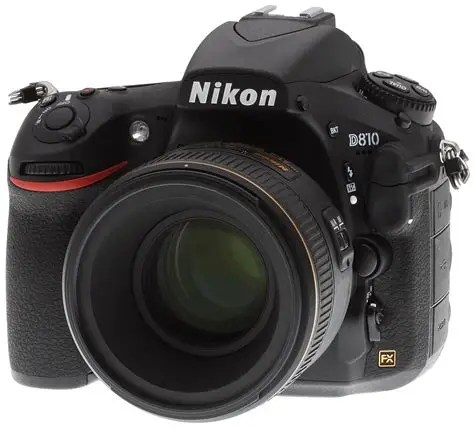
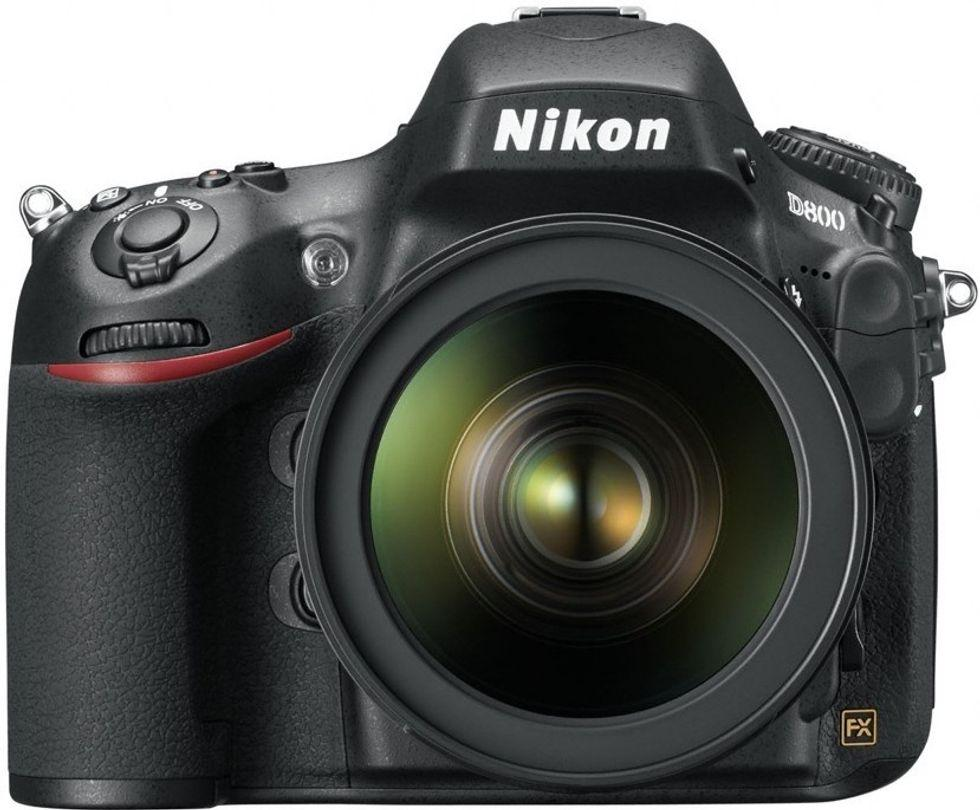
The Nikon D810 is a legendary DSLR

cameras, Lenses, nikon, opinons, thoughts, photography, street, Travel

The Nikon D810 is widely regarded as an extraordinary full‑frame DSLR, thanks to its 36.3‑megapixel sensor, superb dynamic range, and professional‑grade build. Even in 2025, it remains a strong choice for photographers who value high‑resolution stills, robust ergonomics, and versatility across genres.

📸 Key Features

  • Sensor: 36.3 MP full‑frame CMOS sensor (no optical low‑pass filter), delivering exceptional detail.
  • ISO range: Native ISO 64–12,800 (expandable to 32–51,200), offering clean files even in low light.
  • Autofocus: 51‑point AF system with 15 cross‑type sensors, reliable for portraits, landscapes, and moderate action.
  • Speed: 5 fps continuous shooting (7 fps in DX crop mode with battery grip).
  • Video: Full HD 1080p at 60 fps, with flat picture profiles for grading.
  • Build: Magnesium alloy body, weather‑sealed, designed for professional durability.

🌍 Performance in Practice

  • Landscape & studio: Extraordinary sharpness and dynamic range make it ideal for fine‑art and commercial work.
  • Portraits & weddings: Skin tones are rendered beautifully, with excellent colour depth.
  • Astrophotography: Low ISO 64 base and wide dynamic range give clean star fields and nightscapes.
  • Wildlife & sports: While capable, its 5 fps burst rate and slower AF compared to newer DSLRs/mirrorless bodies make it less suited for fast action.

⚠️ Trade‑offs

  • Weight: At ~880 g (body only), it’s heavier than modern mirrorless cameras.
  • Speed: Burst shooting and AF tracking lag behind newer models like the Nikon D850 or Z series.
  • Video limitations: No 4K recording, which is now standard in newer cameras.
  • Age: Released in 2014, so while still excellent, it lacks some modern conveniences (touchscreen, Wi‑Fi integration).

✨ Why It’s Still Extraordinary

  • Image quality: Among the best full‑frame DSLRs ever made, with files that rival medium format.
  • Value: In 2025, it’s significantly cheaper on the used market, making it a bargain for high‑resolution stills.
  • Legacy: The D810 remains a “dream camera” for many photographers, especially those focused on landscapes, portraits, and studio work.

Key takeaway: The Nikon D810 is a legendary DSLR — extraordinary for detail, dynamic range, and reliability. While newer cameras surpass it in speed and video, it remains a superb tool for still photography and a worthy investment even today.

Yongnuo 100mm f/2 (Nikon F mount version) with the Nikon D300S.

cambodia, cameras, Lenses, opinons, thoughts, photography, street, Travel

The Yongnuo 100mm f/2 (Nikon F mount version) will mount and function on the Nikon D300S, giving you an effective 150mm f/2 equivalent field of view due to the APS‑C crop factor. It’s a budget telephoto prime mainly suited for portraits and shallow‑depth‑of‑field work, though autofocus performance and build quality are not on par with Nikon’s native lenses.

📸 Compatibility & Setup

  • Mount: The lens is made for Nikon F mount, so it fits directly on the D300S without adapters.
  • Crop factor: On the D300S (DX sensor), the 100mm focal length behaves like ~150mm, giving a tighter telephoto look.
  • Aperture: f/2 maximum aperture allows strong subject isolation and low‑light shooting.
  • Autofocus: Uses a DC motor — serviceable but slower and noisier than Nikon’s AF‑S lenses.

🌟 Strengths

  • Portraits: Flattering compression and shallow depth of field.
  • Price: Considerably cheaper than Nikon’s 105mm f/2 DC or 85mm f/1.8 options.
  • Optics: Multi‑coated glass reduces flare and ghosting.
  • Manual control: AF/MF switch and focus distance indicator included.

⚠️ Limitations & Trade‑offs

  • Autofocus speed: Not ideal for fast action; better for posed or slower subjects.
  • Build quality: Plastic construction feels less robust than Nikon’s pro primes.
  • Sharpness: Acceptable in centre, but edges soften wide open — stopping down improves results.
  • Firmware quirks: Some users report occasional compatibility issues; firmware updates may help.

🎯 Practical Use on D300S

  • Portraiture: Excellent budget option for headshots and upper‑body framing.
  • Street/urban detail: The 150mm equivalent reach isolates architectural or candid details.
  • Low‑light: f/2 aperture helps, though ISO performance of the D300S is limited compared to modern bodies.

Bottom line: On the Nikon D300S, the Yongnuo 100mm f/2 is a budget telephoto portrait lens that delivers shallow depth of field and decent optical quality, but with compromises in autofocus speed and build. If you value affordability and don’t mind working around its quirks, it’s a useful addition; if reliability and speed are critical, Nikon’s native primes are stronger choices.

Had the lens a couple of day and am finding the AF and Exposure both a little inconsistent, I think maybe it is in need of a firmware update but need to find the correct cable to attach to my computer.

Fujifilm X-Pro2 Review: A Classic Rangefinder for Serious Photographers

cambodia, cameras, fujifilm, Lenses, opinons, thoughts, photography, street, Travel

The Fujifilm X‑Pro2 is a high‑end, rangefinder‑style mirrorless that refined the original X‑series concept with a 24MP X‑Trans III sensor, faster autofocus, and its signature hybrid optical/electronic viewfinder. Launched in 2016, it remains a compelling tool for photographers who value tactile controls, film‑like rendering, and the discipline of viewfinder‑first shooting.
Core image quality and performance

  • Sensor: 24.3MP APS‑C X‑Trans CMOS III delivers excellent detail, colour, and dynamic range—an appreciable step up from the X‑Pro1, and still competitive for editorial and documentary work.
  • Autofocus: 273 AF points (169 phase‑detect) provide notably faster acquisition and more reliable tracking than earlier bodies, making the camera viable for moderate action and street shooting.
  • Speed: Up to 1/8000s shutter, responsive operation, and improved buffer; the system’s readout and AF are designed for decisive moments rather than pure sports performance.

The X‑Pro2’s files are renowned for Fujifilm’s colour science and film simulations, which remain a core appeal to photographers prioritising in‑camera rendering.

Build, handling, and the hybrid viewfinder

  • Construction: Robust, weather‑sealed body with classic dials for shutter and ISO; it feels purpose‑built for daily professional use and travel reportage.
  • Hybrid OVF/EVF: Switchable optical and OLED electronic viewfinder with a picture‑in‑picture tab for focus confirmation—ideal for those who enjoy the rangefinder experience yet want EVF precision on demand.
  • Ergonomics: The control layout and tactile feedback suit deliberate shooting; the camera rewards thoughtful composition over menu‑driven operation.

Reviewers consistently highlight the hybrid finder as the defining feature that sets the X‑Pro line apart from conventional mirrorless bodies.

Video and connectivity

  • Video: 1080p (Full HD) with solid quality for casual use; the camera is stills‑first and lacks the advanced 4K codecs and profiles found in later Fujifilm bodies like the X‑T3.

  • Workflow: Dual SD card slots, robust RAW support, and Fuji’s firmware refinement culture (“Kaizen”) extended the camera’s lifespan with meaningful updates.

Ongoing problems and common criticisms

  • No in‑body stabilisation (IBIS): Limits low‑light flexibility with slower shutter speeds compared to later IBIS‑equipped models in the ecosystem.
  • AF tracking limits: While much improved, continuous AF and subject tracking are not as strong as newer X‑Trans IV bodies, making the X‑Pro2 less ideal for demanding sports work.
  • OVF constraints: Parallax and framelines can be limiting with wider lenses or close‑focus compositions; the EVF mitigates this but removes the pure optical experience.
  • Video feature set: Restricted to 1080p with fewer professional options; hybrid shooters generally prefer the X‑T line for motion projects.

Despite these constraints, the X‑Pro2’s reliability and build quality are praised; reviewers frame its limits as design choices rather than defects, with the camera aimed squarely at stills‑focused, viewfinder‑led photography.

Best use cases

  • Street and documentary: Discreet styling, fast response, and the OVF’s natural view of the world align with candid, presence‑driven shooting.
  • Travel and editorial: Lightweight system with excellent primes, dual slots for redundancy, and files that grade beautifully for print.
  • Portraits and environmental work: Colour science and film simulations excel for skin tones and narrative context.

Verdict

The X‑Pro2 remains a modern classic: a disciplined, tactile camera for photographers who prefer the rhythm of viewfinder‑first shooting and the look of Fujifilm’s colour science. If you prioritise stills, craft, and reliable, weather‑sealed handling, it’s a joy. If you need cutting‑edge video, IBIS, or the fastest AF tracking, newer bodies will serve you better. The X‑Pro2 is less about chasing specs and more about making photographs that feel intentional—today as much as in 2016