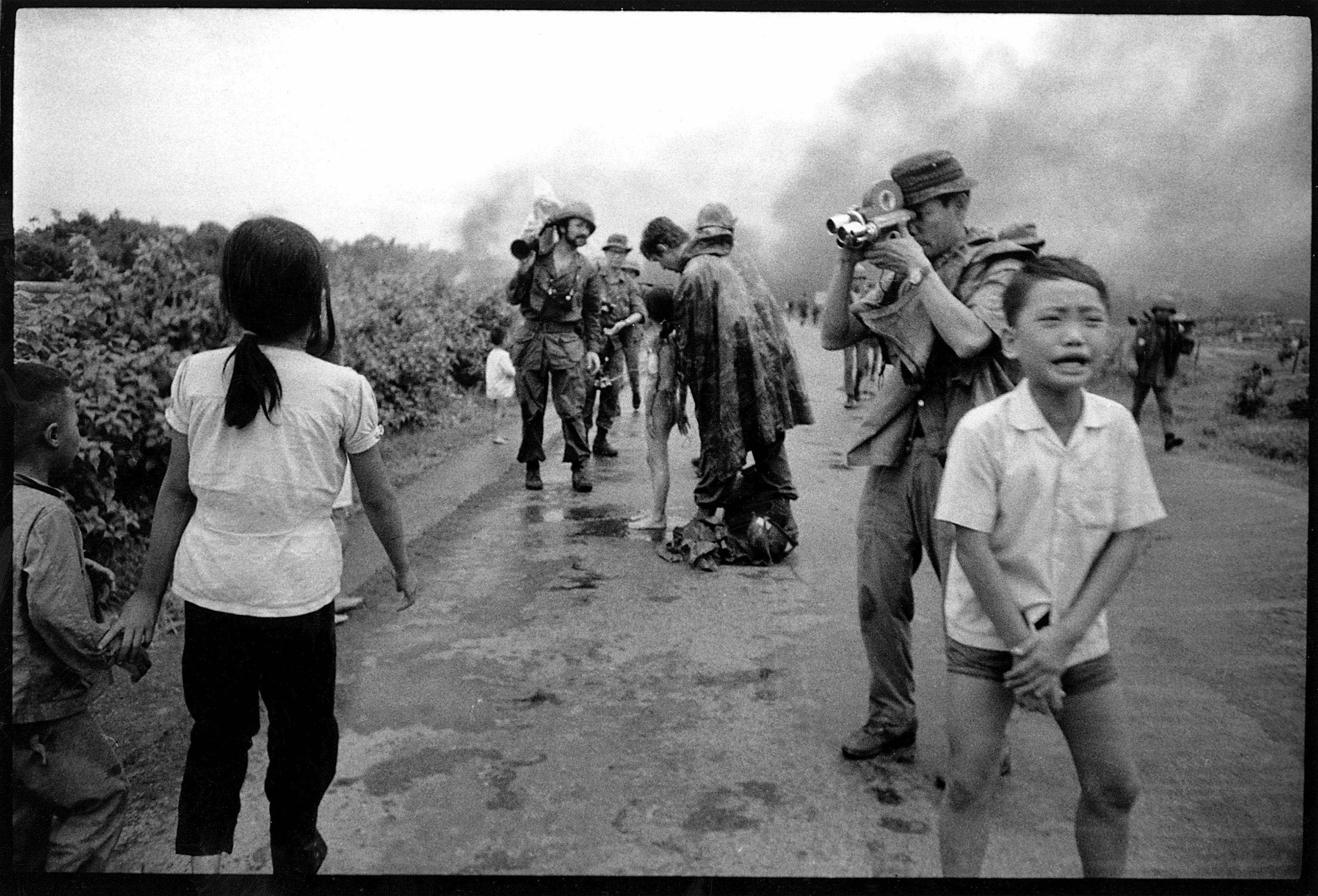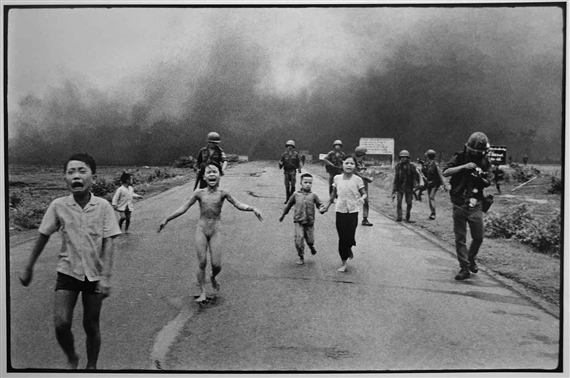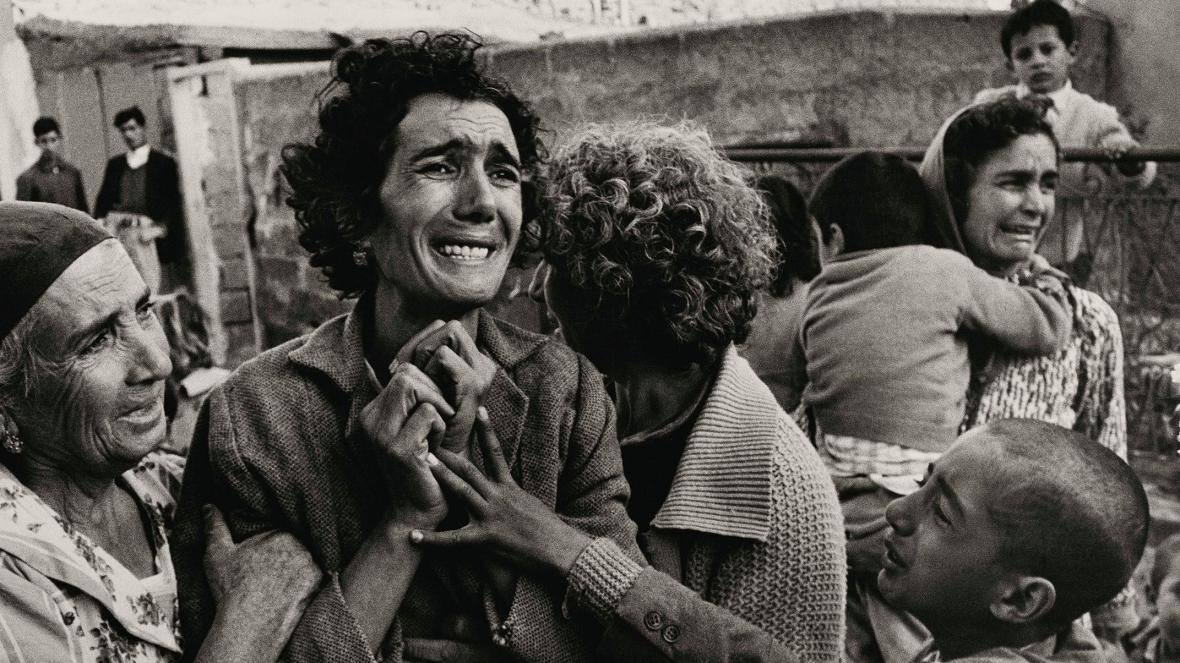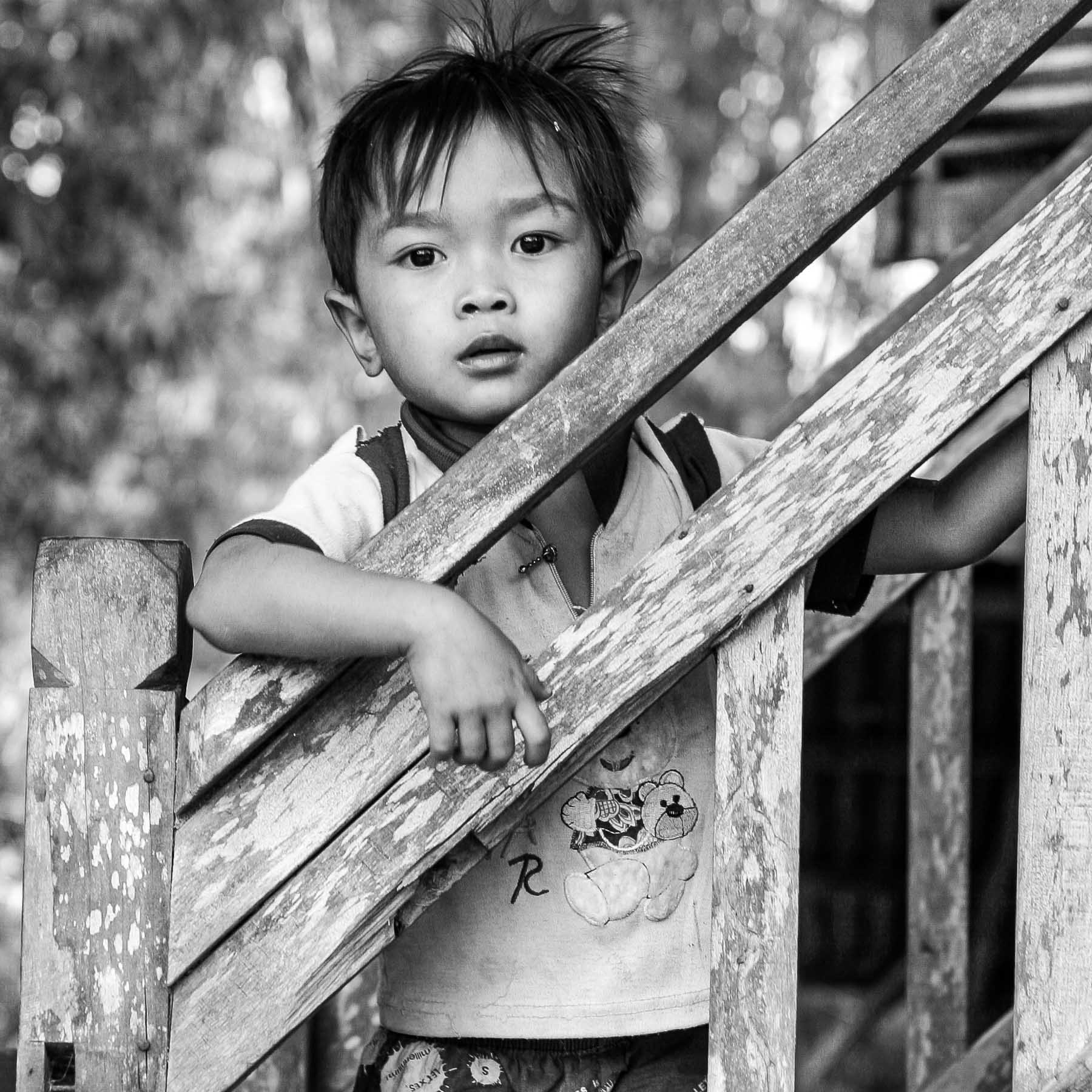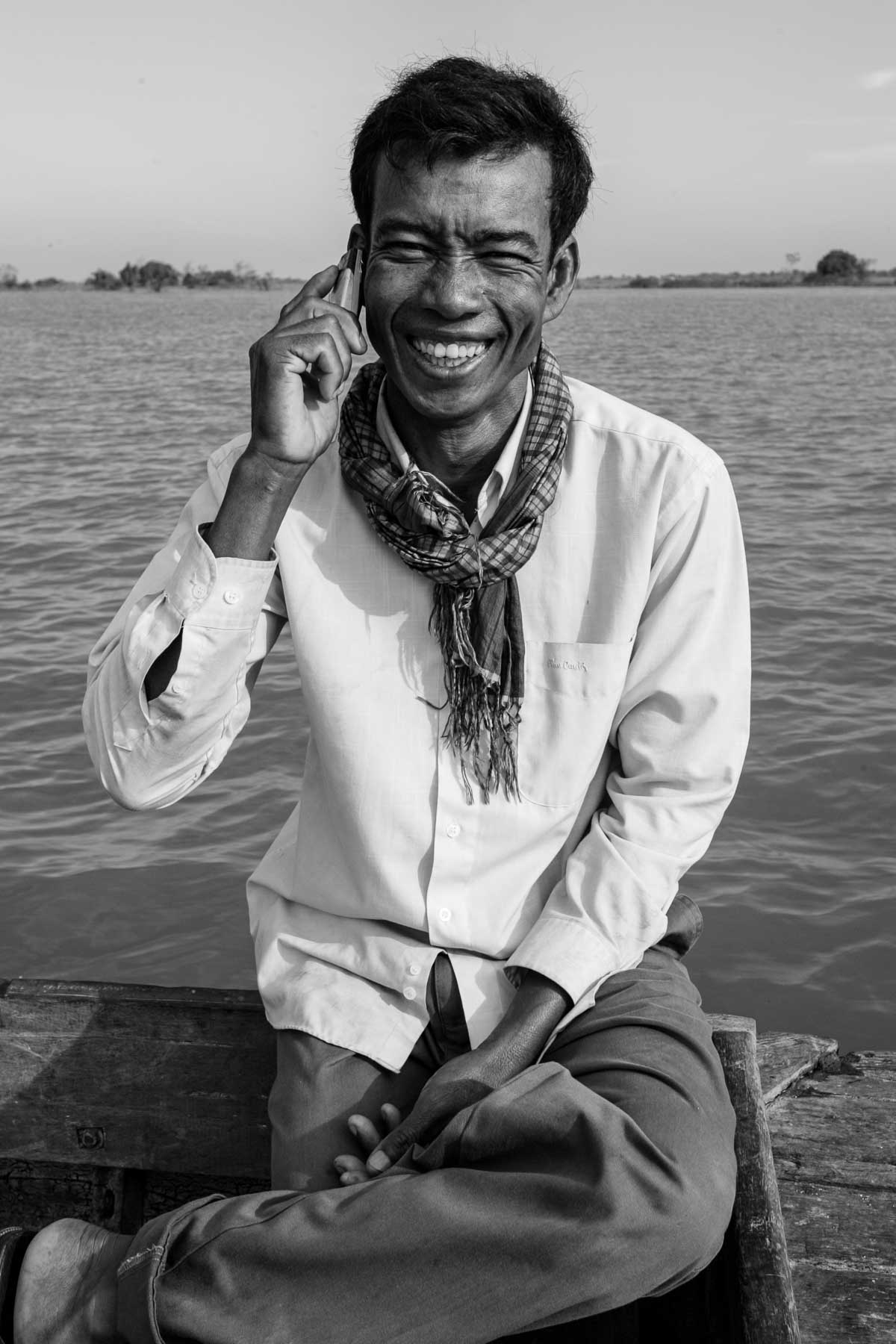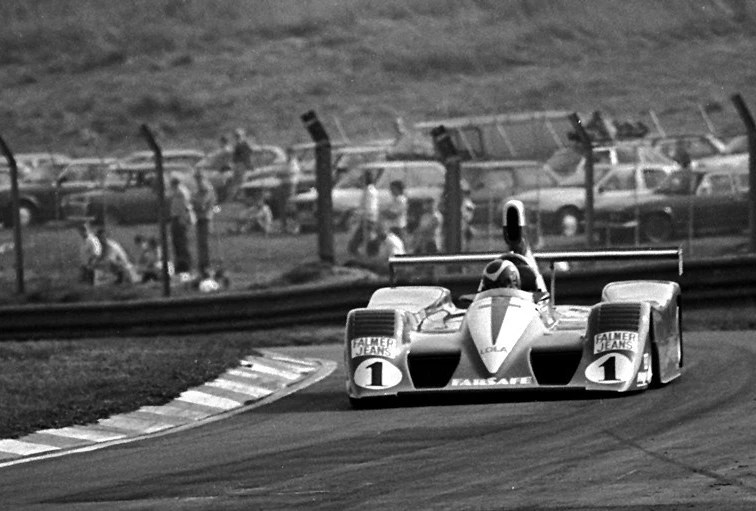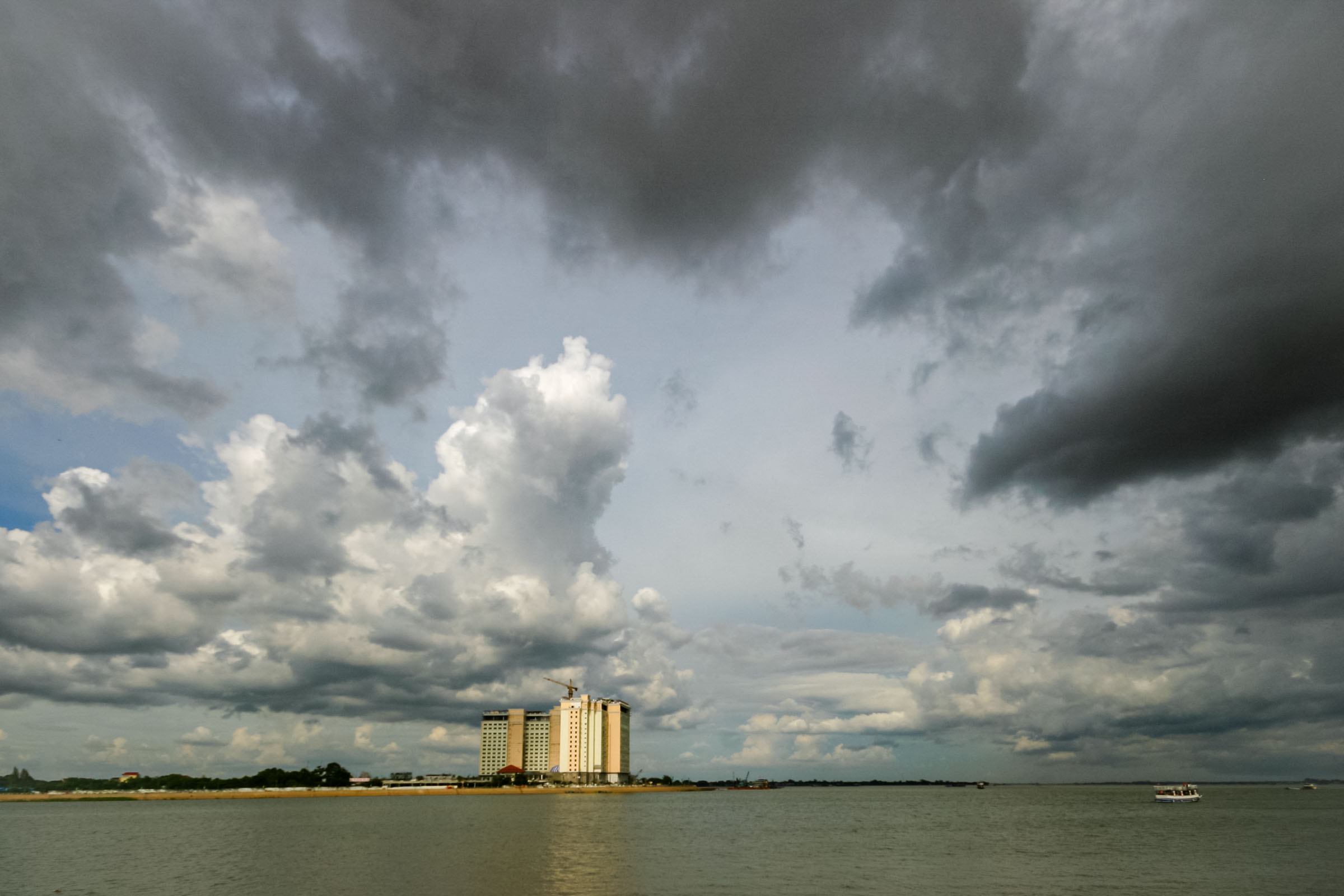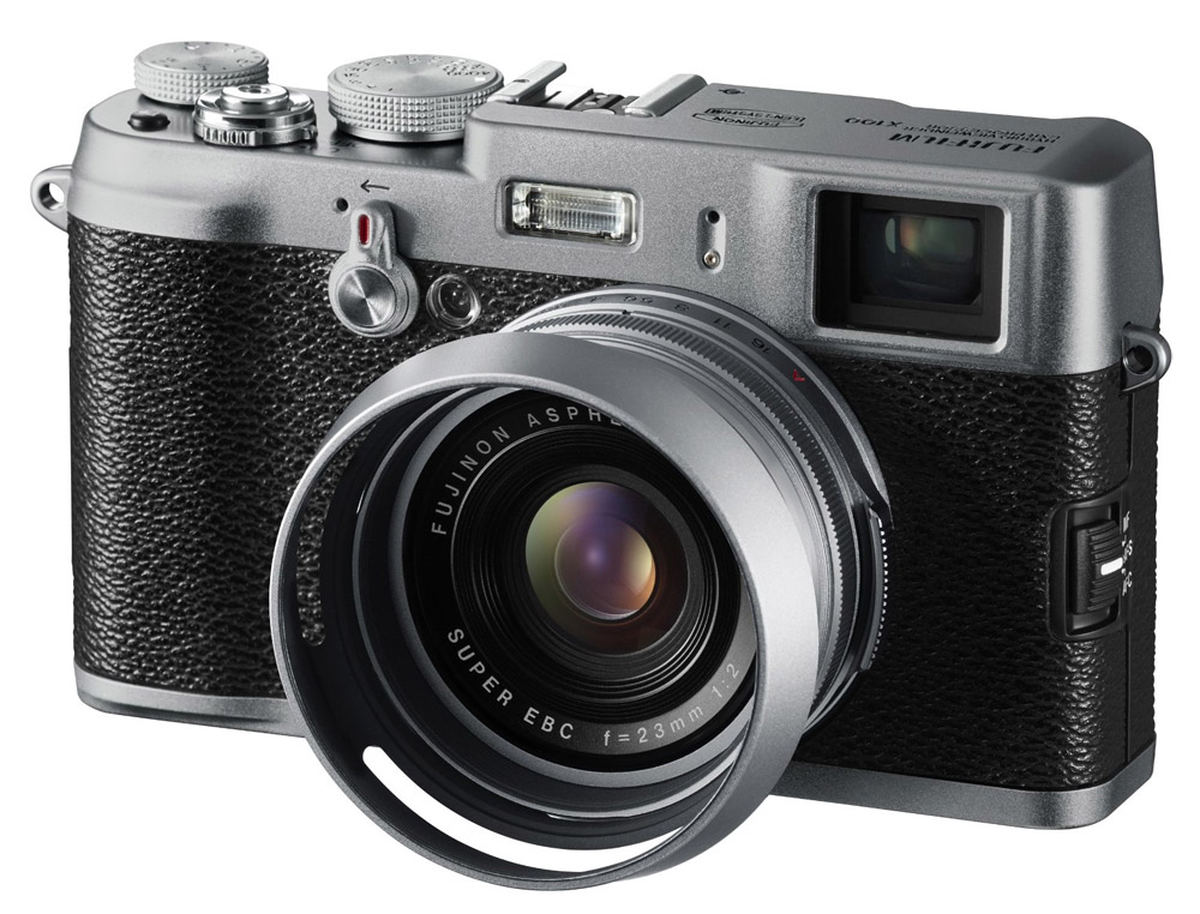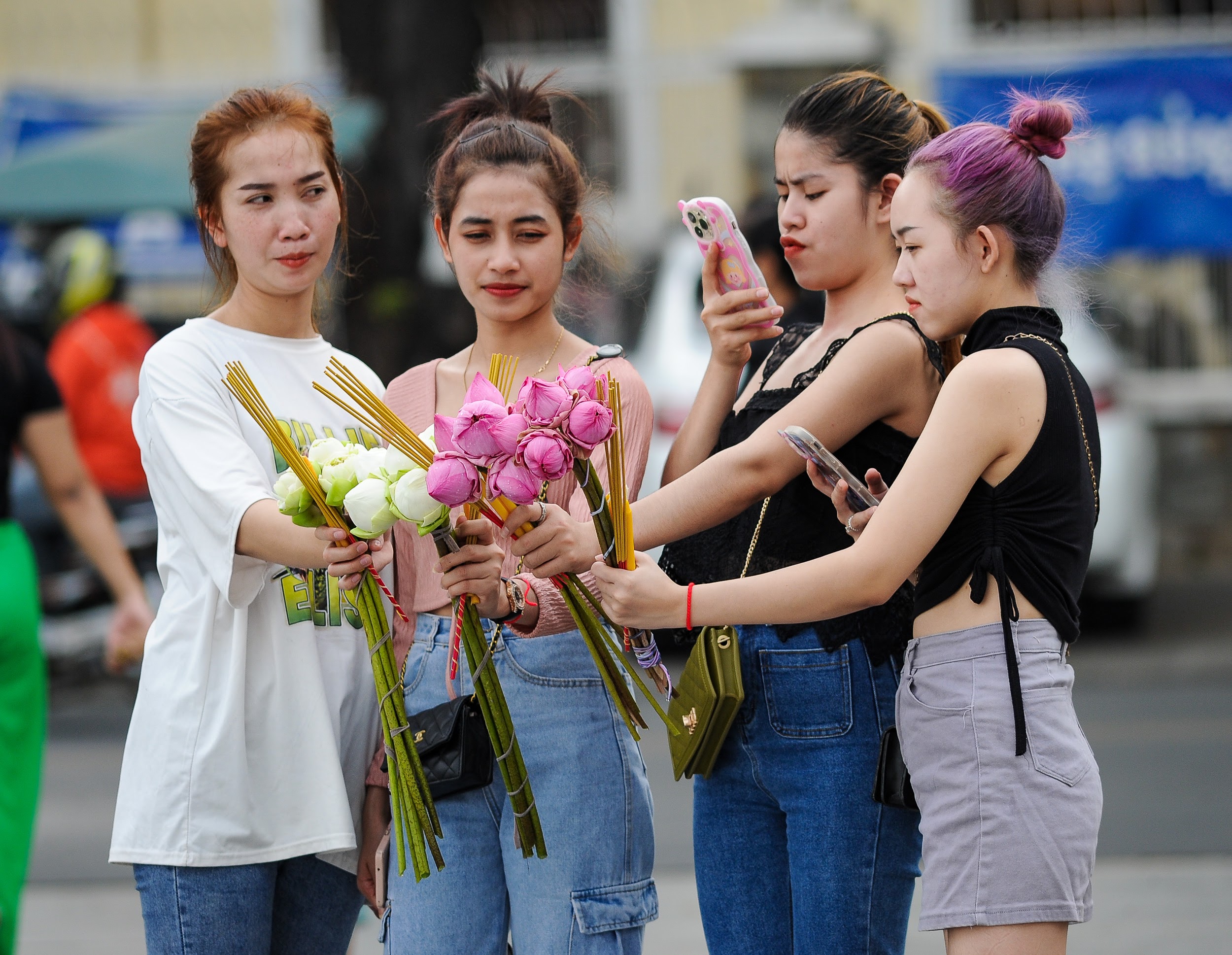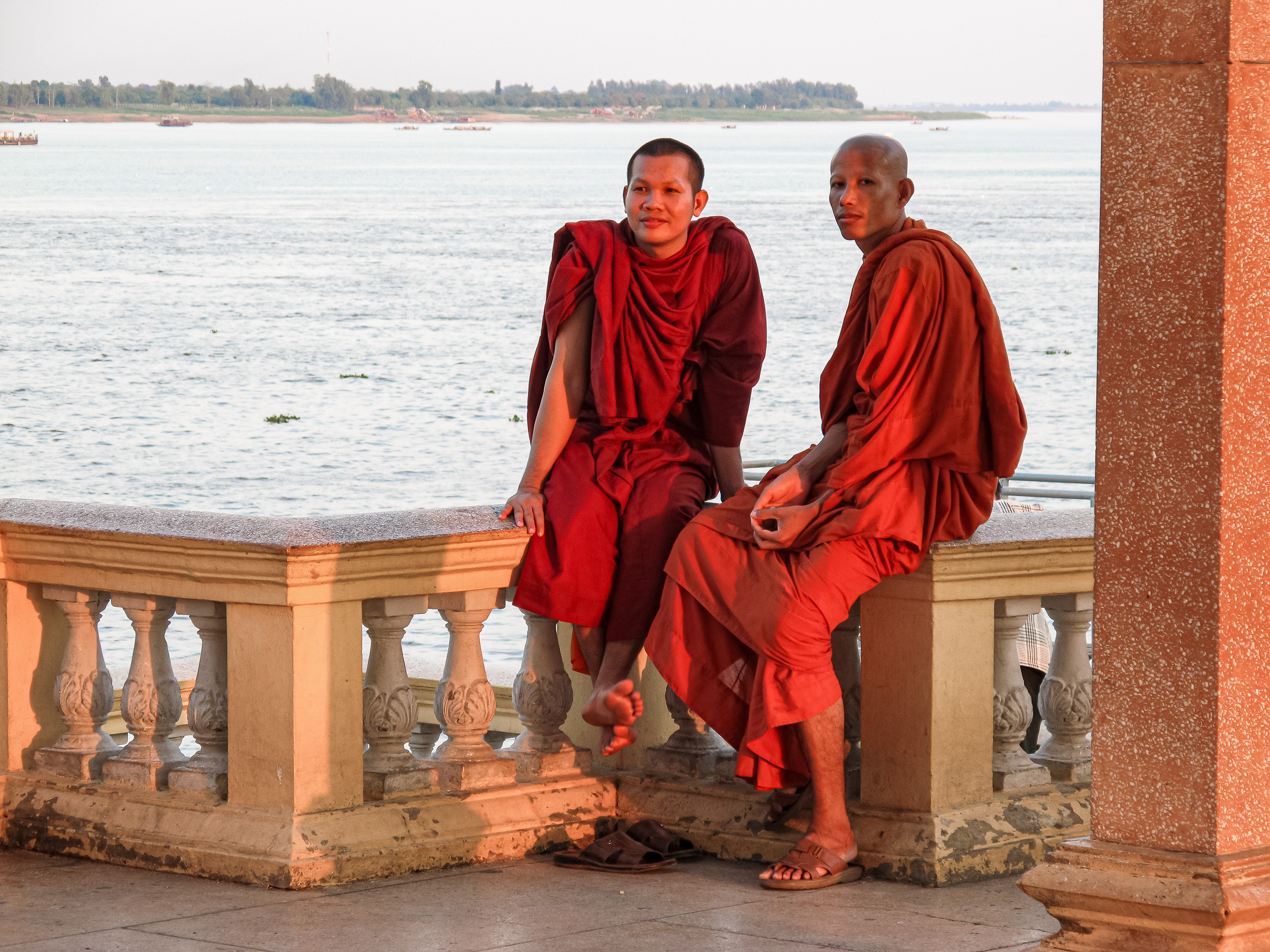
Magnum Photos is a renowned international photographic cooperative founded in 1947 by legendary photographers, including Robert Capa, Henri Cartier-Bresson, David “Chim” Seymour, and George Rodger. The cooperative aims to give photographers the freedom to document the world as they see it without being constrained by the agendas of magazines and newspapers.
Key Highlights of Magnum Photos:
Historical Significance: Magnum Photos has documented many of the world’s major events and personalities since its inception, covering a wide range of subjects including society, politics, conflict, and culture.
Global Presence: The cooperative has offices in major cities like New York, Paris, London, and Tokyo, and its photographers work worldwide.
Photographer-Owned: Magnum is unique in that it is owned and run by its member photographers, who retain all copyrights to their work. This model allows for a high degree of creative freedom and independence.
Iconic Images: Magnum photographers have produced some of the most iconic images in the history of photography, capturing moments that have defined eras and movements.
Educational Initiatives: Magnum also offers workshops, on-demand courses, and other educational resources to help aspiring photographers learn from some of the best in the field.
Magnum Photos continues to be a significant force in the world of photography, known for its commitment to authentic visual storytelling and its ability to capture the human condition in all its complexity.
If you have any specific questions about Magnum Photos or its photographers, feel free to ask!
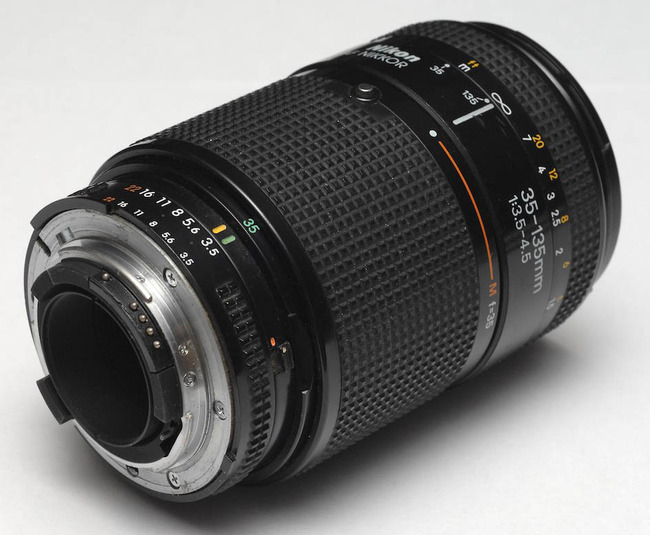
The Nikkor 35-135mm f/3.5-4.5 is a versatile zoom lens produced by Nikon for their film SLR cameras. It was first introduced in the late 1980s and was known for its solid build quality and good optical performance.
This lens offers a wide focal length range from 35mm, which is great for capturing landscapes and group shots, to 135mm, suitable for portraits and close-ups. The variable aperture of f/3.5-4.5 provides decent low-light performance and depth of field control.
The lens features multi-coated optics to reduce flare and ghosting, resulting in sharp images with good contrast. It also has a close minimum focusing distance, allowing you to get close-up shots of your subjects.
The Nikkor 35-135mm f/3.5-4.5 is a reliable and versatile lens used for a wide range of photography styles, but it is heavy. Its compatibility with my Nikon D3 camera makes it a great choice for capturing various subjects with a single lens.
The Nikon 35-135mm f/4-5.6 is an older lens, first introduced in the late 1980s. While it may not have all the modern features and technology of newer lenses, it can still be a good option for certain photography needs.
In terms of image quality, it can produce decent results, especially when stopped down a bit from its widest apertures. However, it may not be as sharp or have the same level of optical performance as newer lenses, especially at the extreme ends of its zoom range.
One of the main advantages of this lens is its versatility in offering a wide focal length range, which can be useful for various types of photography such as portraits, landscapes, and even some wildlife or sports photography.
Overall, if you’re looking for a budget-friendly lens with a decent focal length range and can accept some compromises in image quality compared to more modern lenses, the Nikon 35-135mm f/4-5.6 could still be a viable option.
The Art of Street Photography in Asia: Capturing the Essence of Everyday Life
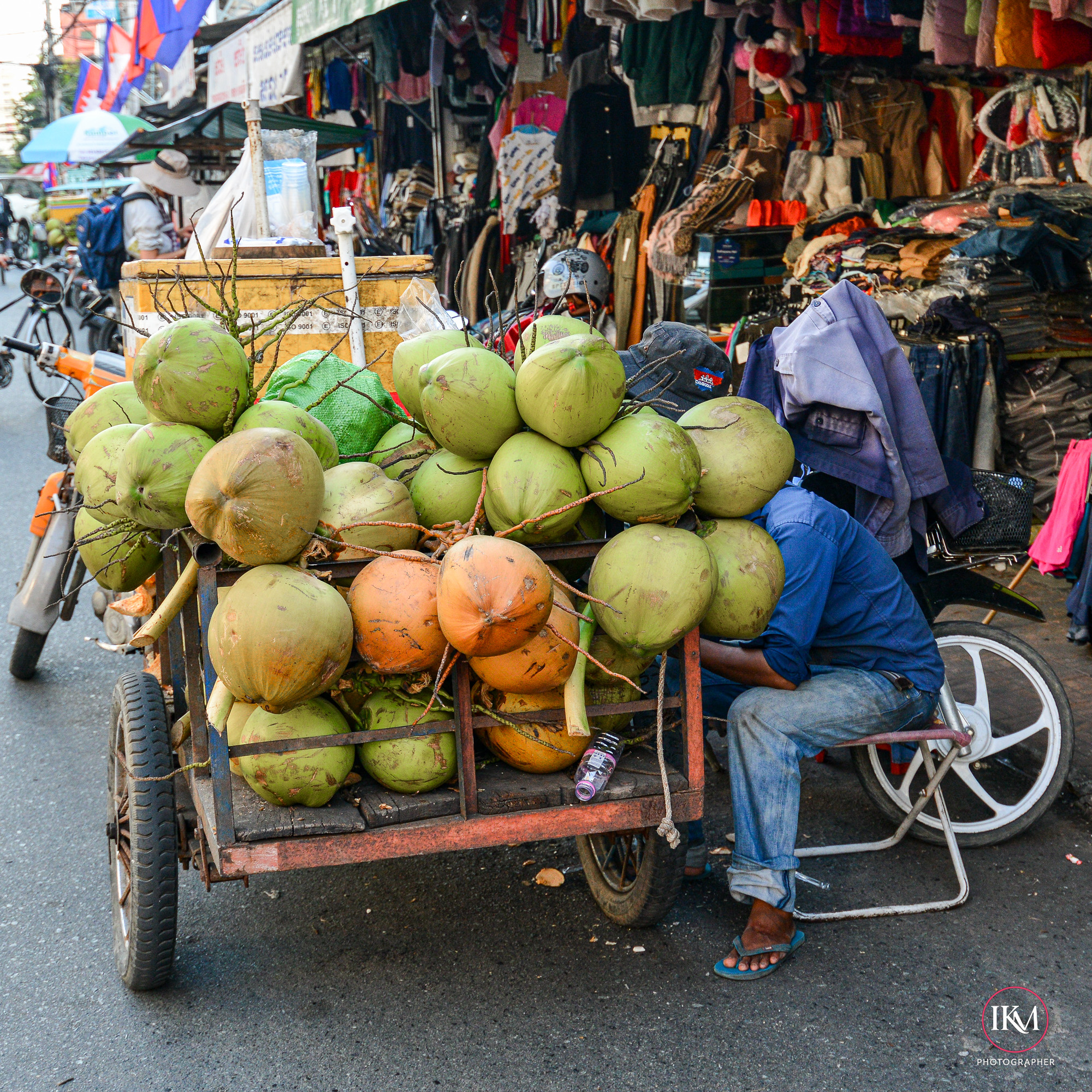
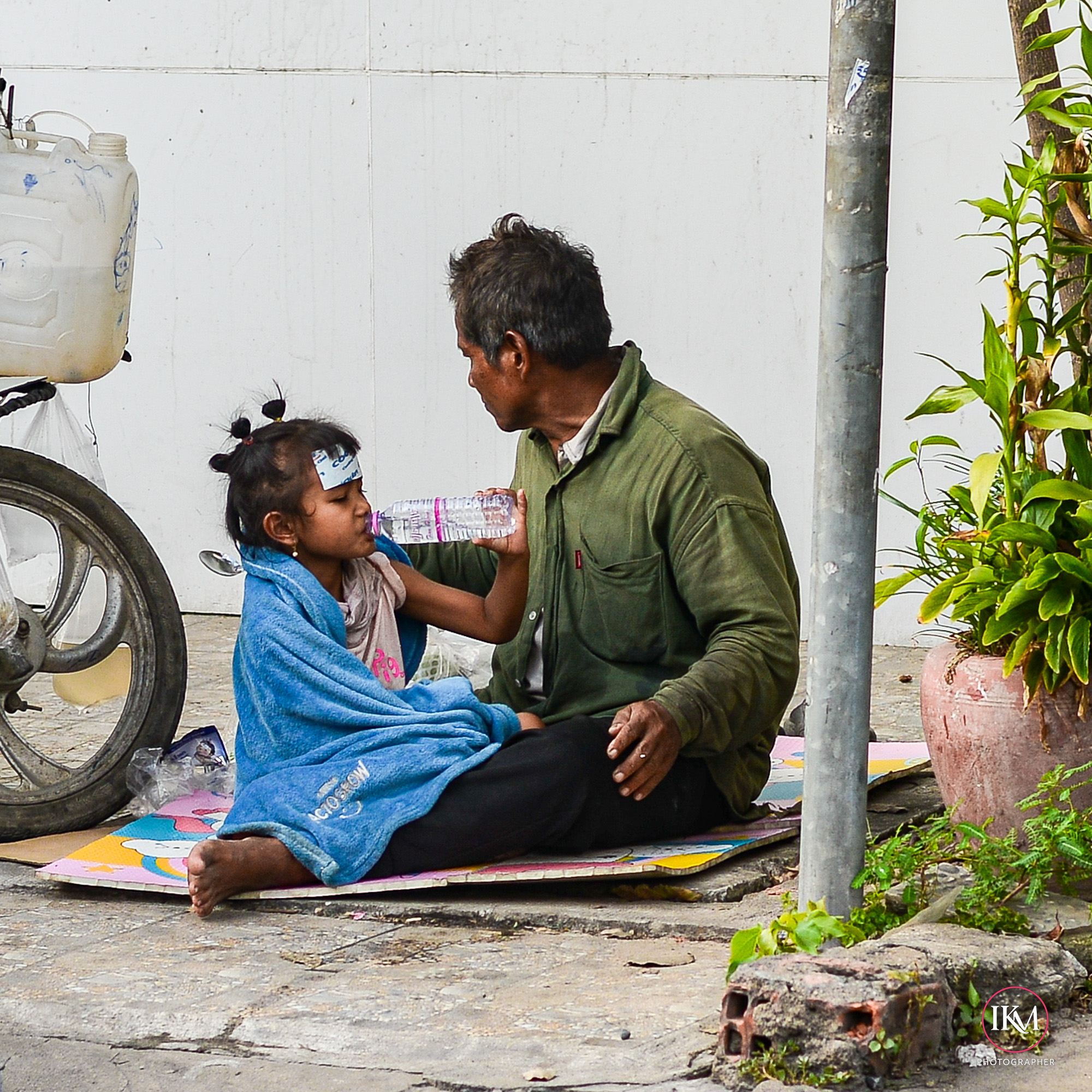
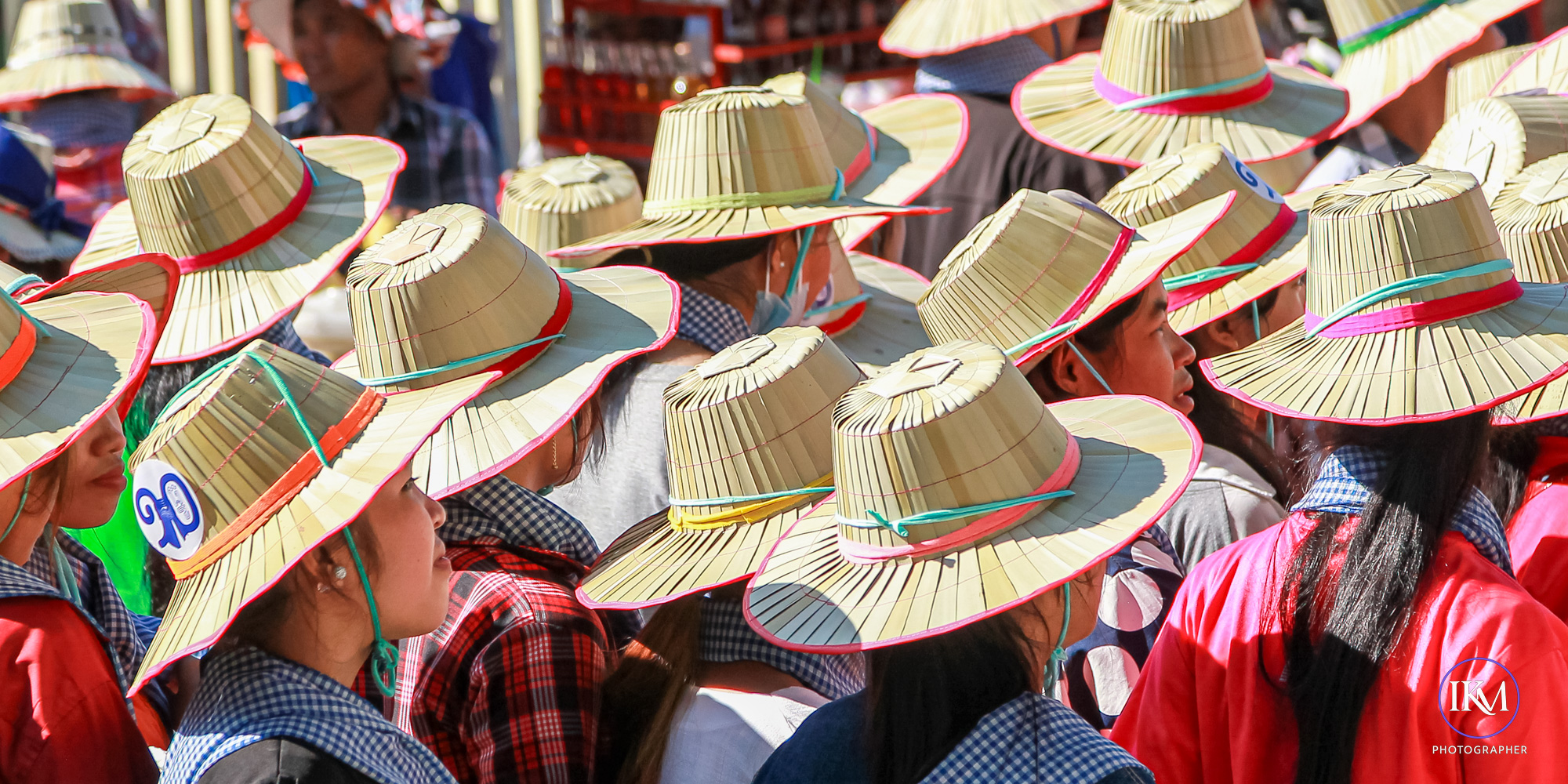
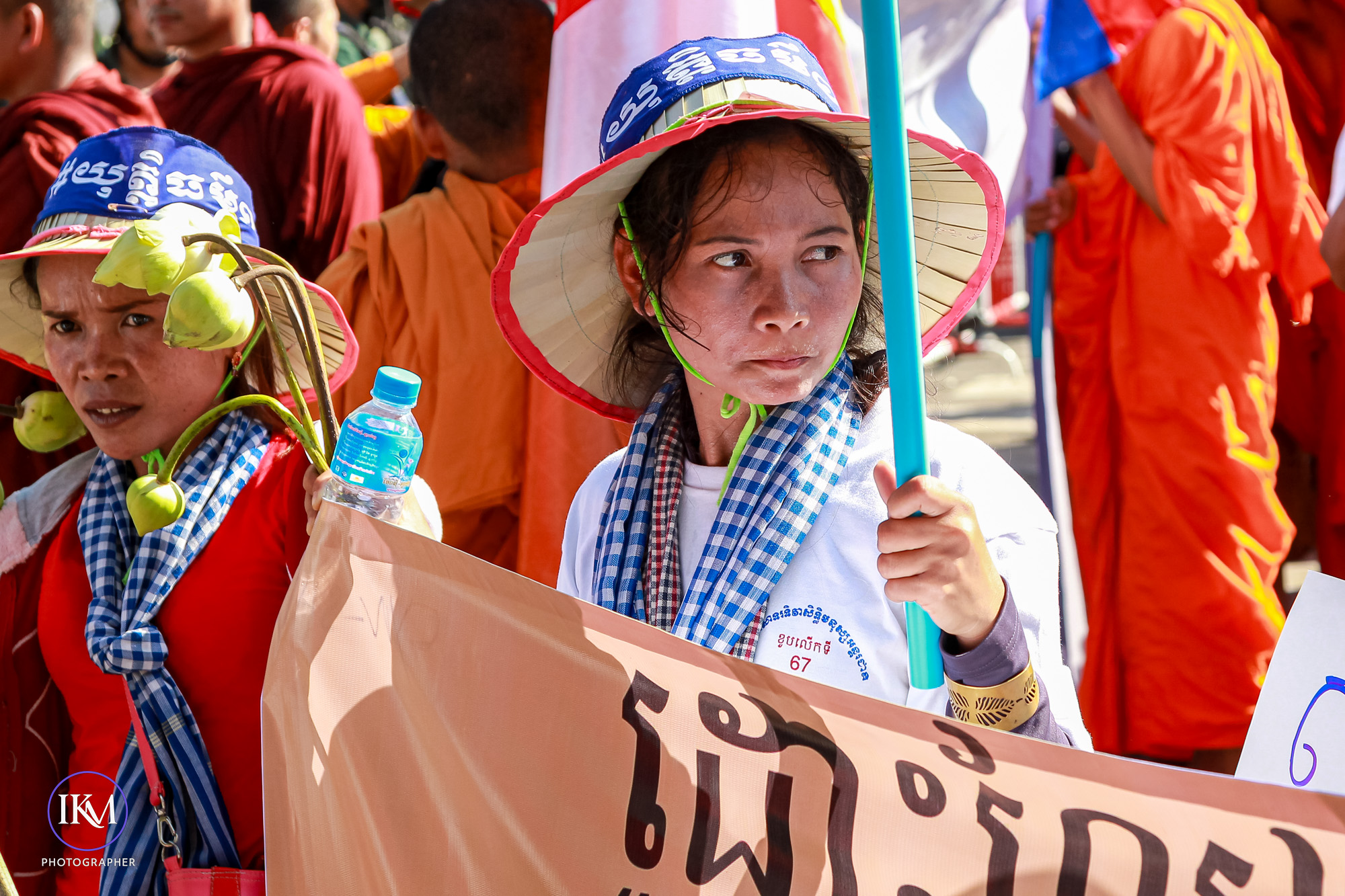
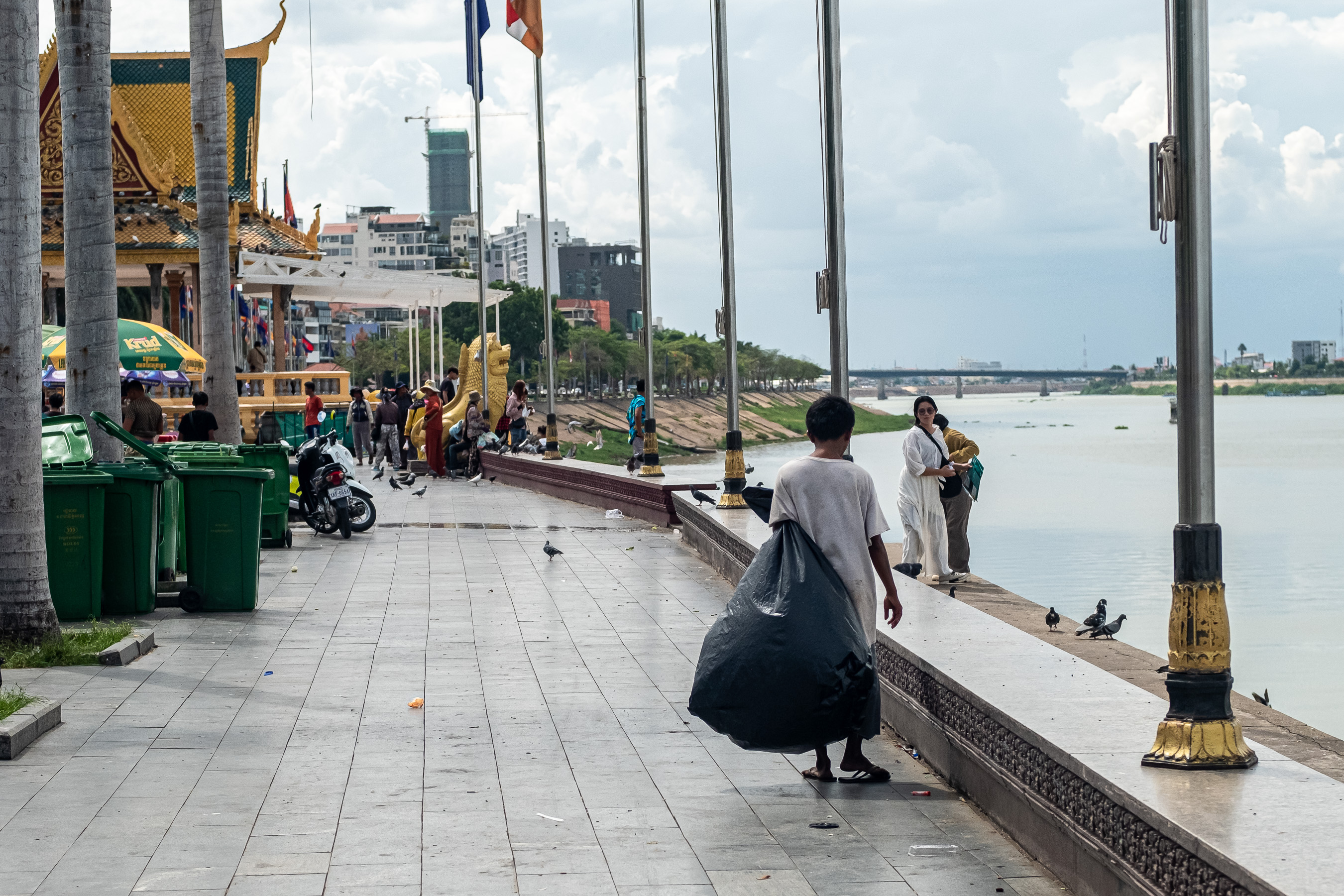
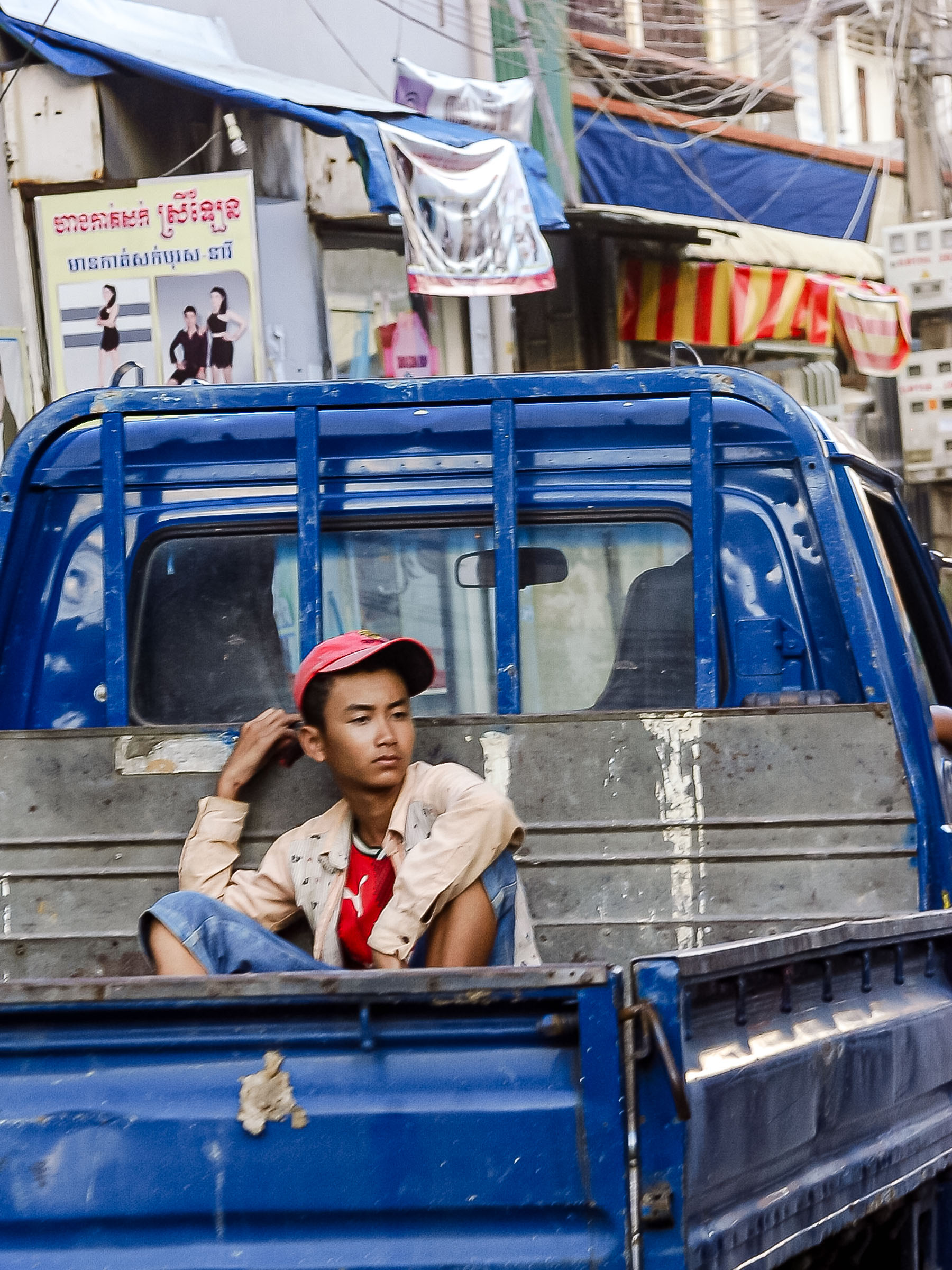
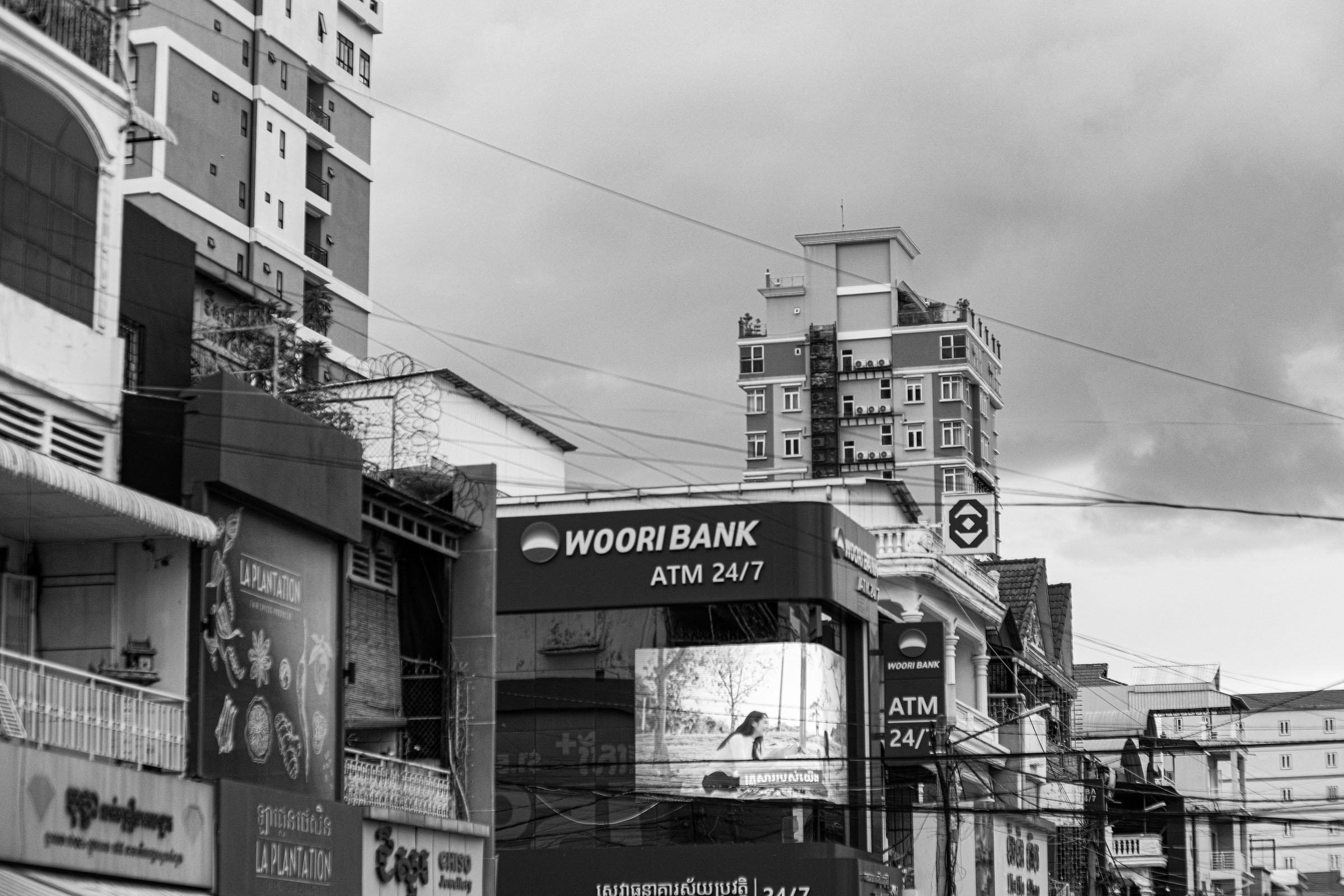
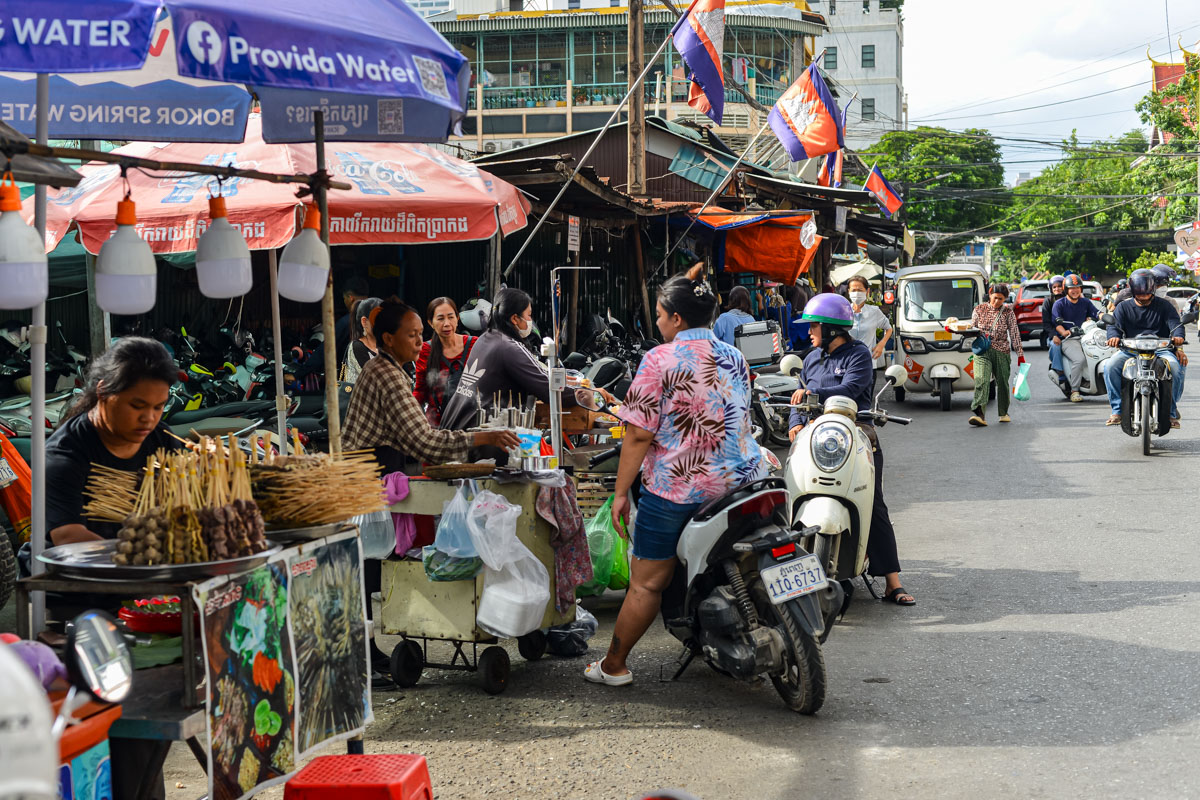
Street photography in Asia is an exhilarating and challenging endeavour that attracts photographers from all over the world. The continent’s diverse cultures, bustling metropolises, serene landscapes, and vibrant street life provide an endless array of subjects for photographers to capture. From the neon-lit streets of Tokyo to the historic alleys of Hanoi, every corner offers a new perspective, a unique story.
Understanding the Cultural Tapestry
Asia is a tapestry of traditions, religions, and languages. This diversity is reflected in the daily life of its people, which is a central subject of street photography. Photographers must approach their craft with respect and sensitivity towards local customs and norms. Capturing images in Thailand, for instance, is not just about aesthetics but also about understanding and respecting the rich culture and traditions.
The Evolution of Street Photography in Asia
Street photography in Asia has evolved significantly over the years. In Thailand, for example, it has grown alongside urbanization and social change, with Bangkok becoming a dynamic focal point for this photographic style. The advent of digital photography and social media has also transformed the scene, making it more accessible and allowing a new generation of photographers to define a unique visual style that reflects Asian culture, urban narratives, and political undercurrents.
Technical Mastery Meets Artistic Vision
Mastering street photography in Asia involves a combination of technical prowess and artistic vision. It’s about being in the right place at the right time and having the patience to wait for that decisive moment. It’s also about choosing the right gear and settings to capture the scene as authentically as possible. Whether it’s the hustle of the markets or the tranquillity of a temple, photographers must be ready to capture the essence of the moment.

The Impact of Renowned Photographers
Photographers like Maciej Dakowicz have spent years documenting the streets of Asia, offering profound insights into the lives and environments they capture. Dakowicz’s work, which spans two decades, showcases his ability to seize unfiltered moments and discover profound meaning in simplicity.
A Visual Journey Through Asia’s Streets
For those interested in exploring street photography in Asia, there are countless resources available, from online galleries to books that delve into the experiences of seasoned photographers. These collections not only display the beauty of everyday life but also serve as inspiration for aspiring photographers looking to embark on their own visual journeys across Asia’s diverse landscapes.
In Conclusion
Street photography in Asia is more than just a genre; it’s a way to connect with humanity and the world around us. It requires an open heart, a keen eye, and a deep appreciation for the fleeting moments that make up our lives. For anyone ready to take on the challenge, the streets of Asia await, ready to reveal their stories to those willing to look.
References: : Capturing Life: A Guide to Thai Street Photography – Better Living Asia : Where The Sun Rises: 20 Years of Street Photography in Asia by Maciej Dakowicz – Eyeshot
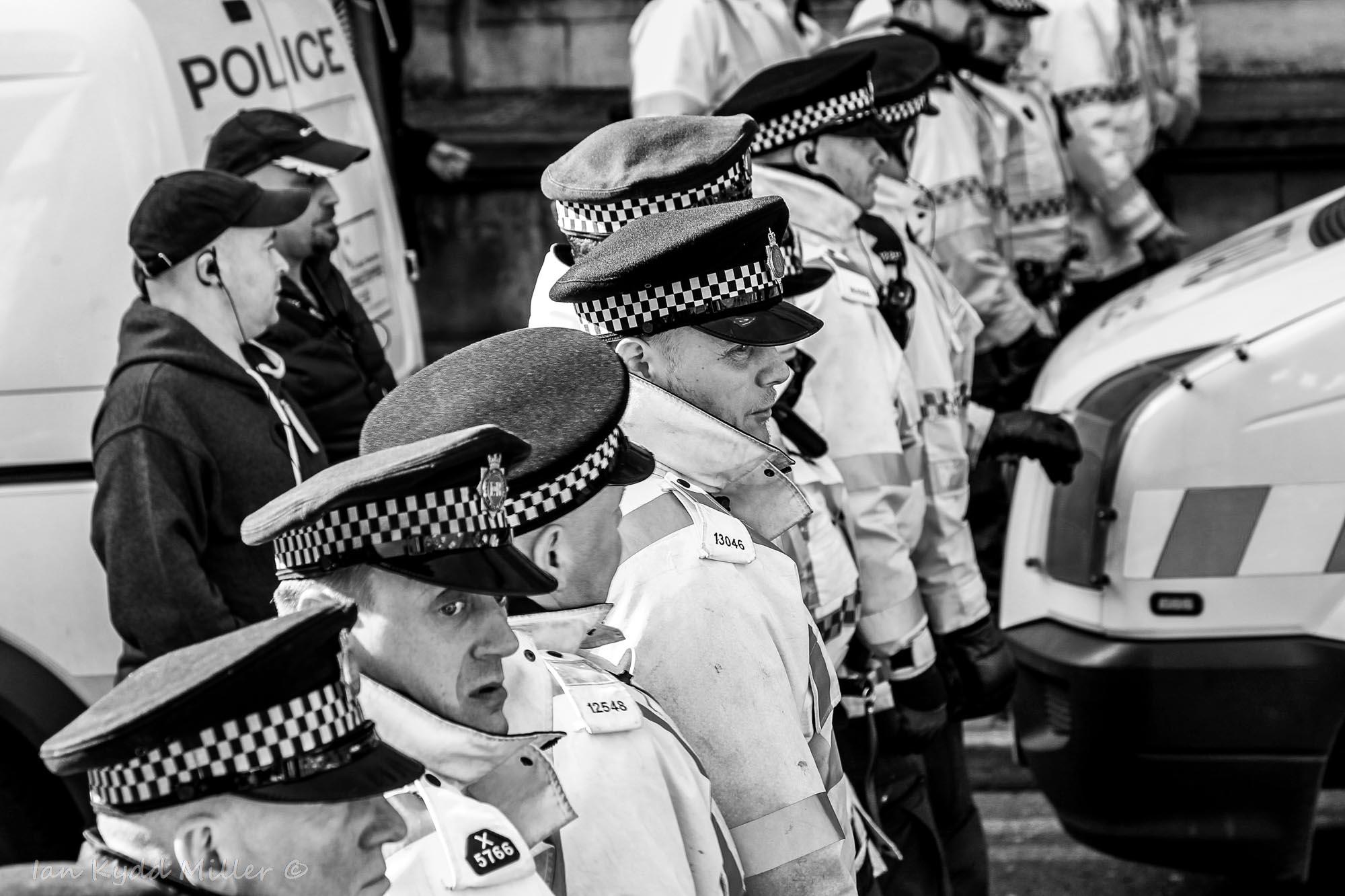
In the realm of visual arts, the decision to work in black and white versus colour is one that carries significant creative weight. The absence of colour can be a powerful tool, stripping away the distractions of vibrant hues and allowing the viewer to focus on the subject’s form, texture, and subtleties of light and shadow. This choice can transform the perception of an image, imbuing it with a timeless quality that transcends the ephemeral nature of colour trends.
The Advantages of Black and White
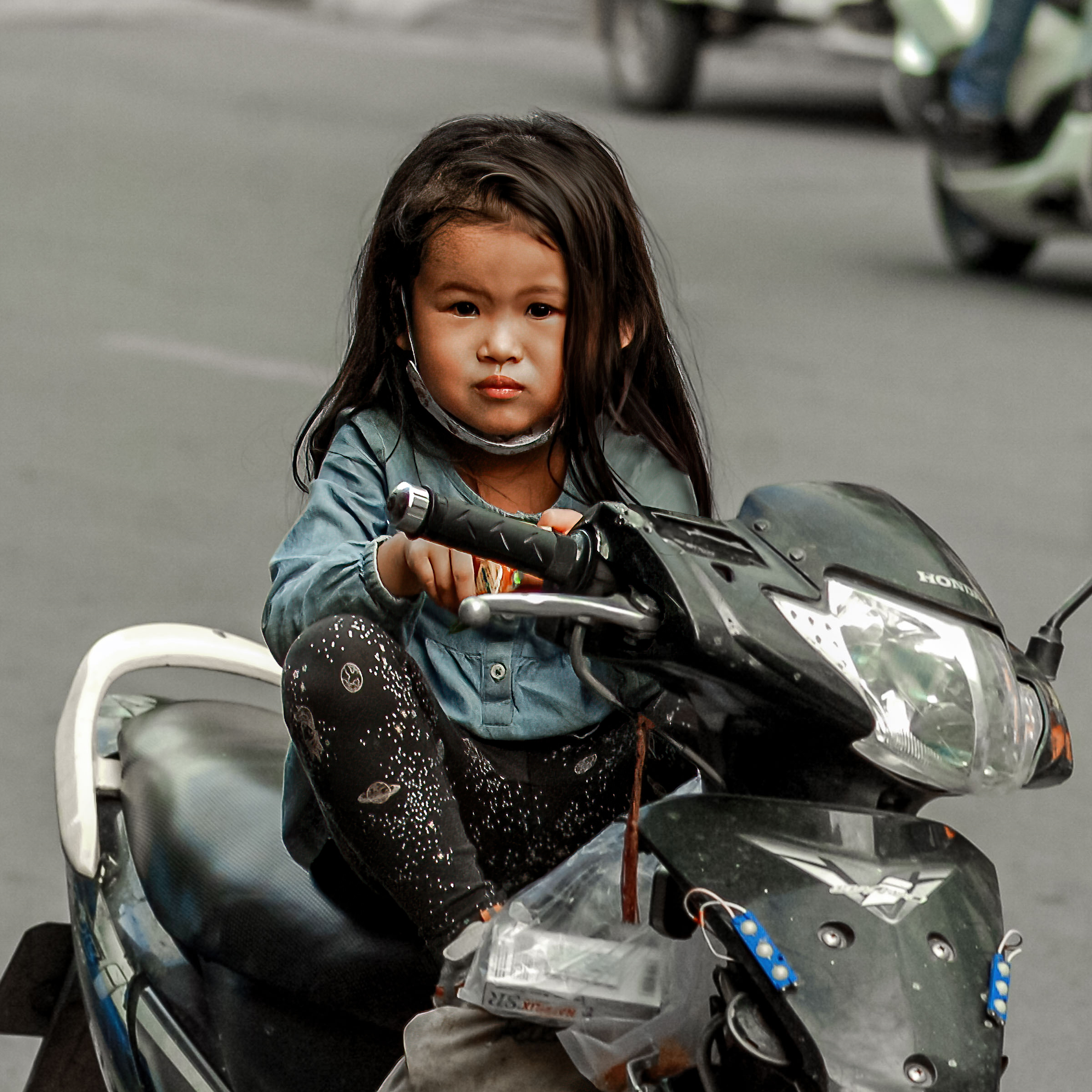
Character Capture: Black and white photography is renowned for its ability to capture the essence of a subject’s character or soul. The lack of colour forces the observer to engage with the subject on a deeper level, often revealing a more emotional and candid portrayal.
Simplification of Composition: By removing colour, photographers and artists can create compositions that are clean and focused. Colour can sometimes act as a distraction, drawing the eye away from the intended subject. Black and white imagery eliminates these distractions, directing attention precisely where the artist intends.
Atmospheric Evocation: Black and white images can evoke a strong sense of atmosphere, often more so than their colour counterparts. They can convey a sense of drama and mood that resonates with the viewer on an instinctual level.
The Disadvantages of Black and White
Despite its advantages, black and white also come with limitations. The absence of colour can sometimes strip away the context necessary for a full understanding of the image. In scenarios where colour plays a critical role in the narrative or emotional impact of a pieceโsuch as in landscape or fashion photographyโthe use of black and white may not be appropriate.
Choosing Between Black and White and Colour
The decision to work in black and white should not be taken lightly. It requires a thoughtful consideration of the subject matter, the intended message, and the emotional response the artist seeks to evoke. If the subject’s texture, lighting, and contrast are central to the composition, black and white might enhance these elements. Conversely, if the vibrancy and interplay of colours are essential, then colour photography would be the preferred medium.
In the digital age, the choice between black and white and colour has become more flexible. Photographers can shoot in color and later convert to black and white, giving them the opportunity to explore both mediums with a single image. However, many purists argue that this after-the-fact decision-making can dilute the intentional focus that comes with committing to one medium from the outset.
Conclusion
Black and white imagery is not merely a relic of the past but a continuing tradition that offers a unique perspective in the visual arts. It encourages viewers to see the world through a different lens, one that emphasizes the foundational elements of composition over the seduction of color. Whether it is a good thing to work in black and white ultimately depends on the artist’s vision and the story they wish to tell. In the hands of a skilled creator, black and white can be a powerful choice that resonates with clarity and depth.
For those interested in exploring this topic further, a wealth of resources and discussions can be found online, offering insights into the strategic use of black and white in various artistic disciplines.
In photography, sharpness is often seen as a hallmark of image quality. A crisp, detailed photograph can capture our attention and hold our gaze. But is the sharpness of a lens the most important element in photography? Let’s delve into this topic and explore the facets of what makes a photograph truly remarkable.
Sharpness, defined as the clarity of detail in a photograph, is influenced by a myriad of factors, including camera resolution, lens acutance, and the photographer’s technique. A lens with high acutance can enhance the edge contrast in an image, making subjects stand out with a crisp definition. This can elevate a photo from ordinary to extraordinary, but it’s not the only factor at play.
The quality of a lens can indeed affect the final image significantly. It’s the lens that creates the image, and a high-quality lens can minimize optical issues like chromatic aberration and barrel distortion, which can detract from the perceived sharpness. However, it’s crucial to remember that the lens is just one part of a larger system. The camera body, sensor resolution, and image processing also play vital roles in the outcome of a photograph.
Moreover, photography is an art form, and like all art, it’s subjective. What one person values in a photographโbe it sharpness, composition, lighting, or emotionโanother might view differently. Sometimes, the moment captured is far more significant than the technical perfection of the image. A slightly out-of-focus photo of a fleeting, once-in-a-lifetime event can hold more value than a technically perfect shot of a mundane subject.
It’s also worth noting that sharpness is not always desirable. In portrait photography, for example, a softer focus can be used to flatter the subject, and in landscape photography, a slight blur can convey movement and life. The creative choices a photographer makes are what imbue a photograph with meaning and impact.
In conclusion, while lens sharpness is undoubtedly important, it’s not the be-all and end-all of photography. The skill of the photographer, the quality of the camera body, and the creative decisions made during the shooting and post-processing stages all contribute to the final image. Photography is a dance of technology and creativity, and it’s the balance between these elements that truly makes a photograph shine.
So, whether you’re a seasoned professional or an enthusiastic amateur, remember that sharpness is just one of the many tools at your disposal. Embrace the full spectrum of photographic elements, and you’ll find that the most important aspect of photography is your unique vision and the stories you choose to tell through your lens. Happy shooting!
Embarking on the journey of photography can be one of the most rewarding experiences for any creative enthusiast. The art of capturing moments, emotions, and landscapes through the lens is a powerful way to express oneself and share perspectives with the world. For those just starting out, the path can seem daunting, but with a few essential tips, you can begin to master the basics and develop your unique photographic voice.
Start with the Basics of Composition Understanding the rule of thirds, leading lines, and framing can transform your photographs from simple snapshots to compelling images. Composition is the cornerstone of great photography, and it’s something that can continually be refined. Pay attention to how you arrange the elements in your viewfinder; sometimes, a small adjustment can make a huge difference in the impact of your photo.
Embrace the Camera You Have It’s easy to fall into the trap of thinking you need the latest gear to take great photos, but the truth is, the best camera is the one you have with you. Whether it’s a smartphone, a point-and-shoot, or an entry-level DSLR, you can take stunning photos with any device. Focus on honing your skills and understanding the principles of photography rather than worrying about equipment.
Learn the Importance of Lighting Lighting is everything in photography. The golden hourโshortly after sunrise or before sunsetโprovides soft, diffused light that can add a magical quality to your images. Experiment with different lighting conditions to see how they affect your photos. Sometimes, the most dramatic and expressive shots are captured in less than ideal lighting conditions, so don’t be afraid to experiment.
Practice, Practice, Practice The more you shoot, the better you’ll get. Take your camera everywhere and photograph everything. Try different subjects, perspectives, and settings. Each photo you take is a learning opportunity, so review your images, understand what works, and consider what you could do differently next time.
Understand Your Camera’s Settings Getting out of auto mode can be intimidating, but it’s a crucial step towards taking control of your photography. Learn about shutter speed, aperture, and ISO, and how they work together to affect the exposure of your photos. Understanding these settings will give you creative control over the look and feel of your images.
Post-Processing is Your Friend Post-processing can turn a good photo into a great one. Basic adjustments like cropping, adjusting exposure, and color correction can enhance your images significantly. There are plenty of free and paid software options available, so find one that works for you and start experimenting.
Connect with the Photography Community Joining photography groups, participating in workshops, and connecting with other photographers can provide invaluable support and inspiration. Share your work, ask for feedback, and learn from the experiences of others. The photography community is generally very welcoming and can be a fantastic resource for beginners.
Keep Learning and Stay Inspired Photography is a lifelong journey of learning. There are countless resources availableโfrom books to online tutorialsโthat can help you improve your skills. Keep an eye on the work of photographers you admire, and don’t be afraid to try new techniques and styles.
Remember, every great photographer was once a beginner. With passion, patience, and persistence, you’ll find your way in the vast and exciting world of photography. So grab your camera, start shooting, and enjoy every step of this creative adventure! ๐ธโจ
Travel photography is more than just taking photos; it’s about capturing the essence of a place, its people, and the experiences that make a trip memorable. It’s an art form that allows us to bring back a piece of the world with us, sharing it through our unique perspective. Whether you’re a beginner or an intermediate photographer, there are always new techniques and approaches to learn. Here are some invaluable tips to help you elevate your travel photography game.
Know Your Gear Inside Out The first step to taking great travel photos is to understand your camera’s capabilities and settings. Familiarize yourself with different shooting modes, learn how to adjust the exposure settings, and experiment with various lenses. The more comfortable you are with your equipment, the quicker you’ll be able to react to capture those fleeting moments that make for the most compelling images.
Chase the Golden Hours Lighting can make or break a photograph. The soft, diffused light of the golden hoursโjust after sunrise and before sunsetโprovides a warm tone and long shadows that can add depth and interest to your images. Similarly, the blue hour, which occurs just before sunrise and after sunset, offers a cool, serene light that’s perfect for capturing the tranquility of a place.
Plan, but Be Ready to Improvise While it’s essential to have a plan and know what you want to capture, some of the best travel photos come from unexpected moments. Be flexible and ready to adapt to changing conditions and spontaneous events. This means keeping your camera accessible and being prepared to stop and shoot whenever an opportunity arises.
Composition is Key Understanding the rules of composition, such as the rule of thirds, leading lines, and framing, can greatly enhance the visual appeal of your photos. Look for unique angles and perspectives to tell a story through your images. Don’t be afraid to move around to find the best compositionโsometimes, a few steps to the left or right can make all the difference.
Engage with Your Subject When photographing people, always ask for permission first. Engaging with your subject can lead to more natural and expressive shots. Make them feel comfortable, and let your personality shine through to create a connection that will be evident in your photos.
Post-Processing is Your Friend Shooting in RAW format gives you more flexibility during post-processing. Learning how to edit your photos can significantly improve their quality. Adjusting exposure, contrast, and color balance can help your images stand out. Remember, the goal is to enhance the photo to reflect the beauty of the scene as you experienced it, not to alter it beyond recognition.
Practice Makes Perfect Lastly, the most important tip is to practice. The more you shoot, the better you’ll become. Try different techniques, learn from your mistakes, and don’t be discouraged by the occasional bad shot. Every photo you take brings you one step closer to capturing that stunning travel image you’ve been dreaming of.
Travel photography is a journey in itself, one that requires patience, passion, and persistence. By following these tips and continually honing your skills, you’ll be well on your way to taking travel images that not only document your adventures but also convey the emotions and stories behind them. So grab your camera, hit the road, and start capturing the world in all its glory!
Photography, an art form that captures moments and memories, can sometimes lead to an unexpected predicament known as Gear Acquisition Syndrome (GAS). This term, often mentioned with a chuckle among photography circles, refers to the overwhelming desire to acquire more and more equipment, hoping it will improve one’s craft. But does it really?
The lure of the latest camera body, the sharpest lens, or the most advanced lighting system is hard to resist. Many photographers know this feeling all too well. The excitement of unboxing a new gadget, the promise of better pictures, and the envy of fellow photographers can be intoxicating. However, GAS can have a downsideโa cluttered studio, a depleted bank account, and a focus on gear over creativity.
The root of GAS lies in the belief that the next purchase will be the game-changer, the missing piece that will elevate one’s work from good to great. It’s a narrative fueled by marketing, peer pressure, and sometimes, self-doubt. The truth is, that while quality gear can enhance the technical aspects of photography, it is not a substitute for skill, vision, and experience.
So, how does one combat GAS? Here are a few strategies:
Embrace Your Current Gear: Before eyeing the next upgrade, master the equipment you already own. Push it to its limits and explore its full potential. You might be surprised by what you can achieve with what you have.
Focus on Education: Invest in learning new techniques, and understanding light, composition, and storytelling. These skills will improve your photography far more than any new piece of gear.
Set Clear Goals: Define what you need from your equipment to achieve your photographic goals. This helps in making informed decisions about new purchases.
Rent Before You Buy: If you’re tempted by a new piece of equipment, try renting it first. This can give you a sense of whether it’s essential for your work.
Sell Unused Gear: If you have equipment gathering dust, consider selling it. This not only declutters your space but also puts funds towards gear you will actually use.
Challenge Yourself Creatively: Sometimes, limitations can breed creativity. Use a single lens for a month, or shoot in a fixed location. These constraints can lead to innovative ways of seeing.
Connect with Community: Share your experiences with other photographers. Often, discussing GAS can lead to insights and support from those who understand.
Practice Mindful Purchasing: Reflect on your motivations for wanting new gear. Is it for a specific project, or is it impulse buying? Being mindful can prevent unnecessary acquisitions.
In conclusion, while GAS is a common experience among photographers, it doesn’t have to dictate one’s journey in photography. By focusing on skill development, creative challenges, and mindful purchasing, photographers can ensure that their passion for capturing the world doesn’t turn into a race for the latest gear. Remember, the best camera is the one you have with you, and the best photograph is the one you take with intention and artistry. So, next time GAS strikes, take a deep breath and ask yourself, “Do I really need this, or do I just want it?” Your creativityโand your walletโwill thank you.
In the world of photography, the pursuit of the perfect image is a never-ending journey. Whether you’re a professional photographer or an enthusiastic amateur, the questions of sharpness and correct exposure are always at the forefront of the creative process. But is it essential for every image to be perfectly sharp and correctly exposed?
Sharpness in an image refers to the clarity of detail and is often associated with the quality of a photograph. A sharp image can capture textures and fine details that draw the viewer into the scene. However, sharpness is not always the priority. For instance, motion blur in a photo can convey movement, and a softer focus can create a dreamy, romantic atmosphere. The context of the image and the story it aims to tell can dictate whether sharpness is essential.
Correct exposure, on the other hand, is about achieving the right balance of light and dark in an image. It’s about ensuring that the photograph accurately represents the scene as it appears to the eye, or perhaps as the photographer intends to interpret it. While correct exposure is important, it’s not an absolute rule. High-key and low-key photography intentionally overexpose or underexpose images to create a specific mood or focus on certain elements within the frame.
The digital age has brought a plethora of tools and techniques that allow photographers to manipulate images post-capture. The software can sharpen blurry images and adjust exposure levels to salvage shots that might have been considered failures in the past. This flexibility has opened up new avenues for creativity, allowing photographers to experiment with their craft without fearing making irreversible mistakes.
Ultimately, the essence of photography lies in expression and storytelling. While technical perfection is a goal for many, the emotion and message conveyed often leave a lasting impact on the viewer. Some of the most iconic photographs in history are neither perfectly sharp nor correctly exposed, yet they have moved people and stood the test of time.
So, must every image be perfectly sharp and correctly exposed? The answer is subjective. It depends on the photographer’s vision, the story they want to tell, and the emotional response they hope to evoke. In the end, the perfect image is not just about technical precision; it’s about the connection it creates with those who view it. As photographers, we strive for technical excellence, but we should remember that imperfections can sometimes make an image even more powerful and memorable.
Why do some photographers get noticed and others don’t. What is the trick?
This is a question that many aspiring photographers ask themselves, and there is no easy answer. Photography is a creative field, and different people have different tastes and preferences. What appeals to one person may not appeal to another. However, there are some general tips that can help you improve your chances of getting noticed as a photographer.
Find your niche. Don’t try to copy what others are doing, but instead focus on what makes you unique and passionate. What kind of photography do you enjoy the most? What kind of stories do you want to tell with your images? What kind of style and mood do you want to create? By finding your niche, you can develop your own voice and vision as a photographer, and attract people who share your interests and values.
Be consistent. Once you find your niche, stick to it and be consistent in your work. This doesn’t mean you can’t experiment or try new things, but it does mean you should have a clear direction and purpose for your photography. Consistency helps you build your brand and reputation and also helps you grow as a photographer. People will recognize your work and trust your quality.
Be visible. If you want to get noticed, you need to put yourself out there and show your work to the world. There are many platforms and channels where you can showcase your photography, such as social media, websites, blogs, magazines, galleries, contests, etc. Choose the ones that suit your goals and audience, and be active and engaging. Share your work regularly, but also interact with other photographers and potential clients. Give feedback, ask for feedback, join communities, network, collaborate, etc. The more visible you are, the more opportunities you will have.
Be persistent. Getting noticed as a photographer is not easy, and it takes time and effort. You will face challenges, rejections, criticisms, and competition along the way. Don’t let that discourage you or stop you from pursuing your passion. Keep learning, improving, creating, and sharing your work. Keep trying new things and reaching out to new people. Keep believing in yourself and your vision. Eventually, you will find your audience and your success.