The Enduring Legacy of the Nikon D800

cameras, Lenses, opinons, thoughts, pictures, street, Travel, voluntary

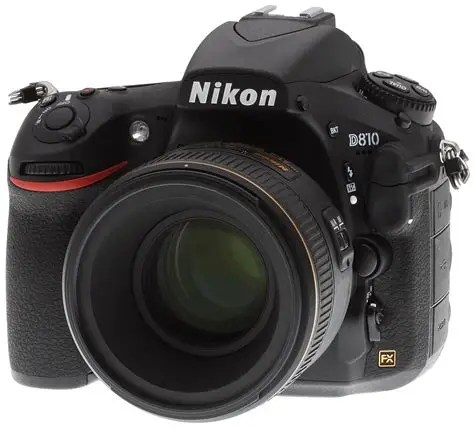
When Nikon released the D800 in 2012, it was nothing short of a landmark. Its 36.3‑megapixel full‑frame sensor rivaled medium format resolution, setting a new standard for detail and dynamic range in DSLR photography. More than a decade later, the D800 remains a relevant and compelling choiceβ€”particularly for photographers who value image quality over speed or convenience.

The strengths of the D800 are clear. Its sensor delivers exceptional resolution, making it ideal for landscapes, editorial work, and large prints where fine detail matters. The wide dynamic range, paired with a base ISO of 100, allows for impressive highlight and shadow recoveryβ€”still competitive with newer models. Built from magnesium alloy with weather sealing, the body was designed for professionals and continues to prove its durability in the field. Compatibility with Nikon’s vast F‑mount lens ecosystem, including legacy AF‑D glass, adds flexibility and long‑term value. And on today’s used market, the D800 offers remarkable price‑to‑performanceβ€”often available for under $500, a fraction of its original $3,000 retail price.

Of course, limitations exist. Autofocus, while solid, lacks the speed and precision of modern mirrorless systems. Low‑light performance is decent but not on par with newer sensors, with noise becoming noticeable above ISO 3200. The absence of conveniences like Wi‑Fi, touchscreen controls, or an articulating display may frustrate those accustomed to modern ergonomics. And at over 900 grams body‑only, the D800 is undeniably heavy, which can be a drawback for travel or street photography.

Yet these trade‑offs are part of the D800’s character. It is not a flashy camera, but a disciplined one. It rewards intentional shooting, careful composition, and thoughtful use of light. In 2025, it remains ideally suited for landscape and editorial photography, studio portraiture under controlled lighting, and even street work with legacy lenses. For ethical photojournalism, where resolution and dynamic range matter more than speed, the D800 still fits seamlessly into a responsible workflow.

The Nikon D800 endures because it embodies reliability, resolution, and restraint. It is a tool for photographers who value discipline over convenience, craft over trend. More than a relic, it is a reminder that great cameras are not defined by novelty, but by the lasting quality of the images they produce.

πŸ“Έ Nikkor 70–210mm f/4–5.6 AF-D: A Sleeper Telephoto Worth Knowing

cambodia, Lenses, opinons, thoughts, photography, pictures, street, Travel

In a world obsessed with fast primes and pro-grade zooms, the Nikkor 70–210mm f/4–5.6 AF-D is often overlooked. Released in the late 1980s and refined through the 1990s, it’s a lens that quietly deliversβ€”especially for street, travel, and candid work where discretion and versatility matter.

πŸ” Optical Performance

  • Sharpness: Respectable across the range, especially in the centre. It holds up well even on higher-resolution sensors, though it won’t match modern primes or pro zooms.
  • Contrast & Colour: Slightly cool rendering; contrast is decent but not punchy.
  • Bokeh: Fairβ€”better at 135mm than at 210mm.
  • Distortion: Minimal at 70mm, increasing pincushion distortion toward 210mm.

βš™οΈ Build & Handling

  • Construction: Solid for its classβ€”metal mount, decent heft (~590g), and a push-pull zoom design. Not weather-sealed, and it does pump air when zooming.
  • Autofocus: Fast for its era, especially the AF-D version with improved gearing. Noisy and not ideal for video, but snappy enough for street and candid work.
  • Size: Compact for a telephoto zoom, making it a good fit for travel or discreet shooting.

πŸ’° Value & Use Cases

  • Price: Often found used for Β£80–£150, (I picked up my perfect copy for 50$ US here in PP) making it one of the best-value Nikon telephoto zooms available.
  • Best For:
    • Street photography with reach
    • Travel and urban detail work
    • Candid portraits at a distance
    • Vintage DSLR setups or film bodies

⚠️ Limitations

  • Low-light performance: With a variable aperture of f/4–5.6, it’s not ideal for dim conditions.
  • No VR (Vibration Reduction): You’ll need steady hands or fast shutter speeds.
  • Push-pull zoom: Some find it less precise than modern ring zooms.

βœ… Final Assessment

The Nikkor 70–210mm f/4–5.6 AF-D is not flashy, but it’s reliable. It rewards photographers who value presence, anticipation, and discretion over technical perfection. For street work, especially in bright conditions, it’s a sleeper lens that punches above its weight.

If your style is unpolished but intentional, this lens fits right in.

πŸ“Έ Photojournalism as Agent Provocateur: Ethical Power or Dangerous Edge?

cambodia, cameras, homelessness, Lenses, opinons, thoughts, pictures, street, Travel, voluntary

πŸ”₯ The Provocative Potential

Photojournalism has always had the capacity to provoke. Iconic imagesβ€”like the β€œNapalm Girl” or the Tiananmen Square standoffβ€”didn’t just document events; they shocked, moved, and mobilised global audiences. In this sense, photojournalism is an agent provocateur: it confronts viewers with uncomfortable truths and demands a response.

βš–οΈ The Ethical Line

But provocation is not the same as manipulation. The ethical challenge lies in intent:

  • Is the image revealing injustice or exploiting suffering?
  • Is it amplifying marginalised voices or sensationalising trauma?
  • Is it grounded in truth or shaped to fit a narrative?

Responsible photojournalism provokes thought, not violence. It informs, not inflames.

🧭 When Provocation Serves Justice

In contexts of oppression, censorship, or systemic abuse, photojournalism canβ€”and arguably shouldβ€”provoke:

  • Expose hidden realities (e.g. war crimes, police brutality)
  • Challenge dominant narratives (e.g. state propaganda)
  • Mobilise public action (e.g. climate protests, refugee crises)

Here, provocation is not recklessβ€”it’s a form of ethical resistance.

🚫 When Provocation Becomes Exploitation

However, when images are used to:

  • Sensationalise suffering
  • Invade privacy
  • Perpetuate stereotypes
  • Distort context for shock value

…photojournalism crosses into unethical territory. The image becomes a weapon, not a witness.

βœ… Summary

Photojournalism can act as an agent provocateurβ€”but only when it provokes with purpose, not for spectacle. Its ethical power lies in revealing truth, challenging injustice, and sparking dialogue. The moment it prioritises impact over integrity, it loses its credibility.

πŸ“Έ Program Mode and the Myth of Purism: A Street Photographer’s Perspective

cameras, fujifilm, Lenses, opinons, thoughts, photography, pictures, street, Travel

There’s a myth in photography: that β€œreal” photographers must shoot in full manual mode, especially if they own expensive gear. The implication is that Program Mode is a shortcut, a crutch, or even a betrayal of the craft.

But here’s the truth: Program Mode is not a weakness. It’s a strategy.

I. The Myth of Manual Purism

Manual mode is often treated as a badge of honour. It suggests mastery, control, and technical discipline. But photography is not a competition in purityβ€”it is a practice of seeing.
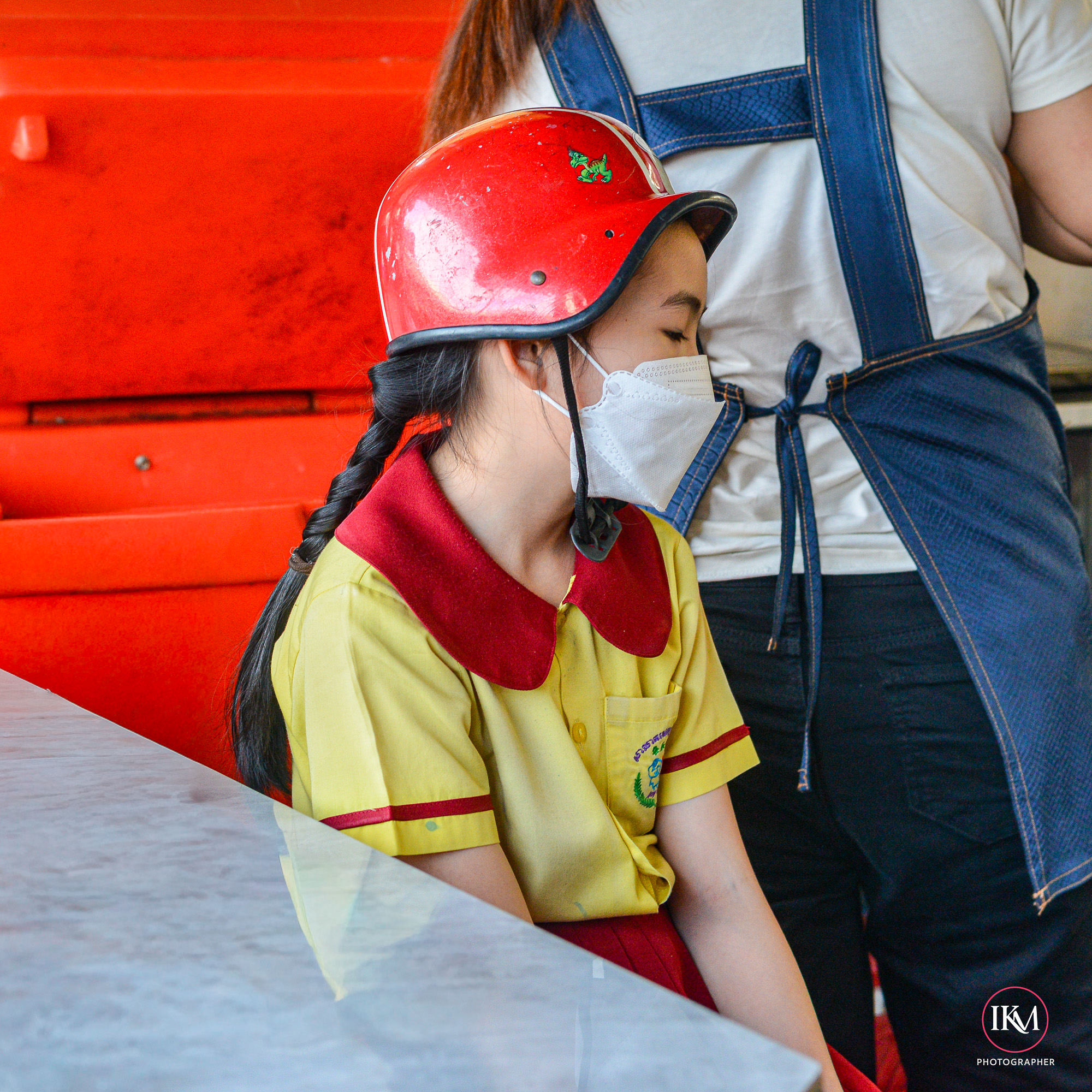
Street photography, especially in Phnom Penh’s fast‑moving rhythm, demands presence more than technical gymnastics. If fiddling with dials makes you miss the moment, then the pursuit of β€œpurism” has already failed.

II. Program Mode as a Discipline

Program Mode doesn’t mean surrendering creativity. It means letting the camera handle exposure basics while you focus on what matters most: composition, timing, and anticipation.

When monks step into morning light or a vendor gestures mid‑conversation, you don’t have time to calculate shutter speed and aperture. Program Mode frees you to be present, to anticipate, and to react.

III. Control Is Still Yours

Modern DSLRs are not mindless machines. Program Mode allows overrides:

  • Exposure compensation to adjust brightness.
  • Program shift to balance aperture and shutter.
  • Focus lock to control depth and subject.

You’re not giving up controlβ€”you’re choosing where to invest your attention. The camera becomes a collaborator, not a dictator.

IV. Anticipation Over Perfection

Street photography is about anticipationβ€”the ability to sense a moment before it happens. Burst shooting captures micro‑variations, but anticipation is the discipline that guides it.

Program Mode supports this discipline. It keeps you ready, so when the decisive moment arrives, you’re not buried in settingsβ€”you’re alive to the rhythm of the street.

V. Philosophy of Use

An expensive DSLR is a tool. Its value lies not in how β€œmanual” you shoot, but in how authentically you capture.

If Program Mode helps you stay present in Phnom Penh’s streetsβ€”catching candid gestures, fleeting light, and authentic human connectionβ€”then it is serving your vision.

Closing Call: The Decisive Moment Doesn’t Care

The decisive moment doesn’t care what mode you used. It cares that you were there, attentive, and ready.

Program Mode is acceptable because photography is not about proving technical purityβ€”it’s about making images that resonate.

πŸ“Έ Anticipation and the Decisive Moment

cambodia, cameras, fujifilm, Lenses, opinons, thoughts, photography, pictures, street, Travel

Street photography isn’t about luckβ€”it’s about anticipation. The streets of Phnom Penh move fast: motorbikes weaving, vendors shifting goods, children darting across alleys. To capture the moment, you have to sense it before it happens.

I. Reading the Rhythm

Every street has a rhythm. You learn to watch gestures, patterns, and movementsβ€”how a monk steps into sunlight, how a vendor reaches for fruit, how a child leans before running. Anticipation means reading these cues and preparing for the instant they align.

II. Burst as a Tool, Not a Crutch

Modern cameras can fire off many frames per second. Used with intention, this isn’t about β€œspray and pray”—it’s about precision. You anticipate the moment, then let the burst capture the micro‑variations: the exact tilt of a head, the instant of eye contact, the fraction of a second when light hits just right.

III. The Decisive Frame

From a sequence of images, one stands out. It’s not always the sharpest or most polishedβ€”it’s the one that carries presence, emotion, and connection. That single frame becomes the decisive photograph, the one that tells the story.

IV. Discipline in Anticipation

Anticipation is a discipline. It requires patience, observation, and trust in your instincts. The camera’s speed is only an extension of your awareness. Without anticipation, burst mode is noise. With anticipation, it becomes a scalpelβ€”cutting into the chaos to reveal clarity.

Closing Thought

Capturing β€œthe” moment is not about chance. It’s about presence, anticipation, and the ability to see just before it happens. The camera’s ability to make many pictures in seconds is only powerful when guided by intention.

This is how I work: not chasing perfection, but trusting anticipation to reveal authenticity.

πŸ“Έ Street Photography in Phnom Penh: Authentic, Candid Moments

cambodia, cameras, homelessness, Lenses, opinons, thoughts, photography, pictures, street, Travel

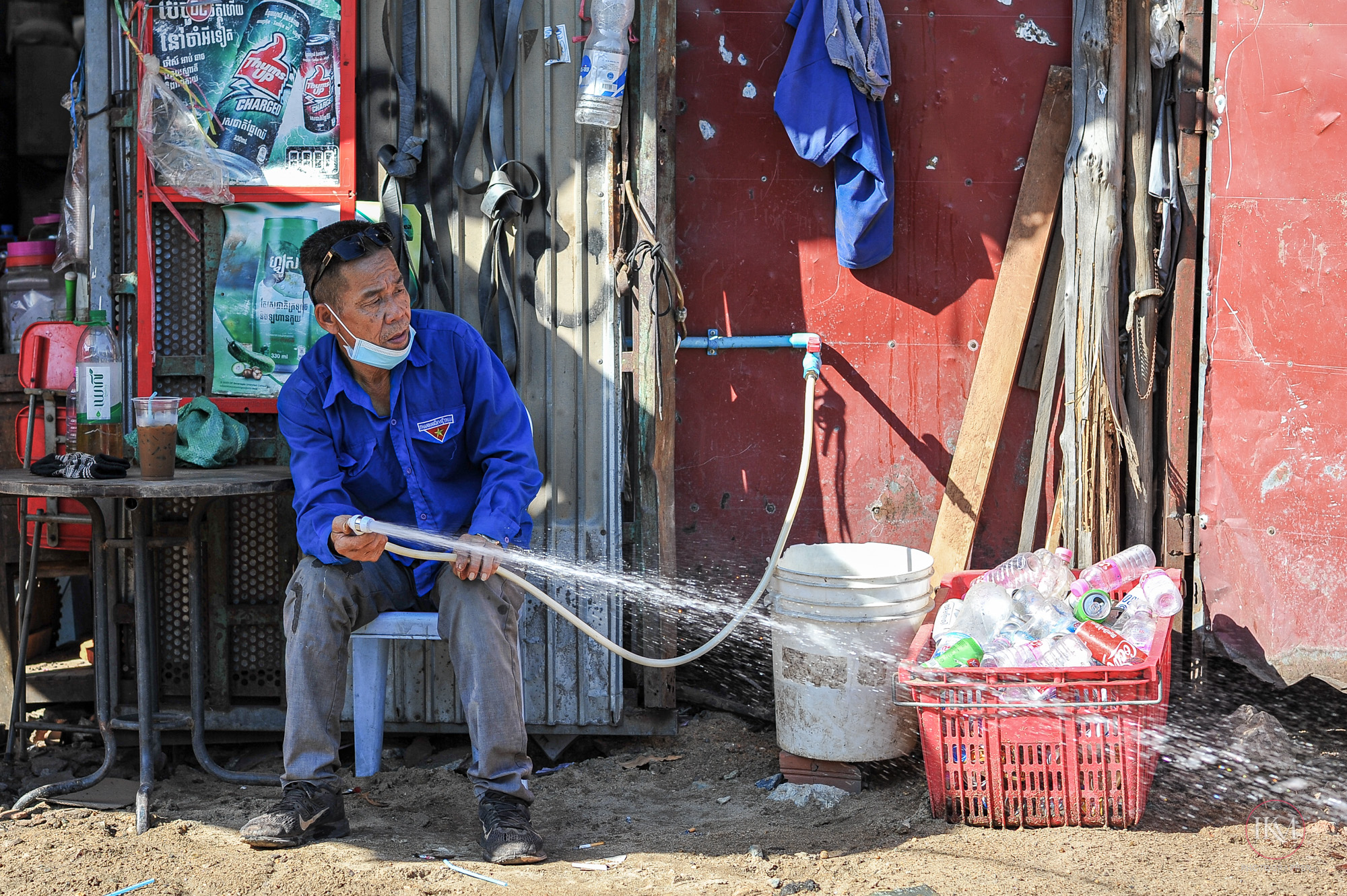
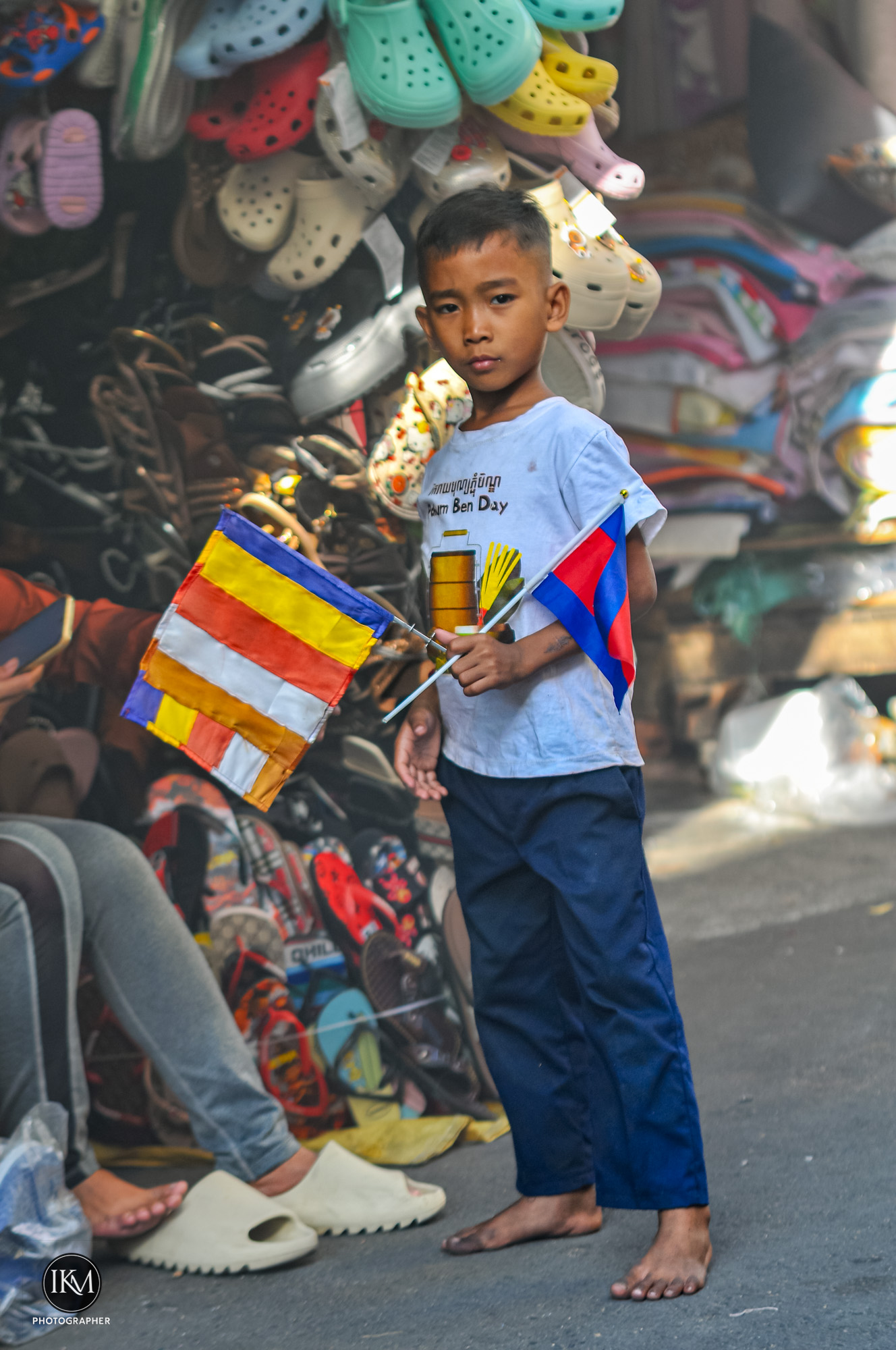
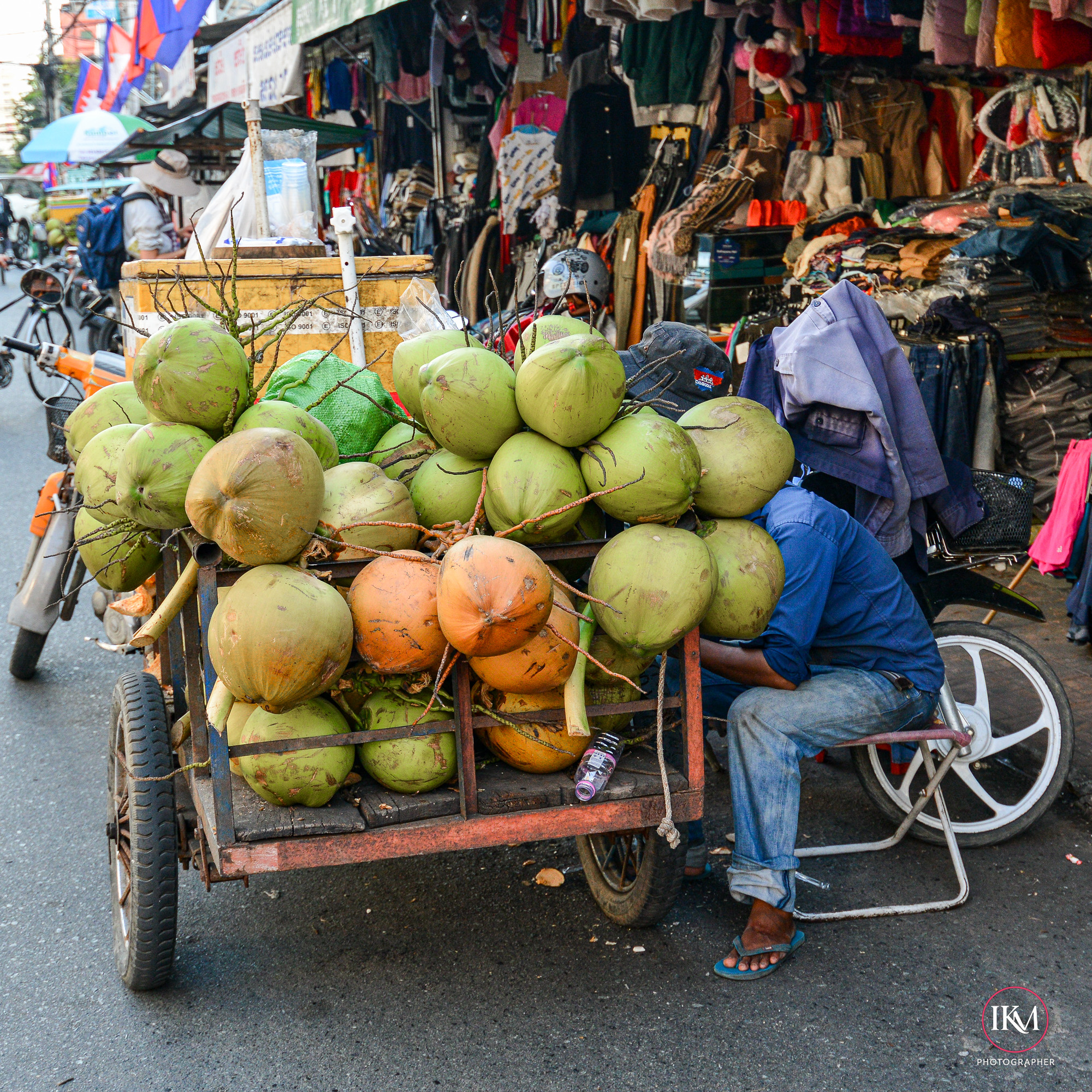
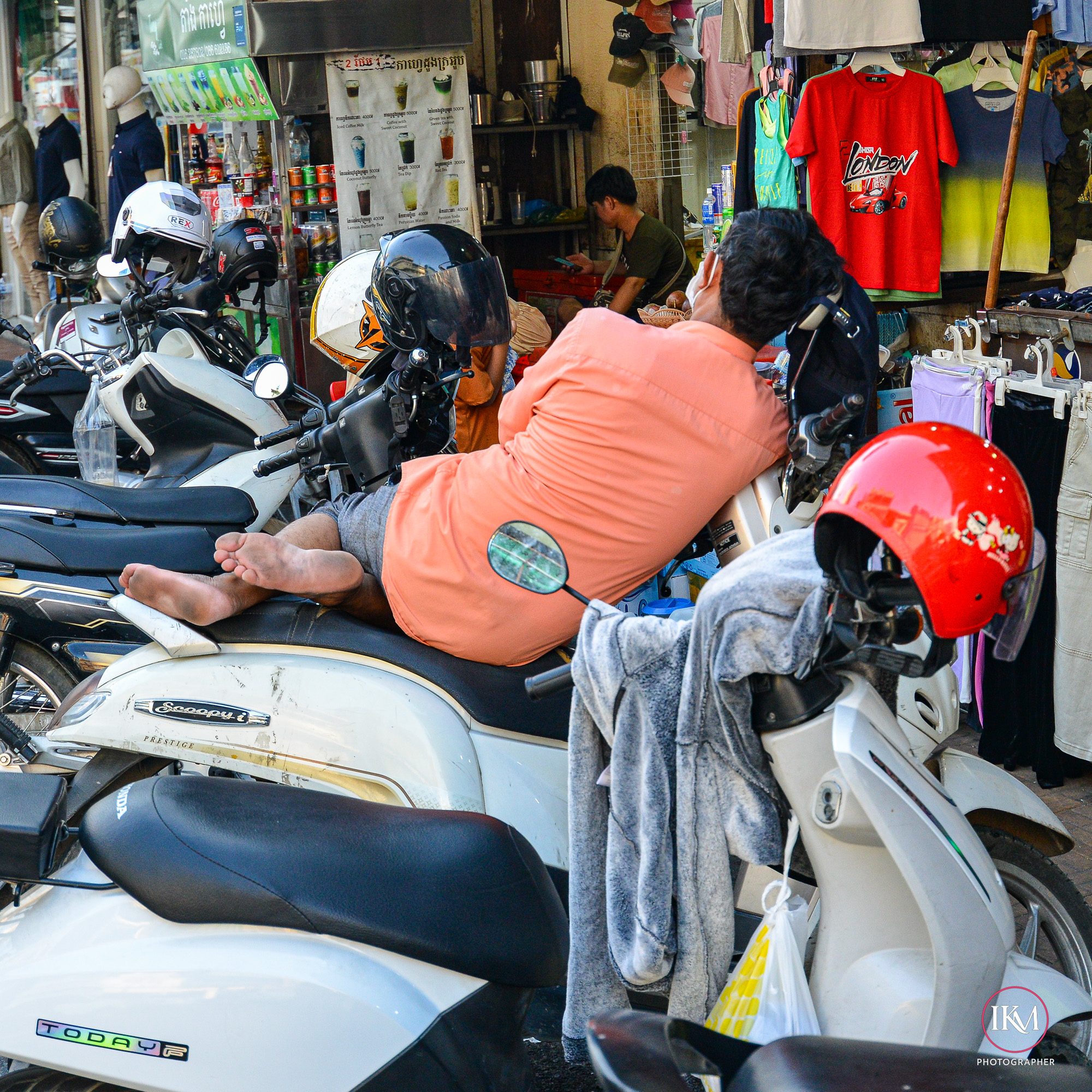
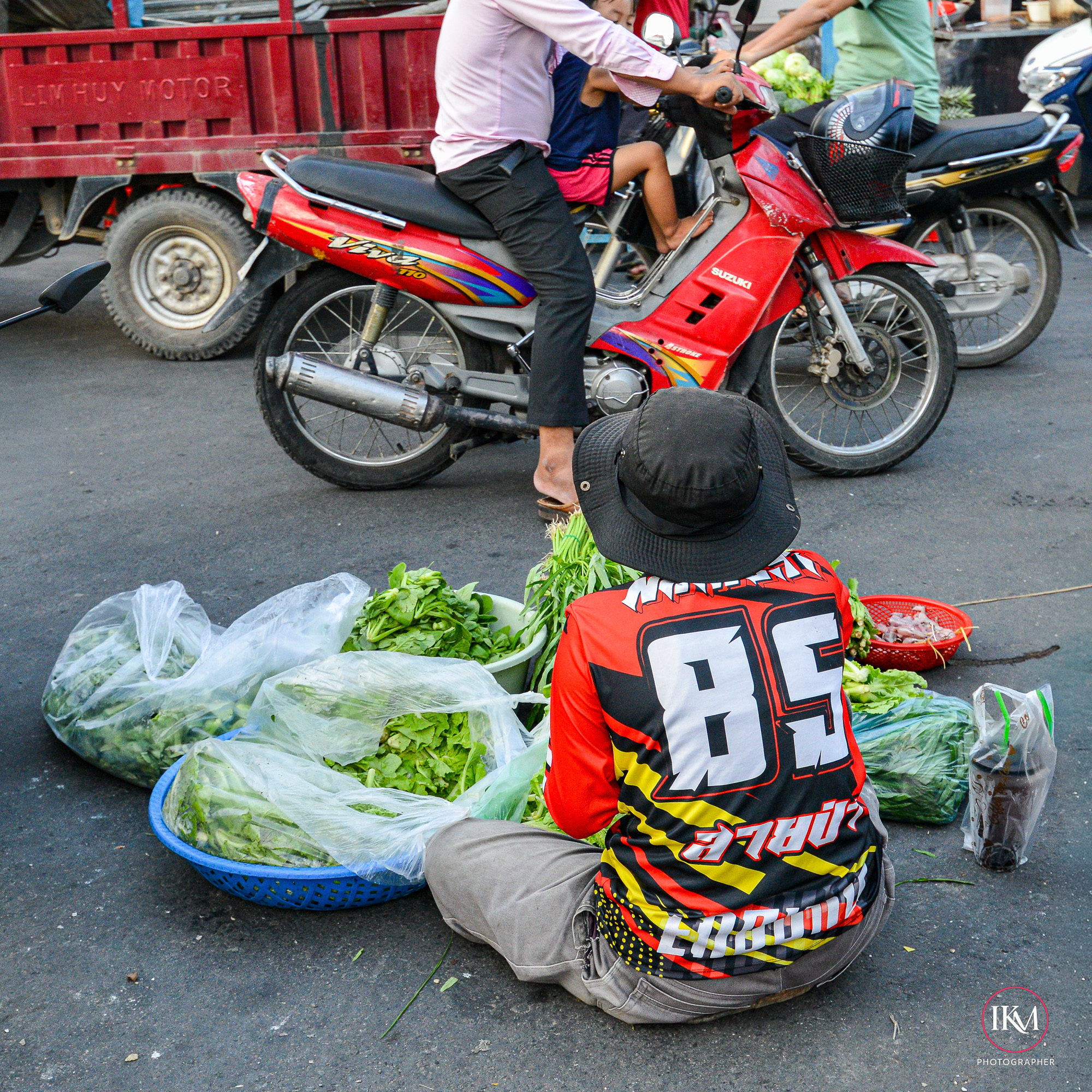
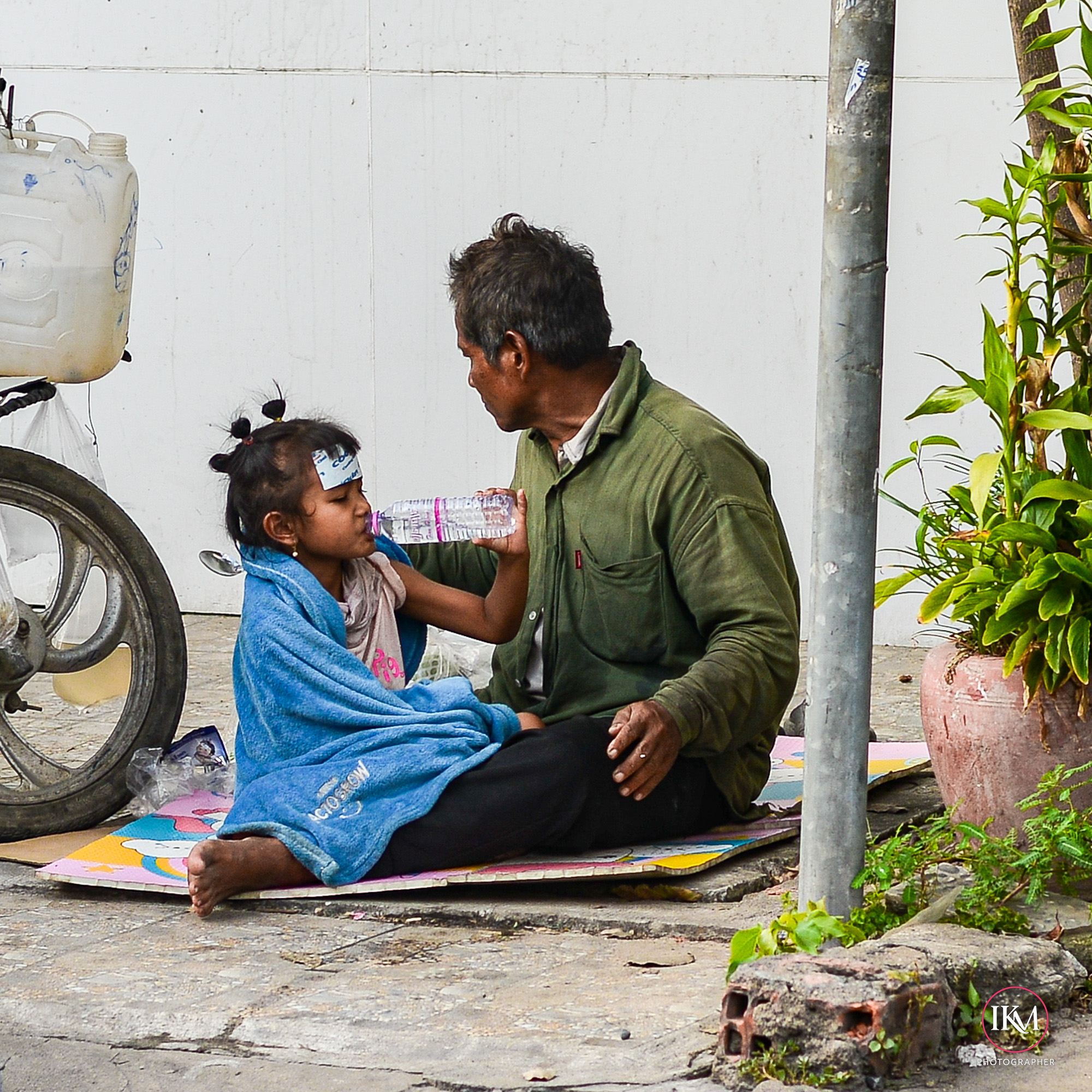
I don’t chase perfection. I don’t polish the streets into postcards. I take pictures of what I seeβ€”fleeting gestures, overlooked details, unremarkable corners. To some, these images may feel uninteresting. But to me, they are the essence of street photography: authentic, candid, and true.

I. PRESENCE IS HONESTY

Street photography begins with presence. It’s about standing in the chaos of Phnom Penhβ€”motorbikes weaving, vendors calling, monks moving through morning lightβ€”and noticing the small things.

A hand resting on a tuk‑tuk. A shadow slicing across a wall. A child’s laughter echoing in the alley. These moments aren’t staged. They aren’t curated. They are real.

II. MEMORY IS FRAGILE

Phnom Penh is changing fast. Markets modernise, facades crumble, new towers rise. What feels ordinary today may be gone tomorrow.

Photography preserves the fragile. A candid frame becomes a fragment of memory, a retro imprint of a city in transition. Not all images are pretty, but all are valuable.

III. CONNECTION IS HUMAN

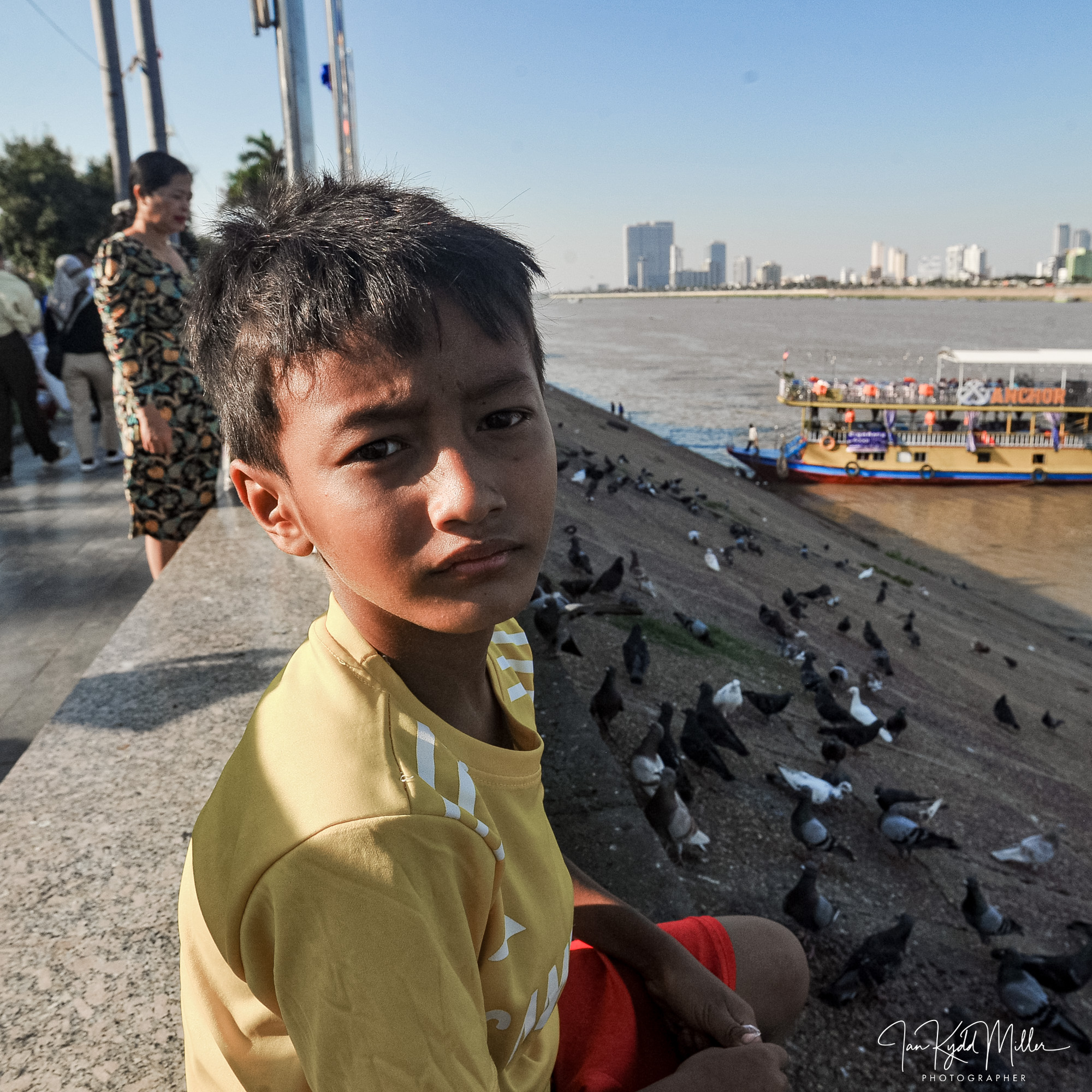
The power of candid moments lies in connection. A stranger’s direct gaze. A fleeting smile. The quiet acknowledgment of someone who lets me borrow a second of their life.

Grain, blur, imperfectionβ€”these are not flaws. They are the marks of authenticity, the texture of human presence.

IV. IDENTITY IS UNPOLISHED

My way of working is not about producing art that pleases everyone. It is about practicing a way of seeing. It is about being present in Phnom Penh’s streets, attentive to the ordinary, open to the unremarkable.

This is my discipline: to take pictures of what I see, without gloss, without apology.

Closing Call: Light as a Signature

Street photography is special not because it is beautiful, but because it is true. Each frame is a mark, a monogram of the city’s soulβ€”drawn not with ink, but with light.

🎯 Why Sharp Focus Matters in Photography

Lenses, opinons, thoughts, photography, pictures, street, Travel

Clarity isn’t just technicalβ€”it’s emotional

Focus is more than a technical checkbox. It’s a storytelling tool. A sharply focused image draws the viewer’s eye exactly where you want itβ€”whether that’s a subject’s eyes, a product detail, or a fleeting moment in motion. Blurry or misfocused shots can feel accidental, distracting, or amateurish unless used deliberately for artistic effect.

πŸ” What β€œSharp Focus” Really Means

  • Plane of focus: The specific area in your frame that’s tack-sharp. Everything else falls into blur depending on depth of field.
  • Subject isolation: Sharp focus helps separate your subject from the background, especially with wide apertures.
  • Viewer engagement: Crisp detail invites viewers to linger, explore textures, and emotionally connect with the subject.
  • Professionalism: Sharpness signals control and intentβ€”essential in commercial, editorial, and portfolio work.

🧠 Common Focus Mistakes

  • Back-focus or front-focus: The camera locks onto the wrong part of the sceneβ€”e.g., ears instead of eyes.
  • Focus-recompose errors: Reframing after focusing can shift the plane of focus, especially at wide apertures.
  • Motion blur mistaken for soft focus: Slow shutter speeds can cause blur even if focus is accurate.
  • Autofocus mode mismatch: Using single-point AF for moving subjects or wide-area AF for precise portraits can lead to missed shots.

βš™οΈ How to Nail Sharp Focus

  • Use single-point AF for precision: Especially for portraitsβ€”aim for the closest eye.
  • Switch to continuous AF for movement: Track subjects with AF-C or AI Servo modes.
  • Check depth of field: Wide apertures (f/1.4–f/2.8) require pinpoint accuracy; stop down for more forgiving focus.
  • Stabilize your camera: Use tripods, monopods, or fast shutter speeds to avoid motion blur.
  • Review with magnification: Zoom in on your LCD or EVF to confirm critical sharpness.

🎨 When Soft Focus Works

  • Dreamy portraits: Slight softness can flatter skin and evoke nostalgia.
  • Motion blur storytelling: Intentional blur can convey speed, emotion, or chaos.
  • Atmospheric scenes: Fog, rain, or low light can benefit from selective softness.

But these effects only work when chosen, not when accidental.

πŸ“ Final Thought

πŸ“Έ The Exposure Triangle

opinons, thoughts, photography, pictures, street, Travel

Mastering the balance of light in photography

The Exposure Triangle is the foundation of photographic technique. It describes the relationship between three key settingsβ€”aperture, shutter speed, and ISOβ€”that together determine how bright or dark your image will be. Understanding how these elements interact is essential for achieving correct exposure and creative control.

πŸ”Ί The Three Sides of the Triangle

  1. Aperture (f-stop)
    • Controls how much light enters through the lens.
    • Wide apertures (e.g., f/1.8) let in more light and create shallow depth of field (blurry backgrounds).
    • Narrow apertures (e.g., f/16) let in less light but increase depth of field (more of the scene in focus).
  2. Shutter Speed
    • Determines how long the sensor is exposed to light.
    • Fast speeds (e.g., 1/1000s) freeze motion.
    • Slow speeds (e.g., 1/30s or longer) allow motion blur or creative long exposures.
  3. ISO
    • Adjusts the sensor’s sensitivity to light.
    • Low ISO (100–200) produces clean, noise-free images.
    • High ISO (1600+) helps in low light but introduces grain/noise.

βš–οΈ How They Work Together

  • Changing one setting affects the others. For example:
    • If you open the aperture wider, you may need a faster shutter speed or lower ISO to avoid overexposure.
    • If you increase ISO in low light, you can use a faster shutter speed but risk more noise.
  • The triangle is about balance: each side compensates for the others to achieve the desired exposure.

🧠 Practical Tips

  • Use aperture priority mode when depth of field is your main concern (portraits, landscapes).
  • Use shutter priority mode when motion control is key (sports, long exposures).
  • Use manual mode to take full creative control and learn how the triangle works in practice.
  • Check your histogram to ensure highlights and shadows aren’t clipped.

🎨 Creative Control

Correct exposure isn’t always about technical perfection. Sometimes photographers intentionally underexpose for mood or overexpose for a dreamy effect. Mastering the triangle gives you the freedom to bend the rules deliberately.

πŸ“ Final Thought

The Exposure Triangle is more than a technical conceptβ€”it’s a creative toolkit. By understanding how aperture, shutter speed, and ISO interact, you gain the ability to shape not just the brightness of your image, but its mood, sharpness, and emotional impact.

πŸ“Έ Understanding Correct Exposure in Photography

Lenses, opinons, thoughts, photography, pictures, street, Travel

Why it matters and how to achieve it

Exposure refers to the amount of light that reaches your camera’s sensor. Too much light, and your photo is overexposedβ€”washed out with lost highlight detail. Too little, and it’s underexposedβ€”dark, noisy, and lacking shadow detail. Correct exposure is about balance: capturing detail in both highlights and shadows while preserving the atmosphere of the scene.

πŸ”Ί The Exposure Triangle

  1. Aperture (f-stop)
    • Controls how much light enters through the lens.
    • Wide apertures (f/1.4–f/2.8) let in more light and create shallow depth of field.
    • Narrow apertures (f/8–f/16) reduce light but increase depth of field, keeping more of the scene sharp.
  2. Shutter Speed
    • Determines how long the sensor is exposed to light.
    • Fast speeds (1/1000s) freeze motion.
    • Slow speeds (1/30s or longer) allow motion blur or creative long exposures.
  3. ISO
    • Adjusts sensor sensitivity to light.
    • Low ISO (100–200) produces clean images with minimal noise.
    • High ISO (1600+) helps in low light but introduces grain.

Together, these three settings form the exposure triangle, and adjusting one requires compensating with another to maintain balance.

🧠 Methods for Achieving Correct Exposure

  • Metering Modes: Cameras offer matrix, center-weighted, and spot metering to measure light differently. Choosing the right mode helps avoid over/underexposure in tricky lighting.
  • Histogram Check: Reviewing the histogram ensures highlights and shadows aren’t clipped. A balanced histogram indicates proper exposure.
  • Exposure Compensation: Adjusting +/– EV lets you fine-tune brightness without changing aperture or shutter speed.
  • Bracketing: Shooting multiple exposures (under, correct, over) ensures you capture the best version, especially in high-contrast scenes.
  • Manual Mode Practice: Learning to balance aperture, shutter, and ISO manually builds confidence and creative control.

🎨 Creative Considerations

Correct exposure isn’t always about technical perfection. Sometimes, intentional underexposure adds mood, or overexposure creates a dreamy effect. The key is knowing the rules well enough to break them deliberately.

πŸ“ Final Thought

Exposure is the heartbeat of photography. By mastering aperture, shutter speed, and ISOβ€”and using tools like histograms and meteringβ€”you gain control over both technical accuracy and creative expression. Correct exposure ensures your images are not just visible, but powerful.

πŸ“Έ Nikon AF Zoom-Nikkor 35–135mm f/3.5–4.5 AF-D

cambodia, cameras, Lenses, opinons, thoughts, photography, pictures, street, Travel

A legacy zoom that still earns respect

When Nikon introduced the 35–135mm AF series, it was designed to bridge wide-to-telephoto coverage in a single lens. Positioned as a step above kit zooms, it gave photographers flexibility without the bulk of multiple primes. The AF-D version added distance encoding for more accurate flash metering, making it a practical tool for both film and early digital shooters.

πŸ” Optical Performance

  • Sharpness: Respectable across the range, especially between 35–85mm. At 135mm, corners soften, but the center remains usable.
  • Color and contrast: Classic Nikon renderingβ€”neutral color with good contrast, especially when stopped down.
  • Distortion: Noticeable barrel distortion at 35mm and pincushion at 135mm, typical of zooms of its era.
  • Macro mode: Offers a close-focus feature down to ~0.5m, useful for flowers and small objects.
  • Bokeh: Pleasant at longer focal lengths, though not as creamy as modern f/2.8 zooms.

βš™οΈ Build and Handling

  • Construction: Solid, metal-heavy buildβ€”β€œbrick-like” durability noted by users.
  • Weight: Around 600g, making it portable but not featherlight.
  • Autofocus: Screw-drive AFβ€”adequate but slower and noisier compared to AF-S lenses. Works best with pro bodies like the D3/D800.
  • Zoom action: Push-pull design, which some photographers find intuitive, while others prefer modern rotary zoom rings.

🧠 Use Cases

  • Travel lens: Covers wide-to-telephoto in one package, ideal for street and candid photography.
  • Portraits: At 85–135mm, produces flattering compression and decent subject isolation.
  • Documentary/editorial: Flexible enough for mixed environments where you can’t switch lenses often.
  • Film shooters: A perfect companion for Nikon F-mount film bodies, retaining period authenticity.

βš–οΈ Pros and Cons

Pros

  • Versatile focal range (wide to telephoto)
  • Solid build quality
  • Affordable on the used market (~$100–$200 USD)
  • Close-focus macro mode adds creative flexibility

Cons

  • No VR (Vibration Reduction)
  • AF is slower and noisier than modern lenses
  • Optical performance lags behind newer zooms, especially at 135mm
  • Push-pull zoom design can feel dated

πŸ“ Final Verdict

The Nikon AF Zoom-Nikkor 35–135mm f/3.5–4.5 AF-D is a classic workhorse lens. It won’t compete with modern pro zooms in speed or sharpness, but it offers a unique blend of versatility, durability, and character. For photographers exploring Nikon’s legacy glass, it’s a rewarding optionβ€”especially for travel and portraiture where its rendering shines.