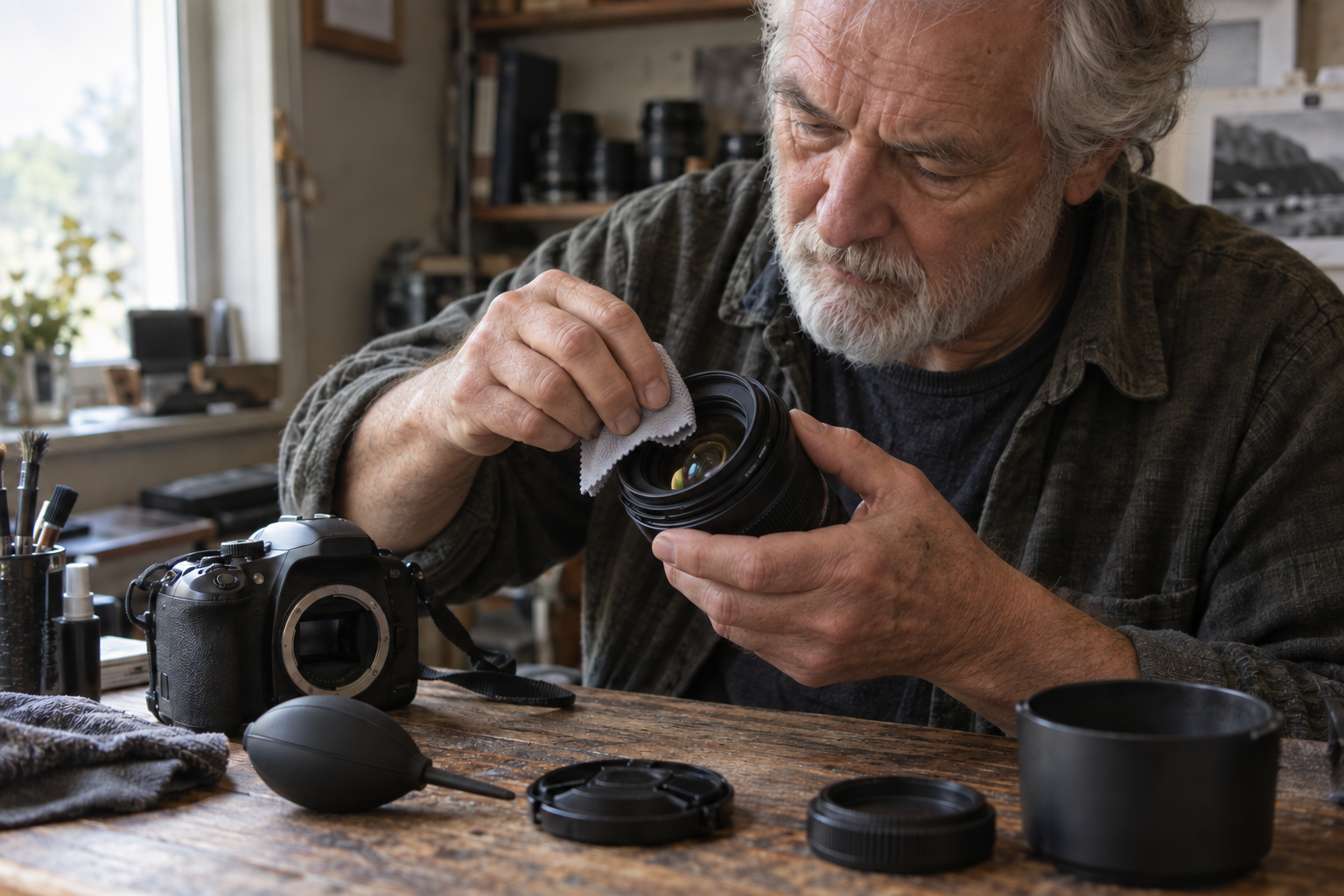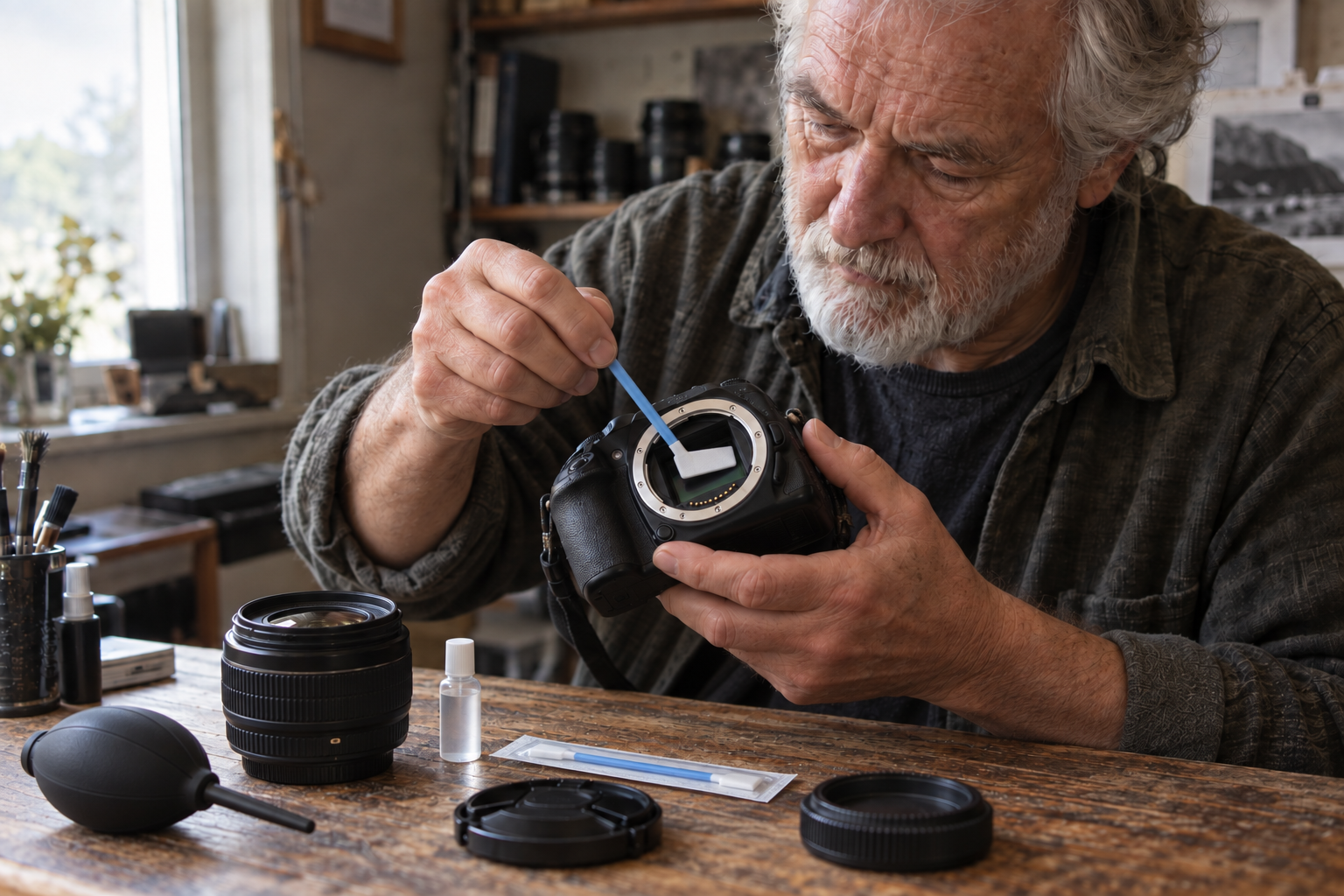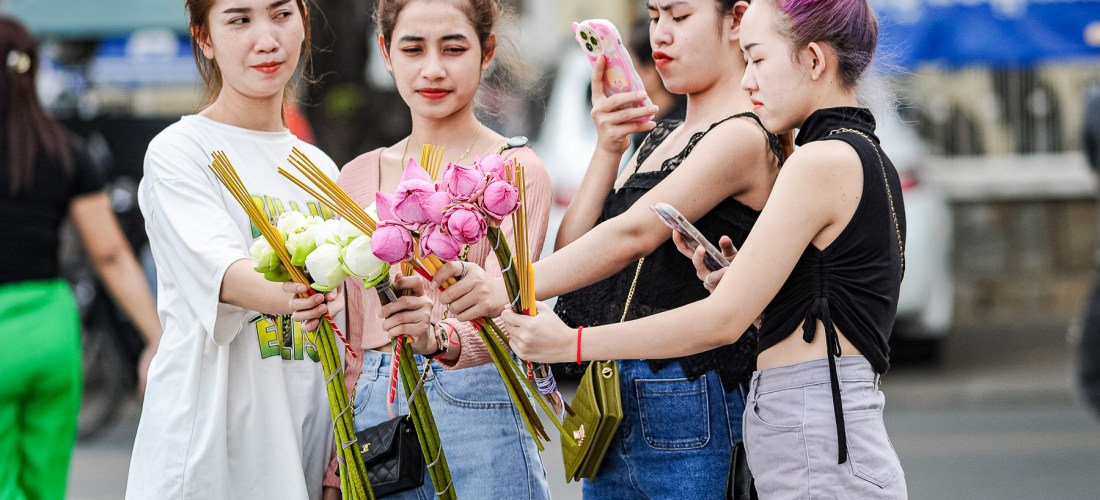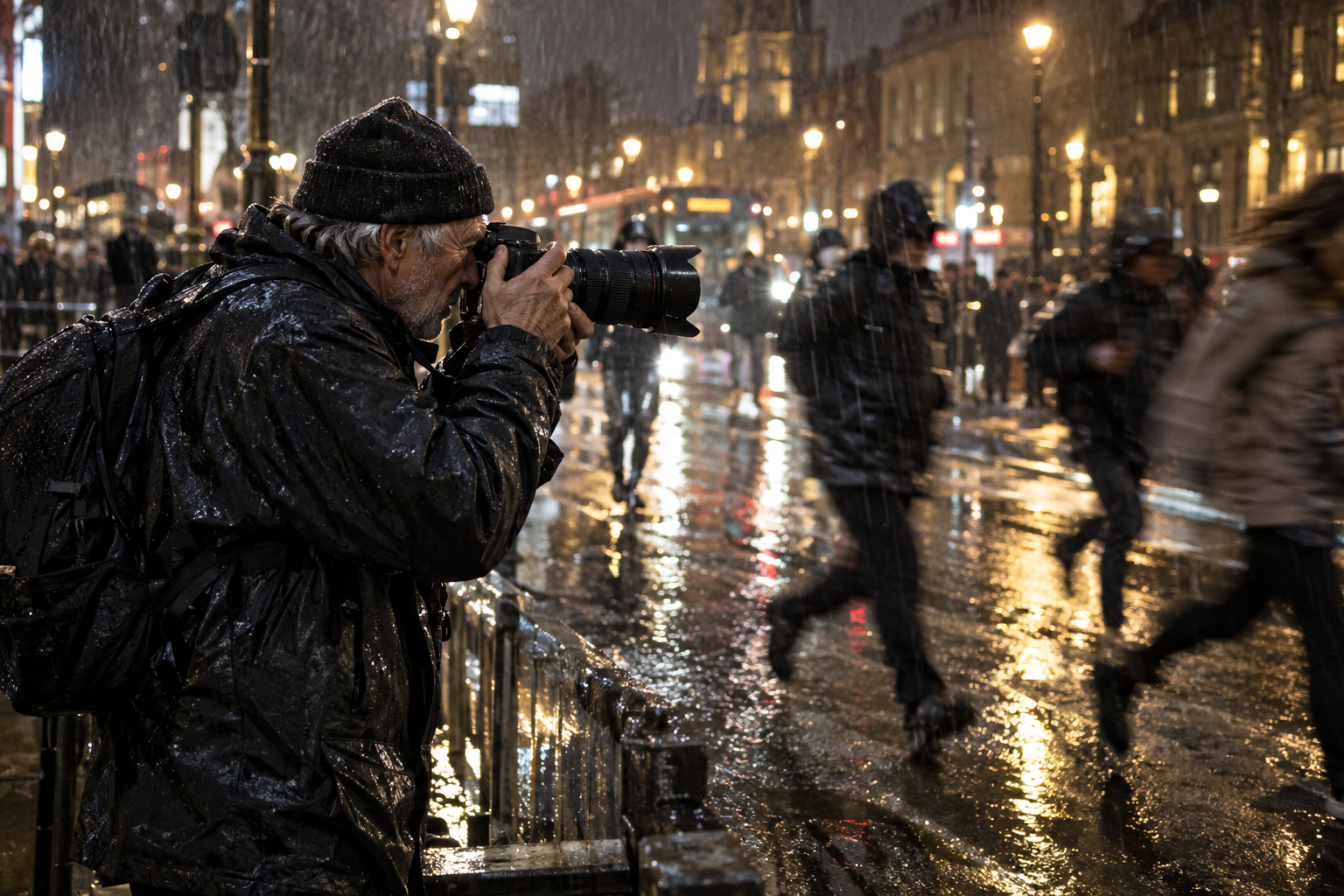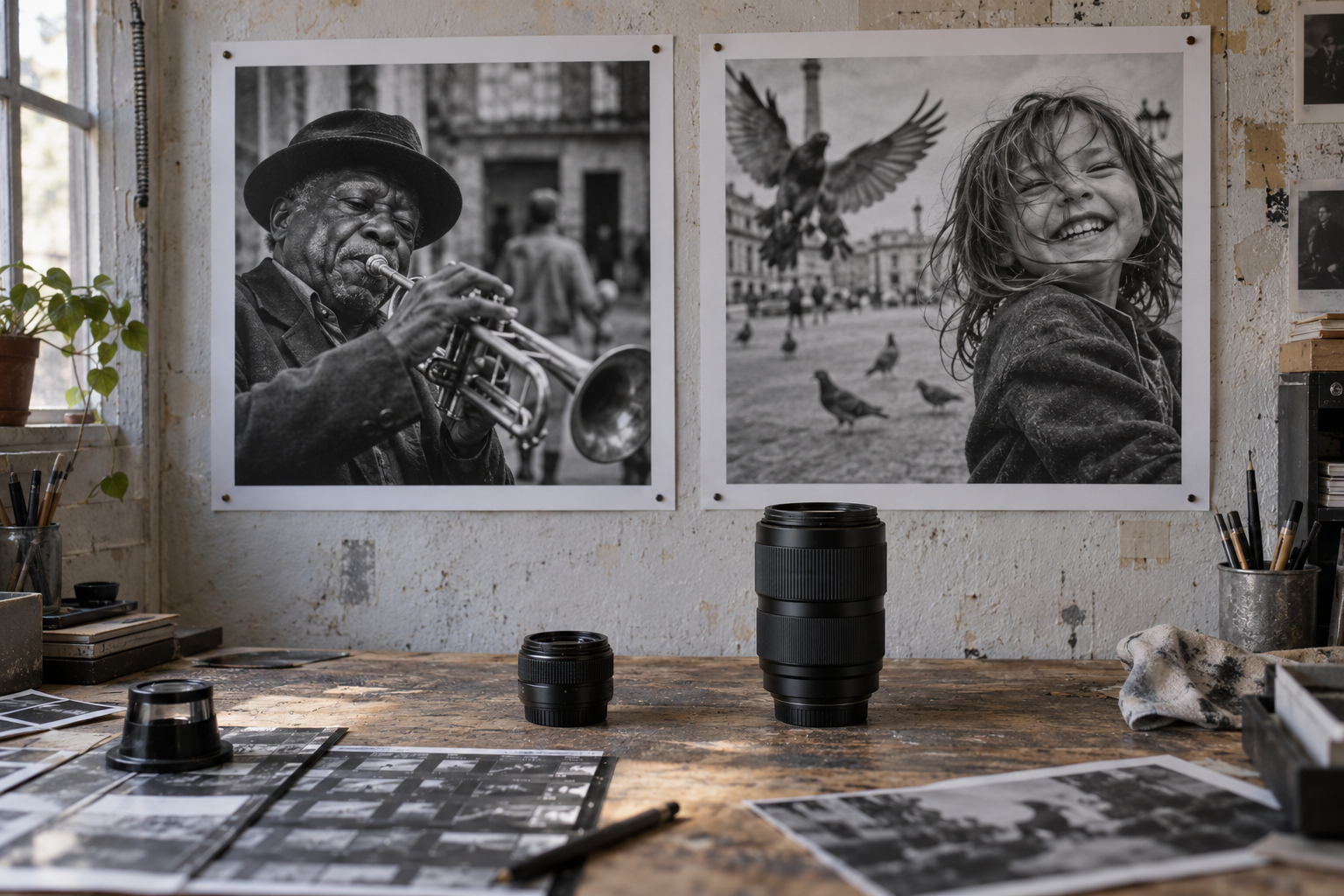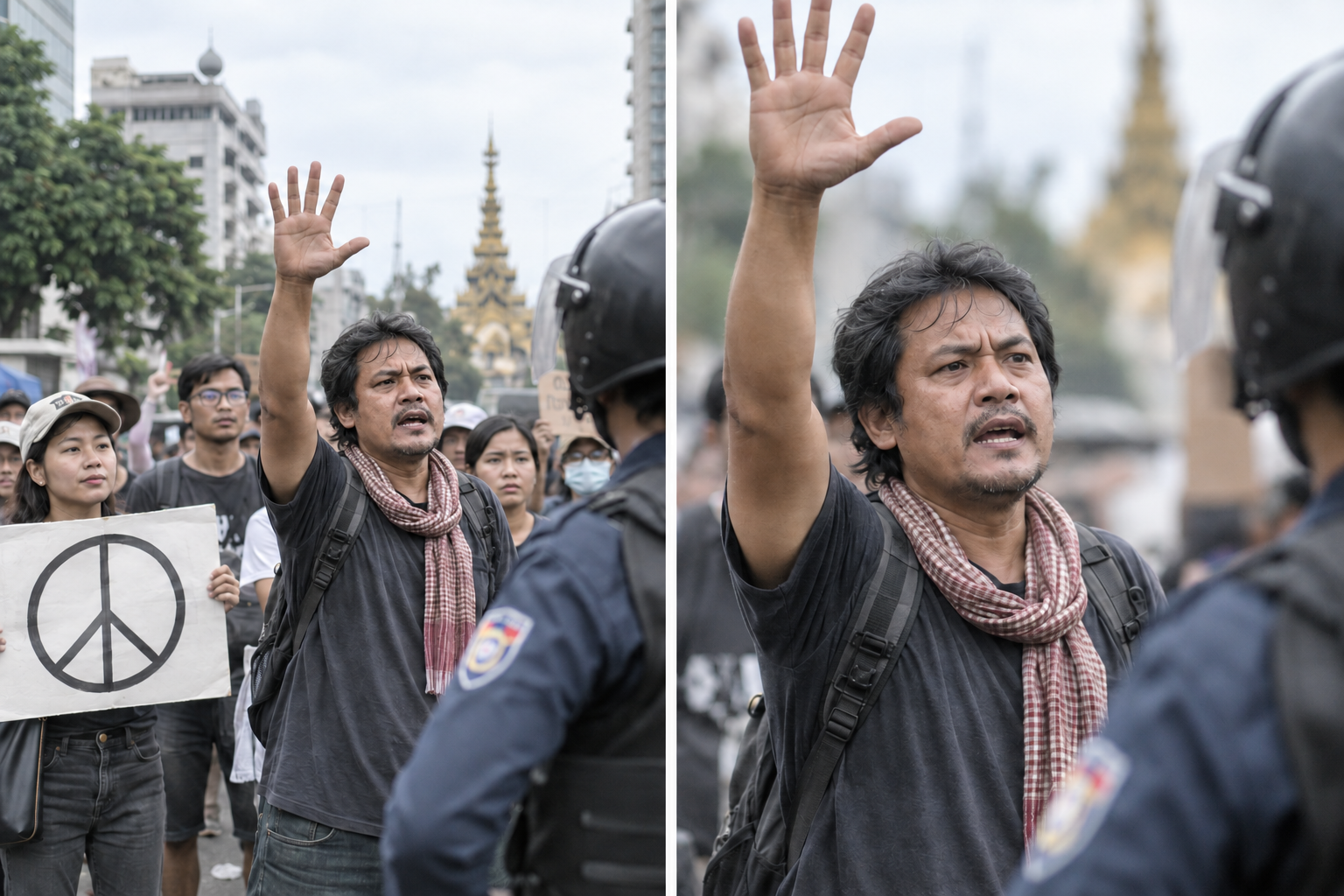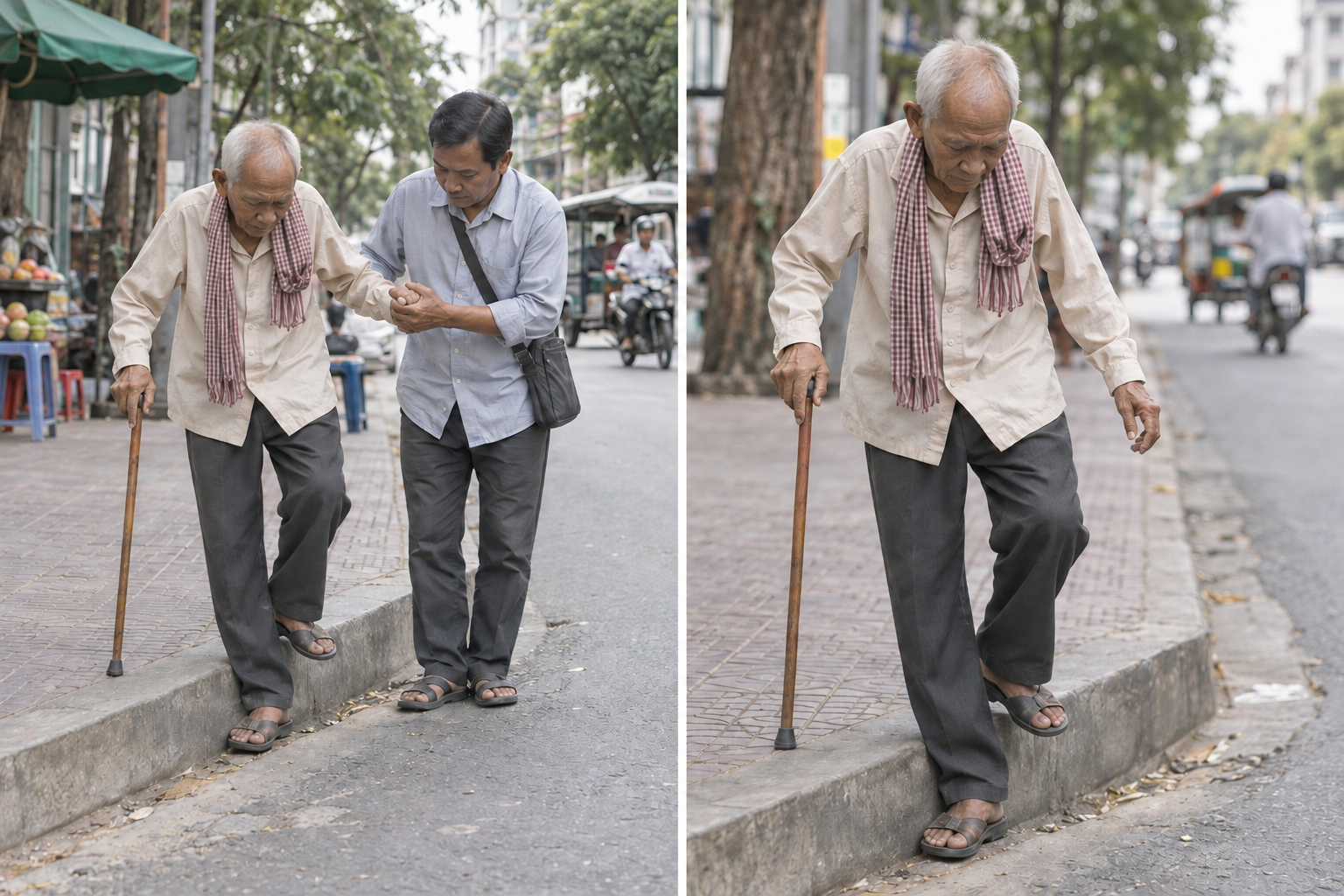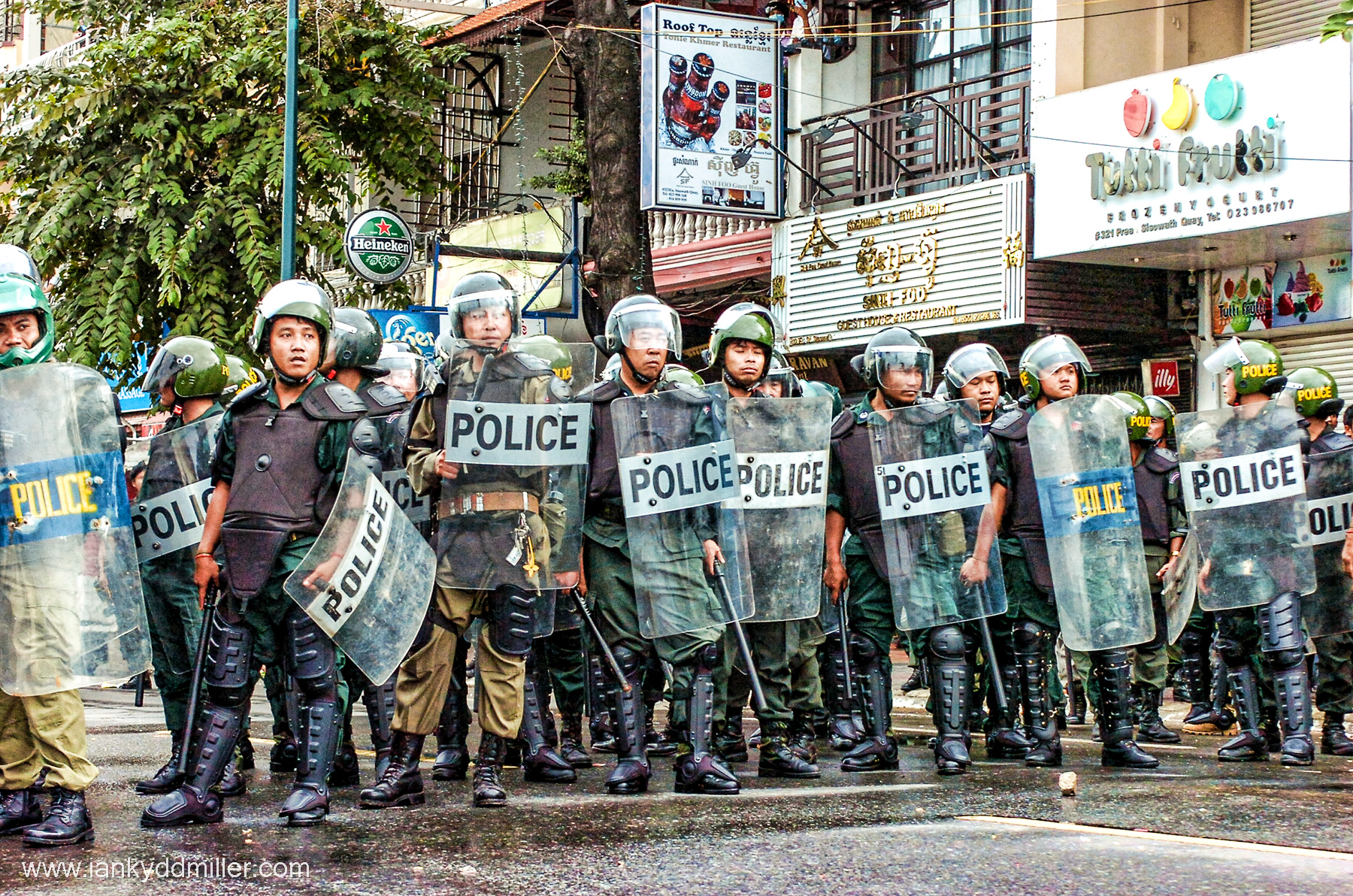

Top Lenses for Nikon D700: Unlock Its Full Potential

cambodia, cameras, Lenses, nikon, opinons, thoughts, photography, street, Travel

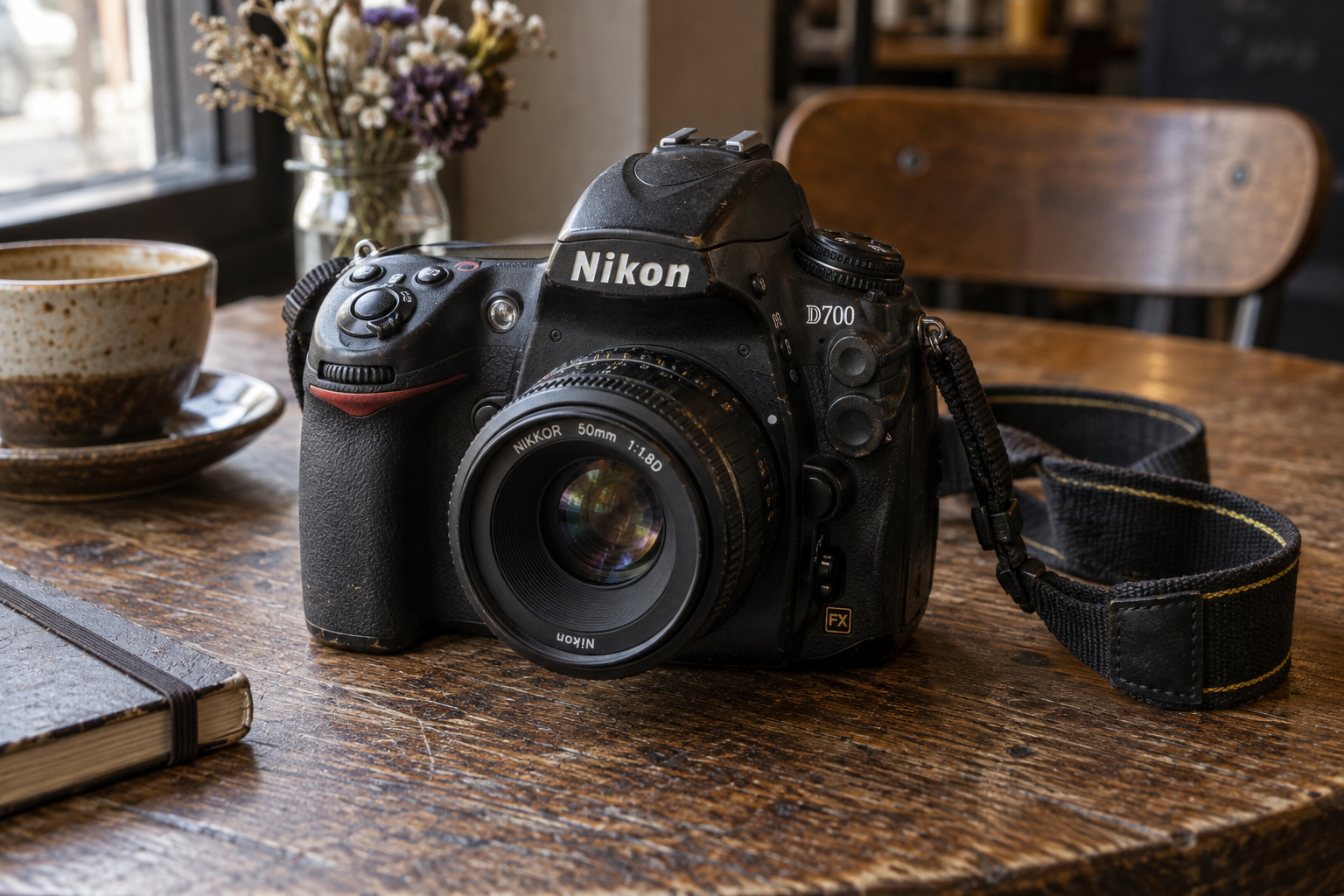
Pairing the Nikon D700 with the right lens is one of the reasons this body still shines.

๐Ÿ“ธ Itโ€™s a full-frame (FX) camera with great low-light ability and rugged handling, so certain lenses really unlock its potential for street, portrait, travel, and everyday shooting.

Hereโ€™s a practical guide to the best lenses you can use with a D700 โ€” ranked by use case and value, including price/quality balance.


๐ŸŽฏ 1. Street & Everyday โ€” All-Around Winners

Nikon 35mm f/1.8G AF-S

๐Ÿ“Œ Best overall everyday lens

  • Field of view: Classic documentary/street framing
  • Fast in low light, great subject isolation
  • Compact and quiet AF

๐Ÿ’ก Why it works
35mm on full-frame gives context with subject focus, perfect for street scenes and daily shooting.

๐Ÿ“ Great for:

  • Street photography
  • Urban context + people
  • Travel

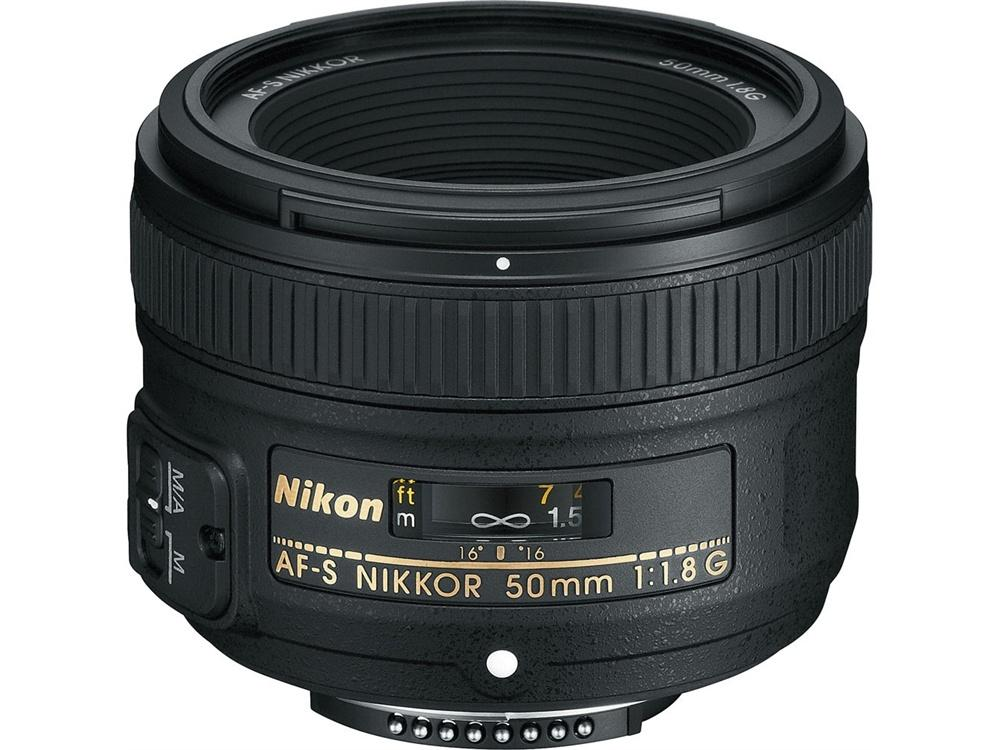
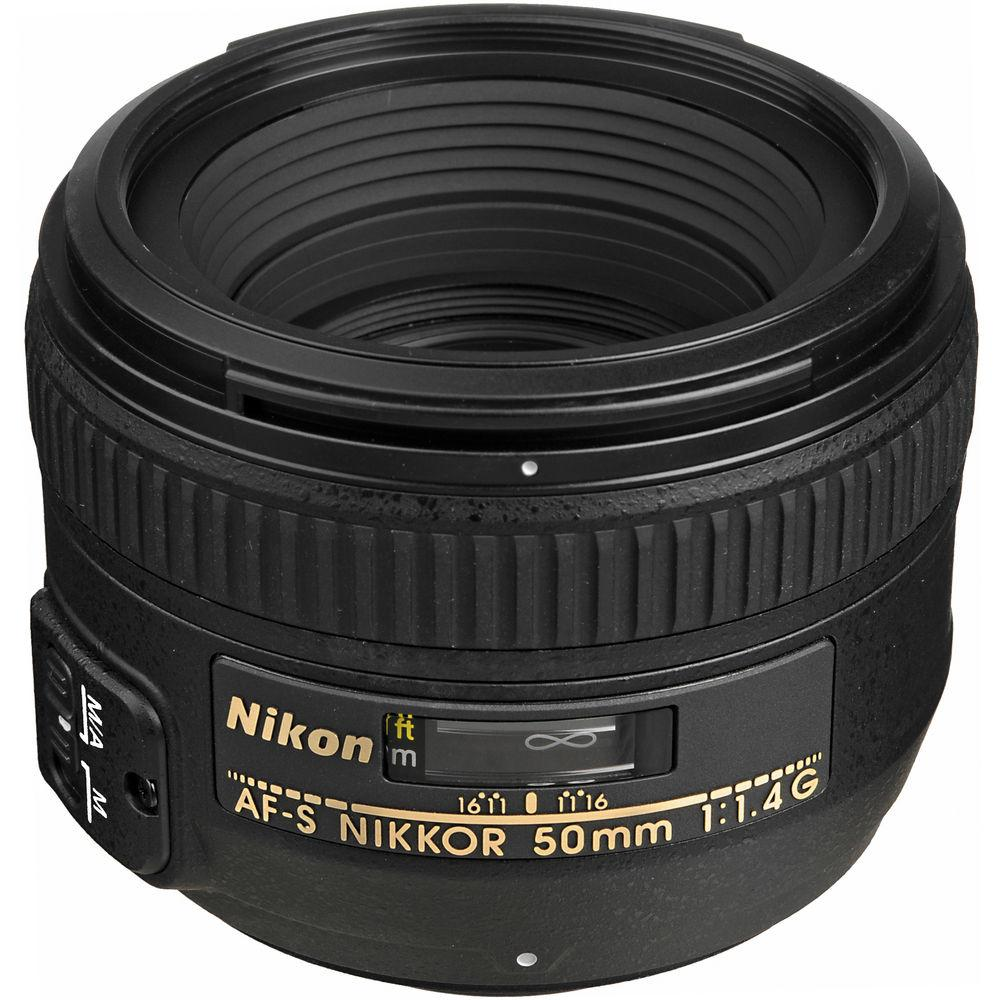
Nikon 50mm f/1.8G AF-S

๐Ÿ“Œ Best all-purpose normal lens

  • Natural perspective (very โ€œfilmicโ€)
  • Sharp for portraits and general use
  • Affordable pro-quality option

๐Ÿ’ก Why itโ€™s great
If you want one lens that does portraits and everyday shoots, this is a classic. On the D700 it feels perfect.

๐Ÿ“ Great for:

  • Portraits (tight but not zoomed)
  • Everyday street photos
  • Low-light environments

๐Ÿ‘ค 2. Portraits โ€” Beautiful Compression & Bokeh

Nikon 85mm f/1.8G AF-S

๐Ÿ“Œ Best portrait lens for the D700

  • Flattering focal length for heads/shoulders
  • Superb subject separation
  • Fast, sharp, and great contrast

๐Ÿ’ก Why youโ€™ll love it
Rich, creamy bokeh and excellent sharpness make this a staple for portraits and even street portraiture from a modest distance.

๐Ÿ“ Great for:

  • Portraits
  • Street portraits
  • Events


๐ŸŒ† 3. Wide Angles โ€” Environment & Context

Nikon 24mm f/1.8G AF-S

๐Ÿ“Œ Best wide angle prime

  • Great for environmental street and documentary work
  • Very usable in low light
  • Minimal distortion compared to zooms

๐Ÿ’ก Why choose 24mm
You get immersive perspective without serious barrel distortion. Great indoors or on crowded streets.

๐Ÿ“ Great for:

  • Architecture + documentary
  • Wider street scenes
  • Travel landscapes

๐Ÿ“ท 4. Zoom Lenses โ€” Flexibility Without Sacrifice

Nikon 24-70mm f/2.8G ED AF-S

๐Ÿ“Œ Verified pro zoom workhorse

  • Excellent range for all-around shooting
  • Strong low-light capability
  • Classic pro build

๐Ÿ’ก Consider this if you want one lens to rule many situations โ€” from wide stories to portraits.

๐Ÿ“ Great for:

  • Events
  • Run-and-gun photojournalism
  • Travel where you canโ€™t change lenses often


Nikon 70-200mm f/2.8G ED VR II

๐Ÿ“Œ Best telephoto zoom for portraits/sports/isolated subjects

  • Tight framing without cropping in
  • Beautiful compression
  • Fast and tack-sharp

๐Ÿ’ก A D700 + 70-200 f/2.8 is a workhorse combo if you shoot concerts, sports, or candid portraits.

๐Ÿ“ Great for:

  • Tight portraits
  • Sports or action
  • Wildlife at moderate distance

๐Ÿ’ธ 5. Best Budget (& Used) Options That Punch Above Their Price

If you want great glass without spending a fortune:

๐Ÿ”น Nikon 50mm f/1.8D โ€“ older normal lens; excellent sharpness and cheap
๐Ÿ”น Nikon 85mm f/1.8D โ€“ gorgeous portrait lens at used prices
๐Ÿ”น Nikon 24mm f/2.8D โ€“ a little slower but very sharp and compact
๐Ÿ”น Tokina 17-35mm f/4 AT-X โ€“ great wide option on a budget

TIP: D-series lenses can still autofocus on the D700 and are often dramatically cheaper used.


๐Ÿง  How to Choose Based on What You Shoot

๐Ÿ“ธ Street + Walkaround

  • 35mm f/1.8G
  • 50mm f/1.8G

๐Ÿชฉ Low-Light & Night

  • 35mm f/1.8G
  • 50mm f/1.8G
  • 85mm f/1.8G

๐Ÿ‘ค Portraiture

  • 85mm f/1.8G

๐ŸŒ Travel & Landscapes

  • 24mm f/1.8G
  • 24-70mm f/2.8G

๐Ÿƒ Sports/Action

  • 70-200mm f/2.8G

๐Ÿง  Why These Lenses Still Rock With the D700

โœ… FX (full-frame) coverage โ€” they use the sensorโ€™s best area
โœ… Fast apertures โ€” perfect for the D700โ€™s excellent low-light strength
โœ… Sharp optics that match the sensorโ€™s output
โœ… Built for durability โ€” like the D700 itself

Older is not dated when the glass is this good.


๐Ÿ’ก Final Thoughts

If you want one lens that defines the D700 experience:
๐Ÿ‘‰ 35mm f/1.8G

If you want one thatโ€™s the most versatile and satisfying overall:
๐Ÿ‘‰ 50mm f/1.8G

If you want beautiful subject isolation:
๐Ÿ‘‰ 85mm f/1.8G

And if you want one lens that does everything:
๐Ÿ‘‰ 24-70mm f/2.8G

Why Photographers Still Use โ€œOldโ€ Cameras Like the Nikon D700

cameras, Lenses, nikon, opinons, thoughts, photography, street, Travel

The Nikon D700 came out in 2008. By tech standards, thatโ€™s ancient.
By photography standards? Itโ€™s still very much alive.

And there are solid reasons for that.


๐Ÿง  1. Image Quality Plateaued (a Long Time Ago)

This is the dirty secret of camera marketing:

For most real-world photography, image quality stopped dramatically improving around 2012โ€“2014.

The D700โ€™s:

  • 12.1MP full-frame sensor
  • Legendary low-light performance
  • Gorgeous tonal roll-off

โ€ฆalready exceed what:

  • Social media
  • Editorial print
  • Street photography
  • Photo books

actually require. More megapixels โ‰  better photos.


๐ŸŒ— 2. CCD-Like โ€œLookโ€ (Even Though Itโ€™s CMOS)

The D700 shares DNA with the D3, and it shows.

People keep using it because of:

  • Natural contrast
  • Smooth highlights
  • Film-like shadow transitions
  • Skin tones that donโ€™t need fixing

It renders scenes, not files.

Modern sensors are technically better โ€” but often clinically flat until processed.


๐Ÿงฑ 3. Built Like a Weapon (In a Good Way)

The D700 is:

  • Magnesium alloy
  • Weather-sealed
  • Rated for heavy professional use

You can:

  • Shoot in rain
  • Bang it on concrete
  • Freeze your fingers off

โ€ฆand it just keeps going.

Street photographers love tools they donโ€™t have to baby.


๐ŸŽฏ 4. Autofocus That Still Slaps

The Multi-CAM 3500FX AF system is still:

  • Fast
  • Predictable
  • Excellent in low light

No face-detect.
No eye-AF.
No nonsense.

Just reliable center-point focus you can trust.

For street, that matters more than AI tricks.


๐Ÿ•ฐ๏ธ 5. Forces Better Shooting Habits

Limitations can be freeing.

With the D700:

  • Youโ€™re not chimping constantly
  • Youโ€™re not spraying 20fps
  • Youโ€™re not rescuing sloppy exposure later

You:

  • Pre-focus
  • Anticipate
  • Compose deliberately

Thatโ€™s street photography DNA.


๐Ÿ’ธ 6. Ridiculously Affordable Now

Hereโ€™s the killer argument:

CameraReal-world value
Nikon D700~$350โ€“500
New full-frame body$2,000โ€“4,000

For the price of a kit zoom on a mirrorless body, you get:

  • Pro build
  • Full-frame look
  • Files editors still accept

Itโ€™s one of the best cost-to-image-quality ratios ever made.


๐Ÿงฌ 7. F-Mount Glass Is a Goldmine

F-mount gives you:

  • Decades of legendary primes
  • Cheap used prices
  • Mechanical reliability

And the D700 drives them beautifully.


๐Ÿง  The Quiet Truth

People who keep shooting the D700 arenโ€™t behind.

Theyโ€™re done chasing.

Theyโ€™ve realized:

  • Cameras donโ€™t make photos
  • Familiarity beats features
  • Confidence beats resolution

The D700 disappears in your hands โ€” and thatโ€™s the highest compliment a camera can get.


๐Ÿ“Œ Who the D700 Is Still Perfect For

โœ… Street photographers
โœ… Documentary shooters
โœ… Low-light natural light work
โœ… Black & white photography
โœ… Photographers who value feel over specs


๐Ÿงญ Final Thought

Old cameras become timeless when they stop getting in the way.

The Nikon D700 didnโ€™t age poorly.
It aged honestly.

Fujifilm X-Pro2 Review: A Photographer’s Dream Camera

cameras, Fujichrome, fujifilm, opinons, thoughts, photography, street, Travel


๐Ÿ“š Key Specifications

  • Sensor: 24.3MP APSโ€‘C Xโ€‘Trans CMOS III (no optical lowโ€‘pass filter).
  • ISO Range: 200โ€“12,800 (expandable to 100โ€“51,200).
  • Viewfinder: Hybrid optical/electronic (OVF/EVF) with 2.36Mโ€‘dot resolution.
  • Screen: 3.0″ fixed LCD (nonโ€‘tilting).
  • Continuous Shooting: 8 fps.
  • Video: Full HD 1080p at 60 fps (no 4K).
  • Build: Weatherโ€‘sealed magnesium alloy body, 495g weight.
  • Lens Mount: Fujifilm Xโ€‘mount.
  • Release: January 2016.

โšก Discussion: Strengths & Weaknesses

โœ… Strengths

  • Hybrid Viewfinder: Unique among digital cameras, lets you switch between optical and electronic modes โ€” appealing to rangefinder enthusiasts.
  • Image Quality: The Xโ€‘Trans III sensor delivers sharp, filmโ€‘like rendering with excellent color reproduction.
  • Build Quality: Rugged, weatherโ€‘sealed body suitable for street and documentary work.
  • Controls: Dedicated dials for shutter speed, ISO, and exposure compensation โ€” tactile and intuitive.
  • Character: Many photographers describe it as a โ€œcamera with a soul,โ€ offering a distinctive shooting experience.

โŒ Weaknesses

  • Fixed LCD: No tilting or articulating screen, limiting flexibility for low/high angles.
  • Video Limitations: No 4K recording, only Full HD โ€” not ideal for hybrid shooters.
  • AF Performance: Improved over the Xโ€‘Pro1 but still slower compared to newer mirrorless rivals.
  • Price: At launch, it was expensive relative to competitors with more features.

๐Ÿ“Š Comparison Snapshot

FeatureXโ€‘Pro2Xโ€‘Pro3 (Successor)
Sensor24.3MP APSโ€‘C Xโ€‘Trans III26.1MP APSโ€‘C Xโ€‘Trans IV
ViewfinderHybrid OVF/EVFHybrid OVF/EVF
LCDFixedHidden tilt LCD
Video1080p4K
BuildWeatherโ€‘sealedWeatherโ€‘sealed, titanium option

โœจ In Summary

The Fujifilm Xโ€‘Pro2 is best understood as a photographerโ€™s camera: tactile, characterful, and designed for those who value the shooting experience as much as the technical output. It excels in street, documentary, and travel photography, but is less suited for video or fastโ€‘paced sports. Its successor, the Xโ€‘Pro3, refined the concept but introduced its own quirks (like the hidden LCD).

โœ… Where It Still Excels even in 2026

  • Street Photography:
    • Discreet, rangefinderโ€‘style body with the hybrid OVF/EVF makes it perfect for candid shooting.
    • Classic Fujifilm film simulations (Acros, Classic Chrome) give images a timeless look straight out of camera.
  • Documentary & Reportage:
    • Rugged, weatherโ€‘sealed build handles tough environments.
    • Tactile dials and controls keep you focused on the story, not menus.

  • Travel Photography:
    • Compact enough to carry all day, especially paired with small primes (e.g., XF 23mm f/2, XF 35mm f/2).
    • Produces professionalโ€‘quality images without the bulk of fullโ€‘frame systems.

  • Characterโ€‘Driven Work:
    • The shooting experience itself โ€” hybrid finder, tactile dials โ€” inspires creativity.

    • Ideal for photographers who value process as much as results.

What is Photography and how has its importance changed

cambodia, cameras, conflict, homelessness, Lenses, nikon, opinons, thoughts, photography, street, Travel, war

๐Ÿ“š Definition of Photography

  • Core Idea: Photography is the process of recording images by capturing light on a lightโ€‘sensitive surface (film, plate, or digital sensor).

  • Dual Nature: It is both a scientific technique (optics, chemistry, digital sensors) and an art form (composition, storytelling, aesthetics).
  • Earliest Example: The first surviving camera photograph, View from the Window at Le Gras (1826), by Nicรฉphore Niรฉpce.

๐Ÿ•ฐ๏ธ How Its Importance Has Changed Over Time

19th Century โ€“ Scientific Breakthrough

  • Invention of the daguerreotype (1839) revolutionized visual documentation.
  • Photography became a tool for science, exploration, and portraiture, replacing painted likenesses.

Early 20th Century โ€“ Artistic & Social Medium

  • Figures like Alfred Stieglitz elevated photography into fine art.
  • Used for journalism and propaganda, shaping public opinion during wars and social movements.

Midโ€‘20th Century โ€“ Mass Communication

  • Introduction of film cameras and color photography made images accessible to everyday families.
  • Photography became central to advertising, fashion, and mass media.

Late 20th Century โ€“ Global Documentation

  • Portable cameras allowed photojournalists to capture civil rights protests, wars, and cultural shifts.
  • Photography became a powerful witness to history, influencing politics and humanitarian causes.

21st Century โ€“ Digital & Social Revolution

  • Digital cameras and smartphones made photography universal.
  • Platforms like Instagram and TikTok turned images into social currency.
  • Photography now drives identity, activism, marketing, and memory preservation.

๐Ÿ“Š Summary Table

EraImportance
19th CenturyScientific discovery, portraiture, exploration
Early 20thFine art, journalism, propaganda
Midโ€‘20thMass communication, advertising, family memory
Late 20thHistorical witness, political influence
21st CenturyDigital ubiquity, social media, activism


โœจ In Summary

Photography began as a scientific experiment and evolved into a universal language. Today, it is not only about recording reality but also about shaping perception, identity, and culture. Its importance has grown from documenting the world to actively influencing how we see and understand it.

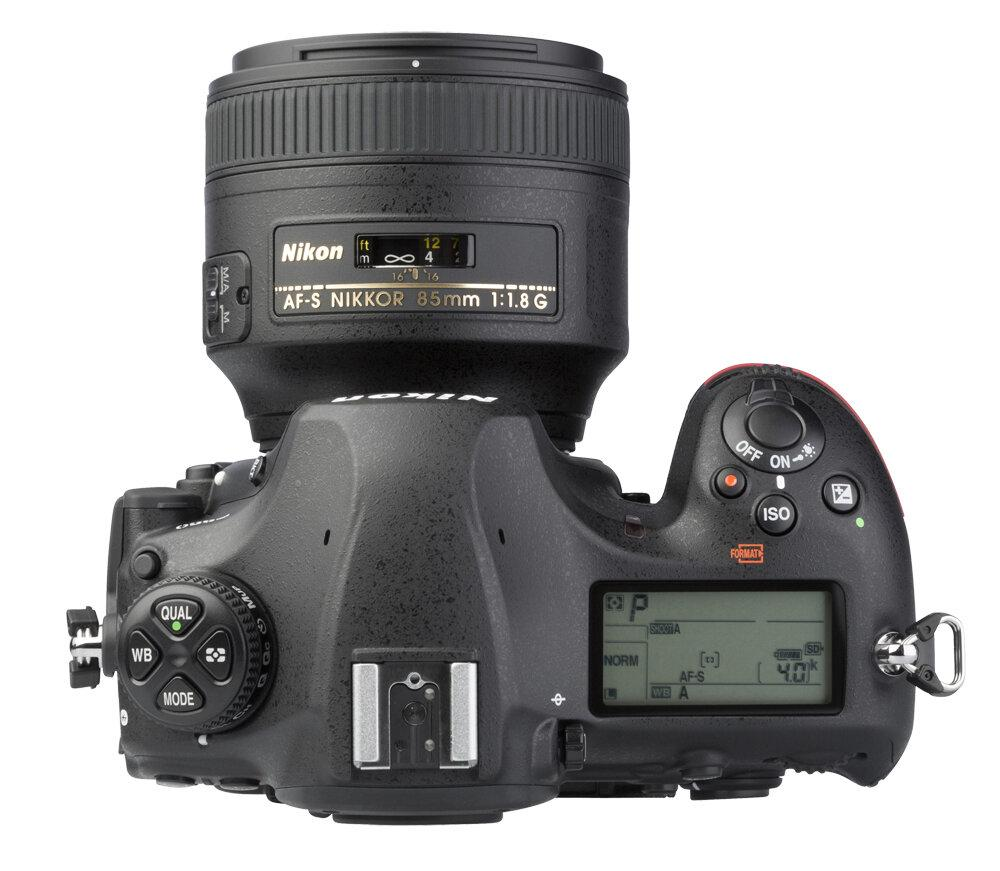
๐Ÿ“ท Nikon D700 + Nikkor 85mm f/1.8G

cameras, Lenses, nikon, opinons, thoughts, photography, pictures, street, Travel

๐Ÿ–ผ๏ธ Image Quality

  • D700 Sensor: 12.1โ€‘megapixel FX sensor โ€” lower resolution than modern bodies, but with excellent tonal range and pleasing color rendering.
  • 85mm f/1.8G: Sharp wide open, with smooth bokeh and flattering compression.
  • Together: Delivers images with a โ€œclassicโ€ Nikon look โ€” less clinical than highโ€‘megapixel sensors, but rich and characterful.

๐ŸŒ™ Lowโ€‘Light Performance

  • The f/1.8 aperture lets in plenty of light, making handheld shooting possible in dim conditions.
  • The D700โ€™s ISO performance is solid up to 3200, with a filmโ€‘like grain structure that many photographers find aesthetically pleasing.
  • Combined, this setup is excellent for indoor portraits, events, and street work at night.

๐Ÿ‘ค Portrait Strengths

  • Focal Length: 85mm is ideal for headโ€‘andโ€‘shoulder portraits โ€” natural perspective, no distortion.
  • Background Separation: Wide aperture produces creamy bokeh, isolating subjects beautifully.
  • Skin Tones: The D700โ€™s sensor renders warm, natural skin tones, paired with the lensโ€™s crisp yet gentle character.

โš™๏ธ Practical Notes

  • Weight/Balance: D700 (995g) + 85mm f/1.8G (350g) = a solid but balanced rig.
  • Autofocus: Reliable, though not as fast as pro f/1.4 primes.
  • Field Use: Excellent for portraits, weddings, and candid work where subject isolation matters.

โœจ Best Use Cases

  • Studio portraits with controlled lighting.
  • Environmental portraits in natural light.
  • Weddings and events โ€” discreet yet flattering.
  • Artistic projects where sharpness and bokeh interplay matter.

๐Ÿ‘‰ In short: the D700 + 85mm f/1.8G is a portrait classic โ€” combining the D700โ€™s tonal warmth and rugged build with the lensโ€™s sharpness and bokeh to deliver images that feel timeless and characterful.

๐Ÿ“ท Nikon D810 + Nikkor 85mm f/1.8

cambodia, cameras, Lenses, nikon, opinons, thoughts, photography, street

๐Ÿ–ผ๏ธ Image Quality

  • D810 Sensor: 36.3โ€‘megapixel fullโ€‘frame CMOS sensor with no optical lowโ€‘pass filter, delivering extremely sharp detail.
  • 85mm f/1.8: Known for crisp rendering, smooth bokeh, and flattering compression for portraits.
  • Together, they produce images with both technical precision and aesthetic character.

๐ŸŒ™ Lowโ€‘Light Performance

  • The f/1.8 aperture allows plenty of light in, making handheld shooting possible in dim environments.
  • On the D810, ISO performance is solid up to 3200โ€“6400, so combined with the lensโ€™s speed, you can shoot indoors or at night with confidence.

๐Ÿ‘ค Portrait Strengths

  • Focal Length: 85mm is a classic portrait length โ€” it gives natural perspective without distortion.
  • Background Separation: Wide aperture creates creamy bokeh, isolating subjects beautifully.
  • Skin Tones: The D810โ€™s sensor and the lensโ€™s rendering combine to produce natural, nuanced skin tones.

โš™๏ธ Practical Considerations

  • Weight/Balance: The D810 is a robust body (880g), and the 85mm f/1.8 is relatively light (350g), so the combo balances well in hand.
  • Autofocus: Fast and reliable, though not as snappy as Nikonโ€™s pro f/1.4 primes.
  • Field Use: Excellent for portraits, events, street candids, and even compressed landscapes.

โœจ Best Use Cases

  • Studio and environmental portraits.
  • Weddings and events where subject isolation matters.
  • Lowโ€‘light documentary work.
  • Artistic projects where sharpness and bokeh interplay are key.

๐Ÿ‘‰ In short: the D810 + 85mm f/1.8 is a portrait powerhouse โ€” sharp, flattering, and versatile, with enough speed for lowโ€‘light and enough resolution for large prints.

๐Ÿ“– Tokina 24โ€“70mm f/2.8 IF FX on the Nikon D2Hs โ€” A Hybrid of Eras

cameras, nikon, opinons, thoughts, pictures, street, Travel

The Tokina ATโ€‘X 24โ€“70mm f/2.8 PRO FX is a lens built for real work: fast aperture, proโ€‘grade construction, and optical performance designed to compete with Nikonโ€™s own 24โ€“70mm f/2.8 offerings. Reviews describe it as a โ€œtop performerโ€ with solid build quality, ultrasonic autofocus, and a design aimed squarely at professional photographers.

Pairing this modern, heavyโ€‘duty zoom with the Nikon D2Hs โ€” a rugged 2004 flagship with a 4.1โ€‘megapixel APSโ€‘H sensor โ€” creates a fascinating hybrid: oldโ€‘school speed and ergonomics combined with contemporary optical muscle.

This article explores how the two work together, what to expect, and why this pairing still makes sense today.

๐Ÿ” 1. The Lens: Tokina ATโ€‘X 24โ€“70mm f/2.8 PRO FX

A Proโ€‘Grade Workhorse

Tokina designed this lens to compete directly with Nikonโ€™s 24โ€“70mm f/2.8. According to DXOMARK, it offers:

  • Fast f/2.8 constant aperture
  • Ultrasonic autofocus motor
  • Solid, proโ€‘level build quality
  • A versatile focal range ideal for weddings, events, portraits, and press work

This is not a budget lens pretending to be pro. Itโ€™s a serious optic built for demanding shooters.

Optical Performance

Reviews highlight:

  • Excellent sharpness across the zoom range
  • Strong contrast
  • Good control of chromatic aberration
  • A rendering style similar to older Nikon pro zooms

The Tokina has a slightly punchy, highโ€‘contrast look that pairs well with Nikonโ€™s colour science.

๐Ÿ” 2. The Camera: Nikon D2Hs

The D2Hs is a camera built for speed and reliability:

  • 4.1 MP APSโ€‘H (1.5ร— crop) sensor
  • 8 fps continuous shooting
  • Proโ€‘grade AF module
  • Legendary Nikon ergonomics
  • Tankโ€‘like build

While the resolution is low by modern standards, the files are clean, fast, and have a distinctive โ€œNikon pro DSLRโ€ look โ€” crisp, filmโ€‘like, and extremely responsive.

The D2Hs was designed for photojournalists who needed speed and accuracy above all else.

๐Ÿ” 3. How the Tokina 24โ€“70mm Performs on the D2Hs

Field of View

Because the D2Hs uses a 1.5ร— crop sensor:

  • 24mm โ†’ ~36mm
  • 70mm โ†’ ~105mm

This turns the Tokina into a 36โ€“105mm equivalent, which is a superb range for:

  • Street
  • Portraits
  • Events
  • Documentary work

You lose some width, but gain a tighter, more intimate midโ€‘telephoto end.

Autofocus

The Tokinaโ€™s ultrasonic motor pairs well with the D2Hsโ€™s pro AF module:

  • Fast acquisition
  • Confident tracking
  • Good lowโ€‘light performance

The D2Hs was built for speed, and the Tokina keeps up.

Sharpness & Rendering

The Tokinaโ€™s modern optics help the D2Hs punch above its resolution:

  • Images look crisp and clean
  • Strong contrast complements the D2Hsโ€™s colour output
  • The f/2.8 aperture helps isolate subjects even on a 4MP sensor

The combination produces files with a classic, photojournalistic feel โ€” sharp where it counts, with smooth tonal transitions.

Lowโ€‘Light Performance

The D2Hs is not a highโ€‘ISO monster, but the Tokinaโ€™s f/2.8 aperture helps keep ISO down. Expect:

  • ISO 800: clean
  • ISO 1600: usable
  • ISO 3200: gritty but atmospheric

The lens helps the camera stay in its comfort zone.

๐Ÿ” 4. Practical Use Cases

Street Photography

The 36โ€“105mm equivalent range is perfect for:

  • Candid portraits
  • Environmental scenes
  • Urban details

The D2Hsโ€™s fast AF and responsive shutter make it ideal for decisiveโ€‘moment shooting.

Portraits

At the long end, the Tokina behaves like a 105mm lens:

  • Flattering compression
  • Smooth background blur
  • Strong subject separation

The D2Hsโ€™s colour and tonal rendering give portraits a timeless look.

Events & Documentary

This is where the combo shines:

  • Fast AF
  • Rugged build
  • Reliable exposure
  • Clean files at low ISO

The Tokinaโ€™s versatility matches the D2Hsโ€™s speed.

๐Ÿ” 5. Strengths & Limitations of the Combo

Strengths

  • Proโ€‘grade build on both lens and body
  • Fast, reliable autofocus
  • Excellent contrast and sharpness from the Tokina
  • Classic Nikon colour from the D2Hs
  • Great handling balance
  • Affordable used prices

Limitations

  • D2Hs resolution limits cropping
  • Highโ€‘ISO performance is dated
  • Tokina is heavy โ€” the combo is substantial
  • No VR (but the D2Hs shutter is very stable)

๐Ÿ“ Conclusion: Oldโ€‘School Speed Meets Modern Optics

The Tokina 24โ€“70mm f/2.8 PRO FX on the Nikon D2Hs is a pairing that defies expectations. On paper, itโ€™s a modern pro zoom mounted to a 2004 flagship with a 4MP sensor. In practice, itโ€™s a fast, responsive, characterโ€‘rich setup that feels built for realโ€‘world photography.

The Tokina brings:

  • modern sharpness
  • strong contrast
  • fast AF
  • proโ€‘grade construction

The D2Hs brings:

  • unmatched handling
  • a beautiful, filmโ€‘like sensor
  • speed and reliability
  • a shooting experience that feels alive

Together, they create images with a look thatโ€™s both classic and contemporary โ€” crisp, clean, and full of presence.

If you enjoy the tactile, intentional feel of older Nikon pro bodies but want the optical performance of a modern f/2.8 zoom, this combination is not just usable โ€” itโ€™s inspiring.

Itโ€™s a combination that rewards intentional shooting. You canโ€™t rely on cropping or highโ€‘ISO rescue; you have to frame carefully, expose thoughtfully, and embrace the distinctive look that results. Thatโ€™s why it demands thought โ€” and why it can be so satisfying.

๐Ÿ“– Canon EOSโ€‘1D Mark IV โ€” Old, Not Obsolete: A Modern Look at a Legendary DSLR

cambodia, cameras, opinons, thoughts, photography, street, Travel

In an era dominated by mirrorless systems and everโ€‘increasing megapixel counts, itโ€™s easy to forget that some older DSLRs still hold their ground with surprising authority. The Canon EOSโ€‘1D Mark IV, released in 2009, is one of those cameras โ€” a machine built for speed, reliability, and professional endurance. Though more than a decade old, it remains a compelling choice for photographers who value ruggedness, responsiveness, and the unmistakable feel of a flagship DSLR.

Pair it with classic Canon primes like the EF 50mm f/1.4 USM and EF 85mm f/1.8 USM, and you have a kit that still delivers beautiful, characterโ€‘rich images in 2026.

This is a look at why the 1D Mark IV still matters โ€” and why these two primes complement it so well.

๐Ÿงฑ 1. The Canon 1D Mark IV: A Flagship Built to Last

The 1D Mark IV was Canonโ€™s answer to the demands of sports, wildlife, and photojournalism in the late 2000s. It arrived with a clear mission: speed, accuracy, and reliability above all else.

Key Specs

  • 16.1 MP APSโ€‘H sensor (1.3x crop)
  • 10 frames per second continuous shooting
  • 45โ€‘point AF system with 39 crossโ€‘type points
  • ISO 100โ€“12,800 (expandable to 102,400)
  • Weatherโ€‘sealed magnesium alloy body
  • 300,000โ€‘shot shutter rating
  • Dual DIGIC 4 processors

Even today, these specs hold up surprisingly well. The APSโ€‘H sensor โ€” a format Canon no longer uses โ€” offers a unique balance between fullโ€‘frame depth and APSโ€‘C reach. The result is a distinctive look: crisp detail, excellent colour, and a slightly tighter field of view that works beautifully with telephoto and portrait lenses.

โš™๏ธ 2. Handling & Build: The Feel of a True Flagship

The 1D Mark IV is unapologetically substantial. Itโ€™s heavy, solid, and built like a tool meant for war zones, stadium sidelines, and harsh environments. The integrated grip gives it perfect balance with larger lenses, and the ergonomics are classic Canon: intuitive, tactile, and designed for operation without taking your eye from the viewfinder.

The shutter sound is authoritative โ€” a mechanical confidence that modern mirrorless cameras simply donโ€™t replicate.

This is a camera that feels alive in the hands.

๐ŸŽฏ 3. Autofocus & Performance

The 45โ€‘point AF system was cuttingโ€‘edge at release and remains highly capable today. Tracking is fast, sticky, and reliable, especially with centreโ€‘point and expansion modes. For action, wildlife, and reportage, the 1D Mark IV still performs at a professional level.

The 10 fps burst rate is another reminder of its pedigree. Even by modern standards, itโ€™s fast.

๐ŸŒ™ 4. Image Quality: The APSโ€‘H Look

The 16โ€‘megapixel APSโ€‘H sensor produces files with:

  • excellent colour reproduction
  • strong dynamic range for its era
  • pleasing noise characteristics
  • a crisp, filmโ€‘like rendering

At low ISO, images are clean and detailed. At high ISO, the grain is organic and surprisingly usable. The sensorโ€™s 1.3x crop gives lenses a slightly tighter field of view, which can be an advantage for portraits and street work.

๐Ÿ” 5. The Canon EF 50mm f/1.4 USM โ€” A Classic Standard Prime

The EF 50mm f/1.4 is one of Canonโ€™s most enduring primes. Lightweight, compact, and optically pleasing, it pairs beautifully with the 1D Mark IV.

Why it works so well on the 1D Mark IV

  • On APSโ€‘H, it behaves like a 65mm equivalent โ€” a perfect โ€œnormalโ€‘plusโ€ focal length.
  • The f/1.4 aperture gives excellent lowโ€‘light performance.
  • The rendering is classic Canon: warm, smooth, and flattering.
  • Bokeh is soft and pleasing, especially for portraits and environmental scenes.

Strengths

  • Fast aperture
  • Good sharpness from f/2 onward
  • Lightweight balance on a heavy body
  • Affordable and widely available

Character

The 50mm f/1.4 has a slightly dreamy wideโ€‘open look that becomes crisp and modern when stopped down. On the 1D Mark IV, itโ€™s a versatile everyday lens โ€” perfect for street, documentary, and general photography.

๐Ÿ” 6. The Canon EF 85mm f/1.8 USM โ€” The Unsung Portrait Hero

The EF 85mm f/1.8 is one of Canonโ€™s most beloved portrait lenses. Fast, sharp, and beautifully rendered, itโ€™s a lens that consistently punches above its price.

Why it shines on the 1D Mark IV

  • On APSโ€‘H, it becomes a 110mm equivalent โ€” ideal for headshots and tight portraits.
  • The f/1.8 aperture delivers creamy background separation.
  • Autofocus is fast and accurate, perfect for candid portraiture.
  • The lens is lightweight, balancing well with the 1D body.

Strengths

  • Excellent sharpness
  • Smooth, natural bokeh
  • Fast AF
  • Great for low light
  • Professional portrait results without the cost of an Lโ€‘series lens

Character

The 85mm f/1.8 has a clean, neutral rendering with just a touch of warmth. Itโ€™s flattering for skin tones and produces images with a classic portrait look โ€” crisp subject, soft background, and beautiful falloff.

๐ŸŽจ 7. The 1D Mark IV + 50mm + 85mm: A Timeless Trio

Together, these three pieces form a kit that is:

  • fast
  • reliable
  • optically strong
  • professionally capable
  • surprisingly affordable today

The 50mm gives you versatility and everyday usability. The 85mm gives you portrait power and compression. The 1D Mark IV gives you speed, durability, and a distinctive rendering.

This combination is ideal for:

  • portrait photographers
  • street/documentary shooters
  • event and wedding photographers
  • anyone who appreciates the feel of a flagship DSLR

โœจ Conclusion: Old, Not Obsolete

The Canon 1D Mark IV may be from another era, but it remains a formidable camera. Its build quality, autofocus performance, and image rendering still hold up in a world of mirrorless bodies and computational photography.

Paired with the EF 50mm f/1.4 and EF 85mm f/1.8, it becomes a powerful, characterโ€‘rich system capable of producing beautiful images with a timeless look.

๐Ÿ“– The Nikkor 85mm f/1.8G โ€” A Detailed Look at Nikonโ€™s Quiet Classic

cameras, Lenses, nikon, opinons, thoughts, photography, street, Travel

Despite being overshadowed by the more expensive f/1.4G, the 85mm f/1.8G has quietly built a reputation as one of Nikonโ€™s smartest buys โ€” a lens that delivers professionalโ€‘grade results without the professionalโ€‘grade price tag.

Letโ€™s break down what makes it so compelling.

๐Ÿ” 1. Build & Handling

The 85mm f/1.8G follows Nikonโ€™s modern Gโ€‘series design philosophy:

  • Lightweight polycarbonate body
  • Metal mount
  • Weather sealing gasket
  • Large, smooth focus ring
  • Compact profile

At just 350g, itโ€™s significantly lighter than the 85mm f/1.4G, making it ideal for long portrait sessions or travel. Mounted on a DSLR like the D750, D610, or D850, it feels balanced and nimble.

This is a lens you can carry all day without fatigue.

๐Ÿ” 2. Autofocus Performance

The Silent Wave Motor (SWM) delivers:

  • Fast focusing
  • Quiet operation
  • Accurate subject acquisition

Itโ€™s not as blisteringly fast as Nikonโ€™s pro telephotos, but for portraits, events, and general shooting, itโ€™s more than capable. On bodies with strong AF modules (D750, D810, D500), it locks on confidently even in low light.

For video shooters, the AF is smooth and unobtrusive.

๐Ÿ” 3. Optical Performance

This is where the 85mm f/1.8G truly shines.

Sharpness

  • Wide open at f/1.8: impressively sharp in the centre
  • Stopped down to f/2.8โ€“f/4: razorโ€‘sharp across the frame
  • On highโ€‘resolution bodies (D810, D850): holds up extremely well

Many photographers note that it rivals โ€” and sometimes surpasses โ€” the f/1.4G in realโ€‘world sharpness.

Bokeh

The 85mm focal length is naturally flattering for portraits, and the f/1.8G delivers:

  • Smooth, creamy background blur
  • Soft transitions
  • Minimal nervousness

While the f/1.4G has slightly creamier bokeh, the difference is subtle unless youโ€™re pixelโ€‘peeping.

Colour & Contrast

The lens produces:

  • Clean, neutral colour
  • Strong microโ€‘contrast
  • Excellent clarity

It has that modern Nikon โ€œpopโ€ that works beautifully for skin tones.

Chromatic Aberration

Wide open, you may see some longitudinal CA (green/purple fringing), especially in highโ€‘contrast scenes. Stopped down slightly, it improves dramatically.

Distortion & Vignetting

  • Distortion: negligible
  • Vignetting: visible at f/1.8, mostly gone by f/2.8

Both are easily corrected inโ€‘camera or in post.

๐Ÿ” 4. Realโ€‘World Use Cases

Portraits

This is the lensโ€™s natural habitat. It excels at:

  • Headshots
  • Halfโ€‘body portraits
  • Environmental portraits
  • Candid moments

The compression and bokeh create flattering, dimensional images.

Events & Weddings

Lightweight, fast, and sharp โ€” perfect for:

  • Speeches
  • Reactions
  • Lowโ€‘light ceremony shots
  • Candid guest portraits

Street & Documentary

Though 85mm is long for street, itโ€™s excellent for:

  • Isolating subjects
  • Capturing moments from a respectful distance
  • Creating cinematic, layered compositions

Video

The smooth focus ring and clean rendering make it a solid choice for interviews and controlled setups.

๐Ÿ” 5. 85mm f/1.8G vs 85mm f/1.4G

The f/1.4G is:

  • Heavier
  • More expensive
  • Slightly creamier bokeh
  • Better built

But the f/1.8G is:

  • Sharper in many situations
  • Faster to focus
  • Much lighter
  • Far more affordable
  • Better value for most photographers

Unless you specifically need the f/1.4 look, the f/1.8G is the smarter buy.

๐Ÿ” 6. Who Is This Lens For?

Ideal for:

  • Portrait photographers
  • Wedding shooters
  • DSLR users wanting a lightweight telephoto prime
  • Anyone building a primeโ€‘based kit
  • Photographers who value sharpness and clean rendering

Less ideal for:

  • Sports/action (AF is good, but not proโ€‘telephoto fast)
  • Tight indoor spaces (85mm can feel long)

โœจ Conclusion: A Modern Nikon Classic

The Nikkor 85mm f/1.8G is one of Nikonโ€™s most capable and bestโ€‘value primes. It offers:

  • Professionalโ€‘grade sharpness
  • Beautiful bokeh
  • Lightweight handling
  • Reliable autofocus
  • Excellent performance on both FX and DX bodies

๐Ÿ“ Is Everyone a Photographer?

cameras, nikon, photography, pictures, public, street, Travel

Is Everyone a Photographer?

In an age where nearly every pocket holds a camera, the question feels inevitable: Is everyone a photographer now? Billions of images are made every day, documenting everything from morning coffee to monumental life events. The act of taking pictures has become as natural as breathing. But does this ubiquity make everyone a photographer?

The short answer is no โ€” and the long answer is far more interesting.


Everyone Takes Photos, But Not Everyone Practices Photography

The modern camera is frictionless. It requires no technical knowledge, no preparation, no intention. A swipe, a tap, and the moment is captured. But photography is more than the mechanical act of recording. It is a way of seeing, a deliberate engagement with the world.

A photographer doesnโ€™t just point a camera. A photographer notices.

The Difference Is Intent

Intent is the quiet force that separates casual imageโ€‘making from photography. One person photographs to remember. Another photographs to understand. One uses the camera as a diary. Another uses it as a language.

Photography begins when the camera becomes a tool for expression rather than documentation.

Craft Still Matters

Despite the accessibility of cameras, the craft of photography remains as demanding as ever. It asks for sensitivity to light, awareness of timing, an understanding of composition, and the discipline to edit and refine. These skills are learned, practiced, and internalized. They cannot be downloaded or automated.

The camera may be universal, but vision is not.

Democratisation Is Not Dilution

The explosion of imageโ€‘making has not diluted photography. If anything, it has expanded its possibilities. More voices, more perspectives, more interpretations of the world. But the presence of more images does not erase the distinction between casual snapshots and intentional photographic work.

Photography remains a craft defined by attention, not by access.

The Final Thought

Everyone is a pictureโ€‘maker. Not everyone is a photographer.

A photographer is someone who uses the camera not just to record life, but to interpret it โ€” someone who sees the world not only as it is, but as it could be framed, shaped, and understood through the lens.


In a world full of cameras, the rare thing isnโ€™t the ability to take a picture. The rare thing is the ability to see.