Nikon D300 vs D300S: A Detailed Comparison

cameras, Lenses, nikon, opinons, thoughts, photography, street, Travel, voluntary

Two rugged DX-format classics, one evolutionary step forward

When Nikon released the D300 in 2007, it was hailed as a β€œmini D3”—a professional-grade DX body with robust build, advanced autofocus, and excellent image quality. Two years later, the D300S (2009) arrived, refining the formula with subtle but important upgrades. Together, they represent Nikon’s commitment to serious enthusiasts and working photographers who wanted pro handling without the full-frame price tag.

πŸ” Sensor & Image Quality

  • D300: 12.3MP DX-format CMOS sensor, ISO 200–3200 (expandable to 6400).
  • D300S: Same 12.3MP sensor, but with improved image processing and slightly better noise control.

Verdict: Both deliver crisp, detailed files with excellent dynamic range for their era. The D300S edges ahead in cleaner high-ISO performance thanks to updated EXPEED processing.

βš™οΈ Autofocus & Speed

  • D300: 51-point AF system, 6 fps burst (8 fps with battery grip).
  • D300S: Same AF system, but faster response and 7 fps burst (8 fps with grip).

Verdict: The D300S is marginally quicker, making it more appealing for sports and wildlife shooters.

πŸŽ₯ Video Capability

  • D300: No video recording.
  • D300S: Introduced 720p HD video at 24 fpsβ€”a first for Nikon’s semi-pro DX line.

Verdict: The D300S opened the door to hybrid shooting, though video features were basic compared to modern standards.

🧱 Build & Handling

  • Both cameras feature magnesium alloy bodies, full weather sealing, and pro-level ergonomics.
  • D300S added dual card slots (CF + SD) for flexible storage and backup.
  • Slight refinements in button layout and responsiveness made the D300S feel more polished.

πŸ’° Value & Legacy

  • D300: More affordable on the used market, still a solid choice for those who don’t need video.
  • D300S: Holds higher value thanks to incremental upgrades, dual card slots, and video capability.

πŸ“ Final Thought

The D300 was revolutionary, bringing pro-level performance to DX shooters. The D300S refined that legacy, adding speed, video, and workflow improvements. Today, both are remembered as rugged, reliable workhorsesβ€”but if you want the most versatile of the two, the D300S is the smarter pick.

Ethics in Photography: Navigating Trust and Responsibility

cambodia, cameras, Lenses, opinons, thoughts, photography, street, Travel, voluntary, war

Photography ethics are about deciding where to draw the line between documentation, artistry, and manipulation. The line matters because images shape public perception, influence trust, and can cause harm if misused.

πŸ“Έ Why Ethics in Photography Matter

Photography is not just about aestheticsβ€”it’s about representation and responsibility. Every image carries weight: it can inform, inspire, or mislead. With billions of photos shared daily, ethical boundaries ensure that photography remains a trustworthy medium.

πŸ” Key Areas Where the Line Is Tested

  1. Consent and Privacy
    • Photographing people without permission, especially in vulnerable contexts, raises ethical concerns.
    • Street photography often sits in a grey zone: candid shots are legal in public spaces, but ethical practice asks whether subjects are respected or exploited.
  2. Truth vs Manipulation
    • Photo editing is powerfulβ€”enhancing colours or removing distractions is acceptable, but altering reality (adding/removing people, changing events) crosses into deception.
    • In journalism, even small edits can undermine credibility. In art, manipulation is more accepted, but transparency is key.
  3. Representation and Harm
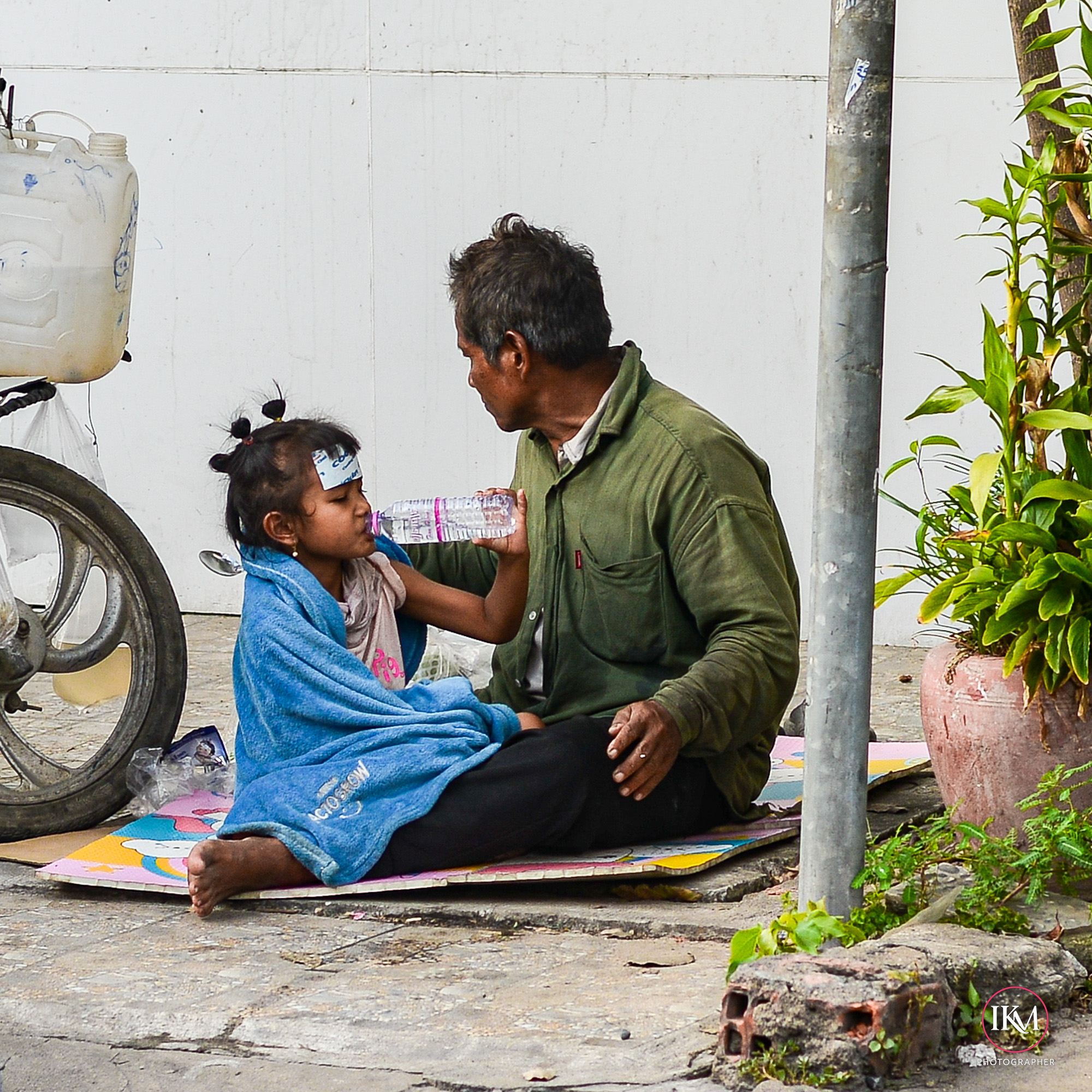
    • Images of tragedy, poverty, or conflict can raise awareness but also risk exploitation. Ethical photographers ask: Does this image serve the public interest, or does it sensationalise suffering?
    • Shocking images must balance impact with dignityβ€”avoiding voyeurism or trauma exploitation.
  4. Cultural Sensitivity
    • Photographing rituals, sacred spaces, or marginalised groups requires respect and context. Misrepresentation can perpetuate stereotypes or disrespect traditions.

βš–οΈ Drawing the Line: Practical Guidelines

  • Ask for consent whenever possible, especially in intimate or vulnerable settings.
  • Be transparent about editingβ€”distinguish between artistic enhancement and documentary truth.
  • Prioritize dignity: avoid images that humiliate or exploit subjects.
  • Consider impact: ask whether publishing the image informs, educates, or simply shocks.
  • Respect context: cultural and social settings demand sensitivity to avoid misrepresentation.

🧠 The Grey Areas

Ethics in photography are rarely black and white. For example:

  • Street photography: candid shots can be powerful social commentary, but they may invade privacy.
  • Photojournalism: documenting war or disaster is vital, but publishing graphic images can traumatize audiences.
  • Editing: removing a distracting lamppost may be fine, but removing a protester changes history.

Navigating these requires self-awareness, editorial discipline, and a clear ethical framework.

πŸ“ Final Thought

Drawing the ethical line in photography means balancing truth, respect, and creative intent. It’s about asking hard questions: Am I telling the story honestly? Am I respecting my subject? Am I serving the audience responsibly? When photographers hold themselves accountable, their work not only informs but also uplifts, creating images that endure with integrity.

Fujifilm X-E2 Review: Vintage Meets Modern Performance

cambodia, cameras, fujifilm, Lenses, opinons, thoughts, photography, pictures, street, Travel, voluntary
  • Image Quality: At its core, the X‑E2 features a 16.3‑megapixel APS‑C X‑Trans CMOS II sensor. This sensor uses a unique colour filter array that mimics film grain, eliminating the need for an optical low‑pass filter. The result is sharp, detailed images with rich colour reproduction.
  • Fast Autofocus: The hybrid AF system combines contrast and phase detection, achieving focus speeds as fast as 0.08 seconds. With 49 AF points, it’s responsive enough for everyday shooting and moderate action.
  • Retro Design & Handling: Styled like a classic rangefinder, the X‑E2 offers tactile dials for shutter speed and exposure compensation. Its magnesium alloy body feels solid yet compact, appealing to photographers who enjoy manual control.
  • Electronic Viewfinder: A 2.36‑million‑dot EVF provides a crisp, detailed preview, while the 3‑inch LCD (1.04M dots) supports easy composition and playback.
  • Performance: Powered by the EXR Processor II, the camera delivers 7fps continuous shooting, in‑camera RAW conversion, and film simulation modes that replicate Fujifilm’s iconic film stocks.
  • Connectivity & Extras: Built‑in Wi‑Fi allows for image transfer and remote shooting. Creative features include multiple exposure, panorama mode, focus peaking, and digital split image for precise manual focus.

βš–οΈ Limitations

  • No 4K video: Limited to 1080p recording.
  • Fixed screen: No articulation or touchscreen functionality.
  • ISO performance: Usable up to ISO 6400, but noise becomes noticeable at higher settings.

βœ… Best Use Cases

  • Street photography, thanks to its discreet retro styling.
  • Travel and documentary work, with compact size and versatile lens options.
  • Enthusiast photographers who value manual controls and film‑like rendering.

✨ Summary

The Fujifilm X‑E2 remains a well‑balanced mirrorless camera that combines vintage charm with capable modern features. Its sensor, EVF, and tactile controls make it a joy for photographers who prioritise image quality and creative handling over cutting‑edge specs. For those seeking a reliable, affordable entry into Fujifilm’s X system, the X‑E2 is still a worthy companion.

The Enduring Legacy of the Nikon D800

cameras, Lenses, opinons, thoughts, pictures, street, Travel, voluntary

When Nikon released the D800 in 2012, it was nothing short of a landmark. Its 36.3‑megapixel full‑frame sensor rivaled medium format resolution, setting a new standard for detail and dynamic range in DSLR photography. More than a decade later, the D800 remains a relevant and compelling choiceβ€”particularly for photographers who value image quality over speed or convenience.

The strengths of the D800 are clear. Its sensor delivers exceptional resolution, making it ideal for landscapes, editorial work, and large prints where fine detail matters. The wide dynamic range, paired with a base ISO of 100, allows for impressive highlight and shadow recoveryβ€”still competitive with newer models. Built from magnesium alloy with weather sealing, the body was designed for professionals and continues to prove its durability in the field. Compatibility with Nikon’s vast F‑mount lens ecosystem, including legacy AF‑D glass, adds flexibility and long‑term value. And on today’s used market, the D800 offers remarkable price‑to‑performanceβ€”often available for under $500, a fraction of its original $3,000 retail price.

Of course, limitations exist. Autofocus, while solid, lacks the speed and precision of modern mirrorless systems. Low‑light performance is decent but not on par with newer sensors, with noise becoming noticeable above ISO 3200. The absence of conveniences like Wi‑Fi, touchscreen controls, or an articulating display may frustrate those accustomed to modern ergonomics. And at over 900 grams body‑only, the D800 is undeniably heavy, which can be a drawback for travel or street photography.

Yet these trade‑offs are part of the D800’s character. It is not a flashy camera, but a disciplined one. It rewards intentional shooting, careful composition, and thoughtful use of light. In 2025, it remains ideally suited for landscape and editorial photography, studio portraiture under controlled lighting, and even street work with legacy lenses. For ethical photojournalism, where resolution and dynamic range matter more than speed, the D800 still fits seamlessly into a responsible workflow.

The Nikon D800 endures because it embodies reliability, resolution, and restraint. It is a tool for photographers who value discipline over convenience, craft over trend. More than a relic, it is a reminder that great cameras are not defined by novelty, but by the lasting quality of the images they produce.

πŸ“Έ Photojournalism as Agent Provocateur: Ethical Power or Dangerous Edge?

cambodia, cameras, homelessness, Lenses, opinons, thoughts, pictures, street, Travel, voluntary

πŸ”₯ The Provocative Potential

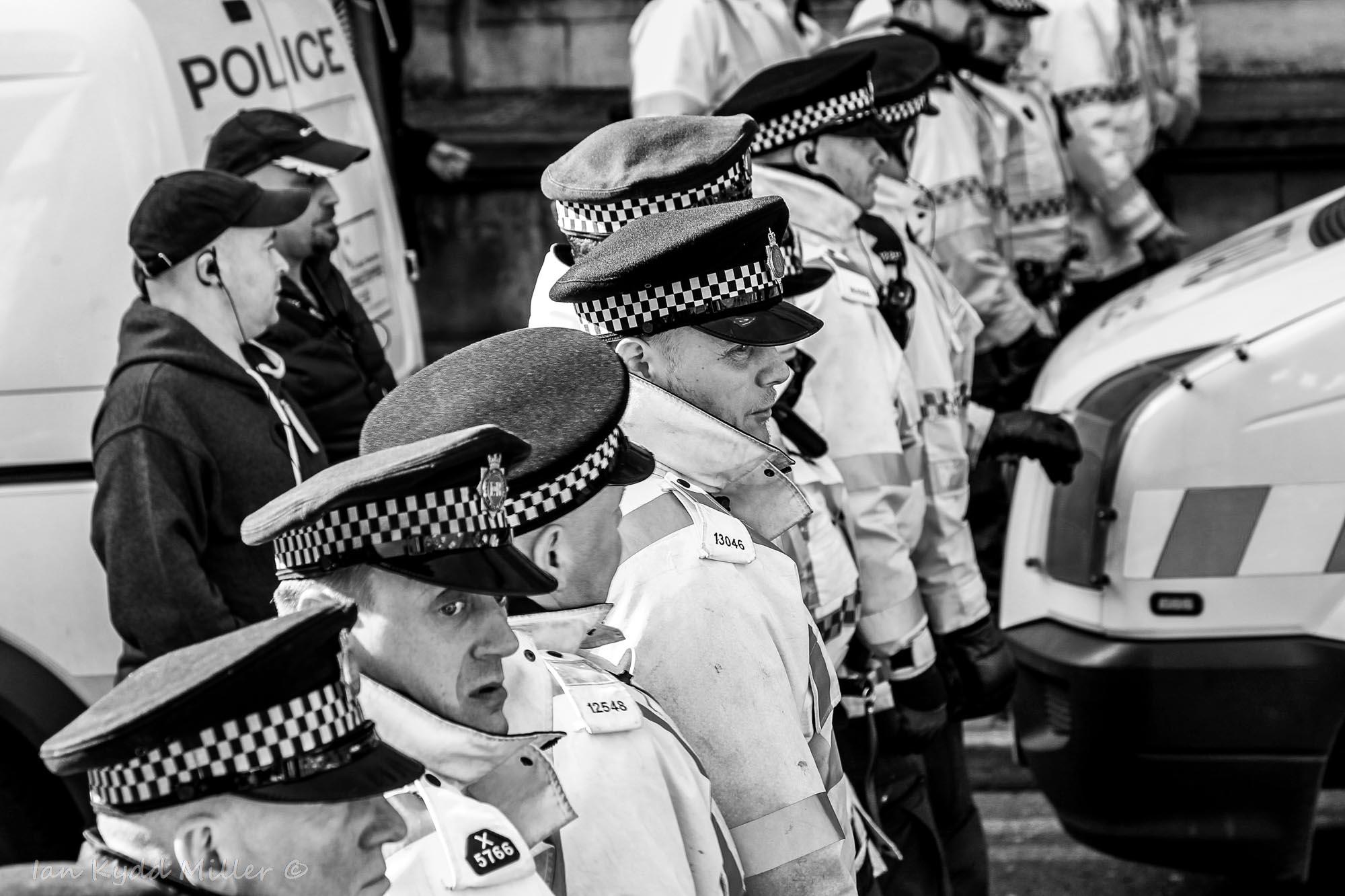
Photojournalism has always had the capacity to provoke. Iconic imagesβ€”like the β€œNapalm Girl” or the Tiananmen Square standoffβ€”didn’t just document events; they shocked, moved, and mobilised global audiences. In this sense, photojournalism is an agent provocateur: it confronts viewers with uncomfortable truths and demands a response.

βš–οΈ The Ethical Line

But provocation is not the same as manipulation. The ethical challenge lies in intent:

  • Is the image revealing injustice or exploiting suffering?
  • Is it amplifying marginalised voices or sensationalising trauma?
  • Is it grounded in truth or shaped to fit a narrative?

Responsible photojournalism provokes thought, not violence. It informs, not inflames.

🧭 When Provocation Serves Justice

In contexts of oppression, censorship, or systemic abuse, photojournalism canβ€”and arguably shouldβ€”provoke:

  • Expose hidden realities (e.g. war crimes, police brutality)
  • Challenge dominant narratives (e.g. state propaganda)
  • Mobilise public action (e.g. climate protests, refugee crises)

Here, provocation is not recklessβ€”it’s a form of ethical resistance.

🚫 When Provocation Becomes Exploitation

However, when images are used to:

  • Sensationalise suffering
  • Invade privacy
  • Perpetuate stereotypes
  • Distort context for shock value

…photojournalism crosses into unethical territory. The image becomes a weapon, not a witness.

βœ… Summary

Photojournalism can act as an agent provocateurβ€”but only when it provokes with purpose, not for spectacle. Its ethical power lies in revealing truth, challenging injustice, and sparking dialogue. The moment it prioritises impact over integrity, it loses its credibility.

🌍 KidsNeedEducation.org: Education as Empowerment

cambodia, opinons, thoughts, photography, pictures, Travel, voluntary

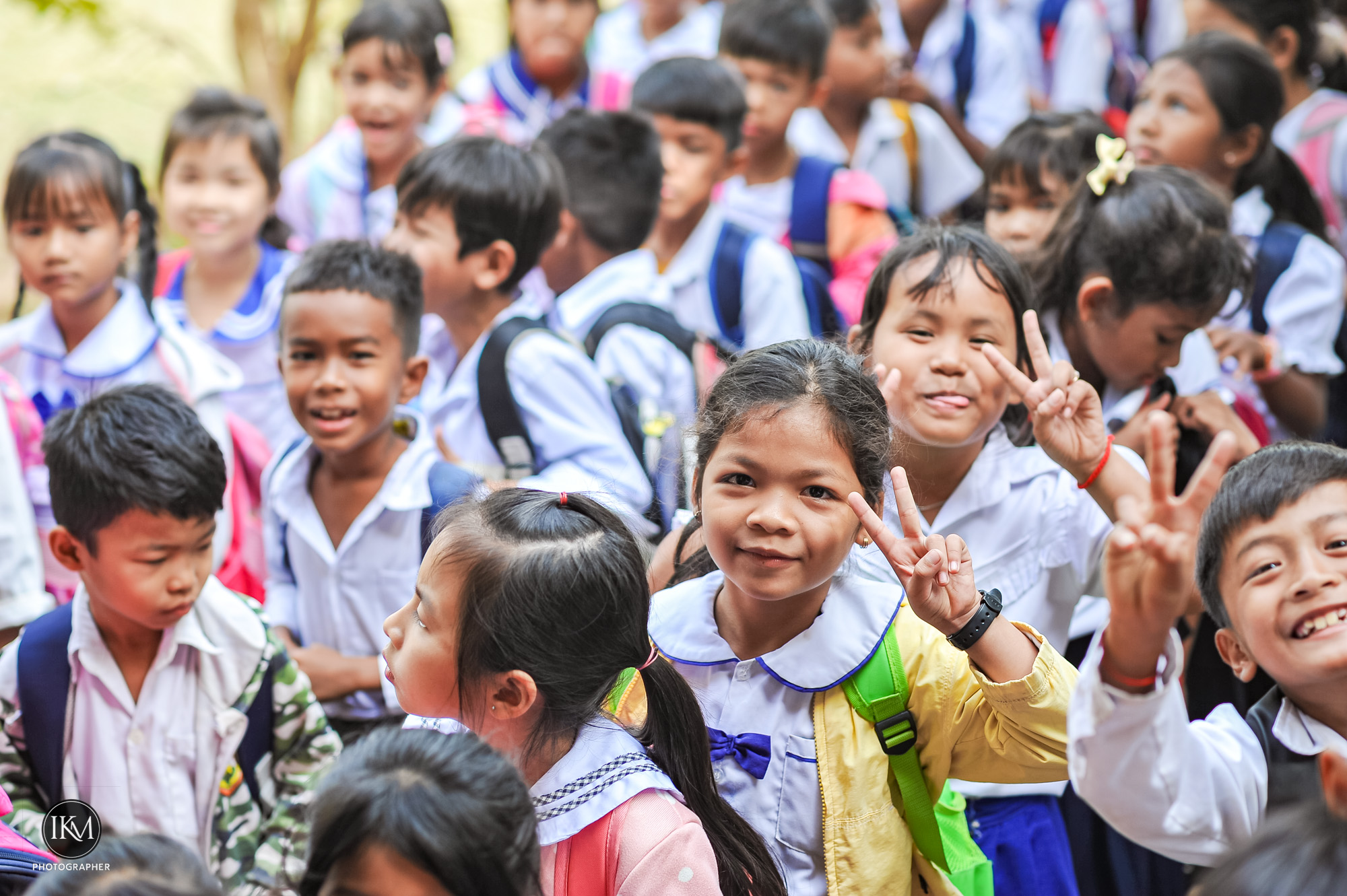
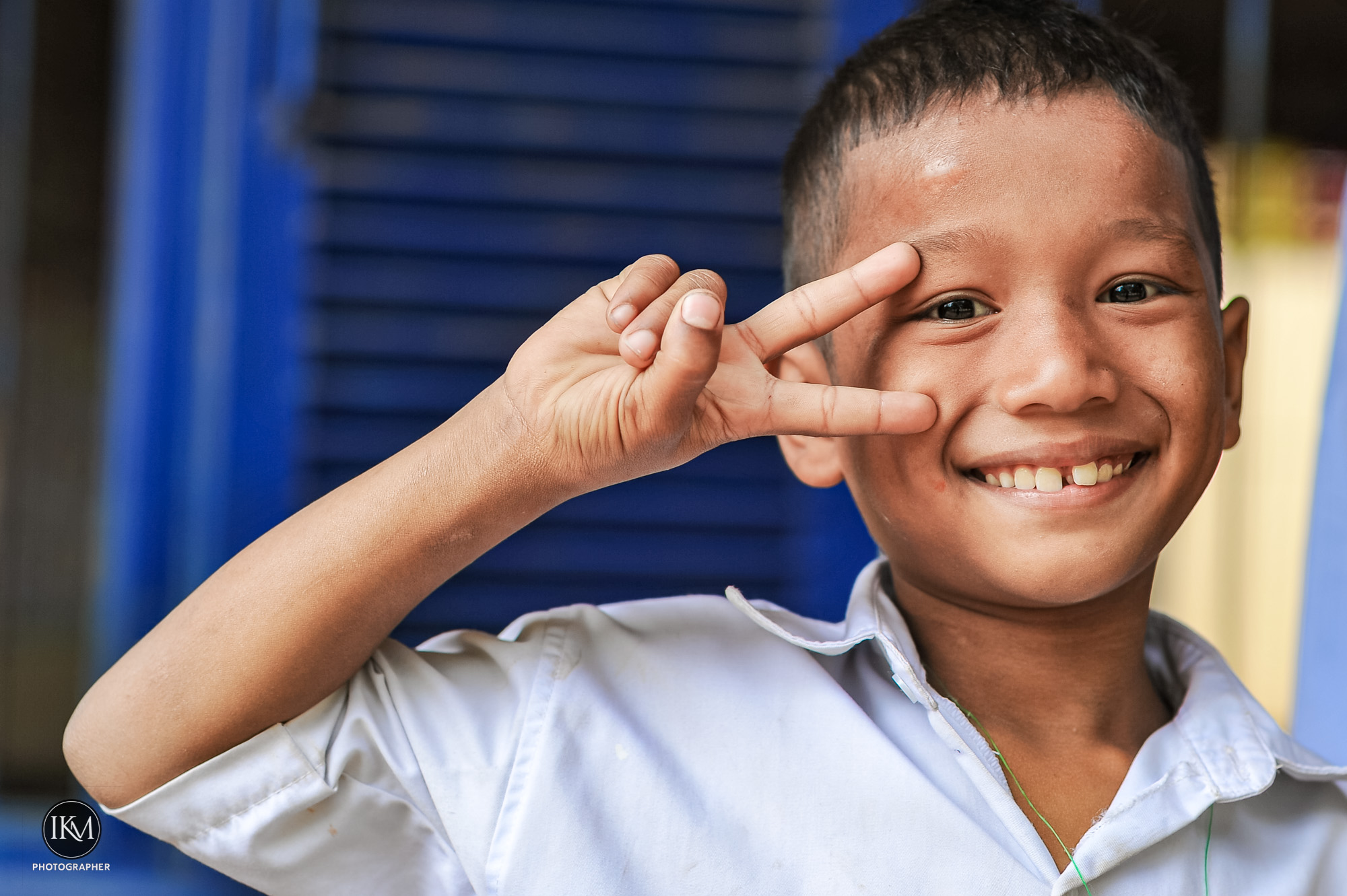
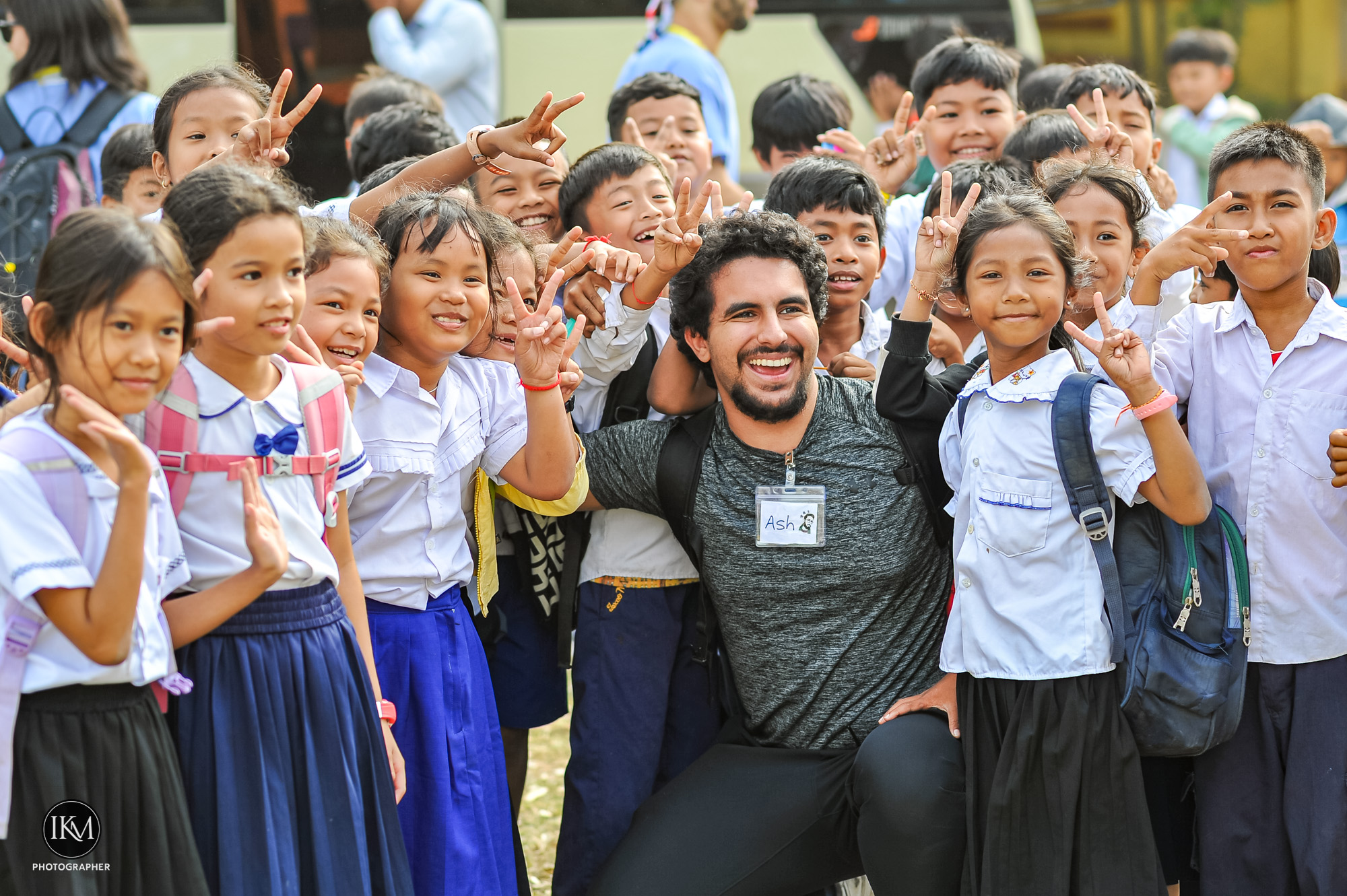
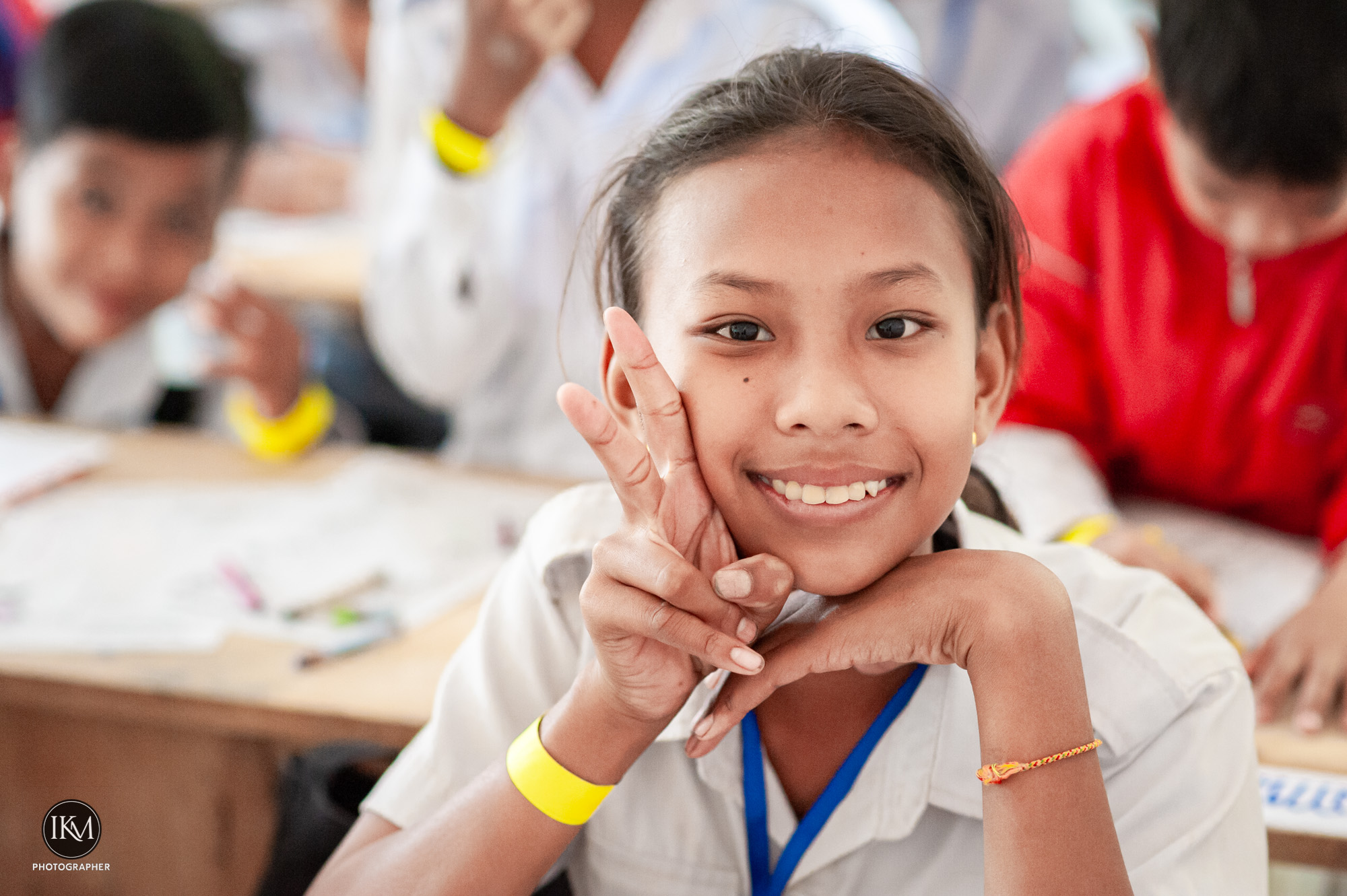
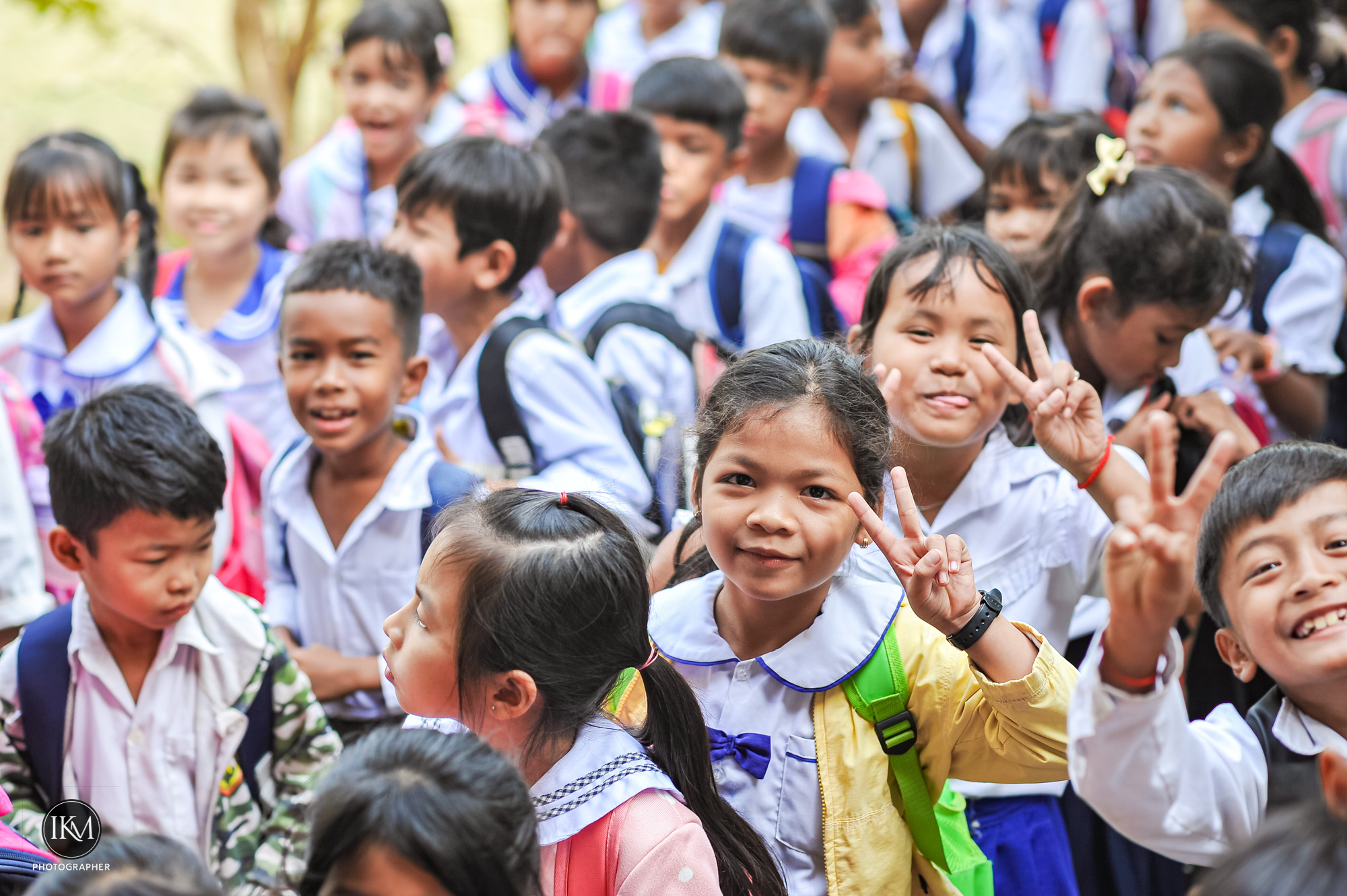
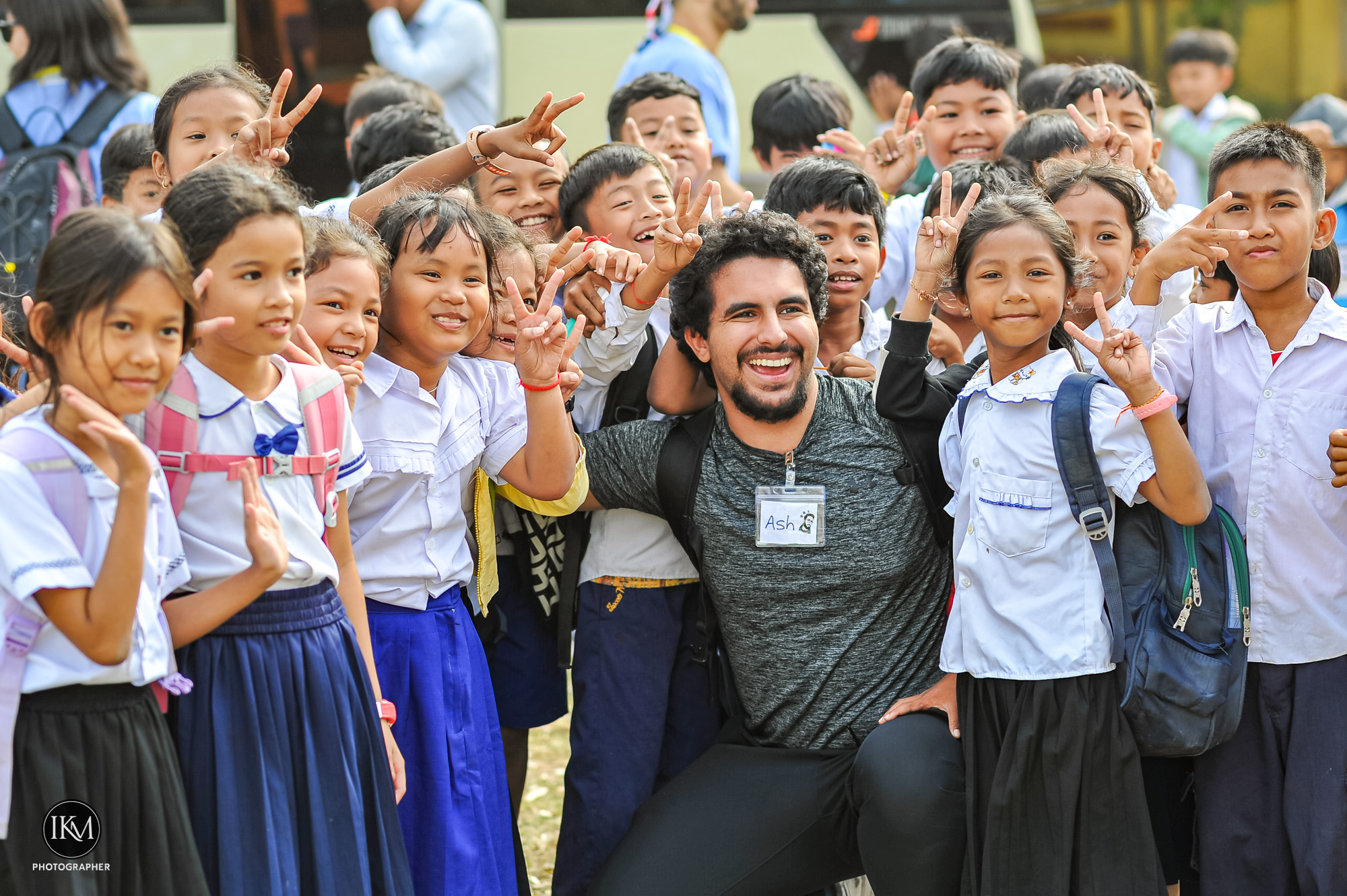
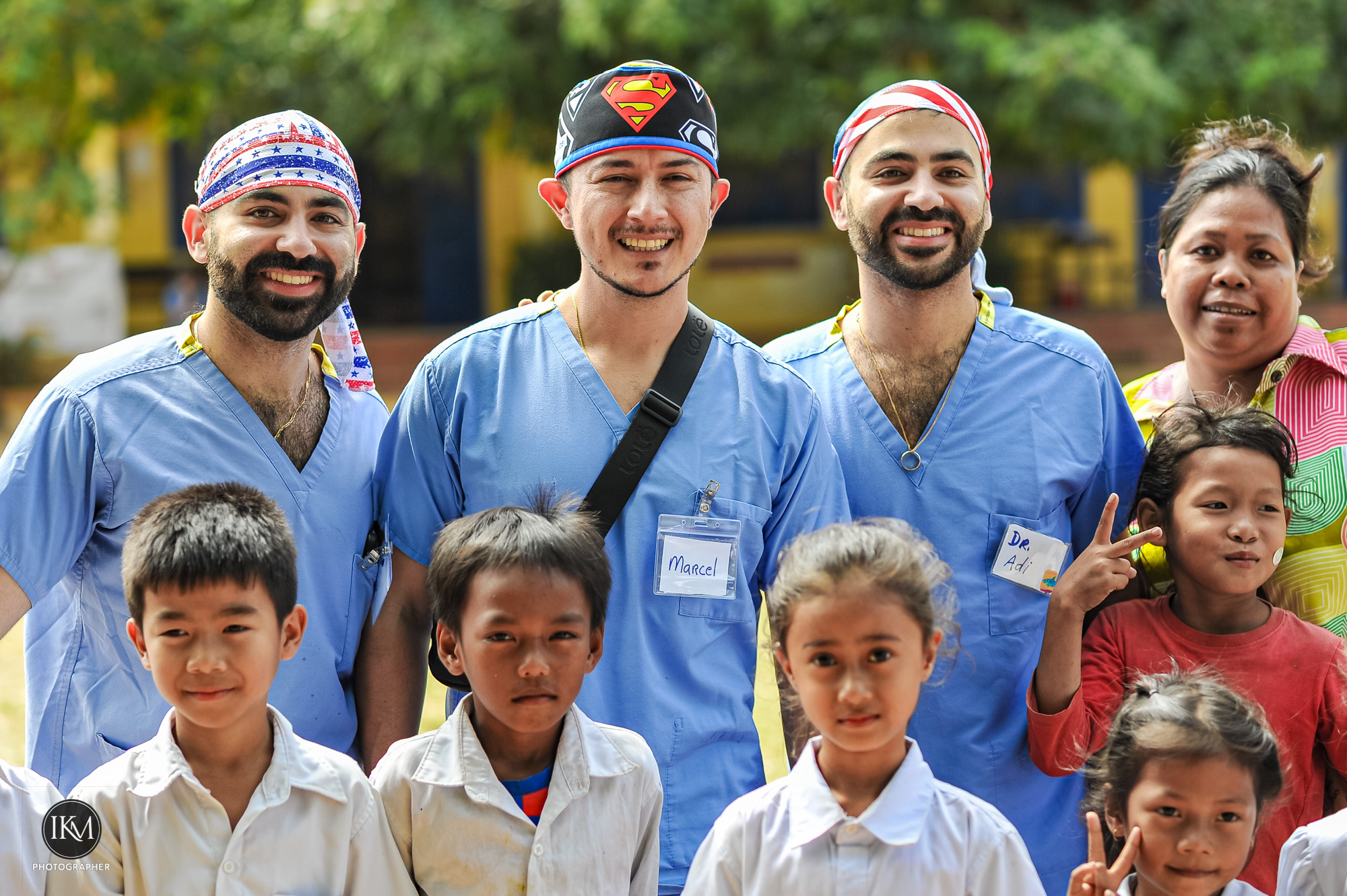
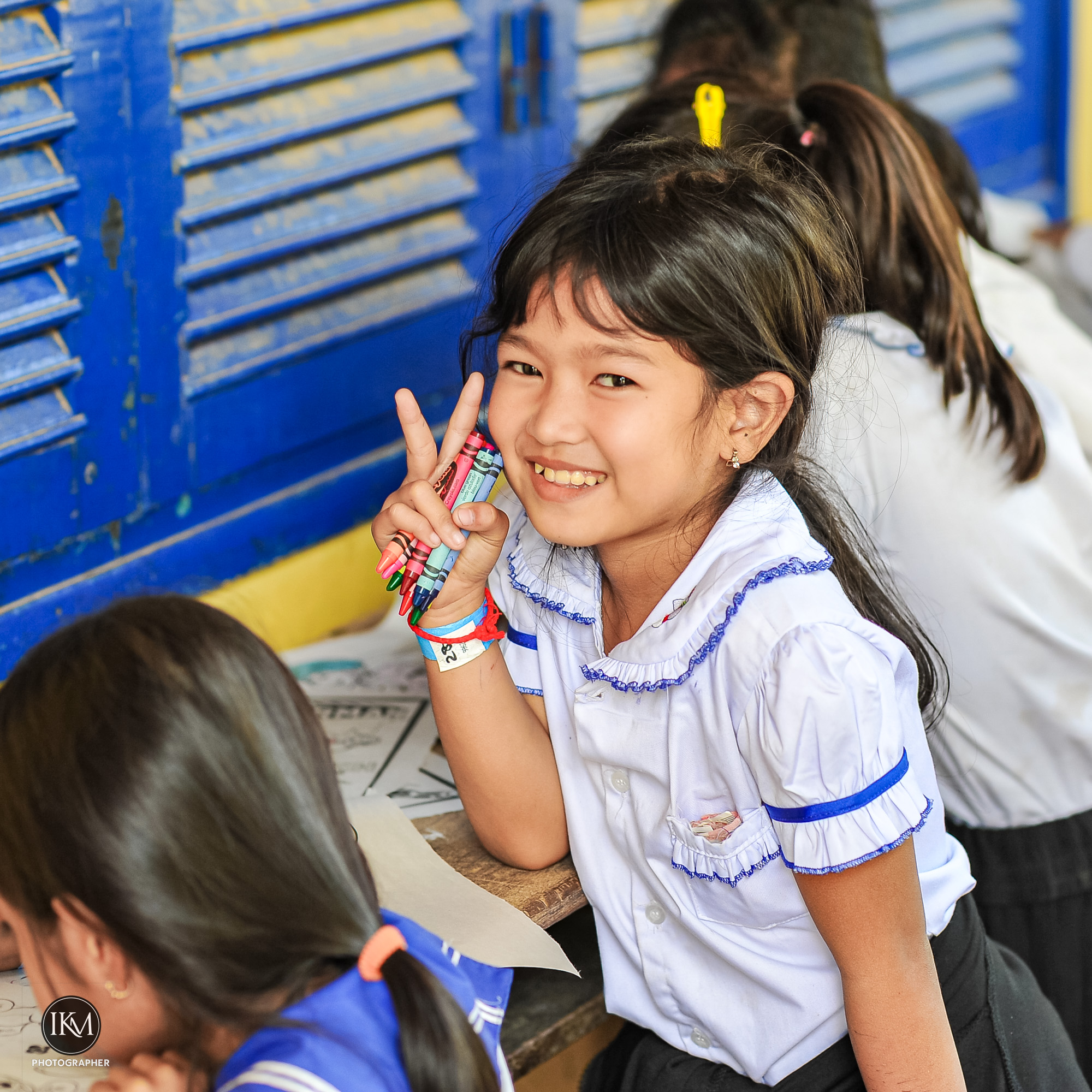
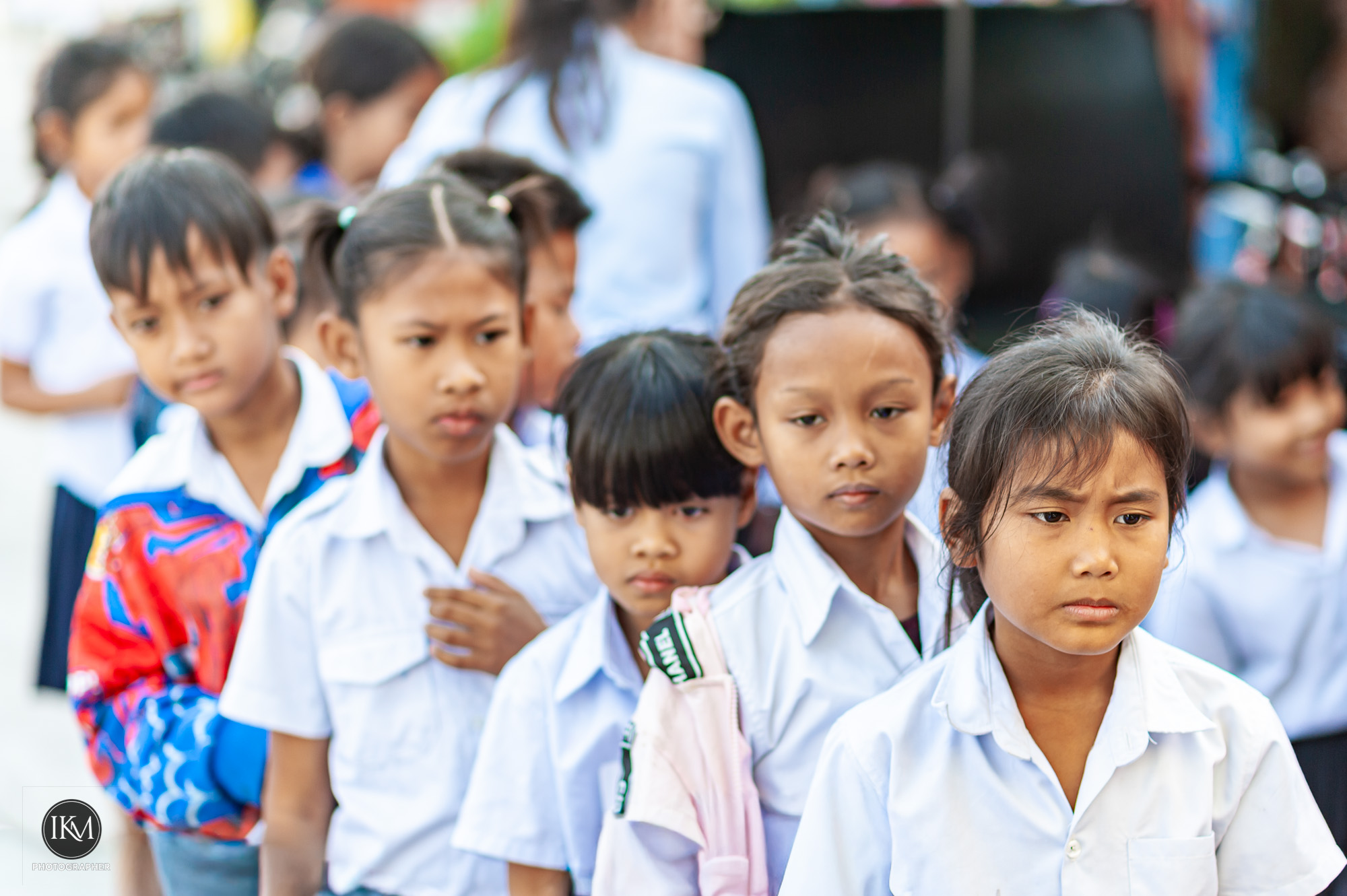
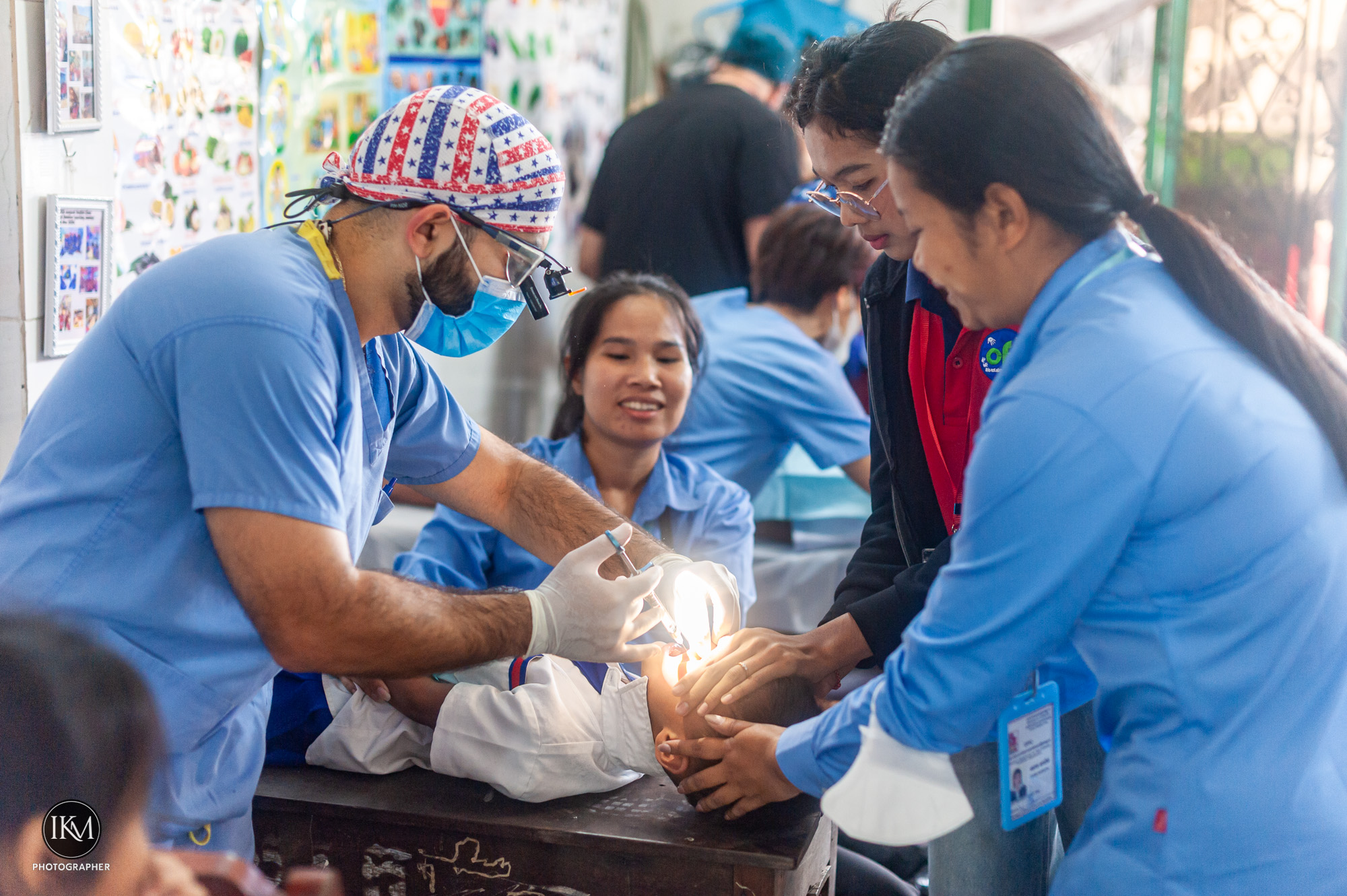
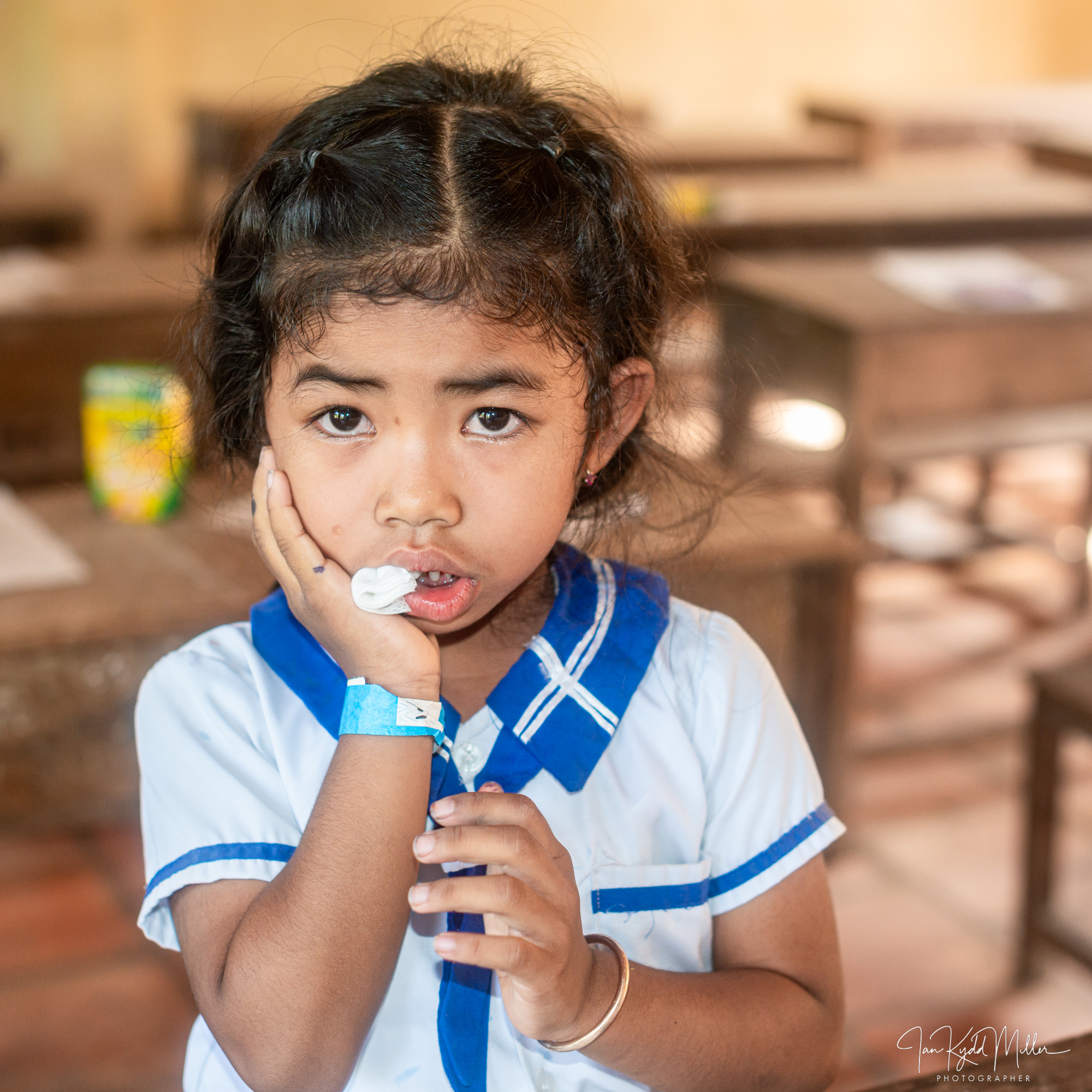
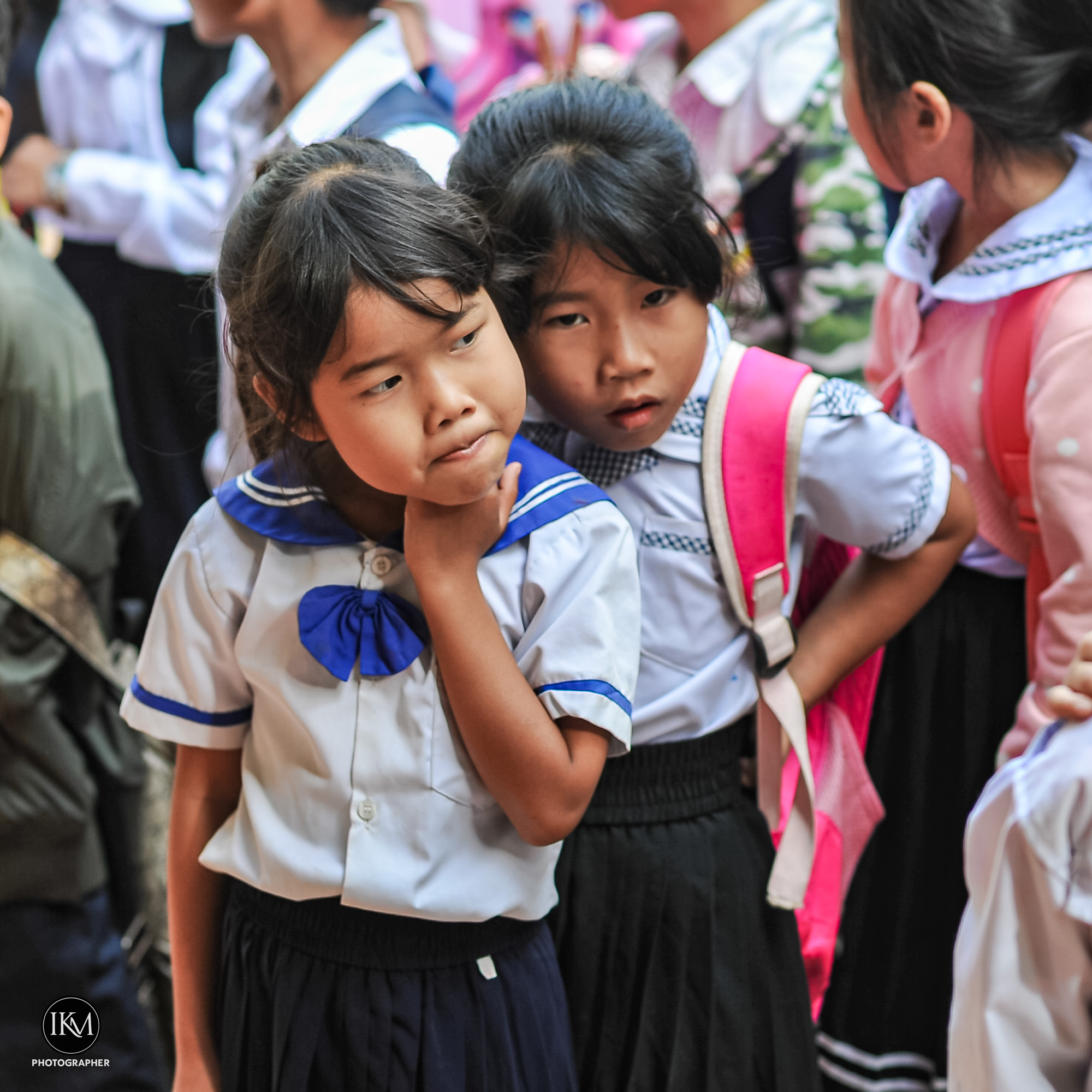
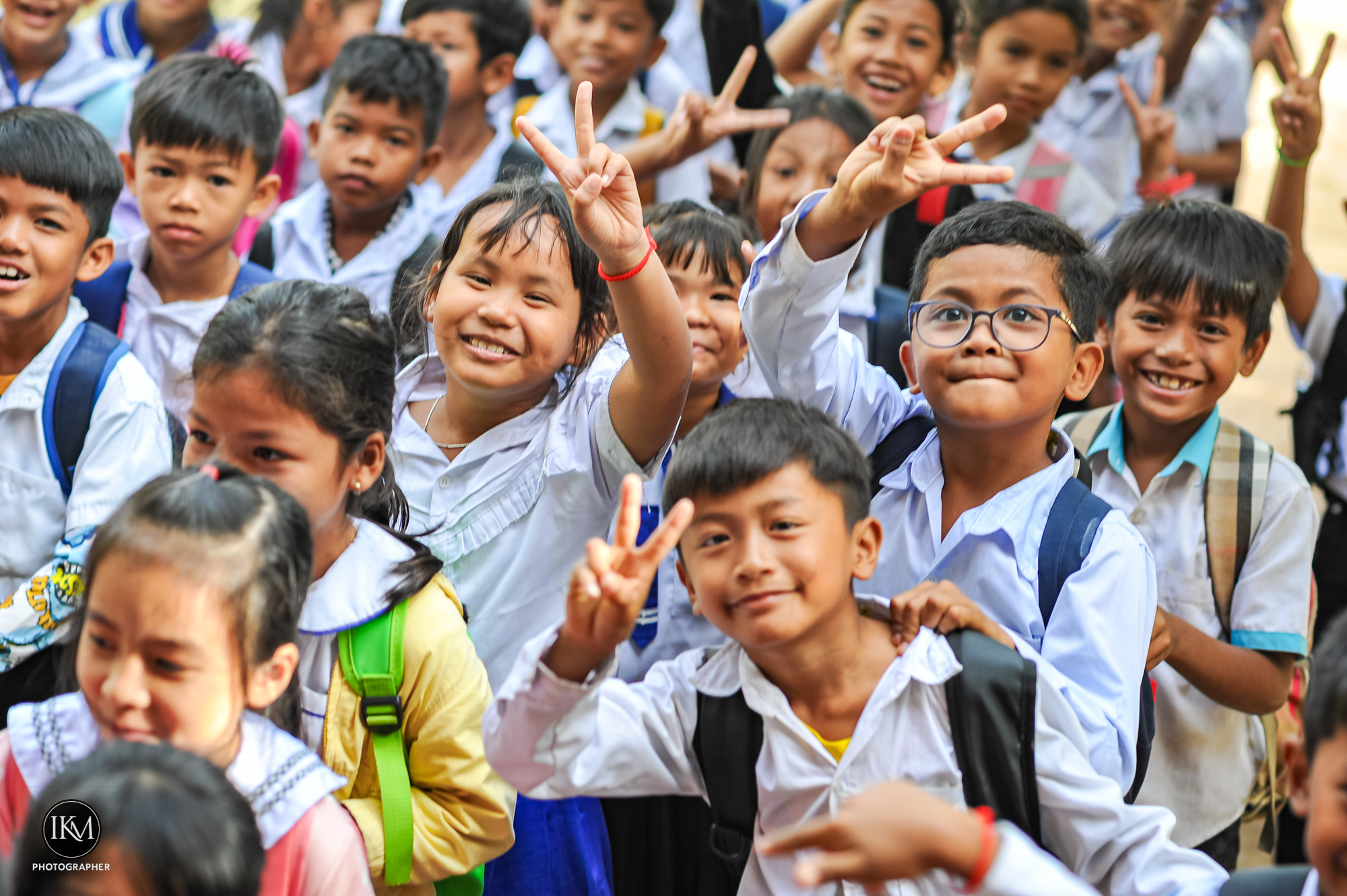
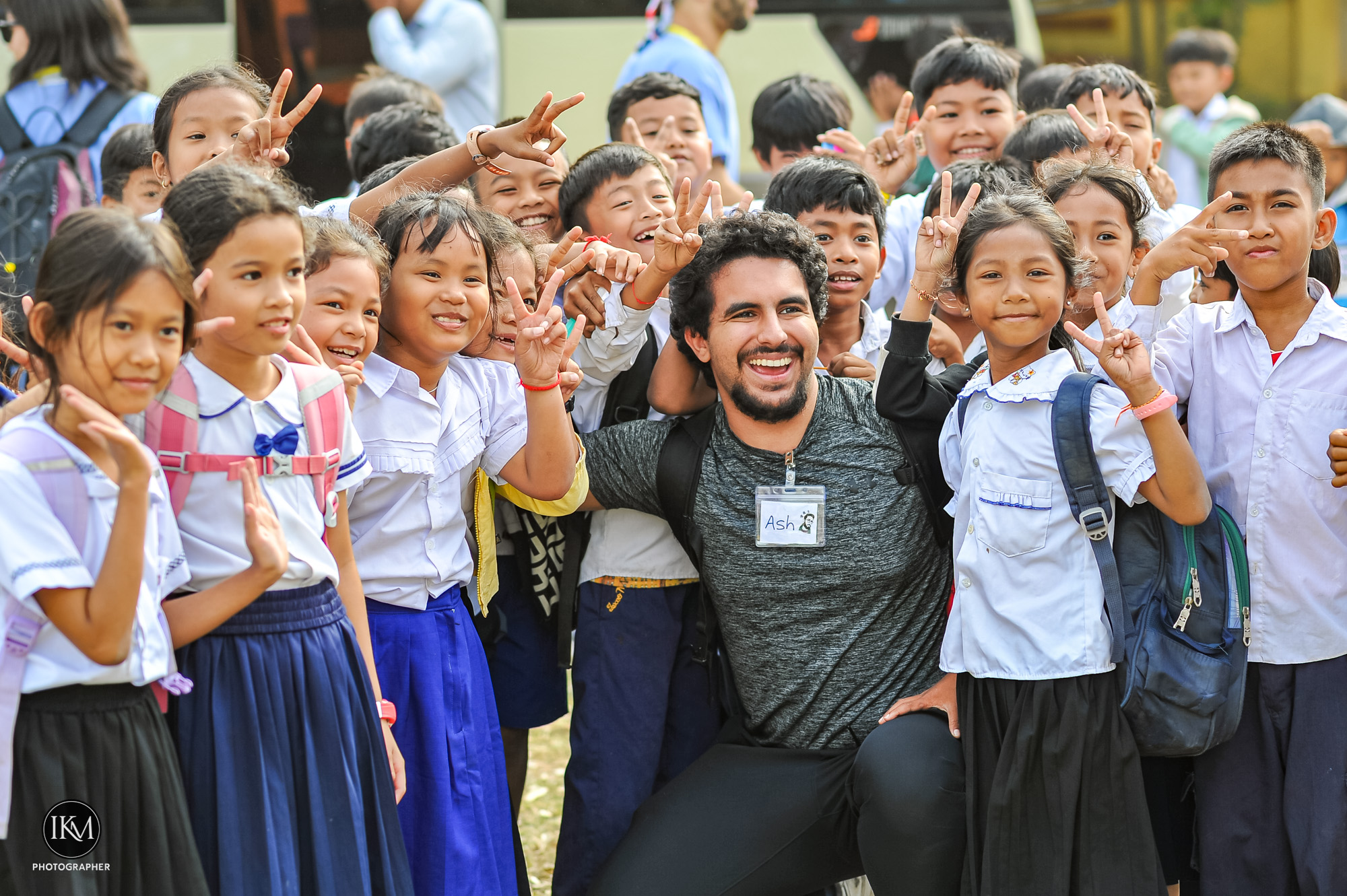
Education is more than a classroomβ€”it’s a lifeline. KidsNeedEducation.org, operated by the Aogaah Foundation, embodies this principle by offering free schooling to children in some of Phnom Penh’s poorest communities. The project began with a simple but powerful vision: every child deserves the chance to learn, regardless of background or circumstance.

πŸ“š What the Foundation Does

  • Free schooling: The Village 15/16 schools provide education to over 140 children who otherwise would have no access to formal learning.
  • Community events: Annual celebrations, such as the School Holiday Feast at The Family Pub in Phnom Penh, bring together students, families, and supporters.
  • Sponsorship program: For as little as $100, donors can sponsor a student, covering essentials like books, uniforms, and meals.
  • Transparency and outreach: The site hosts newsletters, β€œWho’s Who” directories, and updates on ongoing projects, ensuring donors and volunteers remain connected to the mission.

🧠 Why It Matters

  • Breaking cycles of poverty: In Cambodia, many children are forced into labor or denied education due to financial hardship. Free schooling interrupts this cycle.
  • Community resilience: By investing in education, the foundation strengthens families and neighborhoods, creating ripple effects of opportunity.
  • Global solidarity: International donors and volunteers demonstrate how small contributions can have outsized impacts in vulnerable communities.

βš–οΈ Challenges and Sustainability

Running a free school is not without obstacles. Funding is precarious, relying heavily on donations and sponsorships. Leadership transitionsβ€”such as the departure of founder Richard Meyer due to health issuesβ€”highlight the importance of local teachers and community ownership. Yet, the school continues to thrive, proving that grassroots education initiatives can endure with collective support.

πŸ“ Final Thought

KidsNeedEducation.org is more than a websiteβ€”it’s a window into a movement that believes education is a human right, not a privilege. By sponsoring a child, attending events, or simply sharing the mission, supporters help transform lives in Phnom Penh. The story of Village 15/16 schools is a reminder that education is the most powerful agent of changeβ€”and that even modest contributions can rewrite futures.

kidsneededucation.org

https://www.facebook.com/kidsneededucation.org

🎯 Navigating Truth and Manipulation in Photojournalism

cambodia, cameras, opinons, thoughts, photography, pictures, processing, street, Travel, voluntary, war

Why ethics matter more than ever in a visual-first world

In today’s media landscape, photojournalism is one of the most powerful tools for shaping public perception. A single image can evoke empathy, outrage, or action. But with that power comes responsibilityβ€”and risk. The goal is not just to capture what’s visible, but to honour what’s real.

🧠 The Nature of Truth in Photography

  • Photography is not neutral: Every image is filtered through the photographer’s lensβ€”literally and metaphorically.
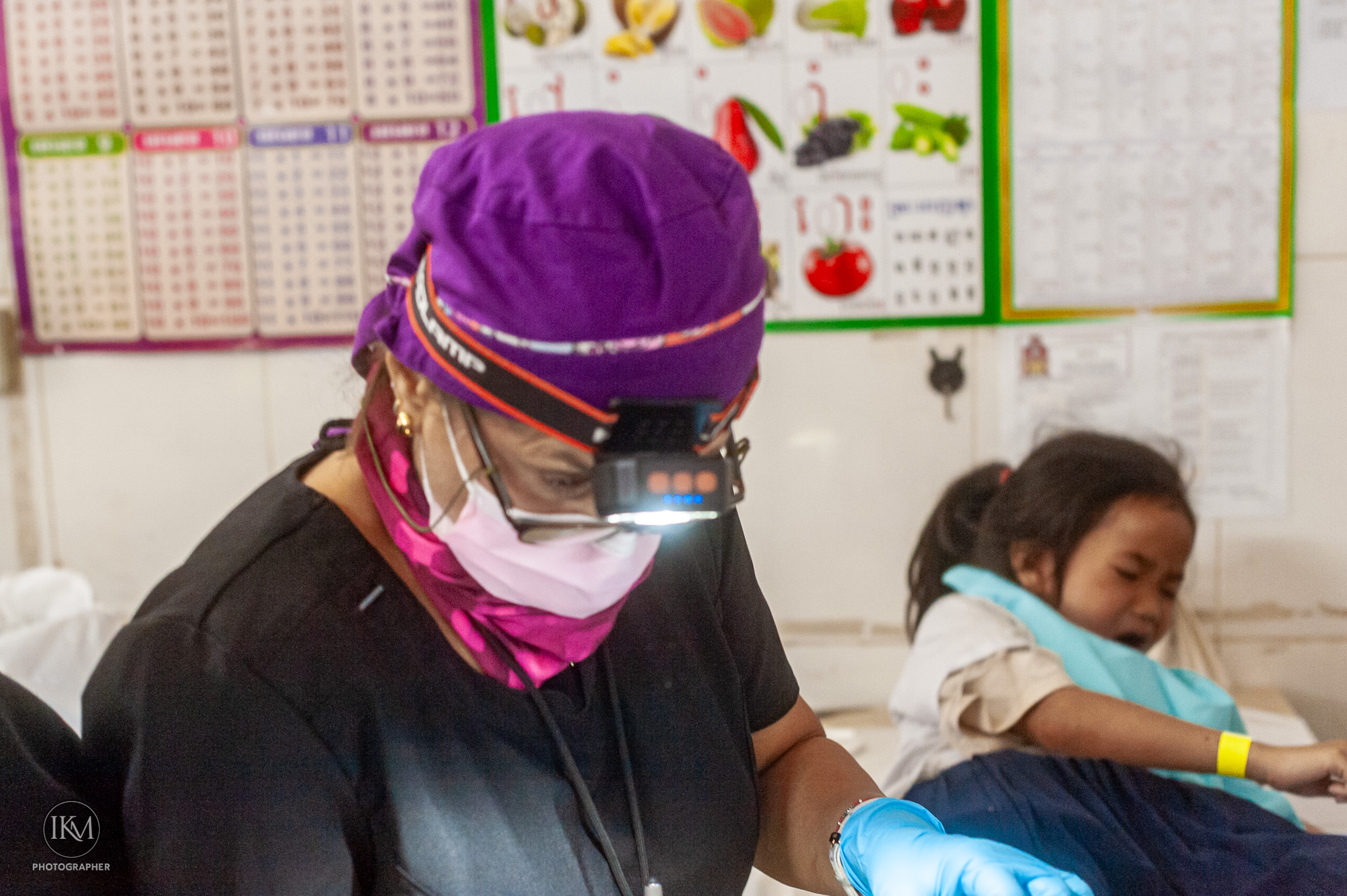
  • Truth is contextual: A photo without background can mislead, even if it’s technically accurate.
  • Editing shapes meaning: Cropping, colour grading, and sequencing all influence how viewers interpret a scene.

β€œPhotojournalism fundamentally aims to document reality, yet it is not an objective mirror of the world”.

⚠️ Where Manipulation Begins

  • Staging or reenactment: Asking subjects to pose or recreate events crosses into fiction.
  • Selective framing: Omitting key elements to steer narrative perception is ethically suspect.
  • Caption distortion: Misleading or emotionally charged captions can twist meaning even when the image is accurate.
  • Digital alteration: Retouching, compositing, or removing elements undermines credibility.
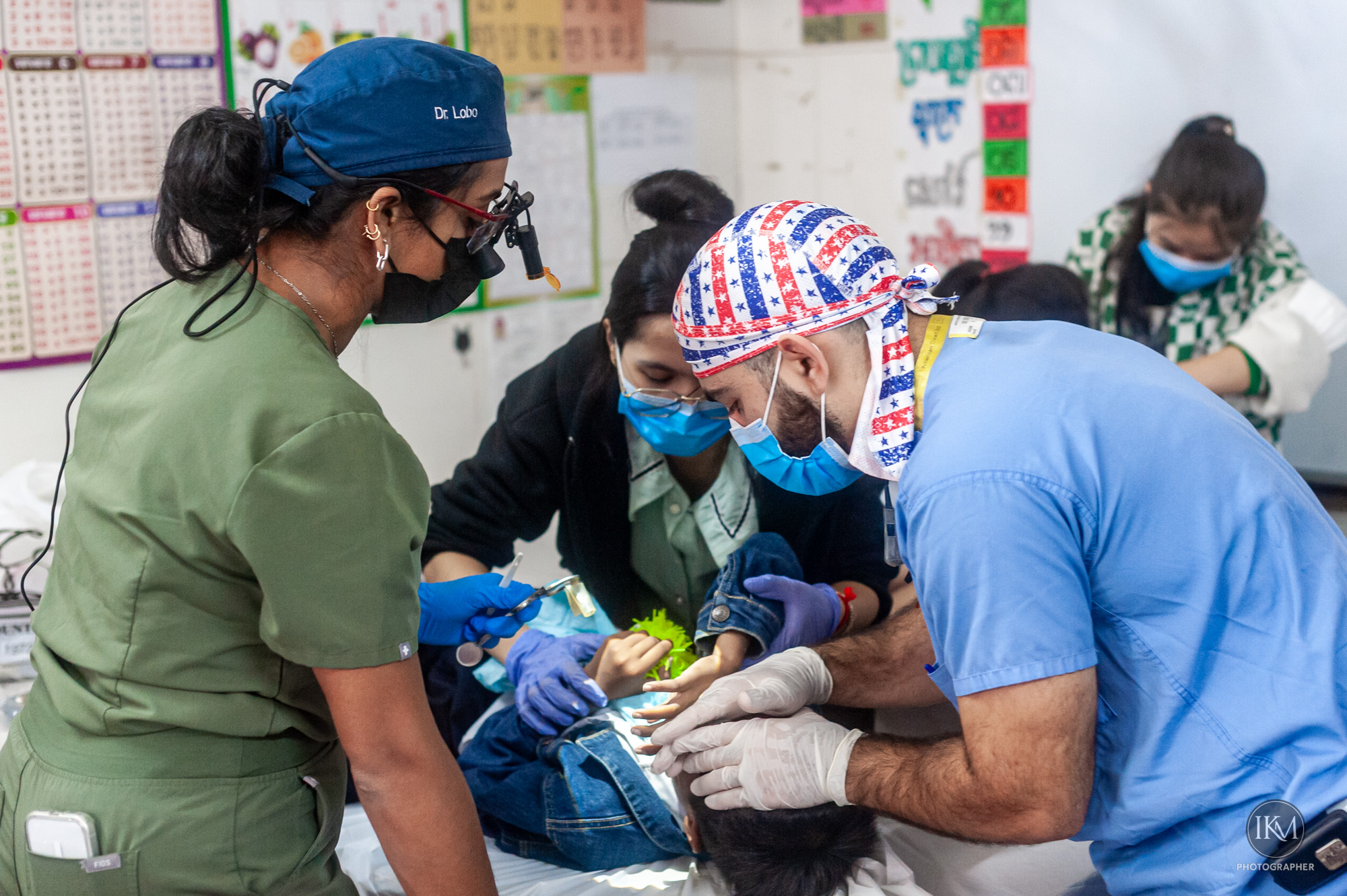
These practices erode public trust and violate journalistic codes of ethics.
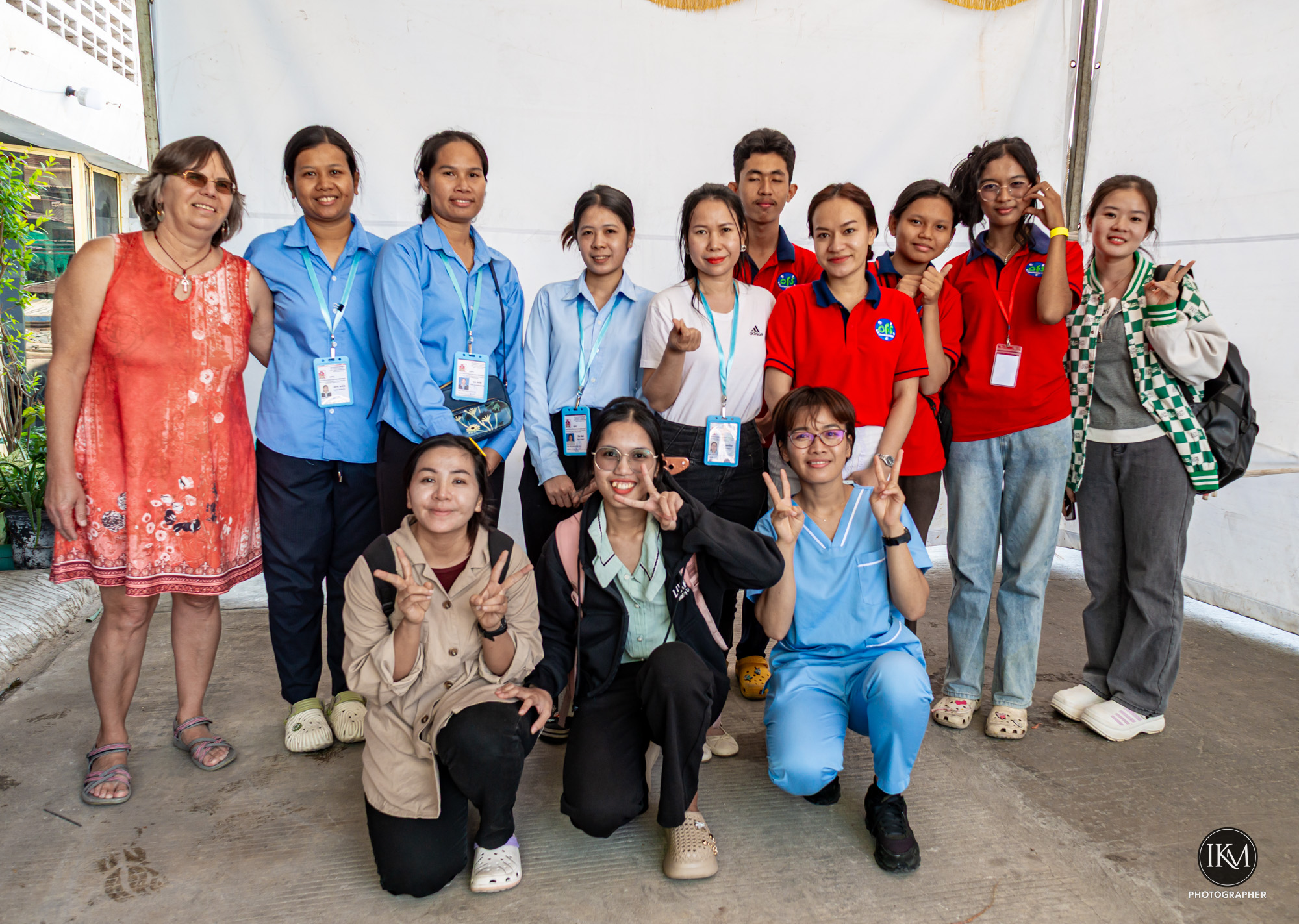
🧭 Minimalism with Integrity

Minimalist style avoids manipulation by focusing on presence, restraint, and ethical framing.

  • Intentional composition: Framing that respects subjects’ dignity and avoids sensationalism.
  • Contextual honesty: Captions and layouts that inform without editorialising.
  • Emotional resonance without distortion: Provocative images that stir reflection, not exploitation.

This approach aligns with the ethical imperative to β€œrepresent the truth without distortion, even as technological innovation complicates the lines”.

βœ… How to Navigate the Line Ethically

  • Ask before you shoot: Consent builds trust and deepens narrative authenticity.
  • Caption with clarity: Include who, what, when, where, and whyβ€”avoid emotional spin.
  • Disclose edits: If you crop, tone, or adjust, say so. Transparency matters.
  • Peer review sensitive work: Run controversial images past editors or colleagues before publishing.
  • Reflect before release: Ask yourself: Does this image inform or manipulate?

πŸ“š Final Thought

Photojournalism’s power lies in its ability to reveal. But revelation without responsibility becomes exploitation. Navigating truth and manipulation isn’t just about avoiding ethical misstepsβ€”it’s about building a practice rooted in trust, clarity, and care.

🚲 Street Life in Phnom Penh: A Living Tapestry

cambodia, cameras, fujifilm, homelessness, Lenses, opinons, thoughts, photography, pictures, street, Travel, voluntary

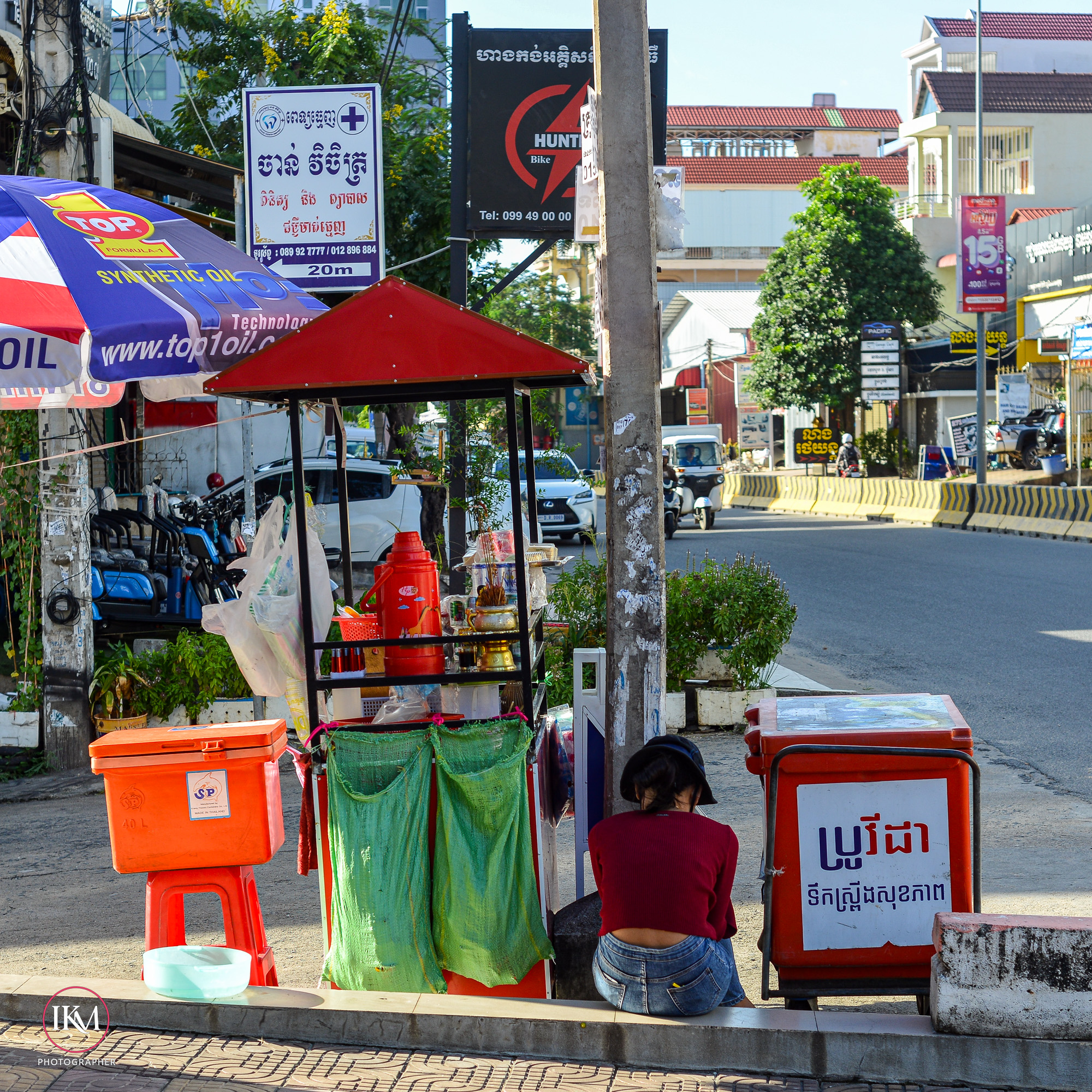
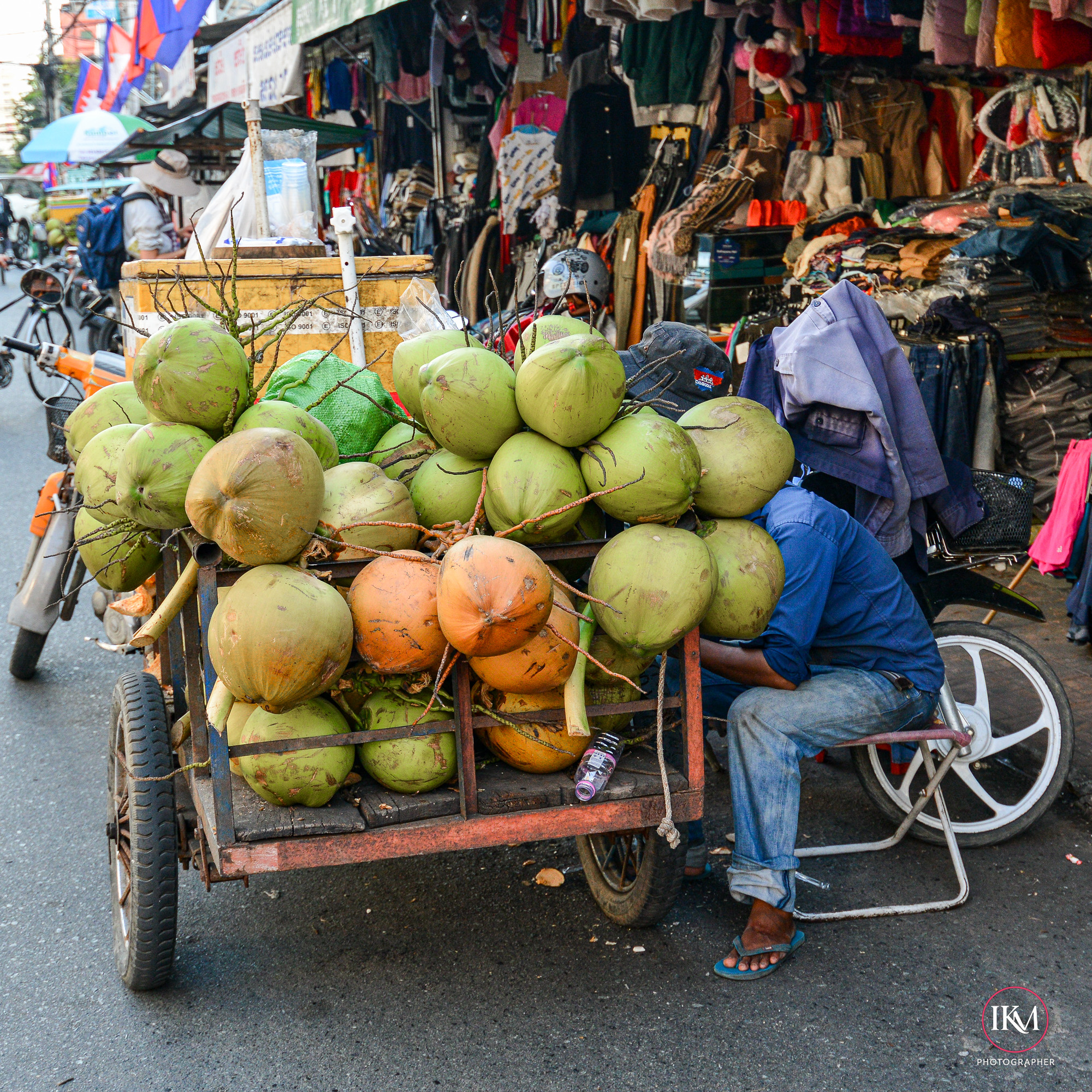
Walking through Phnom Penh is like stepping into a living mosaic of Cambodia’s culture. The streets are not just roads for transportβ€”they are markets, kitchens, playgrounds, and social spaces all at once.

🌞 Morning Rhythms

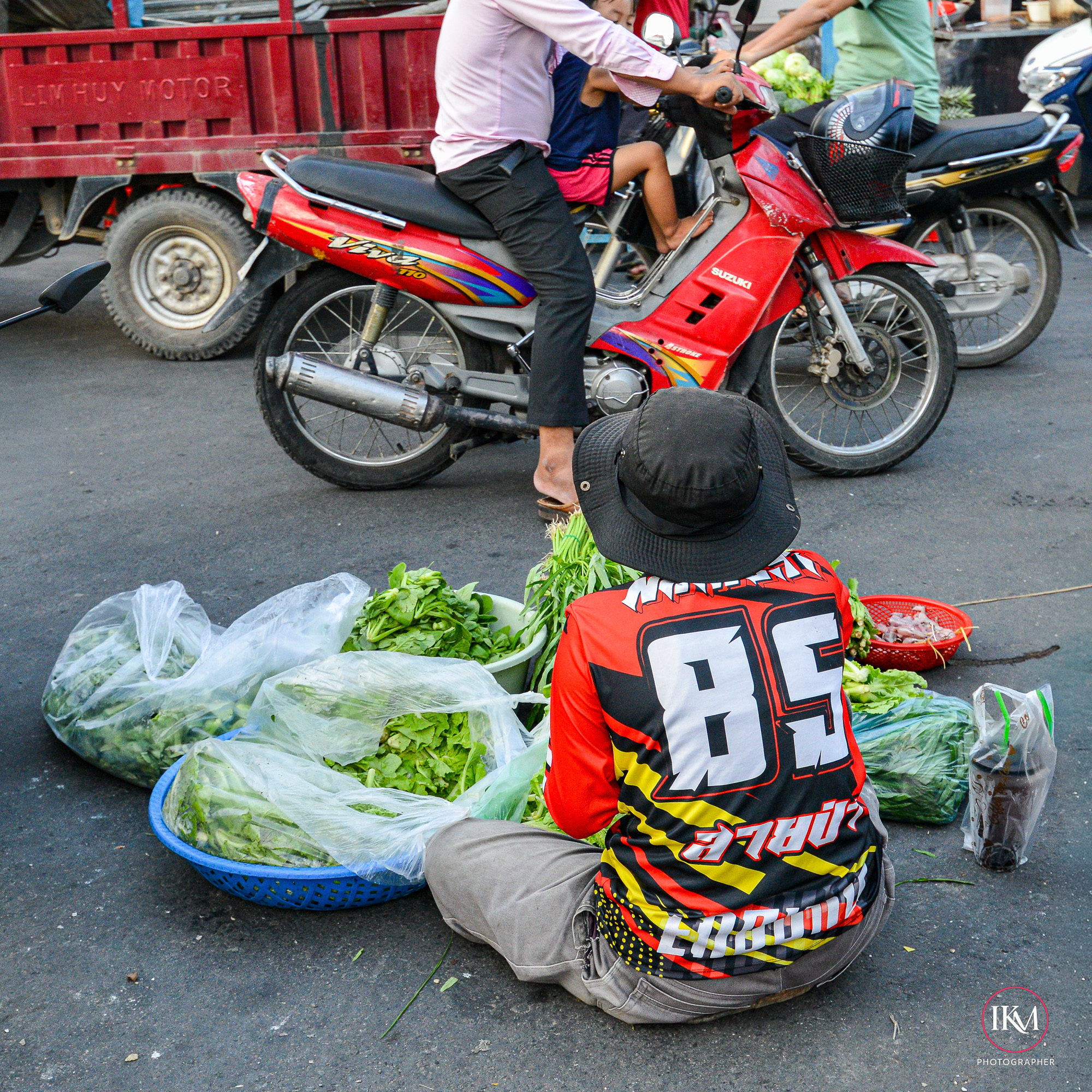
  • Markets come alive at dawn: wet markets bustle with vendors selling fresh fish, vegetables, and fragrant herbs.
  • Street-side stalls serve noodle soups, grilled meats, and iced coffee, fueling workers before the day begins.
  • Monks in saffron robes walk barefoot through neighborhoods, collecting alms in a centuries-old ritual.

🚦 Midday Hustle

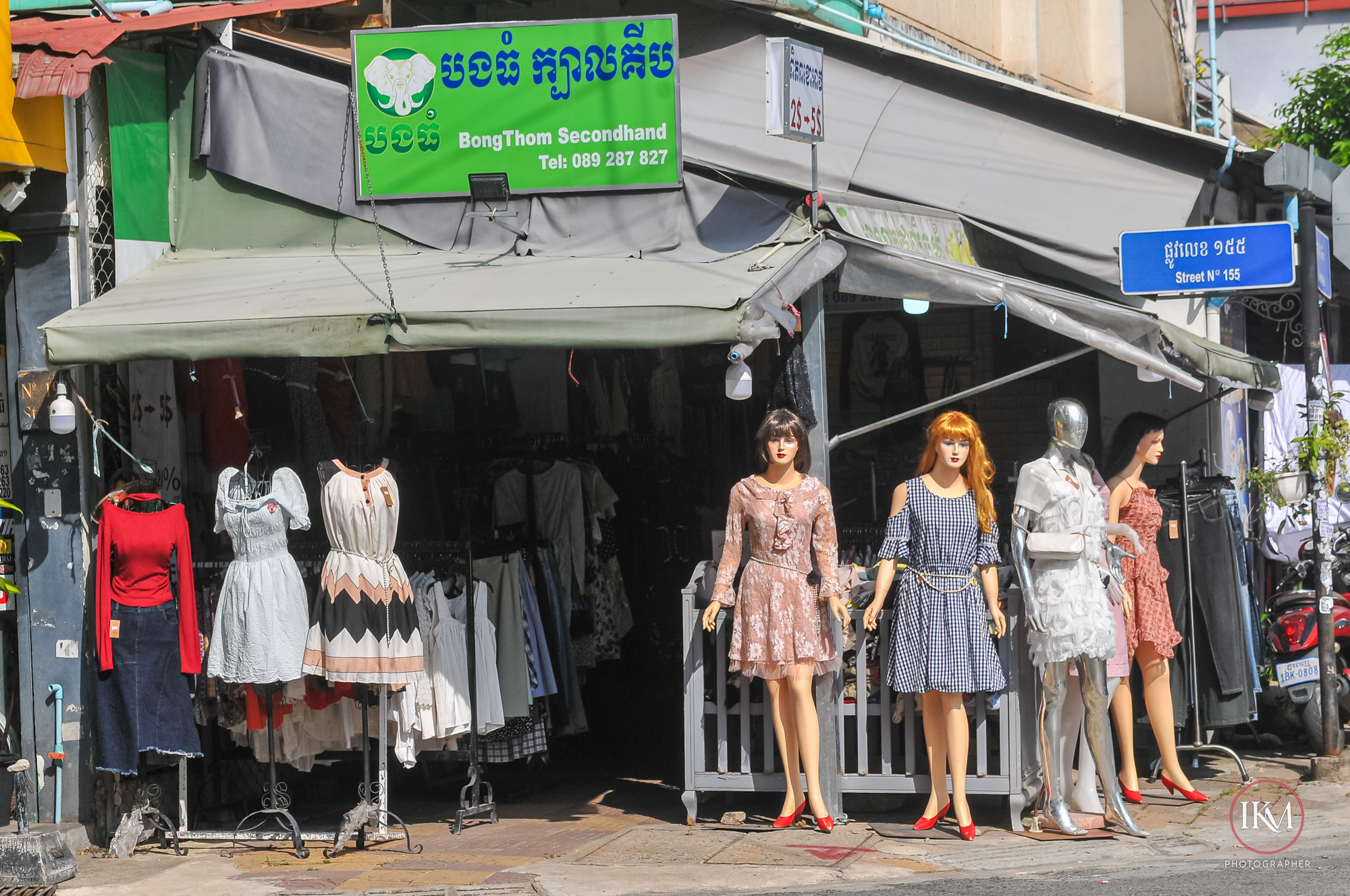
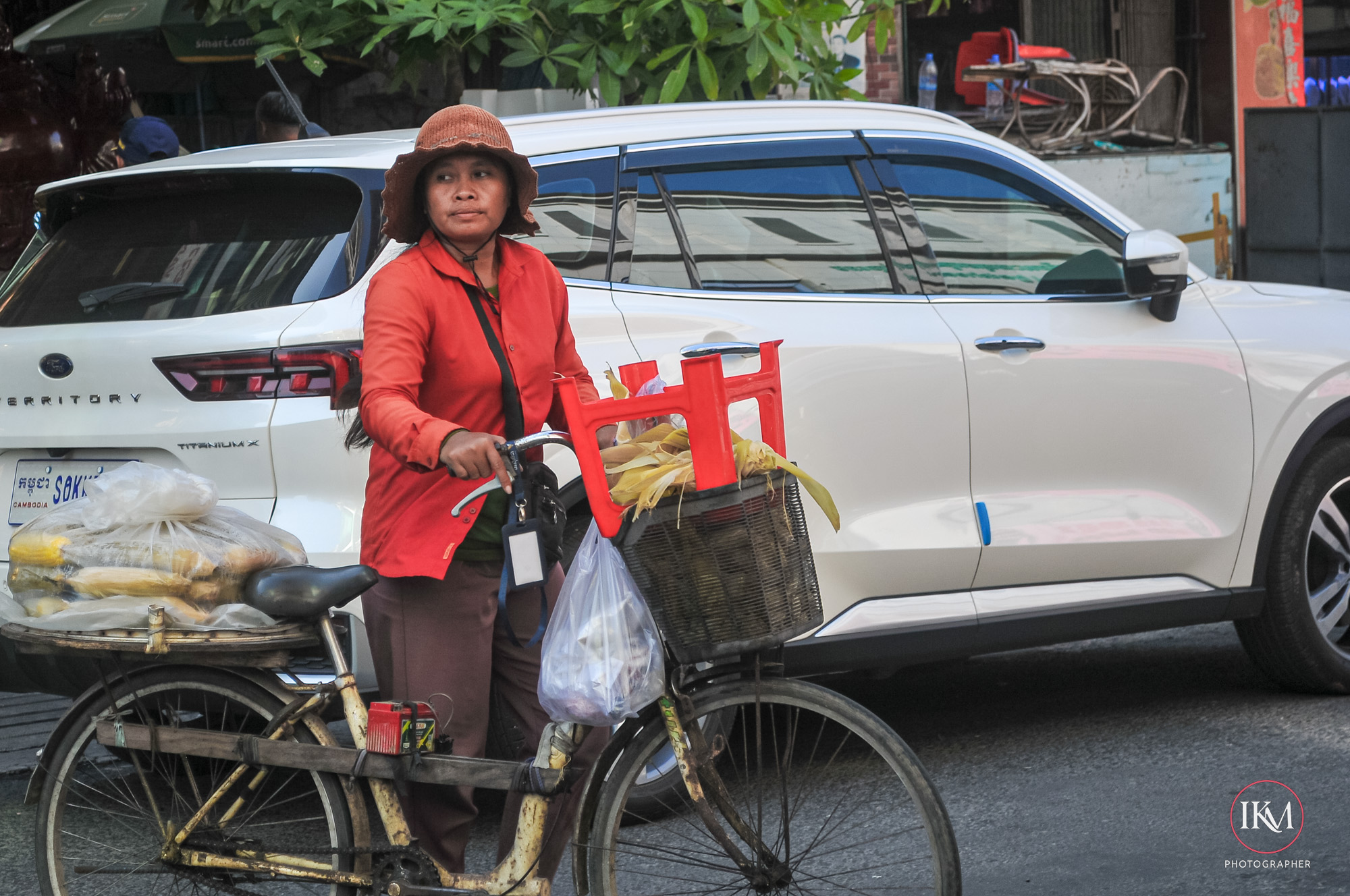
  • Traffic is a sensory overload: motorbikes weaving between tuk-tuks, bicycles, and the occasional Lexus SUV.
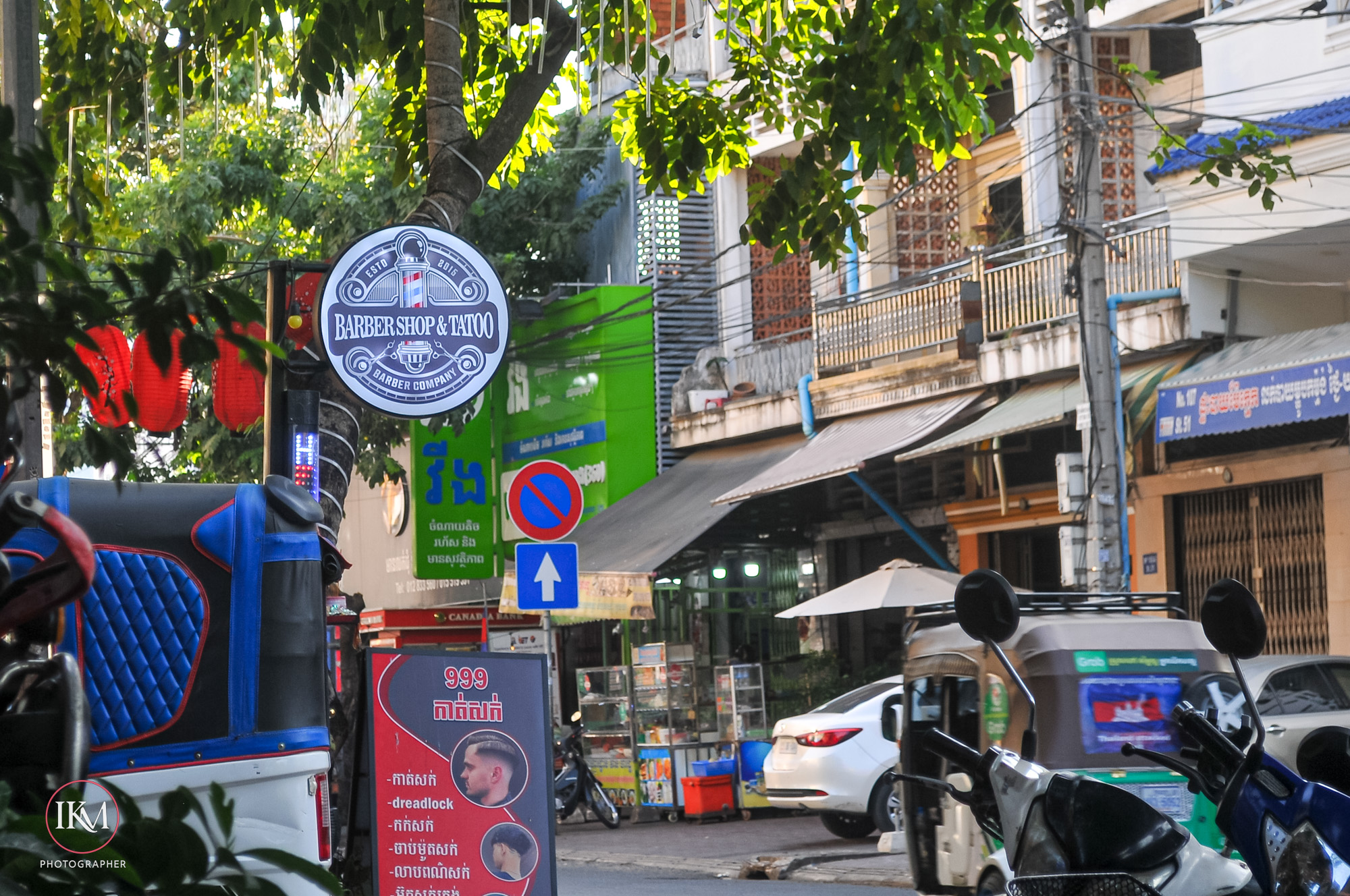
  • Sidewalks double as workshops and storefrontsβ€”tailors, mechanics, and barbers set up shop in open air.
  • Children play in alleyways, while families gather under umbrellas to escape the midday heat.

πŸŒ† Evening Energy

  • As the sun sets, Phnom Penh’s streets transform into night markets and food havens.
  • Skewers of beef, fried noodles, and fresh sugarcane juice fill the air with irresistible aromas.
  • Riverside areas like Sisowath Quay become social hubs, with locals strolling, exercising, or enjoying street performances.

🎨 The Character of Phnom Penh’s Streets

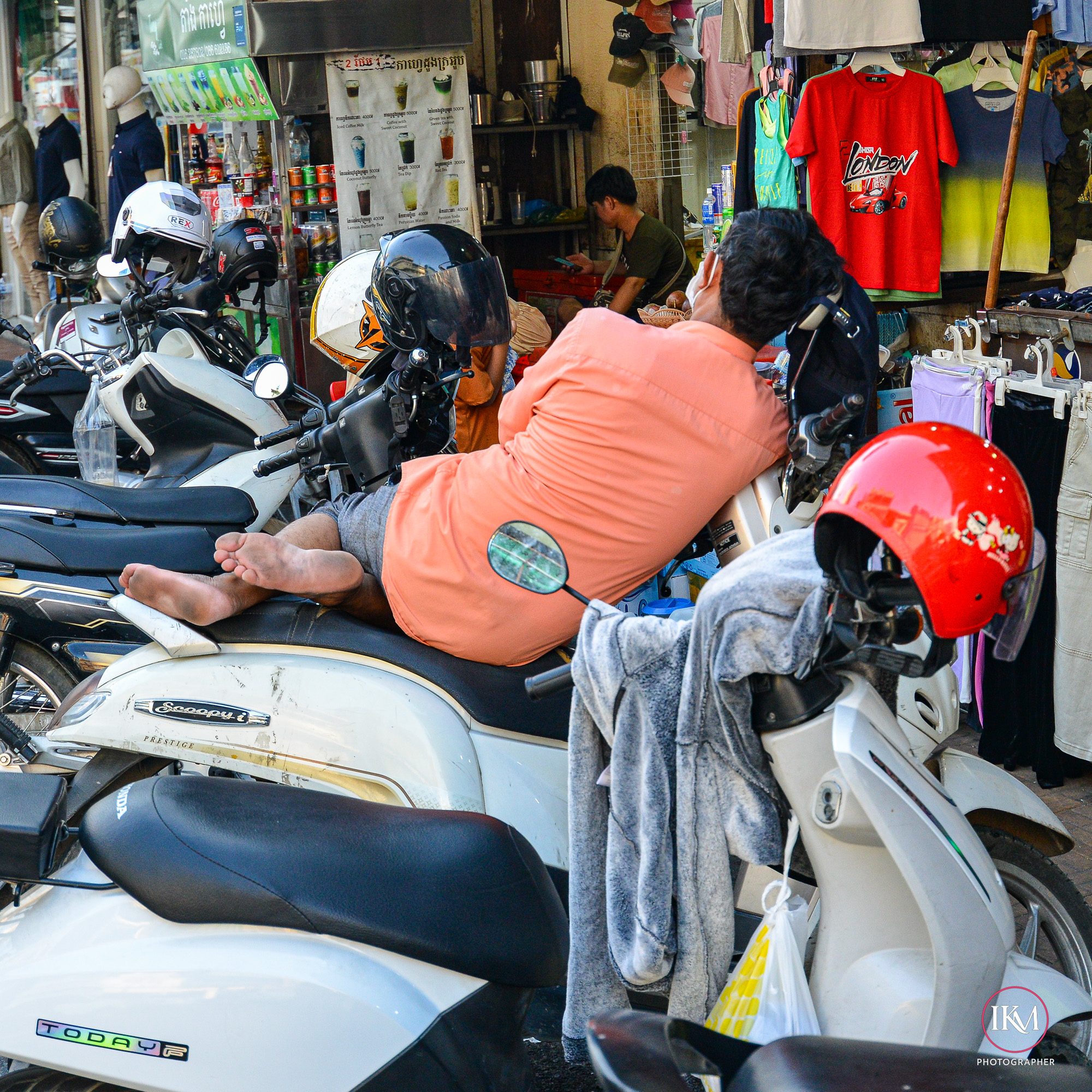
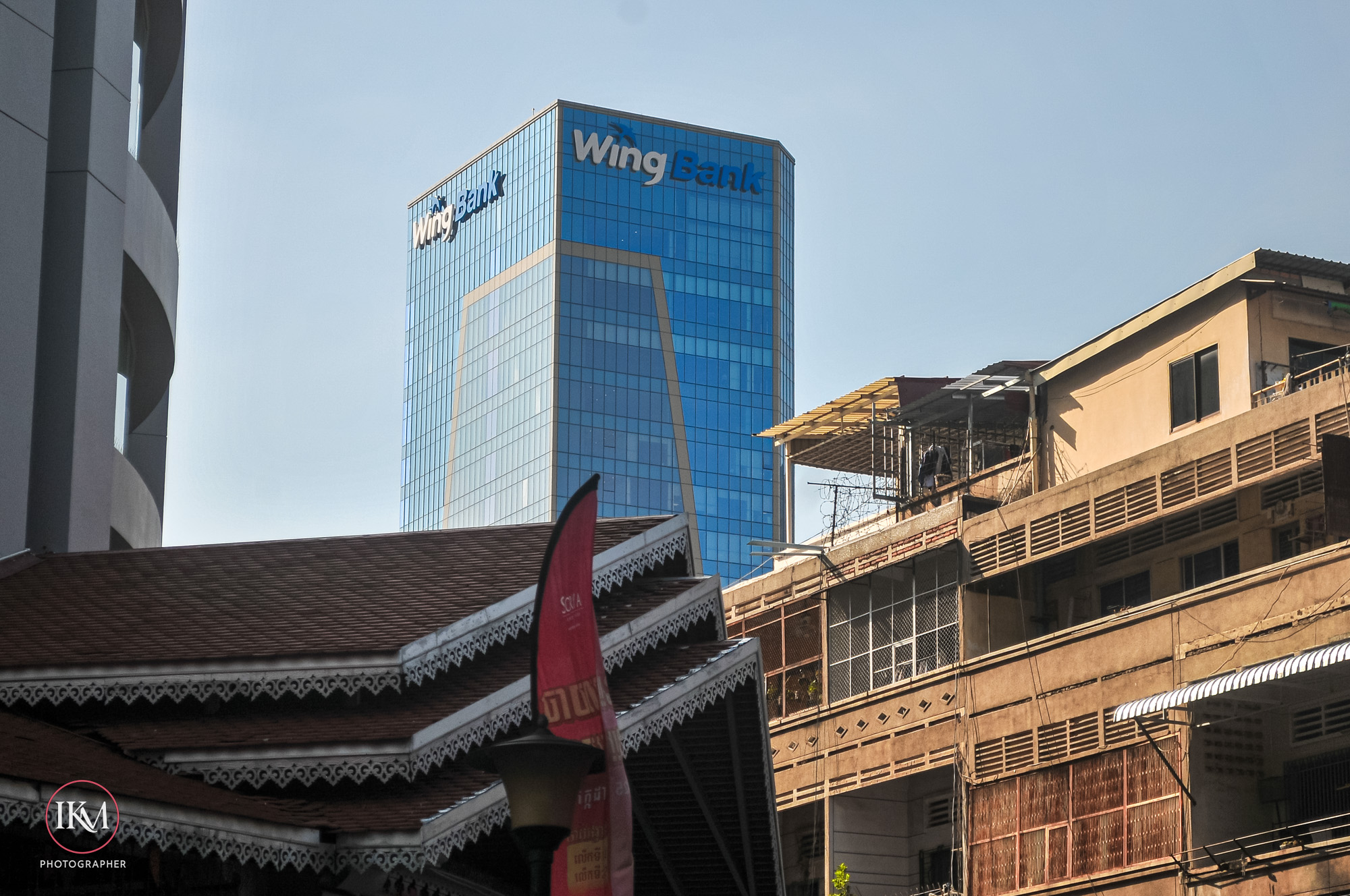
  • Contrasts everywhere: gleaming malls stand beside crumbling colonial buildings; luxury cars pass hand-pulled carts.
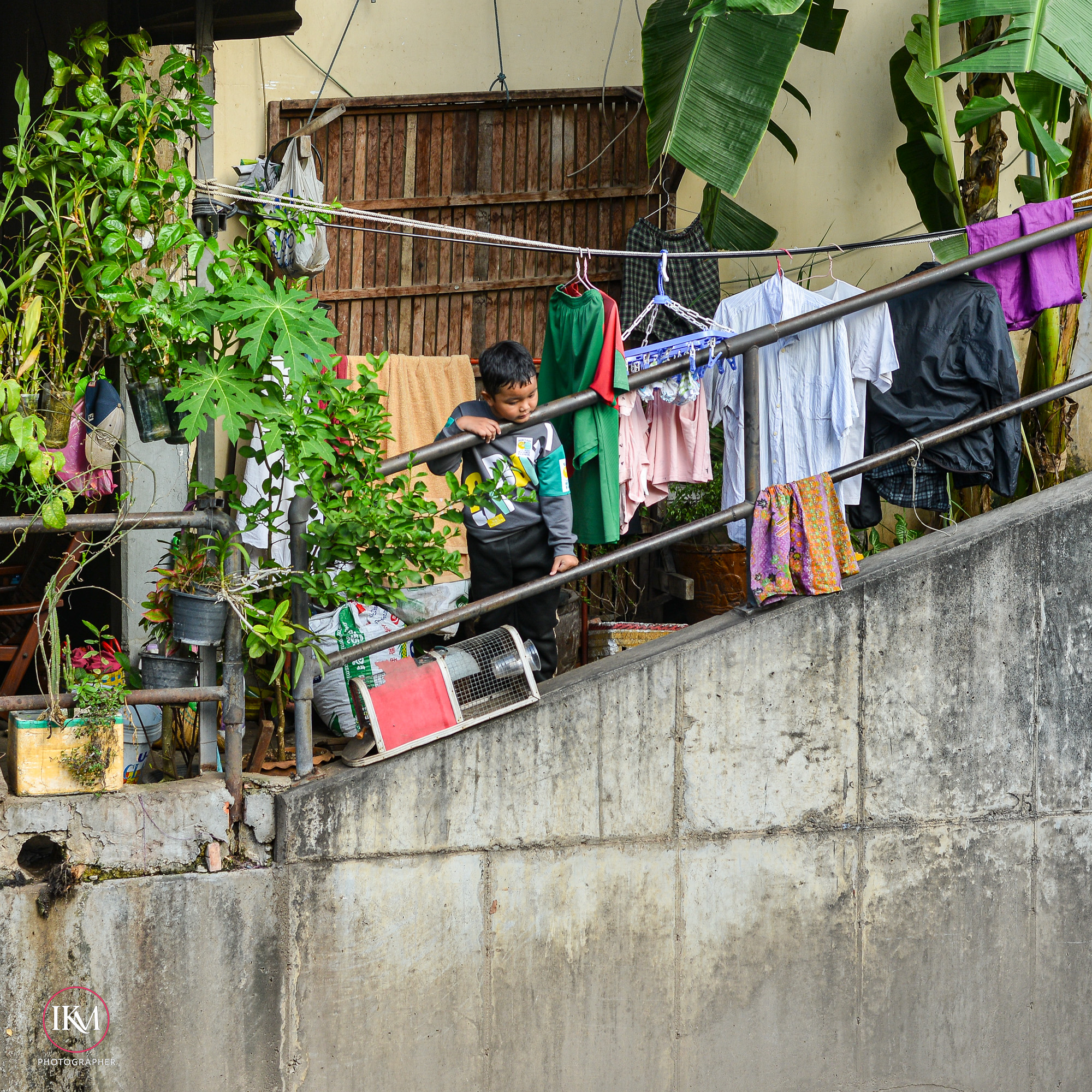
  • Colours and textures: laundry strung across balconies, neon-lit karaoke bars, and murals reflecting Cambodia’s youthful creativity.
  • Community spirit: despite the chaos, there’s a sense of rhythmβ€”neighbours chatting, vendors calling out, children laughing.

πŸ“· Why It’s Photographically Rich

For photographers, Phnom Penh’s street life offers:

  • Dynamic light and shadow in narrow alleys and open boulevards.
  • Faces full of character, from weathered elders to energetic youth.
  • Stories in motionβ€”every corner reveals a narrative of resilience, adaptation, and joy.

βœ… In essence: Street life in Phnom Penh is not just about movement and commerceβ€”it’s about connection, survival, and culture lived in public view. It’s messy, colourful, and endlessly fascinating, making it one of the most compelling urban experiences in Southeast Asia.

Becoming a Photojournalist

opinons, thoughts, pictures, street, Travel, voluntary, war

Choosing a potentially dangerous profession like photojournalism requires preparation, resilience, and a deep passion for storytelling. Here’s a guide to help someone navigate this path safely and effectively:

1. Develop Strong Skills and Portfolio

  • Master the Craft: Enhance photography skills through courses, workshops, and hands-on practice. Street photography, capturing candid moments, is a good starting point.
  • Build a Portfolio: Create a compelling portfolio showcasing a variety of work, with an emphasis on impactful, human-interest stories.

2. Gain Relevant Experience

  • Internships and Freelance Work: Start with internships at media outlets or freelance assignments to gain practical experience.
  • Network: Connect with other photojournalists and professionals in the field. Attend industry events, join photography groups, and participate in exhibitions.

3. Understand the Risks

  • Safety Training: Take courses on safety in conflict zones and hazardous environments. Organizations like the Rory Peck Trust offer such training.
  • Stay Informed: Research and stay updated on the regions and situations you will be covering. Knowledge of the political, social, and environmental context is crucial.

4. Equip Yourself Properly

  • Right Gear: Invest in durable and reliable photography equipment. Consider cameras like the Nikon D3S or Canon 1D MkIV which have proven performance.
  • Safety Gear: In dangerous areas, gear like bulletproof vests and helmets might be necessary.

5. Develop a Support System

  • Mentorship: Find a mentor in the field who can offer guidance and support.
  • Mental Health Support: Dealing with traumatic events can be challenging. Have access to mental health resources and support networks.

6. Legal and Ethical Considerations

  • Understand Legalities: Be aware of the legal implications and regulations in the areas you are working in.
  • Ethics: Maintain ethical standards in journalism. Respect the dignity and privacy of the subjects you photograph.

7. Be Persistent and Adaptable

  • Stay Determined: The path to becoming a successful photojournalist can be challenging and competitive.
  • Adaptability: Be open to different styles and methods of storytelling.

SflyProxyVersion 1;

The journey to becoming a photojournalist is both demanding and rewarding. It requires a balance of technical skill, safety awareness, and a profound commitment to telling human stories.

If you’re eager to start, why not practice your skills by capturing compelling stories in your local area? Street photography often provides a rich tapestry of human experiences and can serve as excellent preparation for more intense assignments.

For a burgeoning photojournalist like yourself, focusing on specific photography skills can elevate your work and help you capture impactful, story-driven images. Here are some key skills to hone:

1. Composition and Framing

  • Rule of Thirds: Understand how to compose images by dividing the frame into thirds, placing points of interest along these lines.
  • Leading Lines: Use lines to guide the viewer’s eye to the main subject of the photograph.
  • Framing: Experiment with natural frames within your environment to highlight the subject.

2. Exposure and Lighting

  • Manual Mode Mastery: Get comfortable shooting in manual mode to have full control over shutter speed, aperture, and ISO.
  • Low-Light Photography: Practice capturing sharp and well-exposed images in low-light conditions, a crucial skill for photojournalists.
  • Natural Light: Learn to use and manipulate natural light to enhance your images.

3. Focus and Depth of Field

  • Selective Focus: Understand how to use selective focus to isolate your subject from the background.
  • Depth of Field: Play with different apertures to create depth in your images. Use a shallow depth of field for portraits and a deeper one for environmental shots.

4. Candid and Street Photography

  • Spontaneity: Capture un-posed, genuine moments. This is essential for telling authentic human stories.
  • Discreet Shooting: Develop techniques to shoot discreetly, so as not to disturb the scene you photograph.

5. Post-Processing

  • Editing Software: Gain proficiency in photo editing software like Adobe Lightroom and Photoshop.
  • Ethical Editing: Learn to enhance images while maintaining their authenticity and integrity. Avoid excessive manipulation.

6. Visual Storytelling

  • Narrative: Each photo should contribute to the overarching story you aim to tell. Think about how your images work together to convey a message.
  • Sequencing: Practice creating a photo series that guides the viewer through a visual narrative.

7. Technical Proficiency with Gear

  • Camera Handling: Be familiar with your camera’s functions. Practice changing settings quickly and efficiently.
  • Lens Selection: Understand which lenses to use for different scenarios. Prime lenses are great for low light, while zoom lenses offer versatility.

8. Research and Contextual Knowledge
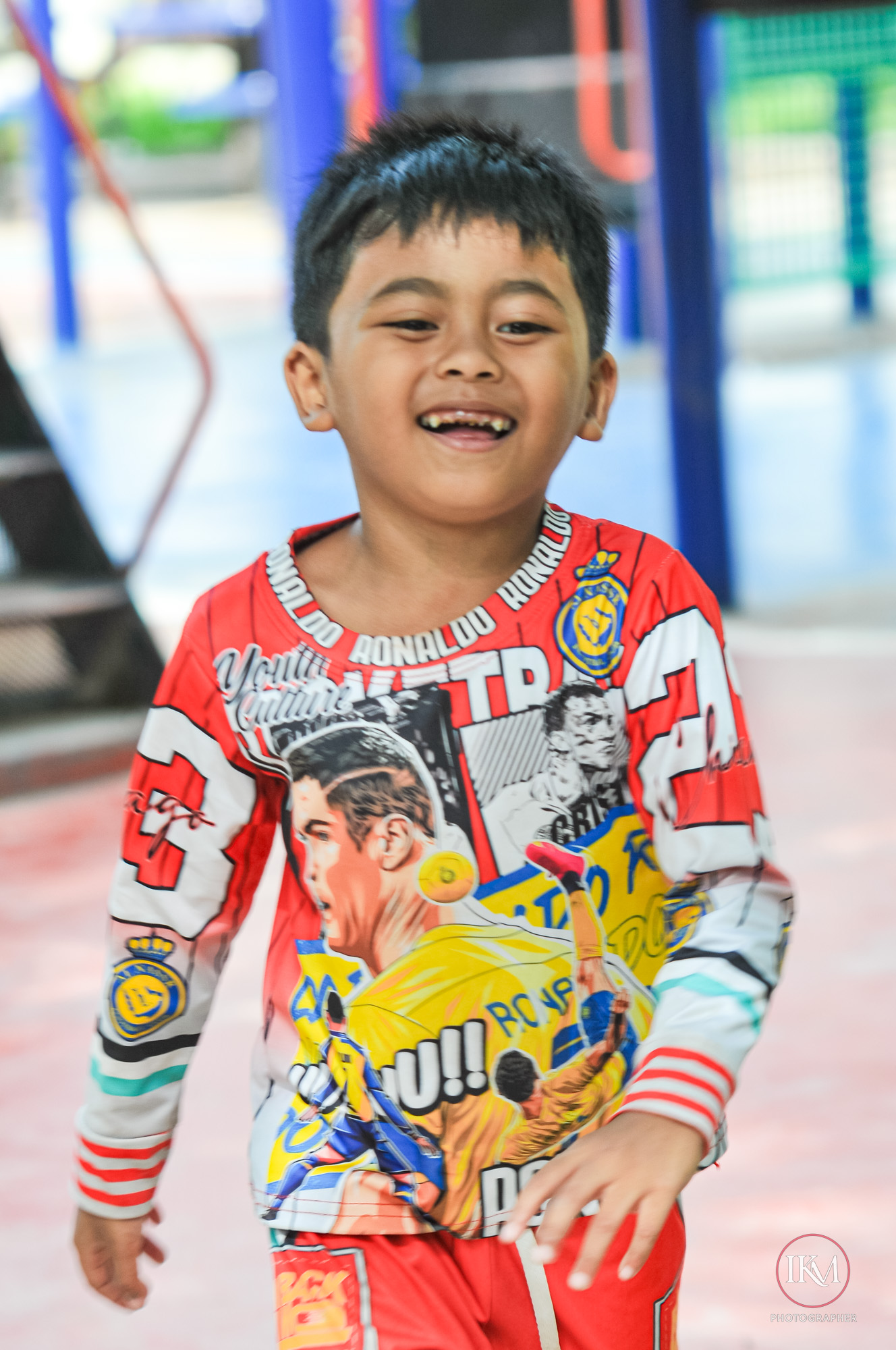
  • Background Research: Always research the context of the stories you are documenting. This ensures your images are informative and respectful.
  • Cultural Sensitivity: Be aware of and sensitive to cultural norms and practices in the regions you photograph.

9. Resilience and Adaptability

  • Patience: Sometimes the perfect shot requires waiting for the right moment.
  • Adaptability: Be prepared to adapt to changing conditions and unpredictable situations.

10. Ethical Journalism

  • Code of Ethics: Familiarize yourself with the ethical standards in journalism. Always prioritize the dignity and safety of your subjects.

Consistent practice and a willingness to experiment and learn from each shot will help you develop these skills. Documenting your local area can be a great way to start building these competencies.

Is there a particular technique or skill you’d like to dive deeper into?

Enhancing your visual storytelling in photography involves more than just capturing beautiful imagesβ€”it’s about conveying a narrative that resonates with your audience. Here are some techniques to elevate your storytelling:

Subject: Identify the main subject or theme of your story. It could be a person, a place, or an event.

Storyboarding: Plan your shots in advance. Create a storyboard to visualize the sequence of your story.

Moments: Look for decisive moments that highlight the essence of your narrative.

Juxtaposition: Use contrast and juxtaposition to highlight differences or similarities within the frame.

Shadows: Incorporate shadows to add depth and drama.

Metaphors: Create visual metaphors that represent abstract ideas in a tangible form.

Details: Pay attention to small details that contribute to the overall narrative.

Pacing: Vary the pacing by mixing wide shots, medium shots, and close-ups. It keeps the viewer engaged.

Enhancements: Enhance colours, contrast, and sharpness to draw attention to key elements without over-editing.

Interaction: Engage with your audience

Srei Crieat. Day 1 to Finish.

cambodia, opinons, thoughts, photography, pictures, voluntary

This story started about 7 weeks ago when a friend of mine mentioned an old lady (Srey Crieat), who lives in the same village as she and had recently been bitten by a snake. What snake was not known but it certainly did some major damage.

She showed me some pictures on her telephone and I was very shocked about the state of her hand and arm. She looked to be in a lot of distress.

I asked her how long ago this had happened and she informed me that it was about two weeks earlier and that Srey Crieat had been seen at the local village hospital who had suggested she be sent to Phnom Penh for the arm to be amputated. She did not want this and was after about a week was sent home, little or nothing was done about the arm, she was given some antibiotics.

At the invite of my friend it was decided that I would go out and see Srey Crieat as soon as possible, initially to assess the damage that could not be seen in the phone pictures and to see if there was more that could be done.

This is what we found the next day. The hand and arm were in a pretty terrible state and to all intents and purposes looked like it had never been cleaned and hand been left exposed since she had left hospital. It was quite badly infected and showed lots of necrosis on both the hand and arm, the primary bite site looked to be the hand although extensive damage up to the elbow could be seen.

As can be seen in the picture above the upper hand was extremely damaged and with a full thickness skin necrosis. The fingers were extremely swollen and tender but had good pulse showing blood flow present. This certainly was going to take time and commitment if anything was going to be done to improve the situation for this lady. It did not help that it would be a 70Km trip just to get there each time and 70Km back.

There was no way I could leave anyone in this state, the hand was badly infected and damage extended to the elbow. I had to accept that there were risks of further systemic infection and this was discussed with Srey Crieat. She just was so sad and wanted somebody to help and accepted the process may be long and maybe painful. She wanted to go ahead.

First things first I had to get the area clean and with the limited supplies I had with me I began that process.

Using a mixture of Povidone and Hydrogen Peroxide I soaked the hand and removed most of the dirt, that I could see and also many insect eggs. The upper arm I decided to leave until I visited the next day, with the correct equipment to complete the cleaning process. The hand and arm would need more than just cleaning though it was in need of extensive debridement, but I did not have the gear with me to start that process.

A temporary covering was applied to the hand and arm and arrangement made to return the next day giving me time to gather and buy the gear I would need to begin this job. She did not appear to be in much pain, probably due to the damage done by the venom and she was not needing, at this point and analgesia.

Day Two

On returning the next day another extensive clean of the whole arm, fingertip to axilla was completed, using the same solution. The hand was in need of a sharp debridement but the necrosis was hard and very difficult to work with so I decided to dress the hand and lower arm in ”fresh wild honey” and dress it with ”cling film” (yes ordinary kitchen film) to soften and clean the areas of necrosis so that they could be more easily dealt with. I arranged to return in three days to begin the debridement.

Day Five

On my return the bandages and cling film were removed (as seen above) and the hand was much more manageable and ready for the necrotic tissue to be removed. It was quite extensive and not going to be a simple job, and care was need not to damage the underlying structures. I was prepared to use local anaesthetic but she said she did not have any real pain and so we went ahead without (slowly).

After about 30 minutes of work, with very little bleeding, we were able to remove the necrosis down to nice pink tissue with good blood flow.

This was enough for her for one day but she showed no pain. The other areas on the arm also need to be removed but there was no rush, the main area of potential infection on the hand was off and I was please to return to the other areas in a few days. The hand and arm were again redressed with Honey (lots of it) and cling film and I would return in three days to continue giving the hand and the lady time to recover.

Day Eight

On returning I set to work removing the other necrotic areas on her forearm. After this we continued for another week (twice weekly visits) with honey and cling film dressings. She was given another course of antibiotics as a precaution and because of the difficult conditions she lives in. After this no more antibiotics were needed.

The improvements began to come quite quickly once the area was fully cleaned of necrosis and other detritus. I used plain white sugar mixed with Vitamin D ointment on the hand for the next week and continued the honey application to the forearm. This seemed a good combination and worked well.

This was the back of her hand after four weeks, showing pretty good healing and no infection present. I continued with sugar and vitamin ointment.

After another three days even more improvement noted.

Day 11

We continued with the same treatment for the next week, the wounds continued to get smaller until the point came over the last two weeks that some of the areas were ready to begin the process of scabbing. For the next week we dressed all areas with no stick dressings brought in by a friend from Bangkok, until such a point than we only needed dry protective dressings.

As can be seen on the last pictures there is certainly some scar tissue but much less than I expected. She has a reasonable amount of movement in her hand and her fingers will become less swollen as her hand movement increases.

Simple dry dressings now until the remaining areas scab over. One very happy and feisty lady now, such a pleasure to see. Just over seven weeks total to get to this point. Such a brave lady, well done …..

BIG THANKS GO OUT TO BILL FOR HIS GETTING ME SAFELY THERE WHEN NEEDED AND HIS SUPPORT IN GENERAL. TO ALL THOSE WHO MADE THIS POSSIBLE (YOU KNOW WHO YOU ARE) I APPRECIATE IT AND SO DO THOSE IN NEED

#firstaid #asia #medical #sick #charity #snakebite