📸 Lee Miller: From Muse to Witness

opinons, thoughts, photography, war

A Short History of a Photojournalist Who Saw It All

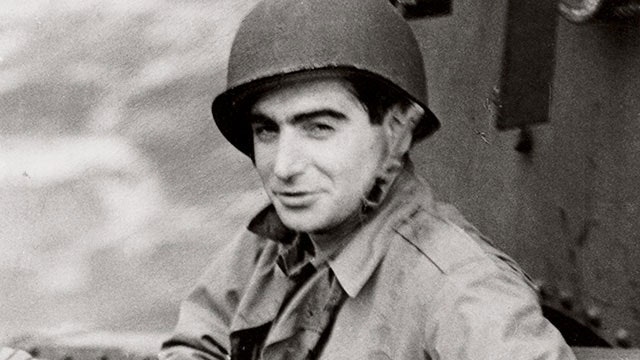
Lee Miller’s life reads like a novel—glamorous, harrowing, and fiercely independent. Born Elizabeth Miller in 1907 in Poughkeepsie, New York, she began her career as a fashion model in the 1920s, gracing the pages of Vogue and becoming a muse to artists like Man Ray. But Miller was never content to be just a subject. She stepped behind the camera and forged a career that would take her from the surrealist salons of Paris to the front lines of World War II.

🎨 Early Career: Surrealism and Studio Work

In Paris, Miller became deeply involved in the Surrealist movement. She collaborated with Man Ray, co-discovering the solarization technique and producing haunting, dreamlike images that blurred the line between reality and imagination. Her early work explored themes of identity, femininity, and psychological tension—often with a bold, experimental edge.

After returning to New York, she opened her own studio and worked as a fashion and portrait photographer. But the outbreak of war would soon shift her focus from art to history.

📰 War Correspondent for Vogue

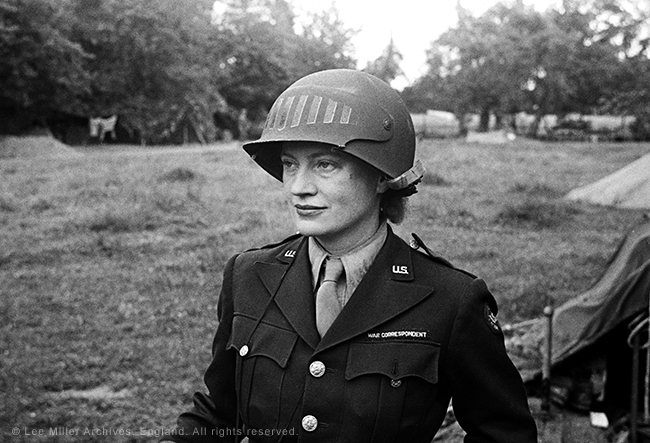
During World War II, Miller became a correspondent for Vogue, one of the few women accredited to cover combat zones. Her assignments took her across Europe:

  • The London Blitz: She documented the devastation and resilience of civilians under bombardment.
  • Liberation of Paris: Her images captured both celebration and the scars of occupation.
  • Buchenwald and Dachau: Miller was among the first to photograph Nazi concentration camps after liberation—her stark, unflinching images remain among the most powerful visual records of the Holocaust.
  • Hitler’s apartment: In a surreal twist, she famously bathed in Hitler’s tub just hours after his death, a symbolic act of defiance and reclamation.

Her war photography combined journalistic rigor with emotional depth, challenging viewers to confront the human cost of conflict.

🖋 Legacy and Rediscovery

After the war, Miller retreated from public life, struggling with PTSD and the weight of what she had witnessed. Her work was largely forgotten until her son, Antony Penrose, rediscovered her archives and began promoting her legacy.

Today, Miller is celebrated not only for her technical skill and artistic vision but for her courage and complexity. She shattered gender norms, bore witness to history’s darkest chapters, and left behind a body of work that continues to provoke, inspire, and educate.

🧭 Final Thought

Lee Miller’s journey—from fashion icon to frontline documentarian—is a testament to the power of reinvention and the importance of bearing witness. Her images remind us that photography is not just about beauty—it’s about truth, presence, and the courage to look when others turn away.

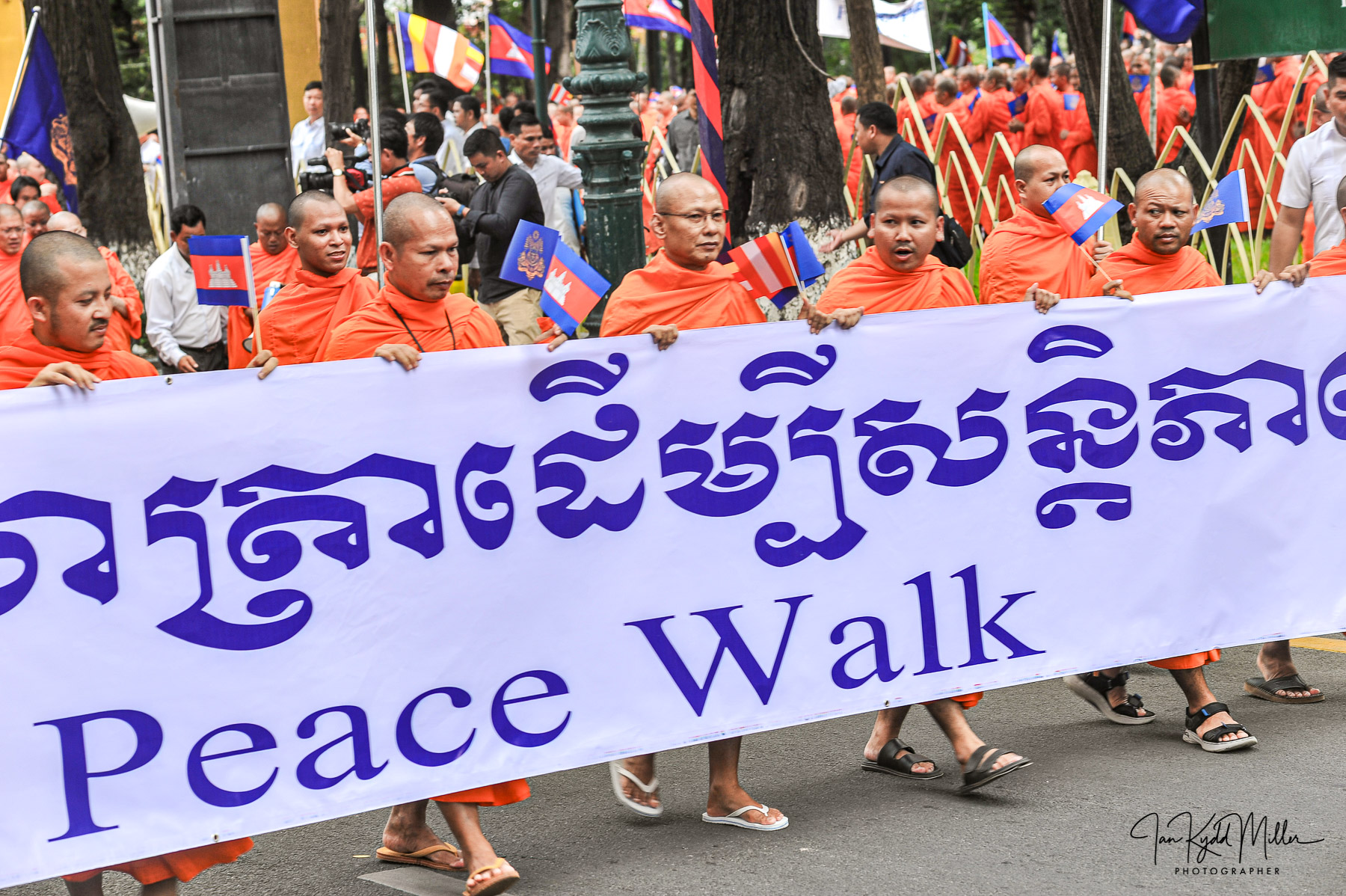
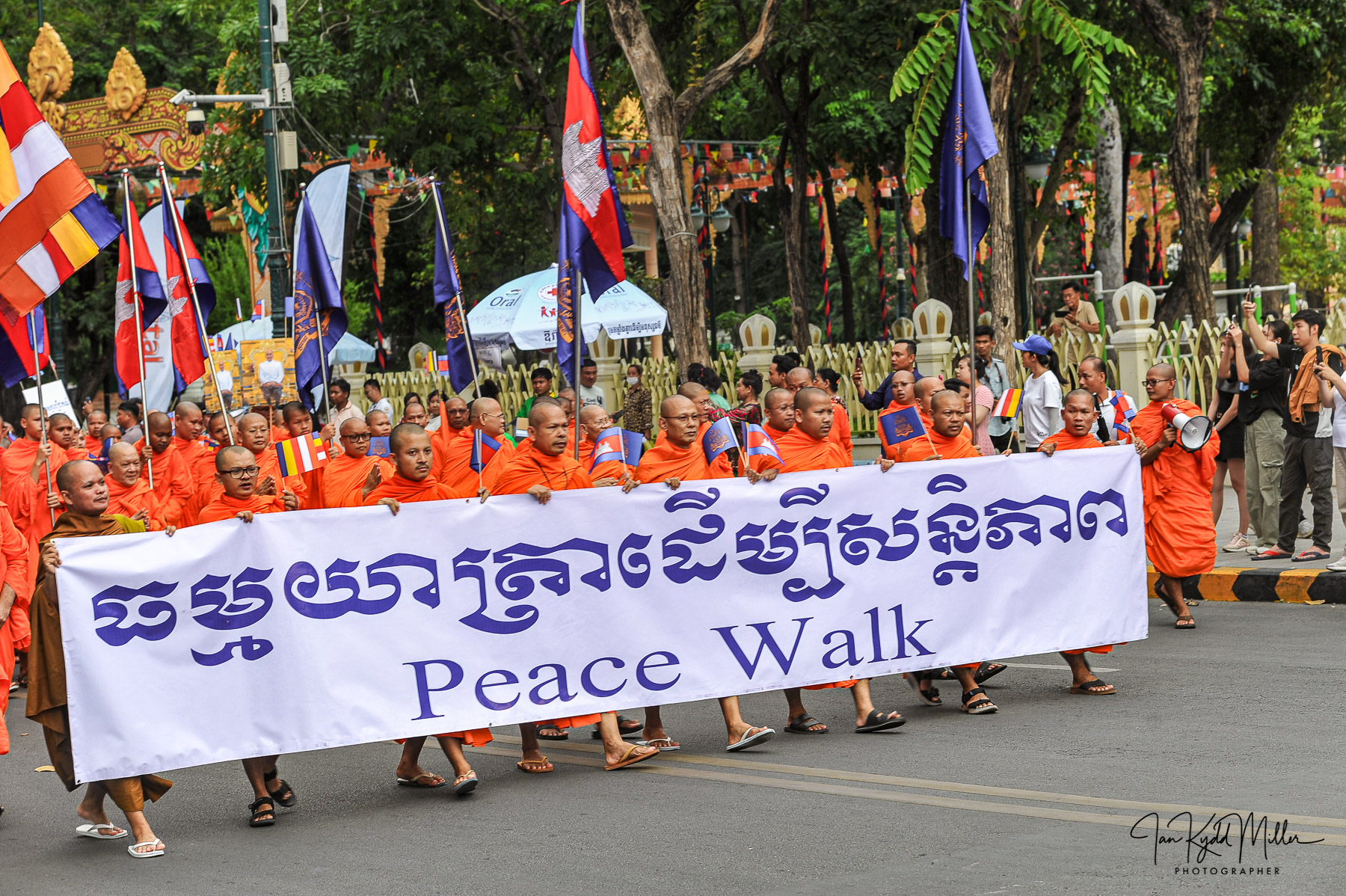
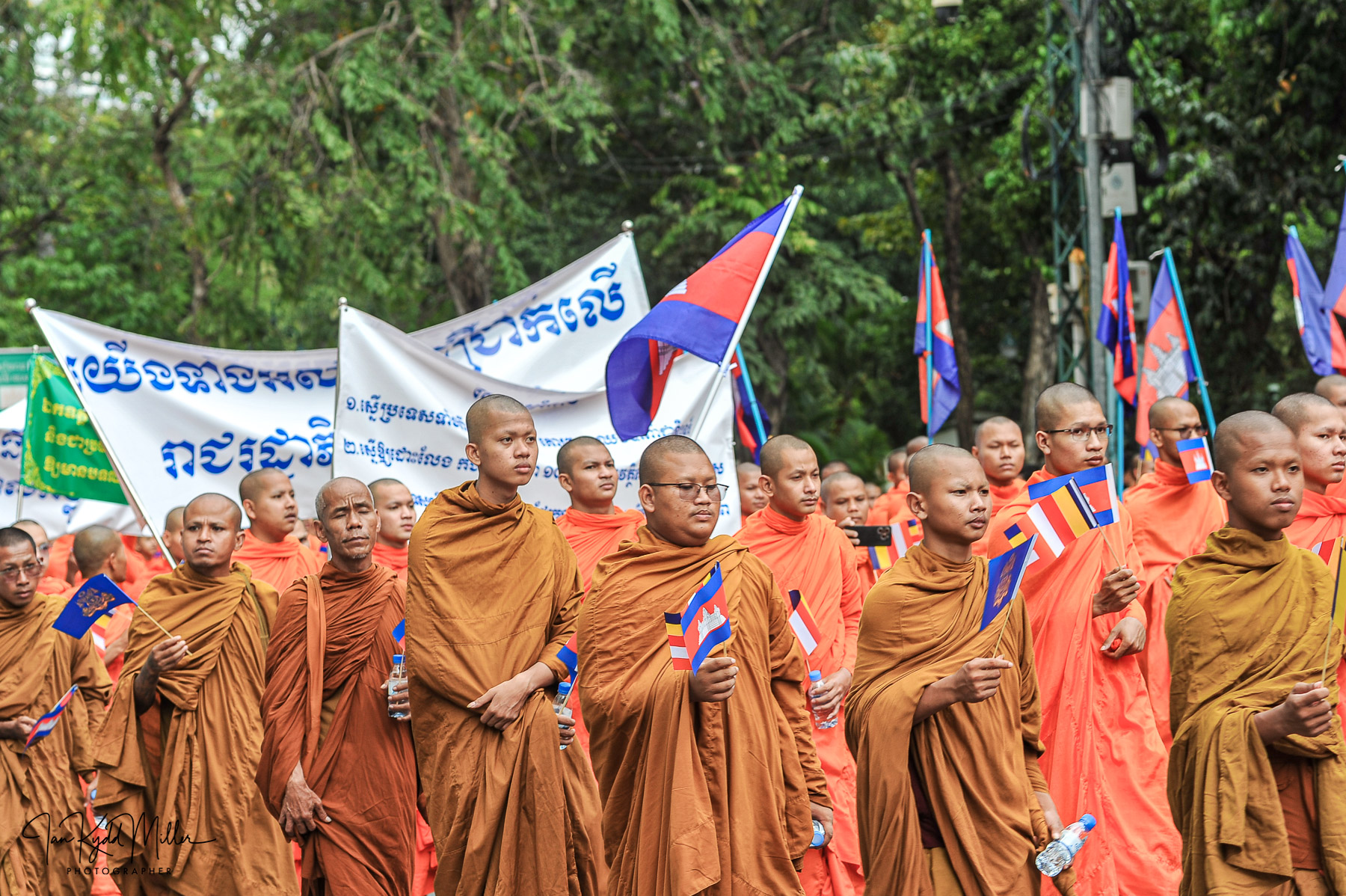
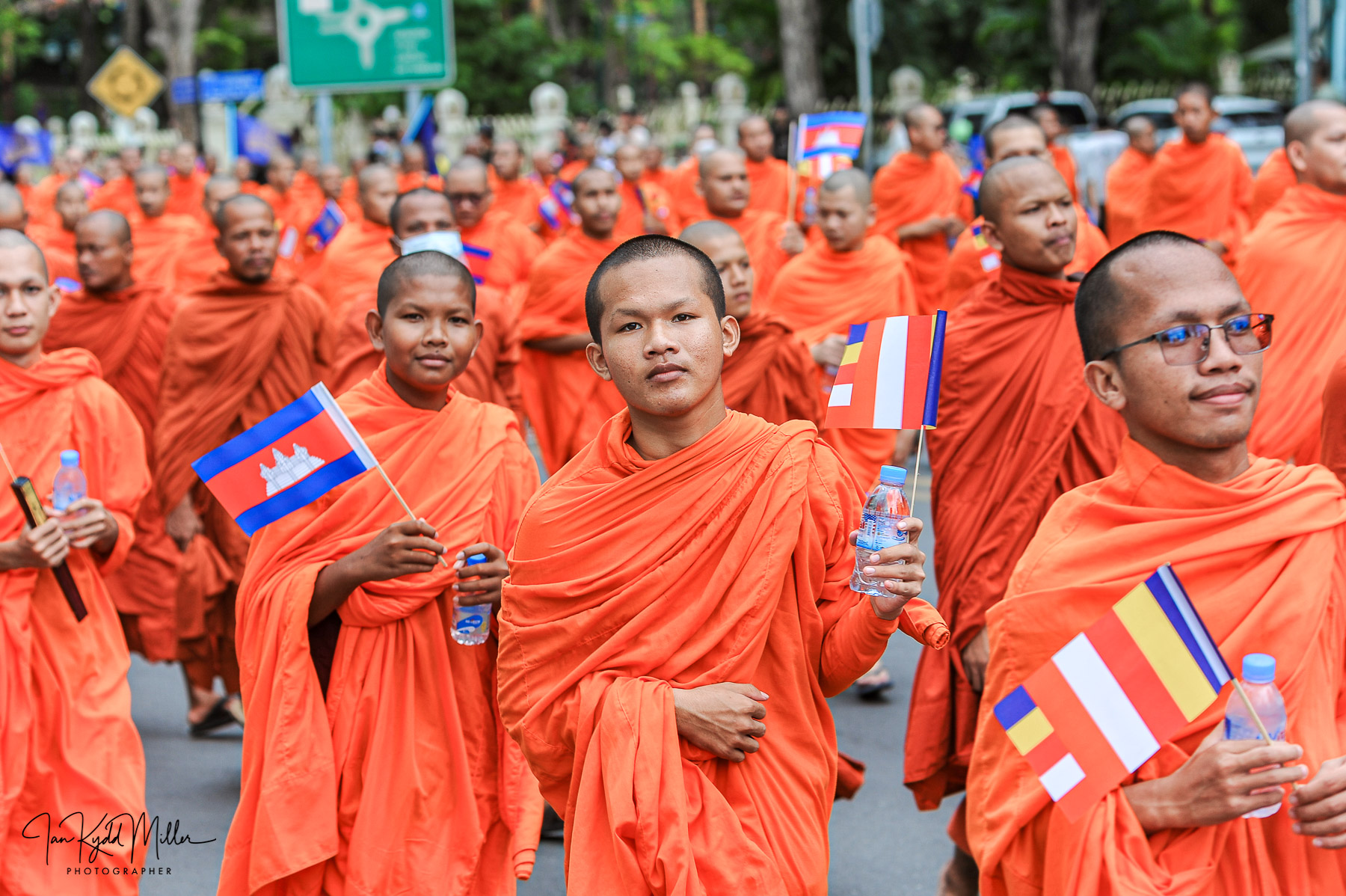
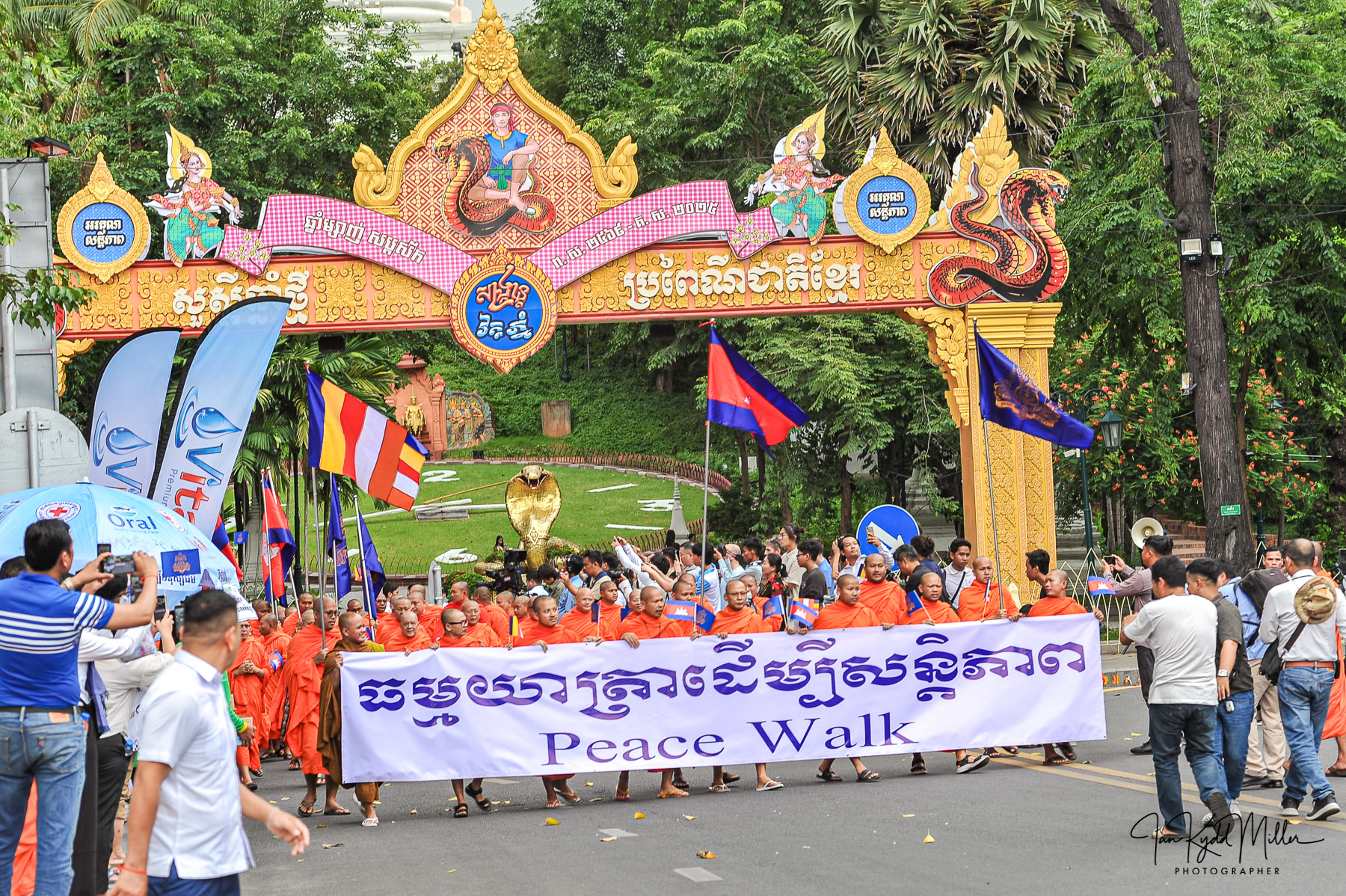
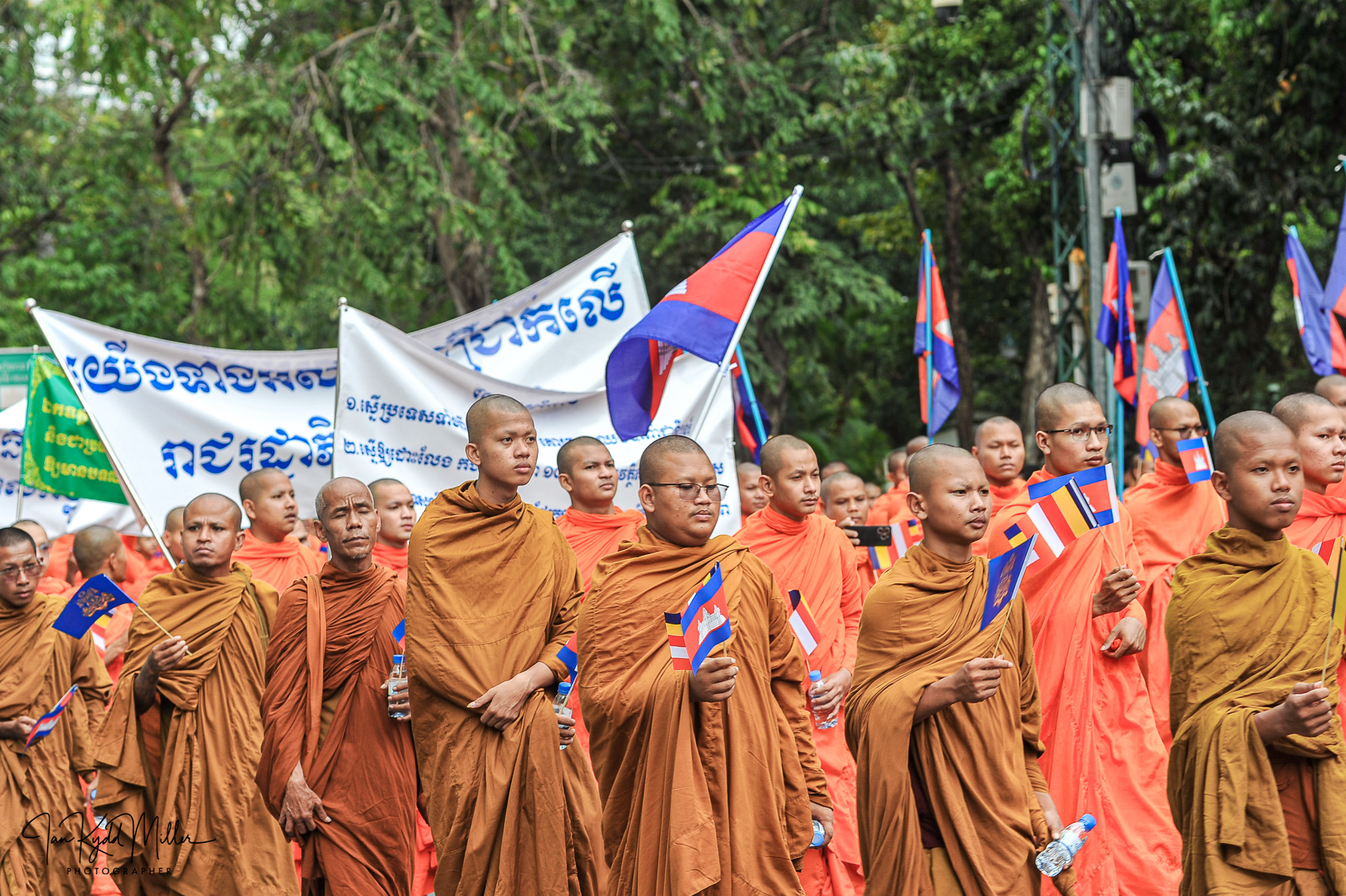
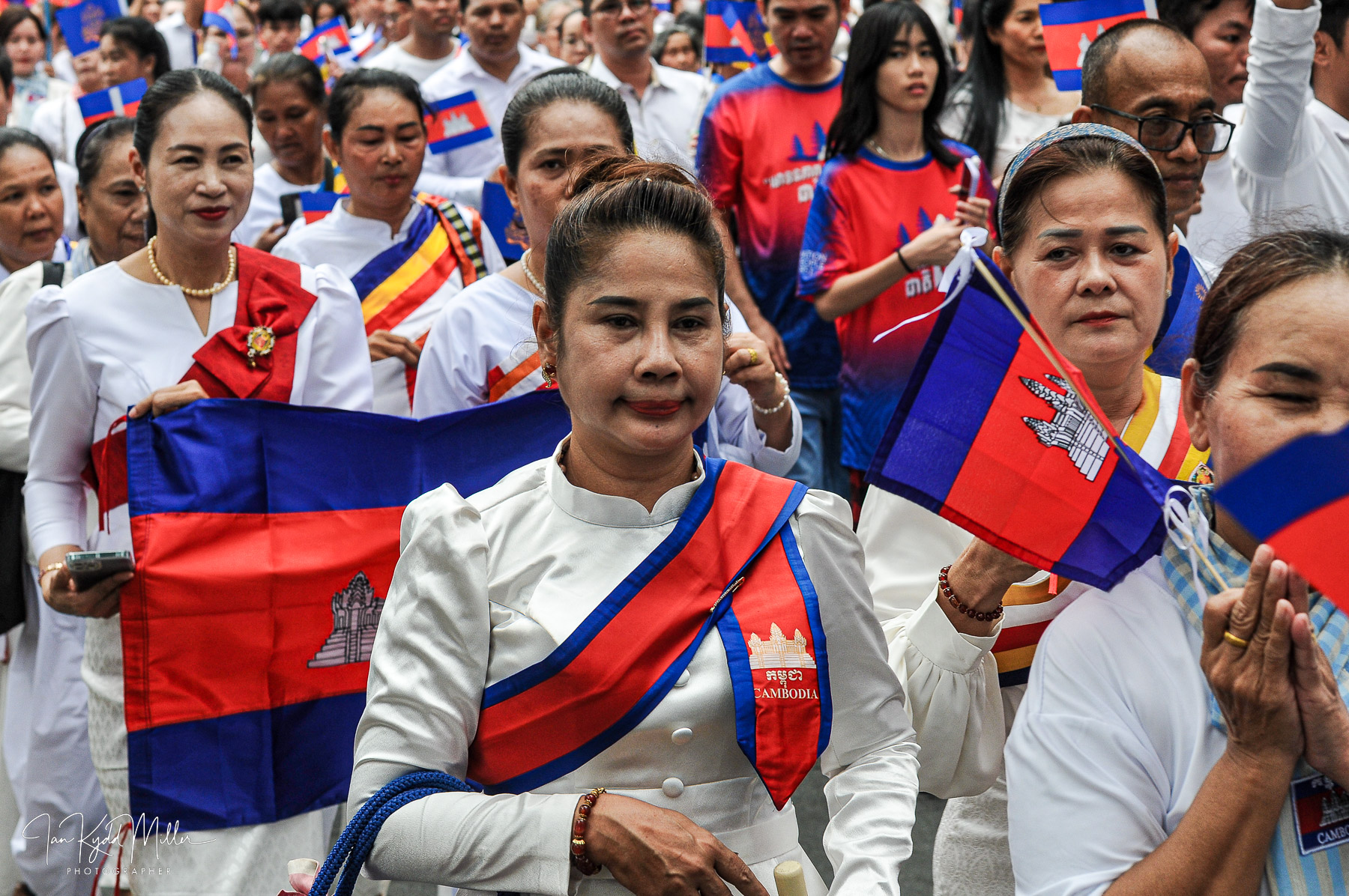
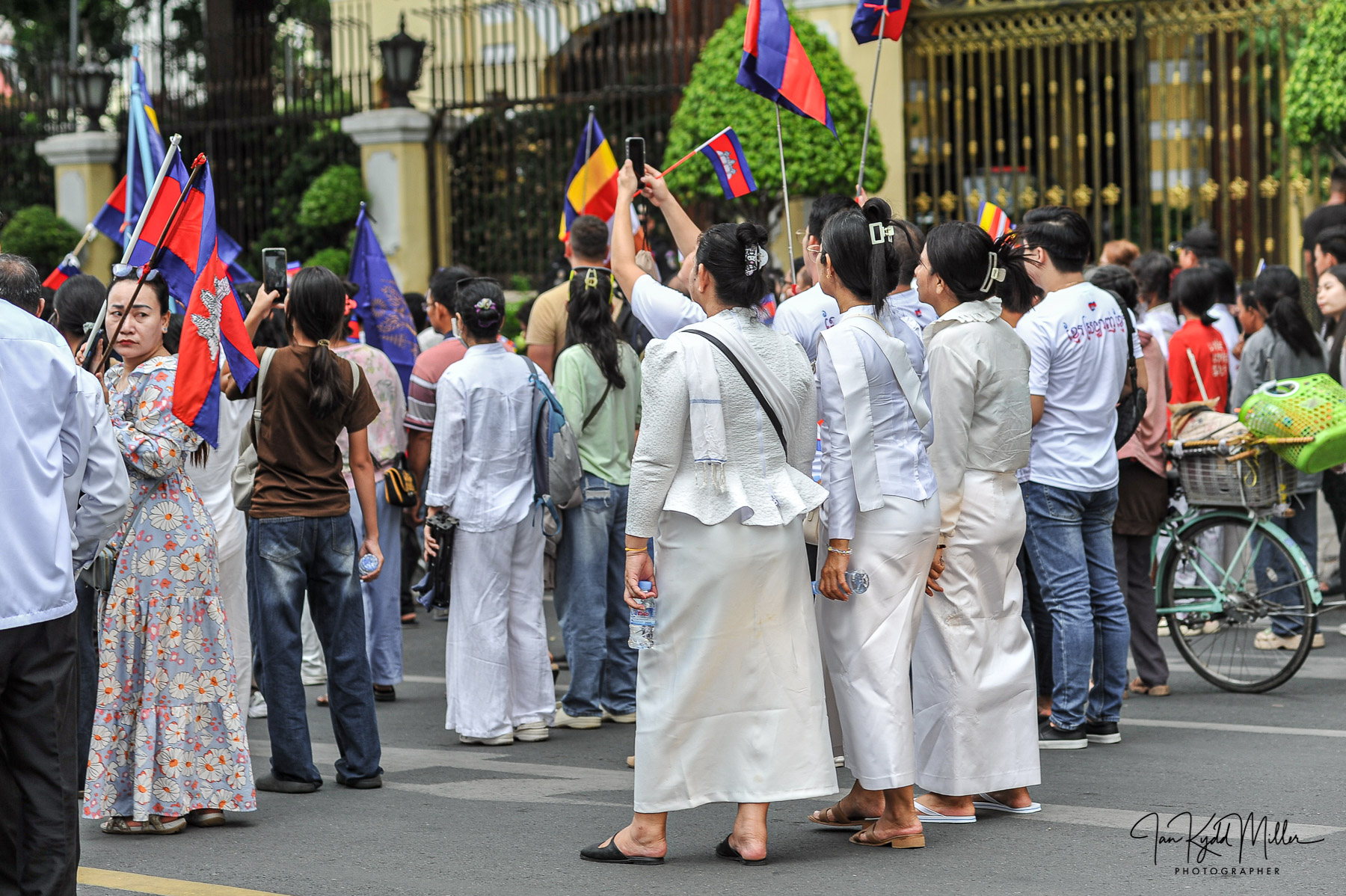
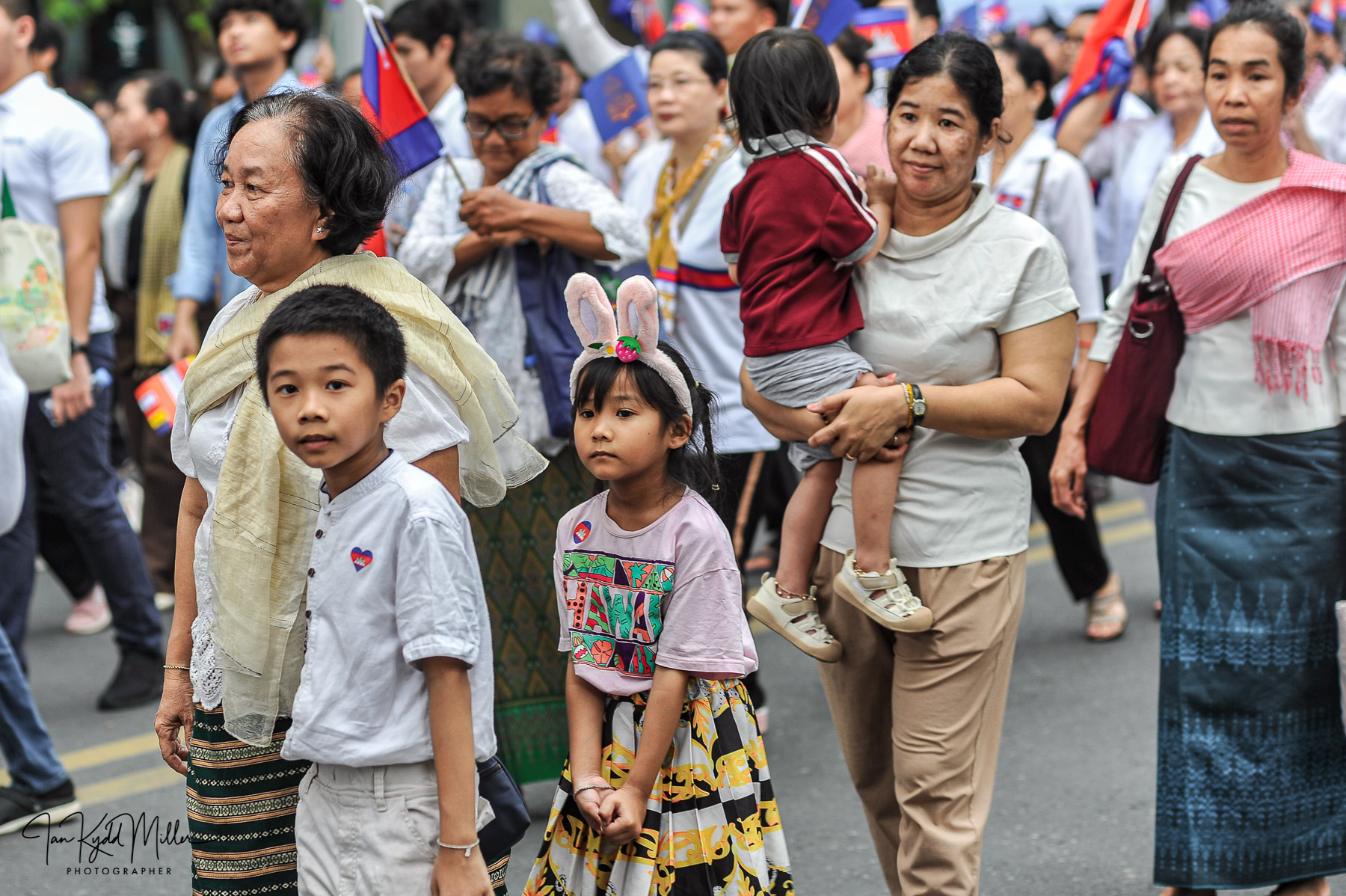
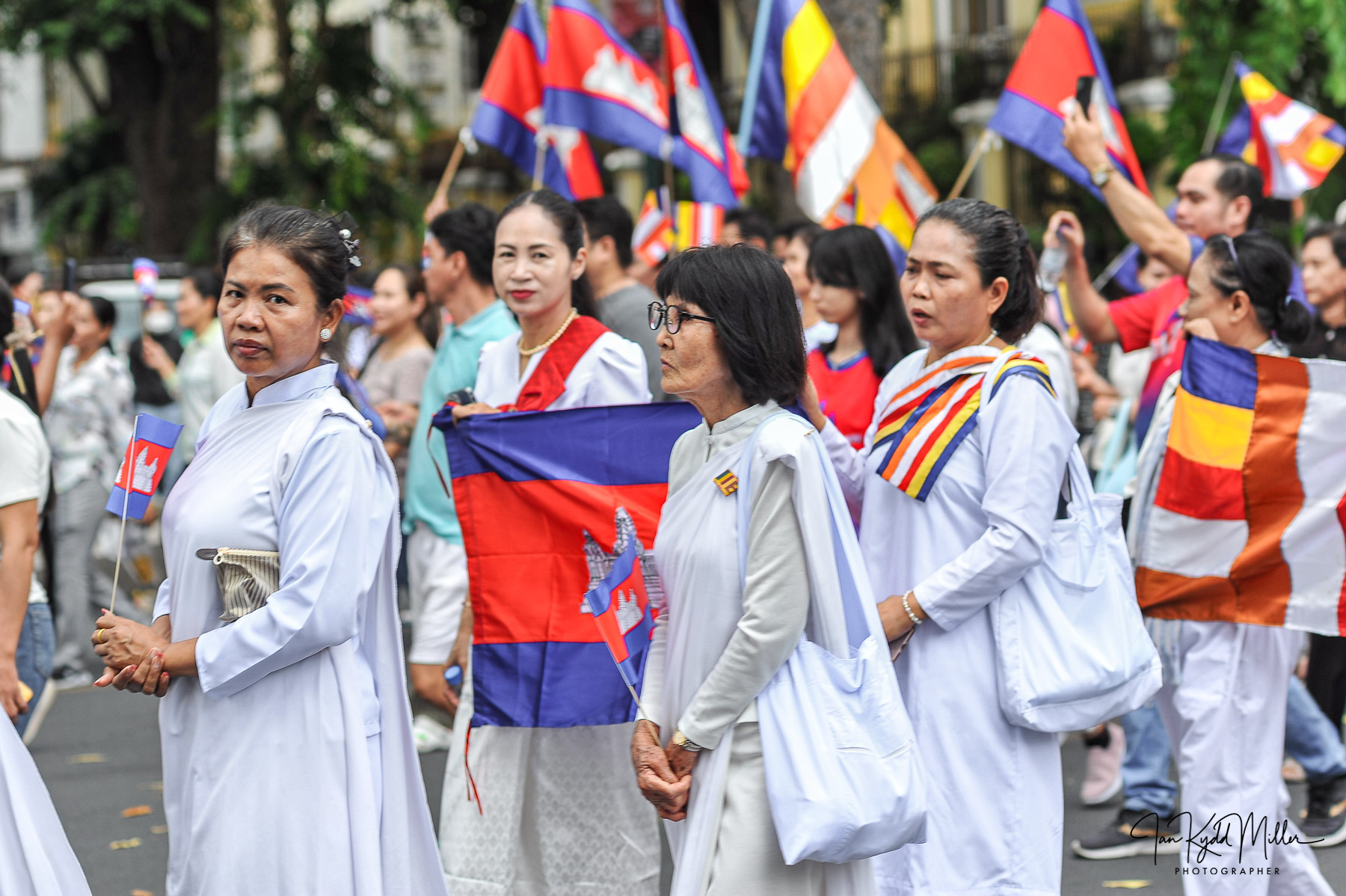
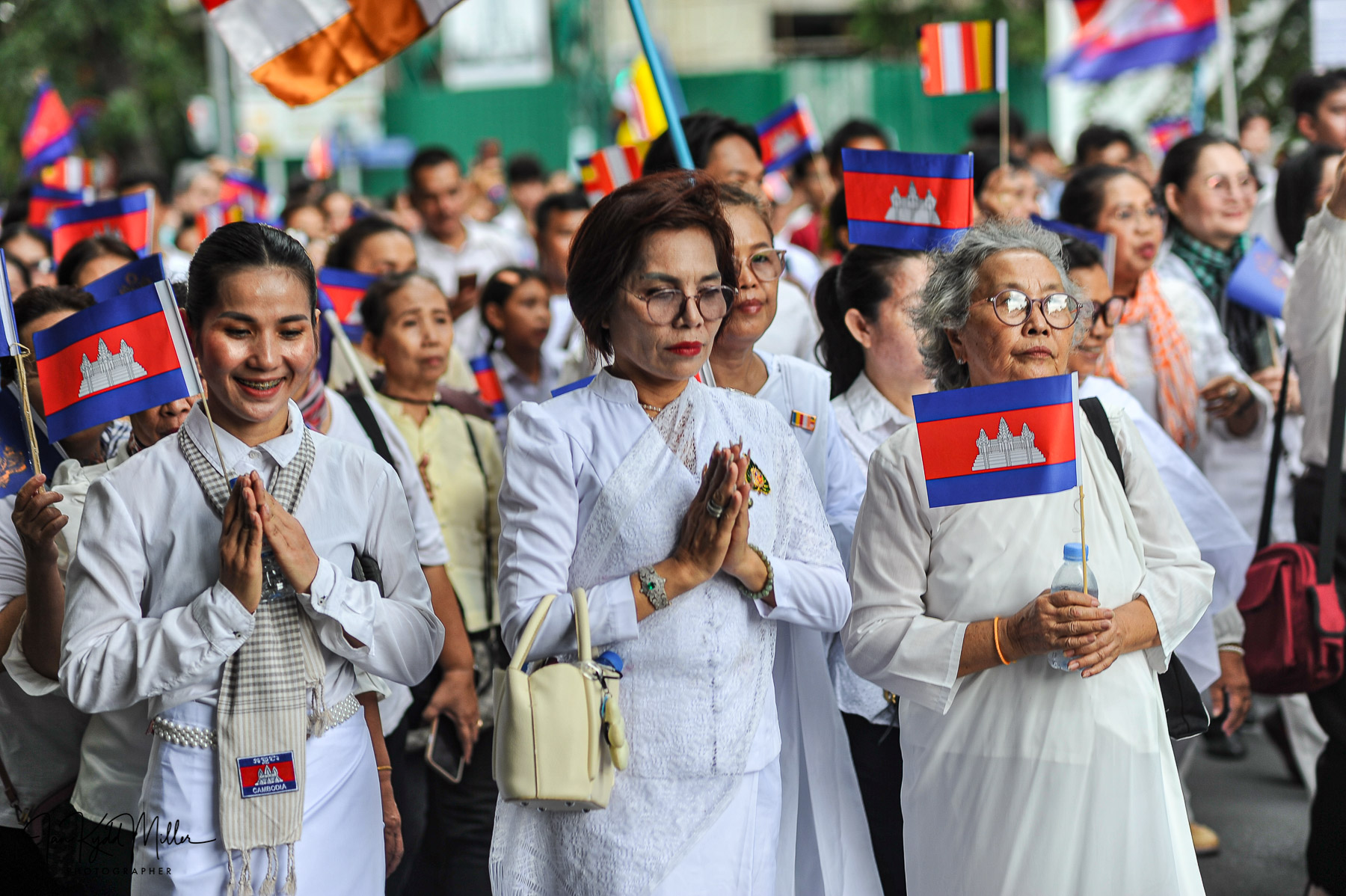
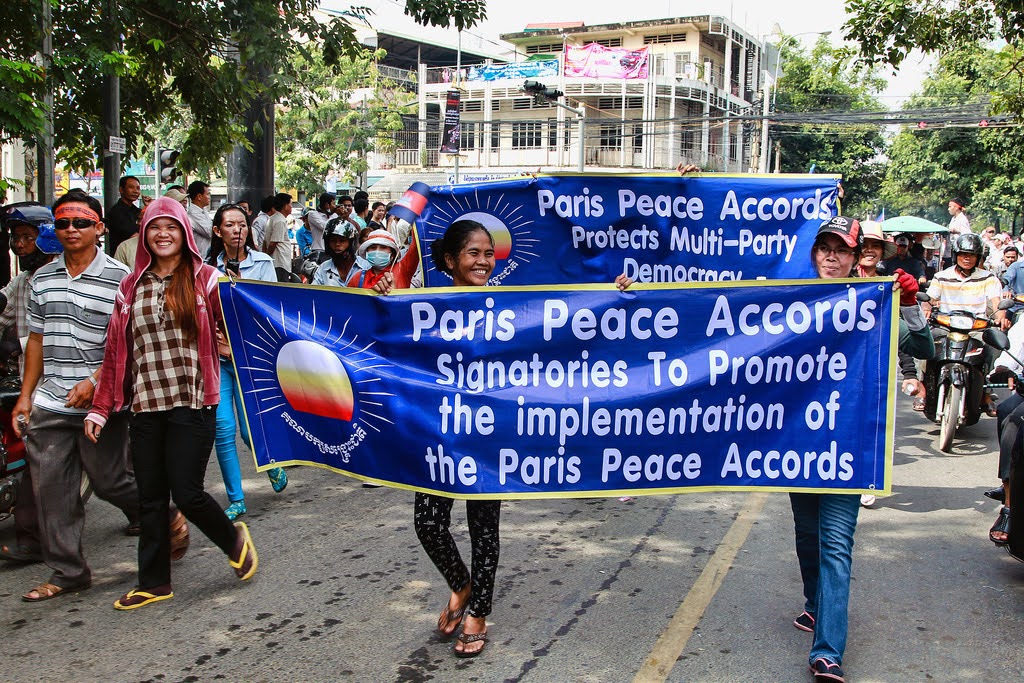
Peace in Motion: Monks Lead a Nation Toward Healing

angkor, cambodia, conflict, opinons, thoughts, photography, street, war

Becoming a Photojournalist

opinons, thoughts, pictures, street, Travel, voluntary, war

Choosing a potentially dangerous profession like photojournalism requires preparation, resilience, and a deep passion for storytelling. Here’s a guide to help someone navigate this path safely and effectively:

1. Develop Strong Skills and Portfolio

  • Master the Craft: Enhance photography skills through courses, workshops, and hands-on practice. Street photography, capturing candid moments, is a good starting point.
  • Build a Portfolio: Create a compelling portfolio showcasing a variety of work, with an emphasis on impactful, human-interest stories.

2. Gain Relevant Experience

  • Internships and Freelance Work: Start with internships at media outlets or freelance assignments to gain practical experience.
  • Network: Connect with other photojournalists and professionals in the field. Attend industry events, join photography groups, and participate in exhibitions.

3. Understand the Risks

  • Safety Training: Take courses on safety in conflict zones and hazardous environments. Organizations like the Rory Peck Trust offer such training.
  • Stay Informed: Research and stay updated on the regions and situations you will be covering. Knowledge of the political, social, and environmental context is crucial.

4. Equip Yourself Properly

  • Right Gear: Invest in durable and reliable photography equipment. Consider cameras like the Nikon D3S or Canon 1D MkIV which have proven performance.
  • Safety Gear: In dangerous areas, gear like bulletproof vests and helmets might be necessary.

5. Develop a Support System

  • Mentorship: Find a mentor in the field who can offer guidance and support.
  • Mental Health Support: Dealing with traumatic events can be challenging. Have access to mental health resources and support networks.

6. Legal and Ethical Considerations

  • Understand Legalities: Be aware of the legal implications and regulations in the areas you are working in.
  • Ethics: Maintain ethical standards in journalism. Respect the dignity and privacy of the subjects you photograph.

7. Be Persistent and Adaptable

  • Stay Determined: The path to becoming a successful photojournalist can be challenging and competitive.
  • Adaptability: Be open to different styles and methods of storytelling.

SflyProxyVersion 1;

The journey to becoming a photojournalist is both demanding and rewarding. It requires a balance of technical skill, safety awareness, and a profound commitment to telling human stories.
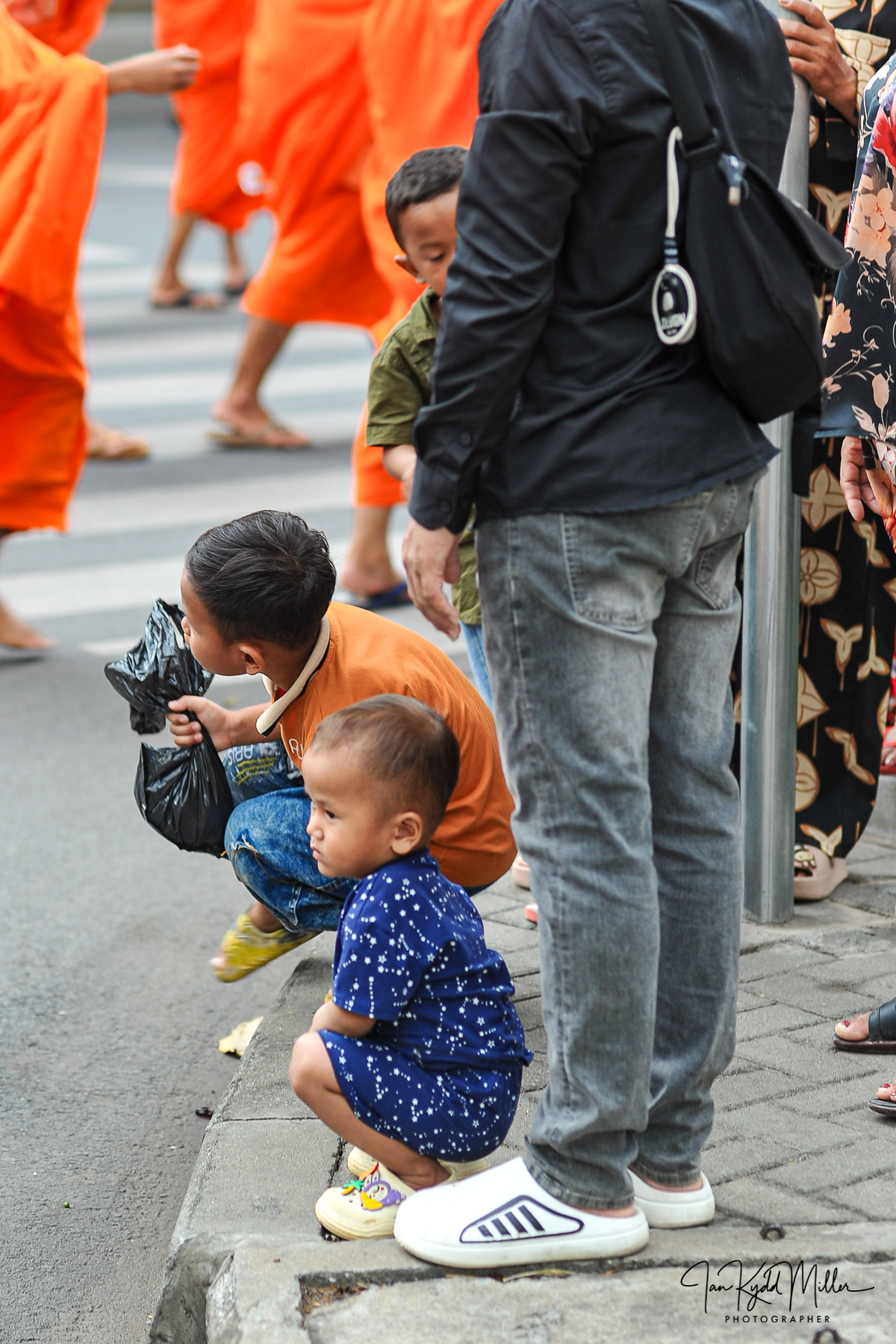
If you’re eager to start, why not practice your skills by capturing compelling stories in your local area? Street photography often provides a rich tapestry of human experiences and can serve as excellent preparation for more intense assignments.

For a burgeoning photojournalist like yourself, focusing on specific photography skills can elevate your work and help you capture impactful, story-driven images. Here are some key skills to hone:

1. Composition and Framing

  • Rule of Thirds: Understand how to compose images by dividing the frame into thirds, placing points of interest along these lines.
  • Leading Lines: Use lines to guide the viewer’s eye to the main subject of the photograph.
  • Framing: Experiment with natural frames within your environment to highlight the subject.

2. Exposure and Lighting

  • Manual Mode Mastery: Get comfortable shooting in manual mode to have full control over shutter speed, aperture, and ISO.
  • Low-Light Photography: Practice capturing sharp and well-exposed images in low-light conditions, a crucial skill for photojournalists.
  • Natural Light: Learn to use and manipulate natural light to enhance your images.

3. Focus and Depth of Field

  • Selective Focus: Understand how to use selective focus to isolate your subject from the background.
  • Depth of Field: Play with different apertures to create depth in your images. Use a shallow depth of field for portraits and a deeper one for environmental shots.

4. Candid and Street Photography

  • Spontaneity: Capture un-posed, genuine moments. This is essential for telling authentic human stories.
  • Discreet Shooting: Develop techniques to shoot discreetly, so as not to disturb the scene you photograph.

5. Post-Processing

  • Editing Software: Gain proficiency in photo editing software like Adobe Lightroom and Photoshop.
  • Ethical Editing: Learn to enhance images while maintaining their authenticity and integrity. Avoid excessive manipulation.

6. Visual Storytelling

  • Narrative: Each photo should contribute to the overarching story you aim to tell. Think about how your images work together to convey a message.
  • Sequencing: Practice creating a photo series that guides the viewer through a visual narrative.

7. Technical Proficiency with Gear

  • Camera Handling: Be familiar with your camera’s functions. Practice changing settings quickly and efficiently.
  • Lens Selection: Understand which lenses to use for different scenarios. Prime lenses are great for low light, while zoom lenses offer versatility.

8. Research and Contextual Knowledge

  • Background Research: Always research the context of the stories you are documenting. This ensures your images are informative and respectful.
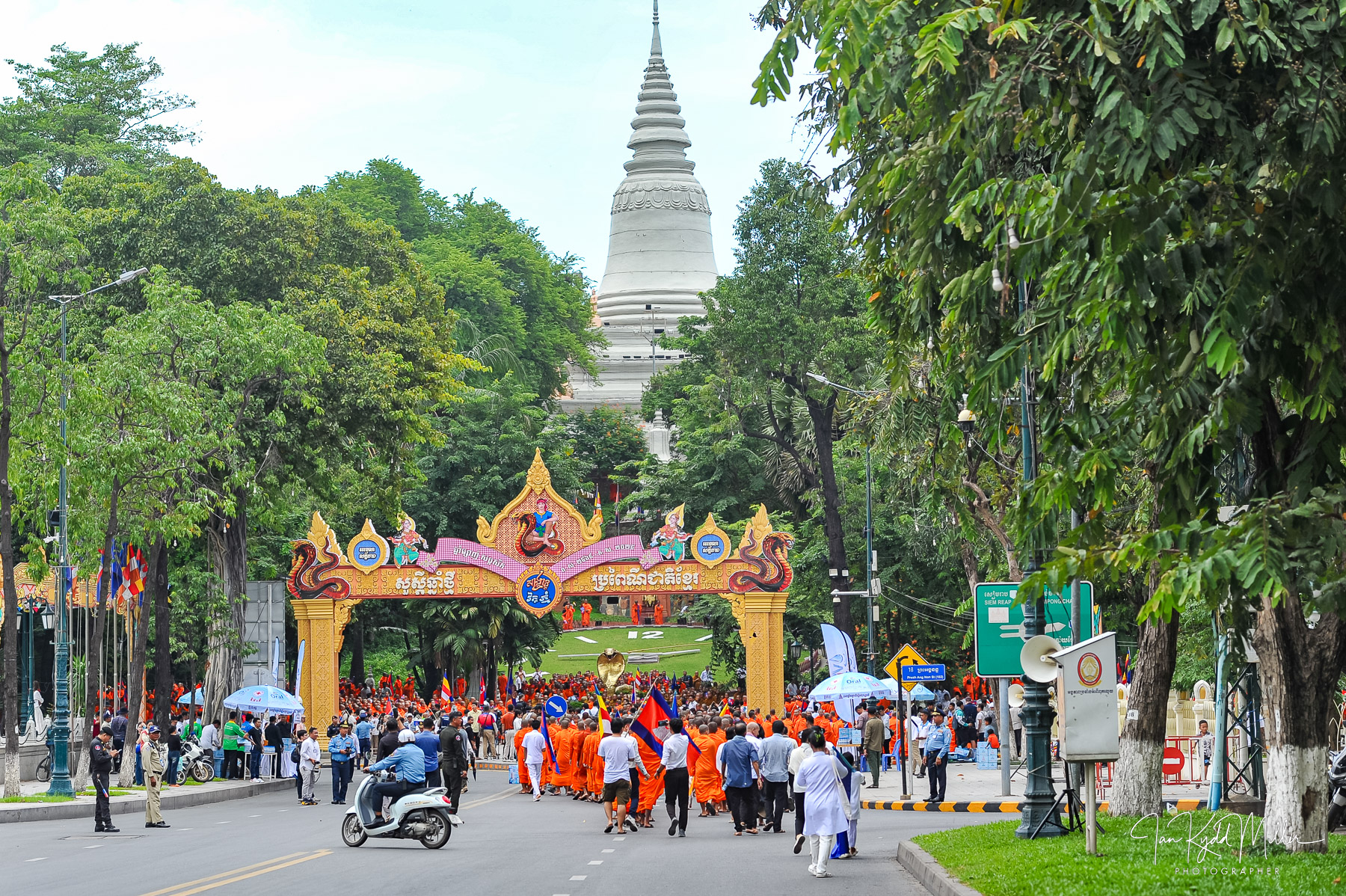
  • Cultural Sensitivity: Be aware of and sensitive to cultural norms and practices in the regions you photograph.

9. Resilience and Adaptability

  • Patience: Sometimes the perfect shot requires waiting for the right moment.
  • Adaptability: Be prepared to adapt to changing conditions and unpredictable situations.

10. Ethical Journalism

  • Code of Ethics: Familiarize yourself with the ethical standards in journalism. Always prioritize the dignity and safety of your subjects.

Consistent practice and a willingness to experiment and learn from each shot will help you develop these skills. Documenting your local area can be a great way to start building these competencies.

Is there a particular technique or skill you’d like to dive deeper into?

Enhancing your visual storytelling in photography involves more than just capturing beautiful images—it’s about conveying a narrative that resonates with your audience. Here are some techniques to elevate your storytelling:

Subject: Identify the main subject or theme of your story. It could be a person, a place, or an event.

Storyboarding: Plan your shots in advance. Create a storyboard to visualize the sequence of your story.

Moments: Look for decisive moments that highlight the essence of your narrative.

Juxtaposition: Use contrast and juxtaposition to highlight differences or similarities within the frame.

Shadows: Incorporate shadows to add depth and drama.

Metaphors: Create visual metaphors that represent abstract ideas in a tangible form.

Details: Pay attention to small details that contribute to the overall narrative.

Pacing: Vary the pacing by mixing wide shots, medium shots, and close-ups. It keeps the viewer engaged.

Enhancements: Enhance colours, contrast, and sharpness to draw attention to key elements without over-editing.
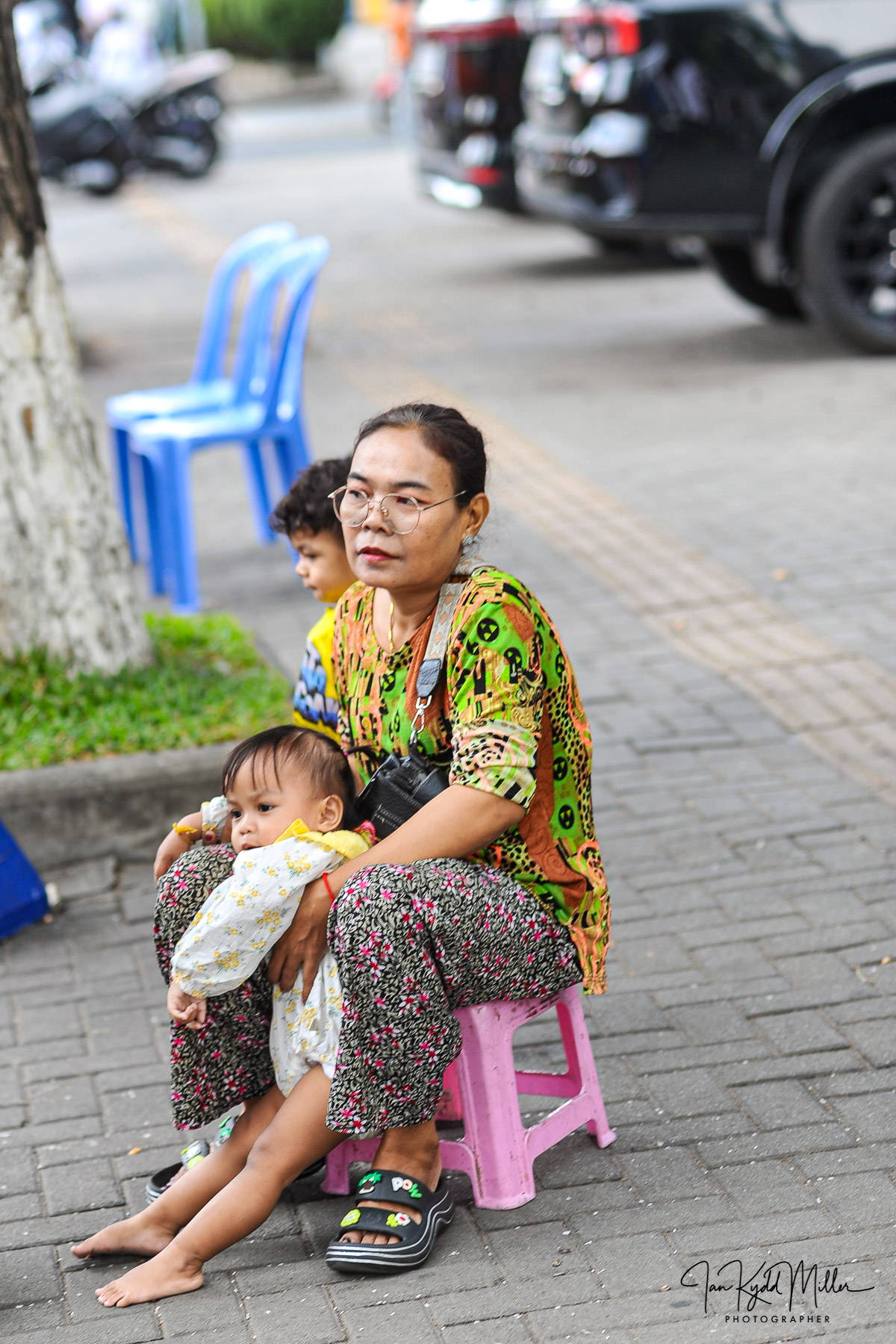
Interaction: Engage with your audience

The Nikon D700

cameras, Lenses, Lowepro, opinons, thoughts, photography, pictures, street, Travel, Uncategorized, war
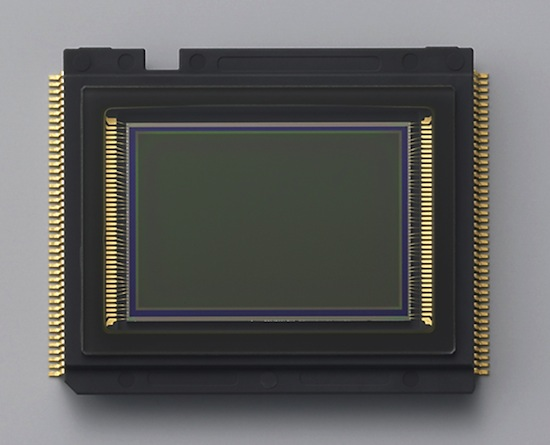
  1. Versatility: The full-frame sensor allows for greater control over depth of field, enabling photographers to achieve beautiful background blur (bokeh) and more creative compositions.

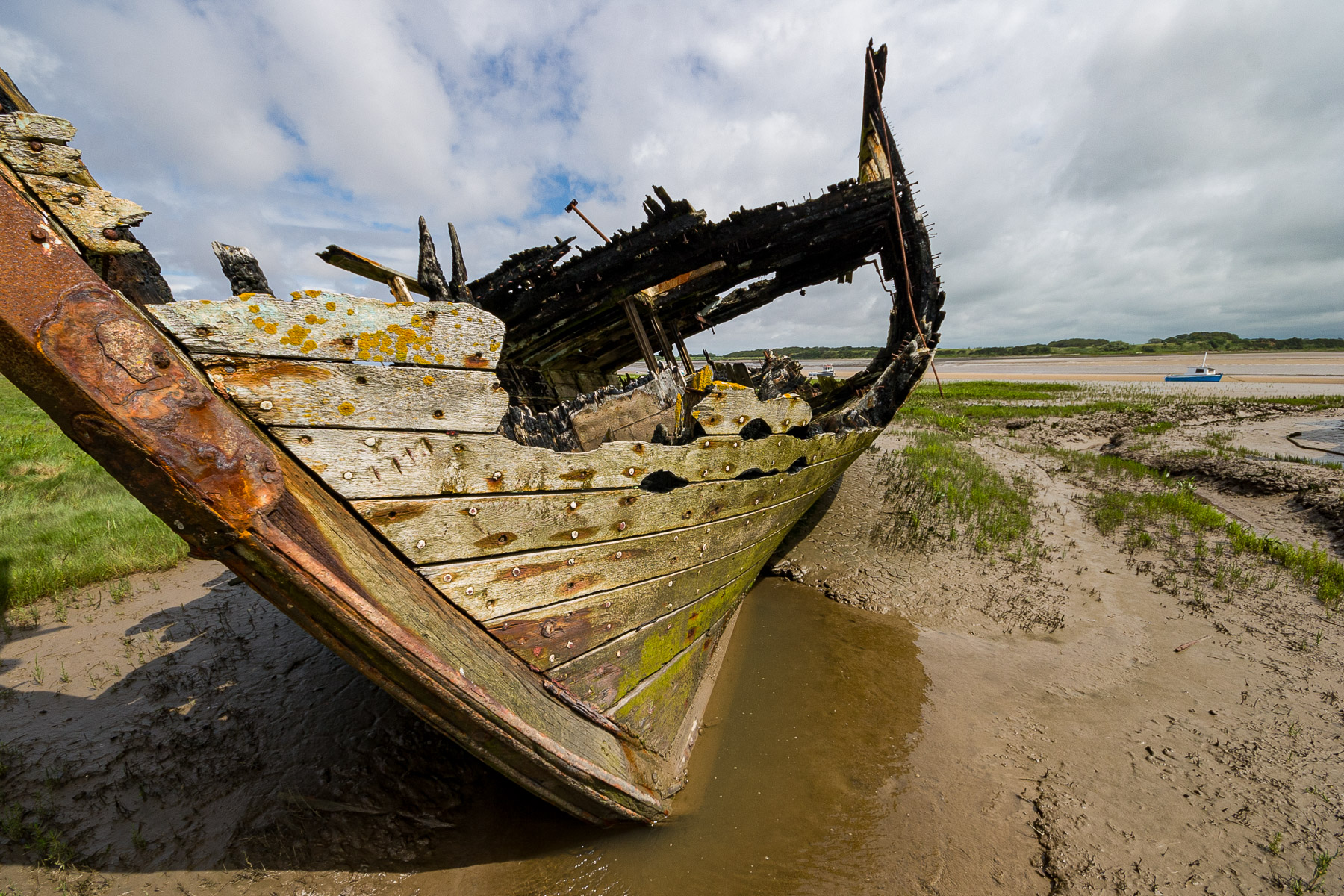
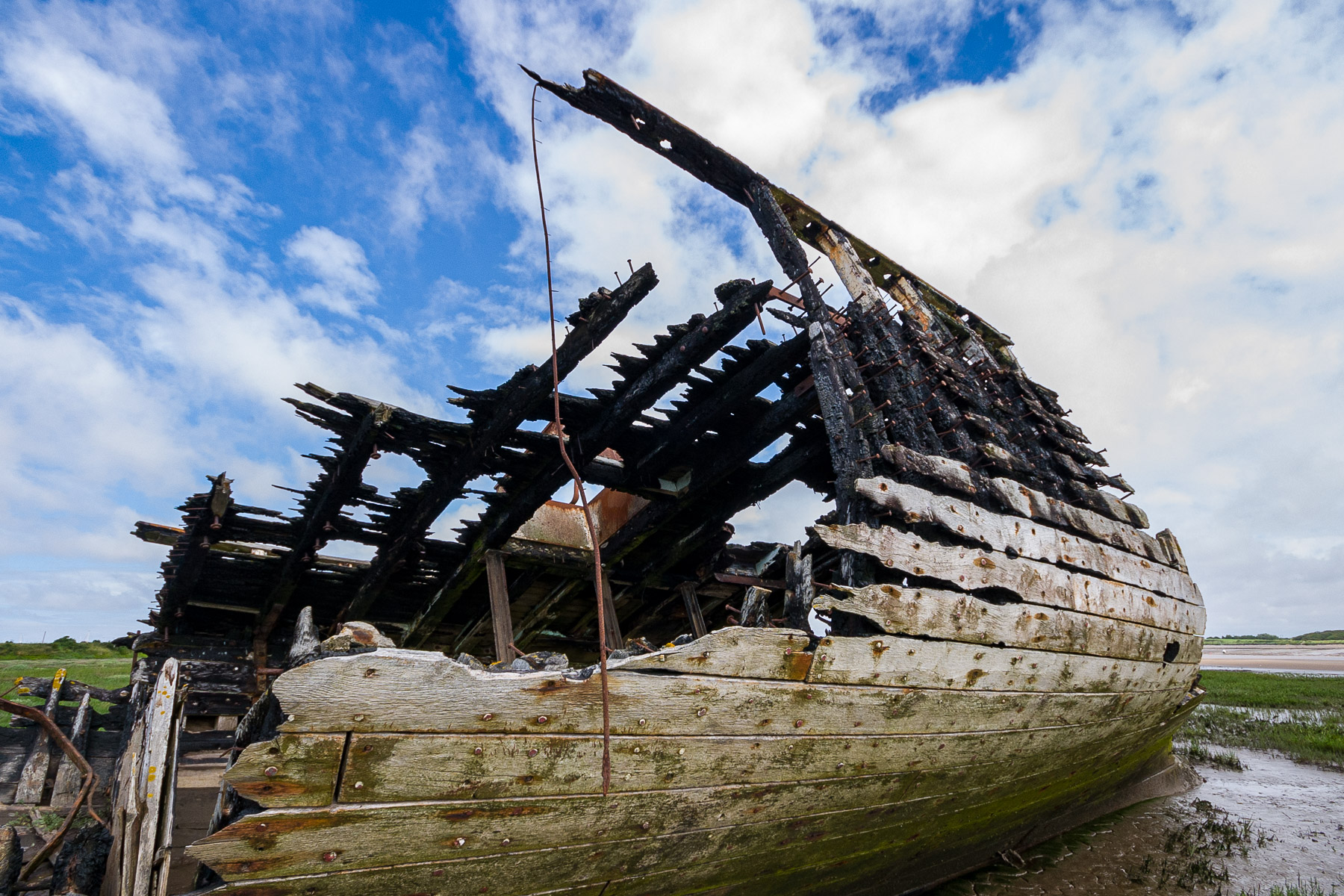
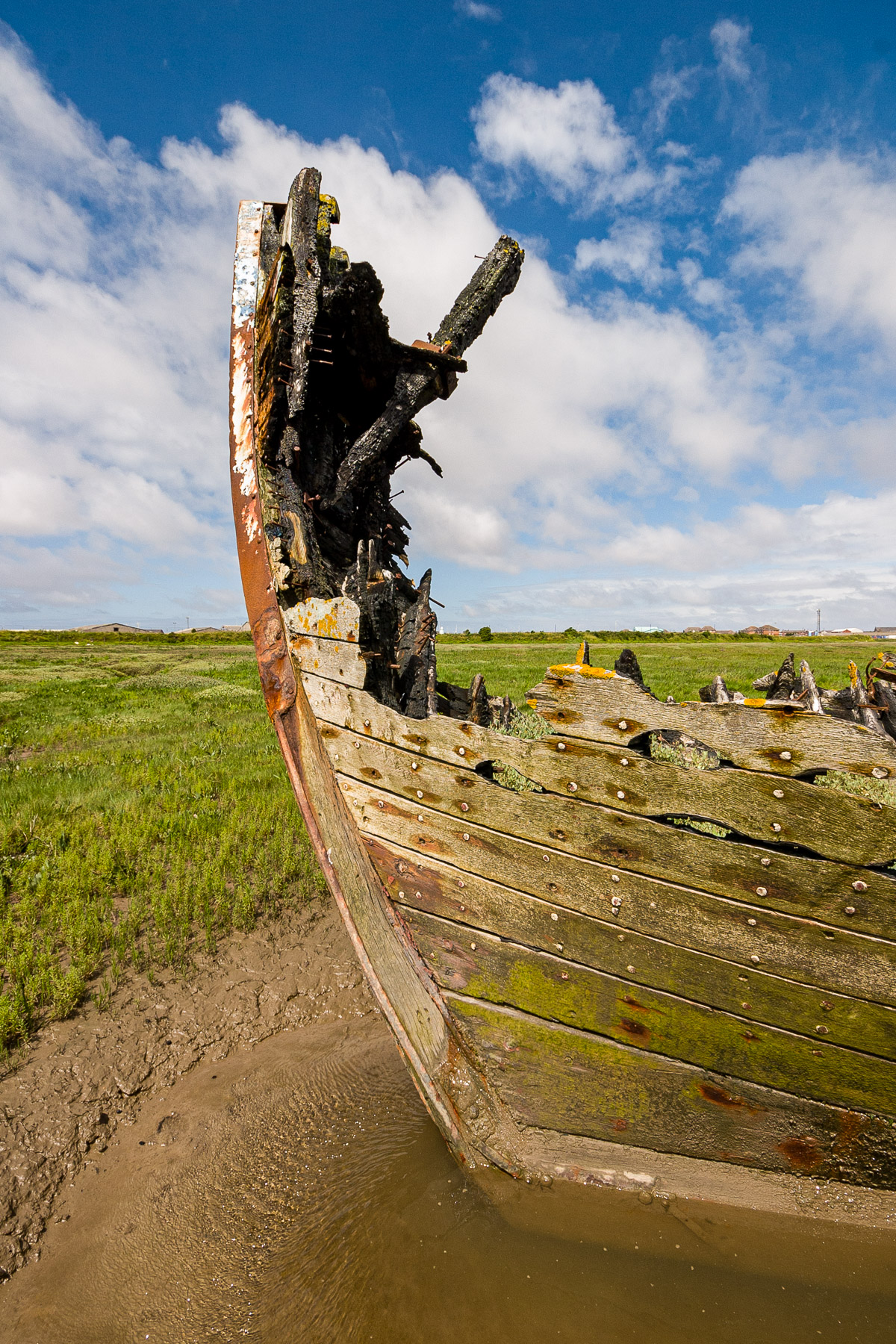
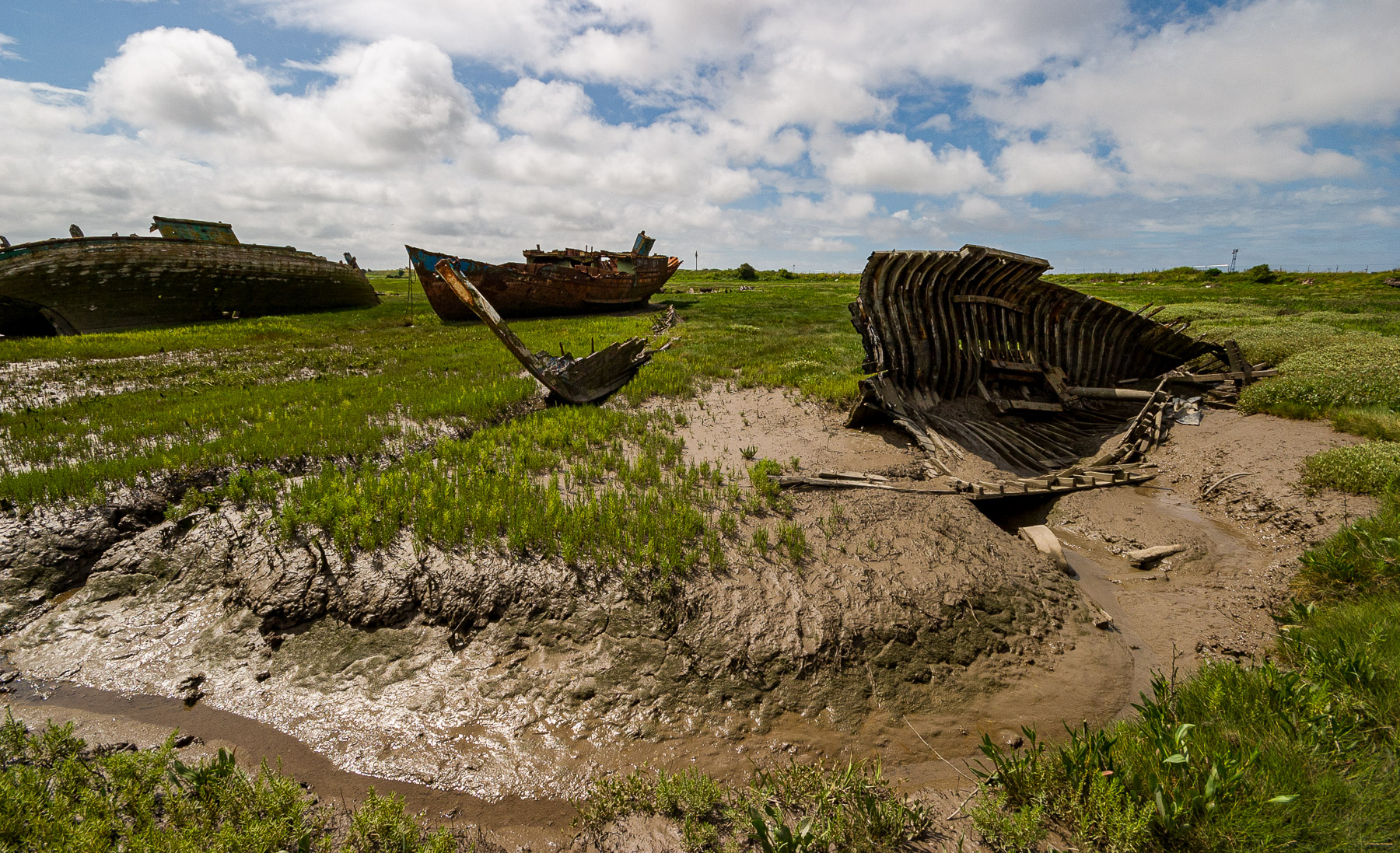
The Failure of Fleetwoods Fishing Industry

opinons, thoughts, photography, pictures, war

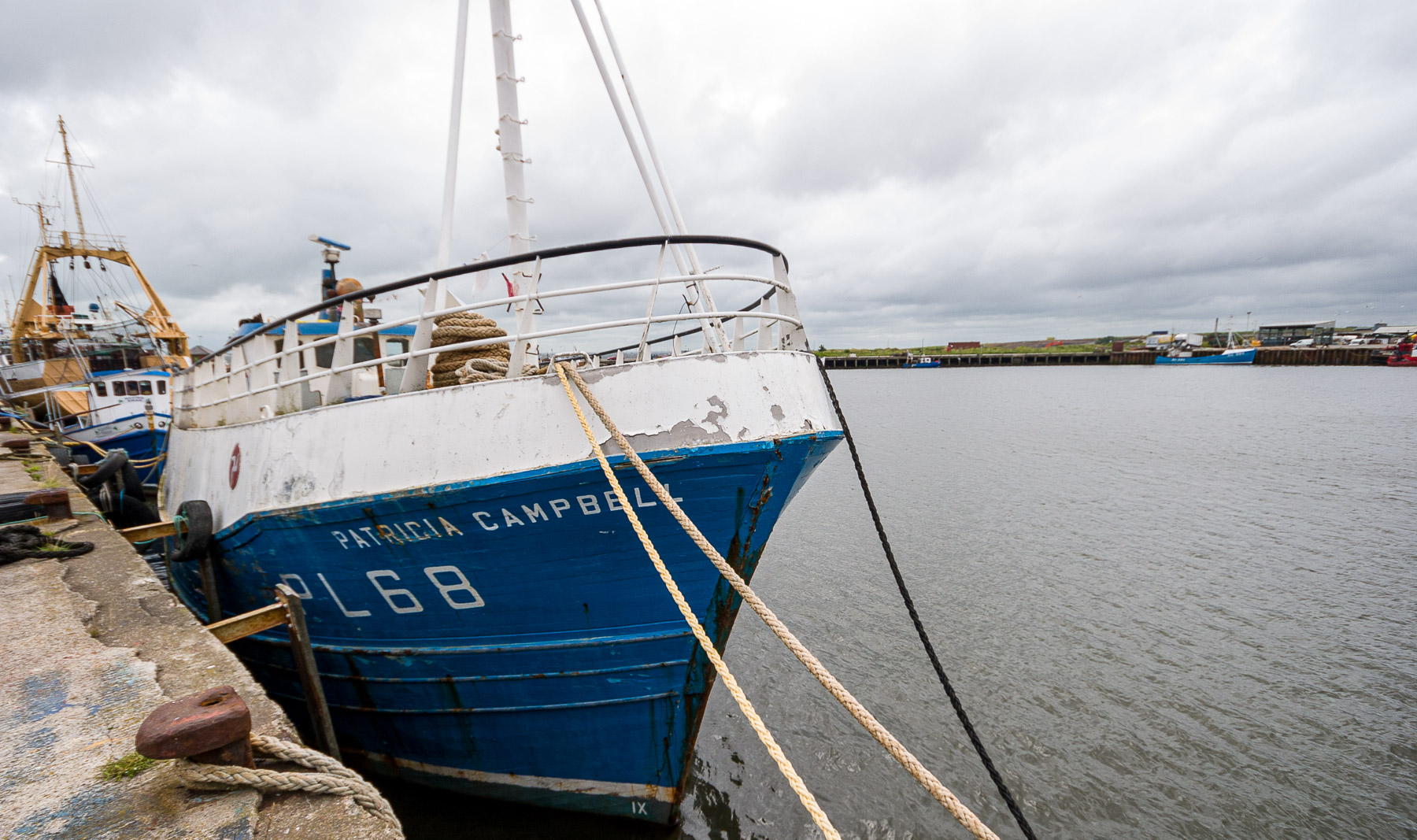
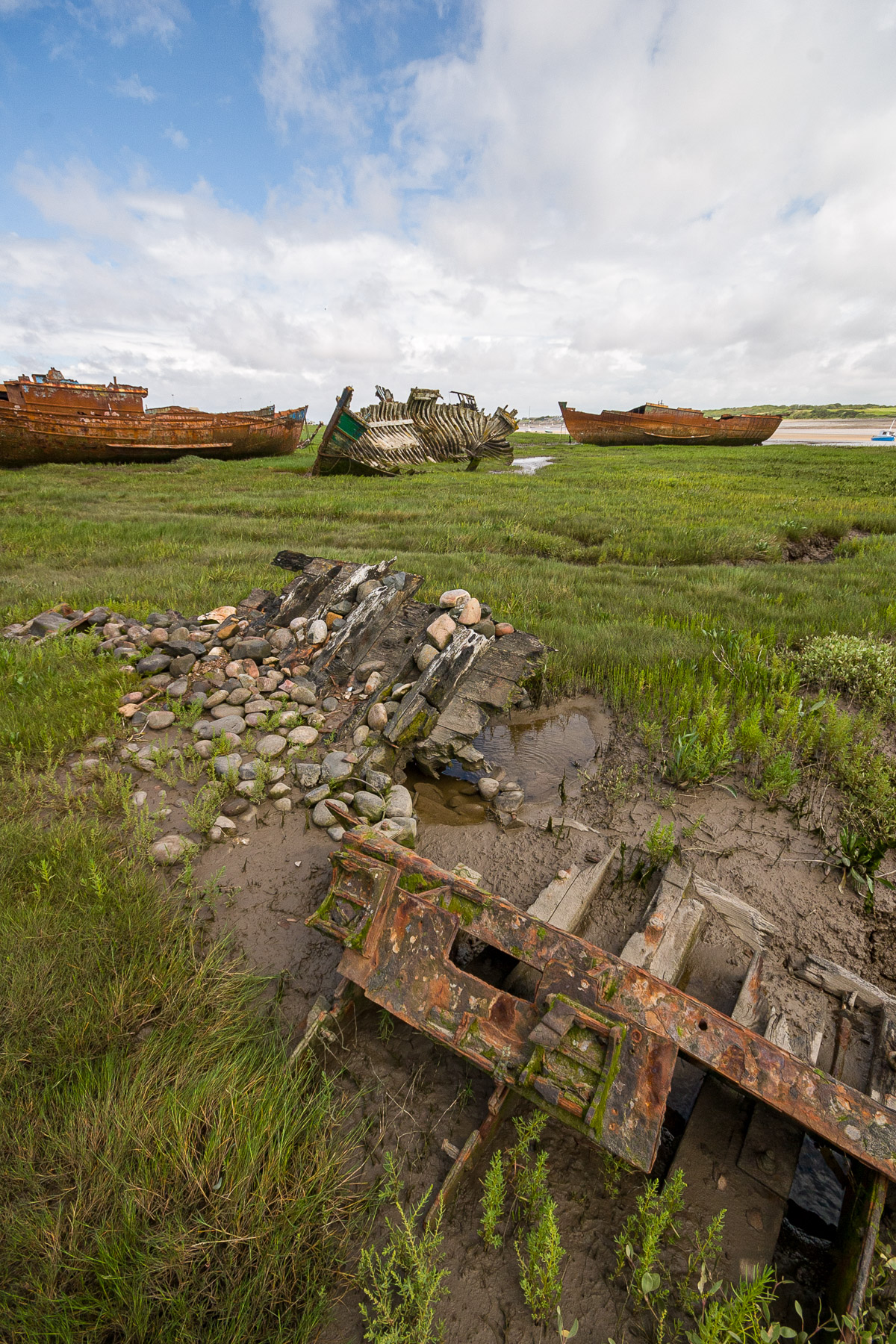
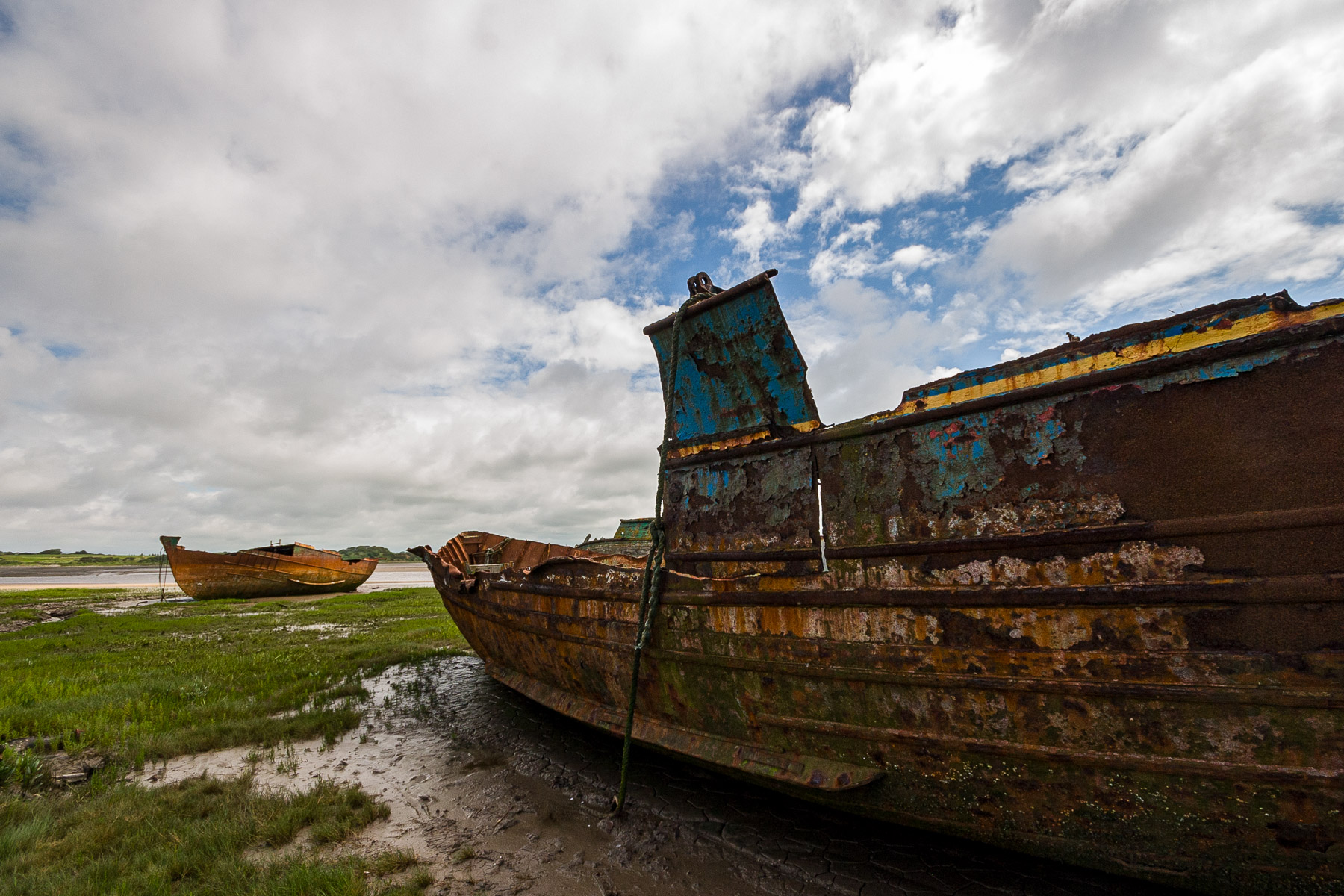
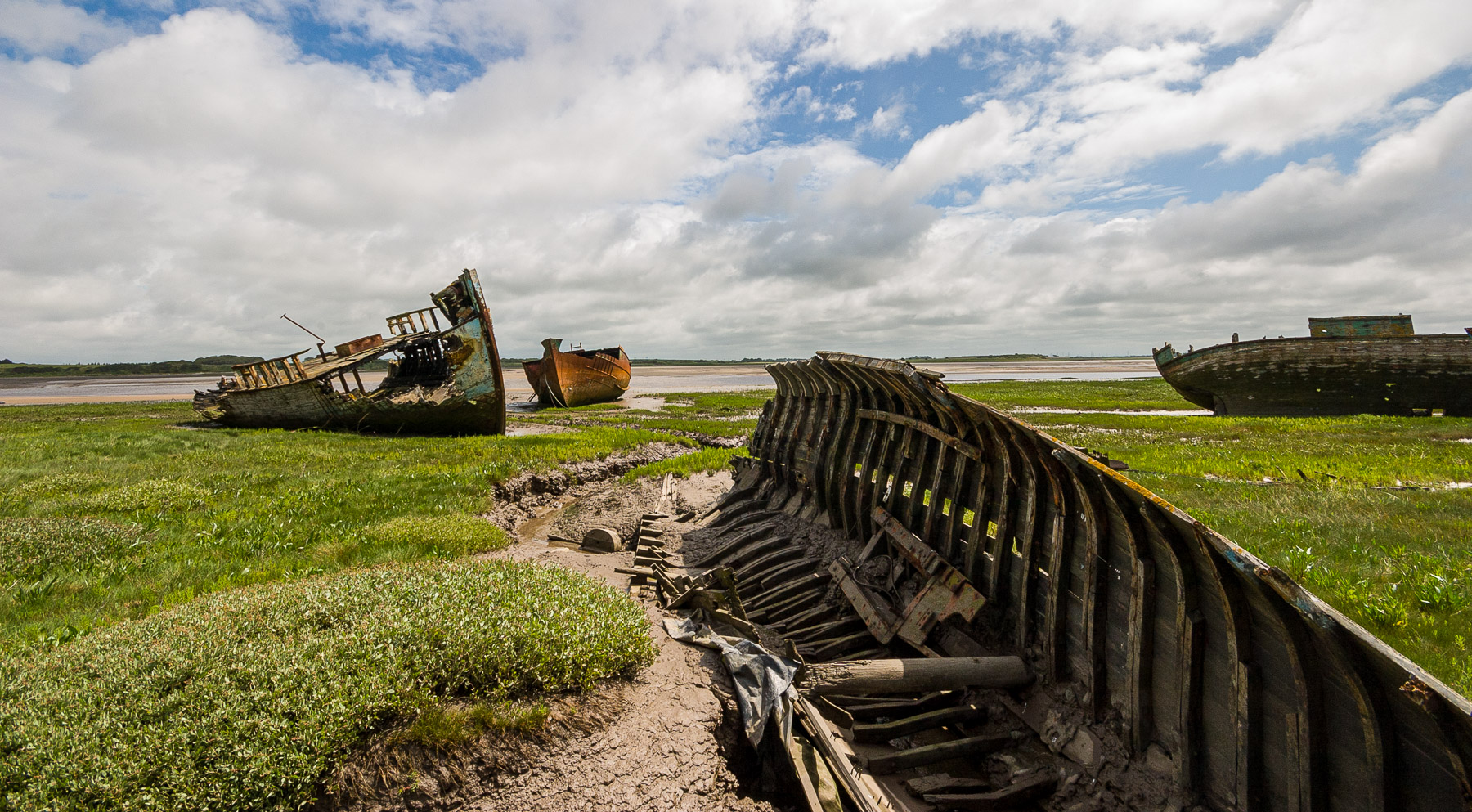
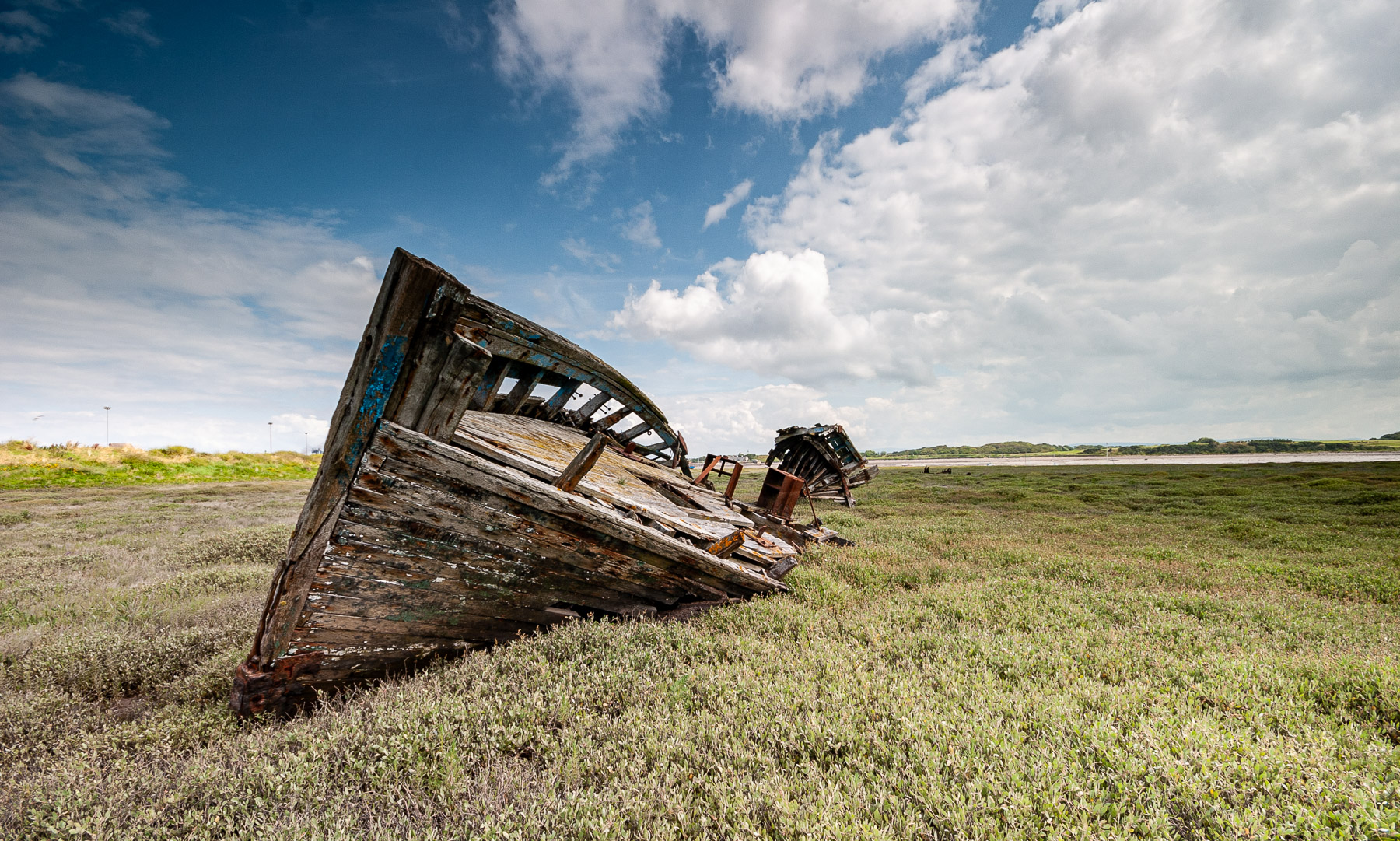
  1. Cod Wars: The disputes between the UK and Iceland over fishing rights in the North Atlantic during the 1970s severely impacted Fleetwood’s fishing industry. Iceland’s restrictions on fishing in its waters significantly reduced the available fishing grounds.
  2. Government Policies: In the 1990s, many fishermen sold their boats under a government decommissioning scheme to preserve fish stocks.
  3. Economic Shifts: The rise of imported fish and changes in the global fishing market also played a role in the decline.


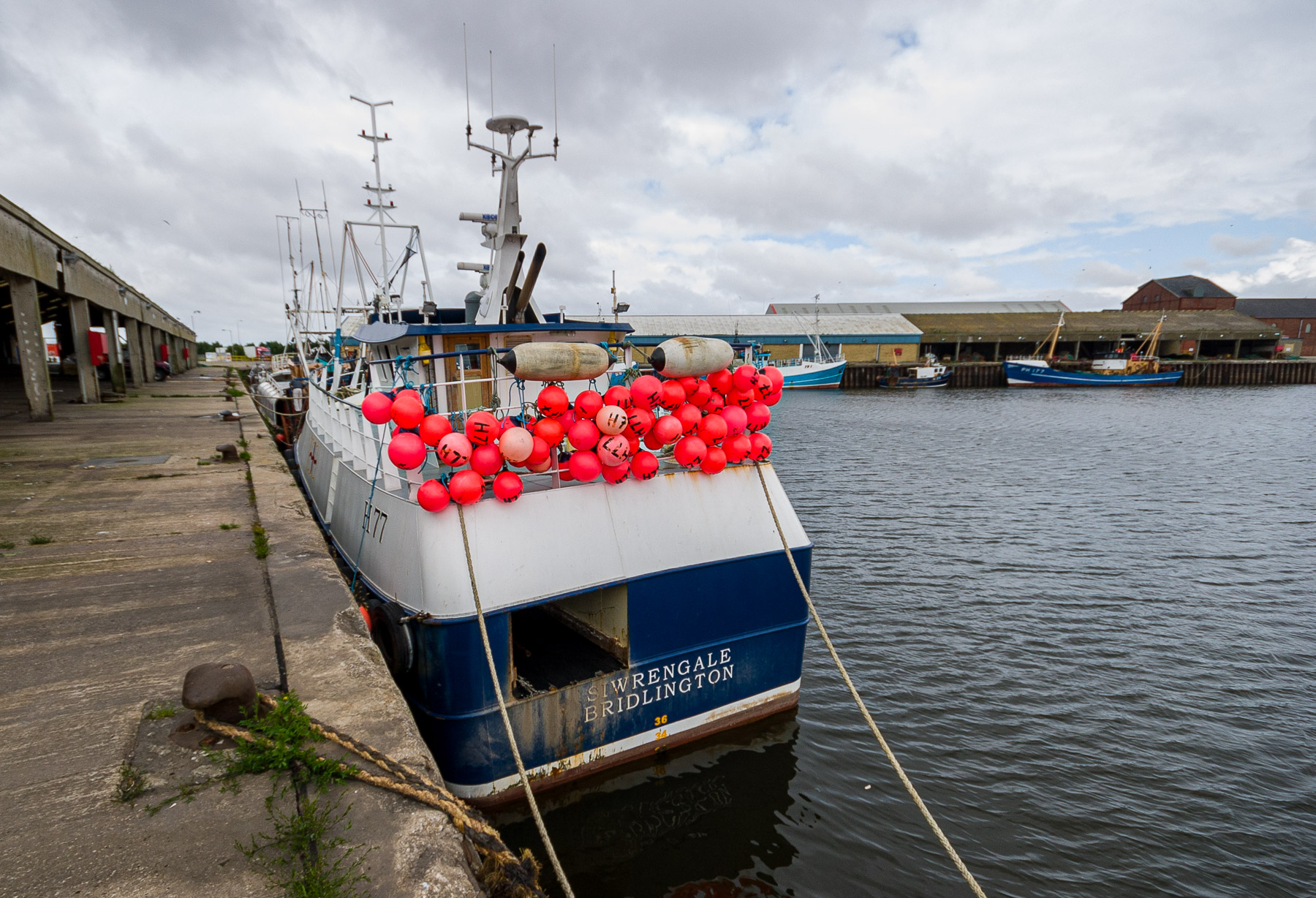
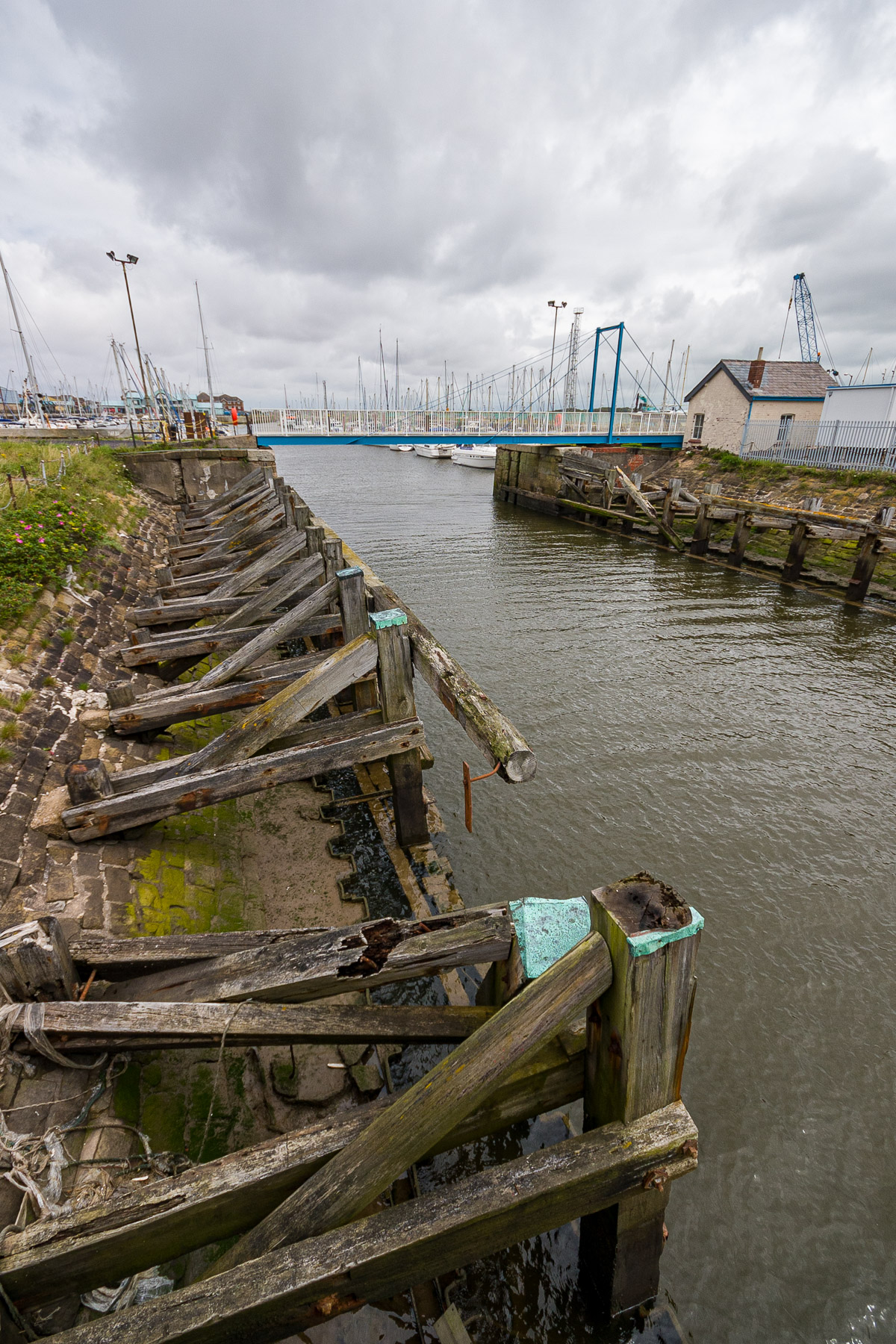
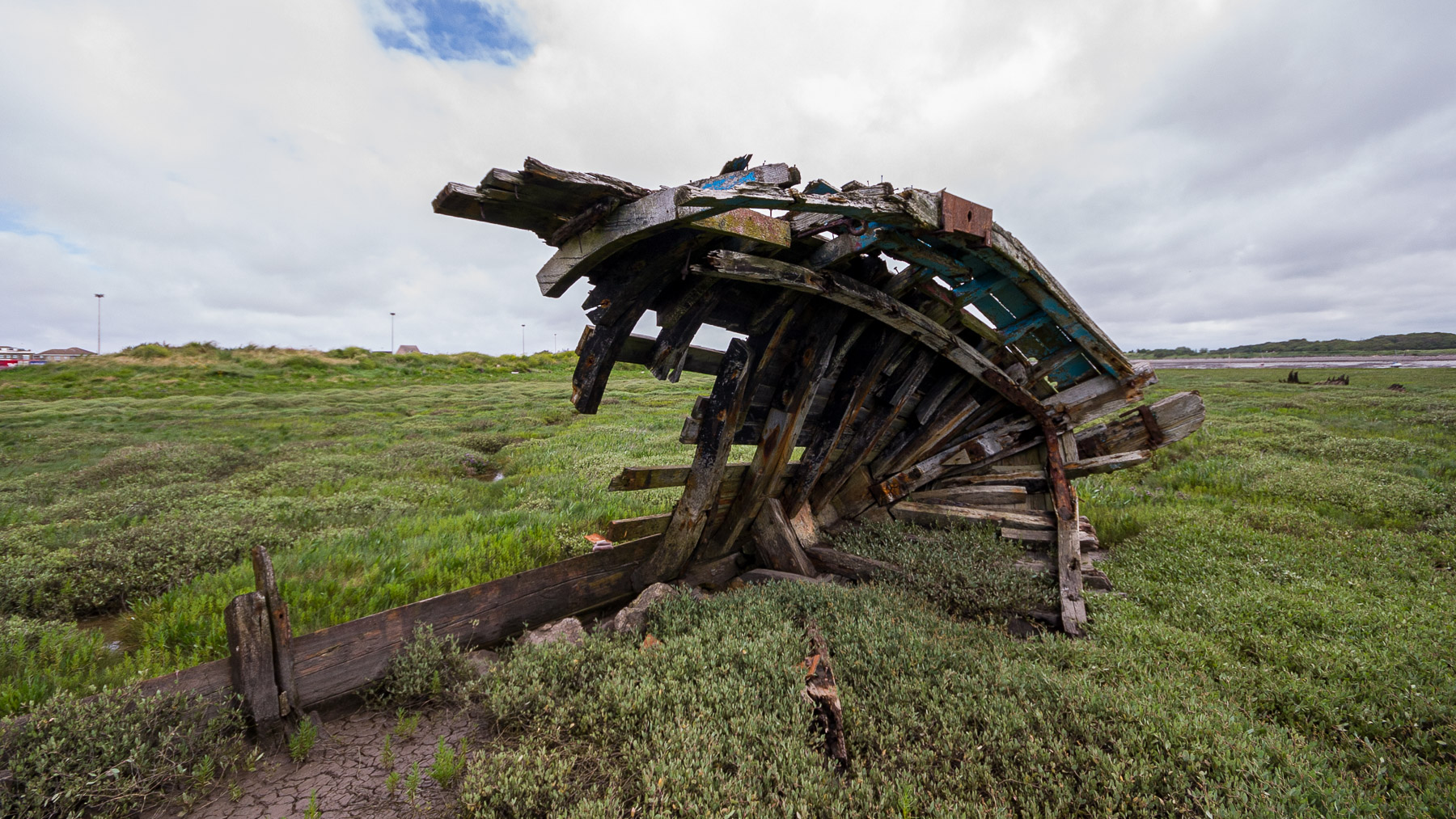
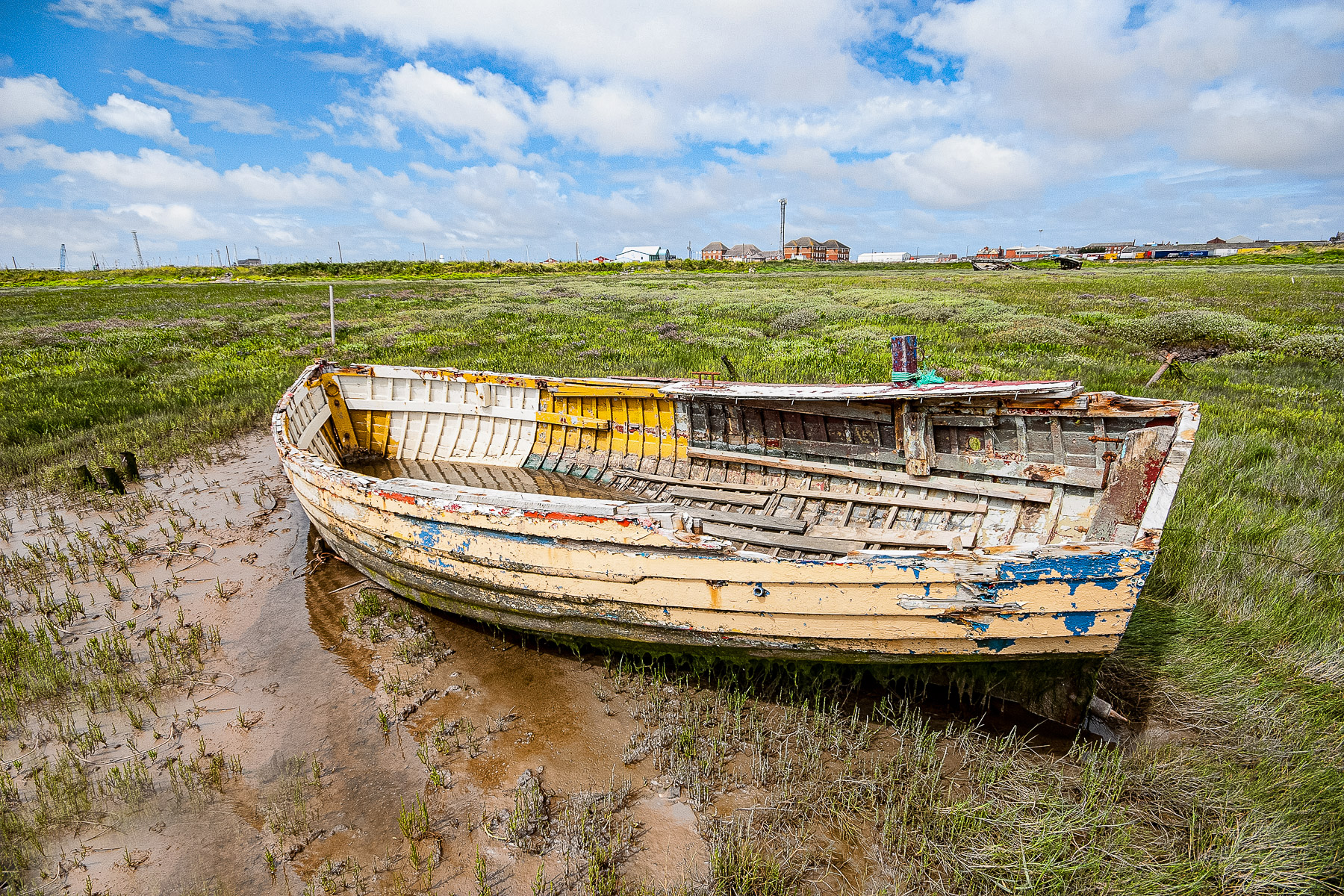
Today, Fleetwood fishing industry is a shadow of its former self, with only a handful of trawlers remaining. The town has shifted its focus to fish processing and other industries to sustain its economy
The Cod Wars were a series of confrontations between the United Kingdom and Iceland over fishing rights in the North Atlantic. These disputes took place between the 1950s and the 1970s and were primarily about the control of fishing grounds around Iceland.
  1. First Cod War (1958-1961): Iceland extended its fishing limits from 4 to 12 nautical miles, which the UK did not recognize. This led to several confrontations at sea.
  2. Second Cod War (1972-1973): Iceland further extended its fishing limits to 50 nautical miles. The UK again did not accept this, leading to more clashes.
  3. Third Cod War (1975-1976): Iceland extended its fishing limits to 200 nautical miles. This time, the conflict was more intense, with both sides using naval vessels to protect their fishing fleets.

Each of these disputes ended with Iceland achieving its goals. Largely due to its strategic importance during the Cold War and its threats to withdraw from NATO.


The Cod Wars had significant economic and social impacts on British fishing communities. Leading to job losses and changes in the fishing industry.


Magnum Photos

cambodia, cameras, conflict, fujifilm, homelessness, Lenses, Lowepro, opinons, thoughts, photography, pictures, printing, processing, street, Travel, voluntary, war

Key Highlights of Magnum Photos:

https://www.magnumphotos.com/photographers/

https://www.magnumphotos.com/

The Ethics of Photography: Capturing Vulnerability

cambodia, cameras, fujifilm, homelessness, Lenses, Lowepro, opinons, thoughts, pictures, street, Travel, voluntary, war

Humanism in Photography: A Lens on the Human Condition

cambodia, cameras, fujifilm, homelessness, Lenses, Lowepro, opinons, thoughts, pictures, processing, street, Travel, voluntary, war

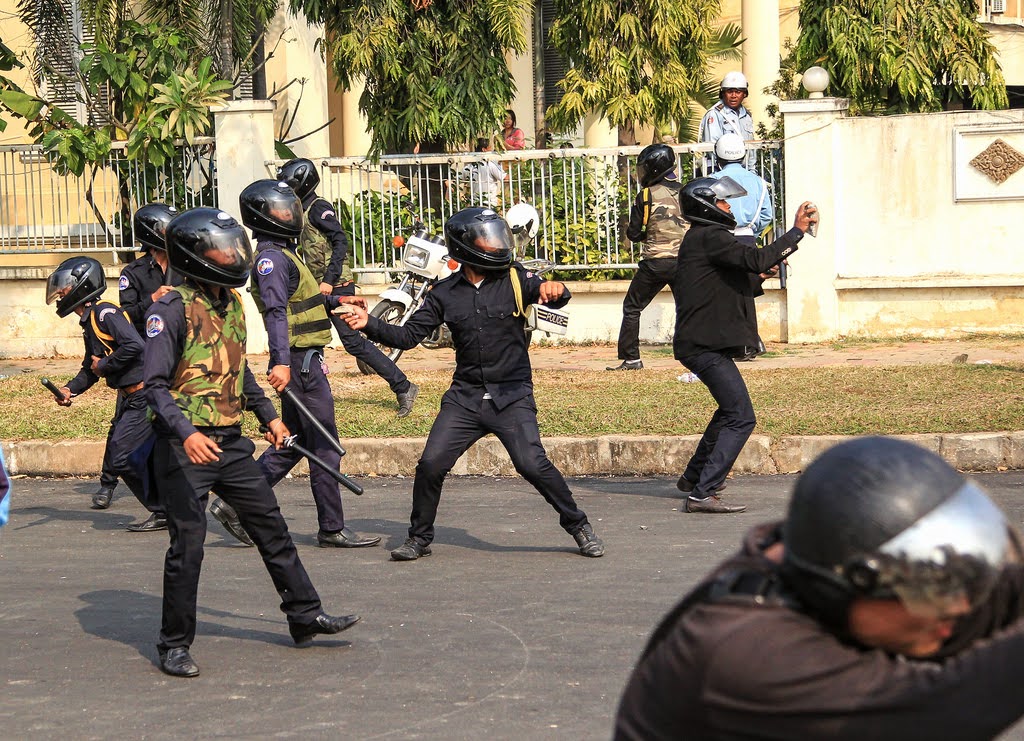
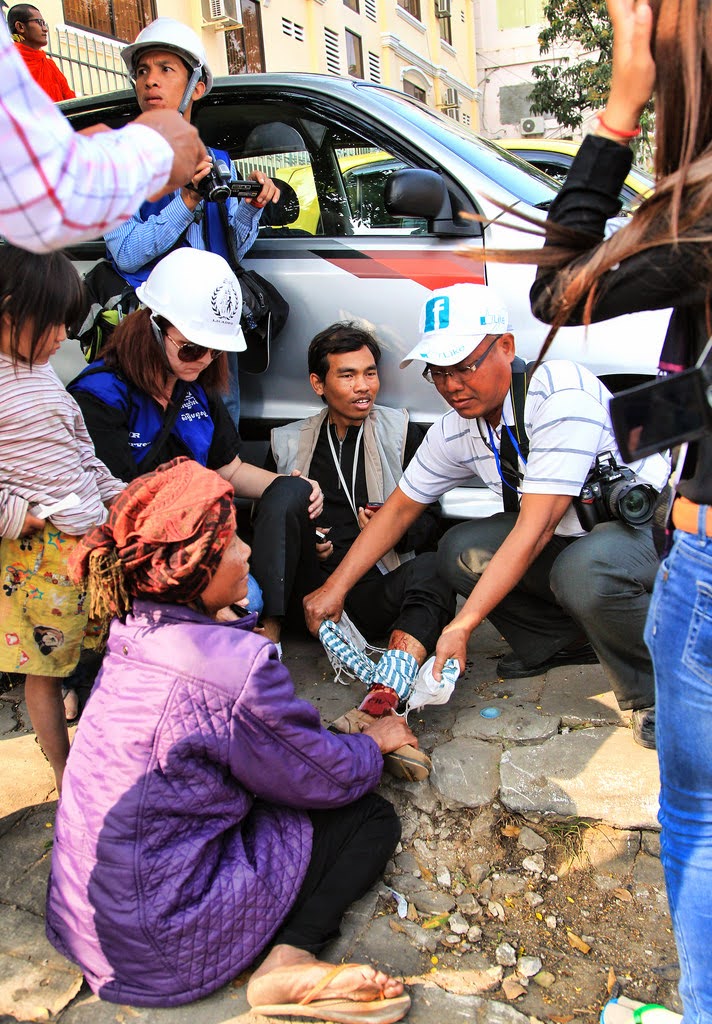
Navigating the Frontlines: A Photographer’s Guide to Covering Protests Safely

cambodia, Lowepro, opinons, thoughts, photography, pictures, processing, street, war

Gear Up for Safety

Positioning and Awareness

Capture the Story

After the Action

The Artistic Charm of Black and White: Embracing the Monochrome Palette

cambodia, cameras, film, fujifilm, homelessness, Lowepro, opinons, thoughts, photography, processing, street, Travel, war