In an age where nearly every pocket holds a camera, the question feels inevitable: Is everyone a photographer now? Billions of images are made every day, documenting everything from morning coffee to monumental life events. The act of taking pictures has become as natural as breathing. But does this ubiquity make everyone a photographer?
The short answer is no — and the long answer is far more interesting.
Everyone Takes Photos, But Not Everyone Practices Photography
The modern camera is frictionless. It requires no technical knowledge, no preparation, no intention. A swipe, a tap, and the moment is captured. But photography is more than the mechanical act of recording. It is a way of seeing, a deliberate engagement with the world.
A photographer doesn’t just point a camera. A photographer notices.
The Difference Is Intent
Intent is the quiet force that separates casual image‑making from photography. One person photographs to remember. Another photographs to understand. One uses the camera as a diary. Another uses it as a language.
Photography begins when the camera becomes a tool for expression rather than documentation.
Craft Still Matters
Despite the accessibility of cameras, the craft of photography remains as demanding as ever. It asks for sensitivity to light, awareness of timing, an understanding of composition, and the discipline to edit and refine. These skills are learned, practiced, and internalized. They cannot be downloaded or automated.
The camera may be universal, but vision is not.
Democratisation Is Not Dilution
The explosion of image‑making has not diluted photography. If anything, it has expanded its possibilities. More voices, more perspectives, more interpretations of the world. But the presence of more images does not erase the distinction between casual snapshots and intentional photographic work.
Photography remains a craft defined by attention, not by access.
The Final Thought
Everyone is a picture‑maker. Not everyone is a photographer.
A photographer is someone who uses the camera not just to record life, but to interpret it — someone who sees the world not only as it is, but as it could be framed, shaped, and understood through the lens.
In a world full of cameras, the rare thing isn’t the ability to take a picture. The rare thing is the ability to see.
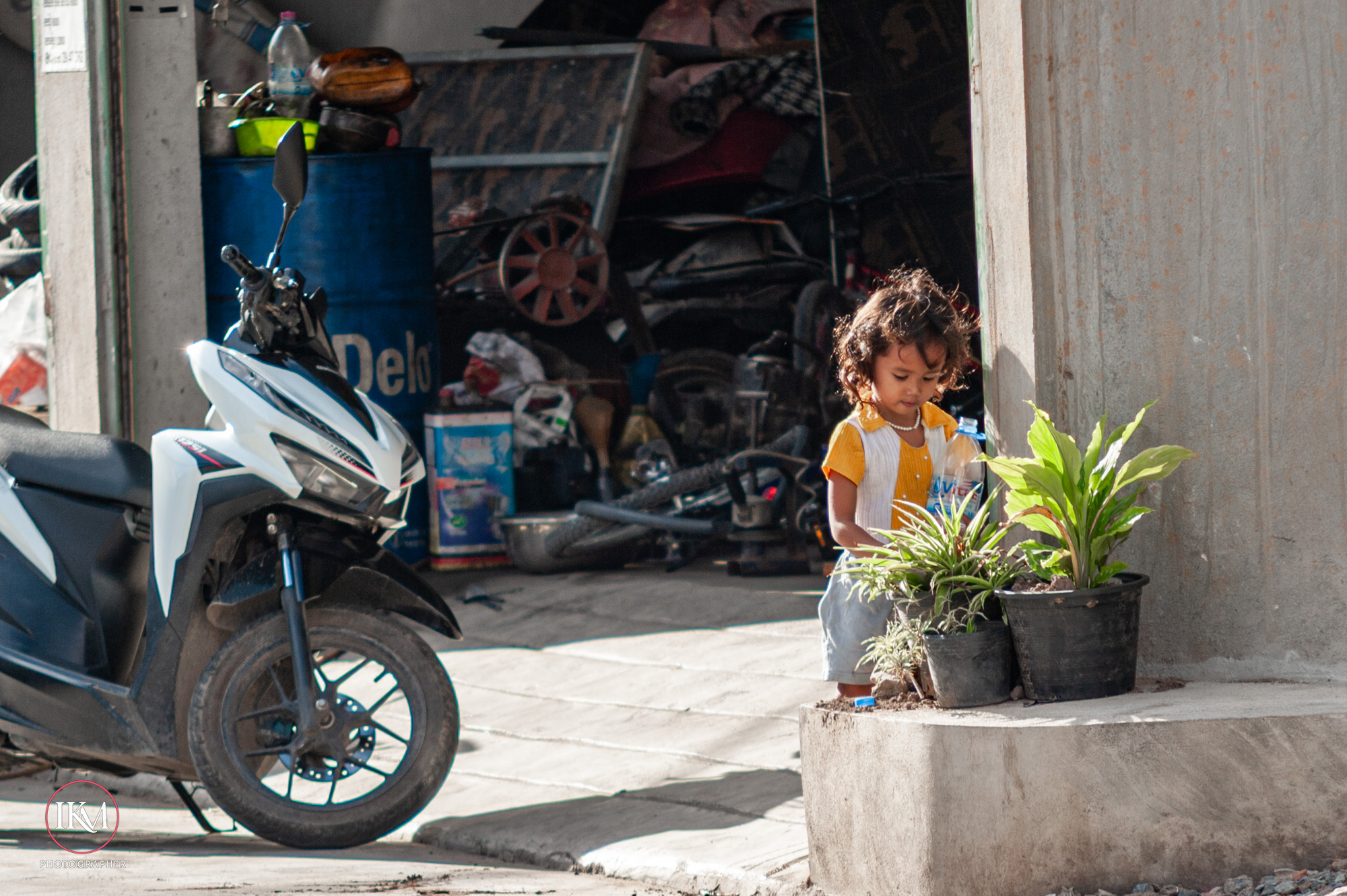
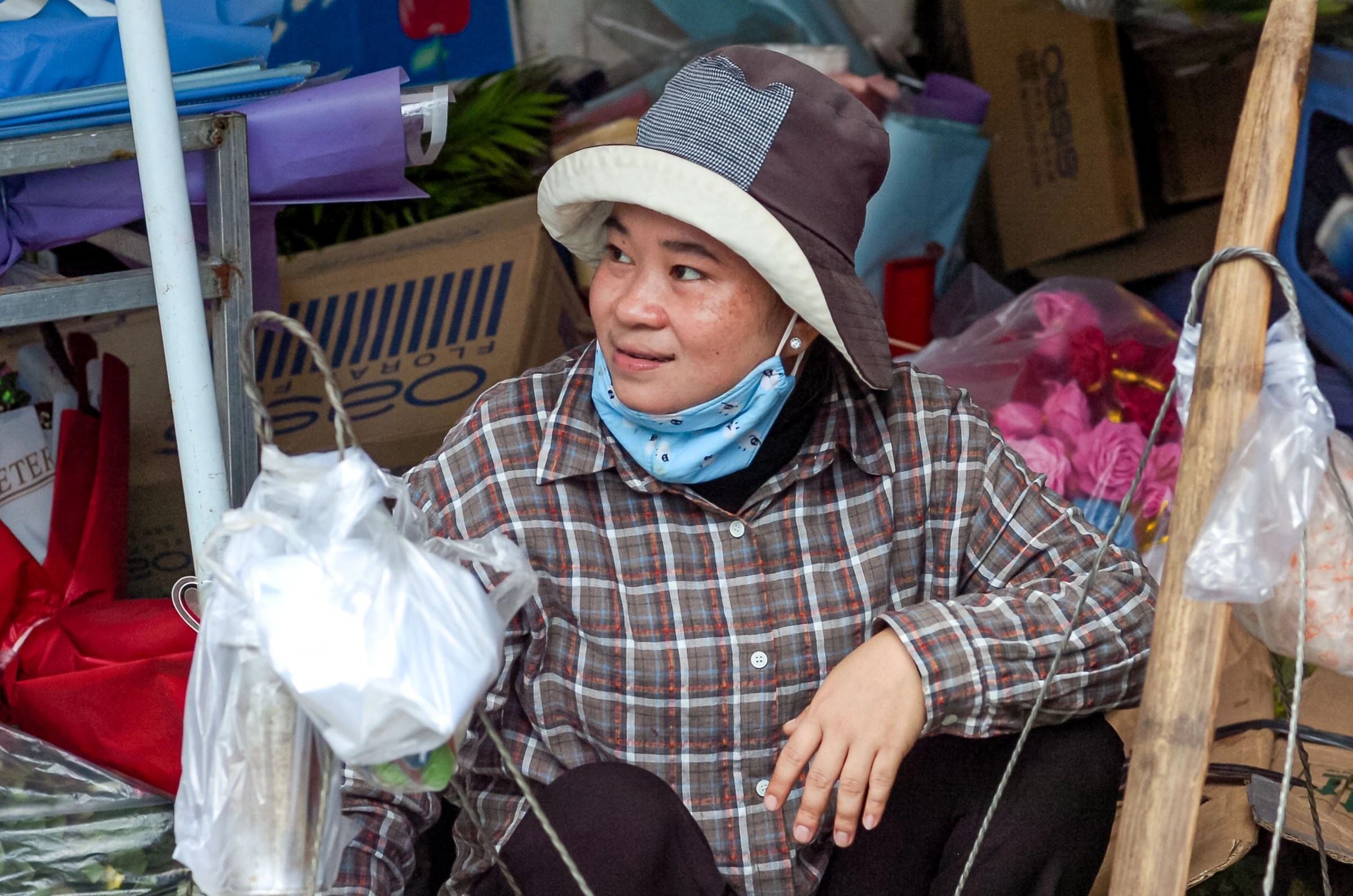
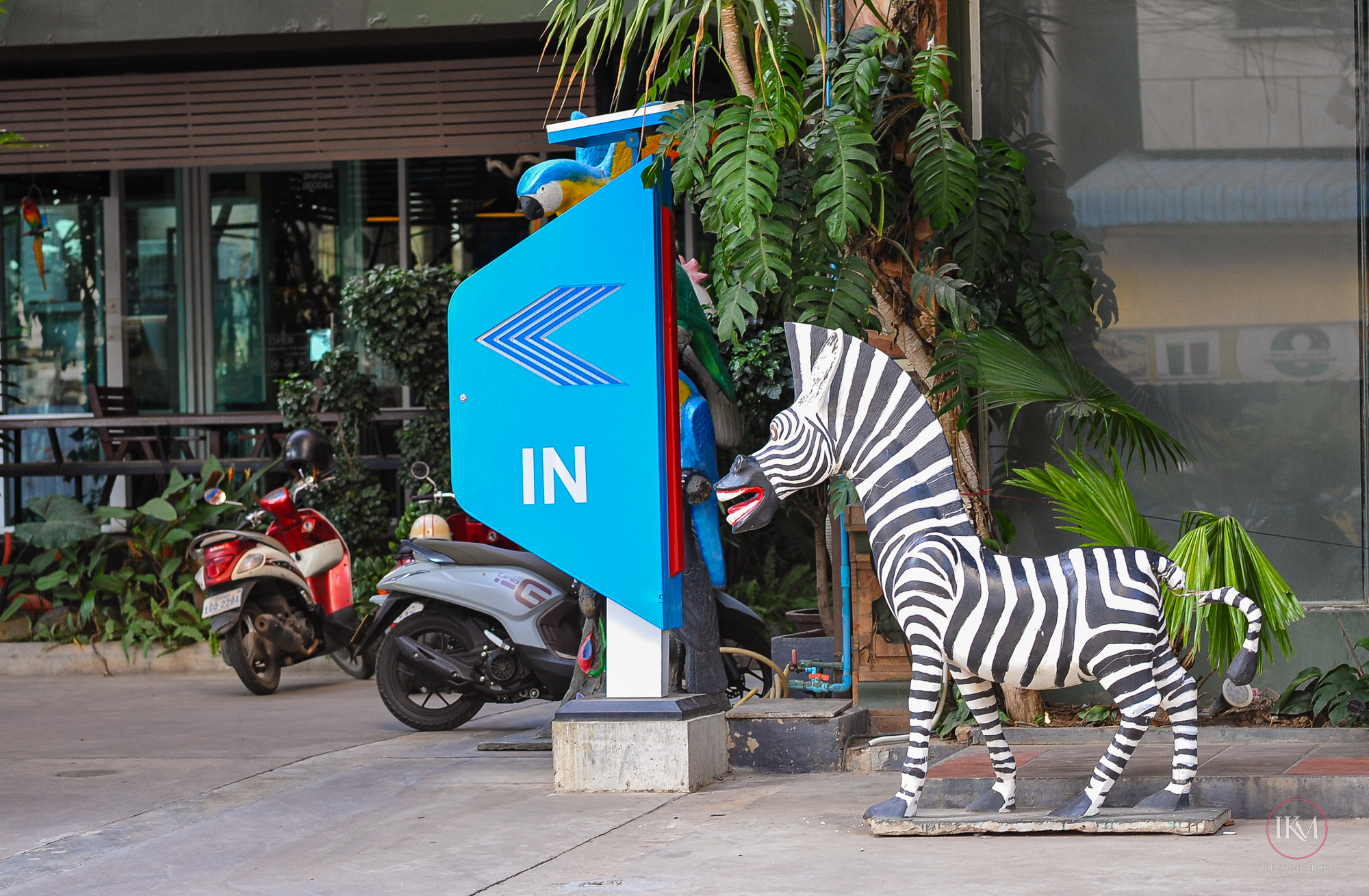
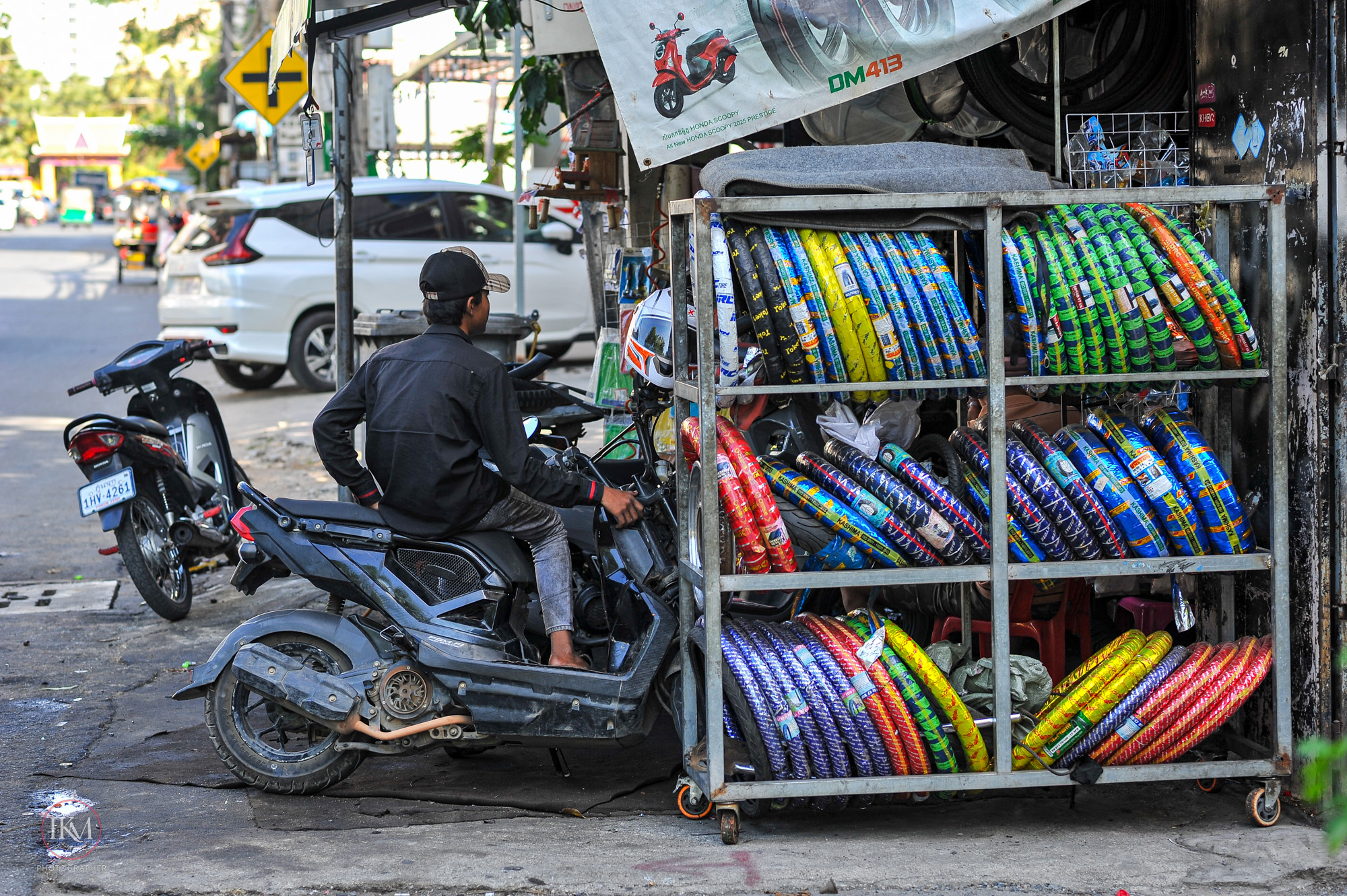
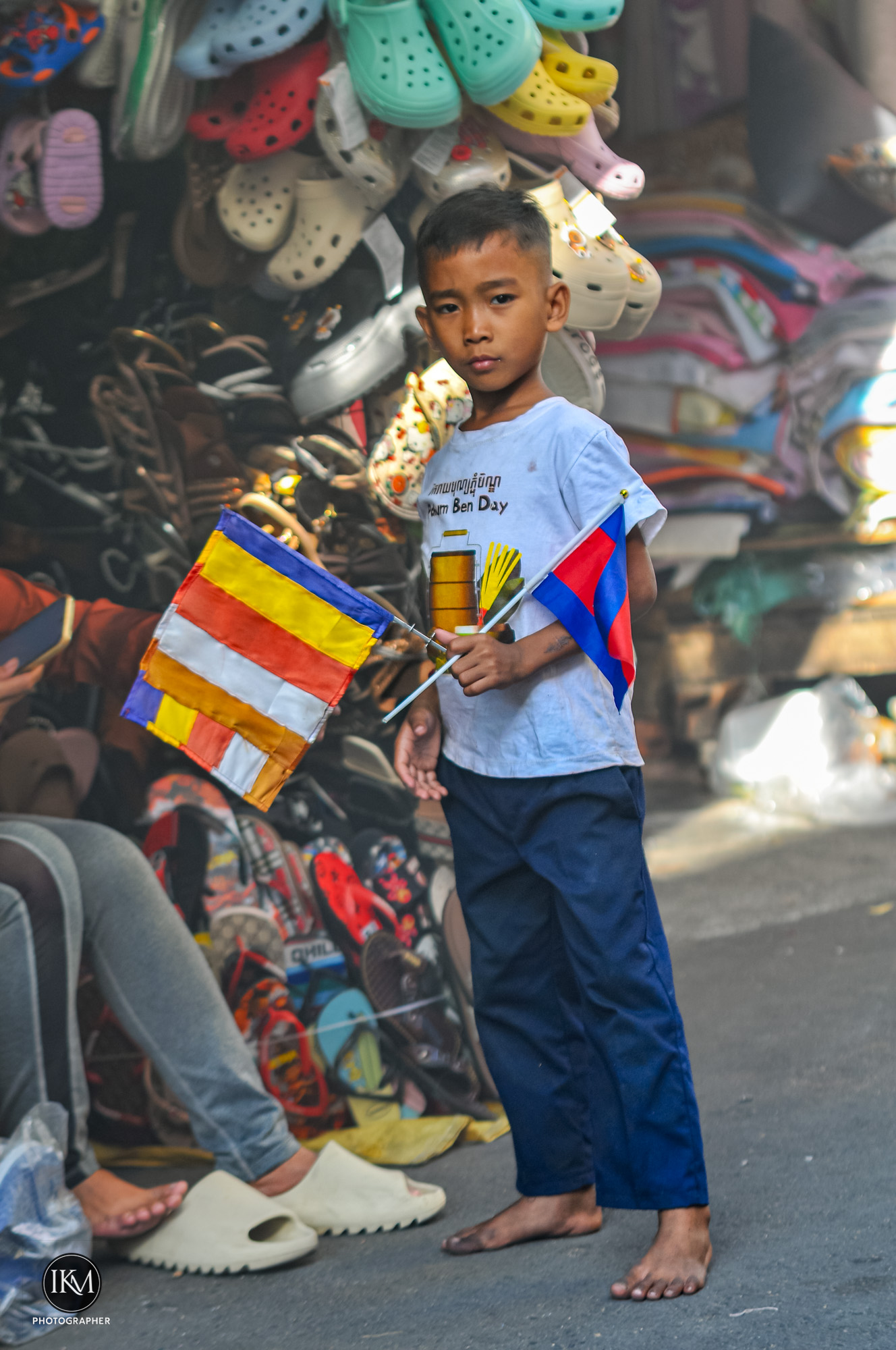
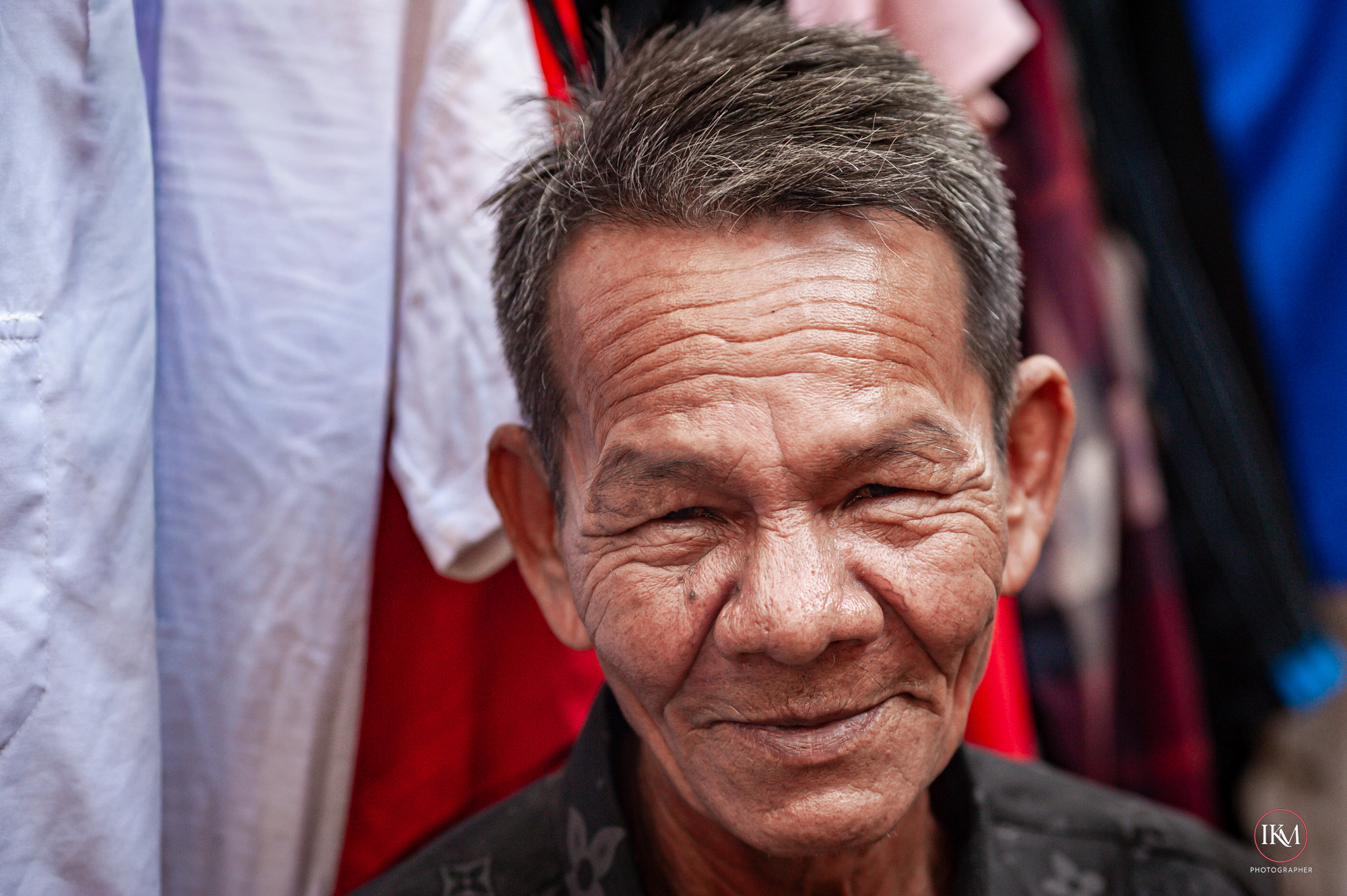
Street photography is a documentary‑driven, observational form of photography that focuses on capturing unposed, unscripted moments in public spaces. At its core, it is about human presence, urban atmosphere, and the poetry of everyday life — even when no people appear in the frame.
It is not defined by streets. It is not defined by cities. It is defined by the act of noticing.
Street photography is the art of paying attention.
🧱 Core Characteristics
1. Unposed, unstaged moments
Street photography is rooted in authenticity. The photographer does not arrange subjects or direct scenes. Instead, they respond to what unfolds naturally.
2. Public or semi‑public spaces
This includes:
streets
markets
parks
cafés
public transport
communal spaces
Anywhere life happens without orchestration.
3. The decisive moment
Coined by Henri Cartier‑Bresson, this refers to the instant when composition, gesture, light, and meaning align. Street photography is built on this instinctive timing.
4. Human presence — literal or implied
A person may be in the frame, or their presence may be suggested through:
objects
shadows
traces
atmosphere
architecture
Street photography often reveals the relationship between people and their environment.
5. Observation over perfection
It values:
spontaneity
imperfection
ambiguity
mood
timing
It is not about technical perfection. It is about emotional truth.
🧠 The Philosophy Behind Street Photography
1. Seeing the extraordinary in the ordinary
Street photographers elevate everyday moments — a gesture, a glance, a shadow — into something meaningful.
2. Bearing witness
It is a form of visual anthropology. A way of documenting culture, behaviour, and the rhythms of life.
3. Presence and awareness
Street photography is as much about how you move through the world as it is about the images you make. It trains perception, patience, and sensitivity.
4. Respect for the unscripted
The photographer does not impose meaning. They discover it.
🎨 Styles Within Street Photography
1. Humanistic street photography
Warm, empathetic, focused on people and gestures. (Think: Cartier‑Bresson, Helen Levitt)
2. Gritty, urban realism
Raw, unfiltered depictions of city life. (Think: Daido Moriyama)
3. Graphic and geometric
Strong lines, shadows, and architectural forms. (Think: Fan Ho)
4. Colour‑driven street photography
Using colour as the primary expressive element. (Think: Saul Leiter)
Though it overlaps, street photography is more intuitive and less project‑driven.
Not staged or directed
If you ask someone to pose, it becomes portraiture or fashion.
Not dependent on crowds
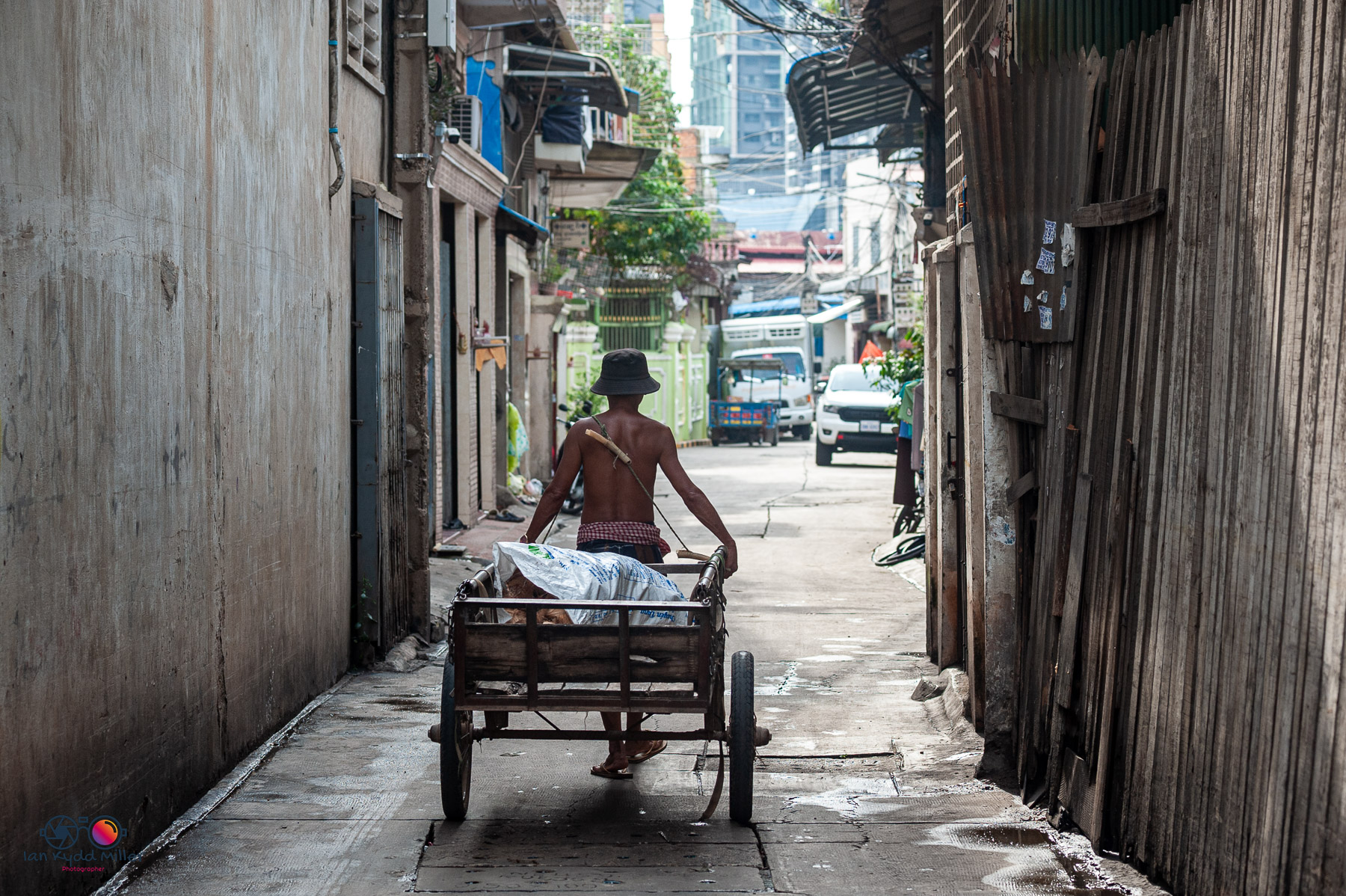
A single object in a quiet alley can be street photography if it reflects human presence or urban atmosphere.
⚖️ Why Street Photography Matters
It preserves the texture of everyday life.
It reveals cultural patterns and social behaviour.
It trains the photographer to see deeply.
It creates visual poetry from the mundane.
It democratizes photography — anyone can do it, anywhere.
Street photography is one of the few genres where your way of seeing matters more than your gear.
✨ Final Definition
Street photography is the art of capturing unposed, unscripted moments in public spaces, revealing the relationship between people and their environment through observation, timing, and sensitivity. It transforms ordinary life into visual storytelling.
Photographers joke about “GAS” — Gear Acquisition Syndrome — as if it’s a harmless quirk. But beneath the humour sits a real question: Why do so many photographers feel compelled to collect gear, even when they already have enough to make great images?
Is it addiction? Is it passion? Is it identity? Or is it something deeper — a way of relating to the world?
Let’s explore this with honesty and nuance.
🧠 1. The Psychology Behind Gear Desire
Gear collecting taps into several powerful psychological mechanisms. None of them are inherently unhealthy — but they can become compulsive if left unchecked.
Dopamine and anticipation
The excitement isn’t in the owning — it’s in the anticipation. The research is clear: dopamine spikes when we imagine possibilities, not when we achieve them.
A new lens promises:
a new way of seeing
a new creative direction
a new version of ourselves
That’s intoxicating.
Identity and self‑expression
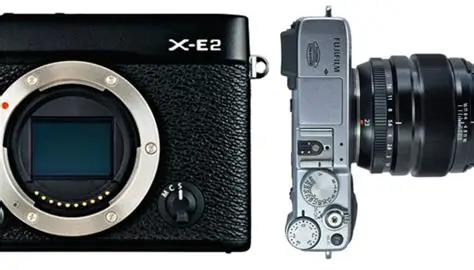
For many photographers, gear is part of their creative identity. A Fuji X‑Pro3 isn’t just a camera — it’s a statement about how you see the world. A Nikon D300S isn’t just a tool — it’s a connection to a certain era of photography.
Collecting becomes a way of curating your creative self.
Craftsmanship and tactile pleasure
Some gear simply feels good. Metal dials, aperture rings, optical glass — these things have presence. Handling them is satisfying in a way that’s hard to explain to non‑photographers.
This isn’t addiction. It’s appreciation.
📸 2. When Collecting Becomes a Creative Practice
For many photographers, collecting gear is part of the craft itself.
Each tool shapes vision
A 20mm lens forces you to see differently than a 50mm. A rangefinder body changes your rhythm compared to a DSLR. A fast prime encourages intimacy; a telephoto encourages distance.
Collecting becomes a way of exploring different visual philosophies.
Gear as inspiration
Sometimes a new camera or lens unlocks a creative block. Not because it’s “better,” but because it’s different. It nudges you into new territory.
Historical and emotional connection
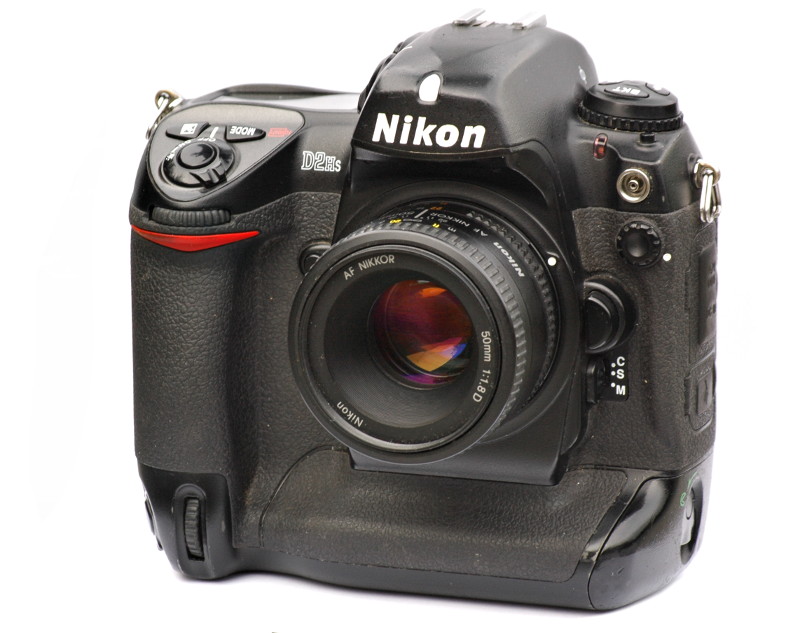
Older gear carries stories. A Nikon D2Hs isn’t just a camera — it’s a piece of photographic history. Owning it connects you to the lineage of the craft.
This is collecting as creative archaeology.
⚠️ 3. When It Starts to Look Like Addiction
There are moments when gear collecting crosses into unhealthy territory.
Signs include:
buying gear instead of making photographs
feeling restless or empty without the “next purchase”
spending beyond your means
hiding purchases or feeling guilt
chasing perfection through equipment rather than practice
These patterns mirror addictive behaviour — not because of the gear, but because of the emotional loop behind it.
But even then, the root cause is rarely the gear itself. It’s usually stress, boredom, loneliness, or a need for control.
🌱 4. The Healthy Version of Gear Collecting
Most photographers fall into this category — passionate, curious, and intentional.
Healthy collecting looks like:
buying gear that genuinely supports your creative goals
enjoying the craftsmanship and history
rotating gear in and out of your kit
using what you own
feeling joy, not pressure
In this form, collecting is no more “addictive” than a musician owning multiple guitars or a painter collecting brushes.
It’s part of the craft.
✨ 5. So… Is It Truly an Addiction?
In most cases, no. It’s a mix of:
passion
curiosity
identity
nostalgia
craftsmanship appreciation
the search for creative spark
But it can become addictive if it replaces the act of photographing or becomes a coping mechanism rather than a creative one.
The key is awareness. If collecting enriches your creative life, it’s a gift. If it replaces your creative life, it becomes a trap.
🎯 Final Thought
Gear collecting is rarely about the gear. It’s about what the gear represents: possibility, identity, craftsmanship, memory, and the desire to see the world differently.
When approached with intention, it’s not an addiction — it’s a form of creative expression in its own right. I have loads of gear, some of which I use on a daily basis, some less often and some rarely. I never buy items that I cannot afford and usually have a specific need.
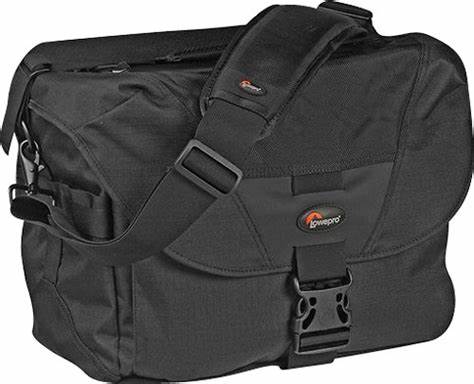
The Lowepro Stealth Reporter 200 AW is a shoulder‑style camera bag originally designed for photojournalists and news photographers, with an emphasis on speed, durability, and weather protection. It remains a strong option for DSLR shooters who need fast access and rugged reliability.
🧱 Build Quality & Design
According to Lowepro’s own description, the Stealth Reporter series was “created for photojournalists and news photographers” and built to withstand harsh field conditions while remaining lightweight and durable.
Key design elements include:
Magnesium‑reinforced structure (internal frame)
Heavy‑duty materials and reinforced stitching
All Weather (AW) cover for rain, dust, and sand protection
Highly water‑resistant top zipper for fast access without opening the flap
This makes it particularly suitable for urban, documentary, and editorial DSLR work, where speed and protection matter more than hiking comfort.
📸 Capacity & DSLR Compatibility
The bag is sized for one DSLR body plus 3–4 lenses, a flash, and accessories. This aligns well with typical DSLR kits such as:
A DSLR body (D700, D300S, D810, etc.)
A trio of primes (e.g., 35/50/85)
Or a zoom kit (24–70 + 70–200)
Flashgun + batteries
Memory cards (dedicated wallet holds up to 12 cards)
User feedback confirms it “easily takes a DSLR camera + a couple of lenses” and is “well padded” and “sturdy”.
⚙️ Organization & Workflow
The Stealth Reporter 200 AW includes:
Removable cable management pouch
Memory card wallet (attaches to strap)
Multiple pockets for batteries, notebooks, filters, and personal items
Adjustable padded dividers for customizing DSLR layouts
This makes it ideal for fast-paced DSLR workflows, especially in news, street, and event environments.
🚀 Strengths for DSLR Use
1. Fast Access
The top zipper allows you to grab your DSLR without opening the flap, a major advantage for street and press shooters.
2. Weather Protection
The AW cover provides full rain and dust protection, essential for field work in unpredictable conditions.
3. Professional Layout
Designed for working photographers, the internal layout supports efficient DSLR operation and quick lens changes.
4. Discreet Appearance
The bag looks like a messenger bag rather than a camera bag, reducing unwanted attention — useful in sensitive environments.
5. Durability
User reviews highlight that it is “better made than newer models” and extremely sturdy.
⚠️ Limitations for DSLR Use
1. Shoulder Fatigue
As a shoulder bag, it places all weight on one side. With a DSLR + lenses, this can become tiring during long assignments.
2. Limited Dual‑Body Support
While it can fit one DSLR comfortably, dual‑body shooters may find it cramped.
3. Bulk When Loaded
The bag becomes heavy and boxy when filled with DSLR gear.
4. No Dedicated Laptop Sleeve
Some versions lack a padded laptop compartment, limiting its use for hybrid photo‑editing workflows.
⚖️ Summary Table
Category
Strengths
Weaknesses
Access
Fast top‑zip access
Full flap still slows deep access
Weather
AW cover, rugged build
Adds bulk when deployed
Capacity
DSLR + 3–4 lenses
Not ideal for dual‑body setups
Comfort
Padded strap
Shoulder fatigue over time
Durability
Very sturdy, pro‑grade
Heavier than modern bags
Discretion
Looks like a messenger bag
Still bulky when full
✨ Verdict
The Lowepro Stealth Reporter 200 AW is an excellent DSLR bag for photojournalists, street photographers, and documentary shooters who prioritize:
Fast access
Weather protection
Professional organization
Durability
It is less ideal for long hikes, dual‑body setups, or photographers who need backpack‑level comfort.
Final assessment:One of the best classic shoulder bags for DSLR field work — rugged, fast, and intelligently designed, though heavy and less comfortable for all‑day carry.
📖 Lowepro Stealth Reporter 200 AW — Evaluation for Fujifilm XE2 & X‑Pro3 Kits
🎒 Why This Bag Works Even Better for Mirrorless
The Stealth Reporter 200 AW was originally designed for bulky DSLR bodies, so when you load it with smaller, lighter Fujifilm cameras, you get:
More space than you need (excellent for flexibility)
Better weight distribution
Faster access because the bodies don’t snag on dividers
Room for accessories like chargers, batteries, filters, and notebooks
In other words, the bag becomes over‑engineered for the Fuji kit — which is a good thing.
🧱 How Your Fuji Kit Fits Inside
📸 Your loadout:
Fujifilm XE2
Fujifilm X‑Pro3
Three lenses (likely primes or compact zooms)
Typical layout inside the 200 AW:
Centre compartment: X‑Pro3 with lens mounted
Side compartment 1: XE2 body
Side compartment 2: Two primes stacked or one zoom
Front pocket: Batteries, cards, cleaning cloth
Side pocket: Filters, small notebook
Rear pocket: Passport, phone, flat items
Top zip access: Grab the X‑Pro3 instantly without opening the flap
This is exactly the kind of workflow the bag was designed for — fast, quiet, efficient.
✅ Strengths for Fuji XE2 + X‑Pro3 Users
1. Perfect size for a two‑body mirrorless kit
You’re not fighting the bag’s dimensions. Everything fits with breathing room.
2. Fast access for street and documentary work
The top zipper is ideal for the X‑Pro3 — a camera built for decisive‑moment shooting.
3. Discreet appearance
The bag looks like a messenger bag, not a camera bag. This pairs beautifully with Fuji’s rangefinder‑style bodies, keeping you low‑profile.
4. Weather protection
The AW cover is a huge advantage in Phnom Penh’s sudden rainstorms or dusty dry season.
5. Quiet operation
The flap and zippers are relatively quiet — important for street and candid work.
6. Room for extras
Because Fuji gear is compact, you can carry:
A small LED light
A power bank
A mini tripod
A notebook
Snacks or water
Without overloading the bag.
❌ Weaknesses (Specific to Fuji Use)
1. Overkill for minimalists
If you ever go out with just one Fuji body and one lens, the bag feels too big.
2. Shoulder fatigue
Even with lighter mirrorless gear, a shoulder bag can strain over long days.
3. Not ideal for long hikes
Urban, editorial, and street? Perfect. Travel trekking? Less so.
4. Dividers designed for DSLR depth
Fuji bodies are slimmer, so you may need to reposition or double‑fold dividers to avoid empty space.
⚖️ Summary Table for Fuji Use
Category
Strengths
Limitations
Fit
Perfect for 2 bodies + 3 lenses
Slightly oversized for minimal kits
Access
Top‑zip is ideal for X‑Pro3
Full flap slows deep access
Comfort
Lighter load than DSLR
Shoulder fatigue on long days
Discretion
Looks like a messenger bag
Still bulky when full
Weather
AW cover excellent for SE Asia
Adds bulk when deployed
✨ Verdict
For a two‑body Fujifilm kit, the Lowepro Stealth Reporter 200 AW is almost the perfect shoulder bag:
Fast access, discreet design, weather protection, and enough space for a full working kit without feeling cramped.
It’s especially strong for:
Street photography
Documentary work
Editorial assignments
Urban travel
Fast‑moving environments
Its only real drawback is the inherent limitation of shoulder bags: long‑term comfort.
Nikon D2Hs (2005): A professional DX DSLR with a 4.1MP sensor, designed for speed, durability, and press work. It was the successor to the D2H, optimized for sports and photojournalism.
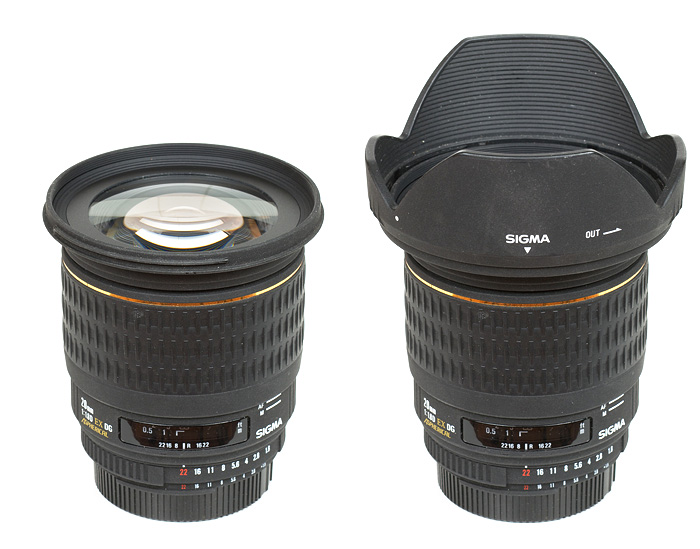
Sigma 20mm f/1.8 EX DG: One of the fastest wide‑angle primes available, offering shallow depth of field and strong low‑light performance at a dramatic focal length.
✅ Strengths
📸 Nikon D2Hs Body
Speed: 8 frames per second continuous shooting — excellent for action and reportage.
Autofocus: 11‑point Multi‑CAM 2000 AF system, fast and reliable for its era.
Build quality: Magnesium alloy, weather‑sealed, designed for professional abuse.
Ergonomics: Pro‑style controls, dual command dials, and a large optical viewfinder.
Battery life: EN‑EL4 battery delivers thousands of shots per charge.
⚙️ Sigma 20mm f/1.8 Lens
Wide aperture: f/1.8 is unusually fast for a wide‑angle, enabling shallow depth of field and low‑light shooting.
Perspective: On DX (D2Hs crop factor 1.5x), it becomes ~30mm equivalent — versatile for street, documentary, and environmental portraiture.
Creative rendering: Strong subject isolation at close distances, with dramatic wide‑angle compression.
Value: Affordable compared to Nikon’s own fast wide primes.
❌ Weaknesses
⚠️ Nikon D2Hs Body
Resolution: 4.1MP is limiting for cropping and large prints. Files are clean but small.
ISO performance: Usable up to ISO 800–1600, but noisy compared to modern sensors.
Weight: At ~1.2kg with battery, it’s heavy for long shoots.
LCD: Small, low‑resolution rear screen makes reviewing images difficult.
Legacy limitations: No video, no modern connectivity (Wi‑Fi, GPS).
🧠 Sigma 20mm f/1.8 Lens
Size & weight: Large and heavy for a prime, not discreet.
AF performance: Slower and noisier than Nikon AF‑S lenses.
Optical flaws: Wide open, prone to softness, vignetting, and chromatic aberration.
Flare resistance: Weak coatings — struggles with strong backlight.
⚖️ Combined Use Case
Context
Strengths
Weaknesses
Street
Fast AF, rugged body, versatile 30mm equivalent
Heavy combo, limited resolution
Documentary
Wide perspective, shallow DOF at f/1.8
Noisy AF, flare issues
Action
8 fps burst, pro handling
4.1MP limits cropping flexibility
Low‑light
f/1.8 aperture helps
Sensor noise above ISO 800
✨ Conclusion
The Nikon D2Hs + Sigma 20mm f/1.8 is a pairing full of character. The D2Hs delivers speed, durability, and reliability — perfect for photojournalists of its era — while the Sigma 20mm adds creative flexibility with its unusually fast aperture. Together, they excel in street, documentary, and action work, though they are limited by low resolution, heavy weight, and optical quirks.
Verdict:A rugged pro body and a quirky wide prime — imperfect by modern standards, but capable of distinctive, characterful images when used deliberately.
Contemplative photography is a mindful approach to image‑making. Instead of rushing to capture the “perfect shot,” it invites you to pause, observe, and connect with the world as it is. The practice is rooted in mindfulness and awareness, encouraging photographers to see beyond surface appearances and engage with the essence of what’s before them.
🎯 Core Principles
Slowing Down
Pause before lifting the camera.
Allow the scene to unfold naturally, without forcing composition.
Seeing, Not Looking
Move beyond habitual scanning.
Notice textures, colours, shadows, and small details that often go unseen.
Presence Over Perfection
The goal isn’t technical mastery or dramatic impact.
It’s about capturing authenticity — the quiet beauty of the ordinary.
Letting the Scene Come to You
Instead of hunting for subjects, remain open.
Trust that meaningful images emerge when you’re receptive.
📸 Benefits of the Practice
Mindfulness: Strengthens awareness of the present moment, reducing distraction.
Creativity: Opens new ways of seeing, beyond conventional rules of composition.
Emotional depth: Builds appreciation for subtle beauty, fostering peace and self‑awareness.
Sustainable practice: Less pressure to “perform” technically, more joy in the act of seeing.
⚖️ Practical Applications
Context
How Contemplative Photography Helps
Example
Street
Encourages patience and observation
Waiting for light to fall across a wall
Landscape
Deepens connection with environment
Capturing textures of rocks or ripples in water
Portrait
Builds empathy and presence
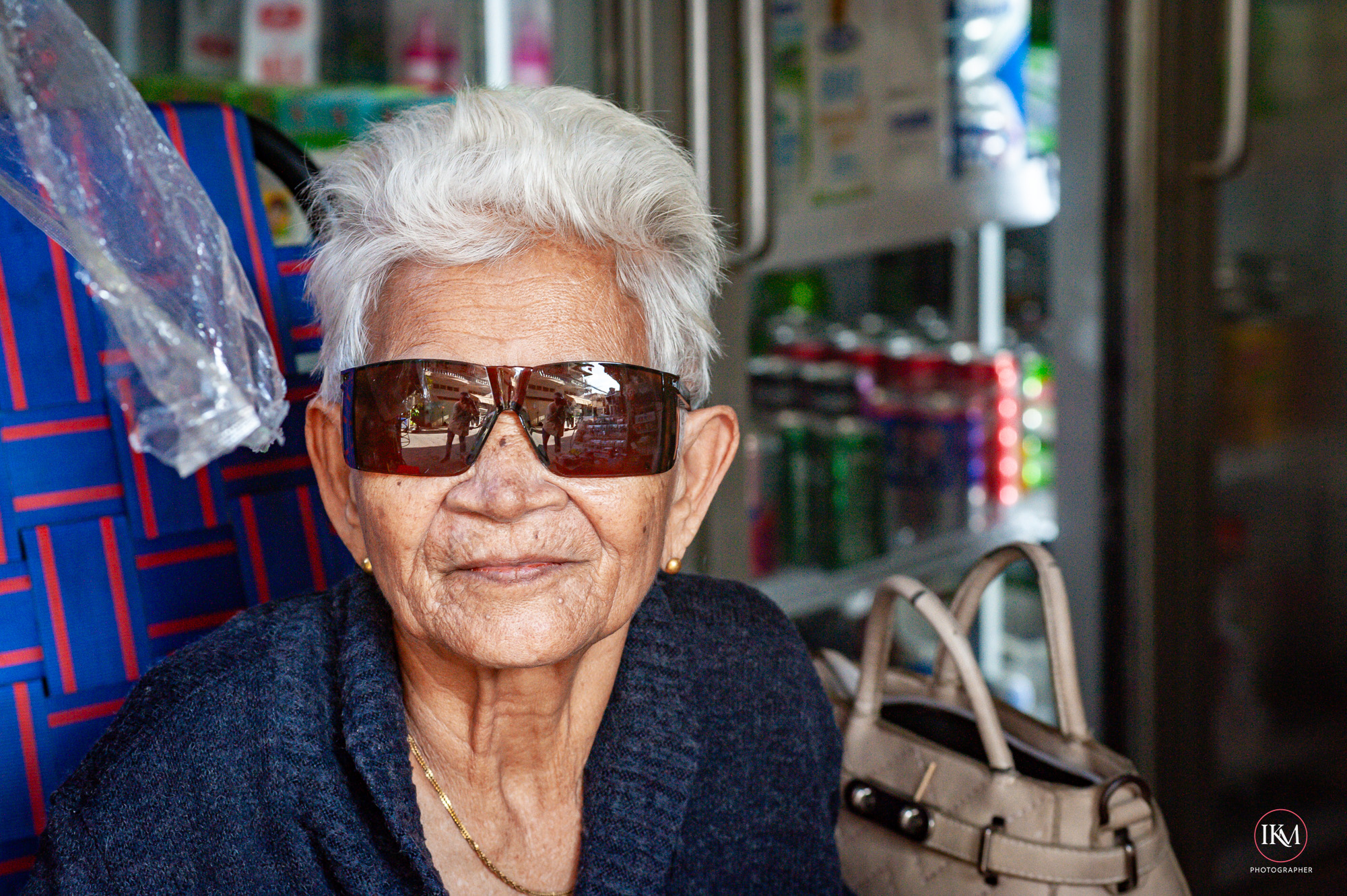
Photographing someone as they naturally are
Daily life
Finds beauty in the ordinary
A shadow on the floor, a reflection in glass
⚠️ Challenges & Trade‑offs
Not results‑driven: May feel slow or unproductive compared to conventional shooting.
Requires discipline: Easy to slip back into “chasing” images.
Less technical focus: Those seeking sharpness or dramatic impact may find it unsatisfying.
✨ Conclusion
Contemplative photography is less about what you shoot and more about how you see. By slowing down, being present, and letting the scene reveal itself, you cultivate both stronger images and deeper awareness.
Verdict:It’s photography as meditation — a practice of seeing, not just capturing.
Lens type: Manual/AF telephoto prime, Nikon F mount
Focal length: 100mm (effective 150mm on D300S due to 1.5x crop)
Aperture: f/2–f/16, 9-blade diaphragm for smooth bokeh
Build quality: Lightweight plastic barrel, metal mount — feels budget but usable
Focus ring: Smooth but lacks tactile precision; not ideal for manual focus critical work
✅ Strengths
📸 On the D300S
Effective 150mm reach: Excellent for tight portraits, isolating subjects, and compressing backgrounds
Wide aperture: f/2 allows shallow depth of field and low-light shooting
Bokeh: Surprisingly smooth for the price — good subject-background separation
Color & contrast: Decent rendering, especially when stopped down to f/2.8–f/4
Compatibility: Fully mounts and functions on the D300S, including autofocus
💰 Value
Price point: Often under $150 — one of the cheapest telephoto primes available
Entry-level telephoto: Great for photographers exploring longer focal lengths without investing in Nikon’s 105mm or 135mm primes
❌ Limitations
⚠️ Autofocus
Inconsistent AF: Can hunt or miss focus, especially in low light or on older bodies like the D300S
Noisy motor: Audible whirring during focus — not ideal for video or quiet environments
No internal focusing: Front element rotates, complicating use with polarizers
🧠 Optical Performance
Wide open softness: f/2 is usable but not tack-sharp; improves at f/2.8 and beyond
Chromatic aberration: Visible in high-contrast edges, especially wide open
Flare resistance: Weak coatings — prone to ghosting and flare in backlit scenes
🕰️ D300S Constraints
12MP resolution: Limits cropping flexibility — lens flaws are less visible but detail is capped
No live view AF: Manual focus is harder without magnified preview
DX crop factor: You lose the “classic 100mm” feel — becomes more compressed, like a 150mm
⚖️ Summary Table
Feature
Yongnuo 100mm f/2 on D300S
Effective focal length
150mm (DX crop)
Autofocus
Functional but unreliable
Bokeh
Smooth, creamy at f/2
Sharpness
Soft wide open, better at f/2.8–f/4
Build
Lightweight, budget feel
Value
High — telephoto reach under $150
Best use
Portraits, detail shots, compressed street scenes
Limitations
AF inconsistency, flare, chromatic aberration
Sources: Ian Kydd Miller’s review, DPReview forums
✨ Conclusion
The Yongnuo 100mm f/2 is a quirky but capable budget telephoto prime. On the Nikon D300S, it delivers creamy bokeh and tight framing ideal for portraits and compressed street scenes. Autofocus and optical quirks require patience, but for the price, it’s a compelling tool — especially if you embrace its limitations and shoot deliberately.
Verdict:A budget telephoto with character — imperfect but rewarding when paired with the D300S’s rugged charm. (Not a bad lens for the $50 I paid for it, needs to be used with a little care, AF can be a little haphazard).
The Nikon D300S is a rugged, pro-grade APS-C DSLR from 2009 that still holds up for action, wildlife, and documentary work. It offers fast autofocus, dual card slots, and a tough build — but it’s limited by its 12MP resolution
🕰️ Overview
Released in 2009, the Nikon D300S was the flagship DX-format DSLR for serious enthusiasts and professionals. It built on the success of the D300 by adding HD video, dual card slots, and refined autofocus, making it a versatile tool for demanding field work.
✅ Strengths
🧱 Build & Handling
Magnesium alloy body with weather sealing — durable and field-ready.
Pro-style ergonomics — dedicated buttons, top LCD, and deep grip for confident handling.
Dual card slots (CF + SD) — useful for backup or overflow.
⚙️ Performance
12.3MP DX sensor — modest by today’s standards, but clean files up to ISO 1600.
7 fps burst shooting — excellent for action, wildlife, and sports.
51-point Multi-CAM 3500DX AF system — fast, reliable autofocus with good tracking.
🎥 Video (for its time)
720p HD video at 24fps — Nikon’s first serious attempt at video in a pro DSLR.
External mic input — rare in DSLRs of that era.
❌ Weaknesses
📸 Image Quality
12MP resolution limits cropping and large print flexibility.
Not full-frame sensor — DX format means less depth of field control and lower dynamic range than FX bodies.
ISO performance falls behind modern sensors — noise creeps in above ISO 1600.
🧠 Features & Tech
No live view AF during video — manual focus only.
No Wi-Fi or GPS — lacks modern connectivity.
Fixed rear LCD — no tilt or touch functionality.
🕰️ Aging Factors
Outpaced by successors like the D500 (2016), which offers 20.9MP, 10 fps, 4K video, and better ISO performance.
Limited resale value — though still respected, it’s now a niche tool.
⚖️ Use Case Snapshot
Use Case
D300S Strengths
D300S Limitations
Wildlife & action
Fast AF, 7 fps, rugged build
Lower resolution, no 4K video
Documentary & field work
Dual cards, weather sealing
No Wi-Fi, limited ISO range
Portraits
Good color, reliable AF
DX format limits bokeh control
Video
External mic, 24fps HD
Manual focus only, no full HD
✨ Conclusion
The Nikon D300S remains a respected workhorse for photographers who value tactile control, durability, and fast autofocus. While its 12MP sensor and lack of modern features limit its relevance today, it still delivers clean, characterful files and reliable performance in demanding conditions.
Verdict:A classic pro DX body — still capable, but best suited for those who value build and responsiveness over resolution and tech.
Nikon D700 (2008): A 12MP full‑frame DSLR known for its tonal depth, rugged build, and film‑like rendering. Beloved for its character and efficiency.
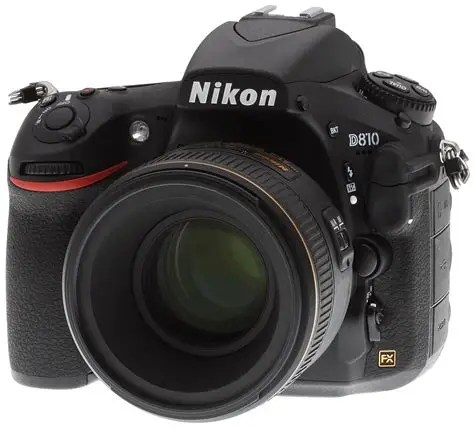
Nikon D810 (2014): A 36MP full‑frame powerhouse designed for detail, dynamic range, and professional workflows. Celebrated for precision and versatility.
📸 Street Photography
D700 (12MP):
Smaller files, faster workflow.
Atmospheric rendering — shadows and tones feel organic, almost cinematic.
Forces discipline: you must frame carefully, as cropping options are limited.
Discreet enough for candid shooting.
D810 (36MP):
Extreme detail, but heavier files slow down workflow.
Less discreet — bulkier presence on the street.
Cropping flexibility allows you to reframe after the fact.
Can feel clinical compared to the D700’s mood.
Verdict:D700 excels in character‑driven street work; D810 offers precision but less immediacy.
🎭 Portrait Photography
D700 (12MP):
Softer detail can flatter skin tones.
Files have a natural, film‑like quality.
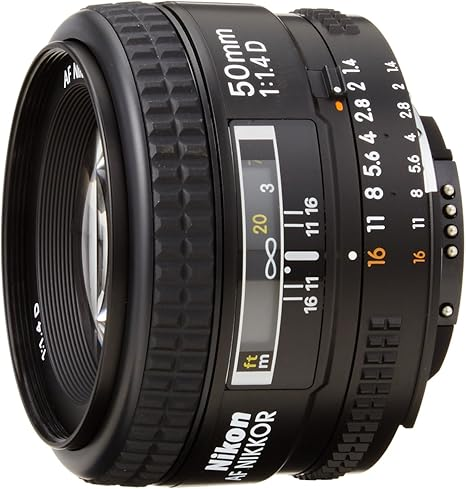
Works beautifully with classic primes (e.g., 85mm f/1.8D).
D810 (36MP):
Extreme detail — every pore and texture is visible.
Ideal for commercial retouching and high‑end portraiture.
Demands sharp lenses; reveals flaws in older optics.
Verdict:D700 gives character and mood; D810 delivers precision and retouching flexibility.
📰 Editorial & Commercial Work
D700 (12MP):
Perfect for web, magazines, and prints up to A3.
Efficient workflow — smaller files mean faster editing and delivery.
Less suited for billboard or fine art reproduction.
D810 (36MP):
Designed for commercial output — large prints, cropping, and archival quality.
Demands more storage and computing power.
Provides future‑proof resolution for agencies and galleries.
Verdict:D700 is efficient for editorial; D810 is indispensable for commercial and fine art projects.
⚖️ Comparative Snapshot
Context
D700 (12MP)
D810 (36MP)
Street
Atmospheric, discreet, efficient
Detailed, flexible cropping, heavier workflow
Portrait
Flattering softness, film‑like
Extreme detail, retouching power
Editorial
Fast turnaround, A3 prints
Large prints, archival detail
Workflow
Light files, quick edits
Heavy files, demanding post‑production
✨ Conclusion
The Nikon D700 proves that 12MP is enough for most real‑world applications — especially street and editorial work where atmosphere and efficiency matter. The D810, with its 36MP sensor, shines when detail, cropping, and large‑scale output are essential.
Verdict:Choose the D700 for character and speed; choose the D810 for precision and scale.
Released in 2008, the Nikon D700 was Nikon’s first “affordable” full‑frame DSLR. With its 12.1MP FX sensor, it might look modest compared to today’s 36MP, 45MP, or even 60MP monsters. Yet, it remains beloved by many photographers for its tonal depth, rugged build, and film‑like rendering.
🎯 The Myth of Megapixels
Resolution vs. perception: 12MP translates to an image size of roughly 4256 × 2832 pixels. At 300 dpi (standard print resolution), that’s enough for prints up to A3 size (16.5 × 11.7 inches) without visible loss of detail.
Beyond numbers: Sharpness, dynamic range, and lens quality matter more than raw pixel count. A well‑exposed, well‑composed D700 file will outshine a sloppy 45MP shot.
Viewing distance: Large prints are rarely examined at nose‑length. At normal viewing distances, 12MP images look crisp and immersive.
📸 Why the D700 Excels
Full‑frame sensor: Larger pixels mean better light‑gathering ability, resulting in cleaner files and smoother tonal transitions.
Dynamic range: The D700 captures highlights and shadows with grace, giving prints depth and richness.
Color rendering: Its files have a distinctive “thickness” — less clinical than modern sensors, often described as film‑like.
Workflow: Smaller RAW files are faster to process and archive, making it practical for long projects.
⚖️ Lens Quality Matters
Pairing the D700 with high‑quality primes (like the Nikkor 85mm f/1.8G or classic D lenses) ensures that the sensor’s resolution is fully utilized. A sharp lens with good micro‑contrast can make a 12MP file look far more detailed than the megapixel count suggests.
📊 Comparative Snapshot
Factor
D700 (12MP)
Modern DSLR/Mirrorless (36–45MP)
Print size
Up to A3 comfortably
Up to A1 or billboard
File size
~12–14MB RAW
40–60MB RAW
Workflow
Fast, efficient
Demands more storage & computing
Rendering
Film‑like, atmospheric
Clinical, ultra‑sharp
Flexibility
Limited cropping
Extreme cropping possible
✨ Conclusion
The Nikon D700 proves that megapixels aren’t everything. With its 12MP sensor, it produces images rich in tone, character, and detail — easily printable up to A3. For many photographers, the D700’s files feel more alive than those from modern high‑resolution cameras.
Verdict:A well‑crafted 12MP image can be more powerful than a soulless 45MP file. The D700 reminds us that photography is about vision, not just resolution.









































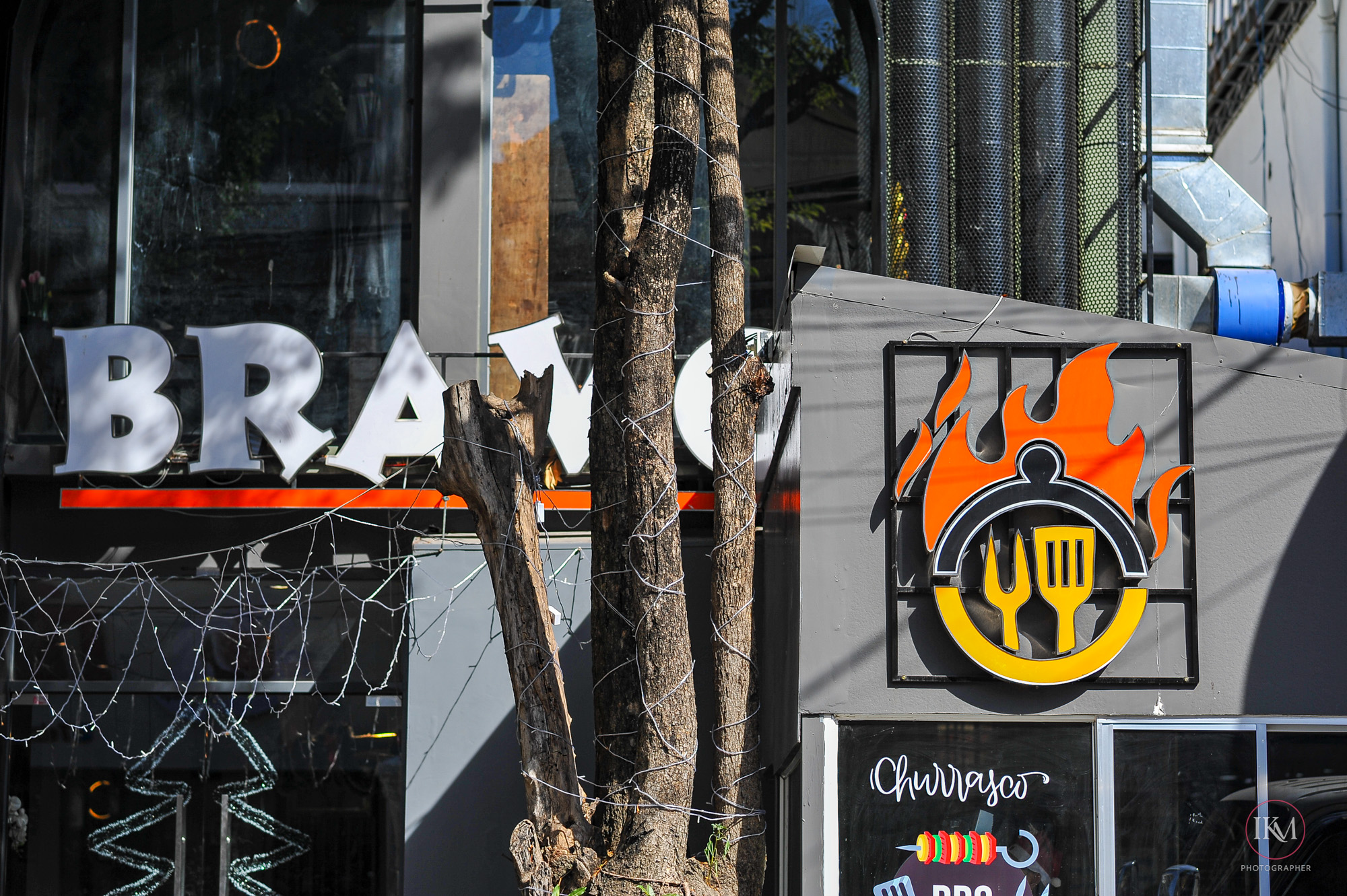
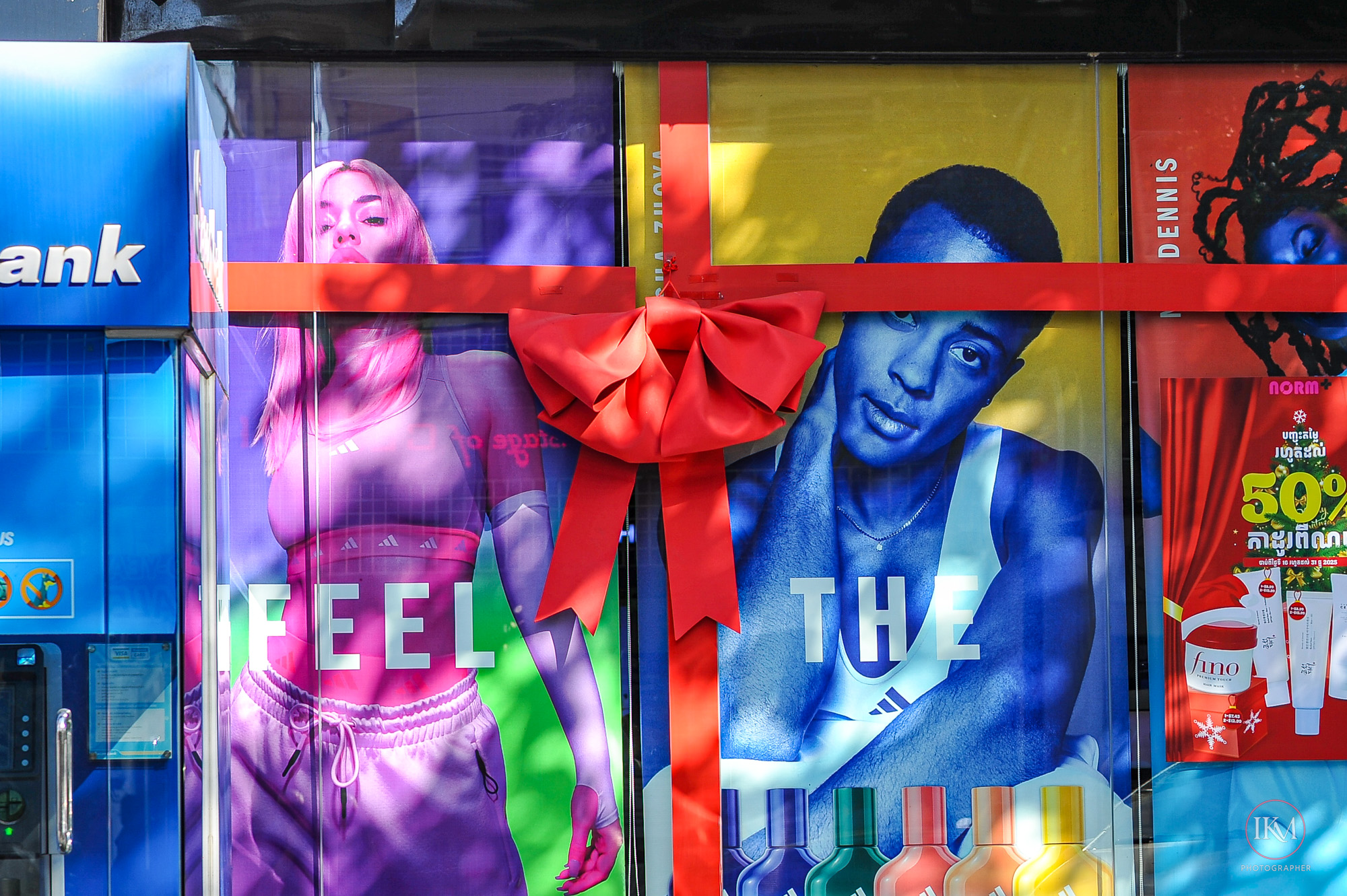
 a world without pictures is like coffee without cream and sugar, bitter