

Choosing a potentially dangerous profession like photojournalism requires preparation, resilience, and a deep passion for storytelling. Here’s a guide to help someone navigate this path safely and effectively:

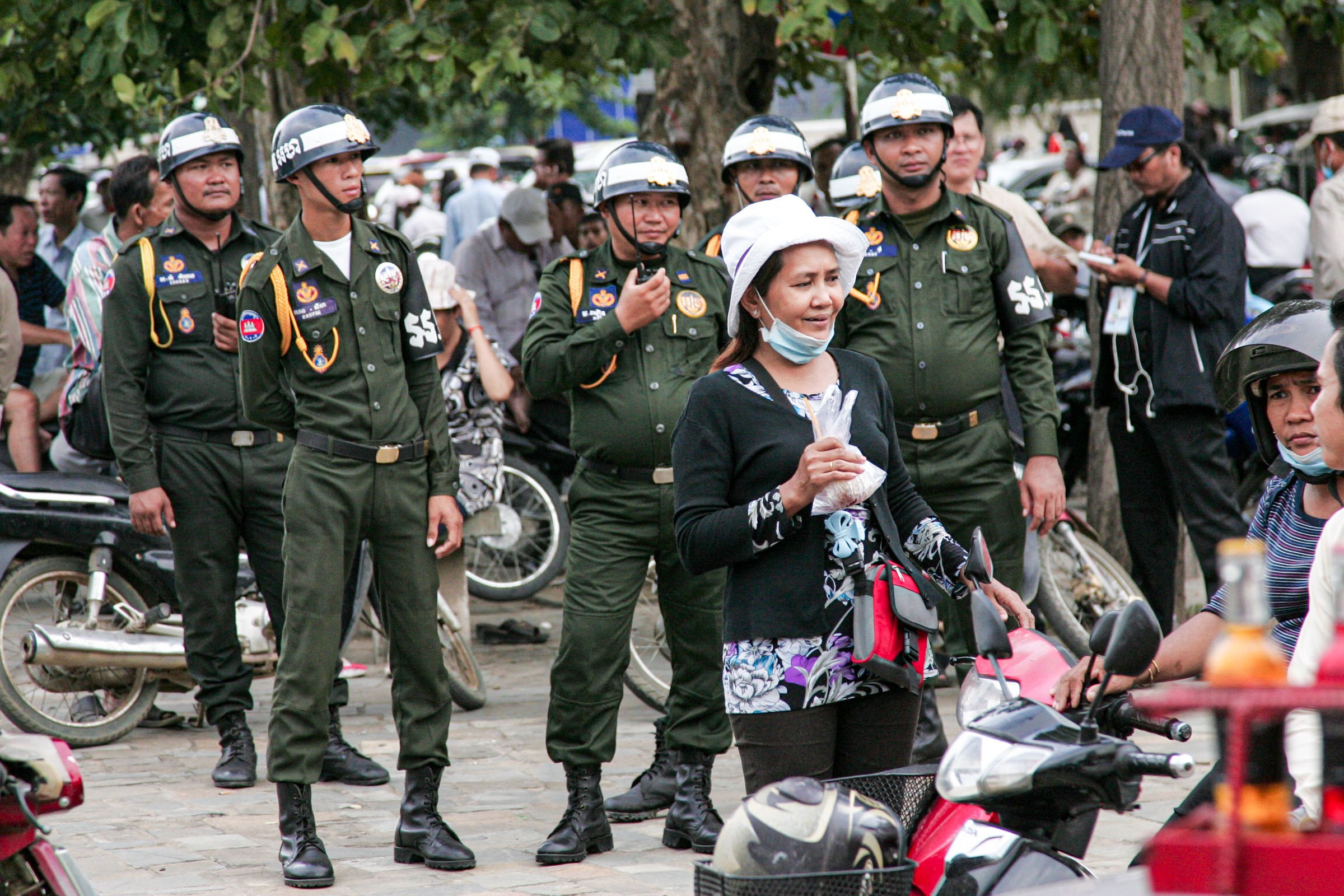


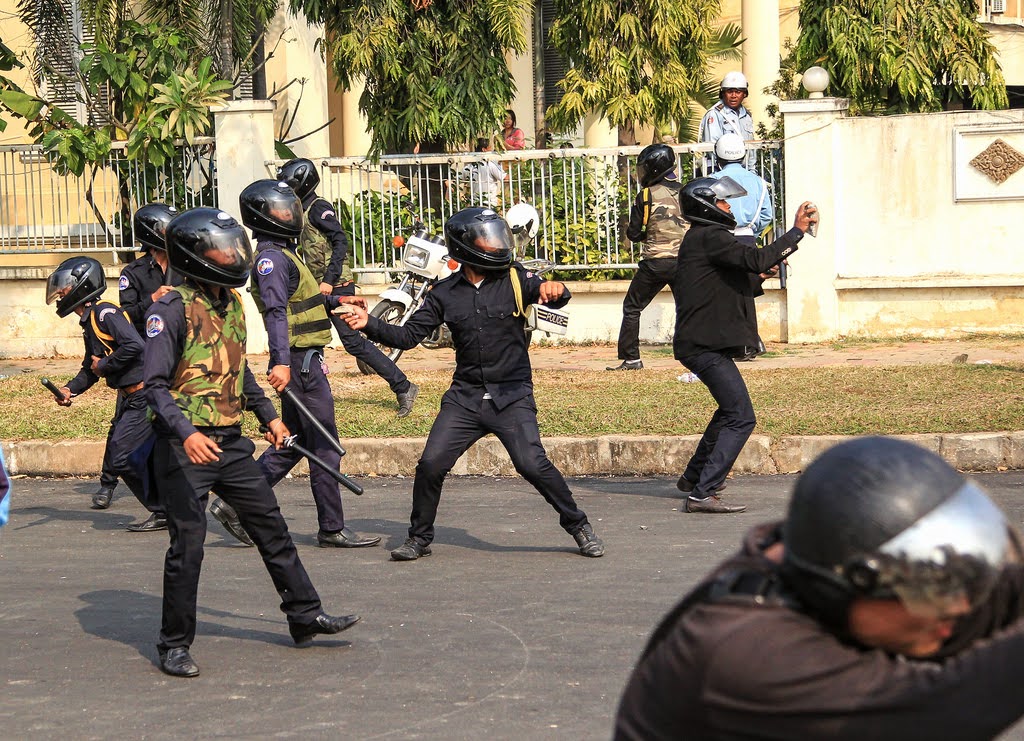

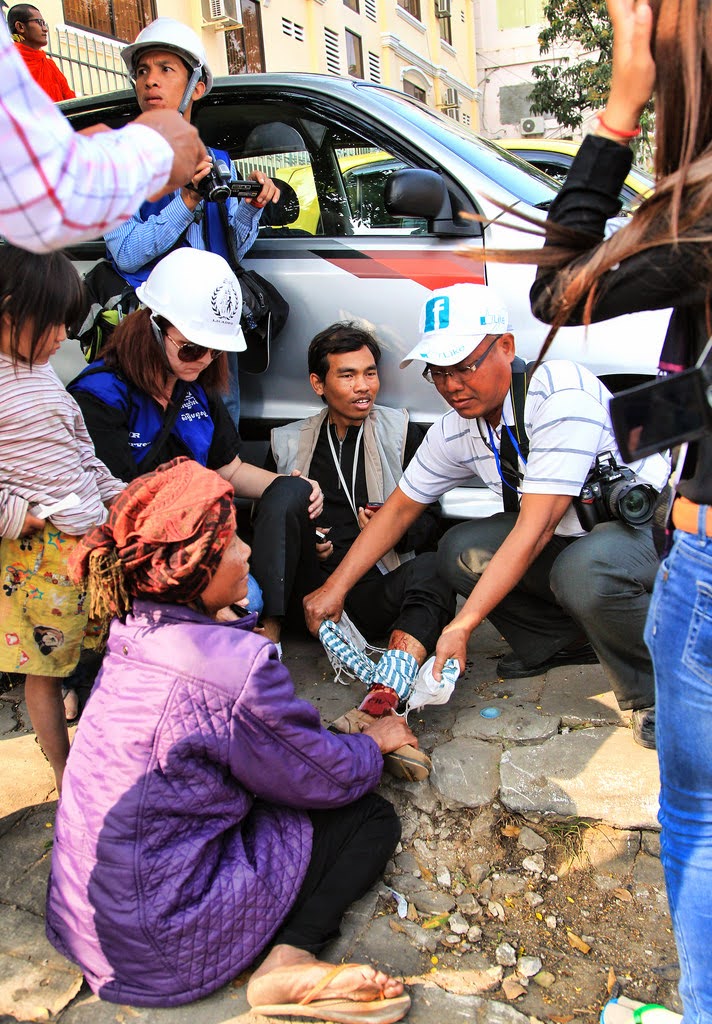

1. Develop Strong Skills and Portfolio
- Master the Craft: Enhance photography skills through courses, workshops, and hands-on practice. Street photography, capturing candid moments, is a good starting point.
- Build a Portfolio: Create a compelling portfolio showcasing a variety of work, with an emphasis on impactful, human-interest stories.
2. Gain Relevant Experience
- Internships and Freelance Work: Start with internships at media outlets or freelance assignments to gain practical experience.
- Network: Connect with other photojournalists and professionals in the field. Attend industry events, join photography groups, and participate in exhibitions.
3. Understand the Risks
- Safety Training: Take courses on safety in conflict zones and hazardous environments. Organizations like the Rory Peck Trust offer such training.
- Stay Informed: Research and stay updated on the regions and situations you will be covering. Knowledge of the political, social, and environmental context is crucial.
4. Equip Yourself Properly
- Right Gear: Invest in durable and reliable photography equipment. Consider cameras like the Nikon D3S or Canon 1D MkIV which have proven performance.
- Safety Gear: In dangerous areas, gear like bulletproof vests and helmets might be necessary.
5. Develop a Support System
- Mentorship: Find a mentor in the field who can offer guidance and support.
- Mental Health Support: Dealing with traumatic events can be challenging. Have access to mental health resources and support networks.
6. Legal and Ethical Considerations
- Understand Legalities: Be aware of the legal implications and regulations in the areas you are working in.
- Ethics: Maintain ethical standards in journalism. Respect the dignity and privacy of the subjects you photograph.
7. Be Persistent and Adaptable
- Stay Determined: The path to becoming a successful photojournalist can be challenging and competitive.
- Adaptability: Be open to different styles and methods of storytelling.





The journey to becoming a photojournalist is both demanding and rewarding. It requires a balance of technical skill, safety awareness, and a profound commitment to telling human stories.
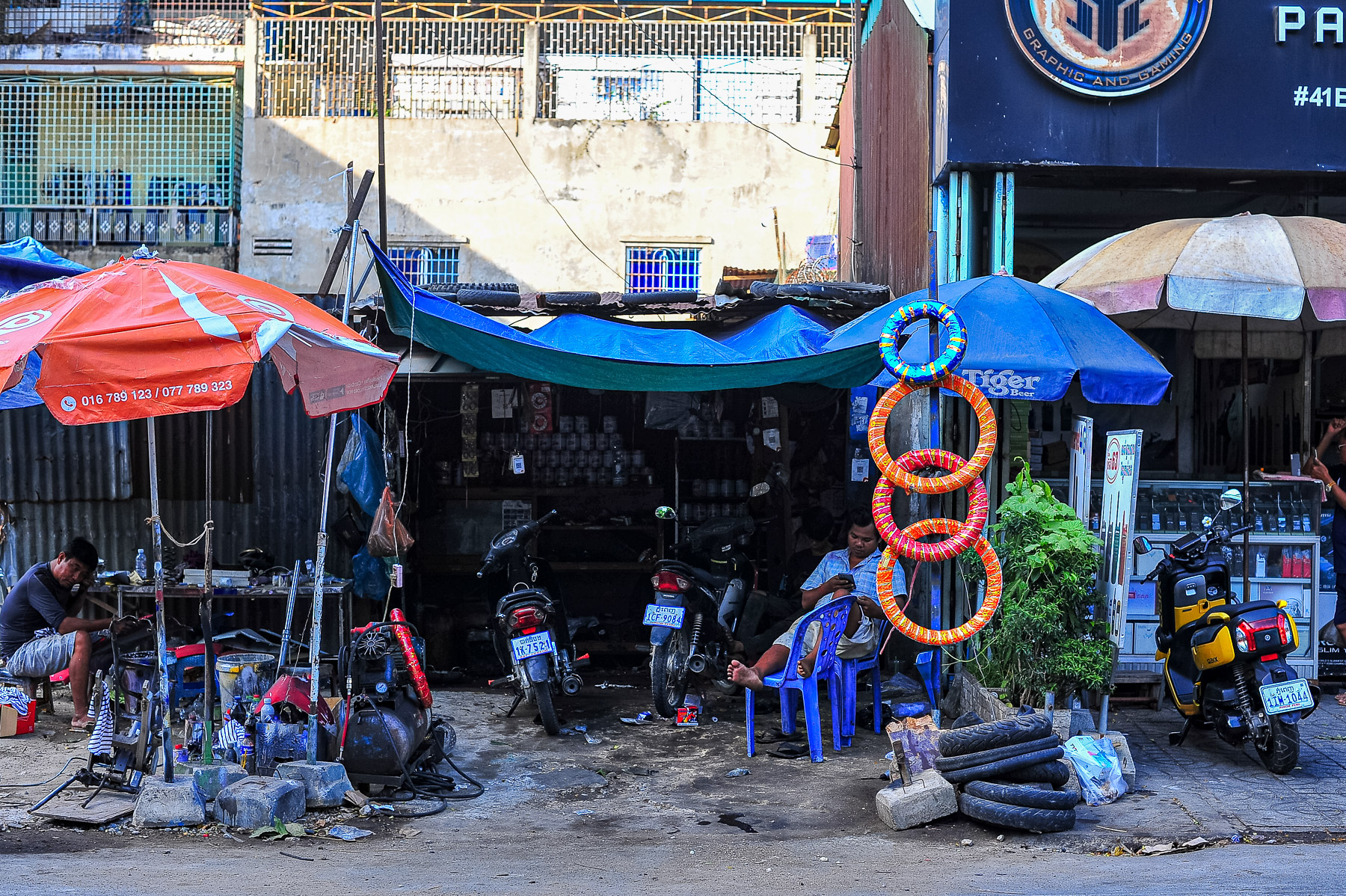
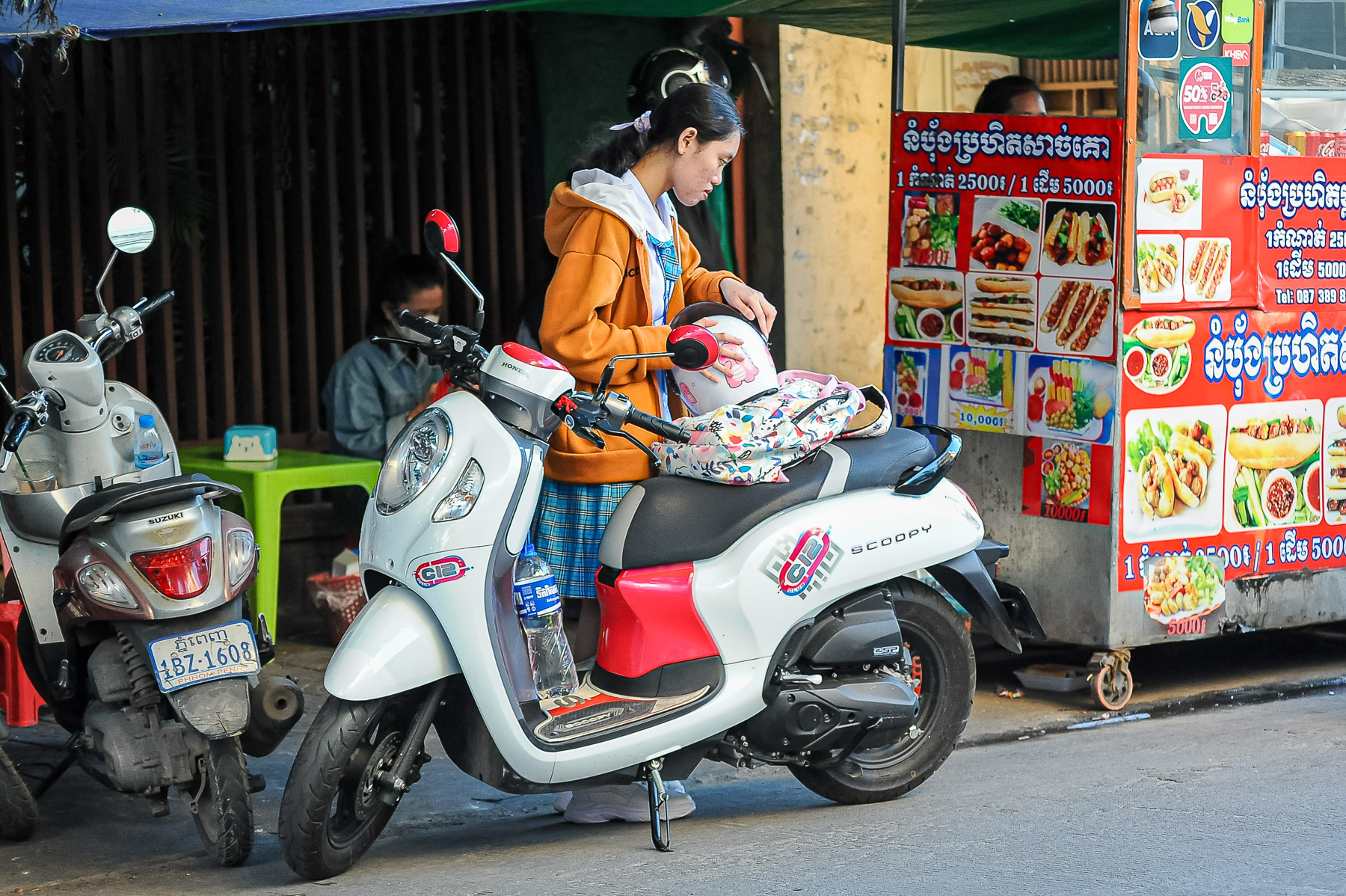
If you’re eager to start, why not practice your skills by capturing compelling stories in your local area? Street photography often provides a rich tapestry of human experiences and can serve as excellent preparation for more intense assignments.
For a burgeoning photojournalist like yourself, focusing on specific photography skills can elevate your work and help you capture impactful, story-driven images. Here are some key skills to hone:
1. Composition and Framing
- Rule of Thirds: Understand how to compose images by dividing the frame into thirds, placing points of interest along these lines.
- Leading Lines: Use lines to guide the viewer’s eye to the main subject of the photograph.
- Framing: Experiment with natural frames within your environment to highlight the subject.
2. Exposure and Lighting
- Manual Mode Mastery: Get comfortable shooting in manual mode to have full control over shutter speed, aperture, and ISO.
- Low-Light Photography: Practice capturing sharp and well-exposed images in low-light conditions, a crucial skill for photojournalists.
- Natural Light: Learn to use and manipulate natural light to enhance your images.
3. Focus and Depth of Field
- Selective Focus: Understand how to use selective focus to isolate your subject from the background.
- Depth of Field: Play with different apertures to create depth in your images. Use a shallow depth of field for portraits and a deeper one for environmental shots.
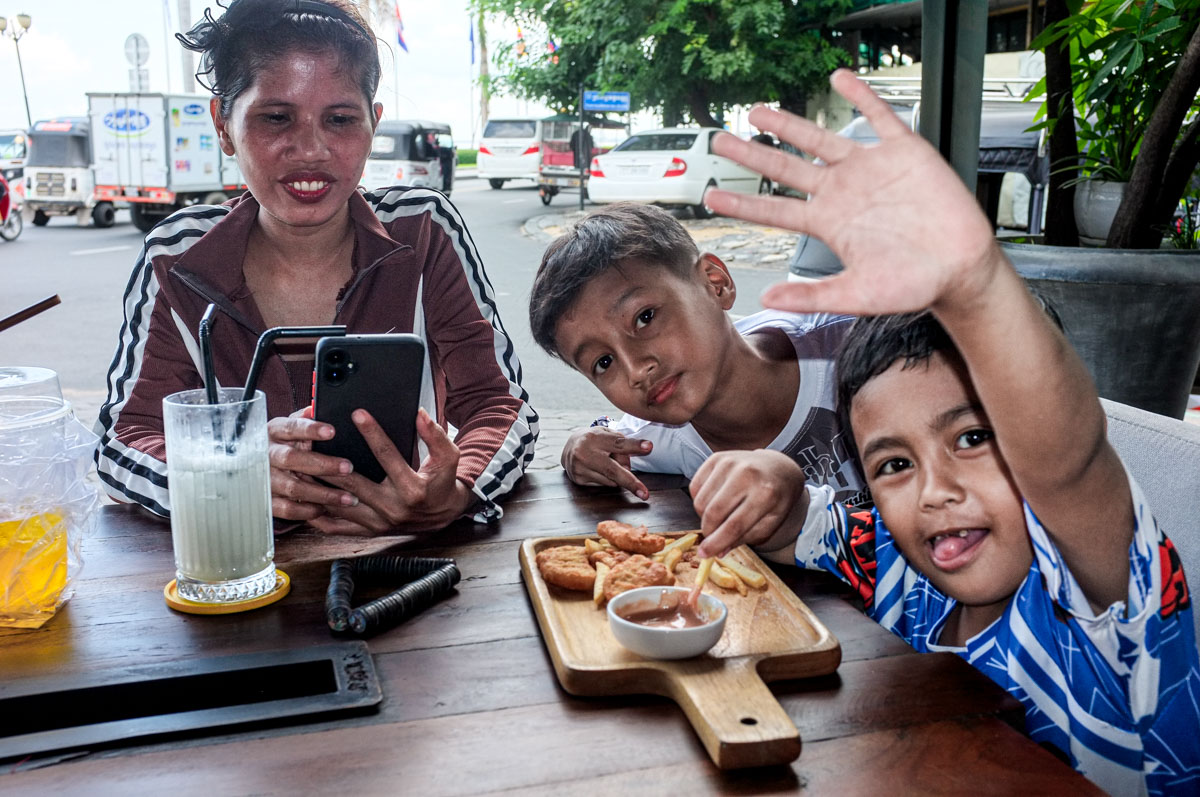
4. Candid and Street Photography
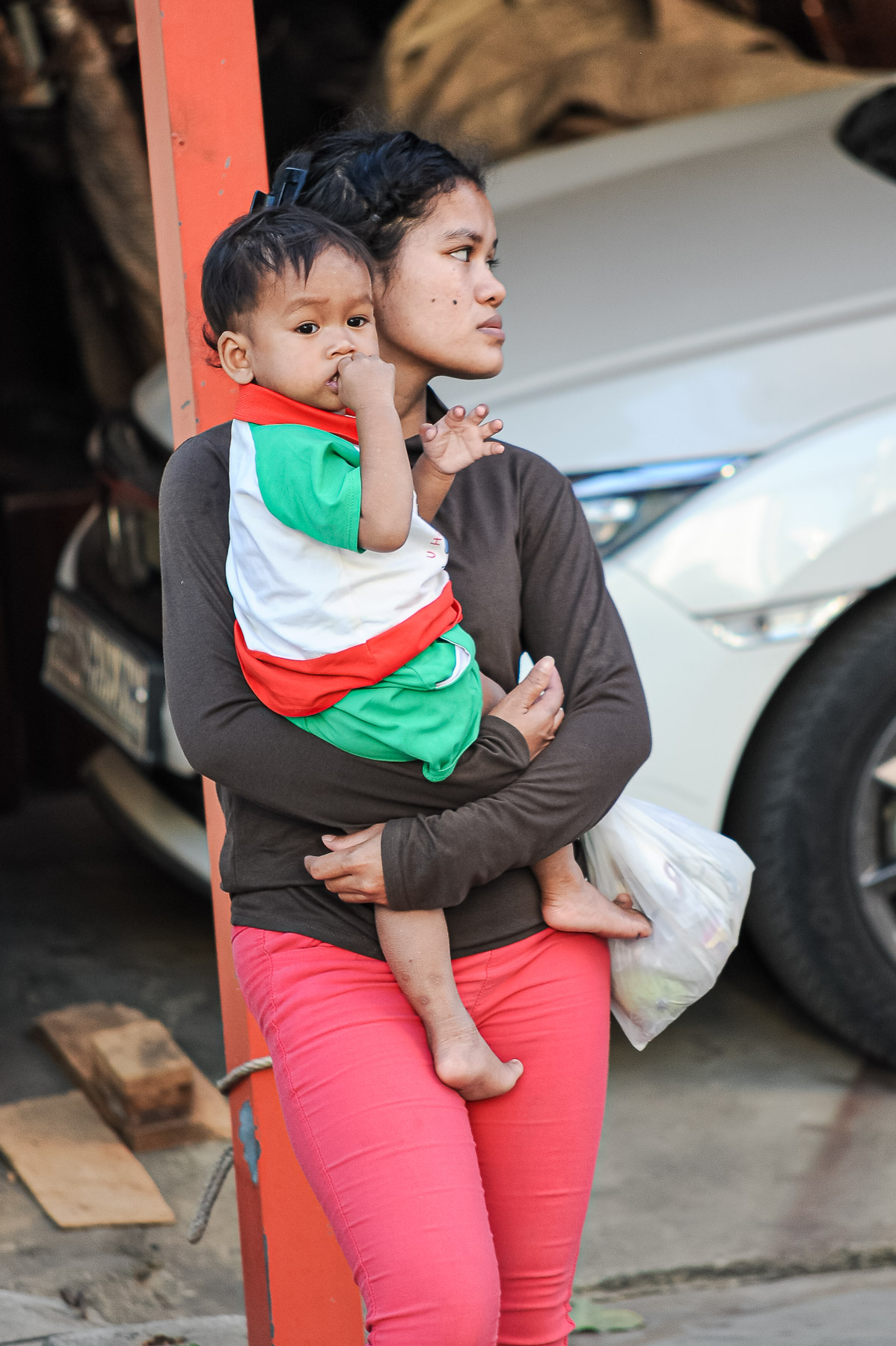
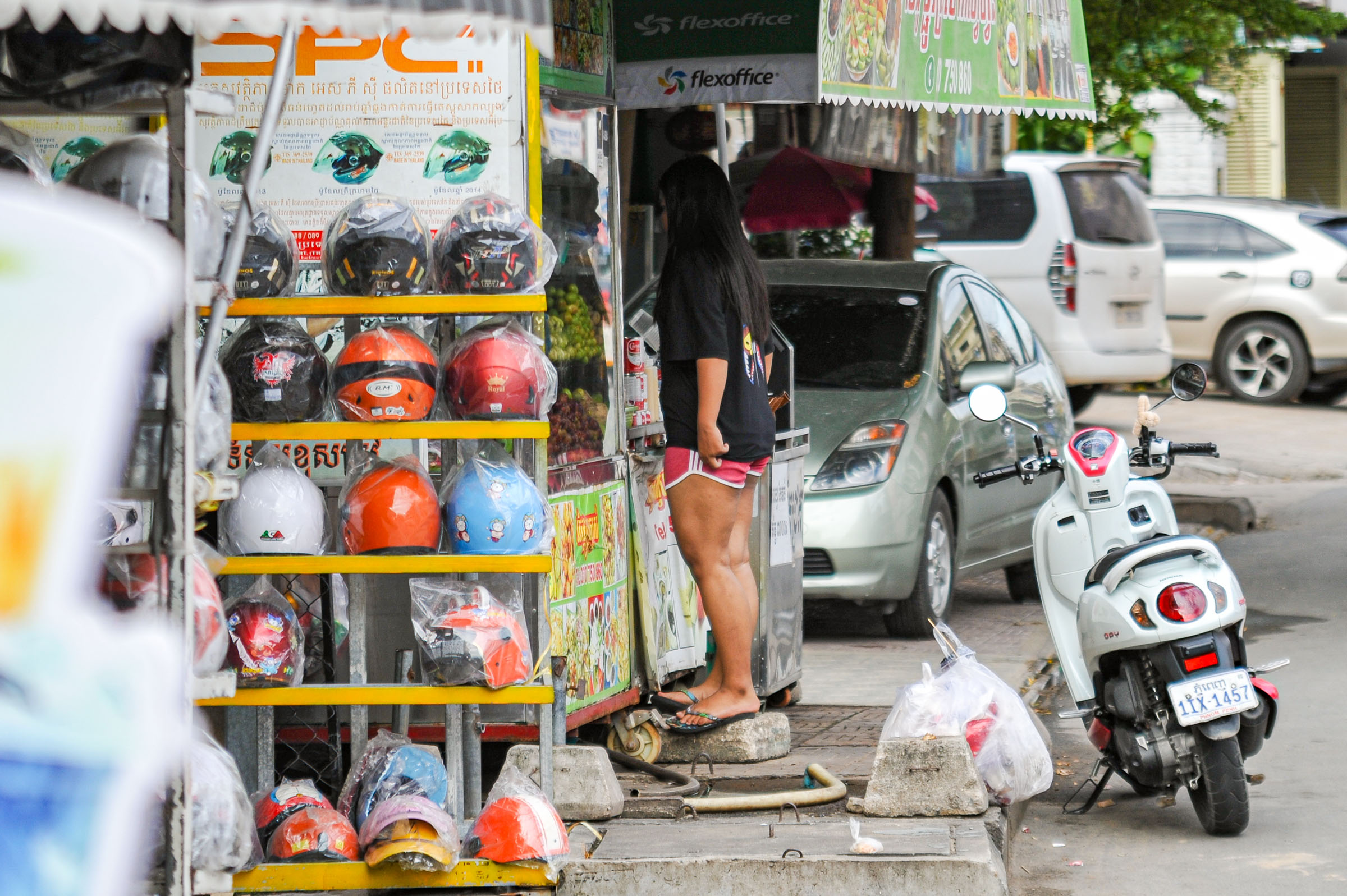
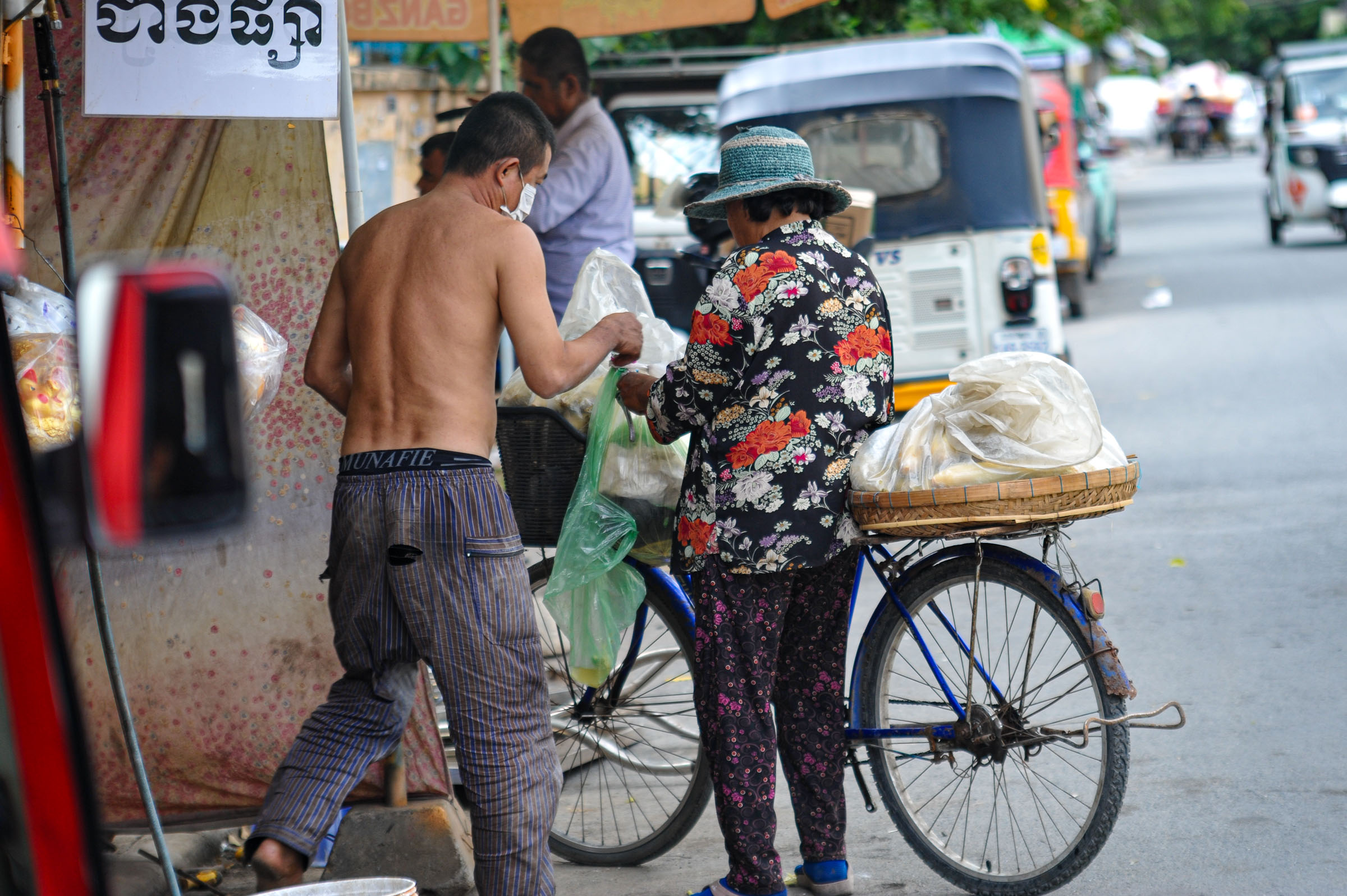
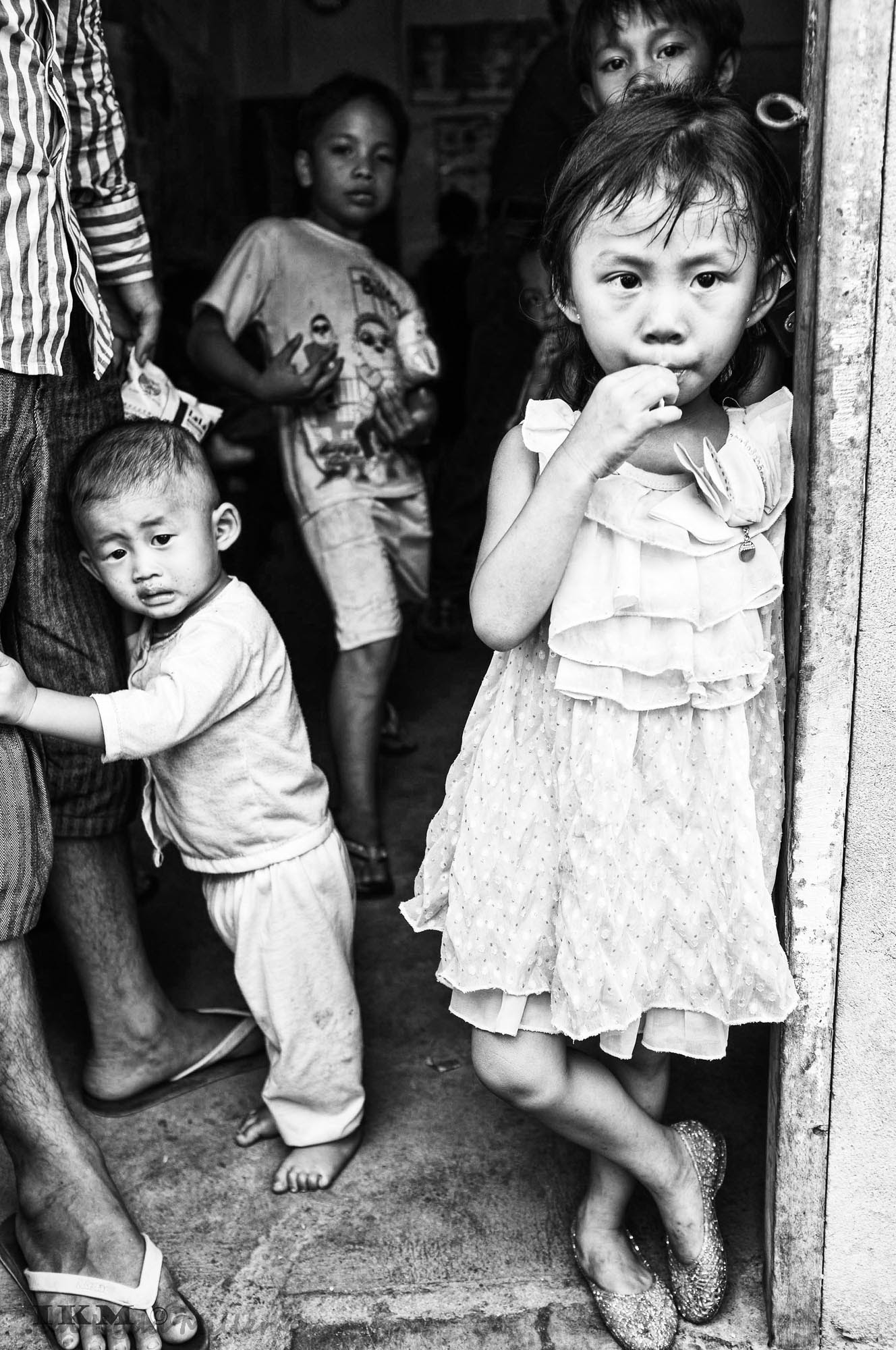
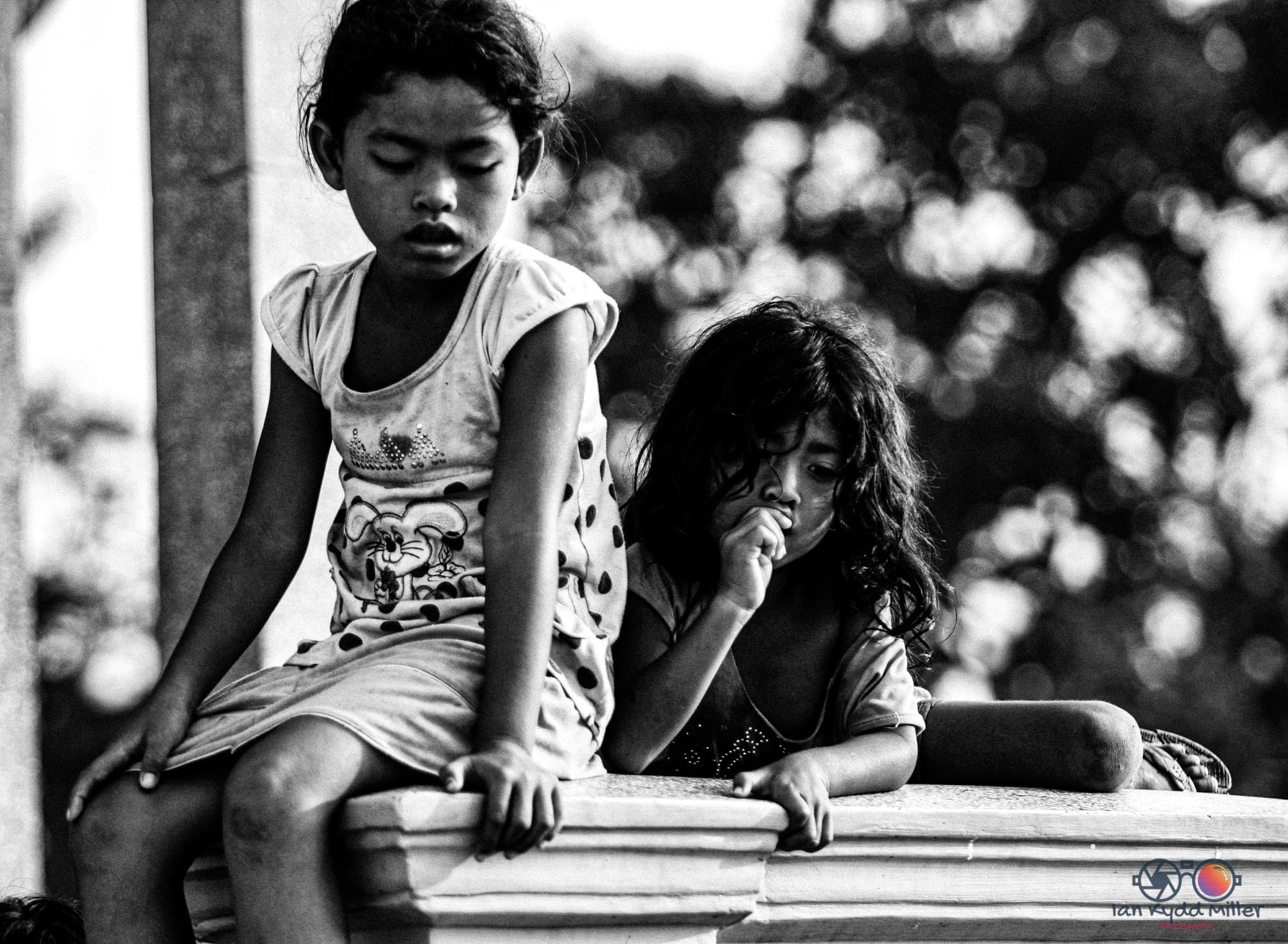
- Spontaneity: Capture un-posed, genuine moments. This is essential for telling authentic human stories.
- Discreet Shooting: Develop techniques to shoot discreetly, so as not to disturb the scene you photograph.
5. Post-Processing
- Editing Software: Gain proficiency in photo editing software like Adobe Lightroom and Photoshop.
- Ethical Editing: Learn to enhance images while maintaining their authenticity and integrity. Avoid excessive manipulation.
6. Visual Storytelling
- Narrative: Each photo should contribute to the overarching story you aim to tell. Think about how your images work together to convey a message.
- Sequencing: Practice creating a photo series that guides the viewer through a visual narrative.
7. Technical Proficiency with Gear
- Camera Handling: Be familiar with your camera’s functions. Practice changing settings quickly and efficiently.
- Lens Selection: Understand which lenses to use for different scenarios. Prime lenses are great for low light, while zoom lenses offer versatility.
8. Research and Contextual Knowledge
- Background Research: Always research the context of the stories you are documenting. This ensures your images are informative and respectful.
- Cultural Sensitivity: Be aware of and sensitive to cultural norms and practices in the regions you photograph.
9. Resilience and Adaptability
- Patience: Sometimes the perfect shot requires waiting for the right moment.
- Adaptability: Be prepared to adapt to changing conditions and unpredictable situations.
10. Ethical Journalism
- Code of Ethics: Familiarize yourself with the ethical standards in journalism. Always prioritize the dignity and safety of your subjects.
Consistent practice and a willingness to experiment and learn from each shot will help you develop these skills. Documenting your local area can be a great way to start building these competencies.

Is there a particular technique or skill you’d like to dive deeper into?
Enhancing your visual storytelling in photography involves more than just capturing beautiful images—it’s about conveying a narrative that resonates with your audience. Here are some techniques to elevate your storytelling:
- Define Your Story
Purpose: Clearly define the purpose of your story. What message do you want to convey? What emotions do you want to evoke?
Subject: Identify the main subject or theme of your story. It could be a person, a place, or an event.
- Research and Plan
Background Research: Gather information about your subject. Understanding the context helps in capturing more meaningful images.
Storyboarding: Plan your shots in advance. Create a storyboard to visualize the sequence of your story.
- Capture Emotions and Moments
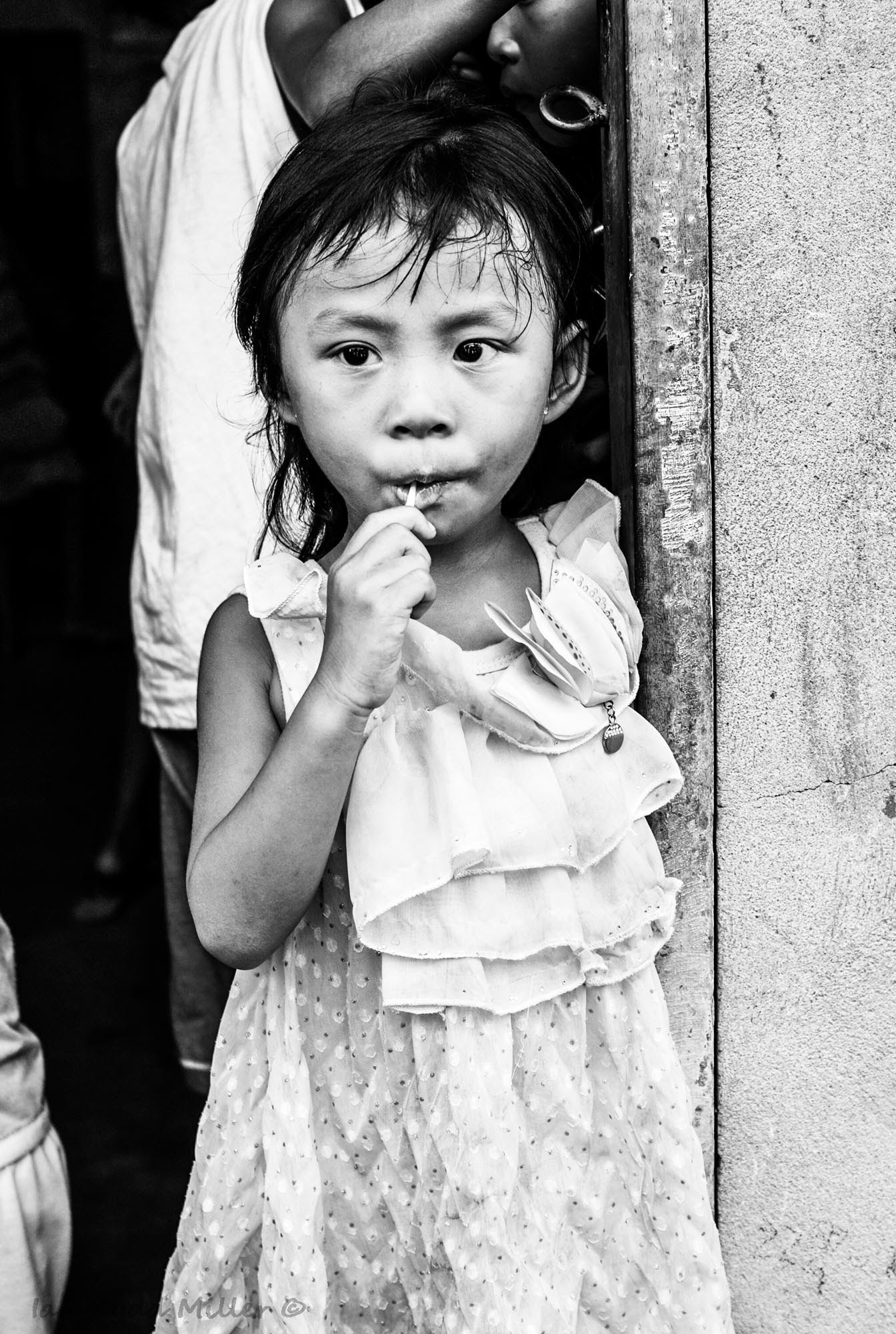
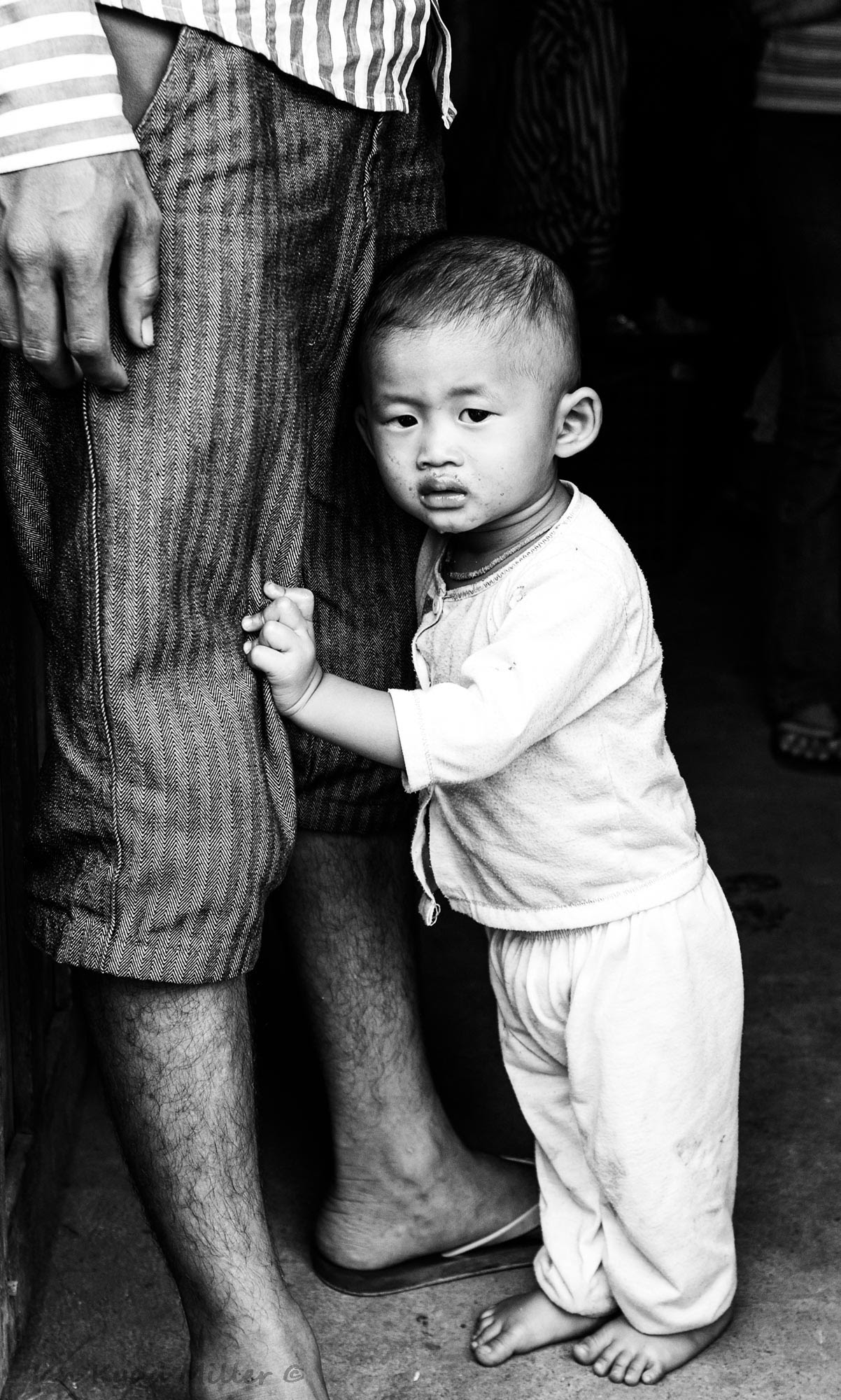
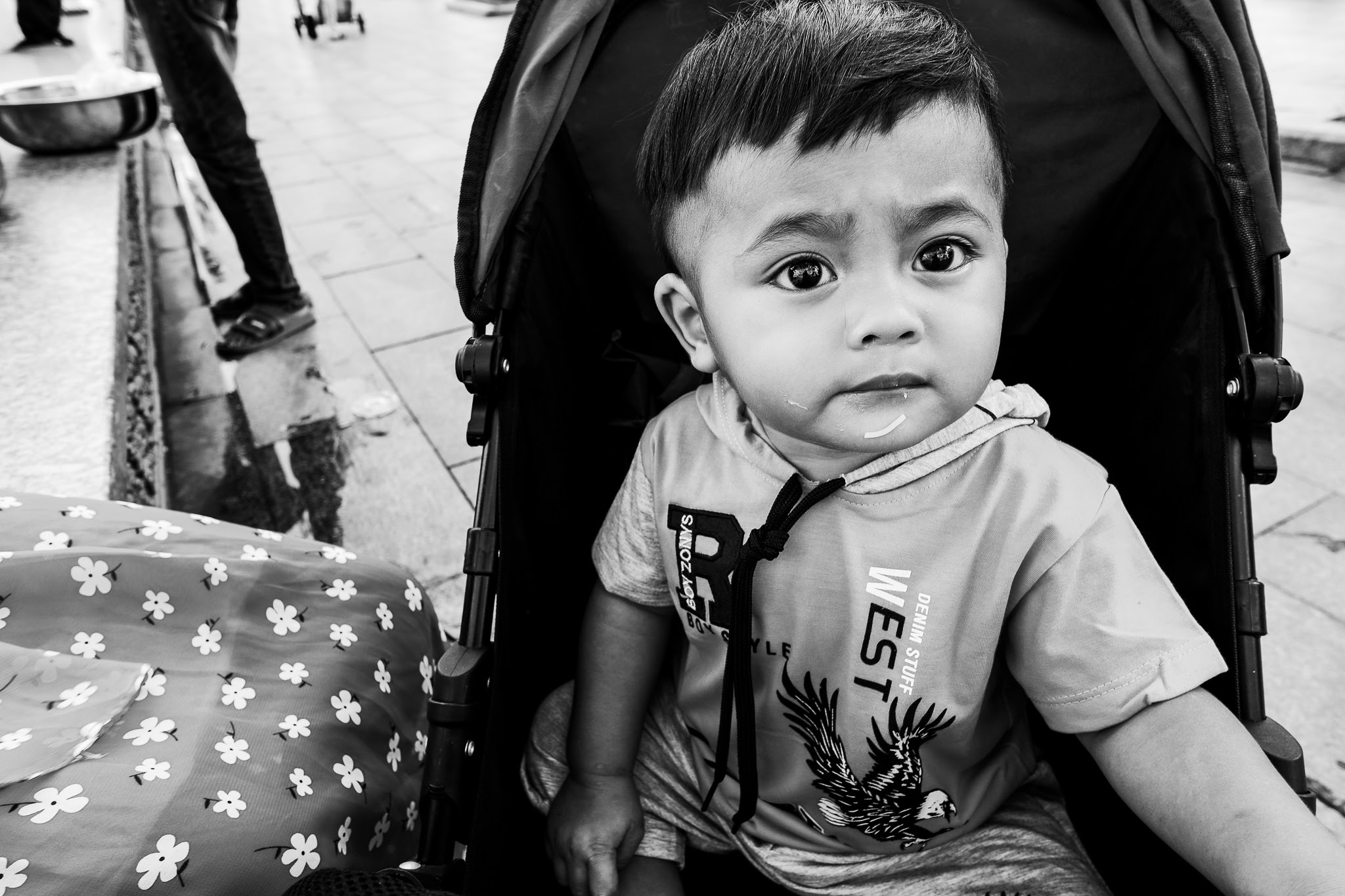
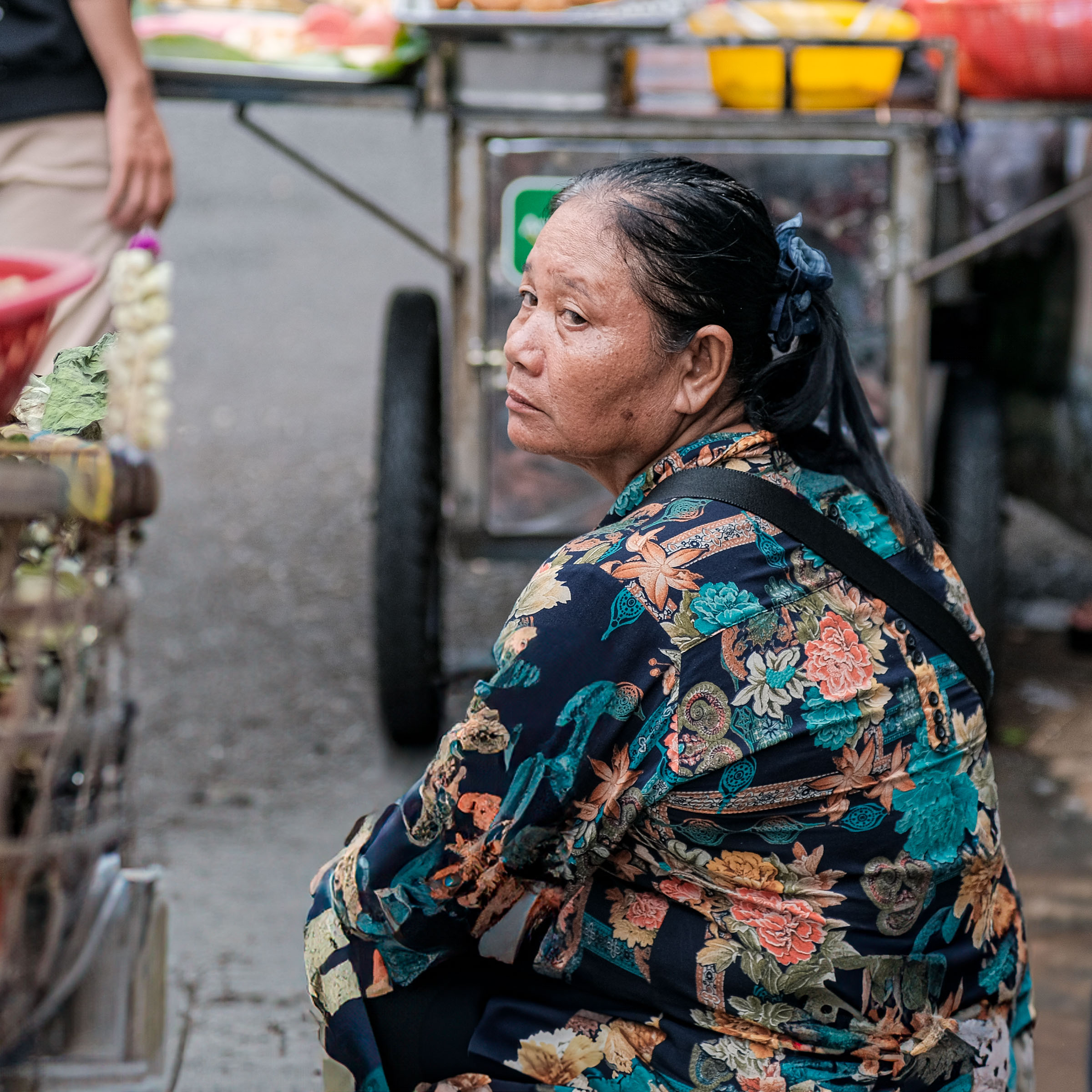
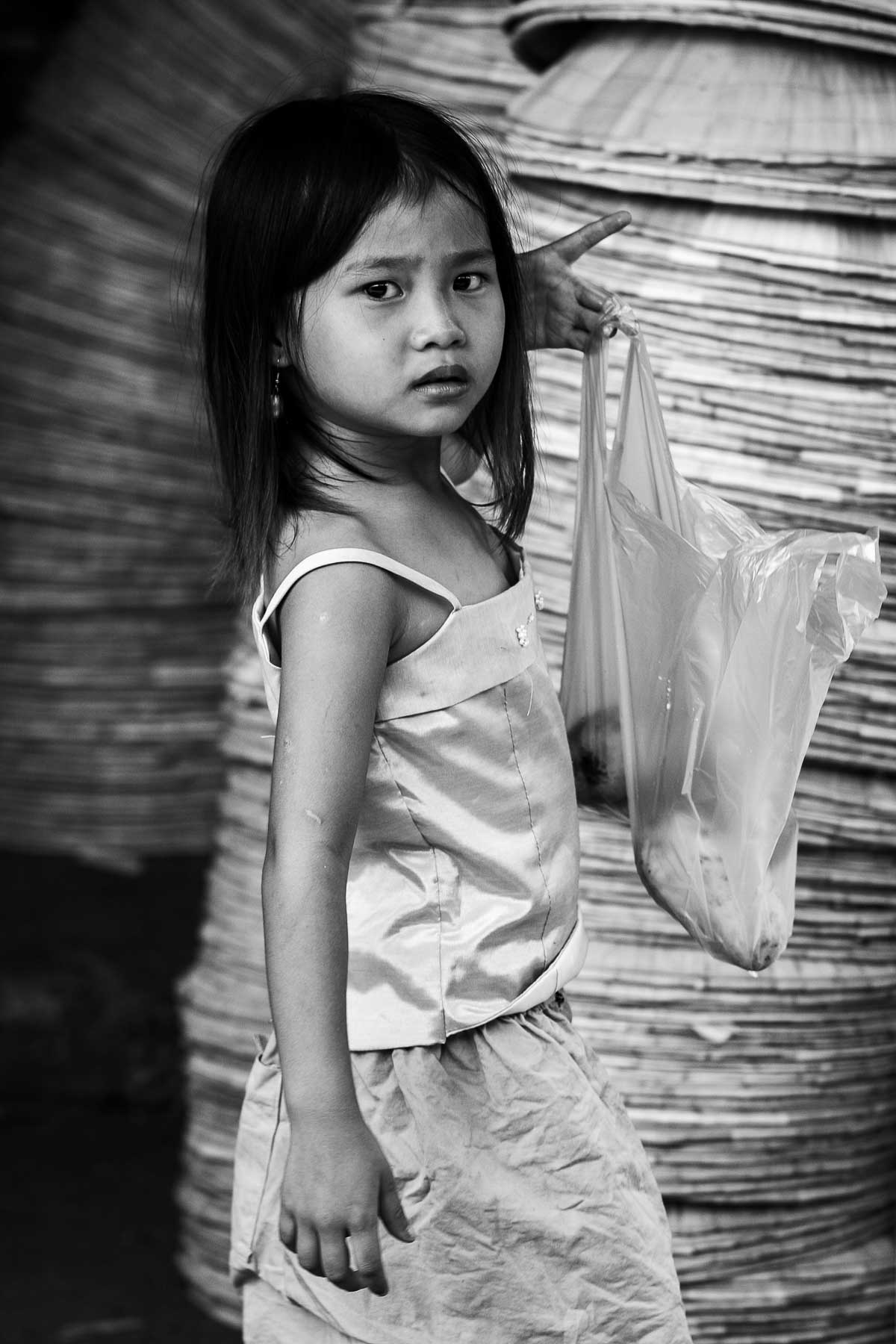
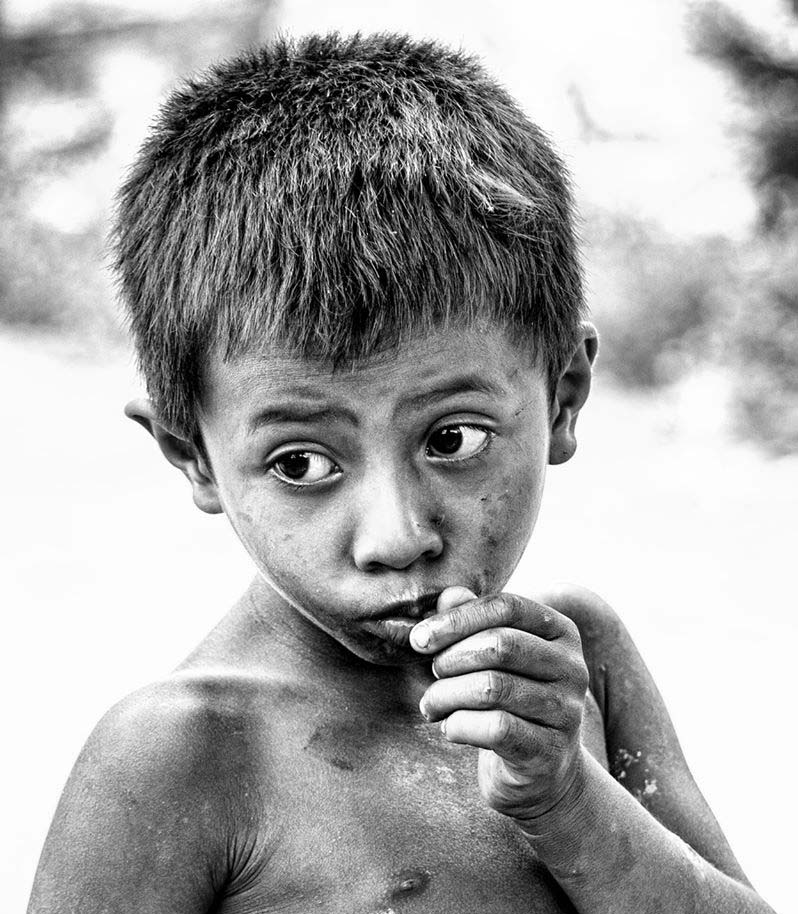
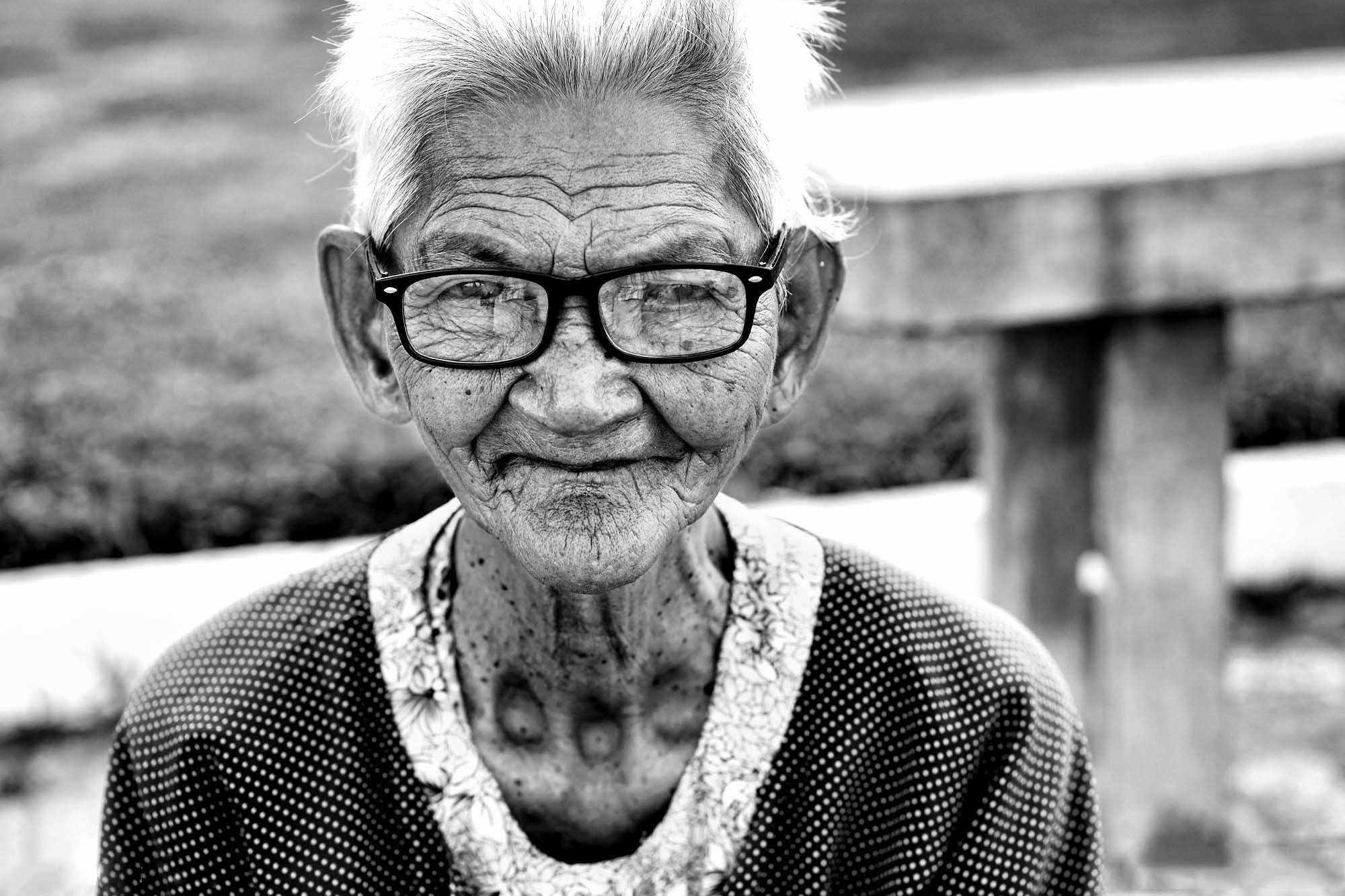
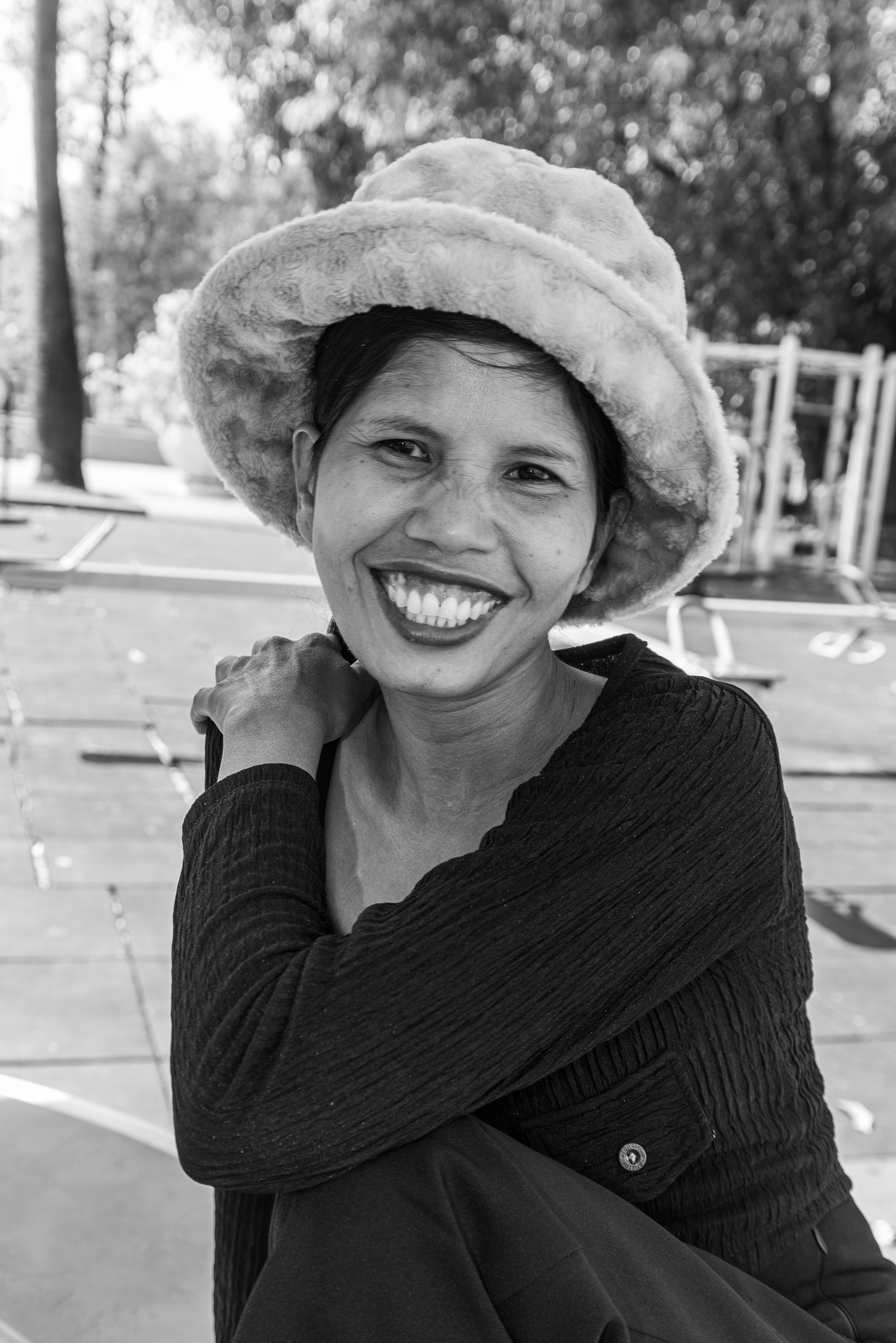
Expressions: Focus on capturing genuine emotions and expressions. They add depth to your story.
Moments: Look for decisive moments that highlight the essence of your narrative.
- Use Composition Effectively
Visual Hierarchy: Guide the viewer’s eye through the image using composition techniques like leading lines, framing, and the rule of thirds.
Juxtaposition: Use contrast and juxtaposition to highlight differences or similarities within the frame.
- Play with Light and Shadows
Natural Light: Utilize natural light to create mood and atmosphere. The quality of light can significantly impact the emotional tone of your images.
Shadows: Incorporate shadows to add depth and drama.
- Incorporate Symbolism and Metaphors
Symbols: Use objects or elements that symbolize broader concepts or themes. They can add layers of meaning to your story.
Metaphors: Create visual metaphors that represent abstract ideas in a tangible form.
- Create a Sense of Place
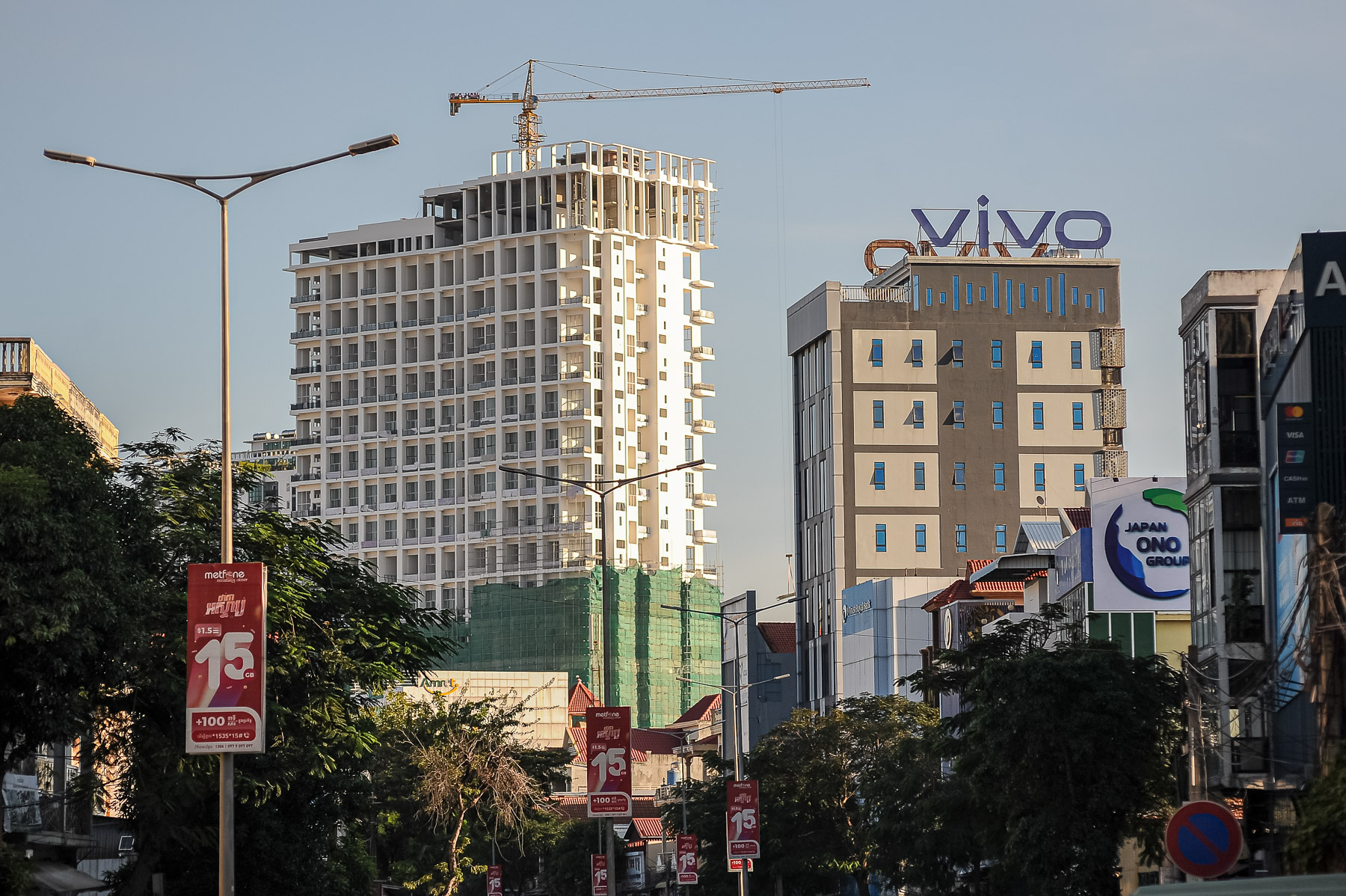
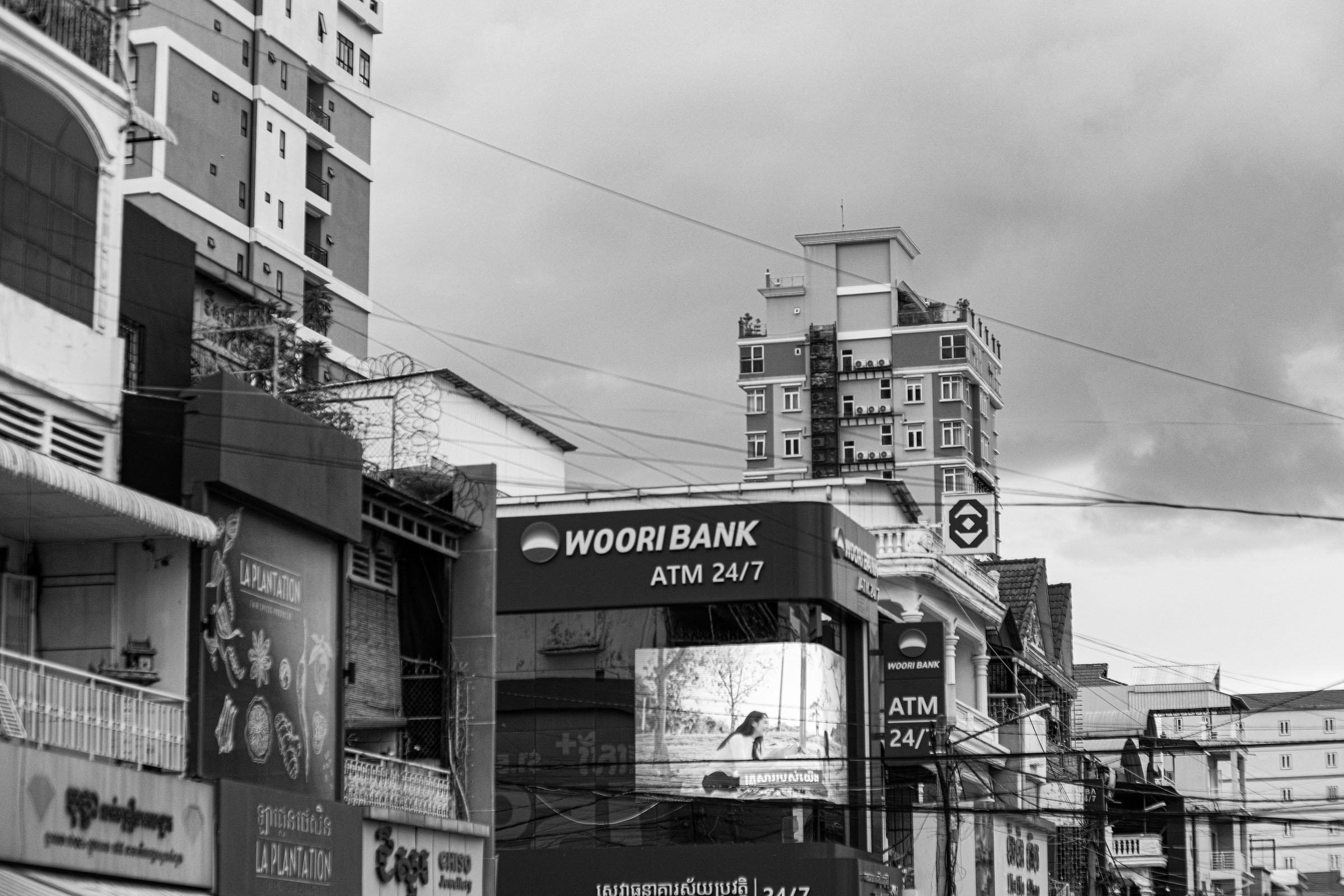
Environmental Shots: Capture the environment and setting to provide context. It helps the viewer understand the surroundings and the story’s backdrop.
Details: Pay attention to small details that contribute to the overall narrative.
- Sequence Your Images
Chronology: Arrange your images in a sequence that makes sense chronologically or thematically.
Pacing: Vary the pacing by mixing wide shots, medium shots, and close-ups. It keeps the viewer engaged.
- Post-Processing
Consistent Style: Maintain a consistent editing style that complements your story. It helps in creating a cohesive visual narrative.
Enhancements: Enhance colours, contrast, and sharpness to draw attention to key elements without over-editing.
- Engage with Your Audience
Captions and Context: Provide captions or context to accompany your images. It helps the audience understand the story behind the shots.
Interaction: Engage with your audience



































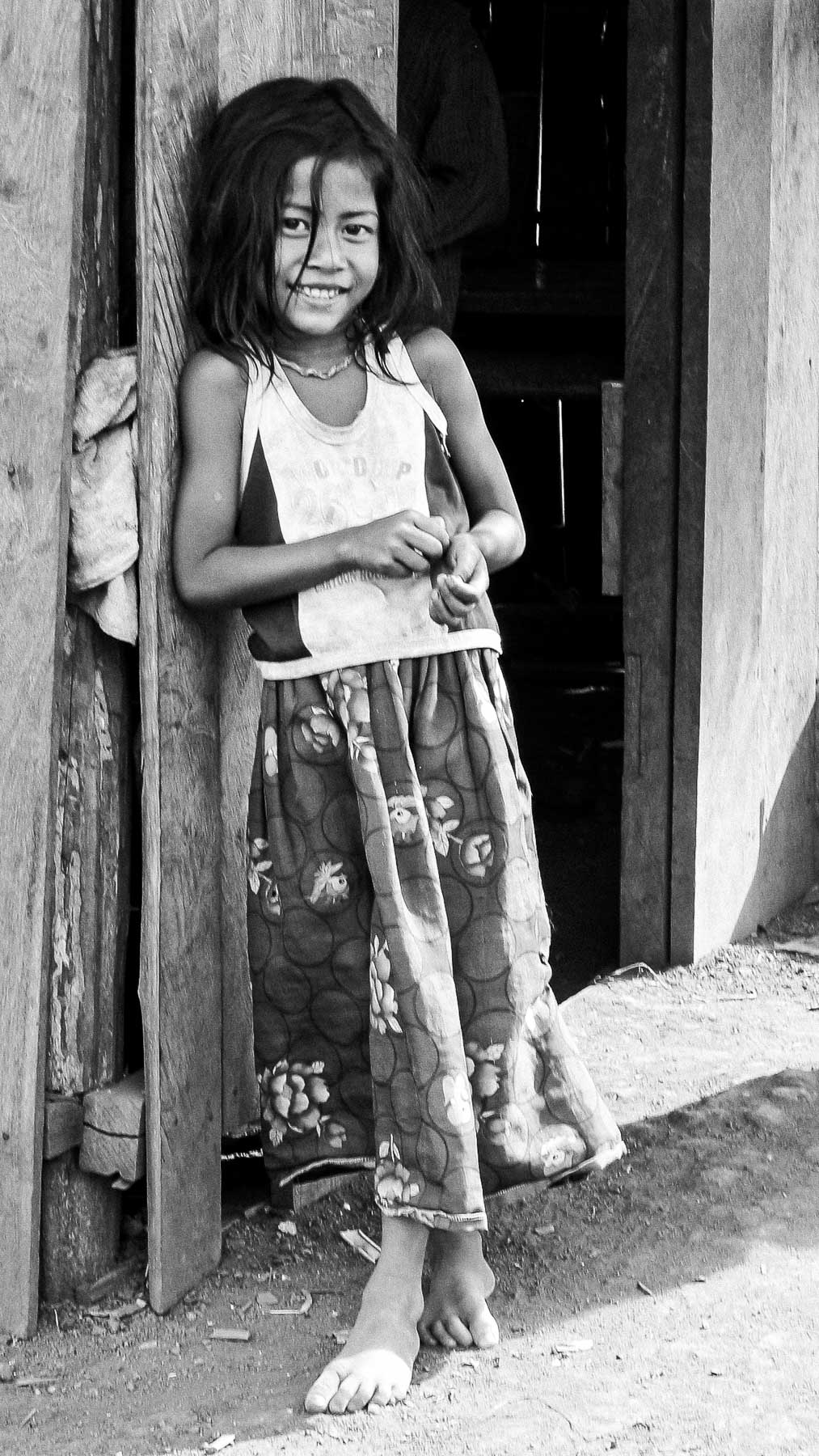
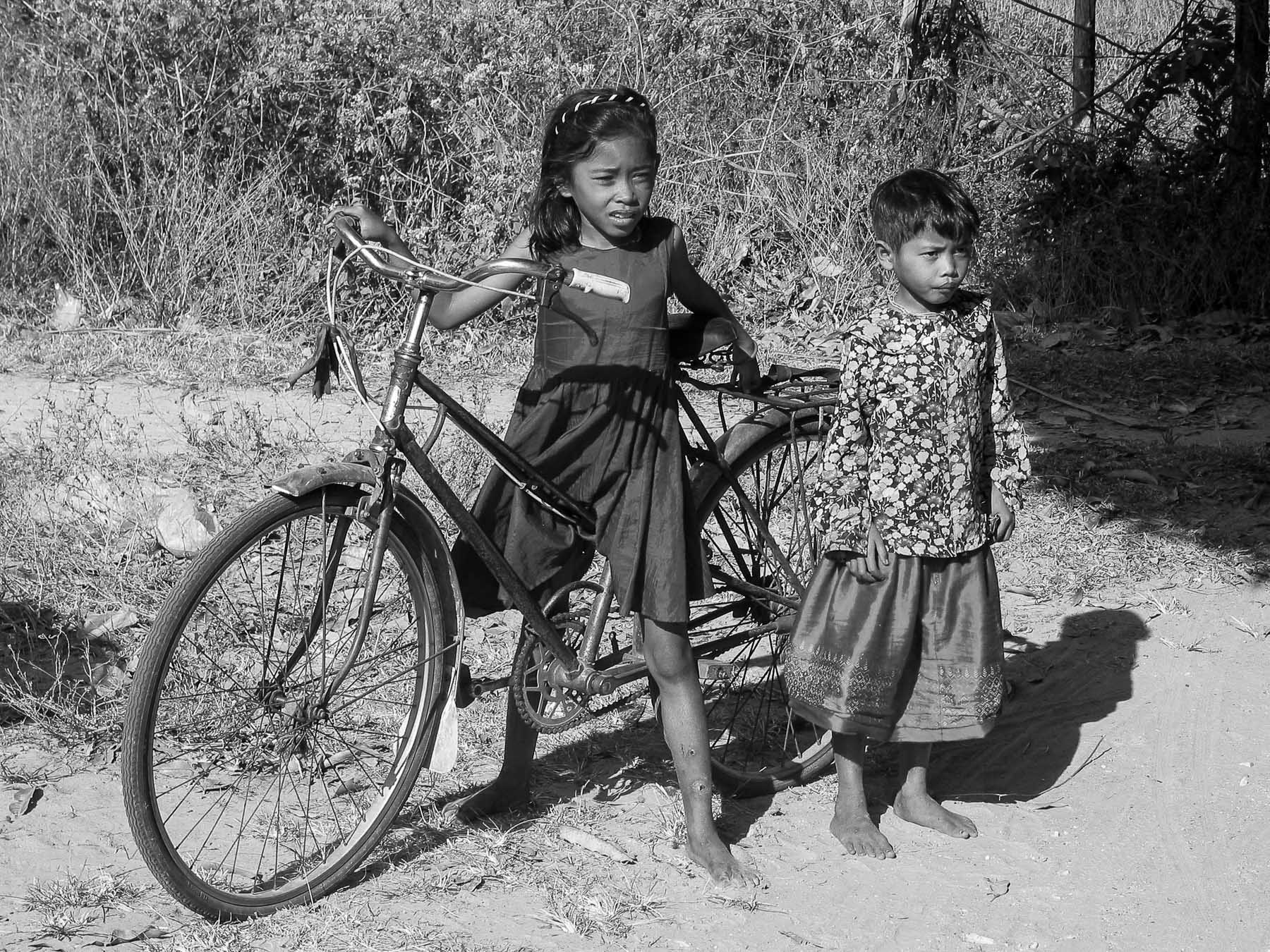
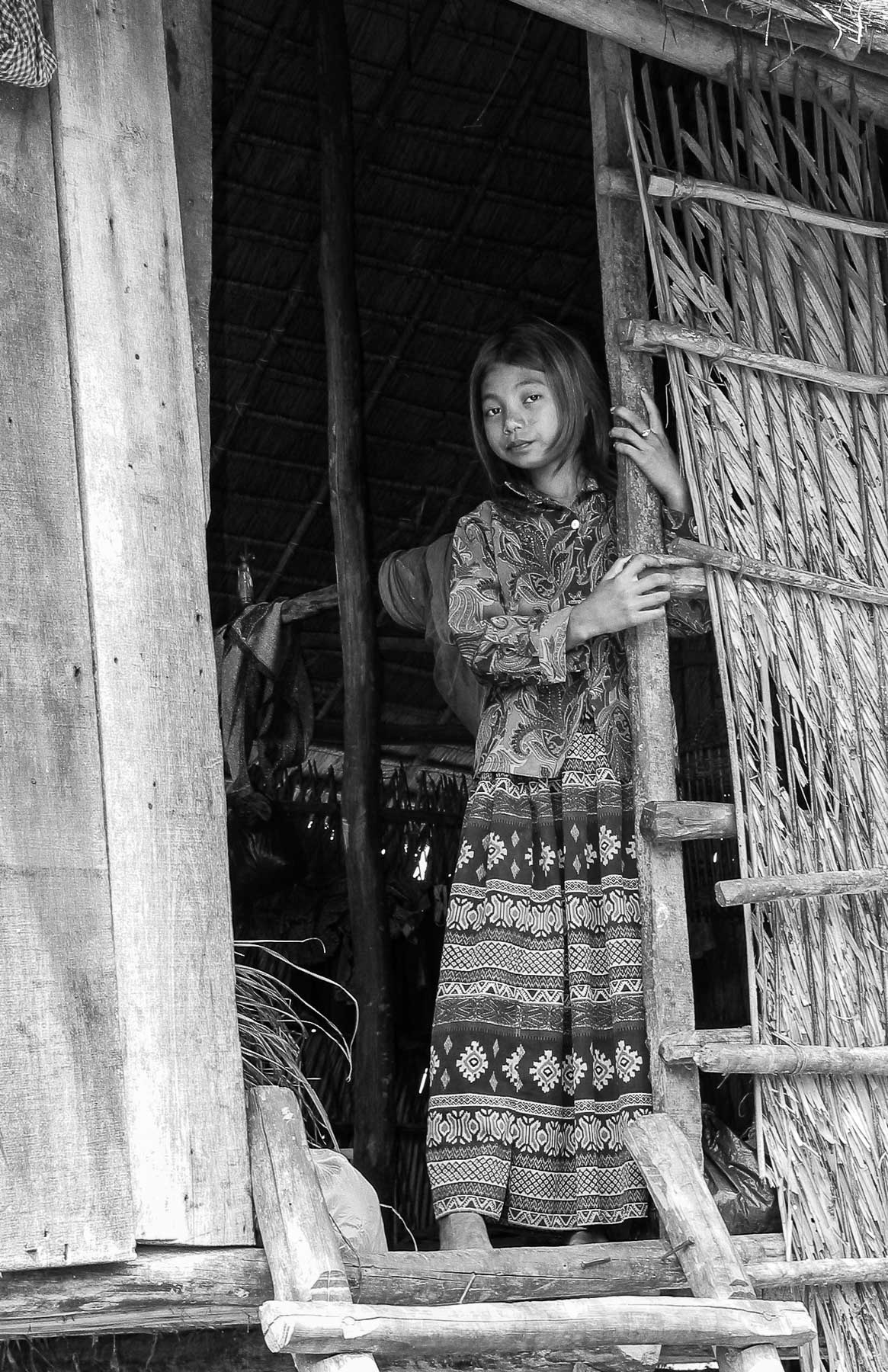


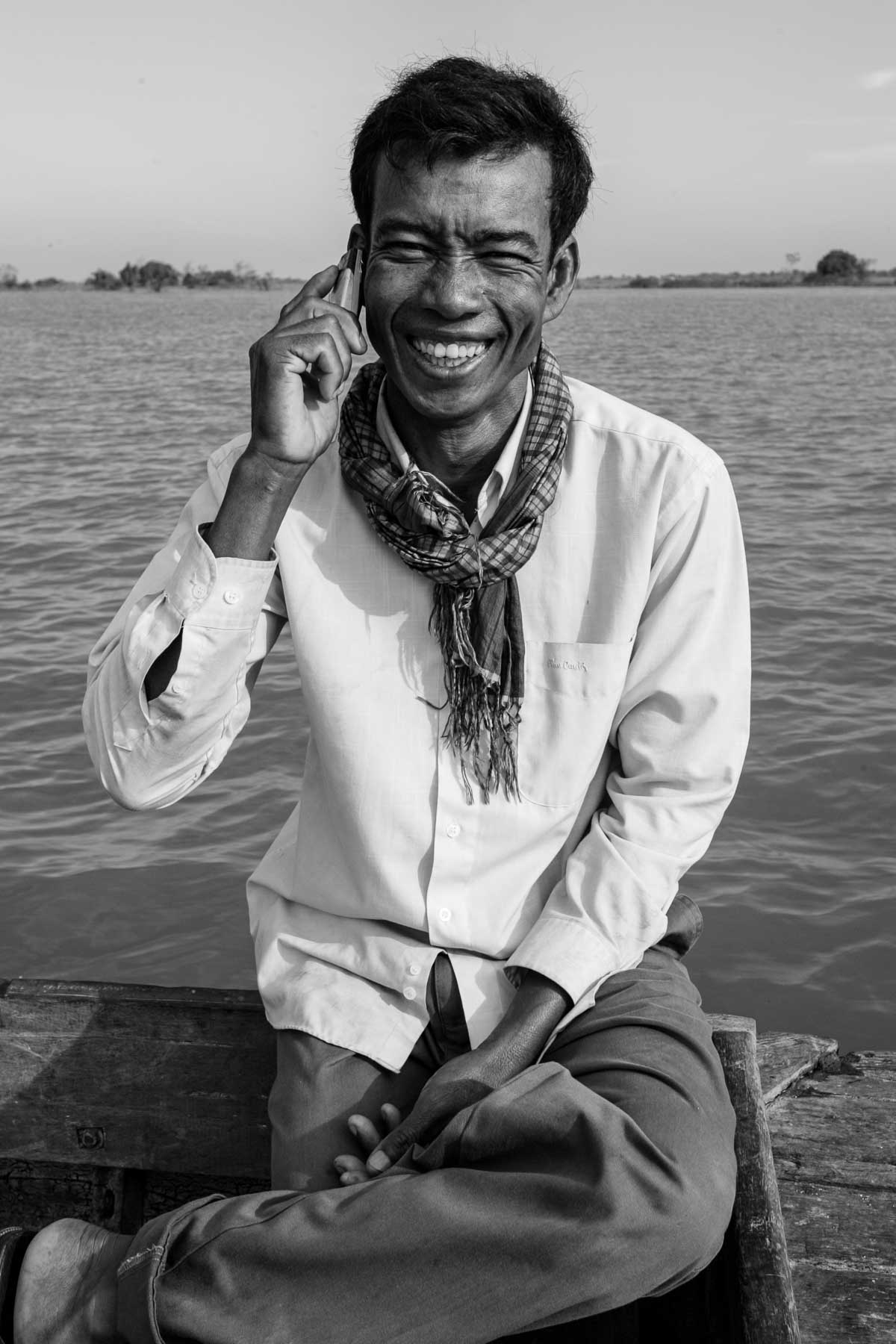





















































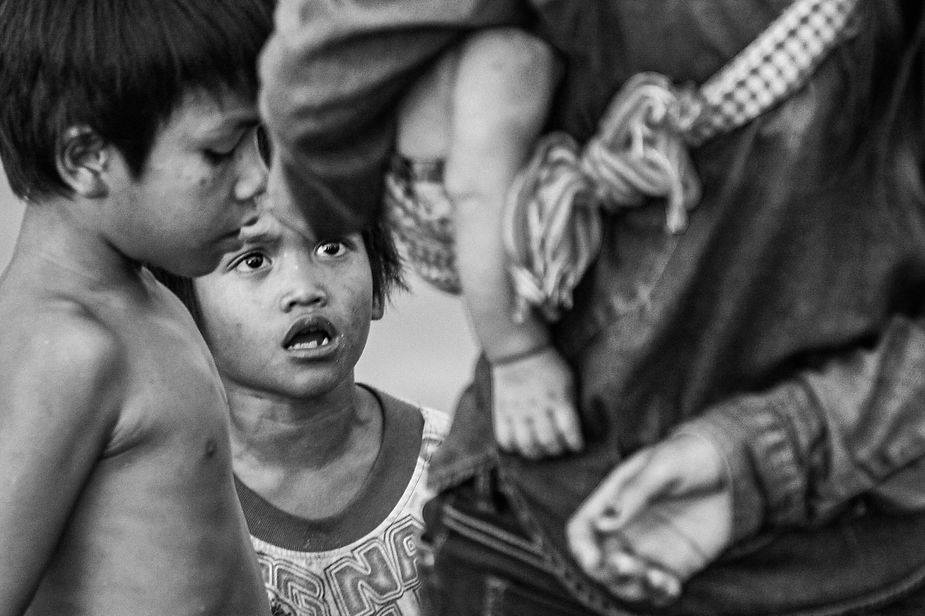
 a world without pictures is like coffee without cream and sugar, bitter