
The D800E and D810 are siblings built for resolution and dynamic range—the D800E (2012) introduced Nikon’s 36MP era with a no‑AA optical filter for maximum micro‑detail, while the D810 (2014) refined that formula with cleaner high‑ISO performance, faster processing, and improved video and usability—making the D800E a classic detail‑seeker and the D810 a more versatile, modern workhorse.
Overview
The D800E and D810 occupy the same creative space: high‑resolution full‑frame DSLRs aimed at landscape, studio, and commercial shooters. The D800E removed the anti‑aliasing filter to push resolving power, which rewarded sharp lenses but could increase moiré. The D810 kept the 36MP class but reworked the sensor readout, processing pipeline, and ergonomics to reduce noise and improve overall image quality and handling.





Sensor, Image Quality, and ISO
Both cameras use 36MP full‑frame sensors, but the D810’s sensor and processor deliver cleaner high‑ISO performance and wider usable dynamic range, especially in shadow recovery and highlight retention. The D800E’s no‑AA approach gives slightly crisper micro‑detail in ideal conditions, but the D810’s improvements make it more forgiving in real‑world shooting and post‑processing.
Autofocus, Speed, and Usability
The D810 benefits from incremental AF and performance upgrades introduced after the D800E. It’s lighter and tuned for a smoother shooting experience, with firmware and menu refinements that matter during long shoots. The D800E remains competent for studio and tripod work, but the D810’s refinements make it better for mixed assignments where speed and workflow matter.






Video and Hybrid Use
If you plan to shoot video, the D810 is the stronger choice: improved video features and cleaner processing give it an edge for hybrid shooters. The D800E was primarily a stills machine; the D810 broadened the camera’s appeal to creators who need both stills and motion with high fidelity.
Practical Trade‑offs and Recommendations
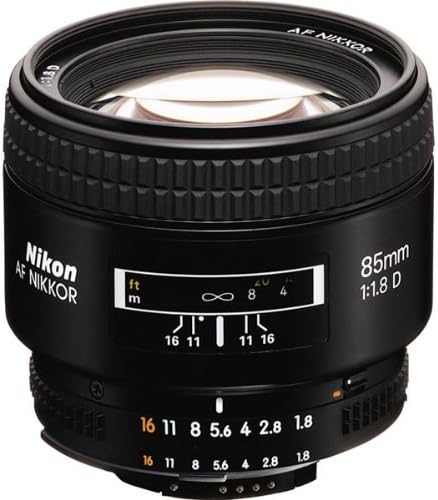
- Choose the D800E if you prioritize absolute micro‑detail and shoot mostly on tripod or in controlled studio/landscape conditions; pair it with the sharpest optics you can afford and be prepared to manage moiré in post.
- Choose the D810 if you want the same resolution with better high‑ISO performance, improved handling, and more flexible video/field use—it’s the more versatile, future‑proof option for mixed professional work.
- Actionable steps: test your lenses for resolving power before committing; if you shoot handheld or in variable light, favor the D810; if you print very large and control every variable, the D800E still rewards discipline.
Final Thought
Both cameras are milestones in Nikon’s lineup: the D800E is a purist’s tool for extracting every ounce of detail, while the D810 is the pragmatic evolution—keeping the resolution but smoothing the rough edges for everyday professional use. Your choice comes down to workflow, subject matter, and how much post‑processing you’re willing to manage