
There are days when I take a camera out and cannot see a picture. The street is busy enough. The light changes. People pass close by, stop, talk, turn their heads. All the things I normally look for are present, yet nothing seems to hold my attention for more than a second.
I used to think that meant I had lost my motivation. Now I am less certain. A photographer can be willing to work and still be unable to see clearly. The two are often mistaken for the same thing.
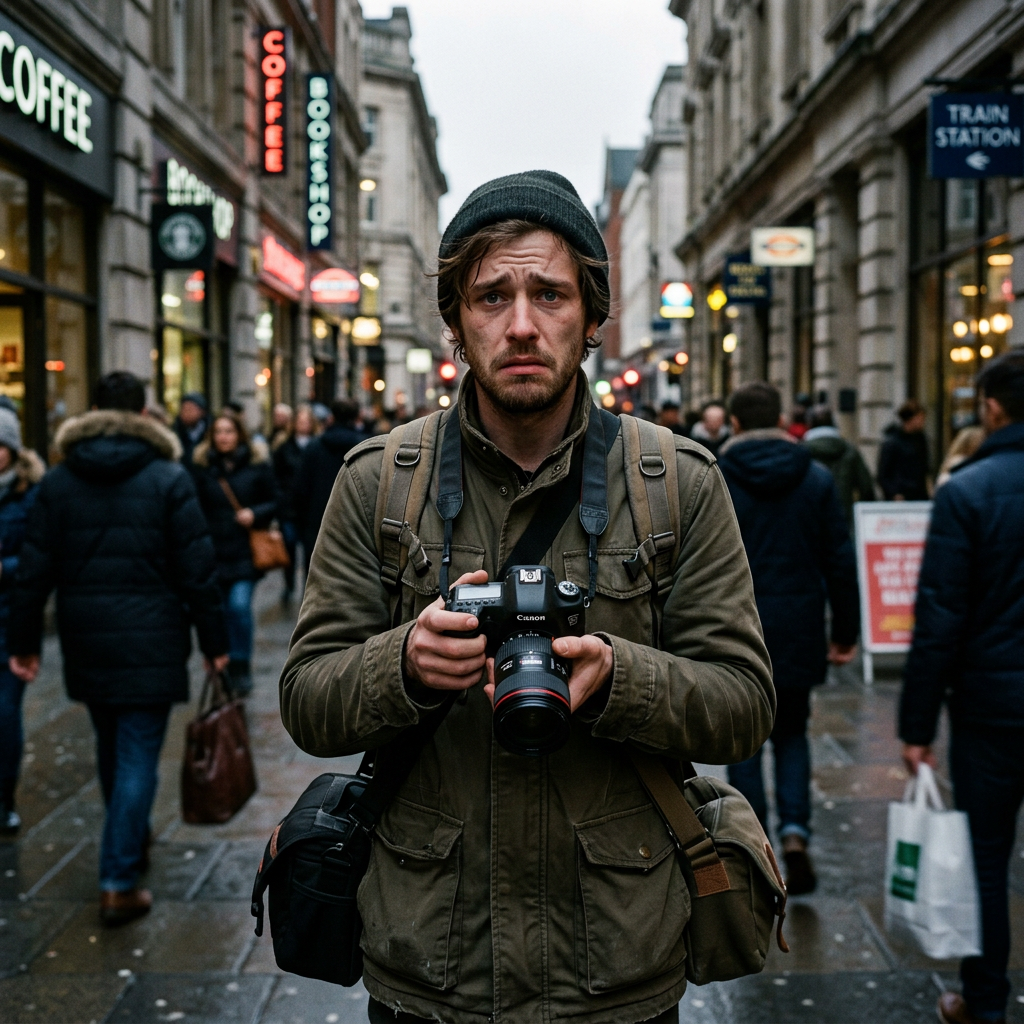
Sometimes the problem begins before I leave the house. I have seen too many pictures, including my own. I know what a promising corner looks like, where the light will fall, how far I want to stand from a person. That knowledge helps me work quickly, but it can also make me predictable. I spot a possible frame and dismiss it because I think I know what it will look like. After a while, I am no longer responding to what is in front of me. I am responding to a catalogue of pictures already in my head.
The camera can make this worse. When I am in a lull, I become unusually interested in what to carry. Perhaps another lens will change the way I see. Perhaps the D700 will loosen me up, or the D850 will reward a more careful look. A change of camera can alter my pace and working distance, and that may help. But the question is usually settled within the first few minutes outside. If I am preoccupied, I can fail to see with any camera.
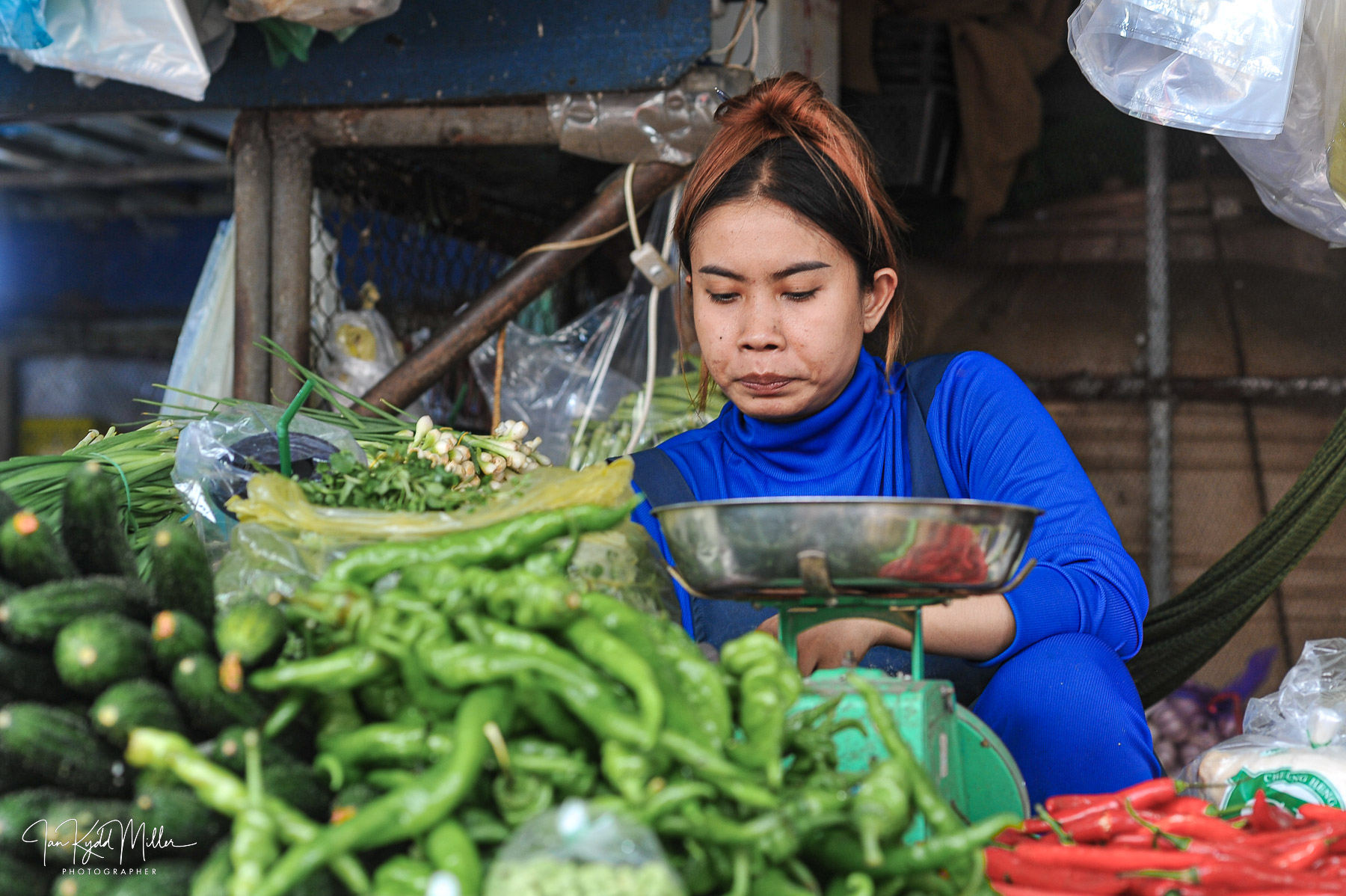
Then there is the weight of expectation. After a productive day, I want another one. After several poor days, I feel I need one. I start a walk with a result in mind: a strong portrait, a frame for an article, something worth printing. The pressure makes me impatient. I watch a scene develop for a few seconds, decide it will amount to nothing, and move on. On another day I might have stayed long enough to find out.
Street photography requires patience, but patience is difficult when you feel you ought to be making pictures. You can spend an hour in one place and come away with nothing. That does not necessarily mean you chose the wrong place. A person may have passed through the frame a minute after you left. Or nobody would have passed through at all. There is no way to know. Much of the work involves giving ordinary life time to do something interesting, without demanding that it do so on your schedule.
A lull can also follow a period of making a great many pictures. I may still enjoy going out, yet feel tired of the decisions that come with it. Where should I stand? Is there a picture here? Should I approach this person? Am I close enough? Have I misunderstood what I am looking at? Photographing people asks for attention and judgment as well as quick reflexes. If I am tired, I can raise the camera, but I may not have much to give the encounter.
That matters because people are not there to cure my lack of inspiration. A stranger’s face can be arresting without my having a reason to photograph it. If I find myself looking for someone unusual simply to make the day feel productive, it is worth putting the camera down. A lull may be telling me that I need to recover some interest in the people around me, rather than hunt more aggressively for a frame.
There are quieter causes. Life outside photography can take up the space in which attention usually works. Worry, poor sleep, physical discomfort and simple exhaustion all follow us into the street. We may expect photography to provide relief, and sometimes it does. At other times, even a short walk asks too much. There is little to be gained from treating every tired day as a crisis in one’s ability to make pictures.
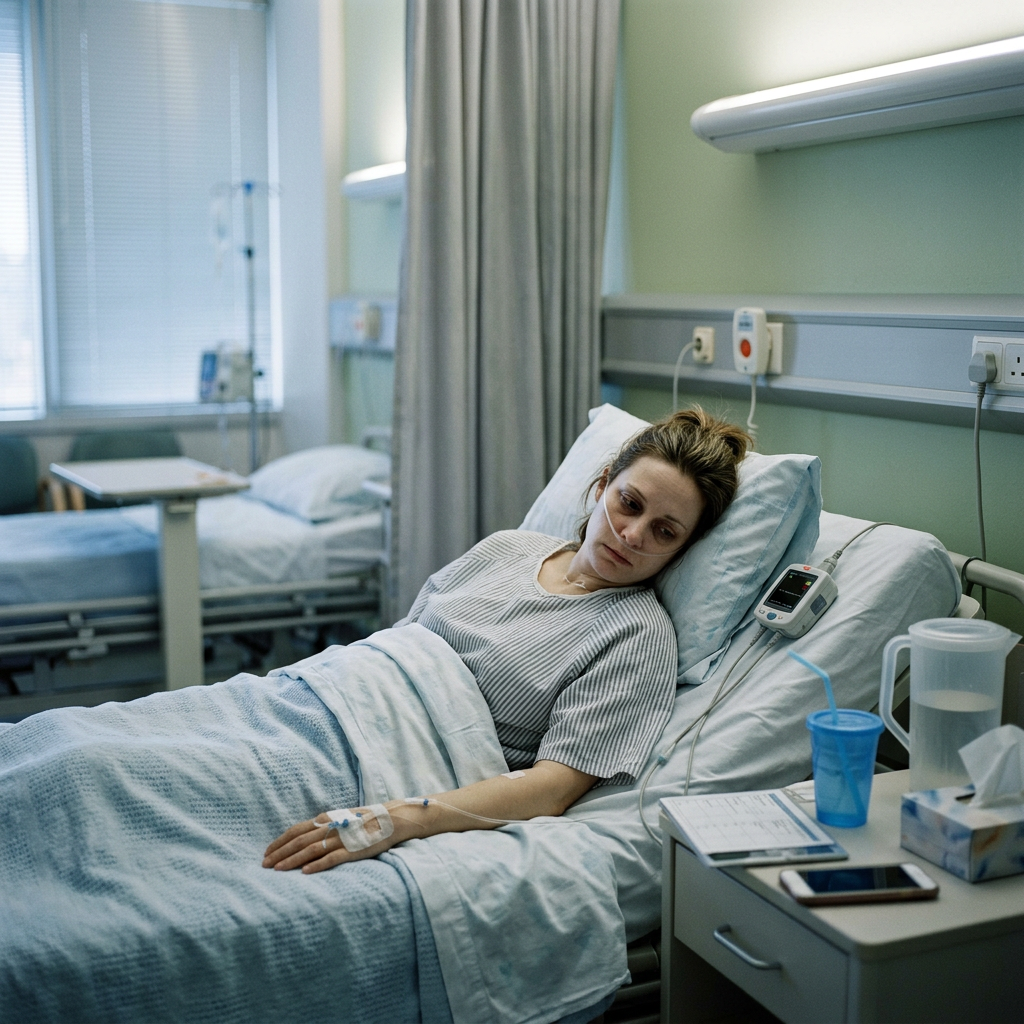
The edit has its own part to play. If I sit down after a day’s work and see fifty ordinary frames, it is easy to think the day was wasted. But editing has always involved finding out that a promising moment did not survive the shutter. Perhaps the gesture was a fraction too late, or a person in the background pulled attention away. That disappointment is useful when it teaches me something specific. It becomes harmful when I turn it into a verdict on all the pictures I might make tomorrow.
Looking too often at other photographers’ work can have a similar effect. A finished photograph arrives without its hours of waiting, missed frames and uncertain choices. See enough excellent work in one sitting and your own contact sheets may look thin. I value looking at photographs; it helps me recognise possibilities I might otherwise miss. But when I begin measuring an ordinary Tuesday against someone else’s best picture from ten years of work, I have given myself a poor reason to stay home.
So what do I do when the lull arrives? Usually I make the day smaller.
I might go out without expecting a photograph. I take the camera because I want it there if something happens, but I allow myself to walk, stop and watch. Sometimes I choose a familiar place and try to see what I have stopped noticing. Sometimes I go somewhere else, even if the light is less promising. A new route is useful because it interrupts the little decisions I make without thinking.
I may give myself one modest task: watch how people enter and leave a particular patch of light; stay with a scene for ten minutes; speak to someone before considering a portrait. These are ways of paying attention, not assignments that require a successful frame. If no picture comes of them, the exercise has still taken me out of my own head.
Or I stay in and work with photographs I have already made. Printing an image can reveal strengths and faults I missed on a screen. Revisiting an older edit can remind me what first interested me in a subject. I have occasionally found a picture I passed over because I was looking for something else at the time. More often, the value is simply in spending time with the work without having to produce more of it.
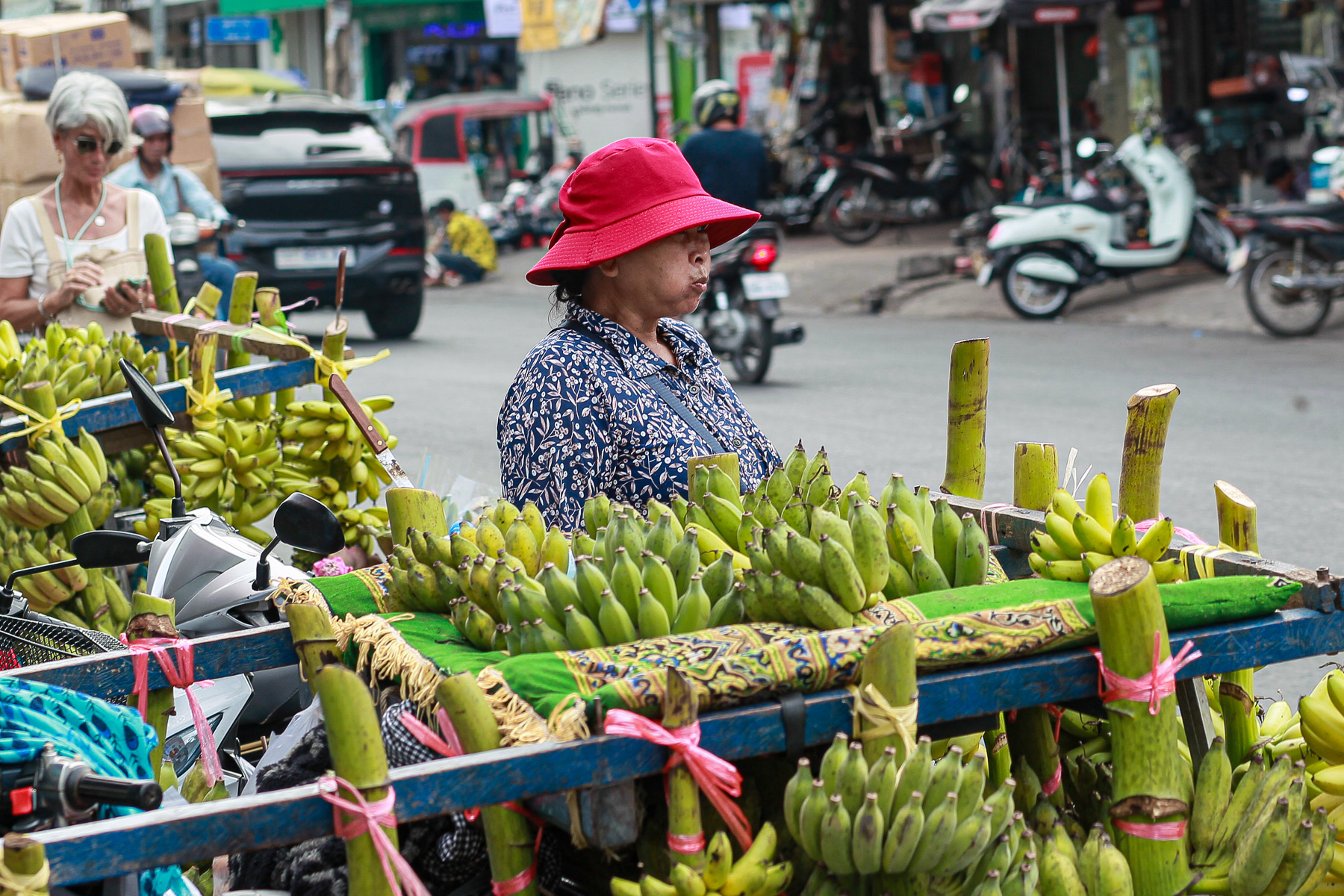
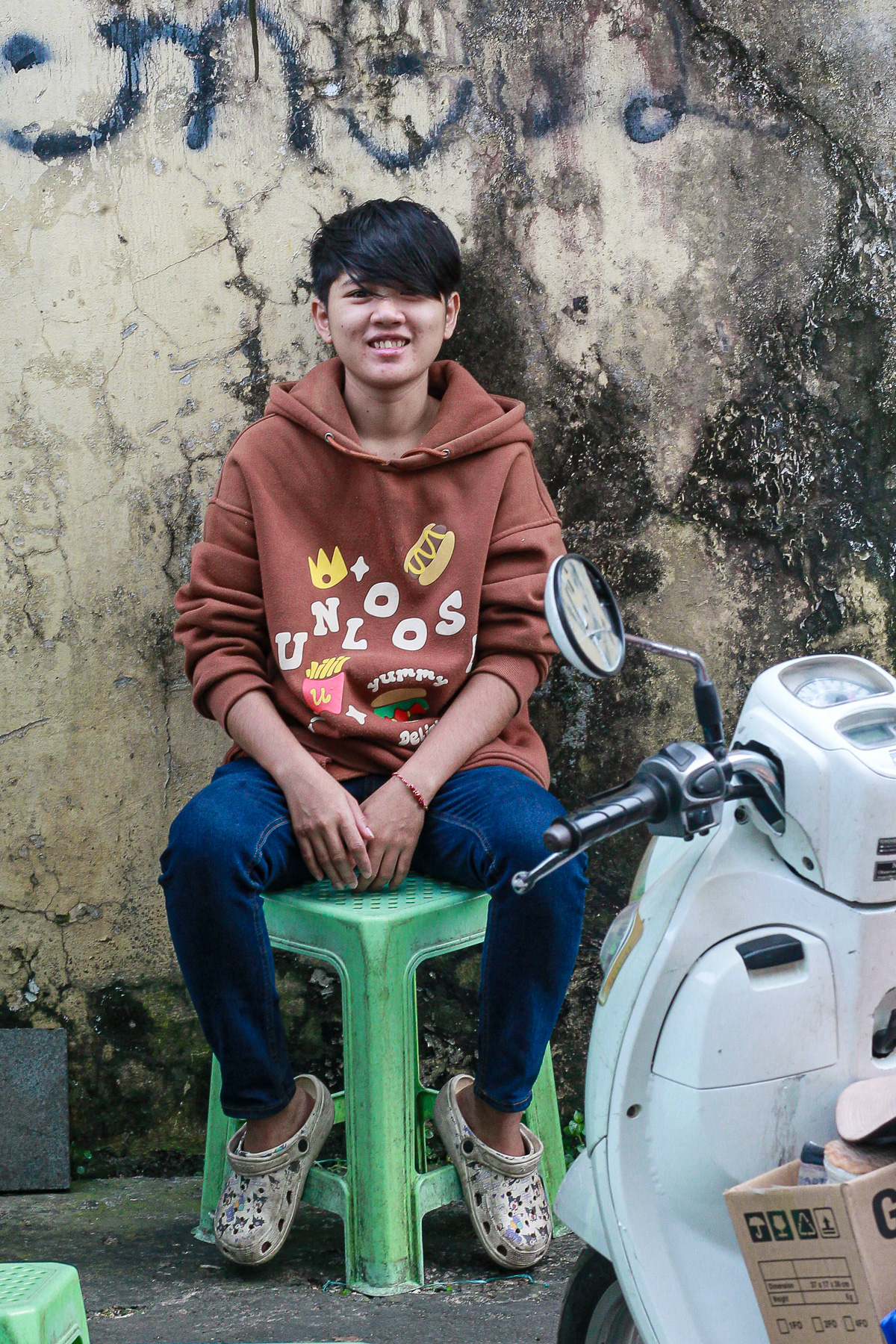
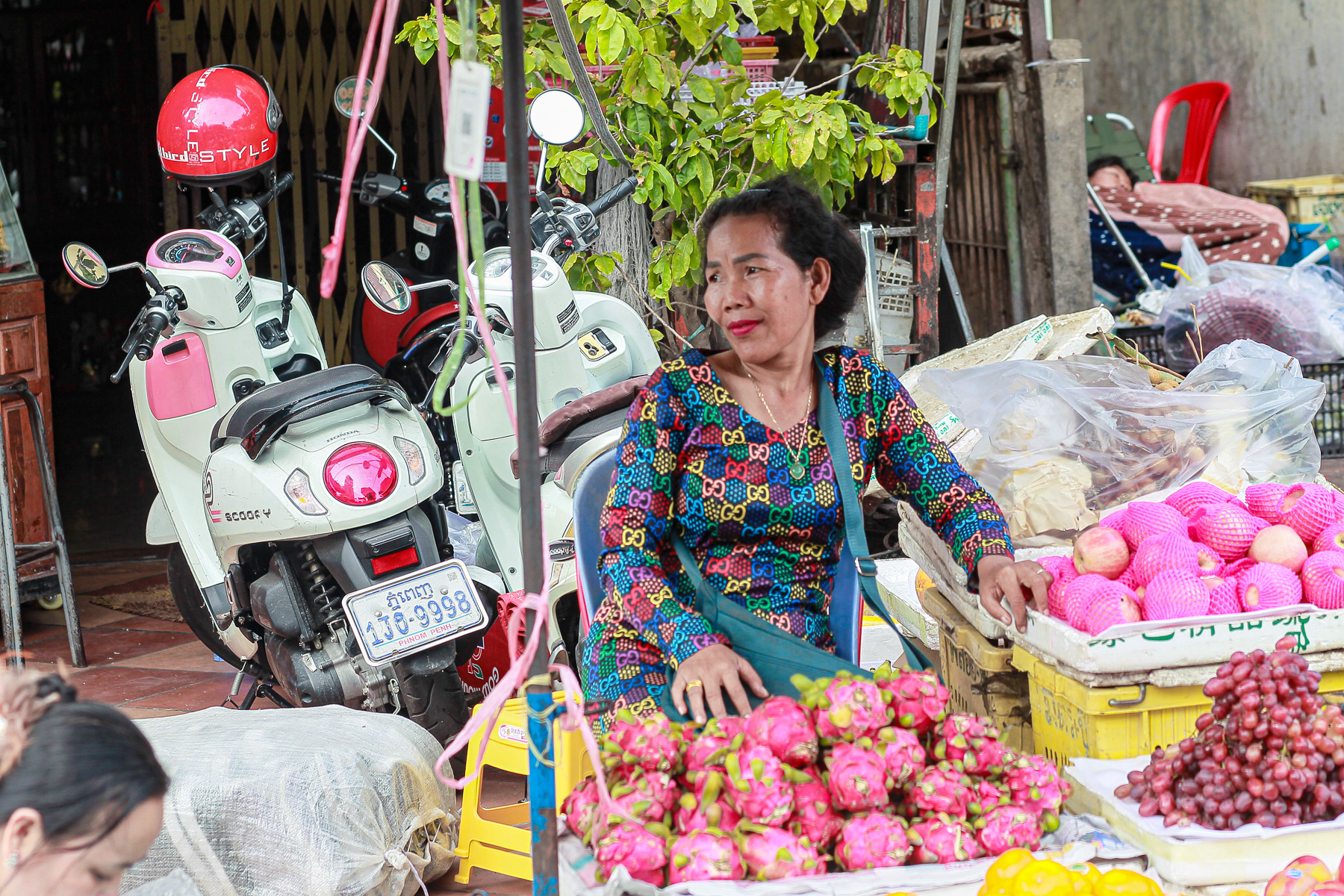
And sometimes I leave photography alone for a day. There is a strange fear that a pause might become permanent, as though the ability to see were a machine that must be kept running. In my experience, forcing myself out when I am thoroughly spent rarely restores anything. Rest is a practical decision. It gives me a better chance of being present when I go back.
None of this guarantees that the next walk will be good. A lull has no neat ending. It may last an afternoon or several weeks. It may return just when I think I have worked my way through it. I can pay attention to its causes, change a habit, lower the pressure and look after myself. I cannot make the street give me a photograph.
What I can do is remain curious about why I stopped seeing. Was I tired? Was I rushing? Had I decided in advance that I knew the place too well? Was I judging every possible frame before it had a chance to become one? Those questions are more useful than asking whether I have lost whatever once made me a photographer.
Eventually I notice something without trying quite so hard: a brief exchange between two people, a face held in unexpected light, a gesture that changes the meaning of an otherwise ordinary scene. I might make the picture. I might miss it. Either way, I have begun to look again.

